EP2601954A1 - Therapeutikum für erkrankungen - Google Patents
Therapeutikum für erkrankungen Download PDFInfo
- Publication number
- EP2601954A1 EP2601954A1 EP10855641.6A EP10855641A EP2601954A1 EP 2601954 A1 EP2601954 A1 EP 2601954A1 EP 10855641 A EP10855641 A EP 10855641A EP 2601954 A1 EP2601954 A1 EP 2601954A1
- Authority
- EP
- European Patent Office
- Prior art keywords
- iron
- porphyrin complex
- porphyrin
- nanocapsule
- manganese
- Prior art date
- Legal status (The legal status is an assumption and is not a legal conclusion. Google has not performed a legal analysis and makes no representation as to the accuracy of the status listed.)
- Withdrawn
Links
Images



Classifications
-
- A—HUMAN NECESSITIES
- A61—MEDICAL OR VETERINARY SCIENCE; HYGIENE
- A61K—PREPARATIONS FOR MEDICAL, DENTAL OR TOILETRY PURPOSES
- A61K9/00—Medicinal preparations characterised by special physical form
- A61K9/10—Dispersions; Emulsions
- A61K9/107—Emulsions ; Emulsion preconcentrates; Micelles
- A61K9/1075—Microemulsions or submicron emulsions; Preconcentrates or solids thereof; Micelles, e.g. made of phospholipids or block copolymers
-
- A—HUMAN NECESSITIES
- A61—MEDICAL OR VETERINARY SCIENCE; HYGIENE
- A61K—PREPARATIONS FOR MEDICAL, DENTAL OR TOILETRY PURPOSES
- A61K9/00—Medicinal preparations characterised by special physical form
- A61K9/0002—Galenical forms characterised by the drug release technique; Application systems commanded by energy
-
- A—HUMAN NECESSITIES
- A61—MEDICAL OR VETERINARY SCIENCE; HYGIENE
- A61K—PREPARATIONS FOR MEDICAL, DENTAL OR TOILETRY PURPOSES
- A61K31/00—Medicinal preparations containing organic active ingredients
- A61K31/33—Heterocyclic compounds
- A61K31/555—Heterocyclic compounds containing heavy metals, e.g. hemin, hematin, melarsoprol
-
- A—HUMAN NECESSITIES
- A61—MEDICAL OR VETERINARY SCIENCE; HYGIENE
- A61K—PREPARATIONS FOR MEDICAL, DENTAL OR TOILETRY PURPOSES
- A61K9/00—Medicinal preparations characterised by special physical form
- A61K9/10—Dispersions; Emulsions
- A61K9/127—Synthetic bilayered vehicles, e.g. liposomes or liposomes with cholesterol as the only non-phosphatidyl surfactant
-
- A—HUMAN NECESSITIES
- A61—MEDICAL OR VETERINARY SCIENCE; HYGIENE
- A61K—PREPARATIONS FOR MEDICAL, DENTAL OR TOILETRY PURPOSES
- A61K9/00—Medicinal preparations characterised by special physical form
- A61K9/48—Preparations in capsules, e.g. of gelatin, of chocolate
- A61K9/50—Microcapsules having a gas, liquid or semi-solid filling; Solid microparticles or pellets surrounded by a distinct coating layer, e.g. coated microspheres, coated drug crystals
- A61K9/51—Nanocapsules; Nanoparticles
-
- A—HUMAN NECESSITIES
- A61—MEDICAL OR VETERINARY SCIENCE; HYGIENE
- A61K—PREPARATIONS FOR MEDICAL, DENTAL OR TOILETRY PURPOSES
- A61K9/00—Medicinal preparations characterised by special physical form
- A61K9/48—Preparations in capsules, e.g. of gelatin, of chocolate
- A61K9/50—Microcapsules having a gas, liquid or semi-solid filling; Solid microparticles or pellets surrounded by a distinct coating layer, e.g. coated microspheres, coated drug crystals
- A61K9/51—Nanocapsules; Nanoparticles
- A61K9/5107—Excipients; Inactive ingredients
- A61K9/513—Organic macromolecular compounds; Dendrimers
- A61K9/5146—Organic macromolecular compounds; Dendrimers obtained otherwise than by reactions only involving carbon-to-carbon unsaturated bonds, e.g. polyethylene glycol, polyamines, polyanhydrides
-
- A—HUMAN NECESSITIES
- A61—MEDICAL OR VETERINARY SCIENCE; HYGIENE
- A61P—SPECIFIC THERAPEUTIC ACTIVITY OF CHEMICAL COMPOUNDS OR MEDICINAL PREPARATIONS
- A61P25/00—Drugs for disorders of the nervous system
-
- A—HUMAN NECESSITIES
- A61—MEDICAL OR VETERINARY SCIENCE; HYGIENE
- A61P—SPECIFIC THERAPEUTIC ACTIVITY OF CHEMICAL COMPOUNDS OR MEDICINAL PREPARATIONS
- A61P29/00—Non-central analgesic, antipyretic or antiinflammatory agents, e.g. antirheumatic agents; Non-steroidal antiinflammatory drugs [NSAID]
-
- A—HUMAN NECESSITIES
- A61—MEDICAL OR VETERINARY SCIENCE; HYGIENE
- A61P—SPECIFIC THERAPEUTIC ACTIVITY OF CHEMICAL COMPOUNDS OR MEDICINAL PREPARATIONS
- A61P3/00—Drugs for disorders of the metabolism
- A61P3/08—Drugs for disorders of the metabolism for glucose homeostasis
- A61P3/10—Drugs for disorders of the metabolism for glucose homeostasis for hyperglycaemia, e.g. antidiabetics
-
- A—HUMAN NECESSITIES
- A61—MEDICAL OR VETERINARY SCIENCE; HYGIENE
- A61P—SPECIFIC THERAPEUTIC ACTIVITY OF CHEMICAL COMPOUNDS OR MEDICINAL PREPARATIONS
- A61P35/00—Antineoplastic agents
-
- A—HUMAN NECESSITIES
- A61—MEDICAL OR VETERINARY SCIENCE; HYGIENE
- A61P—SPECIFIC THERAPEUTIC ACTIVITY OF CHEMICAL COMPOUNDS OR MEDICINAL PREPARATIONS
- A61P39/00—General protective or antinoxious agents
- A61P39/06—Free radical scavengers or antioxidants
-
- A—HUMAN NECESSITIES
- A61—MEDICAL OR VETERINARY SCIENCE; HYGIENE
- A61P—SPECIFIC THERAPEUTIC ACTIVITY OF CHEMICAL COMPOUNDS OR MEDICINAL PREPARATIONS
- A61P9/00—Drugs for disorders of the cardiovascular system
- A61P9/10—Drugs for disorders of the cardiovascular system for treating ischaemic or atherosclerotic diseases, e.g. antianginal drugs, coronary vasodilators, drugs for myocardial infarction, retinopathy, cerebrovascula insufficiency, renal arteriosclerosis
Definitions
- the present invention relates to a disease treatment drug used to treat a disease of abnormal tissue within a living body.
- the present invention relates to a disease treatment drug that is suitable for treatment of abnormal tissue having a high concentration of active oxygen.
- diseases such as inflammatory conditions, neurological diseases, arteriosclerosis, and diabetes are also considered to be caused by imbalance of the radical scavenging enzymes, such as superoxide dismutase (SOD) and catalase, leading to increase in reactive oxygen species such as O 2 - ⁇ .
- SOD superoxide dismutase
- catalase catalase
- metalloporphyrin complexes show high SOD activity. Therefore, it is anticipated that by administration of metalloporphyrin complexes to the living body, reactive oxygen species such as O 2 - ⁇ can be effectively removed, and the living body can be protected from biological dysfunctions caused by the active oxygen.
- metalloporphyrin complexes have yet to be used as medical drugs.
- the present applicant has proposed a means for enabling metalloporphyrin complexes to be safely administered to a living body, and SOD activity of the metalloporphyrin complexes to be exhibited (refer to, for example, Patent Literature 1).
- Patent Literature 1 Although the invention is based on experimental proof on a test-tube level, actual pharmacological effects within the living body have not been confirmed.
- An object of the present invention is to provide a disease treatment drug having high pharmacological effects and no side effects, the disease treatment drug being capable of intensively delivering an iron or manganese porphyrin complex capable of removing active oxygen to abnormal tissue within a living body, and effectively removing the active oxygen within the abnormal tissue.
- an iron or manganese porphyrin complex nanocapsule housing an iron or manganese porphyrin complex within a nanosized capsule is not easily delivered to normal tissue within a living body and is predominantly delivered to abnormal tissue because it is a nanocapsule.
- active oxygen within the abnormal tissue can be efficiently removed, the disease can be treated, and the abnormal tissue can be returned to normal.
- the iron or manganese porphyrin complex is not unnecessarily metabolized by normal tissue or the lymph vessel because of the abnormal tissue that is less developed than the normal tissue. Based on these findings, the inventors have completed the present invention.
- a disease treatment drug according to a first aspect of the present invention is a disease treatment drug containing an iron or manganese porphyrin complex nanocapsule housing an iron or manganese porphyrin complex within a nanosized capsule.
- disease treatment drug disease of abnormal tissue having a high concentration of active oxygen can be treated by the iron or manganese porphyrin complex delivered into the abnormal tissue as a result of the nanocapsule, without affecting normal tissue having a low concentration of active oxygen, and side effects can be suppressed.
- a drug delivery system (DDS)" in which a drug is selectively delivered to only an affected area as a result of the drug being in nanocapsule form.
- the iron or manganese porphyrin complex nanocapsule housing an iron or manganese porphyrin complex is not easily delivered to normal tissue within the living body and can be predominantly delivered to abnormal tissue, thereby efficiently removing active oxygen within the abnormal tissue, treating the disease, and returning the abnormal tissue to normal tissue. In addition, side effects are suppressed as a result.
- a disease treatment drug according to a second aspect of the present invention is the disease treatment drug according to the first aspect, in which the porphyrin complex causes a reaction between iron that is in the center and the active oxygen within the abnormal tissue, thereby generating hydrogen peroxide, causes a reaction between the generated hydrogen peroxide and iron, thereby generating hydroxyl radicals, and killing abnormal cells by cytotoxicity of the hydroxyl radicals.
- the abnormal cells within the abnormal tissue are killed with certainty by the effect of iron that is bonded in the center of the iron porphyrin complex, and the disease is treated.
- a disease treatment drug according to a third embodiment of the present invention is the disease treatment drug according to the first or second aspect, in which the nanocapsule is composed of a liposome or a polymer capsule.
- a disease treatment drug according to a fourth embodiment of the present invention is the disease treatment drug according to any one of the first to third aspects, in which the nanocapsule has a size of 10nm to 200nm.
- the DDS of the iron or manganese porphyrin complex nanocapsule housing an iron or manganese porphyrin complex is realized with certainty, and the disease can be treated with certainty.
- the present invention is configured and works as described above. Therefore, a disease treatment drug having high pharmacological effects and no side effects can be achieved, the disease treatment drug being capable of intensively delivering an iron or manganese porphyrin complex capable of removing active oxygen to abnormal tissue within a living body, and effectively removing the active oxygen within the abnormal tissue.
- a disease treatment drug of the present invention contains an iron or manganese porphyrin complex nanocapsule housing an iron or manganese porphyrin complex within a nanocapsule having a nanosize.
- the iron or manganese porphyrin complex nanocapsule will be described.
- a liposome and a polymer capsule are used for the nanocapsule.
- an "iron or manganese porphyrin complex-embedded liposome” refers to the iron or manganese porphyrin complex being incorporated in a lipid composing the liposome. A portion of the iron or manganese porphyrin complex is outside of the liposomal membrane or the iron or manganese porphyrin complex is completely enclosed within the liposomal membrane.
- the iron or manganese porphyrin complex-embedded liposome of the present invention contains an ionic complex formed by the iron or manganese porphyrin complex and an anionic surfactant (other materials can also be used as the surfactant, as described hereafter), and a lipid having a liposome-forming ability.
- the ionic complex formed by the iron or manganese porphyrin complex and the anionic surfactant (hereinafter referred to as simply "ionic complex") that is a constituent of the iron or manganese porphyrin complex-embedded liposome of the present invention is prepared by the surfactant being reacted with the iron or manganese porphyrin complex.
- the iron or manganese porphyrin complex which is one of the components forming the ionic complex has a group having a cationic nitrogen atom as a substituent.
- a group having a cationic nitrogen atom as a substituent.
- M represents iron or manganese
- R 1 to R 4 each independently represents a group selected from an N-(lower alkyl) pyridyl group, an N-alkyl-ammoniophenyl group, an N-alkyl-imidazolyl group, and a lower dialkylthiophenyl group
- R 11 to R 16 each independently represents a lower alkyl group or a lower alkoxy group
- R 17 and R 18 each independently represents an N-(lower alkyl)pyridyl group, an alkyl-ammoniophenyl group, or an N-alkyl-imidazolyl group
- R 21 to R 26 each independently represents a low alkyl group or a low alkoxy group
- R 27 and R 28 each independently represents an alkyl-ammoniophenyl group).
- groups R 1 to R 4 in the formula (I) are methylpyridyl groups, i.e., 5,10,15,20-tetrakis(2-methylpyridyl)porphyrin (T2MPyP), 5,10,15,20-tetrakis(3-methylpyridyl)porphyrin, and 5,10,15,20-tetrakis(4-methylpyridyl)porphyrin (T4MPyP);
- groups R 1 to R 4 are ethylpyridyl groups, ie., 5,10,15,20-tetrakis(2-ethylpyridyl)porphyrin, 5,10,15,20-tetrakis(3-ethylpyridyl)porphyrin, and 5,10,15,20-tetrakis(4-ethylpyridyl)porphyrin; groups R 1 to R
- groups R 11 , R 12 , R 14 , and R 16 in the formula (II) are methyl, group R 13 and R 15 are vinyl, and groups R 17 and R 18 are methylpyridyl, i.e., [1,3,5,8-tetramethyl-2,4-divinyl-6,7-di(methylpyridylamidoe thyl)porphyrin (PPIX-DMPyAm); groups R 11 , R 12 , R 14 , and R 16 are methyl, group R 13 and R 15 are vinyl, and groups R 17 and R 18 are ammoniophenyl, i.e., [1,3,5,8-tetramethyl-2,4-divinyl-6,7-di(ammoniophenylamidoe thyl)porphyrin; groups R 11 , R 12 , R 14 , and R 16 are methyl, group R 13 and R 15 are vinyl, and groups R 17 and R 18 are methylpyridyl, i
- groups R 21 , R 22 , R 24 , and R 26 in the formula (III) are methyl, groups R 23 and R 25 are vinyl, and groups R 27 and R 28 are methylammonio, i.e., [1,3,5,8-tetramethyl-2,4-divinyl-6,7-di(methylammoniocarbon ylethyl)porphyrin; groups R 21 , R 22 , R 24 , and R 26 are methyl, groups R 23 and R 25 are methoxy, and groups R 27 and R 28 are methylammonio, i.e., [1,3,5,8-tetramethyl-2,4-dimethoxy-6,7-di(methylammoniocarb onylethyl)porphyrin; groups R 21 to R 26 are methyl, and groups R 27 and R 28 are methylammonio, i.e., [1,2,3,4,5,8-hexamethyl-6,7-di(methylammoniocarbon
- Syntheses of the cationized, cationic porphyrin complexes expressed in the formula (I) in which metal is coordinated, among the examples above, can be conducted in adherence to a process such as that disclosed in K. Kalyanasundaram, Inorg. Chem., 23, 2453 (1984 ), A.D. Adler et al., J. Inorg. Nucl. Chem., 32, 2443 (1970 ), T. Yonetani et al., J. Biol. Chem., 245, 2988 (1970 ), P. Hambright et al., Inorg. Chem., 15, 2314 (1976 ), M. Antionietti, Langmuir, 16, 3214 (2000 ), D.
- syntheses of the cationized, cationic porphyrin complexes expressed in the formulas (II) and (III) in which metal is coordinated can be conducted in adherence to a process such as that disclosed in E. T suchida, H. Nishide, H. Yokoyama, R. Young, and C.K. Chang, Chem. Lett., 1984, 991 .
- alkali metal salt of a fatty acid or an alkali metal salt of an alkylsulfuric acid is preferred.
- the alkali metal salts of fatty acids such as lauric acid (LAS), myristic acid (MAS), palmitic acid (PAS), stearic acid (SAS), and oleic acid (OAS)
- alkali metal salts of alkylsulfuric acids such as dodecylsulfuric acid (SDS), tetradecylsulfuric acid (STS), hexadecylsulfuric acid (SHS), and octadecylsulfuric acid (SOS) are given.
- the alkali metal salts of fatty acids and the alkali metal salts of alkylsulfuric acids sodium, potassium, and the like are preferred.
- the iron or manganese porphyrin complex is merely required to be mixed with the anionic surfactant in an appropriate solvent.
- the mixing ratio of the iron or manganese porphyrin complex to the anionic surfactant may be set to about 1:1 or 1:20 in terms of molar ratio.
- lipid having liposome-forming ability
- a phospholipid containing, as the sole component, soy lecithin (SBL), egg yolk lecithin (EYL), dilauroyl phosphatidylcholine (DLPC), dimyristoylphosphatidylcholine (DMPC), dipalmitoylphosphatidylcholine (DPPC), distearoylphosphatidylcholine (DSPC), dioleoylphosphatidylcholine (DOPC), monooleoyl-monoalkyl phosphatidylcholine (MOMAPC), or the like, or a matrix containing the phospholipid as a main component in combination with another component (hereinafter also referred to as a "mixed phospholipid”) can be given.
- fatty acids such as oleic acid (OAS)
- surfactants such as dimethylditetradecylammonium bromide (DTDAB), Tween-61 (TW61), and Tween-80 (TW80)
- DTDAB dimethylditetradecylammonium bromide
- TW61 Tween-61
- TW80 Tween-80
- liposomes obtained from mixed lipid systems composed of phospholipids such as DMPC and DPPC and cationic surfactants such as DTDAB, dimethyldihexadecylammonium bromide (DHDAB), anionic surfactants such as OAS and SAS, or nonionic surfactants such as TW61 and TW80 are pH-sensitive liposomes.
- DTDAB dimethyldihexadecylammonium bromide
- OAS and SAS anionic surfactants
- nonionic surfactants such as TW61 and TW80
- a system in which an ionic complex is embedded in such pH-sensitive liposome iron or manganese porphyrin complex-embedded pH-sensitive liposome
- the mixed phospholipid that in which known cholesterol (Chol) or the like is added to the phospholipid, and that in which polyethylene glycol or a derivative thereof is added to the phospholipid can be given.
- iron or manganese porphyrin complex-embedded liposome To form the iron or manganese porphyrin complex-embedded liposome from the above-described ionic complex and lipid, first, these components are required to be placed in an appropriate solvent and sufficiently mixed.
- the amounts of ion complex and lipid to be used when forming the liposome is preferably 10 moles to 500 moles, and particularly 50 moles to 300 moles, of lipid per mole of the ionic complex.
- the liposome can be formed by a known method. For example, after both of the above-described components are dissolved and mixed in a volatile solvent, the volatile solvent alone is stripped and removed. Next, a suitable aqueous solvent, such as purified water or normal saline, is added to the residue, and the resultant is vigorously stirred or undergoes ultrasonication. As a result, the iron or manganese porphyrin complex-embedded liposome is formed.
- a suitable aqueous solvent such as purified water or normal saline
- a solution in which a pharmaceutically effective ingredient is dissolved, a certain type of culture medium, or the like can be used, as required, instead of the aqueous solvent.
- An iron or manganese porphyrin complex-embedded liposome that includes such solution or medium can be obtained.
- the iron or manganese porphyrin complex-embedded liposome obtained as described above may be obtained by structural analysis being performed through use of spectrofluorimetry, dynamic light scattering analysis, or the like (refer to Patent Literature 1).
- the particle size of the liposome is 10nm to 50nm, and is found to be a size capable of reaching cells when taken into the body.
- the polymer capsule contains a biodegradable polymer as a constituent and is a biodegradable nanocapsule.
- the biodegradable nanocapsule has a nanoparticle structure composed of amphiphilic block copolymers.
- the amphiphilic block copolymers form a self-assembly of nanoparticles having a hydrophobic inner core (core) and a hydrophilic outer shell (shell) in an aqueous solution. Therefore, the amphiphilic block copolymers are applied to a drug delivery system.
- the structure of the nanoparticles formed by the amphiphilic block copolymers can be varied as a result of the compositions of the hydrophobic and hydrophilic polymer chains being changed.
- the structure can be spherical, vesicle-shaped, rod-shaped, or tubular. These structures are expected to serve as media for delivering drugs.
- Poly(ethylene oxide)-poly(propylene oxide)-poly(ethylene oxide) block copolymer (PEO-PPO-PEO; Pluronic) has excellent biocompatibility, and is a macromolecular surfactant that is being widely researched as a drug carrier.
- the critical micelle concentration (CMC) of Pluronic is generally significantly high.
- Pluronic When Pluronic is administered into a living body, there is a disadvantage in that Pluronic becomes unstable due to dilution and is easily disintegrated.
- polyester such as polycaprolactam (PCL), polyglycolic acid (PGA), or polyacrylic acid (PAA).
- PCL polycaprolactam
- PGA polyglycolic acid
- PAA polyacrylic acid
- Polyester such as poly(L-lactic acid) (PLLA), PCL, and PGA, has excellent biodegradability and biocompatibility, and is degraded to small molecules to through hydrolysis or enzymolysis. After being administered into a living body, polyester can be discharged outside of the body by renal elimination without accumulation. Therefore, amphiphilic block copolymers containing a hydrophobic polyester portion are gaining attention. Polyester is known to degrade slowly because of its high hydrophobic property.
- a PLLA-Pluronic F88-PLLA block copolymer is synthesized in which both ends of Pluronic F88 are modified by a hydrophobic PLLA chain.
- Pluronic and polylactic acid are thermoresponsive amphiphilic polymer, and is one of the very few biocompatible synthetic polymer materials approved by the U.S. Food and Drug Administration.
- Polylactic acid is a biodegradable and biocompatible ester that, by modifying Pluronic, can improve the hydrophobic property and reduce the CMC of Pluronic.
- use in drug-release formulations can be expected as a result of the PLLA blocks.
- Pluronic F88 was dried under reduced pressure (12h at 30°C) in advance.
- Tin(II)2-ethylhexanoate was prepared using dehydrated toluene to be 0.1g/ml.
- the resultant was then dissolved in 30ml of chloroform, reprecipitated in 300ml of diethyl ether, which is ten times the amount of chloroform, and filtered through a membrane filter (pore diameter of 0.1 ⁇ ). After being dried under reduced pressure, the resultant was dissolved in 30ml of dehydrated chloroform, reprecipitated in 300ml of methanol/diethyl ether mixed solution, and filtered through a membrane filter (pore diameter of 0.1 ⁇ ). The resultant was dried at a reduced pressure (12h at 30°C) and, a white Pluronic F88/poly(L-lactic acid) block copolymer was obtained.
- a solvent evaporation technique was used in the method for preparing a polymer capsule using the Pluronic F88/poly(L-lactic acid) block copolymer.
- the solvent evaporation technique is a method for easily obtaining a polymer solution dispersed in a poor solvent by adding a poor solvent to a polymer solution and gradually evaporating good solvent.
- the particle size of fine particles can be changed on the nano-scale to the micro-scale.
- the shape of the fine particles can be controlled not only to be spherical, but also hollow or semi-spherical. In the instance of amphiphilic polymers, self-assembly occurs due to factors such as hydrophobic interactions which are nonspecific interactions, hydrogen bonding and electrostatic interactions which are specific interactions, thereby forming micelles, vesicles, and the like.
- Vesicles were formed when tetrahydrofuran was used. Micelles were formed when acetone was used.
- the polymer capsule obtained as described above may be obtained by structural analysis being performed through use of spectrofluorimetry, dynamic light scattering analysis, or the like.
- the particle size of the polymer capsule is 50nm to 200nm, and is found to be a size capable of reaching cells when taken into the body.
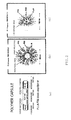
- iron or manganese porphyrin complex nanocapsules used in the examples were:
- the liposomes of sample drugs 1) and 2) encapsulate the iron or manganese porphyrin complex by a phospholipid shown in Fig. 1A .
- DMPC was used as the surfactant
- the pH-sensitive liposome shown in Fig. 1B was formed.
- DPPC DPPC-PEG liposome shown in Fig. 1C was formed.
- the iron or manganese porphyrin complex was housed in the membrane portion formed by the PLLA-F88 block copolymer of the membrane vesicle that is a hollow particle.
- the iron or manganese porphyrin complex was housed in the particle portion formed by the PLLA-F88 block copolymer of the endoplasmatic reticulum that is a particle.
- Hydrophobic drug and "hydrophobic drug” noted in the drawings indicate a typical housing state of the drugs.
- Cisplatin (CDDP) and mitomycin (MMC) currently used in clinical applications were used as comparison examples.
- B16 melanoma cells were used as cells for cancer transplantation experiments to evaluate anticancer pharmacological activities.
- the B16 melanoma cells have the following characteristics:
- melanoma itself has a very low probability of occurring in humans. However, the fatality rate when melanoma occurs is extremely high. Because the malignancy grade of melanoma is the highest of all carcinomas, melanoma is greatly feared. In humans, melanoma is often referred to as "mole cancer" and tends to occur on the sole of the foot.
- iron porphyrin complex/pH-sensitive liposomes 5mM/36mM
- iron porphyrin complex/DPPC-PEG liposomes 5mM/36mM
- MMC 0.65mM
- B16 melanoma cells were used.
- B16 melanoma dispersed in PBS was injected into the foot pads (sole) of the mice (C57BL/6, female, six-weeks-old), and cancer was transplanted.
- the amount of cancer cells injected was 1 ⁇ 10 6 /mouse/0.05ml.
- the site of injection was within the limited area of the foot pad, in an environment where numerous fine blood vessels, such as capillaries, are present. Anchoring of the cancer was confirmed on the 10th day after cancer cell transplantation.
- the mice were separated into five mice each for the required number of groups (four groups: three groups for the sample drugs and one control group). At the same time, the short diameter and the long diameter of the cancer cell volume in each mouse were measured every two days using calipers.
- tumor volume 1 / 2 ⁇ long diameter ⁇ short diameter 2
- administration of the sample drugs administered amount: 0.1ml/mouse/dose
- dose was started on the 13th day after cancer cell transplantation.
- Drug administration was conducted a total of four times, via tail vein every four days.
- the weight of each mouse was measured every two days.
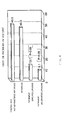
- the rate of increase in tumor volume was as shown in Fig. 3 and Fig. 4 .
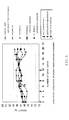
- Weight fluctuation was as shown in Fig. 5 .
- the iron porphyrin complex can reduce side effects and exhibit overwhelming carcinostatic action as a result of being embedded in the liposome.
- the iron porphyrin complex embedded in the liposome has higher antitumor activity compared to MMC which is a commercially available anticancer agent.
- MMC which is a commercially available anticancer agent.
- the drug concentration of MMC was merely 0.5mM, two mice died during 20 days of observation.
- weight was relatively stable for the iron porphyrin complex of the present invention (see Fig. 5 ). Therefore, it can be said that the iron porphyrin complex has few side effects attributed to the drug, while having very high carcinostatic action, and can be strongly expected to serve as a carcinostatic agent.
- the iron porphyrin complex has a specific carcinostatic mechanism.
- the iron porphyrin complex targets the active enzymes being specifically abnormally produced only in cancer cells, and kills the cancer through necrosis by producing hydrogen peroxide from active oxygen, and further producing hydroxyl radicals through Fenton reaction. Therefore, cytotoxicity to normal cells that produce less active oxygen than cancerous tissue is low. As a result, the side effects are clearly significantly fewer compared to those of MMC.
- porphyrin itself is considered to have 30 times the cancer accumulation action of typical anticancer agents. Therefore, porphyrin actively accumulates in the cancerous tissue and is effective even when administered by itself.
- mice that had been administered the drug in which the iron porphyrin complex is enclosed in pH-sensitive liposome were administered the drug in which the iron porphyrin complex is enclosed in pH-sensitive liposome, compared to the control group.
- complete remission complete elimination of cancer cells was seen after six days.
- the iron porphyrin complex-embedded liposome exhibited strong carcinostatic action, and showed advance in the direction towards curing the cancer. Therefore, the iron porphyrin complex-embedded liposome was highly effective.
- the iron porphyrin complex-embedded liposome has very effective carcinostatic action against B16 melanoma, with reduced side effects.
- sample drug (concentration) of the present invention iron porphyrin complex/PLLA 60wt% -F88 micelles (5mM/0.7wt%) were used.
- sample drug (concentration) of the comparative example CDDP (0.9mM) was used.
- B16 melanoma cells were used.
- B16 melanoma dispersed in PBS was injected into the foot pads (sole) of the mice (ICR, female, six-weeks-old), and cancer was transplanted.
- the amount of cancer cells injected was 1 ⁇ 10 5 /mouse/0.05ml, which is 1/10 that for end-stage cancer.
- the site of injection was within the limited area of the foot pad, in an environment where numerous fine blood vessels, such as capillaries, are present.
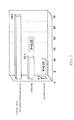
- the rate of increase in tumor volume was as shown in Fig. 6 and Fig. 7 .
- iron porphyrin complex can reduce side effects and exhibit overwhelming carcinostatic action as a result of being embedded in the micelles.
- CDDP which is a typical carcinostatic agent
- the iron porphyrin complex/PLLA 60wt% -F88 micelle of the present invention can be considered to have very high target orientation, or in other words targeting effect towards cancerous tissue.
- the polymer capsule of the present invention clearly has 10 times or more the carcinostatic action of CDDP, and MMC that are typical drugs.
- the iron porphyrin complex nanocapsule of the present invention acts as a carcinostatic agent exhibiting selective effects on only cancer cells, as a replacement for carcinostatic agents such as CDDP and MMC that have significant issues regarding side effects despite its current use in clinical applications.
- the iron porphyrin complex nanocapsule of the present invention is also found to act as an antioxidative agent for treating diseases other than cancer, such as inflammatory conditions, neurological diseases, arteriosclerosis, and diabetes, considered to be related to reactive oxygen species.
- mice Female, six-weeks-old HIGA/Nsc Slc mice were used as the animals. Regarding the control mince, BALB/C mice were used in adherence to experiment instructions by Japan SLC although the mice originate from ddY mice because its inbred strain is HIGA mice.
- manganese porphyrin complex/pH-sensitive liposomes 5mM/36mM
- manganese porphyrin complex/DPPC-PEG liposomes 5mM/36mM
- manganese porphyrin complex/PLLA 80wt% -F88 vesicles 100 ⁇ M/0.7wt%) were used.
- mice HIGA/Nsc Slc, female, six-weeks-old
- Urinary protein and occult blood were tested by urine test once a week, and observation was conducted for a month.
- Pretest 10II manufactured by Wako Pure Chemical Industries, Ltd. was used for the urine test.
- test results for urinary protein are shown in Table 2.
- test results for occult blood are shown in Table 3.
- the progress status of symptoms of IgA nephropathy differs due to individual differences depending on the mouse. Therefore, as shown in Table 2 and Table 3, how close the progress status becomes from the initial status (zero weeks) to the urine test results of the BALB mice which are the control group is used as judgment criteria.
- IgA nephropathy is considered to be a case where improvement can barely be seen once it occurs.
- significant improvements in symptoms could be confirmed. Therefore, it is clear that the manganese porphyrin complex nanocapsule may serve as a very effective treatment drug for IgA nephropathy, and can become a new treatment drug in diseases (such as diabetes) that case large amounts of active oxygen to be produced.
Landscapes
- Health & Medical Sciences (AREA)
- Chemical & Material Sciences (AREA)
- Life Sciences & Earth Sciences (AREA)
- Pharmacology & Pharmacy (AREA)
- Veterinary Medicine (AREA)
- Public Health (AREA)
- General Health & Medical Sciences (AREA)
- Animal Behavior & Ethology (AREA)
- Medicinal Chemistry (AREA)
- Engineering & Computer Science (AREA)
- Bioinformatics & Cheminformatics (AREA)
- Epidemiology (AREA)
- Chemical Kinetics & Catalysis (AREA)
- Organic Chemistry (AREA)
- Nuclear Medicine, Radiotherapy & Molecular Imaging (AREA)
- General Chemical & Material Sciences (AREA)
- Biomedical Technology (AREA)
- Physics & Mathematics (AREA)
- Dispersion Chemistry (AREA)
- Diabetes (AREA)
- Optics & Photonics (AREA)
- Nanotechnology (AREA)
- Molecular Biology (AREA)
- Biophysics (AREA)
- Emergency Medicine (AREA)
- Endocrinology (AREA)
- Pain & Pain Management (AREA)
- Rheumatology (AREA)
- Vascular Medicine (AREA)
- Hematology (AREA)
- Urology & Nephrology (AREA)
- Obesity (AREA)
- Heart & Thoracic Surgery (AREA)
- Neurology (AREA)
- Neurosurgery (AREA)
- Toxicology (AREA)
- Biochemistry (AREA)
- Cardiology (AREA)
- Medicinal Preparation (AREA)
- Pharmaceuticals Containing Other Organic And Inorganic Compounds (AREA)
Applications Claiming Priority (1)
| Application Number | Priority Date | Filing Date | Title |
|---|---|---|---|
| PCT/JP2010/063396 WO2012017551A1 (ja) | 2010-08-06 | 2010-08-06 | 疾患治療薬 |
Publications (2)
| Publication Number | Publication Date |
|---|---|
| EP2601954A1 true EP2601954A1 (de) | 2013-06-12 |
| EP2601954A4 EP2601954A4 (de) | 2014-02-26 |
Family
ID=45559082
Family Applications (1)
| Application Number | Title | Priority Date | Filing Date |
|---|---|---|---|
| EP10855641.6A Withdrawn EP2601954A4 (de) | 2010-08-06 | 2010-08-06 | Therapeutikum für erkrankungen |
Country Status (5)
| Country | Link |
|---|---|
| US (1) | US20130189347A1 (de) |
| EP (1) | EP2601954A4 (de) |
| KR (1) | KR20130103719A (de) |
| CN (1) | CN103068395A (de) |
| WO (1) | WO2012017551A1 (de) |
Cited By (1)
| Publication number | Priority date | Publication date | Assignee | Title |
|---|---|---|---|---|
| WO2015162552A3 (en) * | 2014-04-22 | 2016-01-07 | Biodue S.P.A. | Composition for topic use |
Families Citing this family (4)
| Publication number | Priority date | Publication date | Assignee | Title |
|---|---|---|---|---|
| WO2016095087A1 (zh) * | 2014-12-15 | 2016-06-23 | 四川九章生物科技有限公司 | 绿原酸在制备治疗白癜风的药物中的用途 |
| CN111358945A (zh) * | 2018-12-24 | 2020-07-03 | 深圳先进技术研究院 | 负载金属卟啉的脂质体纳米颗粒及其制备方法和应用 |
| US20240172755A1 (en) * | 2021-03-22 | 2024-05-30 | Lunano Inc. | Use of porphyrin nanostructures as antimicrobial agents |
| CN117384389A (zh) * | 2023-10-25 | 2024-01-12 | 广州医科大学附属第一医院(广州呼吸中心) | 一种纳米材料及其制备和应用 |
Family Cites Families (5)
| Publication number | Priority date | Publication date | Assignee | Title |
|---|---|---|---|---|
| US20050008687A1 (en) * | 2003-07-07 | 2005-01-13 | Makoto Yuasa | Metal-porphyrin-complex-embedded liposomes, production process thereof, and medicines making use of the same |
| JP4741205B2 (ja) * | 2003-07-07 | 2011-08-03 | 真 湯浅 | 金属ポルフィリン錯体包埋リポソーム、その製造方法およびこれを利用する医薬 |
| EP1731150A4 (de) * | 2004-03-04 | 2010-06-16 | Makoto Yuasa | Niosom mit einem darin eingebetteten metall-porphyrin-komplex; verfahren zu seiner herstellung und damit zu verwendendes arzneimittel |
| EP2063970A1 (de) * | 2006-09-19 | 2009-06-03 | FUJIFILM Manufacturing Europe B.V. | Herstellung von feinen teilchen |
| US8334377B2 (en) * | 2006-10-06 | 2012-12-18 | The Trustees Of Princeton University | Porphyrin catalysts and methods of use thereof |
-
2010
- 2010-08-06 WO PCT/JP2010/063396 patent/WO2012017551A1/ja not_active Ceased
- 2010-08-06 CN CN2010800685102A patent/CN103068395A/zh active Pending
- 2010-08-06 EP EP10855641.6A patent/EP2601954A4/de not_active Withdrawn
- 2010-08-06 KR KR1020137005756A patent/KR20130103719A/ko not_active Withdrawn
-
2013
- 2013-01-29 US US13/752,963 patent/US20130189347A1/en not_active Abandoned
Cited By (1)
| Publication number | Priority date | Publication date | Assignee | Title |
|---|---|---|---|---|
| WO2015162552A3 (en) * | 2014-04-22 | 2016-01-07 | Biodue S.P.A. | Composition for topic use |
Also Published As
| Publication number | Publication date |
|---|---|
| WO2012017551A1 (ja) | 2012-02-09 |
| EP2601954A4 (de) | 2014-02-26 |
| CN103068395A (zh) | 2013-04-24 |
| KR20130103719A (ko) | 2013-09-24 |
| US20130189347A1 (en) | 2013-07-25 |
Similar Documents
| Publication | Publication Date | Title |
|---|---|---|
| Park et al. | PEGylated PLGA nanoparticles for the improved delivery of doxorubicin | |
| Zverev et al. | Modern nanocarriers as a factor in increasing the bioavailability and pharmacological activity of flavonoids | |
| Wang et al. | RGD peptide conjugated liposomal drug delivery system for enhance therapeutic efficacy in treating bone metastasis from prostate cancer | |
| Bassyouni et al. | Advances and new technologies applied in controlled drug delivery system | |
| US20150110713A1 (en) | Method and composition for treating cancer | |
| Vishvakrama et al. | Liposomes: an overview | |
| Wu et al. | Folate-containing reduction-sensitive lipid–polymer hybrid nanoparticles for targeted delivery of doxorubicin | |
| Elsewedy et al. | Brucine PEGylated nanoemulsion: In vitro and in vivo evaluation | |
| AU2004249123A1 (en) | Methods and compositions for delivery of catecholic butanes for treatment of obesity | |
| US20130189347A1 (en) | Disease treatment drug | |
| Hani et al. | A comprehensive review of current perspectives on novel drug Delivery systems and approaches for lung cancer management | |
| CN112076159A (zh) | 具有不对称膜结构的载药聚合物囊泡及制备方法与在制备治疗急性髓系白血病药物中的应用 | |
| Le et al. | Liposome-based nanocarrier system for phytoconstituents | |
| Sharma et al. | Advancements in micellar formulation: drug delivery vehicle for water-insoluble drugs | |
| Dubey et al. | Advancements in nanoparticle-based gene delivery systems for therapeutic applications: A comprehensive review | |
| Du et al. | PEG-detachable lipid–polymer hybrid nanoparticle for delivery of chemotherapy drugs to cancer cells | |
| JPWO2005021012A1 (ja) | ゲムシタビン封入薬剤担体 | |
| Han et al. | Recent advances and perspectives of multifunctional nanogels in biomedical applications | |
| JP2010208955A (ja) | 疾患治療薬 | |
| CN100502881C (zh) | 可降解聚合物载柔红霉素纳米微球及其制备方法 | |
| Sen et al. | Materials for Drug Delivery | |
| Cardoso-Daodu et al. | Nanoliposomes: Historical perspectives and major advances in Cancer therapy. A critical review | |
| JP2020079303A (ja) | リポソーム及びリポソーム組成物 | |
| JP2015209417A (ja) | 経口疾患治療薬 | |
| Sen et al. | 9 Materials for Drug |
Legal Events
| Date | Code | Title | Description |
|---|---|---|---|
| PUAI | Public reference made under article 153(3) epc to a published international application that has entered the european phase |
Free format text: ORIGINAL CODE: 0009012 |
|
| 17P | Request for examination filed |
Effective date: 20130306 |
|
| AK | Designated contracting states |
Kind code of ref document: A1 Designated state(s): AL AT BE BG CH CY CZ DE DK EE ES FI FR GB GR HR HU IE IS IT LI LT LU LV MC MK MT NL NO PL PT RO SE SI SK SM TR |
|
| DAX | Request for extension of the european patent (deleted) | ||
| A4 | Supplementary search report drawn up and despatched |
Effective date: 20140128 |
|
| RIC1 | Information provided on ipc code assigned before grant |
Ipc: A61P 35/00 20060101ALI20140122BHEP Ipc: A61P 29/00 20060101ALI20140122BHEP Ipc: A61K 9/127 20060101ALI20140122BHEP Ipc: A61P 3/10 20060101ALI20140122BHEP Ipc: A61P 25/00 20060101ALI20140122BHEP Ipc: A61K 9/51 20060101ALI20140122BHEP Ipc: A61P 9/10 20060101ALI20140122BHEP Ipc: A61P 39/06 20060101ALI20140122BHEP Ipc: A61K 31/555 20060101AFI20140122BHEP |
|
| STAA | Information on the status of an ep patent application or granted ep patent |
Free format text: STATUS: THE APPLICATION IS DEEMED TO BE WITHDRAWN |
|
| 18D | Application deemed to be withdrawn |
Effective date: 20140826 |