EP2615567A2 - Website, die Kosmetika und Diäten von Farbbildern liefert - Google Patents
Website, die Kosmetika und Diäten von Farbbildern liefert Download PDFInfo
- Publication number
- EP2615567A2 EP2615567A2 EP13150749.3A EP13150749A EP2615567A2 EP 2615567 A2 EP2615567 A2 EP 2615567A2 EP 13150749 A EP13150749 A EP 13150749A EP 2615567 A2 EP2615567 A2 EP 2615567A2
- Authority
- EP
- European Patent Office
- Prior art keywords
- colour
- surface tissue
- tissue
- digital
- cosmetic
- Prior art date
- Legal status (The legal status is an assumption and is not a legal conclusion. Google has not performed a legal analysis and makes no representation as to the accuracy of the status listed.)
- Withdrawn
Links
Images





Classifications
-
- G—PHYSICS
- G06—COMPUTING OR CALCULATING; COUNTING
- G06Q—INFORMATION AND COMMUNICATION TECHNOLOGY [ICT] SPECIALLY ADAPTED FOR ADMINISTRATIVE, COMMERCIAL, FINANCIAL, MANAGERIAL OR SUPERVISORY PURPOSES; SYSTEMS OR METHODS SPECIALLY ADAPTED FOR ADMINISTRATIVE, COMMERCIAL, FINANCIAL, MANAGERIAL OR SUPERVISORY PURPOSES, NOT OTHERWISE PROVIDED FOR
- G06Q50/00—Information and communication technology [ICT] specially adapted for implementation of business processes of specific business sectors, e.g. utilities or tourism
- G06Q50/10—Services
-
- G—PHYSICS
- G16—INFORMATION AND COMMUNICATION TECHNOLOGY [ICT] SPECIALLY ADAPTED FOR SPECIFIC APPLICATION FIELDS
- G16H—HEALTHCARE INFORMATICS, i.e. INFORMATION AND COMMUNICATION TECHNOLOGY [ICT] SPECIALLY ADAPTED FOR THE HANDLING OR PROCESSING OF MEDICAL OR HEALTHCARE DATA
- G16H20/00—ICT specially adapted for therapies or health-improving plans, e.g. for handling prescriptions, for steering therapy or for monitoring patient compliance
- G16H20/10—ICT specially adapted for therapies or health-improving plans, e.g. for handling prescriptions, for steering therapy or for monitoring patient compliance relating to drugs or medications, e.g. for ensuring correct administration to patients
-
- G—PHYSICS
- G16—INFORMATION AND COMMUNICATION TECHNOLOGY [ICT] SPECIALLY ADAPTED FOR SPECIFIC APPLICATION FIELDS
- G16H—HEALTHCARE INFORMATICS, i.e. INFORMATION AND COMMUNICATION TECHNOLOGY [ICT] SPECIALLY ADAPTED FOR THE HANDLING OR PROCESSING OF MEDICAL OR HEALTHCARE DATA
- G16H30/00—ICT specially adapted for the handling or processing of medical images
- G16H30/40—ICT specially adapted for the handling or processing of medical images for processing medical images, e.g. editing
-
- G—PHYSICS
- G16—INFORMATION AND COMMUNICATION TECHNOLOGY [ICT] SPECIALLY ADAPTED FOR SPECIFIC APPLICATION FIELDS
- G16H—HEALTHCARE INFORMATICS, i.e. INFORMATION AND COMMUNICATION TECHNOLOGY [ICT] SPECIALLY ADAPTED FOR THE HANDLING OR PROCESSING OF MEDICAL OR HEALTHCARE DATA
- G16H20/00—ICT specially adapted for therapies or health-improving plans, e.g. for handling prescriptions, for steering therapy or for monitoring patient compliance
- G16H20/60—ICT specially adapted for therapies or health-improving plans, e.g. for handling prescriptions, for steering therapy or for monitoring patient compliance relating to nutrition control, e.g. diets
Definitions
- the present invention relates to apparatuses and methods for cosmetic and nutrition regimens, and, more particularly to outputting a cosmetic and/or nutrition regimen from a digital colour image of a face or other surface tissue of a person that was transmitted to a web site.
- Cosmetic products for the skin and hair need to be custom tailored to the skin or hair of the individual user. It is known to have different soaps for example that are for oily surface tissue or for dry skin. However, not all cosmetic products can, as a practical matter, take into consideration the exact skin type or hair type of each consumer. Consumers may not have the time or patience to go to a cosmetic counter in certain stores and have their skin type checked. In addition, it is not commonly known how to determine skin type within a time frame that can be useful for consumers of cosmetic products. Furthermore, there are many variables that affect one's skin type and there are many different cosmetic products. In addition, the skin type of a cosmetic consumer may change and the information may not be current at the time of purchase.
- One aspect of the present invention is a system for providing a cosmetic regimen, comprising a computer server associated with a web site, at least one of the computer server and the web site configured to prompt a user to digitally transmit a digital colour image of a surface tissue of a human subject to the computer server; a computer memory for storing (i) the digital colour image, (ii) a multiplicity of surface tissue types, (iii) at least one of a list of cosmetic products and a list of nutrition products, and (iv) a table matching each surface tissue type to a product from the list, at least one colour digital image sensor configured to detect a spectrum of coloured light of a first colour, a spectrum of colour light of a second colour and a spectrum of coloured light of a third colour, reflected from the digital colour image, and to produce a series of electric signals over time; a processing unit configured to generate a colour intensity distribution over time from the series of electric signals over time and, for each of at least two surface tissue parameters relating to the surface tissue of the human,
- a further aspect of the present invention is directed to a method of providing a cosmetic and nutrition regimen for a human from digital colour video image of a surface tissue of the human sent to a web site, comprising using at least one colour image sensor to detect red light, blue light and green light reflected from a digital colour image, and to produce a series of spatial temporal electric signals from the detected red, blue and green lights; a computer processor verifying that the digital colour image is of live human tissue by at least two of (i) comparing levels of red, blue and green to boundary-reference levels, (ii) comparing levels of red, blue and green to each other and determining which level of at least one of red, green and blue is greater than another at least one of red, green and blue, (iii) comparing to a reference ratio or to a reference ratio range at least one of a ratio of blue/red, a ratio of blue/green and a ratio of green/red, and (iv) measuring over time increases or decreases in at least one of a ratio of blue/red, a
- a still further aspect of the present invention is a non-transitory computer-readable medium having embedded thereon computer-readable code for storing in a computer memory device, the computer-readable code comprising program code for verifying whether a series of spatial temporal electric signals corresponding to a digital colour image of a surface tissue is an image of live human tissue; program code for generating a colour intensity distribution of three colours of the digital colour image over time, if the series of electric signals does correspond to the digital colour image of human tissue; program code for analysing the colour intensity distribution of the series of electric signals using at least one of a correlation and a look-up table; program code for producing measurement values of at least two surface tissue bioparameters of the subject of the digital colour image; program code for converting the measurement values to value ranges, each surface tissue parameter having at least three value ranges; program code for identifying a surface tissue type associated with the digital image amongst a multiplicity of surface tissue types using each value range of each of the at least two surface tissue parameters.
- a yet still further aspect of the present invention is directed to a system comprising a computer memory device for storing (i) a digital colour image sent by a user, (ii) a multiplicity of surface tissue types, (iii) at least one of a list of cosmetic products and a list of nutrition products, and (iv) a table matching each surface tissue type to at least one of a cosmetic product and a nutrition product, a host of the computer memory device, the host including a processor for executing computer-readable program code embedded in a non-transitory computer-readable medium, the computer-readable code comprising program code for verifying whether a series of spatial temporal electric signals corresponding to a digital colour image of a face is an image of live human tissue; program code for generating a colour intensity distribution of three colours of the digital colour image over time, if the series of electric signals does correspond to the digital colour image of human tissue; program code for analysing the colour intensity distribution of the series of electric signals using at least one of a correlation and a look-up table; program code
- the present invention generally provides a web site that may receive and may prompt users to send a digital video colour image of a human face from a light source such as daylight, ambient light or an ultra violet light source.
- a light source such as daylight, ambient light or an ultra violet light source.
- At least one colour image sensor detects the red, blue and green light at each spatial coordinates of the digital colour image over time.
- the computer processor may verify that the image is of live human tissue and if it is, generates a colour intensity distribution of the image.
- a computer processor processes the image.
- the computer processor For each of at least two surface tissue parameters relating the face of the human subject, including at least two amongst surface tissue pH, surface tissue moisture, surface tissue collagen level and surface tissue sun sensitivity, the computer processor produces a measurement value by analysing the colour intensity distribution of the three colours over time and finds a correlation and/or a look up table between the level of each parameter and changes in colour distribution or the colour distribution and converts the measurement values into value ranges, each surface tissue parameter having at least three value ranges.
- a surface tissue type is identified and matched with cosmetic and/or nutrition products to produce a cosmetic and/or nutrition regimen within a few seconds in most cases.
- the method and apparatus of the present invention only requires a user to transmit a digital image of the subject to a web site.
- the present invention categorizes the subject's surface tissue into one of at least nine surface tissue types and preferably dozens of surface tissue types that take into account between two and eight or more different surface tissue parameters.
- the present invention provides both a nutrition and cosmetic regimen from digital images of the face based on surface tissue type.
- the present invention verifies that the image is of live human tissue by processing colours of the facial image.
- a cosmetic product may be used to improve a particular surface tissue condition regarding a level of a particular surface tissue parameter
- the present invention may provide digitally a cosmetic regimen in which each cosmetic product, or in some preferred embodiments each ingredient of each cosmetic product, improves at least one surface tissue bioparameter without harming any other surface tissue bioparameter.
- the present invention may use a light source such as UV in some preferred embodiments to detect colours invisible to the naked eye.
- surface tissue is a phrase intended to encompass both skin and hair of a subject and is not limited to the skin or hair located only on the face of the subject.
- Surface tissue type includes skin type and hair type.
- Cosmetic regimen shall be understood to be broad enough to also include regimens for hair.
- cosmetic treatment output module shall be understood to be broad enough to also include output modules that output regimens for hair.
- cosmetic products includes "hair products”.
- Nutrition product includes food products as well as other products consumed by users for nutritional purposes.
- Nutrition product does not include educational materials not consumed by the user.
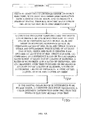
- a system 500 of the present invention may provide a cosmetic and/or nutrition regimen from a colour digital image (for example a colour video image) of a face of a human or of any other surface tissue of a subject transmitted to a web site 20 such as to a computer server 50 associated with a web site 20 via a camera 31 or other user device 31 ( FIG. 5 ).
- the user device may be a cellular telephone, PAD (iPAD), laptop computer, personal computer, video camera, digital camera and electronic device that may either have colour image sensor that can take photo or sequence of photos or real-time sequence of photos such as video stream or any device that has electronic storage (hard drive, flash memory, etc.).
- the user may enjoy fast response by letting the system use the user device's own computational power to execute part of the software computation on the user device. This reduces traffic over the internet or Wi-Fi communication.
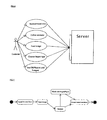
- the user may communicate with the server 50 and the server 50 may communicate to the user ("customer" in FIG. 6 ).
- the server may prompt the user/customer with various options including inputting personal data (including for example name, password, email address, etc.).
- personal data including for example name, password, email address, etc.
- the user may elect to define reminders, input a new digital colour image to the server, ask the server computer for an analysis of a digital colour image presently or previously inputted, choose the type of report that the user desires to have outputted and review history associated with a human subject, which may be the user.
- the history may allow reviewing a collection of previously inputted digital colour images of the subject of the digital image (which may be the user) which may include reviewing by a pre-selected time period or skin condition or other category such as a particular surface tissue parameter level, reviewing old reports that were previously outputted to the user by the system or server and which may be stored in the user's account, for example at the web site.
- the user may be able to review the progress of a skin condition or a hair condition or a nutrition condition or even a medical condition such as acne, of a subject (which subject may be the user).
- the system via the server, may provide quantitative changes in any one or more of the surface tissue parameters and may at the request of the user display graphical depictions and/or reports of the changes in these surface tissue parameters.
- FIG. 7 depicts a sequence of workflow steps in which the user chose to input personal data and then feed an image for analysis.
- FIG. 8 shows a system comprising a web site 20 in the World Wide Web 21 or Internet 21, a central server computer 50 that may in communication with and may collect information from local server computers 62.
- Local servers 62 and that are in communication with workstations 64 that the customer/user 65 may access.
- Each workstation 64 accessible to the user may include a high quality video camera, a web cam for example, a touch screen, speakers and a local network connection.
- Each local server 62 may include a local database connection and a number of client machines.
- a user may use a light source 30 to capture an image of a face of a human subject.
- users have purchased UV light sources from the manager of the system or method of the present invention in order to capture the digital image 22.
- the digital image 22 of the face may be taken under normal light conditions which means daylight or white ambient light as close to daylight as possible in order to be useful for the surface tissue analysis. Fluorescent light may in some cases be sufficient.
- a system of the present invention may include a web camera (web cam) that allows the web site 20 itself to be used in the creation of the digital colour image of the subject and transmission to the processor in real time.
- At least one of the computer server and the web site may be configured to prompt one or more users (including multiple users who may be using different platforms as user devices such laptop, cell phone etc.) and may prompt the user to digitally transmit a digital colour image 22 of a tissue surface, such as a face, of a human subject (for example the user) to the computer server.
- a computer memory may store (i) the digital colour image, (ii) a multiplicity of surface tissue types (skin types and/or hair types), (iii) a list of cosmetic products (without hair products) or a list of nutrition products or a list of hair products or a list of all products or other combinations, and (iv) a table matching each surface tissue type to a product, for example a cosmetic product, from the list.
- the computer memory may also be configured to store a list of foods and a table matching each surface tissue type to a food in the list of foods.
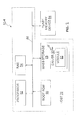
- a system 50 of the present invention may include a computer processor 52 and may have multiple computer memory devices such as a RAM 54, a boot ROM, a mass storage device 58 such as a hard disk 58.
- the memory devices may communicate to the processor 52 through a bus 66 and may communicate to each other through a common bus 66.
- Computer-readable program code 61 may be stored in a memory device such as mass storage device 58 and may be executed by processor 52 to access the memory device.
- Mass storage device 58 is an example of a non-transitory computer readable storage medium having computer-readable code for implementing the data storage methodology described.
- system 50 may include a computer processor 52 and multiple computer memory devices such as a RAM 54, a boot ROM, a hard disk 58 for mass storage and a flash memory device 64 known in the art.
- the memory devices may communicate to the processor 52 through a bus 66 and may communicate to each other through a common bus 66.
- a software driver 60 of a memory device such as flash memory device 64 may be stored in mass storage device 58 and may be executed by processor 52 to access the memory device such as flash memory device 64.
- Driver 60 may include a module 62 for encoding data to be stored in the memory device such as flash memory device 64 and for decoding code words received from the memory device such as lash memory device 64.
- the components of the system 50 other than the flash memory device 64 may comprise a host 70 of flash memory device 64.
- Mass storage device 58 is an example of a non-transitory computer readable storage medium having computer-readable code 61 for implementing the data storage methodology described.
- the computer-readable program code 61 of FIG. 1 may be embedded in a non-transitory computer readable medium and may be executed by processor 52.
- the program code 61 may comprise program code for verifying whether a series of spatial temporal electric signals corresponding to a digital colour image of a face is an image of live human tissue; program code for generating a colour intensity distribution of three colours of the digital colour image over time, if the series of electric signals does correspond to the digital colour image of human tissue; program code for analysing the colour intensity distribution of the series of electric signals using at least one of a correlation and a look-up table; program code for producing measurement values of at least two surface tissue bioparameters of the subject of the digital colour image; program code for converting the measurement values to value ranges, each surface tissue parameter having at least three value ranges; program code for identifying a surface tissue type associated with the digital image amongst a multiplicity of surface tissue types using each value range of each of the at least two surface tissue parameters and at least one of (i) program code
- a system 500 of the present invention may include the computer components of FIG. 1 as well as other components including a colour image sensor 80.
- the colour of the surface tissue may be ascertained at different depths of the surface tissue, for example the epidermis and the deeper surface tissue layers.
- At least one colour image sensor 80 (which may include one colour video image sensor for each colour and which may be a colour video image) may be configured to detect a spectrum of coloured light of a first colour, a spectrum of colour light of a second colour and a spectrum of coloured light of a third colour, reflected from a digital colour image sent to sensor 80 (which may be associated or located at the server) by the user and to produce a series of spatial temporal electric signals over time.
- the term "electric signals over time” shall be understood to refer to spatial temporal electric signals.
- a series of colour images 22 in video (having one or more different digital images of the face of the subject) of the face or other surface tissue of a human subject may be taken and transmitted to the website computer server.
- At least one colour image sensor 80 may include a first photodetector that may be configured to detect a spectrum of coloured light of a first colour such as red from this series of colour images (i.e. video) in spatial temporal colour space. The first photodetector may then produce a first series of spatial temporal electric signals associated with the coloured light of the first colour and send the electric signals to a processing unit.
- a first photodetector may be configured to detect a spectrum of coloured light of a first colour such as red from this series of colour images (i.e. video) in spatial temporal colour space.
- the first photodetector may then produce a first series of spatial temporal electric signals associated with the coloured light of the first colour and send the electric signals to a processing unit.
- a second photodetector (or the first photodetector) may be configured to detect a spectrum of coloured light of a second colour such as blue from this series of colour images (i.e. video) in spatial temporal colour space and likewise produce a second series of spatial temporal electric signals associated with the coloured light of the second colour and send the electric signals to the processing unit.
- a third photodetector (or the first or second photodetector) may be configured to detect a spectrum of coloured light of a third colour such as green from the series of colour images (i.e. video) in spatial temporal colour space.
- the third photodetector (which may be the first or second photodetector) may then produce a third series of spatial temporal electric signals associated with the coloured light of the third colour and send the electric signals to a processing unit. If digital colour image 22 is a colour video image, it contains at least two different images over time.
- a computer processor (which may be processor 52) may first verify that the digital colour image 22 is of live human tissue by utilizing at least two and preferably all of the following calculations known in the art: (i) comparing levels of red, blue and green to boundary-reference levels since each of the three colours has upper and lower boundaries known in the art to be realistically possible to be live human subjects, (ii) comparing levels of red, blue and green to each other and determining which level of at least one of red, green and blue is greater than another at least one of red, green and blue (and preferably comparing red to blue, red to green and blue to green) since a live human subject has a level of red colour greater than green, a level of red greater than blue and a level of green that is usually greater than blue, (iii) comparing to a reference ratio or to a reference ratio range at least one of a ratio of blue/red, a ratio of blue/green and a ratio of green/red, and (iv) measuring over time increases or decreases in at least one of a ratio
- the output module 90 may output a message "tissue not recognized" and advise the user to try changing the light being used to generate the digital colour image to make sure to utilize daylight or white ambient light as close to daylight as possible.
- a computer processor may generate a colour intensity distribution over time from the series of spatial temporal electric signals. This may include a colour distribution of each colour over time.
- the at least one colour image sensor make take one-hundred twenty frames of the face over a two second interval.
- the computer processor (which may be processor 52) may then create a vector (an ordered collection) or may create an unordered collection of the one-hundred twenty values for each the three colours (i.e. red, green, blue).
- each of the one-hundred twenty values for red may represent an average of the level of red over all the pixels (coordinates or locations) within the image at that temporal coordinate at point within the two second interval.
- the processor may analyse the vector using correlations and/or look-up tables for surface tissue bioparameters.
- the computer processor for each of at least two surface tissue parameters (and preferably at least three surface tissue parameters) relating to a surface tissue of the face and including at least one of surface tissue pH, surface tissue moisture, surface tissue collagen level and surface tissue sun sensitivity, may produce a measurement value of the each surface tissue parameter by analysing the colour intensity distribution of the first, second and third colour in space (for example three dimensional space) over time and identifying at least one of a correlation and a look-up table between a level of the each surface tissue parameter and at least one of colour distribution and any changes in colour distribution in a colour intensity distribution over time of any of the first colour, the second colour, and the third colour.
- the surface tissue parameters measured include surface tissue moisture levels, surface tissue collagen levels, surface tissue sun sensitivity and surface tissue pH. In other preferred embodiments, they include at least three or at least two of these four.
- a colour map e.g. look up table that may correlate between the colour and bioparameter.
- the colour map may be a function of the following independent parameters: time (temporal parameter), location within the image (i.e. pixel) (spatial parameter) and at least three basic colours such as red, green, blue.
- the colour map may also be a function of certain additional dependent parameters including temporary histograms of each colour, ratios of groups of two colours such as blue/red, blue/green, green/red and certain normalization factors such Euclidian norm.
- the additional information may include surface tissue temperature, surface tissue smell, tissue conductivity, surface tissue saltiness etc. or other parameters that may be useful for the surface tissue parameter of the human subject.
- the additional information may be sent, for example by the user, to the web server for use in a thorough analysis of the surface tissue of the human subject. Based on this analysis, cosmetic and/or nutrition, or even medical, recommendation may be suggested.
- a user may communicate a request, for example to the server that the cosmetic or nutrition regimen be tailored to a specific condition, such as acne.
- the system may process such a request and select the regimen based in part on the fact that the user has such a condition.
- the present invention may include a tracking feature that tracks changes in the surface tissue parameter(s) of the human subject and reports the improvement or decline in one or more surface tissue parameters to the user.
- the second digital colour image may show a 2% change improvement in skin pH or in skin collagen or in skin redness or in skin moisture, etc.
- the user may be notified, for example, at the user's own system account when the user logs in to the web site for example. An email notification may be sent to the user.
- a second source of user feedback is a communication from the user reporting that the human subject has experienced an improvement (or a decline) regarding a surface tissue parameter.
- the user may report that after using the cosmetic products recommended by the cosmetic treatment output module, her skin (in the case the user is the subject) has become more moist, more red, etc. Whether the user's statement is objectively true may be evaluated by the processor using the method and apparatus of the present invention.
- the computer processor may be configured to convert and may convert each measurement value into a value range, with each surface tissue parameter having at least three value ranges.
- An example of a set of three value ranges include low, normal and high.
- An example of a set of five value ranges would be very low, low, normal high and very high.
- the computer processor may be configured to identify, using each value range of each of at least two and preferably at least three surface tissue parameters and may identify a surface tissue type associated with the digital colour image (for example a digital video colour image) from the multiplicity of surface tissue types.
- Each surface tissue type represents a collection of value ranges for different particular surface tissue parameters of the at least two three surface tissue parameters, the number of surface tissue types may equal XY, wherein X is a number of value ranges and Y is a number of different surface tissue parameters, wherein X is at least three and wherein Y is at least 2.
- the minimum breadth of the value range is a single value point.
- a particular illustrative surface tissue type may describe a subject who has a very low level of surface tissue moisture, a normal level of surface tissue collagen, a high level of surface tissue sun sensitivity and a normal level of surface tissue pH.
- the particular surface tissue parameters for which value ranges may be measured to generate this collection or vector may include (i) the amount of surface tissue moisture, where 35% may be considered normal, (ii) amount of collagen in the surface tissue which may be represented as a concentration where 75% may be considered normal, (iii) the pH of the surface tissue, where 5.5 may be considered normal and (iv) the sensitivity of the surface tissue to the sun ("sun sensitivity"), where 50% may be considered normal.
- the surface tissue parameters may also include oxygen concentration where greater than 90% may be considered normal, carbon dioxide concentration where 25%-30% may be considered normal, surface tissue pigmentation where 25% to 40% may be considered normal, surface tissue saturation where greater than 75% may be considered normal, surface tissue redness where less than 40% may be considered normal and surface tissue vitality, where over 80% may be considered normal.
- Other surface tissue bioparameters may also be used.
- the processing unit 52 may be configured to receive and electronically process the first, second and third series of electric signals to generate output comprising a colour distribution in spatial temporal colour space including a change in colour distribution of the first colour (i.e. red) in spatial temporal colour space, a change in colour distribution of the second colour (i.e. blue) in spatial temporal colour space and a change in colour distribution of the third colour (i.e. green) in spatial temporal colour space in the facial tissue of the subject.
- a colour distribution in spatial temporal colour space including a change in colour distribution of the first colour (i.e. red) in spatial temporal colour space, a change in colour distribution of the second colour (i.e. blue) in spatial temporal colour space and a change in colour distribution of the third colour (i.e. green) in spatial temporal colour space in the facial tissue of the subject.
- the processing unit may further process the output and identify a correlation and/or a look-up table between a level or a value range of particular surface tissue bioparameters and changes in colour distribution in spatial temporal colour space of any of the first colour, the second colour, and the third colour to produce a measurement of the surface tissue bioparameter.
- SpO 2 , CO 2 , O 2 , pH, SpCO 2 may be measured by analysing the colour distribution between red, green and blue.
- Arterial blood is pinker than venal blood which is bluer.
- Arterial blood (with certain exceptions such as the pulmonary artery) carries oxygenated haemoglobin and is redder whereas venal blood carries deoxygenated haemoglobin and carbon dioxide and is bluer.
- tissue colour captured by the photodetectors either surface tissue or blood tissue beneath the surface tissue tissue
- the tissue colour captured by the photodetectors tends toward pink (i.e. the ratio of red to blue increases over time) that may indicate that the level of oxygen (and of P02 and SP02) of the subject may be increasing because oxygenated blood is redder than deoxygenated blood.
- the colour of the tissue (either surface tissue or blood tissue beneath the surface tissue) captured by the photodetectors tends toward blue (i.e. the ratio of red to blue decreases over time) or blue-purple that may indicate that the level of oxygen (and of PO 2 and SpO 2 ) of the subject may be decreasing and the level of carbon dioxide (and of PCO 2 and SpCO 2 ) may be increasing.
- the pH of the captured tissue may be more acidic if the level of carbon dioxide is increased.
- the pH may be more basic if the level of oxygen is increasing.
- the bioparameters may be computed for a single digital colour image of the tissue surface or for a series of such digital colour images over time.
- a relative increase in the colour pink over time may indicate an increase in oxygen level.
- the relative levels of oxygen and carbon dioxide may have implications for the physiological status of the subject.
- human blood Normally, under normal light conditions such as daylight or ambient light such as white fluorescent room light, human blood has more red than blue, more red than green and usually, although not necessarily, more green than blue. If the level of green is approaching that of red it may indicate a liver problem. When surface tissue colour tends toward grey it may indicate certain heart problems. Peripheral blood (far from the heart, such as in the lips or fingers) that is blue may indicate low perfusion in the peripheral tissue.
- a colour map e.g. look up table that correlate between the colour and bio parameter bio marker.
- the colour map is a function of the following independent parameters time (temporal parameter), location (spatial parameter) and at least three basic colours. Additional depended are temporary histograms of each colour, ratios such as blue/red, blue/green, green/red and certain normalization factors such Euclidian norm.
- additional information may be used assist to in determining the value of a surface tissue bioparameter.
- the following information may be available regarding the subject from sources other than the array of photodetectors or camera: a smell emanating from the subject, the subject's sweat, heat (body temperature), tissue conductivity and tissue saltiness.
- the amount of surface tissue moisture may be determined by UV light source 30. Accordingly, if the user's camera is also sensitive to UV light source, such a photodetector may capture the amount of surface tissue moisture.
- the computer processor producing a measurement value for surface tissue moisture by computing a quantity of white spots in the digital colour image. The white spot may be invisible to the human eye.
- a UV light source was not the type of light source 30 used to generate digital colour image 22 and only regular white light sources or ambient light sources were used to create the digital colour image, the following two-step method may be used by the system of the present invention to determine the amount of surface tissue moisture of the face of the subject from digital colour image 22.
- LUT look-up table
- one or more of the following three ratios, (R-G)/(G-B) or (R-G)/(R-B) or (G-B)/(R-G), may provide additional information on the shininess of the surface tissue of the subject.
- a look-up table (LUT) or a look up map (LUM) may be used to further identify certain bioparameters based on data from previously studied levels of one or more of the parameters under consideration.
- surface tissue bioparameter of surface tissue redness when surface tissue red colour is high (i.e. the red/blue ratio is high), that may indicate the presence of certain blood pressure issues or over-consumption of alcohol or a high level of surface tissue sun sensitivity.
- Surface tissue redness may be measured by estimating the magnitude of the difference between the levels of red, green and blue colours or by estimating the magnitude of the ratios such as blue/red, blue/green, green/red.
- UV images may provide information on pigments located the lower layers of the surface tissue, which are not visible to the naked eye.
- the processing unit may calculate the number of local pigment spots in the surface tissue. Local pigments spots are ascertained by analysing what is a pigment spot (spots that are not identical in colour to the surrounding surface tissue area and have certain closed shape such as round shape). It is known in the art to use algorithms such neural networks, high pass filter, histograms, discontinuity in colours, topology analysis, etc. in order to identify local pigment spots.
- Sun sensitivity may be ascertained by analysing the number of pigments on the surface tissue and the surface tissue colour i.e. how dark, whiteness, redness, yellowness etc.
- a surface tissue colour LUT map may be used to configure a sun sensitivity percentage from 0 to 100 where 100 is the most sensitive.
- Collagen may be ascertained by computing the level of surface tissue smoothness (well known in the literature). This may be accomplished by utilizing local high pass filter or adaptive high pass filter or topological methods, neural network methods or spectral analysis methods.
- the level of surface tissue smoothness is a good indicator for the level of beneath the surface tissue collagen concentration. We may set the smoothness level from 0% to 100% where 100% means very smooth surface tissue like "baby face" and thus the level of collagen is relative high. In this case the level of collagen will be at the maximum level. Conversely, aged surface tissue will have relatively low smoothness level due to wrinkles, surface tissue damage, pigments, and surface tissue dryness, all of which may suggest that the surface tissue is aged and thus has relatively low collagen concentration.
- Surface tissue saturation may be indicative of the level of surface tissue vividness such as the case of snow white surface tissue or of dog fur. This parameter may be ascertained by analysing the ratios and distance between the colours.
- a LUT may be used to identify surface tissue saturation quality by using pre-study of surface tissue saturation and other bioparameters.
- Hair quality is indicated by the following analysis.
- Hair shine may be called the saturation level of the hair.
- Hair shine, hair vividness and saturation may be computed from the colour ratios and the magnitude of the difference between levels of the red, green and blue colours and by analysing the Fourier spectrum of these colours.
- the digital colour image may also reveal from the ends of the hair that the hair is broken. This may be computed by using an adaptive high pass filter.
- One may take digital colour images of hair that is known to be have excellent quality, for example based on the appearance of the hair and based on the youth and health of the subject.
- the colours of this reference hair is measured and recorded in a look up table (LUT) and used as a reference point. Then one may measure the hair of the subject from digital colour images (using the method and apparatus as described above regarding skin) and one may then compare the colour ratios and the magnitudes of the differences in colours between those of the subject and those of the reference hair, for example in the look up table, which may represent various aspects of hair quality (e.g. shininess, vividness, whether hair is broken, smoothness, etc.). A weight function of the LUT outputs may then indicate the overall hair quality. From the hair quality a treatment regimen may be suggested as per the method and apparatus of the present invention.
- LUT look up table
- Skin vitality skin vitality or hair vitality
- Skin vitality may be ascertained by arriving at a weighted function taking all the other surface tissue bioparameters into consideration and by arriving at a single scalar number from 0 to 100 where 100 is excellent vitality such as surface tissue that is as vital as baby surface tissue.
- an output module 90 (which may be a cosmetic treatment output module 90 or nutrition output module 90) may output to the user a cosmetic regimen by using the table to match an identified surface tissue type with one or more cosmetic products such that each cosmetic product of the one or more cosmetic products improves at least one surface tissue surface tissue parameter of the human subject without worsening any other surface tissue parameter of the at least two (and preferably at least three) surface tissue parameters of the human subject.
- the cosmetic regimen may be outputted to the user at the same web site 20 which the user transmitted the digital colour image 22, to another web site (not shown) or to another location in cyberspace or otherwise.
- the cosmetic treatment output module 90 may output the cosmetic regimen within thirty seconds of the user transmitting the digital colour image (or in the case of the we cam, within thirty seconds of the taking of the image), or in some preferred embodiments, within 15 or 45 or 60 or 90 or 120 seconds.
- Nutrition output module 90 may output a nutrition regimen in which each food improves at least one surface tissue parameter of the human subject without worsening any other surface tissue parameter of the at least two surface tissue parameters of the human subject
- the user device may incorporate the program code 61.
- select portions of the program code 61 may be so incorporated into the user device. This may be accomplished by obtaining permission from the user and then installing program code 61 or selected portions thereof into the user's cellular telephone or other user device.
- the selected portions can for example be those elements of program code 61 described in discussing FIG. 1 and FIG. 2 above,
- the value range can be a single scalar number rather than a true range of numbers.
- Each element in the collection may express a value range for a different surface tissue parameter.
- a first colour, a second colour and a third colour shall be understood to refer the colours that together determine a colour spectrum.
- One example of such a set of three colours that determine a colour spectrum is red, green, and blue (in any order).
- Another example of such a colour combination is yellow, cyan and magenta, brown (in any order), The difference between sets may be due to the choice of white versus black background.
- the present invention may also be described as a method 100 of providing a cosmetic and nutrition regimen for a human from digital colour video image of a face of the human sent to a web site.
- Method 100 may include a step 110 of using at least one colour image sensor to detect red light, blue light and green light reflected from a digital colour image, and to produce a series of spatial temporal electric signals from the detected red, blue and green lights.
- a further step 120 may comprise having a computer processor verify that the digital colour image is of live human tissue by at least two of (i) comparing levels of red, blue and green to boundary-reference levels, (ii) comparing levels of red, blue and green to each other and determining which level of at least one of red, green and blue is greater than another at least one of red, green and blue, (iii) comparing to a reference ratio or to a reference ratio range at least one of a ratio of blue/red, a ratio of blue/green and a ratio of green/red, and (iv) measuring over time increases or decreases in at least one of a ratio of blue/red, a ratio of blue/green, a ratio of green/red, a level of red, a level of blue and a level of green.
- a computer processor may generates a colour intensity distribution over time from the series of spatial temporal electric signals. This may be a level over time of each of the three colours.
- the computer processor for each of at least two surface tissue parameters relating to a surface tissue of the face and including at least one of (in other preferred embodiments at least two of or at least three of or all four parameters) surface tissue pH, surface tissue moisture, surface tissue collagen level and surface tissue sun sensitivity, may produce a measurement value of the each surface tissue parameter of the at least two surface tissue parameters by analysing the colour intensity distribution of the first, second and third colour in space (for example three dimensional space) over time and identifying at least one of a correlation and a look-up table between a level of the each surface tissue parameter and at least one of colour distribution and any changes in colour distribution in a colour intensity distribution over time of any of the first colour, the second colour, and the third colour.
- a step 150 may involve the processor converting each measurement value
- Method 100 may also include a step 160 of a computer processor identifying a surface tissue type associated with the digital colour image from a multiplicity of surface tissue types using each value range of each of the at least two (and preferably at least three) surface tissue parameters.
- Each surface tissue type may represent a collection of value ranges for different particular surface tissue parameters, the number of surface tissue types equalling XY, wherein X is a number of value ranges and Y is a number of different surface tissue parameters, wherein X is at least three and wherein Y is at least two.
- Y is at least three. In some preferred embodiments, Y is 4 or 5 or 6 or 7 or 8.
- the computer processor may produce measurement values for each of at least three of surface tissue pH, surface tissue moisture, surface tissue collagen level and surface tissue sun sensitivity, or in some preferred embodiments, for each of surface tissue pH, surface tissue moisture, surface tissue collagen level and surface tissue sun sensitivity.
- method 100 includes a step of the computer processor producing a measurement value for surface tissue moisture by computing a quantity of white spots in the digital colour image.
- a UV light source was used to produce the digital image 22.
- method 100 includes a step of the computer processor producing a measurement value for surface tissue sun sensitivity by computing a quantity of dark spots in the digital colour image.
- the light source 30 was a UV light source.
- Method 100 may also include a step 170 of an output module outputting to the user a cosmetic regimen and/or a nutrition regimen by matching an identified surface tissue type with one or more cosmetic products (or with one or more nutrition products), such that each cosmetic product of the one or more cosmetic products improves at least one surface tissue surface tissue parameter of the human subject without worsening any other surface tissue parameter of the at least two (and preferably at least three) surface tissue parameters of the human subject.
- method 100 may include a step of collecting and analysing feedback from the user concerning a surface tissue parameter after the human subject uses the cosmetic regimen.
- the method may also include a step of, after the cosmetic regimen was outputted to the user, receiving at least one further digital colour video image of the surface tissue from the user; and a step of tracking changes in the at least two surface tissue parameters (in other preferred embodiments in at least three or at least four surface tissue parameters) for the surface tissue by comparing the further digital colour video image with previously provided digital colour video images and adjusting the cosmetic regimen based on the tracked changes.
- the owner of the system of the present invention may prearrange with reputable cosmetic companies, for example those that may have a wide range of cosmetic products for the surface tissue or otherwise, that the system owner will include in the cosmetic regimen outputted to users a recommendation for the particular products of the cosmetic manufacturer in exchange for a percentage of the revenues from the sale of the product.
- This provides an incentive for the cosmetic manufacturers to discuss the ingredients of the cosmetic products with the system owner so as to match cosmetic products with surface tissue types such that at least one surface tissue parameter is improved without hurting a different surface tissue parameter.
- a skin tissue may have a pH of 4.8 and normal moisture level.
- the treatment for improving the skin pH from 4.8 to 5.5 should not hurt the normal level of the skin moisture.
- the skin moisture should not become too dry or too oily.
- a system for providing a cosmetic regimen comprising:
- each ingredient of a cosmetic product of the one or more cosmetic products improves at least one surface tissue parameter of the human subject without worsening any other surface tissue parameter of the at least two surface tissue parameters of the human subject.
- the surface tissue parameters include at least two of surface tissue moisture, surface tissue pH, surface tissue collagen level and surface tissue sun sensitivity.
- the surface tissue parameters include at least three of surface tissue moisture, surface tissue pH, surface tissue collagen level and surface tissue sun sensitivity.
- the surface tissue parameters include at least surface tissue moisture, surface tissue pH, surface tissue collagen level and surface tissue sun sensitivity.
- the series of digital colour images is a series of colour digital video images over time and includes at least two different images.
- said system further comprises a web cam that captures and transmits the colour digital video images in real time from the user to the web site.
- said system further comprises the cosmetic regimen output module outputting the cosmetic regimen within 30 seconds of the user transmitting the digital colour image.
- said system further comprises the computer memory also configured to store a list of foods and a table matching each surface tissue type to a food in the list of foods; and a nutrition output module for outputting a nutrition regimen in which each food improves at least one surface tissue parameter of the human subject without worsening any other surface tissue parameter of the at least two surface tissue parameters of the human subject.
- said system further comprises cosmetic products, each cosmetic product identifying thereon each surface tissue type for which the each cosmetic product improves at least one surface tissue parameter without worsening any other surface tissue parameter of the at least two surface tissue parameters.
- a method for providing a cosmetic and nutrition regimen for a human from digital colour video image of a surface tissue of the human sent to a web site comprising:
- said method further comprises each surface tissue type representing a collection of value ranges for different particular surface tissue parameters, the number of surface tissue types equalling XY, wherein X is a number of value ranges and Y is a number of different surface tissue parameters, wherein X is at least three and wherein Y is at least 2.
- said method further comprises computer processor producing measurement values for each of at least three of surface tissue pH, surface tissue moisture, surface tissue collagen level and surface tissue sun sensitivity.
- said method further comprises the computer processor producing measurement values for each of surface tissue pH, surface tissue moisture, surface tissue collagen level and surface tissue sun sensitivity.
- said method further comprises providing to users a UV light source and a user creating the digital colour image using the UV light source.
- said method further comprises the computer processor producing a measurement value for surface tissue moisture by computing a quantity of white spots in the digital colour image.
- said method further comprises the computer processor producing a measurement value for surface tissue sun sensitivity by computing a quantity of dark spots in the digital colour image.
- said method further comprises collecting and analysing feedback from the user concerning a surface tissue parameter after the human subject uses the cosmetic regimen.
- said method further comprises after the cosmetic regimen was outputted to the user, receiving at least one further digital colour video image of the surface tissue from the user; and tracking changes in the at least two surface tissue parameters for the surface tissue by comparing the further digital colour video image with previously provided digital colour video images and adjusting the cosmetic regimen based on the tracked changes.
- a non-transitory computer-readable medium having embedded thereon computer-readable code for storing in a computer memory device, the computer-readable code comprising:
- the computer-readable code further comprises at least one of program code for matching the surface tissue type with cosmetic products to produce a cosmetic regimen; and program code for matching the surface tissue type with nutrition products to produce a nutrition regimen.
- a system comprising:
- the computer-readable code further comprises at least one of program code for matching the surface tissue type with cosmetic products to produce a cosmetic regimen; and program code for matching the surface tissue type with nutrition products to produce a nutrition regimen.
Landscapes
- Health & Medical Sciences (AREA)
- Engineering & Computer Science (AREA)
- Primary Health Care (AREA)
- General Health & Medical Sciences (AREA)
- Medical Informatics (AREA)
- Public Health (AREA)
- Epidemiology (AREA)
- Business, Economics & Management (AREA)
- Radiology & Medical Imaging (AREA)
- Nuclear Medicine, Radiotherapy & Molecular Imaging (AREA)
- Bioinformatics & Cheminformatics (AREA)
- Tourism & Hospitality (AREA)
- Nutrition Science (AREA)
- Medicinal Chemistry (AREA)
- Chemical & Material Sciences (AREA)
- Human Resources & Organizations (AREA)
- Physics & Mathematics (AREA)
- General Business, Economics & Management (AREA)
- General Physics & Mathematics (AREA)
- Theoretical Computer Science (AREA)
- Strategic Management (AREA)
- Marketing (AREA)
- Economics (AREA)
- Measuring And Recording Apparatus For Diagnosis (AREA)
- Investigating Or Analysing Materials By Optical Means (AREA)
- Image Processing (AREA)
- Medical Treatment And Welfare Office Work (AREA)
- Investigating Or Analysing Materials By The Use Of Chemical Reactions (AREA)
Applications Claiming Priority (1)
| Application Number | Priority Date | Filing Date | Title |
|---|---|---|---|
| US13/346,765 US9996674B2 (en) | 2012-01-10 | 2012-01-10 | Web site providing cosmetic and nutrition regimen from color images |
Publications (2)
| Publication Number | Publication Date |
|---|---|
| EP2615567A2 true EP2615567A2 (de) | 2013-07-17 |
| EP2615567A3 EP2615567A3 (de) | 2015-09-16 |
Family
ID=47631270
Family Applications (1)
| Application Number | Title | Priority Date | Filing Date |
|---|---|---|---|
| EP13150749.3A Withdrawn EP2615567A3 (de) | 2012-01-10 | 2013-01-10 | Website, die Kosmetika und Diäten von Farbbildern liefert |
Country Status (7)
| Country | Link |
|---|---|
| US (1) | US9996674B2 (de) |
| EP (1) | EP2615567A3 (de) |
| JP (1) | JP5670995B2 (de) |
| KR (1) | KR102008023B1 (de) |
| CN (1) | CN103218508B (de) |
| BR (1) | BR102013000686A2 (de) |
| IL (1) | IL223687A (de) |
Cited By (1)
| Publication number | Priority date | Publication date | Assignee | Title |
|---|---|---|---|---|
| WO2019222327A1 (en) * | 2018-05-17 | 2019-11-21 | The Procter & Gamble Company | Systems and methods for hair analysis |
Families Citing this family (30)
| Publication number | Priority date | Publication date | Assignee | Title |
|---|---|---|---|---|
| US9137246B2 (en) * | 2012-04-09 | 2015-09-15 | Brivas Llc | Systems, methods and apparatus for multivariate authentication |
| US9460462B1 (en) * | 2012-05-22 | 2016-10-04 | Image Metrics Limited | Monetization using video-based simulation of cosmetic products |
| US10698995B2 (en) | 2014-08-28 | 2020-06-30 | Facetec, Inc. | Method to verify identity using a previously collected biometric image/data |
| US12130900B2 (en) | 2014-08-28 | 2024-10-29 | Facetec, Inc. | Method and apparatus to dynamically control facial illumination |
| US10803160B2 (en) | 2014-08-28 | 2020-10-13 | Facetec, Inc. | Method to verify and identify blockchain with user question data |
| US11256792B2 (en) | 2014-08-28 | 2022-02-22 | Facetec, Inc. | Method and apparatus for creation and use of digital identification |
| US10915618B2 (en) | 2014-08-28 | 2021-02-09 | Facetec, Inc. | Method to add remotely collected biometric images / templates to a database record of personal information |
| US10614204B2 (en) | 2014-08-28 | 2020-04-07 | Facetec, Inc. | Facial recognition authentication system including path parameters |
| CA2902093C (en) | 2014-08-28 | 2023-03-07 | Kevin Alan Tussy | Facial recognition authentication system including path parameters |
| USD987653S1 (en) | 2016-04-26 | 2023-05-30 | Facetec, Inc. | Display screen or portion thereof with graphical user interface |
| USD1074689S1 (en) | 2016-04-26 | 2025-05-13 | Facetec, Inc. | Display screen or portion thereof with animated graphical user interface |
| CN110072435B (zh) * | 2016-12-08 | 2022-07-19 | 皇家飞利浦有限公司 | 表面组织跟踪 |
| JP7040890B2 (ja) * | 2016-12-27 | 2022-03-23 | 花王株式会社 | 肌分析方法及び肌分析装置 |
| JP7062359B2 (ja) * | 2016-12-27 | 2022-05-06 | 花王株式会社 | 生理指標の推定方法及び推定装置並びに健康情報の推定方法及び推定装置 |
| US10580130B2 (en) * | 2017-03-24 | 2020-03-03 | Curadel, LLC | Tissue identification by an imaging system using color information |
| WO2018209070A1 (en) | 2017-05-12 | 2018-11-15 | The Procter & Gamble Company | Compositions with scalp health agents with increased deposition |
| US10736550B2 (en) * | 2017-06-01 | 2020-08-11 | Cnoga Medical Ltd. | Apparatus and method of generating pH of subject from at least three wavelengths |
| CN107767234A (zh) * | 2017-11-10 | 2018-03-06 | 山东福瑞达生物工程有限公司 | 在线定制个性化护肤品的运行方法及平台 |
| EP3747017A1 (de) * | 2018-01-29 | 2020-12-09 | Atolla Skin Health, Inc. | Systeme und verfahren zur formulierung von personalisierten hautpflegeprodukten |
| CN112118824B (zh) | 2018-05-15 | 2023-05-23 | 宝洁公司 | 协同抗氧化剂组合物 |
| WO2019222340A1 (en) | 2018-05-17 | 2019-11-21 | The Procter & Gamble Company | Systems and methods for hair coverage analysis |
| US11172873B2 (en) | 2018-05-17 | 2021-11-16 | The Procter & Gamble Company | Systems and methods for hair analysis |
| CN112771164B (zh) | 2018-06-29 | 2026-03-27 | 宝洁公司 | 用于个人护理应用的适配体 |
| JP7677888B2 (ja) | 2018-12-20 | 2025-05-15 | ザ プロクター アンド ギャンブル カンパニー | 改善された安定性を有する頭皮ケア組成物 |
| CN113226171B (zh) * | 2018-12-27 | 2024-05-28 | 强生消费者公司 | 用于在投影基准的引导下施用局部用组合物的装置和方法 |
| CA3134968A1 (en) | 2019-04-16 | 2020-10-22 | Juan Esteban Velasquez | Aptamers for odor control applications |
| US20210182705A1 (en) * | 2019-12-16 | 2021-06-17 | 7 Trinity Biotech Pte. Ltd. | Machine learning based skin condition recommendation engine |
| US11980612B2 (en) | 2020-06-26 | 2024-05-14 | The Procter & Gamble Company | Synergistic anti-inflammatory compositions |
| US12039732B2 (en) | 2021-04-14 | 2024-07-16 | The Procter & Gamble Company | Digital imaging and learning systems and methods for analyzing pixel data of a scalp region of a users scalp to generate one or more user-specific scalp classifications |
| KR102422772B1 (ko) * | 2022-01-05 | 2022-07-22 | 주식회사 룰루랩 | 사용자를 위한 케어 기기를 추천하는 방법 및 장치 |
Citations (1)
| Publication number | Priority date | Publication date | Assignee | Title |
|---|---|---|---|---|
| US20090299154A1 (en) * | 2005-03-25 | 2009-12-03 | Cnoga Holdings Ltd. | Optical sensor device and image processing unit for measuring chemical concentrations, chemical saturations and biophysical parameters |
Family Cites Families (20)
| Publication number | Priority date | Publication date | Assignee | Title |
|---|---|---|---|---|
| WO1995026013A1 (en) * | 1994-03-24 | 1995-09-28 | Minnesota Mining And Manufacturing Company | Biometric, personal authentication system |
| KR100398362B1 (ko) * | 2000-09-01 | 2003-09-19 | 스펙트론 테크 주식회사 | 근적외선 분광 분석법에 의한 피부 수분 측정방법 및 장치 |
| JP3877959B2 (ja) * | 2000-12-28 | 2007-02-07 | 花王株式会社 | 肌色測定装置および肌画像処理装置 |
| US7738032B2 (en) | 2001-11-08 | 2010-06-15 | Johnson & Johnson Consumer Companies, Inc. | Apparatus for and method of taking and viewing images of the skin |
| JP3524916B1 (ja) * | 2002-07-09 | 2004-05-10 | 株式会社リック | デジタルズーム肌診断装置 |
| JP2004086660A (ja) * | 2002-08-28 | 2004-03-18 | Univ Waseda | サプリメント調合方法およびそのシステム、管理サーバ、並びにプログラム |
| JP3989405B2 (ja) * | 2003-05-29 | 2007-10-10 | 泰尊 中田 | 肌分析システムおよび頭皮頭髪分析システム |
| JP4261296B2 (ja) * | 2003-09-09 | 2009-04-30 | ポーラ化成工業株式会社 | コラーゲンの非侵襲的定量法 |
| WO2006030781A1 (ja) * | 2004-09-13 | 2006-03-23 | The Ritsumeikan Trust | 指先からの生体情報の抽出方法およびその装置 |
| CN101711674B (zh) * | 2004-10-22 | 2012-04-11 | 株式会社资生堂 | 皮肤状况诊断系统 |
| US20060265244A1 (en) * | 2004-11-19 | 2006-11-23 | Baumann Leslie S | Method of determining skin type, choosing skin care products and procedures and promoting skin care products |
| JP2007020956A (ja) * | 2005-07-19 | 2007-02-01 | Kao Corp | 撮像プローブ |
| JP4418419B2 (ja) * | 2005-09-30 | 2010-02-17 | 有限会社アミカ | 皮膚状態評価装置及び皮膚状態評価プログラム並びに同プログラムを記憶したコンピュータ読み取り可能な記憶媒体 |
| FR2891641B1 (fr) * | 2005-10-04 | 2007-12-21 | Lvmh Rech | Procede et appareil de caracterisation des imperfections de la peau et procede d'appreciation de l'effet anti-vieillissement d'un produit cosmetique. |
| JP2007175469A (ja) * | 2005-12-28 | 2007-07-12 | Fumio Mizoguchi | 肌状態管理システム |
| KR20090097904A (ko) * | 2007-01-05 | 2009-09-16 | 마이스킨 인크 | 피부 이미징을 위한 시스템, 디바이스 및 방법 |
| WO2010093503A2 (en) | 2007-01-05 | 2010-08-19 | Myskin, Inc. | Skin analysis methods |
| JP5149527B2 (ja) * | 2007-03-29 | 2013-02-20 | 常盤薬品工業株式会社 | 皮膚の色素沈着表示方法 |
| EP2243077A4 (de) * | 2008-01-07 | 2012-09-26 | Myskin Inc | System und verfahren zur analyse von licht-materie-wechselwirkung auf der basis von spektraler faltung |
| KR101729329B1 (ko) * | 2014-08-07 | 2017-04-25 | 주식회사 경동원 | Sns를 이용하여 홈 오토메이션 기기를 원격 제어하기 위한 통합관리서버, sns를 이용한 홈 오토메이션 기기 원격 제어 시스템 및 방법 |
-
2012
- 2012-01-10 US US13/346,765 patent/US9996674B2/en active Active
- 2012-12-17 IL IL223687A patent/IL223687A/en active IP Right Grant
- 2012-12-27 JP JP2012286023A patent/JP5670995B2/ja not_active Expired - Fee Related
-
2013
- 2013-01-09 CN CN201310006761.3A patent/CN103218508B/zh not_active Expired - Fee Related
- 2013-01-10 KR KR1020130002785A patent/KR102008023B1/ko not_active Expired - Fee Related
- 2013-01-10 BR BRBR102013000686-6A patent/BR102013000686A2/pt not_active Application Discontinuation
- 2013-01-10 EP EP13150749.3A patent/EP2615567A3/de not_active Withdrawn
Patent Citations (1)
| Publication number | Priority date | Publication date | Assignee | Title |
|---|---|---|---|---|
| US20090299154A1 (en) * | 2005-03-25 | 2009-12-03 | Cnoga Holdings Ltd. | Optical sensor device and image processing unit for measuring chemical concentrations, chemical saturations and biophysical parameters |
Non-Patent Citations (1)
| Title |
|---|
| M-H SCHMID-WENDTNERA ET AL: "The pH of the Skin Surface and Its Impact on the Barrier Function", SKIN PHARMACOLOGY AND PHYSIOLOGY: JOURNAL OF PHARMACOLOGICAL ANDBIOPHYSICAL RESEARCH, S. KARGER AG, BASEL, CH, vol. 19, no. 6, 1 June 2006 (2006-06-01), pages 296 - 302, XP009129418, ISSN: 1660-5527, [retrieved on 20060719], DOI: 10.1159/000094670 * |
Cited By (1)
| Publication number | Priority date | Publication date | Assignee | Title |
|---|---|---|---|---|
| WO2019222327A1 (en) * | 2018-05-17 | 2019-11-21 | The Procter & Gamble Company | Systems and methods for hair analysis |
Also Published As
| Publication number | Publication date |
|---|---|
| EP2615567A3 (de) | 2015-09-16 |
| US20130179298A1 (en) | 2013-07-11 |
| CN103218508B (zh) | 2018-07-24 |
| JP5670995B2 (ja) | 2015-02-18 |
| US9996674B2 (en) | 2018-06-12 |
| KR20130082115A (ko) | 2013-07-18 |
| IL223687A (en) | 2017-07-31 |
| BR102013000686A2 (pt) | 2015-05-19 |
| KR102008023B1 (ko) | 2019-08-06 |
| JP2013141605A (ja) | 2013-07-22 |
| IL223687A0 (en) | 2013-06-27 |
| CN103218508A (zh) | 2013-07-24 |
Similar Documents
| Publication | Publication Date | Title |
|---|---|---|
| US9996674B2 (en) | Web site providing cosmetic and nutrition regimen from color images | |
| US10402980B2 (en) | Imaging system object recognition and assessment | |
| JP6306022B2 (ja) | 遠隔的に検出された電磁放射線から導出可能なデータを処理する装置及び方法 | |
| CA2791370C (en) | System for skin treatment analysis using spectral image data to generate 3d rgb model | |
| CN111630608A (zh) | 皮肤相关个性化保健功能食品信息提供分析系统及方法 | |
| JP2017199384A (ja) | 肌診断及び画像処理システム、装置及び製品 | |
| EP3933851A1 (de) | Digitale abbildungssysteme und verfahren zur analyse von pixeldaten eines bildes eines hautbereichs eines benutzers zur bestimmung der hautschlaffheit | |
| EP2745240A2 (de) | Verzerrungsreduzierte signalerkennung | |
| WO2025111239A1 (en) | Artificial intelligence-based systems and methods for providing personalized skin product recommendations | |
| KR20210069495A (ko) | 전자 장치 및 그의 제어 방법 | |
| KR20210025847A (ko) | 얼굴 상태 진단을 통해 헬스 케어 서비스를 제공하기 위한 미러 디스플레이 장치 및 그 동작 방법 | |
| Baret et al. | Characterization and quantification of the skin radiance through new digital image analysis | |
| Zeljković et al. | Quantification of acne status using CIELAB color space | |
| Marasco et al. | Pigment-Aware: Understanding Skin Tone Variations in Digital Image Analysis | |
| KR102502944B1 (ko) | 화장품 사용 및 피부 관리 비대면 컨설팅 시스템 | |
| US12299874B2 (en) | Digital imaging systems and methods of analyzing pixel data of an image of a skin area of a user for determining skin dryness | |
| JP7512167B2 (ja) | 頬画像中のシミ分布に基づく肌分類 | |
| WO2026039483A1 (en) | Artificial intelligence(ai)-based systems and methods for generating and evaluating reconstructed multi-spectral images depicting skin | |
| Kushwah et al. | DATA STUDY OF SAFE ENTRY STATION (SES) TO ENSURE FIT FOR DUTY | |
| Zhao et al. | Facial color management for mobile health in the wild | |
| Chui et al. | Pulse Tracer | |
| CN121336243A (zh) | 用于分析用户皮肤的图像的像素数据以生成一个或多个用户特定皮肤斑点分类的基于数字成像和人工智能的系统和方法 | |
| Kulkarni | Deep Dive into Mitigating Bias in Remote Plethysmography: A Software and Hardware Approach | |
| CN121622246A (zh) | 脱毛设备的控制方法、装置、脱毛设备、可读存储介质和程序产品 | |
| KR20220149107A (ko) | 피부영상, 또는 건강 정보 및 신체 정보를 이용하여 헤모글로빈 농도를 추정하는 방법 및 상기 방법을 수행하는 헤모글로빈 농도 추정 장치 |
Legal Events
| Date | Code | Title | Description |
|---|---|---|---|
| PUAI | Public reference made under article 153(3) epc to a published international application that has entered the european phase |
Free format text: ORIGINAL CODE: 0009012 |
|
| AK | Designated contracting states |
Kind code of ref document: A2 Designated state(s): AL AT BE BG CH CY CZ DE DK EE ES FI FR GB GR HR HU IE IS IT LI LT LU LV MC MK MT NL NO PL PT RO RS SE SI SK SM TR |
|
| AX | Request for extension of the european patent |
Extension state: BA ME |
|
| PUAL | Search report despatched |
Free format text: ORIGINAL CODE: 0009013 |
|
| AK | Designated contracting states |
Kind code of ref document: A3 Designated state(s): AL AT BE BG CH CY CZ DE DK EE ES FI FR GB GR HR HU IE IS IT LI LT LU LV MC MK MT NL NO PL PT RO RS SE SI SK SM TR |
|
| AX | Request for extension of the european patent |
Extension state: BA ME |
|
| RIC1 | Information provided on ipc code assigned before grant |
Ipc: G06F 19/00 20110101AFI20150813BHEP |
|
| 17P | Request for examination filed |
Effective date: 20160316 |
|
| RBV | Designated contracting states (corrected) |
Designated state(s): AL AT BE BG CH CY CZ DE DK EE ES FI FR GB GR HR HU IE IS IT LI LT LU LV MC MK MT NL NO PL PT RO RS SE SI SK SM TR |
|
| 17Q | First examination report despatched |
Effective date: 20181221 |
|
| STAA | Information on the status of an ep patent application or granted ep patent |
Free format text: STATUS: THE APPLICATION IS DEEMED TO BE WITHDRAWN |
|
| 18D | Application deemed to be withdrawn |
Effective date: 20190501 |