EP2619184B1 - Inhibiteurs de déubiquitinase et leurs procédés d'utilisation - Google Patents
Inhibiteurs de déubiquitinase et leurs procédés d'utilisation Download PDFInfo
- Publication number
- EP2619184B1 EP2619184B1 EP11827580.9A EP11827580A EP2619184B1 EP 2619184 B1 EP2619184 B1 EP 2619184B1 EP 11827580 A EP11827580 A EP 11827580A EP 2619184 B1 EP2619184 B1 EP 2619184B1
- Authority
- EP
- European Patent Office
- Prior art keywords
- substituted
- cells
- compound
- cell
- dub
- Prior art date
- Legal status (The legal status is an assumption and is not a legal conclusion. Google has not performed a legal analysis and makes no representation as to the accuracy of the status listed.)
- Active
Links
- 0 C(C1)C2*1CCC2 Chemical compound C(C1)C2*1CCC2 0.000 description 7
- ZEVKPXGJIRHZPF-UQBNBENGSA-N CCCC(/C(/C=C\COCCCN1CCCC1)=C/CCC)NC(/C(/C#N)=C/c1nc(F)ccc1)=O Chemical compound CCCC(/C(/C=C\COCCCN1CCCC1)=C/CCC)NC(/C(/C#N)=C/c1nc(F)ccc1)=O ZEVKPXGJIRHZPF-UQBNBENGSA-N 0.000 description 1
- YZPZHABYAIDOAI-HTXNQAPBSA-N CCCCC(C1(C)C=CC(OCCN(C)C)=CC1)NC(/C(/C#N)=C/c1cccc(F)n1)=O Chemical compound CCCCC(C1(C)C=CC(OCCN(C)C)=CC1)NC(/C(/C#N)=C/c1cccc(F)n1)=O YZPZHABYAIDOAI-HTXNQAPBSA-N 0.000 description 1
Classifications
-
- C—CHEMISTRY; METALLURGY
- C07—ORGANIC CHEMISTRY
- C07D—HETEROCYCLIC COMPOUNDS
- C07D495/00—Heterocyclic compounds containing in the condensed system at least one hetero ring having sulfur atoms as the only ring hetero atoms
- C07D495/02—Heterocyclic compounds containing in the condensed system at least one hetero ring having sulfur atoms as the only ring hetero atoms in which the condensed system contains two hetero rings
- C07D495/04—Ortho-condensed systems
-
- A—HUMAN NECESSITIES
- A61—MEDICAL OR VETERINARY SCIENCE; HYGIENE
- A61P—SPECIFIC THERAPEUTIC ACTIVITY OF CHEMICAL COMPOUNDS OR MEDICINAL PREPARATIONS
- A61P1/00—Drugs for disorders of the alimentary tract or the digestive system
- A61P1/04—Drugs for disorders of the alimentary tract or the digestive system for ulcers, gastritis or reflux esophagitis, e.g. antacids, inhibitors of acid secretion, mucosal protectants
-
- A—HUMAN NECESSITIES
- A61—MEDICAL OR VETERINARY SCIENCE; HYGIENE
- A61P—SPECIFIC THERAPEUTIC ACTIVITY OF CHEMICAL COMPOUNDS OR MEDICINAL PREPARATIONS
- A61P1/00—Drugs for disorders of the alimentary tract or the digestive system
- A61P1/16—Drugs for disorders of the alimentary tract or the digestive system for liver or gallbladder disorders, e.g. hepatoprotective agents, cholagogues, litholytics
-
- A—HUMAN NECESSITIES
- A61—MEDICAL OR VETERINARY SCIENCE; HYGIENE
- A61P—SPECIFIC THERAPEUTIC ACTIVITY OF CHEMICAL COMPOUNDS OR MEDICINAL PREPARATIONS
- A61P11/00—Drugs for disorders of the respiratory system
-
- A—HUMAN NECESSITIES
- A61—MEDICAL OR VETERINARY SCIENCE; HYGIENE
- A61P—SPECIFIC THERAPEUTIC ACTIVITY OF CHEMICAL COMPOUNDS OR MEDICINAL PREPARATIONS
- A61P21/00—Drugs for disorders of the muscular or neuromuscular system
-
- A—HUMAN NECESSITIES
- A61—MEDICAL OR VETERINARY SCIENCE; HYGIENE
- A61P—SPECIFIC THERAPEUTIC ACTIVITY OF CHEMICAL COMPOUNDS OR MEDICINAL PREPARATIONS
- A61P25/00—Drugs for disorders of the nervous system
-
- A—HUMAN NECESSITIES
- A61—MEDICAL OR VETERINARY SCIENCE; HYGIENE
- A61P—SPECIFIC THERAPEUTIC ACTIVITY OF CHEMICAL COMPOUNDS OR MEDICINAL PREPARATIONS
- A61P25/00—Drugs for disorders of the nervous system
- A61P25/28—Drugs for disorders of the nervous system for treating neurodegenerative disorders of the central nervous system, e.g. nootropic agents, cognition enhancers, drugs for treating Alzheimer's disease or other forms of dementia
-
- A—HUMAN NECESSITIES
- A61—MEDICAL OR VETERINARY SCIENCE; HYGIENE
- A61P—SPECIFIC THERAPEUTIC ACTIVITY OF CHEMICAL COMPOUNDS OR MEDICINAL PREPARATIONS
- A61P31/00—Antiinfectives, i.e. antibiotics, antiseptics, chemotherapeutics
-
- A—HUMAN NECESSITIES
- A61—MEDICAL OR VETERINARY SCIENCE; HYGIENE
- A61P—SPECIFIC THERAPEUTIC ACTIVITY OF CHEMICAL COMPOUNDS OR MEDICINAL PREPARATIONS
- A61P31/00—Antiinfectives, i.e. antibiotics, antiseptics, chemotherapeutics
- A61P31/04—Antibacterial agents
-
- A—HUMAN NECESSITIES
- A61—MEDICAL OR VETERINARY SCIENCE; HYGIENE
- A61P—SPECIFIC THERAPEUTIC ACTIVITY OF CHEMICAL COMPOUNDS OR MEDICINAL PREPARATIONS
- A61P31/00—Antiinfectives, i.e. antibiotics, antiseptics, chemotherapeutics
- A61P31/10—Antimycotics
-
- A—HUMAN NECESSITIES
- A61—MEDICAL OR VETERINARY SCIENCE; HYGIENE
- A61P—SPECIFIC THERAPEUTIC ACTIVITY OF CHEMICAL COMPOUNDS OR MEDICINAL PREPARATIONS
- A61P31/00—Antiinfectives, i.e. antibiotics, antiseptics, chemotherapeutics
- A61P31/12—Antivirals
-
- A—HUMAN NECESSITIES
- A61—MEDICAL OR VETERINARY SCIENCE; HYGIENE
- A61P—SPECIFIC THERAPEUTIC ACTIVITY OF CHEMICAL COMPOUNDS OR MEDICINAL PREPARATIONS
- A61P31/00—Antiinfectives, i.e. antibiotics, antiseptics, chemotherapeutics
- A61P31/12—Antivirals
- A61P31/14—Antivirals for RNA viruses
-
- A—HUMAN NECESSITIES
- A61—MEDICAL OR VETERINARY SCIENCE; HYGIENE
- A61P—SPECIFIC THERAPEUTIC ACTIVITY OF CHEMICAL COMPOUNDS OR MEDICINAL PREPARATIONS
- A61P31/00—Antiinfectives, i.e. antibiotics, antiseptics, chemotherapeutics
- A61P31/12—Antivirals
- A61P31/14—Antivirals for RNA viruses
- A61P31/16—Antivirals for RNA viruses for influenza or rhinoviruses
-
- A—HUMAN NECESSITIES
- A61—MEDICAL OR VETERINARY SCIENCE; HYGIENE
- A61P—SPECIFIC THERAPEUTIC ACTIVITY OF CHEMICAL COMPOUNDS OR MEDICINAL PREPARATIONS
- A61P31/00—Antiinfectives, i.e. antibiotics, antiseptics, chemotherapeutics
- A61P31/12—Antivirals
- A61P31/14—Antivirals for RNA viruses
- A61P31/18—Antivirals for RNA viruses for HIV
-
- A—HUMAN NECESSITIES
- A61—MEDICAL OR VETERINARY SCIENCE; HYGIENE
- A61P—SPECIFIC THERAPEUTIC ACTIVITY OF CHEMICAL COMPOUNDS OR MEDICINAL PREPARATIONS
- A61P31/00—Antiinfectives, i.e. antibiotics, antiseptics, chemotherapeutics
- A61P31/12—Antivirals
- A61P31/20—Antivirals for DNA viruses
-
- A—HUMAN NECESSITIES
- A61—MEDICAL OR VETERINARY SCIENCE; HYGIENE
- A61P—SPECIFIC THERAPEUTIC ACTIVITY OF CHEMICAL COMPOUNDS OR MEDICINAL PREPARATIONS
- A61P31/00—Antiinfectives, i.e. antibiotics, antiseptics, chemotherapeutics
- A61P31/12—Antivirals
- A61P31/20—Antivirals for DNA viruses
- A61P31/22—Antivirals for DNA viruses for herpes viruses
-
- A—HUMAN NECESSITIES
- A61—MEDICAL OR VETERINARY SCIENCE; HYGIENE
- A61P—SPECIFIC THERAPEUTIC ACTIVITY OF CHEMICAL COMPOUNDS OR MEDICINAL PREPARATIONS
- A61P33/00—Antiparasitic agents
-
- A—HUMAN NECESSITIES
- A61—MEDICAL OR VETERINARY SCIENCE; HYGIENE
- A61P—SPECIFIC THERAPEUTIC ACTIVITY OF CHEMICAL COMPOUNDS OR MEDICINAL PREPARATIONS
- A61P33/00—Antiparasitic agents
- A61P33/02—Antiprotozoals, e.g. for leishmaniasis, trichomoniasis, toxoplasmosis
-
- A—HUMAN NECESSITIES
- A61—MEDICAL OR VETERINARY SCIENCE; HYGIENE
- A61P—SPECIFIC THERAPEUTIC ACTIVITY OF CHEMICAL COMPOUNDS OR MEDICINAL PREPARATIONS
- A61P33/00—Antiparasitic agents
- A61P33/02—Antiprotozoals, e.g. for leishmaniasis, trichomoniasis, toxoplasmosis
- A61P33/06—Antimalarials
-
- A—HUMAN NECESSITIES
- A61—MEDICAL OR VETERINARY SCIENCE; HYGIENE
- A61P—SPECIFIC THERAPEUTIC ACTIVITY OF CHEMICAL COMPOUNDS OR MEDICINAL PREPARATIONS
- A61P35/00—Antineoplastic agents
-
- A—HUMAN NECESSITIES
- A61—MEDICAL OR VETERINARY SCIENCE; HYGIENE
- A61P—SPECIFIC THERAPEUTIC ACTIVITY OF CHEMICAL COMPOUNDS OR MEDICINAL PREPARATIONS
- A61P35/00—Antineoplastic agents
- A61P35/02—Antineoplastic agents specific for leukemia
-
- A—HUMAN NECESSITIES
- A61—MEDICAL OR VETERINARY SCIENCE; HYGIENE
- A61P—SPECIFIC THERAPEUTIC ACTIVITY OF CHEMICAL COMPOUNDS OR MEDICINAL PREPARATIONS
- A61P43/00—Drugs for specific purposes, not provided for in groups A61P1/00-A61P41/00
-
- A—HUMAN NECESSITIES
- A61—MEDICAL OR VETERINARY SCIENCE; HYGIENE
- A61P—SPECIFIC THERAPEUTIC ACTIVITY OF CHEMICAL COMPOUNDS OR MEDICINAL PREPARATIONS
- A61P7/00—Drugs for disorders of the blood or the extracellular fluid
-
- A—HUMAN NECESSITIES
- A61—MEDICAL OR VETERINARY SCIENCE; HYGIENE
- A61P—SPECIFIC THERAPEUTIC ACTIVITY OF CHEMICAL COMPOUNDS OR MEDICINAL PREPARATIONS
- A61P9/00—Drugs for disorders of the cardiovascular system
-
- C—CHEMISTRY; METALLURGY
- C07—ORGANIC CHEMISTRY
- C07C—ACYCLIC OR CARBOCYCLIC COMPOUNDS
- C07C255/00—Carboxylic acid nitriles
- C07C255/01—Carboxylic acid nitriles having cyano groups bound to acyclic carbon atoms
- C07C255/32—Carboxylic acid nitriles having cyano groups bound to acyclic carbon atoms having cyano groups bound to acyclic carbon atoms of a carbon skeleton containing at least one six-membered aromatic ring
- C07C255/42—Carboxylic acid nitriles having cyano groups bound to acyclic carbon atoms having cyano groups bound to acyclic carbon atoms of a carbon skeleton containing at least one six-membered aromatic ring the carbon skeleton being further substituted by singly-bound nitrogen atoms, not being further bound to other hetero atoms
- C07C255/43—Carboxylic acid nitriles having cyano groups bound to acyclic carbon atoms having cyano groups bound to acyclic carbon atoms of a carbon skeleton containing at least one six-membered aromatic ring the carbon skeleton being further substituted by singly-bound nitrogen atoms, not being further bound to other hetero atoms the carbon skeleton being further substituted by singly-bound oxygen atoms
-
- C—CHEMISTRY; METALLURGY
- C07—ORGANIC CHEMISTRY
- C07D—HETEROCYCLIC COMPOUNDS
- C07D213/00—Heterocyclic compounds containing six-membered rings, not condensed with other rings, with one nitrogen atom as the only ring hetero atom and three or more double bonds between ring members or between ring members and non-ring members
- C07D213/02—Heterocyclic compounds containing six-membered rings, not condensed with other rings, with one nitrogen atom as the only ring hetero atom and three or more double bonds between ring members or between ring members and non-ring members having three double bonds between ring members or between ring members and non-ring members
- C07D213/04—Heterocyclic compounds containing six-membered rings, not condensed with other rings, with one nitrogen atom as the only ring hetero atom and three or more double bonds between ring members or between ring members and non-ring members having three double bonds between ring members or between ring members and non-ring members having no bond between the ring nitrogen atom and a non-ring member or having only hydrogen or carbon atoms directly attached to the ring nitrogen atom
- C07D213/24—Heterocyclic compounds containing six-membered rings, not condensed with other rings, with one nitrogen atom as the only ring hetero atom and three or more double bonds between ring members or between ring members and non-ring members having three double bonds between ring members or between ring members and non-ring members having no bond between the ring nitrogen atom and a non-ring member or having only hydrogen or carbon atoms directly attached to the ring nitrogen atom with substituted hydrocarbon radicals attached to ring carbon atoms
- C07D213/28—Radicals substituted by singly-bound oxygen or sulphur atoms
- C07D213/30—Oxygen atoms
-
- C—CHEMISTRY; METALLURGY
- C07—ORGANIC CHEMISTRY
- C07D—HETEROCYCLIC COMPOUNDS
- C07D213/00—Heterocyclic compounds containing six-membered rings, not condensed with other rings, with one nitrogen atom as the only ring hetero atom and three or more double bonds between ring members or between ring members and non-ring members
- C07D213/02—Heterocyclic compounds containing six-membered rings, not condensed with other rings, with one nitrogen atom as the only ring hetero atom and three or more double bonds between ring members or between ring members and non-ring members having three double bonds between ring members or between ring members and non-ring members
- C07D213/04—Heterocyclic compounds containing six-membered rings, not condensed with other rings, with one nitrogen atom as the only ring hetero atom and three or more double bonds between ring members or between ring members and non-ring members having three double bonds between ring members or between ring members and non-ring members having no bond between the ring nitrogen atom and a non-ring member or having only hydrogen or carbon atoms directly attached to the ring nitrogen atom
- C07D213/24—Heterocyclic compounds containing six-membered rings, not condensed with other rings, with one nitrogen atom as the only ring hetero atom and three or more double bonds between ring members or between ring members and non-ring members having three double bonds between ring members or between ring members and non-ring members having no bond between the ring nitrogen atom and a non-ring member or having only hydrogen or carbon atoms directly attached to the ring nitrogen atom with substituted hydrocarbon radicals attached to ring carbon atoms
- C07D213/28—Radicals substituted by singly-bound oxygen or sulphur atoms
- C07D213/32—Sulfur atoms
-
- C—CHEMISTRY; METALLURGY
- C07—ORGANIC CHEMISTRY
- C07D—HETEROCYCLIC COMPOUNDS
- C07D213/00—Heterocyclic compounds containing six-membered rings, not condensed with other rings, with one nitrogen atom as the only ring hetero atom and three or more double bonds between ring members or between ring members and non-ring members
- C07D213/02—Heterocyclic compounds containing six-membered rings, not condensed with other rings, with one nitrogen atom as the only ring hetero atom and three or more double bonds between ring members or between ring members and non-ring members having three double bonds between ring members or between ring members and non-ring members
- C07D213/04—Heterocyclic compounds containing six-membered rings, not condensed with other rings, with one nitrogen atom as the only ring hetero atom and three or more double bonds between ring members or between ring members and non-ring members having three double bonds between ring members or between ring members and non-ring members having no bond between the ring nitrogen atom and a non-ring member or having only hydrogen or carbon atoms directly attached to the ring nitrogen atom
- C07D213/60—Heterocyclic compounds containing six-membered rings, not condensed with other rings, with one nitrogen atom as the only ring hetero atom and three or more double bonds between ring members or between ring members and non-ring members having three double bonds between ring members or between ring members and non-ring members having no bond between the ring nitrogen atom and a non-ring member or having only hydrogen or carbon atoms directly attached to the ring nitrogen atom with hetero atoms or with carbon atoms having three bonds to hetero atoms with at the most one bond to halogen, e.g. ester or nitrile radicals, directly attached to ring carbon atoms
- C07D213/61—Halogen atoms or nitro radicals
-
- C—CHEMISTRY; METALLURGY
- C07—ORGANIC CHEMISTRY
- C07D—HETEROCYCLIC COMPOUNDS
- C07D213/00—Heterocyclic compounds containing six-membered rings, not condensed with other rings, with one nitrogen atom as the only ring hetero atom and three or more double bonds between ring members or between ring members and non-ring members
- C07D213/02—Heterocyclic compounds containing six-membered rings, not condensed with other rings, with one nitrogen atom as the only ring hetero atom and three or more double bonds between ring members or between ring members and non-ring members having three double bonds between ring members or between ring members and non-ring members
- C07D213/04—Heterocyclic compounds containing six-membered rings, not condensed with other rings, with one nitrogen atom as the only ring hetero atom and three or more double bonds between ring members or between ring members and non-ring members having three double bonds between ring members or between ring members and non-ring members having no bond between the ring nitrogen atom and a non-ring member or having only hydrogen or carbon atoms directly attached to the ring nitrogen atom
- C07D213/60—Heterocyclic compounds containing six-membered rings, not condensed with other rings, with one nitrogen atom as the only ring hetero atom and three or more double bonds between ring members or between ring members and non-ring members having three double bonds between ring members or between ring members and non-ring members having no bond between the ring nitrogen atom and a non-ring member or having only hydrogen or carbon atoms directly attached to the ring nitrogen atom with hetero atoms or with carbon atoms having three bonds to hetero atoms with at the most one bond to halogen, e.g. ester or nitrile radicals, directly attached to ring carbon atoms
- C07D213/62—Oxygen or sulfur atoms
- C07D213/63—One oxygen atom
- C07D213/68—One oxygen atom attached in position 4
-
- C—CHEMISTRY; METALLURGY
- C07—ORGANIC CHEMISTRY
- C07D—HETEROCYCLIC COMPOUNDS
- C07D213/00—Heterocyclic compounds containing six-membered rings, not condensed with other rings, with one nitrogen atom as the only ring hetero atom and three or more double bonds between ring members or between ring members and non-ring members
- C07D213/02—Heterocyclic compounds containing six-membered rings, not condensed with other rings, with one nitrogen atom as the only ring hetero atom and three or more double bonds between ring members or between ring members and non-ring members having three double bonds between ring members or between ring members and non-ring members
- C07D213/04—Heterocyclic compounds containing six-membered rings, not condensed with other rings, with one nitrogen atom as the only ring hetero atom and three or more double bonds between ring members or between ring members and non-ring members having three double bonds between ring members or between ring members and non-ring members having no bond between the ring nitrogen atom and a non-ring member or having only hydrogen or carbon atoms directly attached to the ring nitrogen atom
- C07D213/60—Heterocyclic compounds containing six-membered rings, not condensed with other rings, with one nitrogen atom as the only ring hetero atom and three or more double bonds between ring members or between ring members and non-ring members having three double bonds between ring members or between ring members and non-ring members having no bond between the ring nitrogen atom and a non-ring member or having only hydrogen or carbon atoms directly attached to the ring nitrogen atom with hetero atoms or with carbon atoms having three bonds to hetero atoms with at the most one bond to halogen, e.g. ester or nitrile radicals, directly attached to ring carbon atoms
- C07D213/72—Nitrogen atoms
- C07D213/74—Amino or imino radicals substituted by hydrocarbon or substituted hydrocarbon radicals
-
- C—CHEMISTRY; METALLURGY
- C07—ORGANIC CHEMISTRY
- C07D—HETEROCYCLIC COMPOUNDS
- C07D213/00—Heterocyclic compounds containing six-membered rings, not condensed with other rings, with one nitrogen atom as the only ring hetero atom and three or more double bonds between ring members or between ring members and non-ring members
- C07D213/02—Heterocyclic compounds containing six-membered rings, not condensed with other rings, with one nitrogen atom as the only ring hetero atom and three or more double bonds between ring members or between ring members and non-ring members having three double bonds between ring members or between ring members and non-ring members
- C07D213/04—Heterocyclic compounds containing six-membered rings, not condensed with other rings, with one nitrogen atom as the only ring hetero atom and three or more double bonds between ring members or between ring members and non-ring members having three double bonds between ring members or between ring members and non-ring members having no bond between the ring nitrogen atom and a non-ring member or having only hydrogen or carbon atoms directly attached to the ring nitrogen atom
- C07D213/60—Heterocyclic compounds containing six-membered rings, not condensed with other rings, with one nitrogen atom as the only ring hetero atom and three or more double bonds between ring members or between ring members and non-ring members having three double bonds between ring members or between ring members and non-ring members having no bond between the ring nitrogen atom and a non-ring member or having only hydrogen or carbon atoms directly attached to the ring nitrogen atom with hetero atoms or with carbon atoms having three bonds to hetero atoms with at the most one bond to halogen, e.g. ester or nitrile radicals, directly attached to ring carbon atoms
- C07D213/72—Nitrogen atoms
- C07D213/75—Amino or imino radicals, acylated by carboxylic or carbonic acids, or by sulfur or nitrogen analogues thereof, e.g. carbamates
-
- C—CHEMISTRY; METALLURGY
- C07—ORGANIC CHEMISTRY
- C07D—HETEROCYCLIC COMPOUNDS
- C07D231/00—Heterocyclic compounds containing 1,2-diazole or hydrogenated 1,2-diazole rings
- C07D231/02—Heterocyclic compounds containing 1,2-diazole or hydrogenated 1,2-diazole rings not condensed with other rings
- C07D231/10—Heterocyclic compounds containing 1,2-diazole or hydrogenated 1,2-diazole rings not condensed with other rings having two or three double bonds between ring members or between ring members and non-ring members
- C07D231/12—Heterocyclic compounds containing 1,2-diazole or hydrogenated 1,2-diazole rings not condensed with other rings having two or three double bonds between ring members or between ring members and non-ring members with only hydrogen atoms, hydrocarbon or substituted hydrocarbon radicals, directly attached to ring carbon atoms
-
- C—CHEMISTRY; METALLURGY
- C07—ORGANIC CHEMISTRY
- C07D—HETEROCYCLIC COMPOUNDS
- C07D233/00—Heterocyclic compounds containing 1,3-diazole or hydrogenated 1,3-diazole rings, not condensed with other rings
- C07D233/54—Heterocyclic compounds containing 1,3-diazole or hydrogenated 1,3-diazole rings, not condensed with other rings having two double bonds between ring members or between ring members and non-ring members
-
- C—CHEMISTRY; METALLURGY
- C07—ORGANIC CHEMISTRY
- C07D—HETEROCYCLIC COMPOUNDS
- C07D233/00—Heterocyclic compounds containing 1,3-diazole or hydrogenated 1,3-diazole rings, not condensed with other rings
- C07D233/54—Heterocyclic compounds containing 1,3-diazole or hydrogenated 1,3-diazole rings, not condensed with other rings having two double bonds between ring members or between ring members and non-ring members
- C07D233/64—Heterocyclic compounds containing 1,3-diazole or hydrogenated 1,3-diazole rings, not condensed with other rings having two double bonds between ring members or between ring members and non-ring members with substituted hydrocarbon radicals attached to ring carbon atoms, e.g. histidine
-
- C—CHEMISTRY; METALLURGY
- C07—ORGANIC CHEMISTRY
- C07D—HETEROCYCLIC COMPOUNDS
- C07D237/00—Heterocyclic compounds containing 1,2-diazine or hydrogenated 1,2-diazine rings
- C07D237/02—Heterocyclic compounds containing 1,2-diazine or hydrogenated 1,2-diazine rings not condensed with other rings
- C07D237/06—Heterocyclic compounds containing 1,2-diazine or hydrogenated 1,2-diazine rings not condensed with other rings having three double bonds between ring members or between ring members and non-ring members
- C07D237/08—Heterocyclic compounds containing 1,2-diazine or hydrogenated 1,2-diazine rings not condensed with other rings having three double bonds between ring members or between ring members and non-ring members with only hydrogen atoms, hydrocarbon or substituted hydrocarbon radicals, directly attached to ring carbon atoms
-
- C—CHEMISTRY; METALLURGY
- C07—ORGANIC CHEMISTRY
- C07D—HETEROCYCLIC COMPOUNDS
- C07D239/00—Heterocyclic compounds containing 1,3-diazine or hydrogenated 1,3-diazine rings
- C07D239/02—Heterocyclic compounds containing 1,3-diazine or hydrogenated 1,3-diazine rings not condensed with other rings
- C07D239/24—Heterocyclic compounds containing 1,3-diazine or hydrogenated 1,3-diazine rings not condensed with other rings having three or more double bonds between ring members or between ring members and non-ring members
- C07D239/26—Heterocyclic compounds containing 1,3-diazine or hydrogenated 1,3-diazine rings not condensed with other rings having three or more double bonds between ring members or between ring members and non-ring members with only hydrogen atoms, hydrocarbon or substituted hydrocarbon radicals, directly attached to ring carbon atoms
-
- C—CHEMISTRY; METALLURGY
- C07—ORGANIC CHEMISTRY
- C07D—HETEROCYCLIC COMPOUNDS
- C07D241/00—Heterocyclic compounds containing 1,4-diazine or hydrogenated 1,4-diazine rings
- C07D241/02—Heterocyclic compounds containing 1,4-diazine or hydrogenated 1,4-diazine rings not condensed with other rings
- C07D241/10—Heterocyclic compounds containing 1,4-diazine or hydrogenated 1,4-diazine rings not condensed with other rings having three double bonds between ring members or between ring members and non-ring members
- C07D241/12—Heterocyclic compounds containing 1,4-diazine or hydrogenated 1,4-diazine rings not condensed with other rings having three double bonds between ring members or between ring members and non-ring members with only hydrogen atoms, hydrocarbon or substituted hydrocarbon radicals, directly attached to ring carbon atoms
-
- C—CHEMISTRY; METALLURGY
- C07—ORGANIC CHEMISTRY
- C07D—HETEROCYCLIC COMPOUNDS
- C07D249/00—Heterocyclic compounds containing five-membered rings having three nitrogen atoms as the only ring hetero atoms
- C07D249/02—Heterocyclic compounds containing five-membered rings having three nitrogen atoms as the only ring hetero atoms not condensed with other rings
- C07D249/08—1,2,4-Triazoles; Hydrogenated 1,2,4-triazoles
-
- C—CHEMISTRY; METALLURGY
- C07—ORGANIC CHEMISTRY
- C07D—HETEROCYCLIC COMPOUNDS
- C07D251/00—Heterocyclic compounds containing 1,3,5-triazine rings
- C07D251/02—Heterocyclic compounds containing 1,3,5-triazine rings not condensed with other rings
- C07D251/12—Heterocyclic compounds containing 1,3,5-triazine rings not condensed with other rings having three double bonds between ring members or between ring members and non-ring members
- C07D251/14—Heterocyclic compounds containing 1,3,5-triazine rings not condensed with other rings having three double bonds between ring members or between ring members and non-ring members with hydrogen or carbon atoms directly attached to at least one ring carbon atom
- C07D251/16—Heterocyclic compounds containing 1,3,5-triazine rings not condensed with other rings having three double bonds between ring members or between ring members and non-ring members with hydrogen or carbon atoms directly attached to at least one ring carbon atom to only one ring carbon atom
-
- C—CHEMISTRY; METALLURGY
- C07—ORGANIC CHEMISTRY
- C07D—HETEROCYCLIC COMPOUNDS
- C07D261/00—Heterocyclic compounds containing 1,2-oxazole or hydrogenated 1,2-oxazole rings
- C07D261/02—Heterocyclic compounds containing 1,2-oxazole or hydrogenated 1,2-oxazole rings not condensed with other rings
- C07D261/06—Heterocyclic compounds containing 1,2-oxazole or hydrogenated 1,2-oxazole rings not condensed with other rings having two or more double bonds between ring members or between ring members and non-ring members
- C07D261/08—Heterocyclic compounds containing 1,2-oxazole or hydrogenated 1,2-oxazole rings not condensed with other rings having two or more double bonds between ring members or between ring members and non-ring members with only hydrogen atoms, hydrocarbon or substituted hydrocarbon radicals, directly attached to ring carbon atoms
-
- C—CHEMISTRY; METALLURGY
- C07—ORGANIC CHEMISTRY
- C07D—HETEROCYCLIC COMPOUNDS
- C07D271/00—Heterocyclic compounds containing five-membered rings having two nitrogen atoms and one oxygen atom as the only ring hetero atoms
- C07D271/02—Heterocyclic compounds containing five-membered rings having two nitrogen atoms and one oxygen atom as the only ring hetero atoms not condensed with other rings
- C07D271/04—1,2,3-Oxadiazoles; Hydrogenated 1,2,3-oxadiazoles
-
- C—CHEMISTRY; METALLURGY
- C07—ORGANIC CHEMISTRY
- C07D—HETEROCYCLIC COMPOUNDS
- C07D271/00—Heterocyclic compounds containing five-membered rings having two nitrogen atoms and one oxygen atom as the only ring hetero atoms
- C07D271/02—Heterocyclic compounds containing five-membered rings having two nitrogen atoms and one oxygen atom as the only ring hetero atoms not condensed with other rings
- C07D271/10—1,3,4-Oxadiazoles; Hydrogenated 1,3,4-oxadiazoles
-
- C—CHEMISTRY; METALLURGY
- C07—ORGANIC CHEMISTRY
- C07D—HETEROCYCLIC COMPOUNDS
- C07D277/00—Heterocyclic compounds containing 1,3-thiazole or hydrogenated 1,3-thiazole rings
- C07D277/02—Heterocyclic compounds containing 1,3-thiazole or hydrogenated 1,3-thiazole rings not condensed with other rings
- C07D277/20—Heterocyclic compounds containing 1,3-thiazole or hydrogenated 1,3-thiazole rings not condensed with other rings having two or three double bonds between ring members or between ring members and non-ring members
- C07D277/22—Heterocyclic compounds containing 1,3-thiazole or hydrogenated 1,3-thiazole rings not condensed with other rings having two or three double bonds between ring members or between ring members and non-ring members with only hydrogen atoms, hydrocarbon or substituted hydrocarbon radicals, directly attached to ring carbon atoms
- C07D277/30—Radicals substituted by carbon atoms having three bonds to hetero atoms with at the most one bond to halogen, e.g. ester or nitrile radicals
-
- C—CHEMISTRY; METALLURGY
- C07—ORGANIC CHEMISTRY
- C07D—HETEROCYCLIC COMPOUNDS
- C07D285/00—Heterocyclic compounds containing rings having nitrogen and sulfur atoms as the only ring hetero atoms, not provided for by groups C07D275/00 - C07D283/00
- C07D285/01—Five-membered rings
- C07D285/02—Thiadiazoles; Hydrogenated thiadiazoles
- C07D285/04—Thiadiazoles; Hydrogenated thiadiazoles not condensed with other rings
- C07D285/12—1,3,4-Thiadiazoles; Hydrogenated 1,3,4-thiadiazoles
-
- C—CHEMISTRY; METALLURGY
- C07—ORGANIC CHEMISTRY
- C07D—HETEROCYCLIC COMPOUNDS
- C07D285/00—Heterocyclic compounds containing rings having nitrogen and sulfur atoms as the only ring hetero atoms, not provided for by groups C07D275/00 - C07D283/00
- C07D285/15—Six-membered rings
- C07D285/16—Thiadiazines; Hydrogenated thiadiazines
-
- C—CHEMISTRY; METALLURGY
- C07—ORGANIC CHEMISTRY
- C07D—HETEROCYCLIC COMPOUNDS
- C07D401/00—Heterocyclic compounds containing two or more hetero rings, having nitrogen atoms as the only ring hetero atoms, at least one ring being a six-membered ring with only one nitrogen atom
- C07D401/02—Heterocyclic compounds containing two or more hetero rings, having nitrogen atoms as the only ring hetero atoms, at least one ring being a six-membered ring with only one nitrogen atom containing two hetero rings
- C07D401/12—Heterocyclic compounds containing two or more hetero rings, having nitrogen atoms as the only ring hetero atoms, at least one ring being a six-membered ring with only one nitrogen atom containing two hetero rings linked by a chain containing hetero atoms as chain links
-
- C—CHEMISTRY; METALLURGY
- C07—ORGANIC CHEMISTRY
- C07D—HETEROCYCLIC COMPOUNDS
- C07D417/00—Heterocyclic compounds containing two or more hetero rings, at least one ring having nitrogen and sulfur atoms as the only ring hetero atoms, not provided for by group C07D415/00
- C07D417/02—Heterocyclic compounds containing two or more hetero rings, at least one ring having nitrogen and sulfur atoms as the only ring hetero atoms, not provided for by group C07D415/00 containing two hetero rings
- C07D417/12—Heterocyclic compounds containing two or more hetero rings, at least one ring having nitrogen and sulfur atoms as the only ring hetero atoms, not provided for by group C07D415/00 containing two hetero rings linked by a chain containing hetero atoms as chain links
-
- C—CHEMISTRY; METALLURGY
- C12—BIOCHEMISTRY; BEER; SPIRITS; WINE; VINEGAR; MICROBIOLOGY; ENZYMOLOGY; MUTATION OR GENETIC ENGINEERING
- C12N—MICROORGANISMS OR ENZYMES; COMPOSITIONS THEREOF; PROPAGATING, PRESERVING, OR MAINTAINING MICROORGANISMS; MUTATION OR GENETIC ENGINEERING; CULTURE MEDIA
- C12N9/00—Enzymes; Proenzymes; Compositions thereof; Processes for preparing, activating, inhibiting, separating or purifying enzymes
- C12N9/99—Enzyme inactivation by chemical treatment
Definitions
- Ubiquitination is a covalent post-translational modification of cellular proteins involving a complex enzymatic cascade. Emerging evidence suggests that many enzymes of the ubiquitination cascade are differentially expressed or activated in several diseases, and may therefore be appropriate therapeutic targets.
- Protein ubiquitination is a dynamic two-way process that can be reversed or regulated by deubiquitinating (deubiquitinase, DUB) enzymes.
- DUB deubiquitinating
- the human genome codes for nearly 100 proteins with putative DUB activity which can be broadly divided into two main sub-groups: ubiquitin C-terminal hydrolase (UCH) and the ubiquitin-specific proteases (USP).
- UCH ubiquitin C-terminal hydrolase
- USPs comprise the largest subclass of DUBs in humans, while only 4 known UCH DUBs have been described.
- DUBs primarily serve to counterbalance ubiquitin-protein conjugation and also facilitate the cleavage of ubiquitin from its precursors and unanchored polyubiquitin chains.
- DUBs regulate and maintain the homeostasis of free ubiquitin pools in the cell.
- DUBs have been reported to regulate deubiquitination of histones, DNA damage repair, cellular proliferation (USP2) and cytokine signaling (DUB-A).
- DUBs such as USP14, Uch37 and RPN11 have been shown to associate with the regulatory sub-unit of the proteasome (19S) and edit polyubiquitin chains on proteasome substrates.
- Boccadoro et al. (2005), Cancer Cell International 5:18 disclose the preclinical evaluation of the proteasome inhibitor bortezomib in cancer therapy.
- R 3 is aminoalkylenearyl or substituted aminoalkylenearyl
- R 4 is selected from the group consisting of CN, amino, substituted amino, amido, substituted amido, alkylenethioether, substituted alkylenethioether, alkyl, substituted alkyl, azide, alkyleneazide, or substituted alkyleneazide
- R 5 is selected from the group consisting of hydrogen, alkyl, substituted alkyl, alkenyl, substituted alkenyl, alkynyl, substituted alkynyl, alkoxy, substituted alkoxy, alkylenearyl, substituted alkylenearyl, thioether, substituted thioether, amino, substituted amino, halide, hydroxy, nitro, and SH
- R 6 is selected from the group consisting of aryl, substituted aryl, heteroaryl, substituted heteroaryl, hetero
- the invention relates to compounds having a formula (II), (IIa), or (III): or as further specified in claim 1.
- Protein ubiquitination is a precisely controlled process that requires the participation of several enzymes that modify lysine residues on target proteins with monomeric or polymeric chains of ubiquitin (Ub).
- the ubiquitin pathway enzymes are mediators of eukaryotic cell cycle timing, protein destruction and signal transduction. Recent studies suggest that Ub regulation is also critical at various stages of the prokaryotic and viral life cycle and within the eukaryotic host cells as well. Therefore disruption or inhibition of specific Ub regulatory enzymes may have anti-microbial activity.
- DRBs Deubiquitinases
- R 2 is C 1-6 alkyl or C 3-6 cycloalkyl, and is optionally substituted with one or more of hydroxy, amino, substituted amino, alkoxy, and substituted alkoxy.
- R 1A is selected from the group consisting of H -(CH 2 ) m R 9 , -NH(CH 2 ) m R 9 , -NHC(O)(CH 2 ) m R 9 , -C(O)NH(CH 2 ) m R 9 and -O(CH 2 ) m R 9 .
- R 1A is selected from the group consisting of H, amido, substituted amido, and halide.
- R 9 is selected from the group consisting of OH, NH 2 , NHMe, N(Me) 2 , N(Et) 2 , O(CH 2 ) 2 NH x , NH(CH 2 ) 2 OH, N(Me)(CH 2 ) 2 N(Me 2 ), and
- cycloalkyl refers to a cyclic hydrocarbon group, e.g., cyclopropyl, cyclobutyl, cyclohexyl, and cyclopentyl.
- Heterocycloalkyl is defined similarly as cycloalkyl, except the ring contains one to three heteroatoms independently selected from the group consisting of oxygen, nitrogen, and sulfur.
- Nonlimiting examples of heterocycloalkyl groups include piperdine, tetrahydrofuran, tetrahydropyran, dihydrofuran, morpholine, thiophene, and the like.
- heteroaryl groups include, but are not limited to, thienyl, furyl, pyridyl, oxazolyl, quinolyl, thiophenyl, isoquinolyl, indolyl, triazinyl, triazolyl, isothiazolyl, isoxazolyl, imidazolyl, benzothiazolyl, pyrazinyl, pyrimidinyl, thiazolyl, and thiadiazolyl.
- heteroaryl is interchangeably used with the term "Het.” In some embodiments, "Het" is selected from the group consisting of or a substituted moiety thereof.
- thioether refers to straight or branched chain alkyl or cycloalkyl group covalently bonded to the parent molecule through an --S-- linkage.
- thioether groups include, but are not limited to, -SCH 3 , -SCH 2 CH 3 , -SCH 2 CH 2 CH 3 , -SCH(CH 3 ) 2 ,-SCH 2 CH 2 CH 2 CH 3 , -SCH 2 CH(CH 3 ) 2 , -SC(CH 3 ) 3 and the like.
- alkoxy refers to straight or branched chain alkyl group covalently bonded to the parent molecule through an --O-- linkage.
- alkoxy groups include, but are not limited to, methoxy, ethoxy, propoxy, isopropoxy, butoxy, n-butoxy, sec-butoxy, t-butoxy and the like.
- thioether refers to straight or branched chain alkyl or cycloalkyl group covalently bonded to the parent molecule through an --S-- linkage.
- thioether groups include, but are not limited to, -SCH 3 , -SCH 2 CH 3 , -SCH 2 CH 2 CH 3 , -SCH(CH 3 ) 2 ,-SCH 2 CH 2 CH 2 CH 3 , -SCH 2 CH(CH 3 ) 2 , -SC(CH 3 ) 3 and the like.
- alkoxycarbonyl refers to -(CO)-O-alkyl, wherein the alkyl group can optionally be substituted.
- alkoxycarbonyl groups include, but are not limited to, methoxycarbonyl group, ethoxycarbonyl group, propoxycarbonyl group, and the like.
- alkylcarbonyl refers to -(CO)-alkyl, wherein the alkyl group can optionally be substituted.
- alkylcarbonyl groups include, but are not limited to, methylcarbonyl group, ethylcarbonyl group, propylcarbonyl group, and the like.
- sulfoxyl refers to -SOR, where each R is independently hydrogen or an optionally substituted alkyl, optionally substituted heteroalkyl, optionally substituted cycloalkyl, optionally substituted heterocycloalkyl, optionally substituted aryl or optionally substituted heteroaryl.
- R is independently hydrogen or an optionally substituted alkyl, optionally substituted heteroalkyl, optionally substituted cycloalkyl, optionally substituted heterocycloalkyl, optionally substituted aryl or optionally substituted heteroaryl.
- a sulfonyl group is methylsulfonyl (e.g., -SOCH 3 ).
- the substituent group(s) is (are) one or more group(s) individually and independently selected from alkyl, cycloalkyl, aryl, heterocyclyl, heteroaryl, hydroxy, alkoxy, aryloxy, mercapto, alkylthio, arylthio, cyano, halo, carbonyl, thiocarbonyl, alkoxycarbonyl, nitro, silyl, trihalomethanesulfonyl, trifluoromethyl, and amino, including mono and di substituted amino groups, and the protected derivatives thereof.
- the salts, e.g., pharmaceutically acceptable salts, of the disclosed therapeutics may be prepared by reacting the appropriate base or acid with a stoichiometric equivalent of the therapeutic.
- Acids commonly employed to form pharmaceutically acceptable salts include inorganic acids such as hydrogen bisulfide, hydrochloric acid, hydrobromic acid, hydroiodic acid, sulfuric acid and phosphoric acid, as well as organic acids such as para-toluenesulfonic acid, salicylic acid, tartaric acid, bitartaric acid, ascorbic acid, maleic acid, besylic acid, fumaric acid, gluconic acid, glucuronic acid, formic acid, glutamic acid, methanesulfonic acid, ethanesulfonic acid, benzenesulfonic acid, lactic acid, oxalic acid, para-bromophenylsulfonic acid, carbonic acid, succinic acid, citric acid, benzoic acid and acetic acid, as well as related inorganic and organic acids.
- inorganic acids such as hydrogen bisulfide, hydrochloric acid, hydrobromic acid, hydroiodic acid, sulfuric acid and phosphoric acid
- Suitable amines include isopropylamine, trimethylamine, histidine, N,N'-dibenzylethylenediamine, chloroprocaine, choline, diethanolamine, dicyclohexylamine, ethylenediamine, N-methylglucamine, and procaine.
- a prodrug is a compound which is metabolized in vivo (e.g., by a metabolic transformation such as deamination, dealkylation, de-esterification, and the like) to provide an active compound.
- a “pharmaceutically acceptable prodrug” means a compound which is, within the scope of sound medical judgment, suitable for pharmaceutical use in a patient without undue toxicity, irritation, allergic response, and the like, and effective for the intended use, including a pharmaceutically acceptable ester as well as a zwitterionic form, where possible, of the therapeutic.
- pharmaceutically acceptable ester refers to esters that hydrolyze in vivo and include those that break down readily in the human body to leave the parent compound or a salt thereof.
- Suitable ester groups include, for example, those derived from pharmaceutically acceptable aliphatic carboxylic acids, particularly alkanoic, alkenoic, cycloalkanoic and alkanedioic acids, in which each alkyl or alkenyl moiety advantageously has not more than 6 carbon atoms.
- Representative examples of particular esters include, but are not limited to, formates, acetates, propionates, butyrates, acrylates and ethylsuccinates.
- Examples of pharmaceutically-acceptable prodrug types are described in Higuchi and Stella, Pro-drugs as Novel Delivery Systems, Vol. 14 of the A.C.S. Symposium Series , and in Roche, ed., Bioreversible Carriers in Drug Design, American Pharmaceutical Association and Pergamon Press, 1987 .
- the compounds and compositions described herein may also include metabolites.
- the term “metabolite” means a product of metabolism of a compound of the embodiments or a pharmaceutically acceptable salt, analog, or derivative thereof, that exhibits a similar activity in vitro or in vivo to a disclosed therapeutic.
- the compounds and compositions described herein may also include hydrates and solvates.
- the term “solvate” refers to a complex formed by a solute (herein, the therapeutic) and a solvent. Such solvents preferably should not negatively interfere with the biological activity of the solute. Solvents may be, by way of example, water, ethanol, or acetic acid.
- Methods disclosed herein include methods of treating a disorder, such as a disorder associated with DUB activity or a disorder affected by modulation of DUB activity, or use of a compound disclosed herein in the preparation of a medicament to treat a disorder associated with DUB activity and/or affected by modulation of DUB activity.
- a disorder such as a disorder associated with DUB activity or a disorder affected by modulation of DUB activity
- Futher contemplated are methods of treatment wherein a UCH catalytic domain is inhibited.
- Specific disorders contemplated include pathogenic infections, cancer, developmental and neurodegenerative disorders, Riddle syndrome, Parkinson's disease, Alzheimer's Disease, and genetic disorders requiring or modulated by DUBs, e.g. Fanconi anemia.
- methods that further include identifying a subject having a disorder affected by modulation of activity of a DUB and administering to the subject a compound as disclosed herein.
- the methods provided herein are prophylactic methods, and a compound or composition as disclosed herein is administered prior to onset of a disorder.
- the method further comprises identifying a subject at risk of contracting a disorder associated with DUB activity and/or affected by DUB modulation (e.g., a virus, bacterium, and/or parasite as disclosed herein), and administering an effective amount of a compound as disclosed herein.
- a disorder associated with DUB activity and/or affected by DUB modulation e.g., a virus, bacterium, and/or parasite as disclosed herein
- a pathogenic infection in a cell comprising administering a compound as disclosed herein in an amount that inhibits the pathogenic infection.
- the cell is contacted with the compound.
- the cell is an animal cell, or more specifically a mammalian cell or avian cell, or even more specifically a human cell.
- the method comprises treating a condition due to a pathogenic infection. Pathogenic infections contemplated as described elsewhere herein.
- the method further comprises identifying a human with a pathogenic infection and/or a condition due to a pathogenic infection and administering an effective amount of a compound as disclosed herein to inhibit the pathogenic infection.
- a cell comprising contacting the cell with an effective amount of a compound as disclosed herein to inhibit proliferation.
- the cell is a cancer cell. Cancer cells contemplated are described elsewhere herein.
- the compound inhibits a DUB endogenous to the cell and inhibits proliferation.
- a neurodegenerative disease comprising administering an effective amount of a compound as disclosed herein to a subject in need thereof.
- Neurodegenerative diseases contemplated are described elsewhere herein.
- the method treats one or more symptoms of the neurodegenerative disease.
- Also disclosed herein are methods of treating one or more symptoms of a genetic disorder comprising administering an effective amount of a compound as disclosed herein to a subject in need thereof.
- the compound inhibits a DUB such that one or more symptoms of the genetic disorder are ameliorated.
- Genetic disorders contemplated are described elsewhere herein.
- the methods disclosed herein further comprises administering a second therapeutic agent.
- the second therapeutic agent can be administered at the same time as the compound as disclosed herein, or at a different time (e.g., separated by a time period of about 1 hour to about 12 hours).
- the agents can be co-formulated, or formulated in separate formulations but given at the same time or within about 30 minutes of each other.
- Contemplated second agents include, e.g., an antiviral, antiparasitic, antibacterial, anticancer agent, agent that treats one or more symptoms of a genetic disorder, and/or an agent that treats a neurodegenerative disorder.
- the methods and compounds disclosed herein are useful in treating pathogenic infections, e.g., preventing, inhibiting and/or ameliorating a pathogenic infection or symptom of a pathogenic infection. In some cases, the methods and compounds disclosed herein are useful in treating a condition due to a pathogenic infection.
- Intentional contamination of the food and water supplies represents a major threat to the health and health-related services in the US population as a whole and to our armed forces serving throughout the world.
- Many of the category B water- and food-borne pathogens have specific properties, e.g. low infectious dose, high stability, that make them attractive candidates for this type of bioterrorism.
- methods or agents that provide protection or prophylaxis against these defined pathogens are urgently needed.
- agents that provide protection against a wide spectrum of threats would be desirable.
- the compounds disclosed herein have broad activity against multiple pathogens.
- WP1130 is a potent inhibitor of diverse category A and B pathogens, and related family members, specifically murine norovirus, Listeria monocytogenes and Toxoplasma gondii infection as well as Norwalk virus replication. In addition, it also exhibits antiviral activity against Encephalomyocarditis virus, Sindbis virus and La Crosse virus. In certain cells WP1130 inhibits a deubiquitinase and this action results in accumulation of ubiquitinated proteins in the cytoplasmic and aggresomal compartment of the cell. This can establish an inhospitable environment for pathogen infection or replication within the target cell. Thus, WP1130 is used as an antimicrobial inhibitor that can effectively suppress multiple pathogens. This compound and others of formula (I), (II), (IIa) and/or (III) block the infectivity of category A and/or B pathogens, and/or related family members.
- pathogens that use a DUB in their infection mechanism.
- the pathogen uses a DUB endogenous to the infected cell.
- the pathogen uses a DUB endogenous to the pathogen.
- Contemplated diseases or disorders due to a pathogenic infection include gastroenteritis, encephalitis, respiratory tract infections (e.g., SARS, influenza), virus-induced cancers, rabies, hemorrhagic fevers (e.g., Crimean-Congo, Dengue), Rift valley fever, listeriosis, or toxoplasmosis.
- diseases or disorders due to a pathogenic infection include meningitis, myocarditis, hepatitis, bacterimia, and skin infections.
- viruses contemplated include encephalomyocarditis virus (EMCV), Sindbis virus (SiNV), La Crosse virus (LaCV), Norwalk virus, Epstein-Barr (EBV), herpesvirus, Dengue virus, respiratory syncytial virus (RSV), papillomavirus, and influenza. Further specific viruses contemplated include cytomegalovirus, BK virus, hepatitis C virus, and HIV.
- cancers contemplated include, but are not limited to, chronic myelogenous leukemia (CML), melanoma, acute lymphocytic leukemia, chronic lymphocytic leukemia, acute myelogenous leukemia, B-cell lymphoma, mantle cell lymphoma, multiple myeloma, plasma cell dyscrasia, myeloproliferative disorders, glioblastoma, Kaposi's sarcoma, and nasopharyngeal carcinoma (EBV).
- CML chronic myelogenous leukemia
- melanoma acute lymphocytic leukemia
- chronic lymphocytic leukemia acute myelogenous leukemia
- B-cell lymphoma mantle cell lymphoma
- multiple myeloma multiple myeloma
- plasma cell dyscrasia myeloproliferative disorders
- glioblastoma Kaposi's sarcoma
- therapeutically effective amount and “prophylactically effective amount,” as used herein, refer to an amount of a compound sufficient to treat, ameliorate, or prevent the identified disease or condition, or to exhibit a detectable therapeutic, prophylactic, or inhibitory effect. The effect can be detected by, for example, an improvement in clinical condition, reduction in symptoms, or by any of the assays or clinical diagnostic tests described herein.
- the precise effective amount for a subject will depend upon the subject's body weight, size, and health; the nature and extent of the condition; and the therapeutic or combination of therapeutics selected for administration. Therapeutically and prophylactically effective amounts for a given situation can be determined by routine experimentation that is within the skill and judgment of the clinician.
- Dosages of the therapeutic can alternately be administered as a dose measured in mg/kg.
- Contemplated mg/kg doses of the disclosed therapeutics include about 0.001 mg/kg to about 1000 mg/kg. Specific ranges of doses in mg/kg include about 0.1 mg/kg to about 500 mg/kg, about 0.5 mg/kg to about 200 mg/kg, about 1 mg/kg to about 100 mg/kg, about 2 mg/kg to about 50 mg/kg, and about 5 mg/kg to about 30 mg/kg.
- the compounds described herein may be formulated in pharmaceutical compositions with a pharmaceutically acceptable excipient, carrier, or diluent.
- the compound or composition comprising the compound is administered by any route that permits treatment of the disease or condition.
- One route of administration is oral administration.
- the compound or composition comprising the compound may be delivered to a patient using any standard route of administration, including parenterally, such as intravenously, intraperitoneally, intrapulmonary, subcutaneously or intramuscularly, intrathecally, topically, transdermally, rectally, orally, nasally or by inhalation.
- compositions described herein are formulated in any form suitable for an intended method of administration.
- tablets, troches, lozenges, aqueous or oil suspensions, non-aqueous solutions, dispersible powders or granules (including micronized particles or nanoparticles), emulsions, hard or soft capsules, syrups or elixirs may be prepared.
- Compositions intended for oral use may be prepared according to any method known to the art for the manufacture of pharmaceutical compositions, and such compositions may contain one or more agents including sweetening agents, flavoring agents, coloring agents and preserving agents, in order to provide a palatable preparation.
- the suspensions may also contain one or more preservatives (e.g ., acetic acid, methyl or n-propyl p-hydroxy-benzoate); one or more coloring agents; one or more flavoring agents; and one or more sweetening agents such as sucrose or saccharin.
- preservatives e.g ., acetic acid, methyl or n-propyl p-hydroxy-benzoate
- coloring agents e.g., acetic acid, methyl or n-propyl p-hydroxy-benzoate
- flavoring agents e.g., acetic acid, methyl or n-propyl p-hydroxy-benzoate
- sweetening agents such as sucrose or saccharin.
- Antiviral agents contemplated for use include, without limitation, acyclovir, docosanol, ribarivin, interferons, and the like; cellulose acetate, carbopol and carrageenan, pleconaril, amantidine, rimantidine, fomivirsen, zidovudine, lamivudine, zanamivir, oseltamivir, brivudine, abacavir, adefovir, amprenavir, arbidol, atazanavir, atripla, cidofovir, combivir, edoxudine, efavirenz, emtricitabine, enfuvirtide, entecavir, famciclovir, fosamprenavir, foscarnet, fosfonet, ganciclovir, gardasil, ibacitabine, imunovir, idoxuridine, imiquimod, indinavir, in
- Antibacterial agents contemplated for use include, without limitation, antibiotics of the ⁇ -lactam group such as natural penicillins, semisynthetic penicillins, natural cephalosporins, semisynthetic cephalosporins, cephamycins, 1-oxacephems, clavulanic acids, penems, carbapenems, nocardicins, monobactams; tetracyclines, anhydrotetracyclines, anthracyclines; aminoglycosides; nucleosides such as N-nucleosides, C-nucleosides, carbocyclic nucleosides, blasticidin S; macrolides such as 12-membered ring macrolides, 14-membered ring macrolides, 16-membered ring macrolides; ansamycins; peptides such as bleomycins, gramicidins, polymyxins, bacitracins, large ring peptide antibiotics
- This modification signals for proteins to traffic or transfer to organelles and in the case of Bcr-Abl, the aggresome appears to be the main site for transfer. Aggresomes are typically formed in response to protein misfolding or overload and are proposed to be cytoprotective by reducing the potential for excess protein to interfere with cellular metabolism.
- loss of signaling even for short intervals, is associated with the onset of CML cell apoptosis.
- WP1130 initiated compartmentalization of Bcr-Abl converts a cytoprotective process into a cytodestructive one. Based on the observed inhibition of DUB activity by WP1130 it appears that DUB targets may be associated with the observed WP1130 activity.
- a subset of DUB enzymes may underlie some of the protein ubiquitination and apoptotic activity of WP1130.
- DUBs such as Usp9x
- Usp9x activity was sensitive to WP1130 in assays from intact cells, cell lysates and enzyme preparations at concentrations necessary to induce Bcr-Abl trafficking and apoptosis. Recent reports suggest that Usp9x increases Mcl-1 stability, extending its half-life by preventing its proteasomal destruction through de-ubiquitination (see, e.g., Schwickart, et al., Nature, 463:103-107 (2010 ).
- WP1130 is highly suited for CML based therapy as it has indirect effects on Bcr-Abl signaling through kinase sequestration into aggresomes and direct inhibition of Usp9x activity, which may be essential in stabilizing CML stem cell survival.
- compounds like WP1130 are useful in overcoming apoptotic resistance associated with Usp9x activity and Mcl-1 protection.
- Affinity matrices of Rap80-agarose and Ataxin-agarose beads and purified poly-ubiquitin chains were also obtained from Boston Biochem. 17-Allylamino-17-demethoxygeldanamycin (17-AAG) was purchased from LC Laboratories (Woburn, MA).
- Mononuclear cells were isolated from blood samples by density centrifugation (Ficoll-Hypaque), washed with PBS, resuspended in cell culture media (RPMI-1640, 10% fetal bovine serum) and incubated overnight at 37°C in a 5% CO 2 incubator before treatment with inhibitors.
- Lysate Preparation, Antibodies and Western Blotting - Total cell lysates were prepared by boiling and sonicating cell pellets in 1x Laemmli reducing sample buffer. To prepare detergent soluble and insoluble fractions, cells were lysed in cold isotonic lysis buffer [10 mM Tris-HCl (pH 7.5), 0.5 % Triton X-100, 150 mM NaCl along with Mini-Complete and PhosSTOP] for 15 min on ice and centrifuged 10 min at 20,000 RCF. The clarified supernatant was used as the detergent soluble cell fraction. The residual pellet was washed and extracted in Laemmli reducing sample buffer and briefly sonicated to derive the detergent insoluble fraction. Equal volumes of cellular lysate or equal protein amounts were electrophoresed on SDS-PAGE gels and transferred to nitrocellulose membranes (Whatmann, Dassel, Germany). Proteins were detected by immunoblotting.
- polyclonal anti-ABL K12
- monoclonal anti-ABL SH2 domain; 8E9
- anti-ubiquitin clone P4D1 anti-HSP90
- anti-HSP70 anti-Jak2, anti-CrkL
- anti- ⁇ -tubulin horseradish peroxidase-conjugated goat anti-rabbit/mouse/rat IgG
- anti-HA clone 3F10 (Roche Applied Science Indianapolis, IN) and anti-Usp9x (Bethyl Laboratories, Montgomery, TX).
- Hsp90 inhibition by geldenamycin and analogues has been reported to affect Bcr-Abl stability and cellular distribution.
- the anti-proliferative effects of Hsp90 inhibitor (17-AAG) was compared to those of WP1130. Both WP1130 and 17-AAG displayed anti-proliferative effects in CML lines expressing either WT Bcr-Abl (BV-173) or T315I mutant Bcr-Abl (BV-173R) but distinctions in the onset of apoptosis were observed.
- a reduction in Hsp90 and Bcr-Abl association was noted in 17-AAG treated cells, which can lead to Bcr-Abl down-regulation through ubiquitination.
- BV-173 cells were treated with 5 ⁇ M WP1130 for 0, 1 or 2 hours before assessing Bcr-Abl, pY-Stat5, and Jak2 protein levels in total cell lysates, detergent-soluble and insoluble fractions.
- BV-173 and BV-173R cells were treated with 5 ⁇ M WP1130 for 2 hours before detergent soluble and insoluble cell lysates were blotted for Bcr-Abl (K12 antibody).
- K562R cells were treated with 5 ⁇ M WP1130 for 2 hours before proteins derived from the total cell fraction, detergent-soluble and insoluble fractions were probed for Bcr-Abl, Jak2, pY-Lyn, and Lyn.
- Bcr-Abl protein content in the detergent insoluble cell fraction was also observed in imatinib-resistant CML cells, such as BV-173R expressing T315I-Bcr-Ab1 and K562R overexpressing Lyn kinase. Neither Jak2 nor Lyn detergent solubility were affected by WP1130 in these cells.
- Bcr-Abl loss of Bcr-Abl from the detergent soluble fraction was associated with reduced substrate phosphorylation (pY-Stat5) and the onset of apoptosis (PARP cleavage).
- Bcr-Abl in primary CML cells from imatinib resistant patients was also observed to translocate to the detergent insoluble fraction following WP1130 incubation and was associated with loss of Bcr-Abl substrate (pY-Stat5, pY-CrkL) phosphorylation.
- the detergent insoluble fraction is highly enriched in cytoskeletal proteins and components of cellular structures called aggresomes.
- K562 cells were incubated with 5 ⁇ M WP1130 for 30 min before detergent soluble cell extracts were subjected to Hsp90 immunoprecipitation followed by immunoblotting for Bcr-Abl, ubiquitin or Hsp90.
- K562 cells were incubated with WP1130 (5 ⁇ M), H 2 O 2 (500 mM) or DTT (1 mM) for 2 hr at 37°C. Cells were then washed and re-plated in media containing DCFDA for 20 min at 37°C. DCFDA fluorescence was read and used as a measure of ROS production in treated samples. Similar results were obtained in two additional CML cell lines (WDT-2, BV-173).
- Both Bz and WP increased ubiquitin content but only WP affected Bcr-Abl and detergent insoluble ubiquitinated protein levels. Ubiquitinated protein content can be increased as a consequence of proteasome inhibition, loss of protein chaperone activity or increased cellular oxidation leading to protein misfolding. However, the loss of Hsp90 association with Bcr-Abl was not detected and no elevated reactive oxygen species in WP1130 treated cells was observed. Further, WP1130 did not suppress either 20S proteasome activity in intact CML cells or purified 20S proteasome subunit preparations, eliminating the possibility that WP1130 acts as a proteasome inhibitor.
- WP1130 To determine whether Bcr-Abl was ubiquitinated in WP1130 treated cells, CML cells were treated with WP1130 for short intervals (30 min) to allow recovery of Bcr-Abl from the detergent soluble fraction (for direct immunoprecipitation). WP1130 stimulates Bcr-Abl ubiquitination and trafficking in CML cells. WDT-2 cells were treated with vehicle alone (control) or 5 ⁇ M WP1130 for 30 min at 37°C before equal volume cell lysates were resolved into total, detergent-soluble or detergent-insoluble fractions and probed for Bcr-Abl or ubiquitin.
- Bcr-Abl immunoblotting after immunoprecipitation from WP1130 treated cells demonstrated a moderate reduction in Bcr-Abl recovery from the detergent-soluble extract but a marked increase in its ubiquitination. Blotting confirmed a significant increase of Bcr-Abl and ubiquitinated proteins in the insoluble fraction from WP1130 treated cells.
- Bcr-Abl modification by WP1130 was due to transfer of specific ubiquitin polymers to the kinase
- soluble cell lysates were subjected to immunoprecipitation with agarose beads conjugated to proteins with high affinity for K48-linked (Ataxin) or K63-linked (Rap80) ubiquitin polymers and protein eluates were immunoblotted for Bcr-Abl.
- Recovery of Bcr-Abl/K63-linked ubiquitin polymers was more prominent in WP1130 treated cells and suggested that increased K63-linked ubiquitin polymers on Bcr-Abl underlies the signal for its translocation into detergent insoluble complexes.
- eGFP-Bcr-Abl BaF3 transformants were examined by confocal microscopy.
- Treatment with WP1130 resulted in the clustering of Bcr-Abl and ubiquitin in juxta-nuclear complexes resembling aggresomes.
- Biochemical studies support the inclusion of other proteins defining the aggresome in complex with Bcr-Abl from WP1130 treated cells. These results suggest that WP1130 stimulates increased ubiquitination of Bcr-Abl (primarily with K63-linked polymers) to initiate its transfer to the aggresome.
- a cross-conjugated ⁇ , ⁇ -unsaturated dienone with two sterically accessible electrophilic ⁇ -carbons is a molecular determinant of isopeptidase or deubiquitinase (DUB) inhibitor activity .
- DUB deubiquitinase
- Lysates derived from WP1130 treated CML cells showed a partial protection of both K48 and K63 linked ubiquitin polymers from disassembly, supporting the possibility of DUB inhibition by WP1130.
- lysates from untreated, WP1130 treated (1-8 hours) or N-ethylmaleimide [NEM] treated CML cells were incubated with fluorescent DUB substrate (Ub-AMC) and activity monitored over time. Lysates derived from cells treated with the non-specific DUB inhibitor NEM, completely blocked substrate hydrolysis whereas lysates from WP1130 treated CML cells showed limited effects on Ub-AMC hydrolyzing activity.
- WP1130-mediated ubiquitin changes may be mediated through inhibition of a single or limited subset of DUBs.
- CML cells were treated with WP1130 and lysates were incubated with a HA-tagged irreversible DUB substrate, HA-UbVS, as described previously.
- the covalent modification of DUBs by this construct allows analysis of DUB activity by HA immunoblotting.
- Inhibition of DUB activity by WP1130 may be detected by a reduction in HA-labeling of WP1130-sensitive DUBs. Lysates from WP1130 treated cells showed a reduced capacity to label one prominent high MW DUB identified as Usp9x.
- Usp9x is predominantly expressed in the cytoplasmic, detergent-soluble, fraction and WP1130 treatment did not affect Usp9x recovery or protein content.
- WP1130 directly affects Usp9x activity
- CML cell lysates were incubated with WP1130 for 1 h before incubation with HA-UbVs DUB substrate and analysis by HA blotting.
- Usp9x labeling was completely blocked in the presence of WP1130, suggesting direct Usp9x inhibition.
- Other DUBs, denoted by arrows were also affected by WP1130, suggesting that WP1130 targets additional DUBs with, as yet, unknown specificity or selectivity.
- Usp9x was immunoprecipitated, washed extensively and incubated with WP1130 before assessing DUB activity using the fluorescent DUB substrate, Ub-AMC. The rate of substrate hydrolysis was measured and compared in DMSO and WP1130 incubated assays to estimate the percent DUB inhibition by WP1130. Normal IgG immunoprecipitates and treatment of Usp9x immunoprecipitates with NEM did not result in substrate hydrolysis. When compared to control reactions, WP1130 reduced Usp9x activity by >80%, demonstrating that WP1130 functions as a subset specific DUB inhibitor with activity against Usp9x.
- CML cells were treated with WP1130, Bcr-Abl selective (imatinib), Jak2 selective (TG101209) or multi-kinase inhibitor (dasatinib) for 4 hours before cell lysates were subjected to HA-UbVs labeling and direct Usp9x immunoblotting.
- WP1130 effectively reduced Usp9x activity while none of the kinase inhibitors examined had significant Usp9x inhibitory activity.
- Ubiquitination and ubiquitin-like protein modification play a major role in directing the fate and function of most cellular proteins.
- Several key enzymes in these pathways are amplified, or modified in diseased cells and provides rationale for development of small molecules that inhibit or modulate their activity.
- Major advances have been made in selective targeting of specific enzymes in these pathways; some with clinical impact.
- DUB inhibitors are useful anti-cancer agents.
- WP1130 was identified as a useful anti-cancer agent.
- DUBs such as ubiquitin aldehyde and ubiquitin vinyl sulfone (UbVS).
- UbVS ubiquitin vinyl sulfone
- D12-prostaglandin J2 were initially shown to inhibit ubiquitin iso-peptidase activity in cells (IC 50 about 30 ⁇ M) and cause cellular accumulation of ubiquitinated proteins and cell death.
- DBA dibenzylideneacetone
- curcumin IC 50 about 80-100 ⁇ M
- shikoccin NSC-302979
- WP1130 acts as a partially selective DUB inhibitor.
- the data herein show that WP1130 suppresses the activities of major cellular deubiquitinases such as USP5, UCH-L1, USP9x, USP14 and UCH37.
- Inhibition of multiple DUBs is likely to induce multiple predictable cellular changes, such as: (i)increased accumulation of polyubiquitinated proteins/unanchored polyubiquitin chains, (ii)decline in the pool of monomeric ubiquitin, (iii)slower rate of polyubiquitin disassembly, (iv) an overall decrease in individual DUB activities, and (v) effect cellular levels/activities of DUB regulated oncoproteins, such as p53 and Mcl-1. USP5 and UCH37 are known to deubiquitinate both K48-linked and K63-linked polyubiquitinated proteins.
- Formation of aggresomes under conditions of stress results in a temporary cellular cytoprotective event, relocating vast amounts of accumulated ubiquitinated proteins to the aggresomal insoluble fraction.
- WP1130 treatment causes accumulation of polyubiquitinated Jak2 and Bcr-Abl into detergent insoluble aggresomes, thereby suppressing tumor cell proliferation.
- DUBs targeted by WP1130 have recently been shown to be key regulators of the stability and turnover of specific oncogenes and apoptotic regulators, including Mcl-1 and p53.
- Other DUBs are suggested to play a direct role in transformation and control of ubiquitinated protein entry into the proteasome.
- Still others that may be targeted by WP1130 have recently been shown to play a role in unregulated cell growth and tumor cell oncogene addiction.
- MM1 Human multiple myeloma MM1.S and mantle cell lymphoma Z138 cells were grown in RPMI-1640 supplemented with 10% fetal bovine serum (FBS) (Invitrogen, Carlsbad, CA). Adherent cell lines such as human embryonic kidney 293T (HEK293T) cells were cultivated in Dulbecco modified essential medium (DMEM) containing 10% FBS. All cells were cultured and maintained at 37°C in a humidified atmosphere. RPMI-1640 and DMEM were purchased from HyClone (Thermo Fisher Scientific, Waltham, MA).
- Plasmid and siRNA transfection - HEK293T cells (10 5 cells/well) were seeded into 6-well plates 24 hours prior to transfection. 500 ng of HA-tagged ubiquitin (WT/63O/48O) was used to transfect per well using Fugene HD (Roche) following the manufacturer's protocol. After overnight incubation following transfection, the cells were split into 2 wells and incubated for an additional 24 hours before being treated with vehicle alone (DMSO) or WP1130.
- DMSO vehicle alone
- ON-TARGETplus siRNA (Thermo-scientific-Dharmacon) for USP9x and USP5 (30 nM each) were used to knockdown USP9x and USP5 in HEK293T cells using Lipofectamine 2000. Protein levels were estimated after 72 hours of transfection by western blotting.
- Antibodies used in this study were purchased from following sources: anti-actin (Sigma-Aldrich, St. Louis, MO); anti-ubiquitin clone P4D1, anti-HDAC6, anti-HSP90, anti-HSP70, anti-20S proteasome, anti-HDAC6, goat anti-rabbit/mouse/rat IgG-conjugated horseradish peroxidase (Santa Cruz Biotechnology, Santa Cruz, CA); anti-flotillinl, anti-MCL1 (BD Biosciences, San Jose, CA); anti-p53 (Millipore, Billerica, MA); anti-USP9x, anti-USP5 (Bethyl laboratories, Montgomery, TX); anti-PARP (Cell signaling Technology, Danvers, MA); anti-HA clone 3F10 (Roche Applied Science Indianapolis, IN).
- anti-actin Sigma-Aldrich, St. Louis, MO
- anti-ubiquitin clone P4D1 anti-HDAC6, anti-
- Sub-cellular Fractionation - Z138 cells were either treated with 5 ⁇ M WP1130 or DMSO for 2 hours, followed by their lysis and processing to isolate the cytosolic, membrane, nuclear and cytoskeletal fractions.
- the ProteoExtract Subcellular Proteome Extraction Kit (Calbiochem, San Diego, CA) was used to extract each fraction according to the manufacturer's instruction. Markers for each fraction were included to assess the purity of each fraction.
- Annexin V and propidium iodide (PI) staining were used to measure apoptosis in WP1130 treated cells. Briefly, 10 5 /mL cells were harvested from tissue culture plates and centrifuged at 2500 rpm for 5 min at room temperature. Media supernatant was removed and cells were washed once in PBS. Cells were then resuspended in 0.4 ml of cold Annexin V binding buffer and Annexin V-FITC and propidium iodide were added. Samples were incubated at room temperature for 10 min in the dark, filtered through nylon mesh, and analyzed by flow cytometry using a FacScan analyzer (Becton-Dickinson, San Jose, CA).
- FacScan analyzer Becton-Dickinson, San Jose, CA.
- Deubiquitinase Labeling Assays To assay for changes in activity of cellular deubiquitinase enzymes, Z138 and HEK293 cells were lysed in DUB buffer (50 mM Tris pH 7.4, 5 mM MgCl 2 , 150 mM NaCl) for 10 min at 4°C. The lysates were centrifuged at 20,000 RFC for 10 min and the supernatant was used for DUB labeling. Equal amounts of lysate were incubated with 500 ng of HA-UbVs for 1 hr at room temperature, followed by boiling in reducing sample buffer and resolving by SDS-PAGE. After protein transfer to nitrocellulose membranes, HA immunoblotting was used to detect DUB labeling.
- DUB buffer 50 mM Tris pH 7.4, 5 mM MgCl 2 , 150 mM NaCl
- Mantle cell lymphoma Z138 cells displayed high apoptotic sensitivity to WP1130 (IC 50 about 1 ⁇ M), evident by the appearance of cleaved PARP after 2-4 hours of treatment.
- WP1130 displayed potent anti-proliferative properties against various other tumor cell lines of myeloid and lymphoid origin as well as HEK293 cells.
- WCE whole cell extracts
- WP1130 incubation (5 ⁇ M, 2 hr) caused no significant decline in proteasome chymotryptic-like activity in vivo (p-value > 0.07) and in vitro (p-value > 0.78) while MG-132 (a known proteasome inhibitor) substantially inhibited proteasome activity in either assay.
- MG-132 a known proteasome inhibitor
- HEK293T cells were transfected with plasmids expressing HA-tagged variants of ubiquitin (WT/K48Only/K63Only).
- WP1130 Treatment of HEK293T transfectants with WP1130 showed increased accumulation of ubiquitinated proteins containing both K48- and K63-linked polyubiquitin chains. Proteasomal inhibition leads to the accumulation of proteins containing K48-linked ubiquitin chains, while having limited impact on K63-linked ubiquitin chains.
- Aggresome Formation Ubiquitinated insoluble aggregates of protein are commonly associated with perinuclear structures called aggresomes. Proteasome inhibition, unfolded protein response, heat shock response or oxidative stress can lead to aggresome formation. Aggresomes are rich in HSP90/70, 20S proteasome and HDAC6 content in conjunction with poly-ubiquitinated proteins. Since a rapid accumulation of ubiquitinated proteins was noted in the detergent insoluble fraction of WP1130 treated cells, a subcellular fractionation was performed to identify the sub-cellular compartment that is enriched in ubiquitinated protein after treatment.
- WP1130 acts as deubiquitinase inhibitor - Inhibition of cellular deubiquitinases could lead to an increase in high molecular weight ubiquitinated proteins in the absence of proteasome inhibition.
- a rapid depletion of monomeric ubiquitin was observed in Z138 cells treated with 5 ⁇ M WP1130 over 2 hours and a subsequent increase in the levels of unanchored/free polyubiquitin chains (Ub 4-5 ) in cells treated with WP1130.
- bortezomib treatment did not significantly affect the level of free ubiquitin or unanchored ubiquitin chains. This observation suggests that WP1130 may reduce ubiquitin recycling and amass ubiquitinated proteins through inhibition of deubiquitinase activity.
- WP1130 inhibits deubiquitinase enzymes in vitro - Hemagglutinin-tagged ubiquitin vinyl methyl sulfone (HA-UbVs) acts as a DUB suicide substrate, forming a covalent adduct with active DUB enzymes.
- HA-UbVs Hemagglutinin-tagged ubiquitin vinyl methyl sulfone
- Specific cellular DUBs can be identified by anti-HA blotting, as previously shown in various cell types. Changes in specific DUB activities are measurable by monitoring HA-labeling in lysates from control and treated cells.
- Z138 cells were treated with WP1130 at 1, 5, or 10 ⁇ M or AG490 at 250 ⁇ M for 1 hours and lysed.
- DUBs such as USP5, UCH-L1 and UCH-L3 were incubated with vehicle alone or WP1130 for 30 min in DUB buffer at 37°C.
- USP9x was immunoprecipitated from Z138 cell lysates, prepared in DUB buffer and the beads were incubated with vehicle alone or WP1130 for 30 min.
- Ub-AMC 500 nM was added to each reaction and fluorescence was monitored every minute for up to 30 minutes. The maximum fluorescence observed at the end of the linear phase of substrate cleavage in control and WP1130 treated DUBs was used as a gauge to estimate DUB activity and % inhibition.
- WP1130 Treatment with 5 ⁇ M WP1130 reduced the activities of USP9x, USP5 and UCH-L1 by 80 % or more. No inhibition was observed against UCH-L3 activity, suggesting that WP1130 may be partly selective. The loss of USP5 activity was confirmed using HA-UbVs labeling, which demonstrated about 80% reduction in HA labeling upon incubation with WP1130.
- WP1130 DUB Inhibition by WP1130 induces apoptosis - WP1130 contains ⁇ , ⁇ -unsaturated carbonyl group that can hypothetically interact with sulfhydryl of cysteines found in the active sites of DUBs through a Michael addition reaction (see, e.g., Straus, et al., Medicinal Research Reviews, 21:185-210 (2001 )). However, similar carbonyl groups are found in AG490 but this molecule possesses no apparent DUB inhibitory activity in cells. Z138 cells were incubated with WP1130 at 0.3-5 ⁇ M, in the presence and absence of 1 mM DTT.
- WP1051 and WP1052 represent two earlier chemical analogues of WP1130. While WP1051 was effective in suppressing tumor cell proliferation (although at high doses than WP1130), WP1052 failed to show any anti-tumor properties. This was unexpected as WP1051 and WP1052 are chemically identical but structurally distinct isomers. Since apoptosis/anti-proliferative properties of WP1130 are related to its ability to suppress cellular DUBs and induce accumulation of ubiquitinated proteins, WP1051 and 1052 were investigated whether they can affect protein ubiquitination and DUB activity.
- MNV replicates readily in primary or cultured murine macrophages and dendritic cells.
- Pre-treatment of MNV-1 infected RAW 264.7 cells with WP1130 or WP1051, but not the structurally-related WP1052 compound reduced viral titers 8 and 12 hours postinfection (hpi) without affecting cell viability.
- RAW 264.7 cells were plated and allowed to attach overnight. The next day culture media was aspirated and replaced with media containing inhibitors (5 ⁇ M WP1130, 20 ⁇ M WP1052, or 20 ⁇ M WP1051) or DMSO vehicle control (no treat). After 30 minutes of preincubation at 37°C, cells were infected with MNV-1 (MOI 5) on ice. Virus was removed and compounds reapplied for 8 or 12 hours. Viral titers were determined by plaque assay.
- MNV-1 MNV-1-induced fibroblast proliferation remained above 80% as determined by WST-1 (Roche). This level of inhibition (about 2 logs) of MNV-1 infection is similar to the inhibition seen in RAW 264.7 cells pre-treated with high doses of IFN ⁇ (1000 U/ml), a known and highly potent antiviral molecule. The life cycle of MNV-1 is estimated to be between 9 and 12 hours.
- WP1130 reduces Norwalk virus (NV) replication in a replicon system
- NV replicon-bearing cells were developed. Briefly, plasmid NV101, which contains a cloned cDNA consensus sequence of the RNA genome of NV, was engineered to encode the neomycin resistance gene within ORF2, the major capsid protein. The resulting plasmid was designated pNV-Neo. RNA transcripts from pNV-Neo were transfected into Huh-7. Viable cell colonies were selected in the presence of G418 and designated as HG23 cells.
- NV RNA species sense and anti-sense
- non-structural proteins were confirmed by Northern blot analysis and immunofluorescence assay and Western blot analysis, respectively.
- WP1130 was examined for anti-NV effects.
- HG23 cells were treated with 5 ⁇ M WP1130 to examine its effects on NV replication.
- Interferon (IFN)-alpha a potent antiviral molecule, was used in this study as a positive control.
- IFN Interferon
- NV genome was analyzed with qRT-PCR. Total RNA was prepared for quantitative real time PCR to detect NV genome and ⁇ -actin.
- NV genome by the inhibitor was calculated compared to that with mock-treatment and afterwards each genome level was normalized to the level of ⁇ -actin.
- the non-specific cytotoxic effects on HG23 cells by WP1130 were monitored using the cell cytotoxicity assay kit (AnaSpec, San Jose, CA). WP1130 showed a significant anti-NV effect in HG23 cells at 5 ⁇ M similar to the level seen for IFN ⁇ . However, compound associated cytotoxicity in HG23 cells was observed only at concentrations higher than 10 ⁇ M. Thus, WP1130 has antiviral activity against murine and human noroviruses, a group of viruses for which no antiviral drugs are currently available.
- WP1130 has broad antiviral activity
- WP1130 blocked norovirus replication, it was investigated whether it also exhibited broader antiviral activity. Using a range of viruses with RNA genomes, WP1130 was shown to also block infection of encephalomyocarditis virus (EMCV), Sindbis virus (SiNV), La Crosse virus (LaCV) but not Vesicular Stomatitis Virus (VSV).
- EMCV is a (+)-sense RNA virus in the picornavirus family, the most closely related virus family to caliciviruses (including noroviruses).
- Sindbis virus is a (+)-sense RNA viruses in the Togavirus family (related to the Eastern/Western/Venezuelan equine encephalitis viruses found in the Americas).
- the category B La Crosse virus and Vesicular Stomatitis Virus are RNA viruses with a (-) sense genome that are members of the Bunyavirus family (e.g. hantaviruses, Rift valley fever virus, Crimean-Congo Hemorrhagic fever virus) and Rhabdovirus family (e.g. Rabies virus), respectively. While the polarity of the viral genome does not appear to determine the effectiveness of WP1130, this data demonstrates the broad antiviral potential of WP1130.
- WP1130 is active against members of virus families containing category A (hantavirus, rift valley fever virus), B (Eastern/Western/Venezuelan equine encephalitis viruses), and C (Rabies, Crimean-Congo Hemorrhagic fever virus) agents.
- category A hantavirus, rift valley fever virus
- B Eye/Western/Venezuelan equine encephalitis viruses
- C Crimean-Congo Hemorrhagic fever virus
- Listeria monocytogenes is a Gram-positive rod-shaped bacterium that causes potentially fatal listeriosis after consumption of contaminated food. It is a facultative intracellular pathogen that infects non-phagocytic and phagocytic cells, including the murine macrophage cell line RAW 264.7. Intracellular replication occurs after bacteria escape from phagosomes. Because of its intracellular life style, WP1130 was tested for its effectiveness against this food-borne pathogen. Murine macrophages were infected with L. monocytogenes after pre-treatment with WP1130 or treated with this compound after infection as a control. RAW 264.7 cells were plated and allowed to attach overnight.
- Culture media was aspirated the next day and replaced with media containing 5 ⁇ M WP1130 or DMSO vehicle control. After 30 minutes of preincubation at 37°C, cells were infected with L. monocytogenes strain 10403S (MOI 1) for 30 minutes at 37°C. Cells were washed three times in PBS and media containing 10 ⁇ g/ml Gentamicin and WP1130 was added back to the cells. For post-treatment, WP1130 was applied 1 hour after infection. At eight hours postinfection, RAW 264.7 cells were lysed in sterile water and bacteria plated onto growth media plates. Colony forming units (CFUs) were determined after 24 hour incubation at 37°C and normalized to the vehicle control.
- CFUs Colony forming units
- Toxoplasma gondii is a species of parasitic protozoa and is the causative agent of toxoplasmosis. Current medications to prevent and treat toxoplasmosis exhibit limited efficacy and potentially serious side effects.
- T. gondii is an obligate intracellular pathogen that infects virtually any nucleated cell.
- the parasite has two forms, tachyzoite and bradyzoites. Haploid tachyzoites rapidly divide and reversibly transform into latent bradyzoites to produce intracellular tissue cysts, the hallmark of chronic infections.
- Toxoplasma creates a subcellular compartment called a parasitophorous vacuole that serves as a platform for modulating host cell functions.
- WP1130 was tested for its anti-parasitic function.
- HFF Human foreskin fibroblasts
- RAW 264.7 cells or primary bone marrow derived macrophages from Swiss Webster mice were plated and allowed to attach overnight. The next day culture media was aspirated and replaced with media containing inhibitors (5 ⁇ M WP1130 or 5 ⁇ M WPDTT) or DMSO (vehicle control). Cells were treated with IFN- ⁇ as a positive anti-viral control. After 30 minutes of preincubation at 37°C, cells were infected with MNV-1 (MOI 5) on ice. Virus was removed and compounds reapplied for 8 or 12 hours. Similar reductions in viral titers were seen with WPDTT as compared to WP1130.
- RAW 264.7 cells were pre-treated with increasing concentrations of WP1130 prior to MNV-1 infection.
- Viral titers and cell viability (WST-1 viability assay, Roche) were compared 12 hours postinfection for each concentration.
- the anti-viral EC 50 activity was estimated at 1.9 ⁇ M while the IC 50 for viability was estimated to be 7.6 ⁇ M. These values were used to calculate a therapeutic index of about 4.0.
- WP1130 increases protein ubiquitination and reduces Usp9x DUB activity
- RAW 264.7 cells were treated with 5 ⁇ M WP1130 for 2 hours before assessing ubiquitinated protein levels by immunoblotting equal protein cell lysates (20 ⁇ g) resolved by SDS-PAGE and probed with anti-ubiquitin.
- RAW264.7 cells were incubated with 5 ⁇ M WP1130 or vehicle alone (Control) for 2 hours before cell lysates were prepared and incubated with HA-UbVS (200 ng) for an additional hour. HA blotting was used to detect DUB activity. The membrane was subsequently blotted for Usp9x. The results demonstrate Usp9x inhibition by WP1130 incubation in RAW264.7 cells.
- HEK293 lysates were also subjected to immunoblotting for Usp9x.
- WP1130 inhibits MNV-1 infection-induced DUB activity
- the compounds disclosed herein can be prepared by any means readily available to the ordinarily skilled chemist. A suggested route for some of the compounds is shown below in the following schemes, and the ordinarily skilled artisan can readily modify these synthetic schemes to arrive at the compounds described herein.
- 3-(6-Bromopyridin-2-yl)-2-cyano-N-(1-(4-methoxyphenyl)butyl)acrylamide (8 and 9): To a solution of 3-(6-bromopyridin-2-yl)-2-cyano-N-(1-(4-hydroxyphenyl)butyl)acrylamide (21 mg, 0.05 mmol) in acetone was added Mel (32.6 ⁇ L, 0.52 mmol) and potassium carbonate powder (7.25 mg, 0.05 mmol). The resulting mixture was stirred at room temperature for 4 hours before the addition of ethyl acetate.
- 1-(4-(2-Methoxyethoxy)phenyl)propan-1-one oxime (14) Hydroxylamine hydrochloride (2.27g, 32.7mmol) was added to a stirred solution of 1-(4-(2-methoxyethoxy)phenyl)propan-1-one (3.4g, 16.3mmol) and pyridine (3.87g, 49.0mmol) in ethanol (25mL) and the mixture heated at reflux for 4 hours then allowed to cool. Most of the ethanol was removed by concentration, and the residue was partitioned between water and dichloromethane. The layers were separated and the aqueous phase extracted 2x with dichloromethane.
- the title compound was prepared by using a similar procedure as described for the preparation of 33 except that (2-(2-(4-(1-(2-cyanoacetamido)butyl)phenoxy)ethoxy)ethoxy)ethyl)imidodicarbonic acid, 1,3-bis- tert -butyl ester ( 46 ) was used instead of 2-cyano- N -(1-(4-(2-(diethylamino)ethoxy)phenyl)butyl) acetamide ( 29 ).
- Compounds were screened for DUB inhibitory and apoptotic activity in a panel of CML, myeloma and Mantle cell lymphoma cell lines, and compared to WP1130.
- the effects on cell growth and survival by selected compounds are compared to WP1130 in Table 1, e.e., a compound that is more sensitive is one that has a greater inhibitory activity compared to WP1130, while a compound that is less sensitive is one that has a lesser inhibitory activity compared to WP1130.
- Selected compounds were also tested for DUB inhibition in intact cells (Table 2) and in isolated DUB (Usp9x-UCH domain) enzyme preparations (Table 3).
Landscapes
- Chemical & Material Sciences (AREA)
- Organic Chemistry (AREA)
- Health & Medical Sciences (AREA)
- Life Sciences & Earth Sciences (AREA)
- Veterinary Medicine (AREA)
- General Health & Medical Sciences (AREA)
- Medicinal Chemistry (AREA)
- General Chemical & Material Sciences (AREA)
- Nuclear Medicine, Radiotherapy & Molecular Imaging (AREA)
- Pharmacology & Pharmacy (AREA)
- Chemical Kinetics & Catalysis (AREA)
- Animal Behavior & Ethology (AREA)
- Public Health (AREA)
- Engineering & Computer Science (AREA)
- Bioinformatics & Cheminformatics (AREA)
- Virology (AREA)
- Oncology (AREA)
- Communicable Diseases (AREA)
- Molecular Biology (AREA)
- Tropical Medicine & Parasitology (AREA)
- Biomedical Technology (AREA)
- Biotechnology (AREA)
- Genetics & Genomics (AREA)
- Zoology (AREA)
- Wood Science & Technology (AREA)
- Neurology (AREA)
- Neurosurgery (AREA)
- Hematology (AREA)
- Biochemistry (AREA)
- Pulmonology (AREA)
- General Engineering & Computer Science (AREA)
- Microbiology (AREA)
- AIDS & HIV (AREA)
- Physical Education & Sports Medicine (AREA)
- Gastroenterology & Hepatology (AREA)
- Orthopedic Medicine & Surgery (AREA)
- Psychiatry (AREA)
- Hospice & Palliative Care (AREA)
- Heart & Thoracic Surgery (AREA)
- Diabetes (AREA)
Claims (15)
- Composé ayant la formule (II), (II a) ou (III) :

 où R1 est choisi dans le groupe constitué par -O(CH2)mNEt2 ;-O(CH2)mNMe2; -O(CH2)mNHEt; -O(CH2)mHMe2; -O(CH2)mmorpholinyle ;-O(CH2)mmorpholinyle substitué ; -O(CH2)msulfoxymorpholinyle ;-O(CH2)msulfoxymorpholinyle substitué ; -O(CH2)mpyrrolidinyle ;-O(CH2)mpyrrolidinyle substitué ; -O(CH2)mpipérazinyle ; -O(CH2)mpipérazinyle substitué ; -O(CH2)mpipéridinyle ; -O(CH2)mpipéridinyle substitué ;-O(CH2)mN(Me)(CH2)2NMe2 ; -O(CH2)mN(Me)(CH2)2NHMe ;-O(CH2)mN(Me)(CH2)2NEt2 ; -O(CH2)mN(Me)(CH2)2NHEt ;-O(CH2)mO(CH2)2NMe2 ; -O(CH2)mO(CH2)2NHMe ; -O(CH2)mO(CH2)2NEt2 ; et-O(CH2)mO(CH2)2NHEt ;R1A est choisi dans le groupe constitué par un atome H, un amido, un amido substitué, un halogénure, -(CH2)mR9, -NH(CH2)mR9, -NHC(O)(CH2)mR9,-C(O)NH(CH2)mR9 et -O(CH2)mR9 ;X représente un fluoro ou un chloro ;R2 représente un alkyle, un alkyle substitué, un cycloalkyle, un cycloalkyle substitué, un aryle, un aryle substitué, un hétéroaryle ou un hétéroaryle substitué,Het représente un hétéroaryle ou un hétéroaryle substitué à l'exclusion du 2-pyridyle ;R9 représente un amino, un amino substitué, un hydroxy, un alcoxy, un alcoxy substitué, un cyclohétéroalkyle ou un cyclohétéroalkyle substitué ; etm vaut 2, 3 ou 4,ou un sel de celui-ci.
 - Composé de la revendication 1, dans lequel R2 représente un alkyle en C1 à C6 ou un cycloalkyle en C3 à C6, et est facultativement substitué par un ou plusieurs parmi un hydroxy, un amino, un amino substitué, un alcoxy et un alcoxy substitué.
- Composé de la revendication 1 ou 2, dans lequel R1A est choisi dans le groupe constitué par un atome H, -(CH2)mR9, -NH(CH2)mR9,-NHC(O)(CH2)mR9, -C(O)NH(CH2)mR9 et -O(CH2)mR9
- Composé de l'une quelconque des revendications 1 à 3, dans lequel R9 est choisi dans le groupe constitué par OH, NH2, NHMe, N(Me)2, N(Et)2, O(CH2)2NH2, NH(CH2)2OH, N(Me)(CH2)2N(Me2),

- Composé de l'une quelconque des revendications 1 à 4, dans lequel Het est choisi dans le groupe constitué par


- Composé de la revendication 5, dans lequel R1A est choisi dans le groupe constitué par un atome H, un amido, un amido substitué et un halogénure.
- Composé choisi dans le groupe constitué par


- Composé choisi dans le groupe constitué par
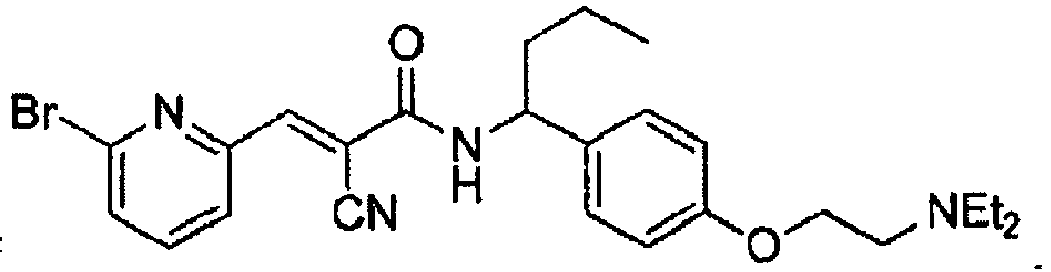


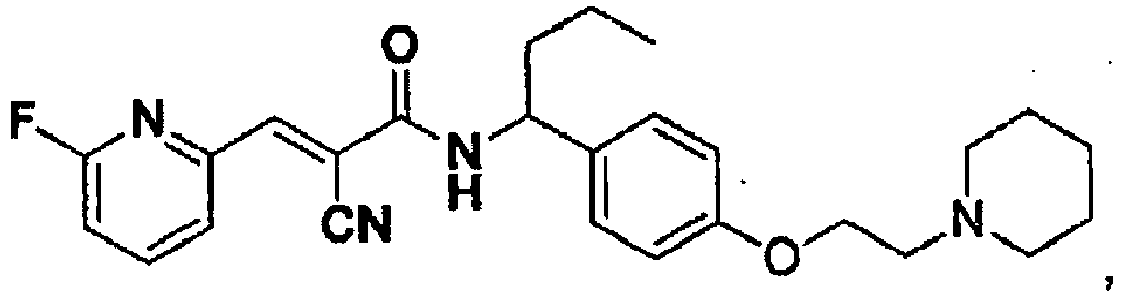


- Composition pharmaceutique comprenant le composé de l'une quelconque des revendications 1 à 8 et un support pharmaceutiquement acceptable.
- Composition pharmaceutique de la revendication 9 appropriée pour une voie d'administration orale, topique, intraveineuse, sous-cutanée, intramusculaire, intrathécale, ophtalmique ou par inhalation.
- Composé de l'une quelconque des revendications 1 à 9 pour une utilisation dans l'inhibition de la prolifération dans une cellule cancéreuse.
- Composé pour une utilisation dans l'inhibition de la prolifération dans une cellule cancéreuse de la revendication 11, dans lequel la cellule cancéreuse est un cancer induit par un virus, un sarcome de Kaposi, un carcinome du nasopharynx (EBV), une leucémie myéloïde chronique (LMC), un mélanome, une leucémie lymphoblastique aiguë, une leucémie lymphoblastique chronique, une leucémie myéloïde aiguë, un lymphome à cellules B, un lymphome à cellules du manteau, un myélome multiple, une dysglobulinémie, un trouble myéloprolifératif ou un glioblastome.
- Composé pour une utilisation dans l'inhibition de la prolifération dans une cellule cancéreuse de la revendication 11 en inhibant une déubiquitinase (Dub).
- Composé pour une utilisation dans l'inhibition de la prolifération dans une cellule cancéreuse de la revendication 11, traitant ainsi une affection due à une infection pathogène.
- Composé pour une utilisation dans l'inhibition de la prolifération dans une cellule cancéreuse de la revendication 11, traitant ainsi une maladie neurodégénérative ou un ou plusieurs symptôme(s) associé(s) à une maladie neurodégénérative.
Applications Claiming Priority (2)
| Application Number | Priority Date | Filing Date | Title |
|---|---|---|---|
| US38605710P | 2010-09-24 | 2010-09-24 | |
| PCT/US2011/052866 WO2012040527A2 (fr) | 2010-09-24 | 2011-09-23 | Inhibiteurs de déubiquitinase et leurs procédés d'utilisation |
Publications (3)
| Publication Number | Publication Date |
|---|---|
| EP2619184A2 EP2619184A2 (fr) | 2013-07-31 |
| EP2619184A4 EP2619184A4 (fr) | 2014-05-14 |
| EP2619184B1 true EP2619184B1 (fr) | 2018-05-23 |
Family
ID=45871252
Family Applications (1)
| Application Number | Title | Priority Date | Filing Date |
|---|---|---|---|
| EP11827580.9A Active EP2619184B1 (fr) | 2010-09-24 | 2011-09-23 | Inhibiteurs de déubiquitinase et leurs procédés d'utilisation |
Country Status (7)
| Country | Link |
|---|---|
| US (2) | US8809377B2 (fr) |
| EP (1) | EP2619184B1 (fr) |
| JP (1) | JP5852658B2 (fr) |
| CN (1) | CN103261169A (fr) |
| AU (1) | AU2011305315A1 (fr) |
| CA (1) | CA2811567C (fr) |
| WO (1) | WO2012040527A2 (fr) |
Families Citing this family (84)
| Publication number | Priority date | Publication date | Assignee | Title |
|---|---|---|---|---|
| CA2861066C (fr) | 2012-01-12 | 2024-01-02 | Yale University | Composes et procedes pour la degradation amelioree de proteines cibles et d'autres polypeptides par une e3 ubiquitine ligase |
| WO2013184524A2 (fr) * | 2012-06-04 | 2013-12-12 | Academia Sinica | Inactivation d'usp37 en tant que traitement pour une leucémie promyélocytaire aiguë associée à plzf/rara |
| AU2013305759C1 (en) * | 2012-08-23 | 2018-01-18 | Janssen Biopharma, Inc. | Compounds for the treatment of paramoxyvirus viral infections |
| CA2896731A1 (fr) | 2012-12-28 | 2014-07-03 | The United States Of America, As Represented By The Secretary, Department Of Health And Human Services | Inhibiteurs du complexe usp1/uaf1 desubiquitinase et leurs utilisations |
| GB201311888D0 (en) | 2013-07-03 | 2013-08-14 | Glaxosmithkline Ip Dev Ltd | Novel compounds |
| GB201311891D0 (en) | 2013-07-03 | 2013-08-14 | Glaxosmithkline Ip Dev Ltd | Novel compound |
| US9868736B2 (en) | 2013-10-10 | 2018-01-16 | The Regents Of The University Of Michigan | Deubiquitinase inhibitors and methods for use of the same |
| US20180228907A1 (en) | 2014-04-14 | 2018-08-16 | Arvinas, Inc. | Cereblon ligands and bifunctional compounds comprising the same |
| AU2015247817C1 (en) * | 2014-04-14 | 2022-02-10 | Arvinas Operations, Inc. | Imide-based modulators of proteolysis and associated methods of use |
| WO2015183987A1 (fr) * | 2014-05-27 | 2015-12-03 | Pharmakea, Inc. | Compositions et méthodes d'administration d'inhibiteurs de déubiquitinase |
| CA2948883A1 (fr) * | 2014-06-02 | 2015-12-10 | Pharmakea, Inc. | Inhibiteurs de deubiquitinase |
| CN105327350A (zh) * | 2014-07-23 | 2016-02-17 | 中国科学院上海巴斯德研究所 | 泛素化途径相关因子在调控辅助性t细胞功能中的应用 |
| US10071164B2 (en) | 2014-08-11 | 2018-09-11 | Yale University | Estrogen-related receptor alpha based protac compounds and associated methods of use |
| EP3708650B1 (fr) * | 2014-09-22 | 2024-06-12 | Japan Science and Technology Agency | Cellules pour la production du virus de la grippe et procédé de production du virus de la grippe |
| GB201416754D0 (en) * | 2014-09-23 | 2014-11-05 | Mission Therapeutics Ltd | Novel compounds |
| CN107427492B (zh) * | 2014-11-19 | 2021-03-26 | 查岱龙 | 用于治疗癌症的医药组合物、其方法及筛选药物的生物标记 |
| US12312316B2 (en) | 2015-01-20 | 2025-05-27 | Arvinas Operations, Inc. | Compounds and methods for the targeted degradation of androgen receptor |
| JP6817962B2 (ja) | 2015-01-20 | 2021-01-20 | アルビナス・オペレーションズ・インコーポレイテッドArvinas Operations, Inc. | ターゲティングされたアンドロゲン受容体分解のための化合物および方法 |
| US10730870B2 (en) | 2015-03-18 | 2020-08-04 | Arvinas Operations, Inc. | Compounds and methods for the enhanced degradation of targeted proteins |
| MX373656B (es) * | 2015-03-30 | 2020-04-02 | Mission Therapeutics Ltd | Compuestos de 1-ciano-pirrolidina como inhibidores de las enzimas desubiquitinantes, como la hidrolasa 30 de la c-terminal de la ubiquitina (usp30), y el uso de los mismos en el tratamiento de condiciones de disfunción mitocondrial y tratamiento de cancér. |
| HUE054149T2 (hu) * | 2015-06-04 | 2021-08-30 | Arvinas Operations Inc | Proteolízis imid-alapú modulátorai és ezekkel kapcsolatos felhasználási eljárások |
| WO2016197114A1 (fr) | 2015-06-05 | 2016-12-08 | Arvinas, Inc. | Tank-binding kinase-1 protacs et procédés d'utilisation associés |
| WO2017011371A1 (fr) | 2015-07-10 | 2017-01-19 | Arvinas, Inc | Modulateurs de protéolyse à base de mdm2 et méthodes d'utilisation associées |
| US10669234B2 (en) | 2015-07-14 | 2020-06-02 | Mission Therapeutics Limited | Cyanopyrrolidines as dub inhibitors for the treatment of cancer |
| US10975051B2 (en) | 2015-08-12 | 2021-04-13 | Memorial Sloan Kettering Cancer Center | Phenylsulfonamido-benzofuran derivatives and uses thereof in the treatment of proliferative diseases |
| EP3337476A4 (fr) | 2015-08-19 | 2019-09-04 | Arvinas, Inc. | Composés et procédés pour la dégradation ciblée de protéines contenant un bromodomaine |
| WO2017087810A1 (fr) * | 2015-11-20 | 2017-05-26 | Memorial Sloan-Kettering Cancer Center | Procédé de criblage d'inhibiteurs ciblant des voies de survie anti-apoptotiques |
| GB201522768D0 (en) * | 2015-12-23 | 2016-02-03 | Mission Therapeutics Ltd | Novel compounds |
| US10889592B2 (en) | 2016-02-12 | 2021-01-12 | Valo Early Discovery, Inc. | Thienopyrazine carboxamides as ubiquitin-specific protease inhibitors |
| CN109071560B (zh) * | 2016-02-12 | 2022-01-14 | 瓦洛健康公司 | 用作泛素特异性蛋白酶抑制剂的噻吩并吡啶甲酰胺 |
| GB201604638D0 (en) | 2016-03-18 | 2016-05-04 | Mission Therapeutics Ltd | Novel compounds |
| GB201604647D0 (en) | 2016-03-18 | 2016-05-04 | Mission Therapeutics Ltd | Novel compounds |
| US20170281784A1 (en) | 2016-04-05 | 2017-10-05 | Arvinas, Inc. | Protein-protein interaction inducing technology |
| WO2018053354A1 (fr) | 2016-09-15 | 2018-03-22 | Arvinas, Inc. | Dérivés d'indole en tant qu'agents de dégradation des récepteurs des œstrogènes |
| WO2018071606A1 (fr) | 2016-10-11 | 2018-04-19 | Arvinas, Inc. | Composés et procédés pour la dégradation ciblée du récepteur des androgènes |
| IL290809B2 (en) | 2016-11-01 | 2024-01-01 | Arvinas Operations Inc | Tau-protein targeting protacs and associated methods of use |
| KR102674902B1 (ko) | 2016-12-01 | 2024-06-14 | 아비나스 오퍼레이션스, 인코포레이티드 | 에스트로겐 수용체 분해제로서의 테트라히드로나프탈렌 및 테트라히드로이소퀴놀린 유도체 |
| CN117510491A (zh) | 2016-12-23 | 2024-02-06 | 阿尔维纳斯运营股份有限公司 | 用于迅速加速性纤维肉瘤多肽的靶向降解的化合物和方法 |
| MX2019007646A (es) | 2016-12-23 | 2019-09-06 | Arvinas Operations Inc | Moleculas quimericas dirigidas a la proteolisis del egfr y metodos asociados de uso. |
| US11173211B2 (en) | 2016-12-23 | 2021-11-16 | Arvinas Operations, Inc. | Compounds and methods for the targeted degradation of rapidly accelerated Fibrosarcoma polypeptides |
| US10806737B2 (en) | 2016-12-23 | 2020-10-20 | Arvinas Operations, Inc. | Compounds and methods for the targeted degradation of fetal liver kinase polypeptides |
| US11191741B2 (en) | 2016-12-24 | 2021-12-07 | Arvinas Operations, Inc. | Compounds and methods for the targeted degradation of enhancer of zeste homolog 2 polypeptide |
| AU2018211975B2 (en) | 2017-01-26 | 2022-05-26 | Arvinas Operations, Inc. | Modulators of estrogen receptor proteolysis and associated methods of use |
| BR112019015484A2 (pt) | 2017-01-31 | 2020-04-28 | Arvinas Operations Inc | ligantes de cereblon e compostos bifuncionais compreendendo os mesmos |
| US11524966B1 (en) | 2017-08-11 | 2022-12-13 | Valo Health, Inc. | Carboxamides as ubiquitin-specific protease inhibitors |
| CN109420172B (zh) * | 2017-08-30 | 2021-04-23 | 新疆医科大学第一附属医院 | 一种抑制剂在制备治疗囊型包虫病药物方面的用途 |
| TWI846678B (zh) | 2017-11-10 | 2024-07-01 | 美國德州系統大學評議委員會 | 咖啡酸衍生物及其用途 |
| US11065231B2 (en) | 2017-11-17 | 2021-07-20 | Arvinas Operations, Inc. | Compounds and methods for the targeted degradation of interleukin-1 receptor- associated kinase 4 polypeptides |
| US11220515B2 (en) | 2018-01-26 | 2022-01-11 | Yale University | Imide-based modulators of proteolysis and associated methods of use |
| US12539292B2 (en) | 2018-04-01 | 2026-02-03 | Arvinas Operations, Inc. | BRM targeting compounds and associated methods of use |
| KR20210006356A (ko) | 2018-04-04 | 2021-01-18 | 아비나스 오퍼레이션스, 인코포레이티드 | 단백질분해 조절제 및 연관된 사용 방법 |
| WO2019234751A1 (fr) * | 2018-06-06 | 2019-12-12 | Technion Research & Development Foundation Limited | Peptides cycliques présentant une affinité élevée à l'ubiquitine et procédés d'utilisation associés |
| KR20210020107A (ko) * | 2018-06-13 | 2021-02-23 | 암피스타 테라퓨틱스 엘티디 | UchL5 표적화를 위한 이중작용성 분자 |
| EP3833441A1 (fr) | 2018-08-09 | 2021-06-16 | Valo Early Discovery, Inc. | Inhibition de la déubiquitinase usp25 et usp 28 |
| JP2021534123A (ja) | 2018-08-09 | 2021-12-09 | ヴァロ アーリー ディスカバリー, インコーポレイテッド | ユビキチン特異的プロテアーゼ阻害剤としてのカルボキサミド |
| EP3841100A1 (fr) | 2018-08-20 | 2021-06-30 | Arvinas Operations, Inc. | Composé chimère ciblant la protéolyse (protac) ayant une activité de liaison à l'ubiquitine ligase e3 et ciblant une protéine alpha-synucléine pour le traitement de maladies neurodégénératives |
| US20220111019A1 (en) * | 2018-09-19 | 2022-04-14 | Virginia Tech Intellectual Properties, Inc. | Brca1 modulating compounds, formulations thereof, and uses thereof |
| SG11202102526QA (en) * | 2018-09-19 | 2021-04-29 | Forma Therapeutics Inc | Inhibiting ubiquitin specific peptidase 9x |
| CN111317739A (zh) * | 2018-12-14 | 2020-06-23 | 复旦大学 | 依托红霉素在制备特异性抑制病毒感染的药物中的用途 |
| GB201820626D0 (en) * | 2018-12-18 | 2019-01-30 | Univ Of Canterbury | Conjugates |
| CN109734680B (zh) * | 2018-12-27 | 2021-10-29 | 南京红杉生物科技有限公司 | 一种d-环丝氨酸合成的方法 |
| CN119954801A (zh) | 2019-07-17 | 2025-05-09 | 阿尔维纳斯运营股份有限公司 | Tau蛋白靶向化合物及相关使用方法 |
| IL320609A (en) | 2019-08-26 | 2025-07-01 | Arvinas Operations Inc | Methods for treating breast cancer with a history of tetrahydronaphthalene as estrogen receptor-disrupting agents |
| CN115397821B (zh) | 2019-10-17 | 2024-09-03 | 阿尔维纳斯运营股份有限公司 | 含有与bcl6靶向部分连接的e3泛素连接酶结合部分的双官能分子 |
| CN112870358B (zh) * | 2019-11-29 | 2022-04-12 | 武汉大学 | 去泛素化酶usp20在降低胆固醇合成并改善代谢综合征中的用途 |
| CA3165168A1 (fr) | 2019-12-19 | 2021-06-24 | Arvinas Operations, Inc. | Composes et methodes pour la degradation ciblee du recepteur des androgenes |
| JP2023511280A (ja) * | 2020-01-14 | 2023-03-17 | ザ・トラスティーズ・オブ・コロンビア・ユニバーシティ・イン・ザ・シティ・オブ・ニューヨーク | 内因性の脱ユビキチン化酵素をリダイレクトすることによる標的化されたタンパク質の安定化のための組成物及び方法 |
| CN111214664B (zh) * | 2020-02-24 | 2022-02-11 | 大连医科大学 | USP2和HSP90抑制剂联合使用抑制ErbB2阳性乳腺癌生长的应用 |
| CN115996918A (zh) | 2020-05-09 | 2023-04-21 | 阿尔维纳斯运营股份有限公司 | 制造双官能团化合物的方法、双官能团化合物的超纯形式以及包括所述双官能团化合物的剂型 |
| CN111956804B (zh) * | 2020-07-21 | 2022-01-07 | 广州医科大学 | Otub1的抑制剂的新应用 |
| CA3190144A1 (fr) | 2020-07-24 | 2022-01-27 | Jawaharlal Nehru Centre For Advanced Scientific Research | Composes de monoimide de naphtalene et procedes associes |
| JP7834721B2 (ja) | 2020-08-28 | 2026-03-24 | アルビナス・オペレーションズ・インコーポレイテッド | 急速進行性線維肉腫タンパク質分解化合物及び関連する使用方法 |
| AR123492A1 (es) | 2020-09-14 | 2022-12-07 | Arvinas Operations Inc | Formas cristalinas y amorfas de un compuesto para la degradación dirigida del receptor de estrógeno |
| CN112957471A (zh) * | 2021-01-29 | 2021-06-15 | 大连医科大学 | 去泛素化酶usp42作为用药靶标在制备药物中的用途 |
| CN112933090B (zh) * | 2021-03-16 | 2022-11-08 | 军事科学院军事医学研究院军事兽医研究所 | 去泛素化酶抑制剂在制备用于抗狂犬病病毒的药物中的用途 |
| CN113304266A (zh) * | 2021-03-31 | 2021-08-27 | 上海市第五人民医院 | Usp16抑制剂在制备治疗或预防前列腺癌的药物中的应用 |
| CN117279910A (zh) | 2021-04-16 | 2023-12-22 | 阿尔维纳斯运营股份有限公司 | Bcl6蛋白水解的调节剂和其相关使用方法 |
| US20240009182A1 (en) * | 2022-06-14 | 2024-01-11 | The Chinese University Of Hong Kong | Repurposed compound as therapeutic for hpv-associated cancers |
| EP4584258A1 (fr) | 2022-09-07 | 2025-07-16 | Arvinas Operations, Inc. | Composés de dégradation de fibrosarcome rapidement accéléré (raf) et procédés d'utilisation associés |
| CN121419983A (zh) | 2023-01-26 | 2026-01-27 | 阿尔维纳斯运营股份有限公司 | 基于小脑蛋白的kras降解protac及其相关用途 |
| US12496301B2 (en) | 2023-12-08 | 2025-12-16 | Arvinas Operations, Inc. | Use of androgen receptor degrader for the treatment of spinal and bulbar muscular atrophy |
| CN118986982B (zh) * | 2024-08-15 | 2025-04-29 | 北京师范大学 | 化合物U37i作为靶向UCH37和UCHL3的小分子抑制剂的应用 |
| KR102735225B1 (ko) * | 2024-09-09 | 2024-11-26 | 김민재 | 표면직물층을 이용한 층간소음방지매트 |
| CN119097627B (zh) * | 2024-11-06 | 2025-03-14 | 四川省医学科学院·四川省人民医院 | 去泛素化酶抑制剂、核酸分子在制备治疗自身免疫障碍疾病的药物中的应用 |
Family Cites Families (5)
| Publication number | Priority date | Publication date | Assignee | Title |
|---|---|---|---|---|
| PT1701941E (pt) * | 2003-12-11 | 2012-08-03 | Univ Texas | Compostos para o tratamento de doenças proliferativas celulares |
| EP2455382B1 (fr) * | 2005-12-13 | 2016-10-26 | Incyte Holdings Corporation | Pyrrolo[2,3-b]pyridines et pyrrolo[2,3-b]pyrimidines à substitution hétéroaryle en tant qu'inhibiteurs de la janus kinase |
| BRPI0709916B8 (pt) * | 2006-03-31 | 2021-05-25 | Univ Texas | drogas anticâncer associadas ao ácido caféico biodisponível por via oral e uso das referidas drogas |
| WO2008005954A2 (fr) * | 2006-06-30 | 2008-01-10 | The Board Of Regents Of The University Of Texas System | Modulateurs de protéine signal en tant qu'agents thérapeutiques |
| US8450337B2 (en) * | 2008-09-30 | 2013-05-28 | Moleculin, Llc | Methods of treating skin disorders with caffeic acid analogs |
-
2011
- 2011-09-23 EP EP11827580.9A patent/EP2619184B1/fr active Active
- 2011-09-23 AU AU2011305315A patent/AU2011305315A1/en not_active Abandoned
- 2011-09-23 CA CA2811567A patent/CA2811567C/fr active Active
- 2011-09-23 US US13/241,802 patent/US8809377B2/en active Active
- 2011-09-23 JP JP2013530334A patent/JP5852658B2/ja active Active
- 2011-09-23 WO PCT/US2011/052866 patent/WO2012040527A2/fr not_active Ceased
- 2011-09-23 CN CN2011800460993A patent/CN103261169A/zh active Pending
-
2014
- 2014-07-31 US US14/448,203 patent/US20140357673A1/en not_active Abandoned
Non-Patent Citations (1)
| Title |
|---|
| None * |
Also Published As
| Publication number | Publication date |
|---|---|
| WO2012040527A3 (fr) | 2012-07-05 |
| US20120077806A1 (en) | 2012-03-29 |
| CA2811567C (fr) | 2019-09-10 |
| CN103261169A (zh) | 2013-08-21 |
| US20140357673A1 (en) | 2014-12-04 |
| JP5852658B2 (ja) | 2016-02-03 |
| AU2011305315A1 (en) | 2013-03-28 |
| EP2619184A2 (fr) | 2013-07-31 |
| JP2013543490A (ja) | 2013-12-05 |
| CA2811567A1 (fr) | 2012-03-29 |
| WO2012040527A2 (fr) | 2012-03-29 |
| EP2619184A4 (fr) | 2014-05-14 |
| US8809377B2 (en) | 2014-08-19 |
Similar Documents
| Publication | Publication Date | Title |
|---|---|---|
| EP2619184B1 (fr) | Inhibiteurs de déubiquitinase et leurs procédés d'utilisation | |
| US9868736B2 (en) | Deubiquitinase inhibitors and methods for use of the same | |
| EP3088397B1 (fr) | Composés capables de supprimer le point de controle g2 du cycle cellulaire utile pour leur le traitement de cancer. | |
| US8329732B2 (en) | Kinase inhibitors and methods of their use | |
| EP1697348B1 (fr) | Composes inhibiteurs de la protease du vih | |
| US12168640B2 (en) | USP9X inhibitors | |
| US11691945B2 (en) | USP9X inhibitors | |
| US20230227418A1 (en) | Usp9x inhibitors | |
| US9394253B2 (en) | Kinase protein binding inhibitors | |
| KR20230118883A (ko) | Enpp1 억제제로서의 이미다졸 화합물 | |
| HK1094579A1 (en) | Hiv protease inhibiting compounds | |
| HK1094579B (en) | Hiv protease inhibiting compounds |
Legal Events
| Date | Code | Title | Description |
|---|---|---|---|
| PUAI | Public reference made under article 153(3) epc to a published international application that has entered the european phase |
Free format text: ORIGINAL CODE: 0009012 |
|
| 17P | Request for examination filed |
Effective date: 20130322 |
|
| AK | Designated contracting states |
Kind code of ref document: A2 Designated state(s): AL AT BE BG CH CY CZ DE DK EE ES FI FR GB GR HR HU IE IS IT LI LT LU LV MC MK MT NL NO PL PT RO RS SE SI SK SM TR |
|
| DAX | Request for extension of the european patent (deleted) | ||
| A4 | Supplementary search report drawn up and despatched |
Effective date: 20140415 |
|
| RIC1 | Information provided on ipc code assigned before grant |
Ipc: A61K 31/44 20060101ALI20140409BHEP Ipc: C07D 233/64 20060101AFI20140409BHEP Ipc: A61K 31/4164 20060101ALI20140409BHEP Ipc: C07D 213/26 20060101ALI20140409BHEP Ipc: C12N 9/99 20060101ALI20140409BHEP Ipc: C07D 241/12 20060101ALI20140409BHEP Ipc: C07D 417/12 20060101ALI20140409BHEP Ipc: C07D 213/61 20060101ALI20140409BHEP Ipc: A61P 35/00 20060101ALI20140409BHEP |
|
| 17Q | First examination report despatched |
Effective date: 20151009 |
|
| GRAP | Despatch of communication of intention to grant a patent |
Free format text: ORIGINAL CODE: EPIDOSNIGR1 |
|
| INTG | Intention to grant announced |
Effective date: 20171129 |
|
| GRAS | Grant fee paid |
Free format text: ORIGINAL CODE: EPIDOSNIGR3 |
|
| GRAA | (expected) grant |
Free format text: ORIGINAL CODE: 0009210 |
|
| AK | Designated contracting states |
Kind code of ref document: B1 Designated state(s): AL AT BE BG CH CY CZ DE DK EE ES FI FR GB GR HR HU IE IS IT LI LT LU LV MC MK MT NL NO PL PT RO RS SE SI SK SM TR |
|
| REG | Reference to a national code |
Ref country code: GB Ref legal event code: FG4D |
|
| REG | Reference to a national code |
Ref country code: CH Ref legal event code: EP |
|
| REG | Reference to a national code |
Ref country code: IE Ref legal event code: FG4D |
|
| REG | Reference to a national code |
Ref country code: AT Ref legal event code: REF Ref document number: 1001406 Country of ref document: AT Kind code of ref document: T Effective date: 20180615 |
|
| REG | Reference to a national code |
Ref country code: DE Ref legal event code: R096 Ref document number: 602011048652 Country of ref document: DE |
|
| REG | Reference to a national code |
Ref country code: NL Ref legal event code: MP Effective date: 20180523 |
|
| REG | Reference to a national code |
Ref country code: LT Ref legal event code: MG4D |
|
| REG | Reference to a national code |
Ref country code: FR Ref legal event code: PLFP Year of fee payment: 8 |
|
| PG25 | Lapsed in a contracting state [announced via postgrant information from national office to epo] |
Ref country code: LT Free format text: LAPSE BECAUSE OF FAILURE TO SUBMIT A TRANSLATION OF THE DESCRIPTION OR TO PAY THE FEE WITHIN THE PRESCRIBED TIME-LIMIT Effective date: 20180523 Ref country code: NO Free format text: LAPSE BECAUSE OF FAILURE TO SUBMIT A TRANSLATION OF THE DESCRIPTION OR TO PAY THE FEE WITHIN THE PRESCRIBED TIME-LIMIT Effective date: 20180823 Ref country code: FI Free format text: LAPSE BECAUSE OF FAILURE TO SUBMIT A TRANSLATION OF THE DESCRIPTION OR TO PAY THE FEE WITHIN THE PRESCRIBED TIME-LIMIT Effective date: 20180523 Ref country code: SE Free format text: LAPSE BECAUSE OF FAILURE TO SUBMIT A TRANSLATION OF THE DESCRIPTION OR TO PAY THE FEE WITHIN THE PRESCRIBED TIME-LIMIT Effective date: 20180523 Ref country code: BG Free format text: LAPSE BECAUSE OF FAILURE TO SUBMIT A TRANSLATION OF THE DESCRIPTION OR TO PAY THE FEE WITHIN THE PRESCRIBED TIME-LIMIT Effective date: 20180823 Ref country code: ES Free format text: LAPSE BECAUSE OF FAILURE TO SUBMIT A TRANSLATION OF THE DESCRIPTION OR TO PAY THE FEE WITHIN THE PRESCRIBED TIME-LIMIT Effective date: 20180523 |
|
| PG25 | Lapsed in a contracting state [announced via postgrant information from national office to epo] |
Ref country code: NL Free format text: LAPSE BECAUSE OF FAILURE TO SUBMIT A TRANSLATION OF THE DESCRIPTION OR TO PAY THE FEE WITHIN THE PRESCRIBED TIME-LIMIT Effective date: 20180523 Ref country code: RS Free format text: LAPSE BECAUSE OF FAILURE TO SUBMIT A TRANSLATION OF THE DESCRIPTION OR TO PAY THE FEE WITHIN THE PRESCRIBED TIME-LIMIT Effective date: 20180523 Ref country code: HR Free format text: LAPSE BECAUSE OF FAILURE TO SUBMIT A TRANSLATION OF THE DESCRIPTION OR TO PAY THE FEE WITHIN THE PRESCRIBED TIME-LIMIT Effective date: 20180523 Ref country code: LV Free format text: LAPSE BECAUSE OF FAILURE TO SUBMIT A TRANSLATION OF THE DESCRIPTION OR TO PAY THE FEE WITHIN THE PRESCRIBED TIME-LIMIT Effective date: 20180523 Ref country code: GR Free format text: LAPSE BECAUSE OF FAILURE TO SUBMIT A TRANSLATION OF THE DESCRIPTION OR TO PAY THE FEE WITHIN THE PRESCRIBED TIME-LIMIT Effective date: 20180824 |
|
| REG | Reference to a national code |
Ref country code: AT Ref legal event code: MK05 Ref document number: 1001406 Country of ref document: AT Kind code of ref document: T Effective date: 20180523 |
|
| PG25 | Lapsed in a contracting state [announced via postgrant information from national office to epo] |
Ref country code: DK Free format text: LAPSE BECAUSE OF FAILURE TO SUBMIT A TRANSLATION OF THE DESCRIPTION OR TO PAY THE FEE WITHIN THE PRESCRIBED TIME-LIMIT Effective date: 20180523 Ref country code: EE Free format text: LAPSE BECAUSE OF FAILURE TO SUBMIT A TRANSLATION OF THE DESCRIPTION OR TO PAY THE FEE WITHIN THE PRESCRIBED TIME-LIMIT Effective date: 20180523 Ref country code: AT Free format text: LAPSE BECAUSE OF FAILURE TO SUBMIT A TRANSLATION OF THE DESCRIPTION OR TO PAY THE FEE WITHIN THE PRESCRIBED TIME-LIMIT Effective date: 20180523 Ref country code: SK Free format text: LAPSE BECAUSE OF FAILURE TO SUBMIT A TRANSLATION OF THE DESCRIPTION OR TO PAY THE FEE WITHIN THE PRESCRIBED TIME-LIMIT Effective date: 20180523 Ref country code: RO Free format text: LAPSE BECAUSE OF FAILURE TO SUBMIT A TRANSLATION OF THE DESCRIPTION OR TO PAY THE FEE WITHIN THE PRESCRIBED TIME-LIMIT Effective date: 20180523 Ref country code: CZ Free format text: LAPSE BECAUSE OF FAILURE TO SUBMIT A TRANSLATION OF THE DESCRIPTION OR TO PAY THE FEE WITHIN THE PRESCRIBED TIME-LIMIT Effective date: 20180523 Ref country code: PL Free format text: LAPSE BECAUSE OF FAILURE TO SUBMIT A TRANSLATION OF THE DESCRIPTION OR TO PAY THE FEE WITHIN THE PRESCRIBED TIME-LIMIT Effective date: 20180523 |
|
| REG | Reference to a national code |
Ref country code: DE Ref legal event code: R097 Ref document number: 602011048652 Country of ref document: DE |
|
| PG25 | Lapsed in a contracting state [announced via postgrant information from national office to epo] |
Ref country code: IT Free format text: LAPSE BECAUSE OF FAILURE TO SUBMIT A TRANSLATION OF THE DESCRIPTION OR TO PAY THE FEE WITHIN THE PRESCRIBED TIME-LIMIT Effective date: 20180523 Ref country code: SM Free format text: LAPSE BECAUSE OF FAILURE TO SUBMIT A TRANSLATION OF THE DESCRIPTION OR TO PAY THE FEE WITHIN THE PRESCRIBED TIME-LIMIT Effective date: 20180523 |
|
| PLBE | No opposition filed within time limit |
Free format text: ORIGINAL CODE: 0009261 |
|
| STAA | Information on the status of an ep patent application or granted ep patent |
Free format text: STATUS: NO OPPOSITION FILED WITHIN TIME LIMIT |
|
| PG25 | Lapsed in a contracting state [announced via postgrant information from national office to epo] |
Ref country code: MC Free format text: LAPSE BECAUSE OF FAILURE TO SUBMIT A TRANSLATION OF THE DESCRIPTION OR TO PAY THE FEE WITHIN THE PRESCRIBED TIME-LIMIT Effective date: 20180523 |
|
| REG | Reference to a national code |
Ref country code: CH Ref legal event code: PL |
|
| 26N | No opposition filed |
Effective date: 20190226 |
|
| PG25 | Lapsed in a contracting state [announced via postgrant information from national office to epo] |
Ref country code: SI Free format text: LAPSE BECAUSE OF FAILURE TO SUBMIT A TRANSLATION OF THE DESCRIPTION OR TO PAY THE FEE WITHIN THE PRESCRIBED TIME-LIMIT Effective date: 20180523 |
|
| REG | Reference to a national code |
Ref country code: BE Ref legal event code: MM Effective date: 20180930 |
|
| REG | Reference to a national code |
Ref country code: IE Ref legal event code: MM4A |
|
| PG25 | Lapsed in a contracting state [announced via postgrant information from national office to epo] |
Ref country code: LU Free format text: LAPSE BECAUSE OF NON-PAYMENT OF DUE FEES Effective date: 20180923 |
|
| PG25 | Lapsed in a contracting state [announced via postgrant information from national office to epo] |
Ref country code: IE Free format text: LAPSE BECAUSE OF NON-PAYMENT OF DUE FEES Effective date: 20180923 |
|
| PG25 | Lapsed in a contracting state [announced via postgrant information from national office to epo] |
Ref country code: CH Free format text: LAPSE BECAUSE OF NON-PAYMENT OF DUE FEES Effective date: 20180930 Ref country code: LI Free format text: LAPSE BECAUSE OF NON-PAYMENT OF DUE FEES Effective date: 20180930 Ref country code: BE Free format text: LAPSE BECAUSE OF NON-PAYMENT OF DUE FEES Effective date: 20180930 |
|
| PG25 | Lapsed in a contracting state [announced via postgrant information from national office to epo] |
Ref country code: AL Free format text: LAPSE BECAUSE OF FAILURE TO SUBMIT A TRANSLATION OF THE DESCRIPTION OR TO PAY THE FEE WITHIN THE PRESCRIBED TIME-LIMIT Effective date: 20180523 |
|
| PG25 | Lapsed in a contracting state [announced via postgrant information from national office to epo] |
Ref country code: MT Free format text: LAPSE BECAUSE OF NON-PAYMENT OF DUE FEES Effective date: 20180923 |
|
| PG25 | Lapsed in a contracting state [announced via postgrant information from national office to epo] |
Ref country code: TR Free format text: LAPSE BECAUSE OF FAILURE TO SUBMIT A TRANSLATION OF THE DESCRIPTION OR TO PAY THE FEE WITHIN THE PRESCRIBED TIME-LIMIT Effective date: 20180523 |
|
| PG25 | Lapsed in a contracting state [announced via postgrant information from national office to epo] |
Ref country code: PT Free format text: LAPSE BECAUSE OF FAILURE TO SUBMIT A TRANSLATION OF THE DESCRIPTION OR TO PAY THE FEE WITHIN THE PRESCRIBED TIME-LIMIT Effective date: 20180523 Ref country code: HU Free format text: LAPSE BECAUSE OF FAILURE TO SUBMIT A TRANSLATION OF THE DESCRIPTION OR TO PAY THE FEE WITHIN THE PRESCRIBED TIME-LIMIT; INVALID AB INITIO Effective date: 20110923 |
|
| PG25 | Lapsed in a contracting state [announced via postgrant information from national office to epo] |
Ref country code: CY Free format text: LAPSE BECAUSE OF FAILURE TO SUBMIT A TRANSLATION OF THE DESCRIPTION OR TO PAY THE FEE WITHIN THE PRESCRIBED TIME-LIMIT Effective date: 20180523 Ref country code: MK Free format text: LAPSE BECAUSE OF NON-PAYMENT OF DUE FEES Effective date: 20180523 |
|
| PG25 | Lapsed in a contracting state [announced via postgrant information from national office to epo] |
Ref country code: IS Free format text: LAPSE BECAUSE OF FAILURE TO SUBMIT A TRANSLATION OF THE DESCRIPTION OR TO PAY THE FEE WITHIN THE PRESCRIBED TIME-LIMIT Effective date: 20180923 |
|
| P01 | Opt-out of the competence of the unified patent court (upc) registered |
Effective date: 20230511 |
|
| PGFP | Annual fee paid to national office [announced via postgrant information from national office to epo] |
Ref country code: DE Payment date: 20250919 Year of fee payment: 15 |
|
| PGFP | Annual fee paid to national office [announced via postgrant information from national office to epo] |
Ref country code: GB Payment date: 20250918 Year of fee payment: 15 |
|
| PGFP | Annual fee paid to national office [announced via postgrant information from national office to epo] |
Ref country code: FR Payment date: 20250922 Year of fee payment: 15 |