EP2628809A1 - Procédé pour le recyclage de métal noble à partir de déchets électroniques et appareil correspondant - Google Patents
Procédé pour le recyclage de métal noble à partir de déchets électroniques et appareil correspondant Download PDFInfo
- Publication number
- EP2628809A1 EP2628809A1 EP10858306.3A EP10858306A EP2628809A1 EP 2628809 A1 EP2628809 A1 EP 2628809A1 EP 10858306 A EP10858306 A EP 10858306A EP 2628809 A1 EP2628809 A1 EP 2628809A1
- Authority
- EP
- European Patent Office
- Prior art keywords
- melting
- microwave
- residues
- heating
- liquor
- Prior art date
- Legal status (The legal status is an assumption and is not a legal conclusion. Google has not performed a legal analysis and makes no representation as to the accuracy of the status listed.)
- Granted
Links
Images


Classifications
-
- B—PERFORMING OPERATIONS; TRANSPORTING
- B03—SEPARATION OF SOLID MATERIALS USING LIQUIDS OR USING PNEUMATIC TABLES OR JIGS; MAGNETIC OR ELECTROSTATIC SEPARATION OF SOLID MATERIALS FROM SOLID MATERIALS OR FLUIDS; SEPARATION BY HIGH-VOLTAGE ELECTRIC FIELDS
- B03B—SEPARATING SOLID MATERIALS USING LIQUIDS OR USING PNEUMATIC TABLES OR JIGS
- B03B9/00—General arrangement of separating plant, e.g. flow sheets
- B03B9/06—General arrangement of separating plant, e.g. flow sheets specially adapted for refuse
- B03B9/061—General arrangement of separating plant, e.g. flow sheets specially adapted for refuse the refuse being industrial
-
- C—CHEMISTRY; METALLURGY
- C22—METALLURGY; FERROUS OR NON-FERROUS ALLOYS; TREATMENT OF ALLOYS OR NON-FERROUS METALS
- C22B—PRODUCTION AND REFINING OF METALS; PRETREATMENT OF RAW MATERIALS
- C22B4/00—Electrothermal treatment of ores or metallurgical products for obtaining metals or alloys
- C22B4/04—Heavy metals
-
- C—CHEMISTRY; METALLURGY
- C22—METALLURGY; FERROUS OR NON-FERROUS ALLOYS; TREATMENT OF ALLOYS OR NON-FERROUS METALS
- C22B—PRODUCTION AND REFINING OF METALS; PRETREATMENT OF RAW MATERIALS
- C22B7/00—Working up raw materials other than ores, e.g. scrap, to produce non-ferrous metals and compounds thereof; Methods of a general interest or applied to the winning of more than two metals
-
- B—PERFORMING OPERATIONS; TRANSPORTING
- B09—DISPOSAL OF SOLID WASTE; RECLAMATION OF CONTAMINATED SOIL
- B09B—DISPOSAL OF SOLID WASTE NOT OTHERWISE PROVIDED FOR
- B09B3/00—Destroying solid waste or transforming solid waste into something useful or harmless
-
- C—CHEMISTRY; METALLURGY
- C22—METALLURGY; FERROUS OR NON-FERROUS ALLOYS; TREATMENT OF ALLOYS OR NON-FERROUS METALS
- C22B—PRODUCTION AND REFINING OF METALS; PRETREATMENT OF RAW MATERIALS
- C22B11/00—Obtaining noble metals
-
- C—CHEMISTRY; METALLURGY
- C22—METALLURGY; FERROUS OR NON-FERROUS ALLOYS; TREATMENT OF ALLOYS OR NON-FERROUS METALS
- C22B—PRODUCTION AND REFINING OF METALS; PRETREATMENT OF RAW MATERIALS
- C22B11/00—Obtaining noble metals
- C22B11/02—Obtaining noble metals by dry processes
- C22B11/021—Recovery of noble metals from waste materials
- C22B11/025—Recovery of noble metals from waste materials from manufactured products, e.g. from printed circuit boards, from photographic films, paper, or baths
-
- C—CHEMISTRY; METALLURGY
- C22—METALLURGY; FERROUS OR NON-FERROUS ALLOYS; TREATMENT OF ALLOYS OR NON-FERROUS METALS
- C22B—PRODUCTION AND REFINING OF METALS; PRETREATMENT OF RAW MATERIALS
- C22B4/00—Electrothermal treatment of ores or metallurgical products for obtaining metals or alloys
- C22B4/08—Apparatus
-
- C—CHEMISTRY; METALLURGY
- C22—METALLURGY; FERROUS OR NON-FERROUS ALLOYS; TREATMENT OF ALLOYS OR NON-FERROUS METALS
- C22B—PRODUCTION AND REFINING OF METALS; PRETREATMENT OF RAW MATERIALS
- C22B59/00—Obtaining rare earth metals
-
- C—CHEMISTRY; METALLURGY
- C22—METALLURGY; FERROUS OR NON-FERROUS ALLOYS; TREATMENT OF ALLOYS OR NON-FERROUS METALS
- C22B—PRODUCTION AND REFINING OF METALS; PRETREATMENT OF RAW MATERIALS
- C22B7/00—Working up raw materials other than ores, e.g. scrap, to produce non-ferrous metals and compounds thereof; Methods of a general interest or applied to the winning of more than two metals
- C22B7/001—Dry processes
- C22B7/004—Dry processes separating two or more metals by melting out (liquation), i.e. heating above the temperature of the lower melting metal component(s); by fractional crystallisation (controlled freezing)
-
- C—CHEMISTRY; METALLURGY
- C22—METALLURGY; FERROUS OR NON-FERROUS ALLOYS; TREATMENT OF ALLOYS OR NON-FERROUS METALS
- C22B—PRODUCTION AND REFINING OF METALS; PRETREATMENT OF RAW MATERIALS
- C22B7/00—Working up raw materials other than ores, e.g. scrap, to produce non-ferrous metals and compounds thereof; Methods of a general interest or applied to the winning of more than two metals
- C22B7/005—Separation by a physical processing technique only, e.g. by mechanical breaking
-
- F—MECHANICAL ENGINEERING; LIGHTING; HEATING; WEAPONS; BLASTING
- F27—FURNACES; KILNS; OVENS; RETORTS
- F27D—DETAILS OR ACCESSORIES OF FURNACES, KILNS, OVENS OR RETORTS, IN SO FAR AS THEY ARE OF KINDS OCCURRING IN MORE THAN ONE KIND OF FURNACE
- F27D11/00—Arrangement of elements for electric heating in or on furnaces
- F27D11/12—Arrangement of elements for electric heating in or on furnaces with electromagnetic fields acting directly on the material being heated
-
- F—MECHANICAL ENGINEERING; LIGHTING; HEATING; WEAPONS; BLASTING
- F27—FURNACES; KILNS; OVENS; RETORTS
- F27D—DETAILS OR ACCESSORIES OF FURNACES, KILNS, OVENS OR RETORTS, IN SO FAR AS THEY ARE OF KINDS OCCURRING IN MORE THAN ONE KIND OF FURNACE
- F27D99/00—Subject matter not provided for in other groups of this subclass
- F27D99/0001—Heating elements or systems
- F27D99/0006—Electric heating elements or system
- F27D2099/0028—Microwave heating
-
- Y—GENERAL TAGGING OF NEW TECHNOLOGICAL DEVELOPMENTS; GENERAL TAGGING OF CROSS-SECTIONAL TECHNOLOGIES SPANNING OVER SEVERAL SECTIONS OF THE IPC; TECHNICAL SUBJECTS COVERED BY FORMER USPC CROSS-REFERENCE ART COLLECTIONS [XRACs] AND DIGESTS
- Y02—TECHNOLOGIES OR APPLICATIONS FOR MITIGATION OR ADAPTATION AGAINST CLIMATE CHANGE
- Y02P—CLIMATE CHANGE MITIGATION TECHNOLOGIES IN THE PRODUCTION OR PROCESSING OF GOODS
- Y02P10/00—Technologies related to metal processing
- Y02P10/20—Recycling
-
- Y—GENERAL TAGGING OF NEW TECHNOLOGICAL DEVELOPMENTS; GENERAL TAGGING OF CROSS-SECTIONAL TECHNOLOGIES SPANNING OVER SEVERAL SECTIONS OF THE IPC; TECHNICAL SUBJECTS COVERED BY FORMER USPC CROSS-REFERENCE ART COLLECTIONS [XRACs] AND DIGESTS
- Y02—TECHNOLOGIES OR APPLICATIONS FOR MITIGATION OR ADAPTATION AGAINST CLIMATE CHANGE
- Y02W—CLIMATE CHANGE MITIGATION TECHNOLOGIES RELATED TO WASTEWATER TREATMENT OR WASTE MANAGEMENT
- Y02W30/00—Technologies for solid waste management
- Y02W30/50—Reuse, recycling or recovery technologies
- Y02W30/52—Mechanical processing of waste for the recovery of materials, e.g. crushing, shredding, separation or disassembly
-
- Y—GENERAL TAGGING OF NEW TECHNOLOGICAL DEVELOPMENTS; GENERAL TAGGING OF CROSS-SECTIONAL TECHNOLOGIES SPANNING OVER SEVERAL SECTIONS OF THE IPC; TECHNICAL SUBJECTS COVERED BY FORMER USPC CROSS-REFERENCE ART COLLECTIONS [XRACs] AND DIGESTS
- Y02—TECHNOLOGIES OR APPLICATIONS FOR MITIGATION OR ADAPTATION AGAINST CLIMATE CHANGE
- Y02W—CLIMATE CHANGE MITIGATION TECHNOLOGIES RELATED TO WASTEWATER TREATMENT OR WASTE MANAGEMENT
- Y02W30/00—Technologies for solid waste management
- Y02W30/50—Reuse, recycling or recovery technologies
- Y02W30/62—Plastics recycling; Rubber recycling
Definitions
- the present invention relates to industrial-waste treatment, more particularly to method for recycling noble metals from electronic waste material containing noble metals and apparatus thereof.
- Wild materials containing noble metals refers to waste components, waste residues and waste water, which contain gold, silver, platinum, palladium, rhodium, ruthenium, iridium and other noble metals.
- the widely sources of raw materials mainly concentrate in minerals, smelting, electronics, electroplate, chemical industry. Because noble metals are rare, difficult to refine and valuable, it has huge economic and social benefits to recycle noble metals from waste materials containing noble metals.
- Chinese patent having a publication number of CN1927480A provided a method for treating electronic wastes, which uses microwave irradiation to rapidly pyrolyze electronic wastes, to separate lead and stannum at reaction temperature 600 ⁇ 800°C, to separate copper, zinc, silver, nickel at reaction temperature 900 ⁇ 1500°C.
- this invention described neither the process of how the melted metals break away from electronic components, nor the structure of microwave reactor.
- the present invention aims to provide a method for recycling noble metals from electronic waste materials, the method is energy saving and of high efficiency, easy to control and pollution-free; and to provide an apparatus for recycling noble metals from electronic waste materials. Having reasonable design, the apparatus of the present invention is favorable for fastening the reaction and for separating solid and liquid when melting noble metals, and is convenient for automatic operation.
- One aspect of the present invention is to provide a method for recycling noble metals from electronic waste materials containing noble metals, comprising the following steps:
- melting temperature T 2 700 ⁇ 900°C by microwave, melting stannum, lead, antimony and other low-melting-point metals, keeping melting for 5 ⁇ 30 minutes, allowing the melted low-melting-point metal liquor to pass through the filtering screen, collecting filtrate A and residues A separately;
- Steps (1) ⁇ (3) of the present invention are pretreatment with materials aiming to break up and preliminarily purify electronic waste materials containing noble metals, to remove rubber and plastic materials and ferromagnetic metals mixed therein.
- electrostatic waste materials containing noble metals refers to electronic waste materials or components containing eight metal elements of gold, silver and platinum group metals (ruthenium, rhodium, palladium, osmium, iridium, and platinum), which may also contain rubber and plastic materials, base metals and others.
- Noble metals are arranged in ascending order of melting point: silver having a melting point of 960°C, gold having a melting point of 1063°C, palladium having a melting point of 1552°C, platinum having a melting point of 1772°C, rhodium having a melting point of 1966°C, ruthenium having a melting point of 2250°C, iridium having a melting point of 2454°C, and osmium having a melting point of 3045°C.
- rubber and plastic materials refers to a collective name of rubber materials and plastic materials, rubber and plastic materials have electrostatic properties.
- ferromagnetic metals refers to metals having ferromagnetism above room temperature, such as iron, cobalt, nickel, etc.
- Step (1) comprises: taking electronic waste materials containing noble metals as raw materials, mechanically preliminarily breaking up electronic waste materials containing noble metals, sieving, and then collecting electronic waste powders containing noble metals.
- the electronic waste materials containing noble metals are preliminarily broken up into particles having size of 4 to 10mm, then broken up further, passed through 3 ⁇ 5 mesh sieve.
- Electrostatic separation in step (2) is a method of separation using electrostatic properties of rubber and plastic materials.
- rubber and plastic materials carry charges, due to the effect of resultant force of electrostatic force, gravity and centrifugal force, so that rubber and plastic materials can be separated out.
- the remainders are noble metal-rich part, which may also comprise a little rubber and plastic materials.
- Magnetic separation in step (3) is a method of separation carried out under the effect of magnetic force and other forces by taking advantages of the magnetism differences of materials. Iron, cobalt, nickel and other magnetic metals can be separated out during magnetic separation; the remainders are ferromagnetism-free metal-rich part.
- step (3) it is allowed to take a small amount of ferromagnetism-free metal-rich part to determine components, and determine recycling sequence of target metals according to ascending order of melting point of noble metals therein.
- Steps (4) ⁇ (7) are stages of heating by microwave aiming to remove residual rubber and plastic materials and low-melting-point base metals in ferromagnetism-free metal-rich part at low temperature, then to separate each noble metal according to their different melting points.
- Microwave reactor comprises microwave housing, microwave transmitter positioned on the inside wall of microwave housing, a feed inlet positioned inside the microwave housing for feeding, a microwave chamber formed in the hollow microwave housing, a filtering screen positioned on the inside wall of the housing horizontally, one or more heating pipes used to heat electronic waste powders containing noble metals positioned over the filtering screen, the heating pipes whose internal spaces are heating chamber provided for electronic waste powders containing noble metals to pass by and to be placed in are vertically-arranged and open-ended, temperature detector positioned over heating pipes, which is used to detect the temperature of heating pipes, exhaust outlet positioned over the microwave housing, which is used to get rid of gases generated by pyrolysis, and sub-pipeline positioned at the bottom of the microwave housing, which is used to discharge materials. Feed inlet, exhaust outlet and sub-pipeline all have valves.
- Melting temperature T 2 should be higher than the melting point of metal antimony 630.5°C and lower than the melting point of metal silver 960°C.
- Metal stannum, lead and antimony can be melted to form mixed melted liquor, and then be filtrated through the filtering screen from the top to the bottom to form filtrate A. Opening the sub-pipeline valve, and collecting filtrate. The remaining metals which failed to reach melting point still gather in ferromagnetism-free metal-rich part to form residues A over the filtering screen.
- microwave reactor further comprises vacuum housing that connects to the sub-pipeline positioned at the bottom of microwave housing, vacuum pump positioned over the vacuum housing, and feed outlet positioned at the bottom of said vacuum housing, vacuum chamber formed in the hollow vacuum housing.
- vacuum housing that connects to the sub-pipeline positioned at the bottom of microwave housing, vacuum pump positioned over the vacuum housing, and feed outlet positioned at the bottom of said vacuum housing, vacuum chamber formed in the hollow vacuum housing.
- ferromagnetism-free metal-rich part contains only a few noble metals, thus may attach to un-melted metals after being melted; or, base metals may wrap noble metals residues/ powders inside after base metals were melted, it is hard to achieve solid-melt separation.
- Sub-pipeline that connects to vacuum chamber is provided at the bottom of microwave reactor, which can filtrate melted metals under pressure, achieving a better solid-melt separation.
- the filtrate A at the moment is mixed melted liquor of stannum, lead and antimony, which can flow spontaneously into vacuum chamber. Opening feed outlet valve, collecting filtrate.
- Residues A which are ferromagnetism-free metal-rich part containing one or more of silver, gold, copper, platinum group metals (ruthenium, rhodium, palladium, osmium, iridium, and platinum) and other high-melting-point metals are trapped over the filtering screen.
- the melting temperature T 3 should be higher than the melting point of metal silver 960°C and lower than the melting point of metal gold 1063°C.
- Metal silver can be melted to form melted liquor, and then be filtrated through the filtering screen from the top to the bottom to form filtrate B, cooling naturally and casting. Opening the sub-pipeline valve, collecting filtrate B.
- residues B containing one or more of metal gold, copper and platinum group metals (ruthenium, rhodium, palladium, osmium, iridium, and platinum) over the filtering screen.
- Step (7) comprises: taking residues B, applying one or more methods of microwave-melting, acid-liquor filtration, electrolysis and extraction to separate one or more noble metals individually.
- the noble metals can be one or more of gold and platinum group metals (ruthenium, rhodium, palladium, osmium, iridium, and platinum), which may also contain base metal copper.
- Noble metals, especially gold, palladium and platinum are the most common.
- melting temperature T 4 should be higher than the melting point of metal gold 1063°C and lower than the melting point of metal copper 1083°C.
- melting temperature T 4 1070°C.
- Filtrate C is melted metal gold liquor, which is taken out for cooling naturally and casting.
- Residues C are ferromagnetism-free metal-rich part containing copper, platinum and palladium.
- Melting temperature T 5 should be higher than the melting point of metal copper 1083°C and lower than the melting point of metal palladium 1552°C.
- melting temperature T 5 1480°C.
- Filtrate D is melted metal copper liquor. Residues D are ferromagnetism-free metal-rich part containing platinum and palladium.
- Melting temperature T 6 should be higher than the melting point of metal palladium 1552°C and lower than the melting point of metal platinum 1772°C.
- melting temperature T 6 1580°C.
- Filtrate E is melted metal palladium liquor, which is taken out for cooling naturally and casting.
- Residues E are ferromagnetism-free metal-rich part containing platinum. Melting temperature T 6 should be higher than the melting point of metal palladium 1552°C and lower than the melting point of metal platinum 1772°C.
- melting temperature T 7 1800°C.
- Filtrate F is melted metal platinum liquor, which is taken out for cooling naturally and casting, the residues F are discarded.
- acid-liquor filtration method is applied in the step (7): taking residues B, adding a strong acid like hydrochloric acid, nitric acid, sulfuric acid and other normal strong acids, dissolving the whole metal copper and its oxidants, its chlorides and others in acid liquor and passing through the filtering screen to form filtrate G and residues G.
- Noble metal gold and platinum group metals ruthenium, rhodium, palladium, osmium, iridium, and platinum
- residues G only contain one of gold and platinum group metals, it is no need to conduct separation.
- residues G contain many of gold and platinum group metals, traditional technique of electrolysis or extraction can be used, and noble metals are collected separately.
- acid-liquor filtration method and microwave-melting method are applied in the step (7): taking residues B, adding a strong acid like hydrochloric acid, nitric acid, sulfuric acid and other normal strong acids, dissolving the whole metal copper and its oxidants, its chlorides and others in acid liquor and passing through the filtering screen to form filtrate G and residues G.
- residues G only contain one of gold and platinum group metals, it is no need to conduct separation.
- residues G contain many of gold and platinum group metals
- heating to melting temperature T 8 1070 ⁇ 1075°C by microwave, melting metal gold, keeping melting for 5 ⁇ 30 minutes, allowing melted gold liquor to pass through the filtering screen, collecting filtrate H and residues H separately
- taking residues I, heating to melting temperature T 10 1800 ⁇ 1900°C by microwave, melting metal platinum, keeping melting for 5 ⁇ 30 minutes, allowing melted platinum liquor to pass through the filtering screen, collecting filtrate J and residues J separately.
- the filtration therein can be vacuum filtration if filtration is involved in the steps, filtrate can flow spontaneously into vacuum chamber, and can be collected immediately after opening feed outlet valve.
- Waste materials containing noble metals can also contain one or more of noble metals of rhodium, ruthenium, iridium and osmium. Likewise, they can be separated and recycled according to ascending order of their melting points.
- step (7) using microwave-melting method to separate one or more of noble metals of rhodium, ruthenium, iridium and osmium (melting point of rhodium is 1966°C, melting point of ruthenium is 2250°C, melting point of iridium is 2454°C and the melting point of osmium is 3045°C) as hereinbefore described.
- Another aspect of the present invention is to provide an apparatus for recycling noble metals from electronic waste materials containing noble metals, comprising: microwave housing, microwave transmitter positioned on the inside wall of microwave housing, a feed inlet positioned inside the microwave housing for feeding, a microwave chamber formed in the hollow microwave housing, a filtering screen positioned on the inside wall of the housing horizontally, one or more heating pipes used to heat electronic waste powders containing noble metals positioned over the filtering screen, the heating pipes whose internal spaces are heating chambers provided for electronic waste powders containing noble metals to pass by and to be placed in are vertically-arranged and open-ended, temperature detector positioned over heating pipes, which is used to detect the temperature of heating pipes, exhaust outlet positioned over the microwave housing, which is used to get rid of gases generated by pyrolysis, and sub-pipeline positioned at the bottom of the microwave housing, which is used to discharge materials.
- Microwave transmitter is positioned on the inside wall of microwave housing, microwave transmitter can supply microwave to generate heat within the microwave housing.
- Microwave heating has the following advantages: (1) fast heating-up: as for conventional heating, the transfer of heats from the surface of material to the inside raises the core temperature; microwave heating is a kind of heating process, as distinct from conventional heating, in which electromagnetic radiation heats a dielectric material and transmits, heating both external and internal spaces of dielectric materials, therefore, it is possible to heat evenly in a short time; (2) heating evenly: when heating by microwave, no matter what shape the material exhibits, the microwave can permeate uniformly with generating heats, and therefore greatly improve the uniformity, avoiding the phenomenon characterized by the simultaneous presence of cold in the outside and heat in the inside; (3) energy-saving and high efficiency: different materials have different absorption rate of the microwave, in a closed microwave chamber, the electromagnetic wave cannot leak but can be absorbed by the material being heated inside.
- the microwave power is controlled by adjusting the switches and knobs, which makes it to be available for use immediately, no thermal inertia, power is continuously adjustable, easy to operate automatically.
- Heating pipes are made of high temperature resistant ceramic materials, whose role is to form heating chamber, heating pipes can exchange heat with electronic powders containing noble metals placed in the heating chamber, and indirectly heat noble metals to make them melt.
- Heating pipes are positioned in microwave chamber, and vertically-arranged and open-ended. Their internal spaces are heating chambers provided for electronic waste powders containing noble metals to pass by and to be placed in. The effect of microwave is to heat up heating pipes, and then transfer heats to electronic waste powders containing noble metals, making the noble metals therein melt.
- heating pipes are too large, electronic waste powders containing noble metals cannot contact with the heating pipes so well to achieve heating and melting; if pipe diameter is too small, it is difficult for electronic waste powders containing noble metals to fill and disperse in heating chamber, however, they accumulate above the heating pipes, resulting in bad heating effect.
- height of heating pipes is in the range of 10 ⁇ 100cm, pipe diameter is in the range of 3 ⁇ 10cm. The number of heating pipes is unlimited.
- Temperature detector which can reflect the temperature of heating pipes is positioned over heating pipes.
- Filtering screen is positioned on the inside wall of the housing and below heating pipes, is used to separate un-melted solid metals and melted metals, achieving solid-melt separation.
- Microwave housing also has feed inlet and exhaust outlet that all have valves built in, which is used to control the flow of materials. After pyrolysis of rubber and plastic materials, opening the exhaust outlet valve to release and collecting gases generated by pyrolysis.
- microwave housing At the bottom of microwave housing, there is sub-pipeline which also has valve built in, materials in the microwave housing can be collected after opening the sub-pipeline valve.
- heating pipes, filtering screen, sub-pipeline and valves of feed inlet, exhaust outlet and sub-pipeline are all made of high temperature resistant ceramic materials.
- microwave reactor further comprises vacuum housing that connects to the sub-pipeline positioned at the bottom of microwave housing, vacuum pump positioned over the vacuum housing, and feed outlet positioned at the bottom of the vacuum housing, vacuum chamber formed in the hollow vacuum housing.
- vacuum housing that connects to the sub-pipeline positioned at the bottom of microwave housing, vacuum pump positioned over the vacuum housing, and feed outlet positioned at the bottom of the vacuum housing, vacuum chamber formed in the hollow vacuum housing.
- the feed inlet valve and exhaust outlet can be kept closed.
- vacuum housing, vacuum pump and feed outlet valve are all made of high temperature resistant materials.
- the present invention provides a method for recycling noble metals from electronic waste material and apparatus thereof, having the following beneficial effects:
- Method of the present invention is used to heat electronic waste containing noble metals by using microwave device, to make it melting rapidly, thus noble metals can be separated and recycled in turn, according to ascending order of melting point of noble metals.
- the present method has advantages of fast heating-up, heating evenly is energy saving, easy to control, pollution-free and low-costs.
- Method of the present invention can also be used to separate and recycle other normal metals having great differences between their melting points, and it is not restricted to microwave absorbability of materials.
- the present method can also be used to recycle other waste materials containing noble metals, such as dental materials, jewelry and others.
- the apparatus of the present invention is favorable for fastening the reaction, and solid-liquid separation when melting noble metals, and is convenient for automatic operation.
- the present invention is to recycle noble metals, which is maximum utilization of the resource of waste materials, and has huge economic and social benefits.
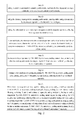
- Fig. 1 is a flow chart of the method of the present invention
- Fig. 2 is flow chart A of the method of the present invention.
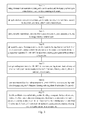
- Fig. 3 is flow chart B of the method of the present invention.
- Fig. 4 is flow chart C of the method of the present invention.
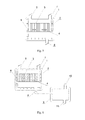
- Fig. 5 is sectional view A of the apparatus of the present invention.
- Fig. 6 is sectional view B of the apparatus of the present invention.
- Fig. 5 and Fig. 6 The reference numbers given in Fig. 5 and Fig. 6 are: 1. Microwave housing, 2. Microwave transmitter, 3. Feed inlet, 4. Temperature detector, 5. Heating pipes, 6. Filtering screen, 7. Exhaust outlet, 8. Sub-pipeline, 9. Vacuum housing, 10. Vacuum pump, 11. Feed outlet.
- FIG. 1 A flow chart of the method for recycling noble metals from electronic waste material containing noble metals of the present invention is shown in Fig. 1 .
- Example 1 (flow chart A of the method of the present embodiment is shown in Fig. 2 )
- Raw materials waste computer circuit boards (1 ton) plastic Cu Fe Pd Sn Ni Sb Ag Au Pt Pd content/kg 272 130 41 29 20 18 10 9 0.45 0.05 0.02 Melting point/°C 500 1083 / 327 231.9 1455 630.5 960 1063 1772 1552
- Target noble metals are arranged according to ascending order of melting point of noble metals.
- Target noble metals I II III IV silver gold palladium platinum Melting point 960°C 1063°C 1552°C 1772°C
- T 3 melting temperature T 3 by microwave
- T 3 should be higher than the melting point of silver and lower than the melting point of copper, lead, gold, platinum and palladium
- T 3 990°C
- T 6 melting temperature T 6 by microwave
- T 6 should be higher than the melting point of palladium and lower than the melting point of platinum
- T 6 1580°C
- Example 2 (flow chart B of the method of the present embodiment is shown in Fig. 3 )
- Step (7) acid-liquor-filtration, electrolysis, extraction and other methods were applied
- Electrolysis, extraction and other methods well know in the art were applied to separate and recycle gold, platinum and palladium, respectively.
- Example 3 (flow chart C of the method of the present embodiment is shown in Fig. 4 )
- Step (7) acid-liquor-filtration and microwave-melting method were applied
- Feeding sulfuric acid (10%) from feed inlet to submerge residues, and metal copper and its oxidants, chlorides were dissolved in acid liquor, filtrating. After 30 minutes, closing the vacuum pump and feed outlet valve, opening sub-pipeline valve, vacuum filtrating, saline solution of base metals flows into vacuum chamber spontaneously. Opening feed outlet valve and taking out salt solution of base metals, rinsing the feed inlet, filtrating. Closing sub-pipeline valve and feed outlet valve. Heating to melting temperature T 8 1070°C by microwave, melting metal gold, keeping melting for 10 minutes, allowing melted gold liquor to pass through the filtering screen, collecting filtrate and residues separately, filtrate was melted gold, residues contain metal palladium and platinum.
- Raw materials waste cell phones (1 ton) plastic battery Plastic Shell, liquid crystal display Cu Pb Ag Au Pd content/kg 350 303 210 130 0.1 3.5 0.34 0.14 Melting point/°C 500 / / 1083 327 960 1063 1552
- microwave heating device Feeding the materials above into microwave heating device from the feed inlet while closing the feed inlet valve and sub-pipeline valve.
- Heating to pyrolysis temperature T 1 500°C by microwave to remove residual organic matters in metal-rich part, opening exhaust outlet valve and collecting gases generated by pyrolysis.
- Target noble metals were arranged according to ascending order of melting point of noble metals.
- Target noble metals I II III Ag Au Pd Melting point 960°C 1063°C 1552°C
- Step (7) acid-liquor-filtration and microwave-melting method were applied.
- Feeding sulfuric acid (10%) from feed inlet to submerge residues, and metal copper and its oxidants, chlorides were all dissolved in acid liquor and passed through filtering screen. After 30 minutes, opening sub-pipeline valve, taking out saline solution of base metals. Rinsing the feed inlet, vacuum filtrating. Closing sub-pipeline valve. Heating to melting temperature T 8 1070°C by microwave, melting metal gold, keeping melting for 10 minutes, allowing melted gold liquor to pass through the filtering screen, collecting filtrate and residues separately, filtrate was melted gold, residues contain metal palladium and platinum.
- Raw materials waste materials containing noble metals, lead, nickel, silver, gold, copper, platinum and rhodium.
- Steps (1) ⁇ (7) were similar to Example 1, the differences lie in the fact that in the present embodiment, temperature T 7 should be higher than the melting point of platinum and lower than that of rhodium, and further comprises:
- Raw materials waste materials containing noble metals, lead, nickel, silver, gold, copper, platinum, rhodium, iridium and osmium
- Steps (1) ⁇ (7) were similar to Example 1, the differences lie in the fact that in the present embodiment, temperature T 7 should be higher than the melting point of platinum and lower than that of rhodium, and further comprises:
- the present method can also be used to recycle other waste materials containing noble metals, such as dental materials, jewelry and others.
- the specific steps were similar to Example 1 ⁇ Example 4, as for waste materials containing noble metals which do not comprise rubber and plastics, step (2) can be omitted; as for waste materials containing noble metals which do not comprise ferromagnetic metals, step (3) can be omitted.
- An apparatus for recycling noble metals from electronic waste materials containing noble metals comprising: microwave housing 1, microwave transmitter 2, feed inlet 3, temperature detector 4, heating pipes 5, filtering screen 6, exhaust outlet 7, sub-pipeline 8.
- the microwave housing 1 was hollow, thus forming microwave chamber inside.
- Microwave transmitter 2 was positioned on the inside wall of microwave housing 1, can supply microwave to generate heat within the microwave housing.
- the inside wall of the microwave housing 1 has a filtering screen 6 used to separate un-melted solid metals and melted metals, achieving solid-melt separation.
- the filtering screen 6 have 180 heating pipes 5 (18 per line, 10 lines in total) above used to heat electronic waste materials containing noble metals.
- the heating pipes 5 were vertically-arranged and open-ended, height 10cm, pipe diameter 3mm.
- the internal spaces of heating pipes 5 were heating chambers provided for electronic waste powders containing noble metals to pass by and to be placed in.
- the heating pipes 5 can exchange heat with electronic powders containing noble metals placed in the heating chamber, and indirectly heating noble metals to make them melt.
- the temperature detector 4 used to detect temperature of heating pipes was positioned on heating pipes 5, can reflect the temperature of heating pipes.
- Microwave housing also has feed inlet 3 and exhaust outlet 7 that all have valve built in, which was used to control the flow of materials. After pyrolysis of rubber and plastic materials, opening the exhaust outlet valve to release and collecting gases generated by pyrolysis.
- sub-pipeline 8 which also has valve built in, materials in the microwave housing can be collected after opening the sub-pipeline valve.
- heating pipes 5 Inside wall of microwave housing 1, heating pipes 5, filtering screen 6, sub-pipeline 8 and valves of feed inlet 3, exhaust outlet 7 and sub-pipeline 8 were all made of high temperature resistant ceramic materials.
- An apparatus for recycling noble metals from electronic waste materials containing noble metals comprising: microwave housing 1, microwave transmitter 2, feed inlet 3, temperature detector 4, heating pipes 5, filtering screen 6, exhaust outlet 7, sub-pipeline 8 (the structure of such units was similar to Example 6). Besides, it also includes vacuum housing 9, vacuum pump 10 and feed outlet 11. The number of heating pipes was 90, height was 100cm, pipe diameter was 10mm.
- Vacuum housing 9 connects to sub-pipeline 8 positioned at the bottom of microwave housing 1.
- Vacuum housing 9 has vacuum pump 10.
- Vacuum housing was hollow, thus forming vacuum chamber, vacuum chamber connects to microwave chamber; vacuum housing 9 has feed outlet 11 at the bottom. To ensure vacuum filtration, feed inlet valve and exhaust outlet valve can be kept closed during filtration.
- Vacuum housing 9, vacuum pump 10 and feed outlet 11 valve were made of high temperature resistant materials.
- Sub-pipeline that connects to vacuum chamber is provided at the bottom of microwave reactor, which can filtrate melted metals under pressure, achieving a better solid-melt separation.
- the apparatus of the present invention is favorable for fastening the reaction, and solid-liquid separation when melting noble metals, and convenient for automatic operation.
Landscapes
- Engineering & Computer Science (AREA)
- Chemical & Material Sciences (AREA)
- Mechanical Engineering (AREA)
- Materials Engineering (AREA)
- Organic Chemistry (AREA)
- Metallurgy (AREA)
- Manufacturing & Machinery (AREA)
- Environmental & Geological Engineering (AREA)
- Geology (AREA)
- Life Sciences & Earth Sciences (AREA)
- General Life Sciences & Earth Sciences (AREA)
- Geochemistry & Mineralogy (AREA)
- Physics & Mathematics (AREA)
- Electromagnetism (AREA)
- General Engineering & Computer Science (AREA)
- Manufacture And Refinement Of Metals (AREA)
- Processing Of Solid Wastes (AREA)
- Electrostatic Separation (AREA)
Applications Claiming Priority (2)
| Application Number | Priority Date | Filing Date | Title |
|---|---|---|---|
| CN201010506134.2A CN102441553B (zh) | 2010-10-12 | 2010-10-12 | 一种从贵金属电子废料回收贵金属的方法及设备 |
| PCT/CN2010/078167 WO2012048474A1 (fr) | 2010-10-12 | 2010-10-27 | Procédé pour le recyclage de métal noble à partir de déchets électroniques et appareil correspondant |
Publications (3)
| Publication Number | Publication Date |
|---|---|
| EP2628809A1 true EP2628809A1 (fr) | 2013-08-21 |
| EP2628809A4 EP2628809A4 (fr) | 2017-08-09 |
| EP2628809B1 EP2628809B1 (fr) | 2019-05-29 |
Family
ID=45937836
Family Applications (1)
| Application Number | Title | Priority Date | Filing Date |
|---|---|---|---|
| EP10858306.3A Active EP2628809B1 (fr) | 2010-10-12 | 2010-10-27 | Procédé pour le recyclage de métal noble à partir de déchets électroniques et appareil correspondant |
Country Status (6)
| Country | Link |
|---|---|
| US (1) | US9328398B2 (fr) |
| EP (1) | EP2628809B1 (fr) |
| JP (1) | JP5690409B2 (fr) |
| KR (1) | KR101504193B1 (fr) |
| CN (1) | CN102441553B (fr) |
| WO (1) | WO2012048474A1 (fr) |
Cited By (1)
| Publication number | Priority date | Publication date | Assignee | Title |
|---|---|---|---|---|
| WO2016128596A1 (fr) * | 2015-02-09 | 2016-08-18 | Innceinnmat, S.L. | Procédé sélectif d'extraction de minéraux de minerais bruts et appareil pour la mise en oeuvre du procédé |
Families Citing this family (45)
| Publication number | Priority date | Publication date | Assignee | Title |
|---|---|---|---|---|
| WO2011130622A1 (fr) * | 2010-04-15 | 2011-10-20 | Advanced Technology Materials, Inc. | Procédé de recyclage de cartes de circuits imprimés obsolètes |
| ES2619568T3 (es) | 2011-12-15 | 2017-06-26 | Entegris Inc. | Aparato y método de extracción de metales de soldadura durante el reciclaje de equipo eléctrico y electrónico de desecho |
| CN103374659B (zh) * | 2012-04-25 | 2016-12-14 | 鑫广再生资源(上海)有限公司 | 一种废弃物中贵重、稀有金属的提炼回收方法 |
| CN102839287A (zh) * | 2012-09-28 | 2012-12-26 | 昆明理工大学 | 微波加热熔融浸出汽车尾气废催化剂中铂族金属的方法 |
| CN102925700A (zh) * | 2012-11-07 | 2013-02-13 | 荣杨 | 一种从电子废料中回收贵金属的方法 |
| KR101454645B1 (ko) | 2013-02-20 | 2014-10-27 | 한국생산기술연구원 | 배기 가스 정화 장치의 폐촉매에 포함된 금속 정량 방법 |
| KR101497023B1 (ko) * | 2014-04-23 | 2015-03-04 | 주식회사 토리컴 | 인듐 함유 부산물로부터 인듐 산화물을 회수하는 방법 |
| EP2952260B1 (fr) * | 2014-06-05 | 2017-03-08 | Sandvik Intellectual Property AB | Procédé permettant de trier une collection de corps comprenant des corps en carbure cémenté et des corps en carbure non cémenté |
| CN105039709B (zh) * | 2015-07-09 | 2017-01-25 | 中国科学院金属研究所 | 废弃电路板多金属混合资源中钴元素的富集与分离方法 |
| CN106702159B (zh) * | 2015-07-29 | 2018-11-27 | 上海奇谋能源技术开发有限公司 | 一种分离铜和焊锡混合物的方法及实现该方法的装置 |
| JP6589238B2 (ja) * | 2015-09-25 | 2019-10-16 | 株式会社流機エンジニアリング | 低融点合金の回収装置および回収方法 |
| US9850433B2 (en) | 2015-12-31 | 2017-12-26 | Chz Technologies, Llc | Multistage thermolysis method for safe and efficient conversion of E-waste materials |
| KR102658327B1 (ko) * | 2016-02-08 | 2024-04-18 | 뉴사우스 이노베이션즈 피티와이 리미티드 | 복합 폐기물 소스를 처리하기 위한 방법, 장치 및 시스템 |
| DE102016104979A1 (de) * | 2016-03-17 | 2017-09-21 | Jpm Silicon Gmbh | Verfahren zum Aufschmelzen und Reinigen von Metallen, insbesondere Metallabfällen |
| CN105817462B (zh) * | 2016-03-23 | 2019-01-25 | 中山大学 | 一种废旧电路板电子元器件高附加值资源化的技术方法 |
| CN106148707A (zh) * | 2016-07-31 | 2016-11-23 | 吴雪梅 | 一种全自动铝合金废料回收成型机 |
| CN106345794A (zh) * | 2016-11-03 | 2017-01-25 | 四川长虹电器股份有限公司 | 一种废线路板微波无氧裂解处理方法 |
| CN106702164B (zh) * | 2017-01-05 | 2019-01-01 | 北京科技大学 | 从废弃电子线路板颗粒中分步回收有价金属的方法及装置 |
| US20190048166A1 (en) * | 2017-08-14 | 2019-02-14 | Environmental Waste International, Inc. | Hybrid processing of waste material |
| KR101930516B1 (ko) * | 2017-09-04 | 2019-01-18 | 제이오에너지 주식회사 | 금속 및 비철금속 폐기물로부터 금속 및 비철금속과 유류를 추출하는 장치 |
| JP2019086977A (ja) * | 2017-11-06 | 2019-06-06 | 富士通株式会社 | 情報処理装置、関与物質総量算出プログラムおよび関与物質総量算出方法 |
| US10640711B2 (en) | 2018-06-05 | 2020-05-05 | Chz Technologies, Llc | Multistage thermolysis method for safe and efficient conversion of treated wood waste sources |
| AU2019294622A1 (en) * | 2018-06-25 | 2021-02-11 | Thomas A. Valerio | Method, process, and system of using a mill to separate metals from fibrous feedstock |
| CN109513525A (zh) * | 2018-11-12 | 2019-03-26 | 东台中玻特种玻璃有限公司 | 一种碎玻璃筛选系统及其操作方法 |
| KR102173201B1 (ko) * | 2018-12-28 | 2020-11-03 | 조선대학교산학협력단 | 마이크로웨이브를 이용한 불순물 제거방법 및 이에 사용되는 제거장치 |
| CN110331279B (zh) * | 2019-07-12 | 2023-05-23 | 云南民族大学 | 一种微波焙烧硫化锑精矿直接挥发回收氧化锑的方法 |
| KR20210028969A (ko) * | 2019-09-05 | 2021-03-15 | 조선대학교산학협력단 | 마이크로웨이브를 이용한 금 회수 방법 |
| US11920004B2 (en) | 2020-04-01 | 2024-03-05 | Environmental Waste International, Inc. | Hybrid processing of waste material |
| CN111187915A (zh) * | 2020-04-05 | 2020-05-22 | 周俊 | 一种稀贵金属分离装置及方法 |
| CN111748693A (zh) * | 2020-06-15 | 2020-10-09 | 宁波创润新材料有限公司 | 一种溅射靶材回收处理装置及方法 |
| KR102887897B1 (ko) * | 2020-08-24 | 2025-11-17 | 주식회사 엘지에너지솔루션 | 활물질 회수 장치 및 이를 이용한 활물질 재사용 방법 |
| CN112474720A (zh) * | 2020-11-09 | 2021-03-12 | 宿迁安湘环保科技有限公司 | 一种危险废物中低温无机盐分离方法 |
| CN112853406B (zh) * | 2021-01-04 | 2023-06-09 | 广西大学 | 一种微波强化电化学溶出废印刷电路板金属的装置及方法 |
| CN113047837B (zh) * | 2021-03-30 | 2022-02-01 | 东北大学 | 一种金属矿微波-机械流态化开采系统及开采方法 |
| CN113322377B (zh) * | 2021-05-28 | 2023-03-28 | 江西威尔高电子股份有限公司 | 一种用于线路板生产的退锡提取装置 |
| CN113477671A (zh) * | 2021-07-09 | 2021-10-08 | 陕西青朗万城环保科技有限公司 | 一种基于微波处理废旧电路板的方法 |
| CN115031240A (zh) * | 2021-12-22 | 2022-09-09 | 江苏康瑞新材料科技股份有限公司 | 一种金属复合材料废料回收装置 |
| CN114427030A (zh) * | 2022-01-20 | 2022-05-03 | 安徽燊岚环境科技有限公司 | 一种废旧电路板回收贵金属的方法 |
| KR102498444B1 (ko) * | 2022-06-10 | 2023-02-10 | 노상균 | 폐메모리 카드로부터 금 회수방법 |
| EP4605148A2 (fr) * | 2022-10-19 | 2025-08-27 | West Virginia University Board of Governors on behalf of West Virginia University | Procédés assistés par micro-ondes pour récupérer des matériaux essentiels à partir de déchets électroniques |
| CN117102221B (zh) * | 2023-08-15 | 2025-07-15 | 无锡奥夫特光学技术有限公司 | 一种金属镀层回收方法及其自动化回收装置 |
| CN116875808A (zh) * | 2023-09-07 | 2023-10-13 | 烟台恳特冶金科技集团有限公司 | 一种电磁分离还原、团聚贵稀有金属元素的工艺 |
| CN120133289A (zh) * | 2025-04-14 | 2025-06-13 | 云南锡铟实验室有限公司 | 一种基于梯度温控的废锡膏环保处理装置及处理方法 |
| CN120800958A (zh) * | 2025-09-11 | 2025-10-17 | 四川省地质工程勘察院集团有限公司 | 一种岩矿贵金属测试前处理方法及微波灰吹装置 |
| CN121183123B (zh) * | 2025-10-10 | 2026-04-03 | 安徽九华新材料股份有限公司 | 一种低熔点金属回收设备 |
Family Cites Families (16)
| Publication number | Priority date | Publication date | Assignee | Title |
|---|---|---|---|---|
| US4617112A (en) * | 1984-10-31 | 1986-10-14 | M.A. Industries, Inc. | Thermal gravity classifying apparatus and method |
| JPH04218624A (ja) * | 1990-12-17 | 1992-08-10 | Sumitomo Light Metal Ind Ltd | クラッド材の材料成分回収方法 |
| DE4200963C1 (en) * | 1992-01-16 | 1993-04-29 | Riedhammer Gmbh Und Co Kg, 8500 Nuernberg, De | Appts. for sepg. mixt. of small pieces of metals - comprises rotatable furnace with chargeable arrangement at one end and with perforations in outer wall to allow lowest m.pt. metal to escape |
| US6143139A (en) * | 1992-04-01 | 2000-11-07 | The United States Of America As Represented By The United States Department Of Energy | Method for recovering metals from waste |
| US5843287A (en) * | 1994-04-18 | 1998-12-01 | The United States Of America As Represented By The United States Department Of Energy | Method for recovering metals from waste |
| JP3269216B2 (ja) * | 1993-10-01 | 2002-03-25 | 豊田合成株式会社 | マイクロ波加熱分解炉 |
| JP3497341B2 (ja) * | 1997-02-12 | 2004-02-16 | 古河スカイ株式会社 | ブレージングシートスクラップの半溶融分離方法 |
| JP2002233856A (ja) * | 2001-02-06 | 2002-08-20 | Narifumi Uemura | プリント基板からの金属類の分離方法および装置 |
| CN1250754C (zh) * | 2001-05-31 | 2006-04-12 | 黄小第 | 利用微波能的金属直接制造方法 |
| CN200958111Y (zh) | 2006-05-22 | 2007-10-10 | 刘保生 | 工业微波冶炼设备 |
| CN100531943C (zh) * | 2006-09-16 | 2009-08-26 | 大连理工大学 | 一种处理电子废弃物的方法 |
| KR101455305B1 (ko) * | 2006-11-15 | 2014-10-27 | 가부시키가이샤 한도오따이 에네루기 켄큐쇼 | 금속 회수 방법 |
| CN101311280A (zh) | 2007-05-24 | 2008-11-26 | 董蜀希 | 一种回收电子废料中的有色金属和贵金属的方法 |
| JP5688200B2 (ja) * | 2008-02-01 | 2015-03-25 | 田中貴金属工業株式会社 | 貴金属の回収方法及び燃焼装置 |
| CZ20095A3 (cs) * | 2009-01-09 | 2010-06-16 | Ústav chemických procesu AV CR | Zpusob rafinace kovového substrátu ze zpracování odpadních pneumatik a zarízení k jeho provádení |
| CN101797578B (zh) * | 2009-12-11 | 2012-09-05 | 深圳市兖能环保科技有限公司 | 一种垃圾微波裂解综合处理系统及系统使用的方法和设备 |
-
2010
- 2010-10-12 CN CN201010506134.2A patent/CN102441553B/zh active Active
- 2010-10-27 EP EP10858306.3A patent/EP2628809B1/fr active Active
- 2010-10-27 WO PCT/CN2010/078167 patent/WO2012048474A1/fr not_active Ceased
- 2010-10-27 US US13/823,076 patent/US9328398B2/en active Active
- 2010-10-27 KR KR1020137010588A patent/KR101504193B1/ko active Active
- 2010-10-27 JP JP2013533067A patent/JP5690409B2/ja active Active
Non-Patent Citations (1)
| Title |
|---|
| See references of WO2012048474A1 * |
Cited By (1)
| Publication number | Priority date | Publication date | Assignee | Title |
|---|---|---|---|---|
| WO2016128596A1 (fr) * | 2015-02-09 | 2016-08-18 | Innceinnmat, S.L. | Procédé sélectif d'extraction de minéraux de minerais bruts et appareil pour la mise en oeuvre du procédé |
Also Published As
| Publication number | Publication date |
|---|---|
| KR101504193B1 (ko) | 2015-03-19 |
| JP2013544964A (ja) | 2013-12-19 |
| EP2628809B1 (fr) | 2019-05-29 |
| WO2012048474A1 (fr) | 2012-04-19 |
| US20130174694A1 (en) | 2013-07-11 |
| CN102441553B (zh) | 2014-07-02 |
| EP2628809A4 (fr) | 2017-08-09 |
| JP5690409B2 (ja) | 2015-03-25 |
| US9328398B2 (en) | 2016-05-03 |
| CN102441553A (zh) | 2012-05-09 |
| KR20130057490A (ko) | 2013-05-31 |
Similar Documents
| Publication | Publication Date | Title |
|---|---|---|
| EP2628809B1 (fr) | Procédé pour le recyclage de métal noble à partir de déchets électroniques et appareil correspondant | |
| US9689055B2 (en) | Complete non-cyanogens wet process for green recycling of waste printed circuit board | |
| CN104313332B (zh) | 电子垃圾中多金属组分自组装分离与资源化回收的方法 | |
| JP5284970B2 (ja) | 貴金属を含有する廃棄物の処理方法及び該方法を実施するための装置 | |
| CN105886768A (zh) | 一种从电子废料中高效富集贵金属的方法 | |
| CN104028530B (zh) | 废旧电路板的处理方法 | |
| CN100588745C (zh) | 电子废弃物分级电解回收金属的方法 | |
| CN101994008B (zh) | 锌冶炼净化产镍钴渣锌钴分离工艺 | |
| CN106345794A (zh) | 一种废线路板微波无氧裂解处理方法 | |
| CN108085497A (zh) | 一种电子垃圾中金元素的提取方法 | |
| CN103320619B (zh) | 破碎废弃电路板金属混合颗粒贵金属生物浸出方法及装置 | |
| CN104388987A (zh) | 一种从废旧印刷线路板的金属粉末中电解制备铜粉的方法 | |
| CN103320618A (zh) | 联合物理分离和生物浸出的废弃电路板贵金属回收方法 | |
| CN102899489A (zh) | 一种用固化柿子单宁回收电子垃圾中金的方法 | |
| CN101230469A (zh) | 一种从电子废弃物中直接电解回收金属的方法 | |
| CN116043028A (zh) | 一种以镍铁尾渣为熔剂回收汽车废催化剂中铂族金属的方法 | |
| CN102925700A (zh) | 一种从电子废料中回收贵金属的方法 | |
| CN108950218A (zh) | 一种从废旧印刷线路板中回收金、银和铜的方法 | |
| CN205035081U (zh) | 从硫渣中回收硫磺的生产设备 | |
| CN103754996B (zh) | 一种采用电吸附技术深度处理氰化提金废水的方法 | |
| EP2750489A1 (fr) | Procédé pour détacher des composants électroniques d'une carte de circuit imprimé avec du sable fin | |
| RU2644719C2 (ru) | Способ переработки отходов электронной и электротехнической промышленности | |
| CN105039741B (zh) | 废弃电路板多金属混合资源中锡元素的富集与分离方法 | |
| CN110819801B (zh) | 一种微波加热锌粉净化硫酸锌溶液的方法 | |
| CN105039706B (zh) | 废弃电路板多金属混合资源中镍元素的富集与分离方法 |
Legal Events
| Date | Code | Title | Description |
|---|---|---|---|
| PUAI | Public reference made under article 153(3) epc to a published international application that has entered the european phase |
Free format text: ORIGINAL CODE: 0009012 |
|
| 17P | Request for examination filed |
Effective date: 20130312 |
|
| AK | Designated contracting states |
Kind code of ref document: A1 Designated state(s): AL AT BE BG CH CY CZ DE DK EE ES FI FR GB GR HR HU IE IS IT LI LT LU LV MC MK MT NL NO PL PT RO RS SE SI SK SM TR |
|
| DAX | Request for extension of the european patent (deleted) | ||
| RAP1 | Party data changed (applicant data changed or rights of an application transferred) |
Owner name: GEM CO., LTD. |
|
| RA4 | Supplementary search report drawn up and despatched (corrected) |
Effective date: 20170707 |
|
| RIC1 | Information provided on ipc code assigned before grant |
Ipc: B09B 3/00 20060101ALI20170704BHEP Ipc: C22B 7/00 20060101AFI20170704BHEP Ipc: F27B 1/08 20060101ALI20170704BHEP |
|
| STAA | Information on the status of an ep patent application or granted ep patent |
Free format text: STATUS: EXAMINATION IS IN PROGRESS |
|
| 17Q | First examination report despatched |
Effective date: 20180112 |
|
| GRAP | Despatch of communication of intention to grant a patent |
Free format text: ORIGINAL CODE: EPIDOSNIGR1 |
|
| STAA | Information on the status of an ep patent application or granted ep patent |
Free format text: STATUS: GRANT OF PATENT IS INTENDED |
|
| INTG | Intention to grant announced |
Effective date: 20190211 |
|
| GRAS | Grant fee paid |
Free format text: ORIGINAL CODE: EPIDOSNIGR3 |
|
| GRAA | (expected) grant |
Free format text: ORIGINAL CODE: 0009210 |
|
| STAA | Information on the status of an ep patent application or granted ep patent |
Free format text: STATUS: THE PATENT HAS BEEN GRANTED |
|
| AK | Designated contracting states |
Kind code of ref document: B1 Designated state(s): AL AT BE BG CH CY CZ DE DK EE ES FI FR GB GR HR HU IE IS IT LI LT LU LV MC MK MT NL NO PL PT RO RS SE SI SK SM TR |
|
| REG | Reference to a national code |
Ref country code: GB Ref legal event code: FG4D |
|
| REG | Reference to a national code |
Ref country code: CH Ref legal event code: EP |
|
| REG | Reference to a national code |
Ref country code: DE Ref legal event code: R096 Ref document number: 602010059211 Country of ref document: DE |
|
| REG | Reference to a national code |
Ref country code: AT Ref legal event code: REF Ref document number: 1138293 Country of ref document: AT Kind code of ref document: T Effective date: 20190615 |
|
| REG | Reference to a national code |
Ref country code: IE Ref legal event code: FG4D |
|
| REG | Reference to a national code |
Ref country code: NL Ref legal event code: MP Effective date: 20190529 |
|
| REG | Reference to a national code |
Ref country code: LT Ref legal event code: MG4D |
|
| PG25 | Lapsed in a contracting state [announced via postgrant information from national office to epo] |
Ref country code: PT Free format text: LAPSE BECAUSE OF FAILURE TO SUBMIT A TRANSLATION OF THE DESCRIPTION OR TO PAY THE FEE WITHIN THE PRESCRIBED TIME-LIMIT Effective date: 20190930 Ref country code: SE Free format text: LAPSE BECAUSE OF FAILURE TO SUBMIT A TRANSLATION OF THE DESCRIPTION OR TO PAY THE FEE WITHIN THE PRESCRIBED TIME-LIMIT Effective date: 20190529 Ref country code: ES Free format text: LAPSE BECAUSE OF FAILURE TO SUBMIT A TRANSLATION OF THE DESCRIPTION OR TO PAY THE FEE WITHIN THE PRESCRIBED TIME-LIMIT Effective date: 20190529 Ref country code: LT Free format text: LAPSE BECAUSE OF FAILURE TO SUBMIT A TRANSLATION OF THE DESCRIPTION OR TO PAY THE FEE WITHIN THE PRESCRIBED TIME-LIMIT Effective date: 20190529 Ref country code: AL Free format text: LAPSE BECAUSE OF FAILURE TO SUBMIT A TRANSLATION OF THE DESCRIPTION OR TO PAY THE FEE WITHIN THE PRESCRIBED TIME-LIMIT Effective date: 20190529 Ref country code: NO Free format text: LAPSE BECAUSE OF FAILURE TO SUBMIT A TRANSLATION OF THE DESCRIPTION OR TO PAY THE FEE WITHIN THE PRESCRIBED TIME-LIMIT Effective date: 20190829 Ref country code: HR Free format text: LAPSE BECAUSE OF FAILURE TO SUBMIT A TRANSLATION OF THE DESCRIPTION OR TO PAY THE FEE WITHIN THE PRESCRIBED TIME-LIMIT Effective date: 20190529 Ref country code: FI Free format text: LAPSE BECAUSE OF FAILURE TO SUBMIT A TRANSLATION OF THE DESCRIPTION OR TO PAY THE FEE WITHIN THE PRESCRIBED TIME-LIMIT Effective date: 20190529 |
|
| PG25 | Lapsed in a contracting state [announced via postgrant information from national office to epo] |
Ref country code: LV Free format text: LAPSE BECAUSE OF FAILURE TO SUBMIT A TRANSLATION OF THE DESCRIPTION OR TO PAY THE FEE WITHIN THE PRESCRIBED TIME-LIMIT Effective date: 20190529 Ref country code: BG Free format text: LAPSE BECAUSE OF FAILURE TO SUBMIT A TRANSLATION OF THE DESCRIPTION OR TO PAY THE FEE WITHIN THE PRESCRIBED TIME-LIMIT Effective date: 20190829 Ref country code: RS Free format text: LAPSE BECAUSE OF FAILURE TO SUBMIT A TRANSLATION OF THE DESCRIPTION OR TO PAY THE FEE WITHIN THE PRESCRIBED TIME-LIMIT Effective date: 20190529 Ref country code: GR Free format text: LAPSE BECAUSE OF FAILURE TO SUBMIT A TRANSLATION OF THE DESCRIPTION OR TO PAY THE FEE WITHIN THE PRESCRIBED TIME-LIMIT Effective date: 20190830 |
|
| REG | Reference to a national code |
Ref country code: AT Ref legal event code: MK05 Ref document number: 1138293 Country of ref document: AT Kind code of ref document: T Effective date: 20190529 |
|
| PG25 | Lapsed in a contracting state [announced via postgrant information from national office to epo] |
Ref country code: AT Free format text: LAPSE BECAUSE OF FAILURE TO SUBMIT A TRANSLATION OF THE DESCRIPTION OR TO PAY THE FEE WITHIN THE PRESCRIBED TIME-LIMIT Effective date: 20190529 Ref country code: DK Free format text: LAPSE BECAUSE OF FAILURE TO SUBMIT A TRANSLATION OF THE DESCRIPTION OR TO PAY THE FEE WITHIN THE PRESCRIBED TIME-LIMIT Effective date: 20190529 Ref country code: EE Free format text: LAPSE BECAUSE OF FAILURE TO SUBMIT A TRANSLATION OF THE DESCRIPTION OR TO PAY THE FEE WITHIN THE PRESCRIBED TIME-LIMIT Effective date: 20190529 Ref country code: SK Free format text: LAPSE BECAUSE OF FAILURE TO SUBMIT A TRANSLATION OF THE DESCRIPTION OR TO PAY THE FEE WITHIN THE PRESCRIBED TIME-LIMIT Effective date: 20190529 Ref country code: RO Free format text: LAPSE BECAUSE OF FAILURE TO SUBMIT A TRANSLATION OF THE DESCRIPTION OR TO PAY THE FEE WITHIN THE PRESCRIBED TIME-LIMIT Effective date: 20190529 Ref country code: CZ Free format text: LAPSE BECAUSE OF FAILURE TO SUBMIT A TRANSLATION OF THE DESCRIPTION OR TO PAY THE FEE WITHIN THE PRESCRIBED TIME-LIMIT Effective date: 20190529 Ref country code: NL Free format text: LAPSE BECAUSE OF FAILURE TO SUBMIT A TRANSLATION OF THE DESCRIPTION OR TO PAY THE FEE WITHIN THE PRESCRIBED TIME-LIMIT Effective date: 20190529 |
|
| PG25 | Lapsed in a contracting state [announced via postgrant information from national office to epo] |
Ref country code: IT Free format text: LAPSE BECAUSE OF FAILURE TO SUBMIT A TRANSLATION OF THE DESCRIPTION OR TO PAY THE FEE WITHIN THE PRESCRIBED TIME-LIMIT Effective date: 20190529 Ref country code: SM Free format text: LAPSE BECAUSE OF FAILURE TO SUBMIT A TRANSLATION OF THE DESCRIPTION OR TO PAY THE FEE WITHIN THE PRESCRIBED TIME-LIMIT Effective date: 20190529 |
|
| REG | Reference to a national code |
Ref country code: DE Ref legal event code: R097 Ref document number: 602010059211 Country of ref document: DE |
|
| PG25 | Lapsed in a contracting state [announced via postgrant information from national office to epo] |
Ref country code: TR Free format text: LAPSE BECAUSE OF FAILURE TO SUBMIT A TRANSLATION OF THE DESCRIPTION OR TO PAY THE FEE WITHIN THE PRESCRIBED TIME-LIMIT Effective date: 20190529 |
|
| PLBE | No opposition filed within time limit |
Free format text: ORIGINAL CODE: 0009261 |
|
| STAA | Information on the status of an ep patent application or granted ep patent |
Free format text: STATUS: NO OPPOSITION FILED WITHIN TIME LIMIT |
|
| PG25 | Lapsed in a contracting state [announced via postgrant information from national office to epo] |
Ref country code: PL Free format text: LAPSE BECAUSE OF FAILURE TO SUBMIT A TRANSLATION OF THE DESCRIPTION OR TO PAY THE FEE WITHIN THE PRESCRIBED TIME-LIMIT Effective date: 20190529 |
|
| 26N | No opposition filed |
Effective date: 20200303 |
|
| PG25 | Lapsed in a contracting state [announced via postgrant information from national office to epo] |
Ref country code: SI Free format text: LAPSE BECAUSE OF FAILURE TO SUBMIT A TRANSLATION OF THE DESCRIPTION OR TO PAY THE FEE WITHIN THE PRESCRIBED TIME-LIMIT Effective date: 20190529 Ref country code: MC Free format text: LAPSE BECAUSE OF FAILURE TO SUBMIT A TRANSLATION OF THE DESCRIPTION OR TO PAY THE FEE WITHIN THE PRESCRIBED TIME-LIMIT Effective date: 20190529 |
|
| REG | Reference to a national code |
Ref country code: CH Ref legal event code: PL |
|
| PG25 | Lapsed in a contracting state [announced via postgrant information from national office to epo] |
Ref country code: CH Free format text: LAPSE BECAUSE OF NON-PAYMENT OF DUE FEES Effective date: 20191031 Ref country code: LI Free format text: LAPSE BECAUSE OF NON-PAYMENT OF DUE FEES Effective date: 20191031 Ref country code: LU Free format text: LAPSE BECAUSE OF NON-PAYMENT OF DUE FEES Effective date: 20191027 |
|
| PG25 | Lapsed in a contracting state [announced via postgrant information from national office to epo] |
Ref country code: IE Free format text: LAPSE BECAUSE OF NON-PAYMENT OF DUE FEES Effective date: 20191027 |
|
| PG25 | Lapsed in a contracting state [announced via postgrant information from national office to epo] |
Ref country code: CY Free format text: LAPSE BECAUSE OF FAILURE TO SUBMIT A TRANSLATION OF THE DESCRIPTION OR TO PAY THE FEE WITHIN THE PRESCRIBED TIME-LIMIT Effective date: 20190529 |
|
| PG25 | Lapsed in a contracting state [announced via postgrant information from national office to epo] |
Ref country code: IS Free format text: LAPSE BECAUSE OF FAILURE TO SUBMIT A TRANSLATION OF THE DESCRIPTION OR TO PAY THE FEE WITHIN THE PRESCRIBED TIME-LIMIT Effective date: 20190929 |
|
| PG25 | Lapsed in a contracting state [announced via postgrant information from national office to epo] |
Ref country code: MT Free format text: LAPSE BECAUSE OF FAILURE TO SUBMIT A TRANSLATION OF THE DESCRIPTION OR TO PAY THE FEE WITHIN THE PRESCRIBED TIME-LIMIT Effective date: 20190529 Ref country code: HU Free format text: LAPSE BECAUSE OF FAILURE TO SUBMIT A TRANSLATION OF THE DESCRIPTION OR TO PAY THE FEE WITHIN THE PRESCRIBED TIME-LIMIT; INVALID AB INITIO Effective date: 20101027 |
|
| PG25 | Lapsed in a contracting state [announced via postgrant information from national office to epo] |
Ref country code: MK Free format text: LAPSE BECAUSE OF FAILURE TO SUBMIT A TRANSLATION OF THE DESCRIPTION OR TO PAY THE FEE WITHIN THE PRESCRIBED TIME-LIMIT Effective date: 20190529 |
|
| P01 | Opt-out of the competence of the unified patent court (upc) registered |
Effective date: 20230601 |
|
| PGFP | Annual fee paid to national office [announced via postgrant information from national office to epo] |
Ref country code: DE Payment date: 20251027 Year of fee payment: 16 |
|
| PGFP | Annual fee paid to national office [announced via postgrant information from national office to epo] |
Ref country code: GB Payment date: 20251024 Year of fee payment: 16 |
|
| PGFP | Annual fee paid to national office [announced via postgrant information from national office to epo] |
Ref country code: FR Payment date: 20251028 Year of fee payment: 16 |
|
| PGFP | Annual fee paid to national office [announced via postgrant information from national office to epo] |
Ref country code: BE Payment date: 20251023 Year of fee payment: 16 |