EP2635567B1 - Dérivés d'indole - Google Patents
Dérivés d'indole Download PDFInfo
- Publication number
- EP2635567B1 EP2635567B1 EP11788570.7A EP11788570A EP2635567B1 EP 2635567 B1 EP2635567 B1 EP 2635567B1 EP 11788570 A EP11788570 A EP 11788570A EP 2635567 B1 EP2635567 B1 EP 2635567B1
- Authority
- EP
- European Patent Office
- Prior art keywords
- methyl
- indol
- chloro
- oxadiazol
- cyclopropyl
- Prior art date
- Legal status (The legal status is an assumption and is not a legal conclusion. Google has not performed a legal analysis and makes no representation as to the accuracy of the status listed.)
- Active
Links
- 0 CC(C)(C)OC(NC(*)C1=CC(C)(*)C=C(B(O)O)C=*1)=O Chemical compound CC(C)(C)OC(NC(*)C1=CC(C)(*)C=C(B(O)O)C=*1)=O 0.000 description 4
Images
Classifications
-
- C—CHEMISTRY; METALLURGY
- C07—ORGANIC CHEMISTRY
- C07D—HETEROCYCLIC COMPOUNDS
- C07D413/00—Heterocyclic compounds containing two or more hetero rings, at least one ring having nitrogen and oxygen atoms as the only ring hetero atoms
- C07D413/14—Heterocyclic compounds containing two or more hetero rings, at least one ring having nitrogen and oxygen atoms as the only ring hetero atoms containing three or more hetero rings
-
- A—HUMAN NECESSITIES
- A61—MEDICAL OR VETERINARY SCIENCE; HYGIENE
- A61K—PREPARATIONS FOR MEDICAL, DENTAL OR TOILETRY PURPOSES
- A61K31/00—Medicinal preparations containing organic active ingredients
- A61K31/33—Heterocyclic compounds
- A61K31/395—Heterocyclic compounds having nitrogen as a ring hetero atom, e.g. guanethidine or rifamycins
- A61K31/40—Heterocyclic compounds having nitrogen as a ring hetero atom, e.g. guanethidine or rifamycins having five-membered rings with one nitrogen as the only ring hetero atom, e.g. sulpiride, succinimide, tolmetin, buflomedil
- A61K31/403—Heterocyclic compounds having nitrogen as a ring hetero atom, e.g. guanethidine or rifamycins having five-membered rings with one nitrogen as the only ring hetero atom, e.g. sulpiride, succinimide, tolmetin, buflomedil condensed with carbocyclic rings, e.g. carbazole
- A61K31/404—Indoles, e.g. pindolol
-
- A—HUMAN NECESSITIES
- A61—MEDICAL OR VETERINARY SCIENCE; HYGIENE
- A61K—PREPARATIONS FOR MEDICAL, DENTAL OR TOILETRY PURPOSES
- A61K31/00—Medicinal preparations containing organic active ingredients
- A61K31/33—Heterocyclic compounds
- A61K31/395—Heterocyclic compounds having nitrogen as a ring hetero atom, e.g. guanethidine or rifamycins
- A61K31/41—Heterocyclic compounds having nitrogen as a ring hetero atom, e.g. guanethidine or rifamycins having five-membered rings with two or more ring hetero atoms, at least one of which being nitrogen, e.g. tetrazole
-
- A—HUMAN NECESSITIES
- A61—MEDICAL OR VETERINARY SCIENCE; HYGIENE
- A61P—SPECIFIC THERAPEUTIC ACTIVITY OF CHEMICAL COMPOUNDS OR MEDICINAL PREPARATIONS
- A61P1/00—Drugs for disorders of the alimentary tract or the digestive system
- A61P1/04—Drugs for disorders of the alimentary tract or the digestive system for ulcers, gastritis or reflux esophagitis, e.g. antacids, inhibitors of acid secretion, mucosal protectants
-
- A—HUMAN NECESSITIES
- A61—MEDICAL OR VETERINARY SCIENCE; HYGIENE
- A61P—SPECIFIC THERAPEUTIC ACTIVITY OF CHEMICAL COMPOUNDS OR MEDICINAL PREPARATIONS
- A61P13/00—Drugs for disorders of the urinary system
- A61P13/12—Drugs for disorders of the urinary system of the kidneys
-
- A—HUMAN NECESSITIES
- A61—MEDICAL OR VETERINARY SCIENCE; HYGIENE
- A61P—SPECIFIC THERAPEUTIC ACTIVITY OF CHEMICAL COMPOUNDS OR MEDICINAL PREPARATIONS
- A61P17/00—Drugs for dermatological disorders
-
- A—HUMAN NECESSITIES
- A61—MEDICAL OR VETERINARY SCIENCE; HYGIENE
- A61P—SPECIFIC THERAPEUTIC ACTIVITY OF CHEMICAL COMPOUNDS OR MEDICINAL PREPARATIONS
- A61P17/00—Drugs for dermatological disorders
- A61P17/02—Drugs for dermatological disorders for treating wounds, ulcers, burns, scars, keloids, or the like
-
- A—HUMAN NECESSITIES
- A61—MEDICAL OR VETERINARY SCIENCE; HYGIENE
- A61P—SPECIFIC THERAPEUTIC ACTIVITY OF CHEMICAL COMPOUNDS OR MEDICINAL PREPARATIONS
- A61P19/00—Drugs for skeletal disorders
-
- A—HUMAN NECESSITIES
- A61—MEDICAL OR VETERINARY SCIENCE; HYGIENE
- A61P—SPECIFIC THERAPEUTIC ACTIVITY OF CHEMICAL COMPOUNDS OR MEDICINAL PREPARATIONS
- A61P19/00—Drugs for skeletal disorders
- A61P19/02—Drugs for skeletal disorders for joint disorders, e.g. arthritis, arthrosis
-
- A—HUMAN NECESSITIES
- A61—MEDICAL OR VETERINARY SCIENCE; HYGIENE
- A61P—SPECIFIC THERAPEUTIC ACTIVITY OF CHEMICAL COMPOUNDS OR MEDICINAL PREPARATIONS
- A61P19/00—Drugs for skeletal disorders
- A61P19/06—Antigout agents, e.g. antihyperuricemic or uricosuric agents
-
- A—HUMAN NECESSITIES
- A61—MEDICAL OR VETERINARY SCIENCE; HYGIENE
- A61P—SPECIFIC THERAPEUTIC ACTIVITY OF CHEMICAL COMPOUNDS OR MEDICINAL PREPARATIONS
- A61P21/00—Drugs for disorders of the muscular or neuromuscular system
-
- A—HUMAN NECESSITIES
- A61—MEDICAL OR VETERINARY SCIENCE; HYGIENE
- A61P—SPECIFIC THERAPEUTIC ACTIVITY OF CHEMICAL COMPOUNDS OR MEDICINAL PREPARATIONS
- A61P25/00—Drugs for disorders of the nervous system
-
- A—HUMAN NECESSITIES
- A61—MEDICAL OR VETERINARY SCIENCE; HYGIENE
- A61P—SPECIFIC THERAPEUTIC ACTIVITY OF CHEMICAL COMPOUNDS OR MEDICINAL PREPARATIONS
- A61P27/00—Drugs for disorders of the senses
- A61P27/02—Ophthalmic agents
-
- A—HUMAN NECESSITIES
- A61—MEDICAL OR VETERINARY SCIENCE; HYGIENE
- A61P—SPECIFIC THERAPEUTIC ACTIVITY OF CHEMICAL COMPOUNDS OR MEDICINAL PREPARATIONS
- A61P29/00—Non-central analgesic, antipyretic or antiinflammatory agents, e.g. antirheumatic agents; Non-steroidal antiinflammatory drugs [NSAID]
-
- A—HUMAN NECESSITIES
- A61—MEDICAL OR VETERINARY SCIENCE; HYGIENE
- A61P—SPECIFIC THERAPEUTIC ACTIVITY OF CHEMICAL COMPOUNDS OR MEDICINAL PREPARATIONS
- A61P3/00—Drugs for disorders of the metabolism
- A61P3/08—Drugs for disorders of the metabolism for glucose homeostasis
- A61P3/10—Drugs for disorders of the metabolism for glucose homeostasis for hyperglycaemia, e.g. antidiabetics
-
- A—HUMAN NECESSITIES
- A61—MEDICAL OR VETERINARY SCIENCE; HYGIENE
- A61P—SPECIFIC THERAPEUTIC ACTIVITY OF CHEMICAL COMPOUNDS OR MEDICINAL PREPARATIONS
- A61P43/00—Drugs for specific purposes, not provided for in groups A61P1/00-A61P41/00
-
- A—HUMAN NECESSITIES
- A61—MEDICAL OR VETERINARY SCIENCE; HYGIENE
- A61P—SPECIFIC THERAPEUTIC ACTIVITY OF CHEMICAL COMPOUNDS OR MEDICINAL PREPARATIONS
- A61P9/00—Drugs for disorders of the cardiovascular system
-
- A—HUMAN NECESSITIES
- A61—MEDICAL OR VETERINARY SCIENCE; HYGIENE
- A61P—SPECIFIC THERAPEUTIC ACTIVITY OF CHEMICAL COMPOUNDS OR MEDICINAL PREPARATIONS
- A61P9/00—Drugs for disorders of the cardiovascular system
- A61P9/10—Drugs for disorders of the cardiovascular system for treating ischaemic or atherosclerotic diseases, e.g. antianginal drugs, coronary vasodilators, drugs for myocardial infarction, retinopathy, cerebrovascula insufficiency, renal arteriosclerosis
-
- C—CHEMISTRY; METALLURGY
- C07—ORGANIC CHEMISTRY
- C07D—HETEROCYCLIC COMPOUNDS
- C07D209/00—Heterocyclic compounds containing five-membered rings, condensed with other rings, with one nitrogen atom as the only ring hetero atom
- C07D209/02—Heterocyclic compounds containing five-membered rings, condensed with other rings, with one nitrogen atom as the only ring hetero atom condensed with one carbocyclic ring
- C07D209/04—Indoles; Hydrogenated indoles
- C07D209/30—Indoles; Hydrogenated indoles with hetero atoms or with carbon atoms having three bonds to hetero atoms with at the most one bond to halogen, directly attached to carbon atoms of the hetero ring
- C07D209/42—Carbon atoms having three bonds to hetero atoms with at the most one bond to halogen, e.g. ester or nitrile radicals
-
- C—CHEMISTRY; METALLURGY
- C07—ORGANIC CHEMISTRY
- C07D—HETEROCYCLIC COMPOUNDS
- C07D401/00—Heterocyclic compounds containing two or more hetero rings, having nitrogen atoms as the only ring hetero atoms, at least one ring being a six-membered ring with only one nitrogen atom
- C07D401/14—Heterocyclic compounds containing two or more hetero rings, having nitrogen atoms as the only ring hetero atoms, at least one ring being a six-membered ring with only one nitrogen atom containing three or more hetero rings
-
- C—CHEMISTRY; METALLURGY
- C07—ORGANIC CHEMISTRY
- C07D—HETEROCYCLIC COMPOUNDS
- C07D403/00—Heterocyclic compounds containing two or more hetero rings, having nitrogen atoms as the only ring hetero atoms, not provided for by group C07D401/00
- C07D403/02—Heterocyclic compounds containing two or more hetero rings, having nitrogen atoms as the only ring hetero atoms, not provided for by group C07D401/00 containing two hetero rings
- C07D403/04—Heterocyclic compounds containing two or more hetero rings, having nitrogen atoms as the only ring hetero atoms, not provided for by group C07D401/00 containing two hetero rings directly linked by a ring-member-to-ring-member bond
-
- C—CHEMISTRY; METALLURGY
- C07—ORGANIC CHEMISTRY
- C07D—HETEROCYCLIC COMPOUNDS
- C07D403/00—Heterocyclic compounds containing two or more hetero rings, having nitrogen atoms as the only ring hetero atoms, not provided for by group C07D401/00
- C07D403/14—Heterocyclic compounds containing two or more hetero rings, having nitrogen atoms as the only ring hetero atoms, not provided for by group C07D401/00 containing three or more hetero rings
-
- C—CHEMISTRY; METALLURGY
- C07—ORGANIC CHEMISTRY
- C07D—HETEROCYCLIC COMPOUNDS
- C07D413/00—Heterocyclic compounds containing two or more hetero rings, at least one ring having nitrogen and oxygen atoms as the only ring hetero atoms
- C07D413/02—Heterocyclic compounds containing two or more hetero rings, at least one ring having nitrogen and oxygen atoms as the only ring hetero atoms containing two hetero rings
- C07D413/12—Heterocyclic compounds containing two or more hetero rings, at least one ring having nitrogen and oxygen atoms as the only ring hetero atoms containing two hetero rings linked by a chain containing hetero atoms as chain links
Definitions
- the present invention relates to new indole derivatives of formula (I) and optical antipodes or racemates and/or salts thereof that serve as selective bradykinin 1 antagonists.
- the invention also relates to the process for producing such compounds.
- the invention further relates to pharmaceutical compositions comprising such compounds useful for treating or preventing disorders involving pain and inflammation.
- the invention also provides a method for manufacture of medicaments useful in the treatment or prevention of such disorders.
- Kinins are endogenous peptides formed in plasma and peripheral tissues following proteolytic cleavage of kininogen precursors by kallikrein enzymes ( Bhoola, Pharmacol. Rev. 1992, 44, 1-80 ). Their biological actions are mediated by two G-protein coupled membrane receptors, denoted B1 and B2. ( Regoli and Barabe, Pharmacol. Rev. 1980, 32, 1-46 , Marceau et al., Pharmacol. Rev. 1998, 50, 357-386 ).
- the first set of kinins, bradykinin (BK) and kallidin (LysBK) involve in acute physiological process of cardiovascular, renal, nervous and immune system ( Calixto et al., Pain, 2000, 87, 1-5 ). They preferentially act through stimulation of constitutively expressed and rapidly desensitizing B2 receptors, which are widely distributed in many tissues.
- the second set of kinins activate inducible B1 receptors in several cell types of ectodermal (e.g. neurons, glias), mesodermal (e.g. endothelial cells, smooth muscle cells, blood cells, stromal cells) and endodermal (e.g. airway epithelial cells) origin ( Leeb-Lundberg et al., Pharmacol. Rev. 2005, 57, 27-77 ).
- B1 receptors which are rarely expressed under non-pathological conditions rapidly appear after injuries of various natures (tissue trauma, infections, etc.) but unlike B2 receptors elicit persistent responses due to limited desensitization and internalization with very low ligand dissociation ( Couture et al., Eur.J. of Pharmacol., 2001, 429, 161-176 ).
- the B1 receptor up-regulation appears to be part of a generalized inflammatory and pain responses that includes the local co-expression (eventually up-regulation) of enzymes, receptors, autacoids, cytokines and chemokines that notoriously play key roles in the early and late responses of tissues to various types of injury.
- enzymes enzymes, receptors, autacoids, cytokines and chemokines that notoriously play key roles in the early and late responses of tissues to various types of injury.
- cytokines cytokines
- chemokines that notoriously play key roles in the early and late responses of tissues to various types of injury.
- B2 receptor While the B2 receptor is implicated in the acute phase of the inflammatory and pain response, the B1 receptor is involved in the chronic phase of this response.
- B1 receptor deficient mice are different from wild-type mice in sensory functions, exhibiting increased analgesic thresholds to noxious chemical and heat stimuli, drastic reduction in the accumulation of polymorphonuclear leukocytes at sites of inflammation, as well as reduction in spinal reflex ( Pesquero et al., PNAS, 2000, 97, 8140-8145 ). Reduced nerve injury-induced neuropathic pain was also confirmed in bradykinin B1 receptor knockout mice ( Ferreira et al., J. Neuroscience, 2005, 25, 2405-2412 ). Furthermore B1 receptor KO mice developed hyperglycemia but not hyperalgesia in response to STZ administrazion ( Gabra, Reg. Pept., 2005, 127, 245-248 ).
- bradykinin B1 receptors in pathological states like inflammations (e.g. oedema formations, leukocyte trafficking), infections, ischemia-reperfusion lesions, cancer growth and metastasis. Involvement of B1 receptors in centrally and peripherally mediated pain like acute, chronic, neuropathic and cancer pain was also confirmed ( Calixto et al., Br.J.of Pharmacol., 2004, 143, 803-818 , Conley et al., Eur. J. Pharmacol,. 2005, 527, 44-51 , Sevcik et al., J. Pain, 2005, 6, 771-775 ).
- the bradykinin B1 receptor provides a strategic role in development and maintenance of chronic inflammatory diseases such as asthma, diabetes, rheumatoid arthritis ( Couture et al., Eur. J. Pharmacol. 2001, 429, 161-176 , Gabra et al., Biol.Chem., 2006, 387, 127-143 , Cassim et al., Rheumatology, 2009, 48, 490-496 ). Bradykinin B1 receptors could be therapeutic targets for neurological disorders like epilepsy, multiple sclerosis, Parkinson disases and Alzheimer disease ( Rodi et al., Cur. Pharm. Design 2005, 11, 1313-1326 , Prediger et al., Neuroscience, 2008, 151, 631-643 )
- bradykinin B1 receptor antagonists which have different chemical structures.
- International patent application WO09124733 relates to substituted sulfonamide derivatives.
- WO09036996 and WO09013299 disclose wide variety of small molecules with different chemical structures which have valuable properties.
- International patent application WO07101007 discloses aryl sulfonyl heterocycles and variables thereof.
- some N-arylsulfonamide derivatives are also known as bradykinin antagonists or inverse agonists useful in the treatment or prevention of symptoms such as pain and inflammation associated with the bradykinin B1 biological pathway.
- WO04054584 discloses 2-quinoxalinone derivatives and WO02099388 relates to benzodiazepine compounds.
- WO02076964 describes derivatives of N-(arylsulfonyl)beta-aminoacids comprising a substituted aminomethyl group.
- the compounds referred in these references may be used to modulates bradykinin receptor activity in vivo and in vitro and are useful in the treatment of conditions responsive to B1 modulation in mammals involving pain and inflammation. But neither of these prior art references discloses any compound with the scope of the class of compounds described herein below.
- the present invention relates to compounds being selective bradykinin B1 receptor antagonists and the synthesis thereof. Compounds of the present invention are useful for the treatment of disorders involving inflammation and pain.
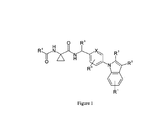
- the present invention relates to the indole derivatives of formula (I) wherein
- the invention also relates to the pharmaceutical compositions containing the compounds of formula (I) or optical antipodes or racemates and/or salts thereof as active ingredient.
- the present invention relates to the synthesis of the compounds of formula (I) and optical antipodes or racemates and/or salts thereof, the pharmaceutical compositions comprising thereof and the chemical and pharmaceutical manufacture of medicaments containing these compounds, as well as the methods of treatment with these compounds, which means administering to a mammal to be treated - including human - suffering from disorders involving pain and inflammation effective amount of compounds of formula (I) and optical antipodes or racemates and/or salts thereof of the present invention as such or as medicament.
- the present invention relates to the indole derivatives of formula (I) wherein
- R 6 When the meaning of R 6 is optionally substituted six-membered aromatic ring with two nitrogen atoms the term "optionally substituted" means that the ring may be substituted by one substituent selected from halogen atom, C 1 -C 4 alkyl, -CF 3 or -SCH 3 groups.
- R 6 When the meaning of R 6 is optionally substituted five-membered aromatic ring with two nitrogen atoms the term "optionally substituted" means that the ring may be substituted by C 1 -C 4 alkyl group.
- R 6 When the meaning of R 6 is optionally substituted five-membered aromatic ring with one heteroatom selected from O or S the term "optionally substituted” means that the ring may be substituted by one substituent selected from C 1 -C 4 -alkyl or S-(C 1 -C 4 )-alkyl group.
- R 6 When the meaning of R 6 is optionally substituted pyridyl group the term "optionally substituted” means that it may be substituted by one or two substituent selected from halogen atom, C 1 -C 4 -alkyl or -CF 3 group.
- halogen or "halo” as used herein alone or as a part of another group refers to chlorine, bromine, fluorine and iodine.
- C 1 -C 4 alkyl refers to branched or straight chain alkyl groups comprising one to four carbon atoms, including methyl, ethyl, propyl, normal- and isopropyl and different butyl groups.
- C 3 -C 6 cycloalkyl refers to carbocyclic groups of 3 to 6 carbons, respectively; for example, cyclopropyl, cyclobutyl, cyclopentyl and cyclohexyl.
- C 1 -C 4 alkoxy refers to branched or straight chain alkyl groups comprising one to four carbon atoms bonded through an oxygen atom, including but not limited to, methoxy, ethoxy, propoxy and t-butoxy.
- selective Bradykinin 1 antagonist refers to a substance for example an organic molecule that is a potent full antagonist of human B1 receptor and shows at least 50 fold selectivity over B2 receptors.
- mammal refers to any members of the class “Mammalia” including, but not limited to human.
- salt means nontoxic acid addition salts of the compounds of the invention which are generally prepared by reacting the base with a suitable organic or inorganic acid.
- the salts of the present invention are pharmaceutically acceptable salts including e.g. the hydrochloride, hydrobromide salts.
- Cis / trans isomers may be separated by conventional techniques well known to those skilled in the art, for example chromatography and fractional crystallisation.
- pharmaceutically acceptable describes an ingredient that is useful in preparing a pharmaceutical composition and is generally safe, non-toxic and neither biologically nor otherwise undesirable, and includes those acceptable for veterinary use as well as human pharmaceutical use.
- pharmaceutically effective amount shall mean that amount of active ingredient that will elicit the biological or medical response of a tissue, system or animal that is being sought by a researcher or clinician.
- pharmaceutical composition refers to a mixture of a compound of the invention with other chemical components, such as pharmaceutically acceptable auxiliary materials, e.g. diluents or carriers.
- auxiliary materials e.g. diluents or carriers.
- the pharmaceutical composition facilitates administration of the compound to the subject.
- auxiliary material defines a chemical compound that facilitates the incorporation of a compound into cells or tissues.
- treatment means using an effective therapy to reduce, alleviate or eliminate the symptoms associated with disorders involving pain and inflammation.
- reaction of an indole derivative of formula (II) with a boronic acid of formula (III) or a boronic acid of formula (VII) is preferably carried out in a proper solvent, preferably in the presence of a copper(II) salt.
- the reactions are followed by thin layer chromatography.
- the necessary reaction time is 20-70 h.
- the work-up of the reaction mixture can be carried out by the following methods:
- the structures of the products are determined by IR, NMR and mass spectrometry.
- Deprotection of the indole derivatives of formula (IV) and formula (XII) can be carried out in a proper solvent using organic or inorganic acids, e.g. trifluoro acetic acid or hydrogen chloride.
- the amide bond formations are preferably carried out by preparing an active derivative from a carboxylic acid of formula (VI), (XI) or (XIV), which is reacted with an amine of formula (V), (X) or (XIII) respectively, preferably in the presence of a base.
- the transformation of a carboxylic acid into an active derivative can be carried out in situ during the amide bond formation in a proper solvent (e.g. N,N- dimethylformamide, dimethyl sulfoxide, acetonitrile, chlorinated hydrocarbons or hydrocarbons or the mixture thereof).
- a proper solvent e.g. N,N- dimethylformamide, dimethyl sulfoxide, acetonitrile, chlorinated hydrocarbons or hydrocarbons or the mixture thereof.
- the active derivatives can be active esters (e.g.
- the active derivatives can be prepared at a temperature in the range of 0 °C to room temperature.
- a proper amine of formula (V), (X) or (XIII) is added as a base or as a salt formed with inorganic acid to the so obtained solution or suspension in the presence of a base, e.g. triethylamine, N , N -diisopropylethylamine needed for the liberation of the amine.
- a base e.g. triethylamine, N , N -diisopropylethylamine needed for the liberation of the amine.
- the condensation reactions are followed by thin layer chromatography.
- the necessary reaction time is 6-20 h.
- the work-up of the reaction mixture can be carried out by different methods.
- the structures of the products are determined by IR, NMR and mass spectrometry.
- the obtained indole derivatives of formula (I) and optical antipodes or racemates and/or salts thereof - independently from the method of preparation - in given case can be transformed into another compound of formula (I) and optical antipodes or racemates and/or salts thereof by introducing further substituents and/or modifying and/or removing the existing ones.
- N -( tert -butoxycarbonyl) group can be cleaved by organic or inorganic acids (e.g. trifluoroacetic acid or hydrogen chloride).
- organic or inorganic acids e.g. trifluoroacetic acid or hydrogen chloride.
- indole derivatives of formula (II) are either commercially available or can be synthesized by different known methods. The syntheses of some new indole derivatives of formula (II) are described in the Examples. Following these procedures the other indole derivatives of formula (II) can also be prepared.
- the compounds of the present invention and optical antipodes or racemates and/or salts thereof can be used as such or suitably in the form of pharmaceutical compositions.
- the invention also relates to the pharmaceutical compositions containing the compounds of formula (I) or optical antipodes or racemates and/or salts thereof as active ingredient for the treatment of certain disorders associated with bradykinin B1 receptor activity.
- Suitable routes of administration may, for example, include oral, rectal, transmucosal, or intestinal administration; parenteral delivery, including intramuscular, subcutaneous, intravenous, intramedullary injections, as well as intraarticular, intrathecal, direct intraventricular, intraperitoneal, intranasal, or intraocular injections and eye drops.
- the pharmaceutical compositions can be administered variety of routes and dosages forms.
- the compound of the invention may be administered either alone or in combination with pharmaceutically acceptable carriers, in either single or multiple doses.
- the dosage required to exert the therapeutical effect can vary within wide limits and will be fitted to the individual requirements in each of the particular case, depending on the stage of the disease, the condition and the bodyweight of the patient to be treated, as well as the sensitivity of the patient against the active ingredient, route of administration and number of daily treatments.
- the actual dose of the active ingredient to be used can safely be determined by the attending physician skilled in the art in the knowledge of the patient to be treated.
- the pharmaceutical compositions comprise dosage units containing the amount of the active ingredient to be administered once, or a few multiples or a half, third or fourth part thereof.
- dosage units are e.g. tablets, which can be powdered with grooves promoting the halving or quartering of the tablet in order to exactly administer the required amount of the active ingredient.
- compositions containing the active ingredient according to the present invention usually contain 0.01 to 500 mg of active ingredient in a single dosage unit. It is, of course possible that the amount of the active ingredient in some compositions exceeds the upper or lower limits defined above.
- compositions of the present invention may be manufactured in a manner that is itself known, e.g., by means of conventional mixing, dissolving, granulating, dragee-making, levigating, emulsifying, encapsulating, entrapping or tabletting processes.
- compositions for use in accordance with the present invention thus may be formulated in conventional manner using one or more physiologically acceptable carriers comprising excipients and auxiliaries which facilitate processing of the active compounds into preparations which can be used pharmaceutically. Proper formulation is dependent upon the route of administration chosen. Any of the well-known techniques, carriers, and excipients may be used as suitable and as understood in the art.
- Suitable excipients are, in particular, fillers such as sugars, including lactose, sucrose, mannitol, or sorbitol; cellulose preparations such as, for example, maize starch, wheat starch, rice starch, potato starch, gelatin, gum tragacanth, methyl cellulose, hydroxypropylmethyl- cellulose, sodium carboxymethylcellulose, and/or polyvinylpyrrolidone (PVP).
- disintegrating agents may be added, such as the cross-linked polyvinyl pyrrolidone, agar, or alginic acid or a salt thereof such as sodium alginate.
- the compounds of the present invention are bradykinin receptor antagonists, in particular selective bradykinin B1 receptor antagonists, consequently are useful in the treatment or prevention of disorders involving pain and inflammation comprising the administration to a mammal to be treated an effective amount of compounds of formula (I) of the present invention as such or as medicament.
- somatic musculo-skeletal pain and disorders including bone and joint pain and disorders (e.g. arthritis, including rheumatoid and other types of inflammatory arthritis, osteoarthritis, spondylitis and infectious arthritis, arthritis due to gout or pseudogout, autoimmune and vasculitic joint disorders as systemic lupus erythematosus, polymyalgia rheumatica, polyarthritis nodosa, osteoporosis), low-back pain, repetitive motion disorders (e.g.
- Compounds of the present invention can additionally be used to treat inflammatory skin disorders, such as psoriasis, dermatitis and eczema, skin injuries including burning and sunburning (e.g. UV-erythema and pain), pruritus and wound.
- inflammatory skin disorders such as psoriasis, dermatitis and eczema, skin injuries including burning and sunburning (e.g. UV-erythema and pain), pruritus and wound.
- the compounds would be effective in the treatment of visceral pain and disorders of thorax and abdomen (angina, ulcerative colitis, pancreatitis, cholecystitis, liver disease, nephritis, gastritis, appendicitis, irritable bowel syndrome, inflammatory bowel disease, Crohn's disease), visceral pain of pelvis (cystitis, hyperactive bladder, menstruation).
- They may be used as smooth muscle relaxants for the treatment of spasm of the gastrointestinal tract or uterus as well as for spasms and pain originating from biliary and urinary tracts.
- Such compounds may be used therapeutically to treat inflammatory airways disease e.g.
- COPD chronic obstructive pulmonary disease
- ADRS acute respiratory distress syndrome
- bronchitis pneumonia, pleurisy and asthma.
- COPD chronic obstructive pulmonary disease
- ADRS acute respiratory distress syndrome
- bronchitis pneumonia, pleurisy and asthma.
- They may be used to control, restrict or reverse airways hyperreactivity in asthma, to treat intrinsic and extrinsic asthma including allergic asthma (atopic or non-atopic), occupational asthma, viral or bacterial exacerbated asthma, other non-allergic asthmas, "whez-infant syndrome", as well as exercise-induced bronchoconstriction.
- They may be effective against pneumoconiosis, including aluminosis, anthracosis, asbestosis, chalicosis, ptilosis, siderosis, silicosis, tabacosis and byssinosis.
- the compounds may be used for the treatment of vascular injuries, disorders and inflammatory states such as angioedema, atherosclerosis, septic shock e.g. as anti-hypovolemic and/or anti-hypotensive agents, ischemia-reperfusion injury.
- Compounds may be used to treat inflammatory pain of varied origins (e.g. allergic rhinitis, vasomotor rhinitis, uveitis, retinitis, gingivitis,) atopic and allergic disorders.
- Compounds may be used to alleviate glaucoma, dental pain and fever.
- neuropathic pain e.g. neuralgia, nerve injury, phantom limb pain, mononeuropathy, polyneuropathy, neuritis, and radiculitis
- Compounds would be effective in the treatment of painful peripheral neuropathies like herpes zoster infection (e.g. postherpetic neuralgia), HIV-related neuropathies, nutritional deficiencies, toxins.
- Compounds would be effective in the treatment of cancer pain and in side effect of chemotherapy, radiation injury or surgical injury.
- Compounds may be used in the treatment of fibrotic disease (e.g. pulmonary fibrosis, renal fibrosis, liver fibrosis), hyperplasia (e.g.
- prostatic hyperplasia and cancer (e.g. breast cancer).
- the compounds would be effective in immunological disorders (autoimmune disease, hypersensitivities, transplant rejection, immune deficiencies).
- Compounds would be effective in the treatment of perioperative pain (e.g. general surgery, gynecological), postoperative pain (postsurgical pain syndrome), posttraumatic pain (e.g. sprains or fracture).
- Compounds would be also effective in the treatment of traumatic brain injuries.
- Compounds of present invention may be useful analgesic agent using during general and monitored anaesthesia.
- compounds would be effective in the treatment of pain and disorders associated with diabetes (e.g.
- diabethic neuropathy diabethic neuropathy, diabethic nephropathy, diabetic vasculopathy, diabetic rethinopathy, osteopathy, post capillary resistance or diabetic symptoms associated with insulitis (e.g. hyperglycemia, diuresis, proteinurea and increased nitrite and kallikrein urinary excretion).
- insulitis e.g. hyperglycemia, diuresis, proteinurea and increased nitrite and kallikrein urinary excretion.
- neurological disorders e.g. against multiple sclerosis, Alzheimer's disease, Parkinson's disease, epilepsy, stroke, cerebral oedema, headache including cluster headache, migraine including prophylactic and acute use, as well as closed head trauma.
- CHO cells stably expressing recombinant human B1 (CHO-B1, Euroscreen) receptors were cultured in Dulbecco's Modified Eagle's Medium (DMEM) containing 10% Fetal Calf Serum (FCS), 100 U/ml penicillin, 0.1 mg/ml streptomycin, 0.25 ⁇ g/ml amphotericin B, 1% Minimum Essential Medium Eagle (MEM), non essential amino acid solution, 600 ⁇ g/ml G418.
- DMEM Dulbecco's Modified Eagle's Medium
- FCS Fetal Calf Serum
- MCS Minimum Essential Medium Eagle
- Cells were kept at 37°C in a humidified incubator in an atmosphere of 5% CO 2 /95% air and were passaged 1:4 three times a week.
- Cells were plated at 1.5-2.5 ⁇ 10 4 cell/well on standard 96-well microplates, measurements of cytosolic calcium ion concentration ([Ca 2+ ] i ) were carried out 1-2
- Measurements of [Ca 2+ ] i were carried out on CHO-B1 cells stably expressing human B1 receptors, respectively.
- Cells were grown in standard 96-well microplates and before the measurement were loaded with a fluorescent Ca 2+ -sensitive dye, fluo-4/AM (2 ⁇ M): after removing the culture medium the dye was added to the cells (dissolved in assay buffer: 145 mM NaCl, 5 mM KCl, 2 mM MgCl 2 , 2 mM CaCl 2 , 10 mM HEPES, 20 mM D-glucose, 2 mM probenecid, 100 ⁇ l/well) and cells were incubated at 37°C in a humidified incubator in an atmosphere of 5% CO 2 /95% air for 40-120 min.
- assay buffer 145 mM NaCl, 5 mM KCl, 2 mM MgCl 2 , 2 mM CaCl 2 , 10 mM H
- test compounds diluted in extracellular medium from a DMSO stock solution, final DMSO concentration was ⁇ 0.1%) or buffer were added to each well depending on the experimental setup.
- baseline and agonist-evoked changes of [Ca 2+ ] i were measured column by column with a plate reader fluorimeter (Fluoroskan Ascent, Labsystems). Excitation and detection of emission was carried out from the bottom of the plate. Filters used for Fluo-4: excitation filter - 485 nm, emission filter - 538 nm. The whole measurement process was performed at 37°C and was controlled by custom software.
- Inhibitory potency of the test compounds was assessed by measuring the reduction in the agonist-evoked [Ca 2+ ] i -elevation in the presence of different concentrations of the compounds.
- the agonist was LysDABK for CHO-B1 cells.
- Agonist was applied at an EC 80 concentration; the EC 80 -values were derived from daily determined dose-response curves. Fluorescence data were expressed as ⁇ F/F (fluorescence change normalized to baseline). All treatments on a single plate were measured in multiple wells. Data from all wells with the same treatment were averaged and the average values were used for analysis. Inhibitory potency of a compound at a single concentration point was expressed as percent inhibition of the control agonist response. Sigmoidal concentration-inhibition curves were fitted to the data (derived from at least three independent experiments) and IC 50 -values were determined as the concentration that produces half of the maximal inhibition caused by the compound.
- the examined reference compounds measured in functional and binding tests are the following:
- Binding assays were carried out on human recombinant bradykinin1 receptors (expressed in CHO cells, hB1-A5) according to the Euroscreen Technical Data Sheet (Cat.No.:ES-091). 20 ⁇ g protein/tube was incubated with [3,4-prolyl-3,4- 3 H(N)]-[Des-Arg 10 ] Kallidin as radioligand. Non specific binding was determined in the presence of 10 ⁇ M Lys-des-Arg 9 -Bradykinin. The final incubation volume was 250 ⁇ l. Samples were incubated for 15 min. at 25 °C then were rapidly vacuum filtered through GF/B filters presoaked for at least 1 h in 0.5 % PEI. Radioactivity was determined by liquid scintillation spectroscopy.
- the ligand displacement by the compounds was determined using a minimum of seven concentrations in triplicate, and experiments were repeated at least two times.
- the specific radioligand binding is defined as the difference between total binding and the non-specific binding determined in the presence of an excess of unlabelled ligand. Results are expressed as a percent inhibition of specific binding obtained in the presence of RGH-478 or reference drugs.
- IC 50 values i.e. concentration of compound giving 50% inhibition of specific binding
- K i values i.e. inhibition constants
- K D was determined from the Scatchard plot. ( Editor-in-chief: Enna, S.J. and Williams, M. Current protocols in pharmacology vol.1. John Wiley & sons Inc., 1998 )
- Table II compounds of this invention measured in binding assay are listed. Table II Number of example B1 binding Number of example B1 binding 1 +++ 102 +++ 2 +++ 103 +++ 3 +++ 104 +++ 4 +++ 105 +++ 5 +++ 106 +++ 6 ++ 107 +++ 7 +++ 108 +++ 8 +++ 109 +++ 9 +++ 110 +++ 10 +++ 111 +++ 11 +++ 112 +++ 12 +++ 113 +++ 13 +++ 114 +++ 14 +++ 115 +++ 15 +++ 116 ++ 16 +++ 117 +++ 17 +++ 118 +++ 18 +++ 119 +++ 19 +++ 120 +++ 20 +++ 121 +++ 21 +++ 122 ++ 22 +++ 123 +++ 23 +++ 124 ++ 24 +++ 125 +++ 25 +++ 126 +++ 26 +++ 127 +++ 27 +++ 128 +++ 28 +++ 129 +++ 29 +++ 130 +++ 30 +++ 131 +++ 31 +++ 132 +++ 32 +++ 133 +++ 33 ++ 134
- Binding assays were carried out on human recombinant bradykinin2 receptors (expressed in CHO-K1 cells) according to the Receptor Biology Technical Data Sheet (Cat.No.: RBHB2M) with minor modifications. 8.4 ⁇ g protein/tube was incubated with [2,3,-prolyl-3,4- 3 H(N)]-Bradykinin as radioligand. Non specific binding was determined in the presence of 5 ⁇ M bradykinin. The final incubation volume was 200 ⁇ l. Samples were incubated for 90 min. at +4 °C then were rapidly vacuum filtered through GF/B filters presoaked for at least 1 h in 0.5 % PEI. Radioactivity was determined by liquid scintillation spectroscopy. Compounds were tested in 5 ⁇ M test concentration.
- the specific radioligand binding is defined as the difference between total binding and the non-specific binding determined in the presence of an excess of unlabelled ligand. Results are expressed as a percent inhibition of specific binding obtained in the presence of RGH-478 or reference drugs.
- IC 50 values i.e. concentration of compound giving 50% inhibition of specific binding
- K i values i.e. inhibition constants
- K D was determined from the Scatchard plot. ( Editor-in-chief: Enna, S.J. and Williams, M. Current protocols in pharmacology vol.1. John Wiley & sons Inc., 1998 )
- the compounds exhibited high affinity and selectivity (>50 fold) for the human B1 receptor over the human B2 receptor according to binding assays.
- the organic and aqueous phases were separated, the aqueous phase was washed with 2x10 mL of ethyl acetate.
- the combined organic layers were washed with 3x30 mL of water, 2x50 mL of brine, dried over anhydrous sodium sulfate, filtered and concentrated in vacuo.
- the residue was taken up in 90 mL of water and the pH of the suspension was adjusted to 6 by the addition of 1M aqueous sodium hydroxide solution and the so obtained mixture was washed with 150 mL of ethyl acetate.
- the title compound was prepared from 3-chloro-2-(2-methyl-2 H -tetrazol-5-yl)-1 H -indole (Reference Example 4d) and 3-fluoro-4-( tert -butoxycarbonylamino-methyl)phenyl-boronic acid (Reference Example 1) according to the methods described in Reference Example 4e and 4f. Mp.: 268-269 °C.
- the filtrate was diluted with 1000 mL of ethyl acetate and washed with 2 x 500 mL of 25% ammonium hydroxide solution.
- the organic layer was washed with 500 mL of 1M citric acid, dried over anhydrous sodium sulfate, filtered and concentrated in vacuo.
- the residue was dissolved in 350 mL of 10 % hydrogen chloride in ethyl acetate and stirred at room temperature for 2 h.
- the precipitated crude product was filtered off, washed with cold ethyl acetate and recrystallized from 2-propanol to yield 14.2 g (88.7%) of the title compound.
- the title compound was prepared from [4-(5-chloro-2-cyano-indol-1-yl)-benzyl]-carbamic acid tert -butyl ester according to the method described in Reference Example 14b.
- the title compound was prepared from 5-methoxy-1 H -indole-2-carboxylic acid according to the method described in Reference Example 4a.
- the title compound was prepared from 5-methoxy-1 H -indole-2-carboxylic acid according to the methods described in Reference Example 4a-c.
- the reaction mixture was vigorously stirred and bubbled with a stream of dry air at room temperature for 6 h.
- the mixture was filtered through Celite.
- the filter cake was washed with N , N -dimethylformamide and chloroform, the combined filtrates were concentrated in vacuo.
- the residue was taken up in chloroform and subsequently washed with concentrated aqueous ammonium hydroxide solution, water, 10% aqueous citric acid solution, water, saturated aqueous sodium hydrogencarbonate solution and brine, dried over anhydrous magnesium sulfate, filtered and concentrated in vacuo.
- N- dimethylformamide 1.1 g (4.4 mmol) of 4-( tert- butoxycarbonylaminomethyl)phenylboronic acid, 1.0 g (6.4 mmol) of copper(II) acetate, 2.2 mL (12.7 mmol) of N , N -diisopropylethylamine and 1.4 g of 3 ⁇ molecular sieves were added.
- the reaction mixture was vigorously stirred and bubbled with a stream of dry air at room temperature for 36 h.
- reaction mixture was washed with 15 mL of water, 2x15 mL of 5% aqueous citric acid solution, water, saturated aqueous sodium hydrogencarbonate solution and brine, dried over anhydrous magnesium sulfate, filtered and concentrated in vacuo to yield 1.54g (88%) of the title compound as a white foam.
- reaction mixture was stirred at room temperature overnight when a second portion of sodium cyanoborohydride (0.12 g, 1.8 mmol) was added and the mixture was stirred at room temperature for 72 h.
- the pH of the reaction mixture was adjusted to 5 by the addition of 3M aqueous hydrochloric acid solution and the so obtained mixture was concentrated in vacuo.
- the residue was treated with 50 mL of dichloromethane and extracted with 10 mL of water.
- the aqueous phase was reextracted with dichloromethane.
- the combined organic layers were washed with 20 mL of brine, dried over anhydrous sodium sulfate, filtered and concentrated in vacuo.
- N -dimethylformamide 1.0 g (6.7 mmol) of 4-formyl-phenylboronic acid, 1.62 g (8.94 mmol) of copper(II) acetate, 3.1 mL (17.9 mmol) of N , N -diisopropylethylamine and 2.5 g of 3 ⁇ molecular sieves were added.
- the reaction mixture was vigorously stirred and bubbled with a stream of dry air at room temperature for 30 h. The mixture was filtered through Celite.
- the reaction mixture was vigorously stirred and bubbled with a stream of dry air at room temperature for 96 h.
- the mixture was filtered through Celite.
- the filter cake was washed with N , N- dimethylformamide and chloroform and the combined filtrates were concentrated in vacuo.
- the residue was treated with 300 mL of chloroform and extracted with 2x50 mL of 25% ammonium hydroxide solution and 2x50 mL of brine, dried over anhydrous sodium sulfate, filtered and concentrated in vacuo.
- the title compound was prepared from 1-amino-cyclopropanecarboxylic acid 4-[5-fluoro-2-(5-methyl-[1,2,4]oxadiazol-3-yl)-indol-1-yl]-benzylamide hydrochloride (Reference Example 19) and 5-trifluoromethyl-nicotinic acid according to the method described in Example 42. MS (EI) 579.2 (MH + ).
- the title compound was prepared from 1-amino-cyclopropanecarboxylic acid 4-[3-chloro-5-methoxy-2-(3-methyl-[1,2,4]oxadiazol-5-yl)-indol-1-yl]-benzylamide hydrochloride (Reference Example 20) and 5-trifluoromethyl-nicotinic acid according to the method described in Example 42. MS (EI) 625.2 (MH + ).
- the title compound was prepared from 5-fluoro-1 H -indole-2-carboxylic acid according to the methods described in Reference Example 4a-c.
- the title compound was prepared from 3-chloro-5-fluoro-1 H -indole-2-carbonitrile according to the methods described in Reference Example 9a and 9b.
- the title compound was prepared from 1-amino-cyclopropanecarboxylic acid 4-[3-chloro-2-(5-methyl-[1,2,4]oxadiazol-3-yl)-indol-1-yl]-benzylamide (Reference Example 9) and 3- tert -butoxycarbonylamino-benzoic acid according to the method described in Example 134.
- the title compound was prepared from 3-[1-(4-aminomethyl-phenyl)-3-chloro-1 H -indol-2-yl]-4-methyl-4 H -[1,2,4]oxadiazol-5-one hydrochloride and 1-[(3-methoxy-isoxazole-5-carbonyl)-amino]-cyclopropanecarboxylic acid ( P. D. O'Shea et al. J. Org. Chem. 2009, 74, 4547-4553 ) according to the method described in Example 34e. MS (EI) 563.2 (MH + ).
- composition examples illustrate representative pharmaceutical compositions of this invention.
- the present invention however not limited to the following pharmaceutical compositions.
- the concentration of mixtures are expressed in weight percent.
- the tablets made according to the method described above were coated by a layer consisting of entero- or gastrosolvent film, or of sugar and talc.
- the dragées were polished by a mixture of beeswax and carnuba wax.
- active ingredient of formula (I) 0.1-2 % of sodium hydroxide, 0.1-3 % of citric acid, 0.05-0.2 % of nipagin (sodium methyl 4-hydroxybenzoate), 0.005-0.02 % of nipasol, 0.01-0.5 % of carbopol (polyacrilic acid), 0.1-5 % of 96 % ethanol, 0.1-1 % of flavoring agent, 20
- a 5 % solution of mannitol or lactose was made with bidistilled water for injection use, and the solution was filtered so as to have sterile solution.
- a 0.01-5 % solution of the active ingredient of formula (I) was also made with bidistilled water for injection use, and this solution was filtered so as to have sterile solution.
- These two solutions were mixed under aseptic conditions, filled in 1 ml portions into ampoules, the content of the ampoules was lyophilized, and the ampoules were sealed under nitrogen. The contents of the ampoules were dissolved in sterile water or 0.9 % (physiological) sterile aqueous sodium chloride solution before administration.
Landscapes
- Health & Medical Sciences (AREA)
- Chemical & Material Sciences (AREA)
- Organic Chemistry (AREA)
- General Health & Medical Sciences (AREA)
- Life Sciences & Earth Sciences (AREA)
- Veterinary Medicine (AREA)
- Public Health (AREA)
- Medicinal Chemistry (AREA)
- Animal Behavior & Ethology (AREA)
- Pharmacology & Pharmacy (AREA)
- Bioinformatics & Cheminformatics (AREA)
- Nuclear Medicine, Radiotherapy & Molecular Imaging (AREA)
- Engineering & Computer Science (AREA)
- General Chemical & Material Sciences (AREA)
- Chemical Kinetics & Catalysis (AREA)
- Physical Education & Sports Medicine (AREA)
- Diabetes (AREA)
- Rheumatology (AREA)
- Cardiology (AREA)
- Pain & Pain Management (AREA)
- Epidemiology (AREA)
- Heart & Thoracic Surgery (AREA)
- Urology & Nephrology (AREA)
- Neurology (AREA)
- Dermatology (AREA)
- Orthopedic Medicine & Surgery (AREA)
- Neurosurgery (AREA)
- Immunology (AREA)
- Emergency Medicine (AREA)
- Obesity (AREA)
- Vascular Medicine (AREA)
- Biomedical Technology (AREA)
- Hematology (AREA)
- Ophthalmology & Optometry (AREA)
- Endocrinology (AREA)
- Pharmaceuticals Containing Other Organic And Inorganic Compounds (AREA)
- Plural Heterocyclic Compounds (AREA)
- Indole Compounds (AREA)
- Heterocyclic Carbon Compounds Containing A Hetero Ring Having Nitrogen And Oxygen As The Only Ring Hetero Atoms (AREA)
- Low-Molecular Organic Synthesis Reactions Using Catalysts (AREA)
Claims (10)
- Dérivés d'indole de formule (I)
 R1 est un atome d'hydrogène, un atome d'halogène ou un groupe alcoxy en C1 à C4 ;R2 est un atome d'hydrogène, un atome d'halogène, un groupe alkyle en C1 à C4 ou un groupe cyano ;R3 est choisi parmi (1) -COOR ; (2) -CN ; (3) -CONRaRb ;

 R4 est un atome d'hydrogène ou un atome d'halogène ;R5 est un atome d'hydrogène ou un groupe alkyle en C1 à C4 ;R6 est choisi parmi(1) un cycloalkyle en C3 à C6 ;(2) un cycle aromatique à cinq ou six chaînons éventuellement substitué, portant deux atomes d'azote ;(3) un pyridyle éventuellement substitué ;(4) un cycle aromatique à cinq chaînons éventuellement substitué, portant un hétéroatome choisi parmi O et S ;(5) - CF3 ; (6) -CH2-CF3 ; (7) -CH2-CH2-C≡CH ; (8) -CH2-CH2-CH(CH3)2 ;


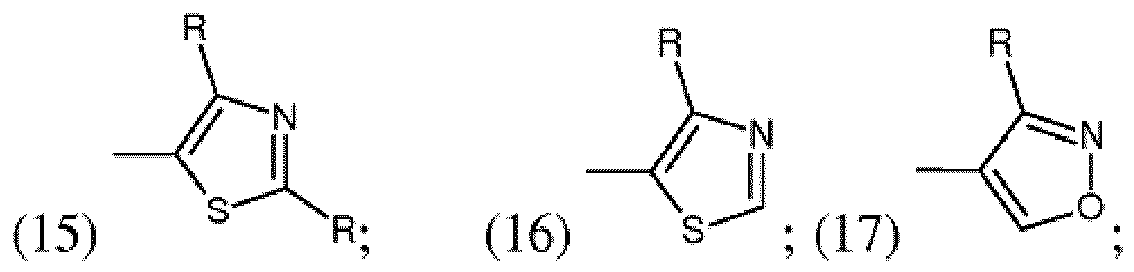


 X est -CH- ou un atome d'azote ;R est un groupe alkyle en C1 à C4 ;Ra et Rb, indépendamment l'un de l'autre, sont un atome d'hydrogène ; un groupe alkyle en C1 à C4 ou un groupe pyrrolidin-1-yle ;Rc est un atome d'hydrogène ; ou un groupe alkyle en C1 à C4 ou alcoxy en C1 à C4 ;Rd est un atome d'hydrogène ; ou un groupe alkyle en C1 à C4 ou cycloalkyle en C3 à C6 ;Re et Rf, indépendamment l'un de l'autre, sont un atome d'hydrogène ; un atome d'halogène ; ou un groupe alcoxy en C1 à C4 ; -CF3 ; -CN ou -NH2 ;et leurs antipodes optiques ou racémates et/ou sels.
- Composé selon la revendication 1, choisi dans l'ensemble constitué par les suivants :4-[3-chloro-2-(2-méthyl-2H-tétrazol-5-yl)indol-1-yl]benzylamide d'acide 1-(2,2,2-trifluoroacétylamino)cyclopropanecarboxylique(1-{4-[3-chloro-2-(2-méthyl-2H-tétrazol-5-yl)indol-1-yl]benzylcarbamoyl}cyclopropyl)amide d'acide 3-méthoxyisoxazole-5-carboxylique(1-{4-[2-(2-méthyl-2H-tétrazol-5-yl)indol-1-yl]benzylcarbamoyl}cyclopropyl)amide d'acide 3-méthoxyisoxazole-5-carboxylique4-[3-chloro-2-(2-méthyl-2H-tétrazol-5-yl)indol-1-yl]-2-fluorobenzylamide d'acide 1-(2,2,2-trifluoroacétylamino)cyclopropanecarboxylique3-méthoxy-N-[1-({4-[3-chloro-2-(5-méthyl-1,3,4-oxadiazol-2-yl)-1H-indol-1-yl]benzyl}carbamoyl)cyclopropyl]isoxazole-5-carboxamide4-[3-chloro-2-(5-méthyl-[1,3,4]oxadiazol-2-yl)indol-1-yl]benzylamide d'acide 1-(2,2,2-trifluoroacétylamino)cyclopropanecarboxylique(1-{4-[3-chloro-2-(1-méthyl-1H-tétrazol-5-yl)indol-1-yl]benzylcarbamoyl}cyclopropyl)amide d'acide 3-méthoxyisoxazole-5-carboxylique4-[3-chloro-2-(1-méthyl-1H-tétrazol-5-yl)indol-1-yl]benzylamide d'acide 1-(2,2,2-trifluoroacétylamino)cyclopropanecarboxylique(1-{4-[3-chloro-2-(5-méthyl-[1,2,4]oxadiazol-3-yl)indol-1-yl]benzylcarbamoyl}cyclopropyl)amide d'acide 3-méthoxyisoxazole-5-carboxyliqueester méthylique d'acide 3-chloro-1-[4-({[1-(2,2,2-trifluoroacétylamino)cyclopropanecarbonyl]amino}méthyl)-phényl]-1H-indole-2-carboxyliqueester méthylique d'acide 3-chloro-1-{4-[({1-[(3-méthoxyisoxazole-5-carbonyl)amino]cyclopropanecarbonyl}amino)méthyl]phényl}-1H-indole-2-carboxylique4-[3-chloro-5-fluoro-2-(2-méthyl-2H-tétrazol-5-yl)indol-1-yl]benzylamide d'acide 1-(2,2,2-trifluoroacétylamino)cyclopropanecarboxylique(1-{4-[3-chloro-5-fluoro-2-(2-méthyl-2H-tétrazol-5-yl)indol-1-yl]benzylcarbamoyl}cyclopropyl)amide d'acide 3-méthoxyisoxazole-5-carboxyliqueester méthylique d'acide 1-{4-[({1-[(3-méthoxyisoxazole-5-carbonyl)amino]cyclopropanecarbonyl}amino)méthyl]phényl}-1H-indole-2-carboxylique(1-{4-[3-chloro-2-(2-méthyl-2H-tétrazol-5-yl)indol-1-yl]-2-fluorobenzylcarbamoyl}cyclopropyl)amide d'acide 3-méthoxyisoxazole-5-carboxylique(1-{4-[3-chloro-2-(1,3-oxazol-5-yl)indol-1-yl]benzylcarbamoyl}cyclopropyl)amide d'acide 3-méthoxyisoxazole-5-carboxylique4-[3,5-dichloro-2-(2-méthyl-2H-tétrazol-5-yl)indol-1-yl]benzylamide d'acide 1-(2,2,2-trifluoroacétylamino)cyclopropanecarboxylique(1-{4-[3,5-dichloro-2-(2-méthyl-2H-tétrazol-5-yl)indol-1-yl]benzylcarbamoyl}cyclopropyl)amide d'acide 3-méthoxyisoxazole-5-carboxylique4-[3-chloro-5-fluoro-2-(2-méthyl-2H-tétrazol-5-yl)indol-1-yl]-2-fluorobenzylamide d'acide 1-(2,2,2-trifluoroacétylamino)cyclopropanecarboxylique(1-{4-[3-chloro-5-fluoro-2-(2-méthyl-2H-tétrazol-5-yl)indol-1-yl]-2-fluorobenzylcarbamoyl}cyclopropyl)amide d'acide 3-méthoxyisoxazole-5-carboxylique(1-{4-[3-cyano-2-(5-méthyl-[1,2,4]oxadiazol-3-yl)indol-1-yl]benzylcarbamoyl}cyclopropyl)amide d'acide 3-méthoxyisoxazole-5-carboxylique4-[3,5-dichloro-2-(2-méthyl-2H-tétrazol-5-yl)indol-1-yl]-2-fluorobenzylamide d'acide 1-(2,2,2-trifluoroacétylamino)cyclopropanecarboxylique4-[3-chloro-2-(5-méthyl-[1,2,4]oxadiazol-3-yl)indol-1-yl]benzylamide d'acide 1-(2,2,2-trifluoroacétylamino)cyclopropanecarboxylique(1-{4-[3-chloro-2-(2-méthyl-2H-tétrazol-5-yl)indol-1-yl]benzylcarbamoyl}cyclopropyl)amide d'acide 5-cyclopropylisoxazole-3-carboxylique(1-{4-[3-chloro-2-(2-méthyl-2H-tétrazol-5-yl)indol-1-yl]benzylcarbamoyl}cyclopropyl)amide d'acide 5-méthyl-pyrazine-2-carboxylique(1-{4-[3-chloro-2-(2-méthyl-2H-tétrazol-5-yl)indol-1-yl]benzylcarbamoyl}cyclopropyl)amide d'acide 5-méthylisoxazole-3-carboxylique2-chloro-N-(1-{4-[3-chloro-2-(2-méthyl-2H-tétrazol-5-yl)indol-1-yl]benzylcarbamoyl}cyclopropyl)nicotinamideN-(1-{4-[3-chloro-2-(2-méthyl-2H-tétrazol-5-yl)indol-1-yl]benzylcarbamoyl}cyclopropyl)-2-fluoroisonicotinamide4-[3-chloro-2-(2-méthyl-2H-tétrazol-5-yl)indol-1-yl]benzylamide d'acide 1-(3,3,3-trifluoropropionylamino)cyclopropanecarboxyliqueN-(1-{4-[3-chloro-2-(2-méthyl-2H-tétrazol-5-yl)indol-1-yl]benzylcarbamoyl}cyclopropyl)-5-trifluorométhylnicotinamideN-(1-{4-[3-chloro-2-(2-méthyl-2H-tétrazol-5-yl)indol-1-yl]benzylcarbamoyl}cyclopropyl)-3-fluorobenzamideméthylamide d'acide 3-chloro-1-[4-(1-{[1-(2,2,2-trifluoroacétylamino)cyclopropanecarbonyl]amino}éthyl)-phényl]-1H-indole-2-carboxylique(1-{4-[3-chloro-2-(pyrrolidine-1-carbonyl)indol-1-yl]phényl}éthyl)amide d'acide 1-(2,2,2-trifluoroacétylamino)cyclopropanecarboxyliqueester éthylique d'acide 3-chloro-1-{4-[({1-[(3-méthoxyisoxazole-5-carbonyl)amino]cyclopropanecarbonyl}amino)méthyl]phényl}-1H-indole-2-carboxyliquediméthylamide d'acide 3-chloro-1-{4-[({1-[(3-méthoxyisoxazole-5-carbonyl)amino]cyclopropanecarbonyl}amino)méthyl]phényl}-1H-indole-2-carboxylique4-[2-(2-méthyl-2H-tétrazol-5-yl)indol-1-yl]benzylamide d'acide 1-(2,2,2-trifluoroacétylamino)cyclopropanecarboxylique(1-{4-[3-chloro-5-fluoro-2-(5-méthyl-[1,3,4]oxadiazol-2-yl)indol-1-yl]benzylcarbamoyl}cyclopropyl)amide d'acide 3-méthoxyisoxazole-5-carboxylique(1-{4-[3-chloro-2-(5-méthyloxazol-2-yl)indol-1-yl]benzylcarbamoyl}cyclopropyl)amide d'acide 3-méthoxyisoxazole-5-carboxylique{1-[4-(3-chloro-2-cyano-indol-1-yl)benzylcarbamoyl]cyclopropyl}amide d'acide 3-méthoxyisoxazole-5-carboxylique(1-{4-[3-chloro-2-(5-méthyl-[1,2,4]oxadiazol-3-yl)indol-1-yl]phényl}éthyl)amide d'acide (R)-1-(2,2,2-trifluoroacétylamino)cyclopropanecarboxylique[1-(1-{4-[3-chloro-2-(5-méthyl-[1,2,4]oxadiazol-3-yl)indol-1-yl]phényl}éthylcarbamoyl)cyclopropyl]amide d'acide (R)-3-méthoxyisoxazole-5-carboxylique(1-{4-[3-chloro-2-(5-méthyl-[1,2,4]oxadiazol-3-yl)indol-1-yl]benzylcarbamoyl}cyclopropyl)amide d'acide 3-propylisoxazole-5-carboxylique{1-[4-(5-chloro-2-cyano-indol-1-yl)benzylcarbamoyl]cyclopropyl}amide d'acide 3-méthoxyisoxazole-5-carboxyliqueN-{1-[4-(2-cyano-5-méthoxyindol-1-yl)benzylcarbamoyl]cyclopropyl}-5-trifluorométhylnicotinamideN-{1-[4-(2-cyano-5-fluoroindol-1-yl)benzylcarbamoyl]cyclopropyl}-5-trifluorométhylnicotinamideN-(1-{4-[5-fluoro-2-(5-méthyl-[1,2,4]oxadiazol-3-yl)indol-1-yl]benzylcarbamoyl}cyclopropyl)-5-trifluorométhylnicotinamide(1-{4-[5-fluoro-2-(5-méthyl-[1,2,4]oxadiazol-3-yl)indol-1-yl]benzylcarbamoyl}cyclopropyl)amide d'acide 3-méthoxyisoxazole-5-carboxylique{1-[4-(2-cyano-5-méthoxyindol-1-yl)benzylcarbamoyl]cyclopropyl}amide d'acide 3-méthoxyisoxazole-5-carboxylique{1-[4-(2-cyano-5-fluoroindol-1-yl)benzylcarbamoyl]cyclopropyl}amide d'acide 3-méthoxyisoxazole-5-carboxyliqueN-(1-{4-[3-chloro-5-méthoxy-2-(3-méthyl-[1,2,4]oxadiazol-5-yl)indol-1-yl]benzylcarbamoyl}cyclopropyl)-5-trifluorométhylnicotinamide(1-{4-[3-chloro-5-méthoxy-2-(3-méthyl-[1,2,4]oxadiazol-5-yl)indol-1-yl]benzylcarbamoyl}cyclopropyl)amide d'acide 3-méthoxyisoxazole-5-carboxylique{1-[4-(3-chloro-2-cyano-5-méthoxyindol-1-yl)benzylcarbamoyl]cyclopropyl}amide d'acide 3-méthoxyisoxazole-5-carboxylique(1-{4-[5-chloro-2-(5-méthyl-[1,2,4]oxadiazol-3-yl)indol-1-yl]benzylcarbamoyl}cyclopropyl)amide d'acide 3-méthoxyisoxazole-5-carboxyliqueester méthylique d'acide 3-chloro-1-[3-fluoro-4-({[1-(2,2,2-trifluoroacétylamino)cyclopropanecarbonyl]amino}-méthyl)phényl]-1H-indole-2-carboxyliqueester méthylique d'acide 3-chloro-1-{3-fluoro-4-[({1-[(3-méthoxyisoxazole-5-carbonyl)amino]cyclopropanecarbonyl}amino)méthyl]phényl}-1H-indole-2-carboxylique[1-({5-[2-(3-méthyl-[1,2,4]oxadiazol-5-yl)indol-1-yl]pyridin-2-ylméthyl}carbamoyl)cyclopropyl]amide d'acide 3-méthoxyisoxazole-5-carboxylique[1-({5-[2-(5-méthyl-[1,2,4]oxadiazol-3-yl)indol-1-yl]pyridin-2-ylméthyl}carbamoyl)cyclopropyl]amide d'acide 3-méthoxyisoxazole-5-carboxylique[1-({5-[3-chloro-2-(3-méthyl-[1,2,4]oxadiazol-5-yl)indol-1-yl]pyridin-2-ylméthyl}carbamoyl)cyclopropyl]amide d'acide 3-méthoxyisoxazole-5-carboxylique[1-({5-[3-chloro-5-fluoro-2-(2-méthyl-2H-tétrazol-5-yl)indol-1-yl]pyridin-2-ylméthyl}carbamoyl)cyclopropyl]amide d'acide 3-méthoxyisoxazole-5-carboxylique[1-({5-[3-chloro-2-(2-méthyl-2H-tétrazol-5-yl)indol-1-yl]pyridin-2-ylméthyl}carbamoyl)cyclopropyl]amide d'acide 3-méthoxyisoxazole-5-carboxylique[1-({5-[5-fluoro-2-(5-méthyl-[1,2,4]oxadiazol-3-yl)indol-1-yl]pyridin-2-ylméthyl}carbamoyl)cyclopropyl]amide d'acide 3-méthoxyisoxazole-5-carboxylique[1-({5-[3-chloro-5-fluoro-2-(5-méthyl-[1,2,4]oxadiazol-3-yl)indol-1-yl]pyridin-2-ylméthyl}carbamoyl)cyclopropyl]amide d'acide 3-méthoxyisoxazole-5-carboxylique4-[3-chloro-5-méthoxy-2-(5-méthyl-[1,2,4]oxadiazol-3-yl)indol-1-yl]benzylamide d'acide 1-(2,2,2-trifluoroacétylamino)cyclopropanecarboxylique(1-{4-[3-chloro-5-méthoxy-2-(5-méthyl-[1,2,4]oxadiazol-3-yl)indol-1-yl]benzylcarbamoyl}cyclopropyl)amide d'acide 3-méthoxyisoxazole-5-carboxylique4-[3,5-dichloro-2-(5-méthyl-[1,2,4]oxadiazol-3-yl)indol-1-yl]benzylamide d'acide 1-(2,2,2-trifluoroacétylamino)cyclopropanecarboxylique(1-{4-[3,5-dichloro-2-(5-méthyl-[1,2,4]oxadiazol-3-yl)indol-1-yl]benzylcarbamoyl}cyclopropyl)amide d'acide 3-éthoxyisoxazole-5-carboxylique(1-{4-[3-chloro-5-fluoro-2-(5-méthyl-[1,2,4]oxadiazol-3-yl)indol-1-yl]benzylcarbamoyl}cyclopropyl)amide d'acide 3-méthoxyisoxazole-5-carboxyliqueester méthylique d'acide 3-chloro-4-fluoro-1-{4-[({1-[(3-méthoxyisoxazole-5-carbonyl)amino]cyclopropanecarbonyl}amino)méthyl]phényl}-1H-indole-2-carboxyliqueester méthylique d'acide 3-chloro-4-fluoro-1-[4-({[1-(2,2,2-trifluoroacétylamino)cyclopropanecarbonyl]amino}-méthyl)phényl]-1H-indole-2-carboxylique2-chloro-N-(1-{4-[3,5-dichloro-2-(5-méthyl-[1,2,4]oxadiazol-3-yl)indol-1-yl]benzylcarbamoyl}cyclopropyl)nicotinamideN-(1-{4-[3,5-dichloro-2-(5-méthyl-[1,2,4]oxadiazol-3-yl)indol-1-yl]benzylcarbamoyl}cyclopropyl)-3-fluorobenzamide(1-{4-[3,5-dichloro-2-(5-méthyl-[1,2,4]oxadiazol-3-yl)indol-1-yl]benzylcarbamoyl}cyclopropyl)amide d'acide 5-méthylpyrazine-2-carboxylique(1-{4-[3,5-dichloro-2-(5-méthyl-[1,2,4]oxadiazol-3-yl)indol-1-yl]benzylcarbamoyl}cyclopropyl)amide d'acide 5-méthylisoxazole-3-carboxyliqueN-(1-{4-[3,5-dichloro-2-(5-méthyl-[1,2,4]oxadiazol-3-yl)indol-1-yl]benzylcarbamoyl}cyclopropyl)-2-fluoroisonicotinamide(1-{4-[3,5-dichloro-2-(5-méthyl-[1,2,4]oxadiazol-3-yl)indol-1-yl]benzylcarbamoyl}cyclopropyl)amide d'acide 5-cyclopropylisoxazole-3-carboxyliqueN-(1-{4-[3,5-dichloro-2-(5-méthyl-[1,2,4]oxadiazol-3-yl)indol-1-yl]benzylcarbamoyl}cyclopropyl)-5-trifluorométhylnicotinamide(1-{4-[3-chloro-2-(5-méthyl-[1,2,4]oxadiazol-3-yl)indol-1-yl]benzylcarbamoyl}cyclopropyl)amide d'acide 2-méthylsulfanylpyrimidine-5-carboxylique4-[5-méthoxy-2-(3-méthyl-[1,2,4]oxadiazol-5-yl)indol-1-yl]benzylamide d'acide 1-(3,3,3-trifluoropropionylamino)cyclopropanecarboxyliqueN-(1-{4-[5-méthoxy-2-(3-méthyl-[1,2,4]oxadiazol-5-yl)indol-1-yl]benzylcarbamoyl}cyclopropyl)-5-trifluorométhylnicotinamide(1-{4-[5-méthoxy-2-(3-méthyl-[1,2,4]oxadiazol-5-yl)indol-1-yl]benzylcarbamoyl}cyclopropyl)amide d'acide 3-méthoxyisoxazole-5-carboxylique4-[2-(5-méthyl-[1,2,4]oxadiazol-3-yl)indol-1-yl]benzylamide d'acide 1-(3,3,3-trifluoropropionylamino)cyclopropanecarboxyliqueN-(1-{4-[2-(5-méthyl-[1,2,4]oxadiazol-3-yl)indol-1-yl]benzylcarbamoyl}cyclopropyl)-5-trifluorométhylnicotinamideN-(1-{4-[2-(3-méthyl-[1,2,4]oxadiazol-5-yl)indol-1-yl]benzylcarbamoyl}cyclopropyl)-5-trifluorométhylnicotinamideN-{1-[4-(2-cyanoindol-1-yl)benzylcarbamoyl]cyclopropyl}-5-trifluorométhylnicotinamide2-chloro-N-(1-{4-[3-chloro-5-fluoro-2-(5-méthyl-[1,2,4]oxadiazol-3-yl)indol-1-yl]benzylcarbamoyl}cyclopropyl)nicotinamideN-(1-{4-[3-chloro-5-fluoro-2-(5-méthyl-[1,2,4]oxadiazol-3-yl)indol-1-yl]benzylcarbamoyl}cyclopropyl)-3-fluorobenzamide(1-{4-[3-chloro-5-fluoro-2-(5-méthyl-[1,2,4]oxadiazol-3-yl)indol-1-yl]benzylcarbamoyl}cyclopropyl)amide d'acide 5-méthylpyrazine-2-carboxylique(1-{4-[3-chloro-5-fluoro-2-(5-méthyl-[1,2,4]oxadiazol-3-yl)indol-1-yl]benzylcarbamoyl}cyclopropyl)amide d'acide 5-méthylisoxazole-3-carboxyliqueN-(1-{4-[3-chloro-5-fluoro-2-(5-méthyl-[1,2,4]oxadiazol-3-yl)indol-1-yl]benzylcarbamoyl}cyclopropyl)-2-fluoroisonicotinamide(1-{4-[3-chloro-5-fluoro-2-(5-méthyl-[1,2,4]oxadiazol-3-yl)indol-1-yl]benzylcarbamoyl}cyclopropyl)amide d'acide 5-cyclopropylisoxazole-3-carboxyliqueN-(1-{4-[3-chloro-5-fluoro-2-(5-méthyl-[1,2,4]oxadiazol-3-yl)indol-1-yl]benzylcarbamoyl}cyclopropyl)-5-trifluorométhylnicotinamideN-(1-{4-[3-chloro-2-(5-méthyl-[1,2,4]oxadiazol-3-yl)indol-1-yl]benzylcarbamoyl}cyclopropyl)-2-fluoro-3-trifluorométhylbenzamideN-(1-{4-[3-chloro-2-(5-méthyl-[1,2,4]oxadiazol-3-yl)indol-1-yl]benzylcarbamoyl}cyclopropyl)-3-fluoro-4-trifluorométhylbenzamideN-(1-{4-[3-chloro-2-(5-méthyl-[1,2,4]oxadiazol-3-yl)indol-1-yl]benzylcarbamoyl}cyclopropyl)-3-fluoro-5-trifluorométhylbenzamideN-(1-{4-[3-chloro-2-(5-méthyl-[1,2,4]oxadiazol-3-yl)indol-1-yl]benzylcarbamoyl}cyclopropyl)-2-fluoronicotinamideN-(1-{4-[3-chloro-2-(5-méthyl-[1,2,4]oxadiazol-3-yl)indol-1-yl]benzylcarbamoyl}cyclopropyl)-2-fluoro-5-trifluorométhylbenzamideN-(1-{4-[3-chloro-2-(5-méthyl-[1,2,4]oxadiazol-3-yl)indol-1-yl]benzylcarbamoyl}cyclopropyl)-3-fluoroisonicotinamideN-(1-{4-[3-chloro-2-(5-méthyl-[1,2,4]oxadiazol-3-yl)indol-1-yl]benzylcarbamoyl}cyclopropyl)-4-fluoro-3-trifluorométhylbenzamideN-(1-{4-[3-chloro-2-(5-méthyl-[1,2,4]oxadiazol-3-yl)indol-1-yl]benzylcarbamoyl}cyclopropyl)-6-fluoronicotinamideN-{1-[4-(5-chloro-2-cyanoindol-1-yl)benzylcarbamoyl]cyclopropyl}-5-trifluorométhylnicotinamide4-[5-fluoro-2-(3-méthyl-[1,2,4]oxadiazol-5-yl)indol-1-yl]benzylamide d'acide 1-(3,3,3-trifluoropropionylamino)cyclopropanecarboxyliqueN-(1-{4-[5-fluoro-2-(3-méthyl-[1,2,4]oxadiazol-5-yl)indol-1-yl]benzylcarbamoyl}cyclopropyl)-5-trifluorométhylnicotinamide(1-{4-[5-fluoro-2-(3-méthyl-[1,2,4]oxadiazol-5-yl)indol-1-yl]benzylcarbamoyl}cyclopropyl)amide d'acide 3-méthoxyisoxazole-5-carboxylique2-chloro-N-(1-{4-[3-chloro-2-(5-méthyl-[1,2,4]oxadiazol-3-yl)indol-1-yl]-2-fluorobenzylcarbamoyl}cyclopropyl)nicotinamideN-(1-{4-[3-chloro-2-(5-méthyl-[1,2,4]oxadiazol-3-yl)indol-1-yl]-2-fluorobenzylcarbamoyl}cyclopropyl)-3-fluorobenzamide(1-{4-[3-chloro-2-(5-méthyl-[1,2,4]oxadiazol-3-yl)indol-1-yl]-2-fluorobenzylcarbamoyl}cyclopropyl)amide d'acide 5-méthylpyrazine-2-carboxylique(1-{4-[3-chloro-2-(5-méthyl-[1,2,4]oxadiazol-3-yl)indol-1-yl]-2-fluorobenzylcarbamoyl}cyclopropyl)amide d'acide 5-méthylisoxazole-3-carboxylique4-[3-chloro-2-(5-méthyl-[1,2,4]oxadiazol-3-yl)indol-1-yl]-2-fluorobenzylamide d'acide 1-(3,3,3-trifluoropropionylamino)cyclopropanecarboxyliqueN-(1-{4-[3-chloro-2-(5-méthyl-[1,2,4]oxadiazol-3-yl)indol-1-yl]-2-fluorobenzylcarbamoyl}cyclopropyl)-2-fluoroisonicotinamide(1-{4-[3-chloro-2-(5-méthyl-[1,2,4]oxadiazol-3-yl)indol-1-yl]-2-fluorobenzylcarbamoyl}cyclopropyl)amide d'acide 5-cyclopropylisoxazole-3-carboxyliqueN-(1-{4-[3-chloro-2-(5-méthyl-[1,2,4]oxadiazol-3-yl)indol-1-yl]-2-fluorobenzylcarbamoyl}cyclopropyl)-5-trifluorométhylnicotinamide4-[3-chloro-2-(3-méthyl-[1,2,4]oxadiazol-5-yl)indol-1-yl]benzylamide d'acide 1-(3,3,3-trifluoropropionylamino)cyclopropanecarboxyliqueN-(1-{4-[3-chloro-2-(3-méthyl-[1,2,4]oxadiazol-5-yl)indol-1-yl]benzylcarbamoyl}cyclopropyl)-2-fluoroisonicotinamide(1-{4-[3-chloro-2-(3-méthyl-[1,2,4]oxadiazol-5-yl)indol-1-yl]benzylcarbamoyl}cyclopropyl)amide d'acide 5-cyclopropylisoxazole-3-carboxyliqueN-(1-{4-[3-chloro-2-(3-méthyl-[1,2,4]oxadiazol-5-yl)indol-1-yl]benzylcarbamoyl}cyclopropyl)-5-trifluorométhylnicotinamide2-fluoro-N-(1-{4-[5-méthoxy-2-(3-méthyl-[1,2,4]oxadiazol-5-yl)indol-1-yl]benzylcarbamoyl}cyclopropyl)nicotinamideN-(1-{4-[3-chloro-5-fluoro-2-(5-méthyl-[1,2,4]oxadiazol-3-yl)indol-1-yl]benzylcarbamoyl}cyclopropyl)-2-fluoronicotinamideN-(1-{4-[3-chloro-5-méthoxy-2-(3-méthyl-[1,2,4]oxadiazol-5-yl)indol-1-yl]benzylcarbamoyl}cyclopropyl)-2-fluoronicotinamideN-(1-{4-[3-chloro-2-(2-méthyl-2H-tétrazol-5-yl)indol-1-yl]benzylcarbamoyl}cyclopropyl)-2-fluoronicotinamide2-fluoro-N-(1-{4-[5-fluoro-2-(5-méthyl-[1,2,4]oxadiazol-3-yl)indol-1-yl]benzylcarbamoyl}cyclopropyl)nicotinamide(1-{4-[3-chloro-2-(5-méthyl-[1,2,4]oxadiazol-3-yl)indol-1-yl]benzylcarbamoyl}cyclopropyl)amide d'acide 1-méthyl-1H-pyrazole-4-carboxylique(1-{4-[3-chloro-2-(5-méthyl-[1,2,4]oxadiazol-3-yl)indol-1-yl]benzylcarbamoyl}cyclopropyl)amide d'acide 2-oxoimidazolidine-4-carboxylique(1-{4-[3-chloro-2-(5-méthyl-[1,2,4]oxadiazol-3-yl)indol-1-yl]benzylcarbamoyl}cyclopropyl)amide d'acide 3-éthylisoxazole-5-carboxylique4-[5-méthoxy-2-(5-méthyl-[1,3,4]oxadiazol-2-yl)indol-1-yl]benzylamide d'acide 1-(3,3,3-trifluoropropionylamino)cyclopropanecarboxyliqueN-(1-{4-[5-méthoxy-2-(5-méthyl-[1,3,4]oxadiazol-2-yl)indol-1-yl]benzylcarbamoyl}cyclopropyl)-5-trifluorométhylnicotinamide(1-{4-[5-méthoxy-2-(5-méthyl-[1,3,4]oxadiazol-2-yl)indol-1-yl]benzylcarbamoyl}cyclopropyl)amide d'acide 3-méthoxyisoxazole-5-carboxylique4-[5-chloro-2-(5-méthyl-[1,2,4]oxadiazol-3-yl)indol-1-yl]benzylamide d'acide 1-(3,3,3-trifluoropropionylamino)cyclopropanecarboxyliqueN-(1-{4-[5-chloro-2-(5-méthyl-[1,2,4]oxadiazol-3-yl)indol-1-yl]benzylcarbamoyl}cyclopropyl)-5-trifluorométhylnicotinamide(1-{4-[3-chloro-5-méthoxy-2-(5-méthyl-[1,2,4]oxadiazol-3-yl)indol-1-yl]benzylcarbamoyl}cyclopropyl)amide d'acide 5-méthyl-pyrazine-2-carboxyliqueN-(1-{4-[3-chloro-5-méthoxy-2-(5-méthyl-[1,2,4]oxadiazol-3-yl)indol-1-yl]benzylcarbamoyl}cyclopropyl)-5-trifluorométhylnicotinamide(1-{2-fluoro-4-[5-fluoro-2-(5-méthyl-[1,2,4]oxadiazol-3-yl)indol-1-yl]benzylcarbamoyl}cyclopropyl)amide d'acide 5-méthylpyrazine-2-carboxyliqueN-(1-{2-fluoro-4-[5-fluoro-2-(5-méthyl-[1,2,4]oxadiazol-3-yl)indol-1-yl]benzylcarbamoyl}cyclopropyl)-5-trifluorométhylnicotinamide(1-{2-fluoro-4-[5-fluoro-2-(5-méthyl-[1,2,4]oxadiazol-3-yl)indol-1-yl]benzylcarbamoyl}cyclopropyl)amide d'acide 3-méthoxyisoxazole-5-carboxylique(1-{4-[3-chloro-2-(5-méthyl-[1,2,4]oxadiazol-3-yl)indol-1-yl]benzylcarbamoyl}cyclopropyl)amide d'acide isoxazole-5-carboxylique(1-{4-[3-chloro-2-(5-méthyl-[1,2,4]oxadiazol-3-yl)indol-1-yl]benzylcarbamoyl}cyclopropyl)amide d'acide 5-méthylisoxazole-3-carboxylique(1-{4-[3-chloro-2-(5-méthyl-[1,2,4]oxadiazol-3-yl)indol-1-yl]benzylcarbamoyl}cyclopropyl)amide d'acide tétrahydrofurane-2-carboxylique(1-{4-[3-chloro-2-(5-méthyl-[1,2,4]oxadiazol-3-yl)indol-1-yl]benzylcarbamoyl}cyclopropyl)amide d'acide furane-3-carboxylique(1-{4-[3-chloro-2-(5-méthyl-[1,2,4]oxadiazol-3-yl)indol-1-yl]benzylcarbamoyl}cyclopropyl)amide d'acide 2-méthylcyclopropanecarboxylique4-[3-chloro-2-(5-méthyl-[1,2,4]oxadiazol-3-yl)indol-1-yl]benzylamide d'acide 1-pent-4-ynoylaminocyclopropanecarboxylique4-[3-chloro-2-(5-méthyl-[1,2,4]oxadiazol-3-yl)indol-1-yl]benzylamide d'acide 1-(4-méthylpentanoylamino)cyclopropanecarboxylique(1-{4-[3-chloro-2-(5-méthyl-[1,2,4]oxadiazol-3-yl)indol-1-yl]benzylcarbamoyl}cyclopropyl)amide d'acide 1H-pyrazole-4-carboxylique(1-{4-[3-chloro-2-(5-méthyl-[1,2,4]oxadiazol-3-yl)indol-1-yl]benzylcarbamoyl}cyclopropyl)amide d'acide 1-cyanocyclopropanecarboxylique(1-{4-[3-chloro-2-(5-méthyl-[1,2,4]oxadiazol-3-yl)indol-1-yl]benzylcarbamoyl}cyclopropyl)amide d'acide cyclobutanecarboxylique(1-{4-[3-chloro-2-(5-méthyl-[1,2,4]oxadiazol-3-yl)indol-1-yl]benzylcarbamoyl}cyclopropyl)amide d'acide cyclopentanecarboxylique(1-{4-[3-chloro-2-(5-méthyl-[1,2,4]oxadiazol-3-yl)indol-1-yl]benzylcarbamoyl}cyclopropyl)amide d'acide furane-2-carboxyliqueN-(1-{4-[3-chloro-2-(5-méthyl-[1,2,4]oxadiazol-3-yl)indol-1-yl]benzylcarbamoyl}cyclopropyl)-3-cyanobenzamide4-[3-chloro-2-(5-méthyl-[1,2,4]oxadiazol-3-yl)indol-1-yl]benzylamide d'acide 1-(2-thiophén-3-ylacétylamino)cyclopropanecarboxylique(1-{4-[3-chloro-2-(5-méthyl-[1,2,4]oxadiazol-3-yl)indol-1-yl]benzylcarbamoyl}cyclopropyl)amide d'acide 1,5-diméthyl-1H-pyrazole-3-carboxylique(1-{4-[3-chloro-2-(5-méthyl-[1,2,4]oxadiazol-3-yl)indol-1-yl]benzylcarbamoyl}cyclopropyl)amide d'acide 4-méthylthiazole-5-carboxylique(1-{4-[3-chloro-2-(5-méthyl-[1,2,4]oxadiazol-3-yl)indol-1-yl]benzylcarbamoyl}cyclopropyl)amide d'acide 2,4-diméthylthiazole-5-carboxylique4-[3-chloro-2-(5-méthyl-[1,2,4]oxadiazol-3-yl)indol-1-yl]benzylamide d'acide 1-(2-acétylamino-3-hydroxypropionylamino)cyclopropanecarboxylique(1-{4-[3-chloro-2-(5-méthyl-[1,2,4]oxadiazol-3-yl)indol-1-yl]benzylcarbamoyl}cyclopropyl)amide d'acide 5-méthyl-1H-pyrazole-3-carboxylique2-chloro-N-(1-{4-[3-chloro-2-(5-méthyl-[1,2,4]oxadiazol-3-yl)indol-1-yl]benzylcarbamoyl}cyclopropyl)nicotinamideN-(1-{4-[3-chloro-2-(5-méthyl-[1,2,4]oxadiazol-3-yl)indol-1-yl]benzylcarbamoyl}cyclopropyl)-6-méthylnicotinamideN-(1-{4-[3-chloro-2-(5-méthyl-[1,2,4]oxadiazol-3-yl)indol-1-yl]benzylcarbamoyl}cyclopropyl)-2-méthylnicotinamide2-chloro-N-(1-{4-[3-chloro-2-(5-méthyl-[1,2,4]oxadiazol-3-yl)indol-1-yl]benzylcarbamoyl}cyclopropyl)-6-méthylnicotinamide(1-{4-[3-chloro-2-(5-méthyl-[1,2,4]oxadiazol-3-yl)indol-1-yl]benzylcarbamoyl}cyclopropyl)amide d'acide 6-bromopyridine-2-carboxyliqueN-(1-{4-[3-chloro-2-(5-méthyl-[1,2,4]oxadiazol-3-yl)indol-1-yl]benzylcarbamoyl}cyclopropyl)nicotinamide(1-{4-[3-chloro-2-(5-méthyl-[1,2,4]oxadiazol-3-yl)indol-1-yl]benzylcarbamoyl}cyclopropyl)amide d'acide quinoline-3-carboxylique(1-{4-[3-chloro-2-(5-méthyl-[1,2,4]oxadiazol-3-yl)indol-1-yl]benzylcarbamoyl}cyclopropyl)amide d'acide 6-oxo-1,6-dihydropyridine-3-carboxylique(1-{4-[3-chloro-2-(5-méthyl-[1,2,4]oxadiazol-3-yl)indol-1-yl]benzylcarbamoyl}cyclopropyl)amide d'acide 5-méthylpyrazine-2-carboxylique(1-{4-[3-chloro-2-(5-méthyl-[1,2,4]oxadiazol-3-yl)indol-1-yl]benzylcarbamoyl}cyclopropyl)amide d'acide 6-oxo-1,6-dihydropyridine-2-carboxylique4-[3-chloro-2-(5-méthyl-[1,2,4]oxadiazol-3-yl)indol-1-yl]benzylamide d'acide 1-(3,3,3-trifluoropropionylamino)cyclopropanecarboxyliqueN-(1-{4-[3-chloro-2-(5-méthyl-[1,2,4]oxadiazol-3-yl)indol-1-yl]benzylcarbamoyl}cyclopropyl)-2-fluoroisonicotinamide(1-{4-[3-chloro-2-(5-méthyl-[1,2,4]oxadiazol-3-yl)indol-1-yl]benzylcarbamoyl}cyclopropyl)amide d'acide 5-cyclopropylisoxazole-3-carboxylique(1-{4-[3-chloro-2-(5-méthyl-[1,2,4]oxadiazol-3-yl)indol-1-yl]benzylcarbamoyl}cyclopropyl)amide d'acide pyrimidine-5-carboxylique(1-{4-[3-chloro-2-(5-méthyl-[1,2,4]oxadiazol-3-yl)indol-1-yl]benzylcarbamoyl}cyclopropyl)amide d'acide thiophène-3-carboxylique(1-{4-[3-chloro-2-(5-méthyl-[1,2,4]oxadiazol-3-yl)indol-1-yl]benzylcarbamoyl}cyclopropyl)amide d'acide 5-oxopyrrolidine-2-carboxylique4-[3-chloro-2-(5-méthyl-[1,2,4]oxadiazol-3-yl)indol-1-yl]benzylamide d'acide 1-(3-furan-3-ylacryloylamino)cyclopropanecarboxyliqueN-(1-{4-[3-chloro-2-(5-méthyl-[1,2,4]oxadiazol-3-yl)indol-1-yl]benzylcarbamoyl}cyclopropyl)-4-cyanobenzamide4-[3-chloro-2-(5-méthyl-[1,2,4]oxadiazol-3-yl)indol-1-yl]benzylamide d'acide 1-(3-furan-2-ylacryloylamino)cyclopropanecarboxylique(1-{4-[3-chloro-2-(5-méthyl-[1,2,4]oxadiazol-3-yl)indol-1-yl]benzylcarbamoyl}cyclopropyl)amide d'acide thiophène-2-carboxylique(1-{4-[3-chloro-2-(5-méthyl-[1,2,4]oxadiazol-3-yl)indol-1-yl]benzylcarbamoyl}cyclopropyl)amide d'acide 5-méthylsulfanylthiophène-2-carboxylique(1-{4-[3-chloro-2-(5-méthyl-[1,2,4]oxadiazol-3-yl)indol-1-yl]benzylcarbamoyl}cyclopropyl)amide d'acide [1,2,3]thiadiazole-4-carboxyliqueN-(1-{4-[3-chloro-2-(5-méthyl-[1,2,4]oxadiazol-3-yl)indol-1-yl]benzylcarbamoyl}cyclopropyl)-3-méthoxybenzamideN-(1-{4-[3-chloro-2-(5-méthyl-[1,2,4]oxadiazol-3-yl)indol-1-yl]benzylcarbamoyl}cyclopropyl)-3-iodobenzamideN-(1-{4-[3-chloro-2-(5-méthyl-[1,2,4]oxadiazol-3-yl)indol-1-yl]benzylcarbamoyl}cyclopropyl)-3-trifluorométhylbenzamideN-(1-{4-[3-chloro-2-(5-méthyl-[1,2,4]oxadiazol-3-yl)indol-1-yl]benzylcarbamoyl}cyclopropyl)-3-fluorobenzamideN-(1-{4-[3-chloro-2-(5-méthyl-[1,2,4]oxadiazol-3-yl)indol-1-yl]benzylcarbamoyl}cyclopropyl)-3-méthylbenzamideN-(1-{4-[3-chloro-2-(5-méthyl-[1,2,4]oxadiazol-3-yl)indol-1-yl]benzylcarbamoyl}cyclopropyl)-5-trifluorométhylnicotinamide(1-{4-[3-chloro-2-(5-méthyl-[1,2,4]oxadiazol-3-yl)indol-1-yl]benzylcarbamoyl}cyclopropyl)amide d'acide 3-méthylisoxazole-4-carboxylique(1-{4-[3-chloro-2-(5-méthyl-[1,3,4]oxadiazol-2-yl)indol-1-yl]benzylcarbamoyl}cyclopropyl)amide d'acide quinoline-3-carboxylique4-[3-chloro-2-(5-méthyl-[1,3,4]oxadiazol-2-yl)indol-1-yl]benzylamide d'acide 1-(3,3,3-trifluoropropionylamino)cyclopropanecarboxylique(1-{4-[3-chloro-2-(5-méthyl-[1,3,4]oxadiazol-2-yl)indol-1-yl]benzylcarbamoyl}cyclopropyl)amide d'acide pyrimidine-5-carboxylique(1-{4-[3-chloro-2-(5-méthyl-[1,2,4]oxadiazol-3-yl)indol-1-yl]benzylcarbamoyl}cyclopropyl)amide d'acide 2-méthylpyrimidine-5-carboxyliquechlorhydrate de 3-amino-N-(1-{4-[3-chloro-2-(5-méthyl-[1,2,4]oxadiazol-3-yl)indol-1-yl]benzylcarbamoyl}cyclopropyl)benzamideamide d'acide 3-chloro-1-[4-({[1-(2,2,2-trifluoro-acétylamino)cyclopropanecarbonyl]amino}méthyl)phényl]-1H-indole-2-carboxyliqueamide d'acide 3-chloro-1-{4-[({1-[(3-méthoxyisoxazole-5-carbonyl)amino]cyclopropanecarbonyl}amino)méthyl]phényl}-1H-indole-2-carboxylique4-[3-chloro-5-fluoro-2-(5-méthyl-[1,2,4]oxadiazol-3-yl)indol-1-yl]benzylamide d'acide 1-(2,2,2-trifluoroacétylamino)cyclopropanecarboxylique((R)-1-{4-[3-chloro-2-(5-méthyl-[1,2,4]oxadiazol-3-yl)indol-1-yl]-2-fluorophényl}éthyl)amide d'acide 1-(2,2,2-trifluoroacétylamino)cyclopropanecarboxylique[1-((R)-1-{4-[3-chloro-2-(5-méthyl-[1,2,4]oxadiazol-3-yl)indol-1-yl]-2-fluorophényl}éthylcarbamoyl)cyclopropyl]amide d'acide 3-méthoxyisoxazole-5-carboxylique(1-{4-[3-chloro-2-(5-méthyl-[1,2,4]oxadiazol-3-yl)indol-1-yl]-2-fluorobenzylcarbamoyl}cyclopropyl)amide d'acide 3-méthoxyisoxazole-5-carboxylique(1-{4-[3-chloro-2-(3-méthyl-[1,2,4]oxadiazol-5-yl)indol-1-yl]benzylcarbamoyl}cyclopropyl)amide d'acide 3-méthoxyisoxazole-5-carboxylique4-[3-chloro-2-(3-méthyl-[1,2,4]oxadiazol-5-yl)indol-1-yl]benzylamide d'acide 1-(2,2,2-trifluoroacétylamino)cyclopropanecarboxylique(1-{4-[2-(5-méthyl-[1,2,4]oxadiazol-3-yl)indol-1-yl]benzylcarbamoyl}cyclopropyl)amide d'acide 3-méthoxyisoxazole-5-carboxylique(1-{4-[2-(3-méthyl-[1,2,4]oxadiazol-5-yl)indol-1-yl]benzylcarbamoyl}cyclopropyl)amide d'acide 3-méthoxyisoxazole-5-carboxylique(1-{4-[3-chloro-5-fluoro-2-(5-méthyl-[1,2,4]oxadiazol-3-yl)indol-1-yl]-2-fluorobenzylcarbamoyl}cyclopropyl)amide d'acide 3-méthoxyisoxazole-5-carboxylique(1-{4-[3,5-difluoro-2-(5-méthyl-[1,2,4]oxadiazol-3-yl)indol-1-yl]benzylcarbamoyl}cyclopropyl)amide d'acide 3-méthoxyisoxazole-5-carboxylique4-[3,5-difluoro-2-(5-méthyl-[1,2,4]oxadiazol-3-yl)indol-1-yl]benzylamide d'acide 1-(2,2,2-trifluoroacétylamino)cyclopropanecarboxylique(1-{4-[5-fluoro-3-méthyl-2-(5-méthyl-[1,2,4]oxadiazol-3-yl)indol-1-yl]benzylcarbamoyl}cyclopropyl)amide d'acide 3-méthoxyisoxazole-5-carboxylique et(1-{4-[3-chloro-2-(4-méthyl-5-oxo-4,5-dihydro-[1,2,4]oxadiazol-3-yl)indol-1-yl]benzylcarbamoyl}cyclopropyl)amide d'acide 3-méthoxyisoxazole-5-carboxyliqueet leurs antipodes optiques ou racémates et/ou sels.
- Procédé pour préparer les composés de formule (I) tels que revendiqués dans la revendication 1, caractérisé para) la réaction d'un dérivé d'indole de formule (II)


oub) la réaction d'un dérivé d'indole de formule (II)


est mis à réagir avec du chlorhydrate d'hydroxylamine pour engendrer le dérivé d'indole de formule (IX)
ce dernier est hydrogéné pour fournir un dérivé d'amine de formule (X)
 c) la réaction des dérivés d'amine de formule (V) ou de formule (X), obtenus conformément au procédé décrit dans le procédé a) et le procédé b), avec le dérivé d'acide aminé de formule (XI)dans laquelle la signification de R1, R2, R3, R4 et R5 est telle que décrite à propos de la formule (I) dans la revendication 1, finalement ce dernier est mis à réagir avec un dérivé d'acide de formule (XIV)


et éventuellement un dérivé d'indole de formule (I) obtenu dans le procédé a) ou b) ou c) et ses antipodes optiques ou racémates et/ou sels peuvent être transformés en un autre composé de formule (I) et ses antipodes optiques ou racémates et/ou sels par introduction de nouveaux substituants et/ou modification ou élimination des substituants existants. - Composition pharmaceutique comprenant une quantité efficace du point de vue thérapeutique d'un composé de formule (I) tel que revendiqué dans la revendication 1 et d'antipodes optiques ou racémates et/ou sels de celui-ci, à titre d'agents actifs, et des matériaux auxiliaires pharmaceutiquement acceptables.
- Procédé pour fabriquer une composition pharmaceutique ayant un effet antagoniste sélectif du récepteur de bradykinine B1, caractérisé par le mélange d'une quantité efficace du point de vue thérapeutique d'un composé de formule (I) tel que revendiqué dans la revendication 1 et d'antipodes optiques ou racémates et/ou sels de celui-ci, à titre d'agents actifs, et de matériaux auxiliaires.
- Composé de formule (I) selon la revendication 1 et ses antipodes optiques ou racémates et/ou sels, pour utilisation en tant qu'antagoniste sélectif du récepteur de bradykinine B1.
- Composé de formule (I) selon la revendication 1 et ses antipodes optiques ou racémates et/ou sels, pour utilisation dans le traitement ou la prévention de troubles associés à une activité du récepteur de bradykinine B1.
- Composé selon la revendication 7, dans lequel le trouble est choisi dans l'ensemble constitué par une douleur et une inflammation, y compris une douleur de l'appareil locomoteur, une lombalgie, des troubles liés à un mouvement répétitifs, le syndrome algique myofascial, l'arthrite (y compris l'arthrose, la polyarthrite rhymatoïde et la goutte), la fibromyalgie, une douleur viscérale, les troubles cutanés inflammatoires et les lésions cutanées, les complications associées au diabète telles qu'une neuropathie, une néphropathie, une vasculopathie, une rétinopathie, une douleur liée à un cancer, et une maladie intestinale inflammatoire.
- Utilisation d'un composé de formule (I) selon la revendication 1 ou d'antipodes optiques ou racémates ou d'un sel ou hydrate ou solvate pharmaceutiquement acceptable de ceux-ci pour la fabrication d'un médicament destiné à prévenir et/ou traiter un état qui requiert l'inhibition d'un récepteur de bradykinine.
- Utilisation selon la revendication 9, dans laquelle le récepteur de bradykinine est le récepteur de bradykinine B1.
Applications Claiming Priority (2)
| Application Number | Priority Date | Filing Date | Title |
|---|---|---|---|
| HU1000598A HUP1000598A2 (en) | 2010-11-05 | 2010-11-05 | Indole derivatives |
| PCT/HU2011/000104 WO2012059776A1 (fr) | 2010-11-05 | 2011-11-04 | Dérivés d'indole |
Publications (2)
| Publication Number | Publication Date |
|---|---|
| EP2635567A1 EP2635567A1 (fr) | 2013-09-11 |
| EP2635567B1 true EP2635567B1 (fr) | 2015-10-28 |
Family
ID=89990047
Family Applications (1)
| Application Number | Title | Priority Date | Filing Date |
|---|---|---|---|
| EP11788570.7A Active EP2635567B1 (fr) | 2010-11-05 | 2011-11-04 | Dérivés d'indole |
Country Status (18)
| Country | Link |
|---|---|
| US (1) | US20130217702A1 (fr) |
| EP (1) | EP2635567B1 (fr) |
| JP (1) | JP2013542951A (fr) |
| KR (1) | KR20130130733A (fr) |
| CN (1) | CN103201276B (fr) |
| AP (1) | AP2013006867A0 (fr) |
| AU (1) | AU2011324958A1 (fr) |
| BR (1) | BR112013011192A2 (fr) |
| CA (1) | CA2812655A1 (fr) |
| CU (1) | CU24136B1 (fr) |
| EA (1) | EA022939B1 (fr) |
| HU (2) | HUP1000598A2 (fr) |
| IL (1) | IL225393A0 (fr) |
| MX (1) | MX2013005050A (fr) |
| NZ (1) | NZ610699A (fr) |
| PH (1) | PH12013500588A1 (fr) |
| SG (1) | SG189833A1 (fr) |
| WO (1) | WO2012059776A1 (fr) |
Families Citing this family (4)
| Publication number | Priority date | Publication date | Assignee | Title |
|---|---|---|---|---|
| WO2018114783A1 (fr) | 2016-12-23 | 2018-06-28 | Bayer Pharma Aktiengesellschaft | Composés contenant du tétrazole |
| US12023319B2 (en) | 2016-12-23 | 2024-07-02 | Bayer Pharma Aktiengesellschaft | Carboxylic acid aromatic amides |
| JOP20190156B1 (ar) * | 2016-12-23 | 2023-09-17 | Bayer Pharma AG | أميدات عطرية لحمض الكربوكسيليك بصفتها مضادات لمستقبلة البراديكينين b1 |
| CN112573978B (zh) * | 2019-09-30 | 2022-05-13 | 北京大学 | 一种芳基卤化物的高效卤化合成方法 |
Family Cites Families (23)
| Publication number | Priority date | Publication date | Assignee | Title |
|---|---|---|---|---|
| NZ227841A (en) | 1988-02-12 | 1991-08-27 | Merck Sharp & Dohme | Heterocyclic compounds with at least two non-condensed five membered rings and pharmaceutical compositions |
| GB9716656D0 (en) | 1997-08-07 | 1997-10-15 | Zeneca Ltd | Chemical compounds |
| FR2822827B1 (fr) | 2001-03-28 | 2003-05-16 | Sanofi Synthelabo | Nouveaux derives de n-(arylsulfonyl) beta-aminoacides comportant un groupe aminomethyle substitue, leur procede de preparation et les compositions pharmaceutiques en contenant |
| WO2002099388A2 (fr) | 2001-06-07 | 2002-12-12 | Merck & Co., Inc. | Benzodiazepines antagonistes de bradykinine |
| WO2003000657A1 (fr) | 2001-06-20 | 2003-01-03 | Daiichi Pharmaceutical Co., Ltd. | Derives de diamine |
| TWI259079B (en) * | 2002-02-08 | 2006-08-01 | Merck & Co Inc | N-biphenyl(substituted methyl)aminocycloalkanecarboxamide derivatives |
| IL166426A0 (en) * | 2002-08-29 | 2006-01-15 | Merck & Co Inc | N-biarylmethyl aminocycloalkanecarboxamide derivatives |
| US6908921B2 (en) | 2002-12-13 | 2005-06-21 | Merck & Co., Inc. | Quinoxalinone derivatives as bradykinin B1 antagonists |
| WO2005004810A2 (fr) | 2003-07-02 | 2005-01-20 | Merck & Co., Inc. | Derives arylsulfonamide |
| US7332499B2 (en) * | 2003-08-07 | 2008-02-19 | Merck & Co., Inc. | Sulfonyl substituted n-(biarylmethyl) aminocyclopropanecarboxamides |
| CN1832922A (zh) * | 2003-08-07 | 2006-09-13 | 默克公司 | 磺酰基取代的n-(联芳基甲基)氨基环丙烷甲酰胺类 |
| CA2557858A1 (fr) * | 2004-03-02 | 2005-09-15 | Merck & Co., Inc. | Derives d'amino cyclopropane carboxamide utilises comme antagonistes de la bradykinine |
| US7517899B2 (en) | 2004-03-30 | 2009-04-14 | Wyeth | Phenylaminopropanol derivatives and methods of their use |
| US8450307B2 (en) | 2004-06-04 | 2013-05-28 | Affinium Pharmaceuticals, Inc. | Therapeutic agents, and methods of making and using the same |
| US20100286211A1 (en) | 2004-10-08 | 2010-11-11 | Biswajit Das | Oxazolidinone derivatives as antimicrobials |
| PL1912976T3 (pl) | 2005-07-21 | 2009-04-30 | Hoffmann La Roche | Pochodne indol-3-ilokarbonylopiperydynobenzoimidazolu jako antagoniści receptora V1a |
| FR2894964B1 (fr) * | 2005-12-19 | 2008-02-22 | Cerep Sa | Composes a base de quatre cycles aromatiques, preparation et utilisations |
| WO2007101007A2 (fr) | 2006-02-23 | 2007-09-07 | Neurogen Corporation | Heterocycles sulfonyl aryliques |
| DE102007034620A1 (de) | 2007-07-25 | 2009-01-29 | Boehringer Ingelheim Pharma Gmbh & Co. Kg | Neue B1-Antagonisten |
| AR068509A1 (es) | 2007-09-19 | 2009-11-18 | Jerini Ag | Antagosnistas del receptor de bradiquinina b1 |
| RU2503674C2 (ru) | 2008-04-08 | 2014-01-10 | Грюненталь Гмбх | Замещенные производные сульфонамида |
| CA2722704A1 (fr) * | 2008-04-28 | 2009-11-05 | Zalicus Pharmaceuticals Ltd. | Derives de cyclylamine utilises comme agents bloquant le canal calcique |
| PT2401256E (pt) * | 2009-02-26 | 2013-05-13 | Boehringer Ingelheim Int | Compostos como antagonistas da bradicinina b1 |
-
2010
- 2010-11-05 HU HU1000598A patent/HUP1000598A2/hu unknown
-
2011
- 2011-11-04 NZ NZ610699A patent/NZ610699A/en not_active IP Right Cessation
- 2011-11-04 EA EA201300541A patent/EA022939B1/ru not_active IP Right Cessation
- 2011-11-04 AP AP2013006867A patent/AP2013006867A0/xx unknown
- 2011-11-04 AU AU2011324958A patent/AU2011324958A1/en not_active Abandoned
- 2011-11-04 JP JP2013537214A patent/JP2013542951A/ja active Pending
- 2011-11-04 SG SG2013025226A patent/SG189833A1/en unknown
- 2011-11-04 US US13/823,221 patent/US20130217702A1/en not_active Abandoned
- 2011-11-04 CU CU20130065A patent/CU24136B1/es unknown
- 2011-11-04 CA CA2812655A patent/CA2812655A1/fr not_active Abandoned
- 2011-11-04 WO PCT/HU2011/000104 patent/WO2012059776A1/fr not_active Ceased
- 2011-11-04 CN CN201180053024.8A patent/CN103201276B/zh not_active Expired - Fee Related
- 2011-11-04 PH PH1/2013/500588A patent/PH12013500588A1/en unknown
- 2011-11-04 KR KR1020137014219A patent/KR20130130733A/ko not_active Withdrawn
- 2011-11-04 EP EP11788570.7A patent/EP2635567B1/fr active Active
- 2011-11-04 BR BR112013011192A patent/BR112013011192A2/pt not_active IP Right Cessation
- 2011-11-04 MX MX2013005050A patent/MX2013005050A/es active IP Right Grant
- 2011-11-04 HU HUE11788570A patent/HUE026652T2/en unknown
-
2013
- 2013-03-21 IL IL225393A patent/IL225393A0/en unknown
Also Published As
| Publication number | Publication date |
|---|---|
| JP2013542951A (ja) | 2013-11-28 |
| NZ610699A (en) | 2015-08-28 |
| AU2011324958A1 (en) | 2013-06-06 |
| EA201300541A1 (ru) | 2013-08-30 |
| PH12013500588A1 (en) | 2015-11-06 |
| HU1000598D0 (en) | 2010-12-28 |
| EP2635567A1 (fr) | 2013-09-11 |
| CU20130065A7 (es) | 2013-07-31 |
| SG189833A1 (en) | 2013-06-28 |
| KR20130130733A (ko) | 2013-12-02 |
| US20130217702A1 (en) | 2013-08-22 |
| CN103201276A (zh) | 2013-07-10 |
| WO2012059776A1 (fr) | 2012-05-10 |
| HUP1000598A2 (en) | 2012-09-28 |
| CN103201276B (zh) | 2015-02-25 |
| AP2013006867A0 (en) | 2013-05-31 |
| MX2013005050A (es) | 2013-12-06 |
| CA2812655A1 (fr) | 2012-05-10 |
| IL225393A0 (en) | 2013-06-27 |
| CU24136B1 (es) | 2015-11-27 |
| BR112013011192A2 (pt) | 2016-08-02 |
| HUE026652T2 (en) | 2016-07-28 |
| EA022939B1 (ru) | 2016-03-31 |
Similar Documents
| Publication | Publication Date | Title |
|---|---|---|
| JP4901102B2 (ja) | プロテインキナーゼモジュレーターおよびその使用方法 | |
| EP3350170B1 (fr) | Composés hétéroaryles en tant qu'inhibiteurs d'irak et leurs utilisations | |
| KR100955015B1 (ko) | 2h-프탈라진-1-온 및 이것의 사용 방법 | |
| EP3350177B1 (fr) | Composés hétéroaryles servant d'inhibiteurs d'irak, et leurs utilisations | |
| RU2610840C2 (ru) | Тиазолопиримидины | |
| JP4958560B2 (ja) | Gpcr受容体作動薬としてのヘテロ環誘導体 | |
| JP4329382B2 (ja) | 医薬組成物 | |
| EP1558598B1 (fr) | Composes triazole pour le traitement de la dysmenorrhee | |
| EP1813606A1 (fr) | Composé amide | |
| EP2167491A1 (fr) | Indazoles à substitution 5-hétéroaryle servant d'inhibiteurs de kinases | |
| US20040162278A1 (en) | Triazole compounds useful in therapy | |
| JP4986853B2 (ja) | プロスタグランジンd合成酵素を阻害するベンゾイミダゾール化合物 | |
| IL283290B1 (en) | Cyclic urea | |
| EP2708537A1 (fr) | Dérivé à cycle hétéroaromatique | |
| US20130217702A1 (en) | Indole derivatives | |
| TW202448435A (zh) | 經取代之噻二唑基化合物 | |
| EP4588921A1 (fr) | Forme cristalline de base libre d'un composé polycyclique d'hétérocycle azoté et son procédé de préparation | |
| OA16404A (en) | Indole derivatives. | |
| HK1118279A (en) | Benzoimidazole compound capable of inhibiting prostaglandin d synthetase | |
| HK1107091A (en) | Amide compound |
Legal Events
| Date | Code | Title | Description |
|---|---|---|---|
| PUAI | Public reference made under article 153(3) epc to a published international application that has entered the european phase |
Free format text: ORIGINAL CODE: 0009012 |
|
| 17P | Request for examination filed |
Effective date: 20130529 |
|
| AK | Designated contracting states |
Kind code of ref document: A1 Designated state(s): AL AT BE BG CH CY CZ DE DK EE ES FI FR GB GR HR HU IE IS IT LI LT LU LV MC MK MT NL NO PL PT RO RS SE SI SK SM TR |
|
| AX | Request for extension of the european patent |
Extension state: BA ME |
|
| REG | Reference to a national code |
Ref country code: HK Ref legal event code: DE Ref document number: 1187608 Country of ref document: HK |
|
| GRAP | Despatch of communication of intention to grant a patent |
Free format text: ORIGINAL CODE: EPIDOSNIGR1 |
|
| INTG | Intention to grant announced |
Effective date: 20150518 |
|
| GRAS | Grant fee paid |
Free format text: ORIGINAL CODE: EPIDOSNIGR3 |
|
| GRAA | (expected) grant |
Free format text: ORIGINAL CODE: 0009210 |
|
| AK | Designated contracting states |
Kind code of ref document: B1 Designated state(s): AL AT BE BG CH CY CZ DE DK EE ES FI FR GB GR HR HU IE IS IT LI LT LU LV MC MK MT NL NO PL PT RO RS SE SI SK SM TR |
|
| AX | Request for extension of the european patent |
Extension state: BA ME |
|
| REG | Reference to a national code |
Ref country code: GB Ref legal event code: FG4D |
|
| REG | Reference to a national code |
Ref country code: CH Ref legal event code: EP |
|
| REG | Reference to a national code |
Ref country code: AT Ref legal event code: REF Ref document number: 757875 Country of ref document: AT Kind code of ref document: T Effective date: 20151115 |
|
| REG | Reference to a national code |
Ref country code: IE Ref legal event code: FG4D |
|
| REG | Reference to a national code |
Ref country code: DE Ref legal event code: R096 Ref document number: 602011021040 Country of ref document: DE |
|
| REG | Reference to a national code |
Ref country code: LT Ref legal event code: MG4D |
|
| REG | Reference to a national code |
Ref country code: NL Ref legal event code: MP Effective date: 20151028 |
|
| REG | Reference to a national code |
Ref country code: AT Ref legal event code: MK05 Ref document number: 757875 Country of ref document: AT Kind code of ref document: T Effective date: 20151028 |
|
| PG25 | Lapsed in a contracting state [announced via postgrant information from national office to epo] |
Ref country code: NL Free format text: LAPSE BECAUSE OF FAILURE TO SUBMIT A TRANSLATION OF THE DESCRIPTION OR TO PAY THE FEE WITHIN THE PRESCRIBED TIME-LIMIT Effective date: 20151028 Ref country code: NO Free format text: LAPSE BECAUSE OF FAILURE TO SUBMIT A TRANSLATION OF THE DESCRIPTION OR TO PAY THE FEE WITHIN THE PRESCRIBED TIME-LIMIT Effective date: 20160128 Ref country code: IS Free format text: LAPSE BECAUSE OF FAILURE TO SUBMIT A TRANSLATION OF THE DESCRIPTION OR TO PAY THE FEE WITHIN THE PRESCRIBED TIME-LIMIT Effective date: 20160228 Ref country code: HR Free format text: LAPSE BECAUSE OF FAILURE TO SUBMIT A TRANSLATION OF THE DESCRIPTION OR TO PAY THE FEE WITHIN THE PRESCRIBED TIME-LIMIT Effective date: 20151028 Ref country code: IT Free format text: LAPSE BECAUSE OF FAILURE TO SUBMIT A TRANSLATION OF THE DESCRIPTION OR TO PAY THE FEE WITHIN THE PRESCRIBED TIME-LIMIT Effective date: 20151028 Ref country code: ES Free format text: LAPSE BECAUSE OF FAILURE TO SUBMIT A TRANSLATION OF THE DESCRIPTION OR TO PAY THE FEE WITHIN THE PRESCRIBED TIME-LIMIT Effective date: 20151028 Ref country code: LT Free format text: LAPSE BECAUSE OF FAILURE TO SUBMIT A TRANSLATION OF THE DESCRIPTION OR TO PAY THE FEE WITHIN THE PRESCRIBED TIME-LIMIT Effective date: 20151028 |
|
| PG25 | Lapsed in a contracting state [announced via postgrant information from national office to epo] |
Ref country code: GR Free format text: LAPSE BECAUSE OF FAILURE TO SUBMIT A TRANSLATION OF THE DESCRIPTION OR TO PAY THE FEE WITHIN THE PRESCRIBED TIME-LIMIT Effective date: 20160129 Ref country code: SE Free format text: LAPSE BECAUSE OF FAILURE TO SUBMIT A TRANSLATION OF THE DESCRIPTION OR TO PAY THE FEE WITHIN THE PRESCRIBED TIME-LIMIT Effective date: 20151028 Ref country code: PL Free format text: LAPSE BECAUSE OF FAILURE TO SUBMIT A TRANSLATION OF THE DESCRIPTION OR TO PAY THE FEE WITHIN THE PRESCRIBED TIME-LIMIT Effective date: 20151028 Ref country code: AT Free format text: LAPSE BECAUSE OF FAILURE TO SUBMIT A TRANSLATION OF THE DESCRIPTION OR TO PAY THE FEE WITHIN THE PRESCRIBED TIME-LIMIT Effective date: 20151028 Ref country code: FI Free format text: LAPSE BECAUSE OF FAILURE TO SUBMIT A TRANSLATION OF THE DESCRIPTION OR TO PAY THE FEE WITHIN THE PRESCRIBED TIME-LIMIT Effective date: 20151028 Ref country code: LV Free format text: LAPSE BECAUSE OF FAILURE TO SUBMIT A TRANSLATION OF THE DESCRIPTION OR TO PAY THE FEE WITHIN THE PRESCRIBED TIME-LIMIT Effective date: 20151028 Ref country code: RS Free format text: LAPSE BECAUSE OF FAILURE TO SUBMIT A TRANSLATION OF THE DESCRIPTION OR TO PAY THE FEE WITHIN THE PRESCRIBED TIME-LIMIT Effective date: 20151028 Ref country code: PT Free format text: LAPSE BECAUSE OF FAILURE TO SUBMIT A TRANSLATION OF THE DESCRIPTION OR TO PAY THE FEE WITHIN THE PRESCRIBED TIME-LIMIT Effective date: 20160229 Ref country code: BE Free format text: LAPSE BECAUSE OF NON-PAYMENT OF DUE FEES Effective date: 20151130 |
|
| REG | Reference to a national code |
Ref country code: DE Ref legal event code: R119 Ref document number: 602011021040 Country of ref document: DE |
|
| REG | Reference to a national code |
Ref country code: CH Ref legal event code: PL |
|
| REG | Reference to a national code |
Ref country code: HU Ref legal event code: AG4A Ref document number: E026652 Country of ref document: HU |
|
| PG25 | Lapsed in a contracting state [announced via postgrant information from national office to epo] |
Ref country code: CZ Free format text: LAPSE BECAUSE OF FAILURE TO SUBMIT A TRANSLATION OF THE DESCRIPTION OR TO PAY THE FEE WITHIN THE PRESCRIBED TIME-LIMIT Effective date: 20151028 Ref country code: CH Free format text: LAPSE BECAUSE OF NON-PAYMENT OF DUE FEES Effective date: 20151130 Ref country code: LI Free format text: LAPSE BECAUSE OF NON-PAYMENT OF DUE FEES Effective date: 20151130 Ref country code: MC Free format text: LAPSE BECAUSE OF FAILURE TO SUBMIT A TRANSLATION OF THE DESCRIPTION OR TO PAY THE FEE WITHIN THE PRESCRIBED TIME-LIMIT Effective date: 20151028 |
|
| REG | Reference to a national code |
Ref country code: IE Ref legal event code: MM4A |
|
| PG25 | Lapsed in a contracting state [announced via postgrant information from national office to epo] |
Ref country code: SM Free format text: LAPSE BECAUSE OF FAILURE TO SUBMIT A TRANSLATION OF THE DESCRIPTION OR TO PAY THE FEE WITHIN THE PRESCRIBED TIME-LIMIT Effective date: 20151028 Ref country code: RO Free format text: LAPSE BECAUSE OF FAILURE TO SUBMIT A TRANSLATION OF THE DESCRIPTION OR TO PAY THE FEE WITHIN THE PRESCRIBED TIME-LIMIT Effective date: 20151028 Ref country code: EE Free format text: LAPSE BECAUSE OF FAILURE TO SUBMIT A TRANSLATION OF THE DESCRIPTION OR TO PAY THE FEE WITHIN THE PRESCRIBED TIME-LIMIT Effective date: 20151028 Ref country code: DK Free format text: LAPSE BECAUSE OF FAILURE TO SUBMIT A TRANSLATION OF THE DESCRIPTION OR TO PAY THE FEE WITHIN THE PRESCRIBED TIME-LIMIT Effective date: 20151028 Ref country code: SK Free format text: LAPSE BECAUSE OF FAILURE TO SUBMIT A TRANSLATION OF THE DESCRIPTION OR TO PAY THE FEE WITHIN THE PRESCRIBED TIME-LIMIT Effective date: 20151028 |
|
| PLBE | No opposition filed within time limit |
Free format text: ORIGINAL CODE: 0009261 |
|
| STAA | Information on the status of an ep patent application or granted ep patent |
Free format text: STATUS: NO OPPOSITION FILED WITHIN TIME LIMIT |
|
| GBPC | Gb: european patent ceased through non-payment of renewal fee |
Effective date: 20160128 |
|
| 26N | No opposition filed |
Effective date: 20160729 |
|
| REG | Reference to a national code |
Ref country code: FR Ref legal event code: ST Effective date: 20160907 |
|
| PG25 | Lapsed in a contracting state [announced via postgrant information from national office to epo] |
Ref country code: DE Free format text: LAPSE BECAUSE OF NON-PAYMENT OF DUE FEES Effective date: 20160601 Ref country code: IE Free format text: LAPSE BECAUSE OF NON-PAYMENT OF DUE FEES Effective date: 20151104 Ref country code: GB Free format text: LAPSE BECAUSE OF NON-PAYMENT OF DUE FEES Effective date: 20160128 |
|
| PG25 | Lapsed in a contracting state [announced via postgrant information from national office to epo] |
Ref country code: FR Free format text: LAPSE BECAUSE OF NON-PAYMENT OF DUE FEES Effective date: 20151228 Ref country code: SI Free format text: LAPSE BECAUSE OF FAILURE TO SUBMIT A TRANSLATION OF THE DESCRIPTION OR TO PAY THE FEE WITHIN THE PRESCRIBED TIME-LIMIT Effective date: 20151028 |
|
| PG25 | Lapsed in a contracting state [announced via postgrant information from national office to epo] |
Ref country code: BE Free format text: LAPSE BECAUSE OF FAILURE TO SUBMIT A TRANSLATION OF THE DESCRIPTION OR TO PAY THE FEE WITHIN THE PRESCRIBED TIME-LIMIT Effective date: 20151028 |
|
| PG25 | Lapsed in a contracting state [announced via postgrant information from national office to epo] |
Ref country code: BG Free format text: LAPSE BECAUSE OF FAILURE TO SUBMIT A TRANSLATION OF THE DESCRIPTION OR TO PAY THE FEE WITHIN THE PRESCRIBED TIME-LIMIT Effective date: 20151028 |
|
| PG25 | Lapsed in a contracting state [announced via postgrant information from national office to epo] |
Ref country code: CY Free format text: LAPSE BECAUSE OF FAILURE TO SUBMIT A TRANSLATION OF THE DESCRIPTION OR TO PAY THE FEE WITHIN THE PRESCRIBED TIME-LIMIT Effective date: 20151028 |
|
| PG25 | Lapsed in a contracting state [announced via postgrant information from national office to epo] |
Ref country code: MT Free format text: LAPSE BECAUSE OF FAILURE TO SUBMIT A TRANSLATION OF THE DESCRIPTION OR TO PAY THE FEE WITHIN THE PRESCRIBED TIME-LIMIT Effective date: 20151028 |
|
| PG25 | Lapsed in a contracting state [announced via postgrant information from national office to epo] |
Ref country code: LU Free format text: LAPSE BECAUSE OF NON-PAYMENT OF DUE FEES Effective date: 20151104 |
|
| PG25 | Lapsed in a contracting state [announced via postgrant information from national office to epo] |
Ref country code: TR Free format text: LAPSE BECAUSE OF FAILURE TO SUBMIT A TRANSLATION OF THE DESCRIPTION OR TO PAY THE FEE WITHIN THE PRESCRIBED TIME-LIMIT Effective date: 20151028 Ref country code: MK Free format text: LAPSE BECAUSE OF FAILURE TO SUBMIT A TRANSLATION OF THE DESCRIPTION OR TO PAY THE FEE WITHIN THE PRESCRIBED TIME-LIMIT Effective date: 20151028 |
|
| PG25 | Lapsed in a contracting state [announced via postgrant information from national office to epo] |
Ref country code: AL Free format text: LAPSE BECAUSE OF FAILURE TO SUBMIT A TRANSLATION OF THE DESCRIPTION OR TO PAY THE FEE WITHIN THE PRESCRIBED TIME-LIMIT Effective date: 20151028 |
|
| REG | Reference to a national code |
Ref country code: HK Ref legal event code: WD Ref document number: 1187608 Country of ref document: HK |
|
| P01 | Opt-out of the competence of the unified patent court (upc) registered |
Effective date: 20230608 |
|
| PGFP | Annual fee paid to national office [announced via postgrant information from national office to epo] |
Ref country code: HU Payment date: 20251029 Year of fee payment: 15 |