EP2640134B1 - Dispositifs de commande de machine pour machine - Google Patents
Dispositifs de commande de machine pour machine Download PDFInfo
- Publication number
- EP2640134B1 EP2640134B1 EP13275057.1A EP13275057A EP2640134B1 EP 2640134 B1 EP2640134 B1 EP 2640134B1 EP 13275057 A EP13275057 A EP 13275057A EP 2640134 B1 EP2640134 B1 EP 2640134B1
- Authority
- EP
- European Patent Office
- Prior art keywords
- cellular network
- machine
- command
- packet
- pdp context
- Prior art date
- Legal status (The legal status is an assumption and is not a legal conclusion. Google has not performed a legal analysis and makes no representation as to the accuracy of the status listed.)
- Active
Links
Images





Classifications
-
- H—ELECTRICITY
- H04—ELECTRIC COMMUNICATION TECHNIQUE
- H04W—WIRELESS COMMUNICATION NETWORKS
- H04W60/00—Affiliation to network, e.g. registration; Terminating affiliation with the network, e.g. de-registration
- H04W60/06—De-registration or detaching
-
- H—ELECTRICITY
- H04—ELECTRIC COMMUNICATION TECHNIQUE
- H04W—WIRELESS COMMUNICATION NETWORKS
- H04W48/00—Access restriction; Network selection; Access point selection
- H04W48/18—Selecting a network or a communication service
-
- H—ELECTRICITY
- H04—ELECTRIC COMMUNICATION TECHNIQUE
- H04W—WIRELESS COMMUNICATION NETWORKS
- H04W36/00—Hand-off or reselection arrangements
- H04W36/24—Reselection being triggered by specific parameters
- H04W36/30—Reselection being triggered by specific parameters by measured or perceived connection quality data
-
- H—ELECTRICITY
- H04—ELECTRIC COMMUNICATION TECHNIQUE
- H04W—WIRELESS COMMUNICATION NETWORKS
- H04W4/00—Services specially adapted for wireless communication networks; Facilities therefor
- H04W4/70—Services for machine-to-machine communication [M2M] or machine type communication [MTC]
-
- H—ELECTRICITY
- H04—ELECTRIC COMMUNICATION TECHNIQUE
- H04W—WIRELESS COMMUNICATION NETWORKS
- H04W60/00—Affiliation to network, e.g. registration; Terminating affiliation with the network, e.g. de-registration
-
- H—ELECTRICITY
- H04—ELECTRIC COMMUNICATION TECHNIQUE
- H04W—WIRELESS COMMUNICATION NETWORKS
- H04W60/00—Affiliation to network, e.g. registration; Terminating affiliation with the network, e.g. de-registration
- H04W60/005—Multiple registrations, e.g. multihoming
Definitions
- the present invention relates to a controller for a machine-to-machine device and a method of controlling a machine-to-machine device.
- Machine-to-Machine (M2M, also called Machine-Type Communication) devices that communicate exclusively via a cellular network are increasingly common for a wide variety of applications. Many such devices are intended to operate autonomously and without any physical interaction from a human being (user or engineer) once installed. This creates problems when the cellular network connectivity and/or service is limited or unavailable. Many M2M device use packet-switched communication and this causes additional complexity, especially when the cellular network only provides packet-switched connectivity as an overlay to a circuit-switched architecture (for instance, as in 2G and 3G networks).
- M2M devices have been designed to operate using a single cellular network in a specific country. Their subscription information, normally stored in the Subscriber Identity Module (SIM) part of the M2M device, configures the device accordingly. When no connection to this cellular network is available, the M2M device ceases to provide any communication. M2M devices can be provided over a wide geographical area and coverage of a single cellular network may be limited in some areas.
- SIM Subscriber Identity Module
- M2M devices that can operate using more than one cellular network in a country have been developed.
- the SIM of the M2M country originates from a country different from the country in which the M2M device is operating or the SIM does not define a country of origin.
- the M2M device then takes advantage of roaming agreements between the network operator that issued the SIM and operators of cellular networks in the country in which the M2M device is operating.
- US-2010/173628 concerns a wireless communication device for receiving a system identification number (SID) from multiple wireless carriers operating within communication range of the wireless communication device, determining a single quality level associated with each of the wireless carriers, determining a preference level for each of the wireless carriers based on a preferred roaming list (PRL) and selecting one of the wireless carriers based on the signal quality level of each wireless carrier and based further on the preference level for each wireless carrier.
- SID system identification number
- PRL preferred roaming list
- US-2005/059397 concerns selecting a wireless communication network based on a quality of service criteria associated with an application.
- WO-2006/075937 relates to a multi-access system, in which an access selection principle is achieved by selecting a signal strength threshold level based on a determined load level in a first access network.
- EP-1482752 discusses a device having transmission path quality acquisition units for obtaining transmission path quality values of communication systems e.g. W-LAN and EV-DO units.
- the present invention provides a controller for a machine-to-machine device in line with claim 1.
- the machine-to-machine device is configured to execute an application and comprises a cellular network interface for wireless communication of data for the application with a cellular network.
- the controller comprises: a selection portion, configured to select a cellular network from a plurality of available cellular networks, the machine-to-machine device comprising subscription information allowing it to register with more than one of the plurality of available cellular networks, the selected cellular network having a received signal quality measurement of at least a predetermined level; and a control portion arranged to control the cellular network interface to register the machine-to-machine device with the selected cellular network.
- the predetermined level for the received signal quality measurement is based upon a quality of service level defined by the application.
- M2M devices rely on the cellular network interface maintaining a link with a cellular network.
- the inventors have recognised that maintaining a link of low quality is insufficient to meet the needs of M2M devices, where there is no human interaction to identify, diagnose or solve any problems with the link.
- the M2M device controller ensures that the received signal quality of the cellular network (that is, the quality of the signal received at the M2M device cellular network interface) meets a minimum level.
- That level is set based on a quality of service level defined by the application.
- Setting the predetermined level too high may mean that the M2M device may not operate in areas with poor coverage.
- Setting the predetermined level too low may cause the M2M device to fail, as it will register with a cellular network that cannot support the service level required by the M2M device.
- Selection may occur after registration.
- the control portion arranged to control the cellular network interface to register the machine-to-machine device with a cellular network without selection and the selection portion may only select the registered cellular network afterwards. This may depend upon when the received signal quality measurement can be obtained.
- the received signal quality measurement is a Received Signal Strength Indicator (RSSI).
- RSSI Received Signal Strength Indicator
- the predetermined level for the RSSI may be any value between 4 and 31, although 7 may especially be chosen. This value is high enough to provide a minimum quality of service level for most applications, but low enough to allow a wide choice of cellular networks to be available.
- the selection portion is further configured to identify at least one preferred cellular network from the plurality of available cellular networks, the selected cellular network being chosen from the at least one preferred cellular network having a received signal quality measurement of at least the predetermined level.
- the selected cellular network may not be chosen in view of its signal quality measurement not meeting the predetermined level defined by the application.
- Existing M2M devices chose the preferred network when it provides a minimum received signal quality level, even though that level may be insufficient to guarantee quality of service for the application.
- the controller is optionally further configured to obtain a received signal quality measurement for the at least one preferred cellular network at a predetermined time. Then, if the received signal quality measurement for the at least one preferred cellular network is at least the predetermined level, the controller may be configured to command the cellular network interface to deregister the M2M device from the cellular network that is not a preferred cellular network and register the M2M device with the preferred cellular network for which the received signal quality measurement is at least the predetermined level.
- the controller may preferably further comprise a configuration portion, arranged to determine whether the selected cellular network is able to provide a packet-switched communication link to the machine-to-machine device. For example, this may be using the General Packet Radio Service (GPRS). Then, the control portion may be optionally further configured to control the cellular network interface to deregister the machine-to-machine device from the selected cellular network and to register the machine-to-machine device with another cellular network from the from the plurality of available cellular networks, in response to the configuration portion determining that a packet-switched communication link cannot be provided. This allows the M2M device to select another network in such cases when the initially selected network cannot provide the desired connectivity.
- GPRS General Packet Radio Service
- the controller further comprises a packet-switched attach portion, configured to command the cellular network interface to carry out a packet-switched attach and to establish whether the command was successful, the control portion being further configured to control the cellular network interface to deregister the machine-to-machine device from the selected cellular network and to register the machine-to-machine device with another cellular network from the from the plurality of available cellular networks, in response to an establishment from the packet-switched attach portion that its command was unsuccessful.
- a packet-switched attach portion configured to command the cellular network interface to carry out a packet-switched attach and to establish whether the command was successful
- the control portion being further configured to control the cellular network interface to deregister the machine-to-machine device from the selected cellular network and to register the machine-to-machine device with another cellular network from the from the plurality of available cellular networks, in response to an establishment from the packet-switched attach portion that its command was unsuccessful.
- the controller further comprises a Packet Data Protocol (PDP) context definition portion, configured to command the cellular network interface to define a PDP context in response to a determination from the packet-switched attach portion that its command was successful and to establish whether the command was successful, the control portion being further configured to control the cellular network interface to deregister the machine-to-machine device from the selected cellular network and to register the machine-to-machine device with another cellular network from the from the plurality of available cellular networks, in response to an establishment from the PDP context definition portion that its command was unsuccessful.
- PDP Packet Data Protocol
- the controller further comprises a PDP context initialisation portion, configured to command the cellular network interface to initialise the defined PDP context in response to a determination from the PDP context definition portion that its command was successful and to establish whether the command was successful, the control portion being further configured to control the cellular network interface to deregister the machine-to-machine device from the selected cellular network and to register the machine-to-machine device with another cellular network from the from the plurality of available cellular networks, in response to an establishment from the PDP context initialisation portion that its command was unsuccessful.
- a PDP context initialisation portion configured to command the cellular network interface to initialise the defined PDP context in response to a determination from the PDP context definition portion that its command was successful and to establish whether the command was successful
- the control portion being further configured to control the cellular network interface to deregister the machine-to-machine device from the selected cellular network and to register the machine-to-machine device with another cellular network from the from the plurality of available cellular networks, in response to an establishment from the
- the controller may further comprise a transport layer portion, configured to command the cellular network interface to initialise transport layer communication through the cellular network and to establish whether the command was successful.
- Transport layer communication may include use of User Datagram Protocol (UDP), Transmission Control Protocol (TCP) or similar protocols.
- the control portion may be further configured to control the cellular network interface to deregister the machine-to-machine device from the selected cellular network and to register the machine-to-machine device with another cellular network from the from the plurality of available cellular networks, in response to an establishment from the transport layer portion that its command was unsuccessful.
- each of the packet-switched attach portion, PDP context definition portion, PDP context initialisation and transport layer portion may be configured to send their respective command a first time, to send their respective command a second time if their respective command was unsuccessful at the first time and to establish that their respective command was unsuccessful if their respective command was unsuccessful at the second time.
- the command of each portion may be repeated a predetermined number of times before the portion establishes that its command was unsuccessful. This predetermined number of times is preferably two.
- control portion is further configured to control the cellular network interface to establish a packet-switched communication link through the selected cellular network.
- controller may further comprise an identification portion, configured to identify that a quality measurement for the packet-switched communication link fails to meet a predetermined level.
- control portion may be further configured to control the cellular network interface to deregister the machine-to-machine device from the selected cellular network and to register the machine-to-machine device with another cellular network from the from the plurality of available cellular networks.
- a controller for a machine-to-machine device comprise a cellular network interface for establishing a packet-switched communication link through a cellular network.
- the controller comprises: an identification portion, configured to identify that a quality measurement for the packet-switched communication link fails to meet a predetermined level; and a control portion configured to control the cellular network interface to deregister the machine-to-machine device from the cellular network and to register the machine-to-machine device with another cellular network.
- the M2M device identifies a problem with the packet-switched link over a first cellular network.
- a problem might be noticeable to a human user, but in the absence of a user with M2M devices, identification that a quality measurement fails to meet a predetermined level advantageously allows the M2M device controller to determine that a problem is present.
- the identification portion is configured to operate at regular intervals when a packet-switched communication is available or in response to a specific trigger event, such as an initialisation command.
- the M2M controller allows the M2M device to re-establish a packet-switched communications link quickly, efficiently and without causing disruption to any cellular network.
- the machine-to-machine device comprises subscription information allowing it to register with more than one of a plurality of available cellular networks, the cellular networks being comprised in the plurality of available cellular networks.
- the quality measurement may based on one or more of: a data error rate; a signal-to-noise ratio; a latency; a data rate; an indication that a connection-orientation protocol connection is available; a packet retransmission rate; a rate of duplicate packets; a rate of lost packets; and a rate of out-of-sequence packets.
- the controller may further comprise a registration portion, configured to maintain an indication of the number of times that the machine-to-machine device has deregistered from a cellular network and to prevent further registrations of the machine-to-machine device with a cellular network for at least a predetermined period of time when the number of times that the machine-to-machine device has deregistered from a cellular network reaches a threshold value.
- a registration portion configured to maintain an indication of the number of times that the machine-to-machine device has deregistered from a cellular network and to prevent further registrations of the machine-to-machine device with a cellular network for at least a predetermined period of time when the number of times that the machine-to-machine device has deregistered from a cellular network reaches a threshold value.
- control portion may be configured to wait for a period of time of at least a predetermined length between deregistering the machine-to-machine device from the cellular network and registering the machine-to-machine device with another cellular network.
- the period of time of at least a predetermined length may have a random duration.
- one of the cellular networks may be a preferred cellular network.
- the controller is optionally further configured to command the cellular network interface to deregister the M2M device from the cellular network that is not a preferred cellular network and register the M2M device with a preferred cellular network.
- the machine-to-machine device is configured to execute an application.
- the method comprises: selecting a cellular network from at least one available cellular network, the selected cellular network having a signal quality measurement of at least a predetermined level; and registering the machine-to-machine device with the selected cellular network.
- the predetermined level for the signal quality measurement is based upon a quality of service level defined by the application.
- a method of controlling a machine-to-machine device that has established a packet-switched communication link through a cellular network.
- the method comprises: identifying that a quality measurement for the packet-switched communication link fails to meet a predetermined level; deregistering the machine-to-machine device from the cellular network; and registering the machine-to-machine device with another cellular network.
- the present invention may be found in a computer program, configured when operated by a processor to carry out any of the methods described herein.
- the present invention may be embodied in programmable logic, configured upon operation to carry out any of the methods described herein.
- FIG. 1 there is shown a schematic diagram of a Machine-to-Machine (M2M) system.
- M2M Machine-to-Machine
- the M2M device 10 and the base station 50 are configured to communicate over an air interface 55.
- the M2M device 10 comprises: a cellular network interface 20; an application processor 30; and a controller 40.
- the cellular network interface 20 is configured to communicate with the application processor 30 via a data interface 35.
- the controller 40 is configured to communicate with the cellular network interface 20 over a first command interface 45 and to communicate with the application processor 30 over a second command interface 42.
- the cellular network interface 20 comprises the portion of the M2M device 10 that would be understood as a User Equipment (UE, not shown) within the context of a cellular network architecture. It may also comprise the Subscriber Identity Module (SIM, also not shown) of the M2M device 10.
- SIM comprises subscription information, identifying the cellular networks that the M2M device 10 may register with.
- base station 50 is shown in Figure 1 , but other base stations will be present in a real system. These base stations may be part of a single cellular network or they may form part of different cellular networks.
- the SIM of the M2M device 10 allows it to register with more than of the available cellular networks. This may be achieved using a SIM from a different country than that in which the M2M device 10 is being operated or by using a SIM with a non-geographic country code.
- the controller 40 comprises: a control portion 110; a selection portion 120; a configuration portion 130; an identification portion 140; and a registration portion 150.
- the controller 40 further comprises: a packet-switched attach portion 160; a Packet Data Protocol (PDP) context definition portion 170; a PDP context initialisation portion 180; and a transport layer portion 190.
- PDP Packet Data Protocol
- the portions of the controller may be implemented differently from as shown in the drawing, as Figure 2 is simply schematic in nature. These portions may be combined for efficiency or practicality and they may be implemented in hardware, software or any combination of the two.
- the selection portion 120 is configured to select a cellular network from the plurality of available cellular networks, as discussed above.
- the selected cellular network has a received signal quality measurement of at least a predetermined level.
- the control portion 110 is arranged to control the cellular network interface, via command interface 45, to register the M2M device 10 with the select cellular network.
- the predetermined level is based upon a quality of service level defined by the application executed by the application processor 30. This information may be passed using the second command interface 42.
- the received signal quality measurement is a Received Signal Strength Indicator (RSSI).
- RSSI Received Signal Strength Indicator
- the RSSI measurement may be determined after the M2M device 10 has registered with the cellular network. In that case, the M2M device 10 deregisters from the cellular network if the RSSI is insufficient to meet the predetermined level that is set and then registers with another network. Thus, the selection may take place subsequent to registration.
- the SIM of the cellular network interface 20 may also identify one or more preferred networks.
- the selection portion 120 identifies that more than one cellular network has a received signal quality measurement that is at least the predetermined level and where one of these cellular networks is a preferred network, the preferred network may be selected over the others. A preferred network is not selected if its received signal quality measurement fails to meet the predetermined level though.
- the predetermined level may be based on the ability of the cellular network to provide a specific service at a maximum error rate.
- the service may be a short messaging service (SMS) or a packet-switched service, such as those based on internet protocol (IP).
- SMS short messaging service
- IP internet protocol
- the configuration portion 130 is arranged to determine whether the selected cellular network is able to provide a packet-switched communication link to the M2M device 10. For example, this may be achieved by checking the cell GPRS availability. Where packet-switched communication is not available, the control portion 110 may command the cellular network interface to deregister the M2M device 10 from the selected cellular network and to register the M2M device with another cellular network. The other cellular network may be selected on the basis of its received signal quality measurement at the M2M device 10.
- a cellular network is identified from at least one available cellular network.
- a signal quality measurement for the identified cellular network is compared against the predetermined level. If the signal quality measurement fails to meet the predetermined level, path 211 is taken and another cellular network is identified. If the received signal quality meets the predetermined level, path 212 is taken and in third step 220, the identified cellular network is selected. Registration of the M2M device may take place with each identified cellular network, including the selected cellular network, or only with the selected cellular network.
- the identification portion 140 is configured to identify that the quality measurement for the packet-switched communication link fails to meet a predetermined level.
- This quality measurement may be based on one or more of: a data error rate (including bit error rate, packet error rate, etc); a signal-to-noise ratio (which may include a signal-to-noise-plus-interface ratio); a latency; a data rate; an indication that a connection-oriented protocol (such as Transport Control Protocol, TCP) connection is available; a packet retransmission rate; a rate of duplicate packets; a rate of lost packets; and a rate of out-of-sequence packets.
- a data error rate including bit error rate, packet error rate, etc
- a signal-to-noise ratio which may include a signal-to-noise-plus-interface ratio
- a latency a data rate
- TCP Transport Control Protocol
- the cellular network interface may be controlled from the control portion 110 to deregister the M2M device 10 from the cellular network and to register the M2M device 10 with another cellular network.
- a quality measurement for the packet-switched communication link is identified to have failed to meet a predetermined level.
- the M2M device 10 is deregistered from the cellular network.
- the M2M device 10 is registered with another cellular network.
- Registration portion 150 is configured to maintain an indication of the number of times that the M2M device 10 has deregistered from a cellular network. If the number of times that the M2M device 10 has deregistered from a cellular network reaches a threshold value, the registration portion 150 instructs the control portion 110 to prevent further registrations of the M2M device 10 with the cellular network for at least a predetermined period of time. This is effectively a retry limit and acts in part as a back-off feature to prevent the M2M device from repeatedly requesting registration with one or more cellular networks.
- the predetermined period of time may be randomly selected with a minimum value.
- control portion 110 may wait for a period of time between any deregistration of the M2M device from the cellular network and registration of the M2M device with another cellular network. That period of time of predetermined length may be much shorter than the predetermined period of time during which the M2M device 10 is prevented from accessing any cellular network after reaching the retry limit described above.
- Each of the packet-switched attach portion 160, the PDP context definition portion 170, PDP context initialisation portion 180 and transport layer portion 190 are configured to carry out an individual command that is part of the establishment of a packet-switched communications link. They also each determine that their respective command was performed successfully. Their specific commands are discussed below, in the case where all of the commands are successful. If their specific command fails, they report this to the control portion 110 and the control portion then deregisters the M2M device from the cellular network and registers it with another cellular network.
- Each of the packet-switched attach portion 160, PDP context definition portion 170, PDP context initialisation portion 180 and transport layer portion 190 may be configured to attempt their respective command multiple times (normally two times) before reporting failure to the control portion 110.
- the packet-switched attach portion 160 commands the cellular network interface 20 to carry out a packet-switched attach and establishes that the command was successful.
- the PDP context definition portion 170 then commands the cellular network interface 20 to define a PDP context and establishes that the command was successful.
- the PDP context initialisation portion 180 commands the cellular network interface to initialise the defined PDP context and establishes that the command was successful.
- the transport layer portion 190 commands the cellular network interface to initialise transport layer communication through the cellular network and establishes that the command was successful.
- the M2M device 10 is a "smart" utility meter, comprising a Communication Hub (which is approximately the same as the cellular network interface 20 and controller 40 of M2M device 10 as identified in Figure 1 ) and a Head End System (HES, approximately the same as the application processor 30 of the M2M device 10 as understood in Figure 1 ).
- the Vodafone network is identified as a preferred cellular network.
- a Customer Service Agent has initiated an Ad-Hoc communication (Wake up SMS) with a Communications Hub to do some process.
- Ad-Hoc communication Wike up SMS
- the HES does not know whether the SMS has arrived or not or whether the Communications Hub is having trouble attaching to the network.
- the HES should allow a set time period ("Time to live" value) to allow the Communications Hub to go through a retry mechanisms before moving that Task into an exception queue.
- a Customer Service Agent should be prevented from instigating an SMS Wake Up until the HES "Time to live” value has expired. In simple terms, this means that the CSA will have to wait until the "Time to live” timescale has elapsed before being able to initiate another SMS Wake Up request.
- This section describes the initial process of making a connection to the HES and how any exceptions during this process should be handled.
- a key part of the GPRS Exception process is Roaming.
- Release 1 Communication Hubs should have the ability to roam onto Mobile Networks other than Vodafone. This is likely to occur under the following conditions: the Vodafone Mobile Network is not available (i.e. does not have coverage) at that location; the Vodafone Mobile Network is available but does not have sufficient Signal Strength (RSSI) to guarantee success; the Vodafone Mobile Network is normally available but cannot be connected to; or the Vodafone Mobile Network is not accepting a connection for some reason.
- RSSI Signal Strength
- the key recommendation to avoid the length sequence of roaming to possibly all four alternative networks is to execute this test only once when the modem is powered for the first time.
- the communications hub should then store the preferred network order and RSSIs so that after subsequent restarts it can then only roam to either Vodafone or the next preferred network.
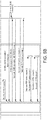
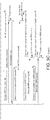
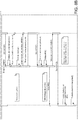
- FIG. 6 a flow diagram for GPRS states for the embodiment of Figures 5A , 5B and 5C .
- Steps 1, 2, 3 have taken 24 seconds or 74 seconds, followed by a 10 second or 60 second hard reset, followed by Steps 1,2,3 repeated 58 208 4
- Step Step Step Description Lower Limit (secs) Upper Limit (secs) Cumulative Lower Limit (secs) Cumulative Upper Limit (secs) 1 Select Manual Roaming 1 10 1 10 2
- Display available networks using AT+COPS 22 60 24 74 4
- Step 2 Communications Hub wakes up at 23:00 (for example).
- the Communications Hub is in an idle state ready to start a full connection process when prompted to do so. If the Vodafone Network is available and offers RSSI > 7, then the Communications Hub has successfully roamed back onto Vodafone.
- SMS Wake Up process applies only to Ad Hoc processes, initiated by the HES. Most of the time these will be CSA initiated actions. Occasionally, mass SMS messages could be sent out for the purpose of a firmware update.
- Figures 8A and 8B there is shown connection flows for an SMS wake-up process.
- the following scenarios describe the process of DLMS or ZigBee commands after a successful connection has been made to the AMI HE and how exceptions should be handled. Regardless of whether the connection has been a Scheduled or Ad Hoc activity, the scenarios described here are that the Communications Hub and AMI HE have established a TCP/IP connection and are attempting to exchange DLMS or ZigBee messages.
- a suggested course of action is that the Task ID is put into the Exception queue and the either (i) the whole task is repeated or (ii), if possible, only incomplete Sub-Task ID's are repeated.
- the DLMS or ZigBee commands are constructed in such a way (for a business process) that a fail at any point in the commands will still leave the smart meter system in a known and operational state.
- An example of this may be changing to Pre Pay mode.
Landscapes
- Engineering & Computer Science (AREA)
- Computer Networks & Wireless Communication (AREA)
- Signal Processing (AREA)
- Computer Security & Cryptography (AREA)
- Mobile Radio Communication Systems (AREA)
Claims (9)
- Un dispositif de commande (40) destiné à un dispositif de machine à machine, le dispositif de machine à machine étant configuré de façon à exécuter une application et comprenant une interface de réseau cellulaire (20) destinée à une communication sans fil de données destinées à l'application avec un réseau cellulaire, le dispositif de commande comprenant :une partie sélection (120), configurée de façon à sélectionner un réseau cellulaire à partir d'une pluralité de réseaux cellulaires disponibles, le dispositif de machine à machine comprenant des informations d'abonnement qui lui permettent de s'enregistrer auprès de plus d'un réseau de la pluralité de réseaux cellulaires disponibles, le réseau cellulaire sélectionné possédant une mesure de qualité de signal reçu d'au moins un niveau prédéterminé, etune partie commande (110) agencée de façon à commander l'interface de réseau cellulaire de façon à enregistrer le dispositif de machine à machine auprès du réseau cellulaire sélectionné,une partie rattachement à commutation de paquets (160), configurée de façon à commander l'interface de réseau cellulaire de façon à exécuter un rattachement à commutation de paquets et à établir si la commande a été exécutée avec succès,une partie définition de contexte PDP (170), configurée de façon à commander l'interface de réseau cellulaire de façon à définir un contexte PDP en réponse à une détermination à partir de la partie rattachement à commutation de paquets que sa commande a été exécutée avec succès et à établir si la commande a été exécutée avec succès, etune partie initialisation de contexte PDP (180), configurée de façon à commander l'interface de réseau cellulaire de façon à initialiser le contexte PDP défini en réponse à une détermination à partir de la partie définition de contexte PDP que sa commande a été exécutée avec succès et à établir si la commande a été exécutée avec succès,où le niveau prédéterminé pour la mesure de qualité de signal reçu est basé sur un niveau de qualité de service défini par l'application, etoù la partie commande est configurée en outre de façon à commander l'interface de réseau cellulaire de façon à désenregistrer le dispositif de machine à machine du réseau cellulaire sélectionné et à enregistrer le dispositif de machine à machine auprès d'un autre réseau cellulaire de la pluralité de réseaux cellulaires disponibles, en réponse à un établissement à partir de la partie rattachement à commutation de paquets, de la partie définition de contexte PDP ou de la partie initialisation de contexte PDP que leur commande respective n'a pas été exécutée avec succès.
- Le dispositif de commande selon la Revendication 1, où la mesure de qualité de signal reçu est un indicateur d'intensité de signal reçu.
- Le dispositif de commande selon la Revendication 1 ou 2, où la partie sélection (120) est configurée en outre de façon à identifier au moins un réseau cellulaire préféré parmi la pluralité de réseaux cellulaires disponibles, le réseau cellulaire sélectionné étant choisi parmi le au moins un réseau cellulaire préféré possédant une mesure de qualité de signal reçu d'au moins le niveau prédéterminé.
- Le dispositif de commande selon l'une quelconque des Revendications précédentes, comprenant en outre :une partie configuration (130), agencée de façon à déterminer si le réseau cellulaire sélectionné est apte à fournir une liaison de communication à commutation de paquets au dispositif de machine à machine, etoù la partie commande est configurée en outre de façon à commander l'interface de réseau cellulaire de façon à désenregistrer le dispositif de machine à machine du réseau cellulaire sélectionné et à enregistrer le dispositif de machine à machine auprès d'un autre réseau cellulaire de la pluralité de réseaux cellulaires disponibles, en réponse à la détermination par la partie configuration qu'une liaison de communication à commutation de paquets ne peut pas être fournie.
- Le dispositif de commande selon l'une quelconque des Revendications précédentes, comprenant en outre :une partie couche de transport (190), configurée de façon à commander l'interface de réseau cellulaire de façon à initialiser une communication de couche de transport par l'intermédiaire du réseau cellulaire et à établir si la commande a été exécutée avec succès, etoù la partie commande (110) est configurée en outre de façon à commander l'interface de réseau cellulaire de façon à désenregistrer le dispositif de machine à machine du réseau cellulaire sélectionné et à enregistrer le dispositif de machine à machine auprès d'un autre réseau cellulaire de la pluralité de réseaux cellulaires disponibles, en réponse à un établissement à partir de la partie couche de transport que sa commande n'a pas été exécutée avec succès.
- Le dispositif de commande selon l'une quelconque des Revendications précédentes, où chaque partie parmi la partie rattachement à commutation de paquets (160), la partie définition de contexte PDP (170), la partie initialisation de contexte PDP (180) et la partie couche de transport (190) est configurée de façon à envoyer sa commande respective une première fois, à envoyer sa commande respective une deuxième fois si sa commande respective n'a pas été exécutée avec succès la première fois et à établir que sa commande respective n'a pas été exécutée avec succès si sa commande respective n'a pas été exécutée avec succès la deuxième fois.
- Le dispositif de commande selon l'une quelconque des Revendications précédentes, où la partie commande (110) est configurée en outre de façon à commander l'interface de réseau cellulaire de façon à établir une liaison de communication à commutation de paquets par l'intermédiaire du réseau cellulaire sélectionné, le dispositif de commande comprenant en outre :une partie identification (140), configurée de façon à identifier qu'une mesure de qualité pour la liaison de communication à commutation de paquets échoue à satisfaire un niveau prédéterminé, etoù la partie commande est configurée en outre de façon à commander l'interface de réseau cellulaire de façon à désenregistrer le dispositif de machine à machine du réseau cellulaire sélectionné et à enregistrer le dispositif de machine à machine auprès d'un autre réseau cellulaire de la pluralité de réseaux cellulaires disponibles.
- Un procédé de commande d'un dispositif de machine à machine, le dispositif de machine à machine étant configuré de façon à exécuter une application, le procédé comprenant :la sélection d'un réseau cellulaire parmi au moins un réseau cellulaire disponible, le réseau cellulaire sélectionné possédant une mesure de qualité de signal d'au moins un niveau prédéterminé,l'enregistrement du dispositif de machine à machine auprès du réseau cellulaire sélectionné, où le niveau prédéterminé pour la mesure de qualité de signal est basé sur un niveau de qualité de service défini par l'applicationla commande d'une interface de réseau cellulaire de façon à exécuter un rattachement à commutation de paquets et l'établissement si la commande a été exécutée avec succès,la commande de l'interface de réseau cellulaire de façon à définir un contexte PDP en réponse à une détermination que la commande d'exécution d'un rattachement à commutation de paquets a été exécutée avec succès et l'établissement si la commande a été exécutée avec succès, etla commande de l'interface de réseau cellulaire de façon à initialiser le contexte PDP défini en réponse à la détermination que la commande de définition d'un contexte PDP a été exécutée avec succès et l'établissement si la commande a été exécutée avec succès, etla commande de l'interface de réseau cellulaire de façon à désenregistrer le dispositif de machine à machine du réseau cellulaire sélectionné et à enregistrer le dispositif de machine à machine auprès d'un autre réseau cellulaire de la pluralité de réseaux cellulaires disponibles, en réponse à un établissement que la commande d'exécution d'un rattachement à commutation de paquets n'a pas été exécutée avec succès ou que la commande de définition d'un contexte PDP n'a pas été exécutée avec succès.
- Un programme informatique, configuré de façon à exécuter le procédé défini par la Revendication 8 lorsqu'il est exécuté sur un processeur.
Applications Claiming Priority (1)
| Application Number | Priority Date | Filing Date | Title |
|---|---|---|---|
| GB1204683.5A GB2500262B (en) | 2012-03-16 | 2012-03-16 | Control of machine-to-machine devices |
Publications (3)
| Publication Number | Publication Date |
|---|---|
| EP2640134A2 EP2640134A2 (fr) | 2013-09-18 |
| EP2640134A3 EP2640134A3 (fr) | 2018-03-14 |
| EP2640134B1 true EP2640134B1 (fr) | 2019-06-05 |
Family
ID=46052069
Family Applications (1)
| Application Number | Title | Priority Date | Filing Date |
|---|---|---|---|
| EP13275057.1A Active EP2640134B1 (fr) | 2012-03-16 | 2013-03-14 | Dispositifs de commande de machine pour machine |
Country Status (3)
| Country | Link |
|---|---|
| US (1) | US9807684B2 (fr) |
| EP (1) | EP2640134B1 (fr) |
| GB (2) | GB2500262B (fr) |
Families Citing this family (13)
| Publication number | Priority date | Publication date | Assignee | Title |
|---|---|---|---|---|
| US9924242B2 (en) | 2012-04-20 | 2018-03-20 | Itron Global Sarl | Automatic network topology detection and fraud detection |
| WO2015084046A1 (fr) * | 2013-12-04 | 2015-06-11 | 엘지전자 주식회사 | Procédé de sélection de cellule et procédé de mesure pour une resélection de cellule |
| US11079417B2 (en) | 2014-02-25 | 2021-08-03 | Itron, Inc. | Detection of electric power diversion |
| US10571493B2 (en) | 2014-02-25 | 2020-02-25 | Itron, Inc. | Smart grid topology estimator |
| GB2527358B (en) * | 2014-06-20 | 2018-08-01 | Masternaut Holdings Ltd | Embedded communication device for an automotive vehicle |
| US20160050618A1 (en) * | 2014-08-12 | 2016-02-18 | Qualcomm Incorporated | Systems and Methods of Controlling Access of Multiple Radio Protocol Stacks Within a Subscription |
| GB2530750A (en) * | 2014-09-30 | 2016-04-06 | Vodafone Ip Licensing Ltd | Communications bearer selection for a communications interface |
| US9554392B2 (en) | 2014-10-15 | 2017-01-24 | At&T Intellectual Property I, L.P. | Machine to machine traffic management methods and systems |
| US9568522B2 (en) | 2014-10-20 | 2017-02-14 | Itron, Inc. | Electrical phase identification |
| US9781231B2 (en) * | 2014-11-19 | 2017-10-03 | Itron, Inc. | Application platform operable on network node |
| US9835662B2 (en) | 2014-12-02 | 2017-12-05 | Itron, Inc. | Electrical network topology determination |
| US10312681B2 (en) | 2015-05-28 | 2019-06-04 | Itron, Inc. | Automatic network device electrical phase identification |
| US11122417B2 (en) * | 2017-10-30 | 2021-09-14 | Telefonaktiebolaget Lm Ericsson (Publ) | Support for manual roaming for volte |
Family Cites Families (10)
| Publication number | Priority date | Publication date | Assignee | Title |
|---|---|---|---|---|
| JP4080950B2 (ja) * | 2003-05-30 | 2008-04-23 | 京セラ株式会社 | 端末装置 |
| ATE491318T1 (de) * | 2003-09-16 | 2010-12-15 | Research In Motion Ltd | Verfahren und vorrichtung für die auswahl eines drahtlosen netzes basierend auf mit einer anwendung verbundenen dienstgüte-kriterien |
| WO2006075937A1 (fr) * | 2005-01-13 | 2006-07-20 | Telefonaktiebolaget Lm Ericsson (Publ) | Partage de charge dans des systemes a acces multiples |
| GB2443860B (en) * | 2006-10-19 | 2011-02-16 | Vodafone Plc | Controlling the use of access points in a telecommunications network |
| US8199719B2 (en) * | 2008-03-13 | 2012-06-12 | Apple Inc. | Methods and apparatus for performing handover between a long term evolution (LTE) network and another type of radio access network |
| US8219090B2 (en) * | 2009-01-08 | 2012-07-10 | Aeris Communications, Inc. | System and method for selection of a cellular network |
| EP2369890A1 (fr) * | 2010-03-26 | 2011-09-28 | Panasonic Corporation | Évitement de pic de connexion pour dispositifs de communication de type machine |
| TWI533629B (zh) * | 2010-12-28 | 2016-05-11 | 內數位專利控股公司 | 非附於無線網路之觸發裝置 |
| US20120218889A1 (en) * | 2011-02-24 | 2012-08-30 | Interdigital Patent Holdings, Inc. | Handling of low priority devices |
| US20120252481A1 (en) * | 2011-04-01 | 2012-10-04 | Cisco Technology, Inc. | Machine to machine communication in a communication network |
-
2012
- 2012-03-16 GB GB1204683.5A patent/GB2500262B/en not_active Expired - Fee Related
- 2012-03-16 GB GB1415889.3A patent/GB2515213B/en not_active Expired - Fee Related
-
2013
- 2013-03-14 EP EP13275057.1A patent/EP2640134B1/fr active Active
- 2013-03-15 US US13/833,601 patent/US9807684B2/en not_active Expired - Fee Related
Also Published As
| Publication number | Publication date |
|---|---|
| GB201415889D0 (en) | 2014-10-22 |
| US9807684B2 (en) | 2017-10-31 |
| GB2500262B (en) | 2014-11-12 |
| US20130242867A1 (en) | 2013-09-19 |
| GB2500262A (en) | 2013-09-18 |
| EP2640134A3 (fr) | 2018-03-14 |
| GB2515213A (en) | 2014-12-17 |
| EP2640134A2 (fr) | 2013-09-18 |
| GB2515213B (en) | 2015-09-02 |
| GB201204683D0 (en) | 2012-05-02 |
Similar Documents
| Publication | Publication Date | Title |
|---|---|---|
| US9807684B2 (en) | Control of machine-to-machine devices | |
| US9674691B2 (en) | Polling by universal integrated circuit card for remote subscription | |
| CA2504803C (fr) | Procede et appareil de decouverte de services de donnees par paquets | |
| CN104955138B (zh) | 用户设备休眠 | |
| US20230396984A1 (en) | Gap configuration for ue comprising a plurality of sims in wireless network | |
| EP2826270B1 (fr) | Détermination d'une transition d'un terminal entre un état où il est au repos et un état où il est connecté | |
| RU2587414C2 (ru) | Способ и система для осуществления роуминга мобильного устройства связи | |
| KR20140022385A (ko) | 파라미터 업데이트 정보를 전송 및 수신하는 방법과 이를 위한 장치 | |
| US9788216B2 (en) | Method and apparatus for heterogeneous small cells self-organization in LTE networks based on internet protocol multimedia subsystems | |
| WO2018125522A1 (fr) | Traitement d'erreur pendant un enregistrement ims | |
| US8364143B2 (en) | Detection of anti-steering of roaming activity on visited networks | |
| US9743454B2 (en) | Method and apparatus for managing failed connection requests for devices in an inactive mode | |
| US20070098147A1 (en) | Method, and associated apparatus, for transitioning communications of hybrid access terminal between communication systems | |
| WO2018102133A1 (fr) | Gestion d'erreur pendant un abonnement ims à un état d'enregistrement | |
| JP2006087092A (ja) | パケット交換サービスのページングチャネルのモニター方法 | |
| US9094866B2 (en) | Method and radio base station in a wireless communication network | |
| WO2014083723A1 (fr) | Réception discontinue dans un dispositif de radiocommunication mobile | |
| US20170071003A1 (en) | Method, network node and computer program | |
| US9319924B2 (en) | Method and system for controlling effective time of terminal trigger message | |
| US9924434B1 (en) | Method and system for diverting WCDs based on unavailability of authentication procedure | |
| US20250374188A1 (en) | Message delivery to wireless user devices using learned retransmission time in wireless communication networks | |
| US20250374015A1 (en) | Systems and methods for delivering short message service messages using a short message service center | |
| KR102007128B1 (ko) | 무선 통신 디바이스를 동작시키기 위한 방법 | |
| KR20190118938A (ko) | 3gpp 네트워크 기반의 사물통신 기기 감시 방법 | |
| KR20190056586A (ko) | 패킷 처리 장치 및 방법 |
Legal Events
| Date | Code | Title | Description |
|---|---|---|---|
| PUAI | Public reference made under article 153(3) epc to a published international application that has entered the european phase |
Free format text: ORIGINAL CODE: 0009012 |
|
| AK | Designated contracting states |
Kind code of ref document: A2 Designated state(s): AL AT BE BG CH CY CZ DE DK EE ES FI FR GB GR HR HU IE IS IT LI LT LU LV MC MK MT NL NO PL PT RO RS SE SI SK SM TR |
|
| AX | Request for extension of the european patent |
Extension state: BA ME |
|
| RIC1 | Information provided on ipc code assigned before grant |
Ipc: H04W 60/00 20090101ALN20171020BHEP Ipc: H04W 48/18 20090101AFI20171020BHEP Ipc: H04W 4/00 20090101ALI20171020BHEP |
|
| PUAL | Search report despatched |
Free format text: ORIGINAL CODE: 0009013 |
|
| AK | Designated contracting states |
Kind code of ref document: A3 Designated state(s): AL AT BE BG CH CY CZ DE DK EE ES FI FR GB GR HR HU IE IS IT LI LT LU LV MC MK MT NL NO PL PT RO RS SE SI SK SM TR |
|
| AX | Request for extension of the european patent |
Extension state: BA ME |
|
| RIC1 | Information provided on ipc code assigned before grant |
Ipc: H04W 4/00 20180101ALI20180206BHEP Ipc: H04W 48/18 20090101AFI20180206BHEP Ipc: H04W 60/00 20090101ALN20180206BHEP |
|
| STAA | Information on the status of an ep patent application or granted ep patent |
Free format text: STATUS: REQUEST FOR EXAMINATION WAS MADE |
|
| 17P | Request for examination filed |
Effective date: 20180913 |
|
| RBV | Designated contracting states (corrected) |
Designated state(s): AL AT BE BG CH CY CZ DE DK EE ES FI FR GB GR HR HU IE IS IT LI LT LU LV MC MK MT NL NO PL PT RO RS SE SI SK SM TR |
|
| RIC1 | Information provided on ipc code assigned before grant |
Ipc: H04W 48/18 20090101AFI20181016BHEP Ipc: H04W 4/70 20130918ALI20181016BHEP Ipc: H04W 60/00 20090101ALN20181016BHEP |
|
| GRAP | Despatch of communication of intention to grant a patent |
Free format text: ORIGINAL CODE: EPIDOSNIGR1 |
|
| STAA | Information on the status of an ep patent application or granted ep patent |
Free format text: STATUS: GRANT OF PATENT IS INTENDED |
|
| RIC1 | Information provided on ipc code assigned before grant |
Ipc: H04W 60/00 20090101ALN20181129BHEP Ipc: H04W 48/18 20090101AFI20181129BHEP Ipc: H04W 4/70 20180101ALI20181129BHEP |
|
| INTG | Intention to grant announced |
Effective date: 20181214 |
|
| RIN1 | Information on inventor provided before grant (corrected) |
Inventor name: BELL, MARTIN |
|
| RIC1 | Information provided on ipc code assigned before grant |
Ipc: H04W 4/70 20180101ALI20181129BHEP Ipc: H04W 60/00 20090101ALN20181129BHEP Ipc: H04W 48/18 20090101AFI20181129BHEP |
|
| GRAS | Grant fee paid |
Free format text: ORIGINAL CODE: EPIDOSNIGR3 |
|
| GRAA | (expected) grant |
Free format text: ORIGINAL CODE: 0009210 |
|
| STAA | Information on the status of an ep patent application or granted ep patent |
Free format text: STATUS: THE PATENT HAS BEEN GRANTED |
|
| AK | Designated contracting states |
Kind code of ref document: B1 Designated state(s): AL AT BE BG CH CY CZ DE DK EE ES FI FR GB GR HR HU IE IS IT LI LT LU LV MC MK MT NL NO PL PT RO RS SE SI SK SM TR |
|
| REG | Reference to a national code |
Ref country code: GB Ref legal event code: FG4D |
|
| REG | Reference to a national code |
Ref country code: CH Ref legal event code: EP |
|
| REG | Reference to a national code |
Ref country code: AT Ref legal event code: REF Ref document number: 1141255 Country of ref document: AT Kind code of ref document: T Effective date: 20190615 |
|
| REG | Reference to a national code |
Ref country code: IE Ref legal event code: FG4D |
|
| REG | Reference to a national code |
Ref country code: DE Ref legal event code: R096 Ref document number: 602013056153 Country of ref document: DE |
|
| REG | Reference to a national code |
Ref country code: NL Ref legal event code: MP Effective date: 20190605 |
|
| REG | Reference to a national code |
Ref country code: LT Ref legal event code: MG4D |
|
| PG25 | Lapsed in a contracting state [announced via postgrant information from national office to epo] |
Ref country code: LT Free format text: LAPSE BECAUSE OF FAILURE TO SUBMIT A TRANSLATION OF THE DESCRIPTION OR TO PAY THE FEE WITHIN THE PRESCRIBED TIME-LIMIT Effective date: 20190605 Ref country code: FI Free format text: LAPSE BECAUSE OF FAILURE TO SUBMIT A TRANSLATION OF THE DESCRIPTION OR TO PAY THE FEE WITHIN THE PRESCRIBED TIME-LIMIT Effective date: 20190605 Ref country code: SE Free format text: LAPSE BECAUSE OF FAILURE TO SUBMIT A TRANSLATION OF THE DESCRIPTION OR TO PAY THE FEE WITHIN THE PRESCRIBED TIME-LIMIT Effective date: 20190605 Ref country code: HR Free format text: LAPSE BECAUSE OF FAILURE TO SUBMIT A TRANSLATION OF THE DESCRIPTION OR TO PAY THE FEE WITHIN THE PRESCRIBED TIME-LIMIT Effective date: 20190605 Ref country code: NO Free format text: LAPSE BECAUSE OF FAILURE TO SUBMIT A TRANSLATION OF THE DESCRIPTION OR TO PAY THE FEE WITHIN THE PRESCRIBED TIME-LIMIT Effective date: 20190905 Ref country code: AL Free format text: LAPSE BECAUSE OF FAILURE TO SUBMIT A TRANSLATION OF THE DESCRIPTION OR TO PAY THE FEE WITHIN THE PRESCRIBED TIME-LIMIT Effective date: 20190605 Ref country code: ES Free format text: LAPSE BECAUSE OF FAILURE TO SUBMIT A TRANSLATION OF THE DESCRIPTION OR TO PAY THE FEE WITHIN THE PRESCRIBED TIME-LIMIT Effective date: 20190605 |
|
| PG25 | Lapsed in a contracting state [announced via postgrant information from national office to epo] |
Ref country code: BG Free format text: LAPSE BECAUSE OF FAILURE TO SUBMIT A TRANSLATION OF THE DESCRIPTION OR TO PAY THE FEE WITHIN THE PRESCRIBED TIME-LIMIT Effective date: 20190905 Ref country code: RS Free format text: LAPSE BECAUSE OF FAILURE TO SUBMIT A TRANSLATION OF THE DESCRIPTION OR TO PAY THE FEE WITHIN THE PRESCRIBED TIME-LIMIT Effective date: 20190605 Ref country code: LV Free format text: LAPSE BECAUSE OF FAILURE TO SUBMIT A TRANSLATION OF THE DESCRIPTION OR TO PAY THE FEE WITHIN THE PRESCRIBED TIME-LIMIT Effective date: 20190605 Ref country code: GR Free format text: LAPSE BECAUSE OF FAILURE TO SUBMIT A TRANSLATION OF THE DESCRIPTION OR TO PAY THE FEE WITHIN THE PRESCRIBED TIME-LIMIT Effective date: 20190906 |
|
| REG | Reference to a national code |
Ref country code: AT Ref legal event code: MK05 Ref document number: 1141255 Country of ref document: AT Kind code of ref document: T Effective date: 20190605 |
|
| PG25 | Lapsed in a contracting state [announced via postgrant information from national office to epo] |
Ref country code: SK Free format text: LAPSE BECAUSE OF FAILURE TO SUBMIT A TRANSLATION OF THE DESCRIPTION OR TO PAY THE FEE WITHIN THE PRESCRIBED TIME-LIMIT Effective date: 20190605 Ref country code: EE Free format text: LAPSE BECAUSE OF FAILURE TO SUBMIT A TRANSLATION OF THE DESCRIPTION OR TO PAY THE FEE WITHIN THE PRESCRIBED TIME-LIMIT Effective date: 20190605 Ref country code: PT Free format text: LAPSE BECAUSE OF FAILURE TO SUBMIT A TRANSLATION OF THE DESCRIPTION OR TO PAY THE FEE WITHIN THE PRESCRIBED TIME-LIMIT Effective date: 20191007 Ref country code: AT Free format text: LAPSE BECAUSE OF FAILURE TO SUBMIT A TRANSLATION OF THE DESCRIPTION OR TO PAY THE FEE WITHIN THE PRESCRIBED TIME-LIMIT Effective date: 20190605 Ref country code: RO Free format text: LAPSE BECAUSE OF FAILURE TO SUBMIT A TRANSLATION OF THE DESCRIPTION OR TO PAY THE FEE WITHIN THE PRESCRIBED TIME-LIMIT Effective date: 20190605 Ref country code: NL Free format text: LAPSE BECAUSE OF FAILURE TO SUBMIT A TRANSLATION OF THE DESCRIPTION OR TO PAY THE FEE WITHIN THE PRESCRIBED TIME-LIMIT Effective date: 20190605 Ref country code: CZ Free format text: LAPSE BECAUSE OF FAILURE TO SUBMIT A TRANSLATION OF THE DESCRIPTION OR TO PAY THE FEE WITHIN THE PRESCRIBED TIME-LIMIT Effective date: 20190605 |
|
| PG25 | Lapsed in a contracting state [announced via postgrant information from national office to epo] |
Ref country code: SM Free format text: LAPSE BECAUSE OF FAILURE TO SUBMIT A TRANSLATION OF THE DESCRIPTION OR TO PAY THE FEE WITHIN THE PRESCRIBED TIME-LIMIT Effective date: 20190605 Ref country code: IS Free format text: LAPSE BECAUSE OF FAILURE TO SUBMIT A TRANSLATION OF THE DESCRIPTION OR TO PAY THE FEE WITHIN THE PRESCRIBED TIME-LIMIT Effective date: 20191005 Ref country code: IT Free format text: LAPSE BECAUSE OF FAILURE TO SUBMIT A TRANSLATION OF THE DESCRIPTION OR TO PAY THE FEE WITHIN THE PRESCRIBED TIME-LIMIT Effective date: 20190605 |
|
| REG | Reference to a national code |
Ref country code: DE Ref legal event code: R097 Ref document number: 602013056153 Country of ref document: DE |
|
| PG25 | Lapsed in a contracting state [announced via postgrant information from national office to epo] |
Ref country code: TR Free format text: LAPSE BECAUSE OF FAILURE TO SUBMIT A TRANSLATION OF THE DESCRIPTION OR TO PAY THE FEE WITHIN THE PRESCRIBED TIME-LIMIT Effective date: 20190605 |
|
| PLBE | No opposition filed within time limit |
Free format text: ORIGINAL CODE: 0009261 |
|
| STAA | Information on the status of an ep patent application or granted ep patent |
Free format text: STATUS: NO OPPOSITION FILED WITHIN TIME LIMIT |
|
| PG25 | Lapsed in a contracting state [announced via postgrant information from national office to epo] |
Ref country code: PL Free format text: LAPSE BECAUSE OF FAILURE TO SUBMIT A TRANSLATION OF THE DESCRIPTION OR TO PAY THE FEE WITHIN THE PRESCRIBED TIME-LIMIT Effective date: 20190605 Ref country code: DK Free format text: LAPSE BECAUSE OF FAILURE TO SUBMIT A TRANSLATION OF THE DESCRIPTION OR TO PAY THE FEE WITHIN THE PRESCRIBED TIME-LIMIT Effective date: 20190605 |
|
| 26N | No opposition filed |
Effective date: 20200306 |
|
| PG25 | Lapsed in a contracting state [announced via postgrant information from national office to epo] |
Ref country code: SI Free format text: LAPSE BECAUSE OF FAILURE TO SUBMIT A TRANSLATION OF THE DESCRIPTION OR TO PAY THE FEE WITHIN THE PRESCRIBED TIME-LIMIT Effective date: 20190605 |
|
| PG25 | Lapsed in a contracting state [announced via postgrant information from national office to epo] |
Ref country code: MC Free format text: LAPSE BECAUSE OF FAILURE TO SUBMIT A TRANSLATION OF THE DESCRIPTION OR TO PAY THE FEE WITHIN THE PRESCRIBED TIME-LIMIT Effective date: 20190605 |
|
| REG | Reference to a national code |
Ref country code: CH Ref legal event code: PL |
|
| REG | Reference to a national code |
Ref country code: BE Ref legal event code: MM Effective date: 20200331 |
|
| PG25 | Lapsed in a contracting state [announced via postgrant information from national office to epo] |
Ref country code: LU Free format text: LAPSE BECAUSE OF NON-PAYMENT OF DUE FEES Effective date: 20200314 |
|
| PG25 | Lapsed in a contracting state [announced via postgrant information from national office to epo] |
Ref country code: IE Free format text: LAPSE BECAUSE OF NON-PAYMENT OF DUE FEES Effective date: 20200314 Ref country code: LI Free format text: LAPSE BECAUSE OF NON-PAYMENT OF DUE FEES Effective date: 20200331 Ref country code: CH Free format text: LAPSE BECAUSE OF NON-PAYMENT OF DUE FEES Effective date: 20200331 |
|
| PG25 | Lapsed in a contracting state [announced via postgrant information from national office to epo] |
Ref country code: BE Free format text: LAPSE BECAUSE OF NON-PAYMENT OF DUE FEES Effective date: 20200331 |
|
| PG25 | Lapsed in a contracting state [announced via postgrant information from national office to epo] |
Ref country code: MT Free format text: LAPSE BECAUSE OF FAILURE TO SUBMIT A TRANSLATION OF THE DESCRIPTION OR TO PAY THE FEE WITHIN THE PRESCRIBED TIME-LIMIT Effective date: 20190605 Ref country code: CY Free format text: LAPSE BECAUSE OF FAILURE TO SUBMIT A TRANSLATION OF THE DESCRIPTION OR TO PAY THE FEE WITHIN THE PRESCRIBED TIME-LIMIT Effective date: 20190605 |
|
| PG25 | Lapsed in a contracting state [announced via postgrant information from national office to epo] |
Ref country code: MK Free format text: LAPSE BECAUSE OF FAILURE TO SUBMIT A TRANSLATION OF THE DESCRIPTION OR TO PAY THE FEE WITHIN THE PRESCRIBED TIME-LIMIT Effective date: 20190605 |
|
| P01 | Opt-out of the competence of the unified patent court (upc) registered |
Effective date: 20230519 |
|
| PGFP | Annual fee paid to national office [announced via postgrant information from national office to epo] |
Ref country code: DE Payment date: 20240320 Year of fee payment: 12 Ref country code: GB Payment date: 20240320 Year of fee payment: 12 |
|
| PGFP | Annual fee paid to national office [announced via postgrant information from national office to epo] |
Ref country code: FR Payment date: 20240327 Year of fee payment: 12 |
|
| REG | Reference to a national code |
Ref country code: DE Ref legal event code: R119 Ref document number: 602013056153 Country of ref document: DE |
|
| GBPC | Gb: european patent ceased through non-payment of renewal fee |
Effective date: 20250314 |
|
| PG25 | Lapsed in a contracting state [announced via postgrant information from national office to epo] |
Ref country code: DE Free format text: LAPSE BECAUSE OF NON-PAYMENT OF DUE FEES Effective date: 20251001 |
|
| PG25 | Lapsed in a contracting state [announced via postgrant information from national office to epo] |
Ref country code: GB Free format text: LAPSE BECAUSE OF NON-PAYMENT OF DUE FEES Effective date: 20250314 |
|
| PG25 | Lapsed in a contracting state [announced via postgrant information from national office to epo] |
Ref country code: FR Free format text: LAPSE BECAUSE OF NON-PAYMENT OF DUE FEES Effective date: 20250331 |