EP2641969A1 - Nouvelle cible thérapeutique pour la prévention de métastases tumorales - Google Patents
Nouvelle cible thérapeutique pour la prévention de métastases tumorales Download PDFInfo
- Publication number
- EP2641969A1 EP2641969A1 EP12160643.8A EP12160643A EP2641969A1 EP 2641969 A1 EP2641969 A1 EP 2641969A1 EP 12160643 A EP12160643 A EP 12160643A EP 2641969 A1 EP2641969 A1 EP 2641969A1
- Authority
- EP
- European Patent Office
- Prior art keywords
- inhibitor
- receptor
- tumour
- cells
- platelets
- Prior art date
- Legal status (The legal status is an assumption and is not a legal conclusion. Google has not performed a legal analysis and makes no representation as to the accuracy of the status listed.)
- Withdrawn
Links
Images




Classifications
-
- C—CHEMISTRY; METALLURGY
- C07—ORGANIC CHEMISTRY
- C07K—PEPTIDES
- C07K16/00—Immunoglobulins [IG], e.g. monoclonal or polyclonal antibodies
- C07K16/18—Immunoglobulins [IG], e.g. monoclonal or polyclonal antibodies against material from animals or humans
- C07K16/28—Immunoglobulins [IG], e.g. monoclonal or polyclonal antibodies against material from animals or humans against receptors, cell surface antigens or cell surface determinants
-
- A—HUMAN NECESSITIES
- A61—MEDICAL OR VETERINARY SCIENCE; HYGIENE
- A61K—PREPARATIONS FOR MEDICAL, DENTAL OR TOILETRY PURPOSES
- A61K31/00—Medicinal preparations containing organic active ingredients
- A61K31/70—Carbohydrates; Sugars; Derivatives thereof
- A61K31/7088—Compounds having three or more nucleosides or nucleotides
- A61K31/713—Double-stranded nucleic acids or oligonucleotides
-
- A—HUMAN NECESSITIES
- A61—MEDICAL OR VETERINARY SCIENCE; HYGIENE
- A61K—PREPARATIONS FOR MEDICAL, DENTAL OR TOILETRY PURPOSES
- A61K39/00—Medicinal preparations containing antigens or antibodies
- A61K39/395—Antibodies; Immunoglobulins; Immune serum, e.g. antilymphocytic serum
- A61K39/39533—Antibodies; Immunoglobulins; Immune serum, e.g. antilymphocytic serum against materials from animals
- A61K39/3955—Antibodies; Immunoglobulins; Immune serum, e.g. antilymphocytic serum against materials from animals against proteinaceous materials, e.g. enzymes, hormones, lymphokines
-
- A—HUMAN NECESSITIES
- A61—MEDICAL OR VETERINARY SCIENCE; HYGIENE
- A61K—PREPARATIONS FOR MEDICAL, DENTAL OR TOILETRY PURPOSES
- A61K45/00—Medicinal preparations containing active ingredients not provided for in groups A61K31/00 - A61K41/00
- A61K45/06—Mixtures of active ingredients without chemical characterisation, e.g. antiphlogistics and cardiaca
-
- C—CHEMISTRY; METALLURGY
- C12—BIOCHEMISTRY; BEER; SPIRITS; WINE; VINEGAR; MICROBIOLOGY; ENZYMOLOGY; MUTATION OR GENETIC ENGINEERING
- C12N—MICROORGANISMS OR ENZYMES; COMPOSITIONS THEREOF; PROPAGATING, PRESERVING, OR MAINTAINING MICROORGANISMS; MUTATION OR GENETIC ENGINEERING; CULTURE MEDIA
- C12N15/00—Mutation or genetic engineering; DNA or RNA concerning genetic engineering, vectors, e.g. plasmids, or their isolation, preparation or purification; Use of hosts therefor
- C12N15/09—Recombinant DNA-technology
- C12N15/11—DNA or RNA fragments; Modified forms thereof; Non-coding nucleic acids having a biological activity
- C12N15/113—Non-coding nucleic acids modulating the expression of genes, e.g. antisense oligonucleotides; Antisense DNA or RNA; Triplex- forming oligonucleotides; Catalytic nucleic acids, e.g. ribozymes; Nucleic acids used in co-suppression or gene silencing
- C12N15/1138—Non-coding nucleic acids modulating the expression of genes, e.g. antisense oligonucleotides; Antisense DNA or RNA; Triplex- forming oligonucleotides; Catalytic nucleic acids, e.g. ribozymes; Nucleic acids used in co-suppression or gene silencing against receptors or cell surface proteins
-
- A—HUMAN NECESSITIES
- A61—MEDICAL OR VETERINARY SCIENCE; HYGIENE
- A61K—PREPARATIONS FOR MEDICAL, DENTAL OR TOILETRY PURPOSES
- A61K39/00—Medicinal preparations containing antigens or antibodies
- A61K2039/505—Medicinal preparations containing antigens or antibodies comprising antibodies
-
- C—CHEMISTRY; METALLURGY
- C12—BIOCHEMISTRY; BEER; SPIRITS; WINE; VINEGAR; MICROBIOLOGY; ENZYMOLOGY; MUTATION OR GENETIC ENGINEERING
- C12N—MICROORGANISMS OR ENZYMES; COMPOSITIONS THEREOF; PROPAGATING, PRESERVING, OR MAINTAINING MICROORGANISMS; MUTATION OR GENETIC ENGINEERING; CULTURE MEDIA
- C12N2310/00—Structure or type of the nucleic acid
- C12N2310/10—Type of nucleic acid
- C12N2310/11—Antisense
-
- C—CHEMISTRY; METALLURGY
- C12—BIOCHEMISTRY; BEER; SPIRITS; WINE; VINEGAR; MICROBIOLOGY; ENZYMOLOGY; MUTATION OR GENETIC ENGINEERING
- C12N—MICROORGANISMS OR ENZYMES; COMPOSITIONS THEREOF; PROPAGATING, PRESERVING, OR MAINTAINING MICROORGANISMS; MUTATION OR GENETIC ENGINEERING; CULTURE MEDIA
- C12N2310/00—Structure or type of the nucleic acid
- C12N2310/10—Type of nucleic acid
- C12N2310/14—Type of nucleic acid interfering nucleic acids [NA]
-
- C—CHEMISTRY; METALLURGY
- C12—BIOCHEMISTRY; BEER; SPIRITS; WINE; VINEGAR; MICROBIOLOGY; ENZYMOLOGY; MUTATION OR GENETIC ENGINEERING
- C12N—MICROORGANISMS OR ENZYMES; COMPOSITIONS THEREOF; PROPAGATING, PRESERVING, OR MAINTAINING MICROORGANISMS; MUTATION OR GENETIC ENGINEERING; CULTURE MEDIA
- C12N2310/00—Structure or type of the nucleic acid
- C12N2310/10—Type of nucleic acid
- C12N2310/14—Type of nucleic acid interfering nucleic acids [NA]
- C12N2310/141—MicroRNAs, miRNAs
Definitions
- the present invention relates to an inhibitor of the P2Y2 receptor or an inhibitor of the P2Y2 receptor signaling pathway for use in preventing the metastasis of tumours or as a lead compound for developing a drug for preventing the metastasis of tumours.
- Tumour cell metastasis to distant organs is the primary cause of mortality in cancer patients. It is a complex and still incompletely understood process which requires tumour cells to leave the primary tumour, intravasate, survive in the circulation, extravasate by passing through the endothelial cell layer and grow in the target organ (1-3) .
- tumour cells In various tumour models it has been demonstrated that pharmacological or genetic depletion of blood platelets strongly inhibits tumour cell metastasis (4,5), and it is now well-established that platelets are involved in tumour cell survival and dissemination (6-9) .
- Tumour cells can activate platelets through various mechanisms, and their metastatic potential correlates with their ability to activate platelets (5, 8, 10-14). The mechanisms by which platelets promote metastasis have remained elusive.
- Platelets may shield tumour cells against mechanical destruction by hemodynamic shear forces or against recognition and lysis by natural killer (NK) cells (10, 15). It is also possible that mitogenic stimuli or angiogenic factors released from tumour-activated platelets promote growth of tumour cells at secondary sites (16-18) . Most of these protein mediators are stored in platelet ⁇ -granules, while platelet dense granules contain small molecules such as ATP, ADP or serotonin (19, 20). Thus, the molecular mechanism underlying tumour metastasis are up to now unidentified despite ongoing and long-term research in this area.
- NK natural killer
- the technical problem underlying the present invention was to identify alternative and/or improved means and methods to prevent tumour metastasis.
- the present invention relates in a first embodiment to an inhibitor of the P2Y2 receptor or an inhibitor of the P2Y2 receptor signaling pathway for use in preventing the metastasis of tumours or as a lead compound for developing a drug for preventing the metastasis of tumours.
- P2Y2 receptor is well-known in the art to relate to the P2Y purinoreceptor 2 which belongs to the family of G-protein coupled receptors (also abbreviated as P2Y 2 receptor). Said receptor is encoded by the P2RY2 gene in humans as a G-protein-coupled receptor with the seven transmembrane-spanning domains. There are three human transcript variants which encode for the same 377 amino acid protein sequence.
- the receptor has been reported to be expressed in brain (putamen striatum, caudate nucleus, hypothalamus, medulla oblongata, substantia nigra, thalamus, spinal cord), and other central nervous system structures as well as in smooth muscle cells, liver, testis, nasal epithelium and endothelial cells.
- the receptor couples to G-proteins of the G q /G 11 family which mediate the stimulation of phosopholipase C ⁇ isoforms via the P2Y2 receptor.
- the following physiological functions have been reported for the receptor: presynaptic inhibition of glutamate release, positive inotropism, orientation of neutrophil chemotaxis, regulation of secretory responses in epithelia, regulation of migration of vascular smooth muscle cells.
- the P2RY2 gene encoding functionally active P2Y2 receptors has been described in many other mammalian species, such as for example including mouse, pig, rat, bovine, Chinese hamster or Mongolian gerbil.
- the amino acid sequence derived from the human P2Y2 cDNA sequence has been published in PNAS 91, 3275-3279 (1994) by E. Parr et al.
- the complete human protein and mRNA sequence can be retrieved from the database maintained online by the National Center for Biotechnology Information (NCBI), 8600 Rockville Pike, Bethesda MD, 20894 USA, using the accession number NP_788086 (protein sequence of transcript variant 1, version NP_788086.1, GI:28872745), Nip_002555 (protein sequence of transcript variant 2, version Nip_002555.2.
- GI:28872720 and NP_788085 (protein sequence of transcript variant 3, version NP_788085.1, GI:28872743), NM_176072 (mRNA of transcript variant 1, version NM_176072.1, GI:28872744), NM_002564 (mRNA of transcript variant 2, version NM_002564.2, GI:28872719), and NM_176071 (mRNA of transcript variant 3, version NM_176071.1, GI:28872742).
- Homologous P2Y2 nucleic acid and amino acid sequences of other species can equally be retrieved in publicly available databases, such as, e.g., that mentioned above.
- inhibitor in accordance with the present invention refers to an inhibitor that reduces or abolishes the biological function or activity of the P2Y2 receptor or a target that is part of the P2Y2 receptor signaling pathway.
- An inhibitor may perform any one or more of the following effects in order to reduce or abolish the biological function or activity of the protein to be inhibited: (i) the transcription of the gene encoding the protein to be inhibited is lowered, i.e.
- the level of mRNA is lowered, (ii) the translation of the mRNA encoding the protein to be inhibited is lowered, (iii) the protein performs its biochemical function with lowered efficiency in the presence of the inhibitor, and (iv) the protein performs its cellular function with lowered efficiency in the presence of the inhibitor.
- Compounds falling in class (i) include compounds interfering with the transcriptional machinery and/or its interaction with the promoter of said gene and/or with expression control elements remote from the promoter such as enhancers.
- Compounds of class (ii) comprise antisense constructs and constructs for performing RNA interference (e.g. siRNA) well known in the art (see, e.g. Zamore (2001) Nat Struct Biol. 8(9), 746 ; Tuschl (2001) Chembiochem. 2(4), 239 ).
- RNA interference e.g. siRNA
- Compounds of class (iii) interfere with molecular function of the protein to be inhibited, such as receptor signaling activity and activation of downstream target molecules. Accordingly, active site binding compounds are envisaged.
- Class (iv) includes compounds which do not necessarily bind directly to the target, but still interfere with its function or activity, for example by binding to and/or inhibiting the function or inhibiting expression of members of a pathway which comprises the target. These members may be either upstream or downstream of the target within said pathway. For example, such compounds may alter the affinity or rate of binding of a known ligand to the receptor, compete with a ligand for binding to the receptor, displace a ligand bound to the receptor or reduce the amount of ligand available for binding.
- the inhibitor in accordance with the present invention, may in certain embodiments be provided as a proteinaceous compound or as a nucleic acid molecule encoding the inhibitor.
- the nucleic acid molecule encoding the inhibitor may be incorporated into an expression vector comprising regulatory elements, such as for example specific promoters, and thus can be delivered into a cell.
- regulatory elements such as for example specific promoters
- Methods for targeted transfection of cells and suitable vectors are known in the art, see for example Sambrook and Russel ("Molecular Cloning, A Laboratory Manual", Cold Spring Harbor Laboratory, N.Y. (2001 )).
- Incorporation of the nucleic acid molecule encoding the inhibitor into an expression vector allows to either selectively or permanently elevate the level of the encoded inhibitor in any cell or a subset of selected cells of a recipient.
- a tissue- and/or time-dependent expression of the inhibitor can be achieved, for example restricted to endothelial cells.
- the inhibitor is therefore a endothelial cell-specific inhibitor.
- inhibitor of the P2Y2 receptor in accordance with the present invention refers to an inhibitor that reduces the biological function or activity of the P2Y2 receptor.
- Biological function or activity denotes in particular any known biological function or activity of the P2Y2 receptor including those elucidated in accordance with the present invention. Examples of said biological function or activity are the activation of the P2Y2 signaling pathway, including its capability of recruiting G-proteins G q /G 11 , activation of protein kinase C (PKC), elevation of intracellular Ca 2+ -levels, thereby resulting in the reduction of endothelial barrier function, orientation of neutrophil chemotaxis ( Y.
- PDC protein kinase C
- the inhibitor reduces the biological function or activity of the P2Y2 receptor by at least 50%, preferably by at least 75%, more preferred by at least 90% and even more preferred by at least 95% such as at least 98% or even by 100% as compared to the biological function or activity in the absence of said inhibitor.
- reduction by at least, for example 75% refers to a decreased biological function or activity such that the P2Y2 receptor looses 75% of its function or activity and, consequently, has only 25% of the function or activity remaining as compared to a P2Y2 receptor that is not inhibited.
- biological function or activity of the P2Y2 receptor drops to less than 10 -2 , less than 10 -3 , less than 10 -4 or less than 10 -5 times the biological function or activity compared to the biological function or activity in the absence of said inhibitor.
- the reduction of the biological function or activity of the P2Y2 receptor is mediated by inhibitors using different mechanisms of actions. Depending on said mechanism of action, a reduction of, e.g., 75% may be achievable by a given inhibitor by reducing the biological function or activity of all or substantially all of the P2Y2 receptors by 75% or by fully inhibiting 75% of all or substantially all of the P2Y2 receptors. In other words, the reduction of said biological function or activity may be of qualitative or quantitative nature.
- substantially all is meant to specify that at least 95% or more of the P2Y2 receptors are encompassed.
- the use of the term “substantially all” is a tribute to the constant changes of protein expression observed in a cell that may prevent truly addressing all of the P2Y2 receptors.
- High-throughput screening assays independently of being biochemical, cellular or other assays, generally may be performed in wells of microtiter plates, wherein each plate may contain, for example 96, 384 or 1536 wells. Handling of the plates, including incubation at temperatures other than ambient temperature, and bringing into contact of test compounds with the assay mixture is preferably effected by one or more computer-controlled robotic systems including pipetting devices.
- mixtures of, for example 10, 20, 30, 40, 50 or 100 test compounds may be added to each well.
- said mixture of test compounds may be de-convoluted to identify the one or more test compounds in said mixture giving rise to the observed biological activity.
- the determination of the binding of potential inhibitors can be effected in, for example and without limitation, any binding assay, such as a biophysical binding assay, which may be used to identify binding of test molecules prior to performing the functional/activity assay with the inhibitor.
- Suitable biophysical binding assays are known in the art and comprise fluorescence polarization (FP) assay, fluorescence resonance energy transfer (FRET) assay and surface plasmon resonance (SPR) assay.
- FP fluorescence polarization
- FRET fluorescence resonance energy transfer
- SPR surface plasmon resonance
- one may indirectly determine the interaction of the inhibitor with its target molecule by using a suitable read out.
- the determination of the expression level of the protein can, for example, be carried out on the nucleic acid level or on the amino acid level.
- Methods for determining the expression of a protein on the nucleic acid level include, but are not limited to, northern blotting, PCR, RT-PCR or real RT-PCR.
- a northern blot allows the determination of RNA or isolated mRNA in a sample.
- Northern blotting involves the use of electrophoresis to separate RNA samples by size and detection with a hybridization probe complementary to part of or the entire target sequence. Initially, total RNA extraction from the sample is performed. If desired, mRNA can be separated from said initial RNA sample through the use of oligo (dT) cellulose chromatography to isolate only the RNA with a poly(A) tail. RNA samples are then separated by gel electrophoresis. The separated RNA is then transferred to a nylon membrane through a capillary or vacuum blotting system. After transfer to the membrane, the RNA is immobilized through covalent linkage to the membrane by, e.g., UV light or heat.
- RNA is detected using suitably labeled probes and X-ray film and can subsequently be quantified by densitometry.
- Suitable compositions of gels, buffers and labels are well-known in the art and may vary depending on the specific sample and target to be identified.
- PCR is well known in the art and is employed to make large numbers of copies of a target sequence. This is done on an automated cycler device, which can heat and cool containers with the reaction mixture in a very short time.
- the PCR generally, consists of many repetitions of a cycle which consists of: (a) a denaturing step, which melts both strands of a DNA molecule and terminates all previous enzymatic reactions; (b) an annealing step, which is aimed at allowing the primers to anneal specifically to the melted strands of the DNA molecule; and (c) an extension step, which elongates the annealed primers by using the information provided by the template strand.
- PCR can be performed, for example, in a 50 ⁇ l reaction mixture containing 5 ⁇ l of 10 x PCR buffer with 1.5 mM MgCI 2 , 200 ⁇ M of each deoxynucleoside triphosphate, 0.5 ⁇ l of each primer (10 ⁇ M), about 10 to 100ng of template DNA and 1 to 2.5 units of Taq polymerase.
- the primers for the amplification may be labeled or be unlabeled.
- DNA amplification can be performed, e.g., with a Applied Biosystems Verlti® Thermal Cycler (Life Technologies Corporation, Carlsbad, CA), C1000TM thermal cycler (Bio-Rad Laboratories, Hercules, CA,), or SureCycler 8800 (Agilent Technologies, Santa Clara, CA): 2 min at 94°C, followed by 30 to 40 cycles consisting of annealing (e. g. 30 s at 50°C), extension (e. g. 1 min at 72°C, depending on the length of DNA template and the enzyme used), denaturing (e. g. 10 s at 94°C) and a final annealing step, e.g.
- annealing e. g. 30 s at 50°C
- extension e. g. 1 min at 72°C, depending on the length of DNA template and the enzyme used
- denaturing e. g. 10 s at 94°C
- Suitable polymerases for use with a DNA template include, for example, E. coli DNA polymerase I or its Klenow fragment, T4 DNA polymerase, Tth polymerase, Taq polymerase, a heat-stable DNA polymerase isolated from Thermus aquaticus Vent, Amplitaq, Pfu and KOD, some of which may exhibit proof-reading function and/or different temperature optima.
- E. coli DNA polymerase I or its Klenow fragment T4 DNA polymerase, Tth polymerase, Taq polymerase, a heat-stable DNA polymerase isolated from Thermus aquaticus Vent, Amplitaq, Pfu and KOD, some of which may exhibit proof-reading function and/or different temperature optima.
- it is well known in the art how to optimize PCR conditions for the amplification of specific nucleic acid molecules with primers of different length and/or composition or to scale down or increase the volume of the reaction mix.
- RT-PCR reverse transcriptase polymerase chain reaction
- reverse transcriptase refers to an enzyme that catalyzes the polymerization of deoxyribonucleoside triphosphates to form primer extension products that are complementary to a ribonucleic acid template. The enzyme initiates synthesis at the 3'-end of the primer and proceeds toward the 5'-end of the template until synthesis terminates.
- RNA target sequence into a complementary, copy-DNA (cDNA) sequence examples include avian myeloblastosis virus reverse transcriptase and Thermus thermophilus DNA polymerase, a thermostable DNA polymerase with reverse transcriptase activity marketed by Perkin Elmer.
- cDNA duplex template is heat denatured during the first denaturation step after the initial reverse transcription step leaving the DNA strand available as an amplification template. High-temperature RT provides greater primer specificity and improved efficiency.
- the RT reaction can be performed, for example, in a 20 ⁇ l reaction mix containing: 4 ⁇ l of 5x AMV-RT buffer, 2 ⁇ l of oligo dT (100 ⁇ g/ml), 2 ⁇ l of 10 mM dNTPs, 1 ⁇ l total RNA, 10 Units of AMV reverse transcriptase, and H 2 O to 20 ⁇ l final volume.
- the reaction may be, for example, performed by using the following conditions: The reaction is held at 70 C° for 15 minutes to allow for reverse transcription. The reaction temperature is then raised to 95 C° for 1 minute to denature the RNA-cDNA duplex.
- reaction temperature undergoes two cycles of 95°C for 15 seconds and 60 C° for 20 seconds followed by 38 cycles of 90 C° for 15 seconds and 60 C° for 20 seconds. Finally, the reaction temperature is held at 60 C° for 4 minutes for the final extension step, cooled to 15 C°, and held at that temperature until further processing of the amplified sample.
- Any of the above mentioned reaction conditions may be scaled up according to the needs of the particular case.
- the resulting products are loaded onto an agarose gel and band intensities are compared after staining the nucleic acid molecules with an intercalating dye such as ethidium bromide or SybrGreen. A lower band intensity of the sample treated with the inhibitor as compared to a non-treated sample indicates that the inhibitor successfully inhibits the protein.
- Real-time PCR employs a specific probe, in the art also referred to as TaqMan probe, which has a reporter dye covalently attached at the 5' end and a quencher at the 3' end.
- TaqMan probe After the TaqMan probe has been hybridized in the annealing step of the PCR reaction to the complementary site of the polynucleotide being amplified, the 5' fluorophore is cleaved by the 5' nuclease activity of Taq polymerase in the extension phase of the PCR reaction. This enhances the fluorescence of the 5' donor, which was formerly quenched due to the close proximity to the 3' acceptor in the TaqMan probe sequence.
- Methods for the determination of the expression of a protein on the amino acid level include, but are not limited to, western blotting or polyacrylamide gel electrophoresis in conjunction with protein staining techniques such as Coomassie Brilliant blue or silver-staining.
- the total protein is loaded onto a polyacrylamide gel and electrophoresed. Afterwards, the separated proteins are transferred onto a membrane, e.g. a polyvinyldifluoride (PVDF) membrane, by applying an electrical current.
- PVDF polyvinyldifluoride
- the proteins on the membrane are exposed to an antibody specifically recognizing the protein of interest. After washing, a second antibody specifically recognizing the first antibody and carrying a readout system such as a fluorescent dye is applied.
- the amount of the protein of interest is determined by comparing the fluorescence intensity of the protein derived from the sample treated with the inhibitor and the protein derived from a non-treated sample. A lower fluorescence intensity of the protein derived from the sample treated with the inhibitor indicates a successful inhibitor of the protein.
- Agilent Bioanalyzer technique e.g., Agilent 2100 Bioanalyzer; Agilent Technologies, Santa Clara, CA.
- inhibitor of the P2Y2 receptor signaling pathway refers to any inhibitor that does not directly interact with the P2Y2 receptor but with target molecules that directly or indirectly are involved in the activation of one or more of the biological functions or activities of the P2Y2 receptor and preferably one or more of those functions or activities referred to above or elsewhere in this specification, wherein the molecules are situated upstream or downstream within the P2Y2 receptor signaling pathway.
- an inhibitor of the P2Y2 signaling pathway may inhibit target molecules downstream of the P2Y2 receptor or upstream.
- a suitable inhibitor can inhibit the binding of the G-proteins G q /G 11 to the P2Y2 receptor, or can inhibit the activity of the protein kinase C (PKC).
- PKC protein kinase C
- targets upstream in the P2Y2 receptor signaling pathway the prominent ligand of the receptor, i.e. ATP, can be chosen. While ADP is also a ligand of the P2Y2 receptor and is being secreted from platelets, it is a less effective agonist of P2Y2 receptors in comparison to ATP but can basically activate the receptor ( K. D. Lustig et al., Proc. Natl. Acad. Sci. U. S A.
- UTP which is a full agonist of P2Y2, comparable to ATP, is, however, only released in small quantities from activated platelets. Therefore, in accordance with the invention, preferably ATP is chosen if the target upstream from the P2Y2 receptor has been determined to be a ligand. Also, molecules involved in mediating the release of ATP stored in platelet dense granules, preferably the vesicle priming factor Munc13-4, can be chosen.
- Munc13 proteins are considered to be the major priming proteins for new transmitter release from neurons, however, they also play important roles in vesicle release in other non-neuronal cells, including platelets ( I. Ausgustin et al., Nature 400, 457-461 (1999 ); F, Varoqueaux et al., Proc. Natl. Acad. Sci. U. S. A. 99, 9037-9042 (2002 ); Q. Ren et al., Blood 116, 869-877 (2010 ); K. Crozat et al., J. Exp. Med. 204, 853-863 (2007 )).
- Munc-13-4 isoform has been shown to be specifically expressed by megakaryocytes, the precursors of platelets, and Munc-13-4 is shown in the literature to be involved in platelet granule secretion ( Q. Ren et al., Blood 116, 869-877 (2010 ); K. Crozat et al., J. Exp. Med. 204, 853-863 (2007 )).
- Munc13-4 compared to other components of the exocytotic machinery of platelets as target to interfere in platelet dense granule secretion is as follows: no individual SNARE ( S oluble N SF A ttachment Protein Re ceptor) protein has been found to be solely responsible for exocytosis in platelets since there is obviously a strong functional redundancy among SNARE proteins in exocytotic function.
- Munc-13-4 deletion in platelets completely blocks dense granule secretion but has no effect on ⁇ -granule secretion (see also Fig. 2 ).
- the inhibitor of the P2Y2 receptor signaling pathway targets a molecule downstream of the P2Y2 receptor within the P2Y2 receptor signaling pathway.
- the inhibitor classification and the inhibition values referred to above for the inhibitor of the P2Y2 receptor apply mutatis mutandis to the inhibitor of the P2Y2 receptor signaling pathway.
- the inhibitor targets not a protein, such as in the case of ATP as a target, the inhibitor inhibits the biological function or activity of said target by, e.g., inhibiting its binding to binding partners and/or by diminishing its concentration.
- the inhibitor of the P2Y2 receptor signaling pathway may be any compound that reduces the amount of the G-proteins G q /G 11 available for binding to the P2Y2 receptor.
- a compound may act on G q /G 11 directly, such as for example by reducing its expression levels or its binding abilities to the P2Y2 receptor or it may reduce the level of GTP bound by the G-protein thereby preventing G q /G 11 activation.
- inhibitor of the P2Y2 receptor signaling pathway are compounds that reduce the level of GTP in a cell, preferably an endothelial cell so as to achieve the prevention of tumour metastasis.
- the biological activity or function of the P2Y2 receptor which renders it suitable as therapeutic target for the prevention of tumour metastasis can be inhibited by one or more inhibitor(s), as described herein above, by directly acting on the P2Y2 receptor or indirectly by inhibiting downstream or upstream members of the P2Y2 receptor signaling pathway, preferably provided that the different inhibitors do not interfere with one another which can be tested in accordance with methods known in the art and/or described herein. It is preferred that the inhibitors provide an additive effect and, optionally, a synergistic effect in their inhibitory activity.
- the P2Y2 receptor is part of a signaling pathway (as described in detail above) thus making it possible to target molecules being part of said pathway upstream and/or downstream of the P2Y2 receptor to achieve inhibition of the biological activity or function attributed to the P2Y2 receptor described herein and known in the art.
- an inhibitor in accordance with the invention directly or indirectly, but specifically inhibits the biological activity or function of the P2Y2 receptor and/or G q /G 11 .
- the term "specifically" in this context refers to the capability of an inhibitor to not have an effect or an essential effect on other molecules than the target molecules. In other words, a corresponding inhibitor does not display cross-reactivity or essentially does not display cross-reactivity.
- the term "essentially” is meant to refer to an insignificant or negligible effect.
- the insignificance or negligibility can be based on functional or quantitative parameters. For example, only a minimal amount of cross-reactivity occurs with a different non-target molecule with a negligible or insignificant effect, and/or cross-reactivity occurs, however, with a non-target molecule that is present in insignificant amounts and/or the binding of the inhibitor to the non-target molecule is of no consequence.
- the inhibitor of the present invention is comprised in a pharmaceutical composition, preferably further comprising a pharmaceutically acceptable carrier, excipient and/or diluent.
- the term "pharmaceutical composition”, as used herein, relates to a composition for administration to a patient, preferably a human patient.
- the pharmaceutical composition of the invention comprises at least one, such as at least two, e.g. at least three, in further embodiments at least four such as at last five of the inhibitors mentioned herein.
- the invention also envisages mixtures of inhibitors of the P2Y2 receptor or of inhibitors of the P2Y2 receptor signaling pathway. In cases where more than one inhibitor is comprised in the pharmaceutical composition it is understood that none of these inhibitors has any or any essentially inhibitory effect on the other inhibitors also comprised in the composition.
- the term "essentially” in this context refers to an insignificant or negligible inhibitory effect. Again, it is preferred that the inhibitors provide an additive effect and, optionally, a synergistic effect in their inhibitory activity.
- the composition may be in solid, liquid or gaseous form and may be, inter alia, in a form of (a) powder(s), (a) tablet(s), (a) solution(s) or (an) aerosol(s).
- said pharmaceutical composition comprises a pharmaceutically acceptable carrier, excipient and/or diluent.
- suitable pharmaceutical carriers, excipients and/or diluents are well known in the art and include phosphate buffered saline solutions, water, emulsions, such as oil/water emulsions, various types of wetting agents, sterile solutions etc.
- the carriers, excipients and diluents to some extent depend on the chemical nature of the actual inhibitors and can be chosen by the skilled person according to established protocols.
- Compositions comprising such carriers can be formulated by well known conventional methods. These pharmaceutical compositions can be administered to the subject at a suitable dose.
- compositions of the suitable compositions may be effected by different ways, e.g., by intravenous, oral, rectal, intraperitoneal, subcutaneous, intramuscular, topical, intradermal, intranasal or intrabronchial administration. It is preferred that the mode of administration is a systemic administration such as, e.g., carried out by injection and/or delivery, e.g., to a site in the bloodstream such as a coronary artery.
- the compositions of the invention may also be administered directly to the target site, e.g., by biolistic delivery to an external or internal target site, preferably the site where the tumour is located.
- localized administration may be preferred over systemic administration.
- local administration may have be advantageous to, e.g., minimize the amount of drug used or decrease the risk of adverse side effects, if any.
- a combination of systemic and localized administration may be chosen in order to achieve a temporally increased concentration of the inhibitor as defined herein at a specific site in the body. The dosage regimen will be determined by the attending physician and clinical factors.
- dosages for any one patient depend upon many factors, including the patient's size, body surface area, age, the potency and bioavailability of the particular compound to be administered, sex, time and route of administration, general health, and other drugs being administered concurrently.
- the potency and mode of action of an inhibitor may dictate not only its dosage, but also its way of administration.
- inhibitors that due to their mode of action completely abolish the biological activity or function of a P2Y2 receptor (or a target molecule within the P2Y2 receptor signaling pathway) when binding to the latter may potentially not be suitable for systemic administration due to the possible occurrence of unwanted side effects, if parameters such as, e.g., bioavailability cannot be sufficiently controlled in the sense of minimizing given unwanted side effects.
- Pharmaceutically active matter may be present in amounts between 1 ng and 10 mg/kg body weight per dose; however, doses below or above this exemplary range are envisioned, especially considering the aforementioned factors. If the regimen is a continuous infusion, it should also be in the range of 0.01 ⁇ g to 10 mg units per kilogram of body weight per minute. The continuous infusion regimen may be completed with a loading dose in the dose range of 1 ng and 10 mg/kg body weight.
- the inhibitor(s) may be functionalized in that moieties are attached that specifically target tumour cells. Based on the specific expression of defined antigens by tumour cells, inhibitors may be attached to antibodies or antibody fragments specifically interacting with the antigen expressed by tumour cells. Alternatively, the vehicle carrying the inhibitor(s) may be functionalized so that specifically tumour cells are targeted. In cases where tumour cells exhibit particular enzymatic activities or uptake mechanisms, inhibitor can be functionalized in a way that it is converted by the enzymatic activity into a functionally active form or that it is subject to the specific uptake mechanism, respectively.
- compositions of the invention may be administered locally or systemically.
- Preparations for parenteral administration include sterile aqueous or non-aqueous solutions, suspensions, and emulsions.
- non-aqueous solvents are propylene glycol, polyethylene glycol, vegetable oils such as olive oil, and injectable organic esters such as ethyl oleate.
- Aqueous carriers include water, alcoholic/aqueous solutions, emulsions or suspensions, including saline and buffered media.
- Parenteral vehicles include sodium chloride solution, Ringer's dextrose, dextrose and sodium chloride, lactated Ringer's, or fixed oils.
- Intravenous vehicles include fluid and nutrient replenishers, electrolyte replenishers (such as those based on Ringer's dextrose), and the like. Preservatives and other additives may also be present such as, for example, antimicrobials, anti-oxidants, chelating agents, and inert gases and the like. It is particularly preferred that said pharmaceutical composition comprises further agents known in the art to antagonize heart failure. Since the pharmaceutical preparation of the present invention relies on the above mentioned inhibitors, it is preferred that those mentioned further agents are only used as a supplement, i.e. at a reduced dose as compared to the recommended dose when used as the only drug, so as to e.g. reduce side effects conferred by the further agents. Conventional excipients include binding agents, fillers, lubricants and wetting agents.
- tumours in the context of tumours is well-known in the art.
- tumor as used herein relates to neoplasms, e.g. characterized by abnormal tissue proliferation, that are known to or are suspected to metastasize and thus warrant the use of inhibitors as defined herein to prevent metastasis.
- Tumours that are known to metastasize are malignant tumours (also referred to in the art as cancerous tumours) in contrast to benign tumours that lack the ability to form metastases.
- metastasize such as, e.g., teratoma
- tumours in accordance with the invention are i) carcinoma, ii) sarcoma, iii) carcinosarcoma, iv) tumours of the blood-forming tissues, v) tumours of the nerve tissue including the brain, and vi) cancer of skin cells.
- a tumour according to i) occurs in epithelial tissues, which cover the outer body (the skin) and line mucous membranes and the inner cavitary structures of organs e.g. such as the breast, lung, the respiratory and gastrointestinal tracts, the endocrine glands, and the genitourinary system.
- Ductal or glandular elements may persist in epithelial tumours, as in adenocarcinomas like, e.g., thyroid adenocarcinoma, gastric adenocarcinoma, uterine adenocarcinoma.
- Tumours of the pavement-cell epithelium of the skin and of certain mucous membranes, such as e. g. tumours of the tongue, lip, larynx, urinary bladder, uterine cervix, or penis may be termed epidermoid or squamous-cell carcinomas of the respective tissues and are in the scope of the definition of tumour as well.
- a tumour according to ii) develops in connective tissues, including fibrous tissues, adipose (fat) tissues, muscle, blood ves sels, bone, and cartilage like e.g. osteogenic sarcoma, liposarcoma, fibrosarcoma, or synovial sarcoma.
- a tumour according to iii) is a tumour that develops in both epithelial and connective tissue.
- a tumour within the scope of this definition may be a primary or secondary tumour, whereby primary indicates that the tumour originated in the tissue where it is found rather than was established as a secondary site through metastasis from another tumour lesion.
- tumours within the scope of this definition may be benign or malign and may affect all anatomical structures of the body of a subject, preferably a mammal.
- they comprise tumours of a) the bone marrow and bone marrow derived cells (leukemias), b) the endocrine and exocrine glands like e. g. thyroid, parathyroid, pituitary, adrenal glands, salivary glands, pancreas, c) the breast, like e. g.
- malignant osteogenic sarcoma benign osteoma, cartilage tumors; like malignant chondrosarcoma or benign chondroma; bone marrow tumours like malignant myeloma or benign eosinophilic granuloma, as well as metastatic tumors from bone tissues at other locations of the body; k) the mouth, throat, larynx, and the esophagus, 1) the urinary bladder and the internal and external organs and structures of the urogenital system of male and female like ovaries, uterus, cervix of the uterus, testes, and prostate gland, m) the prostate, n) the pancreas, like ductal carcinoma of the pancreas; o) the lymphatic tissue like lymphomas and other tumors of lymphoid origin, p) the skin, q) cancers and tumor diseases of all anatomical structures belonging to the respiration and respiratory systems including thoracal muscles and linings, r) primary or secondary cancer
- the tumours may be in any stage of their development such as early stages, where the tumour is still confined to the tissue of origin (or primary site), or when the cancer cells have already invaded adjacent tissue or distant parts of the body from the primary site, i.e. the tumour already metastasizes.
- Metastasis of tumors is the process in which cancer cells can detach from the primary tumor and produce daughter tumors either locally or after spreading via blood or lymphatic vessels.
- Tumors which have a high incidence of metastasis are e.g. tumors of the lung, breast, colon, kidney, prostate, pancreas, cervix, as well as melanoma.
- tumour metastasis means that a tumour is precluded from metastasing in the presence of the inhibitor of the invention. On the molecular level the prevention is characterized in that the recruitment of platelets by tumour cells does not result in the decrease of endothelial barrier function to the extent that tumour cell extravasation occurs. While the term “prevent” thus encompasses abolition of metastasis, i.e. no metastasis occurs, it also relates to a decrease in the risk and/or rate of metastasis of a tumour occurring, e.g.
- tumour metastasis by at least (for each value) 30%, 40%, or 50% such as at least (for each value) 55%, 60%, 65%, 70% or 75%, preferred by at least (for each value) 80% or 85%, more preferred at least (for each value) 90% or 95% and most preferred by 100%, i.e. abolition of tumour metastasis, as mentioned before.
- the term "prevent” also encompasses the meaning of reducing the risk and/ or rate of tumour metastasis.
- the inhibitors as defined herein can be used for the prevention of metastasis of a tumour in subjects afflicted with a tumour independent from the level of expression or activity of the P2Y2 receptor in the tumour tissue.
- tumour metastasis of the tumour can be prevented using the inhibitors as defined herein.
- tumour metastasis can be prevented in subjects afflicted with a tumour having an elevated P2Y2 receptor activity or expression in contrast to control levels.
- inhibitors as defined herein can be used for the prevention of metastasis on tumours that have not yet begun to metastasize or that already metastasize.
- lead compound refers to a compound that can be classified as an inhibitor of the P2Y2 receptor or the P2Y2 receptor signaling pathway as defined herein above.
- Such lead compounds are used as starting compounds for developing drugs to prevent the metastasis of tumours in that they may be optimized with regard to, e.g., their potency, their pharmacokinetic profile or their suitability to be used in a certain pharmaceutical formulation, so as to arrive at a compound which may be, advantageously, safely and effectively used in a pharmaceutical composition.
- Methods and tools for the optimization of the pharmacological properties of compounds identified in screens, the lead compounds, are known in the art.
- the optimisation comprises modifying the inhibitor of the P2Y2 receptor or the inhibitor of the P2Y2 receptor signaling pathway to achieve: i) modified spectrum of activity, organ specificity, and/or ii) improved potency, and/or iii) decreased toxicity (improved therapeutic index), and/or iv) decreased side effects, and/or v) modified onset of therapeutic action, duration of effect, and/or vi) modified pharmacokinetic parameters (resorption, distribution, metabolism and excretion), and/or vii) modified physico-chemical parameters (solubility, hygroscopicity, color, taste, odor, stability, state), and/or viii) improved general specificity, organ/tissue specificity, and/or ix) optimised application form and route by (a) esterification of carboxyl groups, or (b) esterification of hydroxyl groups with carboxylic acids, or (c) esterification of hydroxyl groups to, e.g
- the P2Y2 receptor and the P2Y2 receptor signaling pathway as a pharmaceutical target whose inhibition leads to the prevention tumour cell metastasis as outlined herein.
- the P2Y2 receptor was hypothesized to be potentially involved in various diseases, e.g., cancer, by way of abnormally low or high activity or expression of P2Y2 in the diseased tissue in comparison to healthy tissue ( WO2005/100990 )
- treatment of said diseases can be achieved by modulating said abnormal activity or expression in said diseased tissue.
- the inhibitor is an antibody or a fragment or derivative thereof, a siRNA, a shRNA, a miRNA, a ribozyme, an aptamer, an antisense nucleic acid molecule, a small molecule or a modified version of these inhibitors.
- antibody as used in accordance with the present invention comprises, for example, polyclonal or monoclonal antibodies. Furthermore, also derivatives or fragments thereof, which still retain the binding specificity, are comprised in the term “antibody”. Antibody fragments or derivatives comprise, inter alia, Fab or Fab' fragments as well as Fd, F(ab') 2 , Fv or scFv fragments; see, for example Harlow and Lane “Antibodies, A Laboratory Manual”, Cold Spring Harbor Laboratory Press, 1988 and Harlow and Lane “Using Antibodies: A Laboratory Manual” Cold Spring Harbor Laboratory Press, 1999 . The term “antibody” also includes embodiments such as chimeric (human constant domain, non-human variable domain), single chain and humanized (human antibody with the exception of non-human CDRs) antibodies.
- the antibodies can be produced by peptidomimetics.
- techniques described for the production of single chain antibodies can be adapted to produce single chain antibodies specific for the target of this invention.
- transgenic animals or plants see, e.g., US patent 6,080,560 ) may be used to express (humanized) antibodies specific for the target of this invention.
- the antibody is a monoclonal antibody, such as a human or humanized antibody.
- any technique which provides antibodies produced by continuous cell line cultures can be used.
- antibody comprises antibody constructs which may be expressed in cells, e.g. antibody constructs which may be transfected and/or transduced via, inter alia, viruses or plasmid vectors.
- Aptamers are nucleic acid molecules or peptide molecules that bind a specific target molecule. Aptamers are usually created by selecting them from a large random sequence pool, but natural aptamers also exist in riboswitches. Aptamers can be used for both basic research and clinical purposes as macromolecular drugs. Aptamers can be combined with ribozymes to self-cleave in the presence of their target molecule. These compound molecules have additional research, industrial and clinical applications ( Osborne et. al. (1997), Current Opinion in Chemical Biology, 1:5-9 ; Stull & Szoka (1995), Pharmaceutical Research, 12, 4:465-483 ).
- aptamers can be classified as nucleic acid aptamers, such as DNA or RNA aptamers, or peptide aptamers. Whereas the former normally consist of (usually short) strands of oligonucleotides, the latter preferably consist of a short variable peptide domain, attached at both ends to a protein scaffold.
- Nucleic acid aptamers are nucleic acid species that, as a rule, have been engineered through repeated rounds of in vitro selection or equivalently, SELEX (systematic evolution of ligands by exponential enrichment) to bind to various molecular targets such as small molecules, proteins, nucleic acids, and even cells, tissues and organisms.
- SELEX systematic evolution of ligands by exponential enrichment
- Peptide aptamers usually are peptides or proteins that are designed to interfere with other protein interactions inside cells. They consist of a variable peptide loop attached at both ends to a protein scaffold. This double structural constraint greatly increases the binding affinity of the peptide aptamer to levels comparable to an antibody's (nanomolar range).
- the variable peptide loop typically comprises 10 to 20 amino acids, and the scaffold may be any protein having good solubility properties.
- the bacterial protein Thioredoxin-A is the most commonly used scaffold protein, the variable peptide loop being inserted within the redox-active site, which is a -Cys-Gly-Pro-Cys-loop in the wild protein, the two cysteins lateral chains being able to form a disulfide bridge.
- Peptide aptamer selection can be made using different systems, but the most widely used is currently the yeast two-hybrid system.
- Aptamers offer the utility for biotechnological and therapeutic applications as they offer molecular recognition properties that rival those of the commonly used biomolecules, in particular antibodies.
- aptamers offer advantages over antibodies as they can be engineered completely in a test tube, are readily produced by chemical synthesis, possess desirable storage properties, and elicit little or no immunogenicity in therapeutic applications.
- Non-modified aptamers are cleared rapidly from the bloodstream, with a half-life of minutes to hours, mainly due to nuclease degradation and clearance from the body by the kidneys, a result of the aptamer's inherently low molecular weight.
- Unmodified aptamer applications currently focus on treating transient conditions such as blood clotting, or treating organs such as the eye where local delivery is possible. This rapid clearance can be an advantage in applications such as in vivo diagnostic imaging.
- Several modifications, such as 2'-fluorine-substituted pyrimidines, polyethylene glycol (PEG) linkage, fusion to albumin or other half life extending proteins etc. are available to scientists such that the half-life of aptamers can be increased for several days or even weeks.
- peptide as used herein describes a group of molecules consisting of up to 30 amino acids, whereas the term “polypeptide” as used herein describes a group of molecules consisting of more than 30 amino acids.
- the group of peptides and polypeptides are referred to together with the term “(poly)peptide”.
- proteins as well as fragments of proteins of more than 30 amino acids.
- fragment of protein in accordance with the present invention refers to a portion of a protein comprising at least the amino acid residues necessary to maintain the biological activity of the protein.
- the amino acid chains are linear.
- (Poly)peptides may further form multimers consisting of at least two identical or different molecules.
- (poly)peptides where amino acid(s) and/or peptide bond(s) have been replaced by functional analogues are also encompassed by the invention.
- Such functional analogues include all known amino acids other than the 20 gene-encoded amino acids, such as selenocysteine.
- (poly)peptide also refers to naturally modified (poly)peptides where the modification is effected e.g. by glycosylation, acetylation, phosphorylation and similar modifications which are well known in the art.
- (poly)peptides are not always entirely linear.
- (poly)peptides may be branched as a result of ubiquitination, and they may be circular, with or without branching, generally as a result of post-translation events, including natural processing event and events brought about by human manipulation which do not occur naturally.
- Circular, branched and branched circular (poly)peptides may be synthesized by non-translational natural processes and by synthetic methods.
- the modifications can be a function of how the (poly)peptide is made.
- the modifications will be determined by the host cells posttranslational modification capacity and the modification signals in the amino acid sequence.
- a (poly)peptide when glycosylation is desired, a (poly)peptide should be expressed in a glycosylating host, generally an eukaryotic cell, for example Cos7, HELA or others.
- a glycosylating host generally an eukaryotic cell, for example Cos7, HELA or others.
- the same type of modification may be present in the same or varying degree at several sites in a given (poly)peptide.
- a given (poly)peptide may contain more than one type of modification.
- siRNA small interfering RNA
- siRNA also known as short interfering RNA or silencing RNA
- siRNA refers to a class of 18 to 30, preferably 19 to 25, most preferred 21 to 23 or even more preferably 21 nucleotide-long double-stranded RNA molecules that play a variety of roles in biology.
- siRNA is involved in the RNA interference (RNAi) pathway where the siRNA interferes with the expression of a specific gene.
- RNAi RNA interference
- siRNAs also act in RNAi-related pathways, e.g. as an antiviral mechanism or in shaping the chromatin structure of a genome.
- siRNAs naturally found in nature have a well defined structure: a short double-strand of RNA (dsRNA) with 2-nt 3' overhangs on either end. Each strand has a 5' phosphate group and a 3' hydroxyl (-OH) group.
- dsRNA short double-strand of RNA
- -OH 3' hydroxyl
- This structure is the result of processing by dicer, an enzyme that converts either long dsRNAs or small hairpin RNAs into siRNAs.
- siRNAs can also be exogenously (artificially) introduced into cells to bring about the specific knockdown of a gene of interest. Essentially any gene of which the sequence is known can thus be targeted based on sequence complementarity with an appropriately tailored siRNA.
- the double-stranded RNA molecule or a metabolic processing product thereof is capable of mediating target-specific nucleic acid modifications, particularly RNA interference and/or DNA methylation.
- Exogenously introduced siRNAs may be devoid of overhangs at their 3' and 5' ends, however, it is preferred that at least one RNA strand has a 5'- and/or 3'-overhang.
- one end of the double-strand has a 3'-overhang from 1-5 nucleotides, more preferably from 1-3 nucleotides and most preferably 2 nucleotides.
- the other end may be bluntended or has up to 6 nucleotides 3'-overhang.
- any RNA molecule suitable to act as siRNA is envisioned in the present invention.
- siRNA duplexes composed of 21-nt sense and 21-nt antisense strands, paired in a manner to have a 2-nt 3'-overhang.
- the sequence of the 2-nt 3' overhang makes a small contribution to the specificity of target recognition restricted to the unpaired nucleotide adjacent to the first base pair (Elbashir et al. 2001).
- 2'-deoxynucleotides in the 3' overhangs are as efficient as ribonucleotides, but are often cheaper to synthesize and probably more nuclease resistant.
- siRNA Delivery of siRNA may be accomplished using any of the methods known in the art, for example by combining the siRNA with saline and administering the combination intravenously or intranasally or by formulating siRNA in glucose (such as for example 5% glucose) or cationic lipids and polymers can be used for siRNA delivery in vivo through systemic routes either intravenously (IV) or intraperitoneally (IP) ( Fougerolles et al. (2008), Current Opinion in Pharmacology, 8:280-285 ; Lu et al. (2008), Methods in Molecular Biology, vol. 437: Drug Delivery System - Chapter 3: Delivering Small Interfering RNA for Novel Therapeutics ).
- IV intravenously
- IP intraperitoneally
- siRNAs can be altered by various modifications such as, e.g., by inclusion of a blocking group at the 3' and 5' ends, wherein the term "blocking group refers to substituents of that can be attached to oligonucleotides or nucleomonomers, either as protecting groups or coupling groups for synthesis (cf. WO 98/13526 , EP 2221377 B1 ), by inclusion of agents that enhance the affinity to the target sequence such as intercalating agents (e.g., acridine, chlorambucil, phenazinium, benzophenanthirdine), attaching a conjugating or complexing agent or encapsulating it to facilitate cellular uptake, or attaching targeting moieties for targeted delivery.
- intercalating agents e.g., acridine, chlorambucil, phenazinium, benzophenanthirdine
- shRNA short hairpin RNA
- RISC RNA-induced silencing complex
- si/shRNAs to be used in the present invention are preferably chemically synthesized using appropriately protected ribonucleoside phosphoramidites and a conventional DNA/RNA synthesizer.
- Suppliers of RNA synthesis reagents are Proligo (Hamburg, Germany), Dharmacon Research (Lafayette, CO, USA), Pierce Chemical (part of Perbio Science, Rockford, IL, USA), Glen Research (Sterling, VA, USA), ChemGenes (Ashland, MA, USA), and Cruachem (Glasgow, UK).
- siRNAs or shRNAs are obtained from commercial RNA oligo synthesis suppliers, which sell RNA-synthesis products of different quality and costs.
- the RNAs applicable in the present invention are conventionally synthesized and are readily provided in a quality suitable for RNAI.
- RNAi RNA effecting RNAi
- Said RNA species are single-stranded RNA molecules which, as endogenous RNA molecules, regulate gene expression. Binding to a complementary mRNA transcript triggers the degradation of said mRNA transcript through a process similar to RNA interference. Accordingly, miRNA may be employed as an inhibitor of the P2Y2 receptor or an inhibitor of the P2Y2 receptor signaling pathway.
- a ribozyme (from ribonucleic acid enzyme, also called RNA enzyme or catalytic RNA) is an RNA molecule that catalyzes a chemical reaction. Many natural ribozymes catalyze either their own cleavage or the cleavage of other RNAs, but they have also been found to catalyze the aminotransferase activity of the ribosome.
- Non-limiting examples of well-characterized small self-cleaving RNAs are the hammerhead, hairpin, hepatitis delta virus, and in vitro-selected lead-dependent ribozymes, whereas the group I intron is an example for larger ribozymes. The principle of catalytic self-cleavage has become well established in the last 10 years.
- the hammerhead ribozymes are characterized best among the RNA molecules with ribozyme activity. Since it was shown that hammerhead structures can be integrated into heterologous RNA sequences and that ribozyme activity can thereby be transferred to these molecules, it appears that catalytic antisense sequences for almost any target sequence can be created, provided the target sequence contains a potential matching cleavage site.
- the basic principle of constructing hammerhead ribozymes is as follows: An interesting region of the RNA, which contains the GUC (or CUC) triplet, is selected. Two oligonucleotide strands, each usually with 6 to 8 nucleotides, are taken and the catalytic hammerhead sequence is inserted between them. Molecules of this type were synthesized for numerous target sequences. They showed catalytic activity in vitro and in some cases also in vivo. The best results are usually obtained with short ribozymes and target sequences.
- a recent development, also useful in accordance with the present invention, is the combination of an aptamer recognizing a small compound with a hammerhead ribozyme.
- the conformational change induced in the aptamer upon binding the target molecule is supposed to regulate the catalytic function of the ribozyme.
- antisense nucleic acid molecule refers to a nucleic acid which is complementary to a target nucleic acid.
- An antisense molecule in accordance with the invention is capable of interacting with the target nucleic acid, more specifically it is capable of hybridizing with the target nucleic acid. Due to the formation of the hybrid, transcription of the target gene(s) and/or translation of the target mRNA is reduced or blocked. Standard methods relating to antisense technology have been described (see, e.g., Melani et al., Cancer Res. (1991) 51:2897-2901 ).
- a "small molecule” as used herein may be, for example, an organic molecule.
- Organic molecules relate or belong to the class of chemical compounds having a carbon basis, the carbon atoms linked together by carbon-carbon bonds.
- the original definition of the term organic related to the source of chemical compounds with organic compounds being those carbon-containing compounds obtained from plant or animal or microbial sources, whereas inorganic compounds were obtained from mineral sources.
- Organic compounds can be natural or synthetic.
- the "small molecule" in accordance with the present invention may be an inorganic compound. Inorganic compounds are derived from mineral sources and include all compounds without carbon atoms (except carbon dioxide, carbon monoxide and carbonates).
- the small molecule has a molecular weight of less than about 2000 amu, or less than about 1000 amu such as less than about 500 amu, and even more preferably less than about 250 amu.
- the size of a small molecule can be determined by methods well-known in the art, e.g., mass spectrometry.
- the small molecules may be designed, for example, based on the crystal structure of the target molecule, where sites presumably responsible for the biological activity, can be identified and verified in in vivo assays such as in vivo high-throughput screening (HTS) assays.
- HTS high-throughput screening
- modified versions of these inhibitors refers to versions of the inhibitors that are modified to achieve i) modified spectrum of activity, organ specificity, and/or ii) improved potency, and/or iii) decreased toxicity (improved therapeutic index), and/or iv) decreased side effects, and/or v) modified onset of therapeutic action, duration of effect, and/or vi) modified pharmacokinetic parameters (resorption, distribution, metabolism and excretion), and/or vii) modified physico-chemical parameters (solubility, hygroscopicity, color, taste, odor, stability, state), and/or viii) improved general specificity, organ/tissue specificity, and/or ix) optimised application form and route. This can be achieved by performing the methods as described herein above in relation to lead compounds.
- the inhibitor of the P2Y2 receptor signaling pathway is an inhibitor of G-proteins G q /G 11 , phospholipase C ⁇ and/or protein kinase C (PKC).
- G-proteins G q /G 11 phospholipase C ⁇
- PKC protein kinase C
- an "inhibitor of G-proteins G q /G 11" is meant to relate to an inhibitor that inhibits the biological activity or function of said G-proteins being the binding to the P2Y2 receptor, the activation of phospholipase C ⁇ by G q /G 11 and/or the activation of G q /G 11 by GTP.
- G q /G 11 couple P2Y2 receptors to intracellular signalling pathways, in particular ⁇ -isoforms of phospholipase C.
- G ⁇ q and G ⁇ 11 could be targeted by inhibitors as defined herein resulting in reduced expression or increased degradation of the protein.
- Function of G q /G 11 may be affected by blocking the interaction between the receptor and the G-protein, by blocking the binding of GTP and/or GDP to the G-protein, by increasing the inactivation of the G-proteins through increased GTPase activity using compounds which stimulate the intrinsic GTPase activity of the ⁇ -subunit of Gq and/or G 11 , or by delivering GTPase activating proteins of the "regulator of G-protein signalling" (RGS)-family. Also, interaction between the activated G-protein and downstream effectors (e.g. ⁇ -isoforms of phospholipase C) may be inhibited.
- said inhibition may be achievable, e.g., by an inhibitor that reduces the amount of the G-proteins G q /G 11 available for binding to the P2Y2 receptor.
- an inhibitor may act on G q /G 11 directly, such as for example by reducing its expression levels or its binding abilities to the P2Y2 receptor or it may reduce the level of GTP bound by the G-protein thereby preventing G q /G 11 activation.
- an inhibitor may compete with said G-proteins for binding to the P2Y2 receptor, it may block the G-protein binding site binding site on the P2Y2 receptor or the P2Y2 receptor binding site on said G-proteins.
- the inhibitor YM-254890 can be used.
- YM-254890 inhibits the guanine nucleotide exchange on G ⁇ q /G ⁇ 11 and thereby blocks the activation step of the G-protein ( N. Mizuni, H. Itoh, Neurosignals 17, 42-54 (2009 )).
- Structural information on YM-254890 can be found in J. Takasaki et al., J. Biol. Chem. 279, 47438-47445 (2004 ); A. Nishimura et al., Proc. Natl. Acad. Sci. U. S. A. 107, 13666-13671 (2010 )).
- the substance is, e.g., produced by Astellas Pharma Inc.
- PLC ⁇ phospholipase C ⁇
- PLC ⁇ phospholipase C ⁇ -isoforms
- PLC ⁇ isoforms catalyze the formation of inositol-1,4,5-triphosphate and diacylglycerol from phosphatidylinositol-4,5-bisphosphate.
- Inhibitors may interfere with the interaction of G-protein ⁇ -subunits or G-protein ⁇ -subunits with phospholipase C ⁇ -isoforms or may block the access of the substrate (phosphatidylinositol-4,5-bisphosphate) to the enzyme, or they may block the conversion of the substrate into the products.
- the exemplary mentioned methods of action of inhibitors described above for an inhibitor of the G-proteins G q /G 11 also applies mutatis mutandis and in other parts of the specification to an inhibitor suitable for inhibiting phospholipase C ⁇ .
- An exemplary inhibitor is U73122. Structural and further information on U73122 can be found in the following three references: J. E. Bleasdale et al., J.
- PKC protein kinase C
- PKC protein kinase C
- PKC protein kinase C
- diacylglycerol a product of phospholipase C ⁇ enzyme.
- PKC is a component of signalling pathways downstream of P2Y2.
- There are multiple inhibitors of PKC available as described, e.g., in G. X. Shen, Curr. Drug Targets Cardiovasc. Haematol. Disord. 3, 301-307 (2003 )).
- inhibitors described above for an inhibitor of the G-proteins G q /G 11 also applies mutatis mutandis and in other parts of the specification to an inhibitor suitable for inhibiting PKC.
- Exemplary inhibitors include isoquinoline sulphonamides, HA1004, staurosporine, calphostin C, UCN-01, Ro317208, Ro3l8220, GF109203, Go6983, LY333531, rottlerin or 379196 as described and further detailed in G. X. Shen, Curr. Drug Targets Cardiovasc. Haematol. Disord. 3, 301-307 (2003 ).
- the P2Y2 receptor plays a crucial role in the transmigration of tumour cells via the endothelial barrier.
- the inhibition of factors immediately downstream of the P2Y2 receptor will be beneficial to achieve effects similar to those achievable by inhibition of the P2Y2 receptor itself.
- molecules upstream from the P2Y2 receptor that are part of the P2Y2 receptor signaling pathway as defined herein provide suitable pharmaceutical targets whose inhibition leads to the prevention of tumour cell metastasis.
- ATP and ADP as targets can be degraded by using, e.g., apyrase as inhibitor in accordance with the invention.
- an inhibitor may block the binding site for ATP or ADP on the P2Y2 receptor or vice versa.
- Munc13-4 Another, preferred target is the inhibition of Munc13-4 to prevent release of ATP from the dense granules of platelets. This can be achieved by inhibiting the biological function or activity of Munc13-4.
- Munc13-4 is not involved in P2Y2 signalling but is required for the release of ATP and ADP from platelets which then serve as agonists of P2Y2.
- a suitable inhibitor may interfere with the formation, intracellular transport or degradation of the Munc13-4 protein.
- an inhibitor may block the interaction between Munc13-4 and other components of the exocytotic machinery, including SNARE proteins or the protein Munc-18.
- the exemplary mentioned methods of action of inhibitors described above for an inhibitor of the G-proteins G q /G 11 also applies mutatis mutandis and in other parts of the specification to an inhibitor suitable for inhibiting Munc13-4.
- the inhibitor of the P2Y2 receptor is a siRNA with the nucleic acid sequence of any one of SEQ ID NOs: 1 to 8.
- a suitable inhibitor of P2Y2 is siRNA.
- exemplary inhibitors for the human P2Y2 receptor are siRNAs having the nucleic acid sequence of any one of SEQ ID NOs: 5 to 8, whereas siRNA inhibiting the murine P2Y2 receptor have the nucleic acid sequence of any one of SEQ ID NOs: 1 to 4.
- inhibitors of the P2Y2 receptor are 4-Phenylamino-substituted 1-amino-2-sulfoanthraquinones as described in detail in S. Weyler et al., Bioorg. Med. Chem. Lett. 18, 223-227 (2007 ), in particular those listed in Table 2 therein.
- a particularly preferred inhibitor 1-amino-4-(2-methoxyphenyl)-2-sulfoanthraquinone also described in S. Weyler et al., Bioorg. Med. Chem. Lett. 18, 223-227 (2007 )).
- the inhibitor has admixed thereto or is associated in a separate container with a further pharmaceutically active agent.
- pharmaceutically active agent in that it relates to an agent that elicits an effect in a subject that renders it useful in the treatment of a disease either alone or in combination with further active agents.
- an inhibitor alone or as part of a pharmaceutical composition may be combined as an admixture with any other pharmaceutically active agent.
- Envisaged are, for example, combinations of anti-tumour agents with the inhibitors according to the invention.
- Anti-tumour agents are used in chemotherapy, are known in the art and include, e.g., antineoplastic drugs that kill tumour cells or inhibit their proliferation.
- Anti-tumour agents can be classified by their method of action or origin and include, for example, alkylating agents, anti-metabolites, plant alkaloids and terpenoids, topoisomerase inhibitors and cytotoxic antibodies.
- alkylating agents include, e.g., nitrogen mustards (mechlorethamine, cyclophosphamide, ifosfamide, melphalan, chlorambucil), methylhydrazine derivative (Procarbazine (N-methylhydrazine, MIH)), alkyl sulfonate (busulfan), nitrosoureas (carmustine (BCNU), streptozocin (streptozotocin), bendamustine), triazenes (dacarbazine (DTIC, dimethyltriazenoimidazole carboxamide), temozolomide) platinum coordination complexes (cisplatin, carboplatin, oxaliplatin).
- nitrogen mustards mechlorethamine,
- Exemplary antimetabolites include, e.g., folic acid analogs (methotrexate (amethopterin), pemetrexed), pyrimidine analogs (fluorouracil (5-fluorouracil; 5-FU), capecitabine, cytarabine (cytosine arabinoside), gemcitabine, 5-aza-cytidine, deoxy-5-aza-cytidine), purine analogs and related inhibitors (mercaptopurine (6-mercaptopurine; 6-MP), pentostatin (2'-deoxycoformycin), fludarabine, clofarabine, nelarabine).
- folic acid analogs metalhotrexate (amethopterin), pemetrexed
- pyrimidine analogs fluorouracil (5-fluorouracil; 5-FU), capecitabine, cytarabine (cytosine arabinoside), gemcitabine, 5-aza-cytidine, deoxy-5-aza-cytidine
- Exemplary natural products include, e.g., vinca alkaloids (vinoblastine, vinorelbine, vincristine), taxanes (paclitaxel, docetaxel), epipodophyllotoxins (etoposide, teniposide), camptothecins (topotecan, irinotecan), antibiotics (dactinomycin (actinomycin D), daunorubicin (daunomycin, rubidomycin), doxorubicin), echinocandins (yondelis), anthracenedione (mitoxantrone, bleomycin, mitomycin C), enzymes (L-asparaginase).
- vinca alkaloids vinoblastine, vinorelbine, vincristine
- taxanes paclitaxel, docetaxel
- epipodophyllotoxins etoposide, teniposide
- camptothecins topotecan, irinotecan
- hormones and antagonists include, e.g., adrenocortical suppressants (mitotane (o.p'-DDD)), adrenocortico-steroids (prednisone (other equivalent preparations available)), progestins (hydroxyprogesterone caproate, medroxyprogesterone acetate, megestol acetate), estrogens (diethylstilbestrol, ethinyl, estradiol (other preparations available), anti-Estrogens (tamoxifen, toremifene), aromatase inhibitors (anastrozole, letrozole, exemestane), androgens (testosterone propionate, fluoxymesterone (other preparations available)), anti-androgen (flutamide, casodex), GnRH analog (leuprolide).
- mitotane o.p'-DDD
- prednisone other equivalent preparations available
- Exemplary further anti-tumour agents include, e.g., substituted urea (hydroxyurea), differentiating agents (tretinoin, arsenic trioxide, histone deacetylase, inhibitor (vorinostat)), protein tyrosine kinase inhibitors (imatinib, dasatinib, nilotinib, gefitinib, erlotinib, sorafenib, sunitinib, lapatinib), proteasome inhibitor (bortezomib), biological response modifiers (interferon-alfa, interleukin-2), immunomodulators (thalidomide, lenalidomide), mTOR inhibitors (temsirolimus, everolimus), monoclonal antibodies.
- substituted urea hydroxyurea
- differentiating agents tretinoin, arsenic trioxide, histone deacetylase, inhibitor (vorinostat)
- a container may take the form of, e.g., a vial.
- the vial may, in addition to the pharmaceutically active agent, comprise preservatives or buffers for storage, media for maintenance and storage.
- the pharmaceutically active agent may further be comprised in a pharmaceutical composition.
- this embodiment is suitable to provide a more complete clinical approach in disease management of subjects afflicted with tumours as defined herein above, i.e. known to metastasize or speculated to metastasize.
- the invention in another embodiment relates to a method of preventing the metastasis of tumours comprising administering a pharmaceutically effective amount of an inhibitor of the P2Y2 receptor or an inhibitor of the P2Y2 receptor signaling pathway to a subject in need thereof.
- the inhibitor is an antibody or a fragment or derivative thereof, a siRNA, a shRNA, a miRNA, a ribozyme, an aptamer, an antisense nucleic acid molecule, a small molecule or a modified version of these inhibitors.
- the inhibitor of the P2Y2 receptor signaling pathway is an inhibitor of G-proteins G q /G 11 , phospholipase C ⁇ and/or protein kinase C (PKC).
- the inhibitor of the P2Y2 receptor is a siRNA with the nucleic acid sequence of any one of SEQ ID NO: 1 to 8.
- the method further comprises administering a further pharmaceutically active agent.
- platelets potentiate endothelial cell retraction induced by tumour cells in vitro and in vivo (21-23), we explored whether platelets facilitate transmigration of tumour cells through the endothelium.
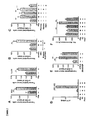
- Various mouse and human tumour cells migrated through an endothelial cell layer, and this ability was enhanced by the presence of platelets ( Fig. 1A ).
- supernatants from platelets stimulated by tumour cells also promoted tumour cell transmigration, whereas supernatants from unstimulated platelets were without effect ( Fig. 1 B) , we tested whether mediators derived from activated platelets were involved.
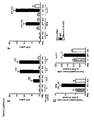
- tumour cells induced a strong release of ATP from platelet dense granules ( Fig. 1 D) , and addition of stable analogues of ATP and ADP stimulated tumour cell transmigration per se ( Fig. 1 E) .
- adenine nucleotides released from dense granules of tumour cellactivated platelets promote an opening of the endothelial barrier and a transmigration of tumour cells through the endothelial layer.
- mice lacking the exocytosis priming protein Munc13-4 which is required for regulated exocytosis and is the predominant Munc13-isoform in platelets (24, 25).
- Munc13-4-deficient mice have normal platelet numbers, platelet integrin ⁇ IIb ⁇ 3 activation, adhesion to collagen and an unchanged ability to form aggregates with tumour cells (25) .
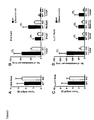
- thrombin- and tumour cell-induced release of proteins stored in ⁇ -granules, such as the chemokine platelet factor 4 (PF4) or von Willebrand factor (vWF) was not affected by Munc13-4 deficiency ( Fig.
- Munc13-4-deficient platelets did not release ATP stored in platelet dense granules in response to thrombin or tumour cells ( Fig. 2E and F ) or U46619 and collagen.
- Munc-1 3-4-deficient platelets also lost the ability to enhance transmigration of tumour cells ( Fig. 2G ), indicating a role of dense granule secretion but not ⁇ -granule secretion in platelet-dependent migration of tumour cells through an endothelial layer.
- tumour metastasis 1-3
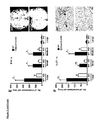
- platelet dense granule secretion of adenine nucleotides in the microenvironment of tumour cells is required for efficient tumour cell extravasation and formation of metastasis, and that this involves activation of endothelial purinergic P2Y 2 receptors by ATP/ADP.
- endothelial purinergic P2Y 2 receptors by ATP/ADP.
- Flurbiprofen and U46619 were from Cayman Chemical, ketanserin, FITC-dextran 70 kDa, 2-methylthio-adenosine-5'-diphosphate (2MeSADP), calcein-AM, bovine serum albumin (essentially fatty acid free), apyrase grade VII and thrombin were from Sigma, fibrillar type I collagen was from Nycomed, adenosine 5'-O-(3-thio)triphosphate (ATP ⁇ S) was from Jena Bioscience, carboxyfluorescein diacetate succinimidyl ester (CFSE) and FITC-dextran 70 kDa lysine fixable were from Invitrogen, 5-BDBD and MRS2500 were from Tocris.
- 2MeSADP 2-methylthio-adenosine-5'-diphosphate
- calcein-AM bovine serum albumin (essentially fatty acid free)
- Human umbilical vein endothelial cells (HUVECs; Lonza) were grown in EGM2 medium and passages ⁇ P6 were used for all experiments. All other cell lines were cultured in the presence of 10% FBS and penicillin/streptomycin each at 100 units/ml in RMPI (B16F10 melanoma cells), DMEM and 2 mM glutamine (Lewis lung carcinoma 1 (LLC1) and Mile Sven 1 (MS1) endothelial cells), DMEM, 2 mM glutamine and 100 ⁇ M non-essential amino acids (SH-SY5Y neuroblastoma and CF-PAC1 adenocarcinoma cells).
- RMPI B16F10 melanoma cells
- DMEM and 2 mM glutamine Lewis lung carcinoma 1 (LLC1) and Mile Sven 1 (MS1) endothelial cells
- DMEM, 2 mM glutamine and 100 ⁇ M non-essential amino acids (SH-SY5Y neuro
- Platelet-rich plasma was prepared by centrifugation at 150 ⁇ g for 7 min. The PRP was centrifuged at 350 ⁇ g for 7 min, and the platelet pellet was gently resuspended in HEPES/Tyrode's buffer (TB; 10 mM HEPES/NaOH, pH 7.4, 5.56 mM glucose, 0.3% w/v BSA (essentially fatty acid free), 137 mM NaCl, 12 mM NaHCO3, 2.7 mM KCI, 0.36 mM NaH2PO4, 1 mM MgCl 2 ). Platelet concentrations were determined by a hemocytometer.
- MS1 cells (8 x 10 3 at seeding in 50 ⁇ l) or HUVEC (6 x 10 3 at seeding in 50 ⁇ l) were cultured for 2 days on 96-transwell plates with polyester membranes of 8- ⁇ m pore size (Corning) with medium changes every day.
- 4 x 10 5 MS1 cells were transfected using Amaxa Nucleofector Kit V with different sets of siRNA against the P2Y 2 receptor (Qiagen) and 1.2 x 10 4 cells in 50 ⁇ l were seeded to the up-per compartment. Where indicated, MS1 cells were pre-incubated with 5-BDBD (1 ⁇ M) or MRS2500 (100 nM) for 30 min.
- exemplary wells of each condition were visually checked by calcein-AM staining of the endothelial monolayer and only plates with 100% confluency were used.
- the medium from the upper compartment was removed and 50 ⁇ l of a 1:1 mixture of platelets (2 x 10 8 /ml) with calcein-AM-labeled tumour cells (8 x 10 5 /ml) in TB was added to the upper compartment alone or with flurbiprofen (100 nM), ketanserin (3 nM) or apyrase (20 U/ml).
- flurbiprofen 100 nM
- ketanserin nM
- apyrase 20 U/ml
- human platelets (5 x 10 7 /ml) or mouse platelets (2 x 10 8 /ml) were incubated for 30 min at 37°C alone or with tumour cells (1.6 x 10 6 /ml) and centrifuged at 350 x g for 10 min.
- the supernatant was mixed 1:1 with TB (for MS1 cells) or cell culture medium (for HUVECs) containing calcein-AM-labeled tumour cells (8 x 10 5 /ml) and 50 ⁇ l were added to the upper compartment.
- 250 ⁇ l TB or culture medium were added to the lower compartment, and tumour cells were allowed to transmigrate over night.
- the permeability assay was performed as described for the transwell assay with some modifications. Briefly, MS1 cells were cultured on transwell filters and the supernatant of platelets alone or platelets stimulated with tumour cells was mixed 1:1 with TB containing 2 mg/ml 70 kDa FITC-DX of which 50 ⁇ l were added to the upper compartment in the absence or presence of apyrase (20 U/ml). 250 ⁇ l TB were added to the lower compartment. After 90 min, the amount of passed FITC-DX to the lower compartment was measured (FlexStation3, Molecular Devices).
- MS1 cells were stimulated for 1 h with supernatants from tumour cells alone or from tumour cells after stimulation with platelets in the absence or presence of apyrase (20 U/ml). Cells were further processed for staining and imaging
- Cells or tissues were fixed with 4% para-formaldehyde. Tissues were further cryopreserved in 30% sucrose (Sigma), embedded in OCT (Fisher Scientific), and cryosectioned at 16 ⁇ m. Cells or sections were stained with rat anti-VE-Cadherin (BD Pharmingen) and Alexa Fluor (AF) 594- (Molecular Probes) or Cy5- (Dianova) conjugated secondary antibodies. DAPI (Sigma) was used to stain cell nuclei, and AF488-conjugated phalloidin (Molecular Probes) to stain F-actin. Images were acquired using a Leica SP5 confocal microscope and analyzed using ImageJ (NIH).
- ATP secretion by platelets was determined using a luciferin/luciferase ATP kit (Enliten, Promega). For this purpose, 10 ⁇ l aliquots of supernatant from platelets (1 x 10 8 /ml) treated with agonist or 1 x 10 6 tumour cells/ml were mixed with 100 ⁇ l of ATP reagent, and light emission was measured using a luminometer (Thermo Scientific). Raw data were collected as relative light units integrated over 0.1 s and calibrated using an ATP standard.
- Isolated mouse platelets (1 x 10 8 /ml) were stained with CFSE (Invitrogen) for 30 min and washed in TB.
- B16 tumour cells resuspended in TB (1 x 10 6 /ml) were mixed 1:1 with platelets and incubated for 30 min on a shaker at 37°C and 200 rpm.
- Platelet-tumour cell suspensions were analyzed in triplicates by flow cytromentry (FACSCanto; BD Pharmingen).
- Mean fluorescence intensities of tumour cells were identified by forward/sideward scatter (FSC/SSC) in the FITC channel.
- washed platelets were adjusted to 1 x 10 6 platelets/ml with TB, and 25 ⁇ l were stimulated with the indicated agonists for 10 min at 37°C. Samples were then stained with a PE-labeled antibody against active mouse integrin ⁇ IIb ⁇ 3 (GPIIb/IIIa; Emfret) for 20 min at room temperature and directly analyzed by flow cytometry (FACSCanto; BD Pharmingen). Platelets were gated by forward/sideward scatter (FSC/SSC) characteristics and identified by anti-CD41 staining (BD Pharmingen).
- FSC/SSC forward/sideward scatter
- Heparinized blood (final concentration 5 U/ml) of wild-type and Munc13-4-deficient mice was mixed 1:1 with TB and was applied to a flow chamber set-up containing collagencoated coverslips.
- coversilps were blocked in 5% BSA for 2 hours at RT, fixed to the flow chamber and rinsed with TB supplemented with heparin (5 U/ml; Braun Melsungen).
- the transparent flow chamber had a slit depth of 50 ⁇ m and was connected to a syringe filled with the diluted blood samples.
- Perfusion was carried out at room temperature using a pulse-free pump with a wall shear rate of 1000 s -1 . Perfusion was stopped after 2 min and chambers were rinsed with TB for 10 min. Coverslips were analyzed by taking 5 randomly chosen brightfield images per coverslip on a stereomicroscope
- Washed mouse platelets were centrifuged at 350 x g for 7 min, and the pellet was resuspended in Laemmli buffer. The samples were lysed at 90°C for 5 min and the lysate of 5 x 10⁶ platelets per lane was separated on a SDS polyacrylamide gel. Munc13-4 levels were detected using a mouse anti-Munc13-4 antibody (Santa Cruz). An anti-panactin antibody (Acris) was used as loading control.
- mice B6.129P2- P2ry2 tm1Bhk /J mice
- the Jackson Laboratory Bar Harbor, ME
- the Munc13-4 mutant mouse line (Unc13d Jinx ) was kindly provided by B. Beutler (Department of Genetics, The Scripps Research Institute, La Jolla, USA). All experimental animal procedures were approved by the Stamms jossidien Darmstadt and Düsseldorf.
- B16F10 melanoma cells or LLC1 cells were harvested and resuspended in PBS. Mice (at 8-10 weeks of age) were anesthetized with isoflurane (Abbot Laboratories), and 1 x 10 6 B16 or LLC1 cells in 100 p l PBS were were injected subcutaneously to their flanks. Mice with B16 primary tumour were sacrificed 19 days and mice with LLC1 tumour 21 days after injection of tumour cells, and primary tumours as well as lung metastases were analyzed. Alternatively, 125 ⁇ l of a tumour cell (5 x 10⁴ cells) suspension was injected to the lateral tail vein of mice, and lung metastases were analyzed 12 days later.
- mice were anesthetized using isoflurane (Abbot Laboratories), and 100 ⁇ l of fixable FITC-dextran with a molecular weight of 70 kDa (Invitrogen) in 0.9% saline was injected retroorbitally at a concentration of 15 mg/kg.
- fixable FITC-dextran with a molecular weight of 70 kDa (Invitrogen) in 0.9% saline was injected retroorbitally at a concentration of 15 mg/kg.
- 1 x 10⁵ B16 tumour cells in 125 ⁇ l PBS were injected via the lateral tail vein.
- animals were sacrificed, and lungs were carefully excised. Lungs were fixed in para-formaldehyde, cryopreserved in 30% sucrose and further processed for immunostaining and imaging.
- NK cells were stained with an APC-labeled antibody against NK1.1 (BD Pharmingen) and a FITC-labeled antibody against CD3e (BD Pharmingen) for 30 min at RT.
- NK cells were identified as NK1.1 and CD3e positive events and expressed as percent of granulocyte population (identified in a fixed gate in forward/sideward scatter).
- mice were minced and digested in 50 U/ml dispase for 1 h at 37°C with shaking (350 rpm). After filtration, the cells were washed in PBS containing 0.5% BSA. Cells were incubated with anti-CD144 antibody-coated (BD Pharmingen) magnetic beads (Invitrogen) for 1 h at room temperature, washed, and isolated with a magnet (invitagen). Cells were grown in DMEM/F12 (Invitrogen) supplemented with 10% FBS, penicillin/streptomycin, and EC growth supplement with heparin (PromoCeli) on fibronectin-coated wells.
- BD Pharmingen anti-CD144 antibody-coated magnetic beads
- Fw forward
- Rev Reverse primers of mouse and human receptors are depicted from 5' to 3' end.
- P2Y1 Fw CTGTGTGGACCCCATTCTTT (SEQ ID NO: 9), Rev TCGGGACAGTCTCCTTCTGA (SEQ ID NO: 10), probe #19; P2Y2: Fw1 TGGTACTGGCCGTCTTCG (SEQ ID NO: 11), Rev1 AGTAGAGGGTGCGCGTGA (SEQ ID NO: 12), probe #4, Fw2 CTATGCCGCCTCAAAACCT (SEQ ID NO: 13), Rev2 CGAAACTGCCAGGTGAAAC (SEQ ID NO: 14), probe #22; P2Y4: Fw CGGCGACTGTATCGACCT (SEQ ID NO: 15), Rev GAGAGAACGGAGCCGAGAA (SEQ ID NO: 16), probe #1 7; P2Y6: Fw GCAGTCTTTGCTGCCACA (SEQ ID NO: 17), Rev GTGGGCTCAGGTCGTAGC (SEQ ID NO: 18), probe #42; P2Y12: Fw TGCTGT
- P2X1 Fw TGTAAGCCCCTGTCCCATC (SEQ ID NO: 25), Rev TCCTGCAGAGGACATGTGG (SEQ ID NO: 26), probe #1 9
- P2X2 Fw GCTCCAGCTCTGCTCTGACT (SEQ ID NO: 27), Rev TTTGTCCCATATGCTGGTCA (SEQ ID NO: 28), probe #77
- P2X3 Fw TTTCATCAACCTCCCCTCTG (SEQ ID NO: 29), Rev GACAGTACCCCATCACCCATA (SEQ ID NO: 30), probe #1 00
- P2X4 Fw AGAGGAATATCCTCCCCAACAT (SEQ ID NO: 31), Rev GCGCATTATAAATGCACGAC (SEQ ID NO: 32), probe #10
- P2X5 Fw CACAGTCATCAACATTGGTTCC (SEQ ID NO: 33), Rev AGGTAGATAAGTACCAGGTCACAGAAG (SEQ ID NO: 34), probe #45
- Primer for human P2Y receptors were: P2Y1: Fw ATGTTCTGTGTCCCCTTGGT (SEQ ID NO: 41), RevAAATCAAAGCTCTCACAATTAATCC (SEQ iD NO: 42), probe #26; P2Y2: Fw TAACCTGCCACGACACCTC (SEQ ID NO: 43), Rev CTGAGCTGTAGGCCACGAA (SEQ ID NO: 44), probe #41; P2Y4: Fw CATCACCCGCACCATTTACT (SEQ ID NO: 45), Rev TTCAGTACTCGGCAGTCAGC (SEQ ID NO: 46), probe #64; P2Y6: Fw CTGCCCACAGCCATCTTC (SEQ ID NO: 47), Rev GCTGAGGTCATAGCAGACAGTG (SEQ ID NO: 48), probe #42; P2Y11: Fw GTTGGTGGCCAGTGGTGT (SEQ ID NO: 49), Rev CCGCATGATGTGGTAGGG (SEQ ID NO: 50), probe #1 7; P2
Landscapes
- Health & Medical Sciences (AREA)
- Life Sciences & Earth Sciences (AREA)
- Chemical & Material Sciences (AREA)
- Engineering & Computer Science (AREA)
- Genetics & Genomics (AREA)
- General Health & Medical Sciences (AREA)
- Molecular Biology (AREA)
- Medicinal Chemistry (AREA)
- Organic Chemistry (AREA)
- Biomedical Technology (AREA)
- Bioinformatics & Cheminformatics (AREA)
- Biochemistry (AREA)
- Pharmacology & Pharmacy (AREA)
- Public Health (AREA)
- Animal Behavior & Ethology (AREA)
- Veterinary Medicine (AREA)
- Epidemiology (AREA)
- Zoology (AREA)
- Wood Science & Technology (AREA)
- General Engineering & Computer Science (AREA)
- Biotechnology (AREA)
- Immunology (AREA)
- Biophysics (AREA)
- Microbiology (AREA)
- Physics & Mathematics (AREA)
- Plant Pathology (AREA)
- Proteomics, Peptides & Aminoacids (AREA)
- Mycology (AREA)
- Endocrinology (AREA)
- Pharmaceuticals Containing Other Organic And Inorganic Compounds (AREA)
Priority Applications (4)
| Application Number | Priority Date | Filing Date | Title |
|---|---|---|---|
| EP12160643.8A EP2641969A1 (fr) | 2012-03-21 | 2012-03-21 | Nouvelle cible thérapeutique pour la prévention de métastases tumorales |
| EP13710880.9A EP2828387A1 (fr) | 2012-03-21 | 2013-03-21 | Nouvelle cible thérapeutique pour la prévention de la métastase de tumeurs |
| US14/386,502 US20150037351A1 (en) | 2012-03-21 | 2013-03-21 | Novel therapeutic target for the prevention of tumour metastasis |
| PCT/EP2013/055988 WO2013139940A1 (fr) | 2012-03-21 | 2013-03-21 | Nouvelle cible thérapeutique pour la prévention de la métastase de tumeurs |
Applications Claiming Priority (1)
| Application Number | Priority Date | Filing Date | Title |
|---|---|---|---|
| EP12160643.8A EP2641969A1 (fr) | 2012-03-21 | 2012-03-21 | Nouvelle cible thérapeutique pour la prévention de métastases tumorales |
Publications (1)
| Publication Number | Publication Date |
|---|---|
| EP2641969A1 true EP2641969A1 (fr) | 2013-09-25 |
Family
ID=47902018
Family Applications (2)
| Application Number | Title | Priority Date | Filing Date |
|---|---|---|---|
| EP12160643.8A Withdrawn EP2641969A1 (fr) | 2012-03-21 | 2012-03-21 | Nouvelle cible thérapeutique pour la prévention de métastases tumorales |
| EP13710880.9A Pending EP2828387A1 (fr) | 2012-03-21 | 2013-03-21 | Nouvelle cible thérapeutique pour la prévention de la métastase de tumeurs |
Family Applications After (1)
| Application Number | Title | Priority Date | Filing Date |
|---|---|---|---|
| EP13710880.9A Pending EP2828387A1 (fr) | 2012-03-21 | 2013-03-21 | Nouvelle cible thérapeutique pour la prévention de la métastase de tumeurs |
Country Status (3)
| Country | Link |
|---|---|
| US (1) | US20150037351A1 (fr) |
| EP (2) | EP2641969A1 (fr) |
| WO (1) | WO2013139940A1 (fr) |
Cited By (2)
| Publication number | Priority date | Publication date | Assignee | Title |
|---|---|---|---|---|
| WO2016023918A1 (fr) * | 2014-08-13 | 2016-02-18 | MAX-PLANCK-Gesellschaft zur Förderung der Wissenschaften e.V. | Prévention des métastases tumorales par inhibition de la nécroptose |
| EP3685830A1 (fr) * | 2015-05-20 | 2020-07-29 | Institut National De La Sante Et De La Recherche Medicale - Inserm | Procédés et composition pharmaceutique pour moduler la polarisation et l'activation de macrophages |
Families Citing this family (1)
| Publication number | Priority date | Publication date | Assignee | Title |
|---|---|---|---|---|
| EP4059495A1 (fr) | 2021-03-18 | 2022-09-21 | Chemotherapeutisches Forschungsinstitut Georg-Speyer-Haus | Combinaisons thérapeutiques comprenant des inhibiteurs du récepteur p2x4 pour le traitement et la prévention de troubles proliférants |
Citations (5)
| Publication number | Priority date | Publication date | Assignee | Title |
|---|---|---|---|---|
| US4946778A (en) | 1987-09-21 | 1990-08-07 | Genex Corporation | Single polypeptide chain binding molecules |
| WO1998013526A1 (fr) | 1996-09-26 | 1998-04-02 | Oligos Etc. Inc. | Oligonucleotides antisens chimeres a trois composants |
| US6080560A (en) | 1994-07-25 | 2000-06-27 | Monsanto Company | Method for producing antibodies in plant cells |
| WO2005100990A2 (fr) | 2004-04-13 | 2005-10-27 | Bayer Healthcare Ag | Methodes diagnostiques et therapeutiques pour des maladies associees au purinocepteur 2 de type y (p2y2) |
| EP2221377B1 (fr) | 2002-02-01 | 2011-10-19 | Life Technologies Corporation | Oligonucletides double brin |
Family Cites Families (2)
| Publication number | Priority date | Publication date | Assignee | Title |
|---|---|---|---|---|
| WO2009082744A2 (fr) * | 2007-12-22 | 2009-07-02 | Sloan-Kettering Institute For Cancer Research | Pronostic et traitement véhiculé par interférence du cancer du sein |
| WO2011006205A1 (fr) * | 2009-07-15 | 2011-01-20 | Regenertech Pty Limited | Méthode de production de cellules progénitrices à partir de cellules différenciées |
-
2012
- 2012-03-21 EP EP12160643.8A patent/EP2641969A1/fr not_active Withdrawn
-
2013
- 2013-03-21 EP EP13710880.9A patent/EP2828387A1/fr active Pending
- 2013-03-21 WO PCT/EP2013/055988 patent/WO2013139940A1/fr not_active Ceased
- 2013-03-21 US US14/386,502 patent/US20150037351A1/en not_active Abandoned
Patent Citations (5)
| Publication number | Priority date | Publication date | Assignee | Title |
|---|---|---|---|---|
| US4946778A (en) | 1987-09-21 | 1990-08-07 | Genex Corporation | Single polypeptide chain binding molecules |
| US6080560A (en) | 1994-07-25 | 2000-06-27 | Monsanto Company | Method for producing antibodies in plant cells |
| WO1998013526A1 (fr) | 1996-09-26 | 1998-04-02 | Oligos Etc. Inc. | Oligonucleotides antisens chimeres a trois composants |
| EP2221377B1 (fr) | 2002-02-01 | 2011-10-19 | Life Technologies Corporation | Oligonucletides double brin |
| WO2005100990A2 (fr) | 2004-04-13 | 2005-10-27 | Bayer Healthcare Ag | Methodes diagnostiques et therapeutiques pour des maladies associees au purinocepteur 2 de type y (p2y2) |
Non-Patent Citations (76)
| Title |
|---|
| A. BOUCHARABA ET AL., J. CLIN, INVEST., vol. 114, 2004, pages 1714 |
| A. NISHIMURA ET AL., PROC. NATL. ACAD. SCI. U. S. A., vol. 107, 2010, pages 13666 - 13671 |
| B. NIESWANDT; M. HAFNER; B. ECHTENACHER; D. N. MANNEL, CANCER RES., vol. 59, 1999, pages 1295 |
| B. PETRI ET AL., BLOOD, vol. 116, 2010, pages 4712 |
| BEAT M KÃ 1/4 NZLI ET AL: "Impact of CD39 and purinergic signalling on the growth and metastasis of colorectal cancer", PURINERGIC SIGNALLING, KLUWER ACADEMIC PUBLISHERS, DO, vol. 7, no. 2, 2 April 2011 (2011-04-02), pages 231 - 241, XP019932647, ISSN: 1573-9546, DOI: 10.1007/S11302-011-9228-9 * |
| C. E. PARR ET AL., PNAS, vol. 91, 1994, pages 3275 - 3279 |
| C. L. CHAFFER; R. A. WEINBERG, SCIENCE, vol. 331, 2011, pages 1559 |
| COLE ET AL.: "Monoclonal Antibodies and Cancer Therapy", 1985, ALAN R. LISS, INC., pages: 77 - 96 |
| CRUCIANI ET AL., EUROPEAN JOURNAL OF PHARMACEUTICAL SCIENCES, vol. 11, no. 2, 2000, pages S29 - S39 |
| D. X. NGUYEN; P. D. BOS; J. MASSAGUE, NAT. REV. CANCER, vol. 9, 2009, pages 274 |
| E. CAMERER ET AL., BLOOD, vol. 104, 2004, pages 397 |
| E. PARR, PNAS, vol. 91, 1994, pages 3275 - 3279 |
| E. PEARLSTEIN; C. AMBROGIO; S. KARPATKIN, CANCER RES., vol. 44, 1984, pages 3884 |
| E. R. LAZAROWSKI ET AL., BR. J. PHARMACOL., vol. 116, 1995, pages 1619 - 1627 |
| F, VAROQUEAUX ET AL., PROC. NATL. ACAD. SCI. U. S. A., vol. 99, 2002, pages 9037 - 9042 |
| F. KUKULSKI ET AL., MOL. LMMUNOL., vol. 47, 2010, pages 991 |
| FOUGEROLLES ET AL., CURRENT OPINION IN PHARMACOLOGY, vol. 8, 2008, pages 280 - 285 |
| G. L. REED, SEMIN. THROMB. HEMOST., vol. 30, 2004, pages 441 |
| G. X. SHEN, CURR. DRUG TARGETS CARDIOVASC. HAEMATOF. DISORD., vol. 3, 2003, pages 301 - 307 |
| G. X. SHEN, CURR. DRUG TARGETS CARDIOVASC. HAEMATOL. DISORD., vol. 3, 2003, pages 301 - 307 |
| G. Y. PERRET; M. CR2PIN, FUNDAM. CLIN. PHARMACOL., vol. 22, 2008, pages 465 - 492 |
| H. KORHONEN ET AL., J. EXP. MED., vol. 206, 2009, pages 411 |
| H.KORHONEN ET AL., J. EXP. MED., vol. 206, 2009, pages 411 |
| HARLOW; LANE: "Antibodies, A Laboratory Manual", 1988, COLD SPRING HARBOR LABORATORY PRESS |
| HARLOW; LANE: "Using Antibodies: A Laboratory Manual", 1999, COLD SPRING HARBOR LABORATORY PRESS |
| HOLZGRABE; BECHTOLD, DEUTSCHE APOTHEKER ZEITUNG, vol. 140, no. 8, 2000, pages 813 |
| I. AUSGUSTIN ET AL., NATURE, vol. 400, 1999, pages 457 - 461 |
| J. A. JOYCE; J. W. POLLARD, NAT. REV. CANCER, vol. 9, 2009, pages 239 |
| J. D. CRISSMAN; J. S. HATFIELD; D. G. MENTER; B. SLOANE, K. V. HONN, CANCER RES., vol. 48, 1988, pages 4065 |
| J. E. BLEASDALE ET AL., J. PHARMACOL. EXP. THER., vol. 255, 1990, pages 756 - 768 |
| J. E. ITALIANO, JR. ET AL., BLOOD, vol. 111, 2008, pages 1227 |
| J. GAVARD; J. S. GUTKIND, J. BIOL. CHEM., 2008 |
| J. H. IM ET AL., CANCERRES., vol. 64, 2004, pages 8613 |
| J. S. PALUMBO ET AL., BLOOD, vol. 105, 2005, pages 178 |
| J. TAKASAKI ET AL., J. BIOI. CHEM., vol. 279, 2004, pages 47438 - 47445 |
| K. CROZAT ET AL., J. EXP. MED., vol. 204, 2007, pages 853 |
| K. CROZAT ET AL., J. EXP. MED., vol. 204, 2007, pages 853 - 863 |
| K. D. LUSTIG ET AL., PROC. NATL. ACAD. SCI. U. S .A., vol. 90, 1993, pages 5113 - 5117 |
| K. V. HONN ET AL., EXP. CELL RES., vol. 210, 1994, pages 1 |
| K. V. HONN; D. G. TANG; Y. Q. CHEN, SEMIN. THROMB. HEMOST., vol. 18, 1992, pages 392 |
| KOHLER; MILSTEIN, NATURE, vol. 256, 1975, pages 495 - 497 |
| KOZBOR, IMMUNOLOGY TODAY, vol. 4, 1983, pages 72 |
| KUBINYI: "Hausch-Analysis and Related Approaches", 1992, VCH VERIAG |
| L. BORSIG ET AL., PROC. NATL. ACAD. SCI. U. S. A., vol. 98, 2001, pages 3352 |
| L. ERPENBECK; M. P. SCHON, BLOOD, vol. 115, 2010, pages 3427 |
| L. J. GAY; B. FELDING-HABERMANN, NAT. REV. CANCER, vol. 11, 2011, pages 123 |
| LU ET AL., METHODS IN MOLECULAR BIOLOGY, vol. 437, 2008 |
| M. L. NIERODZIK; S. KARPATKIN, CANCER CELL, vol. 10, 2006, pages 355 |
| M. LABELLE; S. BEGUM; R. O. HYNES, CANCER CELL, vol. 20, 2011, pages 576 |
| M. P. ABBRACCHIO ET AL., PHARMACOL. REV., vol. 58, 2006, pages 281 |
| MALMBORG, J. LMMUNOL. METHODS, vol. 183, 1995, pages 7 - 13 |
| MEIANI ET AL., CANCER RES., vol. 51, 1991, pages 2897 - 2901 |
| N. KNEZEVIC; M. TAUSEEF; T. THENNES; D. MEHTA, J. EXP. MED., vol. 206, 2009, pages 2761 |
| N. MIZUNI; H. ITOH, NEUROSIGNALS, vol. 17, 2009, pages 42 - 54 |
| N. YU ET AL., CIRC RES, vol. 102, 2008, pages 581 - 588 |
| OSBORNE, CURRENT OPINION IN CHEMICAL BIOLOGY, vol. 1, 1997, pages 5 - 9 |
| Q. REN ET AL., BLOOD, vol. 116, 2010, pages 869 |
| Q. REN ET AL., BLOOD, vol. 116, 2010, pages 869 - 877 |
| Q. REN, BLOOD, vol. 116, 2010, pages 869 - 877 |
| Q. REN; S. YE; S. W. WHITEHEART, CURR. OPIN. HEMATOL., vol. 15, 2008, pages 537 |
| R. H. KRAMER; G. L. NICOLSON, PROC. NATL. ACAD. SCI. U. S. A., vol. 76, 1979, pages 5704 |
| R. J. SMITH ET AL., J. PHARMACOL. EXP. THER., vol. 278, 1996, pages 320 - 329 |
| S. JAIN; J. HARRIS; J. WARE, ARTERIOSCLER. THROMB. VASC. BIOL., vol. 30, 2010, pages 2362 |
| S. WEYLER ET AL., BIOORG. MED. CHEM. LEFT., vol. 18, 2007, pages 223 - 227 |
| S. WEYLER ET AL., BIOORG. MED. CHEM. LETT., vol. 18, 2007, pages 223 - 227 |
| SAMBROOK; RUSSEL: "Molecular Cloning, A Laboratory Manual", 2001, COLD SPRING HARBOR LABORATORY |
| SCHIER, HUMAN ANTIBODIES HYBRIDOMAS, vol. 7, 1996, pages 97 - 105 |
| STULL; SZOKA, PHARMACEUTICAL RESEARCH, vol. 12, no. 4, 1995, pages 465 - 483 |
| T. G. DIACOVO; K. D. PURI; R. A. WARNOCK; T. A. SPRINGER; U. H. VON ANDRIAN, SCIENCE, vol. 273, 1996, pages 252 |
| T. J. SHI ET AL., PROC. NATL. ACAD. SCI. U. S. A., vol. 105, 2008, pages 20004 - 20008 |
| TARBIT; BERMAN, CURRENT OPINION IN CHEMICAL BIOLOGY, vol. 2, no. 3, 1998, pages 411 - 416 |
| TUSCHL, CHEMBIOCHEM., vol. 2, no. 4, 2001, pages 239 |
| W. RUF; B. M. MUELLER, SEMIN. THROMB. HEMOST., vol. 32, no. 1, 2006, pages 61 |
| WHITE N ET AL: "P2 receptors and cancer", TRENDS IN PHARMACOLOGICAL SCIENCES, ELSEVIER, HAYWARTH, GB, vol. 27, no. 4, 1 April 2006 (2006-04-01), pages 211 - 217, XP025029553, ISSN: 0165-6147, [retrieved on 20060401], DOI: 10.1016/J.TIPS.2006.02.004 * |
| Y. CHEN ET AL., SCIENCE, vol. 314, 2006, pages 1792 - 1795 |
| ZAMORE, NAT STRUCT BIOL., vol. 8, no. 9, 2001, pages 746 |
Cited By (2)
| Publication number | Priority date | Publication date | Assignee | Title |
|---|---|---|---|---|
| WO2016023918A1 (fr) * | 2014-08-13 | 2016-02-18 | MAX-PLANCK-Gesellschaft zur Förderung der Wissenschaften e.V. | Prévention des métastases tumorales par inhibition de la nécroptose |
| EP3685830A1 (fr) * | 2015-05-20 | 2020-07-29 | Institut National De La Sante Et De La Recherche Medicale - Inserm | Procédés et composition pharmaceutique pour moduler la polarisation et l'activation de macrophages |
Also Published As
| Publication number | Publication date |
|---|---|
| EP2828387A1 (fr) | 2015-01-28 |
| US20150037351A1 (en) | 2015-02-05 |
| WO2013139940A1 (fr) | 2013-09-26 |
Similar Documents
| Publication | Publication Date | Title |
|---|---|---|
| AU2021204818B2 (en) | Methods to eliminate cancer stem cells by targeting cd47 | |
| US9585899B2 (en) | Method of inhibiting platelet aggregation and clot formation | |
| US12060619B2 (en) | Treatment of angiogenesis disorders | |
| TWI858005B (zh) | 肝毒性之治療 | |
| KR20100129319A (ko) | 병리학적 혈전 형성에 중요한 칼슘 센서 STIM1 및 혈소판 SOC 채널 Orai1 (CRACM1) | |
| JP2017526670A (ja) | ネクロトーシス(necroptosis)の阻害による腫瘍転移の阻止 | |
| Xing et al. | Tumor cell-specific blockade of CXCR4/SDF-1 interactions in prostate cancer cells by hTERT promoter induced CXCR4 knockdown: A possible metastasis preventing and minimizing approach | |
| US20150037351A1 (en) | Novel therapeutic target for the prevention of tumour metastasis | |
| JP2012502955A (ja) | 癌の処置における治療標的としてのチロシンキナーゼ受容体tyro3 | |
| US11155820B2 (en) | Target of VGSC β3 protein for prevention, treatment and diagnostic detection of cancers | |
| WO2023234410A1 (fr) | Agent inhibiteur pour la mort des cellules myocardiques, et agent prophylactique ou thérapeutique pour troubles du myocarde ou insuffisance cardiaque | |
| WO2022064011A1 (fr) | Immunothérapie | |
| EP2145900A1 (fr) | Orai1 (CRACM1) qui est la chaîne d'un système sur puce de plaquettes et qui est essentiel pour la formation d'un thrombus pathologique | |
| HK40023089A (en) | Method for identifying nucleic acids regulating metastasation | |
| HK1193429A (en) | Treatment of angiogenesis disorders | |
| HK1193429B (en) | Treatment of angiogenesis disorders |
Legal Events
| Date | Code | Title | Description |
|---|---|---|---|
| PUAI | Public reference made under article 153(3) epc to a published international application that has entered the european phase |
Free format text: ORIGINAL CODE: 0009012 |
|
| AK | Designated contracting states |
Kind code of ref document: A1 Designated state(s): AL AT BE BG CH CY CZ DE DK EE ES FI FR GB GR HR HU IE IS IT LI LT LU LV MC MK MT NL NO PL PT RO RS SE SI SK SM TR |
|
| AX | Request for extension of the european patent |
Extension state: BA ME |
|
| STAA | Information on the status of an ep patent application or granted ep patent |
Free format text: STATUS: THE APPLICATION IS DEEMED TO BE WITHDRAWN |
|
| 18D | Application deemed to be withdrawn |
Effective date: 20140326 |