EP2655217B1 - Verpackung für lebensmittel und set zum ausbilden einer solchen verpackung - Google Patents
Verpackung für lebensmittel und set zum ausbilden einer solchen verpackung Download PDFInfo
- Publication number
- EP2655217B1 EP2655217B1 EP12707515.8A EP12707515A EP2655217B1 EP 2655217 B1 EP2655217 B1 EP 2655217B1 EP 12707515 A EP12707515 A EP 12707515A EP 2655217 B1 EP2655217 B1 EP 2655217B1
- Authority
- EP
- European Patent Office
- Prior art keywords
- dimensional object
- folded
- sheet
- receptacle
- sections
- Prior art date
- Legal status (The legal status is an assumption and is not a legal conclusion. Google has not performed a legal analysis and makes no representation as to the accuracy of the status listed.)
- Active
Links
Images


Classifications
-
- A—HUMAN NECESSITIES
- A47—FURNITURE; DOMESTIC ARTICLES OR APPLIANCES; COFFEE MILLS; SPICE MILLS; SUCTION CLEANERS IN GENERAL
- A47F—SPECIAL FURNITURE, FITTINGS, OR ACCESSORIES FOR SHOPS, STOREHOUSES, BARS, RESTAURANTS OR THE LIKE; PAYING COUNTERS
- A47F5/00—Show stands, hangers, or shelves characterised by their constructional features
- A47F5/10—Adjustable or foldable or dismountable display stands
- A47F5/11—Adjustable or foldable or dismountable display stands made of cardboard, paper or the like
- A47F5/112—Adjustable or foldable or dismountable display stands made of cardboard, paper or the like hand-folded from sheet material
-
- B—PERFORMING OPERATIONS; TRANSPORTING
- B65—CONVEYING; PACKING; STORING; HANDLING THIN OR FILAMENTARY MATERIAL
- B65D—CONTAINERS FOR STORAGE OR TRANSPORT OF ARTICLES OR MATERIALS, e.g. BAGS, BARRELS, BOTTLES, BOXES, CANS, CARTONS, CRATES, DRUMS, JARS, TANKS, HOPPERS, FORWARDING CONTAINERS; ACCESSORIES, CLOSURES, OR FITTINGS THEREFOR; PACKAGING ELEMENTS; PACKAGES
- B65D85/00—Containers, packaging elements or packages, specially adapted for particular articles or materials
-
- B—PERFORMING OPERATIONS; TRANSPORTING
- B65—CONVEYING; PACKING; STORING; HANDLING THIN OR FILAMENTARY MATERIAL
- B65D—CONTAINERS FOR STORAGE OR TRANSPORT OF ARTICLES OR MATERIALS, e.g. BAGS, BARRELS, BOTTLES, BOXES, CANS, CARTONS, CRATES, DRUMS, JARS, TANKS, HOPPERS, FORWARDING CONTAINERS; ACCESSORIES, CLOSURES, OR FITTINGS THEREFOR; PACKAGING ELEMENTS; PACKAGES
- B65D5/00—Rigid or semi-rigid containers of polygonal cross-section, e.g. boxes, cartons or trays, formed by folding or erecting one or more blanks made of paper
- B65D5/02—Rigid or semi-rigid containers of polygonal cross-section, e.g. boxes, cartons or trays, formed by folding or erecting one or more blanks made of paper by folding or erecting a single blank to form a tubular body with or without subsequent folding operations, or the addition of separate elements, to close the ends of the body
- B65D5/029—Rigid or semi-rigid containers of polygonal cross-section, e.g. boxes, cartons or trays, formed by folding or erecting one or more blanks made of paper by folding or erecting a single blank to form a tubular body with or without subsequent folding operations, or the addition of separate elements, to close the ends of the body the tubular body presenting a special shape
-
- B—PERFORMING OPERATIONS; TRANSPORTING
- B65—CONVEYING; PACKING; STORING; HANDLING THIN OR FILAMENTARY MATERIAL
- B65D—CONTAINERS FOR STORAGE OR TRANSPORT OF ARTICLES OR MATERIALS, e.g. BAGS, BARRELS, BOTTLES, BOXES, CANS, CARTONS, CRATES, DRUMS, JARS, TANKS, HOPPERS, FORWARDING CONTAINERS; ACCESSORIES, CLOSURES, OR FITTINGS THEREFOR; PACKAGING ELEMENTS; PACKAGES
- B65D5/00—Rigid or semi-rigid containers of polygonal cross-section, e.g. boxes, cartons or trays, formed by folding or erecting one or more blanks made of paper
- B65D5/42—Details of containers or of foldable or erectable container blanks
- B65D5/4204—Inspection openings or windows
-
- B—PERFORMING OPERATIONS; TRANSPORTING
- B65—CONVEYING; PACKING; STORING; HANDLING THIN OR FILAMENTARY MATERIAL
- B65D—CONTAINERS FOR STORAGE OR TRANSPORT OF ARTICLES OR MATERIALS, e.g. BAGS, BARRELS, BOTTLES, BOXES, CANS, CARTONS, CRATES, DRUMS, JARS, TANKS, HOPPERS, FORWARDING CONTAINERS; ACCESSORIES, CLOSURES, OR FITTINGS THEREFOR; PACKAGING ELEMENTS; PACKAGES
- B65D5/00—Rigid or semi-rigid containers of polygonal cross-section, e.g. boxes, cartons or trays, formed by folding or erecting one or more blanks made of paper
- B65D5/42—Details of containers or of foldable or erectable container blanks
- B65D5/44—Integral, inserted or attached portions forming internal or external fittings
- B65D5/50—Internal supporting or protecting elements for contents
- B65D5/5028—Elements formed separately from the container body
- B65D5/5035—Paper elements
-
- B—PERFORMING OPERATIONS; TRANSPORTING
- B65—CONVEYING; PACKING; STORING; HANDLING THIN OR FILAMENTARY MATERIAL
- B65D—CONTAINERS FOR STORAGE OR TRANSPORT OF ARTICLES OR MATERIALS, e.g. BAGS, BARRELS, BOTTLES, BOXES, CANS, CARTONS, CRATES, DRUMS, JARS, TANKS, HOPPERS, FORWARDING CONTAINERS; ACCESSORIES, CLOSURES, OR FITTINGS THEREFOR; PACKAGING ELEMENTS; PACKAGES
- B65D5/00—Rigid or semi-rigid containers of polygonal cross-section, e.g. boxes, cartons or trays, formed by folding or erecting one or more blanks made of paper
- B65D5/42—Details of containers or of foldable or erectable container blanks
- B65D5/44—Integral, inserted or attached portions forming internal or external fittings
- B65D5/52—External stands or display elements for contents
- B65D5/5206—External stands for supporting the container in display position, e.g. easels, covers forming a support for the containers in the display position
-
- B—PERFORMING OPERATIONS; TRANSPORTING
- B65—CONVEYING; PACKING; STORING; HANDLING THIN OR FILAMENTARY MATERIAL
- B65D—CONTAINERS FOR STORAGE OR TRANSPORT OF ARTICLES OR MATERIALS, e.g. BAGS, BARRELS, BOTTLES, BOXES, CANS, CARTONS, CRATES, DRUMS, JARS, TANKS, HOPPERS, FORWARDING CONTAINERS; ACCESSORIES, CLOSURES, OR FITTINGS THEREFOR; PACKAGING ELEMENTS; PACKAGES
- B65D81/00—Containers, packaging elements, or packages, for contents presenting particular transport or storage problems, or adapted to be used for non-packaging purposes after removal of contents
- B65D81/36—Containers, packaging elements, or packages, for contents presenting particular transport or storage problems, or adapted to be used for non-packaging purposes after removal of contents adapted to be used for non-packaging purposes after removal of contents
- B65D81/368—Foldable carton-boxes simulating, or transformable into, a special configuration, e.g. a car, a house, an animal
-
- B—PERFORMING OPERATIONS; TRANSPORTING
- B65—CONVEYING; PACKING; STORING; HANDLING THIN OR FILAMENTARY MATERIAL
- B65D—CONTAINERS FOR STORAGE OR TRANSPORT OF ARTICLES OR MATERIALS, e.g. BAGS, BARRELS, BOTTLES, BOXES, CANS, CARTONS, CRATES, DRUMS, JARS, TANKS, HOPPERS, FORWARDING CONTAINERS; ACCESSORIES, CLOSURES, OR FITTINGS THEREFOR; PACKAGING ELEMENTS; PACKAGES
- B65D85/00—Containers, packaging elements or packages, specially adapted for particular articles or materials
- B65D85/60—Containers, packaging elements or packages, specially adapted for particular articles or materials for sweets or like confectionery products
Definitions
- the present invention broadly relates to the packaging of food, but more particularly to the packaging of food for presentation in the retail market, to give customers an incentive to buy.
- Products as well as food, including sweets, are offered in a wide variety of retail packaging and presentation concepts.
- actions in the context of larger events such as World and European Championships are used to increase the purchasing incentive, whereby the products are presented event- or topic-related.
- a package having the features in the preamble of claim 1 is known from GB-A-818 942 known.
- the object of the present invention is based on this basic concept to develop a packaging for food for presentation at the customer and creating a buying incentive, which is different from the previous concepts, but at the same time is inexpensive and easy to manufacture.
- the present invention is based on the idea of folding an original flat sheet of material into a three-dimensional object in which the separately packaged foodstuff is accommodated.
- the object can be subject-related and / or event-related, and independently or in conjunction with the food, a real object form.
- a rattle or a cup called.
- the rattle come as food in particular foods that are packaged and can mimic the sound of a rattle in question.
- the present invention proposes a package for food, especially a candy.
- a sweet is understood to mean all foods that are not staple foods. These include, but are not limited to, lozenges, candies, chewing gums, various types of chocolates, biscuits, etc.
- the package is for receiving sweets such as lozenges, candies, or chewing gum received in bulk in a container or container.
- the packaging according to the present invention comprises an originally flat sheet of material.
- the material sheet can be made of paper, cardboard, plastic or combinations thereof as well as comparable materials. However, preferably paper or paperboard are used.
- “flat” is meant that the large outer surfaces of the sheet of material lie in a common, non-curved plane prior to folding. A synonym for "flat” is therefore "planar".
- This originally flat material sheet is according to the invention folded into a three-dimensional, in particular thematic, object.
- a three-dimensional object is to be understood, in particular, as the imitation of a three-dimensional real object to which the customer regularly assigns a special property and / or function.
- a receptacle is provided in which at least one separately packaged food is received.
- the example of the lozenges, candies or chewing gum these could in a variety in a container, eg. B. a box of paper, cardboard or plastic, which box is in turn held in the receptacle of the object.
- such packaging is used in conjunction with larger sporting events, such as World and European Championships.
- sporting events such as World and European Championships.
- football world and European championships are mentioned here.
- the rattle in particular in connection with the above-mentioned bulk-like contained in a container foods, eg. As sweets, especially lozenges, chewing gum or candy as actually noise developing rattle to support the own team are used.
- the receptacle In order to make the manufacturing process simple and cost-effective, it is preferable to design the receptacle either directly by folding the originally flat material sheet into a three-dimensional object or else by forming a separate, originally flat material sheet.
- the material sheet can be kept in the folded state by the use of adhesive.
- the material sheet is held in the folded state by positive engagement of engagement means and / or is held in the folded state by the three-dimensional object.
- the recording folded from the material sheet is held in the folded state exclusively by the three-dimensional object. This eliminates the need for adhesives and optimizes the manufacturing process.
- connection of the recording with the three-dimensional object is advantageously carried out positively and / or non-positively, ie without the use of adhesives and other cohesive connections, in particular so that only positive and / or non-positive. It is usually advantageous to use primarily positive connections that is supported by an additional non-positive component. Likewise, the separately packaged food is preferably held only positively and / or non-positively in the receptacle or the packaging.
- an additional, likewise preferably flat, element of the same or comparable materials as the material sheet is provided and engages with the material sheet from which the three-dimensional object is folded, in order to hold the three-dimensional object in the folded state.
- the additional element in the latter embodiment, it has proven to be advantageous if the additional element, the three-dimensional object fully encompasses and thus holds together. It is preferred that the additional element is pushed onto the three-dimensional object and holds together in the radial direction and / or circumferential direction or holds in the form.
- the outer contour of the Three-dimensional object may be advantageous in order to prevent removal of the separately packaged food from the packaging. In order nevertheless to allow a view of the food or its packaging, it may be advantageous in the outer contour of the Three-dimensional object to provide a viewing window, in particular a closed by a transparent material viewing window.
- the material sheet has a plurality of flat, the outer contour of the three-dimensional object in cross-section corresponding sections which are interconnected via first fold lines.
- the individual sections preferably each along its center line provided with a second fold line, so that the sections along the first fold lines can be folded half each other and thereby the second fold lines of the sections when folding the three-dimensional object, in particular the rattle or of the trophy in the folded state lie in the center of the object.
- the superimposed regions of the sections extend in a star shape or radially away from the center.
- the object is designed star-shaped in cross-section.
- the individual sections it is advantageous for the individual sections to have a partial region forming the rattle head or cup head and a partial region forming the rattle grip or cup base.
- the sections In order to be able to absorb the food in the folded state, it is preferable to provide the sections with a recess, so that in the example of the rattle or the cup in the center of the rattle or cup head creates a cavity in which the food is preferably pure can be recorded positively. To support this, it may be advantageous to additionally provide a separate receptacle in this cavity, which may for example be realized by a box with one-sided opening.
- the present invention proposes a kit for producing a package as explained above, as defined in claim 8.
- Advantageous embodiments of the set can be found in the associated subclaims.
- a rattle or a cup another preferred flat element is provided, which can be pushed onto the sheet of material folded to form the three-dimensional object, in order to keep the material sheet folded into the three-dimensional object in the folded state.
- a recess is provided in the flat element, which has a plurality of elongated slots extending through the center. It is particularly preferred to make the flat element round.
- FIGS. 1 to 5 A first embodiment of the present invention is explained.
- the packaging is formed from a flat material sheet, in particular from paper or cardboard, as in FIG. 4 is shown, a receptacle 20, also made of paper or cardboard and an additional element 30, as it is individually in FIG. 5 is shown and which also consists of paper or cardboard.
- the three-dimensional object of the packaging is designed as a rattle.
- the material sheet 10 has several (here six) sections 11, which can be divided here into two sections, a head portion 12 of the rattle and a handle portion 13 of the rattle.
- each section 11 is connected to one another via first fold lines 14, wherein the respective outer sections 11 are connected on one side only to another section and the inner sections 11 are in each case connected on opposite sides via the fold lines 14 with a respective section 11.
- each section 11 has a recess 15.
- the recesses 15 in the two outer sections 11 each have a groove 16 in their lower and outer corners. Such a groove 16 is also provided in the mutually facing lower corners of the recesses 15 of the centrally adjacent sections 11.
- the sections 11 are each provided with second fold lines 17 which run along a central axis and allow the respective sections 11 to be folded centrally.
- the individual sections 11 are subdivided into a left and a right subsection 19 L and 19 R, respectively.
- the head portion 12 is separated from the grip portion 13 by grooves 18 opposed to the center line.
- the in the FIGS. 1 and 2 visible receptacle 20 is also configured from a flat, but not separately shown sheet of material and folded into an open-topped carton. In this state, the cardboard is bonded by tabs 21 (FIG. FIG. 1 ) held.
- the additional element 30 ( FIG. 5 ) has a substantially round basic shape or outer contour with a center 31.
- three elongated and rectilinear slots 32 are provided, each extending through the center 31, ie radially. This results in the additional element 30, a substantially formed by the slots 32 star-shaped recess.
- the successive sections 19 R and 19 L of the sections 11 form individual walls 23, which extend radially from a center 31 of the package. This results in the head region 12, a cavity 24 which is formed by the recesses 15 of the individual sections 11.
- corresponding grooves 23 are formed in two diametrically opposite walls to hold the receptacle 20 in the vertical direction positively in the cavity 24.
- the previously folded recording 20 by the in FIG. 1 apparent areas between two walls 23 obliquely inserted into the cavity 24 and then latched in the grooves 16, wherein the bottom 25 of the receptacle 20 is supported on the upwardly facing the respective recesses 15 bounding edges of the sections 11 in the vertical direction.
- the additional element 30 is pushed from below onto the handle portion 13, wherein the formed by folding walls 23 engage in the region of the handle portion 13 in the elongated slots 32 of the additional element 30 and the additional element 30 along the walls 23 the handle portion 13 is pushed up to the head portion where the respective diametrically outer ends 33 of the slots 32 engage in the groove 18 and thus positively prevent removal of the additional element 30.
- This condition is off FIG. 3 best seen.
- the packaging of these foods is preferably a box of plastic and / or cardboard, the sweets not filling this box completely, so that a rattle-like sound is generated when shaken.
- the packaging of the first embodiment with inserted separately packaged food is FIG. 2 refer to. If a user grips the packaging of the first embodiment in the gripping area 13 and shakes the packaging, the movement of the food, e.g. B. lozenges in the separate packaging produces a rattle-like noise that can be used for example at sporting events to cheer.
- the package 40 is advantageously located at the openings 15 limiting in the vertical direction of the upper edges the sections 11 to avoid falling out, d, h. the packages are held in a form-fitting manner in vertical directions by the receptacle 20 and the upper edges of the recesses 15 of the sections 11 and in the horizontal direction by the side walls 22 of the receptacle 20th
- FIGS. 6 to 8 Another embodiment of the present invention, in which the three-dimensional object is modeled on a cup, will be described below with reference to FIGS FIGS. 6 to 8 explained. It is essentially to the comments on the first embodiment in the FIGS. 1 to 5 Referenced and only highlighted differences.
- the packaging of the second embodiment also comprises a flat sheet of material 10 which is folded into a three-dimensional object, here a cup.
- the material sheet 10 is in FIG. 7 shown.
- a plurality of (in this case six) sections 11 connected via first fold lines 14 are likewise provided. These are also divided into two sections, a head section 12 unlike the embodiment in FIG. 1 but not in a handle portion, but rather in a stand or foot portion 113.
- the individual sections 11 are different than in the embodiment in FIG. 4 Not only in the head area 12 via the first fold lines 14 in conjunction, but also in the stator section 113. This results between the fold lines 14, each connecting adjacent sections 11, recesses 115, as best of FIG. 7 is apparent.
- FIGS. 1 to 7 Another difference from the embodiment in the FIGS. 1 to 7 is that the groove for attaching the additional element 30 is not provided at the interface between the head portion 12 and stator portion 113, but rather in the stator portion 113 and thereby close to an edge 114, which forms the base in the folded state.
- the additional element 30, as it is in FIG. 8 is not fundamentally different in principle from that in FIG. 5 shown with the exception that it is designed exactly circular. Thus, reference is made to the embodiments of the first embodiment with respect to this embodiment.
- FIG. 6 The structure of the packaging, as in FIG. 6 is shown, done equally as in relation to FIG. 1 explained.
- the additional element 30 is pushed down on the stator section 113, wherein the walls formed by the respective sections 19 R and 19 L 23 engage in the elongated slots 32 of the element 30 to the element 30 with the grooves 118 is locked and thereby held ( FIG. 6 ).
- FIG. 6 Another difference of the second embodiment is the configuration of the receptacle 20, as in FIG. 6 is recognizable.
- the receptacle 20 is not held by adhesive and tabs in the folded state, but rather in that the in FIG. 6 longer side walls 22 corresponding to non-visible tabs and the respective short side walls 22 are folded twice about a fold line 26 and a projection 27 in a groove 28 in the bottom 25 engages around the receptacle 20 in the folded state, the tabs are between the double-folded side walls ,
- the second embodiment is not substantially different from the first embodiment except for the shape in the shape of a cup, so that reference is made to the related embodiments.
- the various embodiments of the present invention offer the possibility to produce in the simplest way from material sheets and usually without the use of adhesive compounds packaging, the Increase sales incentive without significantly increasing the manufacturing cost of the product.
- the event or sport-related design of the three-dimensional object as a rattle or cup is particularly advantageous. It is understood, however, that the present invention can also be implemented otherwise and can be exhibited in relation to various events or topics.
Landscapes
- Engineering & Computer Science (AREA)
- Mechanical Engineering (AREA)
- Packages (AREA)
- Toys (AREA)
Description
- Die vorliegende Erfindung betrifft im weitesten Sinne die Verpackung von Lebensmitteln, hier im Besonderen aber die Verpackung von Lebensmitteln zur Präsentation im Einzelhandel, um Kunden einen Kaufanreiz zu geben.
- Produkte wie auch Lebensmittel und darunter auch Süßigkeiten werden in einer großen Vielfalt von Verpackungen und Präsentationskonzepten im Einzelhandel angeboten. Im Besonderen werden dabei Aktionen im Rahmen von größeren Events wie beispielsweise Welt- und Europameisterschaften genutzt, um den Kaufanreiz zu erhöhen, wobei die Produkte event- bzw. themabezogen präsentiert werden. Eine Verpackung mit den Merkmalen im Oberbegriff von Anspruch 1 ist aus der
GB-A-818 942 - Die Aufgabe der vorliegenden Erfindung beruht darin basierend auf diesem Grundkonzept eine Verpackung für Lebensmittel zum Präsentieren beim Kunden und Schaffen eines Kaufanreizes zu entwickeln, die sich von den bisherigen Konzepten abgrenzt, gleichzeitig aber kostengünstig und leicht herzustellen ist.
- Diese Aufgabe wird durch eine Verpackung mit den Merkmalen des Anspruchs 1, einem Materialbogen für eine solche nach Anspruch 9 sowie Sets mit einem solchen Materialbogen nach Anspruch 13 oder 19 gelöst. Vorteilhafte Weiterbildungen der vorliegenden Erfindung finden sich in den Unteransprüchen.
- Der vorliegenden Erfindung liegt der Gedanke zu Grunde aus einem ursprünglichen flachen Materialbogen ein dreidimensionales Objekt zu falten, in dem das separat verpackte Lebensmittel aufgenommen ist. Dabei kann das Objekt thema- und/oder eventbezogen sein, und eigenständig oder in Verbindung mit dem Lebensmittel einen realen Gegenstand bilden. Rein beispielsweise sei hier eine Rassel oder ein Pokal genannt. Im Fall der Rassel kommen als Lebensmittel insbesondere Lebensmittel, die schüttgutartig verpackt sind und das Geräusch einer Rassel imitieren können in Frage.
- Dementsprechend schlägt die vorliegende Erfindung eine Verpackung für Lebensmittel, insbesondere eine Süßigkeit vor. Unter einer Süßigkeit sind diesbezüglich alle Lebensmittel zu verstehen, die nicht zu den Grundnahrungsmitteln gehören. Dazu zählen unter anderem Lutschpastillen, Bonbons, Kaugummis, verschiedene Arten von Schokoladen, Kekse, etc. Insbesondere dient die Verpackung der Aufnahme von schüttgutartig in einem Behälter oder Behältnis aufgenommenen Süßigkeiten, wie beispielsweise Pastillen, Bonbons oder Kaugummis. Die Verpackung gemäß der vorliegenden Erfindung umfasst einen ursprünglich flachen Materialbogen. Der Materialbogen kann aus Papier, Pappe, Kunststoff oder Kombinationen davon sowie vergleichbaren Materialien bestehen. Bevorzugt kommen jedoch Papier oder Pappe zum Einsatz. Unter "flach" ist dabei zu verstehen, dass die großen Außenflächen des Materialbogens vor dem Falten in einer gemeinsamen, nicht gekrümmten Ebene liegen. Ein Synonym für "flach" ist daher "planar". Dieser ursprünglich flache Materialbogen ist erfindungsgemäß zu einem dreidimensionalen, insbesondere themabezogenen, Objekt gefaltet. Dabei ist unter einem dreidimensionalen Objekt insbesondere die Nachahmung eines dreidimensionalen realen Gegenstands zu verstehen, dem der Kunden regelmäßig eine spezielle Eigenschaft und/oder Funktion zuordnet. Ferner ist eine Aufnahme vorgesehen, in der wenigstens ein separat verpacktes Lebensmittel aufgenommen ist. Am Beispiel der Lutschpastillen, Bonbons oder Kaugummis könnten diese in einer Vielzahl in einem Behälter, z. B. einer Schachtel aus Papier, Pappe oder Kunststoff aufgenommen sein, welche Schachtel wiederum in der Aufnahme des Objekts gehalten ist. Indem das separat verpackte Lebensmittel in dem Objekt präsentierbar ist und der Kunde mit dem Objekt eine separate vom Lebensmittel eigenständige Eigenschaft und/oder Funktion verbindet, wird ein Unterschied zu bestehenden vergleichbaren Lebensmitteln geschaffen und dadurch ein Kaufanreiz gegeben.
- Vorzugsweise kommt eine derartige Verpackung in Verbindung mit größeren Sportevents zum Einsatz, wie beispielsweise Welt- und Europameisterschaften. Rein beispielhaft sind hier Fußballwelt- und Europameisterschaften genannt. Hierbei ist es bevorzugt das dreidimensionale Objekt zu einem sportbezogenen Objekt, insbesondere einer Rassel oder einem Pokal, zu falten. Dabei kann die Rassel insbesondere in Verbindung mit oben erwähnten schüttgutartig in einem Behälter enthaltenen Lebensmitteln, z. B. Süßigkeiten, insbesondere Lutschpastillen, Kaugummis oder Bonbons als tatsächlich Geräusch entwickelnde Rassel zur Unterstützung der eigenen Mannschaft zum Einsatz kommen.
- Um den Herstellungsprozess einfach und kostengünstig zu gestalten, ist es bevorzugt die Aufnahme entweder unmittelbar durch Faltung des ursprünglich flachen Materialbogens zum dreidimensionalen Objekt mit auszugestalten oder aber durch einen separaten ebenfalls ursprünglich flachen Materialbogen auszubilden.
- Dabei kann der Materialbogen durch die Verwendung von Klebemittel im gefalteten Zustand gehalten werden. Bevorzugt ist es jedoch, dass der Materialbogen durch formschlüssigen Eingriff von Eingriffseinrichtungen im gefalteten Zustand gehalten wird und/oder durch das dreidimensionale Objekt im gefalteten Zustand gehalten ist. Auch ist es denkbar, dass die aus dem Materialbogen gefaltete Aufnahme ausschließlich durch das dreidimensionale Objekt im gefalteten Zustand gehalten ist. Dadurch kann auf Klebemittel verzichtet und der Herstellungsprozess optimiert werden.
- Auch die Verbindung der Aufnahme mit dem dreidimensionalen Objekt erfolgt vorteilhafterweise formschlüssig und/oder kraftschlüssig, d. h. ohne Verwendung von Klebemitteln und anderen stoffschlüssigen Verbindungen, insbesondere damit nur formschlüssig und/oder kraftschlüssig. Dabei ist es in der Regel vorteilhaft primär formschlüssige Verbindungen zu verwenden, die von einer zusätzlichen kraftschlüssigen Komponente unterstützt wird. Ebenso wird das separat verpackte Lebensmittel vorzugsweise nur formschlüssig und/oder kraftschlüssig in der Aufnahme bzw. der Verpackung gehalten.
- Darüber hinaus ist es weiter vorteilhaft das dreidimensionale Objekt primär durch form- und/oder kraftschlüssige Verbindungselemente im gefalteten Zustand zu halten. Insbesondere ist es hierbei bevorzugt dies durch den Eingriff von Eingriffseinrichtungen, die Bestandteil des Materialbogens sind, zu realisieren.
- Ferner ist erfindungsgemäß ein zusätzliches ebenfalls bevorzugt flaches Element aus den gleichen oder vergleichbaren Materialien, wie der Materialbogen vorgesehen und steht mit dem Materialbogen, aus dem das dreidimensionale Objekt gefaltet ist in Eingriff, um das dreidimensionale Objekt im gefalteten Zustand zu halten.
- Bei letzterer Ausgestaltung hat es sich als vorteilhaft erwiesen, wenn das zusätzliche Element, das dreidimensionale Objekt vollumfänglich umgreift und dadurch zusammenhält. Dabei ist es bevorzugt, dass das zusätzliche Element auf das dreidimensionale Objekt aufgeschoben wird und in radialer Richtung und/oder Umfangsrichtung zusammenhält bzw. in Form hält.
- Um ein Entnehmen des separat verpackten Lebensmittels aus der Verpackung zu verhindern, kann es vorteilhaft sein die Außenkontur geschlossen zu gestalten. Um dennoch einen Blick auf das Lebensmittel bzw. dessen Verpackung zu gewähren, kann es vorteilhaft sein im Bereich der Außenkontur des dreidimensionalen Objekts ein Sichtfenster, insbesondere ein durch ein transparentes Material verschlossenes Sichtfenster vorzusehen.
- Insbesondere bei der Ausbildung des dreidimensionalen Objekts als Rassel hat es sich als vorteilhaft ergeben, dass der Materialbogen mehrere flache, der Außenkontur des dreidimensionalen Objekts im Querschnitt entsprechende Abschnitte aufweist, die über erste Faltlinien miteinander verbunden sind.
- Des Weiteren sind die einzelnen Abschnitte, vorzugsweise jeweils entlang ihrer Mittellinie mit einer zweiten Faltlinie versehen, so dass die Abschnitte entlang der ersten Faltlinien jeweils zur Hälfte aufeinander gefaltet werden können und dadurch die zweiten Faltlinien der Abschnitte beim Falten zum dreidimensionalen Objekt, insbesondere der Rassel oder des Pokals im gefalteten Zustand im Zentrum des Objekts liegen. Dadurch erstrecken sich die aufeinander liegenden Bereiche der Abschnitte sternförmig bzw. radial vom Zentrum weg. Mit anderen Worten ist das Objekt im Querschnitt sternförmig gestaltet. Dabei ist es vorteilhaft, dass die einzelnen Abschnitte einen den Rasselkopf bzw. Pokalkopf ausbildenden Teilbereich und einen den Rasselgriff bzw. Pokalfuß ausbildenden Teilbereich aufweisen.
- Um im gefalteten Zustand das Lebensmittel aufnehmen zu können, ist es bevorzugt die Abschnitte jeweils mit einer Aussparung zu versehen, so dass im Beispiel der Rassel bzw. des Pokals im Zentrum des Rassel- bzw. Pokalkopfs ein Hohlraum entsteht, in dem das Lebensmittel vorzugsweise rein formschlüssig aufgenommen werden kann. Um dies zu unterstützen, kann es vorteilhaft sein zusätzlich eine separate Aufnahme in diesem Hohlraum vorzusehen, die beispielsweise durch eine Schachtel mit einseitiger Öffnung realisiert sein kann.
- Darüber hinaus schlägt die vorliegende Erfindung ein Set zur Herstellung einer Verpackung, wie sie oben erläutert wurde, vor, wie es in Anspruch 8 definiert ist. Vorteilhafte Ausführungsformen des Sets finden sich in den zugehörigen Unteransprüchen.
- Insbesondere zur Ausbildung einer Rassel oder eines Pokals ist ein weiteres bevorzugt flaches Element vorgesehen, das auf den zum dreidimensionalen Objekt gefalteten Materialbogen aufschiebbar ist, um den zum dreidimensionalen Objekt gefalteten Materialbogen im gefalteten Zustand zu halten. Dabei ist in dem flachen Element eine Aussparung vorgesehen, die mehrere durch das Zentrum verlaufende längliche Schlitze aufweist. Insbesondere bevorzugt ist es das flache Element rund zu gestalten. Weiter bevorzugt ist es beim Einsatz in einer Rassel oder einem Pokal, bei aufeinander liegenden Bereichen (Wände) der einzelnen Abschnitte, die sich radial vom Zentrum erstrecken, die Aussparungen entsprechend der sich radial erstreckenden Wände zu gestalten, so dass die sich radial erstreckenden Wände durch Aufschieben des zusätzlichen Elements in Umfangsrichtung beabstandet gleichmäßig gehalten werden und damit das Objekt im gefalteten Zustand verbleibt.
- Weitere Merkmale und Vorteile der vorliegenden Erfindung, die mit einem oder mehreren der oben erwähnten Merkmale verwirklicht werden können, es sei denn die Merkmale widersprechen einander, sind der folgenden Beschreibung bevorzugter Ausführungsformen zu entnehmen. Diese erfolgt unter Bezugnahme auf die begleitenden Zeichnungen, in denen:
-
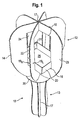
Figur 1 eine perspektivische Ansicht einer Verpackung gemäß einer ersten Ausführungsform der vorliegenden Erfindung ohne separat verpackte Lebensmittel zeigt; -
Figur 2 eine perspektivische Ansicht der Verpackung ausFigur 1 mit separat verpackten Lebensmitteln zeigt; -
Figur 3 eine Unteransicht der Verpackung aus denFiguren 1 und2 zeigt; -
Figur 4 eine Aufsicht auf einen Materialbogen zur Ausbildung des dreidimensionalen Objekts der Verpackung ausFigur 1 zeigt; -
Figur 5 ein zusätzliches Element zeigt, um das dreidimensionale Objekt aus denFiguren 1 bis 3 , welches aus einem Materialbogen gemäßFigur 4 gefaltet wurde, im gefalteten Zustand zu halten; -
Figur 6 eine perspektivische Ansicht einer Verpackung gemäß einer zweiten Ausführungsform der vorliegenden Erfindung ohne separat verpackte Lebensmittel zeigt; -
Figur 7 eine Aufsicht auf einen Materialbogen zur Ausbildung des dreidimensionalen Objekts der Verpackung ausFigur 6 zeigt; und -
Figur 8 ein zusätzliches Element zeigt, um das dreidimensionale Objekt ausFigur 6 , welches aus einem Materialbogen gemäßFigur 7 gefaltet wurde, im gefalteten Zustand zu halten. - In den verschiedenen Zeichnungen und Ausführungsformen wurden gleiche Bezugszeichen für gleiche oder vergleichbare Elemente verwendet. In der folgenden Beschreibung wurden die entsprechenden Elemente in der Regel nur einmal erläutert und die Beschreibung eines Elements bei einer Ausführungsform gilt auch für das gleiche Element einer anderen Ausführungsform.
- Im Folgenden wird unter Bezugnahme auf die
Figuren 1 bis 5 eine erste Ausführungsform der vorliegenden Erfindung erläutert. - Die Verpackung ist gebildet aus einem flachen Materialbogen, insbesondere aus Papier oder Pappe, wie er in
Figur 4 dargestellt ist, einer Aufnahme 20, ebenfalls aus Papier oder Pappe sowie einem zusätzlichen Element 30, wie es einzeln inFigur 5 dargestellt ist und das ebenfalls aus Papier oder Pappe besteht. Dabei ist das dreidimensionale Objekt der Verpackung als Rassel ausgestaltet. - Der Materialbogen 10 weist mehrere (hier sechs) Abschnitte 11 auf, die hier in zwei Teilbereiche untergliedert werden können, einen Kopfbereich 12 der Rassel und einen Griffbereich 13 der Rassel.
- Die jeweiligen Abschnitte 11 sind über erste Faltlinien 14 miteinander verbunden, wobei die jeweils äußeren Abschnitte 11 nur einseitig mit einem anderen Abschnitt verbunden sind und die inneren Abschnitte 11 jeweils an gegenüberliegenden Seiten über die Faltlinien 14 mit jeweils einem Abschnitt 11 in Verbindung stehen. Im Bereich der Kopfbereiche 12 weist jeder Abschnitt 11 eine Aussparung 15 auf. Die Aussparungen 15 in den beiden äußeren Abschnitten 11 weisen jeweils in ihrer unteren und außen liegenden Ecke eine Nut 16 auf. Eine solche Nut 16 ist in den einander zugewandten unteren Ecken der Aussparungen 15 der mittig nebeneinander liegenden Abschnitte 11 ebenso vorgesehen.
- Darüber hinaus sind die Abschnitte 11 jeweils mit zweiten Faltlinien 17 versehen, die entlang einer Mittelachse verlaufen und es gestatten die jeweiligen Abschnitte 11 mittig zu falten. Durch die zweiten Faltlinien 17 werden die einzelnen Abschnitte 11 in eine linke und rechte Teilsektion 19L bzw. 19R unterteil.
- Der Kopfbereich 12 ist vom Griffbereich 13 durch zur Mittellinie gegenüberliegende Nuten 18 voneinander getrennt. Die in den
Figuren 1 und2 sichtbare Aufnahme 20 ist ebenfalls aus einem flachen, jedoch nicht separat dargestellten Materialbogen ausgestaltet und zu einem oben offenen Karton gefaltet. In diesem Zustand wird der Karton durch mit den Seitenwänden 22 verklebte Laschen 21 (Figur 1 ) gehalten. - Das zusätzliche Element 30 (
Figur 5 ) weist eine im Wesentlichen runde Grundform bzw. Außenkontur mit einem Zentrum 31 auf. Darüber hinaus sind drei längliche und geradlinig verlaufende Schlitze 32 vorgesehen, die jeweils durch das Zentrum 31, d. h. radial verlaufen. Dadurch ergibt sich im zusätzlichen Element 30 eine im Wesentlichen durch die Schlitze 32 gebildete sternförmige Aussparung. - Zum Bilden einer Verpackung, wie sie in den
Figuren 1 und2 dargestellt ist, werden die linke Sektion 19L des Abschnitts 11 inFigur 4 links außen und die rechte Sektion 19R des Abschnitts 11 inFigur 4 rechts außen um die zweite Faltlinie 17 nach oben gefaltet und von links nach rechts die jeweils rechte Sektion 19R mit der jeweils linken Sektion 19L benachbarter Abschnitte 11 um die zweiten Faltlinien 17 bzw. die ersten Faltlinien 14 inFigur 4 nach hinten aufeinander gefaltet. Anschließend werden die linke Sektion 19L des Abschnitts 11 in Figur links außen und die rechte Sektion 19R des Abschnitts 11 in Figur rechts außen mit ihrer Rückseite ebenfalls aufeinander gelegt, so dass die zweiten Faltlinien 17, wie inFigur 1 ersichtlich, aufeinander zu weisen. Die jeweils aufeinander liegenden Sektionen 19R und 19L der Abschnitte 11 bilden dabei einzelne Wände 23, die radial von einem Zentrum 31 der Verpackung verlaufen. Dadurch ergibt sich im Kopfbereich 12 ein Hohlraum 24, der durch die Aussparungen 15 der einzelnen Abschnitte 11 gebildet ist. Durch die Nuten 16 sind in zwei diametral gegenüberliegenden Wänden 23 entsprechende Nuten ausgebildet, um die Aufnahme 20 in Vertikalrichtung formschlüssig im Hohlraum 24 zu halten. Hierfür wird die zuvor gefaltete Aufnahme 20 durch die inFigur 1 ersichtlichen Bereiche zwischen zwei Wänden 23 schräg in den Hohlraum 24 eingeführt und dann in den Nuten 16 verrastet, wobei der Boden 25 der Aufnahme 20 auf den nach oben weisenden die jeweilige Aussparungen 15 begrenzenden Kanten der Abschnitte 11 in Vertikalrichtung gestützt ist. - Um das dreidimensional gefaltete Objekt im gefalteten Zustand zu halten, wird das zusätzliche Element 30 von unten auf den Griffabschnitt 13 aufgeschoben, wobei die durch das Falten gebildeten Wände 23 im Bereich des Griffabschnitts 13 in die länglichen Schlitze 32 des zusätzlichen Elements 30 eingreifen bzw. das zusätzliche Element 30 entlang der Wände 23 den Griffabschnitt 13 nach oben bis zum Kopfabschnitt geschoben wird, wo die jeweils diametral außen liegenden Enden 33 der Schlitze 32 in die Nut 18 eingreifen und so formschlüssig ein Entfernen des zusätzlichen Elements 30 verhindern. Dieser Zustand ist aus
Figur 3 am besten ersichtlich. - Vorteilhafterweise werden in die Aufnahme 20 mehrere z. B. vier Dosen mit vorzugsweise schüttgutartig enthaltenen Lebensmitteln, z. B. Lutschpastillen, aufgenommen. Die Verpackung dieser Lebensmittel ist vorzugsweise eine Schachtel aus Kunststoff und/oder Pappe, wobei die Süßigkeiten diese Schachtel nicht vollständig ausfüllen, so dass bei einem Schütteln ein rasselähnliches Geräusch erzeugt wird. Die Verpackung der ersten Ausführungsform mit eingesetzten separat verpackten Lebensmitteln ist
Figur 2 zu entnehmen. Greift ein Verwender die Verpackung der ersten Ausführungsform im Griffbereich 13 und schüttelt die Verpackung, so wird durch die Bewegung der Lebensmittel, z. B. Lutschpastillen in der separaten Verpackung ein rasselähnliches Geräusch erzeugt, das beispielsweise bei Sportevents zur Anfeuerung Verwendung finden kann. - Die Verpackung 40 liegt dabei vorteilhafterweise an den die Öffnungen 15 begrenzenden in Vertikalrichtung oberen Kanten der Abschnitte 11 an, um ein Herausfallen zu vermeiden, d, h. die Verpackungen werden formschlüssig in Vertikalrichtungen durch die Aufnahme 20 und die oberen Kanten der Aussparungen 15 der Abschnitte 11 gehalten und in Horizontalrichtung durch die Seitenwände 22 der Aufnahme 20.
- Eine weitere Ausführungsform der vorliegenden Erfindung, bei der das dreidimensionale Objekt einem Pokal nachempfunden ist, wird im Folgenden unter Bezugnahme auf die
Figuren 6 bis 8 erläutert. Dabei wird im Wesentlichen auf die Ausführungen zur ersten Ausführungsform in denFiguren 1 bis 5 Bezug genommen und lediglich Unterschiede herausgestellt. - Die Verpackung der zweiten Ausführungsform umfasst ebenfalls einen flachen Materialbogen 10, der zu einem dreidimensionalen Objekt, hier einem Pokal, gefaltet ist. Der Materialbogen 10 ist in
Figur 7 dargestellt. Dabei sind ebenfalls mehrere (hier sechs) über erste Faltlinien 14 verbundene Abschnitte 11 vorgesehen. Diese sind ebenfalls in zwei Teilbereiche unterteilt, einen Kopfabschnitt 12 anders als bei der Ausführungsform inFigur 1 , jedoch nicht in einen Griffabschnitt, sondern vielmehr in einen Ständer- bzw. Fußabschnitt 113. Dabei stehen die einzelnen Abschnitte 11 anders als bei der Ausführungsform inFigur 4 nicht nur im Kopfbereich 12 über die ersten Faltlinien 14 miteinander in Verbindung, sondern auch im Ständerabschnitt 113. Dadurch ergeben sich zwischen den Faltlinien 14, die jeweils benachbarte Abschnitte 11 verbinden, Aussparungen 115, wie es am besten ausFigur 7 ersichtlich ist. - Ein weiterer Unterschied zur Ausführungsform in den
Figuren 1 bis 7 liegt darin, dass die Nut zur Befestigung des zusätzlichen Elements 30 nicht an der Schnittstelle zwischen Kopfabschnitt 12 und Ständerabschnitt 113 vorgesehen ist, sondern vielmehr im Ständerabschnitt 113 und dabei nahe einer Kante 114, die im gefalteten Zustand die Standfläche bildet. Das zusätzliche Element 30, wie es inFigur 8 dargestellt ist, unterscheidet sich im Prinzip nicht wesentlich von dem inFigur 5 dargestellten mit der Ausnahme, dass es exakt kreisrund gestaltet ist. Somit wird auf die Ausführungen der ersten Ausführungsform in Bezug auf diese Ausgestaltung Bezug genommen. - Der Aufbau der Verpackung, wie sie in
Figur 6 dargestellt ist, erfolgt gleichermaßen wie in Bezug aufFigur 1 erläutert. Um den Materialbogen 10 im gefalteten Zustand zu halten, wird das zusätzliche Element 30 unten auf den Ständerabschnitt 113 aufgeschoben, wobei die durch die jeweiligen Sektionen 19R und 19L gebildeten Wände 23 in die länglichen Schlitze 32 des Element 30 eingreifen bis das Element 30 mit den Nuten 118 verrastet und dadurch gehalten wird (Figur 6 ). - Ein weiterer Unterschied der zweiten Ausführungsform ist die Ausgestaltung der Aufnahme 20, wie sie in
Figur 6 erkennbar ist. Hierbei wird die Aufnahme 20 nicht durch Klebemittel und Laschen im gefalteten Zustand gehalten, sondern vielmehr dadurch, dass die inFigur 6 längeren Seitenwände 22 entsprechend nicht sichtbare Laschen aufweisen und die jeweils kurzen Seitenwände 22 um eine Faltlinie 26 doppelt gefaltet sind und ein Vorsprung 27 in eine Nut 28 im Boden 25 eingreift um die Aufnahme 20 im gefalteten Zustand, wobei die Laschen zwischen dem doppelt gefalteten Seitenwänden liegen. - Ansonsten unterscheidet sich die zweite Ausführungsform außer durch die Gestalt in Form eines Pokals nicht wesentlich von der ersten Ausführungsform, so dass auf die diesbezüglichen Ausführungen verwiesen wird.
- Damit bieten die verschiedenen Ausführungsformen der vorliegenden Erfindung die Möglichkeit auf einfachste Art und Weise aus Materialbögen und meist ohne Verwendung von Klebemittelverbindungen Verpackungen herzustellen, die den Kaufanreiz erhöhen ohne die Herstellungskosten für das Produkt wesentlich zu erhöhen. Dabei ist die event- bzw. sportbezogene Ausgestaltung des dreidimensionalen Objekts als Rassel oder Pokal besonders vorteilhaft. Es versteht sich aber, dass die vorliegende Erfindung auch anderweitig umgesetzt werden kann und auf verschiedenartige Events oder Themen bezogen ausstaltbar ist.
Claims (10)
- Verpackung für Lebensmittel, insbesondere eine Süßigkeit, umfassend:einen ursprünglich flachen Materialbogen (10), der zu einem dreidimensionalen, insbesondere themabezogenen Objekt, bevorzugt einem sportbezogenen Objekt, insbesondere einer Rassel, gefaltet ist, wobei das Objekt eine Aufnahme (20) umfasst, in der wenigstens ein separat verpacktes Lebensmittel aufgenommen ist, wobei das dreidimensionale Objekt durch ein zusätzliches, bevorzugt flaches, Element (30), das mit dem Materialbogen (10), aus dem das dreidimensionale Objekt gefaltet ist, in Eingriff steht, im gefalteten Zustand gehalten ist, dadurch gekennzeichnet, dass das bevorzugt flache Element (30) eine Aussparung aufweist, die mehrere durch das Zentrum (31) verlaufende längliche Schlitze (32) aufweist und von unten auf einen Griffabschnitt oder einen Ständerabschnitt des dreidimensionalen Objekts aufgeschoben ist, wobei Wände des dreidimensionalen Objekts in die Schlitze eingreifen.
- Verpackung nach Anspruch 1, bei der das zusätzliche Element (30) das dreidimensionale Objekt vollumfänglich umgreift und dadurch zusammenhält.
- Verpackung nach einem der vorstehenden Ansprüche, bei der die Aufnahme aus einem separaten ursprünglich flachen Materialbogen gefaltet ist.
- Verpackung nach Anspruch 3, bei der die aus dem Materialbogen gefaltete Aufnahme (20) ausschließlich durch das dreidimensionale Objekt oder formschlüssige Eingriffselemente im gefalteten Zustand gehalten ist.
- Verpackung nach einem der vorstehenden Ansprüche, bei der die Aufnahme (20) formschlüssig und/oder kraftschlüssig, insbesondere nur formschlüssig und/oder kraftschlüssig, in dem dreidimensionalen Objekt gehalten ist.
- Verpackung nach einem der vorstehenden Ansprüche, bei der das dreidimensionale Objekt durch den Eingriff zweier Elemente (242) die Bestandteil des Materialbogens (10) aus dem das dreidimensionale Objekt gefaltet ist sind, im gefalteten Zustand gehalten ist.
- Verpackung nach einem der vorstehenden Ansprüche, bei der im Bereich der Außenkontur des dreidimensionalen Objekts ein Sichtfenster, insbesondere ein durch ein transparentes Material (240) verschlossenes Sichtfenster, vorgesehen ist durch welches das Lebensmittel bzw. dessen Verpackung (40) sichtbar ist.
- Set bestehend aus einem Materialbogen zum Ausbilden des dreidimensionalen Objekts einer Verpackung nach einem der vorstehenden Ansprüche mit mehreren flachen der Außenkontur des dreidimensionalen Objekts im Querschnitt entsprechenden Abschnitten (11), die über erste Faltlinien (14) miteinander verbunden sind und einem, bevorzugt flachen Element (30) das auf den zum dreidimensionalen Objekt gefalteten Materialbogen (10) aufschiebbar ist, um den zum dreidimensionalen Objekt gefalteten Materialbogen im gefalteten Zustand zu halten, dadurch gekennzeichnet, dass das bevorzugt flache Element (30) eine Aussparung aufweist, die mehrere durch das Zentrum (31) verlaufende längliche Schlitze (32) aufweist und von unten auf einen Griffabschnitt oder einen Ständerabschnitt des dreidimensionalen Objekts aufschiebbar ist, sodass Wände des dreidimensionalen Objekts in die Schlitze eingreifen.
- Set nach Anspruch 8, wobei die Abschnitte (11) des Materialbogens jeweils entlang Ihrer Mittellinie eine zweite Faltlinie (17) aufweisen, so dass die zweiten Faltlinien (17) der Abschnitte im zum dreidimensional Objekt gefalteten Zustand im Zentrum (31) des dreidimensionalen Objekts liegen.
- Set nach Anspruch 8 oder 9, wobei die Abschnitte (11) des Materialbogens jeweils eine Aussparung (15) aufweisen, die im gefalteten Zustand des dreidimensionalen Objekts die Aufnahme bilden oder sich zu einer Halterung für die Aufnahme (20) ergänzen.
Priority Applications (1)
| Application Number | Priority Date | Filing Date | Title |
|---|---|---|---|
| PL12707515T PL2655217T3 (pl) | 2011-08-31 | 2012-02-28 | Opakowanie na artykuły spożywcze i zestaw do tworzenia takiego opakowania |
Applications Claiming Priority (2)
| Application Number | Priority Date | Filing Date | Title |
|---|---|---|---|
| DE202011105180U DE202011105180U1 (de) | 2011-08-31 | 2011-08-31 | Verpackung für Lebensmittel, Set zum Ausbilden einer solchen Verpackung sowie Materialbogen eines solchen Sets |
| PCT/EP2012/053324 WO2013029806A1 (de) | 2011-08-31 | 2012-02-28 | Verpackung für lebensmittel, set zum ausbilden einer solchen verpackung sowie materialbogen eines solchen sets |
Publications (2)
| Publication Number | Publication Date |
|---|---|
| EP2655217A1 EP2655217A1 (de) | 2013-10-30 |
| EP2655217B1 true EP2655217B1 (de) | 2014-10-01 |
Family
ID=45347496
Family Applications (1)
| Application Number | Title | Priority Date | Filing Date |
|---|---|---|---|
| EP12707515.8A Active EP2655217B1 (de) | 2011-08-31 | 2012-02-28 | Verpackung für lebensmittel und set zum ausbilden einer solchen verpackung |
Country Status (8)
| Country | Link |
|---|---|
| US (1) | US20140356489A1 (de) |
| EP (1) | EP2655217B1 (de) |
| AR (1) | AR085496A1 (de) |
| AU (1) | AU2012301356B2 (de) |
| BR (1) | BR112013019387A2 (de) |
| DE (1) | DE202011105180U1 (de) |
| PL (1) | PL2655217T3 (de) |
| WO (1) | WO2013029806A1 (de) |
Families Citing this family (6)
| Publication number | Priority date | Publication date | Assignee | Title |
|---|---|---|---|---|
| GB201205243D0 (en) | 2012-03-26 | 2012-05-09 | Kraft Foods R & D Inc | Packaging and method of opening |
| GB2511559B (en) | 2013-03-07 | 2018-11-14 | Mondelez Uk R&D Ltd | Improved Packaging and Method of Forming Packaging |
| GB2511560B (en) | 2013-03-07 | 2018-11-14 | Mondelez Uk R&D Ltd | Improved Packaging and Method of Forming Packaging |
| CN108750271B (zh) * | 2018-05-11 | 2024-03-26 | 河南牧业经济学院 | 扁平状物品包装体、放置架及包装方法 |
| CN109703861A (zh) * | 2019-01-18 | 2019-05-03 | 浙江理工大学 | 一种仿包设计的一纸成型坚果盒 |
| CN109703860B (zh) * | 2019-01-18 | 2024-08-06 | 温州泰山印业有限公司 | 一种仿女性手提包设计的一纸成型坚果盒 |
Family Cites Families (8)
| Publication number | Priority date | Publication date | Assignee | Title |
|---|---|---|---|---|
| US2188081A (en) * | 1939-02-24 | 1940-01-23 | Guthrie Joseph Aloysius | Ornamental tree |
| US2572631A (en) * | 1947-09-11 | 1951-10-23 | Kurhan Maurice | Novelty basket |
| US2770407A (en) * | 1952-06-25 | 1956-11-13 | Carl S Dahm | Container |
| GB818942A (en) * | 1955-03-25 | 1959-08-26 | Waddington Ltd J | Improvements in or relating to cartons and like containers |
| US3019958A (en) * | 1961-03-28 | 1962-02-06 | American Can Co | Hinge cover carton |
| DE1561570A1 (de) * | 1967-10-31 | 1970-04-02 | Graphia Gundlach Gmbh Hans | Verkaufssaeule |
| US20040182916A1 (en) * | 2003-03-19 | 2004-09-23 | Roseth Steven H. | Reclosable food container |
| GB2412911C (en) * | 2005-03-30 | 2011-02-23 | Adam Harvey Leonard | Three-dimensional chocolate box/gift box |
-
2011
- 2011-08-31 DE DE202011105180U patent/DE202011105180U1/de not_active Expired - Lifetime
-
2012
- 2012-02-28 US US13/985,540 patent/US20140356489A1/en not_active Abandoned
- 2012-02-28 AU AU2012301356A patent/AU2012301356B2/en active Active
- 2012-02-28 AR ARP120100634A patent/AR085496A1/es active IP Right Grant
- 2012-02-28 EP EP12707515.8A patent/EP2655217B1/de active Active
- 2012-02-28 BR BR112013019387-5A patent/BR112013019387A2/pt not_active Application Discontinuation
- 2012-02-28 PL PL12707515T patent/PL2655217T3/pl unknown
- 2012-02-28 WO PCT/EP2012/053324 patent/WO2013029806A1/de not_active Ceased
Also Published As
| Publication number | Publication date |
|---|---|
| WO2013029806A1 (de) | 2013-03-07 |
| AR085496A1 (es) | 2013-10-09 |
| BR112013019387A2 (pt) | 2020-10-27 |
| DE202011105180U1 (de) | 2011-11-14 |
| EP2655217A1 (de) | 2013-10-30 |
| PL2655217T3 (pl) | 2015-03-31 |
| US20140356489A1 (en) | 2014-12-04 |
| AU2012301356A1 (en) | 2013-08-22 |
| AU2012301356B2 (en) | 2015-07-16 |
Similar Documents
| Publication | Publication Date | Title |
|---|---|---|
| EP2655217B1 (de) | Verpackung für lebensmittel und set zum ausbilden einer solchen verpackung | |
| EP1565390B1 (de) | Lebensmittelverpackung mit klemmelementen | |
| EP2397414A1 (de) | Verpackungsschachtel für Süßwaren | |
| EP1431198A1 (de) | Faltschachtel zur Präsentation von einem Gegenstand und Zuschnitt zur Herstellung derselben | |
| DE9300738U1 (de) | Quaderförmige Faltschachtel | |
| DE3609606A1 (de) | Als versand- und verkaufseinheit ausgebildete palette | |
| DE10012364A1 (de) | Verpackung für Eier oder dergleichen Gegenstände | |
| EP0003949B1 (de) | Kette aus acht gleich grossen zusammenhängenden Quadern | |
| DE10240346B4 (de) | Verkaufsverpackung und Zuschnitt hierfür | |
| DE102007056535A1 (de) | Umverpackung | |
| DE102010021508B4 (de) | Verkaufsverpackung, Zuschnitt hierfür und Verkaufsständer mit Verkaufsverpackung | |
| DE202016003911U1 (de) | Transport- und Displayverpackung mit abtrennbarem Deckel und Zuschnitt für diese | |
| DE4009508A1 (de) | Verpackung und verfahren zu ihrer herstellung | |
| DE202007015814U1 (de) | Duplexschachtel | |
| DE202007003165U1 (de) | Faltschachtel | |
| EP2599723A1 (de) | Verkaufsverpackung, Zuschnitt hierfür und Verkaufsständer mit Verkaufsverpackung | |
| AT392620B (de) | Einstueckiger zuschnitt fuer eine transport- und schauverpackung fuer z.b. in schachteln gelagerte waren | |
| EP1127797A2 (de) | Verpackungsanordnung | |
| AT502388B1 (de) | Verpackungselement | |
| DE202014105842U1 (de) | Banderole zur Verpackung von Früchten und anderen dreidimensionalen Gütern | |
| DE19735004C2 (de) | Verkaufstray | |
| EP0942876B1 (de) | Verfahren zur stapelung von mit nicht selbsttragenden gebinden befüllbaren umverpackungen mit trays und stülpdeckeln | |
| DE102013009325B4 (de) | Verpackung mit Ausschütteinrichtung und Zuschnitt dafür | |
| DE102023124569A1 (de) | Verpackungseinheit für ein Gerät | |
| DE102011013413A1 (de) | Verpackungs- und Ordnungs- System mit Laschen bzw Schlitzen und Multi- funktionalen Eigenschaften, zum Aufbewahren von Dingen innerhalb und ausserhalb von ihm |
Legal Events
| Date | Code | Title | Description |
|---|---|---|---|
| PUAI | Public reference made under article 153(3) epc to a published international application that has entered the european phase |
Free format text: ORIGINAL CODE: 0009012 |
|
| 17P | Request for examination filed |
Effective date: 20130722 |
|
| AK | Designated contracting states |
Kind code of ref document: A1 Designated state(s): AL AT BE BG CH CY CZ DE DK EE ES FI FR GB GR HR HU IE IS IT LI LT LU LV MC MK MT NL NO PL PT RO RS SE SI SK SM TR |
|
| 17Q | First examination report despatched |
Effective date: 20140313 |
|
| GRAP | Despatch of communication of intention to grant a patent |
Free format text: ORIGINAL CODE: EPIDOSNIGR1 |
|
| DAX | Request for extension of the european patent (deleted) | ||
| INTG | Intention to grant announced |
Effective date: 20140526 |
|
| GRAS | Grant fee paid |
Free format text: ORIGINAL CODE: EPIDOSNIGR3 |
|
| GRAA | (expected) grant |
Free format text: ORIGINAL CODE: 0009210 |
|
| AK | Designated contracting states |
Kind code of ref document: B1 Designated state(s): AL AT BE BG CH CY CZ DE DK EE ES FI FR GB GR HR HU IE IS IT LI LT LU LV MC MK MT NL NO PL PT RO RS SE SI SK SM TR |
|
| REG | Reference to a national code |
Ref country code: GB Ref legal event code: FG4D Free format text: NOT ENGLISH |
|
| REG | Reference to a national code |
Ref country code: CH Ref legal event code: EP Ref country code: AT Ref legal event code: REF Ref document number: 689398 Country of ref document: AT Kind code of ref document: T Effective date: 20141015 |
|
| REG | Reference to a national code |
Ref country code: IE Ref legal event code: FG4D Free format text: LANGUAGE OF EP DOCUMENT: GERMAN |
|
| REG | Reference to a national code |
Ref country code: DE Ref legal event code: R096 Ref document number: 502012001362 Country of ref document: DE Effective date: 20141113 |
|
| REG | Reference to a national code |
Ref country code: NL Ref legal event code: VDEP Effective date: 20141001 |
|
| REG | Reference to a national code |
Ref country code: LT Ref legal event code: MG4D |
|
| PG25 | Lapsed in a contracting state [announced via postgrant information from national office to epo] |
Ref country code: NL Free format text: LAPSE BECAUSE OF FAILURE TO SUBMIT A TRANSLATION OF THE DESCRIPTION OR TO PAY THE FEE WITHIN THE PRESCRIBED TIME-LIMIT Effective date: 20141001 |
|
| REG | Reference to a national code |
Ref country code: PL Ref legal event code: T3 |
|
| PG25 | Lapsed in a contracting state [announced via postgrant information from national office to epo] |
Ref country code: FI Free format text: LAPSE BECAUSE OF FAILURE TO SUBMIT A TRANSLATION OF THE DESCRIPTION OR TO PAY THE FEE WITHIN THE PRESCRIBED TIME-LIMIT Effective date: 20141001 Ref country code: CZ Free format text: LAPSE BECAUSE OF FAILURE TO SUBMIT A TRANSLATION OF THE DESCRIPTION OR TO PAY THE FEE WITHIN THE PRESCRIBED TIME-LIMIT Effective date: 20141001 Ref country code: NO Free format text: LAPSE BECAUSE OF FAILURE TO SUBMIT A TRANSLATION OF THE DESCRIPTION OR TO PAY THE FEE WITHIN THE PRESCRIBED TIME-LIMIT Effective date: 20150101 Ref country code: IS Free format text: LAPSE BECAUSE OF FAILURE TO SUBMIT A TRANSLATION OF THE DESCRIPTION OR TO PAY THE FEE WITHIN THE PRESCRIBED TIME-LIMIT Effective date: 20150201 Ref country code: PT Free format text: LAPSE BECAUSE OF FAILURE TO SUBMIT A TRANSLATION OF THE DESCRIPTION OR TO PAY THE FEE WITHIN THE PRESCRIBED TIME-LIMIT Effective date: 20150202 Ref country code: LT Free format text: LAPSE BECAUSE OF FAILURE TO SUBMIT A TRANSLATION OF THE DESCRIPTION OR TO PAY THE FEE WITHIN THE PRESCRIBED TIME-LIMIT Effective date: 20141001 Ref country code: ES Free format text: LAPSE BECAUSE OF FAILURE TO SUBMIT A TRANSLATION OF THE DESCRIPTION OR TO PAY THE FEE WITHIN THE PRESCRIBED TIME-LIMIT Effective date: 20141001 |
|
| PG25 | Lapsed in a contracting state [announced via postgrant information from national office to epo] |
Ref country code: GR Free format text: LAPSE BECAUSE OF FAILURE TO SUBMIT A TRANSLATION OF THE DESCRIPTION OR TO PAY THE FEE WITHIN THE PRESCRIBED TIME-LIMIT Effective date: 20150102 Ref country code: CY Free format text: LAPSE BECAUSE OF FAILURE TO SUBMIT A TRANSLATION OF THE DESCRIPTION OR TO PAY THE FEE WITHIN THE PRESCRIBED TIME-LIMIT Effective date: 20141001 Ref country code: RS Free format text: LAPSE BECAUSE OF FAILURE TO SUBMIT A TRANSLATION OF THE DESCRIPTION OR TO PAY THE FEE WITHIN THE PRESCRIBED TIME-LIMIT Effective date: 20141001 Ref country code: LV Free format text: LAPSE BECAUSE OF FAILURE TO SUBMIT A TRANSLATION OF THE DESCRIPTION OR TO PAY THE FEE WITHIN THE PRESCRIBED TIME-LIMIT Effective date: 20141001 Ref country code: SE Free format text: LAPSE BECAUSE OF FAILURE TO SUBMIT A TRANSLATION OF THE DESCRIPTION OR TO PAY THE FEE WITHIN THE PRESCRIBED TIME-LIMIT Effective date: 20141001 Ref country code: HR Free format text: LAPSE BECAUSE OF FAILURE TO SUBMIT A TRANSLATION OF THE DESCRIPTION OR TO PAY THE FEE WITHIN THE PRESCRIBED TIME-LIMIT Effective date: 20141001 |
|
| PG25 | Lapsed in a contracting state [announced via postgrant information from national office to epo] |
Ref country code: BE Free format text: LAPSE BECAUSE OF NON-PAYMENT OF DUE FEES Effective date: 20150228 |
|
| REG | Reference to a national code |
Ref country code: DE Ref legal event code: R097 Ref document number: 502012001362 Country of ref document: DE |
|
| PG25 | Lapsed in a contracting state [announced via postgrant information from national office to epo] |
Ref country code: RO Free format text: LAPSE BECAUSE OF FAILURE TO SUBMIT A TRANSLATION OF THE DESCRIPTION OR TO PAY THE FEE WITHIN THE PRESCRIBED TIME-LIMIT Effective date: 20141001 Ref country code: SK Free format text: LAPSE BECAUSE OF FAILURE TO SUBMIT A TRANSLATION OF THE DESCRIPTION OR TO PAY THE FEE WITHIN THE PRESCRIBED TIME-LIMIT Effective date: 20141001 Ref country code: EE Free format text: LAPSE BECAUSE OF FAILURE TO SUBMIT A TRANSLATION OF THE DESCRIPTION OR TO PAY THE FEE WITHIN THE PRESCRIBED TIME-LIMIT Effective date: 20141001 Ref country code: DK Free format text: LAPSE BECAUSE OF FAILURE TO SUBMIT A TRANSLATION OF THE DESCRIPTION OR TO PAY THE FEE WITHIN THE PRESCRIBED TIME-LIMIT Effective date: 20141001 |
|
| PLBE | No opposition filed within time limit |
Free format text: ORIGINAL CODE: 0009261 |
|
| STAA | Information on the status of an ep patent application or granted ep patent |
Free format text: STATUS: NO OPPOSITION FILED WITHIN TIME LIMIT |
|
| 26N | No opposition filed |
Effective date: 20150702 |
|
| PG25 | Lapsed in a contracting state [announced via postgrant information from national office to epo] |
Ref country code: LU Free format text: LAPSE BECAUSE OF FAILURE TO SUBMIT A TRANSLATION OF THE DESCRIPTION OR TO PAY THE FEE WITHIN THE PRESCRIBED TIME-LIMIT Effective date: 20150228 |
|
| REG | Reference to a national code |
Ref country code: CH Ref legal event code: PL |
|
| PG25 | Lapsed in a contracting state [announced via postgrant information from national office to epo] |
Ref country code: LI Free format text: LAPSE BECAUSE OF NON-PAYMENT OF DUE FEES Effective date: 20150228 Ref country code: CH Free format text: LAPSE BECAUSE OF NON-PAYMENT OF DUE FEES Effective date: 20150228 Ref country code: MC Free format text: LAPSE BECAUSE OF FAILURE TO SUBMIT A TRANSLATION OF THE DESCRIPTION OR TO PAY THE FEE WITHIN THE PRESCRIBED TIME-LIMIT Effective date: 20141001 |
|
| REG | Reference to a national code |
Ref country code: FR Ref legal event code: ST Effective date: 20151030 |
|
| REG | Reference to a national code |
Ref country code: IE Ref legal event code: MM4A |
|
| PG25 | Lapsed in a contracting state [announced via postgrant information from national office to epo] |
Ref country code: IE Free format text: LAPSE BECAUSE OF NON-PAYMENT OF DUE FEES Effective date: 20150228 |
|
| PG25 | Lapsed in a contracting state [announced via postgrant information from national office to epo] |
Ref country code: FR Free format text: LAPSE BECAUSE OF NON-PAYMENT OF DUE FEES Effective date: 20150302 Ref country code: SI Free format text: LAPSE BECAUSE OF FAILURE TO SUBMIT A TRANSLATION OF THE DESCRIPTION OR TO PAY THE FEE WITHIN THE PRESCRIBED TIME-LIMIT Effective date: 20141001 |
|
| GBPC | Gb: european patent ceased through non-payment of renewal fee |
Effective date: 20160228 |
|
| PG25 | Lapsed in a contracting state [announced via postgrant information from national office to epo] |
Ref country code: MT Free format text: LAPSE BECAUSE OF FAILURE TO SUBMIT A TRANSLATION OF THE DESCRIPTION OR TO PAY THE FEE WITHIN THE PRESCRIBED TIME-LIMIT Effective date: 20141001 |
|
| PG25 | Lapsed in a contracting state [announced via postgrant information from national office to epo] |
Ref country code: GB Free format text: LAPSE BECAUSE OF NON-PAYMENT OF DUE FEES Effective date: 20160228 |
|
| PG25 | Lapsed in a contracting state [announced via postgrant information from national office to epo] |
Ref country code: BG Free format text: LAPSE BECAUSE OF FAILURE TO SUBMIT A TRANSLATION OF THE DESCRIPTION OR TO PAY THE FEE WITHIN THE PRESCRIBED TIME-LIMIT Effective date: 20141001 Ref country code: SM Free format text: LAPSE BECAUSE OF FAILURE TO SUBMIT A TRANSLATION OF THE DESCRIPTION OR TO PAY THE FEE WITHIN THE PRESCRIBED TIME-LIMIT Effective date: 20141001 Ref country code: HU Free format text: LAPSE BECAUSE OF FAILURE TO SUBMIT A TRANSLATION OF THE DESCRIPTION OR TO PAY THE FEE WITHIN THE PRESCRIBED TIME-LIMIT; INVALID AB INITIO Effective date: 20120228 |
|
| PGFP | Annual fee paid to national office [announced via postgrant information from national office to epo] |
Ref country code: TR Payment date: 20150228 Year of fee payment: 4 |
|
| REG | Reference to a national code |
Ref country code: AT Ref legal event code: MM01 Ref document number: 689398 Country of ref document: AT Kind code of ref document: T Effective date: 20170228 |
|
| PG25 | Lapsed in a contracting state [announced via postgrant information from national office to epo] |
Ref country code: AT Free format text: LAPSE BECAUSE OF NON-PAYMENT OF DUE FEES Effective date: 20170228 |
|
| PG25 | Lapsed in a contracting state [announced via postgrant information from national office to epo] |
Ref country code: MK Free format text: LAPSE BECAUSE OF FAILURE TO SUBMIT A TRANSLATION OF THE DESCRIPTION OR TO PAY THE FEE WITHIN THE PRESCRIBED TIME-LIMIT Effective date: 20141001 |
|
| PG25 | Lapsed in a contracting state [announced via postgrant information from national office to epo] |
Ref country code: AL Free format text: LAPSE BECAUSE OF FAILURE TO SUBMIT A TRANSLATION OF THE DESCRIPTION OR TO PAY THE FEE WITHIN THE PRESCRIBED TIME-LIMIT Effective date: 20141001 |
|
| PG25 | Lapsed in a contracting state [announced via postgrant information from national office to epo] |
Ref country code: TR Free format text: LAPSE BECAUSE OF NON-PAYMENT OF DUE FEES Effective date: 20160228 |
|
| PGFP | Annual fee paid to national office [announced via postgrant information from national office to epo] |
Ref country code: PL Payment date: 20250220 Year of fee payment: 14 |
|
| PGFP | Annual fee paid to national office [announced via postgrant information from national office to epo] |
Ref country code: DE Payment date: 20260225 Year of fee payment: 15 |
|
| PGFP | Annual fee paid to national office [announced via postgrant information from national office to epo] |
Ref country code: IT Payment date: 20260225 Year of fee payment: 15 |