EP2660244A1 - Composés d'organoxysilane présentant un groupe amino secondaire protégé par du silyle et son procédé de fabrication - Google Patents
Composés d'organoxysilane présentant un groupe amino secondaire protégé par du silyle et son procédé de fabrication Download PDFInfo
- Publication number
- EP2660244A1 EP2660244A1 EP13165895.7A EP13165895A EP2660244A1 EP 2660244 A1 EP2660244 A1 EP 2660244A1 EP 13165895 A EP13165895 A EP 13165895A EP 2660244 A1 EP2660244 A1 EP 2660244A1
- Authority
- EP
- European Patent Office
- Prior art keywords
- butyldimethylsilyl
- triisopropylsilyl
- triethylsilyl
- butyl
- benzyl
- Prior art date
- Legal status (The legal status is an assumption and is not a legal conclusion. Google has not performed a legal analysis and makes no representation as to the accuracy of the status listed.)
- Granted
Links
Images






Classifications
-
- C—CHEMISTRY; METALLURGY
- C07—ORGANIC CHEMISTRY
- C07F—ACYCLIC, CARBOCYCLIC OR HETEROCYCLIC COMPOUNDS CONTAINING ELEMENTS OTHER THAN CARBON, HYDROGEN, HALOGEN, OXYGEN, NITROGEN, SULFUR, SELENIUM OR TELLURIUM
- C07F7/00—Compounds containing elements of Groups 4 or 14 of the Periodic Table
- C07F7/02—Silicon compounds
- C07F7/08—Compounds having one or more C—Si linkages
- C07F7/18—Compounds having one or more C—Si linkages as well as one or more C—O—Si linkages
- C07F7/1804—Compounds having Si-O-C linkages
Definitions
- This invention relates to novel organoxysilane compounds having a silyl-protected secondary amino group and a method of preparing the same. These compounds are useful as silane coupling agent, resin additive, textile treating agent, surface treating agent, paint additive, adhesive and the like.
- Organoxysilane compounds having an amino group are useful as resin additive, paint additive, adhesive, silane coupling agent, textile treating agent, and surface treating agent.
- Known organoxysilane compounds include organoxysilane compounds having a primary amino group such as aminopropyltrimethoxysilane, organoxysilane compounds having a secondary amino group such as N-phenylaminopropyltrimethoxysilane, and organoxysilane compounds having a tertiary amino group such as dimethylaminopropyltrimethoxysilane.
- organoxysilane compounds having an amino group organoxysilane compounds having a secondary amino group such as N-phenylaminopropyltrimethoxysilane and N-ethylaminoisobutyltrimethoxysilane are useful as a polyurethane modifying agent.
- they cause a reduced viscosity buildup after modification as compared with the organoxysilane compounds having a primary amino group, as reported in Non-Patent Document 1.
- the modified polyurethane shows a viscosity buildup as compared with the viscosity immediately after addition although the viscosity buildup after modification is small as compared with the use of the organoxysilane compound having a primary amino group.
- a viscosity buildup occurs because the secondary amino group has a hydrogen atom bonded to the nitrogen atom. That is, when a silane compound having a secondary amino group is in admixture with a polyurethane precursor, the amino group can react with an isocyanate group in the polyurethane precursor.
- the reaction can proceed until the composition is cured.
- the composition cannot be a one-part system, but a two-part system wherein the silane compound is added and mixed immediately before use.
- the two-part composition is cumbersome to handle because two parts must be accurately weighed and mixed.
- the above problem may be solved by protecting the organoxysilane compound having a secondary amino group with a trimethylsilyl group which is commonly used as the protective group. Since the bond between nitrogen and trimethylsilyl is less stable, a one-part composition, if components are formulated so, undergoes a viscosity buildup and even cures as a result of cleavage of the nitrogen-trimethylsilyl bond with the lapse of time.
- An object of the invention is to provide an amino-containing silane compound which has no hydrogen atom on the nitrogen atom, prevents the functional group itself from reaction stably when added to resin, paint or adhesive, and on use, generates active hydrogen to resume the functional group in a quantitative and efficient manner; and a method of preparing the same.
- a silane compound having a secondary amino group protected with a specific silyl group prevents the functional group itself from reaction stably when added to resin, paint or adhesive, and on use, generates active hydrogen by capturing moisture in air, so that it may exert an addition effect equivalent to an organosilicon compound having a secondary amino group.
- the invention provides an organoxysilane compound having a silyl-protected secondary amino group, represented by the general formula (1): wherein i) R 1 is a substituted or unsubstituted, secondary or tertiary, monovalent hydrocarbon group of 3 to 20 carbon atoms, and R 2 , R 3 , R 4 , R 6 and R 7 each are a substituted or unsubstituted, monovalent hydrocarbon group of 1 to 20 carbon atoms, or ii) R 1 , R 2 and R 3 each are a substituted or unsubstituted, monovalent hydrocarbon group of 2 to 20 carbon atoms, and R 4 , R 6 and R 7 each are a substituted or unsubstituted, monovalent hydrocarbon group of 1 to 20 carbon atoms, and in either case, R 5 is a straight or branched divalent hydrocarbon group of 1 to 20 carbon atoms, and n is 0 or 1.
- R 1 is a substituted or unsubstituted, secondary
- the R 1 R 2 R 3 Si- group is t-butyldimethylsilyl or triisopropylsilyl.
- the invention provides a method of preparing the organoxysilane compound defined above, comprising the step of reacting a compound having the general formula (2): wherein R 1 , R 2 , R 3 , and R 4 are as defined above, R 8 is hydrogen or methyl, R 5' is a straight or branched divalent hydrocarbon group of 1 to 18 carbon atoms when R 8 is hydrogen, or R 5' is a straight or branched divalent hydrocarbon group of 1 to 17 carbon atoms when R 8 is methyl, with a hydrogensilane compound having the general formula (3): HSiR 6 n (OR 7 ) 3-n (3) wherein R 6 , R 7 and n are as defined above, in the presence of a platinum catalyst.
- the invention provides a method of preparing the organoxysilane compound defined above, comprising the step of silylating a compound having the general formula (4): wherein R 4 , R 5 , R 6 , R 7 and n are as defined above, with a silylating agent having a R 1 R 2 R 3 Si- group wherein R 1 , R 2 and R 3 are as defined above.
- the organoxysilane compound having a silyl-protected secondary amino group prevents its own functional group from reaction stably when used as resin additive, paint additive, adhesive, silane coupling agent, textile treating agent, and surface treating agent, and on use, generates active hydrogen by capturing moisture in air, with an improvement in properties being achieved by its addition.
- the compound is useful as resin additive, paint additive, adhesive, silane coupling agent, textile treating agent, and surface treating agent.
- the notation (Cn-Cm) means a group containing from n to m carbon atoms per group.
- R 1 is a substituted or unsubstituted, secondary or tertiary, monovalent hydrocarbon group of 3 to 20 carbon atoms
- R 2 , R 3 , R 4 , R 6 and R 7 each are a substituted or unsubstituted, monovalent hydrocarbon group of 1 to 20 carbon atoms
- R 1 , R 2 and R 3 each are a substituted or unsubstituted, monovalent hydrocarbon group of 2 to 20 carbon atoms
- R 4 , R 6 and R 7 each are a substituted or unsubstituted, monovalent hydrocarbon group of 1 to 20 carbon atoms.
- R 5 is a straight or branched divalent hydrocarbon group of 1 to 20 carbon atoms
- n is 0 or 1.
- R 1 is a substituted or unsubstituted, secondary or tertiary, monovalent hydrocarbon group of 3 to 20 carbon atoms
- R 2 , R 3 , R 4 , R 6 and R 7 each are a substituted or unsubstituted, monovalent hydrocarbon group of 1 to 20 carbon atoms.
- group R 1 examples include secondary alkyl groups such as isopropyl, sec-butyl, cyclopentyl, cyclohexyl, aryl groups such as phenyl and tolyl, and tertiary alkyl groups such as t-butyl, thexyl, and methylcyclohexyl, with isopropyl and t-butyl being preferred.
- secondary alkyl groups such as isopropyl, sec-butyl, cyclopentyl, cyclohexyl, aryl groups such as phenyl and tolyl
- tertiary alkyl groups such as t-butyl, thexyl, and methylcyclohexyl, with isopropyl and t-butyl being preferred.
- Some or all hydrogen atoms on these hydrocarbon groups may be substituted.
- Suitable substituent groups include alkoxy groups such as methoxy, ethoxy, and (iso)propoxy, halogen atoms such as fluorine, chlorine, bromine and iodine, cyano groups, amino groups, phenyl groups, C 6 -C 18 aryl groups such as tolyl, C 7 -C 18 aralkyl groups such as benzyl and phenethyl, C 2 -C 10 acyl groups, trialkylsilyl, trialkoxysilyl, dialkylmonoalkoxysilyl or monoalkyldialkoxysilyl groups each having a C 1 -C 5 alkyl and/or C 1 -C 5 alkoxy moiety.
- the foregoing groups may be separated by an ester (-COO-), ether (-O-), sulfide (-S-) or similar radical. A combination of two or more of the foregoing is also included.
- R 2 , R 3 , R 4 , R 6 and R 7 each are a substituted or unsubstituted, monovalent hydrocarbon group of 1 to 20 carbon atoms, examples of which include straight, branched or cyclic alkyl, alkenyl, aryl and aralkyl groups.
- Suitable groups include straight alkyl groups such as methyl, ethyl, propyl, butyl, pentyl, hexyl, heptyl, octyl, decyl, dodecyl, tetradecyl, hexadecyl, octadecyl, and eicosyl; branched alkyl groups such as isopropyl, isobutyl, sec-butyl, tert-butyl, thexyl, and 2-ethylhexyl; cyclic alkyl groups such as cyclopentyl and cyclohexyl; alkenyl groups such as vinyl, allyl and propenyl; aryl groups such as phenyl and tolyl; and aralkyl groups such as benzyl.
- methyl, ethyl, isopropyl, sec-butyl, and tert-butyl are preferred. Some or all hydrogen atoms on these hydrocarbon groups may be substituted. Suitable substituent groups are as exemplified for R 1 .
- R 1 , R 2 and R 3 each are a substituted or unsubstituted, monovalent hydrocarbon group of 2 to 20 carbon atoms
- R 4 , R 6 and R 7 each are a substituted or unsubstituted, monovalent hydrocarbon group of 1 to 20 carbon atoms.
- Suitable hydrocarbon groups represented by R 1 , R 2 and R 3 are those groups exemplified above for R 2 , R 3 , R 4 , R 6 and R 7 in case i), except methyl.
- Suitable hydrocarbon groups represented by R 4 , R 6 and R 7 are those groups exemplified above for R 2 , R 3 , R 4 , R 6 and R 7 in case i).
- case i) is preferred, that is, a combination of R 1 which is a substituted or unsubstituted, secondary or tertiary, monovalent hydrocarbon group of 3 to 20 carbon atoms, with R 2 , R 3 , R 4 , R 6 and R 7 which each are a substituted or unsubstituted, monovalent hydrocarbon group of 1 to 20 carbon atoms is preferred. Also preferably, the R 1 R 2 R 3 Si- group is t-butyldimethylsilyl or triisopropylsilyl.
- R 5 is a straight or branched divalent hydrocarbon group of 1 to 20 carbon atoms, examples of which include alkylene groups such as methylene, dimethylene, trimethylene, tetramethylene, hexamethylene, octamethylene, decamethylene, and isobutylene, arylene groups such as phenylene, and aralkylene groups such as methylenephenylene and methylenephenylenemethylene.
- organoxysilane compound having a silyl-protected secondary amino group represented by formula (1) include N-triethylsilyl-N-methylaminomethyltrimethoxysilane, N-triethylsilyl-N-methylaminomethyldimethoxysilane, N-triethylsilyl-N-methylaminomethyltriethoxysilane, N-triethylsilyl-N-methylaminomethylmethyldiethoxysilane, N-triethylsilyl-N-methyl-2-aminoethyltrimethoxysilane, N-triethylsilyl-N-methyl-2-aminoethylmethyldimethoxysilane, N-triethylsilyl-N-methyl-2-aminoethyltriethoxysilane, N-trlethylsilyl-N-methyl-2-aminoethylmethyldiethoxy
- N-triisopropylsilyl-N-cyclohexyl-2-aminoethylmethyldiethoxysilane N-triisopropylsilyl-N-cyclohexyl-3-aminopropyltrimethoxysilane
- N-triisopropylsilyl-N-cyclohexyl-3-aminopropylmethyldimethoxysilane N-triisopropylsilyl-N-cyclohexyl-3-aminopropyltriethoxysilane
- N-triisopropylsilyl-N-cyclohexyl-3-aminopropylmethyldiethoxysilane N-trilsopropylsilyl-N-cyclohexyl-4-aminobutyltrimethoxysilane
- N-triisopropylsilyl-N-phenyl-3-aminopropyltrimethoxysilane N-triisopropylsilyl-N-phenyl-3-aminopropylmethyldimethoxysilane
- N-triisopropylsilyl-N-phenyl-3-aminopropyltriethoxysilane N-triisopropylsilyl-N-phenyl-3-aminopropylmethyldiethoxysilane
- N-triisopropylsilyl-N-phenyl-4-aminobutyltrimethoxysilane N-triisopropylsilyl-N-phenyl-4-aminobutylmethyldimethoxysilane
- N-triisopropylsilyl-N-phenyl-4-aminobutyltriethoxysilane N-triisopropylsilyl-N-phenyl-4-amino
- R 1 is t-butyl which is typical of the substituted or unsubstituted, secondary or tertiary, monovalent hydrocarbon group of 3 to 20 carbon atoms, specifically, N-t-butyldimethylsilyl-N-methylaminomethyltrimethoxysilane, N-t-butyldimethylsilyl-N-methylaminomethylmethyldimethoxysilane, N-t-butyldimethylsilyl-N-methylaminomethyltriethoxysilane, N-t-butyldimethylsilyl-N-methylaminomethyldiethoxysilane, N-t-butyldimethylsilyl-N-methyl-2-aminoethyltrimethoxysilane, N-t-butyldimethylsilyl-N-methyl-2-aminoethylmethyldimethoxysilane, N-t-butyldimethyl
- R 1 , R 2 and R 3 are isopropyl which is typical of the substituted or unsubstituted, monovalent hydrocarbon group of 2 to 20 carbon atoms, specifically, N-triisopropylsilyl-N-methylaminomethyltrimethoxysilane, N-triisopropylsilyl-N-methylaminomethylmethyldimethoxysilane, N-triisopropylsilyl-N-methylaminomethyltriethoxysilane, N-triisopropylsilyl-N-methylaminomethylmethyldlethoxysilane, N-triisopropylsilyl--N-methyl-2-aminoethyltrimethoxysilane, N-triisopropylsilyl-N-methyl-2-aminoethylmethyldimethoxysilane, N-triisopropylsilyl-N-methyl-2-aminoethylmethyldimethoxysilane
- the organoxysilane compound having a silyl-protected secondary amino group represented by formula (1) is prepared by reacting a compound having the general formula (2) with a hydrogensilane compound having the general formula (3) in the presence of a platinum catalyst.
- R 1 , R 2 , R 3 , and R 4 are as defined above, R 8 is hydrogen or methyl, R 5' is a straight or branched divalent hydrocarbon group of 1 to 18 carbon atoms when R 8 is hydrogen, or R 5' is a straight or branched divalent hydrocarbon group of 1 to 17 carbon atoms when R 8 is methyl.
- R 6 and R 7 each are a substituted or unsubstituted, monovalent hydrocarbon group of 1 to 20 carbon atoms, and n is 0 or 1.
- R 5' is a straight or branched divalent hydrocarbon group of 1 to 18 carbon atoms.
- R 5' is a straight or branched divalent hydrocarbon group of 1 to 17 carbon atoms.
- Suitable hydrocarbon groups include alkylene groups such as methylene, dimethylene, trimethylene, tetramethylene, hexamethylene, octamethylene, decamethylene, and isobutylene, arylene groups such as phenylene, and aralkylene groups such as methylenephenylene and methylenephenylenemethylene.
- Examples of the compound having formula (2) include N-triethylsilyl-N-methyl-N-allylamine, N-triethylsilyl-N-methyl-N-methallylamine, N-triethylsilyl-N-methyl-N-butenylamine, N-triethylsilyl-N-ethyl-N-allylamine, N-triethylsilyl-N-ethyl-N-methallylamine, N-triethylsilyl-N-ethyl-N-butenylamine, N-triethylsilyl-N-butyl-N-allylamine, N-triethylsilyl-N-butyl-N-N-allylamine, N-triethylsilyl-N-butyl-N-methallylamine, N-triethylsilyl-N-butyl-N-butenylamine, N-trieth
- Examples of the hydrogensilane compound having formula (3) include trimethoxysilane, methyldimethoxysilane, triethoxysilane, and methyldiethoxysilane.
- the compound of formula (2) and the hydrogensilane compound of formula (3) may be used in any desired ratio, it is preferred for reactivity and productivity to use 0.5 to 2 moles, especially 0.8 to 1.2 moles of the hydrogensilane compound of formula (3) per mole of the compound of formula (2).
- Suitable platinum catalysts used herein include chloroplatinic acid, chloroplatinic acid in alcohol, platinum/1,3-divinyl-1,1,3,3-tetramethyldisiloxane complex in toluene or xylene, tetrakis(triphenylphosphine)platinum, dichlorobis(triphenylphosphine)platinum, dichlorobis(acetonitrile)platinum, dichlorobis(benzonitrile)platinum, dichloro(cyclooctadiene)platinum, and platinum on active carbon.
- the amount of the catalyst used is not particularly limited, it is preferred for reactivity and productivity to use 0.000001 to 0.01 mole, especially 0.00001 to 0.001 mole of the catalyst per mole of the compound of formula (2).
- reaction temperature is not particularly limited, a temperature in the range of 0 to 120°C, especially 20 to 100°C is preferred.
- reaction time is not particularly limited, a time in the range of 1 to 40 hours, especially 1 to 20 hours is preferred.
- a solvent may be used.
- Suitable solvents include hydrocarbon solvents such as pentane, hexane, cyclohexane, heptane, isooctane, benzene, toluene and xylene, ether solvents such as diethyl ether, tetrahydrofuran, and dioxane, ester solvents such as ethyl acetate and butyl acetate, aprotic polar solvents such as acetonitrile, N,N-dimethylformamide, and N-methylpyrrolidone, and chlorinated hydrocarbon solvents such as dichloromethane and chloroform, which may be used alone or in admixture of two or more.
- hydrocarbon solvents such as pentane, hexane, cyclohexane, heptane, isooctane, benzene, toluene and xylene
- the organoxysilane compound having a silyl-protected secondary amino group represented by formula (1) is prepared by silylating a compound having the general formula (4) with a silylating agent having a R 1 R 2 R 3 Si-group.
- R 4 , R 6 and R 7 each are a substituted or unsubstituted, monovalent hydrocarbon group of 1 to 20 carbon atoms
- R 5 is a straight or branched divalent hydrocarbon group of 1 to 20 carbon atoms
- n is 0 or 1.
- R 1 , R 2 and R 3 each are a substituted or unsubstituted, monovalent hydrocarbon group of 1 to 20 carbon atoms.
- Examples of the compound having formula (4) include N-methylaminomethyltrimethoxysilane, N-methylaminomethylmethyldimethoxysilane, N-methylaminomethyltriethoxysilane, N-methylaminomethylmethyldiethoxysilane, N-methyl-2-aminoethyltrimethoxysilane, N-methyl-2-aminoethylmethyldimethoxysilane, N-methyl-2-aminoethyltriethoxysilane, N-methyl-2-aminoethylmethyldiethoxysilane, N-methyl-3-aminopropyltrimethoxysilane, N-methyl-3-aminopropylmethyldimethoxysilane, N-methyl-3-aminopropyltriethoxysilane, N-methyl-3-aminopropylmethyldiethoxysilane, N-methyl-4-aminobutyltrimethoxysilane, N-methyl-4-amin
- Suitable silylating agents used herein include triorganohalosilanes of the formula: R 1 R 2 R 3 SiX (wherein R 1 , R 2 and R 3 are as defined above and X is a halogen, typically chlorine) such as triethylchlorosilane, triethylbromosilane, triethyliodosilane, t-butyldimethylchlorosilane, and triisopropylchlorosilane, disilazanes of the formula: (R 1 R 2 R 3 Si) 2 NH (wherein R 1 , R 2 and R 3 are as defined above) such as hexaethyldisilazane, other silazane compounds, and silyltrifluoromethanesulfonic acids such as triethylsilyltrifluoromethanesulfonic acid, t-butyldimethylsilyltrifluoromethanesulfonic acid, and triisoprop
- the compound of formula (4) and the silylating agent may be used in any desired ratio, it is preferred for reactivity and productivity to use 0.5 to 4 moles, especially 0.8 to 2 moles of the silylating agent per mole of the compound of formula (4).
- reaction temperature is not particularly limited, a temperature in the range of 0 to 200°C, especially 20 to 150°C is preferred.
- reaction time is not particularly limited, a time in the range of 1 to 40 hours, especially 1 to 20 hours is preferred.
- a solvent may be used.
- Suitable solvents include hydrocarbon solvents such as pentane, hexane, cyclohexane, heptane, isooctane, benzene, toluene and xylene, ether solvents such as diethyl ether, tetrahydrofuran, and dioxane, ester solvents such as ethyl acetate and butyl acetate, aprotic polar solvents such as acetonitrile, N,N-dimethylformamide, and N-methylpyrrolidone, and chlorinated hydrocarbon solvents such as dichloromethane and chloroform, which may be used alone or in admixture of two or more.
- hydrocarbon solvents such as pentane, hexane, cyclohexane, heptane, isooctane, benzene, toluene and xylene
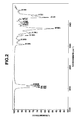
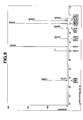
- a flask equipped with a stirrer, reflux condenser, dropping funnel and thermometer was charged with 22.8 g (0.1 mol) of N-t-butyldimethylsilyl-N-butyl-N-allylamine and 0.07 g of a toluene solution of platinum/1,3-divinyl-1,1,3,3-tetramethyldisiloxane complex (Pt concentration 3 wt%) and heated at 50°C. Once the internal temperature became steady, 12.2 g (0.1 mol) of trimethoxysilane was added dropwise over 1 hour. Stirring was continued at the temperature for a further 1 hour. The reaction solution was distilled, collecting 27.3 g of a fraction having a boiling point of 128-129°C/0.4 kPa.
- the fraction was analyzed by mass, 1 H-NMR and IR spectroscopy.
- the fraction was analyzed by mass, 1 H-NMR and IR spectroscopy.
- the spectra were the same as the compound of Example 1.
- the compound was thus identified to be N-t-butyldimethylsilyl-N-butyl-3-aminopropyltrimethoxysilane.
- the fraction was analyzed by mass, 1 H-NMR and IR spectroscopy.
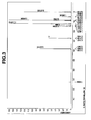
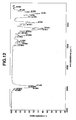
- a flask equipped with a stirrer, reflux condenser, dropping funnel and thermometer was charged with 26.2 g (0.1 mol) of N-t-butyldimethylsilyl-N-benzyl-N-allylamine and 0.07 g of a toluene solution of platinum/1,3-divinyl-1,1,3,3-tetramethyldisiloxane complex (Pt concentration 3 wt%) and heated at 50°C. Once the internal temperature became steady, 12.2 g (0.1 mol) of trimethoxysilane was added dropwise over 1 hour. Stirring was continued at the temperature for a further 1 hour. The reaction solution was distilled, collecting 32.6 g of a fraction having a boiling point of 165-166°C/0.4 kPa.
- the fraction was analyzed by mass, 1 H-NMR and IR spectroscopy.
- the fraction was analyzed by mass, 1 H-NMR and IR spectroscopy.
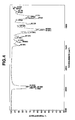
- a flask equipped with a stirrer, reflux condenser, dropping funnel and thermometer was charged with 26.2 g (0.1 mol) of N-triethylsilyl-N-benzyl-N-allylamine and 0.07 g of a toluene solution of platinum/1,3-divinyl-1,1,3,3-tetramethyldisiloxane complex (Pt concentration 3 wt%) and heated at 50°C. Once the internal temperature became steady, 12.2 g (0.1 mol) of trimethoxysilane was added dropwise over 1 hour. Stirring was continued at the temperature for a further 1 hour. The reaction solution was distilled, collecting 32.6 g of a fraction having a boiling point of 144-146°C/0.1 kPa.
- the fraction was analyzed by mass, 1 H-NMR and IR spectroscopy.
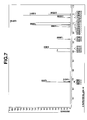
- a flask equipped with a stirrer, reflux condenser, dropping funnel and thermometer was charged with 26.2 g (0.1 mol) of N-triethylsilyl-N-benzyl-N-allylamine and 0.07 g of a toluene solution of platinum/1,3-divinyl-1,1,3,3-tetramethyldisiloxane complex (Pt concentration 3 wt%) and heated at 50°C. Once the internal temperature became steady, 13.4 g (0.1 mol) of methyldiethoxysilane was added dropwise over 1 hour. Stirring was continued at the temperature for a further 1 hour. The reaction solution was distilled, collecting 31.0 g of a fraction having a boiling point of 151-152°C/0.1 kPa.
- the fraction was analyzed by mass, 1 H-NMR and IR spectroscopy.
Landscapes
- Chemical & Material Sciences (AREA)
- Organic Chemistry (AREA)
- Organic Low-Molecular-Weight Compounds And Preparation Thereof (AREA)
- Addition Polymer Or Copolymer, Post-Treatments, Or Chemical Modifications (AREA)
Applications Claiming Priority (1)
| Application Number | Priority Date | Filing Date | Title |
|---|---|---|---|
| JP2012104369A JP5630458B2 (ja) | 2012-05-01 | 2012-05-01 | シリル基で保護された2級アミノ基を有するオルガノキシシラン化合物及びその製造方法 |
Publications (2)
| Publication Number | Publication Date |
|---|---|
| EP2660244A1 true EP2660244A1 (fr) | 2013-11-06 |
| EP2660244B1 EP2660244B1 (fr) | 2016-02-10 |
Family
ID=48193162
Family Applications (1)
| Application Number | Title | Priority Date | Filing Date |
|---|---|---|---|
| EP13165895.7A Active EP2660244B1 (fr) | 2012-05-01 | 2013-04-30 | Composés d'organoxysilane présentant un groupe amino secondaire protégé par du silyle et son procédé de fabrication |
Country Status (6)
| Country | Link |
|---|---|
| US (1) | US9024051B2 (fr) |
| EP (1) | EP2660244B1 (fr) |
| JP (1) | JP5630458B2 (fr) |
| KR (1) | KR101803591B1 (fr) |
| CN (1) | CN103467507A (fr) |
| TW (1) | TWI586680B (fr) |
Families Citing this family (5)
| Publication number | Priority date | Publication date | Assignee | Title |
|---|---|---|---|---|
| JP2018039754A (ja) * | 2016-09-08 | 2018-03-15 | Jnc株式会社 | N−シリルアミノアルキルシラン化合物の製造方法 |
| JP2018070488A (ja) * | 2016-10-27 | 2018-05-10 | Jnc株式会社 | N−シリルアミノアルキルシラン化合物の製造方法 |
| CN107012689B (zh) * | 2017-05-02 | 2019-01-25 | 通亿(泉州)轻工有限公司 | 一种针织面料短流程整理工艺 |
| CN107022905B (zh) * | 2017-05-02 | 2019-02-22 | 通亿(泉州)轻工有限公司 | 一种涤棉弹力针织面料染色工艺 |
| JP7230712B2 (ja) * | 2019-07-01 | 2023-03-01 | 信越化学工業株式会社 | 有機ケイ素化合物を含有する接着剤組成物 |
Citations (1)
| Publication number | Priority date | Publication date | Assignee | Title |
|---|---|---|---|---|
| JP2006016580A (ja) * | 2004-07-05 | 2006-01-19 | Hitachi Chem Co Ltd | 接着剤組成物、それを用いたフィルム状接着剤及び回路接続材料、並びに回路部材の接続構造及びその製造方法 |
Family Cites Families (7)
| Publication number | Priority date | Publication date | Assignee | Title |
|---|---|---|---|---|
| US6197912B1 (en) * | 1999-08-20 | 2001-03-06 | Ck Witco Corporation | Silane endcapped moisture curable compositions |
| US6809213B2 (en) * | 2000-05-05 | 2004-10-26 | General Electric Company | Preparation of secondary aminoisobutylalkoxysilanes |
| JP3915875B2 (ja) * | 2000-12-22 | 2007-05-16 | 信越化学工業株式会社 | N−置換−3−シリルプロピルアミン類及びその誘導体の製造方法 |
| US6590117B1 (en) * | 2001-11-15 | 2003-07-08 | Crompton Corporation | Promoted hydrosilation reactions |
| JP4645081B2 (ja) * | 2004-07-05 | 2011-03-09 | 日立化成工業株式会社 | シラン化合物 |
| JP4662042B2 (ja) * | 2005-08-25 | 2011-03-30 | 信越化学工業株式会社 | シリル基で保護されたアミノ基を有するビスオルガノキシシラン化合物及びその製造方法 |
| JP2011162496A (ja) * | 2010-02-12 | 2011-08-25 | Shin-Etsu Chemical Co Ltd | シリル基で保護されたアミノ基を有する有機ケイ素化合物及びその製造方法 |
-
2012
- 2012-05-01 JP JP2012104369A patent/JP5630458B2/ja active Active
-
2013
- 2013-04-26 CN CN201310310781XA patent/CN103467507A/zh active Pending
- 2013-04-29 US US13/872,407 patent/US9024051B2/en active Active
- 2013-04-30 TW TW102115449A patent/TWI586680B/zh active
- 2013-04-30 EP EP13165895.7A patent/EP2660244B1/fr active Active
- 2013-04-30 KR KR1020130047980A patent/KR101803591B1/ko active Active
Patent Citations (1)
| Publication number | Priority date | Publication date | Assignee | Title |
|---|---|---|---|---|
| JP2006016580A (ja) * | 2004-07-05 | 2006-01-19 | Hitachi Chem Co Ltd | 接着剤組成物、それを用いたフィルム状接着剤及び回路接続材料、並びに回路部材の接続構造及びその製造方法 |
Also Published As
| Publication number | Publication date |
|---|---|
| JP5630458B2 (ja) | 2014-11-26 |
| KR20130122916A (ko) | 2013-11-11 |
| JP2013231009A (ja) | 2013-11-14 |
| TW201404782A (zh) | 2014-02-01 |
| TWI586680B (zh) | 2017-06-11 |
| US20130296593A1 (en) | 2013-11-07 |
| CN103467507A (zh) | 2013-12-25 |
| KR101803591B1 (ko) | 2017-11-30 |
| US9024051B2 (en) | 2015-05-05 |
| EP2660244B1 (fr) | 2016-02-10 |
Similar Documents
| Publication | Publication Date | Title |
|---|---|---|
| EP2660244B1 (fr) | Composés d'organoxysilane présentant un groupe amino secondaire protégé par du silyle et son procédé de fabrication | |
| JP5494233B2 (ja) | カルボン酸エステル基を有する環状シラザン化合物及びその製造方法 | |
| EP4410796A1 (fr) | Procédé de production d'un composé de polysiloxane modifié par alcoxysilyle alkylaminopropyle | |
| US9567354B2 (en) | Amino acid-modified silane compounds and making method | |
| JP6052140B2 (ja) | ビスシリルアミノ基を有するオルガノキシシラン化合物及びその製造方法 | |
| US7053233B2 (en) | Silane compound having at least two protected functional groups and method for preparing the same | |
| JP5440389B2 (ja) | シリル基で保護されたアミノ基とカルボン酸エステル基を有するシラン化合物及びその製造方法 | |
| KR20200085889A (ko) | 실란 혼합물 및 그의 제조 방법 | |
| US10683312B2 (en) | Glycoluril ring-containing organosilicon compound and making method | |
| EP1714968B1 (fr) | Composé organooxysilane porteur d'un groupe pipérazino protégé et sa préparation | |
| KR20200085888A (ko) | 실란 혼합물 및 그의 제조 방법 | |
| JP6614014B2 (ja) | 含窒素オルガノキシシラン化合物およびその製造方法 | |
| JP6011475B2 (ja) | ビスシリルアミノ基を有する含硫黄オルガノキシシラン化合物及びその製造方法 | |
| EP3315503A2 (fr) | Procédé de production de composé silane comprenant un groupe amino bis(silyl) | |
| KR20190143384A (ko) | 환상 아미노오르가녹시실란 화합물 및 그의 제조 방법 | |
| TWI680980B (zh) | 含硫之胺基有機氧矽烷化合物及其製造方法 | |
| US9233988B2 (en) | Silyl-protected nitrogen-containing cyclic compounds and making method | |
| JPH03184983A (ja) | アミノ基含有シラン |
Legal Events
| Date | Code | Title | Description |
|---|---|---|---|
| PUAI | Public reference made under article 153(3) epc to a published international application that has entered the european phase |
Free format text: ORIGINAL CODE: 0009012 |
|
| AK | Designated contracting states |
Kind code of ref document: A1 Designated state(s): AL AT BE BG CH CY CZ DE DK EE ES FI FR GB GR HR HU IE IS IT LI LT LU LV MC MK MT NL NO PL PT RO RS SE SI SK SM TR |
|
| AX | Request for extension of the european patent |
Extension state: BA ME |
|
| 17P | Request for examination filed |
Effective date: 20140317 |
|
| RBV | Designated contracting states (corrected) |
Designated state(s): AL AT BE BG CH CY CZ DE DK EE ES FI FR GB GR HR HU IE IS IT LI LT LU LV MC MK MT NL NO PL PT RO RS SE SI SK SM TR |
|
| 17Q | First examination report despatched |
Effective date: 20140610 |
|
| GRAP | Despatch of communication of intention to grant a patent |
Free format text: ORIGINAL CODE: EPIDOSNIGR1 |
|
| INTG | Intention to grant announced |
Effective date: 20150804 |
|
| GRAS | Grant fee paid |
Free format text: ORIGINAL CODE: EPIDOSNIGR3 |
|
| GRAA | (expected) grant |
Free format text: ORIGINAL CODE: 0009210 |
|
| AK | Designated contracting states |
Kind code of ref document: B1 Designated state(s): AL AT BE BG CH CY CZ DE DK EE ES FI FR GB GR HR HU IE IS IT LI LT LU LV MC MK MT NL NO PL PT RO RS SE SI SK SM TR |
|
| REG | Reference to a national code |
Ref country code: GB Ref legal event code: FG4D |
|
| REG | Reference to a national code |
Ref country code: AT Ref legal event code: REF Ref document number: 774612 Country of ref document: AT Kind code of ref document: T Effective date: 20160215 Ref country code: CH Ref legal event code: EP |
|
| REG | Reference to a national code |
Ref country code: IE Ref legal event code: FG4D |
|
| REG | Reference to a national code |
Ref country code: FR Ref legal event code: PLFP Year of fee payment: 4 |
|
| REG | Reference to a national code |
Ref country code: DE Ref legal event code: R096 Ref document number: 602013004976 Country of ref document: DE |
|
| REG | Reference to a national code |
Ref country code: LT Ref legal event code: MG4D |
|
| REG | Reference to a national code |
Ref country code: NL Ref legal event code: MP Effective date: 20160210 |
|
| REG | Reference to a national code |
Ref country code: AT Ref legal event code: MK05 Ref document number: 774612 Country of ref document: AT Kind code of ref document: T Effective date: 20160210 |
|
| PG25 | Lapsed in a contracting state [announced via postgrant information from national office to epo] |
Ref country code: FI Free format text: LAPSE BECAUSE OF FAILURE TO SUBMIT A TRANSLATION OF THE DESCRIPTION OR TO PAY THE FEE WITHIN THE PRESCRIBED TIME-LIMIT Effective date: 20160210 Ref country code: GR Free format text: LAPSE BECAUSE OF FAILURE TO SUBMIT A TRANSLATION OF THE DESCRIPTION OR TO PAY THE FEE WITHIN THE PRESCRIBED TIME-LIMIT Effective date: 20160511 Ref country code: NO Free format text: LAPSE BECAUSE OF FAILURE TO SUBMIT A TRANSLATION OF THE DESCRIPTION OR TO PAY THE FEE WITHIN THE PRESCRIBED TIME-LIMIT Effective date: 20160510 Ref country code: HR Free format text: LAPSE BECAUSE OF FAILURE TO SUBMIT A TRANSLATION OF THE DESCRIPTION OR TO PAY THE FEE WITHIN THE PRESCRIBED TIME-LIMIT Effective date: 20160210 Ref country code: IT Free format text: LAPSE BECAUSE OF FAILURE TO SUBMIT A TRANSLATION OF THE DESCRIPTION OR TO PAY THE FEE WITHIN THE PRESCRIBED TIME-LIMIT Effective date: 20160210 Ref country code: ES Free format text: LAPSE BECAUSE OF FAILURE TO SUBMIT A TRANSLATION OF THE DESCRIPTION OR TO PAY THE FEE WITHIN THE PRESCRIBED TIME-LIMIT Effective date: 20160210 |
|
| PG25 | Lapsed in a contracting state [announced via postgrant information from national office to epo] |
Ref country code: LT Free format text: LAPSE BECAUSE OF FAILURE TO SUBMIT A TRANSLATION OF THE DESCRIPTION OR TO PAY THE FEE WITHIN THE PRESCRIBED TIME-LIMIT Effective date: 20160210 Ref country code: BE Free format text: LAPSE BECAUSE OF NON-PAYMENT OF DUE FEES Effective date: 20160430 Ref country code: LV Free format text: LAPSE BECAUSE OF FAILURE TO SUBMIT A TRANSLATION OF THE DESCRIPTION OR TO PAY THE FEE WITHIN THE PRESCRIBED TIME-LIMIT Effective date: 20160210 Ref country code: PT Free format text: LAPSE BECAUSE OF FAILURE TO SUBMIT A TRANSLATION OF THE DESCRIPTION OR TO PAY THE FEE WITHIN THE PRESCRIBED TIME-LIMIT Effective date: 20160613 Ref country code: RS Free format text: LAPSE BECAUSE OF FAILURE TO SUBMIT A TRANSLATION OF THE DESCRIPTION OR TO PAY THE FEE WITHIN THE PRESCRIBED TIME-LIMIT Effective date: 20160210 Ref country code: SE Free format text: LAPSE BECAUSE OF FAILURE TO SUBMIT A TRANSLATION OF THE DESCRIPTION OR TO PAY THE FEE WITHIN THE PRESCRIBED TIME-LIMIT Effective date: 20160210 Ref country code: NL Free format text: LAPSE BECAUSE OF FAILURE TO SUBMIT A TRANSLATION OF THE DESCRIPTION OR TO PAY THE FEE WITHIN THE PRESCRIBED TIME-LIMIT Effective date: 20160210 Ref country code: IS Free format text: LAPSE BECAUSE OF FAILURE TO SUBMIT A TRANSLATION OF THE DESCRIPTION OR TO PAY THE FEE WITHIN THE PRESCRIBED TIME-LIMIT Effective date: 20160610 Ref country code: PL Free format text: LAPSE BECAUSE OF FAILURE TO SUBMIT A TRANSLATION OF THE DESCRIPTION OR TO PAY THE FEE WITHIN THE PRESCRIBED TIME-LIMIT Effective date: 20160210 Ref country code: AT Free format text: LAPSE BECAUSE OF FAILURE TO SUBMIT A TRANSLATION OF THE DESCRIPTION OR TO PAY THE FEE WITHIN THE PRESCRIBED TIME-LIMIT Effective date: 20160210 |
|
| PG25 | Lapsed in a contracting state [announced via postgrant information from national office to epo] |
Ref country code: DK Free format text: LAPSE BECAUSE OF FAILURE TO SUBMIT A TRANSLATION OF THE DESCRIPTION OR TO PAY THE FEE WITHIN THE PRESCRIBED TIME-LIMIT Effective date: 20160210 Ref country code: EE Free format text: LAPSE BECAUSE OF FAILURE TO SUBMIT A TRANSLATION OF THE DESCRIPTION OR TO PAY THE FEE WITHIN THE PRESCRIBED TIME-LIMIT Effective date: 20160210 |
|
| REG | Reference to a national code |
Ref country code: DE Ref legal event code: R097 Ref document number: 602013004976 Country of ref document: DE |
|
| PG25 | Lapsed in a contracting state [announced via postgrant information from national office to epo] |
Ref country code: RO Free format text: LAPSE BECAUSE OF FAILURE TO SUBMIT A TRANSLATION OF THE DESCRIPTION OR TO PAY THE FEE WITHIN THE PRESCRIBED TIME-LIMIT Effective date: 20160210 Ref country code: SM Free format text: LAPSE BECAUSE OF FAILURE TO SUBMIT A TRANSLATION OF THE DESCRIPTION OR TO PAY THE FEE WITHIN THE PRESCRIBED TIME-LIMIT Effective date: 20160210 Ref country code: CZ Free format text: LAPSE BECAUSE OF FAILURE TO SUBMIT A TRANSLATION OF THE DESCRIPTION OR TO PAY THE FEE WITHIN THE PRESCRIBED TIME-LIMIT Effective date: 20160210 Ref country code: SK Free format text: LAPSE BECAUSE OF FAILURE TO SUBMIT A TRANSLATION OF THE DESCRIPTION OR TO PAY THE FEE WITHIN THE PRESCRIBED TIME-LIMIT Effective date: 20160210 |
|
| REG | Reference to a national code |
Ref country code: CH Ref legal event code: PL |
|
| PLBE | No opposition filed within time limit |
Free format text: ORIGINAL CODE: 0009261 |
|
| STAA | Information on the status of an ep patent application or granted ep patent |
Free format text: STATUS: NO OPPOSITION FILED WITHIN TIME LIMIT |
|
| PG25 | Lapsed in a contracting state [announced via postgrant information from national office to epo] |
Ref country code: LU Free format text: LAPSE BECAUSE OF FAILURE TO SUBMIT A TRANSLATION OF THE DESCRIPTION OR TO PAY THE FEE WITHIN THE PRESCRIBED TIME-LIMIT Effective date: 20160430 Ref country code: BE Free format text: LAPSE BECAUSE OF FAILURE TO SUBMIT A TRANSLATION OF THE DESCRIPTION OR TO PAY THE FEE WITHIN THE PRESCRIBED TIME-LIMIT Effective date: 20160210 |
|
| 26N | No opposition filed |
Effective date: 20161111 |
|
| REG | Reference to a national code |
Ref country code: IE Ref legal event code: MM4A |
|
| PG25 | Lapsed in a contracting state [announced via postgrant information from national office to epo] |
Ref country code: CH Free format text: LAPSE BECAUSE OF NON-PAYMENT OF DUE FEES Effective date: 20160430 Ref country code: LI Free format text: LAPSE BECAUSE OF NON-PAYMENT OF DUE FEES Effective date: 20160430 |
|
| PG25 | Lapsed in a contracting state [announced via postgrant information from national office to epo] |
Ref country code: BG Free format text: LAPSE BECAUSE OF FAILURE TO SUBMIT A TRANSLATION OF THE DESCRIPTION OR TO PAY THE FEE WITHIN THE PRESCRIBED TIME-LIMIT Effective date: 20160510 Ref country code: SI Free format text: LAPSE BECAUSE OF FAILURE TO SUBMIT A TRANSLATION OF THE DESCRIPTION OR TO PAY THE FEE WITHIN THE PRESCRIBED TIME-LIMIT Effective date: 20160210 |
|
| REG | Reference to a national code |
Ref country code: FR Ref legal event code: PLFP Year of fee payment: 5 |
|
| PG25 | Lapsed in a contracting state [announced via postgrant information from national office to epo] |
Ref country code: IE Free format text: LAPSE BECAUSE OF NON-PAYMENT OF DUE FEES Effective date: 20160430 |
|
| REG | Reference to a national code |
Ref country code: FR Ref legal event code: PLFP Year of fee payment: 6 |
|
| PG25 | Lapsed in a contracting state [announced via postgrant information from national office to epo] |
Ref country code: HU Free format text: LAPSE BECAUSE OF FAILURE TO SUBMIT A TRANSLATION OF THE DESCRIPTION OR TO PAY THE FEE WITHIN THE PRESCRIBED TIME-LIMIT; INVALID AB INITIO Effective date: 20130430 Ref country code: CY Free format text: LAPSE BECAUSE OF FAILURE TO SUBMIT A TRANSLATION OF THE DESCRIPTION OR TO PAY THE FEE WITHIN THE PRESCRIBED TIME-LIMIT Effective date: 20160210 |
|
| PG25 | Lapsed in a contracting state [announced via postgrant information from national office to epo] |
Ref country code: TR Free format text: LAPSE BECAUSE OF FAILURE TO SUBMIT A TRANSLATION OF THE DESCRIPTION OR TO PAY THE FEE WITHIN THE PRESCRIBED TIME-LIMIT Effective date: 20160210 Ref country code: MT Free format text: LAPSE BECAUSE OF NON-PAYMENT OF DUE FEES Effective date: 20160430 Ref country code: MK Free format text: LAPSE BECAUSE OF FAILURE TO SUBMIT A TRANSLATION OF THE DESCRIPTION OR TO PAY THE FEE WITHIN THE PRESCRIBED TIME-LIMIT Effective date: 20160210 Ref country code: MC Free format text: LAPSE BECAUSE OF FAILURE TO SUBMIT A TRANSLATION OF THE DESCRIPTION OR TO PAY THE FEE WITHIN THE PRESCRIBED TIME-LIMIT Effective date: 20160210 |
|
| PG25 | Lapsed in a contracting state [announced via postgrant information from national office to epo] |
Ref country code: AL Free format text: LAPSE BECAUSE OF FAILURE TO SUBMIT A TRANSLATION OF THE DESCRIPTION OR TO PAY THE FEE WITHIN THE PRESCRIBED TIME-LIMIT Effective date: 20160210 |
|
| PGFP | Annual fee paid to national office [announced via postgrant information from national office to epo] |
Ref country code: DE Payment date: 20250305 Year of fee payment: 13 |
|
| PGFP | Annual fee paid to national office [announced via postgrant information from national office to epo] |
Ref country code: GB Payment date: 20260316 Year of fee payment: 14 |
|
| PGFP | Annual fee paid to national office [announced via postgrant information from national office to epo] |
Ref country code: FR Payment date: 20260309 Year of fee payment: 14 |