EP2674486A1 - Influenza-B-Viren mit Veränderungen im Hämagglutininpolypeptid - Google Patents
Influenza-B-Viren mit Veränderungen im Hämagglutininpolypeptid Download PDFInfo
- Publication number
- EP2674486A1 EP2674486A1 EP13170051.0A EP13170051A EP2674486A1 EP 2674486 A1 EP2674486 A1 EP 2674486A1 EP 13170051 A EP13170051 A EP 13170051A EP 2674486 A1 EP2674486 A1 EP 2674486A1
- Authority
- EP
- European Patent Office
- Prior art keywords
- virus
- influenza
- cells
- viruses
- eggs
- Prior art date
- Legal status (The legal status is an assumption and is not a legal conclusion. Google has not performed a legal analysis and makes no representation as to the accuracy of the status listed.)
- Withdrawn
Links
- 241000713196 Influenza B virus Species 0.000 title claims abstract description 95
- 108090000765 processed proteins & peptides Proteins 0.000 title claims description 30
- 102000004196 processed proteins & peptides Human genes 0.000 title claims description 28
- 229920001184 polypeptide Polymers 0.000 title claims description 27
- 230000004075 alteration Effects 0.000 title description 4
- 235000013601 eggs Nutrition 0.000 claims abstract description 111
- 238000000034 method Methods 0.000 claims abstract description 102
- 229960005486 vaccine Drugs 0.000 claims abstract description 41
- 230000010076 replication Effects 0.000 claims abstract description 22
- 241000700605 Viruses Species 0.000 claims description 289
- 235000001014 amino acid Nutrition 0.000 claims description 72
- 150000001413 amino acids Chemical group 0.000 claims description 51
- 238000006467 substitution reaction Methods 0.000 claims description 43
- 239000000203 mixture Substances 0.000 claims description 26
- 239000004475 Arginine Substances 0.000 claims description 18
- ODKSFYDXXFIFQN-UHFFFAOYSA-N arginine Natural products OC(=O)C(N)CCCNC(N)=N ODKSFYDXXFIFQN-UHFFFAOYSA-N 0.000 claims description 18
- DHMQDGOQFOQNFH-UHFFFAOYSA-N Glycine Chemical compound NCC(O)=O DHMQDGOQFOQNFH-UHFFFAOYSA-N 0.000 claims description 14
- 238000002741 site-directed mutagenesis Methods 0.000 claims description 11
- 230000003362 replicative effect Effects 0.000 claims description 10
- 230000001965 increasing effect Effects 0.000 claims description 8
- 239000004471 Glycine Substances 0.000 claims description 7
- 101710154606 Hemagglutinin Proteins 0.000 claims description 6
- 101710093908 Outer capsid protein VP4 Proteins 0.000 claims description 6
- 101710135467 Outer capsid protein sigma-1 Proteins 0.000 claims description 6
- 101710176177 Protein A56 Proteins 0.000 claims description 6
- 208000036142 Viral infection Diseases 0.000 claims description 6
- 239000000185 hemagglutinin Substances 0.000 claims description 6
- 230000009385 viral infection Effects 0.000 claims description 6
- 230000002163 immunogen Effects 0.000 claims description 4
- 230000009851 immunogenic response Effects 0.000 claims description 3
- JXYWFNAQESKDNC-BTJKTKAUSA-N (z)-4-hydroxy-4-oxobut-2-enoate;2-[(4-methoxyphenyl)methyl-pyridin-2-ylamino]ethyl-dimethylazanium Chemical compound OC(=O)\C=C/C(O)=O.C1=CC(OC)=CC=C1CN(CCN(C)C)C1=CC=CC=N1 JXYWFNAQESKDNC-BTJKTKAUSA-N 0.000 claims description 2
- XUJNEKJLAYXESH-UHFFFAOYSA-N cysteine Natural products SCC(N)C(O)=O XUJNEKJLAYXESH-UHFFFAOYSA-N 0.000 claims description 2
- 235000018417 cysteine Nutrition 0.000 claims description 2
- XUJNEKJLAYXESH-REOHCLBHSA-N L-Cysteine Chemical compound SC[C@H](N)C(O)=O XUJNEKJLAYXESH-REOHCLBHSA-N 0.000 claims 1
- ODKSFYDXXFIFQN-BYPYZUCNSA-P L-argininium(2+) Chemical compound NC(=[NH2+])NCCC[C@H]([NH3+])C(O)=O ODKSFYDXXFIFQN-BYPYZUCNSA-P 0.000 claims 1
- 206010022000 influenza Diseases 0.000 abstract description 26
- 238000004113 cell culture Methods 0.000 abstract description 16
- 210000004027 cell Anatomy 0.000 description 215
- 230000035931 haemagglutination Effects 0.000 description 159
- 239000013612 plasmid Substances 0.000 description 79
- 230000013595 glycosylation Effects 0.000 description 72
- 238000006206 glycosylation reaction Methods 0.000 description 72
- 108090000623 proteins and genes Proteins 0.000 description 72
- 239000013598 vector Substances 0.000 description 69
- 208000037798 influenza B Diseases 0.000 description 56
- 241000712461 unidentified influenza virus Species 0.000 description 52
- 125000003275 alpha amino acid group Chemical group 0.000 description 37
- 235000018102 proteins Nutrition 0.000 description 35
- 102000004169 proteins and genes Human genes 0.000 description 35
- 238000001890 transfection Methods 0.000 description 32
- 239000002609 medium Substances 0.000 description 31
- 150000007523 nucleic acids Chemical class 0.000 description 30
- 125000000539 amino acid group Chemical group 0.000 description 29
- 230000003612 virological effect Effects 0.000 description 29
- 238000003556 assay Methods 0.000 description 27
- 238000004520 electroporation Methods 0.000 description 27
- 102000039446 nucleic acids Human genes 0.000 description 27
- 108020004707 nucleic acids Proteins 0.000 description 27
- 208000015181 infectious disease Diseases 0.000 description 26
- 230000012010 growth Effects 0.000 description 24
- 239000002773 nucleotide Substances 0.000 description 24
- 125000003729 nucleotide group Chemical group 0.000 description 24
- 210000002966 serum Anatomy 0.000 description 24
- 235000001630 Pyrus pyrifolia var culta Nutrition 0.000 description 23
- 240000002609 Pyrus pyrifolia var. culta Species 0.000 description 23
- 230000000875 corresponding effect Effects 0.000 description 23
- 230000035772 mutation Effects 0.000 description 22
- 210000001519 tissue Anatomy 0.000 description 22
- 241000282339 Mustela Species 0.000 description 20
- 238000004519 manufacturing process Methods 0.000 description 19
- 230000002238 attenuated effect Effects 0.000 description 18
- 108020004414 DNA Proteins 0.000 description 17
- 241000713174 Influenza B virus (B/Ann Arbor/1/1966 [wild- type]) Species 0.000 description 17
- 108091028043 Nucleic acid sequence Proteins 0.000 description 17
- 239000012124 Opti-MEM Substances 0.000 description 17
- 239000006228 supernatant Substances 0.000 description 17
- 241000282341 Mustela putorius furo Species 0.000 description 16
- 108091032973 (ribonucleotides)n+m Proteins 0.000 description 15
- 210000004072 lung Anatomy 0.000 description 15
- 108091003079 Bovine Serum Albumin Proteins 0.000 description 14
- 241000287828 Gallus gallus Species 0.000 description 14
- 239000012091 fetal bovine serum Substances 0.000 description 14
- 238000009472 formulation Methods 0.000 description 14
- 238000013518 transcription Methods 0.000 description 14
- 230000035897 transcription Effects 0.000 description 14
- 210000003501 vero cell Anatomy 0.000 description 14
- 230000004988 N-glycosylation Effects 0.000 description 13
- 238000003757 reverse transcription PCR Methods 0.000 description 13
- 230000027455 binding Effects 0.000 description 12
- 238000003752 polymerase chain reaction Methods 0.000 description 11
- 230000003321 amplification Effects 0.000 description 10
- 210000003743 erythrocyte Anatomy 0.000 description 10
- 108020004999 messenger RNA Proteins 0.000 description 10
- 238000003199 nucleic acid amplification method Methods 0.000 description 10
- 108091033319 polynucleotide Proteins 0.000 description 10
- 102000040430 polynucleotide Human genes 0.000 description 10
- 239000002157 polynucleotide Substances 0.000 description 10
- 239000000047 product Substances 0.000 description 10
- 241000829100 Macaca mulatta polyomavirus 1 Species 0.000 description 9
- 241001465754 Metazoa Species 0.000 description 9
- 230000000120 cytopathologic effect Effects 0.000 description 9
- 230000000717 retained effect Effects 0.000 description 9
- 238000010367 cloning Methods 0.000 description 8
- 239000003623 enhancer Substances 0.000 description 8
- 238000002474 experimental method Methods 0.000 description 8
- 239000013604 expression vector Substances 0.000 description 8
- 239000012634 fragment Substances 0.000 description 8
- 230000028993 immune response Effects 0.000 description 8
- 230000002458 infectious effect Effects 0.000 description 8
- 210000003734 kidney Anatomy 0.000 description 8
- 238000012163 sequencing technique Methods 0.000 description 8
- 238000001262 western blot Methods 0.000 description 8
- 230000000694 effects Effects 0.000 description 7
- 239000002245 particle Substances 0.000 description 7
- 230000008488 polyadenylation Effects 0.000 description 7
- 102000005962 receptors Human genes 0.000 description 7
- 108020003175 receptors Proteins 0.000 description 7
- 230000035945 sensitivity Effects 0.000 description 7
- 241000831652 Salinivibrio sharmensis Species 0.000 description 6
- 108020000999 Viral RNA Proteins 0.000 description 6
- 239000002299 complementary DNA Substances 0.000 description 6
- 238000010790 dilution Methods 0.000 description 6
- 239000012895 dilution Substances 0.000 description 6
- 239000012530 fluid Substances 0.000 description 6
- 230000003308 immunostimulating effect Effects 0.000 description 6
- 239000000463 material Substances 0.000 description 6
- 238000002360 preparation method Methods 0.000 description 6
- 108090000626 DNA-directed RNA polymerases Proteins 0.000 description 5
- 102000004163 DNA-directed RNA polymerases Human genes 0.000 description 5
- 230000006978 adaptation Effects 0.000 description 5
- 239000002671 adjuvant Substances 0.000 description 5
- 239000000427 antigen Substances 0.000 description 5
- 108091007433 antigens Proteins 0.000 description 5
- 102000036639 antigens Human genes 0.000 description 5
- 239000011324 bead Substances 0.000 description 5
- 230000008859 change Effects 0.000 description 5
- 238000006243 chemical reaction Methods 0.000 description 5
- LOKCTEFSRHRXRJ-UHFFFAOYSA-I dipotassium trisodium dihydrogen phosphate hydrogen phosphate dichloride Chemical compound P(=O)(O)(O)[O-].[K+].P(=O)(O)([O-])[O-].[Na+].[Na+].[Cl-].[K+].[Cl-].[Na+] LOKCTEFSRHRXRJ-UHFFFAOYSA-I 0.000 description 5
- 210000003527 eukaryotic cell Anatomy 0.000 description 5
- 230000002068 genetic effect Effects 0.000 description 5
- 208000037797 influenza A Diseases 0.000 description 5
- 150000002632 lipids Chemical class 0.000 description 5
- 239000000546 pharmaceutical excipient Substances 0.000 description 5
- 239000002953 phosphate buffered saline Substances 0.000 description 5
- 230000000069 prophylactic effect Effects 0.000 description 5
- 238000011084 recovery Methods 0.000 description 5
- 230000001105 regulatory effect Effects 0.000 description 5
- 230000002441 reversible effect Effects 0.000 description 5
- 239000000243 solution Substances 0.000 description 5
- 238000012546 transfer Methods 0.000 description 5
- 241000712431 Influenza A virus Species 0.000 description 4
- ZDXPYRJPNDTMRX-VKHMYHEASA-N L-glutamine Chemical compound OC(=O)[C@@H](N)CCC(N)=O ZDXPYRJPNDTMRX-VKHMYHEASA-N 0.000 description 4
- 108010006232 Neuraminidase Proteins 0.000 description 4
- 102000005348 Neuraminidase Human genes 0.000 description 4
- ONIBWKKTOPOVIA-UHFFFAOYSA-N Proline Natural products OC(=O)C1CCCN1 ONIBWKKTOPOVIA-UHFFFAOYSA-N 0.000 description 4
- 108091034135 Vault RNA Proteins 0.000 description 4
- 239000003153 chemical reaction reagent Substances 0.000 description 4
- 210000004748 cultured cell Anatomy 0.000 description 4
- 239000000499 gel Substances 0.000 description 4
- 239000001963 growth medium Substances 0.000 description 4
- 230000001404 mediated effect Effects 0.000 description 4
- 238000010079 rubber tapping Methods 0.000 description 4
- 238000012360 testing method Methods 0.000 description 4
- 239000012588 trypsin Substances 0.000 description 4
- 210000001944 turbinate Anatomy 0.000 description 4
- 108020004705 Codon Proteins 0.000 description 3
- 108091035707 Consensus sequence Proteins 0.000 description 3
- LFQSCWFLJHTTHZ-UHFFFAOYSA-N Ethanol Chemical compound CCO LFQSCWFLJHTTHZ-UHFFFAOYSA-N 0.000 description 3
- WSFSSNUMVMOOMR-UHFFFAOYSA-N Formaldehyde Chemical compound O=C WSFSSNUMVMOOMR-UHFFFAOYSA-N 0.000 description 3
- PEDCQBHIVMGVHV-UHFFFAOYSA-N Glycerine Chemical compound OCC(O)CO PEDCQBHIVMGVHV-UHFFFAOYSA-N 0.000 description 3
- ONIBWKKTOPOVIA-BYPYZUCNSA-N L-Proline Chemical compound OC(=O)[C@@H]1CCCN1 ONIBWKKTOPOVIA-BYPYZUCNSA-N 0.000 description 3
- 229930182816 L-glutamine Natural products 0.000 description 3
- 108091005461 Nucleic proteins Proteins 0.000 description 3
- 101150105115 PA gene Proteins 0.000 description 3
- 108010076504 Protein Sorting Signals Proteins 0.000 description 3
- 238000012300 Sequence Analysis Methods 0.000 description 3
- FAPWRFPIFSIZLT-UHFFFAOYSA-M Sodium chloride Chemical compound [Na+].[Cl-] FAPWRFPIFSIZLT-UHFFFAOYSA-M 0.000 description 3
- 125000000637 arginyl group Chemical group N[C@@H](CCCNC(N)=N)C(=O)* 0.000 description 3
- 210000004899 c-terminal region Anatomy 0.000 description 3
- 239000001506 calcium phosphate Substances 0.000 description 3
- 229910000389 calcium phosphate Inorganic materials 0.000 description 3
- 235000011010 calcium phosphates Nutrition 0.000 description 3
- 238000012512 characterization method Methods 0.000 description 3
- 239000003795 chemical substances by application Substances 0.000 description 3
- 230000000295 complement effect Effects 0.000 description 3
- 238000012258 culturing Methods 0.000 description 3
- 210000004443 dendritic cell Anatomy 0.000 description 3
- 238000010348 incorporation Methods 0.000 description 3
- 210000003292 kidney cell Anatomy 0.000 description 3
- 230000002147 killing effect Effects 0.000 description 3
- 229960001226 live attenuated influenza Drugs 0.000 description 3
- 210000004962 mammalian cell Anatomy 0.000 description 3
- 239000012528 membrane Substances 0.000 description 3
- 238000000520 microinjection Methods 0.000 description 3
- 210000000056 organ Anatomy 0.000 description 3
- 239000013600 plasmid vector Substances 0.000 description 3
- 230000001681 protective effect Effects 0.000 description 3
- 239000000523 sample Substances 0.000 description 3
- 238000002415 sodium dodecyl sulfate polyacrylamide gel electrophoresis Methods 0.000 description 3
- 239000000758 substrate Substances 0.000 description 3
- 239000012096 transfection reagent Substances 0.000 description 3
- QORWJWZARLRLPR-UHFFFAOYSA-H tricalcium bis(phosphate) Chemical compound [Ca+2].[Ca+2].[Ca+2].[O-]P([O-])([O-])=O.[O-]P([O-])([O-])=O QORWJWZARLRLPR-UHFFFAOYSA-H 0.000 description 3
- 102000040650 (ribonucleotides)n+m Human genes 0.000 description 2
- 229920000936 Agarose Polymers 0.000 description 2
- 241000700199 Cavia porcellus Species 0.000 description 2
- 108091026890 Coding region Proteins 0.000 description 2
- 108020004635 Complementary DNA Proteins 0.000 description 2
- 241000701022 Cytomegalovirus Species 0.000 description 2
- 239000006144 Dulbecco’s modified Eagle's medium Substances 0.000 description 2
- 239000004606 Fillers/Extenders Substances 0.000 description 2
- 108700028146 Genetic Enhancer Elements Proteins 0.000 description 2
- 229940124873 Influenza virus vaccine Drugs 0.000 description 2
- 108020004684 Internal Ribosome Entry Sites Proteins 0.000 description 2
- 102000012750 Membrane Glycoproteins Human genes 0.000 description 2
- 108010090054 Membrane Glycoproteins Proteins 0.000 description 2
- 101150080862 NA gene Proteins 0.000 description 2
- 101150118742 NP gene Proteins 0.000 description 2
- 102000011931 Nucleoproteins Human genes 0.000 description 2
- 108010061100 Nucleoproteins Proteins 0.000 description 2
- 108091034117 Oligonucleotide Proteins 0.000 description 2
- 101100221606 Saccharomyces cerevisiae (strain ATCC 204508 / S288c) COS7 gene Proteins 0.000 description 2
- 108091081024 Start codon Proteins 0.000 description 2
- PPBRXRYQALVLMV-UHFFFAOYSA-N Styrene Chemical compound C=CC1=CC=CC=C1 PPBRXRYQALVLMV-UHFFFAOYSA-N 0.000 description 2
- 229930006000 Sucrose Natural products 0.000 description 2
- CZMRCDWAGMRECN-UGDNZRGBSA-N Sucrose Chemical compound O[C@H]1[C@H](O)[C@@H](CO)O[C@@]1(CO)O[C@@H]1[C@H](O)[C@@H](O)[C@H](O)[C@@H](CO)O1 CZMRCDWAGMRECN-UGDNZRGBSA-N 0.000 description 2
- 108091023040 Transcription factor Proteins 0.000 description 2
- 102000040945 Transcription factor Human genes 0.000 description 2
- 108010067390 Viral Proteins Proteins 0.000 description 2
- 102000018265 Virus Receptors Human genes 0.000 description 2
- 108010066342 Virus Receptors Proteins 0.000 description 2
- JLCPHMBAVCMARE-UHFFFAOYSA-N [3-[[3-[[3-[[3-[[3-[[3-[[3-[[3-[[3-[[3-[[3-[[5-(2-amino-6-oxo-1H-purin-9-yl)-3-[[3-[[3-[[3-[[3-[[3-[[5-(2-amino-6-oxo-1H-purin-9-yl)-3-[[5-(2-amino-6-oxo-1H-purin-9-yl)-3-hydroxyoxolan-2-yl]methoxy-hydroxyphosphoryl]oxyoxolan-2-yl]methoxy-hydroxyphosphoryl]oxy-5-(5-methyl-2,4-dioxopyrimidin-1-yl)oxolan-2-yl]methoxy-hydroxyphosphoryl]oxy-5-(6-aminopurin-9-yl)oxolan-2-yl]methoxy-hydroxyphosphoryl]oxy-5-(6-aminopurin-9-yl)oxolan-2-yl]methoxy-hydroxyphosphoryl]oxy-5-(6-aminopurin-9-yl)oxolan-2-yl]methoxy-hydroxyphosphoryl]oxy-5-(6-aminopurin-9-yl)oxolan-2-yl]methoxy-hydroxyphosphoryl]oxyoxolan-2-yl]methoxy-hydroxyphosphoryl]oxy-5-(5-methyl-2,4-dioxopyrimidin-1-yl)oxolan-2-yl]methoxy-hydroxyphosphoryl]oxy-5-(4-amino-2-oxopyrimidin-1-yl)oxolan-2-yl]methoxy-hydroxyphosphoryl]oxy-5-(5-methyl-2,4-dioxopyrimidin-1-yl)oxolan-2-yl]methoxy-hydroxyphosphoryl]oxy-5-(5-methyl-2,4-dioxopyrimidin-1-yl)oxolan-2-yl]methoxy-hydroxyphosphoryl]oxy-5-(6-aminopurin-9-yl)oxolan-2-yl]methoxy-hydroxyphosphoryl]oxy-5-(6-aminopurin-9-yl)oxolan-2-yl]methoxy-hydroxyphosphoryl]oxy-5-(4-amino-2-oxopyrimidin-1-yl)oxolan-2-yl]methoxy-hydroxyphosphoryl]oxy-5-(4-amino-2-oxopyrimidin-1-yl)oxolan-2-yl]methoxy-hydroxyphosphoryl]oxy-5-(4-amino-2-oxopyrimidin-1-yl)oxolan-2-yl]methoxy-hydroxyphosphoryl]oxy-5-(6-aminopurin-9-yl)oxolan-2-yl]methoxy-hydroxyphosphoryl]oxy-5-(4-amino-2-oxopyrimidin-1-yl)oxolan-2-yl]methyl [5-(6-aminopurin-9-yl)-2-(hydroxymethyl)oxolan-3-yl] hydrogen phosphate Polymers Cc1cn(C2CC(OP(O)(=O)OCC3OC(CC3OP(O)(=O)OCC3OC(CC3O)n3cnc4c3nc(N)[nH]c4=O)n3cnc4c3nc(N)[nH]c4=O)C(COP(O)(=O)OC3CC(OC3COP(O)(=O)OC3CC(OC3COP(O)(=O)OC3CC(OC3COP(O)(=O)OC3CC(OC3COP(O)(=O)OC3CC(OC3COP(O)(=O)OC3CC(OC3COP(O)(=O)OC3CC(OC3COP(O)(=O)OC3CC(OC3COP(O)(=O)OC3CC(OC3COP(O)(=O)OC3CC(OC3COP(O)(=O)OC3CC(OC3COP(O)(=O)OC3CC(OC3COP(O)(=O)OC3CC(OC3COP(O)(=O)OC3CC(OC3COP(O)(=O)OC3CC(OC3COP(O)(=O)OC3CC(OC3COP(O)(=O)OC3CC(OC3CO)n3cnc4c(N)ncnc34)n3ccc(N)nc3=O)n3cnc4c(N)ncnc34)n3ccc(N)nc3=O)n3ccc(N)nc3=O)n3ccc(N)nc3=O)n3cnc4c(N)ncnc34)n3cnc4c(N)ncnc34)n3cc(C)c(=O)[nH]c3=O)n3cc(C)c(=O)[nH]c3=O)n3ccc(N)nc3=O)n3cc(C)c(=O)[nH]c3=O)n3cnc4c3nc(N)[nH]c4=O)n3cnc4c(N)ncnc34)n3cnc4c(N)ncnc34)n3cnc4c(N)ncnc34)n3cnc4c(N)ncnc34)O2)c(=O)[nH]c1=O JLCPHMBAVCMARE-UHFFFAOYSA-N 0.000 description 2
- -1 alpha.-fetoprotein Proteins 0.000 description 2
- 239000003242 anti bacterial agent Substances 0.000 description 2
- 229940088710 antibiotic agent Drugs 0.000 description 2
- 230000000890 antigenic effect Effects 0.000 description 2
- 210000004507 artificial chromosome Anatomy 0.000 description 2
- 230000001580 bacterial effect Effects 0.000 description 2
- TZCXTZWJZNENPQ-UHFFFAOYSA-L barium sulfate Chemical compound [Ba+2].[O-]S([O-])(=O)=O TZCXTZWJZNENPQ-UHFFFAOYSA-L 0.000 description 2
- 239000012620 biological material Substances 0.000 description 2
- 108010006025 bovine growth hormone Proteins 0.000 description 2
- 239000000872 buffer Substances 0.000 description 2
- 239000013553 cell monolayer Substances 0.000 description 2
- 230000001413 cellular effect Effects 0.000 description 2
- 238000005119 centrifugation Methods 0.000 description 2
- 210000000349 chromosome Anatomy 0.000 description 2
- 238000010276 construction Methods 0.000 description 2
- 230000002596 correlated effect Effects 0.000 description 2
- 239000012228 culture supernatant Substances 0.000 description 2
- 230000001419 dependent effect Effects 0.000 description 2
- 238000013461 design Methods 0.000 description 2
- 208000037265 diseases, disorders, signs and symptoms Diseases 0.000 description 2
- 239000003937 drug carrier Substances 0.000 description 2
- 230000002708 enhancing effect Effects 0.000 description 2
- 239000003797 essential amino acid Substances 0.000 description 2
- 235000020776 essential amino acid Nutrition 0.000 description 2
- 238000003205 genotyping method Methods 0.000 description 2
- 238000000338 in vitro Methods 0.000 description 2
- 238000001727 in vivo Methods 0.000 description 2
- 238000011534 incubation Methods 0.000 description 2
- 230000000977 initiatory effect Effects 0.000 description 2
- 238000002347 injection Methods 0.000 description 2
- 239000007924 injection Substances 0.000 description 2
- NOESYZHRGYRDHS-UHFFFAOYSA-N insulin Chemical compound N1C(=O)C(NC(=O)C(CCC(N)=O)NC(=O)C(CCC(O)=O)NC(=O)C(C(C)C)NC(=O)C(NC(=O)CN)C(C)CC)CSSCC(C(NC(CO)C(=O)NC(CC(C)C)C(=O)NC(CC=2C=CC(O)=CC=2)C(=O)NC(CCC(N)=O)C(=O)NC(CC(C)C)C(=O)NC(CCC(O)=O)C(=O)NC(CC(N)=O)C(=O)NC(CC=2C=CC(O)=CC=2)C(=O)NC(CSSCC(NC(=O)C(C(C)C)NC(=O)C(CC(C)C)NC(=O)C(CC=2C=CC(O)=CC=2)NC(=O)C(CC(C)C)NC(=O)C(C)NC(=O)C(CCC(O)=O)NC(=O)C(C(C)C)NC(=O)C(CC(C)C)NC(=O)C(CC=2NC=NC=2)NC(=O)C(CO)NC(=O)CNC2=O)C(=O)NCC(=O)NC(CCC(O)=O)C(=O)NC(CCCNC(N)=N)C(=O)NCC(=O)NC(CC=3C=CC=CC=3)C(=O)NC(CC=3C=CC=CC=3)C(=O)NC(CC=3C=CC(O)=CC=3)C(=O)NC(C(C)O)C(=O)N3C(CCC3)C(=O)NC(CCCCN)C(=O)NC(C)C(O)=O)C(=O)NC(CC(N)=O)C(O)=O)=O)NC(=O)C(C(C)CC)NC(=O)C(CO)NC(=O)C(C(C)O)NC(=O)C1CSSCC2NC(=O)C(CC(C)C)NC(=O)C(NC(=O)C(CCC(N)=O)NC(=O)C(CC(N)=O)NC(=O)C(NC(=O)C(N)CC=1C=CC=CC=1)C(C)C)CC1=CN=CN1 NOESYZHRGYRDHS-UHFFFAOYSA-N 0.000 description 2
- 238000001990 intravenous administration Methods 0.000 description 2
- 238000007834 ligase chain reaction Methods 0.000 description 2
- 238000001638 lipofection Methods 0.000 description 2
- 230000004807 localization Effects 0.000 description 2
- 239000003550 marker Substances 0.000 description 2
- 210000004379 membrane Anatomy 0.000 description 2
- 238000010369 molecular cloning Methods 0.000 description 2
- 238000002703 mutagenesis Methods 0.000 description 2
- 231100000350 mutagenesis Toxicity 0.000 description 2
- 210000003463 organelle Anatomy 0.000 description 2
- 239000013618 particulate matter Substances 0.000 description 2
- 239000008188 pellet Substances 0.000 description 2
- 229920000768 polyamine Polymers 0.000 description 2
- 229920000642 polymer Polymers 0.000 description 2
- 238000001556 precipitation Methods 0.000 description 2
- 210000001236 prokaryotic cell Anatomy 0.000 description 2
- 230000000644 propagated effect Effects 0.000 description 2
- 230000009257 reactivity Effects 0.000 description 2
- 238000010188 recombinant method Methods 0.000 description 2
- 230000009467 reduction Effects 0.000 description 2
- 210000002345 respiratory system Anatomy 0.000 description 2
- 108091008146 restriction endonucleases Proteins 0.000 description 2
- 102200153303 rs863224613 Human genes 0.000 description 2
- 230000028327 secretion Effects 0.000 description 2
- 239000012679 serum free medium Substances 0.000 description 2
- 239000002356 single layer Substances 0.000 description 2
- DAEPDZWVDSPTHF-UHFFFAOYSA-M sodium pyruvate Chemical compound [Na+].CC(=O)C([O-])=O DAEPDZWVDSPTHF-UHFFFAOYSA-M 0.000 description 2
- 230000006641 stabilisation Effects 0.000 description 2
- 238000011105 stabilization Methods 0.000 description 2
- 230000000087 stabilizing effect Effects 0.000 description 2
- UCSJYZPVAKXKNQ-HZYVHMACSA-N streptomycin Chemical compound CN[C@H]1[C@H](O)[C@@H](O)[C@H](CO)O[C@H]1O[C@@H]1[C@](C=O)(O)[C@H](C)O[C@H]1O[C@@H]1[C@@H](NC(N)=N)[C@H](O)[C@@H](NC(N)=N)[C@H](O)[C@H]1O UCSJYZPVAKXKNQ-HZYVHMACSA-N 0.000 description 2
- 239000005720 sucrose Substances 0.000 description 2
- 230000009885 systemic effect Effects 0.000 description 2
- 230000008685 targeting Effects 0.000 description 2
- 230000001225 therapeutic effect Effects 0.000 description 2
- 230000009466 transformation Effects 0.000 description 2
- 238000013519 translation Methods 0.000 description 2
- 241001515965 unidentified phage Species 0.000 description 2
- 230000029812 viral genome replication Effects 0.000 description 2
- 210000000605 viral structure Anatomy 0.000 description 2
- 239000013603 viral vector Substances 0.000 description 2
- XLYOFNOQVPJJNP-UHFFFAOYSA-N water Chemical compound O XLYOFNOQVPJJNP-UHFFFAOYSA-N 0.000 description 2
- ASWBNKHCZGQVJV-UHFFFAOYSA-N (3-hexadecanoyloxy-2-hydroxypropyl) 2-(trimethylazaniumyl)ethyl phosphate Chemical compound CCCCCCCCCCCCCCCC(=O)OCC(O)COP([O-])(=O)OCC[N+](C)(C)C ASWBNKHCZGQVJV-UHFFFAOYSA-N 0.000 description 1
- QKNYBSVHEMOAJP-UHFFFAOYSA-N 2-amino-2-(hydroxymethyl)propane-1,3-diol;hydron;chloride Chemical compound Cl.OCC(N)(CO)CO QKNYBSVHEMOAJP-UHFFFAOYSA-N 0.000 description 1
- 102000007469 Actins Human genes 0.000 description 1
- 108010085238 Actins Proteins 0.000 description 1
- 108010088751 Albumins Proteins 0.000 description 1
- 102000009027 Albumins Human genes 0.000 description 1
- 108091093088 Amplicon Proteins 0.000 description 1
- 108020005544 Antisense RNA Proteins 0.000 description 1
- 241000271566 Aves Species 0.000 description 1
- 241000894006 Bacteria Species 0.000 description 1
- 241000283690 Bos taurus Species 0.000 description 1
- 101100348617 Candida albicans (strain SC5314 / ATCC MYA-2876) NIK1 gene Proteins 0.000 description 1
- 239000004215 Carbon black (E152) Substances 0.000 description 1
- 108090000994 Catalytic RNA Proteins 0.000 description 1
- 102000053642 Catalytic RNA Human genes 0.000 description 1
- 241000122205 Chamaeleonidae Species 0.000 description 1
- 102000019034 Chemokines Human genes 0.000 description 1
- 108010012236 Chemokines Proteins 0.000 description 1
- 241000282552 Chlorocebus aethiops Species 0.000 description 1
- 208000035473 Communicable disease Diseases 0.000 description 1
- 241000186216 Corynebacterium Species 0.000 description 1
- 241000699800 Cricetinae Species 0.000 description 1
- 108090000695 Cytokines Proteins 0.000 description 1
- 102000004127 Cytokines Human genes 0.000 description 1
- 108010014303 DNA-directed DNA polymerase Proteins 0.000 description 1
- 102000016928 DNA-directed DNA polymerase Human genes 0.000 description 1
- 229920002307 Dextran Polymers 0.000 description 1
- KCXVZYZYPLLWCC-UHFFFAOYSA-N EDTA Chemical compound OC(=O)CN(CC(O)=O)CCN(CC(O)=O)CC(O)=O KCXVZYZYPLLWCC-UHFFFAOYSA-N 0.000 description 1
- 241000588724 Escherichia coli Species 0.000 description 1
- 101710162577 Fms-related tyrosine kinase 3 ligand protein Proteins 0.000 description 1
- 102100020715 Fms-related tyrosine kinase 3 ligand protein Human genes 0.000 description 1
- 108700007698 Genetic Terminator Regions Proteins 0.000 description 1
- WQZGKKKJIJFFOK-GASJEMHNSA-N Glucose Natural products OC[C@H]1OC(O)[C@H](O)[C@@H](O)[C@@H]1O WQZGKKKJIJFFOK-GASJEMHNSA-N 0.000 description 1
- 229930186217 Glycolipid Natural products 0.000 description 1
- 102000003886 Glycoproteins Human genes 0.000 description 1
- 108090000288 Glycoproteins Proteins 0.000 description 1
- 108060003393 Granulin Proteins 0.000 description 1
- 102000001554 Hemoglobins Human genes 0.000 description 1
- 108010054147 Hemoglobins Proteins 0.000 description 1
- 241000700721 Hepatitis B virus Species 0.000 description 1
- 241000238631 Hexapoda Species 0.000 description 1
- 241000282412 Homo Species 0.000 description 1
- 241000701109 Human adenovirus 2 Species 0.000 description 1
- 108060003951 Immunoglobulin Proteins 0.000 description 1
- 208000026350 Inborn Genetic disease Diseases 0.000 description 1
- 206010022004 Influenza like illness Diseases 0.000 description 1
- 108020005350 Initiator Codon Proteins 0.000 description 1
- 102000004877 Insulin Human genes 0.000 description 1
- 108090001061 Insulin Proteins 0.000 description 1
- 108010002352 Interleukin-1 Proteins 0.000 description 1
- 108010065805 Interleukin-12 Proteins 0.000 description 1
- 108090000176 Interleukin-13 Proteins 0.000 description 1
- 108010002350 Interleukin-2 Proteins 0.000 description 1
- 108010002386 Interleukin-3 Proteins 0.000 description 1
- 108090000978 Interleukin-4 Proteins 0.000 description 1
- 108010063738 Interleukins Proteins 0.000 description 1
- 102000015696 Interleukins Human genes 0.000 description 1
- WHUUTDBJXJRKMK-VKHMYHEASA-N L-glutamic acid Chemical compound OC(=O)[C@@H](N)CCC(O)=O WHUUTDBJXJRKMK-VKHMYHEASA-N 0.000 description 1
- 108090001030 Lipoproteins Proteins 0.000 description 1
- 102000004895 Lipoproteins Human genes 0.000 description 1
- 108010074338 Lymphokines Proteins 0.000 description 1
- 102000008072 Lymphokines Human genes 0.000 description 1
- 102000009571 Macrophage Inflammatory Proteins Human genes 0.000 description 1
- 108010009474 Macrophage Inflammatory Proteins Proteins 0.000 description 1
- 108020005196 Mitochondrial DNA Proteins 0.000 description 1
- 108091061960 Naked DNA Proteins 0.000 description 1
- 229930193140 Neomycin Natural products 0.000 description 1
- 239000000020 Nitrocellulose Substances 0.000 description 1
- 108091092724 Noncoding DNA Proteins 0.000 description 1
- 108010067372 Pancreatic elastase Proteins 0.000 description 1
- 102000016387 Pancreatic elastase Human genes 0.000 description 1
- 241001631646 Papillomaviridae Species 0.000 description 1
- 229930182555 Penicillin Natural products 0.000 description 1
- JGSARLDLIJGVTE-MBNYWOFBSA-N Penicillin G Chemical compound N([C@H]1[C@H]2SC([C@@H](N2C1=O)C(O)=O)(C)C)C(=O)CC1=CC=CC=C1 JGSARLDLIJGVTE-MBNYWOFBSA-N 0.000 description 1
- 108091093037 Peptide nucleic acid Proteins 0.000 description 1
- 101150076840 PolI gene Proteins 0.000 description 1
- 108010039918 Polylysine Proteins 0.000 description 1
- 241001505332 Polyomavirus sp. Species 0.000 description 1
- 241000288906 Primates Species 0.000 description 1
- 108010066717 Q beta Replicase Proteins 0.000 description 1
- 102000009572 RNA Polymerase II Human genes 0.000 description 1
- 108010009460 RNA Polymerase II Proteins 0.000 description 1
- 102000004389 Ribonucleoproteins Human genes 0.000 description 1
- 108010081734 Ribonucleoproteins Proteins 0.000 description 1
- 108091028664 Ribonucleotide Proteins 0.000 description 1
- 240000004808 Saccharomyces cerevisiae Species 0.000 description 1
- 101100007329 Saccharomyces cerevisiae (strain ATCC 204508 / S288c) COS1 gene Proteins 0.000 description 1
- 108091081021 Sense strand Proteins 0.000 description 1
- 238000011053 TCID50 method Methods 0.000 description 1
- 108010022394 Threonine synthase Proteins 0.000 description 1
- 102000004142 Trypsin Human genes 0.000 description 1
- 108090000631 Trypsin Proteins 0.000 description 1
- 108091023045 Untranslated Region Proteins 0.000 description 1
- 108020005202 Viral DNA Proteins 0.000 description 1
- 239000002253 acid Substances 0.000 description 1
- 150000007513 acids Chemical class 0.000 description 1
- 208000037919 acquired disease Diseases 0.000 description 1
- 239000013543 active substance Substances 0.000 description 1
- 230000001464 adherent effect Effects 0.000 description 1
- 239000000443 aerosol Substances 0.000 description 1
- 239000011543 agarose gel Substances 0.000 description 1
- 238000013019 agitation Methods 0.000 description 1
- 230000000172 allergic effect Effects 0.000 description 1
- WNROFYMDJYEPJX-UHFFFAOYSA-K aluminium hydroxide Chemical compound [OH-].[OH-].[OH-].[Al+3] WNROFYMDJYEPJX-UHFFFAOYSA-K 0.000 description 1
- 210000004102 animal cell Anatomy 0.000 description 1
- 230000003466 anti-cipated effect Effects 0.000 description 1
- 230000000692 anti-sense effect Effects 0.000 description 1
- 239000003429 antifungal agent Substances 0.000 description 1
- 150000001483 arginine derivatives Chemical class 0.000 description 1
- 238000002820 assay format Methods 0.000 description 1
- 239000012911 assay medium Substances 0.000 description 1
- 208000010668 atopic eczema Diseases 0.000 description 1
- 229940031567 attenuated vaccine Drugs 0.000 description 1
- SQVRNKJHWKZAKO-UHFFFAOYSA-N beta-N-Acetyl-D-neuraminic acid Natural products CC(=O)NC1C(O)CC(O)(C(O)=O)OC1C(O)C(O)CO SQVRNKJHWKZAKO-UHFFFAOYSA-N 0.000 description 1
- VEZXCJBBBCKRPI-UHFFFAOYSA-N beta-propiolactone Chemical compound O=C1CCO1 VEZXCJBBBCKRPI-UHFFFAOYSA-N 0.000 description 1
- 230000003115 biocidal effect Effects 0.000 description 1
- 230000004071 biological effect Effects 0.000 description 1
- 230000008827 biological function Effects 0.000 description 1
- 230000015572 biosynthetic process Effects 0.000 description 1
- 210000000601 blood cell Anatomy 0.000 description 1
- 230000037396 body weight Effects 0.000 description 1
- 210000001185 bone marrow Anatomy 0.000 description 1
- 210000004556 brain Anatomy 0.000 description 1
- 239000007975 buffered saline Substances 0.000 description 1
- 239000006143 cell culture medium Substances 0.000 description 1
- 230000010261 cell growth Effects 0.000 description 1
- 239000006285 cell suspension Substances 0.000 description 1
- 229920002301 cellulose acetate Polymers 0.000 description 1
- 210000003711 chorioallantoic membrane Anatomy 0.000 description 1
- 239000013599 cloning vector Substances 0.000 description 1
- 238000003501 co-culture Methods 0.000 description 1
- 238000000975 co-precipitation Methods 0.000 description 1
- 238000012761 co-transfection Methods 0.000 description 1
- 239000003184 complementary RNA Substances 0.000 description 1
- 239000012141 concentrate Substances 0.000 description 1
- 238000012790 confirmation Methods 0.000 description 1
- 239000000356 contaminant Substances 0.000 description 1
- 238000011109 contamination Methods 0.000 description 1
- 230000001276 controlling effect Effects 0.000 description 1
- 238000007796 conventional method Methods 0.000 description 1
- 230000008878 coupling Effects 0.000 description 1
- 238000010168 coupling process Methods 0.000 description 1
- 238000005859 coupling reaction Methods 0.000 description 1
- 239000013078 crystal Substances 0.000 description 1
- 238000012217 deletion Methods 0.000 description 1
- 230000037430 deletion Effects 0.000 description 1
- 238000000432 density-gradient centrifugation Methods 0.000 description 1
- 239000005547 deoxyribonucleotide Substances 0.000 description 1
- 125000002637 deoxyribonucleotide group Chemical group 0.000 description 1
- 238000001514 detection method Methods 0.000 description 1
- 239000008121 dextrose Substances 0.000 description 1
- 235000005911 diet Nutrition 0.000 description 1
- 230000037213 diet Effects 0.000 description 1
- 102000004419 dihydrofolate reductase Human genes 0.000 description 1
- 201000010099 disease Diseases 0.000 description 1
- 208000035475 disorder Diseases 0.000 description 1
- 238000001962 electrophoresis Methods 0.000 description 1
- 238000010828 elution Methods 0.000 description 1
- 239000000839 emulsion Substances 0.000 description 1
- 238000005516 engineering process Methods 0.000 description 1
- 239000013613 expression plasmid Substances 0.000 description 1
- 230000002349 favourable effect Effects 0.000 description 1
- 210000004700 fetal blood Anatomy 0.000 description 1
- 238000001914 filtration Methods 0.000 description 1
- 102000034356 gene-regulatory proteins Human genes 0.000 description 1
- 108091006104 gene-regulatory proteins Proteins 0.000 description 1
- 208000016361 genetic disease Diseases 0.000 description 1
- 229930195712 glutamate Natural products 0.000 description 1
- ZDXPYRJPNDTMRX-UHFFFAOYSA-N glutamine Natural products OC(=O)C(N)CCC(N)=O ZDXPYRJPNDTMRX-UHFFFAOYSA-N 0.000 description 1
- 125000003630 glycyl group Chemical group [H]N([H])C([H])([H])C(*)=O 0.000 description 1
- 239000003102 growth factor Substances 0.000 description 1
- 230000003394 haemopoietic effect Effects 0.000 description 1
- 230000008642 heat stress Effects 0.000 description 1
- 210000003958 hematopoietic stem cell Anatomy 0.000 description 1
- 210000005260 human cell Anatomy 0.000 description 1
- 229930195733 hydrocarbon Natural products 0.000 description 1
- 150000002430 hydrocarbons Chemical class 0.000 description 1
- 230000036039 immunity Effects 0.000 description 1
- 102000018358 immunoglobulin Human genes 0.000 description 1
- 230000002434 immunopotentiative effect Effects 0.000 description 1
- 230000001976 improved effect Effects 0.000 description 1
- 230000036512 infertility Effects 0.000 description 1
- 229960003971 influenza vaccine Drugs 0.000 description 1
- 108700010900 influenza virus proteins Proteins 0.000 description 1
- 238000011081 inoculation Methods 0.000 description 1
- 229910052500 inorganic mineral Inorganic materials 0.000 description 1
- 238000003780 insertion Methods 0.000 description 1
- 230000037431 insertion Effects 0.000 description 1
- 229940125396 insulin Drugs 0.000 description 1
- 229940047122 interleukins Drugs 0.000 description 1
- 230000000968 intestinal effect Effects 0.000 description 1
- 238000007918 intramuscular administration Methods 0.000 description 1
- 238000010255 intramuscular injection Methods 0.000 description 1
- 239000007927 intramuscular injection Substances 0.000 description 1
- 238000011005 laboratory method Methods 0.000 description 1
- 239000002502 liposome Substances 0.000 description 1
- 229940124590 live attenuated vaccine Drugs 0.000 description 1
- 229940023012 live-attenuated vaccine Drugs 0.000 description 1
- 210000005229 liver cell Anatomy 0.000 description 1
- 239000012139 lysis buffer Substances 0.000 description 1
- 230000014759 maintenance of location Effects 0.000 description 1
- MYWUZJCMWCOHBA-VIFPVBQESA-N methamphetamine Chemical compound CN[C@@H](C)CC1=CC=CC=C1 MYWUZJCMWCOHBA-VIFPVBQESA-N 0.000 description 1
- 238000013508 migration Methods 0.000 description 1
- 230000005012 migration Effects 0.000 description 1
- 239000011707 mineral Substances 0.000 description 1
- 239000007758 minimum essential medium Substances 0.000 description 1
- 230000002438 mitochondrial effect Effects 0.000 description 1
- 238000002156 mixing Methods 0.000 description 1
- 230000004048 modification Effects 0.000 description 1
- 238000012986 modification Methods 0.000 description 1
- 238000001823 molecular biology technique Methods 0.000 description 1
- 239000000178 monomer Substances 0.000 description 1
- 210000000663 muscle cell Anatomy 0.000 description 1
- 239000013642 negative control Substances 0.000 description 1
- 229960004927 neomycin Drugs 0.000 description 1
- 230000001537 neural effect Effects 0.000 description 1
- 230000007935 neutral effect Effects 0.000 description 1
- 229920001220 nitrocellulos Polymers 0.000 description 1
- 230000030648 nucleus localization Effects 0.000 description 1
- 235000015097 nutrients Nutrition 0.000 description 1
- 239000005022 packaging material Substances 0.000 description 1
- 238000004806 packaging method and process Methods 0.000 description 1
- 244000052769 pathogen Species 0.000 description 1
- 230000001717 pathogenic effect Effects 0.000 description 1
- 229940049954 penicillin Drugs 0.000 description 1
- 210000005259 peripheral blood Anatomy 0.000 description 1
- 239000011886 peripheral blood Substances 0.000 description 1
- 150000008300 phosphoramidites Chemical class 0.000 description 1
- 210000002706 plastid Anatomy 0.000 description 1
- 229920001983 poloxamer Polymers 0.000 description 1
- 229920000447 polyanionic polymer Polymers 0.000 description 1
- 229920000656 polylysine Polymers 0.000 description 1
- 229920005862 polyol Polymers 0.000 description 1
- 150000003077 polyols Chemical class 0.000 description 1
- AVTYONGGKAJVTE-OLXYHTOASA-L potassium L-tartrate Chemical compound [K+].[K+].[O-]C(=O)[C@H](O)[C@@H](O)C([O-])=O AVTYONGGKAJVTE-OLXYHTOASA-L 0.000 description 1
- 239000001472 potassium tartrate Substances 0.000 description 1
- 229940111695 potassium tartrate Drugs 0.000 description 1
- 235000011005 potassium tartrates Nutrition 0.000 description 1
- 230000002265 prevention Effects 0.000 description 1
- 230000008569 process Effects 0.000 description 1
- 230000000750 progressive effect Effects 0.000 description 1
- 230000000770 proinflammatory effect Effects 0.000 description 1
- 230000002062 proliferating effect Effects 0.000 description 1
- 125000001500 prolyl group Chemical group [H]N1C([H])(C(=O)[*])C([H])([H])C([H])([H])C1([H])[H] 0.000 description 1
- 230000001737 promoting effect Effects 0.000 description 1
- 229940021993 prophylactic vaccine Drugs 0.000 description 1
- 229960000380 propiolactone Drugs 0.000 description 1
- 210000005267 prostate cell Anatomy 0.000 description 1
- 239000001397 quillaja saponaria molina bark Substances 0.000 description 1
- 230000022532 regulation of transcription, DNA-dependent Effects 0.000 description 1
- 238000011160 research Methods 0.000 description 1
- 230000002207 retinal effect Effects 0.000 description 1
- 230000001177 retroviral effect Effects 0.000 description 1
- 238000012552 review Methods 0.000 description 1
- PYWVYCXTNDRMGF-UHFFFAOYSA-N rhodamine B Chemical compound [Cl-].C=12C=CC(=[N+](CC)CC)C=C2OC2=CC(N(CC)CC)=CC=C2C=1C1=CC=CC=C1C(O)=O PYWVYCXTNDRMGF-UHFFFAOYSA-N 0.000 description 1
- 239000002336 ribonucleotide Substances 0.000 description 1
- 125000002652 ribonucleotide group Chemical group 0.000 description 1
- 108091092562 ribozyme Proteins 0.000 description 1
- 229930182490 saponin Natural products 0.000 description 1
- 150000007949 saponins Chemical class 0.000 description 1
- 238000012216 screening Methods 0.000 description 1
- 238000010845 search algorithm Methods 0.000 description 1
- 238000002864 sequence alignment Methods 0.000 description 1
- 238000013207 serial dilution Methods 0.000 description 1
- SQVRNKJHWKZAKO-OQPLDHBCSA-N sialic acid Chemical compound CC(=O)N[C@@H]1[C@@H](O)C[C@@](O)(C(O)=O)OC1[C@H](O)[C@H](O)CO SQVRNKJHWKZAKO-OQPLDHBCSA-N 0.000 description 1
- 125000005629 sialic acid group Chemical group 0.000 description 1
- 210000003491 skin Anatomy 0.000 description 1
- 210000004927 skin cell Anatomy 0.000 description 1
- 239000011780 sodium chloride Substances 0.000 description 1
- 229940054269 sodium pyruvate Drugs 0.000 description 1
- 239000007790 solid phase Substances 0.000 description 1
- 238000001179 sorption measurement Methods 0.000 description 1
- 239000007921 spray Substances 0.000 description 1
- 239000003381 stabilizer Substances 0.000 description 1
- 210000000130 stem cell Anatomy 0.000 description 1
- 239000008223 sterile water Substances 0.000 description 1
- 230000004936 stimulating effect Effects 0.000 description 1
- 230000000638 stimulation Effects 0.000 description 1
- 229960005322 streptomycin Drugs 0.000 description 1
- 238000007920 subcutaneous administration Methods 0.000 description 1
- 238000010254 subcutaneous injection Methods 0.000 description 1
- 239000007929 subcutaneous injection Substances 0.000 description 1
- 239000013589 supplement Substances 0.000 description 1
- 238000001356 surgical procedure Methods 0.000 description 1
- 239000000725 suspension Substances 0.000 description 1
- 238000003786 synthesis reaction Methods 0.000 description 1
- 230000002194 synthesizing effect Effects 0.000 description 1
- 238000004448 titration Methods 0.000 description 1
- 238000011200 topical administration Methods 0.000 description 1
- 230000002103 transcriptional effect Effects 0.000 description 1
- 238000010361 transduction Methods 0.000 description 1
- 230000026683 transduction Effects 0.000 description 1
- 238000003151 transfection method Methods 0.000 description 1
- 230000014621 translational initiation Effects 0.000 description 1
- 238000002054 transplantation Methods 0.000 description 1
- 239000013638 trimer Substances 0.000 description 1
- 210000004881 tumor cell Anatomy 0.000 description 1
- 238000000108 ultra-filtration Methods 0.000 description 1
- 241000701161 unidentified adenovirus Species 0.000 description 1
- 239000005723 virus inoculator Substances 0.000 description 1
- DGVVWUTYPXICAM-UHFFFAOYSA-N β‐Mercaptoethanol Chemical compound OCCS DGVVWUTYPXICAM-UHFFFAOYSA-N 0.000 description 1
Images











Classifications
-
- G—PHYSICS
- G01—MEASURING; TESTING
- G01N—INVESTIGATING OR ANALYSING MATERIALS BY DETERMINING THEIR CHEMICAL OR PHYSICAL PROPERTIES
- G01N33/00—Investigating or analysing materials by specific methods not covered by groups G01N1/00 - G01N31/00
- G01N33/48—Biological material, e.g. blood, urine; Haemocytometers
- G01N33/50—Chemical analysis of biological material, e.g. blood, urine; Testing involving biospecific ligand binding methods; Immunological testing
- G01N33/53—Immunoassay; Biospecific binding assay; Materials therefor
- G01N33/569—Immunoassay; Biospecific binding assay; Materials therefor for microorganisms, e.g. protozoa, bacteria, viruses
- G01N33/56983—Viruses
-
- A—HUMAN NECESSITIES
- A61—MEDICAL OR VETERINARY SCIENCE; HYGIENE
- A61K—PREPARATIONS FOR MEDICAL, DENTAL OR TOILETRY PURPOSES
- A61K39/00—Medicinal preparations containing antigens or antibodies
- A61K39/12—Viral antigens
-
- A—HUMAN NECESSITIES
- A61—MEDICAL OR VETERINARY SCIENCE; HYGIENE
- A61K—PREPARATIONS FOR MEDICAL, DENTAL OR TOILETRY PURPOSES
- A61K39/00—Medicinal preparations containing antigens or antibodies
- A61K39/12—Viral antigens
- A61K39/145—Orthomyxoviridae, e.g. influenza virus
-
- A—HUMAN NECESSITIES
- A61—MEDICAL OR VETERINARY SCIENCE; HYGIENE
- A61P—SPECIFIC THERAPEUTIC ACTIVITY OF CHEMICAL COMPOUNDS OR MEDICINAL PREPARATIONS
- A61P31/00—Antiinfectives, i.e. antibiotics, antiseptics, chemotherapeutics
- A61P31/12—Antivirals
- A61P31/14—Antivirals for RNA viruses
- A61P31/16—Antivirals for RNA viruses for influenza or rhinoviruses
-
- A—HUMAN NECESSITIES
- A61—MEDICAL OR VETERINARY SCIENCE; HYGIENE
- A61P—SPECIFIC THERAPEUTIC ACTIVITY OF CHEMICAL COMPOUNDS OR MEDICINAL PREPARATIONS
- A61P37/00—Drugs for immunological or allergic disorders
- A61P37/02—Immunomodulators
- A61P37/04—Immunostimulants
-
- C—CHEMISTRY; METALLURGY
- C07—ORGANIC CHEMISTRY
- C07K—PEPTIDES
- C07K14/00—Peptides having more than 20 amino acids; Gastrins; Somatostatins; Melanotropins; Derivatives thereof
- C07K14/005—Peptides having more than 20 amino acids; Gastrins; Somatostatins; Melanotropins; Derivatives thereof from viruses
-
- C—CHEMISTRY; METALLURGY
- C12—BIOCHEMISTRY; BEER; SPIRITS; WINE; VINEGAR; MICROBIOLOGY; ENZYMOLOGY; MUTATION OR GENETIC ENGINEERING
- C12N—MICROORGANISMS OR ENZYMES; COMPOSITIONS THEREOF; PROPAGATING, PRESERVING, OR MAINTAINING MICROORGANISMS; MUTATION OR GENETIC ENGINEERING; CULTURE MEDIA
- C12N7/00—Viruses; Bacteriophages; Compositions thereof; Preparation or purification thereof
-
- A—HUMAN NECESSITIES
- A61—MEDICAL OR VETERINARY SCIENCE; HYGIENE
- A61K—PREPARATIONS FOR MEDICAL, DENTAL OR TOILETRY PURPOSES
- A61K39/00—Medicinal preparations containing antigens or antibodies
- A61K2039/51—Medicinal preparations containing antigens or antibodies comprising whole cells, viruses or DNA/RNA
- A61K2039/525—Virus
- A61K2039/5254—Virus avirulent or attenuated
-
- C—CHEMISTRY; METALLURGY
- C12—BIOCHEMISTRY; BEER; SPIRITS; WINE; VINEGAR; MICROBIOLOGY; ENZYMOLOGY; MUTATION OR GENETIC ENGINEERING
- C12N—MICROORGANISMS OR ENZYMES; COMPOSITIONS THEREOF; PROPAGATING, PRESERVING, OR MAINTAINING MICROORGANISMS; MUTATION OR GENETIC ENGINEERING; CULTURE MEDIA
- C12N2760/00—MICROORGANISMS OR ENZYMES; COMPOSITIONS THEREOF; PROPAGATING, PRESERVING, OR MAINTAINING MICROORGANISMS; MUTATION OR GENETIC ENGINEERING; CULTURE MEDIA ssRNA viruses negative-sense
- C12N2760/00011—Details
- C12N2760/16011—Orthomyxoviridae
- C12N2760/16111—Influenzavirus A, i.e. influenza A virus
- C12N2760/16122—New viral proteins or individual genes, new structural or functional aspects of known viral proteins or genes
-
- C—CHEMISTRY; METALLURGY
- C12—BIOCHEMISTRY; BEER; SPIRITS; WINE; VINEGAR; MICROBIOLOGY; ENZYMOLOGY; MUTATION OR GENETIC ENGINEERING
- C12N—MICROORGANISMS OR ENZYMES; COMPOSITIONS THEREOF; PROPAGATING, PRESERVING, OR MAINTAINING MICROORGANISMS; MUTATION OR GENETIC ENGINEERING; CULTURE MEDIA
- C12N2760/00—MICROORGANISMS OR ENZYMES; COMPOSITIONS THEREOF; PROPAGATING, PRESERVING, OR MAINTAINING MICROORGANISMS; MUTATION OR GENETIC ENGINEERING; CULTURE MEDIA ssRNA viruses negative-sense
- C12N2760/00011—Details
- C12N2760/16011—Orthomyxoviridae
- C12N2760/16211—Influenzavirus B, i.e. influenza B virus
- C12N2760/16222—New viral proteins or individual genes, new structural or functional aspects of known viral proteins or genes
-
- C—CHEMISTRY; METALLURGY
- C12—BIOCHEMISTRY; BEER; SPIRITS; WINE; VINEGAR; MICROBIOLOGY; ENZYMOLOGY; MUTATION OR GENETIC ENGINEERING
- C12N—MICROORGANISMS OR ENZYMES; COMPOSITIONS THEREOF; PROPAGATING, PRESERVING, OR MAINTAINING MICROORGANISMS; MUTATION OR GENETIC ENGINEERING; CULTURE MEDIA
- C12N2760/00—MICROORGANISMS OR ENZYMES; COMPOSITIONS THEREOF; PROPAGATING, PRESERVING, OR MAINTAINING MICROORGANISMS; MUTATION OR GENETIC ENGINEERING; CULTURE MEDIA ssRNA viruses negative-sense
- C12N2760/00011—Details
- C12N2760/16011—Orthomyxoviridae
- C12N2760/16211—Influenzavirus B, i.e. influenza B virus
- C12N2760/16234—Use of virus or viral component as vaccine, e.g. live-attenuated or inactivated virus, VLP, viral protein
-
- C—CHEMISTRY; METALLURGY
- C12—BIOCHEMISTRY; BEER; SPIRITS; WINE; VINEGAR; MICROBIOLOGY; ENZYMOLOGY; MUTATION OR GENETIC ENGINEERING
- C12N—MICROORGANISMS OR ENZYMES; COMPOSITIONS THEREOF; PROPAGATING, PRESERVING, OR MAINTAINING MICROORGANISMS; MUTATION OR GENETIC ENGINEERING; CULTURE MEDIA
- C12N2760/00—MICROORGANISMS OR ENZYMES; COMPOSITIONS THEREOF; PROPAGATING, PRESERVING, OR MAINTAINING MICROORGANISMS; MUTATION OR GENETIC ENGINEERING; CULTURE MEDIA ssRNA viruses negative-sense
- C12N2760/00011—Details
- C12N2760/16011—Orthomyxoviridae
- C12N2760/16211—Influenzavirus B, i.e. influenza B virus
- C12N2760/16241—Use of virus, viral particle or viral elements as a vector
- C12N2760/16243—Use of virus, viral particle or viral elements as a vector viral genome or elements thereof as genetic vector
-
- C—CHEMISTRY; METALLURGY
- C12—BIOCHEMISTRY; BEER; SPIRITS; WINE; VINEGAR; MICROBIOLOGY; ENZYMOLOGY; MUTATION OR GENETIC ENGINEERING
- C12N—MICROORGANISMS OR ENZYMES; COMPOSITIONS THEREOF; PROPAGATING, PRESERVING, OR MAINTAINING MICROORGANISMS; MUTATION OR GENETIC ENGINEERING; CULTURE MEDIA
- C12N2760/00—MICROORGANISMS OR ENZYMES; COMPOSITIONS THEREOF; PROPAGATING, PRESERVING, OR MAINTAINING MICROORGANISMS; MUTATION OR GENETIC ENGINEERING; CULTURE MEDIA ssRNA viruses negative-sense
- C12N2760/00011—Details
- C12N2760/16011—Orthomyxoviridae
- C12N2760/16211—Influenzavirus B, i.e. influenza B virus
- C12N2760/16261—Methods of inactivation or attenuation
Definitions
- Influenza viruses are made up of an internal ribonucleoprotein core containing a segmented single-stranded RNA genome and an outer lipoprotein envelope lined by a matrix protein. Influenza A and B viruses each contain eight segments of single stranded RNA with negative polarity. The eight genome segments of influenza B encode 11 proteins. The three largest genes code for components of the RNA polymerase, PB1, PB2 and PA. Segment 4 encodes the HA protein. Segment 5 encodes NP. Segment 6 encodes the NA protein and the NB protein. Both proteins, NB and NA, are translated from overlapping reading frames of a biscistronic mRNA. Segment 7 of influenza B also encodes two proteins: M1 and BM2. The smallest segment encodes two products: NS1 is translated from the full length RNA, while NS2 is translated from a spliced mRNA variant.
- Vaccines capable of producing a protective immune response specific for influenza viruses have been produced for over 50 years.
- Vaccines can be characterized as whole virus vaccines, split virus vaccines, surface antigen vaccines and live attenuated virus vaccines. While appropriate formulations of any of these vaccine types is able to produce a systemic immune response, live attenuated virus vaccines are also able to stimulate local mucosal immunity in the respiratory tract.
- FluMistTM is a live, attenuated vaccine that protects children and adults from influenza illness ( Belshe et al. (1998) The efficacy of live attenuated, cold-adapted, trivalent, intranasal influenza virus vaccine in children N Engl J Med 338:1405-12 ; Nichol et al. (1999) Effectiveness of live, attenuated intranasal Influenza virus vaccine in healthy, working adults: a randomized controlled trial JAMA 282:137-44 ).
- FluMistTM vaccine strains contain HA and NA gene segments derived from the currently circulating wild-type strains along with six internal gene segments from a common master donor virus (MDV).
- influenza B vaccines in the United States are propagated in embryonated hen's eggs. Many strains of influenza B viruses do not grow well in eggs and must become "egg-adapted." Unfortunately, egg adaptation of influenza B viruses results in loss of an N-linked glycosylation site at amino acid residue 196 or 197 of the HA polypeptide. Loss of the N-linked glycosylation site affects virus antigenicity and corresponding vaccine efficacy. Stabilization of the N-linked glycosylation site in influenza B viruses grown in eggs could be of significance in, inter alia, influenza B vaccine manufacture.
- One embodiment of the invention encompasses a method of preparing an influenza B virus.
- a mutation resulting in an amino acid substitution at HA position 141 to arginine is introduced into an influenza B virus genome.
- the mutated influenza B virus genome is replicated under conditions whereby influenza B virus is produced.
- Another embodiment of the invention encompasses a method of preparing an influenza B virus.
- a plurality of vectors is introduced into a population of host cells.
- the vectors comprise nucleotide sequences corresponding to: (a) at least 6 internal genome segments of a first influenza B strain, and (b) one or more genome segments encoding HA and NA polypeptides of at least a second influenza B strain.
- the HA polypeptide comprises an arginine at amino acid residue 141.
- the population of host cells is cultured at a temperature that does not exceed 35 degrees. The influenza virus is recovered.
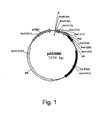
- Figure 1 Illustration of pAD3000 plasmid.
- Figure 2 Illustration of eight plasmid system for the production of influenza B virus.
- Figure 3A-D A and B , Characterization of recombinant MDV-B virus by RT-PCR; C and D, Characterization of recombinant B/Yamanashi/166/98 by RT PCR.
- Figure 4A and B Sequence of pAD3000 in GeneBank format (SEQ ID NO:3).
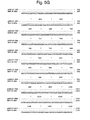
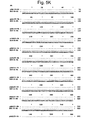
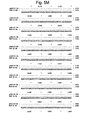
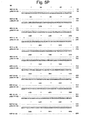
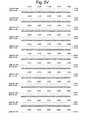
- Figure 5A - AE Sequence alignment with MDV-B and eight plasmids, A-E, PB1 segment (SEQ ID NO:4); F-J, PB2 segment (SEQ ID NO:5); K-O, PA segment (SEQ ID NO:6); P-S, HA segment (SEQ ID NO:7); T-W, NP segment (SEQ ID NO:8); X-Z, NA segment (SEQ ID NO:9); AA-AC, M segment (SEQ ID NO:10); AD-AE, NS segment (SEQ ID NO:11).
- Figure 6 RT-PCR products derived from simultaneous amplification of HA and NA segments of influenza B strains.
- Figure 7 Bar graph illustrating relative titers of recombinant and reassortant virus.
- Figure 8 Schematic illustration of triple-gene recombinants with wild type residues in PA, NP, and M1 proteins.
- Figure 9 Tabulation of growth of single-gene and double-gene recombinant viruses.
- Figure 10 Tabulation of amino acid residue of the nucleoprotein corresponding to non-ts phenotype.
- Figure 11 Bar graphs illustrating differential replication of reassortant viruses. Gray boxes represent wild type amino acid residues. The dotted line represents the shutoff temperature ( ts ) of 2.0 log 10 .
- Figure 12 Alignment of the HA sequences near the 196/197 glycosylation site of several egg amplified influenza B strains.
- the Victoria lineage viruses are aligned with reference strain B/Victoria/2/87 (SEQ ID NO:12).
- the Yamagata lineage viruses are aligned with B/Yamagata/16/88 (SEQ ID NO:13). Only the residues differing from the reference strain are shown in the alignment.
- the potential N-glycosylation site (N-X-T/S) at position of 196/197 is indicated as underlined and in arrow. ".” indicates amino acid deletion in the B/Yamagata lineages. "x" indicates mixed amino acid
- Figure 13 Confirmation of HA glycosylation by Western Blot. 6:2 B/Shanghai/361/02 (B/SH), 6:2 B/Jilin/20/03 (B/JL) and 6:2 B/Jiangsu/10/03 (B/JS) with the indicated 196-199 sequence were electrophoresed on 10% SDS-PAGE. The HA1 and HA2 proteins were detected by Western Blotting using polyclonal anti HA antibody. Underlining indicates the original sequence present in the virus egg isolate.
- FIG. 14 Egg-grown viruses with arginine at HA residue 141 retain glycosylation at residue 196-197. 6:2 B/Shanghai/361/02 (B/SH), 6:2 B/Ohio/1/05 (B/Ohio) and 6:2 B/Jiangsu/10/03 (B/JS) with indicated residues at 141 and 196/197 were grown in eggs and viruses were electrophoresed on 10% SDS-PAGE. The HA1 and HA2 proteins were detected by Western Blotting using polyclonal anti HA antibody. The slower migrating HA1 indicates the 196/197 site was glycosylated as indicated by *. Underlining indicates the original sequence present in the virus egg isolate.
- the present invention encompasses a system for producing influenza B viruses by introducing vectors into cultured cells.
- the influenza B viruses produced by the method may have amino acid residues at particular positions which influence the viruses ability to replicate in eggs, or may influence the characteristics of the viruses once replicated in eggs.
- nucleic acid may be a single-stranded or double-stranded deoxyribonucleotide or ribonucleotide polymer, or a chimera or analogue thereof. These terms may also include polymers of analogs of naturally occurring nucleotides having the essential nature of natural nucleotides in that they hybridize to single-stranded nucleic acids in a manner similar to naturally occurring nucleotides (e.g., peptide nucleic acids).
- a “gene” may refer to any nucleic acid associated with a biological function. Genes include coding sequences and/or the regulatory sequences required for their expression. A “gene” may refer to a specific genomic sequence, as well as to a cDNA or an mRNA encoded by that genomic sequence.
- Genes may further include non-expressed nucleic acid segments that, for example, form recognition sequences for other proteins.
- Non-expressed regulatory sequences include “promoters” and “enhancers,” to which regulatory proteins such as transcription factors bind, resulting in transcription of adjacent or nearby sequences.
- a "tissue specific” promoter or enhancer is one which regulates transcription in a specific tissue type or cell type, or types.
- a "vector” may be a means by which a nucleic can be propagated and/or transferred between organisms, cells, or cellular components.
- Vectors include plasmids, viruses, bacteriophage, pro-viruses, phagemids, transposons, and artificial chromosomes, and the like, that replicate autonomously or can integrate into a chromosome of a host cell.
- a vector can also be a naked RNA polynucleotide, a naked DNA polynucleotide, a polynucleotide composed of both DNA and RNA within the same strand, a poly-lysine-conjugated DNA or RNA, a peptide-conjugated DNA or RNA, a liposome-conjugated DNA, or the like, that are not autonomously replicating.
- An “expression vector” may be a vector, such as a plasmid, which is capable of promoting expression, as well as replication of a nucleic acid incorporated therein.
- a nucleic acid to be expressed may be "operably linked" to a promoter and/or enhancer, and subject to transcription regulatory control by the promoter and/or enhancer.
- a "bi-directional expression vector” is typically characterized by two alternative promoters oriented in opposite directions relative to a nucleic acid situated between the two promoters, such that expression can be initiated in both orientations resulting in, e.g., transcription of both plus (+) or sense strand, and negative (-) or antisense strand RNAs.
- the bi-directional expression vector can be an ambisense vector, in which the viral mRNA and viral genomic RNA (as a cRNA) are expressed from the same strand.
- isolated when referring to a biological material, such as a nucleic acid or a protein, may be a biological material which is substantially free from components that normally accompany or interact with it in its naturally occurring environment.
- the isolated material may optionally comprise materials not found with the material in its natural environment, e.g., a cell.
- Recombinant may indicate a material (e.g., a nucleic acid or protein) that has been artificially or synthetically (non-naturally) altered by human intervention. The alteration can be performed on the material within, or removed from, its natural environment or state.
- Reassortant viruses include viruses that include genetic and/or polypeptide components derived from more than one parental viral strain or source.
- a 7:1 reassortant includes 7 viral genomic segments (or gene segments) derived from a first parental virus, and 1 viral genomic segment, e.g., encoding hemagglutinin or neuraminidase, from a second parental virus.
- a 6:2 reassortant includes 6 genomic segments, most commonly the 6 internal genes from a first parental virus, and two genomic segments, e.g., hemagglutinin and neuraminidase, from a second parental virus.
- a 6:1:1 reassortant may include 6 genomic segments, most commonly the 6 internal genes from a first parental virus, 1 genomic segment from a second parental virus encoding hemagglutinin, and 1 genomic segment from a third parental virus encoding neuraminidase.
- the 6 internal genes may be those of more than one parental virus as well.
- vectors or nucleic acids may refer to the incorporation of the nucleic acids into a eukaryotic or prokaryotic cell.
- the vectors or nucleic acids may be incorporated into the cell by incorporation in its genome (e.g., chromosome, plasmid, plastid or mitochondrial DNA), may be converted into an autonomous replicon, or may be transiently expressed (e.g., transfected mRNA).
- Introduction includes such methods as “infection,” “transfection,” “transformation” and “transduction.” Introduction may be performed by electroporation, calcium phosphate precipitation, or lipid mediated transfection (lipofection).
- a host cell may be a cell which contains a heterologous nucleic acid, such as a vector, and which supports the replication and/or expression of the nucleic acid.
- Host cells can be prokaryotic cells such as E . coli, or eukaryotic cells such as yeast, insect, amphibian, avian or mammalian cells, including human cells.
- Host cells include Vero (African green monkey kidney) cells, Per.C6 cells (human embryonic retinal cells), BHK (baby hamster kidney) cells, primary chick kidney (PCK) cells, Madin-Darby Canine Kidney (MDCK) cells, Madin-Darby Bovine Kidney (MDBK) cells, 293 cells (e.g., 293T cells), and COS cells (e.g., COS1, COS7 cells).
- Host cell also encompasses combinations or mixtures of cells including, e.g., mixed cultures of different cell types or cell lines (e.g., Vero and CEK cells). Co-cultivation of electroporated Vero cells is described, for example, in PCT/US04/42669 filed December 22, 2004 , which is incorporated by reference in their entirety.
- a temperature sensitive (ts) virus typically exhibits a 100-fold or greater reduction in titer at 37°C relative to 33°C for influenza B strains.
- a cold adapted (ca) virus typically exhibits growth at 25°C within 100-fold of its growth at 33°C.
- An attenuated (att) virus typically replicates in the upper airways of ferrets but is not detectable in lung tissues, and does not cause influenza-like illness in the animals. Growth indicates viral quantity as indicated by titer, plaque size or morphology, particle density or other measures known to those of skill in the art.
- An artificially engineered virus, viral nucleic acid, or virally encoded product e.g., a polypeptide, a vaccine
- a virus, nucleic acid or product which includes at least one mutation introduced by recombinant methods, e.g., site directed mutagenesis, PCR mutagenesis, etc.
- An artificially engineered virus (or viral component or product) comprising one or more nucleotide mutations and/or amino acid substitutions indicates that the viral genome or genome segment encoding the virus (or viral component or product) is not derived from naturally occurring sources, such as a naturally occurring or previously existing laboratory strain of virus produced by non-recombinant methods (such as progressive passage at 25 °C), e.g., a wild type or cold adapted A/Ann Arbor/6/60 or B/Ann Arbor/1/66strain.
- viral genomic segments corresponding to each of the eight segments of the influenza B virus may be inserted into a plurality of vectors for manipulation and production of influenza viruses.
- Eight vectors may be included in the plurality of vectors; eight vectors comprising nucleic acid sequences corresponding to the eight genomic segments of one or more influenza B viruses.
- the plurality of vectors may include more or fewer vectors.
- 11 vectors may be included in the plurality of vectors; 11 vectors comprising nucleic acid sequences corresponding to the coding sequences of the 11 influenza B virus proteins.
- one vector may be included in the plurality of vectors; one vector comprising each of the eight genomic segments of the one or more influenza B viruses.
- Two, three, four, five, six, seven, nine, or ten vectors may also be included in the plurality of vectors.
- the vectors may be viral vectors, plasmids, cosmids, phage, or artificial chromosomes. If the vectors are plasmids, the plasmids may provide one or more origins of replication functional in bacterial and eukaryotic cells, and, optionally, a marker convenient for screening or selecting cells incorporating the plasmid sequence.
- An example vector, plasmid pAD3000 is illustrated in Figure 1 .
- the plasmids may be bi-directional expression vectors capable of initiating transcription of the viral genomic segments in either direction, that is, giving rise to both (+) strand and (-) strand viral RNA molecules.
- each of the viral genomic segments is inserted into a vector having at least two independent promoters, such that copies of viral genomic RNA are transcribed by a first RNA polymerase promoter (e.g., Pol I), from one strand, and viral mRNAs arc synthesized from a second RNA polymerase promoter (e.g., Pol II).
- a first RNA polymerase promoter e.g., Pol I
- second RNA polymerase promoter e.g., Pol II
- the two promoters are arranged in opposite orientations flanking at least one cloning site (i.e., a restriction enzyme recognition sequence) preferably a unique cloning site, suitable for insertion of viral genomic RNA segments.
- a cloning site i.e., a restriction enzyme recognition sequence
- an "ambisense" vector can be employed in which the (+) strand mRNA and the (-) strand viral RNA (as a cRNA) are transcribed from the same strand of the vector.
- the influenza virus genome segment to be expressed is operably linked to an appropriate transcription control sequence (promoter) to direct mRNA synthesis.
- promoters are suitable for use in expression vectors for regulating transcription of influenza virus genome segments.
- the vector is the plasmid pAD3000
- the cytomegalovirus (CMV) DNA dependent RNA Polymerase II (Po1 II) promoter is utilized.
- CMV cytomegalovirus
- Mo1 II DNA dependent RNA Polymerase II
- other promoters can be substituted which induce RNA transcription under the specified conditions, or in the specified tissues or cells.
- Numerous viral and mammalian, e.g., human promoters are available, or can be isolated according to the specific application contemplated.
- alternative promoters obtained from the genomes of animal and human viruses include such promoters as the adenovirus (such as Adenovirus 2), papilloma virus, hepatitis-B virus, polyoma virus, and Simian Virus 40 (SV40), and various retroviral promoters.
- adenovirus such as Adenovirus 2
- papilloma virus hepatitis-B virus
- polyoma virus such as Simian Virus 40 (SV40)
- SV40 Simian Virus 40
- Mammalian promoters include, among many others, the actin promoter, immunoglobulin promoters, heat-shock promoters, and the like.
- bacteriophage promoters can be employed in conjunction with the cognate RNA polymerase, e.g., the T7 promoter.
- Enhancers are typically short, e.g., 10-500 bp, cis-acting DNA elements that act in concert with a promoter to increase transcription.
- Many enhancer sequences have been isolated from mammalian genes (hemoglobin, elastase, albumin, alpha.-fetoprotein, and insulin), and eukaryotic cell viruses. The enhancer can be spliced into the vector at a position 5' or 3' to the heterologous coding sequence, but is typically inserted at a site 5' to the promoter.
- the promoter, and if desired, additional transcription enhancing sequences are chosen to optimize expression in the host cell type into which the heterologous DNA is to be introduced ( Scharf et al. (1994) Heat stress promoters and transcription factors Results Probl Cell Differ 20:125-62 ; Kriegler ct al. (1990) Assembly of enhancers, promoters, and splice signals to control expression of transferred genes Methods in Enzymol 185: 512-27 ).
- the amplicon can also contain a ribosome binding site or an internal ribosome entry site (IRES) for translation initiation.
- the vectors of the invention may also include sequences necessary for the termination of transcription and for stabilizing the mRNA, such as a polyadenylation site or a terminator sequence.
- sequences are commonly available from the 5' and, occasionally 3', untranslated regions of eukaryotic or viral DNAs or cDNAs.
- the SV40 polyadenylation sequences provide a polyadenylation signal.
- the expression vectors optionally include one or more selectable marker genes to provide a phenotypic trait for selection of transformed host cells, in addition to genes previously listed, markers such as dihydrofolate reductase or neomycin resistance are suitable for selection in eukaryotic cell culture.
- the vector containing the appropriate DNA sequence as described above, as well as an appropriate promoter or control sequence, can be employed to transform a host cell permitting expression of the protein.
- a genome segment encoding an influenza virus protein may include any additional sequences necessary for expression of the segment.
- specific initiation signals which aid in the efficient translation of the heterologous coding sequence may be included. These signals can include, e.g., the ATG initiation codon and adjacent sequences. To insure translation of the entire protein encoded by the genome segment, the initiation codon is inserted in the correct reading frame relative to the viral protein. Exogenous transcriptional elements and initiation codons can be of various origins, both natural and synthetic. The efficiency of expression can be enhanced by the inclusion of enhancers appropriate to the cell system in use.
- Additional polynucleotide sequences such as signal sequences, secretion or localization sequences, and the like can be incorporated into the vector, usually, in-frame with the polynucleotide sequence of interest, e.g., to target polypeptide expression to a desired cellular compartment, membrane, or organelle, or into the cell culture media.
- sequences are known to those of skill, and include secretion leader peptides, organelle targeting sequences (e.g., nuclear localization sequences, ER retention signals, mitochondrial transit sequences), membrane localization/anchor sequences (e.g., stop transfer sequences, GPI anchor sequences), and the like.
- Internal genomic segments of an influenza B virus strain may be the internal genomic segments of one or more master influenza B virus.
- the one or more master influenza B virus may be selected on the basis of desirable properties relevant to vaccine administration.
- a master donor influenza B virus strain may be selected for an attenuated phenotype, cold adaptation and/or temperature sensitivity.
- ca B/Ann Arbor/1/66, or an artificially engineered influenza B strain incorporating one or more of the amino acid substitutions specified in Table 17 may be the master donor influenza B strain.
- These amino acid substitutions may include substitutions at one or more of PB2 630 ; PA 431 ; PA 497 ; NP 55 ; NP 114 ; NP 410 ; NP509; M1 159 and M1 183 .
- the amino acid substitutions may include one or more of the following: PB2 630 (S630R); PA 431 (V431M); PA 497 (Y497H); NP 55 (T55A); NP 114 (V114A); NP 410 (P410H); NP509 (A509T); M1 159 (H159Q) and M1 183 (M183V).
- the amino acid substitutions may include substitutions at all of PB2 630 ; PA 431 ; PA 497 ; NP 55 ; NP 114 ; NP 410 ; NP509; M1 159 and M1 183 .
- substitutions may be all of PB2 630 (S630R); PA 431 (V431M); PA 497 (Y497H); NP 55 (T55A); NP 114 (V114A); NP 410 (P410H); NP509 (A509T); M1 159 (H159Q) and M1 183 (M183V).
- the six internal genomic segments of the one or more influenza master influenza B virus strain may transfected into suitable host cells in combination with hemagglutinin and neuraminidase segments from an antigenically desirable strain, e.g., a strain predicted to cause significant local or global influenza infection.
- reassortant viruses is recovered.
- the recovered virus may be replicated in embryonated eggs.
- the recovered virus may be replicated in cultured cells.
- the recovered virus which may have been replicated in embryonated eggs or cultured cells, may be inactivated using a denaturing agent such as formaldehyde or ⁇ -propiolactone.
- the methods of the present invention also encompass introducing a mutation resulting in an amino acid substitution at HA position 141.
- the mutation may increase the ability of the influenza B viruses to replicate in embryonated chicken eggs when compared to HA unsubstituted influenza viruses.
- the substitution at HA position 141 may further allow the influenza virus to retain glycosylation at HA amino acid residue 196/197.
- the substitution at HA position 141 may further not significantly alter antigenicity of the HA.
- the substitution at HA position 141 may be for an arginine, a histine, or a cysteine.
- the introduction of the amino acid substitution into HA may enhance the ability of the influenza B virus to replicate in eggs by at least 10%, or by at least 20%, or by at least 30%, or by at least 40%, or by at least 50%, or by at least 60%, or by at least 70%, or by at least 80%, or by at least 90%, or by at least 100%, or by at least 200%, or by at least 300%, or by at least 400%, or by at least 500% when compared to the unmodified influenza virus.
- the titer of the virus with the enhanced ability to replicate in eggs may be at least 5.0 log 10 PFU/ml, at least 6.0 log 10 PFU/ml, at least 6.5 log 10 PFU/ml, at least 7.0 log 10 PFU/ml, at least 7.25 log 10 PFU/ml, at least 7.5 log 10 PFU/ml, at least 7.75 log 10 PFU/ml, at least 8.0 log 10 PFU/ml, at least 8.25 log 10 PFU/ml, at least 8.5 log 10 PFU/ml, at least 8.75 lag 10 PFU/ml, at least 9.0 log 10 PFU/ml, or at least 9.5 log 10 PFU/ml.
- the influenza B virus with the enhanced ability to replicate in eggs when compared to the unmodified influenza virus will also retain HA glycosylation at amino acid residue position 196/197.
- the introduction of the amino acid substitution may further not significantly alter the antigenicity of the substituted influenza virus when compared to the unsubstituted virus.
- the antigenicity of the substituted influenza virus when compared to the unsubstituted virus differs by less then 5%, 10%, 20%, 25%, 30%, 40%, or 50%. Methods to determine viral antigenicity are well known in the art.
- Receptor binding activity of the HA includes but is not limited to the binding of HA to sialic acid residues (e.g., 2,6-linked sialyl-galactosyl moieties [Siaa(2,6)Gal] and 2,3-linked sialyl-galactosyl moieties [Siaa(2,3)Gal]) present on the cell surface glycoproteins or glycolipids.
- sialic acid residues e.g., 2,6-linked sialyl-galactosyl moieties [Siaa(2,6)Gal] and 2,3-linked sialyl-galactosyl moieties [Siaa(2,3)Gal]
- Enhanced binding to [Siaa(2,3)Gal] moieties may be by at least 10%, or by at least 20%, or by at least 30%, or by at least 40%, or by at least 50%, or by at least 60%, or by at least 70%, or by at least 80%, or by at least 90%, or by at least 100%, or by at least 200% in an, e.g., hemaagglutination, assay well known to those of skill in the art.
- the influenza B variant virus may further have one or more attributes including attenuation, a cold adaptation, temperature sensitivity, or any combination thereof.
- the influenza B variant virus may have one or more of these attributes owing to incorporation of internal genome segments of a master influenza B donor virus, such as influenza B/Ann Arbor/1/66.
- the influenza B variant virus may be any influenza B virus that comprises an HA polypeptide with a glycine residue at position 141.
- the influenza B virus HA polypeptide may be that of influenza strain B/Victoria/2/87, B/Hong Kong/330/01, B/Brisbane/32/02, B/Malaysia/2506/04, B/Hawaii/3/04, B/Ohio/1/05, B/Yamagata/16/88, B/Yamanashi/166/98, B/Johannesburg/5/99, B/Vicotria/504/00, B/Shanghai/361/02, B/Jilin/20/03, or B/Florida/7/04.
- a plurality of vectors is introduced into host cells.
- host cells include, e.g., Vero cells, Per.C6 cells, BHK cells, MDCK cells, 293 cells and COS cells, including 293T cells, COS7 cells.
- co-cultures including two of the above cell lines, e.g., MDCK cells and either 293T or COS cells may employed at a ratio, e.g., of 1:1.
- the cells may be maintained in suitable commercial culture medium, such as Dulbecco's modified Eagle's medium supplemented with serum (e.g., 10% fetal bovine serum), or in serum free medium, under controlled humidity and CO 2 concentration suitable for maintaining neutral buffered pH (e.g., at pH between 7.0 and 7.2).
- suitable commercial culture medium such as Dulbecco's modified Eagle's medium supplemented with serum (e.g., 10% fetal bovine serum), or in serum free medium, under controlled humidity and CO 2 concentration suitable for maintaining neutral buffered pH (e.g., at pH between 7.0 and 7.2).
- the medium contains antibiotics to prevent bacterial growth, e.g., penicillin, streptomycin, etc., and/or additional nutrients, such as L-glutamine, sodium pyruvate, non-essential amino acids, additional supplements to promote favorable growth characteristics, e.g., trypsin, ⁇ -mercaptoethanol, and the like.
- Cells for production of influenza B virus may be cultured in serum-containing or serum free medium. In some case, e.g., for the preparation of purified viruses, it may be desirable to grow the host cells in serum free conditions.
- Cells may be cultured on any scale.
- Cells may be cultured on small scale, e.g., less than 25 ml medium, in culture tubes or flasks or in large flasks with agitation, in rotator bottles, or on microcarrier beads (e.g., DEAE-Dextran microcarrier beads, such as Dormacell, Pfeifer & Langen; Superbead, Flow Laboratories; styrene copolymer-trimethylamine beads, such as Hillex, SoloHill, Ann Arbor) in flasks, bottles or reactor cultures.
- Microcarrier beads are small spheres (in the range of 100-200 microns in diameter) that provide a large surface area for adherent cell growth per volume of cell culture.
- a single liter of medium can include more than 20 million microcarrier beads providing greater than 8000 square centimeters of growth surface.
- a bioreactor or fermenter For commercial production of viruses, e.g., for vaccine production, it may be desirable to culture the cells in a bioreactor or fermenter.
- Bioreactors are available in volumes from under 1 liter to in excess of 100 liters, e.g., Cyto3 Bioreactor (Osmonics, Minnetonka, MN); NBS bioreactors (New Brunswick Scientific, Edison, N.J.); laboratory and commercial scale bioreactors from B. Braun Biotech International (B. Braun Biotech, Melsoder, Germany).
- the cultures may be maintained at a temperature less than or equal to 35°C, less than or equal to 34°C, less than or equal to 33°C, less than or equal to 32°C, less than or equal to 31°C, or less than or equal to 30°C.
- the cells may be cultured at a temperature between about 30°C and 35°C, between about 32°C and 35°C, between about 32°C and about 34°C, or between about 32°C and 33°C.
- Vectors comprising nucleotide sequences corresponding to influenza genome segments may be introduced (e.g., transfected) into host cells according to methods well known in the art including, e.g., calcium phosphate co-precipitation, electroporation, microinjection, lipofection, and transfection employing polyamine transfection reagents.
- vectors e.g., plasmids
- each vector can be introduced into the population of host cells with approximately 2 ⁇ l of TransIT-LT1 diluted in 160 ⁇ l medium in a total volume of 200 ⁇ l.
- the DNA:transfection reagent mixtures are incubated at room temperature for 45 min followed by addition of 800 ⁇ l of medium.
- the transfection mixture is added to the host cells, and the cells are cultured as described above.
- electroporation can be employed to introduce vectors comprising nucleotide sequences corresponding to influenza genome segments into host cells.
- plasmid vectors comprising nucleotide sequences corresponding to influenza B genome segments may be introduced into Vero cells using electroporation according to the following procedure. 5 x 10 6 Vero cells, e.g., grown in Modified Eagle's Medium (MEM) supplemented with 10% Fetal Bovine Serum (FBS) are resuspended in 0.4 ml OptiMEM and placed in an electroporation cuvette. Twenty micrograms of DNA in a volume of up to 25 ⁇ l is added to the cells in the cuvette, which is then mixed gently by tapping.
- MEM Modified Eagle's Medium
- FBS Fetal Bovine Serum
- Electroporation is performed according to the manufacturer's instructions (e.g., BioRad Gene Pulser II with Capacitance Extender Plus connected) at 300 volts, 950 microFarads with a time constant of between 28-33 msec.
- the cells are remixed by gently tapping and approximately 1-2 minutes following electroporation 0.7 ml MEM with 10% FBS is added directly to the cuvette.
- the cells are then transferred to two wells of a standard 6 well tissue culture dish containing 2 ml MEM, 10% FBS or OPTI-MEM without serum.
- the cuvette is washed to recover any remaining cells and the wash suspension is divided between the two wells. Final volume is approximately 3.5 mls.
- the cells are then incubated under conditions permissive for viral growth.
- Viruses may be recovered from the culture medium of cells into which a plurality of vectors had been introduced. Crude medium may be obtained and clarified, and influenza viruses in the clarified medium may then be concentrated. Common methods of concentration include filtration, ultrafiltration, adsorption on barium sulfate and elution, and centrifugation. By way of example, crude medium from infected cultures may first be clarified by centrifugation at, e.g., 1000-2000 x g for a time sufficient to remove cell debris and other large particulate matter, e.g., between 10 and 30 minutes. Alternatively, the medium may be filtered through a 0.8 ⁇ m cellulose acetate filter to remove intact cells and other large particulate matter.
- the clarified medium supernatant may then be centrifuged to pellet the influenza viruses, e.g., at 15,000 x g, for approximately 3-5 hours.
- an appropriate buffer such as STE (0.01 M Tris-HCl; 0.15 M NaCl; 0.0001 M EDTA) or phosphate buffered saline (PBS) at pH 7.4
- the virus may be concentrated by density gradient centrifugation on sucrose (60%-12%) or potassium tartrate (50%-10%). Either continuous or step gradients, e.g., a sucrose gradient between 12% and 60% in four 12% steps, are suitable.
- the gradients may be centrifuged at a speed, and for a time, sufficient for the viruses to concentrate into a visible band for recovery.
- virus may be elutriated from density gradients using a zonal-centrifuge rotor operating in continuous mode. Additional details sufficient to guide one of skill through the preparation of influenza viruses from tissue culture are provided, e.g., in Furminger. Vaccine Production, in Nicholson et al. (eds) Textbook of Influenza pp. 324-332 ; Merten et al. (1996) Production of influenza virus in cell cultures for vaccine preparation, in Cohen & Shafferman (eds) Novel Strategies in Design and Production of Vaccines pp. 141-151 , and United States patents no. 5,690,937 .
- the recovered viruses can be stored at -80°C in the presence of sucrose-phosphate-glutamate (SPG) as a stabilizer.
- SPG sucrose-phosphate-glutamate
- Recombinant and reassortant viruses of the invention can be administered prophylactically in an appropriate carrier or excipient to stimulate an immune response specific for one or more strains of influenza virus.
- the carrier or excipient may be a pharmaceutically acceptable carrier or excipient, such as sterile water, aqueous saline solution, aqueous buffered saline solutions, aqueous dextrose solutions, aqueous glycerol solutions, ethanol, allantoic fluid from uninfected Hens' eggs (i.e., normal allantoic fluid "NAF") or combinations thereof.
- NAF normal allantoic fluid
- the preparation of such solutions insuring sterility, pH, isotonicity, and stability is effected according to protocols established in the art.
- a carrier or excipient is selected to minimize allergic and other undesirable effects, and to suit the particular route of administration, e.g., subcutaneous, intramuscular, intranasal, etc.
- influenza viruses of the invention are administered in a quantity sufficient to stimulate an immune response specific for one or more strains of influenza virus. Dosages and methods for eliciting a protective immune response against one or more influenza strains are known to those of skill in the art.
- inactivated influenza viruses may be provided in the range of about 1-1000 HID 50 (human infectious dose), i.e., about 10 5 -10 8 pfu (plaque forming units) per dose administered.
- HID 50 human infectious dose
- pfu plaque forming units
- about 10-50 ⁇ g, e.g., about 15 ⁇ g HA is administered without an adjuvant, with smaller doses being administered with an adjuvant.
- the prophylactic vaccine formulation may be systemically administered, e.g., by subcutaneous or intramuscular injection using a needle and syringe, or a needleless injection device.
- the vaccine formulation may be administered intranasally, either by drops, large particle aerosol (greater than about 10 microns), or spray into the upper respiratory tract.
- attenuated live virus vaccines may be used, e.g., an attenuated, cold adapted and/or temperature sensitive recombinant or reassortant influenza virus. While stimulation of a protective immune response with a single dose is preferred, additional dosages may be administered, by the same or different route, to achieve the desired prophylactic effect.
- an immune response can be stimulated by ex vivo or in vivo targeting of dendritic cells with influenza viruses.
- proliferating dendritic cells can be exposed to viruses in a sufficient amount and for a sufficient period of time to permit capture of the influenza antigens by the dendritic cells.
- the cells are then transferred into a subject to be vaccinated by standard intravenous transplantation methods.
- influenza B viruses may be present in a formulation for prophylactic or therapeutic treatment of influenza.
- a formulation may comprise one influenza B virus.
- a formulation may comprise one influenza B virus and one influenza A virus.
- a formulation may comprise one influenza B virus and two influenza A viruses.
- a formulation may comprise two influenza B viruses and two influenza A viruses.
- a formulation may comprise two influenza B viruses.
- At least one influenza B virus in the formulation may comprise an arginine at amino acid residue 141.
- a formulation for prophylactic administration of the influenza viruses, or subunits thereof, may also contain one or more adjuvants for enhancing the immune response to the influenza antigens.
- Suitable adjuvants include: saponin, mineral gels such as aluminum hydroxide, surface active substances such as lysolecithin, pluronic polyols, polyanions, peptides, oil or hydrocarbon emulsions, bacille Calmette-Guerin (BCG), Corynebacterium parvum, and the synthetic adjuvants QS-21 and MF59.
- the formulation for prophylactic administration of influenza viruses may be performed in conjunction with administration of one or more immunostimulatory molecules.
- Immunostimulatory molecules include various cytokines, lymphokines and chemokines with immunostimulatory, immunopotentiating, and pro-inflammatory activities, such as interleukins (e.g., IL-1, IL-2, IL-3, IL-4, IL-12, IL-13); growth factors (e.g., granulocyte-macrophage (GM)-colony stimulating factor (CSF)); and other immunostimulatory molecules, such as macrophage inflammatory factor, Flt3 ligand, B7.1; B7.2, etc.
- the immunostimulatory molecules can be administered in the same formulation as the influenza viruses, or can be administered separately. Either the protein or an expression vector encoding the protein can be administered to produce an immunostimulatory effect.
- the vectors of the invention comprising nucleotide sequences corresponding to influenza genome segments may be employed to introduce heterologous nucleic acids into a host organism or host cell, such as a mammalian cell, e.g., cells derived from a human subject, in combination with a suitable pharmaceutical carrier or excipient as described above.
- a heterologous nucleic acid may be inserted into a non-essential region of a gene or genome segment.
- the heterologous polynucleotide sequence can encode a polypeptide or peptide, or an RNA such as an antisense RNA or ribozyme.
- the heterologous nucleic acid is then introduced into a host or host cells by producing recombinant viruses incorporating the heterologous nucleic, and the viruses are administered as described above.
- a vector of the invention including a heterologous nucleic acid can be introduced and expressed in a host cells by co-transfecting the vector into a cell infected with an influenza virus.
- the cells are then returned or delivered to the subject, typically to the site from which they were obtained.
- the cells are grafted onto a tissue, organ, or system site (as described above) of interest, using established cell transfer or grafting procedures.
- stem cells of the hematopoietic lineage such as bone marrow, cord blood, or peripheral blood derived hematopoietic stem cells can be delivered to a subject using standard delivery or transfusion techniques.
- the viruses comprising a heterologous nucleic acid can be delivered to the cells of a subject in vivo.
- a target cell population e.g., blood cells, skin cells, liver cells, neural (including brain) cells, kidney cells, uterine cells, muscle cells, intestinal cells, cervical cells, vaginal cells, prostate cells, etc., as well as tumor cells derived from a variety of cells, tissues and/or organs.
- Administration can be either systemic, e.g., by intravenous administration of viral particles, or by delivering the viral particles directly to a site or sites of interest by a variety of methods, including injection (e.g., using a needle or syringe), needleless vaccine delivery, topical administration, or pushing into a tissue, organ or skin site.
- the viral vector particles can be delivered by inhalation, orally, intravenously, subcutaneously, subdermally, intradermally, intramuscularly, intraperitoneally, intrathecally, by vaginal or rectal administration, or by placing the viral particles within a cavity or other site of the body, e.g., during surgery.
- the methods and viruses encompassed by the present invention can be used to therapeutically or prophylactically treat a wide variety of disorders, including genetic and acquired disorders, e.g., as vaccines for infectious diseases, due to viruses, bacteria, and the like.
- any of these, and additional components can be packaged in the form of a kit.
- the kit may contain, in addition to the above components, additional materials, e.g., instructions for performing the methods of the invention, packaging material, and a container.
- influenza virus nucleic acids and/or proteins are manipulated according to well known molecular biology techniques. Detailed protocols for numerous such procedures, including amplification, cloning, mutagenesis, transformation, and the like, are described in, e.g., in Ausubel et al. Current Protocols in Molecular Biology (supplemented through 2000) John Wiley & Sons, New York ("Ausubel "); Sambrook et al. Molecular Cloning - A Laboratory Manual (2nd Ed.), Vol.
- RNA polymerase mediated techniques e.g., NASBA
- PCR polymerase chain reaction
- LCR ligase chain reaction
- NASBA RNA polymerase mediated techniques
- oligonucleotides of the invention can be synthesized utilizing various solid-phase strategies including mononucleotide- and/or trinucleotide-based phosphoramidite coupling chemistry.
- nucleic acid sequences can be synthesized by the sequential addition of activated monomers and/or trimers to an elongating polynucleotide chain. See e.g., Caruthers, M.H. et al. (1992) Meth Enzymol 211:3 .
- any nucleic acid can be custom ordered from any of a variety of commercial sources, such as The Midland Certified Reagent Company (mcrc@oligos.com), The Great American Gene Company (www.genco.com), ExpressGen, Inc. (www.expressgen.com), Operon Technologies, Inc. (www.operon.com), and many others.
- substitutions of selected amino acid residues in viral polypeptides can be accomplished by, e.g., site directed mutagenesis.
- site directed mutagenesis For example, viral polypeptides with amino acid substitutions functionally correlated with desirable phenotypic characteristic, e.g., an attenuated phenotype, cold adaptation, temperature sensitivity, can be produced by introducing specific mutations into a viral nucleic acid segment encoding the polypeptide.
- Methods for site directed mutagenesis are well known in the art, and described, e.g., in Ausubel, Sambrook, and Berger, supra.
- kits for performing site directed mutagenesis are commercially available, e.g., the Chameleon Site Directed Mutagenesis Kit (Stratagene, La Jolla), and can be used according to the manufacturers instructions to introduce, e.g., one or more amino acid substitutions described in Table 6 or Table 17, into a genome segment encoding a influenza A or B polypeptide, respectively.
- a method of preparing an HA glycosylated influenza B virus having increased replication in eggs comprising:
- a method of preparing an HA glycosylated influenza B virus having increased replication in eggs comprising:
- the first influenza B virus comprises amino acid residues: PB2630 (630R); PA431 (431M); PA497 (497H); NP55 (55A); NP114 (114A); NP410 (410H); NP510 (510T); M1159 (159Q) and M1183 (183V).
- cells are one of Vero cells, Per.C6 cells, BHK cells, PCK cells, MDCK cells, MDBK cells, 293 cells, or COS cells.
- each of the eight plasmids comprises a nucleotide sequence corresponding to a different genome segment of the first or the second influenza B strain.
- each plasmid of the plurality comprises all the nucleotide sequences.
- An influenza B virus prepared by the method of any one of embodiments 1-17.
- An immunogenic composition comprising the influenza B virus of embodiment 18.
- a vaccine comprising the influenza B virus of embodiment 19.
- a live attenuated influenza B virus vaccine comprising the virus produced by the method of any one of embodiments 1-17.
- a method of treatment of viral infection in a subject comprising:
- the plasmid pHW2000 ( Hoffmann et al. (2000) A DNA transfection system for generation of influenza A virus from eight plasmids Proc Natl Acad Sci USA 97:6108-6113 ) was modified to replace the bovine growth hormone (BGH) polyadenylation signals with a polyadenylation signal sequences derived from Simian virus 40 (SV40).
- BGH bovine growth hormone
- polyA.1 AACAATTGAGATCTCGGTCACCTCAGACATGATAAGATACATTGATGAGT (SEQ ID NO:1)
- polyA.2 TATAACTGCAGACTAGTGATATCCTTGTTTATTGCAGCTTATAATGGTTA (SEQ ID NO:2)
- the plasmid pSV2His was used as a template. A fragment consistent with the predicted 175 bp product was obtained and cloned into pcDNA3.1, using a Topo TA cloning vector (Invitrogen) according to the manufacturer's directions. The desired 138 bp fragment containing the SV40 polyadenylation signals was excised from the resulting plasmid with EcoRV and BstEII, isolated from an agarose gel, and ligated between the unique PvuII and BstEII sites in pHW2000 using conventional techniques ( see, e.g., Ausubel, Berger, Sambrook).
- pAD3000 ( Figure 1 ) was sequenced and found to contain the SV40 polyadenylation site in the correct orientation. Nucleotides 295-423 in pAD3000 correspond to nucleotides 2466-2594, respectively, in SV40 strain 777 (AF332562).
- EXAMPLE 2 EIGHT PLASMID SYSTEM FOR PRODUCTION OF MDV-B
- RNA from a cold adapted variant of influenza B/Ann Arbor/1/66 (ca/Master Ann Arbor/1/66 P1 Aviron 10/2/97)
- an exemplary influenza B master donor strain (MDV-B) was extracted from 100 ⁇ l of allantoic fluid from infected embryonated eggs using the RNeasy Kit (Qiagen, Valencia, CA), and the RNA was eluted into 40 ⁇ l H 2 O.
- RT-PCR of genomic segments was performed using the One Step RT-PCR kit (Qiagen, Valencia, CA) according to the protocol provided, using 1 ⁇ l of extracted RNA for each reaction. The RT-reaction was performed 50 min at 50 °C, followed by 15 min at 94 °C.
- the PCR was performed for 25 cycles at 94 °C for 1 min, 54 °C for 1 min, and 72 °C for 3 min.
- the P-genes were amplified using segment specific primers with Bsm BI-sites that resulted in the generation of two fragments (Table 1).
- Table 1 RT-PCR primers for amplification of the eight vRNAs of influenza ca B/Ann Arbor/1/66.
- Bm-PB1b-1 (SEQ ID NO:14) Bm-PB1b-1200R: (SEQ ID NO:15) TATTCGTCTCAGGG AGCAGAAGCGGAGCCTTTAAGATG TATTCGTCTC GATGCCGTTCCTTCTTCATTGAAGAATGG PB1 [1B]
- Bm-PB1b-1220 (SEQ ID NO:16) Bm-PB1b-2369R: (SEQ ID NO:17) TATTCGTCTCG GCATCTTTGTCGCCTGGGATGATGATG ATATCGTCGTATT AGTAGAAACACGAGCCTT PB2 [2A]
- Bm-PB2b-1 (SEQ ID NO:18) Bm-PB2b-1145R: (SEQ ID NO:19) TATTCGTCTCAGGG AGCAGAAGCGGAGCGTTTTCAAGATG TATTCGTCTC TCTCATTTTGCTCTTTTTTAATATTCCCC PB2 [2B]
- Bm-PB1b-1 (SEQ ID NO:
- PCR fragments were isolated, digested with Bsm BI (or Bsa I for NP) and inserted into pAD3000 (a derivative of pHW2000 which allows the transcription of negative sense vRNA and positive mRNA) at the Bsm BI site as described above. Two to four each of the resultant plasmids were sequenced and compared to the consensus sequence of MDV-B based on sequencing the RT-PCR fragments directly. Plasmids which had nucleotide substitutions resulting in amino acid changes different from the consensus sequence were "repaired" either by cloning of plasmids or by utilizing the Quikchange kit (Stratagene, La Jolla, CA).
- the resultant B/Ann Arbor/1/66 plasmids were designated pAB121-PB1, pAB122-PB2, pAB123-PA, pAB124-HA, pAB125-NP, pAB126-NA, pAB127-M, and pAB128-NS.
- pAB121-PB1 The resultant B/Ann Arbor/1/66 plasmids were designated pAB121-PB1, pAB122-PB2, pAB123-PA, pAB124-HA, pAB125-NP, pAB126-NA, pAB127-M, and pAB128-NS.
- plasmids nucleotides protein PB1 PAB121-PB1 A924>G924; C1701>T1701 silent PB2 PAB122-PB2 consensus --- PA PAB123-PA consensus --- HA PAB124-HA T150>C150; T153>C153 silent NP PAB125-NP consensus --- NA PAB126-NA consensus --- M PAB127-M consensus --- NS PAB128-NS A416>G416 NS1: silent
- the plasmids pAB123-PA, pAB125-NP, pAB127-M were used as templates. Nucleotides were changed by Quikchange kit (Stratagene, La Jolla, CA). Alternatively, two fragments were amplified by PCR using primers which contained the desired mutations, digested with Bsm BI and inserted into pAD3000- Bsm BI in a three fragment ligation reaction. The generated plasmids were sequenced to ensure that the cDNA did not contain unwanted mutations.
- the sequence of template DNA was determined by using Rhodamine or dRhodamine dye-terminator cycle sequencing ready reaction kits with AmpliTaq® DNA polymerase FS (Perkin-Elmer Applied Biosystems, Inc,Foster City, CA). Samples were separated by electrophoresis and analyzed on PE/ABI model 373, model 373 Stretch, or model 377 DNA sequencers.
- viral RNA from influenza B/Yamanshi/166/98 was amplified and cloned into pAD3000 as described above with respect to the MDV-B strain, with the exception that amplification was performed for 25 cycles at 94 °C for 30 seconds, 54 °C for 30 seconds and 72 °C for 3 minutes.
- Identical primers were used for amplification of the B/Yamanashi/166/98 strain segments, with the substitution of the following primers for amplification of the NP and NA segments: MDV-B 5'BsmBI-NP: TATTCGTCTCAGGGAGCAGAAGCACAGCATTTTCTTGTG (SEQ ID NO:36) and MDV-B 3'BsmBI-NP:ATATCGTCTCGTATTAGTAGAAACAACAGCATTTTTTTTAC (SEQ ID NO:37) and Bm-NAb-1: TATTCGTCTCAGGGAGCAGAAGCAGAGCA (SEQ ID NO:38) and Bm-NAb-1557R:ATATCGTCTCGTATTAGTAGTAACAAGAGCA TTTT (SEQ ID NO:39), respectively.
- the B/Yamanashi/166/98 plasmids were designated pAB251-PB1, pAB252-PB2, pAB253-PA, pAB254-HA, pAB255-NP, pAB256-NA, pAB257-M, and pAB258-NS.
- Three silent nucleotide differences were identified in PA facilitating genotyping of recombinant and reassortant B/Yamanashi/166/98 virus.
- Infectious recombinant influenza B viruses were produced by co-culturing 293T or COS-7 cells (primate cells with high transfection efficiency and polI activity) with MDCK cells (permissive for influenza virus).
- 293T cells were maintained in OptiMEM 1-AB medium containing 5% FBS cells
- COS-7 cells were maintained in DMEM I-AB medium containing 10% FBS.
- MDCK cells were maintained in 1x MEM, 10 % FBS with the addition of antibiotic and antimycotic agents. Prior to transfection with the viral genome vectors, the cells were washed once with 5 ml PBS or medium without FBS.
- the transfection mixture was slowly removed from the cells, and 1 ml of OptiMEM I-AB was added, and the cells were incubated at 33°C for 24 hours. Forty-eight hours following transfection, 1 ml of OptiMEM I-AB containing 1 ⁇ g/ml TPCK-trypsin was added to the cells. At 96 hours post-transfection, 1 ml of OptiMEM I-AB containing 1 ⁇ g/ml TPCK-trypsin was added to the cells.
- plaque assays For example, for the plaque assays supernatants were titrated on MDCK cells which were incubated with an 0.8% agarose overlay for three days at 33°C. For infection of eggs the supernatant of transfected cells were harvested six or seven days after transfection, 100 ⁇ l of the virus dilutions in Opti-MEM I were injected into 11 days old embryonated chicken eggs at 33°C. The titer was determined three days after inoculation by TCID 50 assay in MDCK cells.
- the virus titer of the supernatant of co-cultured 293T-MDCK was 5.0 x 10 6 pfu/ml and 7.6 x 10 6 pfu/ml in COS7-MDCK cells.
- Table 3 Generation of infectious Influenza-B virus from eight plasmids segment 1 2 3 4 PB1 pAB121-PB1 --- PAB121-PB1 --- PB2 pAB122-PB2 pAB122-PB2 PAB122-PB2 pAB122-PB2 PA pAB123-PA pAB123-PA pAB123-PA HA pAB124-HA pAB124-HA pAB124-HA NP pAB125-NP pAB125-NP pAB125-NP NA pAB126-NA pAB126-NA pAB126-NA M pAB127-M pAB127-M pAB127-M pAB127-M pAB127-M pAB127-M p
- RT-PCR After a subsequent passage on MDCK cells, RT-PCR of the supernatant of infected cells was used to confirm the authenticity of the generated virus. RT-PCR was performed with segment specific primers for all eight segments (Table 1). As shown in Figure 3A , PCR products were generated for all segments. Direct sequencing of the PCR products of the PB1, HA, and NS segments revealed that the four nucleotides analyzed were the same as found in the plasmid pAB121-PB1, pAB124-HA, and pAB128-NS. These results confirmed that the generated virus was generated from the designed plasmids and exclude (in addition to the negative controls) any possible laboratory contamination with the parent virus ( Figure 3B ).
- the MDV-B virus shows two characteristic phenotypes: temperature sensitivity (ts) and cold adaptation (ca).
- ts temperature sensitivity
- ca cold adaptation
- ECACC ECACC
- ECACC ECACC
- Virus dilutions were incubated for 30-60 min. at 33°C.
- the cells were overlayed with an 0.8 % agarose overlay.
- Infected cells were incubated at 33°C or 37°C. Three days after infection the cells were stained with 0.1% crystal violet solution and the number of plaques determined.
- the ca-ts phenotype assay was performed by TCID 50 titration of the virus samples at 25, 33, and 37°C.
- This assay format measures the TCID 50 titer by examining the cytopathic effect (CPE) of influenza virus on primary chick kidney cell monolayers in 96-well cell culture plates at different temperatures (25°C, 33°C, 37°C).
- CPE cytopathic effect
- This assay is not dependent on the plaque morphology, which varies with temperature and virus strains; instead it is dependent solely on the ability of influenza virus to replicate and cause CPE.
- PCK cells were seeded in 96 well cell culture plates for 48 hours in order to prepare monolayer with >90% confluency. After 48hrs, the PCK cell monolayer were washed for one hour with serum free MEM medium containing 5mM L-Glutamine, antibiotics, non-essential amino acid, referred as Phenotype Assay Medium (PAM). Serial ten-fold dilution of the virus samples were prepared in 96 well blocks containing PAM. The diluted virus samples were then plated onto the washed PCK monolayer in the 96 well plates. At each dilution of the virus sample, replicates of six wells were used for infection with the diluted virus. Un-infected cells as cell control were included as replicate of 6 wells for each sample.
- PAM Phenotype Assay Medium
- each virus sample was titered in 2-4 replicates.
- Phenotype control virus with pre-determined titers at 25°C, 33°C, and 37°C is included in each assay.
- the plates were incubated for 6 days at 33°C and 37°C in 5% CO 2 cell culture incubators.
- For ca-phenotype characterization the plates were incubated at 2 °C for 10 days.
- the standard deviations of the virus titers presented in Fig.1-3 ranged from 0.1 to 0.3.
- the difference in virus titer at 33°C and 37°C were used to determine the ts phenotype and difference in titer at 25°C and 33°C of the virus were used to determine the ca phenotype.
- the plasmid derived recombinant MDV-B (recMDV-B) virus expressed the two characteristic phenotypes in cell culture, ca and ts, as expected.
- the ca phenotype, efficient replication at 25°C, is functionally measured as a differential in titer between 25°C and 33°C of less than or equal to 2 log10 when assayed on PCK cells.
- the ts phenotype is also measured by observing the titers at two different temperatures on PCK cells; for this phenotype, however, the titer at 37°C should be less than the titer at 33°C by 2 log10 or more.
- the difference between 33°C and 37°C for the parental MDV-B and recMDV-B was 3.4 and 3.7 log10, respectively (Table 4).
- the recombinant plasmid-derived MDV-B virus expressed both the ca and ts phenotypes.
- the recombinant virus had a titer of 7.0 log 10 TCID 50 /ml at 33°C and 3.3 TCID 50 /ml at 37 °C and 8.8 log 10 TCID 50 /ml at 25 °C (Table 4).
- Table 4 the recombinant virus derived from transfection with the eight influenza MDV-B genome segment plasmids has both the ca and ts phenotype. Table 4.
- EXAMPLE 7 PRODUCTION OF REASSORTANT B/YAMANASHI/166/98 VIRUS
- the HA and NA segments of several different strains representing the major lineages of influenza B were amplified and cloned into pAD3000, essentially as described above.
- the primers were optimized for simultaneous RT-PCR amplification of the HA and NA segments.
- Comparison of the terminal regions of the vRNA representing the non coding region of segment 4 (HA) and segment 6 (NB/NA) revealed that the 20 terminal nucleotides at the 5' end and 15 nucleotides at the 3'end were identical between the HA and NA genes of influenza B viruses.
- Bm-NAb-1 TAT TCG TCT CAG GGA GCA GAA GCA GAG CA (SEQ ID NO:38); Bm-NAb-1557R: ATA TCG TCT CGT ATT AGT AGT AAC AAG AGC ATT TT (SEQ ID NO:39) was synthesized and used to simultaneously amplify the HA and NA genes from various influenza B strains ( Fig. 6 ).
- the HA and NA PCR-fragments of B/Victoria/504/2000, B/Hawaii/10/2001, and B/Hong Kong/330/2001 were isolated, digested with Bsm BI and inserted into pAD3000.
- RT-PCR products can be used for sequencing and/or cloning into the expression plasmids.
- B/Yamanashi/166/98 a B/Yamagata/16/88-like virus
- reassortants containing PB1, PB2, PA, NP, M, NS from B/Yamanashi/166/98 and the HA and NA from strains representing both the Victoria and Yamagata lineages (6 +2 reassortants) were generated.
- Relatively high titers are obtained by replication of wild type B/Yamanashi/166/98 in eggs. Experiments were performed to determine whether this property was an inherent phenotype of the six "internal" genes of this virus. To evaluate this property, the yield of wild type B/Victoria/504/2000, which replicated only moderately in eggs, was compared to the yield of the 6+2 reassortant expressing the B/Victoria/504/2000 HA and NA. These viruses in addition to wild type and recombinant B/Yamanashi/166/98 were each inoculated into 3 or 4 embryonated chicken eggs, at either 100 or 1000 pfu.
- the allantoic fluids were harvested from the eggs and the TCID 50 titers determined on MDCK cells.
- the 6+2 reassortants produced similar quantities of virus in the allantoic fluid to the wt and recombinant B/Yamanashi/166/98 strain ( Fig. 7 ).
- the difference in titer between B/Victoria/504/2000 and the 6+2 recombinant was approximately 1.6 log 10 TCID 50 (0.7-2.5 log 10 TCID 50 /mL, 95% CI).
- the difference between B/Victoria/504/2000 and the 6+2 recombinant were confirmed on three separate experiments (P ⁇ 0.001).
- EXAMPLE 8 MOLECULAR BASIS FOR ATTENUATION OF CA B/ANN ARBOR/1/66
- the MDV-B virus (ca B/Ann Arbor/1/66) is attenuated in humans, shows an attenuated phenotype in ferrets and shows a cold adapted and temperature sensitive phenotype in cell culture.
- the deduced amino acid sequences of the internal genes of MDV-B were compared with sequences in the Los Alamos influenza database (on the world wide web at: flu.lanl.gov) using the BLAST search algorithm. Eight amino acids unique to MDV-B, and not present in any other strain were identified (Table 6). Genome segments encoding PB1, BM2, NS1, and NS2 show no unique substituted residues.
- the PA and M1 proteins each have two, and the NP protein has four unique substituted amino acids (Table 6). One substituted amino acid is found in PB2 at position 630 (an additional strain B/Harbin/7/94 (AF 170572) also has an arginine residue at position 630).
- the gene segments PB2, PA, NP and M1 may be involved in the attenuated phenotype of MDV-B.
- the eight plasmid system can be utilized to generate recombinant and reassortant (single and/or double, i.e., 7:1; 6:2 reassortants) in a helper independent manner simply by co-transfection of the relevant plasmids into cultured cells as described above with respect to MDV-A.
- the 6 internal genes from B/Lee/40 can be used in conjunction with HA and NA segments derived from MDV-B to generate 6 + 2 reassortants. Table 6.
- a recombinant virus was constructed in which all eight nucleotide positions encoded the amino acid reflecting the wt influenza genetic complement.
- a set of plasmids was constructed in which the eight residues of the PA, NP, and M1 genes were changed by site directed mutagenesis to reflect the wild type amino acids (as indicated in Table 6).
- a recombinant with all eight changes, designated rec53-MDV-B, was generated by cotransfection of the constructed plasmids onto cocultured COS7-MDCK cells.
- the coculturing of MDCK cells and growth at 33°C ensured that the supernatant contained high virus titers six to seven days after transfection.
- the supernatants of the transfected cells were titrated and the titer determined on MDCK cells by plaque assay and PCK cells at 33°C and 37°C.
- recMDV-B expressed the ts-phenotype in both MDCK cells and PCK cells.
- Plasmid derived recombinants harboring either the PA, NP, or M gene segment with the wild-type amino acid complement were generated by the DNA cotransfection technique. All single gene recombinants exhibited growth restriction at 37°C in MDCK cells and in PCK cells ( Fig. 9 ), indicating that changes in no one gene segment were capable of reverting the ts phenotype.
- recombinant viruses that carried both the NP and M or PA and M gene segments together also retained the ts-phenotype.
- Recombinant viruses obtained after transfection were passaged in embryonated chicken eggs to produce a virus stock.
- Nine week old ferrets were inoculated intranasally with 0.5 ml per nostril of viruses with titers of 5.5, 6.0 or 7.0 log 10 pfu/ml.
- Three days after infection ferrets were sacrificed and their lungs and turbinates were examined as described previously.
- Ferrets (four animals in each group) were infected intranasally with recMDV-B or rec53-MDV-B. Three days after infection virus nasal turbinates and lung tissue were harvested and the existence of virus was tested. No virus was detected in lung tissues of ferrets infected with 7.0 log 10 pfu recMDV-B. From the four animals infected with rec53-MDV-B virus with 7.0 log 10 pfu in three animals virus was detected in lung tissue (one animal in this group for unknown reasons). In two out of four lung tissues of ferrets infected with rec53-MDV-B at a lower dose (5.5 log pfu/ml) virus could be isolated from lung tissue. Thus, the change of the eight unique amino acids in PA, NP, and M1 protein into wild type residues were sufficient to convert a att phenotype into a non-att phenotype.
- the ts and att phenotypes of B/Ann Arbor/1/66 are determined by at most three genes.
- the conversion of eight amino acids in the PA, NP, and M1 protein into wild type residues resulted in a recombinant virus that replicated efficiently at 37°C.
- a 6+2 recombinant virus representing the six internal genes of MDV-B with the HA and NA segments from B/HongKong/330/01 showed a ts-phenotype and the triple recombinant was non-ts.
- Recombinant wildtype B/Yamanashi/166/98 (recYam) (7) and a recombinant virus (rec6-Yam): with six amino acid changes PA (V431 ⁇ M431, H497 ⁇ Y497), NP (V114 ⁇ A114, P410 ⁇ H410), and M1 (H159 ⁇ Q159, M183 ⁇ V183) were produced.
- RecYam showed a 0.17 log10 titer reduction in titer at 37°C compared to 33°C, whereas rec6Yam was clearly ts, the difference in viral titer between 37°C and 33°C was 4.6 log10. Virus was efficiently recovered from ferrets infected with RecYam, as expected for a typical wildtype influenza B virus.
- RecYam is recombinant B/Yamanashi/166/98 and Rec6Yam represents a virus that has six 'MDV-B-attenuation' amino acid changes in NP, PA, and M1 with a B/Yamanashi backbone.
- b Three days after infection the virus titer of the nasal turbinates and lung tissue was determined, the average titer of four infected ferrets is shown.
- c ⁇ 1.5 indicates that no virus was detected.
- artificially engineered variants of influenza B strain virus having one or more of these amino acid substitutions exhibit the ts and att phenotypes and are suitable for use, e.g., as master donor strain viruses, in the production of attenuated live influenza virus vaccines.
- EXAMPLE 9 DETERMINATION OF THE LOCI CONTROLLING THE COLD-ADAPTED PHENOTYPE OF B/ANN ARBOR/1/66 INFLUENZA VIRUS
- the cold adapted ( ca ) B/Ann Arbor/1/66 is the master donor virus (MDV-B) for the live attenuated influenza B Flumist® vaccines.
- the 6:2 influenza B vaccines carrying the six internal genes derived from ca B/Ann Arbor/1/66 and the HA and NA surface glycoproteins from the circulating wild-type strains are characterized by the cold-adapted ( ca ), temperature-sensitive ( ts ) and attenuated ( att ) phenotypes. Sequence analysis revealed that MDV-B contains nine amino acids in the PB2, PA, NP and M1 proteins that are not found in wild -type influenza B strains.
- the plasmid-based reverse genetics system was used to evaluate the contribution of these nine MDV-B specific amino acids to the ca phenotype.
- Recombinant MDV-B replicated efficiently at 25°C and 33°C in the chicken embryonic kidney (CEK) cells.
- recombinant wild type B/Ann Arbor/1/66 containing the nine wild type amino acids, replicated inefficiently at 25°C. It was determined that a total of five wild type amino acids, one in PB2 (R630S), one in PA(M431V) and three in NP(A114V, H410P, T509A), were required for to completely revert the MDV-B ca phenotype.
- EXAMPLE 10 RESCUE OF INFLUENZA FROM EIGHT PLASMIDS BY ELECTROPORATION OF VERO CELLS
- Recombinant influenza viruses may also be rescued from Vero cells using electroporation. These methods are suitable for the production of both influenza A and influenza B strain viruses, and permit the recovery of, e.g., cold adapted, temperature sensitive, attenuated virus from Vero cells grown under serum free conditions facilitating the preparation of live attenuated vaccine suitable for administration in, e.g., intranasal vaccine formulations.
- electroporation requires no additional reagents other than growth medium for the cell substrate and thus has less potential for undesired contaminants.
- this method is effective for generating recombinant and reassortant virus using Vero cells adapted to growth under serum free condition, such as Vero cell isolates qualified as pathogen free and suitable for vaccine production.
- Vero cells adapted to growth under serum free condition, such as Vero cell isolates qualified as pathogen free and suitable for vaccine production.
- This characteristic supports the choice of electroporation as an appropriate method for commercial introduction of DNA into cell substrates.
- Electroporation was compared to a variety of methods for introduction of DNA into Vero cells, including transfection using numerous lipid based reagents, calcium phosphate precipitation and cell microinjection. Although some success was obtained using lipid based reagents for the rescue of influenza A, only electroporation was demonstrated to rescue influenza B as well as influenza A from Vero cells.
- the contents of the cuvette were mixed gently by tapping and 1-2 min after electroporation, 0.7ml MEM, 10% FBS was added with a 1 ml pipet.
- the cells were again mixed gently by pipetting up and down a few times and then split between two wells of a 6 well dish containing 2 ml per well MEM, 10% FBS.
- the cuvette was then washed with 1 ml MEM, 10% FBS and split between the two wells for a final volume of about 3.5 ml per well.
- Vero cells adapted to serum free growth conditions e.g., in OptiPro (SFM) (Invitrogen, Carlsbad, CA) were electroporated as described above except that following electroporation in OptiMEM I, the cells were diluted in OptiPro (SFM) in which they were subsequently cultured for rescue of virus.
- SFM OptiPro
- the electroporated cells were then grown under conditions appropriate for replication and recovery of the introduced virus, i.e., at 33°C for the cold adapted Master Donor Strains.
- the following day e.g., approximately 19 hours after electroporation
- the medium was removed, and the cells were washed with 3 ml per well OptiMEM I or OptiPro (SFM).
- One ml per well OptiMEM I or OptiPro (SFM) containing pen/strep was added to each well, and the supernatants were collected daily by replacing the media.
- Supernatants were stored at - 80°C in SPG. Peak virus production was typically observed between 2 and 3 days following electroporation.
- Table 8 Results of 8 Plasmid Rescue of MDV strains on Different Cell Types and by Different Transfection Methods Substrate Method No of Test Result (Infectious Virus Recovered) MDV-B COS-7/MDCK Lipo 3 positive COS-7/MDCK CaPO4 2 positive MRC-5 Lipo 5 negative MRC-5 CaPO4 3 negative MRC-5 Electroporation 2 negative WI-38 Lipo 2 negative WI-38 Electroporation 4 negative WI-38 Microinjection 1 negative LF1043 Lipo 1 negative LF1043 CaPO4 2 negative Vero Lipo 7 negative Vero CaPO4 2 negative Vero/MDCK Lipo 1 negative Vero (serum) Electroporation 5 positive (5/5) Vero (serum free) Electroporation 4 positive (4/4) MDV-A Vero (serum) Electroporation 3 positive (3/3) Vero (serum Free) Electroporation 3 positive (3/3)
- Most influenza B virus clinical isolates contain a potential HA N-linked glycosylation site.
- This HA N-linked glycosylation site is present around amino acid residues 196-199 for B/Yamagata strains and amino acid residues 197-199 for B/Victoria strains.
- each strain was grown on eggs and nucleotide sequencing was performed to determine the amino acid sequence of the encoded HA polypeptide.
- the described virus strains used in this study were obtained from the Centers for Disease Control and Prevention (CDC, Atlanta, GA). The virus was used to inoculate embryonated chicken eggs obtained from Charles River SPAFAS (Franklin, CT, North) that had been fertilized 10-11 days prior to virus inoculation. The inoculated eggs were incubated at 33°C. HA viral RNAs from viruses in the inoculated eggs were amplified by RT-PCR, and then sequenced.
- the amino acid sequence of the HA polypeptide of influenza B strains B/Ohio/1/05, B/Malaysia/2506/04, and B/Florida/7/04 all changed at the N-linked glycosylation site following egg passage.
- the sequence at the glycosylation site of B/Ohio/1/05 changed from NET to SET.
- the sequence at the glycosylation site of B/Malaysia/2506/04 changed from NET to NEA or SET.
- the sequence at the glycosylation site of B/Florida/7/04 changed from NKT to NKP, DKT, or IKT. See Table 9, below.
- Table 9 Influenza B HA 196/197 glycosylation site sequences before and after passage in eggs Virus Amino acid 196-198 (197-199) Clinical isolate* Egg isolate cDNA clones B/Ohio/1/05 NET SET SET B/Malaysia/2506/04 NET X a EX NEA SET B/Florida/7/04 NKT XKX NKP DKT IKT * HA sequences of clinical isolated provided by Dr. M. Shaw of the CDC. a X indicates mixed sequences
- the amino acid sequence at the HA glycosylation site of various other strains of influenza B viruses was examined. See Figure 12 , which provides a portion of the HA amino acid sequence for six B/Victoria and eight B/Yamagata following passage on eggs.
- the potential N-linked glycosylation site (N-X-T/S) is underlined in the figure. It was noted that none of the fourteen influenza B virus strains examined retained their potential N-X-T/S N-linked glycosylation site following egg passage.
- EXAMPLE 12 LOSS OF THE HA 196/197 GLYCOSYLATION SITE REDUCES INFLUENZA B VIRUS ANTIGENICITY
- the effect of the HA 196-197 glycosylation site on antigenicity of the influenza B strains B/Ohio/1/05, B/Malaysia/2506/04, and B/Florida/7/04 was next examined.
- a pair of viruses corresponding to each of the influenza B strains B/Ohio/1/05, B/Malaysia/2506/04, and B/Florida/7/04 was produced using reverse genetics (see Example 3).
- the two members of each pair were identical except the first member contained an HA polypeptide with a wild-type amino acid sequence, i.e., an HA amino acid sequence containing the N-linked glycosylation site present in the strain obtained from the CDC, and the second member contained an HA polypeptide lacking the N-linked glycosylation site, i.e., an HA amino acid sequence obtained from the virus following egg passage.
- first member contained an HA polypeptide with a wild-type amino acid sequence, i.e., an HA amino acid sequence containing the N-linked glycosylation site present in the strain obtained from the CDC
- the second member contained an HA polypeptide lacking the N-linked glycosylation site, i.e., an HA amino acid sequence obtained from the virus following egg passage.
- a seventh plasmid provided a nucleotide sequence corresponding to the genome segment encoding the wild-type NA polypeptide from each wild-type virus, e.g., each member of the pair of B/Ohio/1/05 viruses was produced using the wild-type NA polynucleotide sequence of the B/Ohio/1/05 strain.
- An eighth plasmid provided a nucleotide sequence corresponding to a genome segment encoding an HA polypeptide. The HA polypeptide was either the wild-type or egg-passaged HA, depending on whether the influenza virus was the first or second member of the pair of viruses.
- the NA and HA polynucleotide sequences of the wild-type viruses were obtained by RT-PCR amplification of the NA or HA vRNA of the wild-type viruses, and cloning of the amplified cDNAs between the two BsmBI sites of pAD3000. Plasmids containing nucleotide sequences corresponding the to genome segments encoding the egg passaged HA polypeptides were prepared by subjecting the plasmids containing the wild-type HA segments to site-directed mutagenesis using a QuikChange® site-directed mutagenesis kit (Stratagene, La Jolla, CA).
- the plasmids were transfected into co-cultured MDCK and 293 cells. All rescued viruses replicated efficiently in MDCK cells with titers of 6-7 log 10 PFU/mL. Seven days after transfection, supernatants from the transfected cells were collected and titrated by plaque assay. Sequence analysis of the recovered viruses confirmed that the wild-type or egg-passaged HA amino acid sequence was retained, in accordance with the HA plasmid used to produce the virus during the transfection.
- HAI assay Antigenicity of each pair of viruses was examined by HAI assay using post-infection ferret sera. Sera were collected from ferrets 21 days following intranasal inoculated with 6-7 log 10 PFU virus. Antibody levels in ferret serum against the various viruses were assessed by the hemagglutination-inhibition (HAI) assay.
- HAI assay was performed by adding 25 ⁇ L serial diluted serum samples with 4 HA units of influenza virus (in a 25 ⁇ L volume) in V-bottom 96-well microplates. Following 30 min incubation, 50 ⁇ l of 0.5% turkey erythrocytes was added to measure hemagglutination.
- HAI titer was expressed as the highest serum dilution which inhibits virus hemagglutination.
- Table 10 provides the antigenicity of the paired wt (HA glycosylation + )/egg-passaged (HA glycosylation) viruses.
- Table 10 Antigenicity of HA 196/197 glycosylation site variants in ferrets Virus Amino Acid 196-198 (197-199) Geometric mean HAI titer of post infection ferret serum against Glycosylated (G-) Non-glycosylated (G+) B/Ohio/1/05 SET (G-) 101.6 16.0 NET (G+) 64.0 64.0 B/Malaysia/2506/04 NEA (G-) 64.0 32.0 NET (G+) 25.4 50.8 B/Florida/7/04 DKT (G-) 161.3 28.5 NKT (G+) 35.9 80.6
- Example 12 To determine whether each member of the paired influenza strains of Example 12 could replicate in eggs, embryonated eggs were inoculated with 10 2 PFU/egg or 10 4 -10 5 PFU/egg virus and incubated at 33°C for three days. Virus peak titers were then determined by plaque assay in MDCK cells. Replication of the paired viruses on eggs (virus titer) and sequence at HA amino acid residues 196-199 for each of the viruses is shown in Table 11. Table 11.
- the member virus lacking the glycosylation site grew well in eggs, to titers greater than 8.0 log 10 PFU/mL.
- the member virus containing the glycosylation site did not replicate well in eggs inoculated with 10 2 PFU virus. See Table 11, which indicates that HA glycosylated viruses B/Ohio/1/05, B/Malaysia/2506/04, and B/Florida/7/04, grew to virus titers of only 2.1 log 10 PFU/mL, 1.7 log 10 PFU/mL, and 3.0 log 10 PFU/mL, respectively.
- EXAMPLE 14 IDENTIFICATION OF AN HA GLYCOSYLATION + INFLUENZA B STRAIN ABLE TO REPLICATE ON EGGS
- B/JL B/Jilin/20/03
- B/Jiangsu/10/03 B/JS
- paired influenza B virus strains lacking and containing the NXT glycosylation site sequence were prepared for each of B/JL, B/JS, and related influenza B strain B/Shanghai/361/02 (B/SH) by reverse genetics as described in Example 12. Replication of these paired viruses on MDCK cells and eggs was then determined. See Table 12.
- Table 12 B/Jiangsu/10/03 maintained the 196-197 glycosylation site in eggs Virus a Amino Acid 196-199 Virus Titers (log 10 PFU/ml) Amino Acid 196-199 after growth in eggs c MDCK Egg B/JS/10/03 DKTQ (G-) 6.5 7.3 a DKTQ NKTQ (G+) 7.4 8.4 a NKTQ B/SH/361/02 DKTQ (G-) 7.3 8.7 a DKTQ NKTQ (G+) 6.9 3.9 a NKTQ 6.2 b S KTQ D KTQ B/JL/20/03 NKTP (G-) 6.4 7.6 a NKTP NKTQ (G+) 7.5 3.0 a NKTQ 6.8 b NK S Q a,b MDCK cells were infected with the indicated virus at moi of 0.004 and eggs were inoculated with 10 2 PFU/egg ( a ) or 10 4 -10 5 PFU/e
- Western blotting with an HA specific antibody confirmed the glycosylation status of each of the viruses grown in MDCK cells and in eggs.
- Western blotting was performed by mixing virus from MDCK cell culture supernatants or allantoic fluid with 2x protein lysis buffer (Invitrogen) and electrophoresing on a 10% SDS-PAGE gel. The electrophoresed proteins on the gel were transferred to a nitrocellulose membrane and subjected to Western blot using chicken anti-influenza B antiserum. The protein-antibody complex was detected by a chemiluminescent detection kit (GE Healthcare Bio-Sciences) following incubation with HRP conjugated anti-chicken antibodies.
- a chemiluminescent detection kit GE Healthcare Bio-Sciences
- EXAMPLE 15 ARGININE AT HA AMINO ACID RESIDUE POSITION 141 STABILIZES THE 196-197 GLYCOSYLATION SITE
- B/JS HA was mutagenized to change 141R and/or 237E to glycine. Replication of the various B/JS viruses on eggs was then determined.
- HA 141R stabilizes the 196/197 glycosylation site during egg passage Virus Amino acid at the indicated position Virus Titers (log 10 PFU/ml) Amino acid 196-199 (197-200) 141 196-198 (197-199) MDCK Egg after growth in eggs c B/JS/10/03 R NKT 7.4 8.4 a NKTQ G NKT 7.0 2.4 a NKTQ 8.5 b D KTQ NKT P B/SH/361/02 R NKT 7.6 8.0 a NKTQ B/Ohio/1/05 R NET 7.6 7.9 a NETQ a,b MDCK cells were infected with the indicated virus at moi of 0.004 and eggs were inoculated with 10 2 PFU/egg ( a ) or 10 4 -10 5 PFU/egg ( b ) of the indicated
- ferret sera was generated against different glycosylated and nonglycosylated viruses. The ferret sera was tested for reactivity against viruses that contained different modifications in the 141 and 196/197 residues.
- Ferret sera was prepared by intranasally inoculating ferrets with 7.0 log 10 PFU egg-derived viruses with genetic signatures of GD (nonglycosylated) or RN (glycosylated) at the 141 and 196/197 sites, respectively. Post-infection serum was collected from the ferrets twenty-one days later for antigenicity testing in the HAI assay.
- B/SH/361/02, B/Ohio/1/05, and B/JS/10/03 viruses having each of the genetic signatures of GD, RN or GN at HA amino acid positions 141 and 196/197, respectively, were prepared to test for antigenicity against the ferret sera. These viruses were prepared from infected MDCK cells; influenza viruses with the G141 and 196/197N residues were unable to grow in eggs.
- ferret serum generated against nonglycosylated (GD) B/SH/361/02 reacted well with the nonglycosylated B/SH/361/02 virus, but not the glycosylated B/SH/361/02 virus; the HAI titer of the post infection ferret serum was four-fold greater for the nonglycosylated relative to the glycosylated virus.
- ferret serum generated against glycosylated (RN) B/SH/361/02 virus reacted well with glycosylated B/SH/361/02 virus, but not nonglycosylated B/SH/361/02 virus.
- the difference in HAI titer of the post infection ferret serum was four-fold.
- Table 14 Lack of Effect of Amino Acid 141 on Antigenicity of Influenza B Strains Amino acid at Geometric mean HAI titer of post infection ferret serum Virus 141 196/197 GD RN B/SH/361/02 G D (G-) 203.2 40.3 R N (G+) 40.3 161.3 G N (G+) 40.3 80.6 B/Ohio/1/05 G S (G-) 101.6 32.0 R N (G+) 32.0 161.3 G N (G+) 25.4 80.6 B/JS/10/03 G D (G-) 256.0 16.0 R N (G+) 32.0 90.5 G N (G+) 128.0 128.0
- the ferret serum was tested for HAI titers against MDCK-derived viruses using chicken red blood cells. Geometric mean HAI titers were calculated from three ferret post infection sera. Homologous HAI titers underlined.
- EXAMPLE 17 GLYCOSYLATION AT HA 196/197 AFFECTS BINDING TO ⁇ -2,3 LINKED SIALIC ACIDS
- Sia ( ⁇ -2,3) Gal and Sia ( ⁇ -2,6) Gal are the two major receptor moieties differentially distributed in different host cells.
- MDCK cells express both Sia ( ⁇ -2,3) Gal and Sia ( ⁇ -2,6) Gal moieties.
- Chicken embryo chorio-allantoic membrane cells express only Sia ( ⁇ -2,3) Gal moieties.
- Virus receptor binding specificity can be examined by the hemaagglutination assay using erythrocytes (RBC) from different animal species that differentially express Sia ( ⁇ -2,3) and Sia ( ⁇ -2,6) Gal moieties.
- Horse RBC mainly express Sia ( ⁇ -2,3) Gal receptors while guinea pig RBC mainly express Sia ( ⁇ -2,6) Gal receptors.
- Turkey and chicken RBC are enriched in expression of both Sia ( ⁇ -2,3) and Sia ( ⁇ -2,6) Gal moieties ( Ito et al., Virol. 156 (1997):493-499 ).
- glycosylation + (RN) viruses bound poorly or at undetectable levels to hRBC, which only express Sia ( ⁇ -2,3) moieties, suggesting that glycosylation at HA 196/197 inhibited virus binding to Sia ( ⁇ -2,3) Gal receptors. See Table 15.
- HA 196/197 glycosylation inhibits HA binding to receptors having ⁇ -2,3 linked sialic acid Amino acid at Virus Titer (log 10 PFU/ml) Hemagglutination (HA) titer with the indicated red blood cells Virus 141 196/197 hRBC gpRBC tRBC B/Ohio/1/05 G S (G-) 8.9 128 128 128 R S (G-) 9.3 512 64 128 R N (G+) 8.1 ⁇ 2 64 64 B/JS/10/03 G D (G-) 8.9 1024 128 256 R D (G-) 7.6 64 32 32 R N (G+) 8.6 4 128 256
- glycosylated viruses make it difficult to grow influenza B vaccine strains in eggs. Loss of the glycosylation site, which permits growth of influenza B strains in eggs, alters the antigenicity of the strains.
- the ability to retain the HA 196/197 glycosylation site of influenza B viruses, while maintaining growth on eggs and virus antigenicity would aid vaccine manufacture.
- the introduction of an arginine at HA amino acid position 141 of influenza B strains is a means of accomplishing this.
- the invention furthermore comprises the following items:
Landscapes
- Health & Medical Sciences (AREA)
- Life Sciences & Earth Sciences (AREA)
- Chemical & Material Sciences (AREA)
- Virology (AREA)
- Immunology (AREA)
- General Health & Medical Sciences (AREA)
- Medicinal Chemistry (AREA)
- Organic Chemistry (AREA)
- Engineering & Computer Science (AREA)
- Microbiology (AREA)
- Genetics & Genomics (AREA)
- Pharmacology & Pharmacy (AREA)
- Animal Behavior & Ethology (AREA)
- Public Health (AREA)
- Veterinary Medicine (AREA)
- Molecular Biology (AREA)
- Biochemistry (AREA)
- Bioinformatics & Cheminformatics (AREA)
- Biomedical Technology (AREA)
- Zoology (AREA)
- Wood Science & Technology (AREA)
- Mycology (AREA)
- Epidemiology (AREA)
- Biotechnology (AREA)
- Pulmonology (AREA)
- Hematology (AREA)
- Urology & Nephrology (AREA)
- General Engineering & Computer Science (AREA)
- Gastroenterology & Hepatology (AREA)
- Proteomics, Peptides & Aminoacids (AREA)
- Biophysics (AREA)
- General Chemical & Material Sciences (AREA)
- Nuclear Medicine, Radiotherapy & Molecular Imaging (AREA)
- Chemical Kinetics & Catalysis (AREA)
- Cell Biology (AREA)
- Pathology (AREA)
- General Physics & Mathematics (AREA)
- Analytical Chemistry (AREA)
- Physics & Mathematics (AREA)
- Food Science & Technology (AREA)
Applications Claiming Priority (2)
| Application Number | Priority Date | Filing Date | Title |
|---|---|---|---|
| US94460007P | 2007-06-18 | 2007-06-18 | |
| EP08771329.3A EP2069484B1 (de) | 2007-06-18 | 2008-06-18 | Influenza-B-Viruses mit verändertem Hämagglutininpolypeptid |
Related Parent Applications (2)
| Application Number | Title | Priority Date | Filing Date |
|---|---|---|---|
| EP08771329.3A Division-Into EP2069484B1 (de) | 2007-06-18 | 2008-06-18 | Influenza-B-Viruses mit verändertem Hämagglutininpolypeptid |
| EP08771329.3 Division | 2008-06-18 |
Publications (1)
| Publication Number | Publication Date |
|---|---|
| EP2674486A1 true EP2674486A1 (de) | 2013-12-18 |
Family
ID=40156672
Family Applications (2)
| Application Number | Title | Priority Date | Filing Date |
|---|---|---|---|
| EP13170051.0A Withdrawn EP2674486A1 (de) | 2007-06-18 | 2008-06-18 | Influenza-B-Viren mit Veränderungen im Hämagglutininpolypeptid |
| EP08771329.3A Not-in-force EP2069484B1 (de) | 2007-06-18 | 2008-06-18 | Influenza-B-Viruses mit verändertem Hämagglutininpolypeptid |
Family Applications After (1)
| Application Number | Title | Priority Date | Filing Date |
|---|---|---|---|
| EP08771329.3A Not-in-force EP2069484B1 (de) | 2007-06-18 | 2008-06-18 | Influenza-B-Viruses mit verändertem Hämagglutininpolypeptid |
Country Status (7)
| Country | Link |
|---|---|
| US (2) | US8673613B2 (de) |
| EP (2) | EP2674486A1 (de) |
| JP (1) | JP5666905B2 (de) |
| CN (1) | CN101715487A (de) |
| CA (1) | CA2690196A1 (de) |
| ES (1) | ES2523587T3 (de) |
| WO (1) | WO2008157583A1 (de) |
Families Citing this family (33)
| Publication number | Priority date | Publication date | Assignee | Title |
|---|---|---|---|---|
| EP1499348B1 (de) | 2002-04-26 | 2014-10-01 | MedImmune, LLC | Verfahren zur erzeugung von infectiösen grippevirus b in zellkultur |
| US7465456B2 (en) * | 2002-04-26 | 2008-12-16 | Medimmune, Llc | Multi plasmid system for the production of influenza virus |
| AU2004308328B2 (en) | 2003-12-23 | 2009-06-04 | Medimmune, Llc | Multi plasmid system for the production of influenza virus |
| WO2006062637A2 (en) | 2004-11-03 | 2006-06-15 | Novartis Vaccines And Diagnostics Inc. | Influenza vaccination |
| EP2674486A1 (de) | 2007-06-18 | 2013-12-18 | MedImmune, LLC | Influenza-B-Viren mit Veränderungen im Hämagglutininpolypeptid |
| US8506966B2 (en) | 2008-02-22 | 2013-08-13 | Novartis Ag | Adjuvanted influenza vaccines for pediatric use |
| US20120027813A1 (en) * | 2008-02-22 | 2012-02-02 | Novartis Vaccines And Diagnostics Srl | Adjuvanted influenza vaccines for pediatric use |
| CN102257135B (zh) | 2008-12-16 | 2017-06-09 | 纳米医疗公司 | 流感疫苗的生产 |
| AU2010212550B2 (en) | 2009-02-10 | 2016-03-10 | Seqirus UK Limited | Influenza vaccines with reduced amounts of squalene |
| JP2013507990A (ja) | 2009-10-26 | 2013-03-07 | ダブリュエーアールエフ−ウィスコンシン アラムナイ リサーチ ファウンデーション | ベロ細胞において増強された複製を有する高力価の組換えインフルエンザウイルス |
| US10130697B2 (en) | 2010-03-23 | 2018-11-20 | Wisconsin Alumni Research Foundation (Warf) | Vaccines comprising mutant attenuated influenza viruses |
| ES2655051T3 (es) | 2011-08-26 | 2018-02-16 | Wisconsin Alumni Research Foundation | Virus de la gripe con segmento génico PB2 mutante como vacunas vivas atenuadas |
| CN102864130A (zh) * | 2011-09-08 | 2013-01-09 | 中国农业科学院上海兽医研究所 | 高效表达ha蛋白的重组流感病毒及其制备方法和应用 |
| DK2874656T3 (en) * | 2012-07-17 | 2018-01-15 | Merial Inc | IMPROVED PIG INFLUENZA VACCINES AND PROCEDURES FOR PREPARING AND USING THEREOF |
| WO2015009743A1 (en) | 2013-07-15 | 2015-01-22 | Wisconsin Alumni Research Foundation | High titer recombinant influenza viruses with enhanced replication in mdck or vero cells or eggs |
| WO2015196150A2 (en) | 2014-06-20 | 2015-12-23 | Wisconsin Alumni Research Foundation (Warf) | Mutations that confer genetic stability to additional genes in influenza viruses |
| US10633422B2 (en) | 2015-06-01 | 2020-04-28 | Wisconsin Alumni Research Foundation (Warf) | Influenza virus replication by inhibiting microRNA lec7C binding to influenza viral cRNA and mRNA |
| WO2017007839A1 (en) | 2015-07-06 | 2017-01-12 | Wisconsin Alumni Research Foundation (Warf) | Improved influenza virus replication for vaccine development |
| CN109477074B (zh) * | 2016-02-19 | 2023-01-24 | 威斯康星旧生研究基金会 | 用于疫苗开发的改进的乙型流感病毒复制 |
| WO2019084310A1 (en) | 2017-10-25 | 2019-05-02 | Yoshihiro Kawaoka | HAS RECOMBINANT INFLUENZA VIRUSES STABILIZED FOR EGG REPLICATION |
| JP7783047B2 (ja) | 2018-08-07 | 2025-12-09 | ウィスコンシン アルムニ リサーチ ファンデイション | 組換えの生物学的に封じ込められたフィロウイルスワクチン |
| EP3840780A1 (de) | 2018-08-20 | 2021-06-30 | Wisconsin Alumni Research Foundation | Vektoren zur auslösung von immunantworten auf nicht-dominante epitope im hämagglutinin (ha)-protein |
| WO2020167432A2 (en) | 2019-01-23 | 2020-08-20 | Yoshihiro Kawaoka | Mutations that confer genetic stability to additional genes in influenza viruses |
| WO2020163804A1 (en) | 2019-02-08 | 2020-08-13 | Wisconsin Alumni Research Foundation (Warf) | Humanized cell line |
| WO2020185831A1 (en) * | 2019-03-12 | 2020-09-17 | Varigen Biosciences Corporation | Expression vector |
| CN114929269A (zh) | 2019-05-01 | 2022-08-19 | 威斯康星校友研究基金会(Warf) | 用于疫苗开发的改进的流感病毒复制 |
| US12616745B2 (en) | 2019-06-07 | 2026-05-05 | Flugen, Inc. | Influenza virus backbone |
| JP7627911B2 (ja) | 2019-08-27 | 2025-02-07 | ウィスコンシン アルムニ リサーチ ファンデイション | 卵内複製のための安定化されたhaを持つ組換えインフルエンザウイルス |
| EP4093415A1 (de) | 2020-01-24 | 2022-11-30 | Wisconsin Alumni Research Foundation (WARF) | Rekombinante influenza-viren mit stabilisiertem na |
| US12290562B2 (en) | 2020-03-25 | 2025-05-06 | Wisconsin Alumni Research Foundation (Warf) | Recombinant multivalent influenza viruses |
| MX2023000881A (es) | 2020-07-21 | 2023-02-22 | Flugen Inc | Estructura genomica del virus de la influenza. |
| CN116144612B (zh) * | 2022-12-08 | 2023-11-10 | 广州医科大学附属第一医院(广州呼吸中心) | 重组乙型流感病毒及其制备方法与应用 |
| KR20250080759A (ko) | 2023-11-27 | 2025-06-05 | 고려대학교 산학협력단 | 교차 면역원성을 갖는 b형 인플루엔자 바이러스 및 이를 포함하는 백신 |
Citations (4)
| Publication number | Priority date | Publication date | Assignee | Title |
|---|---|---|---|---|
| US4683202A (en) | 1985-03-28 | 1987-07-28 | Cetus Corporation | Process for amplifying nucleic acid sequences |
| US5426039A (en) | 1993-09-08 | 1995-06-20 | Bio-Rad Laboratories, Inc. | Direct molecular cloning of primer extended DNA containing an alkane diol |
| US5690937A (en) | 1995-06-05 | 1997-11-25 | Aviron | Temperature sensitive clustered changed-to-alanine mutants of influenza virus PB2 gene |
| US20050266026A1 (en) * | 2002-04-26 | 2005-12-01 | Erich Hoffmann | Multi plasmid system for the production of influenza virus |
Family Cites Families (64)
| Publication number | Priority date | Publication date | Assignee | Title |
|---|---|---|---|---|
| GB660109A (en) | 1946-10-01 | 1951-10-31 | American Cyanamid Co | Improvements in or relating to the treatment of allantoic fluid containing a propagated virus together with non-viral proteins to obtain the virus in purified and viable from for use in a vaccine |
| US3992522A (en) | 1973-01-24 | 1976-11-16 | The United States Of America As Represented By The Department Of Health, Education And Welfare | Temperature-sensitive recombinant mutant viruses and a process for producing same |
| US3874999A (en) | 1973-10-31 | 1975-04-01 | American Cyanamid Co | Process for the purification of virus vaccine |
| US4071618A (en) | 1974-09-03 | 1978-01-31 | Research Foundation For Microbial Diseases Of Osaka University | Process for preparing virus disease live vaccines |
| US4000257A (en) | 1975-12-22 | 1976-12-28 | American Cyanamid Company | Process for the purification of influenza virus vaccine |
| US4057626A (en) | 1976-10-08 | 1977-11-08 | Richardson-Merrell Inc. | Process for detoxifying influenza B virus |
| US4338296A (en) | 1979-10-16 | 1982-07-06 | Smithkline-Rit | Influenza virus and process of producing a vaccine therefrom |
| US4337242A (en) | 1980-02-05 | 1982-06-29 | Merck & Co., Inc. | Vaccine stabilizer containing L-glutamic acid and L-arginine |
| US4512972A (en) | 1980-06-30 | 1985-04-23 | Kureha Chemical Industry Co., Ltd. | Nasal preparation and processes for their production |
| JPS57136528A (en) | 1981-02-09 | 1982-08-23 | Hayashibara Biochem Lab Inc | Preparation of viral vaccine |
| FR2505657A1 (fr) | 1981-05-13 | 1982-11-19 | Pasteur Institut | Perfectionnements apportes aux agents de stabilisation de virus vivants pour la preparation de vaccins, et vaccins stabilises contenant lesdits agents de stabilisation |
| US4512285A (en) | 1983-12-27 | 1985-04-23 | Gof Manufacturing Company, Inc. | Apparatus and method for egg turning during incubation |
| US4634666A (en) | 1984-01-06 | 1987-01-06 | The Board Of Trustees Of The Leland Stanford Junior University | Human-murine hybridoma fusion partner |
| GB8914968D0 (en) | 1989-06-29 | 1989-08-23 | Connaught Lab | Production of virus and purification of viral envelope proteins for vaccine use |
| US5166057A (en) | 1989-08-28 | 1992-11-24 | The Mount Sinai School Of Medicine Of The City University Of New York | Recombinant negative strand rna virus expression-systems |
| US5840520A (en) | 1989-08-28 | 1998-11-24 | Aviron | Recombinant negative strand RNA virus expression systems |
| US5854037A (en) | 1989-08-28 | 1998-12-29 | The Mount Sinai School Of Medicine Of The City University Of New York | Recombinant negative strand RNA virus expression systems and vaccines |
| US6887699B1 (en) | 1990-05-22 | 2005-05-03 | Medimmune Vaccines, Inc. | Recombinant negative strand RNA virus expression systems and vaccines |
| WO1993021306A1 (en) | 1992-04-14 | 1993-10-28 | The Mount Sinai School Of Medicine Of The City University Of New York | Genetically engineered attenuated viruses |
| IL105456A (en) | 1992-04-21 | 1996-12-05 | American Home Prod | Vaccines of attenuated respiratory syncytial virus |
| AU2088992A (en) | 1992-05-05 | 1993-11-11 | Research Foundation For Microbial Diseases Of Osaka University, The | Stabilized live vaccine |
| DK0702085T4 (da) | 1994-07-18 | 2010-04-06 | Conzelmann Karl Klaus Prof Dr | Rekombinant infektiøs ikke-segmenteret negativ-strenget RNA-virus |
| US5824536A (en) | 1994-08-23 | 1998-10-20 | St. Jude Children's Research Hospital | Influenza virus replicated in mammalian cell culture and vaccine production |
| WO1996010400A1 (en) | 1994-09-30 | 1996-04-11 | The Uab Research Foundation | Gene therapy vectors and vaccines based on non-segmented negatives stranded rna viruses |
| US5716821A (en) | 1994-09-30 | 1998-02-10 | Uab Research Foundation | Prevention and treatment of respiratory tract disease |
| WO1996010633A1 (en) | 1994-09-30 | 1996-04-11 | Aviron | Chimeric influenza virus and electroporation method |
| US6146873A (en) | 1994-11-10 | 2000-11-14 | Baxter Aktiengesellschaft | Production of orthomyxoviruses in monkey kidney cells using protein-free media |
| US7153510B1 (en) | 1995-05-04 | 2006-12-26 | Yale University | Recombinant vesiculoviruses and their uses |
| ATE181112T1 (de) | 1995-08-09 | 1999-06-15 | Schweiz Serum & Impfinst | Dem genom von minussträngigen rna-viren entsprechende cdna und verfahren zur herstellung von infektiösen minussträngigen rna-viren |
| CA2230033C (en) | 1995-09-27 | 2010-01-26 | Peter L. Collins | Production of infectious respiratory syncytial virus from cloned nucleotide sequences |
| JP2000512263A (ja) | 1995-10-20 | 2000-09-19 | イースム リサーチ ディベロップメント カンパニー オブ ザ ヒーブル ユニバーシティ オブ エルサレム | インフルエンザワクチン |
| DE69634904T2 (de) | 1995-10-31 | 2006-05-18 | Dnavec Research Inc., Tsukuba | Negativstrand rna virus mit selbständiger replikationsaktivität |
| CN1143892C (zh) | 1995-11-01 | 2004-03-31 | 株式会社载体研究所 | 重组仙台病毒 |
| US6090391A (en) | 1996-02-23 | 2000-07-18 | Aviron | Recombinant tryptophan mutants of influenza |
| DE19612966B4 (de) | 1996-04-01 | 2009-12-10 | Novartis Vaccines And Diagnostics Gmbh & Co. Kg | MDCK-Zellen und Verfahren zur Vermehrung von Influenzaviren |
| EP0912724B1 (de) | 1996-07-15 | 2009-12-09 | The Government of The United States of America, as represented by The Department of Health and Human Services | Herstellung von attenuierten respiratorischen syncytialvirus-impfstoffen aus klonierten nukleotidsequenzen |
| BR9712138A (pt) | 1996-09-27 | 2000-01-18 | American Cyanamid Co | Vìrus de rna isolado, vacina, processo para imunizr um indivìduo para induzir proteção contra um vìrus de rna não segmentado, sentido negativo, de filamento único, da ordem mononegavirales e para produzir vìrus de rna, molécula de ácido nucleico isolada e composição. |
| DE69842165D1 (de) | 1997-05-23 | 2011-04-21 | Us Of America As Represented By The Secretary Of The Dept Of Health And Human Services | Herstellung attenuierter parainfluenza-virus impfstoffe aus klonierten nukleotidsequenzen |
| ES2287977T3 (es) | 1997-07-11 | 2007-12-16 | Yale University | Rabdovirus con cubiertas rediseñadas. |
| JP2001517448A (ja) | 1997-09-19 | 2001-10-09 | アメリカン・サイアナミド・カンパニー | 弱毒化呼吸合胞体ウイルス |
| GB9815040D0 (en) | 1998-07-10 | 1998-09-09 | Medical Res Council | Conditional mutant |
| US6177082B1 (en) | 1998-08-13 | 2001-01-23 | The University Of Pittsburgh-Of The Commonwealth System Of Higher Education | Cold-adapted equine influenza viruses |
| US6146642A (en) | 1998-09-14 | 2000-11-14 | Mount Sinai School Of Medicine, Of The City University Of New York | Recombinant new castle disease virus RNA expression systems and vaccines |
| US6544785B1 (en) | 1998-09-14 | 2003-04-08 | Mount Sinai School Of Medicine Of New York University | Helper-free rescue of recombinant negative strand RNA viruses |
| CN1163613C (zh) | 1998-11-20 | 2004-08-25 | 中国科学院上海生物化学研究所 | 人白介素6核转录因子表达质粒系列及其在肿瘤治疗中的应用 |
| EP1035209A1 (de) | 1999-03-06 | 2000-09-13 | ARTEMIS Pharmaceuticals GmbH | Stabile rekombinante Influenzaviren, die frei von Helfervirus sind |
| EP1185615B1 (de) | 1999-04-06 | 2007-08-01 | Wisconsin Alumni Research Foundation | Rekombinante influenzaviren zur vakzinherstellung und gentherapie |
| US8715940B2 (en) | 1999-04-06 | 2014-05-06 | Wisconsin Alumni Research Foundation | Method of making recombinant influenza virus |
| GB9923176D0 (en) | 1999-09-30 | 1999-12-01 | Smithkline Beecham Biolog | Novel composition |
| RU2280690C2 (ru) | 2000-03-02 | 2006-07-27 | Полимун Сайнтифик Иммунбиологише Форшунг Гмбх | Рекомбинантные вирусы гриппа а |
| PL205955B1 (pl) | 2000-04-28 | 2010-06-30 | St Jude Childrens Res Hospital | Układ oparty na minimalnej liczbie plazmidów do wytwarzania infekcyjnych wirusów RNA o ujemnej nici, komórka gospodarza zawierająca taki układ, sposób wytwarzania wiriona wirusa RNA o ujemnej nici, sposób wytwarzania atenuowanego wirusa RNA o ujemnej nici, sposób wytwarzania zakaźnego wirusa o ujemnej nici do stosowania w szczepionkach i zastosowanie układu opartego na minimalnej liczbie plazmidów |
| ES2327103T3 (es) | 2000-09-25 | 2009-10-26 | Polymun Scientific Immunbiologische Forschung Gmbh | Vacuna viva de influenzavirus y procedimiento de fabricacion. |
| US7195905B2 (en) | 2001-12-10 | 2007-03-27 | Baxter Healthcare S.A. | Enveloped virus vaccine and method for production |
| EP1499348B1 (de) | 2002-04-26 | 2014-10-01 | MedImmune, LLC | Verfahren zur erzeugung von infectiösen grippevirus b in zellkultur |
| US7262045B2 (en) | 2003-02-25 | 2007-08-28 | Medimmune Vaccines, Inc. | Methods of producing influenza vaccine compositions |
| US20060110406A1 (en) | 2003-02-25 | 2006-05-25 | Medimmune Vaccines, Inc. | Refrigerator-temperature stable influenza vaccine compositions |
| WO2005018539A2 (en) | 2003-06-16 | 2005-03-03 | Medimmune Vaccines, Inc. | Influenza hemagglutinin and neuraminidase variants |
| US7037707B2 (en) | 2003-09-04 | 2006-05-02 | St. Jude Children's Research Hospital | Method for generating influenza viruses and vaccines |
| AU2004308328B2 (en) | 2003-12-23 | 2009-06-04 | Medimmune, Llc | Multi plasmid system for the production of influenza virus |
| HUE025727T2 (en) | 2004-05-24 | 2016-04-28 | Medimmune Llc | Multi-plasmid system for producing influenza virus |
| ES2633471T3 (es) | 2004-10-06 | 2017-09-21 | Medimmune, Llc | Composiciones de vacuna contra la gripe estables a temperatura de refrigerador |
| WO2006049061A1 (ja) | 2004-11-01 | 2006-05-11 | Eiken Kagaku Kabushiki Kaisha | H5型又はh7型トリインフルエンザウイルスの検出方法 |
| EP2674486A1 (de) | 2007-06-18 | 2013-12-18 | MedImmune, LLC | Influenza-B-Viren mit Veränderungen im Hämagglutininpolypeptid |
| CN102026628A (zh) * | 2008-02-15 | 2011-04-20 | 太阳医药高级研发有限公司 | 具有降低崩裂效果的口服控释片剂 |
-
2008
- 2008-06-18 EP EP13170051.0A patent/EP2674486A1/de not_active Withdrawn
- 2008-06-18 JP JP2010513371A patent/JP5666905B2/ja not_active Expired - Fee Related
- 2008-06-18 EP EP08771329.3A patent/EP2069484B1/de not_active Not-in-force
- 2008-06-18 CA CA2690196A patent/CA2690196A1/en not_active Abandoned
- 2008-06-18 CN CN200880020720A patent/CN101715487A/zh active Pending
- 2008-06-18 WO PCT/US2008/067301 patent/WO2008157583A1/en not_active Ceased
- 2008-06-18 ES ES08771329.3T patent/ES2523587T3/es active Active
- 2008-06-18 US US12/599,761 patent/US8673613B2/en not_active Expired - Fee Related
-
2014
- 2014-01-22 US US14/161,430 patent/US9068986B2/en not_active Expired - Fee Related
Patent Citations (5)
| Publication number | Priority date | Publication date | Assignee | Title |
|---|---|---|---|---|
| US4683202A (en) | 1985-03-28 | 1987-07-28 | Cetus Corporation | Process for amplifying nucleic acid sequences |
| US4683202B1 (de) | 1985-03-28 | 1990-11-27 | Cetus Corp | |
| US5426039A (en) | 1993-09-08 | 1995-06-20 | Bio-Rad Laboratories, Inc. | Direct molecular cloning of primer extended DNA containing an alkane diol |
| US5690937A (en) | 1995-06-05 | 1997-11-25 | Aviron | Temperature sensitive clustered changed-to-alanine mutants of influenza virus PB2 gene |
| US20050266026A1 (en) * | 2002-04-26 | 2005-12-01 | Erich Hoffmann | Multi plasmid system for the production of influenza virus |
Non-Patent Citations (38)
| Title |
|---|
| "Influenza Strain Details for B/Jiangsu/10/03", 7 February 2005 (2005-02-07), XP002633783, Retrieved from the Internet <URL:http://www.fludb.org/brc/fluStrainDetails.do?strainName=B/Jiangsu/10/03&decorator=influenza> [retrieved on 20110420] * |
| ADAMS: "Laboratory Techniques in Biochemistry and Molecular Biology-Cell Culture for Biochemists", 1980, ELSEVIER |
| ARNHEIM; LEVINSON: "36", C&EN, 1990 |
| AUSUBEL ET AL.: "Current Protocols in Molecular Biology", 2000, JOHN WILEY & SONS |
| BARRINGER ET AL., GENE, vol. 89, 1990, pages 117 |
| BAUSE, BIOCHEM J., vol. 209, 1983, pages 331 - 336 |
| BELSHE ET AL.: "The efficacy of live attenuated, cold-adapted, trivalent, intranasal influenza virus vaccine in children", N ENGL J MED, vol. 338, 1998, pages 1405 - 12 |
| BERGER; KIMMEL: "Guide to Molecular Cloning Techniques, Methods in EnzymoloEv", vol. 152, ACADEMIC PRESS, INC. |
| CARUTHERS, M.H. ET AL., METH ENZVMOL, vol. 211, 1992, pages 3 |
| CHEN ET AL: "Stabilizing the glycosylation pattern of influenza B hemagglutinin following adaptation to growth in eggs", VACCINE, ELSEVIER LTD, GB, vol. 26, no. 3, 26 November 2007 (2007-11-26), pages 361 - 371, XP022419015, ISSN: 0264-410X, DOI: 10.1016/J.VACCINE.2007.11.013 * |
| CHEN Z ET AL: "Genetic mapping of the cold-adapted phenotype of B/Ann Arbor/1/66, the master donor virus for live attenuated influenza vaccines (FluMist(R))", VIROLOGY, ACADEMIC PRESS,ORLANDO, US, vol. 345, no. 2, 20 February 2006 (2006-02-20), pages 416 - 423, XP024896780, ISSN: 0042-6822, [retrieved on 20060220], DOI: 10.1016/J.VIROL.2005.10.005 * |
| CHEN ZHONGYING ET AL: "Molecular studies of temperature-sensitive replication of the cold-adapted B/Ann Arbor/1/66, the master donor virus for live attenuated influenza FluMist vaccines.", VIROLOGY 25 OCT 2008 LNKD- PUBMED:18804834, vol. 380, no. 2, 25 October 2008 (2008-10-25), pages 354 - 362, XP002633724, ISSN: 1096-0341 * |
| CHENG ET AL., NATURE, vol. 369, 1994, pages 684 |
| FRESHNEY: "Culture of Animal Cells: Manual of Basic Technique", 1983, ALAN R. LISS |
| FURMINGER ET AL.: "Textbook of Influenza", article "Vaccine Production", pages: 324 - 332 |
| GAVEL; VON HEIJNE, PROTEIN ENG., vol. 3, 1990, pages 433 - 442 |
| GUATELLI ET AL., PROC NATL ACAD SCI USA, vol. 87, 1990, pages 1874 |
| HOFFMANN ERICH ET AL: "Multiple gene segments control the temperature sensitivity and attenuation phenotypes of ca B/Ann Arbor/1/66.", JOURNAL OF VIROLOGY SEP 2005 LNKD- PUBMED:16103152, vol. 79, no. 17, September 2005 (2005-09-01), pages 11014 - 11021, XP002633723, ISSN: 0022-538X * |
| HOFFMANN ET AL.: "A DNA transfection system for generation of influenza A virus from eight plasmids", PROC NATL ACAD SCI USA, vol. 97, 2000, pages 6108 - 6113 |
| INNIS ET AL.: "PCR Protocols A Guide to Methods and Applications", 1990, ACADEMIC PRESS INC. |
| ITO ET AL., VIROL, vol. 156, 1997, pages 493 - 499 |
| KRIEGLER: "Assembly of enhancers, promoters, and splice signals to control expression of transferred genes", METHODS IN ENZYMOL, vol. 185, 1990, pages 512 - 527 |
| KWOH ET AL., PROC NATL ACAD SCI USA, vol. 86, 1989, pages 1173 |
| LANDEGREN ET AL., SCIENCE, vol. 241, 1988, pages 1077 |
| LOMELL ET AL., J CLIN CHEM, vol. 35, 1989, pages 1826 |
| LUGOVTSEV ET AL: "Generation of the influenza B viruses with improved growth phenotype by substitution of specific amino acids of hemagglutinin", VIROLOGY, ELSEVIER, AMSTERDAM, NL, vol. 365, no. 2, 8 May 2007 (2007-05-08), pages 315 - 323, XP022196422, ISSN: 0042-6822, DOI: 10.1016/J.VIROL.2007.04.006 * |
| LUGOVTSEV V Y ET AL: "Changes of the receptor-binding properties of influenza B virus B/Victoria/504/2000 during adaptation in chicken eggs", VIROLOGY, ACADEMIC PRESS,ORLANDO, US, vol. 394, no. 2, 25 November 2009 (2009-11-25), pages 218 - 226, XP026753971, ISSN: 0042-6822, [retrieved on 20090919], DOI: 10.1016/J.VIROL.2009.08.014 * |
| MERTEN ET AL.: "Novel Strategies in Design and Production of Vaccines", 1996, article "Production of influenza virus in cell cultures for vaccine preparation" |
| MERTEN ET AL.: "Novel Strategies in Design and Production of Vaccines", 1996, article "Production of influenza virus in cell cultures for vaccine preparation", pages: 141 - 151 |
| NAKAGAWA NAOKO ET AL: "Neutralizing epitopes specific for influenza B virus Yamagata group strains are in the 'loop'.", JOURNAL OF GENERAL VIROLOGY, vol. 84, no. 4, April 2003 (2003-04-01), pages 769 - 773, XP002633917, ISSN: 0022-1317 * |
| NICHOL ET AL.: "Effectiveness of live, attenuated intranasal influenza virus vaccine in healthy, working adults: a randomized controlled tria", JAMA, vol. 282, 1999, pages 137 - 44 |
| PAUL: "Cell and Tissue Culture 5th ed.", 1975, LIVINGSTON |
| SAMBROOK ET AL.: "Molecular Cloning - A Laboratory Manual (2nd Ed.)", vol. 1-3, 1989, COLD SPRING HARBOR LABORATORY |
| SCHARF ET AL.: "Heat stress promoters and transcription factors", RESULTS PROBL CELL DIFFER, vol. 20, 1994, pages 125 - 62 |
| SOOKNANAN; MALEK, BIOTECHNOLOGY, vol. 13, 1995, pages 563 |
| THE JOURNAL OF NIH RESEARCH, vol. 3, 1991, pages 81 |
| VAN BRUNT, BIOTECHNOLOGY, vol. 8, 1990, pages 291 |
| WU; WALLACE, GENE, vol. 4, 1989, pages 560 |
Also Published As
| Publication number | Publication date |
|---|---|
| CA2690196A1 (en) | 2008-12-24 |
| US8673613B2 (en) | 2014-03-18 |
| HK1133442A1 (en) | 2010-03-26 |
| WO2008157583A1 (en) | 2008-12-24 |
| AU2008265760A1 (en) | 2008-12-24 |
| JP2010530248A (ja) | 2010-09-09 |
| US20140199683A1 (en) | 2014-07-17 |
| EP2069484B1 (de) | 2014-08-13 |
| EP2069484A4 (de) | 2011-06-01 |
| CN101715487A (zh) | 2010-05-26 |
| JP5666905B2 (ja) | 2015-02-12 |
| US9068986B2 (en) | 2015-06-30 |
| EP2069484A1 (de) | 2009-06-17 |
| ES2523587T3 (es) | 2014-11-27 |
| US20100322969A1 (en) | 2010-12-23 |
Similar Documents
| Publication | Publication Date | Title |
|---|---|---|
| EP2069484B1 (de) | Influenza-B-Viruses mit verändertem Hämagglutininpolypeptid | |
| EP1499348B1 (de) | Verfahren zur erzeugung von infectiösen grippevirus b in zellkultur | |
| EP1697521B1 (de) | Multiplasmid-system zur erzeugung des grippevirus | |
| US7465456B2 (en) | Multi plasmid system for the production of influenza virus | |
| EP1945778B1 (de) | Methoden zur verbesserung der replikation von influenzaviren | |
| EP1748790B1 (de) | Multiplasmid-system zur erzeugung des grippevirus | |
| AU2008265760B2 (en) | Influenza B viruses having alterations in the hemaglutinin polypeptide | |
| AU2012201931B2 (en) | Multi-plasmid system for the production of influenza virus | |
| HK1133442B (en) | Influenza b viruses having alterations in the hemaglutinin polypeptide | |
| HK1174947A (en) | Method of producing a temperature sensitive (ts) influenza virus | |
| CA2827114A1 (en) | Multi plasmid system for the production of influenza virus | |
| AU2014213478A1 (en) | Multi-plasmid system for the production of influenza virus | |
| HK1187282A (en) | High growth reassortant influenza a virus | |
| HK1082422B (en) | Multi plasmid system for the production of influenza virus |
Legal Events
| Date | Code | Title | Description |
|---|---|---|---|
| PUAI | Public reference made under article 153(3) epc to a published international application that has entered the european phase |
Free format text: ORIGINAL CODE: 0009012 |
|
| AC | Divisional application: reference to earlier application |
Ref document number: 2069484 Country of ref document: EP Kind code of ref document: P |
|
| AK | Designated contracting states |
Kind code of ref document: A1 Designated state(s): AT BE BG CH CY CZ DE DK EE ES FI FR GB GR HR HU IE IS IT LI LT LU LV MC MT NL NO PL PT RO SE SI SK TR |
|
| STAA | Information on the status of an ep patent application or granted ep patent |
Free format text: STATUS: THE APPLICATION IS DEEMED TO BE WITHDRAWN |
|
| 18D | Application deemed to be withdrawn |
Effective date: 20140619 |