EP2680004A2 - Zusammensetzungen und Verfahren zur Erkennung von Krebs - Google Patents
Zusammensetzungen und Verfahren zur Erkennung von Krebs Download PDFInfo
- Publication number
- EP2680004A2 EP2680004A2 EP20130184707 EP13184707A EP2680004A2 EP 2680004 A2 EP2680004 A2 EP 2680004A2 EP 20130184707 EP20130184707 EP 20130184707 EP 13184707 A EP13184707 A EP 13184707A EP 2680004 A2 EP2680004 A2 EP 2680004A2
- Authority
- EP
- European Patent Office
- Prior art keywords
- neu5gc
- cancer
- glycan
- sialylated
- neu5gcα2
- Prior art date
- Legal status (The legal status is an assumption and is not a legal conclusion. Google has not performed a legal analysis and makes no representation as to the accuracy of the status listed.)
- Granted
Links
Images

Classifications
-
- C—CHEMISTRY; METALLURGY
- C07—ORGANIC CHEMISTRY
- C07K—PEPTIDES
- C07K16/00—Immunoglobulins [IG], e.g. monoclonal or polyclonal antibodies
- C07K16/18—Immunoglobulins [IG], e.g. monoclonal or polyclonal antibodies against material from animals or humans
- C07K16/28—Immunoglobulins [IG], e.g. monoclonal or polyclonal antibodies against material from animals or humans against receptors, cell surface antigens or cell surface determinants
- C07K16/30—Immunoglobulins [IG], e.g. monoclonal or polyclonal antibodies against material from animals or humans against receptors, cell surface antigens or cell surface determinants from tumour cells
- C07K16/3076—Immunoglobulins [IG], e.g. monoclonal or polyclonal antibodies against material from animals or humans against receptors, cell surface antigens or cell surface determinants from tumour cells against structure-related tumour-associated moieties
-
- G—PHYSICS
- G01—MEASURING; TESTING
- G01N—INVESTIGATING OR ANALYSING MATERIALS BY DETERMINING THEIR CHEMICAL OR PHYSICAL PROPERTIES
- G01N33/00—Investigating or analysing materials by specific methods not covered by groups G01N1/00 - G01N31/00
- G01N33/48—Biological material, e.g. blood, urine; Haemocytometers
- G01N33/50—Chemical analysis of biological material, e.g. blood, urine; Testing involving biospecific ligand binding methods; Immunological testing
- G01N33/53—Immunoassay; Biospecific binding assay; Materials therefor
- G01N33/575—Immunoassay; Biospecific binding assay; Materials therefor for cancer
- G01N33/57575—Immunoassay; Biospecific binding assay; Materials therefor for cancer involving oncogenic proteins
-
- G—PHYSICS
- G01—MEASURING; TESTING
- G01N—INVESTIGATING OR ANALYSING MATERIALS BY DETERMINING THEIR CHEMICAL OR PHYSICAL PROPERTIES
- G01N33/00—Investigating or analysing materials by specific methods not covered by groups G01N1/00 - G01N31/00
- G01N33/48—Biological material, e.g. blood, urine; Haemocytometers
- G01N33/50—Chemical analysis of biological material, e.g. blood, urine; Testing involving biospecific ligand binding methods; Immunological testing
- G01N33/53—Immunoassay; Biospecific binding assay; Materials therefor
- G01N33/575—Immunoassay; Biospecific binding assay; Materials therefor for cancer
- G01N33/5758—Immunoassay; Biospecific binding assay; Materials therefor for cancer involving compounds serving as markers for tumours, cancers or neoplasias, e.g. cellular determinants, receptors, heat shock/stress proteins, A-protein, oligosaccharides or metabolites
-
- G—PHYSICS
- G01—MEASURING; TESTING
- G01N—INVESTIGATING OR ANALYSING MATERIALS BY DETERMINING THEIR CHEMICAL OR PHYSICAL PROPERTIES
- G01N2400/00—Assays, e.g. immunoassays or enzyme assays, involving carbohydrates
Definitions
- the invention provides sialylated glycans and antibodies that specifically bind to them.
- the invention's compositions and methods for using them are useful for early detection and diagnosis of cancer.
- Cancer is a leading cause of death worldwide, and mortality is largely attributed to cancers of epithelial origin, i.e., carcinomas of the lung, colon, breast, liver, stomach, prostate, ovary, endometrium and pancreas (Parkin et al., 2001). Survival rates are dramatically improved when carcinomas are diagnosed early and the disease is limited to the organ of origin. Indeed, physical methods for screening like pap smears in cervical cancer and mammography in breast cancer have dramatically reduced mortality rates (Marcial, 1977, Nelson et al., 2009b). Thus, research towards developing new early detection biomarkers in easily accessible body fluids, such as serum, urine or saliva has been encouraged (Srivastava and Gopal-Srivastava, 2002).
- biomarkers are reliably detected in advanced stages of disease, but lack sufficient sensitivity and especially specificity for early cancer diagnosis, and are thus used mainly for prognosis, staging, monitoring and selection of therapy (Ludwig and Weinstein, 2005).
- An alternative promising strategy is to take advantage of the immune response to cancer, which can be elicited at an early stage during tumorigenesis. This is partially manifested by production of autoantibodies against tumor-associated antigens (Raedle et al., 1998, Soussi, 2000, Desmetz et al., 2009a, Desmetz et al., 2009b, Tan et al., 2009).
- specificity and sensitivity have been limited mainly owing to the heterogenous nature of cancer, where different proteins are aberrantly processed or regulated in patients with the same type of cancer, causing much variability in the immune response (Raedle et al., 1998, Soussi, 2000, Tan et al., 2009).
- Novel serum biomarkers for cancer screening are needed, since current ones lack sufficient sensitivity and especially specificity for early diagnosis (18, 19), being reliably detected mainly in advanced stages, and thus used more for prognosis, staging, monitoring and therapy selection (18). While antibodies against tumor-associated antigens are commonly found in cancer patients at an early stage and could potentially be sensitive detectors for malignant transformation (21, 22), none of the previously described autoantibodies show sufficient specificity in screening.
- PSA Prostate specific antigen
- CA27.29, CA19.9, CA125, CEA, and ⁇ FP are used as a screening test, in this case for patients with hepatitis C induced cirrhosis at high risk for hepatocellular carcinoma. None of these tests has been shown to reduce cancer specific mortality with a reasonable financial or morbidity cost. Nevertheless, PSA and ⁇ FP screening as well as CA125 screening are often used due to the profound need for blood based cancer screening.
- the invention provides a method for detecting cancer in a subject, comprising determining, in a biological sample obtained from the subject, the level of one or more compounds selected from the group of a) Neu5Gc-sialylated antigen, b) epitope of the Neu5Gc-sialylated antigen, c) derivative of the Neu5Gc-sialylated antigen, and d) antibody that specifically binds to one or more of the antigen, the epitope, and the derivative, wherein the subject is identified as having cancer when a higher level of one or more of the compounds is detected relative to a control normal sample, and the subject is identified as being cancer-free when none of the levels of the compounds is higher than a control normal sample.
- the Neu5Gc-sialylated antigen is selected from the group of i) Neu5Gc-sialylated glycan, ii) Neu5Gc-sialylated-Le x , and iii) Neu5Gc-sialylated-Le a .
- the Neu5Gc-sialylated glycan is selected from the group of Neu5Gc ⁇ 2-6GalNAc ⁇ -R (Glycan 6), Neu5Gc9Ac ⁇ 2-3Gal ⁇ 1-4GlcNAc ⁇ -R (Glycan 2), Neu5Gc ⁇ 2-6Lac ⁇ -R (Glycan 20), and Neu5Gc ⁇ 2-3Gal ⁇ 1-3GalNAc ⁇ -R (Glycan 34), Neu5Gc ⁇ 2-6GalNAc ⁇ -OR (Glycan 6), Neu5Gc9Ac ⁇ 2-3Gal ⁇ 1-4GlcNAc ⁇ -OR (Glycan 2), Neu5Gc ⁇ 2-6Lac ⁇ -OR (Glycan 20), and Neu5Gc ⁇ 2-3Gal ⁇ 1-3GalNAc ⁇ -OR (Glycan 34), wherein R is selected from the group of biotin, albumin, ProNH2, -CH-, -OH, -OCH 3 , -OCH 2 -CH 3
- the Neu5Gc-sialylated glycan comprises Neu5Gc ⁇ 2-6GalNAc ⁇ -R (Glycan 6).
- the Neu5Gc-sialylated-Le x comprises Neu5Gc ⁇ 2-3Gal ⁇ 1-4(Fuc ⁇ 1-3)GlcNAc).
- the Neu5Gc-sialylated-Le a comprises one or more of (Neu5Gc ⁇ 2-3Gal ⁇ 1-3(Fuc ⁇ 1-4)GlcNAc and 9- O -acetyl-GD3 (Neu5,9Ac 2 ⁇ 2-8Neu5Ac ⁇ 2-3Gal ⁇ 1-4Glc ⁇ 1-1Ceramide).
- the antibody specifically binds to a Neu5Gc-sialylated glycan that comprises Neu5Ge ⁇ 2-6GalNAc ⁇ -R (Glycan 6).
- the determining step comprises detecting antibody that specifically binds to one or more of the Neu5Gc-sialylated antigen, the epitope of the antigen, and the derivative of the antigen.
- the subject is indicated for initiation of anti-cancer therapy when an increase in the level of one or more of the compounds is detected.
- the subject is indicated for confirmatory diagnostic cancer testing an increase in the level of one or more of the compounds is detected.
- the methods of the invention further comprise initiating anti-cancer therapy in a subject having an increase in the level of one or more of the compounds.
- the method may further comprise performing a confirmatory diagnostic cancer test in a subject having an increase in the level of one or more of the compounds.
- the subject lacks detectable symptoms of cancer, has one or more detectable symptom of cancer, and/or is at risk of cancer.
- the cancer comprises a carcinoma.
- the cancer is selected from the group of breast cancer, prostate cancer, ovary cancer, lung cancer, colon cancer, pancreatic cancer, endometrial cancer.
- the invention's methods further comprise treating the subject to reduce one or more symptoms of the cancer.
- the antibody specifically binds to a Neu5Gc-sialylated glycan that comprises Neu5Gc ⁇ 2-6GalNAc ⁇ -R (Glycan 6).
- the antibody has an area under the curve (AUC) for a Receiver Operator Characteristic (ROC) curve of cancer of greater than 0.50 and/or has a cancer specificity greater than 50%, and/or has a cancer sensitivity greater than 50%.
- AUC area under the curve
- ROC Receiver Operator Characteristic
- the invention further provides an isolated Neu5Gc-sialylated antigen selected from the group of i) Neu5Gc-sialylated glycan, ii) Neu5Gc-sialylated-Le x , and iii)Neu5Gc-sialylated-Le a .
- an antibody that specifically binds to one or more Neu5Gc-sialylated antigens described herein.
- the invention also provides an antibody that specifically binds to one or more antibody that specifically binds to one or more Neu5Gc-sialylated antigens described herein.
- kits comprising a composition that contains one or more of the Neu5Gc-sialylated antigens described herein, and/or one or more antibody described herein.
- one or more of the Neu5Gc-sialylated antigens is comprised in an array.
- purified refers to the reduction in the amount of at least one undesirable component (such as cell type, protein, and/or nucleic acid sequence) from a sample, including a reduction by any numerical percentage of from 5% to 100%, such as, but not limited to, from 10% to 100%, from 20% to 100%, from 30% to 100%, from 40% to 100%, from 50% to 100%, from 60% to 100%, from 70% to 100%, from 80% to 100%, and from 90% to 100%.
- 5% to 100% such as, but not limited to, from 10% to 100%, from 20% to 100%, from 30% to 100%, from 40% to 100%, from 50% to 100%, from 60% to 100%, from 70% to 100%, from 80% to 100%, and from 90% to 100%.
- the present invention contemplates purified or isolated sialylated glycans.
- treating refers to combating a disease or disorder, as for example in the management and care of a patient.
- treating a disease e.g., cancer, metastasis, etc .
- treating a disease includes reducing one or more symptoms of the disease.
- diagnosis refers to the recognition of a disease by its signs and symptoms (e.g., resistance to conventional therapies), or genetic analysis, pathological analysis, histological analysis, and the like.
- cancer cell and "tumor cell” refer to a cell undergoing early, intermediate or advanced stages of multi-step neoplastic progression as previously described ( Pitot et al., Fundamentals of Oncology, 15-28 (1978 )), herein incorporated by reference. The features of early, intermediate and advanced stages of neoplastic progression have been described using microscopy. Cancer cells at each of the three stages of neoplastic progression generally have abnormal karyotypes, including translocations, inversion, deletions, isochromosomes, monosomies, and extra chromosomes.
- a cell in the early stages of malignant progression is referred to as a "hyperplastic cell” and is characterized by dividing without control and/or at a greater rate than a normal cell of the same cell type in the same tissue. Proliferation may be slow or rapid but continues unabated.
- a cell in the intermediate stages of neoplastic progression is referred to as a "dysplastic cell”.
- a dysplastic cell resembles an immature epithelial cell, is generally spatially disorganized within the tissue and loses its specialized structures and functions. During the intermediate stages of neoplastic progressions an increasing percentage of the epithelium becomes composed of dysplastic cells. "Hyperplastic” and “dysplastic” cells are referred to as "pre-neoplastic” cells.
- Neoplastic cells are typically invasive i.e., they either invade adjacent tissues, or are shed from the primary site and circulate through the blood and lymph to other locations in the body where they initiate secondary cancers.
- Cancer includes, for example, carcinomas such as lung cancer, breast cancer, prostate cancer, cervical cancer, pancreatic cancer, colon cancer, ovarian cancer; stomach cancer, esophagus cancer, mouth cancer, tongue cancer, gum cancer, skin cancer (e.g., melanoma, basal cell carcinoma, Kaposi's sarcoma, etc.), muscle cancer, heart cancer, liver cancer, bronchial cancer, cartilage cancer, bone cancer, testis cancer, kidney cancer, endometrium cancer, uterus cancer, bladder cancer, bone marrow cancer, lymphoma cancer, spleen cancer, thymus cancer, thyroid cancer, brain cancer, neuron cancer, mesothelioma, gall bladder cancer, ocular cancer (e.g., cancer of the cornea, cancer of uvea, cancer of the choroids, cancer of the macula, vitreous humor cancer, etc.), joint cancer (such as synovium cancer), glioblastoma, lymphoma, and leukemia.
- cancer or “neoplasia” refers to a plurality of cancer cells.
- a "cancer at risk for metastases” refers to a cancer that may differentiate into a metastatic cancer. Such risk may be based on family history, genetic factors, type of cancer, environmental factors, etc.
- Carcinoma refers to a malignant new growth made up of epithelial cells tending to infiltrate the surrounding tissues and give rise to metastases.
- Metal cancer cell refers to a cancer cell that is translocated from a primary cancer site (i.e., a location where the cancer cell initially formed from a normal, hyperplastic or dysplastic cell) to a site other than the primary site, where the translocated cancer cell lodges and proliferates.
- a “subject” and “animal” that may benefit from the invention's methods interchangeably includes any multicellular animal, preferably a mammal.
- Mammalian subjects include humans, non-human primates, murines, ovines, bovines, ruminants, lagomorphs, porcines, caprines, equines, canines, felines, aves, etc. ) .
- non-human mammalian subjects are exemplified by mouse, rat, guinea pig, hamster, ferret and chinchilla.
- Subject in need of reducing one or more symptoms of a disease includes a subject that exhibits and/or is at risk of exhibiting one or more symptoms of the disease.
- subjects may be at risk based on family history, genetic factors, environmental factors, etc. This term includes animal models of the disease.
- administering a composition which reduces a disease and/or which reduces one or more symptoms of a disease
- a subject in need of reducing the disease and/or of reducing one or more symptoms of the disease includes prophylactic administration of the composition (i.e., before the disease and/or one or more symptoms of the disease are detectable) and/or therapeutic administration of the composition (i.e., after the disease and/or one or more symptoms of the disease are detectable).
- Subject "at risk” for disease refers to a subject that is predisposed to contracting and/or expressing one or more symptoms of the disease. This predisposition may be genetic (e.g ., a particular genetic tendency to expressing one or more symptoms of the disease, such as heritable disorders, etc.), or due to other factors ( e.g ., environmental conditions, exposures to detrimental compounds, including carcinogens, present in the environment, etc. ).
- subject "at risk” includes subjects “suffering from disease,” i.e., a subject that is experiencing one or more symptoms of the disease. It is not intended that the present invention be limited to any particular signs or symptoms. Thus, it is intended that the present invention encompass subjects that are experiencing any range of disease, from subclinical symptoms to full-blown disease, wherein the subject exhibits at least one of the indicia ( e.g ., signs and symptoms) associated with the disease.
- sample and “specimen” as used herein are used in their broadest sense to include any composition that is obtained and/or derived from biological or environmental source, as well as sampling devices (e.g ., swabs) that are brought into contact with biological or environmental samples.
- Biological samples include those obtained from an animal, including body fluid samples such as serum, plasma, blood, urine, cerebrospinal fluid (CSF), sputum, saliva, cell extract, tissue extract, etc., as well as solid samples such as tissue (such as biopsy material), cells, and the like.
- body fluid samples such as serum, plasma, blood, urine, cerebrospinal fluid (CSF), sputum, saliva, cell extract, tissue extract, etc.
- solid samples such as tissue (such as biopsy material), cells, and the like.
- antibody encompasses any immunoglobulin (e.g ., IgG, IgM, IgA, IgE, IgD, etc .) obtained from any source (e.g ., birds, humans, rodents, non-human primates, caprines, bovines, equines, ovines, etc. ). Included within this definition are polyclonal antibody, monoclonal antibody, and chimeric antibody.
- Polyclonal antibody refers to an immunoglobulin produced from more than a single clone of plasma cells; in contrast “monoclonal antibody” refers to an immunoglobulin produced from a single clone of plasma cells.
- a "chimeric antibody” contains portions of two different antibodies, typically of two different species. See, e.g.: U.S. Pat. No. 4,816,567 to Cabilly et al. ; U.S. Pat. No. 4,978,745 to Shoemaker et al. ; U.S. Pat. No. 4,975,369 to Beavers et al. ; and U.S. Pat. No. 4,816,397 to Boss et al.
- antigen refers to any substance that is capable of inducing a specific humoral immune response (including eliciting a soluble antibody response) and/or cell-mediated immune response (including eliciting a CTL response).
- the antigen comprises an epitope.
- epitope and “antigenic determinant” refer to a structure on an antigen, which interacts with the binding site of an antibody or T cell receptor as a result of molecular complementarity.
- An epitope may compete with the intact antigen, from which it is derived, for binding to an antibody.
- secreted antibodies and their corresponding membrane-bound forms are capable of recognizing a wide variety of substances as antigens, whereas T cell receptors are capable of recognizing only fragments of proteins which are complexed with MHC molecules on cell surfaces.
- Antigens recognized by immunoglobulin receptors on B cells are subdivided into three categories: T-cell dependent antigens, type 1 T cell-independent antigens; and type 2 T cell-independent antigens.
- T-cell dependent antigens type 1 T cell-independent antigens
- type 2 T cell-independent antigens type 2 T cell-independent antigens.
- An antigenic determinant may compete with the intact antigen (i.e ., the immunogen used to elicit the immune response) for binding to an antibody
- binding specificity when made in reference to the binding of a first molecule (such as a polypeptide, glycoprotein, nucleic acid sequence, polysaccharide, antigen, etc .) to a second molecule (such as a polypeptide, glycoprotein, nucleic acid sequence, polysaccharide, antibody etc. ) refer to the preferential interaction between the first molecule with the second molecule as compared to the interaction between the second molecule with a third molecule.
- Specific binding is a relative term that does not require absolute specificity of binding; in other words, the term “specific binding” does not require that the second molecule interact with the first molecule in the absence of an interaction between the second molecule and the third molecule.
- the level of interaction between the first molecule and the second molecule is higher than the level of interaction between the second molecule with the third molecule.
- "Specific binding" of a first molecule with a second molecule also means that the interaction between the first molecule and the second molecule is dependent upon the presence of a particular structure on or within the first molecule. For example, if a second molecule is specific for structure "A" that is on or within a first molecule, the presence of a third nucleic acid sequence containing structure A will reduce the amount of the second molecule which is bound to the first molecule.
- compositions and/or methods have a "cancer specificity" greater than 50%, including any numerical value from 51% to 100%, such as 52%, 53%, 54%, 55%, 56%, 57%, 58%, 59%, 60%, 61%, 62%, 63%, 64%, 65%, 66%, 67%, 68%, 69%, 70%, 71%, 72%, 73%, 74%, 75%, 76%, 77%, 78%, 79%, 80%, 81%, 82%, 83%, 84%, 85%, 86%, 87%, 88%, 89%, 90%, 91%, 92%, 93%, 94%, 95%, 96%, 97%, 98%, and 99%.
- ROC Receiver Operator Characteristic
- the measured result of the test is represented on the x axis while the y axis represents the number of control (e.g., healthy) or case (e.g., cancer) subjects.
- a sensitivity and specificity of the assay can be measured.
- the range of sensitivity and specificity for any given assay can range from 0% to 100%, depending on the selected cut point.
- the AUC is used as the standard measure of an assay's specificity and/or sensitivity.
- the "area under the curve" ("AUC") for the ROC curve plot is equal to the probability that a classifier will rank a randomly chosen positive instance higher than a randomly chosen negative one.
- AUC is a general measure of a tests ability to successfully discriminate between case (e.g., cancer) and control (e.g., healthy) subjects. Random chance would generate an AUC of 0.5. Therefore, in one embodiment, useful tests preferably have AUC's greater than 0.50, including any value from 0.51 to 1.00, such as from 0.55 to 1.00, from 0.60 to 1.00, from 0.65 to 1.00, from 0.70 to 1.00, from 0.75 to 1.00, from 0.80 to 1.00, from 0.85 to 1.00, from 0.90 to 1.00, from 0.95 to 1.00, and most preferably 1.00.
- AUC values greater than 0.50 include 0.51, 0.52, 0.52, 0.54, 0.55, 0.56, 0.57, 0.58, 0.59, 0.60, 0.61, 0.62, 0.63, 0.64, 0. 65, 0.66, 0.67, 0. 68, 0.69, 0.70, 0.71, 0.72, 0.73, 0.74, 0.75, 0.76, 0.77, 0.78, 0.79, 0.80, 0.81, 0.82, 0.83, 0.84, 0.85, 0.86, 0.87, 0.88, 0.89, 0.90, 0.91, 0.92, 0.93, 0.94, 0.95, 0.96, 0.97, 0.98, and 0. 99.
- Sensitivity of a method and/or molecule for disease refers to the proportion (e.g., percentage, fraction, etc.) of positives (i.e., individuals having cancer) that are correctly identified as such (e.g. the percentage of people with cancer who are identified as having the condition). Sensitivity may be calculated according to the following equation;
- Sensitivity number of true positives / (number of true positives + number of false negatives).
- compositions and/or methods have a "cancer sensitivity" greater than 50%, including any numerical value from 51% to 100%, such as 52%, 53%, 54%, 55%, 56%, 57%, 58%, 59%, 60%, 61%, 62%, 63%, 64%, 65%, 66%, 67%, 68%, 69%, 70%, 71%, 72%, 73%, 74%, 75%, 76%, 77%, 78%, 79%, 80%, 81%, 82%, 83%, 84%, 85%, 86%, 87%, 88%, 89%, 90%, 91%, 92%, 93%, 94%, 95%, 96%, 97%, 98%, and 99%. While a 100% sensitivity is most desirable (i.e., predicting all subjects from the cancer group as having cancer), it is not necessary.
- compositions and/or methods have a "cancer sensitivity" equal to or lower than 50%, including any numerical value from 0% to 50%, such as 1%, 2%, 3%, 4%, 6%, 6%, 7%, 8%, 9%, 10%, 11%, 12%, 13%, 14%, 15%, 16%, 17%, 18%, 19%, 20%, 21%, 22%, 23%, 24%, 25%, 26%, 27%, 28%, 29%, 30%, 31%, 32%, 33%, 34%, 35%, 36%, 37%, 38%, 39%, 40%, 41%, 42%, 43%, 44%, 45%, 46%, 47%, 48%, and 49%.
- a "cancer sensitivity" equal to or lower than 50%, including any numerical value from 0% to 50%, such as 1%, 2%, 3%, 4%, 6%, 6%, 7%, 8%, 9%, 10%, 11%, 12%, 13%, 14%, 15%, 16%, 17%,
- the mean specificity was 0.79 (Example 7).
- the mean specificity is 0.84 and 0.75, respectively (Example 8). Additional sensitivity values are shown in Example 9.
- sensitivity is expressed (together with specificity) as a statistical measure of the performance of a binary classification test, such as using AUC of a ROC curve, as discussed above with respect to specificity.
- Glycan refers to a polysaccharide or oligosaccharide. Glycan may also be used to refer to the carbohydrate portion of a glycoconjugate, such as a glycoprotein, glycolipid, or a proteoglycan. Glycans usually consist of O-glycosidie linkages of monosaccharides. For example, cellulose is a glycan (or more specifically a glucan) composed of beta-1,4-linked D-glucose, and chitin is a glycan composed of beta-1,4-linked N-acetyl-D-glucosamine. Glycans can be homo or heteropolymers of monosaccharide residues, and can be linear or branched. Glycans tested in the instant invention are shown in Table 3.
- Sialylated and sialyl interchangeably refer to a compound containing sialic acid.
- Neu5Gc-sialylated compound refers to a sialylated compound containing a terminal N -glycolylneuraminic acid (“Neu5Gc").
- Neu5Ac-sialylated compound e.g., Neu5Ac-sialylated antigen, Neu5Ac-sialylated glycan, Neu5Ac-sialylated Le x , and Neu5Ac-sialylated Le a
- Neu5Ac-sialylated compound refers to a sialylated compound containing N- Acetylneuraminic acid (Neu5Ac).
- Neu5Gc-sialylated antigen includes Neu5Gc-sialylated glycan, Neu5Gc-sialylated Le x , and Neu5Gc-sialylated Le a , and refers to immunogenic extended glycan chains containing a terminal N -glycolylneuraminic acid (“Neu5Gc").
- Neu5Gc-sialylated glycan is exemplified by GcSTn, Neu5Gc ⁇ 2-6GalNAc ⁇ -R (Glycan 6), Neu5Gc9Ac ⁇ 2-3Gal ⁇ 1-4GlcNAc ⁇ -R (Glycan 2), Neu5Gc ⁇ 2-6Lac ⁇ -R (Glycan 20), and Neu5Gc ⁇ 2-3Gal ⁇ 1-3GalNAc ⁇ -R (Glycan 34), Neu5Gc ⁇ 2-6GalNAc ⁇ -OR (Glycan 6), Neu5Gc9Ac ⁇ 2-3Gal ⁇ 1-4GlcNAc ⁇ -OR (Glycan 2), Neu5Gc ⁇ 2-6Lac ⁇ -OR (Glycan 20), and Neu5Gc ⁇ 2-3Gal ⁇ 1-3GalNAc ⁇ -OR (Glycan 34), wherein R is selected from the group consisting of biotin, albumin, ProNH2, -CH-, -OH, -OCH 3 , -OCH 2 -
- Neuronuclear neuropeptides refers to extended glycan chains with a terminal N- glycolylneuraminic acid and a non-reducing end linker group that can be used to conjugate the probes to a substrate. Probes may be in solution or immobilized on a solid substrate, such as an array.
- Derivative of a compound refers to a compound that has been altered by modification of one or more of its elements.
- derivative of sialylated glycan refers to a sialylated glycan that has been altered by modification of one or more of its elements, including modifications in cancer, as exemplified by 90Ac-GcSTn.
- GcSTn Neu5Gc-Sialyl-Tn
- Neuro5Ge ⁇ 2-6GalNAc ⁇ 1-O-Ser/Thr and "disaccharide N -glycolylneuraminic acid-alpha2-6-N-acetylgalactosamine-alpha.”
- GcSTn is one example of a Neu5Gc-sialylated antigen.
- Anti-Neu5Gc-Sialyl-Tn antibody refers to an antibody that specifically binds to the invention's novel Neu5Gc ⁇ 2-6GalNAc ⁇ 1-O-Ser/Thr.
- N -glycolylneuraminic acid and “Neu5Gc” are interchangeable.
- N -Acetylneuraminic acid and “Neu5Ac” are interchangeably used, and refer to the hydroxylated form N -Glycolylneuraminic acid (Neu5Gc).
- Sialyl-Tn and STn are interchangeably used to refer to a mucin carbohydrate-associated antigen (Neu5Ac ⁇ 2-6GalNAc ⁇ 1- O -Ser/Thr) (SialicAcid ⁇ 2-6GalNAc ⁇ 1-O-Ser/Thr).
- Sialyl-Le x refers to Neu5Ac ⁇ 2-3Ga ⁇ 1-4(Fuc ⁇ 1-3)GlcNAc.
- Sialyl-Le a refers to the regioisomer of Sialyl-Lex (Neu5Ac ⁇ 2-3Gal ⁇ 1-3(Fuc ⁇ 1-4)GlcNAc).
- 9 -O -acetyl-GD3 refers to Neu5,9Ac 2 ⁇ 2-8Neu5Ac ⁇ 2-3Gal ⁇ 1-4Glc ⁇ 1-1Ceramide.
- any molecule e.g., amino acid sequence, and nucleic acid sequence, glycan, Neu5Gc-sialylated antigen (e.g., sialylated glycan), epitope of a Neu5Gc-sialylated antigen, derivative of a Neu5Gc-sialylated antigen, antibody (e.g., that specifically binds to one or more of a Neu5Gc-sialylated antigen, epitope of a eu5Gc-sialylated antigen, derivative of a Neu5Gc-sialylated antigen), etc.), cell, and/or phenomenon (e.g ., disease symptom, binding to a molecule, specificity of binding of two molecules,
- molecule e.g., amino acid sequence, and nucleic acid sequence, glycan, Neu5Gc-sialylated antigen (e.g., sialylated glycan
- the quantity of molecule, cell and/or phenomenon in the first sample (or in the first subject) is at least 10% lower than, at least 25% lower than, at least 50% lower than, at least 75% lower than, and/or at least 90% lower than the quantity of the same molecule, cell and/or phenomenon in the second sample (or in the second subject).
- the quantity of molecule, cell, and/or phenomenon in the first sample (or in the first subject) is lower by any numerical percentage from 5% to 100%, such as, but not limited to, from 10% to 100%, from 20% to 100%, from 30% to 100%, from 40% to 100%, from 50% to 100%, from 60% to 100%, from 70% to 100%, from 80% to 100%, and from 90% to 100% lower than the quantity of the same molecule, cell and/or phenomenon in the second sample (or in the second subject).
- the first subject is exemplified by, but not limited to, a subject that has been manipulated using the invention's compositions and/or methods.
- the second subject is exemplified by, but not limited to, a subject that has not been manipulated using the invention's compositions and/or methods.
- the second subject is exemplified by, but not limited to, a subject to that has been manipulated, using the invention's compositions and/or methods, at a different dosage and/or for a different duration and/or via a different route of administration compared to the first subject.
- the first and second subjects may be the same individual, such as where the effect of different regimens (e.g., of dosages, duration, route of administration, etc.) of the invention's compositions and/or methods is sought to be determined in one individual.
- the first and second subjects may be different individuals, such as when comparing the effect of the invention's compositions and/or methods on one individual participating in a clinical trial and another individual in a hospital.
- any molecule e.g ., amino acid sequence, and nucleic acid sequence, glycan, Neu5Gc-sialylated antigen (e.g., sialylated glycan), epitope of a Neu5Gc-sialylated antigen, derivative of a Neu5Gc-sialylated antigen, antibody (e.g., that specifically binds to one or more of a Neu5Gc-sialylated antigen, epitope of a eu5Gc-sialylated antigen, derivative of a Neu5Gc-sialylated antigen), etc.), cell, and/or phenomenon (e.g ., disease symptom, binding to a molecule, specificity of binding of two molecules, affinity of binding of two molecules, specificity
- phenomenon e.g ., disease symptom, binding to a molecule, specificity of binding of two molecules, affinity of binding of two molecules, specificity
- the quantity of the molecule, cell and/or phenomenon in the first sample (or in the first subject) is at least 10% greater than, at least 25% greater than, at least 50% greater than, at least 75% greater than, and/or at least 90% greater than the quantity of the same molecule, cell and/or phenomenon in the second sample (or in the second subject).
- the first subject is exemplified by, but not limited to, a subject that has been manipulated using the invention's compositions and/or methods.
- the second subject is exemplified by, but not limited to, a subject that has not been manipulated using the invention's compositions and/or methods.
- the second subject is exemplified by, but not limited to, a subject to that has been manipulated, using the invention's compositions and/or methods, at a different dosage and/or for a different duration and/or via a different route of administration compared to the first subject.
- the first and second subjects may be the same individual, such as where the effect of different regimens (e.g., of dosages, duration, route of administration, etc.) of the invention's compositions and/or methods is sought to be determined in one individual.
- the first and second subjects may be different individuals, such as when comparing the effect of the invention's compositions and/or methods on one individual participating in a clinical trial and another individual in a hospital.
- references herein to any numerical range expressly includes each numerical value (including fractional numbers and whole numbers) encompassed by that range.
- reference herein to a range of "at least 50" includes whole numbers of 50, 51, 52, 53, 54, 55, 56, 57, 58, 59, 60, etc., and fractional numbers 50.1, 50.2 50.3, 50.4, 50.5, 50.6, 50.7, 50.8, 50.9, etc
- reference herein to a range of "less than 50” includes whole numbers 49, 48, 47, 46, 45, 44, 43, 42, 41, 40, etc., and fractional numbers 49.9, 49.8, 49.7, 49.6, 49.5, 49.4, 49.3, 49.2, 49.1, 49.0, etc.
- reference herein to a range of from “5 to 10" includes each whole number of 5, 6, 7, 8, 9, and 10, and each fractional number such as 5.1, 5.2, 5.3, 5.4, 5.5, 5.6, 5.7, 5.8, 5.9, etc.
- control refers to any type of sample, cell, tissue, animal, etc. that one of ordinary skill in the art may use for comparing the results to another sample, cell, tissue, animal, etc., by maintaining the same conditions except in some one particular factor, and thus inferring the causal significance of this varied factor.
- the invention provides the discovery that when Neu5Gc replaces Neu5Ac in any sialylated antigen that is over-expressed in a human cancer, this generates a novel cancer-specific antigen and cancer-specific antibody response.
- the invention provides the discovery that cancer is correlated with replacement of naturally occurring Neu5Ac in any sialylated antigen, that is over-expressed in a human cancer, by Neu5Gc.
- the invention provides cancer markers exemplified by a) Neu5Gc-sialylated antigens, b) epitopes of the Neu5Gc-sialylated antigens, c) derivatives of the Neu5Gc-sialylated antigen, and d) antibodies that specifically bind to one or more of the antigen, the epitope, and the derivative.
- the invention further provides methods for detecting cancer by detecting one or more of these cancer markers, such as by detecting antibody that specifically binds to one or more of the antigen, the epitope, and the derivative, and to the antibodies against these markers.
- Human carcinomas can metabolically incorporate and present the dietary non-human sialic acid Neu5Gc, which differs from the human sialic acid N -acetylneuraminic acid (Neu5Ac) by one oxygen atom.
- Tumor-associated Neu5Gc can interacts with low levels of circulating anti-Neu5Gc antibodies, thereby facilitating tumor progression via chronic inflammation in a human-like Neu5Gc-deficient mouse model.
- This polyclonal spectrum of human anti-Neu5Gc antibodies also includes potential cancer biomarkers. We characterized them in cancer and non-cancer patients' sera, using a novel sialoglycan-microarray presenting multiple Neu5Gc-glycans and control Neu5Ac-glycans.
- antibodies against Neu5Gc ⁇ 2-6GalNAc ⁇ 1- O -Ser/Thr were found to be more prominent in patients with carcinomas than with other diseases. This unusual epitope arises from dietary Neu5Gc incorporation into the carcinoma marker Sialyl-Tn, and is the first example of such a novel mechanism for biomarker generation.
- the invention provides compositions and methods for detecting cancer in a subject, comprising detecting in a sample from the subject an increased level, relative to a control sample, of one or more Neu5Gc-sialylated antigen, epitope of the Neu5Gc-sialylated antigen, and derivative of the Neu5Gc-sialylated antigen, wherein the Neu5Gc-sialylated antigenis selected from the group of Neu5Gc ⁇ 2-6GalNAc ⁇ -R (Glycan 6), Neu5Gc9Ac ⁇ 2-3Gal ⁇ 1-4GlcNAc ⁇ -R (Glycan 2), Neu5Gc ⁇ 2-6Lac ⁇ -R (Glycan 20), and Neu5Gc ⁇ 2-3Gal ⁇ 1-3GalNAc ⁇ -R (Glycan 34), wherein R is any natural or unnatural molecule to which a glycan can be coupled, such as biotin, albumin, ProNH 2 (Table 3), -CH-,
- the sialylated glycan is purified. In one embodiment, the method further comprises treating the subject. Data herein show that while anti-Neu5Gc antibodies with various specificities are prevalent in human sera, anti-Neu5Gc-Sialyl-Tn antibodies are consistently elevated in carcinoma patients compared to healthy controls (Table 3).
- R is ProNH2
- the sialylated glycan is selected from the group of Neu5Gc ⁇ 2-6GalNAc ⁇ -R (Glycan 6), Neu5Gc9Ac ⁇ 2-3Gal ⁇ 1-4GlcNAe ⁇ -R (Glycan 2), Neu5Gc ⁇ 2-6Lac ⁇ -R (Glycan 20), and Neu5Gc ⁇ 2-3Gal ⁇ 1-3GalNAc ⁇ -R (Glycan 34).
- the sialylated glycan comprises Neu5Gc ⁇ 2-6GalNAc ⁇ -R (Glycan 6) and/or Neu5Gc ⁇ 2-6GalNAc ⁇ -OR (Table 3).
- detecting sialylated glycan in a sample involves detecting the presence and/or level of an antibody that specifically binds to the sialylated glycan and/or specifically binds to an epitope thereof.
- the invention is not limited to a particular type, or method for determining the level, of antibody that specifically binds to the sialylated glycan.
- generic methods for detecting N-glycolylneuraminic acid (Neu5Gc) and anti-Neu5Gc specific antibodies are known in the art (e.g., Varki et al. U.S. Patent Application 2007/0275409, published November 29, 2007 ) and disclosed herein.
- antibody that specifically binds to the sialylated glycan binds at a lower level to one or more molecule selected from the group of N-glycolylneuraminic acid (Neu5Gc) and Sialyl-Tn (STn).
- that antibody that specifically binds to the sialylated glycan does not specifically bind to one or more molecule selected from the group of N-glycolylneuraminic acid (Neu5Gc) and Sialyl-Tn (STn).
- compositions and methods of the invention are not limited to any particular specificity and/or sensitivity
- the antibody that specifically binds to the sialylated glycan has an area under the curve (AUC) for a Receiver Operator Characteristic (ROC) curve of cancer of greater than 0.50.
- the antibody that specifically binds to the sialylated glycan has a cancer specificity greater than 50% and/or cancer sensitivity greater than 50%. In other embodiments, the cancer sensitivity is equal to or lower than 50%.
- the invention's compositions and methods are early detection of cancer.
- the invention's compositions and methods may be applied to a subject that lacks detectable symptoms of cancer (useful in, for example, early screening), a subject at risk of cancer (useful in, for example, early screening), and a subject that has one or more detectable symptom of cancer (useful in, for example, confirmation of a diagnosis of cancer).
- the invention's compositions and methods may be used to monitor the progress of cancer and/or cancer treatment.
- compositions and methods may be used in connection with any cancer, such as carcinoma.
- the cancer is selected from prostate cancer, ovary cancer, lung cancer, colon cancer, pancreas cancer, and endometrium cancer.
- the cancer is selected from the group of metastatic cancer (e.g., metastatic carcinoma) and non-metastatic cancer (e.g., non-metastatic carcinoma).
- control sample is from a tissue lacking cancer. This is exemplified by a control sample from the same or different subject, such as a subject matched for gender and/or age, subject having a benign tumor, etc.
- the invention also provides isolated sialylated glycans selected from Neu5Gc ⁇ 2-6GalNAc ⁇ -R (Glycan 23), Neu5Gc9Ac ⁇ 2-3Gal ⁇ 1-4GlcNAc ⁇ -R (Glycan 21), Neu5Gc ⁇ 2-6Lac ⁇ -R (Glycan 30), Neu5Gc ⁇ 2-3Gal ⁇ 1-3GalNAc ⁇ -R (Glycan 37), Neu5Gc ⁇ 2-6GalNAc ⁇ -OR (Glycan 23), Neu5Gc9Ac ⁇ 2-3Gal ⁇ 1-4GlcNAc ⁇ -OR (Glycan 21), Neu5Gc ⁇ 2-6Lac ⁇ -OR (Glycan 30), and Neu5Gc ⁇ 2-3Gal ⁇ 1-3GalNAc ⁇ -OR (Glycan 37), wherein R is any natural or unnatural molecule to which a glycan can be coupled, such as biotin, albumin, ProNH2 (Table 3), -CH-, -OH, , -OCH 3
- the sialylated glycan is selected from Neu5Gc ⁇ 2-6GalNAcaProNH2 (Glycan 23), Neu5Gc ⁇ 2-6Lac ⁇ ProNH2 (Glycan 30), Neu5Gc9Ac ⁇ 2-3Gal ⁇ 1-4GlcNAc ⁇ ProNH2 (Glycan 21), and Neu5Gc ⁇ 2-3Gal ⁇ 1-3GalNAc ⁇ ProNH2 (Glycan 37).
- the invention's sialylated glycans are useful as antigens for generating antibodies that specifically bind to the sialylated glycan.
- the anti-sialylated glycan antibodies in turn may be used to generate a secondary antibody that specifically binds to the anti-sialylated glycan antibody.
- These secondary antibodies are useful in detecting anti-sialylated glycan antibodies, such as those in samples from subjects being screened for cancer.
- anti-sialylated glycan antibodies that specifically bind to a sialylated glycan, epitope of the sialylated glycan, and derivative of the sialylated glycan, wherein the sialylated glycan is selected from Neu5Gc ⁇ 2-6GalNAc ⁇ -R (Glycan 23), Neu5Gc9Ac ⁇ 2-3Gal ⁇ 1-4GlcNAc ⁇ -R (Glycan 21), Neu5Gc ⁇ 2-6Lac ⁇ -R (Glycan 30), Neu5Gc ⁇ 2-3Gal ⁇ 1-3GalNAc ⁇ -R (Glycan 37), Neu5Gc ⁇ 2-6GalNAc ⁇ -OR (Glycan 23), Neu5Gc9Ac ⁇ 2-3Gal ⁇ 1-4GlcNAc ⁇ -OR (Glycan 21), Neu5Gc ⁇ 2-6Lac ⁇ -OR (Glycan 30), and Neu5Gc ⁇ 2-3Galp1-3GalNAc ⁇ -OR
- the sialylated glycan is selected from Neu5Gc ⁇ 2-6GalNAc ⁇ ProNH2 (Glycan 23), Neu5Gc ⁇ 2-6Lac ⁇ ProNH2 (Glycan 30), Neu5Gc9Ac ⁇ 2-3Gal ⁇ 1-4GlcNAc ⁇ ProNH2 (Glycan 21), and Neu5Gc ⁇ 2-3Gal ⁇ 1-3GalNAc ⁇ ProNH2 (Glycan 37).
- the anti-sialylated glycan antibodies may be used to generate a secondary antibody that specifically binds to the anti-sialylated glycan antibody. These secondary antibodies are useful in detecting anti-sialylated glycan antibodies, such as those in samples from subjects being screened for cancer.
- compositions and kits that contain one or more molecule selected from (a) one or more sialylated glycan, epitope of the sialylated glycan, and derivative of the sialylated glycan, wherein the sialylated glycan is selected from the group of Neu5Gc ⁇ 2-6GalNAc ⁇ -R (Glycan 23), Neu5Gc9Ac ⁇ 2-3Gal ⁇ 1-4GlcNAc ⁇ -R (Glycan 21), Neu5Gc ⁇ 2-6Lac ⁇ -R (Glycan 30), and Neu5Gc ⁇ 2-3Gal ⁇ 1-3GalNAc ⁇ -R (Glycan 37), Neu5Gc ⁇ 2-6GalNAc ⁇ -OR (Glycan 23), Neu5Gc9Ac ⁇ 2-3Gal ⁇ 1-4GlcNAc ⁇ -OR (Glycan 21), Neu5Gc ⁇ 2-6Lac ⁇ -OR (Glycan 30); and Neu5Gc ⁇ 2-3Gal ⁇ 1-3GalNAc ⁇ -
- the invention provides compositions and methods for cancer detection based on the discovery that xeno-autoantibodies against an immunogenic non-human dietary xeno-autoantigen can serve as a biomarker.
- Embodiments of the invention provides for the early detection of cancer, e.g. prior to detection of cancer by other methods such as mammography.
- Embodiments of the invention also provide for monitoring of cancer progression and treatment
- Embodiments of the invention are based upon the discovery that dietary Neu5Gc can metabolically replace Neu5Ac in STn, generating the unique neo-tumor-associated xeno-autoantigen GcSTn, specifically recognized by xeno-autoantibodies.
- This novel cancer biomarker is related to a metabolically-incorporated immunogenic dietary molecule.
- Embodiments of the invention further based on the observation that Neu5Gc can also replace Neu5Ac in other tumor-associated glycan structures, thereby generating other novel biomarkers, e.g. Gc-sialyl-Le x , Gc-sialyl-Le a and Gc-9- O -acetyl-GD3. Examples of novel Neu5Gc-sialylated antigens are provided in Table 3 in Example 2 (see below).
- the invention provides the discovery that anti-GcSTn IgG is a unique human carcinoma-associated biomarker.
- glycan 6 resembles the carcinoma-associated biomarker Sialyl-Tn (STn; Neu5Ac ⁇ 2-6GalNAc ⁇ 1- O -Ser/Thr), except that Neu5Ac is replaced with Neu5Gc (GcSTn; Neu5Gc ⁇ 2-6GalNAc ⁇ 1- O -Ser/Thr).
- the invention provides compositions and methods for the detection of anti-GcSTn IgG as a useful biomarker for detection and monitoring of cancer, including but not limited to early detection of carcinomas.
- an embodiment of the invention show detection of breast cancer with an estimated AUC of 0.6.
- the invention provides compositions and methods that embody the discovery that Neu5Gc consumption by cancer patients metabolically replaces Neu5Ac by Neu5Gc, generating glycan xeno-autoantigens.
- the invention also provides compositions and methods that embody the discovery that the corresponding xeno-autoantibodies are unique tumor biomarkers.
- PSA prostate specific antigen
- the current invention is based, in some embodiments, on cancer specificity by Neu5Gc uptake, and/or Cosmc inactivation-dependent Neu5Gc incorporation into the invention's Neu5Gc-sialylated antigen (e.g., Gc-STn), and/or the human antibody response against the invention's Neu5Gc-sialylated antigen.
- Neu5Gc-sialylated antigen e.g., Gc-STn
- the inventive compositions and methods may be used in the prediction of increased risk of developing cancer, early diagnosis of cancer, and pharmacodynamic monitoring of immune and/or dietary modulatory treatments for patients at increased risk of developing cancer due to anti-Neu5Gc-Tn antibodies.
- the invention provides methods and compositions that embody the discovery that incorporation of dietary Neu5Gc in cancer results in conversion of a portion of the STn into Neu5Gc-Sialyl Tn (GcSTn).
- the invention provides methods and compositions that embody the discovery that the immune system sees the GcSTn as foreign and generates antibodies against it, which can be detected, using the invention's compositions and methods, in the subject's tissue, including in serum.
- the invention provides methods and compositions that embody the discovery that these antibodies against GcSTn show improved sensitivity and specificity for cancer versus normal serum, as compared to prior art cancer markers.
- the invention provides methods and compositions that embody the discovery that measuring an increase in the level of these may be used for the early detection of a variety of cancers, particularly carcinomas.
- the invention provides methods and compositions for detecting human antibodies (including circulating antibodies) induced against the non-human disaccharide N -glycolylneuraminic acid-alpha2-6-N-acetylgalactosamine-alpha-OR (Neu5Gc ⁇ 2-6-GalNAc ⁇ -OR; Neu5Gc-sialyl-Tn, hereafter called "Gc-STn”) for the diagnosis of cancer, cancer risk and vaccination/tolerization effect.
- N -glycolylneuraminic acid-alpha2-6-N-acetylgalactosamine-alpha-OR Neuro5Gc ⁇ 2-6-GalNAc ⁇ -OR
- Neu5Gc-sialyl-Tn hereafter called "Gc-STn
- Neu5Gc is not made in humans, but is present in large amounts in the diet (specifically in red meat and diary) and is preferentially taken up by cancerous and pre-cancerous cells, via pinocytosis and a sialic-acid lysosomal transporter, which are upregulated in cancer. Cancer cells also frequently undergo a hemizygous loss of the X-linked gene COSMC, leading to production of the tumor marker sialyl-Tn.
- the combination of sialyl-Tn and dietary Neu5Gc incorporation generated the invention's novel xenoautoantigen Neu5Gc-sialylated antigens (e.g., Gc-STn).
- the human immune system sees the invention's Neu5Gc-sialylated antigens (e.g., Gc-STn) as foreign and generates an antibody response against it.
- Individuals with inappropriately elevated levels of antibodies against the invention's Neu5Gc-sialylated antigens (e.g., Gc-STn) thus have an increased risk of cancer because the immune system is detecting the presence of the xenoautoantigen in occult cancerous cells. Changes in the levels of these antibodies can be used to screen for the development and/or progression of cancer.
- This invention can also be used to monitor the effect of vaccination/tolerization for cancer prevention using the invention's Neu5Gc-sialylated antigens (e.g., Gc-STn) as an antigen.
- embodiments of the invention include other cancer-associated sialosides including, but not limited to, siatyl-Le x (Neu5Ac ⁇ 2-3Gal ⁇ 1- 4 (Fuc ⁇ 1- 3 )GlcNAc) and its regioisomer sialyl-Le a (Neu5Ac ⁇ 2-3Gal ⁇ 1- 3 (Fuc ⁇ 1- 4 )GlcNAc; and 9- O -acetyl-GD3 (Neu5,9Ac 2 ⁇ 2-8Neu5Ac ⁇ 2-3Gal ⁇ 1-4Glc ⁇ 1-1Ceramide).
- Neu5Gc can also replace Neu5Ac in other tumor-associated glycan structures, thereby generating other novel biomarkers, e.g. Gc-sialyl-Le x .
- Data herein provides the exemplary xeno-auto-antigen Neu5Gc ⁇ 2-6GalNAc ⁇ 1-O-Ser/Thr (GcSTn) that is specifically detected by the human humoral immune system.
- GcSTn exemplary xeno-auto-antigen Neu5Gc ⁇ 2-6GalNAc ⁇ 1-O-Ser/Thr
- Data using a glycan array with 20 pairs of Neu5Gc and Neu5Ac glycans show that antibodies against GcSTn have the promising ability to distinguish patients with carcinomas (and in particular, non-metastatic carcinomas) compared to healthy controls.
- Such xeno-auto-antibodies have potential for diagnostic and prognostic approaches to human cancers.
- a high-throughput sialoglycan-microarray was printed with 20 of the possible Neu5Gc-containing structures and their corresponding Neu5Ac-matched glycans as controls.
- Sera from patients with breast carcinoma or other carcinomas and sera from healthy controls were overlaid on the glycan-arrays, and the antibodies bound to each glycan assayed.
- Samples were split into training and validation data sets for the statistical analysis. Here we show that while anti-Neu5Gc antibodies with various specificities are prevalent in human sera, only anti-Neu5Gc-Sialyl-Tn antibodies are consistently elevated in carcinoma patients compared to healthy controls.
- the invention's compositions are immobilized on a solid surface (e.g., on a bead or array) (See U.S. Pat. Publication No. 2010/0075344 ).
- a solid surface e.g., on a bead or array
- the invention's glycan is bound to a support that optimally exposes the three-dimensional glycan structure on the array or bead surface.
- Serum samples A total of 386 cancer cases and control human sera were studied, with approval from the Institutional Review Board of the University of California, San Diego. Written, informed consent was obtained in advance. Sera were collected from patients seen at the Moore's UCSD Cancer Center Clinic who did not have known or suspected pregnancy or infection. De-identified serum was placed into 12 separate bar-coded aliquots and stored at -80°C. EDRN common data elements (CDE) related to sample handling were captured prospectively and recorded in the Biorepository database.
- CDE common data elements
- Antibodies Purified human Immunoglobulins (IgG), Cy5- or Cy3-streptavidin, Cy3-goat-anti-human IgG (H+L), Cy5- or Cy3-AffiniPure donkey-anti-chicken IgY (IgG)(H+L), HRP-conjugated goat-anti-human Fc fragment and HRP-conjugated goat-anti-mouse Fc fragment were from Jackson ImmunoResearch Laboratories, and affinity purified chicken anti-Neu5Gc as prepared as described (4).
- IgG human Immunoglobulins
- Cy5- or Cy3-streptavidin Cy3-goat-anti-human IgG (H+L)
- HRP-conjugated goat-anti-human Fc fragment and HRP-conjugated goat-anti-mouse Fc fragment
- Glycoconjugates All polyacrylamide (PAA)-glycoconjugates were from GlycoTech. Human serum albumin (HSA)-conjugated sialosides were synthesized as described (6, 7). Sialoglycans pairs (in which the only difference is Neu5Ac versus Neu5Gc) were synthesized using an efficient one-pot three-enzyme chemoenzymatic synthetic system, as previously described (8-10). The sialic acid (Sia) content of all the glycoconjugates used was analyzed for their type (NeuAc/Neu5Gc +/- O-acetylation), quantity and purity.
- PAA polyacrylamide
- HSA Human serum albumin
- Sias were released from glycoconjugates by acid hydrolysis using 2 M acetic acid followed by hydrolysis for 3 hours at 80°C. Free Sias were then derivatized with 1,2-diamino-4,5-methylenedioxybenzene (DMB) and analyzed with fluorescence detection by reverse-phase HPLC (DMB-HPLC). Quantification of Sias was done by comparison with known quantities of DMB-derivatized Neu5Ac (11).
- Sialoglycan-microarray fabrication Epoxide-derivatized Corning slides were purchased from Thermo Fisher Scientific (Pittsburgh, PA) and the arrays were printed with SMT-S50, Classic silicon pins with 50x50 ⁇ m tips from Parallel Synthesis Technologies (Santa Clara, CA) using a UCSF DeRisi Linear Servo Motor Microarrayer, generating ⁇ 70 ⁇ m diameter spots. 40 glycoconjugates (Table 2) were distributed into a 384-well source plate using 4 replicate wells per sample and 5 ⁇ l per well (Version 7).
- Each glycoconjugate was prepared at four concentrations of 250, 125, 62.5 and 12.5 ⁇ M in an optimized print buffer (300 mM phosphate buffer, pH 8.4).
- an optimized print buffer 300 mM phosphate buffer, pH 8.4
- To monitor printing quality we used replicate-wells of human IgG (Jackson ImmunoResearch) at 150 ⁇ g/ml (in PBS) for each printing-pin. 16 pins were used, with each pin printing 4 replicate spots/well (by using the 384-well source plate 4 times), 20 spots/row with spacing of 220 mm.
- One complete array was printed on each slide (within approximately 1 hour/ ⁇ 200 slides). The humidity level in the arraying room was maintained at about 70% during printing. Printed slides were left on arrayer deck over-night, allowing humidity to drop to ambient levels.
- Cy3-anti-human IgG antibody (1:500, 1.5 ⁇ g/ml) as a singular detector on a slide, human serum with known high reactivity to multiple Neu5Gc-glycan epitopes (1:100; S34 as described (7)) detected with Cy3-anti-human IgG antibody, and with a polyclonal affinity purified chicken anti-Neu5Gc antibody (1:10,000) (4) detected with Cy3-AffiniPure donkey-anti-chicken IgY (1:1,000, 0.75 ⁇ g/ml), as detailed in the main text.
- parameters ⁇ and ⁇ were obtained for each subject as the measure of anti-Neu5Gc antibody response and were then used as predictors in a logistic regression model to discriminate between cancer cases and controls.
- the predictive power of the regression was assessed using the area-under-the-curve (AUC) of the ROC curve, and 10-fold cross-validation (cv) was used assess to the variability of the ROC curves.
- AUC area-under-the-curve
- cv 10-fold cross-validation
- 90% of the cases and 90% of the controls in a data set were randomly selected, and estimated coefficients from the fitted logistic regression were then obtained to calculate the probability for a subject being a case in the remaining 10% of subjects.
- An AUC was calculated for each run and mean AUC was then calculated across all the 500 runs.
- the 2.5th and 97.5th percentiles were used to construct the 95% confidence intervals on the AUC's.
- Summary ROC curves were plotted; ROC curves were horizontally averaged to calculate specificities at a given sensitivity level. Analyses were performed in R version 2.5; the ROCR package (12) was used to summarize the cross-validated ROC curves.
- a unique sialoglycan-microarray to describe antibodies against a diet-related antigen as novel type of human serum carcinoma-biomarker. This establishes the new concept that a diet-derived antigen can metabolically-incorporate into tumors, generating a novel antigen detected by the immune system.
- Table 2 List of Glycans Studied on the Array. Glycan Type O-Acetylation Status Glycan No.
- the two antibody response summary variables ⁇ and ⁇ were used to discriminate cases from controls using logistic regression.
- Ten-fold cross-validation was used to estimate the AUC: on each run, 11 subjects were randomly selected for cross-validation and the remaining 101 subjects were used to estimate a logistic regression model. Coefficients from the model were used to discriminate cases from controls on the 11 cross-validation subjects and the AUC was recorded.
- a total of 500 cross-validation runs were made for each of the 20 glycans and the mean AUC from the cross-validation is presented below. ROC curves and corresponding AUC's were calculated for 500 ten-fold cross-validation runs.
- Glycans with mean AUC above 0.55 (2, 6, 20, and 34) were selected as the glycans of interest to carry into validation.
- ProNH 2 O(CH 2 ) 2 CH 2 NH 2 .
- Table 4 Summary of predictive ability of 4 exemplary glycans using validation data.
- a microarray approach permits high-throughput analysis of multiple samples and is valuable for comparative human serum profiling (33).
- To screen multiple anti-Neu5Gc IgGs in human sera we used a highly efficient chemoenzymatic approach (27-29) to synthesize 40 sialylated glycans representing potentially common sialyloglycans on tumor cells. These 20 matched sialoglycan-pairs terminated with Neu5Gc or Neu5Ac, (Table 2; differing by one oxygen atom) and some of their 9- O -acetylated forms, were printed on Epoxy-coated slides in a range of concentrations.
- a multiplexed approach was needed to assess the profile of the various anti-Neu5Gc antibodies in cancer patients versus control sera.
- a microarray approach permits concurrent analysis of multiple samples in a relatively short time with minimal materials, and is valuable for comparative human serum profiling, especially when many targets are screened. Yet this technology is also prone to variability that should be evaluated and addressed properly and minimized through optimization (Li et al., 2009, Liu et al., 2009, Oyelaran et al., 2009).
- each glycan contained a spacer with a primary amino group at the reducing end, designed to allow covalent immobilization to Epoxy-coated slides.
- Each glycan was first analyzed by DMB-HPLC for purity and exact concentration, then printed with optimized conditions at four concentrations of 250, 125, 62.5 and 12.5 ⁇ M with 4 replicates each i.e., 16 spots/glycan, allowing a dynamic range for signal detection.
- human IgG was spotted to control for printing and developing conditions of each slide.
- Results Training an initial classifier, using the number glycans with significantly expressed Anti-Neu5Gc antibodies for each subject.
- Results Validation of the initial classifier using 225 new breast cancer cases/controls.
- each subject's anti-Neu5Gc IgG responses on a slide were summarized with two parameters (intercept ⁇ and slope ⁇ ), which describe anti-Neu5Gc IgG response as a function of Neu5Gc glycan concentration.
- ⁇ and ⁇ half of the breast cancer cases and female controls with no cancer were randomly selected from 225 subjects to form the training data (Table 1; 112 breast cancer cases, including 67 non-metastatic cases and 50 controls). These data were used to screen the 20 glycans for predictive power, and the statistical team remained blinded to the selection.
- AUC a rea u nder the receiver operator characteristic (ROC) c urve
- Multivariate models did not improve on univariate results; however, removing metastatic cases from the analysis slightly improved most classification results (Table 3), possibly due to absorption of anti-Neu5Gc antibodies by tumor cells upon elevated tumor burden. Glycans with mean AUC above 0.55 were selected for further validation testing (glycans 2, 6, 20, and 34).
- Results Validation of the second classifier using independent breast cancer cases and controls.
- the validation data consisted of 74 new non-metastatic breast cancer cases and 25 new controls.
- the analysis plan was formalized prior to data delivery to the statistical team.
- Glycans 2, 6, 20, and 34 were assessed for significance as above, using cross-validation mean AUC as a measure of predictive power.
- Multivariate models when all possible combinations of the 4 glycans were tested; 15 models in total) did not improve on univariate results, and the two final best models were those using glycans 6 and 20 alone.
- the multivariate models with the highest mean AUCs all included glycan 6; therefore, the classifier built using glycan 6 alone was considered to be the most promising candidate for further analysis.
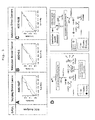
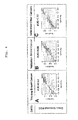
- ROC curves for glycan 6 are presented in Fig. 3 , using logistic regression models estimated on training and validation data (results from the cross-validation are given in Fig. 4A-C ).
- Fig. 3A For the breast cancer training data ( FIG. 3A ), which were used to select glycan 6 from among the 20 glycans, using anti-Neu5Gc antibody response as a classifier gave an AUC of 0.67.
- CV 10-fold cross-validation
- the specificity from the ROC curve at a given sensitivity was averaged over 500 Cross Validation iterations.
- the ROC curve was computed using the R-package (online from “r-project” website) ROCR (online from “rocr.bioinf.mpi-sb.mpg” website in Germany). This algorithm uses linear interpolation to draw the ROC curve from the discrete data. This package was used to draw the ROC curves and box plots in Figure 3 .
Landscapes
- Health & Medical Sciences (AREA)
- Life Sciences & Earth Sciences (AREA)
- Immunology (AREA)
- Chemical & Material Sciences (AREA)
- Engineering & Computer Science (AREA)
- Molecular Biology (AREA)
- Hematology (AREA)
- Urology & Nephrology (AREA)
- Biomedical Technology (AREA)
- Cell Biology (AREA)
- General Health & Medical Sciences (AREA)
- Biochemistry (AREA)
- Medicinal Chemistry (AREA)
- Organic Chemistry (AREA)
- Food Science & Technology (AREA)
- Analytical Chemistry (AREA)
- Physics & Mathematics (AREA)
- Microbiology (AREA)
- General Physics & Mathematics (AREA)
- Pathology (AREA)
- Biotechnology (AREA)
- Biophysics (AREA)
- Genetics & Genomics (AREA)
- Proteomics, Peptides & Aminoacids (AREA)
- Peptides Or Proteins (AREA)
- Oncology (AREA)
- Investigating Or Analysing Biological Materials (AREA)
Applications Claiming Priority (2)
| Application Number | Priority Date | Filing Date | Title |
|---|---|---|---|
| US29538610P | 2010-01-15 | 2010-01-15 | |
| EP11733477.1A EP2524233A4 (de) | 2010-01-15 | 2011-01-14 | Zusammensetzungen und verfahren zur erkennung von krebs |
Related Parent Applications (2)
| Application Number | Title | Priority Date | Filing Date |
|---|---|---|---|
| EP11733477.1A Division EP2524233A4 (de) | 2010-01-15 | 2011-01-14 | Zusammensetzungen und verfahren zur erkennung von krebs |
| EP11733477.1 Division | 2011-01-14 |
Publications (3)
| Publication Number | Publication Date |
|---|---|
| EP2680004A2 true EP2680004A2 (de) | 2014-01-01 |
| EP2680004A3 EP2680004A3 (de) | 2014-07-02 |
| EP2680004B1 EP2680004B1 (de) | 2016-08-31 |
Family
ID=44277862
Family Applications (2)
| Application Number | Title | Priority Date | Filing Date |
|---|---|---|---|
| EP11733477.1A Withdrawn EP2524233A4 (de) | 2010-01-15 | 2011-01-14 | Zusammensetzungen und verfahren zur erkennung von krebs |
| EP13184707.1A Not-in-force EP2680004B1 (de) | 2010-01-15 | 2011-01-14 | Verfahren zur Erkennung von Krebs |
Family Applications Before (1)
| Application Number | Title | Priority Date | Filing Date |
|---|---|---|---|
| EP11733477.1A Withdrawn EP2524233A4 (de) | 2010-01-15 | 2011-01-14 | Zusammensetzungen und verfahren zur erkennung von krebs |
Country Status (4)
| Country | Link |
|---|---|
| US (2) | US20110177614A1 (de) |
| EP (2) | EP2524233A4 (de) |
| CN (1) | CN102893154A (de) |
| WO (1) | WO2011088385A2 (de) |
Cited By (1)
| Publication number | Priority date | Publication date | Assignee | Title |
|---|---|---|---|---|
| WO2019147152A1 (en) | 2018-01-26 | 2019-08-01 | Universidade Nova De Lisboa | L2a5 antibody or functional fragment thereof against tumour antigens |
Families Citing this family (17)
| Publication number | Priority date | Publication date | Assignee | Title |
|---|---|---|---|---|
| EP2524233A4 (de) | 2010-01-15 | 2013-07-31 | Univ California | Zusammensetzungen und verfahren zur erkennung von krebs |
| WO2013151649A1 (en) | 2012-04-04 | 2013-10-10 | Sialix Inc | Glycan-interacting compounds |
| CA2909139C (en) * | 2013-04-18 | 2021-07-06 | Institut National De La Sante Et De La Recherche Medicale | Composition with reduced immunogenicity |
| US20160264684A1 (en) * | 2013-10-10 | 2016-09-15 | Siamab Therapeutics, Inc. | Glycan-interacting compounds and methods of use |
| WO2016057916A1 (en) * | 2014-10-10 | 2016-04-14 | Siamab Therapeutics, Inc. | Glycan-interacting compounds and methods of use |
| US9879087B2 (en) | 2014-11-12 | 2018-01-30 | Siamab Therapeutics, Inc. | Glycan-interacting compounds and methods of use |
| FI3218005T3 (fi) * | 2014-11-12 | 2023-03-31 | Seagen Inc | Glykaanin kanssa vuorovaikutteisia yhdisteitä ja käyttömenetelmiä |
| WO2016201240A1 (en) * | 2015-06-12 | 2016-12-15 | Siamab Therapeutics, Inc. | Compositions and methods for targeting cancer stem cells |
| CA3002097A1 (en) | 2015-11-12 | 2017-05-18 | Siamab Therapeutics, Inc. | Glycan-interacting compounds and methods of use |
| WO2018094143A1 (en) | 2016-11-17 | 2018-05-24 | Siamab Therapeutics, Inc. | Glycan-interacting compounds and methods of use |
| WO2018160909A1 (en) | 2017-03-03 | 2018-09-07 | Siamab Therapeutics, Inc. | Glycan-interacting compounds and methods of use |
| WO2018161092A1 (en) | 2017-03-03 | 2018-09-07 | New York University | Induction and enhancement of antitumor immunity involving virus vectors expressing multiple epitopes of tumor associated antigens and immune checkpoint inhibitors or proteins |
| EP3762023A4 (de) | 2018-03-05 | 2021-12-29 | New York University | Induktion und verbesserung der antitumor-immunität durch sindbis-virusvektoren mit expression von immun-kontrollpunkt-proteinen |
| CN108709994A (zh) * | 2018-05-29 | 2018-10-26 | 吉林大学 | 一种n-羟乙酰神经氨酸快速检测试纸及检测方法 |
| CN109212227B (zh) * | 2018-09-07 | 2021-07-16 | 深圳格道糖生物技术有限公司 | 基于唾液特异糖蛋白糖链结构的肝病/肝硬化相关筛查、评估的产品及应用 |
| CN110018312A (zh) * | 2019-03-25 | 2019-07-16 | 辽宁师范大学 | 用于诊断尿路上皮癌的尿液检测试剂盒 |
| WO2025006452A2 (en) * | 2023-06-26 | 2025-01-02 | Sri International | NEU5GC-LEWISa-TARGETING MOLECULES AND USES THEREOF IN CANCER |
Citations (7)
| Publication number | Priority date | Publication date | Assignee | Title |
|---|---|---|---|---|
| US4816397A (en) | 1983-03-25 | 1989-03-28 | Celltech, Limited | Multichain polypeptides or proteins and processes for their production |
| US4816567A (en) | 1983-04-08 | 1989-03-28 | Genentech, Inc. | Recombinant immunoglobin preparations |
| US4975369A (en) | 1988-04-21 | 1990-12-04 | Eli Lilly And Company | Recombinant and chimeric KS1/4 antibodies directed against a human adenocarcinoma antigen |
| US4978745A (en) | 1987-11-23 | 1990-12-18 | Centocor, Inc. | Immunoreactive heterochain antibodies |
| US5902725A (en) | 1996-07-03 | 1999-05-11 | Millennium Pharmaceuticals, Inc. | Detection of prostate and other cancers by assaying for cancer-specific antigens having linked oligosaccharides which are at least triantennary |
| US20070275409A1 (en) | 2003-07-15 | 2007-11-29 | Ajit Varki | Methods for Detecting and Analyzing N-Glycolynlneuraminic Acid (Neu5Gc) in Biological Materials |
| US20100075344A1 (en) | 2008-05-02 | 2010-03-25 | Marko Vuskovic | Methods, assays and kits for cancer diagnosis and screening utilizing glycan-binding and glycan epitopes |
Family Cites Families (3)
| Publication number | Priority date | Publication date | Assignee | Title |
|---|---|---|---|---|
| JP2007527539A (ja) | 2004-03-05 | 2007-09-27 | ザ スクリプス リサーチ インスティテュート | ハイスループットグリカンマイクロアレイ |
| WO2006068758A2 (en) * | 2004-11-19 | 2006-06-29 | The Scripps Research Institute | Detection, prevention and treatment of breast cancer |
| EP2524233A4 (de) | 2010-01-15 | 2013-07-31 | Univ California | Zusammensetzungen und verfahren zur erkennung von krebs |
-
2011
- 2011-01-14 EP EP11733477.1A patent/EP2524233A4/de not_active Withdrawn
- 2011-01-14 WO PCT/US2011/021387 patent/WO2011088385A2/en not_active Ceased
- 2011-01-14 CN CN201180010659XA patent/CN102893154A/zh active Pending
- 2011-01-14 EP EP13184707.1A patent/EP2680004B1/de not_active Not-in-force
- 2011-01-14 US US13/007,237 patent/US20110177614A1/en not_active Abandoned
-
2013
- 2013-12-23 US US14/138,879 patent/US9423401B2/en active Active
Patent Citations (7)
| Publication number | Priority date | Publication date | Assignee | Title |
|---|---|---|---|---|
| US4816397A (en) | 1983-03-25 | 1989-03-28 | Celltech, Limited | Multichain polypeptides or proteins and processes for their production |
| US4816567A (en) | 1983-04-08 | 1989-03-28 | Genentech, Inc. | Recombinant immunoglobin preparations |
| US4978745A (en) | 1987-11-23 | 1990-12-18 | Centocor, Inc. | Immunoreactive heterochain antibodies |
| US4975369A (en) | 1988-04-21 | 1990-12-04 | Eli Lilly And Company | Recombinant and chimeric KS1/4 antibodies directed against a human adenocarcinoma antigen |
| US5902725A (en) | 1996-07-03 | 1999-05-11 | Millennium Pharmaceuticals, Inc. | Detection of prostate and other cancers by assaying for cancer-specific antigens having linked oligosaccharides which are at least triantennary |
| US20070275409A1 (en) | 2003-07-15 | 2007-11-29 | Ajit Varki | Methods for Detecting and Analyzing N-Glycolynlneuraminic Acid (Neu5Gc) in Biological Materials |
| US20100075344A1 (en) | 2008-05-02 | 2010-03-25 | Marko Vuskovic | Methods, assays and kits for cancer diagnosis and screening utilizing glycan-binding and glycan epitopes |
Non-Patent Citations (110)
| Title |
|---|
| ADAMS GP; WEINER LM: "Monoclonal antibody therapy of cancer", NAT BIOTECHNOL., vol. 23, 2005, pages 1147 - 57 |
| AN, H. J.; KRONEWITTER, S. R.; DE LEOZ, M. L.; LEBRILLA, C. B.: "Glycomics and disease markers", CURR OPIN CHEM BIOL, 2009 |
| ANDREU P; JOHANSSON M; AFFARA NI ET AL.: "FcRgamma activation regulates inflammation- associated squamous carcinogenesis", CANCER CELL, vol. 17, 2010, pages 121 - 34 |
| BARDOR M; NGUYEN DH; DIAZ S; VARKI A: "Mechanism of uptake and incorporation of the non-human sialic acid N-glycolylneuraminic acid into human cells", J BIOL CHEM., vol. 280, 2005, pages 4228 - 37 |
| CANDEFJORD, S.; RAMSER, K.; LINDAHL, O. A.: "Technologies for localization and diagnosis of prostate cancer", JMEDENG TECHNOL, vol. 33, 2009, pages 585 - 603 |
| CAO Y; STOSIEK P; SPRINGER GF; KARSTEN U: "Thomsen-Friedenreich-related carbohydrate antigens in normal adult human tissues: a systematic and comparative study", HISTOCHEM CELL BIOL., vol. 106, 1996, pages 197 - 207 |
| CAVADAS V; OSORIO L; SABELL F; TEVES F; BRANCO F; SILVA-RAMOS M: "Prostate Cancer Prevention Trial and European Randomized Study of Screening for Prostate Cancer Risk Calculators: A Performance Comparison in a Contemporary Screened Cohort", EUR UROL., 2010 |
| CONZE T; CARVALHO AS; LANDEGREN U ET AL.: "MUC2 mucin is a major carrier of the cancer-associated sialyl-Tn antigen in intestinal metaplasia and gastric carcinomas", GLYCOBIOLOGY, vol. 20, 2010, pages 199 - 206 |
| CONZE, T.; CARVALHO, A. S.; LANDEGREN, U.; ALMEIDA, R.; REIS, C. A.; DAVID, L.; SODERBERG, O.: "MUC2 mucin is a major carrier of the cancer-associated sialyl-Tn antigen in intestinal metaplasia and gastric carcinomas", GLYCOBIOLOGY, 2009 |
| DE LEON J; FERNANDEZ A; CLAVELL M ET AL.: "Differential influence of the tumour-specific non-human sialic acid containing GM3 ganglioside on CD4+CD25- effector and naturally occurring CD4+CD25+ regulatory T cells function", INT IMMUNOL., vol. 20, 2008, pages 591 - 600 |
| DE VISSER KE; KORETS LV; COUSSENS LM: "De novo carcinogenesis promoted by chronic inflammation is B lymphocyte dependent", CANCER CELL, vol. 7, 2005, pages 411 - 23 |
| DESMETZ, C.; CORTIJO, C.; MANGE, A.; SOLASSOL, J.: "Humoral response to cancer as a tool for biomarker discovery", JPROTEOMICS, vol. 72, 2009, pages 982 - 988 |
| DESMETZ, C.; MAUDELONDE, T.; MANGE, A.; SOLASSOL, J.: "Identifying autoantibody signatures in cancer: a promising challenge", EXPERT REV PROTEOMICS, vol. 6, 2009, pages 377 - 386 |
| DIAZ SL; PADLER-KARAVANI V; GHADERI D ET AL.: "Sensitive and specific detection of the non-human sialic Acid N-glycolylneuraminic acid in human tissues and biotherapeutic products", PLOS ONE., vol. 4, 2009, pages E4241 |
| DIAZ, S. L.; PADLER-KARAVANI, V.; GHADERI, D.; HURTADO-ZIOLA, N.; YU, H.; CHEN, X.; BRINKMAN-VAN DER LINDEN, E. C.; VARKI, A.; VAR: "Sensitive and specific detection of the non-human sialic Acid N-glycolylneuraminic acid in human tissues and biotherapeutic products", PLOS ONE, vol. 4, 2009, pages E4241 |
| DRAKE PM; CHO W; LI B ET AL.: "Sweetening the pot: adding glycosylation to the biomarker discovery equation", CLIN CHEM., vol. 56, 2010, pages 223 - 36 |
| DU, J.; MELEDEO, M. A.; WANG, Z.; KHANNA, H. S.; PARUCHURI, V. D.; YAREMA, K. J.: "Metabolic glycoengineering: sialic acid and beyond", GLYCOBIOLOGY, vol. 19, 2009, pages 1382 - 1401 |
| DUBE, D. H.; BERTOZZI, C. R.: "Glycans in cancer and inflammation--potential for therapeutics and diagnostics", NAT REV DRUG DISCOV, vol. 4, 2005, pages 477 - 488 |
| FERRIS RL; JAFFEE EM; FERRONE S: "Tumor Antigen-Targeted, Monoclonal Antibody- Based Immunotherapy: Clinical Response, Cellular Immunity, and Immunoescape", J CLINONCOL., 2010 |
| FINN OJ.: "Cancer immunology", N ENGL J MED., vol. 358, 2008, pages 2704 - 15 |
| GHADERI D; TAYLOR RE; PADLER-KARAVANI V; DIAZ S; VARKI A: "Implications of the presence of N-glycolylneuraminic acid in recombinant therapeutic glycoproteins", NAT BIOTECHNOL., vol. 28, 2010, pages 863 - 7 |
| GREENE, K. L.; ALBERTSEN, P. C.; BABAIAN, R. J.; CARTER, H. B.; GANN, P. H.; HAN, M.; KUBAN, D. A.; SARTOR, A. 0.; STANFORD, J. L.: "Prostate specific antigen best practice statement: 2009 update", J UROL, vol. 182, 2009, pages 2232 - 2241 |
| GUPTA D; LIS CG: "Role of CA125 in predicting ovarian cancer survival - a review of the epidemiological literature", J OVARIAN RES., vol. 2, 2009, pages 13 |
| GUPTA, D.; LIS, C. G.: "Role of CA125 in predicting ovarian cancer survival - a review of the epidemiological literature", J OVARIAN RES, vol. 2, 2009, pages 13 |
| HARA S; YAMAGUCHI M; TAKEMORI Y; NAKAMURA M; OHKURA Y: "Highly sensitive determination of N-acetyl- and N-giycolylneuraminic acids in human serum and urine and rat serum by reversed-phase liquid chromatography with fluorescence detection", J CHROMATOGR., vol. 377, 1986, pages 111 - 9 |
| HARA, S.; YAMAGUCHI, M.; TAKEMORI, Y.; NAKAMURA, M; OHKURA, Y: "Highly sensitive determination ofN-acetyl- and N-glycolylneuraminic acids in human serum and urine and rat serum by reversed-phase liquid chromatography with fluorescence detection", J CHROMATOGR, vol. 377, 1986, pages 111 - 119 |
| HAWKINS, D. M.: "The problem of overfitting", J CHEM INF COMPUT SCI, vol. 44, 2004, pages 1 - 12 |
| HEDLUND M; PADLER-KARAVANI V; VARKI NM; VARKI A: "Evidence for a human-specific mechanism for diet and antibody-mediated inflammation in carcinoma progression", PROC NATL ACAD SCI USA., vol. 105, 2008, pages 18936 - 41 |
| HEDLUND M; TANGVORANUNTAKUL P; TAKEMATSU H ET AL.: "N-glycolylneuraminic acid deficiency in mice: implications for human biology and evolution", MOL CELL BIOL., vol. 27, 2007, pages 4340 - 6 |
| HEDLUND, M.; PADLER-KARAVANI, V.; VARKI, N. M.; VARKI, A.: "Evidence for a human-specific mechanism for diet and antibody-mediated inflammation in carcinoma progression", PROE NATL ACAD SCI US A, vol. 105, 2008, pages 18936 - 18941 |
| HEDLUND, M.; TANGVORANUNTAKUL, P.; TAKEMATSU, H.; LONG, J. M.; HOUSLEY, G. D.; KOZUTSUMI, Y.; SUZUKI, A.; WYNSHAW-BORIS, A.; RYAN,: "N-glycolylneuraminic acid deficiency in mice: implications for human biology and evolution", MOL CELL BIOL, vol. 27, 2007, pages 4340 - 4346 |
| IMAI J; GHAZIZADEH M; NAITO Z; ASANO G: "Immunohistochemical expression ofT, Tn and sialyl-Tn antigens and clinical outcome in human breast carcinoma", ANTICANCER RES., vol. 21, 2001, pages 1327 - 34 |
| JOHANSEN, E.; SCHILLING, B.; LERCH, M.; NILES, R. K.; LIU, H.; LI, B.; ALLEN, S.; HALL, S. C.; WITKOWSKA, H. E.; REGNIER, F. E.: "A lectin HPLC method to enrich selectively-glycosylated peptides from complex biological samples", J VIS EXP, 2009 |
| JOLLES S; SEWELL WA; MISBAH SA: "Clinical uses of intravenous immunoglobulin", CLIN EXP IMMUNOL., vol. 142, 2005, pages 1 - 11 |
| JU T; CUMMINGS RD: "A unique molecular chaperone Cosmc required for activity of the mammalian core 1 beta 3-galactosyltransferase", PROC NATL ACAD SCI USA., vol. 99, 2002, pages 16613 - 8 |
| JU T; LANNEAU GS; GAUTAM T ET AL.: "Human tumor antigens Tn and sialyl Tn arise from mutations in Cosmc", CANCER RES., vol. 68, 2008, pages 1636 - 46 |
| JU, T.; CUMMINGS, R. D.: "A unique molecular chaperone Cosmc required for activity of the mammalian core 1 beta 3-galactosyltransferase", PROE NATL ACAD SCI USA, vol. 99, 2002, pages 16613 - 16618 |
| JU, T.; LANNEAU, G. S.; GAUTAM, T.; WANG, Y.; XIA, B.; STOWELL, S. R.; WILLARD, M. T.; WANG, W.; XIA, J. Y.; ZUNA, R. E.: "Human tumor antigens Tn and sialyl Tn arise from mutations in Cosmc", CANCER RES, vol. 68, 2008, pages 1636 - 1646 |
| KIM GE; BAE HI; PARK HU ET AL.: "Aberrant expression of MUC5AC and MUC6 gastric mucins and sialyl Tn antigen in intraepithelial neoplasms of the pancreas", GASTROENTEROLOGY, vol. 123, 2002, pages 1052 - 60 |
| KIM, Y. J.; VARKI, A.: "Perspectives on the significance of altered glycosylation of glycoproteins in cancer", GLYCOCONJ J, vol. 14, 1997, pages 569 - 576 |
| KIM, Y. S.; YOO, H. S.; KO, J. H.: "Implication of aberrant glycosylation in cancer and use oflectin for cancer biomarker discovery", PROTEIN PEPT LETT, vol. 16, 2009, pages 499 - 507 |
| KJELDSEN T; CLAUSEN H; HIROHASHI S; OGAWA T; IIJIMA H; HAKOMORI S: "Preparation and characterization of monoclonal antibodies directed to the tumor-associated O-linked sialosyl-2----6 alpha-N-acetylgalactosaminyl (sialosyl-Tn) epitope", CANCER RES., vol. 48, 1988, pages 2214 - 20 |
| KOBATA, A.; AMANO, J.: "Altered glycosylation of proteins produced by malignant cells, and application for the diagnosis and immunotherapy of tumours", IMMUNOL CELL BIOL, vol. 83, 2005, pages 429 - 439 9 |
| KOBAYASHI H; TERAO T; KAWASHIMA Y: "Serum sialyl Tn as an independent predictor of poor prognosis in patients with epithelial ovarian cancer", J CLIN ONCOL., vol. 10, 1992, pages 95 - 101 |
| LI, C.; SIMEONE, D. M.; BRENNER, D. E.; ANDERSON, M. A.; SHEDDEN, K. A.; RUFFIN, M. T.; LUBMAN, D. M.: "Pancreatic cancer serum detection using a lectin/glyco- antibody array method", JPROTEOME RES, vol. 8, 2009, pages 483 - 492 |
| LIU, C. C.; HU, J.; KALAKRISHNAN, M.; HUANG, H.; ZHOU, X. J.: "Integrative disease classification based on cross-platform microarray data", BMC BIOINFORMATICS, vol. 10, no. 1, 2009, pages S25 |
| LUDWIG JA; WEINSTEIN JN: "Biomarkers in cancer staging, prognosis and treatment selection", NAT REV CANCER, vol. 5, 2005, pages 845 - 56 |
| LUDWIG, J. A.; WEINSTEIN, J. N.: "Biomarkers in cancer staging, prognosis and treatment selection", NAT REV CANCER, vol. 5, 2005, pages 845 - 856 |
| MALYKH YN; SCHAUER R; SHAW L: "N-Glycolylneuraminic acid in human tumours", BIOCHIMIE, vol. 83, 2001, pages 623 - 34 |
| MALYKH, Y. N.; SCHAUER, R.; SHAW, L.: "N-Glycolylneuraminic acid in human tumours", BIOCHIMIE, vol. 83, 2001, pages 623 - 634 |
| MARCIAL VA.: "Carcinoma of the cervix: present status and future", CANCER, vol. 39, 1977, pages 945 - 58 |
| MARCIAL, V. A.: "Carcinoma of the cervix: present status and future", CANCER, vol. 39, 1977, pages 945 - 958 |
| MARTIN LT; MARTH JD; VARKI A; VARKI NM: "Genetically altered mice with different sialyltransferase deficiencies show tissue-specific alterations in sialylation and sialic acid 9-O-acetylation", J BIOL CHEM., vol. 277, 2002, pages 32930 - 8 |
| MARTIN, L. T.; MARTH, J. D.; VARKI, A.; VARKI, N. M.: "Genetically altered mice with different sialyltransferase deficiencies show tissue-specific alterations in sialylation and sialic acid 9-O-acetylation", J BIOL CHEM, vol. 277, 2002, pages 32930 - 32938 8 |
| MECHREF, Y.; HUSSEIN, A.; BEKESOVA, S.; PUNGPAPONG, V.; ZHANG, M.; DOBROLECKI, L. E.; HICKEY, R. J.; HAMMOUD, Z. T.; NOVOTNY, M. V: "Quantitative serum glycomics of esophageal adenocarcinoma and other esophageal disease onsets", JPROTEOME RES, vol. 8, 2009, pages 2656 - 2666 |
| NELSON HD; TYNE K; NAIK A; BOUGATSOS C; CHAN BK; HUMPHREY L: "Screening for breast cancer: an update for the U.S. Preventive Services Task Force", ANN INTERN MED., vol. 151, no. 727-37, 2009, pages W237 - 42 |
| NELSON, A. E.; FRANCIS, J. E.; ZORBAS, H.: "Population screening and early detection of ovarian cancer in asymptomatic women", AUST N Z J OBSTET GYNAECOL, vol. 49, 2009, pages 448 - 450 |
| NELSON, H. D.; TYNE, K.; NAIK, A.; BOUGATSOS, C.; CHAN, B. K.; HUMPHREY, L.: "Screening for breast cancer: an update for the U.S. Preventive Services Task Force", ANN INTERN MED, vol. 151, no. 727-37, 2009, pages W237 - 42 |
| NGUYEN DH; TANGVORANUNTAKUL P; VARKI A: "Effects of natural human antibodies against a nonhuman sialic acid that metabolically incorporates into activated and malignant immune cells", J IMMUNOL., vol. 175, 2005, pages 228 - 36 |
| NGUYEN, D. H.; TANGVORANUNTAKUL, P.; VARKI, A.: "Effects of natural human antibodies against a nonhuman sialic acid that metabolieally incorporates into activated and malignant immune cells", JLMMUNOL, vol. 175, 2005, pages 228 - 236 6 |
| NOGUEIRA, L.; CORRADI, R.; EASTHAM, J. A.: "Prostatic specific antigen for prostate cancer detection", INT BRAZ J UROL, vol. 35, 2009, pages 521 - 9 |
| NOSSOV, V.; AMNEUS, M.; SU, F.; LANG, J.; JANCO, J. M.; REDDY, S. T.; FARIAS-EISNER, R.: "The early detection of ovarian cancer: from traditional methods to proteomics. Can we really do better than serum CA-125?", AM J OBSTET GYNECOL, vol. 199, 2008, pages 215 - 223 |
| OGATA S; KOGANTY R; REDDISH M ET AL.: "Different modes of sialyl-Tn expression during malignant transformation of human colonic mucosa", GLYCOCONJ J., vol. 15, 1998, pages 29 - 35 |
| OPPMANN B; LESLEY R; BLOM B ET AL.: "Novel pl9 protein engages IL-12p40 to form a cytokine, IL-23, with biological activities similar as well as distinct from IL-12", IMMUNITY, vol. 13, 2000, pages 715 - 25 |
| OSTRAND-ROSENBERG S: "Immune surveillance: a balance between protumor and antitumor immunity", CURR OPIN GENET DEV, vol. 18, 2008, pages 11 - 8 |
| OYELARAN O; MCSHANE LM; DODD L; GILDERSLEEVE JC: "Profiling human serum antibodies with a carbohydrate antigen microarray", J PROTEOME RES., vol. 8, 2009, pages 4301 - 10 |
| OYELARAN, O.; MCSHANE, L. M.; DODD, L.; GILDERSLEEVE, J. C.: "Profiling human serum antibodies with a carbohydrate antigen microarray", JPROTEOME RES, vol. 8, 2009, pages 4301 - 4310 |
| PADLER-KARAVANI V; YU H; CAO H ET AL.: "Diversity in specificity, abundance, and composition of anti-Neu5Gc antibodies in normal humans: potential implications for disease", GLYCOBIOLOGY, vol. 18, 2008, pages 818 - 30 |
| PADLER-KARAVANI, V.; YU, H.; CAO, H.; CHOKHAWALA, H.; KARP, F.; VARKI, N.; CHEN, X.; VARKI, A.: "Diversity in specificity, abundance, and composition of anti-Neu5Gc antibodies in normal humans: potential implications for disease", GLYCOBIOLOGY, vol. 18, 2008, pages 818 - 830 |
| PARKIN, D. M.; BRAY, F. I.; DEVESA, S. S.: "Cancer burden in the year 2000. The global picture", EUR J CANCER, vol. 37, no. 8, 2001, pages S4 - 66 |
| PITOT ET AL., FUNDAMENTALS OF ONCOLOGY, 1978, pages 15 - 28 |
| PREHN RT; PREHN LM: "The flip side of immune surveillance: immune dependency", IMMUNOL REV., vol. 222, 2008, pages 341 - 56 |
| RAEDLE, J.; OREMEK, G.; TRUSCHNOWITSCH, M.; LORENZ, M.; ROTH, W. K.; CASPARY, W. F.; ZEUZEM, S.: "Clinical evaluation of autoantibodies to p53 protein in patients with chronic liver disease and hepatocellular carcinoma", EUR J CANCER, vol. 34, 1998, pages 1198 - 1203 |
| RANSOHOFF, D. F.: "Rules of evidence for cancer molecular-marker discovery and validation", NAT REV CANCER, vol. 4, 2004, pages 309 - 314 |
| SALDOVA, R.; WORMALD, M. R.; DWEK, R. A.; RUDD, P. M.: "Glycosylation changes on serum glycoproteins in ovarian cancer may contribute to disease pathogenesis", DIS MARKERS, vol. 25, 2008, pages 219 - 232 |
| SCHRODER FH; HUGOSSON J; ROOBOL MJ ET AL.: "Screening and prostate-cancer mortality in a randomized European study", N ENGL J MED, vol. 360, 2009, pages 1320 - 8 |
| SEWELL R; BACKSTROM M; DALZIEL M ET AL.: "The ST6GaINAc-I sialyltransferase localizes throughout the Golgi and Is responsible for the synthesis of the tumor-associated sialyl- Tn O-glycan in human breast cancer", J BIOL CHEM., vol. 281, 2006, pages 3586 - 94 |
| SING T; SANDER O; BEERENWINKEL N; LENGAUER T: "ROCR: visualizing classifier performance in R", BIOINFORMATICS, vol. 21, 2005, pages 3940 - 1 |
| SING, T.; SANDER, O.; BEERENWINKEL, N.; LENGAUER, T.: "ROCR: visualizing classifier performance in R", BIOINFORMATICS, vol. 21, 2005, pages 3940 - 3941 |
| SINGER O; MARR RA; ROCKENSTEIN E ET AL.: "Targeting BACE1 with siRNAs ameliorates Alzheimer disease neuropathology in a transgenic model", NAT NEUROSCI., vol. 8, 2005, pages 1343 - 9 |
| SINGER O; MARR RA; ROCKENSTEIN E ET AL.: "Targeting BACEl with siRNAs ameliorates Alzheimer disease neuropathology in a transgenic model", NAT NEUROSCI, vol. 8, 2005, pages 1343 - 9 |
| SLOVIN SF; KEDING SJ; RAGUPATHI G: "Carbohydrate vaccines as immunotherapy for cancer", HNMUNOL CELL BIOL., vol. 83, 2005, pages 418 - 28 |
| SOUSSI T.: "p53 Antibodies in the sera of patients with various types of cancer: a review", CANCER RES., vol. 60, 2000, pages 1777 - 88 |
| SOUSSI, T.: "p53 Antibodies in the sera of patients with various types of cancer: a review", CANCER RES, vol. 60, 2000, pages 1777 - 1788 |
| SRIVASTAVA, S.; GOPAL-SRIVASTAVA, R.: "Biomarkers in cancer screening: a public health perspective", JNUTR, vol. 132, 2002, pages 2471S - 2475S |
| TAN HT; LOW J; LIM SG; CHUNG MC: "Serum autoantibodies as biomarkers for early cancer detection", FEBS J., 2009 |
| TAN, H. T.; LOW, J.; LIM, S. G.; CHUNG, M. C.: "Serum autoantibodies as biomarkers for early cancer detection", FEBS J, 2009 |
| TANGVORANUNTAKUL P; GAGNEUX P; DIAZ S ET AL.: "Human uptake and incorporation of an immunogenic nonhuman dietary sialic acid", PROC NATL ACAD SCI U S A., vol. 100, 2003, pages 12045 - 50 |
| TANGVORANUNTAKUL, P.; GAGNEUX, P.; DIAZ, S.; BARDOR, M.; VARKI, N.; VARKI, A.; MUCHMORE, E.: "Human uptake and incorporation of an immunogenic nonhuman dietary sialic acid", PROC NATL ACAD SCI USA, vol. 100, 2003, pages 12045 - 12050 |
| TAYLOR RE; GREGG CJ; PADLER-KARAVANI V ET AL.: "Novel mechanism for the generation of human xeno-autoantibodies against the nonhuman sialic acid N-glycolylneuraminic acid", J EXP MED., vol. 207, 2010, pages 1637 - 46 |
| THOMPSON IM; ANKERST DP; CHI C ET AL.: "Operating characteristics of prostate-specific antigen in men with an initial PSA level of 3.0 ng/ml or lower", JAMA, vol. 294, 2005, pages 66 - 70 |
| TISCORNIA G; SINGER O; VERMA IM: "Production and purification oflentiviral vectors", NAT PROTOC, vol. 1, 2006, pages 241 - 5 |
| TISCORNIA G; SINGER O; VERMA IM: "Production and purification oflentiviral vectors", NAT PROTOC., vol. 1, 2006, pages 241 - 5 |
| UYGUR-BAYRAMICLI, O.; DABAK, R.; ORBAY, E.; DOLAPCIOGLU, C.; SARGIN, M.; KILICOGLU, G.; GULERYUZLU, Y.; MAYADAGLI, A.: "Type 2 diabetes mellitus and CA 19-9 levels", WORLD J GASTROENTEROL, vol. 13, 2007, pages 5357 - 5359 |
| VAN LEEUWEN, P. J.; CONNOLLY, D.; GAVIN, A.; ROOBOL, M. J.; BLACK, A.; BANGMA, C. H.; SCHRODER, F. H.: "Prostate cancer mortality in screen and clinically detected prostate cancer: Estimating the screening benefit", EUR J CANCER, 2009 |
| VARKI A.: "Colloquium paper: uniquely human evolution of sialic acid genetics and biology", PROC NATL ACAD SCI U S A., vol. 107, no. 2, 2010, pages 8939 - 46 |
| VARKI A; KANNAGI R; TOOLE BP: "Essentials of Glycobiology", 2009, COLD SPRING HARBOR, NY: COLD SPRING HARBOR LABORATORY PRESS, article "Glycosylation Changes in Cancer", pages: 617 - 32 |
| VARKI, A.: "Multiple changes in sialic acid biology during human evolution", GLYCOCONJ, vol. J26, 2009, pages 231 - 245 |
| VARKI, A.: "N-glycolylneuraminic acid deficiency in humans", BIOCHIMIE, vol. 83, 2001, pages 615 - 622 |
| WEISS JM; SUBLESKI JJ; WIGGINTON JM; WILTROUT RH: "Immunotherapy of cancer by IL- 12-based cytokine combinations", EXPERT OPIN BIOL THER., vol. 7, 2007, pages 1705 - 21 |
| WU, C. Y.; LIANG, P. H.; WONG, C. H.: "New development of glycan arrays", ORG BIOMOL CHEM, vol. 7, 2009, pages 2247 - 2254 |
| WU, X.; LING, C. C.; BUNDLE, D. R.: "A new homobifunctional p-nitro phenyl ester coupling reagent for the preparation of neoglycoproteins", ORG LETT, vol. 6, 2004, pages 4407 - 4410 |
| YONEZAWA S; TACHIKAWA T; SHIN S; SATO E: "Sialosyl-Tn antigen. Its distribution in normal human tissues and expression in adenocarcinomas", AM J CLIN PATHOL., vol. 98, 1992, pages 167 - 74 |
| YU H; CHOKHAWALA H; KARPEL R ET AL.: "A multifunctional Pasteurella multocida sialyltransferase: a powerful tool for the synthesis of sialoside libraries", J AM CHEM SOC., vol. 127, 2005, pages 17618 - 9 |
| YU H; CHOKHAWALA HA; HUANG S; CHEN X: "One-pot three-enzyme chemoenzymatic approach to the synthesis of sialosides containing natural and non-natural functionalities", NAT PROTOC., vol. 1, 2006, pages 2485 - 92 |
| YU H; CHOKHAWALA HA; VARKI A; CHEN X: "Efficient chemoenzymatic synthesis of biotinylated human serum albumin-sialoglycoside conjugates containing O-acetylated sialic acids", ORG BIOMOL CHEM., vol. 5, 2007, pages 2458 - 63 |
| YU H; HUANG S; CHOKHAWALA H; SUN M; ZHENG H; CHEN X: "Highly efficient chemoenzymatic synthesis of naturally occurring and non-natural alpha-2,6-linked sialosides: a P. damsela alpha-2,6-sialyltransferase with extremely flexible donor- substrate specificity", ANGEW CHEM INT ED ENGL., vol. 45, 2006, pages 3938 - 44 |
| YU, H.; CHOKHAWALA, H. A.; HUANG, S.; CHEN, X.: "One-pot three-enzyme chemoenzymatic approach to the synthesis of sialosides containing natural and non- natural functionalities", NAT PROTOC, vol. 1, 2006, pages 2485 - 2492 |
| YU, H.; CHOKHAWALA, H. A.; VARKI, A.; CHEN, X.: "Efficient chemoenzymatic synthesis ofbiotinylated human serum albumin-sialoglycoside conjugates containing O- acetylated sialic acids", ORG BIOMOL CHEM, vol. 5, 2007, pages 2458 - 2463 |
| ZHANG, D. Y.; YE, F.; GAO, L.; LIU, X.; ZHAO, X.; CHE, Y.; WANG, H.; WANG, L.; WU, J.; SONG, D.: "Proteomics, Pathway Array and Signaling Network-Based Medicine in Cancer", CELL DIV, vol. 4, 2009, pages 20 |
Cited By (1)
| Publication number | Priority date | Publication date | Assignee | Title |
|---|---|---|---|---|
| WO2019147152A1 (en) | 2018-01-26 | 2019-08-01 | Universidade Nova De Lisboa | L2a5 antibody or functional fragment thereof against tumour antigens |
Also Published As
| Publication number | Publication date |
|---|---|
| EP2680004A3 (de) | 2014-07-02 |
| US9423401B2 (en) | 2016-08-23 |
| US20140113979A1 (en) | 2014-04-24 |
| EP2524233A2 (de) | 2012-11-21 |
| CN102893154A (zh) | 2013-01-23 |
| EP2524233A4 (de) | 2013-07-31 |
| EP2680004B1 (de) | 2016-08-31 |
| US20110177614A1 (en) | 2011-07-21 |
| WO2011088385A2 (en) | 2011-07-21 |
| WO2011088385A3 (en) | 2011-11-24 |
Similar Documents
| Publication | Publication Date | Title |
|---|---|---|
| EP2680004B1 (de) | Verfahren zur Erkennung von Krebs | |
| Price et al. | Summary report on the ISOBM TD-4 Workshop: analysis of 56 monoclonal antibodies against the MUC1 mucin | |
| US8728741B2 (en) | Monoclonal antibody DS6, tumor-associated antigen CA6, and methods of use thereof | |
| Li et al. | Resolving conflicting data on expression of the Tn antigen and implications for clinical trials with cancer vaccines | |
| Wang et al. | Anti‐oligomannose antibodies as potential serum biomarkers of aggressive prostate cancer | |
| US20140274768A1 (en) | Glycoforms of MUC5AC and Endorepellin and Biomarkers for Mucinous Pancreatic Cysts | |
| CN105745543B (zh) | 卵巢癌的自身抗体生物标志物 | |
| Gibadullin et al. | GalNAc-tyrosine is a ligand of plant lectins, antibodies, and human and murine macrophage galactose-type lectins | |
| JP2011509079A (ja) | エフリンa型受容体10タンパク質 | |
| Yang et al. | Abnormal Galactosylated–Glycans recognized by Bandeiraea Simplicifolia Lectin I in saliva of patients with breast Cancer | |
| Naito et al. | Generation of novel anti-MUC1 monoclonal antibodies with designed carbohydrate specificities using MUC1 glycopeptide library | |
| Trabbic et al. | A tumor-selective monoclonal antibody from immunization with a tumor-associated mucin glycopeptide | |
| Bermejo et al. | Structure-guided approach for the development of MUC1-glycopeptide-based cancer vaccines with predictable responses | |
| EP2993184B1 (de) | Sialylierte zuckerketten erkennender monoklonaler antikörper | |
| Liau et al. | Shotgun glycomics identifies tumor-associated glycan ligands bound by an ovarian carcinoma-specific monoclonal antibody | |
| US20240239846A1 (en) | Methods of analysing a sample | |
| Wang et al. | Carbohydrate microarrays identify blood group precursor cryptic epitopes as potential immunological targets of breast cancer | |
| EP2182360B1 (de) | Krebsbeurteilungsverfahren anhand einer antikörper-rm2-definierten haptoglobin-beta-kette | |
| De Bisscop | Investigation of Neu5Gc Tumour Antigens in Pancreatic Cancer | |
| WO2023113596A1 (en) | Diagnosis and treatment of colorectal cancer | |
| US9539348B2 (en) | Monoclonal antibody DS6, tumor-associated antigen CA6, and methods of use thereof | |
| WO2013163269A1 (en) | Human serum biomarkers of prostate cancer and sars-cov | |
| Wang et al. | Research Article Carbohydrate Microarrays Identify Blood Group Precursor Cryptic Epitopes as Potential Immunological Targets of Breast Cancer | |
| July | Human serum biomarkers of prostate cancer and SARS-CoV | |
| WO2012024643A2 (en) | MST1/STK4 PHOSPHO-THREONINE 120 (pMST-T120) ANTIBODY |
Legal Events
| Date | Code | Title | Description |
|---|---|---|---|
| PUAI | Public reference made under article 153(3) epc to a published international application that has entered the european phase |
Free format text: ORIGINAL CODE: 0009012 |
|
| 17P | Request for examination filed |
Effective date: 20131004 |
|
| AC | Divisional application: reference to earlier application |
Ref document number: 2524233 Country of ref document: EP Kind code of ref document: P |
|
| AK | Designated contracting states |
Kind code of ref document: A2 Designated state(s): AL AT BE BG CH CY CZ DE DK EE ES FI FR GB GR HR HU IE IS IT LI LT LU LV MC MK MT NL NO PL PT RO RS SE SI SK SM TR |
|
| AX | Request for extension of the european patent |
Extension state: BA ME |
|
| RIC1 | Information provided on ipc code assigned before grant |
Ipc: G01N 33/574 20060101AFI20140206BHEP Ipc: C07K 16/18 20060101ALI20140206BHEP |
|
| PUAL | Search report despatched |
Free format text: ORIGINAL CODE: 0009013 |
|
| AK | Designated contracting states |
Kind code of ref document: A3 Designated state(s): AL AT BE BG CH CY CZ DE DK EE ES FI FR GB GR HR HU IE IS IT LI LT LU LV MC MK MT NL NO PL PT RO RS SE SI SK SM TR |
|
| AX | Request for extension of the european patent |
Extension state: BA ME |
|
| RIC1 | Information provided on ipc code assigned before grant |
Ipc: G01N 33/574 20060101AFI20140526BHEP Ipc: C07K 16/18 20060101ALI20140526BHEP |
|
| RAP1 | Party data changed (applicant data changed or rights of an application transferred) |
Owner name: SIAMAB THERAPEUTICS, INC. Owner name: THE REGENTS OF THE UNIVERSITY OF CALIFORNIA |
|
| 17Q | First examination report despatched |
Effective date: 20150323 |
|
| GRAP | Despatch of communication of intention to grant a patent |
Free format text: ORIGINAL CODE: EPIDOSNIGR1 |
|
| INTG | Intention to grant announced |
Effective date: 20160307 |
|
| GRAS | Grant fee paid |
Free format text: ORIGINAL CODE: EPIDOSNIGR3 |
|
| GRAA | (expected) grant |
Free format text: ORIGINAL CODE: 0009210 |
|
| AC | Divisional application: reference to earlier application |
Ref document number: 2524233 Country of ref document: EP Kind code of ref document: P |
|
| AK | Designated contracting states |
Kind code of ref document: B1 Designated state(s): AL AT BE BG CH CY CZ DE DK EE ES FI FR GB GR HR HU IE IS IT LI LT LU LV MC MK MT NL NO PL PT RO RS SE SI SK SM TR |
|
| REG | Reference to a national code |
Ref country code: CH Ref legal event code: EP Ref country code: GB Ref legal event code: FG4D |
|
| REG | Reference to a national code |
Ref country code: IE Ref legal event code: FG4D |
|
| REG | Reference to a national code |
Ref country code: DE Ref legal event code: R096 Ref document number: 602011029992 Country of ref document: DE |
|
| REG | Reference to a national code |
Ref country code: AT Ref legal event code: REF Ref document number: 825430 Country of ref document: AT Kind code of ref document: T Effective date: 20161015 |
|
| REG | Reference to a national code |
Ref country code: LT Ref legal event code: MG4D |
|
| REG | Reference to a national code |
Ref country code: NL Ref legal event code: MP Effective date: 20160831 |
|
| REG | Reference to a national code |
Ref country code: AT Ref legal event code: MK05 Ref document number: 825430 Country of ref document: AT Kind code of ref document: T Effective date: 20160831 |
|
| PG25 | Lapsed in a contracting state [announced via postgrant information from national office to epo] |
Ref country code: RS Free format text: LAPSE BECAUSE OF FAILURE TO SUBMIT A TRANSLATION OF THE DESCRIPTION OR TO PAY THE FEE WITHIN THE PRESCRIBED TIME-LIMIT Effective date: 20160831 Ref country code: LT Free format text: LAPSE BECAUSE OF FAILURE TO SUBMIT A TRANSLATION OF THE DESCRIPTION OR TO PAY THE FEE WITHIN THE PRESCRIBED TIME-LIMIT Effective date: 20160831 Ref country code: FI Free format text: LAPSE BECAUSE OF FAILURE TO SUBMIT A TRANSLATION OF THE DESCRIPTION OR TO PAY THE FEE WITHIN THE PRESCRIBED TIME-LIMIT Effective date: 20160831 Ref country code: NO Free format text: LAPSE BECAUSE OF FAILURE TO SUBMIT A TRANSLATION OF THE DESCRIPTION OR TO PAY THE FEE WITHIN THE PRESCRIBED TIME-LIMIT Effective date: 20161130 Ref country code: HR Free format text: LAPSE BECAUSE OF FAILURE TO SUBMIT A TRANSLATION OF THE DESCRIPTION OR TO PAY THE FEE WITHIN THE PRESCRIBED TIME-LIMIT Effective date: 20160831 |
|
| PG25 | Lapsed in a contracting state [announced via postgrant information from national office to epo] |
Ref country code: ES Free format text: LAPSE BECAUSE OF FAILURE TO SUBMIT A TRANSLATION OF THE DESCRIPTION OR TO PAY THE FEE WITHIN THE PRESCRIBED TIME-LIMIT Effective date: 20160831 Ref country code: NL Free format text: LAPSE BECAUSE OF FAILURE TO SUBMIT A TRANSLATION OF THE DESCRIPTION OR TO PAY THE FEE WITHIN THE PRESCRIBED TIME-LIMIT Effective date: 20160831 Ref country code: LV Free format text: LAPSE BECAUSE OF FAILURE TO SUBMIT A TRANSLATION OF THE DESCRIPTION OR TO PAY THE FEE WITHIN THE PRESCRIBED TIME-LIMIT Effective date: 20160831 Ref country code: SE Free format text: LAPSE BECAUSE OF FAILURE TO SUBMIT A TRANSLATION OF THE DESCRIPTION OR TO PAY THE FEE WITHIN THE PRESCRIBED TIME-LIMIT Effective date: 20160831 Ref country code: GR Free format text: LAPSE BECAUSE OF FAILURE TO SUBMIT A TRANSLATION OF THE DESCRIPTION OR TO PAY THE FEE WITHIN THE PRESCRIBED TIME-LIMIT Effective date: 20161201 Ref country code: AT Free format text: LAPSE BECAUSE OF FAILURE TO SUBMIT A TRANSLATION OF THE DESCRIPTION OR TO PAY THE FEE WITHIN THE PRESCRIBED TIME-LIMIT Effective date: 20160831 |
|
| PG25 | Lapsed in a contracting state [announced via postgrant information from national office to epo] |
Ref country code: EE Free format text: LAPSE BECAUSE OF FAILURE TO SUBMIT A TRANSLATION OF THE DESCRIPTION OR TO PAY THE FEE WITHIN THE PRESCRIBED TIME-LIMIT Effective date: 20160831 Ref country code: RO Free format text: LAPSE BECAUSE OF FAILURE TO SUBMIT A TRANSLATION OF THE DESCRIPTION OR TO PAY THE FEE WITHIN THE PRESCRIBED TIME-LIMIT Effective date: 20160831 |
|
| PG25 | Lapsed in a contracting state [announced via postgrant information from national office to epo] |
Ref country code: SM Free format text: LAPSE BECAUSE OF FAILURE TO SUBMIT A TRANSLATION OF THE DESCRIPTION OR TO PAY THE FEE WITHIN THE PRESCRIBED TIME-LIMIT Effective date: 20160831 Ref country code: BG Free format text: LAPSE BECAUSE OF FAILURE TO SUBMIT A TRANSLATION OF THE DESCRIPTION OR TO PAY THE FEE WITHIN THE PRESCRIBED TIME-LIMIT Effective date: 20161130 Ref country code: BE Free format text: LAPSE BECAUSE OF FAILURE TO SUBMIT A TRANSLATION OF THE DESCRIPTION OR TO PAY THE FEE WITHIN THE PRESCRIBED TIME-LIMIT Effective date: 20160831 Ref country code: PT Free format text: LAPSE BECAUSE OF FAILURE TO SUBMIT A TRANSLATION OF THE DESCRIPTION OR TO PAY THE FEE WITHIN THE PRESCRIBED TIME-LIMIT Effective date: 20170102 Ref country code: SK Free format text: LAPSE BECAUSE OF FAILURE TO SUBMIT A TRANSLATION OF THE DESCRIPTION OR TO PAY THE FEE WITHIN THE PRESCRIBED TIME-LIMIT Effective date: 20160831 Ref country code: DK Free format text: LAPSE BECAUSE OF FAILURE TO SUBMIT A TRANSLATION OF THE DESCRIPTION OR TO PAY THE FEE WITHIN THE PRESCRIBED TIME-LIMIT Effective date: 20160831 Ref country code: CZ Free format text: LAPSE BECAUSE OF FAILURE TO SUBMIT A TRANSLATION OF THE DESCRIPTION OR TO PAY THE FEE WITHIN THE PRESCRIBED TIME-LIMIT Effective date: 20160831 Ref country code: PL Free format text: LAPSE BECAUSE OF FAILURE TO SUBMIT A TRANSLATION OF THE DESCRIPTION OR TO PAY THE FEE WITHIN THE PRESCRIBED TIME-LIMIT Effective date: 20160831 |
|
| REG | Reference to a national code |
Ref country code: DE Ref legal event code: R097 Ref document number: 602011029992 Country of ref document: DE |
|
| PG25 | Lapsed in a contracting state [announced via postgrant information from national office to epo] |
Ref country code: IT Free format text: LAPSE BECAUSE OF FAILURE TO SUBMIT A TRANSLATION OF THE DESCRIPTION OR TO PAY THE FEE WITHIN THE PRESCRIBED TIME-LIMIT Effective date: 20160831 |
|
| PLBE | No opposition filed within time limit |
Free format text: ORIGINAL CODE: 0009261 |
|
| STAA | Information on the status of an ep patent application or granted ep patent |
Free format text: STATUS: NO OPPOSITION FILED WITHIN TIME LIMIT |
|
| 26N | No opposition filed |
Effective date: 20170601 |
|
| PG25 | Lapsed in a contracting state [announced via postgrant information from national office to epo] |
Ref country code: SI Free format text: LAPSE BECAUSE OF FAILURE TO SUBMIT A TRANSLATION OF THE DESCRIPTION OR TO PAY THE FEE WITHIN THE PRESCRIBED TIME-LIMIT Effective date: 20160831 |
|
| REG | Reference to a national code |
Ref country code: CH Ref legal event code: PL |
|
| GBPC | Gb: european patent ceased through non-payment of renewal fee |
Effective date: 20170114 |
|
| PG25 | Lapsed in a contracting state [announced via postgrant information from national office to epo] |
Ref country code: MC Free format text: LAPSE BECAUSE OF FAILURE TO SUBMIT A TRANSLATION OF THE DESCRIPTION OR TO PAY THE FEE WITHIN THE PRESCRIBED TIME-LIMIT Effective date: 20160831 |
|
| REG | Reference to a national code |
Ref country code: FR Ref legal event code: ST Effective date: 20170929 |
|
| PG25 | Lapsed in a contracting state [announced via postgrant information from national office to epo] |
Ref country code: CH Free format text: LAPSE BECAUSE OF NON-PAYMENT OF DUE FEES Effective date: 20170131 Ref country code: FR Free format text: LAPSE BECAUSE OF NON-PAYMENT OF DUE FEES Effective date: 20170131 Ref country code: LI Free format text: LAPSE BECAUSE OF NON-PAYMENT OF DUE FEES Effective date: 20170131 |
|
| REG | Reference to a national code |
Ref country code: IE Ref legal event code: MM4A |
|
| PG25 | Lapsed in a contracting state [announced via postgrant information from national office to epo] |
Ref country code: GB Free format text: LAPSE BECAUSE OF NON-PAYMENT OF DUE FEES Effective date: 20170114 Ref country code: LU Free format text: LAPSE BECAUSE OF NON-PAYMENT OF DUE FEES Effective date: 20170114 |
|
| PG25 | Lapsed in a contracting state [announced via postgrant information from national office to epo] |
Ref country code: IE Free format text: LAPSE BECAUSE OF NON-PAYMENT OF DUE FEES Effective date: 20170114 |
|
| PG25 | Lapsed in a contracting state [announced via postgrant information from national office to epo] |
Ref country code: MT Free format text: LAPSE BECAUSE OF NON-PAYMENT OF DUE FEES Effective date: 20170114 |
|
| PG25 | Lapsed in a contracting state [announced via postgrant information from national office to epo] |
Ref country code: AL Free format text: LAPSE BECAUSE OF FAILURE TO SUBMIT A TRANSLATION OF THE DESCRIPTION OR TO PAY THE FEE WITHIN THE PRESCRIBED TIME-LIMIT Effective date: 20160831 |
|
| PG25 | Lapsed in a contracting state [announced via postgrant information from national office to epo] |
Ref country code: HU Free format text: LAPSE BECAUSE OF FAILURE TO SUBMIT A TRANSLATION OF THE DESCRIPTION OR TO PAY THE FEE WITHIN THE PRESCRIBED TIME-LIMIT; INVALID AB INITIO Effective date: 20110114 |
|
| PG25 | Lapsed in a contracting state [announced via postgrant information from national office to epo] |
Ref country code: CY Free format text: LAPSE BECAUSE OF NON-PAYMENT OF DUE FEES Effective date: 20160831 |
|
| REG | Reference to a national code |
Ref country code: DE Ref legal event code: R082 Ref document number: 602011029992 Country of ref document: DE Representative=s name: LEINWEBER & ZIMMERMANN, DE Ref country code: DE Ref legal event code: R081 Ref document number: 602011029992 Country of ref document: DE Owner name: SEATTLE GENETICS, INC., BOTHELL, US Free format text: FORMER OWNERS: SIAMAB THERAPEUTICS, INC., VISTA, CALIF., US; THE REGENTS OF THE UNIVERSITY OF CALIFORNIA, OAKLAND, CALIF., US Ref country code: DE Ref legal event code: R081 Ref document number: 602011029992 Country of ref document: DE Owner name: THE REGENTS OF THE UNIVERSITY OF CALIFORNIA, O, US Free format text: FORMER OWNERS: SIAMAB THERAPEUTICS, INC., VISTA, CALIF., US; THE REGENTS OF THE UNIVERSITY OF CALIFORNIA, OAKLAND, CALIF., US Ref country code: DE Ref legal event code: R082 Ref document number: 602011029992 Country of ref document: DE Representative=s name: LEINWEBER & ZIMMERMANN PATENTANWALTS-PARTG MBB, DE Ref country code: DE Ref legal event code: R081 Ref document number: 602011029992 Country of ref document: DE Owner name: SEAGEN INC. (N.D.GES.D. STAATES DELAWARE), BOT, US Free format text: FORMER OWNERS: SIAMAB THERAPEUTICS, INC., VISTA, CALIF., US; THE REGENTS OF THE UNIVERSITY OF CALIFORNIA, OAKLAND, CALIF., US Ref country code: DE Ref legal event code: R082 Ref document number: 602011029992 Country of ref document: DE Representative=s name: MEWBURN ELLIS LLP, DE |
|
| PG25 | Lapsed in a contracting state [announced via postgrant information from national office to epo] |
Ref country code: MK Free format text: LAPSE BECAUSE OF FAILURE TO SUBMIT A TRANSLATION OF THE DESCRIPTION OR TO PAY THE FEE WITHIN THE PRESCRIBED TIME-LIMIT Effective date: 20160831 |
|
| PG25 | Lapsed in a contracting state [announced via postgrant information from national office to epo] |
Ref country code: TR Free format text: LAPSE BECAUSE OF FAILURE TO SUBMIT A TRANSLATION OF THE DESCRIPTION OR TO PAY THE FEE WITHIN THE PRESCRIBED TIME-LIMIT Effective date: 20160831 |
|
| PG25 | Lapsed in a contracting state [announced via postgrant information from national office to epo] |
Ref country code: IS Free format text: LAPSE BECAUSE OF FAILURE TO SUBMIT A TRANSLATION OF THE DESCRIPTION OR TO PAY THE FEE WITHIN THE PRESCRIBED TIME-LIMIT Effective date: 20161231 |
|
| REG | Reference to a national code |
Ref country code: DE Ref legal event code: R082 Ref document number: 602011029992 Country of ref document: DE Representative=s name: MEWBURN ELLIS LLP, DE Ref country code: DE Ref legal event code: R081 Ref document number: 602011029992 Country of ref document: DE Owner name: SEAGEN INC. (N.D.GES.D. STAATES DELAWARE), BOT, US Free format text: FORMER OWNERS: SEATTLE GENETICS, INC., BOTHELL, WASH., US; THE REGENTS OF THE UNIVERSITY OF CALIFORNIA, OAKLAND, CALIF., US Ref country code: DE Ref legal event code: R081 Ref document number: 602011029992 Country of ref document: DE Owner name: THE REGENTS OF THE UNIVERSITY OF CALIFORNIA, O, US Free format text: FORMER OWNERS: SEATTLE GENETICS, INC., BOTHELL, WASH., US; THE REGENTS OF THE UNIVERSITY OF CALIFORNIA, OAKLAND, CALIF., US |
|
| P01 | Opt-out of the competence of the unified patent court (upc) registered |
Effective date: 20230515 |
|
| PGFP | Annual fee paid to national office [announced via postgrant information from national office to epo] |
Ref country code: DE Payment date: 20240129 Year of fee payment: 14 |
|
| REG | Reference to a national code |
Ref country code: DE Ref legal event code: R119 Ref document number: 602011029992 Country of ref document: DE |
|
| PG25 | Lapsed in a contracting state [announced via postgrant information from national office to epo] |
Ref country code: DE Free format text: LAPSE BECAUSE OF NON-PAYMENT OF DUE FEES Effective date: 20250801 |