EP2683391B1 - Bactériophages filamenteux pour le traitement de tauopathie neurodégénérative - Google Patents
Bactériophages filamenteux pour le traitement de tauopathie neurodégénérative Download PDFInfo
- Publication number
- EP2683391B1 EP2683391B1 EP20120710423 EP12710423A EP2683391B1 EP 2683391 B1 EP2683391 B1 EP 2683391B1 EP 20120710423 EP20120710423 EP 20120710423 EP 12710423 A EP12710423 A EP 12710423A EP 2683391 B1 EP2683391 B1 EP 2683391B1
- Authority
- EP
- European Patent Office
- Prior art keywords
- disease
- filamentous bacteriophage
- bacteriophage
- use according
- tau
- Prior art date
- Legal status (The legal status is an assumption and is not a legal conclusion. Google has not performed a legal analysis and makes no representation as to the accuracy of the status listed.)
- Not-in-force
Links
Images



Classifications
-
- A—HUMAN NECESSITIES
- A61—MEDICAL OR VETERINARY SCIENCE; HYGIENE
- A61K—PREPARATIONS FOR MEDICAL, DENTAL OR TOILETRY PURPOSES
- A61K35/00—Medicinal preparations containing materials or reaction products thereof with undetermined constitution
- A61K35/66—Microorganisms or materials therefrom
- A61K35/76—Viruses; Subviral particles; Bacteriophages
-
- A—HUMAN NECESSITIES
- A61—MEDICAL OR VETERINARY SCIENCE; HYGIENE
- A61K—PREPARATIONS FOR MEDICAL, DENTAL OR TOILETRY PURPOSES
- A61K39/00—Medicinal preparations containing antigens or antibodies
- A61K39/395—Antibodies; Immunoglobulins; Immune serum, e.g. antilymphocytic serum
-
- A—HUMAN NECESSITIES
- A61—MEDICAL OR VETERINARY SCIENCE; HYGIENE
- A61P—SPECIFIC THERAPEUTIC ACTIVITY OF CHEMICAL COMPOUNDS OR MEDICINAL PREPARATIONS
- A61P21/00—Drugs for disorders of the muscular or neuromuscular system
- A61P21/02—Muscle relaxants, e.g. for tetanus or cramps
-
- A—HUMAN NECESSITIES
- A61—MEDICAL OR VETERINARY SCIENCE; HYGIENE
- A61P—SPECIFIC THERAPEUTIC ACTIVITY OF CHEMICAL COMPOUNDS OR MEDICINAL PREPARATIONS
- A61P25/00—Drugs for disorders of the nervous system
-
- A—HUMAN NECESSITIES
- A61—MEDICAL OR VETERINARY SCIENCE; HYGIENE
- A61P—SPECIFIC THERAPEUTIC ACTIVITY OF CHEMICAL COMPOUNDS OR MEDICINAL PREPARATIONS
- A61P25/00—Drugs for disorders of the nervous system
- A61P25/14—Drugs for disorders of the nervous system for treating abnormal movements, e.g. chorea, dyskinesia
- A61P25/16—Anti-Parkinson drugs
-
- A—HUMAN NECESSITIES
- A61—MEDICAL OR VETERINARY SCIENCE; HYGIENE
- A61P—SPECIFIC THERAPEUTIC ACTIVITY OF CHEMICAL COMPOUNDS OR MEDICINAL PREPARATIONS
- A61P25/00—Drugs for disorders of the nervous system
- A61P25/28—Drugs for disorders of the nervous system for treating neurodegenerative disorders of the central nervous system, e.g. nootropic agents, cognition enhancers, drugs for treating Alzheimer's disease or other forms of dementia
-
- A—HUMAN NECESSITIES
- A61—MEDICAL OR VETERINARY SCIENCE; HYGIENE
- A61P—SPECIFIC THERAPEUTIC ACTIVITY OF CHEMICAL COMPOUNDS OR MEDICINAL PREPARATIONS
- A61P43/00—Drugs for specific purposes, not provided for in groups A61P1/00-A61P41/00
-
- C—CHEMISTRY; METALLURGY
- C12—BIOCHEMISTRY; BEER; SPIRITS; WINE; VINEGAR; MICROBIOLOGY; ENZYMOLOGY; MUTATION OR GENETIC ENGINEERING
- C12N—MICROORGANISMS OR ENZYMES; COMPOSITIONS THEREOF; PROPAGATING, PRESERVING, OR MAINTAINING MICROORGANISMS; MUTATION OR GENETIC ENGINEERING; CULTURE MEDIA
- C12N2795/00—Bacteriophages
- C12N2795/00011—Details
- C12N2795/14011—Details ssDNA Bacteriophages
- C12N2795/14111—Inoviridae
- C12N2795/14132—Use of virus as therapeutic agent, other than vaccine, e.g. as cytolytic agent
-
- C—CHEMISTRY; METALLURGY
- C12—BIOCHEMISTRY; BEER; SPIRITS; WINE; VINEGAR; MICROBIOLOGY; ENZYMOLOGY; MUTATION OR GENETIC ENGINEERING
- C12N—MICROORGANISMS OR ENZYMES; COMPOSITIONS THEREOF; PROPAGATING, PRESERVING, OR MAINTAINING MICROORGANISMS; MUTATION OR GENETIC ENGINEERING; CULTURE MEDIA
- C12N2795/00—Bacteriophages
- C12N2795/00011—Details
- C12N2795/14011—Details ssDNA Bacteriophages
- C12N2795/14111—Inoviridae
- C12N2795/14171—Demonstrated in vivo effect
Definitions
- the present invention relates to the field of therapeutics and compositions for use in the treatment of neurodegenerative tauopathies.
- Tauopathies are a group of neurodegenerative diseases with the pathological hallmark of abnormal intracellular aggregates of the microtubule-associated tau protein in the form of fibrils/filaments/fibers in the brain.
- These tauopathies include diseases such as Alzheimer's disease, Amyotrophic lateral sclerosis/parkinsonism-dementia complex, Argyrophilic grain dementia, Corticobasal degeneration, Creutzfeldt-Jakob disease, Dementia pugilistica, Diffuse neurofibrillary tangles with calcification, Down's syndrome, Frontotemporal dementia with parkinsonism linked to chromosome 17, Gerstmann-Str ⁇ aussler-Scheinker disease, Hallervorden-Spatz disease, Myotonic dystrophy, Niemann-Pick disease type C, Non-Guamanian motor neuron disease with neurofibrillary tangles, Pick's disease, Postencephalitic parkinsonism, Prion protein cerebral amyloid ang
- tauopathies have diverse phenotypes and clinical characteristics, they all share in common the presence of neurofibrillary tangles (NFT) of insoluble, hyperphosphosylated tau in the form of fibrils/ filaments/fibers, e.g., twisted, straight or paired helical.
- NFT neurofibrillary tangles
- Tau protein is a microtubule-associated protein encoded by the MAPT gene located in chromosome 17, and it exists in neurons as a soluble phosphosylated protein involved with stabilizing and promoting the polymerization of microtubules. Abnormal hyperphosphosylation of tau, as seen in neurofibrillary tangles, decreases tau protein's microtubule binding ability and inhibits its ability to promote microtubule assembly.
- Therapeutic strategies directed to tauopathies include (i) small molecule inhibitors of tau aggregation such as the phenothiazine compound methylene blue and the N3 benzothiazole derivative, (ii) microtubule stabilizing agents such as taxol (paclitaxel), (iii) tau immunotherapy, (iv) autophagy activators, such as rapamycin, to effect clearance of insoluble and pathological tau fibrils, and (v) antioxidant molecules, such as vitamins C and E, glutathione, ubiquinone, and a ubiquinone derivative MitoQ.
- small molecule inhibitors of tau aggregation such as the phenothiazine compound methylene blue and the N3 benzothiazole derivative
- microtubule stabilizing agents such as taxol (paclitaxel)
- tau immunotherapy such as paclitaxel
- autophagy activators such as rapamycin
- Filamentous bacteriophages are a group of structurally related viruses which contain a circular single-stranded DNA genome. Filamentous bacteriophages are neither lytic nor lysogenic and they do not kill their host during productive infection. The phages that infect Escherichia coli containing an F factor are collectively referred to as Ff bacteriophages. These bacteriophage do not infect eukaryotice cells, including mammalian cells.
- the filamentous bacteriophages are flexible rods about 1 to 2 microns long (for Ff bacteriophage, only about 1 micron in length) and 6 nm in diameter, with a helical shell of protein subunits surrounding a single stranded, circular DNA genomic core.
- Ff family hose filamentous bacteriophage, M13, fd, and f1, that infect E. coli through the F-pilus
- the two main coat proteins, protein pIII and the major coat protein pVIII differ in the number of copies of the displayed protein. While pIII is presented in 3-5 copies, pVIII is found in ⁇ 3000 copies.
- the approximately 50-residue major coat protein pVIII subunit is largely ⁇ -helical and the axis of the ⁇ -helix makes a small angle with the axis of the virion.
- the protein shell can be considered in three sections: the outer surface, occupied by the N-terminal region of the subunit, rich in acidic residues that interact with the surrounding solvent and give the virion a low isoelectric point; the interior of the shell, including a 19-residue stretch of apolar side-chains, where protein subunits interact mainly with each other; and the inner surface, occupied by the C-terminal region of the subunit, rich in basic residues that interact with the DNA core.
- Filamentous bacteriophages of the Ff family have been exploited as peptide display systems using two structural proteins of filamentous bacteriophage, the pIII (p3) protein and the pVIII protein, as display scaffolds for the peptides.
- Peptide epitopes have been displayed on filamentous phage for use in active immunization.
- filamentous bacteriophage in particular M13, can disaggregate ⁇ -amyloid plaque ( WO2006/083795 ; US Patent 7,867,487 ; and WO2008/011503 ) and ⁇ -synuclein aggregates ( WO2010/060073 ).
- Filamentous bacteriophage displaying protein A as a binder for antibodies and immunocomplexes to be delivered to the brain is disclosed in WO2007/095616 .
- the present invention provides a filamentous bacteriophage for use in treating a neurodegenerative tauopathy or susceptibility to a neurodegenerative tauopathy, and a method for reducing the formation of fibrils of tau protein or disaggregating pre-formed fibrils of tau protein.
- the method involves administering to a patient in need thereof a filamentous bacteriophage which does not display (i) a mammalian cell internalization signal (ii) a ⁇ -amyloid antigen or an antibody to ⁇ -amyloid, or (iii) a tau protein antigen or an antibody to tau protein.
- the present invention also provides a pharmaceutical composition containing a filamentous bacteriophage for use in treating a neurodegenerative tauopathy or susceptibility to a neurodegenerative tauopathy.
- the filamentous bacteriophage does not display (i) a mammalian cell internalization signal; (ii) a ⁇ -amyloid antigen or an antibody to ⁇ -amyloid; or (iii) a tau protein antigen or an antibody to tau protein.
- patient refers to humans and other mammals which are the object of therapeutic treatment.
- tau protein antigen refers to any portion of the human microtubule-associated tau protein, e.g., any of the six naturally occurring isoforms of tau protein (see Lee et al., 2001), that is sufficient to induce an antibody that recognizes and specifically binds to at least one of the isoforms of tau protein.
- an antibody to tau protein refers to an antibody binding portion of an antibody that is induced by one of the isoforms of tau protein.
- neurodegenerative tauopathy is intended to encompass neurodegenerative diseases or disorders characterized neuropathologically by intracellular deposits of abnormal filaments/fibrils/fibers of tau protein.
- Non-limiting examples of neurodegenerative tauopathies include Alzheimer's disease, Amyotrophic lateral sclerosis/parkinsonism-dementia complex, Argyrophilic grain dementia Corticobasal degeneration Creutzfeldt-Jakob disease Dementia, pugilistica, Diffuse neurofibrillary tangles with calcification, Down's syndrome, Frontotemporal dementia with parkinsonism linked to chromosome 17, Gerstmann-Stra ⁇ ussler-Scheinker disease, Hallervorden-Spatz disease, Myotonic dystrophy, Niemann-Pick disease type C, Non-Guamanian motor neuron disease with neurofibrillary tangles, Pick's disease, Postencephalitic parkinsonism, Prion protein cerebral amyloid angiopathy,
- treating with respect to a neurodegenerative tauopathy is intended to mean substantially inhibiting, slowing or reversing the progression of a neurodegenerative tauopathy, such as reducing or inhibiting the formation of fibrils/filaments/fibers of tau protein, or disaggregating pre-formed fibrils/filaments/fibers of tau protein; substantially ameliorating one or more clinical symptoms of a neurodegenerative tauopathy, or substantially preventing the appearance of clinical symptoms of a neurodegenerative tauopathy.
- antibody as used herein includes polyclonal antibodies, monoclonal antibodies, antibody compositions with polyepitope specificities, bispecific antibodies, diabodies, or other purified preparations of antibodies and recombinant antibodies.
- the antibodies can be whole antibodies, e.g., of any isotype (IgG, IgA, IgE, IgM, etc.), or antibody fragments that bind the antigen of interest.
- mammalian cell internalization signal refers to any cell adhesion sequence derived from mammalian sequences (e.g., not naturally occurring in wild-type filamentous bacteriophage) which facilitates internalization as a result of cell adhesion/attachment to the cell.
- Arg-Gly-Asp Numerous mammalian cell adhesion sequences are known and include the Arg-Gly-Asp (RGD) cell adhesion sequence, the Tat peptide from HIV and peptides comprising the sequence of Arg-Glu-Asp (RED), Arg-Lys-Lys (RKK), Leu-Asp-Val (LDV; Humphries, 1992), Leu-Leu-Gly (LLG; Koivunen et al., 2001), Asp-Gly-Glu-Ala (DGEA; SEQ ID NO:1), Ile-Arg-Val-Val-Met (IRVVM; SEQ ID NO:2; Kosfeld et al., 1993), Pro-His-Ser-Arg-Asp (PHSRN; SEQ ID NO:3) and RFYVVMWK (SEQ ID NO:4; Kosfeld et al., 1993). Many cell adhesion sequences (also known as cell attachment motifs) are known
- ⁇ -amyloid antigen refers to any portion of a plaque forming " ⁇ -amyloid peptide", also known as “ ⁇ AP”, “ ⁇ A”, “A ⁇ ” or “A ⁇ P”, derived from human amyloid precursor protein, that induces the formation of a ß-amyloid antibody.
- a " ⁇ -amyloid antibody” is one which recognizes and specifically binds naturally occurring human A ⁇ 1-42 peptide and variants and mutants thereof.
- a "pharmaceutical composition” refers to a preparation of one or more of the active ingredients described herein with other chemical components such as physiologically suitable carriers and excipients.
- the purpose of a pharmaceutical composition is to facilitate administration of a compound to a patient.
- physiologically acceptable carrier and “pharmaceutically acceptable carrier,” which may be interchangeably used, refer to a carrier or a diluent that does not cause significant irritation to an organism and does not abrogate the biological activity and properties of the administered compound.
- excipient refers to an inert substance added to a pharmaceutical composition to further facilitate administration of an active ingredient.
- excipients include calcium carbonate, calcium phosphate, various sugars and types of starch, cellulose derivatives, gelatin, vegetable oils and polyethylene glycols.
- wild-type filamentous bacteriophage (or “wild-type” in conjunction with a specific filamentous bacteriophage, such as M13) as used herein means a naturally occurring filamentous bacteriophage that is isolated away from other components with which it is typically associated in nature. The term also includes commercially available filamentous phage that are characterized as "wild-type”.
- inactivated wild-type filamentous bacteriophage (or “inactivated wild-type” in conjunction with a specific filamentous bacteriophage, such as M13) as used herein means a wild-type filamentous bacteriophage that is not genetically altered by recombinant DNA means, but has been rendered incapable of replication, such as by UV-irradiation. Any mechanism which renders the phage incapable of replication, but does not disturb the filamentous structure of the bacteriophage (retains its ability to penetrate into the brain through the olfactory pathway) is contemplated by this invention.
- WT phage refers to both wild-type filamentous bacteriophage and inactivated wild-type filamentous bacteriophage.
- the invention provides a filamentous bacteriophage for use in treating a neurodegenerative tauopathy or susceptibility to a neurodegenerative tauopathy and a method for reducing the formation of fibrils of tau protein or disaggregating pre-formed fibrils of tau protein by administering to the patient a filamentous bacteriophage, wherein the bacteriophage does not display (i) a mammalian cell internalization signal, (ii) a ⁇ -amyloid antigen or an antibody to ⁇ -amyloid, or (iii) a tau protein antigen or an antibody to tau protein.
- the filamentous bacteriophage does not display any non-filamentous bacteriophage polypeptide on its surface.
- the neurodegenerative tauopathy to be treated is selected from Amyotrophic lateral sclerosis, Argyrophilic grain dementia, Corticobasal degeneration, Creutzfeldt-Jakob disease, Dementia pugilistica, Diffuse neurofibrillary tangles with calcification, Down's syndrome, Frontotemporal dementia with parkinsonism linked to chromosome 17, Gerstmann-Stra ⁇ ussler-Scheinker disease, Hallervorden-Spatz disease, Myotonic dystrophy, Niemann-Pick disease type C, Non-Guamanian motor neuron disease with neurofibrillary tangles, Pick's disease, Postencephalitic parkinsonism, Prion protein cerebral amyloid angiopathy, Progressive subcortical gliosis, Progressive supranuclear palsy, Subacute sclerosing panencephalitis, and Tangle only dementia.
- the tauopathy is selected from Amyotrophic lateral sclerosis, Argyrophilic grain dementia, Corticobasal degeneration, Dementia pugilistica, Diffuse neurofibrillary tangles with calcification, Down's syndrome, Frontotemporal dementia with parkinsonism linked to chromosome 17, Hallervorden-Spatz disease, Myotonic dystrophy, Niemann-Pick disease type C, Non-Guamanian motor neuron disease with neurofibrillary tangles, Pick's disease, Postencephalitic parkinsonism, Progressive subcortical gliosis, Progressive supranuclear palsy, Subacute sclerosing panencephalitis, and Tangle only dementia.
- the neurodegenerative tauopathy to be treated is other than Parkinson's disease; Alzheimer's disease, including early onset Alzheimer's disease, late onset Alzheimer's disease, and presymptomatic Alzheimer's disease; SAA amyloidosis; hereditary Icelandic syndrome; senility; multiple myeloma; and a prion disease that is known to affect humans, such as for example, kuru, Creutzfeldt-Jakob disease (CJD), Gerstmann-Straussler-Scheinker disease (GSS), and fatal familial insomnia (FFI) and animals, such as, for example, scrapie and bovine spongiform encephalitis (BSE).
- Alzheimer's disease including early onset Alzheimer's disease, late onset Alzheimer's disease, and presymptomatic Alzheimer's disease
- SAA amyloidosis hereditary Icelandic syndrome
- senility multiple myeloma
- a prion disease that is known to affect humans, such as for example, kuru,
- the neurodegenerative tauopathy to be treated is other than Parkinson's disease; Alzheimer's disease, Creutzfeldt-Jakob disease (CJD), Gerstmann-Straussler-Scheinker disease (GSS), and other prion diseases.
- Parkinson's disease Alzheimer's disease, Creutzfeldt-Jakob disease (CJD), Gerstmann-Straussler-Scheinker disease (GSS), and other prion diseases.
- the bacteriophage is administered to the patient as part of a pharmaceutically acceptable composition additionally comprising a pharmaceutically acceptable carrier.
- the bacteriophage is a WT phage. In still another aspect of this embodiment, the bacteriophage is a wild-type bacteriophage.
- the filamentous bacteriophage is administered intranasally. Without being bound by theory, applicants believe that intranasal administration allows these bacteriophage to cross the blood-brain barrier. The phage are then eliminated from the brain and body via intracellular degradation of phage, as well as by elimination from urine and feces without adverse effects on peripheral organs.
- the filamentous bacteriophage are administered directly to the brain of the subject.
- Administration “directly to the brain” includes injection or infusion into the brain itself, e.g., intracranial administration, as well as injection or infusion into the cerebrospinal fluid.
- administration is by intrathecal injection or infusion, intraventricular injection injection or infusion, intraparenchymal injection or infusion, or intracerebroventricular injection or infusion.
- administration is by intraparenchymal injection; intracerebroventricular injection; or intracerebroventricular infusion.
- the filamentous bacteriophage used in the present invention is WT M13. In a more specific embodiment, the filamentous bacteriophage used in the present invention is wild-type M13.
- Methods delineated herein also include those wherein the patient is identified as in need of a particular stated treatment. Identifying a patient in need of such treatment can be in the judgment of a patient or a health care professional and can be subjective (e.g., opinion) or objective (e.g., measurable by a test or diagnostic method).
- the invention provides a pharmaceutical composition (e.g., pyrogen-free) for use in treating a neurodegenerative tauopathy or susceptibility to a neurodegenerative tauopathy comprising, and as the active ingredient, a filamentous bacteriophage which does not display (i) a, mammalian cell internalization signal; (ii) a ⁇ -amyloid antigen or an antibody to ⁇ -amyloid, or (iii) a tau protein antigen or an antibody to tau protein.
- the filamentous bacteriophage in the composition does not display any non-filamentous bacteriophage polypeptide on its surface.
- the filamentous bacteriophage is a WT filamentous bacteriophage. In another more specific aspect of this embodiment, the filamentous bacteriophage is a wild-type filamentous bacteriophage. In still another specific aspect of this embodiment, the filamentous bacteriophage is a WT M13 bacteriophage. In a more specific aspect of this embodiment, the filamentous bacteriophage is a wild-type M13 bacteriophage.
- Suitable routes of administration may, for example, include transnasal or parenteral delivery, including intramuscular, subcutaneous and intramedullary injections as well as administration directly to the brain, e.g., intracranial administration, as well as injection or infusion into the cerebrospinal fluid.
- administration is by intrathecal injection or infusion, intraventricular injection or infusion, intraparenchymal injection or infusion, or intracerebroventricular injection or infusion.
- administration is by intraparenchymal injection; intracerebroventricular injection; or intracerebroventricular infusion.
- compositions of the present invention may be manufactured by processes well known in the art, e.g., by means of conventional mixing, dissolving, granulating, dragee-making, levigating, emulsifying, encapsulating, entrapping or lyophilizing processes.
- compositions for use in accordance with the present invention thus may be formulated in conventional manner using one or more physiologically acceptable carriers comprising excipients and auxiliaries, which facilitate processing of the active ingredients into preparations which can be used pharmaceutically. Proper formulation is dependent upon the route of administration chosen.
- the active ingredients of the invention may be formulated in aqueous solutions, preferably in physiologically compatible buffers such as Hank's solution, Ringer's solution, or physiological salt buffer.
- physiologically compatible buffers such as Hank's solution, Ringer's solution, or physiological salt buffer.
- penetrants appropriate to the barrier to be permeated are used in the formulation. Such penetrants are generally known in the art.
- the active ingredients for use according to the present invention are conveniently delivered in the form of an aerosol spray presentation from a pressurized pack or a nebulizer with the use of a suitable propellant, e.g., dichlorodifluoromethane, trichlorofluoromethane, dichloro-tetrafluoroethane or carbon dioxide.
- a suitable propellant e.g., dichlorodifluoromethane, trichlorofluoromethane, dichloro-tetrafluoroethane or carbon dioxide.
- a nasal spray which does not require a pressurized pack or nebulizer as in an inhalation spray, can alternatively used for intranasal administration.
- the dosage unit may be determined by providing a valve to deliver a metered amount.
- Capsules and cartridges of, e.g., gelatin for use in a dispenser may be formulated containing a powder mix of the compound and a suitable powder base such as lac
- compositions described herein may be formulated for parenteral administration or administration directly to the brain, e.g., by bolus injection or continuous infusion.
- Formulations for injection may be presented in unit dosage form, e.g., in ampoules or in multidose containers with optionally, an added preservative.
- the compositions may be suspensions, solutions or emulsions in oily or aqueous vehicles, and may contain formulatory agents such as suspending, stabilizing and/or dispersing agents.
- compositions for parenteral administration or administration directly to the brain include aqueous solutions of the active preparation in water-soluble form.
- suspensions of the active ingredients may be prepared as appropriate oily or water based injection suspensions.
- Suitable lipophilic solvents or vehicles include fatty oils such as sesame oil, or synthetic fatty acids esters such as ethyl oleate, triglycerides or liposomes.
- Aqueous injection suspensions may contain substances, which increase the viscosity of the suspension, such as sodium carboxymethyl cellulose, sorbitol or dextran.
- the suspension may also contain suitable stabilizers or agents which increase the solubility of the active ingredients to allow for the preparation of highly concentrated solutions.
- the active ingredient may be in powder form for constitution with a suitable vehicle, e.g., sterile, pyrogen-free water based solution, before use.
- a suitable vehicle e.g., sterile, pyrogen-free water based solution
- compositions suitable for use in the context of the method of the present invention include compositions wherein the active ingredient(s) is contained in an amount effective to achieve the intended purpose. More specifically, an effective amount means an amount of active ingredient(s) effective to treat a neurodegenerative tauopathy.
- Dosage amount and interval may be adjusted individually to provide brain levels of the filamentous bacteriophage which are sufficient to treat the particular neurodegenerative tauopathy (minimal effective concentration, MEC).
- MEC minimum effective concentration
- the MEC will vary for each preparation and each particular neurodegenerative tauopathy, as well as the severity of the disease, but can be estimated from in vitro data. Dosages necessary to achieve the MEC will depend on individual characteristics.
- the MEC at the region of interest is between about 10 9 - 10 13 filamentous phage particles/ml of tissue.
- the dosage required to achieve this MEC is between about 10 10 - 10 15 phage particles per adminstration.
- the dosage of phage in each administration is between about 10 12 - 10 15 phage particles.
- Dosage intervals can also be determined using the MEC value. Preparations should be administered using a regimen, which maintains brain levels above the MEC for 10-90% of the time, preferably between 30-90% of the time and most preferably between 50-90% of the time during the course of treatment.
- the number of administrations will vary depending upon the type and severity of the disease to be treated. In some embodiments, adminstration will be once a month at least until improvement of the condition is achieved. In other embodiments, adminstration will be once every two months, once every three months, once every four months, once every six months or once per year.
- dosing can be of a single or a plurality of administrations, with the course of treatment lasting from several days to several weeks or until diminution of the neurodegenerative tauopathy state is achieved.
- compositions to be administered will, of course, be dependent on the subject being treated, the severity of the affliction, the judgment of the prescribing physician, etc.
- compositions used in the method of the present invention may, if desired, be presented in a pack or dispenser device, such as an FDA approved kit, which may contain one or more unit dosage forms containing the active ingredient.
- the pack or dispenser device may be accompanied by instructions for administration.
- the pack or dispenser may also be accommodated by a notice associated with the container in a form prescribed by a governmental agency regulating the manufacture, use or sale of pharmaceuticals, which notice is reflective of approval by the agency of the form of the compositions or human or veterinary administration.
- Such notice for example, may be of labeling approved by the U.S. Food and Drug Administration for prescription drugs or of an approved product insert.
- Compositions comprising a preparation of the invention formulated in a compatible pharmaceutical carrier may also be prepared, placed in an appropriate container, and labeled for treatment of an indicated condition, as if further detailed above.
- mice 3 ⁇ Tg-AD strain (Oddo et al., 2003) and rTg4510 + mice (Santacruz et al., 2005).
- the triple transgenic AD mouse model (3xTg-AD) has 2 familial AD-related gene mutations, mutant human amyloid precursor protein gene/presenilin protein 1 gene ( APP KM670 / 671NL / PS1 M146V ), and a tau gene mutation ( Tau P301L ).
- the model develops both plaque and tangle pathology with cognitive dysfunction in an age-dependent manner.
- rTg4510 transgenic mice overexpress mutant (P301L) human tau protein linked to FTDP-17 specifically in the cortex, limbic system, and basal ganglia.
- the model is characterized by spatial memory deficits and the formation of a distinct 64 kDa abnormally hyperphosphorylated 4R0N isoform of tau and increase in neurofibrillary tangles (NFTs), with a rapidly progressing neuronal loss in the hippocampus by 5.5 months of age.
- NFTs neurofibrillary tangles
- mice were anesthetized with Ketamine (100 mg/kg) /Xylazine (10 mg/kg, i.p), placed on stereotaxis (Narishige, Scientific instrument Lab, SRS-5) upon warming carpet. The mice were fixed. Sedation was monitored using a gentle toe pinch withdraw reflex. Thermoregulation was provided through a thermostat regulated heating pad, and monitored through an abdominal thermometer.
- Head was shaved of fur, cleaned with iodine and skin incision (1 cm long for mice) was done by sterile scalpel and all soft tissue was removed from the surface of the skull.
- the Hamilton syringe with 32 g needle was placed in relation to bregma.
- a hole was drilled through the skull with a battery-operated driller designed for rodent surgery (Fine Science Tools, Inc.). Care was taken so that the drill bit did not penetrate through meningeal membranes or blood vessels.
- mice were housed within their cages with food and water available ad libitum.
- the mice were killed by an exposure to CO 2 and their brains were collected, fixed by immersion in 4% paraformaldehyde, followed by 30% sucrose cryoprotection, frozen by dry nitrogen oxide and cut by cryostat to 25 ⁇ m in coronal axis in rostrocaudal direction, and stored in a solution consisting of 30% glycerin, 30% ethylene glycol, in 0.1M phosphate buffer at -20°C until processed for histological immunohistochemistry.
- ThS staining The effect of Phage M13 treatment on tau pathology was evaluated using the improved Thioflavin-S (ThS) method (Sun et al., 2002). The sections were immersed into ThS (0.01% in 50% ethanol) for 8 min incubation in the dark, then dipped in 80% ethanol for 10 sec 2 times, rinse with dH 2 O and mounted.
- ThS Thioflavin-S
- the primary antibodies used were: mouse ⁇ -neuron-specific nuclear protein; (NeuN) (1:200; ZymedTM, Invitrogen, Carlsbad, CA, USA); Anti-PHF-tau antibody clone AT8 has been shown to detect PHF-tau doubly phosphorylated at Ser202 and Thr205, serines 199 and 202, and serines 205 and 208 (1:250, Innogenetics, Ghent,. Belgium).
- Broad-range polymer-HRP (ready to use, Invitrogen, Carlsbad, CA) was used as secondary antibodies for light microscopy and was developed by 3,3-diaminobenzedine tetrahydrochloride (DAB kit, Vector Laboratories inc. Burlingame, CA).
- TBS Tris buffered saline
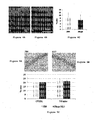
- Fig. 1 The number of tangles per hippocampal area were calculated and shown to be significantly reduced (AT8 positive cells) in the hippocampus of 3XTg mice that received the injection of M13 as compared to the PBS-treated hemisphere ( Fig. 2 ).
- ThS stained plaques in 3xTg mice demonstrated the 26% reduction in amyloid plaque load in phage M13-treated hemisphere vs PBS-treated hemisphere ( Figs. 4A-4C ).
- the reduction in ThS stained plaque load was observed in subicullum related to phage M13-treated hemisphere.
- amyloid plaques in the treated hemisphere have smaller size.
- phage M13 has direct beneficial effect on tau, and the reduction in tangles load in TAU Tg mice provide evidence for direct phage action on tau in vivo.
- Cellulose acetate membrane filter selectively retains fibril conformers of tau.
- One of the original protocols for filter retardation assays for amyloid-like protein aggregates is Wanker et al. (1999).
- Tau fibers were assembled as described in Margittai and Langen (2006).
- Tau fibers were diluted into PBS (final concentration 2.5 ⁇ M) containing different concentrations (1x10 12 and 1x10 13 phage/ml) of wild type M13 bacteriophage and incubated for three days at 37°C.
- serial dilutions of the tau fibrils were subjected to filtration through a cellulose acetate membrane filter that selectively retains cross- ⁇ sheet amyloid, followed by immunoblotting (primary antibody was diluted as described by the supplier in 5% non-fat milk for 1 hr at room temperature; secondary antibody: anti-mouse IgG peroxidase conjugate from Sigma Fine Chemicals, St.
- the antibody used for immunoblotting was anti-tau antibody EP2456Y (Millipore) for detecting f-tau.
- M13 converts fibrils of tau in a concentration-dependent manner to disaggregated/dissociated species that fail to be retained by the cellulose acetate membrane filter.
Landscapes
- Health & Medical Sciences (AREA)
- Life Sciences & Earth Sciences (AREA)
- Chemical & Material Sciences (AREA)
- Medicinal Chemistry (AREA)
- General Health & Medical Sciences (AREA)
- Veterinary Medicine (AREA)
- Public Health (AREA)
- Pharmacology & Pharmacy (AREA)
- Animal Behavior & Ethology (AREA)
- Bioinformatics & Cheminformatics (AREA)
- Engineering & Computer Science (AREA)
- Neurology (AREA)
- Organic Chemistry (AREA)
- Nuclear Medicine, Radiotherapy & Molecular Imaging (AREA)
- General Chemical & Material Sciences (AREA)
- Biomedical Technology (AREA)
- Chemical Kinetics & Catalysis (AREA)
- Neurosurgery (AREA)
- Microbiology (AREA)
- Epidemiology (AREA)
- Mycology (AREA)
- Virology (AREA)
- Psychology (AREA)
- Physical Education & Sports Medicine (AREA)
- Orthopedic Medicine & Surgery (AREA)
- Hospice & Palliative Care (AREA)
- Pain & Pain Management (AREA)
- Psychiatry (AREA)
- Immunology (AREA)
- Medicines Containing Material From Animals Or Micro-Organisms (AREA)
- Micro-Organisms Or Cultivation Processes Thereof (AREA)
- Medicines That Contain Protein Lipid Enzymes And Other Medicines (AREA)
Claims (10)
- Bactériophage filamenteux pour utilisation dans le traitement d'une tauopathie neurodégénérative ou d'une susceptibilité à une tauopathie neurodégénérative, dans lequel le bactériophage filamenteux ne présente pas (i) un signal d'internalisation de cellule de mammifère, (ii) un antigène β-amyloïde ou un anticorps anti-β-amyloïde, ou (iii) un antigène de protéine tau ou un anticorps anti-protéine tau, et à condition que la tauopathie neurodégénérative ne soit pas la maladie d'Alzheimer, y compris la maladie d'Alzheimer à début précoce, la maladie d'Alzheimer à début tardif, la maladie d'Alzheimer présymptomatique ; le kuru, la maladie de Creutzfeld-Jakob (MCJ), le syndrome de Gerstmann-Straüssler-Scheinker (GSS) ; d'autres maladies à prion, ou la maladie de Parkinson.
- Bactériophage filamenteux pour utilisation selon la revendication 1, dans lequel le bactériophage filamenteux ne présente aucun polypeptide de bactériophage non filamenteux à sa surface.
- Bactériophage filamenteux pour utilisation selon la revendication 1, qui est un bactériophage filamenteux de type sauvage.
- Bactériophage filamenteux pour utilisation selon l'une quelconque des revendications 1 à 3, qui est un bactériophage filamenteux choisi dans le groupe constitué par les bactériophages M13, fl et fd, et leurs mélanges.
- Bactériophage filamenteux pour utilisation selon l'une quelconque des revendications 1 à 4, qui est un bactériophage M13 de type sauvage.
- Bactériophage filamenteux pour utilisation selon l'une quelconque des revendications 1 à 5, dans lequel la tauopathie neurodégénérative est choisie dans le groupe constitué par la démence à grains argyrophiles, la dégénérescence corticobasale, la démence pugilistique, les dégénérescences neurofibrillaires diffuses avec calcification, la trisomie 21, la démence frontotemporale avec parkinsonisme liée au chromosome 17, le syndrome de Hallervorden-Spatz, la dystrophie myotonique, la maladie de Niemann-Pick de type C, la sclérose latérale amyotrophique non guamanienne avec dégénérescences neurofibrillaires, la maladie de Pick, le parkinsonisme postencéphalique, la gliose sous-corticale progressive, la paralysie supranucléaire progressive, la panencéphalite sclérosante subaiguë et la démence à dégénérescence neurofibrillaire seule.
- Bactériophage filamenteux pour utilisation selon l'une quelconque des revendications 1 à 6, qui est formulé dans un médicament à administrer directement au cerveau.
- Bactériophage filamenteux pour utilisation selon l'une quelconque des revendications 1 à 6, qui est formulé dans un médicament pour injection ou infusion intraparenchymateuse, injection intracérébroventriculaire, injection dans l'espace intrathécal, ou infusion intracérébroventriculaire.
- Bactériophage filamenteux pour utilisation selon l'une quelconque des revendications 1 à 8, dans lequel le traitement comprend la réduction de la formation de fibrilles de protéine tau ou la désagrégation de fibrilles préformées de protéine tau chez un patient.
- Composition pharmaceutique pour utilisation dans le traitement d'une tauopathie neurodégénérative ou d'une susceptibilité à une tauopathie neurodégénérative, comprenant le bactériophage filamenteux pour utilisation selon l'une quelconque des revendications 1 à 9 et un vecteur, des diluants ou un excipient pharmaceutiquement acceptables, à condition que la tauopathie neurodégénérative ne soit pas la maladie d'Alzheimer, y compris la maladie d'Alzheimer à début précoce, la maladie d'Alzheimer à début tardif, la maladie d'Alzheimer présymptomatique ; le syndrome islandais héréditaire ; le kuru, la maladie de Creutzfeld-Jakob (MCJ) ; la maladie de Gerstmann-Straüssler-Scheinker (GSS) ; d'autres maladies à prions, l'insomnie fatale familiale (IFF) ou la maladie de Parkinson.
Applications Claiming Priority (4)
| Application Number | Priority Date | Filing Date | Title |
|---|---|---|---|
| US201161451948P | 2011-03-11 | 2011-03-11 | |
| US201161492059P | 2011-06-01 | 2011-06-01 | |
| US201261583816P | 2012-01-06 | 2012-01-06 | |
| PCT/US2012/028762 WO2012125555A1 (fr) | 2011-03-11 | 2012-03-12 | Méthode de traitement de tauopathie neurodégénérative |
Publications (2)
| Publication Number | Publication Date |
|---|---|
| EP2683391A1 EP2683391A1 (fr) | 2014-01-15 |
| EP2683391B1 true EP2683391B1 (fr) | 2015-05-06 |
Family
ID=45876927
Family Applications (1)
| Application Number | Title | Priority Date | Filing Date |
|---|---|---|---|
| EP20120710423 Not-in-force EP2683391B1 (fr) | 2011-03-11 | 2012-03-12 | Bactériophages filamenteux pour le traitement de tauopathie neurodégénérative |
Country Status (9)
| Country | Link |
|---|---|
| US (1) | US8980547B2 (fr) |
| EP (1) | EP2683391B1 (fr) |
| JP (1) | JP2014509514A (fr) |
| KR (1) | KR20140051840A (fr) |
| CN (1) | CN103476420A (fr) |
| AU (1) | AU2012229222A1 (fr) |
| BR (1) | BR112013023040A2 (fr) |
| CA (1) | CA2829223A1 (fr) |
| WO (1) | WO2012125555A1 (fr) |
Families Citing this family (7)
| Publication number | Priority date | Publication date | Assignee | Title |
|---|---|---|---|---|
| CN114748605A (zh) | 2011-11-29 | 2022-07-15 | 普罗克拉拉生物科学股份有限公司 | 噬菌体基因3蛋白组合物及作为淀粉样蛋白结合剂的用途 |
| CN104870008B (zh) | 2012-10-02 | 2019-10-01 | 普罗克拉拉生物科学股份有限公司 | 噬菌体的p3融合蛋白作为淀粉样蛋白结合剂的用途 |
| KR20160010618A (ko) | 2013-05-28 | 2016-01-27 | 뉴로페이지 파마슈티컬즈, 인크. | 감소된 면역원성을 갖는 개질된 박테리오파아지 g3p 아미노산 서열을 포함하는 폴리펩티드 |
| PL3227313T3 (pl) | 2014-12-03 | 2022-05-09 | Proclara Biosciences, Inc. | Polipeptydy zawierające zmodyfikowaną sekwencję aminokwasową bakteriofaga g3p pozbawioną sygnału glikozylacji |
| EP3697814A1 (fr) | 2017-10-16 | 2020-08-26 | Eisai R&D Management Co., Ltd. | Anticorps anti-tau et leurs utilisations |
| JP7232931B2 (ja) * | 2019-03-01 | 2023-03-03 | エイシー イミューン ソシエテ アノニム | タウ凝集体に関連する障害の治療、緩和、または予防のための新規化合物 |
| CN110638797A (zh) * | 2019-09-17 | 2020-01-03 | 深圳大学 | 白皮杉醇在制备预防和治疗神经退行性疾病的药物方面的应用 |
Family Cites Families (7)
| Publication number | Priority date | Publication date | Assignee | Title |
|---|---|---|---|---|
| JPS6026432B2 (ja) | 1977-11-24 | 1985-06-24 | 三井東圧化学株式会社 | 塗料組成物 |
| US20030148404A1 (en) * | 2000-07-27 | 2003-08-07 | Ramot University Authority For Applied Research & Industrial Development Ltd. | Peptides and substances, methods and devices using same for diagnosing and treating neurodegenerative disorders |
| EP1853285B1 (fr) | 2005-02-01 | 2011-03-16 | Ramot at Tel-Aviv University Ltd. | Methode destinee a traiter une inflammation associee aux depots amyloides et une inflammation cerebrale impliquant une microglie activee |
| MX2008010612A (es) | 2006-02-15 | 2009-03-20 | Ramot At Tel Aviv University | Bacteriofago filamentoso que exhibe proteina a como aglutinante de anticuerpos e inmunocomplejos para el suministro hacia el cerebro. |
| EP2054515B1 (fr) * | 2006-07-21 | 2012-01-11 | Ramot at Tel-Aviv University Ltd. | Procédé d'inhibition ou de traitement d'une maladie associée à la formation intracellulaire d'inclusions ou d'agrégats fibrillaires protéiques |
| WO2009143470A1 (fr) * | 2008-05-22 | 2009-11-26 | Ramot At Tel Aviv University Ltd. | Procédé de traitement de maladie caractérisée par une plaque |
| RU2011125971A (ru) | 2008-11-24 | 2012-12-27 | Рамот Эт Тель-Авив Юниверсити Лтд. | Способ лечения болезни паркинсона |
-
2012
- 2012-03-12 BR BR112013023040A patent/BR112013023040A2/pt not_active Application Discontinuation
- 2012-03-12 AU AU2012229222A patent/AU2012229222A1/en not_active Abandoned
- 2012-03-12 CN CN2012800126297A patent/CN103476420A/zh active Pending
- 2012-03-12 CA CA2829223A patent/CA2829223A1/fr not_active Abandoned
- 2012-03-12 US US14/004,615 patent/US8980547B2/en active Active
- 2012-03-12 EP EP20120710423 patent/EP2683391B1/fr not_active Not-in-force
- 2012-03-12 WO PCT/US2012/028762 patent/WO2012125555A1/fr not_active Ceased
- 2012-03-12 JP JP2013558087A patent/JP2014509514A/ja active Pending
- 2012-03-12 KR KR1020137023853A patent/KR20140051840A/ko not_active Withdrawn
Also Published As
| Publication number | Publication date |
|---|---|
| AU2012229222A1 (en) | 2013-09-12 |
| CA2829223A1 (fr) | 2012-09-20 |
| CN103476420A (zh) | 2013-12-25 |
| US8980547B2 (en) | 2015-03-17 |
| WO2012125555A1 (fr) | 2012-09-20 |
| JP2014509514A (ja) | 2014-04-21 |
| BR112013023040A2 (pt) | 2018-10-23 |
| KR20140051840A (ko) | 2014-05-02 |
| US20140086880A1 (en) | 2014-03-27 |
| EP2683391A1 (fr) | 2014-01-15 |
Similar Documents
| Publication | Publication Date | Title |
|---|---|---|
| EP2683391B1 (fr) | Bactériophages filamenteux pour le traitement de tauopathie neurodégénérative | |
| WO2011014693A2 (fr) | Bactériophages exprimant des peptides amyloïdes et leurs utilisations | |
| CN114829390A (zh) | Apoe基因疗法 | |
| CN102223887B (zh) | 使用丝状噬菌体治疗帕金森病的方法 | |
| US20110182948A1 (en) | Method for treating disease characterized by plaque | |
| US20130195866A1 (en) | Methods to inhibit neurodegeneration | |
| AU2023358527A1 (en) | Compositions and methods using reelin in alzheimer's disease | |
| JP2020524132A (ja) | アルツハイマー病を治療するための組成物および方法 | |
| EP4252750A1 (fr) | Conservation pharmaceutique de l'activation de creb dans le traitement de la maladie d'alzheimer | |
| US20260048090A1 (en) | M13 bacteriophages displaying peptide motifs targeting amyloid-beta, methods and uses thereof | |
| US12611467B2 (en) | APOE gene therapy | |
| US20250241968A1 (en) | Compositions and methods for treating neurodegeneration | |
| Xia et al. | 14-3-3ζ Captures SET in the Cytoplasm, Mediating Tau Pathology and Cognitive Impairments | |
| JP2024511119A (ja) | 修飾されたペプチド模倣薬および使用方法 | |
| HK40073495A (en) | Apoe gene therapy | |
| Cheong | Gene therapy for Alzheimer's disease: Characterising lentivirus and adeno-associated virus spread from the adult mouse hippocampus | |
| Fang | SSH1 Impedes p62/SQSTM1 Flux and Tau Clearance Independent of Cofilin Activation | |
| Gulisano | A renewed vision for Amyloid beta and tau in Alzheimer s disease pathophysiology | |
| Bhattacharya | Current state of tau aggregation inhibitors | |
| Sherer | Recombinant Production of Aβ1-42 Peptide and Analysis of Interactions Between Aβ1-42 and Peptide Inhibitor NanoParticles (PINPs) Developed as a Potential Novel Treatment for Alzheimer’s Disease | |
| HK1162964B (en) | Method for treating parkinson' s disease using filamentous bacteriophage |
Legal Events
| Date | Code | Title | Description |
|---|---|---|---|
| PUAI | Public reference made under article 153(3) epc to a published international application that has entered the european phase |
Free format text: ORIGINAL CODE: 0009012 |
|
| 17P | Request for examination filed |
Effective date: 20131007 |
|
| AK | Designated contracting states |
Kind code of ref document: A1 Designated state(s): AL AT BE BG CH CY CZ DE DK EE ES FI FR GB GR HR HU IE IS IT LI LT LU LV MC MK MT NL NO PL PT RO RS SE SI SK SM TR |
|
| DAX | Request for extension of the european patent (deleted) | ||
| GRAP | Despatch of communication of intention to grant a patent |
Free format text: ORIGINAL CODE: EPIDOSNIGR1 |
|
| INTG | Intention to grant announced |
Effective date: 20141029 |
|
| GRAS | Grant fee paid |
Free format text: ORIGINAL CODE: EPIDOSNIGR3 |
|
| GRAA | (expected) grant |
Free format text: ORIGINAL CODE: 0009210 |
|
| AK | Designated contracting states |
Kind code of ref document: B1 Designated state(s): AL AT BE BG CH CY CZ DE DK EE ES FI FR GB GR HR HU IE IS IT LI LT LU LV MC MK MT NL NO PL PT RO RS SE SI SK SM TR |
|
| REG | Reference to a national code |
Ref country code: GB Ref legal event code: FG4D |
|
| REG | Reference to a national code |
Ref country code: CH Ref legal event code: EP |
|
| REG | Reference to a national code |
Ref country code: IE Ref legal event code: FG4D |
|
| REG | Reference to a national code |
Ref country code: AT Ref legal event code: REF Ref document number: 725216 Country of ref document: AT Kind code of ref document: T Effective date: 20150615 |
|
| REG | Reference to a national code |
Ref country code: DE Ref legal event code: R096 Ref document number: 602012007169 Country of ref document: DE Effective date: 20150618 |
|
| REG | Reference to a national code |
Ref country code: AT Ref legal event code: MK05 Ref document number: 725216 Country of ref document: AT Kind code of ref document: T Effective date: 20150506 |
|
| REG | Reference to a national code |
Ref country code: NL Ref legal event code: MP Effective date: 20150506 |
|
| REG | Reference to a national code |
Ref country code: LT Ref legal event code: MG4D |
|
| PG25 | Lapsed in a contracting state [announced via postgrant information from national office to epo] |
Ref country code: NO Free format text: LAPSE BECAUSE OF FAILURE TO SUBMIT A TRANSLATION OF THE DESCRIPTION OR TO PAY THE FEE WITHIN THE PRESCRIBED TIME-LIMIT Effective date: 20150806 Ref country code: LT Free format text: LAPSE BECAUSE OF FAILURE TO SUBMIT A TRANSLATION OF THE DESCRIPTION OR TO PAY THE FEE WITHIN THE PRESCRIBED TIME-LIMIT Effective date: 20150506 Ref country code: ES Free format text: LAPSE BECAUSE OF FAILURE TO SUBMIT A TRANSLATION OF THE DESCRIPTION OR TO PAY THE FEE WITHIN THE PRESCRIBED TIME-LIMIT Effective date: 20150506 Ref country code: PT Free format text: LAPSE BECAUSE OF FAILURE TO SUBMIT A TRANSLATION OF THE DESCRIPTION OR TO PAY THE FEE WITHIN THE PRESCRIBED TIME-LIMIT Effective date: 20150907 Ref country code: FI Free format text: LAPSE BECAUSE OF FAILURE TO SUBMIT A TRANSLATION OF THE DESCRIPTION OR TO PAY THE FEE WITHIN THE PRESCRIBED TIME-LIMIT Effective date: 20150506 Ref country code: HR Free format text: LAPSE BECAUSE OF FAILURE TO SUBMIT A TRANSLATION OF THE DESCRIPTION OR TO PAY THE FEE WITHIN THE PRESCRIBED TIME-LIMIT Effective date: 20150506 |
|
| PG25 | Lapsed in a contracting state [announced via postgrant information from national office to epo] |
Ref country code: IS Free format text: LAPSE BECAUSE OF FAILURE TO SUBMIT A TRANSLATION OF THE DESCRIPTION OR TO PAY THE FEE WITHIN THE PRESCRIBED TIME-LIMIT Effective date: 20150906 Ref country code: RS Free format text: LAPSE BECAUSE OF FAILURE TO SUBMIT A TRANSLATION OF THE DESCRIPTION OR TO PAY THE FEE WITHIN THE PRESCRIBED TIME-LIMIT Effective date: 20150506 Ref country code: AT Free format text: LAPSE BECAUSE OF FAILURE TO SUBMIT A TRANSLATION OF THE DESCRIPTION OR TO PAY THE FEE WITHIN THE PRESCRIBED TIME-LIMIT Effective date: 20150506 Ref country code: LV Free format text: LAPSE BECAUSE OF FAILURE TO SUBMIT A TRANSLATION OF THE DESCRIPTION OR TO PAY THE FEE WITHIN THE PRESCRIBED TIME-LIMIT Effective date: 20150506 Ref country code: BG Free format text: LAPSE BECAUSE OF FAILURE TO SUBMIT A TRANSLATION OF THE DESCRIPTION OR TO PAY THE FEE WITHIN THE PRESCRIBED TIME-LIMIT Effective date: 20150806 Ref country code: GR Free format text: LAPSE BECAUSE OF FAILURE TO SUBMIT A TRANSLATION OF THE DESCRIPTION OR TO PAY THE FEE WITHIN THE PRESCRIBED TIME-LIMIT Effective date: 20150807 |
|
| PG25 | Lapsed in a contracting state [announced via postgrant information from national office to epo] |
Ref country code: DK Free format text: LAPSE BECAUSE OF FAILURE TO SUBMIT A TRANSLATION OF THE DESCRIPTION OR TO PAY THE FEE WITHIN THE PRESCRIBED TIME-LIMIT Effective date: 20150506 Ref country code: EE Free format text: LAPSE BECAUSE OF FAILURE TO SUBMIT A TRANSLATION OF THE DESCRIPTION OR TO PAY THE FEE WITHIN THE PRESCRIBED TIME-LIMIT Effective date: 20150506 |
|
| REG | Reference to a national code |
Ref country code: DE Ref legal event code: R097 Ref document number: 602012007169 Country of ref document: DE |
|
| PG25 | Lapsed in a contracting state [announced via postgrant information from national office to epo] |
Ref country code: CZ Free format text: LAPSE BECAUSE OF FAILURE TO SUBMIT A TRANSLATION OF THE DESCRIPTION OR TO PAY THE FEE WITHIN THE PRESCRIBED TIME-LIMIT Effective date: 20150506 Ref country code: SK Free format text: LAPSE BECAUSE OF FAILURE TO SUBMIT A TRANSLATION OF THE DESCRIPTION OR TO PAY THE FEE WITHIN THE PRESCRIBED TIME-LIMIT Effective date: 20150506 Ref country code: RO Free format text: LAPSE BECAUSE OF NON-PAYMENT OF DUE FEES Effective date: 20150506 Ref country code: PL Free format text: LAPSE BECAUSE OF FAILURE TO SUBMIT A TRANSLATION OF THE DESCRIPTION OR TO PAY THE FEE WITHIN THE PRESCRIBED TIME-LIMIT Effective date: 20150506 |
|
| PLBE | No opposition filed within time limit |
Free format text: ORIGINAL CODE: 0009261 |
|
| STAA | Information on the status of an ep patent application or granted ep patent |
Free format text: STATUS: NO OPPOSITION FILED WITHIN TIME LIMIT |
|
| REG | Reference to a national code |
Ref country code: FR Ref legal event code: PLFP Year of fee payment: 5 |
|
| 26N | No opposition filed |
Effective date: 20160209 |
|
| PG25 | Lapsed in a contracting state [announced via postgrant information from national office to epo] |
Ref country code: IT Free format text: LAPSE BECAUSE OF FAILURE TO SUBMIT A TRANSLATION OF THE DESCRIPTION OR TO PAY THE FEE WITHIN THE PRESCRIBED TIME-LIMIT Effective date: 20150506 |
|
| PG25 | Lapsed in a contracting state [announced via postgrant information from national office to epo] |
Ref country code: SI Free format text: LAPSE BECAUSE OF FAILURE TO SUBMIT A TRANSLATION OF THE DESCRIPTION OR TO PAY THE FEE WITHIN THE PRESCRIBED TIME-LIMIT Effective date: 20150506 |
|
| PGFP | Annual fee paid to national office [announced via postgrant information from national office to epo] |
Ref country code: FR Payment date: 20160321 Year of fee payment: 5 Ref country code: GB Payment date: 20160321 Year of fee payment: 5 |
|
| PGFP | Annual fee paid to national office [announced via postgrant information from national office to epo] |
Ref country code: DE Payment date: 20160330 Year of fee payment: 5 |
|
| PG25 | Lapsed in a contracting state [announced via postgrant information from national office to epo] |
Ref country code: BE Free format text: LAPSE BECAUSE OF FAILURE TO SUBMIT A TRANSLATION OF THE DESCRIPTION OR TO PAY THE FEE WITHIN THE PRESCRIBED TIME-LIMIT Effective date: 20150506 |
|
| PG25 | Lapsed in a contracting state [announced via postgrant information from national office to epo] |
Ref country code: MC Free format text: LAPSE BECAUSE OF FAILURE TO SUBMIT A TRANSLATION OF THE DESCRIPTION OR TO PAY THE FEE WITHIN THE PRESCRIBED TIME-LIMIT Effective date: 20150506 Ref country code: LU Free format text: LAPSE BECAUSE OF FAILURE TO SUBMIT A TRANSLATION OF THE DESCRIPTION OR TO PAY THE FEE WITHIN THE PRESCRIBED TIME-LIMIT Effective date: 20160312 |
|
| REG | Reference to a national code |
Ref country code: CH Ref legal event code: PL |
|
| REG | Reference to a national code |
Ref country code: IE Ref legal event code: MM4A |
|
| PG25 | Lapsed in a contracting state [announced via postgrant information from national office to epo] |
Ref country code: IE Free format text: LAPSE BECAUSE OF NON-PAYMENT OF DUE FEES Effective date: 20160312 Ref country code: LI Free format text: LAPSE BECAUSE OF NON-PAYMENT OF DUE FEES Effective date: 20160331 Ref country code: CH Free format text: LAPSE BECAUSE OF NON-PAYMENT OF DUE FEES Effective date: 20160331 |
|
| PG25 | Lapsed in a contracting state [announced via postgrant information from national office to epo] |
Ref country code: SE Free format text: LAPSE BECAUSE OF FAILURE TO SUBMIT A TRANSLATION OF THE DESCRIPTION OR TO PAY THE FEE WITHIN THE PRESCRIBED TIME-LIMIT Effective date: 20150506 Ref country code: NL Free format text: LAPSE BECAUSE OF FAILURE TO SUBMIT A TRANSLATION OF THE DESCRIPTION OR TO PAY THE FEE WITHIN THE PRESCRIBED TIME-LIMIT Effective date: 20150506 |
|
| PG25 | Lapsed in a contracting state [announced via postgrant information from national office to epo] |
Ref country code: MT Free format text: LAPSE BECAUSE OF FAILURE TO SUBMIT A TRANSLATION OF THE DESCRIPTION OR TO PAY THE FEE WITHIN THE PRESCRIBED TIME-LIMIT Effective date: 20150506 |
|
| REG | Reference to a national code |
Ref country code: DE Ref legal event code: R119 Ref document number: 602012007169 Country of ref document: DE |
|
| GBPC | Gb: european patent ceased through non-payment of renewal fee |
Effective date: 20170312 |
|
| REG | Reference to a national code |
Ref country code: FR Ref legal event code: ST Effective date: 20171130 |
|
| PG25 | Lapsed in a contracting state [announced via postgrant information from national office to epo] |
Ref country code: DE Free format text: LAPSE BECAUSE OF NON-PAYMENT OF DUE FEES Effective date: 20171003 Ref country code: FR Free format text: LAPSE BECAUSE OF NON-PAYMENT OF DUE FEES Effective date: 20170331 |
|
| PG25 | Lapsed in a contracting state [announced via postgrant information from national office to epo] |
Ref country code: GB Free format text: LAPSE BECAUSE OF NON-PAYMENT OF DUE FEES Effective date: 20170312 |
|
| PG25 | Lapsed in a contracting state [announced via postgrant information from national office to epo] |
Ref country code: SM Free format text: LAPSE BECAUSE OF FAILURE TO SUBMIT A TRANSLATION OF THE DESCRIPTION OR TO PAY THE FEE WITHIN THE PRESCRIBED TIME-LIMIT Effective date: 20150506 Ref country code: CY Free format text: LAPSE BECAUSE OF FAILURE TO SUBMIT A TRANSLATION OF THE DESCRIPTION OR TO PAY THE FEE WITHIN THE PRESCRIBED TIME-LIMIT Effective date: 20150506 Ref country code: HU Free format text: LAPSE BECAUSE OF FAILURE TO SUBMIT A TRANSLATION OF THE DESCRIPTION OR TO PAY THE FEE WITHIN THE PRESCRIBED TIME-LIMIT; INVALID AB INITIO Effective date: 20120312 |
|
| PG25 | Lapsed in a contracting state [announced via postgrant information from national office to epo] |
Ref country code: TR Free format text: LAPSE BECAUSE OF FAILURE TO SUBMIT A TRANSLATION OF THE DESCRIPTION OR TO PAY THE FEE WITHIN THE PRESCRIBED TIME-LIMIT Effective date: 20150506 Ref country code: MK Free format text: LAPSE BECAUSE OF FAILURE TO SUBMIT A TRANSLATION OF THE DESCRIPTION OR TO PAY THE FEE WITHIN THE PRESCRIBED TIME-LIMIT Effective date: 20150506 Ref country code: MT Free format text: LAPSE BECAUSE OF FAILURE TO SUBMIT A TRANSLATION OF THE DESCRIPTION OR TO PAY THE FEE WITHIN THE PRESCRIBED TIME-LIMIT Effective date: 20160331 |
|
| PG25 | Lapsed in a contracting state [announced via postgrant information from national office to epo] |
Ref country code: AL Free format text: LAPSE BECAUSE OF FAILURE TO SUBMIT A TRANSLATION OF THE DESCRIPTION OR TO PAY THE FEE WITHIN THE PRESCRIBED TIME-LIMIT Effective date: 20150506 |