EP2684575A2 - Procédé pour induire la migration in vivo de cellules souches - Google Patents
Procédé pour induire la migration in vivo de cellules souches Download PDFInfo
- Publication number
- EP2684575A2 EP2684575A2 EP12754399.9A EP12754399A EP2684575A2 EP 2684575 A2 EP2684575 A2 EP 2684575A2 EP 12754399 A EP12754399 A EP 12754399A EP 2684575 A2 EP2684575 A2 EP 2684575A2
- Authority
- EP
- European Patent Office
- Prior art keywords
- tissue
- stem cells
- poly
- cell
- damaged
- Prior art date
- Legal status (The legal status is an assumption and is not a legal conclusion. Google has not performed a legal analysis and makes no representation as to the accuracy of the status listed.)
- Granted
Links
Images





Classifications
-
- A—HUMAN NECESSITIES
- A61—MEDICAL OR VETERINARY SCIENCE; HYGIENE
- A61K—PREPARATIONS FOR MEDICAL, DENTAL OR TOILETRY PURPOSES
- A61K38/00—Medicinal preparations containing peptides
- A61K38/16—Peptides having more than 20 amino acids; Gastrins; Somatostatins; Melanotropins; Derivatives thereof
- A61K38/17—Peptides having more than 20 amino acids; Gastrins; Somatostatins; Melanotropins; Derivatives thereof from animals; from humans
- A61K38/19—Cytokines; Lymphokines; Interferons
- A61K38/20—Interleukins [IL]
-
- A—HUMAN NECESSITIES
- A61—MEDICAL OR VETERINARY SCIENCE; HYGIENE
- A61K—PREPARATIONS FOR MEDICAL, DENTAL OR TOILETRY PURPOSES
- A61K38/00—Medicinal preparations containing peptides
- A61K38/16—Peptides having more than 20 amino acids; Gastrins; Somatostatins; Melanotropins; Derivatives thereof
- A61K38/17—Peptides having more than 20 amino acids; Gastrins; Somatostatins; Melanotropins; Derivatives thereof from animals; from humans
- A61K38/19—Cytokines; Lymphokines; Interferons
- A61K38/20—Interleukins [IL]
- A61K38/2053—IL-8
-
- A—HUMAN NECESSITIES
- A61—MEDICAL OR VETERINARY SCIENCE; HYGIENE
- A61K—PREPARATIONS FOR MEDICAL, DENTAL OR TOILETRY PURPOSES
- A61K38/00—Medicinal preparations containing peptides
- A61K38/16—Peptides having more than 20 amino acids; Gastrins; Somatostatins; Melanotropins; Derivatives thereof
- A61K38/17—Peptides having more than 20 amino acids; Gastrins; Somatostatins; Melanotropins; Derivatives thereof from animals; from humans
- A61K38/18—Growth factors; Growth regulators
-
- A—HUMAN NECESSITIES
- A61—MEDICAL OR VETERINARY SCIENCE; HYGIENE
- A61K—PREPARATIONS FOR MEDICAL, DENTAL OR TOILETRY PURPOSES
- A61K38/00—Medicinal preparations containing peptides
- A61K38/16—Peptides having more than 20 amino acids; Gastrins; Somatostatins; Melanotropins; Derivatives thereof
- A61K38/17—Peptides having more than 20 amino acids; Gastrins; Somatostatins; Melanotropins; Derivatives thereof from animals; from humans
- A61K38/19—Cytokines; Lymphokines; Interferons
- A61K38/195—Chemokines, e.g. RANTES
-
- A—HUMAN NECESSITIES
- A61—MEDICAL OR VETERINARY SCIENCE; HYGIENE
- A61K—PREPARATIONS FOR MEDICAL, DENTAL OR TOILETRY PURPOSES
- A61K47/00—Medicinal preparations characterised by the non-active ingredients used, e.g. carriers or inert additives; Targeting or modifying agents chemically bound to the active ingredient
- A61K47/30—Macromolecular organic or inorganic compounds, e.g. inorganic polyphosphates
-
- A—HUMAN NECESSITIES
- A61—MEDICAL OR VETERINARY SCIENCE; HYGIENE
- A61K—PREPARATIONS FOR MEDICAL, DENTAL OR TOILETRY PURPOSES
- A61K47/00—Medicinal preparations characterised by the non-active ingredients used, e.g. carriers or inert additives; Targeting or modifying agents chemically bound to the active ingredient
- A61K47/50—Medicinal preparations characterised by the non-active ingredients used, e.g. carriers or inert additives; Targeting or modifying agents chemically bound to the active ingredient the non-active ingredient being chemically bound to the active ingredient, e.g. polymer-drug conjugates
-
- A—HUMAN NECESSITIES
- A61—MEDICAL OR VETERINARY SCIENCE; HYGIENE
- A61L—METHODS OR APPARATUS FOR STERILISING MATERIALS OR OBJECTS IN GENERAL; DISINFECTION, STERILISATION OR DEODORISATION OF AIR; CHEMICAL ASPECTS OF BANDAGES, DRESSINGS, ABSORBENT PADS OR SURGICAL ARTICLES; MATERIALS FOR BANDAGES, DRESSINGS, ABSORBENT PADS OR SURGICAL ARTICLES
- A61L27/00—Materials for grafts or prostheses or for coating grafts or prostheses
- A61L27/50—Materials characterised by their function or physical properties, e.g. injectable or lubricating compositions, shape-memory materials, surface modified materials
- A61L27/54—Biologically active materials, e.g. therapeutic substances
-
- A—HUMAN NECESSITIES
- A61—MEDICAL OR VETERINARY SCIENCE; HYGIENE
- A61L—METHODS OR APPARATUS FOR STERILISING MATERIALS OR OBJECTS IN GENERAL; DISINFECTION, STERILISATION OR DEODORISATION OF AIR; CHEMICAL ASPECTS OF BANDAGES, DRESSINGS, ABSORBENT PADS OR SURGICAL ARTICLES; MATERIALS FOR BANDAGES, DRESSINGS, ABSORBENT PADS OR SURGICAL ARTICLES
- A61L27/00—Materials for grafts or prostheses or for coating grafts or prostheses
- A61L27/50—Materials characterised by their function or physical properties, e.g. injectable or lubricating compositions, shape-memory materials, surface modified materials
- A61L27/56—Porous materials, e.g. foams or sponges
-
- A—HUMAN NECESSITIES
- A61—MEDICAL OR VETERINARY SCIENCE; HYGIENE
- A61L—METHODS OR APPARATUS FOR STERILISING MATERIALS OR OBJECTS IN GENERAL; DISINFECTION, STERILISATION OR DEODORISATION OF AIR; CHEMICAL ASPECTS OF BANDAGES, DRESSINGS, ABSORBENT PADS OR SURGICAL ARTICLES; MATERIALS FOR BANDAGES, DRESSINGS, ABSORBENT PADS OR SURGICAL ARTICLES
- A61L27/00—Materials for grafts or prostheses or for coating grafts or prostheses
- A61L27/50—Materials characterised by their function or physical properties, e.g. injectable or lubricating compositions, shape-memory materials, surface modified materials
- A61L27/58—Materials at least partially resorbable by the body
-
- A—HUMAN NECESSITIES
- A61—MEDICAL OR VETERINARY SCIENCE; HYGIENE
- A61P—SPECIFIC THERAPEUTIC ACTIVITY OF CHEMICAL COMPOUNDS OR MEDICINAL PREPARATIONS
- A61P17/00—Drugs for dermatological disorders
-
- A—HUMAN NECESSITIES
- A61—MEDICAL OR VETERINARY SCIENCE; HYGIENE
- A61P—SPECIFIC THERAPEUTIC ACTIVITY OF CHEMICAL COMPOUNDS OR MEDICINAL PREPARATIONS
- A61P17/00—Drugs for dermatological disorders
- A61P17/02—Drugs for dermatological disorders for treating wounds, ulcers, burns, scars, keloids, or the like
-
- A—HUMAN NECESSITIES
- A61—MEDICAL OR VETERINARY SCIENCE; HYGIENE
- A61P—SPECIFIC THERAPEUTIC ACTIVITY OF CHEMICAL COMPOUNDS OR MEDICINAL PREPARATIONS
- A61P19/00—Drugs for skeletal disorders
- A61P19/02—Drugs for skeletal disorders for joint disorders, e.g. arthritis, arthrosis
-
- A—HUMAN NECESSITIES
- A61—MEDICAL OR VETERINARY SCIENCE; HYGIENE
- A61P—SPECIFIC THERAPEUTIC ACTIVITY OF CHEMICAL COMPOUNDS OR MEDICINAL PREPARATIONS
- A61P19/00—Drugs for skeletal disorders
- A61P19/08—Drugs for skeletal disorders for bone diseases, e.g. rachitism, Paget's disease
-
- A—HUMAN NECESSITIES
- A61—MEDICAL OR VETERINARY SCIENCE; HYGIENE
- A61P—SPECIFIC THERAPEUTIC ACTIVITY OF CHEMICAL COMPOUNDS OR MEDICINAL PREPARATIONS
- A61P43/00—Drugs for specific purposes, not provided for in groups A61P1/00-A61P41/00
-
- C—CHEMISTRY; METALLURGY
- C07—ORGANIC CHEMISTRY
- C07K—PEPTIDES
- C07K14/00—Peptides having more than 20 amino acids; Gastrins; Somatostatins; Melanotropins; Derivatives thereof
- C07K14/435—Peptides having more than 20 amino acids; Gastrins; Somatostatins; Melanotropins; Derivatives thereof from animals; from humans
- C07K14/52—Cytokines; Lymphokines; Interferons
- C07K14/521—Chemokines
- C07K14/523—Beta-chemokines, e.g. RANTES, I-309/TCA-3, MIP-1alpha, MIP-1beta/ACT-2/LD78/SCIF, MCP-1/MCAF, MCP-2, MCP-3, LDCF-1, LDCF-2
-
- C—CHEMISTRY; METALLURGY
- C07—ORGANIC CHEMISTRY
- C07K—PEPTIDES
- C07K14/00—Peptides having more than 20 amino acids; Gastrins; Somatostatins; Melanotropins; Derivatives thereof
- C07K14/435—Peptides having more than 20 amino acids; Gastrins; Somatostatins; Melanotropins; Derivatives thereof from animals; from humans
- C07K14/52—Cytokines; Lymphokines; Interferons
- C07K14/54—Interleukins [IL]
- C07K14/5421—IL-8
-
- C—CHEMISTRY; METALLURGY
- C07—ORGANIC CHEMISTRY
- C07K—PEPTIDES
- C07K17/00—Carrier-bound or immobilised peptides; Preparation thereof
- C07K17/02—Peptides being immobilised on, or in, an organic carrier
-
- A—HUMAN NECESSITIES
- A61—MEDICAL OR VETERINARY SCIENCE; HYGIENE
- A61L—METHODS OR APPARATUS FOR STERILISING MATERIALS OR OBJECTS IN GENERAL; DISINFECTION, STERILISATION OR DEODORISATION OF AIR; CHEMICAL ASPECTS OF BANDAGES, DRESSINGS, ABSORBENT PADS OR SURGICAL ARTICLES; MATERIALS FOR BANDAGES, DRESSINGS, ABSORBENT PADS OR SURGICAL ARTICLES
- A61L2300/00—Biologically active materials used in bandages, wound dressings, absorbent pads or medical devices
- A61L2300/20—Biologically active materials used in bandages, wound dressings, absorbent pads or medical devices containing or releasing organic materials
- A61L2300/252—Polypeptides, proteins, e.g. glycoproteins, lipoproteins, cytokines
-
- A—HUMAN NECESSITIES
- A61—MEDICAL OR VETERINARY SCIENCE; HYGIENE
- A61L—METHODS OR APPARATUS FOR STERILISING MATERIALS OR OBJECTS IN GENERAL; DISINFECTION, STERILISATION OR DEODORISATION OF AIR; CHEMICAL ASPECTS OF BANDAGES, DRESSINGS, ABSORBENT PADS OR SURGICAL ARTICLES; MATERIALS FOR BANDAGES, DRESSINGS, ABSORBENT PADS OR SURGICAL ARTICLES
- A61L2300/00—Biologically active materials used in bandages, wound dressings, absorbent pads or medical devices
- A61L2300/40—Biologically active materials used in bandages, wound dressings, absorbent pads or medical devices characterised by a specific therapeutic activity or mode of action
- A61L2300/412—Tissue-regenerating or healing or proliferative agents
-
- A—HUMAN NECESSITIES
- A61—MEDICAL OR VETERINARY SCIENCE; HYGIENE
- A61L—METHODS OR APPARATUS FOR STERILISING MATERIALS OR OBJECTS IN GENERAL; DISINFECTION, STERILISATION OR DEODORISATION OF AIR; CHEMICAL ASPECTS OF BANDAGES, DRESSINGS, ABSORBENT PADS OR SURGICAL ARTICLES; MATERIALS FOR BANDAGES, DRESSINGS, ABSORBENT PADS OR SURGICAL ARTICLES
- A61L2430/00—Materials or treatment for tissue regeneration
- A61L2430/24—Materials or treatment for tissue regeneration for joint reconstruction
Definitions
- the present invention relates to an implantable composition for treating a damaged tissue and a method for inducing an in vivo migration of a cell for treatment to a damaged tissue region.
- Stem cells are cells that can differentiate into various cell types constituting the tissues of an organism, and collectively refer to the cells in an undifferentiated state that can be obtained from embryonic, fetal and adult tissues.
- the stem cells differentiate into specific cell types under necessary stimulation (environment). Unlike the differentiated cells whose cell division has stopped, they can produce the cells identical to themselves through cell division (self-renewal) and can proliferate (expansion). Also, they can differentiate into other cells under different environment or stimulation (plasticity).
- An articular cartilage is an avascular tissue consisting mainly of proteoglycan and type II collagen, and includes about 5% of cartilage cells in the tissue volume [1]. Once articular cartilages are destroyed, chondrocytes do not nearly migrate to the injury region and the injured articular cartilages do not recover spontaneously [2].
- Representative biological methods for treating the injured articular cartilage are subchondral drilling and autologous chondrocyte transplantation. Autologous chondrocytes transplantation is a promising method to treat articular cartilage injuries by transplanting autologous chondrocytes to the injury region. However, there are disadvantages that the surgery is repeatedly required and donors are limited.
- Subchondral drilling is a method to treat articular cartilage injuries using introducing bone marrow-derived mesenchymal stem cells (BMSCs) to the injury region with the bone marrow by drilling subchondral bone in articular cartilage defects.
- BMSCs bone marrow-derived mesenchymal stem cells
- mesenchymal stem cells can differentiate into bones, cartilages and fat cells and proliferate rapidly, they are an important source for repairing articular cartilages.
- MSC mesenchymal stem cells
- a sufficient number of MSCs are introduced into the cartilage defect and the gathered MSCs are attached to the articular cartilage matrix to proliferate and differentiate to chondrocytes such that the cartilage matrix has to be generated.
- MSCs may migrate directly to the injury site and differentiate to articular chondrocytes. The condensation of MSCs and the interactions between cell-cell and cell-matrix is necessary for the chondrogenic differentiation of MSCs [8].
- microenvironments surrounding cells play an important role.
- BMSCs seeding into the cartilage defect are very important for treating various damaged tissues including cartilage [11-13].
- the homing in MSCs is achieved over several stages by cell adhesion proteins and chemokines [14-17].
- Chemokine is a small cytokine of approximately 810 kDa. Approximately 50 types of chemokines have been known, and they are in charge of inducing chemotaxis of various cells [18-20]. Chemokines bind to chemokine receptor, which is kind of a G-protein receptor, to induce chemotaxis. Currently, Approximately 19 types of chemokine receptors have been reported. In addition, skin tissue regeneration using chemokines have been reported in MSCs [21-23].
- the present inventors have made intensive studies to develop an effective method for inducting migration of a cell, which is necessary for treating a damaged tissue, into the damaged tissue.
- IL interleukin
- MIP Macrophage Inflammatory Protein
- implantable composition for treating a damaged tissue comprising a biodegradable scaffold as an active ingredient, wherein the biodegradable scaffold comprises at least one chemotactic factor selected from the group consisting of IL (interleukin)-8, MIP (Macrophage Inflammatory Protein)-3 ⁇ , and derivatives thereof.
- IL interleukin
- MIP Macrophage Inflammatory Protein
- the present inventors have made intensive studies to develop an effective method for inducting migration of a cell, which is necessary for treating a damaged tissue, into the damaged tissue.
- IL interleukin
- MIP Macrophage Inflammatory Protein
- the present inventors have selected chemokine receptors which are expressed in human BMSCs and over-expressed under in vitro injury, and they have induced the homing of MSCs by implanting biodegradable scaffolds including the ligands of the chemokine receptors to a damaged bone tissue, an articular tissue or a skin tissue. Therefore, they have found that the damaged bone tissue, articular tissue or skin tissue may be treated effectively.
- chemotaxis refers to the movements of motile cells with positive direction (i.e., the direction toward stimulus) or negative direction (i.e., a direction away from the stimulation) in response to a chemical stimulus.
- the cell membranes are activated by the corresponding chemotactic factor (chemotactic substances; chemokine), which is mediated by the corresponding cell surface receptor (chemokine receptor).
- chemokine chemotactic substances
- chemotactic factor refers to extracellular matrix molecules and the secreted proteins activating chemotaxis by spreading from the tissues, for example, TGF (transforming growth factor) family, BMP (bone morphogenetic protein) family, CDMP (cartilage-derived morphogenetic proteins), FGF (fibroblast growth factor) family, CTGF (connective tissue growth factors), PDGF (platelet-derived growth factor) family, VEGF (vascular endothelial growth factor) family, extracellular matrix molecules (e.g, osteopontin, fibronectin, hyaluronic acid, heparin, thrombospondin, collagen, vitronectin, etc.) and chemokines.
- TGF transforming growth factor
- BMP bone morphogenetic protein
- CDMP cartilage-derived morphogenetic proteins
- FGF fibroblast growth factor
- CTGF connective tissue growth factors
- PDGF platelet-derived growth factor
- VEGF vascular endothelial growth factor
- the present chemotactic factor includes chemokines.
- Chemokine is a protein (5-20 kDa) that plays an important role for physiological functions in various processes such as hematogenous functions of hematopoietic stem cells and chemotaxis of leukocytes.
- chemokines Amino acid sequences of all chemokines are similar and may be characterized by consecutive sequences of 4 cysteines.
- the chemokine family is divided into four sub-families: (a) CCL; (b) CXCL; (c) CX3CL;, and (d) XCL ( Murphy, et al., International union of pharmacology, XXII, Nomenclature of chemokine receptors, Pharmacol Rev, 52: 145-176 (2000 )).
- the chemokine which may be used in present invention includes CCL20 (MIP-3 ⁇ ), CCL19, CCL21, CCL27, CCL28, CXCL8 (IL-8), CXCL9, CXCL10, CXCL11, CXCL12 (SDF-1), CXCL16, CXCL13, CXCL5, CXCL6, CCL2 (MCP-1), CCL8, CCL13, CCL25, CCL3, CCL4, CCL5, CCL7, CCL14, CCL15, CCL16, CCL23, CX3CL1, XCL1, XCL2, CCL1, CCL17, CCL22, CCL11, CCL24, CCL26, CXCL1, CXCL2, CXCL3 and CXCL7, more preferably CCL20, CCL19, CCL21, CCL27, CCL28, CXCL8, CXCL9, CXCL10, CXCL11, CXCL12, CXCL16, CXCL13, C
- amino acid sequences of CCL20 and CXCL8 are respectively described in SEQ ID NOs:1 and 2.
- the chemokine concentration which may be used in present invention is 10-1,000 ng/ml per biodegradable scaffold (1 g), more preferably 20-800 ng/ml per biodegradable scaffold (1 g), still more preferably 35-700 ng/ml per biodegradable scaffold (1 g), and most preferably 50-500 ng/ml per biodegradable scaffold (1 g).
- biodegradable scaffold refers to a three-dimensional structure consisting of biodegradable polymer containing the chemotactic factor. It functions as a scaffold inducing cell migration, which is necessary for regeneration of the damaged tissue, into target locations (e.g, the damaged articular tissue or skin tissue.) by implanting.
- target locations e.g, the damaged articular tissue or skin tissue.
- the present biodegradable scaffold is the biocompatible material. It usually forms porous micro-scaffolds to provide physical supports for the migrating cells. It is provided to recruit cells for treatment or regeneration.
- the present biodegradable scaffold has the chemotaxis, whereby the homing of the cells (preferably, stem cells or keratinocytes) required for the damaged tissue is promoted.
- the recruited cells exhibit regeneration effects in the damaged target area.
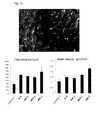
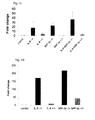
- the implantation of the present biodegradable scaffold significantly increased the number of the migrated cells ( Figs. 2b and 4d ), cell migration distance and velocity ( Fig. 2c ).
- the implantation increased only cell migration, and there was no influence to cell differentiation ( Fig. 3 ). It means that the present biodegradable scaffold only promotes recruitments of the cells necessary for the damaged tissue regeneration.
- the present biodegradable scaffold may be used with any size, shape or composition under degradable conditions.
- the present biodegradable scaffold is selected from the group consisting of a PLGA (poly(lactic-co-glycolic acid)), a PLA (polylactic acid), a PGA (polyglycolic acid), a PCL (poly- ⁇ -caprolactone), a PAA (poly(amino acid)), a poly(anhydride), a polyorthoesther, a collagen gel, a hydro gel, hydrogel, a polyvinyl alcohol sponge, a gelatin, a polysaccharide, a polyphosphazene, a polyacrylate, a polyethylene oxide-propylene glycol block copolymer and mixure thereof, more preferably a PLGA (poly(lactic-co-glycolic acid)), a PLA (polylactic acid), a PGA (polyglycolic acid), a PCL (poly- ⁇ -caprolactone), a PAA (poly(amino acid)),
- the damaged tissue which is treated by the present composition is a bone tissue, an articular tissue or a skin tissue.
- chondrocytes do not nearly migrate to the injury region and the injured articular cartilages do not recover spontaneously.
- the methods for treating the injured articular cartilage are subchondral drilling and autologous chondrocyte transplantation, they have disadvantages as follows: (a) repeated surgery; (b) limitations of the donor part; and (c) difficulties of a sufficient influx of MSCs.
- MSCs are nonhematopoietic stromal cells which may differentiate and regenerated into mesenchymal tissues such as bones, cartilages, muscles, ligaments, tendons and fat, and they may be presented in various tissues. For instance, MSCs have been known to exist in bone marrow with the small number (for example, approximately 1 cell per 10,000 mononuclear cells). In addition, although MSCs may be immortalized, MSCs may have abilities to proliferate with maintaining pluripotency. In addition, MSCs trafficking and tissue homing are not exactly understood even though MSCs are appeared to migrate into the damaged tissue.
- the chemokine and its receptor CXCR4 has been known to important in hematopoietic stem cells and cancer metastasis ( Zou YR, et al., Function of the chemokine receptor CXCR4 in haematopoiesis and in cerebellar development, Nature, 393:595 -599 (1998 )).
- necessity of CXCR4 expression in MSC in vitro migration and MSC in vivo homing has been evaluated.
- several studies have been reported that the MSCs transplanted into damaged tissues may induce recovery. However, it was determined that only limited MSCs were differentiated into the regenerated tissue.
- the present composition contributes to tissue regeneration by homing MSCs into damaged bone tissues other than articular tissues, whereby bone-related diseases may be treated.
- a bone tissue in which the present composition may be implanted includes all skeleton bones of the body including ribs, skull, long bones, humerus, vertebrae, pelvic bones and blade bone, but is not limited thereto.
- an articular tissue in which the present composition may be implanted includes hip joint, shoulder, knee, ankle, wrist, elbow, tarsal bone, ulna, vertebra, wristbone, metacarpus and temprormandibular joint, but is not limited thereto.
- the present damaged articular tissue includes hyaline cartilage (for example, hyaline cartilage in joints, nose, larynx or sternum), elastic cartilage (for example, elastic cartilage in ear) and fibrocartilage (for example, a disc), but is not limited thereto.
- hyaline cartilage for example, hyaline cartilage in joints, nose, larynx or sternum
- elastic cartilage for example, elastic cartilage in ear
- fibrocartilage for example, a disc
- a bone or articular disease which may be treated by the present composition includes arthritis such as osteoarthritis and rheumatoid arthritis, osteoporosis, osteochondrosis, osteochondritis, osteogenesis imperfecta, osteomyelitis, osteophytes, achondroplasia, costochondritis, chondroma, chondrosarcoma, herniated disk, Klippel-Feil syndrome, osteitis deformans; osteitis fibrosa cystica, accidental tissue defect, fracture, wound, joint trauma, tissue defect-related articular cartilage diseases by autoimmune disorders, diabetes and cancer, but is not limited thereto.
- the present composition also may be used for regenerating and treating damaged skin tissues.
- the selected chemotactic factors IL-8 and MIP-3 ⁇ in the present invention significantly increases the recruitment of human keratinocytes into the damaged skin tissues, whereby regenerations of epidermis, hypodermis and subcutaneous tissue may be promoted.
- keratinocyte encompasses “skin cell”, “corneous cell”, “basal cell” or “basal keratinocyte” in the art.
- Keratinocytes accounts for 95% of epidermis which composes the outermost layer of the skin. Its primary function is forming protective barrier from external damage such as pathogens (bacteria, parasites, viruses, etc.), heat, ultraviolet light and loss of moisture. Keratinocytes are generated in the basal layer and raised toward granular layer. The keratinocytes produce keratin. The generated keratin replaces the existing cell compositions and skin tissues and ultimately helps the regeneration of skin. Therefore, the present composition may be applied to a composition for treating skin diseases since the present composition induces migration of keratinocytes into the damaged tissue efficiently.
- a skin disease which may be treated by the present composition includes burns, frostbite, wound, keloids, chemical destruction of tissue, abrasion, bone necrosis, laceration, avulsion, penetrated wound, cuts, contusion or bruise, skin ulcers, skin keratosis, decubitus ulcer and acne, but is not limited thereto.
- a skin tissue in which the present composition may be implanted includes epidermis, hypodermis and subcutaneous tissue, but is not limited thereto.
- cells which are induced to recruit in the present invention is stem cells or keratinocytes.
- the stem cells include autologous stem cells or non-autologous stem cells, preferably autologous stem cells, more preferably mesenchymal stem cells (MSCs) or ectodermal stem cells, and the most preferably bone marrow-derived mesenchymal stem cells or keratinocyte stem cell.
- MSCs mesenchymal stem cells
- ectodermal stem cells preferably bone marrow-derived mesenchymal stem cells or keratinocyte stem cell.
- the present composition mat be provided as pharmaceutical composition including (a) a therapeutically effective amount of the biodegradable scaffold described as above; and (b) a pharmaceutically acceptable carrier.
- therapeutically effective amount means an amount sufficient to achieve the treatment effect or activity to the damaged tissue.
- the pharmaceutical composition of the present disclosure may comprise a pharmaceutically acceptable carrier.
- the pharmaceutical composition may contain a pharmaceutically acceptable carrier.
- the pharmaceutically acceptable carrier may be conventional one for formulation, including lactose, dextrose, sucrose, sorbitol, mannitol, starch, rubber arable, potassium phosphate, arginate, gelatin, potassium silicate, microcrystalline cellulose, polyvinylpyrrolidone, cellulose, water, syrups, methyl cellulose, methylhydroxy benzoate, propylhydroxy benzoate, talc, magnesium stearate, and mineral oils, but not limited to.
- the pharmaceutical composition according to the present invention may further include a lubricant, a humectant, a sweetener, a flavoring agent, an emulsifier, a suspending agent, and a preservative.
- a lubricant e.g., talc, kaolin, kaolin, kaolin, kaolin, kaolin, kaolin, kaolin, kaolin, kaolin, kaolin, kaolin, kaolin, sorbitol, sorbitol, sorbitol, sorbitol, sorbitol, sorbitol, sorbitol, sorbitol, sorbitol, sorbitol, sorbitol, sorbitol, sorbitol, mannitol, mannitol, mannitol, mannitol, mannitol, mannitol, mannitol, mannitol, mannito
- the pharmaceutical composition according to the present invention may be administered directly into the damaged tissue, i.e., by subcutaneous, intramuscular, transdermal, intraarticular injection.
- a suitable dose of the pharmaceutical composition of the present invention may vary depending on pharmaceutical formulation methods, administration methods, the patient's age, body weight, sex, severity of diseases, diet, administration time, administration route, an excretion rate and sensitivity for a used pharmaceutical composition.
- the pharmaceutical composition may be formulated with pharmaceutically acceptable carrier and/or vehicle as described above, finally providing several forms including a unit dose form and a multi-dose form.
- the formulation may be in the form of a solution in oily or aqueous medium, a suspension, a syrup, a emulsion, an extract, an elixir, a powder, a granule, a tablet or a capsule, and may further include a dispersant or stabilizer.
- the present composition may be applied to a mammal, and more preferably a damaged joints (e.g, articular cartilage), or a skin tissue.
- a damaged joints e.g, articular cartilage
- a skin tissue e.g., a skin tissue
- the mammal is not particularly limited, preferably it includes human, mouse, rat, rabbit, monkey, pig, horse, cow, sheep, antelope, dogs and cats, and more preferably human and mouse.
- a method for inducting in vivo migration of a therapeutic cell to a damaged tissue comprising:
- a method for treating a damaged tissue comprising:
- BMSCs Human bone marrow-derived mesenchymal stem cells
- BMSCs After serum starvation of BMSCs in serum-free DMEM-LG for 12 hours, cells were stimulated by adding 10 ng/mL of interleukin-1beta (IL-1 ⁇ , R&D Systems Inc., Minneapolis, MN, USA) or 10 ng/mL of tumor necrosis factor-alpha (TNF- ⁇ , R&D Systems Inc.) to the media for 4, 24, or 48 hours.
- IL-1 ⁇ interleukin-1beta
- TNF- ⁇ tumor necrosis factor-alpha
- sample DNA of 19 chemokine receptors were amplified using RT-PCR.
- cDNA of IL-1 ⁇ or TNF- ⁇ -stimulated human BMSCs for 4, 24, or 48 hours were synthesized using Omniscript RT Kit(Qiagen) to use probe cDNA.
- Sample DNAs were dottted onto nylon membranes (Amersham, GE healthcare, UK) and irradiated with ultraviolet (1200 ⁇ 100 ⁇ jules) to fix.
- the probe cDNAs were labeled using Rediprime II random prime labeling system (GE Healthcare UK Limited.
- MSCs were treated with 50-500 ng/ml of chemokine and incubated for 1, 2, 3 and 4 days. After chemokine stimulation, cell proliferations were measured by MTT assay, respectively.
- MSCs For inducing differentiation to chaondroblasts, MSCs incubated in DMEM-LG [10% FBS (GIBCO), 1% antibiotics (antibioticantimycotic) solution (GIBCO)] containing 10 ng/ml of TGF- ⁇ 3 (R & D system Inc, Minneapolis, MN, USA) and 30 ⁇ g/ml ascorbic acid (Sigma Co., St. Louis, MO, USA) for 14 days to induce the chondrogenic differentiation. The differentiated levels of the TGF- ⁇ 3-treated MSCs were analyzed by comparing with that of the TGF- ⁇ 3-nontreated MSCs.
- DMEM-LG 10% FBS (GIBCO), 1% antibiotics (antibioticantimycotic) solution (GIBCO)] containing 10 ng/ml of TGF- ⁇ 3 (R & D system Inc, Minneapolis, MN, USA) and 30 ⁇ g/ml ascorbic acid (Sigma Co., St. Louis, MO, USA) for
- MSCs For inducing differentiation to osteoblasts, MSCs incubated in DMEM-LG containing osteoblast differentiation solution [10 mM ⁇ -glycerophosphate (Sigma), 100 ⁇ M dexamethasone (Sigma) and 50 ⁇ g/ml ascorbic acid-2-phosphate (Sigma)] for 14 days to induce the osteogenic differentiation.
- the differentiated levels of the osteoblast differentiation media-treated MSCs were analyzed by comparing with that of the osteoblast differentiation solution-nontreated MSCs.
- MSCs were cultured using silicon culture inserts (IBIDI, Germany). MSCs were treated with 500 ng/mL of chemokine. The wound healing levels were analyzed by counting the number of cells which migrated to the wounded area. In addition, the cell migration distance and velocity were measured by tracking the migrating cells in real time.
- MSCs were incubated using transwell insert with 8 ⁇ m pores (Falcon, Germany), and the cells which migrated toward chemokines by passing through the micro-pore were counted to analyze in vitro chemotaxis.
- PLGA scaffolds (provided by Kim Soo hyun from Korea Institute of Science and Technology Biomaterials Center) containing IL-8 or MIP-3 ⁇ were subcutaneously transplanted into nude mouse. After subcutaneous implantation of PLGA scaffolds, 1.5 ⁇ 10 6 cells of the fluorescence-labeled MSCs were injected into blood vessel of the mouse tail vein. The movement of injected cells toward the chemokines (IL-8, MIP-3 ⁇ ) was tracked using Optix (ART, USA) to analyze in vivo chemotaxis.
- Primer sequences for Reverse transcription-polymerase chain reaction are shown in Table 1. Sequences of genes amplified by primer sequences in Table 1 were subject to DNA sequence analysis. As a result, it was determined that the amplified gene sequences were not overlapped with those of the other chemokine receptors (data not shown). RT-PCR was performed to evaluate expression of 19 chemokine receptors in BMSCs ( Fig. 1 ).
- the amplified DNAs of chemokine receptor were subject to DNA sequence analysis using Genetic Analyser (Applied BiosystemsInc., Foster City, CA, USA). As a result, it was verified that there were no overlapping sequences each other.
- CCR2, CCR6, CCR7, CCR8, CCR9, CCR10, CXCR1, CXCR5, and CXCR7 were commonly expressed in MSCs from more than three donors.
- Chemokine receptors increased the expression in BMSCs on articular cartilage injury
- IL-1 ⁇ or TNF- ⁇ As an articular cartilage is injured, IL-1 ⁇ or TNF- ⁇ is released and these pro-inflammatory cytokines stimulate chondrocytes.
- the chondrocytes increase the releases of various chemotactic factors (23). Therefore, to examine the changes in the expression of chemokine receptors by pro-inflammatory cytokines, an in vitro cartilage injury condition was induced using treating IL-1 ⁇ or TNF- ⁇ for 4, 24, or 48 hours, and Reverse Dot-Blot Hybridization was performed on human MSCs obtained from 3 donors. Although this study shows results of a representative donor, expression patterns of these chemokine receptors in MSC derived from three donors were determined to similar by repeating the experiment ( Fig. 2 ).
- chemokine receptors including CCR2, CCR4, CCR6 and CXCR1 were expressed significantly in normal MSCs, and the expressions of the chemokine receptors by pro-inflammatory cytokines were significantly increased in MSCs of three donors (more than 2-fold change).
- chemokines selected as candidates were investigated using the wound healing assay.
- SDF1 has been known to induce chemotaxis of MSCs through the CXCR4 and CXCR7 [17]. Therefore, in this study, the selected candidates were compared to SDF1.
- IL-8 and MIP-3 ⁇ exhibited the fastest wound healing effect at 500 ng/ml of concentration ( Fig. 2b ).
- Chemotaxis of the selected candidates for MSCs was evaluated in in vitro and in vivo.
- chemotaxis toward TNF ⁇ was observed in in vitro chemotaxis using transwell insert ( Fig. 4a ).
- the chemotaxis of MSCs was significantly induced by MIP-3 ⁇ and IL-8 ( Fig. 4b ) and it was significantly increased by using the combination of MIP-3 ⁇ and IL-8 ( Fig. 4c ).
- the present inventors examined whether keratinocytes essential for skin tissue regeneration may be inflexed by IL-8 and MIP-3 ⁇ in in vitro. As a result, IL-8 and MIP-3 ⁇ induced the chemotaxis of keratinocytes ( Fig.
- PLGA scaffolds containing PBS, IL-8 or MIP-3 ⁇ were subcutaneously transplanted into nude mouse.
- the fluorescence-labeled MSCs were injected into blood vessel of the mouse tail vein to track the migration of the injected MSCs.
- it was determined that the injected MSCs migrated into the scaffolds containing IL-8 and MIP-3 ⁇ .
- cell migration was increased by 6 weeks post-injection ( Fig. 5 ).
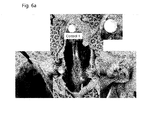
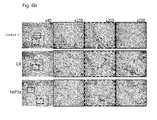
- the IL8- and MIP-3 ⁇ containing scaffolds were more compactly fused with the surrounding tissues, and there were more blood vessels in the scaffolds compared with the PBS-containing control scaffolds ( Fig. 6a ).
- blood vessel formation was occasionally seen on the edge of the PBS-containing scaffolds, and there was no cell infiltration or blood vessel formation on the inner part of the PBS-containing scaffolds.
- Vascular infiltration was found in both the edge and the interior of IL-8- or MIP-3 ⁇ -soaked scaffolds; a large number of fibroblastic cells were found surrounding blood vessels and inside the pores of the scaffolds.
Landscapes
- Health & Medical Sciences (AREA)
- Life Sciences & Earth Sciences (AREA)
- Chemical & Material Sciences (AREA)
- Medicinal Chemistry (AREA)
- General Health & Medical Sciences (AREA)
- Veterinary Medicine (AREA)
- Public Health (AREA)
- Animal Behavior & Ethology (AREA)
- Organic Chemistry (AREA)
- Epidemiology (AREA)
- Engineering & Computer Science (AREA)
- Pharmacology & Pharmacy (AREA)
- Proteomics, Peptides & Aminoacids (AREA)
- Bioinformatics & Cheminformatics (AREA)
- Zoology (AREA)
- Gastroenterology & Hepatology (AREA)
- Molecular Biology (AREA)
- Dermatology (AREA)
- Immunology (AREA)
- Biochemistry (AREA)
- Genetics & Genomics (AREA)
- Biophysics (AREA)
- Transplantation (AREA)
- Oral & Maxillofacial Surgery (AREA)
- General Chemical & Material Sciences (AREA)
- Chemical Kinetics & Catalysis (AREA)
- Nuclear Medicine, Radiotherapy & Molecular Imaging (AREA)
- Toxicology (AREA)
- Physical Education & Sports Medicine (AREA)
- Biomedical Technology (AREA)
- Dispersion Chemistry (AREA)
- Orthopedic Medicine & Surgery (AREA)
- Rheumatology (AREA)
- Inorganic Chemistry (AREA)
- Medicines Containing Material From Animals Or Micro-Organisms (AREA)
- Materials For Medical Uses (AREA)
- Medicines That Contain Protein Lipid Enzymes And Other Medicines (AREA)
- Medicinal Preparation (AREA)
- Peptides Or Proteins (AREA)
Applications Claiming Priority (3)
| Application Number | Priority Date | Filing Date | Title |
|---|---|---|---|
| KR20110020221 | 2011-03-08 | ||
| KR1020120001563A KR101466811B1 (ko) | 2011-03-08 | 2012-01-05 | 줄기세포의 인 비보(in vivo) 이동 유도방법 |
| PCT/KR2012/000618 WO2012121485A2 (fr) | 2011-03-08 | 2012-01-26 | Procédé pour induire la migration in vivo de cellules souches |
Publications (3)
| Publication Number | Publication Date |
|---|---|
| EP2684575A2 true EP2684575A2 (fr) | 2014-01-15 |
| EP2684575A4 EP2684575A4 (fr) | 2014-08-13 |
| EP2684575B1 EP2684575B1 (fr) | 2016-08-10 |
Family
ID=46798389
Family Applications (1)
| Application Number | Title | Priority Date | Filing Date |
|---|---|---|---|
| EP12754399.9A Active EP2684575B1 (fr) | 2011-03-08 | 2012-01-26 | Procédé pour induire la migration in vivo de cellules souches |
Country Status (6)
| Country | Link |
|---|---|
| US (1) | US9220757B2 (fr) |
| EP (1) | EP2684575B1 (fr) |
| JP (1) | JP5828916B2 (fr) |
| KR (2) | KR101466811B1 (fr) |
| CN (1) | CN103561788B (fr) |
| WO (1) | WO2012121451A1 (fr) |
Cited By (1)
| Publication number | Priority date | Publication date | Assignee | Title |
|---|---|---|---|---|
| EP2684575A4 (fr) * | 2011-03-08 | 2014-08-13 | Tego Science Inc | Procédé pour induire la migration in vivo de cellules souches |
Families Citing this family (14)
| Publication number | Priority date | Publication date | Assignee | Title |
|---|---|---|---|---|
| CA2978109A1 (fr) * | 2015-03-31 | 2016-10-06 | The University Of North Carolina At Chapel Hill | Vehicules d'apport pour cellules souches et leurs utilisations |
| KR101901568B1 (ko) * | 2016-07-04 | 2018-09-28 | 주식회사 강스템바이오텍 | 연골 무세포 파쇄물 및 줄기세포를 포함하는 연골분화 촉진용 복합체 및 그의 용도 |
| KR101994177B1 (ko) * | 2016-07-15 | 2019-06-28 | 연세대학교 산학협력단 | Il-8 및 골수농축액의 조합을 이용한 연골 재생 |
| KR101698447B1 (ko) | 2016-08-10 | 2017-01-20 | 테고사이언스 (주) | 케모카인을 유효성분으로 포함하는 피부개선용 조성물 |
| US10004830B2 (en) | 2016-11-28 | 2018-06-26 | DATT MEDIPRODUCTS LIMITED and DATT LIFE SCIENCE PVT. LTD. | Ready to use biodegradable and biocompatible artificial skin substitute and a method of preparation thereof |
| CN108355167A (zh) * | 2018-04-27 | 2018-08-03 | 昆明医科大学第附属医院 | 一种缓释sdf-1的壳聚糖包被bcbb骨修复支架材料及其制备方法 |
| CN111206018A (zh) * | 2020-02-25 | 2020-05-29 | 无锡市人民医院 | 一种用于治疗急性肝衰竭的间充质干细胞的制备方法 |
| KR102515415B1 (ko) | 2020-11-11 | 2023-03-30 | 고려대학교 산학협력단 | Cxcr4와 상호작용하여 줄기세포 이동을 유도하는 신규한 펩타이드 |
| KR102604981B1 (ko) | 2020-11-11 | 2023-11-23 | 고려대학교 산학협력단 | Cxcr4와 상호작용하여 줄기세포 이동을 유도하는 신규한 sdp-4 펩타이드 |
| KR102537675B1 (ko) | 2020-11-13 | 2023-05-31 | 고려대학교 산학협력단 | 포밀 펩타이드 수용체에 결합하는 줄기세포 이동용 펩타이드 |
| KR102647353B1 (ko) | 2021-02-19 | 2024-03-13 | 한국화학연구원 | 중간엽 줄기세포 증식 및/또는 이동 촉진용 조성물 |
| KR102842962B1 (ko) | 2021-07-19 | 2025-08-05 | 한국화학연구원 | 중간엽 줄기세포 이동 촉진용 조성물 |
| WO2023057589A1 (fr) | 2021-10-06 | 2023-04-13 | Virothera Ltd | Nouveau régulateur immunitaire |
| CN118221761B (zh) * | 2024-03-04 | 2024-08-16 | 广州汉密顿生物科技有限公司 | 一种用于治疗骨关节炎的干细胞组合物及其制备方法 |
Family Cites Families (22)
| Publication number | Priority date | Publication date | Assignee | Title |
|---|---|---|---|---|
| US11003A (en) * | 1854-06-06 | Combination of railroad tracks and wheels | ||
| US5504003A (en) * | 1994-03-08 | 1996-04-02 | Human Genome Sciences, Inc. | Macrophage inflammatory protein-3 and -4 |
| AU6526100A (en) * | 1999-08-06 | 2001-03-05 | Board Of Regents, The University Of Texas System | Drug releasing biodegradable fiber implant |
| KR100520944B1 (ko) * | 2000-05-26 | 2005-10-17 | 꼴레띠까 | 인공조직 및 생체재료 제조용 콜라겐 지지체 |
| DE10350654A1 (de) * | 2003-10-29 | 2005-06-02 | Dr. Suwelack Skin & Health Care Ag | Collagen-Träger-Wirkstoff-Zusammensetzung |
| WO2005074836A1 (fr) * | 2004-01-29 | 2005-08-18 | Brown University | Procedes destines a recruter et a isoler des cellules progenitrices |
| WO2006138718A2 (fr) * | 2005-06-17 | 2006-12-28 | Drexel University | Echafaudages en trois dimensions destines a modifier des tissus fabriques par traitement d'extraits complexes de matrices extracellulaires naturelles |
| US20090017096A1 (en) * | 2005-08-15 | 2009-01-15 | Anthony Lowman | Porous non-biodegradable hydrogel admixed with a chemoattractant for tissue replacement |
| KR20080072748A (ko) * | 2005-11-29 | 2008-08-06 | 가미다-셀 리미티드 | 줄기세포 귀소 및 생착을 향상시키는 방법 |
| US20070184087A1 (en) * | 2006-02-06 | 2007-08-09 | Bioform Medical, Inc. | Polysaccharide compositions for use in tissue augmentation |
| US7741273B2 (en) * | 2006-04-13 | 2010-06-22 | Warsaw Orthopedic, Inc. | Drug depot implant designs |
| WO2008008266A2 (fr) * | 2006-07-07 | 2008-01-17 | University Of Pittsburgh- Of The Commonwealth System Of Higher Education | Échafaudages élastomères biohybrides et procédés d'utilisation correspondants |
| US20080082168A1 (en) * | 2007-07-31 | 2008-04-03 | Marc Peterman | Surgical scaffold to enhance fibrous tissue response |
| US8828354B2 (en) * | 2008-03-27 | 2014-09-09 | Warsaw Orthopedic, Inc. | Pharmaceutical gels and methods for delivering therapeutic agents to a site beneath the skin |
| WO2009146456A1 (fr) * | 2008-05-30 | 2009-12-03 | President And Fellows Of Harvard College | Libération contrôlée de facteurs de croissance et de molécules de signalisation pour favoriser l’angiogenèse |
| KR101132732B1 (ko) * | 2008-11-26 | 2012-04-06 | 한국과학기술연구원 | 인 시튜 조직재생용 지능형 다공성 생분해 고분자 지지체 및 이의 제조방법 |
| CN101507835B (zh) * | 2009-03-10 | 2013-05-22 | 广州迈普再生医学科技有限公司 | 一种纳米仿生创面覆盖物及其制备方法 |
| CN101829361B (zh) * | 2009-03-10 | 2013-08-21 | 广州迈普再生医学科技有限公司 | 一种用于组织修复的纳米仿生材料及其制备方法 |
| US20120100185A1 (en) * | 2009-04-13 | 2012-04-26 | Xuejun Wen | Regeneration of tissue without cell transplantation |
| CN101574543B (zh) * | 2009-06-09 | 2014-10-29 | 广州迈普再生医学科技有限公司 | 一种基于自体细胞的人工关节软骨及其制备方法 |
| US20110038921A1 (en) * | 2009-08-13 | 2011-02-17 | Clemson University Research Foundation | Methods and compositions for temporal release of agents from a biodegradable scaffold |
| WO2012121451A1 (fr) * | 2011-03-08 | 2012-09-13 | 연세대학교 산학협력단 | Méthode d'induction de la migration in vivo des cellules souches |
-
2011
- 2011-05-20 WO PCT/KR2011/003732 patent/WO2012121451A1/fr not_active Ceased
-
2012
- 2012-01-05 KR KR1020120001563A patent/KR101466811B1/ko active Active
- 2012-01-26 CN CN201280011945.2A patent/CN103561788B/zh active Active
- 2012-01-26 US US14/003,364 patent/US9220757B2/en active Active
- 2012-01-26 EP EP12754399.9A patent/EP2684575B1/fr active Active
- 2012-01-26 JP JP2013557637A patent/JP5828916B2/ja active Active
-
2013
- 2013-10-22 KR KR1020130126071A patent/KR101493252B1/ko active Active
Cited By (1)
| Publication number | Priority date | Publication date | Assignee | Title |
|---|---|---|---|---|
| EP2684575A4 (fr) * | 2011-03-08 | 2014-08-13 | Tego Science Inc | Procédé pour induire la migration in vivo de cellules souches |
Also Published As
| Publication number | Publication date |
|---|---|
| KR101466811B1 (ko) | 2014-11-28 |
| KR20130124264A (ko) | 2013-11-13 |
| KR101493252B1 (ko) | 2015-02-23 |
| EP2684575A4 (fr) | 2014-08-13 |
| US20130344119A1 (en) | 2013-12-26 |
| CN103561788A (zh) | 2014-02-05 |
| JP5828916B2 (ja) | 2015-12-09 |
| US9220757B2 (en) | 2015-12-29 |
| EP2684575B1 (fr) | 2016-08-10 |
| CN103561788B (zh) | 2016-03-16 |
| JP2014508776A (ja) | 2014-04-10 |
| WO2012121451A1 (fr) | 2012-09-13 |
| KR20120102501A (ko) | 2012-09-18 |
Similar Documents
| Publication | Publication Date | Title |
|---|---|---|
| EP2684575B1 (fr) | Procédé pour induire la migration in vivo de cellules souches | |
| US7842502B2 (en) | Use of CXCL6 chemokine for inducing precursor cells into chondrocytes | |
| Park et al. | In situ recruitment of human bone marrow-derived mesenchymal stem cells using chemokines for articular cartilage regeneration | |
| Li et al. | Administration of signalling molecules dictates stem cell homing for in situ regeneration | |
| Saleh et al. | The host response in tissue engineering: crosstalk between immune cells and cell-laden scaffolds | |
| US20120100185A1 (en) | Regeneration of tissue without cell transplantation | |
| US20170197011A1 (en) | Methods for repairing cartilage damage | |
| JP2006528141A (ja) | ケモカインの使用並びにこれを含有する医薬製剤 | |
| Cristino et al. | Expression of CXC chemokines and their receptors is modulated during chondrogenic differentiation of human mesenchymal stem cells grown in three-dimensional scaffold: evidence in native cartilage | |
| JP2018517900A (ja) | 効力検定 | |
| WO2012121485A2 (fr) | Procédé pour induire la migration in vivo de cellules souches | |
| Cruz | Identification of factors to stimulate in situ cartilage regeneration through endogenous stem cell recruitment | |
| WO2024145654A2 (fr) | Compositions et procédés de régénération de nerf périphérique | |
| WO2017003877A1 (fr) | Matrice extracellulaire modifiée pour un écotropisme et une prise de greffe améliorés des cellules souches | |
| HK1085656B (en) | Use of cxcl6 chemokine in the prevention or repair of cartilage defects | |
| Yu | Articular cartilage tissue engineering using chondrogenic progenitor cell homing and 3D bioprinting | |
| Ruvinov et al. | Spatiotemporal focal delivery of dual regenerating factors for osteochondral defect repair | |
| Nair | Development Of Orchestrated Stem Cell-based Regeneration (OSCeR)-strategies To Recruit And Differentiate Autologous Stem Cells For Tissue Regeneration | |
| Martin | Promoting Cartilage Stem Cell Activity to Improve Recovery from Joint Fracture |
Legal Events
| Date | Code | Title | Description |
|---|---|---|---|
| PUAI | Public reference made under article 153(3) epc to a published international application that has entered the european phase |
Free format text: ORIGINAL CODE: 0009012 |
|
| 17P | Request for examination filed |
Effective date: 20131004 |
|
| AK | Designated contracting states |
Kind code of ref document: A2 Designated state(s): AL AT BE BG CH CY CZ DE DK EE ES FI FR GB GR HR HU IE IS IT LI LT LU LV MC MK MT NL NO PL PT RO RS SE SI SK SM TR |
|
| DAX | Request for extension of the european patent (deleted) | ||
| A4 | Supplementary search report drawn up and despatched |
Effective date: 20140715 |
|
| RIC1 | Information provided on ipc code assigned before grant |
Ipc: A61K 38/20 20060101ALI20140709BHEP Ipc: A61L 27/54 20060101AFI20140709BHEP Ipc: A61K 38/19 20060101ALI20140709BHEP Ipc: C12N 5/0775 20100101ALI20140709BHEP Ipc: A61L 27/56 20060101ALI20140709BHEP Ipc: A61L 27/58 20060101ALI20140709BHEP Ipc: A61L 27/40 20060101ALI20140709BHEP |
|
| 17Q | First examination report despatched |
Effective date: 20140806 |
|
| RIC1 | Information provided on ipc code assigned before grant |
Ipc: A61L 27/56 20060101ALI20151202BHEP Ipc: A61L 27/58 20060101ALI20151202BHEP Ipc: A61P 19/08 20060101ALI20151202BHEP Ipc: C07K 17/02 20060101ALI20151202BHEP Ipc: C07K 14/52 20060101ALI20151202BHEP Ipc: A61L 27/54 20060101AFI20151202BHEP Ipc: A61P 17/02 20060101ALI20151202BHEP Ipc: A61P 19/02 20060101ALI20151202BHEP Ipc: A61L 27/40 20060101ALI20151202BHEP Ipc: C12N 5/0775 20100101ALI20151202BHEP Ipc: A61K 38/20 20060101ALI20151202BHEP Ipc: C07K 14/54 20060101ALI20151202BHEP Ipc: A61K 38/19 20060101ALI20151202BHEP |
|
| GRAP | Despatch of communication of intention to grant a patent |
Free format text: ORIGINAL CODE: EPIDOSNIGR1 |
|
| INTG | Intention to grant announced |
Effective date: 20160219 |
|
| GRAS | Grant fee paid |
Free format text: ORIGINAL CODE: EPIDOSNIGR3 |
|
| GRAA | (expected) grant |
Free format text: ORIGINAL CODE: 0009210 |
|
| AK | Designated contracting states |
Kind code of ref document: B1 Designated state(s): AL AT BE BG CH CY CZ DE DK EE ES FI FR GB GR HR HU IE IS IT LI LT LU LV MC MK MT NL NO PL PT RO RS SE SI SK SM TR |
|
| REG | Reference to a national code |
Ref country code: GB Ref legal event code: FG4D |
|
| REG | Reference to a national code |
Ref country code: CH Ref legal event code: EP Ref country code: AT Ref legal event code: REF Ref document number: 818394 Country of ref document: AT Kind code of ref document: T Effective date: 20160815 |
|
| REG | Reference to a national code |
Ref country code: IE Ref legal event code: FG4D |
|
| REG | Reference to a national code |
Ref country code: DE Ref legal event code: R096 Ref document number: 602012021522 Country of ref document: DE |
|
| REG | Reference to a national code |
Ref country code: CH Ref legal event code: NV Representative=s name: FIAMMENGHI-FIAMMENGHI, CH |
|
| REG | Reference to a national code |
Ref country code: LT Ref legal event code: MG4D |
|
| REG | Reference to a national code |
Ref country code: NL Ref legal event code: MP Effective date: 20160810 |
|
| REG | Reference to a national code |
Ref country code: AT Ref legal event code: MK05 Ref document number: 818394 Country of ref document: AT Kind code of ref document: T Effective date: 20160810 |
|
| PG25 | Lapsed in a contracting state [announced via postgrant information from national office to epo] |
Ref country code: IT Free format text: LAPSE BECAUSE OF FAILURE TO SUBMIT A TRANSLATION OF THE DESCRIPTION OR TO PAY THE FEE WITHIN THE PRESCRIBED TIME-LIMIT Effective date: 20160810 Ref country code: LT Free format text: LAPSE BECAUSE OF FAILURE TO SUBMIT A TRANSLATION OF THE DESCRIPTION OR TO PAY THE FEE WITHIN THE PRESCRIBED TIME-LIMIT Effective date: 20160810 Ref country code: HR Free format text: LAPSE BECAUSE OF FAILURE TO SUBMIT A TRANSLATION OF THE DESCRIPTION OR TO PAY THE FEE WITHIN THE PRESCRIBED TIME-LIMIT Effective date: 20160810 Ref country code: FI Free format text: LAPSE BECAUSE OF FAILURE TO SUBMIT A TRANSLATION OF THE DESCRIPTION OR TO PAY THE FEE WITHIN THE PRESCRIBED TIME-LIMIT Effective date: 20160810 Ref country code: RS Free format text: LAPSE BECAUSE OF FAILURE TO SUBMIT A TRANSLATION OF THE DESCRIPTION OR TO PAY THE FEE WITHIN THE PRESCRIBED TIME-LIMIT Effective date: 20160810 Ref country code: NL Free format text: LAPSE BECAUSE OF FAILURE TO SUBMIT A TRANSLATION OF THE DESCRIPTION OR TO PAY THE FEE WITHIN THE PRESCRIBED TIME-LIMIT Effective date: 20160810 Ref country code: IS Free format text: LAPSE BECAUSE OF FAILURE TO SUBMIT A TRANSLATION OF THE DESCRIPTION OR TO PAY THE FEE WITHIN THE PRESCRIBED TIME-LIMIT Effective date: 20161210 Ref country code: NO Free format text: LAPSE BECAUSE OF FAILURE TO SUBMIT A TRANSLATION OF THE DESCRIPTION OR TO PAY THE FEE WITHIN THE PRESCRIBED TIME-LIMIT Effective date: 20161110 |
|
| REG | Reference to a national code |
Ref country code: FR Ref legal event code: PLFP Year of fee payment: 6 |
|
| PG25 | Lapsed in a contracting state [announced via postgrant information from national office to epo] |
Ref country code: PL Free format text: LAPSE BECAUSE OF FAILURE TO SUBMIT A TRANSLATION OF THE DESCRIPTION OR TO PAY THE FEE WITHIN THE PRESCRIBED TIME-LIMIT Effective date: 20160810 Ref country code: SE Free format text: LAPSE BECAUSE OF FAILURE TO SUBMIT A TRANSLATION OF THE DESCRIPTION OR TO PAY THE FEE WITHIN THE PRESCRIBED TIME-LIMIT Effective date: 20160810 Ref country code: GR Free format text: LAPSE BECAUSE OF FAILURE TO SUBMIT A TRANSLATION OF THE DESCRIPTION OR TO PAY THE FEE WITHIN THE PRESCRIBED TIME-LIMIT Effective date: 20161111 Ref country code: PT Free format text: LAPSE BECAUSE OF FAILURE TO SUBMIT A TRANSLATION OF THE DESCRIPTION OR TO PAY THE FEE WITHIN THE PRESCRIBED TIME-LIMIT Effective date: 20161212 Ref country code: AT Free format text: LAPSE BECAUSE OF FAILURE TO SUBMIT A TRANSLATION OF THE DESCRIPTION OR TO PAY THE FEE WITHIN THE PRESCRIBED TIME-LIMIT Effective date: 20160810 Ref country code: LV Free format text: LAPSE BECAUSE OF FAILURE TO SUBMIT A TRANSLATION OF THE DESCRIPTION OR TO PAY THE FEE WITHIN THE PRESCRIBED TIME-LIMIT Effective date: 20160810 Ref country code: ES Free format text: LAPSE BECAUSE OF FAILURE TO SUBMIT A TRANSLATION OF THE DESCRIPTION OR TO PAY THE FEE WITHIN THE PRESCRIBED TIME-LIMIT Effective date: 20160810 |
|
| PG25 | Lapsed in a contracting state [announced via postgrant information from national office to epo] |
Ref country code: EE Free format text: LAPSE BECAUSE OF FAILURE TO SUBMIT A TRANSLATION OF THE DESCRIPTION OR TO PAY THE FEE WITHIN THE PRESCRIBED TIME-LIMIT Effective date: 20160810 Ref country code: RO Free format text: LAPSE BECAUSE OF FAILURE TO SUBMIT A TRANSLATION OF THE DESCRIPTION OR TO PAY THE FEE WITHIN THE PRESCRIBED TIME-LIMIT Effective date: 20160810 |
|
| REG | Reference to a national code |
Ref country code: DE Ref legal event code: R097 Ref document number: 602012021522 Country of ref document: DE |
|
| PG25 | Lapsed in a contracting state [announced via postgrant information from national office to epo] |
Ref country code: SK Free format text: LAPSE BECAUSE OF FAILURE TO SUBMIT A TRANSLATION OF THE DESCRIPTION OR TO PAY THE FEE WITHIN THE PRESCRIBED TIME-LIMIT Effective date: 20160810 Ref country code: CZ Free format text: LAPSE BECAUSE OF FAILURE TO SUBMIT A TRANSLATION OF THE DESCRIPTION OR TO PAY THE FEE WITHIN THE PRESCRIBED TIME-LIMIT Effective date: 20160810 Ref country code: SM Free format text: LAPSE BECAUSE OF FAILURE TO SUBMIT A TRANSLATION OF THE DESCRIPTION OR TO PAY THE FEE WITHIN THE PRESCRIBED TIME-LIMIT Effective date: 20160810 Ref country code: BG Free format text: LAPSE BECAUSE OF FAILURE TO SUBMIT A TRANSLATION OF THE DESCRIPTION OR TO PAY THE FEE WITHIN THE PRESCRIBED TIME-LIMIT Effective date: 20161110 Ref country code: DK Free format text: LAPSE BECAUSE OF FAILURE TO SUBMIT A TRANSLATION OF THE DESCRIPTION OR TO PAY THE FEE WITHIN THE PRESCRIBED TIME-LIMIT Effective date: 20160810 Ref country code: BE Free format text: LAPSE BECAUSE OF FAILURE TO SUBMIT A TRANSLATION OF THE DESCRIPTION OR TO PAY THE FEE WITHIN THE PRESCRIBED TIME-LIMIT Effective date: 20160810 |
|
| PLBE | No opposition filed within time limit |
Free format text: ORIGINAL CODE: 0009261 |
|
| STAA | Information on the status of an ep patent application or granted ep patent |
Free format text: STATUS: NO OPPOSITION FILED WITHIN TIME LIMIT |
|
| 26N | No opposition filed |
Effective date: 20170511 |
|
| PG25 | Lapsed in a contracting state [announced via postgrant information from national office to epo] |
Ref country code: SI Free format text: LAPSE BECAUSE OF FAILURE TO SUBMIT A TRANSLATION OF THE DESCRIPTION OR TO PAY THE FEE WITHIN THE PRESCRIBED TIME-LIMIT Effective date: 20160810 |
|
| PG25 | Lapsed in a contracting state [announced via postgrant information from national office to epo] |
Ref country code: MC Free format text: LAPSE BECAUSE OF FAILURE TO SUBMIT A TRANSLATION OF THE DESCRIPTION OR TO PAY THE FEE WITHIN THE PRESCRIBED TIME-LIMIT Effective date: 20160810 |
|
| REG | Reference to a national code |
Ref country code: IE Ref legal event code: MM4A |
|
| PG25 | Lapsed in a contracting state [announced via postgrant information from national office to epo] |
Ref country code: LU Free format text: LAPSE BECAUSE OF NON-PAYMENT OF DUE FEES Effective date: 20170126 |
|
| REG | Reference to a national code |
Ref country code: FR Ref legal event code: PLFP Year of fee payment: 7 |
|
| PG25 | Lapsed in a contracting state [announced via postgrant information from national office to epo] |
Ref country code: IE Free format text: LAPSE BECAUSE OF NON-PAYMENT OF DUE FEES Effective date: 20170126 |
|
| PG25 | Lapsed in a contracting state [announced via postgrant information from national office to epo] |
Ref country code: MT Free format text: LAPSE BECAUSE OF NON-PAYMENT OF DUE FEES Effective date: 20170126 |
|
| PG25 | Lapsed in a contracting state [announced via postgrant information from national office to epo] |
Ref country code: AL Free format text: LAPSE BECAUSE OF FAILURE TO SUBMIT A TRANSLATION OF THE DESCRIPTION OR TO PAY THE FEE WITHIN THE PRESCRIBED TIME-LIMIT Effective date: 20160810 |
|
| PG25 | Lapsed in a contracting state [announced via postgrant information from national office to epo] |
Ref country code: HU Free format text: LAPSE BECAUSE OF FAILURE TO SUBMIT A TRANSLATION OF THE DESCRIPTION OR TO PAY THE FEE WITHIN THE PRESCRIBED TIME-LIMIT; INVALID AB INITIO Effective date: 20120126 |
|
| PG25 | Lapsed in a contracting state [announced via postgrant information from national office to epo] |
Ref country code: CY Free format text: LAPSE BECAUSE OF NON-PAYMENT OF DUE FEES Effective date: 20160810 |
|
| PG25 | Lapsed in a contracting state [announced via postgrant information from national office to epo] |
Ref country code: MK Free format text: LAPSE BECAUSE OF FAILURE TO SUBMIT A TRANSLATION OF THE DESCRIPTION OR TO PAY THE FEE WITHIN THE PRESCRIBED TIME-LIMIT Effective date: 20160810 |
|
| PG25 | Lapsed in a contracting state [announced via postgrant information from national office to epo] |
Ref country code: TR Free format text: LAPSE BECAUSE OF FAILURE TO SUBMIT A TRANSLATION OF THE DESCRIPTION OR TO PAY THE FEE WITHIN THE PRESCRIBED TIME-LIMIT Effective date: 20160810 |
|
| REG | Reference to a national code |
Ref country code: CH Ref legal event code: U11 Free format text: ST27 STATUS EVENT CODE: U-0-0-U10-U11 (AS PROVIDED BY THE NATIONAL OFFICE) Effective date: 20260201 |
|
| PGFP | Annual fee paid to national office [announced via postgrant information from national office to epo] |
Ref country code: GB Payment date: 20260123 Year of fee payment: 15 |
|
| PGFP | Annual fee paid to national office [announced via postgrant information from national office to epo] |
Ref country code: DE Payment date: 20260121 Year of fee payment: 15 |
|
| PGFP | Annual fee paid to national office [announced via postgrant information from national office to epo] |
Ref country code: FR Payment date: 20260123 Year of fee payment: 15 |
|
| PGFP | Annual fee paid to national office [announced via postgrant information from national office to epo] |
Ref country code: CH Payment date: 20260201 Year of fee payment: 15 |