EP2687603A1 - T7-Promotorvarianten und Verfahren zu deren Verwendung - Google Patents
T7-Promotorvarianten und Verfahren zu deren Verwendung Download PDFInfo
- Publication number
- EP2687603A1 EP2687603A1 EP12177111.7A EP12177111A EP2687603A1 EP 2687603 A1 EP2687603 A1 EP 2687603A1 EP 12177111 A EP12177111 A EP 12177111A EP 2687603 A1 EP2687603 A1 EP 2687603A1
- Authority
- EP
- European Patent Office
- Prior art keywords
- nucleic acid
- promoter
- vector
- isolated nucleic
- acid molecule
- Prior art date
- Legal status (The legal status is an assumption and is not a legal conclusion. Google has not performed a legal analysis and makes no representation as to the accuracy of the status listed.)
- Withdrawn
Links
Images



Classifications
-
- C—CHEMISTRY; METALLURGY
- C12—BIOCHEMISTRY; BEER; SPIRITS; WINE; VINEGAR; MICROBIOLOGY; ENZYMOLOGY; MUTATION OR GENETIC ENGINEERING
- C12N—MICROORGANISMS OR ENZYMES; COMPOSITIONS THEREOF; PROPAGATING, PRESERVING, OR MAINTAINING MICROORGANISMS; MUTATION OR GENETIC ENGINEERING; CULTURE MEDIA
- C12N15/00—Mutation or genetic engineering; DNA or RNA concerning genetic engineering, vectors, e.g. plasmids, or their isolation, preparation or purification; Use of hosts therefor
- C12N15/09—Recombinant DNA-technology
- C12N15/63—Introduction of foreign genetic material using vectors; Vectors; Use of hosts therefor; Regulation of expression
-
- C—CHEMISTRY; METALLURGY
- C12—BIOCHEMISTRY; BEER; SPIRITS; WINE; VINEGAR; MICROBIOLOGY; ENZYMOLOGY; MUTATION OR GENETIC ENGINEERING
- C12N—MICROORGANISMS OR ENZYMES; COMPOSITIONS THEREOF; PROPAGATING, PRESERVING, OR MAINTAINING MICROORGANISMS; MUTATION OR GENETIC ENGINEERING; CULTURE MEDIA
- C12N15/00—Mutation or genetic engineering; DNA or RNA concerning genetic engineering, vectors, e.g. plasmids, or their isolation, preparation or purification; Use of hosts therefor
- C12N15/09—Recombinant DNA-technology
- C12N15/63—Introduction of foreign genetic material using vectors; Vectors; Use of hosts therefor; Regulation of expression
- C12N15/70—Vectors or expression systems specially adapted for E. coli
-
- C—CHEMISTRY; METALLURGY
- C12—BIOCHEMISTRY; BEER; SPIRITS; WINE; VINEGAR; MICROBIOLOGY; ENZYMOLOGY; MUTATION OR GENETIC ENGINEERING
- C12N—MICROORGANISMS OR ENZYMES; COMPOSITIONS THEREOF; PROPAGATING, PRESERVING, OR MAINTAINING MICROORGANISMS; MUTATION OR GENETIC ENGINEERING; CULTURE MEDIA
- C12N15/00—Mutation or genetic engineering; DNA or RNA concerning genetic engineering, vectors, e.g. plasmids, or their isolation, preparation or purification; Use of hosts therefor
- C12N15/09—Recombinant DNA-technology
- C12N15/63—Introduction of foreign genetic material using vectors; Vectors; Use of hosts therefor; Regulation of expression
- C12N15/79—Vectors or expression systems specially adapted for eukaryotic hosts
- C12N15/80—Vectors or expression systems specially adapted for eukaryotic hosts for fungi
- C12N15/81—Vectors or expression systems specially adapted for eukaryotic hosts for fungi for yeasts
Definitions
- the present invention lies in the field of molecular biology and relates to T7 promoter variants with enhanced activity compared to the wild type as well as methods of using them.
- the present invention also relates to vectors and cells comprising said T7 promoter variants.
- the T7 RNA polymerase is evolutionary and structurally related to the T3 and SP6 RNA polymerase but also to the mitochondrial RNA polymerase. Said polymerases catalyze the formation of RNA in the 5' ⁇ 3' direction. However, in contrast to the multi-subunit family of RNA polymerases (including bacterial and eukaryotic sub-families) which also catalyze the formation of RNA in the 5' ⁇ 3' direction, the T7 RNA polymerase family is characterized by being monomeric. Further characteristics of T7 RNA polymerases comprise the use of Mg 2+ as an essential cofactor and sustained activity during treatment with the antibiotic rifampicin.
- Class II and III T7 promoters consist of highly conserved sequences of 23 continuous bases and seem to differ in their ability to stabilize the initiated polymerase-promoter complex, thus generating the strong T7 class III promoters and the weaker T7 class II promoters.
- the consensus sequence of the class III promoters is 5'-TAATACGACTCACTATAGGGAGA-3', wherein the transcription starts at position +1 (position +1 being the first G in GGGAGA).
- These promoter regions present in the DNA of bacteriophage T7 provide the interesting effect that bacterial cells infected by this bacteriophage almost instantly produce only T7 bacteriophage polypeptides, to the virtual exclusion of the host cell's own requirements. This action is in large measure a consequence of the very strong interaction between the T7 promoter and the T7 RNA polymerase.
- T7 RNA polymerase In academic science and industrial biotechnology expression via T7 RNA polymerase is a highly popular tool based on the low error rate of the T7 RNA polymerase, the extremely promoter-specific expression and the low basal expression activity. Further, the T7 RNA polymerase offers the possibility to only transcribe DNA downstream of the T7 promoter.
- the T7 RNA polymerase and T7 promoter expression system also provides, in addition to its use in host cells, a platform for in vitro transcription of RNA or coupled in vitro transcription/translation reactions.
- In vitro expression systems are often used for synthesis of RNA or when only small amounts of the desired molecule are required. Moreover, these systems allow for a rapid identification of genes and their products and offer advantages in the expression of toxic products.
- rabbit reticulocyte lysate, the wheat germ extract and the E. coli cell-free system representing the most popular and well-characterized systems.
- U.S. Patent Application No. 5,547,862 describes the use of a 5' ⁇ -globin leader sequence and synthetic poly(A) 30 tail downstream of the T7 promoter for enhanced in vitro transcription.
- the expression vectors disclosed in this document still rely on the wild type sequence of the T7 promoter.
- the present invention is based on the inventors' finding that variants of the T7 promoter that comprise the nucleotide sequence set forth in SEQ ID NO:1 or 2 exhibit increased transcriptional efficiency.
- the present invention is thus directed to an isolated nucleic acid molecule comprising or consisting of one or more nucleotide sequences selected from the group consisting of SEQ ID NO:1 and SEQ ID NO:2 and complements thereof.
- each S at positions 6 and 7 of SEQ ID NO:1 and each S at positions 19 and 20 of SEQ ID NO:2 is independently selected from C and G.
- S at position 6 of SEQ ID NO:1 and S at position 19 of SEQ ID NO:2 are C and S at position 7 of SEQ ID NO:1 and S at position 20 of SEQ ID NO:2 are G.
- nucleotide sequence is SEQ ID NO:2.
- the isolated nucleic acid molecule comprises, in addition to the sequence of SEQ ID NO:1 or 2 or complements thereof, at least one of a nucleotide sequence encoding for an open reading frame of a gene of interest, a -35/- 10 box, a Shine-Dalgamo element, a TATA box, a CAAT sequence, a 5'-capping element, enhancer and/or repressor element(s), signal and/or leader sequence(s), a protein binding sequence, and a restriction enzyme site. Also encompassed are embodiments where the isolated nucleic acid molecule comprises more than one of these additional sequences. If the additional sequence is a gene of interest, it is preferably downstream of the sequence of SEQ ID NO:1 or 2 or complements thereof.
- the invention in a second aspect, relates to a vector comprising the isolated nucleic acid molecule according to the invention.
- the vector is a mammalian expression vector, a bacterial plasmid, a yeast episomal vector, an artificial chromosomal vector, or a viral vector.
- the present invention also relates to a host cell comprising the isolated nucleic acid molecule or the vector according to the invention.
- the host cell is a eukaryotic cell.
- the host cell is a prokaryotic cell.
- the invention is also directed to a method of producing RNA or protein comprising contacting the isolated nucleic acid molecule or the vector according to the invention with an in vitro transcription translational reaction (IVTT) or an in vitro transcription reaction , or introducing the isolated nucleic acid molecule or vector according to the invention into a host cell, for example as defined above, under conditions that allow transcription and optionally translation of the isolated nucleic acid molecule.
- IVTT in vitro transcription translational reaction
- the method comprises contacting the isolated nucleic acid molecule or the vector according to the invention with an in vitro transcription translational reaction (IVTT) or an in vitro transcription reaction.
- IVTT in vitro transcription translational reaction
- the in vitro transcription translation reaction is a rabbit reticulocyte lysate.
- the invention is directed to a kit comprising the isolated nucleic acid molecule or the vector according to the invention.
- Figure 1 shows templates for multicopy bead display approach.
- A Map of the expression cassette.
- the open reading frame for GFP is fused in frame via a flexible linker region to the open reading frame of SNAP.
- the cassette is flanked by the T7 promoter, a ribosome binding side (rbs) and a T7 terminator sequence.
- B Sequence of the wild type and the randomized T7 promoter. The polymerase binding site and the transcription initiation site are indicated.
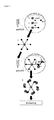
- Figure 2 schematically shows the principal steps of the multicopy bead display approach.
- the bead display approach involves two steps of compartmentalization using water in oil emulsions.
- emPCR emulsion PCR
- oligonucleotides coupled to microbeads and other oligonucleotides covalently coupled with benzylguanine (BG) moieties
- steps 1-3 benzylguanine
- the beads are then recovered from the water in oil emulsion (step 4) and used in a second step in an in vitro transcription translation reaction also performed in emulsion.
- the amplicons contain the T7 phage promoter upstream of an open reading frame encoding a fusion protein under selection and the modified DNA repair protein 06-alkylguanine-DNA alkyltransferase (SNAP) that reacts specifically with BG moieties incorporated into the amplicons.
- SNAP modified DNA repair protein 06-alkylguanine-DNA alkyltransferase
- the fusion proteins synthesized in each picoliter reactor of the emulsion step 5 and 6) are covalently coupled to the BG moieties of the beads present in the same picoliter reactor.
- the beads can then be isolated from the emulsion (step 8) and used in subsequent screening assays.
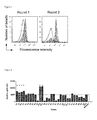
- Figure 3 shows results of the selection process to isolate variants with the highest activity from the T7 promoter library. Beads were loaded with amplicons from the randomized T7 promoter library upstream of the GFP-SNAP coding region by emulsion PCR, transferred to compartmentalized IVTT reactions, stained for GFP and analysed by FACS. Overlays of histograms of flow-cytometric analyses during yield (black line) and purity sort (grey area) of the first and second round of selection are shown.
- FIG. 4 shows results of the activity of promoter variants selected from the T7 promoter library by multicopy bead display.
- the T7 promoter variants from the purity sort of the second round of selection were loaded on beads by a third round of emulsion PCR. Beads were transferred to a compartmentalized IVTT reaction and then stained for GFP. Single beads were sorted by flow-cytometry into wells of a 96 well plate and the T7 promoter region of single beads was amplified by PCR and used to express the luciferase by IVTT. The reporter gene activity of 31 T7 promoter variants obtained from selected single beads is shown in comparison with the wild type T7 promoter.
- Figure 5 shows the transcriptional and translational activity of mutant and wild type T7 promoters.
- A Time course of the luciferase activity in IVTT reactions of the luciferase gene driven by the C62 or wild type T7 promoter.
- B Time course of luciferase RNA levels in in vitro transcription reactions of the luciferase gene driven by the C62 or wild type promoter.
- C Time course of luciferase activity of in vitro translation reactions of equal amounts of luciferase mRNA containing either the first transcribed nucleotides of the wild type or the C62 T7 promoter. Results of one representative experiment out of 2 independent experiments are shown.
- Figure 6 shows the characterization of the C62 T7 promoter derivatives.
- the C62 T7 promoter was mutated by separately replacing each nucleotide of the randomized sequence. Usually, A was mutated to T, T was mutated to A, G was mutated to C and C was mutated to G.
- A was mutated to T
- T was mutated to A
- G was mutated to C
- C was mutated to G.
- the luciferase RNA levels after 40 min of transcription and translation by IVTT reactions were measured. The results are shown as relative activities adjusted to the activity of the C62 T7 promoter.
- T7 promoter relates to the promoter sequence of late transcribed (phase III) bacteriophage T7 genes.
- the nucleic acid sequence of the T7 promoter is 23 nucleotides long and set forth in SEQ ID NO:5. This sequence is herein also called "wild type sequence” or "wild type”. Said sequence is recognized by the T7 RNA polymerase, wherein the polymerase can initiate transcription in a variety of different host cells, like bacterial cells, mammalian cells, plant cells or insect cells when the T7 RNA polymerase and the T7 promoter bind to each other in said cell.
- the term "increased (transcriptional or translational) efficiency/activity" as used herein in relation to the mutated T7 promoter sequences, means that promoter increases transcription and/or translation, as for example detectable via the RNA amount or protein amount produced over a defined period of time, compared to the respective wild type sequence, i.e. usually the sequence set forth in SEQ ID NO:5.
- isolated nucleic acid molecule relates to DNA (deoxyribonucleic acid) or RNA (ribonucleic acid) molecules. Said molecules may appear independent of their natural genetic context and/or background and are preferably separated from other nucleic acids or cellular components. The separation may occur by purification, for which various techniques are known in the art.
- nucleic acid molecule further refers to the phosphate ester polymeric form of ribonucleosides (adenosine, guanosine, uridine or cytidine; "RNA molecules”) or deoxyribonucleosides (deoxyadenosine, deoxyguanosine, deoxythymidine, or deoxycytidine; "DNA molecules”), or any phosphoester analogs thereof, such as phosphorothioates and thioesters, in either single stranded form, or a double-stranded helix. Double stranded DNA-DNA, DNA-RNA and RNA-RNA helices are possible.
- nucleic acid molecule and in particular DNA or RNA molecule, refers only to the primary and secondary structure of the molecule, and does not limit it to any particular tertiary forms.
- At least one relates to one or more, in particular 1, 2, 3, 4, 5, 6, 7, 8, 9, 10 or more.
- sequence relates to the primary sequence of nucleic acid molecules.
- “Complement” relates to a nucleic acid molecule which is complementary to another nucleic acid molecule when both nucleic acid molecules are aligned antiparallel to each other in that one or more or all nucleotides of either of the nucleic acid molecules forms Watson-Crick base pairs with their corresponding counterparts.
- the complements are full complements in that each nucleotide of the respective molecule or sequence forms a Watson-Crick base pair with a corresponding nucleotide on the other strand.
- S represents the nucleotides guanosine or cytidine.
- the base of guanosine, guanine belongs to the group of purines whereas the base of cytidine, cytosine, is a pyrimidine derivate. Both bases form hydrogen bonds to each other in Watson-Crick base paring and this binding is viewed as the stronger Watson-Crick base pair over the pairing of adenine and thymine.
- A means adenosine
- T means thymine
- C means cytidine
- G guanosine
- U means uridine.
- “Ligated”, as used herein, means the end-to-end joining of two or more nucleic acid segments, wherein the 5'phosphate end of a (poly)nucleotide is coupled to the 3'hydroxyl end of another (poly)nucleotide with the help of a DNA ligase to form a phosphodiester bond.
- 3'end or “3'hydroxyl end” as interchangeably used herein relates to the termination at the hydroxyl group of the third carbon in the sugar-ring of a nucleic acid molecule, and is also known as the tail end.
- the term “5'end” or “5'phosphate end” as interchangeably used herein designates the end of the DNA or RNA strand that has a phosphate group at the fifth carbon in the sugar-ring of the deoxyribose or ribose at its terminus.
- the isolated nucleic acid molecule comprises an additional nucleotide sequence
- said sequence may be of bacterial, mammalian, plant, insect and nematode origin.
- Said nucleic acid sequence may comprise or consist of, but is not limited to one or more sequences encoding for an open reading frame of a gene of interest, a - 35/-10 box, a Shine-Dalgamo element, a TATA box, a CAAT sequence, a 5'-capping element, enhancer and/or repressor elements, signal and/or leader sequences, protein binding sequences and restriction enzyme sites.
- Vector as used herein relates to genetically manipulated, cyclic, usually double-stranded nucleic acid molecules which allow specific selection and the directed introduction of genetic material of interest.
- vectors are mammalian expression vectors, bacterial plasmids, bacteriophage vectors, yeast episomal vectors, artificial chromosomal vectors or viral vectors.
- host cell or "host” as interchangeably used herein means an organism that harbors the isolated nucleic acid molecule or vector according to the present invention.
- host cell can be a mammalian cell, a plant, a bacterium, an insect cell or a nematode.
- the host is a eukaryotic cell.
- said host is a prokaryotic cell.
- RNA or "ribonucleic acid” as interchangeably used herein relates to a chain of nucleotides wherein the nucleotides contain the sugar ribose and bases selected from the group of adenine (A), cytosine (C), guanine (G), or uracil (U).
- DNA or “deoxyribonucleic acid” as interchangeably used herein relates to a chain of nucleotides wherein the nucleotides contain the sugar 2'-deoxyribose and bases selected from adenine (A), guanine (G), cytosine (C) and thymine (T).
- Protein as used herein is defined as consisting of one or more polypeptides, wherein the polypeptides consist of amino acids coupled by peptide (amide) bonds.
- polypeptide refers to a polymeric compound comprised of covalently linked amino acid residues.
- the amino acids are preferably the 20 naturally occurring amino acids glycine, alanine, valine, leucine, isoleucine, phenylalanine, cysteine, methionine, proline, serine, threonine, glutamine, asparagine, aspartic acid, glutamic acid, histidine, lysine, arginine, tyrosine and tryptophan.
- contacting means that two or more components are brought together to allow direct interaction. Such interaction or contact may take place under diverse conditions, such as liquid media, gels or air. Said conditions are non-limiting.
- introducing the isolated nucleic acid molecule or vector as used herein relates to methods that allow the transfer of nucleic acid over the cell membrane and/or cell wall into the cytoplasm and, depending on the cell type, the nucleus.
- Methods that allow the transfer of nucleic acid molecules into cells are known in the art and comprise, for example, competent cells, electroporation, gold particle gun, liposome-based transfection reagents and viral infections.
- IVTT reaction or "in vitro transcription translation reaction” as interchangeably used herein relates to cell-free systems that allow for specific transcription and translation by comprising macromolecular components (RNA polymerase, 70S or 80S ribosomes, tRNAs, aminoacyl-tRNA synthetases, initiation, elongation and termination factors, etc.) required for transcription and translation.
- macromolecular components RNA polymerase, 70S or 80S ribosomes, tRNAs, aminoacyl-tRNA synthetases, initiation, elongation and termination factors, etc.
- the system may also be supplemented with amino acids, energy sources (ATP, GTP), energy regenerating systems, and other co-factors (Mg 2+ , K + , etc.).
- ATP energy sources
- GTP energy regenerating systems
- Mg 2+ , K + , etc. co-factors
- Preferred IVTT reactions comprise the rabbit reticulocyte lysate, the wheat germ extract and the E . coli cell-free system, in a more preferred embodiment the IVTT reaction is the rabbit reticulocyte lysate.
- the term "in vitro transcription reaction” as used herein is directed to a DNA template including the T7 promoter variants according to the present invention, the supplements and co-factors as described above (including nucleoside triphosphates) and purified, preferably recombinantly expressed, T7 RNA polymerase.
- Kit as used herein, relates to a kit-of-parts wherein the separate components of the kit are physically separated as individual components.
- T7 promoters consisting of the nucleic acid sequence as set forth in SEQ ID NO:2 and SEQ ID NO:4 have increased activity compared to the wild type consensus sequence SEQ ID NO:5.
- the T7 promoter variants according to the present invention comprise, compared to the wild type consensus sequence of the T7 promoter, as set forth in SEQ ID NO:5, 6 different nucleotides in the region of the last 10 nucleotides of the 3' hydroxyl end.
- the increased activity can be observed in IVTT reactions.
- the IVTT reaction is rabbit reticulocyte lysate.
- the inventors identified two positions in the sequence of the T7 promoter variant that allow the replacement by guanine or cytosine and still maintain increased activity.
- the T7 promoter variant according to the present invention also increases the promoter activity in the context of a T3 promoter sequence and/or T3 RNA polymerase.
- the increased T7 promoter activity of the present invention is caused by 10-times increased transcriptional activity.
- the T7 promoter variant according to SEQ ID NO:4 shows identical expression levels compared with the T7 promoter wild type in a reporter gene expression system.
- reporter gene In order to detect the enhanced T7 promoter activity of the present invention a reporter gene can be used.
- Preferred reporter genes include, but are not limited to luciferase, green fluorescent protein (GFP), peroxidase, chloramphenicolacetyltransferase (CAT) and the E. coli gene lacZ.
- the reporter gene is luciferase.
- the isolated nucleic acid molecule according to the invention additionally comprises, for example, a nucleic acid sequence encoding for a gene of interest and/or sequences that allow its insertion into a vector, and can be cloned in a known host organism.
- cloning techniques including amplification of nucleic acids, their restriction by according enzymes, purification and ligation, and transformation techniques, are known in the art and described in more detail by Sambrook et al. ⁇ Sambrook, J. et al. (1989) Molecular Cloning: A Laboratory Manual, 2nd Ed., Cold Spring Harbor Laboratory Press, Cold Spring Harbor, NY ⁇ . The produced nucleic acid constructs are verified by sequencing.
- Sequencing of the nucleic acid constructs can be done by the chain termination method, Sanger sequencing or Maxam-Gilbert sequencing or any other technique known in the art.
- high-throughput sequencing like pyrosequencing, SOLiD sequencing or DNA nanoball sequencing, is used to determine the sequence of the nucleic acid molecules of the present invention ⁇ Alphey, L. (1997) DNA Sequencing: From Experimental Methods to Bioinformatics, 1st Ed., Bios Scientific Pub Ltd., Oxford, UK ⁇ .
- the invention relates to a vector comprising the isolated nucleic acid molecule according to the invention.
- a host cell is transformed with the vector comprising the nucleic acid molecules according to the present invention.
- Methods for the transformation of host cells include, but are not limited to competent cell based techniques, electroporation, gold particle gun based techniques, liposome-based transfection reagents and bacterial or viral infections.
- the host cells comprise bacterial cells, yeast cells, plant cells, nematode cells, insect cells and mammalian cells.
- the transfection method of choice can vary dependent on the host cell ⁇ The QIAGEN Transfection Resource Book (2002), 2nd Ed., QIAGEN GmbH, Hilden, Germany ⁇ .
- nucleic acids according to the present invention are used in methods to produce RNA.
- the RNA can be synthesized in cell-free in vitro systems like the rabbit reticulocyte lysate, the wheat germ extract and the E. coli cell-free system or in an in vitro transcription reaction or in a host cell. Protocols including conditions for RNA synthesis and subsequent purification and storage conditions are described in the prior art, for example by Krieg ⁇ Krieg, P. (1996) A Laboratory Guide to RNA: Isolation, Analysis, and Synthesis, 1st Ed., Wiley-Liss, Hoboken, New Jersey ⁇ .
- the present invention relates to methods of producing protein using cell-free in vitro systems or host cells and the nucleic acid molecules and vectors according to the present invention.
- Host cells for the synthesis of protein comprise bacterial, yeast, plant, nematode hosts as well as insect or mammalian cells.
- the host is E. coli, Pichia pastoris, a HeLa cell or a SF9 cell.
- Detailed protocols including system specific synthesis conditions and purification methods can be found for recombinant cell-based expression in Merten et al. ⁇ Merten et al.
- FACS fluorescence-activated cell sorting
- Other reporter genes to be measured are luciferase, peroxidase and the chloramphenicolacetyltransferase (CAT).
- Methods to detect and quantify the expression of these reporter genes comprise substrate specific fluorescence or luminescence assays.
- nucleic acid molecules are coupled to microbeads or benzylguanine. Conditions and steps to ensure efficient coupling are known in the art ⁇ Kojima, T. et al. (2009) Nucleic acids research 33, e150 ⁇ .
- RT-PCR real-time PCR
- a T7 promoter library was constructed by PCR amplification of a cloned open reading frame encoding a GFP-SNAP fusion protein with oligonucleotides T7-wobble-s 5'-AGCAACCGCACCTGTGGTAATACGACTCACNNNNTTGTGAGCGGATAA CAATTCCCC-3' (wherein N is G, C, T or A) and T7Term-a 5'-GGATATAGTTCCTCCTTTCAGC-3'.
- the oligonucleotide T7-wobble-s cover the T7 promoter and adjacent sequences in which 10 nucleotides flanking the transcription initiation site of the T7 promoter are completely randomized ( Figure 1B ).
- the PCR template further comprises a spacer and oligonucleotide binding site downstream of the ORF of the GFP-SNAP fusion gen
- the PCR product is a library of randomized T7 promoter variants followed by the GFP and SNAP coding regions.
- the wild type T7 promoter construct was produced using T7-consensus-s oligonucleotide 5'-AGCAACCGCACCTGTGGTAATACGACTCACTATAGGGAGATTGTGAGCGGATAA CAATTCCCC-3' (without any randomization in the T7 promoter) and oligonucleotide T7Term-a, thereby maintaining the same reading frame as the library construct.
- PCR products were run on an agarose gel and eluted to completely remove the template plasmid DNA. The randomization of the 10 nucleotides was confirmed by sequencing the PCR product.
- the resulting constructs comprise the randomized T7 promoter upstream of the open reading frame of the GFP and SNAP coding regions ( Figure 1A ).
- the multicopy bead display approach involves two steps of compartmentalization using water in oil emulsions and is basically covered by steps of covalent coupling of oligonucleotides to microbeads and benzylguanine, water in oil emulsion PCR and cell-free expression of proteins in water in oil emulsion.
- oligonucleotide 5'-GGATATAGTTCCTCCTTTCAGC-3' was chemically coupled to benzylguanine substrate (New England Biolabs) using a protocol as described by Stein et al. ⁇ Stein et al. (2007) Chembiochem, 8, 2191-2194 ⁇ .
- the aqueous phase is composed of 100 ⁇ l PCR mix comprising the following reagents: 3 ⁇ 10 9 copies of linear template DNA, 7-12 ⁇ 10 7 beads coupled with oligonucleotides, 0.01 ⁇ M of oligonucleotide 5'-AGCAACCGCACCTGTGG-3', 3 ⁇ M of benzylguanine coupled oligonucleotides, 0.5 mM of dNTPs, 15 U of DreamTaq DNA polymerase (Fermentas) and 10 ⁇ l of BSA (10 mg/ml).
- the mineral oil mixture containing 2 % Abil-90 EM and 0.05 % Triton X-100 was prepared as described in the prior art ⁇ Williams, R. et al. (2006) Nature Methods, 3, 545-550 ⁇ .
- a 2 ml cryovial with flat bottom the aqueous phase was gradually added drop wise to 500 ⁇ l of the oil phase over a period of 5 min while stirring constantly on ice at 2000 rpm. Stirring was continued for another 3 min to obtain a homogenous emulsion.
- the emulsion was then dispensed in 50 ⁇ l aliquots into ten 200 ⁇ l thin-walled PCR tubes.
- PCR was then performed in a conventional thermocycler with the following temperature profile: 95° C for 3 min, 45 cycles of 95° C for 30 s, 58° C for 30 s, 72° C for 90 s, respectively followed by a final extension at 72° C for 10 min. After PCR, all samples were collected in a 1.5 ml eppendorf tube and centrifuged at 13,000 g for 5 min. The oil was removed from the top and the beads with yet intact emulsion remained at the bottom.
- the emulsion was disrupted by adding 100 ⁇ l of Bind and Wash buffer [10.0 mM Tris-HCl (pH 7.5), 1.0 mM EDTA, 2.0 M NaCl], 1 ml of hexane and vortexing for 10 seconds.
- the disrupted oil phase (top) in hexane was removed and discarded and beads settled down in the aqueous layer.
- hexane extraction was repeated three more times. Residual hexane was removed by centrifugation under vacuum at room temperature for 5 min. The beads were then washed 5 times with TE pH 8.0 and resuspended in 9 ⁇ l of nuclease free water.
- the beads were then washed twice with 100 ⁇ l of FACS buffer and stained with 100 ⁇ l of 1:100 diluted anti rabbit IgG (Invitrogen) for 1 h in the dark at room temperature with intermittent mixing every 20 min.
- the beads were then washed two times with 100 ⁇ l of FACS buffer, resuspended in 500 ⁇ l FACS buffer and analyzed in a FACS Calibur (Bectin Dickenson).
- FACS Calibur Bectin Dickenson
- beads displaying the library were stained with antibodies as described above and were sorted in a FACS Di VA cell sorter (Bectin Dickenson) after gating on single beads by forward and side scatter. Each round of sorting protocol involved two sorts.
- Beads were first yield sorted with a speed of 5000-10000 beads/s. After yield sort, sorted beads underwent purity sort which was performed at a speed below 2000 beads/s. The purity sort beads were directly collected in 50 ⁇ l nuclease free water for subsequent PCR amplification. Beads recovered from purity sort were used to amplify the randomized T7 promoter region by PCR. The amplified T7 promoter region was fused by overlap extension PCR to the remaining GFP-SNAP expression cassette regenerating the entire GFP-expression cassette shown in Figure 1A . This PCR product was excised from the gel and a second round of multicopy bead display was performed.
- Example 4 IVTT activity of T7 promoter variants and wild type
- the activity of the selected T7 promoter regions was determined by fusing said promoter to the luciferase gene by overlap extension PCR.
- the mutant T7 promoter sequences were PCR amplified using the oligonucleotides 5'-AGCAACCGCACCTGTGG-3' and 5'-ATGTTTTTGGCGTCTTCCATGGTATATCTCCTTCTAAAGTTAAACAAA-3' to confer each of these variants with a segment of the luciferase gene for subsequent overlap extension PCR.
- the PCR was performed using Faststart Taq polymerase (Roche) with following temperature profile: 94° C for 4 min, 25 cycles of 94° C for 15 s, 60° C for 30 s, 72° C for 30 s followed by final extension at 72° C for 7 min.
- the luciferase gene without any promoter was amplified from the template plasmid with the oligonucleotides 5'-ATGGAAGACGCCAAAAACAT-3' and 5'-CATTTAGGTGACACTATAGAATAGGG-3' using Faststart Taq polymerase (Roche) with following temperature profile: 94° C for 4 min, 25 cycles of 94° C for 15 s, 60° C for 30 s, 72° C for 90 s followed by final extension at 72° C for 7 min. Both of these fragments were then mixed in equimolar concentration to perform the overlap extension PCR to produce the entire expression cassettes for the luciferase gene under control of different T7 promoter variants.
- This PCR was performed using Dreamtaq polymerase (Fermentas) with the following temperature profile 94° C for 3 min, 35 cycles of 94° C for 30 s, 62° C for 30 s, 72° C for 90 s, respectively followed by final extension at 72° C for 10 min. Products were gel purified and the concentration was determined photometrically.
- T7 promoter variants The luciferase gene under the control of different promoter variants was expressed using the TNT T7 Quick for PCR DNA kit (Promega). One fifth of one reaction was used for analysis of each template. 200 ng of DNA were mixed with 8 ⁇ l of master mix containing 1 mM of methionine in 0.5 ml tubes. Expression of proteins was done at 30° C for 15-120 min. After expression, the reactions were snap chilled in ice for 5 min prior to depleting the reaction of RNA by adding 0.5 ⁇ l of RNase IF (New England Biolabs) and incubating the reaction at 37° C for 30 min.
- RNase IF New England Biolabs
- luciferase Expression levels of luciferase were analyzed in a luminometer using Bright Glo luciferase substrate (Promega) as described by the manufacturer. About half of the amplifiable T7 promoter regions had an activity that was as high as or higher than the wild type T7 promoter included as a positive control ( Fig. 4 ). The activity of 40 randomly-picked clones of the T7 promoters of the original library was also determined (data not shown). None of the clones had an activity close to the one of the wild type promoter. Around 20 % of the wild type promoter's activity was detected in 4 of the random clones. Thus, the high activity of the T7 promoters selected by the multicopy bead display is not a random effect but due to the selection procedure.
- T7 promoters with the highest activity were then sequenced directly from amplicons. Since two sequences were represented by two independently selected beads, a total of four different T7 promoter sequences were obtained with a higher activity than the wild type promoter sequence (Table 1). The only nucleotide of the randomized region conserved between the wild type T7 promoter and all four selected sequences is the guanine at position +1.
- the T7 promoter variant with the highest activity was further characterized in direct comparison to the wild type T7 promoter.
- the luciferase activity of these variants was determined at different time points after starting the IVTT.
- the C62 T7 promoter led to a least 2-fold higher protein expression levels at each of the time points tested ( Fig. 5A ).
- Luciferase expression levels obtained by wild type T7 promoter after 1 hour were already obtained with the C62 T7 promoter after 15 min.
- DNA containing the T7 promoter upstream of the luciferase gene was transcribed into RNA by the TNT T7 Quick for PCR DNA kit (Promega) at 30°C for 15-120 min.
- the reaction was stopped by immediately adding lysis buffer from the QIAMP Blood DNA mini kit (Qiagen) and incubating at 56° C for 10 min. This lysis buffer contains Proteinase K which should completely destroys RNA polymerase and thereby terminate the transcription of the DNA.
- the purified RNA was further treated with TURBO DNA- free TM (Ambion) to completely remove residual DNA.
- the amount of RNA transcripts were then determined by quantitative RT-PCR using oligonucleotides 5'-GGAAGTCGGGGAAGCG-3' and 5'-TCTCACACACAGTTCGCCTC-3'.
- RT-PCR was performed using the Quantitect SybrGreen RT-PCR Kit (Qiagen) in a total volume of 20 ⁇ l with 5 ⁇ l (1:1000 diluted) purified RNA and each primer in a final concentration of 0.5 ⁇ M.
- RNA levels were at least 10-fold higher for the C62 T7 promoter compared to the wild type T7 promoter ( Fig. 5B ).
- C62 T7 promoter variant To determine the translational activity of the C62 T7 promoter sequence, DNA was transcribed to RNA using the Ampliscribe High Yeild T7 transcription kit (Epicentre) as recommended by the manufacturer. The purified RNA was further treated with TURBO DNA- free TM (Ambion) to completely remove residual DNA. The RNA transcripts were quantified photometrically. 2 ng of purified RNA transcripts were then added to the TNT T7 Quick for PCR DNA kit (Promega). Expression of luciferase was quantified as described above. No differences in luciferase activities between wild type and C62 T7 promoter were observed ( Figure 5C ) indicating that the C62 T7 promoter does not affect translation efficiencies.
- the luciferase activity of C62 T7 promoter based derivatives was determined after IVTT.
- the C62 T7 promoter based derivatives comprise each one different nucleotide in the region of the last 10 nucleic acids at the 3' hydroxyl end compared to C62 T7 promoter.
- Said sequence of the C62 T7 promoter (the last 10 nucleic acids at the 3' hydroxyl end) is the randomized region compared to the wild type consensus sequence of the T7 promoter.
- the derivatives were produced by site-directed mutagenesis of the C62 T7 luciferase construct. To this end, the QuikChange site-directed mutagenesis kit (Stratagene) was used according to the manufacturer's protocol.
- the protocol as described above was used. Only two of the 14 C62 T7 promoter derivatives remain an activity that was as high as or higher than the wild type T7 promoter ( Figure 6 ). Hence, the only nucleotides that allow for a substitution are the cytosine at position +2 and the guanine at position +3. Said nucleotides can be substituted by guanine or cytosine, respectively, and still remain an activity that was as high as or higher than the wild type T7 promoter. Derivatives having mutations in other nucleotides of the randomized T7 promoter region show reduced promoter activity to about 1% of the activity of the C62 T7 promoter variant.
Landscapes
- Genetics & Genomics (AREA)
- Health & Medical Sciences (AREA)
- Life Sciences & Earth Sciences (AREA)
- Engineering & Computer Science (AREA)
- Chemical & Material Sciences (AREA)
- Wood Science & Technology (AREA)
- Organic Chemistry (AREA)
- Biotechnology (AREA)
- General Engineering & Computer Science (AREA)
- Biomedical Technology (AREA)
- Zoology (AREA)
- Bioinformatics & Cheminformatics (AREA)
- Molecular Biology (AREA)
- Microbiology (AREA)
- Plant Pathology (AREA)
- Physics & Mathematics (AREA)
- Biochemistry (AREA)
- General Health & Medical Sciences (AREA)
- Biophysics (AREA)
- Mycology (AREA)
- Micro-Organisms Or Cultivation Processes Thereof (AREA)
Priority Applications (2)
| Application Number | Priority Date | Filing Date | Title |
|---|---|---|---|
| EP12177111.7A EP2687603A1 (de) | 2012-07-19 | 2012-07-19 | T7-Promotorvarianten und Verfahren zu deren Verwendung |
| PCT/EP2013/065336 WO2014013067A1 (en) | 2012-07-19 | 2013-07-19 | T7 promoter variants and methods of using the same |
Applications Claiming Priority (1)
| Application Number | Priority Date | Filing Date | Title |
|---|---|---|---|
| EP12177111.7A EP2687603A1 (de) | 2012-07-19 | 2012-07-19 | T7-Promotorvarianten und Verfahren zu deren Verwendung |
Publications (1)
| Publication Number | Publication Date |
|---|---|
| EP2687603A1 true EP2687603A1 (de) | 2014-01-22 |
Family
ID=48803569
Family Applications (1)
| Application Number | Title | Priority Date | Filing Date |
|---|---|---|---|
| EP12177111.7A Withdrawn EP2687603A1 (de) | 2012-07-19 | 2012-07-19 | T7-Promotorvarianten und Verfahren zu deren Verwendung |
Country Status (2)
| Country | Link |
|---|---|
| EP (1) | EP2687603A1 (de) |
| WO (1) | WO2014013067A1 (de) |
Cited By (1)
| Publication number | Priority date | Publication date | Assignee | Title |
|---|---|---|---|---|
| WO2021058145A1 (en) * | 2019-09-24 | 2021-04-01 | Max-Delbrück-Centrum Für Molekulare Medizin In Der Helmholtz-Gemeinschaft | Phage t7 promoters for boosting in vitro transcription |
Families Citing this family (4)
| Publication number | Priority date | Publication date | Assignee | Title |
|---|---|---|---|---|
| JP2021040485A (ja) * | 2017-11-22 | 2021-03-18 | Spiber株式会社 | 組換えタンパク質の発現システム、発現ベクター、組換え細胞、及び組換えタンパク質の製造方法 |
| US11926817B2 (en) | 2019-08-09 | 2024-03-12 | Nutcracker Therapeutics, Inc. | Microfluidic apparatus and methods of use thereof |
| US20250354157A1 (en) * | 2021-07-27 | 2025-11-20 | Sk Bioscience Co., Ltd. | Mrna for protein expression and template therefor |
| CN117683804A (zh) * | 2022-09-09 | 2024-03-12 | 康码(上海)生物科技有限公司 | 一种核酸构建物以及在ivtt体系中的应用 |
Citations (3)
| Publication number | Priority date | Publication date | Assignee | Title |
|---|---|---|---|---|
| US5547862A (en) | 1993-07-29 | 1996-08-20 | Ambion Inc. | Vectors containing multiple promoters in the same orientation |
| WO2010015627A2 (en) * | 2008-08-05 | 2010-02-11 | Dsm Ip Assets B.V. | Adipoyl-7-adca producing strains |
| WO2012123429A1 (en) * | 2011-03-11 | 2012-09-20 | Dsm Ip Assets B.V. | Vector-host system |
-
2012
- 2012-07-19 EP EP12177111.7A patent/EP2687603A1/de not_active Withdrawn
-
2013
- 2013-07-19 WO PCT/EP2013/065336 patent/WO2014013067A1/en not_active Ceased
Patent Citations (3)
| Publication number | Priority date | Publication date | Assignee | Title |
|---|---|---|---|---|
| US5547862A (en) | 1993-07-29 | 1996-08-20 | Ambion Inc. | Vectors containing multiple promoters in the same orientation |
| WO2010015627A2 (en) * | 2008-08-05 | 2010-02-11 | Dsm Ip Assets B.V. | Adipoyl-7-adca producing strains |
| WO2012123429A1 (en) * | 2011-03-11 | 2012-09-20 | Dsm Ip Assets B.V. | Vector-host system |
Non-Patent Citations (20)
| Title |
|---|
| "The QIAGEN Transfection Resource Book", 2002, QIAGEN GMBH |
| ALPHEY, L.: "DNA Sequencing: From Experimental Methods to Bioinformatics", 1997, BIOS SCIENTIFIC PUB LTD. |
| BANDWAR R P ET AL: "The Energetics of Consensus Promoter Opening by T7 RNA Polymerase", JOURNAL OF MOLECULAR BIOLOGY, ACADEMIC PRESS, UNITED KINGDOM, vol. 324, no. 1, 15 November 2002 (2002-11-15), pages 63 - 72, XP004449936, ISSN: 0022-2836, DOI: 10.1016/S0022-2836(02)01034-3 * |
| BANDWAR RAJIV P ET AL: "Kinetic and thermodynamic basis of promoter strength: Multiple steps of transcription initiation by T7 RNA polymerase are modulated by the promoter sequence", BIOCHEMISTRY, vol. 41, no. 11, 19 March 2002 (2002-03-19), pages 3586 - 3595, XP002685743, ISSN: 0006-2960 * |
| DAVIDSON ERIC A ET AL: "Emulsion based selection of t7 promoters of varying activity.", PACIFIC SYMPOSIUM ON BIOCOMPUTING. PACIFIC SYMPOSIUM ON BIOCOMPUTING 2010 LNKD- PUBMED:19908395, 2010, pages 433 - 443, XP002685672, ISSN: 1793-5091 * |
| DYSON; DUROCHER: "Expression Systems: Methods Express", 2007, COLD SPRING HARBOR LABORATORY PRESS |
| IKEADA, R.A., J. BIOL. CHEM., vol. 267, 1992, pages 11322 - 11328 |
| KLEMENT J F ET AL: "DISCRIMINATION BETWEEN BACTERIOPHAGE T3 AND T7 PROMOTERS BY THE T3 AND T7 RNA POLYMERASE DEPENDS PRIMARILY UPON A THREE BASE-PAIR REGION LOCATED 10 TO 12 BASE-PAIRS UPSTREAM FROM THE START SITE", JOURNAL OF MOLECULAR BIOLOGY, ACADEMIC PRESS, UNITED KINGDOM, vol. 215, no. 1, 1 January 1990 (1990-01-01), pages 21 - 29, XP009047151, ISSN: 0022-2836, DOI: 10.1016/S0022-2836(05)80091-9 * |
| KOJIMA, T. ET AL., NUCLEIC ACIDS RESEARCH, vol. 33, 2009, pages E150 |
| KRIEG, P.: "A Laboratory Guide to RNA: Isolation, Analysis, and Synthesis", 1996, WILEY-LISS |
| KWON HYUK-JOON ET AL: "Characterization of a T7-Like Lytic Bacteriophage (phi SG-JL2) of Salmonella enterica Serovar Gallinarum Biovar Gallinarum", APPLIED AND ENVIRONMENTAL MICROBIOLOGY, vol. 74, no. 22, November 2008 (2008-11-01), pages 6970 - 6979, XP002685707, ISSN: 0099-2240 * |
| MERTEN ET AL.: "Recombinant Protein Production with Prokaryotic and Eukaryotic Cells: A Comparitive View on Host Physiology", 2001, KLUWER ACADEMIC PUBLISHERS |
| MILLER, O.J., NATURE METHODS, vol. 3, 2006, pages 561 - 570 |
| SAMBROOK, J. ET AL.: "Molecular Cloning: A Laboratory Manual, 2nd Ed.,", 1989, COLD SPRING HARBOR LABORATORY PRESS |
| SPIRIN, A.S.; SWARTZ, J.R.: "Cell-Free Protein Synthesis: Methods and Protocols", 2008, WILEY-VCH VERLAG GMBH |
| STEIN ET AL., CHEMBIOCHEM, vol. 8, 2007, pages 2191 - 2194 |
| TANG GUO-QING ET AL: "Extended upstream A-T sequence increases T7 promoter strength", JOURNAL OF BIOLOGICAL CHEMISTRY, vol. 280, no. 49, December 2005 (2005-12-01), pages 40707 - 40713, XP002685708, ISSN: 0021-9258 * |
| VANGUILDER, H.D. ET AL., BIOTECHNIQUES, vol. 44, 2008, pages 619 - 626 |
| WILLIAMS, R. ET AL., NATURE METHODS, vol. 3, 2006, pages 545 - 550 |
| WYCUFF; MATTHEWS, ANAL. BIOCHEM., vol. 277, 2007, pages 67 |
Cited By (1)
| Publication number | Priority date | Publication date | Assignee | Title |
|---|---|---|---|---|
| WO2021058145A1 (en) * | 2019-09-24 | 2021-04-01 | Max-Delbrück-Centrum Für Molekulare Medizin In Der Helmholtz-Gemeinschaft | Phage t7 promoters for boosting in vitro transcription |
Also Published As
| Publication number | Publication date |
|---|---|
| WO2014013067A1 (en) | 2014-01-23 |
Similar Documents
| Publication | Publication Date | Title |
|---|---|---|
| US20220389473A1 (en) | Cell-free protein expression using rolling circle amplification product | |
| AU2018314605B2 (en) | Cell-free protein expression using double-stranded concatameric DNA | |
| EP3694991A1 (de) | S.-pyogenes-cas9-mutantengene und dadurch codierte polypeptide | |
| KR20150140663A (ko) | 방향적 진화를 위한 라이브러리의 생산 방법 | |
| WO2014013067A1 (en) | T7 promoter variants and methods of using the same | |
| US20250019675A1 (en) | T7 rna polymerase variants for rna synthesis | |
| WO2022261281A1 (en) | Target initiation and amplification of long dna with nuclease and replisome enzymes | |
| CN103160528B (zh) | 增强型单体细菌荧光素酶基因luxAB及其应用 | |
| CA3012069C (en) | Recombinase mutants | |
| Tharp et al. | Initiating protein synthesis with noncanonical monomers in vitro and in vivo | |
| US20220002719A1 (en) | Oligonucleotide-mediated sense codon reassignment | |
| US20230117150A1 (en) | Fully orthogonal system for protein synthisis in bacterial cells | |
| US11697805B2 (en) | High-fidelity polymerase with preference for gapped DNA and use thereof | |
| Mallon et al. | Target discrimination and PAM profiling of the Thermotoga maritima type IB CRISPR system | |
| CN118318038A (zh) | 改良的文库制备方法 | |
| WO2026050151A1 (en) | Rna polymerases for mrna manufacturing | |
| US20230279464A1 (en) | Biosensors for selectively identifying azide ions | |
| KR20250040646A (ko) | 합성 프라이메이스-폴리머레이스 및 이의 용도 | |
| WO2025199099A1 (en) | Ligand dependent post-translational control of engineered rna polymerase (rnap) mutants from bacteriophage t7 | |
| US20230340449A1 (en) | Thermostable ligase with reduced sequence bias | |
| WO2026050155A1 (en) | RNA POLYMERASES FOR mRNA MANUFACTURING | |
| WO2026050152A1 (en) | Rna polymerases for mrna manufacturing |
Legal Events
| Date | Code | Title | Description |
|---|---|---|---|
| PUAI | Public reference made under article 153(3) epc to a published international application that has entered the european phase |
Free format text: ORIGINAL CODE: 0009012 |
|
| AK | Designated contracting states |
Kind code of ref document: A1 Designated state(s): AL AT BE BG CH CY CZ DE DK EE ES FI FR GB GR HR HU IE IS IT LI LT LU LV MC MK MT NL NO PL PT RO RS SE SI SK SM TR |
|
| AX | Request for extension of the european patent |
Extension state: BA ME |
|
| STAA | Information on the status of an ep patent application or granted ep patent |
Free format text: STATUS: THE APPLICATION IS DEEMED TO BE WITHDRAWN |
|
| 18D | Application deemed to be withdrawn |
Effective date: 20140723 |