EP2700409A1 - IL-27 pour la modulation de la réponse immunitaire dans une maladie pulmonaire aiguë - Google Patents
IL-27 pour la modulation de la réponse immunitaire dans une maladie pulmonaire aiguë Download PDFInfo
- Publication number
- EP2700409A1 EP2700409A1 EP12181535.1A EP12181535A EP2700409A1 EP 2700409 A1 EP2700409 A1 EP 2700409A1 EP 12181535 A EP12181535 A EP 12181535A EP 2700409 A1 EP2700409 A1 EP 2700409A1
- Authority
- EP
- European Patent Office
- Prior art keywords
- cells
- infection
- mice
- immune response
- agonist
- Prior art date
- Legal status (The legal status is an assumption and is not a legal conclusion. Google has not performed a legal analysis and makes no representation as to the accuracy of the status listed.)
- Withdrawn
Links
Images






Classifications
-
- A—HUMAN NECESSITIES
- A61—MEDICAL OR VETERINARY SCIENCE; HYGIENE
- A61K—PREPARATIONS FOR MEDICAL, DENTAL OR TOILETRY PURPOSES
- A61K38/00—Medicinal preparations containing peptides
- A61K38/16—Peptides having more than 20 amino acids; Gastrins; Somatostatins; Melanotropins; Derivatives thereof
- A61K38/17—Peptides having more than 20 amino acids; Gastrins; Somatostatins; Melanotropins; Derivatives thereof from animals; from humans
- A61K38/19—Cytokines; Lymphokines; Interferons
- A61K38/20—Interleukins [IL]
-
- A—HUMAN NECESSITIES
- A61—MEDICAL OR VETERINARY SCIENCE; HYGIENE
- A61K—PREPARATIONS FOR MEDICAL, DENTAL OR TOILETRY PURPOSES
- A61K31/00—Medicinal preparations containing organic active ingredients
- A61K31/70—Carbohydrates; Sugars; Derivatives thereof
- A61K31/7088—Compounds having three or more nucleosides or nucleotides
-
- A—HUMAN NECESSITIES
- A61—MEDICAL OR VETERINARY SCIENCE; HYGIENE
- A61P—SPECIFIC THERAPEUTIC ACTIVITY OF CHEMICAL COMPOUNDS OR MEDICINAL PREPARATIONS
- A61P11/00—Drugs for disorders of the respiratory system
-
- A—HUMAN NECESSITIES
- A61—MEDICAL OR VETERINARY SCIENCE; HYGIENE
- A61P—SPECIFIC THERAPEUTIC ACTIVITY OF CHEMICAL COMPOUNDS OR MEDICINAL PREPARATIONS
- A61P31/00—Antiinfectives, i.e. antibiotics, antiseptics, chemotherapeutics
- A61P31/12—Antivirals
- A61P31/14—Antivirals for RNA viruses
- A61P31/16—Antivirals for RNA viruses for influenza or rhinoviruses
-
- C—CHEMISTRY; METALLURGY
- C07—ORGANIC CHEMISTRY
- C07K—PEPTIDES
- C07K16/00—Immunoglobulins [IG], e.g. monoclonal or polyclonal antibodies
- C07K16/18—Immunoglobulins [IG], e.g. monoclonal or polyclonal antibodies against material from animals or humans
- C07K16/24—Immunoglobulins [IG], e.g. monoclonal or polyclonal antibodies against material from animals or humans against cytokines, lymphokines or interferons
- C07K16/244—Interleukins [IL]
-
- A—HUMAN NECESSITIES
- A61—MEDICAL OR VETERINARY SCIENCE; HYGIENE
- A61K—PREPARATIONS FOR MEDICAL, DENTAL OR TOILETRY PURPOSES
- A61K39/00—Medicinal preparations containing antigens or antibodies
- A61K2039/505—Medicinal preparations containing antigens or antibodies comprising antibodies
-
- C—CHEMISTRY; METALLURGY
- C07—ORGANIC CHEMISTRY
- C07K—PEPTIDES
- C07K2317/00—Immunoglobulins specific features
- C07K2317/70—Immunoglobulins specific features characterized by effect upon binding to a cell or to an antigen
- C07K2317/76—Antagonist effect on antigen, e.g. neutralization or inhibition of binding
Definitions
- the invention relates to an interleukin-27 (IL-27) modulator for the treatment of a pathological immune response associated with acute lung disease.
- the invention therefore relates to IL-27 agonists, preferably IL-27 protein, for the treatment of immunopathology and/or uncontrolled inflammatory lung disease, as well as IL-27 antagonists for the treatment of immune response depression.
- the IL-27 agonist is preferably administered at a defined, preferably delayed, stage of infection or inflammation.
- IL-27 might be a cause of endogenous immunodepression or suppression, observed subsequent to certain infections such as influenza but also bacterial infections.
- Interleukin 27 is a heterodimeric cytokine with complex functions in inflammation.
- IL-27 belongs to the IL-12 superfamily and is composed of the Epstein-Barr virus inducible gene-3 (EBI3) and the IL-27p28 subunit, which are related to IL-12p40 and IL-12p35 molecules, respectively (Roo et al., 2002).
- the IL-27 receptor complex consists of IL-27R ⁇ (WSX-1, TCCR) and the gp130 subunit, and is expressed by a wide range of cell types including T and B cells, monocytes, mast cells and neutrophils (Hunter, 2005).
- IL-27 was thought to promote TH1 responses because of its ability to induce T-bet expression, thereby triggering the upregulation of IL-12 ⁇ 2 receptor (Hibbert et al., 2003).
- subsequent studies using in vivo models of infection and autoimmune diseases provided evidence of its function in limiting immune-mediated pathology (Stumhofer and Hunter, 2008).
- Mice deficient in IL-27 receptor developed overwhelming TH1 responses upon infection with a number of parasites and intracellular bacteria (Findlay et al., 2010; Hamano et al., 2003; Holscher et al., 2005; Rosas et al., 2006; Stumhofer et al., 2006; Villarino et al., 2003).
- Il-27ra-/- mice exhibited uncontrolled IFN- ⁇ responses by CD4+ T cells that were accompanied by increased immunopathology. Moreover, the lack of IL-27 receptor signaling resulted in augmented IL-17 production by CD4+ T cells in several animal models, including experimental autoimmune encephalomyelitis (EAE) (Amadi-Obi et al., 2007; Batten et al., 2006; Stumhofer et al., 2006). Most studies have characterized the ability of IL-27 to suppress CD4+ T cell responses, but the regulatory function of IL-27 also extends to cells of the innate immune system (Hunter, 2005). For example, Ebi3-/- mice exhibited resistance to experimental septic peritonitis, in part due to enhanced neutrophil migration and function, thereby leading to successful bacterial clearance (Wirtz et al., 2006).
- EAE experimental autoimmune encephalomyelitis
- IL-27-mediated activation of STAT1 and STAT3 promotes IL-10 and suppresses IL-17 production in CD4+ T cells (Anderson et al., 2009; Stumhofer et al., 2006; Yoshimura et al., 2006).
- IL-27 also induces the expression of the suppressor SOCS3 in CD4+ T cells, resulting in reduced IL-2 secretion in these cells (Owaki et al., 2005; Villarino et al., 2006).
- the present invention is based upon IL-27 and its receptor IL-27R ⁇ and their effect on the immune response to influenza virus.
- Influenza virus infected Il-27 R ⁇ -/- mice exhibit increased mortality associated with immunopathology.
- infected Il-27 R ⁇ -/- mice exhibited augmented numbers of IFN- ⁇ and IL-17-producing CD4+ and CD8+ T cells in the infected respiratory tract.
- IL-10 production by CD4+ T cells is decreased in infected Il27 R ⁇ -/- mice, IL-10 was not necessary for the suppression of IFN- ⁇ in T cells as influenza virus infected Il-10-/- mice have WT frequencies of IFN- ⁇ .
- IL-27R ⁇ signalling Further in vitro experiments show that the regulation of IFN- ⁇ production by CD8+ T cells is directly mediated by IL-27R ⁇ signalling. Importantly, carefully timed treatment with rIL-27 improved lung injury and weight loss during infection. The invention demonstrates that IL-27 has a distinct role in controlling immunopathology and therefore is an important medical tool for immunomodulatory therapy of infection and other acute inflammatory processes.
- the technical problem underlying the present invention is to provide means for modulating a pathological immune response in patients with acute lung disease.
- an object of the invention is to provide an interleukin-27-modulator for the treatment of a pathological immune response associated with acute lung disease.
- the invention therefore relates to IL-27 modulators, including both agonists and antagonists of IL-27, for the treatment of a pathological immune response itself, which is caused by an acute lung disease that subsequently leads to the undesired immune response.
- the acute nature of the lung disease that causes the pathological immune response to be treated is an important defining aspect of the invention.
- the prior art has disclosed the use of IL-27 in the treatment of unwanted immune responses in chronic or allergic lung diseases.
- IL-27 function is important in immune responses associated with acute lung diseases (in particular that administration or activation of IL-27 can suppress an unwanted immune response associated with acute lung disease) is a novel and inventive development of the prior art.
- IL-27, or an agonist of endogenous or exogenous IL-27, in the suppression of an unwanted, preferably inflammatory, pathological immune response associated with acute lung disease has been neither disclosed nor suggested in the prior art.
- IL-27 became an important factor in persistent inflammatory immune responses (immunopathology) in a patient, for example in cases of prolonged chronic lung disorders or allergic disorders.
- the modulation of IL-27 in acute lung disease-associated immune responses is a novel feature of the present invention.
- the acute lung diseases of the present invention differentiate themselves from chronic or allergic lung diseases by their pathologic and pathogenic nature, short induction times and non-repetitive frequency or recurrence in patients. It was previously unknown that IL-27 played a role in such acute cases of lung disease.
- the invention therefore relates to an IL-27 modulator, characterised in that the modulator is
- the IL-27 modulator of the present invention is characterised in that the acute lung disease is a non-allergic and/or non-chronic lung disease.
- the IL-27 modulator of the present invention is characterised in that the pathological immune response is an inflammatory immune response, such as pneumonia.
- the IL-27 agonist of the present invention is characterised in that the inflammation is caused by an infectious agent, such as viral, bacterial, fungal or parasitic infectious agents and may include concurrent infections by one or more of these agents.
- an infectious agent such as viral, bacterial, fungal or parasitic infectious agents and may include concurrent infections by one or more of these agents.
- the IL-27 agonist of the present invention is characterised in that the infectious agent is
- the IL-27 agonist of the present invention is characterised in that administration is carried out at an optimal and safe time point defined by a diagnostic tests for immunological parameters.
- optimal and safe time points are those commonly known to a skilled practitioner, such as a medical expert, who can assess the condition of a patient and consider if the time point for administration is optimal. Examples of optimal time points are provided herein, in addition to the means that can be used for determining these time points.
- the IL-27 agonist of the present invention is characterised in that treatment with IL-27 agonist occurs at a defined stage of infection, preferably a delayed stage, whereby the viral and/or bacterial load during progression of the infection has gone beyond the exponential phase of proliferation post infection, for example when the peak viral and/or bacterial load has been attained, or preferably has passed.
- the term delayed stage does not inherently represent delay after identification or diagnosis of the infection or condition.
- a patient may for example already exhibit a delayed stage of infection at the point of diagnosis, thereby requiring immediate treatment.
- the delayed stage (as a preferred embodiment) relates to delay after infection initiation, not initial diagnosis.
- the appropriate time point for application of an IL-27 agonist of the present invention is characterised in that the stage of infection during progression of the infection is determined by measurement of
- circulating virus and/or bacteria or viral and/or bacterial components
- specific immune indicators, markers for infection antibodies and/or T cells in the patient and the stage (progression) of infection
- the amount of bacteria or virus detected in a patient via known techniques is routinely used to assess infection stage.
- the use of immune indicators, or markers for infection are common tools used for determining infection progression.
- a skilled person has these tools at his disposal in order to assess infection progression, and in a preferred embodiment, to administer IL-27 (or agonist thereof) at an optimal and safe time point, preferably at a defined stage, preferably delayed stage in relation to infection initiation as described herein, of infection defined by declining viral or bacterial survival.
- the preferred time point for start of treatment is defined by the first signs of declining titers of viral or bacterial material or by respective alterations in surrogate markers such as Procalcitonin or LBP in blood circulation.
- the IL-27 agonist of the present invention is characterised in that the inflammation is caused by a non-infectious agent or treatment, including but not restricted to mechanical ventilation, trauma, transfusion related, disseminated coagulopathy, acid aspiration, idiopathic (Haman-Rich Syndrome) and any other sterile causes of ARDS (acute respiratory distress syndrome).
- a non-infectious agent or treatment including but not restricted to mechanical ventilation, trauma, transfusion related, disseminated coagulopathy, acid aspiration, idiopathic (Haman-Rich Syndrome) and any other sterile causes of ARDS (acute respiratory distress syndrome).
- the IL-27 agonist of the present invention is characterised in that the pathological immune response in the lung is an acute respiratory distress syndrome (ARDS or ALI).
- ARDS acute respiratory distress syndrome
- the IL-27 agonist of the present invention is characterised in that the treatment comprises of daily administration of IL-27 agonist for a duration of 2 to 14 days, preferably 4 to 12 days, more preferably 5 to 10 days.
- a further aspect of the invention relates to an IL-27 antagonist for the treatment of a pathological immune response, whereby the immune response is immune response suppression.
- the IL-27 antagonist of the present invention is characterised in that the suppressed immune response occurs during or subsequent to influenza infection, preferably in case of multiple infections by bacterial and/or viral agents, for example double infections of influenza and pneumococcus.
- the IL-27 antagonist of the present invention is characterised in that the occurrence of a immunodepressed state, as a indication for treatment, is determined by diagnostic tests measuring appropriate markers of an immunodepression including but not restricted to IL-27 levels in blood or other body fluids, IL-10, HLA-DR expression on monocytes, LPS-induced cytokine (e.g. TNF) in monocytes, CD64 expression in granulocytes, or any other parameter defining a condition of endogenous suppression of the immune system as known by skilled medical expert for immune diagnostics.
- IL-27 levels in blood or other body fluids IL-10
- HLA-DR expression on monocytes IL-10
- LPS-induced cytokine e.g. TNF
- CD64 expression in granulocytes
- a further aspect of the invention relates to a pharmaceutical composition
- a pharmaceutical composition comprising the IL-27 modulator, the IL-27 agonist or the IL-27 antagonist of claims with a pharmaceutically acceptable carrier substance.
- the invention relates to the treatment of pathological immune responses caused by acute lung disease
- the IL-27 modulator as described herein can be characterised in that the acute lung disease leads eventually to chronic impairment of lung function, such as fibrosis, if not treated.
- the IL-27 agonist of the present invention is characterised in that the treatment comprises a single administration of the agonist in a depot form of application, whereby known methods of prolonged delivery using pharmaceutical preparations of distinct application routes allow for a prolonged bioavailability of the agonist after a single administration.
- the IL-27 agonist of the present invention is characterised in that administration is carried out by intravenous (i.v.), intramuscular (i.m.), intraperitoneal (i.p.) or sub-cutaneous (s.c.) injection of IL-27 agonist, by inhalation (spray, powder, aerosol) for either a local effect and/or for the purpose of resorption and a systemic effect.
- administration is carried out by intravenous (i.v.), intramuscular (i.m.), intraperitoneal (i.p.) or sub-cutaneous (s.c.) injection of IL-27 agonist, by inhalation (spray, powder, aerosol) for either a local effect and/or for the purpose of resorption and a systemic effect.
- the invention therefore also relates to the use of an interleukin-27-modulator (agonist or antagonist) for the treatment of a pathological immune response associated with acute lung disease, in addition to corresponding methods of treatment comprising administration of an interleukin-27-modulator (agonist or antagonist) for the treatment of a pathological immune response associated with acute lung disease.
- IL-27 was detected in 2002 ( Roo et al., 2002. IL-27, a Heterodimeric Cytokine Composed of EBI3 and p28 Protein, Induces Proliferation of Naive CD4+ T Cells. Immunity 16: 779-790 ) and has been described for application in diverse types of disease, including treatment of inflammatory diseases in various organs.
- One aspect of the present invention relates to an investigation of the contribution of the cytokine IL-27 and its receptor on the immune response in influenza infection.
- the present invention therefore relates to the use of IL-27 in the therapy of undesired immune reactions.
- IL-27 displays a potent immunomodulatory activity and represents a novel, natural immunosuppressant with a unique selectivity. Under the given conditions, its action is predominantly directed towards innate immune mechanisms. This distinguishes it from other immunosuppressants with either very broad action such as corticosteroids, or T cell-directed suppressants such as cyclosporine A.
- IL-27 administered either systemically or by local application (inhalation) represents a useful strategy to fight severe conditions of immunopathology, notably those caused by innate leukocytes such as macrophages or neutrophils.
- blocking IL-27 could be beneficial in cases of natural immunosuppression or immunodepression caused by high levels of endogenously produced IL-27.
- the present invention relates to the treatment of a novel sub-group of patients, who were previously not easily treated using the means known in the art.
- the treatment of influenza is often complicated by associated unwanted immunopathology, and late in an infection there was previously no reliable method for reducing such immune-related inflammation.
- previous attempts to treat immunopathology during influenza using unspecific immunosuppressants like corticosteroids were found to worsen the disease.
- the present invention represents a novel medical use of IL-27, which provides unexpected advantages in the modulation of immune reactions.
- the patient groups comprising individuals with either too low or excessive immune responses have previously not been easily treated, whereby the IL-27 application in these patient groups enables modulation of the unwanted or insufficient immune reaction without affecting the antigen-specific immune response that is important for the patient's body in dealing with the infectious agent itself.
- an “immune response” relates to a response of the immune system whereby a change in number, change in rate of migration, or change in activation, of cells of the immune system occurs.
- a "pathological" immune response relates to an immune response that is detrimental to the health of the individual and encompasses both over- and/or hyper-reactions of the immune system, which may in some cases lead to an inflammation, in addition to immune suppression or depression, in cases where the immune system does not react significantly when required.
- An "acute lung disease” relates to an inflammatory disorder of the lung causing lung injury or lung failure, which occurs in an acute manner, for example developing within hours, days or not more than 1-2 weeks upon encounter with an adverse condition or injury.
- This condition might be an infection, trauma, burn, pankreatitis, uremia, transfusion related, disseminated coagulopathy, inhalation or aspiration of toxic or irritating substances, interstitial pneumonia related to different causes (the cause of the acute condition may include, but is not restricted to, Hamman-Rich Syndrome, acute eosinophilic pneumonia, acute episodes of either systemic lupus erythematodes, progressive systemic sclerosis, rheumatoid arthritis, dermatomyositis, Sjögren's syndrome, or respiratory bronchioloitis with interstitial lung disease [RB-ILD], desquamative interstitial pneumonia [DIP], lymphoid interstitial pneumonia [LIP]) or medical treatments such as mechanical ventilation that cause syndromes such as acute
- a chronic condition may lead to the induction of (a distinct) acute condition.
- the acute condition is the indication to be addressed by the present invention.
- the acute lung diseases of the present invention differentiate themselves from chronic or allergic lung diseases such as asthma, airway hyperreactivity, COPD or chronic bronchitis by their pathologic and pathogenic nature, short induction times and non-repetitive frequency or recurrence in patients.
- a "pathological immune response associated with acute lung disease” refers therefore to an immune response in a patient that is detrimental to the patients health, which has occurred together with, due to, simultaneously with, or after an acute lung disease.
- the condition to be treated directly in the present invention is however not the infectious agent itself, rather the associated immune response.
- the immune response to be treated is an immunopathology, preferably an inflammatory immune response caused by the infectious lung disease, or in the case of the IL-27 antagonist, the immune suppression caused by an infectious lung disease, or conditions worsening immunopathology in the context of medical treatment, such as application of artificial ventilation.
- the invention encompasses treatment of severe or even life-threatening immunopathology of the lung in acute lung disease, whereby the non-infectious lung disease leads to sterile inflammations of the lung, including those related to inhalative irritants, mechanical ventilation, trauma, burn, pankreatitis, uremia, transfusion related, disseminated coagulopathy, acid aspiration, idiopathic (Haman-Rich Syndrome) and any other sterile cause of ARDS (acute respiratory distress syndrome).
- sterile inflammations of the lung including those related to inhalative irritants, mechanical ventilation, trauma, burn, pankreatitis, uremia, transfusion related, disseminated coagulopathy, acid aspiration, idiopathic (Haman-Rich Syndrome) and any other sterile cause of ARDS (acute respiratory distress syndrome).
- influenza relates to those viruses typically understood as influenza by one skilled in the art, for example RNA viruses that make up three of the five genera of the family Orthomyxoviridae: Influenzavirus A, Influenzavirus B, and Influenzavirus C. These viruses are related to the human parainfluenza viruses, which are RNA viruses belonging to the paramyxovirus family that are a common cause of respiratory infections in children such as croup, but can also cause a disease similar to influenza in adults.
- the type A influenza viruses are the most virulent human pathogens among the three influenza types and cause the most severe disease.
- the influenza A virus can be subdivided into different serotypes based on the antibody response to these viruses.
- H1N1 which caused Spanish Flu in 1918, and Swine Flu in 2009
- H2N2 which caused Asian Flu in 1957
- H3N2 which caused Hong Kong Flu in 1968
- H5N1 which caused Bird Flu in 2004,
- H7N7 which has unusual zoonotic potential, H1N2, endemic in humans, pigs and birds
- Influenza B may also be treated according to the present invention, which almost exclusively infects humans and is less common than influenza A.
- Influenzavirus C can also be treated, which infects humans, dogs and pigs, sometimes causing both severe illness and local epidemics.
- “Inflammatory immune response” means a disorder or pathological condition where the pathology results, in whole or in part, from, e.g., a change in number, change in rate of migration, or change in activation, of cells of the immune system.
- Cells of the immune system include, e.g., T cells, B cells, monocytes or macrophages, antigen presenting cells (APCs), dendritic cells, microglia, NK cells, NKT cells, innate lymphoid cells (ILC), neutrophils, eosinophils, mast cells, or any other cell specifically associated with the immune reaction, for example, cytokine-producing endothelial or epithelial cells.
- “Inflammatory immune response” may also mean a disorder or pathological condition where the pathology results, in whole or in part, from an increase in the number and/or increase in activation of cells of the immune system, e.g., of T cells, B cells, monocytes or macrophages, alveolar macrophages, dendritic cells, NK cells, NKT cells, ILC, neutrophils, eosinophils, or mast cells.
- T cells e.g., of T cells, B cells, monocytes or macrophages, alveolar macrophages, dendritic cells, NK cells, NKT cells, ILC, neutrophils, eosinophils, or mast cells.
- a “suppression of an immune response” relates to a endogenous suppression or depression of the normal immune response to infectious agents, which can be measured by a change in function, number, rate of migration, or activation of cells of the immune system.
- Inhibitors and “antagonists” or “activators” and “agonists” refer to inhibitory or activating molecules, respectively, e.g., for the activation of, e.g., a ligand, receptor, cofactor, a gene, cell, tissue, or organ.
- a “modulator” of, e.g., a protein, a gene, a receptor, a ligand, or a cell is a molecule that alters an activity of the protein, gene, receptor, ligand, or cell, where activity can be activated, inhibited, or altered in its regulatory properties.
- the modulator may act alone, as an active agent itself, for example a protein or nucleic acid, or it may use a cofactor, e.g., a protein, metal ion, or small molecule.
- Inhibitors are compounds that decrease, block, prevent, delay activation, inactivate, desensitize, or down regulate, e.g., a gene, protein, ligand, receptor, or cell.
- Activators are compounds that increase, activate, facilitate, enhance activation, sensitize, or up regulate, e.g., a gene, protein, ligand, receptor, or cell.
- An inhibitor may also be defined as a composition that reduces, blocks, or inactivates a constitutive activity.
- an "agonist” is a compound that is active itself or interacts with a target to cause or promote an increase in the activation of the target.
- a preferred embodiment of an IL-27 agonist is IL-27 protein itself, for example recombinant IL-27, or a nucleic acid that encodes L-27 which when expressed produces functional IL-27.
- an "antagonist” is a compound that opposes the actions of an agonist.
- An antagonist prevents, reduces, inhibits, or neutralizes the activity of an agonist.
- An antagonist can also prevent, inhibit, or reduce constitutive activity of a target, e.g., a target receptor, even where there is no identified agonist.
- administering refers to contact of a pharmaceutical, therapeutic, diagnostic agent, compound, or composition to the animal, human, subject, cell, tissue, organ, or biological fluid.
- administering can refer, e.g., to therapeutic, placebo, pharmacokinetic, diagnostic, research, and experimental methods.
- Treatment of a cell encompasses contact of a reagent to the cell, as well as contact of a reagent to a fluid, where the fluid is in contact with the cell.
- administering also means in vitro and ex vivo treatments, e.g., of a cell, by a reagent, diagnostic, binding composition, or by another cell.
- Treatment as it applies to a human, veterinary, or research subject, refers to therapeutic treatment, prophylactic or preventative measures, to research and diagnostic applications.
- “Treatment of a cell” also encompasses situations where the IL-27 agonist or IL-27 antagonist contacts IL-27 receptor (heterodimer of WSX-1/TCCR and gpBO), e.g., in the fluid phase or colloidal phase, as well as situations where the agonist or antagonist contacts a fluid, e.g., where the fluid is in contact with a cell or receptor, but where it has not been demonstrated that the agonist or antagonist contacts the cell or receptor.
- a therapeutically effective amount of IL-27 agonist or antagonist is applied according to the present invention.
- Effective amount or “therapeutically effective amount” means an amount sufficient to ameliorate a symptom or sign of a disorder or physiological condition or an amount sufficient to permit or facilitate a diagnosis of the disorder or physiological condition.
- An effective amount for a particular patient or veterinary subject may vary depending on factors such as the condition being treated, the overall health of the patient, the method route and dose of administration and the severity of side effects.
- An effective amount can be the maximal dose or dosing protocol that avoids significant side effects or toxic effects.
- the effect will result in an improvement of a diagnostic measure, parameter, or detectable signal by at least 5%, usually by at least 10%, more usually at least 20%, most usually at least 30%, preferably at least 40%, more preferably at least 50%, most preferably at least 60%, ideally at least 70%, more ideally at least 80%, and most ideally at least 90%, where 100% is defined as the diagnostic parameter shown by a normal subject.
- Effective amount also relates to an amount of an IL-27 agonist, antagonist, or binding compound or composition, sufficient to allow or facilitate the diagnosis of a symptom or sign of a disorder, condition, or pathological state.
- “Expression” refers to a measure of mRNA or polypeptide encoded by a specific gene. Units of expression may be a measure of, e.g., the number of molecules of mRNA or polypeptide/mg protein, the number of molecules of mRNA or polypeptide/cell, in measurements of expression by cell, tissue, cell extract, or tissue extract.
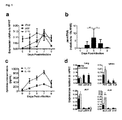
- IL-27 is able to suppress both TH1 and TH17 responses in models of autoimmunity or infection (Batten et al., 2006; Fitzgerald et al., 2007; Holscher et al., 2005; Stumhofer et al., 2006), we asked whether the absence of IL-27 receptor would result in dysregulated inflammatory cytokine production during the later stages of influenza, where viral loads are almost cleared.
- ICS intracellular cytokine staining
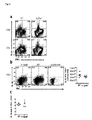
- CD4+ T cell production of IL-10 is regulated by the IL-27R ⁇ receptor and partially via STAT4 signaling
- IL-10 regulates IL-17, while IL-27 signaling directly modulates IFN- ⁇ production by CD4+ and CD8+ T cells
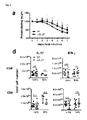
- rIL-27 Treatment with rIL-27 alleviates immunopathology when administered at later time points during influenza
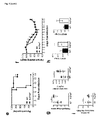
- mice treated with rIL-27 exhibited a drastic reduction of infiltrating neutrophils ( Fig. 5E ) and monocytes, but not of NK cells ( Fig. 5F ), suggesting that rIL-27 treatment during the early stages of influenza suppresses neutrophil and macrophage influx which can negatively impact viral clearance and lead increased mortality.
- rIL-27-treated mice appeared to have similar, if not better, control of viral loads when compared to the non-treated group ( Fig. 6D ), suggesting that viral clearance is not compromised by the treatment.
- the numbers of infiltrating TNF-a, IL-17 and IFN-y-producing CD4+ T cells were comparable between both groups ( Fig. 11 indicating that delayed treatment with rIL-27 minimally affects cytokine production by CD4+ and CD8+ T cells.
- rIL-27 In contrast to the unchanged adaptive immune response, systemic administration of rIL-27 resulted in significantly decreased lung-infiltrating neutrophils ( Fig. 6F ), macrophages and NK cells ( Fig. 6G ). These data correlate with the ability of IL-27 to act as a negative regulator of innate effector cells such as neutrophils and macrophages (Hamano et al., 2003; Li et al., 2010; Passos et al., 2010; Wirtz et al., 2006; Yoshida and Miyazaki, 2008).
- the tight regulation of both the induction and subsequent downregulation of proinflammatory cytokines is imperative in minimizing severe immunopathology during infection.
- One obvious example for this is influenza.
- influenza Following infection with highly pathogenic strains of influenza viruses, a dramatic increase of leukocytic pulmonary infiltrates leads to the exaggerated production of pro-inflammatory cytokines that cause massive inflammation with increased mortality (La Gruta et al., 2007). Therefore, understanding the regulatory pathways during infection not only sheds light on the mechanisms controlling the delicate balance of efficient viral clearance and disastrous immunopathology, but also reveals potential therapeutic targets.
- the present invention therefore relates to IL-27 as a therapeutic candidate, as IL-27 plays a significant role in physiologically dampening inflammatory reactions while having little impact on virus elimination when applied at the later stages of influenza infection.
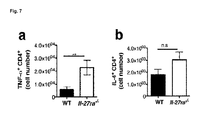
- infected II-27ra-/- mice displayed increased neutrophil influx and exaggerated IFN-y and IL-17 production by CD4+ and CD8+ T cells, thus underlining a major role of IL-27 in regulating the generation of the inflammatory cytokines IFN-y, and IL-17 during influenza.
- IL-27 promotes IL-10 secretion in CD4+ T cells (Anderson et al., 2009; Awasthi et al., 2007; Fitzgerald et al., 2007; Stumhofer et al., 2006).
- Anderson et al., 2009 we observed no decrease in numbers of IL-10+IFN-y+ double-producing CD8+ T cells in the infected respiratory tract of II-27ra-/- mice. It is possible that the differential impact of IL-27 is due to the differences in mouse stains used to determine the function of IL-27.
- infected II-27ra-/- mice It was subsequently examined whether misregulated IFN-y response in infected II-27ra-/- mice is solely due to diminished IL-10 production.
- infected II-10-/- mice unlike infected II27ra-/- mice, did not display an increase in IFN-y production by CD4+ and CD8+ T cells. Similar results were obtained upon blockade of the IL-10 receptor with a monoclonal antibody.
- IFN-y suppression in both CD4+ and CD8+ T cells is a result of direct signaling via the IL-27R ⁇ and not indirectly through IL-10-mediated regulation.
- IL-27 was shown to regulate IL-17 secretion in CD4+ T cells through suppression of RORyt and osteopontin (Murugaiyan et al., 2010; Stumhofer et al., 2007).
- the present invention demonstrates that lack of IL-27R ⁇ signalling during influenza leads to a dramatically increased IL-17 response by CD4+ and CD8+ T cells.
- IL-17 In contrast to the direct suppression of IFN-y by IL-27, suppression of IL-17 appears largely to be mediated by IL-27-induced IL-10.
- the use of II-10-/- mice or blockade of IL-10R by an antibody during influenza resulted in elevated numbers of IL-17+CD4+ T cells, similar to that observed in II-27ra-/- mice.
- IL-17 contributes to acute lung injury during influenza virus infection, partly due to its ability to mediate neutrophil recruitment (Crowe et al., 2009; Hamada et al., 2009).
- the present invention demonstrates that the expression of the IL-27p28 subunit in the influenza virus-infected respiratory tract peaks at the later phase of infection when viral titers are already declining, which is consistent with the suggested role of IL-27 in limiting the immune response.
- Interferons can elicit IL-27 production (Hibbert et al., 2003; Remoli et al., 2007) and the II-27p28 gene promoter contains an IFN-stimulated response element region (ISRE), which becomes activated through IRF1 (Liu et al., 2007; Pirhonen et al., 2007).
- ISRE IFN-stimulated response element region
- rIL-27 recombinant IL-27
- the invention demonstrates that absence of IL-27 signalling led to a worsened disease course through uncontrolled inflammation, while viral titres in IL-27ra-/- animals were not significantly different from those of WT animals.
- the adaptive arm of the immune response appeared unaffected by treatment with rIL-27.
- viral clearance was well controlled, if not enhanced during rIL-27 treatment.
- macrophage and neutrophil infiltration to the inflamed lung is essential for host protection after infection (Julkunen et al., 2000; La Gruta et al., 2007; Tate et al., 2011)
- the influx of large numbers of these cells can contribute to lethal lung damage by producing inflammatory cytokines (e.g IL-1 ⁇ , TNF-a, tFN-a/ ⁇ ) which can ultimately result in the amplification of chemotactic and inflammatory signals (Shaw et al., 1992).
- inflammatory cytokines e.g IL-1 ⁇ , TNF-a, tFN-a/ ⁇
- rIL-27 under a timed treatment regime shows surprisingly beneficial effects that are clinically applicable in cases of virus infection, for example cases in which severe immunopathology might lead to a fatal outcome.
- Wild-type (WT) BALB/c, C57BL/6 and Stat4-/- mice were purchased from Taconic Farms, Charles River, or The Jackson Laboratory. Strains of II-10-/- (a kind gift from Dr. W. Müller), Stat4-/- and II-12p40-/- mice were housed in specific pathogen-free facilitites in the Charite mouse facility, Berlin, Germany. II-27ra-/- mice (Yoshida et al., 2001) were bred and housed in the Department of Pathobiology at The University of Pennsylvania, Philadelphia, USA. Animal care and experiments were performed in accordance with the institutional guidelines of German Federal Law and local authorities of Berlin (LAGESO), or Animal Care and Use Committee of the University of Pennsylvania.
- LAGESO German Federal Law and local authorities of Berlin
- FACS antibodies were purchased from BD Biosciences or ebioscience. Surface and intracellular cytokine staining (ICS) was performed as previously described (Hamada et al., 2009). Labeled cells were analyzed on a FACS Canto II (BD Bioscience). Data were analyzed using Flowjo analysis software (Treestar).
- ICS cytokine staining
- CD8+CD62L+ Naive CD8+ T cells
- IL-10 signaling in vivo was performed as previously described (Sun et al., 2009).
- rIL-27 recombinant IL-27 (rIL-27) treatment during infection
- C57BL/6 mice were treated daily by i.p. injection of rIL-27 (200 ng; eBioscience) in PBS either from day 1 to day 7 p.i. (early treatment) or from day 5 to day 9 p.i. (late treatment).
- lung samples were fixed with 4% formaldehyde and embedded in paraffin. Sections were cut (2 ⁇ m), de-paraffinized and stained with hematoxylin and eosin (H&E).
- Influenza A/PR/8/34 virus was grown in the allantoic cavaties of 11-day-old embryonated chicken eggs or was purchased from Charles River. Mice were infected intranasally while under dexdomitor (0.5mg/mL, Pfizer) and anti-mepazole (5mg/mL, Pfizer) anesthesia, or with isofluran. For infection using low virus doses, wild-type BALB/c and Stat4-/- mice were infected with 12.5 PFU, while wild-type C57BL/6, II-10-/- and II-27ra-/- mice were infected with 25 PFU or 2500 egg infectious dose. In cases of infection with intermediate doses, 45 PFU of the virus was used. Infected mice were weighed daily and assessed for clinical symptoms of infection.
- FACS antibodies were purchased from BD Biosciences or eBioscience. Effector cells were identified according to the following surface markers: NK cells, CD3- CD49b+ (DX-5); monocytes, CD11b+MHCIIIo; neutrophils, Ly6-G+CD11 b+.
- efluor®450-conjugated anti-CD4 (RM4-5), fluorescein-conjugated anti-Ly6- G (RB6-8C5), fluorescein-conjugated anti-CD49b (pan-NK), PerCP-Cy5.5-conjugated anti-CD11b (M1-70; all from eBioscience); PE-conjugated CD8a+ (53-6.7), PerCPconjugated anti-CD8+ (53-6.7), fluorescein or PE-conjugated anti-CD62L (16A/MEL14), PE-conjugated anti-CD3 (145-2C11; all from BD Pharmingen).
- efluor®450-conjugated anti-CD4 (RM4-5), fluorescein-conjugated anti-Ly6- G (RB6-8C5), fluorescein-conjugated anti-CD49b (pan-NK), PerCP-Cy5.5-conjugated anti-CD11b (M1-70;
- PI propidium iodide
- XMG1.2 PE-Cy7-conjugated anti-IFN-y
- JESS-A6E3 PE-conjugated anti-IL-17A
- MP6-XT22 PE-Cy7-conjugated anti-TNF-a
- Intracellular cytokine staining was performed as previously described (Hamada et al., 2009). Briefly, enriched lymphocyte samples were restimulated with PMA/ionomycin for 4 hours or for 6 hours when using a combination of immunodominant influenza virus peptides (Anaspec), in the presence of Brefeldin A (10 ⁇ g/mL, Sigma). Supernatants of lung and BAL-cell restimulates were kept for cytokine measurement using ELISA. Cells were incubated with antiFcRy receptor antibody for 5 minutes prior to staining for extracellular markers. Extracellularly labeled cells were washed then fixed for 20 minutes using 2% paraformaldehyde.
- ICS Intracellular cytokine staining
- the cells Prior to intacellular staining, the cells were permeabilized by 5 minutes incubation with 0.1 % saponin buffer. Cytokines were stained using fluorochrome-labeled monoclonal rat anti-mouse antibodies in 0.1 % saponin buffer for 20 minutes. After washing, the cells were resuspended in PBS/BSA then analyzed on a FACS Canto II (BD Biosciences). Data were analyzed using Flowjo analysis software (TreeStar).
- influenza virus peptides are used: NP366-374 (ASNEMNDAM), PA224-233 (SSLENFRAYV), NS2114-121 (RTFSFQLI).
- influenza virus peptides are used: NP261-275 (RSALILRGSVAHKSC) and HNT126-138 (HNTNGVTAACHSE). All peptides were obtained from Anaspec.
- Purified na ⁇ ve CD8+ T cells were supplemented with recombinant mouse IL-12 (5 ng/mL; eBioscience), IFN-y (20 ng/mL; eBioscience), and IL-2 (10 ng/mL; R&D Systems) plus anti-mouse IL-4 antibody (5 ⁇ g/mL; clone 11B11) in complete RPMI media (RPMI 1640 supplemented with 10% FCS and antibiotics) for 3 days. After 3 days in culture, Tc1 cells were transferred to a new plate without anti-CD3 and antiCD28 and supplemented with fresh medium plus rIL-2 and cultured for 2 days for a total of 5 days in culture.
- rIL-27 recombinant mouse IL-27
- media were supplemented with rIL-27 (50 ng/mL; eBioscience) and/or anti-IL-10 receptor blocking antibody ( ⁇ IL-10R) (40 ⁇ g/mL; 1B1- 2).
- ⁇ IL-10R anti-IL-10 receptor blocking antibody
- cells were labeled with CFSE (Sigma) and cultured under the same conditions as mentioned above.
- Tc1 cells were washed and restimulated with PMA/ionomycin, in the presence of Brefeldin-A (10 ⁇ g/mL; Sigma) for 4 hours prior to intracellular staining.
- Brefeldin-A 10 ⁇ g/mL; Sigma
- Bronchoalveolar lavage was performed by flushing the airways three times with 1 mL sterile PBS. Cells were spun down and BAL fluid was collected for ELISA or bicinchoninic acid assay (BCA). Single cell suspensions from lungs, lymph nodes and spleens were obtained by mashing through a 70 ⁇ m cell strainer (BD Falcon). Erythrocytes were lysed using an erylysis buffer (Sigma), then washed with complete RPMI media. To enrich for lung lymphocytes, cells were resuspended in a percoll gradient 40:70 (vol:vol), then centrifuged for 30 minutes at 1800 rpm. Lymphocytic cells at the interface were collected and washed twice.
- BCA Bronchoalveolar lavage
- BCA bicinchoninic protein assay
- Blockade of IL-10 signaling in vivo was achieved by administration of an anti-IL-10 receptor-specific monoclonal antibody ( ⁇ IL-10R; clone 1B1-2) or isotype control to C57BL/6 mice on day 3 (i.p., 1 mg in 200 ⁇ L PBS), day 4 (i.n., 0.15 mg in 30 ⁇ L PBS) and day 6 (i.p., 1 mg in 200 ⁇ L PBS) after a low dose influenza virus infection (Sun et al., 2009).
- ⁇ IL-10R anti-IL-10 receptor-specific monoclonal antibody
- Immunochemistry staining was performed by subjecting lung sections to epitope retrieval followed by incubation with primary antibodies directed against CD3 (Dako) or MPO7 (Dako) for 30 minutes. Detection was performed using biotinylated antirabbit secondary antibody (Dianova) followed by streptavidin-AP kit (Dako). Alkaline phosphatase (AP) was revealed by Fast Red as chromogen. Negative controls were performed by omitting the primary antibodies. Images were acquired using an Axiolmager Z1 microscope equipped with a charge-coupled device (CCD) camera (AxioCam MRm) and processed with AxioVision software (all purchased from Carl Zeiss Microlmaging, Inc.).
- CCD charge-coupled device
- H&E stained lung sections were scored in a blinded manner as follows: (0) normal, (1) minor perivascular inflammation around large blood vessels, (2) moderate perivascular and peribronchial inflammation, (3) increased perivascular and peribronchial inflammation, (4) severe formation of perivascular, peribronchial, and interstitial inflammation.
Landscapes
- Health & Medical Sciences (AREA)
- Life Sciences & Earth Sciences (AREA)
- Chemical & Material Sciences (AREA)
- General Health & Medical Sciences (AREA)
- Medicinal Chemistry (AREA)
- Animal Behavior & Ethology (AREA)
- Organic Chemistry (AREA)
- Veterinary Medicine (AREA)
- Public Health (AREA)
- Pharmacology & Pharmacy (AREA)
- Virology (AREA)
- Molecular Biology (AREA)
- Nuclear Medicine, Radiotherapy & Molecular Imaging (AREA)
- Immunology (AREA)
- General Chemical & Material Sciences (AREA)
- Pulmonology (AREA)
- Chemical Kinetics & Catalysis (AREA)
- Proteomics, Peptides & Aminoacids (AREA)
- Epidemiology (AREA)
- Engineering & Computer Science (AREA)
- Bioinformatics & Cheminformatics (AREA)
- Zoology (AREA)
- Gastroenterology & Hepatology (AREA)
- Oncology (AREA)
- Communicable Diseases (AREA)
- Biochemistry (AREA)
- Biophysics (AREA)
- Genetics & Genomics (AREA)
- Medicines That Contain Protein Lipid Enzymes And Other Medicines (AREA)
Priority Applications (1)
| Application Number | Priority Date | Filing Date | Title |
|---|---|---|---|
| EP12181535.1A EP2700409A1 (fr) | 2012-08-23 | 2012-08-23 | IL-27 pour la modulation de la réponse immunitaire dans une maladie pulmonaire aiguë |
Applications Claiming Priority (1)
| Application Number | Priority Date | Filing Date | Title |
|---|---|---|---|
| EP12181535.1A EP2700409A1 (fr) | 2012-08-23 | 2012-08-23 | IL-27 pour la modulation de la réponse immunitaire dans une maladie pulmonaire aiguë |
Publications (1)
| Publication Number | Publication Date |
|---|---|
| EP2700409A1 true EP2700409A1 (fr) | 2014-02-26 |
Family
ID=46982408
Family Applications (1)
| Application Number | Title | Priority Date | Filing Date |
|---|---|---|---|
| EP12181535.1A Withdrawn EP2700409A1 (fr) | 2012-08-23 | 2012-08-23 | IL-27 pour la modulation de la réponse immunitaire dans une maladie pulmonaire aiguë |
Country Status (1)
| Country | Link |
|---|---|
| EP (1) | EP2700409A1 (fr) |
Cited By (3)
| Publication number | Priority date | Publication date | Assignee | Title |
|---|---|---|---|---|
| CN110051682A (zh) * | 2018-01-18 | 2019-07-26 | 复旦大学 | 圆柏属植物多糖在制备防治病毒性急性肺损伤的药物中的用途 |
| CN115029317A (zh) * | 2021-02-23 | 2022-09-09 | 赛浦生物科技(长春)有限公司 | 用于过敏性鼻炎的鼻喷雾剂及制备方法 |
| EP4248998A4 (fr) * | 2021-08-26 | 2024-03-13 | Guangdong Jiantebo Biotechnology Co., Ltd. | Composition et procédé de régulation de la génération de chaleur au sein d'un organisme, et utilisation |
Citations (5)
| Publication number | Priority date | Publication date | Assignee | Title |
|---|---|---|---|---|
| WO2004060291A2 (fr) * | 2002-12-31 | 2004-07-22 | Schering Corporation | Utilisations de cytokine de mammifere et reactifs associes |
| WO2004069173A2 (fr) * | 2003-01-31 | 2004-08-19 | The Trustees Of The University Of Pennsylvania | Procedes pour moduler une reaction inflammatoire |
| WO2006060194A1 (fr) * | 2004-11-19 | 2006-06-08 | Synta Pharmaceuticals Corp. | Composes de pyrimidine et leurs utilisations |
| WO2006124662A1 (fr) * | 2005-05-13 | 2006-11-23 | Synta Pharmaceuticals Corp. | Composes modulateurs d'il-12 |
| CN102416164A (zh) * | 2011-12-12 | 2012-04-18 | 武汉大学 | 白细胞介素-27在制备抗甲型流感病毒药物中的应用 |
-
2012
- 2012-08-23 EP EP12181535.1A patent/EP2700409A1/fr not_active Withdrawn
Patent Citations (5)
| Publication number | Priority date | Publication date | Assignee | Title |
|---|---|---|---|---|
| WO2004060291A2 (fr) * | 2002-12-31 | 2004-07-22 | Schering Corporation | Utilisations de cytokine de mammifere et reactifs associes |
| WO2004069173A2 (fr) * | 2003-01-31 | 2004-08-19 | The Trustees Of The University Of Pennsylvania | Procedes pour moduler une reaction inflammatoire |
| WO2006060194A1 (fr) * | 2004-11-19 | 2006-06-08 | Synta Pharmaceuticals Corp. | Composes de pyrimidine et leurs utilisations |
| WO2006124662A1 (fr) * | 2005-05-13 | 2006-11-23 | Synta Pharmaceuticals Corp. | Composes modulateurs d'il-12 |
| CN102416164A (zh) * | 2011-12-12 | 2012-04-18 | 武汉大学 | 白细胞介素-27在制备抗甲型流感病毒药物中的应用 |
Non-Patent Citations (60)
| Title |
|---|
| AMADI-OBI, A.; YU, C.R.; LIU, X.; MAHDI, R.M.; CLARKE, G.L.; NUSSENBLATT, R.B.; GERY, I.; LEE, Y.S.; EGWUAGU, C.E.: "TH17 cells contribute to uveitis and scleritis and are expanded by IL-2 and inhibited by IL-27/STAT1", NAT MED, vol. 13, 2007, pages 711 - 718 |
| ANDERSON, C.F.; STUMHOFER, J.S.; HUNTER, C.A.; SACKS, D.: "IL-27 regulates IL-10 and IL-17 from CD4+ cells in nonhealing Leishmania major infection", J IMMUNOL, vol. 183, 2009, pages 4619 - 4627 |
| AWASTHI, A.; CARRIER, Y.; PERON, J.P.; BETTELLI, E.; KAMANAKA, M.; FLAVELL, R.A.; KUCHROO, V.K.; OUKKA, M.; WEINER, H.L.: "A dominant function for interleukin 27 in generating interleukin 10- producing anti-inflammatory T cells", NAT IMMUNOL, vol. 8, 2007, pages 1380 - 1389 |
| BATTEN, M.; GHILARDI, N.: "The biology and therapeutic potential of interleukin 27", J MOL MED (BERL, vol. 85, 2007, pages 661 - 672 |
| BATTEN, M.; LI, J.; YI, S.; KLJAVIN, N.M.; DANILENKO, D.M.; LUCAS, S.; LEE, J.; DE SAUVAGE, F.J.; GHILARDI, N.: "Interleukin 27 limits autoimmune encephalomyelitis by suppressing the development of interleukin 17-producing T cells", NAT IMMUNOL, vol. 7, 2006, pages 929 - 936 |
| BRUDER, D.; SRIKIATKHACHORN, A.; ENELOW, R.I.: "Cellular immunity and lung injury in respiratory virus infection", VIRAL IMMUNOL, vol. 19, 2006, pages 147 - 155 |
| CAO JU ET AL: "Activation of Human Bronchial Epithelial Cells by Inflammatory Cytokines IL-27 and TNF-alpha: Implications for Immunopathophysiology of Airway Inflammation", JOURNAL OF CELLULAR PHYSIOLOGY, vol. 223, no. 3, June 2010 (2010-06-01), pages 788 - 797, XP055046347, ISSN: 0021-9541 * |
| CROWE, C.R.; CHEN, K.; POCIASK, D.A.; ALCORN, J.F.; KRIVICH, C.; ENELOW, R.I.; ROSS, T.M.; WITZTUM, J.L.; KOLLS, J.K.: "Critical role of IL-17RA in immunopathology of influenza infection", J IMMUNOL, vol. 183, 2009, pages 5301 - 5310 |
| DATABASE WPI Week 32, 18 April 2012 Derwent World Patents Index; AN 2012-E97307, XP002689096 * |
| DONG, J.; IVASCU, C.; CHANG, H.D.; WU, P.; ANGELI, R.; MAGGI, L.; ECKHARDT, F.; TYKOCINSKI, L.; HAEFLIGER, C.; MOWES, B. ET AL.: "IL-10 is excluded from the functional cytokine memory of human CD4+ memory T lymphocytes", J IMMUNOL, vol. 179, 2007, pages 2389 - 2396 |
| FINDLAY, E.G.; GREIG, R.; STUMHOFER, J.S.; HAFALLA, J.C.; DE SOUZA, J.B.; SARIS, C.J.; HUNTER, C.A.; RILEY, E.M.; COUPER, K.N.: "Essential role for IL-27 receptor signaling in prevention of Th1- mediated immunopathology during malaria infection", J IMMUNOL, vol. 185, 2010, pages 2482 - 2492 |
| FITZGERALD, D.C.; ZHANG, G.X.; EI-BEHI, M.; FONSECA-KELLY, Z.; LI, H.; YU, S.; SARIS, C.J.; GRAN, B.; CIRIC, B.; ROSTAMI, A.: "Suppression of autoimmune inflammation of the central nervous system by interleukin 10 secreted by interleukin 27-stimulated T cells", NAT IMMUNOL, vol. 8, 2007, pages 1372 - 1379 |
| HAMADA, H.; GARCIA-HERNANDEZ MDE, L.; REOME, J.B.; MISRA, S.K.; STRUTT, T.M; MCKINSTRY, K.K.; COOPER, A.M.; SWAIN, S.L.; DUTTON, R: "Tc17, a unique subset of CD8 T cells that can protect against lethal influenza challenge", J IMMUNOL, vol. 182, 2009, pages 3469 - 3481 |
| HAMANO, S.; HIMENO, K.; MIYAZAKI, Y.; ISHII, K.; YAMANAKA, A.; TAKEDA, A.; ZHANG, M.; HISAEDA, H.; MAK, T.W.; YOSHIMURA, A.: "WSX-1 is required for resistance to Trypanosoma cruzi infection by regulation of proinflammatory cytokine production", IMMUNITY, vol. 19, 2003, pages 657 - 667 |
| HEROLD, S.; STEINMUELLER, M.; VON WULFFEN, W.; CAKAROVA, L.; PINTO, R.; PLESCHKA, S.; MACK, M.; KUZIEL, W.A.; CORAZZA, N.; BRUNNER: "Lung epithelial apoptosis in influenza virus pneumonia: the role of macrophage-expressed TNF-related apoptosis- inducing ligand", J EXP MED, vol. 205, 2008, pages 3065 - 3077 |
| HIBBERT, L.; PFLANZ, S.; DE WAAL MALEFYT, R.; KASTELEIN, R.A.: "IL-27 and IFN-alpha signal via Stat1 and Stat3 and induce T-Bet and IL-12Rbeta2 in naive T cells", J INTERFERON CYTOKINE RES, vol. 23, 2003, pages 513 - 522 |
| HOLSCHER, C.; HOLSCHER, A.; RUCKERL, D.; YOSHIMOTO, T.; YOSHIDA, H.; MAK, T.; SARIS, C.; EHLERS, S.: "The IL-27 receptor chain WSX-1 differentially regulates antibacterial immunity and survival during experimental tuberculosis", J IMMUNOL, vol. 174, 2005, pages 3534 - 3544 |
| HUNTER C A: "New IL-12-family members: Il-23 and Il-27, cytokines with divergent functions", NATURE REVIEWS. IMMUNOLOGY, NATURE PUBLISHING GROUP, GB, vol. 5, 1 July 2005 (2005-07-01), pages 521 - 531, XP002463443, ISSN: 1474-1733, DOI: 10.1038/NRI1648 * |
| HUNTER, C.A.: "New IL-12-family members: IL-23 and IL-27, cytokines with divergent functions", NAT REV IMMUNOL, vol. 5, 2005, pages 521 - 531 |
| HUSSELL, T.; PENNYCOOK, A.; OPENSHAW, P.J.: "Inhibition of tumor necrosis factor reduces the severity of virus-specific lung immunopathology", EUR J IMMUNOL, vol. 31, 2001, pages 2566 - 2573 |
| JULKUNEN, I.; MELEN, K.; NYQVIST, M.; PIRHONEN, J.; SARENEVA, T.; MATIKAINEN, S.: "Inflammatory responses in influenza A virus infection", VACCINE, vol. 19, no. 1, 2000, pages 32 - 37 |
| LA GRUTA, N.L.; KEDZIERSKA, K.; STAMBAS, J.; DOHERTY, P.C.: "A question of self- preservation: immunopathology in influenza virus infection", IMMUNOL CELL BIOL, vol. 85, 2007, pages 85 - 92 |
| LI, J.P.; WU, H.; XING, W.; YANG, S.G.; LU, S.H.; DU, W.T.; YU, J.X.; CHEN, F.; ZHANG, L.; HAN, Z.C.: "Interleukin-27 as a negative regulator of human neutrophil function", SCAND J IMMUNOL, vol. 72, 2010, pages 284 - 292 |
| LIU, J.; GUAN, X.; MA, X.: "Regulation of IL-27 p28 gene expression in macrophages through MyD88- and interferon-gamma-mediated pathways", J EXP MED, vol. 204, 2007, pages 141 - 152 |
| LUCAS, S.; GHILARDI, N.; LI, J.; DE SAUVAGE, F.J.: "IL-27 regulates IL-12 responsiveness of naive CD4+ T cells through Stat1-dependent and -independent mechanisms", PROC NATL ACAD SCI U S A, vol. 100, 2003, pages 15047 - 15052 |
| MAYER, K.D.; MOHRS, K.; REILEY, W.; WITTMER, S.; KOHLMEIER, J.E.; PEARL, J.E.; COOPER, A.M.; JOHNSON, L.L.; WOODLAND, D.L.; MOHRS,: "Cutting edge: T-bet and IL-27R are critical for in vivo IFN-gamma production by CD8 T cells during infection", J IMMUNOL, vol. 180, 2008, pages 693 - 697 |
| MCKINSTRY, K.K.; STRUTT, T.M.; BUCK, A.; CURTIS, J.D.; DIBBLE, J.P.; HUSTON, G.; TIGHE, M.; HAMADA, H.; SELL, S.; DUTTON, R.W.: "IL-10 deficiency unleashes an influenza-specific Th17 response and enhances survival against high-dose challenge", J IMMUNOL, vol. 182, 2009, pages 7353 - 7363 |
| MURUGAIYAN, G.; MITTAL, A.; WEINER, H.L.: "Identification of an IL-27/osteopontin axis in dendritic cells and its modulation by IFN-gamma limits IL-17-mediated autoimmune inflammation", PROC NATL ACAD SCI U S A, vol. 107, 2010, pages 11495 - 11500 |
| OSTLER, T.; DAVIDSON, W.; EHL, S.: "Virus clearance and immunopathology by CD8(+) T cells during infection with respiratory syncytial virus are mediated by IFN-gamma", EUR J IMMUNOL, vol. 32, 2002, pages 2117 - 2123 |
| OWAKI, T.; ASAKAWA, M.; MORISHIMA, N.; HATA, K.; FUKAI, F.; MATSUI, M.; MIZUGUCHI, J.; YOSHIMOTO, T.: "A role for IL-27 in early regulation of Th1 differentiation", J IMMUNOL, vol. 175, 2005, pages 2191 - 2200 |
| PASSOS, S.T.; SILVER, J.S.; O'HARA, A.C.; SEHY, D.; STUMHOFER, J.S.; HUNTER, C.A.: "IL-6 promotes NK cell production of IL-17 during toxoplasmosis", J IMMUNOL, vol. 184, 2010, pages 1776 - 1783 |
| PEIRIS, J.S.; HUI, K.P.; YEN, H.L.: "Host response to influenza virus: protection versus immunopathology", CURR OPIN IMMUNOL, vol. 22, 2010, pages 475 - 481 |
| PEPER, R.L.; VAN CAMPEN, H.: "Tumor necrosis factor as a mediator of inflammation in influenza A viral pneumonia", MICROB PATHOG, vol. 19, 1995, pages 175 - 183 |
| PFLANZ ET AL.: "IL-27, a Heterodimeric Cytokine Composed of EB13 and p28 Protein, Induces Proliferation of Naive CD4+ T Cells", IMMUNITY, vol. 16, 2002, pages 779 - 790 |
| PFLANZ, S.; TIMANS, J.C.; CHEUNG, J.; ROSALES, R.; KANZLER, H.; GILBERT, J.; HIBBERT, L.; CHURAKOVA, T.; TRAVIS, M.; VAISBERG, E.: "IL-27, a heterodimeric cytokine composed of EB13 and p28 protein, induces proliferation of naive CD4(+) T cells", IMMUNITY, vol. 16, 2002, pages 779 - 790 |
| PIRHONEN, J.; SIREN, J.; JULKUNEN, I.; MATIKAINEN, S.: "IFN-alpha regulates Toll- like receptormediated IL-27 gene expression in human macrophages", J LEUKOC BIOL, vol. 82, 2007, pages 1185 - 1192 |
| RAJAIAH, R.; PUTTABYATAPPA, M.; POLUMURI, S.K.; MOUDGIL, K.D.: "Interleukin-27 and interferon-gamma are involved in regulation of autoimmune arthritis", J BIOL CHEM, vol. 286, 2010, pages 2817 - 2825 |
| REMOLI, M.E.; GAFA, V.; GIACOMINI, E.; SEVERA, M.; LANDE, R.; COCCIA, E.M.: "IFN-beta modulates the response to TLR stimulation in human DC: involvement of IFN regulatory factor-1 (IRF-1) in IL-27 gene expression", EUR J IMMUNOL, vol. 37, 2007, pages 3499 - 3508 |
| ROSAS, L.E.; SATOSKAR, A.A.; ROTH, K.M.; KEISER, T.L.; BARBI, J.; HUNTER, C.; DE SAUVAGE, F.J.; SATOSKAR, A.R.: "Interleukin-27R (WSX-1/T-cell cytokine receptor) gene- deficient mice display enhanced resistance to leishmania donovani infection but develop severe liver immunopathology.", AM J PATHOL, vol. 168, 2006, pages 158 - 169 |
| SARAIVA, M.; CHRISTENSEN, J.R.; VELDHOEN, M.; MURPHY, T.L.; MURPHY, K.M.; O'GARRA, A.: "Interleukin-10 production by Th cells requires interleukin-12-induced STAT4 transcription factor and ERK MAP kinase activation by high antigen dose", IMMUNITY, vol. 31, 2009, pages 209 - 219 |
| SHAW, M.W.; ARDEN, N.H.; MAASSAB, H.F.: "New aspects of influenza viruses", CLIN MICROBIOL REV, vol. 5, 1992, pages 74 - 92 |
| STUMHOFER, J.S.; HUNTER, C.A.: "Advances in understanding the anti-inflammatory properties of IL-27", IMMUNOL LETT, vol. 117, 2008, pages 123 - 130 |
| STUMHOFER, J.S.; LAURENCE, A.; WILSON, E.H.; HUANG, E.; TATO, C.M.; JOHNSON, L.M.; VILLARINO, A.V.; HUANG, Q.; YOSHIMURA, A.; SEHY: "Interleukin 27 negatively regulates the development of interleukin 17-producing T helper cells during chronic inflammation of the central nervous system", NAT IMMUNOL, vol. 7, 2006, pages 937 - 945 |
| STUMHOFER, J.S.; SILVER, J.; HUNTER, C.A.: "Negative regulation of Th17 responses", SEMIN IMMUNOL, vol. 19, 2007, pages 394 - 399 |
| SUN, J.; DODD, H.; MOSER, E.K.; SHARMA, R.; BRACIALE, T.J.: "CD4+ T cell help and innatederived IL-27 induce Blimp-1-dependent IL-10 production by antiviral CTLs", NAT IMMUNOL, vol. 12, 2011, pages 327 - 334 |
| SUN, J.; MADAN, R.; KARP, C.L.; BRACIALE, T.J.: "Effector T cells control lung inflammation during acute influenza virus infection by producing IL-10", NAT MED, vol. 15, 2009, pages 277 - 284 |
| TAKEDA, A.; HAMANO, S.; YAMANAKA, A.; HANADA, T.; ISHIBASHI, T.; MAK, T.W.; YOSHIMURA, A.; YOSHIDA, H.: "Cutting edge: role of IL-27/WSX-1 signaling for induction of T-bet through activation of STAT1 during initial Th1 commitment", J IMMUNOL, vol. 170, 2003, pages 4886 - 4890 |
| TATE, M.D.; LOANNIDIS, L.J.; CROKER, B.; BROWN, L.E.; BROOKS, A.G.; READING, P.C.: "The role of neutrophils during mild and severe influenza virus infections of mice", PLOS ONE, vol. 6, 2011, pages E17618 |
| TUMPEY, T.M.; BASLER, C.F.; AGUILAR, P.V.; ZENG, H.; SOLORZANO, A.; SWAYNE, D.E.; COX, N.J.; KATZ, J.M.; TAUBENBERGER, J.K.; PALES: "Characterization of the reconstructed 1918 Spanish influenza pandemic virus", SCIENCE, vol. 310, 2005, pages 77 - 80 |
| VILLARINO, A.; HIBBERT, L.; LIEBERMAN, L.; WILSON, E.; MAK, T.; YOSHIDA, H.; KASTELEIN, R.A.; SARIS, C.; HUNTER, C.A.: "The IL-27R (WSX-1) is required to suppress T cell hyperactivity during infection", IMMUNITY, vol. 19, 2003, pages 645 - 655 |
| VILLARINO, A.V.; LARKIN, J.; 3RD, SARIS, C.J.; CATON, A.J.; LUCAS, S.; WONG, T.; DE SAUVAGE, F.J.; HUNTER, C.A.: "Positive and negative regulation of the IL-27 receptor during lymphoid cell activation", J IMMUNOL, vol. 174, 2005, pages 7684 - 7691 |
| VILLARINO, A.V.; STUMHOFER, J.S.; SARIS, C.J.; KASTELEIN, R.A.; DE SAUVAGE, F.J.; HUNTER, C.A.: "IL-27 limits IL-2 production during Th1 differentiation", J IMMUNOL, vol. 176, 2006, pages 237 - 247 |
| WILEY, J.A.; CERWENKA, A.; HARKEMA, J.R.; DUTTON, R.W.; HARMSEN, A.G.: "Production of interferon-gamma by influenza hemagglutinin-specific CD8 effector T cells influences the development of pulmonary immunopathology", AM J PATHOL, vol. 158, 2001, pages 119 - 130 |
| WIRTZ, S.; TUBBE, I.; GALLE, P.R.; SCHILD, H.J.; BIRKENBACH, M.; BLUMBERG, R.S.; NEURATH, M.F.: "Protection from lethal septic peritonitis by neutralizing the biological function of interleukin 27", J EXP MED, vol. 203, 2006, pages 1875 - 1881 |
| YOSHIDA HIROKI ET AL: "Regulation of defense responses against protozoan infection by interleukin-27 and related cytokines", JOURNAL OF BIOMEDICINE & BIOTECHNOLOGY, 2007, XP002689099, ISSN: 1110-7243 * |
| YOSHIDA, H.; HAMANO, S.; SENALDI, G.; COVEY, T.; FAGGIONI, R.; MU, S.; XIA, M.; WAKEHAM, A.C.; NISHINA, H.; POTTER, J. ET AL.: "WSX-1 is required for the initiation of Th1 responses and resistance to L. major infection", IMMUNITY, vol. 15, 2001, pages 569 - 578 |
| YOSHIDA, H.; MIYAZAKI, Y.: "Regulation of immune responses by interleukin-27", IMMUNOL REV, vol. 226, 2008, pages 234 - 247 |
| YOSHIMURA, T.; TAKEDA, A.; HAMANO, S.; MIYAZAKI, Y.; KINJYO, I.; ISHIBASHI, T.; YOSHIMURA, A.; YOSHIDA, H.: "Two-sided roles of IL-27: induction of Th1 differentiation on naive CD4+ T cells versus suppression of proinflammatory cytokine production including IL-23-induced IL-17 on activated CD4+ T cells partially through STAT3-dependent mechanism", J IMMUNOL, vol. 177, 2006, pages 5377 - 5385 |
| ZENG RUIHONG ET AL: "Interleukin-27 inhibits vaccine-enhanced pulmonary disease following respiratory syncytial virus infection by regulating cellular memory responses.", JOURNAL OF VIROLOGY APR 2012, vol. 86, no. 8, April 2012 (2012-04-01), pages 4505 - 4517, XP002689097, ISSN: 1098-5514 * |
| ZHENG, B.J.; CHAN, K.W.; LIN, Y.P.; ZHAO, G.Y.; CHAN, C.; ZHANG, H.J.; CHEN, H.L.; WONG, S.S.; LAU, S.K.; WOO, P.C. ET AL.: "Delayed antiviral plus immunomodulator treatment still reduces mortality in mice infected by high inoculum of influenza A/H5N1 virus", PROC NATL ACAD SCI U S A, vol. 105, 2008, pages 8091 - 8096 |
Cited By (3)
| Publication number | Priority date | Publication date | Assignee | Title |
|---|---|---|---|---|
| CN110051682A (zh) * | 2018-01-18 | 2019-07-26 | 复旦大学 | 圆柏属植物多糖在制备防治病毒性急性肺损伤的药物中的用途 |
| CN115029317A (zh) * | 2021-02-23 | 2022-09-09 | 赛浦生物科技(长春)有限公司 | 用于过敏性鼻炎的鼻喷雾剂及制备方法 |
| EP4248998A4 (fr) * | 2021-08-26 | 2024-03-13 | Guangdong Jiantebo Biotechnology Co., Ltd. | Composition et procédé de régulation de la génération de chaleur au sein d'un organisme, et utilisation |
Similar Documents
| Publication | Publication Date | Title |
|---|---|---|
| Pyle et al. | Early IL-6 signalling promotes IL-27 dependent maturation of regulatory T cells in the lungs and resolution of viral immunopathology | |
| Honce et al. | Impact of obesity on influenza A virus pathogenesis, immune response, and evolution | |
| Kedzierski et al. | Suppressor of cytokine signaling (SOCS) 5 ameliorates influenza infection via inhibition of EGFR signaling | |
| Liu et al. | Timed action of IL-27 protects from immunopathology while preserving defense in influenza | |
| Mukherjee et al. | STAT3-mediated IL-17 production by postseptic T cells exacerbates viral immunopathology of the lung | |
| Varga et al. | The adaptive immune response to respiratory syncytial virus | |
| Bunting et al. | Interleukin‐33 drives activation of alveolar macrophages and airway inflammation in a mouse model of acute exacerbation of chronic asthma | |
| Song et al. | C5a receptor1 inhibition alleviates influenza virus-induced acute lung injury | |
| WO2022140706A1 (fr) | Vaccins à base de peptide li-key à régulation immunitaire pour la prophylaxie et la protection à long terme contre l'infection par sras-cov-2 et la maladie covid-19 | |
| EP2700409A1 (fr) | IL-27 pour la modulation de la réponse immunitaire dans une maladie pulmonaire aiguë | |
| Noma et al. | Anti-cytokine autoantibodies in human susceptibility to infectious diseases: insights from Inborn errors of immunity | |
| US12024558B2 (en) | Method of inhibiting HIV-1 viral rebound in a subject using interferon inhibitors and ART | |
| US20230226095A1 (en) | Methods and compositions for treating coronavirus infectious disease | |
| Palomares et al. | Innate and adaptive immune responses in asthma | |
| Haw et al. | TLR7 promotes smoke-induced lung damage through the activity of mast cell tryptase | |
| US12018082B2 (en) | Methods and agents for treating infections | |
| Parks | The role of age and complement in CD8+ T cell function during human metapneumovirus (HMPV) infection | |
| Zissler | Specific therapies for asthma endotypes: a new twist in drug development | |
| Ruterbusch | Influenza-specific CD4+ TH1 memory cells in the lung can be functionally altered by allergen exposure | |
| Belios | Investigating the effect of sex hormones on sexual dimorphism in the lung tissue microenvironment | |
| Huckestein | Understanding the Underlying Mechanisms of Persistent Inflammation following Severe Influenza Infections in Inbred and Juvenile, Outbred Mice | |
| Zhi | The Role of T-bet in Lung Infection | |
| Connolly | The glial cell line-derived neurotrophic factor family in airway infectious disease | |
| Benoit | SARS-CoV-2 Vaccination Responses in Vulnerable Populations | |
| Miller | Immunological factors contributing to delayed respiratory syncytial virus clearance in geriatric cotton rats |
Legal Events
| Date | Code | Title | Description |
|---|---|---|---|
| PUAI | Public reference made under article 153(3) epc to a published international application that has entered the european phase |
Free format text: ORIGINAL CODE: 0009012 |
|
| AK | Designated contracting states |
Kind code of ref document: A1 Designated state(s): AL AT BE BG CH CY CZ DE DK EE ES FI FR GB GR HR HU IE IS IT LI LT LU LV MC MK MT NL NO PL PT RO RS SE SI SK SM TR |
|
| AX | Request for extension of the european patent |
Extension state: BA ME |
|
| STAA | Information on the status of an ep patent application or granted ep patent |
Free format text: STATUS: THE APPLICATION IS DEEMED TO BE WITHDRAWN |
|
| 18D | Application deemed to be withdrawn |
Effective date: 20140827 |