EP2701439B1 - Verfahren, basisstation und endgerät zur aufrechterhaltung eines laufzeitkorrekturzeitgebers - Google Patents
Verfahren, basisstation und endgerät zur aufrechterhaltung eines laufzeitkorrekturzeitgebers Download PDFInfo
- Publication number
- EP2701439B1 EP2701439B1 EP11863859.2A EP11863859A EP2701439B1 EP 2701439 B1 EP2701439 B1 EP 2701439B1 EP 11863859 A EP11863859 A EP 11863859A EP 2701439 B1 EP2701439 B1 EP 2701439B1
- Authority
- EP
- European Patent Office
- Prior art keywords
- band
- time alignment
- alignment timer
- bands
- carriers
- Prior art date
- Legal status (The legal status is an assumption and is not a legal conclusion. Google has not performed a legal analysis and makes no representation as to the accuracy of the status listed.)
- Active
Links
Images



Classifications
-
- H—ELECTRICITY
- H04—ELECTRIC COMMUNICATION TECHNIQUE
- H04W—WIRELESS COMMUNICATION NETWORKS
- H04W56/00—Synchronisation arrangements
- H04W56/001—Synchronization between nodes
-
- H—ELECTRICITY
- H04—ELECTRIC COMMUNICATION TECHNIQUE
- H04L—TRANSMISSION OF DIGITAL INFORMATION, e.g. TELEGRAPHIC COMMUNICATION
- H04L1/00—Arrangements for detecting or preventing errors in the information received
- H04L1/12—Arrangements for detecting or preventing errors in the information received by using return channel
- H04L1/16—Arrangements for detecting or preventing errors in the information received by using return channel in which the return channel carries supervisory signals, e.g. repetition request signals
- H04L1/18—Automatic repetition systems, e.g. Van Duuren systems
- H04L1/1829—Arrangements specially adapted for the receiver end
- H04L1/1835—Buffer management
-
- H—ELECTRICITY
- H04—ELECTRIC COMMUNICATION TECHNIQUE
- H04W—WIRELESS COMMUNICATION NETWORKS
- H04W24/00—Supervisory, monitoring or testing arrangements
- H04W24/04—Arrangements for maintaining operational condition
-
- H—ELECTRICITY
- H04—ELECTRIC COMMUNICATION TECHNIQUE
- H04W—WIRELESS COMMUNICATION NETWORKS
- H04W56/00—Synchronisation arrangements
- H04W56/004—Synchronisation arrangements compensating for timing error of reception due to propagation delay
- H04W56/0045—Synchronisation arrangements compensating for timing error of reception due to propagation delay compensating for timing error by altering transmission time
Definitions
- the present invention relates to the field of communications and, in particular to a method for maintaining a time alignment timer and terminal equipment.
- a terminal starts or restarts the time alignment timer when receiving an MAC element of a time advance command; starts or restarts the time alignment timer when the time advance command is contained in a random access response message and if a random access preamble is not selected by an MAC layer of the terminal; starts the time alignment timer when the time advance command is contained in a random access response message and a random access preamble is selected by an MAC layer of the terminal and if the time alignment timer is not in operation, and stops the time alignment timer when the contention in the random access procedure is not solved; and neglects the received time advance command in other cases where a time advance command is contained in a random access response message.
- a single-band system for uplink carriers in the same band transmitted from the same terminal, when the positions of their receiving ends are identical, their synchronization states may be deemed as being consistent; that is, if an uplink of one carrier is synchronized by being adjusted, the uplinks of other carriers in the same band may also be synchronized only if the other carriers are adjusted in the same manner as that of the one carrier; therefore, in such a single-band system, uplink measurement may only be performed on one of the uplinks, and the other carriers are adjusted using the same measures according to the measurement result. In this way, the uplink synchronization of the whole band may be maintained, thereby only one time alignment timer needing to be maintained at the terminal.
- FIG. 2 is a schematic diagram of multiple time alignment timers (TATs) in a multi-band carrier aggregation system.
- TATs time alignment timers
- a base station assigning three bands for a terminal is taken as an example, wherein, a primary cell (PCell) and a secondary cell (SCell) 1 are at a band 0, secondary cells 2 and 3 are at a band 1, and secondary cell 4 is at a band 2.
- the terminal corresponding to the three bands via three different TATs is taken as an example.
- the terminal needs to flush the HARQ buffer in band 1 and release the dedicated resources to which the carriers in band 1 in the PUCCH correspond and the SRSs to which the carriers in band 1 correspond.
- Such operations relate only to the communications of the local band, and have no effect on the communications of other bands.
- TAT2 expires, the operations of the terminal have effect only on the communications of band 2.
- the terminal judges that the uplink of the PCell is out of synchronization, and as PUCCHs are transmitted only in the uplink of the PCell, at this moment, due to the PUCCHs cannot be transmitted in the uplink, the communications of the whole terminal are affected, and cannot perform communications efficiently. In such a case, out-of-synchronization of one band leads to interruption of the communications of the whole terminal.
- TAT 0 is in operation and TAT1 or TAT2 expires may be deemed as a normal situation, as in some cases, the base station may determine according to judgment of a traffic amount that some terminals do not need so many bands, and intentionally make uplinks of some bands be out of synchronization, so as to release resources for other terminals.
- TAT1 and TAT2 are in operation and TAT0 expires should be avoided.
- FIG. 3 is a schematic diagram of a single TAT in a multi-band carrier aggregation system.
- the terminal in the multi-band carrier aggregation system of this embodiment, there is only one TAT at the terminal.
- the terminal cannot learn the uplink synchronization situation of all the bands. For example, if the time advance command to which band 0 corresponds can only reset the TAT, the terminal will not learn whether band 1 is in synchronization.
- the TAT is made to be reset by the time advance command to which any band corresponds, following situation is possible to occur: in the time period set in the timer, multiple time advance commands are received at a certain band, and at the same time, no time advance command is received at certain another band, while the timer is still in operation.
- the base station should be able to reasonably set the numerical values in a time advance command and transmission timing according to the uplink synchronization situation, and keeps the timer in operation.
- the terminal receives no time advance command in the set time period, it is deemed as out-of-synchronization of uplink. In such a case, the uplink state obtained by the terminal from the TAT is wrong.
- the numerical value set by TAT0 in Fig. 3 is 500 ms.
- the terminal receives twice the time advance command corresponding to band 1, while receiving no time advance command corresponding to band 0.
- the TAT is in operation, but the uplink of band 0 is actually possible to be out of synchronization.
- Non-patent document 1 3GPP TS 36.321 C10.1.0(2011-3) Medium Access Control (MAC) protocol specification .
- MAC Medium Access Control
- HUAWEI ET AL "The Multiple Time Advances in Carrier Aggregation", 3GPP DRAFT; R2-111953 THE MULTIPLE TIME ADVANCES IN CARRIER AGGREGATION, 3RD GENERATION PARTNERSHIP PROJECT (3GPP), MOBILE COMPETENCE CENTRE; 650, ROUTE DES LUCIOLES; F-06921 SOPHIA-ANTIPOLIS CEDEX; FRANCE, vol. RAN WG2, no. Shanghai, China; 20110411, 5 April 2011 (2011-04-05 ).
- FIG. 1 is a flowchart of uplink synchronization processing by a base station and terminal equipment:
- Fig. 4 is a flowchart of the method for maintaining a time alignment timer of Example 1. As shown in Fig. 4 , the method comprises:
- the base station may execute the following step: step 403: transmitting by the base station the time advance command to the band to be uplink adjusted and the band where the primary cell is located, such that the time alignment timer to which the band to be uplink adjusted corresponds and the time alignment timer to which the band where the primary cell is located corresponds are restarted.
- the base station in transmitting a time adjustment command, may indicate a signaling format of a band needing to be adjusted in an implied manner, or may indicate a signaling format of a band needing to be adjusted in an explicit manner, or both, according to different mechanisms for transmitting the time adjustment command. Examples are given as follows.
- the identification information of this band may be impliedly expressed.
- the time adjustment command may not carry the identification information of the band, and may use the format in Rel.10, as shown in Fig. 5 .
- band identification information such as band index
- a signaling format explicitly indicating a band index may be employed, such as the format shown in Fig. 6 .
- the index of the band needing to be adjusted needs to be explicitly indicated in the signaling.
- the signaling formats shown in Figs. 5 and 6 may be used by the time advance command simultaneously or respectively.
- a particular format depends on whether the band for transmitting the time advance command and the band to which the command corresponds are the same band, as described above.
- the time adjustment command of the band where the PCell is located may use a format of time adjustment command impliedly expressing band ID. If the time adjustment command adjusting the band where the PCell is located is not transmitted in the carrier of the band where the PCell is located, a format of time adjustment command explicitly expressing band ID is used for the time adjustment commands to which other bands correspond, no matter whether the time adjustment commands are transmitted in the carriers of the bands to which they correspond.
- each time adjustment command needs to be transmitted together with a sub-head of an MAC layer at the same time, such a sub-head is mainly used to indicate the categories of the commands (in an MAC layer, besides the time adjustment commands, there are many other commands), so that the terminal interpret the meanings of each bit in different commands (i.e. contents of the commands) according to the categories of the commands.
- This sub-head is of a length of a byte, and when a plurality of time adjustment commands are transmitted in one carrier, a plurality of sub-heads will occur and resources will be wasted. Therefore, a format in which a plurality of time adjustment commands are aggregated to share a sub-head may be employed. In this example, following selections are provided:
- all the bands may correspond to one time alignment timer, that is, the terminal maintains one time alignment timer.
- each band corresponds to one time alignment timer, that is, the terminal maintains a plurality of time alignment timers, each time alignment timer corresponding to one band.
- each time alignment timer may correspond to all the carriers in one band, and may correspond to a part of the carriers in one band, and this example is not limited thereto.
- band is a logic concept, and all the carriers may be deemed as being in the same band only if the transmission characteristics of them are identical or the difference between the transmission characteristics of them is less than a certain threshold. That is, each of the bands in this example corresponds to a plurality of carriers, the transmission characteristics of the carriers being identical or the difference between the transmission characteristics of the carriers being less than a predefined threshold.
- the base station in discovering that any band where the PCell is not located needs to be uplink adjusted, transmits a time advance command to the band where the PCell is not located and a band where the PCell is located. And in discovering that only the band where the PCell is located needs to be uplink adjusted, the base station transmits a time advance command to the band where the PCell is located only.
- the terminal has TATs corresponding to each of the bands, the TAT corresponding to a respective band is reset in receiving a time advance command; and if the terminal has only one TAT, the only TAT is reset in receiving a time advance command.
- the TAT to which the band where the PCell is located corresponds is ensured to expire at the last, thereby solving the problem when there are a plurality of TATs.
- the problem shown in Fig. 3 that the time advance command to which any band corresponds enables the TAT to be reset will occur.
- the problem that the uplink of the band where the PCell is located is out of synchronization while the TAT is in operation will not occur.
- the base station deems that the terminal does not need a certain band having only SCells any longer, it may make the terminal release the resources of the band by deconfiguring the band from the terminal.
- Example 2 A base station will now be described in Example 2 below.
- the principle of the base station for solving problems is similar to that of the method for maintaining a time alignment timer based on a base station of Example 1, the implementation of the method may be referred to for the implementation of the base station, and the repeated parts shall not be described any further.
- Fig. 9 is a schematic diagram of the composition of the base station of Example 2. As shown in Fig. 9 , the base station comprises: a judging unit 91 and a first transmitting unit 92; wherein,
- the base station may further comprise: a second transmitting unit 93 configured to transmit a time advance command to the band to be uplink adjusted and the band where the primary cell is located when the result of judgment of the judging unit 91 is that the band to be uplink adjusted includes a band where the primary cell is not located, such that the time alignment timer corresponding to the band to be uplink adjusted and the time alignment timer corresponding to the band where the primary cell is located are restarted.
- a second transmitting unit 93 configured to transmit a time advance command to the band to be uplink adjusted and the band where the primary cell is located when the result of judgment of the judging unit 91 is that the band to be uplink adjusted includes a band where the primary cell is not located, such that the time alignment timer corresponding to the band to be uplink adjusted and the time alignment timer corresponding to the band where the primary cell is located are restarted.
- the base station of this example determines the transmission of a time advance command by judging whether a band to be uplink adjusted includes only the band where a primary cell is located by the judging unit 91, so as to ensure that a time advance command is transmitted at least to the band where the primary cell is located. Therefore, the uplink state of the band where the PCell is located can be well reflected by the TAT, no matter whether one time alignment timer is maintained or a plurality of time alignment timers are maintained at the terminal, without leading to interruption of communications due to advanced expiration of the time alignment timer to which the band where the PCell is located corresponds.
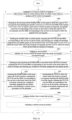
- Fig. 10 is a flowchart of the method for maintaining a time alignment timer of Embodiment 1 of the present invention. As shown in Fig. 10 , the method comprises:
- the terminal judges that the TAT to which the band where the PCell is located corresponds does not expire, it deems that this is a normal operation, flushes the HARQ buffer in this band only, and releases the specific resources to which the carriers in this band correspond and the SRSs to which the carriers in this band correspond in the PUCCH.
- TAT0 is the TAT to which the band where the PCell is located corresponds
- TAT1 and TAT2 are TATs to which the bands where the SCells are located correspond.
- the base station may determine according to judgment of a traffic amount that some terminals do not need so many bands, and intentionally make uplinks of some bands be out of synchronization, so as to release resources for other terminals. Therefore, a case occurs where TAT0 is in operation while TAT1 or TAT2 expires. Thus, it can be seen that this is a normal situation.
- the problem of interruption of communication links due to flushing or releasing corresponding resources as a result of advanced expiration of the TAT to which the band where the PCell is located corresponds will not occur.
- the terminal may execute the following step: step 1003: flushing the HARQ buffer in all the bands, releasing the PUCCH and the SRSs corresponding to the carriers in all the bands, and clearing any configured downlink assignments and uplink grants.
- the terminal flushes the HARQ buffer in all the bands, releases the PUCCH and the SRSs corresponding to the carriers in all the bands, and clears any configured downlink assignments and uplink grants. Therefore, when the timer to which the band where the PCell is located corresponds expires and the timer to which the bands where all the SCells are located correspond expire at the same time, a flushing or releasing operation shall be performed to the corresponding resources of the bands where the SCells are located while flushing or releasing the corresponding resources of the band where the PCell is located. Therefor, the problem of interruption of communication links due to flushing or releasing corresponding resources as a result of advanced expiration of the TAT to which the band where the PCell is located corresponds will not occur.
- the terminal may further execute the following steps:
- the terminal judges that the TAT to which the band where the PCell is located corresponds expires and the TATs to which the bands where all the non-PCells are located correspond have expired before, the HARQ buffer in the band where the PCell is located corresponds is released, the PUCCH and the SRSs corresponding to the carriers in the band where the PCell is located corresponds are released, and any configured downlink assignments and uplink grants are cleared.
- the flushing or releasing operation performed to the corresponding resources of the band where the PCell is located will not affect the bands where the SCells are located, thereby avoiding the problem of interruption of communication links due to flushing or releasing corresponding resources as a result of advanced expiration of the TAT to which the band where the PCell is located corresponds.
- the terminal may process in a manner of the following step 1006 or 1007.
- Step 1006 releasing the HARQ buffer in the band where the PCell is located, releasing the PUCCH and the SRSs corresponding to the carriers in the band where the PCell is located, clearing any configured downlink assignments and uplink grants, and initiating a random access procedure, by the terminal.
- the terminal releases the HARQ buffer in the band where the PCell is located, releases the PUCCH and the SRSs corresponding to the carriers in the band where the PCell is located, and clears any configured downlink assignments and uplink grants.
- the terminal After releasing the above resources, no matter whether there are new uplink/downlink data arriving, the terminal immediately performs an uplink random access procedure, so as to obtain resources again and synchronize with the uplink, and accordingly, the TAT to which the band where the PCell is located corresponds is reset, wherein, the random access procedure may be initiated by the terminal, or may be initiated by the base station. And if it is initiated by the terminal, the terminal initiates the random access procedure to the base station immediately after releasing the above resources.
- the advantage of this manner is timely reaction. However, as such a random access procedure is contention-based, when the resources are insufficient, delay or access failure is possible to occur.
- the base station may monitor the SRS to which the carriers in the band where the PCell is located correspond.
- the SRS is blank, it is deemed that the terminal has released this part of resources and the uplink where the PCell is located is out of synchronization, and the base station transmits a command to the terminal instructing the terminal to perform random access.
- the random access in this manner is assignment-based but not contention-based, its advantage is that the rate of success of access is high. However, as the base station is needed to monitor the SRS state, the reaction is relatively less timely.
- the terminal obtains resources again and synchronizes with the uplink through a random access procedure, thus avoiding the problem of interruption of communication links due to flushing or releasing corresponding resources as a result of advanced expiration of the TAT to which the band where the PCell is located corresponds.
- Step 1007 terminating the TATs to which the bands where the SCells are located correspond, flushing the HARQ buffer in all the bands, releasing the PUCCH and the SRSs corresponding to the carriers in all the bands, clearing any configured downlink assignments and uplink grants.
- the terminal may further terminate the TAT(s) in operation and at the same time, flushes the HARQ buffer in all the bands, releases the PUCCH and the SRSs corresponding to the carriers in all the bands, and clears any configured downlink assignments and uplink grants.
- the terminal terminates the TAT(s) to which the bands where the SCell(s) is(are) located corresponds/correspond and which is(are) in operation. In this way, the terminal will not transmit data in the band(s) where the SCell(s) is(are) located, thereby avoiding the problem of affecting the band where the SCells are located due to flushing or releasing corresponding resources as a result of expiration of the TAT to which the band where the PCell is located corresponds.
- the terminal may further execute the following steps:
- the terminal when the terminal maintains a plurality of TATs, if there is uplink data that arrives, the terminal initiates a random access procedure only it is discovered that the TAT to which the band where the PCell is located corresponds expires, no matter whether other TATs expire, so as to obtain resources and synchronize with the uplink, and reset the TAT at the same time.
- the terminal may obtain resources again and synchronize with the uplink and make the TAT be reset by initiating the random access procedure via the uplink data, thus avoiding the problem of interruption of communication links due to flushing or releasing corresponding resources as a result of expiration of the TAT to which the band where the PCell is located corresponds.
- each time alignment timer may correspond to all the carriers in a band, or may correspond to a part of the carriers in a band. This embodiment is not limited thereto.
- band is a logic concept, and all the carriers may be deemed as being in the same band only if the transmission characteristics of them are identical or the difference between the transmission characteristics of them is less than a certain threshold. That is, each of the bands in this embodiment corresponds to a plurality of carriers, the transmission characteristics of the carriers being identical or the difference between the transmission characteristics of the carriers being less than a predefined threshold.
- the terminal determines a particular processing method according to whether an expired TAT is the TAT to which the band where the PCell is located corresponds, so as to ensure that the TAT to which the band where the PCell is located corresponds expires at last, thereby avoiding occurrence of effect on the bands where the SCells are located and hence interruption of communications due to flushing or releasing corresponding resources as a result of advanced expiration of the TAT to which the band where the PCell is located corresponds, and efficiently solving the problem of maintenance of one or more TATs in a multi-band carrier aggregation wireless system.
- An embodiment of the present invention further provides terminal equipment, as described in Embodiment 2 below.
- the principle of the terminal equipment for solving problems is similar to that of the method for maintaining a time alignment timer based on terminal equipment of Embodiment 1, the implementation of the method may be referred to for the implementation of the terminal equipment, and the repeated parts shall not be described any further.
- Fig. 11 is a schematic diagram of the composition of the terminal equipment of Example 3. As shown in Fig. 11 , the terminal equipment comprises: a first judging unit 111 and a first processing unit 112; wherein,
- the terminal equipment further comprises: a second processing unit 113 configured to flush the HARQ buffer in all the bands, release the PUCCH and the SRSs corresponding to the carriers in all the bands, and clear any configured downlink assignments and uplink grants when the result of judgment of the first judging unit 111 is that the expired TAT is TAT to which a band where the primary cell is located corresponds and TAT(s) to which the band(s) where all the secondary cell(s) are located corresponds/correspond.
- a second processing unit 113 configured to flush the HARQ buffer in all the bands, release the PUCCH and the SRSs corresponding to the carriers in all the bands, and clear any configured downlink assignments and uplink grants when the result of judgment of the first judging unit 111 is that the expired TAT is TAT to which a band where the primary cell is located corresponds and TAT(s) to which the band(s) where all the secondary cell(s) are located corresponds/correspond.
- the terminal equipment further comprises:
- the terminal equipment further comprises:
- the terminal equipment further comprises: a fifth processing unit 118 configured to terminate the TAT(s) to which the band(s) where the secondary cell(s) is(are) located corresponds/correspond when the result of judgment of the second judging unit 114 is that the TAT(s) to which the band(s) where the secondary cell(s) is(are) located corresponds/correspond is(are) in operation.
- a fifth processing unit 118 configured to terminate the TAT(s) to which the band(s) where the secondary cell(s) is(are) located corresponds/correspond when the result of judgment of the second judging unit 114 is that the TAT(s) to which the band(s) where the secondary cell(s) is(are) located corresponds/correspond is(are) in operation.
- the terminal equipment further comprises:
- the terminal equipment of this example embodiment determines a particular processing method according to whether an expired TAT is the TAT to which the band where the PCell is located corresponds, so as to ensure that the TAT to which the band where the PCell is located corresponds expires at last, thereby avoiding occurrence of effect on the band(s) where the SCell(s) is(are) located and hence interruption of communications due to flushing or releasing corresponding resources as a result of advanced expiration of the TAT to which the band where the PCell is located corresponds, and efficiently solving the problem of maintenance of one or more TATs in a multi-band carrier aggregation wireless system.
- Fig. 12 is a schematic diagram of the mobile phone used as an example of the terminal equipment of an embodiment of the present invention.
- the terminal equipment are not limited to a mobile phone.
- the terminal equipment may also be any devices capable of communicating, such as a game player, a PDA, and a portable computer, etc.
- the mobile phone 10 may be a flip-lid phone having a flip lid 15 movable between an open position and a closed position. In Fig. 12 , the flip lid 15 is shown as being in the open position.
- the mobile phone 10 may also be of other structures, such as a "bar phone" or a "slide-lip phone” structure.
- the mobile phone 10 may comprise a display 14.
- the display 14 displays such information to a user as an operational state, time, phone number, telephone directory information, and various menus, etc., so that the user is enabled to use various characteristics of the mobile phone 10.
- the display 14 may also be used to visibly display contents received by the mobile phone 10 and/or retrieved from a memory (not shown) of the mobile phone 10.
- the display 14 may be used to display images, videos and other graphics to a user, such as photos, mobile TV contents and videos related to games, etc.
- a keyboard 18 provides multiple user input operations.
- the keyboard 18 may comprise an alphanumeric key permitting input of alphanumeric information (such as a phone number, a phone list, telephone directory information, a notebook, and a text, etc.).
- the keyboard 18 may comprise specific functional keys 17, such as a "call transmit" key to initiate a call or respond a call, and a "call end” key to end or "hang up” a call.
- the specific functional keys may further comprise a menu navigation key and a selection key on the menu of the display 14 for convenient navigation.
- a pointing device and/or a navigation key may be provided to receive directional input from a user.
- the display 14 and the keyboard 18 may be combined in use for carrying out a function of a soft key.
- the mobile phone 10 may further comprise parts necessary for carrying out its functions, such as an antenna, a microcontroller, a loudspeaker 50, and a microphone 52, etc.
- An example embodiment of the present invention further provides a computer-readable program, wherein when the program is executed in terminal equipment, the program enables the computer to carry out the method for maintaining a time alignment timer as described in Embodiment 1 in the terminal equipment.
- An example embodiment of the present invention further provides a storage medium in which a computer-readable program is stored, wherein the computer-readable program enables the computer to carry out the method for maintaining a time alignment timer as described in Embodiment 1 in terminal equipment.
- the above devices and methods of the present invention may be implemented by hardware, and may also be implemented by hardware in combination with software.
- the present invention relates to such a computer-readable program that when the program is executed by a logic part, it enables the logic part to realize the above-described devices or components, or enables the logic part to realize all the methods and steps as described above.
- the present invention relates also to a storage medium storing the above program, such as a hard disc, a floppy disc, a compacted disc, a DVD, and a flash memory, etc.
Landscapes
- Engineering & Computer Science (AREA)
- Computer Networks & Wireless Communication (AREA)
- Signal Processing (AREA)
- Mobile Radio Communication Systems (AREA)
Claims (5)
- Verfahren zur Aufrechterhaltung eines Laufzeitkorrekturzeitgebers in einem Mehrbandträgeraggregationssystem, wobei das Verfahren Folgendes umfasst:entweder, wenn eine Bedingung 1 und eine Bedingung 2 erfüllt sind, ein Endgerät:einen Laufzeitkorrekturzeitgeber entsprechend Bändern beendet, wo sich sekundäre Zellen des Systems befinden,alle hybriden automatischen Wiederholungsanfragepuffer in allen Bändern leert,einen physischen Uplink-Steuerkanal und Sounding-Referenzsignale entsprechend Trägern in allen Bändern freigibt, undbeliebige konfigurierte Downlink-Zuweisungen und Uplink-Genehmigungen (1007) löscht,wobeidie Bedingung 1 ist, dass ein Laufzeitkorrekturzeitgeber, der mit einem Band verknüpft ist, wo sich eine primäre Zelle befindet, abgelaufen ist (1001-Y); unddie Bedingung 2 ist, dass ein Laufzeitkorrekturzeitgeber, der mit Bändern verknüpft ist, wo sich sekundäre Zellen befinden, läuft (1004-N);oder, wenn eine Bedingung 3 und eine Bedingung 4 erfüllt sind, das Endgerät:einen hybriden automatischen Wiederholungsanfragepuffer in dem Band leert, wo sich die primäre Zelle befindet,einen physischen Uplink-Steuerkanal und Sounding-Referenzsignale entsprechend Trägern in dem Band, wo sich die primäre Zelle befindet, freigibt, undbeliebige konfigurierte Downlink-Zuweisungen und Uplink-Genehmigungen (1005) löscht,wobeidie Bedingung 3 ist, dass ein abgelaufener Laufzeitkorrekturzeitgeber der Laufzeitkorrekturzeitgeber ist, der mit dem Band verknüpft ist, wo sich die primäre Zelle befindet (1001-Y); unddie Bedingung 4 ist, dass alle Laufzeitkorrekturzeitgeber, die mit den Bändern verknüpft sind, wo sich die sekundären Zellen befinden, zuvor abgelaufen sind (1004-Y);oder, wenn eine Bedingung 5 erfüllt ist, das Endgerät:einen hybriden automatischen Wiederholungsanfragepuffer in dem Band, das mit dem abgelaufenen Laufzeitkorrekturzeitgeber verknüpft ist, leert, undspezifische Ressourcen entsprechend Trägern in dem Band, das mit dem abgelaufenen Laufzeitkorrekturzeitgeber verknüpft ist, in einem physischen Uplink-Steuerkanal und Sounding-Referenzsignale entsprechend den Trägern in dem Band,das mit dem abgelaufenen Laufzeitkorrekturzeitgeber verknüpft ist, freigibt (1002), wobei
die Bedingung 5 ist, dass der abgelaufene Laufzeitkorrekturzeitgeber nicht der Laufzeitkorrekturzeitgeber ist, der mit dem Band verknüpft ist, wo sich die primäre Zelle befindet (1001-N). - Verfahren nach Anspruch 1, wobei das Band als jedes von Bändern entsprechend einer Vielzahl von Trägern konfiguriert ist, wobei die Übertragungseigenschaften der Vielzahl von Trägern identisch sind, oder eine Differenz zwischen den Übertragungseigenschaften der Vielzahl von Trägern geringer als ein vorbestimmter Schwellenwert ist.
- Endgerät in einem Mehrbandträgeraggregationssystem, wobei das Endgerät Folgendes umfasst:eine erste Beurteilungseinheit (111), die konfiguriert ist, um zu beurteilen, ob ein abgelaufener Laufzeitkorrekturzeitgeber ein Laufzeitkorrekturzeitgeber ist, der mit einem Band verknüpft ist, wo sich eine primäre Zelle befindet (1001);eine zweite Beurteilungseinheit (114), die konfiguriert ist, um zu beurteilen, ob ein Laufzeitkorrekturzeitgeber, der mit Bändern verknüpft ist, wo sich sekundäre Zellen befinden, abgelaufen ist, wenn die erste Beurteilungseinheit bestimmt, dass der abgelaufene Laufzeitkorrekturzeitgeber der Laufzeitkorrekturzeitgeber ist, der mit dem Band verknüpft ist, wo sich die primäre Zelle befindet (1004); undeine erste Verarbeitungseinheit (118), die konfiguriert ist, um einen Laufzeitkorrekturzeitgeber entsprechend den Bändern, wo sich die sekundären Zellen befinden, zu beenden, alle hybriden automatischen Wiederholungsanfragepuffer in allen Bändern zu leeren, einen physischen Uplink-Steuerkanal und Sounding-Referenzsignale entsprechend Trägern in allen Bändern freizugeben und beliebige konfigurierte Downlink-Zuweisungen und Uplink-Genehmigungen zu löschen, wenn die erste Beurteilungseinheit bestimmt, dass der abgelaufene Laufzeitkorrekturzeitgeber der Laufzeitkorrekturzeitgeber ist, der mit dem Band verknüpft ist, wo sich die primäre Zelle befindet, und die zweite Beurteilungseinheit bestimmt, dass der Laufzeitkorrekturzeitgeber, der mit den Bändern verknüpft ist, wo sich die sekundären Zellen befinden, läuft (1007).
- Endgerät nach Anspruch 3, wobei das Endgerät ferner Folgendes umfasst:eine zweite Verarbeitungseinheit (115), die konfiguriert ist, um einen hybriden automatischen Wiederholungsanfragepuffer in dem Band, wo sich die primäre Zelle befindet, zu leeren, einen physischen Uplink-Steuerkanal und Sounding-Referenzsignale entsprechend Trägern in dem Band, wo sich die primäre Zelle befindet, freizugeben und beliebige konfigurierte Downlink-Zuweisungen und Uplink-Genehmigungen zu löschen,wenn die erste Beurteilungseinheit (111) bestimmt, dass der abgelaufene Laufzeitkorrekturzeitgeber der Laufzeitkorrekturzeitgeber ist, der mit dem Band verknüpft ist, wo sich die primäre Zelle befindet, und die zweite Beurteilungseinheit (114) bestimmt,dass alle Laufzeitkorrekturzeitgeber, die mit den Bändern verknüpft sind, wo sich die sekundären Zellen befinden, zuvor abgelaufen sind.
- Endgerät nach Anspruch 3, wobei das Endgerät ferner Folgendes umfasst:
eine dritte Verarbeitungseinheit (112), die konfiguriert ist, um alle hybriden automatischen Wiederholungsanfragepuffer in dem Band, das mit dem abgelaufenen Laufzeitkorrekturzeitgeber verknüpft ist, zu leeren und spezifische Ressourcen entsprechend Trägern in dem Band, das mit dem abgelaufenen Laufzeitkorrekturzeitgeber verknüpft ist, in einem physischen Uplink-Steuerkanal und Sounding-Referenzsignale entsprechend den Trägern in dem Band, das mit dem abgelaufenen Laufzeitkorrekturzeitgeber verknüpft ist, freizugeben, wenn der abgelaufene Laufzeitkorrekturzeitgeber nicht der Laufzeitkorrekturzeitgeber ist, der mit dem Band verknüpft ist, wo sich die primäre Zelle befindet.
Applications Claiming Priority (1)
| Application Number | Priority Date | Filing Date | Title |
|---|---|---|---|
| PCT/CN2011/073105 WO2012142759A1 (zh) | 2011-04-21 | 2011-04-21 | 时间提前计时器的维护方法、基站和终端设备 |
Publications (3)
| Publication Number | Publication Date |
|---|---|
| EP2701439A1 EP2701439A1 (de) | 2014-02-26 |
| EP2701439A4 EP2701439A4 (de) | 2015-11-25 |
| EP2701439B1 true EP2701439B1 (de) | 2023-04-26 |
Family
ID=47041035
Family Applications (1)
| Application Number | Title | Priority Date | Filing Date |
|---|---|---|---|
| EP11863859.2A Active EP2701439B1 (de) | 2011-04-21 | 2011-04-21 | Verfahren, basisstation und endgerät zur aufrechterhaltung eines laufzeitkorrekturzeitgebers |
Country Status (10)
| Country | Link |
|---|---|
| US (3) | US10420047B2 (de) |
| EP (1) | EP2701439B1 (de) |
| JP (1) | JP2014512150A (de) |
| KR (3) | KR101706902B1 (de) |
| CN (2) | CN109246812B (de) |
| BR (1) | BR112013027030A2 (de) |
| CA (1) | CA2834104C (de) |
| MX (2) | MX2013012305A (de) |
| RU (3) | RU2569665C2 (de) |
| WO (1) | WO2012142759A1 (de) |
Families Citing this family (9)
| Publication number | Priority date | Publication date | Assignee | Title |
|---|---|---|---|---|
| KR101862410B1 (ko) * | 2011-03-29 | 2018-05-29 | 엘지전자 주식회사 | 상향링크 시간 동기 관리 방법 및 장치 |
| KR101706902B1 (ko) | 2011-04-21 | 2017-02-14 | 후지쯔 가부시끼가이샤 | 타임 어드밴스 타이머를 유지하는 방법, 기지국 및 단말 장비 |
| US9253677B2 (en) * | 2012-04-09 | 2016-02-02 | Telefonaktiebolaget L M Ericsson (Publ) | Methods and apparatus for enhancing network positioning measurement performance by managing uncertain measurement occasions |
| BR112017003441B1 (pt) | 2014-09-02 | 2023-01-17 | Telefonaktiebolaget Lm Ericsson (Publ) | Método de operação de uma estação base, estação base, meio legível por computador não transitório, método de operação de uma rede de comunicação celular, e, rede de comunicação celular |
| JP6442200B2 (ja) * | 2014-09-05 | 2018-12-19 | 株式会社Nttドコモ | 基地局及びユーザ装置 |
| CN108289325B (zh) * | 2017-01-09 | 2022-03-01 | 中兴通讯股份有限公司 | 上行和下行传输对齐的方法及装置 |
| BR112019027827A2 (pt) * | 2017-07-05 | 2020-07-07 | Guangdong Oppo Mobile Telecommunications Corp., Ltd. | método de comunicação sem fio, dispositivo de terminal e dispositivo de rede |
| WO2019192708A1 (en) * | 2018-04-05 | 2019-10-10 | Huawei Technologies Co., Ltd. | Client device and network access node for efficient random access procedure |
| CN119603758B (zh) * | 2023-09-11 | 2025-07-22 | 华硕技术授权股份有限公司 | 无线通信中用于卫星切换的上行链路同步处理方法和设备 |
Citations (1)
| Publication number | Priority date | Publication date | Assignee | Title |
|---|---|---|---|---|
| US20100325226A1 (en) * | 2008-09-29 | 2010-12-23 | Mcbeath Sean | Message Processing in Communication Systems |
Family Cites Families (32)
| Publication number | Priority date | Publication date | Assignee | Title |
|---|---|---|---|---|
| BRPI0617648B8 (pt) * | 2005-10-21 | 2020-06-23 | Ericsson Telefon Ab L M | método de executar um procedimento de acesso aleatório através de uma interface de rádio, terminal móvel e estação rádio base |
| EP2627146B1 (de) | 2007-06-18 | 2017-09-20 | LG Electronics Inc. | Verfahren und Benutzergerät zur Durchführung von Aufwärtsstreckensynchronisation in einem drahtlosen Kommunikationssystem |
| KR101531419B1 (ko) * | 2008-02-01 | 2015-06-24 | 엘지전자 주식회사 | 시간동기 타이머의 만료 시 상향링크 harq의 동작 방법 |
| US9094910B2 (en) * | 2008-09-09 | 2015-07-28 | Htc Corporation | Methods utilized in mobile device for handling situations when time alignment timer expires, and mobile device thereof |
| KR100917832B1 (ko) * | 2008-09-19 | 2009-09-18 | 엘지전자 주식회사 | 시간 정렬 타이머를 고려한 신호 송수신 방법 및 이를 위한 사용자 기기 |
| KR101396467B1 (ko) | 2008-11-10 | 2014-05-20 | 인터디지탈 패튼 홀딩스, 인크 | 부가 다운링크 반송파를 인에이블 및 디스에이블하는 방법 및 장치 |
| EP2368398B1 (de) | 2008-11-25 | 2020-01-08 | InterDigital Patent Holdings, Inc. | Verfahren und vorrichtung zum benutzen mehrerer aufwärtsstreckenträger und mehrerer abwärtsstreckenträger |
| WO2010078365A1 (en) * | 2008-12-30 | 2010-07-08 | Interdigital Patent Holdings, Inc. | Discontinuous reception for carrier aggregation |
| US9137764B2 (en) * | 2009-03-17 | 2015-09-15 | Htc Corporation | Method of managing timing alignment functionality for multiple component carriers and related communication device |
| CN101888648A (zh) * | 2009-05-11 | 2010-11-17 | 大唐移动通信设备有限公司 | 上行同步控制方法及装置 |
| EP2615878A1 (de) * | 2009-06-18 | 2013-07-17 | Interdigital Patent Holdings, Inc. | Betrieb in einem unterbrochenen Empfangsmodus mit Trägeraggregation |
| US8634313B2 (en) | 2009-06-19 | 2014-01-21 | Qualcomm Incorporated | Method and apparatus that facilitates a timing alignment in a multicarrier system |
| DE102009027896B4 (de) * | 2009-07-21 | 2011-09-22 | WIKUS-Sägenfabrik Wilhelm H. Kullmann GmbH & Co. KG | Sägeblatt mit Zähnen mit einem Spanumformelement |
| CN101646234A (zh) * | 2009-09-01 | 2010-02-10 | 中兴通讯股份有限公司 | 一种定时提前量的获取方法 |
| WO2011038772A1 (en) * | 2009-10-02 | 2011-04-07 | Nokia Siemens Networks Oy | Timing control |
| CN102014480A (zh) * | 2009-10-30 | 2011-04-13 | 大唐移动通信设备有限公司 | 一种上行同步处理方法及设备 |
| JP5702806B2 (ja) | 2010-01-08 | 2015-04-15 | インターデイジタル パテント ホールディングス インコーポレイテッド | 複数のアップリンクキャリアとのタイムアライメントの維持 |
| EP3413679A1 (de) * | 2010-01-08 | 2018-12-12 | Interdigital Patent Holdings, Inc. | Verfahren und vorrichtung zur ausführung eines diskontinuierlichen empfangs und/oder einer diskontinuierlichen übertragung für mehrträger-/mehrzellenbetrieb |
| EP2537379A1 (de) * | 2010-02-15 | 2012-12-26 | Telefonaktiebolaget LM Ericsson (publ) | Verfahren und anordnungen in funkkommunikationssystemen |
| JP5620569B2 (ja) * | 2010-04-01 | 2014-11-05 | パナソニックインテレクチュアル プロパティ コーポレーション オブアメリカPanasonic Intellectual Property Corporation of America | 端末装置、電力制御方法及び集積回路 |
| US8873480B2 (en) * | 2010-10-01 | 2014-10-28 | Intel Corporation | Techniques for dynamic spectrum management, allocation, and sharing |
| US9185665B2 (en) | 2010-11-05 | 2015-11-10 | Samsung Electronics Co., Ltd. | Power headroom report method and apparatus for mobile communication system supporting carrier aggregation |
| JP5307112B2 (ja) * | 2010-12-17 | 2013-10-02 | シャープ株式会社 | 移動局装置、基地局装置、無線通信システム、制御方法及び集積回路 |
| EP2676475B1 (de) * | 2011-02-15 | 2022-04-06 | Samsung Electronics Co., Ltd. | Leistungsreservebericht |
| KR102073027B1 (ko) * | 2011-04-05 | 2020-02-04 | 삼성전자 주식회사 | 반송파 집적 기술을 사용하는 무선통신시스템에서 복수 개의 타임 정렬 타이머 운용 방법 및 장치 |
| US9344985B2 (en) * | 2011-03-08 | 2016-05-17 | Panasonic Intellectual Property Corporation Of America | Propagation delay difference reporting for multiple component carriers |
| US8923251B2 (en) * | 2011-03-24 | 2014-12-30 | Htc Corporation | Method of handling uplink time alignment |
| US8837304B2 (en) * | 2011-04-08 | 2014-09-16 | Sharp Kabushiki Kaisha | Devices for multi-group communications |
| EP2698024A1 (de) * | 2011-04-15 | 2014-02-19 | Telefonaktiebolaget LM Ericsson (PUBL) | Verfahren und vorrichtungen zur funkverbindungsüberwachung |
| KR101706902B1 (ko) | 2011-04-21 | 2017-02-14 | 후지쯔 가부시끼가이샤 | 타임 어드밴스 타이머를 유지하는 방법, 기지국 및 단말 장비 |
| CN102761954B (zh) * | 2011-04-29 | 2017-09-29 | 中兴通讯股份有限公司 | 多载波通信系统中上行同步方法及系统 |
| JP6408402B2 (ja) | 2015-03-06 | 2018-10-17 | 富士通株式会社 | タイミングアドバンスタイマーの維持方法、基地局及び端末装置 |
-
2011
- 2011-04-21 KR KR1020167010100A patent/KR101706902B1/ko not_active Expired - Fee Related
- 2011-04-21 WO PCT/CN2011/073105 patent/WO2012142759A1/zh not_active Ceased
- 2011-04-21 BR BR112013027030A patent/BR112013027030A2/pt not_active IP Right Cessation
- 2011-04-21 JP JP2014505481A patent/JP2014512150A/ja active Pending
- 2011-04-21 KR KR1020177003376A patent/KR101725752B1/ko not_active Expired - Fee Related
- 2011-04-21 MX MX2013012305A patent/MX2013012305A/es active IP Right Grant
- 2011-04-21 KR KR1020137030550A patent/KR101646320B1/ko active Active
- 2011-04-21 MX MX2015015238A patent/MX341221B/es unknown
- 2011-04-21 RU RU2013151668/07A patent/RU2569665C2/ru active
- 2011-04-21 CA CA2834104A patent/CA2834104C/en active Active
- 2011-04-21 EP EP11863859.2A patent/EP2701439B1/de active Active
- 2011-04-21 CN CN201811345193.9A patent/CN109246812B/zh active Active
- 2011-04-21 CN CN201180061327.4A patent/CN103270800B/zh active Active
-
2013
- 2013-10-18 US US14/057,593 patent/US10420047B2/en active Active
-
2015
- 2015-10-05 RU RU2015142272A patent/RU2619085C2/ru not_active IP Right Cessation
-
2017
- 2017-04-28 RU RU2017114965A patent/RU2017114965A/ru not_active Application Discontinuation
-
2019
- 2019-07-30 US US16/526,356 patent/US12452804B2/en active Active
-
2021
- 2021-08-13 US US17/401,576 patent/US20210377886A1/en not_active Abandoned
Patent Citations (1)
| Publication number | Priority date | Publication date | Assignee | Title |
|---|---|---|---|---|
| US20100325226A1 (en) * | 2008-09-29 | 2010-12-23 | Mcbeath Sean | Message Processing in Communication Systems |
Non-Patent Citations (2)
| Title |
|---|
| FUJITSU: "TAT expiry and CC deactivation", 3GPP DRAFT; R2-104322, 3RD GENERATION PARTNERSHIP PROJECT (3GPP), MOBILE COMPETENCE CENTRE ; 650, ROUTE DES LUCIOLES ; F-06921 SOPHIA-ANTIPOLIS CEDEX ; FRANCE, vol. RAN WG2, no. Madrid, Spain; 20100823, 17 August 2010 (2010-08-17), XP050451823 * |
| NOKIA SIEMENS NETWORKS ET AL: "Multiple Timing Advance", 3GPP DRAFT; R2-111897 MULTIPLE TA, 3RD GENERATION PARTNERSHIP PROJECT (3GPP), MOBILE COMPETENCE CENTRE ; 650, ROUTE DES LUCIOLES ; F-06921 SOPHIA-ANTIPOLIS CEDEX ; FRANCE, vol. RAN WG2, no. Shanghai, China; 20110411, 5 April 2011 (2011-04-05), XP050494476 * |
Also Published As
| Publication number | Publication date |
|---|---|
| KR20140012151A (ko) | 2014-01-29 |
| KR101725752B1 (ko) | 2017-04-10 |
| US10420047B2 (en) | 2019-09-17 |
| MX341221B (es) | 2016-08-10 |
| EP2701439A4 (de) | 2015-11-25 |
| EP2701439A1 (de) | 2014-02-26 |
| KR20170018463A (ko) | 2017-02-17 |
| RU2015142272A (ru) | 2017-04-11 |
| KR20160049032A (ko) | 2016-05-04 |
| RU2017114965A3 (de) | 2018-10-30 |
| CA2834104A1 (en) | 2012-10-26 |
| JP2014512150A (ja) | 2014-05-19 |
| KR101706902B1 (ko) | 2017-02-14 |
| CN103270800B (zh) | 2018-11-30 |
| CN109246812B (zh) | 2021-05-25 |
| KR101646320B1 (ko) | 2016-08-05 |
| CA2834104C (en) | 2017-06-13 |
| RU2017114965A (ru) | 2018-10-30 |
| US20140044050A1 (en) | 2014-02-13 |
| US20190357160A1 (en) | 2019-11-21 |
| BR112013027030A2 (pt) | 2016-12-27 |
| CN109246812A (zh) | 2019-01-18 |
| CN103270800A (zh) | 2013-08-28 |
| MX2013012305A (es) | 2014-05-27 |
| RU2569665C2 (ru) | 2015-11-27 |
| RU2619085C2 (ru) | 2017-05-11 |
| US12452804B2 (en) | 2025-10-21 |
| RU2013151668A (ru) | 2015-05-27 |
| WO2012142759A1 (zh) | 2012-10-26 |
| US20210377886A1 (en) | 2021-12-02 |
Similar Documents
| Publication | Publication Date | Title |
|---|---|---|
| US12452804B2 (en) | Method for maintaining time advance timer, base station and terminal equipment | |
| JP7751017B2 (ja) | 通信方法、slrb確立方法、および通信装置 | |
| US20170303182A1 (en) | User apparatus, and uplink transmission switching method | |
| CN101646234A (zh) | 一种定时提前量的获取方法 | |
| US20220225191A1 (en) | Wireless communication method for mobility control | |
| TW201637496A (zh) | 針對共存性和併發性的時鐘漂移管理 | |
| EP2870796B1 (de) | Funknetzwerkknoten, benutzergerät sowie verfahren damit | |
| JP6464537B2 (ja) | 複数の基地局と関係する通信デバイスに使用される同時通信の開放操作の方法と装置 | |
| CN110191514B (zh) | 一种上行laa的通信方法和装置 | |
| JP6408402B2 (ja) | タイミングアドバンスタイマーの維持方法、基地局及び端末装置 | |
| US20220279396A1 (en) | Methods, devices and computer readable media for simultaneous connectivity based handover | |
| JP6500931B2 (ja) | タイミングアドバンスタイマーの維持方法、基地局及び端末装置 | |
| CN105247799A (zh) | 混合蜂窝和d2d网络中的通信方法和用户设备 | |
| WO2023202577A1 (zh) | 同步信息发送方法、装置、ue及可读存储介质 | |
| WO2025031336A1 (zh) | 旁链路传输方法、装置、终端及可读存储介质 | |
| CN119586310A (zh) | 利用ue辅助信息的优化上行链路传输 |
Legal Events
| Date | Code | Title | Description |
|---|---|---|---|
| PUAI | Public reference made under article 153(3) epc to a published international application that has entered the european phase |
Free format text: ORIGINAL CODE: 0009012 |
|
| 17P | Request for examination filed |
Effective date: 20131114 |
|
| AK | Designated contracting states |
Kind code of ref document: A1 Designated state(s): AL AT BE BG CH CY CZ DE DK EE ES FI FR GB GR HR HU IE IS IT LI LT LU LV MC MK MT NL NO PL PT RO RS SE SI SK SM TR |
|
| DAX | Request for extension of the european patent (deleted) | ||
| RIC1 | Information provided on ipc code assigned before grant |
Ipc: H04W 56/00 20090101AFI20141110BHEP |
|
| RA4 | Supplementary search report drawn up and despatched (corrected) |
Effective date: 20151023 |
|
| RIC1 | Information provided on ipc code assigned before grant |
Ipc: H04W 56/00 20090101AFI20151019BHEP |
|
| STAA | Information on the status of an ep patent application or granted ep patent |
Free format text: STATUS: EXAMINATION IS IN PROGRESS |
|
| 17Q | First examination report despatched |
Effective date: 20170515 |
|
| GRAP | Despatch of communication of intention to grant a patent |
Free format text: ORIGINAL CODE: EPIDOSNIGR1 |
|
| STAA | Information on the status of an ep patent application or granted ep patent |
Free format text: STATUS: GRANT OF PATENT IS INTENDED |
|
| INTG | Intention to grant announced |
Effective date: 20221130 |
|
| GRAS | Grant fee paid |
Free format text: ORIGINAL CODE: EPIDOSNIGR3 |
|
| GRAA | (expected) grant |
Free format text: ORIGINAL CODE: 0009210 |
|
| STAA | Information on the status of an ep patent application or granted ep patent |
Free format text: STATUS: THE PATENT HAS BEEN GRANTED |
|
| AK | Designated contracting states |
Kind code of ref document: B1 Designated state(s): AL AT BE BG CH CY CZ DE DK EE ES FI FR GB GR HR HU IE IS IT LI LT LU LV MC MK MT NL NO PL PT RO RS SE SI SK SM TR |
|
| REG | Reference to a national code |
Ref country code: GB Ref legal event code: FG4D |
|
| REG | Reference to a national code |
Ref country code: CH Ref legal event code: EP |
|
| REG | Reference to a national code |
Ref country code: DE Ref legal event code: R096 Ref document number: 602011073818 Country of ref document: DE |
|
| REG | Reference to a national code |
Ref country code: AT Ref legal event code: REF Ref document number: 1563749 Country of ref document: AT Kind code of ref document: T Effective date: 20230515 |
|
| REG | Reference to a national code |
Ref country code: IE Ref legal event code: FG4D |
|
| REG | Reference to a national code |
Ref country code: LT Ref legal event code: MG9D |
|
| REG | Reference to a national code |
Ref country code: NL Ref legal event code: MP Effective date: 20230426 |
|
| REG | Reference to a national code |
Ref country code: AT Ref legal event code: MK05 Ref document number: 1563749 Country of ref document: AT Kind code of ref document: T Effective date: 20230426 |
|
| PG25 | Lapsed in a contracting state [announced via postgrant information from national office to epo] |
Ref country code: NL Free format text: LAPSE BECAUSE OF FAILURE TO SUBMIT A TRANSLATION OF THE DESCRIPTION OR TO PAY THE FEE WITHIN THE PRESCRIBED TIME-LIMIT Effective date: 20230426 |
|
| PG25 | Lapsed in a contracting state [announced via postgrant information from national office to epo] |
Ref country code: SE Free format text: LAPSE BECAUSE OF FAILURE TO SUBMIT A TRANSLATION OF THE DESCRIPTION OR TO PAY THE FEE WITHIN THE PRESCRIBED TIME-LIMIT Effective date: 20230426 Ref country code: PT Free format text: LAPSE BECAUSE OF FAILURE TO SUBMIT A TRANSLATION OF THE DESCRIPTION OR TO PAY THE FEE WITHIN THE PRESCRIBED TIME-LIMIT Effective date: 20230828 Ref country code: NO Free format text: LAPSE BECAUSE OF FAILURE TO SUBMIT A TRANSLATION OF THE DESCRIPTION OR TO PAY THE FEE WITHIN THE PRESCRIBED TIME-LIMIT Effective date: 20230726 Ref country code: ES Free format text: LAPSE BECAUSE OF FAILURE TO SUBMIT A TRANSLATION OF THE DESCRIPTION OR TO PAY THE FEE WITHIN THE PRESCRIBED TIME-LIMIT Effective date: 20230426 Ref country code: AT Free format text: LAPSE BECAUSE OF FAILURE TO SUBMIT A TRANSLATION OF THE DESCRIPTION OR TO PAY THE FEE WITHIN THE PRESCRIBED TIME-LIMIT Effective date: 20230426 |
|
| PG25 | Lapsed in a contracting state [announced via postgrant information from national office to epo] |
Ref country code: RS Free format text: LAPSE BECAUSE OF FAILURE TO SUBMIT A TRANSLATION OF THE DESCRIPTION OR TO PAY THE FEE WITHIN THE PRESCRIBED TIME-LIMIT Effective date: 20230426 Ref country code: PL Free format text: LAPSE BECAUSE OF FAILURE TO SUBMIT A TRANSLATION OF THE DESCRIPTION OR TO PAY THE FEE WITHIN THE PRESCRIBED TIME-LIMIT Effective date: 20230426 Ref country code: LV Free format text: LAPSE BECAUSE OF FAILURE TO SUBMIT A TRANSLATION OF THE DESCRIPTION OR TO PAY THE FEE WITHIN THE PRESCRIBED TIME-LIMIT Effective date: 20230426 Ref country code: LT Free format text: LAPSE BECAUSE OF FAILURE TO SUBMIT A TRANSLATION OF THE DESCRIPTION OR TO PAY THE FEE WITHIN THE PRESCRIBED TIME-LIMIT Effective date: 20230426 Ref country code: IS Free format text: LAPSE BECAUSE OF FAILURE TO SUBMIT A TRANSLATION OF THE DESCRIPTION OR TO PAY THE FEE WITHIN THE PRESCRIBED TIME-LIMIT Effective date: 20230826 Ref country code: HR Free format text: LAPSE BECAUSE OF FAILURE TO SUBMIT A TRANSLATION OF THE DESCRIPTION OR TO PAY THE FEE WITHIN THE PRESCRIBED TIME-LIMIT Effective date: 20230426 Ref country code: GR Free format text: LAPSE BECAUSE OF FAILURE TO SUBMIT A TRANSLATION OF THE DESCRIPTION OR TO PAY THE FEE WITHIN THE PRESCRIBED TIME-LIMIT Effective date: 20230727 |
|
| PG25 | Lapsed in a contracting state [announced via postgrant information from national office to epo] |
Ref country code: FI Free format text: LAPSE BECAUSE OF FAILURE TO SUBMIT A TRANSLATION OF THE DESCRIPTION OR TO PAY THE FEE WITHIN THE PRESCRIBED TIME-LIMIT Effective date: 20230426 |
|
| PG25 | Lapsed in a contracting state [announced via postgrant information from national office to epo] |
Ref country code: SK Free format text: LAPSE BECAUSE OF FAILURE TO SUBMIT A TRANSLATION OF THE DESCRIPTION OR TO PAY THE FEE WITHIN THE PRESCRIBED TIME-LIMIT Effective date: 20230426 |
|
| REG | Reference to a national code |
Ref country code: DE Ref legal event code: R097 Ref document number: 602011073818 Country of ref document: DE |
|
| PG25 | Lapsed in a contracting state [announced via postgrant information from national office to epo] |
Ref country code: SM Free format text: LAPSE BECAUSE OF FAILURE TO SUBMIT A TRANSLATION OF THE DESCRIPTION OR TO PAY THE FEE WITHIN THE PRESCRIBED TIME-LIMIT Effective date: 20230426 Ref country code: SK Free format text: LAPSE BECAUSE OF FAILURE TO SUBMIT A TRANSLATION OF THE DESCRIPTION OR TO PAY THE FEE WITHIN THE PRESCRIBED TIME-LIMIT Effective date: 20230426 Ref country code: RO Free format text: LAPSE BECAUSE OF FAILURE TO SUBMIT A TRANSLATION OF THE DESCRIPTION OR TO PAY THE FEE WITHIN THE PRESCRIBED TIME-LIMIT Effective date: 20230426 Ref country code: EE Free format text: LAPSE BECAUSE OF FAILURE TO SUBMIT A TRANSLATION OF THE DESCRIPTION OR TO PAY THE FEE WITHIN THE PRESCRIBED TIME-LIMIT Effective date: 20230426 Ref country code: DK Free format text: LAPSE BECAUSE OF FAILURE TO SUBMIT A TRANSLATION OF THE DESCRIPTION OR TO PAY THE FEE WITHIN THE PRESCRIBED TIME-LIMIT Effective date: 20230426 Ref country code: CZ Free format text: LAPSE BECAUSE OF FAILURE TO SUBMIT A TRANSLATION OF THE DESCRIPTION OR TO PAY THE FEE WITHIN THE PRESCRIBED TIME-LIMIT Effective date: 20230426 |
|
| PLBE | No opposition filed within time limit |
Free format text: ORIGINAL CODE: 0009261 |
|
| STAA | Information on the status of an ep patent application or granted ep patent |
Free format text: STATUS: NO OPPOSITION FILED WITHIN TIME LIMIT |
|
| 26N | No opposition filed |
Effective date: 20240129 |
|
| PG25 | Lapsed in a contracting state [announced via postgrant information from national office to epo] |
Ref country code: SI Free format text: LAPSE BECAUSE OF FAILURE TO SUBMIT A TRANSLATION OF THE DESCRIPTION OR TO PAY THE FEE WITHIN THE PRESCRIBED TIME-LIMIT Effective date: 20230426 |
|
| PG25 | Lapsed in a contracting state [announced via postgrant information from national office to epo] |
Ref country code: SI Free format text: LAPSE BECAUSE OF FAILURE TO SUBMIT A TRANSLATION OF THE DESCRIPTION OR TO PAY THE FEE WITHIN THE PRESCRIBED TIME-LIMIT Effective date: 20230426 |
|
| PG25 | Lapsed in a contracting state [announced via postgrant information from national office to epo] |
Ref country code: BG Free format text: LAPSE BECAUSE OF FAILURE TO SUBMIT A TRANSLATION OF THE DESCRIPTION OR TO PAY THE FEE WITHIN THE PRESCRIBED TIME-LIMIT Effective date: 20230426 |
|
| PG25 | Lapsed in a contracting state [announced via postgrant information from national office to epo] |
Ref country code: MC Free format text: LAPSE BECAUSE OF FAILURE TO SUBMIT A TRANSLATION OF THE DESCRIPTION OR TO PAY THE FEE WITHIN THE PRESCRIBED TIME-LIMIT Effective date: 20230426 |
|
| PG25 | Lapsed in a contracting state [announced via postgrant information from national office to epo] |
Ref country code: MC Free format text: LAPSE BECAUSE OF FAILURE TO SUBMIT A TRANSLATION OF THE DESCRIPTION OR TO PAY THE FEE WITHIN THE PRESCRIBED TIME-LIMIT Effective date: 20230426 Ref country code: BG Free format text: LAPSE BECAUSE OF FAILURE TO SUBMIT A TRANSLATION OF THE DESCRIPTION OR TO PAY THE FEE WITHIN THE PRESCRIBED TIME-LIMIT Effective date: 20230426 |
|
| REG | Reference to a national code |
Ref country code: CH Ref legal event code: PL |
|
| PG25 | Lapsed in a contracting state [announced via postgrant information from national office to epo] |
Ref country code: LU Free format text: LAPSE BECAUSE OF NON-PAYMENT OF DUE FEES Effective date: 20240421 |
|
| REG | Reference to a national code |
Ref country code: BE Ref legal event code: MM Effective date: 20240430 |
|
| PG25 | Lapsed in a contracting state [announced via postgrant information from national office to epo] |
Ref country code: LU Free format text: LAPSE BECAUSE OF NON-PAYMENT OF DUE FEES Effective date: 20240421 |
|
| PG25 | Lapsed in a contracting state [announced via postgrant information from national office to epo] |
Ref country code: BE Free format text: LAPSE BECAUSE OF NON-PAYMENT OF DUE FEES Effective date: 20240430 |
|
| PG25 | Lapsed in a contracting state [announced via postgrant information from national office to epo] |
Ref country code: BE Free format text: LAPSE BECAUSE OF NON-PAYMENT OF DUE FEES Effective date: 20240430 Ref country code: CH Free format text: LAPSE BECAUSE OF NON-PAYMENT OF DUE FEES Effective date: 20240430 |
|
| PG25 | Lapsed in a contracting state [announced via postgrant information from national office to epo] |
Ref country code: IE Free format text: LAPSE BECAUSE OF NON-PAYMENT OF DUE FEES Effective date: 20240421 |
|
| PG25 | Lapsed in a contracting state [announced via postgrant information from national office to epo] |
Ref country code: IT Free format text: LAPSE BECAUSE OF NON-PAYMENT OF DUE FEES Effective date: 20240421 |
|
| PGFP | Annual fee paid to national office [announced via postgrant information from national office to epo] |
Ref country code: DE Payment date: 20250319 Year of fee payment: 15 |
|
| PG25 | Lapsed in a contracting state [announced via postgrant information from national office to epo] |
Ref country code: CY Free format text: LAPSE BECAUSE OF FAILURE TO SUBMIT A TRANSLATION OF THE DESCRIPTION OR TO PAY THE FEE WITHIN THE PRESCRIBED TIME-LIMIT; INVALID AB INITIO Effective date: 20110421 |
|
| PG25 | Lapsed in a contracting state [announced via postgrant information from national office to epo] |
Ref country code: HU Free format text: LAPSE BECAUSE OF FAILURE TO SUBMIT A TRANSLATION OF THE DESCRIPTION OR TO PAY THE FEE WITHIN THE PRESCRIBED TIME-LIMIT; INVALID AB INITIO Effective date: 20110421 |
|
| REG | Reference to a national code |
Ref country code: DE Ref legal event code: R081 Ref document number: 602011073818 Country of ref document: DE Owner name: 1FINITY INC., KAWASAKI-SHI, JP Free format text: FORMER OWNER: FUJITSU LIMITED, KAWASAKI-SHI, KANAGAWA, JP |
|
| REG | Reference to a national code |
Ref country code: GB Ref legal event code: 732E Free format text: REGISTERED BETWEEN 20251127 AND 20251203 |
|
| PGFP | Annual fee paid to national office [announced via postgrant information from national office to epo] |
Ref country code: GB Payment date: 20260319 Year of fee payment: 16 |
|
| PGFP | Annual fee paid to national office [announced via postgrant information from national office to epo] |
Ref country code: FR Payment date: 20260319 Year of fee payment: 16 |