EP2704745B1 - Verfahren zur entwicklung einer prognose für bauchspeicheldrüsenkrebs und zur vorhersage des ansprechens auf krebstherapeutika - Google Patents
Verfahren zur entwicklung einer prognose für bauchspeicheldrüsenkrebs und zur vorhersage des ansprechens auf krebstherapeutika Download PDFInfo
- Publication number
- EP2704745B1 EP2704745B1 EP12779776.9A EP12779776A EP2704745B1 EP 2704745 B1 EP2704745 B1 EP 2704745B1 EP 12779776 A EP12779776 A EP 12779776A EP 2704745 B1 EP2704745 B1 EP 2704745B1
- Authority
- EP
- European Patent Office
- Prior art keywords
- vegf
- cancer
- targeting agent
- expression level
- responsiveness
- Prior art date
- Legal status (The legal status is an assumption and is not a legal conclusion. Google has not performed a legal analysis and makes no representation as to the accuracy of the status listed.)
- Not-in-force
Links
Images


Classifications
-
- G—PHYSICS
- G01—MEASURING; TESTING
- G01N—INVESTIGATING OR ANALYSING MATERIALS BY DETERMINING THEIR CHEMICAL OR PHYSICAL PROPERTIES
- G01N33/00—Investigating or analysing materials by specific methods not covered by groups G01N1/00 - G01N31/00
- G01N33/48—Biological material, e.g. blood, urine; Haemocytometers
- G01N33/50—Chemical analysis of biological material, e.g. blood, urine; Testing involving biospecific ligand binding methods; Immunological testing
- G01N33/53—Immunoassay; Biospecific binding assay; Materials therefor
- G01N33/575—Immunoassay; Biospecific binding assay; Materials therefor for cancer
- G01N33/57525—Immunoassay; Biospecific binding assay; Materials therefor for cancer of the liver or pancreas
-
- A—HUMAN NECESSITIES
- A61—MEDICAL OR VETERINARY SCIENCE; HYGIENE
- A61K—PREPARATIONS FOR MEDICAL, DENTAL OR TOILETRY PURPOSES
- A61K31/00—Medicinal preparations containing organic active ingredients
- A61K31/70—Carbohydrates; Sugars; Derivatives thereof
- A61K31/7042—Compounds having saccharide radicals and heterocyclic rings
- A61K31/7052—Compounds having saccharide radicals and heterocyclic rings having nitrogen as a ring hetero atom, e.g. nucleosides, nucleotides
- A61K31/706—Compounds having saccharide radicals and heterocyclic rings having nitrogen as a ring hetero atom, e.g. nucleosides, nucleotides containing six-membered rings with nitrogen as a ring hetero atom
- A61K31/7064—Compounds having saccharide radicals and heterocyclic rings having nitrogen as a ring hetero atom, e.g. nucleosides, nucleotides containing six-membered rings with nitrogen as a ring hetero atom containing condensed or non-condensed pyrimidines
- A61K31/7068—Compounds having saccharide radicals and heterocyclic rings having nitrogen as a ring hetero atom, e.g. nucleosides, nucleotides containing six-membered rings with nitrogen as a ring hetero atom containing condensed or non-condensed pyrimidines having oxo groups directly attached to the pyrimidine ring, e.g. cytidine, cytidylic acid
-
- A—HUMAN NECESSITIES
- A61—MEDICAL OR VETERINARY SCIENCE; HYGIENE
- A61K—PREPARATIONS FOR MEDICAL, DENTAL OR TOILETRY PURPOSES
- A61K39/00—Medicinal preparations containing antigens or antibodies
- A61K39/395—Antibodies; Immunoglobulins; Immune serum, e.g. antilymphocytic serum
- A61K39/39533—Antibodies; Immunoglobulins; Immune serum, e.g. antilymphocytic serum against materials from animals
- A61K39/39558—Antibodies; Immunoglobulins; Immune serum, e.g. antilymphocytic serum against materials from animals against tumor tissues, cells, antigens
-
- C—CHEMISTRY; METALLURGY
- C07—ORGANIC CHEMISTRY
- C07K—PEPTIDES
- C07K16/00—Immunoglobulins [IG], e.g. monoclonal or polyclonal antibodies
- C07K16/18—Immunoglobulins [IG], e.g. monoclonal or polyclonal antibodies against material from animals or humans
- C07K16/22—Immunoglobulins [IG], e.g. monoclonal or polyclonal antibodies against material from animals or humans against growth factors ; against growth regulators
-
- C—CHEMISTRY; METALLURGY
- C12—BIOCHEMISTRY; BEER; SPIRITS; WINE; VINEGAR; MICROBIOLOGY; ENZYMOLOGY; MUTATION OR GENETIC ENGINEERING
- C12Q—MEASURING OR TESTING PROCESSES INVOLVING ENZYMES, NUCLEIC ACIDS OR MICROORGANISMS; COMPOSITIONS OR TEST PAPERS THEREFOR; PROCESSES OF PREPARING SUCH COMPOSITIONS; CONDITION-RESPONSIVE CONTROL IN MICROBIOLOGICAL OR ENZYMOLOGICAL PROCESSES
- C12Q1/00—Measuring or testing processes involving enzymes, nucleic acids or microorganisms; Compositions therefor; Processes of preparing such compositions
- C12Q1/68—Measuring or testing processes involving enzymes, nucleic acids or microorganisms; Compositions therefor; Processes of preparing such compositions involving nucleic acids
- C12Q1/6876—Nucleic acid products used in the analysis of nucleic acids, e.g. primers or probes
- C12Q1/6883—Nucleic acid products used in the analysis of nucleic acids, e.g. primers or probes for diseases caused by alterations of genetic material
- C12Q1/6886—Nucleic acid products used in the analysis of nucleic acids, e.g. primers or probes for diseases caused by alterations of genetic material for cancer
-
- A—HUMAN NECESSITIES
- A61—MEDICAL OR VETERINARY SCIENCE; HYGIENE
- A61K—PREPARATIONS FOR MEDICAL, DENTAL OR TOILETRY PURPOSES
- A61K39/00—Medicinal preparations containing antigens or antibodies
- A61K2039/505—Medicinal preparations containing antigens or antibodies comprising antibodies
-
- C—CHEMISTRY; METALLURGY
- C12—BIOCHEMISTRY; BEER; SPIRITS; WINE; VINEGAR; MICROBIOLOGY; ENZYMOLOGY; MUTATION OR GENETIC ENGINEERING
- C12Q—MEASURING OR TESTING PROCESSES INVOLVING ENZYMES, NUCLEIC ACIDS OR MICROORGANISMS; COMPOSITIONS OR TEST PAPERS THEREFOR; PROCESSES OF PREPARING SUCH COMPOSITIONS; CONDITION-RESPONSIVE CONTROL IN MICROBIOLOGICAL OR ENZYMOLOGICAL PROCESSES
- C12Q2600/00—Oligonucleotides characterized by their use
- C12Q2600/106—Pharmacogenomics, i.e. genetic variability in individual responses to drugs and drug metabolism
-
- C—CHEMISTRY; METALLURGY
- C12—BIOCHEMISTRY; BEER; SPIRITS; WINE; VINEGAR; MICROBIOLOGY; ENZYMOLOGY; MUTATION OR GENETIC ENGINEERING
- C12Q—MEASURING OR TESTING PROCESSES INVOLVING ENZYMES, NUCLEIC ACIDS OR MICROORGANISMS; COMPOSITIONS OR TEST PAPERS THEREFOR; PROCESSES OF PREPARING SUCH COMPOSITIONS; CONDITION-RESPONSIVE CONTROL IN MICROBIOLOGICAL OR ENZYMOLOGICAL PROCESSES
- C12Q2600/00—Oligonucleotides characterized by their use
- C12Q2600/158—Expression markers
-
- G—PHYSICS
- G01—MEASURING; TESTING
- G01N—INVESTIGATING OR ANALYSING MATERIALS BY DETERMINING THEIR CHEMICAL OR PHYSICAL PROPERTIES
- G01N2333/00—Assays involving biological materials from specific organisms or of a specific nature
- G01N2333/435—Assays involving biological materials from specific organisms or of a specific nature from animals; from humans
- G01N2333/475—Assays involving growth factors
- G01N2333/485—Epidermal growth factor [EGF] (urogastrone)
Definitions
- pancreatic cancer is one of the leading causes of cancer related death worldwide.
- the clinical hallmarks of pancreatic cancer include marked desmoplasia, early metastases, cachexia, and hypercoagulability.
- the pathophysiology underlying these conditions has been associated with multiple factors associated with tumor angiogenesis and inflammation. While many angiogenic and inflammatory makers have been profiled in pancreatic cancer, these analyses have typically been limited by the size and quality of the available datasets, and by the technical limitations of standard assay ELISA methods, which significantly limited the number of factors that could be evaluated in a given sample. Having biomarkers or sets of biomarkers that can provide pancreatic cancer patients with a more accurate prognosis and predictions regarding the responsiveness to cancer therapies would be helpful to patients and to society.
- a cancer therapy including a VEGF targeting agent, methods of developing a prognosis for a subject diagnosed with pancreatic cancer, and methods of developing treatment plans for subjects with cancer.
- the invention is defined in the claims.
- methods of predicting responsiveness of a cancer in a subject to a cancer therapy including a VEGF targeting agent include determining the expression level of Ang-2 in a sample from the subject.
- the method may further comprise determining the expression level of at least one additional biomarker selected from SDF-1 and VEGF-D.
- the levels of the biomarkers are then compared to a reference level of the biomarker and the comparison is used to predict the responsiveness of the cancer to treatment with the cancer therapy including a VEGF targeting agent.
- the levels of VEGF-D are determined to be low (i.e. less than 1050 pg/mL)
- treatment with a cancer therapy including a VEGF targeting agent is predicted to be beneficial.
- VEGF-D if the levels of VEGF-D are determined to be in the mid- to high range (i.e. more than 1100 pg/mL), then treatment with a cancer therapy including a VEGF targeting agent is not predicted to be beneficial.
- the levels of ANG-2 and SDF-1 are low (i.e. 305 pg/mL and 1100 pg/mL, respectively), then treatment with a cancer therapy including a VEGF targeting agent is not predicted to be beneficial.
- the levels of SDF-1 are high (i.e. more than 1100 pg/mL) and the levels of OPN are low (i.e. less than 75 ng/mL), then treatment with a cancer therapy including a VEGF targeting agent is predicted to be beneficial.
- methods of developing treatment plans for subjects with cancer are provided.
- the prediction of the responsiveness of the cancer to treatment with a cancer therapy including a VEGF targeting agent is used to select a cancer therapy including a VEGF targeting agent if the cancer is predicted to respond to an anti-VEGF therapy.
- a prediction suggesting that a VEGF targeting agent will not be effective or will be counter-productive will result in development of a treatment plan excluding a VEGF targeting agent.
- methods of developing a prognosis for a subject diagnosed with pancreatic cancer include determining an expression level of IGFBP-1, PDGF-AA and at least one of IL-6 and CRP in a sample from the subject. The levels of the biomarkers are then compared to reference levels. Finally the comparison is used to determine a survival prognosis for the subject. In one embodiment, if the levels of IGFBP-1, PDGF-AA and IL-6 are low (i.e. less than 13,500 pg/ mL, 250 pg/mL and 20 pg/mL, respectively), then the survival prognosis is more than 6 months.
- the survival prognosis is more than 6 months.
- the levels of IGFBP-1, PDGF-AA and CRP are low (i.e. less than 13,500 pg/ mL, 250 pg/mL and 21,000 ng/mL, respectively)
- the survival prognosis is more than 6 months.
- the levels of PAI-1 total and PEDF are also determined to be low (i.e. less than 28,000 pg/mL and 3,600 ng/mL, respectively) then the survival prognosis is more than 6 months.
- Articles "a” and “an” are used herein to refer to one or to more than one (i.e. at least one) of the grammatical object of the article.
- an element means at least one element and can include more than one element.
- Methods of predicting responsiveness of a cancer in a subject to a cancer therapy including a VEGF targeting agent, methods of developing a prognosis for a subject diagnosed with pancreatic cancer, and methods of developing treatment plans for subjects with cancer are provided herein.
- the methods all rely on detecting or determining the expression level of at least one biomarker or combinations of biomarkers in a sample from a subject diagnosed with cancer.
- the cancer is a solid tumor.
- the present methods permit the personalization of therapy amongst cancer patients, wherein a subject's biomarker profile is predictive of, or indicative of, treatment efficacy and or survival.
- the methods disclosed herein can be used in combination with assessment of conventional clinical factors, such as tumor size, tumor grade, lymph node status, family history, and analysis of expression level of additional biomarkers. In this manner, the methods of the present disclosure permit a more accurate evaluation of prognosis and cancer therapy effectiveness.
- the method includes determining the expression levels of the proteins or the RNA transcripts for the biomarkers provided herein in Tables 5-13 in a sample from a patient with cancer.
- Biomarker expression in some instances may be normalized against the expression levels of all proteins or RNA transcripts in the sample, or against a reference set of proteins or RNA transcripts in the sample.
- the level of expression of the biomarkers is indicative of the prognosis for the subject or predictive of the effectiveness of a particular treatment.
- the methods of the present disclosure can also be used to assist in selecting appropriate courses of treatment and to identify patients that would benefit from a particular course of therapy.
- the expression of the particular biomarkers described herein provides insight into which cancer treatment regimens will be most effective for the patient. This information can be used to generate treatment plans for the patient to prolong survival and minimize side effects or cancer therapy related toxicity.
- prognostic performance of the biomarkers and/or other clinical parameters was assessed utilizing a Cox Proportional Hazards Model Analysis, which is a regression method for survival data that provides an estimate of the hazard ratio and its confidence interval.
- the Cox model is a well-recognized statistical technique for exploring the relationship between the survival of a patient and particular variables. This statistical method permits estimation of the hazard (i.e., risk) of individuals given their prognostic variables (e.g., expression level of particular biomarkers, as described herein). Survival data are commonly presented as Kaplan-Meier curves or plots.
- the "hazard ratio" is the risk of death at any given time point for patients displaying particular prognostic variables.
- the term “subject” and “patient” are used interchangeably and refer to both human and non-human animals.
- the term “non-human animals” of the disclosure includes all vertebrates, e.g., mammals and non-mammals, such as nonhuman primates, sheep, dog, cat, horse, cow, chickens, amphibians, reptiles, and the like.
- the subject is a human patient. More preferably, the subject is a human patient diagnosed with cancer or undergoing, or about to undergo, a cancer treatment regimen.
- the biomarkers of the present disclosure include proteins and genes encoding the proteins.
- the biomarkers analyzed are provided in Table 1 along with an indication of the commonly used abbreviations for each marker.
- Such biomarkers include DNA comprising the entire or partial sequence of the nucleic acid sequence encoding the biomarker, or the complement of such a sequence.
- the biomarker nucleic acids also include RNA comprising the entire or partial sequence of the nucleic acid sequences encoding the proteins of interest.
- a biomarker protein comprises the entire or partial amino acid sequence of any of the biomarker proteins or polypeptides. Table 1.
- fragments and variants of biomarker genes and proteins are also encompassed by the present invention.
- fragment is intended a portion of the polynucleotide or a portion of the amino acid sequence and hence protein encoded thereby.
- Polynucleotides that are fragments of a biomarker nucleotide sequence generally comprise at least 10, 15, 20, 50, 75, 100, 150, 200, 250, 300, 350, 400, 450, 500, 550, 600, 650, 700, 800, 900, 1,000, 1,200, or 1,500 contiguous nucleotides, or up to the number of nucleotides present in a full-length biomarker polynucleotide disclosed herein.
- a fragment of a biomarker polynucleotide will generally encode at least 15, 25, 30, 50, 100, 150, 200, or 250 contiguous amino acids, or up to the total number of amino acids present in a full-length biomarker protein of the invention.
- "Variant” is intended to mean substantially similar sequences. Generally, variants of a particular biomarker of the invention will have at least about 40%, 45%, 50%, 55%, 60%, 65%, 70%, 75%, 80%, 85%, 90%, 91%, 92%, 93%, 94%, 95%, 96%, 97%, 98%, 99% or more sequence identity to that biomarker as determined by sequence alignment programs.
- a “biomarker” is a gene or protein whose level of expression in a sample is altered compared to that of a normal or healthy sample or is indicative of a condition.
- the biomarkers disclosed herein are genes and proteins whose expression level correlates with cancer, particularly pancreatic cancer, prognosis or responsiveness of the cancer to a cancer therapy including a VEGF targeting agent.
- the methods for predicting or prognosticating a cancer therapy in a subject includes collecting a patient body sample.
- the sample may or may not include cells.
- the methods described herein may be performed without requiring a tissue sample or biopsy and need not contain any cancer cells.
- plasma was used.
- Sample is intended to include any sampling of cells, tissues, or bodily fluids in which expression of a biomarker can be detected. Examples of such samples include, but are not limited to, biopsies, smears, blood, lymph, urine, saliva, or any other bodily secretion or derivative thereof.
- Blood can include whole blood, plasma (citrate, EDTA, heparin), serum, or any derivative of blood. Samples may be obtained from a patient by a variety of techniques available to those skilled in the art. Methods for collecting various samples are well known in the art.
- detecting expression of biomarkers can be detected on a nucleic acid level (e.g., as an RNA transcript) or a protein level.
- detecting or determining expression is intended determining the quantity or presence of a protein or its RNA transcript for at least one of the biomarkers of Table 1.
- detecting expression encompasses instances where a biomarker is determined not to be expressed, not to be detectably expressed, expressed at a low level, expressed at a normal level, or overexpressed.
- Methods suitable for detecting or determining the expression levels of biomarkers include, but are not limited to, ELISA, immunofluorescence, FACS analysis, Western blot, magnetic immunoassays, and both antibody-based microarrays and non-antibody-based microarrays.
- ELISA immunofluorescence
- FACS analysis Western blot
- magnetic immunoassays and both antibody-based microarrays and non-antibody-based microarrays.
- the gold standard for detection of growth factors and cytokines in blood was the use of ELISAs; however, multiplex technology offers an attractive alternative approach for cytokine and growth factor analysis.
- the advantages of multiplex technology compared to traditional ELISA assays are conservation of patient sample, increased sensitivity, and significant savings in cost, time and labor.
- Luminex bead-based systems are the most established, being used to detect circulating cytokines and growth factors in both mice and humans. This method is based on the use of microparticles that have been precoated with specific antibodies. These particles are then mixed with sample and the captured analytes are detected using specific secondary antibodies. This allows for up to 100 different analytes to be measured simultaneously in a single microplate well.
- the advantages of this flow cytometry-based method compared to traditional ELISA assays are in the conservation of patient samples as well as significant savings in terms of cost and labor.
- An alternative, plate-based system is produced by Meso Scale Discovery (MSD).
- This system utilizes its proprietary Multi-Array® and Multi-Spot® microplates with electrodes directly integrated into the plates. This enables the MSD system to have ultra-sensitive detection limits, high specificity, and low background signal.
- Another plate-based multiplex system is the SearchLight Plus CCD Imaging System produced by Aushon Biosystems. This novel multiplexing technology allows for the measurement of up to 16 different analytes simultaneously in a single microplate well.
- the assay design is similar to a sandwich ELISA where the capture antibodies are pre-spotted into individual wells of a 96-well plate. Samples or standards are added which bind to the specific capture antibodies and are detected using Aushon's patented SuperSignal ELISA Femto Chemiluminescent Substrate.
- Methods for detecting expression of the biomarkers described herein are not limited to protein expression.
- Gene expression profiling including methods based on hybridization analysis of polynucleotides, methods based on sequencing of polynucleotides, immunohistochemistry methods, and proteomics-based methods may also be used.
- the most commonly used methods known in the art for the quantification of mRNA expression in a sample include northern blotting and in situ hybridization ( Parker and Barnes, Methods Mol. Biol.
- RNAse protection assays Hod, Biotechniques 13:852-54, 1992
- PCR-based methods such as reverse transcription PCR(RT-PCR) ( Weis et al., TIG 8:263-64, 1992 ), and array-based methods ( Schena et al., Science 270:467-70, 1995 ).
- antibodies may be employed that can recognize specific duplexes, including DNA duplexes, RNA duplexes, and DNA-RNA hybrid duplexes, or DNA-protein duplexes.
- Representative methods for sequencing-based gene expression analysis include Serial Analysis of Gene Expression (SAGE) and gene expression analysis by massively parallel signature sequencing.
- probe refers to any molecule that is capable of selectively binding to a specifically intended target biomolecule, for example, a nucleotide transcript or a protein encoded by or corresponding to a biomarker. Probes can be synthesized by one of skill in the art, or derived from appropriate biological preparations. Probes may be specifically designed to be labeled. Examples of molecules that can be utilized as probes include, but are not limited to, RNA, DNA, proteins, antibodies, and organic molecules.
- predicting responsiveness refers to providing a probability based analysis of how a particular subject will respond to a cancer therapy.
- the prediction of responsiveness is not a guarantee or absolute, only a statistically probable indication of the responsiveness of the subject.
- the prediction of responsiveness to a cancer therapy including a VEGF targeting agent may indicate that the subject is likely to be responsive to a cancer therapy including a VEGF targeting agent or alternatively may indicate that the subject is not likely to be responsive to a cancer therapy including a VEGF targeting agent.
- the prediction may indicate that inclusion of a VEGF targeting agent in a cancer therapy regime may be counter-productive and lead to a worse result for the subject than if no therapy was used or a placebo was used.
- Responsiveness includes but is not limited to, any measure of a likelihood of clinical benefit.
- clinical benefits include an increase in overall survival, an increase in progression free survival, an increase in time to progression, increased tumor response, decreased symptoms, or other quality of life benefits.
- a VEGF targeting agent includes any therapeutic agent targeting VEGF family members or any member of the VEGF receptor class of proteins.
- antibodies specific for VEGF particularly VEGF-A, antibody-conjugated or other bioreagents capable of blocking VEGF mediated signaling, such as VEGF-R binding or competitive inhibitors, small molecules, aptamers, iRNAs, and other non-antibody-based therapeutic reagents.
- Anti-VEGF agents that are currently FDA approved include bevacizumab (AvastinTM), sunitinib (SutentTM), sorafenib (NexavarTM), pazopanib (VotrientTM), ranibizumab (LucentisTM), pegaptanib (MacugenTM) and Axitinib (InlyteTM).
- Bevacizumab is a monoclonal antibody against VEGF that is FDA approved for the treatment of metastatic colorectal cancer, lung cancer, , renal cell cancer, and glioblastoma.
- Sunitinib is a small molecule tyrosine kinase inhibitor that blocks VEGF, PDGF, and cKIT receptors; sunitinib is FDA approved for the treatment of renal cell carcinoma and GI Stromal tumors (GIST). Sorafenib is a small molecule tyrosine kinase inhibitor that blocks VEGF, PDGF, and cKIT receptors as well as the oncogene Raf; sorafenib is FDA approved for the treatment of renal cell carcinoma and hepatocellular carcinoma.
- Pazopanib is a small molecule tyrosine kinase inhibitor that blocks VEGF, PDGF, and cKIT receptors; pazopanib is FDA approved for the treatment of renal cell carcinoma.
- Ranibizumab (LucentisTM) is a Fab fragment antibody that binds VEGF; ranibizumab is FDA approved for the treatment neovascular (wet) age related macular degeneration (AMD).
- Pegaptanib (MacugenTM) is a pegylated RNA aptamer that FDA approved for the treatment neovascular (wet) age related macular degeneration (AMD).
- Axitinib (InlyteTM) is a small molecule tyrosine kinase inhibitor capable of inhibiting VEGFR1, VEGFR2, VEGFR3, PDGFR and cKIT that is FDA approved for treatment of renal cell carcinoma. Multiple other VEGF and other angiogenesis inhibitors are in various stages of clinical development.
- the VEGF targeting agents may be used in combination with other cancer therapeutics in a cancer therapy regimen. Combination therapy does not require that multiple cancer therapeutics be administered simultaneously, but only that the subjects are treated with more than one therapeutic agent during a time span, such as one month, two months or more.
- the VEGF targeting agent may be used in combination with DNA synthesis or DNA repair inhibitors such as nucleoside analogs.
- gemcitabine was used, but those of skill in the art will appreciate that a wide variety of cancer therapeutic agents are available and that such agents are often used in combination such that a DNA synthesis inhibitor and other classes of anticancer agents, including but not limited to, other DNA damaging agents, anti-metabolites, hormonal therapies, and signal transduction inhibitors, is combined with a VEGF targeting agent in a cancer therapy.
- the patients were treated with gemcitabine + placebo or gemcitabine + bevacizumab.
- the cancer may be selected from any cancer in which a VEGF targeting agent is being considered for therapeutic purposes.
- the cancer may be a solid tumor.
- Cancers for which predictions may be made include but are not limited to pancreatic, colorectal, liver, esophageal, gastric, small bowel, cholangiocarcinoma, lung, head and neck, thyroid, melanoma, breast, renal, bladder, ovarian, uterine, prostate, lymphomas, leukemias, neuroendocrine, glioblastoma or any other form of brain cancer.
- the expression level of at least one biomarker selected from ANG-2, SDF-1 and VEGF-D in a sample from the subject is determined using any one of the detection methods described above. Then the level in the sample from the subject is compared to a reference level of the biomarker.
- the reference level may be determined empirically such as it was in the Examples, by comparison to the levels found in a set of samples from cancer patients treated with cancer therapies including or excluding a VEGF targeting agent with known clinical outcomes for the patients.
- the reference level may be a level of the biomarker found in samples, such as plasma samples, which becomes a standard and can be used as a predictor for new samples.
- the median cut-off levels reported in the Examples may now serve as reference levels for comparison.
- the coefficients of variation were calculated for each biomarker and may be used to set reference levels. For example, a coefficient of variation of 20% would indicate that the median value could be altered by 20% and used as a reference level for the analysis.
- the expression level of ANG-2 and at least one of SDF-1, FGFb, OPN, HGF and VCAM-1 are determined.
- low levels of ANG-2 in combination with either low levels of SDF-1, FGFb or VCAM-1 or high levels of OPN or HGF are predictive of lack of responsiveness of the cancer to treatment including a VEGF targeting agent.
- the prediction indicates unfavorability of including a VEGF targeting agent in the cancer therapy when the expression level of Ang-2 is less than 305 pg/mL (310, 320, 330, 340, 350, 400, 450, or 500 pg/mL) and the expression level of SDF-1 is less than 1100 pg/mL (1200, 1300, 1400, 1500, 1600, 1700, or 2000 pg/mL), FGFb is less than 30 pg/mL (35, 40, 45, 50, 60, 70, 80, 90, or 100 pg/mL), VCAM-1 is less than 1,700 ng/mL (1800, 1900, 2000, 2500, or 3000 ng/mL), OPN is more than 73 ng/mL (70, 65, 60, 55, or 50 ng/mL) or HGF is more than 800 pg/mL (810, 790, 780, 770, 760, or 750 pg/mL).
- the expression level of SDF-1 and OPN are determined.
- high levels of SDF-1 and low levels of OPN are predictive of responsiveness to a VEGF targeting agent.
- the prediction favors responsiveness of the cancer to a cancer therapy including a VEGF targeting agent when the expression level of SDF-1 is more than 1100 pg/mL (1050, 1000, 950, 900, 850, or 800 pg/mL) and OPN is less than 75 ng/mL (80, 85, 90, 95, or 100 ng/mL).
- Responsiveness to a VEGF targeting agent indicates a significant increase in clinical benefit for subjects treated with a VEGF targeting agent.
- the expression level of SDF-1 and at least one of PDGF-AA, IGFBP-3, VEGF-R1 or MCP-1 are determined.
- low levels of SDF-1 in combination with either low levels of MCP-1 or high levels of PDGF-AA, IGFBP-3, or VEGF-R1 are predictive of lack of responsiveness of the cancer to treatment including a VEGF targeting agent.
- the prediction indicates unfavorability of including a VEGF targeting agent in the cancer therapy when the expression level of SDF-1 is less than 1100 ng/mL (1200, 1300, 1400, 1500, 1600, 1700, or 2000 pg/mL) and the expression level of MCP-1 is less than 525 pg/mL (550, 575, 600, 650, 700, or 750 pg/mL), PDGF-AA is more than 230 pg/mL (200, 175, 150, 125, 100, 75, or 50 pg/mL), IGFBP-3 is more than 700,000 ng/mL (650,000, 600,000, 550,000, 500,000 or 450,000 ng/mL) or VEGF-R1 is more than 120 pg/mL (100, 90, 80, 70 or 60 pg/mL). Lack of responsiveness to a VEGF targeting agent indicates a significant increase in clinical benefit for subjects not treated with a VEGF targeting agent.
- the expression level of HGF and at least one of MCP-1 or IGF-1 are determined.
- high levels of HGF in combination with either low levels of MCP-1 or high levels of IGF-1 are predictive of lack of responsiveness of the cancer to treatment including a VEGF targeting agent.
- the prediction indicates unfavorability of including a VEGF targeting agent in the cancer therapy when the expression level of HGF is more than 800 pg/mL (750, 700, 650, 600 or 550 pg/mL) and the expression level of MCP-1 is less than 525 pg/mL (550, 575, 600, 650, 700, or 750 pg/mL) or IGF-1 is more than 690 pg/mL (675, 650, 625, 600, 550, 500 pg/mL).
- Lack of responsiveness to a VEGF targeting agent indicates a significant increase in clinical benefit for subjects not treated with a VEGF targeting agent.
- the expression level of VEGF-C and GROa are determined.
- low levels of VEGF-C in combination with high levels of GROa are predictive of lack of responsiveness of the cancer to treatment including a VEGF targeting agent.
- the prediction indicates unfavorability of including a VEGF targeting agent in the cancer therapy when the expression level of VEGF-C is less than 575 pg/mL (600, 625, 650, 675, 700 or 725 pg/mL) and the expression level of GROa is more than 70 pg/mL (65, 60, 55, 50, or 45 pg/mL).
- low levels of VEGF-D are predictive of responsiveness to a VEGF targeting agent.
- the prediction favors responsiveness to a cancer therapy including a VEGF targeting agent when the expression level of VEGF-D is less than 1050 pg/mL (1075, 1100, 1125, 1150, 1175, 1200, or 1250 pg/mL). Responsiveness to a VEGF targeting agent indicates a significant increase in clinical benefit for subjects treated with a VEGF targeting agent.
- median to high levels of VEGF-D are predictive of lack of responsiveness of the cancer to treatment including a VEGF targeting agent.
- the prediction is unfavorable for responsiveness to a cancer therapy including a VEGF targeting agent when the expression level of VEGF-D is more than 1100 pg/mL (1075, 1050, 1025, 1000, 950, or 900 pg/mL).
- Lack of responsiveness to a VEGF targeting agent indicates a significant increase in clinical benefit for subjects not treated with a VEGF targeting agent.
- the levels of SDF-1, ANG-2 and OPN may all be determined in a sample from the subject. The levels may be compared to the reference levels and a prediction made. The prediction is favorable for responsiveness to a cancer therapy including a VEGF targeting agent if the SDF-1 levels are high, and the OPN levels are low.
- a sample with low SDF-1 and low ANG-2 will be predictive of lack of effectiveness of a VEGF targeting agent.
- the test may further include VEGF-D, such that inclusion of a VEGF targeting agent is predictable to be favorable if the VEGF-D and OPN levels are low and the SDF-1 levels are high.
- VEGF-D levels are not low, but instead are in the mid to high range as compared to the reference levels and the sample has low SDF-1 and low ANG-2, then a VEGF targeting agent will be predicted to not be effective as part of the cancer therapy.
- Methods of developing a prognosis, in particular a survival or progression free survival prognosis, for a subject with pancreatic cancer is also provided herein.
- the prognosis is independent of cancer therapeutic or cancer treatment regimen employed.
- the subject may have localized, advanced or metastatic cancer.
- the method includes determining or detecting the expression level of biomarkers including IGFBP-1, PDGF-AA and at least one of IL-6 and CRP in a sample from the subject. The levels of the biomarkers present in the sample are then compared to reference levels as described above. Finally by comparison to the reference levels a prognosis for the subject can be determined.
- the expression levels of IGFBP-1, PDGF-AA and IL-6 or CRP are measured and low levels are indicative of a better prognosis and high levels are indicative of poor prognosis.
- the survival prognosis for the subject is less than 6 months when the expression level of IGFBP-1 is more than 13,000 pg/mL (12,750, 12,500, 12,000, 11,000, 10,000, 9,000 pg/mL), PDGF-AA is more than 225 pg/mL (200, 175, 150, 125, 100 or 75 pg/mL) and either IL-6 is more than 15 pg/mL (12, 10, 8, or 6 pg/mL) or CRP is more than 20,000 ng/mL (19,000, 18,000, 17,000, 16,000 or 15,000 ng/mL).
- the survival prognosis for the subject is more than 6 months when the expression level of IGFBP-1 is less than 13,500 pg/mL (13,250, 14,000, 15,000, 16,000, 17,000 pg/mL), PDGF-AA is less than 250 pg/mL (275, 300, 325, 350 or 400 pg/mL) and either IL-6 is less than 20 pg/mL (25, 30, 40, 50, 60, or 70 pg/mL) or CRP is less than 21,000 ng/mL (22,000, 23,000, 24,000, 25,000 or 26,000 ng/mL).
- the expression level of IGFBP-1, PDGF-AA and CRP and the expression level of at least one of PAI-1-total and PEDF are determined and low levels are indicative of a better prognosis and high levels are indicative of a poor prognosis.
- the survival prognosis for the subject is less than 6 months when the expression level of IGFBP-1 is more than 13,000 pg/mL (12,750, 12,500, 12,000, 11,000, 10,000, 9,000 pg/mL), PDGF-AA is more than 225 pg/mL (200, 175, 150, 125, 100 or 75 pg/mL), CRP is more than 20,000 ng/mL (19,000, 18,000, 17,000, 16,000 or 15,000 ng/mL), PAI-1 total is more than 27,000pg/mL (26,000, 25,000, 24,000, 23,000 or 22,000 pg/mL) and PEDF is more than 3,500 ng/mL (3250, 3000, 2750, 2500, or 2000 ng/mL).
- the survival prognosis for the subject is more than 6 months when the expression level of IGFBP-1 is less than 13,500 pg/mL (13,250, 14,000, 15,000, 16,000, 17,000 pg/mL), PDGF-AA is less than 250 pg/mL (275, 300, 325, 350 or 400 pg/mL), CRP is less than 21,000 ng/mL (22,000, 23,000, 24,000, 25,000 or 26,000 ng/mL), PAI-1 total is less than 28,000 pg/mL (29,000, 30,000, 31,000 or 32,000 pg/mL) and PEDF is less than 3,600 ng/mL (3750, 4000, 4250, 4500, or 5000 ng/mL).
- the subject is being treated with gemcitabine alone.
- the expression level of IGFBP-1, PDGF-AA and IL-6 and at least one of PDGF-BB and TSP-2 are determined.
- low levels of the biomarkers are indicative of a better prognosis and high levels are indicative of a poor prognosis.
- the survival prognosis for the subject is less than 6 months when the expression level of IGFBP-1 is more than 13,000 pg/mL (12,750, 12,500, 12,000, 11,000, 10,000, 9,000 pg/mL), PDGF-AA is more than 225 pg/mL (200, 175, 150, 125, 100 or 75 pg/mL), IL-6 is more than 15 pg/mL (12, 10, 8, or 6 pg/mL), PDGF-BB is more than 180 pg/mL (175, 150, 125, 100, or 75 pg/mL) and TSP-2 is more than 20,000 pg/mL (19,000, 18,000, 17,000, 16,000 or 15,000 pg/mL).
- the survival prognosis for the subject is more than 6 months when the expression level of IGFBP-1 is less than 13,500 pg/mL (13,250, 14,000, 15,000, 16,000, 17,000 pg/mL), PDGF-AA is less than 250 pg/mL (275, 300, 325, 350 or 400 pg/mL), IL-6 is less than 20 pg/mL (25, 30, 40, 50, 60, or 70 pg/mL), PDGF-BB is less than 190 pg/mL (200, 225, 250, 300, 350 or 400 pg/mL) and TSP-2 is less than 21,000 pg/mL (22,000, 23,000, 24,000, 25,000 or 26,000 pg/mL).
- the subject is being treated with gemcitabine and a VEGF targeting agent.
- the expression level of at least one of ICAM-1, Ang2, IL-8, TSP-2, VCAM-1, PAI-1, and IGF-1 are determined.
- low levels of ICAM-1, Ang2, IL-8, TSP-2, VCAM-1, or PAI-1-active as compared to the reference level are indicative of a better prognosis and high levels of ICAM-1, Ang2, IL-8, TSP-2, VCAM-1, or PAI-1-active as compared to the reference level are indicative of a poor prognosis.
- high levels of IGF-1 as compared to the reference level is indicative of a better prognosis and low levels of IGF-1 as compared to the reference level is indicative of a poor prognosis.
- the survival prognosis for the subject is less than 6 months when the expression level of IGFBP-1 is more than 13,000 pg/mL (12,750, 12,500, 12,000, 11,000, 10,000, 9,000 pg/mL), or ICAM-1 is more than 350 ng/mL (300, 275, 250, 225, or 200 ng/mL), or Ang2 is more than 300 pg/mL (275, 250, 225, 200, 175 or 150 pg/mL), or CRP is more than 20,000 ng/mL(19,000, 18,000, 17,000, 16,000 or 15,000 ng/mL), or IL-8 is more than 49 pg/mL (45, 40, 35, 30 or 25 pg/mL), or IL-6 is more than 17 pg/mL(15, 12, 10, 8, or 6 pg/mL), or TSP-2 is more than 20,000 pg/mL (19,000, 18,000, 17,000, 16,000 or 15,000 pg
- survival prognosis for the subject is more than 6 months when the expression level of IGFBP-1 is less than 13,500 pg/mL (13,250, 14,000, 15,000, 16,000, 17,000 pg/mL), or ICAM-1 is less than 360 ng/mL (375, 400, 425, 450, 475, or 500 ng/mL), or Ang2 is less than 305 pg/mL (310, 320, 330, 340, 350, 400, 450, or 500 pg/mL), or CRP is less than 21,000 ng/mL (22,000, 23,000, 24,000, 25,000 or 26,000 ng/mL), or IL-8 is less than 50 pg/mL (55, 60, 65, 70, 75, 80 or 85 pg/mL), or IL-6 is less than 18 pg/mL (20, 25, 30, 40, 50, 60, or 70 pg/mL), or TSP-2 is less than 21,000 pg/mL (2
- Treatment plans may be developed using the predictions of the responsiveness of the cancer to treatment with a cancer therapy including an antibody specific for VEGF-A obtained using the methods described herein to determine whether treatment of the subject with a cancer therapy including a VEGF targeting agent may be beneficial.
- the treatment plan will include a VEGF targeting agent if such a therapeutic is expected to be beneficial and the treatment plan will not include a VEGF targeting agent if it is not predicted to be clinically beneficial to the subject as described above.
- Gemcitabine 1,000mg/m 2 was administered intravenously over 30 minutes on days 1, 8, and 15 of a 28-day cycle.
- Bevacizumab (10 mg/kg) or placebo was given intravenously after gemcitabine on days 1 and 15 of each cycle.
- Bevacizumab or placebo dose was initially given over 90 minutes, and if no infusion reaction occurred, the second dose was given over 60 minutes, and subsequent doses were given over 30 minutes. Treatment continued until progressive disease, unacceptable toxicities, or withdrawal of consent.
- Peripheral venous blood was collected from consenting patients into lavender (EDTA anticoagulant) vacutainers for plasma isolation. The tubes were centrifuged at 2500 g for 15 minutes within 30 minutes of collection. Plasma was aliquoted into cryovials, snap frozen, and samples shipped for centralized storage at the CALGB Pathology Coordinating Office. Before analysis, all patient samples were shipped to our laboratory (Duke/CALGB Molecular Reference Lab), thawed on ice, re-aliquoted based on specific assay requirements and stored at -80°C. All assays were performed in triplicate after 2 freeze-thaw cycles only and all analysis was conducted while blinded to clinical outcome.
- biomarkers were analyzed using Searchlight platform (Aushon Biosystems, Inc., Billerica, MA) following manufacturer's protocol. Markers are listed in Table 1 above. Additional ELISA assays were conducted for IGF-1 (Immunodiagnostic Systems, Inc.; Scottsdale, Az) and TGF ⁇ RIII (R&D Systems, Inc.). Plasma samples were thawed on ice, centrifuged at 20,000 x g for 5 min to remove precipitate and loaded onto SearchLight plates with standard protein controls. Samples and standards were incubated at room temperature for 1 hour with shaking at 950 rpm (Lab-Line Titer Plate Shaker, Model 4625, Barnstead, Dubuque, IA).
- Plates were washed three times using a plate washer (Biotek Instruments, Inc., Model ELx405, Winooski, VT), biotinylated secondary antibody added, and incubated for 30 min. After washes, streptavidin-HRP was added, incubated for 30 min, washed again, and SuperSignal substrate added. Images were taken within 10 min, followed by image analysis using SearchLight array analyst software.
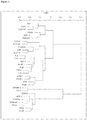
- Patterns of expression were analyzed at baseline and were correlated with overall survival (OS) and progression free survival (PFS) using univariate Cox proportional hazard regression models and multivariate Cox models with leave-one-out cross validation. Spearman's rank correlation coefficients were calculated for all pairs of analytes. Unsupervised hierarchical clustering of analytes was also performed to produce dendrogram plots. Data indicate that several analyte clusters reflect known biological categories. This data is summarized in Figure 1 below.
- the primary endpoint of interest will be overall survival (OS) with correlation to the blood analytes; however, progression-free survival (PFS) was evaluated.
- OS overall survival
- PFS progression-free survival
- Cox regression analysis was performed to assess the prognostic value of blood analytes for the clinical endpoints of interest.
- Cox regression models were performed for Gem+Placebo and Gem+Bev separately.
- Raw, continuous analytes intensities for baseline measures were used. Summary statistics included the hazard ratios and associated confidence intervals.
- the inclusion of potential confounding factors was explored. These factors included; gender, extent of disease (locally advanced vs metastatic), age (continuous), and performance status (0, 1, 2).
- prognostic models were built with multivariate Cox regression analysis using the most informative analytes chosen from leave-one-out cross-validation for Gem+Placebo and Gem+Bev separately.
- the training samples were used to build a Cox regression model for predicting the survival of the testing samples.
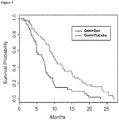
- the predicted survival times were used to split the groups in half into high and low risk groups. Kaplan-Meier estimates of the hazard profiles for these two groups were produced.
- IGFBP-1 IGFBP-1, ICAM-1, Ang-2, CRP, IL-8, TSP-2, VCAM-1, PAI1 active, and IGF-1 were significantly correlated with progression free survival in the gemcitabine/placebo group (Table 6). All markers remained significant (p ⁇ 0.05) after accounting for multiple parameter testing using bonferroni correction methodologies. Table 5.
- TSP-2, CRP, IL-6, IGFBP-1, Ang-2, ICAM-1, VCAM-1, and IGF-1 were significantly correlated with overall survival in the gemcitabine/bevacizumab group (Table 7).
- TSP-2, CRP, IL-6, IGFBP-1, Ang-2, ICAM-1, and VCAM-1 were significantly correlated with progression free survival in the gemcitabine/bevacizumab group (Table 8). It should be noted that high consistency was observed across both cohorts. All of these factors were unfavorable prognostic markers, where higher levels were associated with a less favorable outcome. The only notable exception was IGF-1, where higher levels were associated with a more favorable outcome.
- Tables 9 and 10 are composite lists of analytes that are prognostic for overall survival and progression free survival irrespective of treatment condition, respectively. Table 7.
- Multivariate prognostic models for OS were developed using a leave one out, cross-validation approach. Using this methodology, two 5-analyte models for risk were developed, one for the gemcitabine + placebo cohort, and another for gemcitabine + bevacizumab cohort (see Table 11).
- the gemcitabine + placebo model for OS consisted of IGFBP-1, CRP, PDGF-AA, PAI1-total, and PEDF. This model was associated with a hazard ratio of 2.0, with corresponding median survivals of 3.3 and 7.3 months for the high and low risk groups, respectively.
- the gemcitabine + bevacizumab model consisted of IGFBP-1, IL-6, PDGF-AA, PDGF-BB, and TSP-2.
- VEGF-D was seen to be predictive across both sides of the Q1 split.
- Table 12. Univariate Overall Survival Predictive Markers at baseline (EDTAs) for Gem+Bev vs Gem+Placebo Gem+Placebo Gem+Bev Analyte Cutoff p-value HR 95% CI Median Survival 95% CI Median Survival 95% CI Ang2 ⁇ median 0.0346 1.4 (1.02, 1.92) 9.6 (8.1, 10.6) 7.0 (5.7, 8.7) SDF-1 ⁇ median 0.0273 1.4 (1.04, 1.94) 8.4 (6.3, 9.7) 5.4 (4.8, 7.4) SDF-1 ⁇ Q1 0.0304 1.6 (1.04, 2.56) 9.2 (5.9, 10.7) 4.9 (3.3, 7.9) VEGF-D > Q1 0.0346 1.3 (1.04, 1.74) 6.9 (5.7, 9.0) 5.8 (4.8, 7.1) VEGF-D ⁇ Q1 0.0332 0.6 (0.39, 0.96) 5.4 (3.6,
- the model was associated with a hazard ratio of 0.55, with corresponding median survivals of 5.1 and 9.0 months for the gemcitabine + placebo group (shown in dashed lines) and gemcitabine + bevacizumab (shown in solid lines), respectively.
- the bivariate model which most strongly predicted for worse survival in the gemcitabine + bevacizumab group was found to be SDF1 ( ⁇ median) and Ang2 ( ⁇ median). See Figure 5 .
- This model was associated with a hazard ratio of 2.2, with corresponding median survivals of 10.4 and 6.7 months for the gemcitabine + placebo group (shown in dashed lines) and gemcitabine + bevacizumab (shown in solid lines). Table 13.
- This multiplex angiome analysis of CALGB 80303 is one of the largest such analyses reported to date, and the first in metastatic pancreatic cancer.
- technical analyses were robust with good sensitivity and low variability, which were generally comparable to single kit ELISAs.
- Unsupervised hierarchical clustering identified potential patterns of analyte expression, with suggested grouping among VEGF/PDGF family members, TGF ⁇ family members, and various inflammatory and coagulation factors.
- Such analyses particularly across cancer types and in the settings of tumor response and progression, may provide novel insights into the co and counter regulation of these factors and their underlying biology.
- prognostic markers were identified. This analysis is the largest and most comprehensive to date. These laboratory based prognostic markers were more powerful than traditional clinical factors and they remained highly statistically significant even after adjustment for known clinical factors. Most of these markers are involved in tumor related angiogenesis, inflammation, and coagulation, confirming the clinical importance of the underlying pathophysiology of pancreatic cancer. Indeed, ras mutations, which are present in approximately 90% of pancreatic adenocarcinomas, have been associated with the up-regulation of multiple factors related to inflammation and inflammatory angiogenesis and targeting these factors has been shown to inhibit the growth of xenograft and genetically modified mouse models of pancreatic cancer. Clinical trials with agents that inhibit these pathways are ongoing in various cancers, including pancreatic cancer; however, the value of targeting these factors in patients with pancreatic cancer is not yet known.
- VEGF-D vascular endothelial growth factor
- SDF1 and Ang2 were identified on univariate analyses as potential predictors of resistance to bevacizumab. Bivariate analyses confirmed the potential importance of these findings, and suggested that high levels of SDF1 and low levels of OPN may predict for sensitivity to bevacizumab.
- Ang2 was noted to have significant general prognostic importance, while SDF1 was not.
- Ang2 and SDF1 are known to promote angiogenesis and thus the finding that low levels of these factors are associated with lack of benefit from bevacizumab may appear somewhat counterintuitive.
- these factors are also associated with active angiogenesis and are known to be regulated by VEGF.
- VEGF vascular endothelial growth factor
- VEGF-D was identified as a strong candidate for predicting sensitivity and resistance to bevacizumab in this population.
- Other candidates were also identified, highlighting the known complexity of tumor angiogenesis and pancreatic cancer.
Landscapes
- Health & Medical Sciences (AREA)
- Chemical & Material Sciences (AREA)
- Life Sciences & Earth Sciences (AREA)
- Immunology (AREA)
- Organic Chemistry (AREA)
- Medicinal Chemistry (AREA)
- General Health & Medical Sciences (AREA)
- Engineering & Computer Science (AREA)
- Molecular Biology (AREA)
- Proteomics, Peptides & Aminoacids (AREA)
- Genetics & Genomics (AREA)
- Biochemistry (AREA)
- Animal Behavior & Ethology (AREA)
- Epidemiology (AREA)
- Public Health (AREA)
- Veterinary Medicine (AREA)
- Pharmacology & Pharmacy (AREA)
- Biophysics (AREA)
- Microbiology (AREA)
- Pathology (AREA)
- Analytical Chemistry (AREA)
- Biomedical Technology (AREA)
- Bioinformatics & Cheminformatics (AREA)
- Oncology (AREA)
- Wood Science & Technology (AREA)
- Zoology (AREA)
- Urology & Nephrology (AREA)
- Biotechnology (AREA)
- Physics & Mathematics (AREA)
- Hematology (AREA)
- Mycology (AREA)
- General Engineering & Computer Science (AREA)
- Hospice & Palliative Care (AREA)
- Cell Biology (AREA)
- Food Science & Technology (AREA)
- General Physics & Mathematics (AREA)
- Measuring Or Testing Involving Enzymes Or Micro-Organisms (AREA)
- Gastroenterology & Hepatology (AREA)
- Investigating Or Analysing Biological Materials (AREA)
Claims (13)
- Verfahren zur Vorhersage der Ansprechempfindlichkeit von Pankreaskrebs in einem Individuum auf eine Krebstherapie, die ein VEGF-Targetingmittel einschließt, Folgendes umfassend: das Bestimmen des Expressionslevels von Ang-2 in einer Probe von dem Individuum; das Vergleichen des Expressionslevels von Ang-2 in der Probe mit einem Bezugswert von Ang-2; und das Verwenden des Vergleichs zur Vorhersage der Ansprechempfindlichkeit des Krebses auf eine Behandlung mit der ein VEGF-Targetingmittel einschließenden Krebstherapie, wobei geringe Expressionslevel von Ang-2 die Vorhersage mangelnder Ansprechempfindlichkeit des Krebses auf eine ein VEGF-Targetingmittel einschließenden Behandlung ergeben.
- Verfahren nach Anspruch 1, wobei der Bezugswert durch Analyse einer Reihe von Proben von Krebspatienten bestimmt wird, die Krebstherapien, die ein VEGF-Targetingmittel einschließen oder nicht, mit bekanntem Ergebnis unterzogen wurden.
- Verfahren nach Anspruch 1, das weiters das Bestimmen des Expressionslevels von zumindest einem zusätzlichen, aus SDF-1 und VEGF-D ausgewählten Biomarker in einer Probe von dem Individuum; das Vergleichen des Expressionslevels des Biomarkers in der Probe mit einem Bezugswert des Biomarkers und das Vorhersagen der Ansprechempfindlichkeit des Krebses auf eine Behandlung mit der ein VEGF-Targetingmittel einschließenden Krebstherapie umfasst.
- Verfahren nach Anspruch 3, wobei der zusätzliche Biomarker SDF-1 ist und wobei die Vorhersage mangelnde Ansprechempfindlichkeit auf ein VEGF-Targetingmittel ergibt, wenn das Expressionslevel von Ang-2 geringer als 305 pg/ml ist und das Expressionslevel von SDF-1 geringer als 1100 pg/ml ist.
- Verfahren nach Anspruch 3, wobei der zusätzliche Biomarker VEGF-D ist und wobei die Vorhersage eine günstige Ansprechempfindlichkeit auf eine ein VEGF-Targetingmittel einschließenden Krebstherapie ergibt, wenn das Expressionslevel von VEGF-D geringer als 1100 pg/ml ist, und/oder wobei die Vorhersage mangelnde Ansprechempfindlichkeit auf ein VEGF-Targetingmittel ergibt, wenn das Expressionslevel von VEGF-D höher als 1100 pg/ml ist.
- Verfahren nach Anspruch 1, das weiters Bestimmen des Expressionslevels von zumindest einem aus SDF-1, FGFb, OPN, HGF und VCAM-1 umfasst.
- Verfahren nach Anspruch 6, wobei niedrige Spiegel von Ang-2 in Kombination mit entweder niedrigen Spiegeln von SDF-1, FGFb oder VCAM-1 oder hohen Spiegeln von OPN oder HGF eine Vorhersage mangelnder Ansprechempfindlichkeit des Krebses auf eine ein VEGF-Targetingmittel einschließenden Behandlung ergibt.
- Verfahren nach Anspruch 6, wobei die Vorhersage mangelnde Ansprechempfindlichkeit auf ein VEGF-Targetingmittel ergibt, wenn das Expressionslevel von Ang-2 niedriger als 305 pg/ml ist und das Expressionslevel von SDF-1 niedriger als 1100 pg/ml ist, jenes von FGFb niedriger als 30 pg/ml ist, jenes von VCAM-1 niedriger als 1.700 ng/ml ist, jenes von OPN höher als 73 ng/ml ist oder jenes von HGF höher als 800 pg/ml ist.
- Verfahren nach einem der vorangegangenen Ansprüche, wobei die Probe Blut, Plasma, Serum oder Urin ist.
- Verfahren nach einem der vorangegangenen Ansprüche, wobei das bestimmte Expressionslevel des Biomarkers das Protein- oder RNA-Expressionslevel ist und wobei gegebenenfalls das Proteinexpressionslevel durch ein Verfahren bestimmt wird, das aus ELISA, Immunfluoreszenz, FACS-Analyse, Western-Blot, magnetischen Immuntests und Antikörper-basierten Mikroarrays ausgewählt ist, oder wobei das RNA-Expressionslevel gegebenenfalls durch ein Verfahren bestimmt wird, das aus Northern-Blot, rtPCR und quantitativer oder Echtzeit-rtPCR ausgewählt ist.
- Verfahren zur Entwicklung eines Behandlungsplans für ein Individuum mit Krebs unter Nutzung einer Vorhersage der Ansprechempfindlichkeit des Krebses auf eine Behandlung mit einer einen für VEGF-A spezifischen Antikörper einschließenden Krebstherapie, die nach einem der Ansprüche 1 bis 10 erhalten wurde, um zu bestimmen, ob eine Behandlung des Individuums mit einer ein VEGF-Targetingmittel einschließenden Krebstherapie nützlich sein kann.
- Verfahren nach Anspruch 11, wobei der Behandlungsplan ein VEGF-Targetingmittel umfasst, wenn zu erwarten ist, dass solch ein Therapeutikum nützlich sein kann, wobei das VEGF-Targetingmittel gegebenenfalls Bevacizumab ist.
- Verfahren nach Anspruch 11, wobei der Behandlungsplan kein VEGF-Targetingmittel umfasst, wenn nicht vorhergesagt wird, dass solch ein Therapeutikum nützlich ist, wobei die Krebstherapie gegebenenfalls ein Nucleotidanalogon oder einen Inhibitor von DNA-Synthese oder -Reparatur, gegebenenfalls Gemcitabin, umfasst.
Applications Claiming Priority (2)
| Application Number | Priority Date | Filing Date | Title |
|---|---|---|---|
| US201161482757P | 2011-05-05 | 2011-05-05 | |
| PCT/US2012/036779 WO2012151574A1 (en) | 2011-05-05 | 2012-05-07 | Methods of developing a prognosis for pancreatic cancer and predicting responsiveness to cancer therapeutics |
Publications (3)
| Publication Number | Publication Date |
|---|---|
| EP2704745A1 EP2704745A1 (de) | 2014-03-12 |
| EP2704745A4 EP2704745A4 (de) | 2014-10-15 |
| EP2704745B1 true EP2704745B1 (de) | 2016-12-14 |
Family
ID=47108077
Family Applications (1)
| Application Number | Title | Priority Date | Filing Date |
|---|---|---|---|
| EP12779776.9A Not-in-force EP2704745B1 (de) | 2011-05-05 | 2012-05-07 | Verfahren zur entwicklung einer prognose für bauchspeicheldrüsenkrebs und zur vorhersage des ansprechens auf krebstherapeutika |
Country Status (3)
| Country | Link |
|---|---|
| US (3) | US9255927B2 (de) |
| EP (1) | EP2704745B1 (de) |
| WO (1) | WO2012151574A1 (de) |
Families Citing this family (14)
| Publication number | Priority date | Publication date | Assignee | Title |
|---|---|---|---|---|
| WO2012151574A1 (en) | 2011-05-05 | 2012-11-08 | Duke University | Methods of developing a prognosis for pancreatic cancer and predicting responsiveness to cancer therapeutics |
| US9869542B2 (en) | 2014-04-21 | 2018-01-16 | Axsun Technologies, Inc. | System and method for resampling optical coherence tomography signals in segments |
| RU2548321C1 (ru) * | 2014-06-10 | 2015-04-20 | Государственное бюджетное образовательное учреждение дополнительного профессионального образования "Новокузнецкий государственный институт усовершенствования врачей" Министерства здравоохранения Российской Федерации | Способ оценки тяжести течения острого билиарного панкреатита |
| WO2016126682A1 (en) * | 2015-02-03 | 2016-08-11 | Momenta Pharmaceuticals, Inc. | Methods of controlling therapeutic regimens |
| KR102652347B1 (ko) * | 2016-01-25 | 2024-03-27 | 사노피 | 혈장 바이오마커 수준의 측정에 의해 암을 앓고 있는 것으로 의심되는 환자의 아플리베르셉트로의 치료 결과를 예측하는 방법 |
| WO2017190074A1 (en) * | 2016-04-28 | 2017-11-02 | The University Of Chicago | Lymphangiogenesis for therapeutic immunomodulation |
| WO2017201166A1 (en) * | 2016-05-17 | 2017-11-23 | Duke University | Methods of predicting responsiveness of a cancer to a vegf targeting agent and methods of prognosing and treating cancer |
| US12016900B2 (en) | 2017-06-04 | 2024-06-25 | Rappaport Family Institute For Research In The Medical Sciences | Method of treating cancer with an immune checkpoint inhibitor in combination with another therapeutic agent |
| WO2018225063A1 (en) * | 2017-06-04 | 2018-12-13 | Rappaport Family Institute For Research In The Medical Sciences | Method of predicting personalized response to cancer treatment with immune checkpoint inhibitors and kits therefor |
| US12070489B2 (en) | 2018-12-12 | 2024-08-27 | Rappaport Family Institute For Research In The Medical Sciences | Method of treating cancer with a cancer therapy in combination with another therapeutic agent |
| US11732029B2 (en) | 2017-11-13 | 2023-08-22 | The University Chicago | Methods and compositions for the treatment of wounds |
| CN109234365A (zh) * | 2018-11-13 | 2019-01-18 | 武汉科技大学 | 一种检测miR5100、CXCL-12和IL-8相对表达量的方法 |
| JPWO2023276869A1 (de) * | 2021-06-28 | 2023-01-05 | ||
| WO2023017525A1 (en) | 2021-08-11 | 2023-02-16 | OncoHost Ltd. | Predicting patient response |
Family Cites Families (9)
| Publication number | Priority date | Publication date | Assignee | Title |
|---|---|---|---|---|
| PT1297016E (pt) | 2000-05-12 | 2006-07-31 | Vlaams Interuniv Inst Biotech | Utilizacao de inibidores de factor de crescimento placentario para o tratamento da angiogenese patologica, da arteriogenese patologica, da inflamacao, da formacao de tumores e/ou das figas vasculares |
| ES2423060T3 (es) | 2004-03-12 | 2013-09-17 | Alnylam Pharmaceuticals, Inc. | Agentes iRNA que tienen como diana al VEGF |
| HUE029445T2 (en) | 2006-12-19 | 2017-02-28 | Genentech Inc | VEGF-specific antagonists for adjuvant and neoadjuvant therapy and treatment of early-stage tumors |
| WO2009155504A2 (en) * | 2008-06-20 | 2009-12-23 | The Children's Medical Center Corporation | Methods for the modulation of angiogenesis |
| CN102137939A (zh) * | 2008-08-29 | 2011-07-27 | 霍夫曼-拉罗奇有限公司 | 不依赖vegf的肿瘤的诊断和治疗 |
| JP5439494B2 (ja) * | 2008-10-21 | 2014-03-12 | バイエル ヘルスケア エルエルシー | 肝細胞癌と関連するシグネチャ遺伝子の同定 |
| AU2010273585B2 (en) * | 2009-07-13 | 2015-04-23 | Genentech, Inc. | Diagnostic methods and compositions for treatment of cancer |
| EP2293071A1 (de) * | 2009-09-07 | 2011-03-09 | Universität Zu Köln | Biomarker für kolorektalen Krebs |
| WO2012151574A1 (en) | 2011-05-05 | 2012-11-08 | Duke University | Methods of developing a prognosis for pancreatic cancer and predicting responsiveness to cancer therapeutics |
-
2012
- 2012-05-07 WO PCT/US2012/036779 patent/WO2012151574A1/en not_active Ceased
- 2012-05-07 US US14/115,825 patent/US9255927B2/en active Active
- 2012-05-07 EP EP12779776.9A patent/EP2704745B1/de not_active Not-in-force
-
2016
- 2016-01-20 US US15/001,419 patent/US9869677B2/en not_active Expired - Fee Related
-
2018
- 2018-01-11 US US15/868,541 patent/US10613091B2/en not_active Expired - Fee Related
Non-Patent Citations (1)
| Title |
|---|
| None * |
Also Published As
| Publication number | Publication date |
|---|---|
| WO2012151574A1 (en) | 2012-11-08 |
| EP2704745A4 (de) | 2014-10-15 |
| US10613091B2 (en) | 2020-04-07 |
| EP2704745A1 (de) | 2014-03-12 |
| US9869677B2 (en) | 2018-01-16 |
| US20140127193A1 (en) | 2014-05-08 |
| US9255927B2 (en) | 2016-02-09 |
| US20180156804A1 (en) | 2018-06-07 |
| US20160146822A1 (en) | 2016-05-26 |
Similar Documents
| Publication | Publication Date | Title |
|---|---|---|
| US10613091B2 (en) | Methods of developing a prognosis for pancreatic cancer and predicting responsiveness to cancer therapeutics | |
| JP5963005B2 (ja) | 膵臓癌の治療のためのベバシズマブ組合せ療法のための血漿バイオマーカー | |
| US20200249235A1 (en) | Methods for diagnosing pancreatic cancer | |
| CA3082591A1 (en) | Markers for the diagnosis and treatment of non-alcoholic steatohepatitis (nash) and advanced liver fibrosis | |
| US20160024585A1 (en) | Methods of predicting responsiveness of a cancer to an agent and methods of determining a prognosis for a cancer patient | |
| KR20170129118A (ko) | 췌장암을 위한 바이오마커 | |
| JP2017519498A (ja) | 肺高血圧症バイオマーカー | |
| US20190331683A1 (en) | Biomarkers of Rapid Progression in Advanced Non-Small Cell Lung Cancer | |
| Neuzillet et al. | IGF1R activation and the in vitro antiproliferative efficacy of IGF1R inhibitor are inversely correlated with IGFBP5 expression in bladder cancer | |
| US11499973B2 (en) | Methods of predicting responsiveness of a cancer to a VEGF targeting agent and methods of prognosing and treating cancer | |
| US20250327805A1 (en) | Enigma and cdh18 as companion diagnostics for cdk4 inhibitors | |
| KR20230086458A (ko) | 전이성 유방암의 항암제 치료 반응성 및 예후 예측용 신규한 바이오마커 및 이의 용도 | |
| KR102737876B1 (ko) | 유방암 환자의 선행 항암화학요법 후 예후 예측을 위한 바이오마커 및 이의 용도 | |
| US11415584B2 (en) | Biomarkers, test method, and test kit for predicting therapeutic effect of anti-VEGFR-2 antibody drug | |
| US9823256B2 (en) | CXCR1 as a predictor of response to treatment with epidermal growth factor receptor therapeutic | |
| US20110269139A1 (en) | Biomarkers and methods for determining sensitivity to epidermal growth factor receptor modulators | |
| JP2017529074A (ja) | 治療剤に対する抵抗性の診断に使用するためのERCC1アイソフォーム3のmRNAおよび/またはタンパク質ならびにこのmRNAおよび/またはタンパク質を使用する治療剤に対する抵抗性を診断するための方法 | |
| KR102759983B1 (ko) | 대장암 환자에서 egfr-표적제제에 대한 내성 획득 관련 유전자 마커 및 이를 이용한 내성 획득의 예측 방법 | |
| Basuroy et al. | Personalized medicine for gastroenteropancreatic neuroendocrine tumors: a distant dream? | |
| US20220082565A1 (en) | The fgf19-cholestyramine (f-cme) test as a two-stage method for routine cancer screening | |
| KR20230086462A (ko) | 전이성 유방암의 항암제 치료 반응성 및 예후 예측용 신규한 바이오마커 및 이의 용도 | |
| CN113933510A (zh) | G蛋白偶联受体lpar6在肺癌预后中的用途 | |
| HK1181459B (en) | Blood plasma biomarkers for bevacizumab combination therapies for treatment of pancreatic cancer | |
| HK1170774B (en) | Biomarkers and methods for determining efficacy of anti-egfr antibodies in cancer therapy |
Legal Events
| Date | Code | Title | Description |
|---|---|---|---|
| PUAI | Public reference made under article 153(3) epc to a published international application that has entered the european phase |
Free format text: ORIGINAL CODE: 0009012 |
|
| 17P | Request for examination filed |
Effective date: 20131121 |
|
| AK | Designated contracting states |
Kind code of ref document: A1 Designated state(s): AL AT BE BG CH CY CZ DE DK EE ES FI FR GB GR HR HU IE IS IT LI LT LU LV MC MK MT NL NO PL PT RO RS SE SI SK SM TR |
|
| RIN1 | Information on inventor provided before grant (corrected) |
Inventor name: PANG, HERBERT Inventor name: STARR, MARK D. Inventor name: HURWITZ, HERBERT I. Inventor name: NIXON, ANDREW B. |
|
| RIN1 | Information on inventor provided before grant (corrected) |
Inventor name: STARR, MARK D. Inventor name: HURWITZ, HERBERT I. Inventor name: PANG, HERBERT Inventor name: NIXON, ANDREW B. |
|
| DAX | Request for extension of the european patent (deleted) | ||
| A4 | Supplementary search report drawn up and despatched |
Effective date: 20140912 |
|
| RIC1 | Information provided on ipc code assigned before grant |
Ipc: A61K 39/395 20060101AFI20140908BHEP |
|
| 17Q | First examination report despatched |
Effective date: 20150826 |
|
| GRAP | Despatch of communication of intention to grant a patent |
Free format text: ORIGINAL CODE: EPIDOSNIGR1 |
|
| INTG | Intention to grant announced |
Effective date: 20160630 |
|
| RIN1 | Information on inventor provided before grant (corrected) |
Inventor name: HURWITZ, HERBERT I. Inventor name: STARR, MARK D. Inventor name: PANG, HERBERT Inventor name: NIXON, ANDREW B. |
|
| GRAS | Grant fee paid |
Free format text: ORIGINAL CODE: EPIDOSNIGR3 |
|
| GRAA | (expected) grant |
Free format text: ORIGINAL CODE: 0009210 |
|
| AK | Designated contracting states |
Kind code of ref document: B1 Designated state(s): AL AT BE BG CH CY CZ DE DK EE ES FI FR GB GR HR HU IE IS IT LI LT LU LV MC MK MT NL NO PL PT RO RS SE SI SK SM TR |
|
| REG | Reference to a national code |
Ref country code: GB Ref legal event code: FG4D |
|
| REG | Reference to a national code |
Ref country code: CH Ref legal event code: EP |
|
| REG | Reference to a national code |
Ref country code: IE Ref legal event code: FG4D |
|
| REG | Reference to a national code |
Ref country code: AT Ref legal event code: REF Ref document number: 852975 Country of ref document: AT Kind code of ref document: T Effective date: 20170115 |
|
| REG | Reference to a national code |
Ref country code: DE Ref legal event code: R096 Ref document number: 602012026660 Country of ref document: DE |
|
| PG25 | Lapsed in a contracting state [announced via postgrant information from national office to epo] |
Ref country code: LV Free format text: LAPSE BECAUSE OF FAILURE TO SUBMIT A TRANSLATION OF THE DESCRIPTION OR TO PAY THE FEE WITHIN THE PRESCRIBED TIME-LIMIT Effective date: 20161214 |
|
| REG | Reference to a national code |
Ref country code: LT Ref legal event code: MG4D |
|
| REG | Reference to a national code |
Ref country code: NL Ref legal event code: MP Effective date: 20161214 |
|
| PG25 | Lapsed in a contracting state [announced via postgrant information from national office to epo] |
Ref country code: LT Free format text: LAPSE BECAUSE OF FAILURE TO SUBMIT A TRANSLATION OF THE DESCRIPTION OR TO PAY THE FEE WITHIN THE PRESCRIBED TIME-LIMIT Effective date: 20161214 Ref country code: GR Free format text: LAPSE BECAUSE OF FAILURE TO SUBMIT A TRANSLATION OF THE DESCRIPTION OR TO PAY THE FEE WITHIN THE PRESCRIBED TIME-LIMIT Effective date: 20170315 Ref country code: NO Free format text: LAPSE BECAUSE OF FAILURE TO SUBMIT A TRANSLATION OF THE DESCRIPTION OR TO PAY THE FEE WITHIN THE PRESCRIBED TIME-LIMIT Effective date: 20170314 Ref country code: SE Free format text: LAPSE BECAUSE OF FAILURE TO SUBMIT A TRANSLATION OF THE DESCRIPTION OR TO PAY THE FEE WITHIN THE PRESCRIBED TIME-LIMIT Effective date: 20161214 |
|
| REG | Reference to a national code |
Ref country code: AT Ref legal event code: MK05 Ref document number: 852975 Country of ref document: AT Kind code of ref document: T Effective date: 20161214 |
|
| REG | Reference to a national code |
Ref country code: FR Ref legal event code: PLFP Year of fee payment: 6 |
|
| PG25 | Lapsed in a contracting state [announced via postgrant information from national office to epo] |
Ref country code: FI Free format text: LAPSE BECAUSE OF FAILURE TO SUBMIT A TRANSLATION OF THE DESCRIPTION OR TO PAY THE FEE WITHIN THE PRESCRIBED TIME-LIMIT Effective date: 20161214 Ref country code: RS Free format text: LAPSE BECAUSE OF FAILURE TO SUBMIT A TRANSLATION OF THE DESCRIPTION OR TO PAY THE FEE WITHIN THE PRESCRIBED TIME-LIMIT Effective date: 20161214 Ref country code: HR Free format text: LAPSE BECAUSE OF FAILURE TO SUBMIT A TRANSLATION OF THE DESCRIPTION OR TO PAY THE FEE WITHIN THE PRESCRIBED TIME-LIMIT Effective date: 20161214 |
|
| PG25 | Lapsed in a contracting state [announced via postgrant information from national office to epo] |
Ref country code: NL Free format text: LAPSE BECAUSE OF FAILURE TO SUBMIT A TRANSLATION OF THE DESCRIPTION OR TO PAY THE FEE WITHIN THE PRESCRIBED TIME-LIMIT Effective date: 20161214 |
|
| PG25 | Lapsed in a contracting state [announced via postgrant information from national office to epo] |
Ref country code: RO Free format text: LAPSE BECAUSE OF FAILURE TO SUBMIT A TRANSLATION OF THE DESCRIPTION OR TO PAY THE FEE WITHIN THE PRESCRIBED TIME-LIMIT Effective date: 20161214 Ref country code: EE Free format text: LAPSE BECAUSE OF FAILURE TO SUBMIT A TRANSLATION OF THE DESCRIPTION OR TO PAY THE FEE WITHIN THE PRESCRIBED TIME-LIMIT Effective date: 20161214 Ref country code: CZ Free format text: LAPSE BECAUSE OF FAILURE TO SUBMIT A TRANSLATION OF THE DESCRIPTION OR TO PAY THE FEE WITHIN THE PRESCRIBED TIME-LIMIT Effective date: 20161214 Ref country code: SK Free format text: LAPSE BECAUSE OF FAILURE TO SUBMIT A TRANSLATION OF THE DESCRIPTION OR TO PAY THE FEE WITHIN THE PRESCRIBED TIME-LIMIT Effective date: 20161214 Ref country code: IS Free format text: LAPSE BECAUSE OF FAILURE TO SUBMIT A TRANSLATION OF THE DESCRIPTION OR TO PAY THE FEE WITHIN THE PRESCRIBED TIME-LIMIT Effective date: 20170414 |
|
| PG25 | Lapsed in a contracting state [announced via postgrant information from national office to epo] |
Ref country code: AT Free format text: LAPSE BECAUSE OF FAILURE TO SUBMIT A TRANSLATION OF THE DESCRIPTION OR TO PAY THE FEE WITHIN THE PRESCRIBED TIME-LIMIT Effective date: 20161214 Ref country code: SM Free format text: LAPSE BECAUSE OF FAILURE TO SUBMIT A TRANSLATION OF THE DESCRIPTION OR TO PAY THE FEE WITHIN THE PRESCRIBED TIME-LIMIT Effective date: 20161214 Ref country code: PL Free format text: LAPSE BECAUSE OF FAILURE TO SUBMIT A TRANSLATION OF THE DESCRIPTION OR TO PAY THE FEE WITHIN THE PRESCRIBED TIME-LIMIT Effective date: 20161214 Ref country code: LU Free format text: LAPSE BECAUSE OF NON-PAYMENT OF DUE FEES Effective date: 20170531 Ref country code: ES Free format text: LAPSE BECAUSE OF FAILURE TO SUBMIT A TRANSLATION OF THE DESCRIPTION OR TO PAY THE FEE WITHIN THE PRESCRIBED TIME-LIMIT Effective date: 20161214 Ref country code: BG Free format text: LAPSE BECAUSE OF FAILURE TO SUBMIT A TRANSLATION OF THE DESCRIPTION OR TO PAY THE FEE WITHIN THE PRESCRIBED TIME-LIMIT Effective date: 20170314 Ref country code: IT Free format text: LAPSE BECAUSE OF FAILURE TO SUBMIT A TRANSLATION OF THE DESCRIPTION OR TO PAY THE FEE WITHIN THE PRESCRIBED TIME-LIMIT Effective date: 20161214 Ref country code: BE Free format text: LAPSE BECAUSE OF FAILURE TO SUBMIT A TRANSLATION OF THE DESCRIPTION OR TO PAY THE FEE WITHIN THE PRESCRIBED TIME-LIMIT Effective date: 20161214 Ref country code: PT Free format text: LAPSE BECAUSE OF FAILURE TO SUBMIT A TRANSLATION OF THE DESCRIPTION OR TO PAY THE FEE WITHIN THE PRESCRIBED TIME-LIMIT Effective date: 20170414 |
|
| REG | Reference to a national code |
Ref country code: DE Ref legal event code: R097 Ref document number: 602012026660 Country of ref document: DE |
|
| PLBE | No opposition filed within time limit |
Free format text: ORIGINAL CODE: 0009261 |
|
| STAA | Information on the status of an ep patent application or granted ep patent |
Free format text: STATUS: NO OPPOSITION FILED WITHIN TIME LIMIT |
|
| 26N | No opposition filed |
Effective date: 20170915 |
|
| PG25 | Lapsed in a contracting state [announced via postgrant information from national office to epo] |
Ref country code: DK Free format text: LAPSE BECAUSE OF FAILURE TO SUBMIT A TRANSLATION OF THE DESCRIPTION OR TO PAY THE FEE WITHIN THE PRESCRIBED TIME-LIMIT Effective date: 20161214 |
|
| REG | Reference to a national code |
Ref country code: CH Ref legal event code: PL |
|
| PG25 | Lapsed in a contracting state [announced via postgrant information from national office to epo] |
Ref country code: MC Free format text: LAPSE BECAUSE OF FAILURE TO SUBMIT A TRANSLATION OF THE DESCRIPTION OR TO PAY THE FEE WITHIN THE PRESCRIBED TIME-LIMIT Effective date: 20161214 |
|
| REG | Reference to a national code |
Ref country code: IE Ref legal event code: MM4A |
|
| PG25 | Lapsed in a contracting state [announced via postgrant information from national office to epo] |
Ref country code: LI Free format text: LAPSE BECAUSE OF NON-PAYMENT OF DUE FEES Effective date: 20170531 Ref country code: CH Free format text: LAPSE BECAUSE OF NON-PAYMENT OF DUE FEES Effective date: 20170531 Ref country code: SI Free format text: LAPSE BECAUSE OF FAILURE TO SUBMIT A TRANSLATION OF THE DESCRIPTION OR TO PAY THE FEE WITHIN THE PRESCRIBED TIME-LIMIT Effective date: 20161214 |
|
| PG25 | Lapsed in a contracting state [announced via postgrant information from national office to epo] |
Ref country code: LU Free format text: LAPSE BECAUSE OF NON-PAYMENT OF DUE FEES Effective date: 20170507 |
|
| PG25 | Lapsed in a contracting state [announced via postgrant information from national office to epo] |
Ref country code: IE Free format text: LAPSE BECAUSE OF NON-PAYMENT OF DUE FEES Effective date: 20170507 |
|
| REG | Reference to a national code |
Ref country code: FR Ref legal event code: PLFP Year of fee payment: 7 |
|
| PG25 | Lapsed in a contracting state [announced via postgrant information from national office to epo] |
Ref country code: MT Free format text: LAPSE BECAUSE OF NON-PAYMENT OF DUE FEES Effective date: 20170507 |
|
| PG25 | Lapsed in a contracting state [announced via postgrant information from national office to epo] |
Ref country code: HU Free format text: LAPSE BECAUSE OF FAILURE TO SUBMIT A TRANSLATION OF THE DESCRIPTION OR TO PAY THE FEE WITHIN THE PRESCRIBED TIME-LIMIT; INVALID AB INITIO Effective date: 20120507 |
|
| PG25 | Lapsed in a contracting state [announced via postgrant information from national office to epo] |
Ref country code: CY Free format text: LAPSE BECAUSE OF NON-PAYMENT OF DUE FEES Effective date: 20161214 |
|
| PG25 | Lapsed in a contracting state [announced via postgrant information from national office to epo] |
Ref country code: MK Free format text: LAPSE BECAUSE OF FAILURE TO SUBMIT A TRANSLATION OF THE DESCRIPTION OR TO PAY THE FEE WITHIN THE PRESCRIBED TIME-LIMIT Effective date: 20161214 |
|
| PG25 | Lapsed in a contracting state [announced via postgrant information from national office to epo] |
Ref country code: TR Free format text: LAPSE BECAUSE OF FAILURE TO SUBMIT A TRANSLATION OF THE DESCRIPTION OR TO PAY THE FEE WITHIN THE PRESCRIBED TIME-LIMIT Effective date: 20161214 |
|
| PG25 | Lapsed in a contracting state [announced via postgrant information from national office to epo] |
Ref country code: AL Free format text: LAPSE BECAUSE OF FAILURE TO SUBMIT A TRANSLATION OF THE DESCRIPTION OR TO PAY THE FEE WITHIN THE PRESCRIBED TIME-LIMIT Effective date: 20161214 |
|
| PGFP | Annual fee paid to national office [announced via postgrant information from national office to epo] |
Ref country code: DE Payment date: 20210527 Year of fee payment: 10 Ref country code: FR Payment date: 20210525 Year of fee payment: 10 |
|
| PGFP | Annual fee paid to national office [announced via postgrant information from national office to epo] |
Ref country code: GB Payment date: 20210527 Year of fee payment: 10 |
|
| REG | Reference to a national code |
Ref country code: DE Ref legal event code: R119 Ref document number: 602012026660 Country of ref document: DE |
|
| GBPC | Gb: european patent ceased through non-payment of renewal fee |
Effective date: 20220507 |
|
| PG25 | Lapsed in a contracting state [announced via postgrant information from national office to epo] |
Ref country code: FR Free format text: LAPSE BECAUSE OF NON-PAYMENT OF DUE FEES Effective date: 20220531 |
|
| PG25 | Lapsed in a contracting state [announced via postgrant information from national office to epo] |
Ref country code: GB Free format text: LAPSE BECAUSE OF NON-PAYMENT OF DUE FEES Effective date: 20220507 Ref country code: DE Free format text: LAPSE BECAUSE OF NON-PAYMENT OF DUE FEES Effective date: 20221201 |