EP2705364B1 - Méthode de screening pour des agents analgésiques - Google Patents
Méthode de screening pour des agents analgésiques Download PDFInfo
- Publication number
- EP2705364B1 EP2705364B1 EP12745763.8A EP12745763A EP2705364B1 EP 2705364 B1 EP2705364 B1 EP 2705364B1 EP 12745763 A EP12745763 A EP 12745763A EP 2705364 B1 EP2705364 B1 EP 2705364B1
- Authority
- EP
- European Patent Office
- Prior art keywords
- trpm3
- heat
- mice
- group
- treated
- Prior art date
- Legal status (The legal status is an assumption and is not a legal conclusion. Google has not performed a legal analysis and makes no representation as to the accuracy of the status listed.)
- Active
Links
Images





Classifications
-
- G—PHYSICS
- G01—MEASURING; TESTING
- G01N—INVESTIGATING OR ANALYSING MATERIALS BY DETERMINING THEIR CHEMICAL OR PHYSICAL PROPERTIES
- G01N33/00—Investigating or analysing materials by specific methods not covered by groups G01N1/00 - G01N31/00
- G01N33/48—Biological material, e.g. blood, urine; Haemocytometers
- G01N33/50—Chemical analysis of biological material, e.g. blood, urine; Testing involving biospecific ligand binding methods; Immunological testing
- G01N33/5005—Chemical analysis of biological material, e.g. blood, urine; Testing involving biospecific ligand binding methods; Immunological testing involving human or animal cells
- G01N33/5008—Chemical analysis of biological material, e.g. blood, urine; Testing involving biospecific ligand binding methods; Immunological testing involving human or animal cells for testing or evaluating the effect of chemical or biological compounds, e.g. drugs, cosmetics
- G01N33/502—Chemical analysis of biological material, e.g. blood, urine; Testing involving biospecific ligand binding methods; Immunological testing involving human or animal cells for testing or evaluating the effect of chemical or biological compounds, e.g. drugs, cosmetics for testing non-proliferative effects
- G01N33/5023—Chemical analysis of biological material, e.g. blood, urine; Testing involving biospecific ligand binding methods; Immunological testing involving human or animal cells for testing or evaluating the effect of chemical or biological compounds, e.g. drugs, cosmetics for testing non-proliferative effects on expression patterns
-
- A—HUMAN NECESSITIES
- A61—MEDICAL OR VETERINARY SCIENCE; HYGIENE
- A61K—PREPARATIONS FOR MEDICAL, DENTAL OR TOILETRY PURPOSES
- A61K49/00—Preparations for testing in vivo
-
- A—HUMAN NECESSITIES
- A61—MEDICAL OR VETERINARY SCIENCE; HYGIENE
- A61P—SPECIFIC THERAPEUTIC ACTIVITY OF CHEMICAL COMPOUNDS OR MEDICINAL PREPARATIONS
- A61P25/00—Drugs for disorders of the nervous system
-
- A—HUMAN NECESSITIES
- A61—MEDICAL OR VETERINARY SCIENCE; HYGIENE
- A61P—SPECIFIC THERAPEUTIC ACTIVITY OF CHEMICAL COMPOUNDS OR MEDICINAL PREPARATIONS
- A61P25/00—Drugs for disorders of the nervous system
- A61P25/04—Centrally acting analgesics, e.g. opioids
-
- G—PHYSICS
- G01—MEASURING; TESTING
- G01N—INVESTIGATING OR ANALYSING MATERIALS BY DETERMINING THEIR CHEMICAL OR PHYSICAL PROPERTIES
- G01N33/00—Investigating or analysing materials by specific methods not covered by groups G01N1/00 - G01N31/00
- G01N33/48—Biological material, e.g. blood, urine; Haemocytometers
- G01N33/50—Chemical analysis of biological material, e.g. blood, urine; Testing involving biospecific ligand binding methods; Immunological testing
- G01N33/68—Chemical analysis of biological material, e.g. blood, urine; Testing involving biospecific ligand binding methods; Immunological testing involving proteins, peptides or amino acids
- G01N33/6872—Intracellular protein regulatory factors and their receptors, e.g. including ion channels
-
- G—PHYSICS
- G01—MEASURING; TESTING
- G01N—INVESTIGATING OR ANALYSING MATERIALS BY DETERMINING THEIR CHEMICAL OR PHYSICAL PROPERTIES
- G01N2500/00—Screening for compounds of potential therapeutic value
- G01N2500/10—Screening for compounds of potential therapeutic value involving cells
-
- G—PHYSICS
- G01—MEASURING; TESTING
- G01N—INVESTIGATING OR ANALYSING MATERIALS BY DETERMINING THEIR CHEMICAL OR PHYSICAL PROPERTIES
- G01N2800/00—Detection or diagnosis of diseases
- G01N2800/28—Neurological disorders
- G01N2800/2842—Pain, e.g. neuropathic pain, psychogenic pain
Definitions
- the present invention relates to a method for identification of novel compounds for the treatment of pain, such as TRPM3-antagonists and compounds that modulate the activity or expression of TRPM3.
- the present disclosure further relates to the use of TRPM3 antagonists as analgesics and the use of the compounds of this invention for the treatment of pain such as but not limited to inflammatory hyperalgesia.
- thermal stimuli The detection and rapid avoidance of noxious thermal stimuli is crucial for survival (Basbaum et al., 2009). Both painful and innocuous thermal stimuli are conveyed by primary afferent sensory neurons that innervate skin and mouth and have their cell bodies in the trigeminal (TG) and dorsal root ganglia (DRG) (Basbaum et al., 2009; Caterina, 2007). Accumulating evidence indicates that the detection of thermal stimuli in mammals strongly depends on the activation of temperature-sensitive non-selective cation channels of the TRP superfamily (Bandell et al., 2007; Basbaum et al., 2009; Caterina, 2007; Talavera et al., 2008).
- TRPM8 and TRPA1 were shown to be activated by cooling (McKemy et al., 2002; Peier et al., 2002a; Story et al., 2003) and to mediate cold responses in TG and DRG neurons (Bautista et al., 2007; Colburn et al., 2007; Dhaka et al., 2007; Karashima et al., 2009).
- knockout mice lacking either TRPM8 or TRPA1 exhibit specific behavioral deficits in response to cold stimuli (Bautista et al., 2007; Colburn et al., 2007; Dhaka et al., 2007; Kwan et al., 2006; Nilius and Voets, 2007), although the involvement of TRPA1 in cold sensing in vivo remains a matter of debate (Bautista et al., 2006; Karashima et al., 2009; Knowlton et al., 2010; Kwan et al., 2006).
- TRPV1-4 four members of the TRPV subfamily, TRPV1-4, are activated upon heating (Caterina et al., 1999; Caterina et al., 1997; Chung et al., 2003; Guler et al., 2002; Peier et al., 2002b; Smith et al., 2002; Watanabe et al., 2002; Xu et al., 2002).
- TRPV1 a heat and capsaicin sensor expressed in nociceptor neurons is involved in detecting heat-evoked pain, particularly in inflamed tissue (Caterina et al., 2000; Caterina et al., 1997; Davis et al., 2000; Tominaga et al., 1998).
- the related TRPV3 and TRPV4 are strongly expressed in skin keratinocytes, and have been mainly implicated in sensing innocuously warm temperatures (Chung et al., 2003; Chung et al., 2004; Lee et al., 2005; Moqrich et al., 2005; Peier et al., 2002b; Smith et al., 2002; Xu et al., 2002).
- TRPV2 is activated by extreme heat (>50 °C) (Caterina et al., 1999), and has been considered as a potential molecular candidate to explain the activation of TRPV1-deficient sensory neurons at temperatures above ⁇ 50 °C, as well as the residual nocifensive response to noxious heat stimuli in TRPV1-deficient mice (Caterina et al., 2000).
- extreme heat >50 °C
- TRPV2 functions as a thermosensor in vivo, as deficits in detecting noxious heat have not yet been described for TRPV2-deficient mice.
- TRPM3 is a member of the melastatin subfamily of TRP channels with limited homology to the heat-sensitive TRPV channels. It is expressed in a variety of neuronal and non-neuronal tissue (Grimm et al., 2003; Lee et al., 2003; Oberwinkler and Philipp, 2007).
- TRPM3 The TRPM3 gene encodes for different TRPM3 isoforms due to alternative splicing and exon usage, leading to channels with divergent pore and gating properties (Oberwinkler et al., 2005).
- the neurosteroid pregnenolone sulphate (PS) is currently the most potent known activator of TRPM3 (in casu, the (2 isoform, Wagner et al., 2008), and PS-induced activation of TRPM3-like currents has been linked to vascular smooth muscle contraction and Ca 2+ -induced insulin release from pancreatic islets in vitro (Naylor et al., 2010; Wagner et al., 2008).
- TRPM3 is functionally expressed in a large subset of sensory neurons from the dorsal root and trigeminal ganglia (DRG and TG), and accounts for the majority of PS responses in these cells. Intraplantar injection of PS evokes nocifensive responses in wild type mice but not in Trpm3 - / - mice, indicating that TRPM3 activation provokes pain. Moreover, we discovered that TRPM3 is activated by heat. Consequently, TRPM3-deficient mice exhibit clear deficits in their avoidance response to noxious heat, but not to noxious cold or mechanical stimuli. TRPM3-deficient mice also failed to develop heat hyperalgesia following an inflammatory challenge. Our results provide evidence that TRPM3 plays a previously unanticipated role in heat sensation and nociception.
- TRPM3 Transient Receptor Potential Melastatin-3
- a first aspect of the disclosure relates to the use of an agent in the manufacture of a medicament for the treatment and/or prophylaxis of pain, wherein said agent is selected from the list consisting of: an agent which is a TRPM3 antagonist or a pharmaceutically acceptable derivative thereof; an agent which interferes with and preferentially inhibits the production of endogenous TRPM3-activating messengers; an agent which interferes with and preferentially inhibits the activity of TRPM3-expressing sensory neurons and an agent which inhibits expression of the gene encoding TRPM3 or a pharmaceutically acceptable derivative thereof.
- compositions for the treatment and/or prophylaxis of pain whose composition comprises an agent selected from the list consisting of: an agent which is a TRPM3 antagonist or a pharmaceutically acceptable derivative thereof; an agent which interferes with and preferentially inhibits the production of endogenous TRPM3-activating messengers; an agent which interferes with and preferentially inhibits the activity of TRPM3-expressing sensory neurons; and an agent which inhibits expression of the gene encoding TRPM3 or a pharmaceutically acceptable derivative thereof.
- the present invention relates to a method for the identification of an agent for the treatment and/or prophylaxis of pain, wherein said method comprises screening for agents capable of inhibiting TRPM3.
- said method for the identification of an agent for the treatment and/or prophylaxis of pain comprises the screening for agents capable of interfering with and preferentialy inhibiting or blocking the TRPM3 signaling cascade.
- said method for the identification of an agent for the treatment and/or prophylaxis of pain comprises the screening for agents capable of inhibiting expression of the gene encoding TRPM3.
- the treatment of pain is the treatment and/or prophylaxis of pain associated with any disease or condition.
- the pain or condition or disease for which treatment and/or prophylaxis is envisaged is hyperalgesia.
- the pain or condition or disease for which treatment and/or prophylaxis is envisaged is an inflammatory-related disease or condition such as but not limited to inflammatory hyperalgesia.
- Certain embodiments of the present invention relate to a method for modulating, preferentially inhibiting or diminishing, the perception of pain in a subject, wherein said method comprises administering to said subject an affective amount of an agent selected from the list consisting of: an agent which is a TRPM3 antagonist or a pharmaceutically acceptable derivative thereof; an agent which interferes with and preferentially inhibits the production of endogenous TRPM3-activating messengers; an agent which interferes with and preferentially inhibits the activity of TRPM3-expressing sensory neurons; and an agent which inhibits expression of the gene encoding TRPM3 or a pharmaceutically acceptable derivative thereof.
- an agent selected from the list consisting of: an agent which is a TRPM3 antagonist or a pharmaceutically acceptable derivative thereof; an agent which interferes with and preferentially inhibits the production of endogenous TRPM3-activating messengers; an agent which interferes with and preferentially inhibits the activity of TRPM3-expressing sensory neurons; and an agent which inhibits expression of the gene encoding TRPM3 or a pharmaceutical
- said method for modulating, preferentially inhibiting or diminishing, the perception of pain in a subject is a method wherein decreasing the level of or the activity of TRPM3 changes, preferentially inhibits or diminishes, the perception of pain in a subject.
- the agent of this invention is selected from the list consisting of: an agent which is a TRPM3 antagonist or a pharmaceutically acceptable derivative thereof; an agent which interferes with and preferentially inhibits the production of endogenous TRPM3-activating messengers; an agent which interferes with and preferentially inhibits the activity of TRPM3-expressing sensory neurons; and an agent which inhibits expression of the gene encoding TRPM3 or a pharmaceutically acceptable derivative thereof.
- said agent is a small molecule, an antisense oligonucleotide, an aptamer, a small interfering RNA or RNAi molecule, a soluble receptor, a ribozyme or an antibody.
- the agent is a TRPM3 antagonist or a pharmaceutically acceptable derivative thereof.
- said TRPM3 antagonist is an antibody, a small molecule, an aptamer or a soluble receptor and in further specific embodiments said TRPM3 antagonist is a TRPM3 antibody or a TRPM3 aptamer.
- the agent inhibits expression of the gene encoding TRPM3, such as but not limited to an antisense oligonucleotide, an aptamer, a small interfering RNA or RNAi agent, a small molecule and a ribozyme, or a pharmaceutically acceptable derivative thereof.
- said agent that inhibits expression of the gene encoding TRPM3 is a TRPM3 RNAi molecule or a TRPM3 aptamer.
- the agent of this invention is an agent that inhibits expression of the gene encoding an agonist of TRPM3, such as but not limited to an antisense oligonucleotide, an aptamer, a small interfering RNA or RNAi agent, a small molecule and a ribozyme, or a pharmaceutically acceptable derivative thereof.
- the subject is a mammal. In other embodiments of the present invention, the subject is a primate. In certain embodiments of the present invention, the subject is a laboratory test animal.
- the medicament to be identified by the claimed method is for the control of pain, more particularly the control of pain in a subject, preferentially a human.
- the present disclosure further relates to a method of treating or preventing symptoms associated with pain or sensation or perception of pain in a subject, more particularly said method comprising administering to said subject an effective amount of an agent of this invention, preferentially for a time and under conditions to ameliorate one or more symptoms, e.g. symptoms associated with pain or a disease or condition associated with pain.
- such symptoms are associated with the sensation or perception of pain and in another particular embodiment such symptoms are associated with inflammatory disease conditions, such as but not limited to inflammatory hyperalgesia.
- hyperalgesia is primary hyperalgesia, secondary hyperalgesia or opioid-induced hyperalgesia.
- inflammatory-related disease or condition is inflammation, inflammatory hyperalgesia, acne, angina, arthritis, aspiration pneumonia, empyema, gastroenteritis, intestinal flu, necrotizing enterocolitis, pelvic inflammatory disease, pharyngitis, pleurisy, raw throat, rubor, sore throat, stomach flu and urinary tract infections, Chronic Inflammatory Demyelinating Polyneuropathy, Chronic Inflammatory Demyelinating Polyradiculoneuropathy, Chronic Inflammatory Demyelinating Polyneuropathy or Chronic Inflammatory Demyelinating Polyradiculoneuropathy.
- the present invention is based on the surprising finding that TRPM3, a Ca 2+ -permeable non-selective cation channel, is associated with the detection of pain.
- the detection or sensation of pain is at least in part due to signalling via TRPM3.
- TRPM3 can be used as analgesics in the treatment and/or prophylaxis of pain and thermal hyperalgesia.
- pain relates to all kinds of pain and sensation or perception of pain, diseases or conditions associated with pain.
- Such pain or diseases or conditions associated with pain are for example, but not limited , acute pain, chronic pain, neuropathic pain, post-operative pain, migraine, arthralgia, neuropathies, nerve injury, diabetic neuropathy, neurodegeneration, neurotic skin disorder, stroke, urinary bladder hypersensitiveness, irritable bowel syndrome, a respiratory disorder such as asthma or chronic obstructive pulmonary disease, irritation of skin, eye or mucous membrane, fevescence, stomach-duodenal ulcer, inflammatory bowel disease, hyperalgesia and inflammatory diseases.
- a respiratory disorder such as asthma or chronic obstructive pulmonary disease, irritation of skin, eye or mucous membrane, fevescence, stomach-duodenal ulcer, inflammatory bowel disease, hyperalgesia and inflammatory diseases.
- the invention contemplates agents comprising antagonists or modulators (increase or more particularly decrease) of the activity of TRPM3 and their use, more in particular as a pain decreasing therapeutic or for the manufacture of a medicament for the prevention, treatment or prophylaxis of pain.
- the agents of the present invention are selected from small molecules, oligonucleotides (antisense or aptamers), antigene therapeutics, small interfering RNAs (or RNA interference in general), soluble receptors, antibodies and/or cellular therapies.
- small molecules e.g. small organic molecules with a molecular mass ⁇ 500 Da and other suitable molecules, can also function as antagonists or modulators of TRPM3 in order to prevent or treat conditions associated with pain.
- Small molecules and other drug candidates can readily be obtained, for example, from combinatorial and natural product libraries and using methods known to the art, or screening methods from this invention to screen candidate molecules for their TRPM3 antagonizing or modulating function.
- random peptide libraries consisting of all possible combinations of amino acids, attached to a solid phase or in solution, may also be used to identify peptides that act as antagonists of TRPM3.
- Suitable antagonists or modulators of TRPM3 can also be developed by known drug design methods, e.g.
- TRPM3 interactors including inhibitors or antagonists of TRPM3, or the complex of TRPM3 with these interactors by employing methods established in the art, for example, using X-ray crystallography to analyze the structure of the complex formed (see for example Sielecki, A.R. et al. Science 1989; 243:1346-51 ; Dhanaraj, V. et al. Nature 1992; 357(6377):466-72 ) and/or by modifying known TRPM3 interactors, more particular inhibitors or antagonists of TRPM3, i.e. "lead compounds,” to obtain (more potent) inhibitors and compounds for different modes of administration (i.e. oral vs. intravenous).
- the present discosure relates to antibodies directed against TRPM3, and disrupting or modulating the complex formation between TRPM3 and compounds, eg. ligands, that interact with TRPM3 and/or stimulate TRPM3, and the use of said antibodies. Also disclosed is the development of antibodies against TRPM3 proteins and compositions containing them, including naturally raised and recombinantly prepared antibodies. Such antibodies could include both polyclonal and monoclonal antibodies prepared by known genetic techniques, as well as bi-specific (chimeric) antibodies, and antibodies including other functionality suiting them for additional diagnostic use conjunctive with their capability of modulating, in particular inhibiting or antagonizing TRPM3 activity.
- antibodies including both polyclonal and monoclonal antibodies, and drugs that modulate the production or activity of TRPM3 and/or their subunits may possess certain diagnostic applications and may for example, be utilized for the purpose of detecting and/or measuring conditions such the sensation of pain or the like.
- TRPM3 or fragments thereof may be used to produce both polyclonal and monoclonal antibodies to themselves in a variety of cellular media, by known techniques such as the hybridoma technique utilizing, for example, fused mouse spleen lymphocytes and myeloma cells.
- small molecules that mimic or antagonize the activity(ies) of the agents of the invention may be discovered or synthesized, and may be used in diagnostic and/or therapeutic protocols.
- Immortal, antibody-producing cell lines can also be created by techniques other than fusion, such as direct transformation of B lymphocytes with oncogenic DNA, or transfection with Epstein-Barr virus. See, e.g., M. Schreier et al., "Hybridoma Techniques” (1980 ); Hammerling et al., “Monoclonal Antibodies And T-cell Hybridomas” (1981 ); Kennett et al., "Monoclonal Antibodies” (1980 ); see also, U.S. Pat. Nos.
- the hybridomas are screened for the ability to produce an antibody that immunoreacts with the TRPM3 peptide analog and the present TRPM3.
- Panels of monoclonal antibodies produced against TRPM3 peptides can be screened for various properties; i.e., isotope, epitope, affinity, etc.
- monoclonal antibodies that neutralize or inhibit or antagonize the activity of TRPM3.
- Such monoclonals can be readily identified in TRPM3 activity assays.
- High affinity antibodies are also useful when immunoaffinity purification of native or recombinant TRPM3 is possible.
- Methods for producing polyclonal anti-polypeptide antibodies are well-known in the art. See U.S. Pat. No. 4,493,795 to Nestor et al.
- a monoclonal antibody typically containing Fab and/or F(ab').sub.2 portions of useful antibody molecules, can be prepared using the hybridoma technology described in Antibodies--A Laboratory Manual, Harlow and Lane, eds., Cold Spring Harbor Laboratory, New York (1988 ), which is incorporated herein by reference. Briefly, to form the hybridoma from which the monoclonal antibody composition is produced, a myeloma or other self-perpetuating cell line is fused with lymphocytes obtained from the spleen of a mammal hyperimmunized with a TRPM3 protein, or fragment thereof. Splenocytes are typically fused with myeloma cells using polyethylene glycol (PEG) 6000. Fused hybrids are selected by their sensitivity to HAT. Hybridomas producing a monoclonal antibody useful in practicing this invention are identified by their ability to immunoreact with the present TRPM3 and their ability to inhibit specified TRPM3 activity in target cells.
- a monoclonal antibody useful in practicing the present invention can be produced by initiating a monoclonal hybridoma culture comprising a nutrient medium containing a hybridoma that secretes antibody molecules of the appropriate antigen specificity.
- the culture is maintained under conditions and for a time period sufficient for the hybridoma to secrete the antibody molecules into the medium.
- the antibody-containing medium is then collected.
- the antibody molecules can then be further isolated by well-known techniques.
- DMEM Dulbecco's minimal essential medium
- An exemplary inbred mouse strain is the Balb/c.
- Inhibition of expression of TRPM3 can be desirable to treat or prevent conditions associated with pain. Where inhibition of expression of TRPM3 is desirable, inhibitory nucleic acid sequences that interfere with expression of TRPM3 at the transcriptional or translational level can also be used.
- antisense, antigene or RNA-interference can be applied.
- These approaches utilise, for example, antisense nucleic acids, ribozymes, triplex agents or siRNAs to block transcription or translation of TRPM3 mRNA or DNA or of a specific mRNA or DNA of TRPM3, either by masking that mRNA with an antisense nucleic acid or DNA with a triplex agent, by cleaving the nucleotide sequence with a ribozyme or by destruction of the mRNA through a complex mechanism involved in RNA-interference.
- the present invention extends to antisense oligonucleotides, ribozymes, RNA interference and antigene therapeutics, their use and their preparation.
- Antisense nucleic acids are DNA or RNA molecules or nucleic acid analogs (e.g. hexitol nucleic acids, Peptide nucleic acids) that are complementary to at least a portion of a specific mRNA molecule ( Weintraub Scientific American 1990; 262:40 ). In the cell, the antisense nucleic acids hybridise to the corresponding mRNA, forming a double-stranded molecule. The antisense nucleic acids interfere with the translation of the mRNA, since the cell will not translate a mRNA that is double-stranded.
- nucleic acid analogs e.g. hexitol nucleic acids, Peptide nucleic acids
- Antisense oligomers of about 15 nucleotides are preferred, since they are easily synthesised and are less likely to cause problems than larger molecules when introduced into the target cell which produces TRPM3. Also nucleic acids or analogs, complementary to the translation initiation site, e.g. between -10 or +10 regions of the TRPM3 nucleotide sequence, are preferred.
- the potency of antisense oligonucleotides for inhibiting TRPM3 may be enhanced using various methods including addition of polylysine, encapsulation into liposomes (antibody targeted, cationic acid, Sendai virus derived, etc.) or into nanoparticels in order to deliver the oligonucleotides into cells.
- oligonucleotide or a PNA Peptide nucleic acid
- antigene strategy e.g. triplex formation
- the oligomer winds around double-helical DNA (major groove), forming a three-stranded helix. Therefore, these antigene compounds can be designed to recognise a unique site on a chosen gene and block transcription of that gene in vivo.
- Antigene oligonucleotides as well as PNAs are easily synthesised by the man skilled in the art and are even commercially available.
- Ribozymes are molecules possessing the ability to specifically cleave other single stranded RNA in a manner analogous to DNA restriction endonucleases. Through the modification of nucleotide sequences which encode these RNAs, it is possible to engineer molecules that recognise specific nucleotide sequences in an RNA molecule and cleave it ( Cech J. Amer. Med. Assn. 1988; 260:3030 ). A major advantage of this approach is that, because they are sequence-specific, only mRNAs with particular sequences are inactivated. There are two basic types of ribozymes namely, tetrahymena-type ( Hasselhoff (1988) Nature 334:585 ) and "hammerhead"-type.
- Tetrahymena-type ribozymes recognise sequences which are four bases in length, while "hammerhead"-type ribozymes recognise base sequences 11-18 bases in length. The longer the recognition sequence, the greater the likelihood that the sequence will occur exclusively in the target mRNA species. Consequently, hammerhead-type ribozymes are preferable to tetrahymena-type ribozymes for inactivating a specific mRNA species and 18-based recognition sequences are preferable to shorter recognition sequences.
- Specific ribozyme cleavage sites within any potential RNA target are initially identified by scanning the target molecule for ribozyme cleavage sites which include the following sequences, GUA, GUU and GUC.
- RNA sequences of between 15 and 20 ribonucleotides corresponding to the region of the target gene containing the cleavage site may be evaluated for predicted structural features such as secondary structure that may render the oligonucleotide sequence unsuitable.
- the suitability of candidate targets may also be evaluated by testing their accessibility to hybridization with complementary oligonucleotides, using ribonuclease protection assays.
- RNA-interference involves the insertion of small pieces of double stranded (ds) and even single stranded RNA into a cell. If the dsRNA corresponds with a gene in the cell, it will promote the destruction of mRNA produced by that gene, thereby preventing its expression.
- the technique has been shown to work on a variety of genes, even in human cells and in vivo.
- small interfering RNAs siRNA
- shRNA short-hairpin RNAs
- vectors expressing such nucleic acids can be applied in the RNA-interference strategy in order to inhibit the translation of TRPM3-mRNA.
- the present invention relates to the use of nucleic acids mediating RNA interference specific for mRNA of a TRPM3 protein and to the use of nucleic acids mediating RNA interference specific for mRNA of a TRPM3 protein, for the manufacture of a medicament for the prevention and/or treatment of conditions associated with pain.
- Antisense RNA, DNA molecules and analogs, ribozymes, antigene compounds or nucleic acids for RNA interference of the invention may be prepared by any method known in the art for the synthesis of nucleic acid molecules. These include techniques for chemically synthesizing oligonucleotides well known in the art such as for example solid phase phosphoramidite chemical synthesis. Alternatively, RNA molecules may be generated by in vitro and in vivo transcription of DNA sequences encoding the antisense RNA molecule. The DNA sequences described herein may thus be used to prepare such molecules. Such DNA sequences may be incorporated into a wide variety of vectors which incorporate suitable RNA polymerase promoters such as the T7 or SP6 polymerase promoters. Alternatively, antisense cDNA constructs that synthesize antisense RNA constitutively or inducibly, depending on the promoter used, can be introduced stably into cell lines.
- TRPM3 Suppression function of TRPM3 can also be achieved through administration of variant polypeptide (dominant negative variant form or soluble receptor) of TRPM3, or a nucleotide sequence encoding variant polypeptide of TRPM3.
- variant polypeptide dominant negative variant form or soluble receptor
- nucleotide sequence encoding variant polypeptide of TRPM3 By administering a TRPM3 variant polypeptide or a nucleotide sequence encoding such polypeptide, the variant will compete with wild-type TRPM3 for transducing its signal and/or form non-functional heterotetrameric TRPM3 channels.
- Another aspect of the present disclosure is the use of gene transfer, including gene therapy, to deliver above mentioned molecules antagonising or modulating the activity of TRPM3.
- Gene therapy means the treatment by the delivery of therapeutic nucleic acids to patient's cells. This is extensively reviewed in Lever and Goodfellow 1995; Br. Med Bull.,51, 1-242 ; Culver1995; Ledley, F.D. 1995. Hum. Gene Ther. 6, 1129 .
- a nucleic acid encoding a TRPM3-antagonising agent is introduced into cells in a subject to express the TRPM3-antagonist and inhibit the TRPM3 function.
- To achieve gene therapy there must be a method of delivering genes to the patient's cells and additional methods to ensure the effective production of any therapeutic genes.
- nucleic acid encoding an antagonist or modulator of TRPM3 is introduced in a subject in order to express the antagonist or modulator and prevent or treat a condition associated with pain.
- the key steps are 1) to select the mode of delivery, e.g. a proper vector for delivery of the inhibitor genes to the subject, 2) administer the nucleic acid to the subject; and 3) achieve appropriate expression of the transferred gene for satisfactory durations.
- Methods for gene transfer are known in the art. The methods for gene therapy as described herein are merely for purposes of illustration and are typical of those that can be used to practice the invention.
- the present invention relates to a method or a screening method for the identification of an agent for the treatment and/or prophylaxis of pain, wherein said method comprises screening for agents capable of inhibiting TRPM3 function, as defined in the claims.
- said inhibiting TRPM3 includes inhibiting or antagonizing the activity of TRPM3 and in other particular embodiments of this invention, said inhibiting TRPM3 includes inhibiting expression of the gene encoding TRPM3.
- said method comprises the steps of:
- said method comprises the steps of:
- TRPM3 When used herein, the term TRPM3 relates to the Transient Receptor Potential Melastatin-3 including all isoforms of TRPM3. Isoforms exist due to alternative splicing and exon usage. Certain receptor antagonists may exist in one of several tautomeric forms, all of which are encompassed by the present invention as individual tautomeric forms or as mixtures thereof. Where a TRPM3 antagonist contains a chiral carbon, and hence exists in one or more stereoisomeric forms or where one or more geometric isomers exist, it will be appreciated that the method of the present invention encompasses all of the said forms of the TRPM3 antagonists whether as individual isomers or as mixtures of isomers, including racemates.
- the term 'TRPM3 antagonist' relates to an antagonist, such as a small molecular weight antagonist, of the Transient Receptor Potential Melastatin-3 including all isoforms of TRPM3. It will be appreciated that the term also embraces suitable pharmaceutically acceptable derivatives thereof. Suitable pharmaceutically acceptable derivatives of a TRPM3 antagonist are, for example, salts and solvates. Suitable pharmaceutically acceptable salts include salts derived from appropriate acids, such as acid addition salts, or bases.
- a "vector” is a replicon, such as plasmid, phage or cosmid, to which another DNA segment may be attached so as to bring about the replication of the attached segment.
- a “replicon” is any genetic element (e.g., plasmid, chromosome, virus) that functions as an autonomous unit of DNA replication in vivo; i.e., capable of replication under its own control.
- a "DNA molecule” refers to the polymeric form of deoxyribonucleotides (adenine, guanine, thymine, or cytosine) in its either single stranded form, or a double-stranded helix. This term refers only to the primary and secondary structure of the molecule, and does not limit it to any particular tertiary forms.
- this term includes double-stranded DNA found, inter alia, in linear DNA molecules (e.g., restriction fragments), viruses, plasmids, and chromosomes.
- sequences may be described herein according to the normal convention of giving only the sequence in the 5' to 3' direction along the nontranscribed strand of DNA (i.e., the strand having a sequence homologous to the mRNA).
- oligonucleotide as used herein in referring to the probe of the present invention, is defined as a molecule comprised of two or more (deoxy)ribonucleotides, preferably more than three.
- primer refers to an oligonucleotide, whether occurring naturally as in a purified restriction digest or produced synthetically, which is capable of acting as a point of initiation of synthesis when placed under conditions in which synthesis of a primer extension product, which is complementary to a nucleic acid strand, is induced, i.e., in the presence of nucleotides and an inducing agent such as a DNA polymerase and at a suitable temperature and pH.
- the primer may be either single-stranded or double-stranded and must be sufficiently long to prime the synthesis of the desired extension product in the presence of the inducing agent.
- the exact length of the primer will depend upon many factors, including temperature, source of primer and use of the method.
- the oligonucleotide primer typically contains 15-25 or more nucleotides, although it may contain fewer nucleotides.
- the primers or oligonucleotides herein are selected to be "substantially" complementary to different strands of a particular target DNA sequence. This means that the primers must be sufficiently complementary to hybridize with their respective strands. Therefore, the primer sequence need not reflect the exact sequence of the template.
- a non-complementary nucleotide fragment may be attached to the 5' end of the primer, with the remainder of the primer sequence being complementary to the strand.
- non-complementary bases or longer sequences can be interspersed into the primer, provided that the primer sequence has sufficient complementarity with the sequence of the strand to hybridize therewith and thereby form the template for the synthesis of the extension product.
- a "cell line” is a clone of a primary cell that is capable of stable growth in vitro for many generations.
- a “clone” is a population of cells derived from a single cell or common ancestor by mitosis.
- An “antibody” is any immunoglobulin, including antibodies and fragments thereof, that binds a specific epitope. The term encompasses polyclonal, monoclonal, and chimeric antibodies, the last mentioned described in further detail in U.S. Pat. Nos. 4,816,397 and 4,816,567 .
- antibody molecule in its various grammatical forms as used herein contemplates both an intact immunoglobulin molecule and an immunologically active portion of an immunoglobulin molecule.
- Exemplary antibody molecules are intact immunoglobulin molecules, substantially intact immunoglobulin molecules and those portions of an immunoglobulin molecule that contains the paratope, including those portions known in the art as Fab, Fab', F(ab').sub.2 and F(v), which portions are preferred for use in the therapeutic methods described herein.
- Fab and F(ab').sub.2 portions of antibody molecules are prepared by the proteolytic reaction of papain and pepsin, respectively, on substantially intact antibody molecules by methods that are well-known. See for example, U.S. Pat. No.
- Fab' antibody molecule portions are also well-known and are produced from F(ab') portions followed by reduction of the disulfide bonds linking the two heavy chain portions as with mercaptoethanol, and followed by alkylation of the resulting protein mercaptan with a reagent such as iodoacetamide.
- An antibody containing intact antibody molecules is preferred herein.
- the phrase "monoclonal antibody” in its various grammatical forms refers to an antibody having only one species of antibody combining site capable of immunoreacting with a particular antigen. A monoclonal antibody thus typically displays a single binding affinity for any antigen with which it immunoreacts.
- a monoclonal antibody may therefore contain an antibody molecule having a plurality of antibody combining sites, each immunospecific for a different antigen; e.g., a bispecific (chimeric) monoclonal antibody.
- a pharmaceutically acceptable embraces compounds, compositions and ingredients for both human and veterinary use: for example the term 'pharmaceutically acceptable salt' embraces a veterinary acceptable salt.
- the composition may, if desired, be in the form of a pack accompanied by written or printed instructions for use.
- compositions of the present disclosure will be adapted for oral administration, although compositions for administration by other routes, such as by injection and percutaneous absorption are also envisaged, for instance a pharmaceutical composition, which can be topically applied on the zone of the body where the pain is occuring.
- Particularly suitable compositions for oral administration are unit dosage forms such as tablets and capsules.
- Other fixed unit dosage forms, such as powders presented in sachets, may also be used.
- the carrier may comprise a diluent, filler, disintegrant, wetting agent, lubricant, colourant, flavourant or other conventional adjuvant.
- Typical carriers include, for example, microcrystalline cellulose, starch, sodium starch glycollate, polyvinylpyrrolidone, polyvinylpolypyrrolidone, magnesium stearate, sodium lauryl sulphate or sucrose.
- Oral liquid preparations may be in the form of, for example, emulsions, syrups, or elixirs, or may be presented as a dry product for reconstitution with water or other suitable vehicle before use.
- Such liquid preparations may contain conventional additives such as suspending agents, for example sorbitol, syrup, methyl cellulose, gelatin, hydroxyethylcellulose, carboxymethylcellulose, aluminium stearate gel, hydrogenated edible fats; emulsifying agents, for example lecithin, sorbitan monooleate, or acacia; nonaqueous vehicles (which may include edible oils), for example almond oil, fractionated coconut oil, oily esters such as esters of glycerine, propylene glycol, or ethyl alcohol; preservatives, for example methyl or propyl p- hydroxybenzoate or sorbic acid; and if desired conventional flavouring or colouring agents.
- suspending agents for example sorbitol, syrup, methyl cellulose, gelatin, hydroxyethylcellulose, carboxymethylcellulose, aluminium stearate gel, hydrogenated edible fats
- emulsifying agents for example lecithin, sorbitan monooleate, or
- fluid unit dosage forms are prepared utilizing the compound and a sterile vehicle, and, depending on the concentration used, can be either suspended or dissolved in the vehicle.
- the compound can be dissolved in water for injection and filter sterilized before filling into a suitable vial or ampoule and sealing.
- adjuvants such as a local anaesthetic, a preservative and buffering agents can be dissolved in the vehicle.
- the composition can be frozen after filling into the vial and the water removed under vacuum.
- Parenteral suspensions are prepared in substantially the same manner, except that the compound is suspended in the vehicle instead of being dissolved, and sterilization cannot be accomplished by filtration.
- compositions can be sterilized by exposure to ethylene oxide before suspending in the sterile vehicle.
- a surfactant or wetting agent is included in the composition to facilitate uniform distribution of the compound.
- Compositions may contain from 0.1% to 99% by weight, preferably from 10- 60% by weight, of the active material, depending upon the method of administration.
- Compositions may, if desired, be in the form of a pack accompanied by written or printed instructions for use.
- the compositions are formulated according to conventional methods, such as those disclosed in standard reference texts, for example the British and US Pharmacopoeias, Remington's Pharmaceutical Sciences (Mack Publishing Co. ), Martindale The Extra Pharmacopoeia (London, The Pharmaceutical Press ) and Harry's Cosmeticology (Leonard Hill Books ).
- TRPM3 is molecularly and functionally expressed in somatosensory neurons
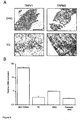
- TRPM3 mRNA was detected at levels comparable to that of known somatosensory TRP channels TRPA1, TRPM8, TRPV1, and TRPV2, and higher than that of the heat-activated TRPV3 and TRPV4 ( Figure 1A ).
- PS responses like capsaicin responses (Caterina et al., 2000; Davis et al., 2000), were restricted to small-diameter cells (diameter ⁇ 25 ⁇ m; Figure 3 ), known to include unmyelinated nociceptors neurons.
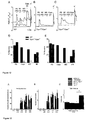
- the fraction of PS-sensitive neurons was drastically decreased in DRG and TG preparations from Trpm3 - / - mice ( Figure 2B-2D and Figure 11 ), whereas the fractions that responded to the TRPA1 agonist MO or the TRPV1-agonist capsaicin were not changed ( Figure 2C and 2D ).
- TRPA1 is the main determinant of nifedipine-induced Ca 2+ responses in sensory neurons (Fajardo et al., 2008).
- PS In whole-cell patch-clamp experiments on TG neurons, PS also produced inward currents of more than 10 pA in 65% TG neurons (15 of 23) from Trpm3 +/+ mice and in 53% TG neurons (9 of 17) from Trpv1 - / - / Trpa1 - / - mice, which were never observed in neurons from Trpm3 - / - mice (0 of 21; P ⁇ 0.001) ( Figure 2E-2G ). TRPM3-deficient neurons exhibited unaltered responses to capsaicin ( Figure 2F insert): 57% of Trpm3 +/+ TG neurons responded to capsaicin (13 of 23) compared to 53% responders in Trpm3 - / - TG neurons (11 of 21).
- Trpm3 - / - mice completely lacked this nocifensive response to PS, whereas injection of the TRPV1-agonist capsaicin evoked the normal nocifensive behavior (Caterina et al., 2000) ( Figure 4A and 4B ).
- Trpm3 +/+ and Trpm3 - / - littermates are in a heterogenously mixed genetic background of 129SvEvBrd and C57BL/6J mouse strains, we envisaged the possibility that the deficits in behavioral PS responses could be attributable to the linkage of other 129SvEvBrd-derived determinants to the disrupted TRPM3 locus.
- Trpm3 +/+ mice We therefore tested age-matched 129SvEvBrd and C57BL/6J mice for their sensitivity to PS, and found similar behavioral responses as in the Trpm3 +/+ mice ( Figure 13A, B ). Moreover, injection of PS in combined Trp1 - / - / Trpa1 - / - knockout mice elicited a nocifensive response that was similar to that observed in Trpm3 +/+ mice ( Figure 13A, B ). To evaluate the contribution of TRPM3 to trigeminal nociception, we used an aversive drinking test (Caterina et al., 2000). Over a period of 3 days, mice were allowed to drink from a bottle of water for only 1 hour/day.
- Trpm3 +/+ mice this evoked a modest but significant aversion, as evidenced by a 30% reduction in consumed water volume ( Figure 4C ).
- Trpm3 - / - mice showed no aversive response and drank at the previous day's rate ( Figure 4C ).
- TRPM3 is activated by heat
- TRPM3 activation of TRPM3 by exogenous PS can evoke pain
- TRPM8 endogenous PS concentrations in the sensory system can ever reach levels that are sufficient to activate TRPM3 in vivo
- TRPM3 endogenous PS concentrations in the sensory system can ever reach levels that are sufficient to activate TRPM3 in vivo
- TRPM8 closely related TRPM channels
- TRPM5 closely related TRPM channels
- TRPM3-expressing cells exhibited robust responses to PS and heat (40 °C), but were insensitive to capsaicin ( Figure 5A and 5B ).
- the magnitude of the heat response was similar to that in TRPV1-expressing cells, which also responded to capsaicin but not to PS ( Figure 5B ).
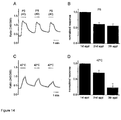
- Repetitive applications of an identical heat stimulus resulted in partly desensitizing responses, similar to what we observed with repetitive PS stimuli ( Figure 14 ).
- thermal activation of other TRP channels involves a shift of the voltage dependence of channel activation and can be approximated by a two-state model (Karashima et al., 2009; Talavera et al., 2005; Voets et al., 2004).
- Detailed analysis of whole-cell currents at different voltages and temperatures revealed that thermal activation of TRPM3 can also be described using this two-state formalism ( Figure 15A-C ).
- the derived values for the enthalpy and entropy associated with opening of TRPM3 were -30 % lower than those determined for TRPV1 ( Figure 15C ).
- thermosensitive TRP channels Previous work on other thermosensitive TRP channels has shown synergistic effects between chemical agonists and thermal stimuli. For example, menthol responses of the cold-activated TRPM8 are potentiated at low temperatures, and non-activating proton concentrations sensitize TRPV1 for heat activation (McKemy et al., 2002; Peier et al., 2002a; Tominaga et al., 1998).
- TRPM3 contributes to heat sensitivity in DRG and TG neurons.
- Trpm3 +/+ DRG neurons The largest fraction of heat-positive Trpm3 +/+ DRG neurons (59/135; 43%) responded to both PS and capsaicin. In addition, 33% of the heat-sensitive neurons responded to PS but not to capsaicin (45/135), and 3% responded to capsaicin but not to PS (4/135). Finally, 3 out of 135 (2%) were insensitive to both capsaicin and PS ( Figure 7C ). The responsiveness to heat was not different when the thermal stimulus was applied prior to the chemical agonists (data not shown). A similar response profile was obtained in Trpm3 +/+ TG neurons and in TRPV1 +/+ DRG and TG neurons ( Figure 7D ).
- Trpv1 - / - neurons also responded to PS (10 ⁇ M) application ( Figure 7C and 7D ).
- PS (10 ⁇ M) application Figure 7C and 7D .
- AMG 9810 completely eliminated capsaicin responses and significantly reduced the percentage of heat responders ( Figure 16C ).
- Trpm3 -/- mice exhibit reduced sensitivity to noxious heat
- Trpm3 +/+ and Trpm3 - / - mice were compared in different nociceptive and thermosensory assays.
- Trpm3 - / - mice animals exhibited strongly increased tail flick latencies compared to Trpm3 +/+ littermates for bath temperatures between 45 and 57 °C, ( Figure 8A ).
- the delayed response was not a consequence of overall slower reactivity of the mouse-tail, as Trpm3 - / - mice exhibited a normal response delay to mechanical stimuli (tail clip assay; Figure 8C ).
- Trpm3 - / - mice exhibited normal latencies at a plate temperature of 50 °C, but responded with a significantly longer delay at temperatures between 52 and 58 °C ( Figure 8B ).
- Figure 8B To exclude a possible interference of the heterogenous genetic background of the Trpm3 +/+ and Trpm3 - / - littermates on the behavioural response to thermal stimuli (Mogil et al., 1999), we repeated the tail immersion assay using age-matched 129SvEvBrd and C57BL/6J mice.
- mice of both strains were comparable to those of the Trpm3 +/+ mice, and significantly faster than those of Trpm3 - / - mice ( Figure 13C ).
- Trpm3 +/+ mice were also compared the thermal preference of Trpm3 +/+ and Trpm3 - / - mice when allowed to move freely for 2 hours on a flat rectangular platform with a surface temperature gradient of 5 to 60 °C along the length (Lee et al., 2005; Moqrich et al., 2005).
- Trpm3 +/+ and Trpm3 - / - mice showed a very similar behaviour, and spent most of the time in the temperature zone between 27 and 31 °C ( Figure 8D and Figure 14 ).
- Trpm3 - / - mice spent significantly more time at temperatures between 31 and 45 °C than control animals ( Figure 8E ). Both genotypes covered a similar distance on the platform and had a comparable time of inactivity, suggesting that TRPM3 deficiency does not influence exploratory behaviour. These results indicate that Trpm3 - / - mice have the same thermal preference as Trpm3 +/+ animals, but exhibit a reduced avoidance to higher temperatures.
- Trpm3 - / - mice exhibited a reduced preference for the 30-°C plate over warmer plates (38 and 45 °C), but unaltered avoidance of the cold temperature (15 °C).
- TRPM3 is specifically required for heat sensation.
- Figure 18 To investigate a potential role of TRPM3 in temperature homeostasis, we compared the effect of subcutaneous injections of PS and capsaicin in Trpm3 +/+ and Trpm3 - / - mice ( Figure 18 ). Capsaicin evoked clear hypothermia in both genotypes, in line with previous work (Caterina et al., 2000).
- Trpm3 - / - mice have a strong deficit in the development of heat hyperalgesia, similar to what has been reported for TRPV1-deficient mice (Caterina et al., 2000; Davis et al., 2000).
- Trpv1 - / - mice The first characterization of Trpv1 - / - mice, about one decade ago, not only provided conclusive evidence for the crucial role of TRPV1 in noxious heat detection, thermal hyperalgesia and pain, but also indicated the existence of additional noxious heat sensors in sensory neurons (Caterina et al., 2000; Davis et al., 2000). Since then, the role of different thermosensitive TRP channels in the detection of cold and warm temperatures has been well established. Yet, the molecular basis of TRPV1-independent noxious heat sensing remained fully elusive. In the past, several other heat-activated TRP channels had been identified, but none of them was shown to function as a heat sensor in sensory neurons.
- TRPM3 as a novel noxious heat sensor expressed in a large subset of small-diameter sensory neurons, and demonstrate that it plays an unanticipated role in noxious heat sensing.
- TRPM3 and TRPV1 share only limited sequence homology
- our present results reveal a surprising functional similarity: both form heat-activated, calcium-permeable cation channels; both are functionally expressed in a large proportion of small-diameter sensory neurons, both are involved in the nociceptive behavioural responses to chemical ligands and noxious heat, and both are required for the development of heat hyperalgesia following an inflammatory challenge.
- TRPM3 expression at the mRNA level and/or protein level, in various tissues, including brain, kidney, endocrine pancreas, vascular smooth muscle and sensory neurons (Grimm et al., 2003; Lechner et al., 2009; Lee et al., 2003; Naylor et al., 2010; Nealen et al., 2003; Oberwinkler et al., 2005; Oberwinkler and Philipp, 2007; Staaf et al., 2010; Wagner et al., 2008).
- TRPM3-activating stimuli included hypotonic cell swelling, internal Ca 2+ store depletion, D- erythro -sphingosine and PS (Grimm et al., 2003; Grimm et al., 2005; Lee et al., 2003; Wagner et al., 2008).
- PS which is currently the most potent and selective available pharmacological tool to probe for biological roles of TRPM3 (Wagner et al., 2008)
- evidence has been provided suggesting functional expression of the channel in pancreatic beta cells and vascular smooth muscle (Naylor et al., 2010; Wagner et al., 2008).
- Trpm3 - / - mice exhibited no obvious deficits in fertility, gross anatomy, body weight, core body temperature, locomotion or exploratory behaviour. With respect to the proposed role of TRPM3 in insulin release, we also did not find differences in resting blood glucose, suggesting that basal glucose homeostasis is not critically affected. Thus, Trpm3 - / - mice appear generally healthy, with no indications of major developmental or metabolic deficits.
- Trpm3 - / - mice several behavioural aspects related to somatosensation and nociception were unaltered in the Trpm3 - / - mice, including the avoidance of cold temperatures and the nocifensive response to mechanical stimuli or capsaicin injections. We found, however, significant and specific deficits in the nocifensive responses to TRPM3-activating stimuli. First, we confirmed and further substantiated an earlier study showing that injection of PS elicits pain in mice (Ueda et al., 2001).
- Trpm3 +/+ mice Intraplantar injection of PS in Trpm3 +/+ mice induced a strong nocifensive response, consisting of vigorous licking and lifting of the hind paw, which was comparable to what we observed upon injection of the TRPV1 agonist capsaicin.
- This pain response was conserved in Trpv1 - / - / Trpa1 - / - double knockout mice but fully abrogated in Trpm3 - / - mice, indicating that TRPM3 is the main PS sensor in nociceptors.
- addition of PS to the drinking water led to a moderate reduction of water consumption in Trpm3 +/+ but not in Trpm3 - / - mice, indicative of TRPM3-dependent PS aversion.
- Trpm3 - / - mice exhibit a strong deficit in the detection of noxious heat stimuli, as evidenced by prolonged reaction latencies in the tail immersion and hot plate assays, and a reduced avoidance of hot temperature zones in the thermal gradient and thermal preference tests.
- the difference in heat responsiveness between Trpm3 +/+ and Trpm3 - / - mice was even more pronounced following injection of CFA. This inflammatory challenge caused a significant reduction in the response latencies of Trpm3 +/+ mice, indicative of heat hyperalgesia, but did not change the heat response latencies in Trpm3 - / - mice.
- TRPM3 as a chemo- and thermosensor in the somatosensory system, involved in the detection of noxious stimuli in healthy and inflamed tissue.
- Our analysis of the heat, capsaicin and PS sensitivity of DRG and TG neurons from Trpm3 +/+ , Trpm3 -/- , Trpv1 +/+ and Trpv1 - / - mice indicates the existence of at least four distinct subsets of heat-sensitive neurons. The largest subset encompasses heat-sensitive neurons that responded to both PS and capsaicin, suggesting co-expression of TRPV1 and TRPM3.
- thermodynamic parameters associated with channel gating further indicated that the temperature dependence of TRPM3 activation is shifted to higher temperature compared with TRPV1. It should be noted, however, that the thermal threshold for heat- or cold-induced action potential initiation in a sensory nerve will not only depend on the thermal sensitivity of the depolarizing thermosensitive (TRP) channels, but also on their expression levels at the sensory nerve endings and on the relative amplitude of other conductances, in particular voltage-gated Na + channels and various K + conductances (Basbaum et al., 2009; Madrid et al., 2009; Noel et al., 2009; Viana et al., 2002).
- TRP depolarizing thermosensitive
- TRP channels thermal sensitivities of TRP channels are known to be modulated by various intra- and extracellular factors (Basbaum et al., 2009; Damann et al., 2008).
- TRPM3 the thermal sensitivities of TRPM3 by the neurosteroid PS.
- our data indicate strong synergism between heat and PS at concentrations between 100 and 1000 nM, which is well within the range of plasma PS levels measured in adult humans (0.1-0.8 ⁇ M Havlikova et al., 2002).
- Plasma PS levels can rise to supramicromolar concentrations during parturition and under various pathological conditions but also decreases with aging (Havlikova et al., 2002; Hill et al., 2001; Schumacher et al., 2008), which may further influence heat sensitivity and pain through TRPM3.
- TRPM3 nociceptor channel involved in acute heat sensing and inflammatory heat hyperalgesia, and thus as a potential target for novel analgesic treatments.
- HEK293T Human embryonic kidney cells, HEK293T, were grown in Dulbecco's modified Eagle's medium (DMEM) containing 10% (v/v) human serum, 2 mM L-glutamine, 2 units/ml penicillin, and 2 mg/ml streptomycin at 37 °C in a humidity-controlled incubator with 10% CO 2 .
- DMEM Dulbecco's modified Eagle's medium
- HEK293T cells were transiently transfected with murine TRPM3 ⁇ 2 (accession number AJ 544535) in the bicistronic pCAGGS/IRES-GFP vector, using Mirus TransIT-293 (Mirus corporation; Madison USA). Transfected cells were visualized by green fluorescence protein (GFP) expression whereas GFP negative cells from the same batch were used as controls.
- GFP green fluorescence protein
- TG and DRG neurons from adult (postnatal weeks 8-12) male mice were isolated as described previously (Karashima et al., 2007).
- HEK293T cells stably transfected with TRPM3 ⁇ 2 were developed using the Flp-In System (Invitrogen).
- Trpm3 -/- mice ( Figure 10 ), obtained from Lexicon Genetics, were generated using homologous recombination in 129SvEvBrd ES cells. ES cells were injected into blastocysts from C57BL/6J donor mice to generate chimeric animals, which were mated with C57BL/6J mice and genotyped for the mutated allele. Heterozygotes were mated, resulting in Trpm3 +/+ , Trpm3 +/- and Trpm3 -/- mice with the expected Mendelian distribution. Unless mentioned otherwise, paired Trpm3 +/+ and Trpm3 -/- littermates were used in behavioral experiments.
- Trpv1 -/- mice in pure C57BL/6J background were obtained from The Jackson Laboratory (http://jaxmice.jax.org/strain/003770.html), and age- and weight-matched C57BL/6J mice were used as matched controls ( Trpv1 +/+ ).
- Trpv1 -/- mice were mated with Trpa1 -/- mice (Kwan et al., 2006) to obtain Trpv1 -/- / Trpa1 -/- double knockout mice. Mice of all genotypes were housed under identical conditions, with a maximum of 4 animals per cage on a 12 h light-dark cycle and with food and water ad libitum. Only 10-12-weeks old male mice were used in all experiments.
- RNA from freshly isolated DRG and TG tissues was extracted with the RNeasy mini kit (Qiagen) and subsequently served for cDNA synthesis using Ready-To-Go You-Prime first-strand beads (GE Healthcare).
- Triplicate cDNA samples from each independent preparation were analyzed by quantitative real-time polymerase chain reactions (qPCR) in the 7500 Real-Time PCR system (Applied Biosystems) using specific TaqMan gene expression assays for Trpa1, Trpm3, Trpm8, Trpv1, Trpv2, Trpv3 And Trpv4 (Applied Biosystems).
- Glyceraldehyde 3-phosphate dehydrogenase (GAPDH) and ⁇ -actin were used as endogenous controls (Applied Biosystems). Trpv1 mRNA was used as a calibrator for relative quantifications of detected mRNA signals.
- Proteins from freshly isolated brain, DRG and TG tissues of wild type and Trpm3 -/- mice were lysed in 3 ml ice-cold lysis buffer (50 mM Tris pH 7.5, 10 mM KCl, 1.5 mM MgCl 2 , 1 mM EDTA, 1 mM phenylmethylsulfonyl fluoride (PMSF) and a protease inhibitors' cocktail (10 ⁇ g/ml leupeptin and antipain, 2 ⁇ g/ml chymostatin and pepstatin)) using the Polytron homogenizer (Kinematica AG, Switzerland).
- ice-cold lysis buffer 50 mM Tris pH 7.5, 10 mM KCl, 1.5 mM MgCl 2 , 1 mM EDTA, 1 mM phenylmethylsulfonyl fluoride (PMSF) and a protease inhibitors' cocktail (10 ⁇ g/ml leupept
- Protein concentrations were determined by the bicinchoninic acid assay method, using bovine serum albumin (BSA) as a standard.
- Samples (30 ⁇ g) were subjected to SDS-polyacrylamide gel electrophoresis (SDS-PAGE) and subsequent transfer to a polyvinylidene fluoride (PVDF) membrane (Bio-Rad, USA) as previously described (Vriens et al., 2005).
- Respective proteins were detected with purified monoclonal rat anti-TRPM3 (1: 600 dilution) (Wagner et al., 2008) and monoclonal mouse anti-Na + /K + ATPase (1: 5000 dilution) (Abcam, UK) antibodies.
- Immunoreactive complexes were visualized by chemiluminescence, using anti-rat IgG (Sigma, USA) or anti-mouse IgG (GE Healthcare) antibodies conjugated to horseradish peroxidase (1: 40000 and 1: 5000 dilutions, respectively).
- Trigeminal ganglia (TG) and dorsal root ganglia (DRG) tissues from Trpm3 +/+ and Trpm3 -/- mice were dissected and snap-frozen in the KP-CryoCompound medium (Klinipath, the Netherlands). 20 ⁇ m thick cryostat sections were processed and probed with digoxigenin (DIG)-labeled sense and antisense RNA probes.
- DIG digoxigenin
- RNA probes were generated by SP6/T7 in vitro transcription reactions (Roche Diagnostics), using cDNA fragments of Trpm3 (accession number AJ 544535, 348 base pairs (bp) between nucleotides 1531-1879), Trpv1 (accession number NM_001001445, 346 bp between nucleotides 1157-1503).
- Trpm3 accession number AJ 544535, 348 base pairs (bp) between nucleotides 1531-1879
- Trpv1 accession number NM_001001445, 346 bp between nucleotides 1157-1503
- Hybrid molecules were detected with alkaline phosphatase-conjugated anti-DIG Fab fragments according to the manufacturer's instructions (Roche Diagnostics).
- the extracellular solution contained (in mM): 140 NaCl, 4 KCl, 2 MgCl 2 , 100 nM TTX, 10 TRIS (pH 7.4 with HCl), and the pipette solution contained (in mM): 140 CsCl, 0.6 MgCl 2 , 1 EGTA, 10 HEPES, 5 TEA (pH 7.2 with CsOH).
- HEK293T cells stably expressing murine TRPM3 ⁇ 2 ( Figure 9B ) or non transfected HEK293T cells were loaded with Fluo-4-AM for 30 min, trypsinized, centrifuged, resuspended in a solution containing (in mM) 150 NaCl, 6 KCl, 2 MgCl 2 , 2 CaCl 2 , and 10 HEPES (pH 7.4 with NaOH) and transferred to a 96-well plate (at 15000-25000 cells/well; 50 ⁇ l).
- PS (10 ⁇ M) was added to the wells. Fluo-4 fluorescence was measured while the well temperature was raised from 16 to 43 °C in 3-degrees steps.
- Hind paw injections, drinking tests, thermal gradient tests, temperature choice tests, hot plate, cold plate, tail clip and tail immersion assays were performed as previously described (Cao et al., 1998; Caterina et al., 2000; Karashima et al., 2009; Moqrich et al., 2005).
- CFA Complete Freund's Adjuvant
- Corn oil was used as vehicle control.
- AMG 9810 (Tocris Bioscience) dissolved in DMSO was injected i.p at 3 mg/kg during consecutive 7 days (Gavva et al., 2007; Gavva et al., 2005). DMSO was used as vehicle control. All animal experiments were carried out in accordance with the European Union Community Council guidelines and were approved by the local ethics committee.
- Electrophysiological data were analyzed using FITMASTER (HEKA Elektronik, Germany) and WinASCD software (Guy Droogmans, Leuven). Origin 7.1 (OriginLab Corporation, Northampton, USA) was used for statistical analysis and data display.
- Origin 7.1 (OriginLab Corporation, Northampton, USA) was used for statistical analysis and data display.
- the parameters for the two-state model were determined from a global fit of simulated whole-cell currents to experimental currents measured during voltage steps at different temperatures ( Figure 5 ), using home-made routines in Igor Pro 5.0 (Karashima et al., 2009; Voets et al., 2004; Voets et al., 2007).
- Q 10 value 1.35.
Landscapes
- Health & Medical Sciences (AREA)
- Life Sciences & Earth Sciences (AREA)
- Engineering & Computer Science (AREA)
- Biomedical Technology (AREA)
- Immunology (AREA)
- Molecular Biology (AREA)
- Chemical & Material Sciences (AREA)
- Urology & Nephrology (AREA)
- Hematology (AREA)
- General Health & Medical Sciences (AREA)
- Cell Biology (AREA)
- Medicinal Chemistry (AREA)
- Food Science & Technology (AREA)
- Microbiology (AREA)
- Physics & Mathematics (AREA)
- Analytical Chemistry (AREA)
- Biochemistry (AREA)
- General Physics & Mathematics (AREA)
- Pathology (AREA)
- Biotechnology (AREA)
- Veterinary Medicine (AREA)
- Public Health (AREA)
- Animal Behavior & Ethology (AREA)
- Bioinformatics & Cheminformatics (AREA)
- Tropical Medicine & Parasitology (AREA)
- Toxicology (AREA)
- Epidemiology (AREA)
- Proteomics, Peptides & Aminoacids (AREA)
- Chemical Kinetics & Catalysis (AREA)
- General Chemical & Material Sciences (AREA)
- Neurosurgery (AREA)
- Neurology (AREA)
- Nuclear Medicine, Radiotherapy & Molecular Imaging (AREA)
- Organic Chemistry (AREA)
- Pharmacology & Pharmacy (AREA)
- Pain & Pain Management (AREA)
- Pharmaceuticals Containing Other Organic And Inorganic Compounds (AREA)
- Medicines That Contain Protein Lipid Enzymes And Other Medicines (AREA)
Claims (6)
- Procédé d'identification d'un agent pour le traitement et/ou la prophylaxie de la douleur, ledit procédé comprenant le criblage d'agents capables d'inhiber TRPM3, dans lequel ledit criblage comprend la détermination de l'effet antinociceptif dudit composé.
- Procédé selon la revendication 1, dans lequel lesdits agents sont capables d'inhiber l'expression d'un gène codant pour TRPM3, ou dans lequel lesdits agents sont capables d'inhiber l'expression d'un agoniste de TRPM3.
- Procédé selon la revendication 1 ou 2 comprenant les étapes de :(a) application d'antagonistes de TRPM3 candidats à un premier groupe d'animaux de laboratoire et un deuxième groupe, un groupe non traité, d'animaux de laboratoire traité avec le véhicule ;(b) injection locale d'un agoniste de TRPM3 convenable ; et(c) mesure et comparaison de la réponse nociceptive à l'injection d'agoniste, par surveillance du comportement nocifensif, entre les animaux traités avec un antagoniste de TRPM3 candidat et les animaux traités avec le véhicule, le groupe non traité, dans lequel une diminution de la réponse nociceptive dans le premier groupe, les animaux de laboratoire traités avec un antagoniste de TRPM3 candidat par rapport au deuxième groupe d'animaux de laboratoire traité avec le véhicule, le groupe non traité, indique que l'agent est un antagoniste de TRPM3.
- Procédé selon la revendication 1 ou 2 comprenant les étapes de :(a) application d'antagonistes de TRPM3 candidats à un premier groupe d'animaux de laboratoire et un deuxième groupe d'animaux de laboratoire traité avec le véhicule, le groupe non traité ; et(b) mesure et comparaison de la réponse nociceptive à un stimulus de chaleur entre le groupe d'animaux traité avec un antagoniste de TRPM3 candidat et le groupe d'animaux traité avec le véhicule, le groupe non traité, dans lequel une diminution de la réponse nociceptive dans le premier groupe, les animaux de laboratoire traités avec un antagoniste de TRPM3 candidat, par rapport au deuxième groupe d'animaux de laboratoire traité avec le véhicule indique que l'agent est un antagoniste de TRPM3.
- Procédé selon la revendication 1 ou 2 comprenant les étapes de :(a) mesure de la réponse nociceptive d'animaux de laboratoire à un stimulus de chaleur ;(b) induction d'une inflammation locale chez lesdits animaux de laboratoire ;(c) application d'antagonistes de TRPM3 candidats auxdits animaux de laboratoire de l'étape (b) ;(d) mesure de la réponse nociceptive des animaux de laboratoire traités avec un antagoniste de TRPM3 candidat de l'étape (c) à un stimulus de chaleur ; et(e) comparaison de la réponse nociceptive chez les deuxièmes animaux traités par la chaleur de l'étape (d), à la réponse nociceptive des premiers animaux traités par la chaleur de l'étape (a), dans lequel une diminution ou un statu quo de la réponse nociceptive dans le deuxième groupe traité par la chaleur de l'étape (d) par rapport au premier groupe traité par la chaleur de l'étape (a), indique que l'agent est un antagoniste de TRPM3.
- Procédé selon l'une quelconque des revendications 1 à 5, dans lequel ladite douleur est une hyperalgésie inflammatoire.
Applications Claiming Priority (2)
| Application Number | Priority Date | Filing Date | Title |
|---|---|---|---|
| GBGB1107467.1A GB201107467D0 (en) | 2011-05-05 | 2011-05-05 | Novel treatment of pain |
| PCT/BE2012/000023 WO2012149614A1 (fr) | 2011-05-05 | 2012-05-04 | Nouveau traitement de la douleur |
Publications (2)
| Publication Number | Publication Date |
|---|---|
| EP2705364A1 EP2705364A1 (fr) | 2014-03-12 |
| EP2705364B1 true EP2705364B1 (fr) | 2018-08-01 |
Family
ID=44203180
Family Applications (1)
| Application Number | Title | Priority Date | Filing Date |
|---|---|---|---|
| EP12745763.8A Active EP2705364B1 (fr) | 2011-05-05 | 2012-05-04 | Méthode de screening pour des agents analgésiques |
Country Status (6)
| Country | Link |
|---|---|
| US (1) | US9194863B2 (fr) |
| EP (1) | EP2705364B1 (fr) |
| DK (1) | DK2705364T3 (fr) |
| ES (1) | ES2692270T3 (fr) |
| GB (1) | GB201107467D0 (fr) |
| WO (1) | WO2012149614A1 (fr) |
Families Citing this family (3)
| Publication number | Priority date | Publication date | Assignee | Title |
|---|---|---|---|---|
| WO2022152715A1 (fr) * | 2021-01-14 | 2022-07-21 | Glaxosmithkline Intellectual Property (No.3) Limited | Inhibiteurs de trpm3 et leurs utilisations |
| CN116891523B (zh) * | 2023-05-24 | 2024-05-17 | 深圳晶蛋生物医药科技有限公司 | 一种trpm3截短体、包含其的细胞系及其用途 |
| CN117618430B (zh) * | 2023-12-05 | 2024-04-30 | 湖南巴德医药科技有限公司 | 一种包括过氧化玉米油的烧烫伤敷料 |
Family Cites Families (13)
| Publication number | Priority date | Publication date | Assignee | Title |
|---|---|---|---|---|
| US4491632A (en) | 1979-10-22 | 1985-01-01 | The Massachusetts General Hospital | Process for producing antibodies to hepatitis virus and cell lines therefor |
| US4444887A (en) | 1979-12-10 | 1984-04-24 | Sloan-Kettering Institute | Process for making human antibody producing B-lymphocytes |
| US4342566A (en) | 1980-02-22 | 1982-08-03 | Scripps Clinic & Research Foundation | Solid phase anti-C3 assay for detection of immune complexes |
| EP0043718B1 (fr) | 1980-07-07 | 1984-11-28 | National Research Development Corporation | Lignées de cellules |
| US4341761A (en) | 1980-07-25 | 1982-07-27 | E. I. Du Pont De Nemours And Company | Antibodies to immunogenic peptides and their use to purify human fibroblast interferon |
| US4466917A (en) | 1981-02-12 | 1984-08-21 | New York University | Malaria vaccine |
| US4493890A (en) | 1981-03-23 | 1985-01-15 | Miles Laboratories, Inc. | Activated apoglucose oxidase and its use in specific binding assays |
| US4451570A (en) | 1981-03-26 | 1984-05-29 | The Regents Of The University Of California | Immunoglobulin-secreting human hybridomas from a cultured human lymphoblastoid cell line |
| US4399121A (en) | 1981-11-04 | 1983-08-16 | Miles Laboratories, Inc. | Iodothyronine immunogens and antibodies |
| US4427783A (en) | 1981-12-14 | 1984-01-24 | Hoffmann-La Roche Inc. | Immunoassay of thymosin α1 |
| GB8308235D0 (en) | 1983-03-25 | 1983-05-05 | Celltech Ltd | Polypeptides |
| US4816567A (en) | 1983-04-08 | 1989-03-28 | Genentech, Inc. | Recombinant immunoglobin preparations |
| US4493795A (en) | 1983-10-17 | 1985-01-15 | Syntex (U.S.A.) Inc. | Synthetic peptide sequences useful in biological and pharmaceutical applications and methods of manufacture |
-
2011
- 2011-05-05 GB GBGB1107467.1A patent/GB201107467D0/en not_active Ceased
-
2012
- 2012-05-04 WO PCT/BE2012/000023 patent/WO2012149614A1/fr not_active Ceased
- 2012-05-04 US US14/115,034 patent/US9194863B2/en active Active
- 2012-05-04 EP EP12745763.8A patent/EP2705364B1/fr active Active
- 2012-05-04 DK DK12745763.8T patent/DK2705364T3/en active
- 2012-05-04 ES ES12745763.8T patent/ES2692270T3/es active Active
Also Published As
| Publication number | Publication date |
|---|---|
| WO2012149614A1 (fr) | 2012-11-08 |
| US9194863B2 (en) | 2015-11-24 |
| DK2705364T3 (en) | 2018-11-26 |
| EP2705364A1 (fr) | 2014-03-12 |
| ES2692270T3 (es) | 2018-12-03 |
| GB201107467D0 (en) | 2011-06-15 |
| US20140079640A1 (en) | 2014-03-20 |
Similar Documents
| Publication | Publication Date | Title |
|---|---|---|
| Vriens et al. | TRPM3 is a nociceptor channel involved in the detection of noxious heat | |
| DeWire et al. | β-arrestin-mediated signaling regulates protein synthesis | |
| Artinian et al. | Phosphorylation of the Hippo pathway component AMOTL2 by the mTORC2 kinase promotes YAP signaling, resulting in enhanced glioblastoma growth and invasiveness | |
| Formisano et al. | NCX1 is a new rest target gene: role in cerebral ischemia | |
| Suzuki et al. | A novel MRGPRX2-targeting antagonistic DNA aptamer inhibits histamine release and prevents mast cell-mediated anaphylaxis | |
| CA2704648A1 (fr) | Procedes et compositions pour mesurer l'activation de wnt et pour traiter des cancers lies a wnt | |
| Farmer et al. | Soluble receptor for advanced glycation end products (sRAGE) attenuates haemodynamic changes to chronic hypoxia in the mouse | |
| WO2020081538A1 (fr) | Méthodes associées à des agents thérapeutiques opioïdes | |
| JP2005536438A (ja) | 過分極活性化型環状ヌクレオチド依存性チャンネルに標的を定めることによる疼痛の治療 | |
| HUP0402173A2 (hu) | Eljárások izomtömeg vagy -funkció szabályozására szolgáló vegyületek azonosítására | |
| EP2705364B1 (fr) | Méthode de screening pour des agents analgésiques | |
| Shcheglovitov et al. | Alternative splicing within the I–II loop controls surface expression of T-type Cav3. 1 calcium channels | |
| Zhan et al. | Calcium-dependent regulation of neuronal excitability is rescued in Fragile X Syndrome by a tat-conjugated N-terminal fragment of FMRP | |
| Sullivan et al. | Pharmacological Characterization of the Muscarinic Agonist (3 R, 4 R)-3-(3-Hexylsulfanyl-pyrazin-2-yloxy)-1-aza-bicyclo [2.2. 1] heptane (WAY-132983) in in Vitro and in Vivo Models of Chronic Pain | |
| Kee et al. | Piceatannol attenuates cardiac hypertrophy in an animal model through regulation of the expression and binding of the transcription factor GATA binding factor 6 | |
| Endres et al. | Serum insulin-like growth factor I and ischemic brain injury | |
| US20120129179A1 (en) | Scn5a splicing factors and splice variants for use in diagnostic and prognostic methods | |
| EP4277609A1 (fr) | Inhibiteurs de trpm3 et leurs utilisations | |
| Bortoloso et al. | Homer 2 antagonizes protein degradation in slow-twitch skeletal muscles | |
| US20240102021A1 (en) | Methods and compositions for treating, preventing or reversing obesity and obesity-related disorders by opsin 3 regulation of hypothalamic melanocortin receptors | |
| EP1272517B1 (fr) | Matiere biologique et utilisations de celle-ci | |
| WO2024013052A1 (fr) | Nouvelle utilisation | |
| US20230220037A1 (en) | Novel use | |
| TW200831898A (en) | Treatment of insulin resistance | |
| EP2502069B1 (fr) | Composants d'inhibition de signalisation cd95 pour le traitement du cancer du pancréas |
Legal Events
| Date | Code | Title | Description |
|---|---|---|---|
| PUAI | Public reference made under article 153(3) epc to a published international application that has entered the european phase |
Free format text: ORIGINAL CODE: 0009012 |
|
| 17P | Request for examination filed |
Effective date: 20131107 |
|
| AK | Designated contracting states |
Kind code of ref document: A1 Designated state(s): AL AT BE BG CH CY CZ DE DK EE ES FI FR GB GR HR HU IE IS IT LI LT LU LV MC MK MT NL NO PL PT RO RS SE SI SK SM TR |
|
| DAX | Request for extension of the european patent (deleted) | ||
| 17Q | First examination report despatched |
Effective date: 20160203 |
|
| RIC1 | Information provided on ipc code assigned before grant |
Ipc: A61P 25/00 20060101ALI20160914BHEP Ipc: A61K 49/00 20060101ALI20160914BHEP Ipc: G01N 33/68 20060101AFI20160914BHEP |
|
| GRAP | Despatch of communication of intention to grant a patent |
Free format text: ORIGINAL CODE: EPIDOSNIGR1 |
|
| INTG | Intention to grant announced |
Effective date: 20161027 |
|
| GRAJ | Information related to disapproval of communication of intention to grant by the applicant or resumption of examination proceedings by the epo deleted |
Free format text: ORIGINAL CODE: EPIDOSDIGR1 |
|
| STAA | Information on the status of an ep patent application or granted ep patent |
Free format text: STATUS: EXAMINATION IS IN PROGRESS |
|
| GRAP | Despatch of communication of intention to grant a patent |
Free format text: ORIGINAL CODE: EPIDOSNIGR1 |
|
| STAA | Information on the status of an ep patent application or granted ep patent |
Free format text: STATUS: GRANT OF PATENT IS INTENDED |
|
| INTC | Intention to grant announced (deleted) | ||
| INTG | Intention to grant announced |
Effective date: 20170321 |
|
| GRAJ | Information related to disapproval of communication of intention to grant by the applicant or resumption of examination proceedings by the epo deleted |
Free format text: ORIGINAL CODE: EPIDOSDIGR1 |
|
| STAA | Information on the status of an ep patent application or granted ep patent |
Free format text: STATUS: EXAMINATION IS IN PROGRESS |
|
| INTC | Intention to grant announced (deleted) | ||
| GRAP | Despatch of communication of intention to grant a patent |
Free format text: ORIGINAL CODE: EPIDOSNIGR1 |
|
| STAA | Information on the status of an ep patent application or granted ep patent |
Free format text: STATUS: GRANT OF PATENT IS INTENDED |
|
| INTG | Intention to grant announced |
Effective date: 20170927 |
|
| GRAJ | Information related to disapproval of communication of intention to grant by the applicant or resumption of examination proceedings by the epo deleted |
Free format text: ORIGINAL CODE: EPIDOSDIGR1 |
|
| STAA | Information on the status of an ep patent application or granted ep patent |
Free format text: STATUS: EXAMINATION IS IN PROGRESS |
|
| REG | Reference to a national code |
Ref country code: DE Ref legal event code: R079 Ref document number: 602012049143 Country of ref document: DE Free format text: PREVIOUS MAIN CLASS: G01N0033500000 Ipc: G01N0033680000 |
|
| GRAP | Despatch of communication of intention to grant a patent |
Free format text: ORIGINAL CODE: EPIDOSNIGR1 |
|
| STAA | Information on the status of an ep patent application or granted ep patent |
Free format text: STATUS: GRANT OF PATENT IS INTENDED |
|
| INTC | Intention to grant announced (deleted) | ||
| RIC1 | Information provided on ipc code assigned before grant |
Ipc: G01N 33/68 20060101AFI20180201BHEP Ipc: G01N 33/50 20060101ALI20180201BHEP Ipc: A61K 49/00 20060101ALI20180201BHEP |
|
| INTG | Intention to grant announced |
Effective date: 20180219 |
|
| GRAS | Grant fee paid |
Free format text: ORIGINAL CODE: EPIDOSNIGR3 |
|
| GRAA | (expected) grant |
Free format text: ORIGINAL CODE: 0009210 |
|
| STAA | Information on the status of an ep patent application or granted ep patent |
Free format text: STATUS: THE PATENT HAS BEEN GRANTED |
|
| AK | Designated contracting states |
Kind code of ref document: B1 Designated state(s): AL AT BE BG CH CY CZ DE DK EE ES FI FR GB GR HR HU IE IS IT LI LT LU LV MC MK MT NL NO PL PT RO RS SE SI SK SM TR |
|
| REG | Reference to a national code |
Ref country code: GB Ref legal event code: FG4D |
|
| REG | Reference to a national code |
Ref country code: CH Ref legal event code: EP Ref country code: AT Ref legal event code: REF Ref document number: 1024902 Country of ref document: AT Kind code of ref document: T Effective date: 20180815 |
|
| REG | Reference to a national code |
Ref country code: IE Ref legal event code: FG4D |
|
| REG | Reference to a national code |
Ref country code: DE Ref legal event code: R096 Ref document number: 602012049143 Country of ref document: DE |
|
| REG | Reference to a national code |
Ref country code: NL Ref legal event code: FP |
|
| REG | Reference to a national code |
Ref country code: SE Ref legal event code: TRGR |
|
| REG | Reference to a national code |
Ref country code: DK Ref legal event code: T3 Effective date: 20181119 |
|
| REG | Reference to a national code |
Ref country code: ES Ref legal event code: FG2A Ref document number: 2692270 Country of ref document: ES Kind code of ref document: T3 Effective date: 20181203 |
|
| REG | Reference to a national code |
Ref country code: LT Ref legal event code: MG4D |
|
| GRAE | Information related to correction after decision to grant or after decision to maintain patent in amended form modified |
Free format text: ORIGINAL CODE: EPIDOSCCDEC |
|
| GRAT | Correction requested after decision to grant or after decision to maintain patent in amended form |
Free format text: ORIGINAL CODE: EPIDOSNCDEC |
|
| REG | Reference to a national code |
Ref country code: AT Ref legal event code: MK05 Ref document number: 1024902 Country of ref document: AT Kind code of ref document: T Effective date: 20180801 |
|
| PG25 | Lapsed in a contracting state [announced via postgrant information from national office to epo] |
Ref country code: IS Free format text: LAPSE BECAUSE OF FAILURE TO SUBMIT A TRANSLATION OF THE DESCRIPTION OR TO PAY THE FEE WITHIN THE PRESCRIBED TIME-LIMIT Effective date: 20181201 Ref country code: RS Free format text: LAPSE BECAUSE OF FAILURE TO SUBMIT A TRANSLATION OF THE DESCRIPTION OR TO PAY THE FEE WITHIN THE PRESCRIBED TIME-LIMIT Effective date: 20180801 Ref country code: PL Free format text: LAPSE BECAUSE OF FAILURE TO SUBMIT A TRANSLATION OF THE DESCRIPTION OR TO PAY THE FEE WITHIN THE PRESCRIBED TIME-LIMIT Effective date: 20180801 Ref country code: LT Free format text: LAPSE BECAUSE OF FAILURE TO SUBMIT A TRANSLATION OF THE DESCRIPTION OR TO PAY THE FEE WITHIN THE PRESCRIBED TIME-LIMIT Effective date: 20180801 Ref country code: AT Free format text: LAPSE BECAUSE OF FAILURE TO SUBMIT A TRANSLATION OF THE DESCRIPTION OR TO PAY THE FEE WITHIN THE PRESCRIBED TIME-LIMIT Effective date: 20180801 Ref country code: GR Free format text: LAPSE BECAUSE OF FAILURE TO SUBMIT A TRANSLATION OF THE DESCRIPTION OR TO PAY THE FEE WITHIN THE PRESCRIBED TIME-LIMIT Effective date: 20181102 Ref country code: NO Free format text: LAPSE BECAUSE OF FAILURE TO SUBMIT A TRANSLATION OF THE DESCRIPTION OR TO PAY THE FEE WITHIN THE PRESCRIBED TIME-LIMIT Effective date: 20181101 Ref country code: BG Free format text: LAPSE BECAUSE OF FAILURE TO SUBMIT A TRANSLATION OF THE DESCRIPTION OR TO PAY THE FEE WITHIN THE PRESCRIBED TIME-LIMIT Effective date: 20181101 |
|
| PG25 | Lapsed in a contracting state [announced via postgrant information from national office to epo] |
Ref country code: LV Free format text: LAPSE BECAUSE OF FAILURE TO SUBMIT A TRANSLATION OF THE DESCRIPTION OR TO PAY THE FEE WITHIN THE PRESCRIBED TIME-LIMIT Effective date: 20180801 Ref country code: AL Free format text: LAPSE BECAUSE OF FAILURE TO SUBMIT A TRANSLATION OF THE DESCRIPTION OR TO PAY THE FEE WITHIN THE PRESCRIBED TIME-LIMIT Effective date: 20180801 Ref country code: HR Free format text: LAPSE BECAUSE OF FAILURE TO SUBMIT A TRANSLATION OF THE DESCRIPTION OR TO PAY THE FEE WITHIN THE PRESCRIBED TIME-LIMIT Effective date: 20180801 |
|
| PG25 | Lapsed in a contracting state [announced via postgrant information from national office to epo] |
Ref country code: RO Free format text: LAPSE BECAUSE OF FAILURE TO SUBMIT A TRANSLATION OF THE DESCRIPTION OR TO PAY THE FEE WITHIN THE PRESCRIBED TIME-LIMIT Effective date: 20180801 Ref country code: EE Free format text: LAPSE BECAUSE OF FAILURE TO SUBMIT A TRANSLATION OF THE DESCRIPTION OR TO PAY THE FEE WITHIN THE PRESCRIBED TIME-LIMIT Effective date: 20180801 Ref country code: CZ Free format text: LAPSE BECAUSE OF FAILURE TO SUBMIT A TRANSLATION OF THE DESCRIPTION OR TO PAY THE FEE WITHIN THE PRESCRIBED TIME-LIMIT Effective date: 20180801 |
|
| REG | Reference to a national code |
Ref country code: DE Ref legal event code: R097 Ref document number: 602012049143 Country of ref document: DE |
|
| PG25 | Lapsed in a contracting state [announced via postgrant information from national office to epo] |
Ref country code: SM Free format text: LAPSE BECAUSE OF FAILURE TO SUBMIT A TRANSLATION OF THE DESCRIPTION OR TO PAY THE FEE WITHIN THE PRESCRIBED TIME-LIMIT Effective date: 20180801 Ref country code: SK Free format text: LAPSE BECAUSE OF FAILURE TO SUBMIT A TRANSLATION OF THE DESCRIPTION OR TO PAY THE FEE WITHIN THE PRESCRIBED TIME-LIMIT Effective date: 20180801 |
|
| PLBE | No opposition filed within time limit |
Free format text: ORIGINAL CODE: 0009261 |
|
| STAA | Information on the status of an ep patent application or granted ep patent |
Free format text: STATUS: NO OPPOSITION FILED WITHIN TIME LIMIT |
|
| 26N | No opposition filed |
Effective date: 20190503 |
|
| PG25 | Lapsed in a contracting state [announced via postgrant information from national office to epo] |
Ref country code: SI Free format text: LAPSE BECAUSE OF FAILURE TO SUBMIT A TRANSLATION OF THE DESCRIPTION OR TO PAY THE FEE WITHIN THE PRESCRIBED TIME-LIMIT Effective date: 20180801 |
|
| PG25 | Lapsed in a contracting state [announced via postgrant information from national office to epo] |
Ref country code: MC Free format text: LAPSE BECAUSE OF FAILURE TO SUBMIT A TRANSLATION OF THE DESCRIPTION OR TO PAY THE FEE WITHIN THE PRESCRIBED TIME-LIMIT Effective date: 20180801 |
|
| PG25 | Lapsed in a contracting state [announced via postgrant information from national office to epo] |
Ref country code: LU Free format text: LAPSE BECAUSE OF NON-PAYMENT OF DUE FEES Effective date: 20190504 |
|
| PG25 | Lapsed in a contracting state [announced via postgrant information from national office to epo] |
Ref country code: TR Free format text: LAPSE BECAUSE OF FAILURE TO SUBMIT A TRANSLATION OF THE DESCRIPTION OR TO PAY THE FEE WITHIN THE PRESCRIBED TIME-LIMIT Effective date: 20180801 |
|
| PG25 | Lapsed in a contracting state [announced via postgrant information from national office to epo] |
Ref country code: PT Free format text: LAPSE BECAUSE OF FAILURE TO SUBMIT A TRANSLATION OF THE DESCRIPTION OR TO PAY THE FEE WITHIN THE PRESCRIBED TIME-LIMIT Effective date: 20181201 |
|
| PG25 | Lapsed in a contracting state [announced via postgrant information from national office to epo] |
Ref country code: CY Free format text: LAPSE BECAUSE OF FAILURE TO SUBMIT A TRANSLATION OF THE DESCRIPTION OR TO PAY THE FEE WITHIN THE PRESCRIBED TIME-LIMIT Effective date: 20180801 |
|
| PG25 | Lapsed in a contracting state [announced via postgrant information from national office to epo] |
Ref country code: HU Free format text: LAPSE BECAUSE OF FAILURE TO SUBMIT A TRANSLATION OF THE DESCRIPTION OR TO PAY THE FEE WITHIN THE PRESCRIBED TIME-LIMIT; INVALID AB INITIO Effective date: 20120504 Ref country code: MT Free format text: LAPSE BECAUSE OF FAILURE TO SUBMIT A TRANSLATION OF THE DESCRIPTION OR TO PAY THE FEE WITHIN THE PRESCRIBED TIME-LIMIT Effective date: 20180801 |
|
| PG25 | Lapsed in a contracting state [announced via postgrant information from national office to epo] |
Ref country code: MK Free format text: LAPSE BECAUSE OF FAILURE TO SUBMIT A TRANSLATION OF THE DESCRIPTION OR TO PAY THE FEE WITHIN THE PRESCRIBED TIME-LIMIT Effective date: 20180801 |
|
| P01 | Opt-out of the competence of the unified patent court (upc) registered |
Effective date: 20230621 |
|
| PGFP | Annual fee paid to national office [announced via postgrant information from national office to epo] |
Ref country code: FI Payment date: 20250513 Year of fee payment: 14 |
|
| PGFP | Annual fee paid to national office [announced via postgrant information from national office to epo] |
Ref country code: DE Payment date: 20250311 Year of fee payment: 14 |
|
| PGFP | Annual fee paid to national office [announced via postgrant information from national office to epo] |
Ref country code: DK Payment date: 20250516 Year of fee payment: 14 Ref country code: ES Payment date: 20250605 Year of fee payment: 14 |
|
| PGFP | Annual fee paid to national office [announced via postgrant information from national office to epo] |
Ref country code: BE Payment date: 20250410 Year of fee payment: 14 Ref country code: IT Payment date: 20250422 Year of fee payment: 14 |
|
| PGFP | Annual fee paid to national office [announced via postgrant information from national office to epo] |
Ref country code: CH Payment date: 20250601 Year of fee payment: 14 |
|
| PGFP | Annual fee paid to national office [announced via postgrant information from national office to epo] |
Ref country code: SE Payment date: 20260312 Year of fee payment: 15 |
|
| PGFP | Annual fee paid to national office [announced via postgrant information from national office to epo] |
Ref country code: GB Payment date: 20260313 Year of fee payment: 15 |
|
| PGFP | Annual fee paid to national office [announced via postgrant information from national office to epo] |
Ref country code: IE Payment date: 20260310 Year of fee payment: 15 |
|
| PGFP | Annual fee paid to national office [announced via postgrant information from national office to epo] |
Ref country code: NL Payment date: 20260317 Year of fee payment: 15 |
|
| PGFP | Annual fee paid to national office [announced via postgrant information from national office to epo] |
Ref country code: FR Payment date: 20260310 Year of fee payment: 15 |