EP2708012B1 - Procédés d'attribution de préfixes et élément de réseau, serveur et produits programme d'ordinateur correspondants - Google Patents
Procédés d'attribution de préfixes et élément de réseau, serveur et produits programme d'ordinateur correspondants Download PDFInfo
- Publication number
- EP2708012B1 EP2708012B1 EP11719268.2A EP11719268A EP2708012B1 EP 2708012 B1 EP2708012 B1 EP 2708012B1 EP 11719268 A EP11719268 A EP 11719268A EP 2708012 B1 EP2708012 B1 EP 2708012B1
- Authority
- EP
- European Patent Office
- Prior art keywords
- local prefix
- address
- prefix
- timer
- local
- Prior art date
- Legal status (The legal status is an assumption and is not a legal conclusion. Google has not performed a legal analysis and makes no representation as to the accuracy of the status listed.)
- Not-in-force
Links
- 238000000034 method Methods 0.000 title claims description 19
- 238000004590 computer program Methods 0.000 title claims description 5
- 238000012545 processing Methods 0.000 claims description 37
- 238000004891 communication Methods 0.000 claims description 9
- JQAACYUZYRBHGG-QHTZZOMLSA-L magnesium;(2s)-5-oxopyrrolidine-2-carboxylate Chemical compound [Mg+2].[O-]C(=O)[C@@H]1CCC(=O)N1.[O-]C(=O)[C@@H]1CCC(=O)N1 JQAACYUZYRBHGG-QHTZZOMLSA-L 0.000 description 33
- 230000011664 signaling Effects 0.000 description 5
- 238000010586 diagram Methods 0.000 description 4
- 238000013459 approach Methods 0.000 description 3
- 230000000694 effects Effects 0.000 description 2
- 238000005516 engineering process Methods 0.000 description 2
- 230000006870 function Effects 0.000 description 2
- 238000004873 anchoring Methods 0.000 description 1
- 230000001413 cellular effect Effects 0.000 description 1
- 239000000470 constituent Substances 0.000 description 1
- 230000000977 initiatory effect Effects 0.000 description 1
- 238000012986 modification Methods 0.000 description 1
- 230000004048 modification Effects 0.000 description 1
Images


Classifications
-
- H—ELECTRICITY
- H04—ELECTRIC COMMUNICATION TECHNIQUE
- H04W—WIRELESS COMMUNICATION NETWORKS
- H04W8/00—Network data management
- H04W8/26—Network addressing or numbering for mobility support
-
- H—ELECTRICITY
- H04—ELECTRIC COMMUNICATION TECHNIQUE
- H04L—TRANSMISSION OF DIGITAL INFORMATION, e.g. TELEGRAPHIC COMMUNICATION
- H04L61/00—Network arrangements, protocols or services for addressing or naming
- H04L61/50—Address allocation
- H04L61/5053—Lease time; Renewal aspects
-
- H—ELECTRICITY
- H04—ELECTRIC COMMUNICATION TECHNIQUE
- H04L—TRANSMISSION OF DIGITAL INFORMATION, e.g. TELEGRAPHIC COMMUNICATION
- H04L45/00—Routing or path finding of packets in data switching networks
- H04L45/74—Address processing for routing
-
- H—ELECTRICITY
- H04—ELECTRIC COMMUNICATION TECHNIQUE
- H04L—TRANSMISSION OF DIGITAL INFORMATION, e.g. TELEGRAPHIC COMMUNICATION
- H04L2101/00—Indexing scheme associated with group H04L61/00
- H04L2101/60—Types of network addresses
- H04L2101/668—Internet protocol [IP] address subnets
-
- H—ELECTRICITY
- H04—ELECTRIC COMMUNICATION TECHNIQUE
- H04L—TRANSMISSION OF DIGITAL INFORMATION, e.g. TELEGRAPHIC COMMUNICATION
- H04L61/00—Network arrangements, protocols or services for addressing or naming
- H04L61/50—Address allocation
- H04L61/5007—Internet protocol [IP] addresses
- H04L61/5014—Internet protocol [IP] addresses using dynamic host configuration protocol [DHCP] or bootstrap protocol [BOOTP]
-
- H—ELECTRICITY
- H04—ELECTRIC COMMUNICATION TECHNIQUE
- H04L—TRANSMISSION OF DIGITAL INFORMATION, e.g. TELEGRAPHIC COMMUNICATION
- H04L61/00—Network arrangements, protocols or services for addressing or naming
- H04L61/50—Address allocation
- H04L61/5092—Address allocation by self-assignment, e.g. picking addresses at random and testing if they are already in use
-
- H—ELECTRICITY
- H04—ELECTRIC COMMUNICATION TECHNIQUE
- H04W—WIRELESS COMMUNICATION NETWORKS
- H04W80/00—Wireless network protocols or protocol adaptations to wireless operation
- H04W80/04—Network layer protocols, e.g. mobile IP [Internet Protocol]
Definitions
- the invention addresses issues regarding how to improve routing in a network, in particular, where IPv6 (Internet Protocol v6) is adopted as IP protocol and, on the top of which, Proxy Mobile IPv6 (PMIPv6) is deployed as mobility management protocol.
- IPv6 Internet Protocol v6
- PMIPv6 Proxy Mobile IPv6
- IPv6 address shall be assigned to each constituent network element.
- IPv6 addresses are logically divided into two parts: a 64-bit (sub-)network prefix and a 64-bit interface identifier.
- a network prefix is normally associated with a specific domain, which means that a data packet designated to an IPv6 address comprising the network prefix may be routed to a router/network entity located in that specific domain.
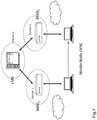
- PMIPv6 may be deployed as a network layer protocol for managing mobility of mobile nodes (MN) as depicted in Fig.1 .
- MN mobile nodes
- LMA Local Mobility Anchor
- MAG Mobile Access Gateway
- MAG is a function on an access router that manages the mobility related signaling for a MN attached to its access link, e.g. a radio link.
- LMA is the home agent for a MN in PMIPv6 domain.
- a mobile node identifier (MN-ID) may be assigned to a MN in PMIPv6 domain.
- MAC media access control
- a Home Network Prefix (HNP) is generated in LMA and assigned to the link between the MN and a MAG, e.g., MAG 1 as shown in Fig.1 .
- the home network prefix is anchored at LMA (which means that a data packet designated to an IPv6 address comprising the prefix as its network prefix would be routed to LMA) and indicates the home network of the MN. More than one prefix can be assigned to the link between MN and MAG according to PMIPv6.
- the MN may configure its interfaces with one or more addresses from the obtained home network prefix, e.g. home network prefix + an interface identifier.
- a handover in access link layer may be performed and as the result, the MN may be connected with a new MAG, e.g., MAG 2 , located in a different domain than MAG 1 .
- MAG 2 a new MAG
- the home network associated with the home network prefix may be in completely different domain (e.g. Domain 3) than MAG 2 which is located in Domain 2.
- a Summary of Distributed Mobility Management draft-kuntz-dmm-summary-00.txt IETF, STANDARD WORKING DRAFT, 6 May 2011 relates to Distributed Mobility Management (DMM) and operational considerations on setting up Mobile IPv6 networks so that traffic is distributed in an optimal way.
- DDM Distributed Mobility Management
- Dynamic Mobility Anchoring draft-seite-netext-dma-OO.txt IETF, STANDARD WORKING DRAFT, 19 May 2010 relates to a mobility anchor maintaining Mobile Nodes (MNs) binding up-to-date and deployment of a Proxy Mobile IP approach in a mobility architecture "flattened” by confining mobility support in the access network.
- MNs Mobile Nodes
- Proxy Mobile IPv6 for Distributed Mobility Control; draft-sjkoh-mext-pmip-dmc-01 .txt"; IETF; STANDARD WORKING DRAFT, 14 March 2011 relates to using the Proxy Mobile IPv6 (PMIP) protocol for distributed mobility control and two schemes of distributed mobility control: Signal-driven PMIP (S-PMIP) and Signal-driven Distributed PMIP (SD-PMIP).
- S-PMIP Signal-driven PMIP
- SD-PMIP Signal-driven Distributed PMIP
- a method at a mobile access gateway seek to address one or more of the above-described drawbacks and shortcomings. According to a first aspect of the invention, there is provided a method at a mobile access gateway according to claim 1.
- Figure 6 shows a schematic block diagram illustrating a LMA according to another aspect of the invention.
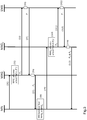
- FIG. 2 depicts an overview of the arrangement according to one aspect of the invention.
- MAG 1 may allocate a local prefix (e.g. P 1 ) for the MN and also communicate this prefix to the LMA (step 21 & 22).
- a local prefix is a prefix anchored at a MAG.
- a MN may configure one of its interfaces by using the prefix, e.g. prefix + an interface identifier. Through that interface, the MN may access Internet without routing through the LMA.
- the prefix may be stored in the Binding Cache of the LMA or other network entity, such as a DHCP (Dynamic Host Configuration Protocol) server.
- the Binding Cache and the DHCP server may be standalone network entity respectively or integrated into LMA due to performance reasons.
- the DHCP server may support both DHCPv4 and DHCPv6.
- Valid lifetime indicates the length of time an address or a prefix remains in the valid state (i.e., the time until invalidation). The valid lifetime must be greater than or equal to the preferred lifetime. When the valid lifetime expires, the address becomes invalid. Invalid addresses may not appear as the destination or source address of a packet. In case an invalid address is used as a destination address, the Internet routing system will be unable to deliver the packet. If it is used as a source address, the recipient of the packet will be unable to respond.
- Preferred lifetime is the length of time that a valid address or prefix is preferred (i.e., the time until deprecation). When the preferred lifetime expires, the address becomes deprecated.
- a deprecated address may no longer be used as a source address in new communications, but packets sent from or to deprecated addresses are delivered as expected.
- a deprecated address may continue to be used as a source address in communications where switching to a preferred address causes hardship to a specific upper-layer activity (e.g., an existing TCP connection).
- MAG 2 When the MN roams at step 24, it may initiate another attach request to MAG 2 which is located in Domain 2 (step 25).
- MAG 2 may allocate another local prefix (e.g. P 2 ) anchored at MAG 2 for the MN and also communicate the new local prefix to LMA.
- LMA may replace P 1 by P 2 in the Binding Cache entry.
- MAG 2 may provide the new prefix P 2 to MN and inform the MN to use the new local prefix P 2 and deprecate P 1 by setting preferred lifetime to be 0.
- the MN may configure one of its interfaces by using the new prefix so that it may access e.g. public Internet via MAG 2 without going through the LMA.
- a temporary tunnel may be established between MAG 1 and MAG 2 so that the reverse traffic (with respect to the data sent out when the previous P 1 was in use) heading for MAG 1 may still be routed to MAG 2 .
- such temporary tunnel may allow data traffic designating an IPv6 address comprising the old prefix reach the MN under the new MAG 2 as long as the valid lifetime of the old prefix is still valid.
- SLAAC Stateless Address Autoconfiguration Protocol
- DHCPv6 Dynamic Host Configuration Protocol v6
- the use of either protocol may depend on system level configuration.
- a LMA may comprise a DHCP server.
- the DHCP server may be a standalone entity.
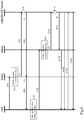
- Figure 3 describes the signalling flow when Stateless Address Autoconfiguration Protocol (SLAAC) is used for local prefix management according to one embodiment of the invention.
- SLAAC Stateless Address Autoconfiguration Protocol
- a MN may initiate a request comprising its identifier to MAG 1 at step 31.
- MAG 1 e.g.
- the request may be sent via a layer 2 attach message.
- MAG 1 may allocate a first local prefix (e.g. P 1 ) for the MN at step 32 and set valid lifetime and preferred lifetime for the prefix according to its local configuration.
- MAG 1 may also generate a MN-ID in PMIPv6 domain for the MN.
- MN-ID is associated with the identifier of the MN obtained at radio access layer (at step 31).
- a short valid lifetime means frequent router advertisement update for a MN, which could increase the battery consumption in a wireless/cellular environment (due to the fact the MN may not be able to operate in power saving mode). If battery consumption of a MN is of utmost importance, valid lifetime may be increased to a higher value at the expenses of making the temporary local prefix invalidation time longer. Longer prefix invalidation time implies a longer period where P 1 may still be used under the MAG 2 , however, traffic using P 1 may be dropped as it topologically belongs to domain where MAG 1 is located.
- MAG 1 may inform LMA the MN-ID, the first local prefix (e.g. P 1 ) and the used valid lifetime at step 33.
- LMA may check if there is already an entry with respect to the MN-ID and if not, it may store these information either by itself in the binding cache or in another network entity, e.g. when binding cache is a standalone entity (step 34).
- a response comprising the stored information and HNP may be sent from LMA to MAG 1 (step 35).
- MAG 1 may detect that the received prefix is the first local prefix (P 1 ) which was sent to the LMA (step 36).
- MAG 1 may send a message comprising HNP, the first local prefix together with its attributes valid lifetime and preferred lifetime to the MN at step 37.
- a router advertisement (RA) message according to RFC4862 may be used for sending the message.
- the M-flag in the RA message may be set to 0 indicating MN that SLAAC is used for address configuration.
- the local prefix e.g. P 1
- PIO Prefix Information Option
- A-flag field in RA message may be set to 1 in order to indicate that the MN may use the prefix for stateless address autoconfiguration.
- the MN may roam at step 38.
- a handover may be performed at radio access layer so that the MN may be connected with MAG 2 after initiating another request comprising an identifier of the MN to MAG 2 at step 39.
- MAG 2 may be located in a different domain (e.g. Domain 2) than MAG 1 (e.g. Domain 1).
- MAG 2 may allocate a second local prefix (e.g. P 2 ) for the MN and set valid lifetime, used valid lifetime and preferred lifetime for the second local prefix (step 310), similar to step 32.
- MAG 2 may also generate a MN-ID in PMIPv6 domain for the MN.
- MN-ID is associated with the identifier of the MN obtained at radio access layer (at step 39). With respect to the same MN, the generated MN-ID should be identical.
- the second local prefix (e.g. P 2 ) and the used valid lifetime are delivered to LMA at step 311.
- LMA may check if there is already an entry for the MN-ID. If so, it may replace the previous local prefix (e.g. P 1 ) by the new prefix (e.g. P 2 ) and previous used valid lifetime by the new used valid lifetime at step 312.
- LMA may send a response to MAG 2 comprising HNP, P 1 and its (i.e. the previous) used valid lifetime at step 313.
- RA router advertisement
- the local prefix may be added to Prefix Information Option (PIO) field of the RA message.
- PIO Prefix Information Option
- M-flags field in RA may be set to 0 in order to inform the MN that SLAAC is used for address configuration.
- A-flag field in RA message's PIO option may be set to 1 in order to indicate that the MN may use the said prefixes for stateless address autoconfiguration.
- the MN may use the new prefix (e.g. P 2 ) to form an IPv6 address on one of its interface.
- the MN may access public Internet via MAG 2 bypassing LMA after a handover is performed from MAG 1 to MAG 2 .
- Figure 4 describes the signalling flow when DHCPv6 is used for local prefix management according to another embodiment of the invention. Whether SLAAC or DHCPv6 is used is determined by configuration of a system comprising MAG and LMA. When DHCPv6 is used for address configuration, M-flags in a RA message sent by a MAG may be set to 1 and the RA message need not contain any PIO.
- Step 41- 43 are identical to step 31-33 except that valid lifetime may be set by MAG 1 to any proper value depending on the network configuration.
- LMA may check if there is already an entry with respect to the MN-ID and if not, it may store these information either by itself in a binding cache or in another network entity, e.g. DHCP server (step 44).
- LMA or DHCP server may construct an IPv6 address using the received prefix and set valid lifetime and preferred lifetime for the IPv6 address based on the received valid lifetime and preferred lifetime.
- the LMA/DHCP server may set a different value to valid lifetime, but it may not bigger than the received used valid lifetime.
- LMA or DHCP server may send a DHCP message comprising the constructed IPv6 address together with valid lifetime, preferred lifetime and HNP to MAG 1 (step 45).
- the DHCP server/LMA may include the required Identity Association (IA) options into the DHCP messages, IA_TA (Identity Association for Temporary Address) options for local prefixes and IA_NA (Identity Association for Non-temporary Address) for the HNP.
- IA TA Identity Association for Temporary Address
- IA_NA Identity Association for Non-temporary Address
- the presence of IA TA and IA_NA fields is an indication to the MN to use the provided prefix for address configuration.
- MAG 1 determines that the message from LMA/DHCP comprises one IPv6 address constructed by using the first local prefix, it may relay the message to the MN (step 46).
- Step 47 - 410 are identical to step 38 -311 in Fig.3 except that valid lifetime may be set by MAG 2 to any proper value depending on the network configuration.
- LMA or DHCP server may check if there is already an entry for the MN-ID. If so, it may replace the previous local prefix (e.g. P 1 ) by the new prefix (e.g. P 2 ) and construct two IPv6 addresses by using P 1 and P 2 respectively. LMA may also set a proper valid lifetime and preferred lifetime for P 2 and deprecate P 1 by setting both valid lifetime and preferred lifetime to 0. In DHCP case, the communication between the LMA/DHCP server and the MN is assumed to be secure as there is existing deployed methods to secure DHCP signalling, thus valid lifetime may also be set to 0.
- LMA or DHCP server may send a message comprising the two P 1 and HNP to MAG 2 .
- MAG 2 When MAG 2 determines that the local prefix contained in the message from LMA/DHCP server is not the same as the second local prefix (e.g. P 2 ), it may send a RA message without the PIO field to MN at step 413.
- the M-flag field in the RA message may be set to 1 in order to indicate that DHCP is used for address configuration.
- LMA or DHCP server may send a reconfigure message to MN via MAG 2 as MAG 2 only relays the message (step 416).
- the message may comprise IA (Identity Association) in the ORO (Option Request Option) field so that a DHCP peer may tell the other peer what kind of options it is interested in and supports.
- the LMA/DHCP server may inform the MN to reconfigure its IA option.
- MN may send a renew message comprising IA_TA (Identity Association for Temporary Address) option field to LMA or DHCP server via MAG 2 (step 415) .
- IA_TA Identity Association for Temporary Address
- LMA or DHCP server may send a reply message to MN via MAG 2 , wherein the message comprising HNP, two IPv6 addresses formed by P 1 and P 2 respectively and their associated valid lifetime and preferred lifetime (step 416).
- the IPv6 addresses formed by P 1 and P 2 may be inserted to IA_TA ,and HNP may be inserted to IA NA option field in DHCP reply message.
- IA_TA and IA_NA options indicates that the MN may use the provided prefix for configuring its interface.
- the MN and the LMA/DHCP server may communicate to each other directly in steps 414-416.
- MAG 2 may be connected with the MN and may relay the messages between the MN and the LMA/DHCP server.
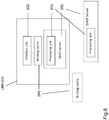
- Figure 5 describes a schematic block diagram of a MAG according to one aspect of the invention.
- a MAG (51) may comprise a first interface unit (52) configured to receive an attach request from a MN (e.g. step 31 in Fig.3 or step 41 in Fig.4 ).
- the MAG (51) may also comprise a processing unit (or a processing means) (54) configured to allocate a local prefix (e.g. P 1 or P 2 ) for a MN after receiving the attach request.
- Said processing unit may also generate a MN-ID in PMIPv6 domain for the MN.
- MN-ID is associated with the identifier of the MN obtained at radio access layer (at step 31 or 41).
- the MAG (51) may further comprise a second interface unit (53) configured to send a message comprising the allocated local prefix (e.g. P 1 or P 2 ) together with its associated used valid lifetime to a LMA or/and DHCP server.
- the second interface unit (53) may be configured to receive a response message from a LMA/DHCP server.
- SLAAC may be used for local prefix management.
- the response message received from a LMA may comprise a HNP, a local prefix (e.g. P 1 or P 2 ) associated with the MN-ID and its used valid lifetime (e.g. step 33 or 311 in Fig.3 ).
- the processing unit may be configured to send a message comprising the allocated local prefix and its associated valid lifetime and preferred lifetime to the MN (e.g. step 37 in Fig.3 )
- the processing unit may be configured to send a message comprising both prefixes, i.e. the received one (e.g. P 1 ) and the allocated one (e.g. P 2 ), to the MN.
- the received one e.g. P 1
- the local prefix may be added to Prefix Information Option (PIO) field of the RA message.
- PIO Prefix Information Option
- A-flag filed in RA message should be set to 1 in order to indicate that the MN may use the prefix for stateless address autoconfiguration.
- the M-flag in a RA may be set to 0.
- DHCP may be used for local prefix management.
- the response message received from a LMA/DHCP server may comprise a HNP, one IPv6 address comprising a local prefix associated with the MN-ID and its attributes (e.g. valid lifetime and preferred lifetime ) (e.g. step 45 in Fig.4 ). If the processing unit determines that the local prefix is identical to the one previously sent to LMA/DHCP server (e.g. in step 43 in Fig.4 ) , the processing unit may be configured to relay the message to the MN.
- the processing unit may be configured to send a RA message without PIO field to the MN (e.g. step 413).
- Figure 6 describes a schematic block diagram illustrating a LMA according to another aspect of the invention.
- a LMA (61) may comprise a binding cache (64) configured to store information received from a network entity such as a MAG.
- the binding cache (64) may be a standalone entity.
- the LMA may comprise an interface unit (62) configured to receive a message (e.g. step 33 & 311 in Fig.3 or step 43 & 410 in Fig.4 ) comprising a MN-ID, a local prefix (e.g. P 1 or P 2 ) allocated for the MN of the MN-ID and its associated attribute used valid lifetime from a MAG.
- the LMA may further comprise a processing unit (or a processing means) (63) configured to check if there is already an entry regarding the MN-ID in the binding cache upon receiving the message.
- said processing unit (63) may be configured to set up the entry for the MN-ID, otherwise, said processing unit may be configured to replace the exiting prefix (e.g. P 1 ) by the newly received prefix (e.g. P 2 ) in the binding cache if the received local prefix is not the same as the one stored in the binding cache (64).
- said processing unit may be configured to replace the exiting prefix (e.g. P 1 ) by the newly received prefix (e.g. P 2 ) in the binding cache if the received local prefix is not the same as the one stored in the binding cache (64).
- SLAAC may be used for local prefix management. If no entry regarding a received MN-ID is found in the binding cache, the processing unit may be configured to send a message comprising the received the MN-ID, the prefix (e.g. P 1 or P 2 ) and the attribute used valid lifetime to the MAG (e.g. step 35 in Fig.3 ). If there is already an entry in the binding cache and the received local prefix (e.g. P 2 ), with respect to the MN-ID, is not the same as the one stored (e.g. P 1 ) in the binding cache, said processing unit may be configured to send a message comprising the previous local prefix (e.g. P 1 ) and its associated used valid lifetime to the MAG (e.g. step 313 in Fig.3 ).
- the processing unit may be configured to send a message comprising the previous local prefix (e.g. P 1 ) and its associated used valid lifetime to the MAG (e.g. step 313 in Fig.3 ).
- DHCPv6 may be used for local prefix management. If no entry regarding a received MN-ID is found in the binding cache, the processing unit (63) may be configured to set the valid lifetime and preferred lifetime for the received prefix based on the received used valid lifetime. The valid lifetime may be set to a different value than used valid lifetime but it may not bigger than used valid lifetime. The preferred lifetime may be bigger than 0 but smaller than valid lifetime. The processing unit may be configured to send a message comprising the received HNP, an IPv6 address comprising the received prefix (e.g. P 1 ) and the valid lifetime and preferred lifetime to the MAG (e.g. step 45 in Fig.4 ).
- said processing unit may be configured to set the attributes valid lifetime and preferred lifetime for the received prefix (e.g. P 2 ) based on the received used valid lifetime and to deprecate the previous prefix (e.g. P 1 ) by setting both its valid lifetime and preferred lifetime to 0.
- Said processing unit may be configured to send a message comprising two IPv6 addresses formed with the previous (e.g. P 1 ) and received local prefix (e.g. P 2 ) respectively and their associated attributes (e.g.
- the IPv6 address may be inserted to IA TA optional field of IA field of DHCP reply message.
- IA_TA option implies that the MN may use the prefix for configuring its interface.
- Said processing unit may be configured to send a reconfigure message to the MN directly (e.g. step 414 in Fig.4 ) and said interface unit may be configured to receive a renew message from the MN directly (e.g. step 415 in Fig.4 ).
- Said processing unit may be located in the DHCP server as well according to different embodiment of the invention.
Landscapes
- Engineering & Computer Science (AREA)
- Computer Networks & Wireless Communication (AREA)
- Signal Processing (AREA)
- Databases & Information Systems (AREA)
- Data Exchanges In Wide-Area Networks (AREA)
- Mobile Radio Communication Systems (AREA)
Claims (18)
- Un procédé au niveau d'une passerelle d'accès mobile IPv6 mobile de mandataire comprenant
la réception d'une demande (31; 41) à partir d'un noeud (MN), l'obtention, en fonction de la demande reçue, d'un identifiant pertinent vis-à-vis dudit noeud,
l'attribution d'un premier préfixe local (P1) ancré au niveau de la passerelle d'accès mobile IPv6 mobile de mandataire (51),
le réglage d'une première horloge indiquant une durée pendant laquelle le premier préfixe local ou une adresse comprenant le premier préfixe local est valide,
le réglage d'une deuxième horloge indiquant une durée pendant laquelle le premier préfixe local ou l'adresse comprenant le premier préfixe local est préféré lorsque le premier préfixe local ou l'adresse est valide et après laquelle le premier préfixe local ou l'adresse est déprécié de sorte qu'il ne puisse plus être utilisé en tant qu'adresse source dans de nouvelles communications, et
l'envoi d'un premier message (33; 43) comprenant ledit identifiant, ledit premier préfixe local et ladite première horloge à un élément de réseau (61). - Le procédé selon la revendication 1, comprenant en outre la réception d'un message en réponse (313; 412) comprenant un deuxième préfixe local (P2) et une troisième horloge indiquant une durée pendant laquelle le deuxième préfixe local ou une adresse comprenant le deuxième préfixe local est valide,
la détermination (314) si ledit deuxième préfixe local (P2) est identique au premier préfixe local (P1),
dans le cas où ledit deuxième préfixe local (P2) est identique au premier préfixe local (P1),
l'envoi au noeud (MN) d'un deuxième message comprenant le premier préfixe local (P1), la première horloge, la deuxième horloge et une indication d'utilisation du préfixe pour une configuration d'adresse,
dans le cas où le deuxième préfixe local (P2) est différent du premier préfixe local (P1),
le réglage d'une quatrième horloge indiquant une durée pendant laquelle le deuxième préfixe local (P2) ou l'adresse comprenant le deuxième préfixe local (P2) est préféré lorsque le deuxième préfixe local (P2) ou l'adresse est valide sur 0,
l'envoi d'un deuxième message (315) comprenant le premier préfixe local (P1), la première horloge, la deuxième horloge, le deuxième préfixe local (P2), la troisième horloge, la quatrième horloge et une indication d'utilisation d'un préfixe pour une configuration d'adresse au noeud (MN). - Le procédé selon la revendication 1, comprenant en outre la réception, à partir dudit élément de réseau (61), d'un message en réponse (313) comprenant un deuxième préfixe local (P2), une troisième horloge indiquant une durée pendant laquelle le deuxième préfixe local (P2) ou une adresse comprenant le deuxième préfixe local (P2) est valide et une indication d'utilisation d'un préfixe pour une configuration d'adresse,
la détermination (314) si ledit deuxième préfixe local (P2) est identique au premier préfixe local (P1),
dans le cas où ledit deuxième préfixe local (P2) est identique au premier préfixe local (P1),
l'envoi du message en réponse reçu au noeud (MN),
dans le cas où le deuxième préfixe local (P2) est différent du premier préfixe local (P1),
l'envoi d'un message d'annonce de routeur au noeud. - Un procédé comprenant
la réception, à partir d'une entité de réseau (51), d'un message (33; 43) comprenant un identifiant pertinent vis-à-vis d'un noeud, un premier préfixe local (P1) ancré au niveau de l'entité de réseau (51) et une première horloge indiquant une durée pendant laquelle le premier préfixe local (P1) ou une adresse comprenant le premier préfixe local (P1) est valide,
la détermination si une entrée associée à l'identifiant existe ou non,
dans le cas où l'entrée n'existe pas,
la conservation en mémoire (34; 44) des informations reçues, l'envoi d'une réponse (35) à l'entité de réseau (51) de façon à permettre à l'entité de réseau de fournir le premier préfixe local (P1), la première horloge, une deuxième horloge indiquant une durée pendant laquelle le premier préfixe local ou l'adresse comprenant le premier préfixe local est préféré lorsque le premier préfixe local ou l'adresse est valide et après laquelle le premier préfixe local ou l'adresse est déprécié de sorte qu'il ne puisse plus être utilisé en tant qu'adresse source dans de nouvelles communications, et une indication d'utilisation du préfixe pour une configuration d'adresse à un noeud. - Le procédé selon la revendication 4, comprenant en outre, dans le cas où l'entrée existe, ladite entrée comprenant un deuxième préfixe local (P2) ancré au niveau de l'entité de réseau (51) et une troisième horloge indiquant une durée pendant laquelle le deuxième préfixe local ou une adresse comprenant le deuxième préfixe local est valide,
le remplacement du deuxième préfixe local (P2) et de la troisième horloge par le premier préfixe local (P1) et la première horloge. - Le procédé selon la revendication 5, dans lequel ledit procédé est mis en oeuvre au moyen d'un protocole d'autoconfiguration d'adresse sans état, ledit procédé comprenant en outre
l'envoi d'un message (311) comprenant le deuxième préfixe local (P2) et la troisième horloge. - Le procédé selon la revendication 5, dans lequel ledit procédé est mis en oeuvre au moyen d'un protocole de configuration d'hôte dynamique v6, ledit procédé comprenant en outre l'envoi d'un message (410) comprenant le deuxième préfixe local (P2) .
- Le procédé selon la revendication 7, comprenant en outre le réglage d'une deuxième horloge indiquant une durée pendant laquelle le premier préfixe local (P1) ou l'adresse comprenant le premier préfixe local (P1) est préféré lorsque le premier préfixe local ou l'adresse est valide,
le réglage d'une quatrième horloge indiquant une durée pendant laquelle le deuxième préfixe local ou l'adresse comprenant le deuxième préfixe local est préféré lorsque le deuxième préfixe local ou l'adresse est valide sur 0,
le réglage de la troisième horloge sur 0,
l'envoi d'un message en réponse comprenant la première horloge, la deuxième horloge, la troisième horloge, la quatrième horloge, le premier et le deuxième préfixe local et une indication d'utilisation d'un préfixe pour une configuration d'adresse au noeud. - Un élément de réseau (51) comprenant une unité de traitement (54), une première unité d'interface (52) et une deuxième unité d'interface (53), dans lequel,
ladite première unité d'interface est configurée de façon à recevoir une demande (31; 41) à partir d'un noeud (MN),
ladite unité de traitement est configurée de façon à obtenir, en fonction de la demande reçue, un identifiant pertinent vis-à-vis dudit noeud (MN),
attribuer un premier préfixe local (P1) ancré au niveau de l'élément de réseau (51),
régler une première horloge indiquant une durée pendant laquelle le premier préfixe local ou une adresse comprenant le premier préfixe local est valide,
régler une deuxième horloge indiquant une durée pendant laquelle le premier préfixe local ou l'adresse comprenant le premier préfixe local est préféré lorsque le premier préfixe local ou l'adresse est valide et après laquelle le premier préfixe local ou l'adresse est déprécié de sorte qu'il ne puisse plus être utilisé en tant qu'adresse source dans de nouvelles communications, et
envoyer un premier message (33; 43) comprenant ledit identifiant, ledit premier préfixe local et ladite première horloge à un élément de réseau (61) par l'intermédiaire de la deuxième unité d'interface. - L'élément de réseau (51) selon la revendication 9, dans lequel ladite deuxième unité d'interface (53) est configurée de façon à recevoir un message en réponse (313; 412) comprenant un deuxième préfixe local (P2) et une troisième horloge indiquant une durée pendant laquelle le deuxième préfixe local (P2) ou une adresse comprenant le deuxième préfixe local (P2) est valide, ladite unité de traitement (54) est configurée en outre de façon à déterminer si ledit deuxième préfixe local (P2) est identique au premier préfixe local (P1),
dans le cas où ledit deuxième préfixe local est identique au premier préfixe local (P1), ladite unité de traitement (54) est configurée de façon à envoyer au noeud (MN) un deuxième message comprenant le premier préfixe local, la première horloge, la deuxième horloge et une indication d'utilisation du préfixe pour une configuration d'adresse par l'intermédiaire de ladite première unité d'interface (52),
dans le cas où le deuxième préfixe local est différent du premier préfixe local (P1),
ladite unité de traitement est configurée de façon à régler une quatrième horloge indiquant une durée pendant laquelle le deuxième préfixe local (P2) ou l'adresse comprenant le deuxième préfixe local (P2) est préféré lorsque le deuxième préfixe local ou l'adresse est valide sur 0, et
envoyer un deuxième message (315) comprenant le premier préfixe local (P1), la première horloge, la deuxième horloge, le deuxième préfixe local (P2), la troisième horloge, la quatrième horloge et une indication d'utilisation d'un préfixe pour une configuration d'adresse au noeud (MN) par l'intermédiaire de ladite première unité d'interface (52). - L'élément de réseau (51) selon la revendication 9, dans lequel
ladite deuxième unité d'interface (53) est configurée de façon à recevoir, à partir dudit élément de réseau (61), un message en réponse (313) comprenant un deuxième préfixe local (P2), une troisième horloge indiquant une durée pendant laquelle le deuxième préfixe local (P2) ou une adresse comprenant le deuxième préfixe local (P2) est valide et une indication d'utilisation d'un préfixe pour une configuration d'adresse, ladite unité de traitement est configurée en outre de façon à déterminer (314) si ledit deuxième préfixe local (P2) est identique au premier préfixe local (P1),
dans le cas où ledit deuxième préfixe local (P2) est identique au premier préfixe local (P1), ladite unité de traitement est configurée de façon à envoyer le message en réponse reçu au noeud (MN) par l'intermédiaire de ladite première unité d'interface, dans le cas où le deuxième préfixe local (P2) est différent du premier préfixe local (P1),
ladite unité de traitement est configurée de façon à envoyer un message d'annonce de routeur au noeud (MN) par l'intermédiaire de ladite première unité d'interface (52). - Un serveur (61) comprenant une unité de traitement (63), une unité d'interface (62) et une base de données, dans lequel, ladite unité d'interface (62) est configurée de façon à recevoir, à partir d'une entité de réseau (51), un message (33; 43) comprenant un identifiant pertinent vis-à-vis d'un noeud, un premier préfixe local (P1) ancré au niveau de l'entité de réseau (51) et une première horloge indiquant une durée pendant laquelle le premier préfixe local (P1) ou une adresse comprenant le premier préfixe local (P1) est valide,
ladite unité de traitement (63) est configurée de façon à déterminer si une entrée associée à l'identifiant existe ou non, dans le cas où l'entrée n'existe pas,
ladite base de données est configurée de façon à conserver en mémoire les informations reçues,
ladite unité de traitement est configurée de façon à envoyer une réponse (35) à l'entité de réseau (51) de façon à permettre à l'entité de réseau (51) de fournir le premier préfixe local (P1), la première horloge, une deuxième horloge indiquant une durée pendant laquelle le premier préfixe local (P1) ou l'adresse comprenant le premier préfixe local (P1) est préféré lorsque le premier préfixe local (P1) ou l'adresse est valide et après laquelle le premier préfixe local ou l'adresse est déprécié de sorte qu'il ne puisse plus être utilisé en tant qu'adresse source dans de nouvelles communications, à l'entité de réseau (51) par l'intermédiaire de ladite unité d'interface (62). - Le serveur (61) selon la revendication 12, dans lequel dans le cas où l'entrée existe et ladite entrée comprend un deuxième préfixe local (P2) ancré au niveau de l'entité de réseau (51) et une troisième horloge indiquant une durée pendant laquelle le deuxième préfixe local ou une adresse comprenant le deuxième préfixe local est valide, ladite unité de traitement est configurée de façon à remplacer le deuxième préfixe local (P2) et la troisième horloge par le premier préfixe local (P2) et la première horloge.
- Le serveur (61) selon la revendication 13, dans lequel ledit serveur est configuré de façon à mettre en oeuvre un protocole d'autoconfiguration d'adresse sans état, ladite unité de traitement (63) est configurée en outre de façon à envoyer un message (311) comprenant le deuxième préfixe local (P2) et la troisième horloge à l'entité de réseau par l'intermédiaire de ladite unité d'interface (62).
- Le serveur selon la revendication 13, dans lequel ledit serveur est configuré de façon à mettre en oeuvre un protocole de configuration d'hôte dynamique, ladite unité de traitement est configurée en outre de façon à envoyer un message (410) comprenant le deuxième préfixe local (P2) par l'intermédiaire de ladite unité d'interface (62).
- Le serveur (61) selon la revendication 15, dans lequel ladite unité de traitement (63) est configurée en outre de façon à
régler une deuxième horloge indiquant une durée pendant laquelle le premier préfixe local (P1) ou l'adresse comprenant le premier préfixe local (P1) est préféré lorsque le premier préfixe local ou l'adresse est valide,
régler une quatrième horloge indiquant une durée pendant laquelle le deuxième préfixe local ou l'adresse comprenant le deuxième préfixe local est préféré lorsque le deuxième préfixe local ou l'adresse est valide sur 0,
régler la troisième horloge sur 0, et
envoyer un message en réponse comprenant la première horloge, la deuxième horloge, la troisième horloge, la quatrième horloge, le premier et le deuxième préfixe local et une indication d'utilisation d'un préfixe pour une configuration d'adresse au noeud par l'intermédiaire de ladite unité d'interface (62). - Un produit de programme informatique comprenant :une partie de code logiciel lorsqu'exécutée au moyen d'un processeur destinée à la réception d'une demande (31; 41) à partir d'un noeud (MN),une partie de code logiciel lorsqu'exécutée au moyen d'un processeur destinée à l'obtention, en fonction de la demande reçue, d'un identifiant pertinent vis-à-vis dudit noeud,une partie de code logiciel lorsqu'exécutée au moyen d'un processeur destinée à l'attribution d'un premier préfixe local (P1) ancré au niveau d'une passerelle d'accès mobile IPv6 mobile de mandataire,une partie de code logiciel lorsqu'exécutée au moyen d'un processeur destinée au réglage d'une première horloge indiquant une durée pendant laquelle le premier préfixe local (P1) ou une adresse comprenant le premier préfixe local (P1) est valide,une partie de code logiciel lorsqu'exécutée au moyen d'un processeur destinée au réglage d'une deuxième horloge indiquant une durée pendant laquelle le premier préfixe local (P1) ou l'adresse comprenant le premier préfixe local (P1) est préféré lorsque le premier préfixe local (P1) ou l'adresse est valide et après laquelle le premier préfixe local ou l'adresse est déprécié de sorte qu'il ne puisse plus être utilisé en tant qu'adresse source dans de nouvelles communications, etune partie de code logiciel destinée à l'envoi d'un premier message (33; 43) comprenant ledit identifiant, ledit premier préfixe local et ladite première horloge à un élément de réseau (61) .
- Un produit de programme informatique comprenant :une partie de code logiciel lorsqu'exécutée au moyen d'un processeur destinée à la réception, à partir d'une entité de réseau (51), d'un message (33; 43) comprenant un identifiant pertinent vis-à-vis d'un noeud, un premier préfixe local (P1) ancré au niveau de l'entité de réseau (51) et une première horloge indiquant une durée pendant laquelle le premier préfixe local (P1) ou une adresse comprenant le premier préfixe local (P1) est valide,une partie de code logiciel lorsqu'exécutée au moyen d'un processeur destinée à la détermination si une entrée associée à l'identifiant existe ou non,dans le cas où l'entrée n'existe pas,une partie de code logiciel lorsqu'exécutée au moyen d'un processeur destinée à la conservation en mémoire (34; 44) des informations reçues,une partie de code logiciel lorsqu'exécutée au moyen d'un processeur destinée à l'envoi d'une réponse (35) à l'entité de réseau (51) de façon à permettre à l'entité de réseau de fournir le premier préfixe local (P1), la première horloge, une deuxième horloge indiquant une durée pendant laquelle le premier préfixe local ou l'adresse comprenant le premier préfixe local est préféré lorsque le premier préfixe local ou l'adresse est valide et après laquelle le premier préfixe local ou l'adresse est déprécié de sorte qu'il ne puisse plus être utilisé en tant qu'adresse source dans de nouvelles communications, et une indication d'utilisation du préfixe pour une configuration d'adresse à un noeud.
Applications Claiming Priority (1)
| Application Number | Priority Date | Filing Date | Title |
|---|---|---|---|
| PCT/EP2011/057735 WO2012155944A1 (fr) | 2011-05-13 | 2011-05-13 | Appareil et procédé de routage dans un réseau |
Publications (2)
| Publication Number | Publication Date |
|---|---|
| EP2708012A1 EP2708012A1 (fr) | 2014-03-19 |
| EP2708012B1 true EP2708012B1 (fr) | 2018-07-04 |
Family
ID=46026783
Family Applications (1)
| Application Number | Title | Priority Date | Filing Date |
|---|---|---|---|
| EP11719268.2A Not-in-force EP2708012B1 (fr) | 2011-05-13 | 2011-05-13 | Procédés d'attribution de préfixes et élément de réseau, serveur et produits programme d'ordinateur correspondants |
Country Status (3)
| Country | Link |
|---|---|
| US (1) | US9986425B2 (fr) |
| EP (1) | EP2708012B1 (fr) |
| WO (2) | WO2012155944A1 (fr) |
Families Citing this family (13)
| Publication number | Priority date | Publication date | Assignee | Title |
|---|---|---|---|---|
| CN102843441B (zh) * | 2011-06-24 | 2017-02-22 | 华为技术有限公司 | 控制地址配置方式的方法和设备 |
| TW201703490A (zh) * | 2011-11-29 | 2017-01-16 | 內數位專利控股公司 | Ip姨動性管理方法、裝置及系統 |
| FR2987540B1 (fr) * | 2012-02-28 | 2016-05-13 | Commissariat Energie Atomique | Methode et systeme de gestion de la mobilite d'un reseau mobile |
| JP6078876B2 (ja) * | 2013-02-13 | 2017-02-15 | パナソニックIpマネジメント株式会社 | 無線通信システム、無線機器及びそのアドレス設定方法 |
| US9271197B2 (en) * | 2013-05-22 | 2016-02-23 | Futurewei Technologies, Inc. | System and method for distributed evolved packet core architecture |
| US10986551B2 (en) * | 2013-10-11 | 2021-04-20 | Universiti Putra Malaysia | Method for managing a low latency handover for mobile host seamless mobility |
| RU2669582C2 (ru) | 2014-05-30 | 2018-10-12 | Хуавэй Текнолоджиз Ко., Лтд. | Способ и устройство смены пути услуги |
| US10512001B2 (en) | 2015-08-17 | 2019-12-17 | Lg Electronics Inc. | Method for rearranging gateway and method for generating dedicated bearer |
| FR3041846A1 (fr) * | 2015-09-29 | 2017-03-31 | Orange | Technique de gestion d'une adresse dans un reseau local |
| CN105554178B (zh) * | 2015-12-31 | 2019-07-19 | 上海华为技术有限公司 | 一种地址分配的方法、网关及系统 |
| CN106411743B (zh) * | 2016-11-14 | 2019-08-20 | 锐捷网络股份有限公司 | 一种报文处理的方法和装置 |
| CN108848100B (zh) * | 2018-06-27 | 2020-10-20 | 清华大学 | 一种有状态IPv6地址生成方法及装置 |
| US11929850B2 (en) * | 2021-03-31 | 2024-03-12 | Fortinet, Inc. | Dynamic elimination of old IPv6 addresses from WLAN/BYOD/IOT devices INDHCPv6 stateless mode after transitioning between VLANs |
Family Cites Families (15)
| Publication number | Priority date | Publication date | Assignee | Title |
|---|---|---|---|---|
| KR100579834B1 (ko) * | 2003-10-20 | 2006-05-15 | 삼성전자주식회사 | 모바일 애드혹 네트워크에서 ip 사이트로컬 프리픽스풀을 이용한 주소 할당방법 |
| US7542458B2 (en) * | 2003-11-25 | 2009-06-02 | Qualcomm Incorporated | Method and apparatus for efficiently using air-link resources to maintain IP connectivity for intermittently active wireless terminals |
| KR100637076B1 (ko) * | 2005-01-12 | 2006-10-23 | 삼성전기주식회사 | 최적의 이진탐색트리를 이용한 태그식별자 충돌 방지 방법및 시스템 |
| EP2107726A1 (fr) * | 2007-02-27 | 2009-10-07 | Panasonic Corporation | Procédé de communication, système de communication, n ud mobile, n ud de serveur mandataire et n ud de gestion |
| US8483174B2 (en) * | 2007-04-20 | 2013-07-09 | Qualcomm Incorporated | Method and apparatus for providing gateway relocation |
| EP2236002B1 (fr) * | 2008-01-14 | 2018-06-27 | Alcatel-Lucent USA Inc. | Procédé, élément de réseau et système de communication pour détecter une adresse dupliquée |
| US20100316035A1 (en) * | 2008-02-12 | 2010-12-16 | Panasonic Corporation | Position information management device, network edge device, and mobile terminal |
| US8788826B1 (en) * | 2008-06-06 | 2014-07-22 | Marvell International Ltd. | Method and apparatus for dynamically allocating a mobile network prefix to a mobile terminal |
| CN101448252B (zh) * | 2008-06-20 | 2011-03-16 | 中兴通讯股份有限公司 | 网络切换实现方法及系统以及移动节点 |
| JPWO2010010693A1 (ja) * | 2008-07-23 | 2012-01-05 | パナソニック株式会社 | 垂直ハンドオフ方法、垂直ハンドオフシステム、ホームエージェント及びモバイルノード |
| EP2320604B1 (fr) * | 2008-08-26 | 2016-09-28 | Alcatel Lucent | Procédé et dispositif pour transférer un paquet dans un noeud d'accès ipv6 |
| US8676999B2 (en) * | 2008-10-10 | 2014-03-18 | Futurewei Technologies, Inc. | System and method for remote authentication dial in user service (RADIUS) prefix authorization application |
| WO2011009493A1 (fr) | 2009-07-24 | 2011-01-27 | Nokia Siemens Networks Oy | Procédé et dispositif permettant d'acheminer un trafic dans un système basé sur un protocole proxy mobile ip |
| US8457025B2 (en) * | 2009-08-28 | 2013-06-04 | Telefonaktiebolaget L M Ericsson (Publ) | Method and network node for selecting a network prefix to be advertised in a communication network |
| US8832238B2 (en) * | 2011-09-12 | 2014-09-09 | Microsoft Corporation | Recording stateless IP addresses |
-
2011
- 2011-05-13 EP EP11719268.2A patent/EP2708012B1/fr not_active Not-in-force
- 2011-05-13 US US14/116,805 patent/US9986425B2/en active Active
- 2011-05-13 WO PCT/EP2011/057735 patent/WO2012155944A1/fr not_active Ceased
-
2012
- 2012-04-19 WO PCT/EP2012/057123 patent/WO2012156171A1/fr not_active Ceased
Non-Patent Citations (1)
| Title |
|---|
| None * |
Also Published As
| Publication number | Publication date |
|---|---|
| US9986425B2 (en) | 2018-05-29 |
| WO2012155944A1 (fr) | 2012-11-22 |
| US20140098812A1 (en) | 2014-04-10 |
| WO2012156171A1 (fr) | 2012-11-22 |
| EP2708012A1 (fr) | 2014-03-19 |
Similar Documents
| Publication | Publication Date | Title |
|---|---|---|
| EP2708012B1 (fr) | Procédés d'attribution de préfixes et élément de réseau, serveur et produits programme d'ordinateur correspondants | |
| EP1260113B1 (fr) | Gestion de la mobilite hierarchique pour des reseaux sans fil | |
| US7746873B2 (en) | Communication processing system, communication processing method, communication terminal, data transfer controller, and program | |
| US9307477B1 (en) | Apparatus and method for interfacing wireless client device to multiple packet data networks | |
| US20100268804A1 (en) | Address allocation method, address allocation system, mobile node, and proxy node | |
| JP2002261806A (ja) | 通信処理システム、通信処理方法、および通信端末装置、並びにプログラム | |
| WO2007101640A1 (fr) | Configuration rapide d'un routeur par défaut pour un noeud mobile dans un système de communication mobile | |
| WO2009116246A1 (fr) | Procédé de communication, système de communication, nœud mobile, routeur d'accès | |
| CN100525299C (zh) | 在外地分组数据网络中针对移动节点执行绑定过程的装置和方法 | |
| EP2536071B1 (fr) | Procédé, système, serveur de mappage de transfert et routeur d'accès pour le contrôle des communications mobiles | |
| CN101448237B (zh) | 移动ip中家乡链路的发现方法 | |
| US7788405B2 (en) | Method for automatic configuration of prefixes at maps in HMIPv6 | |
| CN102204394A (zh) | 移交方法以及在该方法中使用的移动终端和归属代理 | |
| JP4902634B2 (ja) | 移動通信システムにおけるハンドオーバーのための移動性管理プロトコル情報の移動端末への提供方法 | |
| WO2006104202A1 (fr) | Procede de controle de communication, noeud de gestion d’adresses, et noeud mobile | |
| WO2003069872A1 (fr) | Decouverte d'un agent ou d'un serveur dans un reseau sous protocole ip | |
| CN103249026B (zh) | 一种PMIPv6中支持HNP重编号的方法 | |
| US20090119412A1 (en) | Support for avoidance of unnecessary tunneling | |
| US20150009977A1 (en) | Method and system for managing the mobility of a mobile network | |
| GB2400269A (en) | Method of handoff in a packet-switched data communication network | |
| WO2007112806A1 (fr) | Transfert efficace d'un noeud mobile a l'intérieur d'un réseau disposant de plusieurs points d'ancrage | |
| CN100479599C (zh) | 基于网络的本地移动性管理系统及方法 | |
| KR101037531B1 (ko) | 무선 인터넷 시스템에서 통신 상태 정보를 이용한 소프트핸드오버 방법 | |
| CN102170628B (zh) | 实现无固定锚点切换的Wimax系统及其切换方法 | |
| CN103781189A (zh) | Andsf信息的获取方法及装置 |
Legal Events
| Date | Code | Title | Description |
|---|---|---|---|
| PUAI | Public reference made under article 153(3) epc to a published international application that has entered the european phase |
Free format text: ORIGINAL CODE: 0009012 |
|
| 17P | Request for examination filed |
Effective date: 20131213 |
|
| AK | Designated contracting states |
Kind code of ref document: A1 Designated state(s): AL AT BE BG CH CY CZ DE DK EE ES FI FR GB GR HR HU IE IS IT LI LT LU LV MC MK MT NL NO PL PT RO RS SE SI SK SM TR |
|
| DAX | Request for extension of the european patent (deleted) | ||
| STAA | Information on the status of an ep patent application or granted ep patent |
Free format text: STATUS: EXAMINATION IS IN PROGRESS |
|
| 17Q | First examination report despatched |
Effective date: 20161214 |
|
| GRAP | Despatch of communication of intention to grant a patent |
Free format text: ORIGINAL CODE: EPIDOSNIGR1 |
|
| STAA | Information on the status of an ep patent application or granted ep patent |
Free format text: STATUS: GRANT OF PATENT IS INTENDED |
|
| RIC1 | Information provided on ipc code assigned before grant |
Ipc: H04W 80/04 20090101ALN20171221BHEP Ipc: H04L 29/12 20060101AFI20171221BHEP Ipc: H04W 8/26 20090101ALI20171221BHEP Ipc: H04L 12/741 20130101ALI20171221BHEP |
|
| INTG | Intention to grant announced |
Effective date: 20180109 |
|
| GRAS | Grant fee paid |
Free format text: ORIGINAL CODE: EPIDOSNIGR3 |
|
| GRAA | (expected) grant |
Free format text: ORIGINAL CODE: 0009210 |
|
| STAA | Information on the status of an ep patent application or granted ep patent |
Free format text: STATUS: THE PATENT HAS BEEN GRANTED |
|
| AK | Designated contracting states |
Kind code of ref document: B1 Designated state(s): AL AT BE BG CH CY CZ DE DK EE ES FI FR GB GR HR HU IE IS IT LI LT LU LV MC MK MT NL NO PL PT RO RS SE SI SK SM TR |
|
| REG | Reference to a national code |
Ref country code: GB Ref legal event code: FG4D |
|
| REG | Reference to a national code |
Ref country code: CH Ref legal event code: EP |
|
| REG | Reference to a national code |
Ref country code: AT Ref legal event code: REF Ref document number: 1015723 Country of ref document: AT Kind code of ref document: T Effective date: 20180715 |
|
| REG | Reference to a national code |
Ref country code: IE Ref legal event code: FG4D |
|
| REG | Reference to a national code |
Ref country code: DE Ref legal event code: R096 Ref document number: 602011049739 Country of ref document: DE |
|
| REG | Reference to a national code |
Ref country code: NL Ref legal event code: MP Effective date: 20180704 |
|
| REG | Reference to a national code |
Ref country code: LT Ref legal event code: MG4D |
|
| REG | Reference to a national code |
Ref country code: AT Ref legal event code: MK05 Ref document number: 1015723 Country of ref document: AT Kind code of ref document: T Effective date: 20180704 |
|
| PG25 | Lapsed in a contracting state [announced via postgrant information from national office to epo] |
Ref country code: NL Free format text: LAPSE BECAUSE OF FAILURE TO SUBMIT A TRANSLATION OF THE DESCRIPTION OR TO PAY THE FEE WITHIN THE PRESCRIBED TIME-LIMIT Effective date: 20180704 |
|
| PG25 | Lapsed in a contracting state [announced via postgrant information from national office to epo] |
Ref country code: CZ Free format text: LAPSE BECAUSE OF FAILURE TO SUBMIT A TRANSLATION OF THE DESCRIPTION OR TO PAY THE FEE WITHIN THE PRESCRIBED TIME-LIMIT Effective date: 20180704 Ref country code: BG Free format text: LAPSE BECAUSE OF FAILURE TO SUBMIT A TRANSLATION OF THE DESCRIPTION OR TO PAY THE FEE WITHIN THE PRESCRIBED TIME-LIMIT Effective date: 20181004 Ref country code: AT Free format text: LAPSE BECAUSE OF FAILURE TO SUBMIT A TRANSLATION OF THE DESCRIPTION OR TO PAY THE FEE WITHIN THE PRESCRIBED TIME-LIMIT Effective date: 20180704 Ref country code: GR Free format text: LAPSE BECAUSE OF FAILURE TO SUBMIT A TRANSLATION OF THE DESCRIPTION OR TO PAY THE FEE WITHIN THE PRESCRIBED TIME-LIMIT Effective date: 20181005 Ref country code: IS Free format text: LAPSE BECAUSE OF FAILURE TO SUBMIT A TRANSLATION OF THE DESCRIPTION OR TO PAY THE FEE WITHIN THE PRESCRIBED TIME-LIMIT Effective date: 20181104 Ref country code: RS Free format text: LAPSE BECAUSE OF FAILURE TO SUBMIT A TRANSLATION OF THE DESCRIPTION OR TO PAY THE FEE WITHIN THE PRESCRIBED TIME-LIMIT Effective date: 20180704 Ref country code: LT Free format text: LAPSE BECAUSE OF FAILURE TO SUBMIT A TRANSLATION OF THE DESCRIPTION OR TO PAY THE FEE WITHIN THE PRESCRIBED TIME-LIMIT Effective date: 20180704 Ref country code: NO Free format text: LAPSE BECAUSE OF FAILURE TO SUBMIT A TRANSLATION OF THE DESCRIPTION OR TO PAY THE FEE WITHIN THE PRESCRIBED TIME-LIMIT Effective date: 20181004 Ref country code: PL Free format text: LAPSE BECAUSE OF FAILURE TO SUBMIT A TRANSLATION OF THE DESCRIPTION OR TO PAY THE FEE WITHIN THE PRESCRIBED TIME-LIMIT Effective date: 20180704 Ref country code: FI Free format text: LAPSE BECAUSE OF FAILURE TO SUBMIT A TRANSLATION OF THE DESCRIPTION OR TO PAY THE FEE WITHIN THE PRESCRIBED TIME-LIMIT Effective date: 20180704 Ref country code: SE Free format text: LAPSE BECAUSE OF FAILURE TO SUBMIT A TRANSLATION OF THE DESCRIPTION OR TO PAY THE FEE WITHIN THE PRESCRIBED TIME-LIMIT Effective date: 20180704 |
|
| PG25 | Lapsed in a contracting state [announced via postgrant information from national office to epo] |
Ref country code: LV Free format text: LAPSE BECAUSE OF FAILURE TO SUBMIT A TRANSLATION OF THE DESCRIPTION OR TO PAY THE FEE WITHIN THE PRESCRIBED TIME-LIMIT Effective date: 20180704 Ref country code: ES Free format text: LAPSE BECAUSE OF FAILURE TO SUBMIT A TRANSLATION OF THE DESCRIPTION OR TO PAY THE FEE WITHIN THE PRESCRIBED TIME-LIMIT Effective date: 20180704 Ref country code: AL Free format text: LAPSE BECAUSE OF FAILURE TO SUBMIT A TRANSLATION OF THE DESCRIPTION OR TO PAY THE FEE WITHIN THE PRESCRIBED TIME-LIMIT Effective date: 20180704 Ref country code: HR Free format text: LAPSE BECAUSE OF FAILURE TO SUBMIT A TRANSLATION OF THE DESCRIPTION OR TO PAY THE FEE WITHIN THE PRESCRIBED TIME-LIMIT Effective date: 20180704 |
|
| REG | Reference to a national code |
Ref country code: DE Ref legal event code: R097 Ref document number: 602011049739 Country of ref document: DE |
|
| PG25 | Lapsed in a contracting state [announced via postgrant information from national office to epo] |
Ref country code: IT Free format text: LAPSE BECAUSE OF FAILURE TO SUBMIT A TRANSLATION OF THE DESCRIPTION OR TO PAY THE FEE WITHIN THE PRESCRIBED TIME-LIMIT Effective date: 20180704 Ref country code: EE Free format text: LAPSE BECAUSE OF FAILURE TO SUBMIT A TRANSLATION OF THE DESCRIPTION OR TO PAY THE FEE WITHIN THE PRESCRIBED TIME-LIMIT Effective date: 20180704 Ref country code: RO Free format text: LAPSE BECAUSE OF FAILURE TO SUBMIT A TRANSLATION OF THE DESCRIPTION OR TO PAY THE FEE WITHIN THE PRESCRIBED TIME-LIMIT Effective date: 20180704 |
|
| PLBE | No opposition filed within time limit |
Free format text: ORIGINAL CODE: 0009261 |
|
| STAA | Information on the status of an ep patent application or granted ep patent |
Free format text: STATUS: NO OPPOSITION FILED WITHIN TIME LIMIT |
|
| PG25 | Lapsed in a contracting state [announced via postgrant information from national office to epo] |
Ref country code: SM Free format text: LAPSE BECAUSE OF FAILURE TO SUBMIT A TRANSLATION OF THE DESCRIPTION OR TO PAY THE FEE WITHIN THE PRESCRIBED TIME-LIMIT Effective date: 20180704 Ref country code: DK Free format text: LAPSE BECAUSE OF FAILURE TO SUBMIT A TRANSLATION OF THE DESCRIPTION OR TO PAY THE FEE WITHIN THE PRESCRIBED TIME-LIMIT Effective date: 20180704 Ref country code: SK Free format text: LAPSE BECAUSE OF FAILURE TO SUBMIT A TRANSLATION OF THE DESCRIPTION OR TO PAY THE FEE WITHIN THE PRESCRIBED TIME-LIMIT Effective date: 20180704 |
|
| 26N | No opposition filed |
Effective date: 20190405 |
|
| PGFP | Annual fee paid to national office [announced via postgrant information from national office to epo] |
Ref country code: DE Payment date: 20190430 Year of fee payment: 9 |
|
| PG25 | Lapsed in a contracting state [announced via postgrant information from national office to epo] |
Ref country code: SI Free format text: LAPSE BECAUSE OF FAILURE TO SUBMIT A TRANSLATION OF THE DESCRIPTION OR TO PAY THE FEE WITHIN THE PRESCRIBED TIME-LIMIT Effective date: 20180704 |
|
| PGFP | Annual fee paid to national office [announced via postgrant information from national office to epo] |
Ref country code: GB Payment date: 20190508 Year of fee payment: 9 |
|
| REG | Reference to a national code |
Ref country code: CH Ref legal event code: PL |
|
| PG25 | Lapsed in a contracting state [announced via postgrant information from national office to epo] |
Ref country code: LI Free format text: LAPSE BECAUSE OF NON-PAYMENT OF DUE FEES Effective date: 20190531 Ref country code: MC Free format text: LAPSE BECAUSE OF FAILURE TO SUBMIT A TRANSLATION OF THE DESCRIPTION OR TO PAY THE FEE WITHIN THE PRESCRIBED TIME-LIMIT Effective date: 20180704 Ref country code: CH Free format text: LAPSE BECAUSE OF NON-PAYMENT OF DUE FEES Effective date: 20190531 |
|
| REG | Reference to a national code |
Ref country code: BE Ref legal event code: MM Effective date: 20190531 |
|
| PG25 | Lapsed in a contracting state [announced via postgrant information from national office to epo] |
Ref country code: LU Free format text: LAPSE BECAUSE OF NON-PAYMENT OF DUE FEES Effective date: 20190513 |
|
| PG25 | Lapsed in a contracting state [announced via postgrant information from national office to epo] |
Ref country code: TR Free format text: LAPSE BECAUSE OF FAILURE TO SUBMIT A TRANSLATION OF THE DESCRIPTION OR TO PAY THE FEE WITHIN THE PRESCRIBED TIME-LIMIT Effective date: 20180704 |
|
| PG25 | Lapsed in a contracting state [announced via postgrant information from national office to epo] |
Ref country code: IE Free format text: LAPSE BECAUSE OF NON-PAYMENT OF DUE FEES Effective date: 20190513 |
|
| PG25 | Lapsed in a contracting state [announced via postgrant information from national office to epo] |
Ref country code: BE Free format text: LAPSE BECAUSE OF NON-PAYMENT OF DUE FEES Effective date: 20190531 |
|
| PG25 | Lapsed in a contracting state [announced via postgrant information from national office to epo] |
Ref country code: PT Free format text: LAPSE BECAUSE OF FAILURE TO SUBMIT A TRANSLATION OF THE DESCRIPTION OR TO PAY THE FEE WITHIN THE PRESCRIBED TIME-LIMIT Effective date: 20181105 Ref country code: FR Free format text: LAPSE BECAUSE OF NON-PAYMENT OF DUE FEES Effective date: 20190531 |
|
| REG | Reference to a national code |
Ref country code: DE Ref legal event code: R119 Ref document number: 602011049739 Country of ref document: DE |
|
| GBPC | Gb: european patent ceased through non-payment of renewal fee |
Effective date: 20200513 |
|
| PG25 | Lapsed in a contracting state [announced via postgrant information from national office to epo] |
Ref country code: GB Free format text: LAPSE BECAUSE OF NON-PAYMENT OF DUE FEES Effective date: 20200513 |
|
| PG25 | Lapsed in a contracting state [announced via postgrant information from national office to epo] |
Ref country code: CY Free format text: LAPSE BECAUSE OF FAILURE TO SUBMIT A TRANSLATION OF THE DESCRIPTION OR TO PAY THE FEE WITHIN THE PRESCRIBED TIME-LIMIT Effective date: 20180704 Ref country code: DE Free format text: LAPSE BECAUSE OF NON-PAYMENT OF DUE FEES Effective date: 20201201 |
|
| PG25 | Lapsed in a contracting state [announced via postgrant information from national office to epo] |
Ref country code: MT Free format text: LAPSE BECAUSE OF FAILURE TO SUBMIT A TRANSLATION OF THE DESCRIPTION OR TO PAY THE FEE WITHIN THE PRESCRIBED TIME-LIMIT Effective date: 20180704 Ref country code: HU Free format text: LAPSE BECAUSE OF FAILURE TO SUBMIT A TRANSLATION OF THE DESCRIPTION OR TO PAY THE FEE WITHIN THE PRESCRIBED TIME-LIMIT; INVALID AB INITIO Effective date: 20110513 |
|
| PG25 | Lapsed in a contracting state [announced via postgrant information from national office to epo] |
Ref country code: MK Free format text: LAPSE BECAUSE OF FAILURE TO SUBMIT A TRANSLATION OF THE DESCRIPTION OR TO PAY THE FEE WITHIN THE PRESCRIBED TIME-LIMIT Effective date: 20180704 |