EP2709657B1 - Compositions de vaccins thermostables et leurs procédés de préparation - Google Patents
Compositions de vaccins thermostables et leurs procédés de préparation Download PDFInfo
- Publication number
- EP2709657B1 EP2709657B1 EP12786638.2A EP12786638A EP2709657B1 EP 2709657 B1 EP2709657 B1 EP 2709657B1 EP 12786638 A EP12786638 A EP 12786638A EP 2709657 B1 EP2709657 B1 EP 2709657B1
- Authority
- EP
- European Patent Office
- Prior art keywords
- vaccine
- freezing
- adjuvant
- dried
- aluminum
- Prior art date
- Legal status (The legal status is an assumption and is not a legal conclusion. Google has not performed a legal analysis and makes no representation as to the accuracy of the status listed.)
- Active
Links
Images






Classifications
-
- A—HUMAN NECESSITIES
- A61—MEDICAL OR VETERINARY SCIENCE; HYGIENE
- A61K—PREPARATIONS FOR MEDICAL, DENTAL OR TOILETRY PURPOSES
- A61K39/00—Medicinal preparations containing antigens or antibodies
-
- A—HUMAN NECESSITIES
- A61—MEDICAL OR VETERINARY SCIENCE; HYGIENE
- A61K—PREPARATIONS FOR MEDICAL, DENTAL OR TOILETRY PURPOSES
- A61K39/00—Medicinal preparations containing antigens or antibodies
- A61K39/02—Bacterial antigens
- A61K39/07—Bacillus
-
- A—HUMAN NECESSITIES
- A61—MEDICAL OR VETERINARY SCIENCE; HYGIENE
- A61K—PREPARATIONS FOR MEDICAL, DENTAL OR TOILETRY PURPOSES
- A61K47/00—Medicinal preparations characterised by the non-active ingredients used, e.g. carriers or inert additives; Targeting or modifying agents chemically bound to the active ingredient
- A61K47/06—Organic compounds, e.g. natural or synthetic hydrocarbons, polyolefins, mineral oil, petrolatum or ozokerite
- A61K47/08—Organic compounds, e.g. natural or synthetic hydrocarbons, polyolefins, mineral oil, petrolatum or ozokerite containing oxygen, e.g. ethers, acetals, ketones, quinones, aldehydes, peroxides
- A61K47/12—Carboxylic acids; Salts or anhydrides thereof
-
- A—HUMAN NECESSITIES
- A61—MEDICAL OR VETERINARY SCIENCE; HYGIENE
- A61K—PREPARATIONS FOR MEDICAL, DENTAL OR TOILETRY PURPOSES
- A61K47/00—Medicinal preparations characterised by the non-active ingredients used, e.g. carriers or inert additives; Targeting or modifying agents chemically bound to the active ingredient
- A61K47/06—Organic compounds, e.g. natural or synthetic hydrocarbons, polyolefins, mineral oil, petrolatum or ozokerite
- A61K47/16—Organic compounds, e.g. natural or synthetic hydrocarbons, polyolefins, mineral oil, petrolatum or ozokerite containing nitrogen, e.g. nitro-, nitroso-, azo-compounds, nitriles, cyanates
- A61K47/18—Amines; Amides; Ureas; Quaternary ammonium compounds; Amino acids; Oligopeptides having up to five amino acids
- A61K47/183—Amino acids, e.g. glycine, EDTA or aspartame
-
- A—HUMAN NECESSITIES
- A61—MEDICAL OR VETERINARY SCIENCE; HYGIENE
- A61K—PREPARATIONS FOR MEDICAL, DENTAL OR TOILETRY PURPOSES
- A61K47/00—Medicinal preparations characterised by the non-active ingredients used, e.g. carriers or inert additives; Targeting or modifying agents chemically bound to the active ingredient
- A61K47/06—Organic compounds, e.g. natural or synthetic hydrocarbons, polyolefins, mineral oil, petrolatum or ozokerite
- A61K47/26—Carbohydrates, e.g. sugar alcohols, amino sugars, nucleic acids, mono-, di- or oligo-saccharides; Derivatives thereof, e.g. polysorbates, sorbitan fatty acid esters or glycyrrhizin
-
- A—HUMAN NECESSITIES
- A61—MEDICAL OR VETERINARY SCIENCE; HYGIENE
- A61K—PREPARATIONS FOR MEDICAL, DENTAL OR TOILETRY PURPOSES
- A61K9/00—Medicinal preparations characterised by special physical form
- A61K9/0012—Galenical forms characterised by the site of application
- A61K9/0019—Injectable compositions; Intramuscular, intravenous, arterial, subcutaneous administration; Compositions to be administered through the skin in an invasive manner
-
- A—HUMAN NECESSITIES
- A61—MEDICAL OR VETERINARY SCIENCE; HYGIENE
- A61K—PREPARATIONS FOR MEDICAL, DENTAL OR TOILETRY PURPOSES
- A61K9/00—Medicinal preparations characterised by special physical form
- A61K9/14—Particulate form, e.g. powders, Processes for size reducing of pure drugs or the resulting products, Pure drug nanoparticles
- A61K9/19—Particulate form, e.g. powders, Processes for size reducing of pure drugs or the resulting products, Pure drug nanoparticles lyophilised, i.e. freeze-dried, solutions or dispersions
-
- A—HUMAN NECESSITIES
- A61—MEDICAL OR VETERINARY SCIENCE; HYGIENE
- A61P—SPECIFIC THERAPEUTIC ACTIVITY OF CHEMICAL COMPOUNDS OR MEDICINAL PREPARATIONS
- A61P31/00—Antiinfectives, i.e. antibiotics, antiseptics, chemotherapeutics
- A61P31/04—Antibacterial agents
-
- A—HUMAN NECESSITIES
- A61—MEDICAL OR VETERINARY SCIENCE; HYGIENE
- A61K—PREPARATIONS FOR MEDICAL, DENTAL OR TOILETRY PURPOSES
- A61K39/00—Medicinal preparations containing antigens or antibodies
- A61K2039/555—Medicinal preparations containing antigens or antibodies characterised by a specific combination antigen/adjuvant
- A61K2039/55505—Inorganic adjuvants
-
- A—HUMAN NECESSITIES
- A61—MEDICAL OR VETERINARY SCIENCE; HYGIENE
- A61K—PREPARATIONS FOR MEDICAL, DENTAL OR TOILETRY PURPOSES
- A61K39/00—Medicinal preparations containing antigens or antibodies
- A61K2039/555—Medicinal preparations containing antigens or antibodies characterised by a specific combination antigen/adjuvant
- A61K2039/55511—Organic adjuvants
- A61K2039/55572—Lipopolysaccharides; Lipid A; Monophosphoryl lipid A
-
- A—HUMAN NECESSITIES
- A61—MEDICAL OR VETERINARY SCIENCE; HYGIENE
- A61K—PREPARATIONS FOR MEDICAL, DENTAL OR TOILETRY PURPOSES
- A61K39/00—Medicinal preparations containing antigens or antibodies
- A61K2039/57—Medicinal preparations containing antigens or antibodies characterised by the type of response, e.g. Th1, Th2
- A61K2039/572—Medicinal preparations containing antigens or antibodies characterised by the type of response, e.g. Th1, Th2 cytotoxic response
-
- A—HUMAN NECESSITIES
- A61—MEDICAL OR VETERINARY SCIENCE; HYGIENE
- A61K—PREPARATIONS FOR MEDICAL, DENTAL OR TOILETRY PURPOSES
- A61K39/00—Medicinal preparations containing antigens or antibodies
- A61K2039/57—Medicinal preparations containing antigens or antibodies characterised by the type of response, e.g. Th1, Th2
- A61K2039/575—Medicinal preparations containing antigens or antibodies characterised by the type of response, e.g. Th1, Th2 humoral response
Definitions
- the present invention relates generally to the field of dried vaccine compositions. More specifically, to methods of producing dried vaccine compositions bound to adjuvant and containing immunostimulatory molecules.
- Vaccines containing recombinant proteins benefit from or absolutely require an adjuvant to elicit an immune response.
- An adjuvant to elicit an immune response.
- Singh and O'Hagan 1999 Advances in vaccine adjuvants, Nat Biotechnol 17(11): 1075-81 ; and O'Hagan et al., 2001, Recent developments in adjuvants for vaccines against infectious diseases, Biomol Eng 18(3): 69-85 ).
- Aluminum-salt adjuvants are currently the most widely used adjuvants for general use in humans because of the extensive history of safe use in vaccines administered to children and adults.
- the only adjuvants currently appearing in FDA-approved vaccines are the aluminum salt adjuvants, aluminum hydroxide and aluminum phosphate.
- Aluminum-salt adjuvants enhance the immunogenicity of vaccines and cause significant improvements in the outcomes of vaccination by reducing the dose level of protein in vaccine, elevating the titers of protective antibodies, and reducing the need for annual vaccination after a primary series of vaccination has been completed.
- there are significant limitations in the use of aluminum-salt adjuvants in many subunit vaccines based on recombinant proteins, peptides, and chemically synthesized vaccines include the general aspects of vaccine storage and stability, since vaccine containing aluminum adjuvants can be stored only within narrow temperature ranges, and cannot be frozen. Further limitations include the generally accepted view that aluminum adjuvants are relatively weak, do not foster the development of cellular immunity, and may favor the development of antibodies that are non-neutralizing in cases where neutralizing antibodies are necessary to block viral infections or impede the activity of biological toxins.
- the surface charge on the adjuvant also can be modified by surface exchange reactions with buffer salts such as phosphate, succinate, and citrate ( Hem and White, 1984, Characterization of aluminum hydroxide for use as an adjuvant in parenteral vaccines. J Parenter Sci Technol, 38(1): p. 2-10 ; Chang et al., 1997, Role of the electrostatic attractive force in the adsorption of proteins by aluminum hydroxide adjuvant. PDA J Pharm Sci Technol, 51(1): p. 25-9 ; and Rinella et al., 1996, Treatment of aluminium hydroxide adjuvant to optimize the adsorption of basic proteins. Vaccine, 14(4): p.
- buffer salts such as phosphate, succinate, and citrate
- a further proposed mechanism is that adjuvant serves as an immunostimulator and elicits Th2 cytokines ( Grun and Maurer 1989, Different T helper cell subsets elicited in mice utilizing two different adjuvant vehicles: the role of endogenous interleukin 1 in proliferative responses. Cell Immunol 121(1):134-145 ). Yet another proposed mechanism is that adjuvant destabilizes protein antigens on the surface of the adjuvant making them more susceptible to proteolytic degradation ( Jones et al., 2005, Effects of adsorption to aluminum salt adjuvants on the structure and stability of model protein antigens. J Biol Chem 280(14):13406-13414 ; and That et al., 2004. "Antigen stability controls antigen presentation" J. Biol. Chem. 279(48):50257-50266 ).
- Lyophilization is a process frequently utilized to improve long term stability of various protein preparations.
- vaccines formulated with aluminum-salt adjuvants are processed in an attempt to improve stability through freezing and lyophilization, a loss of potency occurs, where potency is a summation of the quality of the vaccine measurable by a series of tests that can include immunogenicity in animals, chemical degradation of protein antigen, denaturation of protein antigen, or loss of substituent immunogenic epitopes. Loss of potency is associated with loss of efficacy in humans. Previous studies have suggested that a freeze-dried vaccine product containing adjuvant cannot be produced due to aggregation of the adjuvant particles.
- Aluminum adjuvants have a point of zero charge (PZC) at a certain solution pH, but are charged at pHs above or below this value ( White and Hem, 2000, Characterization of aluminium-containing adjuvants, Dev Biol (Basel), 103:217-28 ). Selecting an optimal formulation pH is further complicated for a recombinant protein vaccine for which binding to aluminum salt adjuvants is generally required to obtain the desired immune response ( McInerney, Brennan et al., 1999, Analysis of the ability of five adjuvants to enhance immune responses to a chimeric plant virus displaying an HIV-1 peptide, Vaccine, 17:1359-68 ).
- PZC point of zero charge
- a solution pH is selected in which the protein and adjuvant have opposite charges.
- a solution pH that provides optimal protein stability may not allow for appropriate binding of the vaccine to adjuvants.
- a vaccine protein may have to be prepared at pH that is suboptimal for stability and lyophilized with appropriate stabilizing excipients to minimize degradation during long-term storage.
- Lyophilization of proteins to stabilize structure and activity for storage and reconstitution has been commonly applied to recombinant protein therapeutic proteins. This has been usually accomplished by freeze drying in the presence of disaccharides such as trehalose and other excipients that promote a glass state during process and storage. Proteins can be stored for long term as long as the product is stored below its glass transition temperature (T g ) above which the material transitions into a rubbery state. Excipients are thought to stabilize protein in the amorphous state through interactions of the stabilizer with specific sites substituting for water during drying and by simultaneously suppressing translational and rotational motions of the protein molecule ( ⁇ -relaxations) or portions of the molecule ( ⁇ -relaxations).
- T g glass transition temperature
- Drying technology has been less frequently applied to long term storage of vaccines, especially in the case of vaccines adsorbed to aluminum phosphate or aluminum hydroxide adjuvants. Very little data is available on the storage of dried vaccines under elevated temperature conditions, as most of the attempts to generate dried vaccines have been to obtain inhalable powders or preparations able to survive moderate excursions in temperature. For example, because the yellow fever vaccine is use primarily in tropical climates, lyophilization in the presence of stabilizers (lactose, sorbitol) has been used to preserve viability of the live virus vaccine ( Monath, 1996, Stability of yellow fever vaccine, Dev Biol Stand, 87:219-25 ).
- a lyophilized dried vaccine for the cattle disease rinderpest has also been developed and can be employed for up to a month after leaving the cold chain in African field conditions ( House and Mariner, 1996, Stabilization of rinderpest vaccine by modification of the lyophilization process, Dev Biol Stand, 87:235-44 ).
- formaldehyde As a stabilizer, small amounts of formaldehyde are occasionally added to vaccines, including the current AVA anthrax vaccine (Biothrax®), and may act by cross-linking proteins forming more immunogenic protein aggregates on the surface of aluminum crystals ( Little, Ivins et al., 2007, Effect of aluminum hydroxide adjuvant and formaldehyde in the formulation of rPA anthrax vaccine, Vaccine, 25:2771-7 ).
- Formaldehyde had been used historically as the stabilizer of choice in the older vaccines derived from culture supernatants, such as tetanus toxoid, botulinum toxoids, and others.
- the current AVA vaccine is labeled for 3 year stability, where stability is a function of a number of biochemical evaluations and potency. Although a moderate amount of stability can be achieved with liquid suspension vaccines, it is not likely that all stability parameters can be met for longer storage periods that are required for vaccines to be stockpiled and distributed.
- Linear B and T cell epitopes contained therein can be also affected by oxidation (of methionine and cysteine residues) and deamidation (especially of asparagine residues). pH is one of the most critical formulation variables governing stability of therapeutic proteins.
- Protein aggregation was minimized following lyophilization from a solution at pH greater than 6, although, deamidation occurred at an unacceptably high rate. Following lyophilization from a solution containing amounts of sucrose greater than 0.3 sucrose/protein mass ratio at pH 6.5, both destabilization pathways could be inhibited.
- interleukin-2 (IL-2) had significantly greater structural perturbation during freeze-drying at pH 7, which resulted in higher levels of aggregation after storage and rehydration than samples lyophilized from solutions at pH 5 ( Prestrelski, Pikal et al., 1995, Optimization of lyophilization conditions for recombinant human interleukin-2 by dried-state conformational analysis using Fourier-transform infrared spectroscopy, Pharm Res, 12:1250-9 ).
- sucrose to the pre-lyophilization solution formulation at pH 7 improved the stability of IL-2 during storage following lyophilization.
- Roser et al. have suggested lyophilization methods that will prevent aggregation of aluminum particles.
- Roser et al. U.S. Pat. No. 6,890,512 disclose a method of preventing gross aggregation during dehydration and rehydration of particulates in suspension by adding to a particulate suspension of aluminum hydroxide in excess of 15% (w/v) of trehalose.
- Trehalose alpha.-D-glucopyranosyl-alpha-D-glucopyranoside, is a naturally occurring disaccharide responsible for protection of plant cells from desiccation.
- Trehalose has been shown to prevent denaturation of proteins during desiccation by forming sugar glasses that immobilize protein structure.
- Aluminum-salt adjuvants provide a well explored means to augment the immunogenicity of protein or peptide subunit vaccines.
- exploratory formulations to enhance vaccines have been developed as more potent alternative to aluminum-salts adjuvants, but are not currently available in FDA-licensed human vaccines.
- Formulations designed to enhance immune responses include a variety of compositions based on water-in-oil emulsions, oil-in-water emulsions, self-assembling macrostructures, cytokines, saponins, toll-like receptor agonists (TLR-4, TLR-5, and TLR-9), immunostimulatory double stranded RNA species, unmethylated DNA oligonucleotides, and polymeric microparticles and nanostructures. Many of these compositions are directed towards improving the immunogenicity of injected vaccines, and some variations can be applied to altering routes of delivery for intranasal or oral vaccination.
- bacterial DNA can be used because of direct immunostimulatory effects that activate lymphocytes. This is due to unmethylated CpG dinucleotides are present at the expected frequency in bacterial DNA but are under-represented and methylated in vertebrate DNA (Krieg et al., 1995). Activation may also be triggered by addition of synthetic oligodeoxynucleotides (ODN) that contain an unmethylated CpG dinucleotide in a particular sequence context. CpG DNA induces proliferation of almost all (>95%) B cells and increases immunoglobulin (Ig) secretion.
- ODN synthetic oligodeoxynucleotides
- B cell activation by CpG DNA is T cell independent and antigen non-specific.
- B cell activation by low concentrations of CpG DNA has strong synergy with signals delivered through the B cell antigen receptor for both B cell proliferation and Ig secretion (Krieg et al., 1995).
- This strong synergy between the B cell signaling pathways triggered through the B cell antigen receptor and by CpG DNA promotes antigen specific immune responses.
- CpG DNA In addition to its direct effects on B cells, CpG DNA also directly activates monocytes, macrophages, and dendritic cells to secrete a variety of cytokines, including high levels of IL-12 (Klinman et al., 1996; Halpern et al., 1996; Cowdery et al., 1996). These cytokines stimulate natural killer (NK) cells to secrete gamma-interferon (IFN-.gamma.-) and have increased lytic activity (Klinman et al., 1996, supra; Cowdery et al., 1996, supra; Yamamoto et al., 1992; Ballas et al., 1996).
- NK natural killer
- IFN-.gamma.- gamma-interferon
- CpG DNA induces a Th1 like pattern of cytokine production dominated by IL-12 and IFN-gamma with little secretion of Th2 cytokines (Klinman et al., 1996).
- Other molecules stimulate toll like receptors.
- flagellin the protein subunit comprising numerous bacterial flagella.
- Flagellin is a TLR-5 ligand and triggers at least one of the biological functions of antigen presenting cells upon such binding.
- Flagella are found on the surface of rod and spiral shaped bacteria, including members of the genera Escherichia, Salmonella, Proteus, Pseudomonas, Bacillus, Campylobacter, Vibrio, Treponema, Legionella, Clostridia, and Caulobacter.
- the conserved regions of flagellins are important for TLR5 binding, while the polymorphic central region can be deleted without affecting binding to TLR5.
- Flagellin sequences from numerous bacteria are available in the art, such as Genbank accession numbers D13689, YP.sub.--275549, YP.sub.-275550, AAU18718, AAU18717, ZP.sub.-00743095, EAO52626, YP.sub.--315348, AAT28337, AAT28336, AAT28335, AAT28334, AAT28333, AAZ36356, AAZ33167, AAZ94424, AAZ91670, NP.sub.--414908, BAD18052, and BAD18051.
- non toxic chemically synthesized or enzymatically modified derivatives of gram negative lipopolysaccharides are potent adjuvants and act by stimulating lymphocytes through TLR-4 binding and activation.
- monophosphoryl lipid A MPL is a derivative of the lipid A component of lipopolysaccharide and is a potent activator of pro-inflammatory cytokines.
- MPL and its chemically synthesized analogues are not toxic but induce a compendium of host proinflammatory cytokines including IL-1, IL-6, and TNF-alpha.
- adjuvants In addition, to enhance the immune response to subunits adsorbed to aluminum salts, it is likely that co-adjuvants will be required in order to generate effective antibody responses in humans after one or two doses.
- adjuvant compounds that are compatible with aluminum salts have been evaluated as adjuvants in recent years. Primarily these adjuvants include Monophosphoryl Lipid A (MPL) and QS-21, and CpG sequences.
- QS-21 has been evaluated in AlOH vaccines in humans and animal models with good evidence of tolerability and systemic safety.
- QS-21 is thought to bind to aluminum salts through ionic and hydrophobic interactions, as well as some part of it remaining in solution (in aqueous vaccines) in a micellar form.
- QS-21 is a saponin purified from tree bark with broad adjuvant effects to induce both antibody and cell mediated immunity. Though the mechanism is not understood, dose levels effective in conjunciton with human vaccines have been evaluated.
- QS-21 with aluminum has been evaluated in clinical studies and independent safety studies of QS-21 formulated with antigens have been studied.
- QS-21 has been associated with stinging at the site of injection (that resolves), with very little evidence of systemic side effects ( Waite, Jacobson et al., 2001, Three double-blind, randomized trials evaluating the safety and tolerance of different formulations of the saponin adjuvant QS-21, Vaccine, 19:3957-67 ). Several studies in humans have shown that QS-21 enhances responses to antigens that are adsorbed to aluminum.
- QS-21 The solution stability of QS-21 has been well studied under long term stability studies, and has shown that adjuvant active QS-21 (which actually consists of two isomeric forms) is highly stable in slightly acidic buffers for over 4 years, whereas less than 10 days at 40°C ( Kensil and Kammer, 1998, QS-21: a water-soluble triterpene glycoside adjuvant, Expert Opin Investig Drugs, 7:1475-82 ). QS-21 is stored as a dried powder and in that form is stable indefinitely.
- Ricin toxin is a 64 kDa protein produced by castor beans (Ricinus communis) ( Doan LG. Ricin: mechanism of toxicity, clinical manifestations, and vaccine development. A review. Journal of Toxicology - Clinical Toxicology 2004;42(2):201-8 ; Audi J, Belson M, Patel M, Schier J, Osterloh J. Ricin poisoning: a comprehensive review. JAMA 2005;294(18):2342-51 ).
- the holotoxin consists of two polypeptide chains (A and B) joined by a disulfide bond.
- the A chain (RTA) is a ribosome inactivating protein (RIP) that inhibits protein synthesis in mammalian cells.
- the B chain is a lectin that binds to galactose residues on the surface of cells. Once internalized by a cell, RTA translocates into the cytosol where it enzymatically inactivates 60S ribosomes ( Smallshaw, JE and Vitetta, ES, A lyophilized formulation of RiVax, a recombinant ricin subunit vaccine, retains immunogenicity. Vaccine 2010 March 11; 28(12): 2428-2435 ). A single molecule of RTA in the cytoplasm of a cell completely inhibits protein synthesis.
- ricin represents a potential agent for use in bioterrorism and is therefore classified by the Centers for Disease Control, Atlanta GA (CDC) as a level B biothreat.
- Ricin intoxication can be prevented in experimental animals by vaccination with toxoid or deglycosylated ricin A chain (dgRTA), or by passive immunization with anti-ricin antibodies.
- dgRTA deglycosylated ricin A chain
- the toxoid is considered to be too toxic for routine use in humans and dgRTA is difficult and expensive to produce, and also retains both active sites and could induce toxic side effects in humans.
- RiVax a recombinant RTA vaccine
- a recombinant RTA vaccine (RiVax) was developed (Smallshaw et al.).
- RiVax incorporated two point mutations, Y80A and V76M, to greatly reduce or eliminate both of its known toxicities, i.e. ribotoxicity and vascular leak-inducing ability.
- RiVax is non-toxic and immunogenic in mice, rabbits and humans ( Smallshaw JE, Firan A, Fulmer JR, Ruback SL, Ghetie V, Vitetta ES.
- a novel recombinant vaccine which protects mice against ricin intoxication.
- Such a model has been showed to yield positive results without much of the toxicity implicated with other vaccine models.
- Ricin is currently listed by NIAID and the Centers for Disease Control and Prevention (CDC) as a level B Biothreat agent ( Rotz, Khan et al., 2002, Public health assessment of potential biological terrorism agents, Emerging Infectious Diseases, 8:225-30 .).
- the vaccine candidate is based on a recombinant subunit vaccine against ricin toxin obtained by genetic inactivation of residues in the ricin toxin A chain (RTA) that are involved in well characterized activities of the molecule.
- RTA ricin toxin A chain
- This modified molecule is immunogenic in mice, rabbits, and humans and induces antibodies that neutralize the toxin or are involved with clearance of the toxin systemically or mucosally in each species.
- the isolated A and B subunit of ricin can be produced in E. coli and other recombinant hosts.
- the B chain is also a candidate for inclusion in a vaccine, but is considered less immunogenic and less protective than the A chain ( Maddaloni, Cooke et al., 2004, Immunological characteristics associated with the protective efficacy of antibodies to ricin, Journal of Immunology, 172:6221-8 ).
- ricin A chain is at least 1000-fold less toxic than the native ricin, it still retains enzymatic activity that may result in toxicity when used as a vaccine ( Thorpe, Detre et al., 1985, Modification of the carbohydrate in ricin with metaperiodate-cyanoborohydride mixtures. Effects on toxicity and in vivo distribution, European Journal of Biochemistry, 147:197-206 .).
- the endothelial binding site on RTA is implicated in the damage to isolated HUVEC cells and to the induction of vascular leak syndrome (VLS), which has been determined to be a dose limiting toxicity in the use of RTA-containing immunotoxins ( Smallshaw, Ghetie et al., 2003, Genetic engineering of an immunotoxin to eliminate pulmonary vascular leak in mice, Nature Biotechnology, 21:387-91 ).
- Tyrosine 80 is mutated to alanine in the enzymatic site and valine 76 is mutated to methionine in the vascular leak site to minimize any possible in endothelial cell damage. It is known now based on crystal structure data that this protein is identical in structure to native ricin A chain (RTA), indicating that the point mutations contained in the molecule do not disrupt any potential tertiary structure (or potential conformationally-dependent epitopes).
- RTA native ricin A chain
- Native PA is the dominant immunogen in AVA (anthrax vaccine adsorbed) and target for protective immunity in pre-exposure and post exposure prophylaxis as a single component vaccine.
- AVA anthrax vaccine adsorbed
- PA vaccines (2 nd generation), based on expression of native PA in avirulent B.
- anthracis have been advanced and tested in recent Phase I trials, and have been shown to be immunogenic in relationship to AVA ( Gorse, Keitel et al., 2006, Immunogenicity and tolerance of ascending doses of a recombinant protective antigen (rPA102) anthrax vaccine: a randomized, double-blinded, controlled, multicenter trial, Vaccine, 24:5950-9 ; Campbell, Clement et al., 2007, Safety, reactogenicity and immunogenicity of a recombinant protective antigen anthrax vaccine given to healthy adults, Hum Vaccin, 3:205-11 ).
- rPA102 recombinant protective antigen
- anthrax toxin is a tripartite toxin consisting of a set of three plasmid-encoded proteins expressed by B. anthracis: Protective Antigen (PA; 83 kDa), Lethal Factor (LF; 90 kDa) and Edema Factor (EF; 89 kDa).
- PA Protective Antigen
- LF Lethal Factor
- EF Edema Factor
- LF and EF are transported from the extracellular surface into the cytoplasm by the heptamerized PA where they act by enzymatically modifying molecular targets of mammalian cells.
- LF is a metalloprotease that cleaves and activates several mitogen-activated protein kinases (MAPK kinases) and EF is a calmodulin-dependent adenylate cyclase that causes a rapid increase in intracellular cAMP levels.
- MAPK kinases mitogen-activated protein kinases
- EF a calmodulin-dependent adenylate cyclase that causes a rapid increase in intracellular cAMP levels.
- the AVA vaccine is still the only vaccine for anthrax and the major move to improve on it is based on several perceived shortcomings: requirement for a 6-dose regimen in order to achieve solid immunity and the perception that it is unsafe and reactogenic , and that the preparative processing of AVA is crude and lacks consistency.
- PA is the major immunogen in AVA, it is not clear whether the small amounts of LF and EF that may be present in some lots contribute to the vaccine's effectiveness.
- a major factor in loss of immunogenicity of anthrax rPA involves accelerated deamidation on the adjuvant surface. This could be prevented by the presence of small amounts of phosphate to lower the surface pH.
- AVA or PA-based vaccines in general induce toxin neutralizing antibodies ( Pitt, Little et al., 1999, In vitro correlate of immunity in an animal model of inhalational anthrax, J Appl Microbiol, 87:304 ; Reuveny, White et al., 2001, Search for correlates of protective immunity conferred by anthrax vaccine, Infect Immun, 69:2888-93 ; Little, Ivins et al., 2004, Defining a serological correlate of protection in rabbits for a recombinant anthrax vaccine, Vaccine, 22:422-30 ).
- the mechanism underlying the protective action of PA-based vaccines is attributable to anti-PA antibodies that protect the host from intoxication and thus allow the immune system to deal with the organism, though PA vaccine is not designed to limit the onset of infection.
- WO 2008/118691 A and WO 00/53215 A also disclose a lyophilized vaccine composition.
- thermostable, immunologically-active freeze dried vaccine preparations which incorporates recombinant antigens to promote rapid onset of protective immunity.
- the disclosure provides a method of production of thermostable, freeze dried vaccine adjuvant-containing preparations.
- the disclosure further provides a method of production of thermostable, freeze dried vaccine preparations in which the vaccine antigens are recombinant antigens.
- the invention provides a method of preparing an immunologically-active adjuvant-bound dried vaccine composition, the method comprising: (a) providing aluminum hydroxide as aluminum salt adjuvant in a concentration of 1 mg/ml, at least one buffer system containing at least one volatile salt at 10 mM and at pH 6 selected from the group consisting of ammonium acetate, ammonium formate, ammonium carbonate, ammonium bicarbonate, at least one glass-forming agent consisting of trehalose in a weight-to-volume concentration of from about 5% to about 15%, and at least one antigen consisting of ricin toxin, and at least one TLR-4 agonists as an immunologically-active co-adjuvant selected from the group consisting of lipid A, lipid A derivatives, monophosphoryl lipid A; (b) combining (a) together to create a liquid vaccine formulation; (c) lyophilizing the liquid vaccine formulation in (b) where lyophilizing comprises steps of: i) freezing the liquid vaccine
- the invention provides a vaccine composition, comprising: (a) aluminum hydroxide as aluminum salt adjuvant in a concentration of 1 mg/ml, and at least one TLR-4 agonists as an immunologically-active co-adjuvant selected from the group consisting of lipid A, lipid A derivatives, monophosphoryl lipid A; (b) at least one buffering agent, wherein the at least one buffering agent comprises a volatile salt at 10mM and at pH 6 selected from the group consisting of ammonium acetate, ammonium formate, ammonium carbonate, ammonium bicarbonate; (c) at least one glass forming agent consisting of trehalose in a weight-to-volume concentration of from about 5% to about 15%; and (d) at least one antigen consisting of ricin toxin, wherein the composition is lyophilized to create a dried vaccine composition and further wherein the dried vaccine composition is capable of eliciting an immune response in a subject.
- a vaccine composition comprising: (a) aluminum hydro
- Trehalose dehydrate (high purity, low endotoxin) was obtained from Ferro Pfanstiehl (Cleveland, OH).
- Arginine, glycine, histidine, sodium citrate, and ammonium acetate were purchased from Sigma Chemical Company (St. Louis, MO).
- Aqueous solutions were prepared containing different concentrations of trehalose (0 - 15 w/v%). Unless otherwise noted, samples were prepared in 10 mM buffer (as indicated) at pH 6.0 and contained 1 mg/ml Al (as AlhydrogelTM). Samples were processed as one-ml aliquots. With the exception of the adjuvant, all aqueous solutions were passed through a 0.2 ⁇ m filter prior to formulation.
- Alhydrogel aluminum hydroxide
- Formulations without antigen were then prepared to determine if aggregation of particles occurred during freeze drying.
- Alhydrogel at a concentration of 1 mg Al/mL was combined in 10mM buffer (glycine, arginine, histidine, ammonium acetate, sodium citrate) at pH 6 with the stabilizer trehalose ranging from 0-12w/v%.
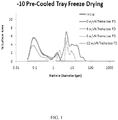
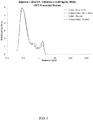
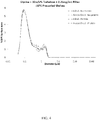
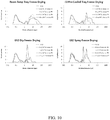
- formulations were freeze dried using four methods of freezing: Room Temperature Tray Freezing, -10°C Pre-cooled Tray Freezing, Liquid Nitrogen Dip Freezing, and Liquid Nitrogen Spray Freezing before primary and secondary drying. Protein was also added to formulations to see its effect on particle size after freeze drying and reconstitution. Particle size distributions in the range of 0.04-2000 ⁇ m were characterized by laser diffraction for each formulation.
- Tray-frozen and liquid N 2 -immersed samples were processed in 3-ml lyophilization vials, while the spray-frozen samples were processed in 5-ml lyophilization vials.
- Vials containing samples frozen using liquid N 2 were quickly transferred to the lyophilizer placed on lyophilizer shelves pre-cooled to -40 °C. Samples were spaced in the lyophilizer so that they were each separated from one another and were encircled with a row of vials containing water.
- PSD Particle size distributions
- Particle size analysis was done on the solutions before they were freeze dried as well as on the freeze dried samples reconstituted in 1 mL of DI water.
- Laser diffraction particle size analysis was done using a LS 230 instrument made by Beckman. For the analysis no sonication was done on the sample chamber.
- the model used for calculating particle size distributions used a solution refractive index of 1.33 and a sample refractive index of 1.57. Approximately 6 mL of sample was required to be added to filtered DI water in the analyzer before the reading was taken. For each run three ninety second averaged particle size distributions were taken. For each formulation three runs were taken.
- Particle size analysis was done on the solutions before they were freeze dried as well as on the freeze dried samples reconstituted in 1 mL of DI water.
- Laser diffraction particle size analysis was done using a LS 230 instrument made by Beckman. For the analysis no sonication was done on the sample chamber.
- the model used for calculating particle size distributions used a solution refractive index of 1.33 and a sample refractive index of 1.57. Approximately 6-7 mL of sample was required to be added to filtered DI water in the analyzer before the reading was taken. For each run three ninety second averaged particle size distributions were taken. For each formulation three runs were taken.
- Particle size analysis was done on the solutions before they were freeze dried as well as on the freeze dried samples reconstituted in 1 mL of DI water.
- Laser diffraction particle size analysis was done using a LS 230 instrument made by Beckman. For the analysis no sonication was done on the sample chamber.
- the model used for calculating particle size distributions used a solution refractive index of 1.33 and a sample refractive index of 1.57. Approximately 6 mL of sample was required to be added to filtered DI water in the analyzer before the reading was taken. For each run three ninety second averaged particle size distributions were taken. For each formulation two runs were taken.
- thermostable lyophilized ricin subunit vaccine was constructed and tested.
- Ricin A chain vaccine was used because it is subject to aggregation and denaturation in aqueous buffers and is prone to losses in structural integrity that affect immunogenicity and the induction of neutralizing antibodies involved in protection against ricin toxin exposure.
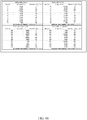
- a lyophilized ricin vaccine was prepared as follows. RTA dissolved in glycerol was dialyzed against 10 mM histidine buffer, pH 6.0 to remove glycerol ( Figure 11 ).
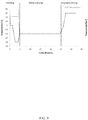
- the liquid suspension vaccine was placed into vials and subjected to lyophilization as described in Figure 10 to compare precooled freeze drying at -10 degrees C with vaccine at room temperature prior to initiating of the primary freeze drying cycle at -40°C.
- the dried vaccines were stored either at refrigeration temperature (4-8°C) or at elevated temperature (40-60°C).
- Samples from the stored lyophilized vaccine were withdrawn periodically and tested for structural integrity by assessment of binding of a diagnostic monoclonal antibody termed R70 ( Neal, O'Hara et al., 2010, A monoclonal immunoglobulin G antibody directed against an immunodominant linear epitope on the ricin A chain confers systemic and mucosal immunity to ricin, Infect Immun, 78:552-61 ).
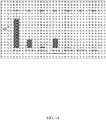
- vaccines were subjected to additional biophysical tests including the determination of intrinsic fluorescence diagnostic of tertiary structure of protein bound to aluminum, determination of residual water, and immunogenicity/potency in mice. Immunogenicity was determined by injecting Swiss Webster mice as below and determining total antibodies against the vaccine by ELISA and determination of ricin neutralizing antibodies. Mice were exposed to ricin toxin at day 35 by injection of 10 x LD50 dose of toxin and lethality was determined in the exposed animals. In addition, peptide scans were performed in which serum from vaccinated and control mice were assessed for response to overlapping peptides encompassing the RTA molecule. This was done to determine the immunodominant regions and their preservation during high and low temperature storage conditions. When control liquid vaccine was used to vaccinate mice 3x by intramuscular injection, incubation of the vaccine at 40°C for one month resulted in loss of immunogenicity and the ability to induce protective immunity ( Figure 14 ).
- each Swiss Webster mouse was bled three times and injected with a vaccine formulation twice. Before the initial injection mice were bled and then on day 0 injected with a vaccine formulation. The initial bleeding was necessary so that each mouse could be its own baseline. 21 days later the mice were bled and injected with a booster vaccine formulation. 35 days after the initial injection the mice were bled one last time. Before bleeding procedures the mice were anesthetized using is isofluorane inhalant. Blood was drawn from the retro-orbital venous sinus of the mice. A drop of proparacaine was put on the eye from which blood was drawn and then blood was collected using 50 ⁇ L capillary tubes. Approximately 100-200 ⁇ L of blood was drawn during each bleeding.
- Freeze dried formulations with RTA protein and placebo formulations without protein were created containing 1.0 mg Al/mL, 8 w/v% trehalose and 0.2 or 0 mg/mL rRTA in 10 mM histidine or ammonium acetate buffer pH 6, with either pre-cooling (PC) prior to lyophilization or room temperature incubation prior to lyophilization.
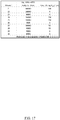
- Formulations were prepared by mixing with a stir bar at 4-8°C for 1 hour to allow protein to adsorb to Alhydrogel adjuvant. 1 mL of formulation was placed in a 3 mL glass vial and freeze dried as described in Table 4.
- Particle Size Analysis of Reconstituted Dried Vaccines Particle size analysis was done on the solutions before they were freeze dried as well as on the freeze dried samples reconstituted in 1 mL of deionized water.
- Laser diffraction particle size analysis was conducted using a LS 230 instrument made by Beckman. For the analysis no sonication was done on the sample chamber.
- the model used for calculating particle size distributions used a solution refractive index of 1.33 and a sample refractive index of 1.57. Approximately 6 mL of sample was required to be added to filtered DI water in the analyzer before the reading was taken. For each run three ninety second averaged particle size distributions were taken. For each formulation three runs were taken.
- the particle size distribution of the placebo stability study samples is being monitored over with using laser diffraction.
- the initial Time 0 liquid formulations all had similar particle size distributions and mean particle sizes based on surface area as can be seen in Table 5.
- formulations were Tray Freeze Dried from Room Temperature, an increase in particle size was seen.
- formulations were Tray Freeze Dried from -10°C Pre-Cooled Shelves, the particle size distribution stayed very similar to the initial particle size distribution.
- mice 5-6 weeks old were vaccinated with 50 ⁇ L of the indicated formulations containing 10 microgram of RTA protein subcutaneously on Day 0 and 20. Mice under anesthesia by isoflurane were bled through the retro orbital cavity collecting approximately 200 ⁇ L of blood on Day 0, 20 and 34. In each group 10 mice were used. Mice were housed 5 per cage and were allowed food and water all the time. Serum was separated from blood by centrifugation at 10,000 rpm for 14 minutes at 4°C.
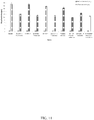
- Serum was initially diluted in a dilution buffer of PBS with 1% BSA and 0.05% Tween 20. 70 ⁇ L of sample was added to the starting well and then a seven in-plate 2.33-fold dilution was created for each sample. The plate was then incubated for 2 hours at room temperature. Plates were washed again. 40 ⁇ L of HRP-conjugated donkey anti-mouse antibody diluted 10,000 times was added to each well and incubated for 2 hours at room temperature. Plates were washed again. TMB was added to each well at 40 ⁇ L and incubated for 30 minutes. Stop solution of 2N sulfuric acid was added at 40 ⁇ L to each well. The plate was read at 450 nm. Endpoint dilution analysis of individual serum samples from vaccinated mice is shown in Figure 15 . The vaccines tested are abbreviated as follows:
- neutralizing titers decreased after storage of lyophilized RTA vaccine at 40°C for 1 month, in sera from mice that were given vaccine placed on a room temperature tray before freeze drying.
- vaccines made by precooling prior to freeze drying had better total and neutralizing anti-RTA titers than those immunized with liquid vaccine.
- Lyophilized RTA vaccines subjected to DSC analysis demonstrate a high glass transition temperature in excess of 100°C and lower than 0.5% water content (Karl Fischer analysis).
Landscapes
- Health & Medical Sciences (AREA)
- Life Sciences & Earth Sciences (AREA)
- Chemical & Material Sciences (AREA)
- Public Health (AREA)
- Veterinary Medicine (AREA)
- Medicinal Chemistry (AREA)
- Pharmacology & Pharmacy (AREA)
- Animal Behavior & Ethology (AREA)
- General Health & Medical Sciences (AREA)
- Epidemiology (AREA)
- Chemical Kinetics & Catalysis (AREA)
- Engineering & Computer Science (AREA)
- General Chemical & Material Sciences (AREA)
- Oil, Petroleum & Natural Gas (AREA)
- Immunology (AREA)
- Microbiology (AREA)
- Mycology (AREA)
- Proteomics, Peptides & Aminoacids (AREA)
- Molecular Biology (AREA)
- Biochemistry (AREA)
- Communicable Diseases (AREA)
- Oncology (AREA)
- Nuclear Medicine, Radiotherapy & Molecular Imaging (AREA)
- Organic Chemistry (AREA)
- Bioinformatics & Cheminformatics (AREA)
- Dermatology (AREA)
- Medicines Containing Antibodies Or Antigens For Use As Internal Diagnostic Agents (AREA)
- Medicinal Preparation (AREA)
Claims (5)
- Procédé de préparation d'une composition de vaccin séchée liée à un adjuvant active d'un point de vue immunologique, le procédé comprenant :(a) la fourniture d'hydroxyde d'aluminium en tant qu'adjuvant de sel d'aluminium dans une concentration de 1 mg/ml, d'au moins un système de tampon contenant au moins un sel volatil à 10 mM et à pH 6 sélectionné dans le groupe constitué par de l'acétate d'ammonium, du formiate d'ammonium, du carbonate d'ammonium, du bicarbonate d'ammonium, d'au moins un agent vitrifiable consistant en tréhalose dans une concentration poids-volume d'environ 5 % à environ 15 %, et d'au moins un antigène consistant en toxine de ricine, et d'au moins un agoniste de TLR-4 en tant que co-adjuvant actif d'un point de vue immunologique sélectionné dans le groupe constitué par un lipide A, des dérivés de lipide A, un lipide A de monophosphoryle ;(b) la combinaison de (a) ensemble pour créer une formulation de vaccin liquide ;(c) la lyophilisation de la formulation de vaccin liquide dans (b) où la lyophilisation comprend les étapes de :i) congélation de la formulation de vaccin liquide pour créer une formulation de vaccin congelée dans laquelle l'étape de congélation comprend l'une d'une congélation sur plateau, d'une congélation sur planche, d'une congélation par pulvérisation et d'une congélation en coquille et utilise un plateau refroidi à l'avance pour amorcer l'étape de congélation ; et(d) le séchage de la formulation de vaccin congelée dans (c) pour créer une composition de vaccin séchée, dans lequel la composition de vaccin séchée est susceptible de susciter une réponse immunitaire chez un sujet, dans lequel la réponse immunitaire développée par le sujet peut être une immunité humorale et/ou une immunité spécifique à l'antigène induite par les cellules.
- Procédé selon la revendication 1, dans lequel la composition de vaccin séchée est reconstituée avec un diluant aqueux pour former une composition de vaccin reconstituée.
- Procédé selon la revendication 1, dans lequel la composition de vaccin contient un diamètre de particule moyen de moins de 100 micromètres.
- Procédé selon la revendication 1, dans lequel la formulation de vaccin liquide est d'abord préparée en tant que mélange hypertonique avant congélation et ajustée ensuite à des niveaux isotoniques lors de la dilution de la composition de vaccin séchée avec un diluant aqueux.
- Composition de vaccin, comprenant :(a) de l'hydroxyde d'aluminium en tant qu'adjuvant de sel d'aluminium dans une concentration de 1 mg/ml et au moins un agoniste de TLR-4 en tant que co-adjuvant actif d'un point de vue immunologique sélectionné dans le groupe constitué par un lipide A, des dérivés de lipide A, un lipide A de monophosphoryle ;(b) au moins un agent de mise en tampon, dans lequel l'au moins un agent de mise en tampon comprend un sel volatil à 10 mM et à pH 6 sélectionné dans le groupe constitué par de l'acétate d'ammonium, du formiate d'ammonium, du carbonate d'ammonium, du bicarbonate d'ammonium ;(c) au moins un agent vitrifiable consistant en tréhalose dans une concentration poids-volume d'environ 5 % à environ 15 % ; et(d) au moins un antigène consistant en toxine de ricine, dans lequel la composition est lyophilisée pour créer une composition de vaccin séchée et dans lequel en outre la composition de vaccin séchée est susceptible de susciter une réponse immunitaire chez un sujet.
Priority Applications (1)
| Application Number | Priority Date | Filing Date | Title |
|---|---|---|---|
| EP18199068.0A EP3449938A1 (fr) | 2011-05-17 | 2012-05-17 | Compositions de vaccins thermostables et leurs procédés de préparation |
Applications Claiming Priority (2)
| Application Number | Priority Date | Filing Date | Title |
|---|---|---|---|
| US201161487206P | 2011-05-17 | 2011-05-17 | |
| PCT/US2012/038457 WO2012158978A1 (fr) | 2011-05-17 | 2012-05-17 | Compositions de vaccins thermostables et leurs procédés de préparation |
Related Child Applications (1)
| Application Number | Title | Priority Date | Filing Date |
|---|---|---|---|
| EP18199068.0A Division EP3449938A1 (fr) | 2011-05-17 | 2012-05-17 | Compositions de vaccins thermostables et leurs procédés de préparation |
Publications (3)
| Publication Number | Publication Date |
|---|---|
| EP2709657A1 EP2709657A1 (fr) | 2014-03-26 |
| EP2709657A4 EP2709657A4 (fr) | 2015-02-18 |
| EP2709657B1 true EP2709657B1 (fr) | 2018-10-24 |
Family
ID=47177354
Family Applications (2)
| Application Number | Title | Priority Date | Filing Date |
|---|---|---|---|
| EP18199068.0A Pending EP3449938A1 (fr) | 2011-05-17 | 2012-05-17 | Compositions de vaccins thermostables et leurs procédés de préparation |
| EP12786638.2A Active EP2709657B1 (fr) | 2011-05-17 | 2012-05-17 | Compositions de vaccins thermostables et leurs procédés de préparation |
Family Applications Before (1)
| Application Number | Title | Priority Date | Filing Date |
|---|---|---|---|
| EP18199068.0A Pending EP3449938A1 (fr) | 2011-05-17 | 2012-05-17 | Compositions de vaccins thermostables et leurs procédés de préparation |
Country Status (9)
| Country | Link |
|---|---|
| EP (2) | EP3449938A1 (fr) |
| JP (2) | JP6110845B2 (fr) |
| KR (2) | KR102374576B1 (fr) |
| CN (2) | CN107625958A (fr) |
| AU (4) | AU2012255132B2 (fr) |
| CA (1) | CA2836273C (fr) |
| DK (1) | DK2709657T3 (fr) |
| IL (1) | IL229419B (fr) |
| WO (1) | WO2012158978A1 (fr) |
Cited By (1)
| Publication number | Priority date | Publication date | Assignee | Title |
|---|---|---|---|---|
| US10973890B2 (en) | 2016-09-13 | 2021-04-13 | Allergan, Inc. | Non-protein clostridial toxin compositions |
Families Citing this family (34)
| Publication number | Priority date | Publication date | Assignee | Title |
|---|---|---|---|---|
| CN103083663B (zh) * | 2013-02-04 | 2014-12-10 | 江苏省农业科学院 | 一种免疫增强剂、灭活疫苗及其制备方法 |
| EP3041504B1 (fr) | 2013-09-03 | 2021-08-25 | Georgia Tech Research Corporation | Formulations de vaccins stables thermiquement et micro-aiguilles |
| US9149521B2 (en) | 2013-09-25 | 2015-10-06 | Sequoia Sciences, Inc. | Compositions of vaccines and adjuvants and methods for the treatment of urinary tract infections |
| US20150086592A1 (en) | 2013-09-25 | 2015-03-26 | Sequoia Sciences, Inc | Compositions of vaccines and adjuvants and methods for the treatment of urinary tract infections |
| US9504743B2 (en) | 2013-09-25 | 2016-11-29 | Sequoia Sciences, Inc | Compositions of vaccines and adjuvants and methods for the treatment of urinary tract infections |
| US9149522B2 (en) | 2013-09-25 | 2015-10-06 | Sequoia Sciences, Inc. | Compositions of vaccines and adjuvants and methods for the treatment of urinary tract infections |
| US10357559B2 (en) * | 2013-12-27 | 2019-07-23 | Emergent Product Development Gaithersburg Inc. | Temperature stable vaccine formulations |
| IL310015B2 (en) * | 2013-12-31 | 2026-02-01 | Access To Advanced Health Inst | Single vial formulation |
| US11273127B2 (en) | 2014-05-06 | 2022-03-15 | The Regents Of The University Of Colorado, A Body Corporate | Compositions, methods and uses for thermally stable multi-targeted antigens |
| WO2015181757A1 (fr) * | 2014-05-28 | 2015-12-03 | Nono Inc. | Formulation lyophilisée de tat-nr2b9c avec capteur d'acétylation |
| KR20170029579A (ko) * | 2014-07-18 | 2017-03-15 | 엠에스디 웰컴 트러스트 힐레맨 랩스 피브이티. 리미티드 | 열안정성이 개선된 분무 건조된 로타바이러스 백신 제형 및 그 제조방법 |
| CN104383528B (zh) * | 2014-10-24 | 2016-08-24 | 江苏省农业科学院 | 猪流行性腹泻灭活疫苗及其制备方法 |
| CN108778289B (zh) | 2015-11-06 | 2020-11-17 | 佐剂技术公司 | 三萜皂苷类似物 |
| EP3381468A4 (fr) * | 2015-11-27 | 2019-06-05 | Nitto Denko Corporation | Préparation sèche de vaccin antigrippal, et procédé de fabrication de celle-ci |
| CN108289948A (zh) * | 2015-11-27 | 2018-07-17 | 日东电工株式会社 | 口腔内给药用疫苗药物组合物和口腔内给药用疫苗药物组合物的制造方法 |
| US11160854B2 (en) | 2016-07-11 | 2021-11-02 | Limited Liability Company “Cancernet” | Immunostimulatory preparation exhibiting antitumor activity |
| CN106215184A (zh) * | 2016-08-04 | 2016-12-14 | 肇庆大华农生物药品有限公司 | 一种h7亚型重组禽流感病毒活载体疫苗毒种的制备方法 |
| US10874733B2 (en) * | 2016-10-31 | 2020-12-29 | Eyegene Inc. | Composition for enhancing immunity comprising immune modulator and cationic liposome, and use of same |
| MX2018015344A (es) | 2016-12-15 | 2019-04-29 | Nestec Sa | Composiciones y metodos que modulan las bacterias en un animal de compañía. |
| CA3061205A1 (fr) | 2017-04-25 | 2018-11-01 | Memorial Sloan Kettering Cancer Center | Analogues de saponine triterpenique |
| KR20200077538A (ko) * | 2017-10-25 | 2020-06-30 | 머크 샤프 앤드 돔 코포레이션 | 아주반트 첨가된 백신 |
| US11523988B2 (en) | 2018-11-29 | 2022-12-13 | Catalent U.K. Swindon Zydis Limited | Oral dispersible vaccine comprising virosomes |
| WO2020236973A1 (fr) | 2019-05-20 | 2020-11-26 | Soligenix, Inc. | Compositions et procédés de fabrication de vaccins anti-filovirus trivalents |
| WO2021138682A1 (fr) * | 2020-01-03 | 2021-07-08 | Orpro Therapeutics, Inc. | Compositions présentant une activité thiorédoxine et méthodes apparentées |
| CN111671894B (zh) * | 2020-06-29 | 2022-08-23 | 四川大学 | 一种基于铝佐剂的疫苗递送系统及其制备方法 |
| US20240009297A1 (en) * | 2020-07-24 | 2024-01-11 | Soligenix, Inc. | Antibody/Adjuvant Compositions and Methods of Immune Response Generation against Coronaviruses |
| WO2022221393A1 (fr) * | 2021-04-14 | 2022-10-20 | Adjuvance Technologies, Inc. | Vaccins |
| CN115025213B (zh) * | 2022-04-07 | 2025-06-17 | 武汉菲恩生物科技有限公司 | 一种水溶性快速免疫佐剂及其制备方法 |
| CN114931632A (zh) * | 2022-06-06 | 2022-08-23 | 苏州尔生生物医药有限公司 | 一种基于抗原提呈细胞膜组分的癌症疫苗及其制备方法和应用 |
| CN115554395A (zh) * | 2022-10-12 | 2023-01-03 | 长春百克生物科技股份公司 | 一种百白破复合佐剂联合疫苗 |
| WO2025216920A1 (fr) * | 2024-04-08 | 2025-10-16 | The Government Of The United States, As Represented By The Secretary Of The Army | Adjuvants aqueux de sel d'aluminium congelables |
| CN119548638B (zh) * | 2025-01-21 | 2025-10-24 | 金宇保灵生物药品有限公司 | 一种活疫苗耐热保护剂及其制备方法和应用 |
| CN119746055B (zh) * | 2025-03-10 | 2025-08-05 | 北京华诺泰生物医药科技有限公司 | 一种甲醛交联重组带状疱疹疫苗制备方法 |
| CN119925588B (zh) * | 2025-04-08 | 2025-07-01 | 北京华诺泰生物医药科技有限公司 | 基于gE/pORF7双抗原纳米晶与智能相变佐剂的重组带状疱疹疫苗 |
Family Cites Families (9)
| Publication number | Priority date | Publication date | Assignee | Title |
|---|---|---|---|---|
| DE69530196T2 (de) * | 1994-06-02 | 2003-11-20 | Elan Drug Delivery Ltd | Methode zum verhindern der aggregation von proteinen/peptiden bei rehydratation oder auftauen |
| DE69628007T2 (de) * | 1995-06-07 | 2003-11-27 | Elan Drug Delivery Ltd., Ruddington | Verfahren zur stabilen einarbeitung von substanzen in trockene geschäumte glasmatrizen und auf diese weise hergestellte zusammensetzungen |
| US6592872B1 (en) * | 1996-09-17 | 2003-07-15 | The United States Of America As Represented By The Department Of Health And Human Services | Targeting antigens to the MHC class I processing pathway with an anthrax toxin fusion protein |
| US7037510B2 (en) * | 1997-04-18 | 2006-05-02 | Statens Serum Institut | Hybrids of M. tuberculosis antigens |
| AU3526700A (en) | 1999-03-12 | 2000-09-28 | U.S. Army Medical Research Institute Of Infectious Diseases | Deglycosylated ricin toxin a-chain vaccine |
| CN1816356A (zh) * | 2003-05-14 | 2006-08-09 | 免疫原公司 | 药物缀合物组合物 |
| BRPI0616879A2 (pt) * | 2005-10-04 | 2011-07-05 | Alk Abello As | formulação de vacina sólida |
| US20080226729A1 (en) * | 2006-09-08 | 2008-09-18 | Becton, Dickinson And Company | Stable powder formulations of alum-adsorbed vaccines |
| CA2681567C (fr) * | 2007-03-22 | 2016-07-19 | The Regents Of The University Of Colorado, A Body Corporate | Procede de preparation d'une composition de vaccin sechee liee a un adjuvant immunologiquement actif |
-
2012
- 2012-05-17 CN CN201710905489.0A patent/CN107625958A/zh active Pending
- 2012-05-17 EP EP18199068.0A patent/EP3449938A1/fr active Pending
- 2012-05-17 EP EP12786638.2A patent/EP2709657B1/fr active Active
- 2012-05-17 DK DK12786638.2T patent/DK2709657T3/en active
- 2012-05-17 WO PCT/US2012/038457 patent/WO2012158978A1/fr not_active Ceased
- 2012-05-17 JP JP2014511559A patent/JP6110845B2/ja active Active
- 2012-05-17 CN CN201280035108.3A patent/CN103781491A/zh active Pending
- 2012-05-17 KR KR1020207016301A patent/KR102374576B1/ko active Active
- 2012-05-17 KR KR1020137033448A patent/KR20140106389A/ko not_active Ceased
- 2012-05-17 CA CA2836273A patent/CA2836273C/fr active Active
- 2012-05-17 AU AU2012255132A patent/AU2012255132B2/en active Active
-
2013
- 2013-11-13 IL IL229419A patent/IL229419B/en active IP Right Grant
-
2016
- 2016-11-25 JP JP2016228668A patent/JP2017081928A/ja not_active Abandoned
-
2017
- 2017-08-23 AU AU2017218989A patent/AU2017218989B2/en active Active
-
2020
- 2020-01-17 AU AU2020200335A patent/AU2020200335A1/en not_active Abandoned
-
2023
- 2023-10-03 AU AU2023237223A patent/AU2023237223A1/en active Pending
Non-Patent Citations (1)
| Title |
|---|
| None * |
Cited By (3)
| Publication number | Priority date | Publication date | Assignee | Title |
|---|---|---|---|---|
| US10973890B2 (en) | 2016-09-13 | 2021-04-13 | Allergan, Inc. | Non-protein clostridial toxin compositions |
| US12144847B2 (en) | 2016-09-13 | 2024-11-19 | Allergan, Inc. | Non-protein clostridial toxin compositions |
| US12171816B2 (en) | 2016-09-13 | 2024-12-24 | Allergan, Inc. | Non-protein Clostridial toxin compositions |
Also Published As
| Publication number | Publication date |
|---|---|
| KR20140106389A (ko) | 2014-09-03 |
| AU2023237223A1 (en) | 2023-10-26 |
| AU2012255132B2 (en) | 2017-05-25 |
| AU2020200335A1 (en) | 2020-02-06 |
| EP2709657A1 (fr) | 2014-03-26 |
| IL229419B (en) | 2018-12-31 |
| DK2709657T3 (en) | 2019-01-14 |
| CA2836273A1 (fr) | 2012-11-22 |
| JP2014516967A (ja) | 2014-07-17 |
| KR102374576B1 (ko) | 2022-03-15 |
| KR20200089690A (ko) | 2020-07-27 |
| JP6110845B2 (ja) | 2017-04-05 |
| EP3449938A1 (fr) | 2019-03-06 |
| CN103781491A (zh) | 2014-05-07 |
| NZ618319A (en) | 2015-11-27 |
| CA2836273C (fr) | 2019-01-15 |
| EP2709657A4 (fr) | 2015-02-18 |
| AU2012255132A1 (en) | 2013-12-19 |
| AU2017218989B2 (en) | 2019-10-31 |
| IL229419A0 (en) | 2014-01-30 |
| JP2017081928A (ja) | 2017-05-18 |
| WO2012158978A1 (fr) | 2012-11-22 |
| CN107625958A (zh) | 2018-01-26 |
| AU2017218989A1 (en) | 2017-09-07 |
Similar Documents
| Publication | Publication Date | Title |
|---|---|---|
| US12097291B2 (en) | Thermostable vaccine compositions and methods of preparing same | |
| EP2709657B1 (fr) | Compositions de vaccins thermostables et leurs procédés de préparation | |
| DK2829282T3 (en) | Process for preparing an immunologically active adjuvant-linked dried vaccine composition | |
| JP2024029053A (ja) | ビロソームを含む経口分散性ワクチン | |
| US12447127B2 (en) | Thermostable vaccine compositions and methods of preparing the same | |
| US10293041B2 (en) | Multivalent stable vaccine composition and methods of making same | |
| HK40005815A (en) | Thermostable vaccine compositions and methods of preparing same | |
| HK1196265A (en) | Thermostable vaccine compositions and methods of preparing same | |
| HK1196265B (en) | Thermostable vaccine compositions and methods of preparing same | |
| NZ618319B2 (en) | Thermostable vaccine compositions and methods of preparing same | |
| WO2023019194A1 (fr) | Compositions de poudre sèche de vaccins à adjuvant d'émulsion huile dans eau (h/e) | |
| Hassett | Ultra stable glassy state vaccines containing adjuvants | |
| WO2016007797A1 (fr) | Composition de vaccin stable multivalent et ses procédés de fabrication |
Legal Events
| Date | Code | Title | Description |
|---|---|---|---|
| PUAI | Public reference made under article 153(3) epc to a published international application that has entered the european phase |
Free format text: ORIGINAL CODE: 0009012 |
|
| 17P | Request for examination filed |
Effective date: 20131211 |
|
| AK | Designated contracting states |
Kind code of ref document: A1 Designated state(s): AL AT BE BG CH CY CZ DE DK EE ES FI FR GB GR HR HU IE IS IT LI LT LU LV MC MK MT NL NO PL PT RO RS SE SI SK SM TR |
|
| DAX | Request for extension of the european patent (deleted) | ||
| REG | Reference to a national code |
Ref country code: HK Ref legal event code: DE Ref document number: 1196265 Country of ref document: HK |
|
| RAP1 | Party data changed (applicant data changed or rights of an application transferred) |
Owner name: THE REGENTS OF THE UNIVERSITY OF COLORADO, A BODY Owner name: SOLIGENIX, INC. |
|
| A4 | Supplementary search report drawn up and despatched |
Effective date: 20150121 |
|
| RIC1 | Information provided on ipc code assigned before grant |
Ipc: A61K 39/00 20060101AFI20150115BHEP |
|
| 17Q | First examination report despatched |
Effective date: 20160617 |
|
| STAA | Information on the status of an ep patent application or granted ep patent |
Free format text: STATUS: EXAMINATION IS IN PROGRESS |
|
| GRAP | Despatch of communication of intention to grant a patent |
Free format text: ORIGINAL CODE: EPIDOSNIGR1 |
|
| STAA | Information on the status of an ep patent application or granted ep patent |
Free format text: STATUS: GRANT OF PATENT IS INTENDED |
|
| INTG | Intention to grant announced |
Effective date: 20180515 |
|
| GRAS | Grant fee paid |
Free format text: ORIGINAL CODE: EPIDOSNIGR3 |
|
| GRAA | (expected) grant |
Free format text: ORIGINAL CODE: 0009210 |
|
| STAA | Information on the status of an ep patent application or granted ep patent |
Free format text: STATUS: THE PATENT HAS BEEN GRANTED |
|
| AK | Designated contracting states |
Kind code of ref document: B1 Designated state(s): AL AT BE BG CH CY CZ DE DK EE ES FI FR GB GR HR HU IE IS IT LI LT LU LV MC MK MT NL NO PL PT RO RS SE SI SK SM TR |
|
| REG | Reference to a national code |
Ref country code: CH Ref legal event code: EP |
|
| REG | Reference to a national code |
Ref country code: IE Ref legal event code: FG4D |
|
| REG | Reference to a national code |
Ref country code: AT Ref legal event code: REF Ref document number: 1055895 Country of ref document: AT Kind code of ref document: T Effective date: 20181115 |
|
| REG | Reference to a national code |
Ref country code: DE Ref legal event code: R096 Ref document number: 602012052628 Country of ref document: DE |
|
| REG | Reference to a national code |
Ref country code: CH Ref legal event code: NV Representative=s name: ISLER AND PEDRAZZINI AG, CH |
|
| REG | Reference to a national code |
Ref country code: DK Ref legal event code: T3 Effective date: 20190106 |
|
| REG | Reference to a national code |
Ref country code: SE Ref legal event code: TRGR |
|
| REG | Reference to a national code |
Ref country code: NL Ref legal event code: FP |
|
| REG | Reference to a national code |
Ref country code: LT Ref legal event code: MG4D |
|
| REG | Reference to a national code |
Ref country code: AT Ref legal event code: MK05 Ref document number: 1055895 Country of ref document: AT Kind code of ref document: T Effective date: 20181024 |
|
| PG25 | Lapsed in a contracting state [announced via postgrant information from national office to epo] |
Ref country code: LV Free format text: LAPSE BECAUSE OF FAILURE TO SUBMIT A TRANSLATION OF THE DESCRIPTION OR TO PAY THE FEE WITHIN THE PRESCRIBED TIME-LIMIT Effective date: 20181024 Ref country code: FI Free format text: LAPSE BECAUSE OF FAILURE TO SUBMIT A TRANSLATION OF THE DESCRIPTION OR TO PAY THE FEE WITHIN THE PRESCRIBED TIME-LIMIT Effective date: 20181024 Ref country code: NO Free format text: LAPSE BECAUSE OF FAILURE TO SUBMIT A TRANSLATION OF THE DESCRIPTION OR TO PAY THE FEE WITHIN THE PRESCRIBED TIME-LIMIT Effective date: 20190124 Ref country code: LT Free format text: LAPSE BECAUSE OF FAILURE TO SUBMIT A TRANSLATION OF THE DESCRIPTION OR TO PAY THE FEE WITHIN THE PRESCRIBED TIME-LIMIT Effective date: 20181024 Ref country code: HR Free format text: LAPSE BECAUSE OF FAILURE TO SUBMIT A TRANSLATION OF THE DESCRIPTION OR TO PAY THE FEE WITHIN THE PRESCRIBED TIME-LIMIT Effective date: 20181024 Ref country code: PL Free format text: LAPSE BECAUSE OF FAILURE TO SUBMIT A TRANSLATION OF THE DESCRIPTION OR TO PAY THE FEE WITHIN THE PRESCRIBED TIME-LIMIT Effective date: 20181024 Ref country code: BG Free format text: LAPSE BECAUSE OF FAILURE TO SUBMIT A TRANSLATION OF THE DESCRIPTION OR TO PAY THE FEE WITHIN THE PRESCRIBED TIME-LIMIT Effective date: 20190124 Ref country code: AT Free format text: LAPSE BECAUSE OF FAILURE TO SUBMIT A TRANSLATION OF THE DESCRIPTION OR TO PAY THE FEE WITHIN THE PRESCRIBED TIME-LIMIT Effective date: 20181024 Ref country code: ES Free format text: LAPSE BECAUSE OF FAILURE TO SUBMIT A TRANSLATION OF THE DESCRIPTION OR TO PAY THE FEE WITHIN THE PRESCRIBED TIME-LIMIT Effective date: 20181024 Ref country code: IS Free format text: LAPSE BECAUSE OF FAILURE TO SUBMIT A TRANSLATION OF THE DESCRIPTION OR TO PAY THE FEE WITHIN THE PRESCRIBED TIME-LIMIT Effective date: 20190224 |
|
| PG25 | Lapsed in a contracting state [announced via postgrant information from national office to epo] |
Ref country code: RS Free format text: LAPSE BECAUSE OF FAILURE TO SUBMIT A TRANSLATION OF THE DESCRIPTION OR TO PAY THE FEE WITHIN THE PRESCRIBED TIME-LIMIT Effective date: 20181024 Ref country code: GR Free format text: LAPSE BECAUSE OF FAILURE TO SUBMIT A TRANSLATION OF THE DESCRIPTION OR TO PAY THE FEE WITHIN THE PRESCRIBED TIME-LIMIT Effective date: 20190125 Ref country code: PT Free format text: LAPSE BECAUSE OF FAILURE TO SUBMIT A TRANSLATION OF THE DESCRIPTION OR TO PAY THE FEE WITHIN THE PRESCRIBED TIME-LIMIT Effective date: 20190224 Ref country code: AL Free format text: LAPSE BECAUSE OF FAILURE TO SUBMIT A TRANSLATION OF THE DESCRIPTION OR TO PAY THE FEE WITHIN THE PRESCRIBED TIME-LIMIT Effective date: 20181024 |
|
| REG | Reference to a national code |
Ref country code: DE Ref legal event code: R097 Ref document number: 602012052628 Country of ref document: DE |
|
| PG25 | Lapsed in a contracting state [announced via postgrant information from national office to epo] |
Ref country code: CZ Free format text: LAPSE BECAUSE OF FAILURE TO SUBMIT A TRANSLATION OF THE DESCRIPTION OR TO PAY THE FEE WITHIN THE PRESCRIBED TIME-LIMIT Effective date: 20181024 Ref country code: IT Free format text: LAPSE BECAUSE OF FAILURE TO SUBMIT A TRANSLATION OF THE DESCRIPTION OR TO PAY THE FEE WITHIN THE PRESCRIBED TIME-LIMIT Effective date: 20181024 |
|
| PG25 | Lapsed in a contracting state [announced via postgrant information from national office to epo] |
Ref country code: SK Free format text: LAPSE BECAUSE OF FAILURE TO SUBMIT A TRANSLATION OF THE DESCRIPTION OR TO PAY THE FEE WITHIN THE PRESCRIBED TIME-LIMIT Effective date: 20181024 Ref country code: EE Free format text: LAPSE BECAUSE OF FAILURE TO SUBMIT A TRANSLATION OF THE DESCRIPTION OR TO PAY THE FEE WITHIN THE PRESCRIBED TIME-LIMIT Effective date: 20181024 Ref country code: SM Free format text: LAPSE BECAUSE OF FAILURE TO SUBMIT A TRANSLATION OF THE DESCRIPTION OR TO PAY THE FEE WITHIN THE PRESCRIBED TIME-LIMIT Effective date: 20181024 Ref country code: RO Free format text: LAPSE BECAUSE OF FAILURE TO SUBMIT A TRANSLATION OF THE DESCRIPTION OR TO PAY THE FEE WITHIN THE PRESCRIBED TIME-LIMIT Effective date: 20181024 |
|
| PLBE | No opposition filed within time limit |
Free format text: ORIGINAL CODE: 0009261 |
|
| STAA | Information on the status of an ep patent application or granted ep patent |
Free format text: STATUS: NO OPPOSITION FILED WITHIN TIME LIMIT |
|
| 26N | No opposition filed |
Effective date: 20190725 |
|
| PG25 | Lapsed in a contracting state [announced via postgrant information from national office to epo] |
Ref country code: SI Free format text: LAPSE BECAUSE OF FAILURE TO SUBMIT A TRANSLATION OF THE DESCRIPTION OR TO PAY THE FEE WITHIN THE PRESCRIBED TIME-LIMIT Effective date: 20181024 |
|
| PG25 | Lapsed in a contracting state [announced via postgrant information from national office to epo] |
Ref country code: MC Free format text: LAPSE BECAUSE OF FAILURE TO SUBMIT A TRANSLATION OF THE DESCRIPTION OR TO PAY THE FEE WITHIN THE PRESCRIBED TIME-LIMIT Effective date: 20181024 |
|
| REG | Reference to a national code |
Ref country code: BE Ref legal event code: MM Effective date: 20190531 |
|
| PG25 | Lapsed in a contracting state [announced via postgrant information from national office to epo] |
Ref country code: LU Free format text: LAPSE BECAUSE OF NON-PAYMENT OF DUE FEES Effective date: 20190517 |
|
| PG25 | Lapsed in a contracting state [announced via postgrant information from national office to epo] |
Ref country code: TR Free format text: LAPSE BECAUSE OF FAILURE TO SUBMIT A TRANSLATION OF THE DESCRIPTION OR TO PAY THE FEE WITHIN THE PRESCRIBED TIME-LIMIT Effective date: 20181024 |
|
| PG25 | Lapsed in a contracting state [announced via postgrant information from national office to epo] |
Ref country code: IE Free format text: LAPSE BECAUSE OF NON-PAYMENT OF DUE FEES Effective date: 20190517 |
|
| PG25 | Lapsed in a contracting state [announced via postgrant information from national office to epo] |
Ref country code: BE Free format text: LAPSE BECAUSE OF NON-PAYMENT OF DUE FEES Effective date: 20190531 |
|
| PG25 | Lapsed in a contracting state [announced via postgrant information from national office to epo] |
Ref country code: CY Free format text: LAPSE BECAUSE OF FAILURE TO SUBMIT A TRANSLATION OF THE DESCRIPTION OR TO PAY THE FEE WITHIN THE PRESCRIBED TIME-LIMIT Effective date: 20181024 |
|
| PG25 | Lapsed in a contracting state [announced via postgrant information from national office to epo] |
Ref country code: HU Free format text: LAPSE BECAUSE OF FAILURE TO SUBMIT A TRANSLATION OF THE DESCRIPTION OR TO PAY THE FEE WITHIN THE PRESCRIBED TIME-LIMIT; INVALID AB INITIO Effective date: 20120517 Ref country code: MT Free format text: LAPSE BECAUSE OF FAILURE TO SUBMIT A TRANSLATION OF THE DESCRIPTION OR TO PAY THE FEE WITHIN THE PRESCRIBED TIME-LIMIT Effective date: 20181024 |
|
| PG25 | Lapsed in a contracting state [announced via postgrant information from national office to epo] |
Ref country code: MK Free format text: LAPSE BECAUSE OF FAILURE TO SUBMIT A TRANSLATION OF THE DESCRIPTION OR TO PAY THE FEE WITHIN THE PRESCRIBED TIME-LIMIT Effective date: 20181024 |
|
| P01 | Opt-out of the competence of the unified patent court (upc) registered |
Effective date: 20230511 |
|
| PGFP | Annual fee paid to national office [announced via postgrant information from national office to epo] |
Ref country code: NL Payment date: 20250526 Year of fee payment: 14 |
|
| PGFP | Annual fee paid to national office [announced via postgrant information from national office to epo] |
Ref country code: DE Payment date: 20250529 Year of fee payment: 14 |
|
| PGFP | Annual fee paid to national office [announced via postgrant information from national office to epo] |
Ref country code: GB Payment date: 20250527 Year of fee payment: 14 Ref country code: DK Payment date: 20250526 Year of fee payment: 14 |
|
| PGFP | Annual fee paid to national office [announced via postgrant information from national office to epo] |
Ref country code: FR Payment date: 20250526 Year of fee payment: 14 |
|
| PGFP | Annual fee paid to national office [announced via postgrant information from national office to epo] |
Ref country code: CH Payment date: 20250601 Year of fee payment: 14 |
|
| PGFP | Annual fee paid to national office [announced via postgrant information from national office to epo] |
Ref country code: SE Payment date: 20250527 Year of fee payment: 14 |