EP2713643B1 - Procédé d'allocation dynamique de spectre, module de commande central, station de base et système d'allocation de spectre - Google Patents
Procédé d'allocation dynamique de spectre, module de commande central, station de base et système d'allocation de spectre Download PDFInfo
- Publication number
- EP2713643B1 EP2713643B1 EP11867978.6A EP11867978A EP2713643B1 EP 2713643 B1 EP2713643 B1 EP 2713643B1 EP 11867978 A EP11867978 A EP 11867978A EP 2713643 B1 EP2713643 B1 EP 2713643B1
- Authority
- EP
- European Patent Office
- Prior art keywords
- base station
- bands
- unauthorized
- authorized
- spectrum
- Prior art date
- Legal status (The legal status is an assumption and is not a legal conclusion. Google has not performed a legal analysis and makes no representation as to the accuracy of the status listed.)
- Not-in-force
Links
Images


Classifications
-
- H—ELECTRICITY
- H04—ELECTRIC COMMUNICATION TECHNIQUE
- H04W—WIRELESS COMMUNICATION NETWORKS
- H04W72/00—Local resource management
- H04W72/50—Allocation or scheduling criteria for wireless resources
- H04W72/53—Allocation or scheduling criteria for wireless resources based on regulatory allocation policies
-
- H—ELECTRICITY
- H04—ELECTRIC COMMUNICATION TECHNIQUE
- H04W—WIRELESS COMMUNICATION NETWORKS
- H04W16/00—Network planning, e.g. coverage or traffic planning tools; Network deployment, e.g. resource partitioning or cells structures
- H04W16/02—Resource partitioning among network components, e.g. reuse partitioning
- H04W16/10—Dynamic resource partitioning
-
- H—ELECTRICITY
- H04—ELECTRIC COMMUNICATION TECHNIQUE
- H04W—WIRELESS COMMUNICATION NETWORKS
- H04W16/00—Network planning, e.g. coverage or traffic planning tools; Network deployment, e.g. resource partitioning or cells structures
- H04W16/14—Spectrum sharing arrangements between different networks
Definitions
- Embodiments of the present invention relate to the field of radio communications technologies, and in particular, to a dynamic spectrum allocation method, a central control unit, a base station, and a spectrum allocation system.
- the cognitive radio technology is a technology allowing radio communication equipment to use an idle spectrum to perform radio communication without interfering with authorized users in the same band.
- cognitive radio is widely spotlighted and researched as a method of improving spectrum utilization.
- the dynamic spectrum allocation technology becomes a research focus.
- the dynamic spectrum allocation technology may be based on central control or may be distributed.
- a central control unit in a network is designed to manage resources of unauthorized bands aggregately, where the unauthorized bands include open bands and open authorized bands.
- Open bands refer to spectrum resources available to low-power devices (with power lower than 1 w) without authorization, such as industrial scientific medical (ISM, Industrial Scientific Medical) bands, without interfering with devices of other bands;
- open authorized bands refer to spectrum resources in an authorized band, which are allowed to be used by a device in an unauthorized way without interfering with authorized users, such as television white space (TV WS, Television White Space) band; and authorized bands refer to bands that are not available without a license.
- the dynamic spectrum allocation method based on central control includes the following steps:
- the spectrum allocation scheme determined in the foregoing method may go beyond the radio frequency capabilities of the base station, and the base station may be unable to use unauthorized bands as indicated by the spectrum allocation scheme, which leads to failure of a spectrum allocation algorithm.
- WO2010117555 discloses as dynamic spectrum allocation system in which users are allocated licensed and non-licensed spectrum by a spectrum allocation server. Communications devices make spectrum allocation requests including information regarding their capabilities. The system collects data on the current in-use frequencies, and this information is used in the spectrum allocation. A frequency allocation plan is provided by the allocation server.
- EP1863303 (05.12.2007 ) discloses a system of dynamic spectrum allocation for a heterogeneous network.
- US2008/0108365 (dated 8.5.2008 ) discloses a dynamic spectrum allocation system which bases allocation on a set of spectrum requests and information regarding the network and region.
- Embodiments of the present invention provide a dynamic spectrum allocation method, a central control unit, a base station, and a spectrum allocation system to allocate a spectrum dynamically according to a bandwidth requirement of the base station and improve spectrum allocation flexibility and spectrum resource utilization effectively.
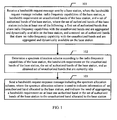
- a dynamic spectrum allocation method includes: receiving a bandwidth request message sent by a base station, where the bandwidth request message includes radio frequency capabilities of the base station, a bandwidth requirement on unauthorized bands of the base station, and a set of authorized bands of the base station, where the set of authorized bands of the base station includes at least one of the following: a set for a first authorized band that share radio frequency capabilities with the unauthorized bands and are aggregated and dynamically available on the base station, and a set for a second authorized band that share no radio frequency capability with the unauthorized bands and are aggregated and dynamically available on the base station; determining a spectrum allocation scheme according to the radio frequency capabilities of the base station, the bandwidth requirement on the unauthorized bands of the base station, the set of authorized bands of the base station, and an obtained set of unauthorized bands that are currently idle; and sending a bandwidth request response message including the spectrum allocation scheme, where the spectrum allocation scheme is used to indicate information of an unauthorized band allocated to the base station, and indicate the need of aggregating a bandwidth requirement on at least
- a dynamic spectrum allocation method includes: sending a bandwidth request message to a central control unit, where the bandwidth request message includes radio frequency capabilities of the base station, a bandwidth requirement on unauthorized bands of the base station, and a set of authorized bands of the base station, where the set of authorized bands of the base station includes at least of the following: a set for a first authorized band that share radio frequency capabilities with the unauthorized bands and are aggregated and dynamically available on the base station, and a set for a second authorized band that share no radio frequency capability with the unauthorized bands and are aggregated and dynamically available on the base station; receiving a bandwidth request response message including a spectrum allocation scheme from the central control unit, where the spectrum allocation scheme is used to indicate information of an unauthorized band allocated to the base station, and indicate the need of aggregating a bandwidth requirement on at least one authorized band in the set of authorized bands of the base station to the unauthorized band allocated to the base station; and using the unauthorized band allocated to the base station and dealing with the bandwidth requirement on at least one authorized band according to the
- a central control unit includes: a receiver, configured to receive a bandwidth request message sent by a base station, where the bandwidth request message includes radio frequency capabilities of the base station, a bandwidth requirement on unauthorized bands of the base station, and a set of authorized bands of the base station, where the set of authorized bands of the base station includes at least one of the following: a set for a first authorized band that share radio frequency capabilities with the unauthorized bands and are aggregated and dynamically available on the base station, and a set for a second authorized band that share no radio frequency capability with the unauthorized bands and are aggregated and dynamically available on the base station; a scheme formulating unit, configured to determine a spectrum allocation scheme according to the radio frequency capabilities of the base station, the bandwidth requirement on the unauthorized bands of the base station, the set of authorized bands of the base station, and an obtained set of unauthorized bands that are currently idle; and a sender, configured to send a bandwidth request response message including the spectrum allocation scheme, where the spectrum allocation scheme is used to indicate information of an unauthorized band allocated
- a base station includes: a sender, configured to send a bandwidth request message to a central control unit, where the bandwidth request message includes radio frequency capabilities of the base station, a bandwidth requirement on unauthorized bands of the base station, and a set of authorized bands of the base station, where the set of authorized bands of the base station includes at least one of the following: a set for a first authorized band that share radio frequency capabilities with the unauthorized bands and are aggregated and dynamically available on the base station, and a set for a second authorized band that share no radio frequency capability with the unauthorized bands and are aggregated and dynamically available on the base station; a receiver, configured to receive a bandwidth request response message including a spectrum allocation scheme from the central control unit, where the spectrum allocation scheme is used to indicate an unauthorized band allocated to the base station, and indicate the need of aggregating a bandwidth requirement on at least one authorized band in the set of authorized bands of the base station to the unauthorized band allocated to the base station; and a using unit, configured to use the unauthorized band allocated to the
- a spectrum allocation system includes a central control unit and a base station.
- the embodiments of the present invention have the following advantages:
- a central control unit determines a spectrum allocation scheme according to radio frequency capabilities of a base station, a bandwidth requirement on authorized bands of the base station, and a set of authorized bands of the base station, which are included in a received bandwidth request message, and according to an obtained set of unauthorized bands that are currently idle.
- the spectrum allocation scheme that is fit for the radio frequency capabilities of the base station is obtained, thereby reducing the probability of failure of the spectrum allocation scheme, reducing the number of radio frequency chains required, saving radio frequency resources, and implementing dynamic spectrum allocation.
- Embodiments of the present invention provide a dynamic spectrum allocation method, a central control unit, a base station, and a spectrum allocation system, where the central control unit performs dynamic spectrum allocation for the base station, so as to reduce the probability of failure of a spectrum allocation scheme, reduce the number of radio frequency chains required by the base station, and improve system flexibility.
- a dynamic spectrum allocation method is provided according to an embodiment of the present invention, including the following steps:
- a bandwidth request message sent by a base station where the bandwidth request message includes radio frequency capabilities of the base station, a bandwidth requirement on unauthorized bands of the base station, and a set of authorized bands of the base station, where the set of authorized bands of the base station includes at least one of the following: a set for a first authorized band that share radio frequency capabilities with the unauthorized bands and are aggregated and dynamically available on the base station, and a set for a second authorized band that share no radio frequency capability with the unauthorized bands and are aggregated and dynamically available on the base station.
- a central control unit manages resources of unauthorized bands, and performs dynamic spectrum allocation according to the bandwidth request of the base station.
- the central control unit receives a bandwidth request message sent by the base station, where the bandwidth request message includes radio frequency capabilities of the base station, a bandwidth requirement on unauthorized bands of the base station, and a set of authorized bands of the base station, where the set of authorized bands of the base station includes at least one of the following: a set for a first authorized band that share radio frequency capabilities with the unauthorized bands and are aggregated and dynamically available on the base station, and a set for a second authorized band that share no radio frequency capability with the unauthorized bands and are aggregated and dynamically available on the base station.
- the bandwidth request message includes the transmit power of the base station, geographic location information of the base station, and a base station system version identifier.
- the central control unit After receiving the bandwidth request message of the base station, the central control unit determines a spectrum allocation scheme according to the radio frequency capabilities of the base station, the bandwidth requirement on the unauthorized bands of the base station, the set of authorized bands of the base station, and the obtained set of unauthorized bands that are currently idle.
- the central control unit may create an interference diagram according to the transmit power of the base station and the geographic location information of the base station which are carried in the bandwidth request message.
- a base station control unit may obtain a set of unauthorized bands that are currently idle in the band range supported by the radio frequencies of the base station.
- the central control unit may obtain, from a database, the set of unauthorized bands that are currently idle in the band range supported by the radio frequencies of the base station.
- the central control unit After determining the spectrum allocation scheme, the central control unit sends a bandwidth request response message including the spectrum allocation scheme to the base station, where the spectrum allocation scheme is used to indicate information of an unauthorized band allocated to the base station, and indicate the need of aggregating a bandwidth requirement on at least one authorized band in the set of authorized bands of the base station to the unauthorized band allocated to the base station.
- the set of authorized bands of the base station includes at least one of the following: a set for a first authorized band that share radio frequency capabilities with the unauthorized bands and are aggregated and dynamically available on the base station, and a set for a second authorized band that share no radio frequency capability with the unauthorized bands and are aggregated and dynamically available on the base station.
- the central control unit carries request failure information in the sent bandwidth request response message, to notify the base station of bandwidth request failure.
- a central control unit determines a spectrum allocation scheme according to radio frequency capabilities of a base station, a bandwidth requirement on unauthorized bands of the base station, and a set of authorized bands of the base station, which are included in a bandwidth request message, and according to an obtained set of unauthorized bands that are currently idle.
- the determined spectrum allocation scheme falls within the radio frequency capabilities of the base station, thereby reducing the probability of failure of the spectrum allocation scheme, reducing the number of radio frequency chains required by the base station, saving radio frequency resources, and implementing dynamic spectrum allocation.
- the central control unit determines a spectrum allocation scheme according to the bandwidth request message sent by the base station and the set of unauthorized bands that are currently idle, where the set of authorized bands of the base station, which is included in the bandwidth request message, includes at least one of the following: a set for a first authorized band that share radio frequency capabilities with the unauthorized bands and are aggregated and dynamically available on the base station, and a set for a second authorized band that share no radio frequency capability with the unauthorized bands and are aggregated and dynamically available on the base station.
- the methods for the central control unit to determine the spectrum allocation scheme are different.
- a dynamic spectrum allocation method is provided according to an embodiment of the present invention. The method includes the following steps:
- 201 Receive a bandwidth request message sent by a base station, where the bandwidth request message includes radio frequency capabilities of the base station, a bandwidth requirement on unauthorized bands of the base station, and a set for a first authorized band that share radio frequency capabilities with the unauthorized bands and are aggregated and dynamically available on the base station.
- the central control unit manages resources of unauthorized bands, and performs dynamic spectrum allocation according to the bandwidth request of the base station.
- the central control unit receives a bandwidth request message sent by the base station, where the bandwidth request message includes radio frequency capabilities of the base station, a bandwidth requirement on unauthorized bands of the base station, and a set for a first authorized band that share radio frequency capabilities with the unauthorized bands and are aggregated and dynamically available on the base station.
- the bandwidth request message may include information such as transmit power of the base station, geographic location information of the base station, and a base station system version identifier.
- step 202 Determine whether a set of unauthorized bands that are currently idle can satisfy the bandwidth requirement on unauthorized bands of the base station; if yes, perform step 203; otherwise, perform step 210.
- the central control unit After receiving the bandwidth request message, the central control unit determines whether the set of unauthorized bands that are currently idle can satisfy the bandwidth requirement on unauthorized bands of the base station. For example, if the set of unauthorized bands that are currently idle is ⁇ 6 M, 8 M ⁇ and the bandwidth requirement on unauthorized bands of the base station is 10 M, because 6 M+8 M is greater than 10 M, the bandwidth requirement of the base station can be satisfied.
- the first spectrum set satisfying the bandwidth requirement on unauthorized bands of the base station is obtained from the set of unauthorized bands that are currently idle.
- the WS can satisfy the bandwidth requirement
- the spectrum set frac_ULB satisfying the bandwidth requirement on unauthorized bands of the base station may be ⁇ 5 M, 5 M ⁇ , in which the first 5 M belongs to a 6 M spectrum range, and the second 5 M belongs to an 8 M spectrum range, and therefore, the first spectrum set is ⁇ 6 M, 8 M ⁇ .
- the bandwidth requirement on unauthorized bands of the base station is combined by basic bandwidths supported by the base station.
- step 204 Determine whether the first spectrum set falls within the radio frequency capabilities of the base station; if yes, perform step 205; otherwise, perform step 206.
- the radio frequency capabilities of the base station include: a supported band range, the number of radio frequency chains of carrier aggregation supported, and a type of carrier aggregation supported.
- Types of carrier aggregation supported include continuous carrier aggregation or discontinuous carrier aggregation.
- the first spectrum set falls within the radio frequency capabilities of the base station if the band range of the first spectrum set falls within a band range supported by the base station, the number of radio frequency chains of carrier aggregation required by the first spectrum set is less than or equal to the number of radio frequency chains of carrier aggregation supported by the base station, and the type of carrier aggregation is the same as the type of carrier aggregation supported by the base station.
- the set of unauthorized bands that are currently idle is obtained from the band range supported by the base station. Therefore, the first spectrum set obtained from the set of unauthorized bands that are currently idle falls within the band range supported by the base station.
- the number of radio frequency chains and bands shared by authorized bands and unauthorized bands in the authorized bands already used by the base station need to be taken into account in determining whether the number of radio frequency chains of carrier aggregation required by the first spectrum set is less than or equal to the number of radio frequency chains of carrier aggregation supported by the base station and whether it can satisfy continuous carrier aggregation.
- the number of independent radio frequency chains supported by the base station in a 700 M-1 G band is 3, and the radio frequency chains are available to both authorized bands and unauthorized bands, where the authorized bands have used 1 radio frequency chain, then the number of remaining radio frequency chains available to the base station in the 700 M-1 G band is 2, and the radio frequency capabilities of the base station cannot satisfy the requirement of the first spectrum set if the first spectrum frequency set requires three discontinuous unauthorized idle bands in the 700 M-1 G band and the unauthorized idle bands and the authorized bands already used do not satisfy continuous carrier aggregation.
- the central control unit determines the spectrum allocation scheme as: allocating the unauthorized bands in the first spectrum set as unauthorized bands available to the base station. For example, if the first spectrum set is ⁇ 6 M, 8 M ⁇ , the bandwidth requirement of the base station is 10 M, and the first spectrum set falls within the radio frequency capabilities of the base station, the determined spectrum allocation scheme is: allocating a 5 M bandwidth in a 6 M bandwidth of the unauthorized band in the first spectrum set to the base station, and allocating a 5 M bandwidth in an 8 M bandwidth of the unauthorized band to the base station.
- step 206 Determine whether the first set of authorized bands includes a third set of authorized bands sharing radio frequency capabilities with the unauthorized bands in the first spectrum set; if yes, perform step 207; otherwise, perform step 210.
- the central control unit determines whether the first set of authorized bands includes a third set of authorized bands sharing radio frequency capabilities with the unauthorized bands in the first spectrum set.
- the first set of authorized bands that share radio frequency capabilities with the unauthorized bands and are aggregated and dynamically available on the base station is:
- step 207 Determine whether the first spectrum set can aggregate the bandwidth requirement on authorized bands in the third set of authorized bands and fall within the radio frequency capabilities of the base station after the aggregation; if the first spectrum set can aggregate the bandwidth requirement and fall within the radio frequency capabilities of the base station after the aggregation, perform step 208; otherwise, perform step 210.
- the central control unit determines whether the first spectrum set can aggregate the bandwidth requirement on authorized bands in the third set of authorized bands and fall within the radio frequency capabilities of the base station after the aggregation.
- the central control unit traverses the first spectrum set if the first spectrum set is ⁇ 6 M, 8 M ⁇ , the bandwidth requirement of the base station is
- the base station determines the spectrum allocation scheme as: allocating the unauthorized bands in the first spectrum set as unauthorized bands available to the base station, and aggregating the bandwidth requirement on unauthorized bands in the third set of authorized bands to the unauthorized bands in the first spectrum set.
- the first spectrum set is ⁇ 6 M, 8 M ⁇
- the bandwidth requirement of the base band is 10 M
- the bandwidth requirement on unauthorized bands in the third set of authorized bands is 3 M
- the 8 M bandwidth in the first spectrum set can aggregate the 3 M bandwidth requirement on authorized bands.
- the spectrum allocation scheme is: allocating the 5 M bandwidth in the 6 M bandwidth in the first spectrum set and the 8 M bandwidth to the base station, releasing the 3 M bandwidth of the authorized band, and switching a terminal service or a terminal in a connected state on the 3 M bandwidth over to the 8 M bandwidth.
- the central control unit After determining the spectrum allocation scheme, the central control unit sends the bandwidth request response message including the spectrum allocation scheme, where the spectrum allocation scheme is used to indicate the information of the unauthorized band allocated to the base station, and indicate the need of aggregating the bandwidth requirement on at least one authorized band in the set of authorized bands of the base station to the unauthorized band allocated to the base station.
- the set of authorized bands of the base station refers to authorized bands in the set of authorized bands that share radio frequency capabilities with the unauthorized bands and are aggregated and dynamically available on the base station.
- determining the spectrum allocation scheme in step 205 is: allocating unauthorized bands in the first spectrum set as unauthorized bands available to the base station, in the spectrum allocation scheme carried in the bandwidth request response message in step 209, the information of "need of aggregating a bandwidth requirement on at least one authorized band in the set of authorized bands of the base station to the unauthorized band allocated to the base station" is null.
- the central control unit sends the bandwidth request response message including spectrum allocation failure to the base station.
- step 206 may be performed first. That is, first, determine whether the first set of authorized bands includes a third set of authorized bands sharing radio frequency capabilities with the unauthorized bands in the first spectrum set; if not, perform step 205, that is, determine whether the first spectrum set falls within the radio frequency capabilities of the base station.
- the specific method for determining the spectrum allocation scheme according to parameters in the bandwidth request message may be designed according to a specific situation. The specific method is not restricted herein.
- a bandwidth request message includes radio frequency capabilities of a base station and parameters such as a set for a first authorized band that share radio frequency capabilities with unauthorized bands and are aggregated and dynamically available on the base station, and therefore, the central control unit can determine a spectrum allocation scheme that is fit for the radio frequency capabilities of the base station, to reduce the probability of failure of the spectrum allocation scheme; and can aggregate the bandwidth requirement on the authorized bands to the unauthorized bands, to reduce the number of radio frequency chains required by the base station and save resources.
- the embodiment shown in FIG. 2 describes a method for determining a spectrum allocation scheme when a bandwidth request message includes a set for a first authorized band that share radio frequency capabilities with unauthorized bands and are aggregated and dynamically available on a base station.
- the following describes a method for determining a spectrum allocation scheme when authorized bands of a base station in a bandwidth request message include a set for a first authorized band that share radio frequency capabilities with unauthorized bands and are aggregated and dynamically available on the base station, and a set for a second authorized band that share no radio frequency capability with unauthorized bands and are aggregated and dynamically available.
- a dynamic spectrum allocation method is provided according to an embodiment of the present invention, including the following steps:
- 301 Receive a bandwidth request message sent by a base station, where the bandwidth request message includes radio frequency capabilities of the base station, a bandwidth requirement on unauthorized bands of the base station, and a set for a first authorized band that share radio frequency capabilities with the unauthorized bands and are aggregated and dynamically available on the base station, and a set for a second authorized band that share no radio frequency capability with unauthorized bands and are aggregated and dynamically available on the base station.
- the central control unit manages resources of unauthorized bands, and performs dynamic spectrum allocation according to the bandwidth request of the base station.
- the central control unit receives a bandwidth request message sent by the base station, where the bandwidth request message includes radio frequency capabilities of the base station, a bandwidth requirement on unauthorized bands of the base station, and a set for a first authorized band that share radio frequency capabilities with the unauthorized bands and are aggregated and dynamically available on the base station, and a set for a second authorized band that share no radio frequency capability with unauthorized bands and are aggregated and dynamically available on the base station.
- the bandwidth request message may include information such as transmit power of the base station, geographic location information of the base station, and a base station system version identifier.
- step 302. Determine whether the set of unauthorized bands that are currently idle can satisfy the bandwidth requirement on unauthorized bands of the base station; if yes, perform step 303; otherwise, perform step 312.
- Step 302 and step 303 are the same as step 202 and step 203 in the embodiment shown in FIG. 2 , respectively, and are not repeated here any further.
- step 304 Determine whether the first spectrum set falls within the radio frequency capabilities of the base station; if yes, perform step 305; otherwise, perform step 308.
- step 305 Determine whether the first set of authorized bands and the second set of authorized bands include a fourth set of authorized bands that can be aggregated with unauthorized bands in the first spectrum set; if yes, perform step 306; otherwise, perform step 307.
- the central control unit determines whether the first set of authorized bands and the second set of authorized bands include the fourth set of authorized bands that can be aggregated with unauthorized bands in the first spectrum set.
- the first set of authorized bands that share radio frequency capabilities with the unauthorized bands and are aggregated and dynamically available on the base station is LB_CRF
- the second set of authorized bands that share no radio frequency capability with the unauthorized bands and are aggregated and dynamically available on the base station is LB_D. Therefore, the fourth set of authorized bands includes authorized bands sharing radio frequency capabilities with the unauthorized bands, and/or authorized bands that share no radio frequency capability with the unauthorized bands.
- the central control unit traverses WS_S u in the first spectrum set WS_S, and determines whether the LB_CRF includes LB_CRF v sharing radio frequency capabilities with WS _ S u ; and traverses WS _ S u in the first spectrum set WS_S , and determines whether the LB_D includes LB_D w sharing radio frequency capabilities with WS _ S u , to make
- the central control unit determines the spectrum allocation scheme as: allocating the unauthorized bands in the first spectrum set as unauthorized bands available to the base station, and aggregating the bandwidth requirement on authorized bands in the fourth set of authorized bands to the unauthorized bands allocated to the base station.
- the central control unit determines the spectrum allocation scheme as: allocating the unauthorized bands in the first spectrum set as unauthorized bands available to the base station.
- step 309. Determine whether the first spectrum set can aggregate the bandwidth requirement on authorized bands in the third set of authorized bands and fall within the radio frequency capabilities of the base station after the aggregation; if the first spectrum set can aggregate the bandwidth requirement and fall within the radio frequency capabilities of the base station after the aggregation, perform step 310; otherwise, perform step 312.
- steps 308 to 312 are the same as steps 206 to 210 in the embodiment shown in FIG. 2 , respectively, and are not repeated here any further.
- determining the spectrum allocation scheme in step 307 is: allocating unauthorized bands in the first spectrum set as unauthorized bands available to the base station, in the spectrum allocation scheme included in the bandwidth request response message in step 311, the information of "need of aggregating a bandwidth requirement on at least one authorized band in the set of authorized bands of the base station to the unauthorized band allocated to the base station" is null.
- the determined spectrum allocation scheme is: allocating the unauthorized bands in the first spectrum set as unauthorized bands available to the base station and aggregating the bandwidth requirement on authorized bands in the third or fourth set of authorized bands to the unauthorized bands allocated to the base station, the probability of failure of the spectrum allocation scheme can be reduced effectively, the number of radio frequency chains required by the base station can be reduced, resources can be saved, and system flexibility can be improved.
- the central control unit receives a bandwidth request message from the base station, where the message includes the following information:
- the band range supported by the radio frequency capabilities of the base station is 700 M-1 G, aggregation of 2 discontinuous carriers is supported, and aggregation of unauthorized bands is supported.
- the central control unit determines whether the set WS of unauthorized bands that are currently idle can satisfy the bandwidth requirement
- LB_CRF ⁇ 3 M (704 M-707 M) ⁇
- LB_D ⁇ 10 M (1900 M-1910 M)
- 5 M (1850 M-1855 M) ⁇ the bands in LB_CRF and LB_D are aggregated with the bandwidth requirement on the unauthorized bands of the base station, and a maximum combination with the aggregated bandwidth less than or equal to 18 M is determined, where 3 + 13 ⁇ 5 + 13; therefore, to maximize the continuous aggregated bandwidth, the 5 M (1850 M-1855 M) band in the LB_D is aggregated with the first spectrum set.
- the ⁇ 5 M (1850 M-1855 M) ⁇ is an authorized band in the fourth set of authorized bands.
- a central control unit after receiving a bandwidth request message sent by a base station, creates a spectrum allocation scheme, and feeds back the spectrum allocation scheme to the base station by carrying it in a bandwidth request response message; according to the response message fed back by the central control unit, the base station uses the unauthorized band to process the authorized band.
- a dynamic spectrum allocation method is provided according to an embodiment of the present invention, including the following steps:
- 401 Send a bandwidth request message to a central control unit, where the bandwidth request message includes radio frequency capabilities of the base station, a bandwidth requirement on unauthorized bands of the base station, and a set of authorized bands of the base station, where the set of authorized bands of the base station includes a set for a first authorized band that share radio frequency capabilities with the unauthorized bands and are aggregated and dynamically available on the base station, and/or a set for a second authorized band that share no radio frequency capability with the unauthorized bands and are aggregated and dynamically available on the base station.
- the bandwidth request message includes radio frequency capabilities of the base station, a bandwidth requirement on unauthorized bands of the base station, and a set of authorized bands of the base station, where the set of authorized bands of the base station includes at least one of the following: a set for a first authorized band that share radio frequency capabilities with the unauthorized bands and are aggregated and dynamically available on the base station, and a set for a second authorized band that share no radio frequency capability with the unauthorized bands and are aggregated and dynamically available on the base station.
- the bandwidth request message may further include geographic location information of the base station, the transmit power of the base station, and a base station system version identifier.
- Receive a bandwidth request response message which includes a spectrum allocation scheme and is fed back by the central control unit, where the spectrum allocation scheme is used to indicate information of an unauthorized band allocated to the base station, and indicate the need of aggregating a bandwidth requirement on at least one authorized band in the set of authorized bands of the base station to the unauthorized band allocated to the base station.
- the central control unit After receiving the bandwidth request message sent by the base station, the central control unit determines a spectrum allocation scheme according to parameters included in the bandwidth request message and the set of unauthorized bands that are currently idle. For the specific spectrum allocation method in the embodiment of the present invention, reference may be made to the content described in the embodiment shown in FIG. 1 to FIG. 3 , and details are not repeated here any further. After determining the spectrum allocation scheme, the central control unit sends a bandwidth request response message including the spectrum allocation scheme to the base station.
- the base station receives the bandwidth request response message which includes the spectrum allocation scheme and fed back by the central control unit, where the spectrum allocation scheme is used to indicate information of an unauthorized band allocated to the base station, and indicate the need of aggregating a bandwidth requirement on at least one authorized band in the set of authorized bands of the base station to the unauthorized band allocated to the base station.
- the central control unit determines failure of the spectrum allocation scheme, the central control unit feeds back a bandwidth request response message including spectrum allocation failure information to the base station, notifying the base station of bandwidth request failure.
- the base station After receiving the bandwidth request response message fed back by the central control unit, the base station uses the unauthorized band allocated to the base station and deals with the bandwidth requirement on at least one authorized band according to the spectrum allocation scheme included in the bandwidth request response message.
- the base station releases the at least one authorized band, and switches a terminal service or a terminal in a connected state on the authorized band over to the unauthorized band allocated to the base station.
- a base station sends a bandwidth request message including radio frequency capabilities of the base station, a bandwidth requirement on an unauthorized band of the base station, and a set of authorized bands of the base station, so that, by aggregating the bandwidth requirement on the authorized band to the unauthorized band, the central control unit can create a spectrum allocation scheme that is fit for the radio frequency capabilities of the base station, thereby reducing the probability of failure of the spectrum allocation scheme and reducing the number of radio frequency chains required.
- a dynamic spectrum allocation method is provided according to an embodiment of the present invention, including the following steps:
- 501 Send a bandwidth request message to a central control unit, where the bandwidth request message includes radio frequency capabilities of the base station, a bandwidth requirement on unauthorized bands of the base station, and a set of authorized bands of the base station, where the set of authorized bands of the base station includes at least one of the following: a set for a first authorized band that share radio frequency capabilities with the unauthorized bands and are aggregated and dynamically available on the base station, and a set for a second authorized band that share no radio frequency capability with the unauthorized bands and are aggregated and dynamically available on the base station.
- Receive a bandwidth request response message which includes a spectrum allocation scheme and is fed back by the central control unit, where the spectrum allocation scheme is used to indicate information of an unauthorized band allocated to the base station, and indicate the need of aggregating a bandwidth requirement on at least one authorized band in the set of authorized bands of the base station to the unauthorized band allocated to the base station.
- Step 501 and step 502 are the same as step 401 and step 402 shown in FIG. 4 , respectively, and are not repeated here any further.
- step 503. Determine whether the spectrum allocation scheme needs to aggregate the bandwidth requirement on the at least one authorized band to the unauthorized band; if yes, perform step 504; otherwise, perform step 505.
- the spectrum allocation scheme is used to indicate the need of aggregating the bandwidth requirement on at least one authorized band in the set of authorized bands of the base station to the unauthorized band allocated to the base station.
- the base station obtains the spectrum allocation scheme from the bandwidth request response message, and determines whether the spectrum allocation scheme needs to aggregate the bandwidth requirement on the at least one authorized band to the unauthorized band.
- the base station releases the authorized band, switches a terminal service or a terminal in a connected state on the authorized band over to the unauthorized band, and uses the aggregated unauthorized band.
- the base station uses the unauthorized band, allocated to the base station, according to the spectrum allocation scheme.
- the base station After using the band according to the bandwidth request response message, the base station sends a bandwidth request confirmation message including the band used by the base station.
- the central control unit After receiving the bandwidth request confirmation message, the central control unit updates information on occupation of the unauthorized band, or the central control unit instructs another device, such as a database, to update the information on occupation of the unauthorized band.
- the bandwidth requirement on the authorized band is aggregated to the unauthorized band, thereby reducing the probability of failure of the spectrum allocation scheme and reducing the number of radio frequency chains required by the base station, and saving resources.
- a central control unit is provided according to an embodiment of the present invention, including:
- a sender 601 receives a bandwidth request message sent by a base station; a scheme formulating unit 602 determines a spectrum allocation scheme according to the bandwidth request message received by the sender 601 and an obtained set of unauthorized bands that are currently idle; and the sender 603 sends a bandwidth request response message including the spectrum allocation scheme to the base station.
- the central control unit receives a bandwidth request message, and determines a spectrum allocation scheme according to radio frequency capabilities of the base station, a bandwidth requirement on an unauthorized band of the base station, and a set of authorized bands of the base station, which are included in the bandwidth request message, and according to an obtained set of unauthorized bands that are currently idle, so that the spectrum allocation scheme determined by the central control unit falls within the radio frequency capabilities of the base station, and the probability of failure of the spectrum allocation scheme is reduced; the bandwidth requirement on the authorized band is aggregated to the unauthorized band when the spectrum allocation scheme is created, thereby reducing the number of radio frequency chains and saving resources.
- FIG. 7 shows a central control unit in an embodiment of the present invention, including the receiver 601, the scheme formulating unit 602, and the sender 603 shown in FIG. 6 .
- the units are the same as those described in the embodiment shown in FIG. 6 , and are not repeated here any further.
- the scheme formulating unit 602 includes:
- the scheme formulating unit 602 creates a spectrum allocation scheme, and specifically, the first determining unit 701 determines whether the set of unauthorized bands that are currently idle can satisfy the bandwidth requirement on the unauthorized bands of the base station; the first obtaining unit 702 obtains, from the set of unauthorized bands that are currently idle, the first spectrum set satisfying the bandwidth requirement on unauthorized bands of the base station if the set of unauthorized bands that are currently idle can satisfy the bandwidth requirement on the unauthorized bands of the base station; then, the second determining unit 703 determines whether the obtained first spectrum set falls within the radio frequency capabilities of the base station; if the first spectrum set goes beyond the radio frequency capabilities of the base station, the first processing unit 704 determines whether the first set of authorized bands includes a third set of authorized bands sharing radio frequency capabilities with the unauthorized bands in the first spectrum set, and if the third set of authorized bands is included, determines whether the first spectrum set can aggregate the bandwidth
- the central control unit when creating a spectrum allocation scheme, creates the spectrum allocation scheme according to the radio frequency capabilities of the base station, the bandwidth requirement on the unauthorized bands of the base station, the set of authorized bands of the base station, and the set of unauthorized bands that are currently idle, so that the obtained spectrum allocation scheme is fit for the radio frequency capabilities of the base station; and by aggregating the bandwidth requirement on the authorized band to the unauthorized band, the number of radio frequency chains is reduced, and resources are saved.
- a base station including:
- the sender 801 on the base station sends a bandwidth request message to the central control unit
- the receiver 802 receives a bandwidth request response message fed back by the central control unit
- the using unit 803 of the base station uses bands according to the spectrum allocation scheme included in the bandwidth request response message.
- the bandwidth request message sent by the base station carries radio frequency capabilities of the base station, a bandwidth requirement on an unauthorized band of the base station, and a set of authorized bands of the base station, so that according to the bandwidth request message, the central control unit creates a spectrum allocation scheme that is fit for the radio frequency capabilities of the base station, thereby reducing the probability of failure of the spectrum allocation scheme; in addition, the bandwidth requirement on the authorized band may be aggregated to the unauthorized band, to reduce the number of radio frequency chains required and save resources.
- a base station is provided according to an embodiment of the present invention, including:
- the using unit 803 includes:
- the receiver 802 receives a bandwidth request response message which includes a spectrum allocation scheme and is fed back by the central control unit; the determining unit 901 determines whether the spectrum allocation scheme needs to aggregate the bandwidth requirement on the at least one authorized band to the unauthorized band allocated to the base station; if it needs to aggregate the bandwidth requirement on at least one authorized band to the authorized band allocated to the base station, the processing unit 902 releases the at least one authorized band, and switches a terminal service or a terminal in a connected state on the at least one authorized band over to the aggregated unauthorized band; otherwise, the unauthorized band allocated to the base station is used according to the spectrum allocation scheme.
- the bandwidth request message sent by the base station carries radio frequency capabilities of the base station, a bandwidth requirement on an unauthorized band of the base station, and a set of authorized bands of the base station, so that according to the bandwidth request message, the central control unit creates a spectrum allocation scheme that is fit for the radio frequency capabilities of the base station, thereby reducing the probability of failure of the spectrum allocation scheme; in addition, the bandwidth requirement on the authorized band may be aggregated to the unauthorized band, to reduce the number of radio frequency chains required and save resources.
- a spectrum allocation system including:
Landscapes
- Engineering & Computer Science (AREA)
- Computer Networks & Wireless Communication (AREA)
- Signal Processing (AREA)
- Mobile Radio Communication Systems (AREA)
Claims (11)
- Procédé d'allocation dynamique de spectre, comprenant :la réception (101) d'un message de requête de largeur de bande envoyé par une station de base, le message de requête de largeur de bande comportant des capacités de fréquence radioélectrique de la station de base, une largeur de bande requise sur des bandes non autorisées de la station de base, et un ensemble de bandes autorisées de la station de base, l'ensemble de bandes autorisées de la station de base comprenant au moins l'un des ensembles suivants : un ensemble pour une première bande autorisée qui partage des capacités de fréquence radioélectrique avec les bandes non autorisées et est agrégé et dynamiquement disponible sur la station de base, et un ensemble pour une seconde bande autorisée qui ne partage aucune capabilité de fréquence radioélectrique avec les bandes non autorisées et est agrégé et dynamiquement disponible sur la station de base ;la détermination (102) d'un plan d'allocation de spectre en fonction des capacités de fréquence radioélectrique de la station de base, de la largeur de bande requise sur les bandes non autorisées de la station de base, de l'ensemble de bandes autorisées de la station de base, et d'un ensemble obtenu de bandes non autorisées qui sont présentement inactives ; etl'envoi (103) d'un message de réponse de requête de largeur de bande comportant le plan d'allocation de spectre, le plan d'allocation de spectre étant utilisé pour indiquer des informations d'une bande non autorisée allouée à la station de base, et indiquer la nécessité d'agréger une largeur de bande requise sur au moins une bande autorisée dans l'ensemble de bandes autorisées de la station de base avec la bande non autorisée allouée à la station de base.
- Procédé selon la revendication 1, dans lequel :la détermination (102) d'un plan d'allocation de spectre en fonction des capacités de fréquence radioélectrique de la station de base, de la largeur de bande requise sur les bandes non autorisées de la station de base, de l'ensemble de bandes autorisées de la station de base, et d'un ensemble obtenu de bandes non autorisées qui sont présentement inactives comprend :la détermination (202) que l'ensemble de bandes non autorisées qui sont présentement inactives peut ou non satisfaire la largeur de bande requise sur les bandes non autorisées de la station de base ;dans l'affirmative, l'obtention (203), à partir de l'ensemble de bandes non autorisées qui sont présentement inactives, d'un premier ensemble de spectres satisfaisant la largeur de bande requise sur les bandes non autorisées de la station de base ;la détermination (204) que le premier ensemble de spectres est compris ou non dans les capacités de fréquence radioélectrique de la station de base ; etsi le premier ensemble de spectres est compris dans les capacités de fréquence radioélectrique de la station de base, la détermination (205) du plan d'allocation de spectre comme étant : l'allocation de bandes non autorisées dans le premier ensemble de spectres en tant que bandes non autorisées à la disposition de la station de base.
- Procédé selon la revendication 2, comprenant en outre :si le premier ensemble de spectres dépasse les capacités de fréquence radioélectrique de la station de base, la détermination (206) que le premier ensemble de bandes autorisées comprend ou non un troisième ensemble de bandes autorisées partageant des capacités de fréquence radioélectrique avec les bandes non autorisées dans le premier ensemble de spectres ; etdans l'affirmative, la détermination (207) que le premier ensemble de spectres peut agréger ou non une largeur de bande requise sur des bandes autorisées dans le troisième ensemble de bandes autorisées et être compris ou non dans les capacités de fréquence radioélectrique de la station de base après l'agrégation, et si le premier ensemble de spectres peut agréger la largeur de bande requise et être compris dans les capacités de fréquence radioélectrique de la station de base après l'agrégation, la détermination du plan d'allocation de spectre comme étant : l'allocation (208) des bandes non autorisées dans le premier ensemble de spectres en tant que bandes non autorisées à la disposition de la station de base, et l'agrégation (208) de la largeur de bande requise sur des bandes autorisées dans le troisième ensemble de bandes autorisées avec les bandes non autorisées dans le premier ensemble de spectres.
- Procédé selon la revendication 2, comprenant en outre :si le premier ensemble de spectres est compris dans les capacités de fréquence radioélectrique de la station de base, la détermination (305) que le premier ensemble de bandes autorisées et le deuxième ensemble de bandes autorisées comprennent ou non un quatrième ensemble de bandes autorisées qui peuvent être agrégées avec des bandes non autorisées dans le premier ensemble de spectres ; etdans l'affirmative, la détermination (306) du plan d'allocation de spectre comme étant : l'allocation des bandes non autorisées dans le premier ensemble de spectres en tant que bandes non autorisées à la disposition de la station de base, et l'agrégation d'une largeur de bande requise sur des bandes autorisées dans le quatrième ensemble de bandes autorisées avec les bandes non autorisées allouées à la station de base.
- Procédé d'allocation dynamique de spectre, comprenant :l'envoi (401) d'un message de requête de largeur de bande à une unité de commande centrale, le message de requête de largeur de bande comportant des capacités de fréquence radioélectrique de la station de base, une largeur de bande requise sur des bandes non autorisées de la station de base, et un ensemble de bandes autorisées de la station de base, l'ensemble de bandes autorisées de la station de base comprenant au moins l'un des ensembles suivants : un ensemble pour une première bande autorisée qui partage des capacités de fréquence radioélectrique avec les bandes non autorisées et est agrégé et dynamiquement disponible sur la station de base, et un ensemble pour une seconde bande autorisée qui ne partage aucune capabilité de fréquence radioélectrique avec les bandes non autorisées et est agrégé et dynamiquement disponible sur la station de base ;la réception (402) d'un message de réponse de requête de largeur de bande qui comporte un plan d'allocation de spectre et est renvoyé par l'unité de commande centrale, le plan d'allocation de spectre étant utilisé pour indiquer des informations d'une bande non autorisée allouée à la station de base, et indiquer la nécessité d'agréger une largeur de bande requise sur au moins une bande autorisée dans l'ensemble de bandes autorisées de la station de base avec la bande non autorisée allouée à la station de base ; etl'utilisation (403) de la bande non autorisée allouée à la station de base et la gestion de la largeur de bande requise sur au moins une bande autorisée en fonction du plan d'allocation de spectre.
- Procédé selon la revendication 5, dans lequel :l'utilisation (403) de la bande non autorisée allouée à la station de base et la gestion de la largeur de bande requise sur au moins une bande autorisée en fonction du plan d'allocation de spectre comprend :la détermination (503) que le plan d'allocation de spectre nécessite ou non d'agréger la largeur de bande requise sur l'au moins une bande autorisée avec la bande non autorisée allouée à la station de base ; etdans l'affirmative, l'utilisation (505) de la bande non autorisée allouée à la station de base, la libération de l'au moins une bande autorisée, et la commutation d'un service de terminal ou d'un terminal dans un état connecté sur l'au moins une bande autorisée sur la bande non autorisée allouée à la station de base.
- Unité de commande centrale, comprenant :un récepteur (601), configuré pour recevoir un message de requête de largeur de bande envoyé par une station de base, le message de requête de largeur de bande comportant des capacités de fréquence radioélectrique de la station de base, une largeur de bande requise sur des bandes non autorisées de la station de base, et un ensemble de bandes autorisées de la station de base, l'ensemble de bandes autorisées de la station de base comprenant au moins l'un des ensembles suivants : un ensemble pour une première bande autorisée qui partage des capacités de fréquence radioélectrique avec les bandes non autorisées et est agrégé et dynamiquement disponible sur la station de base, et un ensemble pour une seconde bande autorisée qui ne partage aucune capabilité de fréquence radioélectrique avec les bandes non autorisées et est agrégé et dynamiquement disponible sur la station de base ;une unité de formulation de plan (602), configurée pour déterminer un plan d'allocation de spectre en fonction des capacités de fréquence radioélectrique de la station de base, de la largeur de bande requise sur les bandes non autorisées de la station de base, de l'ensemble de bandes autorisées de la station de base, et d'un ensemble obtenu de bandes non autorisées qui sont présentement inactives ; etune unité d'envoi (603), configurée pour envoyer un message de réponse de requête de largeur de bande comportant le plan d'allocation de spectre, le plan d'allocation de spectre étant utilisé pour indiquer des informations d'une bande non autorisée allouée à la station de base, et indiquer la nécessité d'agréger une largeur de bande requise sur au moins une bande autorisée dans l'ensemble de bandes autorisées de la station de base avec la bande non autorisée allouée à la station de base.
- Unité de commande centrale selon la revendication 7, dans laquelle l'unité de formulation de plan comprend :une première unité de détermination (701), configurée pour déterminer que l'ensemble de bandes non autorisées qui sont présentement inactives peut ou non satisfaire la largeur de bande requise sur les bandes non autorisées de la station de base ;une première unité d'obtention (702), configurée pour obtenir, à partir de l'ensemble de bandes non autorisées qui sont présentement inactives, un premier ensemble de spectres satisfaisant la largeur de bande requise sur les bandes non autorisées de la station de base si l'ensemble de bandes non autorisées qui sont présentement inactives peut satisfaire la largeur de bande requise sur les bandes non autorisées de la station de base ;une seconde unité de détermination (703), configurée pour déterminer que le premier ensemble de spectres est compris ou non dans les capacités de fréquence radioélectrique de la station de base ;une première unité de traitement (704), configurée pour : si le premier ensemble de spectres dépasse les capacités de fréquence radioélectrique de la station de base, déterminer que le premier ensemble de bandes autorisées comprend ou non un troisième ensemble de bandes autorisées partageant des capacités de fréquence radioélectrique avec des bandes non autorisées dans le premier ensemble de spectres ;dans l'affirmative, déterminer que le premier ensemble de spectres peut agréger ou non une largeur de bande requise sur des bandes autorisées dans le troisième ensemble de bandes autorisées et être compris ou non dans les capacités de fréquence radioélectrique de la station de base après l'agrégation ; si le premier ensemble de spectres peut agréger la largeur de bande requise et être compris dans les capacités de fréquence radioélectrique de la station de base après l'agrégation, déterminer le plan d'allocation de spectre comme étant : l'allocation des bandes non autorisées dans le premier ensemble de spectres en tant que bandes non autorisées à la disposition de la station de base, et l'agrégation de la largeur de bande requise sur des bandes autorisées dans le troisième ensemble de bandes autorisées avec les bandes non autorisées dans le premier ensemble de spectres ; etune seconde unité de traitement (705), configurée pour : si le premier ensemble de spectres est compris dans les capacités de fréquence radioélectrique de la station de base, déterminer le plan d'allocation de spectre comme étant : l'allocation des bandes non autorisées dans le premier ensemble de spectres en tant que bandes non autorisées à la disposition de la station de base ; ou, si le premier ensemble de spectres est compris dans les capacités de fréquence radioélectrique de la station de base, déterminer que le premier ensemble de bandes autorisées et le deuxième ensemble de bandes autorisées comprennent ou non un quatrième ensemble de bandes autorisées qui peut être agrégé avec les bandes non autorisées dans le premier ensemble de spectres ; et dans l'affirmative, déterminer le plan d'allocation de spectre comme étant : l'allocation des bandes non autorisées dans le premier ensemble de spectres en tant que bandes non autorisées à la disposition de la station de base, et l'agrégation d'une largeur de bande requise sur des bandes autorisées dans le quatrième ensemble de bandes autorisées avec les bandes non autorisées dans le premier ensemble de spectres.
- Station de base, comprenant :une unité d'envoi (801), configurée pour envoyer un message de requête de largeur de bande à une unité de commande centrale, le message de requête de largeur de bande comportant des capacités de fréquence radioélectrique de la station de base, une largeur de bande requise sur des bandes non autorisées de la station de base, et un ensemble de bandes autorisées de la station de base, l'ensemble de bandes autorisées de la station de base comprenant au moins l'un des ensembles suivants : un ensemble pour une première bande autorisée qui partage des capacités de fréquence radioélectrique avec les bandes non autorisées et est agrégé et dynamiquement disponible sur la station de base, et un ensemble pour une seconde bande autorisée qui ne partage aucune capabilité de fréquence radioélectrique avec les bandes non autorisées et est agrégé et dynamiquement disponible sur la station de base ;un récepteur (802), configuré pour recevoir un message de réponse de requête de largeur de bande qui comporte un plan d'allocation de spectre et est renvoyé par l'unité de commande centrale, le plan d'allocation de spectre étant utilisé pour indiquer des informations d'une bande non autorisée allouée à la station de base, et indiquer la nécessité d'agréger une largeur de bande requise sur au moins une bande autorisée dans l'ensemble de bandes autorisées de la station de base avec la bande non autorisée allouée à la station de base ; etune unité d'utilisation (803), configurée pour utiliser la bande non autorisée allouée à la station de base et gérer la largeur de bande requise sur au moins une bande autorisée en fonction du plan d'allocation de spectre.
- Station de base selon la revendication 9, dans lequel l'unité d'utilisation comprend :une unité de détermination (901), configurée pour déterminer que le plan d'allocation de spectre nécessite ou non d'agréger la largeur de bande requise sur l'au moins une bande autorisée avec la bande non autorisée allouée à la station de base ; etune unité de traitement (902), configurée pour : s'il est nécessaire d'agréger la largeur de bande requise sur l'au moins une bande autorisée avec la bande non autorisée allouée à la station de base, libérer l'au moins une bande autorisée et commuter un service de terminal ou un terminal dans un état connecté sur l'au moins une bande autorisée sur la bande non autorisée agrégée.
- Système d'allocation de spectre, comprenant :l'unité de commande centrale (1001) selon la revendication 7 ou 8, et la station de base (1002) selon la revendication 9 ou 10.
Applications Claiming Priority (1)
| Application Number | Priority Date | Filing Date | Title |
|---|---|---|---|
| PCT/CN2011/075807 WO2012171200A1 (fr) | 2011-06-16 | 2011-06-16 | Procédé d'allocation dynamique de spectre, module de commande central, station de base et système d'allocation de spectre |
Publications (3)
| Publication Number | Publication Date |
|---|---|
| EP2713643A1 EP2713643A1 (fr) | 2014-04-02 |
| EP2713643A4 EP2713643A4 (fr) | 2014-12-17 |
| EP2713643B1 true EP2713643B1 (fr) | 2015-11-18 |
Family
ID=44844483
Family Applications (1)
| Application Number | Title | Priority Date | Filing Date |
|---|---|---|---|
| EP11867978.6A Not-in-force EP2713643B1 (fr) | 2011-06-16 | 2011-06-16 | Procédé d'allocation dynamique de spectre, module de commande central, station de base et système d'allocation de spectre |
Country Status (4)
| Country | Link |
|---|---|
| US (1) | US9215715B2 (fr) |
| EP (1) | EP2713643B1 (fr) |
| CN (1) | CN102232307B (fr) |
| WO (1) | WO2012171200A1 (fr) |
Families Citing this family (55)
| Publication number | Priority date | Publication date | Assignee | Title |
|---|---|---|---|---|
| CN103460773B (zh) * | 2011-03-14 | 2017-05-10 | 马维尔国际贸易有限公司 | 辅助的基于位置的无线频谱分配 |
| EP2713643B1 (fr) * | 2011-06-16 | 2015-11-18 | Huawei Technologies Co., Ltd. | Procédé d'allocation dynamique de spectre, module de commande central, station de base et système d'allocation de spectre |
| WO2013071488A1 (fr) * | 2011-11-15 | 2013-05-23 | Renesas Mobile Corporation | Procédé, appareil et produit de programme d'ordinateur pour l'adaptation de porteuses sans licence |
| CN103517282B (zh) * | 2012-06-27 | 2016-11-16 | 华为技术有限公司 | 可用频谱的获取方法及装置 |
| CN103634799B (zh) * | 2012-08-27 | 2017-02-22 | 电信科学技术研究院 | 一种基于认知无线电系统的频谱分配方法和设备 |
| CN103813342A (zh) * | 2012-11-06 | 2014-05-21 | 华为技术有限公司 | 动态频谱管理的方法、装置及系统 |
| US9026157B1 (en) * | 2013-03-07 | 2015-05-05 | Sprint Communications Company L.P. | Identifying frequency band interference using a frequency activity record of a mobile device |
| US9237453B2 (en) * | 2013-03-14 | 2016-01-12 | Blackberry Limited | Spectrum channel sharing system |
| CN104125576B (zh) * | 2013-04-25 | 2018-01-09 | 华为技术有限公司 | 控制和承载分离架构下的频谱策略调整方法及装置 |
| CN104254142A (zh) * | 2013-06-26 | 2014-12-31 | 华为技术有限公司 | 一种链接建立方法及相关设备、系统 |
| CN104782156B (zh) * | 2013-11-11 | 2018-10-09 | 华为技术有限公司 | 非授权频谱的使用方法和设备 |
| WO2015074204A1 (fr) * | 2013-11-21 | 2015-05-28 | 华为技术有限公司 | Procédé d'appel et appareil de station de base pour ressource spectrale sans fil |
| EP3075187B1 (fr) * | 2013-11-27 | 2022-11-02 | Apple Inc. | Mécanismes de coexistence d'un réseau lte-u avec lui-même et avec d'autres technologies |
| US9554283B2 (en) * | 2013-12-03 | 2017-01-24 | Apple Inc. | Carrier aggregation using unlicensed frequency bands |
| US9924368B2 (en) * | 2013-12-11 | 2018-03-20 | Qualcomm Incorporated | Apparatus and methods for cellular communications over unused unlicenced spectrum |
| CN104796904B (zh) * | 2014-01-17 | 2019-01-22 | 电信科学技术研究院 | 共享型节点和网络节点的实现方法和装置 |
| CN104796934B (zh) * | 2014-01-21 | 2018-05-15 | 工业和信息化部电信传输研究所 | 一种频段调度方法和装置 |
| WO2015123870A1 (fr) * | 2014-02-21 | 2015-08-27 | 华为技术有限公司 | Méthode de commande pour l'utilisation d'une ressource radio, appareil, élément de réseau et terminal |
| CN106233813B (zh) * | 2014-04-22 | 2020-02-14 | 华为技术有限公司 | 一种用非授权频谱进行数据通信的方法、设备及通信系统 |
| CN105264942B (zh) * | 2014-04-28 | 2020-09-04 | 镇江启越信息科技有限公司 | 一种数据传输发射端设备、接收端设备和方法 |
| CN104936189A (zh) | 2014-05-01 | 2015-09-23 | 上海朗帛通信技术有限公司 | 一种ue、基站中在非授权频带上的通信方法和设备 |
| CN105101421B (zh) | 2014-05-09 | 2019-10-11 | 宇龙计算机通信科技(深圳)有限公司 | 资源分配方法和资源分配装置 |
| US10873941B2 (en) * | 2014-05-16 | 2020-12-22 | Huawei Technologies Co., Ltd. | System and method for joint transmission over licensed and unlicensed bands using fountain codes |
| US10536386B2 (en) | 2014-05-16 | 2020-01-14 | Huawei Technologies Co., Ltd. | System and method for dynamic resource allocation over licensed and unlicensed spectrums |
| US9560690B2 (en) * | 2014-06-02 | 2017-01-31 | Intel Corporation | Interrupted handoff reconnection for licensed shared access |
| CN105208656B (zh) * | 2014-06-19 | 2019-05-17 | 上海诺基亚贝尔股份有限公司 | 适用于lte-u系统的分配信道频带的方法和装置 |
| CN105532062B (zh) * | 2014-07-30 | 2019-12-17 | 华为技术有限公司 | 一种频谱资源配置方法,主基站及辅基站 |
| CN105337710B (zh) | 2014-08-06 | 2019-09-06 | 上海朗帛通信技术有限公司 | 一种ue、基站中利用非授权频谱通信的方法和设备 |
| CN106688290B (zh) * | 2014-09-23 | 2020-09-01 | 富士通株式会社 | 非授权频段的通信方法、装置和系统 |
| EP3190845B1 (fr) * | 2014-09-26 | 2018-11-14 | Huawei Technologies Co., Ltd. | Procédé de transmission de signal en liaison montante, et dispositif associé |
| US9832654B2 (en) * | 2014-10-24 | 2017-11-28 | Nokia Technologies Oy | Network sharing for LTE-U/LAA cells operating on unlicensed spectrum |
| CN105636059B (zh) * | 2014-10-29 | 2018-12-11 | 电信科学技术研究院 | 一种分配频谱的方法和设备 |
| CN105554767B (zh) * | 2014-10-31 | 2019-04-19 | 电信科学技术研究院 | 一种分配频谱的方法和设备 |
| CN105634700A (zh) * | 2014-11-07 | 2016-06-01 | 中兴通讯股份有限公司 | 非授权载波中信道的设计方法及装置 |
| CN105634699B (zh) | 2014-11-07 | 2020-08-11 | 中兴通讯股份有限公司 | 载波选择方法及装置、接入点 |
| CN105611539B (zh) * | 2014-11-10 | 2020-03-31 | 中兴通讯股份有限公司 | 动态频谱配置方法、装置和系统 |
| CN105721376B (zh) * | 2014-12-05 | 2019-06-14 | 中国移动通信集团公司 | 基于tdd传输模式的非授权频谱干扰避免方法及基站 |
| WO2016101802A1 (fr) * | 2014-12-22 | 2016-06-30 | 中兴通讯股份有限公司 | Procédé et dispositif de gestion d'une ressource dans un support sans licence |
| CN105934963B (zh) | 2014-12-31 | 2019-10-18 | 华为技术有限公司 | 在使用非授权频段的小区中传输参考信号的方法及设备 |
| CN105848292B (zh) * | 2015-01-16 | 2021-08-17 | 中兴通讯股份有限公司 | 一种辅服务小区的资源的管理方法和装置 |
| CN105991211B (zh) * | 2015-01-28 | 2020-01-21 | 中国移动通信集团公司 | 非授权频段下的参考信号发送方法、接收方法及装置 |
| WO2016119138A1 (fr) * | 2015-01-28 | 2016-08-04 | 富士通株式会社 | Procédé, appareil et système de communication pour renvoyer des informations de canal d'une bande de fréquences non autorisée |
| CN105991262B (zh) * | 2015-01-30 | 2019-02-05 | 中国移动通信集团公司 | 一种信息传输方法及系统、基站、终端 |
| CN106304097B (zh) * | 2015-05-15 | 2021-09-03 | 中兴通讯股份有限公司 | 资源使用方法、装置及系统 |
| CN114070540B (zh) * | 2016-03-22 | 2023-08-25 | 苹果公司 | 用于非授权上行链路和所调度的传输的共存的方法、装置和存储介质 |
| CN105933910B (zh) * | 2016-06-21 | 2019-11-15 | 厦门大学 | 一种资源分配方法及基站 |
| CN107548069A (zh) * | 2016-06-24 | 2018-01-05 | 华为技术有限公司 | 一种多载波配置的方法、第一设备以及第二设备 |
| EP3476149B1 (fr) * | 2016-06-24 | 2022-10-19 | Nokia Technologies Oy | Procédés, dispositif source et noeud de puissance servant à des fins d'attribution de spectre dynamique distribué |
| CN107645776B (zh) * | 2016-07-21 | 2020-05-01 | 普天信息技术有限公司 | 一种共享频谱资源的释放方法与装置 |
| KR20200130718A (ko) * | 2018-03-16 | 2020-11-19 | 광동 오포 모바일 텔레커뮤니케이션즈 코포레이션 리미티드 | 통신 방법 및 기기 |
| CN109644491B (zh) * | 2018-11-16 | 2022-08-12 | 北京小米移动软件有限公司 | 数据传输方法、装置及存储介质 |
| CN109640330A (zh) * | 2019-01-29 | 2019-04-16 | 电子科技大学 | 频谱管理系统、空白频谱感知方法及空白频谱分配方法 |
| CN112825575B (zh) * | 2019-11-21 | 2023-03-31 | 中国移动通信有限公司研究院 | 一种网络频谱分配方法、装置、设备及存储介质 |
| CN113691358A (zh) * | 2020-05-18 | 2021-11-23 | 华为技术有限公司 | 能力信息上报方法及其装置 |
| CN119653376B (zh) * | 2025-02-13 | 2025-04-22 | 深圳市智博通电子有限公司 | 5g网络功能的配置方法、系统及网络设备 |
Family Cites Families (23)
| Publication number | Priority date | Publication date | Assignee | Title |
|---|---|---|---|---|
| US20070026868A1 (en) * | 2005-07-26 | 2007-02-01 | Schulz Gary D | Licensed/unlicensed frequency management in a wireless wide-area network |
| CN100450261C (zh) * | 2005-09-20 | 2009-01-07 | 华为技术有限公司 | 一种移动通信系统的频率分配方法 |
| CN101083825B (zh) * | 2006-05-30 | 2011-09-28 | 株式会社Ntt都科摩 | 在共存的多种无线网络中进行动态频谱分配的方法及装置 |
| US8958810B2 (en) * | 2006-11-07 | 2015-02-17 | Alcatel Lucent | Method and apparatus for spectrum allocation in wireless networks |
| US8223688B2 (en) * | 2007-03-07 | 2012-07-17 | Wi-Lan, Inc. | Channel aggregation |
| US8131304B2 (en) * | 2009-03-30 | 2012-03-06 | Motorola Solutions, Inc. | Dynamic spectrum allocation (DSA) in a communication network |
| CN101860914A (zh) * | 2009-04-10 | 2010-10-13 | 大唐移动通信设备有限公司 | 上报射频能力的方法及终端、网络资源分配方法及系统 |
| CN101909302B (zh) | 2009-06-03 | 2013-10-09 | 华为技术有限公司 | 一种动态频谱分配方法和设备 |
| CN101778435B (zh) * | 2010-01-13 | 2012-07-18 | 北京邮电大学 | 一种异构无线网络中频谱资源的分配方法及装置 |
| US9413500B2 (en) * | 2010-09-15 | 2016-08-09 | Interdigital Patent Holdings, Inc. | Method and apparatus for dynamic bandwidth provisioning in frequency division duplex systems |
| WO2012039656A1 (fr) * | 2010-09-21 | 2012-03-29 | Telefonaktiebolaget L M Ericsson (Publ) | Relayage dans le regroupement mixte de porteuses réglementées et non réglementées |
| US20120134328A1 (en) * | 2010-10-11 | 2012-05-31 | Interdigital Patent Holdings, Inc. | Method and apparatus for dynamic spectrum management |
| US9198188B2 (en) * | 2011-03-01 | 2015-11-24 | Broadcom Corporation | Operating a wireless system in an unlicensed band |
| US20120250631A1 (en) * | 2011-03-31 | 2012-10-04 | Renesas Mobile Corporation | Multiplexing Logical Channels in Mixed Licensed and Unlicensed Spectrum Carrier Aggregation |
| US8948771B2 (en) * | 2011-04-14 | 2015-02-03 | Broadcom Corporation | Enhancements in channel reliability in scenarios operating on shared band |
| EP2713643B1 (fr) * | 2011-06-16 | 2015-11-18 | Huawei Technologies Co., Ltd. | Procédé d'allocation dynamique de spectre, module de commande central, station de base et système d'allocation de spectre |
| WO2012174715A1 (fr) * | 2011-06-22 | 2012-12-27 | Nokia Corporation | Procédé et appareil pour une gestion du spectre |
| US9307415B2 (en) * | 2011-07-20 | 2016-04-05 | Broadcom Corporation | Methods and apparatuses for provision of a downlink synchronization group during discontinuous transmission in an unlicensed band |
| US20150043520A1 (en) * | 2011-11-17 | 2015-02-12 | Broadcom Corporation | Methods and Apparatuses for Provision of Reference Signal Design for Downlink Tracking in Occupied Shared Band |
| CN104303572A (zh) * | 2012-05-04 | 2015-01-21 | 交互数字专利控股公司 | 针对频谱共享的共存管理服务 |
| US9717071B2 (en) * | 2013-08-16 | 2017-07-25 | Qualcomm Incorporated | Uplink procedures for LTE/LTE-A communication systems with unlicensed spectrum |
| US9736829B2 (en) * | 2013-10-14 | 2017-08-15 | Qualcomm Incorporated | Downlink control management in an unlicensed or shared spectrum |
| US11743897B2 (en) * | 2013-12-20 | 2023-08-29 | Qualcomm Incorporated | Techniques for configuring uplink channels in unlicensed radio frequency spectrum bands |
-
2011
- 2011-06-16 EP EP11867978.6A patent/EP2713643B1/fr not_active Not-in-force
- 2011-06-16 CN CN2011800008116A patent/CN102232307B/zh not_active Expired - Fee Related
- 2011-06-16 WO PCT/CN2011/075807 patent/WO2012171200A1/fr not_active Ceased
-
2013
- 2013-12-16 US US14/108,151 patent/US9215715B2/en not_active Expired - Fee Related
Also Published As
| Publication number | Publication date |
|---|---|
| EP2713643A1 (fr) | 2014-04-02 |
| US20140120975A1 (en) | 2014-05-01 |
| CN102232307B (zh) | 2013-09-11 |
| EP2713643A4 (fr) | 2014-12-17 |
| US9215715B2 (en) | 2015-12-15 |
| CN102232307A (zh) | 2011-11-02 |
| WO2012171200A1 (fr) | 2012-12-20 |
Similar Documents
| Publication | Publication Date | Title |
|---|---|---|
| EP2713643B1 (fr) | Procédé d'allocation dynamique de spectre, module de commande central, station de base et système d'allocation de spectre | |
| US10499254B2 (en) | Frequency spectrum coordination device and method, and device and method in wireless communication system | |
| US11329774B2 (en) | Interference coordination in communication systems with dynamic spectrum management | |
| JP5178915B2 (ja) | セカンダリ使用のための送信の調整 | |
| CN115348586B (zh) | 用于指示频谱共享的系统、装置和方法 | |
| US20100034097A1 (en) | Information distribution apparatus and communication system | |
| US8868671B2 (en) | Method for selecting a master device in a coexistence system | |
| US9681306B2 (en) | Method for selecting master CM in coexistence network | |
| CN103458509A (zh) | 通信方法、基站和用户设备 | |
| CN102209391A (zh) | 随机接入资源的分配方法及装置 | |
| US9019915B2 (en) | Channel selection to minimize impact on existing networks | |
| US10897767B2 (en) | Resource scheduling method, apparatus, and system | |
| US9380550B2 (en) | Method for checking availability or state of peer entity | |
| CN105850202B (zh) | 基于广播的d2d通信中的公平资源共享 | |
| CN110312263A (zh) | 用于无线数据传输的保护带使用 | |
| US9357518B2 (en) | Method for registering WSO in coexistence network | |
| CN109644328B (zh) | 车联网中传输资源的获取方法及终端 | |
| CN107438288B (zh) | 信道频谱资源选择的方法、设备以及信道频谱资源选择系统 | |
| KR20240150374A (ko) | 사이드링크에 대한 자원 할당 향상 | |
| US8577281B2 (en) | Distribution system, distribution apparatus, terminal apparatus, and method which distribute a common control signal | |
| CN117528816A (zh) | 基于无线通信的设备调度方法、装置、终端及存储介质 | |
| US12022298B2 (en) | Bandwidth allocation and management in a wireless network | |
| US20220322380A1 (en) | Enhanced Sidelink Channel Cellular Coverage | |
| CN114599091B (zh) | 访问处理方法、装置及电子设备 | |
| KR101599700B1 (ko) | 티브이 화이트 스페이스를 이용하는 무선 통신장치의 주파수 제어장치 및 그 방법 |
Legal Events
| Date | Code | Title | Description |
|---|---|---|---|
| PUAI | Public reference made under article 153(3) epc to a published international application that has entered the european phase |
Free format text: ORIGINAL CODE: 0009012 |
|
| 17P | Request for examination filed |
Effective date: 20131223 |
|
| AK | Designated contracting states |
Kind code of ref document: A1 Designated state(s): AL AT BE BG CH CY CZ DE DK EE ES FI FR GB GR HR HU IE IS IT LI LT LU LV MC MK MT NL NO PL PT RO RS SE SI SK SM TR |
|
| DAX | Request for extension of the european patent (deleted) | ||
| A4 | Supplementary search report drawn up and despatched |
Effective date: 20141114 |
|
| RIC1 | Information provided on ipc code assigned before grant |
Ipc: H04W 72/04 20090101ALN20141110BHEP Ipc: H04W 16/10 20090101AFI20141110BHEP Ipc: H04W 16/06 20090101ALN20141110BHEP Ipc: H04W 16/16 20090101ALN20141110BHEP Ipc: H04W 16/02 20090101ALN20141110BHEP Ipc: H04W 16/14 20090101ALN20141110BHEP |
|
| RIC1 | Information provided on ipc code assigned before grant |
Ipc: H04W 16/02 20090101ALN20150324BHEP Ipc: H04W 16/16 20090101ALN20150324BHEP Ipc: H04W 16/14 20090101ALN20150324BHEP Ipc: H04W 16/10 20090101AFI20150324BHEP Ipc: H04W 16/06 20090101ALN20150324BHEP Ipc: H04W 72/04 20090101ALN20150324BHEP |
|
| GRAP | Despatch of communication of intention to grant a patent |
Free format text: ORIGINAL CODE: EPIDOSNIGR1 |
|
| RIC1 | Information provided on ipc code assigned before grant |
Ipc: H04W 16/14 20090101ALN20150407BHEP Ipc: H04W 16/02 20090101ALN20150407BHEP Ipc: H04W 16/16 20090101ALN20150407BHEP Ipc: H04W 16/06 20090101ALN20150407BHEP Ipc: H04W 72/04 20090101ALN20150407BHEP Ipc: H04W 16/10 20090101AFI20150407BHEP |
|
| INTG | Intention to grant announced |
Effective date: 20150430 |
|
| GRAS | Grant fee paid |
Free format text: ORIGINAL CODE: EPIDOSNIGR3 |
|
| GRAJ | Information related to disapproval of communication of intention to grant by the applicant or resumption of examination proceedings by the epo deleted |
Free format text: ORIGINAL CODE: EPIDOSDIGR1 |
|
| GRAL | Information related to payment of fee for publishing/printing deleted |
Free format text: ORIGINAL CODE: EPIDOSDIGR3 |
|
| GRAR | Information related to intention to grant a patent recorded |
Free format text: ORIGINAL CODE: EPIDOSNIGR71 |
|
| GRAA | (expected) grant |
Free format text: ORIGINAL CODE: 0009210 |
|
| INTG | Intention to grant announced |
Effective date: 20150930 |
|
| RIC1 | Information provided on ipc code assigned before grant |
Ipc: H04W 72/04 20090101ALN20150928BHEP Ipc: H04W 16/16 20090101ALN20150928BHEP Ipc: H04W 16/14 20090101ALN20150928BHEP Ipc: H04W 16/02 20090101ALN20150928BHEP Ipc: H04W 16/10 20090101AFI20150928BHEP Ipc: H04W 16/06 20090101ALN20150928BHEP |
|
| AK | Designated contracting states |
Kind code of ref document: B1 Designated state(s): AL AT BE BG CH CY CZ DE DK EE ES FI FR GB GR HR HU IE IS IT LI LT LU LV MC MK MT NL NO PL PT RO RS SE SI SK SM TR |
|
| REG | Reference to a national code |
Ref country code: GB Ref legal event code: FG4D |
|
| REG | Reference to a national code |
Ref country code: CH Ref legal event code: EP |
|
| REG | Reference to a national code |
Ref country code: AT Ref legal event code: REF Ref document number: 762079 Country of ref document: AT Kind code of ref document: T Effective date: 20151215 |
|
| REG | Reference to a national code |
Ref country code: IE Ref legal event code: FG4D |
|
| REG | Reference to a national code |
Ref country code: DE Ref legal event code: R096 Ref document number: 602011021541 Country of ref document: DE |
|
| REG | Reference to a national code |
Ref country code: NL Ref legal event code: MP Effective date: 20160218 |
|
| REG | Reference to a national code |
Ref country code: LT Ref legal event code: MG4D |
|
| PG25 | Lapsed in a contracting state [announced via postgrant information from national office to epo] |
Ref country code: HR Free format text: LAPSE BECAUSE OF FAILURE TO SUBMIT A TRANSLATION OF THE DESCRIPTION OR TO PAY THE FEE WITHIN THE PRESCRIBED TIME-LIMIT Effective date: 20151118 Ref country code: ES Free format text: LAPSE BECAUSE OF FAILURE TO SUBMIT A TRANSLATION OF THE DESCRIPTION OR TO PAY THE FEE WITHIN THE PRESCRIBED TIME-LIMIT Effective date: 20151118 Ref country code: IT Free format text: LAPSE BECAUSE OF FAILURE TO SUBMIT A TRANSLATION OF THE DESCRIPTION OR TO PAY THE FEE WITHIN THE PRESCRIBED TIME-LIMIT Effective date: 20151118 Ref country code: NL Free format text: LAPSE BECAUSE OF FAILURE TO SUBMIT A TRANSLATION OF THE DESCRIPTION OR TO PAY THE FEE WITHIN THE PRESCRIBED TIME-LIMIT Effective date: 20151118 Ref country code: IS Free format text: LAPSE BECAUSE OF FAILURE TO SUBMIT A TRANSLATION OF THE DESCRIPTION OR TO PAY THE FEE WITHIN THE PRESCRIBED TIME-LIMIT Effective date: 20160318 Ref country code: NO Free format text: LAPSE BECAUSE OF FAILURE TO SUBMIT A TRANSLATION OF THE DESCRIPTION OR TO PAY THE FEE WITHIN THE PRESCRIBED TIME-LIMIT Effective date: 20160218 Ref country code: LT Free format text: LAPSE BECAUSE OF FAILURE TO SUBMIT A TRANSLATION OF THE DESCRIPTION OR TO PAY THE FEE WITHIN THE PRESCRIBED TIME-LIMIT Effective date: 20151118 |
|
| REG | Reference to a national code |
Ref country code: FR Ref legal event code: PLFP Year of fee payment: 6 |
|
| PG25 | Lapsed in a contracting state [announced via postgrant information from national office to epo] |
Ref country code: SE Free format text: LAPSE BECAUSE OF FAILURE TO SUBMIT A TRANSLATION OF THE DESCRIPTION OR TO PAY THE FEE WITHIN THE PRESCRIBED TIME-LIMIT Effective date: 20151118 Ref country code: FI Free format text: LAPSE BECAUSE OF FAILURE TO SUBMIT A TRANSLATION OF THE DESCRIPTION OR TO PAY THE FEE WITHIN THE PRESCRIBED TIME-LIMIT Effective date: 20151118 Ref country code: LV Free format text: LAPSE BECAUSE OF FAILURE TO SUBMIT A TRANSLATION OF THE DESCRIPTION OR TO PAY THE FEE WITHIN THE PRESCRIBED TIME-LIMIT Effective date: 20151118 Ref country code: PL Free format text: LAPSE BECAUSE OF FAILURE TO SUBMIT A TRANSLATION OF THE DESCRIPTION OR TO PAY THE FEE WITHIN THE PRESCRIBED TIME-LIMIT Effective date: 20151118 Ref country code: GR Free format text: LAPSE BECAUSE OF FAILURE TO SUBMIT A TRANSLATION OF THE DESCRIPTION OR TO PAY THE FEE WITHIN THE PRESCRIBED TIME-LIMIT Effective date: 20160219 Ref country code: RS Free format text: LAPSE BECAUSE OF FAILURE TO SUBMIT A TRANSLATION OF THE DESCRIPTION OR TO PAY THE FEE WITHIN THE PRESCRIBED TIME-LIMIT Effective date: 20151118 Ref country code: PT Free format text: LAPSE BECAUSE OF FAILURE TO SUBMIT A TRANSLATION OF THE DESCRIPTION OR TO PAY THE FEE WITHIN THE PRESCRIBED TIME-LIMIT Effective date: 20160318 |
|
| PG25 | Lapsed in a contracting state [announced via postgrant information from national office to epo] |
Ref country code: CZ Free format text: LAPSE BECAUSE OF FAILURE TO SUBMIT A TRANSLATION OF THE DESCRIPTION OR TO PAY THE FEE WITHIN THE PRESCRIBED TIME-LIMIT Effective date: 20151118 |
|
| REG | Reference to a national code |
Ref country code: DE Ref legal event code: R097 Ref document number: 602011021541 Country of ref document: DE |
|
| PG25 | Lapsed in a contracting state [announced via postgrant information from national office to epo] |
Ref country code: SK Free format text: LAPSE BECAUSE OF FAILURE TO SUBMIT A TRANSLATION OF THE DESCRIPTION OR TO PAY THE FEE WITHIN THE PRESCRIBED TIME-LIMIT Effective date: 20151118 Ref country code: DK Free format text: LAPSE BECAUSE OF FAILURE TO SUBMIT A TRANSLATION OF THE DESCRIPTION OR TO PAY THE FEE WITHIN THE PRESCRIBED TIME-LIMIT Effective date: 20151118 Ref country code: SM Free format text: LAPSE BECAUSE OF FAILURE TO SUBMIT A TRANSLATION OF THE DESCRIPTION OR TO PAY THE FEE WITHIN THE PRESCRIBED TIME-LIMIT Effective date: 20151118 Ref country code: EE Free format text: LAPSE BECAUSE OF FAILURE TO SUBMIT A TRANSLATION OF THE DESCRIPTION OR TO PAY THE FEE WITHIN THE PRESCRIBED TIME-LIMIT Effective date: 20151118 Ref country code: RO Free format text: LAPSE BECAUSE OF FAILURE TO SUBMIT A TRANSLATION OF THE DESCRIPTION OR TO PAY THE FEE WITHIN THE PRESCRIBED TIME-LIMIT Effective date: 20151118 |
|
| PLBE | No opposition filed within time limit |
Free format text: ORIGINAL CODE: 0009261 |
|
| STAA | Information on the status of an ep patent application or granted ep patent |
Free format text: STATUS: NO OPPOSITION FILED WITHIN TIME LIMIT |
|
| 26N | No opposition filed |
Effective date: 20160819 |
|
| PG25 | Lapsed in a contracting state [announced via postgrant information from national office to epo] |
Ref country code: SI Free format text: LAPSE BECAUSE OF FAILURE TO SUBMIT A TRANSLATION OF THE DESCRIPTION OR TO PAY THE FEE WITHIN THE PRESCRIBED TIME-LIMIT Effective date: 20151118 |
|
| PG25 | Lapsed in a contracting state [announced via postgrant information from national office to epo] |
Ref country code: BE Free format text: LAPSE BECAUSE OF FAILURE TO SUBMIT A TRANSLATION OF THE DESCRIPTION OR TO PAY THE FEE WITHIN THE PRESCRIBED TIME-LIMIT Effective date: 20151118 |
|
| PG25 | Lapsed in a contracting state [announced via postgrant information from national office to epo] |
Ref country code: MC Free format text: LAPSE BECAUSE OF FAILURE TO SUBMIT A TRANSLATION OF THE DESCRIPTION OR TO PAY THE FEE WITHIN THE PRESCRIBED TIME-LIMIT Effective date: 20151118 |
|
| REG | Reference to a national code |
Ref country code: CH Ref legal event code: PL |
|
| REG | Reference to a national code |
Ref country code: IE Ref legal event code: MM4A |
|
| PG25 | Lapsed in a contracting state [announced via postgrant information from national office to epo] |
Ref country code: LI Free format text: LAPSE BECAUSE OF NON-PAYMENT OF DUE FEES Effective date: 20160630 Ref country code: CH Free format text: LAPSE BECAUSE OF NON-PAYMENT OF DUE FEES Effective date: 20160630 |
|
| REG | Reference to a national code |
Ref country code: FR Ref legal event code: PLFP Year of fee payment: 7 |
|
| PG25 | Lapsed in a contracting state [announced via postgrant information from national office to epo] |
Ref country code: IE Free format text: LAPSE BECAUSE OF NON-PAYMENT OF DUE FEES Effective date: 20160616 |
|
| REG | Reference to a national code |
Ref country code: FR Ref legal event code: PLFP Year of fee payment: 8 |
|
| PG25 | Lapsed in a contracting state [announced via postgrant information from national office to epo] |
Ref country code: CY Free format text: LAPSE BECAUSE OF FAILURE TO SUBMIT A TRANSLATION OF THE DESCRIPTION OR TO PAY THE FEE WITHIN THE PRESCRIBED TIME-LIMIT Effective date: 20151118 Ref country code: HU Free format text: LAPSE BECAUSE OF FAILURE TO SUBMIT A TRANSLATION OF THE DESCRIPTION OR TO PAY THE FEE WITHIN THE PRESCRIBED TIME-LIMIT; INVALID AB INITIO Effective date: 20110616 |
|
| PG25 | Lapsed in a contracting state [announced via postgrant information from national office to epo] |
Ref country code: MK Free format text: LAPSE BECAUSE OF FAILURE TO SUBMIT A TRANSLATION OF THE DESCRIPTION OR TO PAY THE FEE WITHIN THE PRESCRIBED TIME-LIMIT Effective date: 20151118 Ref country code: MT Free format text: LAPSE BECAUSE OF NON-PAYMENT OF DUE FEES Effective date: 20160630 Ref country code: TR Free format text: LAPSE BECAUSE OF FAILURE TO SUBMIT A TRANSLATION OF THE DESCRIPTION OR TO PAY THE FEE WITHIN THE PRESCRIBED TIME-LIMIT Effective date: 20151118 Ref country code: LU Free format text: LAPSE BECAUSE OF NON-PAYMENT OF DUE FEES Effective date: 20160616 |
|
| PG25 | Lapsed in a contracting state [announced via postgrant information from national office to epo] |
Ref country code: BG Free format text: LAPSE BECAUSE OF FAILURE TO SUBMIT A TRANSLATION OF THE DESCRIPTION OR TO PAY THE FEE WITHIN THE PRESCRIBED TIME-LIMIT Effective date: 20151118 |
|
| PGFP | Annual fee paid to national office [announced via postgrant information from national office to epo] |
Ref country code: DE Payment date: 20180605 Year of fee payment: 8 |
|
| PGFP | Annual fee paid to national office [announced via postgrant information from national office to epo] |
Ref country code: FR Payment date: 20180511 Year of fee payment: 8 Ref country code: AT Payment date: 20180525 Year of fee payment: 8 |
|
| PG25 | Lapsed in a contracting state [announced via postgrant information from national office to epo] |
Ref country code: AL Free format text: LAPSE BECAUSE OF FAILURE TO SUBMIT A TRANSLATION OF THE DESCRIPTION OR TO PAY THE FEE WITHIN THE PRESCRIBED TIME-LIMIT Effective date: 20151118 |
|
| PGFP | Annual fee paid to national office [announced via postgrant information from national office to epo] |
Ref country code: GB Payment date: 20180613 Year of fee payment: 8 |
|
| REG | Reference to a national code |
Ref country code: DE Ref legal event code: R119 Ref document number: 602011021541 Country of ref document: DE |
|
| REG | Reference to a national code |
Ref country code: AT Ref legal event code: MM01 Ref document number: 762079 Country of ref document: AT Kind code of ref document: T Effective date: 20190616 |
|
| GBPC | Gb: european patent ceased through non-payment of renewal fee |
Effective date: 20190616 |
|
| REG | Reference to a national code |
Ref country code: AT Ref legal event code: UEP Ref document number: 762079 Country of ref document: AT Kind code of ref document: T Effective date: 20151118 |
|
| PG25 | Lapsed in a contracting state [announced via postgrant information from national office to epo] |
Ref country code: AT Free format text: LAPSE BECAUSE OF NON-PAYMENT OF DUE FEES Effective date: 20190616 Ref country code: DE Free format text: LAPSE BECAUSE OF NON-PAYMENT OF DUE FEES Effective date: 20200101 Ref country code: GB Free format text: LAPSE BECAUSE OF NON-PAYMENT OF DUE FEES Effective date: 20190616 |
|
| PG25 | Lapsed in a contracting state [announced via postgrant information from national office to epo] |
Ref country code: FR Free format text: LAPSE BECAUSE OF NON-PAYMENT OF DUE FEES Effective date: 20190630 |