EP2714037B1 - Inhibiteurs de la voie erk pour le traitement de l'amyotrophie spinale - Google Patents
Inhibiteurs de la voie erk pour le traitement de l'amyotrophie spinale Download PDFInfo
- Publication number
- EP2714037B1 EP2714037B1 EP12723198.3A EP12723198A EP2714037B1 EP 2714037 B1 EP2714037 B1 EP 2714037B1 EP 12723198 A EP12723198 A EP 12723198A EP 2714037 B1 EP2714037 B1 EP 2714037B1
- Authority
- EP
- European Patent Office
- Prior art keywords
- erk
- sma
- inhibitor
- erk inhibitor
- mice
- Prior art date
- Legal status (The legal status is an assumption and is not a legal conclusion. Google has not performed a legal analysis and makes no representation as to the accuracy of the status listed.)
- Active
Links
Images





Classifications
-
- A—HUMAN NECESSITIES
- A61—MEDICAL OR VETERINARY SCIENCE; HYGIENE
- A61K—PREPARATIONS FOR MEDICAL, DENTAL OR TOILETRY PURPOSES
- A61K31/00—Medicinal preparations containing organic active ingredients
- A61K31/33—Heterocyclic compounds
- A61K31/395—Heterocyclic compounds having nitrogen as a ring hetero atom, e.g. guanethidine or rifamycins
- A61K31/41—Heterocyclic compounds having nitrogen as a ring hetero atom, e.g. guanethidine or rifamycins having five-membered rings with two or more ring hetero atoms, at least one of which being nitrogen, e.g. tetrazole
- A61K31/4164—1,3-Diazoles
- A61K31/4184—1,3-Diazoles condensed with carbocyclic rings, e.g. benzimidazoles
-
- A—HUMAN NECESSITIES
- A61—MEDICAL OR VETERINARY SCIENCE; HYGIENE
- A61K—PREPARATIONS FOR MEDICAL, DENTAL OR TOILETRY PURPOSES
- A61K31/00—Medicinal preparations containing organic active ingredients
- A61K31/13—Amines
- A61K31/135—Amines having aromatic rings, e.g. ketamine, nortriptyline
- A61K31/136—Amines having aromatic rings, e.g. ketamine, nortriptyline having the amino group directly attached to the aromatic ring, e.g. benzeneamine
-
- A—HUMAN NECESSITIES
- A61—MEDICAL OR VETERINARY SCIENCE; HYGIENE
- A61K—PREPARATIONS FOR MEDICAL, DENTAL OR TOILETRY PURPOSES
- A61K31/00—Medicinal preparations containing organic active ingredients
- A61K31/16—Amides, e.g. hydroxamic acids
-
- A—HUMAN NECESSITIES
- A61—MEDICAL OR VETERINARY SCIENCE; HYGIENE
- A61K—PREPARATIONS FOR MEDICAL, DENTAL OR TOILETRY PURPOSES
- A61K31/00—Medicinal preparations containing organic active ingredients
- A61K31/16—Amides, e.g. hydroxamic acids
- A61K31/165—Amides, e.g. hydroxamic acids having aromatic rings, e.g. colchicine, atenolol, progabide
- A61K31/166—Amides, e.g. hydroxamic acids having aromatic rings, e.g. colchicine, atenolol, progabide having the carbon of a carboxamide group directly attached to the aromatic ring, e.g. procainamide, procarbazine, metoclopramide, labetalol
-
- A—HUMAN NECESSITIES
- A61—MEDICAL OR VETERINARY SCIENCE; HYGIENE
- A61K—PREPARATIONS FOR MEDICAL, DENTAL OR TOILETRY PURPOSES
- A61K31/00—Medicinal preparations containing organic active ingredients
- A61K31/33—Heterocyclic compounds
- A61K31/335—Heterocyclic compounds having oxygen as the only ring hetero atom, e.g. fungichromin
- A61K31/35—Heterocyclic compounds having oxygen as the only ring hetero atom, e.g. fungichromin having six-membered rings with one oxygen as the only ring hetero atom
- A61K31/352—Heterocyclic compounds having oxygen as the only ring hetero atom, e.g. fungichromin having six-membered rings with one oxygen as the only ring hetero atom condensed with carbocyclic rings, e.g. methantheline
-
- A—HUMAN NECESSITIES
- A61—MEDICAL OR VETERINARY SCIENCE; HYGIENE
- A61K—PREPARATIONS FOR MEDICAL, DENTAL OR TOILETRY PURPOSES
- A61K31/00—Medicinal preparations containing organic active ingredients
- A61K31/33—Heterocyclic compounds
- A61K31/395—Heterocyclic compounds having nitrogen as a ring hetero atom, e.g. guanethidine or rifamycins
- A61K31/435—Heterocyclic compounds having nitrogen as a ring hetero atom, e.g. guanethidine or rifamycins having six-membered rings with one nitrogen as the only ring hetero atom
- A61K31/44—Non condensed pyridines; Hydrogenated derivatives thereof
- A61K31/4412—Non condensed pyridines; Hydrogenated derivatives thereof having oxo groups directly attached to the heterocyclic ring
-
- A—HUMAN NECESSITIES
- A61—MEDICAL OR VETERINARY SCIENCE; HYGIENE
- A61K—PREPARATIONS FOR MEDICAL, DENTAL OR TOILETRY PURPOSES
- A61K31/00—Medicinal preparations containing organic active ingredients
- A61K31/70—Carbohydrates; Sugars; Derivatives thereof
- A61K31/7088—Compounds having three or more nucleosides or nucleotides
-
- A—HUMAN NECESSITIES
- A61—MEDICAL OR VETERINARY SCIENCE; HYGIENE
- A61K—PREPARATIONS FOR MEDICAL, DENTAL OR TOILETRY PURPOSES
- A61K31/00—Medicinal preparations containing organic active ingredients
- A61K31/70—Carbohydrates; Sugars; Derivatives thereof
- A61K31/7088—Compounds having three or more nucleosides or nucleotides
- A61K31/713—Double-stranded nucleic acids or oligonucleotides
-
- A—HUMAN NECESSITIES
- A61—MEDICAL OR VETERINARY SCIENCE; HYGIENE
- A61P—SPECIFIC THERAPEUTIC ACTIVITY OF CHEMICAL COMPOUNDS OR MEDICINAL PREPARATIONS
- A61P25/00—Drugs for disorders of the nervous system
- A61P25/28—Drugs for disorders of the nervous system for treating neurodegenerative disorders of the central nervous system, e.g. nootropic agents, cognition enhancers, drugs for treating Alzheimer's disease or other forms of dementia
Definitions
- the present invention relates to of an ERK inhibitor, such as Selumetinib, for use in treating spinal muscular atrophy in a subject in need thereof.
- an ERK inhibitor such as Selumetinib
- SMA Spinal Muscular Atrophy
- SMA is a recessive neurodegenerative disease characterized by the selective loss of spinal motor neurons 1 .
- SMA is caused by mutation of the Survival-of-Motor-Neuron 1 (SMN1 ) gene 2 and deficiency of the survival motor neuron (SMN) protein expression. All patients retain one or more copies of the SMN2 gene, which modulates the disease severity by producing a small amount of full-length SMN transcripts and consequently of stable SMN protein 3 .
- SMA is caused by insufficient amounts of SMN protein, a major aim of SMA therapeutics strategy is to increase SMN protein levels by activating SMN2 gene expression.
- SMA represents the leading genetic cause of death in childhood.
- the mode of action of therapeutic molecules for the treatment of SMA may include the increase of SMN expression particularly in motor neurons through activating the SMN2 promoter, increasing exon-7 inclusion in SMN transcripts, or extending the half-life of SMN mRNA or protein.
- SMN2 gene-inducing compounds using cultured fibroblasts derived from SMA patients, and which benefits were often further tested in vivo in SMA mouse models 5 .
- SMN inducer compounds were identified based on their supposed ability to increase general gene expression, such as histone deacetylase inhibitors 6, 7, 8, or by high throughput screenings, such as quinazoline derivatives 9, 10 .
- quinazoline derivatives 9, 10 Unfortunately, to date, many of these compounds were disappointing in clinical trials with no substantial clinical benefit demonstrated 11, 12, 13 . Ultimately, none of these compounds provide efficient anti-apoptotic potential for motor neurons.
- the AKT/CREB pathway is able to remarkably alleviate SMA symptoms in mice as long as it is reactivated 14 .
- the reactivation of AKT/CREB pathway by NMDA resulted in an increased in the total amount of SMN transcripts in the SMA spinal cord without modifying its splicing pattern suggesting a SMN2 gene regulation at the transcriptional level 14 .
- the AKT/CREB pathway activation likely represents an important clue for motor neuron resistance to cell death in SMA spinal cord.
- ERK1/2 another major intracellular signaling pathway in neurons 18 , namely the ERK1/2 signaling pathway, was in opposite contrast to that of AKT in SMA spinal cord.
- ERK1/2 was inhibited when AKT is reactivated and this change in ERK/AKT activation balance correlated with an increase in SMN expression 14 .
- these data failed to show any direct link between a modulation of ERK 1/2 signaling pathway and SMN2 gene regulation.
- ERK inhibitors such as Selumetinib have been described in the Art for their use in treating cancer disorders (see for example, Adjei et al. J Clin Oncol 2008 26(13):2139-2146 ; Board et al. Br J Cancer 2009 101(10):1724-30 ; Kolb et al. Pediatr Blood Cancer 2010 55(4):668-677 ). To Applicant's knowledge, these molecules have never been described for their use in treating spinal muscular atrophy or related disorders.
- a neuromuscular disorder that can be treated with the method of the disclosure is spinal muscular atrophy resulting from a genetic mutation in SMN1 gene.
- the invention relates to Erk inhibitors for use in treating spinal muscular atrophy, according to the claims.
- ERK inhibitors for use according to the invention may be selected from MEK1/2 inhibitors, preferably from known MEK1/2 inhibitors with an IC50 of at least 1 ⁇ M, or less.
- MEK1/2 inhibitors include, without limitation, selumetinib (also known as AZD6244), U0126, PD98059, PD0325901, AZD8330(ARRY-42704), CI-1040 (PD184352), PD318088.
- said ERK inhibitors for use according to the invention are selected from Selumetinib or its derivatives or pharmaceutically acceptable salts.
- ERK inhibitors for use according to the invention are selected from the group consisting of nucleic acid molecules such siRNA, shRNA, and anti-sense oligonucleotides, said nucleic acid molecules being capable of reducing the expression of MEK1, MEK2, ERK1 and/or ERK2.
- said ERK inhibitors for use according to the invention are administered orally to a subject in an amount effective to treat spinal muscular atrophy.
- the disclosure further relates to a pharmaceutical composition
- a pharmaceutical composition comprising an ERK inhibitor in combination with another active principle ingredient for the treatment of spinal muscular atrophy and a pharmaceutically acceptable.
- the other active principle ingredient is selected from the group consisting siRNA, shRNA or antisense compounds directed against nucleic acid encoding a deficient SMN1 gene product resulting in loss of motor function.
- ERK inhibitors for use in the treatment of spinal muscular atrophies or related neuromuscular disorders
- the disclosure more specifically relates to ERK inhibitors for use as a drug in the treatment of a neuromuscular disorder associated to a SMN deficiency resulting in loss of motor function.
- treatment refers to any methods appropriate to cure, ameliorate, stabilize and/or prevent a disease or one or more of the symptoms of such disease.
- ERK inhibitors as used herein relates to compounds capable of fully or partially preventing, or reducing or inhibiting MEK ERK1/2 signaling activity.
- Inhibition may be effective at the transcriptional level, for example by preventing or reducing or inhibiting mRNA synthesis of key members of MEK ERK1/2 signaling pathway, such as MEK1, MEK2, ERK1 or ERK2 mRNA, for example, mRNA encoding human MEK1 (NCBI reference NP-002746), human MEK2 (NCBI reference NP109587), human ERK1 (NCBI reference NP-002737) or human ERK2 (NCBI reference NP-620407).
- MEK1, MEK2, ERK1 or ERK2 mRNA for example, mRNA encoding human MEK1 (NCBI reference NP-002746), human MEK2 (NCBI reference NP109587), human ERK1 (NCBI reference NP-002737) or human ERK2 (NCBI reference NP-620407).
- signal pathway or “signalling activity” refers to a biochemical causal relationship generally initiated by a protein-protein interaction such as binding of a growth factor to a receptor, resulting in transmission of a signal from one portion of a cell to another portion of a cell.
- the transmission involves specific phosphorylation of one or more tyrosine, serine, or threonine residues on one or more proteins in the series of reactions causing signal transduction.
- Penultimate processes typically include nuclear events, resulting in a change in gene expression.
- the MEK ERK1/2 signalling pathway refers to the signalling pathway involving MEK and ERK (standing for Extracellular signals Regulated Kinase) serine/threonine selective protein kinases.
- Specific receptor kinases are activated through diverse extracellular stimuli and thus recruit the Ras family small G proteins, which lead to the sequential activation of Raf (MAPK kinase kinase), MEK (MAPK kinase) and ERK (MAPK).
- MAPK/ERK activity requires phosphorylation on both threonine (T185) and tyrosine (Y187).
- ERK inhibitor is intended to refer to a substance that reduces, decreases and/or inhibits MEK ERK1/2 signaling activity as measured by the relative amount of phosphorylated ERK proteins or phosphorylated Elk1 protein. Methods for detecting and measuring relative amount of phosphorylated ERK proteins or phosphorylated Elkl protein are described in the Examples.
- said ERK inhibitors are compound inhibitor inhibiting MEK1, MEK2, ERK1 or ERK2 kinase activity. Specific inhibition may be measured as IC50 in a functional assay for MEK ERK1/2 signaling activity and the selected inhibitors may have an IC50 of 100 ⁇ M or less, 10 ⁇ M or less, 1 ⁇ M or less, 100nM or less, 10nM or less or 1nM or less. Assays for measuring MEK1/2 kinase activity are commercially available.
- Such inhibitors may thus be selected among small molecule, siRNA, shRNA, anti-sense DNA and the like.
- an ERK inhibitor for use according to the present invention is a small molecule.
- said ERK inhibitor is selected from the group consisting of siRNA, shRNA, anti-sense oligonucleotides and related nucleic acids capable of inhibiting MEK1, MEK2, ERK1 and/or ERK2 gene expression.
- an ERK inhibitor for use in the treatment of spinal muscular atrophy or related disorders is a small molecule ERK inhibitor.
- small molecule refers to a low molecular weight organic compound which is not a polymer. Preferably, it has a molecular weight not upper than 800 Daltons so that it can rapidly diffuse across cell membranes so that they can reach intracellular sites of action.
- MEK inhibitors such as MEK1 and/or MEK2 inhibitors, also referred as MEK1/2 inhibitors.
- Such inhibitors include, but are not limited to, chromone and flavone type inhibitors.
- suitable small molecule ERK inhibitors include, but are not limited to, PD 98059, a highly selective inhibitor of MEK1 and MEK2 with IC50 values of 4 ⁇ M and 50 ⁇ M respectively ( Runden E et al., J Neurosci 1998, 18(18) 7296-305 ), PD0325901 (Pfizer), Selumetinib, a selective MEK inhibitor (AstraZeneca/Array BioPharma, also known as AZD6244), ARRY-438162 (Array BioPharma), PD198306 (Pfizer), PD0325901 (Pfizer), AZD8330 (AstraZeneca/Array Biopharma, also called ARRY-424704), PD184352 (Pfizer, also called CI- 1040), PD 184161 (Pfizer), ⁇ -[Amino[(4-aminophen
- Such ERK inhibitors further include, without limitation, a peptide inhibitor corresponding to the amino-terminal 13 amino acids of MEK1 (MPKKKPTPIQLNP) ( Kohno & Pouyssegur (2003) Prog. Cell. Cyc. Res. 5: 219-224 ).
- Peptide inhibitors may be obtained using usual chemical peptide synthesis or genetic engineering methods.
- Such peptide inhibitor may further be fused to additional peptide sequences, e.g. to linker, signal or leader sequences.
- a tag refers to a distinct amino acid sequence that can be used to detect or purify the peptide sequence but does not contribute to the essential function of ERK inhibition.
- Such peptide inhibitors may further be linked to internalization peptides or protein transduction domain such as the TAT transactivation domain of HIV, antennapedia, and transportan that can readily target molecules and small peptides across the plasma membrane into the cell ( Schwarze et al., Science. 1999 285(5433): 1569-72 ).
- ERK inhibitors that may be used in accordance with the present invention include those disclosed in U.S. patent publication 2003/0060469 , U.S. patent publication 2004/0048861 and US patent publication 2004/0082631 .
- said ERK inhibitor is an inhibitor of MEK1 and/or MEK2 kinases selected from the group consisting of selumetinib, U0126, PD98059, PD0325901, AZD8330(ARRY-42704), CI-1040 (PD184352), PD318088.
- said ERK inhibitor is selected from the group consisting of semuletinib and its derivatives and pharmaceutically acceptable salts thereof.
- Selumetinib also known as AZD6244 is a MEK1/2 inhibitor having the following formula (I):
- Small inhibitory RNAs can function as inhibitors of gene expression of a component of MEK/ERK1/2 signaling, thereby acting as ERK inhibitors.
- gene expression of MEK1, MEK2, ERK1 or ERK2 can be reduced by contacting a subject or cell with a small double stranded RNA (dsRNA), or a vector or construct causing the production of a small double stranded RNA, such that said gene expression is specifically inhibited (i.e. RNA interference or RNAi).
- dsRNA small double stranded RNA
- Methods for selecting an appropriate dsRNA or dsRNA-encoding vector are well known in the art for genes whose sequence is known (e.g. see for example Tuschl, T. et al. Genes Dev.
- siRNAs that target specifically MEK1, MEK2, ERK1 or ERK2 mRNA may be used in the present invention.
- Methods for generating and preparing siRNA(s) as well as method for inhibiting the expression of a target gene are also described for example in WO02/055693 .
- siRNAs or related nucleic acids useful as inhibitors of MEK1, MEK2, ERK1 or ERK2 gene expression can be prepared by known methods. These include techniques for chemical synthesis such as, e.g., by solid phase phosphoramadite chemical synthesis. Alternatively, anti-sense RNA molecules can be generated by in vitro or in vivo transcription of DNA sequences encoding the RNA molecule. Such DNA sequences can be incorporated into a wide variety of vectors that incorporate suitable RNA polymerase promoters such as the T7 or SP6 polymerase promoters. Various modifications to the oligonucleotides can be introduced as a means of increasing intracellular stability and half-life.
- Possible modifications include but are not limited to the addition of flanking sequences of ribonucleotides or deoxyribonucleotides to the 5' and/or 3' ends of the molecule, or the use of phosphorothioate or 2'-O-methyl rather than phosphodiesterase linkages within the oligonucleotide backbone.
- Those modification includes the use of nucleosides with modified sugar moieties, including without limitation, 5'-vinyl, 5'-methyl (R or S), 4'-S, 2'-F, 2'-OCH 3 and 2'-O(CH 2 ) 2 OCH 3 substituent groups.
- Antisense oligonucleotides and siRNAs or related nucleic acids useful as inhibitors of MEK1, MEK2, ERK1 or ERK2 may be delivered in vivo alone or in association with a vector.
- a "vector" is any vehicle capable of facilitating the transfer of the antisense oligonucleotide or siRNA or related nucleic acids to the target cells, preferably those with deficient expression of SMN gene, such as muscular cells.
- the vector transports the nucleic acid to cells with reduced degradation relative to the extent of degradation that would result in the absence of the vector.
- the vectors useful in the invention include, but are not limited to, plasmids, phagemids, viruses, transposon-based vectors or other vehicles derived from viral or bacterial sources that have been manipulated by the insertion or incorporation of the antisense oligonucleotide or siRNA or related nucleic acid sequences.
- Viral vectors are a preferred type of vector and include, but are not limited to, nucleic acid sequences from the following viruses: retrovirus, such as moloney murine leukemia virus, harvey murine sarcoma virus, murine mammary tumor virus, and rouse sarcoma virus; adenovirus, adeno-associated virus; SV40-type viruses; polyoma viruses; Epstein-Barr viruses; papilloma viruses; herpes virus; vaccinia virus; polio virus; and RNA virus such as a retrovirus.
- retrovirus such as moloney murine leukemia virus, harvey murine sarcoma virus, murine mammary tumor virus, and rouse sarcoma virus
- adenovirus adeno-associated virus
- SV40-type viruses polyoma viruses
- Epstein-Barr viruses Epstein-Barr viruses
- papilloma viruses herpes virus
- Non-cytopathic viruses include retroviruses (e.g., lentivirus), the life cycle of which involves reverse transcription of genomic viral RNA into DNA with subsequent proviral integration into host cellular DNA. Retroviruses have been approved for human gene therapy trials. Most useful are those retroviruses that are replication-deficient (i.e., capable of directing synthesis of the desired proteins, but incapable of manufacturing an infectious particle). Such genetically altered retroviral expression vectors have general utility for the high-efficiency transduction of genes in vivo.
- viruses for certain applications are the adeno-viruses and adeno-associated viruses or retroviral vectors such as lentiviruses, which are double-stranded DNA viruses that have already been approved for human use in gene therapy.
- retroviral vectors such as lentiviruses, which are double-stranded DNA viruses that have already been approved for human use in gene therapy.
- viral vectors includes vectors originated from retroviruses such as HIV (Human Immunodeficiency Virus), MLV (Murine Leukemia Virus), ASLV (Avian Sarcoma/Leukosis Virus), SNV (Spleen Necrosis Virus), RSV (Rous Sarcoma Virus), MMTV (Mouse Mammary Tumor Virus), etc, lentivirus, Adeno-associated viruses, and Herpes Simplex Virus, but are not limited to.
- retroviruses such as HIV (Human Immunodeficiency Virus), MLV (Murine Leukemia Virus),
- viral vectors can be engineered to be replication deficient and is capable of infecting a wide range of cell types and species. It further has advantages such as, heat and lipid solvent stability; high transduction frequencies in cells of diverse lineages, including hemopoietic cells; and lack of superinfection inhibition thus allowing multiple series of transductions.
- Plasmids may be delivered by a variety of parenteral, mucosal and topical routes.
- the DNA plasmid can be injected by intramuscular, eye, intradermal, subcutaneous, or other routes. It may also be administered by intranasal sprays or drops, rectal suppository and orally. It may also be administered into the epidermis or a mucosal surface using a gene-gun.
- the plasmids may be given in an aqueous solution, dried onto gold particles or in association with another DNA delivery system including but not limited to liposomes, dendrimers, cochleate and microencapsulation.
- the antisense oligonucleotide, siRNA, shRNA or related nucleic acid sequence is under the control of a heterologous regulatory region, e.g., a heterologous promoter.
- the promoter can also be, e.g., a viral promoter, such as CMV promoter or any synthetic promoters.
- siRNA can also be directly conjugated with a molecular entity designed to help targeted delivery.
- conjugates are lipophilic conjugates such as cholesterol, or aptamer-based conjugates.
- Cationic peptides and proteins are also used to form complexes with a negatively charged phosphate backbone of the siRNA.
- Another object of the disclosure relates to a method for treating spinal muscular atrophy or related neuromuscular disorders associated to a SMN deficiency resulting in loss of motor function, comprising administering a therapeutically effective amount of compound which is an ERK inhibitor as described above, to a subject in need thereof.
- the dislosure relates to a method for treating spinal muscular atrophy comprising administering to a subject in need thereof a therapeutically effective amount of ERK inhibitor, such as Selumetinib or its derivatives or pharmaceutically acceptable salts as described above.
- ERK inhibitor such as Selumetinib or its derivatives or pharmaceutically acceptable salts as described above.
- the disclosure provides ERK inhibitors as described above, which may be used for the preparation of a pharmaceutical composition for the treatment of spinal muscular atrophy or related neuromuscular disorders associated to a SMN deficiency resulting in loss of motor function.
- ERK inhibitors may be administered in the form of a pharmaceutical composition, as defined below.
- a “therapeutically effective amount” is meant a sufficient amount of ERK inhibitor to treat and/or to prevent, reduce and/or alleviate one or more of the symptoms of spinal muscular atrophy or related neuromuscular disorders.
- said related neuromuscular disorder is selected from the group consisting of amyotrophic lateral sclerosis (also known as Charcot's disease or Lou Gehrig's disease or motoneuron's disease).
- the total daily usage of the compounds and compositions for use according to the present invention will be decided by the attending physician within the scope of sound medical judgment.
- the specific therapeutically effective dose level for any particular patient will depend upon a variety of factors including the disorder being treated and the severity of the disorder; activity of the specific compound employed; the specific composition employed, the age, body weight, general health, sex and diet of the patient; the time of administration, route of administration, and rate of excretion of the specific compound employed; the duration of the treatment; drugs used in combination or coincidental with the specific polypeptide employed; and like factors well known in the medical arts.
- the daily dosage of the products may be varied over a wide range from 0.01 to 1,000 mg per adult per day.
- the compositions contain 0.01, 0.05, 0.1, 0.5, 1.0, 2.5, 5.0, 10.0, 15.0, 25.0, 50.0, 100, 250 and 500 mg of the active ingredient for the symptomatic adjustment of the dosage to the patient to be treated.
- a medicament typically contains from about 0.01 mg to about 500 mg of the active ingredient, preferably from 1 mg to about 100 mg of the active ingredient.
- An effective amount of the drug is ordinarily supplied at a dosage level from 0.0002 mg/kg to about 20 mg/kg of body weight per day, especially from about 0.001 mg/kg to 7 mg/kg of body weight per day.
- the present invention also provides a pharmaceutical composition
- a pharmaceutical composition comprising an effective dose of ERK inhibitor, such as for example Selumetinib or its derivatives or pharmaceutically acceptable salts, for use according to the invention.
- ERK inhibitor such as for example Selumetinib or its derivatives or pharmaceutically acceptable salts
- Any therapeutic agent for use according to the invention may be combined with pharmaceutically acceptable excipients, and optionally sustained-release matrices, such as biodegradable polymers, to form therapeutic compositions.
- the therapeutic agent i.e. the ERK inhibitors
- such ERK inhibitors may be combined with compositions for modulating splicing of SMN2 mRNA, including without limitation, those disclosed in WO2010/148249 .
- the ERK inhibitors may be combined with c-Jun NH2-terminal kinase (JNK) inhibitor, such as those described in WO 2010/151638 .
- JNK c-Jun NH2-terminal kinase
- “Pharmaceutically” or “pharmaceutically acceptable” refers to molecular entities and compositions that do not produce an adverse, allergic or other reaction when administered to a mammal, especially a human, as appropriate.
- a pharmaceutically acceptable carrier or excipient refers to a non-toxic solid, semi-solid or liquid filler, diluent, encapsulating material or formulation auxiliary of any type.
- Pharmaceutically acceptable carriers include any and all solvents (such as phosphate buffered saline buffers, water, saline), dispersion media, coatings, antibacterial and antifungal agents, isotonic and absorption delaying agents and the like. Formulations are described for example in Remington's Pharmaceutical Science (Martin E.W. (1995) Easton Pa., Mack Publishing Company, 19th ed .)
- compositions for example, the route of administration, the dosage and the regimen naturally depend upon the condition to be treated, the severity of the illness, the age, weight, and sex of the patient, etc.
- compositions for use according to the invention can be formulated for a topical, oral, intranasal, parenteral, intraocular, intravenous, intramuscular or subcutaneous administration and the like.
- the present disclosure provides method for screening agents for treating spinal muscular atrophy or related disorders, said method comprising screening ERK inhibitors.
- the disclosure provides methods for screening agents for treating spinal muscular atrophy or related disorders comprising (i) selecting compounds that binds to MEK1 or MEK2 kinases with high affinity in a primary binding assay and (ii) selecting from those binding compounds, the compounds that specifically inhibit MEK ERK1/2 signaling in a secondary functional assay.
- the screening methods of the disclosure generally comprise a first primary binding screening assay, generally carried as a high throughput screening assay, designed to identify compounds that bind with a high affinity to MEK1 or MEK2 protein or ERK1 or ERK2 protein.
- "high affinity” refers to compounds that binds to the target protein with a dissociation constant K D of 100 ⁇ M or less, 10 ⁇ M or less, 1 ⁇ M or less, 100nM or less, 10nM or less, or 1nM or less.
- K D affinity can be measured for example using surface Plasmon resonance, such as Biacore® assay (Biacore Life Sciences).
- Compounds may be tested from large libraries of small molecules, natural products, peptides, peptidomimetics, polypeptides, proteins or a combination thereof or any appropriate compound libraries for drug discovery.
- Synthetic compound libraries are commercially available from Maybridge Chemical Co (Trevillet, Cornwall, UK), Comgenex (Princeton, N.J.), Brandon Associates (Merrimack, N.H), and Microsource (New Milford, Conn.).
- Compounds may also be screened from derivatives of known ERK inhbitors.
- Examples of such primary binding assays for identifying MEK1 or MEK2 binders include without limitations the FRET-assays or TR-FRETs (in "A homogeneous time resolved fluorescence method for drug discovery” in: High Throughput screening: the discovery of bioactive substances. Kolb (1997) J. Devlin. NY, Marcel Dekker 345-360 ).
- hit molecules or binding compounds are generally subject to a secondary functional assay for testing specific inhibition of MEK ERK1/2 signaling pathways.
- secondary functional assay is used as the primary assay for direct screening of compound inhibitors.
- IC 50 i.e, the concentration of the inhibitors required to obtain 50% of inhibition in a determined assay.
- specific inhibitors have an IC 50 of 100 ⁇ M or less, 10 ⁇ M or less, 1 ⁇ M or less, 100nM or less, 10nM or less or 1nM or less, as measured in the secondary functional assay.
- the secondary screening may be for example a biochemical assay or cellular-based assay for detecting MEK ERK1/2 signaling inhibition.
- Biochemical assay may for example include a substrate for MEK1 and MEK2 kinases (for example a recombinant ERK1 or ERK2 protein and purified MEK1 or MEK2 kinase or an enzyme with related activity) and means for detecting the phosphorylated substrate (P-ERK for example).
- a substrate for MEK1 and MEK2 kinases for example a recombinant ERK1 or ERK2 protein and purified MEK1 or MEK2 kinase or an enzyme with related activity
- P-ERK a substrate for example
- Such means may be specific antibody for phosphorylated substrate.
- the assay consists in measuring the amount of phosphorylated substrate after incubation with the purified enzyme in the absence or presence of the tested compound. Inhibition is detected as a significant and dose-dependent decrease of phosphorylated substrate.
- Cellular-based assay includes assays which enable the determination of the activation profile of known molecular targets of the MEK ERK1/2 pathway, including, without limitation, the transcription factor Elk1 as described in the Examples below.
- Compounds that exhibit one or more inhibition properties may then be chemically modified, for example for improving their binding properties, their pharmacokinetic and pharmacodynamic properties (e.g. solubility and ADME properties).
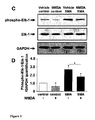
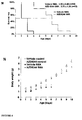
- FIGURE 1 is a diagrammatic representation of FIGURE 1:
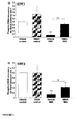
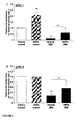
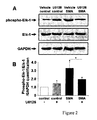
- FIGURE 2 is a diagrammatic representation of FIGURE 1
- FIGURE 3 is a diagrammatic representation of FIGURE 3
- FIGURE 4
- the knockout-transgenic SMA-like mice (Snm -/- , SMN2 +/+ ) were purchased from the Jackson Laboratory (Bar Harbor, ME) and genotyped as previously described 15 .
- Vehicle-treated group, NMDA-treated group, U0126-treated group and AZD6244-treated group of type 1 SMA-like mice were randomly constituted in a blind systematic manner to minimize bias.
- the control mice were heterozygous knock-out for Smn with the human SMN2 transgene (Smn -/+ , SMN2 +/+ ).
- mice In order to evaluate phospho-Elk-1 and phospho-CREB role on Smn2 promoter, P1 neonatal control and SMA-like mice, were either injected intrathecally with 5 pmol of N-methyl-D-aspartic Acid 100 ⁇ M (NMDA, Sigma, Saint Quentin Fallavier, France) in 0.5 ⁇ l/g of 0.9% NaCl dyed in blue Evans per gram. These mice were compared to control and SMA-like mice injected from P1 with 0.5 ⁇ l/g of 0.9% NaCl dyed in blue Evans.
- N-methyl-D-aspartic Acid 100 ⁇ M NMDA, Sigma, Saint Quentin Fallavier, France
- P1 neonatal control and type 1 SMA-like mice were injected either intrathecally with 0.5 pmol of 1,4-Diamino-2,3-dicyano-1,4-bis(o-aminophenylmercapto)butadiene monoethanolate 10 ⁇ M (U0126, Sigma, Saint Quentin Fallavier, France) in 0.5 ⁇ l/g of 0.9% NaCl 1% DMSO dyed in blue Evans per gram, or per os with 0.5 pmol of Selumetinib 10 ⁇ M (AZD6244, Selleck chemicals, Houston, TX) in 2 ⁇ l/g of 0.9% NaCl 1% DMSO.
- 10 ⁇ M 1,4-Diamino-2,3-dicyano-1,4-bis(o-aminophenylmercapto)butadiene monoethanolate 10 ⁇ M (U0126, Sigma, Saint Quentin Fallavier, France) in 0.5 ⁇ l/g of 0.9% NaCl
- mice were compared to control and SMA-like mice either injected from P1 with 0.5 ⁇ l/g of 0.9% NaCl 1% DMSO dyed in blue Evans or orally treated with 2 ⁇ l/g of 0.9% NaCl 1% DMSO. Body weight and life span recordings were performed every day until the death of the animal. The animals were considered as dead when mice were no longer able to stand up 20 sec after having been placed on their sides.
- Myoblast cells were cultured on 35 mm petri dish at 37°C in 5% CO 2 in Dulbecco's Modified Eagle's Medium (DMEM) supplemented with 2 mM glutamine, 20% fetal bovin serum, 2% penicillin/streptomycin (5000 U). All the culture medium reagents were purchased from Invitrogen Life Technologies (Cergy-Pontoise, France). Confluent myoblasts were differentiated into myotubes in DMEM supplemented with 2 mM glutamine, 5% horse serum, 2% penicillin/streptomycin (5000 U) (Differentiation medium, DM). After 5-7 days in DM, spinal cord explants were added on the cultured contracting muscle cells. After co-culture with spinal cord, the culture was kept in DM. All co-cultures were fed three times a week and examined daily by phase-contrast inverted microscopy to check the appearance of the innervation.
- DMEM Dulbecco's
- NMDARs Stimulation of the NMDARs was achieved by exposing cells to 100 ⁇ M NMDA, as previously described 14 .
- KG-501 (10 ⁇ M, Sigma) was added to the culture. After 5 days of treatment, explants were mechanically removed from the muscle layer, and proteins were purified and analyzed by western blot as described below.
- Muscle biopsies were obtained from the BTR (Bank of Tissues for Research, a partner in the EU network EuroBioBank) in accordance with European recommendations and French legislation. Satellite cells were isolated from biopsies and cultivated as described previously 26 in growth medium consisting of 1 vol 199 Medium / 4 vol DMEM (Invitrogen Life Technologies) supplemented with 20% fetal bovin serum (Invitrogen Life Technologies), 2.5 ng/ml hepatocyte growth factor (HGF) (Invitrogen Life Technologies), and 50 ⁇ g/ml Gentamycin (Invitrogen Life Technologies). Further expansion was made in growth medium without HGF. The myogenic purity of the populations was monitored by immunocytochemistry using desmin as a marker.
- Sections were subsequently incubated with polyclonal CyTM3-conjugated Donkey anti-Goat antibodies (1 : 400; Jackson ImmunoResearch, West Grove, PA) and polyclonal Cy TM 2-conjugated Donkey anti-Mouse antibodies (1 : 400; Jackson ImmunoResearch) for 1 h at room temperature in 3.5% donkey serum with 0.1% Tween TBS.
- the sections were washed three times for 10 min in 0.1% Tween TBS and mounted in Fluoromount GTM (SouthernBiotech, Birmingham, AL) mounting medium. The staining specificity was checked in control incubations performed in the absence of the primary antibody.
- Protein concentration of the clarified homogenates (4°C, 15 min, 13,500 rev.min-1) was determined on all samples using the Bradford protein assay (Biorad Laboratories, CA). 10 ⁇ g protein samples for SMN analysis and 30 ⁇ g samples for other analysis of each homogenate were submitted to 12.5% SDS-PAGE electrophoresis (1.5 M Tris pH 8.3, 12.5% Acrylamide, 0.07% Bis, 0.1% SDS, 0.05% APS, 0.06% TEMED). The separated proteins were transferred on PVDF membranes (Biorad) according to Towbin et al. 27 . Equal loading of samples was checked by Ponceau dye staining of the transferred gels.
- Membranes were rinsed in 0.1% TWEEN 20 in TBS for 3 x 10 min at room temperature and then incubated in horseradish peroxydase-conjugated Goat secondary antibody directed against Mouse Immunoglobulins (1 : 5,000; Biorad Laboratories, CA) and in horseradish peroxydase-conjugated Goat secondary antibody directed against Rabbit Immunoglobulins (1 : 10,000; Jackson ImmunoResearch) in 0.1 % TWEEN 20 in TBS for 1h at room temperature. Bound antibody complexes were developed using the ECL system (Amersham Biotech., Saclay, France) and exposed to hyperfilm ECL-plus X ray film (Amersham Biotech.).
- membranes were stripped after immunoblotting with phospho-AKT, phospho-ERK1/2, phospho-CREB and phospho-Elk-1 by incubation in stripping buffer (100 mM ⁇ -mercaptoethanol, 2% SDS, 62.5 mM Tris-HCl, pH 6.7) for 30 min at 55°C with agitation, and membranes were then blocked and reprobed with polyclonal rabbit anti-AKT (1 : 1,000; Cell Signaling, Inc.), polyclonal rabbit anti-ERK1/2 (1 : 500; Cell Signaling, Inc.), polyclonal rabbit anti-CREB (1 : 1,000; Millipore), monoclonal mouse anti-Elk-1 (1 : 1,000; Santa Cruz Biotechnology, Inc.) and monoclonal mouse anti-glyceraldehyde-3-phosphate dehydrogenase antibody (GAPDH) (1 : 5,000; Chemicon). Films were quantified with ImageJ v1.37 (National Institutes of Health, Bethesda, MD) and
- Ventral lumbar Spinal Cord samples were chopped into small pieces with a scalpel and were fixed for 15 min with 1% formaldehyde. Tissues were washed 3 times in cold PBS containing protease inhibitors (2 mM PMSF, 50 ⁇ g/ml leupeptin, 50 ⁇ g/ml pepstatin A and 50 ⁇ g/ml aprotinin) and collected by centrifugation.
- protease inhibitors 2 mM PMSF, 50 ⁇ g/ml leupeptin, 50 ⁇ g/ml pepstatin A and 50 ⁇ g/ml aprotinin
- ChIP-Adembeads (Ademtech SA, Pessac, France) were incubated for 15 min at room temperature with blocking buffer on a rotating wheel. Beads were ressuspended in 125 ⁇ l of ChIP Dilution buffer (0.01% SDS, 1% Triton X100, 1.2mM EDTA, 16.7 mM Trid-HCl (pH 8.1)), and after a 1h incubation, equal amounts of DNA diluted 10 times in dilution buffer were added.
- ChIP Dilution buffer 0.01% SDS, 1% Triton X100, 1.2mM EDTA, 16.7 mM Trid-HCl (pH 8.1)
- DNA was incubated overnight at 4°c on a rotating wheel with 1 ⁇ g of the following antibodies: polyclonal rabbit anti-Ser133 phospho-CREB (Millipore), monoclonal mouse anti-Ser183 phospho-Elk-1 (Santa Cruz Biotechnology, Inc), polyclonal rabbit anti-acetyl-Histone H3 Lys9 (Millipore) and polyclonal rabbit-acetyl-Histone H4 Lys 8 (Upstate Biotechnology, Inc., Lake Placid, NY).
- polyclonal rabbit anti-Ser133 phospho-CREB Millipore
- monoclonal mouse anti-Ser183 phospho-Elk-1 Santa Cruz Biotechnology, Inc
- polyclonal rabbit anti-acetyl-Histone H3 Lys9 Millipore
- polyclonal rabbit-acetyl-Histone H4 Lys 8 Upstate Biotechnology, Inc., Lake Placid, NY.
- Quantitative real time PCR was performed with standard protocols using SYBR®Green ROX Mix (ABgene, Courtaboeuf, France) as a fluorescent detection dye in ABI PRISM® 7000 in a final volume of 10 ⁇ l which also contains 300 nM of primers (Operon, Cologne, Germany).
- the mode of action of therapeutic molecules for the treatment of SMA may include the increase of SMN expression particularly in motor neurons through activating the SMN2 promoter, increasing exon-7 inclusion in SMN transcripts, or extending the half-life of SMN mRNA or protein. It may also include the promotion of motor neuron survival through the activation of anti-apoptotic pathways.
- SMN2 gene-inducing compounds using cultured fibroblasts derived from SMA patients, and which benefits were often further tested in vivo in SMA mouse models 5 .
- SMN inducer compounds were identified based on their supposed ability to increase general gene expression, such as histone deacetylase inhibitors 6, 7, 8 , or by high throughput screenings, such as quinazoline derivatives 9, 10 .
- histone deacetylase inhibitors 6, 7, 8 or by high throughput screenings, such as quinazoline derivatives 9, 10 .
- quinazoline derivatives 9, 10 Unfortunately, to date, many of these compounds were disappointing in clinical trials with no substantial clinical benefit demonstrated 11, 12, 13 . Ultimately, none of these compounds provide efficient anti-apoptotic potential for motor neurons.
- SMN promoter (GenBank accession AF187725) revealed that several CREB binding sites are flanked by putative response elements for transcription factors that are direct target of ERK 19, 20, 21 , namely the transcription factors of the ETS family Elk-1 ( Fig. 1a-b ). Yet, the CREB binding site 2 (+244 to +248 bp), considered as a positive regulator of SMN gene expression 22 , contains also putative response elements for Elk-1 (+356 to +429 bp), including a binding site for the Serum Response Factor (SRF).
- SRF Serum Response Factor
- site 1 that includes two putative CREB binding sites (-2572 to -2569 bp and -2525 to -2522 bp) also containing putative SRF binding site (-2556 to -2548 bp).
- ChIP experiments showed that the two transcription factors effectively bound to the two CRE sites but with an efficacy that correlated to their levels of activation.
- Elk-1 over-activated in the spinal cord of type 1 SMA-like mice ( Fig. 1c-d ), as expected for a direct target of ERK, displayed an increased binding on the two CRE sites in SMA spinal cord compared to controls ( Fig. 1e-f ).
- ChIP experiments revealed a dramatic decrease in the binding of CREB to the two CRE sites ( Fig. 1g-h ).
- the ratio of CREB and Elk-1 binding on the CRE sites was completely reversed in SMA spinal cords when SMN expression is promoted i.e. after a direct NMDA-receptor activation ( Fig. 1e-h ).
- Fig. 1e-h we analysed by ChIP the acetylation profiles of histones H3 and H4 in the two CRE sites in the spinal cord of SMA and control mice.
Landscapes
- Health & Medical Sciences (AREA)
- Life Sciences & Earth Sciences (AREA)
- Chemical & Material Sciences (AREA)
- Medicinal Chemistry (AREA)
- Pharmacology & Pharmacy (AREA)
- Animal Behavior & Ethology (AREA)
- General Health & Medical Sciences (AREA)
- Public Health (AREA)
- Veterinary Medicine (AREA)
- Epidemiology (AREA)
- Molecular Biology (AREA)
- Biochemistry (AREA)
- Engineering & Computer Science (AREA)
- Neurosurgery (AREA)
- Biomedical Technology (AREA)
- Bioinformatics & Cheminformatics (AREA)
- Neurology (AREA)
- Chemical Kinetics & Catalysis (AREA)
- Psychiatry (AREA)
- Hospice & Palliative Care (AREA)
- General Chemical & Material Sciences (AREA)
- Nuclear Medicine, Radiotherapy & Molecular Imaging (AREA)
- Organic Chemistry (AREA)
- Pharmaceuticals Containing Other Organic And Inorganic Compounds (AREA)
- Medicines That Contain Protein Lipid Enzymes And Other Medicines (AREA)
- Measuring Or Testing Involving Enzymes Or Micro-Organisms (AREA)
- Nitrogen Condensed Heterocyclic Rings (AREA)
Claims (8)
- Inhibiteur de ERK pour une utilisation dans le traitement de l'amyotrophie spinale associée à une anomalie dans le gène de survie des neurones moteurs (SMN), ladite anomalie entraînant une perte de la fonction motrice, ledit inhibiteur de ERK étant un composé qui inhibe l'activité de signalisation de MEK-ERK1/2 mesurée par la quantité relative des protéines ERK ou de la protéine Elk1 phosphorylées.
- Inhibiteur de ERK pour une utilisation selon la revendication 1, ladite anomalie entraînant une perte de la fonction motrice étant une mutation génétique dans le gène SMN1.
- Inhibiteur de ERK pour une utilisation selon l'une des revendications 1 et 2, ledit inhibiteur de ERK étant un inhibiteur de MEK1/2, de préférence avec une CI50 d'au moins 1 µM, ou inférieure.
- Inhibiteur de ERK pour une utilisation selon la revendication 3, ledit inhibiteur de MEK1/2 étant choisi dans le groupe constitué du sélumétinib, U0126, PD98059, PD0325901, AZD8330, CI-1040 et PD318088.
- Inhibiteur de ERK pour une utilisation selon la revendication 3, ledit inhibiteur de ERK étant choisi dans le groupe constitué du sélumétinib et de ses dérivés et de leurs sels pharmaceutiquement acceptables.
- Inhibiteur de ERK pour une utilisation selon l'une quelconque des revendications 1 et 2, ledit inhibiteur de ERK étant choisi dans le groupe constitué d'une molécule d'acide nucléique telle qu'un ARNsi, un ARNsh et un oligonucléotide antisens, ladite molécule d'acide nucléique étant capable de réduire l'expression de MEK1, MEK2, ERK1 ou ERK2.
- Inhibiteur de ERK pour une utilisation selon l'une quelconque des revendications 1 à 6, ledit inhibiteur de ERK étant administré par voie orale à un sujet dans une quantité efficace pour traiter l'amyotrophie spinale.
- Composition pharmaceutique comprenant un inhibiteur de ERK, en combinaison avec un autre composant de principe actif choisi dans le groupe constitué d'un ARNsi, un ARNsh ou des composés antisens dirigés contre l'acide nucléique codant pour un produit déficient du gène SMN1 entraînant une perte de la fonction motrice, dans laquelle ledit inhibiteur de ERK est un composé qui inhibe l'activité de signalisation de MEK-ERK1/2 mesurée par la quantité relative des protéines ERK ou de la protéine Elk1 phosphorylées.
Applications Claiming Priority (2)
| Application Number | Priority Date | Filing Date | Title |
|---|---|---|---|
| US201161489721P | 2011-05-25 | 2011-05-25 | |
| PCT/EP2012/059685 WO2012160130A1 (fr) | 2011-05-25 | 2012-05-24 | Inhibiteurs de la voie erk pour le traitement de l'amyotrophie spinale |
Publications (2)
| Publication Number | Publication Date |
|---|---|
| EP2714037A1 EP2714037A1 (fr) | 2014-04-09 |
| EP2714037B1 true EP2714037B1 (fr) | 2016-07-13 |
Family
ID=46148881
Family Applications (1)
| Application Number | Title | Priority Date | Filing Date |
|---|---|---|---|
| EP12723198.3A Active EP2714037B1 (fr) | 2011-05-25 | 2012-05-24 | Inhibiteurs de la voie erk pour le traitement de l'amyotrophie spinale |
Country Status (5)
| Country | Link |
|---|---|
| US (1) | US9833439B2 (fr) |
| EP (1) | EP2714037B1 (fr) |
| CA (1) | CA2836364C (fr) |
| ES (1) | ES2597052T3 (fr) |
| WO (1) | WO2012160130A1 (fr) |
Families Citing this family (8)
| Publication number | Priority date | Publication date | Assignee | Title |
|---|---|---|---|---|
| EP2714037B1 (fr) | 2011-05-25 | 2016-07-13 | Université Paris Descartes | Inhibiteurs de la voie erk pour le traitement de l'amyotrophie spinale |
| WO2015038704A1 (fr) | 2013-09-11 | 2015-03-19 | The J. David Gladstone Institutes, A Testamentary Trust Established Under The Will Of J. David Gladstone | Compositions pour prépaprer des cardiomyocytes |
| CA2922398C (fr) | 2013-09-12 | 2023-08-29 | Dana-Farber Cancer Institute, Inc. | Nethodes d'evaluation et de traitement de la macroglobulinemie de waldenstrom |
| WO2016040748A1 (fr) | 2014-09-12 | 2016-03-17 | Ionis Pharmaceuticals, Inc. | Compositions et procédés de détection d'une protéine smn chez un patient et traitement d'un patient |
| US10357543B2 (en) | 2015-11-16 | 2019-07-23 | Ohio State Innovation Foundation | Methods and compositions for treating disorders and diseases using Survival Motor Neuron (SMN) protein |
| JP7668233B2 (ja) | 2019-06-12 | 2025-04-24 | ハダシット メディカル リサーチ サービシーズ アンド ディベロップメント リミテッド | オリゴデンドロサイトの産生方法 |
| US20220249504A1 (en) * | 2019-07-10 | 2022-08-11 | The Brigham And Women's Hospital, Inc. | Longevity signatures and their applications |
| RS64879B1 (sr) * | 2019-07-19 | 2023-12-29 | Biogen Ma Inc | Postupci za lečenje ili prevenciju spinalne mišićne atrofije |
Family Cites Families (30)
| Publication number | Priority date | Publication date | Assignee | Title |
|---|---|---|---|---|
| US5525625A (en) | 1995-01-24 | 1996-06-11 | Warner-Lambert Company | 2-(2-Amino-3-methoxyphenyl)-4-oxo-4H-[1]benzopyran for treating proliferative disorders |
| UA73073C2 (uk) | 1997-04-03 | 2005-06-15 | Уайт Холдінгз Корпорейшн | Заміщені 3-ціанохіноліни, спосіб їх одержання та фармацевтична композиція |
| ES2229515T3 (es) | 1997-07-01 | 2005-04-16 | Warner-Lambert Company Llc | Derivados 4-bromo o 4-yodo del acido fenilamino benzhidroxamico y su uso como inhibidores de la mek. |
| US6506559B1 (en) | 1997-12-23 | 2003-01-14 | Carnegie Institute Of Washington | Genetic inhibition by double-stranded RNA |
| AUPP249298A0 (en) | 1998-03-20 | 1998-04-23 | Ag-Gene Australia Limited | Synthetic genes and genetic constructs comprising same I |
| AU2482800A (en) | 1999-01-13 | 2000-08-01 | Warner-Lambert Company | Sulphohydroxamic acids and sulphohydroxamates and their use as mek inhibitors |
| CA2348236A1 (fr) | 1999-01-13 | 2000-07-20 | Stephen Douglas Barrett | 4-arylamino, 4-aryloxy, et 4-arylthio diarylamines et leurs derives comme inhibiteurs selectifs de mek |
| ID30439A (id) | 1999-01-13 | 2001-12-06 | Warner Lambert Co | Benzoheterosiklus dan penggunaannya sebagai penghambat mek |
| CA2349832A1 (fr) | 1999-01-13 | 2000-07-20 | Warner-Lambert Company | Derives de benzenesulfonamide et leur utilisation comme inhibiteurs de mek |
| BR9916857A (pt) | 1999-01-13 | 2001-12-04 | Warner Lambert Co | 4 heteroaril diarilaminas |
| JP2002534515A (ja) | 1999-01-13 | 2002-10-15 | ワーナー−ランバート・カンパニー | 1−複素環置換されたジアリールアミン |
| GB9910577D0 (en) | 1999-05-08 | 1999-07-07 | Zeneca Ltd | Chemical compounds |
| GB9927444D0 (en) | 1999-11-19 | 2000-01-19 | Cancer Res Campaign Tech | Inhibiting gene expression |
| DE10160151A1 (de) | 2001-01-09 | 2003-06-26 | Ribopharma Ag | Verfahren zur Hemmung der Expression eines vorgegebenen Zielgens |
| EP1207864A2 (fr) | 2000-02-05 | 2002-05-29 | Vertex Pharmaceuticals Incorporated | Compositions utiles comme inhibiteurs de erk |
| JP4739632B2 (ja) | 2000-02-05 | 2011-08-03 | バーテックス ファーマシューティカルズ インコーポレイテッド | Erkのインヒビターとして有用なピラゾール組成物 |
| JP2003527379A (ja) | 2000-03-15 | 2003-09-16 | ワーナー−ランバート・カンパニー、リミテッド、ライアビリティ、カンパニー | Mex阻害物質としての5−アミド置換ジアリールアミン類 |
| JP2003526367A (ja) | 2000-03-16 | 2003-09-09 | ジェネティカ インコーポレイテッド | Rna干渉の方法とrna干渉組成物 |
| DE10017480A1 (de) | 2000-04-07 | 2001-10-11 | Transmit Technologietransfer | Verwendung von Substanzen, die als MEK Inhibitor wirken, zur Herstellung eines Arneimittels gegen DNA- und RNA-Viren |
| AU7349801A (en) | 2000-07-19 | 2002-01-30 | Warner Lambert Co | Oxygenated esters of 4-iodo phenylamino benzhydroxamic acids |
| AU2002257456A1 (en) * | 2001-05-24 | 2002-12-03 | University Of Western Ontario | Control of myogenesis by modulation of p38 map kinase activity |
| SG2013013339A (en) | 2002-03-13 | 2014-12-30 | Array Biopharma Inc | N3 alkylated benzimidazole derivatives as mek inhibitors |
| US7235537B2 (en) | 2002-03-13 | 2007-06-26 | Array Biopharma, Inc. | N3 alkylated benzimidazole derivatives as MEK inhibitors |
| WO2003077855A2 (fr) | 2002-03-13 | 2003-09-25 | Array Biopharma, Inc | Derives de benzimidazole n3 alkyles servant d'inhibiteurs de mek |
| US20060140872A1 (en) * | 2003-02-26 | 2006-06-29 | Kowa Co., Ltd. | Novel signaling pathway for the production of inglammatory pain and neuropathy |
| US7838657B2 (en) | 2004-12-03 | 2010-11-23 | University Of Massachusetts | Spinal muscular atrophy (SMA) treatment via targeting of SMN2 splice site inhibitory sequences |
| WO2009036020A1 (fr) * | 2007-09-10 | 2009-03-19 | Curis, Inc. | Inhibiteurs de la mek contenant une fraction de liaison au zinc |
| KR20220084437A (ko) | 2009-06-17 | 2022-06-21 | 바이오젠 엠에이 인코포레이티드 | 대상에게서 smn2 스플라이싱을 조정하기 위한 조성물 및 방법 |
| US20120077753A1 (en) | 2009-06-25 | 2012-03-29 | Laxman Gangwani | Jnk inhibitors for use in treating spinal muscular atrophy |
| EP2714037B1 (fr) | 2011-05-25 | 2016-07-13 | Université Paris Descartes | Inhibiteurs de la voie erk pour le traitement de l'amyotrophie spinale |
-
2012
- 2012-05-24 EP EP12723198.3A patent/EP2714037B1/fr active Active
- 2012-05-24 CA CA2836364A patent/CA2836364C/fr active Active
- 2012-05-24 WO PCT/EP2012/059685 patent/WO2012160130A1/fr not_active Ceased
- 2012-05-24 US US14/119,906 patent/US9833439B2/en active Active
- 2012-05-24 ES ES12723198.3T patent/ES2597052T3/es active Active
Also Published As
| Publication number | Publication date |
|---|---|
| CA2836364C (fr) | 2021-01-26 |
| WO2012160130A1 (fr) | 2012-11-29 |
| US9833439B2 (en) | 2017-12-05 |
| US20140113956A1 (en) | 2014-04-24 |
| EP2714037A1 (fr) | 2014-04-09 |
| ES2597052T3 (es) | 2017-01-13 |
| CA2836364A1 (fr) | 2012-11-29 |
Similar Documents
| Publication | Publication Date | Title |
|---|---|---|
| US9833439B2 (en) | ERK inhibitors for use in treating spinal muscular atrophy | |
| Patel et al. | Increased smooth muscle cell expression of caveolin‐1 and caveolae contribute to the pathophysiology of idiopathic pulmonary arterial hypertension | |
| EP3362564B1 (fr) | Inhibiteurs de tia-1 à base d'acide nucléique | |
| Alqinyah et al. | Regulator of G protein signaling 10 (Rgs10) expression is transcriptionally silenced in activated microglia by histone deacetylase activity | |
| EP2841067A2 (fr) | Plate-forme de criblage de médicaments pour le syndrome de rett | |
| JP2018531046A6 (ja) | 核酸ベースのtia−1阻害剤 | |
| CN103381269B (zh) | 检测和调节肿瘤细胞对抗有丝分裂剂的敏感性的方法 | |
| US12565650B2 (en) | STAUFEN1 regulating agents and associated methods | |
| WO2007143630A2 (fr) | Traitement de la neurofibromatose avec des inhibiteurs de la hsp90 | |
| EP3440047A1 (fr) | Prévention et inversion d'une altération de l'adn induite par une inflammation | |
| US20200022957A1 (en) | Kinase and ubiquitin ligase inhibitors and uses thereof | |
| US12409189B2 (en) | STAUFEN1 agents and associated methods | |
| CN1980681A (zh) | GSK-3β的调节及治疗增殖性病变的方法 | |
| JP6490077B2 (ja) | ダウン症を治療するための細胞内塩化物濃度のモジュレータ | |
| Shrestha et al. | Angiotensin II receptor type 1 blockade regulates Klotho expression to induce TSC2-deficient cell death | |
| US20200123544A1 (en) | Gene therapy targeting the neonatal form of nav1.5 for treating cancer | |
| WO2017089347A1 (fr) | Procédés et compositions pharmaceutiques pour le traitement de mélanomes résistant aux inhibiteurs de braf | |
| WO2010116673A1 (fr) | Agent améliorant la fonction mitochondriale | |
| WO2019209704A1 (fr) | Compositions de micro-arn 584-5p et méthodes de traitement du cancer | |
| US9951336B2 (en) | Composition for reducing senescence of cell or subject comprising smurf2 inhibitor and use thereof | |
| CN104884097A (zh) | 用于耐药性乳腺癌预后和治疗的作为新治疗助剂和生物标志物的miRNA | |
| US20250134885A1 (en) | Use of shp2 inhibitors for inhibiting senescence | |
| WO2026009728A1 (fr) | Acides nucléiques antisens et leur utilisation | |
| WO2025234407A1 (fr) | Acide nucléique antisens et son utilisation | |
| WO2021011802A1 (fr) | Procédés et compositions pour inverser le silençage de gènes marqués |
Legal Events
| Date | Code | Title | Description |
|---|---|---|---|
| PUAI | Public reference made under article 153(3) epc to a published international application that has entered the european phase |
Free format text: ORIGINAL CODE: 0009012 |
|
| 17P | Request for examination filed |
Effective date: 20131121 |
|
| AK | Designated contracting states |
Kind code of ref document: A1 Designated state(s): AL AT BE BG CH CY CZ DE DK EE ES FI FR GB GR HR HU IE IS IT LI LT LU LV MC MK MT NL NO PL PT RO RS SE SI SK SM TR |
|
| DAX | Request for extension of the european patent (deleted) | ||
| 17Q | First examination report despatched |
Effective date: 20141222 |
|
| RIC1 | Information provided on ipc code assigned before grant |
Ipc: C12N 15/11 20060101ALI20150731BHEP Ipc: A61P 25/28 20060101ALI20150731BHEP Ipc: A61K 31/713 20060101ALI20150731BHEP Ipc: A61K 31/136 20060101ALI20150731BHEP Ipc: C12N 15/113 20100101ALI20150731BHEP Ipc: A61K 31/16 20060101ALI20150731BHEP Ipc: A61K 31/4184 20060101AFI20150731BHEP Ipc: A61K 31/4412 20060101ALI20150731BHEP Ipc: A61K 31/352 20060101ALI20150731BHEP Ipc: A61K 31/7088 20060101ALI20150731BHEP Ipc: A61K 31/166 20060101ALI20150731BHEP |
|
| GRAP | Despatch of communication of intention to grant a patent |
Free format text: ORIGINAL CODE: EPIDOSNIGR1 |
|
| INTG | Intention to grant announced |
Effective date: 20151001 |
|
| GRAS | Grant fee paid |
Free format text: ORIGINAL CODE: EPIDOSNIGR3 |
|
| GRAA | (expected) grant |
Free format text: ORIGINAL CODE: 0009210 |
|
| AK | Designated contracting states |
Kind code of ref document: B1 Designated state(s): AL AT BE BG CH CY CZ DE DK EE ES FI FR GB GR HR HU IE IS IT LI LT LU LV MC MK MT NL NO PL PT RO RS SE SI SK SM TR |
|
| REG | Reference to a national code |
Ref country code: GB Ref legal event code: FG4D |
|
| REG | Reference to a national code |
Ref country code: AT Ref legal event code: REF Ref document number: 811725 Country of ref document: AT Kind code of ref document: T Effective date: 20160715 Ref country code: CH Ref legal event code: EP |
|
| REG | Reference to a national code |
Ref country code: IE Ref legal event code: FG4D |
|
| REG | Reference to a national code |
Ref country code: DE Ref legal event code: R096 Ref document number: 602012020430 Country of ref document: DE |
|
| RAP2 | Party data changed (patent owner data changed or rights of a patent transferred) |
Owner name: UNIVERSITE PARIS DESCARTES Owner name: CENTRE NATIONAL DE LA RECHERCHE SCIENTIFIQUE |
|
| REG | Reference to a national code |
Ref country code: CH Ref legal event code: PUEA Owner name: CENTRE NATIONAL DE LA RECHERCHE SCIENTIFIQUE, FR Free format text: FORMER OWNER: UNIVERSITE PARIS DESCARTES, FR |
|
| REG | Reference to a national code |
Ref country code: LT Ref legal event code: MG4D |
|
| REG | Reference to a national code |
Ref country code: NL Ref legal event code: MP Effective date: 20160713 |
|
| REG | Reference to a national code |
Ref country code: DE Ref legal event code: R081 Ref document number: 602012020430 Country of ref document: DE Owner name: UNIVERSITE PARIS CITE, FR Free format text: FORMER OWNER: UNIVERSITE PARIS DESCARTES, PARIS, FR Ref country code: DE Ref legal event code: R081 Ref document number: 602012020430 Country of ref document: DE Owner name: UNIVERSITE DE PARIS, FR Free format text: FORMER OWNER: UNIVERSITE PARIS DESCARTES, PARIS, FR Ref country code: DE Ref legal event code: R081 Ref document number: 602012020430 Country of ref document: DE Owner name: CENTRE NATIONAL DE LA RECHERCHE SCIENTIFIQUE, FR Free format text: FORMER OWNER: UNIVERSITE PARIS DESCARTES, PARIS, FR Ref country code: DE Ref legal event code: R081 Ref document number: 602012020430 Country of ref document: DE Owner name: UNIVERSITE PARIS DESCARTES, FR Free format text: FORMER OWNER: UNIVERSITE PARIS DESCARTES, PARIS, FR |
|
| REG | Reference to a national code |
Ref country code: AT Ref legal event code: MK05 Ref document number: 811725 Country of ref document: AT Kind code of ref document: T Effective date: 20160713 |
|
| REG | Reference to a national code |
Ref country code: ES Ref legal event code: FG2A Ref document number: 2597052 Country of ref document: ES Kind code of ref document: T3 Effective date: 20170113 |
|
| PG25 | Lapsed in a contracting state [announced via postgrant information from national office to epo] |
Ref country code: IS Free format text: LAPSE BECAUSE OF FAILURE TO SUBMIT A TRANSLATION OF THE DESCRIPTION OR TO PAY THE FEE WITHIN THE PRESCRIBED TIME-LIMIT Effective date: 20161113 Ref country code: NL Free format text: LAPSE BECAUSE OF FAILURE TO SUBMIT A TRANSLATION OF THE DESCRIPTION OR TO PAY THE FEE WITHIN THE PRESCRIBED TIME-LIMIT Effective date: 20160713 Ref country code: LT Free format text: LAPSE BECAUSE OF FAILURE TO SUBMIT A TRANSLATION OF THE DESCRIPTION OR TO PAY THE FEE WITHIN THE PRESCRIBED TIME-LIMIT Effective date: 20160713 Ref country code: RS Free format text: LAPSE BECAUSE OF FAILURE TO SUBMIT A TRANSLATION OF THE DESCRIPTION OR TO PAY THE FEE WITHIN THE PRESCRIBED TIME-LIMIT Effective date: 20160713 Ref country code: NO Free format text: LAPSE BECAUSE OF FAILURE TO SUBMIT A TRANSLATION OF THE DESCRIPTION OR TO PAY THE FEE WITHIN THE PRESCRIBED TIME-LIMIT Effective date: 20161013 Ref country code: HR Free format text: LAPSE BECAUSE OF FAILURE TO SUBMIT A TRANSLATION OF THE DESCRIPTION OR TO PAY THE FEE WITHIN THE PRESCRIBED TIME-LIMIT Effective date: 20160713 Ref country code: FI Free format text: LAPSE BECAUSE OF FAILURE TO SUBMIT A TRANSLATION OF THE DESCRIPTION OR TO PAY THE FEE WITHIN THE PRESCRIBED TIME-LIMIT Effective date: 20160713 |
|
| REG | Reference to a national code |
Ref country code: GB Ref legal event code: 732E Free format text: REGISTERED BETWEEN 20170105 AND 20170111 |
|
| PG25 | Lapsed in a contracting state [announced via postgrant information from national office to epo] |
Ref country code: PT Free format text: LAPSE BECAUSE OF FAILURE TO SUBMIT A TRANSLATION OF THE DESCRIPTION OR TO PAY THE FEE WITHIN THE PRESCRIBED TIME-LIMIT Effective date: 20161114 Ref country code: BE Free format text: LAPSE BECAUSE OF FAILURE TO SUBMIT A TRANSLATION OF THE DESCRIPTION OR TO PAY THE FEE WITHIN THE PRESCRIBED TIME-LIMIT Effective date: 20160713 Ref country code: PL Free format text: LAPSE BECAUSE OF FAILURE TO SUBMIT A TRANSLATION OF THE DESCRIPTION OR TO PAY THE FEE WITHIN THE PRESCRIBED TIME-LIMIT Effective date: 20160713 Ref country code: GR Free format text: LAPSE BECAUSE OF FAILURE TO SUBMIT A TRANSLATION OF THE DESCRIPTION OR TO PAY THE FEE WITHIN THE PRESCRIBED TIME-LIMIT Effective date: 20161014 Ref country code: AT Free format text: LAPSE BECAUSE OF FAILURE TO SUBMIT A TRANSLATION OF THE DESCRIPTION OR TO PAY THE FEE WITHIN THE PRESCRIBED TIME-LIMIT Effective date: 20160713 Ref country code: SE Free format text: LAPSE BECAUSE OF FAILURE TO SUBMIT A TRANSLATION OF THE DESCRIPTION OR TO PAY THE FEE WITHIN THE PRESCRIBED TIME-LIMIT Effective date: 20160713 Ref country code: LV Free format text: LAPSE BECAUSE OF FAILURE TO SUBMIT A TRANSLATION OF THE DESCRIPTION OR TO PAY THE FEE WITHIN THE PRESCRIBED TIME-LIMIT Effective date: 20160713 |
|
| REG | Reference to a national code |
Ref country code: DE Ref legal event code: R097 Ref document number: 602012020430 Country of ref document: DE |
|
| REG | Reference to a national code |
Ref country code: FR Ref legal event code: PLFP Year of fee payment: 6 |
|
| PG25 | Lapsed in a contracting state [announced via postgrant information from national office to epo] |
Ref country code: EE Free format text: LAPSE BECAUSE OF FAILURE TO SUBMIT A TRANSLATION OF THE DESCRIPTION OR TO PAY THE FEE WITHIN THE PRESCRIBED TIME-LIMIT Effective date: 20160713 Ref country code: RO Free format text: LAPSE BECAUSE OF FAILURE TO SUBMIT A TRANSLATION OF THE DESCRIPTION OR TO PAY THE FEE WITHIN THE PRESCRIBED TIME-LIMIT Effective date: 20160713 |
|
| PLBE | No opposition filed within time limit |
Free format text: ORIGINAL CODE: 0009261 |
|
| STAA | Information on the status of an ep patent application or granted ep patent |
Free format text: STATUS: NO OPPOSITION FILED WITHIN TIME LIMIT |
|
| PG25 | Lapsed in a contracting state [announced via postgrant information from national office to epo] |
Ref country code: CZ Free format text: LAPSE BECAUSE OF FAILURE TO SUBMIT A TRANSLATION OF THE DESCRIPTION OR TO PAY THE FEE WITHIN THE PRESCRIBED TIME-LIMIT Effective date: 20160713 Ref country code: SK Free format text: LAPSE BECAUSE OF FAILURE TO SUBMIT A TRANSLATION OF THE DESCRIPTION OR TO PAY THE FEE WITHIN THE PRESCRIBED TIME-LIMIT Effective date: 20160713 Ref country code: BG Free format text: LAPSE BECAUSE OF FAILURE TO SUBMIT A TRANSLATION OF THE DESCRIPTION OR TO PAY THE FEE WITHIN THE PRESCRIBED TIME-LIMIT Effective date: 20161013 Ref country code: DK Free format text: LAPSE BECAUSE OF FAILURE TO SUBMIT A TRANSLATION OF THE DESCRIPTION OR TO PAY THE FEE WITHIN THE PRESCRIBED TIME-LIMIT Effective date: 20160713 Ref country code: SM Free format text: LAPSE BECAUSE OF FAILURE TO SUBMIT A TRANSLATION OF THE DESCRIPTION OR TO PAY THE FEE WITHIN THE PRESCRIBED TIME-LIMIT Effective date: 20160713 |
|
| 26N | No opposition filed |
Effective date: 20170418 |
|
| PG25 | Lapsed in a contracting state [announced via postgrant information from national office to epo] |
Ref country code: LU Free format text: LAPSE BECAUSE OF NON-PAYMENT OF DUE FEES Effective date: 20170531 Ref country code: SI Free format text: LAPSE BECAUSE OF FAILURE TO SUBMIT A TRANSLATION OF THE DESCRIPTION OR TO PAY THE FEE WITHIN THE PRESCRIBED TIME-LIMIT Effective date: 20160713 |
|
| PG25 | Lapsed in a contracting state [announced via postgrant information from national office to epo] |
Ref country code: MC Free format text: LAPSE BECAUSE OF FAILURE TO SUBMIT A TRANSLATION OF THE DESCRIPTION OR TO PAY THE FEE WITHIN THE PRESCRIBED TIME-LIMIT Effective date: 20160713 |
|
| PG25 | Lapsed in a contracting state [announced via postgrant information from national office to epo] |
Ref country code: LU Free format text: LAPSE BECAUSE OF NON-PAYMENT OF DUE FEES Effective date: 20170524 |
|
| REG | Reference to a national code |
Ref country code: FR Ref legal event code: PLFP Year of fee payment: 7 |
|
| PG25 | Lapsed in a contracting state [announced via postgrant information from national office to epo] |
Ref country code: MT Free format text: LAPSE BECAUSE OF NON-PAYMENT OF DUE FEES Effective date: 20170524 |
|
| PG25 | Lapsed in a contracting state [announced via postgrant information from national office to epo] |
Ref country code: AL Free format text: LAPSE BECAUSE OF FAILURE TO SUBMIT A TRANSLATION OF THE DESCRIPTION OR TO PAY THE FEE WITHIN THE PRESCRIBED TIME-LIMIT Effective date: 20160713 |
|
| PG25 | Lapsed in a contracting state [announced via postgrant information from national office to epo] |
Ref country code: HU Free format text: LAPSE BECAUSE OF FAILURE TO SUBMIT A TRANSLATION OF THE DESCRIPTION OR TO PAY THE FEE WITHIN THE PRESCRIBED TIME-LIMIT; INVALID AB INITIO Effective date: 20120524 |
|
| PG25 | Lapsed in a contracting state [announced via postgrant information from national office to epo] |
Ref country code: CY Free format text: LAPSE BECAUSE OF NON-PAYMENT OF DUE FEES Effective date: 20160713 |
|
| PG25 | Lapsed in a contracting state [announced via postgrant information from national office to epo] |
Ref country code: MK Free format text: LAPSE BECAUSE OF FAILURE TO SUBMIT A TRANSLATION OF THE DESCRIPTION OR TO PAY THE FEE WITHIN THE PRESCRIBED TIME-LIMIT Effective date: 20160713 |
|
| PG25 | Lapsed in a contracting state [announced via postgrant information from national office to epo] |
Ref country code: TR Free format text: LAPSE BECAUSE OF FAILURE TO SUBMIT A TRANSLATION OF THE DESCRIPTION OR TO PAY THE FEE WITHIN THE PRESCRIBED TIME-LIMIT Effective date: 20160713 |
|
| REG | Reference to a national code |
Ref country code: CH Ref legal event code: PK Free format text: BERICHTIGUNGEN |
|
| REG | Reference to a national code |
Ref country code: GB Ref legal event code: 732E Free format text: REGISTERED BETWEEN 20210930 AND 20211006 |
|
| REG | Reference to a national code |
Ref country code: DE Ref legal event code: R081 Ref document number: 602012020430 Country of ref document: DE Owner name: UNIVERSITE PARIS CITE, FR Free format text: FORMER OWNERS: CENTRE NATIONAL DE LA RECHERCHE SCIENTIFIQUE, 75016 PARIS, FR; UNIVERSITE PARIS DESCARTES, PARIS, FR Ref country code: DE Ref legal event code: R081 Ref document number: 602012020430 Country of ref document: DE Owner name: UNIVERSITE DE PARIS, FR Free format text: FORMER OWNERS: CENTRE NATIONAL DE LA RECHERCHE SCIENTIFIQUE, 75016 PARIS, FR; UNIVERSITE PARIS DESCARTES, PARIS, FR Ref country code: DE Ref legal event code: R081 Ref document number: 602012020430 Country of ref document: DE Owner name: CENTRE NATIONAL DE LA RECHERCHE SCIENTIFIQUE, FR Free format text: FORMER OWNERS: CENTRE NATIONAL DE LA RECHERCHE SCIENTIFIQUE, 75016 PARIS, FR; UNIVERSITE PARIS DESCARTES, PARIS, FR |
|
| REG | Reference to a national code |
Ref country code: DE Ref legal event code: R081 Ref document number: 602012020430 Country of ref document: DE Owner name: UNIVERSITE PARIS CITE, FR Free format text: FORMER OWNERS: CENTRE NATIONAL DE LA RECHERCHE SCIENTIFIQUE, 75016 PARIS, FR; UNIVERSITE DE PARIS, PARIS, FR Ref country code: DE Ref legal event code: R081 Ref document number: 602012020430 Country of ref document: DE Owner name: CENTRE NATIONAL DE LA RECHERCHE SCIENTIFIQUE, FR Free format text: FORMER OWNERS: CENTRE NATIONAL DE LA RECHERCHE SCIENTIFIQUE, 75016 PARIS, FR; UNIVERSITE DE PARIS, PARIS, FR |
|
| REG | Reference to a national code |
Ref country code: ES Ref legal event code: PC2A Owner name: UNIVERSITE DE PARIS Effective date: 20221216 |
|
| REG | Reference to a national code |
Ref country code: ES Ref legal event code: PC2A Owner name: UNIVERSITE PARIS CITE Effective date: 20230214 |
|
| REG | Reference to a national code |
Ref country code: CH Ref legal event code: U11 Free format text: ST27 STATUS EVENT CODE: U-0-0-U10-U11 (AS PROVIDED BY THE NATIONAL OFFICE) Effective date: 20260601 |
|
| PGFP | Annual fee paid to national office [announced via postgrant information from national office to epo] |
Ref country code: ES Payment date: 20260601 Year of fee payment: 15 |
|
| PGFP | Annual fee paid to national office [announced via postgrant information from national office to epo] |
Ref country code: GB Payment date: 20260421 Year of fee payment: 15 |
|
| PGFP | Annual fee paid to national office [announced via postgrant information from national office to epo] |
Ref country code: IT Payment date: 20260421 Year of fee payment: 15 |
|
| PGFP | Annual fee paid to national office [announced via postgrant information from national office to epo] |
Ref country code: DE Payment date: 20260421 Year of fee payment: 15 |
|
| PGFP | Annual fee paid to national office [announced via postgrant information from national office to epo] |
Ref country code: IE Payment date: 20260422 Year of fee payment: 15 Ref country code: CH Payment date: 20260601 Year of fee payment: 15 |
|
| PGFP | Annual fee paid to national office [announced via postgrant information from national office to epo] |
Ref country code: FR Payment date: 20260422 Year of fee payment: 15 |