EP2733207A1 - Agent thérapeutique pour une maladie ischémique - Google Patents
Agent thérapeutique pour une maladie ischémique Download PDFInfo
- Publication number
- EP2733207A1 EP2733207A1 EP12811514.4A EP12811514A EP2733207A1 EP 2733207 A1 EP2733207 A1 EP 2733207A1 EP 12811514 A EP12811514 A EP 12811514A EP 2733207 A1 EP2733207 A1 EP 2733207A1
- Authority
- EP
- European Patent Office
- Prior art keywords
- bifidobacterium
- gene transfer
- transfer carrier
- ischemic
- ischemic disease
- Prior art date
- Legal status (The legal status is an assumption and is not a legal conclusion. Google has not performed a legal analysis and makes no representation as to the accuracy of the status listed.)
- Withdrawn
Links
Images








Classifications
-
- A—HUMAN NECESSITIES
- A61—MEDICAL OR VETERINARY SCIENCE; HYGIENE
- A61K—PREPARATIONS FOR MEDICAL, DENTAL OR TOILETRY PURPOSES
- A61K35/00—Medicinal preparations containing materials or reaction products thereof with undetermined constitution
- A61K35/66—Microorganisms or materials therefrom
- A61K35/74—Bacteria
- A61K35/741—Probiotics
- A61K35/744—Lactic acid bacteria, e.g. enterococci, pediococci, lactococci, streptococci or leuconostocs
- A61K35/745—Bifidobacteria
-
- A—HUMAN NECESSITIES
- A61—MEDICAL OR VETERINARY SCIENCE; HYGIENE
- A61P—SPECIFIC THERAPEUTIC ACTIVITY OF CHEMICAL COMPOUNDS OR MEDICINAL PREPARATIONS
- A61P9/00—Drugs for disorders of the cardiovascular system
- A61P9/10—Drugs for disorders of the cardiovascular system for treating ischaemic or atherosclerotic diseases, e.g. antianginal drugs, coronary vasodilators, drugs for myocardial infarction, retinopathy, cerebrovascula insufficiency, renal arteriosclerosis
-
- C—CHEMISTRY; METALLURGY
- C07—ORGANIC CHEMISTRY
- C07K—PEPTIDES
- C07K14/00—Peptides having more than 20 amino acids; Gastrins; Somatostatins; Melanotropins; Derivatives thereof
- C07K14/435—Peptides having more than 20 amino acids; Gastrins; Somatostatins; Melanotropins; Derivatives thereof from animals; from humans
- C07K14/475—Growth factors; Growth regulators
- C07K14/50—Fibroblast growth factor [FGF]
Definitions
- the present invention relates to a gene transfer carrier and a pharmaceutical composition that can specifically treat the site of an ischemic disease, and a treatment method for an ischemic disease using same.
- Bifidobacterium which is a nonpathogenic enterobacterium that is present within and makes up the flora in the human intestine and is known to be a very safe obligately anaerobic bacterium, has been attracting attention, and a transformed Bifidobacterium that expresses cytosine deaminase, which is an enzyme that converts 5-fluorocytosine, which is a prodrug for the antitumor substance 5-fluorouracil, into 5-FU has been developed (ref. Patent Documents 4 and 5).
- This transformant Bifidobacterium has the advantage that when it is intravenously administered into an animal model of solid tumor which is an anaerobic disease, it specifically colonizes and grows in anaerobic diseased tissue in a low oxygen state and quickly disappears in normal tissue that is not in an anaerobic environment (ref. Non-Patent Documents 1 and 2).
- Angiogenic therapy in which blood flow is restored by regeneration of blood vessels or development of collateral circulation has been attempted.
- Angiogenic therapy can be broadly divided into three types of therapies, that is, cell transplantation, protein administration, and gene therapy, but from the viewpoint of low invasiveness, gene therapy has particularly been attracting attention in recent years.
- angiogenesis by gene therapy for example, a gene coding for hepatocyte growth factor: HGF, vascular endothelial growth factor: VEGF, etc. is introduced into an area around an affected part by intramuscular injection or intraarterial infusion, thus promoting angiogenesis in the area around the affected part and thereby restoring blood flow (ref. e.g. Non-Patent Documents 3 and 4).
- angiogenesis therapies have been attracting attention as one option for a patient for whom revascularization is not possible or whom the effect is insufficient due to a disorder at the arteriolar level, or a patient who cannot be treated surgically due to a problem with invasiveness and, in particular, with regard to angiogenic therapy by gene therapy, many clinical tests have been carried out in recent years.
- angiogenic therapy utilizing gene therapy is useful for the treatment of an ischemic disease
- current angiogenic therapy utilizing gene therapy still has some problems.
- gene transfer carriers do not have lesion site specificity and when systemically administered they are systemically disseminated, therefore, intramuscular injection or intraarterial infusion is mainly used to administer a transgene; but in these administration methods it cannot be said that it is administered specifically and uniformly to the ischemic disease site and, furthermore, when an ischemic site and a non-ischemic site are present together, a large amount of transgene is delivered to the non-ischemic site, thereby angiogenesis in the non-ischemic site is promoted, and as a result a phenomenon called steal phenomenon in which blood circulation further deteriorates at the ischemic site might occur.
- angiogenic therapy is greatly superior to other therapies for the elderly, diabetic patients, etc. because of low invasiveness, but these patients might have complications whose symptoms may be aggravated by angiogenesis, such as for example diabetic retinopathy in a diabetic patient or a malignant tumor in the elderly, and the application of current angiogenic therapy, which has low specificity for a disease site, is limited.
- the present inventors have found that all of these problems can be solved by a vector that specifically accumulates only at a disease site even with systemic administration, has a high protein expression rate, and disappears from the disease site accompanying a cure, and as a result of an intensive investigation the present invention has been accomplished.
- the present invention relates to the following.
- the gene transfer carrier of the present invention is an anaerobic bacterium, it colonizes and grows specifically at the site of an ischemic disease, which is under an anaerobic environment, can produce and secrete a protein having therapeutic activity for an ischemic disease in the diseased tissue, is very useful as a drug for the treatment of an ischemic disease, and can be expected to be a high quality gene transfer carrier. Furthermore, since it colonizes specifically at the site of an ischemic disease, it specifically accumulates at the site of an ischemic disease and exhibits an effect even with systemic administration such as intravenous injection. Therefore, there is no necessity for the administration of a large amount or administration multiple times, and the burden on the administration subject can be alleviated.
- the anaerobic environment at the site of the ischemic disease is maintained while the ischemia continues, it grows for a long period of time, but once the ischemia enters remission, the anaerobic environment is no longer maintained, it cannot grow and quickly disappears.
- the gene transfer carrier of the present invention can itself express a protein that is useful for treatment, it is not necessary to take into consideration the efficiency of gene transfer to the ischemic site or the cells in its vicinity as in the conventional art, and high protein expression efficiency can always be exhibited. Moreover, since it is a carrier that is specifically delivered to the ischemic site, there are no concerns about complications. It is therefore possible to carry out an angiogenic treatment that is less invasive than the conventional art, causes fewer side effects, and has high safety. Furthermore, making the gene transfer carrier of the present invention simultaneously express a marker enables it to be used for the diagnosis of an ischemic site or as a monitor for a treatment. Moreover, the gene carrier of the present invention can deliver a plurality of genes at the same time, and it is thought that a more efficient and noninvasive treatment will become possible by incorporating a plurality of effective growth factors and administering.
- the present invention relates to a gene transfer carrier formed from an anaerobic bacterium that can grow specifically at the site of an ischemic disease and can express at least one type of protein that is useful for the diagnosis or treatment of an ischemic disease.
- 'ischemia' means a state in which there is a shortage of oxygen and nutrients in tissue due to a decrease in the amount of arterial blood supplied to the tissue caused by constriction or blockage of blood vessels, and persistent ischemia causes tissue atrophy, degeneration, necrosis, etc.
- the gene transfer carrier of the present invention is mainly used in a treatment method for improving an undesirable state caused by ischemia, such as an angiogenic treatment or protection of an organ. Therefore, in the present specification, an 'ischemic disease' is a state in which, regardless of the presence or absence of subjective symptoms, ischemia of the tissue is sustained by the constriction or blockage of arteries or an undesirable state caused by such ischemia.
- ischemic diseases include, but are not limited to, an ischemic heart disease such as angina pectoris or myocardial infarction, a cerebral ischemia such as cerebral infarction, a chronic cerebral ischemia such as moyamoya disease, spinal ischemia, an ischemic bowel disease such as ischemic colitis or mesenteric arterial occlusion, a lower limb ischemia such as arteriosclerosis obliterans, and a retinal ischemia such as diabetic retinopathy.
- an ischemic heart disease such as angina pectoris or myocardial infarction
- cerebral ischemia such as cerebral infarction
- a chronic cerebral ischemia such as moyamoya disease
- spinal ischemia an ischemic bowel disease
- ischemic colitis or mesenteric arterial occlusion ischemic colitis or mesenteric arterial occlusion
- a lower limb ischemia such as arteriosclerosis obliterans
- 'ischemic site' means a site in a state in which there is a shortage of arterial blood flow, nutrients, and oxygen due to ischemia, and is used interchangeably with 'site of an ischemic disease' or 'ischemic diseased tissue'.
- 'anaerobic bacterium' means a bacterium having anaerobic properties
- 'anaerobic properties' means the property of being capable of growing under conditions where there is little or no oxygen.
- Anaerobic bacteria can generally be classified into facultative anaerobic bacteria, which can grow in the presence of oxygen, and obligately anaerobic bacteria, which cannot grow in the presence of oxygen, and in the present invention obligately anaerobic bacteria are preferable.
- the anaerobic properties of the anaerobic bacterium of the present invention may be properties that the bacterium has intrinsically or those obtained by transformation.
- the gene transfer carrier of the present invention is formed from an anaerobic bacterium, it can colonize and grow specifically at the site of an ischemic disease, which is under anaerobic conditions. Since the gene transfer carrier itself has gene transcription and translation functions, it can express a protein that is useful for diagnosis or treatment when it colonizes the ischemic diseased tissue, and can supply it to the diseased tissue. Therefore, the gene transfer carrier of the present invention comprises a DNA sequence coding for a protein that is useful for the diagnosis or treatment of an ischemic disease.
- the gene transfer carrier is transformed by a transforming plasmid.
- Any transforming plasmid may be used as long as it functions in the gene transfer carrier bacterium and does not impair the anaerobic properties of the bacterium.
- the anaerobic properties of the anaerobic bacterium that is the gene transfer carrier of the present invention may be those obtained by transformation, and in one embodiment of the present invention the anaerobic bacterium is transformed so as to be an obligately anaerobic bacterium.
- the gene transfer carrier is transformed by a plasmid having a DNA sequence coding for a protein that is useful for the diagnosis or treatment of an ischemic disease. Imparting by transformation an ability to express a protein that is useful for the diagnosis or treatment of an ischemic disease enables any protein to be expressed in accordance with the design of a plasmid.
- the ischemic disease includes an acute ischemic disease in which tissue is damaged as a result of a rapid decrease of the oxygen concentration caused by ischemia, and a chronic ischemic disease in which denaturing or necrosis of tissue is caused by a low oxygen concentration sustained for a long period of time.
- the gene transfer carrier of the present invention is selectively delivered to a disease site after being administered, colonizes and remains at the delivery site, and exhibits an effect, it is preferably used for improvement of a chronic ischemic state.
- the term 'chronic ischemic state' is used interchangeably with the term 'chronic ischemic disease', and examples include, but are not limited to, an ischemic heart disease such as angina pectoris or myocardial infarction, a chronic cerebral ischemia such as moyamoya disease, and a lower limb ischemia such as arteriosclerosis obliterans.
- an ischemic heart disease such as angina pectoris or myocardial infarction
- a chronic cerebral ischemia such as moyamoya disease
- a lower limb ischemia such as arteriosclerosis obliterans.
- arteriosclerosis obliterans arteriosclerosis obliterans
- the gene transfer carrier of the present invention Since it is assumed that the gene transfer carrier of the present invention is administered internally, it is necessary for the anaerobic bacterium that is used to have no toxicity or little toxicity. Therefore, in one embodiment of the present invention, the gene transfer carrier can be a mutant that is formed by mutating a pathogenic bacterium so that it has low toxicity. However, there is a possibility that a mutant bacterium having low toxicity will return to the original pathogenic microbe by reverse mutation and exhibit toxicity, and it is therefore preferable to use an intrinsically nonpathogenic bacterium. Therefore, in a preferred embodiment of the present invention, the anaerobic bacterium used is a nonpathogenic enterobacterium.
- a bacterium belonging to the Bifidobacterium genus can be cited.
- bacteria belonging to the Bifidobacterium genus include Bifidobacterium adolescentis, Bifidobacterium angulatum, Bifidobacterium animalis, Bifidobacterium asteroides, Bifidobacterium bifidum, Bifidobacterium boum, Bifidobacterium breve, Bifidobacterium catenulatum, Bifidobacterium choerinum, Bifidobacterium coryneforme, Bifidobacterium cuniculi, Bifidobacterium denticolens, Bifidobacterium dentium, Bifidobacterium gallicum, Bifidobacterium gallinarum, Bifid
- All of these bacteria are commercially available or can be obtained easily from a depository.
- Bifidobacterium longum ATCC-15707, Bifidobacterium bifidum ATCC-11863, Bifidobacterium infantis ATCC-15697, etc. can be obtained easily from ATCC (The American Type Culture Collection).
- the strain of each bacterium is not particularly limited; examples of strains of Bifidobacterium longum include Bifidobacterium longum 105-A strain, Bifidobacterium longum aE-194b strain, Bifidobacterium longum bs-601 strain, and Bifidobacterium longum M101-2 strain, and among them Bifidobacterium longum 105-A strain is preferable.
- strains of Bifidobacterium breve include Bifidobacterium breve standard strain (JCM1192), Bifidobacterium breve aS-1 strain, and Bifidobacterium breve I-53-8W strain, and among them Bifidobacterium breve standard strain and Bifidobacterium breve aS-1 strain are preferable.
- strains of Bifidobacterium infantis include Bifidobacterium infantis standard strain (JCM1222) and Bifidobacterium infantis I-10-5 strain, and among them Bifidobacterium infantis standard strain and Bifidobacterium infantis I-10-5 strain are preferable.
- strains of Bifidobacterium lactentis include Bifidobacterium lactentis standard strain (JCM1220).
- the gene transfer carrier of the present invention colonizes specifically at the site of an ischemic disease, it is possible to diagnose the site of an ischemic disease by detecting the presence of the gene transfer carrier. Detection of the gene transfer carrier can be carried out simply by for example labeling the gene transfer carrier. From the viewpoint of use in the diagnosis of a disease, it is preferable to carry out detection with low invasiveness, and it is preferable that there is little adverse effect on a delivery target by labeling. Therefore, in a preferred embodiment of the present invention, the gene transfer carrier expresses a fluorescent protein as a protein that is useful for diagnosis. Examples of the fluorescent protein include various types of green fluorescent proteins (GFPs) and red fluorescent proteins (RFPs).
- GFPs green fluorescent proteins
- RFPs red fluorescent proteins
- the gene transfer carrier of the present invention colonizes specifically at the site of an ischemic disease, a protein that is expressed at the colonization site is inevitably delivered specifically to the site of the ischemic disease. Therefore, making the gene transfer carrier of the present invention express a protein that is used for the treatment of an ischemic disease enables the ischemic disease to be treated effectively. Therefore, in a preferred embodiment of the present invention, the gene transfer carrier expresses a protein that is useful for the treatment of an ischemic disease.
- proteins having angiogenesis promoting activity include, but are not limited to, fibroblast growth factor (FGF), endothelial cell growth factor (ECGF), vascular endothelium growth factor (VEGF), hepatocyte growth factor (HGF), angiogenic growth factor (AGF), platelet-derived growth factor (PDGF), transforming growth factors ⁇ (TGF ⁇ ), angiopoietin, and ephrin, and examples of factors involved in vasodilation include a prostaglandin.
- FGF fibroblast growth factor
- ECGF endothelial cell growth factor
- VEGF vascular endothelium growth factor
- HGF hepatocyte growth factor
- AGF angiogenic growth factor
- PDGF platelet-derived growth factor
- TGF ⁇ transforming growth factors ⁇
- angiopoietin angiopoietin
- ephrin examples of factors involved in vasodilation include a prostaglandin.
- G-CSF granulocyte colony stimulating factor
- GM-CSF granulocyte-macrophage colony stimulating factor
- NGF nerve growth factor
- BDNF brain-derived neurotrophic factor
- IGF insulin-like growth factor
- any plasmid may be used as long as it functions in the gene transfer carrier bacterium and does not impair the anaerobic properties of the bacterium as described above.
- a plasmid that is used for transformation might be horizontally transferred to another bacterium within the body such as for example E. coli, and in this case there is an undeniable risk that the plasmid will replicate in the other bacterium to which it is horizontally transferred, and as a result the protein encoded by the plasmid will be expressed at an unintended site. Therefore, in a preferred embodiment, the transforming plasmid is a non-shuttle plasmid.
- the term 'shuttle plasmid' means a plasmid that can replicate in two or more different hosts, and is used interchangeably with the term 'shuttle vector plasmid'. Therefore, the term 'non-shuttle plasmid' means a plasmid that can replicate only in one type of host.
- the gene transfer carrier of the present invention produces a protein that is encoded by the transforming plasmid in the bacterial body, and since such a protein exhibits its therapeutic effect only when it is released from the bacterial body, in order to make a protein that is usually not secreted from the bacterial body exhibit a therapeutic effect, it is necessary to destroy the bacterium.
- the transforming plasmid further comprises a gene sequence coding for a secretory signal peptide.
- secretory signal peptide' means a peptide sequence, present at the terminal of a protein, having the function of secreting a protein produced within the bacterial body from the bacterial body.
- secretory signal peptides include, but are not limited to, amyB of Bifidobacterium adolescentis, Sec1, Sec2, and Sec3 of Bifidobacterium breve, and peptides encoded by DNA sequences of SEQ ID Nos: 1 to 22.
- the gene transfer carrier of the present invention may be for example prepared as described below.
- a gene coding for at least one type of a protein that is useful for the diagnosis or treatment of a desired ischemic disease is inserted into a shuttle plasmid having a replication initiation site that functions in both a transformed bacterium and a bacterium other than the transformed bacterium, for example, Bifidobacterium and E. coli, thus preparing a shuttle plasmid.
- removing the replication initiation site for the bacterium other than the transformed bacterium from this shuttle plasmid enables a non-shuttle plasmid to be prepared.
- replacing a promoter gene with a secretory signal and its promoter gene functioning in at least Bifidobacterium, and replacing a terminator gene with a terminator gene of the secretory signal peptide functioning in Bifidobacterium enables a plasmid comprising a gene sequence coding for the secretory signal peptide to be further prepared.
- Procedures of each of the above-mentioned steps may be carried out in accordance with a method known in the genetic engineering field.
- a given anaerobic bacterium that is to be transformed is subjected to a method known in the genetic engineering field using the above-mentioned transforming plasmid, thus preparing a transformant.
- the present invention further relates to a pharmaceutical composition for an ischemic disease containing the above-mentioned gene transfer carrier.
- the pharmaceutical composition of the present invention is not particularly limited as long as it contains the gene transfer carrier of the present invention.
- the gene transfer carrier of the present invention at least one type thereof may be contained, and two or more types thereof may be contained.
- the pharmaceutical composition of the present invention may be used in a combination with a treatment agent for an ischemic disease or a pharmaceutical composition containing a compound, other than the gene transfer carrier of the present invention, exhibiting a therapeutic effect for an ischemic disease.
- composition of the present invention may contain an optional component in addition to the gene transfer carrier of the present invention as long as it does not impair the effects of the present invention.
- optional components include pharmaceutically acceptable carriers, excipients, and diluents.
- the dosage form of the pharmaceutical composition of the present invention is not particularly limited, and examples thereof include a liquid agent or solid preparation containing the gene transfer carrier of the present invention.
- the liquid agent may be produced by purifying a liquid culture of the anaerobic bacterium of the gene transfer carrier of the present invention, adding thereto as necessary an appropriate physiological saline, supplementary fluid, or pharmaceutical additive, and charging an ampoule or a vial therewith.
- the solid preparation may be produced by adding an appropriate protecting agent to a liquid agent, charging an ampoule or a vial therewith, and lyophilizing or L-drying it, or adding an appropriate protecting agent to a liquid agent, lyophilizing or L-drying it, and then charging an ampoule or a vial therewith.
- parenteral administration is preferable; for example intravenous injection, subcutaneous injection, local infusion, intracerebroventricular administration, etc. may be carried out, and intravenous injection, that is, systemic administration, is most preferable.
- the dose of the gene transfer carrier of the pharmaceutical composition of the present invention is not particularly limited as long as it is a sufficient amount that enables growth at a disease site and an effective therapeutic dose of active protein to be expressed, but from the viewpoint of economy and from the viewpoint of side effects being avoided as far as possible, it is preferable to use as small an amount as possible in a range that can give a necessary therapeutic effect.
- the dose of the gene transfer carrier of the pharmaceutical composition of the present invention may be appropriately selected according to the extent of a disease and the body weight, age, and sex of a patient, and may be appropriately increased/decreased according to the degree of improvement.
- the dose is set appropriately according to the therapeutic activity for the disease exhibited by the anaerobic bacterium itself that is used, the type of protein, etc. having therapeutic activity for the disease produced by the anaerobic bacterium used, and the amount of the active protein produced by the anaerobic bacterium used.
- an injectable preparation having as low a concentration as possible a plurality of times, or continuously infuse a dilution with an appropriate supplementary fluid.
- 10 6 to 10 12 cfu of the bacterial cells of the anaerobic bacterium of the present invention per kg of body weight is administered once or multiple times a day for 1 day to multiple days continuously or at appropriate intervals.
- 1 to 1000 mL per adult of a preparation containing 10 4 to 10 10 cfu/mL of bacterial cells of the Bifidobacterium of the present invention is administered directly or after dilution with an appropriate supplementary fluid once or multiple times a day for 1 day to multiple days continuously.
- the bacterium is required to colonize and grow in the entire diseased tissue if possible.
- 10 6 to 10 12 cfu of bacterial cells of the Bifidobacterium of the present invention per kg of body weight is administered once or multiple times a day for 1 day to multiple days as necessary, continuously or at appropriate intervals. More specifically, 1 to 1000 mL per adult of a preparation containing 10 4 to 10 10 cfu/mL of bacterial cells of the Bifidobacterium of the present invention is administered directly, multiple times a day, for 1 day to multiple days continuously as necessary.
- the treatment is temporarily suspended, and the bacterium is administered again in the same way as described above.
- the expression 'being formed by combining X and Y' in the present invention includes both a case in which X and Y are separate configurations and a case in which X and Y are of the same configuration (for example a configuration containing X and Y).
- a case in which X and Y further contain another component is also included.
- the gene transfer carrier of the present invention colonizes and grows specifically at the site of an ischemic disease and does not grow in normal tissue that is not under an anaerobic environment. Therefore, the gene is delivered specifically to a disease site without there being local administration targeted at the site of an ischemic disease. From the viewpoint of ease of administration and low invasiveness, the pharmaceutical composition of the present invention is therefore preferably administered systemically.
- One aspect of the present invention includes a method for diagnosing or treating an ischemic disease using the gene transfer carrier formed from the anaerobic bacterium.
- the gene transfer carrier of the present invention it becomes possible to carry out diagnosis or treatment with high efficiency and high safety.
- the gene transfer carrier of the present invention is administered to a target having an ischemic disease.
- administration method both oral administration and parenteral administration are possible, but parenteral administration is preferable; examples thereof include intravenous injection, subcutaneous injection, local infusion, and intracerebroventricular administration, and intravenous injection, that is, systemic administration, is most preferable.
- the gene transfer carrier of the present invention is systemically administered. Since the gene transfer carrier of the present invention can specifically deliver the gene to the site of an ischemic disease, even when systemic administration such as intravenous injection is carried out without using a catheter or intramuscular injection, it can colonize and grow at the site of an ischemic disease, and exhibit an effect. Therefore, compared with a conventional therapy, a treatment with very low invasiveness becomes possible.
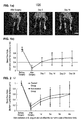
- a mouse model with lower limb ischemia was prepared, and examination was carried out by administering the gene transfer carrier of the present invention.
- ischemic model As a test animal, an 8-9 week-old male C57BL/6 mouse (acquired from Charles River Laboratories Japan, Inc.) was used, and a lower limb ischemia model mouse (ischemic model) was prepared by the procedure below.
- 0.3 mL of 3.6% chloral hydrate (acquired from Nacalai Tesque, Inc.) was intraperitoneally injected.
- a section from the common femoral artery to the popliteal artery was ligated using 7-0 polypropylene thread, and the femoral artery was excised. After the interior of the wound was washed with physiological saline, the wound was sutured using 5-0 nylon thread.
- B. longum that had been transformed by a pBLES100 plasmid and turned into a spectinomycin resistant bacterium was subcultured twice in MRS medium (acquired from Kanto Kagaku).
- MRS medium acquired from Kanto Kagaku.
- the liquid culture obtained by subculturing twice was subjected to centrifugation using physiological saline and used as a suspension in physiological saline.
- 1 x 10 9 cfu/mL x 0.1 mL x 2 positions of B. longum was administered to each of the ischemic limb and the non-ischemic limb by intramuscular injection.
- 0.2 mL of 1 ⁇ 10 9 cfu/mL B. longum was administered to the tail vein.
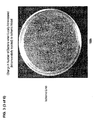
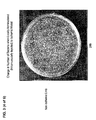
- the tissue was homogenized, it was smeared on a BL plate and cultured at 37°C under anaerobic conditions for 3 days. After culturing, the number of colonies on each plate was measured to obtain bacterial counts for the ischemic limb and the non-ischemic limb.
- the lower limb muscle was removed 96 hours after B. longum was administered to the mouse in the same way as in (3).
- the lower limb muscle was immersed in a 20% neutral formalin buffer for 48 hours to fix the tissue. After that, it was embedded in paraffin to form a paraffin block.
- Paraffin tissue section slides were prepared by slicing the paraffin block into 3 ⁇ m sections, which were placed on slide glass, and air dried at 44°C for 24 hours. After deparaffinization, Gram staining was carried out using a neo-B & M Wako Gram staining solution (Wako Pure Chemical Industries, Ltd.). After staining, observation using an optical microscope was carried out.
- Example 1 It was suggested in Example 1 that the colonizing B. longum count decreased as the blood flow recovered, and in order to confirm this a lower limb necrosis model (necrotic model) mouse with a more serious degree of ischemia was prepared.
- a test animal a 6-7 week-old male BALB/c mouse (acquired from Charles River Laboratories Japan, Inc.) was used.
- As anesthesia 0.3 mL of 3.6% chloral hydrate (Nacalai Tesque) was intraperitoneally injected. After the abdomen and the lower limb were shaved, a section from the common femoral artery to the superficial femoral artery was ligated using 7-0 polypropylene thread, and the femoral artery was excised. After the interior of the wound was washed with physiological saline, the wound was sutured using 5-0 nylon thread.
- B. longum was systemically administered, and the muscle tissue of the non-ischemic limb and the ischemic limb was examined. The results are shown in Figures 9 and 10 . It was found that compared with the ischemic model, B. longum was present in the ischemic limb of the necrotic model for a longer period of time. In the same manner as in the ischemic model, the bacterial count decreased as the blood flow recovered, and no bacteria were observed when the blood flow recovered to some degree. From the above results it was found that, regardless of the duration of the time period, B.
- B. longum colonized and grew in the ischemic limb as long as the ischemic state continued, and the bacterial count started to decrease as the blood flow recovered (that is, recovery from the ischemic state). Therefore, it can be expected that B. longum will be delivered specifically to tissue in an ischemic state, express a gene that has been introduced, have the property of disappearing as the ischemic state recovers, and exhibit excellent effects in the diagnosis and treatment of an ischemic disease.
- Example 4 Miniature swine myocardial infarction model test
- an ischemic heart disease such as myocardial infarction
- an angiogenic treatment in particular an angiogenic treatment by means of gene transfer, has been attempted for an ischemic heart disease.
- the same problems as those experienced with other ischemic diseases are seen with the treatment of an ischemic heart disease.
- a very highly invasive method such as arterial injection using a coronary artery catheter, local injection using a coronary artery catheter, or open chest intramyocardial injection is required, and although angiogenic therapy is thought to be beneficial to a target that cannot receive another therapy such as percutaneous coronary intervention (PCI) or a coronary artery bypass graft (CABG) in particular, at the present it is mainly used in combination with other therapies.
- PCI percutaneous coronary intervention
- CABG coronary artery bypass graft
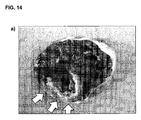
- TTC staining In order to confirm myocardial infarction, triphenyltetrazolium chloride (TTC) staining, hematoxylin/eosin (HE) staining, and Masson trichrome (MT) staining were carried out.
- TTC staining the heart removed 7 days after preparing the myocardial infarction model was sliced into a thickness of 5 mm and incubated in 1% TTC solution (acquired from SIGMA) at 37°C for 5 minutes. After that, examination was carried out with the naked eye.
- HE staining In hematoxylin/eosin (HE) staining, after deparaffinization, staining was carried out using hematoxylin for 30 seconds to 1 minute, washing was carried out using running water for 10 minutes, and staining was then carried out with a 0.5% eosin solution for 30 seconds. After staining, dehydration, clearing, and embedding were performed; examination was carried out using an optical microscope.
- HE hematoxylin/eosin
- each section was Bouin-fixed and then washed with running water for 10 minutes. After washing, the samples were immersed in a mixed solution of equal parts 10% potassium dichromate and 10% trichloroacetic acid for 10 minutes, then immersed in an iron hematoxylin stain solution for 5 minutes, and washed with running water for 5 min. After washing the samples were immersed in a Ponceau/acid fuchsin/azophloxine solution for 1 minute, and then immersed in a 2.5% phosphotungstic acid solution for 10 minutes.
- MT Masson's trichrome
- the sections were immersed in a 2% orange G solution for 5 minutes and washed with a 1% aqueous solution of acetic acid, stained in a Light Green solution for 3 minutes, and then washed with a 1% aqueous solution of acetic acid. Dehydration, clearing, and embedding were carried out by the same process as in HE staining.
- Example 5 Constructing a hFGF2 secretory Bifidobacterium.
- a plasmid pCDshuttle (International application No: 2009/128272) was used as template for performing PCR using primers CDvecF3 (SEQ ID No: 23) and pUCoriR5 (SEQ ID No: 24) to give a PCR product which was used as a vector.
- the vector and the insert described as above were ligated using the In-Fusion HD Cloning Kit and the Cloning Enhancer (TAKARA BIO, Inc.); this reaction is hereinbelow mentioned as an "In-fusion reaction”.
- a portion of the reaction solution was used for transforming E. coli TOP10 chemically competent cell (Life Technologies Japan Ltd.). The details were according to the product instruction.
- Transformed E. coli was spread onto an LB agar medium (containing 75 ⁇ g/mL spectinomycin), statically cultured overnight at 37°C.
- Fig. 16 shows a summary of constructing the human FGF2-expressing (non-secretory) plasmid pFGF-P37.
- the vector was prepared as follows: the plasmid p37 was used as template for performing PCR with primers FGF1 (SEQ ID No: 27) and FGF7 (SEQ ID No: 28), amplifying a DNA of approximately 3.8kbp consisting of P37 promoter (SEQ ID No: 29), Hu terminator, pTB6 replicon (plasmid replicon in Bifidobacterium), AAD9 cassette (spectinomycin resistance gene expression unit) and pUCori moiety (plasmid replication origin in E. coli) as the vector.
- FGF1 SEQ ID No: 27
- FGF7 SEQ ID No: 28
- Primers were designed so that the terminal 15 bps of the vector had the same sequence as the terminal 15 bps of the insert shown below.
- DNA amplification employed the PrimeSTAR HS (Premix) (TAKARA BIO, Inc.), and the PCR conditions were in accordance with the product instruction of the enzyme.
- the insert was prepared as follows: based on the amino acid sequence of hFGF2 (a protein of approximately 18kDa whose translation being started from AUG of GenBank Accession No. #NM_002006), a DNA having codons optimized for Bifidobacterium was artificially synthesized (customized by GenScript). Here, the DNA was designed so that a histidine-tag was fused to the C-terminal of the coded hFGF2 protein (SEQ ID No: 30). Using this synthetic DNA as template, PCR amplification with primers FGF3 (SEQ ID No: 31) and FGF4 (SEQ ID No: 32) was carried out in a similar manner as above, amplifying a DNA product of approximately 0.5kbp as the insert.
- the vector and insert as above were ligated by an Infusion reaction.
- the details were in accordance with the product instruction.
- the In-fusion reaction solution was appropriately diluted with 0.1x TE, of which 2 ⁇ L was used for transforming E. coli TOP10 chemically competent cell (Life Technologies Japan Ltd.).
- the details were in accordance with the product instruction.
- Transformed E. coli was spread onto an LB agar medium (containing 75 ⁇ g/mL spectinomycin), statically cultured overnight at 37°C.
- Fig. 16 shows a summary of constructing the human FGF2-expressing (secretory) plasmid pFGF12a.
- the above-mentioned plasmid pFGF-P37 was used as template for performing PCR with primers FGF35 (SEQ ID No: 34) and FGF26 (SEQ ID No: 35), amplifying a DNA product of approximately 4.2kbp as the vector.
- FGF35 SEQ ID No: 34
- FGF26 SEQ ID No: 35
- a PCR was performed with primers FGF45 (SEQ ID No: 36) and FGF17 (SEQ ID No: 37), amplifying a DNA product of approximately 0.2kbp as the insert.
- the insert comprises a secretory signal and well-conserved N-terminal sequence of Sec2 of B. breve UCC2003 (See, Shkoporov AN et. al., Biotechnol Lett (2008) 30: 1983-1988 ).
- Amplification of the vector and insert was carried out using PrimeSTAR HS (Premix) (TAKARA BIO, Inc.), where the PCR conditions were in accordance with the product instruction of the enzyme.
- the vector and insert as above were ligated by In-fusion reaction, used for transforming E. coli TOP10 in a similar manner to that in constructing above-mentioned FGF expression plasmid (non-secretory), and the DNA sequence of hFGF2 expression unit part of the plasmid was confirmed to give a complete plasmid named pFGF12a (SEQ ID No: 38).
- the constitution of the hFGF2 expression unit part is as follows:
- amino acid sequence encoded by said unit is expressed in SEQ ID No: 40, and its constitution is further indicated below.
- Competent cells of the strains Bifidobacterium longum 105A and Bifidobacterium breve JCM1192 were produced according to the methods described in Rossi et al., Letters in Applied Microbiology (1997) 24: 33-36 . Namely, said Bifidobacterium were cultured in IMR medium to early logarithmic growth phase, washed with PBS buffer, suspended in KMR buffer and rapidly frozen using liquid nitrogen to give the competent cells. These competent cells were thawed on ice, mixed with the above-mentioned plasmid pFGF12a or pBEshuttle (a mock vector described in International Publication No.
- WO 2011/093465 no FGF expression
- electroporated using the Gene Pulser II Bio-Rad Laboratories, Inc.
- the electroporation was carried out using a cuvette with 0.2 cm gap under the condition of at 2kV, 25 ⁇ F and 200 ⁇ .
- the transformed Bifidobacterium was spread onto an IMR agar medium (comprising 75 ⁇ g/mL spectinomycin) and cultured at 37°C for 2 days under an anaerobic condition. Well isolated colonies formed on the agar medium were picked up to obtain the recombinant Bifidobacterium.
- MRS medium As a medium for culturing Bifidobacterium, 10mL of MRS medium (oxide) was supplemented with 200 ⁇ L of Vitamin C/cystine solution (containing 350mg/mL of ascorbic acid and 20mg/mL of L-cystine) and 10 ⁇ L of 75mg/mL of spectinomycin solution.
- Vitamin C/cystine solution containing 350mg/mL of ascorbic acid and 20mg/mL of L-cystine
- spectinomycin solution Into this adjusted medium, the above-mentioned recombinant Bifidobacteria, i.e., B. longum 105A/pFGF12a and B. longum 105A/pBEshuttle were inoculated, and cultured at 37°C for 24 hours under an anaerobic condition (an activated culture solution).
- the activated culture solution was inoculated into a medium which is prepared by adding to said adjusted
- Bifidobacterium breve JCM1192/pFGF12a and Bifidobacterium breve JCM1192/pBEshuttle were also cultured in a similar manner as above, except using RCM medium instead of MRS medium.
- the Vitamin C/cystine solution was not added.
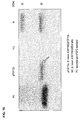
- the culture supernatant of the recombinant Bifidobacterium described as above was treated with trichloroacetic acid (TCA) precipitation method according to conventional methods, then redissolved in 1x SDS sample buffer. It was then heated at 95°C for 3 minutes and subjected to Western blot analysis.
- TCA trichloroacetic acid
- the sample described as above was electrophoresed using Mini-PROTEAN® TGX gel (4 to 20%, Bio-Rad) and 1x SDS buffer.
- An electrophoresis apparatus Mini PROTEAN® Tetra System (Bio-Rad) was used.
- the gel was transferred onto an iBlot Transfer Stacks using the iBlot Gel Transfer Device. Transferred membrane was washed 3 times in TTBS for 5 minutes each, followed by blocking with 2% blocking solution (Block Ace). After adding a primary antibody Anti FGF-2 human rabbit poly (H-131, Santa Cruz Biotechnology Inc.), the membrane was shaken overnight at 4°C. After the reaction with the primary antibody, the membrane was repeatedly washed 6 times with TTBS for 5 minutes each.
- the membrane After adding a secondary antibody Goat anti-rabbit IgG HRP (Santa Cruz Biotechnology Inc.),the membrane was shaken at room temperature for 3.5 hours. This membrane was repeatedly washed 6 times with TTBS for 5 minutes each, followed by illumination using the illuminating reagent within the ECL Advance Western Blotting Detection Kit (GE Healthcare), detected by an imaging analyzer (Fluor-S MAX, Bio-Rad) ( Figs. 17 and 18 ).
- Goat anti-rabbit IgG HRP Santa Cruz Biotechnology Inc.
- the culture supernatant was prepared in a similar manner as above up to the step before TCA precipitation, then hFGF2 content was quantified using human FGF2 ELISA kit (Quantikine® ELISAHuman FGF basic Immunoassay, R&D systems, catalogue No: DFB50).
- the hFGF2 content in the culture supernatant was 33,058 pg/mL for B. longum 105A/pFGF12a, whereas it was 0 pg/mL for the negative control B. longum 105A/pBEshuttle. On the other hand, it was 11,429 pg/mL for Bifidobacterium breve JCM1192/pFGF12a and 0 pg/mL for its negative control Bifidobacterium breve JCM1192/pBEshuttle.
- an ischemic model mouse was produced and administered the human FGF2 secretory Bifidobacterium. (1) Preparation of model.
- mice 6- to 8-week-old female Balb/c mice (from CHARLES RIVER LABORATORIES JAPAN, INC.) were used, and the lower limb ischemia model mouse(ischemic model) was prepared using the following procedure. Animals were anesthetized by an intraperitoneal injection of 0.3ml of 3.6% chloral hydrate (from Nacalai Tesque). After epilation of the area from abdomen to lower leg, the common femoral artery, deep femoral artery and superficial femoral artery were ligated with 8-0 polypropylene threads, and the superficial femoral artery was excised. After the interior of the wound was washed with physiological saline, the wound was sutured with a 5-0 nylon thread.
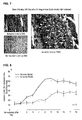
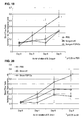
- blood flow was measured using a laser Doppler blood flow meter (Moor Instruments). The blood flow was quantified on both sides from lower leg to digit tip, expressed as an ischemic side/non-ischemic side ratio. The blood flow measurement was carried out immediately after producing the model, and at 3 to 4 days, 6 days and 8 days after producing the model.
- a laser Doppler blood flow meter (Moor Instruments). The blood flow was quantified on both sides from lower leg to digit tip, expressed as an ischemic side/non-ischemic side ratio. The blood flow measurement was carried out immediately after producing the model, and at 3 to 4 days, 6 days and 8 days after producing the model.
- the human FGF2-secreting Bifidobacterium and control non-secreting Bifidobacterium were cultured for two passes in MRS medium (from KANTO KAGAKU CO.,INC.). The culture solution was then washed by centrifugal washing with physiological saline, suspended in physiological saline and used. On the day after the production of the model, the cells were administered to the orbital sinus at the concentration of 1x 10⁹cfu/ml in 0.2ml, then blood flow in the lower limb was measured as mentioned above (2).
- a gene transfer carrier that colonizes and grows specifically at the site of an ischemic disease and disappears as the disease state improves can be provided. Therefore, compared with a conventional method, an angiogenic therapy can be carried out simply with low invasiveness. Furthermore, since the gene transfer carrier itself is formed from a bacterium, there is no problem with the efficiency with which the gene is transferred to a target site, and a treatment can be carried out with very high efficiency compared with the conventional art. This enables a target such as the elderly, for whom angiogenic therapy should naturally be effective but who cannot be treated because of problems such as high invasiveness and systemic side effects, to be treated effectively.
Landscapes
- Health & Medical Sciences (AREA)
- Life Sciences & Earth Sciences (AREA)
- Chemical & Material Sciences (AREA)
- Medicinal Chemistry (AREA)
- Organic Chemistry (AREA)
- General Health & Medical Sciences (AREA)
- Molecular Biology (AREA)
- Mycology (AREA)
- Microbiology (AREA)
- Pharmacology & Pharmacy (AREA)
- Animal Behavior & Ethology (AREA)
- Public Health (AREA)
- Veterinary Medicine (AREA)
- Engineering & Computer Science (AREA)
- Bioinformatics & Cheminformatics (AREA)
- Vascular Medicine (AREA)
- Zoology (AREA)
- Cardiology (AREA)
- Heart & Thoracic Surgery (AREA)
- Chemical Kinetics & Catalysis (AREA)
- General Chemical & Material Sciences (AREA)
- Nuclear Medicine, Radiotherapy & Molecular Imaging (AREA)
- Epidemiology (AREA)
- Toxicology (AREA)
- Urology & Nephrology (AREA)
- Gastroenterology & Hepatology (AREA)
- Biochemistry (AREA)
- Biophysics (AREA)
- Genetics & Genomics (AREA)
- Proteomics, Peptides & Aminoacids (AREA)
- Medicines Containing Material From Animals Or Micro-Organisms (AREA)
- Measuring Or Testing Involving Enzymes Or Micro-Organisms (AREA)
- Micro-Organisms Or Cultivation Processes Thereof (AREA)
- Medicines That Contain Protein Lipid Enzymes And Other Medicines (AREA)
Applications Claiming Priority (2)
| Application Number | Priority Date | Filing Date | Title |
|---|---|---|---|
| US201161507590P | 2011-07-13 | 2011-07-13 | |
| PCT/JP2012/067797 WO2013008881A1 (fr) | 2011-07-13 | 2012-07-12 | Agent thérapeutique pour une maladie ischémique |
Publications (2)
| Publication Number | Publication Date |
|---|---|
| EP2733207A1 true EP2733207A1 (fr) | 2014-05-21 |
| EP2733207A4 EP2733207A4 (fr) | 2014-12-10 |
Family
ID=47506160
Family Applications (1)
| Application Number | Title | Priority Date | Filing Date |
|---|---|---|---|
| EP12811514.4A Withdrawn EP2733207A4 (fr) | 2011-07-13 | 2012-07-12 | Agent thérapeutique pour une maladie ischémique |
Country Status (6)
| Country | Link |
|---|---|
| EP (1) | EP2733207A4 (fr) |
| JP (1) | JPWO2013008881A1 (fr) |
| KR (1) | KR20140046463A (fr) |
| CN (1) | CN103958680A (fr) |
| CA (1) | CA2841451A1 (fr) |
| WO (1) | WO2013008881A1 (fr) |
Cited By (1)
| Publication number | Priority date | Publication date | Assignee | Title |
|---|---|---|---|---|
| EP3249043A4 (fr) * | 2015-01-19 | 2018-08-29 | Shinshu University | Agent thérapeutique pour maladies ischémiques |
Families Citing this family (1)
| Publication number | Priority date | Publication date | Assignee | Title |
|---|---|---|---|---|
| CN115400154A (zh) * | 2022-08-10 | 2022-11-29 | 深圳未知君生物科技有限公司 | 长双歧杆菌在制备治疗自闭症谱系障碍的药物中的应用 |
Family Cites Families (7)
| Publication number | Priority date | Publication date | Assignee | Title |
|---|---|---|---|---|
| US6416754B1 (en) | 1994-03-03 | 2002-07-09 | The Board Of Trustees Of The Leland Stanford Junior University | Anaerobe targeted enzyme-mediated prodrug therapy |
| US6984513B2 (en) | 1994-03-03 | 2006-01-10 | The Board Of Trustees Of The Leland Stanford Junior University | Anaerobe targeted enzyme-mediated prodrug therapy |
| JP3642755B2 (ja) | 2000-09-21 | 2005-04-27 | 純 天野 | 嫌気性菌を用いた遺伝子治療用医薬 |
| EP1227152A1 (fr) * | 2001-01-30 | 2002-07-31 | Société des Produits Nestlé S.A. | Souche bactérienne et genome de bifidobacterium |
| US8911721B2 (en) | 2006-05-24 | 2014-12-16 | Anaeropharma Science, Inc. | Method of constructing gene transport support |
| HUE033561T2 (hu) | 2008-04-17 | 2017-12-28 | Anaeropharma Science Inc | Expresszió vektor |
| KR101850162B1 (ko) | 2010-01-29 | 2018-04-18 | 가부시키가이샤 아네로파마·사이엔스 | 형질전환용 플라스미드 |
-
2012
- 2012-07-12 CN CN201280034792.3A patent/CN103958680A/zh active Pending
- 2012-07-12 EP EP12811514.4A patent/EP2733207A4/fr not_active Withdrawn
- 2012-07-12 JP JP2013523979A patent/JPWO2013008881A1/ja active Pending
- 2012-07-12 KR KR1020147003731A patent/KR20140046463A/ko not_active Withdrawn
- 2012-07-12 CA CA2841451A patent/CA2841451A1/fr not_active Abandoned
- 2012-07-12 WO PCT/JP2012/067797 patent/WO2013008881A1/fr not_active Ceased
Cited By (1)
| Publication number | Priority date | Publication date | Assignee | Title |
|---|---|---|---|---|
| EP3249043A4 (fr) * | 2015-01-19 | 2018-08-29 | Shinshu University | Agent thérapeutique pour maladies ischémiques |
Also Published As
| Publication number | Publication date |
|---|---|
| EP2733207A4 (fr) | 2014-12-10 |
| WO2013008881A1 (fr) | 2013-01-17 |
| KR20140046463A (ko) | 2014-04-18 |
| CA2841451A1 (fr) | 2013-01-17 |
| JPWO2013008881A1 (ja) | 2015-02-23 |
| WO2013008881A9 (fr) | 2013-06-06 |
| CN103958680A (zh) | 2014-07-30 |
Similar Documents
| Publication | Publication Date | Title |
|---|---|---|
| KR102172228B1 (ko) | 재조합 프로바이오틱 세균 | |
| US8535939B2 (en) | Transfection vector | |
| US12042517B2 (en) | Nucleic acid systems that enable bacteria to specifically target solid tumors via glucose-dependent viability | |
| US9730968B2 (en) | Therapeutic agent for ischemic diseases | |
| EP2733207A1 (fr) | Agent thérapeutique pour une maladie ischémique | |
| US20130095072A1 (en) | Therapeutic agent for ischemic diseases | |
| EP3249043B1 (fr) | Un plasmide de transformation | |
| US20100266545A1 (en) | Obligately anaerobic mutant lactic acid bacterium and preparation method therefor, and expression vector functioning in obligately anaerobic lactic acid bacterium | |
| JP7836794B2 (ja) | 遺伝子操作された、生きている細菌及びその構築方法 | |
| KR20150082827A (ko) | glmS 기반의 숙주 벡터 시스템 | |
| BR112017016772B1 (pt) | Bactérias probióticas recombinantes | |
| HK1240848B (en) | Recombinant probiotic bacteria | |
| HK1240848A1 (en) | Recombinant probiotic bacteria |
Legal Events
| Date | Code | Title | Description |
|---|---|---|---|
| PUAI | Public reference made under article 153(3) epc to a published international application that has entered the european phase |
Free format text: ORIGINAL CODE: 0009012 |
|
| 17P | Request for examination filed |
Effective date: 20140123 |
|
| AK | Designated contracting states |
Kind code of ref document: A1 Designated state(s): AL AT BE BG CH CY CZ DE DK EE ES FI FR GB GR HR HU IE IS IT LI LT LU LV MC MK MT NL NO PL PT RO RS SE SI SK SM TR |
|
| RIN1 | Information on inventor provided before grant (corrected) |
Inventor name: WADA, YUKO Inventor name: SHIMIZU, HITOMI Inventor name: SHIMATANI, YUKO Inventor name: SASAKI, TAKAYUKI |
|
| DAX | Request for extension of the european patent (deleted) | ||
| A4 | Supplementary search report drawn up and despatched |
Effective date: 20141112 |
|
| RIC1 | Information provided on ipc code assigned before grant |
Ipc: A61K 35/74 20060101ALI20141106BHEP Ipc: A61P 9/10 20060101ALI20141106BHEP Ipc: C12N 15/09 20060101AFI20141106BHEP Ipc: C12N 1/21 20060101ALI20141106BHEP Ipc: A61K 48/00 20060101ALI20141106BHEP |
|
| 17Q | First examination report despatched |
Effective date: 20151009 |
|
| STAA | Information on the status of an ep patent application or granted ep patent |
Free format text: STATUS: THE APPLICATION IS DEEMED TO BE WITHDRAWN |
|
| 18D | Application deemed to be withdrawn |
Effective date: 20160220 |