EP2741777B1 - Procédés et compositions pharmaceutiques pour le traitement de l'hypertension pulmonaire - Google Patents
Procédés et compositions pharmaceutiques pour le traitement de l'hypertension pulmonaire Download PDFInfo
- Publication number
- EP2741777B1 EP2741777B1 EP12745493.2A EP12745493A EP2741777B1 EP 2741777 B1 EP2741777 B1 EP 2741777B1 EP 12745493 A EP12745493 A EP 12745493A EP 2741777 B1 EP2741777 B1 EP 2741777B1
- Authority
- EP
- European Patent Office
- Prior art keywords
- ccr5
- pulmonary hypertension
- subject
- compound
- expression
- Prior art date
- Legal status (The legal status is an assumption and is not a legal conclusion. Google has not performed a legal analysis and makes no representation as to the accuracy of the status listed.)
- Not-in-force
Links
Images



Classifications
-
- A—HUMAN NECESSITIES
- A61—MEDICAL OR VETERINARY SCIENCE; HYGIENE
- A61K—PREPARATIONS FOR MEDICAL, DENTAL OR TOILETRY PURPOSES
- A61K31/00—Medicinal preparations containing organic active ingredients
- A61K31/33—Heterocyclic compounds
- A61K31/395—Heterocyclic compounds having nitrogen as a ring hetero atom, e.g. guanethidine or rifamycins
- A61K31/435—Heterocyclic compounds having nitrogen as a ring hetero atom, e.g. guanethidine or rifamycins having six-membered rings with one nitrogen as the only ring hetero atom
- A61K31/46—8-Azabicyclo [3.2.1] octane; Derivatives thereof, e.g. atropine, cocaine
-
- A—HUMAN NECESSITIES
- A61—MEDICAL OR VETERINARY SCIENCE; HYGIENE
- A61K—PREPARATIONS FOR MEDICAL, DENTAL OR TOILETRY PURPOSES
- A61K31/00—Medicinal preparations containing organic active ingredients
- A61K31/70—Carbohydrates; Sugars; Derivatives thereof
- A61K31/7088—Compounds having three or more nucleosides or nucleotides
- A61K31/7105—Natural ribonucleic acids, i.e. containing only riboses attached to adenine, guanine, cytosine or uracil and having 3'-5' phosphodiester links
-
- A—HUMAN NECESSITIES
- A61—MEDICAL OR VETERINARY SCIENCE; HYGIENE
- A61P—SPECIFIC THERAPEUTIC ACTIVITY OF CHEMICAL COMPOUNDS OR MEDICINAL PREPARATIONS
- A61P11/00—Drugs for disorders of the respiratory system
-
- C—CHEMISTRY; METALLURGY
- C07—ORGANIC CHEMISTRY
- C07K—PEPTIDES
- C07K16/00—Immunoglobulins [IG], e.g. monoclonal or polyclonal antibodies
- C07K16/18—Immunoglobulins [IG], e.g. monoclonal or polyclonal antibodies against material from animals or humans
- C07K16/28—Immunoglobulins [IG], e.g. monoclonal or polyclonal antibodies against material from animals or humans against receptors, cell surface antigens or cell surface determinants
- C07K16/2866—Immunoglobulins [IG], e.g. monoclonal or polyclonal antibodies against material from animals or humans against receptors, cell surface antigens or cell surface determinants against receptors for cytokines, lymphokines, interferons
-
- C—CHEMISTRY; METALLURGY
- C12—BIOCHEMISTRY; BEER; SPIRITS; WINE; VINEGAR; MICROBIOLOGY; ENZYMOLOGY; MUTATION OR GENETIC ENGINEERING
- C12N—MICROORGANISMS OR ENZYMES; COMPOSITIONS THEREOF; PROPAGATING, PRESERVING, OR MAINTAINING MICROORGANISMS; MUTATION OR GENETIC ENGINEERING; CULTURE MEDIA
- C12N15/00—Mutation or genetic engineering; DNA or RNA concerning genetic engineering, vectors, e.g. plasmids, or their isolation, preparation or purification; Use of hosts therefor
- C12N15/09—Recombinant DNA-technology
- C12N15/11—DNA or RNA fragments; Modified forms thereof; Non-coding nucleic acids having a biological activity
- C12N15/113—Non-coding nucleic acids modulating the expression of genes, e.g. antisense oligonucleotides; Antisense DNA or RNA; Triplex- forming oligonucleotides; Catalytic nucleic acids, e.g. ribozymes; Nucleic acids used in co-suppression or gene silencing
- C12N15/1138—Non-coding nucleic acids modulating the expression of genes, e.g. antisense oligonucleotides; Antisense DNA or RNA; Triplex- forming oligonucleotides; Catalytic nucleic acids, e.g. ribozymes; Nucleic acids used in co-suppression or gene silencing against receptors or cell surface proteins
-
- C—CHEMISTRY; METALLURGY
- C12—BIOCHEMISTRY; BEER; SPIRITS; WINE; VINEGAR; MICROBIOLOGY; ENZYMOLOGY; MUTATION OR GENETIC ENGINEERING
- C12Q—MEASURING OR TESTING PROCESSES INVOLVING ENZYMES, NUCLEIC ACIDS OR MICROORGANISMS; COMPOSITIONS OR TEST PAPERS THEREFOR; PROCESSES OF PREPARING SUCH COMPOSITIONS; CONDITION-RESPONSIVE CONTROL IN MICROBIOLOGICAL OR ENZYMOLOGICAL PROCESSES
- C12Q1/00—Measuring or testing processes involving enzymes, nucleic acids or microorganisms; Compositions therefor; Processes of preparing such compositions
- C12Q1/68—Measuring or testing processes involving enzymes, nucleic acids or microorganisms; Compositions therefor; Processes of preparing such compositions involving nucleic acids
- C12Q1/6876—Nucleic acid products used in the analysis of nucleic acids, e.g. primers or probes
- C12Q1/6883—Nucleic acid products used in the analysis of nucleic acids, e.g. primers or probes for diseases caused by alterations of genetic material
-
- A—HUMAN NECESSITIES
- A61—MEDICAL OR VETERINARY SCIENCE; HYGIENE
- A61K—PREPARATIONS FOR MEDICAL, DENTAL OR TOILETRY PURPOSES
- A61K39/00—Medicinal preparations containing antigens or antibodies
- A61K2039/505—Medicinal preparations containing antigens or antibodies comprising antibodies
-
- C—CHEMISTRY; METALLURGY
- C07—ORGANIC CHEMISTRY
- C07K—PEPTIDES
- C07K2317/00—Immunoglobulins specific features
- C07K2317/70—Immunoglobulins specific features characterized by effect upon binding to a cell or to an antigen
- C07K2317/76—Antagonist effect on antigen, e.g. neutralization or inhibition of binding
Definitions
- the present invention relates to uses, methods and compositions for the treatment of pulmonary hypertension.
- PH Pulmonary hypertension
- Pulmonary arterial hypertension is an unexplained condition which results from structural remodeling of the pulmonary vessels. Persistent vasoconstriction, proliferation of vascular smooth muscle, extracellular matrix accumulation, and lung infiltration by inflammatory cells are important components of this remodelling (Raiesdana and Loscalzo, 2006; Simonneau et al., 2004).
- Severe PAH develops in a substantial number of patients with HIV infection and is considered as a classical complication of HIV infection. HIV associated PAH has gained importance following the improved survival of HIV-infected patients, it is associated with a particularly poor prognosis and decreased survival compared with HIV-infected patients without PAH (Raiesdana and Loscalzo, 2006; Simonneau et al., 2004).
- CCR5 antagonist or inhibitor of CCR5 expression in methods for inhibiting smooth muscle cell proliferation, nor the use of CCR5 antagonist or inhibitor of CCR5 expression in methods for treatment of pulmonary hypertension and pulmonary arterial hypertension.
- the first object of the invention relates to a compound which is a CCR5 antagonist and/or an inhibitor of CCR5 expression for use in the prevention or treatment of pulmonary hypertension in a subject in need thereof.
- Another object of the invention relates to a compound which is a CCR5 antagonist and/or an inhibitor of CCR5 expression for use in a method for inhibiting smooth muscle cell proliferation in a subject afflicted with pulmonary hypertension.
- Another object of the invention relates to a compound which is a CCR5 inhibitor and/or an inhibitor of CCR5 expression for use in the prevention or treatment of vascular remodeling in a subject in need thereof.
- said subject is afflicted with pulmonary arterial hypertension.
- said subject is afflicted with HIV infection.
- Another object of the invention relates to a pharmaceutical composition
- a pharmaceutical composition comprising a compound according to the invention and a pharmaceutical acceptable carrier.
- Another object of the invention relates to a method of identifying a subject having or at risk of having or developing a pulmonary hypertension.
- Another object of the invention relates to a method according to the invention for monitoring the efficacy of a treatment for a pulmonary hypertension.
- CCR5 knock out mice The role of CCR5 in pulmonary hypertension was investigated by the inventors using CCR5 knock out mice, CCR5 knock-in mice, experimental PAH induction by exposure to chronic hypoxia and human pulmonary-artery smooth muscle cells collected from lung tissue samples of patients undergoing lung resection surgery.
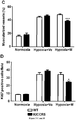
- the inventors surprisingly found that CCR5 knock out mice are protected against development of PAH induced by exposure to chronic hypoxia.
- the inventors also demonstrate that CCR5 is involved in muscularization of pulmonary arteries during exposure to chronic hypoxia, then CCR5 deficiency attenuate the development of PAH in CCR5 -/- mice with an associated reduction in lung inflammatory cell infiltrates and cytokines expression.
- the inventors also demonstrated that treatment with the CCR5 antagonist maraviroc protects against hypoxic pulmonary hypertension in CCR5 knock-in mice but not in wild-type mice.
- the inventors also demonstrated that proliferation of human pulmonary artery smooth muscle cells stimulated by the CCR5 ligand CCL5 is significantly reduced by pharmacological inhibition of CCR5 with maraviroc.
- CCR5 has its general meaning in the art and refers to CC motif receptor 5 or CC-chemokine receptor 5 (CCR5).
- a subject denotes a mammal.
- a subject according to the invention refers to any subject (preferably human) afflicted with pulmonary hypertension.
- the subject is afflicted with pulmonary arterial hypertension.
- the subject is afflicted with pulmonary arterial hypertension associated HIV infection.
- the term “treating” or “treatment”, as used herein, refers to a method that is aimed at reversing, alleviating, inhibiting, slowing down or stopping the progression, aggravation or deterioration of the symptoms of the pathology, at bringing about ameliorations of the symptoms of the pathology, and/or at curing the pathology.
- the terms “preventing” or “prevention”, as used herein, refer to a method that is aimed at delaying or preventing the onset of the pathology.
- CCR5 antagonist is meant a natural or synthetic compound that has a biological effect opposite to that of a natural ligand of the receptor.
- An antagonist binds the receptor and blocks the action of the natural ligand by competing with the ligand for receptor binding.
- An antagonist is defined by its ability to block the actions of a natural ligand.
- CCR5 antagonist refers to any CCR5 antagonist that is currently known in the art or that will be identified in the future, and includes any chemical entity that, upon administration to a subject, results in inhibition of a biological activity associated with activation of the CCR5 in the subject, including any of the downstream biological effects otherwise resulting from the binding to CCR5 of its natural ligands.
- Such CCR5 antagonist includes any agent that can block CCR5 activation or any of the downstream biological effects of CCR5 activation.
- Such an antagonist can act by binding directly to the intracellular or extracellular domain of the receptor and inhibiting its activity and its intracellular G-protein signaling.
- such an antagonist can act by occupying the ligand binding site or a portion thereof of the CCR5 receptor, thereby making the receptor inaccessible to its natural ligand so that its normal biological activity is prevented or reduced.
- such an inhibitor can act by modulating the dimerization of CCR5 polypeptides, or interaction of CCR5 polypeptide with other proteins. Therefore the term "CCR5 antagonist" refers to an antagonist of the CCR5 protein.
- CCR5 antagonists of the invention are preferably selective for CCR5 as compared with the related chemokine receptors.
- selective it is meant that the affinity of the CCR5 antagonist is at least 10-fold, preferably 25-fold, more preferably 100-fold, still preferably 500-fold higher than the affinity for the related chemokine receptors.
- the present invention relates to a compound which is a CCR5 antagonist and/or an inhibitor of CCR5 expression for use in the prevention or treatment of pulmonary hypertension in a subject in need thereof.
- the method of the invention may be performed for any type of pulmonary hypertension such as revised in the World Health Organisation Classification of pulmonary hypertension and selected from the group consisting of Pulmonary arterial hypertension that develops as sporadic disease (idiopathic), as an inherited disorder (familial), or in association with certain conditions (collagen vascular diseases, congenital systemic-to-pulmonary shunts (large, small, repaired, or nonrepaired), portal hypertension, human immunodeficiency virus (HIV) infection, ingestion of drugs or dietary products and toxins (anorexigens, rapeseed oil, L-tryptophan, methamphetamine, and cocaine), or in association with other conditions (thyroid disorders, glycogen storage disease, Gaucher disease, hereditary hemorrhagic telangiectasia, hemoglobinopathies, myeloproliferative disorders, and splenectomy)), or associated with significant venous or capillary involvement (pulmonary veno-occlusive disease and pulmonary ca
- the CCR5 antagonist is a low molecular weight antagonist, e. g. a small organic molecule.
- small organic molecule refers to a molecule of a size comparable to those organic molecules generally used in pharmaceuticals.
- Preferred small organic molecules range in size up to about 5000 Da, more preferably up to 2000 Da, and most preferably up to about 1000 Da.
- CCR5 antagonists are well-known as illustrated by Singh and Chauthe, (2011), Ness et al., (2006) and Yang and Rotstein, (2009).
- the CCR5 antagonist is selected in the group consisting of aryl oxime-piperazine derivatives (see, e.g., U.S. Pat. No. 6,689,783 ), piperazine derivatives (see, e.g., U.S. Pat. No. 6,689,765 ), piperidine derivatives (see, e.g., U.S. Pat. No. 6,602,885 ), pyrrole derivatives (see, e.g., U.S. Pat. No. 6,562,859 ), pyrrolidine derivatives (see, e.g., U.S. Pat. No. 6,531,484 ), anilide derivatives (see, e.g., U.S.
- CCR5 antagonist examples include but are not limited to the compounds disclosed in WO99/17773 , WO99/32100 , WO00/06085 , WO00/06146 , WO00/10965 , WO00/06153 , WO00/21916 , WO00/37455 , EP1013276 , WO00/38680 , WO00/39125 , WO00/40239 , WO00/42045 , WO00/53175 , WO00/42852 , WO00/66551 , WO00/66558 , WO00/66559 , WO00/66141 , WO00/68203 , JP2000309598 , WO00/51607 , WO00/51608 , WO00/51609 , WO00/51610 , WO00/56729 , WO00/59497 , WO00/59498 , WO00/59502 , WO00/59503
- the CCR5 antagonists is selected from maraviroc (4,4-difluoro- N - ⁇ (1 S )-3-[3-(3-isopropyl-5-methyl-4 H -1,2,4-triazol-4-yl)-8-azabicyclo[3.2.1]oct-8-yl]-1-phenylpropyl ⁇ cyclohexanecarboxamide) and derivatives such as those described in ( WO 00/38680 ; US6,586,430 ; US6,667,313 ; US7,368,460 ; US7,576,097 ; US6,667,314 ), NCB- 9471 , PRO-140, TAK-779 ( WO 99/32468 ), ZM-688523, 4-chloro-6-fluoro sulphonamide, UK-427857, TAK-220 ( WO 01/25200 ), TAK-652 which is disclosed in WO03014105 and has the chemical name 8-[
- the CCR5 antagonist may consist in a modified chemokines that can partially or completely block CCR5 activation.
- Said modified chemokines CCR5 antagonists are well-known as illustrated by Ness et al., (2006), U.S. Pat. No. 6,555,105 and U.S. Pat. No. 6,942,852 .
- Non-limiting examples of modified chemokines CCR5 antagonists include methiolynated RANTES (Met-RANTES), aminooxypentane-RANTES (AOP-RANTES), N ⁇ -( n -nonanoyl)- des -Ser 1 -RANTES (NNY-RANTES) and N ⁇ -( n -nonanol)- des -Ser 1 [L-thioproline 2 , L- ⁇ -cyclohexyl-glycine 3 ]-RANTES (PSC-RANTES) (Ness et al., 2006).
- Me-RANTES methiolynated RANTES
- AOP-RANTES aminooxypentane-RANTES
- NNY-RANTES NNY-RANTES
- N ⁇ -( n -nonanol)- des -Ser 1 [L-thioproline 2 , L- ⁇ -cyclohexyl-glycine 3 ]-RANTES
- the CCR5 antagonist may consist in an antibody or antibody fragment that can partially or completely block CCR5 activation.
- Non-limiting examples of antibody-based CCR5 antagonists include CCR5mAb004, PRO 140 (Biswas et al., 2007), HGS004 and HGS101 (Latinovic et al., 2011), 2D7, PA9, PA14, MC-1, MC-4, MC-6, RoAb12, RoAb14, RoAb18 (Lopalco, 2011) and those described in Briihl et al., 2001, Schanzer et al., 2011, WO 2008/037419 , WO2000/53633 , WO 2006/103100 , US 2004/0043033 , US 6,610,834 , US 2003/0228306 , US 2003/0195348 , US 2003/0166870 , US 2003/0166024 , US 2003/0165988 , US 2003/0152913 , US 2003/0100058 , US 2003/0099645 , US 2003/0049251 , US 2003/0044411 , US 2003
- the antibody is a monoclonal antibody. In one embodiment of the antibodies or portions thereof described herein, the antibody is a polyclonal antibody. In one embodiment of the antibodies or portions thereof described herein, the antibody is a humanized antibody. In one embodiment of the antibodies or portions thereof described herein, the antibody is a chimeric antibody. In one embodiment of the antibodies or portions thereof described herein, the portion of the antibody comprises a light chain of the antibody. In one embodiment of the antibodies or portions thereof described herein, the portion of the antibody comprises a heavy chain of the antibody. In one embodiment of the antibodies or portions thereof described herein, the portion of the antibody comprises a Fab portion of the antibody.
- the portion of the antibody comprises a F(ab')2 portion of the antibody. In one embodiment of the antibodies or portions thereof described herein, the portion of the antibody comprises a Fc portion of the antibody. In one embodiment of the antibodies or portions thereof described herein, the portion of the antibody comprises a Fv portion of the antibody. In one embodiment of the antibodies or portions thereof described herein, the portion of the antibody comprises a variable domain of the antibody. In one embodiment of the antibodies or portions thereof described herein, the portion of the antibody comprises one or more CDR domains of the antibody.
- antibody includes both naturally occurring and non-naturally occurring antibodies. Specifically, “antibody” includes polyclonal and monoclonal antibodies, and monovalent and divalent fragments thereof. Furthermore, “antibody” includes chimeric antibodies, wholly synthetic antibodies, single chain antibodies, and fragments thereof. The antibody may be a human or nonhuman antibody. A nonhuman antibody may be humanized by recombinant methods to reduce its immunogenicity in man.
- Antibodies are prepared according to conventional methodology. Monoclonal antibodies may be generated using the method of Kohler and Milstein (1975). To prepare monoclonal antibodies useful in the invention, a mouse or other appropriate host animal is immunized at suitable intervals (e.g., twice-weekly, weekly, twice-monthly or monthly) with antigenic forms of CCR5. The animal may be administered a final "boost" of antigen within one week of sacrifice. It is often desirable to use an immunologic adjuvant during immunization.
- Suitable immunologic adjuvants include Freund's complete adjuvant, Freund's incomplete adjuvant, alum, Ribi adjuvant, Hunter's Titermax, saponin adjuvants such as QS21 or Quil A, or CpG-containing immunostimulatory oligonucleotides.
- Other suitable adjuvants are well-known in the field.
- the animals may be immunized by subcutaneous, intraperitoneal, intramuscular, intravenous, intranasal or other routes. A given animal may be immunized with multiple forms of the antigen by multiple routes.
- the antigen may be provided as synthetic peptides corresponding to antigenic regions of interest in CCR5.
- lymphocytes are isolated from the spleen, lymph node or other organ of the animal and fused with a suitable myeloma cell line using an agent such as polyethylene glycol to form a hydridoma.
- cells are placed in media permissive for growth of hybridomas but not the fusion partners using standard methods, as described ( Coding, Monoclonal Antibodies: Principles and Practice: Production and Application of Monoclonal Antibodies in Cell Biology, Biochemistry and Immunology, 3rd edition, Academic Press, New York, 1996 ).
- cell supernatants are analyzed for the presence of antibodies of the desired specificity, i.e., that selectively bind the antigen.
- Suitable analytical techniques include ELISA, flow cytometry, immunoprecipitation, and western blotting. Other screening techniques are well-known in the field. Preferred techniques are those that confirm binding of antibodies to conformationally intact, natively folded antigen, such as non-denaturing ELISA, flow cytometry, and immunoprecipitation.
- an antibody from which the pFc' region has been enzymatically cleaved, or which has been produced without the pFc' region designated an F(ab')2 fragment, retains both of the antigen binding sites of an intact antibody.
- an antibody from which the Fc region has been enzymatically cleaved, or which has been produced without the Fc region designated an Fab fragment, retains one of the antigen binding sites of an intact antibody molecule.
- Fab fragments consist of a covalently bound antibody light chain and a portion of the antibody heavy chain denoted Fd.
- the Fd fragments are the major determinant of antibody specificity (a single Fd fragment may be associated with up to ten different light chains without altering antibody specificity) and Fd fragments retain epitope-binding ability in isolation.
- CDRs complementarity determining regions
- FRs framework regions
- CDR1 through CDRS complementarity determining regions
- compositions and methods that include humanized forms of antibodies.
- humanized describes antibodies wherein some, most or all of the amino acids outside the CDR regions are replaced with corresponding amino acids derived from human immunoglobulin molecules.
- Methods of humanization include, but are not limited to, those described in U.S. Pat. Nos. 4,816,567 , 5,225,539 , 5,585,089 , 5,693,761 , 5,693,762 and 5,859,205 , which are hereby incorporated by reference.
- the above U.S. Pat. Nos. 5,585,089 and 5,693,761 , and WO 90/07861 also propose four possible criteria which may used in designing the humanized antibodies.
- the first proposal was that for an acceptor, use a framework from a particular human immunoglobulin that is unusually homologous to the donor immunoglobulin to be humanized, or use a consensus framework from many human antibodies.
- the second proposal was that if an amino acid in the framework of the human immunoglobulin is unusual and the donor amino acid at that position is typical for human sequences, then the donor amino acid rather than the acceptor may be selected.
- the third proposal was that in the positions immediately adjacent to the 3 CDRs in the humanized immunoglobulin chain, the donor amino acid rather than the acceptor amino acid may be selected.
- the fourth proposal was to use the donor amino acid reside at the framework positions at which the amino acid is predicted to have a side chain atom within 3A of the CDRs in a three dimensional model of the antibody and is predicted to be capable of interacting with the CDRs.
- the above methods are merely illustrative of some of the methods that one skilled in the art could employ to make humanized antibodies.
- One of ordinary skill in the art will be familiar with other methods for antibody humanization.
- humanized forms of the antibodies some, most or all of the amino acids outside the CDR regions have been replaced with amino acids from human immunoglobulin molecules but where some, most or all amino acids within one or more CDR regions are unchanged. Small additions, deletions, insertions, substitutions or modifications of amino acids are permissible as long as they would not abrogate the ability of the antibody to bind a given antigen. Suitable human immunoglobulin molecules would include IgG1, IgG2, IgG3, IgG4, IgA and IgM molecules.
- a "humanized” antibody retains a similar antigenic specificity as the original antibody. However, using certain methods of humanization, the affinity and/or specificity of binding of the antibody may be increased using methods of "directed evolution", as described by Wu et al., (1999), the contents of which are incorporated herein by reference.
- Fully human monoclonal antibodies also can be prepared by immunizing mice transgenic for large portions of human immunoglobulin heavy and light chain loci. See, e.g., U.S. Pat. Nos. 5,591,669 , 5,598,369 , 5,545,806 , 5,545,807 , 6,150,584 , and references cited therein, the contents of which are incorporated herein by reference. These animals have been genetically modified such that there is a functional deletion in the production of endogenous (e.g., murine) antibodies. The animals are further modified to contain all or a portion of the human germ-line immunoglobulin gene locus such that immunization of these animals will result in the production of fully human antibodies to the antigen of interest.
- monoclonal antibodies can be prepared according to standard hybridoma technology. These monoclonal antibodies will have human immunoglobulin amino acid sequences and therefore will not provoke human anti-mouse antibody (KAMA) responses when administered to humans.
- KAMA human anti-mouse antibody
- the present invention also provides for F(ab') 2 Fab, Fv and Fd fragments; chimeric antibodies in which the Fc and/or FR and/or CDR1 and/or CDR2 and/or light chain CDR3 regions have been replaced by homologous human or non-human sequences; chimeric F(ab')2 fragment antibodies in which the FR and/or CDR1 and/or CDR2 and/or light chain CDR3 regions have been replaced by homologous human or non-human sequences; chimeric Fab fragment antibodies in which the FR and/or CDR1 and/or CDR2 and/or light chain CDR3 regions have been replaced by homologous human or non-human sequences; and chimeric Fd fragment antibodies in which the FR and/or CDR1 and/or CDR2 regions have been replaced by homologous human or non-human sequences.
- the present invention also includes so-called single chain antibodies.
- the various antibody molecules and fragments may derive from any of the commonly known immunoglobulin classes, including but not limited to IgA, secretory IgA, IgE, IgG and IgM.
- IgG subclasses are also well known to those in the art and include but are not limited to human IgG1, IgG2, IgG3 and IgG4.
- the antibody according to the invention is a single domain antibody.
- the term "single domain antibody” (sdAb) or “VHH” refers to the single heavy chain variable domain of antibodies of the type that can be found in Camelid mammals which are naturally devoid of light chains. Such VHH are also called “nanobody®”. According to the invention, sdAb can particularly be llama sdAb.
- the inhibitor of CCR5 is an aptamer.
- Aptamers are a class of molecule that represents an alternative to antibodies in term of molecular recognition.
- Aptamers are oligonucleotide sequences with the capacity to recognize virtually any class of target molecules with high affinity and specificity.
- Such ligands may be isolated through Systematic Evolution of Ligands by Exponential enrichment (SELEX) of a random sequence library, as described in Tuerk C. and Gold L., 1990.
- the random sequence library is obtainable by combinatorial chemical synthesis of DNA. In this library, each member is a linear oligomer, eventually chemically modified, of a unique sequence.
- Peptide aptamers consists of a conformationally constrained antibody variable region displayed by a platform protein, such as E. coli Thioredoxin A that are selected from combinatorial libraries by two hybrid methods (Colas et al., 1996). Then after raising aptamers directed against CCR5s as above described, the skilled man in the art can easily select those inhibiting CCR5.
- Another object of the invention relates to a compound which is an inhibitor of CCR5 expression for use in the prevention or treatment of pulmonary hypertension in a subject in need thereof.
- a gene product can be the direct transcriptional product of a gene (e.g., mRNA, tRNA, rRNA, antisense RNA, ribozyme, structural RNA or any other type of RNA) or a protein produced by translation of a mRNA.
- Gene products also include messenger RNAs which are modified, by processes such as capping, polyadenylation, methylation, and editing, and proteins (e.g., CCR5) modified by, for example, methylation, acetylation, phosphorylation, ubiquitination, SUMOylation, ADP-ribosylation, myristilation, and glycosylation.
- proteins e.g., CCR5
- an “inhibitor of expression” refers to a natural or synthetic compound that has a biological effect to inhibit the expression of a gene.
- Inhibitors of CCR5 expression for use in the present invention may be based on antisense oligonucleotide constructs.
- Anti-sense oligonucleotides including anti-sense RNA molecules and anti-sense DNA molecules, would act to directly block the translation of CCR5 mRNA by binding thereto and thus preventing protein translation or increasing mRNA degradation, thus decreasing the level of CCR5 proteins, and thus activity, in a cell.
- antisense oligonucleotides of at least about 15 bases and complementary to unique regions of the mRNA transcript sequence encoding CCR5 can be synthesized, e.g., by conventional phosphodiester techniques and administered by e.g., intravenous injection or infusion.
- Small inhibitory RNAs can also function as inhibitors of CCR5 expression for use in the present invention.
- CCR5 gene expression can be reduced by contacting the subject or cell with a small double stranded RNA (dsRNA), or a vector or construct causing the production of a small double stranded RNA, such that CCR5 expression is specifically inhibited (i.e. RNA interference or RNAi).
- dsRNA small double stranded RNA
- RNAi RNA interference
- Methods for selecting an appropriate dsRNA or dsRNA-encoding vector are well known in the art for genes whose sequence is known (e.g. see Tuschl, T. et al. (1999); Elbashir, S. M. et al. (2001); Hannon, GJ. (2002); McManus, MT.
- Ribozymes can also function as inhibitors of CCR5 expression for use in the present invention.
- Ribozymes are enzymatic RNA molecules capable of catalyzing the specific cleavage of RNA.
- the mechanism of ribozyme action involves sequence specific hybridization of the ribozyme molecule to complementary target RNA, followed by endonucleolytic cleavage.
- Engineered hairpin or hammerhead motif ribozyme molecules that specifically and efficiently catalyze endonucleolytic cleavage of CCR5 mRNA sequences are thereby useful within the scope of the present invention.
- ribozyme cleavage sites within any potential RNA target are initially identified by scanning the target molecule for ribozyme cleavage sites, which typically include the following sequences, GUA, GuU, and GUC. Once identified, short RNA sequences of between about 15 and 20 ribonucleotides corresponding to the region of the target gene containing the cleavage site can be evaluated for predicted structural features, such as secondary structure, that can render the oligonucleotide sequence unsuitable. The suitability of candidate targets can also be evaluated by testing their accessibility to hybridization with complementary oligonucleotides, using, e.g., ribonuclease protection assays.
- antisense oligonucleotides and ribozymes useful as inhibitors of CCR5 expression can be prepared by known methods. These include techniques for chemical synthesis such as, e.g., by solid phase phosphoramadite chemical synthesis. Alternatively, anti-sense RNA molecules can be generated by in vitro or in vivo transcription of DNA sequences encoding the RNA molecule. Such DNA sequences can be incorporated into a wide variety of vectors that incorporate suitable RNA polymerase promoters such as the T7 or SP6 polymerase promoters. Various modifications to the oligonucleotides of the invention can be introduced as a means of increasing intracellular stability and half-life.
- Possible modifications include but are not limited to the addition of flanking sequences of ribonucleotides or deoxyribonucleotides to the 5' and/or 3' ends of the molecule, or the use of phosphorothioate or 2'-O-methyl rather than phosphodiesterase linkages within the oligonucleotide backbone.
- Antisense oligonucleotides siRNAs and ribozymes of the invention may be delivered in vivo alone or in association with a vector.
- a "vector" is any vehicle capable of facilitating the transfer of the antisense oligonucleotide siRNA or ribozyme nucleic acid to the cells and preferably cells expressing CCR5.
- the vector transports the nucleic acid to cells with reduced degradation relative to the extent of degradation that would result in the absence of the vector.
- the vectors useful in the invention include, but are not limited to, plasmids, phagemids, viruses, other vehicles derived from viral or bacterial sources that have been manipulated by the insertion or incorporation of the the antisense oligonucleotide siRNA or ribozyme nucleic acid sequences.
- Viral vectors are a preferred type of vector and include, but are not limited to nucleic acid sequences from the following viruses: retrovirus, such as moloney murine leukemia virus, harvey murine sarcoma virus, murine mammary tumor virus, and rouse sarcoma virus; adenovirus, adeno-associated virus; SV40-type viruses; polyoma viruses; Epstein-Barr viruses; papilloma viruses; herpes virus; vaccinia virus; polio virus; and RNA virus such as a retrovirus.
- retrovirus such as moloney murine leukemia virus, harvey murine sarcoma virus, murine mammary tumor virus, and rouse sarcoma virus
- retrovirus such as moloney murine leukemia virus, harvey murine sarcoma virus, murine mammary tumor virus, and rouse sarcoma virus
- adenovirus adeno
- Non-cytopathic viruses include retroviruses (e.g., lentivirus), the life cycle of which involves reverse transcription of genomic viral RNA into DNA with subsequent proviral integration into host cellular DNA. Retroviruses have been approved for human gene therapy trials. Most useful are those retroviruses that are replication-deficient (i.e., capable of directing synthesis of the desired proteins, but incapable of manufacturing an infectious particle). Such genetically altered retroviral expression vectors have general utility for the high-efficiency transduction of genes in vivo.
- adeno-viruses and adeno-associated viruses are double-stranded DNA viruses that have already been approved for human use in gene therapy.
- the adeno-associated virus can be engineered to be replication deficient and is capable of infecting a wide range of cell types and species. It further has advantages such as, heat and lipid solvent stability; high transduction frequencies in cells of diverse lineages, including hemopoietic cells; and lack of superinfection inhibition thus allowing multiple series of transductions.
- the adeno-associated virus can integrate into human cellular DNA in a site-specific manner, thereby minimizing the possibility of insertional mutagenesis and variability of inserted gene expression characteristic of retroviral infection.
- adeno-associated virus infections have been followed in tissue culture for greater than 100 passages in the absence of selective pressure, implying that the adeno-associated virus genomic integration is a relatively stable event.
- the adeno-associated virus can also function in an extrachromosomal fashion.
- Plasmid vectors have been extensively described in the art and are well known to those of skill in the art. See e.g., SANBROOK et al., "Molecular Cloning: A Laboratory Manual," Second Edition, Cold Spring Harbor Laboratory Press, 1989 . In the last few years, plasmid vectors have been used as DNA vaccines for delivering antigen-encoding genes to cells in vivo. They are particularly advantageous for this because they do not have the same safety concerns as with many of the viral vectors. These plasmids, however, having a promoter compatible with the host cell, can express a peptide from a gene operatively encoded within the plasmid.
- Plasmids may be delivered by a variety of parenteral, mucosal and topical routes.
- the DNA plasmid can be injected by intramuscular, intradermal, subcutaneous, or other routes. It may also be administered by intranasal sprays or drops, rectal suppository and orally.
- the plasmids may be given in an aqueous solution, dried onto gold particles or in association with another DNA delivery system including but not limited to liposomes, dendrimers, cochleate and microencapsulation.
- Another object of the invention relates to a compound which is a CCR5 antagonist and/or an inhibitor of CCR5 expression for use in a method for inhibiting smooth muscle cell proliferation in a subject afflicted with pulmonary hypertension.
- Another object of the invention relates to a compound which is a CCR5 inhibitor and/or an inhibitor of CCR5 expression for use in the prevention or treatment of vascular remodeling in a subject afflicted with a pulmonary hypertension.
- said subject is afflicted with pulmonary arterial hypertension.
- said subject is afflicted with HIV infection.
- the present invention relates to a method of preventing or treating pulmonary hypertension in a subject in need thereof, comprising the step of administering to said subject a compound which is a CCR5 antagonist and/or an inhibitor of CCR5 expression.
- said CCR5 antagonist is maraviroc.
- Another object of the invention relates to a pharmaceutical composition
- a pharmaceutical composition comprising a CCR5 antagonist and/or an inhibitor of CCR5 expression and a pharmaceutically acceptable carrier for use in the prevention or treatment of pulmonary hypertension in a subject in need thereof.
- Another object of the invention relates to a pharmaceutical composition
- a pharmaceutical composition comprising a CCR5 antagonist and/or an inhibitor of CCR5 expression and a pharmaceutically acceptable carrier for use in a method for inhibiting smooth muscle cell proliferation in a subject afflicted with pulmonary hypertension.
- Another object of the invention relates to a pharmaceutical composition
- a pharmaceutical composition comprising a CCR5 antagonist and/or an inhibitor of CCR5 expression and a pharmaceutically acceptable carrier for use in the prevention or treatment of vascular remodeling in a subject afflicted with pulmonary hypertension.
- CCR5 antagonist and/or an inhibitor of CCR5 expression may be combined with pharmaceutically acceptable excipients, and optionally sustained-release matrices, such as biodegradable polymers, to form therapeutic compositions.
- “Pharmaceutically” or “pharmaceutically acceptable” refer to molecular entities and compositions that do not produce an adverse, allergic or other untoward reaction when administered to a mammal, especially a human, as appropriate.
- a pharmaceutically acceptable carrier or excipient refers to a non-toxic solid, semi-solid or liquid filler, diluent, encapsulating material or formulation auxiliary of any type.
- the active principle in the pharmaceutical compositions of the present invention for oral, sublingual, subcutaneous, intramuscular, intravenous, transdermal, local or rectal administration, can be administered in a unit administration form, as a mixture with conventional pharmaceutical supports, to animals and human beings.
- Suitable unit administration forms comprise oral-route forms such as tablets, gel capsules, powders, granules and oral suspensions or solutions, sublingual and buccal administration forms, aerosols, implants, subcutaneous, transdermal, topical, intraperitoneal, intramuscular, intravenous, subdermal, transdermal, intrathecal and intranasal administration forms and rectal administration forms.
- the pharmaceutical compositions contain vehicles which are pharmaceutically acceptable for a formulation capable of being injected.
- vehicles which are pharmaceutically acceptable for a formulation capable of being injected.
- These may be in particular isotonic, sterile, saline solutions (monosodium or disodium phosphate, sodium, potassium, calcium or magnesium chloride and the like or mixtures of such salts), or dry, especially freeze-dried compositions which upon addition, depending on the case, of sterilized water or physiological saline, permit the constitution of injectable solutions.
- the pharmaceutical forms suitable for injectable use include sterile aqueous solutions or dispersions; formulations including sesame oil, peanut oil or aqueous propylene glycol; and sterile powders for the extemporaneous preparation of sterile injectable solutions or dispersions.
- the form must be sterile and must be fluid to the extent that easy syringability exists. It must be stable under the conditions of manufacture and storage and must be preserved against the contaminating action of microorganisms, such as bacteria and fungi.
- Solutions comprising compounds of the invention as free base or pharmacologically acceptable salts can be prepared in water suitably mixed with a surfactant, such as hydroxypropylcellulose. Dispersions can also be prepared in glycerol, liquid polyethylene glycols, and mixtures thereof and in oils. Under ordinary conditions of storage and use, these preparations contain a preservative to prevent the growth of microorganisms.
- the CCR5 antagonist and/or the inhibitor of CCR5 expression can be formulated into a composition in a neutral or salt form.
- Pharmaceutically acceptable salts include the acid addition salts (formed with the free amino groups of the protein) and which are formed with inorganic acids such as, for example, hydrochloric or phosphoric acids, or such organic acids as acetic, oxalic, tartaric, mandelic, and the like. Salts formed with the free carboxyl groups can also be derived from inorganic bases such as, for example, sodium, potassium, ammonium, calcium, or ferric hydroxides, and such organic bases as isopropylamine, trimethylamine, histidine, procaine and the like.
- the carrier can also be a solvent or dispersion medium containing, for example, water, ethanol, polyol (for example, glycerol, propylene glycol, and liquid polyethylene glycol, and the like), suitable mixtures thereof, and vegetables oils.
- the proper fluidity can be maintained, for example, by the use of a coating, such as lecithin, by the maintenance of the required particle size in the case of dispersion and by the use of surfactants.
- the prevention of the action of microorganisms can be brought about by various antibacterial and antifungal agents, for example, parabens, chlorobutanol, phenol, sorbic acid, thimerosal, and the like.
- isotonic agents for example, sugars or sodium chloride.
- Prolonged absorption of the injectable compositions can be brought about by the use in the compositions of agents delaying absorption, for example, aluminium monostearate and gelatin.
- Sterile injectable solutions are prepared by incorporating the active polypeptides in the required amount in the appropriate solvent with several of the other ingredients enumerated above, as required, followed by filtered sterilization.
- dispersions are prepared by incorporating the various sterilized active ingredients into a sterile vehicle which contains the basic dispersion medium and the required other ingredients from those enumerated above.
- the preferred methods of preparation are vacuum-drying and freeze-drying techniques which yield a powder of the active ingredient plus any additional desired ingredient from a previously sterile-filtered solution thereof.
- solutions Upon formulation, solutions will be administered in a manner compatible with the dosage formulation and in such amount as is therapeutically effective.
- the formulations are easily administered in a variety of dosage forms, such as the type of injectable solutions described above, but drug release capsules and the like can also be employed.
- aqueous solutions For parenteral administration in an aqueous solution, for example, the solution should be suitably buffered if necessary and the liquid diluent first rendered isotonic with sufficient saline or glucose.
- aqueous solutions are especially suitable for intravenous, intramuscular, subcutaneous and intraperitoneal administration.
- sterile aqueous media which can be employed will be known to those of skill in the art in light of the present disclosure. Some variation in dosage will necessarily occur depending on the condition of the subject being treated. The person responsible for administration will, in any event, determine the appropriate dose for the individual subject.
- parenteral administration such as intravenous or intramuscular injection
- other pharmaceutically acceptable forms include, e.g. tablets or other solids for oral administration; liposomal formulations; time release capsules; and any other form currently used.
- compositions of the invention may include any further agent which is used in the prevention or treatment of pulmonary hypertension.
- the anti-pulmonary hypertension may include supplemental oxygen, diuretics, anticoagulants, calcium-channel blockers such as intravenous epoprostenol, adenosine, nifedipine, diltiazem, amlodipine, or inhaled nitric oxide, prostanoids such as prostacyclin derivatives, epoprostenol, treprostinil, iloprost, treprostinil, beraprost, prostaglandins, prostacyclin (prostaglandin 12), endothelin receptor antagonists such as bosentan, Sitaxsentan, ambrisentan and Actelion-1, nitric oxide and phosphodiesterase-5 inhibitors such as sildenafil and tadalafil.
- Said anti-pulmonary hypertension may include beta blockers, angiotensin-converting enzyme (ACE) inhibitors, digoxin, adenosine, vasoactive substances, guanylate cyclase activators (sGC), cinaciguat, riociguat, 5'-adenosine monophosphate-activated protein kinase (AMPK) activators, rho-kinase inhibitors, serotonin antagonists, phosphodiesterase-1 inhibitors, vasoactive intestinal peptide (VIP) and cyclophosphamide (Raiesdana and Loscalzo, 2006; Fukumoto and Shimokawa, 2011; Fuso et al., 2011).
- ACE angiotensin-converting enzyme
- sGC guanylate cyclase activators
- AMPK 5'-adenosine monophosphate-activated protein kinase
- rho-kinase inhibitors se
- compositions of the invention may include any further agent which is used in the prevention or treatment of lung inflammation, the inhibition of lung inflammation cell infiltrates or inhibition of cytokine expression.
- said additional active agents may be contained in the same composition or administrated separately.
- the pharmaceutical composition of the invention relates to combined preparation for simultaneous, separate or sequential use in the treatment of pulmonary hypertension.
- compositions of the invention may include any further agent which has the capacity of limiting the cyclic nucleotides (cGMP, cAMP) elimination.
- agents may include but are not limited to specific phosphodiesterase (PDE) superfamily inhibitors including PDE3, PDE4 and PDE5 inhibitors.
- PDE4 inhibitors include rolipram and those described in patent documents US2005234238 DE10156229 , DE10135009 and WO0146151 .
- PDE5 inhibitors include sildenafil, vardenafil and tadalafil. Particularly preferred are PDE5 inhibitors that are marketed, e.g. VIAGRA(R) which is sildenafil citrate and which can be administered in this form.
- Other examples of PDE5 inhibitors also include those described in patent documents WO2005012303 and US2006106039 .
- compositions of the inventions may include any other antiproliferative agent that reduces smooth muscle cell proliferation.
- the antiproliferative agent may be rapamycin, rapamycin derivatives, paclitaxel, docetaxel, 40-0-(3-hydroxy)propyl-rapamycin, 40-O-[2-(2-hydroxy)ethoxy]ethyl-rapamycin, and 40-O-tetrazole-rapamycin, ABT-578, everolimus and combinations thereof.
- compositions of the invention may include compounds selected from the group consisting of antibodies, receptor ligands, enzymes, adhesion peptides, oligosaccharides, oligonucleotides and the like.
- Such compounds may be blood clotting factors, inhibitors or clot dissolving agents such as streptokinase and tissue plasminogen activator.
- Such agents can also include a prohealing drug that imparts a benign neointimal response characterized by controlled proliferation of smooth muscle cells and controlled deposition of extracellular matrix with complete luminal coverage by phenotypically functional (similar to uninjured, healthy intima) and morphologically normal (similar to uninjured, healthy intima) endothelial cells.
- Such compounds can also fall under the genus of antineoplastic, cytostatic, anti-inflammatory, antiplatelet, anticoagulant, antifibrin, antithrombin, antimitotic, antibiotic, antiallergic and antioxidant substances.
- antineoplastics and/or antimitotics include paclitaxel (e.g. TAXOL(R) by Bristol-Myers Squibb Co., Stamford, Conn.), docetaxel (e.g. Taxotere(R), from Aventis S. A., Frankfurt, Germany) methotrexate, azathioprine, vincristine, vinblastine, fluorouracil, doxorubicin hydrochloride (e.g.
- Adriamycin(R) from Pharmacia & Upjohn, Peapack N. J.), and mitomycin e.g. Mutamycin(R) from Bristol-Myers Squibb Co., Stamford, Conn.
- antiplatelets, anticoagulants, antifibrin, and antitlirombins include heparinoids, hirudin, recombinant hirudin, argatroban, forskolin, vapiprost, prostacyclin and prostacyclin analogues, dextran, D-phe-pro-arg-chloromethylketone (synthetic antithrombin), dipyridamole, glycoprotein Ilb/Illa platelet membrane receptor antagonist, antibody, and thrombin inhibitors such as Angiomax(R) (Biogen, Inc., Cambridge, Mass.).
- cytostatic agents include angiopeptin, angiotensin converting enzyme inhibitors such as captopril (e.g. Capoten and Capozide(R) from Bristol-Myers Squibb Co., Stamford, Conn.), cilazapril or lisinopril (e.g. Prinivil(R) and Prinzide(R) from Merck & Co., Inc., Whitehouse Station, N.J.), actinomycin D, or derivatives and analogs thereof. Synonyms of actinomycin D include dactinomycin, actinomycin IV, actinomycin II, actinomycin X1, and actinomycin Ci.
- captopril e.g. Capoten and Capozide(R) from Bristol-Myers Squibb Co., Stamford, Conn.
- cilazapril or lisinopril e.g. Prinivil(R) and Prinzide(R) from Merck & Co., Inc
- Other compounds include calcium channel blockers (such as nifedipine), colchicine, fibroblast growth factor (FGF) antagonists, fish oil (omega 3-fatty acid), histamine antagonists, lovastatin (an inhibitor of HMG-CoA reductase, a cholesterol lowering drug, brand name Mevacor(R) from Merck & Co., Inc., Whitehouse Station, N.J.), monoclonal antibodies (such as those specific for Platelet-Derived Growth Factor (PDGF) receptors), nitroprusside, prostaglandin inhibitors, suramin, serotonin blockers, steroids, thioprotease inhibitors, triazolopyrimidine (a PDGF antagonist), and nitric oxide.
- calcium channel blockers such as nifedipine
- FGF fibroblast growth factor
- fish oil omega 3-fatty acid
- histamine antagonists such as those specific for HMG-CoA reductase, a cholesterol lowering drug, brand name Mevac
- an antiallergic agent is permirolast potassium.
- Other therapeutic substances or agents which may be appropriate include alpha-interferon, genetically engineered epithelial cells, antibodies such as CD-34 antibody, abciximab (REOPRO), and progenitor cell capturing antibody, prohealing drugs that promotes controlled proliferation of muscle cells with a normal and physiologically benign composition and synthesis products, enzymes, anti-inflammatory agents, antivirals, anticancer drugs, anticoagulant agents, free radical scavengers, steroidal anti-inflammatory agents, non-steroidal anti-inflammatory agents, antibiotics, nitric oxide donors, super oxide dismutases, super oxide dismutases mimics, 4-amino- 2,2,6,6-tetramethylpiperidine-1-oxyl (4-amino-TEMPO), dexamethasone, clobetasol, aspirin, prodrugs thereof, co-drugs thereof, and a combination thereof.
- the foregoing substances are listed by way of example and are not meant to
- the present invention also relates to a kit for treating a pulmonary hypertension comprising a first pharmaceutical composition comprising a CCR5 antagonist and/or an inhibitor of CCR5 and a second pharmaceutical composition comprising one or more Phosphodiesterase (PDE) inhibitors selected from the group consisting of PDE3 inhibitors, PDE4 inhibitors, PDE5 inhibitors and mixtures thereof
- PDE Phosphodiesterase
- Another object of the invention relates to a pharmaceutical composition according to the invention comprising one or more chemotherapeutic or radiotherapeutic agents.
- said chemotherapeutic or radiotherapeutic agents are a therapeutic active agent used as anticancer agent.
- said anticancer agents include but are not limited to fludarabine, gemcitabine, capecitabine, methotrexate, taxol, taxotere, mercaptopurine, thioguanine, hydroxyurea, cytarabine, cyclophosphamide, ifosfamide, nitrosoureas, platinum complexes such as cisplatin, carboplatin and oxaliplatin, mitomycin, dacarbazine, procarbizine, etoposide, teniposide, campathecins, bleomycin, doxorubicin, idarubicin, daunorubicin, dactinomycin, plicamycin, mitoxantrone, L-asparaginase, doxorubicin, epimbicm, 5-fluorouracil, taxanes
- additional anticancer agents may be selected from, but are not limited to, one or a combination of the following class of agents: alkylating agents, plant alkaloids, DNA topoisomerase inhibitors, anti-folates, pyrimidine analogs, purine analogs, DNA antimetabolites, taxanes, podophyllotoxin, hormonal therapies, retinoids, photo sensitizers or photodynamic therapies, angiogenesis inhibitors, antimitotic agents, isoprenylation inhibitors, cell cycle inhibitors, actinomycins, bleomycins, anthracyclines, MDR inhibitors and Ca 2+ ATPase inhibitors.
- Additional anticancer agents may be selected from, but are not limited to, cytokines, chemokines, growth factors, growth inhibitory factors, hormones, soluble receptors, decoy receptors, monoclonal or polyclonal antibodies, mono-specific, bi-specific or multi-specific antibodies, monobodies, polybodies.
- Additional anticancer agent may be selected from, but are not limited to, growth or hematopoietic factors such as erythropoietin and thrombopoietin, and growth factor mimetics thereof.
- antiemetic agent can be an antiemetic agent.
- Suitable antiemetic agents include, but are not limited to, metoclopromide, domperidone, prochlorperazine, promethazine, chlorpromazine, trimethobenzamide, ondansetron, granisetron, hydroxyzine, acethylleucine monoemanolamine, alizapride, azasetron, benzquinamide, bietanautine, bromopride, buclizine, clebopride, cyclizine, dunenhydrinate, diphenidol, dolasetron, meclizme, methallatal, metopimazine, nabilone, oxypemdyl, pipamazine, scopolamine, sulpiride, tetrahydrocannabinols, thiefhylperazine, thioproperazine and tropisetron.
- the further therapeutic active agent can be an hematopoietic colony stimulating factor.
- Suitable hematopoietic colony stimulating factors include, but are not limited to, filgrastim, sargramostim, molgramostim and epoietin alpha.
- the other therapeutic active agent can be an opioid or non-opioid analgesic agent.
- opioid analgesic agents include, but are not limited to, morphine, heroin, hydromorphone, hydrocodone, oxymorphone, oxycodone, metopon, apomorphine, nomioiphine, etoipbine, buprenorphine, mepeddine, lopermide, anileddine, ethoheptazine, piminidine, betaprodine, diphenoxylate, fentanil, sufentanil, alfentanil, remifentanil, levorphanol, dextromethorphan, phenazodne, pemazocine, cyclazocine, methadone, isomethadone and propoxyphene.
- Suitable non-opioid analgesic agents include, but are not limited to, aspirin, celecoxib, rofecoxib, diclofinac, diflusinal, etodolac, fenoprofen, flurbiprofen, ibuprofen, ketoprofen, indomethacin, ketorolac, meclofenamate, mefanamic acid, nabumetone, naproxen, piroxicam and sulindac.
- the further therapeutic active agent can be an anxiolytic agent.
- Suitable anxiolytic agents include, but are not limited to, buspirone, and benzodiazepines such as diazepam, lorazepam, oxazapam, chlorazepate, clonazepam, chlordiazepoxide and alprazolam.
- radiotherapeutic agent as used herein, is intended to refer to any radiotherapeutic agent known to one of skill in the art to be effective to treat or ameliorate cancer, without limitation.
- the radiotherapeutic agent can be an agent such as those administered in brachytherapy or radionuclide therapy.
- Such methods can optionally further comprise the administration of one or more additional cancer therapies, such as, but not limited to, chemotherapies, and/or another radiotherapy.
- the present invention relates to a method of screening a candidate compound for use as a drug for the treatment of pulmonary hypertension in a subject in need thereof, wherein the method comprises the steps of: i) providing candidate compounds and ii) selecting candidate compounds that blocks CCR5 or inhibit CCR5 expression.
- the present invention relates to a method of screening a candidate compound for use as a drug for the treatment of pulmonary hypertension in a subject in need thereof, wherein the method comprises the steps of:
- measuring the activity of CCR5 involves determining a Ki on the CCR5 cloned and transfected in a stable manner into a CHO cell line or measuring one or more of the second messengers of CCR5 (PI3K, AKT), or measuring CCL5-induced calcium flux, or measuring cell proliferation induced by the CCR5 ligand CCL5 in the presence or absence of the candidate compound.
- PI3K, AKT the second messengers of CCR5
- CCL5-induced calcium flux or measuring cell proliferation induced by the CCR5 ligand CCL5 in the presence or absence of the candidate compound.
- Tests and assays for screening and determining whether a candidate compound is a CCR5 antagonist are well known in the art ( Ness et al., 2006, U.S. Pat. No. 7,65,905 , U.S. Appl. No. 09/834,996 ).
- In vitro and in vivo assays may be used to assess the potency and selectivity of the candidate compounds to reduce CCR5 activity.
- said candidate compound may be assayed for their ability to compete with the natural ligands of CCR5 for receptor binding.
- a high throughput screen utilizing a CCR5 membrane binding assay identifies inhibitors of CCL5 (RANTES) binding.
- This assay utilizes membranes prepared from NIH 3T3 cells expressing the human CCR5 chemokine receptor which have the ability to bind to RANTES, a natural ligand for the receptor. Using a 96-well plate format, membrane preparations are incubated with 125 I-RANTES in the presence or absence of candidate compound for one hour. Candidate compounds are serially diluted over a wide range of 0.001 ug/ml to 1 ug/ml and tested in triplicates. Reaction cocktails are harvested through glass fiber filters, and washed thoroughly. Total counts for replicates are averaged and data reported as the concentration required to inhibit 50 percent of total 125 I-RANTES binding. Subsequent analyses may involve functional assays such as inhibition of calcium flux.
- the chemotaxis assay is a functional assay which characterizes the agonist vs. antagonist properties of the candidate compounds.
- the assay measures the ability of a non-adherent murine cell line expressing human CCR5 (BaF-550) to migrate across a membrane in response to either candidate compounds or natural ligands (i.e., RANTES, MIP-1 ⁇ ). Cells migrate across the permeable membrane towards compounds with agonist activity.
- Compounds that are antagonists not only fail to induce chemotaxis, but are also capable of inhibiting cell migration in response to known CCR5 ligands.
- Activities of the candidate compounds, their ability to bind CCR5 and their ability to inhibit CCR5 activity may be tested using isolated pulmonary artery smooth muscle cells expressing CCR5, CHO cell line cloned and transfected in a stable manner by the human CCR5.
- Cells and pulmonary artery smooth muscle cells expressing another receptor than CCR5 may be used to assess selectivity of the candidate compounds.
- a further aspect of the invention relates to a method of identifying a subject having or at risk of having or developing a pulmonary hypertension and/or determining whether the subject will respond to anti-pulmonary hypertension agents which comprises the step of analyzing a biological sample from said subject for:
- Typical techniques for detecting a mutation in the gene encoding for CCR5 may include restriction fragment length polymorphism, hybridisation techniques, DNA sequencing, exonuclease resistance, microsequencing, solid phase extension using ddNTPs, extension in solution using ddNTPs, oligonucleotide assays, methods for detecting single nucleotide polymorphism such as dynamic allele-specific hybridisation, ligation chain reaction, mini-sequencing, DNA "chips", allele-specific oligonucleotide hybridisation with single or dual-labelled probes merged with PCR or with molecular beacons, and others.
- Analyzing the expression of the gene encoding for CCR5 may be assessed by any of a wide variety of well-known methods for detecting expression of a transcribed nucleic acid or translated protein.
- the expression of the gene encoding for CCR5 is assessed by analyzing the expression of mRNA transcript or mRNA precursors, such as nascent RNA, of said gene. Said analysis can be assessed by preparing mRNA/cDNA from cells in a biological sample from a subject, and hybridizing the mRNA/cDNA with a reference polynucleotide. The prepared mRNA/cDNA can be used in hybridization or amplification assays that include, but are not limited to, Southern or Northern analyses, polymerase chain reaction analyses, such as quantitative PCR (TaqMan), and probes arrays such as GeneChip(TM) DNA Arrays (AFFYMETRIX).
- mRNA transcript or mRNA precursors such as nascent RNA
- the analysis of the expression level of mRNA transcribed from the gene encoding for CCR5 involves the process of nucleic acid amplification, e. g., by RT-PCR (the experimental embodiment set forth in U. S. Patent No. 4,683, 202 ), ligase chain reaction (Barany, 1991), self sustained sequence replication (Guatelli et al., 1990), transcriptional amplification system (Kwoh et al., 1989), Q-Beta Replicase (Lizardi et al., 1988), rolling circle replication ( U. S. Patent No. 5,854, 033 ) or any other nucleic acid amplification method, followed by the detection of the amplified molecules using techniques well known to those of skill in the art.
- RT-PCR the experimental embodiment set forth in U. S. Patent No. 4,683, 202
- ligase chain reaction Barany, 1991
- self sustained sequence replication (Guatelli et al., 1990)
- transcriptional amplification system Kwo
- amplification primers are defined as being a pair of nucleic acid molecules that can anneal to 5' or 3' regions of a gene (plus and minus strands, respectively, or vice-versa) and contain a short region in between.
- amplification primers are from about 10 to 30 nucleotides in length and flank a region from about 50 to 200 nucleotides in length. Under appropriate conditions and with appropriate reagents, such primers permit the amplification of a nucleic acid molecule comprising the nucleotide sequence flanked by the primers.
- the expression of the gene encoding for CCR5 is assessed by analyzing the expression of the protein translated from said gene. Said analysis can be assessed using an antibody (e.g., a radio-labeled, chromophore- labeled, fluorophore-labeled, or enzyme-labeled antibody), an antibody derivative (e.g., an antibody conjugate with a substrate or with the protein or ligand of a protein of a protein/ligand pair (e.g., biotin-streptavidin)), or an antibody fragment (e.g., a single-chain antibody, an isolated antibody hypervariable domain, etc.) which binds specifically to the protein translated from the gene encoding for CCR5.
- an antibody e.g., a radio-labeled, chromophore- labeled, fluorophore-labeled, or enzyme-labeled antibody
- an antibody derivative e.g., an antibody conjugate with a substrate or with the protein or ligand
- EIA enzyme immunoassay
- RIA radioimmunoassay
- RIA Western blot analysis
- the method of the invention may further comprise a step consisting of comparing the CCR5 expression level in the sample with a control, wherein detecting differential in the CCR5 expression level between the sample and the control is indicative of a risk of having or developing a pulmonary hypertension.
- the control may consist in sample associated with a healthy subject not afflicted with pulmonary hypertension or in a sample associated with a subject afflicted with pulmonary hypertension.
- high CCR5 expression level is indicative of subject having or at risk of having or developing a pulmonary hypertension and low CCR5 expression level is indicative of subject not having or at risk of having or developing a pulmonary hypertension.
- the present invention relates to a method for monitoring the efficacy of a treatment of subject afflicted with a pulmonary hypertension, said method comprising the steps consisting of:
- Methods of the invention can be applied for monitoring the treatment (e.g., drug compounds) of the subject.
- the effectiveness of an agent to affect the CCR5 expression level (as herein after described) according to the invention can be monitored during treatments of subjects receiving pulmonary hypertension treatments.
- the "pulmonary hypertension treatment” relate to any type of pulmonary hypertension therapy undergone by the pulmonary hypertension subjects previously to collecting the pulmonary hypertension tissue samples, including anticoagulants, supplemental oxygen, diuretics, calcium-channel blockers, prostanoids, endothelin-receptor antagonists, nitric oxide, phosphodiesterase-5 inhibitors and surgery, e.g. atrial septostomy, pulmonary endarterectomy and lung transplantation.
- kits for performing the methods of the invention comprise a compound which is a CCR5 antagonist and/or an inhibitor of CCR5 expression for use in the prevention or treatment of pulmonary hypertension in a subject in need thereof.
- kits comprising a compound which is a CCR5 antagonist and/or an inhibitor of CCR5 expression for use in a method for inhibiting smooth muscle cell proliferation in a subject afflicted with pulmonary hypertension.
- kits comprising a compound which is a CCR5 antagonist and/or an inhibitor of CCR5 expression for use in the prevention or treatment of vascular remodeling in a subject in need thereof.
- kits comprising a compound which is a CCR5 antagonist and/or an inhibitor of CCR5 expression for use in the method according to the invention wherein said subject is afflicted with pulmonary arterial hypertension or HIV infection.
- a further object of the invention relates to kits comprising a compound which is a CCR5 antagonist and/or an inhibitor of CCR5 expression for use in the method according to the invention wherein said CCR5 antagonist is an antibody or an antibody fragment.
- a further object of the invention relates to kits comprising a compound which is a CCR5 antagonist and/or an inhibitor of CCR5 expression for use in the method according to the invention wherein said inhibitor of CCR5 expression is a siRNA, a ribozyme, or an antisense oligonucleotide.
- kits comprising a pharmaceutical composition according to the invention and a pharmaceutically acceptable carrier for use in the prevention or treatment of pulmonary hypertension in a subject in need thereof.
- the kit of the invention relates to a kit for identifying whether a subject has or is at risk of having or developing a pulmonary hypertension, comprising means for analyzing a biological sample from said subject for:
- the kit of the invention further comprise means for comparing the CCR5 expression level in the sample with a control, wherein detecting differential in the CCR5 expression level between the sample and the control is indicative of a risk of having or developing a pulmonary hypertension.
- the kit of the invention relates to a kit for monitoring the efficacy of a treatment of subject afflicted with a pulmonary hypertension, comprising means for:
- kits for performing the methods of the invention comprising means for measuring the CCR5 expression level in the sample obtained from the subject.
- the kits may include probes, primers, macroarrays, microarrays and antibodies as above described.
- the kit may comprise a set of CCR5 mRNA probes as above defined, usually made of DNA, and that may be pre-labelled. Alternatively, probes may be unlabelled and the ingredients for labelling may be included in the kit in separate containers.
- the kit may further comprise hybridization reagents or other suitably packaged reagents and materials needed for the particular hybridization protocol, including solid-phase matrices, if applicable, and standards.
- the kit of the invention may comprise amplification primers (e.g. stem-loop primers) that may be pre-labelled or may contain an affinity purification or attachment moiety.
- the kit may further comprise amplification reagents and also other suitably packaged reagents and materials needed for the particular amplification protocol.
- the present invention also relates to the use of a CCR5 antagonist and/or an inhibitor of CCR5 expression for the preparation of biomaterials or medical delivery devices selected among endovascular prostheses, such as stents, bypass grafts, internal patches around the vascular tube, external patches around the vascular tube, vascular cuff, and angioplasty catheter.
- endovascular prostheses such as stents, bypass grafts, internal patches around the vascular tube, external patches around the vascular tube, vascular cuff, and angioplasty catheter.
- the invention relates more particularly to biomaterials or medical delivery devices as mentioned above, coated with such CCR5 antagonist and/or an inhibitor of CCR5 expression as defined above, said biomaterials or medical devices being selected among endovascular prostheses, such as stents, bypass grafts, internal patches around the vascular tube, external patches around the vascular tube, vascular cuff, and angioplasty catheter.
- endovascular prostheses such as stents, bypass grafts, internal patches around the vascular tube, external patches around the vascular tube, vascular cuff, and angioplasty catheter.
- Such a local biomaterial or medical delivery device can be used to reduce stenosis as an adjunct to revascularizing, bypass or grafting procedures performed in any vascular location including coronary arteries, carotid arteries, renal arteries, peripheral arteries, cerebral arteries or any other arterial or venous location, to reduce anastomic stenosis such as in the case of arterial-venous dialysis access with or without polytetrafluoro- ethylene grafting and with or without stenting, or in conjunction with any other heart or transplantation procedures, or congenital vascular interventions.
- endovascular prostheses and methods for coating CCR5 antagonist and/or an inhibitor of CCR5 expression thereto are more particularly described in WO2005094916 , or are those currently used in the art.
- the compounds used for the coating of the prostheses should preferentially permit a controlled release of said inhibitor.
- Said compounds could be polymers (such as sutures, polycarbonate, Hydron, and Elvax), biopolymers/biomatrices (such as alginate,fucans, collagen-based matrices, heparan sulfate) or synthetic compounds such as synthetic heparan sulfate-like molecules or combinations thereof.
- Other xamples of polymeric materials may include biocompatible degradable materials, e. g.
- lactone-based polyesters orcopolyesters e. g. polylactide ; polylactide-glycolide ;polycaprolactone- glycolide ; polyorthoesters ; polyanhydrides ; polyaminoacids ; polysaccharides ;polyphospha- zenes; poly (ether-ester) copolymers, e. g. PEO-PLLA, or mixtures thereof; and biocompatible non-degrading materials, e. g. polydimethylsiloxane ; poly (ethylene-vinylacetate) ; acrylate based polymers or coplymers, e. g.
- polybutylmethacrylate poly (hydroxyethyl methyl- methacrylate) ; polyvinyl pyrrolidinone ;fluorinated polymers such as polytetrafluoethylene ; cellulose esters.
- a polymeric matrix it may comprise 2 layers, e. g. a base layer in which said inhibitor is incorporated, such as ethylene-co-vinylacetate and polybutylmethacrylate, and a top coat, such as polybutylmethacrylate, which acts as a diffusion-control of said inhibitor.
- said inhibitor may be comprised in the base layer and the adjunct may be incorporated in the outlayer, or vice versa.
- Such biomaterial or medical delivery device may be biodegradable or may be made of metal or alloy, e. g. Ni and Ti, or another stable substance when intented for permanent use.
- the CCR5 antagonist and/or an inhibitor of CCR5 expression of the invention may also be entrapped into the metal of the stent or graft body which has been modified to contain micropores or channels.
- internal patches around the vascular tube, external patches around the vascular tube, or vascular cuff made of polymer or other biocompatible materials as disclosed above that contain the inhibitor of the invention may also be used for local delivery.
- Said biomaterial or medical delivery device allow the CCR5 antagonist and/or an inhibitor of CCR5 expression releasing from said biomaterial or medical delivery device over time and entering the surrounding tissue. Said releasing may occur during 1 month to 1 year.
- the local delivery according to the present invention allows for high concentration of the CCR5 antagonist and/or an inhibitor of CCR5 expression of the invention at the disease site with low concentration of circulating compound.
- the amount of said CCR5 antagonist and/or an inhibitor of CCR5 expression used for such local delivery applications will vary depending on the compounds used, the condition to be treated and the desired effect. For purposes of the invention, a therapeutically effective amount will be administered.
- the local administration of said biomaterial or medical delivery device preferably takes place at or near the vascular lesions sites.
- the administration may be by one or more of the following routes: via catheter or other intravascular delivery system, intranasally, intrabronchially, interperitoneally or eosophagal.
- Stents are commonly used as a tubular structure left inside the lumen of a duct to relieve an obstruction. They may be inserted into the duct lumen in a non-expanded form and are then expanded autonomously (self-expanding stents) or with the aid of a second device in situ, e. g. a catheter-mounted angioplasty balloon which is inflated within the stenosed vessel or body passageway in order to shear and disrupt the obstructions associated with the wall components of the vessel and to obtain an enlarged lumen.
- a catheter-mounted angioplasty balloon which is inflated within the stenosed vessel or body passageway in order to shear and disrupt the obstructions associated with the wall components of
- the biomaterial of the invention may be coated with any other compounds as above described for pharmaceutical compositions.
- FIGURES are a diagrammatic representation of FIGURES.
- mice lacking CCR5 were generated by homologous recombination on the C57B6/SV129 genetic background.
- the wild-type CCR5+/+ and mutant homozygous CCR5-/- mice used in these studies were siblings (8-10 weeks of age) obtained by breeding heterozygous mutants. Pups were typed by Southern blot analysis of tail biopsies. For the study of chronic hypoxia effects, mice were randomly divided into two groups, of which one was maintained in room air and the other exposed to hypoxia. All animal care and procedures were in accordance with institutional guidelines.
- Right ventricular systolic pressure (RVSP) was measured using a Gould P10 EZ pressure transducer connected to pressure modules and a Gould TA 550 recorder.
- mice were exposed to chronic hypoxia (10% O 2 ) in a ventilated chamber (500-liter volume, Flufrance, Cachan, France). To establish the hypoxic environment, the chamber was flushed with a mixture of room air and nitrogen, and the gas was recirculated. The chamber environment was monitored using an oxygen analyzer (Servomex OA150, Crowborough, England). Carbon dioxide was removed by soda lime granules, and excess humidity was prevented by cooling of the recirculation circuit. The chamber temperature was maintained at 22 - 24°C. The chamber was opened every other day for 1 hour to clean the cages and replenish food and water supplies. Normoxic mice were kept in the same room, with the same light-dark cycle.
- RVSP right ventricle
- LV+S left ventricle + septum
- the lungs were fixed by intratracheal infusion of 4% aqueous buffered formalin at a pressure of 23 cm H 2 O. The entire specimen was placed in a bath of the same fixative for one week. A midsagittal slice of the right lung including the apical, azygous and diaphragmatic lobes was processed for paraffin embedding. Sections (5 ⁇ m thick) were cut for light microscopy and stained with hematoxylin-phloxin-saffron and orcein-picroindigo-carmine.
- each mouse a total of 50-60 intraacinar vessels accompanying either alveolar ducts or alveoli were analyzed by an observer blinded to the genotype and treatment.
- Each vessel was categorized as nonmuscular (no evidence of any vessel wall muscularization), partially muscular (SMCs identifiable in less than three-fourths of the vessel circumference), or fully muscular (SMCs in more than three-fourths of the vessel circumference).
- Muscularization was defined as the presence of typical SMCs stained red with phloxin, exhibiting an elongated shape and square-ended nucleus, and bound by two orcein-stained elastic laminae.
- the percentage of pulmonary vessels in each muscularization category was determined by dividing the number of vessels in that category by the total number counted in the same experimental group.
- Percent wall thickness was then calculated as the diameter of the external elastic lamina minus the diameter of the internal lamina divided by the diameter of the external elastic lamina.
- RVSP right ventricular hypertrophy less severe in CCR5-/- mutants than in CCR5+/+ mice
- distal pulmonary vessel muscularization which also increased with the duration of hypoxia exposure, was less marked at both the alveolar duct and the alveolar wall levels in CCR5-/- than in CCR5+/+ mice (P ⁇ 0.01).
- CCR5 knock-in mice were used in these experiments because Maraviroc binds to the human CCR5 but not to the murine CCR5 protein.
- mice Male mice (12 months old), were exposed to chronic hypoxia (9% 02) in a ventilated chamber (Biospherix, New York, NY). Mice were anesthetized with ketamine (60 mg/Kg) and xylazine (10 mg/Kg) intraperitoneally. A 26-gauge needle connected to a pressure transducer was inserted into the right ventricle, and right ventricular systolic pressure (RVSP) was recorded. After the assessment of hemodynamic parameters, all mice were sacrificed by cardiac puncture and exsanguinations. The heart was dissected out and weighed for calculation of the Fulton index (ratio of right ventricular free wall weight over the sum of the septum plus left ventricular free wall weights: RV/LV+S). The left lung was inflated and fixed with formalin buffer for assessments of pulmonary vessel muscularization and of PA-SMC proliferation using Ki67 immunostaining.
- RVSP right ventricular systolic pressure
- Treatment with Maraviroc protects against hypoxic pulmonary hypertension in CCR5 knock-in (KICCR5) mice but not in wild-type (WT) mice, as shown by a reduction of Right ventricular systolic pressure (RVSP) ( Figure 3A ), Fulton index ( Figure 3B ), % of muscularized vessels ( Figure 3C ) and proliferative cells detected by ki67 immunostaining ( Figure 3D ) following treatment with Maraviroc (200 mg/kg/day) in KICCR5 mice but not in WT mice (p ⁇ 0.01, p ⁇ 0.001).
- RVSP Right ventricular systolic pressure
- Figure 3A Fulton index
- Figure 3C % of muscularized vessels
- Figure 3D proliferative cells detected by ki67 immunostaining
- the media was removed and crystals formed were dissolved in 500 ⁇ L of dimethylsulfoxide (DMSO, Sigma) and the mixture was shaken for a few minutes to achieve complete dissolution. Aliquots (200 ⁇ L) of the resulting solutions were transferred to 96-well plates and absorbance was recorded at 520 nm using the Microplate Spectrophotometer System.
- DMSO dimethylsulfoxide
Landscapes
- Health & Medical Sciences (AREA)
- Chemical & Material Sciences (AREA)
- Life Sciences & Earth Sciences (AREA)
- Organic Chemistry (AREA)
- Genetics & Genomics (AREA)
- Engineering & Computer Science (AREA)
- General Health & Medical Sciences (AREA)
- Molecular Biology (AREA)
- Proteomics, Peptides & Aminoacids (AREA)
- Biochemistry (AREA)
- Medicinal Chemistry (AREA)
- Immunology (AREA)
- Wood Science & Technology (AREA)
- Zoology (AREA)
- Biophysics (AREA)
- Bioinformatics & Cheminformatics (AREA)
- Biotechnology (AREA)
- Biomedical Technology (AREA)
- General Engineering & Computer Science (AREA)
- Public Health (AREA)
- Pharmacology & Pharmacy (AREA)
- Animal Behavior & Ethology (AREA)
- Veterinary Medicine (AREA)
- Epidemiology (AREA)
- Analytical Chemistry (AREA)
- Physics & Mathematics (AREA)
- Microbiology (AREA)
- Pathology (AREA)
- Emergency Medicine (AREA)
- Plant Pathology (AREA)
- General Chemical & Material Sciences (AREA)
- Pulmonology (AREA)
- Chemical Kinetics & Catalysis (AREA)
- Nuclear Medicine, Radiotherapy & Molecular Imaging (AREA)
- Pharmaceuticals Containing Other Organic And Inorganic Compounds (AREA)
- Medicines That Contain Protein Lipid Enzymes And Other Medicines (AREA)
Claims (15)
- Composé qui est un antagoniste de CCR5 et/ou un inhibiteur d'expression de CCR5 à utiliser dans la prévention ou le traitement de l'hypertension pulmonaire chez un sujet en ayant besoin.
- Composé qui est un antagoniste de CCR5 et/ou un inhibiteur d'expression de CCR5 à utiliser dans une méthode pour inhiber la prolifération de cellule musculaire lisse chez un sujet atteint d'hypertension pulmonaire.
- Composé qui est un inhibiteur de CCR5 et/ou un inhibiteur d'expression de CCR5 à utiliser dans la prévention ou le traitement du remodelage vasculaire chez un sujet atteint d'hypertension pulmonaire.
- Composé selon l'une quelconque des revendications 1 à 3, dans laquelle ledit sujet est atteint d'hypertension artérielle pulmonaire.
- Composé selon l'une quelconque des revendications 1 à 4, dans laquelle ledit sujet est atteint d'une infection par VIH.
- Composé à utiliser selon l'une quelconque des revendications 1 à 5, dans laquelle ledit antagoniste de CCR5 est sélectionné dans le groupe constitué de maraviroc, NCB-9471, PRO-140, TAK-779, ZM-688523, 4-chloro-6-fluoro sulfamide, UK-427857, TAK-220, TAK-652, SC-351125, ancriviroc, (SCH-C), SCH-351125 (SCH-C), SCH-417690 (SCH-D), vicroviroc, PRO-140, apliviroc (GW-873140, Ono-4128, AK-602), AMD-887, INC-B9471, CMPD-167, methyl1-endo-{8-[(3S)-3-(acétylamino)-3-(3-fluorophényl)propyl]-8-azabicyclo[3.2.1]oct-3-yl}-2-methyl-4,5,6,7-tétrahydro-1H-imidazo[4,5-c]pyridine-5-carboxylate, méthyle 3-endo-{8-[(3S)-3-(acétamido)-3-(3-fluorophényl)propyl]-8-azabicyclo[3.2.1]oct-3-yl}-2-methyl-4,5,6,7-tétrahydro-3H-imidazo[4,5-c]pyridine-5-carboxylate, éthyle 1-endo-{8-[(3S)-3-(acétylamino)-3-(3-fluorophényl)propyl]-8-azabicyclo[3.2.1]oct-3-yl}-2-méthyl-4,5,6,7-tétrahydro-1H-imidazo[4,5-c]pyridine-5-carboxylate et N-{(1S)-3-[3-endo-(5-isobutyryl-2-méthyl-4,5,6,7-tétrahydro-1H-imidazo[4,5-c]pyridin-1-yl)-8-azabicyclo[3.2.1]oct-8-yl]-1-(3-fluorophényl)propyl}acétamide) et des sels, solvates ou dérivés des précédents acceptables d'un point de vue pharmaceutique.
- Composé à utiliser selon l'une quelconque des revendications 1 à 5, dans laquelle ledit antagoniste de CCR5 est un anticorps ou un fragment d'anticorps.
- Composé à utiliser selon l'une quelconque des revendications 1 à 5, dans laquelle ledit inhibiteur d'expression de CCR5 est un petit ARN interférent, un ribozyme, ou un oligonucléotide antisens.
- Composition pharmaceutique comprenant un composé selon l'une quelconque des revendications 1 à 8 et un vecteur acceptable d'un point de vue pharmaceutique à utiliser dans la prévention ou le traitement de l'hypertension pulmonaire chez un sujet en ayant besoin.
- Kit comprenant un composé selon l'une quelconque des revendications 1 à 8 ou une composition pharmaceutique selon la revendication 9 à utiliser dans la prévention ou le traitement de l'hypertension pulmonaire chez un sujet en ayant besoin.
- Procédé d'identification d'un sujet ayant ou en danger d'avoir ou de développer une hypertension pulmonaire, qui comprend l'étape d'analyse d'un échantillon biologique provenant dudit sujet pour :(i) détecter la présence d'une mutation dans le gène codant pour CCR5 et/ou son promoteur associé, et/ou(ii) déterminer le niveau d'expression du gène codant pour CCR5 ou le niveau protéique de CCR5.
- Procédé selon la revendication 11, qui comprend en outre une étape consistant à comparer le niveau d'expression de CCR5 dans l'échantillon à un témoin, dans lequel la détection d'un différentiel dans le niveau d'expression de CCR5 entre l'échantillon et le témoin est indicative d'un risque d'avoir ou de développer une hypertension pulmonaire.
- Procédé selon l'une quelconque des revendications 11 ou 12, pour contrôler l'efficacité d'un traitement pour une hypertension pulmonaire.
- Kit pour identifier si un sujet a ou est en danger d'avoir ou de développer une hypertension pulmonaire, qui comprend des moyens pour analyser un échantillon biologique provenant dudit sujet pour :(i) détecter la présence d'une mutation dans le gène codant pour CCR5 et/ou son promoteur associé, et/ou(ii) déterminer le niveau d'expression du gène codant pour CCR5 ou le niveau protéique de CCR5.
- Kit selon la revendication 13 qui comprend en outre des moyens pour comparer le niveau du composé dans l'échantillon à un témoin, dans lequel la détection d'un différentiel dans le niveau du composé entre l'échantillon et le témoin est indicative d'un risque d'avoir ou de développer une hypertension pulmonaire.
Priority Applications (1)
| Application Number | Priority Date | Filing Date | Title |
|---|---|---|---|
| EP12745493.2A EP2741777B1 (fr) | 2011-08-12 | 2012-08-10 | Procédés et compositions pharmaceutiques pour le traitement de l'hypertension pulmonaire |
Applications Claiming Priority (3)
| Application Number | Priority Date | Filing Date | Title |
|---|---|---|---|
| EP11306042 | 2011-08-12 | ||
| PCT/EP2012/065672 WO2013024022A1 (fr) | 2011-08-12 | 2012-08-10 | Méthodes et compositions pharmaceutiques pour traiter l'hypertension pulmonaire |
| EP12745493.2A EP2741777B1 (fr) | 2011-08-12 | 2012-08-10 | Procédés et compositions pharmaceutiques pour le traitement de l'hypertension pulmonaire |
Publications (2)
| Publication Number | Publication Date |
|---|---|
| EP2741777A1 EP2741777A1 (fr) | 2014-06-18 |
| EP2741777B1 true EP2741777B1 (fr) | 2017-01-18 |
Family
ID=46640050
Family Applications (1)
| Application Number | Title | Priority Date | Filing Date |
|---|---|---|---|
| EP12745493.2A Not-in-force EP2741777B1 (fr) | 2011-08-12 | 2012-08-10 | Procédés et compositions pharmaceutiques pour le traitement de l'hypertension pulmonaire |
Country Status (3)
| Country | Link |
|---|---|
| US (1) | US20140271680A1 (fr) |
| EP (1) | EP2741777B1 (fr) |
| WO (1) | WO2013024022A1 (fr) |
Families Citing this family (2)
| Publication number | Priority date | Publication date | Assignee | Title |
|---|---|---|---|---|
| US11584797B2 (en) | 2015-06-23 | 2023-02-21 | Cytodyn Inc. | Inhibition of CCL5 ligand binding to CCR5 receptor and alteration of CCR5/CCL5 axis signaling in inflammation, cancer, autoimmune, and other conditions |
| CN111956638B (zh) * | 2020-08-06 | 2023-01-24 | 上海宛文创业孵化器管理合伙企业(有限合伙) | 蓓萨罗丁或/和其药学上可接受的盐在制备抗肺动脉高压药物中的应用 |
Family Cites Families (116)
| Publication number | Priority date | Publication date | Assignee | Title |
|---|---|---|---|---|
| US765905A (en) | 1903-01-21 | 1904-07-26 | Maxim Rose | Legging. |
| US4816567A (en) | 1983-04-08 | 1989-03-28 | Genentech, Inc. | Recombinant immunoglobin preparations |
| US4683202A (en) | 1985-03-28 | 1987-07-28 | Cetus Corporation | Process for amplifying nucleic acid sequences |
| US5225539A (en) | 1986-03-27 | 1993-07-06 | Medical Research Council | Recombinant altered antibodies and methods of making altered antibodies |
| US5567610A (en) | 1986-09-04 | 1996-10-22 | Bioinvent International Ab | Method of producing human monoclonal antibodies and kit therefor |
| GB8823869D0 (en) | 1988-10-12 | 1988-11-16 | Medical Res Council | Production of antibodies |
| US5175384A (en) | 1988-12-05 | 1992-12-29 | Genpharm International | Transgenic mice depleted in mature t-cells and methods for making transgenic mice |
| US5530101A (en) | 1988-12-28 | 1996-06-25 | Protein Design Labs, Inc. | Humanized immunoglobulins |
| IL162181A (en) | 1988-12-28 | 2006-04-10 | Pdl Biopharma Inc | A method of producing humanized immunoglubulin, and polynucleotides encoding the same |
| US5859205A (en) | 1989-12-21 | 1999-01-12 | Celltech Limited | Humanised antibodies |
| US6150584A (en) | 1990-01-12 | 2000-11-21 | Abgenix, Inc. | Human antibodies derived from immunized xenomice |
| US5229275A (en) | 1990-04-26 | 1993-07-20 | Akzo N.V. | In-vitro method for producing antigen-specific human monoclonal antibodies |
| US5545806A (en) | 1990-08-29 | 1996-08-13 | Genpharm International, Inc. | Ransgenic non-human animals for producing heterologous antibodies |
| ES2136092T3 (es) | 1991-09-23 | 1999-11-16 | Medical Res Council | Procedimientos para la produccion de anticuerpos humanizados. |
| US5573905A (en) | 1992-03-30 | 1996-11-12 | The Scripps Research Institute | Encoded combinatorial chemical libraries |
| EP0690452A3 (fr) | 1994-06-28 | 1999-01-07 | Advanced Micro Devices, Inc. | Mémoire électriquement effaçable et procédé d'effacement |
| FI972433A0 (fi) | 1994-12-08 | 1997-06-06 | Glaxo Group Ltd | Rantes-peptidi ja fragmentteja sekä tätä sisältäviä tulehduksen hoitoon soveltuvia koostumuksia |
| US6743594B1 (en) | 1995-06-06 | 2004-06-01 | Human Genome Sciences, Inc. | Methods of screening using human G-protein chemokine receptor HDGNR10 (CCR5) |
| US5854033A (en) | 1995-11-21 | 1998-12-29 | Yale University | Rolling circle replication reporter systems |
| AU3375697A (en) | 1996-05-28 | 1998-01-05 | Government Of The United States Of America, As Represented By The Secretary Of The Department Of Health And Human Services, The | Cc chemokine receptor 5, antibodies thereto, transgenic animals |
| US6528625B1 (en) | 1996-10-28 | 2003-03-04 | Millennium Pharmaceuticals, Inc. | Anti-CCR5 antibodies and kits comprising same |
| WO1998025605A1 (fr) | 1996-12-13 | 1998-06-18 | Merck & Co., Inc. | Azacycles spiro-substitues utilises comme modulateurs de l'activite des recepteurs de la chemokine |
| AR011057A1 (es) | 1997-01-08 | 2000-08-02 | Smithkline Beecham Corp | Uso de bis-acridinas sustituidas y compuestos afines para la preparacion de medicamentos y dichos compuestos |
| WO1999004794A1 (fr) | 1997-07-25 | 1999-02-04 | Merck & Co., Inc. | Amines cycliques modulant l'activite des recepteurs de chimiokines |
| US6168784B1 (en) | 1997-09-03 | 2001-01-02 | Gryphon Sciences | N-terminal modifications of RANTES and methods of use |
| AR013669A1 (es) | 1997-10-07 | 2001-01-10 | Smithkline Beecham Corp | Compuestos y metodos |
| WO1999027939A1 (fr) | 1997-12-04 | 1999-06-10 | The Government Of The United States Of America, Represented By The Secretary, Department Of Health And Human Services | Ureidoderives de composes de poly-4-amino-2-carboxy-1-methyl pyrrole pouvant inhiber une inflammation |
| US6172061B1 (en) | 1997-12-19 | 2001-01-09 | Takeda Chemical Industries, Ltd. | Pharmaceutical composition for antagonizing CCR5 comprising anilide derivative |
| US6166006A (en) | 1997-12-19 | 2000-12-26 | Takeda Chemical Industries, Ltd. | Anilide derivative, production and use thereof |
| US6506559B1 (en) | 1997-12-23 | 2003-01-14 | Carnegie Institute Of Washington | Genetic inhibition by double-stranded RNA |
| WO1999038514A1 (fr) | 1998-02-02 | 1999-08-05 | Merck & Co., Inc. | Amines cycliques utilisees en tant que modulateurs de l'activite du recepteur de chemokine |
| AUPP249298A0 (en) | 1998-03-20 | 1998-04-23 | Ag-Gene Australia Limited | Synthetic genes and genetic constructs comprising same I |
| US6566131B1 (en) | 2000-10-04 | 2003-05-20 | Isis Pharmaceuticals, Inc. | Antisense modulation of Smad6 expression |
| CA2338804A1 (fr) | 1998-07-28 | 2000-02-10 | Smithkline Beecham Corporation | Propenamides tenant lieu de modulateurs de ccr5 |
| CA2338697A1 (fr) | 1998-07-28 | 2000-02-10 | Smithkline Beecham Corporation | Composes et procedes |
| BR9912406A (pt) | 1998-07-28 | 2001-04-24 | Smithkline Beecham Corp | Compostos de anilida substituida e métodos |
| AU5301599A (en) | 1998-08-20 | 2000-03-14 | Takeda Chemical Industries Ltd. | Quaternary ammonium salts and their use |
| US6410323B1 (en) | 1999-08-31 | 2002-06-25 | Isis Pharmaceuticals, Inc. | Antisense modulation of human Rho family gene expression |
| WO2000021916A1 (fr) | 1998-10-15 | 2000-04-20 | Takeda Chemical Industries, Ltd. | Procede de preparation de derives d'amine |
| US20030099645A1 (en) | 2000-10-10 | 2003-05-29 | Lobo Peter Isaac | Naturally occuring IgM antibodies that bind to membrane receptors on lymphocytes |
| US6610834B1 (en) | 1998-11-18 | 2003-08-26 | Peter I. Lobo | Human IgM antibodies to chemokine receptors |
| US6107091A (en) | 1998-12-03 | 2000-08-22 | Isis Pharmaceuticals Inc. | Antisense inhibition of G-alpha-16 expression |
| US5981732A (en) | 1998-12-04 | 1999-11-09 | Isis Pharmaceuticals Inc. | Antisense modulation of G-alpha-13 expression |
| ES2296416T3 (es) | 1998-12-16 | 2008-04-16 | Progenics Pharmaceuticals, Inc. | Anticuerpo pa14 frente a ccr5. |
| US6235771B1 (en) | 1998-12-21 | 2001-05-22 | Takeda Chemical Industries, Ltd. | Anilide derivative, production and use thereof |
| EP1013276A1 (fr) | 1998-12-23 | 2000-06-28 | Pfizer Inc. | Aminoazacycloalcanes comme modulateurs de CCR5 |
| US7217714B1 (en) | 1998-12-23 | 2007-05-15 | Agouron Pharmaceuticals, Inc. | CCR5 modulators |
| PE20001420A1 (es) | 1998-12-23 | 2000-12-18 | Pfizer | Moduladores de ccr5 |
| ES2219104T3 (es) | 1998-12-30 | 2004-11-16 | Smithkline Beecham Corporation | Compuestos y procedimientos. |
| IL144289A0 (en) | 1999-01-13 | 2002-05-23 | Millennium Pharm Inc | Functionalized heterocycles as chemokine receptor modulators |
| WO2000042852A1 (fr) | 1999-01-25 | 2000-07-27 | Smithkline Beecham Corporation | Composes et procedes |
| JP2000309598A (ja) | 1999-02-25 | 2000-11-07 | Takeda Chem Ind Ltd | 多剤結合型新規化合物、その製造法および用途 |
| WO2000051607A1 (fr) | 1999-03-02 | 2000-09-08 | Merck & Co., Inc. | Modulateurs de l'activite recepteur des chimiokines, a base de 3-cyclopropyle et 3-cyclobutyle |
| AU3389300A (en) | 1999-03-02 | 2000-09-21 | Merck & Co., Inc. | Pyrrolidine modulators of chemokine receptor activity |
| US6303593B1 (en) | 1999-03-02 | 2001-10-16 | Merck & Co., Inc. | 3-thienyl and 3-furanyl pyrrolidine modulators of chemokine receptor activity |
| US6489354B1 (en) | 1999-03-02 | 2002-12-03 | Merck & Co., Inc. | 3-alkyl substituted pyrrolidine modulators of chemokine receptor activity |
| WO2000053175A1 (fr) | 1999-03-10 | 2000-09-14 | Smithkline Beecham Corporation | Composés et méthodes |
| CZ20013270A3 (cs) | 1999-03-11 | 2002-02-13 | Micromet Ag | Protilátkové a chemokinové konstrukty a jejich pouľití při léčbě autoimunitních chorob |
| BR0010655A (pt) | 1999-03-24 | 2002-02-13 | Anormed Inc | Compostos heterocìclicos para ligação ao receptor de quimiocina |
| US6265434B1 (en) | 1999-04-06 | 2001-07-24 | Merck & Co., Inc. | Pyrrolidine modulators of chemokine receptor activity |
| US6399619B1 (en) | 1999-04-06 | 2002-06-04 | Merck & Co., Inc. | Pyrrolidine modulators of chemokine receptor activity |
| US6498161B1 (en) | 1999-04-06 | 2002-12-24 | Merck & Co., Inc. | Pyrrolidine modulators of chemokine receptor activity |
| US6248755B1 (en) | 1999-04-06 | 2001-06-19 | Merck & Co., Inc. | Pyrrolidine modulators of chemokine receptor activity |
| US6046321A (en) | 1999-04-09 | 2000-04-04 | Isis Pharmaceuticals Inc. | Antisense modulation of G-alpha-i1 expression |
| AU4143300A (en) | 1999-04-28 | 2000-11-17 | Takeda Chemical Industries Ltd. | Cyclic amide compounds, process for the preparation of the same and uses thereof |
| CA2371583C (fr) | 1999-05-04 | 2005-09-13 | Schering Corporation | Derives de piperazine faisant office d'antagonistes ccr5 |
| CN1349408A (zh) | 1999-05-04 | 2002-05-15 | 先灵公司 | 聚乙二醇化干扰素α-CCR5拮抗剂联合HIV疗法 |
| HK1039330B (en) | 1999-05-04 | 2005-12-09 | Schering Corporation | Piperidine derivatives useful as ccr5 antagonists |
| US6689765B2 (en) | 1999-05-04 | 2004-02-10 | Schering Corporation | Piperazine derivatives useful as CCR5 antagonists |
| US6387930B1 (en) | 1999-05-04 | 2002-05-14 | Schering Corporation | Piperidine derivatives useful as CCR5 antagonists |
| AU4145200A (en) | 1999-05-07 | 2000-11-21 | Takeda Chemical Industries Ltd. | Cyclic compounds and uses thereof |
| US6165261A (en) | 1999-06-10 | 2000-12-26 | Ergon, Inc. | Water-resistant gypsum composition |
| EP1212322A2 (fr) | 1999-08-27 | 2002-06-12 | Ligand Pharmaceuticals Incorporated | Composes de 6-trifluoromethyl-9-pyrido[3,2-g]quinoline 8-substitues utilises comme modulateurs de recepteurs androgenes |
| AR025884A1 (es) | 1999-10-01 | 2002-12-18 | Takeda Pharmaceutical | Compuestos de amina ciclica, su produccion y su uso |
| GB9927444D0 (en) | 1999-11-19 | 2000-01-19 | Cancer Res Campaign Tech | Inhibiting gene expression |
| AU2841101A (en) | 1999-12-08 | 2001-06-18 | Novartis Ag | Methods and compositions useful for inhibiting ccr5-dependent infection of cellsby hiv-1 |
| AU2265701A (en) | 1999-12-16 | 2001-06-25 | Tanox, Inc. | Anti-hiv-1 conjugates for treatment of hiv disease |
| MY134008A (en) | 1999-12-22 | 2007-11-30 | Merck Frosst Canada Inc | Subtituted 8-arylquinoline phospohodiestrase-4 inhibitors |
| US20020048786A1 (en) | 2000-02-09 | 2002-04-25 | Rosen Craig A. | Human G-protein Chemokine Receptor HDGNR10 |
| EP1272630A2 (fr) | 2000-03-16 | 2003-01-08 | Genetica, Inc. | Procedes et compositions d'interference d'arn |
| US20040043033A1 (en) | 2000-05-01 | 2004-03-04 | Green Lorrence H. | Method and vaccine for the prevention of AIDS |
| US6667314B2 (en) | 2000-05-26 | 2003-12-23 | Pfizer, Inc. | Tropane derivatives useful in therapy |
| US6365354B1 (en) | 2000-07-31 | 2002-04-02 | Isis Pharmaceuticals, Inc. | Antisense modulation of lysophospholipase I expression |
| US7138119B2 (en) | 2000-09-15 | 2006-11-21 | Progenics Pharmaceuticals, Inc. | Compositions and methods for inhibition of HIV-1 infection |
| US6566135B1 (en) | 2000-10-04 | 2003-05-20 | Isis Pharmaceuticals, Inc. | Antisense modulation of caspase 6 expression |
| US6531484B2 (en) | 2000-10-11 | 2003-03-11 | Merck & Co., Inc. | Pyrrolidine modulators of CCR5 chemokine receptor activity |
| US20030165988A1 (en) | 2002-02-08 | 2003-09-04 | Shaobing Hua | High throughput generation of human monoclonal antibody against peptide fragments derived from membrane proteins |
| US7005503B2 (en) | 2002-02-08 | 2006-02-28 | Genetastix Corporation | Human monoclonal antibody against coreceptors for human immunodeficiency virus |
| EP1207202A1 (fr) | 2000-11-16 | 2002-05-22 | Mölling, Karin, Inst. für med. Virologie der Uni. Zürich | Molécules d'acide nucléique interagissant avec le récepteur de chémokines et d'autres membres de la famille de récepteurs de chémokines |
| US20020147147A1 (en) | 2000-11-16 | 2002-10-10 | Karin Molling | Nucleic acid molecules encoding a protein interacting with the chemokine receptor CCR5 or other chemokine receptor family members |
| US7175988B2 (en) | 2001-02-09 | 2007-02-13 | Human Genome Sciences, Inc. | Human G-protein Chemokine Receptor (CCR5) HDGNR10 |
| US20030003440A1 (en) | 2001-03-14 | 2003-01-02 | Lucia Lopalco | Novel CCR5 epitope and antibodies against it |
| EP1373206B1 (fr) | 2001-03-29 | 2008-12-24 | Schering Corporation | Aryloxime-piperazines utiles comme antagonistes de ccr5 |
| US20020146415A1 (en) | 2001-04-06 | 2002-10-10 | Olson William C. | Methods for inhibiting HIV-1 infection |
| US7060273B2 (en) | 2001-04-06 | 2006-06-13 | Progenics Pharmaceuticals, Inc. | Methods for inhibiting HIV-1 infection |
| DE10156229A1 (de) | 2001-11-15 | 2003-06-05 | Merck Patent Gmbh | Triazinderivate |
| DE10135009A1 (de) | 2001-07-18 | 2003-02-06 | Merck Patent Gmbh | Triazinderivate |
| PE20030329A1 (es) | 2001-08-08 | 2003-05-12 | Takeda Chemical Industries Ltd | Compuesto biciclico con actividad antagonista de ccr5 y produccion del mismo |
| US7019010B2 (en) | 2001-09-27 | 2006-03-28 | Novertis Ag | Combinations |
| ATE481109T1 (de) | 2001-10-16 | 2010-10-15 | Us Gov Health & Human Serv | Neutralisierende antikörper gegen hiv mit breiter kreuzreaktion, die mit hilfe von env-cd4-co- rezeptorkomplexen selektiert werden |
| WO2003066830A2 (fr) | 2002-02-08 | 2003-08-14 | Genetastix Corporation | Anticorps monoclonaux humains diriges contre des proteines membranaires |
| DE60324664D1 (de) | 2002-02-22 | 2008-12-24 | Pdl Biopharma Inc | Anti-ccr5 antikörper |
| US7122185B2 (en) | 2002-02-22 | 2006-10-17 | Progenics Pharmaceuticals, Inc. | Anti-CCR5 antibody |
| EP1492789B1 (fr) | 2002-04-08 | 2006-06-07 | Pfizer Limited | Derives de tropane utilises comme modulateur de ccr5 |
| EP1517895B1 (fr) | 2002-06-25 | 2007-03-14 | Merck Frosst Canada Ltd. | Inhibiteurs de pde4 8-(biaryle)quinolines |
| EP1593681A4 (fr) * | 2003-02-07 | 2007-09-05 | Takeda Pharmaceutical | Compose tricyclique, procede de production et utilisation dudit compose |
| CA2533715A1 (fr) | 2003-07-31 | 2005-02-10 | Schering Corporation | Metabolite de l'inhibiteur de xanthine phosphodiesterase 5 et derives de ce metabolite, utiles dans le traitement de la dyserection |
| EP1682545B1 (fr) | 2003-10-03 | 2007-12-12 | Pfizer Limited | Derives de tropane a substitution imidazopyridine en tant qu'antagonistes des recepteurs ccr5 pour le traitement du vih et de l'inflammation |
| EP1735026A1 (fr) | 2004-04-02 | 2006-12-27 | Novartis AG | Stent recouvert d'un inhibiteur de la tyrosine kinase du recepteur vegf |
| SE0401656D0 (sv) * | 2004-06-24 | 2004-06-24 | Astrazeneca Ab | Chemical compounds |
| TW200720289A (en) | 2005-04-01 | 2007-06-01 | Hoffmann La Roche | Antibodies against CCR5 and uses thereof |
| US20080039428A1 (en) * | 2006-06-29 | 2008-02-14 | Panacos Pharmaceuticals, Inc. | Antiretroviral combination therapy |
| KR20090052358A (ko) | 2006-09-29 | 2009-05-25 | 에프. 호프만-라 로슈 아게 | Ccr5 에 대한 항체 및 이의 용도 |
| CA2708004C (fr) * | 2006-12-04 | 2015-12-01 | Promedior, Inc. | Therapie conjointe pour le traitement de maladies fibrotiques |
| EP2101777B1 (fr) * | 2006-12-12 | 2015-05-20 | Gilead Sciences, Inc. | Composition de traitement de l'hypertension pulmonaire |
| EP2120928A2 (fr) | 2007-02-15 | 2009-11-25 | Pfizer Limited | Compositions pharmaceutiques et procédés pour la fabrication d'antagonistes ccr5 |
-
2012
- 2012-08-10 EP EP12745493.2A patent/EP2741777B1/fr not_active Not-in-force
- 2012-08-10 US US14/238,353 patent/US20140271680A1/en not_active Abandoned
- 2012-08-10 WO PCT/EP2012/065672 patent/WO2013024022A1/fr not_active Ceased
Non-Patent Citations (1)
| Title |
|---|
| AMSELLEM ET AL: "CCR5 as a target in Pulmonary Arterial Hypertnsion.", CIRCULATION, vol. 130, 2014 - 2014, pages 880 - 891 * |
Also Published As
| Publication number | Publication date |
|---|---|
| US20140271680A1 (en) | 2014-09-18 |
| WO2013024022A1 (fr) | 2013-02-21 |
| EP2741777A1 (fr) | 2014-06-18 |
Similar Documents
| Publication | Publication Date | Title |
|---|---|---|
| AU2021203514B2 (en) | Treatment of cancer using GFR alpha-4 chimeric antigen receptor | |
| EP3519441B1 (fr) | Molécules de récepteurs d'engloutissement chimériques | |
| KR20170134642A (ko) | Cd20 요법, cd22 요법, 및 cd19 키메라 항원 수용체 (car) - 발현 세포와의 조합 요법 | |
| KR20160048095A (ko) | 교모세포종을 치료하기 위한 병용 요법 | |
| US20210008070A1 (en) | Targeting minimal residual disease in cancer with cd36 antagonists | |
| JP6855472B2 (ja) | がんを治療するためのmdm2阻害剤の投与計画 | |
| JP2024508692A (ja) | Stingアゴニストを使用してがんを治療する方法 | |
| AU2025202230A1 (en) | Biomarkers for sacituzumab govitecan therapy | |
| US20190055563A1 (en) | Polymerase q as a target in hr-deficient cancers | |
| US20200397762A1 (en) | Methods and compositions for diagnosing, treating, and monitoring treatment of shank3 deficiency associated disorders | |
| WO2018078083A1 (fr) | Nouveau procédé de traitement du myélome multiple | |
| EP2741777B1 (fr) | Procédés et compositions pharmaceutiques pour le traitement de l'hypertension pulmonaire | |
| US20210008047A1 (en) | Targeting minimal residual disease in cancer with rxr antagonists | |
| WO2013054153A1 (fr) | Composés de nutline pour une utilisation dans le traitement de l'hypertension artérielle pulmonaire | |
| WO2023012343A1 (fr) | Procédés de traitement du cancer | |
| US20140348744A1 (en) | Compositions and methods for regulating cancer-related signaling pathways | |
| US20240410018A1 (en) | Novel kinase fusions detected by liquid biopsy | |
| EP4153192B1 (fr) | Antagoniste de la voie cd44/acide hyaluronique pour utilisation dans une méthode de traitement du syndrome de libération de cytokines | |
| CN120569200A (zh) | 用于改进癌症治疗的组合物和方法 | |
| Ma et al. | BFAR Promotes Neutrophil Infiltration and Immunosuppressive Reprogramming through the PRP19–YBX1 Axis to Induce Immune Evasion in Gastric Cancer | |
| WO2023165618A1 (fr) | Méthodes de traitement du cancer | |
| EP3009147A1 (fr) | Procédé de traitement de glioblastome résistant | |
| WO2023055641A2 (fr) | Méthode de traitement du cancer | |
| US20210290633A1 (en) | Combination for treating cancer | |
| WO2024189433A1 (fr) | Inhibiteurs d'adar1 pour traiter le cancer |
Legal Events
| Date | Code | Title | Description |
|---|---|---|---|
| PUAI | Public reference made under article 153(3) epc to a published international application that has entered the european phase |
Free format text: ORIGINAL CODE: 0009012 |
|
| 17P | Request for examination filed |
Effective date: 20140213 |
|
| AK | Designated contracting states |
Kind code of ref document: A1 Designated state(s): AL AT BE BG CH CY CZ DE DK EE ES FI FR GB GR HR HU IE IS IT LI LT LU LV MC MK MT NL NO PL PT RO RS SE SI SK SM TR |
|
| DAX | Request for extension of the european patent (deleted) | ||
| 17Q | First examination report despatched |
Effective date: 20141209 |
|
| REG | Reference to a national code |
Ref country code: DE Ref legal event code: R079 Ref document number: 602012027990 Country of ref document: DE Free format text: PREVIOUS MAIN CLASS: A61K0047000000 Ipc: A61P0011000000 |
|
| GRAP | Despatch of communication of intention to grant a patent |
Free format text: ORIGINAL CODE: EPIDOSNIGR1 |
|
| INTG | Intention to grant announced |
Effective date: 20160630 |
|
| RIC1 | Information provided on ipc code assigned before grant |
Ipc: A61P 11/00 20060101AFI20160621BHEP Ipc: A61K 47/00 20060101ALI20160621BHEP |
|
| GRAS | Grant fee paid |
Free format text: ORIGINAL CODE: EPIDOSNIGR3 |
|
| GRAA | (expected) grant |
Free format text: ORIGINAL CODE: 0009210 |
|
| RAP1 | Party data changed (applicant data changed or rights of an application transferred) |
Owner name: UNIVERSITE PARIS-EST CRETEIL VAL DE MARNE Owner name: INSERM - INSTITUT NATIONAL DE LA SANTE ET DE LA RE Owner name: ASSISTANCE PUBLIQUE HOPITAUX DE PARIS |
|
| AK | Designated contracting states |
Kind code of ref document: B1 Designated state(s): AL AT BE BG CH CY CZ DE DK EE ES FI FR GB GR HR HU IE IS IT LI LT LU LV MC MK MT NL NO PL PT RO RS SE SI SK SM TR |
|
| REG | Reference to a national code |
Ref country code: GB Ref legal event code: FG4D |
|
| REG | Reference to a national code |
Ref country code: CH Ref legal event code: EP |
|
| REG | Reference to a national code |
Ref country code: AT Ref legal event code: REF Ref document number: 862557 Country of ref document: AT Kind code of ref document: T Effective date: 20170215 |
|
| REG | Reference to a national code |
Ref country code: IE Ref legal event code: FG4D |
|
| REG | Reference to a national code |
Ref country code: DE Ref legal event code: R096 Ref document number: 602012027990 Country of ref document: DE |
|
| REG | Reference to a national code |
Ref country code: NL Ref legal event code: MP Effective date: 20170118 |
|
| REG | Reference to a national code |
Ref country code: LT Ref legal event code: MG4D |
|
| REG | Reference to a national code |
Ref country code: AT Ref legal event code: MK05 Ref document number: 862557 Country of ref document: AT Kind code of ref document: T Effective date: 20170118 |
|
| PG25 | Lapsed in a contracting state [announced via postgrant information from national office to epo] |
Ref country code: NL Free format text: LAPSE BECAUSE OF FAILURE TO SUBMIT A TRANSLATION OF THE DESCRIPTION OR TO PAY THE FEE WITHIN THE PRESCRIBED TIME-LIMIT Effective date: 20170118 |
|
| PG25 | Lapsed in a contracting state [announced via postgrant information from national office to epo] |
Ref country code: LT Free format text: LAPSE BECAUSE OF FAILURE TO SUBMIT A TRANSLATION OF THE DESCRIPTION OR TO PAY THE FEE WITHIN THE PRESCRIBED TIME-LIMIT Effective date: 20170118 Ref country code: GR Free format text: LAPSE BECAUSE OF FAILURE TO SUBMIT A TRANSLATION OF THE DESCRIPTION OR TO PAY THE FEE WITHIN THE PRESCRIBED TIME-LIMIT Effective date: 20170419 Ref country code: FI Free format text: LAPSE BECAUSE OF FAILURE TO SUBMIT A TRANSLATION OF THE DESCRIPTION OR TO PAY THE FEE WITHIN THE PRESCRIBED TIME-LIMIT Effective date: 20170118 Ref country code: NO Free format text: LAPSE BECAUSE OF FAILURE TO SUBMIT A TRANSLATION OF THE DESCRIPTION OR TO PAY THE FEE WITHIN THE PRESCRIBED TIME-LIMIT Effective date: 20170418 Ref country code: IS Free format text: LAPSE BECAUSE OF FAILURE TO SUBMIT A TRANSLATION OF THE DESCRIPTION OR TO PAY THE FEE WITHIN THE PRESCRIBED TIME-LIMIT Effective date: 20170518 Ref country code: HR Free format text: LAPSE BECAUSE OF FAILURE TO SUBMIT A TRANSLATION OF THE DESCRIPTION OR TO PAY THE FEE WITHIN THE PRESCRIBED TIME-LIMIT Effective date: 20170118 |
|
| PG25 | Lapsed in a contracting state [announced via postgrant information from national office to epo] |
Ref country code: ES Free format text: LAPSE BECAUSE OF FAILURE TO SUBMIT A TRANSLATION OF THE DESCRIPTION OR TO PAY THE FEE WITHIN THE PRESCRIBED TIME-LIMIT Effective date: 20170118 Ref country code: LV Free format text: LAPSE BECAUSE OF FAILURE TO SUBMIT A TRANSLATION OF THE DESCRIPTION OR TO PAY THE FEE WITHIN THE PRESCRIBED TIME-LIMIT Effective date: 20170118 Ref country code: BG Free format text: LAPSE BECAUSE OF FAILURE TO SUBMIT A TRANSLATION OF THE DESCRIPTION OR TO PAY THE FEE WITHIN THE PRESCRIBED TIME-LIMIT Effective date: 20170418 Ref country code: PT Free format text: LAPSE BECAUSE OF FAILURE TO SUBMIT A TRANSLATION OF THE DESCRIPTION OR TO PAY THE FEE WITHIN THE PRESCRIBED TIME-LIMIT Effective date: 20170518 Ref country code: PL Free format text: LAPSE BECAUSE OF FAILURE TO SUBMIT A TRANSLATION OF THE DESCRIPTION OR TO PAY THE FEE WITHIN THE PRESCRIBED TIME-LIMIT Effective date: 20170118 Ref country code: AT Free format text: LAPSE BECAUSE OF FAILURE TO SUBMIT A TRANSLATION OF THE DESCRIPTION OR TO PAY THE FEE WITHIN THE PRESCRIBED TIME-LIMIT Effective date: 20170118 Ref country code: RS Free format text: LAPSE BECAUSE OF FAILURE TO SUBMIT A TRANSLATION OF THE DESCRIPTION OR TO PAY THE FEE WITHIN THE PRESCRIBED TIME-LIMIT Effective date: 20170118 Ref country code: SE Free format text: LAPSE BECAUSE OF FAILURE TO SUBMIT A TRANSLATION OF THE DESCRIPTION OR TO PAY THE FEE WITHIN THE PRESCRIBED TIME-LIMIT Effective date: 20170118 |
|
| REG | Reference to a national code |
Ref country code: DE Ref legal event code: R097 Ref document number: 602012027990 Country of ref document: DE |
|
| PG25 | Lapsed in a contracting state [announced via postgrant information from national office to epo] |
Ref country code: EE Free format text: LAPSE BECAUSE OF FAILURE TO SUBMIT A TRANSLATION OF THE DESCRIPTION OR TO PAY THE FEE WITHIN THE PRESCRIBED TIME-LIMIT Effective date: 20170118 Ref country code: CZ Free format text: LAPSE BECAUSE OF FAILURE TO SUBMIT A TRANSLATION OF THE DESCRIPTION OR TO PAY THE FEE WITHIN THE PRESCRIBED TIME-LIMIT Effective date: 20170118 Ref country code: RO Free format text: LAPSE BECAUSE OF FAILURE TO SUBMIT A TRANSLATION OF THE DESCRIPTION OR TO PAY THE FEE WITHIN THE PRESCRIBED TIME-LIMIT Effective date: 20170118 Ref country code: IT Free format text: LAPSE BECAUSE OF FAILURE TO SUBMIT A TRANSLATION OF THE DESCRIPTION OR TO PAY THE FEE WITHIN THE PRESCRIBED TIME-LIMIT Effective date: 20170118 Ref country code: SK Free format text: LAPSE BECAUSE OF FAILURE TO SUBMIT A TRANSLATION OF THE DESCRIPTION OR TO PAY THE FEE WITHIN THE PRESCRIBED TIME-LIMIT Effective date: 20170118 |
|
| PLBE | No opposition filed within time limit |
Free format text: ORIGINAL CODE: 0009261 |
|
| STAA | Information on the status of an ep patent application or granted ep patent |
Free format text: STATUS: NO OPPOSITION FILED WITHIN TIME LIMIT |
|
| PG25 | Lapsed in a contracting state [announced via postgrant information from national office to epo] |
Ref country code: SM Free format text: LAPSE BECAUSE OF FAILURE TO SUBMIT A TRANSLATION OF THE DESCRIPTION OR TO PAY THE FEE WITHIN THE PRESCRIBED TIME-LIMIT Effective date: 20170118 Ref country code: DK Free format text: LAPSE BECAUSE OF FAILURE TO SUBMIT A TRANSLATION OF THE DESCRIPTION OR TO PAY THE FEE WITHIN THE PRESCRIBED TIME-LIMIT Effective date: 20170118 |
|
| 26N | No opposition filed |
Effective date: 20171019 |
|
| PG25 | Lapsed in a contracting state [announced via postgrant information from national office to epo] |
Ref country code: SI Free format text: LAPSE BECAUSE OF FAILURE TO SUBMIT A TRANSLATION OF THE DESCRIPTION OR TO PAY THE FEE WITHIN THE PRESCRIBED TIME-LIMIT Effective date: 20170118 |
|
| REG | Reference to a national code |
Ref country code: DE Ref legal event code: R119 Ref document number: 602012027990 Country of ref document: DE |
|
| REG | Reference to a national code |
Ref country code: CH Ref legal event code: PL |
|
| PG25 | Lapsed in a contracting state [announced via postgrant information from national office to epo] |
Ref country code: MC Free format text: LAPSE BECAUSE OF FAILURE TO SUBMIT A TRANSLATION OF THE DESCRIPTION OR TO PAY THE FEE WITHIN THE PRESCRIBED TIME-LIMIT Effective date: 20170118 |
|
| GBPC | Gb: european patent ceased through non-payment of renewal fee |
Effective date: 20170810 |
|
| PG25 | Lapsed in a contracting state [announced via postgrant information from national office to epo] |
Ref country code: CH Free format text: LAPSE BECAUSE OF NON-PAYMENT OF DUE FEES Effective date: 20170831 Ref country code: LI Free format text: LAPSE BECAUSE OF NON-PAYMENT OF DUE FEES Effective date: 20170831 |
|
| REG | Reference to a national code |
Ref country code: FR Ref legal event code: ST Effective date: 20180430 |
|
| REG | Reference to a national code |
Ref country code: IE Ref legal event code: MM4A |
|
| REG | Reference to a national code |
Ref country code: BE Ref legal event code: MM Effective date: 20170831 |
|
| PG25 | Lapsed in a contracting state [announced via postgrant information from national office to epo] |
Ref country code: LU Free format text: LAPSE BECAUSE OF NON-PAYMENT OF DUE FEES Effective date: 20170810 |
|
| PG25 | Lapsed in a contracting state [announced via postgrant information from national office to epo] |
Ref country code: GB Free format text: LAPSE BECAUSE OF NON-PAYMENT OF DUE FEES Effective date: 20170810 Ref country code: DE Free format text: LAPSE BECAUSE OF NON-PAYMENT OF DUE FEES Effective date: 20180301 Ref country code: IE Free format text: LAPSE BECAUSE OF NON-PAYMENT OF DUE FEES Effective date: 20170810 |
|
| PG25 | Lapsed in a contracting state [announced via postgrant information from national office to epo] |
Ref country code: FR Free format text: LAPSE BECAUSE OF NON-PAYMENT OF DUE FEES Effective date: 20170831 Ref country code: BE Free format text: LAPSE BECAUSE OF NON-PAYMENT OF DUE FEES Effective date: 20170831 |
|
| PG25 | Lapsed in a contracting state [announced via postgrant information from national office to epo] |
Ref country code: MT Free format text: LAPSE BECAUSE OF NON-PAYMENT OF DUE FEES Effective date: 20170810 |
|
| PG25 | Lapsed in a contracting state [announced via postgrant information from national office to epo] |
Ref country code: HU Free format text: LAPSE BECAUSE OF FAILURE TO SUBMIT A TRANSLATION OF THE DESCRIPTION OR TO PAY THE FEE WITHIN THE PRESCRIBED TIME-LIMIT; INVALID AB INITIO Effective date: 20120810 |
|
| PG25 | Lapsed in a contracting state [announced via postgrant information from national office to epo] |
Ref country code: CY Free format text: LAPSE BECAUSE OF NON-PAYMENT OF DUE FEES Effective date: 20170118 |
|
| PG25 | Lapsed in a contracting state [announced via postgrant information from national office to epo] |
Ref country code: MK Free format text: LAPSE BECAUSE OF FAILURE TO SUBMIT A TRANSLATION OF THE DESCRIPTION OR TO PAY THE FEE WITHIN THE PRESCRIBED TIME-LIMIT Effective date: 20170118 |
|
| PG25 | Lapsed in a contracting state [announced via postgrant information from national office to epo] |
Ref country code: TR Free format text: LAPSE BECAUSE OF FAILURE TO SUBMIT A TRANSLATION OF THE DESCRIPTION OR TO PAY THE FEE WITHIN THE PRESCRIBED TIME-LIMIT Effective date: 20170118 |
|
| PG25 | Lapsed in a contracting state [announced via postgrant information from national office to epo] |
Ref country code: AL Free format text: LAPSE BECAUSE OF FAILURE TO SUBMIT A TRANSLATION OF THE DESCRIPTION OR TO PAY THE FEE WITHIN THE PRESCRIBED TIME-LIMIT Effective date: 20170118 |