EP2770410A2 - Verfahren zur Bestimmung eines Berührungseingabeobjekts und elektronische Vorrichtung dafür - Google Patents
Verfahren zur Bestimmung eines Berührungseingabeobjekts und elektronische Vorrichtung dafür Download PDFInfo
- Publication number
- EP2770410A2 EP2770410A2 EP14156393.2A EP14156393A EP2770410A2 EP 2770410 A2 EP2770410 A2 EP 2770410A2 EP 14156393 A EP14156393 A EP 14156393A EP 2770410 A2 EP2770410 A2 EP 2770410A2
- Authority
- EP
- European Patent Office
- Prior art keywords
- touch
- input object
- touch input
- electronic device
- sensitivity
- Prior art date
- Legal status (The legal status is an assumption and is not a legal conclusion. Google has not performed a legal analysis and makes no representation as to the accuracy of the status listed.)
- Withdrawn
Links
Images





Classifications
-
- G—PHYSICS
- G06—COMPUTING OR CALCULATING; COUNTING
- G06F—ELECTRIC DIGITAL DATA PROCESSING
- G06F3/00—Input arrangements for transferring data to be processed into a form capable of being handled by the computer; Output arrangements for transferring data from processing unit to output unit, e.g. interface arrangements
- G06F3/01—Input arrangements or combined input and output arrangements for interaction between user and computer
- G06F3/03—Arrangements for converting the position or the displacement of a member into a coded form
- G06F3/041—Digitisers, e.g. for touch screens or touch pads, characterised by the transducing means
- G06F3/0416—Control or interface arrangements specially adapted for digitisers
-
- G—PHYSICS
- G06—COMPUTING OR CALCULATING; COUNTING
- G06F—ELECTRIC DIGITAL DATA PROCESSING
- G06F3/00—Input arrangements for transferring data to be processed into a form capable of being handled by the computer; Output arrangements for transferring data from processing unit to output unit, e.g. interface arrangements
- G06F3/01—Input arrangements or combined input and output arrangements for interaction between user and computer
- G06F3/03—Arrangements for converting the position or the displacement of a member into a coded form
- G06F3/041—Digitisers, e.g. for touch screens or touch pads, characterised by the transducing means
-
- G—PHYSICS
- G06—COMPUTING OR CALCULATING; COUNTING
- G06F—ELECTRIC DIGITAL DATA PROCESSING
- G06F3/00—Input arrangements for transferring data to be processed into a form capable of being handled by the computer; Output arrangements for transferring data from processing unit to output unit, e.g. interface arrangements
- G06F3/01—Input arrangements or combined input and output arrangements for interaction between user and computer
- G06F3/03—Arrangements for converting the position or the displacement of a member into a coded form
- G06F3/041—Digitisers, e.g. for touch screens or touch pads, characterised by the transducing means
- G06F3/044—Digitisers, e.g. for touch screens or touch pads, characterised by the transducing means by capacitive means
-
- G—PHYSICS
- G06—COMPUTING OR CALCULATING; COUNTING
- G06F—ELECTRIC DIGITAL DATA PROCESSING
- G06F2203/00—Indexing scheme relating to G06F3/00 - G06F3/048
- G06F2203/038—Indexing scheme relating to G06F3/038
- G06F2203/0382—Plural input, i.e. interface arrangements in which a plurality of input device of the same type are in communication with a PC
-
- G—PHYSICS
- G06—COMPUTING OR CALCULATING; COUNTING
- G06F—ELECTRIC DIGITAL DATA PROCESSING
- G06F2203/00—Indexing scheme relating to G06F3/00 - G06F3/048
- G06F2203/048—Indexing scheme relating to G06F3/048
- G06F2203/04808—Several contacts: gestures triggering a specific function, e.g. scrolling, zooming, right-click, when the user establishes several contacts with the surface simultaneously; e.g. using several fingers or a combination of fingers and pen
Definitions
- the present disclosure relates to an apparatus and a method for determining a touch input object and an electronic device thereof. More particularly, the present disclosure relates to a method for determining a touch input object based on touch information in a touchscreen based the electronic device.
- a touchscreen is an input/output device for performing an input and display of information on one screen. Accordingly, a touchscreen based portable electronic device does not need a separate input device, such as a keypad, resulting in an increased display area.
- touchscreen based portable electronic devices do not include a separate input device, their form of manipulation is different from that of portable electronic devices having a separate input device. Furthermore, touchscreen based portable electronic devices may display a greater amount of information through an expanded screen on the touchscreen than a portable electronic device that does not have a touchscreen. Accordingly, touchscreen based portable electronic devices need a separate user interface for the touchscreen.
- an aspect of the present disclosure is to provide an apparatus and a method for determining a touch input object in a touchscreen based electronic device.
- Another aspect of the present disclosure is to provide an apparatus and a method for determining a touch input object based on touch information in a touchscreen based electronic device.
- Another aspect of the present disclosure is to provide an apparatus and a method for determining a touch input object based on two or more of a touch sensitivity, a touched area and a touch duration time in a touchscreen based electronic device.
- Another aspect of the present disclosure is to provide an apparatus and a method for identifying a glove touch input object based on two or more of a touch sensitivity, a touched area and a touch duration time in a touchscreen based electronic device.
- Another aspect of the present disclosure is to provide an apparatus and a method for selectively using touch input objects for touch recognition according to operation modes in a touchscreen based electronic device.
- a method for determining a touch input object in a touchscreen based electronic device includes detecting a touch, and determining the touch input object based on two or more variables of a touch sensitivity, a touched area, and a touch duration time of the detected touch.
- the touch input object may include one or more of a finger touch input object, a pen touch input object, and a glove touch input object.
- the determining of the touch input object may include determining the glove touch input object as the touch input object for the touch when the touch sensitivity is greater than a first reference sensitivity and less than a second reference sensitivity, and when the touched area for the touch is greater than a first reference area and less than a second reference area.
- the second reference sensitivity may be greater than the first reference sensitivity
- the second reference area may be greater than the first reference area.
- a method for determining a touch input object in a touchscreen based electronic device includes detecting a touch, and determining the touch input object based on two or more of a touch sensitivity, a touched area, and a touch duration time for the detected touch, and recognizing a touch input according to the detected touch based on the touch input object and an operation mode of the electronic device.
- the recognizing of the touch input may include detecting the touch input for the detected touch when the touch input object is included in the touch input object for the operation mode, and restricting the touch input for the detected touch when the touch input object is not included in the touch input object for the operation mode.
- an electronic device includes a touchscreen, and at least one processor, wherein the at least one processor is configured to determine a touch input object based on two or more of a touch sensitivity, a touched area, and a touch duration time of a touch when the touch is detected through the touchscreen.
- the touch input object may include one or more of a finger touch input object, a pen touch input object, and a glove touch input object.
- the at least one processor may be further configured to determine the glove touch input object as the touch input object for the touch when the touch sensitivity is greater than a first reference sensitivity and less than a second reference sensitivity, and when the touched area for the touch is greater than a first reference area and less than a second reference area.
- the second reference sensitivity may be greater than the first reference sensitivity
- the second reference area may be greater than the first reference area.
- an electronic device includes a touchscreen, and at least one processor, wherein the at least one processor is configured to determine a touch input object based on two or more of a touch sensitivity, a touched area, and a touch duration time for a touch when the touch is detected through the touchscreen and to recognize a touch input according to the detected touch based on the touch input object and an operation mode of the electronic device.
- the at least one processor may be further configured to detect the touch input for the detected touch when the touch input object is included in the touch input object for the operation mode and restrict the touch input for the detected touch when the touch input object is not included in the touch input object for the operation mode.
- the touch input object represents an object used to touch a touch pad for inputting a command and the touch input object may include a pen touch input object, a finger touch input object, and a glove touch input object.
- the glove touch input object may represent a touch input object for detection of a touch using an object, such as a glove, when a finger is spaced from the touch pad.
- examples of the electronic device may include one or more of a mobile communication terminal, a Personal Digital Assistant (PDA), a laptop computer, a smart phone, a netbook, a television, a Mobile Internet Device (MID), an Ultra Mobile Personal Computer (UMPC), a tablet Personal Computer (PC), a navigation device, a Motion Pictures Expert Group (MPEG-1 or MPEG-2) Audio Layer 3 (MP3) player, and the like.
- PDA Personal Digital Assistant
- laptop computer a laptop computer
- a smart phone a netbook
- a television a Mobile Internet Device (MID), an Ultra Mobile Personal Computer (UMPC), a tablet Personal Computer (PC), a navigation device, a Motion Pictures Expert Group (MPEG-1 or MPEG-2) Audio Layer 3 (MP3) player, and the like.
- MPEG-1 or MPEG-2 Motion Pictures Expert Group Audio Layer 3
- the electronic device may determine a touch input object based on touch information including one or more of a touch sensitivity, a touched area, and a touch duration time.
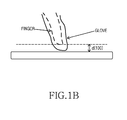
- FIGS. 1A , 1B , and 1C illustrate touch information in a touchscreen based portable electronic device according to a glove touch of the electronic device according to an embodiment of the present disclosure.
- the electronic device may recognize a different touch sensitivity and a different touched area from those of a touch made by a touch pen or a finger due to a spaced distance 100 between the finger and the touch pad according to the glove as illustrated in FIG. 1B .
- the touch sensitivity and touched area of the touch detected by the electronic device when the glove is worn that is, a second touch input object 113
- the touch sensitivity and touched area of a touch made by a touch pen that is, a first touch input object 111 as illustrated in FIG.
- the electronic device may recognize a touch input object based on touch information including one or more of a touch sensitivity, a touched area, and a touch duration time.
- the touch sensitivity includes a change value in a capacity according to a touch on a touchpad.
- FIG. 2 illustrates a block configuration of an electronic device according to an embodiment of the present disclosure.
- an electronic device 200 includes a memory 210, a processor unit 220, an audio processing unit 230, an input/output control unit 240, a display unit 250, and an input device 260.
- the memory 210 may be provided in plurality.
- the memory 210 may include a program storage unit 211 for storing a program for controlling an operation of the electronic device 200, and a data storage unit 212 for storing data generated during the execution of a program.
- the data storage unit 212 may store variables for determination of touch input objects and information on available touch input objects for operation modes of the electronic device 200.
- the variables for determination of touch input objects may include two or more of at least one reference sensitivity, at least one reference area, and a reference touch time.
- the program storage unit 211 includes a Graphic User Interface (GUI) program 213, a touch input object determination program 214, a touch recognition control program 215, and at least one application program 216.
- GUI Graphic User Interface
- the program included in the program storage unit 211 is a set of instructions and may be referred to an instruction set.
- the GUI program 213 may include at least one software component for providing a graphic user interface on a display unit 250.
- the GUI program 213 may control the display of information on application programs executed by the processor 222 on the display unit 250.
- the touch input object determination program 214 may include at least one software component for determining a touch input object based on touch information provided from the input device 260.
- the touch input object determination program 214 may recognize a touch input object for the input device 260 based on two or more of a touch sensitivity, a touched area, and a touch duration time which are provided from the input device 260. For example, when the touch sensitivity is greater than a first reference sensitivity and less than a second reference sensitivity, and when the touched area is greater than a first reference area and less than a second reference area, the touch input object determination program 214 may recognize that a detected touch is made by a glove touch input object.
- the touch input object determination program 214 may recognize that a detected touch is made by the glove touch input object.
- the touch recognition control program 215 may include at least one software component for determining whether a touch is detected according to a touch input object for respective operation modes of the electronic device 200. For example, the touch recognition control program 215 may recognize a touch according to information on available touch input objects which are set for operation modes. For example, it is assumed that the electronic device 200 supports a first touch input object, a second touch input object, and a third touch input object. When the electronic device 200 is set to a first operation mode, the touch recognition control program 215 may recognize a touch by using the first touch input object and the third touch input object. For example, the touch recognition control program 215 may recognize that a touch is not detected for the touch made by the second touch input object which is determined by the touch input object determination program 214.
- the touch recognition control program 215 may recognize a touch by using the second touch input object. For example, the touch recognition control program 215 may recognize that a touch is not detected for the touch made by the first touch input object and the third touch input object which are determined by the touch input object determination program 214.
- the at least one application program 216 includes a software component for at least one application program installed in the electronic device 200.
- the processor unit 220 includes a memory interface 221, at least one processor 222, and a peripheral interface 223.
- the memory interface 221, the at least one processor 222 and the peripheral interface 223 which are included in the processor unit 220 may be integrated into at least one integrated circuit or be implemented as separate components.
- the memory interface 221 controls access to the memory 210 of components, such as the at least one processor 222 or the peripheral interface 223.
- the peripheral interface 223 controls connections of the input/output peripherals of the electronic device 200 to the at least one processor 222 and the memory interface 221.
- the at least one processor 222 enables the electronic device 200 to provide various multimedia services using at least one software program.
- the at least one processor 222 may execute at least one program stored in the memory unit 210 to provide a service corresponding to the program.
- the audio processing unit 230 provides an audio interface between a user and the electronic device 200 through a speaker 231 and a microphone 232.
- the input/output control unit 240 provides an interface between an input/output device, such as the display unit 250 and the input device 260, and the peripheral interface 223.
- the display unit 250 displays the state information of the electronic device 200, characters input by the user, moving pictures, still pictures, and the like. For example, the display unit 250 displays information about application programs executed by the at least one processor 222.
- the input device 260 provides input data generated by the selection of the user to the processor unit 220 through the input/output control unit 240.
- the input device 260 includes a keypad including at least one hardware button, a touch pad for detecting touch information, and the like.
- the input device 260 provides touch information, made by one or more of a touch pen, a finger, and a glove worn on a finger on the touch pad, to the at least one processor 222 through the input/output control unit 240.
- the electronic device 200 may further include a communication system for performing communication functions for voice communication and data communication.
- the communication system may be classified into a plurality of communication sub-modules which support different communication networks.
- the communication networks may include, but are not limited to, a Global System for Mobile communication (GSM) network, an Enhanced Data GSM Environment (EDGE) network, a Code Division Multiple Access (CDMA) network, a W-Code Division Multiple Access (W-CDMA) network, a Long Term Evolution (LTE) network, an Orthogonal Frequency Division Multiple Access (OFDMA) network, a wireless LAN, a Bluetooth network, a Near Field Communication (NFC) network, and the like.
- GSM Global System for Mobile communication
- EDGE Enhanced Data GSM Environment
- CDMA Code Division Multiple Access
- W-CDMA W-Code Division Multiple Access
- LTE Long Term Evolution
- OFDMA Orthogonal Frequency Division Multiple Access
- wireless LAN wireless LAN
- Bluetooth Bluetooth
- NFC Near Field Communication
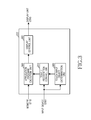
- FIG. 3 illustrates a block configuration of a processor according to an embodiment of the present disclosure.
- the at least one processor 222 includes a touch input object determination unit 300, a touch recognition control unit 310, an application program execution unit 320, and a display control unit 330.
- the touch input object determination unit 300 may determine a touch input object based on touch information.
- the touch input object determination unit 300 may execute the touch input object determination program 214 stored in the program storage unit 211 to determine a touch input object based on touch information.
- the touch input object determination unit 300 may recognize a touch input object for the input device 260 based on two or more of a touch sensitivity, a touched area, and a touch duration time which are provided from the input device 260. For example, when the touch sensitivity is greater than a first reference sensitivity and less than a second reference sensitivity, and when the touched area is greater than a first reference area and less than a second reference area, the touch input object determination unit 300 may recognize that a detected touch is made by a glove touch input object.
- the touch input object determination unit 300 may recognize that the detected touch is made by a glove touch input object.
- the touch recognition control unit 310 may determine whether a touch is detected according to touch input objects for respective operation modes of the electronic device 200. In this case, the touch recognition control unit 310 executes the touch recognition control program 215 stored in the program storage unit 211 to determine whether a touch is detected according to touch input objects for respective operation modes of the electronic device 200. For example, the touch recognition control unit 310 may recognize a touch according to information on available touch input objects which are set for operation modes. For example, it is assumed that the electronic device 200 supports a first touch input object, a second touch input object, and a third touch input object. When the electronic device 200 is set to a first operation mode, the touch recognition control unit 310 may recognize a touch by using the first touch input object and the third touch input object.
- the touch recognition control unit 310 may recognize that a touch is not detected with respect to a touch made by the second touch input object determined by the touch input object determination unit 300.
- the touch recognition control unit 310 may recognize a touch using the second touch input object.
- the touch recognition control unit 310 may recognize that a touch is not detected with respect to a touch made by the first touch input object and the third touch input object determined by the touch input object determination unit 300.
- the application program execution unit 320 executes the at least one application program 216 stored in the program storage unit 211 to provide a service corresponding to the program.
- the application program execution unit 320 may execute an application program according to touch information provided from the touch recognition control unit 310.
- the display control unit 330 may display a graphic user interface on the display unit 250.
- the display control unit 330 may execute the GUI program 213 stored in the program storage unit 211 to display the graphic user interface on the display unit 250.
- the display control unit 330 displays information on an application program that is executed by the application program execution unit 320 on the display unit 250.
- the at least one processor 222 may be configured to include a component for selectively using touch input objects for touch recognition as illustrated in FIG. 3 as a separate module.
- the processor 220 may selectively use touch input objects for touch recognition for one module.
- the electronic device 200 may include a separate control module for selectively using touch input objects for touch recognition.
- FIG. 4 is a flowchart illustrating a process of determining a touch input object in a touchscreen based electronic device according to an embodiment of the present disclosure.
- the electronic device detects a touch.
- the electronic device may detect a touch based on a change in the capacity of a touchpad included in the input device 160.
- the electronic device may determine a touch input object based on touch information in operation 403. For example, the electronic device may determine a touch input object based on two or more of a touch sensitivity, a touched area, and a touch duration time.
- the electronic device may determine a touch input object based on two or more of a touch sensitivity, a touched area, and a touch duration time.
- the electronic device may be configured to include a unit for detecting a touch and a touch input object determination unit for determining a touch input object based on two or more of a touch sensitivity, a touched area, and a touch duration time.
- FIG. 5 is a flowchart illustrating a process of determining a touch input object based on touch information in a touchscreen based electronic device according to a first embodiment of the present disclosure.
- the electronic device detects a touch.
- the electronic device may detect a touch based on a change in the capacity of a touchpad included in the input device 160.
- the electronic device identifies whether a touch sensitivity is less than or equal to a first reference sensitivity.
- the touch sensitivity includes the sensitivity of the touch detected in operation 501.
- the electronic device may recognize that the detected touch is made by a first touch input object in operation 505. For example, when the touch sensitivity is less than or equal to the first reference sensitivity, the electronic device may recognize that the detected touch is made by a pen touch input object.
- the electronic device identifies whether the touch sensitivity is greater than or equal to a second reference sensitivity in operation 507. In this case, the second reference sensitivity is greater than the first reference sensitivity.
- the electronic device may recognize that the detected touch is made by a third touch input object in operation 509. For example, when the touch sensitivity is greater than or equal to the second reference sensitivity, the electronic device may recognize that the detected touch is made by a finger touch input object.
- the electronic device identifies whether a touched area is less than or equal to a first reference area in operation 511.
- the touched area includes the area of the touch detected in operation 501.
- the electronic device may recognize that the detected touch is made by the first touch input object in operation 505. For example, when the touched area is less than or equal to the first reference area, the electronic device may recognize that the detected touch is made by a pen touch input object.
- the electronic device When it is determined in operation 511 that the touched area is greater than the first reference area, the electronic device identifies whether the touched area is greater than or equal to a second reference area in operation 513. In this case, the second reference area is greater than the first reference area.
- the electronic device may recognize that the detected touch is made by the third touch input object in operation 509. For example, when the touched area is greater than or equal to the second reference area, the electronic device may recognize that the detected touch is made by the finger touch input object.
- the electronic device may recognize that the detected touch is made by a second touch input object in operation 515.
- the electronic device may recognize that the detected touch is made by a glove touch input object.
- FIG. 6 is a flowchart illustrating a process of determining a touch input object based on touch information in a touchscreen based electronic device according to a second embodiment of the present disclosure.
- the electronic device detects a touch.
- the electronic device may detect a touch based on a change in the capacity of a touchpad included in the input device 160.
- the electronic device identifies whether a touch sensitivity is less than or equal to a first reference sensitivity.
- the touch sensitivity includes the sensitivity of the touch detected in operation 601.
- the electronic device may recognize that the detected touch is made by a first touch input object in operation 605. For example, when the touch sensitivity is less than or equal to the first reference sensitivity, the electronic device may recognize that the detected touch is made by a pen touch input object.
- the electronic device identifies whether the touch sensitivity is greater than or equal to a second reference sensitivity in operation 607. In this case, the second reference sensitivity is greater than the first reference sensitivity.
- the electronic device may recognize that the detected touch is made by a third touch input object in operation 609. For example, when the touch sensitivity is greater than or equal to the second reference sensitivity, the electronic device may recognize that the detected touch is made by a finger touch input object.
- the electronic device identifies whether a touched area is less than or equal to a first reference area in operation 611.
- the touched area includes the area of the touch detected in operation 601.
- the electronic device may recognize that the detected touch is made by the first touch input object in operation 605. For example, when the touched area is less than or equal to the first reference area, the electronic device may recognize that the detected touch is made by a pen touch input object.
- the electronic device When it is determined in operation 611 that the touched area is greater than the first reference area, the electronic device identifies whether the touched area is greater than or equal to a second reference area in operation 613. In this case, the second reference area is greater than the first reference area.
- the electronic device may recognize that the detected touch is made by the third touch input object in operation 609. For example, when the touched area is greater than or equal to the second reference area, the electronic device may recognize that the detected touch is made by the finger touch input object.
- the electronic device identifies whether the touch of which the touch sensitivity lager than the first reference sensitivity and less than the second reference sensitivity and of which the touched area is greater than the first reference area and less than the second reference area is detected continuously for a reference touch time in operation 615.
- the electronic device may recognize that the detected touch is made by the first touch input object. For example, the electronic device may recognize that the detected touch is made by the pen touch input object.
- the electronic device may recognize that the detected touch is made by a second touch input object in operation 617. For example, the electronic device may recognize that the detected touch is made by a glove touch input object.
- the electronic device may determine a touch input object using the touch sensitivity and the touched area or using the touch sensitivity, the touched area, and the touch duration time.
- the electronic device may determine a touch input object using the touch sensitivity and the touch duration time. For example, when the touch sensitivity is greater than the first reference sensitivity and less than the second reference sensitivity, the electronic device identifies whether the touch, of which the touch sensitivity is greater than the first reference sensitivity and less than the second reference sensitivity, is maintained for the reference touch time. When the touch, of which the touch sensitivity is greater than the first reference sensitivity and less than the second reference sensitivity, is not detected continuously for the reference touch time, the electronic device may recognize that the detected touch is made by the first touch input object. For example, the electronic device may recognize that the detected touch is made by the pen touch input object.
- the electronic device may recognize that the detected touch is made by the second touch input object. For example, the electronic device may recognize that the detected touch is made by the glove touch input object.
- FIG. 7 is a flowchart illustrating a process of recognizing a touch according to an operation mode in a touchscreen based electronic device according to the first embodiment of the present disclosure.
- the electronic device identifies at least one touch input object which is available in an operation mode of the electronic device. For example, when the electronic device is set to a first operation mode, the electronic device may identify a glove touch input object and a pen touch input object as available touch input objects. As another example, when the electronic device is set to a second operation mode, the electronic device may identify the glove touch input object as an available touch input object.
- the electronic device identifies whether a touch is detected. For example, the electronic device may detect a touch based on a change in the capacity of a touchpad included in the input device 160.
- the electronic device determines a touch input object based on touch information in operation 705. For example, the electronic device may determine a touch input object based on two or more pieces of touch information of the touch sensitivity, the touched area, and the touch duration time of the touch detected in operation 703.
- the electronic device identifies whether the touch input object is included in the touch input objects which are available in the operation mode of the electronic device.
- the electronic device When it is determined in operation 707 that the touch input object is not included in the available touch input objects which are available in the operation mode of the electronic device, the electronic device recognizes that a touch is not detected.
- the electronic device When it is determined in operation 707 that the touch input object is included in the available touch input objects which are available in the operation mode of the electronic device, the electronic device recognizes that a touch input is detected in operation 709 according to the touch detected in operation 705.
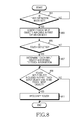
- FIG. 8 is a flowchart illustrating a process of recognizing a touch according to an operation mode in a touchscreen based electronic device according to the second embodiment of the present disclosure.
- the electronic device supports a first touch input object, a second touch input object, and a third touch input object.
- the electronic device identifies whether an operation mode of the electronic device is set to a first operation mode.
- the electronic device When it is determined in operation 801 that the electronic device is set to the first operation mode, the electronic device identifies at least one touch input object available in the first operation mode in operation 803. For example, when the electronic device is set to the first operation mode, the electronic device may identify a glove touch input object and a pen touch input object as available touch input object as available touch input objects.
- the electronic device identifies whether a touch is detected. For example, the electronic device may detect a touch based on a change in the capacity of a touchpad included in the input device 160.
- the electronic device determines a touch input object based on touch information in operation 807. For example, the electronic device may determine a touch input object based on touch information including two or more of the touch sensitivity, the touched area, and the touch duration time of the touch detected in operation 805.
- the electronic device identifies whether a touch input object is a first touch input object or a third touch input object which is set as an available touch input object in the first operation mode.
- the electronic device When the touch input object determined in operation 807 is a second touch input object, the electronic device recognizes that the touch input object for the touch detected in operation 805 is not available in the first operation mode. Accordingly, the electronic device recognizes that a touch is not detected.
- the electronic device recognizes that the touch input object for the touch detected in operation 805 is available in the first operation mode.
- the electronic device recognizes that a touch input is detected in operation 811.
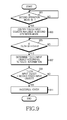
- FIG. 9 is a flowchart illustrating a process of recognizing a touch according to an operation mode in a touchscreen based electronic device according to a third embodiment of the present disclosure.
- the electronic device supports a first touch input object, a second touch input object, and a third touch input object.
- the electronic device identifies whether an operation mode of the electronic device is set to a second operation mode.
- the electronic device When it is determined in operation 901 that the electronic device is set to the second operation mode, the electronic device identifies at least one touch input object available in the second operation mode in operation 903. For example, when the electronic device is set to the second operation mode, the electronic device may identify a glove touch input object as an available touch input object.
- the electronic device identifies whether a touch is detected. For example, the electronic device may detect a touch based on a change in the capacity of a touchpad included in the input device 160.
- the electronic device determines a touch input object based on touch information in operation 907. For example, the electronic device may determine a touch input object based on touch information including two or more of the touch sensitivity, the touched area, and the touch duration time of the touch detected in operation 905.
- the electronic device identifies whether a touch input object is a second touch input object which is set as an available touch input object in the second operation mode.
- the electronic device When it is determined in operation 909 that the touch input object determined in operation 907 is not the second touch input object, the electronic device recognizes that the touch input object for the touch detected in operation 905 is not available in the second operation mode. Therefore, the electronic device recognizes that a touch is not detected.
- the electronic device When the touch input object determined in operation 907 is the second touch input object, the electronic device recognizes that the touch input object for the touch detected in operation 905 is available in the second operation mode. Therefore, the electronic device recognizes that a touch input is detected in operation 911.
- the electronic device may identify touch input objects available in the operation mode of the electronic device before touch detection.
- the electronic device may identify touch input objects available in the operation mode of the electronic device after touch detection.
- an electronic device having a touchscreen determines a touch input object based on two or more of a touch sensitivity, a touched area and a touch duration time, thereby selectively using a touch input object for touch recognition according to an operation mode of the electronic device.
- Non-transitory computer readable recording medium is any data storage device that can store data which can be thereafter read by a computer system. Examples of the non-transitory computer readable recording medium include Read-Only Memory (ROM), Random-Access Memory (RAM), Compact Disc-ROMs (CD-ROMs), magnetic tapes, floppy disks, and optical data storage devices.
- ROM Read-Only Memory
- RAM Random-Access Memory
- CD-ROMs Compact Disc-ROMs
- the non-transitory computer readable recording medium can also be distributed over network coupled computer systems so that the computer readable code is stored and executed in a distributed fashion.
- functional programs, code, and code segments for accomplishing the present disclosure can be easily construed by programmers skilled in the art to which the present disclosure pertains.
- the various embodiments of the present disclosure as described above typically involve the processing of input data and the generation of output data to some extent.
- This input data processing and output data generation may be implemented in hardware or software in combination with hardware.
- specific electronic components may be employed in a mobile device or similar or related circuitry for implementing the functions associated with the various embodiments of the present disclosure as described above.
- one or more processors operating in accordance with stored instructions may implement the functions associated with the various embodiments of the present disclosure as described above. If such is the case, it is within the scope of the present disclosure that such instructions may be stored on one or more non-transitory processor readable mediums.
- processor readable mediums examples include a ROM, a RAM, CD-ROMs, magnetic tapes, floppy disks, and optical data storage devices.
- the processor readable mediums can also be distributed over network coupled computer systems so that the instructions are stored and executed in a distributed fashion.
- functional computer programs, instructions, and instruction segments for accomplishing the present disclosure can be easily construed by programmers skilled in the art to which the present disclosure pertains.
Landscapes
- Engineering & Computer Science (AREA)
- General Engineering & Computer Science (AREA)
- Theoretical Computer Science (AREA)
- Human Computer Interaction (AREA)
- Physics & Mathematics (AREA)
- General Physics & Mathematics (AREA)
- User Interface Of Digital Computer (AREA)
- Position Input By Displaying (AREA)
Applications Claiming Priority (1)
| Application Number | Priority Date | Filing Date | Title |
|---|---|---|---|
| KR1020130020169A KR20140106097A (ko) | 2013-02-25 | 2013-02-25 | 전자 장치에서 터치 입력 방식을 결정하기 위한 장치 및 방법 |
Publications (2)
| Publication Number | Publication Date |
|---|---|
| EP2770410A2 true EP2770410A2 (de) | 2014-08-27 |
| EP2770410A3 EP2770410A3 (de) | 2016-09-28 |
Family
ID=50159098
Family Applications (1)
| Application Number | Title | Priority Date | Filing Date |
|---|---|---|---|
| EP14156393.2A Withdrawn EP2770410A3 (de) | 2013-02-25 | 2014-02-24 | Verfahren zur Bestimmung eines Berührungseingabeobjekts und elektronische Vorrichtung dafür |
Country Status (4)
| Country | Link |
|---|---|
| US (1) | US20140240261A1 (de) |
| EP (1) | EP2770410A3 (de) |
| KR (1) | KR20140106097A (de) |
| CN (1) | CN104007873B (de) |
Families Citing this family (10)
| Publication number | Priority date | Publication date | Assignee | Title |
|---|---|---|---|---|
| US10101844B2 (en) * | 2014-03-14 | 2018-10-16 | Lg Electronics Inc. | Mobile terminal and method of controlling the same based on type of touch object used to apply touch input |
| TWI525500B (zh) * | 2014-10-01 | 2016-03-11 | 緯創資通股份有限公司 | 觸控系統、觸控筆、觸控裝置及其控制方法 |
| KR20160105245A (ko) * | 2015-02-27 | 2016-09-06 | 삼성전자주식회사 | 터치 패널의 입력을 감지하는 전자 장치 및 방법 |
| US9904409B2 (en) * | 2015-04-15 | 2018-02-27 | Samsung Electronics Co., Ltd. | Touch input processing method that adjusts touch sensitivity based on the state of a touch object and electronic device for supporting the same |
| CN105224405B (zh) * | 2015-10-27 | 2019-06-14 | Oppo广东移动通信有限公司 | 输入模式控制方法及装置 |
| KR102513147B1 (ko) | 2016-01-19 | 2023-03-23 | 삼성전자 주식회사 | 전자 장치 및 그의 터치 입력 인식 방법 |
| KR102692984B1 (ko) | 2017-02-06 | 2024-08-08 | 삼성전자주식회사 | 터치 입력 처리 방법 및 이를 지원하는 전자 장치 |
| KR102061941B1 (ko) * | 2017-10-16 | 2020-02-11 | 강태호 | 지능형 단축 제어방법 및 이를 수행하는 전자장치 |
| CN110007800B (zh) * | 2019-04-10 | 2020-11-10 | 广州视源电子科技股份有限公司 | 一种触摸操作模式的控制方法、装置、设备及存储介质 |
| KR102930198B1 (ko) | 2020-07-30 | 2026-02-25 | 삼성전자주식회사 | 압력 센서를 포함하는 전자 장치 및 그 동작 방법 |
Family Cites Families (14)
| Publication number | Priority date | Publication date | Assignee | Title |
|---|---|---|---|---|
| US7190348B2 (en) * | 2000-12-26 | 2007-03-13 | International Business Machines Corporation | Method for touchscreen data input |
| US8134536B2 (en) * | 2007-05-15 | 2012-03-13 | Htc Corporation | Electronic device with no-hindrance touch operation |
| US20080284750A1 (en) * | 2007-05-15 | 2008-11-20 | High Tech Computer, Corp. | Method for multiple selections for an electronic device and the software thereof |
| JP2010237599A (ja) * | 2009-03-31 | 2010-10-21 | Brother Ind Ltd | 表示装置、表示態様決定方法、及び表示処理プログラム |
| US8451237B2 (en) * | 2009-07-06 | 2013-05-28 | Atmel Corporation | Sensitivity control as a function of touch shape |
| US8514187B2 (en) * | 2009-09-30 | 2013-08-20 | Motorola Mobility Llc | Methods and apparatus for distinguishing between touch system manipulators |
| US20120299856A1 (en) * | 2010-02-19 | 2012-11-29 | Nec Corporation | Mobile terminal and control method thereof |
| US20130038556A1 (en) * | 2010-04-13 | 2013-02-14 | Panasonic Corporation | Display apparatus |
| JP2012133729A (ja) * | 2010-12-24 | 2012-07-12 | Sony Corp | 情報処理装置、情報処理方法、およびプログラム |
| US20140111430A1 (en) * | 2011-06-10 | 2014-04-24 | Nec Casio Mobile Communications, Ltd. | Input device and control method of touch panel |
| US8872804B2 (en) * | 2011-07-21 | 2014-10-28 | Qualcomm Mems Technologies, Inc. | Touch sensing display devices and related methods |
| EP2810144B1 (de) * | 2012-02-02 | 2017-03-22 | Sony Mobile Communications, Inc | Tragbare elektronische vorrichtung und verfahren zur steuerung einer tragbaren elektronischen vorrichtung mit näherungssensor-benutzerschnittstelle |
| US20130293506A1 (en) * | 2012-05-01 | 2013-11-07 | Denso International America, Inc. | Capacitive Switch Automatic Adjustment |
| CN103620536B (zh) * | 2012-07-30 | 2016-11-02 | 华为终端有限公司 | 触摸事件上报方法、装置及移动终端 |
-
2013
- 2013-02-25 KR KR1020130020169A patent/KR20140106097A/ko not_active Ceased
-
2014
- 2014-02-24 EP EP14156393.2A patent/EP2770410A3/de not_active Withdrawn
- 2014-02-25 US US14/189,590 patent/US20140240261A1/en not_active Abandoned
- 2014-02-25 CN CN201410064250.1A patent/CN104007873B/zh active Active
Non-Patent Citations (1)
| Title |
|---|
| None |
Also Published As
| Publication number | Publication date |
|---|---|
| EP2770410A3 (de) | 2016-09-28 |
| US20140240261A1 (en) | 2014-08-28 |
| CN104007873B (zh) | 2017-10-03 |
| CN104007873A (zh) | 2014-08-27 |
| KR20140106097A (ko) | 2014-09-03 |
Similar Documents
| Publication | Publication Date | Title |
|---|---|---|
| EP2770410A2 (de) | Verfahren zur Bestimmung eines Berührungseingabeobjekts und elektronische Vorrichtung dafür | |
| US10599306B2 (en) | Electronic device and method for operating notification bar thereof | |
| US9594501B2 (en) | Method for changing display range and electronic device thereof | |
| US9372613B2 (en) | Scrolling method and electronic device thereof | |
| EP2763131A1 (de) | Verfahren und elektronische Vorrichtung zum Konfigurieren eines Bildschirms | |
| AU2014201249B2 (en) | Method for controlling display function and an electronic device thereof | |
| US20150378599A1 (en) | Method and electronic device for displaying virtual keyboard | |
| RU2649945C2 (ru) | Способ улучшения распознавания касаний и электронное устройство для его осуществления | |
| EP2650797A2 (de) | Elektronische Vorrichtung und Verfahren zur Annotation von Daten | |
| US10095401B2 (en) | Method for editing display information and electronic device thereof | |
| US9612676B2 (en) | Method for improving touch response and an electronic device thereof | |
| US20140232659A1 (en) | Methods, apparatuses, and computer program products for executing functions based on hover gestures or touch gestures | |
| US9900731B2 (en) | Method of providing location based service and electronic device thereof | |
| US9619142B2 (en) | Method for editing display information and an electronic device thereof | |
| US20140043286A1 (en) | Method for identifying touch pen in electronic device, and electronic device | |
| CN106325678A (zh) | 一种基于触摸屏的移动终端图标识别方法及系统 | |
| US9870085B2 (en) | Pointer control method and electronic device thereof | |
| US9705732B2 (en) | Method and apparatus for sharing time information in an electronic device |
Legal Events
| Date | Code | Title | Description |
|---|---|---|---|
| PUAI | Public reference made under article 153(3) epc to a published international application that has entered the european phase |
Free format text: ORIGINAL CODE: 0009012 |
|
| 17P | Request for examination filed |
Effective date: 20140224 |
|
| AK | Designated contracting states |
Kind code of ref document: A2 Designated state(s): AL AT BE BG CH CY CZ DE DK EE ES FI FR GB GR HR HU IE IS IT LI LT LU LV MC MK MT NL NO PL PT RO RS SE SI SK SM TR |
|
| AX | Request for extension of the european patent |
Extension state: BA ME |
|
| PUAL | Search report despatched |
Free format text: ORIGINAL CODE: 0009013 |
|
| AK | Designated contracting states |
Kind code of ref document: A3 Designated state(s): AL AT BE BG CH CY CZ DE DK EE ES FI FR GB GR HR HU IE IS IT LI LT LU LV MC MK MT NL NO PL PT RO RS SE SI SK SM TR |
|
| AX | Request for extension of the european patent |
Extension state: BA ME |
|
| RIC1 | Information provided on ipc code assigned before grant |
Ipc: G06F 3/041 20060101AFI20160823BHEP Ipc: G06F 3/044 20060101ALI20160823BHEP |
|
| STAA | Information on the status of an ep patent application or granted ep patent |
Free format text: STATUS: EXAMINATION IS IN PROGRESS |
|
| 17Q | First examination report despatched |
Effective date: 20171213 |
|
| STAA | Information on the status of an ep patent application or granted ep patent |
Free format text: STATUS: THE APPLICATION IS DEEMED TO BE WITHDRAWN |
|
| 18D | Application deemed to be withdrawn |
Effective date: 20190903 |