EP2772275A1 - Logique floue - Google Patents
Logique floue Download PDFInfo
- Publication number
- EP2772275A1 EP2772275A1 EP14156854.3A EP14156854A EP2772275A1 EP 2772275 A1 EP2772275 A1 EP 2772275A1 EP 14156854 A EP14156854 A EP 14156854A EP 2772275 A1 EP2772275 A1 EP 2772275A1
- Authority
- EP
- European Patent Office
- Prior art keywords
- blood pressure
- fuzzy
- blood
- module
- modules
- Prior art date
- Legal status (The legal status is an assumption and is not a legal conclusion. Google has not performed a legal analysis and makes no representation as to the accuracy of the status listed.)
- Granted
Links
Images





Classifications
-
- A—HUMAN NECESSITIES
- A61—MEDICAL OR VETERINARY SCIENCE; HYGIENE
- A61M—DEVICES FOR INTRODUCING MEDIA INTO, OR ONTO, THE BODY; DEVICES FOR TRANSDUCING BODY MEDIA OR FOR TAKING MEDIA FROM THE BODY; DEVICES FOR PRODUCING OR ENDING SLEEP OR STUPOR
- A61M1/00—Suction or pumping devices for medical purposes; Devices for carrying-off, for treatment of, or for carrying-over, body-liquids; Drainage systems
- A61M1/34—Filtering material out of the blood by passing it through a membrane, i.e. hemofiltration or diafiltration
- A61M1/3403—Regulation parameters
-
- A—HUMAN NECESSITIES
- A61—MEDICAL OR VETERINARY SCIENCE; HYGIENE
- A61B—DIAGNOSIS; SURGERY; IDENTIFICATION
- A61B5/00—Measuring for diagnostic purposes; Identification of persons
- A61B5/02—Detecting, measuring or recording for evaluating the cardiovascular system, e.g. pulse, heart rate, blood pressure or blood flow
- A61B5/021—Measuring pressure in heart or blood vessels
-
- A—HUMAN NECESSITIES
- A61—MEDICAL OR VETERINARY SCIENCE; HYGIENE
- A61M—DEVICES FOR INTRODUCING MEDIA INTO, OR ONTO, THE BODY; DEVICES FOR TRANSDUCING BODY MEDIA OR FOR TAKING MEDIA FROM THE BODY; DEVICES FOR PRODUCING OR ENDING SLEEP OR STUPOR
- A61M1/00—Suction or pumping devices for medical purposes; Devices for carrying-off, for treatment of, or for carrying-over, body-liquids; Drainage systems
- A61M1/14—Dialysis systems; Artificial kidneys; Blood oxygenators ; Reciprocating systems for treatment of body fluids, e.g. single needle systems for hemofiltration or pheresis
- A61M1/16—Dialysis systems; Artificial kidneys; Blood oxygenators ; Reciprocating systems for treatment of body fluids, e.g. single needle systems for hemofiltration or pheresis with membranes
-
- A—HUMAN NECESSITIES
- A61—MEDICAL OR VETERINARY SCIENCE; HYGIENE
- A61M—DEVICES FOR INTRODUCING MEDIA INTO, OR ONTO, THE BODY; DEVICES FOR TRANSDUCING BODY MEDIA OR FOR TAKING MEDIA FROM THE BODY; DEVICES FOR PRODUCING OR ENDING SLEEP OR STUPOR
- A61M1/00—Suction or pumping devices for medical purposes; Devices for carrying-off, for treatment of, or for carrying-over, body-liquids; Drainage systems
- A61M1/14—Dialysis systems; Artificial kidneys; Blood oxygenators ; Reciprocating systems for treatment of body fluids, e.g. single needle systems for hemofiltration or pheresis
- A61M1/16—Dialysis systems; Artificial kidneys; Blood oxygenators ; Reciprocating systems for treatment of body fluids, e.g. single needle systems for hemofiltration or pheresis with membranes
- A61M1/1601—Control or regulation
- A61M1/1613—Profiling or modelling of patient or predicted treatment evolution or outcome
-
- A—HUMAN NECESSITIES
- A61—MEDICAL OR VETERINARY SCIENCE; HYGIENE
- A61M—DEVICES FOR INTRODUCING MEDIA INTO, OR ONTO, THE BODY; DEVICES FOR TRANSDUCING BODY MEDIA OR FOR TAKING MEDIA FROM THE BODY; DEVICES FOR PRODUCING OR ENDING SLEEP OR STUPOR
- A61M1/00—Suction or pumping devices for medical purposes; Devices for carrying-off, for treatment of, or for carrying-over, body-liquids; Drainage systems
- A61M1/36—Other treatment of blood in a by-pass of the natural circulatory system, e.g. temperature adaptation, irradiation ; Extra-corporeal blood circuits
- A61M1/3607—Regulation parameters
- A61M1/3609—Physical characteristics of the blood, e.g. haematocrit, urea
-
- A—HUMAN NECESSITIES
- A61—MEDICAL OR VETERINARY SCIENCE; HYGIENE
- A61M—DEVICES FOR INTRODUCING MEDIA INTO, OR ONTO, THE BODY; DEVICES FOR TRANSDUCING BODY MEDIA OR FOR TAKING MEDIA FROM THE BODY; DEVICES FOR PRODUCING OR ENDING SLEEP OR STUPOR
- A61M1/00—Suction or pumping devices for medical purposes; Devices for carrying-off, for treatment of, or for carrying-over, body-liquids; Drainage systems
- A61M1/36—Other treatment of blood in a by-pass of the natural circulatory system, e.g. temperature adaptation, irradiation ; Extra-corporeal blood circuits
- A61M1/3621—Extra-corporeal blood circuits
- A61M1/3639—Blood pressure control, pressure transducers specially adapted therefor
-
- B—PERFORMING OPERATIONS; TRANSPORTING
- B01—PHYSICAL OR CHEMICAL PROCESSES OR APPARATUS IN GENERAL
- B01D—SEPARATION
- B01D61/00—Processes of separation using semi-permeable membranes, e.g. dialysis, osmosis or ultrafiltration; Apparatus, accessories or auxiliary operations specially adapted therefor
- B01D61/24—Dialysis ; Membrane extraction
- B01D61/32—Controlling or regulating
-
- A—HUMAN NECESSITIES
- A61—MEDICAL OR VETERINARY SCIENCE; HYGIENE
- A61B—DIAGNOSIS; SURGERY; IDENTIFICATION
- A61B5/00—Measuring for diagnostic purposes; Identification of persons
- A61B5/02—Detecting, measuring or recording for evaluating the cardiovascular system, e.g. pulse, heart rate, blood pressure or blood flow
-
- A—HUMAN NECESSITIES
- A61—MEDICAL OR VETERINARY SCIENCE; HYGIENE
- A61B—DIAGNOSIS; SURGERY; IDENTIFICATION
- A61B5/00—Measuring for diagnostic purposes; Identification of persons
- A61B5/02—Detecting, measuring or recording for evaluating the cardiovascular system, e.g. pulse, heart rate, blood pressure or blood flow
- A61B5/024—Measuring pulse rate or heart rate
-
- A—HUMAN NECESSITIES
- A61—MEDICAL OR VETERINARY SCIENCE; HYGIENE
- A61B—DIAGNOSIS; SURGERY; IDENTIFICATION
- A61B5/00—Measuring for diagnostic purposes; Identification of persons
- A61B5/145—Measuring characteristics of blood in vivo, e.g. gas concentration or pH-value ; Measuring characteristics of body fluids or tissues, e.g. interstitial fluid or cerebral tissue
- A61B5/14535—Measuring characteristics of blood in vivo, e.g. gas concentration or pH-value ; Measuring characteristics of body fluids or tissues, e.g. interstitial fluid or cerebral tissue for measuring haematocrit
-
- A—HUMAN NECESSITIES
- A61—MEDICAL OR VETERINARY SCIENCE; HYGIENE
- A61B—DIAGNOSIS; SURGERY; IDENTIFICATION
- A61B5/00—Measuring for diagnostic purposes; Identification of persons
- A61B5/145—Measuring characteristics of blood in vivo, e.g. gas concentration or pH-value ; Measuring characteristics of body fluids or tissues, e.g. interstitial fluid or cerebral tissue
- A61B5/1455—Measuring characteristics of blood in vivo, e.g. gas concentration or pH-value ; Measuring characteristics of body fluids or tissues, e.g. interstitial fluid or cerebral tissue using optical sensors, e.g. spectral photometrical oximeters
- A61B5/14551—Measuring characteristics of blood in vivo, e.g. gas concentration or pH-value ; Measuring characteristics of body fluids or tissues, e.g. interstitial fluid or cerebral tissue using optical sensors, e.g. spectral photometrical oximeters for measuring blood gases
-
- A—HUMAN NECESSITIES
- A61—MEDICAL OR VETERINARY SCIENCE; HYGIENE
- A61M—DEVICES FOR INTRODUCING MEDIA INTO, OR ONTO, THE BODY; DEVICES FOR TRANSDUCING BODY MEDIA OR FOR TAKING MEDIA FROM THE BODY; DEVICES FOR PRODUCING OR ENDING SLEEP OR STUPOR
- A61M2205/00—General characteristics of the apparatus
- A61M2205/33—Controlling, regulating or measuring
- A61M2205/3303—Using a biosensor
-
- A—HUMAN NECESSITIES
- A61—MEDICAL OR VETERINARY SCIENCE; HYGIENE
- A61M—DEVICES FOR INTRODUCING MEDIA INTO, OR ONTO, THE BODY; DEVICES FOR TRANSDUCING BODY MEDIA OR FOR TAKING MEDIA FROM THE BODY; DEVICES FOR PRODUCING OR ENDING SLEEP OR STUPOR
- A61M2205/00—General characteristics of the apparatus
- A61M2205/33—Controlling, regulating or measuring
- A61M2205/3331—Pressure; Flow
- A61M2205/3341—Pressure; Flow stabilising pressure or flow to avoid excessive variation
-
- A—HUMAN NECESSITIES
- A61—MEDICAL OR VETERINARY SCIENCE; HYGIENE
- A61M—DEVICES FOR INTRODUCING MEDIA INTO, OR ONTO, THE BODY; DEVICES FOR TRANSDUCING BODY MEDIA OR FOR TAKING MEDIA FROM THE BODY; DEVICES FOR PRODUCING OR ENDING SLEEP OR STUPOR
- A61M2205/00—General characteristics of the apparatus
- A61M2205/33—Controlling, regulating or measuring
- A61M2205/3331—Pressure; Flow
- A61M2205/3344—Measuring or controlling pressure at the body treatment site
-
- A—HUMAN NECESSITIES
- A61—MEDICAL OR VETERINARY SCIENCE; HYGIENE
- A61M—DEVICES FOR INTRODUCING MEDIA INTO, OR ONTO, THE BODY; DEVICES FOR TRANSDUCING BODY MEDIA OR FOR TAKING MEDIA FROM THE BODY; DEVICES FOR PRODUCING OR ENDING SLEEP OR STUPOR
- A61M2205/00—General characteristics of the apparatus
- A61M2205/50—General characteristics of the apparatus with microprocessors or computers
-
- A—HUMAN NECESSITIES
- A61—MEDICAL OR VETERINARY SCIENCE; HYGIENE
- A61M—DEVICES FOR INTRODUCING MEDIA INTO, OR ONTO, THE BODY; DEVICES FOR TRANSDUCING BODY MEDIA OR FOR TAKING MEDIA FROM THE BODY; DEVICES FOR PRODUCING OR ENDING SLEEP OR STUPOR
- A61M2205/00—General characteristics of the apparatus
- A61M2205/50—General characteristics of the apparatus with microprocessors or computers
- A61M2205/52—General characteristics of the apparatus with microprocessors or computers with memories providing a history of measured variating parameters of apparatus or patient
-
- A—HUMAN NECESSITIES
- A61—MEDICAL OR VETERINARY SCIENCE; HYGIENE
- A61M—DEVICES FOR INTRODUCING MEDIA INTO, OR ONTO, THE BODY; DEVICES FOR TRANSDUCING BODY MEDIA OR FOR TAKING MEDIA FROM THE BODY; DEVICES FOR PRODUCING OR ENDING SLEEP OR STUPOR
- A61M2230/00—Measuring parameters of the user
- A61M2230/005—Parameter used as control input for the apparatus
-
- A—HUMAN NECESSITIES
- A61—MEDICAL OR VETERINARY SCIENCE; HYGIENE
- A61M—DEVICES FOR INTRODUCING MEDIA INTO, OR ONTO, THE BODY; DEVICES FOR TRANSDUCING BODY MEDIA OR FOR TAKING MEDIA FROM THE BODY; DEVICES FOR PRODUCING OR ENDING SLEEP OR STUPOR
- A61M2230/00—Measuring parameters of the user
- A61M2230/20—Blood composition characteristics
- A61M2230/207—Blood composition characteristics hematocrit
-
- A—HUMAN NECESSITIES
- A61—MEDICAL OR VETERINARY SCIENCE; HYGIENE
- A61M—DEVICES FOR INTRODUCING MEDIA INTO, OR ONTO, THE BODY; DEVICES FOR TRANSDUCING BODY MEDIA OR FOR TAKING MEDIA FROM THE BODY; DEVICES FOR PRODUCING OR ENDING SLEEP OR STUPOR
- A61M2230/00—Measuring parameters of the user
- A61M2230/30—Blood pressure
-
- B—PERFORMING OPERATIONS; TRANSPORTING
- B01—PHYSICAL OR CHEMICAL PROCESSES OR APPARATUS IN GENERAL
- B01D—SEPARATION
- B01D61/00—Processes of separation using semi-permeable membranes, e.g. dialysis, osmosis or ultrafiltration; Apparatus, accessories or auxiliary operations specially adapted therefor
- B01D61/14—Ultrafiltration; Microfiltration
- B01D61/22—Controlling or regulating
Definitions
- the invention relates to a system and a method useful in blood treatment, e.g. hemodialysis, hemofiltration or hemodiafiltration.
- Intradialytic hypotensive episodes are among the most common complications during dialysis treatment. Intradialytic hypotension can often be triggered by rapid fluid deprivation or incorrectly determined dry weight. A typical cause may be a large reduction in central blood volume and an inadequate response to this reduction. Numerous algorithms and methods for avoiding these hypotension have been developed so far. However, intradialytic hypotensive episodes could not be completely avoided.
- a hemodynamic parameter e.g. either the blood pressure, BD, or the relative blood volume, RBV
- BD blood pressure
- RBV relative blood volume
- a disadvantage of regulating blood pressure is the discomfort of the patient due to the high number of cuff blood pressure measurements. Although reducing the number of blood pressure measurements per therapy solves the problem of frequent blood pressure measurements, it causes another problem because patient blood pressure remains unmonitored for extended periods of time. Relative blood volume can be measured at very short intervals ( ⁇ 1 sec) with the aid of an external or dialysis machine sensor (e.g., hematocrit sensor) without loss of patient comfort. Although the regulation of relative blood volume is continuous, it does not correlate with pre-, post- and intradialytic blood pressure. Other research has shown that controlling relative blood volume can provide up to 30% reduction in hypotensive episodes.
- An object of this invention is to reduce blood-related, eg intradialytic, morbidities, inter alia intradialytic hypotensive episodes.
- the invention provides a system according to claim 1 or one or more of the system subclaims. Furthermore, a method according to the independent method claim or one or more of the method subclaims is provided.
- a newly developed physiological control circuit which evaluates at least two physiological parameters of the patient's condition, weights them and regulates them with the aid of a physiological control circuit.
- the UF rate is set as a manipulated variable accordingly.
- the two specific physiological parameters may e.g. the blood pressure and the relative blood volume.
- other relevant quantities e.g. the oxygen saturation of the blood, the heart rate, etc. are also included in the scheme.
- blood-related e.g. Intradialytic morbidities, including intradialytic hypotensive episodes
- Intradialytic morbidities e.g. Intradialytic hypotensive episodes
- a blood treatment method or system adapted to detect at least two hemodynamic parameters, such as blood pressure and relative blood volume, during blood treatment, wherein at least two fuzzy modules have as input magnitudes of hemodynamic parameters and at least one setting device for setting at least one manipulated variable, for example an ultrafiltration rate, UFR or UF rate, a dialyzing fluid conductivity or a dialysis fluid temperature, depending on one present from the weighting module output signal are present.
- at least two hemodynamic parameters such as blood pressure and relative blood volume
- at least two fuzzy modules have as input magnitudes of hemodynamic parameters and at least one setting device for setting at least one manipulated variable, for example an ultrafiltration rate, UFR or UF rate, a dialyzing fluid conductivity or a dialysis fluid temperature, depending on one present from the weighting module output signal are present.
- the system can be designed as a dialysis machine for hemodialysis, hemofiltration or hemodiafiltration.
- the method can likewise be designed for hemodialysis, hemofiltration or hemodiafiltration.
- the method or system may be configured to measure the blood pressure values intermittently at certain time intervals, compare them with a threshold, and transition to continuous blood pressure measurements when the blood pressure falls below the threshold.
- STFM short-term fuzzy module
- a long-term fuzzy module may be provided, by which the course of the blood pressure over a longer period of time is evaluated, which may be longer than the period evaluated by the aforementioned fuzzy module (short-term fuzzy module) ,
- At least two or three of the fuzzy modules may each have a starting value representing a hypotonicity, hereinafter referred to as hyporelevance (hre1, hre2, hre3), wherein a weighting module may be configured to combine the hyporelevance output values formed by the fuzzy modules into a resulting hyporelevance output value.
- a weighting module may be configured to combine the hyporelevance output values formed by the fuzzy modules into a resulting hyporelevance output value.
- another fuzzy module may evaluate the resulting hyporelevance output along with a relative ultrafiltration volume describing the ratio between the current and total ultrafiltration volumes and calculate a corresponding ultrafiltration setpoint.
- At least two or three of the fuzzy modules may each form a hyporelevance output, the weighting module configured to combine the hyporelance output values formed by the fuzzy modules into a resulting hyporelevance output value, and another fuzzy module which evaluates the resulting hyporelevance output together with a relative ultrafiltration volume describing the ratio between the current and total ultrafiltration volumes or the relative time describing the ratio of the current and total time , and calculates a corresponding ultrafiltration desired rate.
- the relative blood volume history, RBV may be stored in the form of an RBV curve, the RBV curve may be approximated with different window sizes using an algorithm, such as a least squares algorithm, and the blood volume history monitored at intervals Window size at which there is a sufficiently good overlap, for example, 50% or more in the actual blood volume history.
- an algorithm such as a least squares algorithm
- a physiologic control loop that monitors a plurality of physiological parameters that reflect the condition of the patient during his dialysis treatment. Based on the knowledge gained from these parameters, intradialytic morbidities, including hypotensive episodes, in one, several or all embodiments, detected early. Their prevention or elimination is achieved by adapting manipulated variables that help prevent hypotensive episodes in time.
- BD blood pressure
- RBV relative blood volume
- the manipulated variable is realized, for example, in the form of the ultrafiltration rate (UF rate).
- the physiological control circuit in one, several or all embodiments consists of one or more, e.g. two, measuring units, and one or more, e.g. five, evaluation units.
- a first measuring unit is a blood pressure measuring module which monitors blood pressure, in other words blood pressure values, also referred to below as BD or BD values, at different time intervals.
- the second measuring unit in one, several or all embodiments is a hematocrit sensor that continuously monitors the patient's relative blood volume.
- One or two of the evaluation units evaluate the behavior of the blood pressure, where each unit outputs a value describing the patient's condition. A e.g.
- third evaluation unit evaluates the behavior of relative blood volume and also calculates a value describing the patient's condition. These calculated values are weighted in one, several or all embodiments in a fourth evaluation unit that combines the three state values into a resulting value. This resulting value is evaluated by a fifth evaluation unit that calculates a corresponding UF rate.
- All evaluation units can be fuzzy modules that evaluate linguistic variables (input variables).
- the one remaining evaluation unit not designed as a fuzzy module may be e.g. a weighting unit that merges the state values into a resulting value.
- FIG. 3 illustrates a circuit diagram of one embodiment of the physiological control loop.
- an automatic blood pressure measurement and monitoring device (ABPM) 1, optionally together with a, for example, in FIG EP 1226838A2 described Leitkurven technique, also called GuideLine technique, blood pressure values, also referred to as BD or BD values, from a storage unit, which may be, for example, an internal or external hard drive of the automatic blood pressure collection module 1 or the system, continuously, eg at intervals of, for example, 5 minutes (or longer or shorter).
- BD or BD values blood pressure values, also referred to as BD or BD values
- BD or BD values blood pressure values, also referred to as BD or BD values
- a first fuzzy module 3 in the form of a short-time fuzzy module receives from the device 1 three input variables, rbd, htr and ada, which originate from the measured and calculated BD values. These variables are used in a fuzzy inference system (s. Fig. 13 ) evaluated the behavior of the blood pressure in the past period, eg in the last 30 minutes.
- the STFM 3 consists of 48 rules that are evaluated to calculate a variable that reflects the condition of the patient. This variable is called hyporelevance one (hre1).
- a second fuzzy module 4 which is a long-term fuzzy module, Long Time Fuzzy Module LTFM, in turn receives from the device (ABPM) 1 and possibly the memory unit, for example, three input variables bpd, stt and Itt, which only from the measured BD Values exist. These variables bpd, stt and Itt evaluate the behavior of the blood pressure within eg the last 120 minutes eg in a fuzzy inference system.
- the variable bpd is a BD difference from eg the last two measured BD values.
- the variable stt is the difference, for example, of the last and the third last BD value fitted with a linear fit.
- the variable Itt is the difference, for example, of the last and the fifth last BD value fitted with a linear fit.
- a third fuzzy module 5 is used, the blood volume fuzzy module, BVFM, which receives its input from a relative blood volume sensing blood volume measuring or monitoring device 2 and interprets the relative blood volume history of the patient 9.
- the blood volume curve whose coordinates are stored in the memory unit, is displayed in real time eg evaluated in a fuzzy inference system (s. Fig. 19 ). This evaluation is expressed in terms of a third state variable, the hyporelevance three (hre3).
- the measuring and monitoring devices 1, 2 are connected to a patient 9, as shown in FIG Fig. 1 is shown.
- the three hyporelevations hre1, 2, 3 formed by the three fuzzy modules are combined in a weighting unit 6 into a resulting hyporelance (hre).
- the final hypo-relevance indicating an impending hypertension is evaluated in a fourth fuzzy module (UFFM) 8 together with the relative UF volume derived from a block 7, which describes the ratio of the current and total UF volumes which calculates a corresponding UF rate at this point.
- UFFM fuzzy module
- a physiological control loop is used with at least two controlled variables.
- blood treatment e.g. dialysis
- two or more patient parameters are used as controlled variables in the physiological control circuit, e.g. the blood pressure and the relative blood volume.
- the physiological control circuit e.g. the blood pressure and the relative blood volume.
- two or more sizes of two or more different sensors are regulated.
- two hemodynamic parameters, the blood pressure and the relative blood volume are regulated.
- the physiological control circuit is modular in one, several or all embodiments, and has in the illustrated embodiment, five modules: three input modules 3 to 5, an intermediate module 6 and an output module 8.
- the three input modules are the BD fuzzy modules 3, 4 (LTFM and STFM), which evaluate the long and short-term behavior of the BD, and the blood volume fuzzy module 5 (BVFM), which evaluates the RBV course of the patient 9.
- BD fuzzy modules 3, 4 LTFM and STFM
- BVFM blood volume fuzzy module
- Each of these three modules 3 through 5 calculates an evaluation variable that provides information about the behavior of the hemodynamic control variables that reflect the condition of the patient.
- the weighting module the three evaluation variables, which have arisen from the first three input modules 3 to 5, are combined to form a final evaluation variable hre.
- the fifth module 8 in particular, together with a size providing information about the remaining UF volume, evaluates the final evaluation variable, calculating the UF rate.
- an indirect weighting of the controlled variables can take place.
- the GuideLine technique will apply calculated BD values, obtained from patient BD values from past therapies, to current therapy.
- calculated BD values obtained from patient BD values from past therapies, to current therapy.
- This inaccuracy can be reduced by the second measuring unit, the hematocrit sensor.
- the information from the hematocrit sensor and the calculated BD values are weighted in different percentage proportions, meaning that low-weight information is devalued and meaningful information is enhanced by high weighting.
- the physiological control loop can be expanded as desired, so that an easy inclusion of other physiological parameters is possible. It is possible to add input modules for any measurands. Each of these input modules gives a hyporelevance. These hyporelevances are combined in the intermediate module 6, either on the basis of predetermined conditions or on the basis of corresponding fuzzy sets, to form a total hypo-relevance. The adjustment of the manipulated variable realized in the fuzzy module 8 is then based on this overall hypo-relevance. In addition, the use of different variables is possible. Either these are set on the basis of the hyporelevance calculated by the single intermediate module 6, or different hyporelevances are calculated by a plurality of intermediate modules, which are then used to set one manipulated variable each.
- hemodynamic parameters can be incorporated into the system as independent modules. These may be, for example, the oxygen saturation, the heart rate, the absorbance of uremic toxins or similar hemodynamic parameters. As manipulated variables, in addition to, or instead of, the UF rate, the dialysis fluid temperature, the conductivity or similar parameters can be used.
- hemodynamic parameters e.g. the BD values measured on the machine, such as arterial and venous blood pressure, are included.
- a fuzzy module may be omitted, e.g. the module 4.
- the physiological control circuit is modular in one, several or all embodiments. So it is a modular system created with individual and overall function. As a result, individual modules can be switched off and on as required, depending on which input parameters and which sensors are available and which size settings are desired by the physician. The system can easily incorporate further patient parameters in a modular fashion without affecting the functionality of other modules.
- weighting By weighting individual information, a devaluation of less meaningful information and an appreciation of more meaningful information is achieved.
- the weighting evaluates statements with low significance and statements with high significance.
- the STFM module 3 and the UFFM module 8 are in the EP 0 956 872 B1 partly described. The description there is included in the disclosure content of the present application in full. In the present physiological control loop, the UFFM module 8 is partially modified.
- the LTFM module 4 is a fuzzy module independent of the other modules, which from the ABPM module 1 has three input variables which only consist of the measured BD values be calculated receives. These are the blood pressure difference (bpd), the short-term trend, short time trend (stt) and the long-term trend, long time trend (Itt), which evaluate the behavior of the blood pressure within the last period of eg 120 minutes.
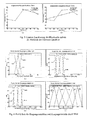
- the fitting of the BD values which is necessary for the calculation of the input variables stt and Itt, is in the Fig. 3 shown. stt and Itt are calculated from the new blood pressures on the fitting line. Fig. 3 shows the linear least square fit of the blood pressure.
- Fig. 3 the adjusted short-term blood pressure trend is shown in the left half (curve a).
- the trigger curve is shown with triangular markings, while the trace is rendered with round dots.
- Curve b shows the adjusted long-term blood pressure trend.
- the resulting BD values are also connected by straight sections.
- a new state variable is calculated, the hyporelance being two (hre2).
- the fuzzy sets and the ranges of this state variable have been chosen so that a small change in the blood pressure will result in a change in the UF rate, taking into account that the focus is on achieving the UF volume.
- the fuzzy sets from hre2 are in the Fig. 4 shown. Their properties are described in Table 2.
- Fig. 4 shows the fuzzy sets of the input variables and output variable of the LTFM module 4.
- the BVFM module 5 is again a fuzzy module in which a fuzzy algorithm is implemented, which evaluates the course of the relative blood volume.
- a fuzzy algorithm is implemented, which evaluates the course of the relative blood volume.
- dialysis therapies were considered, in which the patients were free of hypotensive Episodes were.
- relative blood volume was evaluated appropriately, based on the hypothesis that RBV had no inconspicuousness in stable patient condition therapy.
- the RBV curve with different window sizes was fit with a linear least square (Ils) algorithm.
- the Fig. 5 shows an example of the fit over 6 window sizes (10, 20, 30, 40, 50, and 60 minutes) of two blood volume curves.
- the rapidly changing curves in each window plot are blood volume patterns of two patients during a dialysis treatment.
- the thicker, slower changing lines are the corresponding fits with an Ils algorithm.
- Fig. 5 shows fitted RBV curves with different window sizes with a width of 10, 20, 30, 40, 50 and 60 minutes.
- Fig. 5 indicates that the best window size that best fits the curve is the 10 minute interval window at 50% overlap, shown at the bottom right. This overlap allows one to monitor blood volume history at short intervals without losing important information about blood volume behavior.
- the curve can then be extrapolated for up to one hour and the difference RBV t + 60 and RBV t formed (see the lines as an example in the Fig. 5 ).
- Fig. 6 implemented activity diagram implemented.
- Fig. 6 Figure 14 shows an activity diagram for fitting relative blood volume at 10 minute intervals.
- the first step of the adaptation process (steps) is represented by a step S1, followed by a step S2, in which values of the relative blood volume used for this example. were obtained in 292 therapy sessions, assigned in fields (arrays) or stored among each other.
- step S3 the RBV values are picked up within the next 10 minutes or every 10 minutes of all built-up arrays.
- the extracted RBV values are adjusted at 10-minute intervals by means of a linear least square (Ils) algorithm.
- Ils linear least square
- a step S5 the adjusted relative blood volume is extrapolated to one hour.
- a step S6 the difference of the first and last points on the extrapolated line is calculated, after which the median value of all the calculated differences is calculated in a step S7.
- a step S8 it is then checked whether all RBV values have been processed. If so, the program ends at an endpoint S9. Otherwise, the program returns to the step S3, so that the steps S3 to S8 are run through again.
- Fig. 7 shows in each case the median of the extrapolated RBV value and the mean value of the UF rate in 292 dialysis therapies.
- the mean values of the UF rates at the fit intervals of the RBV values were calculated. These are the triangles in the Fig. 7 ,
- the stars reflect the percentages of the RBV vector sorted to form the median (median is the 50% position in this vector).
- the error bars around the median values displayed as circles are the mean absolute deviations of the median.
- the error bars around the averages of the UF rates displayed as triangles represent the standard deviations of the UF rates. The high standard deviation in the UF rates is caused by the different maximum UF rates in different patients.
- the second is the median progression from minute 100 to minute 140.
- the third and final pattern is the median progression from minute 140 to the end of therapy. For this reason, dynamic limits should be set.
- the relative blood volume drop is evaluated in the VFM module 5 according to the described fuzzy sets and fuzzy rules (s. 8, 9, 10 ).
- a third state variable (hre3) is calculated whose fuzzy sets and properties in the Fig. 11 and shown in Table 2.
- Fig. 8 shows fuzzy sets of the RBV pattern 1.
- Fig. 9 shows one of the fuzzy sets of the RBV pattern 3.
- Fig. 10 shows the fuzzy sets of the RBV pattern 2.
- Fig. 11 shows the fuzzy sets of the hre3.
- the evaluation of the individual calculated state variables, hre1, hre2 and hre3, takes place.
- the evaluation is a form of combination of all state variables.
- the weighting unit may be another fuzzy module in which the input variables are assigned to linguistic terms and affiliations. However, the combination can also be done by scalar weighting of the individual state variables.
- Other ways of extending the system include including one or more other input and / or output parameters. These may include oxygen saturation, heart rate, and / or pressures measured with the machine, such as e.g. the arterial or venous blood pressure. These input parameters are control parameters and can be arranged in independent modules. The statements of the individual input variables can be evaluated independently in weighting units. As manipulated variables, e.g. in addition to the UF rate, the dialyzing fluid conductivity (LF) and the dialyzing fluid temperature (DT) are calculated in independent fuzzy modules, the dialysis fluid conductivity fuzzy module (DLFM) and the dialysis fluid temperature fuzzy module (DTFM) and adjusted in the machine.
- LF dialyzing fluid conductivity
- DT dialyzing fluid temperature
- DTFM dialysis fluid conductivity fuzzy module
- FIG. 12 A possible extension of the physiological control loop is in the Fig. 12 illustrated.
- FIG. 12 Further modules are provided, namely an oxygen saturation fuzzy module 5a, a hemoglobin fuzzy module 5b, a venous blood pressure fuzzy module 5c, an arterial blood pressure fuzzy module 5d, and a fuzzy module 5e for the transmembrane pressure.
- the fuzzy modules 5a, 5b receive their input from the relative blood volume monitor 2.
- the fuzzy modules 5c through 5e receive their input from machine sensors 2a which sense arterial blood pressure, venous blood pressure, transmembrane pressure, and so forth.
- the embodiment according to Fig. 12 has in addition to the weighting module 6 further weighting modules 6a, 6b and 6c.
- the weighting module 6a carries out a weighting of input variables hre1, hre2, hre3, which are output by the fuzzy modules 5, 5a and 5b.
- the weighting module 6b carries out a weighting of input variables hre1, hre2, hre3, which are generated by the fuzzy modules 5c, 5d and 5e, respectively.
- the weighting module 6c re-weights the weighted outputs hre1, hre2, hre3 respectively output by the weighting modules 6, 6a, 6b and outputs one or more weighted output signals hre to the fuzzy module 8 or to a dialysis fluid conductivity fuzzy module, respectively.
- LFFM, 8a and a dialysis fluid temperature fuzzy module, DTFM, 8b In accordance with the weighted output signals hre and the quantities output by the fuzzy modules 8, 8a and 8b, the dialysis fluid conductivity, the dialysis fluid temperature and / or the UF rate are set.
- the following is a simulation of the system explained.
- the modules of in the Fig. 1 illustrated physiological control loop, simulated.
- the calculated profiles of the UF rate are shown in the corresponding figures.
- the data used for the simulation is real dialysis patient data.
- the system displays in the UF profiles the response of the UF rate to the behavior of blood pressure and relative blood volume. Since no control loop can be realized in the simulation, there is no response of the blood pressure or relative blood volume to the UF rate. Only one response of the UF rate to the BD and RBV history is shown.
- a discontinuous blood pressure measurement is carried out, wherein the values obtained in this case can be stored in a memory unit S11 and can then be read out therefrom.
- a check is made as to whether or not the measured blood pressure exceeds the threshold value. If the limit has been exceeded, a continuous blood pressure measurement is subsequently performed in step S13 in order to obtain a more accurate, faster monitoring of the blood pressure and the blood pressure profile.
- step S14 the determined blood pressure profile is evaluated, ie either the discontinuously measured blood pressure according to method step S10, or the continuously measured blood pressure according to method step S13 (at a blood pressure exceeding the limit value).
- step S15 a calculation of the input variables, which are processed in a fuzzy inference system in a step S16.
- the ultrafiltration volume (UF volume) can be determined or taken into account in a step S18.
- the respectively suitable ultrafiltration rate is determined in a step S17, which is then set in the control loop as a manipulated variable in a step S19.
- the patient 9 is treated with this ultrafiltration rate, i. the blood treatment is performed so that the ultrafiltration desired rate is reached or at least approximated.
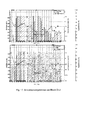
- the Fig. 14 represents a simulation of the first block and shows simulation results of block one.
- the STFM 3 evaluates variables that rate blood pressure for at most the last 30 minutes.
- the BD values consist of triggered and calculated BD values. Looking at the Fig. 13 in the 30 minute interval, the blood pressure in these intervals shows no tendency to hypotension. The blood pressure reached a systolic value of about 83 mmHg only at minute 220, which led to a reduction in the UF rate.
- the Fig. 15 represents a simulation of the second block, so the modules LTFM 4 and UFFM 8, so shows simulation results of block two.
- the LTFM 4 only considers the triggered BD values.
- the input variables of this module include BD values that measured within the last 120 minutes.
- the Fig. 15 2 shows that the second module is more sensitive to BD changes than the STFM 3.
- a BP trend with decreasing blood pressure can be detected in time, resulting in a timely reduction of the UF rate. This results in timely feedback.
- FIG. 12 is a flowchart, that is, an embodiment of a method performed according to the block three.
- a step S31 a continuous monitoring of one or more blood values is performed.
- the hematocrit value (HCT) is continuously monitored.
- the measured values ascertained in the continuous blood value monitoring of step S31 are stored in a memory unit S32 which, in one or more embodiments, has the same memory unit as the memory unit S11 according to FIG Fig. 13 can be.
- the blood value profile in particular the hematocrit profile, is evaluated. From this input variables are calculated for a fuzzy module, which may be, for example, one of the fuzzy modules 5, 5a to 5e or another fuzzy module.
- the input variables calculated in step S34 are supplied to a fuzzy inference system S35, which may include a closed loop controller S36.
- the controller S36 or the system S35 obtains information about the current ultrafiltration volume, which is continuously or intermittently monitored in a step S37.
- the controller S36 performs an adjustment of the manipulated variable in a step S38, with which the blood treatment of the patient 9 is performed, so the ultrafiltration target rate is adjusted.
- Fig. 17 shows simulation results of block three.
- the UF profile used in the Fig. 17 is shown to lead to a regulation of the relative blood volume.
- the RBV is tested on slopes at 10 minute intervals with a 50% overlap. Depending on the strength of a negative slope, the UF rate is reduced. This achieves a stabilization of the relative blood volume, which can lead to a more stable patient condition.
- FIG. 18 shows simulation results for the modules STFM 3 and LTFM 4.
- FIG. 4 illustrates a simulation of the fourth block.
- the STFM 3 and the LTFM 4 are implemented.
- Each of the modules calculates a hyporelance that is combined in a weighting unit to a final hyporelevance.
- This provides two important pieces of information: the the first indicates the behavior of the short-term blood pressure trend including the calculated BD values from the GuideLine technique.
- the STFM 3 also provides information about the distance of the last BD value to a preset BD safety limit above which an alarm is triggered by the machine.
- the second information is provided by the LTFM 4 and includes a blood pressure rating on its long-term behavior. These two pieces of information cover the behavior of the blood pressure over 120 minutes.
- the reaction of the UF rate in the simulation of the fourth block is similar to its reaction in the simulation of the third block.
- a marked difference occurs at minute 215, where a UF rate reduction has occurred due to the STFM 3. This was not visible in the simulation of the third block.
- Fig. 19 an embodiment of the complete, physiological control loop according to one aspect of the invention is shown.
- steps and features S10 to S15 correspond to those based on the Fig. 13 already explained steps and features S10 to S15.
- the memory unit S11 can act as a memory unit S32, which in Fig. 16 is shown.
- the embodiment according to Fig. 19 also the steps and features S31 to S34 of the embodiment according to Fig. 16 , In the embodiment according to Fig. 19
- both a blood pressure measurement and a hematocrit monitoring are performed, wherein the blood pressure measurement can be carried out continuously or discontinuously.
- the hematocrit monitoring can be continuous or discontinuous.
- the illustrated embodiment is based on a discontinuous blood pressure measurement and a continuous hematocrit monitoring.
- a weighting unit S41 which may be designed as a fuzzy module and which receives both the input values for the blood pressure profile calculated in step S15 and the values determined for the hematocrit gradient calculated in step S34 and dependent on internal, Weighted fixed or variable weighting factors.
- the output output from the weighting unit S41 based on the blood pressure and hematocrit history formed output is fed to a fuzzy inference system S42, which is also a controller or a closed-loop regulator S43 having.
- the system S42 is also supplied as an input variable, the determined current ultrafiltration volume, which is determined in step S44.
- the controller S43 performs a manipulated variable adjustment S45, with which the blood treatment of the patient 9 is performed.
- the steps S42 to S45 substantially correspond to the steps S16 to S19 of FIG Fig. 13 or steps S35 to S38 of FIG Fig. 16 , with the special feature that the input variable for the fuzzy inference system S16 to S35 depends both on the blood pressure curve and on the hematocrit curve and weighted these two parameters into the input signal of the fuzzy inference system S16 or S35.
- Fig. 20 simulates the complete physiological control loop.
- Fig. 20 shows simulation results of the whole system.
- the UF rate profile is a combination of all three input modules. Each module calculates a hyporelvance independently of the other modules, which is combined by a weight unit into a final hyporelvance. This weighting achieves a weight-dependent control of the manipulated variable, which leads to a control of the input variables which is dependent on the weightings.
- a novel physiological control circuit which contains at least two control parameters, namely the blood pressure and the relative blood volume, which are in three or more different and independent fuzzy modules (STFM 3, LTFM 4 and BVFM 5). are processed.
- a weighting unit 6 combines the values resulting from the three or more fuzzy modules, which describe the condition of the patient with a value between 0 and 100%, to a final statement about his condition.
Landscapes
- Health & Medical Sciences (AREA)
- Heart & Thoracic Surgery (AREA)
- Life Sciences & Earth Sciences (AREA)
- Vascular Medicine (AREA)
- Engineering & Computer Science (AREA)
- Veterinary Medicine (AREA)
- Biomedical Technology (AREA)
- Animal Behavior & Ethology (AREA)
- General Health & Medical Sciences (AREA)
- Public Health (AREA)
- Hematology (AREA)
- Anesthesiology (AREA)
- Urology & Nephrology (AREA)
- Cardiology (AREA)
- Emergency Medicine (AREA)
- Pathology (AREA)
- Biophysics (AREA)
- Medical Informatics (AREA)
- Molecular Biology (AREA)
- Surgery (AREA)
- Physics & Mathematics (AREA)
- Physiology (AREA)
- Water Supply & Treatment (AREA)
- Chemical & Material Sciences (AREA)
- Chemical Kinetics & Catalysis (AREA)
- External Artificial Organs (AREA)
Applications Claiming Priority (1)
| Application Number | Priority Date | Filing Date | Title |
|---|---|---|---|
| DE102013101989.7A DE102013101989A1 (de) | 2013-02-28 | 2013-02-28 | Fuzzy-Logik |
Publications (2)
| Publication Number | Publication Date |
|---|---|
| EP2772275A1 true EP2772275A1 (fr) | 2014-09-03 |
| EP2772275B1 EP2772275B1 (fr) | 2016-07-27 |
Family
ID=50179503
Family Applications (1)
| Application Number | Title | Priority Date | Filing Date |
|---|---|---|---|
| EP14156854.3A Active EP2772275B1 (fr) | 2013-02-28 | 2014-02-26 | Logique floue |
Country Status (4)
| Country | Link |
|---|---|
| US (1) | US9486568B2 (fr) |
| EP (1) | EP2772275B1 (fr) |
| CN (2) | CN110151153A (fr) |
| DE (1) | DE102013101989A1 (fr) |
Families Citing this family (9)
| Publication number | Priority date | Publication date | Assignee | Title |
|---|---|---|---|---|
| ITMI20110441A1 (it) * | 2011-03-21 | 2012-09-22 | Gambro Lundia Ab | Apparecchiatura per il trattamento extracorporeo di sangue. |
| USD808992S1 (en) * | 2015-07-17 | 2018-01-30 | General Electric Company | Display screen or portion thereof with graphical user interface |
| US10881347B2 (en) | 2017-12-29 | 2021-01-05 | Fresenius Medical Care Holdings, Inc. | Closed loop dialysis treatment using adaptive ultrafiltration rates |
| US11923078B2 (en) | 2019-11-01 | 2024-03-05 | Terumo Cardiovascular Systems Corporation | Semi-autonomous medical systems and methods |
| US12040092B2 (en) | 2019-12-20 | 2024-07-16 | Fresenius Medical Care Holdings, Inc. | Real-time intradialytic hypotension prediction |
| CN111610720B (zh) * | 2020-07-09 | 2022-11-18 | 杭州电子科技大学 | 基于相位补偿模糊控制器算法的血液样本无接触传输方法 |
| EP4046668B1 (fr) * | 2021-02-18 | 2025-03-26 | Gambro Lundia AB | Appareil de traitement extracorporel du sang |
| CN113823409B (zh) * | 2021-09-23 | 2023-12-29 | 重庆山外山血液净化技术股份有限公司 | 一种透析中低血压事件风险的评估方法和系统 |
| CN116808339B (zh) * | 2023-07-22 | 2025-11-28 | 岱特智能科技(上海)有限公司 | 一种血液透析中低血压早期监测和防控系统 |
Citations (7)
| Publication number | Priority date | Publication date | Assignee | Title |
|---|---|---|---|---|
| EP0661065A2 (fr) * | 1993-12-29 | 1995-07-05 | B. Braun Melsungen Ag | Système de perfusion avec dispositif de réglage |
| EP0956872A2 (fr) | 1998-05-14 | 1999-11-17 | B. Braun Melsungen Ag | Appareil de purification du sang |
| WO2000066197A1 (fr) * | 1999-04-30 | 2000-11-09 | Children's Hospital Medical Center | Système d'hémofiltration |
| EP1226838A2 (fr) | 2001-01-24 | 2002-07-31 | B. Braun Medizintechnologie GmbH | Dispositif pour thérapie |
| EP1900384A1 (fr) * | 2006-09-15 | 2008-03-19 | B. Braun Avitum AG | Dispositif thérapeutique avec unité de réglage utilisant des paramètres enregistrés pendant un traitement précédent |
| US20090112102A1 (en) * | 2007-04-10 | 2009-04-30 | Otfried Roeher | Therapy device with a time-variable blood regulation |
| DE102008010531A1 (de) * | 2008-02-22 | 2009-08-27 | Fresenius Medical Care Deutschland Gmbh | Verfahren zum Betreiben einer Blutbehandlungsvorrichtung, sowie Blutvolumenmonitor und Blutbehandlungsvorrichtung zum Ausführen des Verfahrens |
Family Cites Families (17)
| Publication number | Priority date | Publication date | Assignee | Title |
|---|---|---|---|---|
| JP2653156B2 (ja) * | 1989-02-28 | 1997-09-10 | オムロン株式会社 | コントローラの群制御システム |
| JP2605505B2 (ja) * | 1991-07-04 | 1997-04-30 | 株式会社日立製作所 | プロセス運転支援ルール獲得システム、プロセス運転支援システム、プロセス運転制御システム及びプロセス運転支援ルール獲得方法 |
| DE19624614C2 (de) * | 1996-06-20 | 1998-10-01 | Volkswagen Ag | Verfahren zum Entwurf oder zur Adaption eines Fuzzy-Reglers oder eines Systems von verknüpften Fuzzy-Reglern |
| HUP0004089A2 (hu) * | 1997-07-10 | 2001-04-28 | Therakos, Inc. | A bél és a húgyhólyag gyulladásos rendellenességeinek kezelése testen kívüli fotoferezissel |
| DE10047421C1 (de) | 2000-09-26 | 2003-01-02 | Klaus Sodemann | Verfahren und Vorrichtung zur Ultrafiltrationskontrolle bei Blutbehandlungsverfahren |
| US7769474B2 (en) * | 2005-09-20 | 2010-08-03 | Honeywell International Inc. | Method for soft-computing supervision of dynamical processes with multiple control objectives |
| US7785463B2 (en) * | 2006-03-17 | 2010-08-31 | Children's Hospital Medical Center | Extracorporeal renal replacement modeling system |
| DE502006002940D1 (de) * | 2006-04-10 | 2009-04-09 | Braun B Avitum Ag | Therapieeinrichtung mit zeitflexibler Blutdruckregelung |
| EP2257217B1 (fr) * | 2008-02-27 | 2017-04-12 | Koninklijke Philips N.V. | Moniteurs hémodynamiques et alarmes |
| EP2163272B1 (fr) * | 2008-09-15 | 2014-06-25 | B. Braun Avitum AG | Dispositif pour prédire rapidement le paramètre Kt/V dans les traitements de substitution des reins |
| EP2400882B8 (fr) * | 2009-02-26 | 2017-08-30 | DreaMed Diabetes Ltd | Procédé et système de surveillance automatique de traitements liés au diabète |
| EP2287785A1 (fr) * | 2009-08-19 | 2011-02-23 | University Of Leicester | Appareil et procédé d'inférence floue, systèmes et appareil utilisant ledit appareil d'inférence |
| EP2287786A1 (fr) * | 2009-08-19 | 2011-02-23 | University Of Leicester | Appareil et procédé d'inférence floue, systèmes et appareil utilisant ledit appareil d'inférence |
| EP2506760B1 (fr) * | 2009-12-03 | 2015-09-16 | Deltex Medical Limited | Procédé et dispositif de surveillance hémodynamique qui utilise une mesure combinée de débit sanguin et de pression sanguine |
| US10980431B2 (en) * | 2009-12-28 | 2021-04-20 | Gambro Lundia Ab | Apparatus and method for prediction of rapid symptomatic blood pressure decrease |
| US9916538B2 (en) * | 2012-09-15 | 2018-03-13 | Z Advanced Computing, Inc. | Method and system for feature detection |
| DE102012202111A1 (de) * | 2012-02-13 | 2013-08-14 | Krones Ag | Verfahren zur Steuerung und/oder Regelung von Filteranlagen zur Ultrafiltration |
-
2013
- 2013-02-28 DE DE102013101989.7A patent/DE102013101989A1/de not_active Withdrawn
-
2014
- 2014-02-26 US US14/190,782 patent/US9486568B2/en active Active
- 2014-02-26 EP EP14156854.3A patent/EP2772275B1/fr active Active
- 2014-02-28 CN CN201910424236.0A patent/CN110151153A/zh active Pending
- 2014-02-28 CN CN201410073435.9A patent/CN104199284A/zh active Pending
Patent Citations (8)
| Publication number | Priority date | Publication date | Assignee | Title |
|---|---|---|---|---|
| EP0661065A2 (fr) * | 1993-12-29 | 1995-07-05 | B. Braun Melsungen Ag | Système de perfusion avec dispositif de réglage |
| EP0956872A2 (fr) | 1998-05-14 | 1999-11-17 | B. Braun Melsungen Ag | Appareil de purification du sang |
| EP0956872B1 (fr) | 1998-05-14 | 2005-04-06 | B. Braun Medizintechnologie GmbH | Appareil de purification du sang |
| WO2000066197A1 (fr) * | 1999-04-30 | 2000-11-09 | Children's Hospital Medical Center | Système d'hémofiltration |
| EP1226838A2 (fr) | 2001-01-24 | 2002-07-31 | B. Braun Medizintechnologie GmbH | Dispositif pour thérapie |
| EP1900384A1 (fr) * | 2006-09-15 | 2008-03-19 | B. Braun Avitum AG | Dispositif thérapeutique avec unité de réglage utilisant des paramètres enregistrés pendant un traitement précédent |
| US20090112102A1 (en) * | 2007-04-10 | 2009-04-30 | Otfried Roeher | Therapy device with a time-variable blood regulation |
| DE102008010531A1 (de) * | 2008-02-22 | 2009-08-27 | Fresenius Medical Care Deutschland Gmbh | Verfahren zum Betreiben einer Blutbehandlungsvorrichtung, sowie Blutvolumenmonitor und Blutbehandlungsvorrichtung zum Ausführen des Verfahrens |
Non-Patent Citations (1)
| Title |
|---|
| NORDIO M ET AL: "PROJECTION AND SIMULATION RESULTS OF AN ADAPTIVE FUZZY CONTROL MOLULE FOR BLOOD PRESSURE AND BLOOK VOLUME DURING HEMODIALYSIS", ASAIO JOURNAL, LIPPINCOTT WILLIAMS & WILKINS / ASAIO, HAGERSTOWN, MD, US, vol. 40, no. 3, 1 July 1994 (1994-07-01), pages 686 - 690, XP000498259, ISSN: 1058-2916 * |
Also Published As
| Publication number | Publication date |
|---|---|
| CN104199284A (zh) | 2014-12-10 |
| US20140323942A1 (en) | 2014-10-30 |
| EP2772275B1 (fr) | 2016-07-27 |
| CN110151153A (zh) | 2019-08-23 |
| DE102013101989A1 (de) | 2014-09-18 |
| US9486568B2 (en) | 2016-11-08 |
Similar Documents
| Publication | Publication Date | Title |
|---|---|---|
| EP2772275B1 (fr) | Logique floue | |
| EP2835143B1 (fr) | Dispositif de prédiction de paramètres intradialytiques | |
| EP2985045B1 (fr) | Procede de reglage d'un flux sanguin dans un dispositif de dialyse et dispositif de dialyse | |
| DE69802428T2 (de) | Verfahren und gerät zur verminderung von alarmmisständen | |
| EP1728469B1 (fr) | Evaluation de la concentration de glucose pour régler le dosage insulinique | |
| DE69115005T2 (de) | Verfahren zur Steuerung eines Herzschrittmachers mit einer gesteuerten Reizungsfrequenz. | |
| AT412702B (de) | Vorrichtung und verfahren zur regelung des druckes in einer aufblasbaren manschette eines blutdruckmessgerätes | |
| DE68918167T3 (de) | Vorrichtung zur Vorhersage von Nebeneffekten während einer Dialyse. | |
| EP1589438B1 (fr) | Procédé et dispositif pour surveillance de la concentration d'un analyte dans un corps vivant humain or animal | |
| DE60127694T2 (de) | Dialysegerät und verfahren zum kontrollieren der funktionalität eines dialysegeräts | |
| EP2259811B1 (fr) | Moniteur du volume sanguin et dispositif de traitement du sang | |
| EP1044695B1 (fr) | Appareil pour la détermination du flux sanguin dans un site d'accès à un vaisseau | |
| WO2008031821A1 (fr) | Dispositif thérapeutique avec système de régulation à mémoire | |
| EP2913071B1 (fr) | Dispositif de reconnaissance d'une erreur dans une circulation sanguine extra-corporelle | |
| EP1226838A2 (fr) | Dispositif pour thérapie | |
| DE60118428T2 (de) | Dialysemaschine mit gerät zum einstellen einer dialysebehandlung | |
| EP4049286A1 (fr) | Module expert pour respiration artificielle et ecls | |
| WO2014060182A1 (fr) | Dispositif et procédé pour détecter et signaler un état de tension d'une personne | |
| EP3287156B1 (fr) | Système de détermination post-dialytique du poids sèc | |
| EP0661065A2 (fr) | Système de perfusion avec dispositif de réglage | |
| EP2658585A2 (fr) | Appareil de dialogue basé sur un ordinateur pour la surveillance médicale de la procédure de dialyse | |
| DE102006039957B4 (de) | Verfahren zur Auswertung der Herzratenvariabilität | |
| DE60021013T2 (de) | Überwachung der Narkosetiefe eines Patienten | |
| AT511044B1 (de) | Verfahren und vorrichtung zur bestimmung des leistungspotentials einer testperson | |
| DE10114383B4 (de) | Blutdruckvorrichtung und Gerät zur extrakorporalen Blutbehandlung mit einer solchen Blutüberwachungsvorrichtung |
Legal Events
| Date | Code | Title | Description |
|---|---|---|---|
| PUAI | Public reference made under article 153(3) epc to a published international application that has entered the european phase |
Free format text: ORIGINAL CODE: 0009012 |
|
| 17P | Request for examination filed |
Effective date: 20140226 |
|
| AK | Designated contracting states |
Kind code of ref document: A1 Designated state(s): AL AT BE BG CH CY CZ DE DK EE ES FI FR GB GR HR HU IE IS IT LI LT LU LV MC MK MT NL NO PL PT RO RS SE SI SK SM TR |
|
| R17P | Request for examination filed (corrected) |
Effective date: 20140923 |
|
| RBV | Designated contracting states (corrected) |
Designated state(s): AL AT BE BG CH CY CZ DE DK EE ES FI FR GB GR HR HU IE IS IT LI LT LU LV MC MK MT NL NO PL PT RO RS SE SI SK SM TR |
|
| 17Q | First examination report despatched |
Effective date: 20141217 |
|
| GRAP | Despatch of communication of intention to grant a patent |
Free format text: ORIGINAL CODE: EPIDOSNIGR1 |
|
| INTG | Intention to grant announced |
Effective date: 20160108 |
|
| GRAS | Grant fee paid |
Free format text: ORIGINAL CODE: EPIDOSNIGR3 |
|
| GRAP | Despatch of communication of intention to grant a patent |
Free format text: ORIGINAL CODE: EPIDOSNIGR1 |
|
| RIN1 | Information on inventor provided before grant (corrected) |
Inventor name: WAGNER, JUERGEN, PROF. DR. Inventor name: STROHHOEFER, CHRISTOF, DR. Inventor name: ATALLAH, RICHARD |
|
| INTG | Intention to grant announced |
Effective date: 20160506 |
|
| GRAS | Grant fee paid |
Free format text: ORIGINAL CODE: EPIDOSNIGR3 |
|
| GRAA | (expected) grant |
Free format text: ORIGINAL CODE: 0009210 |
|
| AK | Designated contracting states |
Kind code of ref document: B1 Designated state(s): AL AT BE BG CH CY CZ DE DK EE ES FI FR GB GR HR HU IE IS IT LI LT LU LV MC MK MT NL NO PL PT RO RS SE SI SK SM TR |
|
| REG | Reference to a national code |
Ref country code: GB Ref legal event code: FG4D Free format text: NOT ENGLISH |
|
| REG | Reference to a national code |
Ref country code: CH Ref legal event code: EP |
|
| REG | Reference to a national code |
Ref country code: AT Ref legal event code: REF Ref document number: 815282 Country of ref document: AT Kind code of ref document: T Effective date: 20160815 |
|
| REG | Reference to a national code |
Ref country code: IE Ref legal event code: FG4D Free format text: LANGUAGE OF EP DOCUMENT: GERMAN |
|
| REG | Reference to a national code |
Ref country code: DE Ref legal event code: R096 Ref document number: 502014001175 Country of ref document: DE |
|
| REG | Reference to a national code |
Ref country code: SE Ref legal event code: TRGR |
|
| REG | Reference to a national code |
Ref country code: LT Ref legal event code: MG4D |
|
| REG | Reference to a national code |
Ref country code: NL Ref legal event code: MP Effective date: 20160727 |
|
| PG25 | Lapsed in a contracting state [announced via postgrant information from national office to epo] |
Ref country code: LT Free format text: LAPSE BECAUSE OF FAILURE TO SUBMIT A TRANSLATION OF THE DESCRIPTION OR TO PAY THE FEE WITHIN THE PRESCRIBED TIME-LIMIT Effective date: 20160727 Ref country code: NO Free format text: LAPSE BECAUSE OF FAILURE TO SUBMIT A TRANSLATION OF THE DESCRIPTION OR TO PAY THE FEE WITHIN THE PRESCRIBED TIME-LIMIT Effective date: 20161027 Ref country code: FI Free format text: LAPSE BECAUSE OF FAILURE TO SUBMIT A TRANSLATION OF THE DESCRIPTION OR TO PAY THE FEE WITHIN THE PRESCRIBED TIME-LIMIT Effective date: 20160727 Ref country code: NL Free format text: LAPSE BECAUSE OF FAILURE TO SUBMIT A TRANSLATION OF THE DESCRIPTION OR TO PAY THE FEE WITHIN THE PRESCRIBED TIME-LIMIT Effective date: 20160727 Ref country code: IS Free format text: LAPSE BECAUSE OF FAILURE TO SUBMIT A TRANSLATION OF THE DESCRIPTION OR TO PAY THE FEE WITHIN THE PRESCRIBED TIME-LIMIT Effective date: 20161127 Ref country code: RS Free format text: LAPSE BECAUSE OF FAILURE TO SUBMIT A TRANSLATION OF THE DESCRIPTION OR TO PAY THE FEE WITHIN THE PRESCRIBED TIME-LIMIT Effective date: 20160727 Ref country code: HR Free format text: LAPSE BECAUSE OF FAILURE TO SUBMIT A TRANSLATION OF THE DESCRIPTION OR TO PAY THE FEE WITHIN THE PRESCRIBED TIME-LIMIT Effective date: 20160727 |
|
| REG | Reference to a national code |
Ref country code: FR Ref legal event code: PLFP Year of fee payment: 4 |
|
| PG25 | Lapsed in a contracting state [announced via postgrant information from national office to epo] |
Ref country code: ES Free format text: LAPSE BECAUSE OF FAILURE TO SUBMIT A TRANSLATION OF THE DESCRIPTION OR TO PAY THE FEE WITHIN THE PRESCRIBED TIME-LIMIT Effective date: 20160727 Ref country code: LV Free format text: LAPSE BECAUSE OF FAILURE TO SUBMIT A TRANSLATION OF THE DESCRIPTION OR TO PAY THE FEE WITHIN THE PRESCRIBED TIME-LIMIT Effective date: 20160727 Ref country code: PT Free format text: LAPSE BECAUSE OF FAILURE TO SUBMIT A TRANSLATION OF THE DESCRIPTION OR TO PAY THE FEE WITHIN THE PRESCRIBED TIME-LIMIT Effective date: 20161128 Ref country code: GR Free format text: LAPSE BECAUSE OF FAILURE TO SUBMIT A TRANSLATION OF THE DESCRIPTION OR TO PAY THE FEE WITHIN THE PRESCRIBED TIME-LIMIT Effective date: 20161028 Ref country code: PL Free format text: LAPSE BECAUSE OF FAILURE TO SUBMIT A TRANSLATION OF THE DESCRIPTION OR TO PAY THE FEE WITHIN THE PRESCRIBED TIME-LIMIT Effective date: 20160727 |
|
| PG25 | Lapsed in a contracting state [announced via postgrant information from national office to epo] |
Ref country code: EE Free format text: LAPSE BECAUSE OF FAILURE TO SUBMIT A TRANSLATION OF THE DESCRIPTION OR TO PAY THE FEE WITHIN THE PRESCRIBED TIME-LIMIT Effective date: 20160727 Ref country code: RO Free format text: LAPSE BECAUSE OF FAILURE TO SUBMIT A TRANSLATION OF THE DESCRIPTION OR TO PAY THE FEE WITHIN THE PRESCRIBED TIME-LIMIT Effective date: 20160727 |
|
| REG | Reference to a national code |
Ref country code: DE Ref legal event code: R097 Ref document number: 502014001175 Country of ref document: DE |
|
| PG25 | Lapsed in a contracting state [announced via postgrant information from national office to epo] |
Ref country code: DK Free format text: LAPSE BECAUSE OF FAILURE TO SUBMIT A TRANSLATION OF THE DESCRIPTION OR TO PAY THE FEE WITHIN THE PRESCRIBED TIME-LIMIT Effective date: 20160727 Ref country code: BE Free format text: LAPSE BECAUSE OF NON-PAYMENT OF DUE FEES Effective date: 20170228 Ref country code: CZ Free format text: LAPSE BECAUSE OF FAILURE TO SUBMIT A TRANSLATION OF THE DESCRIPTION OR TO PAY THE FEE WITHIN THE PRESCRIBED TIME-LIMIT Effective date: 20160727 Ref country code: SK Free format text: LAPSE BECAUSE OF FAILURE TO SUBMIT A TRANSLATION OF THE DESCRIPTION OR TO PAY THE FEE WITHIN THE PRESCRIBED TIME-LIMIT Effective date: 20160727 Ref country code: BG Free format text: LAPSE BECAUSE OF FAILURE TO SUBMIT A TRANSLATION OF THE DESCRIPTION OR TO PAY THE FEE WITHIN THE PRESCRIBED TIME-LIMIT Effective date: 20161027 Ref country code: SM Free format text: LAPSE BECAUSE OF FAILURE TO SUBMIT A TRANSLATION OF THE DESCRIPTION OR TO PAY THE FEE WITHIN THE PRESCRIBED TIME-LIMIT Effective date: 20160727 |
|
| PLBE | No opposition filed within time limit |
Free format text: ORIGINAL CODE: 0009261 |
|
| STAA | Information on the status of an ep patent application or granted ep patent |
Free format text: STATUS: NO OPPOSITION FILED WITHIN TIME LIMIT |
|
| 26N | No opposition filed |
Effective date: 20170502 |
|
| PG25 | Lapsed in a contracting state [announced via postgrant information from national office to epo] |
Ref country code: SI Free format text: LAPSE BECAUSE OF FAILURE TO SUBMIT A TRANSLATION OF THE DESCRIPTION OR TO PAY THE FEE WITHIN THE PRESCRIBED TIME-LIMIT Effective date: 20160727 |
|
| PG25 | Lapsed in a contracting state [announced via postgrant information from national office to epo] |
Ref country code: MC Free format text: LAPSE BECAUSE OF FAILURE TO SUBMIT A TRANSLATION OF THE DESCRIPTION OR TO PAY THE FEE WITHIN THE PRESCRIBED TIME-LIMIT Effective date: 20160727 |
|
| REG | Reference to a national code |
Ref country code: CH Ref legal event code: PL |
|
| PG25 | Lapsed in a contracting state [announced via postgrant information from national office to epo] |
Ref country code: LI Free format text: LAPSE BECAUSE OF NON-PAYMENT OF DUE FEES Effective date: 20170228 Ref country code: CH Free format text: LAPSE BECAUSE OF NON-PAYMENT OF DUE FEES Effective date: 20170228 |
|
| REG | Reference to a national code |
Ref country code: IE Ref legal event code: MM4A |
|
| PG25 | Lapsed in a contracting state [announced via postgrant information from national office to epo] |
Ref country code: LU Free format text: LAPSE BECAUSE OF NON-PAYMENT OF DUE FEES Effective date: 20170226 |
|
| REG | Reference to a national code |
Ref country code: BE Ref legal event code: MM Effective date: 20170228 |
|
| REG | Reference to a national code |
Ref country code: FR Ref legal event code: PLFP Year of fee payment: 5 |
|
| PG25 | Lapsed in a contracting state [announced via postgrant information from national office to epo] |
Ref country code: IE Free format text: LAPSE BECAUSE OF NON-PAYMENT OF DUE FEES Effective date: 20170226 |
|
| PG25 | Lapsed in a contracting state [announced via postgrant information from national office to epo] |
Ref country code: MT Free format text: LAPSE BECAUSE OF FAILURE TO SUBMIT A TRANSLATION OF THE DESCRIPTION OR TO PAY THE FEE WITHIN THE PRESCRIBED TIME-LIMIT Effective date: 20160727 |
|
| GBPC | Gb: european patent ceased through non-payment of renewal fee |
Effective date: 20180226 |
|
| PG25 | Lapsed in a contracting state [announced via postgrant information from national office to epo] |
Ref country code: AL Free format text: LAPSE BECAUSE OF FAILURE TO SUBMIT A TRANSLATION OF THE DESCRIPTION OR TO PAY THE FEE WITHIN THE PRESCRIBED TIME-LIMIT Effective date: 20160727 |
|
| PG25 | Lapsed in a contracting state [announced via postgrant information from national office to epo] |
Ref country code: GB Free format text: LAPSE BECAUSE OF NON-PAYMENT OF DUE FEES Effective date: 20180226 |
|
| PG25 | Lapsed in a contracting state [announced via postgrant information from national office to epo] |
Ref country code: HU Free format text: LAPSE BECAUSE OF FAILURE TO SUBMIT A TRANSLATION OF THE DESCRIPTION OR TO PAY THE FEE WITHIN THE PRESCRIBED TIME-LIMIT; INVALID AB INITIO Effective date: 20140226 |
|
| PG25 | Lapsed in a contracting state [announced via postgrant information from national office to epo] |
Ref country code: CY Free format text: LAPSE BECAUSE OF NON-PAYMENT OF DUE FEES Effective date: 20160727 |
|
| PG25 | Lapsed in a contracting state [announced via postgrant information from national office to epo] |
Ref country code: MK Free format text: LAPSE BECAUSE OF FAILURE TO SUBMIT A TRANSLATION OF THE DESCRIPTION OR TO PAY THE FEE WITHIN THE PRESCRIBED TIME-LIMIT Effective date: 20160727 |
|
| PG25 | Lapsed in a contracting state [announced via postgrant information from national office to epo] |
Ref country code: TR Free format text: LAPSE BECAUSE OF FAILURE TO SUBMIT A TRANSLATION OF THE DESCRIPTION OR TO PAY THE FEE WITHIN THE PRESCRIBED TIME-LIMIT Effective date: 20160727 |
|
| REG | Reference to a national code |
Ref country code: AT Ref legal event code: MM01 Ref document number: 815282 Country of ref document: AT Kind code of ref document: T Effective date: 20190226 |
|
| PG25 | Lapsed in a contracting state [announced via postgrant information from national office to epo] |
Ref country code: AT Free format text: LAPSE BECAUSE OF NON-PAYMENT OF DUE FEES Effective date: 20190226 |
|
| P01 | Opt-out of the competence of the unified patent court (upc) registered |
Free format text: CASE NUMBER: APP_4831/2025 Effective date: 20250129 |
|
| PGFP | Annual fee paid to national office [announced via postgrant information from national office to epo] |
Ref country code: SE Payment date: 20260218 Year of fee payment: 13 |
|
| PGFP | Annual fee paid to national office [announced via postgrant information from national office to epo] |
Ref country code: DE Payment date: 20260217 Year of fee payment: 13 |
|
| PGFP | Annual fee paid to national office [announced via postgrant information from national office to epo] |
Ref country code: IT Payment date: 20260227 Year of fee payment: 13 |
|
| PGFP | Annual fee paid to national office [announced via postgrant information from national office to epo] |
Ref country code: FR Payment date: 20260223 Year of fee payment: 13 |