EP2775708B1 - Informationsverarbeitungsvorrichtung, informationsverarbeitungsverfahren und programm zur aktivierung einer unabhängigen anwendung aus dem broadcast-inhalt - Google Patents
Informationsverarbeitungsvorrichtung, informationsverarbeitungsverfahren und programm zur aktivierung einer unabhängigen anwendung aus dem broadcast-inhalt Download PDFInfo
- Publication number
- EP2775708B1 EP2775708B1 EP12846116.7A EP12846116A EP2775708B1 EP 2775708 B1 EP2775708 B1 EP 2775708B1 EP 12846116 A EP12846116 A EP 12846116A EP 2775708 B1 EP2775708 B1 EP 2775708B1
- Authority
- EP
- European Patent Office
- Prior art keywords
- application
- broadcast
- information table
- information processing
- ait
- Prior art date
- Legal status (The legal status is an assumption and is not a legal conclusion. Google has not performed a legal analysis and makes no representation as to the accuracy of the status listed.)
- Active
Links
Images







Classifications
-
- H—ELECTRICITY
- H04—ELECTRIC COMMUNICATION TECHNIQUE
- H04N—PICTORIAL COMMUNICATION, e.g. TELEVISION
- H04N21/00—Selective content distribution, e.g. interactive television or video on demand [VOD]
- H04N21/40—Client devices specifically adapted for the reception of or interaction with content, e.g. set-top-box [STB]; Operations thereof
- H04N21/43—Processing of content or additional data, e.g. demultiplexing additional data from a digital video stream; Elementary client operations, e.g. monitoring of home network or synchronising decoder's clock; Client middleware
- H04N21/442—Monitoring of processes or resources, e.g. detecting the failure of a recording device, monitoring the downstream bandwidth, the number of times a movie has been viewed, the storage space available from the internal hard disk
- H04N21/44213—Monitoring of end-user related data
- H04N21/44222—Analytics of user selections, e.g. selection of programmes or purchase activity
-
- H—ELECTRICITY
- H04—ELECTRIC COMMUNICATION TECHNIQUE
- H04N—PICTORIAL COMMUNICATION, e.g. TELEVISION
- H04N21/00—Selective content distribution, e.g. interactive television or video on demand [VOD]
- H04N21/40—Client devices specifically adapted for the reception of or interaction with content, e.g. set-top-box [STB]; Operations thereof
- H04N21/43—Processing of content or additional data, e.g. demultiplexing additional data from a digital video stream; Elementary client operations, e.g. monitoring of home network or synchronising decoder's clock; Client middleware
- H04N21/438—Interfacing the downstream path of the transmission network originating from a server, e.g. retrieving encoded video stream packets from an IP network
-
- H—ELECTRICITY
- H04—ELECTRIC COMMUNICATION TECHNIQUE
- H04H—BROADCAST COMMUNICATION
- H04H60/00—Arrangements for broadcast applications with a direct linking to broadcast information or broadcast space-time; Broadcast-related systems
- H04H60/09—Arrangements for device control with a direct linkage to broadcast information or to broadcast space-time; Arrangements for control of broadcast-related services
- H04H60/13—Arrangements for device control affected by the broadcast information
-
- H—ELECTRICITY
- H04—ELECTRIC COMMUNICATION TECHNIQUE
- H04N—PICTORIAL COMMUNICATION, e.g. TELEVISION
- H04N21/00—Selective content distribution, e.g. interactive television or video on demand [VOD]
- H04N21/20—Servers specifically adapted for the distribution of content, e.g. VOD servers; Operations thereof
- H04N21/23—Processing of content or additional data; Elementary server operations; Server middleware
- H04N21/236—Assembling of a multiplex stream, e.g. transport stream, by combining a video stream with other content or additional data, e.g. inserting a URL [Uniform Resource Locator] into a video stream, multiplexing software data into a video stream; Remultiplexing of multiplex streams; Insertion of stuffing bits into the multiplex stream, e.g. to obtain a constant bit-rate; Assembling of a packetised elementary stream
- H04N21/23614—Multiplexing of additional data and video streams
- H04N21/23617—Multiplexing of additional data and video streams by inserting additional data into a data carousel, e.g. inserting software modules into a DVB carousel
-
- H—ELECTRICITY
- H04—ELECTRIC COMMUNICATION TECHNIQUE
- H04N—PICTORIAL COMMUNICATION, e.g. TELEVISION
- H04N21/00—Selective content distribution, e.g. interactive television or video on demand [VOD]
- H04N21/40—Client devices specifically adapted for the reception of or interaction with content, e.g. set-top-box [STB]; Operations thereof
- H04N21/43—Processing of content or additional data, e.g. demultiplexing additional data from a digital video stream; Elementary client operations, e.g. monitoring of home network or synchronising decoder's clock; Client middleware
- H04N21/434—Disassembling of a multiplex stream, e.g. demultiplexing audio and video streams, extraction of additional data from a video stream; Remultiplexing of multiplex streams; Extraction or processing of SI; Disassembling of packetised elementary stream
- H04N21/4345—Extraction or processing of SI, e.g. extracting service information from an MPEG stream
-
- H—ELECTRICITY
- H04—ELECTRIC COMMUNICATION TECHNIQUE
- H04N—PICTORIAL COMMUNICATION, e.g. TELEVISION
- H04N21/00—Selective content distribution, e.g. interactive television or video on demand [VOD]
- H04N21/40—Client devices specifically adapted for the reception of or interaction with content, e.g. set-top-box [STB]; Operations thereof
- H04N21/43—Processing of content or additional data, e.g. demultiplexing additional data from a digital video stream; Elementary client operations, e.g. monitoring of home network or synchronising decoder's clock; Client middleware
- H04N21/435—Processing of additional data, e.g. decrypting of additional data, reconstructing software from modules extracted from the transport stream
- H04N21/4353—Processing of additional data, e.g. decrypting of additional data, reconstructing software from modules extracted from the transport stream involving decryption of additional data
-
- H—ELECTRICITY
- H04—ELECTRIC COMMUNICATION TECHNIQUE
- H04N—PICTORIAL COMMUNICATION, e.g. TELEVISION
- H04N21/00—Selective content distribution, e.g. interactive television or video on demand [VOD]
- H04N21/40—Client devices specifically adapted for the reception of or interaction with content, e.g. set-top-box [STB]; Operations thereof
- H04N21/47—End-user applications
- H04N21/482—End-user interface for programme selection
- H04N21/4823—End-user interface for programme selection using a channel name
-
- H—ELECTRICITY
- H04—ELECTRIC COMMUNICATION TECHNIQUE
- H04N—PICTORIAL COMMUNICATION, e.g. TELEVISION
- H04N21/00—Selective content distribution, e.g. interactive television or video on demand [VOD]
- H04N21/80—Generation or processing of content or additional data by content creator independently of the distribution process; Content per se
- H04N21/81—Monomedia components thereof
- H04N21/8166—Monomedia components thereof involving executable data, e.g. software
-
- H—ELECTRICITY
- H04—ELECTRIC COMMUNICATION TECHNIQUE
- H04N—PICTORIAL COMMUNICATION, e.g. TELEVISION
- H04N21/00—Selective content distribution, e.g. interactive television or video on demand [VOD]
- H04N21/80—Generation or processing of content or additional data by content creator independently of the distribution process; Content per se
- H04N21/81—Monomedia components thereof
- H04N21/8166—Monomedia components thereof involving executable data, e.g. software
- H04N21/8173—End-user applications, e.g. Web browser, game
-
- H—ELECTRICITY
- H04—ELECTRIC COMMUNICATION TECHNIQUE
- H04N—PICTORIAL COMMUNICATION, e.g. TELEVISION
- H04N21/00—Selective content distribution, e.g. interactive television or video on demand [VOD]
- H04N21/80—Generation or processing of content or additional data by content creator independently of the distribution process; Content per se
- H04N21/83—Generation or processing of protective or descriptive data associated with content; Content structuring
- H04N21/835—Generation of protective data, e.g. certificates
- H04N21/8352—Generation of protective data, e.g. certificates involving content or source identification data, e.g. Unique Material Identifier [UMID]
-
- H—ELECTRICITY
- H04—ELECTRIC COMMUNICATION TECHNIQUE
- H04N—PICTORIAL COMMUNICATION, e.g. TELEVISION
- H04N21/00—Selective content distribution, e.g. interactive television or video on demand [VOD]
- H04N21/80—Generation or processing of content or additional data by content creator independently of the distribution process; Content per se
- H04N21/83—Generation or processing of protective or descriptive data associated with content; Content structuring
- H04N21/835—Generation of protective data, e.g. certificates
- H04N21/8355—Generation of protective data, e.g. certificates involving usage data, e.g. number of copies or viewings allowed
- H04N21/83555—Generation of protective data, e.g. certificates involving usage data, e.g. number of copies or viewings allowed using a structured language for describing usage rules of the content, e.g. REL
-
- H—ELECTRICITY
- H04—ELECTRIC COMMUNICATION TECHNIQUE
- H04N—PICTORIAL COMMUNICATION, e.g. TELEVISION
- H04N21/00—Selective content distribution, e.g. interactive television or video on demand [VOD]
- H04N21/80—Generation or processing of content or additional data by content creator independently of the distribution process; Content per se
- H04N21/85—Assembly of content; Generation of multimedia applications
- H04N21/854—Content authoring
- H04N21/8545—Content authoring for generating interactive applications
-
- H—ELECTRICITY
- H04—ELECTRIC COMMUNICATION TECHNIQUE
- H04N—PICTORIAL COMMUNICATION, e.g. TELEVISION
- H04N21/00—Selective content distribution, e.g. interactive television or video on demand [VOD]
- H04N21/80—Generation or processing of content or additional data by content creator independently of the distribution process; Content per se
- H04N21/85—Assembly of content; Generation of multimedia applications
- H04N21/858—Linking data to content, e.g. by linking an URL to a video object, by creating a hotspot
- H04N21/8586—Linking data to content, e.g. by linking an URL to a video object, by creating a hotspot by using a URL
Definitions
- the present disclosure relates to an information processing apparatus, an information processing method, and a program with which an application related to a broadcast content can be executed using an application management table.
- HbbTV hybrid broadcast broadband TV
- US 2010/107181 A1 discloses a method and apparatus for providing an application.
- the method includes receiving a first-level application information table (AIT) including one or more application driving conditions and location information of one or more AITs; creating an AIT map table by using the first-level AIT; obtaining a second-level AIT corresponding to a predetermined application driving condition included in the AIT map table based on the location information of the second-level AIT; driving an application based on the second-level AIT.
- AIT application information table
- AIT Application Information Table
- the AIT also includes an organization ID (organization_id) that indicates an organization (business operator) providing an application and an application ID (application_id) for identifying an application.
- an organization ID of that broadcast station is set.
- a broadcast-independent application that is provided from a server via the Internet.
- Such a broadcast-independent application can be activated by, for example, executing a script included in a broadcast-related application.
- the broadcast-independent application can be activated. This is for avoiding presentment of a broadcast-independent application provided from a broadcast station different from that providing the broadcast content being reproduced.
- an object of the present disclosure is to provide an information processing apparatus, an information processing method, and a program that are capable of using an application seamlessly executable across channels of different broadcast stations.
- an information processing apparatus as defined in claim 1.
- the information processing apparatus may further include a validation unit for acquiring and validating an electronic signature obligated to be attached to the application information table and for notifying the controller of the validation result, and in that the controller may permit, when notified by the validation unit that the validation has succeeded, an activation of the application removed from the target judged as unpermitted to be activated based on the business operator identification information.
- a validation unit for acquiring and validating an electronic signature obligated to be attached to the application information table and for notifying the controller of the validation result, and in that the controller may permit, when notified by the validation unit that the validation has succeeded, an activation of the application removed from the target judged as unpermitted to be activated based on the business operator identification information.
- the application is a broadcast-independent application that is independent from the broadcast content.
- the controller may acquire, from a server apparatus via a network, the application information table related to the application, and acquire the application based on information described in the application information table.
- an application seamlessly executable across channels of different broadcast stations can be used.
- Fig. 1 is a diagram showing a general outline of an information processing system of this embodiment.
- the information processing system 1 of this embodiment includes a first network 100 such as the Internet, a plurality of application servers 200A and 200B, an edge router 300, a second network 400 such as a LAN (Local Area Network), an information processing apparatus 500, and a broadcast station 600.
- a first network 100 such as the Internet
- application servers 200A and 200B an edge router 300
- a second network 400 such as a LAN (Local Area Network)
- an information processing apparatus 500 and a broadcast station 600.
- the broadcast station 600 transmits digital broadcast signals via a communication medium such as terrestrial, satellite, and IP (Internet Protocol) networks.
- the broadcast station 600 is capable of multiplexing and transmitting a stream packet of a broadcast content, a packet of an application to be executed simultaneous with a reproduction of the broadcast content, and a PSI/SI (Program Specific Information/Service Information) packet including various types of information related to the broadcast content currently being broadcasted and the application.
- the PSI/SI includes an application information table (hereinafter, referred to as "AIT") and the like as a data structure constituted of information for managing the application.
- AIT application information table
- the plurality of application servers 200A and 200B are connectable to the first network 100 and capable of delivering, to the information processing apparatus 500 via the first network 100, an XML (Extensible Markup Language)-AIT describing a data structure constituted of a file of an application to be executed in relation to a reproduction of a broadcast content and information for managing the application.
- XML Extensible Markup Language
- a business operator of the application server 200A as one of the plurality of application servers 200A and 200B shown in Fig. 1 is the same as that of the broadcast station 600.
- a business operator of the application server 200B differs from that of the broadcast station 600.
- the application servers 200A and 200B may be referred to as "application server 200" without distinguishing one from the other.
- the edge router 300 is a router for connecting the first network 100 and the second network 400.
- the second network 400 may either be in a wired or wireless manner.
- the information processing apparatus 500 is, for example, a personal computer, a cellular phone, a smartphone, a television apparatus, or a game device, though a product form thereof is not specifically limited.
- the information processing apparatus 500 is capable of receiving and demodulating a digital broadcast signal from the broadcast station 600 to acquire a transport stream.
- the information processing apparatus 500 is capable of separating a broadcast content from the transport stream, decoding it, and outputting it to a display unit (not shown) or speaker unit (not shown) connected to the information processing apparatus 500 or a recording apparatus.
- the display unit, the speaker unit, and the recording apparatus may be integrated with the information processing apparatus 500, or they may be directly connected to the information processing apparatus 500 or indirectly connected via the second network 400 as independent apparatuses.
- an apparatus (not shown) including the display unit and the speaker unit may be directly connected to the information processing apparatus 500 or indirectly connected via the second network 400.
- the information processing apparatus 500 is also capable of extracting an application or PSI/SI including an AIT from the acquired transport stream and interpreting the AIT to thus control the application.
- the application is a visible application
- the information processing apparatus 500 can synthesize a video signal generated by executing the application with a video signal and subtitle signal of the broadcast content and output them to the display unit.
- the information processing apparatus 500 is also capable of acquiring, from the application server 200 via the first network 100, the edge router 300, and the second network 400, the application and the XML-AIT file by download.
- the information processing apparatus 500 is capable of interpreting the acquired XML-AIT and controlling the application acquired from the application server 200.
- the broadcast-related application is an application that is executed simultaneous with a reproduction of a broadcast content.
- the broadcast-related application is a bidirectional application that is controlled based on the AIT such that a lifecycle thereof from an activation to an end is in link with a broadcast content.
- the broadcast-independent application is a bidirectional application that is executed in relation to a reproduction of a content and whose life cycle is controlled independently from a broadcast content by an AIT delivered by broadcast or an XML-AIT delivered by communication.
- Both of the applications can be activated or ended based on an instruction of a user of the information processing apparatus 500 viewing a broadcast content.
- the broadcast-related application becomes executable while a related broadcast content is being received and is forcibly ended when a switch to a reception state of another broadcast content is made by a channel switch operation or the like.
- AIT a data structure of an AIT provided from the broadcast station 600 and a data structure of an XML-AIT provided from the application server 200 will be described. It should be noted that when simply referred to as "AIT" in the specification, the term refers to the AIT provided from the broadcast station 600.
- Fig. 2 is a diagram showing the AIT data structure.
- the AIT 10 is a table that stores various types of information related to broadcast-related applications and broadcast-independent applications, application control codes for controlling the broadcast-related applications, and the like. Specifically, the AIT 10 stores a table ID, a section syntax instruction, a section length, an application format, a version number, a current next instruction, a section number, a final section number, a common descriptor loop length, an application information loop length, an application identifier 11, an application control code 12, an application information descriptor loop length, a descriptor 13, and the like.
- Fig. 3 is a diagram showing the XML-AIT data structure.
- the XML-AIT 20 is a table that stores various types of information related to broadcast-independent applications, application control codes for controlling the broadcast-independent applications, and the like. Specifically, the XML-AIT 20 stores an application name, an application identifier 21, an application descriptor, an application type, an application control code 22, an application visibility, a flag indicating whether an application is effective in only the current service, an application priority 24, an application version, a version according to platform profile, an icon, storage function performance, a transport protocol descriptor 25, an application location descriptor 23, an application boundary descriptor, an application specific descriptor, an application usage descriptor, and the like.
- a life cycle of an application is dynamically controlled by the information processing apparatus 500 based on the application control codes 12 and 22 respectively stored in the AIT 10 and the XML-AIT 20.
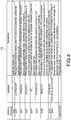
- Fig. 4 is a diagram showing definitions of the application control codes 12 and 22 respectively stored in the AIT 10 and the XML-AIT 20.
- AUTOSTART is a code that instructs to automatically activate an application along with a service selection, provided that the application is not yet executed.
- PRESENT is a code that instructs to set an application to an executable state while the service is being selected. It should be noted that a target application is not automatically activated along with the service selection and is activated upon reception of an activation instruction from the user.
- DESTROY is a code that instructs to permit an end of an application.
- KILL is a code that instructs to forcibly end an application.
- PREFETCH is a code that instructs to cache an application.
- REMOTE is a code indicating that an application is an application that cannot be acquired in a current transport stream. Such an application becomes usable when acquired from another transport stream or a cache.
- DISABLED is a code indicating that an application activation is prohibited.
- PLAYBACK_AUTOSTART is a code for activating an application along with a reproduction of a broadcast content recoded onto a storage (recording apparatus).
- An application is uniquely identified by the application identifiers 11 and 21 respectively stored in the AIT 10 and the XML-AIT 20.
- Fig. 5 is a diagram showing a data structure of an application identifier.
- the application identifier is constituted of an organization ID (organization_id) and an application ID (application_id).
- organization_id organization ID
- application_id application ID
- the organization ID is information for uniquely identifying an organization (business operator) providing an application.
- the application ID is information for uniquely identifying an application in the organization ID.
- Fig. 6 is a diagram showing a typical operation example 1 regarding a transition between broadcast-related applications in the information processing apparatus 500 of the information processing system 1 shown in Fig. 1 .
- the operation example 1 is a typical operation example of a case where a switch is made between two broadcast-related applications acquired from the broadcast station 600 through broadcast waves to thus be executed.
- the information processing apparatus 500 receives a broadcast content (broadcast A) from the broadcast station 600 selected by the user using a remote controller, for example, carries out decoding processing on video data, audio data, subtitle data, and the like, and outputs the broadcast content (broadcast A) to the display unit and speaker unit connected to the information processing apparatus 500.
- a broadcast content broadcast content (broadcast A) from the broadcast station 600 selected by the user using a remote controller, for example, carries out decoding processing on video data, audio data, subtitle data, and the like, and outputs the broadcast content (broadcast A) to the display unit and speaker unit connected to the information processing apparatus 500.
- first broadcast-related application a broadcast-related application
- AIT related to the first broadcast-related application are superimposed on the broadcast content and broadcasted from the broadcast station 600 at a time T1.
- the AIT stores the application control code "AUTOSTART" that instructs to activate the first broadcast-related application.
- the information processing apparatus 500 activates the first broadcast-related application based on the application control code "AUTOSTART" described in the AIT.
- the activated first broadcast-related application is visualized as a window superimposed on a video of the broadcast content A displayed on the display unit, for example.
- a new AIT including an application control code “DESTROY” or “KILL” that instructs to end the first broadcast-related application and an application control code “AUTOSTART” that instructs to activate another broadcast-related application (hereinafter, referred to as "second broadcast-related application") is superimposed on the broadcast content and broadcasted from the broadcast station 600.
- the information processing apparatus 500 Upon receiving the new AIT, the information processing apparatus 500 ends the first broadcast-related application based on the application control code "DESTROY” or “KILL” described in the new AIT and activates the second broadcast-related application according to the application control code "AUTOSTART" described in the AIT. Accordingly, the second broadcast-related application is visualized on the display unit of the information processing apparatus 500 in place of the first broadcast-related application.
- Fig. 7 is a diagram showing a typical operation example 2 regarding a transition between broadcast-related applications in the information processing apparatus 500 of the information processing system 1 shown in Fig. 1 .
- the operation example 2 is a typical operation example of a case where a broadcast-related application acquired from the broadcast station 600 through broadcast waves is switched to a broadcast-related application acquired from the application server 200A to be executed.
- a new AIT including an application control code “DESTROY” or “KILL” that instructs to end the first broadcast-related application and an application control code “AUTOSTART” that instructs to activate another broadcast-related application (hereinafter, referred to as "second broadcast-related application") is superimposed on a broadcast content and broadcasted from the broadcast station 600.
- the information processing apparatus 500 Upon receiving the new AIT, the information processing apparatus 500 accesses the application server 200A and acquires the second broadcast-related application based on information described in the descriptor() 13 ( Fig. 2 ) related to the second broadcast-related application in the AIT.
- the information processing apparatus 500 ends the first broadcast-related application based on the application control code "DESTROY” or “KILL” with respect to the first broadcast-related application in the AIT. Further, the information processing apparatus 500 activates the second broadcast-related application according to the application control code "AUTOSTART" with respect to the second broadcast-related application in the AIT. Accordingly, the second broadcast-related application is visualized on the display unit of the information processing apparatus 500 in place of the first broadcast-related application.
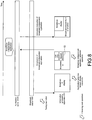
- Fig. 8 is a diagram showing a typical operation example 3 regarding an execution of a broadcast-independent application in the information processing apparatus 500 of the information processing system 1 shown in Fig. 1 .
- the information processing apparatus 500 Based on the information, the information processing apparatus 500 generates an icon or list of the one or more currently-usable broadcast-independent applications, displays it on the display unit, acquires an XML-AIT of the broadcast-independent application selected by the user, and activates the broadcast-independent application.
- the information processing apparatus 500 when an application selection screen display instruction is input by the user through an operation using a remote controller or the like while the broadcast content A is being reproduced (display screen a), the information processing apparatus 500 generates an application selection screen 10 including an icon or list of the one or more currently-usable broadcast-independent applications and displays it on the display unit.
- the application selection screen 10 is visualized as a window superimposed on a video of the broadcast content A displayed on the display unit.
- Information on a communication protocol requisite for accessing an XML-AIT for a relevant broadcast-independent application, location information of the XML-AIT, and the like are associated with the icon or list displayed on the application selection screen 10.
- the information processing apparatus 500 Based on the information associated with the icon or list selected by the user from the icons or list displayed on the application selection screen 10, the information processing apparatus 500 acquires an XML-AIT of the selected broadcast-independent application.
- the information processing apparatus 500 extracts, for example, information on a communication protocol and location information of the broadcast-independent application, that are requisite for acquiring the broadcast-independent application from the XML-AIT, and acquires the broadcast-independent application from the application server 200A based on those information.
- the information processing apparatus 500 activates the broadcast-independent application based on the application control code "AUTOSTART" described in the XML-AIT.
- the activated broadcast-independent application is visualized as a window 10 superimposed on a video of the broadcast content A displayed on the display unit, for example.
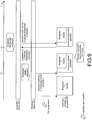
- Fig. 9 is a diagram showing a typical operation example 4 regarding a transition from a broadcast-related application to a broadcast-independent application in the information processing apparatus 500 of the information processing system 1 shown in Fig. 1 .
- a case where a script including a createApplication() function for activating a broadcast-independent application is incorporated into a broadcast-related application is assumed.
- information on a communication protocol requisite for accessing an XML-AIT for a broadcast-independent application, location information of the XML-AIT, and the like are set.
- a broadcast-independent application provided from the application server 200A belonging to the same organization as the broadcast station 600 is assumed. Therefore, the location information of the XML-AIT is a URL (Uniform Resource Locator) belonging to the application server 200A.
- the communication protocol is HTTP (Hypertext Transfer Protocol).
- the information processing apparatus 500 By executing the script as a predetermined condition on a time or the like is established while a broadcast-related application is being executed, the information processing apparatus 500 acquires an XML-AIT for a broadcast-independent application from the application server 200A. After that, the information processing apparatus 500 acquires and activates the broadcast-independent application based on the XML-AIT as in the typical operation example 3 described above.
- Fig. 10 is a conceptual diagram showing a case where an activation from a broadcast-independent application acquired from the application server in the information processing system conforming to the standard (e.g., application server 200A shown in Fig. 1 ) (hereinafter, referred to as "first broadcast-independent application”) to a broadcast-independent application acquired from another application server (e.g., application server 200B shown in Fig. 1 ) (hereinafter, referred to as "second broadcast-independent application”) has failed due to a mismatch of the organization IDs thereof.
- the application server 200B is a server belonging to a different organization (business operator) from the broadcast station (e.g., broadcast station 600 shown in Fig. 1 ). Therefore, the second broadcast-independent application provided from the application server 200B is not activated since its organization ID described in the XML-AIT differs from that of the first broadcast-independent application provided from the broadcast station 600 or the application server 200A.
- “common” can be set as identification information common to a plurality of or all business operators as a value of the organization ID in the XML-AIT.
- the information processing apparatus 500 removes the broadcast-independent application as a control target of the XML-AIT from the target judged as unpermitted to be activated based on the organization ID.
- an XML signature is obligated to be attached to the XML-AIT in this embodiment.
- the information processing apparatus 500 validates the XML signature acquired with the XML-AIT, and only when the validity is validated, permits the activation of the application based on the XML-AIT.
- Fig. 11 is a block diagram showing the structure of the information processing apparatus 500 of this embodiment.
- the information processing apparatus 500 includes a broadcast interface 501, a demultiplexer 502, an output processing unit 503, a video decoder 504, an audio decoder 505, a subtitle decoder 506, a communication interface 507, an application controller 508, and a secure controller 509.
- the broadcast interface 501 includes an antenna and a tuner and uses them to receive digital broadcast signals selected by the user.
- the broadcast interface 501 outputs a transport stream acquired by carrying out demodulation processing on the received digital broadcast signals to the demultiplexer 502.
- the demultiplexer 502 separates a stream packet of a broadcast content, an application packet, and an AIT packet from the transport stream.
- the demultiplexer 502 separates a video ES (Elementary Stream), an audio ES, and a subtitle ES from the stream packet of the broadcast content.
- the demultiplexer 502 distributes the video ES to the video decoder 504, the audio ES to the audio decoder 505, the subtitle ES to the subtitle decoder 506, and the application packet and the AIT packet to the application controller 508.
- the video decoder 504 decodes the video ES to generate a video signal and outputs the generated video signal to the output processing unit 503.
- the audio decoder 505 decodes the audio ES to generate an audio signal and outputs the generated audio signal to the output processing unit 503.
- the subtitle decoder 506 decodes the subtitle ES to generate a subtitle signal and outputs the generated subtitle signal to the output processing unit 503.
- the communication interface 507 is an interface for establishing communication with an external apparatus via the second network 400 such as a LAN.
- the communication interface 507 may take either wireless communication or wired communication.
- the application controller 508 is a controller that carries out processing related to control of applications.
- the output processing unit 503 synthesizes the video signal from the video decoder 504, the audio signal from the audio decoder 505, the subtitle signal from the subtitle decoder 506, the video signal and audio signal from the application controller 508, and the like and outputs the resultant to the recording apparatus, display unit, and speaker unit (not shown) connected to the information processing apparatus 500.
- the secure controller 509 validates an XML signature and notifies the application controller 508 of the validation result.
- a part or all of the structure including at least the application controller 508 and the secure controller 509 of the information processing apparatus 500 can be provided by a computer including a CPU (Central Processing Unit) and a memory and a program.
- a computer including a CPU (Central Processing Unit) and a memory and a program.
- CPU Central Processing Unit
- Fig. 12 is a diagram showing a data structure of the XML signature.
- the XML signature includes an XML signature element, signature information (information indicating with respect to what the signature is to be made and what algorithm), an XML normalization algorithm, a signature algorithm, a normalization transformation process, a digest calculation algorithm, a digest value, a signature value, key information, a validation key, an X.509 certification, and an XML signature target element.
- a format of the XML signature may be any of a detached signature independent from an XML-AIT, an enveloping signature in a format including an XML-AIT, and an enveloped signature in a format included in an XML-AIT. It should be noted that it is favorable to adopt the detached signature for suppressing an influence of the XML-AIT on the format.
- the secure controller 509 validates the XML signature according to a procedure of a core validation including a reference validation and a signature validation.
- the reference validation is a method of validating a reference (Reference) digest value (DigestValue) by applying a normalization transformation process (Transform) and a digest calculation algorithm (DigestMethod) to a resource (XML-AIT).
- the result obtained by the reference validation and the registered digest value (DigestValue) are compared, and when the values do not match, the validation ends in a failure.
- the signature validation is a method of validating a signature using a method designated by the signature algorithm (SignatureMethod) by serializing the signature information (SignatureInfo) element by a normalization method designated by the XML normalization algorithm (CanonicalizationMethod) and acquiring key data using the key information (KeyInfo) and the like.
- SignatureMethod a method of validating a signature using a method designated by the signature algorithm (SignatureMethod) by serializing the signature information (SignatureInfo) element by a normalization method designated by the XML normalization algorithm (CanonicalizationMethod) and acquiring key data using the key information (KeyInfo) and the like.
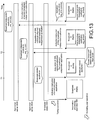
- Fig. 13 is a diagram showing a transition operation from a broadcast-independent application acquired from the application server 200A to a broadcast-independent application acquired from the application server 200B in the information processing apparatus 500 of the information processing system 1 shown in Fig. 1 .
- the information processing apparatus 500 receives a broadcast content (broadcast A) from the broadcast station 600 selected by the user using a remote controller, for example, carries out decode processing or the like on video data, audio data, subtitle data, and the like, and outputs the broadcast content (broadcast A) to the display unit and speaker unit connected to the information processing apparatus 500.
- a broadcast content broadcast content (broadcast A) from the broadcast station 600 selected by the user using a remote controller, for example, carries out decode processing or the like on video data, audio data, subtitle data, and the like, and outputs the broadcast content (broadcast A) to the display unit and speaker unit connected to the information processing apparatus 500.
- the broadcast interface 501 receives digital broadcast signals of the broadcast content (broadcast A) from the broadcast station 600 selected by the user and outputs a transport stream obtained by carrying out demodulation processing and the like to the demultiplexer 502.
- the demultiplexer 502 separates a stream packet of the broadcast content from the transport stream and separates the stream packet of the broadcast content into a video ES, an audio ES, and a subtitle ES.
- the separated video ES, audio ES, and subtitle ES are decoded by the video decoder 504, the audio decoder 505, and the subtitle decoder 506, respectively, synthesized by the output processing unit 503, and output to the display unit and speaker unit.
- a broadcast-related application and an AIT related to the broadcast-related application are superimposed on a broadcast content and broadcasted from the broadcast station 600.
- the organization ID described in the AIT is set as "0x01" allocated to the business operator of the broadcast station 600.
- the application control code is "AUTOSTART".
- the demultiplexer 502 separates a packet of a first application and a packet of the AIT from the transport stream and supplies them to the application controller 508.
- the application controller 508 executes the processing procedure shown in the flowchart of Fig. 14 .
- Step S102 the application controller 508 judges whether there is another application being executed (Step S103). Since there is no other application being executed at this point (NO in Step S103), the application controller 508 advances the processing to Step S105.
- Step S105 processing of switching an execution to an application with a high priority is carried out, but since there is no other application being executed at this time, the application controller 508 activates the broadcast-related application based on the application control code "AUTOSTART" described in the acquired AIT.
- a case where a script including a createApplication() function for activating a broadcast-independent application provided from the application server 200A is incorporated into the broadcast-related application is assumed.
- the application controller 508 acquires an XML-AIT for a broadcast-independent application from the application server 200A.
- Step S102 Upon acquiring the XML-AIT (Step S102), the application controller 508 judges whether there is another application being executed (Step S103). Since there is another broadcast-related application as the another application being executed at this point, the application controller 508 advances the processing to Step S104.
- Step S104 the application controller 508 judges whether the organization ID of the XML-AIT is the same as that of the AIT of the broadcast-related application already being executed (excluding case of "common").
- Step S105 When the organization IDs are the same (YES in Step S104), the application controller 508 advances the processing to Step S105 and activates one of the broadcast-related application being executed and the broadcast-independent application designated by the XML-AIT that has a higher priority (Step S105).
- the application controller 508 judges YES in Step S104 and advances the processing to Step S105.
- the broadcast-independent application has a higher priority. Accordingly, the broadcast-independent application is activated in place of the broadcast-related application.
- the application controller 508 first extracts information requisite for acquiring the broadcast-independent application from the XML-AIT, accesses the second application server 200A based on the information, and acquires the broadcast-independent application. Then, the application controller 508 ends the broadcast-related application and activates the broadcast-independent application based on the application control code "AUTOSTART" described in the XML-AIT. It should be noted that at this time, the broadcast-independent application is activated without validating the XML signature attached to the broadcast-independent application.
- broadcast-independent application provided by the application server 200B not belonging to the organization of the broadcast station 600 at an arbitrary time T3
- second broadcast-independent application a broadcast-independent application provided by the application server 200B
- first broadcast-independent application a broadcast-independent application already being executed
- a method of prompting the user to select the second broadcast-independent application belonging to a different organization from the first broadcast-independent application currently being executed there is, for example, a method of causing, with a predetermined remote controller operation as a trigger, the information processing apparatus 500 to display a portal screen presenting the usable second broadcast-independent applications as icons or a list, and prompting the user to select the second broadcast-independent application to be activated from the portal screen.
- Information on a communication protocol requisite for acquiring an XML-AIT of the second broadcast-independent application, location information of a file, and the like are associated with the icons or list.
- the application controller 508 acquires, based on the information associated with the selected icon or list, an XML-AIT of the second broadcast-independent application from the application server 200B not belonging to the organization of the broadcast station 600 together with an attached XML signature.
- Step S102 Upon acquiring the XML-AIT (Step S102), the application controller 508 judges whether there is another application being executed (Step S103). Since the first broadcast-independent application is being executed at this point, the processing advances to Step S104.
- Step S104 the application controller 508 judges whether the organization ID of the XML-AIT for the second broadcast-independent application is the same as that of the XML-AIT for the first broadcast-independent application being executed (excluding case of "common").
- Step S104 When the organization IDs are the same as a result of the judgment (excluding case of "common") (YES in Step S104), the application controller 508 advances the processing to Step S105 and activates one of the first broadcast-independent application being executed and the second broadcast-independent application designated by the XML-AIT that has a higher priority (Step S105).
- Step S106 the application controller 508 judges whether the organization ID of the newly-acquired XML-AIT for the second broadcast-independent application is "common" (Step S106).
- the application server 200B is a server of a business operator not belonging to the organization of the broadcast station 600, the organization ID is set as "common”. Therefore, it is judged YES in Step S106, and the application controller 508 advances the processing to Step S107.
- Step S107 the application controller 508 requests the secure controller 509 to validate the XML signature attached to the XML-AIT for the second broadcast-independent application.
- the application controller 508 Upon receiving a notification notifying that the validation of the XML signature has succeeded from the secure controller 509 (YES in Step S107), the application controller 508 compares the priority set in the XML-AIT for the second broadcast-independent application and the priority set in the XML-AIT for the first broadcast-independent application being executed, and activates the broadcast-independent application having a higher priority, for example. It should be noted that in the operation example, the priority of the second broadcast-independent application is higher. Accordingly, the second broadcast-independent application is activated in place of the first broadcast-independent application that has been executed.
- the application controller 508 For activating the second broadcast-independent application in place of the first broadcast-independent application, the application controller 508 first extracts information requisite for acquiring the second broadcast-independent application from the XML-AIT for the second broadcast-independent application, accesses the second application server 200B based on the information, and acquires the second broadcast-independent application. Then, the application controller 508 ends the first broadcast-independent application and activates the second broadcast-independent application based on the application control code "AUTOSTART" described in the XML-AIT for the second broadcast-independent application.
- an application to be activated by a method set by the user in advance is determined, for example. For example, there are the following methods.
- the application controller 508 Upon being notified of a failure in the validation of the XML signature, the application controller 508 does not permit the activation of the second broadcast-independent application (Step S108). Accordingly, it is possible to activate only a broadcast-independent application controlled by an XML-AIT to which an official XML signature is attached and secure system reliability.
- the identification information "common” that is common to a plurality of or all business operators can be set as the organization ID for specifying a business operator providing an application.
- the application controller 508 does not judge that an activation of an application corresponding to the XML-AIT is unpermitted based on the organization ID. Accordingly, it becomes possible to use an application seamlessly executable across channels of different broadcast stations, such as an application for a rating survey.
- an XML signature is obligated to be attached to an XML-AIT in which identification information common to a plurality of business operators is set as the organization ID.
- the information processing apparatus 500 interprets the XML-AIT and permits an activation of a broadcast-independent application. Accordingly, reliability of the XML-AIT can be secured.
Landscapes
- Engineering & Computer Science (AREA)
- Signal Processing (AREA)
- Multimedia (AREA)
- Computer Security & Cryptography (AREA)
- General Health & Medical Sciences (AREA)
- Health & Medical Sciences (AREA)
- Social Psychology (AREA)
- Software Systems (AREA)
- General Engineering & Computer Science (AREA)
- Human Computer Interaction (AREA)
- Computer Networks & Wireless Communication (AREA)
- Databases & Information Systems (AREA)
- Theoretical Computer Science (AREA)
- Two-Way Televisions, Distribution Of Moving Picture Or The Like (AREA)
Claims (13)
- Informationsverarbeitungsvorrichtung, umfassend:eine Rundfunkinhaltsverarbeitungseinheit (504, 505, 506) zum Empfangen und Verarbeiten eines Rundfunkinhalts; undeine Steuerung (508) zum Erfassen einer Anwendung, die unabhängig vom Rundfunkinhalt ist, und einer Anwendungsinformationstabelle, die Unternehmeridentifikationsinformationen zum Spezifizieren eines Unternehmers enthält, der die Anwendung bereitstellt, wobei die Anwendungsinformationstabelle einer elektronischen Signatur zugeordnet ist und die Anwendung als Ziel entfernt wird, das als unzulässig für die Aktivierung eingestuft wird, wenn die Unternehmeridentifikationsinformationen in der Anwendungsinformationstabelle auf einen gemeinsamen Wert für eine Vielzahl von Unternehmern eingestellt wurden, undeine Validierungseinheit (509) zum Erfassen und Validieren der elektronischen Signatur und zum Benachrichtigen der Steuerung (508) über das Validierungsergebnis,wobei die Steuerung (508) konfiguriert ist, um eine Aktivierung der Anwendung zu erlauben, wenn sie von der Validierungseinheit (509) darüber informiert wird, dass die Validierung erfolgreich war.
- Informationsverarbeitungsvorrichtung nach Anspruch 1, wobei die Steuerung (508) konfiguriert ist, um von einer Servervorrichtung (200) über ein Netzwerk die auf die Anwendung bezogene Anwendungsinformationstabelle zu erfassen und die Anwendung basierend auf in der Anwendungsinformationstabelle beschriebenen Informationen zu erfassen.
- Informationsverarbeitungsvorrichtung nach Anspruch 1 oder 2, wobei die elektronische Signatur eine abgetrennte Signatur unabhängig von der Anwendungsinformationstabelle, eine eingebettete Signatur einschließlich der Anwendungsinformationstabelle oder eine in der Anwendungsinformationstabelle enthaltene eingebettete Signatur ist.
- Informationsverarbeitungsvorrichtung nach einem der Ansprüche 1 bis 3, wobei die Anwendungsinformationstabelle eine Extensible Markup Language, XML, Anwendungsinformationstabelle ist.
- Informationsverarbeitungsvorrichtung nach einem der Ansprüche 1 bis 4, wobei die Informationsverarbeitungsvorrichtung ein Personalcomputer, ein Mobiltelefon, ein Smartphone, ein Fernsehgerät oder eine Spielvorrichtung ist.
- Informationsverarbeitungsverfahren, umfassend:Empfangen und Verarbeiten eines Rundfunkinhalts; undErfassen einer Anwendung, die unabhängig vom Rundfunkinhalt ist, und einer Anwendungsinformationstabelle, die Unternehmeridentifikationsinformationen zum Spezifizieren eines Unternehmers enthält, der die Anwendung bereitstellt, wobei die Anwendungsinformationstabelle einer elektronischen Signatur zugeordnet ist und die Anwendung als Ziel entfernt wird, das als unzulässig für die Aktivierung eingestuft wird, wenn die Unternehmeridentifikationsinformationen in der Anwendungsinformationstabelle auf einen gemeinsamen Wert für eine Vielzahl von Unternehmern eingestellt wurden,Erfassen und Validieren der elektronischen Signatur, undErlauben einer Aktivierung der Anwendung, wenn die Validierung erfolgreich war.
- Informationsverarbeitungsverfahren nach Anspruch 6, umfassend:
Erfassen, von einer Servervorrichtung (200) über ein Netzwerk, die auf die Anwendung bezogene Anwendungsinformationstabelle und Erfassen der Anwendung basierend auf in der Anwendungsinformationstabelle beschriebenen Informationen. - Informationsverarbeitungsverfahren nach Anspruch 6 oder 7, wobei die elektronische Signatur eine abgetrennte Signatur unabhängig von der Anwendungsinformationstabelle, eine eingebettete Signatur einschließlich der Anwendungsinformationstabelle oder eine in der Anwendungsinformationstabelle enthaltene eingebettete Signatur ist.
- Informationsverarbeitungsverfahren nach einem der Ansprüche 6 bis 8, wobei die Anwendungsinformationstabelle eine Extensible Markup Language, XML, Anwendungsinformationstabelle ist.
- Programm, das einen Computer veranlasst, zu arbeiten alseine Steuerung, die eine Anwendung erfasst, die unabhängig vom Rundfunkinhalt ist, und einer Anwendungsinformationstabelle, die Unternehmeridentifikationsinformationen zum Spezifizieren eines Unternehmers enthält, der die Anwendung bereitstellt, wobei die Anwendungsinformationstabelle einer elektronischen Signatur zugeordnet ist und die Anwendung als Ziel entfernt wird, das als unzulässig für die Aktivierung eingestuft wird, wenn die Unternehmeridentifikationsinformationen in der Anwendungsinformationstabelle auf einen gemeinsamen Wert für eine Vielzahl von Unternehmern eingestellt wurden, undeine Validierungseinheit, die die elektronische Signatur erfasst und validiert und die die Steuerung über das Validierungsergebnis benachrichtigt,wobei die Steuerung eine Aktivierung der Anwendung erlaubt, wenn sie von der Validierungseinheit darüber informiert wird, dass die Validierung erfolgreich war.
- Programm nach Anspruch 10, wobei die Steuerung von einer Servervorrichtung über ein Netzwerk die auf die Anwendung bezogene Anwendungsinformationstabelle erfasst und die Anwendung basierend auf in der Anwendungsinformationstabelle beschriebenen Informationen erfasst.
- Programm nach Anspruch 10 oder 11, wobei die elektronische Signatur eine abgetrennte Signatur unabhängig von der Anwendungsinformationstabelle, eine eingebettete Signatur einschließlich der Anwendungsinformationstabelle oder eine in der Anwendungsinformationstabelle enthaltene eingebettete Signatur ist.
- Programm nach einem der Ansprüche 10 bis 12, wobei die Anwendungsinformationstabelle eine Extensible Markup Language, XML, Anwendungsinformationstabelle ist.
Applications Claiming Priority (2)
| Application Number | Priority Date | Filing Date | Title |
|---|---|---|---|
| JP2011241515A JP5815370B2 (ja) | 2011-11-02 | 2011-11-02 | 情報処理装置、情報処理方法及びプログラム |
| PCT/JP2012/006907 WO2013065279A1 (ja) | 2011-11-02 | 2012-10-29 | 情報処理装置、情報処理方法及びプログラム |
Publications (3)
| Publication Number | Publication Date |
|---|---|
| EP2775708A1 EP2775708A1 (de) | 2014-09-10 |
| EP2775708A4 EP2775708A4 (de) | 2015-07-29 |
| EP2775708B1 true EP2775708B1 (de) | 2019-12-04 |
Family
ID=48191656
Family Applications (1)
| Application Number | Title | Priority Date | Filing Date |
|---|---|---|---|
| EP12846116.7A Active EP2775708B1 (de) | 2011-11-02 | 2012-10-29 | Informationsverarbeitungsvorrichtung, informationsverarbeitungsverfahren und programm zur aktivierung einer unabhängigen anwendung aus dem broadcast-inhalt |
Country Status (5)
| Country | Link |
|---|---|
| US (2) | US9402097B2 (de) |
| EP (1) | EP2775708B1 (de) |
| JP (1) | JP5815370B2 (de) |
| CN (1) | CN103891295A (de) |
| WO (1) | WO2013065279A1 (de) |
Families Citing this family (24)
| Publication number | Priority date | Publication date | Assignee | Title |
|---|---|---|---|---|
| JP5857636B2 (ja) * | 2011-11-02 | 2016-02-10 | ソニー株式会社 | 情報処理装置、情報処理方法及びプログラム |
| CN103338394B (zh) * | 2013-06-07 | 2017-04-12 | 四川迪佳通电子有限公司 | 一种应用启动方法及装置 |
| WO2015045324A1 (ja) * | 2013-09-30 | 2015-04-02 | ソニー株式会社 | 受信装置、放送装置、サーバ装置および受信方法 |
| US10638189B2 (en) | 2013-11-13 | 2020-04-28 | Maxell, Ltd. | Broadcast receiver |
| JP6121933B2 (ja) * | 2014-03-28 | 2017-04-26 | 日立マクセル株式会社 | 放送受信装置、及び放送受信装置における放送番組映像及びアプリケーション映像の表示方法 |
| JP6370095B2 (ja) * | 2014-05-12 | 2018-08-08 | マクセル株式会社 | 放送受信装置及び放送受信システム |
| CN105723729B (zh) | 2013-11-13 | 2018-06-12 | 麦克赛尔株式会社 | 广播接收装置和广播接收系统 |
| JP6336330B2 (ja) * | 2014-05-12 | 2018-06-06 | マクセル株式会社 | 放送受信装置 |
| JP6355964B2 (ja) * | 2014-05-12 | 2018-07-11 | マクセル株式会社 | 放送受信装置 |
| US20160360259A1 (en) * | 2013-11-13 | 2016-12-08 | Hitachi Maxell, Ltd. | Broadcast receiver and method for displaying broadcast program video and application video in broadcast receiver |
| JP6481620B2 (ja) * | 2014-01-07 | 2019-03-13 | ソニー株式会社 | 情報処理装置および情報処理方法 |
| US10609428B2 (en) | 2015-01-13 | 2020-03-31 | Sony Corporation | Transmission device and transmission method as well as reception device and reception method |
| CN107615767B (zh) * | 2015-06-02 | 2021-05-25 | 索尼公司 | 发送装置、发送方法、媒体处理装置、媒体处理方法以及接收装置 |
| MX382801B (es) | 2015-08-28 | 2025-03-13 | Sony Corp | Aparato de recepcion, aparato de transmision y metodo de procesamiento de datos. |
| CN108419132B (zh) * | 2018-04-16 | 2021-04-13 | 海信视像科技股份有限公司 | HbbTV应用控制方法及装置、HbbTV终端 |
| JP6523524B2 (ja) * | 2018-05-02 | 2019-06-05 | マクセル株式会社 | 放送受信装置、アプリケーション動作の制御方法 |
| JP6522208B2 (ja) * | 2018-06-13 | 2019-05-29 | マクセル株式会社 | 放送受信装置 |
| CN108683940B (zh) * | 2018-06-21 | 2020-11-10 | 青岛海信传媒网络技术有限公司 | 一种hbb应用显示的处理方法及装置 |
| JP6542438B2 (ja) * | 2018-07-10 | 2019-07-10 | マクセル株式会社 | アプリケーション制御方法 |
| JP6533023B1 (ja) * | 2019-03-25 | 2019-06-19 | マクセル株式会社 | 放送受信装置および制御方法 |
| JP6903711B2 (ja) * | 2019-03-25 | 2021-07-14 | マクセル株式会社 | 放送受信装置および制御方法 |
| JP6652672B2 (ja) * | 2019-04-25 | 2020-02-26 | マクセル株式会社 | 放送受信装置、アプリケーション動作の制御方法 |
| CN112492391B (zh) * | 2019-09-11 | 2024-03-22 | Vidaa(荷兰)国际控股有限公司 | HbbTV应用添加到应用列表的方法及相关设备 |
| JP7092851B2 (ja) * | 2020-11-18 | 2022-06-28 | マクセル株式会社 | 放送受信装置および制御方法 |
Citations (1)
| Publication number | Priority date | Publication date | Assignee | Title |
|---|---|---|---|---|
| US20100107181A1 (en) * | 2008-10-23 | 2010-04-29 | Samsung Electronics Co., Ltd. | Method and apparatus for providing application by using application information table |
Family Cites Families (13)
| Publication number | Priority date | Publication date | Assignee | Title |
|---|---|---|---|---|
| JP2004110291A (ja) | 2002-09-17 | 2004-04-08 | Nippon Telegr & Teleph Corp <Ntt> | コンテンツ流通装置,コンテンツ流通処理方法,コンテンツ流通システムプログラムおよびその記録媒体 |
| US20040068757A1 (en) * | 2002-10-08 | 2004-04-08 | Heredia Edwin Arturo | Digital signatures for digital television applications |
| WO2007051956A1 (en) * | 2005-11-03 | 2007-05-10 | Nds Limited | Application blocking system |
| KR100781534B1 (ko) * | 2006-12-08 | 2007-12-03 | 삼성전자주식회사 | 방송 수신 장치에 적합한 애플리케이션의 기능을 구성하고실행하는 장치 및 방법 |
| CN101601021A (zh) * | 2007-02-02 | 2009-12-09 | 索尼株式会社 | 信息处理设备、方法和程序 |
| JP5022169B2 (ja) | 2007-10-11 | 2012-09-12 | 日本放送協会 | アプリケーション送信装置、コンテンツ送信装置及びコンテンツ受信装置、並びに、アプリケーション送信プログラム、コンテンツ送信プログラム及びコンテンツ受信プログラム |
| JP5049862B2 (ja) | 2008-04-23 | 2012-10-17 | 日本放送協会 | 送信装置及び限定受信装置 |
| JP5433239B2 (ja) | 2009-01-15 | 2014-03-05 | 日本放送協会 | 放送型アプリケーションの起動システム |
| KR20110010052A (ko) * | 2009-07-14 | 2011-01-31 | 삼성전자주식회사 | 방송 네트워크 및 인터넷 네트워크에 접속 가능한 클라이언트의 어플리케이션을 수신하는 방법 및 장치 |
| JP5493627B2 (ja) | 2009-09-15 | 2014-05-14 | ソニー株式会社 | 情報処理装置、データ管理方法、およびプログラム |
| EP2320650B1 (de) * | 2009-10-20 | 2014-06-04 | Lg Electronics Inc. | Verfahren zur Verarbeitung einer Anwendung in einem digitalen Rundfunkempfänger, die mit einem interaktiven Netz und dem digitalen Rundfunkempfänger verbunden ist |
| EP2343881B1 (de) * | 2010-01-07 | 2019-11-20 | LG Electronics Inc. | Verfahren zur Verarbeitung einer Anwendung in einem digitalen Rundfunkempfänger verbunden mit einem interaktiven Netz, und digitalen Rundfunkempfänger |
| JP5498179B2 (ja) * | 2010-01-25 | 2014-05-21 | キヤノン株式会社 | デジタル放送受信装置、及びその制御方法 |
-
2011
- 2011-11-02 JP JP2011241515A patent/JP5815370B2/ja active Active
-
2012
- 2012-10-29 US US14/351,685 patent/US9402097B2/en active Active
- 2012-10-29 CN CN201280051505.XA patent/CN103891295A/zh active Pending
- 2012-10-29 EP EP12846116.7A patent/EP2775708B1/de active Active
- 2012-10-29 WO PCT/JP2012/006907 patent/WO2013065279A1/ja not_active Ceased
-
2016
- 2016-06-29 US US15/196,487 patent/US9918121B2/en active Active
Patent Citations (1)
| Publication number | Priority date | Publication date | Assignee | Title |
|---|---|---|---|---|
| US20100107181A1 (en) * | 2008-10-23 | 2010-04-29 | Samsung Electronics Co., Ltd. | Method and apparatus for providing application by using application information table |
Also Published As
| Publication number | Publication date |
|---|---|
| EP2775708A1 (de) | 2014-09-10 |
| US20140237529A1 (en) | 2014-08-21 |
| CN103891295A (zh) | 2014-06-25 |
| US20170034567A1 (en) | 2017-02-02 |
| US9402097B2 (en) | 2016-07-26 |
| US9918121B2 (en) | 2018-03-13 |
| WO2013065279A1 (ja) | 2013-05-10 |
| JP5815370B2 (ja) | 2015-11-17 |
| JP2013098863A (ja) | 2013-05-20 |
| EP2775708A4 (de) | 2015-07-29 |
Similar Documents
| Publication | Publication Date | Title |
|---|---|---|
| EP2775708B1 (de) | Informationsverarbeitungsvorrichtung, informationsverarbeitungsverfahren und programm zur aktivierung einer unabhängigen anwendung aus dem broadcast-inhalt | |
| JP7784465B2 (ja) | 送信装置、送信方法、受信装置および受信方法 | |
| US9723376B2 (en) | Information processing apparatus, server apparatus, information processing method, server processing method, and program | |
| JP5983741B2 (ja) | 情報処理装置、情報処理方法およびプログラム | |
| US20200128302A1 (en) | Information processing apparatus, broadcast apparatus, and receiving method | |
| JP7298663B2 (ja) | 受信装置、送信装置、受信方法および送信方法 | |
| US20140201800A1 (en) | Information processing apparatus, information processing method, and program | |
| US20150188929A1 (en) | Signature validation information transmission method, information processing apparatus, information processing method, and broadcast delivery apparatus | |
| JP6256952B2 (ja) | 情報処理装置、テレビジョン装置、情報処理方法、プログラム、送信装置および送信方法 | |
| JP6663892B2 (ja) | 送信システム及び送信方法 |
Legal Events
| Date | Code | Title | Description |
|---|---|---|---|
| PUAI | Public reference made under article 153(3) epc to a published international application that has entered the european phase |
Free format text: ORIGINAL CODE: 0009012 |
|
| 17P | Request for examination filed |
Effective date: 20140410 |
|
| AK | Designated contracting states |
Kind code of ref document: A1 Designated state(s): AL AT BE BG CH CY CZ DE DK EE ES FI FR GB GR HR HU IE IS IT LI LT LU LV MC MK MT NL NO PL PT RO RS SE SI SK SM TR |
|
| DAX | Request for extension of the european patent (deleted) | ||
| RA4 | Supplementary search report drawn up and despatched (corrected) |
Effective date: 20150630 |
|
| RIC1 | Information provided on ipc code assigned before grant |
Ipc: H04N 21/81 20110101ALI20150624BHEP Ipc: H04N 7/173 20110101AFI20150624BHEP Ipc: H04N 21/8352 20110101ALI20150624BHEP Ipc: H04N 21/858 20110101ALI20150624BHEP |
|
| RAP1 | Party data changed (applicant data changed or rights of an application transferred) |
Owner name: SATURN LICENSING LLC |
|
| STAA | Information on the status of an ep patent application or granted ep patent |
Free format text: STATUS: EXAMINATION IS IN PROGRESS |
|
| 17Q | First examination report despatched |
Effective date: 20171219 |
|
| REG | Reference to a national code |
Ref country code: DE Ref legal event code: R079 Ref document number: 602012066278 Country of ref document: DE Free format text: PREVIOUS MAIN CLASS: H04N0007173000 Ipc: H04N0021810000 |
|
| RIC1 | Information provided on ipc code assigned before grant |
Ipc: H04H 60/13 20080101ALI20190412BHEP Ipc: H04N 21/434 20110101ALI20190412BHEP Ipc: H04N 21/482 20110101ALI20190412BHEP Ipc: H04N 21/8355 20110101ALI20190412BHEP Ipc: H04N 21/8545 20110101ALI20190412BHEP Ipc: H04N 21/442 20110101ALI20190412BHEP Ipc: H04N 21/858 20110101ALI20190412BHEP Ipc: H04N 21/8352 20110101ALI20190412BHEP Ipc: H04N 21/236 20110101ALI20190412BHEP Ipc: H04N 21/81 20110101AFI20190412BHEP |
|
| GRAP | Despatch of communication of intention to grant a patent |
Free format text: ORIGINAL CODE: EPIDOSNIGR1 |
|
| STAA | Information on the status of an ep patent application or granted ep patent |
Free format text: STATUS: GRANT OF PATENT IS INTENDED |
|
| INTG | Intention to grant announced |
Effective date: 20190524 |
|
| GRAS | Grant fee paid |
Free format text: ORIGINAL CODE: EPIDOSNIGR3 |
|
| GRAA | (expected) grant |
Free format text: ORIGINAL CODE: 0009210 |
|
| STAA | Information on the status of an ep patent application or granted ep patent |
Free format text: STATUS: THE PATENT HAS BEEN GRANTED |
|
| AK | Designated contracting states |
Kind code of ref document: B1 Designated state(s): AL AT BE BG CH CY CZ DE DK EE ES FI FR GB GR HR HU IE IS IT LI LT LU LV MC MK MT NL NO PL PT RO RS SE SI SK SM TR |
|
| REG | Reference to a national code |
Ref country code: GB Ref legal event code: FG4D |
|
| REG | Reference to a national code |
Ref country code: CH Ref legal event code: EP |
|
| REG | Reference to a national code |
Ref country code: AT Ref legal event code: REF Ref document number: 1211013 Country of ref document: AT Kind code of ref document: T Effective date: 20191215 |
|
| REG | Reference to a national code |
Ref country code: DE Ref legal event code: R096 Ref document number: 602012066278 Country of ref document: DE |
|
| REG | Reference to a national code |
Ref country code: IE Ref legal event code: FG4D |
|
| REG | Reference to a national code |
Ref country code: NL Ref legal event code: FP |
|
| REG | Reference to a national code |
Ref country code: LT Ref legal event code: MG4D |
|
| PG25 | Lapsed in a contracting state [announced via postgrant information from national office to epo] |
Ref country code: NO Free format text: LAPSE BECAUSE OF FAILURE TO SUBMIT A TRANSLATION OF THE DESCRIPTION OR TO PAY THE FEE WITHIN THE PRESCRIBED TIME-LIMIT Effective date: 20200304 Ref country code: SE Free format text: LAPSE BECAUSE OF FAILURE TO SUBMIT A TRANSLATION OF THE DESCRIPTION OR TO PAY THE FEE WITHIN THE PRESCRIBED TIME-LIMIT Effective date: 20191204 Ref country code: LV Free format text: LAPSE BECAUSE OF FAILURE TO SUBMIT A TRANSLATION OF THE DESCRIPTION OR TO PAY THE FEE WITHIN THE PRESCRIBED TIME-LIMIT Effective date: 20191204 Ref country code: FI Free format text: LAPSE BECAUSE OF FAILURE TO SUBMIT A TRANSLATION OF THE DESCRIPTION OR TO PAY THE FEE WITHIN THE PRESCRIBED TIME-LIMIT Effective date: 20191204 Ref country code: BG Free format text: LAPSE BECAUSE OF FAILURE TO SUBMIT A TRANSLATION OF THE DESCRIPTION OR TO PAY THE FEE WITHIN THE PRESCRIBED TIME-LIMIT Effective date: 20200304 Ref country code: GR Free format text: LAPSE BECAUSE OF FAILURE TO SUBMIT A TRANSLATION OF THE DESCRIPTION OR TO PAY THE FEE WITHIN THE PRESCRIBED TIME-LIMIT Effective date: 20200305 Ref country code: LT Free format text: LAPSE BECAUSE OF FAILURE TO SUBMIT A TRANSLATION OF THE DESCRIPTION OR TO PAY THE FEE WITHIN THE PRESCRIBED TIME-LIMIT Effective date: 20191204 Ref country code: ES Free format text: LAPSE BECAUSE OF FAILURE TO SUBMIT A TRANSLATION OF THE DESCRIPTION OR TO PAY THE FEE WITHIN THE PRESCRIBED TIME-LIMIT Effective date: 20191204 |
|
| PG25 | Lapsed in a contracting state [announced via postgrant information from national office to epo] |
Ref country code: HR Free format text: LAPSE BECAUSE OF FAILURE TO SUBMIT A TRANSLATION OF THE DESCRIPTION OR TO PAY THE FEE WITHIN THE PRESCRIBED TIME-LIMIT Effective date: 20191204 Ref country code: RS Free format text: LAPSE BECAUSE OF FAILURE TO SUBMIT A TRANSLATION OF THE DESCRIPTION OR TO PAY THE FEE WITHIN THE PRESCRIBED TIME-LIMIT Effective date: 20191204 |
|
| PG25 | Lapsed in a contracting state [announced via postgrant information from national office to epo] |
Ref country code: AL Free format text: LAPSE BECAUSE OF FAILURE TO SUBMIT A TRANSLATION OF THE DESCRIPTION OR TO PAY THE FEE WITHIN THE PRESCRIBED TIME-LIMIT Effective date: 20191204 |
|
| PG25 | Lapsed in a contracting state [announced via postgrant information from national office to epo] |
Ref country code: PT Free format text: LAPSE BECAUSE OF FAILURE TO SUBMIT A TRANSLATION OF THE DESCRIPTION OR TO PAY THE FEE WITHIN THE PRESCRIBED TIME-LIMIT Effective date: 20200429 Ref country code: CZ Free format text: LAPSE BECAUSE OF FAILURE TO SUBMIT A TRANSLATION OF THE DESCRIPTION OR TO PAY THE FEE WITHIN THE PRESCRIBED TIME-LIMIT Effective date: 20191204 Ref country code: RO Free format text: LAPSE BECAUSE OF FAILURE TO SUBMIT A TRANSLATION OF THE DESCRIPTION OR TO PAY THE FEE WITHIN THE PRESCRIBED TIME-LIMIT Effective date: 20191204 Ref country code: EE Free format text: LAPSE BECAUSE OF FAILURE TO SUBMIT A TRANSLATION OF THE DESCRIPTION OR TO PAY THE FEE WITHIN THE PRESCRIBED TIME-LIMIT Effective date: 20191204 |
|
| PG25 | Lapsed in a contracting state [announced via postgrant information from national office to epo] |
Ref country code: IS Free format text: LAPSE BECAUSE OF FAILURE TO SUBMIT A TRANSLATION OF THE DESCRIPTION OR TO PAY THE FEE WITHIN THE PRESCRIBED TIME-LIMIT Effective date: 20200404 Ref country code: SM Free format text: LAPSE BECAUSE OF FAILURE TO SUBMIT A TRANSLATION OF THE DESCRIPTION OR TO PAY THE FEE WITHIN THE PRESCRIBED TIME-LIMIT Effective date: 20191204 Ref country code: SK Free format text: LAPSE BECAUSE OF FAILURE TO SUBMIT A TRANSLATION OF THE DESCRIPTION OR TO PAY THE FEE WITHIN THE PRESCRIBED TIME-LIMIT Effective date: 20191204 |
|
| REG | Reference to a national code |
Ref country code: DE Ref legal event code: R097 Ref document number: 602012066278 Country of ref document: DE |
|
| REG | Reference to a national code |
Ref country code: AT Ref legal event code: MK05 Ref document number: 1211013 Country of ref document: AT Kind code of ref document: T Effective date: 20191204 |
|
| PLBE | No opposition filed within time limit |
Free format text: ORIGINAL CODE: 0009261 |
|
| STAA | Information on the status of an ep patent application or granted ep patent |
Free format text: STATUS: NO OPPOSITION FILED WITHIN TIME LIMIT |
|
| PG25 | Lapsed in a contracting state [announced via postgrant information from national office to epo] |
Ref country code: DK Free format text: LAPSE BECAUSE OF FAILURE TO SUBMIT A TRANSLATION OF THE DESCRIPTION OR TO PAY THE FEE WITHIN THE PRESCRIBED TIME-LIMIT Effective date: 20191204 |
|
| 26N | No opposition filed |
Effective date: 20200907 |
|
| PG25 | Lapsed in a contracting state [announced via postgrant information from national office to epo] |
Ref country code: AT Free format text: LAPSE BECAUSE OF FAILURE TO SUBMIT A TRANSLATION OF THE DESCRIPTION OR TO PAY THE FEE WITHIN THE PRESCRIBED TIME-LIMIT Effective date: 20191204 Ref country code: SI Free format text: LAPSE BECAUSE OF FAILURE TO SUBMIT A TRANSLATION OF THE DESCRIPTION OR TO PAY THE FEE WITHIN THE PRESCRIBED TIME-LIMIT Effective date: 20191204 Ref country code: PL Free format text: LAPSE BECAUSE OF FAILURE TO SUBMIT A TRANSLATION OF THE DESCRIPTION OR TO PAY THE FEE WITHIN THE PRESCRIBED TIME-LIMIT Effective date: 20191204 |
|
| PG25 | Lapsed in a contracting state [announced via postgrant information from national office to epo] |
Ref country code: IT Free format text: LAPSE BECAUSE OF FAILURE TO SUBMIT A TRANSLATION OF THE DESCRIPTION OR TO PAY THE FEE WITHIN THE PRESCRIBED TIME-LIMIT Effective date: 20191204 |
|
| REG | Reference to a national code |
Ref country code: CH Ref legal event code: PL |
|
| PG25 | Lapsed in a contracting state [announced via postgrant information from national office to epo] |
Ref country code: MC Free format text: LAPSE BECAUSE OF FAILURE TO SUBMIT A TRANSLATION OF THE DESCRIPTION OR TO PAY THE FEE WITHIN THE PRESCRIBED TIME-LIMIT Effective date: 20191204 Ref country code: LU Free format text: LAPSE BECAUSE OF NON-PAYMENT OF DUE FEES Effective date: 20201029 |
|
| REG | Reference to a national code |
Ref country code: BE Ref legal event code: MM Effective date: 20201031 |
|
| PG25 | Lapsed in a contracting state [announced via postgrant information from national office to epo] |
Ref country code: LI Free format text: LAPSE BECAUSE OF NON-PAYMENT OF DUE FEES Effective date: 20201031 Ref country code: BE Free format text: LAPSE BECAUSE OF NON-PAYMENT OF DUE FEES Effective date: 20201031 Ref country code: CH Free format text: LAPSE BECAUSE OF NON-PAYMENT OF DUE FEES Effective date: 20201031 |
|
| PG25 | Lapsed in a contracting state [announced via postgrant information from national office to epo] |
Ref country code: IE Free format text: LAPSE BECAUSE OF NON-PAYMENT OF DUE FEES Effective date: 20201029 |
|
| PG25 | Lapsed in a contracting state [announced via postgrant information from national office to epo] |
Ref country code: TR Free format text: LAPSE BECAUSE OF FAILURE TO SUBMIT A TRANSLATION OF THE DESCRIPTION OR TO PAY THE FEE WITHIN THE PRESCRIBED TIME-LIMIT Effective date: 20191204 Ref country code: MT Free format text: LAPSE BECAUSE OF FAILURE TO SUBMIT A TRANSLATION OF THE DESCRIPTION OR TO PAY THE FEE WITHIN THE PRESCRIBED TIME-LIMIT Effective date: 20191204 Ref country code: CY Free format text: LAPSE BECAUSE OF FAILURE TO SUBMIT A TRANSLATION OF THE DESCRIPTION OR TO PAY THE FEE WITHIN THE PRESCRIBED TIME-LIMIT Effective date: 20191204 |
|
| PG25 | Lapsed in a contracting state [announced via postgrant information from national office to epo] |
Ref country code: MK Free format text: LAPSE BECAUSE OF FAILURE TO SUBMIT A TRANSLATION OF THE DESCRIPTION OR TO PAY THE FEE WITHIN THE PRESCRIBED TIME-LIMIT Effective date: 20191204 |
|
| P01 | Opt-out of the competence of the unified patent court (upc) registered |
Effective date: 20230514 |
|
| PGFP | Annual fee paid to national office [announced via postgrant information from national office to epo] |
Ref country code: NL Payment date: 20251024 Year of fee payment: 14 |
|
| PGFP | Annual fee paid to national office [announced via postgrant information from national office to epo] |
Ref country code: DE Payment date: 20251028 Year of fee payment: 14 |
|
| PGFP | Annual fee paid to national office [announced via postgrant information from national office to epo] |
Ref country code: GB Payment date: 20251023 Year of fee payment: 14 |
|
| PGFP | Annual fee paid to national office [announced via postgrant information from national office to epo] |
Ref country code: FR Payment date: 20251027 Year of fee payment: 14 |