EP2789631A1 - Verbindungen und Verfahren zur Hemmung der Bindung von ICAM-4 an Plättchenintegrin-AlphaIIbbeta3 - Google Patents
Verbindungen und Verfahren zur Hemmung der Bindung von ICAM-4 an Plättchenintegrin-AlphaIIbbeta3 Download PDFInfo
- Publication number
- EP2789631A1 EP2789631A1 EP13305468.4A EP13305468A EP2789631A1 EP 2789631 A1 EP2789631 A1 EP 2789631A1 EP 13305468 A EP13305468 A EP 13305468A EP 2789631 A1 EP2789631 A1 EP 2789631A1
- Authority
- EP
- European Patent Office
- Prior art keywords
- icam
- platelet
- iib
- antibody
- binding
- Prior art date
- Legal status (The legal status is an assumption and is not a legal conclusion. Google has not performed a legal analysis and makes no representation as to the accuracy of the status listed.)
- Withdrawn
Links
Images





Classifications
-
- C—CHEMISTRY; METALLURGY
- C07—ORGANIC CHEMISTRY
- C07K—PEPTIDES
- C07K16/00—Immunoglobulins [IG], e.g. monoclonal or polyclonal antibodies
- C07K16/18—Immunoglobulins [IG], e.g. monoclonal or polyclonal antibodies against material from animals or humans
- C07K16/28—Immunoglobulins [IG], e.g. monoclonal or polyclonal antibodies against material from animals or humans against receptors, cell surface antigens or cell surface determinants
- C07K16/2839—Immunoglobulins [IG], e.g. monoclonal or polyclonal antibodies against material from animals or humans against receptors, cell surface antigens or cell surface determinants against the integrin superfamily
- C07K16/2848—Immunoglobulins [IG], e.g. monoclonal or polyclonal antibodies against material from animals or humans against receptors, cell surface antigens or cell surface determinants against the integrin superfamily against integrin beta3-subunit-containing molecules, e.g. CD41, CD51, CD61
-
- A—HUMAN NECESSITIES
- A61—MEDICAL OR VETERINARY SCIENCE; HYGIENE
- A61K—PREPARATIONS FOR MEDICAL, DENTAL OR TOILETRY PURPOSES
- A61K38/00—Medicinal preparations containing peptides
- A61K38/16—Peptides having more than 20 amino acids; Gastrins; Somatostatins; Melanotropins; Derivatives thereof
- A61K38/17—Peptides having more than 20 amino acids; Gastrins; Somatostatins; Melanotropins; Derivatives thereof from animals; from humans
- A61K38/177—Receptors; Cell surface antigens; Cell surface determinants
- A61K38/1774—Immunoglobulin superfamily (e.g. CD2, CD4, CD8, ICAM molecules, B7 molecules, Fc-receptors, MHC-molecules)
-
- C—CHEMISTRY; METALLURGY
- C07—ORGANIC CHEMISTRY
- C07K—PEPTIDES
- C07K14/00—Peptides having more than 20 amino acids; Gastrins; Somatostatins; Melanotropins; Derivatives thereof
- C07K14/435—Peptides having more than 20 amino acids; Gastrins; Somatostatins; Melanotropins; Derivatives thereof from animals; from humans
- C07K14/705—Receptors; Cell surface antigens; Cell surface determinants
- C07K14/70503—Immunoglobulin superfamily
- C07K14/70525—ICAM molecules, e.g. CD50, CD54, CD102
-
- C—CHEMISTRY; METALLURGY
- C07—ORGANIC CHEMISTRY
- C07K—PEPTIDES
- C07K14/00—Peptides having more than 20 amino acids; Gastrins; Somatostatins; Melanotropins; Derivatives thereof
- C07K14/435—Peptides having more than 20 amino acids; Gastrins; Somatostatins; Melanotropins; Derivatives thereof from animals; from humans
- C07K14/705—Receptors; Cell surface antigens; Cell surface determinants
- C07K14/70546—Integrin superfamily
-
- C—CHEMISTRY; METALLURGY
- C07—ORGANIC CHEMISTRY
- C07K—PEPTIDES
- C07K16/00—Immunoglobulins [IG], e.g. monoclonal or polyclonal antibodies
- C07K16/18—Immunoglobulins [IG], e.g. monoclonal or polyclonal antibodies against material from animals or humans
- C07K16/28—Immunoglobulins [IG], e.g. monoclonal or polyclonal antibodies against material from animals or humans against receptors, cell surface antigens or cell surface determinants
- C07K16/2803—Immunoglobulins [IG], e.g. monoclonal or polyclonal antibodies against material from animals or humans against receptors, cell surface antigens or cell surface determinants against the immunoglobulin superfamily
- C07K16/2821—Immunoglobulins [IG], e.g. monoclonal or polyclonal antibodies against material from animals or humans against receptors, cell surface antigens or cell surface determinants against the immunoglobulin superfamily against ICAM molecules, e.g. CD50, CD54, CD102
-
- C—CHEMISTRY; METALLURGY
- C07—ORGANIC CHEMISTRY
- C07K—PEPTIDES
- C07K7/00—Peptides having 5 to 20 amino acids in a fully defined sequence; Derivatives thereof
- C07K7/04—Linear peptides containing only normal peptide links
- C07K7/08—Linear peptides containing only normal peptide links having 12 to 20 amino acids
-
- G—PHYSICS
- G01—MEASURING; TESTING
- G01N—INVESTIGATING OR ANALYSING MATERIALS BY DETERMINING THEIR CHEMICAL OR PHYSICAL PROPERTIES
- G01N33/00—Investigating or analysing materials by specific methods not covered by groups G01N1/00 - G01N31/00
- G01N33/48—Biological material, e.g. blood, urine; Haemocytometers
- G01N33/50—Chemical analysis of biological material, e.g. blood, urine; Testing involving biospecific ligand binding methods; Immunological testing
- G01N33/5005—Chemical analysis of biological material, e.g. blood, urine; Testing involving biospecific ligand binding methods; Immunological testing involving human or animal cells
- G01N33/5008—Chemical analysis of biological material, e.g. blood, urine; Testing involving biospecific ligand binding methods; Immunological testing involving human or animal cells for testing or evaluating the effect of chemical or biological compounds, e.g. drugs, cosmetics
- G01N33/5044—Chemical analysis of biological material, e.g. blood, urine; Testing involving biospecific ligand binding methods; Immunological testing involving human or animal cells for testing or evaluating the effect of chemical or biological compounds, e.g. drugs, cosmetics involving specific cell types
-
- A—HUMAN NECESSITIES
- A61—MEDICAL OR VETERINARY SCIENCE; HYGIENE
- A61K—PREPARATIONS FOR MEDICAL, DENTAL OR TOILETRY PURPOSES
- A61K39/00—Medicinal preparations containing antigens or antibodies
- A61K2039/505—Medicinal preparations containing antigens or antibodies comprising antibodies
-
- G—PHYSICS
- G01—MEASURING; TESTING
- G01N—INVESTIGATING OR ANALYSING MATERIALS BY DETERMINING THEIR CHEMICAL OR PHYSICAL PROPERTIES
- G01N2500/00—Screening for compounds of potential therapeutic value
- G01N2500/02—Screening involving studying the effect of compounds C on the interaction between interacting molecules A and B (e.g. A = enzyme and B = substrate for A, or A = receptor and B = ligand for the receptor)
Definitions
- the present invention relates to compounds and methods for inhibition of binding of ICAM-4 to platelet integrin ⁇ IIb ⁇ 3 .
- the present invention also relates to a screening method and to a kit to detect or monitor in vitro the effect of a substance, drug or pharmaceutical agent on the ICAM-4/ ⁇ IIb ⁇ 3 interaction in a biological sample, while simulating blood flow conditions existing in vivo.
- an anti-ICAM-4 antibody or a fragment thereof capable of blocking ICAM-4 binding to platelet integrin ⁇ IIb ⁇ 3 or an ICAM-4 mimetic peptide blocking ICAM-4 binding to platelet integrin ⁇ IIb ⁇ 3 , or an anti-CD61 antibody or a fragment thereof capable of blocking ICAM-4 binding to platelet integrin ⁇ IIb ⁇ 3 for use in the treatment of a thrombotic disease, and for the preparation of pharmaceutical compositions for such treatment.
- Haemostasis is a balance between prothrombotic and bleeding state. Components of haemostasis can be divided into a plasma part which is a solution derived from blood containing the coagulation proteins, and a cellular part of blood containing blood cells such as platelets, erythrocytes and leucocytes. In vivo interaction of the vessel with the haemostatic system prevents excessive blood loss when damage to a vessel occurs.
- One of the central coagulation proteins in the haemostatic system is thrombin. Thrombin is formed at the end of the coagulation cascade and causes fibrinogen to be converted into fibrin.
- the formed fibrin forms a tight mesh capturing platelets and erythrocytes thus giving rise to a plug that seals off the vessel.
- the measurement of thrombin generation is known to be indicative for either a prothrombotic or a bleeding phenotype and the formation of fibrin has been shown to be indicative of a bleeding phenotype related to point of care devices during surgery.
- Blood clot firmness is an important functional parameter for haemostasis in vivo, as a clot must resist blood pressure and shear stress at the site of the injury.
- Thrombotic diseases such as coronary infarction, stroke, pulmonary embolism, bleeding disorders as well as other disorders of the haemostatic system remain one of the main causes of mortality in Western society. Thus it remains important to keep understanding the mechanism involved in haemostasis and coagulation.
- Erythrocytes are the major cellular components of blood. Their primary function is to transport oxygen to organs and carbon dioxide to the lungs. In the field of haemostasis which primarily involves endothelial cells, platelets and coagulation factors, erythrocytes are generally considered as passive participants. Erythrocytes have thus been shown to contribute to primary haemostasis, predominantly due to their rheological properties. It has accordingly been reported that prolonged bleeding can be successfully treated by elevated red blood cell count ( Ho, CH. et al., Transfusion, 1996, 36:290 ; Ho, CH. et al., Blood, 1998, 91:1094 ; Livio M. et al., Lancet, 1982, 2:1013-1015 ).
- Intercellular adhesion molecule 4 (ICAM-4 also designated Landsteiner-Wiener (LW) blood group glycoprotein or CD242) is an erythroid-specific membrane component that belongs to the family of immunoglobulin superfamily (IgSF) of proteins. ICAM-4 has been shown to preferentially but, not exclusively, interact with the beta part of several members of the integrin family such as LFA-1 (CD11a/CD18, ⁇ L ⁇ 2 ) on leukocytes ( Bailly P. et al., Eur. J. Immunol., 1995, 25:3316-3320 ), Mac-1 (CD11b/CD18, ⁇ M ⁇ 2 ) on granulocyte/monocyte ( Bailly P. et al., Eur. J.
- LFA-1 CD11a/CD18, ⁇ L ⁇ 2
- Mac-1 CD11b/CD18, ⁇ M ⁇ 2
- the platelet fibrinogen receptor ⁇ IIb ⁇ 3 (platelet glycoprotein GPIIb-IIIa), which belongs to the cytoadhesin sub-class of the integrin family, is a receptor known to be responsible for platelet aggregation. It is noteworthy that ⁇ IIb ⁇ 3 binds to its ligand only after platelet activation, after undergoing conformational changes ( Plow, E. et al., Semin Thromb Haemostasis, 1992, 18, 324-332 ). It has also been demonstrated that ICAM-4 is a ligand for activated ⁇ IIb ⁇ 3 integrin resulting in platelet-erythrocyte interaction.
- the invention investigated the involvement of ICAM-4 and ⁇ IIb ⁇ 3 in the direct erythrocyte-platelet interaction under near physiological conditions in vitro.
- the inventors also explored the physiological function of the ICAM-4 mediated erythrocyte-platelet interaction in vivo.
- the inventors have identified that interaction between platelets and erythrocytes occurs through receptor/ligand interaction in physiological conditions or in vivo, wherein said ligand is ICAM-4 and said receptor is ⁇ IIb ⁇ 3 .
- mice Based on their results obtained in an in vitro model of physiological conditions or in vivo on mice, the inventors have designed compounds and applications suitable for use in patients undergoing thrombotic or bleeding disorders.
- the invention relates to a polypeptidic compound capable of blocking ICAM-4 binding to platelet integrin ⁇ IIb ⁇ 3 for use in the treatment of a thrombotic disease, when administered to an individual diagnosed with such a condition.
- the polypeptidic compound according to the invention is an anti-ICAM-4 antibody or a fragment thereof capable of blocking ICAM-4 binding to platelet integrin ⁇ IIb ⁇ 3 , or an ICAM-4 mimetic peptide capable of blocking ICAM-4 binding to platelet integrin ⁇ IIb ⁇ 3 , or an anti-CD61 antibody or a fragment thereof capable of blocking ICAM-4 binding to platelet integrin ⁇ IIb ⁇ 3 for use in the treatment of a thrombotic disease, when administered to an individual diagnosed with such a condition.
- the expression "for use in the treatment” means that a compound as defined herein, in particular an anti-ICAM-4 antibody or a fragment thereof capable of blocking ICAM-4 binding to platelet integrin ⁇ IIb ⁇ 3 , or an ICAM-4 mimetic peptide capable of blocking ICAM-4 binding to platelet integrin ⁇ IIb ⁇ 3 , or an anti-CD61 antibody or a fragment thereof capable of blocking ICAM-4 binding to platelet integrin ⁇ IIb ⁇ 3 can be used in a process of administration to an individual, in particular a human, to prevent or treat thrombotic diseases, by reducing or preventing thrombus formation, while limiting the risk of major bleeding.
- treatment involving the anti-ICAM-4 antibody or a fragment thereof, or the ICAM-4 mimetic peptide, or the anti-CD61 antibody or a fragment thereof according to the invention may be accompanied by other therapies.
- fragment of an antibody refers to a portion of a full length antibody that retains the binding capacity of the full length antibody, i.e . by binding the antigen to which the full length antibody binds.
- Particular fragments according to the invention consist of variable fragments or heavy and/or light chains of antibodies, such as fragments encompassing all or part of CDR domains of heavy and/or light chains.
- ICAM-4 mimetic peptide refers to an ICAM-4 peptide mimicking the extracellular domain of ICAM-4, in particular said extracellular domain in human ICAM-4 such as the synthetic peptide Gly-Leu-Asp-Leu-Ala-Asn-Val-Thr-Leu-Thr-Tyr-Glu-Phe-Ala-Ala-Gly-Pro-Arg-Asp (GLDLANVTLTYEFAAGPRD, SEQ ID NO: 1), for its capacity to block ICAM-4 binding to platelet integrin ⁇ IIb ⁇ 3 .
- Human ICAM-4 is made up of 271 amino acids and its sequence is referenced under the protein accession number UniProtKB/Swiss-Prot: Q14773.1 (SEQ ID NO: 2).
- thrombotic disease refers to disorders of the haemostatic system that are commonly known to the person skilled in the art and that affect the haemostatic balance.
- venous and arterial thrombosis such as deep vein, portal, renal or jugular vein thrombosis, pulmonary embolism, Budd-Chiari syndrome, Paget-Schroetter disease, cerebral venous sinus thrombosis and myocardial infarction.
- venous thrombosis such as deep vein thrombosis (DVT) and pulmonary embolism.
- said polypeptidic compound can be used for inhibiting erythrocyte-platelet adhesion.
- said polypeptidic compound can be used for inhibiting platelet deposition and fibrin formation at the site of injury.
- said polypeptidic compound can be used for reducing fibrinogen binding to integrin ⁇ IIb ⁇ 3 on platelets.
- said anti-CD61 antibody or fragment thereof is used in combination with the ICAM-4 mimetic peptide, or with the anti-ICAM-4 antibody or fragment thereof according to the invention.
- the expression "used in combination” means that said anti-CD61 antibody or fragment thereof, said ICAM-4 mimetic peptide, or said anti-ICAM-4 antibody or fragment thereof can be administered simultaneously or sequentially, in the same or separate pharmaceutical compositions.
- said anti-ICAM-4 antibody or fragment thereof is a polyclonal antibody directed against an epitope mapping an extracellular domain of ICAM-4.
- said anti-CD61 antibody or fragment thereof is a monoclonal antibody directed against the ⁇ -chain, in particular the ⁇ 3 -chain of the platelet integrin ⁇ IIb ⁇ 3 .
- said ICAM-4 mimetic peptide corresponds to a synthetic peptide mimicking the extracellular domain of ICAM-4. More particularly, said ICAM-4 mimetic peptide is a synthetic peptide having the amino acid sequence Gly-Leu-Asp-Leu-Ala-Asn-Val-Thr-Leu-Thr-Tyr-Glu-Phe-Ala-Ala-Gly-Pro-Arg-Asp (GLDLANVTLTYEFAAGPRD) as disclosed in SEQ ID NO: 1. Said peptide is, as such, a particular embodiment of the invention.
- the invention also relates to the use of a synthetic arginyl-glycyl-aspartic acid (RGD)-containing peptide to block ICAM-4 binding to platelet integrin ⁇ IIb ⁇ 3 .
- RGD arginyl-glycyl-aspartic acid
- the present invention also relates to a screening method to detect or monitor in vitro the effect of a substance, drug or pharmaceutical agent on the ICAM-4/ ⁇ IIb ⁇ 3 interaction in a biological sample, while simulating blood flow conditions existing in vivo, comprising the following steps:
- the biological sample is selected from the group consisting of whole blood, plasma, or a derivative that would provide erythrocytes and platelets.
- the expression "while simulating blood flow conditions existing in vivo" means that the perfusion is carried out under a low flow shear rate similar to the one observed in the blood vessel of an individual, in particular a human.
- the flow shear rate used for perfusion is venous flow shear rate, within the range of 100 to 300 s -1 .
- the arterial flow shear rate is above 800 s -1 , and is usually not compatible with the erythrocyte-platelet interaction leading to thrombus formation in vivo. Under particular flow conditions, arterial thrombus can be targeted.
- the term "chamber” refers to a vessel containing a fluid.
- the chamber according to the invention is a single-pass perfusion chamber, which contains an inlet, outlet, a vacuum channel, and on the top, a silicone rubber gasket.
- platelet agonist refers to a compound that induces platelet activation by binding to receptors on the platelet surface.
- Platelet agonists can be classified into two categories, strong agonists such as collagen, thrombin and thromboxane A2, and weak agonists such as ADP and epinephrine.
- strong agonists such as collagen, thrombin and thromboxane A2
- weak agonists such as ADP and epinephrine.
- thrombin is considered to be the most potent platelet activator in vivo.
- strong platelet agonists can induce platelet granule secretion even when aggregation is inhibited.
- the platelet agonist of step b) is selected from the group consisting of collagen-related peptide, thrombin, ADP and arachidonic acid.
- platelet adhesive protein refers to a protein that plays an essential role in primary hemostasis by promoting platelet adhesion.
- the platelet adhesive protein enables immobilisation of the platelets onto the coverslip.
- the platelet adhesive protein is von Willebrand factor (VWF) or fibrinogen.
- said substance, drug or pharmaceutical agent is added to the biological sample to be assayed or is present in the biological sample as a result of the patient being under treatment with this substance, drug or pharmaceutical agent.
- the screening method of the invention can be used for detecting or monitoring a thrombotic disease.
- said substance, drug or pharmaceutical agent blocks the ICAM-4/ ⁇ IIb ⁇ 3 interaction. Blocking of the interaction can be determined by detecting inhibition of platelet activation and accordingly measuring P-selectin expression as a marker of the activation level.
- said substance, drug or pharmaceutical compound comprises a polypeptidic compound according to the invention, in particular an anti-ICAM-4 antibody or a fragment thereof, or an ICAM-4 mimetic peptide, or an anti-CD61 antibody or a fragment thereof according to the invention.
- the invention also relates to a screening method for evaluating the risk of a patient to have a thrombotic condition, which comprises a step of measuring the expressed ICAM-4 in a biological sample previously obtained from a patient.
- this measurement can be carried out under ELISA-based methods.
- an abnormally high ICAM-4 level is a risk indicator for a thrombotic disease.
- abnormally high ICAM-4 level means that the ICAM-4 level is higher than 110% of normal ICAM-4 expression (arbitrary units).
- the invention also relates to a screening method for evaluating the risk of a patient to have a bleeding phenotype, which comprises a step of measuring the expressed ICAM-4 in a biological sample previously obtained from a patient.
- an abnormally low ICAM-4 level is a risk indicator for a bleeding disease.
- abnormally low ICAM-4 level means that the ICAM-4 level is lower than 100% of normal ICAM-4 expression, in particular it falls between the ranges of 0-70% of normal ICAM-4 expression (arbitrary units).
- the method of the invention thus further enables the determination of the minimal amount of polypeptidic compound according to the invention, in particular an anti-ICAM-4 antibody or fragment thereof, an ICAM-4 mimetic peptide, or an anti-CD61 antibody or a fragment thereof according to the invention, necessary to reduce or prevent thrombus formation, by blocking all or part of the ICAM-4/ ⁇ IIb ⁇ 3 interaction.
- the screening method can be used in combination with other screening tests.
- the screening method enables the determination of the ICAM-4/ ⁇ IIb ⁇ 3 interaction by measuring thrombin generation.
- the present invention is also directed to a pharmaceutical composition
- a pharmaceutical composition comprising an anti-ICAM-4 antibody or a fragment thereof, or an ICAM-4 mimetic peptide, or an anti-CD61 antibody or a fragment thereof as defined herein, as active ingredient, in association with a pharmaceutically acceptable vehicle, and optionally a distinct therapeutically active molecule for use in the treatment of a thrombotic disease, when administered to an individual diagnosed with such a condition.
- pharmaceutically acceptable vehicles encompass any substance that enables the formulation of the anti-ICAM-4 antibody or ICAM-4 mimetic peptide according to the invention within a composition.
- pharmaceutically acceptable vehicles are well known to a person skilled in the art.
- the present invention also concerns a kit for carrying out the above-defined screening method, which comprises:
- Antibodies and proteins R-phycoerythrin (RPE) labeled mouse anti-human P-selectin antibody, mouse anti-human CD61 (integrin ⁇ 3 chain) monoclonal antibody, mouse anti-human CD41a (integrin ⁇ 2b chain) monoclonal antibody were purchased from BD biosciences (Franklin Lakes, NJ, U.S.A). Goat anti-human ICAM-4 (epitope mapping within an extracellular domain of ICAM-4) polyclonal antibody and ICAM-4 mimetic peptide (corresponding to the anti-ICAM-4 epitope) were purchased from Santa Cruz biotechnology inc (Delaware Avenue, CA, USA).
- RPE R-phycoerythrin
- Alex Fluor 488 conjugated fibrinogen was purchased from Molecular Probes Inc (Eugene, OR, U.S.A).
- the RGD containing peptide D-Arginyl-Glycyl-L-Aspartyl-L-Tryptophan (dRGDW) was synthesised at the department of Membrane Enzymology, Faculty of Chemistry, University of Utrecht, the Netherlands.
- Arachidonic acid was bought from Bio/data Corporation (Horsham, PA, U.S.A).
- Collagen Type I (Kollagenreagen Horm Suspension) was purchased from NYCOMED (Austria GmbH, Linz, Austria).
- Platelets were centrifuged (330g, 15 min) and the platelet pellet was resuspended in Hepes-Tyrode buffer at pH 6.5 (10 mM Hepes [N-2-hydroxyethylpiperazine-N'-2ethanesulfonic acid], 137 mM NaCl, 2.68 mM KCI, 0.42 mM NaH 2 PO 4 , 1.7 mM MgSO 4 , 5 mM D-glucose). Prostacyclin (PGI 2 , 10 ng/ml) was added to prevent platelet activation during the subsequent washing step. Platelet suspension was centrifuged (330g, 15 min) and resuspended in a small volume of HEPES-Tyrode buffer at pH 7.3.
- Erythrocytes were isolated from the same blood sample as washed platelets by using PEGG elution column and cellulose ( Beutler E. et al., Blood Cells, 1986, 12:57-64 ). Briefly, ⁇ -cellulose and cellulose type 50 were suspended in saline (0.9% NaCI) at ratio of 1:1 and were consecutively poured into elution column. After saline was drained from the column, 3 to 5 ml whole blood was added onto the top of the cellulose. Column was placed in a clean 50 ml tube and centrifuged at 50g at room temperature for 5 min. 5 ml saline was added to the top of the cellulose and was centrifuged again at 50g for 5 min.
- Perfusions were carried out in a single-pass perfusion chamber as previously described by Sixma et al. ( Sixma J.J. et al., Thromb. Res., 1998, 92:S43-S46 ) .
- the chamber contained an inlet, outlet, a vacuum channel, and on the top, a silicone rubber gasket.
- a slit was cut in the silicon gasket next to the flow area to obtain two vacuum compartments.
- the coverslip was mounted on this silicone sheet by a vacuum force through the vacuum channel.
- the chamber together with protein coated coverslip was put upside down on an inverted optical microscope (Carl Zeiss Axio observer. Z1, Oberkochen, Germany) with a CCD camera attached.
- Samples of erythrocyte/platelet mixture or whole blood were pre-warmed to 37 °C and was drawn for 5 min through the perfusion chamber by a syringe placed in an Harvard infusion pump (pump 22, model 2400-004; Natick, MA, USA) by which different wall shear rates were maintained. After 5 minutes of perfusion, more than 10 pictures were taken under flow at different field views under differential interference contrast (DIC) setting.
- DIC differential interference contrast
- erythrocyte/platelet mixture was preincubated with CRP (500 ng/ml), thrombin (1 Unit/ml), ADP (10 ⁇ M), arachidonic acid (AA, 10 ⁇ M), dRGDW (100 ⁇ M), anti-GP1b AK2 (4 ⁇ g/ml), anti-CD61 (6.25 ⁇ g/ml), anti-CD41 (10 ⁇ g/ml), anti-ICAM-4 (10 ⁇ g/ml), or ICAM-4 peptide (10 ug/ml) for 2 min before perfusion. Images were quantified by counting erythrocyte number on each picture by ImageJ software. The erythrocyte adherence per mm 2 area was calculated and normalised against control.
- the samples were sputter-coated with a thin layer of 6.5 nm platinum or 20 nm gold in a sputter coater.
- the inventors used an automated algorithm named Fibermetric from Phenom World (Eindhoven, Netherlands) to calculate the thickness of the fibrin fibres and the pore size between the fibrin fibres.
- Fibrinogen binding and P-selectin expression assay by flow cytometry Fibrinogen binding and P-selectin expression assay by flow cytometry. Fibrinogen binding and P-selectin expression on platelets related to activation with different agonists in the absence or presence of ICAM-4 peptide (10 ⁇ g/ml) were determined with concentration series of ADP and CRP.
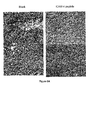
- erythrocyte-platelet interactions the inventors performed in vitro flow experiments. The inventors found that erythrocytes bound to platelets both in buffer and in whole blood under a low shear flow. In particular, whole blood was perfused over collagen at different shear rates (100-300 s -1 ) all within the venous shear rate range. Platelets were captured from blood stream and adhered on collagen during perfusion. About one minute later, erythrocytes attached to platelets with a sort of "focal adhesion point", resulting in a tear-drop shape ( Figure 1A ). The duration of the direct contact between erythrocyte and platelets under the low shear flow varies between a few seconds to a few minutes.
- the inventors performed flow experiments with potential blocking agents to receptors on both platelets and erythrocytes.
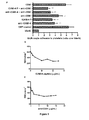
- Various platelet agonists (Thrombin 1 U/mL, CRP 500 ng/mL, AA 10 ⁇ M and ADP 10 ⁇ M) were added to a mixture of erythrocytes and platelets before perfusion. Subsequently the samples were perfused over a VWF coated surface for 5 minutes at a shear rate of 100 s -1 . As expected, the inventors observed increased erythrocyte binding to platelets in the presence of the different platelet agonists (3.2 to 7.1 fold increase depending on the agonist (exact fold increase), Figures 2A and 2B ), indicating that platelets in an increased activation state were more capable of capturing erythrocytes from the blood flow.
- ICAM-4 on erythrocytes has been reported to be a ligand for ⁇ IIb ⁇ 3 on platelets ( Hermand P. et al., Eur. J. Biochem., 2004, 271:3729-3740 ; Hermand P. et al., J. Biol. Chem., 2003, 278:4892-4898 ) , the inventors tested whether this ICAM-4- ⁇ IIb ⁇ 3 interaction was responsible for the erythrocyte-platelet adhesion. Inhibitory antibodies (anti-ICAM-4, anti-CD61) and an ICAM-4 peptide mimicking the extracellular domain of human ICAM-4 were added to separate erythrocyte-platelet mixture samples together with CRP before perfusion.
- the inventors studied the effect of the ICAM-4 peptide on platelet fibrinogen binding and P-selectin expression.
- gradient concentrations of ADP, and Alex Fluor 488-conjugated fibrinogen or RPE-conjugated P-selectin were added into diluted whole blood samples, in the presence or absence of the ICAM-4 peptide. Fibrinogen binding and P-selectin expression was measured on platelet surface by FACS.
- the ICAM-4 peptide mimicking an extracellular domain of ICAM-4 promoted platelet P-selectin expression and blocked fibrinogen binding to integrin ⁇ IIb ⁇ 3 on platelets.
- the ICAM-4 mimetic peptide competed with fibrinogen for binding to activated ⁇ IIb ⁇ 3 .
- the increase of P-selectin expression in the presence of the ICAM-4 peptide suggested that the binding of ICAM-4 peptide to ⁇ IIb ⁇ 3 resulted in outside-in signalling and further platelet activation.
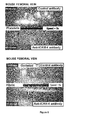
- a FeCl 3 -based experimental thrombosis model in mice was applied to study the effect of an anti-ICAM-4 antibody according to the invention on thrombus formation. Platelet deposition and fibrin formation was recorded under a fluorescence microscope with calcein-labelled donor platelets and FITC-labelled anti-fibrin antibody respectively ( Figure 6 ).
- the in vivo thrombosis model in mice demonstrated that the anti-ICAM-4 antibody profoundly inhibited platelet deposition and fibrin formation at the site of injury, thus preventing thrombus formation. Comparing to control mice, which showed a vessel occlusion time of approximately 10 minutes, the anti-ICAM-4 antibody treated mice showed no vessel occlusion in the first 20 minutes.
- the inventors demonstrated a direct erythrocyte-platelet adhesion under venous flow shear rate.
- the adhesion of erythrocytes to platelets was dependent on the structural opening up of platelet integrin ⁇ IIb ⁇ 3 .
- An antibody against the ⁇ 3 chain (anti-CD61) but not against the ⁇ IIb chain (anti-CD41) of the integrin inhibited the erythrocyte-platelet adhesion.
- An ICAM-4 mimetic peptide and an anti-ICAM-4 demonstrated similar inhibitory effect under flow.
- ICAM-4 mimetic peptide to platelets treated with serial concentrations of ADP led to higher platelet reactivity, demonstrated by higher P-selectin expression, implying that the binding of the ICAM-4 peptide to activated platelets induced outside-in signalling in platelets.
- the present invention proposes a receptor/ligand dependent interaction between platelets and erythrocytes at a close to physiological experimental setting.
- the fact that an ICAM-4 mimetic peptide could induce a higher P-selectin expression on platelets implied that the direct erythrocyte binding to platelets might cause an outside-in signalling in platelets and thus further promote platelet activation.
- a high P-selectin expression together with enhanced ⁇ IIb ⁇ 3 activation was also observed by the research group of Santos in their chemical messenger model of the erythrocyte-platelet interaction ( Valles J. et al., Blood, 1991, 78:154-162 ) .
- both the chemical messenger model of Santos and the receptor/ligand model of the invention supported a promoting effect of the erythrocyte-platelet interaction on platelet activation, and that this effect was platelet stimulus dependent. It was unlikely that these two models were involved in two independent mechanisms in thrombosis.
- the inventors hypothesised that in the situations of platelet activation (provided a low flow environment, which might happen in venous system, or the downstream side of a platelet thrombi), erythrocytes would bind to platelets via ICAM-4/integrin ⁇ IIb ⁇ 3 .
- ICAM-4/integrin ⁇ IIb ⁇ 3 The interaction through ICAM-4/integrin ⁇ IIb ⁇ 3 would lead, on the platelet side, to outside-in signalling and further activation of platelets, while on the erythrocyte side, it might cause erythrocyte cell deformation (through shear influence and probably erythrocyte cytoskeleton reformation), followed by a possible signalling in erythrocytes and a biochemical messenger release.
- ATP ATP, AMP and adenosine are well-known inhibitors of the ADP induced stimulation of platelets ( Macfarlane D.E. et al., Blood, 1975, 46:309-320 ) .
- ATP acts as a competitive inhibitor of ADP on the receptors and can stimulate the release of nitroxide and prostacyclin from endothelial cells.
- the inventors proposed that the inhibitory effect was achieved via blocking the interaction between ICAM-4 and the integrin ⁇ IIb ⁇ 3 .
- the anti-thrombotic tendency induced by ICAM-4/integrin ⁇ IIb ⁇ 3 blockage through ICAM-4 peptide outweight the pro-thrombotic tendency induced by the binding of the peptide (involving intact erythrocyte) to platelets
- the inventors thought that erythrocyte-platelet interaction carried out its pro-thrombotic influence via modifying erythrocyte biochemical properties.
- erythrocyte-platelet adhesion was probably the first step to introduce the erythrocyte as the procoagulant blood cell membrane. Since erythrocytes are known to have signal transduction pathways ( Minetti G. et al., Curr. Opin. Hematol., 1997, 4:116-121 ) , the inventors hypothesised that erythrocyte-platelet adhesion could induce signalling transduction inside erythrocytes. However this hypothesis needed further investigation.
- RGD Arg-Gly-Asp
- d-RGDW Arg-Gly-Asp
- d-RGDW Arg-Gly-Asp containing peptide
- RGD peptides demonstrated the greatest inhibitory effect on erythrocyte binding to platelets in thrombin stimulated samples (72% decrease in erythrocyte binding), and the least inhibitory effect in CRP stimulated samples (29%).
- this difference in RGD inhibitory effect could be caused by the differences in the stimulation potencies of the agonists; on the other hand, it might be generated from the difference in the activation pathways induced by these agonists.
- thrombin, ADP and AA bind to various receptors on platelets and lead to a common pathway involving ⁇ IIb ⁇ 3 conformational change ( Angiolillo D.J. et al., Circ. J., 2010, 74:597-607 ) .
- collagen is known to activate not only the ⁇ IIb ⁇ 3 but also the ⁇ IIb ⁇ 1 on platelets ( Nieswandt B.
- ICAM-4- ⁇ v ⁇ 3 interaction is known to be responsible for sickle cell adhesion to endothelium and consequently to lead to vaso-occlusion in the microcirculation ( Zennadi R. et al., Blood, 2004, 104:3774-3781 ).
- Epinephrine was found to activate the adhesion of sickle cells, but not the one of normal red cells in a protein kinase A dependent fashion. It has been demonstrated that, unlike ICAM-4 on normal erythrocytes, ICAM-4 on sickle cells is phosphorylated ( Zennadi R. et al., Blood, 2004, 104:3774-3781 ).
- ICAM-4 peptides have been synthesised to block this interaction as a treatment for sickle cell disease ( Kaul D.K. et al., Am. J. Physiol Cell Physiol., 2006, 291:C922-C930 ).
- Mouse and human ICAM-4 protein have marked similarities with 68% overall identity. Critical cysteine residues and other key residues within the two extracellular IgSF domains are conserved, suggesting that these disulfide-bonded domains are similarly folded in human and murine proteins and may have analogous functional properties ( Lee G. et al., Blood, 2003, 101:1790-1797 ). Targeted gene deletion of murine ICAM-4 shows that deficient mice live and do not show any gross abnormalities ( Lee G.
- ICAM-4 targeting therapeutic approaches e.g . ICAM-4 antibodies and/or ICAM-4 mimetic peptides
- ICAM-4 mimetic peptides may hold promise to reduce morbidity and mortality associated with thrombosis.
- the inventors observed a direct erythrocyte-platelet interaction under conditions of low shear. This interaction was partly mediated via erythrocyte-receptor ICAM-4 and ⁇ IIb ⁇ 3 on platelets.
- the inventors found that disruption of the ICAM-4 mediated erythrocyte-platelet interaction in vivo by an anti-ICAM-4 antibody led to reduced platelet deposition and fibrin formation at the sites of injury in mouse vessels.
Landscapes
- Health & Medical Sciences (AREA)
- Life Sciences & Earth Sciences (AREA)
- Chemical & Material Sciences (AREA)
- Immunology (AREA)
- Organic Chemistry (AREA)
- Molecular Biology (AREA)
- General Health & Medical Sciences (AREA)
- Medicinal Chemistry (AREA)
- Biochemistry (AREA)
- Proteomics, Peptides & Aminoacids (AREA)
- Engineering & Computer Science (AREA)
- Cell Biology (AREA)
- Biophysics (AREA)
- Genetics & Genomics (AREA)
- Zoology (AREA)
- Biomedical Technology (AREA)
- Toxicology (AREA)
- Gastroenterology & Hepatology (AREA)
- Urology & Nephrology (AREA)
- Hematology (AREA)
- Bioinformatics & Cheminformatics (AREA)
- Veterinary Medicine (AREA)
- Pharmacology & Pharmacy (AREA)
- Animal Behavior & Ethology (AREA)
- Tropical Medicine & Parasitology (AREA)
- Biotechnology (AREA)
- Epidemiology (AREA)
- Microbiology (AREA)
- Public Health (AREA)
- Food Science & Technology (AREA)
- Physics & Mathematics (AREA)
- Analytical Chemistry (AREA)
- General Physics & Mathematics (AREA)
- Pathology (AREA)
- Peptides Or Proteins (AREA)
- Medicines That Contain Protein Lipid Enzymes And Other Medicines (AREA)
- Investigating Or Analysing Biological Materials (AREA)
Priority Applications (2)
| Application Number | Priority Date | Filing Date | Title |
|---|---|---|---|
| EP13305468.4A EP2789631A1 (de) | 2013-04-10 | 2013-04-10 | Verbindungen und Verfahren zur Hemmung der Bindung von ICAM-4 an Plättchenintegrin-AlphaIIbbeta3 |
| PCT/EP2014/057312 WO2014167071A1 (en) | 2013-04-10 | 2014-04-10 | COMPOUNDS AND METHODS FOR INHIBITION OF BINDING OF ICAM-4 TO PLATELET INTEGRIN αIIbβ3 |
Applications Claiming Priority (1)
| Application Number | Priority Date | Filing Date | Title |
|---|---|---|---|
| EP13305468.4A EP2789631A1 (de) | 2013-04-10 | 2013-04-10 | Verbindungen und Verfahren zur Hemmung der Bindung von ICAM-4 an Plättchenintegrin-AlphaIIbbeta3 |
Publications (1)
| Publication Number | Publication Date |
|---|---|
| EP2789631A1 true EP2789631A1 (de) | 2014-10-15 |
Family
ID=48190433
Family Applications (1)
| Application Number | Title | Priority Date | Filing Date |
|---|---|---|---|
| EP13305468.4A Withdrawn EP2789631A1 (de) | 2013-04-10 | 2013-04-10 | Verbindungen und Verfahren zur Hemmung der Bindung von ICAM-4 an Plättchenintegrin-AlphaIIbbeta3 |
Country Status (2)
| Country | Link |
|---|---|
| EP (1) | EP2789631A1 (de) |
| WO (1) | WO2014167071A1 (de) |
Citations (2)
| Publication number | Priority date | Publication date | Assignee | Title |
|---|---|---|---|---|
| WO1990004634A1 (en) * | 1988-10-03 | 1990-05-03 | Scripps Clinic And Research Foundation | Monoclonal antibodies against receptor-induced binding sites |
| WO1996040250A2 (en) * | 1995-06-07 | 1996-12-19 | Centocor, Inc. | Platelet-specific chimeric immunoglobulin and methods of use therefor |
Family Cites Families (1)
| Publication number | Priority date | Publication date | Assignee | Title |
|---|---|---|---|---|
| EP1567554A1 (de) * | 2002-11-04 | 2005-08-31 | National Blood Service | Icam-4-bindungsstellen |
-
2013
- 2013-04-10 EP EP13305468.4A patent/EP2789631A1/de not_active Withdrawn
-
2014
- 2014-04-10 WO PCT/EP2014/057312 patent/WO2014167071A1/en not_active Ceased
Patent Citations (2)
| Publication number | Priority date | Publication date | Assignee | Title |
|---|---|---|---|---|
| WO1990004634A1 (en) * | 1988-10-03 | 1990-05-03 | Scripps Clinic And Research Foundation | Monoclonal antibodies against receptor-induced binding sites |
| WO1996040250A2 (en) * | 1995-06-07 | 1996-12-19 | Centocor, Inc. | Platelet-specific chimeric immunoglobulin and methods of use therefor |
Non-Patent Citations (42)
| Title |
|---|
| A. MEYER ET AL: "Targeting RGD Recognizing Integrins: Drug Development, Biomaterial Research, Tumor Imaging and Targeting", CURRENT PHARMACEUTICAL DESIGN, vol. 12, no. 22, 1 August 2006 (2006-08-01), pages 2723 - 2747, XP055081589, ISSN: 1381-6128, DOI: 10.2174/138161206777947740 * |
| ANGIOLILLO D.J. ET AL., CIRC. J, vol. 74, 2010, pages 597 - 607 |
| BAILLY P. ET AL., EUR. J. IMMUNOL., vol. 25, 1995, pages 3316 - 3320 |
| BENNETT J. S. ET AL., J. CLIN. INVEST., vol. 115, 2005, pages 3363 - 3369 |
| BEUTLER E. ET AL., BLOOD CELLS, vol. 12, 1986, pages 57 - 64 |
| BONEU B. ET AL., NOUV. REV. FR. HEMATOL., vol. 36, 1994, pages 183 - 185 |
| BRAEKKAN S.K. ET AL., HAEMATOLOGICA, vol. 95, 2010, pages 270 - 275 |
| EBLE ET AL., J. BIOL. CHEM., vol. 276, 2001, pages 12274 - 84 |
| GOEL M.S. ET AL., BLOOD, vol. 100, 2002, pages 3797 - 3803 |
| HERMAND P. ET AL., EUR. J. BIOCHEM., vol. 271, 2004, pages 3729 - 3740 |
| HERMAND P. ET AL., J. BIOL. CHEM., vol. 278, 2003, pages 4892 - 4898 |
| HO, CH. ET AL., BLOOD, vol. 91, 1998, pages 1094 |
| HO, CH. ET AL., TRANSFUSION, vol. 36, 1996, pages 290 |
| HUIZINGA E.G. ET AL., SCIENCE, vol. 297, 2002, pages 1176 - 1179 |
| IHANUS E. ET AL., BLOOD, vol. 109, 2007, pages 802 - 810 |
| IWATA H. ET AL., BIOCHEM. BIOPHYS. RES. COMMUN., vol. 316, 2004, pages 65 - 70 |
| JOHN FULLARD: "The Role of the Platelet Glycoprotein IIb / IIIa in Thrombosis and Haemostasis", CURRENT PHARMACEUTICAL DESIGN, vol. 10, no. 14, 1 May 2004 (2004-05-01), pages 1567 - 1576, XP055081590, ISSN: 1381-6128, DOI: 10.2174/1381612043384682 * |
| KAUL D.K. ET AL., AM. J. PHYSIOL CELL PHYSIOL., vol. 291, 2006, pages C922 - C930 |
| KNOFLER R. ET AL., AM. J. HEMATOL., vol. 56, 1997, pages 259 - 265 |
| LEE G. ET AL., BLOOD, vol. 101, 2003, pages 1790 - 1797 |
| LEE G. ET AL., BLOOD, vol. 108, 2006, pages 2064 - 2071 |
| LISMAN T. ET AL., BLOOD, vol. 101, 2003, pages 1864 - 1870 |
| LIVIO M. ET AL., LANCET, vol. 2, 1982, pages 1013 - 1015 |
| MACFARLANE D.E. ET AL., BLOOD, vol. 46, 1975, pages 309 - 320 |
| MINETTI G. ET AL., CURR. OPIN. HEMATOL., vol. 4, 1997, pages 116 - 121 |
| NIESWANDT B. ET AL., BLOOD, vol. 102, 2003, pages 449 - 461 |
| NINIVAGGI M. ET AL., CLIN. CHEM., vol. 58, 2012, pages 1252 - 1259 |
| P. HERMAND: "Red Cell ICAM-4 Is a Novel Ligand for Platelet-activated alpha IIbbeta 3 Integrin", JOURNAL OF BIOLOGICAL CHEMISTRY, vol. 278, no. 7, 7 February 2003 (2003-02-07), pages 4892 - 4898, XP055081591, ISSN: 0021-9258, DOI: 10.1074/jbc.M211282200 * |
| PLOW, E. ET AL., SEMIN THROMB HAEMOSTASIS, vol. 18, 1992, pages 324 - 332 |
| ROSSI C. ET AL., J. INTERN. MED., vol. 244, 1998, pages 49 - 53 |
| SAELMAN E. U. ET AL., ARTERIOSCLER. THROMB., vol. 13, 1993, pages 1164 - 1170 |
| SANTOS M. T. ET AL., J. CLIN. INVEST., vol. 87, 1991, pages 571 - 580 |
| SANTOS M.T. ET AL., CIRCULATION, vol. 95, 1997, pages 63 - 68 |
| SANTOS M.T. ET AL., J. CLIN. INVEST., vol. 87, 1991, pages 571 - 580 |
| SANTOS M.T. ET AL., J. THROMB. HAEMOST., vol. 6, 2008, pages 615 - 621 |
| SIXMA J.J. ET AL., THROMB. RES., vol. 92, 1998, pages S43 - S46 |
| SLATTER ET AL., PEPTIDES, vol. 36, 2012, pages 86 - 93 |
| VALLES J. ET AL., BLOOD, vol. 78, 1991, pages 154 - 162 |
| VALLES J. ET AL., BLOOD, vol. 99, 2002, pages 3978 - 3984 |
| WAN J. ET AL., INTEGR. BIOL. (CAMB., vol. 3, 2011, pages 972 - 981 |
| WHELIHAN M.F. ET AL., BLOOD, vol. 120, 2012, pages 3837 - 3845 |
| ZENNADI R. ET AL., BLOOD, vol. 104, 2004, pages 3774 - 3781 |
Also Published As
| Publication number | Publication date |
|---|---|
| WO2014167071A1 (en) | 2014-10-16 |
Similar Documents
| Publication | Publication Date | Title |
|---|---|---|
| Maugeri et al. | Activated platelets present high mobility group box 1 to neutrophils, inducing autophagy and promoting the extrusion of neutrophil extracellular traps | |
| Penz et al. | Human atheromatous plaques stimulate thrombus formation by activating platelet glycoprotein VI | |
| Xu et al. | GPIbα is required for platelet-mediated hepatic thrombopoietin generation | |
| Rumbaut | Platelet-vessel wall interactions in hemostasis and thrombosis | |
| Bergmeier et al. | Metalloproteinase inhibitors improve the recovery and hemostatic function of in vitro–aged or–injured mouse platelets | |
| Deppermann et al. | Gray platelet syndrome and defective thrombo-inflammation in Nbeal2-deficient mice | |
| Smyth et al. | Variable protection of β3-integrin–deficient mice from thrombosis initiated by different mechanisms | |
| Cambien et al. | Antithrombotic activity of TNF-α | |
| Goschnick et al. | Impaired “outside-in” integrin αIIbβ3 signaling and thrombus stability in TSSC6-deficient mice | |
| Maroney et al. | Active tissue factor pathway inhibitor is expressed on the surface of coated platelets | |
| Nording et al. | The C5a/C5a receptor 1 axis controls tissue neovascularization through CXCL4 release from platelets | |
| Leon et al. | Platelet ADP receptors contribute to the initiation of intravascular coagulation | |
| Huang et al. | Endothelial intercellular adhesion molecule (ICAM)–2 regulates angiogenesis | |
| Stark et al. | Antibodies and complement are key drivers of thrombosis | |
| White‐Adams et al. | Laminin promotes coagulation and thrombus formation in a factor XII‐dependent manner | |
| Urbanus et al. | Platelets and the antiphospholipid syndrome | |
| JP2002363100A (ja) | 血栓性疾患防止のための医薬品 | |
| Jooss et al. | Anti‐GPVI nanobody blocks collagen‐and atherosclerotic plaque–induced GPVI clustering, signaling, and thrombus formation | |
| US20220403014A1 (en) | Compositions and methods of treating thrombosis | |
| US20110269113A1 (en) | Method of inhibiting biomaterial-induced procoagulant activity using complement inhibitors | |
| Kaiser et al. | Procoagulant platelets: linking coagulation and thromboinflammation in cardiovascular disease | |
| Moncada et al. | The vascular endothelium II | |
| Watanabe et al. | ASC regulates platelet activation and contributes to thrombus formation independent of NLRP3 inflammasome | |
| Wolfs et al. | Increased release of sMD-2 during human endotoxemia and sepsis: a role for endothelial cells | |
| Stepanyan et al. | Platelet activation through GPVI receptor: Variability of the response |
Legal Events
| Date | Code | Title | Description |
|---|---|---|---|
| PUAI | Public reference made under article 153(3) epc to a published international application that has entered the european phase |
Free format text: ORIGINAL CODE: 0009012 |
|
| 17P | Request for examination filed |
Effective date: 20130410 |
|
| AK | Designated contracting states |
Kind code of ref document: A1 Designated state(s): AL AT BE BG CH CY CZ DE DK EE ES FI FR GB GR HR HU IE IS IT LI LT LU LV MC MK MT NL NO PL PT RO RS SE SI SK SM TR |
|
| AX | Request for extension of the european patent |
Extension state: BA ME |
|
| STAA | Information on the status of an ep patent application or granted ep patent |
Free format text: STATUS: THE APPLICATION IS DEEMED TO BE WITHDRAWN |
|
| 18D | Application deemed to be withdrawn |
Effective date: 20150416 |