EP2801364A1 - Souche de salmonella destinée à être utilisée dans le traitement et/ou la prévention du cancer - Google Patents
Souche de salmonella destinée à être utilisée dans le traitement et/ou la prévention du cancer Download PDFInfo
- Publication number
- EP2801364A1 EP2801364A1 EP13166851.9A EP13166851A EP2801364A1 EP 2801364 A1 EP2801364 A1 EP 2801364A1 EP 13166851 A EP13166851 A EP 13166851A EP 2801364 A1 EP2801364 A1 EP 2801364A1
- Authority
- EP
- European Patent Office
- Prior art keywords
- cancer
- cells
- bladder
- pharmaceutical composition
- ty21a
- Prior art date
- Legal status (The legal status is an assumption and is not a legal conclusion. Google has not performed a legal analysis and makes no representation as to the accuracy of the status listed.)
- Withdrawn
Links
Images

Classifications
-
- A—HUMAN NECESSITIES
- A61—MEDICAL OR VETERINARY SCIENCE; HYGIENE
- A61K—PREPARATIONS FOR MEDICAL, DENTAL OR TOILETRY PURPOSES
- A61K35/00—Medicinal preparations containing materials or reaction products thereof with undetermined constitution
- A61K35/66—Microorganisms or materials therefrom
- A61K35/74—Bacteria
-
- A—HUMAN NECESSITIES
- A61—MEDICAL OR VETERINARY SCIENCE; HYGIENE
- A61K—PREPARATIONS FOR MEDICAL, DENTAL OR TOILETRY PURPOSES
- A61K45/00—Medicinal preparations containing active ingredients not provided for in groups A61K31/00 - A61K41/00
- A61K45/06—Mixtures of active ingredients without chemical characterisation, e.g. antiphlogistics and cardiaca
-
- A—HUMAN NECESSITIES
- A61—MEDICAL OR VETERINARY SCIENCE; HYGIENE
- A61K—PREPARATIONS FOR MEDICAL, DENTAL OR TOILETRY PURPOSES
- A61K9/00—Medicinal preparations characterised by special physical form
- A61K9/0012—Galenical forms characterised by the site of application
- A61K9/0034—Urogenital system, e.g. vagina, uterus, cervix, penis, scrotum, urethra, bladder; Personal lubricants
-
- A—HUMAN NECESSITIES
- A61—MEDICAL OR VETERINARY SCIENCE; HYGIENE
- A61N—ELECTROTHERAPY; MAGNETOTHERAPY; RADIATION THERAPY; ULTRASOUND THERAPY
- A61N5/00—Radiation therapy
- A61N5/10—X-ray therapy; Gamma-ray therapy; Particle-irradiation therapy
-
- A—HUMAN NECESSITIES
- A61—MEDICAL OR VETERINARY SCIENCE; HYGIENE
- A61P—SPECIFIC THERAPEUTIC ACTIVITY OF CHEMICAL COMPOUNDS OR MEDICINAL PREPARATIONS
- A61P13/00—Drugs for disorders of the urinary system
- A61P13/10—Drugs for disorders of the urinary system of the bladder
-
- A—HUMAN NECESSITIES
- A61—MEDICAL OR VETERINARY SCIENCE; HYGIENE
- A61P—SPECIFIC THERAPEUTIC ACTIVITY OF CHEMICAL COMPOUNDS OR MEDICINAL PREPARATIONS
- A61P35/00—Antineoplastic agents
-
- Y—GENERAL TAGGING OF NEW TECHNOLOGICAL DEVELOPMENTS; GENERAL TAGGING OF CROSS-SECTIONAL TECHNOLOGIES SPANNING OVER SEVERAL SECTIONS OF THE IPC; TECHNICAL SUBJECTS COVERED BY FORMER USPC CROSS-REFERENCE ART COLLECTIONS [XRACs] AND DIGESTS
- Y02—TECHNOLOGIES OR APPLICATIONS FOR MITIGATION OR ADAPTATION AGAINST CLIMATE CHANGE
- Y02A—TECHNOLOGIES FOR ADAPTATION TO CLIMATE CHANGE
- Y02A50/00—TECHNOLOGIES FOR ADAPTATION TO CLIMATE CHANGE in human health protection, e.g. against extreme weather
- Y02A50/30—Against vector-borne diseases, e.g. mosquito-borne, fly-borne, tick-borne or waterborne diseases whose impact is exacerbated by climate change
Definitions
- the present invention relates to a pharmaceutical composition
- a pharmaceutical composition comprising a viable attenuated mutant of Salmonella enterica serovar typhi strain and/or a non-viable attenuated mutant of Salmonella enterica serovar typhi strain for use in the treatment and/or prevention of cancer.
- the cancer is bladder cancer.
- Bladder cancer is the 4th most common cause of cancer in men both in Europe and USA Three-quarters of tumors are diagnosed as non muscle-invasive (NMIBC) and remain confined to the bladder mucosa. According to specific tumor stage and grade characteristics, intravesical (ives) immunotherapy with Bacillus Calmette-Guerin (BCG) partially limit the high propensity of these tumors to recur and possibly progress after transurethral endoscopic resection. BCG reduces recurrence and progression of bladder cancer. However, side effects are encountered in close to 90% of the patients, ranging from cystitis to sepsis and death.
- ives Bacillus Calmette-Guerin
- BCG has remained the best option to date for reducing recurrence/progression of NMIBC.
- the present invention concerns a pharmaceutical composition
- a pharmaceutical composition comprising a viable attenuated mutant of Salmonella enterica serovar typhi strain and/or a non-viable attenuated mutant of Salmonella enterica serovar typhi strain for use in the treatment and/or prevention of bladder cancer.
- Another object of the present invention is to provide a method for inducing apoptosis in a cancer cell, said method comprising administering a pharmaceutical composition comprising a viable attenuated mutant of Salmonella enterica serovar typhi strain and/or a non-viable attenuated mutant of Salmonella enterica serovar typhi strain.
- a pharmaceutical composition comprising a viable attenuated mutant of Salmonella enterica serovar typhi strain and/or a non-viable attenuated mutant of Salmonella enterica serovar typhi strain is useful in the treatment and/or prevention of cancer.
- the cancer may be selected from the non-limiting cancer group comprising melanoma, colon cancer, bladder cancer, breast cancer, prostate cancer, lung cancer carcinoma, lymphoma, blastoma, sarcoma, liposarcoma, neuroendocrine tumor, mesothelioma, schwanoma, meningioma, adenocarcinoma, leukemia, lymphoid malignancy, squamous cell cancer, epithelial squamous cell cancer, small-cell lung cancer, non-small cell lung cancer, adenocarcinoma of the lung, squamous carcinoma of the lung, cancer of the peritoneum, hepatocellular cancer, gastric or stomach cancer, gastrointestinal cancer, pancreatic cancer, glioblastoma, cervical cancer, ovarian cancer, liver cancer, hepatoma, rectal cancer, colorectal cancer, endometrial or uterine carcinoma, salivary gland carcinoma, kidney or renal cancer, vulval cancer, thyroid
- the cancer is bladder cancer, most preferably a non-muscle invasive bladder cancer.
- the pharmaceutical composition of the invention is administered locally in the bladder, preferably by instillation such as by intravesical instillation (ives).
- the pharmaceutical composition of the invention may be readministered every 1 week, 2 weeks, 3 weeks, 4 weeks, 5 weeks, 6 weeks, 7 weeks, 8 weeks, 9 weeks, 10 weeks, 11 weeks, 12 weeks, 13 weeks, 14 weeks, 15 weeks, 16 weeks, 17 weeks, 18 weeks, 19 weeks, 20 weeks, 21 weeks, 22 weeks, 23 weeks, or 24 weeks, but preferably every 1-2 week.
- the patient may be treated every 1 week, receiving a maximum of 6 instillations, depending on the pharmaceutical composition and the cancer to be treated.
- compositions of the invention may then be systemic or topical.
- pharmaceutical composition of the invention may be administered by any convenient route, including oral, buccal, sublingual, parenteral, transdermal, vaginal, rectal, etc.
- the treatment with a pharmaceutical composition of the invention consists in reducing or limiting the recurrence and/or progression of cancer (for example bladder cancer).
- cancer for example bladder cancer
- Attenuated Salmonella strain refers to Salmonella a mutant that is substantially incapable of reverting to full virulence when administered at a pharmaceutically effective dose.
- a pharmaceutically effective dose refers to a chemical material or compound which, when administered to a human or animal organism induces a detectable pharmacologic and/or physiologic effect.
- a pharmaceutically effective dose of a viable attenuated mutant of Salmonella enterica serovar typhi strain and/or a non-viable attenuated mutant of Salmonella enterica serovar typhi strain induces efficient tumor or cancer regression and/or limitation of the recurrence/progression of the tumor or cancer.
- the pharmaceutical composition of the invention may significantly reduce the size or volume of the tumor by, 2% or more, 3% or more, 4% or more 5% or more, such as by 10% or more, such as by 20% or more, such as by 30% or more, such as by 50% or more, such as by 90%) or more, such as 95% or more, or significantly reduce the histological stage of a recurrent tumor (for instance from a low to a high stage), as compared to a suitable control.
- the pharmaceutically effective dose of the viable attenuated mutant of Salmonella enterica serovar typhi strain and/or a non-viable attenuated mutant of Salmonella enterica serovar typhi strain may be determined by the artisan skilled in the art and may be based on the patient's clinical condition, as well as potency of the pharmaceutical composition, use and type of adjuvant or formulation, route and schedule of administration, immune status of the recipient, body weight, etc.
- the pharmaceutical composition comprises a viable attenuated mutant of Salmonella enterica serovar typhi strain and/or a non-viable attenuated mutant of Salmonella enterica serovar typhi strain of at least about 1x10 8 colony-forming units and 1x10 8 bacterial cells, most preferably 1 x 10 9 colony-forming units and 1 x 10 9 bacterial cells, even more preferably 2 x 10 9 colony-forming units and 5 x10 9 bacterial cells, in a pharmaceutically acceptable carrier or diluent, such as, but not limited to, phosphate buffered saline (PBS).
- PBS phosphate buffered saline
- Attenuated Salmonella strains have been used for years now in murine models for cancer treatments, due to their unique capability to specifically target tumor cells: these bacteria are facultative anaerobic that can grow in hypoxic or necrotic tumor areas resulting in tumor regression in mice (reviewed in 6 ). However, this was not translated in cancer patients, where intravenous injection of an attenuated Salmonella enterica serovar Typhimirium did not demonstrate a preferential tumor colonization and/or induction of subsequent tumor regression 7 .
- the viable attenuated mutant of Salmonella enterica serovar typhi strain and/or a non-viable attenuated mutant of Salmonella enterica serovar typhi strain of the invention do(es) not grow in the cancer tissue, for example bladder cancer, as shown in example 2.
- the viable attenuated mutant of Salmonella enterica serovar typhi strain and/or a non-viable attenuated mutant of Salmonella enterica serovar typhi strain of the invention do not persist in the tumor.
- the Salmonella enterica serovar Typhi strain is selected from the group comprising Ty21a, CVD 908-htrA, CVD 909, Ty800, M01ZH09 or ⁇ 9633, ⁇ 639 and ⁇ 9640, ⁇ 8444.
- the Salmonella enterica serovar Typhi strain is Ty21 a.
- Ty21a is usually found in the form of an oral vaccine that is known to be safe 8, 9 , and quite sensible to antibiotics if a general infection should occur. It has previously been shown that oral immunization of human Ty21a induces specific CD8 T cells, which secrete inflammatory cytokines such as IFN- ⁇ , TNF- ⁇ and IL-2. In mice, other attenuated Salmonella Typhi strains have been shown to induce a Th1-type immune response. After three injections (intra-tumoral, peri-tumoral and peri-lymph node), CV915 induces high levels of neutrophils infiltrating tumors in tumor bearing-mice.
- the viable attenuated mutant of Salmonella enterica serovar typhi strain and/or a non-viable attenuated mutant of Salmonella enterica serovar typhi strain of the invention are not transformed, do not express one or more heterologous antigen(s) and/or do not act as vaccine carriers.
- the Applicants have performed a side by side comparison of the ability of ives Ty21 a and BCG treatments to regress established murine orthotopic MB49-luc tumors suggested a better efficacy of Ty21 a, as efficient tumor regression was maintained with 100-fold lower doses.
- the frequency of CD4 T- cells was increased one week after instillation.
- the main population of immune cells present in the bladder was neutrophils corresponding to 75% of cells present in urines, followed by macrophages and NK cells 14 .
- BCG induced an acute bladder inflammation with an important infiltration of neutrophils, and by day 21 to 28 there is a substantial increase of macrophages 15 .
- these mice there was a bladder edema formation, and the inflammation levels were maintained for up to three weeks following discontinuation of the therapy, contrasting with our observations with Ty21a.
- Ty21a induces less adverse events than BCG, which induces an important inflammatory response, responsible for a large part of adverse events suffered by patients 16 .
- Ty21a was unable to infect both murine and human urothelial cell lines, suggesting that in humans it may be unable to infect urothelial cells, reducing risks of dissemination, and improving safety.
- the particular pharmaceutically acceptable carrier and/or diluent employed in the Pharmaceutical composition of the invention are conventional in the art.
- diluents include: buffers for buffering against gastric acid in the stomach, such as citrate buffer (pH 7.0) containing sucrose, bicarbonate buffer (pH 7.0) alone ( Levine et al, REV. INFECT. DIS. 11 (supp 3): S552-S567 (1987 ); Black et al., VACCINE 8: 81-84 (1990 )), or bicarbonate buffer (pH 7.0) containing ascorbic acid, lactose, and optionally aspartame ( Levine et al., LANCET II: 467-470 (1988 )).
- carriers include: proteins, e.g., as found in skim milk; sugars, e.g., sucrose; or polyvinylpyrrolidone.
- Vivotif ® (Typhoid Vaccine Live Oral Ty21a) comprises the Ty2 1 a strain that is grown in fermentors under controlled conditions in medium containing a digest of yeast extract, an acid digest of casein, dextrose and galactose. The bacteria are then collected by centrifugation, mixed with a stabilizer containing sucrose, ascorbic acid and amino acids, and lyophilized. The lyophilized bacteria are mixed with lactose and magnesium stearate and filled into gelatin capsules which are coated with an organic solution to render them resistant to dissolution in stomach acid.
- the capsule of the oral vaccine Vivotif for Ty21a is for example, reconstituted in PBS, preferably sterile PBS.
- compositions of the invention described herein may be administered alone or in combination with other treatments, therapeutics or agents, either simultaneously or sequentially dependent upon the cancer to be treated.
- the composotions of the invention may be administered in association with radiotherapy, chemotherapy or immunotherapy, or a combination thereof.
- the present invention also relates to a method for inducing apoptosis in a cancer cell, said method comprising administering a pharmaceutical composition comprising a viable attenuated mutant of Salmonella enterica serovar typhi strain and/or a non-viable attenuated mutant of Salmonella enterica serovar typhi strain.
- the pharmaceutical composition of the invention may increase specifically the apoptosis in cancer cells at a given concentration.
- methods of the invention may increase the rate of apoptosis in cancer cells by 2% or more, such as by 5% or more, such as by 10% or more, such as by 25% or more, such as by 50% or more, such as by 75% or more, such as by 100% as compared to a suitable control.
- a method of treatment and/or prevention of cancer in particular bladder cancer, said method comprising administering a viable attenuated mutant of Salmonella enterica serovar typhi strain and/or a non-viable attenuated mutant of Salmonella enterica serovar typhi strain to a patient in need thereof.
- Also encompassed in the present invention is a method for promoting secretion of inflammatory cytokines by human cancer cell lines, which may participate in anti-tumor immune response and tumor regression in humans, said method comprising administering a pharmaceutical composition comprising a viable attenuated mutant of Salmonella enterica serovar typhi strain and/or a non-viable attenuated mutant of Salmonella enterica serovar typhi strain.
- composition of the invention may be administered alone or in combination with other treatments, therapeutics or agents, either simultaneously or sequentially dependent upon the condition to be treated.
- other treatments, therapeutics or agents may be suitable for treating cancer such as bladder cancer.
- MB49 cell line (kindly provided by Prof. A. Loskog, Uppsala University, Uppsala, Sweden) is a carcinogen-induced transitional cell carcinoma derived from a C57B1/6 male mouse 17 .
- the human urothelial cell lines RT4 18 and RT112 19 were kindly provided by Professor Thalmann, Bern, Switzerland.
- MB49 cells were infected with Lenti-luc to generate MB49-luc cells, as described in 20 . Luciferase expression was measured after addition of D-luciferin (final concentration of 0.15 mg/ml, Promega, D Weg, Switzerland) using a Fluostar Omega Luminometer (BMG Labtech, Offenburg, Germany).
- BCG oncoTICE®, Essex Chemie SA, Luzern, Switzerland
- Ty21a Vivotif®, Crucell, Bern, Switzerland
- each bacteria instilled was confirmed by platting in LB agar (BD Difco, Basel, Switzerland) plates for Ty21a or M7H11 (Remel, Kansas, USA) plates enriched with OADC (BD, Basel, Switzerland) for BCG.
- Try21a capsules contained at least 2 x 10 9 viable bacteria and 5-50 x 10 9 dead bacteria.
- Each BCG vial contains 2-8 x 10 8 bacteria.
- LB agar plates were incubated for 48h at 37° C while M7H11 plates were incubated for 4 weeks at 37° C, in a closed recipient and humidified once a week. Colonies growth in LB agar plates were tested with an agglutination test Salmonella O Antiserum group D1 factors 1, 9, 12 (BD Difco).
- mice were deeply anesthetized (i.p. anesthesia with a mixture of 10% Rompun (Bayer, Provet AG, Lyssach, Switzerland) and 10% Ketanarcon (Streuli Pharma, Uznach, Switzerland) in PBS (100 ⁇ l per 10g of body weight)), and catheterized using Introcan 24G/3/4 (Braun, Melsungen, Germany), and 200'000 MB49-luc cells were instilled in bladder (day 1), after pretreatment with ethanol 22% for 15 minutes.
- In-vivo bacterial survival assay was performed by ives instillation in mice, that were sacrificed at different time points by CO2 inhalation, in order to recover spleen, BLN and bladders. Organs were homogenized in a sucrose solution, and then platted in LB or M7H11 depending of treatment received (Ty21 a or BCG respectively).
- mice were sacrificed by CO2 inhalation and BLN and bladder were harvested, and single-cell suspensions were obtained as previously described 21 .
- BLN cell suspensions were obtained by mechanical dissociation. Bladders were minced and digested step-wise with 0.5 mg/ml thermolysin (Roche, Basel, Switzerland) and 1 mg/ml collagenase/dispase (Roche). All cell suspensions were ressuspended in DMEM medium complemented with 10% FCS.
- BLN and bladder cells were stained using the following monoclonal anti-mouse antibodies: PE-anti-CD11c (HL3, BD Biosciences, Basel, Switzerland), PE/TXRD-anti-CD8 (53-6.7, Southern Biotech, Birmingham, USA), eF450-anti-CD4 (GK15, eBiosciences, Vienna, Austria), FITC-anti-IA/IE (M5/114.15.2), PerCp/Cy5.5-anti-CD3 (17A2), PE/Cy7-anti-GR1 (RB6-8C5), APC-anti-CD11b (M1/70), AF700-anti-NK1.1 (PK136), APC/Cy7-anti-F4/80 (BM8) all from Biolegend (London, UK).
- PE-anti-CD11c HL3, BD Biosciences, Basel, Switzerland
- PE/TXRD-anti-CD8 53-6.7, Southern Biotech, Birmingham, USA
- eF450-anti-CD4 GK15, eBio
- Dead cells were stained with a live/dead fixable aqua dead cell stain kit (Invitrogen, Life technologies, Switzerland). Cells were acquired using a Gallios Flow cytometer (Beckman Coulter, Nyon, Switzerland) and analyzed with the FlowJo 9.6.1 software (Tree Star, Ashland, USA).
- BD Cytometric Bead Array Human Inflammation Kit for detection and quantification of the following cytokines: IL-12p70, TNF, IL-10, IL-6, IL-1 ⁇ and IL-8, following the manufacturer protocol.
- BD CBA Mouse Inflammation Kit was used to detect and quantify IL-12p70, TNF, IFN- ⁇ , MCP-1, IL-10 and IL-6 cytokines for the MB49 cell line, following the manufacturer instructions. The samples were then analyzed with the BD FACSArray Bioanalyzer system.
- MB49 cells were infected with different MOI of Ty21a alive or heat-killed. 24h and 72h post-infection, cells were recovered and stained with Annexin V and 7-AAD markers using the PE Annexin V apoptosis detection kit (BD), following manufacturer protocol. Cells were acquired using a Gallios Flow cytometer (Beckman Coulter) and analyzed with the FlowJo 9.6.1 software (Tree Star).
- BD PE Annexin V apoptosis detection kit
- Ives Ty21a treatment increases mice survival in an orthotopic model of bladder cancer.
- ives Ty21 a to regress bladder tumors was assessed in the orthotopic bladder cancer model using MB49 cells.
- This mouse model resemble human superficial bladder cancer regarding cell surface markers, sensitivity to apoptosis and immunological profile 22 and has been commonly used to understand and/or assess ives BCG immunotherapy 23 .
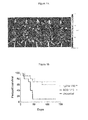
- the inventors transduced MB49 cells with luciferase (luc)-expressing lentiviral vector to generate MB49-luc cells. In our setting a tumor-take close to 100% was obtained with 22% ethanol pretreatment before ives instillation of 200'000 MB49-luc cells (for representative experiment at day 8 see Figure 1A ).
- mice Three groups of 10 mice were ives instilled with 200'000 MB49-luc cells at day 0 and treated with BCG or Ty21a at day 1, 8, 15 and 22 or left untreated, following the usual schedule of BCG treatments in this model 3, 24 .
- the doses of bacteria consisted in 1/10 of the reconstituted capsule of the oral vaccine Vivotif for Ty21a (at least 2 x 10 9 CFU/capsule) or vial of Oncotice for BCG (2-8 x 10 8 CFU/vial). Percentages of mice surviving upon time are shown ( Figure 1B ) for each group.
- Our data show that both Ty21a and BCG were able to regress tumors significantly compared to untreated mice.
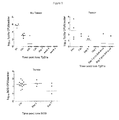
- Ty21a bacteria do not persist in healthy bladder nor in tumors
- Ty21a seemed to stay longer in bladder in presence of tumor, though in low amount, and again no bacteria were detected in BLN or spleen. This is in contrast to BCG ( 26 and our data in Figure 2C) that can persist in bladder tumors for at least one week. In addition, BCG bacteria were also detected in bladder BLN five days after instillation in three out four mice. Altogether these results shows that Ty21a may be safer as it consistently persist only for less than 48 hours in bladder tumors as compared to at least 7 days for BCG and it did not invade deeper organs.
- Ty21a transiently induces local inflammatory cells in bladder mucosa
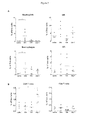
- Ty21a To assess safety of ives Ty21a we examined the inflammatory/immune cells that are attracted into the bladder. Mice receiving 1/10 of Ty21a capsule ives were sacrificed at different time points, and cells from bladder were stained and analyzed by flow cytometry (see Supplementary Figure 1 for gating strategy). The infiltration of neutrophils, macrophages, Natural killer cells (NK) and dendritic cells (DC) was analyzed ( Figure 3A ). We observed a robust infiltration of neutrophils 24h after Ty21a instillation (mean ⁇ SEM % of 3.46 ⁇ 1.42 versus 0.16 ⁇ 0.02 in na ⁇ ve mice, p ⁇ 0.05 following a One-way Anova, Dunnet's multiple comparison test).
- Leukocytes tumor infiltration was further examined upon repeated ives doses of BCG , Ty21 a or PBS, as control.
- Ty21a induce a high infiltration of inflammatory cells 24h after each treatment, with a slow decrease with time. In contrast, BCG seems to induce higher infiltrations seven days after each dose. This suggest that Ty21a may be less inflammatory at long term, maybe reducing adverse events related to inflammation, when compared to BCG that induce a sustained inflammation.
- Ty21a induce apoptosis of MB49 cells
- Ty21a may possibly not infect murine cells, but only human cells, as it is a human-restricted pathogen.
- MOI multiplicity of infection
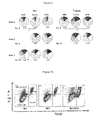
- MB49 cells were "infected" (this term will be used for addition of bacteria following the infection protocol) with different MOI, and 24h or 72h later, cells were recovered and stained for Anexin V and 7AAD, and analyzed by flow cytometry. Early apoptotic cells would only be positive to Annexin V, as the membrane integrity is assured, however late apoptotic cells would also be permeable to 7AAD. In addition necrotic cells would be discriminated as single positive for 7AAD (see Figure 6A for representative schema).
- Ty21a induce cytokine secretion in both murine and human cell lines
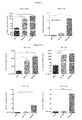
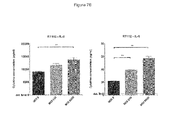
- Theoretical MOI were calculated according to the CFU range described for Ty21a capsules, and corrected afterwards by bacteria plating on LB plates, which explain differences in real MOI between experiments. Only two cytokines were detected in the MB49 cell supernatant, MCP-1 and IL-6 ( Figure 7 ). The MCP-1 cytokine was already secreted by untreated cells at high levels, however its secretion was significantly increased (more than 10-fold) after infection with Ty21a at MOI 300 and 3000 (p ⁇ 0.0001 for all treatments when compared to MOI 0). In contrast, IL-6 was not secreted by uninfected cells, being significantly increased after infection with Ty21a MOI 300 (p ⁇ 0.05 compared to MOI 0).
- RT112 human tumor cells secreted lower amounts of IL-8 and IL-6 than RT4 cell in absence of bacteria. Both cytokines were increased after infection with Ty21a at MOI of 600 or 6000. This suggests that Ty21 a promote secretion of different inflammatory cytokines by human cancer cell lines, which may participate in anti-tumor immune response and tumor regression in humans.
Landscapes
- Health & Medical Sciences (AREA)
- Life Sciences & Earth Sciences (AREA)
- Animal Behavior & Ethology (AREA)
- Veterinary Medicine (AREA)
- Public Health (AREA)
- General Health & Medical Sciences (AREA)
- Chemical & Material Sciences (AREA)
- Medicinal Chemistry (AREA)
- Pharmacology & Pharmacy (AREA)
- Epidemiology (AREA)
- Engineering & Computer Science (AREA)
- Nuclear Medicine, Radiotherapy & Molecular Imaging (AREA)
- Biomedical Technology (AREA)
- Mycology (AREA)
- Molecular Biology (AREA)
- Urology & Nephrology (AREA)
- Microbiology (AREA)
- Chemical Kinetics & Catalysis (AREA)
- General Chemical & Material Sciences (AREA)
- Organic Chemistry (AREA)
- Reproductive Health (AREA)
- Gynecology & Obstetrics (AREA)
- Pathology (AREA)
- Radiology & Medical Imaging (AREA)
- Bioinformatics & Cheminformatics (AREA)
- Medicines Containing Material From Animals Or Micro-Organisms (AREA)
- Medicines That Contain Protein Lipid Enzymes And Other Medicines (AREA)
- Micro-Organisms Or Cultivation Processes Thereof (AREA)
- Medicines Containing Antibodies Or Antigens For Use As Internal Diagnostic Agents (AREA)
Priority Applications (8)
| Application Number | Priority Date | Filing Date | Title |
|---|---|---|---|
| EP13166851.9A EP2801364A1 (fr) | 2013-05-07 | 2013-05-07 | Souche de salmonella destinée à être utilisée dans le traitement et/ou la prévention du cancer |
| ES14725051T ES2903026T3 (es) | 2013-05-07 | 2014-05-07 | Cepas de Salmonella para su uso en el tratamiento y/o la prevención del cáncer de vejiga |
| CN201480038964.3A CN105377276A (zh) | 2013-05-07 | 2014-05-07 | 用于治疗和/或预防癌症的沙门氏菌菌株 |
| CA2910072A CA2910072C (fr) | 2013-05-07 | 2014-05-07 | Souches de salmonelles utilisees pour traiter et/ou prevenir le cancer |
| EP14725051.8A EP2996699B1 (fr) | 2013-05-07 | 2014-05-07 | Souches de salmonelles utilisées pour traiter et/ou prévenir le cancer de la vessie |
| US14/888,831 US9795641B2 (en) | 2013-05-07 | 2014-05-07 | Salmonella strains for use in the treatment and/or prevention of cancer |
| PCT/EP2014/059392 WO2014180929A1 (fr) | 2013-05-07 | 2014-05-07 | Souches de salmonelles utilisées pour traiter et/ou prévenir le cancer |
| MX2015015341A MX380345B (es) | 2013-05-07 | 2014-05-07 | Cepas de salmonella para uso en el tratamiento y/o prevencion de cancer. |
Applications Claiming Priority (1)
| Application Number | Priority Date | Filing Date | Title |
|---|---|---|---|
| EP13166851.9A EP2801364A1 (fr) | 2013-05-07 | 2013-05-07 | Souche de salmonella destinée à être utilisée dans le traitement et/ou la prévention du cancer |
Publications (1)
| Publication Number | Publication Date |
|---|---|
| EP2801364A1 true EP2801364A1 (fr) | 2014-11-12 |
Family
ID=48227075
Family Applications (2)
| Application Number | Title | Priority Date | Filing Date |
|---|---|---|---|
| EP13166851.9A Withdrawn EP2801364A1 (fr) | 2013-05-07 | 2013-05-07 | Souche de salmonella destinée à être utilisée dans le traitement et/ou la prévention du cancer |
| EP14725051.8A Active EP2996699B1 (fr) | 2013-05-07 | 2014-05-07 | Souches de salmonelles utilisées pour traiter et/ou prévenir le cancer de la vessie |
Family Applications After (1)
| Application Number | Title | Priority Date | Filing Date |
|---|---|---|---|
| EP14725051.8A Active EP2996699B1 (fr) | 2013-05-07 | 2014-05-07 | Souches de salmonelles utilisées pour traiter et/ou prévenir le cancer de la vessie |
Country Status (7)
| Country | Link |
|---|---|
| US (1) | US9795641B2 (fr) |
| EP (2) | EP2801364A1 (fr) |
| CN (1) | CN105377276A (fr) |
| CA (1) | CA2910072C (fr) |
| ES (1) | ES2903026T3 (fr) |
| MX (1) | MX380345B (fr) |
| WO (1) | WO2014180929A1 (fr) |
Cited By (5)
| Publication number | Priority date | Publication date | Assignee | Title |
|---|---|---|---|---|
| EP3922255A1 (fr) * | 2020-06-10 | 2021-12-15 | Prokarium Limited | Thérapie du cancer |
| WO2024061748A1 (fr) | 2022-09-21 | 2024-03-28 | Prokarium Limited | Souche de salmonelle avec plateforme d'atterrissage intégrée au niveau chromosomique |
| WO2024084054A1 (fr) | 2022-10-21 | 2024-04-25 | Prokarium Limited | Micro-organismes modifiés |
| WO2025224268A1 (fr) | 2024-04-24 | 2025-10-30 | Prokarium Limited | Échappement vacuolaire |
| WO2025224251A1 (fr) | 2024-04-24 | 2025-10-30 | Prokarium Limited | Micro-organismes modifiés |
Families Citing this family (22)
| Publication number | Priority date | Publication date | Assignee | Title |
|---|---|---|---|---|
| US12533312B2 (en) | 2011-02-04 | 2026-01-27 | Seed Health, Inc. | Method and system for preventing sore throat in humans |
| US12257272B2 (en) | 2015-12-24 | 2025-03-25 | Seed Health, Inc. | Method and system for reducing the likelihood of developing depression in an individual |
| US11844720B2 (en) | 2011-02-04 | 2023-12-19 | Seed Health, Inc. | Method and system to reduce the likelihood of dental caries and halitosis |
| US11951140B2 (en) | 2011-02-04 | 2024-04-09 | Seed Health, Inc. | Modulation of an individual's gut microbiome to address osteoporosis and bone disease |
| US12279989B2 (en) | 2011-02-04 | 2025-04-22 | Seed Health, Inc. | Method and system for increasing beneficial bacteria and decreasing pathogenic bacteria in the oral cavity |
| US11998479B2 (en) | 2011-02-04 | 2024-06-04 | Seed Health, Inc. | Method and system for addressing adverse effects on the oral microbiome and restoring gingival health caused by sodium lauryl sulphate exposure |
| US11951139B2 (en) | 2015-11-30 | 2024-04-09 | Seed Health, Inc. | Method and system for reducing the likelihood of osteoporosis |
| US11998574B2 (en) | 2013-12-20 | 2024-06-04 | Seed Health, Inc. | Method and system for modulating an individual's skin microbiome |
| US11980643B2 (en) | 2013-12-20 | 2024-05-14 | Seed Health, Inc. | Method and system to modify an individual's gut-brain axis to provide neurocognitive protection |
| US11642382B2 (en) | 2013-12-20 | 2023-05-09 | Seed Health, Inc. | Method for treating an individual suffering from bladder cancer |
| US12329783B2 (en) | 2013-12-20 | 2025-06-17 | Seed Health, Inc. | Method and system to improve the health of a person's skin microbiome |
| US11969445B2 (en) | 2013-12-20 | 2024-04-30 | Seed Health, Inc. | Probiotic composition and method for controlling excess weight, obesity, NAFLD and NASH |
| US11839632B2 (en) | 2013-12-20 | 2023-12-12 | Seed Health, Inc. | Topical application of CRISPR-modified bacteria to treat acne vulgaris |
| US11833177B2 (en) | 2013-12-20 | 2023-12-05 | Seed Health, Inc. | Probiotic to enhance an individual's skin microbiome |
| US12005085B2 (en) | 2013-12-20 | 2024-06-11 | Seed Health, Inc. | Probiotic method and composition for maintaining a healthy vaginal microbiome |
| US11672835B2 (en) | 2013-12-20 | 2023-06-13 | Seed Health, Inc. | Method for treating individuals having cancer and who are receiving cancer immunotherapy |
| US11826388B2 (en) | 2013-12-20 | 2023-11-28 | Seed Health, Inc. | Topical application of Lactobacillus crispatus to ameliorate barrier damage and inflammation |
| US12246043B2 (en) | 2013-12-20 | 2025-03-11 | Seed Health, Inc. | Topical application to treat acne vulgaris |
| US10973908B1 (en) | 2020-05-14 | 2021-04-13 | David Gordon Bermudes | Expression of SARS-CoV-2 spike protein receptor binding domain in attenuated salmonella as a vaccine |
| US12537071B1 (en) | 2020-07-22 | 2026-01-27 | David Gordon Bermudes | Bacteria having boolean control pathways expressing therapeutic proteins including immunotherapeutic cytotoxins |
| WO2022040365A1 (fr) * | 2020-08-18 | 2022-02-24 | Curators Of The University Of Missouri | Compositions et méthodes de traitement comprenant des bactéries ciblant des tumeurs et un agent de chimiothérapie ou d'immunothérapie |
| EP4124342A1 (fr) * | 2021-07-28 | 2023-02-01 | Prokarium Limited | Thérapie du cancer avec bacteries vivantes attenuees |
Citations (10)
| Publication number | Priority date | Publication date | Assignee | Title |
|---|---|---|---|---|
| WO1998015631A1 (fr) * | 1996-10-09 | 1998-04-16 | Btg International Limited | Souches de micro-organismes attenuees exprimant des proteines vph |
| US6037332A (en) * | 1996-02-20 | 2000-03-14 | Emory University | Method of urinary bladder instillation |
| WO2003063593A1 (fr) * | 2002-01-28 | 2003-08-07 | Vion Pharmaceuticals, Inc. | Methodes de traitement du cancer par administration d'une bacterie ciblee sur une tumeur et d'un agent immunomodulateur |
| US6962696B1 (en) * | 1999-10-04 | 2005-11-08 | Vion Pharmaceuticals Inc. | Compositions and methods for tumor-targeted delivery of effector molecules |
| WO2005123762A2 (fr) * | 2004-06-18 | 2005-12-29 | Indian Immunologicals Ltd | Hpv16 li a codon optimise pour des souches de vaccin de salmonelle pour lutter contre le papillomavirus humain de type 16 |
| WO2006076678A2 (fr) * | 2005-01-13 | 2006-07-20 | The Johns Hopkins University | Vaccins comportant des antigenes de cellules souches de la prostate et leurs utilisations |
| US20070298012A1 (en) * | 2003-12-16 | 2007-12-27 | Ivan King | Compositions and Methods for Tumor-Targeted Delivery of Effector Molecules |
| WO2008091375A2 (fr) * | 2006-07-26 | 2008-07-31 | The Government Of The United States Of America, As Represented By The Secretary, Department Of | Salmonella atténuée en tant que système de distribution pour une thérapie de tumeur à base d'arnsi |
| EP2085466A1 (fr) * | 2008-01-29 | 2009-08-05 | AEterna Zentaris GmbH | Bactéries non pathogènes et/ou atténuées capables d'induire l'apoptose chez les macrophages, procédé de fabrication et utilisations correspondantes |
| WO2009098246A1 (fr) * | 2008-02-05 | 2009-08-13 | Æterna Zentaris Gmbh | Bactéries recombinantes avec système de sécrétion d'hémolysine d'e. coli et expression et/ou sécrétion accrue de hlya, leur procédé de fabrication et leurs utilisations |
Family Cites Families (3)
| Publication number | Priority date | Publication date | Assignee | Title |
|---|---|---|---|---|
| US20050180985A9 (en) * | 2001-10-04 | 2005-08-18 | Vladoianu Ion R. | Live attenuated salmonella strains for producing monovalent or multivalent vaccines |
| PL1928492T3 (pl) * | 2005-09-01 | 2011-09-30 | Celgene Corp | Immunologiczne zastosowania związków immunomodulujących do szczepionki i przeciwzakaźnego leczenia choroby |
| CN101204584A (zh) * | 2007-12-17 | 2008-06-25 | 北京娜可长今国际银离子科技开发有限公司 | 以减毒沙门氏菌为载体的肿瘤疫苗及其制备方法 |
-
2013
- 2013-05-07 EP EP13166851.9A patent/EP2801364A1/fr not_active Withdrawn
-
2014
- 2014-05-07 ES ES14725051T patent/ES2903026T3/es active Active
- 2014-05-07 MX MX2015015341A patent/MX380345B/es unknown
- 2014-05-07 CA CA2910072A patent/CA2910072C/fr active Active
- 2014-05-07 CN CN201480038964.3A patent/CN105377276A/zh active Pending
- 2014-05-07 EP EP14725051.8A patent/EP2996699B1/fr active Active
- 2014-05-07 WO PCT/EP2014/059392 patent/WO2014180929A1/fr not_active Ceased
- 2014-05-07 US US14/888,831 patent/US9795641B2/en active Active
Patent Citations (10)
| Publication number | Priority date | Publication date | Assignee | Title |
|---|---|---|---|---|
| US6037332A (en) * | 1996-02-20 | 2000-03-14 | Emory University | Method of urinary bladder instillation |
| WO1998015631A1 (fr) * | 1996-10-09 | 1998-04-16 | Btg International Limited | Souches de micro-organismes attenuees exprimant des proteines vph |
| US6962696B1 (en) * | 1999-10-04 | 2005-11-08 | Vion Pharmaceuticals Inc. | Compositions and methods for tumor-targeted delivery of effector molecules |
| WO2003063593A1 (fr) * | 2002-01-28 | 2003-08-07 | Vion Pharmaceuticals, Inc. | Methodes de traitement du cancer par administration d'une bacterie ciblee sur une tumeur et d'un agent immunomodulateur |
| US20070298012A1 (en) * | 2003-12-16 | 2007-12-27 | Ivan King | Compositions and Methods for Tumor-Targeted Delivery of Effector Molecules |
| WO2005123762A2 (fr) * | 2004-06-18 | 2005-12-29 | Indian Immunologicals Ltd | Hpv16 li a codon optimise pour des souches de vaccin de salmonelle pour lutter contre le papillomavirus humain de type 16 |
| WO2006076678A2 (fr) * | 2005-01-13 | 2006-07-20 | The Johns Hopkins University | Vaccins comportant des antigenes de cellules souches de la prostate et leurs utilisations |
| WO2008091375A2 (fr) * | 2006-07-26 | 2008-07-31 | The Government Of The United States Of America, As Represented By The Secretary, Department Of | Salmonella atténuée en tant que système de distribution pour une thérapie de tumeur à base d'arnsi |
| EP2085466A1 (fr) * | 2008-01-29 | 2009-08-05 | AEterna Zentaris GmbH | Bactéries non pathogènes et/ou atténuées capables d'induire l'apoptose chez les macrophages, procédé de fabrication et utilisations correspondantes |
| WO2009098246A1 (fr) * | 2008-02-05 | 2009-08-13 | Æterna Zentaris Gmbh | Bactéries recombinantes avec système de sécrétion d'hémolysine d'e. coli et expression et/ou sécrétion accrue de hlya, leur procédé de fabrication et leurs utilisations |
Non-Patent Citations (34)
Cited By (9)
| Publication number | Priority date | Publication date | Assignee | Title |
|---|---|---|---|---|
| EP3922255A1 (fr) * | 2020-06-10 | 2021-12-15 | Prokarium Limited | Thérapie du cancer |
| WO2021250200A1 (fr) * | 2020-06-10 | 2021-12-16 | Prokarium Limited | Thérapie anti-cancéreuse |
| US11529378B2 (en) | 2020-06-10 | 2022-12-20 | Prokarium Limited | Cancer therapy |
| US12121551B2 (en) | 2020-06-10 | 2024-10-22 | Prokarium Limited | Cancer therapy |
| US12214001B2 (en) | 2020-06-10 | 2025-02-04 | Prokarium Limited | Cancer therapy |
| WO2024061748A1 (fr) | 2022-09-21 | 2024-03-28 | Prokarium Limited | Souche de salmonelle avec plateforme d'atterrissage intégrée au niveau chromosomique |
| WO2024084054A1 (fr) | 2022-10-21 | 2024-04-25 | Prokarium Limited | Micro-organismes modifiés |
| WO2025224268A1 (fr) | 2024-04-24 | 2025-10-30 | Prokarium Limited | Échappement vacuolaire |
| WO2025224251A1 (fr) | 2024-04-24 | 2025-10-30 | Prokarium Limited | Micro-organismes modifiés |
Also Published As
| Publication number | Publication date |
|---|---|
| MX380345B (es) | 2025-03-12 |
| EP2996699A1 (fr) | 2016-03-23 |
| ES2903026T3 (es) | 2022-03-30 |
| US20160074441A1 (en) | 2016-03-17 |
| EP2996699B1 (fr) | 2021-10-20 |
| CA2910072C (fr) | 2024-01-23 |
| US9795641B2 (en) | 2017-10-24 |
| MX2015015341A (es) | 2016-06-21 |
| WO2014180929A1 (fr) | 2014-11-13 |
| CN105377276A (zh) | 2016-03-02 |
| CA2910072A1 (fr) | 2014-11-13 |
Similar Documents
| Publication | Publication Date | Title |
|---|---|---|
| US9795641B2 (en) | Salmonella strains for use in the treatment and/or prevention of cancer | |
| Abdolalipour et al. | Evaluation of the antitumor immune responses of probiotic Bifidobacterium bifidum in human papillomavirus-induced tumor model | |
| Lee et al. | Allo-transplantation of mesenchymal stem cells attenuates hepatic injury through IL1Ra dependent macrophage switch in a mouse model of liver disease | |
| KR102157718B1 (ko) | 면역원성 소염 조성물 | |
| EP2085466A1 (fr) | Bactéries non pathogènes et/ou atténuées capables d'induire l'apoptose chez les macrophages, procédé de fabrication et utilisations correspondantes | |
| ES3060184T3 (en) | Probiotic compositions and use thereof | |
| US11077153B2 (en) | Composition for use in treating or preventing viral or bacterial infections in a subject undergoing anti-tumor chemotherapy, leukemia treatment or aids therapy comprising L. reuteri LER03 and/or L. salivarius LS06 | |
| Rius-Rocabert et al. | Oncolytic bacteria: past, present and future | |
| JP6898706B2 (ja) | 肝疾患を治療するための間葉系幹細胞 | |
| Li et al. | Salmonella typhimurium strain SL7207 induces apoptosis and inhibits the growth of HepG2 hepatoma cells in vitro and in vivo | |
| Vendrell et al. | A novel Salmonella Typhi-based immunotherapy promotes tumor killing via an antitumor Th1-type cellular immune response and neutrophil activation in a mouse model of breast cancer | |
| Sorenson et al. | Attenuated Salmonella typhimurium with interleukin 2 gene prevents the establishment of pulmonary metastases in a model of osteosarcoma | |
| WO2014016464A1 (fr) | Utilisation de mycobacterium brumae pour le traitement du cancer de la vessie | |
| TW202146035A (zh) | 用於降低細胞介素表現之組成物及方法 | |
| US20170042951A1 (en) | Therapy for use in the treatment of tumors, acquired immunodeficiency syndrome and leukemias by dual immune biostimulation | |
| Xia et al. | pH‐Responsive Biomineralized Probiotic for Self‐Amplifying Mucosal Vaccination: Gut‐Engineered Antigen Factories Drive Targeted Cervical Tumor Regression | |
| CN114344340A (zh) | 脆弱拟杆菌与pd-1及pd-l1抗体联合用药治疗呼吸系统肿瘤中的应用 | |
| Miyazaki et al. | Th1 adjuvant ARNAX, in combination with radiation therapy, enhances tumor regression in mouse tumor-implant models | |
| ES2842748T3 (es) | Escherichia coli patogénica atenuada o inactivada para el tratamiento del cáncer urogenital | |
| Bai et al. | Prolonged deleterious influences of chemotherapeutic agent CPT-11 on resident peritoneal macrophages and B1 cells | |
| Fernandez | Listeria monocytogenes as a vector for cancer immunotherapies | |
| KR20170002454A (ko) | 클라미디아 감염증 예방 치료제 | |
| AU2002225263B2 (en) | Use of mycobacterium W for the treatment of human immunodeficiency virus (HIV) disease infection | |
| KR102694610B1 (ko) | 감태 유래 후코이단을 유효성분으로 포함하는 면역 증강제 조성물 | |
| US20260130956A1 (en) | Pharmaceutical composition and use thereof |
Legal Events
| Date | Code | Title | Description |
|---|---|---|---|
| PUAI | Public reference made under article 153(3) epc to a published international application that has entered the european phase |
Free format text: ORIGINAL CODE: 0009012 |
|
| 17P | Request for examination filed |
Effective date: 20130507 |
|
| AK | Designated contracting states |
Kind code of ref document: A1 Designated state(s): AL AT BE BG CH CY CZ DE DK EE ES FI FR GB GR HR HU IE IS IT LI LT LU LV MC MK MT NL NO PL PT RO RS SE SI SK SM TR |
|
| AX | Request for extension of the european patent |
Extension state: BA ME |
|
| STAA | Information on the status of an ep patent application or granted ep patent |
Free format text: STATUS: THE APPLICATION IS DEEMED TO BE WITHDRAWN |
|
| 18D | Application deemed to be withdrawn |
Effective date: 20150513 |