EP2804357A1 - Procédé, appareil et système de traitement et de commande de lecture de média - Google Patents
Procédé, appareil et système de traitement et de commande de lecture de média Download PDFInfo
- Publication number
- EP2804357A1 EP2804357A1 EP13746340.2A EP13746340A EP2804357A1 EP 2804357 A1 EP2804357 A1 EP 2804357A1 EP 13746340 A EP13746340 A EP 13746340A EP 2804357 A1 EP2804357 A1 EP 2804357A1
- Authority
- EP
- European Patent Office
- Prior art keywords
- resource
- media
- display device
- entry
- storage path
- Prior art date
- Legal status (The legal status is an assumption and is not a legal conclusion. Google has not performed a legal analysis and makes no representation as to the accuracy of the status listed.)
- Withdrawn
Links
Images



Classifications
-
- G—PHYSICS
- G06—COMPUTING OR CALCULATING; COUNTING
- G06F—ELECTRIC DIGITAL DATA PROCESSING
- G06F3/00—Input arrangements for transferring data to be processed into a form capable of being handled by the computer; Output arrangements for transferring data from processing unit to output unit, e.g. interface arrangements
- G06F3/16—Sound input; Sound output
- G06F3/165—Management of the audio stream, e.g. setting of volume, audio stream path
-
- H—ELECTRICITY
- H04—ELECTRIC COMMUNICATION TECHNIQUE
- H04W—WIRELESS COMMUNICATION NETWORKS
- H04W36/00—Hand-off or reselection arrangements
- H04W36/0005—Control or signalling for completing the hand-off
- H04W36/005—Control or signalling for completing the hand-off involving radio access media independent information, e.g. MIH [Media independent Hand-off]
-
- H—ELECTRICITY
- H04—ELECTRIC COMMUNICATION TECHNIQUE
- H04N—PICTORIAL COMMUNICATION, e.g. TELEVISION
- H04N21/00—Selective content distribution, e.g. interactive television or video on demand [VOD]
- H04N21/20—Servers specifically adapted for the distribution of content, e.g. VOD servers; Operations thereof
- H04N21/25—Management operations performed by the server for facilitating the content distribution or administrating data related to end-users or client devices, e.g. end-user or client device authentication, learning user preferences for recommending movies
- H04N21/258—Client or end-user data management, e.g. managing client capabilities, user preferences or demographics, processing of multiple end-users preferences to derive collaborative data
- H04N21/25808—Management of client data
- H04N21/25825—Management of client data involving client display capabilities, e.g. screen resolution of a mobile phone
-
- G—PHYSICS
- G06—COMPUTING OR CALCULATING; COUNTING
- G06F—ELECTRIC DIGITAL DATA PROCESSING
- G06F16/00—Information retrieval; Database structures therefor; File system structures therefor
- G06F16/40—Information retrieval; Database structures therefor; File system structures therefor of multimedia data, e.g. slideshows comprising image and additional audio data
- G06F16/43—Querying
-
- G—PHYSICS
- G06—COMPUTING OR CALCULATING; COUNTING
- G06F—ELECTRIC DIGITAL DATA PROCESSING
- G06F16/00—Information retrieval; Database structures therefor; File system structures therefor
- G06F16/60—Information retrieval; Database structures therefor; File system structures therefor of audio data
-
- G—PHYSICS
- G06—COMPUTING OR CALCULATING; COUNTING
- G06F—ELECTRIC DIGITAL DATA PROCESSING
- G06F16/00—Information retrieval; Database structures therefor; File system structures therefor
- G06F16/60—Information retrieval; Database structures therefor; File system structures therefor of audio data
- G06F16/63—Querying
-
- H—ELECTRICITY
- H04—ELECTRIC COMMUNICATION TECHNIQUE
- H04L—TRANSMISSION OF DIGITAL INFORMATION, e.g. TELEGRAPHIC COMMUNICATION
- H04L12/00—Data switching networks
- H04L12/02—Details
- H04L12/16—Arrangements for providing special services to substations
- H04L12/18—Arrangements for providing special services to substations for broadcast or conference, e.g. multicast
-
- H—ELECTRICITY
- H04—ELECTRIC COMMUNICATION TECHNIQUE
- H04L—TRANSMISSION OF DIGITAL INFORMATION, e.g. TELEGRAPHIC COMMUNICATION
- H04L65/00—Network arrangements, protocols or services for supporting real-time applications in data packet communication
- H04L65/1066—Session management
- H04L65/1083—In-session procedures
- H04L65/1094—Inter-user-equipment sessions transfer or sharing
-
- H—ELECTRICITY
- H04—ELECTRIC COMMUNICATION TECHNIQUE
- H04L—TRANSMISSION OF DIGITAL INFORMATION, e.g. TELEGRAPHIC COMMUNICATION
- H04L65/00—Network arrangements, protocols or services for supporting real-time applications in data packet communication
- H04L65/60—Network streaming of media packets
- H04L65/61—Network streaming of media packets for supporting one-way streaming services, e.g. Internet radio
- H04L65/612—Network streaming of media packets for supporting one-way streaming services, e.g. Internet radio for unicast
-
- H—ELECTRICITY
- H04—ELECTRIC COMMUNICATION TECHNIQUE
- H04L—TRANSMISSION OF DIGITAL INFORMATION, e.g. TELEGRAPHIC COMMUNICATION
- H04L65/00—Network arrangements, protocols or services for supporting real-time applications in data packet communication
- H04L65/60—Network streaming of media packets
- H04L65/75—Media network packet handling
- H04L65/756—Media network packet handling adapting media to device capabilities
-
- H—ELECTRICITY
- H04—ELECTRIC COMMUNICATION TECHNIQUE
- H04N—PICTORIAL COMMUNICATION, e.g. TELEVISION
- H04N21/00—Selective content distribution, e.g. interactive television or video on demand [VOD]
- H04N21/20—Servers specifically adapted for the distribution of content, e.g. VOD servers; Operations thereof
- H04N21/25—Management operations performed by the server for facilitating the content distribution or administrating data related to end-users or client devices, e.g. end-user or client device authentication, learning user preferences for recommending movies
- H04N21/258—Client or end-user data management, e.g. managing client capabilities, user preferences or demographics, processing of multiple end-users preferences to derive collaborative data
- H04N21/25808—Management of client data
- H04N21/25833—Management of client data involving client hardware characteristics, e.g. manufacturer, processing or storage capabilities
-
- H—ELECTRICITY
- H04—ELECTRIC COMMUNICATION TECHNIQUE
- H04N—PICTORIAL COMMUNICATION, e.g. TELEVISION
- H04N21/00—Selective content distribution, e.g. interactive television or video on demand [VOD]
- H04N21/40—Client devices specifically adapted for the reception of or interaction with content, e.g. set-top-box [STB]; Operations thereof
- H04N21/41—Structure of client; Structure of client peripherals
- H04N21/4104—Peripherals receiving signals from specially adapted client devices
- H04N21/4122—Peripherals receiving signals from specially adapted client devices additional display device, e.g. video projector
-
- H—ELECTRICITY
- H04—ELECTRIC COMMUNICATION TECHNIQUE
- H04N—PICTORIAL COMMUNICATION, e.g. TELEVISION
- H04N21/00—Selective content distribution, e.g. interactive television or video on demand [VOD]
- H04N21/40—Client devices specifically adapted for the reception of or interaction with content, e.g. set-top-box [STB]; Operations thereof
- H04N21/43—Processing of content or additional data, e.g. demultiplexing additional data from a digital video stream; Elementary client operations, e.g. monitoring of home network or synchronising decoder's clock; Client middleware
- H04N21/433—Content storage operation, e.g. storage operation in response to a pause request, caching operations
- H04N21/4332—Content storage operation, e.g. storage operation in response to a pause request, caching operations by placing content in organized collections, e.g. local EPG data repository
-
- H—ELECTRICITY
- H04—ELECTRIC COMMUNICATION TECHNIQUE
- H04N—PICTORIAL COMMUNICATION, e.g. TELEVISION
- H04N21/00—Selective content distribution, e.g. interactive television or video on demand [VOD]
- H04N21/40—Client devices specifically adapted for the reception of or interaction with content, e.g. set-top-box [STB]; Operations thereof
- H04N21/43—Processing of content or additional data, e.g. demultiplexing additional data from a digital video stream; Elementary client operations, e.g. monitoring of home network or synchronising decoder's clock; Client middleware
- H04N21/436—Interfacing a local distribution network, e.g. communicating with another STB or one or more peripheral devices inside the home
-
- H—ELECTRICITY
- H04—ELECTRIC COMMUNICATION TECHNIQUE
- H04N—PICTORIAL COMMUNICATION, e.g. TELEVISION
- H04N21/00—Selective content distribution, e.g. interactive television or video on demand [VOD]
- H04N21/40—Client devices specifically adapted for the reception of or interaction with content, e.g. set-top-box [STB]; Operations thereof
- H04N21/43—Processing of content or additional data, e.g. demultiplexing additional data from a digital video stream; Elementary client operations, e.g. monitoring of home network or synchronising decoder's clock; Client middleware
- H04N21/436—Interfacing a local distribution network, e.g. communicating with another STB or one or more peripheral devices inside the home
- H04N21/43615—Interfacing a Home Network, e.g. for connecting the client to a plurality of peripherals
-
- H—ELECTRICITY
- H04—ELECTRIC COMMUNICATION TECHNIQUE
- H04N—PICTORIAL COMMUNICATION, e.g. TELEVISION
- H04N21/00—Selective content distribution, e.g. interactive television or video on demand [VOD]
- H04N21/40—Client devices specifically adapted for the reception of or interaction with content, e.g. set-top-box [STB]; Operations thereof
- H04N21/43—Processing of content or additional data, e.g. demultiplexing additional data from a digital video stream; Elementary client operations, e.g. monitoring of home network or synchronising decoder's clock; Client middleware
- H04N21/44—Processing of video elementary streams, e.g. splicing a video clip retrieved from local storage with an incoming video stream or rendering scenes according to encoded video stream scene graphs
- H04N21/4402—Processing of video elementary streams, e.g. splicing a video clip retrieved from local storage with an incoming video stream or rendering scenes according to encoded video stream scene graphs involving reformatting operations of video signals for household redistribution, storage or real-time display
- H04N21/440218—Processing of video elementary streams, e.g. splicing a video clip retrieved from local storage with an incoming video stream or rendering scenes according to encoded video stream scene graphs involving reformatting operations of video signals for household redistribution, storage or real-time display by transcoding between formats or standards, e.g. from MPEG-2 to MPEG-4
-
- H—ELECTRICITY
- H04—ELECTRIC COMMUNICATION TECHNIQUE
- H04N—PICTORIAL COMMUNICATION, e.g. TELEVISION
- H04N21/00—Selective content distribution, e.g. interactive television or video on demand [VOD]
- H04N21/40—Client devices specifically adapted for the reception of or interaction with content, e.g. set-top-box [STB]; Operations thereof
- H04N21/43—Processing of content or additional data, e.g. demultiplexing additional data from a digital video stream; Elementary client operations, e.g. monitoring of home network or synchronising decoder's clock; Client middleware
- H04N21/44—Processing of video elementary streams, e.g. splicing a video clip retrieved from local storage with an incoming video stream or rendering scenes according to encoded video stream scene graphs
- H04N21/4402—Processing of video elementary streams, e.g. splicing a video clip retrieved from local storage with an incoming video stream or rendering scenes according to encoded video stream scene graphs involving reformatting operations of video signals for household redistribution, storage or real-time display
- H04N21/44029—Processing of video elementary streams, e.g. splicing a video clip retrieved from local storage with an incoming video stream or rendering scenes according to encoded video stream scene graphs involving reformatting operations of video signals for household redistribution, storage or real-time display for generating different versions
-
- H—ELECTRICITY
- H04—ELECTRIC COMMUNICATION TECHNIQUE
- H04N—PICTORIAL COMMUNICATION, e.g. TELEVISION
- H04N21/00—Selective content distribution, e.g. interactive television or video on demand [VOD]
- H04N21/40—Client devices specifically adapted for the reception of or interaction with content, e.g. set-top-box [STB]; Operations thereof
- H04N21/45—Management operations performed by the client for facilitating the reception of or the interaction with the content or administrating data related to the end-user or to the client device itself, e.g. learning user preferences for recommending movies, resolving scheduling conflicts
- H04N21/4508—Management of client data or end-user data
- H04N21/4516—Management of client data or end-user data involving client characteristics, e.g. Set-Top-Box type, software version or amount of memory available
-
- H—ELECTRICITY
- H04—ELECTRIC COMMUNICATION TECHNIQUE
- H04N—PICTORIAL COMMUNICATION, e.g. TELEVISION
- H04N21/00—Selective content distribution, e.g. interactive television or video on demand [VOD]
- H04N21/40—Client devices specifically adapted for the reception of or interaction with content, e.g. set-top-box [STB]; Operations thereof
- H04N21/41—Structure of client; Structure of client peripherals
- H04N21/414—Specialised client platforms, e.g. receiver in car or embedded in a mobile appliance
- H04N21/41407—Specialised client platforms, e.g. receiver in car or embedded in a mobile appliance embedded in a portable device, e.g. video client on a mobile phone, PDA, laptop
Definitions
- Embodiments of the present invention relate to the field of network technologies, and in particular, to a media playback processing and control method, apparatus, and system.
- an increasing number of home area network devices support universal plug and play (Universal Plug and Play, UPnP for short).
- the UPnP defines an audio and video (Audio and Video, AV for short) standard.
- This standard defines three types of entities on the home area network: a media server (Media Server, MS for short), a device for storing a media resource; a media renderer (Media Renderer, MR for short), a device for playing the media resource; and an AV control point (Control Point, CP for short), an entity for controlling the foregoing two devices.
- An AV CP browses the media resource of the MS, and then the MR plays the media. In this way, a function that the MR plays the media resource of the MS is implemented.
- an existing solution only relates to a home area network that includes a single MS and a single MR, and a media resource on the MS cannot be played when a format of the media resource cannot be played in the MR, and the MS is incapable of converting the format of the media resource into a format that can be played by the MR.
- Embodiments of the present invention provide a media playback processing and control method, apparatus, and system, to resolve a problem in the prior art that the prior art relates only to a home area network that includes a single MS and a single MR, and a media resource on the MS cannot be played when a format of the media resource cannot be played in the MR, and the MS is incapable of converting the format of the media resource into a format that can be played by the MR.
- an embodiment of the present invention provides a media playback processing method, including:
- an embodiment of the present invention provides a media playback processing method, including:
- an embodiment of the present invention provides a media playback control method, including:
- an embodiment of the present invention provides a central server, including:
- an embodiment of the present invention provides a central server, including:
- an embodiment of the present invention provides a control device, including:
- an embodiment of the present invention further provides a media playback processing and control system, including: a control device, at least one display device, and at least one media server, where a media server in the at least one media server is the central server described above.
- the embodiments of the present invention adopts the following technical means: setting a central server, where the central server returns a query response to a control device according to a pre-generated resource information table, queries the resource information table according to a resource request of a selected display device, determines that a selected media resource corresponding to information about a selected storage path in the resource request is stored on a first media server, and determines a second media server with a conversion capability to convert a media format of the selected media resource into a media format supported by a playback capability of the selected display device, so as to enable the selected display device to play a media resource converted by the second media server from the selected media resource.
- This technical means overcomes a deficiency in the prior art that, on a home area network that includes a single MS and a single MR, when a format of a media resource on the MS cannot be played on the MR, and the MS is not capable of converting the format of the media resource into a format that can be played by the MR, the media resource cannot be played; and provides a set of solutions with a plurality of MSs that may coordinate media resources and conversion capabilities of the plurality of MSs, so as to adapt to the playback capability of the selected display device, thereby greatly enhancing user experience.
- a user may control a home area network device by using a CP on the home area network; by invoking a related control command (action) of the UPnP device, the CP uses a UPnP protocol to read status information of a UPnP device on the home area network and control the UPnP device so as to perform corresponding operations.
- action a related control command of the UPnP device
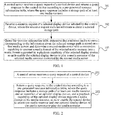
- FIG. 1 is a schematic flowchart of a media playback processing method according to Embodiment 1 of the present invention. As shown in FIG. 1 , the method includes the following steps:
- Step 101 A central server receives a query request of a control device and returns a query response to the control device according to a pre-generated resource information table, where the query response includes a storage path of at least one media resource.
- the central server herein may also serves as a media server; the resource information table may be generated according to media content information and conversion capability information of the media server as well as playback capability information of a display device on a home area network. It should be noted that there may be a plurality of media servers and at least one display device on the home area network to which an embodiment of the present invention is applied. In addition, the central server and the control device may be independently set, or be set as a whole.
- Step 102 Receive a resource request of a selected display device selected by the control device, where the resource request includes information about a selected storage path.
- the selected display device herein may be selected by a user by using the control device, or automatically selected by the control device.
- the selected storage path is determined by the control device according to a selection instruction of the user or automatically determined from the storage path of the at least one media resource, where the storage path is included in the query response, and the selected storage path is sent to the selected display device.
- the information about the selected storage path may be the selected storage path itself, or a part of the information about the selected storage path.
- the storage path includes a host part and a path part, where the host part may be a host name or a host IP address, and the path part may be a relative path on the host.
- the selected storage path is a universal resource identifier (Universal Resource Identifier, URI for short) of an absolute path
- the information about the selected storage path may be the URI of the absolute path, and may also be a path part in the URI of the absolute path, that is, a URI of a relative path.
- the resource request may also carry an identifier of the selected display device. Because in step 102, it is the central server that receives the resource request, in other words, the selected storage path in the resource request points to the central server.
- the selected storage path is a URI of one absolute path
- the host part of the selected storage path is an address of the central server. If the selected storage path in the resource request sent by the selected display device points to another media server, the another media server may process the resource request according to a method in the prior art.
- Step 103 Query the resource information table, determine that a selected media resource corresponding to the information about the selected storage path is stored on a first media server, and determine a second media server with a conversion capability to convert a media format of the selected media resource into a media format supported by a playback capability of the selected display device, so as to enable the selected display device to play a media resource converted by the second media server from the selected media resource.
- Both the first media server and second media server herein may be any media server each, including the central server.
- the playback capability of the selected display device only supports playback of a media resource in an MPEG2 format or a WMV format; the selected media resource is stored on the first media server, and a media format of the selected media resource is MPEG4; the second media server has a conversion capability to convert the media resource from the MPEG4 format to the MPEG2 format or the WMV format.
- step 103 after the determining that a selected media resource corresponding to the information about the selected storage path is stored on a first media server, and determining a second media server with a conversion capability to convert a media format of the selected media resource into a media format supported by a playback capability of the selected display device, the method further includes:
- the central server instructs the second media server to acquire the selected media resource from the first media server, so as to enable the second media server to convert the selected media resource and return a selected media resource after conversion to the central server, and the central server sends the selected media resource after conversion to the selected display device.
- the central server may further instruct the first media server to actively push the selected media resource to the second media server, so as to enable the second media server to convert the selected media resource.
- the central server redirects the resource request to the second media server, so as to enable the second media server to acquire the selected media resource from the first media server, convert the selected media resource, obtain the selected media resource after conversion, and directly send the selected media resource after conversion to the selected display device.
- the central server acquires the selected media resource from the first media server, converts the selected media resource to obtain the selected media resource after conversion, and sends the selected media resource after conversion to the selected display device.
- the method before step 101, the method further includes:
- the resource information table includes an original resource entry and a converted resource entry
- the generating the resource information table according to the playback capability information of the at least one display device as well as the media content information and the conversion capability information of the plurality of media servers specifically includes:
- the playback capability information of the display device includes a media format supported by the playback capability of the display device.
- the playback capability of the display device supports a media format, which indicates that the display device is capable of playing a media resource in this media format.
- the storage path in the converted resource entry may point to a virtual address on the central server.
- the playback capability intersection set includes at least one media format, and it is better to include fewer media formats.
- an MR1 supports media formats MPEG4 and MPEG2;
- an MR 2 supports media formats MPEG2, AVI, and WMV;
- an MR 3 supports media formats WMV, AVC, and H.264;
- a playback capability intersection set of the MR 1, 2, and 3 is ⁇ MPEG2, WMV ⁇ .
- the playback capability information of the display device may further include a resolution and a transport protocol supported by the playback capability of the display device; correspondingly, the display capability intersection set may further include the resolution and the transport protocol.
- the playback capability intersection set of the MR1, 2 and 3 includes the media formats MPEG2, MPEG4, a resolution 720p, and a transport protocol HTTP. If same media content has two media resources separately corresponding to the playback capability intersection set, that is a media resource whose media format is MPEG2, resolution is 720p, and transport protocol is HTTP and a media resource whose media format is MPEG4, resolution is 720p, and transport protocol is HTTP, the media content may be played on any display device.
- the media resource has only one media format. If the playback capability intersection set also only includes this media format, the media resource may be played on any display device; if this media format does not include the playback capability intersection set, a converted resource corresponding to the media resource may further be determined to generate a converted resource entry. Specifically, the determining a converted media resource corresponding to the original media resource according to a media format that is in the playback capability intersection set and is different from the media format of the original media resource, and generating a converted resource entry corresponding to the original resource entry specifically includes:
- the playback capability intersection set includes MPEG2 and MPEG4. If an media format of an original media resource 1 is WMV, two converted media resources corresponding to the original media resource 1 are determined and two converted resource entries are generated, where media formats in the two converted resource entries respectively are MPEG2, MPEG4; if the media format of the original media resource 1 is MPEG2, one converted media resource corresponding to the original media resource 1 is determined, and a converted resource entry is generated, where a media format in the one converted resource entry is MPEG4.
- a correspondence between the original resource entry of the original media resource and the converted resource entry of the converted media resource corresponding to the original media resource may be established by setting a same identifier, and may also be established according to positions of the original resource entry and the converted resource entry in the resource information table.
- the method may further include:
- the central server downloads the selected media resource after conversion from the second media server. If the first media server is not the central server, the central server instructs the first media server to download the selected media resource after conversion from the central server or the second media server; alternatively, the central server may also directly push the selected media resource after conversion to the first media server, or instructs the second media server to push the selected media resource after conversion to the first media server.
- the updating, by the central server, the resource information table according to the selected media resource after conversion specifically includes:
- the converted resource entry corresponding to a previously generated selected media resource (that is, the converted media resource) may be deleted and an original resource entry corresponding to the selected media resource after conversion may be added.
- the method may further include:
- a storage path of each media resource includes a content name of the media resource; the control device may determine a corresponding content name according to the storage path in the query response and display the content name to a user.
- a storage path in a converted resource entry corresponding to a converted media resource 1 is http://192.168.1.1:53013/MediaServerContent_1/1/LetBulletsFly.wmv, where, 192.168.1.1 is an address of the central server, and "LetBulletsFly" is a content name of the converted media resource.
- the central server may determine an original resource entry/a converted resource entry corresponding to the selected media resource according to the information about the selected storage path.
- the querying the resource information table specifically includes:
- the central server may directly retrieve the resource information table according to the URI of the absolute path, and find an original media resource entry/a converted media resource entry that includes the URI of the absolute path;
- the central server may construct the URI of the absolute path according to the URI of the relative path and the address of the central server, then retrieve the resource information table according to the URI of the absolute path, and search for the original/converted media resource entry that includes the URI of the absolute path.
- the selected display device may further establish a connection with a central server to which the selected storage path points according to the selected storage path. For example, the selected display device determines the address of the central server according to a host part in the URI of the absolute path, so as to establish an HTTP connection.
- the query response returned by the central server may further carry a media format of the at least one media resource; the control device may acquire the playback capability information of each display device and recommend a proper display device to the user according to a media format of each media resource in the query response.
- the central server may further determine, according to playback capability information of an acquired display device, an optional display device of each media resource, that is, a display device that is capable of playing this media resource, so as to add an identifier of the optional display device in the query response to enable a control point to recommend a proper display device to the user according to the optional display device of each media resource.
- the original resource entry further includes an identifier of a first display device, where a playback capability of the first display device supports a media format in the original resource entry; and the converted resource entry further includes an identifier of a second display device, where a playback capability of the second display device supports a media format in the converted resource entry.
- the corresponding original resource response entry further includes the identifier of the first display device in the original resource entry; and the corresponding converted resource response entry further includes the identifier of the second display device in the converted resource entry.
- the method further includes:
- the generating the resource information table according to the playback capability information of the at least one display device as well as the media content information and the conversion capability information of the plurality of media servers specifically includes:
- a playback capability of a display device supports MPEG2 and MPEG4, and meanwhile, the display device has a conversion capability to convert a media resource from a WMV format to the MPEG2 format, and then a comprehensive playback capability of the display device supports MPEG2, MPEG4, and WMV. That is, if the display device receives a media resource in the WMV format, the display device may convert the media resource from the WMV format to the MPEG2 format and play the media resource.
- the playback capability intersection set may also be determined according to the comprehensive playback capability of the display device.
- the determining a playback capability intersection set according to the playback capability information of the at least one display device, where a playback capability of each display device supports at least one media format in the playback capability intersection set specifically includes:
- This embodiment of the present invention adopts the following technical means: setting a central server, where the central server returns a query response to a control device according to a pre-generated resource information table, queries the resource information table according to a resource request of a selected display device, determines that a selected media resource corresponding to information about a selected storage path in the resource request is stored on a first media server, and determines a second media server with a conversion capability to convert a media format of the selected media resource into a media format supported by a playback capability of the selected display device, so as to enable the selected display device to play a media resource converted by the second media server from the selected media resource.
- This technical means overcomes a deficiency in the prior art that, on a home area network that includes a single MS and a single MR, when a format of a media resource on the MS cannot be played on the MR, and the MS is not capable of converting the format of the media resource into a format that can be played by the MR, the media resource cannot be played; and provides a set of solutions with a plurality of MSs that may coordinate media resources and conversion capabilities of the plurality of MSs, so as to adapt to the playback capability of the selected display device, thereby greatly enhancing user experience.
- FIG. 2 is a schematic flowchart of a media playback processing method according to Embodiment 2 of the present invention. As shown in FIG. 2 , the method includes the following steps:
- Step 201 A central server receives a query request of a control device.
- the central server herein may also serves as a media server. It should be noted that there may be at least one media server and a plurality of display devices on a home area network to which an embodiment of the present invention is applied. In addition, the central server and the control device may be independently set, or be set as a whole.
- Step 202 Return a query response to the control device according to a pre-generated resource information table, where the query response includes a storage path of at least one media resource and an identifier of an optional display device, and a playback capability of the optional display device supports a media format of the media resource, so as to enable the control device to select one media resource and one optional display device of the media resource to play the media resource.
- the resource information table may be generated according to media content information and conversion capability information of the media server on the home area network as well as playback capability information of the display device.
- the method may further include:
- the method further includes:
- the generating the resource information table according to the playback capability information of the plurality of display devices as well as the media content information and the conversion capability information of the at least one media server specifically includes:
- the central server may firstly return a pre-query response that does not include the identifier of the optional display device; when a user selects a content name by using the control device, the control device queries the central server for a storage path corresponding to the selected content name as well as the identifier of the optional display device by using a selected request.
- the method further includes:
- an Action such as SelectContent (IN Content1) may be added on the central server.
- the control device requests selection of one content name by using the central server, the Action, and then the central server returns the storage path of the at least one media resource corresponding to the content name and the identifier of the optional display device by using an Action response.
- the control device may further limit selection of the user to the selected display device only from the optional display device, and in this way, a process of converting the media format is unnecessary; if the selection of the user is not limited to the selected display device from the optional display device, when the user selects a non-optional display device, the control device may send the selected request to the central server again, and the central server queries the resource information table again according to the selected content name as well as an identifier of a selected non-optional display device, determines that the selected storage path is included, and feeds back to the selected display device by using the control device.
- This embodiment of the present invention adopts the following technical means: setting a central server, where the central server returns a query response to a control device according to a pre-generated resource information table; and adds a storage path of a media resource and an identifier of an optional display device to the query response, so as to enable the control device to recommend a display device that is suitable for a selected media resource to a user according to the query response.
- This technical means overcomes the foregoing deficiency in the prior art and provides a set of solutions with a plurality of MSs, so as to recommend an MR that is capable of playing the selected media resource to the user by using the central server and the control device, thereby greatly enhancing user experience.
- FIG. 3 is a schematic flowchart of a media playback control method according to Embodiment 3 of the present invention. As shown in FIG. 3 , the method includes the following steps:
- Step 301 A control device determines a query condition and sends a query request that includes the query condition to a central server.
- the control device may determine the query condition according to previous configuration.
- the control device may be configured to automatically query all media resources when it is switched on.
- the control device may also determine the query condition according to a query instruction of a user.
- the control device may receive all types of instructions of the user through a user interface, where the user interface may be a keyboard, a touchscreen, or the like.
- the query instruction herein may be querying all the media resources, or querying a media resource conforming to a condition.
- the query instruction includes a content name; that is, querying a media resource corresponding to the content name.
- the control device and the central server may be set as a whole, or be independently set. When set independently, the control device may send the query request according to a communications protocol between the control device and the central server.
- Step 302. Receive a query response returned by the central server, and determine a selected content name as well as an identifier of a selected display device according to a selection instruction, where the query response includes a storage path of at least one media resource and an identifier of an optional display device, and the storage path is corresponding to one of at least one media server that includes the central server.
- Step 303 Determine, from the storage path of the at least one media resource, a selected storage path corresponding to the selected content name as well as the identifier of the selected display device, where the selected storage path includes the selected content name, and send the selected storage path to the selected display device.
- the media resource serves as a selected media resource and the storage path serves as the selected storage path. If storage paths of at least two media resources include the selected content name, one media resource whose optional display device identifier includes the selected display device may be selected as the selected media resource, and the storage path of the media resource serves as the selected storage path.
- Step 304 Send a playback request to the selected display device, so as to enable the selected display device to acquire a media resource from the at least one media server according to the selected storage path, and play the media resource.
- the method before the control device determines the query condition, the method further includes:
- control device may discover all display devices and media servers on a home area network during a device discovery process and identify the central server according to device description information collected during the device discovery process.
- step 302 when receiving the query request in step 301, the central server directly returns the query response in step 302 to the control device, and the control device returns a content name of the media resource and the identifier of the optional display device to the user according to the query request for the user to select.
- step 302 specifically includes:
- the double selection instruction is sent by the user through a user interface of the control device.
- step 302 when receiving the query request in step 301, the central server does not directly return the query response in step 302 to the control device, but firstly returns a pre-query response that does not include the identifier of the optional display device; and the control device returns the content name of the media resource to the user according to the pre-query response, and then queries the central server for an identifier of an optional display device of each media resource corresponding to the selected content name according to a selected content name selected by the user.
- step 302 specifically includes:
- step 303 specifically includes:
- both the first single selection and the second single selection are sent by the user through the user interface of the control device.
- the control device may combine the same content names when displaying the plurality of media resources to the user.
- the query response includes an original resource response entry and a converted resource response entry, where the original resource response entry includes an original identifier, a storage path of an original media resource, and an identifier of a first display device, and the converted resource response entry includes a conversion identifier, a replacing storage path, and an identifier of a second display device.
- the displaying the content name of the at least one media resource specifically includes:
- Step 303 specifically includes:
- a content name corresponding to the original/converted resource response entry is a content name of the original/converted media resource corresponding to the original/converted resource response entry, and may be determined according to the storage path in the original/converted resource response entry. There is no need to convert the original resource response entry, because it is corresponding to the original media resource. Therefore, during the foregoing process, firstly find whether, in the corresponding resource family response entry, there is an identifier of a first display device of one original resource response entry that includes the identifier of the selected display device.
- control device may also recommend an optional display device corresponding to the original media resource to the user according to the original identifier in the original resource response entry.
- the displaying the content name of the at least one media resource and an identifier of at least one display device specifically includes:
- the identifier of the first display device is included in the original resource entry.
- the original media resource entry is the original media resource, that is, the first display device is an optional display device capable of playing the original media resource without conversion. Therefore, bind and return the content name of each resource family response entry and the identifier of the first display device to the user, which is convenient for the user to select a proper display device, so as to reduce conversion as much as possible, lighten a burden of a home area network device, and save time spent by the user in waiting for conversion.
- This embodiment of the present invention adopts the following technical means: setting a central server that is interactive with a control device, where a storage path of each media resource and an identifier of an optional display device are included in a query response returned by the central server of the control device and determines a selected storage path corresponding to a selected content name and a selected display device selected by a user; delivers the selected storage path to the selected display device.
- This technical means overcomes a deficiency in the prior art that, on a home area network that includes a single MS and a single MR, when a format of a media resource on the MS cannot be played on the MR, and the MS is not capable of converting the format of the media resource into a format that can be played by the MR, the media resource cannot be played; and provides a set of solutions with a plurality of MSs and a plurality of MRs, which may match, by using the central server and the control device, a selected media resource that can be played with a display device selected by the user, thereby greatly enhancing user experience.
- the foregoing media playback processing method and media playback control method according to the embodiments of the present invention may have a plurality of application scenarios.
- the following part further introduces embodiments of the present invention in several application scenarios.
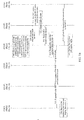
- FIG. 4 is a schematic signaling diagram of the first application scenario according to an embodiment of the present invention. As shown in FIG. 4 , the scenario includes the following processes:
- a central server acquires playback capability information of an MR.
- the central server may send a GetProtocolInfo() request to the MR on a home area network to acquire the playback capability information of the MR.
- the central server acquires media content information of the MS.
- the central server may send a Browse()/Search() request to the MS on the home area network to acquire the media content information of the MS.
- the media content information includes a resource identifier, a content size, a URI that includes an absolute path, a media format, and a transport protocol of at least one original media resource.
- the resource information table may be described in an extensible markup language (Extensible Markup Language, XML for short) format and be classified into an original resource entry and a converted resource entry. Each original resource entry and a corresponding converted resource entry are described in one segment of the XML. Further, default may be used as an original identifier, and transcode may be used as a conversion identifier; that is, a resource entry that includes default is the original resource entry, and a resource entry that includes transcode is the converted resource entry.
- extensible markup language Extensible Markup Language
- a control device identifies the central server.
- the control device makes a query to the central server and obtains the media content information.
- control device may make a query to the central server by using a Browse()/Search() Action instruction based on a query instruction of a user.
- the control device delivers a selected URI to a selected MR1.
- control device may deliver the selected URI to an MR1 by using a SetAVTransportURI() request. It is assumed that the selected URI points to the central server.
- the control service sends a playback request to the selected MR1.
- the MR1 requests a resource from the central server by using an HTTP Get request.
- the MR1 may establish an HTTP connection with the central server according to a path part in the selected URI.
- the central server determines that a selected media resource that is requested is on an MS2 according to the resource information table, and the requested selected media resource is required to be converted, and the requested selected media resource is required to be converted.
- the selected media resource is not on the central server but on the MS2.
- a URI of the selected media resource on the another MS is stored in the original resource entry of the resource information table of the central server. Therefore, in 308, the MR1 directly requests the resource from the another MS, and the another MS directly responds to the HTTP Get request of the MR and transmits the selected media resource to the MR.
- the central server requests the resource from the MS2 by using the HTTP Get request.
- the central server dynamically converts the resource.
- the central server responds to the HTTP Get request of the MR1 and dynamically transmits a resource after conversion.
- the MR1 receives content in real time and displays the content.
- the central server updates the resource information table after completing the conversion and transmission of the resource.
- transcode in the converted resource entry corresponding to the selected media resource is changed to default, and an IP address of the central server in the URI is changed to an IP address of the MS2; then content corresponding to the converted resource entry is shifted into another XML table and serves as a new original resource entry to create a label.
- the central server uploads the resource after conversion to the MS2.
- the central server may send an Import() to command the MS2 to download the selected media resource after conversion to a designated URI on the MS2.
- the selected media resource after conversion is deleted from the central server after the uploading succeeds.
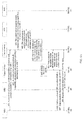
- FIG. 5 is a schematic signaling diagram of the second application scenario according to an embodiment of the present invention. As shown in FIG. 5 , the scenario includes the following processes:
- a central server acquires playback capability information and conversion capability information of an MR.
- the central server may send a GetProtocolInfo() request to the MR on a home area network to acquire the playback capability information and the conversion capability information of the MR.
- the central server acquires media content information and conversion capability information of an MS.
- the central server may send a Browse()/Search() request to the MS on the home area network to acquire the media content information and the conversion capability information of the MS.
- the central server pairs with the MR and the MS according to the media content information and generates a resource information table.
- the resource information table includes a capability information table, an actual resource entry, and a resource server pairing entry, where the capability information table is shown in Table 2.
- Table 2 MR/MS Conversion capability Supported media format Supported resolution Supported transport protocol MR1 MPEG2 ⁇ ->WMV MPEG4, MPGE2 1080p, 720p HTTP, RTP/RTSP MS1 MPEG2 ⁇ ->MPEG4, H.264 ⁇ ->MPEG4 MR2 MPEG4 ⁇ ->AVI MPEG2, AVI, WMV 720p, 480p HTTP MS2 MPEG2 ⁇ ->AVC, MPEG4 ⁇ ->AVI MR3 MPEG4 ⁇ ->AVI WMV, AVC, H.264 720p, 240p HTTP
- pairing is performed according to the capability information table and the media content information.
- a pairing rule may be matching according to the media resource information and a conversion capability of the MR/MS and selecting optimal matching. Specifically, the pairing may be performed in the following two steps:
- a control device identifies the central server.
- the control device makes a query to the central server and obtains the media content information.
- control device may make a query to the central server by using a Browse()/Search() Action instruction based on a query instruction of users.
- the central server performs the foregoing pairing; therefore, the foregoing pairing information may be added to information returned by the control device, so as to enable the users to select desired media content in the control device; the control device may recommend an MR to the users, and if there is no MR to recommend, the users may select one by themselves.
- the control device delivers a selected URI to a selected MR1.
- the selected URI may be delivered by using a SetAVTransportURI() request. It is assumed that the selected URI points to the central server.
- the control service delivers a playback request to the selected MR1
- the MR1 requests a resource from the central server by using an HTTP Get request.
- the central server checks a pairing result according to the resource information table, and determines that the selected media resource is stored on the MS 1 and the MS2 has a corresponding conversion capability.
- the HTTP Get request sent by the MR1 carries a path part of the selected URI.
- the central server checks whether the selected URI is paired with the MR1 that is, whether there is an actual resource entry that includes an identifier of the selected URI and an identifier of the MR1. Assuming that the pairing fails, it is determined that the selected media resource is stored on the MS1 according to the resource server pairing entry, and the MS2 has the corresponding conversion capability.
- the central server requests conversion from the MS1.
- the central server requests conversion from the MS1 by using a SetTransform() Action command.
- Parameters of SetTransform() Action are as follows: Parameters Direction Description SourceURI IN Absolute URI of a source file Transcode IN Object file format after conversion DesURI IN Absolute URI of an object file after conversion
- the MS 1 makes a request to the MS 2 and obtains the resource.
- the MS1 requests the selected media resource from the MS1 according to a parameter SourceURI of SetTransform() Action.
- the MS1 performs dynamical conversion.
- the MS1 determines, according to a parameter Transcode of Set Transform() Action, a media format into which the selected media resource is converted, and stores a selected media resource after conversion in a position indicated by a parameter DesURI.
- the MS1 responds to a conversion request of the central server.
- the MS1 sends the resource after conversion to the central server.
- the central server temporarily stores the resource after conversion.
- the central server responds to the HTTP Get request of the MR1 and dynamically transmits temporarily stored content.
- the MR1 receives the content in real time and displays the content.
- the central server uploads the resource after conversion to the MS2.
- the central server requests CreateObiect() Action from the MS2; then a CP on the central server sends Import () Action to the central server and requests the MS2 to download the resource after conversion from the central server and store the resource after conversion.
- the central server updates the resource information table.
- a third application scenario is similar to the second application scenario.
- a central server has no conversion capability, and the central server may be a module embedded on another MS; an MR and the another MS have the conversion capability; in addition, it may be considered that the central server includes functions of an MS and a part of functions of a control point (CP).
- FIG. 6 is a schematic signaling diagram of the third application scenario according to an embodiment of the present invention. As shown in FIG. 6 , the scenario includes the following processes:
- a central server acquires playback capability information and conversion capability information of an MR.
- the central server may send a GetProtocolInfo() request to the MR on a home area network to acquire the playback capability information and the conversion capability of the MR.
- the central server acquires media content information and conversion capability information of an MMS.
- the central server may send a Browse()/Search() request to the MS on the home area network to acquire the media content information and the conversion capability information of the MMS.
- the central server pairs with the MR and the MS according to the media content information and generates a resource information table.
- a control device identifies the central server.
- the control device makes a query to the central server and obtains the media content information.
- the control device delivers a selected URI to a selected MR1.
- control device delivers the selected URI by using a SetAVTransportURI () request. It is assumed that the selected URI points to the central server.
- the control device delivers a playback request to the selected MR1.
- the MR1 requests a resource from the central server by using an HTTP Get request.
- the central server checks a pairing result according to the resource information table, and determines that the selected media resource is stored on the MS1 and the MS2 has a corresponding conversion capability.
- the central server requests conversion from the MS1.
- the MS1 returns a NewURI used for HTTP redirection to the central server and requests the resource from the MS2.
- the MS1 requests the selected media resource from the MS1 according to a parameter SourceURI of SetTransform() Action.
- the central server responds to the HTTP Get request of the MR1 by using an HTTP redirect message, where the HTTP redirect message carries a URI after redirection, and meanwhile, the MS 1 performs dynamical conversion.
- the central server determines an actual URI of the selected media resource according to the resource information table and returns the actual URI to the MR1.
- the MS1 determines, according to a parameter Transcode of Set Transform() Action, a media format into which the selected media resource is converted, and stores a selected media resource after conversion in a position indicated by a parameter DesURI.
- the MR1 requests the resource from the MS1 by using the HTTP Get request.
- the MR1 requests the resource from the MS1 according to the actual URI returned by the central server.
- the MS1 responds to the request of the MR1 and dynamically transmits the resource after conversion.
- the MR1 receives content in real time and displays the content.
- the MS1 informs the central server in a form of an event after completing the conversion and transmission of the resource.
- the central server instructs the MS2 to download the resource after conversion.
- a CP on the central server requests CreateObject() Action form the MS2; then the CP on the central server sends an Import() to command the MS2 to download the resource after conversion from the MS1.
- the central server updates the resource information table.
- the central server receives a returned value of the Import() Action command, where the returned value is sent by the MS2, and determines that the MS2 updates the resource information table after the downloading succeeds.
- control device and the central server may be set as a whole.
- the program may be stored in a computer readable storage medium. When the program runs, the steps of the method embodiments are performed.
- the foregoing storage medium includes: any medium that can store program code, such as a ROM, a RAM, a magnetic disk, or an optical disc.
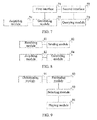
- FIG. 7 is a schematic structural diagram of a central server according to Embodiment 4 of the present invention. As shown in FIG. 7 , the central server includes:
- the central server further includes:
- the resource information table includes an original resource entry and a converted resource entry
- the generating module 75 specifically includes:
- the first interface 71 is specifically configured to:
- the querying module 73 is specifically configured to:
- the original resource entry further includes an identifier of a first display device, where a playback capability of the first display device supports the media format in the original resource entry; and the converted resource entry further includes an identifier of a second display device, where a playback capability of the second display device supports the media format in the converted resource entry.
- the corresponding original resource response entry further includes the identifier of the first display device in the original resource entry; and the corresponding converted resource response entry further includes the identifier of the second display device in the converted resource entry.
- the acquiring module 74 is further configured to:
- the generating module 75 is specifically configured to:
- intersection set determining unit is specifically configured to:
- the querying module 73 is further configured to: if the central server is the second media server, acquire the selected media resource from the first media server, convert the selected media resource, obtain a selected media resource after conversion, and send the selected media resource after conversion to the selected display device; or the querying module 73 is further configured to: if the central server is not the second media server, redirect the resource request to the second media server, so as to enable the second media server to acquire the selected media resource from the first media server, convert the selected media resource, obtain a selected media resource after conversion, and send the selected media resource after conversion to the selected display device; or the querying module 73 is further configured to: if the central server is not the second media server, instruct the second media server to acquire the selected media resource from the first media server, so as to enable the second media server to convert the selected media resource and return a selected media resource after conversion to the central server; and configured to send the selected media resource after conversion to the selected display device.
- the central server further includes:
- Embodiment 1 of the present invention adopts the following technical means: setting a central server, where the central server returns a query response to a control device according to a pre-generated resource information table, queries the resource information table according to a resource request of a selected display device, determines that a selected media resource corresponding to information about a selected storage path in the resource request is stored on a first media server, and determines a second media server with a conversion capability to convert a media format of the selected media resource into a media format supported by a playback capability of the selected display device, so as to enable the selected display device to play a media resource converted by the second media server from the selected media resource.
- This technical means overcomes a deficiency in the prior art that, on a home area network that includes a single MS and a single MR, when a format of a media resource on the MS cannot be played on the MR, and the MS is not capable of converting the format of the media resource into a format that can be played by the MR, the media resource cannot be played; and provides a set of solutions with a plurality of MSs that may coordinate media resources and conversion capabilities of the plurality of MSs, so as to adapt to the playback capability of the selected display device, thereby greatly enhancing user experience.
- FIG. 8 is a schematic structural diagram of a central server according to Embodiment 5 of the present invention. As shown in FIG. 8 , the central server includes:
- the central server further includes:
- the acquiring module 83 is specifically configured to:
- the generating module 84 is specifically configured to:
- the sending module 84 is further configured to:
- This embodiment of the present invention adopts the following technical means: setting a central server, where the central server returns a query response to a control device according to a pre-generated resource information table; and adds a storage path of a media resource and an identifier of an optional display device to the query response, so as to enable the control device to recommend a display device that is suitable for a selected media resource to a user according to the query response.
- This technical means overcomes a deficiency in the prior art that, on a home area network that includes a single MS and a single MR, when a format of a media resource on the MS cannot be played on the MR, and the MS is not capable of converting the format of the media resource into a format that can be played by the MR, the media resource cannot be played; and provides a set of solutions with a plurality of MRs that can recommend an MR that is capable of playing the selected media resource to the user by using the central server and the control device, thereby greatly enhancing user experience.
- a central server includes a processor, a memory, and a communications module that interacts with a control device, where the memory stores code that is used to implement functions of each foregoing module/unit; the processor is configured to execute the code stored in the memory; and the communications module may be any wired or wireless communications module, such as an Ethernet communications module, a radio frequency communications module, a Bluetooth communications module, or a GPRS communications module.
- FIG. 9 is a schematic structural diagram of a control device according to Embodiment 6 of the present invention. As shown in FIG. 9 , the control device includes:
- control device further includes:
- processing module 92 is specifically configured to:
- processing module 92 is specifically configured to:
- the selecting module 93 is specifically configured to:
- the query response includes an original resource response entry and a converted resource response entry, where the original resource response entry includes an original identifier, a storage path of an original media resource, and an identifier of a first display device, and the converted resource response entry includes a conversion identifier, a storage path of a converted media resource, and an identifier of a second display device.
- the processing module 92 is specifically configured to:
- the selecting module 93 is specifically configured to:
- processing module 92 is specifically configured to:
- This embodiment of the present invention adopts the following technical means: setting a central server that is interactive with a control device, where a storage path of each media resource and an identifier of an optional display device included in a query response returned by the central server of the control device, and determines a selected storage path corresponding to a selected content name and a selected display device selected by a user; delivers the selected storage path to the selected display device.
- This technical means overcomes a deficiency in the prior art that, on a home area network that includes a single MS and a single MR, when a format of a media resource on the MS cannot be played on the MR, and the MS is not capable of converting the format of the media resource into a format that can be played by the MR, the media resource cannot be played; and provides a set of solutions with a plurality of MSs and a plurality of MRs, which may match, by using the central server and the control device, a display device selected the user with a media resource that can be played, thereby greatly enhancing user experience.
- control device in this embodiment of the present invention may be implemented by combining software and hardware.
- the control device may include a processor, a memory, and a communications module that interacts with the central server, where the memory stores code used to implement functions of each foregoing module/unit; the processor is configured to execute the code stored in the memory; and the communications module may be any wired or wireless communications module, such as an Ethernet communications module, a radio frequency communications module, a Bluetooth communications module, or a GPRS communications module.
- the control device may also be designed in a form similar to an existing remote control.
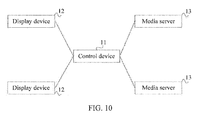
- FIG. 10 is a schematic structural diagram of a media playback processing and control system according to Embodiment 7 of the present invention.
- the system includes: a control device 11, at least one display device 12, and at least one media server 13, and a media server 13 in the at least one media server may be the central server as described in Embodiment 4 of the present invention.
- control device 11 may be the control device as described in Embodiment 6 of the present invention.
- control device and the central server may be set as a whole.
- This embodiment of the present invention adopts the following technical means: setting a central server, where the central server returns a query response to a control device according to a pre-generated resource information table, instructs a second media server to acquire a selected media resource from a first media server according to a resource request of a selected display device, converts the selected media resource, and sends a selected media resource after conversion to the selected display device.
- This technical means may coordinate media resources and conversion capabilities of a plurality of MSs to adapt to a playback capability of the selected display device; or add a storage path of a media resource and an identifier of an optional display device to the query response, so as to enable the control device to recommend a display device that is suitable for the selected media resource to a user according to the query response, thereby greatly enhancing user experience.
Landscapes
- Engineering & Computer Science (AREA)
- Multimedia (AREA)
- Signal Processing (AREA)
- Databases & Information Systems (AREA)
- Theoretical Computer Science (AREA)
- General Physics & Mathematics (AREA)
- Computer Networks & Wireless Communication (AREA)
- Physics & Mathematics (AREA)
- General Engineering & Computer Science (AREA)
- Data Mining & Analysis (AREA)
- Computer Graphics (AREA)
- Computer Security & Cryptography (AREA)
- Audiology, Speech & Language Pathology (AREA)
- Health & Medical Sciences (AREA)
- General Health & Medical Sciences (AREA)
- Human Computer Interaction (AREA)
- General Business, Economics & Management (AREA)
- Business, Economics & Management (AREA)
- Information Transfer Between Computers (AREA)
- Two-Way Televisions, Distribution Of Moving Picture Or The Like (AREA)
Applications Claiming Priority (2)
| Application Number | Priority Date | Filing Date | Title |
|---|---|---|---|
| CN201210026138.XA CN103248611B (zh) | 2012-02-07 | 2012-02-07 | 媒体播放处理与控制方法、装置及系统 |
| PCT/CN2013/071113 WO2013117140A1 (fr) | 2012-02-07 | 2013-01-30 | Procédé, appareil et système de traitement et de commande de lecture de média |
Publications (2)
| Publication Number | Publication Date |
|---|---|
| EP2804357A1 true EP2804357A1 (fr) | 2014-11-19 |
| EP2804357A4 EP2804357A4 (fr) | 2015-04-08 |
Family
ID=48927834
Family Applications (1)
| Application Number | Title | Priority Date | Filing Date |
|---|---|---|---|
| EP13746340.2A Withdrawn EP2804357A4 (fr) | 2012-02-07 | 2013-01-30 | Procédé, appareil et système de traitement et de commande de lecture de média |
Country Status (6)
| Country | Link |
|---|---|
| US (2) | US9600226B2 (fr) |
| EP (1) | EP2804357A4 (fr) |
| JP (2) | JP6006337B2 (fr) |
| KR (2) | KR101838427B1 (fr) |
| CN (1) | CN103248611B (fr) |
| WO (1) | WO2013117140A1 (fr) |
Cited By (4)
| Publication number | Priority date | Publication date | Assignee | Title |
|---|---|---|---|---|
| CN105187867A (zh) * | 2015-07-22 | 2015-12-23 | 北京视信互动科技有限公司 | 一种媒体流控制方法及其装置 |
| EP2988517A1 (fr) * | 2014-08-21 | 2016-02-24 | Facebook, Inc. | Systèmes et procédés de traitement d'image côté destinataire |
| CN105376227A (zh) * | 2015-11-06 | 2016-03-02 | 北京中传数广技术有限公司 | 一种基于dlna协议的媒体资源释放方法、装置及系统 |
| EP3249910A4 (fr) * | 2015-01-20 | 2018-01-03 | Panasonic Intellectual Property Corporation of America | Procédé de commande de lecture, dispositif de lecture, et système de lecture |
Families Citing this family (14)
| Publication number | Priority date | Publication date | Assignee | Title |
|---|---|---|---|---|
| US10244021B2 (en) * | 2013-12-06 | 2019-03-26 | Harman International Industries, Inc. | Media content and user experience delivery system |
| US9489711B2 (en) | 2014-08-21 | 2016-11-08 | Facebook, Inc. | Systems and methods for recipient-side image processing |
| WO2016038791A1 (fr) | 2014-09-10 | 2016-03-17 | パナソニック インテレクチュアル プロパティ コーポレーション オブ アメリカ | Support d'enregistrement, dispositif et procédé de lecture |
| US9282130B1 (en) * | 2014-09-29 | 2016-03-08 | Edifire LLC | Dynamic media negotiation in secure media-based conferencing |
| CA2968972C (fr) * | 2014-12-01 | 2021-06-22 | Inscape Data, Inc. | Systeme et procede d'identification de segment multimedia continue |
| CN112118479A (zh) * | 2015-02-02 | 2020-12-22 | 麦克赛尔株式会社 | 广播接收装置和内容输出方法 |
| US10162853B2 (en) * | 2015-12-08 | 2018-12-25 | Rovi Guides, Inc. | Systems and methods for generating smart responses for natural language queries |
| EP3419297B1 (fr) * | 2016-02-17 | 2021-07-21 | Samsung Electronics Co., Ltd. | Procédé et dispositif de controle du type de livraison d'un service multimedia basé sur mmt |
| CN106528294A (zh) * | 2016-11-04 | 2017-03-22 | 郑州云海信息技术有限公司 | 一种资源池管理方法及系统 |
| US10552480B1 (en) * | 2017-02-21 | 2020-02-04 | Amazon Technologies, Inc. | Package management for asset processing |
| CN107995187A (zh) * | 2017-11-30 | 2018-05-04 | 上海哔哩哔哩科技有限公司 | 基于html5浏览器的视频主播、直播方法、终端和系统 |
| US10182009B1 (en) | 2018-07-24 | 2019-01-15 | Capital One Services, Llc | Creating endpoints |
| CN113766270B (zh) * | 2021-02-26 | 2024-06-18 | 北京沃东天骏信息技术有限公司 | 视频播放方法、系统、服务器、终端设备、以及电子设备 |
| US20230050360A1 (en) * | 2021-08-12 | 2023-02-16 | Tencent America LLC | Procedures for providing ar/mr applications to 5g devices by running ar/mr processing on 5g edge servers/cloud including dynamic scene updates |
Family Cites Families (33)
| Publication number | Priority date | Publication date | Assignee | Title |
|---|---|---|---|---|
| JP3823929B2 (ja) * | 2002-05-17 | 2006-09-20 | ソニー株式会社 | 情報処理装置、情報処理方法、およびコンテンツ配信装置、コンテンツ配信方法、並びにコンピュータ・プログラム |
| EP1463323B1 (fr) * | 2003-03-25 | 2015-05-13 | Broadcom Corporation | Système de traitement de média supportant des paramètres de média numériques adaptatifs basés sur les possibilités de visionnage chez l'utilisateur final |
| JP2005004916A (ja) * | 2003-06-13 | 2005-01-06 | Matsushita Electric Ind Co Ltd | ホームネットワーク管理装置 |
| WO2006022304A1 (fr) | 2004-08-26 | 2006-03-02 | Matsushita Electric Industrial Co., Ltd. | Dispositif de contrôle de démarrage de contenu |
| KR100674085B1 (ko) | 2004-12-13 | 2007-01-24 | 한국전자통신연구원 | 홈네트워크에서의 미디어포맷/전송프로토콜 변환 장치 및 그 방법 |
| US20060168126A1 (en) * | 2004-12-21 | 2006-07-27 | Jose Costa-Requena | Aggregated content listing for ad-hoc peer to peer networks |
| AU2010201379B2 (en) * | 2010-04-07 | 2012-02-23 | Limelight Networks, Inc. | System and method for delivery of content objects |
| JP4772375B2 (ja) * | 2005-04-28 | 2011-09-14 | 株式会社東芝 | 電子機器およびコンテンツ管理方法 |
| JP2006339855A (ja) * | 2005-05-31 | 2006-12-14 | Toshiba Corp | ネットワーク制御装置、符号化方式変換装置、及びコンテンツデータ再生システム |
| KR101147215B1 (ko) | 2005-10-04 | 2012-05-25 | 삼성전자주식회사 | Dlna 홈 네트워크 및 dlna 홈 네트워크에서의 썸네일 관리 방법 |
| KR101235272B1 (ko) | 2006-04-05 | 2013-02-20 | 삼성전자주식회사 | 미디어 서버의 데이터 포맷 변환 및 제어 포인트의 데이터포맷 변환 요청 방법 및 장치 |
| JP2007317021A (ja) * | 2006-05-26 | 2007-12-06 | Kenwood Corp | コンテンツ再生システム、コンテンツサーバ、およびコンテンツ変換プログラム |
| JP4882534B2 (ja) * | 2006-06-14 | 2012-02-22 | 船井電機株式会社 | トランスコードシステム |
| JP2008005254A (ja) * | 2006-06-22 | 2008-01-10 | Sony Corp | サーバ装置、クライアント装置、コンテンツ再生システム、コンテンツ処理方法及びプログラム |
| US20080134012A1 (en) | 2006-11-30 | 2008-06-05 | Sony Ericsson Mobile Communications Ab | Bundling of multimedia content and decoding means |
| CN100536475C (zh) | 2006-12-19 | 2009-09-02 | 中兴通讯股份有限公司 | 一种3g视频网关多媒体编解码能力协商方法 |
| JP2008206039A (ja) * | 2007-02-22 | 2008-09-04 | Sharp Corp | コンテンツ視聴装置 |
| CN101350808B (zh) | 2007-07-19 | 2012-07-04 | 华为技术有限公司 | 实现媒体内容转换的方法、系统和装置 |
| JP2008097625A (ja) * | 2007-11-05 | 2008-04-24 | Sony Corp | 表示制御装置、表示方法、およびプログラム |
| US8644675B2 (en) * | 2008-06-06 | 2014-02-04 | Deluxe Digital Studios, Inc. | Methods and systems for use in providing playback of variable length content in a fixed length framework |
| CA2671142C (fr) | 2008-07-03 | 2016-12-06 | Amic Ab | Methode d'analyse d'anticorps circulant |
| WO2010027784A2 (fr) | 2008-09-08 | 2010-03-11 | Sling Media, Inc. | Systèmes et procédés de présentation d'un contenu multimédia provenant de plusieurs sources |
| CN101516056A (zh) | 2008-12-24 | 2009-08-26 | 上海闻泰电子科技有限公司 | 一种更换手机主题资源的方法 |
| KR20110020694A (ko) * | 2009-08-24 | 2011-03-03 | 삼성전자주식회사 | 네트워크를 통한 기능 공유 방법 및 장치 |
| CN101674310B (zh) * | 2009-09-23 | 2012-12-05 | 华南理工大学 | 多源信息智能家庭业务的播放系统及方法 |
| JP5370051B2 (ja) * | 2009-10-01 | 2013-12-18 | 富士通モバイルコミュニケーションズ株式会社 | 情報処理装置 |
| JP5498476B2 (ja) | 2009-10-20 | 2014-05-21 | 株式会社日立ソリューションズ | コンテンツ配信装置およびシステム |
| JP2011118470A (ja) | 2009-11-30 | 2011-06-16 | Toshiba Corp | コントロール装置およびコントロール方法 |
| US8892691B2 (en) | 2010-04-07 | 2014-11-18 | Apple Inc. | Real-time or near real-time streaming |
| EP2495934B1 (fr) | 2011-02-28 | 2017-09-27 | BlackBerry Limited | Système de communications sans fil fournissant des fonctions de transfert de contenu média et procédés apparentés |
| CN102143385B (zh) * | 2011-03-16 | 2013-04-24 | 华为技术有限公司 | 媒体播放处理方法、数字媒体服务器和系统 |
| US9094424B2 (en) | 2012-01-18 | 2015-07-28 | Nokia Technologies Oy | Method, apparatus, and computer program product for digital stream swapping between signal sources |
| CN103237215B (zh) | 2013-04-17 | 2016-12-28 | 华为技术有限公司 | 播放方法和播放设备 |
-
2012
- 2012-02-07 CN CN201210026138.XA patent/CN103248611B/zh not_active Expired - Fee Related
-
2013
- 2013-01-30 KR KR1020167032467A patent/KR101838427B1/ko active Active
- 2013-01-30 JP JP2014555929A patent/JP6006337B2/ja active Active
- 2013-01-30 KR KR1020147023381A patent/KR101679824B1/ko active Active
- 2013-01-30 WO PCT/CN2013/071113 patent/WO2013117140A1/fr not_active Ceased
- 2013-01-30 EP EP13746340.2A patent/EP2804357A4/fr not_active Withdrawn
-
2014
- 2014-08-07 US US14/453,802 patent/US9600226B2/en active Active
-
2016
- 2016-09-08 JP JP2016175364A patent/JP6292681B2/ja active Active
-
2017
- 2017-02-08 US US15/427,720 patent/US9880806B2/en active Active
Cited By (5)
| Publication number | Priority date | Publication date | Assignee | Title |
|---|---|---|---|---|
| EP2988517A1 (fr) * | 2014-08-21 | 2016-02-24 | Facebook, Inc. | Systèmes et procédés de traitement d'image côté destinataire |
| EP3249910A4 (fr) * | 2015-01-20 | 2018-01-03 | Panasonic Intellectual Property Corporation of America | Procédé de commande de lecture, dispositif de lecture, et système de lecture |
| CN105187867A (zh) * | 2015-07-22 | 2015-12-23 | 北京视信互动科技有限公司 | 一种媒体流控制方法及其装置 |
| CN105376227A (zh) * | 2015-11-06 | 2016-03-02 | 北京中传数广技术有限公司 | 一种基于dlna协议的媒体资源释放方法、装置及系统 |
| CN105376227B (zh) * | 2015-11-06 | 2019-02-12 | 北京中传数广技术有限公司 | 一种基于dlna协议的媒体资源释放方法、装置及系统 |
Also Published As
| Publication number | Publication date |
|---|---|
| JP2015511455A (ja) | 2015-04-16 |
| WO2013117140A1 (fr) | 2013-08-15 |
| US9880806B2 (en) | 2018-01-30 |
| JP2017022748A (ja) | 2017-01-26 |
| CN103248611B (zh) | 2017-05-24 |
| KR101679824B1 (ko) | 2016-11-25 |
| US9600226B2 (en) | 2017-03-21 |
| EP2804357A4 (fr) | 2015-04-08 |
| JP6292681B2 (ja) | 2018-03-14 |
| KR20160137664A (ko) | 2016-11-30 |
| KR101838427B1 (ko) | 2018-03-13 |
| CN103248611A (zh) | 2013-08-14 |
| JP6006337B2 (ja) | 2016-10-12 |
| US20170147285A1 (en) | 2017-05-25 |
| US20140371894A1 (en) | 2014-12-18 |
| KR20140115361A (ko) | 2014-09-30 |
Similar Documents
| Publication | Publication Date | Title |
|---|---|---|
| EP2804357A1 (fr) | Procédé, appareil et système de traitement et de commande de lecture de média | |
| US9148756B2 (en) | Output of content from the internet on a media rendering device | |
| CN100432983C (zh) | 经过网络下载数据的系统及其方法 | |
| CN102740146B (zh) | 经由第二显示装置回放新近播放的资产的装置和方法 | |
| US9003301B2 (en) | Image management method and system using thumbnail in DLNA system | |
| CN102638703B (zh) | 登记的内容回放设备之间的喜好或最近查看的列表的同步 | |
| US9226021B2 (en) | Method and system for realizing mutual control of multimedia terminals in the home | |
| US10334003B2 (en) | Mobile terminal and method for achieving cloud streaming medium file sharing based on DLNA | |
| JP5270608B2 (ja) | コンテンツ再生制御システム、コンテンツ再生制御方法、コンテンツサーバ、携帯端末及びプログラム | |
| US20120060100A1 (en) | System and method for transferring media content | |
| US9635336B2 (en) | Content output system and codec information sharing method in same system | |
| WO2017096851A1 (fr) | Procédé, système et serveur pour pousser un fichier vidéo | |
| KR102505302B1 (ko) | 방송 시스템에서 디바이스들 간에 정보를 송수신하는 방법 및 장치 | |
| US10708330B2 (en) | Multimedia resource management method, cloud server and electronic apparatus | |
| KR101329668B1 (ko) | 푸쉬 서버를 이용한 콘텐츠 공유 시스템 및 방법 | |
| JP5420863B2 (ja) | シンクライアントシステム、アプリケーションサーバ、端末制御サーバ、通信方法 | |
| KR20140103377A (ko) | 컨텐츠 서버 및 서버의 컨텐츠 제공방법 | |
| KR101548226B1 (ko) | 홈 게이트웨이를 이용한 미디어 컨텐츠 푸쉬 방법 | |
| KR20130134849A (ko) | 가상 av 서비스 시스템 및 방법 | |
| WO2026052235A1 (fr) | Appareil et procédé de gestion d'une communication entre une instance d'utilisateur et une pluralité d'instances de données différentes, programme informatique et écosystème | |
| US20130227001A1 (en) | Apparatus and method for moving a ui by using html | |
| JP2008197971A (ja) | 情報処理装置 | |
| JP2008012220A (ja) | コンテンツ配信サーバ |
Legal Events
| Date | Code | Title | Description |
|---|---|---|---|
| PUAI | Public reference made under article 153(3) epc to a published international application that has entered the european phase |
Free format text: ORIGINAL CODE: 0009012 |
|
| 17P | Request for examination filed |
Effective date: 20140811 |
|
| AK | Designated contracting states |
Kind code of ref document: A1 Designated state(s): AL AT BE BG CH CY CZ DE DK EE ES FI FR GB GR HR HU IE IS IT LI LT LU LV MC MK MT NL NO PL PT RO RS SE SI SK SM TR |
|
| RA4 | Supplementary search report drawn up and despatched (corrected) |
Effective date: 20150309 |
|
| RIC1 | Information provided on ipc code assigned before grant |
Ipc: H04N 21/258 20110101ALI20150303BHEP Ipc: H04N 21/414 20110101ALN20150303BHEP Ipc: H04N 21/4402 20110101ALI20150303BHEP Ipc: H04L 29/06 20060101AFI20150303BHEP Ipc: G06F 17/30 20060101ALI20150303BHEP Ipc: H04N 21/436 20110101ALI20150303BHEP Ipc: H04N 21/41 20110101ALI20150303BHEP Ipc: G06F 3/16 20060101ALI20150303BHEP Ipc: H04N 21/45 20110101ALI20150303BHEP Ipc: H04L 12/28 20060101ALI20150303BHEP Ipc: H04N 21/433 20110101ALI20150303BHEP |
|
| DAX | Request for extension of the european patent (deleted) | ||
| STAA | Information on the status of an ep patent application or granted ep patent |
Free format text: STATUS: EXAMINATION IS IN PROGRESS |
|
| 17Q | First examination report despatched |
Effective date: 20170825 |
|
| RAP1 | Party data changed (applicant data changed or rights of an application transferred) |
Owner name: HUAWEI DEVICE (DONGGUAN) CO., LTD. |
|
| RAP1 | Party data changed (applicant data changed or rights of an application transferred) |
Owner name: HUAWEI DEVICE CO., LTD. |
|
| RAP1 | Party data changed (applicant data changed or rights of an application transferred) |
Owner name: HUAWEI DEVICE CO., LTD. |
|
| STAA | Information on the status of an ep patent application or granted ep patent |
Free format text: STATUS: THE APPLICATION HAS BEEN WITHDRAWN |
|
| 18W | Application withdrawn |
Effective date: 20191011 |