EP2804862B1 - Procédés de fabrication et d'utilisation de nanostructures - Google Patents
Procédés de fabrication et d'utilisation de nanostructures Download PDFInfo
- Publication number
- EP2804862B1 EP2804862B1 EP13702171.3A EP13702171A EP2804862B1 EP 2804862 B1 EP2804862 B1 EP 2804862B1 EP 13702171 A EP13702171 A EP 13702171A EP 2804862 B1 EP2804862 B1 EP 2804862B1
- Authority
- EP
- European Patent Office
- Prior art keywords
- dhfr
- compound
- cells
- anticd3
- fitc
- Prior art date
- Legal status (The legal status is an assumption and is not a legal conclusion. Google has not performed a legal analysis and makes no representation as to the accuracy of the status listed.)
- Active
Links
- 0 CN(Cc1nc2c(NC*)nc(N)nc2nc1)c(cc1)ccc1C(NC(CCC(*CCCCCN(CCCCCNC(CCC(C(O)=O)N)=O)CCOCCOCCNC(NC(CC=C1)C(C(O)=O)=C1C(c(ccc(O)c1)c1OC1C2)=C1C=CC2=O)=S)=O)C(O)=O)=O Chemical compound CN(Cc1nc2c(NC*)nc(N)nc2nc1)c(cc1)ccc1C(NC(CCC(*CCCCCN(CCCCCNC(CCC(C(O)=O)N)=O)CCOCCOCCNC(NC(CC=C1)C(C(O)=O)=C1C(c(ccc(O)c1)c1OC1C2)=C1C=CC2=O)=S)=O)C(O)=O)=O 0.000 description 2
Images

Classifications
-
- A—HUMAN NECESSITIES
- A61—MEDICAL OR VETERINARY SCIENCE; HYGIENE
- A61K—PREPARATIONS FOR MEDICAL, DENTAL OR TOILETRY PURPOSES
- A61K47/00—Medicinal preparations characterised by the non-active ingredients used, e.g. carriers or inert additives; Targeting or modifying agents chemically bound to the active ingredient
- A61K47/50—Medicinal preparations characterised by the non-active ingredients used, e.g. carriers or inert additives; Targeting or modifying agents chemically bound to the active ingredient the non-active ingredient being chemically bound to the active ingredient, e.g. polymer-drug conjugates
- A61K47/51—Medicinal preparations characterised by the non-active ingredients used, e.g. carriers or inert additives; Targeting or modifying agents chemically bound to the active ingredient the non-active ingredient being chemically bound to the active ingredient, e.g. polymer-drug conjugates the non-active ingredient being a modifying agent
- A61K47/68—Medicinal preparations characterised by the non-active ingredients used, e.g. carriers or inert additives; Targeting or modifying agents chemically bound to the active ingredient the non-active ingredient being chemically bound to the active ingredient, e.g. polymer-drug conjugates the non-active ingredient being a modifying agent the modifying agent being an antibody, an immunoglobulin or a fragment thereof, e.g. an Fc-fragment
- A61K47/6891—Pre-targeting systems involving an antibody for targeting specific cells
- A61K47/6897—Pre-targeting systems with two or three steps using antibody conjugates; Ligand-antiligand therapies
-
- A—HUMAN NECESSITIES
- A61—MEDICAL OR VETERINARY SCIENCE; HYGIENE
- A61K—PREPARATIONS FOR MEDICAL, DENTAL OR TOILETRY PURPOSES
- A61K33/00—Medicinal preparations containing inorganic active ingredients
- A61K33/24—Heavy metals; Compounds thereof
- A61K33/242—Gold; Compounds thereof
-
- A—HUMAN NECESSITIES
- A61—MEDICAL OR VETERINARY SCIENCE; HYGIENE
- A61K—PREPARATIONS FOR MEDICAL, DENTAL OR TOILETRY PURPOSES
- A61K31/00—Medicinal preparations containing organic active ingredients
- A61K31/70—Carbohydrates; Sugars; Derivatives thereof
- A61K31/7088—Compounds having three or more nucleosides or nucleotides
-
- A—HUMAN NECESSITIES
- A61—MEDICAL OR VETERINARY SCIENCE; HYGIENE
- A61K—PREPARATIONS FOR MEDICAL, DENTAL OR TOILETRY PURPOSES
- A61K47/00—Medicinal preparations characterised by the non-active ingredients used, e.g. carriers or inert additives; Targeting or modifying agents chemically bound to the active ingredient
- A61K47/50—Medicinal preparations characterised by the non-active ingredients used, e.g. carriers or inert additives; Targeting or modifying agents chemically bound to the active ingredient the non-active ingredient being chemically bound to the active ingredient, e.g. polymer-drug conjugates
- A61K47/51—Medicinal preparations characterised by the non-active ingredients used, e.g. carriers or inert additives; Targeting or modifying agents chemically bound to the active ingredient the non-active ingredient being chemically bound to the active ingredient, e.g. polymer-drug conjugates the non-active ingredient being a modifying agent
- A61K47/54—Medicinal preparations characterised by the non-active ingredients used, e.g. carriers or inert additives; Targeting or modifying agents chemically bound to the active ingredient the non-active ingredient being chemically bound to the active ingredient, e.g. polymer-drug conjugates the non-active ingredient being a modifying agent the modifying agent being an organic compound
- A61K47/545—Heterocyclic compounds
-
- A—HUMAN NECESSITIES
- A61—MEDICAL OR VETERINARY SCIENCE; HYGIENE
- A61K—PREPARATIONS FOR MEDICAL, DENTAL OR TOILETRY PURPOSES
- A61K47/00—Medicinal preparations characterised by the non-active ingredients used, e.g. carriers or inert additives; Targeting or modifying agents chemically bound to the active ingredient
- A61K47/50—Medicinal preparations characterised by the non-active ingredients used, e.g. carriers or inert additives; Targeting or modifying agents chemically bound to the active ingredient the non-active ingredient being chemically bound to the active ingredient, e.g. polymer-drug conjugates
- A61K47/51—Medicinal preparations characterised by the non-active ingredients used, e.g. carriers or inert additives; Targeting or modifying agents chemically bound to the active ingredient the non-active ingredient being chemically bound to the active ingredient, e.g. polymer-drug conjugates the non-active ingredient being a modifying agent
- A61K47/54—Medicinal preparations characterised by the non-active ingredients used, e.g. carriers or inert additives; Targeting or modifying agents chemically bound to the active ingredient the non-active ingredient being chemically bound to the active ingredient, e.g. polymer-drug conjugates the non-active ingredient being a modifying agent the modifying agent being an organic compound
- A61K47/549—Sugars, nucleosides, nucleotides or nucleic acids
-
- A—HUMAN NECESSITIES
- A61—MEDICAL OR VETERINARY SCIENCE; HYGIENE
- A61K—PREPARATIONS FOR MEDICAL, DENTAL OR TOILETRY PURPOSES
- A61K47/00—Medicinal preparations characterised by the non-active ingredients used, e.g. carriers or inert additives; Targeting or modifying agents chemically bound to the active ingredient
- A61K47/50—Medicinal preparations characterised by the non-active ingredients used, e.g. carriers or inert additives; Targeting or modifying agents chemically bound to the active ingredient the non-active ingredient being chemically bound to the active ingredient, e.g. polymer-drug conjugates
- A61K47/51—Medicinal preparations characterised by the non-active ingredients used, e.g. carriers or inert additives; Targeting or modifying agents chemically bound to the active ingredient the non-active ingredient being chemically bound to the active ingredient, e.g. polymer-drug conjugates the non-active ingredient being a modifying agent
- A61K47/54—Medicinal preparations characterised by the non-active ingredients used, e.g. carriers or inert additives; Targeting or modifying agents chemically bound to the active ingredient the non-active ingredient being chemically bound to the active ingredient, e.g. polymer-drug conjugates the non-active ingredient being a modifying agent the modifying agent being an organic compound
- A61K47/55—Medicinal preparations characterised by the non-active ingredients used, e.g. carriers or inert additives; Targeting or modifying agents chemically bound to the active ingredient the non-active ingredient being chemically bound to the active ingredient, e.g. polymer-drug conjugates the non-active ingredient being a modifying agent the modifying agent being an organic compound the modifying agent being also a pharmacologically or therapeutically active agent, i.e. the entire conjugate being a codrug
-
- A—HUMAN NECESSITIES
- A61—MEDICAL OR VETERINARY SCIENCE; HYGIENE
- A61K—PREPARATIONS FOR MEDICAL, DENTAL OR TOILETRY PURPOSES
- A61K47/00—Medicinal preparations characterised by the non-active ingredients used, e.g. carriers or inert additives; Targeting or modifying agents chemically bound to the active ingredient
- A61K47/50—Medicinal preparations characterised by the non-active ingredients used, e.g. carriers or inert additives; Targeting or modifying agents chemically bound to the active ingredient the non-active ingredient being chemically bound to the active ingredient, e.g. polymer-drug conjugates
- A61K47/51—Medicinal preparations characterised by the non-active ingredients used, e.g. carriers or inert additives; Targeting or modifying agents chemically bound to the active ingredient the non-active ingredient being chemically bound to the active ingredient, e.g. polymer-drug conjugates the non-active ingredient being a modifying agent
- A61K47/68—Medicinal preparations characterised by the non-active ingredients used, e.g. carriers or inert additives; Targeting or modifying agents chemically bound to the active ingredient the non-active ingredient being chemically bound to the active ingredient, e.g. polymer-drug conjugates the non-active ingredient being a modifying agent the modifying agent being an antibody, an immunoglobulin or a fragment thereof, e.g. an Fc-fragment
- A61K47/6835—Medicinal preparations characterised by the non-active ingredients used, e.g. carriers or inert additives; Targeting or modifying agents chemically bound to the active ingredient the non-active ingredient being chemically bound to the active ingredient, e.g. polymer-drug conjugates the non-active ingredient being a modifying agent the modifying agent being an antibody, an immunoglobulin or a fragment thereof, e.g. an Fc-fragment the modifying agent being an antibody or an immunoglobulin bearing at least one antigen-binding site
- A61K47/6849—Medicinal preparations characterised by the non-active ingredients used, e.g. carriers or inert additives; Targeting or modifying agents chemically bound to the active ingredient the non-active ingredient being chemically bound to the active ingredient, e.g. polymer-drug conjugates the non-active ingredient being a modifying agent the modifying agent being an antibody, an immunoglobulin or a fragment thereof, e.g. an Fc-fragment the modifying agent being an antibody or an immunoglobulin bearing at least one antigen-binding site the antibody targeting a receptor, a cell surface antigen or a cell surface determinant
-
- B—PERFORMING OPERATIONS; TRANSPORTING
- B82—NANOTECHNOLOGY
- B82Y—SPECIFIC USES OR APPLICATIONS OF NANOSTRUCTURES; MEASUREMENT OR ANALYSIS OF NANOSTRUCTURES; MANUFACTURE OR TREATMENT OF NANOSTRUCTURES
- B82Y5/00—Nanobiotechnology or nanomedicine, e.g. protein engineering or drug delivery
-
- C—CHEMISTRY; METALLURGY
- C07—ORGANIC CHEMISTRY
- C07D—HETEROCYCLIC COMPOUNDS
- C07D475/00—Heterocyclic compounds containing pteridine ring systems
- C07D475/06—Heterocyclic compounds containing pteridine ring systems with a nitrogen atom directly attached in position 4
- C07D475/08—Heterocyclic compounds containing pteridine ring systems with a nitrogen atom directly attached in position 4 with a nitrogen atom directly attached in position 2
-
- Y—GENERAL TAGGING OF NEW TECHNOLOGICAL DEVELOPMENTS; GENERAL TAGGING OF CROSS-SECTIONAL TECHNOLOGIES SPANNING OVER SEVERAL SECTIONS OF THE IPC; TECHNICAL SUBJECTS COVERED BY FORMER USPC CROSS-REFERENCE ART COLLECTIONS [XRACs] AND DIGESTS
- Y10—TECHNICAL SUBJECTS COVERED BY FORMER USPC
- Y10T—TECHNICAL SUBJECTS COVERED BY FORMER US CLASSIFICATION
- Y10T428/00—Stock material or miscellaneous articles
- Y10T428/29—Coated or structually defined flake, particle, cell, strand, strand portion, rod, filament, macroscopic fiber or mass thereof
- Y10T428/2982—Particulate matter [e.g., sphere, flake, etc.]
Definitions
- ADCs Antibody drug conjugates
- nanoparticle may also be the therapeutic or imaging agent.
- CSANs Chemically self-assembled antibody nanorings
- scFv single chain variable fragment
- DHFR 2 antiCD3 single chain variable fragment
- bisMTX bis-methotrexate
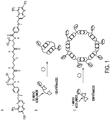
- AntiCD3 CSANs are endocytosed upon binding to CD3+ T cells via a clathrin dependent mechanism, in a manner similar to that of the parental antiCD3 monoclonal antibody (mAb), UCHT-1. ( Li et al., J. Am. Chem. Soc. 2010, 132, 17247-57 ) It was hypothesized that antiCD3 CSANs could be used for the delivery of dyes and drugs to T-leukemia cells for imaging and therapeutic purposes ( Figure 2 ).
- CSANs This offers the possibility of controlling the number of therapeutic molecules delivered by the CSANs, as well as tuning the affinity for the targeted cells. Further the modular nature of the CSAN construct allows changes in size, valency, and loading of cargo. As these properties can modulate cellular endocytosis. ( Muzykantov et al., Proc. Natl. Acad. Sci. U. S. A. 1999, 96, 2379-84 ; Wiewrodt et al., Blood 2002, 99, 912-22 ) CSANs are a useful construct for which to study these effects.
- US8236925 discloses methotrexate conjugates comprising two methotrexate molecules linked together by a linker and containing an additional agent.
- Certain embodiments of the present invention provide a compound of formula I: wherein:
- A, B, and/or Y may be PEGylated.
- A is a branched or unbranched (C 2 -C 10 )alkylene chain wherein one or more carbon atoms is optionally replaced with an oxygen (-O-) atom in the chain.
- A is a branched or unbranched (C 5 -C 10 )alkylene chain.
- A is an unbranched (C 5 -C 10 )alkylene chain.
- B is a branched or unbranched (C 2 -C 10 )alkylene chain wherein one or more carbon atoms is optionally replaced with an oxygen (-O-) atom in the chain.
- B is a branched or unbranched (C 5 -C 10 )alkylene chain.
- B is an unbranched (C 5 -C 10 )alkylene chain.
- X is N.
- X is
- Y has a molecular weight of from 20 daltons to 20,000 daltons.
- Y has a molecular weight of from 20 daltons to 5,000 daltons.
- Y has a molecular weight of from 20 daltons to 1,000 daltons.
- Y has a molecular weight of from 20 daltons to 200 daltons.
- Y has a length of 5 angstroms to 60 angstroms.
- Y separates Z from the remainder of the compound of formula I by 5 angstroms to 40 angstroms, inclusive, in length.
- Y is a divalent, branched or unbranched, saturated or unsaturated, hydrocarbon chain, having from 2 to 25 carbon atoms, wherein one or more (e.g. 1, 2, 3, or 4) of the carbon atoms is optionally replaced by (-O-), and wherein the chain is optionally substituted on carbon with one or more (e.g.
- substituents selected from (C 1 -C 6 )alkoxy, (C 3 -C 6 )cycloalkyl, (C 1 -C 6 )alkanoyl, (C 1 -C 6 )alkanoyloxy, (C 1 -C 6 )alkoxycarbonyl, (C 1 -C 6 )alkylthio, azido, cyano, nitro, halo, hydroxy, oxo ( O), carboxy, aryl, aryloxy, heteroaryl, and heteroaryloxy.
- Y is a polyethyleneoxy chain consisting of 2 or 3 repeating ethyleneoxy units.
- Y is a divalent radical formed from an amino acid or peptide.
- the compound is a compound of the following formula
- the compound is a compound of the following formula
- Z is -OH, -SH, -NH 2 , or -COOH.
- Certain embodiments of the invention provide a conjugate comprising a compound of Formula I that is linked via Y to a therapeutic or imaging agent, wherein the conjugate further comprises a first dihydrofolate reductase (DHFR) molecule linked to second DHFR molecule via a linker.
- DHFR dihydrofolate reductase
- This conjugate may associate (e.g., self-assemble) with other similar conjugates to form a nanoring. (see, e.g., U.S. Patent No. 8,236,925 ).
- the conjugate further comprises a targeting molecule.
- the targeting molecule selectively recognizes an antigen on a cancer cell.
- the targeting molecule is a single-chain variable fragment (scFv).
- the therapeutic or imaging agent is a first oligonucleotide.
- the oligonucleotide is an antisense RNA molecule.
- the conjugate further comprises a second oligonucleotide that is complementary to the first oligonucleotide, wherein the first and second oligonucleotide associate to form a duplex.
- the duplex functions as an siRNA molecule.
- the second oligonucleotide is linked directly or indirectly to a protein.
- the second oligonucleotide is linked directly or indirectly to a small molecule.
- the second oligonucleotide is linked indirectly to a protein via bis-methotrexate.
- the second oligonucleotide is linked indirectly to a small molecule via bis-methotrexate.
- the therapeutic or imaging is a nanoparticle.
- the conjugate is linked to a nanoparticle.
- the conjugate is in the form of a nanoring.
- compositions comprising a compound or conjugate as herein and a pharmaceutically acceptable carrier.
- Certain embodiments of the invention provide a compound for use in a method for treating cancer in a patient in need of such treatment, comprising administering to the patient a therapeutically effective amount of a compound or conjugate as described herein.
- Certain embodiments of the invention provide a compound or conjugate as described herein for use in medical treatment or diagnosis.
- Certain embodiments of the invention provide the use of a compound or conjugate as described herein to prepare a medicament useful for treating cancer in an animal.
- Certain embodiments of the invention provide a compound or conjugate as described herein for use in therapy.
- Certain embodiments of the invention provide a compound or conjugate as described herein for use in treating cancer.
- CSANs Chemically self-assembled antibody nanorings displaying multiple copies of single chain variable fragments (scFv) can be prepared from dihydrofolate reductase (DHFR) fusion proteins and bis-methotrexate (BisMTX).
- DHFR dihydrofolate reductase
- BisMTX bis-methotrexate
- a BisMTX chemical dimerizer (bisMTX-NH 2 ) has been designed and synthesized that contains a third linker arm that can be conjugated, e.g., to fluorophores, radiolabels and drugs.
- AntiCD3 CSANs Mono-, divalent and higher order AntiCD3 CSANs were assembled with a FITC labeled bis-methotrexate ligand (bisMTX-FITC) and found to undergo rapid internalization and trafficking by the HPB-MLT, a CD3+ T-leukemia cell line, to the early and late endosome and lysosome. Since the fluorescence of bisMTX-FITC, when incorporated into CSANs, was found to be significantly greater than the free ligand, the stability of the endocytosed AntiCD3 CSANs could be monitored.
- bisMTX-FITC bis-methotrexate ligand
- the internalized CSANs were found to be stable for several hours, while treatment with the non-toxic DHFR inhibitor trimethoprim (TMP) resulted in a rapid loss (>80%) of cellular fluorescence within minutes, consistent with efficient intracellular disassembly of the nanorings. Over longer time periods (24 h) cellular fluorescence decreased by 75%-90%, whether or not cells had been treated with DMSO or trimethoprim.
- TMP non-toxic DHFR inhibitor trimethoprim
- BisMTX is a potent inhibitor of DHFR, it was found to be non-toxic (IC 50 >20uM) to HPB-MLT cells.
- DHFR 2 antiCD3 scFv fusion proteins for the targeted cellular delivery of single stranded oligonucleotides through attachment to bis-MTX, a ligand for DHFR 2 proteins.
- Oligonucleotide conjugated small molecules and proteins can be delivered to cells through formation of double stranded helices.
- the modular nature of this system will be useful for the delivery a variety of cargoes (e.g., nucleic acids, small molecules, proteins) to cells in which an internalizing scFv or peptide is known.
- DHFR 2 fusion proteins Compared to other oligonucleotide conjugation approaches, the ease of the production of DHFR 2 fusion proteins, the robustness of the binding of DHFR 2 to bis-MTX and the control over binding stoichiometry are attractive features of this system.
- This system may also be useful for the delivery of functional nucleic acids, DNA nanostructures and proteins to cells and tissues.
- DHFR-scFv's dihydrofolate reductase linked single chain antibody fusion proteins
- (C 1 -C 6 )alkyl can be methyl, ethyl, propyl, isopropyl, butyl, iso-butyl, sec-butyl, pentyl, 3-pentyl, or hexyl;
- (C 3 -C 6 )cycloalkyl can be cyclopropyl, cyclobutyl, cyclopentyl, or cyclohexyl;
- (C 3 -C 6 )cycloalkyl(C 1 -C 6 )alkyl can be cyclopropylmethyl, cyclobutylmethyl, cyclopentylmethyl, cyclohexylmethyl, 2-cyclopropylethyl, 2-cyclobutylethyl, 2-cyclopentylethyl, or 2-cyclo
- amino acid comprises the residues of the natural amino acids (e.g. Ala, Arg, Asn, Asp, Cys, Glu, Gln, Gly, His, Hyl, Hyp, Ile, Leu, Lys, Met, Phe, Pro, Ser, Thr, Trp, Tyr, and Val) in D or L form, as well as unnatural amino acids (e.g.
- the term also comprises natural and unnatural amino acids bearing a conventional amino protecting group (e.g.
- acetyl or benzyloxycarbonyl as well as natural and unnatural amino acids protected at the carboxy terminus (e.g. as a (C 1 -C 6 )alkyl, phenyl or benzyl ester or amide; or as an ⁇ -methylbenzyl amide).
- suitable amino and carboxy protecting groups are known to those skilled in the art (See for example, T.W. Greene, Protecting Groups In Organic Synthesis; Wiley: New York, 1981 , and references cited therein).
- An amino acid can be linked to the remainder of a compound of formula I through the carboxy terminus, the amino terminus, or through any other convenient point of attachment, such as, for example, through the sulfur of cysteine.
- peptide describes a sequence of 2 to 25 amino acids (e.g. as defined hereinabove) or peptidyl residues.
- the sequence may be linear or cyclic.
- a cyclic peptide can be prepared or may result from the formation of disulfide bridges between two cysteine residues in a sequence.
- a peptide can be linked to the remainder of a compound of formula I through the carboxy terminus, the amino terminus, or through any other convenient point of attachment, such as, for example, through the sulfur of a cysteine.
- a peptide comprises 3 to 25, or 5 to 21 amino acids.
- Peptide derivatives can be prepared as disclosed in U.S.
- Patent Numbers 4,612,302 ; 4,853,371 ; and 4,684,620 or as described in the Examples hereinbelow.
- Peptide sequences specifically recited herein are written with the amino terminus on the left and the carboxy terminus on the right.
- Y is a linking group that joins the remainder of the compound of formula I to the group Z.
- the nature of the linking group Y is not critical provided the resulting compound retains the useful propertied described herein.
- Y has a molecular weight of from 20 daltons to 20,000 daltons.
- Y has a molecular weight of from 20 daltons to 5,000 daltons.
- Y has a molecular weight of from 20 daltons to 1,000 daltons.
- Y has a molecular weight of from 20 daltons to 200 daltons.
- Y has a length of 5 angstroms to 60 angstroms.
- Y separates the antigen from the remainder of the compound of formula I by 5 angstroms to 40 angstroms, inclusive, in length.
- Y is a divalent, branched or unbranched, saturated or unsaturated, hydrocarbon chain, having from 2 to 25 carbon atoms, wherein one or more (e.g. 1, 2, 3, or 4) of the carbon atoms is optionally replaced by (-O-), and wherein the chain is optionally substituted on carbon with one or more (e.g.
- substituents selected from (C 1 -C 6 )alkoxy, (C 3 -C 6 )cycloalkyl, (C 1 -C 6 )alkanoyl, (C 1 -C 6 )alkanoyloxy, (C 1 -C 6 )alkoxycarbonyl, (C 1 -C 6 )alkylthio, azido, cyano, nitro, halo, hydroxy, oxo ( O), carboxy, aryl, aryloxy, heteroaryl, and heteroaryloxy.
- Y comprises a polyethyleneoxy chain.
- the polyethyleneoxy chain comprises 2 or 3 repeating ethyleneoxy units.
- the Y is a divalent radical formed from a protein.
- Y is a divalent radical formed from a peptide.
- Y is a divalent radical formed from an amino acid.
- Certain embodiments of the present invention provide a nanoparticle linked to a conjugate, wherein the conjugate comprises a first antifolate molecule linked to a second antifolate molecule via a first linker, wherein the first linker comprises a moiety that is conjugated to the nanoparticle. While the exemplary embodiments described herein describe the linkage of the conjugates to nanoparticles, the conjugates may also be linked to the surface of other suitable surfaces.
- the first and second antifolate molecules are methotrexate molecules.
- the conjugate further comprises a first dihydrofolate reductase (DHFR) molecule linked to second DHFR molecule via a second linker.
- DHFR dihydrofolate reductase
- the compound or conjugate further comprises a targeting molecule.
- the conjugate further comprises a targeting molecule.
- the targeting molecule is a single-chain variable fragment (scFv).
- the targeting molecule is a targeting peptide.
- the targeting molecule selectively recognizes an antigen on a cancer cell.
- the targeting molecule is a single-chain variable fragment (scFv).
- the conjugate further comprises a therapeutic agent.
- the nanoparticle is a gold nanoparticle.
- compositions comprising a nanoparticle as described herein and a pharmaceutically acceptable carrier.
- Certain embodiments of the present invention provide a compound for use in a method for treating cancer in a patient in need of such treatment, comprising administering to the patient a therapeutically effective amount of a nanoparticle or composition as described herein.
- Certain embodiments of the present invention provide a nanoparticle as described herein for use in medical treatment or diagnosis.
- Certain embodiments of the present invention provide the use of a nanoparticle as described herein to prepare a medicament useful for treating cancer in an animal.
- Certain embodiments of the present invention provide a nanoparticle as described herein for use in therapy.
- Certain embodiments of the present invention provide a nanoparticle as described herein for use in treating cancer.
- Certain embodiments of the invention are directed to the intermediates and derivatives described herein.
- Certain embodiments of the invention are directed to the methods of making the nanoparticles, intermediates and derivatives described herein.
- Certain embodiments of the invention provide a conjugate comprising a first antifolate molecule linked to a second antifolate molecule via a first linker, wherein the first linker further comprises at least a first oligonucleotide.
- the first and second antifolate molecules are methotrexate molecules.
- the conjugate further comprises a first dihydrofolate reductase (DHFR) molecule linked to second DHFR molecule via a second linker.
- DHFR dihydrofolate reductase
- the conjugate further comprises a targeting molecule.
- the targeting molecule selectively recognizes an antigen on a cancer cell.
- the targeting molecule is a single-chain variable fragment (scFv).
- the first oligonucleotide is a therapeutic agent.
- the first oligonucleotide is an antisense RNA molecule.
- the conjugate further comprises a second oligonucleotide that is complementary to the first oligonucleotide, wherein the first and second oligonucleotide associate to form a duplex.
- the duplex functions as an siRNA molecule.
- the second oligonucleotide is linked directly or indirectly to a protein.
- the second oligonucleotide is linked directly or indirectly to a small molecule.
- the second oligonucleotide is linked indirectly to a protein via a bis-antifolate molecule (e.g., bis-methotrexate).
- a bis-antifolate molecule e.g., bis-methotrexate
- the second oligonucleotide is linked indirectly to a small molecule via a bis-antifolate molecule (e.g., bis-methotrexate).
- a bis-antifolate molecule e.g., bis-methotrexate
- compositions e.g., a pharmaceutical composition
- a pharmaceutical composition comprising a conjugate as described herein and a pharmaceutically acceptable carrier.
- Certain embodiments of the invention provide a compound for use in a method for treating cancer in a patient in need of such treatment, comprising administering to the patient a therapeutically effective amount of a conjugate as described herein.
- Certain embodiments of the invention provide a conjugate as described by herein for use in medical treatment or diagnosis.
- Certain embodiments of the invention provide a use of a conjugate as described herein to prepare a medicament useful for treating cancer in an animal.
- Certain embodiments of the invention provide a conjugate as described herein for use in therapy.
- Certain embodiments of the invention provide a conjugate as described herein for use in treating cancer.
- Certain embodiments of the invention provide the methods described herein for preparing the compounds and conjugates.
- a branched bisMTX ligand with the third arm containing a primary amine 9, for the attachment of dyes was designed and synthesized.
- the synthesis of the bis-MTX amine trilinker was achieved within seven convenient steps (Scheme 1). Initially the compound 2,2-(ethylenedioxy)bis(ethylamine) (1) was mono amine protected with di- tert -butyl dicarbonate (0.34 eq) and triethyl amine (1.7 eq) in dichloromethane.
- Predominantly octameric CSANs are formed when bisMTX is mixed with 1DHFR 2 antiCD3 however, when bisMTX-FITC is used as the assembly agent, a distribution of smaller rings, ranging in size from dimer to hexamers were observable. A rationale for the change in the size preference for rings formed from 1DHFR 2 antiCD3 and 10 is not immediately evident.
- HPB-MLT cells were incubated with a mixture of 13DHFR 2 antiCD3 and bisMTX-FITC at 37 or 4 °C and then visualized by fluorescence confocal microscopy.
- Cells incubated with the CSANs at 37 °C show internalized green punctates due to bisMTX-FITC fluorescence.
- the presence of intracellular green punctates is consistent with antiCD3 mediated endocytosis of the FITC containing CSANs. This is similar to what is observed when FITC labeled UCHT-1 mAb is incubated with HPB-MLT cells.
- Dimeric antiCD3 CSANs prepared with bisMTX can undergo rapid disassembly in the presence of an excess of the DHFR inhibitor, trimethoprim (TMP) in PBS, pH 7.0.
- TMP trimethoprim
- treatment of CSANs prepared from bisMTX-FITC and 13DHFR 2 antiCD3 with 2 mM trimethoprim resulted in conversion to the monomeric species as determined by SEC.
- fluorescence of bisMTX-FITC relative to fluorescein was greatly quenched possibly due to hydrophobic stacking interactions between FITC and the two MTX moieties.
- trimethoprim is cell permeable, it was hypothesized that treatment of endocytosed CSANs prepared with bisMTX-FITC with trimethoprim would allow the observation their intracellular disassembly and release of bisMTX-FITC.
- HPB-MLT cells After treating HPB-MLT cells with bisMTX-FITC containing CSANs, cells were washed and further incubated with non-toxic concentrations of trimethoprim (2 mM) for 3 hours at 37 °C, before being visualized by fluorescence confocal microscopy. Cells treated with trimethoprim showed loss of green punctates while intracellular green fluorescent punctates were still observable in untreated cells. A similar loss of green punctates was observed when cells were treated with 0.5 mM pyrimethamine, a potent non-toxic inhibitor of bacterial and parasitic DHFR.
- bisMTX may have a decreased ability to cause MTX associated toxicities if inadvertently released from the CSANs during systemic circulation.
- the in vivo stability of the CSANs will be studied, as well as their biodistribution.
- results from studies of the design of CSANs prepared from bisMTX-NH 2 conjugated to an additional and releasable drug are in progress and will be reported in due course.
- 13DHFR 2 antiCD3 and 1DHFR 2 antiCD3 were prepared as described previously. ( Li et al., Angew. Chem. Int. Ed. 2008, 47, 10179-82 ; Li et al., J. Am. Chem. Soc. 2010, 132, 17247-57 ) 13DHFR 2 antiCD22 was prepared in a similar manner. BisMTX was synthesized as described previously.
- HPB-MLT T leukemia
- Raji B lymphoma cells were cultured in RPMI -1640 media (Lonza) supplemented with 10 % (v/v) fetal bovine serum, L-Glutamine (2 mM final concentration), penicillin (100 units/mL), and streptomycin (100 ⁇ g/mL) in a humidified incubator with 5 % CO 2 at 37°C.
- BisMTX-FITC (3 eq) was mixed with either 13DHFR 2 antiCD3 or IDHFR 2 antiCD3 in P500 buffer (0.5 M NaCl, 50 mM KH 2 PO 4 , 1 mM EDTA, pH 7) and incubated at room temperature for approximately 10 minutes.
- P500 buffer 0.5 M NaCl, 50 mM KH 2 PO 4 , 1 mM EDTA, pH 7.
- the CSAN solution was injected onto a Superdex G200 size exclusion column (Amersham Biosciences, USA) and eluted with P500 buffer at 0.5 mL/min.
- BisMTX-FITC (or BisMTX-PG) and the appropriate DHFR fusion protein were mixed (250 nM) and added to 0.5 x 10 6 HPB-MLT cells at either 4 or 37 °C for 1 hr in RPMI media. Cells were then pelleted by centrifugation (400 x g, 5 min). After being washed twice with PBS (phosphate buffered saline) cells were incubated on Poly-Prep slides coated with poly-L-Lysine (Sigma) at 4 or 37 °C for 30 mins. Cells were then fixed with 4 % paraformaldehyde solution for 10 mins and washed thrice with PBS. Finally, cells were treated with ProLong Gold Antifade reagent with DAPI (Invitrogen), a cover slip was applied.
- HPB-MLT cells were incubated with 40 nM UCHT-1 on ice for 10 mins prior to addition BisMTX-FITC CSAN constructs anti-CD3 constructs (100 nM) followed by washing as above.
- HPB-MLT cells were treated with 150 nM CSANs or 3.95 nM UCHT-1 FITC for 1 hour at 37 °C before being washed twice with RPMI media and finally resuspended in media.
- the cells (0.5 X 10 6 ) were aliquoted into 1 mL of media containing either 2 mM trimethoprim or DMSO and incubated at 37 °C for the required period of time. Cells were then pelleted, washed once with PBS buffer and fixed with 0.5 % paraformaldehyde in PBS buffer. Samples were stored at 4 °C in the dark until analyzed.
- TLC Thin-layer chromatography
- Analtech Newark, DE
- Flash column chromatography was performed using regular gravity columns or ISCO - Combiflash Companion with Isco Redisep normal phase or reverse phase C18 columns.
- HPLC purifications were performed on a Beckman Coulter instrument (126 solvent module, 168 PDA detector) equipped with a Higgins Analytical - HAISIL C-8, 5 um Semiprep column (250x10 mm).
- N -(3-dimethylaminopropyl)- N' -ethylcarbodiimide hydrochloride (2.01 g, 10 mmol) and 1-hydroxybenzotriazole hydrate (1.61 g, 10.5 mmol) in DCM was added N- Carbobenzyloxy-L-glutamic acid 1-methyl ester (2.65 g, 8.97 mmol) and anhydrous triethylamine (2.5 mL, 18 mmol) under Ar.
- the reaction mixture was stirred overnight, diluted with CH 2 Cl 2 (40 mL), washed with Sat.
- the compound 5 (2.43 g, 2.50 mmol) was dissolved in a solution of acetyl chloride (0.35 mL, 5.0 mmol) in methanol (30 mL) under Ar. Then 10% palladium on carbon was added and flushed with Ar. The mixture was flushed with hydrogen and a H 2 balloon was attached. The reaction mixture was stirred vigorously for 3 hrs (reaction was monitored by TLC). Then the reaction mixture was diluted with 4x methanol and filtered through celite. The filtrate was evaporated and dried under vacuum to yield the compound 6 as a white foam (1.8 g, quant.). %).
- 1 H NMR 400 MHz, DMSO- d 6 ) ⁇ 7.976 (br.
- Reaction mixture was neutralized with acetic acid and desalted by loading on to a C18-Sep-Pak reverse phase cartridge and eluting with 50% acetonitrile in water.
- the resulting solution was lyophilized and further purified by HPLC using a C-8 semi-prep reverse phase column (mobile phase gradient 2% - 50 % acetonitrile/0.1% trifluoroacetic acid in water/0.1% trifluoroacetic acid) to obtain the final product 9 (0.20 g, 73%).
- Triazine trivalent dimerizers can be prepared with methods similar to those described hereinabove, e.g., as described in the following scheme.
- the triazine-based MTX dimer 14 will be prepared with the commercially available cyanuric chloride. Temperature-controlled, stepwise substitution of the triazine ring has been accomplished as described ( Neerman et al., Mol. Pharmaceutics 2004, 1, 390-393 ; Steffensen et al., Angew. Chem.-Inter. Ed. 2004, 43, 5178-5180 ) to yield the trialkylated triazine 11 in a yield of 70-75%, after deprotection with trifluoroacetic acid (TFA).
- TFA trifluoroacetic acid
- CSAN chemically self-assembled antibody nanorings
- Cbz carboxybenzyl
- DMSO dimethyl sulfoxide
- FITC fluorescein isothiocyanate
- mAb monoclonal antibody
- MTX methotrexate
- Pyr pyrimethamine
- SEC size exclusion chromatography
- TMP trimethoprim
- Multifunctional nanoparticles e.g., single chain antibody (scFv) linked multifunctional nanoparticles
- scFv single chain antibody
- scFv's having high specificity, high affinity, lower immunogenicity and smaller size.
- currently-available technologies do not provide adequate multifunctional nanoparticles, e.g., because the nanoparticles do not exhibit the stability needed for biomedical use.
- DHFR-scFv's dihydrofolate reductase linked single chain antibody fusion proteins
- This assembly is reversible in vitro with FDA approved antibiotic trimethoprim.
- These nanoparticles have a diverse array of applications in diagnosis and therapy when DHFR-scFv's are self-assembled with functionalized dendrimers containing optical imaging agents, MRI contrast agents, genes and drugs.
- this platform provides a multimodal nanocarrier drug delivery system for enhanced detection and treatment of human cancers.
- DHFR dihydrofolate reductase
- bis-MTX bis-methotrexate
- the dimerizer has been modified with a third arm to incorporate a variety of functionalities including dyes, metal chelators and drugs. Accordingly, targeted delivery by effectively bio-functionalizing a dendrimer is described herein.
- a versatile DHFR dimerizer has been created that can be functionalized with variety of agents including dyes, chelators, therapeutic drugs and nanoparticles for imaging and therapy.
- Successful cell internalization of the multifunctional dendrimer-based nanoparticle has shown its potential to be used as a multi modality nanotherapeutic agent.
- This nanoparticle will be useful as a contrast agent for in vivo tumor imaging, e.g., Gd-MRI.
- DHFR 2 -antiCD22 fusion proteins delivering nanoparticles to Daudi cells (Human Burkitt's lymphoma cells) have been imaged.
- Scheme A depicts the synthesis of a trilinker ligand and nanoparticle construction, and Table A depicts properties of the nanoparticles.
- GNPs Functionalized gold nanoparticles
- scFvs Single-chain antibodies
- the first strategy includes incorporation of PEG-thiol and bis-MTX thiol derivatives onto the GNP surface followed by conjugation of DHFR-DHFR-scFv to the bis-MTX on the GNPs (Scheme B(a)).
- conjugation of bis-MTX with DHFR-DHFR-scFv is performed prior to incorporating the bis-MTX thiol derivative onto the GNP surface (Scheme B(b)).
- bis-MTX-thiol derivatives which have a thiol or lipoic acid moiety, have been designed and synthesized (Scheme C).
- Lipoic acid-conjugated bis-MTX compounds were prepared because cyclic disulfide bond in lipoic acid has a stronger affinity to GNPs than mono-thiol group and it is stable in aqueous solution.
- bis-MTX trilinker (2) was synthesized to introduce a thiol or lipoic acid group.
- the synthesis of bis-MTX trilinker (2) includes eight steps. In order to introduce thiol moieties, both bis-MTX trilinker precursor (1) and bis-MTX trilinker (2) were used.
- mono-MTX-thiol derivatives were also prepared for the comparison with the use of bis-MTX thiol derivatives (Scheme D).
- mono-MTX-linker precursor (6) was prepared in seven steps. Lipoamide-dPEG4-acid was then coupled to compound 6 to obtain compound 7. When thiol-dPEG4-acid was coupled to compound 6, both mono-MTX-thiol (8) and mono-MTX-thiol dimer (9) were obtained.
- bis-MTX-thiol (3) was incorporated onto GNPs.
- the stability of mPEG-thiol (MW 2000)-conjugated GNPs was tested in 1% NaCl. ( Chattopadhyay, N.; Cai, Z.; Pignol, J. P.; Keller, B.; Lechtman, E.; Bendayan, R.; Reilly, R. M. Mol. Pharm. 2010, 7, 2194-206 .
- ADCs antibody-drug conjugates
- dihydrofolate reductase-single-chain variable fragment (scFv) fusion proteins can be used for the targeted cellular delivery of oligonucleotides, conjugated small molecules and proteins, via labeling of oligonucleotides by bis-methotrexate.
- ADCs antibody-drug conjugates
- CSANs chemically self-assembled antibody nanorings
- scFv single chain variable fragment
- DHFR 2 antiCD3 dimeric dihydrofolate reductase fusion proteins
- bis-MTX bis-methotrexate
- DHFR 2 antiCD3 proteins could be used to carry single stranded oligonucleotides and DNA duplexes, with attached cargoes, inside cells via modification of bis-MTX (Schemes 1.1a and 1.2a).
- a bis-MTX molecule has been prepared with a third arm containing a maleimide for reaction with thiol functionalized oligonucleotides.
- a bis-MTX oligo conjugate labelled with fluorescein bis-MTX oligo FITC was prepared.
- Bis-MTX oligo conjugates were also analyzed and characterized by LCMS.
- DHFR 2 antiCD3 contains two DHFR proteins and an antiCD3 scFv.
- Bis-MTX oligo FITC has bisMTX, attached to the oligo, which is labeled with FITC.
- FITC labeled oligonucleotides were delivered to HPB-MLT cells via antiCD3 scFv at 37 and 4 °C.
- the elution profile is similar to that obtained when bis-MTX is incubated with DHFR 2 antiCD3, although there appears to be a shift towards more internal monomer when bis-MTX oligo FITC is used for the dimerization.
- DHFR 2 antiCD3 When DHFR 2 antiCD3 is incubated with bis-MTX the internally cyclized DHFR 2 antiCD3 peak elutes slightly later than DHFR 2 antiCD3, due to the decreased hydrodynamic radius of the species.
- the internal monomeric species is larger than DHFR 2 antiCD3 alone as bis-MTX oligo FITC is of higher molecular weight and will have a greater hydrodynamic radius as compared to bis-MTX.
- Bis-MTX oligo FITC and DHFR 2 antiCD3 were incubated with CD3+ HPB-MLT (T-leukemia) cells and after washing the cells were analyzed by flow cytometry.
- Cells treated with antiCD3-oligo-FITC showed increased fluorescence intensity, as compared to untreated cells, suggesting interaction between the FITC labelled oligo and CD3+ cells.
- bis-MTX oligo FITC and DHFR 2 antiCD3 was incubated with HPB-MLT cells, at either 4 or 37 °C after which the cells were imaged by fluorescence confocal and differential inference contrast microscopy. Green fluorescent punctates were observed inside cells treated with antiCD3-oligo-FITC at 37 °C; thus indicating that the bis-MTX oligo FITC has been endocytosed along with DHFR 2 antiCD3. A similar image with green fluorescent punctates is obtained upon incubation of FITC labeled UCHT-1 with HPB-MLT.
- DHFR 2 antiCD3 Having shown the ability of DHFR 2 antiCD3 to carry bis-MTX functionalized single stranded oligonucleotides inside T-leukemia cells, the capability of the antiCD3-oligo conjugates to deliver cargoes inside cells through the formation of double stranded helices was explored.
- DHFR 2 antiCD3 was pre-incubated with NADPH prior to addition of the bis-MTX oligo. This results in formation of only the intramolecular dimer species as analyzed by SEC. NADPH enhances the affinity of MTX for DHFR by at least 100-fold, thus favouring intramolecular dimerization.
- AntiCD3-oligo is formed from DHFR 2 antiCD3 and bis-MTX oligo. Incubation with either complement-FITC (top arrow) or complement-DHFR 2 -BODIPY (bottom arrow) results in duplex formation between the complementary oligos yielding the final constructs. Fluorescence confocal and differential interference contrast and overlay images of complement-FITC and complement-DHFR 2 -BODIPY delivered to HPB-MLT cells via duplex formation with DHFR 2 antiCD3-oligo at 37 °C have been created.
- a FITC labelled oligonucleotide was used to allow the use of flow cytometry and confocal microscopy to visualize delivery.
- bis-MTX was conjugated to an oligonucleotide that is complementary to the FITC labelled oligonucleotide.
- the bis-MTX oligo was incubated with DHFR 2 antiCD3, in the presence of NADPH, to form the intramolecular species. To this mixture was added the complementary FITC labelled oligonucleotide, thus allowing sequence specific DNA duplex formation.
- both complementary strands at the 3' end were conjugated with bis-MTX.
- One strand was then conjugated to DHFR 2 antiCD3 in the presence of NADPH.
- the other strand was incubated in the presence of NADPH with a DHFR 2 quadruple mutant (C85A/C152S/C257A/C324S) containing a C-terminal Gly-Gly-Cys tag that has been site specifically labelled with the maleimide BODIPY-FL fluorescent dye (DHFR 2 -BODIPY).
- the two intramolecular dimers, with complementary oligos were incubated at 4 °C overnight allowing for duplex formation.
- DHFR 2 antiCD3-duplex FITC and DHFR 2 antiCD3-duplex DHFR 2 -BODIPY conjugates were then incubated with HPB-MLT cells and analyzed by flow cytometry and confocal microscopy
- Flow cytometry analysis of HPB-MLT cells incubated with DHFR 2 antiCD3-duplex FITC revealed an increase in fluorescence as compared to the unlabelled cells.
- cells treated with the DHFR 2 antiCD3-duplex DHFR 2 -BODIPY showed an increase in fluorescence, while only a small increase in fluorescence and hence only minimal non-specific interactions with the HPB-MLT cells were observed for cells treated with DHFR 2 -BODIPY alone.
- Neither of the constructs showed specific binding to the CD3 negative Raji cells.
- Unlabeled UCHT-1 (antiCD3 mAb) was able to prevent binding of both fluorescently labeled constructs, as observed by minimal increases in fluorescence as compared to the unstained cells. Both constructs also show concentration dependence of the observed fluorescence when incubated with HPB-MLT cells, in a similar manner to DHFR 2 antiCD3 with bis-MTX oligo FITC.
- DHFR 2 antiCD3-oligo + complement-FITC and DHFR 2 antiCD3-oligo + complement DHFR 2 -BODIPY at 37 °C have internalized green punctates indicating binding and uptake of the labeled oligonucleotide and protein. Again, only cell surface binding was observed for cells treated with the conjugates at 4 °C.
- the DHFR 2 -BisMTX based chemical self-assembled antibody-oligonucleotide conjugates affords a unique system for the programmable assembly and cellular delivery of oligonucleotides, drug conjugated oligonucleotides or DHFR 2 fusion proteins.
- ADC antibody drug conjugate
- CSAN chemically self-assembled antibody nanoring
- DHFR dihydrofolate reductase
- FITC Fluorescein isothiocyanate
- LCMS liquid chromatography mass spectrometry
- MTX methotrexate
- SEC size exclusion chromatography.
- N-Succinimidyl 4-maleimidobutyrate was synthesized by previously reported method in literature. ( Rich, D. H.; Gesellchen, P. D.; Tong, A.; Cheung, A.; Buckner, C. K. J. Med. Chem. 1975, 18, 1004-1010 ; Bidwell, G. L.; Fokt, I.; Priebe, W.; Raucher, D. Biochem. Pharmacol. 2007, 73, 620-631 ) The synthesis of Bis-MTX-NH 2 will be reported elsewhere.
- Bis-MTX-NH 2 was mixed with 5 eq of N-succinimidyl 4-maleimidobutyrate and 1 eq of N, N,-diisopropylethylamine (DIPEA) in dimethyl formamide (DMF) and stirred at room temperature overnight.
- DIPEA N, N,-diisopropylethylamine
- DMF dimethyl formamide
- the product was then purified by HPLC using 0.1% TFA in water (solvent A) and 0.1% TFA in acetonitrile (solvent B) on Haisil 100°A C8 RP column (5 ⁇ m, 250 x 10 mm, Haggins Analytical Inc). Product peak was isolated using a gradient of 2% to 50% B in 30 min and then to 100% in 5 min.
- Thiol protected oligonucleotides were purchased from IDT (Integrated DNA Technologies) and deprotected by 100 equivalent dithiothreitol (DTT) in TE Buffer (Tris 10 mM, EDTA 1 mM, pH 7.5) for 24 hr. DTT was removed by eluting the oligonucleotides through G25 spin columns (GE Healthcare Lifescience). Thiolated oligo were then magnetically stirred with 2.5 eq of Bis-MTX-maleimide in TE buffer for 48 hr at room temperature. Excess Bis-MTX-maleimide was then removed by centrifugation using an amicon (3 kDa MWCO, 7x with TE Buffer). Conjugates were analyzed by LC-ESI-MS.
- HPB-MLT T leukemia
- Raji B lymphoma cells were cultured in RPMI -1640 media (Lonza) supplemented with 10 % (v/v) fetal bovine serum, L-Glutamine (2 mM final concentration), penicillin (100 units/mL), and streptomycin (100 ⁇ g/mL) in a humidified incubator with 5 % CO 2 at 37°C.
- a plasmid encoding a quadruple mutant (C85A/C152S/C257A/C324S) DHFR-DHFR fusion protein with a 13 amino acid linker (GLGGGGGLVPRGT) between the DHFR proteins was prepared via plasmid mutagenesis. Starting from the plasmid encoding two cysteine free DHFR proteins linked by a 13 amino acid chain, a Glycine-Glycine-Cysteine (GGC) tag was added before the stop codon using QuikChange® Site-Directed Mutagenesis kit (Stratagene).
- GGC Glycine-Glycine-Cysteine
- the primers used were forward: 5'-C GAG CGT CGT GGA GGA TGC TAA TTA ATT AAT TCA C (SEQ ID NO:1) and reverse 5'-GTGAATTAATTAATTAGCATCCTCCACGACGCTCG (SEQ ID NO:2).
- the DHFR 2 -GGC protein was expressed as described previously. ( Carlson et al., J. Am. Chem. Soc. 2006, 128, 7630-7638 .)
- DHFR 2 was labeled with BODIPY-FL (Invitrogen) via cysteine - maleimide linkage, using a modification of a literature procedure. ( Kim et al., Bioconjug. Chem. 2008, 19, 786-791 .) DHFR 2 was first reduced with 100 eq. dithiothreitol (DTT) for 2 hr at 4°C. Then DHFR 2 was precipitated with 90 % (w/v) ammonium sulfate by stirring at 4°C for 1 hr. Protein slurry was spun down at 13000 x g for 5 min at 4°C.
- DTT dithiothreitol
- HPB-MLT cells 0.5 X 10 6 HPB-MLT cells were treated with FITC or BODIPY labeled constructs (1 ⁇ M) at either 4 or 37 °C for 1 hr in RPMI media. Cells were then pelleted by centrifugation (400 x g, 5 min). After being washed twice with PBS (phosphate buffer saline) cells were incubated on Poly-Prep slides coated with poly-L-Lysine (Sigma) at 4 or 37 °C for 30 mins. Cells were then fixed with 4 % paraformaldehyde solution for 10 mins and washed thrice with PBS.
- PBS phosphate buffer saline
- 1 X 10 6 HPB-MLT cells were treated with FITC or BODIPY labeled constructs (1/0.5/0.1 ⁇ M) at 4°C for 1 hr in PBS buffer (containing 0.05 % BSA and 0.1 % sodium azide). Cells were pelleted (400 x g, 10 min), washed twice, and finally resuspended in the supplemented PBS and their fluorescence was analyzed with a FACSCalibur flow cytometer (BD Biosciences).
- 1 X 10 6 HPB-MLT cells were incubated with 40 nM UCHT-1 on ice for 10 mins before addition of all the three DHFR 2 anti-CD3 constructs (0.1 ⁇ M). After 1 hr incubation cells were washed, resuspended and analyzed by flow cytometry. For cell specific experiments, 1 X 10 6 Raji cells were incubated with the constructs.
- HPB-MLT cells were incubated with Alexa Fluor 594 labeled transferrin and either FITC labeled UCHT-1 or DHFR 2 antiCD3 + bis-MTX oligo FITC for 30 minutes at 37 °C before being fixed and visualized by confocal microscopy.
- Alexa Fluor 594 labeled transferrin and either FITC labeled UCHT-1 or DHFR 2 antiCD3 + bis-MTX oligo FITC for 30 minutes at 37 °C before being fixed and visualized by confocal microscopy.
- the co-localization suggests UCHT-1 and scFv-oligo construct are both localized in endosomes and are internalized by a mechanism similar to that of transferrin, which follows a clathrin dependent endocytosis mechanism.
- Dihydrofolate reductase is an enzyme that catalyzes the reduction of dihydro folic acid to tetrahydro folic acid with the help of NADPH.
- E. coli DHFR mixed with a bis-MTX ligand which contains 2 methotrexate molecules linked by a 9-carbon linker, can lead to efficient dimerization.
- bis-MTX can be linked to oligonucleotides, e.g., via a thiol-maleimide linkage to give bis-MTX-Oligo (Scheme 4.1).
- the resulting fusion protein when incubated with a bis-MTX ligand, provides a dimeric DHFR-DHFR nanoring, whereas, if the linker is 1 amino acid long, a DHFR-DHFR octameric species is provided (Scheme 4.2). Also when a DHFR-DHFR-anti-CD3 scFv (single chain variable fragment) / cRGD is mixed with bis-MTX-Oligo, anti-CD3/ cRGD nanorings decorated with oligonucleotides are obtained. When DHFR-13 a.a.-DHFR is pre-incubated with NADPH and treated with bis-MTX-oligo, it forms predominantly internal monomeric species (Scheme 4.2).
- oligonucleotide-protein conjugates have various applications in terms of targeted cellular delivery and nanostructures assembly.
- Kang, H. Nucleic Acids Research (2008), 36 (12), 4158-4171 ; Duckworth, B. P. Angew. Chem. Int. Ed. (2007), 46, 8819-8822 Delivering anti-sense oligonucleotides and siRNA's into the cell is a key obstacle in this therapeutic area.
- Selective targeting to cancerous cells may be achieved by conjugating oligonucleotides with targeting proteins or peptides.
- DHFR-DHFR can be fused with different targeting proteins, such as anti-CD 19, anti-CD22, EpCAM, cyclic RGD etc., thus selectively delivering oligonucleotides to different cell types. Further, by complimentary Watson-Crick base pairing of oligonucleotides, DHFR-DHFR fusion proteins can be assembled into various two and three-dimensional nanostructures, thus achieving multivalency and bipecific targeting ability.
- DHFR dihydrofolate reductase
- oligonucleotide, oligo-duplex, and two different proteins linked by DNA duplex can be delivered to HPB-MLT cells (T-cells) via CD3 antigen.
- DHFR-RGD-eIF4E antisence Oligo octamer construct was evaluated for antisense effect in MDA-MB 231 breast cancer cell lines that over-express ⁇ V ⁇ 3 integrins.
- MDA-MB 231 cells has plasmid for eIF4E (eukaryotic initiation factor 4E) linked to luciferase reporter whose expression is suppressed if anti-sense oligonucleotide for eIF4E knocks down the gene. More than 70% knock down has been demonstrated when the cells were treated with 0.5 and 1 ⁇ M phosphorothiaoted anti-sense oligo as compared to untreated cells, thereby demonstrating delivery. These results are the same as non-targeted lipofectamine delivery.
- eIF4E eukaryotic initiation factor 4E
Landscapes
- Health & Medical Sciences (AREA)
- Chemical & Material Sciences (AREA)
- Life Sciences & Earth Sciences (AREA)
- Engineering & Computer Science (AREA)
- Medicinal Chemistry (AREA)
- General Health & Medical Sciences (AREA)
- Pharmacology & Pharmacy (AREA)
- Epidemiology (AREA)
- Animal Behavior & Ethology (AREA)
- Public Health (AREA)
- Veterinary Medicine (AREA)
- Bioinformatics & Cheminformatics (AREA)
- Organic Chemistry (AREA)
- Molecular Biology (AREA)
- Nanotechnology (AREA)
- Immunology (AREA)
- Inorganic Chemistry (AREA)
- Crystallography & Structural Chemistry (AREA)
- Biophysics (AREA)
- Biotechnology (AREA)
- General Engineering & Computer Science (AREA)
- Medical Informatics (AREA)
- Biochemistry (AREA)
- Cell Biology (AREA)
- Medicinal Preparation (AREA)
- Pharmaceuticals Containing Other Organic And Inorganic Compounds (AREA)
- Peptides Or Proteins (AREA)
Claims (13)
- Composé de formule I :
 A est une chaîne d'hydrocarbure divalente, ramifiée ou non ramifiée, saturée ou insaturée, ayant de 2 à 25 atomes de carbone, dans laquelle un ou plusieurs (par ex. 1, 2, 3 ou 4) des atomes de carbone est remplacé en option par (-O-), et dans laquelle la chaîne est substituée en option sur le carbone par un ou plusieurs (par ex. 1, 2, 3 ou 4) substituants sélectionnés parmi (C1-C6)alcoxy, (C3-C6)cycloalkyle, (C1-C6)alcanoyle, (C1-C6)alcanoyloxy, (C1-C6)alcoxycarbonyle, (C1-C6)alkylthio, azido, cyano, nitro, halogéno, hydroxy, oxo (=O), carboxy, aryle, aryloxy, hétéroaryle et hétéroaryloxy ;B est une chaîne d'hydrocarbure divalente, ramifiée ou non ramifiée, saturée ou insaturée, ayant de 2 à 25 atomes de carbone, dans laquelle un ou plusieurs (par ex. 1, 2, 3 ou 4) des atomes de carbone est remplacé en option par (-O-), et dans laquelle la chaîne est substituée en option sur le carbone par un ou plusieurs (par ex. 1, 2, 3 ou 4) substituants sélectionnés parmi (C1-C6)alcoxy, (C3-C6)cycloalkyle, (C1-C6)alcanoyle, (C1-C6)alcanoyloxy, (C1-C6)alcoxycarbonyle, (C1-C6)alkylthio, azido, cyano, nitro, halogéno, hydroxy, oxo (=O), carboxy, aryle, aryloxy, hétéroaryle et hétéroaryloxy ;X est N ou
 Y est un groupe liant approprié, dans laquelle Y est une chaîne de polyéthylèneoxy constituée de 2 ou 3 motifs répétés d'éthylèneoxy, ou dans laquelle Y est un radical divalent formé d'un acide aminé ou peptide ; etZ est un groupe fonctionnel qui peut être utilisé pour lier par covalence le composé de formule I à un agent.
 - Composé selon la revendication 1, dans lequel A est une chaîne de (C2-C6)alkylène ramifiée ou non ramifiée, dans lequel un ou plusieurs atomes de carbone est remplacé en option par un atome d'oxygène (-O-) dans la chaîne.
- Composé selon l'une quelconque des revendications 1 ou 2, dans lequel B est une chaîne de (C2-C6)alkylène ramifiée ou non ramifiée, dans lequel un ou plusieurs atomes de carbone est remplacé en option par un atome d'oxygène (-O-) dans la chaîne.
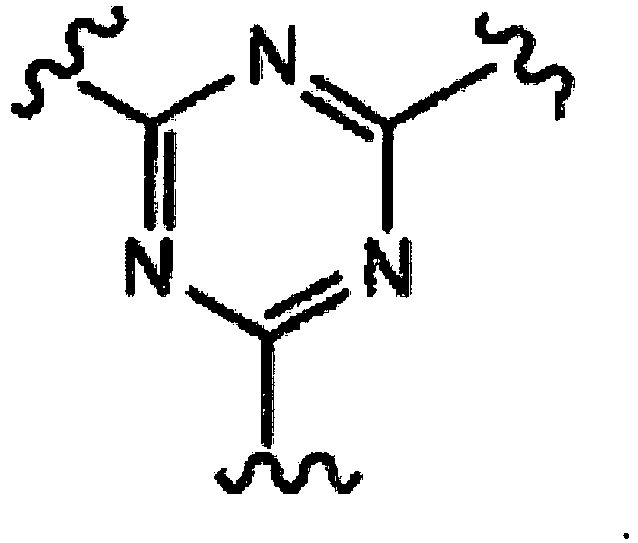
- Composé selon l'une quelconque des revendications 1 à 3, dans lequel X est N ou
- Composé selon l'une quelconque des revendications 1 à 4, dans lequel Y a un poids moléculaire de 20 daltons à 5000 daltons, de préférence de 20 daltons à 1000 daltons, plus préférablement de 20 daltons à 200 daltons.
- Composé selon la revendication 1, qui est un composé de la formule suivante :

- Composé selon l'une quelconque des revendications 1 à 5, dans lequel Z est - OH, -SH, -NH2 ou -COOH.
- Conjugué comprenant un composé tel que décrit dans l'une quelconque des revendications 1 à 7 qui est lié par le biais de Y à un agent, dans lequel le conjugué comprend en outre une première molécule de dihydrofolate réductase (DHFR) liée à une seconde molécule de DHFR par le biais d'un liant.
- Conjugué selon la revendication 8, dans lequel le conjugué comprend en outre une molécule de ciblage.
- Composition comprenant un composé ou conjugué tel que décrit dans l'une quelconque des revendications 1 à 9 et un vecteur pharmaceutiquement acceptable.
- Composé ou conjugué tel que décrit par l'une quelconque des revendications 1 à 9 destiné à être utilisé dans le traitement médical ou diagnostic.
- Utilisation d'un composé ou conjugué tel que décrit dans l'une quelconque des revendications 1 à 9 pour préparer un médicament utile dans le traitement du cancer chez un animal.
- Composé ou conjugué selon l'une quelconque des revendications 1 à 9 destiné à être utilisé dans le traitement du cancer.
Applications Claiming Priority (4)
| Application Number | Priority Date | Filing Date | Title |
|---|---|---|---|
| US201261588621P | 2012-01-19 | 2012-01-19 | |
| US201261595531P | 2012-02-06 | 2012-02-06 | |
| US201261695775P | 2012-08-31 | 2012-08-31 | |
| PCT/US2013/022218 WO2013109939A1 (fr) | 2012-01-19 | 2013-01-18 | Procédés de fabrication et d'utilisation de nanostructures |
Publications (2)
| Publication Number | Publication Date |
|---|---|
| EP2804862A1 EP2804862A1 (fr) | 2014-11-26 |
| EP2804862B1 true EP2804862B1 (fr) | 2019-07-17 |
Family
ID=47630584
Family Applications (1)
| Application Number | Title | Priority Date | Filing Date |
|---|---|---|---|
| EP13702171.3A Active EP2804862B1 (fr) | 2012-01-19 | 2013-01-18 | Procédés de fabrication et d'utilisation de nanostructures |
Country Status (3)
| Country | Link |
|---|---|
| US (1) | US9486535B2 (fr) |
| EP (1) | EP2804862B1 (fr) |
| WO (1) | WO2013109939A1 (fr) |
Families Citing this family (5)
| Publication number | Priority date | Publication date | Assignee | Title |
|---|---|---|---|---|
| US9499800B2 (en) | 2013-12-26 | 2016-11-22 | Regents Of The University Of Minnesota | Methods of making and using chemically self assembled-nanorings |
| US10239891B2 (en) * | 2017-05-15 | 2019-03-26 | Indicator Systems International, Inc. | Compositions to detect remnant cancer cells |
| WO2018026965A1 (fr) | 2016-08-02 | 2018-02-08 | Isi Life Sciences, Inc. | Méthode de détection de cellules cancéreuses. |
| CN106831491A (zh) * | 2016-12-29 | 2017-06-13 | 苏州昊帆生物股份有限公司 | 2‑(2‑(2‑氨基乙氧基)乙氧基)乙基氨基甲酸叔丁酯的制备方法 |
| US10753942B2 (en) | 2017-05-15 | 2020-08-25 | Indicator Systems International, Inc. | Methods to detect remnant cancer cells |
Family Cites Families (8)
| Publication number | Priority date | Publication date | Assignee | Title |
|---|---|---|---|---|
| CA120116A (fr) | 1909-03-29 | 1909-08-24 | William H. Bantly | Support pour abat-jour et rideaux |
| CA125360A (fr) | 1909-12-01 | 1910-04-26 | Charles W. Stark | Retenue de barriere |
| US4612302A (en) | 1983-11-14 | 1986-09-16 | Brigham And Women's Hospital | Clinical use of somatostatin analogues |
| US4684620A (en) | 1984-09-04 | 1987-08-04 | Gibson-Stephens Neuropharmaceuticals, Inc. | Cyclic polypeptides having mu-receptor specificity |
| US4853371A (en) | 1986-06-17 | 1989-08-01 | The Administrators Of The Tulane Educational Fund | Therapeutic somatostatin analogs |
| CA2379375A1 (fr) | 2002-03-28 | 2003-09-28 | Apotex Inc. | Derives sulfonamide d'imidazo-[1,2-d]-1,2,4-thiadiazoles substitues en position 3 et de [1,2,4]-thiadiazolo-[4,5-a]-benzimidazole substitue en position 3 employes comme inhibiteurs de la reticulation de la fibrine et de transglutaminases |
| US8236925B1 (en) * | 2005-08-26 | 2012-08-07 | University Of Minnesota | Protein nanorings |
| WO2011059586A2 (fr) | 2009-10-30 | 2011-05-19 | The Regents Of The University Of Michigan | Petites molécules multifonctionnelles |
-
2013
- 2013-01-18 WO PCT/US2013/022218 patent/WO2013109939A1/fr not_active Ceased
- 2013-01-18 US US14/373,209 patent/US9486535B2/en active Active
- 2013-01-18 EP EP13702171.3A patent/EP2804862B1/fr active Active
Non-Patent Citations (1)
| Title |
|---|
| None * |
Also Published As
| Publication number | Publication date |
|---|---|
| US9486535B2 (en) | 2016-11-08 |
| HK1204473A1 (en) | 2015-11-20 |
| EP2804862A1 (fr) | 2014-11-26 |
| US20150017189A1 (en) | 2015-01-15 |
| WO2013109939A1 (fr) | 2013-07-25 |
Similar Documents
| Publication | Publication Date | Title |
|---|---|---|
| ES2985240T3 (es) | Conjugados de saponina | |
| Paranjpe et al. | Tumor-targeted bioconjugate based delivery of camptothecin: design, synthesis and in vitro evaluation | |
| Shukla et al. | HER2 specific delivery of methotrexate by dendrimer conjugated anti-HER2 mAb | |
| KR102051038B1 (ko) | 나노입자 약물 컨쥬게이트 | |
| EP4227309A1 (fr) | Dérivé de camptothécine deutéré et conjugué anticorps-médicament associé | |
| CA3195153A1 (fr) | Conjugues de medicament a nanoparticules ciblees de recepteur de folate et leurs utilisations | |
| EP2804862B1 (fr) | Procédés de fabrication et d'utilisation de nanostructures | |
| CA3210473A1 (fr) | Lieurs ramifies pour conjugues anticorps-medicament et leurs methodes d'utilisation | |
| Civril et al. | Engineering polymeric micelles for targeted drug delivery:“click” chemistry enabled bioconjugation strategies and emerging applications | |
| HK1204473B (en) | Methods of making and using nanostructures | |
| US20250152723A1 (en) | Antibody-drug conjugates involving erianin and the fabrication methods and applications thereof | |
| JP2020529457A (ja) | 新たな標的化された細胞傷害性ラトジャドン誘導体及びそのコンジュゲート | |
| Moura Paiva | Development of active tumor targeting systems for delivery of siRNA and drugs into breast and colorectal cancer | |
| KR20250123914A (ko) | 인(v) 부분과 약물을 포함하는 접합체 | |
| HK40120190A (zh) | 含毛兰素的抗体药物偶联物及其制备方法和应用 |
Legal Events
| Date | Code | Title | Description |
|---|---|---|---|
| PUAI | Public reference made under article 153(3) epc to a published international application that has entered the european phase |
Free format text: ORIGINAL CODE: 0009012 |
|
| 17P | Request for examination filed |
Effective date: 20140814 |
|
| AK | Designated contracting states |
Kind code of ref document: A1 Designated state(s): AL AT BE BG CH CY CZ DE DK EE ES FI FR GB GR HR HU IE IS IT LI LT LU LV MC MK MT NL NO PL PT RO RS SE SI SK SM TR |
|
| DAX | Request for extension of the european patent (deleted) | ||
| REG | Reference to a national code |
Ref country code: HK Ref legal event code: DE Ref document number: 1204473 Country of ref document: HK |
|
| STAA | Information on the status of an ep patent application or granted ep patent |
Free format text: STATUS: EXAMINATION IS IN PROGRESS |
|
| 17Q | First examination report despatched |
Effective date: 20161219 |
|
| GRAP | Despatch of communication of intention to grant a patent |
Free format text: ORIGINAL CODE: EPIDOSNIGR1 |
|
| STAA | Information on the status of an ep patent application or granted ep patent |
Free format text: STATUS: GRANT OF PATENT IS INTENDED |
|
| RIC1 | Information provided on ipc code assigned before grant |
Ipc: A61K 47/54 20170101ALI20190111BHEP Ipc: A61K 47/55 20170101ALI20190111BHEP Ipc: C07D 475/08 20060101AFI20190111BHEP Ipc: A61K 47/68 20170101ALI20190111BHEP |
|
| INTG | Intention to grant announced |
Effective date: 20190205 |
|
| GRAS | Grant fee paid |
Free format text: ORIGINAL CODE: EPIDOSNIGR3 |
|
| GRAA | (expected) grant |
Free format text: ORIGINAL CODE: 0009210 |
|
| STAA | Information on the status of an ep patent application or granted ep patent |
Free format text: STATUS: THE PATENT HAS BEEN GRANTED |
|
| AK | Designated contracting states |
Kind code of ref document: B1 Designated state(s): AL AT BE BG CH CY CZ DE DK EE ES FI FR GB GR HR HU IE IS IT LI LT LU LV MC MK MT NL NO PL PT RO RS SE SI SK SM TR |
|
| REG | Reference to a national code |
Ref country code: GB Ref legal event code: FG4D |
|
| REG | Reference to a national code |
Ref country code: CH Ref legal event code: EP |
|
| REG | Reference to a national code |
Ref country code: IE Ref legal event code: FG4D |
|
| REG | Reference to a national code |
Ref country code: DE Ref legal event code: R096 Ref document number: 602013057861 Country of ref document: DE |
|
| REG | Reference to a national code |
Ref country code: AT Ref legal event code: REF Ref document number: 1155745 Country of ref document: AT Kind code of ref document: T Effective date: 20190815 |
|
| REG | Reference to a national code |
Ref country code: NL Ref legal event code: MP Effective date: 20190717 |
|
| REG | Reference to a national code |
Ref country code: LT Ref legal event code: MG4D |
|
| REG | Reference to a national code |
Ref country code: AT Ref legal event code: MK05 Ref document number: 1155745 Country of ref document: AT Kind code of ref document: T Effective date: 20190717 |
|
| PG25 | Lapsed in a contracting state [announced via postgrant information from national office to epo] |
Ref country code: NO Free format text: LAPSE BECAUSE OF FAILURE TO SUBMIT A TRANSLATION OF THE DESCRIPTION OR TO PAY THE FEE WITHIN THE PRESCRIBED TIME-LIMIT Effective date: 20191017 Ref country code: HR Free format text: LAPSE BECAUSE OF FAILURE TO SUBMIT A TRANSLATION OF THE DESCRIPTION OR TO PAY THE FEE WITHIN THE PRESCRIBED TIME-LIMIT Effective date: 20190717 Ref country code: SE Free format text: LAPSE BECAUSE OF FAILURE TO SUBMIT A TRANSLATION OF THE DESCRIPTION OR TO PAY THE FEE WITHIN THE PRESCRIBED TIME-LIMIT Effective date: 20190717 Ref country code: FI Free format text: LAPSE BECAUSE OF FAILURE TO SUBMIT A TRANSLATION OF THE DESCRIPTION OR TO PAY THE FEE WITHIN THE PRESCRIBED TIME-LIMIT Effective date: 20190717 Ref country code: PT Free format text: LAPSE BECAUSE OF FAILURE TO SUBMIT A TRANSLATION OF THE DESCRIPTION OR TO PAY THE FEE WITHIN THE PRESCRIBED TIME-LIMIT Effective date: 20191118 Ref country code: LT Free format text: LAPSE BECAUSE OF FAILURE TO SUBMIT A TRANSLATION OF THE DESCRIPTION OR TO PAY THE FEE WITHIN THE PRESCRIBED TIME-LIMIT Effective date: 20190717 Ref country code: AT Free format text: LAPSE BECAUSE OF FAILURE TO SUBMIT A TRANSLATION OF THE DESCRIPTION OR TO PAY THE FEE WITHIN THE PRESCRIBED TIME-LIMIT Effective date: 20190717 Ref country code: BG Free format text: LAPSE BECAUSE OF FAILURE TO SUBMIT A TRANSLATION OF THE DESCRIPTION OR TO PAY THE FEE WITHIN THE PRESCRIBED TIME-LIMIT Effective date: 20191017 Ref country code: NL Free format text: LAPSE BECAUSE OF FAILURE TO SUBMIT A TRANSLATION OF THE DESCRIPTION OR TO PAY THE FEE WITHIN THE PRESCRIBED TIME-LIMIT Effective date: 20190717 |
|
| PG25 | Lapsed in a contracting state [announced via postgrant information from national office to epo] |
Ref country code: ES Free format text: LAPSE BECAUSE OF FAILURE TO SUBMIT A TRANSLATION OF THE DESCRIPTION OR TO PAY THE FEE WITHIN THE PRESCRIBED TIME-LIMIT Effective date: 20190717 Ref country code: GR Free format text: LAPSE BECAUSE OF FAILURE TO SUBMIT A TRANSLATION OF THE DESCRIPTION OR TO PAY THE FEE WITHIN THE PRESCRIBED TIME-LIMIT Effective date: 20191018 Ref country code: LV Free format text: LAPSE BECAUSE OF FAILURE TO SUBMIT A TRANSLATION OF THE DESCRIPTION OR TO PAY THE FEE WITHIN THE PRESCRIBED TIME-LIMIT Effective date: 20190717 Ref country code: AL Free format text: LAPSE BECAUSE OF FAILURE TO SUBMIT A TRANSLATION OF THE DESCRIPTION OR TO PAY THE FEE WITHIN THE PRESCRIBED TIME-LIMIT Effective date: 20190717 Ref country code: RS Free format text: LAPSE BECAUSE OF FAILURE TO SUBMIT A TRANSLATION OF THE DESCRIPTION OR TO PAY THE FEE WITHIN THE PRESCRIBED TIME-LIMIT Effective date: 20190717 Ref country code: IS Free format text: LAPSE BECAUSE OF FAILURE TO SUBMIT A TRANSLATION OF THE DESCRIPTION OR TO PAY THE FEE WITHIN THE PRESCRIBED TIME-LIMIT Effective date: 20191117 |
|
| PG25 | Lapsed in a contracting state [announced via postgrant information from national office to epo] |
Ref country code: TR Free format text: LAPSE BECAUSE OF FAILURE TO SUBMIT A TRANSLATION OF THE DESCRIPTION OR TO PAY THE FEE WITHIN THE PRESCRIBED TIME-LIMIT Effective date: 20190717 |
|
| PG25 | Lapsed in a contracting state [announced via postgrant information from national office to epo] |
Ref country code: RO Free format text: LAPSE BECAUSE OF FAILURE TO SUBMIT A TRANSLATION OF THE DESCRIPTION OR TO PAY THE FEE WITHIN THE PRESCRIBED TIME-LIMIT Effective date: 20190717 Ref country code: EE Free format text: LAPSE BECAUSE OF FAILURE TO SUBMIT A TRANSLATION OF THE DESCRIPTION OR TO PAY THE FEE WITHIN THE PRESCRIBED TIME-LIMIT Effective date: 20190717 Ref country code: PL Free format text: LAPSE BECAUSE OF FAILURE TO SUBMIT A TRANSLATION OF THE DESCRIPTION OR TO PAY THE FEE WITHIN THE PRESCRIBED TIME-LIMIT Effective date: 20190717 Ref country code: IT Free format text: LAPSE BECAUSE OF FAILURE TO SUBMIT A TRANSLATION OF THE DESCRIPTION OR TO PAY THE FEE WITHIN THE PRESCRIBED TIME-LIMIT Effective date: 20190717 Ref country code: DK Free format text: LAPSE BECAUSE OF FAILURE TO SUBMIT A TRANSLATION OF THE DESCRIPTION OR TO PAY THE FEE WITHIN THE PRESCRIBED TIME-LIMIT Effective date: 20190717 |
|
| PG25 | Lapsed in a contracting state [announced via postgrant information from national office to epo] |
Ref country code: IS Free format text: LAPSE BECAUSE OF FAILURE TO SUBMIT A TRANSLATION OF THE DESCRIPTION OR TO PAY THE FEE WITHIN THE PRESCRIBED TIME-LIMIT Effective date: 20200224 Ref country code: SM Free format text: LAPSE BECAUSE OF FAILURE TO SUBMIT A TRANSLATION OF THE DESCRIPTION OR TO PAY THE FEE WITHIN THE PRESCRIBED TIME-LIMIT Effective date: 20190717 Ref country code: SK Free format text: LAPSE BECAUSE OF FAILURE TO SUBMIT A TRANSLATION OF THE DESCRIPTION OR TO PAY THE FEE WITHIN THE PRESCRIBED TIME-LIMIT Effective date: 20190717 Ref country code: CZ Free format text: LAPSE BECAUSE OF FAILURE TO SUBMIT A TRANSLATION OF THE DESCRIPTION OR TO PAY THE FEE WITHIN THE PRESCRIBED TIME-LIMIT Effective date: 20190717 |
|
| REG | Reference to a national code |
Ref country code: DE Ref legal event code: R097 Ref document number: 602013057861 Country of ref document: DE |
|
| PLBE | No opposition filed within time limit |
Free format text: ORIGINAL CODE: 0009261 |
|
| STAA | Information on the status of an ep patent application or granted ep patent |
Free format text: STATUS: NO OPPOSITION FILED WITHIN TIME LIMIT |
|
| PG2D | Information on lapse in contracting state deleted |
Ref country code: IS |
|
| 26N | No opposition filed |
Effective date: 20200603 |
|
| PG25 | Lapsed in a contracting state [announced via postgrant information from national office to epo] |
Ref country code: MC Free format text: LAPSE BECAUSE OF FAILURE TO SUBMIT A TRANSLATION OF THE DESCRIPTION OR TO PAY THE FEE WITHIN THE PRESCRIBED TIME-LIMIT Effective date: 20190717 Ref country code: SI Free format text: LAPSE BECAUSE OF FAILURE TO SUBMIT A TRANSLATION OF THE DESCRIPTION OR TO PAY THE FEE WITHIN THE PRESCRIBED TIME-LIMIT Effective date: 20190717 |
|
| REG | Reference to a national code |
Ref country code: CH Ref legal event code: PL |
|
| REG | Reference to a national code |
Ref country code: BE Ref legal event code: MM Effective date: 20200131 |
|
| PG25 | Lapsed in a contracting state [announced via postgrant information from national office to epo] |
Ref country code: LU Free format text: LAPSE BECAUSE OF NON-PAYMENT OF DUE FEES Effective date: 20200118 |
|
| PG25 | Lapsed in a contracting state [announced via postgrant information from national office to epo] |
Ref country code: BE Free format text: LAPSE BECAUSE OF NON-PAYMENT OF DUE FEES Effective date: 20200131 Ref country code: CH Free format text: LAPSE BECAUSE OF NON-PAYMENT OF DUE FEES Effective date: 20200131 Ref country code: LI Free format text: LAPSE BECAUSE OF NON-PAYMENT OF DUE FEES Effective date: 20200131 |
|
| PG25 | Lapsed in a contracting state [announced via postgrant information from national office to epo] |
Ref country code: IE Free format text: LAPSE BECAUSE OF NON-PAYMENT OF DUE FEES Effective date: 20200118 |
|
| PG25 | Lapsed in a contracting state [announced via postgrant information from national office to epo] |
Ref country code: MT Free format text: LAPSE BECAUSE OF FAILURE TO SUBMIT A TRANSLATION OF THE DESCRIPTION OR TO PAY THE FEE WITHIN THE PRESCRIBED TIME-LIMIT Effective date: 20190717 Ref country code: CY Free format text: LAPSE BECAUSE OF FAILURE TO SUBMIT A TRANSLATION OF THE DESCRIPTION OR TO PAY THE FEE WITHIN THE PRESCRIBED TIME-LIMIT Effective date: 20190717 |
|
| PG25 | Lapsed in a contracting state [announced via postgrant information from national office to epo] |
Ref country code: MK Free format text: LAPSE BECAUSE OF FAILURE TO SUBMIT A TRANSLATION OF THE DESCRIPTION OR TO PAY THE FEE WITHIN THE PRESCRIBED TIME-LIMIT Effective date: 20190717 |
|
| P01 | Opt-out of the competence of the unified patent court (upc) registered |
Effective date: 20230515 |
|
| PGFP | Annual fee paid to national office [announced via postgrant information from national office to epo] |
Ref country code: GB Payment date: 20260303 Year of fee payment: 14 |
|
| PGFP | Annual fee paid to national office [announced via postgrant information from national office to epo] |
Ref country code: DE Payment date: 20260305 Year of fee payment: 14 |
|
| PGFP | Annual fee paid to national office [announced via postgrant information from national office to epo] |
Ref country code: FR Payment date: 20260316 Year of fee payment: 14 |