EP2805732B1 - Polymerwirkstoffkonjugate zur Behandlung von Amyloidose - Google Patents
Polymerwirkstoffkonjugate zur Behandlung von Amyloidose Download PDFInfo
- Publication number
- EP2805732B1 EP2805732B1 EP13382184.3A EP13382184A EP2805732B1 EP 2805732 B1 EP2805732 B1 EP 2805732B1 EP 13382184 A EP13382184 A EP 13382184A EP 2805732 B1 EP2805732 B1 EP 2805732B1
- Authority
- EP
- European Patent Office
- Prior art keywords
- polymer
- drug
- linked
- spacer
- pga
- Prior art date
- Legal status (The legal status is an assumption and is not a legal conclusion. Google has not performed a legal analysis and makes no representation as to the accuracy of the status listed.)
- Not-in-force
Links
- LPGWUGLCLTZKLK-UHFFFAOYSA-N CC(C(C(C(C1N(C)C)C23[O]=C2C(C(N)=O)=C1O)O)C1=C3O)c(ccc(NC(CNC(CN)=O)=O)c2O)c2C1=O Chemical compound CC(C(C(C(C1N(C)C)C23[O]=C2C(C(N)=O)=C1O)O)C1=C3O)c(ccc(NC(CNC(CN)=O)=O)c2O)c2C1=O LPGWUGLCLTZKLK-UHFFFAOYSA-N 0.000 description 1
- WBHIXJKEWVUTQD-UHFFFAOYSA-N CC(C)CC(C(NCC(Nc(ccc(C(C)C(C(C(C(C(O)=C(C(N)=O)C1=O)N(C)C)C11O)O)C2=C1O)c1C2=O)c1O)=O)=O)N Chemical compound CC(C)CC(C(NCC(Nc(ccc(C(C)C(C(C(C(C(O)=C(C(N)=O)C1=O)N(C)C)C11O)O)C2=C1O)c1C2=O)c1O)=O)=O)N WBHIXJKEWVUTQD-UHFFFAOYSA-N 0.000 description 1
Images




Classifications
-
- A—HUMAN NECESSITIES
- A61—MEDICAL OR VETERINARY SCIENCE; HYGIENE
- A61K—PREPARATIONS FOR MEDICAL, DENTAL OR TOILETRY PURPOSES
- A61K31/00—Medicinal preparations containing organic active ingredients
- A61K31/65—Tetracyclines
-
- A—HUMAN NECESSITIES
- A61—MEDICAL OR VETERINARY SCIENCE; HYGIENE
- A61K—PREPARATIONS FOR MEDICAL, DENTAL OR TOILETRY PURPOSES
- A61K47/00—Medicinal preparations characterised by the non-active ingredients used, e.g. carriers or inert additives; Targeting or modifying agents chemically bound to the active ingredient
- A61K47/50—Medicinal preparations characterised by the non-active ingredients used, e.g. carriers or inert additives; Targeting or modifying agents chemically bound to the active ingredient the non-active ingredient being chemically bound to the active ingredient, e.g. polymer-drug conjugates
- A61K47/51—Medicinal preparations characterised by the non-active ingredients used, e.g. carriers or inert additives; Targeting or modifying agents chemically bound to the active ingredient the non-active ingredient being chemically bound to the active ingredient, e.g. polymer-drug conjugates the non-active ingredient being a modifying agent
- A61K47/62—Medicinal preparations characterised by the non-active ingredients used, e.g. carriers or inert additives; Targeting or modifying agents chemically bound to the active ingredient the non-active ingredient being chemically bound to the active ingredient, e.g. polymer-drug conjugates the non-active ingredient being a modifying agent the modifying agent being a protein, peptide or polyamino acid
- A61K47/64—Drug-peptide, drug-protein or drug-polyamino acid conjugates, i.e. the modifying agent being a peptide, protein or polyamino acid which is covalently bonded or complexed to a therapeutically active agent
- A61K47/645—Polycationic or polyanionic oligopeptides, polypeptides or polyamino acids, e.g. polylysine, polyarginine, polyglutamic acid or peptide TAT
-
- A—HUMAN NECESSITIES
- A61—MEDICAL OR VETERINARY SCIENCE; HYGIENE
- A61K—PREPARATIONS FOR MEDICAL, DENTAL OR TOILETRY PURPOSES
- A61K49/00—Preparations for testing in vivo
- A61K49/001—Preparation for luminescence or biological staining
- A61K49/0013—Luminescence
- A61K49/0017—Fluorescence in vivo
- A61K49/0019—Fluorescence in vivo characterised by the fluorescent group, e.g. oligomeric, polymeric or dendritic molecules
- A61K49/0021—Fluorescence in vivo characterised by the fluorescent group, e.g. oligomeric, polymeric or dendritic molecules the fluorescent group being a small organic molecule
- A61K49/0032—Methine dyes, e.g. cyanine dyes
-
- A—HUMAN NECESSITIES
- A61—MEDICAL OR VETERINARY SCIENCE; HYGIENE
- A61K—PREPARATIONS FOR MEDICAL, DENTAL OR TOILETRY PURPOSES
- A61K49/00—Preparations for testing in vivo
- A61K49/001—Preparation for luminescence or biological staining
- A61K49/0013—Luminescence
- A61K49/0017—Fluorescence in vivo
- A61K49/005—Fluorescence in vivo characterised by the carrier molecule carrying the fluorescent agent
- A61K49/0056—Peptides, proteins, polyamino acids
-
- A—HUMAN NECESSITIES
- A61—MEDICAL OR VETERINARY SCIENCE; HYGIENE
- A61K—PREPARATIONS FOR MEDICAL, DENTAL OR TOILETRY PURPOSES
- A61K49/00—Preparations for testing in vivo
- A61K49/06—Nuclear magnetic resonance [NMR] contrast preparations; Magnetic resonance imaging [MRI] contrast preparations
- A61K49/08—Nuclear magnetic resonance [NMR] contrast preparations; Magnetic resonance imaging [MRI] contrast preparations characterised by the carrier
- A61K49/10—Organic compounds
- A61K49/14—Peptides, e.g. proteins
- A61K49/146—Peptides, e.g. proteins the peptide being a polyamino acid, e.g. poly-lysine
-
- A—HUMAN NECESSITIES
- A61—MEDICAL OR VETERINARY SCIENCE; HYGIENE
- A61K—PREPARATIONS FOR MEDICAL, DENTAL OR TOILETRY PURPOSES
- A61K51/00—Preparations containing radioactive substances for use in therapy or testing in vivo
- A61K51/02—Preparations containing radioactive substances for use in therapy or testing in vivo characterised by the carrier, i.e. characterised by the agent or material covalently linked or complexing the radioactive nucleus
- A61K51/04—Organic compounds
- A61K51/08—Peptides, e.g. proteins, carriers being peptides, polyamino acids, proteins
- A61K51/088—Peptides, e.g. proteins, carriers being peptides, polyamino acids, proteins conjugates with carriers being peptides, polyamino acids or proteins
-
- A—HUMAN NECESSITIES
- A61—MEDICAL OR VETERINARY SCIENCE; HYGIENE
- A61P—SPECIFIC THERAPEUTIC ACTIVITY OF CHEMICAL COMPOUNDS OR MEDICINAL PREPARATIONS
- A61P25/00—Drugs for disorders of the nervous system
- A61P25/28—Drugs for disorders of the nervous system for treating neurodegenerative disorders of the central nervous system, e.g. nootropic agents, cognition enhancers, drugs for treating Alzheimer's disease or other forms of dementia
Definitions
- the present invention relates to novel chemical conjugates as well as pharmaceutical compositions containing them for use in therapy and diagnosis and, more particularly, but not exclusively, to novel conjugates of polymers having attached thereto a targeting moiety and one or more therapeutic agents for the treatment of amyloidosis.
- the present invention is referred to novel polymeric conjugates which is linked at least to a fibril disruptor agent and/or a blocking agent of aggregates in addition of an optional targeting moiety and/or a probe for diagnosis and therapy.
- the present invention relates to a polymer-drug conjugate, where the polymeric platform transports at least one bioactive agent, selected from the group of anthracyclines antibiotics such as tetracycline, rolitetracycline, minocycline and/or doxycycline and their derivatives, able to disaggregate or break the amyloid fibrils and/or block the aggregates.
- This conjugate could contain in its structure one or several targeting moieties, which will provide an effective targeting of the polymer-drug conjugate to the selected area for drug activity, increasing the therapeutic efficacy in the treatment of amyloidosis.
- Amyloidosis is a group of diseases characterized by fibrillar protein deposition in the extracellular space named amyloid, of which Familial Amyloid Polyneuropathy (FAP) and Alzheimer's Disease (AD) are examples.
- FAP Familial Amyloid Polyneuropathy
- AD Alzheimer's Disease
- Familial Amyloidotic Polyneuropathy is a neurodegenerative disorder characterised by systemic extracellular deposition of transthyretin (TTR) amyloid fibrils in several organs, mainly in the peripheral nervous system. This disease is characterised by an ascending sensorimotor polyneuropathy and progressive dysautonomia, becoming usually fatal 10 to 15 years after its onset. TTR, a homotetramer mainly synthesised in the liver and choroid plexus, is responsible for the transport of thyroxine and retinol. Over 100 point mutations have been identified in TTR and associated with FAP; this disease presents its largest focus in Portugal and thus, represents an important topic of research.
- TTR transthyretin
- doxycycline is the most advanced fibril disrupter agent under study, being the most effective compound at disaggregating TTR mature fibrils. Doxy was able to disrupt amyloid fibrils in vitro, in the treated animals and also achieved other improvements regarding amyloid markers [2, 4].
- TRCA Tauroursodeoxycholic Acid
- TUDCA is a biliary acid with antiapoptotic and antioxidant activity.
- doxycycline administered to mice with amyloid deposition was more effective than either parent drugs per separate.
- Significantly lowering of TTR deposition and associated tissue markers were observed.
- the observed synergistic effect of doxy/TUDCA in the range of human tolerable quantities, in the transgenic TTR mice models prompts their application in FAP, particularly in the early stages of disease.
- FAP farnesothelial growth factor
- TTR binds A-beta protein, which plays the major role in the Alzheimer's Disease (AD). It can act like a "chaperone” by preventing formation of A-beta amyloid aggregates and thereby it may halt progression of AD [14].
- AD Alzheimer's Disease
- This disorder also an amyloidotic disease, affects 5% of the population over the age of 65 years and 20% over 80 years of age.
- the present invention provides a response to this necessity with novel polymer-drug conjugates able to enhance the activity already found with doxycycline in the treatment of diseases involving amyloidosis, e.g. FAP, showing better specificity and reduced systemic toxicity.
- novel polymer-drug conjugates able to enhance the activity already found with doxycycline in the treatment of diseases involving amyloidosis, e.g. FAP, showing better specificity and reduced systemic toxicity.
- Polymer Therapeutics, first polymeric nanomedicines [15, 16], are the basis for the development of the invention which is based on conjugation of the aforementioned compounds (directly or through a linker to a polymeric carrier) by covalent binding in order to obtain novel polymer-drug conjugates with therapeutic potential to treat these neuropathic disorders for the first time in the field.
- Conjugation procedures have demonstrated greater specificity and increased or retained activity of the parent molecules, importantly, polymer multivalence allows to achieve synergistic effect with combination therapy [17-19]). Conjugation can also provide improvements on drug stability and can reduce drug toxicity yielding a better therapeutic value.
- Polymer Therapeutics are well-known as effective drug delivery systems with demonstrated clinical benefits since the 90's [20, 21].
- polymer-drug conjugates are considered new chemical entities (NCEs) capable to improve bioactive compound properties (changing its pharmacokinetics at whole body (EPR effect) and at cellular level (endocytosis) allowing even to overcome cellular mechanisms of resistance [15, 22]) and decreasing their inherent limitations (short half life, non-specific toxicity, low solubility, poor stability, potential immunogenicity,).
- one of the main targets of the present invention is the use of advanced nanopharmaceutics based on combination therapy looking at agent synergism. Whilst nanosized systems are well established for the delivery of a single therapeutic agent, only in very recent years has their use been extended to the delivery of multi-agent therapy. In fact, the only example in the clinics comes from a Canadian company, Celator Technologies Inc. who has developed a methodical approach for combination therapy within their liposomal technology [29-33].
- novel specific nanoconjugates for the treatment of amyloidosis related polyneuropathies are shown in this invention, using as polymeric platform the poly-glutamic acid (PGA) and its derivates.
- PGA poly-glutamic acid
- One of the major drawbacks that hinders peptides/proteins drugs application in therapies is their variable solubility, low bioavailability and limited stability, therefore one purpose of the present invention is to move a step further this therapy enhancing the activity already found with Doxy in FAP and AD with polymer-drug conjugates, increasing their specificity and diminishing their systemic toxicity.
- These vehicles present advantages not just for peptides but also for small chemical compounds, allowing the control of their release at the desired site.
- the property of polymer multivalency allows the conjugation of several active compounds within the same polymeric carrier, the combination of doxy and other drug in the same polymer carrier would synergistically enhance the therapeutic value of these prodrugs. Synergy could also be effective when conjugates of each drug are administered per separate [18]. Due to the molecular complexity of FAP and AD it is expected to achieve better therapeutic output if more than one molecular pathway of disease is targeted.
- the present invention in some embodiments thereof, relates to novel chemical conjugates and to uses thereof in therapy and diagnosis and, more particularly, but not exclusively, to novel conjugates of polymers having attached thereto one or more therapeutic agents and optionally a targeting moiety and/or a labelling probe, for treatment and diagnosis of amyloidosis related diseases.
- the present invention relates to a polymer-drug conjugate where the polymeric backbone bears, at least, a fibrillar disrupting agent selected from the group including: anthracyclines antibiotics like the tetracycline, rolitetracycline, minocycline and /or doxycycline or their derivates, etc,...able to disaggregate or break the amyloid fibrils and/or block the aggregates.
- This conjugate may contain also in its structure targeting moieties which allow an effective targeting of the polymer-drug conjugate to the diseased area, providing higher efficacy in the treatment and/or diagnosis of amyloidosis related diseases, including polyneuropathic disorders and neurodegenerative diseases like FAP and AD.
- Polymer-drug conjugates of the present invention have shown a marked specificity retaining or enhancing the inherent activity of the selected bioactive molecules, allowing, thanks to the multivalency of the polymers, the obtaining of synergistic effects through the combination therapy, higher stability and lower side toxicity of the parent drug achieving a better therapeutic index.
- the present invention provides a polymer-drug conjugate represented in the general formula I, also represented in Figure 1 :
- compositions which comprise the conjugates herein described with a pharmaceutically acceptable carrier.
- the polymer-drug conjugate is for use in a method of treating or diagnosing amyloidosis in a subject in need of thereof, the method comprising administering to the subject a therapeutically effective amount of the polymer-drug conjugate as described herein.
- the present invention in some embodiments thereof, relates to novel chemical polymer-drug conjugates for use in therapy and, more particularly, but not exclusively, to novel conjugates of polymers having attached thereto a fibril disrupter agent and/or a aggregate-blocking agent and/or a targeting moiety and/or labelling moiety and to uses thereof in treating amyloidosis.
- the present invention relates to a polymer-drug conjugate where the polymeric backbone bears, at least, a fibrillar disrupting agent able to disaggregate or break the amyloid fibrils and/or block the aggregates.
- This conjugate may contain also in its structure targeting moieties which allow an effective targeting of the polymer-drug conjugate to the diseased area, providing higher efficacy in the treatment and/or diagnosis of amyloidosis.
- This invention provides novel polymer-drug conjugates and pharmaceutical compositions which contain them for use as pharmaceutical agents against diseases involving amyloidosis, including amyloidosis related to polyneuropathic disorders and neurodegenerative disorders like FAP and AD.
- the polymer-drug conjugates where the polymeric backbone bears, at least, a bioactive agent for amyloidosis treatment and at least a targeting moiety and a labelling probe are for use in diagnosis and to perform biodistribution studies of the bioactive agent in animal models with amyloidosis related diseases.
- the present invention relates to polymer-drug conjugates which comprise a polymeric backbone to which is covalent linked at least a bioactive agent, with the capability of disrupting amyloid fibrils and /or blocking aggregates activity.
- amyloid disrupter/disrupting agent describes any therapeutic agent that directly disaggregates or breaks the amyloid fibrils and/or their deposits and promotes a concatenate effect improving disease conditions as observed by amyloid markers studies.
- amyloid disrupting agents include, anthracyclines antibiotics such as tetracycline, rolitetracycline, minocycline, and/or doxycycline and their derivates, being preferable the use of doxycycline, as it is represented in the Fig.2B , and its derivate Doxy.-NH 2 .
- the phrase "aggregates-blocking agent”, as used herein, describes any therapeutic agent that directly interacts with the misfolded protein in its aggregate stage being able to avoid interaction with the receptor, thus avoiding cell death cascades.
- the described conjugates comprise a polymeric backbone that represents the total plurality of units of the main chain, from which, some of these units are linked to the first therapeutic agent, optionally other ratio of these units is linked to the second bioactive agent, and optionally other ratio has been labelled with a probe for the monitoring of the conjugate; and optionally some of the units of the polymeric backbone remain free and other may be linked to a targeting moiety to allow the whole system to cross the blood-brain barrier.
- the bioactive agent or the bioactive agents are linked to the polymeric matrix directly or through a spacer or linker, being this linker biodegradable and selected from the group consisting of a pH-sensitive and an enzymatically-cleavable linker. In the case of enzymatic linkages, these are cleaved as a consequence of the presence of enzymes over-expressed in inflamed areas.
- the union comprises a direct covalent bonding of the active agent, via amide, ester, acetal, hydrazone or disulphide bond; and it may include any amino acid sequence including those substrates of metalloprotases (i.e. MMP-9 (PVGLIG)), cathepsin B (GPLG; R; PL) and other peptide sequences able to be recognised and cleaved in presence of enzymes located in drug release area.
- MMP-9 metalloprotases
- GPLG cathepsin B
- PL cathepsin B
- secuences Gly-Gly and Leu-Gly are used in the present invention.
- the polymeric backbone is derived from a polyglutamic acid (PGA).
- the polymeric backbone is derived from polyglutames such as block-co-polymers, triblocks, where the other blocks include without limitation polyethylenglycol (PEG), water soluble polyamino acid, polylactic acid (PLA), polylactic-co-glycolic acid (PLGA), poly(D,L-lactide-co-glycolide) (PLA/PLGA), poly(hydroxyalkylmethacrylamide), polyglyceron, polyamidoamine (PAMAM) and polyethyleneimine (PEI), and diferent structures of the polyglutamic acid (PGA) represented in the Fig. 2A , e.g. star PGA, brush PGA,etc.) being preferable the use of poly-L-glutamic acid, poly-D-glutamic acid or poly-D,L-glutamic acid.
- PEG polyethylenglycol
- PEG polyethyleng
- the present patent includes all the possible polymer-drug linkages derived from PGA modification of its pendant chains (e.g. alkyne, azide, tiol, halides, activated esters, activated alcohols, protected amines, maleimide groups, acetals, ethylene glycol (EG) of several molecular weights including polyethyleneglycol (PEG from 100 to 20000g/mol) as well as drug modification for achieving all the correspondent type of bond with the polymer chain, directly or through spacers. All the possible combinations are included in this invention.
- PGA modification of its pendant chains e.g. alkyne, azide, tiol, halides, activated esters, activated alcohols, protected amines, maleimide groups, acetals, ethylene glycol (EG) of several molecular weights including polyethyleneglycol (PEG from 100 to 20000g/mol) as well as drug modification for achieving all the correspondent type of bond with the polymer chain, directly or through space
- the polymer-drug conjugate of the present invention could contain a targeting moiety able to cross specific biological barriers, for example the blood-brain barrier (BBB).
- BBB blood-brain barrier
- This targeting residue can be selected from the group which comprises peptide, proteins o a monoclonal antibody.
- Examples of targeting residues are any ligand capable to target the transferrin receptor (e.g. the transferrin protein (holo- and apo-transferrin), monoclonal antibodies (e.g. the monoclonal (mAb) OX26), the cyclic peptide CRTIGPSVC, etc.) or to target other receptor present in the BBB such as de low density lipoprotein receptor-related protein 1 (LRP-1) like the peptide Angiopep2.
- LRP-1 de low density lipoprotein receptor-related protein 1
- a labelling probe such as a near infrared dye for optical imaging, coordination complexes for MRI, and tracers for PET and SPECT studies.
- a labelling probe such as a near infrared dye for optical imaging, coordination complexes for MRI, and tracers for PET and SPECT studies.
- Cy5.5 as probe is preferred in the present invention.
- mol% describes the number of moles of an attached moiety per 1mol of the polymeric conjugate, multiplied by 100.
- a 1mol% load of a fibril disrupting agent describes a polymeric conjugate composed of 100 backbone units, whereby 1 backbone unit has the bioactive agent attached thereto and the other 99 units are either free or have other agents attached thereto.
- the optimal degree of loading of the therapeutically active agent (or agents) and the targeting moiety for a given conjugate and a given use is determined empirically based on the desired properties of the conjugate (e.g. water solubility, therapeutic efficacy, pharmacokinetic profile, toxicity and dosage requirements), and optionally on the amount of the conjugated moiety that can be attached to a polymeric backbone in a synthetic pathway of choice.
- the drug loading attached to the water soluble polymer can vary.
- the polymer-drug conjugates are characterized by a load of the therapeutically active agent or the targeting moiety greater than 0.5 mol%.
- the amount of fibril disrupter drug conjugated per water-soluble polymer can vary.
- such a composition may comprise from about 1%, about 2%, about 3%, about 4%, about 5%, about 6%, about 7%, about 8.degree./a, about 9%, or about 10%, about 11%, about 12%, about 13%, about 14%, about 15%, about 16%, about 17%, about 18%, about 19%, about 20%, about 21% about 22%, about 23%, about 24%, to about 25% (w/w) fibril disrupter drug relative to the mass of the conjugate.
- such a composition may comprise from about 26%, about 27%, about 28%, about 29%, about 30%, about 31% about 32%, about 33%, about 34%, about 35%, about 36%, about 37%, about 38%, about 39%, to about 40% or more (w/w) fibril disrupter drug relative to the mass of the conjugate.
- the present invention provides a polymer-drug conjugate represented in the general formula I, also represented in Figure 1 :
- R2, R3 and R5 can be used for conjugation of bioactive agents (including low molecular weight drugs, peptides, proteins, antibodies), near infrared dyes, coordination complexes for MRI, PET and SPECT tracers.
- bioactive agents including low molecular weight drugs, peptides, proteins, antibodies
- near infrared dyes including near infrared dyes, coordination complexes for MRI, PET and SPECT tracers.
- the compounds of the present invention may contain one or more basic nitrogen atoms and, therefore they may form salts with acids that also form part of this invention.
- pharmaceutically acceptable salts include, among others, addition salts with inorganic acids such as hydrochloric, hydrobromic, hydroiodic, nitric, perchloric, sulphuric and phosphoric acid, as well as addition of organic acids as acetic, methanesulfonic, trifluoromethanesulfonic, ethanesulfonic, benzenesulfonic, p-toluenesulfonic, benzoic, camphorsulfonic, mandelic, oxalic, succinic, fumaric, tartaric, and maleic acid.
- compounds of the present invention may contain one or more acid protons and, therefore, they may form salts with bases, which also form part of this invention.
- these salts include salts with metal cations, such as for example an alkaline metal ion, an alkaline-earth metal ion or an aluminium ion; or it may be coordinated with an organic with an organic or inorganic base.
- An acceptable organic base includes among others diethylamine and triethylamine.
- An acceptable inorganic base includes aluminium hydroxide, calcium hydroxide, potassium hydroxide, sodium carbonate, and sodium hydroxide.
- Salts derived from pharmaceutically acceptable organic nontoxic bases include salts of primary, secondary, and tertiary amines, substituted amines including naturally occurring substituted amines, cyclic amines, and basic ion exchange resins, such as arginine, betaine, caffeine, choline, N,N-dibenzylethylenediamine, diethylamine, 2-diethylaminoethanol, 2-dimethylaminoethanol, ethanolamine, ethylenediamine, N-ethylmorpholine, ethylpiperidine, glucamine, glucosamine, histidine, hydrabamine, isopropylamine, lysine, methylglucamine, morpholine, piperazine, piperidine, polyamine resins, procaine, purines, theobromine, triethylamine, trimethylamine, tripropylamine, tromethamine, and similar ones.
- basic ion exchange resins such as arginine
- Salts can be synthesized from the parent compound which contains a basic or acidic moiety by conventional chemical methods. In general, such salts can be prepared by reaction of the free acid or base forms of these compounds with a stochiometric amount of the appropriate base or acid in water or in an organic solvent, such as ether, ethyl acetate, ethanol, isopropanol, or acetonitrile or in a mixture of them.
- Some of the compounds of formula I of the present invention may exist in unsolvated as well as solvated forms such as, for example, hydrates.
- the present invention encompasses all such above-mentioned forms which are pharmaceutically active.
- Some of the compounds of general formula I may exhibit polymorphism, encompassing the present invention all the possible polymorphic forms, and mixtures thereof.
- Various polymorphs may be prepared by crystallization under different conditions or by heating or melting the compound followed by gradual or fast cooling. The presence of polymorphs may be determined by solid NMR spectroscopy, IR spectroscopy, differential scanning calorimetry, powder X-ray diffraction or such other techniques.
- Another aspect of the present invention relates to a process for the preparation of polymer conjugate compounds of formula I, their derivatives, their analogues, their tautomeric forms, their stereoisomers, their polymorphs or their pharmaceutical acceptable salts and solvates.
- a pharmaceutical composition comprising, as an active ingredient, the conjugate as described herein and a pharmaceutically acceptable carrier.
- the composition is being packaged in a packaging material and identified in print, in or on the packaging material for use in the treatment of a medical condition associated with amyloidosis.
- the polymer-drug conjugate is for use in a method of treating amyloidosis in a subject in need of thereof, the method comprising administering to the subject a therapeutically effective amount of the conjugate as described herein.
- the polymer-drug conjugate is for use in a method of monitoring the conjugate within a body of a patient, the method comprising: administering to the patient the conjugate having a labelling agent as described herein attached thereto; and employing an imaging technique for monitoring a distribution of the conjugate within the body.
- the compounds of the present invention can be administered in the form of any pharmaceutical formulation.
- the pharmaceutical formulation will depend upon the nature of the active compound and its route of administration. Any route of administration may be used, for example such as oral, buccal, pulmonary, topical, parenteral (including subcutaneous, intramuscular, and intravenous), transdermal, ocular (ophthalmic), inhalation, intranasal, otic, transmucosal, implant or rectal administration. However oral, intranasal or parenteral administration are preferred.
- Solid compositions for oral administration include among others tablets, granulates and hard gelatin capsules, formulated both as immediate release or modified release formulations.
- the compounds of the present invention may be incorporated into oral liquid preparations such as emulsions, solutions, dispersions, suspensions, syrups, elixirs or in the form of soft gelatin capsules.
- oral liquid preparations such as emulsions, solutions, dispersions, suspensions, syrups, elixirs or in the form of soft gelatin capsules.
- They may contain commonly-used inert diluents, such as purified water, ethanol, sorbitol, glycerol, polyethylene glycols (macrogols) and propylene glycol.
- Aid compositions can also contain coadjuvants such as wetting, suspending, sweetening, flavouring agents, preservatives, buffers, chelating agents and antioxidants.
- Injectable preparations for parenteral administration comprise sterile solutions, suspensions or emulsions in oily or aqueous vehicles, and may contain coadjuvants, such as suspending, stabilizing, tonicity agents or dispersing agents.
- the compound can also be formulated for its intranasal application. Formulations include particles, powders, solutions wherein the compound is dispersed or dissolved in suitable excipients.
- the pharmaceutical composition is in the form of nanospheres, microparticles and nanoparticles.
- the effective dosage of active ingredient may vary depending on the particular compound administered, the route of administration, the nature and severity of the disease to be treated, as well as the age, the general condition and body weight of the patient, among other factors.
- a representative example of a suitable dosage range is from about 0.001 to about 100 mg/Kg body weight per day, which can be administered as single or divided doses. However, the dosage administered will be generally left to the discretion of the physician.
- treatment includes treatment, prevention and management of such condition.
- pharmaceutically acceptable refers to those compounds, compositions, and/or dosage forms which are, within the scope of medical judgement, suitable for use in contact with the tissues of humans and animals without excessive toxicity, irritation, allergic response, or other problem or complication, commensurate with a reasonable benefit/risk ratio.
- step (b) is performed subsequent to, concomitant with or prior to (c).
- At least one of the monomer units terminating by the first or the second reactive group further comprises a linker linking the reactive group to the monomeric unit.
- Chemicals and solvents are either A.R. grade or purified by standard techniques.
- SEC Size Exclusion chromatography
- NMR Nuclear Magnetic Resonance
- LCMS Liquid Chromatography-Mass Spectrometry
- TEM Transmission electron microscopy
- Samples were adsorbed to glow-discharged carbon-coated collodion film supported on 200-mesh copper grids.
- the grids were washed with deionized water and stained with 1% uranyl acetate solution.
- the grids were visualized with a Zeiss microscope operated at 60 kV.
- Dynamic Light Scattering (DLS) Particle size was measured using a Malvern Zetasizer Nano ZS instrument, equipped with a 532nm laser at a fixed scattering angle of 90°.
- Particle Radious (nm) in solution was determined at 37°C for Doxycycline conjugates and in PBS 0.020M PBS at 25°C for RAGE peptide conjugates.
- Doxycyline conjugation to PGA has been accomplished through different type of linker chemistry, directly to the polymer main chain as well as through cleavable spacers. Synthesis explained below show examples such as ester and amide bonds.
- Molar percentage of conjugated drug was varied in all the synthesis described below, in order to obtain a family of conjugates and exploit the different properties (activity, conformation in solution, stability) achieved in each final conjugate. Results vary from 1 to 60w%.
- the amount of fibril disrupter drug conjugated per water-soluble polymer can vary.
- such a composition may comprise from about 1%, about 2%, about 3%, about 4%, about 5%, about 6%, about 7%, about 8.degree./a, about 9%, or about 10%, about 11%, about 12%, about 13%, about 14%, about 15%, about 16%, about 17%, about 18%, about 19%, about 20%, about 21% about 22%, about 23%, about 24%, to about 25% (w/w) fibril disrupter drug relative to the mass of the conjugate.
- such a composition may comprise from about 26%, about 27%, about 28%, about 29%, about 30%, about 31% about 32%, about 33%, about 34%, about 35%, about 36%, about 37%, about 38%, about 39%, to about 40% or more (w/w) fibril disrupter drug relative to the mass of the conjugate.
- doxy 512.94g/mol
- a catalytic amount of DMAP was added and pH was adjusted to 8 with DIEA. After 12-16h under agitation at room temperature, DMF was evaporated under high vacuum until product was dried.
- Non-reacted drug as well as reaction organic soluble subproducts were removed by washing the crude with a mixture of CHCl 3 :acetone (4:1) and placed in ice for 30min. Thereafter, solvent was removed by centrifugation and the solid residue was dried under vacuum.
- Non-reacted drug as well as reaction organic soluble subproducts were removed by washing the crude with a mixture of CHCl 3 :acetone (4:1) and placed in ice for 30min. Thereafter, solvent was removed by centrifugation and the solid residue was dried under vacuum.
- reagents amount was varied.
- DIC 0.035mmol, 1.5eq per carboxyl group, 0.836g/cm 3 , 126.20g/mol
- HOBt 0.035mmol, 1.5eq per carboxyl group, 135.10g/mol
- Z-Gly-Gly-OH (0.079mmol, 266.25/mol) was added to a round bottom flask and dissolved in 0.5mL anhydrous DMF under nitrogen atmosphere and continuous agitation. Afterwards, DMTMM ⁇ BF 4 (0.087mmol, 1.1eq, 328.07g/mol was added dissolved in 0.5mL of anhydrous DMF. After 10minutes, doxy-NH 2 (0.18mmol, 2.2eq, 557.13g/mol) was added dissolved in 2mL of anhydrous DMF. pH was checked to be 8. The reaction was allowed to proceed for 14h stirring at room temperature and protected from light.
- PGA (52mg, 0.4mmol unit of glutamic acid) was placed in a round bottom flask and dissolved in anhydrous DMF (5mL) under agitation and N 2 atmosphere.
- Carboxyl pendant groups were activated with DMTMM ⁇ BF 4 (i.e. for 30% activation, 19mg, 0.06mmol), which were added to main reaction previously dissolved in anhydrous DMF.
- AA-doxy-NH 2 was added already dissolved in anhydrous DMF. pH was assessed to be 8. Reaction was left under agitation for 24h protected from light at room temperature. Afterwards, solvent was removed by evaporation and residue was washed with MeOH at 4°C. After remove the supernatant by centrifugation, solid product was dried. Yield: 50%.
- PGA-X-Doxy encompasses all doxycycline conjugates, independently of the type of linkage/spacer between the drug and the polymeric carrier.
- polymer conjugate salt form NaHCO 3 1M
- PGA-X-Doxy encompasses all doxycycline conjugates, independently of the type of linkage/spacer between the drug and the polymeric carrier.
- Conformation in solution is a useful tool for explaining conjugates activity either in vitro or in vivo. Drug availability in the adopted conformation might be directly related with the observed activity.
- TEM Transmission Electron Microscopy
- Erythrocytes were isolated by centrifugation at 3000rpm for 10min at 4°C. The plasma supernatant was discarded and the RBCs were washed three times using phosphate buffer saline solution. After the third wash, the RBC pellet was equally divided into two and resuspended in PBS solutions with the appropriate pH values (i.e. 7.4, 6.5 and 5.5). From each RBCs solution, it was added (100uL) to the previously prepared microtitre plates containing the test compounds. As 100% reference of lysis, Tritron X-1%w/v was used as well as PBS as reference. Plates were incubated for 16h at 37°C.
- H b release was measured spectrophotometrically (OD 570 ). H b release for each sample was expressed as percentage of the release produced by Triton X. PEI and dextran represented the positive and the negative control, respectively. All haemolysis experiments were carried out per triplicate.
- Example of the conjugate PGA-CONH-Doxy 17wt% is shown in Figure 18 . As expected, compounds are not haemolytic and therefore appropriate for i.v. administration.
- conjugates were labelled for posterior biodistribution studies using optical imaging, monitoring in vivo as well as ex vivo fluorescence.
- mice were injected intravenously a single dose of 100uL of the solution.
- non-injected mice were used.
- Animals were anesthetized using 1-3% isofluorane.
- Five mice were imaged at a time and imaging settings were set depending on the fluorescence of the animals. The light emitted from the labelled conjugate was detected, digitalised and electronically displayed as a pseudocolor overlay onto a grey scale animal image. Fluorescent signals were quantified as Efficiency. Mice were euthanized at 0, 4 and 24h post administration. Blood was collected and major organs (liver, lungs, spleen, kidneys, heart and brain) were dissected from mice and fluorescence images of excised tissues were obtained by ex vivo FLI.
- Ultraturrax device aprox. 1 min, 13000rpm
- mice for human V30M TTR in a TTR null background were kindly provided by Professor Suichiro Maeda from Yamanashi University. In previous studies, these animals were previously analysed and ⁇ 60% of the animals over 1 year of age were found to have TTR deposition as amyloid, i.e., Congo red (CR)-positive material [36] having non-fibrillar TTR deposits at younger ages.
- TTR-non fibrilar deposition in the extracted tissues was evaluated by immunohistochemistry as well as possible toxicity of these deposits (apoptosis).
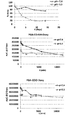
- Fig. 22 there is represented semi-quantitatively the results obtained for non-fibrillar TTR deposition.
- the gastrointestinal (GI) tract is the most affected organ regarding fibrillar deposition.
- Immunohistochemistry results were mainly similar outcomes although Briefly, Fas plays a key role in apoptotic cell death regulation (induced in this experiment by the non-fibrillar TTR).
- Fas is a tumour-necrosis receptor that binds the Fas ligand resulting in death-inducing signalling complex ending in the apoptosis cascade.
- BiP is a molecular chaperon synthesised in higher levels when protein folding is disturbed. Then, the process is directly related to cell stress. When drug stops disease advance, levels of Fas and Bip shoud decrease. Immunostainning experiments of Fas and BiP did not produce any profitable result. Treated animals had the same pattern than control animals with disease.
- FIG. 22 illustrates some of the results of the experiment. Summarising, the findings indicate that treated animals did not show toxicity attributed to the administered conjugate. Furthermore, all animals treated showed normal patterns of liver regarding tissue morphology than the disease control animals. Although TTR is not affected by TTR deposits in this organ, liver is the main producer of the protein. Conjugate administered did not provoke toxicity in the analysed organs.
- the illustrated groups in Fig. 22 are:
Landscapes
- Health & Medical Sciences (AREA)
- Life Sciences & Earth Sciences (AREA)
- Public Health (AREA)
- Veterinary Medicine (AREA)
- Animal Behavior & Ethology (AREA)
- General Health & Medical Sciences (AREA)
- Epidemiology (AREA)
- Proteomics, Peptides & Aminoacids (AREA)
- Engineering & Computer Science (AREA)
- Chemical & Material Sciences (AREA)
- Medicinal Chemistry (AREA)
- Pharmacology & Pharmacy (AREA)
- Biomedical Technology (AREA)
- Bioinformatics & Cheminformatics (AREA)
- Nuclear Medicine, Radiotherapy & Molecular Imaging (AREA)
- Optics & Photonics (AREA)
- Neurology (AREA)
- Neurosurgery (AREA)
- Physics & Mathematics (AREA)
- Molecular Biology (AREA)
- Radiology & Medical Imaging (AREA)
- Chemical Kinetics & Catalysis (AREA)
- Organic Chemistry (AREA)
- General Chemical & Material Sciences (AREA)
- Psychiatry (AREA)
- Hospice & Palliative Care (AREA)
- Pharmaceuticals Containing Other Organic And Inorganic Compounds (AREA)
- Medicines Containing Antibodies Or Antigens For Use As Internal Diagnostic Agents (AREA)
Claims (8)
- Polymer-Arzneistoff-Konjugat-Verbindung der allgemeinen Formel I,

wobei:R1 eine Alkylgruppe, definierten C-terminalen Verknüpfungspunkt (Alkin, Azid, Thiol, aktivierte Thiole, Halogenide, Alkene, aktivierte Ester, aktivierte Alkohole, geschützte Amine, Maleimid-Gruppe, Acetale, aktivierte Carboxygruppen), Ethylenglykol (EG) verschiedener Molekulargewichte, einschließlich Poly(ethylenglycol) (PEG von 100 bis 20000g/mol), darstellt.R2 ein Wasserstoffatom, eine Alkylgruppe, definierten C-terminalen Verknüpfungspunkt (Alkin, Azid, Thiol, aktivierte Thiole, Halogenide, Alkene, aktivierte Ester, aktivierte Alkohole, geschützte Amine, Maleimid-Gruppe, Acetale, aktivierte Carboxygruppen), Ethylenglycol (EG) mit verschiedenen Molekulargewichten, einschließlich Poly(ethylenglycol) (PEG von 100 bis 20000g/mol), PEG-Thiol, PEG-4TP, darstellt.R3 den Verknüpfungs-Spacer oder die Bindung zwischen der Polymerhauptkette und dem bioaktiven Mittel (R4), es selbst oder abgeleitet, darstellt, und eine Alkylgruppe, definierter C-terminaler Verknüpfungspunkt (Alkin, Azid, Thiol, aktivierte Thiole, Halogenide, Alkene, aktivierte Ester, aktivierte Alkohole, geschützte Amine, Maleimid-Gruppe, Acetale, aktivierte Carboxygruppen), Ethylenglycol (EG) mit verschiedenen Molekulargewichten, einschließlich Poly(ethylenglycol) (PEG von n=2-16), Aminosäuren wie Lysin, Arginin, Imidazol, Histidin, Cystein und sekundären und tertiären Aminogruppen und Aminosäuresequenzen, ist.R4 der ausgewählte Arzneistoff zur Behandlung der Amyloidose, ausgewählt aus der Gruppe, welche die Anthracyclin-Antibiotika, wie Tetracyclin, Rolitetracyclin, Minocyclin, Doxycyclin und ihre Derivate umfasst, ist, und der Arzneistoff an die Polymerkette, sie selbst oder vorher abgeleitet (einschließlich der Einführung von Amin, Thiol, Carbonyl, Vinyl, Alkohol oder Carboxygruppen), konvalent verknüpft werden kann.R5 den Verknüpfungs-Spacer oder die Bindung zwischen der Polymerhauptkette und dem bioaktiven Mittel R6, es selbst oder abgeleitet, darstellt, und eine Alkylgruppe, definierter C-terminaler Verknüpfungspunkt (Alkin, Azid, Thiol, aktivierte Thiole, Halogenide, Alkene, aktivierte Ester, aktivierte Alkohole, geschützte Amine, Maleimid-Gruppe, Acetale, aktivierte Carboxygruppen), Ethylenglycol (EG) mit verschiedenen Molekulargewichten, einschließlich Poly(ethylenglycol) (PEG von n=2 bis n=16), Aminosäuren, wie Lysin, Arginin, Imidazol, Histidin, Cystein und sekundären und tertiären Aminogruppen und Aminosäuresequenzen, ist.R6 der zweite ausgewählte Arzneistoff zur Behandlung der Amyloidose, ausgewählt aus der Gruppe, welche die Anthracyclin-Antibiotika, wie Tetracyclin, Rolitetracyclin, Minocyclin, Doxycyclin und ihre Derivate (der Arzneistoff kann an die Polymerkette, sie selbst oder vorher abgeleitet, kovalent verknüpft werden) umfasst; oder ein Markierungsanteil, der zur Konjugat-Überwachung, für Experimente der biologischen Verteilung oder als diagnostische Sonde genutzt wird, wo das Markierungsmittel Fluoreszenzsonden zur optischen Bildgebung, wie Cy5.5, Koordinationskomplexe für MRI, oder Tracer für PET und SPECT, einschließlich der Quelating-Mittel DTPA, DOTA, NOTA, NODA und Metallliganden wie Gallium, Technetium, Gadolinium, Indium umfasst, ist.x die Monomereinheiten, enthalten in in R1, von 1 bis 1000, ist.y eine ganze Zahl mit einem Wert, dass y/(x+y+z+p+q) multipliziert mit 100 im Bereich von 0.01 bis 99.9 liegt, ist.z eine ganze Zahl mit einem Wert, dass z/(x+y+z+p+q) multipliziert mit 100 im Bereich von 0.01 bis 99.9 liegt, ist.p eine ganze Zahl mit einem Wert, dass z/(x+y+z+p+q) multipliziert mit 100 in einem Bereich von 0.01 bis 99.9 liegt, ist.q die Monomereinheiten, enthalten in R2, von 1 bis 1000, ist.R2, R3 und R5 können zur Konjugation von bioaktiven Mitteln (einschließlich niedermolekularen Arzneistoffen, Peptiden, Proteinen, Antikörpern), in der Nähe von Infrarot-Farbstoffen, Koordinatenkomplexen für MRI, PET und SPECT-Tracern,
und/oder ihre Salze, Polymorphe, Solvate und Hydrate zum Gebrauch bei der Behandlung oder Diagnose von Krankheiten im Zusammenhang mit Amyloidose, verwendet werden. - Polymer-Arzneistoff-Konjugat zum Gebrauch nach Anspruch 1, wobei:- ein konjugierter Arzneistoff in R4, verknüpft mit dem Polymergerüst, entweder direkt oder über einen Spacer (R3), vorhanden ist,- ein konjugierter Arzneistoff in R4 (verknüpft mit dem Polymergerüst, entweder direkt oder über einen Spacer (R3)), und ein zielgerichteter Anteil in R6 (verknüpft mit dem Polymergerüst, entweder direkt oder über einen Spacer) oder in R2, vorhanden ist.- Ein konjugierter Arzneistoff in R4 (verknüpft mit dem Polymergrüst, entweder direkt oder über einen Spacer (R3)); ein zielgerichteter Anteil in R6 (verknüpft mit dem Polymergerüst entweder direkt oder über einen Spacer) oder in R2; und eine Markierungssonde für die Diagnose in R6 (verknüpft mit dem Polymergerüst, entweder direkt oder über einen Spacer) oder in R2, vorhanden ist.- Ein konjugierter Arzneistoff in R4 (verknüpft mit dem Polymergerüst, entweder direkt oder über einen Spacer (R3)), und eine Markierungssonde für die Diagnose in R6 (verknüpft mit dem Polymergerüst, entweder direkt oder über einen Spacer) oder in R2, vorhanden ist.- Zwei Arzneistoffe, konjugiert in R4 und R6 (verknüpft mit dem Polymergerüst, entweder direkt oder über einen Spacer (R3 und R5, entsprechend)), vorhanden sind.- Zwei Arzneistoffe, konjugiert in R4 und R6 (verknüpft mit dem Polymergerüst, entweder direkt oder über einen Spacer (R3 und R5, entsprechend)), ein zielgerichteter Anteil in R6 (verknüpft mit dem Polymergerüst, entweder direkt oder über einen Spacer) oder in R2; und eine Markierungssonde für die Diagnose in R6 (verknüpft mit dem Polymergerüst, entweder direkt oder über einen Spacer) oder in R2, vorhanden sind.- Zwei Arzneistoffe, konjugiert in R4 und R6 (verknüpft mit dem Polymergerüst, entweder direkt oder über einen Spacer (R3 und R5, entsprechend)) und eine Markierungssonde für die Diagnose in R6 (verknüpft mit dem Polymergerüst, entweder direkt oder über einen Spacer) oder in R2, vorhanden sind.- Zwei Arzneistoffe, konjugiert in R4 und R6 (verknüpft mit dem Polymergerüst, entweder direkt oder über einen Spacer (R3 und R5, entsprechend)) und ein zielgerichteter Anteil in R6 (verknüpft mit dem Polymergerüst, entweder direkt oder über einen Spacer) oder in R2, vorhanden sind.
- Polymer-Arzneistoff-Konjugat zum Gebrauch nach den Ansprüchen 1 und 2, ausgewählt aus der Gruppe, bestehend aus PGA-COO-Doxycyclin, PGA-CONH-Doxycyclin, PGA-Leu-Gly-Doxycyclin, PGA-Gly-Gly-Doxycyclin, PGA-Doxycyclin-Cy5.5, PGA-Doxycyclin-DOTA/Ga, mit verschiedener Arzneistoff/Markierungssonde in jeder Gruppe.
- Polymer-Arzneistoff-Konjugat zum Gebrauch nach einem der Ansprüche 1 - 3, dadurch gekennzeichnet, dass es ein bioaktives Mittel oder einen zielgerichteten Anteil, mit einer Beladung in dem Polymer von höher als 0,5 % molar, enthält.
- Polymer-Arzneistoff-Konjugat zum Gebrauch nach den Ansprüchen 1 - 4, wobei die Behandlung oder Diagnose von Krankheiten im Zusammenhang mit Amyloidose aus der familiären Amyloidose Polyneuropathie (FAP) und der Alzheimer-Krankheit (AD) ausgewählt wird.
- Polymer-Arzneistoff-Konjugat zum Gebrauch nach den Ansprüchen 1 - 5, zusammen mit mindestens einem akzeptablen pharmazeutischen Bindemittel.
- Polymer-Arzneistoff-Konjugat zum Gebrauch nach Anspruch 6, das für seine parenterale, orale, topische, nasale und/oder rektale Verabreichung formuliert ist.
- Verfahren zum Erhalten der Polymer-Arzneistoff-Konjugate nach einem der Ansprüche 1 bis 4, das die nächsten Schritte umfasst:(a) Copolymerisation einer Mehrzahl von Monomereinheiten des Polymers, mindestens eine der Monomereinheiten, die durch eine erste reaktive Gruppe terminiert, und mindestens eine der Monomereinheiten, die durch eine zweite reaktive Gruppe terminiert, um dadurch ein Copolymer zu erhalten, das eine Vielzahl von Gerüsteinheiten umfasst, wobei mindestens eine Gerüsteinheit die erste reaktive Gruppe hat und mindestens eine Gerüsteinheit die zweite reaktive Gruppe hat, wobei die erste reaktive Gruppe imstande ist, mit dem zielgerichteten Anteil zu reagieren und die zweite reaktive Gruppe imstande ist, mit dem therapeutischen Wirkstoff zu reagieren, oder:(b) Polymerisation einer einzelnen Monomereinheit mittels eines Polymerblocks als Initiator und/oder
Postmodifikation nach der Polymerisation des ersten Polymersynthesierten Blocks, wobei zwei oder mehr verschiedene reaktive Endgruppen in der beginnenden Polymerkette mit modifizierbaren Polymerlängen zum Ausgangsgerüst erzielt werden, was verschiedene endgültige polymere Strukturen und/oder gelöste Konformationen bietet, und/oder
Konstruktion einer auf Triblockpolymer basierenden Struktur, wo der Block dazwischen die erste reaktive Gruppe, die imstande ist, mit dem(n) therapeutischen Mittel(n) und/oder dem Markierungsmittel zu reagieren, besitzt, und eines der endenden Polymerblöcke durch eine zweite reaktive Gruppe, die imstande ist, mit dem Markierungsmittel, dem zielgerichteten Anteil oder dem zweiten therapeutischen Mittel zu reagieren, abschließt.(c) Reaktion des Polymerträgers mit dem zielgerichtetem Anteil oder einem Derivat davon, über die erste reaktive Gruppe, um dadurch ein PolymerBindemittel zu erhalten, wobei der zielgerichtete Anteil an ein Polymergerüst davon angebunden ist; und(d) Reaktion des Polymerträgers mit dem therapeutischen Wirkstoff oder einem Derivat davon, über die zweite reaktive Gruppe, um dadurch das PolymerBindemittel zu erhalten, wobei der therapeutische Wirkstoff an ein Polymergerüst davon angebunden ist, wodurch das Konjugat der Formel I erhalten wird oder der Polymerträger mit dem ersten therapeutischen Wirkstoff oder einem Derivat davon reagiert, und zweitens das nächstfolgende therapeutische Mittel (das bereits an ein anderes Polymer gebunden ist oder an das postmodifizierte anfängliche Polymer gebunden wird) an die Haupt-Polymerkette.
Priority Applications (4)
| Application Number | Priority Date | Filing Date | Title |
|---|---|---|---|
| EP13382184.3A EP2805732B1 (de) | 2013-05-20 | 2013-05-20 | Polymerwirkstoffkonjugate zur Behandlung von Amyloidose |
| ES13382184.3T ES2611185T3 (es) | 2013-05-20 | 2013-05-20 | Conjugados polímero-fármaco para el tratamiento de la amiloidosis |
| PCT/EP2014/058856 WO2014187654A1 (en) | 2013-05-20 | 2014-04-30 | Polymer drug conjugates for the treatment of amyloidosis |
| US14/892,482 US20160114055A1 (en) | 2013-05-20 | 2014-04-30 | Polymer drug conjugates for the treatment of amyloidosis |
Applications Claiming Priority (1)
| Application Number | Priority Date | Filing Date | Title |
|---|---|---|---|
| EP13382184.3A EP2805732B1 (de) | 2013-05-20 | 2013-05-20 | Polymerwirkstoffkonjugate zur Behandlung von Amyloidose |
Publications (2)
| Publication Number | Publication Date |
|---|---|
| EP2805732A1 EP2805732A1 (de) | 2014-11-26 |
| EP2805732B1 true EP2805732B1 (de) | 2016-09-28 |
Family
ID=48656011
Family Applications (1)
| Application Number | Title | Priority Date | Filing Date |
|---|---|---|---|
| EP13382184.3A Not-in-force EP2805732B1 (de) | 2013-05-20 | 2013-05-20 | Polymerwirkstoffkonjugate zur Behandlung von Amyloidose |
Country Status (4)
| Country | Link |
|---|---|
| US (1) | US20160114055A1 (de) |
| EP (1) | EP2805732B1 (de) |
| ES (1) | ES2611185T3 (de) |
| WO (1) | WO2014187654A1 (de) |
Families Citing this family (2)
| Publication number | Priority date | Publication date | Assignee | Title |
|---|---|---|---|---|
| US20130065042A1 (en) | 2011-03-11 | 2013-03-14 | The Board Of Trustees Of The University Of Illinois | Micro-Vascular Materials And Composites For Forming The Materials |
| WO2020193802A1 (en) * | 2019-03-28 | 2020-10-01 | Fundación De La Comunidad Valenciana Centro De Investigación Príncipe Felipe | Polymeric conjugates and uses thereof |
Family Cites Families (5)
| Publication number | Priority date | Publication date | Assignee | Title |
|---|---|---|---|---|
| US4126680A (en) * | 1977-04-27 | 1978-11-21 | Pfizer Inc. | Tetracycline antibiotic compositions |
| US8067006B2 (en) * | 2005-04-06 | 2011-11-29 | Immunomedics, Inc. | Polymeric carriers of therapeutic agents and recognition moieties for antibody-based targeting of disease sites |
| ES2296484B1 (es) | 2005-11-23 | 2009-04-01 | Fundacion De La Comunidad Valenciana Centro De Investigacion Principe Felipe (90%) | Composicion farmaceutica para inhibir la apoptosis. |
| EP2144631A2 (de) * | 2007-04-10 | 2010-01-20 | Nitto Denko Corporation | Multifunktionale polyglutamat-wirkstoffträger |
| ES2402614B1 (es) * | 2011-10-24 | 2014-03-18 | Centro De Investigación Principe Felipe | Sintesis controlada de poliglutamatos con baja polidispersidad y arquitecturas versátiles |
-
2013
- 2013-05-20 EP EP13382184.3A patent/EP2805732B1/de not_active Not-in-force
- 2013-05-20 ES ES13382184.3T patent/ES2611185T3/es active Active
-
2014
- 2014-04-30 WO PCT/EP2014/058856 patent/WO2014187654A1/en not_active Ceased
- 2014-04-30 US US14/892,482 patent/US20160114055A1/en not_active Abandoned
Also Published As
| Publication number | Publication date |
|---|---|
| EP2805732A1 (de) | 2014-11-26 |
| US20160114055A1 (en) | 2016-04-28 |
| ES2611185T3 (es) | 2017-05-05 |
| WO2014187654A1 (en) | 2014-11-27 |
Similar Documents
| Publication | Publication Date | Title |
|---|---|---|
| Zhou et al. | Dual-pH sensitive charge-reversal nanocomplex for tumor-targeted drug delivery with enhanced anticancer activity | |
| Cai et al. | Enzyme-sensitive biodegradable and multifunctional polymeric conjugate as theranostic nanomedicine | |
| JP6585504B2 (ja) | ポルフィリン修飾されたテロデンドリマー | |
| Wu et al. | Albumin-based nanoparticles as methylprednisolone carriers for targeted delivery towards the neonatal Fc receptor in glomerular podocytes | |
| US10709794B2 (en) | Photodynamic therapy composition | |
| Han et al. | Peptide-conjugated polyamidoamine dendrimer as a nanoscale tumor-targeted T1 magnetic resonance imaging contrast agent | |
| Zhang et al. | Dual-responsive doxorubicin-loaded nanomicelles for enhanced cancer therapy | |
| US20130336889A1 (en) | Nanoparticle and method for detecting or treating a tumor using the same | |
| Chandna et al. | Targeted proapoptotic anticancer drug delivery system | |
| AU2011212742B2 (en) | Polyanionic multivalent macromolecules for intracellular targeting of proliferation and protein synthesis | |
| Miyano et al. | Anionic amino acid dendrimer− trastuzumab conjugates for specific internalization in HER2-positive cancer cells | |
| CA2957721A1 (en) | Selective dendrimer delivery to brain tumors | |
| Zhao et al. | Polyethylenimine-based theranostic nanoplatform for glioma-targeting single-photon emission computed tomography imaging and anticancer drug delivery | |
| ES2745745T3 (es) | Polipéptidos entrecruzados autoensamblados en forma de estrella y su uso como transportadores en aplicaciones biomédicas | |
| Conejos-Sanchez et al. | Polymer-doxycycline conjugates as fibril disrupters: An approach towards the treatment of a rare amyloidotic disease | |
| Han et al. | Acid Active Receptor‐Specific Peptide Ligand for In Vivo Tumor‐Targeted Delivery | |
| Pan et al. | Nuclear-targeting TAT-PEG-Asp8-doxorubicin polymeric nanoassembly to overcome drug-resistant colon cancer | |
| Wang et al. | Self-assembly of photosensitive and radiotherapeutic peptide for combined photodynamic-radio cancer therapy with intracellular delivery of miRNA-139-5p | |
| Mao et al. | In situ editing of tumour cell membranes induces aggregation and capture of PD-L1 membrane proteins for enhanced cancer immunotherapy | |
| Lee et al. | Tumor targeting efficiency of bare nanoparticles does not mean the efficacy of loaded anticancer drugs: Importance of radionuclide imaging for optimization of highly selective tumor targeting polymeric nanoparticles with or without drug | |
| JP2020512279A (ja) | Vapポリペプチド及び腫瘍の標的診断及び治療のための薬物の調製におけるその使用 | |
| Zhou et al. | A linear polyethylenimine (LPEI) drug conjugate with reversible charge to overcome multidrug resistance in cancer cells | |
| US10201622B2 (en) | Tumour-targeted theranostic | |
| EP2805732A1 (de) | Polymerwirkstoffkonjugate zur Behandlung von Amyloidose | |
| Liang et al. | Improved control of triple-negative breast cancer tumor and metastasis with a pH-sensitive hyaluronic acid nanocarrier for doxorubicin delivery |
Legal Events
| Date | Code | Title | Description |
|---|---|---|---|
| PUAI | Public reference made under article 153(3) epc to a published international application that has entered the european phase |
Free format text: ORIGINAL CODE: 0009012 |
|
| 17P | Request for examination filed |
Effective date: 20130520 |
|
| AK | Designated contracting states |
Kind code of ref document: A1 Designated state(s): AL AT BE BG CH CY CZ DE DK EE ES FI FR GB GR HR HU IE IS IT LI LT LU LV MC MK MT NL NO PL PT RO RS SE SI SK SM TR |
|
| AX | Request for extension of the european patent |
Extension state: BA ME |
|
| R17P | Request for examination filed (corrected) |
Effective date: 20150525 |
|
| RBV | Designated contracting states (corrected) |
Designated state(s): AL AT BE BG CH CY CZ DE DK EE ES FI FR GB GR HR HU IE IS IT LI LT LU LV MC MK MT NL NO PL PT RO RS SE SI SK SM TR |
|
| GRAP | Despatch of communication of intention to grant a patent |
Free format text: ORIGINAL CODE: EPIDOSNIGR1 |
|
| INTG | Intention to grant announced |
Effective date: 20160506 |
|
| GRAS | Grant fee paid |
Free format text: ORIGINAL CODE: EPIDOSNIGR3 |
|
| GRAA | (expected) grant |
Free format text: ORIGINAL CODE: 0009210 |
|
| AK | Designated contracting states |
Kind code of ref document: B1 Designated state(s): AL AT BE BG CH CY CZ DE DK EE ES FI FR GB GR HR HU IE IS IT LI LT LU LV MC MK MT NL NO PL PT RO RS SE SI SK SM TR |
|
| REG | Reference to a national code |
Ref country code: GB Ref legal event code: FG4D |
|
| REG | Reference to a national code |
Ref country code: CH Ref legal event code: EP |
|
| REG | Reference to a national code |
Ref country code: AT Ref legal event code: REF Ref document number: 832184 Country of ref document: AT Kind code of ref document: T Effective date: 20161015 |
|
| REG | Reference to a national code |
Ref country code: IE Ref legal event code: FG4D |
|
| REG | Reference to a national code |
Ref country code: DE Ref legal event code: R096 Ref document number: 602013012128 Country of ref document: DE |
|
| REG | Reference to a national code |
Ref country code: DE Ref legal event code: R079 Ref document number: 602013012128 Country of ref document: DE Free format text: PREVIOUS MAIN CLASS: A61K0047480000 Ipc: A61K0047500000 |
|
| REG | Reference to a national code |
Ref country code: LT Ref legal event code: MG4D |
|
| PG25 | Lapsed in a contracting state [announced via postgrant information from national office to epo] |
Ref country code: LT Free format text: LAPSE BECAUSE OF FAILURE TO SUBMIT A TRANSLATION OF THE DESCRIPTION OR TO PAY THE FEE WITHIN THE PRESCRIBED TIME-LIMIT Effective date: 20160928 Ref country code: HR Free format text: LAPSE BECAUSE OF FAILURE TO SUBMIT A TRANSLATION OF THE DESCRIPTION OR TO PAY THE FEE WITHIN THE PRESCRIBED TIME-LIMIT Effective date: 20160928 Ref country code: RS Free format text: LAPSE BECAUSE OF FAILURE TO SUBMIT A TRANSLATION OF THE DESCRIPTION OR TO PAY THE FEE WITHIN THE PRESCRIBED TIME-LIMIT Effective date: 20160928 Ref country code: FI Free format text: LAPSE BECAUSE OF FAILURE TO SUBMIT A TRANSLATION OF THE DESCRIPTION OR TO PAY THE FEE WITHIN THE PRESCRIBED TIME-LIMIT Effective date: 20160928 Ref country code: NO Free format text: LAPSE BECAUSE OF FAILURE TO SUBMIT A TRANSLATION OF THE DESCRIPTION OR TO PAY THE FEE WITHIN THE PRESCRIBED TIME-LIMIT Effective date: 20161228 |
|
| REG | Reference to a national code |
Ref country code: NL Ref legal event code: MP Effective date: 20160928 |
|
| REG | Reference to a national code |
Ref country code: AT Ref legal event code: MK05 Ref document number: 832184 Country of ref document: AT Kind code of ref document: T Effective date: 20160928 |
|
| PG25 | Lapsed in a contracting state [announced via postgrant information from national office to epo] |
Ref country code: LV Free format text: LAPSE BECAUSE OF FAILURE TO SUBMIT A TRANSLATION OF THE DESCRIPTION OR TO PAY THE FEE WITHIN THE PRESCRIBED TIME-LIMIT Effective date: 20160928 Ref country code: GR Free format text: LAPSE BECAUSE OF FAILURE TO SUBMIT A TRANSLATION OF THE DESCRIPTION OR TO PAY THE FEE WITHIN THE PRESCRIBED TIME-LIMIT Effective date: 20161229 Ref country code: NL Free format text: LAPSE BECAUSE OF FAILURE TO SUBMIT A TRANSLATION OF THE DESCRIPTION OR TO PAY THE FEE WITHIN THE PRESCRIBED TIME-LIMIT Effective date: 20160928 Ref country code: SE Free format text: LAPSE BECAUSE OF FAILURE TO SUBMIT A TRANSLATION OF THE DESCRIPTION OR TO PAY THE FEE WITHIN THE PRESCRIBED TIME-LIMIT Effective date: 20160928 |
|
| PG25 | Lapsed in a contracting state [announced via postgrant information from national office to epo] |
Ref country code: EE Free format text: LAPSE BECAUSE OF FAILURE TO SUBMIT A TRANSLATION OF THE DESCRIPTION OR TO PAY THE FEE WITHIN THE PRESCRIBED TIME-LIMIT Effective date: 20160928 Ref country code: RO Free format text: LAPSE BECAUSE OF FAILURE TO SUBMIT A TRANSLATION OF THE DESCRIPTION OR TO PAY THE FEE WITHIN THE PRESCRIBED TIME-LIMIT Effective date: 20160928 |
|
| REG | Reference to a national code |
Ref country code: ES Ref legal event code: FG2A Ref document number: 2611185 Country of ref document: ES Kind code of ref document: T3 Effective date: 20170505 |
|
| REG | Reference to a national code |
Ref country code: FR Ref legal event code: PLFP Year of fee payment: 5 |
|
| PG25 | Lapsed in a contracting state [announced via postgrant information from national office to epo] |
Ref country code: IS Free format text: LAPSE BECAUSE OF FAILURE TO SUBMIT A TRANSLATION OF THE DESCRIPTION OR TO PAY THE FEE WITHIN THE PRESCRIBED TIME-LIMIT Effective date: 20170128 Ref country code: BE Free format text: LAPSE BECAUSE OF FAILURE TO SUBMIT A TRANSLATION OF THE DESCRIPTION OR TO PAY THE FEE WITHIN THE PRESCRIBED TIME-LIMIT Effective date: 20160928 Ref country code: BG Free format text: LAPSE BECAUSE OF FAILURE TO SUBMIT A TRANSLATION OF THE DESCRIPTION OR TO PAY THE FEE WITHIN THE PRESCRIBED TIME-LIMIT Effective date: 20161228 Ref country code: PT Free format text: LAPSE BECAUSE OF FAILURE TO SUBMIT A TRANSLATION OF THE DESCRIPTION OR TO PAY THE FEE WITHIN THE PRESCRIBED TIME-LIMIT Effective date: 20170130 Ref country code: SK Free format text: LAPSE BECAUSE OF FAILURE TO SUBMIT A TRANSLATION OF THE DESCRIPTION OR TO PAY THE FEE WITHIN THE PRESCRIBED TIME-LIMIT Effective date: 20160928 Ref country code: PL Free format text: LAPSE BECAUSE OF FAILURE TO SUBMIT A TRANSLATION OF THE DESCRIPTION OR TO PAY THE FEE WITHIN THE PRESCRIBED TIME-LIMIT Effective date: 20160928 Ref country code: SM Free format text: LAPSE BECAUSE OF FAILURE TO SUBMIT A TRANSLATION OF THE DESCRIPTION OR TO PAY THE FEE WITHIN THE PRESCRIBED TIME-LIMIT Effective date: 20160928 Ref country code: CZ Free format text: LAPSE BECAUSE OF FAILURE TO SUBMIT A TRANSLATION OF THE DESCRIPTION OR TO PAY THE FEE WITHIN THE PRESCRIBED TIME-LIMIT Effective date: 20160928 Ref country code: AT Free format text: LAPSE BECAUSE OF FAILURE TO SUBMIT A TRANSLATION OF THE DESCRIPTION OR TO PAY THE FEE WITHIN THE PRESCRIBED TIME-LIMIT Effective date: 20160928 |
|
| REG | Reference to a national code |
Ref country code: DE Ref legal event code: R097 Ref document number: 602013012128 Country of ref document: DE |
|
| PG25 | Lapsed in a contracting state [announced via postgrant information from national office to epo] |
Ref country code: IT Free format text: LAPSE BECAUSE OF FAILURE TO SUBMIT A TRANSLATION OF THE DESCRIPTION OR TO PAY THE FEE WITHIN THE PRESCRIBED TIME-LIMIT Effective date: 20160928 |
|
| PG25 | Lapsed in a contracting state [announced via postgrant information from national office to epo] |
Ref country code: DK Free format text: LAPSE BECAUSE OF FAILURE TO SUBMIT A TRANSLATION OF THE DESCRIPTION OR TO PAY THE FEE WITHIN THE PRESCRIBED TIME-LIMIT Effective date: 20160928 |
|
| PGFP | Annual fee paid to national office [announced via postgrant information from national office to epo] |
Ref country code: FR Payment date: 20170525 Year of fee payment: 5 Ref country code: DE Payment date: 20170530 Year of fee payment: 5 Ref country code: GB Payment date: 20170530 Year of fee payment: 5 |
|
| PLBE | No opposition filed within time limit |
Free format text: ORIGINAL CODE: 0009261 |
|
| STAA | Information on the status of an ep patent application or granted ep patent |
Free format text: STATUS: NO OPPOSITION FILED WITHIN TIME LIMIT |
|
| PG25 | Lapsed in a contracting state [announced via postgrant information from national office to epo] |
Ref country code: LU Free format text: LAPSE BECAUSE OF NON-PAYMENT OF DUE FEES Effective date: 20170531 |
|
| PGFP | Annual fee paid to national office [announced via postgrant information from national office to epo] |
Ref country code: ES Payment date: 20170601 Year of fee payment: 5 |
|
| 26N | No opposition filed |
Effective date: 20170629 |
|
| PG25 | Lapsed in a contracting state [announced via postgrant information from national office to epo] |
Ref country code: SI Free format text: LAPSE BECAUSE OF FAILURE TO SUBMIT A TRANSLATION OF THE DESCRIPTION OR TO PAY THE FEE WITHIN THE PRESCRIBED TIME-LIMIT Effective date: 20160928 |
|
| REG | Reference to a national code |
Ref country code: CH Ref legal event code: PL |
|
| PG25 | Lapsed in a contracting state [announced via postgrant information from national office to epo] |
Ref country code: MC Free format text: LAPSE BECAUSE OF FAILURE TO SUBMIT A TRANSLATION OF THE DESCRIPTION OR TO PAY THE FEE WITHIN THE PRESCRIBED TIME-LIMIT Effective date: 20160928 |
|
| REG | Reference to a national code |
Ref country code: IE Ref legal event code: MM4A |
|
| PG25 | Lapsed in a contracting state [announced via postgrant information from national office to epo] |
Ref country code: LI Free format text: LAPSE BECAUSE OF NON-PAYMENT OF DUE FEES Effective date: 20170531 Ref country code: CH Free format text: LAPSE BECAUSE OF NON-PAYMENT OF DUE FEES Effective date: 20170531 |
|
| PG25 | Lapsed in a contracting state [announced via postgrant information from national office to epo] |
Ref country code: LU Free format text: LAPSE BECAUSE OF NON-PAYMENT OF DUE FEES Effective date: 20170520 |
|
| PG25 | Lapsed in a contracting state [announced via postgrant information from national office to epo] |
Ref country code: IE Free format text: LAPSE BECAUSE OF NON-PAYMENT OF DUE FEES Effective date: 20170520 |
|
| PG25 | Lapsed in a contracting state [announced via postgrant information from national office to epo] |
Ref country code: MT Free format text: LAPSE BECAUSE OF NON-PAYMENT OF DUE FEES Effective date: 20170520 |
|
| PG25 | Lapsed in a contracting state [announced via postgrant information from national office to epo] |
Ref country code: AL Free format text: LAPSE BECAUSE OF FAILURE TO SUBMIT A TRANSLATION OF THE DESCRIPTION OR TO PAY THE FEE WITHIN THE PRESCRIBED TIME-LIMIT Effective date: 20160928 |
|
| REG | Reference to a national code |
Ref country code: DE Ref legal event code: R119 Ref document number: 602013012128 Country of ref document: DE |
|
| GBPC | Gb: european patent ceased through non-payment of renewal fee |
Effective date: 20180520 |
|
| PG25 | Lapsed in a contracting state [announced via postgrant information from national office to epo] |
Ref country code: GB Free format text: LAPSE BECAUSE OF NON-PAYMENT OF DUE FEES Effective date: 20180520 Ref country code: DE Free format text: LAPSE BECAUSE OF NON-PAYMENT OF DUE FEES Effective date: 20181201 Ref country code: FR Free format text: LAPSE BECAUSE OF NON-PAYMENT OF DUE FEES Effective date: 20180531 |
|
| PG25 | Lapsed in a contracting state [announced via postgrant information from national office to epo] |
Ref country code: HU Free format text: LAPSE BECAUSE OF FAILURE TO SUBMIT A TRANSLATION OF THE DESCRIPTION OR TO PAY THE FEE WITHIN THE PRESCRIBED TIME-LIMIT; INVALID AB INITIO Effective date: 20130520 |
|
| REG | Reference to a national code |
Ref country code: ES Ref legal event code: FD2A Effective date: 20190913 |
|
| PG25 | Lapsed in a contracting state [announced via postgrant information from national office to epo] |
Ref country code: CY Free format text: LAPSE BECAUSE OF FAILURE TO SUBMIT A TRANSLATION OF THE DESCRIPTION OR TO PAY THE FEE WITHIN THE PRESCRIBED TIME-LIMIT Effective date: 20160928 Ref country code: ES Free format text: LAPSE BECAUSE OF NON-PAYMENT OF DUE FEES Effective date: 20180521 |
|
| PG25 | Lapsed in a contracting state [announced via postgrant information from national office to epo] |
Ref country code: MK Free format text: LAPSE BECAUSE OF FAILURE TO SUBMIT A TRANSLATION OF THE DESCRIPTION OR TO PAY THE FEE WITHIN THE PRESCRIBED TIME-LIMIT Effective date: 20160928 |
|
| PG25 | Lapsed in a contracting state [announced via postgrant information from national office to epo] |
Ref country code: TR Free format text: LAPSE BECAUSE OF FAILURE TO SUBMIT A TRANSLATION OF THE DESCRIPTION OR TO PAY THE FEE WITHIN THE PRESCRIBED TIME-LIMIT Effective date: 20160928 |