EP2808022A1 - Compositions pharmaceutiques d'antagonistes du récepteur 5 de glutamate métabotropique (MGLU5) - Google Patents
Compositions pharmaceutiques d'antagonistes du récepteur 5 de glutamate métabotropique (MGLU5) Download PDFInfo
- Publication number
- EP2808022A1 EP2808022A1 EP14174022.5A EP14174022A EP2808022A1 EP 2808022 A1 EP2808022 A1 EP 2808022A1 EP 14174022 A EP14174022 A EP 14174022A EP 2808022 A1 EP2808022 A1 EP 2808022A1
- Authority
- EP
- European Patent Office
- Prior art keywords
- chloro
- ylethynyl
- imidazol
- dimethyl
- pyridine
- Prior art date
- Legal status (The legal status is an assumption and is not a legal conclusion. Google has not performed a legal analysis and makes no representation as to the accuracy of the status listed.)
- Withdrawn
Links
Images





Classifications
-
- A—HUMAN NECESSITIES
- A61—MEDICAL OR VETERINARY SCIENCE; HYGIENE
- A61K—PREPARATIONS FOR MEDICAL, DENTAL OR TOILETRY PURPOSES
- A61K31/00—Medicinal preparations containing organic active ingredients
- A61K31/33—Heterocyclic compounds
- A61K31/395—Heterocyclic compounds having nitrogen as a ring hetero atom, e.g. guanethidine or rifamycins
- A61K31/435—Heterocyclic compounds having nitrogen as a ring hetero atom, e.g. guanethidine or rifamycins having six-membered rings with one nitrogen as the only ring hetero atom
- A61K31/44—Non condensed pyridines; Hydrogenated derivatives thereof
- A61K31/4427—Non condensed pyridines; Hydrogenated derivatives thereof containing further heterocyclic ring systems
- A61K31/4439—Non condensed pyridines; Hydrogenated derivatives thereof containing further heterocyclic ring systems containing a five-membered ring with nitrogen as a ring hetero atom, e.g. omeprazole
-
- A—HUMAN NECESSITIES
- A61—MEDICAL OR VETERINARY SCIENCE; HYGIENE
- A61K—PREPARATIONS FOR MEDICAL, DENTAL OR TOILETRY PURPOSES
- A61K47/00—Medicinal preparations characterised by the non-active ingredients used, e.g. carriers or inert additives; Targeting or modifying agents chemically bound to the active ingredient
- A61K47/30—Macromolecular organic or inorganic compounds, e.g. inorganic polyphosphates
- A61K47/32—Macromolecular compounds obtained by reactions only involving carbon-to-carbon unsaturated bonds, e.g. carbomers, poly(meth)acrylates, or polyvinyl pyrrolidone
-
- A—HUMAN NECESSITIES
- A61—MEDICAL OR VETERINARY SCIENCE; HYGIENE
- A61K—PREPARATIONS FOR MEDICAL, DENTAL OR TOILETRY PURPOSES
- A61K47/00—Medicinal preparations characterised by the non-active ingredients used, e.g. carriers or inert additives; Targeting or modifying agents chemically bound to the active ingredient
- A61K47/30—Macromolecular organic or inorganic compounds, e.g. inorganic polyphosphates
- A61K47/36—Polysaccharides; Derivatives thereof, e.g. gums, starch, alginate, dextrin, hyaluronic acid, chitosan, inulin, agar or pectin
- A61K47/38—Cellulose; Derivatives thereof
-
- A—HUMAN NECESSITIES
- A61—MEDICAL OR VETERINARY SCIENCE; HYGIENE
- A61K—PREPARATIONS FOR MEDICAL, DENTAL OR TOILETRY PURPOSES
- A61K9/00—Medicinal preparations characterised by special physical form
- A61K9/0012—Galenical forms characterised by the site of application
- A61K9/0053—Mouth and digestive tract, i.e. intraoral and peroral administration
-
- A—HUMAN NECESSITIES
- A61—MEDICAL OR VETERINARY SCIENCE; HYGIENE
- A61K—PREPARATIONS FOR MEDICAL, DENTAL OR TOILETRY PURPOSES
- A61K9/00—Medicinal preparations characterised by special physical form
- A61K9/14—Particulate form, e.g. powders, Processes for size reducing of pure drugs or the resulting products, Pure drug nanoparticles
- A61K9/16—Agglomerates; Granulates; Microbeadlets ; Microspheres; Pellets; Solid products obtained by spray drying, spray freeze drying, spray congealing,(multiple) emulsion solvent evaporation or extraction
- A61K9/1605—Excipients; Inactive ingredients
- A61K9/1629—Organic macromolecular compounds
- A61K9/1635—Organic macromolecular compounds obtained by reactions only involving carbon-to-carbon unsaturated bonds, e.g. polyvinyl pyrrolidone, poly(meth)acrylates
-
- A—HUMAN NECESSITIES
- A61—MEDICAL OR VETERINARY SCIENCE; HYGIENE
- A61K—PREPARATIONS FOR MEDICAL, DENTAL OR TOILETRY PURPOSES
- A61K9/00—Medicinal preparations characterised by special physical form
- A61K9/14—Particulate form, e.g. powders, Processes for size reducing of pure drugs or the resulting products, Pure drug nanoparticles
- A61K9/16—Agglomerates; Granulates; Microbeadlets ; Microspheres; Pellets; Solid products obtained by spray drying, spray freeze drying, spray congealing,(multiple) emulsion solvent evaporation or extraction
- A61K9/1605—Excipients; Inactive ingredients
- A61K9/1629—Organic macromolecular compounds
- A61K9/1652—Polysaccharides, e.g. alginate, cellulose derivatives; Cyclodextrin
-
- A—HUMAN NECESSITIES
- A61—MEDICAL OR VETERINARY SCIENCE; HYGIENE
- A61K—PREPARATIONS FOR MEDICAL, DENTAL OR TOILETRY PURPOSES
- A61K9/00—Medicinal preparations characterised by special physical form
- A61K9/20—Pills, tablets, discs, rods
-
- A—HUMAN NECESSITIES
- A61—MEDICAL OR VETERINARY SCIENCE; HYGIENE
- A61K—PREPARATIONS FOR MEDICAL, DENTAL OR TOILETRY PURPOSES
- A61K9/00—Medicinal preparations characterised by special physical form
- A61K9/20—Pills, tablets, discs, rods
- A61K9/2004—Excipients; Inactive ingredients
- A61K9/2009—Inorganic compounds
-
- A—HUMAN NECESSITIES
- A61—MEDICAL OR VETERINARY SCIENCE; HYGIENE
- A61K—PREPARATIONS FOR MEDICAL, DENTAL OR TOILETRY PURPOSES
- A61K9/00—Medicinal preparations characterised by special physical form
- A61K9/20—Pills, tablets, discs, rods
- A61K9/2004—Excipients; Inactive ingredients
- A61K9/2013—Organic compounds, e.g. phospholipids, fats
- A61K9/2018—Sugars, or sugar alcohols, e.g. lactose, mannitol; Derivatives thereof, e.g. polysorbates
-
- A—HUMAN NECESSITIES
- A61—MEDICAL OR VETERINARY SCIENCE; HYGIENE
- A61K—PREPARATIONS FOR MEDICAL, DENTAL OR TOILETRY PURPOSES
- A61K9/00—Medicinal preparations characterised by special physical form
- A61K9/20—Pills, tablets, discs, rods
- A61K9/2004—Excipients; Inactive ingredients
- A61K9/2022—Organic macromolecular compounds
- A61K9/2027—Organic macromolecular compounds obtained by reactions only involving carbon-to-carbon unsaturated bonds, e.g. polyvinyl pyrrolidone, poly(meth)acrylates
-
- A—HUMAN NECESSITIES
- A61—MEDICAL OR VETERINARY SCIENCE; HYGIENE
- A61K—PREPARATIONS FOR MEDICAL, DENTAL OR TOILETRY PURPOSES
- A61K9/00—Medicinal preparations characterised by special physical form
- A61K9/20—Pills, tablets, discs, rods
- A61K9/2004—Excipients; Inactive ingredients
- A61K9/2022—Organic macromolecular compounds
- A61K9/205—Polysaccharides, e.g. alginate, gums; Cyclodextrin
- A61K9/2054—Cellulose; Cellulose derivatives, e.g. hydroxypropyl methylcellulose
-
- A—HUMAN NECESSITIES
- A61—MEDICAL OR VETERINARY SCIENCE; HYGIENE
- A61K—PREPARATIONS FOR MEDICAL, DENTAL OR TOILETRY PURPOSES
- A61K9/00—Medicinal preparations characterised by special physical form
- A61K9/20—Pills, tablets, discs, rods
- A61K9/2072—Pills, tablets, discs, rods characterised by shape, structure or size; Tablets with holes, special break lines or identification marks; Partially coated tablets; Disintegrating flat shaped forms
- A61K9/2077—Tablets comprising drug-containing microparticles in a substantial amount of supporting matrix; Multiparticulate tablets
-
- A—HUMAN NECESSITIES
- A61—MEDICAL OR VETERINARY SCIENCE; HYGIENE
- A61K—PREPARATIONS FOR MEDICAL, DENTAL OR TOILETRY PURPOSES
- A61K9/00—Medicinal preparations characterised by special physical form
- A61K9/20—Pills, tablets, discs, rods
- A61K9/28—Dragees; Coated pills or tablets, e.g. with film or compression coating
-
- A—HUMAN NECESSITIES
- A61—MEDICAL OR VETERINARY SCIENCE; HYGIENE
- A61K—PREPARATIONS FOR MEDICAL, DENTAL OR TOILETRY PURPOSES
- A61K9/00—Medicinal preparations characterised by special physical form
- A61K9/48—Preparations in capsules, e.g. of gelatin, of chocolate
- A61K9/4816—Wall or shell material
- A61K9/4825—Proteins, e.g. gelatin
-
- A—HUMAN NECESSITIES
- A61—MEDICAL OR VETERINARY SCIENCE; HYGIENE
- A61K—PREPARATIONS FOR MEDICAL, DENTAL OR TOILETRY PURPOSES
- A61K9/00—Medicinal preparations characterised by special physical form
- A61K9/48—Preparations in capsules, e.g. of gelatin, of chocolate
- A61K9/4841—Filling excipients; Inactive ingredients
- A61K9/485—Inorganic compounds
-
- A—HUMAN NECESSITIES
- A61—MEDICAL OR VETERINARY SCIENCE; HYGIENE
- A61K—PREPARATIONS FOR MEDICAL, DENTAL OR TOILETRY PURPOSES
- A61K9/00—Medicinal preparations characterised by special physical form
- A61K9/48—Preparations in capsules, e.g. of gelatin, of chocolate
- A61K9/4841—Filling excipients; Inactive ingredients
- A61K9/4866—Organic macromolecular compounds
-
- A—HUMAN NECESSITIES
- A61—MEDICAL OR VETERINARY SCIENCE; HYGIENE
- A61K—PREPARATIONS FOR MEDICAL, DENTAL OR TOILETRY PURPOSES
- A61K9/00—Medicinal preparations characterised by special physical form
- A61K9/48—Preparations in capsules, e.g. of gelatin, of chocolate
- A61K9/4891—Coated capsules; Multilayered drug free capsule shells
-
- A—HUMAN NECESSITIES
- A61—MEDICAL OR VETERINARY SCIENCE; HYGIENE
- A61K—PREPARATIONS FOR MEDICAL, DENTAL OR TOILETRY PURPOSES
- A61K9/00—Medicinal preparations characterised by special physical form
- A61K9/48—Preparations in capsules, e.g. of gelatin, of chocolate
- A61K9/50—Microcapsules having a gas, liquid or semi-solid filling; Solid microparticles or pellets surrounded by a distinct coating layer, e.g. coated microspheres, coated drug crystals
- A61K9/5073—Microcapsules having a gas, liquid or semi-solid filling; Solid microparticles or pellets surrounded by a distinct coating layer, e.g. coated microspheres, coated drug crystals having two or more different coatings optionally including drug-containing subcoatings
- A61K9/5078—Microcapsules having a gas, liquid or semi-solid filling; Solid microparticles or pellets surrounded by a distinct coating layer, e.g. coated microspheres, coated drug crystals having two or more different coatings optionally including drug-containing subcoatings with drug-free core
-
- A—HUMAN NECESSITIES
- A61—MEDICAL OR VETERINARY SCIENCE; HYGIENE
- A61P—SPECIFIC THERAPEUTIC ACTIVITY OF CHEMICAL COMPOUNDS OR MEDICINAL PREPARATIONS
- A61P25/00—Drugs for disorders of the nervous system
-
- A—HUMAN NECESSITIES
- A61—MEDICAL OR VETERINARY SCIENCE; HYGIENE
- A61P—SPECIFIC THERAPEUTIC ACTIVITY OF CHEMICAL COMPOUNDS OR MEDICINAL PREPARATIONS
- A61P25/00—Drugs for disorders of the nervous system
- A61P25/24—Antidepressants
Definitions
- the present invention provides a multi-particulate composition which comprises a compound of formula I wherein one of A or E is N and the other is C;
- the composition comprises the form of a matrix tablet, matrix pellets, or layered pellets.
- the mGlu5 antagonists can exist in an amorphous form, a solvate or form a solid dispersion, co-crystal, or complex with other ingredients.
- One such method applies a delayed release enteric polymer coating to reduce dose dumping.
- this approach applies a thick layer of enteric polymer to delay the release of drug until reaching the intestinal tract.
- the high solubility of the drug in the low pH gastric fluid provides the strong driving force for drug dissolution and diffusion.
- this approach results in local irritation, fast absorption, high Cmax, and CNS side effects.
- the problem associated with this technology is an unpredictable PK profile due to inter and intra variation in gastric transit time and food effect.
- composition strategy to provide pH independent drug release of a weakly basic drug in the GI tract is to incorporate organic acids as microenviromental pH modifiers.
- organic acids for example, the pH-independent release of fenoldopam from pellets with insoluble film coats has been shown.
- these compositions present several issues, such as salt conversion, control of diffusion of small molecular weight acidic pH modifiers, and potential interaction of organic acids with membranes that result in sigmoidal release profiles.
- Size reduction and drug form modification are technologies that only reduce inter and intra variation and food effect to a limited extent. pH will still have a big impact on the solubility and dissolution rate of the compound, especially for poorly water soluble, basic compounds.
- the present invention provides a layered pellet composition which comprises an inert core, a layer comprising a compound of formula I or a salt thereof as defined herein, and a controlled release layer comprising a rate controlling polymer.
- the present invention also provides methods for the formation of such compositions.
- the compositions are useful for the treatment of CNS related disorders, including treatment resistant depression (TRD) and Fragile-X syndrome.
- TRD treatment resistant depression
- Fragile-X syndrome Fragile-X syndrome
- a soluble polymer such as polyvinyl alcohol, polyvinyl pyrrolidone, or hypermellose and pH independent insoluble polymer, such as ethylcellulose, polyvinylacetate, or polymethacrylate can be applied in a coating or a matrix.
- pH is the driving force for dissolution of poorly water-soluble, basic compounds through a membrane or gel layer. The dissolution rate and absorption rate of such compounds are affected by variation in physiological pH of GI tract. Thus, pH will still have a big impact on the solubility of such drugs.
- composition described herein is a modified release technology that provides pH independent delivery of poorly water soluble drugs, particularly the metabotrobic glutatmate 5 receptor (mGlu5) antagonists of formula I.
- mGlu5 antagonists of formula I.
- These compositions are in the form of matrix tablets, matrix pellets, or layered pellets, and each can be formed into tablets or incorporated in capsules.
- the present modified release formulations reduce CNS related adverse effects, improve therapeutic efficacy, improve tolerability, and reduce or eliminate food effect.
- Aryl represents an aromatic carbocyclic group consisting of one individual ring, or one or more fused rings in which at least one ring is aromatic in nature.
- Preferred aryl group is phenyl.
- binder refers to a substance used in the formulation of solid oral dosage forms to hold the active pharmaceutical ingredient and inactive ingredients together in a cohesive mix.
- Nonlimiting examples of binders include gelatin, hydroxy propyl cellulose, hydroxy propyl methylcellulose, methylcellulose, polyvinyl pyrrolidone, sucrose, and starch.
- cycloalkyl denotes a saturated carbocyclic group, containing 3 - 12 carbon atoms, preferably 3-6 carbon atoms.
- disintegrant refers to an excipients which is added to a tablet or capsule blend to aid in the break up of the compacted mass when it is put into a fluid environment.
- disintegrants include alginates, croscarmellose sodium, crospovidone, sodium starch glycolate, and pregelatinized starch.
- filler refers to any pharmaceutical diluent.
- gel-forming cellulose ethers refers to polymers derived by chemical modification of the natural polymer cellulose that is obtained from renewable botanical sources that formS a gel in aqueous medium under certain conditions
- glidant refers to a substance that is added to a powder to improve its flowability.
- Nonlimiting examples of glidants include colloidal silicon dioxide, magnesium stearate, starch, and talc.
- halogen denotes fluorine, chlorine, bromine and iodine.
- heteroaryl refers to an aromatic 5- or 6-membered ring containing one or more heteroatoms selected from nitrogen, oxygen or sulphur. Preferred are those heteroaryl groups selected from nitrogen. Examples of such heteroaryl groups are pyridinyl, pyrazinyl, pyrimidinyl or pyridazinyl.
- hydrophilic polymers refers to polymers that contain polar or charged functional groups, rendering them soluble in aqueous medium.
- insoluble polymer refers to a polymer that is not soluble in aqueous medium.
- ionic polymer refers to a polymer that consists of functional groups that are sensitive to pH. Depending on the pH, functional groups can ionize and help dissolve the polymer. "Anionic polymers” as used herein are generally soluble above about pH 5.
- lower alkyl used in the present description denotes straight-chain or branched saturated hydrocarbon residues with 1 to 6 carbon atoms, preferably with 1 to 4 carbon atoms, such as methyl, ethyl, n-propyl, i-propyl, n-butyl, t-butyl and the like.
- lower alkoxy denotes a lower alkyl residue in the sense of the foregoing definition bound via an oxygen atom.
- lower alkoxy residues include methoxy, ethoxy, isopropoxy and the like.
- lower haloalkoxy denotes lower alkoxy group as defined above which is substituted by one or more halogen.
- lower haloalkoxy include but are not limited to methoxy or ethoxy, substituted by one or more Cl, F, Br or I atom(s) as well as those groups specifically illustrated by the examples herein below.
- Preferred lower haloalkoxy are difluoro- or trifluoro-methoxy or ethoxy.
- lower haloalkyl denotes a lower alkyl group as defined above which is substituted by one or more halogen.
- lower haloalkyl include but are not limited to methyl, ethyl, propyl, isopropyl, isobutyl, sec-butyl, tert-butyl, pentyl or n-hexyl substituted by one or more Cl, F, Br or I atom(s) as well as those groups specifically illustrated by the examples herein below.
- Preferred lower haloalkyl are difluoro- or trifluoro-methyl or ethyl.
- lubricant refers to an excipients which is added to a powder blend to prevent the compacted powder mass from sticking to the equipment during the tabletting or encapsulation process. It aids the ejection of the tablet form the dies, and can improve powder flow.
- lubricants include calcium stearate, glycerine, hydrogenated vegetable oil, magnesium stearate, mineral oil, polyethylene glycol, and propylene glycol.
- matrix former refers to a nondisintegrating polymer that provides the rigidity or we mechanical strength to the dosage form upon exposure to physiological fluid for controlling the release.
- modified-release technology is the same as sustained-release (SR), sustained-action (SA), extended-release (ER, XR, or XL), timed-release, controlled-release (CR), and refers of a technology that provide release of a drug from a formulation over a defined period of time.
- multi-particulate composition refers to solid particle systems employed in drug delivery systems including pellets, beads, millispheres, microspheres, microcapsules, aggregated particles, and others.
- particle size refers to a measure of the diameter of the material as determined by laser diffraction.
- pH responding polymer refers to ionizable polymers with pH dependent solubility that change permeability in response to changes in the gastrointestinal tract's physiological pH.
- pH responding polymers include hydroxypropylmethyl cellulose phthalate, cellulose acetate phthalate, cellulose acetate trimellitate, poly(meth)acrylates, and mixtures thereof. In one embodiment, poly(meth)acrylate.
- pharmaceutically acceptable such as pharmaceutically acceptable carrier, excipient, etc. means pharmacologically acceptable and substantially non-toxic to the subject to which the particular compound is administered.
- salts refers to any salt derived from an inorganic or organic acid or base.
- Such salts include: acid addition salts formed with inorganic acids such as hydrochloric acid, hydrobromic acid, sulfuric acid, nitric acid, phosphoric acid; or formed with organic acids such as acetic acid, benzenesulfonic acid, benzoic, camphorsulfonic acid, citric acid, ethanesulfonic acid, fumaric acid, glucoheptonic acid, gluconic acid, glutamic acid, glycolic acid, hydroxynaphtoic acid, 2-hydroxyethanesulfonic acid, lactic acid, maleic acid, malic acid, malonic acid, mandelic acid, methanesulfonic acid, muconic acid, 2-naphthalenesulfonic acid, propionic acid, salicylic acid, succinic acid, tartaric acid, p-toluenesulfonic acid or trimethylacetic acid.
- plasticizer refers to a substance that reduces the glass transition temperature of a polymer, making it more elastic and deformable, i.e. more flexible.
- plasticizers include dibutylsebacate, propylene glycol, triethylcitrate, tributylcitrate, castor oil, acetylated monoglycerides, acetyl triethylcitrate, acetyl butylcitrate, diethyl phthalate, dibutyl phthalate, triacetin, and medium-chain triglycerides.
- poorly soluble refers to a compound whose solubility is below 33 mg/ml.
- rate controlling polymer refers to pH independent, insoluble polymers that provide a pH independent permeability for drug release in a rate-controlling polymer membrane.
- release modifier refers to any material that ca change the dissolution rate of the active ingredient when added to the composition.
- spheronization enhancer refers to a material added to the composition to enhance the sphericity of the particles in the composition.
- substantially water-soluble inert material refers to any material that has a solubility in water greater than about 1 % w/w.
- surfactant refers to a surface active compound that lowers the surface tension of a liquid and lowers the interfacial tension between two liquids, or between a liquid and a solid.
- Nonlimiting examples of surfactants include polysorbates and sodium lauryl sulfate.
- weakly basic refers to compounds that are freely to moderately soluble at acidic pHs, but are poorly to practically insoluble at neutral and alkaline pHs, using the USP definitions for solubility.
- the layered pellet compositions comprise a modified release core that is coated with a pH responding modified enteric coat.
- the combination of the controlled release core and the pH responding coat allow drug release to begin in the stomach without delaying onset of drug and to continue at a sustained rate over a period of approximately 10 hours.
- the combination of the rate controlling polymer and pH responding polymer enable continuous drug release in the gastric fluid without shutting down or delaying drug release.
- This release profile provides continuous release of the drug for absorption without the risk of dose dumping, which is generally associated with an enteric polymer coating due to variations in gastic pH and transit time.
- the pH increases to from about 5.5 to about 7, resulting in a decrease in solubility of the basic compound of formula I.
- the pH responding polymer swells and dissolves, providing increased film permeability that compensates for the decrease in drug solubility, which enables a pH independent release rate.
- the matrix tablet and matrix pellet utilize a combination of pH responding enteric polymer and a rate controlling polymer as matrix components.
- the enteric polymer provides a pH microenvironment that results in a constant concentration gradient for drug diffusion through the matrix layer. After gastric transition, the pH increases to from about 5.5 to about 7, resulting in a decrease in solubility of the basic compound of formula I.
- the pH responding polymer swells and dissolves, causing an increase in matrix porosity that compensates for the decrease in drug solubility, which enables a pH independent release rate.
- the amount of the mGlu5 antagonist in the composition can vary from about 0.005 % to about 5 % by weight of the composition. In one embodiment, the amount of mGlu5 antagonist is from about 0.05 % to about 5 % by weight of the composition. In another embodiment the amount of mGlu5 antagonist is from about 0.005 % to about 0.5 % of the composition.
- the particle size of the mGlu5 antagonist is ideally reduced to below 50 micron. In one embodiment the particle size of the compound is reduced to below 20 micron. In another embodiment, the particle size is reduced to below 10 micron (D90) for the mGlu5 antogonist
- the active ingredient of the compositions are metabotropic glutamate 5 receptor (mGlu5) antagonists.
- mGlu5 antagonists metabotropic glutamate 5 receptor
- the metabotropic glutamate 5 receptor (mGlu5) antagonist comprises a compound of formula I wherein one of A or E is N and the other is C;
- the compound of formula I can have the formula Ia wherein R 1 , R 2 , R 3 and R 4 are as defined herein above.
- compounds of formula Ia comprise those wherein R 3 is unsubstituted or substituted heteroaryl, wherein the substitution is selected from chloro, fluoro, CF 3 , and lower alkyl, for example the following compounds:
- compounds of formula Ia comprise those wherein R 3 is aryl, substituted by one, two, or three chloro, fluoro, CF 3 , lower alkyl, lower alkoxy, CF 3 O, and 1-morpholinyl, for example the following compounds:
- the compound of formula I can have the formula Ib wherein R 1 , R 2 , R 3 and R 4 are as defined herein above.
- compounds of formula Ib comprise those wherein R 3 is aryl, substituted by one, two or three fluoro, for example the compound 2-chloro-4-[5-(4-fluoro-phenyl)-1,4-dimethyl-1H-pyrazol-3-ylethynyl]-pyridine.
- Non-limiting examples of pharmaceutically acceptable salts are organic acid addition salts formed with acids, which form a physiological acceptable anion, for example, tosylate, methanesulfonate, maleate, malate, acetate, citrate, malonate, tartarate, succinate, benzoate, ascorbate, ⁇ -ketoglutarate, and ⁇ -glycerophosphate.
- Other pharmaceutically acceptable salts include inorganic salts, such as, for example, hydrochloride, sulfate, nitrate, bicarbonate, and carbonate salts.
- the salt form of the mGlu5 antagonist of formula I exhibits low hygroscopic and good aqueous solubility.
- the salt is sulphate.
- Compounds of formula I have metabotropic glutamate 5 receptor (mGlu5) antagonist activity. They are useful for the treatment of CNS disorders, including, but not limited to, treatment-resistant depression (TRD) and Fragile X Syndrome.
- TRD treatment-resistant depression
- Fragile X Syndrome One such compound, 2-chloro-4-[1-(4-fluoro-phenyl)-2,5-dimethyl-1H-imidazol-4-ylethynyl]-pyridine, is typical of those of formula I and will be used to describe the compositions. It should be understood that the all compounds of formula I can be employed in the compositions described herein.
- the compound 2-chloro-4-[1-(4-fluoro-phenyl)-2,5-dimethyl-1H-imidazol-4-ylethynyl]-pyridine has two weakly basic moieties with pKa values of 4.64 and approximately 2.
- the compound is very lipophilic with a clog P value of 3.71 and a log D at pH 7.4 of greater than 3.
- the aqueous solubility of the free base is characterized by a steep pH-dependency with good solubility under acidic conditions (3.2 mg/ml at pH 1) and very low solubility at alkaline conditions (0.0003 mg./ml at pH 7).
- IR formulations of the compounds of formula I provide rapid release of the active ingredient once the formulation reaches the stomach.
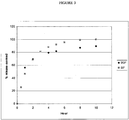
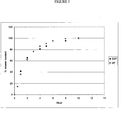
- the peak plasma concentration occurs one hour following drug administration.
- CNS-related adverse events such as dizziness and somnolence, occur. These adverse events appear to be associated with high plasma peak or with the fast rise in plasma concentration that occurs after administration of the drug.
- significant food effect was observed with the IR formulation.
- Administration of IR formulations of the drug with food caused a reduction in peak plasma concentration and a delay in Tmax.
- Administration of the IR formulation with food also resulted in a better safety profile.
- the present modified release formulations reduce CNS related adverse effects, improve therapeutic efficacy, improve tolerability, and reduce or eliminate food effect.
- the composition comprises a matrix type composition, e.g. a matrix tablet, where the drug, for example a compound of formula I, is dispersed in a rate controlling polymer.
- rate controlling polymer is a hydrophilic polymer, for example, polyvinyl pyrrolidone, hydroxypropyl cellulose, hydroxypropylmethyl cellulose (HPMC), methyl cellulose, ethyl cellulose, vinyl acetate/crotonic acid copolymers, poly(meth)acrylates, maleic anhydride/methyl vinyl ether copolymers, polyvinylacetate/povidone copolyemrs, and derivatives and mixtures thereof.
- a hydrophilic polymer for example, polyvinyl pyrrolidone, hydroxypropyl cellulose, hydroxypropylmethyl cellulose (HPMC), methyl cellulose, ethyl cellulose, vinyl acetate/crotonic acid copolymers, poly(meth)acrylates, maleic anhydride/methyl
- the mechanism of release from these matrices depends on the aqueous solubility of the drug and the hydrophilicity of the polymer used.
- the hydrophilic polymer is a gel-forming cellulose ether.
- gel-forming cellulose ethers that can be used are hydroxypropyl cellulose and hydroxypropylmethyl cellulose.
- HPMC K100 LV and K100M
- the amount of the rate controlling polymer, for example HPMC, in the composition can vary from about 5 % to about 50 % by weight of the composition. In one embodiment, the rate controlling polymer can be present in an amount from about 10 % to about 35 % by weight of the composition. In another embodiment, the rate controlling polymer can be present in an amount from about 10 % to about 25 % of the composition.
- the matrix tablet also can comprise other ingredients, such as fillers, surfactants, glidants, lubricants, and/or binders that are commonly used for tablet composition.
- Such ingredients include, for example, lactose monohydrate, microcrystalline cellulose (Avicel PH 102 ® ), corn starch, calcium hydrogen phosphate anhydrous (Fujicalin ® ), mannitol, polyvidone (Povidone K30 ® ), hydroxypropyl methylcellulose (HPMC 2910 ® ), magnesium stearate, sodium stearyl fumarate, stearic acid, colloidal silicon dioxide (AEROSIL 200 ® ), gelatin, polyoxypropylene-polyoxyethylene copolymer (Pluronic F68 ® ), sodium dodecyl sulfate (SDS), sucrose mono palmitate (D1616), polyethylene glycol (40) monostearate (Myrj 52 ® ), talc, titanium dioxide, such as microcrystalline cellulose (
- the present composition also includes an ionizable, pH responding polymer.
- This polymer can overcome the drawbacks associated with the use of a hydrophilic polymer for weakly basic compounds. Because the rate of release might be dependent upon drug solubility in the gastrointestinal environment, incorporation of such additional polymers assists in creating a rate of release that is independent of the pH.
- pH responding polymers provide a pH micro-environment that imparts a constant concentration gradient for drug diffusion through the matrix or gel layer. After gastric transition, the pH increases to from about 5.5 to about 7, and the solubility of the basic mGlu5 antagonist decreases. In response to these conditions, the pH-responding enteric polymer swells and dissolves causing an increase in matrix porosity that compensates for the decrease in drug solubility and enables a pH independent release rate.
- pH responding polymers include, but are not limited to, hydroxypropylmethyl cellulose phthalate, cellulose acetate phthalate, hydroxypropylmethyl cellulose acetate succinate, cellulose acetate trimellitate, ionic poly(meth)acrylates, polyvinyl phthalate, and mixtures thereof.
- poly(meth)acrylate e.g., Eudragit L100-55 ® or Eudragit L100 ®
- a poly(meth)acrylate such as Eudragit L100-55 ®
- the amount of pH responding polymer in the composition can be from about 5 % to about 50 % by weight of the composition. In one embodiment, the pH responding polymer can be present in an amount from about 10 % to about 35 % by weight of the composition. In a further embodiment, pH responding polymer can be present in an amount from about 10 % to about 25 % of the composition.
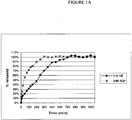
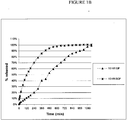
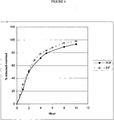
- the composition exhibits an in-vitro release profile with not more than (NMT) 70 % in one hour, NMT 85 % in 4 hour, and not less than (NLT) 80 % in 8 hours.
- the composition comprises 2-chloro-4-[1-(4-fluoro-phenyl)-2,5-dimethyl-1H-imidazol-4-ylethynyl]-pyridine, HPMC, Eudragit L100-55, and other conventional excipients.
- Such a composition can provide pH independent, controlled delivery of the compound with a reduction of Cmax and absorption rate over conventional compositions employing a hydrophilic HPMC polymer.
- the pH responding polymer also can be an insoluble polymer and can be used in combination with or without hydrophilic polymers.
- the mechanism of drug release for a matrix tablet containing an insoluble polymer is to modulate the permeability of the matrix.
- the aqueous fluids e.g. gastrointestinal fluids, penetrate and dissolve the drug, which can then diffuse out from the matrix. The rate of release is dependent upon the permeability of the matrix and the solubility of the drug in the gastrointestinal environment.
- Nonlimiting examples of such insoluble polymers include ethyl cellulose (EC) and polyvinylacetate.
- the insoluble polymer is ethyl cellulose (EC) or polyvinylacetate.
- the insoluble polymer is polyvinylacetate.
- the amount of insoluble polymer in the composition can vary from about 5 % to about 50 % by weight of the composition. In one embodiment, the insoluble polymer can be present in an amount from about 10 % to 35 % by weight of the composition. In another embodiment, the insoluble polymer can be present in an amount from about 10% to about 25 % by weight of the composition.
- the composition exhibits an in-vitro release profile with NMT 70 % in one hour, NMT 85 % in 4 hour, and NLT 80 % in 8 hours.
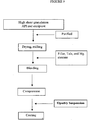
- Matrix tablet formulations can be manufactured by a series of processes known in the art, for example, by wet granulation, drying, milling, blending, compression, and film-coating.
- the drug and polymer mixture is granulated to obtain a uniform matrix of drug and polymer. This consolidates the particle and improves flow.
- the granulated product is then dried to remove moisture and milled to deagglomerate the product.
- the product is then blended to obtain a uniform mix and lubricant is added to eliminate sticking of the matrix to the die wall and punch surfaces during formation of the tablets.
- the product is compressed into tablets that are coated with a film-coat to improve surface characteristics, improve the ease with which the product can be swallowed, and mask any undesirable taste.
- the composition comprises matrix pellets, where drug, for example the mGlu5 antagonist of formula I, is dispersed in the composition that is formed into pellets.
- the matrix pellets optionally can be coated with a further polymer layer and optionally encapsulated into capsules or compressed into tablets.
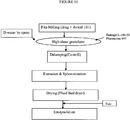
- the drug and excipients are blended to form a uniform mixture.
- the mixture is then granulated to obtain a uniform matrix of drug and polymer. This consolidates the particle and improves flow.
- the granulated product is then extruded and then spheronized to form dense pellets having a spherical shape.
- the pellets then are dried to remove moisture.
- the matrix pellet composition can be manufactured by methods known in the art, for example by extrusion spheronization, rotor granulation, spray drying, hot melt extrusion, top granulation and other standard technologies.
- extrusion spheronization can be selected as the technology for manufacturing the matrix pellets.
- Excipients can be used in the extrusion/spheronization process. These excipients can be selected based on functionality of the excipients.
- Nonlimiting examples of types of excipients that can be used include fillers, binders, lubricants, disintegrants, surfactants, spheronization enhancers, glidants, and release modifiers. Some nonlimiting examples of each of these types of excipients follows.
- Fillers can include, for example, calcium sulfate, dibasic calcium phosphate, lactose, mannitol, microcrystalline cellulose, starch, and sucrose.
- Binders can include, for example, gelatin, hydroxy propyl cellulose, hydroxy propyl methylcellulose, methylcellulose, polyvinyl pyrrolidone, sucrose, and starch.
- Lubricants can include, for example, calcium stearate, glycerine, hydrogenated vegetable oil, magnesium stearate, mineral oil, polyethylene glycol, and propylene glycol.
- Disintegrants can include, for example, alginates, croscarmellose sodium, crospovidone, sodium starch glycolate, and pregelatinized starch.
- Surfactants can include, for example, polysorbates and sodium lauryl sulfate.
- Spheronization enhancers can include, for example, microcrystalline cellulose, microcrystalline, and cellulose/sodium-carboxymethyl cellulose.
- Glidants can include, for example, colloidal silicon dioxide, magnesium stearate, starch, and talc.
- Release modifiers can include, for example, ethyl cellulose, carnauba wax, and shellac.
- the matrix pellets contain MCC as a matrix former, HPMC as binder, and alternatively, an ionizable, pH responding polymer.
- the pH responding polymer can be any of those described above.
- the pH responding polymer can be an ionic polymer, such as a poly(meth)acrylate like Eudragit L100-55 ® .
- such pH responding polymers overcome the pH dependency of drug release for weakly basic compounds, such as those used in the described matrix pellets.
- the pH responding polymer creates a pH micro-environment that provides a constant concentration gradient for drug diffusion through the matrix or gel layer of the matrix pellet.
- the pH-responding enteric polymer After gastric transition, the pH increases to from about 5.5 to about 7 and the solubility of the basic mGlu5 antagonist decreases. In response to these conditions, the pH-responding enteric polymer swells and dissolves causing an increase in matrix porosity that compensates the decrease in drug solubility and enables a pH independent release rate.
- the amount of pH responding polymer in the composition can vary from about 5 % to about 50 % by weight of the composition. In one embodiment, the pH responding polymer can be present in an amount from about 10 % to about 40 % by weight of the composition. In another embodiment, the pH responding polymer can be present in an amount from about 25 % to about 35 % of the composition.
- the composition exhibits an in-vitro release profile with NMT 70 % in one hour, NMT 85 % in 4 hour, and NLT 80 % in 8 hours.
- the particle size of the matrix pellet comprising the mGlu5 antagonist is ideally below about 3000 microns. In another embodiment, the particle size of the pellet is below about 2000 microns. In yet another embodiment, the average particle size of the pellet is about 400 microns to about 1500 microns.
- the pH responding polymer also can be an insoluble polymer and can be used in combination with or without hydrophilic polymers.
- the mechanism of drug release for a matrix tablet containing an insoluble polymer is to modulate the permeability of the matrix.
- the aqueous fluids e.g. gastrointestinal fluids, penetrate and dissolve the drug, which can then diffuse out from the matrix.
- insoluble polymers include, but are not limited to, ethyl cellulose (EC), polyvinylacetate (Kollidon SR ® ), and polyvinylacetate/povidone copolymer.
- ethyl cellulose (EC) or polyvinylacetate can be used to prepare the matrix pellets.
- polyvinylacetate can be used to prepare the matrix pellets.
- the amount of insoluble polymer in the composition can vary from about 5 % to about 50 % by weight of the composition. In one embodiment, the insoluble polymer can be present in an amount from about 10 % to about 3 5% by weight. In another embodiment, the insoluble polymer can be present in an amount from about 5 % to about 25 % of the composition.
- the composition exhibits an in-vitro release profile with NMT 70 % in one hour, NMT 85 % in 4 hour, and NLT 80 % in 8 hours.
- Layered pellets comprise a drug-loaded discrete pellet core covered with polymer coating. They can be manufactured by methods known in the art, for example, rotor granulation, spray coating, Wurster coating, and other standard technologies. In one embodiment, a fluid bed Wurster coating process can be selected as the technology for manufacturing the layered pellets.
- the layered pellets can be further compressed into tablets or be incorporated in a capsule (See, e.g., for conventional process US Patent 5,952,005 ).
- drug is formulated into a polymer and loaded into an inert core material. The core material is then coated with one or more polymeric coating that modify drug release or modify the properties of the particle, e.g., reduce agglomeration. The pellets then are cured to provide a uniform coating and to reduce batch to batch variation.
- the layered pellets comprise an inert core, such as a sugar spheres, microcrystalline cellulose beads, and starch beads.
- the inert core is coated with an inner drug-containing layer, a rate controlling layer that controls drug release from the inner layer, and a layer containing a pH responding polymer.
- the layered pellet can include additional layers between the inner and outer layer and on top of the outer rate controlling layer.
- the core typically has a size in the range of from about 0.05 mm to about 2 mm; the first layer covering core constitutes from 0.005 % to 50 % of the final bead depending on the drug loading. In another embodiment, the first layer constitutes from about 0.01 % (w/w) to about 5 % (w/w).
- the amount of the second layer generally constitutes from about 0.5 % to about 25 % (w/w) of the final bead composition. In another embodiment, the amount of the second layer constitutes from about 0.5 % to about 5 % (w/w) of the final bead composition.
- the amount of the third layer generally constitutes from about 1 % to about 50 % (w/w). In anther embodiment, the amount of the third layer constitutes from about 5 % to about 15 % (w/w) of the final bead composition.
- the amount of the fourth layer generally constitutes from about 1 % to about 50 % (w/w). In another embodiment, the amount of the fourth layer constitutes from about 5 % to about 15 % (w/w) of the final bead composition.
- the amount of the coating generally constitutes from about 0.5 % to about 25 % (w/w). In another embodiment, the amount of the coating constitutes from about 0.5 % to about 5 % (w/w) of the final bead composition.
- the core comprises a water-soluble or swellable material, and can be any such material that is conventionally used as cores or any other pharmaceutically acceptable water-soluble or water-swellable material made into beads or pellets.
- the cores can be, for example, spheres of materials such as sugar spheres, starch spheres, microcrystalline cellulose beads (Cellet ® ), sucrose crystals, or extruded and dried spheres.
- the particle size of the pellet core is generally below about 3000 microns. In one embodiment, the particle size of the pellet core is below about 2000 microns. In another embodiment, the average particle size of the pellet core is from about 400 microns to about 1500 microns.
- the first layer containing the active ingredient can be comprised of the active ingredient, i.e. an mGlu5 antagonist, with or without a polymer as a binder.
- the binder when used, is typically hydrophilic but also can be water-soluble or water-insoluble.
- hydrophilic polymers include polyvinylpyrrolidone (PVP), a polyalkylene glycol such as polyethylene glycol, gelatin, polyvinyl alcohol, starch and derivatives thereof, cellulose derivatives, such as hydroxypropylmethyl cellulose (HPMC), hydroxypropyl cellulose, carboxymethyl cellulose, methyl cellulose, ethyl cellulose, hydroxyethyl cellulose, carboxyethyl cellulose, and carboxymethylhydroxyethyl cellulose, acrylic acid polymers, poly(meth)acrylates, or any other pharmaceutically acceptable polymer.
- the ratio of drug to hydrophilic polymer in the second layer is generally in the range of from 1:100 to 100:1 (w/w).
- the separation layer comprises a water soluble or permeable material.
- exemplary polymers to be used in the separation layer are hydrophilic polymers such as polyvinylpyrrolidone (PVP), copovidone, a polyalkylene glycol such as polyethylene glycol, gelatin, polyvinyl alcohol, starch and derivatives thereof, cellulose derivatives, such as hydroxypropylmethyl cellulose (HPMC), hydroxypropyl cellulose, carboxymethyl cellulose, methyl cellulose, ethyl cellulose, hydroxyethyl cellulose, carboxyethyl cellulose, and carboxymethylhydroxyethyl cellulose, acrylic acid polymers, poly(meth)acrylates, or any other pharmaceutically acceptable polymer or mixtures thereof.
- the separation layer is comprised of HPMC.
- the third controlled release layer comprises a rate controlling polymer.
- the rate controlling polymer comprises a water-insoluble material, water swellable material, water soluble polymer, or any combination of these.
- examples of such polymers include, but are not limited to, ethyl cellulose, polyvinylacetate, polyvinylacetate:povidone copolymer, cellulose acetate, poly(meth)acrylates such as ethyl acrylate/methyl methacrylate copolymer (Eudragit NE-30-D), and polyvinylacetate (Kollicoat SR, 30D ® ).
- a plasticizer is optionally employed with the polymer.
- Exemplary plasticizers include, but are not limited to, dibutylsebacate, propylene glycol, triethylcitrate, tributylcitrate, castor oil, acetylated monoglycerides, fractionated coconut oil, acetyl triethylcitrate, acetyl butylcitrate, diethyl phthalate, dibutyl phthalate, triacetin, and medium-chain triglycerides.
- the controlled release layer optionally comprises another water soluble or swellable poreforming material to adjust the permeability, and thereby the release rate, of the controlled release layer.
- Exemplary polymers that can adjust permeability include HPMC, hydroxyethyl cellulose, hydroxypropyl cellulose, methylcellulose, carboxymethylcellulose, polyethylene glycol, polyvinylpyrrolidone (PVP), polyvinyl alcohol, polymers with pH-dependent solubility, such as cellulose acetate phthalate or ammonio methacrylate copolymer and methacrylic acid copolymer, or mixtures thereof.
- the controlled release layer also can include additional poreforming agents such as manitol, sucrose, lactose, sodium chloride. Pharmaceutical grade excipients also can be included in the controlled release layer, if desired.
- the ratio of water-insoluble material, water swellable material, or water soluble polymer to permeability modifying agent in the third layer is typically in the range of from 100:0 to 1:100 (w/w).
- the fourth layer comprises a pH responding polymer for controlling drug release.
- pH responding polymers include hydroxypropylmethyl cellulose phthalate, cellulose acetate phthalate, cellulose acetate trimellitate, poly(meth)acrylates, or mixtures thereof.
- the pH responding polymer optionally can be combined with plasticizers, such as those mentioned above.
- the combination of the rate controlling layer and the pH responding layer enable continuous drug release in gastric fluid without shutting down or delaying drug release, which results in continuous release of drug for absorption without the risk of dose dumping associated with conventional enteric polymer coatings that results from inter and intra variation in gastric pH and transit time.
- the pH increases to from about 5.5 to about 7 and the solubility of the basic mGlu5 antagonist decreases.
- the permeability of the pH-responding enteric polymer increases and compensates for the decrease in solubility of the mGlu5 antagonist and enables a pH independent release rate.
- the layer containing a pH responding polymer comprises another water soluble or swellable poreforming materials to adjust the permeability, and thereby the release rate, of the layer.
- polymers that can be used as a modifier together with, insoluble polymer include HPMC, hydroxyethyl cellulose, hydroxypropyl cellulose, methylcellulose, carboxymethylcellulose, polyethylene glycol, polyvinylpyrrolidone (PVP), polyvinyl alcohol, polymers with pH-dependent solubility, such as cellulose acetate phthalate or ammonio methacrylate copolymer and methacrylic acid copolymer, or mixtures thereof.
- Other poreforming agents such as manitol, sucrose, lactose, sodium chloride, and pharmaceutical grade excipients also can be included in the fourth layer containing the pH responding polymer, if desired.
- the ratio of pH responding polymer to permeability modifying agent in the fourth layer is generally in the range of from 100:0 to 1:100 (w/w).
- Example 1 Modified release tablet without pH responding polymer.
- Aeromatic fluid bed granulator MP1 ® was used for grnaualtion.
- the described drug and excipients blend from the previous step were filled into the fluid bed granulator.
- the spray solution consists of Povidone K30 ® and water.
- the granulate was discharged and sieved by FREWITT ® Hammer Mill through 1.5mm screen.
- the milled granules were weighed, and the weight was used to calculate the amount of extra-granular components: talc and magnesium stearate based on the formulation sheet.
- Talc and magnesium stearate were sieved and manually screened through a 1.0 mm screen and then mixed with a part of the granules (5 times of the amount of talc and magnesium stearate) for 3 min in the tumble mixer. The rest of the granules were added and again mixed for 3 min in the tumble mixer.
- the final blend was filled into hard gelatin capsules (size 1) using a ZANASI ® 12E filling machine.
- the final granules were then compressed using a tableting machine and oval shaped tooling and the tablets were coated with using a film-coating machine.
- Example 2 Preparation of modified release tablet containing a pH responding polymer.
- the milled material was transferred to a VG-25 high shear granulator and mixed with Methocel, K100 LV ® (600 g), Eudragit L100-55 ® (720 g), and PVP (120 g), at a speed of 250 rpm (screw) and 1500 rpm (chopper) for two minutes. After two minutes mixing, water was added at a spray rate of 50 g/minute until a consistent granulation was obtained. At the end of granulation, the wet granules were passed through Co-mill ® at slow speed of 10 HZ with screen size of Q312R and then transferred to Vector FLM1 ® fluid bed for drying at 60°C and an air volume of 60 CFM for 2 hours.
- the dried granules were milled again using Fitz-mill ® with 1A screen size and with Knife forward speed of 2500 rpm.
- the milled granules were weighed and the weight was used to calculate the amount of extragranular components: talc and magnesium stearate.
- the weighed amount of extragranular excipients was mixed with the milled granules in a Tote ® bin blender.
- the final granules were then compressed using F-press tablet machine and 0.429"x0.1985" oval shaped tooling to give a target hardness of ⁇ 140 N.
- the tablets were coated with 12% suspension of Opadry ® mixture dispersed in purified water using Vector LDCS3 ® film-coating machine.
- the resulting tablets have the following composition.
- Ingredients Excipient Functionality Amount (mg/tablet) 2-Chloro-4-[1-(4-fluoro-phenyl)-2,5-dimethyl-1H-imidazol-4-ylethynyl]-pyridine Active ingredient 1.30 Methocel, K100 LV ® Rate controlling polymer 50.00 Eudragit L100-55 ® pH responding polymer 60.00 Lactose monohydrate Filler 73.20 PVP Binder 10.00 Talc Glidant 4.00 Magnesium stearate Lubricant 1.50 Opadry Yellow 03912429 ® Top coat 5.00 Total tablet Weight 205.00
- Example 3 Preparation of a modified release matrix pellet containing a pH responding polymer, MCC and sodium CMC mixture (F3)
- Step 1 A preblended weighed amount of Avicell RC591 ® ( ⁇ 173 g) and Eudragit L100-55 ® (75 g) were blended in a Turbula ® blender at 46 rpm for 5 minutes.
- Step 2 2-Chloro-4-[1-(4-fluoro-phenyl)-2,5-dimethyl-1H-imidazol-4-ylethynyl]-pyridine powder (1.6 g) and the polymer blend from Step 1 were mixed in a 1:1 ratio at 46 rpm for 5 minutes. Step 2 was repeated four times with portions of the polymer blend from Step 1. The resulting blend was sieved through 1.0 mm screen, and the screen was rinsed with the remaining polymer blend from Step 1 and blended for another 5 minutes. The blended material was transferred into a Dyazna ® vertical high shear granulator. All of the components were mixed for three minutes at a speed of 350 rpm (screw) and 1350 rpm (chopper).
- the powder mixture was granulated by spraying purified water at 16 g/minute onto the powder mixer in the high shear granulator while continually mixing the contents using an impeller at 350 rpm and the chopper at 1350 rpm until a consistent granulation was obtained.
- the obtained wet granules were extruded through an LCI Xtruder ® Extruder using Screen # 1.0 mm and a speed setting of 40 rpm.
- the extruded material was transferred into an LUWA ® Marumerizer-Spheronizer and spheronized for 5 minutes at 1330 rpm.
- the spheronized material was collected and dried in a Vector FLM1 ® fluid bed dryer with an inlet temperature of 60 °C and an air volume of 65 CFM for 1 hours. Using the weight of the obtained pellets, Talc (External component) was weighed and the amount adjusted. The talc was then mixed with the pellets for 5 minutes. The pellets were then filled into #0 opaque white non print gelatin capsules.
- compositions (mg) Excipient Functionality Matrix pellets (1 mg dose) 2-Chloro-4-[1-(4-fluoro-phenyl)-2,5-dimethyl-1H-imidazol-4-ylethynyl]-pyridine Active ingredient 1.3 Avicel RC591 ® (MCC and Sodium CMC blend) Rate controlling and matrix forming polymer (MCC) and pH responding polymer (Sodium CMC) 138.7 Eudragit L100-55 @ pH responding polymer 60.0 Talc Glidant 3.2 Total fill weight (mg) in a capsule 203.2
- Example 4 Modified release matrix pellets containing a pH responding polymer and microcrystalline cellulose
- compositions (mg) Excipient Functionality Matrix pellets (1 mg dose) 2-Chloro-4-[1-(4-fluoro-phenyl)-2,5-dimethyl-1H-imidazol-4-ylethynyl]-pyridine Active ingredient 1.3 Avicel 101 ® Rate controlling and matrix forming polymer 128.2 Eudragit L100-55 ® pH responding polymer 60.0 Pharmacoat 603 ® Binder 10.0 Talc Glidant 0.5 Total fill weight (mg) in a capsule 203
- the milled material was transferred to VG-25 ® high shear granulator and mixed with Eudragit L100-55 ® (360 g) and Pharmacoat 603 ® (60 g) at a speed of 250 rpm (screw) and 1500 rpm (chopper) for two minutes. After mixing for two minutes, water was added at a spray rate of 100 g/minutes until a consistent granulation was obtained. The wet granules were extruded through an LCI Xtruder Extruder ® using Screen # 1.0 mm and speed setting of 20 rpm.
- the extruded material was then transferred to a LUWA ® Marumerizer-Spheronizer and spheronized for 10 minutes at 1330 rpm.
- the spheronized material was collected and dried in a fluid bed dryer with an inlet temperature of 60 °C and an air volume of 60 CFM for 3 hours.
- Talc Extra component
- the talc was then mixed with the pellets for 5 minutes. The pellets were then filled into #2 opaque white non print gelatin capsules.
- Example 5 Modified release layered pellets ( ⁇ 5 hr release) with rate controlling and pH responding polymers (F2)
- the drug layering suspension was prepared in purified water containing the following ingredients: 2-Chloro-4-[1-(4-fluoro-phenyl)-2,5-dimethyl-1H-imidazol-4-ylethynyl]-pyridine 1.30 mg 10% HPMC Stock Solution 13.00 mg Purified water 11.70 mg
- the separation coat solution was prepared with the following components: 10% HPMC Stock Solution 32.60 mg Purified water 32.60 mg
- a Surelease ® rate controlling coat dispersion was applied at a nominal product temperature of ⁇ 40-45 ° C and 5 minutes of post drying. After coating, the pellets were cured at 60 °C for 2 hr in forced air oven.
- the rate controlling membrane coat dispersion was prepared with the following components: Surelease ® Clear, E-7-19040 35.44 mg 10% HPMC Stock Solution 38.00 mg Purified water 10.96 mg
- a Eudragit ® L30D-55 pH controlled coat dispersion was applied at nominal product temperature of ⁇ 25-32 °C and 5 minutes of post drying.
- the Eudragit ® L30D-55 pH controlled coat dispersion was prepared with the following components: Eudragit ® L30D-55 30.20 mg TEC 0.91 mg Talc 4.52 mg Purified water 36.88 mg
- a top coat solution in purified water was prepared with the following components: 10% HPMC Stock Solution 18.70 mg Purified water 18.70 mg
- the resulting beads were fluidized using the following parameters:
- the amount of Talc (External component) was weighed and mixed with the coated spheres for 5- minutes.
- the coated spheres were filled into size #0 hard gelatin capsules to obtain 1 mg of 2-chloro-4-[1-(4-fluoro-phenyl)-2,5-dimethyl-1H-imidazol-4-ylethynyl]-pyridine per capsule.
- compositions (mg) 5-Hr drug layered beads with pH controlled layer (1 mg dose) 2-Chloro-4-[1-(4-fluoro-phenyl)-2,5-dimethyl-1H-imidazol-4-ylethynyl]-pyridine 1.3
- Non-pareil seed 216.7
- Surelease E-7 19040 ® 11.7 Eudragit L30D-55 ® 12.0
- Tri-ethyl citrate (TEC) 1.2 Talc 9.6
- Total fill weight (mg) in a capsule 266
- Example 6 Modified release layered pellets with ⁇ 10 hr release with rate controlling and pH responding polymers (F4)
- the layered pellets were prepared in accordance with the method of Example 5.
- Compositions (mg) 10-hr drug layered beads with pH controlled layer (1 mg dose) 2-Chloro-4-[1-(4-fluoro-phenyl)-2,5-dimethyl-1H-imidazol-4-ylethynyl]-pyridine 1.3
- Non-pareil seed 162.9
- Pharmacoat 603 ® 10.7
- Tri-ethyl citrate (TEC) 0.9 Talc 7.4
- Total fill weight (mg) in a capsule 205
- Example 7 Dug layered beads without pH controlled layer (F1) [Comparative Example]
- the layered pellets were prepared in accordance with the method of Example 5.
- Compositions (mg) 10-hr drug layered beads w/o pH controlled layer (1 mg dose) 2-Chloro-4-[1-(4-fluoro-phenyl)-2,5-dimethyl-1H-imidazol-4-ylethynyl]-pyridine 1.3
- Non-pareil seed 162.9
Landscapes
- Health & Medical Sciences (AREA)
- Chemical & Material Sciences (AREA)
- Life Sciences & Earth Sciences (AREA)
- Veterinary Medicine (AREA)
- Pharmacology & Pharmacy (AREA)
- Animal Behavior & Ethology (AREA)
- General Health & Medical Sciences (AREA)
- Medicinal Chemistry (AREA)
- Public Health (AREA)
- Epidemiology (AREA)
- Bioinformatics & Cheminformatics (AREA)
- Engineering & Computer Science (AREA)
- Inorganic Chemistry (AREA)
- Biophysics (AREA)
- Molecular Biology (AREA)
- Neurosurgery (AREA)
- Organic Chemistry (AREA)
- Nuclear Medicine, Radiotherapy & Molecular Imaging (AREA)
- General Chemical & Material Sciences (AREA)
- Chemical Kinetics & Catalysis (AREA)
- Neurology (AREA)
- Biomedical Technology (AREA)
- Physiology (AREA)
- Nutrition Science (AREA)
- Psychiatry (AREA)
- Pain & Pain Management (AREA)
- Pharmaceuticals Containing Other Organic And Inorganic Compounds (AREA)
- Medicinal Preparation (AREA)
- Materials For Medical Uses (AREA)
- Medicines That Contain Protein Lipid Enzymes And Other Medicines (AREA)
Applications Claiming Priority (2)
| Application Number | Priority Date | Filing Date | Title |
|---|---|---|---|
| US37269310P | 2010-08-11 | 2010-08-11 | |
| EP11746215.0A EP2603206B1 (fr) | 2010-08-11 | 2011-08-08 | Compositions pharmaceutiques contenant des antagonistes des récepteurs métabotropiques du glutamate 5 (mglu5) |
Related Parent Applications (3)
| Application Number | Title | Priority Date | Filing Date |
|---|---|---|---|
| PCT/EP2011/063602 Previously-Filed-Application WO2012019989A2 (fr) | 2010-08-11 | 2011-08-08 | Compositions pharmaceutiques contenant des antagonistes des récepteurs métabotropiques du glutamate 5 (mglu5) |
| EP11746215.0A Division-Into EP2603206B1 (fr) | 2010-08-11 | 2011-08-08 | Compositions pharmaceutiques contenant des antagonistes des récepteurs métabotropiques du glutamate 5 (mglu5) |
| EP11746215.0A Division EP2603206B1 (fr) | 2010-08-11 | 2011-08-08 | Compositions pharmaceutiques contenant des antagonistes des récepteurs métabotropiques du glutamate 5 (mglu5) |
Publications (1)
| Publication Number | Publication Date |
|---|---|
| EP2808022A1 true EP2808022A1 (fr) | 2014-12-03 |
Family
ID=44509316
Family Applications (2)
| Application Number | Title | Priority Date | Filing Date |
|---|---|---|---|
| EP11746215.0A Active EP2603206B1 (fr) | 2010-08-11 | 2011-08-08 | Compositions pharmaceutiques contenant des antagonistes des récepteurs métabotropiques du glutamate 5 (mglu5) |
| EP14174022.5A Withdrawn EP2808022A1 (fr) | 2010-08-11 | 2011-08-08 | Compositions pharmaceutiques d'antagonistes du récepteur 5 de glutamate métabotropique (MGLU5) |
Family Applications Before (1)
| Application Number | Title | Priority Date | Filing Date |
|---|---|---|---|
| EP11746215.0A Active EP2603206B1 (fr) | 2010-08-11 | 2011-08-08 | Compositions pharmaceutiques contenant des antagonistes des récepteurs métabotropiques du glutamate 5 (mglu5) |
Country Status (23)
| Country | Link |
|---|---|
| US (6) | US20120039999A1 (fr) |
| EP (2) | EP2603206B1 (fr) |
| JP (2) | JP2013533299A (fr) |
| KR (2) | KR101800518B1 (fr) |
| CN (2) | CN105012301B (fr) |
| AR (1) | AR082602A1 (fr) |
| AU (1) | AU2011288555B2 (fr) |
| BR (1) | BR112013003158B1 (fr) |
| CA (1) | CA2804749C (fr) |
| DK (1) | DK2603206T3 (fr) |
| ES (1) | ES2608727T3 (fr) |
| HU (1) | HUE031220T2 (fr) |
| IL (1) | IL224032B (fr) |
| MX (1) | MX338634B (fr) |
| MY (1) | MY164306A (fr) |
| NZ (1) | NZ605424A (fr) |
| PL (1) | PL2603206T3 (fr) |
| RU (1) | RU2602955C2 (fr) |
| SG (1) | SG187550A1 (fr) |
| SI (1) | SI2603206T1 (fr) |
| TW (1) | TW201211024A (fr) |
| WO (1) | WO2012019989A2 (fr) |
| ZA (1) | ZA201300500B (fr) |
Families Citing this family (9)
| Publication number | Priority date | Publication date | Assignee | Title |
|---|---|---|---|---|
| SG11201509178TA (en) * | 2013-06-12 | 2015-12-30 | Novartis Ag | Modified release formulation |
| GB201312800D0 (en) | 2013-07-17 | 2013-08-28 | Heptares Therapeutics Ltd | mGlu5 modulators |
| JO3543B1 (ar) * | 2015-09-28 | 2020-07-05 | Applied Pharma Res | تراكيب حمض أميني إصدار معدل تعطى عن طريق الفم |
| US10898444B2 (en) * | 2017-06-01 | 2021-01-26 | Sun Pharmaceutical Industries Limited | Extended release multiparticulates of ranolazine |
| KR20200035035A (ko) | 2017-07-31 | 2020-04-01 | 노파르티스 아게 | 코카인 사용 감소 또는 코카인 사용 재발 예방에 있어서 마보글루란트의 용도 |
| GB2571696B (en) * | 2017-10-09 | 2020-05-27 | Compass Pathways Ltd | Large scale method for the preparation of Psilocybin and formulations of Psilocybin so produced |
| KR20220008824A (ko) | 2019-04-17 | 2022-01-21 | 컴퍼스 패쓰파인더 리미티드 | 실로시빈으로 불안 장애, 두통 장애 및 섭식 장애를 치료하는 방법 |
| JP7497850B2 (ja) | 2019-12-23 | 2024-06-11 | 株式会社アイ・ティー・オー | 細胞送達用キャリア |
| MX2022015407A (es) | 2020-06-05 | 2023-05-16 | Noema Pharma Ag | Metodos de tratamiento del complejo de esclerosis tuberosa. |
Citations (8)
| Publication number | Priority date | Publication date | Assignee | Title |
|---|---|---|---|---|
| US4968508A (en) * | 1987-02-27 | 1990-11-06 | Eli Lilly And Company | Sustained release matrix |
| US5334392A (en) | 1991-06-18 | 1994-08-02 | Adir Et Compagnie | Matrix tablet permitting the sustained release of indapamide after oral administration |
| US5952005A (en) | 1993-03-30 | 1999-09-14 | Pharmacia & Upjohn Aktiebolag | Controlled release preparation for administering morphine |
| US6004996A (en) | 1997-02-05 | 1999-12-21 | Hoffman-La Roche Inc. | Tetrahydrolipstatin containing compositions |
| WO2005118568A1 (fr) * | 2004-06-01 | 2005-12-15 | F. Hoffmann-La Roche Ag | Pyridin-4-yl-ethynyl-imidazoles et pyrazoles, antagonistes du recepteur mglur5 |
| US20060030559A1 (en) | 2004-06-01 | 2006-02-09 | Bernd Buettelmann | Diazole derivatives |
| US7332510B2 (en) | 2003-06-05 | 2008-02-19 | Hoffmann-La Roche Inc. | Imidazole derivatives |
| WO2008074697A1 (fr) * | 2006-12-21 | 2008-06-26 | F. Hoffmann-La Roche Ag | Polymorphes d'un antagoniste du récepteur mglur5 |
Family Cites Families (15)
| Publication number | Priority date | Publication date | Assignee | Title |
|---|---|---|---|---|
| JPS62120315A (ja) * | 1985-11-20 | 1987-06-01 | Shin Etsu Chem Co Ltd | 経口投与型徐放性錠剤の製造方法 |
| IL85538A (en) * | 1987-02-27 | 1991-09-16 | Lilly Co Eli | Sustained release matrix tablet formulations containing hydrophilic and enteric polymers |
| CN1094948A (zh) * | 1993-05-13 | 1994-11-16 | 格拉克索加拿大有限公司 | 控制释放装置 |
| BR0013720A (pt) * | 1999-09-02 | 2002-07-23 | Nostrum Pharmaceuticals Inc | Formulação em pelota de liberação controlada |
| US6627223B2 (en) * | 2000-02-11 | 2003-09-30 | Eurand Pharmaceuticals Ltd. | Timed pulsatile drug delivery systems |
| WO2001076557A1 (fr) * | 2000-04-10 | 2001-10-18 | Sumitomo Pharmaceuticals Co., Ltd. | Preparations a liberation prolongee |
| DE10209982A1 (de) * | 2002-03-07 | 2003-09-25 | Boehringer Ingelheim Pharma | Oral zu applizierende Darreichungsform für schwerlösliche basische Wirkstoffe |
| US7670624B2 (en) * | 2004-01-29 | 2010-03-02 | Astella Pharma Inc. | Gastrointestinal-specific multiple drug release system |
| US20060078623A1 (en) * | 2004-08-13 | 2006-04-13 | Emisphere Technologies, Inc. | Pharmaceutical formulations containing microparticles or nanoparticles of a delivery agent |
| EP1681056A1 (fr) * | 2005-01-14 | 2006-07-19 | Krka Tovarna Zdravil, D.D., Novo Mesto | Procédé de préparation du lansoprazole |
| FR2891459B1 (fr) * | 2005-09-30 | 2007-12-28 | Flamel Technologies Sa | Microparticules a liberation modifiee d'au moins un principe actif et forme galenique orale en comprenant |
| WO2009024491A1 (fr) * | 2007-08-20 | 2009-02-26 | F. Hoffmann-La Roche Ag | Utilisation d'antagonistes de mglur5 pour le traitement d'un reflux gastroœsophagien pathologique |
| PE20100252A1 (es) * | 2008-06-06 | 2010-04-12 | Boehringer Ingelheim Int | Nuevas formulaciones farmaceuticas solidas que comprenden dimaleato de 4-[(3-cloro-4-fluorofenil) amino]-6-{[4-(n,n-dimetilamino)-1-oxo-2-buten-1-il] amino}-7-((s)-tetrahidrofuran-3-iloxi)-quinazolina |
| US8632805B2 (en) * | 2008-06-20 | 2014-01-21 | Mutual Pharmaceutical Company, Inc. | Controlled-release formulations, method of manufacture, and use thereof |
| US20120040008A1 (en) * | 2010-08-11 | 2012-02-16 | Ashish Chatterji | Pharmaceutical compositions of metabotropic glutamate 5 receptor (mglu5) antagonists |
-
2011
- 2011-08-04 US US13/197,803 patent/US20120039999A1/en not_active Abandoned
- 2011-08-08 PL PL11746215T patent/PL2603206T3/pl unknown
- 2011-08-08 SI SI201131039A patent/SI2603206T1/sl unknown
- 2011-08-08 AU AU2011288555A patent/AU2011288555B2/en active Active
- 2011-08-08 WO PCT/EP2011/063602 patent/WO2012019989A2/fr not_active Ceased
- 2011-08-08 EP EP11746215.0A patent/EP2603206B1/fr active Active
- 2011-08-08 NZ NZ605424A patent/NZ605424A/en unknown
- 2011-08-08 CN CN201510431342.3A patent/CN105012301B/zh active Active
- 2011-08-08 KR KR1020157003654A patent/KR101800518B1/ko active Active
- 2011-08-08 JP JP2013523581A patent/JP2013533299A/ja active Pending
- 2011-08-08 CN CN201180039109.0A patent/CN103068374B/zh active Active
- 2011-08-08 KR KR1020137006057A patent/KR20130028991A/ko not_active Ceased
- 2011-08-08 SG SG2013003728A patent/SG187550A1/en unknown
- 2011-08-08 ES ES11746215.0T patent/ES2608727T3/es active Active
- 2011-08-08 HU HUE11746215A patent/HUE031220T2/hu unknown
- 2011-08-08 MY MYPI2013000373A patent/MY164306A/en unknown
- 2011-08-08 EP EP14174022.5A patent/EP2808022A1/fr not_active Withdrawn
- 2011-08-08 CA CA2804749A patent/CA2804749C/fr active Active
- 2011-08-08 DK DK11746215.0T patent/DK2603206T3/da active
- 2011-08-08 MX MX2013000860A patent/MX338634B/es active IP Right Grant
- 2011-08-08 BR BR112013003158-1A patent/BR112013003158B1/pt active IP Right Grant
- 2011-08-08 RU RU2013108057/15A patent/RU2602955C2/ru active
- 2011-08-09 AR ARP110102884A patent/AR082602A1/es not_active Application Discontinuation
- 2011-08-10 TW TW100128604A patent/TW201211024A/zh unknown
-
2012
- 2012-12-31 IL IL224032A patent/IL224032B/en active IP Right Grant
-
2013
- 2013-01-18 ZA ZA2013/00500A patent/ZA201300500B/en unknown
-
2014
- 2014-11-11 US US14/538,434 patent/US20150140087A1/en not_active Abandoned
-
2015
- 2015-01-05 JP JP2015000145A patent/JP6113203B2/ja active Active
-
2017
- 2017-01-11 US US15/403,793 patent/US20170202819A1/en not_active Abandoned
-
2019
- 2019-01-11 US US16/245,922 patent/US20190216789A1/en not_active Abandoned
-
2020
- 2020-10-29 US US17/083,386 patent/US20220241260A9/en not_active Abandoned
-
2024
- 2024-07-12 US US18/770,962 patent/US20250073216A1/en active Pending
Patent Citations (8)
| Publication number | Priority date | Publication date | Assignee | Title |
|---|---|---|---|---|
| US4968508A (en) * | 1987-02-27 | 1990-11-06 | Eli Lilly And Company | Sustained release matrix |
| US5334392A (en) | 1991-06-18 | 1994-08-02 | Adir Et Compagnie | Matrix tablet permitting the sustained release of indapamide after oral administration |
| US5952005A (en) | 1993-03-30 | 1999-09-14 | Pharmacia & Upjohn Aktiebolag | Controlled release preparation for administering morphine |
| US6004996A (en) | 1997-02-05 | 1999-12-21 | Hoffman-La Roche Inc. | Tetrahydrolipstatin containing compositions |
| US7332510B2 (en) | 2003-06-05 | 2008-02-19 | Hoffmann-La Roche Inc. | Imidazole derivatives |
| WO2005118568A1 (fr) * | 2004-06-01 | 2005-12-15 | F. Hoffmann-La Roche Ag | Pyridin-4-yl-ethynyl-imidazoles et pyrazoles, antagonistes du recepteur mglur5 |
| US20060030559A1 (en) | 2004-06-01 | 2006-02-09 | Bernd Buettelmann | Diazole derivatives |
| WO2008074697A1 (fr) * | 2006-12-21 | 2008-06-26 | F. Hoffmann-La Roche Ag | Polymorphes d'un antagoniste du récepteur mglur5 |
Non-Patent Citations (5)
| Title |
|---|
| "Pharmaceutical Extrusion Technology", vol. 133, article "Durgs and Pharmaceutical Sciences" |
| CHARLES VESEY: "SURELEASE Application Data Stability of a Sparingly Soluble BCS Class I API Ethylcellulose Coated Multiparticulate", CONTROLLED RELEASE SOCIETY MEETING 2010 OREGON, 14 July 2010 (2010-07-14), pages 1 - 5, XP055148759 * |
| ROBINSON; LEE: "Drugs and Pharmaceutical Sciences", CONTROLLED DRUG DELIVERY FUNDAMENTALS AND APPLICATIONS, vol. 29 |
| TATAVARTI ADITYA S ET AL: "Influence of methacrylic and acrylic acid polymers on the release performance of weakly basic drugs from sustained release hydrophilic matrices", JOURNAL OF PHARMACEUTICAL SCIENCES, vol. 93, no. 9, September 2004 (2004-09-01), pages 2319 - 2331, XP002676237, ISSN: 0022-3549 * |
| TRIVEDI ET AL., CRITICAL REVIEWS IN THERAPEUTIC DRUG CARRIER SYSTEMS, vol. 24, no. 1, 2007, pages 1 - 40 |
Also Published As
Similar Documents
| Publication | Publication Date | Title |
|---|---|---|
| US20250073216A1 (en) | Pharmaceutical Compositions Of Metabotropic Glutamate 5 Receptor (MGLU5) Antagonists | |
| AU2011288556B2 (en) | Pharmaceutical compositions of metabotropic glutamate 5 receptor (mGlu5) antagonists | |
| JP5881700B2 (ja) | ブロナンセリン経口放出制御型医薬組成物 | |
| AU2013302359A1 (en) | Pharmaceutical compositions of Memantine | |
| HK1181653B (en) | Pharmaceutical compositions of metabotropic glutamate 5 receptor (mglu5) antagonists | |
| HK1181654B (en) | Pharmaceutical compositions of metabotropic glutamate 5 receptor (mglu5) antagonists |
Legal Events
| Date | Code | Title | Description |
|---|---|---|---|
| PUAI | Public reference made under article 153(3) epc to a published international application that has entered the european phase |
Free format text: ORIGINAL CODE: 0009012 |
|
| 17P | Request for examination filed |
Effective date: 20140626 |
|
| AC | Divisional application: reference to earlier application |
Ref document number: 2603206 Country of ref document: EP Kind code of ref document: P |
|
| AK | Designated contracting states |
Kind code of ref document: A1 Designated state(s): AL AT BE BG CH CY CZ DE DK EE ES FI FR GB GR HR HU IE IS IT LI LT LU LV MC MK MT NL NO PL PT RO RS SE SI SK SM TR |
|
| R17P | Request for examination filed (corrected) |
Effective date: 20150603 |
|
| RBV | Designated contracting states (corrected) |
Designated state(s): AL AT BE BG CH CY CZ DE DK EE ES FI FR GB GR HR HU IE IS IT LI LT LU LV MC MK MT NL NO PL PT RO RS SE SI SK SM TR |
|
| 17Q | First examination report despatched |
Effective date: 20150821 |
|
| STAA | Information on the status of an ep patent application or granted ep patent |
Free format text: STATUS: THE APPLICATION IS DEEMED TO BE WITHDRAWN |
|
| 18D | Application deemed to be withdrawn |
Effective date: 20160301 |