EP2811779A1 - Système, équipement d'utilisateur et procédé pour la mise en uvre d'une transmission conjointe sur une pluralité de réseaux - Google Patents
Système, équipement d'utilisateur et procédé pour la mise en uvre d'une transmission conjointe sur une pluralité de réseaux Download PDFInfo
- Publication number
- EP2811779A1 EP2811779A1 EP13804534.9A EP13804534A EP2811779A1 EP 2811779 A1 EP2811779 A1 EP 2811779A1 EP 13804534 A EP13804534 A EP 13804534A EP 2811779 A1 EP2811779 A1 EP 2811779A1
- Authority
- EP
- European Patent Office
- Prior art keywords
- network element
- access network
- user data
- wlan
- 3gpp
- Prior art date
- Legal status (The legal status is an assumption and is not a legal conclusion. Google has not performed a legal analysis and makes no representation as to the accuracy of the status listed.)
- Withdrawn
Links
Images



Classifications
-
- H—ELECTRICITY
- H04—ELECTRIC COMMUNICATION TECHNIQUE
- H04W—WIRELESS COMMUNICATION NETWORKS
- H04W36/00—Hand-off or reselection arrangements
- H04W36/16—Performing reselection for specific purposes
- H04W36/22—Performing reselection for specific purposes for handling the traffic
-
- H—ELECTRICITY
- H04—ELECTRIC COMMUNICATION TECHNIQUE
- H04W—WIRELESS COMMUNICATION NETWORKS
- H04W76/00—Connection management
- H04W76/10—Connection setup
- H04W76/15—Setup of multiple wireless link connections
- H04W76/16—Involving different core network technologies, e.g. a packet-switched [PS] bearer in combination with a circuit-switched [CS] bearer
-
- H—ELECTRICITY
- H04—ELECTRIC COMMUNICATION TECHNIQUE
- H04W—WIRELESS COMMUNICATION NETWORKS
- H04W28/00—Network traffic management; Network resource management
- H04W28/02—Traffic management, e.g. flow control or congestion control
- H04W28/08—Load balancing or load distribution
- H04W28/0846—Load balancing or load distribution between network providers, e.g. operators
-
- H—ELECTRICITY
- H04—ELECTRIC COMMUNICATION TECHNIQUE
- H04W—WIRELESS COMMUNICATION NETWORKS
- H04W88/00—Devices specially adapted for wireless communication networks, e.g. terminals, base stations or access point devices
- H04W88/02—Terminal devices
- H04W88/06—Terminal devices adapted for operation in multiple networks or having at least two operational modes, e.g. multi-mode terminals
-
- H—ELECTRICITY
- H04—ELECTRIC COMMUNICATION TECHNIQUE
- H04W—WIRELESS COMMUNICATION NETWORKS
- H04W92/00—Interfaces specially adapted for wireless communication networks
- H04W92/16—Interfaces between hierarchically similar devices
- H04W92/20—Interfaces between hierarchically similar devices between access points
Definitions
- the present document relates to the mobile communication system, and in particular, to a system, user equipment and method for implementing multi-network joint transmission.
- LTE Long Term Evolution
- LTE-A LTE Advanced
- the inflatable growth of the terminal data service volume makes the existing network resources unable to do what one wishes gradually, especially in the situation that the new generation communication technology (such as, the third generation mobile communication technology (3rd-generation, 3G), the LTE) is unable to be netted extensively, and the caused result is that both the user rate and the flow demand are unable to be satisfied, and the user experience is relatively bad.
- the new generation communication technology such as, the third generation mobile communication technology (3rd-generation, 3G), the LTE
- 3rd-generation, 3G third generation mobile communication technology
- LTE third generation mobile communication technology
- How to prevent and change this situation is a problem which must be considered by the operators; on one hand, the popularization of the new technology and the network deployment need to be accelerated; on the other hand, the objective of promoting the network performance fast is achieved by strengthening the existing network and technology.
- the wireless Local Area Network which is already generally applied at present, especially the wireless LAN based on the IEEE 802.11 standard, has already been extensively applied in the focus access coverage in the family, the enterprise or even the Internet.
- WiFi Wireless Fidelity
- Wi-Fi Alliance Wireless Fidelity Alliance
- the current Interworking framework allows the WLAN network to use an Authentication Authorization Accounting (AAA) in the LTE network to perform the unified authentication and authorization, and at the same time it can reuse the packet data network gateway in the existing LTE network as the packet data gateway of the WLAN network, and it can also realize the unified accounting and charging of two networks, etc., and achieve the loose coupling of the two networks.
- AAA Authentication Authorization Accounting
- the embodiment of the present document provides a system, user equipment and method for implementing multi-network joint transmission, to overcome a disadvantage of large capital expenditure of the current operator.
- the system for implementing multi-network joint transmission comprises: a core network and an access network; wherein, the access network comprises: a 3rd Generation Partnership Project (3GPP) access network element and a Wireless Local Area Network (WLAN) access network element; and the core network comprises: a 3GPP core network element; the 3GPP access network element is connected to the core network element through a network interface, and connected to the WLAN access network element through a traffic offload interface; the 3GPP access network element is configured to connect to the user equipment through a 3GPP wireless interface, merge received uplink user data, and perform traffic offload on downlink user data, to offload part of the downlink user data to the WLAN access network element; and the WLAN access network element is configured to connect to the user equipment through a WLAN wireless interface, and transmit the uplink user data and the downlink user data between the 3GPP access network element and the user equipment.
- 3GPP 3rd Generation Partnership Project
- WLAN Wireless Local Area Network
- the 3GPP access network element is configured to: after offloading the downlink user data sent by the core network, send at least part of the downlink user data to the WLAN access network element through the traffic offload interface; the WLAN access network element is configured to: send the downlink user data received from the traffic offload interface to the user equipment.
- the 3GPP access network element is further configured to: send part of the downlink user data which are not sent to the WLAN access network element through the traffic offload interface to the user equipment through an interface with the user equipment.
- the 3GPP access network element is configured to encapsulate at least part of downlink user data with a format of an Ethernet transmission protocol or a transmission protocol based on wireless connection, and send to the WLAN access network element through the traffic offload interface.
- the 3GPP access network element is configured to perform traffic offload on the downlink user data at an IP layer, or a packet data convergence protocol layer, or a radio link control layer or a media access control (MAC) layer.
- IP layer or a packet data convergence protocol layer, or a radio link control layer or a media access control (MAC) layer.
- MAC media access control
- the 3GPP access network element is configured to perform traffic offload on the downlink user data according to any one or any combination of a payload of the 3GPP access network element, a payload of the WLAN access network element, quality of wireless environment where the user equipment is located or other preconfigured algorithms.
- the WLAN access network element is configured to send the received uplink user data sent by the user equipment to the 3GPP access network element; the 3GPP access network element is configured to merge the uplink user data sent by the user equipment and the uplink user data sent by the WLAN access network element, which belong to a same data source.
- the 3GPP access network element is further configured to: transmit control plane signaling between the core network element and the user equipment directly.
- the 3GPP access network element is connected to the core network element through an S1 interface; in a universal mobile telecommunications system (UMTS) network, the 3GPP access network element is connected to the core network element through an Iu interface.
- LTE long term evolution
- UMTS universal mobile telecommunications system
- the embodiment of the present document further provides a user equipment, having a Wireless Local Area Network (WLAN) access function and at least one of 3rd Generation Partnership Project (3GPP) wireless access functions, comprising: a receiving module, a sending module, an offloading module and a merging module; wherein, the receiving module is configured to: receive downlink user data sent by a 3GPP access network element through a 3GPP wireless interface, and receive downlink user data sent by a WLAN access network element through a WLAN wireless interface; the merging module is configured to: merge the downlink user data sent by the 3GPP access network element and the WLAN access network element received by the receiving module; the offloading module is configured to: perform traffic offload on uplink user data to be sent; and the sending module is configured to: send part of the uplink user data offloaded by the offloading module to the 3GPP access network element, and send other part of the uplink user data to the WLAN access network element.
- 3GPP 3rd Generation Partnership Project
- the offloading module is configured to: perform traffic offload on the uplink user data at an IP layer, or a packet data convergence protocol layer, or a radio link control layer or a media access control (MAC) layer.
- IP IP
- MAC media access control
- the offloading module is configured to: perform traffic offload on the uplink user data to be sent according to a locally preconfigured offload policy or an offload policy configured for the present user equipment by the 3GPP access network element.
- the receiving module is further configured to receive control plane signaling sent by the 3GPP access network element directly.
- the embodiment of the present document further provides a method for implementing multi-network joint transmission, applied at a core network side and an access network side; wherein, the access network comprises: a 3rd Generation Partnership Project (3GPP) access network element and a Wireless Local Area Network (WLAN) access network element; and the core network comprises: a 3GPP core network element; the method comprises:
- 3GPP 3rd Generation Partnership Project
- WLAN Wireless Local Area Network
- the 3GPP access network element after performing traffic offload on the downlink user data sent by the core network, sends at least part of the downlink user data to the WLAN access network element through the traffic offload interface; the WLAN access network element sends the downlink user data received from the traffic offload interface to the user equipment.
- the method further comprises:
- the 3GPP access network element encapsulates at least part of downlink user data with a format of an Ethernet transmission protocol or a transmission protocol based on wireless connection, and sends to the WLAN access network element through the traffic offload interface.
- the 3GPP access network element performs traffic offload on the downlink user data at an IP layer, or a packet data convergence protocol layer, or a radio link control layer or a media access control (MAC) layer.
- IP IP
- MAC media access control
- the 3GPP access network element performs traffic offload on the downlink user data according to any one or any combination of a payload of the present user equipment, a payload of the WLAN access network element, quality of wireless environment where the user equipment is located or other preconfigured algorithms.
- the WLAN access network element sends the received uplink user data sent by the user equipment to the 3GPP access network element; the 3GPP access network element merges the uplink user data sent by the user equipment and the uplink user data sent by the WLAN access network element, which belong to a same data source.
- the method further comprises:
- the embodiment of the present document further provides a method for implementing multi-network joint transmission, applied at a user equipment side, wherein, the user equipment has a Wireless Local Area Network (WLAN) access function and at least one of 3rd Generation Partnership Project (3GPP) wireless access functions, and the method comprises:
- WLAN Wireless Local Area Network
- 3GPP 3rd Generation Partnership Project
- the traffic offload is performed on the uplink user data at an IP layer, or a packet data convergence protocol layer, or a radio link control layer or a media access control (MAC) layer.
- IP layer or a packet data convergence protocol layer, or a radio link control layer or a media access control (MAC) layer.
- MAC media access control
- the traffic offload is performed on the uplink user data to be sent according to a locally preconfigured offload policy or an offload policy configured for the present user equipment by the 3GPP access network element.
- the method further comprises:
- the operator can utilize the WLAN frequency band which does not need the license to offload the data transmission of the paid frequency band, and offload the data traffic of the 3GPP access network, which lightens the network load and saves the frequency band and cost; the operator can reuse the existing WLAN access point network element, which saves the operation and maintenance expenditure of the network side; meanwhile, the data throughput of the UE is increased, and the current multimedia service demand of the user is satisfied; in addition, the present framework also guarantees the greatest compatibility with the protocol and the terminal device, which makes the system run more rationally and high efficiently.
- the system for the joint transmission of the 3GPP and WLAN network includes: a core network and an access network; wherein, the access network includes: a 3rd Generation Partnership Project (3GPP) access network element and a Wireless Local Area Network (WLAN) access network element; and the core network includes: a core network element in the 3GPP system.
- 3GPP 3rd Generation Partnership Project
- WLAN Wireless Local Area Network
- the core network element and the 3GPP access network element are connected through a network interface; for example, they are connected through an S1 interface in the LTE network, and also can be connected through an Iu interface in the Universal Mobile Telecommunications System (UMTS) network; and also can be connected through a wired interface (such as, optical fiber) or a wireless interface (such as, through wireless connection based on the microwave or the 3GPP air interface protocol).
- UMTS Universal Mobile Telecommunications System
- the function and the interface of the core network element in the core network are consistent with those in the existing 3GPP network.
- the core network element includes: the Mobility Management Entity (MME), the Serving Gateway (SGW) and the Packet Data Network Gateway (PGW), etc.
- MME Mobility Management Entity
- SGW Serving Gateway
- PGW Packet Data Network Gateway
- GPRS General Packet Radio Service
- SGSN Serving General Packet Radio Service Support Node
- GGSN Gateway GPRS Support Node
- the above-mentioned the 3GPP access network element in the LTE network can include: the Evolved Node B (abbreviated as eNB), the Relay node (abbreviated as RN) or the Home eNB (abbreviated as HeNB), etc.; and the UMTS network can include: the Radio Network Controller (abbreviated as RNC), the base station (Node B) and the Home Node B (HNB), etc.
- RNC Radio Network Controller
- the 3GPP access network element further possesses the function of performing traffic offload on the downlink user data and merging the uplink user data which belong to the same data source.
- the above-mentioned WLAN access network element includes the WLAN Access Point (abbreviated as AP), and can also include the WLAN Access Control (abbreviated as AC) network element.
- the function of the WLAN access network element is similar to the function of the existing WLAN access network element, mainly responsible for the transmission of the user data; while the difference from the existing WLAN access network element is that the data transmitted by the WLAN access network element are the offloaded data interacted with the 3GPP access network element through the traffic offload interface.
- the traffic offload interface between the WLAN access network element and the 3GPP access network element is mainly responsible for transmitting the offloaded data between the 3GPP access network element and the WLAN access network element.
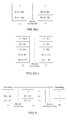
- the user data may be transmitted by adopting the Ethernet transmission protocol, for example, transmitted through the IP layer (as shown in FIG. 3 (a) ) or a more high-level transmission protocol (such as, a network tunnel (Tunneling) protocol as shown in FIG. 3 (b) , a User Datagram Protocol (UDP) as shown in FIG.
- the traffic offload interface adopts the wireless interface
- the difference from the transmission by adopting the wired interface mainly lies in that the bottom layer (that is, layer L1 and L2) transmission protocol adopts the transmission protocol based on the wireless connection.
- the user equipment is a multi-mode terminal supporting at least the WLAN and one of 3GPP wireless access technologies, and it performs the data transmission with the 3GPP access network element and the WLAN access network element accordingly through the 3GPP air interface protocol and the WLAN air interface protocol respectively.
- the 3GPP air interface protocol and the WLAN air interface protocol are consistent with the existing Uu interface transmission protocol and the 802.11 protocol respectively.
- the user data transmitted between the WLAN access network element and the user equipment are the offloaded user data transmitted by the 3GPP access network element to the WLAN access network element in the downlink direction; and are the offloaded user data generated by the UE in the uplink direction; the WLAN access network element needs to transmit to the 3GPP access network element through the traffic offload interface after receiving the data.
- the UE performs traffic offload on the uplink user data according to the offload policy, the UE sends part of the uplink user data to the 3GPP access network after offloading, and sends the other part of the uplink user data to the WLAN access network.
- the offload policy can be preconfigured in the UE, and also can be configured for the UE by the 3GPP access network element.
- offloading of the user data can take place at an IP layer, or a Packet Data Convergence Protocol (abbreviated as PDCP) layer, or a Radio Link Control (abbreviated as RLC) layer, or a Medium Access Control (abbreviated as MAC) layer.
- PDCP Packet Data Convergence Protocol
- RLC Radio Link Control
- MAC Medium Access Control
- different encapsulation forms can be adopted to encapsulate the offloaded user data.
- the sender transmits different IP data packets of the user to the receiver through different paths (that is, through the 3GPP air interface or the WLAN air interface) respectively, as shown in FIG. 4 (a) ;
- the offloaded user data are the user data on which encapsulation processing is performed in the PDCP layer, as shown in FIG. 4 (b) ; similarly, it is also suitable for traffic offload in the RLC layer and the MAC layer, and will no longer go into details here.
- the sender when the offloaded user data are transmitted through the bottom layer 802.11 protocol, the sender can also adopt the Logic Link Control layer (abbreviated as LLC) protocol over the 802.11 MAC protocol to perform the encapsulation processing; accordingly, the receiver will perform decapsulating processing similarly.
- LLC Logic Link Control layer
- the sender is the 3GPP access network element, and the receiver is the user equipment
- the sender is the user equipment
- the receiver is the 3GPP access network element.
- the control signaling is sent to the UE directly by the 3GPP access network element, therefore, the 3GPP access network element is a leading factor of the whole system, and the WLAN access network element is only responsible for the transmission of part of the user data, that is to say, which WLAN access network is accessed by the UE specifically can fully be controlled or assisted by the 3GPP access network.
- the UE is controlled by the 3GPP access network, its transceiver at the WLAN side can be controlled to be on/off by the 3GPP access network, which achieves the purpose of the power saving of the UE.
- a user equipment has a Wireless Local Area Network (WLAN) access function and at least one of 3rd Generation Partnership Project (3GPP) wireless access functions, including: a receiving module 50, a sending module 51, an offloading module 52 and a merging module 53; wherein, the receiving module 50 is configured to: receive downlink user data sent by a 3GPP access network element through a 3GPP wireless interface, and receive downlink user data sent by a WLAN access network element through a WLAN wireless interface; the merging module 51 is configured to: merge the downlink user data received by the receiving module sent by the 3GPP access network element and the WLAN access network element; the offloading module 52 is configured to: perform traffic offload on uplink user data to be sent; and the sending module 53 is configured to: send part of the uplink user data offloaded by the offloading module to the 3GPP access network element, and send the other part of the uplink user data to the WLAN access network element.
- 3GPP 3rd Generation Partnership Project
- the offloading module 52 is configured to: perform traffic offload on the uplink user data at an IP layer, or a packet data convergence protocol layer, or a radio link control layer or a media access control (MAC) layer.
- IP layer or a packet data convergence protocol layer
- MAC media access control
- the offloading module 52 is configured to: perform traffic offload on the uplink user data according to a locally preconfigured offload policy or an offload policy configured for the present user equipment by the 3GPP access network element.
- the receiving module 50 is further configured to receive control plane signaling sent by the 3GPP access network element directly.
- a method for implementing multi-network joint transmission is applied at a core network and an access network side; wherein, the access network includes: a 3rd Generation Partnership Project (3GPP) access network element and a Wireless Local Area Network (WLAN) access network element; and the core network comprises: a 3GPP core network element; the method includes:
- the 3GPP access network element sends at least part of the downlink user data to the WLAN access network element through the traffic offload interface; the WLAN access network element transmits the downlink user data received from the traffic offload interface to the user equipment.
- the method further includes:
- the 3GPP access network element encapsulates at least part of downlink user data with a format of an Ethernet transmission protocol or a transmission protocol based on wireless connection, and sends to the WLAN access network element through the traffic offload interface.
- the 3GPP access network element performs traffic offload on the downlink user data at an IP layer, or a packet data convergence protocol layer, or a radio link control layer or a media access control (MAC) layer.
- IP IP
- MAC media access control
- the 3GPP access network element performs traffic offload on the downlink user data according to any one or any combination of a payload of a present device, a payload of the WLAN access network element, quality of wireless environment where the user equipment is located or other preconfigured algorithms.
- the WLAN access network element sends the received uplink user data sent by the user equipment to the 3GPP access network element; the 3GPP access network element merges the uplink user data sent by the user equipment and the uplink user data sent by the WLAN access network element, which belong to a same data source.
- the method further includes:
- a method for implementing multi-network joint transmission is applied at a user equipment side, wherein, the user equipment has a Wireless Local Area Network (WLAN) access function and at least one of 3rd Generation Partnership Project (3GPP) wireless access functions, and the method includes:
- WLAN Wireless Local Area Network
- 3GPP 3rd Generation Partnership Project
- the traffic offload is performed on the uplink user data at an IP layer, or a packet data convergence protocol layer, or a radio link control layer or a media access control (MAC) layer.
- IP layer or a packet data convergence protocol layer, or a radio link control layer or a media access control (MAC) layer.
- MAC media access control
- the traffic offload is performed on the uplink user data to be sent according to a locally preconfigured offload policy or an offload policy configured for the present user equipment by the 3GPP access network element.
- the method further includes:
- the eNB is connected to the LTE core network through the S1 interface; at the Radio Access Network (RAN) side, the eNB is also connected to the WLAN AP through the traffic offload interface; wherein, the bottom layer of the data on the traffic offload interface performs the data interchange based on the Ethernet protocol; the UE transmits the data with the eNB and the WLAN AP according to the Uu interface protocol and the WLAN air interface protocol respectively.
- RAN Radio Access Network
- control plane signaling transmitted between the access network and the UE For the control plane signaling transmitted between the access network and the UE, it is still interacted directly by the eNB and the UE through the Uu interface, and will not participate in the data offloading.
- the eNB For the downlink user data, after the eNB receives the user IP data on different carriers sent by the core network through the S1 interface, the user data on different carriers are offloaded in the IP layer, the basis on which the eNB determines to offload can be the payload of the eNB and/or the WLAN AP, or the quality of the wireless environment where the UE is located (that is, the wireless environment quality of the LTE and the WLAN network measured by the UE), etc., or other preset algorithms.
- the eNB can also offload the user data on other protocol layers, for example, in the PDCP layer, the RLC layer or the MAC layer, etc., and the difference lies in that now the offloaded data are the Protocol Data Units (abbreviated as PDUs) processed by the upper-layer protocol layer; for example when the offloading is performed in the PDCP layer, the offloaded user data are the PDCP PDUs.
- PDUs Protocol Data Units
- the eNB transmits part of the user IP data to the corresponding UE through the Uu interface, that is, it needs to perform the data encapsulation processing in the corresponding PDCP, RLC or MAC layers; the specific mechanism is consistent with the existing air interface transmission mechanism, and will no longer go into details.
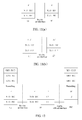
- the user data of the traffic offload interface can be transmitted based on the IP data packet, as show in FIG.
- the IP addresses can be pre-configured, and also can be obtained through the negotiation by the sender and the receiver through other procedures (such as, the Dynamic Host Configuration Protocol (DHCP protocol)); or it can be encapsulated through the tunnel protocol, as shown in FIG. 7 (b) , for example, through the GPRS Tunnelling Protocol (GTP), as shown in FIG.
- DHCP protocol Dynamic Host Configuration Protocol
- GTP GPRS Tunnelling Protocol
- the MAC PDU is the payload of the GTP data packet, and the address of the transmission layer and the port number of the GTP tunnel can be pre-configured, and also can be obtained by both the sender and the receiver through other procedures (such as, the L3 protocol procedure); the high-layer tunnel protocol can also adopt the Generic Routing Encapsulation (GRE) protocol or the Internet protocol security (IPsec) protocol, etc., or other high-layer connection protocol formats.
- GRE Generic Routing Encapsulation
- IPsec Internet protocol security
- the offloaded data (that is, the IP packets here) are the payload of the new local IP data packet
- the source address and the target address in the local IP packet header are the IP addresses of the sender and the receiver respectively
- the IP addresses can be pre-configured and also can be obtained through the negotiation by the sender and the receiver through other procedures (such as, the DHCP protocol); or it can be another transmission protocol data packet, for example, reusing the PDCP and/or the RLC and/or the MAC layer protocol of LTE, as shown in FIG.
- the WLAN AP encapsulates the offloaded IP data packets according to the PDCP, the RLC and the MAC formats correspondingly, wherein, the parameters of each protocol layer can be configured by the eNB, and the final protocol PDU is sent as the payload of the WLAN MAC layer.
- the offloaded user data before sending to the WLAN MAC layer, can also be further encapsulated using the LLC protocol; now the fields of the target service access node and the source service access node in the LLC data packet point to the equal protocol layers of both the sender and the receiver respectively, wherein, the offloaded data are the payload of the LLC.
- the protocol stacks of the above-mentioned traffic offload interface and the WLAN air interface can be combined arbitrarily.
- an end-to-end tunnel can also be established between the UE and the eNB used for transmitting the data, as shown in FIG. 9 .
- the tunnel protocol can use the existing tunnel technology, such as, the IPsec protocol, the GTP protocol, or the GRE protocol, etc., and it also can be other tunnel protocols.
- the traffic offload interface and the WLAN air interface can also increase the security protection mechanism according to the actual demand, for example, through the IPSec or other tunnel security mechanisms; the implementation method of the protection is consistent with the existing security mechanism, and will no longer go into details.
- the transmission path and the used interface protocol stack of the uplink user data are the same with those of the downlink user data; the difference lies in that the sender is the UE and the receiver is the eNB and the WLAN AP, which will no longer go into details here.
- the above-mentioned framework is also suitable for the situation of the combination of the RN and the HeNB, while the difference only lies in that the access network element changes, and also the backward links of the network element are different to some extent; for example, the backward link of the RN is based on the LTE air interface, and the backward link of the HeNB may also be managed by the home base station gateway, etc.
- the traffic offload interface protocols and the offloading modes among the network elements of the access network are all the same.
- the RNC is connected to the core network through the Iu interface; at the RAN side, the RNC is also connected to the WLAN AP through the traffic offload interface; wherein, the bottom layer of the data on the traffic offload interface performs the data interchange based on the Ethernet protocol; the UE transmits the data with the RNC and the WLAN AP according to the Uu interface protocol and the WLAN air interface protocol respectively.
- the traffic offload interface between the UMTS network and the WLAN AP also can be established between the NodeB and the AP, as shown in FIG. 10 (b) .
- the RNC For the downlink user data, after the RNC receives the user IP data on different carriers sent by the core network through the Iu interface, the user data on different carriers are offloaded in the MAC layer, the basis on which the RNC determines to offload can be the payload of the RNC, the NodeB, and/or the WLAN AP, or the quality of the wireless environment where the UE is located (that is, the wireless environment quality of the UMTS and the WLAN network measured by the UE), etc., or other preset algorithms.
- the RNC can also offload the user data on other protocol layers, for example, in the IP layer, the PDCP layer, or the RLC layer, etc., and the difference lies in that now the offloaded user data are the PDUs processed by the upper-layer protocol layer.
- the RNC transmits part of the user IP data to the corresponding UE through the Uu interface, that is, it needs to perform data encapsulation processing in the corresponding PDCP, RLC or MAC layers; the specific mechanism is consistent with the existing air interface transmission mechanism, and will no longer go into details.
- the RNC While after the layer 2 protocol (that is, the UMTS PDCP, RLC or MAC layer) encapsulation processing is performed on part of the user data by the RNC, the RNC transmits the MAC protocol data packets to the WLAN AP through the traffic offload interface, and the WLAN AP transmits the packets to the corresponding UE through the WLAN air interface (that is, based on the 802.11 protocol).
- the user data of the traffic offload interface can be transmitted based on the IP data packet, as show in FIG.
- the IP addresses can be pre-configured, and also can be obtained through the negotiation by the sender and the receiver through other procedures (such as, the DHCP protocol), or it can be encapsulated through the tunnel protocol, as shown in FIG. 7 (b) , for example, through the GTP protocol, as shown in FIG.
- the MAC PDU is the payload of the GTP data packet
- the address of the transmission layer and the port number of the GTP tunnel can be pre-configured in advance, and also can be obtained by both the sender and the receiver through other procedures (such as, the L3 protocol procedure); the high-layer tunnel protocol can also adopt the GRE protocol or the IPsec protocol, etc., or other high-layer connection protocols.
- the user data transmitted through the WLAN air interface can be the raw data obtained after offloading, and also can be the IP data packet after encapsulating the offloaded data by the WLAN AP, as shown in FIG.
- the offloaded data (that is, the MAC PDU packets here) are the payload of the IP data packet directly, the source address and the target address in the IP packet header are the IP addresses of the sender and the receiver respectively, and the IP addresses can be pre-configured and also can be obtained through the negotiation by the sender and the receiver through other procedures (such as, the DHCP protocol); or the data can be other transmission protocol data packets, for example, LLCs, as shown in FIG. 11 (b) ; now the fields of the target service access node and the source service access node in the LLC data packet point to the MAC layers of both the sender and the receiver respectively, wherein, the offloaded data are the payload of the LLC.
- the protocol stacks of the above-mentioned traffic offload interface and the WLAN air interface can be combined arbitrarily.
- an end-to-end tunnel can also be established between the UE and the RNC used for transmitting the data, as shown in FIG. 12 .
- the tunnel protocol can adopt the IPsec protocol, the GTP protocol, or the GRE protocol, etc., and also can be other tunnel protocols.
- the traffic offload interface and the WLAN air interface can also increase the security protection mechanism according to the actual demand, for example, through the IPSec or other tunnel security mechanisms; the implementation method of the protection is consistent with the existing security mechanism, and will no longer go into details.
- the transmission path and the used interface protocol stack of the uplink user data are the same with those of the downlink user data; the difference lies in that the sender is the UE and the receiver is the RNC and the WLAN AP, which will no longer go into details here.
- the NodeB needs to offload the user data
- the basis on which the NodeB determines to offload can be the preset algorithm of the NodeB, and also can be triggered by the RNC.
- the data offloading method performed on the NodeB and the offloaded data transmission mechanism on the traffic offload interface are similar to the processing method of the RNC, and will not go into details.
- the above-mentioned framework is also suitable for the situation of the HNB, etc., while the difference only lies in that the access network element changes, and also the backward links of the network element are different to some extent; for example, the backward link of the HNB may also be managed by the home base station gateway, etc.
- the traffic offload interface protocols and the offloading modes among the network elements of the access network are all the same.
- the operator can utilize the WLAN frequency band which does not need the license to offload the data transmission of the paid frequency band, and offload the data traffic of the 3GPP access network, which lightens the network load and saves the frequency band and cost; the operator can reuse the existing WLAN access point network element, which saves the operation and maintenance expenditure of the network side; meanwhile the data throughput of the UE is increased, and the current multimedia service demand of the user is satisfied; in addition, the present framework also guarantees the greatest compatibility with the protocol and the terminal device, which makes the system run more rationally and high efficiently.
Landscapes
- Engineering & Computer Science (AREA)
- Computer Networks & Wireless Communication (AREA)
- Signal Processing (AREA)
- Mobile Radio Communication Systems (AREA)
Applications Claiming Priority (2)
| Application Number | Priority Date | Filing Date | Title |
|---|---|---|---|
| CN201210261476.1A CN103582011A (zh) | 2012-07-26 | 2012-07-26 | 一种进行多网络联合传输的系统、用户设备及方法 |
| PCT/CN2013/078035 WO2013185653A1 (fr) | 2012-07-26 | 2013-06-26 | Système, équipement d'utilisateur et procédé pour la mise en œuvre d'une transmission conjointe sur une pluralité de réseaux |
Publications (2)
| Publication Number | Publication Date |
|---|---|
| EP2811779A1 true EP2811779A1 (fr) | 2014-12-10 |
| EP2811779A4 EP2811779A4 (fr) | 2015-11-11 |
Family
ID=49757556
Family Applications (1)
| Application Number | Title | Priority Date | Filing Date |
|---|---|---|---|
| EP13804534.9A Withdrawn EP2811779A4 (fr) | 2012-07-26 | 2013-06-26 | Système, équipement d'utilisateur et procédé pour la mise en uvre d'une transmission conjointe sur une pluralité de réseaux |
Country Status (5)
| Country | Link |
|---|---|
| US (1) | US20150139184A1 (fr) |
| EP (1) | EP2811779A4 (fr) |
| JP (1) | JP2015519792A (fr) |
| CN (1) | CN103582011A (fr) |
| WO (1) | WO2013185653A1 (fr) |
Cited By (10)
| Publication number | Priority date | Publication date | Assignee | Title |
|---|---|---|---|---|
| EP2950577A4 (fr) * | 2013-01-23 | 2016-01-20 | Zte Corp | Procédé et appareil de transmission de données multiflux |
| WO2016097835A1 (fr) * | 2014-12-14 | 2016-06-23 | Alcatel Lucent | Renforcement de wi-fi avec transfert de liaison montante vers lte avec des adresses ip indépendantes |
| WO2016125775A1 (fr) * | 2015-02-06 | 2016-08-11 | 株式会社Kddi研究所 | Dispositif de commande, dispositif de communication, procédé de commande et programme |
| WO2016142151A1 (fr) * | 2015-03-06 | 2016-09-15 | Telefonaktiebolaget Lm Ericsson (Publ) | Procédé et nœud de communication pour l'agrégation de trafic |
| WO2016148626A1 (fr) * | 2015-03-13 | 2016-09-22 | Telefonaktiebolaget Lm Ericsson (Publ) | Procédé et appareil permettant une agrégation de trafic établie entre un réseau wlan et un réseau 3 gpp |
| WO2017018968A1 (fr) | 2015-07-24 | 2017-02-02 | Intel IP Corporation | Appareil, système et procédé de communication entre un gestionnaire cellulaire et un équipement utilisateur (ue) par l'intermédiaire d'un nœud de wlan |
| EP3131333A4 (fr) * | 2014-04-29 | 2017-04-26 | Huawei Technologies Co., Ltd. | Procédé et dispositif de transmission de données |
| EP3213580A4 (fr) * | 2015-02-05 | 2018-01-10 | MediaTek Inc. | Procédé et appareil de routage lwa de pdu |
| JP2018502500A (ja) * | 2014-12-12 | 2018-01-25 | アルカテル−ルーセント | LTE IPアンカーを用いたWiFiブースト |
| EP3158818A4 (fr) * | 2014-06-23 | 2018-02-14 | Intel Corporation | Appareil, système et procédé de tunnelisation de supports radio de données via une liaison de réseau local sans fil |
Families Citing this family (38)
| Publication number | Priority date | Publication date | Assignee | Title |
|---|---|---|---|---|
| CN103491578B (zh) * | 2013-08-30 | 2016-11-16 | 华为技术有限公司 | 网络分流方法及装置 |
| KR102207484B1 (ko) * | 2013-08-30 | 2021-01-26 | 삼성전자 주식회사 | 무선 랜에서 다중 연결을 지원하는 방법 및 장치 |
| US20150215840A1 (en) * | 2014-01-30 | 2015-07-30 | Intel IP Corporation | Systems, methods and devices for application specific routing in dual connectivity |
| EP3122154B1 (fr) * | 2014-03-20 | 2018-12-26 | Kyocera Corporation | Système de communication, station de base cellulaire et point d'accès wlan |
| US9942793B2 (en) * | 2014-03-24 | 2018-04-10 | Intel IP Corporation | Systems and methods for contention management and quality of service estimation in heterogeneous wireless networks |
| IN2014MU01113A (fr) * | 2014-03-28 | 2015-10-02 | Tech Mahindra Ltd | |
| US20150296415A1 (en) * | 2014-04-11 | 2015-10-15 | Alcatel Lucent | Ack For Downlink WiFi Carrier Aggregation |
| CN104010370B (zh) * | 2014-04-28 | 2019-07-09 | 北京邮电大学 | 异构系统融合控制方法及装置 |
| JP6084754B2 (ja) * | 2014-05-08 | 2017-02-22 | 京セラ株式会社 | セルラ基地局、ユーザ端末、及びプロセッサ |
| US9860872B2 (en) * | 2014-06-03 | 2018-01-02 | Intel Corporation | In-band control signaling for integrated WLAN/3GPP RAT architectures |
| WO2016017988A1 (fr) | 2014-07-28 | 2016-02-04 | Lg Electronics Inc. | Procédé et appareil pour configurer un mode de transmission et effectuer un routage pour un interfonctionnement en couplage serré dans un système de communication sans fil |
| EP3171651B1 (fr) | 2014-08-12 | 2020-12-16 | Huawei Technologies Co., Ltd. | Procédé de distribution/convergence de liaison descendante, procédé de distribution/convergence de liaison montante et dispositif |
| WO2016029409A1 (fr) * | 2014-08-28 | 2016-03-03 | 华为技术有限公司 | Procédé et appareil de transmission de données |
| CN104320812B (zh) * | 2014-10-13 | 2018-12-28 | 中国联合网络通信集团有限公司 | 一种联合传输的方法、装置及系统 |
| CN106171003B (zh) * | 2014-11-14 | 2020-06-05 | 北京花旺在线商贸有限公司 | 数据传输方法及设备 |
| CN105873187A (zh) * | 2015-01-21 | 2016-08-17 | 中兴通讯股份有限公司 | 指示信息的下发方法及装置 |
| WO2016154828A1 (fr) * | 2015-03-27 | 2016-10-06 | 华为技术有限公司 | Procédé, appareil et système de transmission de données |
| CN104796227B (zh) * | 2015-04-03 | 2018-11-02 | 电信科学技术研究院 | 一种数据传输方法及设备 |
| CN104717699B (zh) * | 2015-04-09 | 2018-05-15 | 宇龙计算机通信科技(深圳)有限公司 | 无线资源控制信令的传输方法及传输系统 |
| CN104869666B (zh) * | 2015-04-10 | 2019-05-21 | 电信科学技术研究院 | 数据无线承载配置方法、数据传输方法及设备 |
| WO2016163032A1 (fr) * | 2015-04-10 | 2016-10-13 | 富士通株式会社 | Système de communication sans fil, station de base, station mobile et procédé de traitement |
| CN104735728A (zh) * | 2015-04-10 | 2015-06-24 | 宇龙计算机通信科技(深圳)有限公司 | 传输业务数据流的方法和系统 |
| CN106162744B (zh) | 2015-04-13 | 2021-01-22 | 电信科学技术研究院 | 一种数据分流的路径建立方法及装置 |
| US10567554B2 (en) | 2015-05-15 | 2020-02-18 | Hfi Innovation Inc. | Routing solutions for LTE-WLAN aggregation |
| CN106412949B (zh) * | 2015-07-31 | 2020-09-11 | 中兴通讯股份有限公司 | 一种3gpp-wlan融合组网聚合的方法和装置 |
| CN108702650A (zh) * | 2015-08-06 | 2018-10-23 | 优科无线公司 | 建立lwa-wlan通信 |
| US10855658B2 (en) * | 2015-09-24 | 2020-12-01 | Kt Corporation | Method for transmitting and receiving data using WLAN carriers and apparatus thereof |
| US11006467B2 (en) * | 2015-09-24 | 2021-05-11 | Kt Corporation | Method and apparatus for transmitting and receiving data using WLAN radio resources |
| US10638282B2 (en) | 2015-12-31 | 2020-04-28 | Huawei Technologies Co., Ltd. | Charging system and method, and network device |
| EP3420763B1 (fr) * | 2016-02-25 | 2021-05-26 | Nokia Solutions and Networks Oy | Procedes et appareils pour attribuer des resources en se basant sur une carte de priorites |
| CN108235377A (zh) * | 2016-12-14 | 2018-06-29 | 中兴通讯股份有限公司 | 一种上行数据的传输方法、装置及设备 |
| CN107172713B (zh) * | 2017-07-03 | 2020-08-18 | 中国科学院上海高等研究院 | 无线资源分配/管理方法/系统、可读存储介质、设备 |
| ES2800574T3 (es) * | 2018-01-26 | 2020-12-30 | Deutsche Telekom Ag | Entidad de acceso a red para proporcionar acceso a una red de comunicación |
| EP3952596B1 (fr) | 2019-05-07 | 2024-05-01 | Guangdong Oppo Mobile Telecommunications Corp., Ltd. | Procédé et appareil de transmission d'informations |
| CN111585906A (zh) * | 2020-05-11 | 2020-08-25 | 浙江大学 | 一种面向工业互联网的低时延自适应数据分流传输方法 |
| CN113747420B (zh) | 2020-05-29 | 2023-02-03 | 中国电信股份有限公司 | 多连接网络中的数据传输方法、网络设备和系统 |
| CN113747496B (zh) | 2020-05-29 | 2024-02-09 | 中国电信股份有限公司 | 多连接网络中的切换方法、网络设备以及系统 |
| CN114390627B (zh) * | 2020-10-21 | 2024-07-16 | 中国移动通信有限公司研究院 | 一种数据传输方法、装置及设备 |
Family Cites Families (16)
| Publication number | Priority date | Publication date | Assignee | Title |
|---|---|---|---|---|
| US8850012B2 (en) * | 2006-08-21 | 2014-09-30 | Nokia Corporation | Mechanism for charging and session handling supporting forking |
| CN101330713A (zh) * | 2007-06-19 | 2008-12-24 | 华为技术有限公司 | 异网协调装置、无线网络及用户设备切换及附着方法 |
| CN101442745B (zh) * | 2007-11-22 | 2011-02-09 | 华为技术有限公司 | 一种WiMAX网络和3GPP网络融合的方法与系统 |
| JPWO2010016241A1 (ja) * | 2008-08-06 | 2012-01-19 | パナソニック株式会社 | プレフィックス割り当て管理システム及び移動端末並びにプレフィックス割り当て管理装置 |
| US8855138B2 (en) * | 2008-08-25 | 2014-10-07 | Qualcomm Incorporated | Relay architecture framework |
| CN101795494B (zh) * | 2009-02-03 | 2012-10-10 | 中国移动通信集团公司 | 一种lte-a系统内的数据分流方法、装置及系统 |
| US8867486B2 (en) * | 2009-04-17 | 2014-10-21 | Qualcomm Incorporated | Wireless data communications employing IP flow mobility |
| CN101720079B (zh) * | 2009-06-19 | 2013-04-03 | 中兴通讯股份有限公司 | 网元策略融合网络中的业务接入方法及策略融合系统 |
| CA2771293C (fr) * | 2009-08-14 | 2017-08-29 | Research In Motion Limited | Structure de trame et signalisation de commande pour une transmission multipoint coordonnee (comp) de liaison descendante |
| US20110222523A1 (en) * | 2010-03-12 | 2011-09-15 | Mediatek Inc | Method of multi-radio interworking in heterogeneous wireless communication networks |
| WO2011114471A1 (fr) * | 2010-03-17 | 2011-09-22 | 富士通株式会社 | Station mobile, station de base, système de communication et procédé de communication |
| CN102457444B (zh) * | 2010-10-22 | 2016-09-07 | 中兴通讯股份有限公司 | 一种融合固定网络与移动网络的系统及方法 |
| CN105592500A (zh) * | 2011-05-27 | 2016-05-18 | 上海华为技术有限公司 | 一种数据流传输方法及用户设备 |
| RU2553663C1 (ru) * | 2011-05-31 | 2015-06-20 | Хуавэй Текнолоджиз Ко., Лтд. | Система и устройство конвергентной передачи, способ выгрузки и конвергенции данных |
| CN102497660B (zh) * | 2011-12-09 | 2014-08-13 | 电子科技大学 | 一种用于异构无线网络的多业务并发接入方法 |
| US20130272163A1 (en) * | 2012-04-13 | 2013-10-17 | Zu Qiang | Non-seamless offload indicator |
-
2012
- 2012-07-26 CN CN201210261476.1A patent/CN103582011A/zh active Pending
-
2013
- 2013-06-26 US US14/382,483 patent/US20150139184A1/en not_active Abandoned
- 2013-06-26 JP JP2015506090A patent/JP2015519792A/ja active Pending
- 2013-06-26 EP EP13804534.9A patent/EP2811779A4/fr not_active Withdrawn
- 2013-06-26 WO PCT/CN2013/078035 patent/WO2013185653A1/fr not_active Ceased
Cited By (17)
| Publication number | Priority date | Publication date | Assignee | Title |
|---|---|---|---|---|
| EP2950577A4 (fr) * | 2013-01-23 | 2016-01-20 | Zte Corp | Procédé et appareil de transmission de données multiflux |
| US10098173B2 (en) | 2014-04-29 | 2018-10-09 | Huawei Technologies Co., Ltd. | Data transmission method and device |
| EP3131333A4 (fr) * | 2014-04-29 | 2017-04-26 | Huawei Technologies Co., Ltd. | Procédé et dispositif de transmission de données |
| EP3158818A4 (fr) * | 2014-06-23 | 2018-02-14 | Intel Corporation | Appareil, système et procédé de tunnelisation de supports radio de données via une liaison de réseau local sans fil |
| US10219310B2 (en) | 2014-12-12 | 2019-02-26 | Alcatel Lucent | WiFi boost with LTE IP anchor |
| JP2018502500A (ja) * | 2014-12-12 | 2018-01-25 | アルカテル−ルーセント | LTE IPアンカーを用いたWiFiブースト |
| WO2016097835A1 (fr) * | 2014-12-14 | 2016-06-23 | Alcatel Lucent | Renforcement de wi-fi avec transfert de liaison montante vers lte avec des adresses ip indépendantes |
| US9806905B2 (en) | 2014-12-14 | 2017-10-31 | Alcatel Lucent | WiFi boost with uplink offload to LTE with independent IP addresses |
| EP3213580A4 (fr) * | 2015-02-05 | 2018-01-10 | MediaTek Inc. | Procédé et appareil de routage lwa de pdu |
| WO2016125775A1 (fr) * | 2015-02-06 | 2016-08-11 | 株式会社Kddi研究所 | Dispositif de commande, dispositif de communication, procédé de commande et programme |
| WO2016142151A1 (fr) * | 2015-03-06 | 2016-09-15 | Telefonaktiebolaget Lm Ericsson (Publ) | Procédé et nœud de communication pour l'agrégation de trafic |
| WO2016148626A1 (fr) * | 2015-03-13 | 2016-09-22 | Telefonaktiebolaget Lm Ericsson (Publ) | Procédé et appareil permettant une agrégation de trafic établie entre un réseau wlan et un réseau 3 gpp |
| US10880941B2 (en) | 2015-03-13 | 2020-12-29 | Telefonaktiebolaget Lm Ericsson (Publ) | Method and apparatus for traffic aggregation setup between WLAN and 3GPP |
| WO2017018968A1 (fr) | 2015-07-24 | 2017-02-02 | Intel IP Corporation | Appareil, système et procédé de communication entre un gestionnaire cellulaire et un équipement utilisateur (ue) par l'intermédiaire d'un nœud de wlan |
| KR20180034543A (ko) * | 2015-07-24 | 2018-04-04 | 인텔 아이피 코포레이션 | Wlan 노드를 통해 셀룰러 관리자와 사용자 장비(ue) 사이에서 통신하는 장치, 시스템 및 방법 |
| EP3326424A4 (fr) * | 2015-07-24 | 2019-03-20 | Intel IP Corporation | Appareil, système et procédé de communication entre un gestionnaire cellulaire et un équipement utilisateur (ue) par l'intermédiaire d'un noeud de wlan |
| US10327143B2 (en) | 2015-07-24 | 2019-06-18 | Intel IP Corporation | Apparatus, system and method of communicating between a cellular manager and a user equipment (UE) via a WLAN node |
Also Published As
| Publication number | Publication date |
|---|---|
| WO2013185653A1 (fr) | 2013-12-19 |
| EP2811779A4 (fr) | 2015-11-11 |
| US20150139184A1 (en) | 2015-05-21 |
| CN103582011A (zh) | 2014-02-12 |
| JP2015519792A (ja) | 2015-07-09 |
Similar Documents
| Publication | Publication Date | Title |
|---|---|---|
| EP2811779A1 (fr) | Système, équipement d'utilisateur et procédé pour la mise en uvre d'une transmission conjointe sur une pluralité de réseaux | |
| US12526347B2 (en) | Wireless device capability information | |
| US11284328B2 (en) | Multi-RAT heterogeneous carrier aggregation | |
| CN107006022B (zh) | 用户装置、存储装置以及lwa pdu路由方法及装置 | |
| CN104054375B (zh) | 用于在两个传送无线电之上路由分组流的方法和装置 | |
| KR102170013B1 (ko) | 통합된 소형 셀 및 WiFi 게이트웨이를 통한 시스템 간 핸드오버 및 다중 연결성 | |
| EP2868135B1 (fr) | Délestage de paquets sur le plan usager, d'une macro station de base à un point d'accès | |
| KR102193631B1 (ko) | Lte 및 외부 wifi 대역폭 어그리게이션 | |
| US20140079007A1 (en) | Data stream transmission method and related device and system | |
| JP7482997B2 (ja) | データパケット送信方法および装置 | |
| US11160083B2 (en) | Method and apparatus for coordinating terminal capabilities for LTE/NR interworking in wireless communication system | |
| CN105164976A (zh) | 用于对核心网络的混合式接入的方法及设备 | |
| CN103582010A (zh) | 一种实现融合网络数据传输方法、ue、接入网设备 | |
| CN105792187A (zh) | 一种实现用户面地址互通的方法和装置 | |
| CN105791449A (zh) | 一种实现用户面地址绑定的方法和装置 |
Legal Events
| Date | Code | Title | Description |
|---|---|---|---|
| PUAI | Public reference made under article 153(3) epc to a published international application that has entered the european phase |
Free format text: ORIGINAL CODE: 0009012 |
|
| 17P | Request for examination filed |
Effective date: 20140903 |
|
| AK | Designated contracting states |
Kind code of ref document: A1 Designated state(s): AL AT BE BG CH CY CZ DE DK EE ES FI FR GB GR HR HU IE IS IT LI LT LU LV MC MK MT NL NO PL PT RO RS SE SI SK SM TR |
|
| AX | Request for extension of the european patent |
Extension state: BA ME |
|
| DAX | Request for extension of the european patent (deleted) | ||
| RA4 | Supplementary search report drawn up and despatched (corrected) |
Effective date: 20151014 |
|
| RIC1 | Information provided on ipc code assigned before grant |
Ipc: H04W 28/08 20090101AFI20151008BHEP Ipc: H04W 76/02 20090101ALI20151008BHEP Ipc: H04W 92/04 20090101ALI20151008BHEP Ipc: H04W 92/20 20090101ALI20151008BHEP |
|
| 17Q | First examination report despatched |
Effective date: 20170301 |
|
| STAA | Information on the status of an ep patent application or granted ep patent |
Free format text: STATUS: THE APPLICATION IS DEEMED TO BE WITHDRAWN |
|
| 18D | Application deemed to be withdrawn |
Effective date: 20190131 |