EP2819480A1 - Verfahren und system zur planung sowie zugangspunkt und station - Google Patents
Verfahren und system zur planung sowie zugangspunkt und station Download PDFInfo
- Publication number
- EP2819480A1 EP2819480A1 EP13751590.4A EP13751590A EP2819480A1 EP 2819480 A1 EP2819480 A1 EP 2819480A1 EP 13751590 A EP13751590 A EP 13751590A EP 2819480 A1 EP2819480 A1 EP 2819480A1
- Authority
- EP
- European Patent Office
- Prior art keywords
- station
- allocated
- time period
- beacon interval
- current
- Prior art date
- Legal status (The legal status is an assumption and is not a legal conclusion. Google has not performed a legal analysis and makes no representation as to the accuracy of the status listed.)
- Granted
Links
Images






Classifications
-
- H—ELECTRICITY
- H04—ELECTRIC COMMUNICATION TECHNIQUE
- H04W—WIRELESS COMMUNICATION NETWORKS
- H04W72/00—Local resource management
- H04W72/12—Wireless traffic scheduling
- H04W72/121—Wireless traffic scheduling for groups of terminals or users
-
- H—ELECTRICITY
- H04—ELECTRIC COMMUNICATION TECHNIQUE
- H04W—WIRELESS COMMUNICATION NETWORKS
- H04W74/00—Wireless channel access
- H04W74/002—Transmission of channel access control information
- H04W74/006—Transmission of channel access control information in the downlink, i.e. towards the terminal
-
- H—ELECTRICITY
- H04—ELECTRIC COMMUNICATION TECHNIQUE
- H04W—WIRELESS COMMUNICATION NETWORKS
- H04W74/00—Wireless channel access
- H04W74/08—Non-scheduled access, e.g. ALOHA
-
- H—ELECTRICITY
- H04—ELECTRIC COMMUNICATION TECHNIQUE
- H04W—WIRELESS COMMUNICATION NETWORKS
- H04W74/00—Wireless channel access
- H04W74/02—Hybrid access
Definitions
- the present invention relates to the field of communication technologies, and particularly to a scheduling method and a system, an access point and a station.
- a scheduling method is currently used, which is mainly to partition a frame into several time periods, each time period is allocated to one station for use, if a station needs to transmit data, then the station accesses to a channel at a corresponding time period, and transmits data.
- the existing scheduling method is to allocate one time period to each station for use, but not all the stations have data to be transmitted, thereby wasting time resources and affecting transmission efficiency.
- embodiments of the present invention provide a scheduling method, an access point and a station.
- the technical solution is described as follows.
- a scheduling method including:
- a scheduling method including:
- a scheduling method including:
- a scheduling method including:
- a station including:
- An access point including:
- a station including:
- An access point including:
- a scheduling system including an access point and a station
- a scheduling system including an access point and a station
- the present solution that at least one time period is allocated to multiple stations for data transmission can improve the utilization of time periods, save time resources and enhance transmission efficiency.
- Embodiments of the present invention are implemented within a WLAN (Wireless Local Area Networks, wireless local area network), taking communication between an access point AP and a subscriber station STA as an example.
- WLAN Wireless Local Area Networks, wireless local area network
- the embodiment provides a scheduling method, which can be used by a AP to schedule an STA in the WLAN, and the method includes:
- S11 A station listens to a first beacon frame, where the first beacon frame contains a delivery traffic indication message DTIM message used for indicating a beacon interval allocated for each group of stations within a current scheduling period.
- DTIM message used for indicating a beacon interval allocated for each group of stations within a current scheduling period.
- the station can be awakened at a moment of transmitting the first beacon frame.
- S12 The station determines the beacon interval allocated for the station within the current scheduling period according to the DTIM message contained in the first beacon frame;
- the station listens to a second beacon frame within the beacon interval allocated for the station, where the second beacon frame contains scheduling information of the current beacon interval used for indicating a time period allocated to each group of stations for data transmission within the current beacon interval, and at least one group of stations includes at least two stations;
- the station transmits data within the time period allocated to the group which the station belongs to according to an indication of the scheduling information of the current beacon interval.
- the embodiment provides a scheduling method, and the method includes:
- An access point transmits a first beacon frame in a first cycle, where the first beacon frame contains a delivery traffic indication message DTIM message used for indicating a beacon interval allocated for each group of stations within a current scheduling period, so that the station determines the beacon interval allocated for the station within the current scheduling period according to the DTIM message contained in the first beacon frame;
- DTIM message used for indicating a beacon interval allocated for each group of stations within a current scheduling period
- the access point transmits a second beacon frame in a second cycle, where the second beacon frame contains scheduling information of the current beacon interval used for indicating a time period allocated to each group of stations for data transmission within the current beacon interval, and at least one group of stations includes at least two stations, so that the station requiring data transmission transmits data within the time period allocated to the group to which the station requiring data transmission belongs according to an indication of the scheduling information of the current beacon interval.
- this embodiment that at least one time period is allocated to multiple stations for data transmission can improve the utilization of time periods, save time resources and enhance transmission efficiency.
- this embodiment provides a scheduling method, where each time period is allocated to one group, and at least one group includes at least two stations, and the method includes:
- An AP Access Point, access point transmits a first beacon (beacon) frame according to a preset first cycle, the first beacon frame contains a DTIM (Delivery Traffic Indication Message, delivery traffic indication message) message used for indicating a beacon interval allocated for each group of stations within a current scheduling period;
- DTIM Delivery Traffic Indication Message, delivery traffic indication message
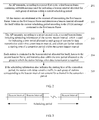
- one scheduling period includes a plurality of beacon intervals, each group will be scheduled once and only once within one scheduling period.
- FIG. 3 is a schematic diagram of the scheduling period.
- the AP can partition the stations into different groups according to basis information of the scheduling, such as QoS (Quality of Service, quality of service), reported by each station.
- QoS Quality of Service
- Each station can report QoS information based on a QoS field in a modified MAC control header (as shown in FIG. 4 ) or a modified MAC data header (as shown in FIG. 5 ).
- Names or meanings of the fields are as follows:
- Frame Control frame control
- Duration duration, indicating how long a node will occupy a channel
- QoS quality of service, quality of service
- FCS frame check sequence, frame check sequence, for checking whether the received frame is correct
- Protocol Version protocol version
- Type type, for identifying a function of the frame together with "Subtype"
- Subtype subtype, for identifying the function of the frame together with "Type"
- MoreFrag more fragment, more fragment, indicating whether the current MSDU (MAC Service Data Unit, medium access control service data unit)/MMPDU (MAC Management Protocol Data Unit, medium access control management protocol data unit) has other fragments
- Retry retry, for identifying whether the frame is a retransmitted frame
- Pwr Mgt power management, power management, for identifying the power management mode of the node
- More Data more data, using by the AP to identity whether the AP still has buffered data of the station
- Protected Frame protected frame, for identifying whether the frame body has been processed by "cryptographic encapsulation (cryptographic encapsulation)" algorithm
- A1 address 1, receiving address of the frame
- A2 address 2, transmitting address of the frame
- A3 address 3, destination address of the frame
- Seq sequence, for identifying a sequence number of MSDU/MMPDU
- A4 address 4, address 4, reserved
- HT High-throughput, highest throughput, for identifying whether the rate supported by the node is greater than or equal to 100 Mb/s
- All the stations are awakened at the moment of transmitting the first beacon frame, listen to the first beacon frame and determine a beacon interval allocated for itself within the current scheduling period according to the DTIM message contained in the first beacon frame.
- the AP transmits a second beacon frame according to a preset second cycle, and the second beacon frame includes scheduling information of the current beacon interval, which is used for indicating a time period allocated to each group of stations for data transmission within the current beacon interval, and which can further indicate a starting time of a contention period within the current beacon interval;
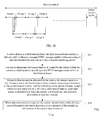
- one beacon interval includes one fixed-length period, the fixed-length period (set as SP) is partitioned into at least two time periods (set as GP), each time period is allocated to one group, and at least one group comprises at least two stations. Further, after the fixed-length period, one beacon interval also includes a contention period (CP, Content Period), and the station with delay-sensitive traffic can contend for a channel in the contention period.
- FIG. 6 is a schematic diagram of the beacon interval.
- the number of time periods allocated for each group of stations can be set according to the number of the stations in each group, in a condition that the total number of the stations is constant, the more stations in a group, the shorter time period allocated for each station of this group, on the contrary, the less stations in a group, the longer time periods allocated for each station of this group.
- the length of time periods allocated for each group of stations can be set according to the number of the stations in each group and historic traffic situations, for example, the group with more stations and larger traffic amount corresponds to a longer time period.
- Each station is awakened in the beacon interval allocated for itself, listens to the second beacon frame, and transmits data within the time period allocated to the group to which the station belongs when data transmission is required;
- the station transmits data within the time period allocated to the group to which the station belongs, which particularly has two manners:
- a first manner is that, the station transmits data in a contention mode within the time period allocated to the group to which the station belongs.
- the contention can be made by adopting RTS/CTS (Request To Send/Clear To Send, request to send/clear to send) handshake mechanism.
- RTS/CTS Request To Send/Clear To Send, request to send/clear to send
- each station contends for a channel using an RTS frame, once a certain station succeeds in transmitting the RTS frame and receives a CTS frame responded by an AP, then the station immediately transmits its own data frame, and other stations within the group can detect the data frame transmitted by the station.
- a second manner is that, the AP assigns a sub time period for the station to transmit data within the time period allocated to the group to which the station belongs, and the station transmits data, according to the sub time period assigned by the AP.
- the station with delay-sensitive traffic in each group of stations corresponding to the beacon interval can contend for a channel in the contention period.
- FIG. 7 is a schematic diagram of a contention, and particularly,
- the station with delay-sensitive traffic in each group of stations corresponding to the beacon interval can contend for a channel in the contention period;
- One method is that, for a small data service scenario, each station contends for a channel directly with a data frame so as to reduce overhead.
- the other is to contend for a channel with an RTS/CTS mechanism, particularly, each station contends for a channel with an RTS frame, once a certain station succeeds in transmitting the RTS frame and receives a CTS frame responded by an AP, then the station immediately transmits its own data frame, and other stations within the group can detect the data frame transmitted by the station.
- the AP When a station successfully contends for the channel, the AP returns an acknowledgment message (ACK) to the station, so as to notify that the contention period is allocated to the station with delay-sensitive traffic in the group to which the station belongs, and meanwhile starts to timing;
- ACK acknowledgment message
- the AP transmits a first release (release) message when the first duration is arrived, for releasing the remaining time period of the contention period;
- FIG. 8 is a schematic diagram of a first releasing message.
- step 2055 After the station with delay-sensitive traffic in each group of stations corresponding to the beacon interval receives the first release message, return to step 2051, and continue to start a contention for the remaining time period of the contention period.
- the scheduling method provided in this embodiment further can re-arrange and re-allocate time, which particularly includes:
- the AP detects a channel is idle during a second duration within the time period allocated to each group of stations, the AP issues a second release message containing a time period re-arranged by the AP and allocated to each group of stations to actively release time remained in corresponding time period of the group, each station transmits data within the time period allocated to the group to which the station belongs according to the time period re-arranged by the AP and allocated to the group to which the station belongs, so that scheduling of other group can be advanced when a group of stations have idle time periods, so as to avoid overlong idle time of the channel.
- FIG. 9 is a schematic diagram of a second releasing message. Particularly, names or meanings of the fields are as follows:
- Reschedule table schedule table
- GID group identify, group identifier
- duration duration of the group, also the time period allocated to the group
- FIG. 10 a schematic diagram of a time period allocated to each group of stations after re-arranging the allocation time (i.e., re-scheduling) is as shown in FIG. 10 . It should be noted that, if there is still time remained in the beacon interval after re-arranging and allocating time, it can be used for data transmission by the station with delay-sensitive traffic, and the specific process may refer to step 205.
- one time period is allocated to one group of stations for data transmission and at least one group of stations comprises at least two stations can improve the utilization of time periods, save time resources and enhance transmission efficiency.
- a contention period is reserved in the beacon interval for data transmission by the station with delay-sensitive traffic, which can well take account of the transmission efficiency of the delay-sensitive traffic during scheduling.
- detecting a channel is idle during a preset duration within a time period allocated to each group of stations issuing a second release message to actively release time remained in corresponding time period of the group, and re-arranging a time period allocated to each group of stations, can avoid overlong idle time of the channel, further save time sources, and improve transmission efficiency.
- this embodiment provides a scheduling method, which can be used for scheduling an STA by an AP in the WLAN, and the method includes:
- a station listens to a third beacon frame, the third beacon frame contains a delivery traffic indication message DTIM message used for indicating a beacon interval allocated for each station within a current scheduling period;
- S32 The station determines the beacon interval allocated for the station within the current scheduling period according to the DTIM message contained in the third beacon frame;
- the station listens to a fourth beacon frame, the fourth beacon frame contains scheduling information of the current beacon interval used for indicating a time period allocated to each station for data transmission within the current beacon interval, each time period is allocated to at least one station, and at least one time period is allocated to at least two stations;
- S34 When data transmission is required, the station transmits data within the time period allocated to the station according to an indication of the scheduling information of the current beacon interval.
- this embodiment provides a scheduling method, and the method includes:
- An access point transmits in a first cycle a third beacon frame, the third beacon frame contains a delivery traffic indication message DTIM message used for indicating a beacon interval allocated for each group of stations within a current scheduling period, so that the station determines the beacon interval allocated for the station within the current scheduling period according to the DTIM message contained in the third beacon frame;
- DTIM message used for indicating a beacon interval allocated for each group of stations within a current scheduling period, so that the station determines the beacon interval allocated for the station within the current scheduling period according to the DTIM message contained in the third beacon frame;
- the access point transmits within a second period a fourth beacon frame, the fourth beacon frame contains scheduling information of the current beacon interval used for indicating a time period for data transmission allocated to each station within the current beacon interval, each time period is allocated to at least one station, and at least one time period is allocated to at least two stations, so that the station requiring data transmission can transmit the data within the time period allocated to the station requiring data transmission, according to an indication of the scheduling information of the current beacon interval.
- this embodiment that at least one time period is allocated to multiple stations for data transmission can improve the utilization of time periods, save time resources and enhance transmission efficiency.
- this embodiment provides a scheduling method, where each time period is allocated to at least one station, and at least one time period is allocated to at least two stations, and the method includes:
- An AP transmits a third beacon frame according to a preset first cycle, the third beacon frame contains a DTIM message used for indicating a beacon interval allocated for each station within a current scheduling period;
- one scheduling period includes a plurality of beacon intervals, and within one scheduling period, each station may be allocated with one time period.
- All the stations are awakened at the moment of transmitting the third beacon frame, listen to the third beacon frame and determine a beacon interval allocated for itself within a current scheduling period according to the DTIM message contained in the third beacon frame.
- the AP transmits a fourth beacon frame a preset second period, and the fourth beacon frame includes scheduling information of the current beacon interval, which is used for indicating a time period allocated for each station within the current beacon interval, where each time period is allocated to at least one station and at least one time period is allocated to at least two stations, and which is able to further indicate a starting time of a contention period within the current beacon interval;
- one beacon interval includes one fixed-length period, which is partitioned into at least two time periods, each time period is allocated to at least one station, and at least one time period is allocated to at least two stations. Further, after the fixed-length period, one beacon interval also includes a contention period (Content Period), and the station with delay-sensitive traffic can contend for a channel in the contention period.
- Content Period Content Period
- the number of time periods can be set according to the number of the stations allocated in each time period, in a condition that the total number of the stations is constant, the more stations allocated in each time period, the less time periods, on the contrary, the less stations allocated in each time period, the more time periods.
- the length of time periods can be set according to the number of the stations allocated in each time period and historic traffic situations, for example, the time period with more stations allocated and larger traffic is longer.
- Each station is awakened in the beacon interval allocated for itself, listens to the fourth beacon frame, and transmits data within the time period allocated to the station when data transmission is required;
- the station transmits data within the time period allocated to the station, which particularly has two manners:
- the station transmits data in a contention mode within the time period allocated to the station.
- the contention can be made by adopting RTS/CTS (Request To Send/Clear To Send, request to send/clear to send) handshake mechanism.
- RTS/CTS Request To Send/Clear To Send, request to send/clear to send
- each station contends for a channel using an RTS frame, once a certain station succeeds in transmitting the RTS frame and receives a CTS frame responded by an AP, then the station immediately transmits its own data frame, and other stations within the time period can detect the data frame transmitted by the station.
- a second manner is that, the AP assigns a sub time period for each station to transmit data within the time period allocated to the station, and the station transmits data according to the sub time period assigned by the AP.
- the station with delay-sensitive traffic among the stations corresponding to the beacon interval can contend for a channel in the contention period.
- a contention period is reserved in the beacon interval for data transmission by the station with delay-sensitive traffic, which can well take account of the transmission efficiency of the delay-sensitive traffic during scheduling.
- the station with delay-sensitive traffic among the stations corresponding to the beacon interval can contend for a channel in the contention period; particularly, there can be two methods for channel contention:
- One method is that, for a small data service scenario, each station contends for a channel directly with a data frame so as to reduce overhead.
- the other is to contend for a channel using an RTS/CTS mechanism, particularly, each station contends for a channel using an RTS frame, once a certain station succeeds in transmitting the RTS frame and receives a CTS frame responded by an AP, then the station immediately transmits its own data frame, and other stations within the time period can detect the data frame transmitted by the station.
- the scheduling method provided in this embodiment further can re-arrange and re-allocate time, which particularly includes:
- the AP detects a channel is idle during a preset duration within a time period allocated to the station, the AP issues a third release message to actively release time remained in the time period, the third release message contains a time period re-arranged by the AP and allocated to each station, each station transmits data within the time period allocated to the station according to the time period re-arranged by the AP and allocated to each station, so that scheduling of other station can be advanced when a time period is idle, so as to avoid overlong idle time of the channel.
- this embodiment that at least one time period is allocated to at least two stations for data transmission can improve the utilization of time periods, save time resources and enhance transmission efficiency.
- a contention period is reserved in the beacon interval for data transmission by the station with delay-sensitive traffic, which can well take account of the transmission efficiency of the delay-sensitive traffic during scheduling.
- detecting a channel is idle during a preset duration within a time period allocated to each station issuing a third release message to actively release time remained in the time period, re-arranging a time period allocated to each station, can avoid overlong idle time of the channel, further save time sources, and improve transmission efficiency.
- Subsequent embodiment of the present invention provides an apparatus for implementing or applying the above method, which can be an access point AP or a station STA in a WLAN system.
- the AP and STA respectively implement or operate corresponding methods and functions in the above method embodiments.
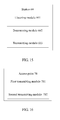
- this embodiment provides a station 40, the station 40 including:
- a listening module 401 configured to listen to a first beacon frame, where the first beacon frame contains a delivery traffic indication message DTIM message used for indicating a beacon interval allocated for each group of stations within a current scheduling period;
- a determining module 402 configured to determine the beacon interval allocated for the station within the current scheduling period according to the DTIM message contained in the first beacon frame;
- the listening module 401 is further configured to listen to, within the beacon interval allocated for the station, a second beacon frame, where the second beacon frame contains scheduling information of the current beacon interval used for indicating a time period allocated to each group of stations for data transmission within the current beacon interval, and at least one group of stations comprises at least two stations; and
- a transmitting module 403 configured to transmit, when data transmission is required, data within the time period allocated to the group to which the station belongs according to an indication of the scheduling information of the current beacon interval.
- the transmitting module 403 includes a first transmitting unit or a second transmitting unit,
- the first transmitting unit is configured to transmit data in a contention mode within the time period allocated to the group to which the station belongs;
- the second transmitting unit is configured to transmit data, according to a sub time period assigned by an access point within the time period allocated to the group to which the station belongs.
- the scheduling information is further used for indicating a starting time of a contention period within this beacon interval
- the station further includes a contending module, configured to contend for a channel in the contention period when there is delay-sensitive traffic, after transmitting data within the time period allocated to the group to which the station belongs.
- one time period is allocated to one station for data transmission
- this embodiment that one time period is allocated to one group of stations for data transmission and at least one group of stations comprises at least two stations can improve the utilization of time periods, save time resources and enhance transmission efficiency.
- a contention period is reserved in the beacon interval for data transmission by the station with delay-sensitive traffic, which can well take account of the transmission efficiency of the delay-sensitive traffic during scheduling.
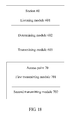
- this embodiment provides an access point 50, the access point 50 including:
- a first transmitting module 501 configured to transmit in a first cycle a first beacon frame, where the first beacon frame contains a delivery traffic indication message DTIM message used for indicating a beacon interval allocated for each group of stations within a current scheduling period, so that a station can determine the beacon interval allocated for the station within the current scheduling period according to the DTIM message contained in the first beacon frame;
- a second transmitting module 502 configured to transmit in a second cycle a second beacon frame, where the second beacon frame contains scheduling information of the current beacon interval used for indicating a time period allocated to each group of stations for data transmission within the current beacon interval, and at least one group of stations comprises at least two stations, so that the station requiring data transmission can transmit data within the time period allocated to the group to which the station requiring data transmission belongs, according to an indication of the scheduling information of the current beacon interval.
- the access point further includes an allocating module, configured to assign, for the time period allocated to each group of stations, a sub time period for a station to transmit data, so that the station requiring data transmission can transmit data, according to a sub time period assigned by the access point within the time period allocated to the group to which the station requiring data transmission belongs.
- an allocating module configured to assign, for the time period allocated to each group of stations, a sub time period for a station to transmit data, so that the station requiring data transmission can transmit data, according to a sub time period assigned by the access point within the time period allocated to the group to which the station requiring data transmission belongs.
- the scheduling information is further used for indicating a starting time of a contention period within the current beacon interval, so that a station with delay-sensitive traffic can contend for a channel within the contention period.
- the access point further includes:
- a first releasing module configured to start timing after the station succeeds in the contention during the contention period, and transmit a first releasing message when a first duration is arrived, so that the station with delay-sensitive traffic in each group of stations corresponding to the current beacon interval can start to contend for the remaining time period of the contention period after receiving the first release message.
- the access point further includes:
- a second releasing module configured to transmit a second releasing message when a channel is idle during a second duration, where the second releasing module contains a time period re-arranged by the access point and allocated to each group of stations for data transmission within the current beacon interval, so that a station receiving the second releasing message can transmit data within the time period allocated to the group to which the station receiving the second releasing message belongs, according to the time period re-arranged by the access point and allocated to each group of stations within the current beacon interval.
- one time period is allocated to one group of stations for data transmission and at least one group of stations comprises at least two stations can improve the utilization of time periods, save time resources and enhance transmission efficiency.
- a contention period is reserved in the beacon interval for data transmission by the station with delay-sensitive traffic, which can well take account of the transmission efficiency of the delay-sensitive traffic during scheduling.
- detecting a channel is idle during a preset duration within a time period allocated to each group of stations issuing a second release message to actively release time remained in corresponding time period of the group, re-arranging a time period allocated to each group of stations, can avoid overlong idle time of the channel, further save time sources, and improve transmission efficiency.
- this embodiment provides a station 60, the station 60 including:
- a listening module 601 configured to listen to a third beacon frame, where the third beacon frame contains a delivery traffic indication message DTIM message used for indicating a beacon interval allocated for each group of stations within a current scheduling period;
- a determining module 602 configured to determine the beacon interval allocated for the station within the current scheduling period according to the DTIM message contained in the third beacon frame;
- the listening module 601 is further configured to listen to, within the beacon interval allocated for the station, a fourth beacon frame, where the fourth beacon frame contains scheduling information of the current beacon interval used for indicating a time period allocated to each station for data transmission within the current beacon interval, each time period is allocated to at least one station, and at least one time period is allocated to at least two stations; and
- a transmitting module 603 configured to transmit, when data transmission is required, data within the time period allocated to the station, according to an indication of the scheduling information of the current beacon interval.
- the transmitting module 603 includes a first transmitting unit or a second transmitting unit,
- the first transmitting unit is configured to transmit data in a contention mode within the time period allocated to the station; or, the second transmitting unit is configured to transmit data, according to a sub time period assigned by an AP within the time period allocated to the station.
- the scheduling information is further used for indicating a starting time of a contention period within the current beacon interval; the station further includes a contending module, configured to contend for a channel in the contention period when there is delay-sensitive traffic, after transmitting data within the time period allocated to the station.
- this embodiment that at least one time period is allocated to at least two stations for data transmission can improve the utilization of time periods, save time resources and enhance transmission efficiency.
- a contention period is reserved in the beacon interval for data transmission by the station with delay-sensitive traffic, which can well take account of the transmission efficiency of the delay-sensitive traffic during scheduling.
- this embodiment provides an access point 70, the access point 70 including:
- a first transmitting module 701 configured to transmit in a first cycle a third beacon frame, where the third beacon frame contains a delivery traffic indication message DTIM message used for indicating a beacon interval allocated for each station within a current scheduling period, so that the station can determine the beacon interval allocated for the station within the current scheduling period according to the DTIM message contained in the third beacon frame;
- a second transmitting module 702 configured to transmit in a second cycle a fourth beacon frame, where the fourth beacon frame contains scheduling information of the current beacon interval used for indicating a time period allocated to each station for data transmission within the current beacon interval, each time period is allocated to at least one station, and at least one time period is allocated to at least two stations, so that a station requiring data transmission can transmit data within the time period allocated to the station requiring data transmission according to an indication of the scheduling information of the current beacon interval.
- the access point further includes an allocating module, configured to assign, for the time period allocated to each station, a sub time period for a station to transmit data, so that the station requiring data transmission can transmit data, according to a sub time period assigned by the AP within the time period allocated to the station requiring data transmission.
- an allocating module configured to assign, for the time period allocated to each station, a sub time period for a station to transmit data, so that the station requiring data transmission can transmit data, according to a sub time period assigned by the AP within the time period allocated to the station requiring data transmission.
- the access point further includes:
- this embodiment that at least one time period is allocated to at least two stations for data transmission can improve the utilization of time periods, save time resources and enhance transmission efficiency.
- a contention period is reserved in the beacon interval for data transmission by the station with delay-sensitive traffic, which can well take account of the transmission efficiency of the delay-sensitive traffic during scheduling.
- detecting a channel is idle during a preset duration within a time period allocated to each station issuing a third release message to actively release time remained in the time period, re-arranging a time period allocated to each station, can avoid overlong idle time of the channel, further save time sources, and improve transmission efficiency.
- this embodiment provides a scheduling system, where the scheduling system includes an access point 50 and a station 40;
- the access point 50 includes:
- the station includes:
- the scheduling information is further used for indicating a starting time of a contention period within the current beacon interval
- this embodiment that at least one time period is allocated to at least two stations for data transmission can improve the utilization of time periods, save time resources and enhance transmission efficiency.
- a contention period is reserved in the beacon interval for data transmission by the station with delay-sensitive traffic, which can well take account of the transmission efficiency of the delay-sensitive traffic during scheduling.
- this embodiment provides a scheduling system, where the scheduling system includes an access point 70 and a station 60;
- the access point 70 includes:
- the station 60 includes:
- the scheduling information is further used for indicating a starting time of a contention period within the current beacon interval; the station further includes: a contending module, configured to contend for a channel in the contention period when there is delay-sensitive traffic, after transmitting data within the time period allocated to the station.
- this embodiment that at least one time period is allocated to at least two stations for data transmission can improve the utilization of time periods, save time resources and enhance transmission efficiency.
- a contention period is reserved in the beacon interval for data transmission by the station with delay-sensitive traffic, which can well take account of the transmission efficiency of the delay-sensitive traffic during scheduling.
- the device embodiments described above are illustrative in nature, and the partition of units/modules of the device is from the perspective of logical functions only and may be in a different way in practical application.
- all functional units/modules can be physically stand-alone, or integrated into a processing module, or two or more of the units/modules are integrated into one unit/module.
- the integrated unit/module above can be implemented in hardware, or software functional units/modules.
Landscapes
- Engineering & Computer Science (AREA)
- Computer Networks & Wireless Communication (AREA)
- Signal Processing (AREA)
- Mobile Radio Communication Systems (AREA)
Priority Applications (1)
| Application Number | Priority Date | Filing Date | Title |
|---|---|---|---|
| EP17176861.7A EP3285538B1 (de) | 2012-02-24 | 2013-02-25 | Planungsverfahren, systeme und zugangspunkt |
Applications Claiming Priority (2)
| Application Number | Priority Date | Filing Date | Title |
|---|---|---|---|
| CN201210044234.7A CN103298135B (zh) | 2012-02-24 | 2012-02-24 | 一种调度方法和系统、以及接入点和站点 |
| PCT/CN2013/071843 WO2013123906A1 (zh) | 2012-02-24 | 2013-02-25 | 一种调度方法和系统、以及接入点和站点 |
Related Child Applications (2)
| Application Number | Title | Priority Date | Filing Date |
|---|---|---|---|
| EP17176861.7A Division-Into EP3285538B1 (de) | 2012-02-24 | 2013-02-25 | Planungsverfahren, systeme und zugangspunkt |
| EP17176861.7A Division EP3285538B1 (de) | 2012-02-24 | 2013-02-25 | Planungsverfahren, systeme und zugangspunkt |
Publications (3)
| Publication Number | Publication Date |
|---|---|
| EP2819480A1 true EP2819480A1 (de) | 2014-12-31 |
| EP2819480A4 EP2819480A4 (de) | 2015-02-18 |
| EP2819480B1 EP2819480B1 (de) | 2017-11-08 |
Family
ID=49005023
Family Applications (2)
| Application Number | Title | Priority Date | Filing Date |
|---|---|---|---|
| EP17176861.7A Active EP3285538B1 (de) | 2012-02-24 | 2013-02-25 | Planungsverfahren, systeme und zugangspunkt |
| EP13751590.4A Active EP2819480B1 (de) | 2012-02-24 | 2013-02-25 | Verfahren und system zur planung sowie zugangspunkt und station |
Family Applications Before (1)
| Application Number | Title | Priority Date | Filing Date |
|---|---|---|---|
| EP17176861.7A Active EP3285538B1 (de) | 2012-02-24 | 2013-02-25 | Planungsverfahren, systeme und zugangspunkt |
Country Status (4)
| Country | Link |
|---|---|
| US (2) | US9730241B2 (de) |
| EP (2) | EP3285538B1 (de) |
| CN (1) | CN103298135B (de) |
| WO (1) | WO2013123906A1 (de) |
Cited By (3)
| Publication number | Priority date | Publication date | Assignee | Title |
|---|---|---|---|---|
| US20140064164A1 (en) * | 2012-09-06 | 2014-03-06 | Apple Inc. | Transmitting beacon frames over a wireless data link |
| WO2015144380A1 (en) * | 2014-03-28 | 2015-10-01 | Sony Corporation | Coordinated priority scheme for small data packet transmission |
| EP3094150A4 (de) * | 2014-01-27 | 2017-01-11 | Huawei Technologies Co., Ltd | Verfahren und vorrichtung für kanalwettbewerb |
Families Citing this family (10)
| Publication number | Priority date | Publication date | Assignee | Title |
|---|---|---|---|---|
| WO2015089742A1 (zh) * | 2013-12-17 | 2015-06-25 | 华为技术有限公司 | 一种调度方法、接入点、调度服务器及调度系统 |
| EP3079437B1 (de) | 2013-12-24 | 2018-11-21 | Huawei Technologies Co., Ltd. | Verfahren und vorrichtung für datenübertragung |
| WO2015109603A1 (zh) * | 2014-01-27 | 2015-07-30 | 华为技术有限公司 | 竞争信道的方法和装置 |
| US9949285B2 (en) * | 2015-01-07 | 2018-04-17 | Futurewei Technologies, Inc. | System and method for digital communications with interference avoidance |
| US10524288B2 (en) * | 2015-02-10 | 2019-12-31 | Lg Electronics Inc. | Method and apparatus for increasing transmission coverage of STA performing initial access in wireless LAN |
| US20160353435A1 (en) * | 2015-05-28 | 2016-12-01 | Chittabrata Ghosh | Random access with multiple time slots in a high efficiency wireless local-area network |
| US9930660B2 (en) * | 2015-05-28 | 2018-03-27 | Intel IP Corporation | Scheduling trigger frames in a high efficiency wireless local-area network |
| US10993259B2 (en) | 2016-03-09 | 2021-04-27 | Huawei Technologies Co., Ltd. | Resource indication processing method, processing apparatus, access point, and station |
| CN113438716A (zh) | 2016-04-01 | 2021-09-24 | 华为技术有限公司 | 一种资源调度方法、接入网设备以及用户设备 |
| CN110099406B (zh) * | 2018-01-29 | 2021-02-12 | 华为技术有限公司 | 一种无线局域网中的数据传输方法及设备 |
Family Cites Families (12)
| Publication number | Priority date | Publication date | Assignee | Title |
|---|---|---|---|---|
| US7653031B2 (en) * | 2003-03-05 | 2010-01-26 | Timothy Gordon Godfrey | Advance notification of transmit opportunities on a shared-communications channel |
| US7508781B2 (en) * | 2003-03-25 | 2009-03-24 | Texas Instruments Incorporated | Power saving mechanism for wireless LANs via schedule information vector |
| US7564826B2 (en) * | 2005-07-13 | 2009-07-21 | Texas Instruments Incorporated | Apparatus for and method of synchronization and beaconing in a WLAN mesh network |
| CN101395844A (zh) * | 2006-03-03 | 2009-03-25 | 高通股份有限公司 | 无线网络中站的待机时间改进 |
| US7916687B2 (en) | 2006-03-03 | 2011-03-29 | Qualcomm Incorporated | Standby time improvements |
| KR101417937B1 (ko) * | 2007-02-06 | 2014-08-05 | 엘지전자 주식회사 | 무선 통신 시스템 및 이의 데이터 전송방법 |
| CN101822107A (zh) * | 2007-10-10 | 2010-09-01 | 诺基亚公司 | 在无线网络中提供改进的功率管理的装置、方法和计算机程序产品 |
| US8493957B2 (en) * | 2009-03-10 | 2013-07-23 | Stmicroelectronics, Inc. | Frame based, on-demand spectrum contention protocol vector messaging |
| ES2632552T3 (es) * | 2010-05-26 | 2017-09-14 | Lg Electronics Inc. | Procedimiento y aparato de transmisión y recepción de datos en un sistema LAN inalámbrico |
| CN102098225B (zh) * | 2011-02-22 | 2012-09-05 | 北京傲天动联技术有限公司 | 带宽控制方法、装置和网桥 |
| US8917705B2 (en) * | 2011-09-29 | 2014-12-23 | Qualcomm Incorporated | Collision reduction mechanisms for wireless communication networks |
| EP2823676A1 (de) * | 2012-03-06 | 2015-01-14 | Interdigital Patent Holdings, Inc. | Verfahren und vorrichtung zum stromsparen in einem drahtlosen lokalen netzwerk |
-
2012
- 2012-02-24 CN CN201210044234.7A patent/CN103298135B/zh active Active
-
2013
- 2013-02-25 EP EP17176861.7A patent/EP3285538B1/de active Active
- 2013-02-25 EP EP13751590.4A patent/EP2819480B1/de active Active
- 2013-02-25 WO PCT/CN2013/071843 patent/WO2013123906A1/zh not_active Ceased
-
2014
- 2014-08-25 US US14/467,958 patent/US9730241B2/en active Active
-
2017
- 2017-07-05 US US15/642,107 patent/US10212720B2/en active Active
Cited By (6)
| Publication number | Priority date | Publication date | Assignee | Title |
|---|---|---|---|---|
| US20140064164A1 (en) * | 2012-09-06 | 2014-03-06 | Apple Inc. | Transmitting beacon frames over a wireless data link |
| US9510280B2 (en) * | 2012-09-06 | 2016-11-29 | Apple Inc. | Transmitting beacon frames over a wireless data link |
| EP3094150A4 (de) * | 2014-01-27 | 2017-01-11 | Huawei Technologies Co., Ltd | Verfahren und vorrichtung für kanalwettbewerb |
| US10149322B2 (en) | 2014-01-27 | 2018-12-04 | Huawei Technologies Co., Ltd | Channel contention method and apparatus |
| US10827527B2 (en) | 2014-01-27 | 2020-11-03 | Huawei Technologies Co., Ltd. | Channel contention method and apparatus |
| WO2015144380A1 (en) * | 2014-03-28 | 2015-10-01 | Sony Corporation | Coordinated priority scheme for small data packet transmission |
Also Published As
| Publication number | Publication date |
|---|---|
| US9730241B2 (en) | 2017-08-08 |
| US20150003377A1 (en) | 2015-01-01 |
| EP2819480B1 (de) | 2017-11-08 |
| EP3285538A1 (de) | 2018-02-21 |
| WO2013123906A1 (zh) | 2013-08-29 |
| US20170303295A1 (en) | 2017-10-19 |
| CN103298135A (zh) | 2013-09-11 |
| US10212720B2 (en) | 2019-02-19 |
| EP2819480A4 (de) | 2015-02-18 |
| CN103298135B (zh) | 2016-05-18 |
| EP3285538B1 (de) | 2020-01-15 |
Similar Documents
| Publication | Publication Date | Title |
|---|---|---|
| US10212720B2 (en) | Scheduling method and system, access point and station | |
| KR102114854B1 (ko) | 무선랜 시스템의 슬롯 기반 채널 액세스 제어 장치 및 방법, 무선랜 시스템의 슬롯 기반 채널 액세스 단말 | |
| EP3337280B1 (de) | Differenzierte assoziationsdienstbereitstellung in einem drahtlosen wlan | |
| KR101243875B1 (ko) | 무선 네트워크에서 스케줄링 요청을 트리거 또는 리포트하는 방법 및 장치 | |
| EP2329676B1 (de) | Verfahren und vorrichtungen zum anfordern und vergeben von betriebsmitteln bei mehrfachübertragungsgelegenheiten | |
| US10660026B2 (en) | Method for establishing association between station and access point, and device | |
| WO2006041673A2 (en) | Wireless local area network medium access control extensions for station power efficiency and resource management | |
| Farhadi et al. | Group-based signaling and access control for cellular machine-to-machine communication | |
| WO2018107370A1 (zh) | 一种点到多点的信道分配方法、装置及系统 | |
| JP7537020B2 (ja) | 通信方法および装置 | |
| CN105376830B (zh) | 一种信道绑定和正交频分多址接入相结合的上行接入方法 | |
| CN104838710A (zh) | 传输数据的方法及设备 | |
| CN105744638B (zh) | 一种调度方法和系统、以及接入点和站点 | |
| CN115379423A (zh) | 一种基于前导复用和碰撞感知的随机接入控制方法及系统 | |
| CN108551690A (zh) | 一种无线设备接入方法、装置及终端设备 | |
| CN116939872B (zh) | 数据发送方法、装置、设备、存储介质及计算机程序 | |
| EP4626088A1 (de) | Ap-vorrichtungen und verfahren zur unterstützung eines r-twt-dienstes mit niedriger latenz in einem drahtlosen mesh-netzwerk | |
| KR100799584B1 (ko) | 무선랜 환경에서의 매체접속 방법 | |
| CN104335660B (zh) | 优化的系统访问过程 |
Legal Events
| Date | Code | Title | Description |
|---|---|---|---|
| PUAI | Public reference made under article 153(3) epc to a published international application that has entered the european phase |
Free format text: ORIGINAL CODE: 0009012 |
|
| 17P | Request for examination filed |
Effective date: 20140825 |
|
| AK | Designated contracting states |
Kind code of ref document: A1 Designated state(s): AL AT BE BG CH CY CZ DE DK EE ES FI FR GB GR HR HU IE IS IT LI LT LU LV MC MK MT NL NO PL PT RO RS SE SI SK SM TR |
|
| AX | Request for extension of the european patent |
Extension state: BA ME |
|
| A4 | Supplementary search report drawn up and despatched |
Effective date: 20150120 |
|
| RIC1 | Information provided on ipc code assigned before grant |
Ipc: H04W 74/08 20090101AFI20150112BHEP |
|
| DAX | Request for extension of the european patent (deleted) | ||
| RAP1 | Party data changed (applicant data changed or rights of an application transferred) |
Owner name: HUAWEI TECHNOLOGIES CO., LTD. |
|
| GRAP | Despatch of communication of intention to grant a patent |
Free format text: ORIGINAL CODE: EPIDOSNIGR1 |
|
| RIC1 | Information provided on ipc code assigned before grant |
Ipc: H04W 74/02 20090101ALN20170307BHEP Ipc: H04W 74/00 20090101AFI20170307BHEP |
|
| INTG | Intention to grant announced |
Effective date: 20170320 |
|
| GRAS | Grant fee paid |
Free format text: ORIGINAL CODE: EPIDOSNIGR3 |
|
| GRAJ | Information related to disapproval of communication of intention to grant by the applicant or resumption of examination proceedings by the epo deleted |
Free format text: ORIGINAL CODE: EPIDOSDIGR1 |
|
| GRAL | Information related to payment of fee for publishing/printing deleted |
Free format text: ORIGINAL CODE: EPIDOSDIGR3 |
|
| REG | Reference to a national code |
Ref country code: DE Ref legal event code: R079 Ref document number: 602013029110 Country of ref document: DE Free format text: PREVIOUS MAIN CLASS: H04W0074080000 Ipc: H04W0074000000 |
|
| INTC | Intention to grant announced (deleted) | ||
| GRAR | Information related to intention to grant a patent recorded |
Free format text: ORIGINAL CODE: EPIDOSNIGR71 |
|
| RIC1 | Information provided on ipc code assigned before grant |
Ipc: H04W 74/02 20090101ALN20170830BHEP Ipc: H04W 74/00 20090101AFI20170830BHEP |
|
| GRAA | (expected) grant |
Free format text: ORIGINAL CODE: 0009210 |
|
| STAA | Information on the status of an ep patent application or granted ep patent |
Free format text: STATUS: THE PATENT HAS BEEN GRANTED |
|
| INTG | Intention to grant announced |
Effective date: 20170928 |
|
| AK | Designated contracting states |
Kind code of ref document: B1 Designated state(s): AL AT BE BG CH CY CZ DE DK EE ES FI FR GB GR HR HU IE IS IT LI LT LU LV MC MK MT NL NO PL PT RO RS SE SI SK SM TR |
|
| REG | Reference to a national code |
Ref country code: GB Ref legal event code: FG4D |
|
| REG | Reference to a national code |
Ref country code: CH Ref legal event code: EP Ref country code: AT Ref legal event code: REF Ref document number: 945295 Country of ref document: AT Kind code of ref document: T Effective date: 20171115 |
|
| REG | Reference to a national code |
Ref country code: IE Ref legal event code: FG4D |
|
| REG | Reference to a national code |
Ref country code: DE Ref legal event code: R096 Ref document number: 602013029110 Country of ref document: DE |
|
| REG | Reference to a national code |
Ref country code: FR Ref legal event code: PLFP Year of fee payment: 6 |
|
| REG | Reference to a national code |
Ref country code: NL Ref legal event code: MP Effective date: 20171108 |
|
| REG | Reference to a national code |
Ref country code: LT Ref legal event code: MG4D |
|
| REG | Reference to a national code |
Ref country code: AT Ref legal event code: MK05 Ref document number: 945295 Country of ref document: AT Kind code of ref document: T Effective date: 20171108 |
|
| PG25 | Lapsed in a contracting state [announced via postgrant information from national office to epo] |
Ref country code: NL Free format text: LAPSE BECAUSE OF FAILURE TO SUBMIT A TRANSLATION OF THE DESCRIPTION OR TO PAY THE FEE WITHIN THE PRESCRIBED TIME-LIMIT Effective date: 20171108 Ref country code: FI Free format text: LAPSE BECAUSE OF FAILURE TO SUBMIT A TRANSLATION OF THE DESCRIPTION OR TO PAY THE FEE WITHIN THE PRESCRIBED TIME-LIMIT Effective date: 20171108 Ref country code: LT Free format text: LAPSE BECAUSE OF FAILURE TO SUBMIT A TRANSLATION OF THE DESCRIPTION OR TO PAY THE FEE WITHIN THE PRESCRIBED TIME-LIMIT Effective date: 20171108 Ref country code: SE Free format text: LAPSE BECAUSE OF FAILURE TO SUBMIT A TRANSLATION OF THE DESCRIPTION OR TO PAY THE FEE WITHIN THE PRESCRIBED TIME-LIMIT Effective date: 20171108 Ref country code: ES Free format text: LAPSE BECAUSE OF FAILURE TO SUBMIT A TRANSLATION OF THE DESCRIPTION OR TO PAY THE FEE WITHIN THE PRESCRIBED TIME-LIMIT Effective date: 20171108 Ref country code: NO Free format text: LAPSE BECAUSE OF FAILURE TO SUBMIT A TRANSLATION OF THE DESCRIPTION OR TO PAY THE FEE WITHIN THE PRESCRIBED TIME-LIMIT Effective date: 20180208 |
|
| PG25 | Lapsed in a contracting state [announced via postgrant information from national office to epo] |
Ref country code: BG Free format text: LAPSE BECAUSE OF FAILURE TO SUBMIT A TRANSLATION OF THE DESCRIPTION OR TO PAY THE FEE WITHIN THE PRESCRIBED TIME-LIMIT Effective date: 20180208 Ref country code: LV Free format text: LAPSE BECAUSE OF FAILURE TO SUBMIT A TRANSLATION OF THE DESCRIPTION OR TO PAY THE FEE WITHIN THE PRESCRIBED TIME-LIMIT Effective date: 20171108 Ref country code: HR Free format text: LAPSE BECAUSE OF FAILURE TO SUBMIT A TRANSLATION OF THE DESCRIPTION OR TO PAY THE FEE WITHIN THE PRESCRIBED TIME-LIMIT Effective date: 20171108 Ref country code: GR Free format text: LAPSE BECAUSE OF FAILURE TO SUBMIT A TRANSLATION OF THE DESCRIPTION OR TO PAY THE FEE WITHIN THE PRESCRIBED TIME-LIMIT Effective date: 20180209 Ref country code: RS Free format text: LAPSE BECAUSE OF FAILURE TO SUBMIT A TRANSLATION OF THE DESCRIPTION OR TO PAY THE FEE WITHIN THE PRESCRIBED TIME-LIMIT Effective date: 20171108 Ref country code: AT Free format text: LAPSE BECAUSE OF FAILURE TO SUBMIT A TRANSLATION OF THE DESCRIPTION OR TO PAY THE FEE WITHIN THE PRESCRIBED TIME-LIMIT Effective date: 20171108 Ref country code: IS Free format text: LAPSE BECAUSE OF FAILURE TO SUBMIT A TRANSLATION OF THE DESCRIPTION OR TO PAY THE FEE WITHIN THE PRESCRIBED TIME-LIMIT Effective date: 20180308 |
|
| PG25 | Lapsed in a contracting state [announced via postgrant information from national office to epo] |
Ref country code: SK Free format text: LAPSE BECAUSE OF FAILURE TO SUBMIT A TRANSLATION OF THE DESCRIPTION OR TO PAY THE FEE WITHIN THE PRESCRIBED TIME-LIMIT Effective date: 20171108 Ref country code: DK Free format text: LAPSE BECAUSE OF FAILURE TO SUBMIT A TRANSLATION OF THE DESCRIPTION OR TO PAY THE FEE WITHIN THE PRESCRIBED TIME-LIMIT Effective date: 20171108 Ref country code: CY Free format text: LAPSE BECAUSE OF FAILURE TO SUBMIT A TRANSLATION OF THE DESCRIPTION OR TO PAY THE FEE WITHIN THE PRESCRIBED TIME-LIMIT Effective date: 20171108 Ref country code: EE Free format text: LAPSE BECAUSE OF FAILURE TO SUBMIT A TRANSLATION OF THE DESCRIPTION OR TO PAY THE FEE WITHIN THE PRESCRIBED TIME-LIMIT Effective date: 20171108 Ref country code: CZ Free format text: LAPSE BECAUSE OF FAILURE TO SUBMIT A TRANSLATION OF THE DESCRIPTION OR TO PAY THE FEE WITHIN THE PRESCRIBED TIME-LIMIT Effective date: 20171108 |
|
| REG | Reference to a national code |
Ref country code: DE Ref legal event code: R097 Ref document number: 602013029110 Country of ref document: DE |
|
| PG25 | Lapsed in a contracting state [announced via postgrant information from national office to epo] |
Ref country code: SM Free format text: LAPSE BECAUSE OF FAILURE TO SUBMIT A TRANSLATION OF THE DESCRIPTION OR TO PAY THE FEE WITHIN THE PRESCRIBED TIME-LIMIT Effective date: 20171108 Ref country code: PL Free format text: LAPSE BECAUSE OF FAILURE TO SUBMIT A TRANSLATION OF THE DESCRIPTION OR TO PAY THE FEE WITHIN THE PRESCRIBED TIME-LIMIT Effective date: 20171108 Ref country code: RO Free format text: LAPSE BECAUSE OF FAILURE TO SUBMIT A TRANSLATION OF THE DESCRIPTION OR TO PAY THE FEE WITHIN THE PRESCRIBED TIME-LIMIT Effective date: 20171108 Ref country code: IT Free format text: LAPSE BECAUSE OF FAILURE TO SUBMIT A TRANSLATION OF THE DESCRIPTION OR TO PAY THE FEE WITHIN THE PRESCRIBED TIME-LIMIT Effective date: 20171108 |
|
| PLBE | No opposition filed within time limit |
Free format text: ORIGINAL CODE: 0009261 |
|
| REG | Reference to a national code |
Ref country code: CH Ref legal event code: PL |
|
| STAA | Information on the status of an ep patent application or granted ep patent |
Free format text: STATUS: NO OPPOSITION FILED WITHIN TIME LIMIT |
|
| PG25 | Lapsed in a contracting state [announced via postgrant information from national office to epo] |
Ref country code: MC Free format text: LAPSE BECAUSE OF FAILURE TO SUBMIT A TRANSLATION OF THE DESCRIPTION OR TO PAY THE FEE WITHIN THE PRESCRIBED TIME-LIMIT Effective date: 20171108 |
|
| 26N | No opposition filed |
Effective date: 20180809 |
|
| REG | Reference to a national code |
Ref country code: IE Ref legal event code: MM4A |
|
| REG | Reference to a national code |
Ref country code: BE Ref legal event code: MM Effective date: 20180228 |
|
| PG25 | Lapsed in a contracting state [announced via postgrant information from national office to epo] |
Ref country code: SI Free format text: LAPSE BECAUSE OF FAILURE TO SUBMIT A TRANSLATION OF THE DESCRIPTION OR TO PAY THE FEE WITHIN THE PRESCRIBED TIME-LIMIT Effective date: 20171108 Ref country code: LU Free format text: LAPSE BECAUSE OF NON-PAYMENT OF DUE FEES Effective date: 20180225 Ref country code: CH Free format text: LAPSE BECAUSE OF NON-PAYMENT OF DUE FEES Effective date: 20180228 Ref country code: LI Free format text: LAPSE BECAUSE OF NON-PAYMENT OF DUE FEES Effective date: 20180228 |
|
| PG25 | Lapsed in a contracting state [announced via postgrant information from national office to epo] |
Ref country code: IE Free format text: LAPSE BECAUSE OF NON-PAYMENT OF DUE FEES Effective date: 20180225 |
|
| PG25 | Lapsed in a contracting state [announced via postgrant information from national office to epo] |
Ref country code: BE Free format text: LAPSE BECAUSE OF NON-PAYMENT OF DUE FEES Effective date: 20180228 |
|
| PG25 | Lapsed in a contracting state [announced via postgrant information from national office to epo] |
Ref country code: MT Free format text: LAPSE BECAUSE OF NON-PAYMENT OF DUE FEES Effective date: 20180225 |
|
| PG25 | Lapsed in a contracting state [announced via postgrant information from national office to epo] |
Ref country code: TR Free format text: LAPSE BECAUSE OF FAILURE TO SUBMIT A TRANSLATION OF THE DESCRIPTION OR TO PAY THE FEE WITHIN THE PRESCRIBED TIME-LIMIT Effective date: 20171108 |
|
| PG25 | Lapsed in a contracting state [announced via postgrant information from national office to epo] |
Ref country code: PT Free format text: LAPSE BECAUSE OF FAILURE TO SUBMIT A TRANSLATION OF THE DESCRIPTION OR TO PAY THE FEE WITHIN THE PRESCRIBED TIME-LIMIT Effective date: 20171108 Ref country code: HU Free format text: LAPSE BECAUSE OF FAILURE TO SUBMIT A TRANSLATION OF THE DESCRIPTION OR TO PAY THE FEE WITHIN THE PRESCRIBED TIME-LIMIT; INVALID AB INITIO Effective date: 20130225 |
|
| PG25 | Lapsed in a contracting state [announced via postgrant information from national office to epo] |
Ref country code: MK Free format text: LAPSE BECAUSE OF NON-PAYMENT OF DUE FEES Effective date: 20171108 |
|
| PG25 | Lapsed in a contracting state [announced via postgrant information from national office to epo] |
Ref country code: AL Free format text: LAPSE BECAUSE OF FAILURE TO SUBMIT A TRANSLATION OF THE DESCRIPTION OR TO PAY THE FEE WITHIN THE PRESCRIBED TIME-LIMIT Effective date: 20171108 |
|
| P01 | Opt-out of the competence of the unified patent court (upc) registered |
Free format text: CASE NUMBER: UPC_APP_328666/2023 Effective date: 20230524 |
|
| PGFP | Annual fee paid to national office [announced via postgrant information from national office to epo] |
Ref country code: FR Payment date: 20251231 Year of fee payment: 14 |
|
| PGFP | Annual fee paid to national office [announced via postgrant information from national office to epo] |
Ref country code: GB Payment date: 20260106 Year of fee payment: 14 |
|
| PGFP | Annual fee paid to national office [announced via postgrant information from national office to epo] |
Ref country code: DE Payment date: 20260102 Year of fee payment: 14 |