EP2819664B1 - Nouvelles compositions pour le traitement de la sclérose latérale amyotrophique - Google Patents
Nouvelles compositions pour le traitement de la sclérose latérale amyotrophique Download PDFInfo
- Publication number
- EP2819664B1 EP2819664B1 EP13706548.8A EP13706548A EP2819664B1 EP 2819664 B1 EP2819664 B1 EP 2819664B1 EP 13706548 A EP13706548 A EP 13706548A EP 2819664 B1 EP2819664 B1 EP 2819664B1
- Authority
- EP
- European Patent Office
- Prior art keywords
- baclofen
- drug
- composition
- acamprosate
- als
- Prior art date
- Legal status (The legal status is an assumption and is not a legal conclusion. Google has not performed a legal analysis and makes no representation as to the accuracy of the status listed.)
- Active
Links
Images


Classifications
-
- A—HUMAN NECESSITIES
- A61—MEDICAL OR VETERINARY SCIENCE; HYGIENE
- A61K—PREPARATIONS FOR MEDICAL, DENTAL OR TOILETRY PURPOSES
- A61K31/00—Medicinal preparations containing organic active ingredients
- A61K31/185—Acids; Anhydrides, halides or salts thereof, e.g. sulfur acids, imidic, hydrazonic or hydroximic acids
-
- A—HUMAN NECESSITIES
- A61—MEDICAL OR VETERINARY SCIENCE; HYGIENE
- A61K—PREPARATIONS FOR MEDICAL, DENTAL OR TOILETRY PURPOSES
- A61K31/00—Medicinal preparations containing organic active ingredients
- A61K31/13—Amines
- A61K31/135—Amines having aromatic rings, e.g. ketamine, nortriptyline
- A61K31/137—Arylalkylamines, e.g. amphetamine, epinephrine, salbutamol, ephedrine or methadone
-
- A—HUMAN NECESSITIES
- A61—MEDICAL OR VETERINARY SCIENCE; HYGIENE
- A61K—PREPARATIONS FOR MEDICAL, DENTAL OR TOILETRY PURPOSES
- A61K31/00—Medicinal preparations containing organic active ingredients
- A61K31/13—Amines
- A61K31/135—Amines having aromatic rings, e.g. ketamine, nortriptyline
- A61K31/138—Aryloxyalkylamines, e.g. propranolol, tamoxifen, phenoxybenzamine
-
- A—HUMAN NECESSITIES
- A61—MEDICAL OR VETERINARY SCIENCE; HYGIENE
- A61K—PREPARATIONS FOR MEDICAL, DENTAL OR TOILETRY PURPOSES
- A61K31/00—Medicinal preparations containing organic active ingredients
- A61K31/185—Acids; Anhydrides, halides or salts thereof, e.g. sulfur acids, imidic, hydrazonic or hydroximic acids
- A61K31/19—Carboxylic acids, e.g. valproic acid
- A61K31/195—Carboxylic acids, e.g. valproic acid having an amino group
- A61K31/197—Carboxylic acids, e.g. valproic acid having an amino group the amino and the carboxyl groups being attached to the same acyclic carbon chain, e.g. gamma-aminobutyric acid [GABA], beta-alanine, epsilon-aminocaproic acid or pantothenic acid
-
- A—HUMAN NECESSITIES
- A61—MEDICAL OR VETERINARY SCIENCE; HYGIENE
- A61K—PREPARATIONS FOR MEDICAL, DENTAL OR TOILETRY PURPOSES
- A61K31/00—Medicinal preparations containing organic active ingredients
- A61K31/33—Heterocyclic compounds
- A61K31/395—Heterocyclic compounds having nitrogen as a ring hetero atom, e.g. guanethidine or rifamycins
- A61K31/41—Heterocyclic compounds having nitrogen as a ring hetero atom, e.g. guanethidine or rifamycins having five-membered rings with two or more ring hetero atoms, at least one of which being nitrogen, e.g. tetrazole
- A61K31/425—Thiazoles
- A61K31/428—Thiazoles condensed with carbocyclic rings
-
- A—HUMAN NECESSITIES
- A61—MEDICAL OR VETERINARY SCIENCE; HYGIENE
- A61K—PREPARATIONS FOR MEDICAL, DENTAL OR TOILETRY PURPOSES
- A61K31/00—Medicinal preparations containing organic active ingredients
- A61K31/33—Heterocyclic compounds
- A61K31/395—Heterocyclic compounds having nitrogen as a ring hetero atom, e.g. guanethidine or rifamycins
- A61K31/435—Heterocyclic compounds having nitrogen as a ring hetero atom, e.g. guanethidine or rifamycins having six-membered rings with one nitrogen as the only ring hetero atom
- A61K31/44—Non condensed pyridines; Hydrogenated derivatives thereof
-
- A—HUMAN NECESSITIES
- A61—MEDICAL OR VETERINARY SCIENCE; HYGIENE
- A61P—SPECIFIC THERAPEUTIC ACTIVITY OF CHEMICAL COMPOUNDS OR MEDICINAL PREPARATIONS
- A61P21/00—Drugs for disorders of the muscular or neuromuscular system
-
- A—HUMAN NECESSITIES
- A61—MEDICAL OR VETERINARY SCIENCE; HYGIENE
- A61P—SPECIFIC THERAPEUTIC ACTIVITY OF CHEMICAL COMPOUNDS OR MEDICINAL PREPARATIONS
- A61P21/00—Drugs for disorders of the muscular or neuromuscular system
- A61P21/02—Muscle relaxants, e.g. for tetanus or cramps
-
- A—HUMAN NECESSITIES
- A61—MEDICAL OR VETERINARY SCIENCE; HYGIENE
- A61P—SPECIFIC THERAPEUTIC ACTIVITY OF CHEMICAL COMPOUNDS OR MEDICINAL PREPARATIONS
- A61P25/00—Drugs for disorders of the nervous system
-
- A—HUMAN NECESSITIES
- A61—MEDICAL OR VETERINARY SCIENCE; HYGIENE
- A61P—SPECIFIC THERAPEUTIC ACTIVITY OF CHEMICAL COMPOUNDS OR MEDICINAL PREPARATIONS
- A61P25/00—Drugs for disorders of the nervous system
- A61P25/28—Drugs for disorders of the nervous system for treating neurodegenerative disorders of the central nervous system, e.g. nootropic agents, cognition enhancers, drugs for treating Alzheimer's disease or other forms of dementia
-
- A—HUMAN NECESSITIES
- A61—MEDICAL OR VETERINARY SCIENCE; HYGIENE
- A61P—SPECIFIC THERAPEUTIC ACTIVITY OF CHEMICAL COMPOUNDS OR MEDICINAL PREPARATIONS
- A61P29/00—Non-central analgesic, antipyretic or antiinflammatory agents, e.g. antirheumatic agents; Non-steroidal antiinflammatory drugs [NSAID]
-
- A—HUMAN NECESSITIES
- A61—MEDICAL OR VETERINARY SCIENCE; HYGIENE
- A61P—SPECIFIC THERAPEUTIC ACTIVITY OF CHEMICAL COMPOUNDS OR MEDICINAL PREPARATIONS
- A61P43/00—Drugs for specific purposes, not provided for in groups A61P1/00-A61P41/00
Definitions
- the present invention relates to compositions for treating amyotrophic lateral sclerosis and related disorders. More specifically, the present invention relates to novel combinatorial therapies for the treatment of amyotrophic lateral sclerosis and related disorders.
- ALS Amyotrophic lateral sclerosis
- Lou Gehrig's disease is the most frequent adult motor neuron disease. It was first described in 1869 by the French neurologist Jean-Martin Charcot. This disease is characterized by degeneration and death of motor neurons, which leads to generalized weakness and muscle atrophy. The course of the disorder is inexorably progressive, with 50% of patients dying within 3 years of onset. ALS appears as a rare disease with a prevalence of 4 - 6 per 100 000 each year and an incidence of 1 - 2 per 100 000 each year.
- the hallmark of this disease is the selective death of motor neurons located in the brainstem, motor cortex and spinal cord leading to paralysis of voluntary muscles.
- the paralysis begins focally and disseminates in a pattern that suggests that degeneration is spreading among contiguous pools of motor neurons. Mortality normally results when control of the diaphragm is impaired and the ability to breathe is lost.
- ALS is characterized by progressive manifestations of dysfunction of both lower and upper motor neurons.
- Lower motor neurons connect the brainstem and spinal cord to muscle fibres. Their dysfunction leads to muscle atrophy, cramps and fasciculations (small, local, involuntary muscle contraction).
- Upper motor neurons originate in motor region of the cerebral cortex or the brainstem and carry motor information down to motor neurons that are directly responsible for stimulating the target muscle. Their dysfunction leads to spasticity (continuous muscle contraction that interfere with gait, movement, and speech) and pathological reflexes [2].
- the other related motorneuron diseases are usually distinguished by the type of nerve cells impaired, i . e . upper or lower motor neurons: they are known as Primary Lateral Sclerosis (PLS), Progressive Muscular Atrophy (PMA), Pseudobulbar Palsy and Progressive Bulbar Palsy (PBP).
- Diagnosis of ALS is based on clinical signs, established by neurologist on the basis of history, topographic distribution of the neuronal loss and the finding of some characteristic cytological changes. However, there is no clear-cut diagnostic test of ALS available. Clinical features are classified in accordance with affected neurological regions that are bulbar, cervical, and lumbar.
- alsin an exchange factor for Rab5A [13]
- senataxin potentially involved in RNA processing
- VAPB protein regulating vesicle transport the major axonal retrograde motor protein dynactin
- angiogenic modulatorsVEGF and angiogenin [16] can be mentioned.
- ALS is a complex disease with multiple causes and the precise mechanisms involved in the pathogenesis of this disease are not yet resolved. This challenges the discovery of effective pharmacologic therapies. Clinical trials had shown that survival, but not function, is modestly prolonged by riluzole in ALS [18]. Nevertheless, riluzole is currently the only drug approved and the only known therapy for ALS. Regarding to the severity of disease, it is consequently administered as a disease-modifying compound to all the patients suffering from ALS.
- WO 2009/133128 discloses potential treatments for several neurodegenerative diseases, among which ALS.
- the present invention provides novel compositions for treating Amyotrophic Lateral Sclerosis ("ALS") and related disorders, as defined in the claims.
- ALS Amyotrophic Lateral Sclerosis
- the invention stems, inter alia, from the identification of drug combinations which provide improved therapeutic effect and clinical benefit to subjects having ALS.
- compositions for use in the treatment of ALS or a related disorder comprising at least two drugs selected from acamprosate, baclofen, cinacalcet, mexiletine, sulfisoxazole and torasemide, or a salt, prodrug, derivative of any chemical purity, or sustained-release formulation thereof.
- Preferred examples of drug combinations for use in the invention include, e.g., baclofen and acamprosate; torasemide and baclofen; baclofen and cinacalcet; torasemide and sulfisoxazole; mexiletine and cinacalcet; or baclofen and acamprosate and torasemide.
- the composition further comprises riluzole, or a salt, or sustained-release formulation thereof.
- compositions in the invention may further comprise one or several pharmaceutically acceptable carrier(s) or excipient(s), and they may be administered repeatedly to the subject. Preferred compositions are administered orally. Moreover, the drugs may be formulated or administered together, separately or sequentially.
- the invention is suitable for treating ALS in any mammalian subject, particularly in a human subject, at any stage of the disease.
- the invention may be used to retard the development of the disease, to reduce, delay or prevent paralysis, motor neuron degeneration and/or pain, and/or to increase survival.
- the present invention provides new therapeutic approaches for treating ALS or related disorders. More particularly, the present invention discloses novel combinatorial therapies which allow an effective correction of such diseases and may be used in any mammalian subject.
- treatment of a disorder includes the therapy, prevention, prophylaxis, retardation or reduction of pain provoked by the disorder.
- treatment includes in particular the control of disease progression and associated symptoms.
- treatment also designates a retardation or delayed onset of paralysis, a reduction or prevention of motor neuron degeneration, a reduction of pain, and/or an increase in survival.
- ALS related disorders refers to motor neuron disorders as Primary Lateral Sclerosis (PLS), Progressive Muscular Atrophy (PMA), Pseudobulbar Palsy and Progressive Bulbar Palsy (PBP), as well as to Fronto Temporal Dementia (FTD).
- PLS Primary Lateral Sclerosis
- PMA Progressive Muscular Atrophy
- Pseudobulbar Palsy Pseudobulbar Palsy
- PBP Progressive Bulbar Palsy
- FTD Fronto Temporal Dementia
- the term "combination or combinatorial treating/therapy” designates a treatment wherein at least two or more drugs are co-administered to a subject to cause a biological effect.
- the at least two drugs may be administered together or separately, at the same time or sequentially.
- the at least two drugs may be administered through different routes and protocols. As a result, although they may be formulated together, the drugs of a combination may also be formulated separately.
- the invention discloses drugs compositions and methods for treating ALS or a related disorder in a subject in need thereof.
- the invention discloses a composition for use in the treatment of amyotrophic lateral sclerosis (ALS) or a related disorder, comprising at least two drugs selected from the group consisting of acamprosate, baclofen, cinacalcet, mexiletine, sulfisoxazole and torasemide, or salts or prodrugs or derivatives of any purity or sustained release formulations thereof.
- ALS amyotrophic lateral sclerosis
- the inventors have surprisingly found that these compounds, in combination(s), show a protective activity against glutamate toxicity, which is one of the causes of neuronal death, in an in vitro model for ALS.
- the invention shows that drugs of the invention exert a surprising protective activity on motor neurons against glutamate toxicity, which is one of the etiological causes of nerve degeneration in ALS. Moreover, the inventors have observed that these compounds, at low doses, act synergistically to efficiently protect motor units. This is a particularly substantial advantage, which avoids any potential side effects. Moreover, as shown in the experimental part, these combination therapies can delay the onset of paralysis in vivo in animal models of ALS, and prolong life duration. These combination therapies therefore represent substantial improvement in the treatment of ALS subjects.
- the invention discloses a composition for use in the treatment of amyotrophic lateral sclerosis (ALS) or a related disorder, comprising at least two drugs selected from acamprosate, baclofen, cinacalcet, mexiletine, sulfisoxazole and torasemide, or salt(s) or prodrug(s) or derivative(s) of any purity or sustained release formulations thereof.
- ALS amyotrophic lateral sclerosis
- the invention also discloses a method for treating amyotrophic lateral sclerosis (ALS) or a related disorder in a subject in need thereof, comprising administering to the subject at least two drugs selected from the group consisting of acamprosate, baclofen, cinacalcet, mexiletine, sulfisoxazole and torasemide, or salt(s) or prodrug(s) or derivative(s) of any purity or sustained release formulations thereof.
- ALS amyotrophic lateral sclerosis
- the invention also discloses a compound selected from acamprosate, baclofen, cinacalcet, mexiletine, sulfisoxazole and torasemide, or salt(s) or prodrug(s) or derivative(s) of any purity or sustained release formulations thereof, in combination with at least one second compound selected from acamprosate, baclofen, cinacalcet, mexiletine, sulfisoxazole and torasemide, or salt(s) or prodrug(s) or derivative(s) of any purity or sustained release formulations thereof, for use in the treatment of amyotrophic lateral sclerosis (ALS) or a related disorder by combined, separate or sequential administration to a subject in need thereof.
- ALS amyotrophic lateral sclerosis
- Preferred combinations comprise at least one of the following drug combinations, for simultaneous, sequential or separate administration:
- prodrug refers to any functional derivatives (or precursors) of a compound of the present invention, which, when administered to a biological system, generates said compound as a result of e . g ., spontaneous chemical reaction(s), enzyme catalysed chemical reaction(s), and/or metabolic chemical reaction(s).
- Prodrugs are usually inactive or less active than the resulting drug and can be used, for example, to improve the physicochemical properties of the drug, to target the drug to a specific tissue, to improve the pharmacokinetic and pharmacodynamic properties of the drug and/or to reduce undesirable side effects.
- prodrug design examples include, but are not limited to, carboxylic, hydroxyl, amine, phosphate/phosphonate and carbonyl groups.
- Prodrugs typically produced via the modification of these groups include, but are not limited to, esters, carbonates, carbamates, amides and phosphates. Specific technical guidance for the selection of suitable prodrugs is general common knowledge (19 - 23). Furthermore, the preparation of prodrugs may be performed by conventional methods known by those skilled in the art. Methods which can be used to synthesize other prodrugs are described in numerous reviews on the subject (20; 24 - 30).
- arbaclofen placarbil is listed in ChemID plus Advance database (website: chem.sis.nlm.nih.gov/chemidplus/) and arbaclofen placarbil is a well-known prodrug of baclofen (31-32).
- prodrugs of baclofen are given in Hanafi et al ., 2011 (33), particularly baclofen esters and baclofen ester carbamates, which are of particular interest for CNS targeting.
- prodrugs are particularly suitable for compositions of this invention.
- Arbaclofen placarbil as mentioned before is also a well-known prodrug and may thus be used instead of baclofen in compositions of the invention.
- Useful prodrugs for acamprosate such as pantoic acid ester neopentyl sulfonyl esters, neopentyl sulfonyl esters prodrugs or masked carboxylate neopentyl sulfonyl ester prodrugs of acamprosate are notably listed in WO2009033069 , WO2009033061 , WO2009033054 WO2009052191 , WO2009033079 , US 2009/0099253 , US 2009/0069419 , US 2009/0082464 , US 2009/0082440 , and US 2009/0076147 .
- derivative of a compound includes any molecule that is functionally and/or structurally related to said compound, such as an acid, amide, ester, ether, acetylated variant, hydroxylated variant, or an alkylated (C1-C6) variant of such a compound.
- derivative also includes structurally related compound having lost one or more substituent as listed above. For example, homotaurine is a deacetylated derivative of acamprosate.
- Preferred derivatives of a compound are molecules having a substantial degree of similarity to said compound, as determined by known methods.
- Tanimoto similarity index greater than 0.4, preferably greater than 0.5, more preferably greater than 0.6, even more preferably greater than 0.7 with a parent drug.
- the Tanimoto similarity index is widely used to measure the degree of structural similarity between two molecules.
- Tanimoto similarity index can be computed by software such as the Small Molecule Subgraph Detector (34-35) available online (http://www.ebi.ac.uk/thornton-srv/software/SMSD/).
- Preferred derivatives should be both structurally and functionally related to a parent compound, i . e ., they should also retain at least part of the activity of the parent drug, more preferably they should show a protective activity against glutamate toxicity for the motor units (as exemplified in the experimental part).
- derivatives also include metabolites of a drug, e.g., a molecule which results from the (biochemical) modification(s) or processing of said drug after administration to an organism, usually through specialized enzymatic systems, and which displays or retains a biological activity of the drug. Metabolites have been disclosed as being responsible for much of the therapeutic action of the parent drug.
- a "metabolite" as used herein designates a modified or processed drug that retains at least part of the activity of the parent drug, more preferably they should show a protective activity against glutamate toxicity for the motor units (as exemplified in the experimental part).
- Examples of metabolites include hydroxylated forms of torasemide resulting from the hepatic metabolism of the drug (Drug bank database (36)).
- salt refers to a pharmaceutically acceptable and relatively non-toxic, inorganic or organic acid addition salt of a compound of the present invention.
- Pharmaceutical salt formation consists in pairing an acidic, basic or zwitterionic drug molecule with a counterion to create a salt version of the drug.
- a wide variety of chemical species can be used in neutralization reaction.
- Pharmaceutically acceptable salts of the invention thus include those obtained by reacting the main compound, functioning as a base, with an inorganic or organic acid to form a salt, for example, salts of acetic acid, nitric acid, tartric acid, hydrochloric acid, sulfuric acid, phosphoric acid, methane sulfonic acid, camphor sulfonic acid, oxalic acid, maleic acid, succinic acid or citric acid.
- Pharmaceutically acceptable salts of the invention also include those in which the main compound functions as an acid and is reacted with an appropriate base to form, e.g., sodium, potassium, calcium, magnesium, ammonium, or choline salts.
- salt selection is now a common standard operation in the process of drug development as teached by H. Stahl and C.G Wermuth in their handbook (37).
- the designation of a compound is meant to designate the compound per se, as well as any pharmaceutically acceptable salt, hydrate, isomer, or racemate thereof.
- Table I below provides CAS number of compounds for use in the invention, as well as of salt(s), derivatives, metabolites, and/or prodrugs of the compounds.
- Table 1 Drug CAS Numbers Class or Tanimoto similarity index acamprosate and related compounds acamprosate 77337-76-9 ; 77337-73-6 NA homotaurine 3687-18-1 0.73 ethyl dimethyl ammonio propane sulfonate / 0.77 taurine 107-35-7 0.5 baclofen and related compounds baclofen 1134-47-0; 66514-99-6; 69308-37-8; 70206-22-3; 63701-56-4; 63701-55-3 NA 3-(p-chlorophenyl)-4-hydroxybutyric acid / Metabolite arbaclofen placarbil 847353-30-4 Prodrug mexiletine and related compounds mexiletine 31828-71-4; 5370-01-4 6-hydroxymethylmexiletine 53566-98-6 Metabolite 4-hydroxymexile
- drug compositions of the invention comprise 2, 3, 4 or 5 distinct drugs, even more preferably 2, 3 or 4 distinct drugs for combinatorial treatment of ALS or a related disorder in a subject in need thereof.
- the invention discloses a composition per se comprising baclofen and cinacalcet, or acamprosate and cinacalcet or salt(s) or prodrug(s) or derivative(s) of any purity or sustained release formulations.
- the invention discloses a composition comprising acamprosate and cinaclacet or salt(s) or prodrug(s) or derivative(s) of any purity or sustained release formulations for its use in the treatment of ALS or a related disorder, wherein the daily dosage of acamprosate is equal or lower to 10 mg.
- compositions and methods of the present disclosure further use Riluzole, or a salt, prodrug, derivative of any purity, or sustained release formulation thereof.
- Riluzole or a salt, prodrug, derivative of any purity, or sustained release formulation thereof.
- a particular example is a composition
- a composition comprising i) at least one drug selected from acamprosate, baclofen, cinacalcet, mexiletine, sulfisoxazole and torasemide, and ii) riluzole, for a simultaneous, separate or sequential use in the treatment of ALS or a related disorder.
- compositions as disclosed above comprising i) at least two drugs selected from acamprosate, baclofen, cinacalcet, mexiletine, sulfisoxazole and torasemide, and ii) riluzole, for a simultaneous, separate or sequential use in the treatment of ALS or a related disorder.
- a preferred object is a composition comprising at least one of the following drug combinations:
- Additional therapies that can be used in conjunction with drug combination(s) according to the present invention, may comprise one or more drug(s) that ameliorate(s) symptoms of ALS disease, one or more drug(s) that could be used for palliative treatment of ALS disease or one or more drug(s) currently evaluated in the frame of clinical trials for treating of ALS disease.
- said one or more drug(s) is/are selected from AEOL 10150, arimoclomol, AVP-923, botulinum toxin type B (Myobloc), ceftriaxone, celastrol, celecoxib, cistanche total glycosides, coenzyme Q10, copaxone, creatine, creatinine, dronabinol, erythropoietin, escitalopram (Lexapro), glatiramer acetate, granulocyte-colony stimulating factor (G-CSF), growth hormone (Somatropin), GSK1223249, indinavir, insulin-like growth factor-1 (IGF-I), IGF-1-AAV, KNS-760704, leteprinim, leuprolide, levetiracetam, MCI-186, mecobalamin, minocycline, modafinil, Naaladase inhibitor, N-Acetylcysteine, NBQX, nime
- the preferred therapies of this invention contains 2, 3, 4 or even more distincts active compounds, which may optionally be further associated or combined with other treatment(s).
- the compounds or drugs may be formulated together or separately, and administered together, separately or sequentially.
- the invention also discloses a method of treating ALS disease or a related disorder, the method comprising simultaneously, separately or sequentially administering to a subject in need thereof a drug combination as disclosed above.
- the drugs or compositions of the invention may be administered repeatedly to the subject.
- compositions of the invention typically comprise one or several pharmaceutically acceptable carriers or excipients.
- a further object of this invention relates to the use of at least two drugs selected from the group consisting of acamprosate, baclofen, cinacalcet, mexiletine, sulfisoxazole and torasemide for the manufacture of a medicament for the treatment of ALS or a related disorder by combined, separate or sequential administration to a subject in need thereof.
- a further object of this invention relates to the use of at least one of the following drug combinations:
- the invention also relates to the use of at least one drug selected from the group consisting of acamprosate, baclofen, cinacalcet, mexiletine, sulfisoxazole and torasemide in a combination with the riluzole for the manufacture of a medicament for the treatment of ALS or a related disorder by combined, separate or sequential administration to a subject in need thereof.
- Another embodiment relates to the use of at least two drugs selected from the group consisting of acamprosate, baclofen, cinacalcet, mexiletine, sulfisoxazole and torasemide in a combination with the riluzole for the manufacture of a medicament for the treatment of ALS or a related disorder by combined, separate or sequential administration to a subject in need thereof.
- a further object is a method of preparing a pharmaceutical composition, the method comprising mixing the above compounds in an appropriate excipient or carrier.
- Therapy according to the invention may be provided at home, the doctor's office, a clinic, a hospital's outpatient department, or a hospital, so that the doctor can observe the therapy's effects closely and make any adjustments that are needed.
- the duration of the therapy depends on the stage of the disease, the age and condition of the patient, and how the patient responds to the treatment.
- a person having a greater risk of developing an additional neuropathic disorder may receive prophylactic treatment to alleviate or to delay eventual neuropathic response.
- the dosage, frequency and mode of administration of each drug can be controlled independently. Combination therapy may be given in on-and-off cycles that include rest periods so that the patient's body has a chance to recovery from any as yet unforeseen side-effects.
- the drugs may also be formulated together such that one administration delivers both drugs.
- each drug of the combination may be by any suitable means that results in a concentration of the drug that, combined with the other component, is able to ameliorate the patient condition.
- compositions include those suitable for oral, rectal, topical (including transdermal, buccal and sublingual), or parenteral (including subcutaneous, intramuscular, intravenous and intradermal) administration.
- the invention further includes a pharmaceutical formulation, as herein before described, in combination with packaging material suitable for said formulations.
- a formulation for the combination treatment can be inferred by instructions, facilities, provisions, adaptations and/or other means to help using the formulation most suitably for the treatment.
- Such measures make a patient pack specifically suitable for and adapted for use for treatment with the combination of the present invention.
- the drug may be contained in any appropriate amount in any suitable carrier substance, and is may be present in an amount of 1 - 99% by weight of the total weight of the composition.
- the composition may be provided in a dosage form that is suitable for the oral, parenteral ( e . g ., intravenously, intramuscularly), rectal, cutaneous, nasal, vaginal, inhalant, skin (patch), or ocular administration route.
- the composition may be in the form of, e.g., tablets, capsules, pills, powders, granulates, suspensions, emulsions, solutions, gels including hydrogels, pastes, ointments, creams, plasters, drenches, osmotic delivery devices, suppositories, enemas, injectables, implants, sprays, or aerosols.
- compositions may be formulated according to conventional pharmaceutical practice (see, e . g ., Remington: The Science and Practice of Pharmacy (20th ed.), ed. A. R. Gennaro, Lippincott Williams & Wilkins, 2000 and Encyclopedia of Pharmaceutical Technology, eds. J. Swarbrick and J. C. Boylan, 1988-1999, Marcel Dekker, New York ).
- compositions according to the invention may be formulated to release the active drug substantially immediately upon administration or at any predetermined time or time period after administration.
- the controlled release formulations include (i) formulations that create a substantially constant concentration of the drug within the body over an extended period of time; (ii) formulations that after a predetermined lag time create a substantially constant concentration of the drug within the body over an extended period of time; (iii) formulations that sustain drug action during a predetermined time period by maintaining a relatively, constant, effective drug level in the body with concomitant minimization of undesirable side effects associated with fluctuations in the plasma level of the active drug substance; (iv) formulations that localize drug action by, e . g ., spatial placement of a controlled release composition adjacent to or in the diseased tissue or organ; and (v) formulations that target drug action by using carriers or chemical derivatives to deliver the drug to a particular target cell type.
- Administration of drugs in the form of a controlled release formulation is especially preferred in cases in which the drug in combination, has (i) a narrow therapeutic index ( i . e ., the difference between the plasma concentration leading to harmful side effects or toxic reactions and the plasma concentration leading to a therapeutic effect is small; in general, the therapeutic index, TI, is defined as the ratio of median lethal dose (LD50) to median effective dose (ED50)); (ii) a narrow absorption window in the gastro-intestinal tract; or (iii) a very short biological half-life so that frequent dosing during a day is required in order to sustain the plasma level at a therapeutic level.
- a narrow therapeutic index i . e ., the difference between the plasma concentration leading to harmful side effects or toxic reactions and the plasma concentration leading to a therapeutic effect is small
- the therapeutic index, TI is defined as the ratio of median lethal dose (LD50) to median effective dose (ED50)
- LD50 median lethal dose
- ED50 median effective dose
- Controlled release may be obtained by appropriate selection of various formulation parameters and ingredients, including, e . g ., various types of controlled release compositions and coatings.
- the drug is formulated with appropriate excipients into a pharmaceutical composition that, upon administration, releases the drug in a controlled manner (single or multiple unit tablet or capsule compositions, oil solutions, suspensions, emulsions, microcapsules, microspheres, nanoparticles, patches, and liposomes).
- Preferred administration route for cilostazol and for riluzole is the oral route.
- Formulations for oral use include tablets containing the active ingredient(s) in a mixture with non-toxic pharmaceutically acceptable excipients.
- excipients may be, for example, inert excipients or fillers (e.g., sucrose, microcrystalline cellulose, starches including potato starch, calcium carbonate, sodium chloride, calcium phosphate, calcium sulfate, or sodium phosphate); granulating and disintegrating agents (e.g., cellulose derivatives including microcrystalline cellulose, starches including potato starch, croscarmellose sodium, alginates, or alginic acid); binding agents (e.g., acacia, alginic acid, sodium alginate, gelatin, starch, pregelatinized starch, microcrystalline cellulose, carboxymethylcellulose sodium, methylcellulose, hydroxypropyl methylcellulose, ethylcellulose, polyvinylpyrrolidone,
- the tablets may be uncoated or they may be coated by known techniques, optionally to delay disintegration and absorption in the gastrointestinal tract and thereby providing a sustained action over a longer period.
- the coating may be adapted to release the active drug substance in a predetermined pattern ( e . g ., in order to achieve a controlled release formulation) or it may be adapted not to release the active drug substance until after passage of the stomach (enteric coating).
- the coating may be a sugar coating, a film coating ( e .
- ком ⁇ онент g based on hydroxypropyl methylcellulose, methylcellulose, methyl hydroxyethylcellulose, hydroxypropylcellulose, carboxymethylcellulose, acrylate copolymers, polyethylene glycols and/or polyvinylpyrrolidone), or an enteric coating (e.g., based on methacrylic acid copolymer, cellulose acetate phthalate, hydroxypropyl methylcellulose phthalate, hydroxypropyl methylcellulose acetate succinate, polyvinyl acetate phthalate, shellac, and/or ethylcellulose).
- a time delay material such as, e.g., glyceryl monostearate or glyceryl distearate may be employed.
- the solid tablet compositions may include a coating adapted to protect the composition from unwanted chemical changes, (e . g ., chemical degradation prior to the release of the active drug substance).
- the coating may be applied on the solid dosage form in a similar manner as that described in Encyclopedia of Pharmaceutical Technology.
- the drugs may be mixed together in the tablet, or may be partitioned.
- a first drug is contained on the inside of the tablet, and a second drug is on the outside, such that a substantial portion of the second drug is released prior to the release of the first drug.
- Formulations for oral use may also be presented as chewable tablets, or as hard gelatin capsules wherein the active ingredient is mixed with an inert solid excipient (e . g ., potato starch, microcrystalline cellulose, calcium carbonate, calcium phosphate or kaolin), or as soft gelatin capsules wherein the active ingredient is mixed with water or an oil medium, for example, liquid paraffin, or olive oil. Powders and granulates may be prepared using the ingredients mentioned above under tablets and capsules in a conventional manner.
- an inert solid excipient e . g ., potato starch, microcrystalline cellulose, calcium carbonate, calcium phosphate or kaolin
- an oil medium for example, liquid paraffin, or olive oil.
- Powders and granulates may be prepared using the ingredients mentioned above under tablets and capsules in a conventional manner.
- Controlled release compositions for oral use may, e.g., be constructed to release the active drug by controlling the dissolution and/or the diffusion of the active drug substance.
- Dissolution or diffusion controlled release can be achieved by appropriate coating of a tablet, capsule, pellet, or granulate formulation of drugs, or by incorporating the drug into an appropriate matrix.
- a controlled release coating may include one or more of the coating substances mentioned above and/or, e . g ., shellac, beeswax, glycowax, castor wax, carnauba wax, stearyl alcohol, glyceryl monostearate, glyceryl distearate, glycerol palmitostearate, ethylcellulose, acrylic resins, dl-polylactic acid, cellulose acetate butyrate, polyvinyl chloride, polyvinyl acetate, vinyl pyrrolidone, polyethylene, polymethacrylate, methylmethacrylate, 2-hydroxymethacrylate, methacrylate hydrogels, 1,3 butylene glycol, ethylene glycol methacrylate, and/or polyethylene glycols.
- the matrix material may also include, e.g., hydrated metylcellulose, carnauba wax and stearyl alcohol, carbopol 934, silicone, glyceryl tristearate, methyl acrylate-methyl methacrylate, polyvinyl chloride, polyethylene, and/or halogenated fluorocarbon.
- a controlled release composition containing one or more of the drugs of the claimed combinations may also be in the form of a buoyant tablet or capsule (i . e ., a tablet or capsule that, upon oral administration, floats on top of the gastric content for a certain period of time).
- a buoyant tablet formulation of the drug(s) can be prepared by granulating a mixture of the drug(s) with excipients and 20 - 75% w/w of hydrocolloids, such as hydroxyethylcellulose, hydroxypropylcellulose, or hydroxypropylmethylcellulose. The obtained granules can then be compressed into tablets. On contact with the gastric juice, the tablet forms a substantially water-impermeable gel barrier around its surface. This gel barrier takes part in maintaining a density of less than one, thereby allowing the tablet to remain buoyant in the gastric juice.
- Powders, dispersible powders, or granules suitable for preparation of an aqueous suspension by addition of water are convenient dosage forms for oral administration.
- Formulation as a suspension provides the active ingredient in a mixture with a dispersing or wetting agent, suspending agent, and one or more preservatives.
- Suitable suspending agents are, for example, sodium carboxymethylcellulose, methylcellulose, sodium alginate, and the like.
- the pharmaceutical composition may also be administered parenterally by injection, infusion or implantation (intravenous, intramuscular, subcutaneous, or the like) in dosage forms, formulations, or via suitable delivery devices or implants containing conventional, non-toxic pharmaceutically acceptable carriers and adjuvants.
- injection, infusion or implantation intravenous, intramuscular, subcutaneous, or the like
- suitable delivery devices or implants containing conventional, non-toxic pharmaceutically acceptable carriers and adjuvants.
- compositions for parenteral use may be provided in unit dosage forms (e.g., in single-dose ampoules), or in vials containing several doses and in which a suitable preservative may be added (see below).
- the composition may be in form of a solution, a suspension, an emulsion, an infusion device, or a delivery device for implantation or it may be presented as a dry powder to be reconstituted with water or another suitable vehicle before use.
- the composition may include suitable parenterally acceptable carriers and/or excipients.
- the active drug(s) may be incorporated into microspheres, microcapsules, nanoparticles, liposomes, or the like for controlled release.
- the composition may include suspending, solubilizing, stabilizing, pH-adjusting agents, and/or dispersing agents.
- the pharmaceutical compositions according to the invention may be in the form suitable for sterile injection.
- the suitable active drug(s) are dissolved or suspended in a parenterally acceptable liquid vehicle.
- acceptable vehicles and solvents that may be employed are water, water adjusted to a suitable pH by addition of an appropriate amount of hydrochloric acid, sodium hydroxide or a suitable buffer, 1,3-butanediol, Ringer's solution, and isotonic sodium chloride solution.
- the aqueous formulation may also contain one or more preservatives (e . g ., methyl, ethyl or n-propyl p-hydroxybenzoate).
- a dissolution enhancing or solubilizing agent can be added, or the solvent may include 10 - 60% w/w of propylene glycol or the like.
- Controlled release parenteral compositions may be in form of aqueous suspensions, microspheres, microcapsules, magnetic microspheres, oil solutions, oil suspensions, or emulsions.
- the active drug(s) may be incorporated in biocompatible carriers, liposomes, nanoparticles, implants, or infusion devices.
- Materials for use in the preparation of microspheres and/or microcapsules are, e . g ., biodegradable/bioerodible polymers such as polygalactin, poly-(isobutyl cyanoacrylate), poly(2-hydroxyethyl-L-glutamnine).
- Biocompatible carriers that may be used when formulating a controlled release parenteral formulation are carbohydrates (e.g., dextrans), proteins (e.g., albumin), lipoproteins, or antibodies.
- Materials for use in implants can be non-biodegradable (e . g ., polydimethyl siloxane) or biodegradable ( e . g ., poly(caprolactone), poly(glycolic acid) or poly(ortho esters)).
- suitable dosage forms for a composition include suppositories (emulsion or suspension type), and rectal gelatin capsules (solutions or suspensions).
- the active drug(s) are combined with an appropriate pharmaceutically acceptable suppository base such as cocoa butter, esterified fatty acids, glycerinated gelatin, and various water-soluble or dispersible bases like polyethylene glycols.
- an appropriate pharmaceutically acceptable suppository base such as cocoa butter, esterified fatty acids, glycerinated gelatin, and various water-soluble or dispersible bases like polyethylene glycols.
- additives, enhancers, or surfactants may be incorporated.
- compositions may also be administered topically on the skin for percutaneous absorption in dosage forms or formulations containing conventionally non-toxic pharmaceutical acceptable carriers and excipients including microspheres and liposomes.
- the formulations include creams, ointments, lotions, liniments, gels, hydrogels, solutions, suspensions, sticks, sprays, pastes, plasters, and other kinds of transdermal drug delivery systems.
- the pharmaceutically acceptable carriers or excipients may include emulsifying agents, antioxidants, buffering agents, preservatives, humectants, penetration enhancers, chelating agents, gel-forming agents, ointment bases, perfumes, and skin protective agents.
- the emulsifying agents may be naturally occurring gums (e.g., gum acacia or gum tragacanth).
- the preservatives, humectants, penetration enhancers may be parabens, such as methyl or propyl p-hydroxybenzoate, and benzalkonium chloride, glycerin, propylene glycol, urea, etc.
- compositions described above for topical administration on the skin may also be used in connection with topical administration onto or close to the part of the body that is to be treated.
- the compositions may be adapted for direct application or for application by means of special drug delivery devices such as dressings or alternatively plasters, pads, sponges, strips, or other forms of suitable flexible material.
- the drugs of the combination may be administered concomitantly, either in the same or different pharmaceutical formulation or sequentially. If there is sequential administration, the delay in administering one of the active ingredients should not be such as to lose the benefit of the efficacious effect of the combination of the active ingredients.
- a minimum requirement for a combination according to this description is that the combination should be intended for combined use with the benefit of the efficacious effect of the combination of the active ingredients. The intended use of a combination can be inferred by facilities, provisions, adaptations and/or other means to help using the combination according to the invention.
- a therapeutically effective amount of cilostazol is an amount suitable for preventing or reducing the risk of developing ALS disease and halting or slowing the progression of ALS disease once it has become clinically manifest.
- Preferred examples of dosages according to the invention are:
- the amount of the drug actually administered will be determined by a physician, in the light of the relevant circumstances including the condition or conditions to be treated, the exact composition to be administered, the age, weight, and response of the individual patient, the severity of the patient's symptoms, and the chosen route of administration. Additionally, pharmacogenomic (the effect of genotype on the pharmacokinetic, pharmacodynamic or efficacy profile of a therapeutic) information about a particular patient may affect the dosage used. Therefore, the above dosage ranges are intended to provide general guidance and support for the teachings herein, but are not intended to limit the scope of the invention.
- unit dosage form refers to physically discrete units (such as capsules, tablets, or loaded syringe cylinders) suitable as unitary dosages for human subjects, each unit containing a predetermined quantity of active material or materials calculated to produce the desired therapeutic effect, in association with the required pharmaceutical carrier.
- Administration can be one to several times daily for several days to several years, and may even be for the life of the patient. Chronic or at least periodically repeated long-term administration will be indicated in most cases.
- combinations of the invention are used in a combination with riluzole, wherein all the drugs are administered orally.
- riluzole is preferably administrered repeatedly, e . g ., daily, more preferably at a daily dosage of 0.01 - 100 mg per day, even more preferably at a daily dosage of 0.1 - 100 mg per day, most preferably between 0.1 - 50 mg per day, and the other drugs at the above indicated dosages.
- the drugs may be administered simultaneously, i . e ., approximately at the same time, although not necessarily exactly at the same time or through the same formulation.
- riluzole may be formulated separately from the other drugs and all being ingested at approximately the same period of the day, to ensure they are present and can act in combination in the body. It is also possible to define a therapeutic protocol where riluzole is administered in alternance with the combination comprising of at least two drugs selected from acamprosate, baclofen, cinacalcet, mexiletine, sulfisoxazole and torasemide ( e . g ., one day riluzole, the following day the said combination, and so on). It should be noted that various protocols may be adjusted or defined by the physician, ensuring the combination therapy of the invention is most effective in each patient.
- Combination therapies according to the present invention are tested in vitro, on rat cortical cells, in a nerve-muscle co-culture model, and in vivo, in a mouse model of ALS. Protocols and results are presented in this section.
- Glutamate toxicity is involved in the pathogenesis of ALS.
- candidate compounds have been tested for their ability to prevent or reduce the toxic effects of glutamate on neuronal cells.
- the drugs are first tested individually, followed by assays of their combinatorial action.
- Rat cortical neurons were cultured as described by Singer et al . (38). Briefly pregnant female rats of 15 days gestation were killed by cervical dislocation (Rats Wistar) and the foetuses were removed from the uterus. The cortex was removed and placed in ice-cold medium of Leibovitz (L15) containing 2% of penicillin 10.000 U/ml and streptomycin 10 mg/ml and 1% of bovine serum albumin (BSA). Cortices were dissociated by trypsin for 20 min at 37°C (0.05%). The reaction was stopped by the addition of Dulbecco's modified Eagle's medium (DMEM) containing DNase1 grade II and 10% of foetal calf serum (FCS).
- DMEM Dulbecco's modified Eagle's medium
- Cells were then mechanically dissociated by 3 serial passages through a 10 ml pipette and centrifuged at 515 x g for 10 min at +4°C. The supernatant was discarded and the pellet of cells was re-suspended in a defined culture medium consisting of Neurobasal supplemented with B27 (2%), L-glutamine (0.2 mM), 2% of PS solution and 10 ng/ml of BDNF. Viable cells were counted in a Neubauer cytometer using the trypan blue exclusion test.
- the cells were seeded at a density of 30 000 cells/well in 96 well-plates (wells were pre-coated with poly-L-lysine (10 ⁇ g/ml)) and were cultured at +37°C in a humidified air (95%)/CO2 (5%) atmosphere.
- the neuroprotective effect of compounds was assessed by quantification of the neurite network (Neurofilament immunostaining (NF)) which specifically reveals the glutamatergic neurons.
- NF Neuroofilament immunostaining
- Nuclei of cells were labeled by a fluorescent marker (Hoechst solution, SIGMA), and neurite network quantified. Six wells per condition were used to assess neuronal survival in 3 different cultures.
- mexiletine - cinacalcet combination efficiently protects neuronal cells from glutamate toxicity, whereas no protection is afforded by the single drugs.
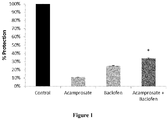
- Baclofen - acamprosate ( figure 1 ) combination gives a protective effect against glutamate toxicity for cortical neuronal cells.
- Combination of baclofen and acamprosate induces an improvement of more than 200% compared to acamprosate alone and more than 47% compared to baclofen used alone.
- Human muscle is prepared according to a previously described method from portions of biopsie of a healthy subject (39).
- Muscle cells are established from dissociated cells (20000 cells per wells), plated in gelatin-coated 0.1% on 48 wells plate and grown in a proliferating medium consisting of mix of 75% of MEM medium with 25% of M199 medium supplemented with glutamine 2 mM, bovin insulin 10 ⁇ g/ml, human recombinant epidermal growth factor 10 ng/ml, human recombinant fibroblast growth factor basic 2 ng/ml, foetal calf serum 10% (FCS) and 2% penicillin 10000 U/ml and streptomycin (10 mg/ml).
- FCS foetal calf serum 10%
- Innervated muscle fibres located in proximity to the spinal cord explants, are virtually continuously contracting. Innervated fibres are morphologically and spatially distinct from the non-innervated ones and could easily be distinguished from them.
- co-cultures are incubated with candidate compounds, combination thereof or riluzole one hour before glutamate intoxication (60 ⁇ M) for 20 min. Then, co-cultures are washed and candidate compounds, combination thereof, and/or riluzole are added for an additional 48 hours. After this incubation time, unfixed cocultures are incubated with ⁇ -bungarotoxin coupled with Alexa 488 at concentration 500 nmol/L for 15 min at room temperature. Then, cocultures fixed by PFA for 20 min at room temperature. After permeabilization with 0.1% of saponin, cocultures are incubated with a mouse monoclonal anti-neurofilament antibody (NF, dilution 1/400).
- NF mouse monoclonal anti-neurofilament antibody
- Endpoints are (1) total neurite length, (2) number of motor units, (3) total motor unit area, which are indicative of motorneurone survival and functionality.
- co-cultures are incubated with riluzole. After 4 days ( i . e . Day 27), drug combinations are added one hour before glutamate addition and then glutamate (60 ⁇ M) is added for 20 min. Cocultures are then treated for immunofluorescence analysis as stated above.
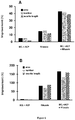
- Drug combinations of the invention enhance the protective effect of the riluzole toward glutamate toxicity, in the in vitro model, for the three endpoints (Table 4).
- the inventors have found that combinations of the invention potentiate riluzole protective effect in the muscle/nerve co-culture model. Indeed, baclofen-acamprosate adjunction to the riluzole treated glutamate intoxicated cells results in an improvement of protection afforded to the cells. Moreover, as shown in the figure 5 , the inventors have been able to identify drug concentrations at which this enhancing effect is particularly important (acamprosate 0.14 nM and baclofen 36 nM).
- compositions of the invention are also particularly efficient as adjunctive therapy for other ALS treatments (more particularly, riluzole) or ALS candidate treatments.
- mice B6SJL-Tg(SOD1-G93A)lGur/J mice and WT mice (strain 1012, JAX) have been chosen to mimic ALS in this set of experiments.
- Diseased mice express the SOD1-G93A transgene, designed with a mutant human SOD1 gene (a single amino acid substitution of glycine to alanine at codon 93) driven by its endogenous human SOD1 promoter.
- mice are housed at a standard temperature (22°C ⁇ 1°C) and in a light-controlled environment (lights on from 7 am to 8 pm) with ad libitum access to food and water.
- a standard temperature 22°C ⁇ 1°C
- a light-controlled environment lights on from 7 am to 8 pm
- mice receive wet powdered food (Standard Lab Diet mixed with water to form a paste) and nutritional gel placed in the cage.
- water spouts are fitted with extensions to allow mice to easily access from floor level.
- Diluted solutions of drug candidates are prepared with water at room temperature just before the beginning of the administration. Both riluzole and drug combinations are administrated per os .
- Cyclodextrine is used as vehicle at the final concentration of 5%, diluted in water at room temperature from stock solution (cyclodextrin 20%).
- transgenic mice are randomized into groups so that whole litters of mice do not end up in a single testing group, thereby avoiding 'litter effects' on the overall results.
- the groups are equally balanced for the male/female ratio.
- mice Female mice are housed in groups of 5 maximum and male mice are single housed. Mice are allowed to acclimate to the experimental room for at least one hour prior to the beginning of any experiment. Mice are transported from the colony room to experimental rooms in their home cages.
- mice Weight loss has proven to correlate well with disease development and is easily scored co-jointly with disease stages.
- the mice will be weighed once-a-week on the same day each week (Mon) at the age of 60-91 days and three times a week (Mon-Wed-Fri) after they reach the age of 91 days (13 weeks).
- the original article (40) describing the generation of the SOD1-G93A mice reports an early onset of the disease ( ⁇ 100 days) and a rapid decline with the affected mice reaching the end stage on average within 40 days (typical survival 130-150 days). Hence, the mice are carefully examined using clinical scoring as described below once a week (Mon) until age of 91 days and three times a week (Mon-Wed-Fri) after they reach the age of 91 days.
- the earliest clinical signs are tremors and shaking of their limbs when the mice are suspended briefly in the air by their tails.
- the clinical scoring system is on a scale of 1 to 5; with 1 as the endpoint for euthanasia, and 5 as healthy with little or no signs of onset of disease. Animals are scored by lifting them gently by the base of their tails and observing them for tremors, stiffness and their ability to extend their limbs.
- the onset of disease is recorded when the score reaches a disease stage of 4.
- mice All behavioral tests are stopped at the age of 20 weeks when approximately 70% of the vehicle group TG mice are lost. After this age the remaining mice are too fragile for motoric testing and are only subjected to body weight measurement, disease stage and survival scoring.
- Open field test measurements is performed before the dosing is started (baseline) and around day 90 (13 th age week) and day 110 (16 th age week). Mice born within 2-4 days are pooled for open field testing. Activity chambers (Med Associates Inc, St Albans, VT; 27 x 27 x 20.3 cm) are equipped with IR beams. Mice are placed in the center of the chamber and their behavior is recorded for 10 min. Distance moved, number of vertical rearings and average velocity are recorded.
- Rotarod test is performed before the dosing is started (baseline) and around day 90 (13 th age week) and day 110 (16 th age week): Mice born within 2-4 days are pooled for open field testing. One day session includes a training trial of 5 min at 4 RPM on the rotarod apparatus (AccuScan Instruments, Columbus, USA). One hour later, the animals are tested for 3 consecutive accelerating trials of 6 min with the speed changing from 0 to 40 RPM over 360 sec and an inter-trial interval at least 30 min. The latency to fall from the rod is recorded. Mice remaining on the rod for more than 360 sec are removed and their time scored as 360 sec.
- Combinations therapies are efficient in ALS in vivo model.
- compositions of the invention are also efficient in improving clinical score and course of the disease in riluzole treated animals (Table 7).
Landscapes
- Health & Medical Sciences (AREA)
- Pharmacology & Pharmacy (AREA)
- Veterinary Medicine (AREA)
- Chemical & Material Sciences (AREA)
- Public Health (AREA)
- General Health & Medical Sciences (AREA)
- Medicinal Chemistry (AREA)
- Animal Behavior & Ethology (AREA)
- Life Sciences & Earth Sciences (AREA)
- Nuclear Medicine, Radiotherapy & Molecular Imaging (AREA)
- Engineering & Computer Science (AREA)
- General Chemical & Material Sciences (AREA)
- Chemical Kinetics & Catalysis (AREA)
- Bioinformatics & Cheminformatics (AREA)
- Organic Chemistry (AREA)
- Epidemiology (AREA)
- Neurology (AREA)
- Biomedical Technology (AREA)
- Neurosurgery (AREA)
- Pain & Pain Management (AREA)
- Orthopedic Medicine & Surgery (AREA)
- Physical Education & Sports Medicine (AREA)
- Hospice & Palliative Care (AREA)
- Psychiatry (AREA)
- Rheumatology (AREA)
- Emergency Medicine (AREA)
- Pharmaceuticals Containing Other Organic And Inorganic Compounds (AREA)
- Acyclic And Carbocyclic Compounds In Medicinal Compositions (AREA)
- Lubricants (AREA)
- Medicines That Contain Protein Lipid Enzymes And Other Medicines (AREA)
Claims (14)
- Composition pour son utilisation dans le traitement de la sclérose latérale amyotrophique (ALS) ou d'un trouble apparenté choisi parmi la sclérose latérale primaire (PLS), l'atrophie musculaire progressive (PMA), la paralysie pseudobulbale et la paralysie bulbaire progressive (PBP), et la démence fronto-temporale (FTD), comprenant (i) de l'acamprosate, ou un sel de celui-ci, ou une formulation à libération prolongée de celui-ci, et (ii) du baclofène, ou un sel de celui-ci, ou une formulation à libération prolongée de celui-ci.
- Composition pour l'utilisation selon la revendication 1, comprenant en outre du torasemide ou un sel de celui-ci, ou une formulation à libération prolongée de celui-ci.
- Composition pour l'utilisation selon la revendication 1 ou 2, comprenant en outre du riluzole, ou un sel de celui-ci, ou une formulation à libération prolongée de celui-ci.
- Composition selon l'une quelconque des revendications précédentes, qui comprend en outre un support ou excipient pharmaceutiquement acceptable.
- Composition selon l'une quelconque des revendications précédentes, dans laquelle les composés sont formulés ou administrés ensemble, séparément ou séquentiellement.
- Composition selon l'une quelconque des revendications précédentes, dans laquelle ladite composition est administrée de façon répétée au sujet.
- Composition selon l'une quelconque des revendications 3 à 6, dans laquelle le riluzole est administré à une dose de 0,01 à 100 mg par jour, de préférence de 0,1 à 50 mg par jour.
- Composition pour l'utilisation selon l'une quelconque des revendications 1 à 7, dans laquelle l'acamprosate est administré à une dose inférieure à 50 mg par jour, de préférence inférieure à 10 mg par jour.
- Composition selon l'une quelconque des revendications 1 à 8, dans laquelle le baclofène est administré à une dose inférieure à 30 mg par jour.
- Composition selon l'une quelconque des revendications précédentes, dans laquelle ladite composition est administrée par voie orale.
- Composition selon l'une quelconque des revendications précédentes, dans laquelle ladite composition est administrée par voie orale et répétée tous les deux jours, alternativement avec du riluzole.
- Composition selon l'une quelconque des revendications précédentes, dans laquelle les composés sont formulés ensemble.
- Acamprosate, ou un sel de celui-ci, ou une formulation à libération prolongée de celui-ci, pour son utilisation en combinaison avec du baclofène, ou un sel de celui-ci, ou une formulation à libération prolongée de celui-ci, dans une méthode de traitement de l'ALS ou d'un trouble apparenté choisi parmi la sclérose latérale primaire (PLS), l'atrophie musculaire progressive (PMA), la paralysie pseudo-bulle et la paralysie bulbaire progressive (PBP), et la démence fronto-temporale (FTD).
- Acamprosate, ou un sel de celui-ci, ou une formulation à libération prolongée de celui-ci, pour son utilisation en combinaison avec du baclofène, ou un sel de celui-ci ou une formulation à libération prolongée de celui-ci, et du riluzole ou un sel de celui-ci ou une formulation à libération prolongée de celui-ci, dans une méthode de traitement de l'ALS ou d'un trouble apparenté choisi parmi la sclérose latérale primaire (PLS), l'atrophie musculaire progressive (PMA), la paralysie pseudobulbale et la paralysie bulbaire progressive (PBP), et la démence fronto-temporale (FTD).
Priority Applications (15)
| Application Number | Priority Date | Filing Date | Title |
|---|---|---|---|
| EP17173296.9A EP3235498A1 (fr) | 2012-03-01 | 2013-02-28 | Nouvelles compositions pour le traitement de la sclerose laterale amyotrophique |
| JP2014559213A JP6158234B2 (ja) | 2012-03-01 | 2013-02-28 | 筋萎縮性側索硬化症の治療のための新規組成物 |
| SI201330727T SI2819664T1 (sl) | 2012-03-01 | 2013-02-28 | Novi sestavki za zdravljenje amiotrofične lateralne skleroze |
| HUE13706548A HUE034212T2 (en) | 2012-03-01 | 2013-02-28 | New compositions for treating amyotrophic lateral sclerosis |
| UAA201410678A UA114811C2 (uk) | 2013-02-28 | 2013-02-28 | Застосування акампросату та баклофену для лікування аміотрофічного бічного склерозу |
| SM20170373T SMT201700373T1 (it) | 2012-03-01 | 2013-02-28 | Nuove composizioni per il trattamento della sclerosi laterale amiotrofica |
| HRP20171206TT HRP20171206T1 (hr) | 2012-03-01 | 2013-02-28 | Novi pripravci za liječenje amiotrofične lateralne skleroze |
| EA201400970A EA031331B9 (ru) | 2012-03-01 | 2013-02-28 | Комбинация акампросата, баклофена и рилузола для лечения амиотрофического бокового склероза и родственного заболевания |
| PT137065488T PT2819664T (pt) | 2012-03-01 | 2013-02-28 | Novas composições para tratar esclerose lateral amiotrófica |
| RS20170807A RS56175B1 (sr) | 2012-03-01 | 2013-02-28 | Nove kompozicije za lečenje amiotrofične lateralne skleroze |
| LTEP13706548.8T LT2819664T (lt) | 2012-03-01 | 2013-02-28 | Naujos kompozicijos, skirtos amiotrofinės šoninės sklerozės gydymui |
| EP18157222.3A EP3348261B1 (fr) | 2012-03-01 | 2013-02-28 | Nouvelles compositions comprenant du baclofène, de l'acamprosate et du riluzole |
| EP13706548.8A EP2819664B1 (fr) | 2012-03-01 | 2013-02-28 | Nouvelles compositions pour le traitement de la sclérose latérale amyotrophique |
| PL13706548T PL2819664T3 (pl) | 2012-03-01 | 2013-02-28 | Nowe kompozycje do leczenia stwardnienia zanikowego bocznego |
| CY20171100849T CY1119195T1 (el) | 2012-03-01 | 2017-08-08 | Νεες συνθεσεις για θεραπεια αμυοτροφικης πλευρικης σκληρυνσης |
Applications Claiming Priority (4)
| Application Number | Priority Date | Filing Date | Title |
|---|---|---|---|
| PCT/EP2012/053565 WO2012117073A2 (fr) | 2011-03-01 | 2012-03-01 | Nouvelles compositions destinées au traitement de troubles neurologiques |
| PCT/EP2012/053570 WO2012117076A2 (fr) | 2011-03-01 | 2012-03-01 | Thérapie de troubles neurologiques à base de baclofène et d'acamprosate |
| PCT/EP2013/054024 WO2013127917A1 (fr) | 2011-03-01 | 2013-02-28 | Nouvelles compositions destinées au traitement de la sclérose latérale amyotrophique |
| EP13706548.8A EP2819664B1 (fr) | 2012-03-01 | 2013-02-28 | Nouvelles compositions pour le traitement de la sclérose latérale amyotrophique |
Related Child Applications (2)
| Application Number | Title | Priority Date | Filing Date |
|---|---|---|---|
| EP17173296.9A Division EP3235498A1 (fr) | 2012-03-01 | 2013-02-28 | Nouvelles compositions pour le traitement de la sclerose laterale amyotrophique |
| EP18157222.3A Division EP3348261B1 (fr) | 2012-03-01 | 2013-02-28 | Nouvelles compositions comprenant du baclofène, de l'acamprosate et du riluzole |
Publications (2)
| Publication Number | Publication Date |
|---|---|
| EP2819664A1 EP2819664A1 (fr) | 2015-01-07 |
| EP2819664B1 true EP2819664B1 (fr) | 2017-05-31 |
Family
ID=47754536
Family Applications (3)
| Application Number | Title | Priority Date | Filing Date |
|---|---|---|---|
| EP18157222.3A Not-in-force EP3348261B1 (fr) | 2012-03-01 | 2013-02-28 | Nouvelles compositions comprenant du baclofène, de l'acamprosate et du riluzole |
| EP17173296.9A Withdrawn EP3235498A1 (fr) | 2012-03-01 | 2013-02-28 | Nouvelles compositions pour le traitement de la sclerose laterale amyotrophique |
| EP13706548.8A Active EP2819664B1 (fr) | 2012-03-01 | 2013-02-28 | Nouvelles compositions pour le traitement de la sclérose latérale amyotrophique |
Family Applications Before (2)
| Application Number | Title | Priority Date | Filing Date |
|---|---|---|---|
| EP18157222.3A Not-in-force EP3348261B1 (fr) | 2012-03-01 | 2013-02-28 | Nouvelles compositions comprenant du baclofène, de l'acamprosate et du riluzole |
| EP17173296.9A Withdrawn EP3235498A1 (fr) | 2012-03-01 | 2013-02-28 | Nouvelles compositions pour le traitement de la sclerose laterale amyotrophique |
Country Status (13)
| Country | Link |
|---|---|
| EP (3) | EP3348261B1 (fr) |
| JP (1) | JP6158234B2 (fr) |
| CY (1) | CY1119195T1 (fr) |
| EA (1) | EA031331B9 (fr) |
| HR (1) | HRP20171206T1 (fr) |
| HU (1) | HUE034212T2 (fr) |
| LT (1) | LT2819664T (fr) |
| PL (1) | PL2819664T3 (fr) |
| PT (1) | PT2819664T (fr) |
| RS (1) | RS56175B1 (fr) |
| SI (1) | SI2819664T1 (fr) |
| SM (1) | SMT201700373T1 (fr) |
| UA (1) | UA114811C2 (fr) |
Families Citing this family (1)
| Publication number | Priority date | Publication date | Assignee | Title |
|---|---|---|---|---|
| US11439626B2 (en) | 2019-09-20 | 2022-09-13 | Icahn School Of Medicine At Mount Sinai | Controlled release formulations of riluzole and their uses |
Family Cites Families (9)
| Publication number | Priority date | Publication date | Assignee | Title |
|---|---|---|---|---|
| JP3180381B2 (ja) * | 1991-08-31 | 2001-06-25 | ウェルファイド株式会社 | 抗アルドステロン作用剤 |
| DK2282779T3 (da) * | 2008-04-29 | 2013-05-27 | Pharnext | Nye terapeutiske fremgangsmåder til behandling af alzheimer sygdom og beslægtede lidelser gennem en modulation af cellestress-respons |
| PL2282778T3 (pl) * | 2008-04-29 | 2017-08-31 | Pharnext | Nowe podejścia terapeutyczne do leczenia choroby alzheimera i powiązanych zaburzeń poprzez modulację angiogenezy |
| WO2009133128A1 (fr) * | 2008-04-29 | 2009-11-05 | Pharnext | Compositions combinées destinées à traiter la maladie d’alzheimer et les troubles associés, au moyen de zonisamide et d’acamprosate |
| EP2322163A1 (fr) * | 2009-11-03 | 2011-05-18 | Pharnext | Nouvelles approches thérapeutiques pour traiter la maladie d'Alzheimer |
| KR101937782B1 (ko) * | 2011-03-01 | 2019-01-11 | 파넥스트 | 바클로펜 및 아캄프로세이트에 기초한 신경 장애의 치료 |
| EP2705842A1 (fr) * | 2012-09-05 | 2014-03-12 | Pharnext | Approches thérapeutiques pour le traitement de la maladie de Parkinson |
| UA113165C2 (xx) * | 2011-03-01 | 2016-12-26 | Застосування комбінації баклофену і акампросату для лікування неврологічних захворювань та композиція, яка містить баклофен і акампросат | |
| EP2727587A1 (fr) * | 2012-10-30 | 2014-05-07 | Pharnext | Compositions, traitements et utilisations pour le traitement du diabète et troubles connexes par le contrôle du taux de glycémie |
-
2013
- 2013-02-28 SM SM20170373T patent/SMT201700373T1/it unknown
- 2013-02-28 HR HRP20171206TT patent/HRP20171206T1/hr unknown
- 2013-02-28 PL PL13706548T patent/PL2819664T3/pl unknown
- 2013-02-28 HU HUE13706548A patent/HUE034212T2/en unknown
- 2013-02-28 UA UAA201410678A patent/UA114811C2/uk unknown
- 2013-02-28 EP EP18157222.3A patent/EP3348261B1/fr not_active Not-in-force
- 2013-02-28 RS RS20170807A patent/RS56175B1/sr unknown
- 2013-02-28 EP EP17173296.9A patent/EP3235498A1/fr not_active Withdrawn
- 2013-02-28 JP JP2014559213A patent/JP6158234B2/ja not_active Expired - Fee Related
- 2013-02-28 LT LTEP13706548.8T patent/LT2819664T/lt unknown
- 2013-02-28 SI SI201330727T patent/SI2819664T1/sl unknown
- 2013-02-28 EP EP13706548.8A patent/EP2819664B1/fr active Active
- 2013-02-28 EA EA201400970A patent/EA031331B9/ru not_active IP Right Cessation
- 2013-02-28 PT PT137065488T patent/PT2819664T/pt unknown
-
2017
- 2017-08-08 CY CY20171100849T patent/CY1119195T1/el unknown
Non-Patent Citations (1)
| Title |
|---|
| None * |
Also Published As
| Publication number | Publication date |
|---|---|
| PL2819664T3 (pl) | 2017-12-29 |
| JP6158234B2 (ja) | 2017-07-05 |
| PT2819664T (pt) | 2017-08-24 |
| EA031331B9 (ru) | 2019-02-28 |
| EP3235498A1 (fr) | 2017-10-25 |
| SMT201700373T1 (it) | 2017-09-07 |
| EA031331B1 (ru) | 2018-12-28 |
| JP2015508797A (ja) | 2015-03-23 |
| EA201400970A1 (ru) | 2015-02-27 |
| EP3348261A1 (fr) | 2018-07-18 |
| HUE034212T2 (en) | 2018-02-28 |
| EP2819664A1 (fr) | 2015-01-07 |
| SI2819664T1 (sl) | 2017-12-29 |
| LT2819664T (lt) | 2017-10-25 |
| CY1119195T1 (el) | 2018-02-14 |
| HRP20171206T1 (hr) | 2017-10-20 |
| UA114811C2 (uk) | 2017-08-10 |
| RS56175B1 (sr) | 2017-11-30 |
| EP3348261B1 (fr) | 2020-10-21 |
Similar Documents
| Publication | Publication Date | Title |
|---|---|---|
| DK2819664T3 (en) | NEW COMPOSITIONS FOR TREATING AMYOTROPHIC LATERAL SCLEROSIS | |
| US10682342B2 (en) | Compositions for treating amyotrophic lateral sclerosis | |
| JP6416328B2 (ja) | 筋萎縮性側索硬化症の治療のための新規組成物 | |
| AU2018201436B2 (en) | New therapeutic approaches for treating Parkinson's disease | |
| EP3563841A1 (fr) | Nouvelles approches therapeutiques pour le traitement de la maladie de parkinson | |
| CA2864008C (fr) | Nouvelles compositions destinees au traitement de la sclerose laterale amyotrophique | |
| EP2819664B1 (fr) | Nouvelles compositions pour le traitement de la sclérose latérale amyotrophique | |
| AU2018201400B2 (en) | New compositions for treating amyotrophic lateral sclerosis | |
| HK1203406A1 (en) | New compositions for treating amyotrophic lateral sclerosis | |
| HK1203406B (en) | New compositions for treating amyotrophic lateral sclerosis | |
| HK1203417B (en) | New therapeutic approaches for treating parkinson's disease |
Legal Events
| Date | Code | Title | Description |
|---|---|---|---|
| PUAI | Public reference made under article 153(3) epc to a published international application that has entered the european phase |
Free format text: ORIGINAL CODE: 0009012 |
|
| 17P | Request for examination filed |
Effective date: 20140915 |
|
| AK | Designated contracting states |
Kind code of ref document: A1 Designated state(s): AL AT BE BG CH CY CZ DE DK EE ES FI FR GB GR HR HU IE IS IT LI LT LU LV MC MK MT NL NO PL PT RO RS SE SI SK SM TR |
|
| AX | Request for extension of the european patent |
Extension state: BA ME |
|
| DAX | Request for extension of the european patent (deleted) | ||
| 17Q | First examination report despatched |
Effective date: 20150915 |
|
| REG | Reference to a national code |
Ref country code: HK Ref legal event code: DE Ref document number: 1203406 Country of ref document: HK |
|
| GRAP | Despatch of communication of intention to grant a patent |
Free format text: ORIGINAL CODE: EPIDOSNIGR1 |
|
| STAA | Information on the status of an ep patent application or granted ep patent |
Free format text: STATUS: GRANT OF PATENT IS INTENDED |
|
| INTG | Intention to grant announced |
Effective date: 20161213 |
|
| GRAS | Grant fee paid |
Free format text: ORIGINAL CODE: EPIDOSNIGR3 |
|
| GRAJ | Information related to disapproval of communication of intention to grant by the applicant or resumption of examination proceedings by the epo deleted |
Free format text: ORIGINAL CODE: EPIDOSDIGR1 |
|
| GRAL | Information related to payment of fee for publishing/printing deleted |
Free format text: ORIGINAL CODE: EPIDOSDIGR3 |
|
| STAA | Information on the status of an ep patent application or granted ep patent |
Free format text: STATUS: EXAMINATION IS IN PROGRESS |
|
| GRAR | Information related to intention to grant a patent recorded |
Free format text: ORIGINAL CODE: EPIDOSNIGR71 |
|
| STAA | Information on the status of an ep patent application or granted ep patent |
Free format text: STATUS: GRANT OF PATENT IS INTENDED |
|
| GRAA | (expected) grant |
Free format text: ORIGINAL CODE: 0009210 |
|
| STAA | Information on the status of an ep patent application or granted ep patent |
Free format text: STATUS: THE PATENT HAS BEEN GRANTED |
|
| RIN1 | Information on inventor provided before grant (corrected) |
Inventor name: HAJJ, RODOLPHE Inventor name: CHUMAKOV, ILYA Inventor name: NABIROCHKIN, SERGUEI Inventor name: COHEN, DANIEL |
|
| INTC | Intention to grant announced (deleted) | ||
| AK | Designated contracting states |
Kind code of ref document: B1 Designated state(s): AL AT BE BG CH CY CZ DE DK EE ES FI FR GB GR HR HU IE IS IT LI LT LU LV MC MK MT NL NO PL PT RO RS SE SI SK SM TR |
|
| INTG | Intention to grant announced |
Effective date: 20170425 |
|
| REG | Reference to a national code |
Ref country code: GB Ref legal event code: FG4D Ref country code: CH Ref legal event code: EP |
|
| REG | Reference to a national code |
Ref country code: AT Ref legal event code: REF Ref document number: 896810 Country of ref document: AT Kind code of ref document: T Effective date: 20170615 |
|
| REG | Reference to a national code |
Ref country code: IE Ref legal event code: FG4D |
|
| REG | Reference to a national code |
Ref country code: DE Ref legal event code: R096 Ref document number: 602013021667 Country of ref document: DE |
|
| REG | Reference to a national code |
Ref country code: RO Ref legal event code: EPE |
|
| REG | Reference to a national code |
Ref country code: HR Ref legal event code: TUEP Ref document number: P20171206 Country of ref document: HR |
|
| REG | Reference to a national code |
Ref country code: NL Ref legal event code: FP |
|
| REG | Reference to a national code |
Ref country code: PT Ref legal event code: SC4A Ref document number: 2819664 Country of ref document: PT Date of ref document: 20170824 Kind code of ref document: T Free format text: AVAILABILITY OF NATIONAL TRANSLATION Effective date: 20170814 |
|
| REG | Reference to a national code |
Ref country code: DK Ref legal event code: T3 Effective date: 20170822 |
|
| REG | Reference to a national code |
Ref country code: SE Ref legal event code: TRGR |
|
| REG | Reference to a national code |
Ref country code: ES Ref legal event code: FG2A Ref document number: 2635872 Country of ref document: ES Kind code of ref document: T3 Effective date: 20171005 |
|
| REG | Reference to a national code |
Ref country code: NO Ref legal event code: T2 Effective date: 20170531 |
|
| REG | Reference to a national code |
Ref country code: EE Ref legal event code: FG4A Ref document number: E014101 Country of ref document: EE Effective date: 20170803 |
|
| REG | Reference to a national code |
Ref country code: HR Ref legal event code: T1PR Ref document number: P20171206 Country of ref document: HR |
|
| REG | Reference to a national code |
Ref country code: SK Ref legal event code: T3 Ref document number: E 25037 Country of ref document: SK |
|
| REG | Reference to a national code |
Ref country code: GR Ref legal event code: EP Ref document number: 20170402273 Country of ref document: GR Effective date: 20180119 |
|
| REG | Reference to a national code |
Ref country code: FR Ref legal event code: PLFP Year of fee payment: 6 |
|
| REG | Reference to a national code |
Ref country code: HU Ref legal event code: AG4A Ref document number: E034212 Country of ref document: HU |
|
| REG | Reference to a national code |
Ref country code: DE Ref legal event code: R097 Ref document number: 602013021667 Country of ref document: DE |
|
| PLBE | No opposition filed within time limit |
Free format text: ORIGINAL CODE: 0009261 |
|
| STAA | Information on the status of an ep patent application or granted ep patent |
Free format text: STATUS: NO OPPOSITION FILED WITHIN TIME LIMIT |
|
| REG | Reference to a national code |
Ref country code: HK Ref legal event code: GR Ref document number: 1203406 Country of ref document: HK |
|
| 26N | No opposition filed |
Effective date: 20180301 |
|
| REG | Reference to a national code |
Ref country code: GB Ref legal event code: 732E Free format text: REGISTERED BETWEEN 20180802 AND 20180808 |
|
| REG | Reference to a national code |
Ref country code: HR Ref legal event code: ODRP Ref document number: P20171206 Country of ref document: HR Payment date: 20190212 Year of fee payment: 7 |
|
| REG | Reference to a national code |
Ref country code: HR Ref legal event code: ODRP Ref document number: P20171206 Country of ref document: HR Payment date: 20200224 Year of fee payment: 8 |
|
| REG | Reference to a national code |
Ref country code: HR Ref legal event code: ODRP Ref document number: P20171206 Country of ref document: HR Payment date: 20210209 Year of fee payment: 9 |
|
| REG | Reference to a national code |
Ref country code: AT Ref legal event code: UEP Ref document number: 896810 Country of ref document: AT Kind code of ref document: T Effective date: 20170531 |
|
| REG | Reference to a national code |
Ref country code: HR Ref legal event code: ODRP Ref document number: P20171206 Country of ref document: HR Payment date: 20220209 Year of fee payment: 10 |
|
| REG | Reference to a national code |
Ref country code: HR Ref legal event code: ODRP Ref document number: P20171206 Country of ref document: HR Payment date: 20230228 Year of fee payment: 11 |
|
| PGFP | Annual fee paid to national office [announced via postgrant information from national office to epo] |
Ref country code: NL Payment date: 20230227 Year of fee payment: 11 |
|
| PGFP | Annual fee paid to national office [announced via postgrant information from national office to epo] |
Ref country code: SM Payment date: 20230228 Year of fee payment: 11 Ref country code: RO Payment date: 20230228 Year of fee payment: 11 Ref country code: NO Payment date: 20230302 Year of fee payment: 11 Ref country code: MC Payment date: 20230227 Year of fee payment: 11 Ref country code: LU Payment date: 20230227 Year of fee payment: 11 Ref country code: LT Payment date: 20230228 Year of fee payment: 11 Ref country code: IE Payment date: 20230228 Year of fee payment: 11 Ref country code: FR Payment date: 20230224 Year of fee payment: 11 Ref country code: FI Payment date: 20230227 Year of fee payment: 11 Ref country code: ES Payment date: 20230321 Year of fee payment: 11 Ref country code: DK Payment date: 20230227 Year of fee payment: 11 Ref country code: CZ Payment date: 20230228 Year of fee payment: 11 Ref country code: CH Payment date: 20230303 Year of fee payment: 11 Ref country code: BG Payment date: 20230228 Year of fee payment: 11 Ref country code: AT Payment date: 20230228 Year of fee payment: 11 |
|
| PGFP | Annual fee paid to national office [announced via postgrant information from national office to epo] |
Ref country code: TR Payment date: 20230228 Year of fee payment: 11 Ref country code: SK Payment date: 20230228 Year of fee payment: 11 Ref country code: SI Payment date: 20230224 Year of fee payment: 11 Ref country code: SE Payment date: 20230227 Year of fee payment: 11 Ref country code: RS Payment date: 20230227 Year of fee payment: 11 Ref country code: PT Payment date: 20230227 Year of fee payment: 11 Ref country code: PL Payment date: 20230227 Year of fee payment: 11 Ref country code: LV Payment date: 20230228 Year of fee payment: 11 Ref country code: IT Payment date: 20230227 Year of fee payment: 11 Ref country code: IS Payment date: 20230227 Year of fee payment: 11 Ref country code: HU Payment date: 20230303 Year of fee payment: 11 Ref country code: HR Payment date: 20230228 Year of fee payment: 11 Ref country code: GR Payment date: 20230228 Year of fee payment: 11 Ref country code: GB Payment date: 20230227 Year of fee payment: 11 Ref country code: EE Payment date: 20230228 Year of fee payment: 11 Ref country code: DE Payment date: 20230227 Year of fee payment: 11 Ref country code: CY Payment date: 20230228 Year of fee payment: 11 Ref country code: BE Payment date: 20230227 Year of fee payment: 11 |
|
| P01 | Opt-out of the competence of the unified patent court (upc) registered |
Effective date: 20230518 |
|
| PGFP | Annual fee paid to national office [announced via postgrant information from national office to epo] |
Ref country code: MT Payment date: 20230228 Year of fee payment: 11 |
|
| PGFP | Annual fee paid to national office [announced via postgrant information from national office to epo] |
Ref country code: AL Payment date: 20230228 Year of fee payment: 11 |
|
| PGFP | Annual fee paid to national office [announced via postgrant information from national office to epo] |
Ref country code: MK Payment date: 20230301 Year of fee payment: 11 |
|
| REG | Reference to a national code |
Ref country code: DE Ref legal event code: R119 Ref document number: 602013021667 Country of ref document: DE Ref country code: HR Ref legal event code: PBON Ref document number: P20171206 Country of ref document: HR Effective date: 20240228 |
|
| REG | Reference to a national code |
Ref country code: EE Ref legal event code: MM4A Ref document number: E014101 Country of ref document: EE Effective date: 20240229 |
|
| REG | Reference to a national code |
Ref country code: DK Ref legal event code: EBP Effective date: 20240229 |
|
| REG | Reference to a national code |
Ref country code: LT Ref legal event code: MM4D Effective date: 20240228 |
|
| PG25 | Lapsed in a contracting state [announced via postgrant information from national office to epo] |
Ref country code: MC Free format text: LAPSE BECAUSE OF NON-PAYMENT OF DUE FEES Effective date: 20240229 |
|
| REG | Reference to a national code |
Ref country code: CH Ref legal event code: PL |
|
| PG25 | Lapsed in a contracting state [announced via postgrant information from national office to epo] |
Ref country code: BG Free format text: LAPSE BECAUSE OF NON-PAYMENT OF DUE FEES Effective date: 20240228 |
|
| REG | Reference to a national code |
Ref country code: NL Ref legal event code: MM Effective date: 20240301 Ref country code: SK Ref legal event code: MM4A Ref document number: E 25037 Country of ref document: SK Effective date: 20240228 |
|
| PG25 | Lapsed in a contracting state [announced via postgrant information from national office to epo] |
Ref country code: FI Free format text: LAPSE BECAUSE OF NON-PAYMENT OF DUE FEES Effective date: 20240228 Ref country code: HR Free format text: LAPSE BECAUSE OF NON-PAYMENT OF DUE FEES Effective date: 20240228 Ref country code: LT Free format text: LAPSE BECAUSE OF NON-PAYMENT OF DUE FEES Effective date: 20240228 |
|
| PG25 | Lapsed in a contracting state [announced via postgrant information from national office to epo] |
Ref country code: GR Free format text: LAPSE BECAUSE OF NON-PAYMENT OF DUE FEES Effective date: 20240904 |
|
| PG25 | Lapsed in a contracting state [announced via postgrant information from national office to epo] |
Ref country code: SM Free format text: LAPSE BECAUSE OF NON-PAYMENT OF DUE FEES Effective date: 20240918 Ref country code: PT Free format text: LAPSE BECAUSE OF NON-PAYMENT OF DUE FEES Effective date: 20240902 |
|
| PG25 | Lapsed in a contracting state [announced via postgrant information from national office to epo] |
Ref country code: LU Free format text: LAPSE BECAUSE OF NON-PAYMENT OF DUE FEES Effective date: 20240228 |
|
| REG | Reference to a national code |
Ref country code: AT Ref legal event code: MM01 Ref document number: 896810 Country of ref document: AT Kind code of ref document: T Effective date: 20240228 |
|
| PG25 | Lapsed in a contracting state [announced via postgrant information from national office to epo] |
Ref country code: CH Free format text: LAPSE BECAUSE OF NON-PAYMENT OF DUE FEES Effective date: 20240229 |
|
| GBPC | Gb: european patent ceased through non-payment of renewal fee |
Effective date: 20240228 |
|
| PG25 | Lapsed in a contracting state [announced via postgrant information from national office to epo] |
Ref country code: CZ Free format text: LAPSE BECAUSE OF NON-PAYMENT OF DUE FEES Effective date: 20240229 Ref country code: EE Free format text: LAPSE BECAUSE OF NON-PAYMENT OF DUE FEES Effective date: 20240229 |
|
| PG25 | Lapsed in a contracting state [announced via postgrant information from national office to epo] |
Ref country code: AT Free format text: LAPSE BECAUSE OF NON-PAYMENT OF DUE FEES Effective date: 20240228 |
|
| PG25 | Lapsed in a contracting state [announced via postgrant information from national office to epo] |
Ref country code: CY Free format text: LAPSE BECAUSE OF NON-PAYMENT OF DUE FEES Effective date: 20240228 |
|
| PG25 | Lapsed in a contracting state [announced via postgrant information from national office to epo] |
Ref country code: SI Free format text: LAPSE BECAUSE OF NON-PAYMENT OF DUE FEES Effective date: 20240229 Ref country code: SK Free format text: LAPSE BECAUSE OF NON-PAYMENT OF DUE FEES Effective date: 20240228 Ref country code: HU Free format text: LAPSE BECAUSE OF NON-PAYMENT OF DUE FEES Effective date: 20240301 |
|
| REG | Reference to a national code |
Ref country code: SE Ref legal event code: EUG |
|
| PG25 | Lapsed in a contracting state [announced via postgrant information from national office to epo] |
Ref country code: LV Free format text: LAPSE BECAUSE OF NON-PAYMENT OF DUE FEES Effective date: 20240228 |
|
| PG25 | Lapsed in a contracting state [announced via postgrant information from national office to epo] |
Ref country code: SM Free format text: LAPSE BECAUSE OF NON-PAYMENT OF DUE FEES Effective date: 20240918 Ref country code: SK Free format text: LAPSE BECAUSE OF NON-PAYMENT OF DUE FEES Effective date: 20240228 Ref country code: SI Free format text: LAPSE BECAUSE OF NON-PAYMENT OF DUE FEES Effective date: 20240229 Ref country code: RO Free format text: LAPSE BECAUSE OF NON-PAYMENT OF DUE FEES Effective date: 20240228 Ref country code: PT Free format text: LAPSE BECAUSE OF NON-PAYMENT OF DUE FEES Effective date: 20240902 Ref country code: NO Free format text: LAPSE BECAUSE OF NON-PAYMENT OF DUE FEES Effective date: 20240229 Ref country code: LV Free format text: LAPSE BECAUSE OF NON-PAYMENT OF DUE FEES Effective date: 20240228 Ref country code: LU Free format text: LAPSE BECAUSE OF NON-PAYMENT OF DUE FEES Effective date: 20240228 Ref country code: LT Free format text: LAPSE BECAUSE OF NON-PAYMENT OF DUE FEES Effective date: 20240228 Ref country code: HU Free format text: LAPSE BECAUSE OF NON-PAYMENT OF DUE FEES Effective date: 20240301 Ref country code: HR Free format text: LAPSE BECAUSE OF NON-PAYMENT OF DUE FEES Effective date: 20240228 Ref country code: GR Free format text: LAPSE BECAUSE OF NON-PAYMENT OF DUE FEES Effective date: 20240904 Ref country code: FI Free format text: LAPSE BECAUSE OF NON-PAYMENT OF DUE FEES Effective date: 20240228 Ref country code: EE Free format text: LAPSE BECAUSE OF NON-PAYMENT OF DUE FEES Effective date: 20240229 Ref country code: CZ Free format text: LAPSE BECAUSE OF NON-PAYMENT OF DUE FEES Effective date: 20240229 Ref country code: CY Free format text: LAPSE BECAUSE OF NON-PAYMENT OF DUE FEES Effective date: 20240228 Ref country code: CH Free format text: LAPSE BECAUSE OF NON-PAYMENT OF DUE FEES Effective date: 20240229 Ref country code: BG Free format text: LAPSE BECAUSE OF NON-PAYMENT OF DUE FEES Effective date: 20240228 Ref country code: AT Free format text: LAPSE BECAUSE OF NON-PAYMENT OF DUE FEES Effective date: 20240228 Ref country code: RS Free format text: LAPSE BECAUSE OF NON-PAYMENT OF DUE FEES Effective date: 20240228 |
|
| PG25 | Lapsed in a contracting state [announced via postgrant information from national office to epo] |
Ref country code: NL Free format text: LAPSE BECAUSE OF NON-PAYMENT OF DUE FEES Effective date: 20240301 |
|
| PG25 | Lapsed in a contracting state [announced via postgrant information from national office to epo] |
Ref country code: NL Free format text: LAPSE BECAUSE OF NON-PAYMENT OF DUE FEES Effective date: 20240301 |
|
| REG | Reference to a national code |
Ref country code: BE Ref legal event code: MM Effective date: 20240229 |
|
| PG25 | Lapsed in a contracting state [announced via postgrant information from national office to epo] |
Ref country code: DE Free format text: LAPSE BECAUSE OF NON-PAYMENT OF DUE FEES Effective date: 20240903 |
|
| PG25 | Lapsed in a contracting state [announced via postgrant information from national office to epo] |
Ref country code: DK Free format text: LAPSE BECAUSE OF NON-PAYMENT OF DUE FEES Effective date: 20240229 |
|
| PG25 | Lapsed in a contracting state [announced via postgrant information from national office to epo] |
Ref country code: BE Free format text: LAPSE BECAUSE OF NON-PAYMENT OF DUE FEES Effective date: 20240229 |
|
| PG25 | Lapsed in a contracting state [announced via postgrant information from national office to epo] |
Ref country code: GB Free format text: LAPSE BECAUSE OF NON-PAYMENT OF DUE FEES Effective date: 20240228 |
|
| PG25 | Lapsed in a contracting state [announced via postgrant information from national office to epo] |
Ref country code: FR Free format text: LAPSE BECAUSE OF NON-PAYMENT OF DUE FEES Effective date: 20240229 |
|
| PG25 | Lapsed in a contracting state [announced via postgrant information from national office to epo] |
Ref country code: IE Free format text: LAPSE BECAUSE OF NON-PAYMENT OF DUE FEES Effective date: 20240228 |
|
| PG25 | Lapsed in a contracting state [announced via postgrant information from national office to epo] |
Ref country code: IE Free format text: LAPSE BECAUSE OF NON-PAYMENT OF DUE FEES Effective date: 20240228 Ref country code: GB Free format text: LAPSE BECAUSE OF NON-PAYMENT OF DUE FEES Effective date: 20240228 Ref country code: FR Free format text: LAPSE BECAUSE OF NON-PAYMENT OF DUE FEES Effective date: 20240229 Ref country code: DK Free format text: LAPSE BECAUSE OF NON-PAYMENT OF DUE FEES Effective date: 20240229 Ref country code: DE Free format text: LAPSE BECAUSE OF NON-PAYMENT OF DUE FEES Effective date: 20240903 Ref country code: BE Free format text: LAPSE BECAUSE OF NON-PAYMENT OF DUE FEES Effective date: 20240229 |
|
| PG25 | Lapsed in a contracting state [announced via postgrant information from national office to epo] |
Ref country code: IT Free format text: LAPSE BECAUSE OF NON-PAYMENT OF DUE FEES Effective date: 20240228 |
|
| PG25 | Lapsed in a contracting state [announced via postgrant information from national office to epo] |
Ref country code: ES Free format text: LAPSE BECAUSE OF NON-PAYMENT OF DUE FEES Effective date: 20240301 |
|
| PG25 | Lapsed in a contracting state [announced via postgrant information from national office to epo] |
Ref country code: PL Free format text: LAPSE BECAUSE OF NON-PAYMENT OF DUE FEES Effective date: 20240228 |
|
| PG25 | Lapsed in a contracting state [announced via postgrant information from national office to epo] |
Ref country code: SE Free format text: LAPSE BECAUSE OF NON-PAYMENT OF DUE FEES Effective date: 20240229 |