EP2825665B1 - Epigenetische signaturen als marker für kardiomyopathie und herzmuskelinsuffizienz - Google Patents
Epigenetische signaturen als marker für kardiomyopathie und herzmuskelinsuffizienz Download PDFInfo
- Publication number
- EP2825665B1 EP2825665B1 EP13709132.8A EP13709132A EP2825665B1 EP 2825665 B1 EP2825665 B1 EP 2825665B1 EP 13709132 A EP13709132 A EP 13709132A EP 2825665 B1 EP2825665 B1 EP 2825665B1
- Authority
- EP
- European Patent Office
- Prior art keywords
- seq
- methylation
- heart
- dcm
- adora2a
- Prior art date
- Legal status (The legal status is an assumption and is not a legal conclusion. Google has not performed a legal analysis and makes no representation as to the accuracy of the status listed.)
- Active
Links
Images






Classifications
-
- C—CHEMISTRY; METALLURGY
- C12—BIOCHEMISTRY; BEER; SPIRITS; WINE; VINEGAR; MICROBIOLOGY; ENZYMOLOGY; MUTATION OR GENETIC ENGINEERING
- C12Q—MEASURING OR TESTING PROCESSES INVOLVING ENZYMES, NUCLEIC ACIDS OR MICROORGANISMS; COMPOSITIONS OR TEST PAPERS THEREFOR; PROCESSES OF PREPARING SUCH COMPOSITIONS; CONDITION-RESPONSIVE CONTROL IN MICROBIOLOGICAL OR ENZYMOLOGICAL PROCESSES
- C12Q1/00—Measuring or testing processes involving enzymes, nucleic acids or microorganisms; Compositions therefor; Processes of preparing such compositions
- C12Q1/68—Measuring or testing processes involving enzymes, nucleic acids or microorganisms; Compositions therefor; Processes of preparing such compositions involving nucleic acids
- C12Q1/6876—Nucleic acid products used in the analysis of nucleic acids, e.g. primers or probes
- C12Q1/6883—Nucleic acid products used in the analysis of nucleic acids, e.g. primers or probes for diseases caused by alterations of genetic material
-
- C—CHEMISTRY; METALLURGY
- C12—BIOCHEMISTRY; BEER; SPIRITS; WINE; VINEGAR; MICROBIOLOGY; ENZYMOLOGY; MUTATION OR GENETIC ENGINEERING
- C12Q—MEASURING OR TESTING PROCESSES INVOLVING ENZYMES, NUCLEIC ACIDS OR MICROORGANISMS; COMPOSITIONS OR TEST PAPERS THEREFOR; PROCESSES OF PREPARING SUCH COMPOSITIONS; CONDITION-RESPONSIVE CONTROL IN MICROBIOLOGICAL OR ENZYMOLOGICAL PROCESSES
- C12Q2600/00—Oligonucleotides characterized by their use
- C12Q2600/106—Pharmacogenomics, i.e. genetic variability in individual responses to drugs and drug metabolism
-
- C—CHEMISTRY; METALLURGY
- C12—BIOCHEMISTRY; BEER; SPIRITS; WINE; VINEGAR; MICROBIOLOGY; ENZYMOLOGY; MUTATION OR GENETIC ENGINEERING
- C12Q—MEASURING OR TESTING PROCESSES INVOLVING ENZYMES, NUCLEIC ACIDS OR MICROORGANISMS; COMPOSITIONS OR TEST PAPERS THEREFOR; PROCESSES OF PREPARING SUCH COMPOSITIONS; CONDITION-RESPONSIVE CONTROL IN MICROBIOLOGICAL OR ENZYMOLOGICAL PROCESSES
- C12Q2600/00—Oligonucleotides characterized by their use
- C12Q2600/112—Disease subtyping, staging or classification
-
- C—CHEMISTRY; METALLURGY
- C12—BIOCHEMISTRY; BEER; SPIRITS; WINE; VINEGAR; MICROBIOLOGY; ENZYMOLOGY; MUTATION OR GENETIC ENGINEERING
- C12Q—MEASURING OR TESTING PROCESSES INVOLVING ENZYMES, NUCLEIC ACIDS OR MICROORGANISMS; COMPOSITIONS OR TEST PAPERS THEREFOR; PROCESSES OF PREPARING SUCH COMPOSITIONS; CONDITION-RESPONSIVE CONTROL IN MICROBIOLOGICAL OR ENZYMOLOGICAL PROCESSES
- C12Q2600/00—Oligonucleotides characterized by their use
- C12Q2600/118—Prognosis of disease development
-
- C—CHEMISTRY; METALLURGY
- C12—BIOCHEMISTRY; BEER; SPIRITS; WINE; VINEGAR; MICROBIOLOGY; ENZYMOLOGY; MUTATION OR GENETIC ENGINEERING
- C12Q—MEASURING OR TESTING PROCESSES INVOLVING ENZYMES, NUCLEIC ACIDS OR MICROORGANISMS; COMPOSITIONS OR TEST PAPERS THEREFOR; PROCESSES OF PREPARING SUCH COMPOSITIONS; CONDITION-RESPONSIVE CONTROL IN MICROBIOLOGICAL OR ENZYMOLOGICAL PROCESSES
- C12Q2600/00—Oligonucleotides characterized by their use
- C12Q2600/154—Methylation markers
Definitions
- the present invention relates to the use of a DNA methylation profile of a patient sample comprising genomic DNA from heart cells, heart tissue or peripheral blood for the diagnosis and/ or therapy monitoring of dilated cardiomyopathy (DCM) or heart failure in a patient, wherein the DNA methylation profile of the patient sample is compared with the DNA methylation profile of a control sample,and wherein a difference in the DNA methylation profile of the patient sample compared to the control sample is indicative of DCM or heart failure or of the risk of developing DCM or heart failure or for a prediction of therapy effects or therapy outcome,wherein the difference in the DNA methylation profile of the patient sample compared to the DNA methylation profile of the control sample is a different degree of CpG methylation and wherein the methylation level of at least the gene LY75 (SEQ ID NO.
- DCM dilated cardiomyopathy
- the present invention further relates to a kit for the diagnosis and/or therapy monitoring of dilated cardiomyopathy (DCM) or heart failure in a patient according to any of claims 1 to 5, consisting of at least two sets of oligonucleotides, wherein the oligonucleotides of one set are identical, complementary or hybridize under stringent conditions to an at least 15 nucleotides long segment of a nucleic acid sequence of SEQ ID NO.
- DCM dilated cardiomyopathy
- oligonucleotides of each further set are identical, complementary or hybridize under stringent conditions to an at least 15 nucleotides long segment of a nucleic acid sequence selected from SEQ ID NOs. 1, 2 and 4 to 18; and optionally, a reagent that distinguishes between methylated and non-methylated CpG dinucleotides.
- the present invention further relates to the use of LY75 as marker for the diagnosis and/or therapy monitoring of dilated cardiomyopathy (DCM) or heart failure in a patient,comprising determining the methylation level of SEQ ID NO.
- DCM dilated cardiomyopathy
- a patient sample comprising genomic DNA from heart cells, heart tissue or peripheral blood; and comparing it with the methylation level from a normal subject not having a heart disease,wherein a difference in the DNA methylation profile is indicative of DCM or of the risk for developing DCM or heart failure or for a prediction of therapy effects or therapy outcome, wherein the patient sample is a sample of left ventricular tissue, right ventricular tissue or peripheral blood, and wherein the control sample is from a normal subject not having a heart disease or having a normal heart function.
- Cardiomyopathy is the deterioration of the function of the myocardium for any reason. People with cardiomyopathy are at risk of heart failure, arrhythmia and/or sudden cardiac death. Cardiomyopathy can often go undetected, making it especially dangerous to carriers of the disease. Cardiomyopathies can be categorized as extrinsic or intrinsic. An extrinsic cardiomyopathy is a cardiomyopathy where the primary pathology is outside the myocardium itself. Most cardiomyopathies are extrinsic, because by far the most common cause of a cardiomyopathy is ischemia. The World Health Organization calls these specific cardiomyopathies. An intrinsic cardiomyopathy is defined as weakness in the muscle of the heart that is not due to an identifiable external cause.
- the intrinsic cardiomyopathies consist of a variety of disease states, each with their own causes. Many intrinsic cardiomyopathies now have identifiable external causes including ischemia, drug and alcohol toxicity, viral infections and various genetic and idiopathic causes.
- Dilated cardiomyopathy is one of the most frequent heart muscle diseases with an estimated prevalence of 1:2500. The progressive nature of this disorder is responsible for about 30-40% of all heart failure cases and is the main cause for heart transplantation in young adults. In the last decades, it was recognized that DCM has a substantial genetic contribution. It is estimated that about 30-40% of all DCM cases have a familial aggregation and until now more than 40 different genes were found to cause monogenetic DCM. However, since the course of the disease is highly variable and only a fraction of patients suffer a causal mutation, genetic modifiers are thought to play an important role (Friedrichs et al., 2009; Villard et al., 2011).
- methylation of the 5' carbon of cytosine is a form of epigenetic modification that does not afftect the primary DNA sequence, but affects secondary interactions that play a critical role in the regaulation of gene expression. Aberrant DNA methylation may suppress transcription and subsequently gene expression.
- epigenetic mechanisms are increasingly recognized as contributors to human disease.
- most studies conducted so far have focused on cancer and only few have investigated the role of epigenetic mechanisms, especially DNA methylation in cardiovascular disease (Movassagh et al., 2011).
- epigenetic mechanisms are thought to control key processes such as cardiac hypertrophy, fibrosis and failure (Backs et al., 2006; Backs et al., 2008).
- a DNA methylation profile of a patient sample comprising genomic DNA from heart cells, heart tissue or peripheral blood for the diagnosis, prognosis and/or therapy monitoring of a heart disease in a patient, wherein the DNA methylation profile of the patient sample is compared with the DNA methylation profile of a control sample, and wherein a difference in the DNA methylation profile of the patient sample compared to the control sample is indicative of a heart disease or of the risk of developing a heart disease or for a prediction of therapy effects or therapy outcome.
- a method for the diagnosis, prognosis and/or therapy monitoring a heart disease in a patient comprising
- the present disclosure provides the use of a DNA methylation profile of a patient sample comprising genomic DNA from heart cells, heart tissue or peripheral blood for the diagnosis, prognosis and/or therapy monitoring of a heart disease in a patient.
- the DNA methylation profile of the patient sample is compared with the DNA methylation profile of a control sample.
- a difference in the DNA methylation profile of the patient sample compared to the control sample is indicative:
- providing a diagnosis of a subject/patient is determining heart failure, namely independent on the etiology of the heart failure, i.e. determining whether or not a subject has suffered heart failure recently or in the past.
- providing a prognosis of a subject /patient is preferably selected from determining heart failure severity, risk for subsequent all-cause mortality and risk assessment of the subject with heart failure or risk for developing heart failure.
- “Risk assessment” or “risk stratification” of subjects or patients with heart failure refers to the evaluation of factors, such as DNA methylation profiles, mutations, biomarkers, in order to predict the risk of future events or even death and in order to decide about the type, manner, dosis, regimen of therapy and treatment for the individual subject.
- Disease classification refers to the severity of the specific heart failure type.
- the prognosis of a heart disease comprises risk stratification and/or disease classification.
- “therapy monitoring” or “therapy management” of a heart disease comprises treatment monitoring or treatment decision making as well as the prediction of therapy effects or therapy outcome.
- the "DNA methylation profile" according to the invention comprises the DNA methylation levels of CpG islands or nucleotides.
- the difference in the DNA methylation profile of the patient sample compared to the DNA methylation profile of the control sample is preferably
- CpG sites or CG sites are regions of DNA where a cytosine nucleotide occurs next to a guanine nucleotide in the linear sequence of bases along its length.
- Cytosines in CpG dinucleotides can be methylated to form 5-methylcytosine. In mammals, methylating the cytosine within a gene can turn the gene off, a mechanism that is part of a larger field of science studying gene regulation that is called epigenetics. In mammals, 70% to 80% of CpG cytosines are methylated.
- CpG islands There are regions of the genome that have a higher concentration of CpG sites, known as CpG islands. Many genes in mammalian genomes have CpG islands associated with the start of the gene.
- a "CpG island” as used herein and according to Takai and Jones (20002) is a region with:
- CpG islands typically occur at or near the transcription start site of genes, particularly housekeeping genes, in vertebrates. Normally a C (cytosine) base followed immediately by a G (guanine) base (a CpG) is rare in vertebrate DNA because the cytosines in such an arrangement tend to be methylated. This methylation helps distinguish the newly synthesized DNA strand from the parent strand, which aids in the final stages of DNA proofreading after duplication. However, over evolutionary time methylated cytosines tend to turn into thymines because of spontaneous deamination.
- TDG Thimine-DNA glycosylase
- the DNA methylation profiles are determined by hybridisation-based arrays or by the use of next-generation sequencing techniques, polymerase-based as well as ligase based sequencing technologies like pyrosequencing, sequencing by ligation, single-molecule sequencing or nanopore sequencing alone or in combination with the bisulfit treatment of cytosine nucleotides.
- the DNA methylation profile of the patient sample is determined over time.
- This embodiment is preferably used for therapy monitoring or therapy management, preferably during/for long term therapy monitoring
- the DNA methylation profile of the patient sample is determined at different time points, during therapy.
- the DNA methylation profile is preferably determined before or at the beginning of the therapy and is then determined at different time points during the therapy.
- a change in the DNA methylation profile at these different time points, when compared to the DNA methylation profile of the first measured time point, can be an indication of the progression or advance of the heart disease in the patient and/or of the success of a therapy.
- biomarkers and/or genetic mutations are determined in the patient sample.
- biomarkers are, for example, well established metabolic biomarkes, e.g. troponins or NT-proBNP, The determination of such further biomarkers and/or genetic mutations, together with the methylation profile, contributes preferably to disease risk stratification in a combinatorial manner.
- the expression "heart disease” comprises a cardiomyopathy, myocardial insufficiency, acute or chronic heart failure, such as dilated cardiomyopathy (DCM), hypertrophic cardiomyopathy (HCM), ischemic cardiomyopathy, diastolic dysfunction, myocardial infarction.
- DCM dilated cardiomyopathy
- HCM hypertrophic cardiomyopathy
- ischemic cardiomyopathy diastolic dysfunction
- myocardial infarction myocardial infarction.
- Cardiomyopathy which literally means “heart muscle disease” is the deterioration of the function of the myocardium for any reason. Cardiomyopathies can generally be categorized into two groups, based on WHO guidelines: extrinsic and intrinsic cardiomyopathies.
- Extrinsic cardiomyopathies are cardiomyopathies where the primary pathology is outside the myocardium itself. Most cardiomyopathies are extrinsic, because by far the most common cause of a cardiomyopathy is ischemia. Ischemic cardiomyopathy, for instance, is a weakness in the muscle of the heart due to inadequate oxygen delivery to the myocardium with coronary artery disease being the most common cause.
- An intrinsic cardiomyopathy is weakness in the muscle of the heart that is not due to an identifiable external cause.
- the term intrinsic cardiomyopathy does not describe the specific etiology of weakened heart muscle.
- the intrinsic cardiomyopathies are a heterogeneous group of disease states, each with their own causes.
- Intrinsic cardiomyopathy has a number of causes including drug and alcohol toxicity, certain infections (including hepatitis C), and various genetic and idiopathic (i.e., unknown) causes.
- DCM dilated cardiomyopathy
- hypertrophic cardiomyopathy HCM or HOCM
- HCM hypertrophic cardiomyopathy
- ARVC arrhythmogenic right ventricular cardiomyopathy
- RCM restrictive cardiomyopathy
- the walls of the ventricles are stiff, but may not be thickened, and resist the normal filling of the heart with blood.
- noncompaction cardiomyopathy a more recent form of cardiomyopathy is recognized as its own separate type since the 1980's. It refers to a cardiomyopathy where the left ventricle wall has failed to properly grow from birth and such has a spongy appearance when viewed during an echocardiogram.
- the patient sample is preferably a sample of left ventricular tissue (such as a LV biopsy), a sample of right ventricular tissue or peripheral blood.
- left ventricular tissue such as a LV biopsy
- right ventricular tissue or peripheral blood.
- the control sample is preferably from a normal subject not having a heart disease or having a normal heart function, i.e. having an unaltered myocardial function.
- the inventors have measured genome-wide DNA methylation profiles of (DCM) patient samples and identified candidate genes with altered methylation status that have prognostic and diagnostic value for heart diseases and are suitable for therapy monitoring as well.
- the methylation level of at least one of the following genes is different in the patient sample compared to the control sample: Genebank Accession No. ** adenosine receptor A2A (ADORA2A) SEQ ID NO. 1 ENSG00000128271 ERBB3 SEQ ID NO. 2 ENSG00000065361 LY75 SEQ ID NO. 3 ENSG00000054219 HOXB13 SEQ ID NO. 4 ENSG00000159184 GFI1 SEQ ID NO. 5 ENSG00000162676 CLDN4 SEQ ID NO. 6 ENSG00000189143 FDX1 SEQ ID NO. 7 ENSG00000137714 ID4 SEQ ID NO.
- ADORA2A adenosine receptor A2A
- the methylation level of at least one of ADORA2A, ERBB3 and LY75 is different in the patient sample compared to the control sample.
- the methylation level of at least one of LY75, ADORA2A, ERBB3 and HOXB 13 is different in the patient sample compared to the control sample.
- the methylation level of at least one of LY75, ADORA2A, ERBB3, HOXB13 and GFI1 is different in the patient sample compared to the control sample
- the methylation level of at least one of ADORA2A, ERBB3, HOXB13, CLDN4, FDX1, ID4, NAT1, PPARGC1A, SULF2, TFF1 and TKT is reduced in the patient sample compared to the control sample (hypo-methylation), more preferably of at least one of ADORA2A, ERBB3, HOXB13.
- the methylation level of at least one of LY75, GFI1, ATP2C, CCDC59, GSTM5m, SLC9A6 and TDG is higher in the patient sample compared to the control sample (hyper-methylation), more preferably of LY75.
- LY75 is a collagen-binding mannose family receptor that is transcriptionally controlled by the Interleukin-6 receptor IL6R ⁇ (Giridhar et al., 2011).
- IL6R ⁇ Interleukin-6 receptor IL6R ⁇
- the dys-methylated CpGs reside within a classical CpG island covering Exon 1 as well as part of the 5' upstream region. Its transcriptional start-site is predicted in very close vicinity (1,395 bp).
- the adenosine receptor A2A (ADORA2A) is a member of the G protein-coupled receptor family and is highly abundant in neurons of basal ganglia, T lymphocytes, platelets, and vasculature, but also shows relevant expression in myocardium as shown herein.
- ADORA2A enhances cAMP production through ⁇ Gs proteins (Sommerschild et al., 2000) and overexpression results in increased contractility and sarcoplasmic reticulum Ca 2+ uptake (Hamad et al., 2010) as well as cardio protection in ischemia and reperfusion damage (Urmaliya et al., 2009).
- ADORA2A methylation is reduced, we find mRNA levels to be significantly down-regulated. Hence, hyper-methylation can sometimes result in increased gene expression as observed in the case of ADORA2A.
- Our CGI annotation was based on the criteria by Takai and Jones (2002), which define a CpG island as a nucleotide sequence of 200 bp or greater in length or with a GC content of 50% or more, or a ratio of observed versus expected CpGs of 0.6 or higher. In case of ADORA2A, the tested CGIs only met the second criterion and may therefore not be classical CGIs.
- the receptor tyrosine-protein kinase ERBB3 belongs to the membrane bound epidermal growth factor receptor (EGFR) family. Functionally it is implicated in SOX10 mediated neural crest and early heart development (Erickson et al., 1997). However, since knock-out of ERBB3 leads to early embryonic lethality, its role in regulation of cardiac contractility was previously unknown. In the present invention, the inventors used the zebrafish as animal model for investigating the functional role of ERBB3. Knock-down of erbb3b results in a similar, but earlier phenotype as adora2a. Additionally, erbb3b -morphants show regurgitation of blood into the ventricle, suggesting impaired cardiac valve development. cDNA splice-site analysis revealed a completely insertion of intron 2 as well a partial exclusion exon 2 producing an aberrant, frameshifted transcripts with premature termination codons.
- EGFR membrane bound epidermal growth factor receptor
- the HOXB13 gene is a member of the homeobox gene family and is encoding a transcription factor.
- the homeobox gene family clusters on chromosome 17 in the 17qw21-22 region and is highly conserved and essential for vertebrate development.
- the present disclosure provides a method for the diagnosis, prognosis and/or therapy monitoring of a heart disease in a patient.
- the method comprises
- the method furthermore preferably comprising the step of
- Reagents that distinguish between methylated and non-methylated CpG dinucleotides are known in the art, such as bisulfite, hydrogen sulfite, disulfite, and combinations thereof.
- the DNA methylation profile of the patient sample is determined over time at different time points, preferably during therapy monitoring, as described above.
- the DNA methylation profiles are determined by hybridisation-based arrays or by the use of next-generation sequencing techniques, polymerase-based as well as ligase based sequencing technologies like pyrosequencing, sequencing by ligation, single-molecule sequencing or nanopore sequencing alone or in combination with the bisulfit conversion/treatment of cytosine nucleotides.
- the heart disease is a cardiomyopathy, myocardial insufficiency, acute or chronic heart failure, such as dilated cardiomyopathy (DCM), hypertrophic cardiomyopathy (HCM), ischemic cardiomyopathy, diastolic dysfunction, myocardial infarction.
- DCM dilated cardiomyopathy
- HCM hypertrophic cardiomyopathy
- ischemic cardiomyopathy diastolic dysfunction
- myocardial infarction myocardial infarction.
- the patient sample is preferably a sample of left ventricular tissue (such as a LV biopsy), a sample of right ventricular tissue or peripheral blood.
- left ventricular tissue such as a LV biopsy
- right ventricular tissue or peripheral blood.
- the control sample is preferably from a normal subject not having a heart disease or having a normal heart function, i.e. having an unaltered myocardial function.
- the prognosis of a heart disease preferably comprises risk stratification and/or disease classification.
- the therapy monitoring of a heart disease preferably comprises treatment monitoring or treatment decision making as well as the prediction of therapy effects or therapy outcome.
- the inventors have measured genome-wide DNA methylation profiles of (DCM) patient samples and identified candidate genes with altered methylation status that have prognostic and diagnostic for heart diseases and are suitable for therapy monitoring as well.
- the methylation level of at least one of the following genes is different in the patient sample compared to the control sample: Genebank Accession No. ** adenosine receptor A2A (ADORA2A) SEQ ID NO. 1 ENSG00000128271 ERBB3 SEQ ID NO. 2 ENSG00000065361 LY75 SEQ ID NO. 3 ENSG00000054219 HOXB 13 SEQ ID NO. 4 ENSG00000159184 GFI1 SEQ ID NO. 5 ENSG00000162676 CLDN4 SEQ ID NO. 6 ENSG00000189143 FDX1 SEQ ID NO. 7 ENSG00000137714 ID4 SEQ ID NO.
- ADORA2A adenosine receptor A2A
- the methylation level of at least one of ADORA2A, ERBB3 and LY75 is different in the patient sample compared to the control sample.
- the methylation level of at least one of ADORA2A, ERBB3, HOXB 13 and LY75 is different in the patient sample compared to the control sample.
- the methylation level of at least one of LY75, ADORA2A, ERBB3 and HOXB13 is different in the patient sample compared to the control sample.
- the methylation level of at least one of LY75, ADORA2A, ERBB3, HOXB13 and GFI1 is different in the patient sample compared to the control sample
- the methylation level of at least one of ADORA2A, ERBB3, HOXB13, CLDN4, FDX1, ID4, NAT1, PPARGC1A, SULF2, TFF1 and TKT is reduced in the patient sample compared to the control sample (hypo-methylation), more preferably at least one of ADORA2A, ERBB3, HOXB 13.
- the methylation level of at least one of LY75, GFI1, ATP2C, CCDC59, GSTM5m, SLC9A6 and TDG is higher in the patient sample compared to the control sample (hyper-methylation), more preferably of LY75.
- the present disclosure provides a kit for the diagnosis, prognosis and/or therapy monitoring of a heart disease in a patient.
- the kit comprises at least two sets of oligonucleotides, wherein the oligonucleotides of each set are identical, complementary or hybridize under stringent conditions to an at least 15 nucleotides long segment of a nucleic acid sequence selected from SEQ ID NOs. 1 to 18, preferably 15 to 100 nucleotides long segment of a nucleic acid sequence selected from SEQ ID NOs. 1 to 18, such as 20 to 80 or 30 to 70, such as about 25 nucleotides.
- the kit optionally comprises a reagent that distinguishes between methylated and non-methylated CpG dinucleotides.
- the kit is preferably suitable for the use of/witll/in hybridisation-based arrays or next-generation sequencing techniques, polymerase-based as well as ligase based sequencing technologies, like pyrosequencing, sequencing by ligation, single-molecule sequencing or nanopore sequencing alone or in combination with the bisulfit treatment/conversion of cytosine nucleotides.
- the kit comprises at least two sets of oligonucleotides for the detection of two target nucleic acids / genes (selected from SEQ ID NOs. 1 to 18).
- Reagents that distinguish between methylated and non-methylated CpG dinucleotides are known in the art, such as bisulfite, hydrogen sulfite, disulfite, and combinations thereof.
- the prognosis of a heart disease preferably comprises risk stratification and/or disease classification.
- the therapy monitoring of a heart disease preferably comprises treatment monitoring or treatment decision making as well as the prediction of therapy effects or therapy outcome.
- the present disclosure provides the use of at least one of ADORA2A, ERBB3, LY75, HOXB13, GFI1, CLDN4, FDX1, ID4, NAT1, PPARGC1A, SULF2, TFF1, TKT, ATP2C, CCDC59, GSTM5m, SLC9A6 and TDG as marker for the diagnosis, prognosis and/or therapy monitoring of a heart disease in a patient.
- At least one of ADORA2A, ERBB3 and LY75 are used as such a marker.
- At least one of LY75, ADORA2A, ERBB3 and HOXB13 are used as such a marker.
- At least one of LY75, ADORA2A, ERBB3, HOXB13 and GFI1 are used as such a marker.
- the use of said (target) genes, nucleic acids or polypeptides encoded by the genes/nucleis acids as biomarkers comprises determining the methylation level of at least one of SEQ ID NOs. 1-18 in a patient sample comprising genomic DNA from heart cells, heart tissue or peripheral blood; and comparing it with the methylation level from a normal subject not having a heart disease, wherein, and as described above, a difference in the DNA methylation profile is indicative of a heart disease or of the risk for developing a heart disease or for a prediction of therapy effects or therapy outcome.
- the heart disease is a cardiomyopathy, myocardial insufficiency, heart failure (acute or chronic), such as DCM dilated cardiomyopathy (DCM), hypertrophic cardiomyopathy (HCM), ischemic cardiomyopathy, diastolic dysfunction, myocardial infarction.
- DCM DCM dilated cardiomyopathy
- HCM hypertrophic cardiomyopathy
- ischemic cardiomyopathy diastolic dysfunction
- myocardial infarction a cardiomyopathy, myocardial insufficiency, heart failure (acute or chronic), such as DCM dilated cardiomyopathy (DCM), hypertrophic cardiomyopathy (HCM), ischemic cardiomyopathy, diastolic dysfunction, myocardial infarction.
- HCM hypertrophic cardiomyopathy
- ischemic cardiomyopathy diastolic dysfunction
- myocardial infarction myocardial infarction
- the patient sample is a sample of left ventricular tissue, right ventricular tissue or peripheral blood.
- control sample is from a normal subject not having a heart disease or having a normal heart function.
- the prognosis of a heart disease preferably comprises risk stratification and/or disease classification.
- the therapy monitoring of a heart disease preferably comprises treatment monitoring or treatment decision making as well as the prediction of therapy effects or therapy outcome.
- DCM Dilated cardiomyopathy
- Results We detected distinct DNA methylation patterns in left ventricular heart tissue of DCM patients and replicated the epigenetic mode of regulation for several genes with previously unknown function in DCM, namely Lymphocyte antigen 75 (LY75), Tyrosine kinase-type cell surface receptor HER3 (ERBB3), Homeobox B13 (HOXB13), and Adenosine receptor A2A (ADORA2A).
- LY75 Lymphocyte antigen 75
- ERBB3 Tyrosine kinase-type cell surface receptor HER3
- HOXB13 Homeobox B13
- ADORA2A Adenosine receptor A2A
- Tissue samples are composed of different cell types, which might change during disease progression.
- Grzeskowiak et. al (2003) it was demonstrated that differences in gene expression of LV myocardial biopsies from controls and idiopathic DCM patients are almost exclusively due to genes expressed in cardiomyocytes and that the contribution of the second most common cell type, fibroblasts, is rather low and mostly unchanged during DCM.
- the increased fibrosis observed in human DCM seems to be mainly due to extracellular collagen deposition rather than an increase of cardiofibroblasts.
- ERBB3 The receptor tyrosine-protein kinase ERBB3 belongs to the membrane bound epidermal growth factor receptor (EGFR) family. Functionally it is implicated in SOX10 mediated neural crest and early heart development (Erickson et al., 1997). However, since knock-out of ERBB3 leads to early embryonic lethality, its role in regulation of cardiac contractility was previously unknown. Although we could not observe changes in ERBB3 transcript levels, the significant changes in DNA methylation could be a susceptibility factor mediated through yet unknown pathways, e.g. by exerting effects on DNA stability, ERBB3 isoform expression, or Histon binding.
- EGFR membrane bound epidermal growth factor receptor
- LY75 a collagen-binding mannose family receptor, is transcriptionally controlled by the Interleukin-6 receptor IL6R ⁇ (Giridhar et al., 2011) and mediates antigen uptake and presentation in a Clathrin-dependent manner.
- IL6R ⁇ Interleukin-6 receptor IL6R ⁇
- DCM Interleukin-6 receptor
- IL-6/LY75 signaling a role of IL-6/LY75 signaling in cardiac remodeling (Timonen et al., 2008).
- the dys-methylated CpGs reside within a classical CpG island covering Exon 1 as well as part of the 5' upstream region. Its transcriptional start-site is predicted in very close vicinity (1,395 bp).
- the adenosine receptor A2A (ADORA2A) is a member of the G protein-coupled receptor family and is highly abundant in neurons of basal ganglia, T lymphocytes, platelets, and vasculature, but also shows relevant expression in myocardium as shown herein.
- ADORA2A enhances cAMP production through ⁇ Gs proteins (Sommerschild et al., 2000) and overexpression results in increased contractility and sarcoplasmic reticulum Ca 2+ uptake (Hamad et al., 2010) as well as cardio protection in ischemia and reperfusion damage (Urmaliya et al., 2009).
- CTCF transcription factor
- CTCF sites emerge as central players in regulatory networks linking gene regulation with epigenetic modifications (Bell and Felsenfield, 2000). Accordingly, our observed decrease in ADORA2A expression might be a result of enhanced binding of CTCF-repressors due to CGI hypomethylation.
- hyper-methylation cannot only silence the binding of transcriptional activators, but also affect repressors of transcription. Hence, hyper-methylation can sometimes result in increased gene expression as observed in the case of ADORA2A.
- DCM was diagnosed according to the guidelines of the World Health Organization (WHO). Inclusion criteria for DCM cases were the presence of reduced left ventricular systolic function (left ventricular ejection fraction ⁇ 45% assessed by echocardiography) in the absence of relevant coronary artery disease (CAD) as determined by coronary angiography. Patients with valvular or hypertensive heart disease, history of myocarditis, regular alcohol consumption or cardio-toxic chemotherapy were also excluded. The control biopsy specimens were obtained from patients who had received heart transplantation.
- WHO World Health Organization
- Biopsy specimens were obtained from the apical part of the free left ventricular wall (LV) from DCM patients or cardiac transplant patients (controls) undergoing cardiac catheterization using a standardized protocol. Biopsies were washed with NaCl (0.9%) and immediately transferred and stored in liquid nitrogen until DNA or RNA was extracted. DNA was extracted using the DNeasy blood and tissue kit, total RNA using the RNeasy kit according to the manufacturer's protocol (Qiagen, Germany). RNA purity and concentration were determined using the Bioanalyzer 2100 (Agilent Technologies, Berkshire, UK) with a Eukaryote Total RNA Pico assay chip. Since a critical issue for the reliability of gene expression analysis is the quality of the RNA samples, a RNA integrity number (RIN) > 6 was defined as minimum requirement for further analyses.
- RIN RNA integrity number
- DNA methylation was validated by the MassARRAY technique as previously described (Ehrich et al., 2005). Briefly, 400-500 ng genomic DNA was chemically modified with sodium bisulfite using the EZ methylation kit (Zymo Research) according to the manufacturer's instructions. The bisulfite-treated DNA was PCR-amplified by primers designed to cover the Infinium probes that showed differential methylation at each locus. The amplicons were transcribed by T7 polymerase, followed by T specific-RNAase-A cleavage. The digested fragments were quantified by MALDI-TOF-based technique. The primer sequences are given in Table 1.
- DNA methylation standards (0%, 20%, 40%, 60%, 80%, and 100% methylated genomic DNA) were used to confirm the unbiased amplification of the amplicons.
- LY75 and ADORA2A we additionally generated 14 and 12 clones, respectively, from 2 patients with DCM and 2 controls, each, and sequenced them before and after treatment with bisulfite. The methylation data was statistically analyzed by Students t-test, or ANOVA, followed by Dunnett's multiple comparison. Table 1: Primer Sequences for mean CpG-island methylation of candidate genes. Genes Forward primers Reverse primers ADORA2A TTTTTTAGGTGGGTGTTGGTAGTT (SEQ ID NO.
- AATTCCCCTAATCCAATAAAATTCC (SEQ ID NO. 20) ATP2C1 ATTGGATAAAGGTATAGTTGTTAAAAGAAG (SEQ ID NO. 21) AACAATCACAATCTCAACAAACAAC (SEQ ID NO. 22) CCDC59 TTTTTAGTGGAAGTAGAGTGGGAAG (SEQ ID NO. 23) TTAAAACAACCTCCTTACACAATCC (SEQ ID NO. 24) CLDN4 GTTTATTTATAGGTTTTTTTAGATGGTTTG (SEQ ID NO. 25) CATCAAAACTAACTTTATCTCCTAACTCA (SEQ ID NO. 26) ERBB3 GGAGATTTTTTAGTAGAGAATAGGTTTTTT (SEQ ID NO.
- the respective target genomic sequence is shown in SEQ ID NO. 81.
- TSS transcription start-sites
- Hierarchical clustering was applied prior to the clustering. Prior to the clustering, the patients were ranked for each gene according to the degree of methylation, i.e., the patient with the lowest degree of methylation for a certain gene received a rank of 1, while the patient with the highest degree of methylation received a rank of 17, since 17 samples have met filter criteria for the screening stage. Then, for all samples and all genes the pair-wise Euclidian distances were computed and a bottom-up clustering on these distances was carried out. All computations were carried out using the statistical programming language R.
- GSEA Gene Set Enrichment Analysis
- q-PCR Quantitative real-time PCR
- Primers were designed using NCBI Primer-Blast and synthesized by Eurofins MWG Operon (Ebersberg, Germany).
- 60 ng of total RNA extracted from biopsies of independent DCM patients was reverse transcribed using SuperScript III first strand cDNA synthesis kit (Invitrogen).
- q-PCR was carried out according to standard protocols with the SYBR-Green method (Thermo Scientific) using an ABI 7000 system (ABI). Specificity of each primer-pair was monitored by dissociation curve analysis. Threshold cycle (CT) values were assessed in the exponential phase of amplification and the data were analyzed using the delta-CT method.
- CT Threshold cycle
- ly75 and adora2a in the zebrafish heart and whole organism, we performed q-PCR with the following primer-pair for ly75 : 5'-CATGGCCAGTTTCGATCCAT-3' [SEQ ID NO. 84] and 5'-CACCTGGGACTACACCTCCT-3' [SEQ ID NO. 85] and adora2a: 5'-TGCTGACCCAGAGCTCCATA-3' [SEQ ID NO. 86] and 5'-AGAGGCATCATCGCGATCTG-3' [SEQ ID NO. 87].
- Results are shown as relative expression values (normalization against the house-keeping gene elf1a ) .
- the methylation data was statistically analyzed by Students t-test.
- zebrafish experiments were performed under institutional approvals that conform to the Guide for the Care and Use of Laboratory Animals published by The US National Institute of Health (NIH Publication No. 85-23, revised 1996). Care and breeding of zebrafish ( Danio rerio ) were as described (Meder et al. 2011).
- Morpholinos or control oligonucleotides were injected into 1-cell stage embryos as described before (Meder et al. 2009).
- MO- control control oligonucleotides
- GSEA Gene Set Enrichment Analysis
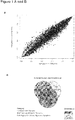
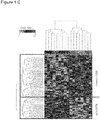
- FIG. 1C gives a graphical representation of differential methylation patterns by using hierarchical clustering on the Euclidian distance. The heat map shows the patterns of higher- and lower methylated genes in DCM patients and controls.
- methylation patterns of single genes were used to define candidates for a mass-spectrometry-based fine-mapping.
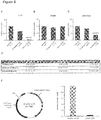
- Figure 2A and B show the five most hyper- and hypomethylated genes, while C details the 20 most significantly dys-methylated genes of the screening stage. The final selection was based on either unadjusted p-values or absolute methylation difference, CGI localization, capability to design specific assay probes, and known expression in the heart.
- DNA methylation is often correlated with changes in the accessibility of DNA to transcriptional activators, enhancers, or repressors.
- q-PCR quantitative PCR
- CTCF aberrantly methylated CGI-1 two potential repressor sites
- CGI-2 one repressor site
- CGI-3 one repressor site
- both hypomethylated CGIs (1 and 2) carry CTCF binding sites, which were recently identified as epigenetic key regulators in various other diseases.
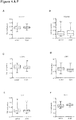
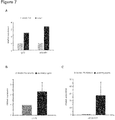
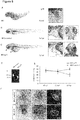
- adora2a and ly75 are highly expressed in the zebrafish heart using q-PCR and RNA antisense in-situ hybridization ( FIG. 7 , 8 and 9 ). Additionally, as shown in cultured neonatal rat cells, both genes are higher expressed in cardiomyocytes than in cardiofibroblasts ( Fig. 7B, C ). Hence, to recapitulate the downregulation of both genes as observed in the human heart, we inactivated them in zebrafish embryos by injection of Morpholino-modified antisense oligonucleotides directed against the splice donor-site of ly75 or the translational start-site of adora2a.
- ly75-morphailts showed a pronounced detachment and edema of the skin especially noticeable in the eye and head region ( Fig. 8C ).
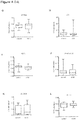
- MO- adora2a injected embryos also developed severe heart failure with progressively decreasing ventricular contractility as measured by fractional shortening ( Fig. 9E ).
- the ventricular contractility of adora2a -morphants decreased from 47 ⁇ 11% at 48 hpf to 39 ⁇ 8% at 72 hpf.
- 96 hpf both heart chambers became almost silent.
- atrial fibrillation in adora2a -morphants and embryos developed excessive pericardial effusion and precardial blood congestion as consequence of the reduced cardiac function.
- l y75- and adora2a- morphants we saw no alterations in the molecular chamber specification and expression of atrial and ventricular myosin heavy chain genes ( Fig. 8 and 9 ).
- erbb3b For investigating the functional role of ERBB3, we also used the zebrafish as animal model. We find homology of 56% between human and zebrafish orthologues sequence of ERBB3. Knock-down of erbb3b results in a similar, but earlier phenotype as adora2a. Already by 72 hpf, 86% of injected erbb3b -morphants suffer from significantly reduced cardiac contractility, reduced blood flow through the atrium and ventricle, and pericardial effusion (data not shown). FS at 96 hpf is reduced to 21 ⁇ 4% and blood aggregates at the cardiac inflow tract (data not shown).
- erbb3b -morphants show regurgitation of blood into the ventricle (data not shown), suggesting impaired cardiac valve development.
- cDNA splice-site analysis revealed a completely insertion of intron 2 as well a partial exclusion exon 2 producing an aberrant, frameshifted transcripts with premature termination codons.
Landscapes
- Chemical & Material Sciences (AREA)
- Life Sciences & Earth Sciences (AREA)
- Proteomics, Peptides & Aminoacids (AREA)
- Health & Medical Sciences (AREA)
- Organic Chemistry (AREA)
- Wood Science & Technology (AREA)
- Analytical Chemistry (AREA)
- Zoology (AREA)
- Genetics & Genomics (AREA)
- Engineering & Computer Science (AREA)
- Pathology (AREA)
- Immunology (AREA)
- Microbiology (AREA)
- Molecular Biology (AREA)
- Biotechnology (AREA)
- Biophysics (AREA)
- Physics & Mathematics (AREA)
- Biochemistry (AREA)
- Bioinformatics & Cheminformatics (AREA)
- General Engineering & Computer Science (AREA)
- General Health & Medical Sciences (AREA)
- Measuring Or Testing Involving Enzymes Or Micro-Organisms (AREA)
Claims (10)
- Verwendung eines DNA-Methylierungsprofils einer Patientenprobe umfassend genomische DNA von Herzzellen, Herzgewebe oder periphärem Blut für die Diagnose und/oder das Therapiemonitoring von dilitativer Kardiomyopathie (DCM) oder Herzversagen in einem Patienten,
wobei das DNA-Methylierungsprofil der Patientenprobe mit dem DNA-Methylierungsprofil einer Kontrollprobe verglichen wird,
und wobei ein Unterschied im DNA-Methylierungsprofil der Patientenprobe im Vergleich zur Kontrollprobe indikativ für DCM oder Herzversagen ist oder für das Risiko DCM oder Herzversagen zu entwickeln oder für die Vorhersage von Therapieeffekten oder Therapieausgang,
wobei der Unterschied im DNA-Methylierungsprofil der Patientenprobe im Vergleich zum DNA-Methylierungsprofil der Kontrollprobe ein unterschiedlicher Grad der CpG Methylierung ist und wobei der Methylierungsspiegel mindestens des Gens LY75 (SEQ ID NO. 3) in der Patientenprobe höher ist im Vergleich zur Kontrollprobe,
wobei die Patientenprobe eine Probe von linkem ventrikulären Gewebe, rechtem ventrikulären Gewebe oder periphärem Blut ist, und wobei die Kontrollprobe von einem normalen Subjekt stammt, das keine Herzerkrankung hat oder eine normale Herzfunktion hat. - Verwendung gemäß Anspruch 1, wobei das DNA-Methylierungsprofil der Patientenprobe im Zeitablauf zu verschiedenen Zeitpunkten bestimmt wird, bevorzugt während des Therapiemonitoring.
- Verwendung gemäß Anspruch 1 oder 2, wobei der Methylierungsspiegel mindestens eines der folgenden weiteren Gene in der Patientenprobe unterschiedlich ist im Vergleich zur Kontrollprobe:
Adenosinrezeptor A2A (ADORA2A) SEQ ID NO. 1 ERBB3 SEQ ID NO. 2 HOXB13 SEQ ID NO. 4 PPARGC1A SEQ ID NO. 10 SLC9A6 SEQ ID NO. 17 FIX1 SEQ ID NO. 7 ATP2C SEQ ID NO. 14 CCDC59 SEQ ID NO. 15 CLDN4 SEQ ID NO. 6 GFI1 SEQ ID NO. 5 GSTM5m SEQ ID NO. 16 ID4 SEQ ID NO. 8 NAT1 SEQ ID NO. 9 SULF2 SEQ ID NO. 11 TDG SEQ ID NO. 18 TFF1 SEQ ID NO. 12 TKT SEQ ID NO. 13 - Verwendung gemäß Anspruch 3, wobei der Methylierungsspiegel von mindestens einem von ADORA2A, ERBB3, HOXB13, CLDN4, FDX1, ID4, NAT1, PPARGC1A, SULF2, TFF1 und TKT (SEQ ID NOs. 1, 2, 4, 6-13) in der Patientenprobe reduziert ist im Vergleich zur Kontrollprobe (Hypomethylierung), bevorzugt mindestens eines von ADORA2A, ERBB3, HOXB13,
oder wobei der Methylierungsspiegel von mindestens einem von GFI1, ATP2C, CCDC59, GSTM5m, SLC9A6 und TDG (SEQ ID NOs. 5, 14-18) in der Patientenprobe höher ist im Vergleich zur Kontrollprobe (Hypermethylierung). - Verwendung gemäß einem der vorhergehenden Ansprüche, umfassend in Kontakt bringen genomischer DNA isoliert aus der Patientenprobe mit mindestens einem Reagenz, das zwischen methylierten und nicht- methylierten CpG Dinukleotiden unterscheidet.
- Kit für die Diagnosis und/oder das Therapiemonitoring von dilitativer Kardiomyopathie (DCM) oder Herzversagen in einem Patienten gemäß einem der Ansprüche 1 bis 5, bestehend aus
mindestens 2 Sets an Oligonukleotiden, wobei die Oligonukleotide eines Sets identisch sind zu, komplementär sind zu oder unter stringenten Bedingungen an ein mindestens 15 Nukleotide langes Segment einer Nukleinsäuresequenz mit SEQ ID NO. 3 hybridisieren, und wobei die Oligonukleotide jedes weiteren Sets identisch sind zu, komplementär sind zu oder unter stringenten Bedingungen an ein mindestens 15 Nukleotide langes Segment einer Nukleinsäuresequenz ausgewählt aus SEQ ID NOs. 1, 2 und 4 bis 18 hybridisieren; und
optional, einem Reagenz, das zwischen methylierten und nicht-methylierten CpG Dinukleotiden unterscheidet. - Kit gemäß Anspruch 6, geeignet für die Verwendung mit Next Generation Sequenzierungstechniken, Polymerase-basierten sowie Ligase-basierten Sequenzierungstechnologien, wie Pyrosequenzierung, Sequenzierung durch Ligation, Einzelmolekül- Sequenzierung oder Nanoporen Sequenzierung allein oder in Kombination mit der Bisulfitbehandlung von Cytosin-Nukleotiden.
- Verwendung von LY75 als Marker für die Diagnose und/oder das Therapiemonitoring von dilitativer Kardiomyopathie (DCM) oder Herzversagen in einem Patienten,
umfassend das Bestimmen des Methylierungsspiegels von SEQ ID NO. 3 in einer Patientenprobe umfassend genomische DNA von Herzzellen, Herzgewebe oder periphärem Blut; und das Vergleichen davon mit dem Methylierungsspiegel von einem normalen Subjekt, das keine Herzerkrankung hat,
wobei ein Unterschied im DNA-Methylierungsprofil indikativ für DCM oder Herzversagen ist oder für das Risiko DCM oder Herzversagen zu entwickeln oder für die Vorhersage von Therapieeffekten oder Therapieausgang,
wobei die Patientenprobe eine Probe von linkem ventrikulären Gewebe, rechtem ventrikulären Gewebe oder periphärem Blut ist, und wobei die Kontrollprobe von einem normalen Subjekt stammt, das keine Herzerkrankung hat oder eine normale Herzfunktion hat. - Die Verwendung als Marker gemäß Anspruch 8, umfassend die weitere Verwendung von mindestens einem von ADORA2A, ERBB3, HOXB13, GFI1, CLDN4, FDX1, ID4, NAT1, PPARGC1A, SULF2, TFF1, TKT, ATP2C, CCDC59, GSTM5m, SLC9A6 und TDG als Marker für die Diagnose, Prognose und/oder das Therapiemonitoring einer Herzerkrankung in einem Patienten,
bevorzugt mindestens eines von ADORA2A, ERBB3, und HOXB13. - Die Verwendung als Marker gemäß einem der Ansprüche 8 oder 9, umfassend das Bestimmen des Methylierungsspiegels von mindestens einer von SEQ ID NOs. 1, 2 und 4 bis 18 in einer Patientenprobe umfassend genomische DNA von Herzzellen, Herzgewebe oder periphärem Blut; und das Vergleichen davon mit dem Methylierungsspiegel von einem normalen Subjekt, das keine Herzerkrankung hat,
wobei ein Unterschied im DNA-Methylierungsprofil indikativ für eine Herzerkrankung ist oder für das Risiko eine Herzerkrankung zu entwickeln oder für die Vorhersage von Therapieeffekten oder Therapieausgang,
Applications Claiming Priority (2)
| Application Number | Priority Date | Filing Date | Title |
|---|---|---|---|
| US201261610841P | 2012-03-14 | 2012-03-14 | |
| PCT/EP2013/055267 WO2013135830A1 (en) | 2012-03-14 | 2013-03-14 | Epigenetic signatures as marker for cardiomyopathies and myocardial insufficiencies |
Publications (2)
| Publication Number | Publication Date |
|---|---|
| EP2825665A1 EP2825665A1 (de) | 2015-01-21 |
| EP2825665B1 true EP2825665B1 (de) | 2017-09-06 |
Family
ID=47878066
Family Applications (1)
| Application Number | Title | Priority Date | Filing Date |
|---|---|---|---|
| EP13709132.8A Active EP2825665B1 (de) | 2012-03-14 | 2013-03-14 | Epigenetische signaturen als marker für kardiomyopathie und herzmuskelinsuffizienz |
Country Status (4)
| Country | Link |
|---|---|
| US (1) | US9938580B2 (de) |
| EP (1) | EP2825665B1 (de) |
| ES (1) | ES2650387T3 (de) |
| WO (1) | WO2013135830A1 (de) |
Families Citing this family (14)
| Publication number | Priority date | Publication date | Assignee | Title |
|---|---|---|---|---|
| US20160289762A1 (en) | 2012-01-27 | 2016-10-06 | The Board Of Trustees Of The Leland Stanford Junior University | Methods for profiliing and quantitating cell-free rna |
| HK1211624A1 (en) | 2012-01-27 | 2016-05-27 | The Board Of Trustees Of The University Of The Leland Stanford Junior University | Methods for profiling and quantitating cell-free rna |
| WO2016048388A1 (en) * | 2014-09-26 | 2016-03-31 | Somalogic, Inc. | Cardiovascular risk event prediction and uses thereof |
| AU2016269632B2 (en) | 2015-05-29 | 2021-09-09 | Mla Diagnostics B.V. | Method for identifying subjects with aggressive melanoma skin cancer at diagnosis |
| US20190071795A1 (en) * | 2016-03-09 | 2019-03-07 | Molecular Stethoscope, Inc. | Methods and systems for detecting tissue conditions |
| CN109906275B (zh) | 2016-06-08 | 2023-05-12 | 爱荷华大学研究基金会 | 检测心血管疾病易感性的组合物和方法 |
| CN109996893A (zh) * | 2016-07-07 | 2019-07-09 | 西门子医疗有限公司 | 鉴定心脏发育基因模式的表观基因组范围相关的研究和一类新的心力衰竭生物标记物 |
| SG10201705285SA (en) | 2017-06-27 | 2019-01-30 | Agency Science Tech & Res | Antisense oligonucleotides |
| GB2615975B (en) | 2019-02-14 | 2023-11-29 | Mirvie Inc | Methods and systems for determining a pregnancy-related state of a subject |
| GB201902077D0 (en) * | 2019-02-14 | 2019-04-03 | Univ College Dublin Nat Univ Ireland Dublin | Biomarkers |
| CN111041086B (zh) * | 2019-11-25 | 2022-07-19 | 济南市儿童医院(山东大学齐鲁儿童医院) | Rpl13基因先天性心脏病易感snp位点及其应用 |
| CN111064662B (zh) * | 2020-01-02 | 2021-05-25 | 重庆紫光华山智安科技有限公司 | 虚拟路由冗余协议配置方法及相关装置 |
| CN113837493B (zh) * | 2021-10-27 | 2024-03-29 | 广东工业大学 | 水库下游tdg浓度生成预测方法及装置 |
| CN113999901B (zh) * | 2021-10-28 | 2023-07-21 | 中国医学科学院阜外医院 | 心肌特异性甲基化标记物 |
Family Cites Families (1)
| Publication number | Priority date | Publication date | Assignee | Title |
|---|---|---|---|---|
| DE10032529A1 (de) * | 2000-06-30 | 2002-02-07 | Epigenomics Ag | Diagnose von bedeutenden genetischen Parametern innerhalb des Major Histocompatibility Complex (MHC) |
-
2013
- 2013-03-14 EP EP13709132.8A patent/EP2825665B1/de active Active
- 2013-03-14 ES ES13709132.8T patent/ES2650387T3/es active Active
- 2013-03-14 WO PCT/EP2013/055267 patent/WO2013135830A1/en not_active Ceased
- 2013-03-14 US US14/384,955 patent/US9938580B2/en active Active
Non-Patent Citations (1)
| Title |
|---|
| None * |
Also Published As
| Publication number | Publication date |
|---|---|
| ES2650387T3 (es) | 2018-01-18 |
| EP2825665A1 (de) | 2015-01-21 |
| US20150065355A1 (en) | 2015-03-05 |
| US9938580B2 (en) | 2018-04-10 |
| WO2013135830A1 (en) | 2013-09-19 |
Similar Documents
| Publication | Publication Date | Title |
|---|---|---|
| EP2825665B1 (de) | Epigenetische signaturen als marker für kardiomyopathie und herzmuskelinsuffizienz | |
| US12529110B2 (en) | Method of diagnosing bladder cancer | |
| Haas et al. | Alterations in cardiac DNA methylation in human dilated cardiomyopathy | |
| US11725249B2 (en) | Methods for identifying cancer risk | |
| Ramanand et al. | The landscape of RNA polymerase II–associated chromatin interactions in prostate cancer | |
| Boer et al. | Tyrosine kinase fusion genes in pediatric BCR-ABL1-like acute lymphoblastic leukemia | |
| US10370725B2 (en) | FGR fusions | |
| EP3155131B1 (de) | Raf1 fusionsproteine und fusionsgene | |
| JP6216486B2 (ja) | 低頻度反復性遺伝的変異の注意欠陥多動性障害への関連ならびに診断および治療のためのその使用方法 | |
| Sarda et al. | Distal CpG islands can serve as alternative promoters to transcribe genes with silenced proximal promoters | |
| Goh et al. | Integrative analysis of array-comparative genomic hybridisation and matched gene expression profiling data reveals novel genes with prognostic significance in oesophageal adenocarcinoma | |
| EP2885427A1 (de) | Kolorektalkrebsmarker | |
| Cattaneo et al. | DOT1L regulates chamber-specific transcriptional networks during cardiogenesis and mediates postnatal cell cycle withdrawal | |
| Papageorgiou et al. | Identification and validation of the microRNA response elements in the 3′-untranslated region of the UDP glucuronosyltransferase (UGT) 2B7 and 2B15 genes by a functional genomics approach | |
| Pan et al. | Aberrant DNA methylation of miRNAs in Fuchs endothelial corneal dystrophy | |
| KR20130094342A (ko) | 인간 표피 성장 인자 수용체 유전자 내의 돌연변이를 탐지하기 위한 방법 및 조성물 | |
| KR102549013B1 (ko) | 췌장암 진단을 위한 메틸화 마커 유전자 및 이의 용도 | |
| Cui et al. | Regulatory landscape and clinical implication of MBD3 in human malignant glioma | |
| EP3168310A1 (de) | Methylierungsmarker für kolorektalkrebs | |
| JP7539837B2 (ja) | 配偶子形成 | |
| Fennell et al. | Genome scale epigenetic profiling reveals five distinct subtypes of colorectal cancer | |
| Jacobi et al. | EZH2 alters aggressive variant prostate cancer subtype evolution, but is not required for neuroendocrine prostate cancer | |
| Cattaneo et al. | The epigenetic modifier DOT1L regulates gene regulatory networks necessary for cardiac patterning and cardiomyocyte cell cycle withdrawal | |
| Tirelli | Functional role of non-coding regulatory variants in Neuroblastoma | |
| Weiss | Identification and mechanistic characterization of DLX6-AS1 lncRNA in prostate cancer |
Legal Events
| Date | Code | Title | Description |
|---|---|---|---|
| PUAI | Public reference made under article 153(3) epc to a published international application that has entered the european phase |
Free format text: ORIGINAL CODE: 0009012 |
|
| 17P | Request for examination filed |
Effective date: 20141001 |
|
| AK | Designated contracting states |
Kind code of ref document: A1 Designated state(s): AL AT BE BG CH CY CZ DE DK EE ES FI FR GB GR HR HU IE IS IT LI LT LU LV MC MK MT NL NO PL PT RO RS SE SI SK SM TR |
|
| AX | Request for extension of the european patent |
Extension state: BA ME |
|
| DAX | Request for extension of the european patent (deleted) | ||
| 17Q | First examination report despatched |
Effective date: 20151106 |
|
| GRAP | Despatch of communication of intention to grant a patent |
Free format text: ORIGINAL CODE: EPIDOSNIGR1 |
|
| INTG | Intention to grant announced |
Effective date: 20170411 |
|
| GRAS | Grant fee paid |
Free format text: ORIGINAL CODE: EPIDOSNIGR3 |
|
| GRAA | (expected) grant |
Free format text: ORIGINAL CODE: 0009210 |
|
| AK | Designated contracting states |
Kind code of ref document: B1 Designated state(s): AL AT BE BG CH CY CZ DE DK EE ES FI FR GB GR HR HU IE IS IT LI LT LU LV MC MK MT NL NO PL PT RO RS SE SI SK SM TR |
|
| REG | Reference to a national code |
Ref country code: GB Ref legal event code: FG4D |
|
| REG | Reference to a national code |
Ref country code: CH Ref legal event code: EP Ref country code: AT Ref legal event code: REF Ref document number: 925998 Country of ref document: AT Kind code of ref document: T Effective date: 20170915 |
|
| REG | Reference to a national code |
Ref country code: IE Ref legal event code: FG4D |
|
| REG | Reference to a national code |
Ref country code: DE Ref legal event code: R096 Ref document number: 602013026107 Country of ref document: DE |
|
| REG | Reference to a national code |
Ref country code: NL Ref legal event code: FP |
|
| REG | Reference to a national code |
Ref country code: ES Ref legal event code: FG2A Ref document number: 2650387 Country of ref document: ES Kind code of ref document: T3 Effective date: 20180118 |
|
| REG | Reference to a national code |
Ref country code: LT Ref legal event code: MG4D |
|
| PG25 | Lapsed in a contracting state [announced via postgrant information from national office to epo] |
Ref country code: LT Free format text: LAPSE BECAUSE OF FAILURE TO SUBMIT A TRANSLATION OF THE DESCRIPTION OR TO PAY THE FEE WITHIN THE PRESCRIBED TIME-LIMIT Effective date: 20170906 Ref country code: HR Free format text: LAPSE BECAUSE OF FAILURE TO SUBMIT A TRANSLATION OF THE DESCRIPTION OR TO PAY THE FEE WITHIN THE PRESCRIBED TIME-LIMIT Effective date: 20170906 Ref country code: FI Free format text: LAPSE BECAUSE OF FAILURE TO SUBMIT A TRANSLATION OF THE DESCRIPTION OR TO PAY THE FEE WITHIN THE PRESCRIBED TIME-LIMIT Effective date: 20170906 Ref country code: SE Free format text: LAPSE BECAUSE OF FAILURE TO SUBMIT A TRANSLATION OF THE DESCRIPTION OR TO PAY THE FEE WITHIN THE PRESCRIBED TIME-LIMIT Effective date: 20170906 Ref country code: NO Free format text: LAPSE BECAUSE OF FAILURE TO SUBMIT A TRANSLATION OF THE DESCRIPTION OR TO PAY THE FEE WITHIN THE PRESCRIBED TIME-LIMIT Effective date: 20171206 |
|
| REG | Reference to a national code |
Ref country code: AT Ref legal event code: MK05 Ref document number: 925998 Country of ref document: AT Kind code of ref document: T Effective date: 20170906 |
|
| PG25 | Lapsed in a contracting state [announced via postgrant information from national office to epo] |
Ref country code: GR Free format text: LAPSE BECAUSE OF FAILURE TO SUBMIT A TRANSLATION OF THE DESCRIPTION OR TO PAY THE FEE WITHIN THE PRESCRIBED TIME-LIMIT Effective date: 20171207 Ref country code: LV Free format text: LAPSE BECAUSE OF FAILURE TO SUBMIT A TRANSLATION OF THE DESCRIPTION OR TO PAY THE FEE WITHIN THE PRESCRIBED TIME-LIMIT Effective date: 20170906 Ref country code: RS Free format text: LAPSE BECAUSE OF FAILURE TO SUBMIT A TRANSLATION OF THE DESCRIPTION OR TO PAY THE FEE WITHIN THE PRESCRIBED TIME-LIMIT Effective date: 20170906 Ref country code: BG Free format text: LAPSE BECAUSE OF FAILURE TO SUBMIT A TRANSLATION OF THE DESCRIPTION OR TO PAY THE FEE WITHIN THE PRESCRIBED TIME-LIMIT Effective date: 20171206 |
|
| REG | Reference to a national code |
Ref country code: FR Ref legal event code: PLFP Year of fee payment: 6 |
|
| PG25 | Lapsed in a contracting state [announced via postgrant information from national office to epo] |
Ref country code: RO Free format text: LAPSE BECAUSE OF FAILURE TO SUBMIT A TRANSLATION OF THE DESCRIPTION OR TO PAY THE FEE WITHIN THE PRESCRIBED TIME-LIMIT Effective date: 20170906 Ref country code: PL Free format text: LAPSE BECAUSE OF FAILURE TO SUBMIT A TRANSLATION OF THE DESCRIPTION OR TO PAY THE FEE WITHIN THE PRESCRIBED TIME-LIMIT Effective date: 20170906 Ref country code: CZ Free format text: LAPSE BECAUSE OF FAILURE TO SUBMIT A TRANSLATION OF THE DESCRIPTION OR TO PAY THE FEE WITHIN THE PRESCRIBED TIME-LIMIT Effective date: 20170906 |
|
| PG25 | Lapsed in a contracting state [announced via postgrant information from national office to epo] |
Ref country code: SK Free format text: LAPSE BECAUSE OF FAILURE TO SUBMIT A TRANSLATION OF THE DESCRIPTION OR TO PAY THE FEE WITHIN THE PRESCRIBED TIME-LIMIT Effective date: 20170906 Ref country code: EE Free format text: LAPSE BECAUSE OF FAILURE TO SUBMIT A TRANSLATION OF THE DESCRIPTION OR TO PAY THE FEE WITHIN THE PRESCRIBED TIME-LIMIT Effective date: 20170906 Ref country code: AT Free format text: LAPSE BECAUSE OF FAILURE TO SUBMIT A TRANSLATION OF THE DESCRIPTION OR TO PAY THE FEE WITHIN THE PRESCRIBED TIME-LIMIT Effective date: 20170906 Ref country code: IS Free format text: LAPSE BECAUSE OF FAILURE TO SUBMIT A TRANSLATION OF THE DESCRIPTION OR TO PAY THE FEE WITHIN THE PRESCRIBED TIME-LIMIT Effective date: 20180106 Ref country code: SM Free format text: LAPSE BECAUSE OF FAILURE TO SUBMIT A TRANSLATION OF THE DESCRIPTION OR TO PAY THE FEE WITHIN THE PRESCRIBED TIME-LIMIT Effective date: 20170906 |
|
| REG | Reference to a national code |
Ref country code: DE Ref legal event code: R097 Ref document number: 602013026107 Country of ref document: DE |
|
| PLBE | No opposition filed within time limit |
Free format text: ORIGINAL CODE: 0009261 |
|
| STAA | Information on the status of an ep patent application or granted ep patent |
Free format text: STATUS: NO OPPOSITION FILED WITHIN TIME LIMIT |
|
| PG25 | Lapsed in a contracting state [announced via postgrant information from national office to epo] |
Ref country code: DK Free format text: LAPSE BECAUSE OF FAILURE TO SUBMIT A TRANSLATION OF THE DESCRIPTION OR TO PAY THE FEE WITHIN THE PRESCRIBED TIME-LIMIT Effective date: 20170906 |
|
| 26N | No opposition filed |
Effective date: 20180607 |
|
| PG25 | Lapsed in a contracting state [announced via postgrant information from national office to epo] |
Ref country code: SI Free format text: LAPSE BECAUSE OF FAILURE TO SUBMIT A TRANSLATION OF THE DESCRIPTION OR TO PAY THE FEE WITHIN THE PRESCRIBED TIME-LIMIT Effective date: 20170906 |
|
| REG | Reference to a national code |
Ref country code: CH Ref legal event code: PL |
|
| PG25 | Lapsed in a contracting state [announced via postgrant information from national office to epo] |
Ref country code: MC Free format text: LAPSE BECAUSE OF FAILURE TO SUBMIT A TRANSLATION OF THE DESCRIPTION OR TO PAY THE FEE WITHIN THE PRESCRIBED TIME-LIMIT Effective date: 20170906 |
|
| REG | Reference to a national code |
Ref country code: IE Ref legal event code: MM4A |
|
| PG25 | Lapsed in a contracting state [announced via postgrant information from national office to epo] |
Ref country code: LU Free format text: LAPSE BECAUSE OF NON-PAYMENT OF DUE FEES Effective date: 20180314 |
|
| PG25 | Lapsed in a contracting state [announced via postgrant information from national office to epo] |
Ref country code: IE Free format text: LAPSE BECAUSE OF NON-PAYMENT OF DUE FEES Effective date: 20180314 |
|
| PG25 | Lapsed in a contracting state [announced via postgrant information from national office to epo] |
Ref country code: CH Free format text: LAPSE BECAUSE OF NON-PAYMENT OF DUE FEES Effective date: 20180331 Ref country code: LI Free format text: LAPSE BECAUSE OF NON-PAYMENT OF DUE FEES Effective date: 20180331 |
|
| PG25 | Lapsed in a contracting state [announced via postgrant information from national office to epo] |
Ref country code: MT Free format text: LAPSE BECAUSE OF NON-PAYMENT OF DUE FEES Effective date: 20180314 |
|
| PG25 | Lapsed in a contracting state [announced via postgrant information from national office to epo] |
Ref country code: TR Free format text: LAPSE BECAUSE OF FAILURE TO SUBMIT A TRANSLATION OF THE DESCRIPTION OR TO PAY THE FEE WITHIN THE PRESCRIBED TIME-LIMIT Effective date: 20170906 |
|
| PG25 | Lapsed in a contracting state [announced via postgrant information from national office to epo] |
Ref country code: PT Free format text: LAPSE BECAUSE OF FAILURE TO SUBMIT A TRANSLATION OF THE DESCRIPTION OR TO PAY THE FEE WITHIN THE PRESCRIBED TIME-LIMIT Effective date: 20170906 Ref country code: HU Free format text: LAPSE BECAUSE OF FAILURE TO SUBMIT A TRANSLATION OF THE DESCRIPTION OR TO PAY THE FEE WITHIN THE PRESCRIBED TIME-LIMIT; INVALID AB INITIO Effective date: 20130314 |
|
| PG25 | Lapsed in a contracting state [announced via postgrant information from national office to epo] |
Ref country code: CY Free format text: LAPSE BECAUSE OF FAILURE TO SUBMIT A TRANSLATION OF THE DESCRIPTION OR TO PAY THE FEE WITHIN THE PRESCRIBED TIME-LIMIT Effective date: 20170906 Ref country code: MK Free format text: LAPSE BECAUSE OF NON-PAYMENT OF DUE FEES Effective date: 20170906 |
|
| PG25 | Lapsed in a contracting state [announced via postgrant information from national office to epo] |
Ref country code: AL Free format text: LAPSE BECAUSE OF FAILURE TO SUBMIT A TRANSLATION OF THE DESCRIPTION OR TO PAY THE FEE WITHIN THE PRESCRIBED TIME-LIMIT Effective date: 20170906 |
|
| P01 | Opt-out of the competence of the unified patent court (upc) registered |
Effective date: 20230515 |
|
| PGFP | Annual fee paid to national office [announced via postgrant information from national office to epo] |
Ref country code: NL Payment date: 20240320 Year of fee payment: 12 |
|
| PGFP | Annual fee paid to national office [announced via postgrant information from national office to epo] |
Ref country code: DE Payment date: 20240321 Year of fee payment: 12 Ref country code: GB Payment date: 20240322 Year of fee payment: 12 |
|
| PGFP | Annual fee paid to national office [announced via postgrant information from national office to epo] |
Ref country code: IT Payment date: 20240329 Year of fee payment: 12 Ref country code: FR Payment date: 20240320 Year of fee payment: 12 Ref country code: BE Payment date: 20240320 Year of fee payment: 12 |
|
| PGFP | Annual fee paid to national office [announced via postgrant information from national office to epo] |
Ref country code: ES Payment date: 20240417 Year of fee payment: 12 |
|
| REG | Reference to a national code |
Ref country code: DE Ref legal event code: R119 Ref document number: 602013026107 Country of ref document: DE |
|
| REG | Reference to a national code |
Ref country code: NL Ref legal event code: MM Effective date: 20250401 |
|
| GBPC | Gb: european patent ceased through non-payment of renewal fee |
Effective date: 20250314 |
|
| REG | Reference to a national code |
Ref country code: BE Ref legal event code: MM Effective date: 20250331 |
|
| PG25 | Lapsed in a contracting state [announced via postgrant information from national office to epo] |
Ref country code: NL Free format text: LAPSE BECAUSE OF NON-PAYMENT OF DUE FEES Effective date: 20250401 |
|
| PG25 | Lapsed in a contracting state [announced via postgrant information from national office to epo] |
Ref country code: DE Free format text: LAPSE BECAUSE OF NON-PAYMENT OF DUE FEES Effective date: 20251001 |
|
| PG25 | Lapsed in a contracting state [announced via postgrant information from national office to epo] |
Ref country code: GB Free format text: LAPSE BECAUSE OF NON-PAYMENT OF DUE FEES Effective date: 20250314 |
|
| PG25 | Lapsed in a contracting state [announced via postgrant information from national office to epo] |
Ref country code: IT Free format text: LAPSE BECAUSE OF NON-PAYMENT OF DUE FEES Effective date: 20250314 Ref country code: FR Free format text: LAPSE BECAUSE OF NON-PAYMENT OF DUE FEES Effective date: 20250331 |
|
| PG25 | Lapsed in a contracting state [announced via postgrant information from national office to epo] |
Ref country code: BE Free format text: LAPSE BECAUSE OF NON-PAYMENT OF DUE FEES Effective date: 20250331 |