EP2829986A1 - Computersystem sowie zugriffsverfahren und -vorrichtung für express-endpunktverbindungsvorrichtungen für peripheriekomponenten - Google Patents
Computersystem sowie zugriffsverfahren und -vorrichtung für express-endpunktverbindungsvorrichtungen für peripheriekomponenten Download PDFInfo
- Publication number
- EP2829986A1 EP2829986A1 EP13791889.2A EP13791889A EP2829986A1 EP 2829986 A1 EP2829986 A1 EP 2829986A1 EP 13791889 A EP13791889 A EP 13791889A EP 2829986 A1 EP2829986 A1 EP 2829986A1
- Authority
- EP
- European Patent Office
- Prior art keywords
- access request
- endpoint device
- pcie endpoint
- response message
- simulation response
- Prior art date
- Legal status (The legal status is an assumption and is not a legal conclusion. Google has not performed a legal analysis and makes no representation as to the accuracy of the status listed.)
- Granted
Links
Images




Classifications
-
- G—PHYSICS
- G06—COMPUTING OR CALCULATING; COUNTING
- G06F—ELECTRIC DIGITAL DATA PROCESSING
- G06F11/00—Error detection; Error correction; Monitoring
- G06F11/30—Monitoring
- G06F11/3003—Monitoring arrangements specially adapted to the computing system or computing system component being monitored
- G06F11/3041—Monitoring arrangements specially adapted to the computing system or computing system component being monitored where the computing system component is an input/output interface
-
- G—PHYSICS
- G06—COMPUTING OR CALCULATING; COUNTING
- G06F—ELECTRIC DIGITAL DATA PROCESSING
- G06F11/00—Error detection; Error correction; Monitoring
- G06F11/004—Error avoidance
-
- G—PHYSICS
- G06—COMPUTING OR CALCULATING; COUNTING
- G06F—ELECTRIC DIGITAL DATA PROCESSING
- G06F11/00—Error detection; Error correction; Monitoring
- G06F11/30—Monitoring
- G06F11/3003—Monitoring arrangements specially adapted to the computing system or computing system component being monitored
- G06F11/3027—Monitoring arrangements specially adapted to the computing system or computing system component being monitored where the computing system component is a bus
-
- G—PHYSICS
- G06—COMPUTING OR CALCULATING; COUNTING
- G06F—ELECTRIC DIGITAL DATA PROCESSING
- G06F11/00—Error detection; Error correction; Monitoring
- G06F11/30—Monitoring
- G06F11/3055—Monitoring arrangements for monitoring the status of the computing system or of the computing system component, e.g. monitoring if the computing system is on, off, available, not available
-
- G—PHYSICS
- G06—COMPUTING OR CALCULATING; COUNTING
- G06F—ELECTRIC DIGITAL DATA PROCESSING
- G06F13/00—Interconnection of, or transfer of information or other signals between, memories, input/output devices or central processing units
- G06F13/10—Program control for peripheral devices
- G06F13/105—Program control for peripheral devices where the program performs an input/output emulation function
-
- G—PHYSICS
- G06—COMPUTING OR CALCULATING; COUNTING
- G06F—ELECTRIC DIGITAL DATA PROCESSING
- G06F13/00—Interconnection of, or transfer of information or other signals between, memories, input/output devices or central processing units
- G06F13/38—Information transfer, e.g. on bus
- G06F13/42—Bus transfer protocol, e.g. handshake; Synchronisation
- G06F13/4204—Bus transfer protocol, e.g. handshake; Synchronisation on a parallel bus
- G06F13/4221—Bus transfer protocol, e.g. handshake; Synchronisation on a parallel bus being an input/output bus, e.g. ISA bus, EISA bus, PCI bus, SCSI bus
-
- G—PHYSICS
- G06—COMPUTING OR CALCULATING; COUNTING
- G06F—ELECTRIC DIGITAL DATA PROCESSING
- G06F11/00—Error detection; Error correction; Monitoring
- G06F11/30—Monitoring
- G06F11/3089—Monitoring arrangements determined by the means or processing involved in sensing the monitored data, e.g. interfaces, connectors, sensors, probes, agents
-
- G—PHYSICS
- G06—COMPUTING OR CALCULATING; COUNTING
- G06F—ELECTRIC DIGITAL DATA PROCESSING
- G06F2213/00—Indexing scheme relating to interconnection of, or transfer of information or other signals between, memories, input/output devices or central processing units
- G06F2213/0026—PCI express
-
- G—PHYSICS
- G06—COMPUTING OR CALCULATING; COUNTING
- G06F—ELECTRIC DIGITAL DATA PROCESSING
- G06F2213/00—Indexing scheme relating to interconnection of, or transfer of information or other signals between, memories, input/output devices or central processing units
- G06F2213/40—Bus coupling
- G06F2213/4004—Universal serial bus hub with a plurality of upstream ports
Definitions
- Embodiments of the present Invention relate to computer technologies, and in particular, to a method, a computer system, and an apparatus for accessing a Peripheral Component Interconnect Express PCIe endpoint device.
- Peripheral component interconnect express (Peripheral Component Interconnect Express, PCIe) is a high-performance system bus used on a computing and communication platform.
- the PCIe bus is widely applied in a system interconnected where a CPU and peripheral devices are interconnected, and serves as a core service channel in computing and storage devices.
- peripheral devices interconnected with the CPU through a PCIe bus, such as a network adapter device or a solid state disk (Solid State Disk, SSD).
- SSD Solid State Disk
- the PCIe bus is widely applied as a bus interface of a server or a storage system.
- PCIe endpoint devices need to be added or removed with power uninterrupted, which is known as hot-swapping.
- PCIe hot-swapping conforms to the following procedures: An operator sends a hot-swap request by pressing a button; a hot-swap controller knows a hot-swap event, and then notifies all drivers that will possibly access the PCIe endpoint device in the system to stop accessing the PCIe endpoint device, and offloads resources of the PCIe endpoint device that needs to be hot-swapped; and then the PCIe endpoint device is powered off, and the operator unplugs the PCIe endpoint device.
- Embodiments of the present invention provide a method, a computer system, and an apparatus for accessing a Peripheral Component Interconnect Express PCIe endpoint device to prevent CPU resetting after a PCIe endpoint device gets offline abnormally.
- an embodiment of the present invention provides a computer system, including:
- the simulation response module is set in a signal transmission path between the processor and the PCIe endpoint device, and is specifically configured to receive an access request sent by the processor, forward the access request to the PCIe endpoint device, monitor whether a response message for the access request is received from the PCIe endpoint device, and if a response message for the access request is received from the PCIe endpoint device, record the message state of the access request as "finished".
- the computer system further includes: a PCIe switch, configured to connect to multiple PCIe endpoint devices to the processor, where a downstream port of the PCIe switch is connected to the multiple PCIe endpoint devices through the PCIe bus; and a port of the simulation response module is connected to an upstream port of the PCIe switch through the PCIe bus, and another port of the simulation response module is connected to the processor.
- a PCIe switch configured to connect to multiple PCIe endpoint devices to the processor, where a downstream port of the PCIe switch is connected to the multiple PCIe endpoint devices through the PCIe bus; and a port of the simulation response module is connected to an upstream port of the PCIe switch through the PCIe bus, and another port of the simulation response module is connected to the processor.
- the simulation response message for the access request includes a first typefirst type simulation response message or a second type simulation response message, where the first type simulation response message indicates that the PCIe endpoint device does not support the access request, and the second type simulation response message indicates that the PCIe endpoint device is abnormal; and the processor is further configured to abort subsequent access to the PCIe endpoint device according to the first type simulation response message or the second type simulation response message.
- the preset trigger condition is that the PCIe endpoint device goes offline abnormally; and correspondingly, the simulation response module is further configured to monitor whether the PCIe endpoint device goes offline abnormally, and determine the message state of the access request when it is determined that the PCIe endpoint device goes offline abnormally.
- the preset trigger condition is that of a timer of the access request times out; and correspondingly, the simulation response module is further configured to start a timer to perform timing for the access request sent by the processor, and upon timeout of the timer, determine the message state of the access request.
- a peripheral component interconnect express PCIe endpoint device accessing method is further provided, where a PCIe endpoint device accesses a computer system through a PCIe bus, and the method includes:
- the method further includes:
- the preset trigger condition is that the PCIe endpoint device goes offline abnormally; and the method further includes:
- the preset trigger condition is timeout of a timer of the access request; and the method further includes:
- a simulation response apparatus applied in a computer system, where a peripheral component interconnect express PCIe endpoint device accesses the computer system through a PCIe bus, and the apparatus includes:
- the apparatus further includes an interacting unit, configured to receive an access request sent by the processor, and forward the access request to the PCIe endpoint device; and the monitoring unit is specifically configured to monitor whether the interacting unit receives a response message for the access request sent by the PCIe endpoint device, and if a response message for the access request is received from the PCIe endpoint device, record the message state of the access request as "finished".
- a computer including a processor, a memory, a bus, and a communication interface, where the memory is configured to store computer-executable instructions, and the processor is connected to the memory through the bus; and when the computer runs, the processor executes the computer-executable instructions stored in the memory, so that the computer executes the peripheral component interconnect express PCIe endpoint device accessing method provided in the second aspect.
- a computer-readable medium including computer-executable instructions, where when a processor of a computer executes the computer-executable instructions, the computer executes the peripheral component interconnect express PCIe endpoint device accessing method provided in the second aspect.
- the message state of the access request sent by the processor can be monitored, and the simulation response message for the access request is sent to the processor when it is determined that the PCIe endpoint device sends no response message for the access request. Therefore, according to the simulation response message, the processor can confirm completion of the procedure corresponding to the previously sent access request, and shut down the timer for timing the access request and clear the buffered access request, thereby keeping normal processing in the processor and avoiding the MCE resetting problem that arises from accumulation of access requests in the processor.
- Embodiments of the present invention provide a method, a computer system, and an apparatus for accessing a Peripheral Component Interconnect Express PCIe endpoint device, so that when the PCIe endpoint device needs to be hot-swapped, a connection between a PCIe endpoint device and a processor is cut off directly, without notifying the system beforehand to perform preprocessing, and in this case, the processor does not suffer the risk of MCE resetting.
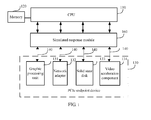
- FIG. 1 is a composition diagram of a computer system according to an embodiment of the present invention.
- the computer system illustrated in FIG. 1 includes a CPU 110 and a memory 120.
- a PCIe endpoint device 130 is connected to the CPU 110 through a PCIe bus 140, and can be plugged into or unplugged out of the computer system.
- the PCIe endpoint device 130 may be of various types, such as a graphic processing unit 131, a network adapter 132, a solid state disk 133, and a video acceleration component 134.
- the PCIe endpoint device 130 and the CPU 110 make up a PCIe domain, and all devices in the PCIe domain are connected to the CPU 110 through the PCIe bus 140 and controlled by the CPU 110.
- the CPU 110 After obtaining an operation instruction for accessing the PCIe endpoint device 130, the CPU 110 sends an access request to the PCIe endpoint device 130 according to the operation instruction, requesting to perform a read operation or a write operation on a register of the PCIe endpoint device 130. If the PCIe endpoint device 130 goes offline abnormally, the CPU 110 will fail to receive a response message for the access request of the CPU 110 from the PCIe endpoint device 130. In this case, the CPU considers the access request an unfinished task. If such unfinished tasks accumulate in the CPU to some extent, the CPU considers the entire system abnormal, and reports an MCE error and is reset.
- a simulation response module 160 is added in the system.
- the simulation response module 160 is configured to: after the CPU 110 sends the access request to the PCIe endpoint device 130, monitor a message state of the access request sent by the CPU 110; when a preset trigger condition is fulfilled, if the message state of the access request is still "unfinished", that is, if the PCIe endpoint device 130 sends no response message for the access request, the simulation response module 160 obtains a simulation response message for the access request and sends the simulation response message to the CPU 110.
- the simulation response message and the access request have the same message header, and the access request and the simulation response message correspond to each other. Therefore, the CPU considers the procedure corresponding to the previously sent access request as finished, shuts down a timer for timing the access request, and clears the access request buffered by the CPU.
- the message state of the access request includes “finished” or “unfinished”, where “finished” indicates that the PCIe endpoint device has sent a response message for the access request, and “unfinished” indicates that the PCIe endpoint device sends no response message for the access request.
- simulation response module 160 is further configured to: after the processor sends the access request to the PCIe endpoint device, generate a simulation response message for the access request, and buffer the simulation response message for the access request. Subsequently, the simulation response module 160 obtains the locally buffered simulation response message for the access request directly.
- the simulation response module can monitor the message state of the access request sent by the CPU, and send the simulation response message for the access request to the CPU when determining that the PCIe endpoint device sends no response message for the access request. Therefore, according to the simulation response message, the CPU can confirm completion of the procedure corresponding to the previously sent access request, and shut down the timer for timing the access request and clear the buffered access request, thereby keeping normal processing in the CPU and avoiding the MCE resetting problem that arises from accumulation of access requests in the CPU.
- the simulation response module 160 may monitor the message state of the access request by monitoring whether a response message for the access request is received from the PCIe endpoint device 130, and message if the simulation response module receives a response message for the access request from the PCIe endpoint device, the simulation response module records the message state of the access request as "finished".
- the simulation response module 160 may be set in a transmission path between the CPU 110 and each PCIe endpoint device 130 to ensure that all messages between the CPU 110 and each PCIe endpoint device 130 pass through the simulation response module 160. In this way, the simulation response module 160 may monitor the message state of the access request by monitoring whether a response message for the access request is received from the PCIe endpoint device 130. In another implementation manner, a pre-configuration may be performed on the PCIe endpoint device 130, so that when sending the response message to the CPU 110, the PCIe endpoint device 130 also sends the response message for the access request to the simulation response module.
- the simulation response module 160 can also monitor the message state of the access request according to whether a response message for the access request is received.
- a person skilled in the art can use other equivalent or similar implementation manners to enable the simulation response module 160 to monitor the message state of the access request.
- the simulation response module 160 is set in a signal transmission path between the CPU 110 and each PCIe endpoint device 130. In this way, the access request sent by the CPU 110 needs to pass through the simulation response module 160 before arriving at the PCIe endpoint device 130. Therefore, the simulation response module 160 may receive the access request, and because the message sent by the PCIe endpoint device needs to pass through the simulation response module 160 before arriving at the CPU 110, the simulation response module 160 may determine, according to whether the response message for the access request is received from the PCIe endpoint device 130, whether the PCIe endpoint device 130 has sent the response message for the access request, and record the message state of the access request.
- the simulation response module 160 may further buffer the access request. If the response message for the access request is received from the PCIe endpoint device 130 subsequently, the simulation response module 160 may affix a "finished" flag to the buffered access request, or delete the buffered access request. When the preset trigger condition is fulfilled, the simulation response module 160 may query the message state of the access request, that is, query a flag of the buffered access request or query the buffered access request.
- the simulation response module 160 determines that the message state of the access request is "unfinished", that is, the PCIe endpoint device 130 sends no response message for the access request. Therefore, the simulation response module 160 obtains the simulation response message for the access request, and sends the simulation response message to the CPU 110.
- the simulation response module 160 may generate the simulation response message for the access request beforehand, and buffer the generated simulation response message for the access request in association with the access request. Subsequently, the simulation response module 160 obtains the buffered simulation response message for the access request directly. Alternatively, the simulation response module 160 may not generate the simulation response message for the access request until it is determined that no response message for the access request is received from the PCIe endpoint device 130.
- the embodiment of the present invention does not limit the specific implementation manner.
- the multiple PCIe endpoint devices 130 may be connected to the CPU 110 through a PCIe switch 150.
- the system illustrated in FIG. 2 includes not only the components illustrated in FIG. 1 , but also a PCIe switch 150.
- An upstream port of the PCIe switch 150 is connected to the CPU 110 through the PCIe bus 140, and a downstream port provides a PCIe port for each PCIe endpoint device.
- Each PCIe port is connected to each PCIe endpoint device through the PCIe bus 140.
- the PCIe switch 150 is configured to route data downstream to a corresponding PCIe port, and route the data upstream to the CPU 110 from each independent PCIe port.
- the simulation response module 160 may be set in a signal transmission path between the CPU 110 and the PCIe switch 150, and is configured to: receive the access request sent by the CPU 110, and buffer the access request sent by the CPU 110; forward the access request to the PCIe endpoint device 130, and monitor the message state of the access request; if determining that the response message for the access request is received from the PCIe endpoint device 130, affix a "finished" flag to the locally buffered access request, or delete the locally buffered access request; and when the preset trigger condition is fulfilled, query a buffered flag of the access request or the buffered access request; if the flag of the access request indicates that the access request is "unfinished” or if the buffered access request is not deleted, the simulation response module 160 determines that the PCIe endpoint device 130 sends no response message for the access request, and obtains the simulation response message for the access request, and sends the simulation response message to the CPU 110.
- the preset trigger condition may be that the simulation response module 160 determines that the PCIe endpoint device 130 goes offline abnormally.
- the simulation response module 160 is further configured to monitor whether the PCIe endpoint device goes offline abnormally.
- the simulation response module 160 determines whether a notification (such as an interruption notification indicating that the PCIe endpoint device is plugged out of the system) indicating that the PCIe endpoint device 130 goes offline abnormally is received, and determines that the PCIe endpoint device 130 goes offline abnormally according to the notification indicating that the PCIe endpoint device 130 goes offline abnormally.
- the preset trigger condition may be timeout of a timer of the access request.
- the simulation response module 160 is further configured to start a timer for the access request sent by the PCIe endpoint device 130, and upon timeout of the timer, determine whether the PCIe endpoint device 130 has sent the response message for the access request. In the embodiments illustrated in FIG. 1 and FIG. 2 , the simulation response module 160 starts the timer for the access request after receiving the access request sent by the CPU 110 and buffering the access request.
- the simulation response module monitors the message state of the access request; when the preset trigger condition is fulfilled, if the message state of the access request is still "unfinished", the simulation response module sends the simulation response message for the access request to the CPU, and therefore, the CPU stops timing for determining whether the procedure corresponding to the access request is complete, and clears the locally buffered access request, thereby keeping normal processing in the CPU and avoiding the MCE resetting problem that arises from timeout of processing the access requests in the CPU.
- the simulation response message for the access request that is sent from the simulation response module 160 to the CPU 110 may include a first type simulation response message or a second type simulation response message.
- the first type simulation response message indicates that the PCIe endpoint device 130 does not support the access request
- the second type simulation response message indicates that the PCIe endpoint device 130 is abnormal.
- the CPU 110 is further configured to determine, according to the first type simulation response message or the second type simulation response message, failure of accessing the PCIe endpoint device 130, and accordingly, give up any more operation of reading the data.
- the type of the simulation response message is further clarified.
- the CPU can further confirm that the access is not successful, and accordingly, give up a next-step operation (for example, a read operation) of accessing the relevant data. Therefore, in a situation where the PCIe endpoint device goes offline abnormally, the embodiment of the present invention keeps normal processing of the CPU and prevents the CPU from performing unnecessary operations, thereby avoiding waste of system resources.
- the CPU 110 may have more than one access request, for example, send multiple access requests, to the accessed PCIe endpoint device.
- the simulation response module 160 may monitor a message state of each of the multiple access requests sent by the CPU, for example, buffer each of the multiple access requests; monitor whether a response message for each access request is received; when the preset trigger condition is fulfilled, collect statistics for the number of access requests whose response message is not received, and obtain the number of access requests whose message state is "unfinished" among the multiple access requests, and if the number exceeds a first threshold, obtain simulation response messages for the access requests, and send the simulation response messages to the processor.
- the CPU does not necessarily perform MCE resetting if only one access request lacks a received response message.
- the CPU has a tolerance, and does not perform the MCE resetting until the number of access requests without response messages accumulate to a certain value. Therefore, in this embodiment, the first threshold is set, and the simulation response module 160 does not send a simulation response message to the CPU until the number of access requests whose response message is not received exceeds the first threshold, thereby avoiding the MCE resetting of the CPU.
- the simulation response module 160 may be implemented in the form of software or hardware, and in an embodiment of the present invention, may be implemented in the form of an FPGA (Field-Programmable Gate Array).
- FPGA Field-Programmable Gate Array
- the CPU 110 in FIG. 1 and FIG. 2 is only an example.
- the CPU may also be a specific integrated circuit. Regardless of the form of the CPU, the CPU implements functions of the processor in the computer system.
- the computer system in the embodiment of the present invention may be a computing-type server or a route management server such as a switch. The present invention does not limit the specific implementation form of the computer system.
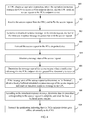
- FIG. 3 shows a PCIe endpoint device accessing procedure according to an embodiment of the present invention.
- the PCIe endpoint device accesses a computer system through a PCIe bus.
- the procedure includes:
- a simulation response module monitors a message state of an access request after a CPU in the computer system sends the access request to the PCIe endpoint devicesimulation responsemessage.
- the message state of the access request includes “finished” or “unfinished”, where “finished” indicates that the PCIe endpoint device has sent a response message for the access request, and “unfinished” indicates that the PCIe endpoint device sends no response message for the access request.
- the simulation response module may monitor the message state of the access request by monitoring whether a response message for the access request is received from the PCIe endpoint device, and if the simulation response module receives a response message for the access request from the PCIe endpoint device, the simulation response module records the message state of the access request as "finished".
- the simulation response module may be set in a signal transmission path between the CPU and the PCIe endpoint device. In this way, the simulation response module can receive both the access request from the CPU and the response message for the access request from the PCIe endpoint device.
- the simulation response module may buffer the access request after receiving the access request.
- the simulation response module affixes a "finished” flag to the buffered access request, or deletes the buffered access request (in this case, the message state of the access request is flagged according to whether the access request is buffered, and if the access request is buffered, the message state of the access request is "unfinished", or if the buffered access request is deleted, the message state of the access request is "finished”).
- the simulation response module determines the message state of the access request when a preset trigger condition is fulfilled.
- the preset trigger condition may be timeout of a timer of the access request, or receiving of a notification indicating that the PCIe endpoint device goes offline abnormally.
- the implementation manner is detailed in subsequent embodiments.
- the simulation response module obtains a simulation response message for the access request if the message state of the access request is "unfinished".
- the simulation response module may obtain a simulation response message for the access request that is generated by the simulation response module itself.
- the simulation response message and the access request have the same message header, and the access request corresponds to the simulation response message. Therefore, the CPU considers the procedure corresponding to the previously sent access request as finished, shuts down a timer for timing the access request, and clears the access request buffered by the CPU, thereby keeping normal processing in the CPU and avoiding the MCE resetting problem of the CPU that arises from accumulation of access requests in the CPU.
- the simulation response message for the access request in the embodiment of the present invention is not sent by the PCIe endpoint device, and is not a real response message for the access request, and may be generated by another module by means of simulation.
- the simulation response message for the access request may be generated by the simulation response module.
- the simulation response module may generate a simulation response message for the access request beforehand, or generate a simulation response message for the access request temporarily when it is determined that the message state of the access request is "unfinished".
- the simulation response module monitors the message state of the access request; when the preset trigger condition is fulfilled, if the message state of the access request is still "unfinished", the simulation response module sends the simulation response message for the access request to the CPU, and therefore, the CPU stops timing for determining whether the procedure corresponding to the access request is complete, and clears the locally buffered access request, thereby keeping normal processing in the CPU and avoiding the MCE resetting problem that arises from timeout of processing the access requests in the CPU.
- FIG. 4 a specific access procedure in an embodiment of the present invention is illustrated in FIG. 4 , including:
- the CPU in the computer system obtains an operation instruction, where the operation instruction instructs the CPU to access the PCIe endpoint device, and the CPU sends an access request to the PCIe endpoint device.
- a driver module of the PCIe endpoint device is invoked by the upstream endpoint, and according to a preconfigured access interface, generates an operation instruction for accessing the PCIe endpoint device.
- the CPU obtains the operation instruction.
- the simulation response module receives the access request from the CPU, and buffers the access request.
- the simulation response module is set in the signal transmission path between the CPU and the PCIe endpoint device, and therefore, can receive the access request from the CPU.
- the simulation response module generates a simulation response message for the access request, and buffers the simulation response message in association with the access request.
- the simulation response module may generate the simulation response message for the access request beforehand when buffering the access request, or generate the simulation response message in a subsequent step when the need of the simulation response message is determined.
- the simulation response module forwards the access request to the PCIe endpoint device.
- the simulation response module monitors a message state of the access request.
- the simulation response module monitors whether a response message for the access request is received from the PCIe endpoint device. If the simulation response module receives a response message for the access request from the PCIe endpoint device, the simulation response module affixes a "finished" flag to the buffered access request, or the simulation response module deletes the buffered access request.
- the simulation response module may start the monitoring after step 404, that is, after the simulation response module forwards the access request to the PCIe endpoint device; or start the monitoring after step 401, that is, after the CPU sends the access request to the PCIe endpoint device.
- the simulation response module receives a notification indicating that the PCIe endpoint device goes offline abnormally, and determines the message state of the access request.
- the preset trigger condition is receiving of the notification indicating that the PCIe endpoint device goes offline abnormally.
- the simulation response module is set in the signal transmission path between the CPU and the PCIe endpoint device. Therefore, if the PCIe endpoint device is unplugged, the notification indicating that the PCIe endpoint device goes offline abnormally, which is transferred to the CPU, passes through the simulation response module.
- the simulation response module receives the notification indicating that the PCIe endpoint device goes offline abnormally, determines that the preset trigger condition is fulfilled, queries the message state of the access request, and determines the message state.
- the simulation response module determines that the message state of the access request is "unfinished"
- the simulation response module obtains the locally buffered simulation response message for the access request, and sends the simulation response message to the CPU.
- the simulation response message may be a first type simulation response message indicating that the PCIe endpoint device 130 does not support the access request, for example, the simulation response message carries an Unsupported Request (UR) indication; or, the simulation response message may be a second type simulation response message indicating that the PCIe endpoint device 130 is abnormal, for example, the simulation response message carries a Completer Abort (CA) indication.
- UR Unsupported Request
- CA Completer Abort
- the CPU receives the simulation response message, and according to the simulation response message, determines that the procedure corresponding to the access request is complete, and clears the locally buffered access request.
- the simulation response message and the access request have the same message header, and the access request corresponds to the simulation response message. Therefore, the CPU considers the procedure corresponding to the previously sent access request as finished, shuts down the timer for timing the access request, and clears the access request buffered by the CPU, thereby keeping normal processing in the CPU and avoiding the MCE resetting problem of the CPU that arises from accumulation of the access requests in the CPU.
- the simulation response module may further determine, according to indication information carried in the simulation response message, failure of accessing the PCIe endpoint device and handle an access error.
- the handling of the access error may include: suppressing the CPU from performing further relevant operations (such as data reading) for the access request, or recording the state of the PCIe endpoint device as abnormal offline, thereby stopping the CPU from subsequently accessing the PCIe endpoint device.
- the simulation response module forwards the notification indicating that the PCIe endpoint device goes offline abnormally to the CPU.
- the CPU may power off a physical device corresponding to the PCIe endpoint device, and perform an operation of releasing relevant resources.
- the simulation response module monitors the message state of the access request; when receiving the notification indicating that the accessed PCIe endpoint device goes offline abnormally, if the message state of the access request is still "unfinished", the simulation response module sends the simulation response message for the access request to the CPU, and therefore, the CPU gives up timeout timing for determining whether the procedure corresponding to the access request is complete, thereby keeping normal processing in the CPU and avoiding the MCE resetting problem that arises from timeout of processing the access requests in the CPU.
- the simulation response module in the signal transmission path between the CPU and the PCIe endpoint device, can monitor the message state of the access request according to whether the response message for the access request is received from the accessed PCIe endpoint device.
- the implementation is convenient and flexible and highly efficient.
- the type of the simulation response message is further clarified. Therefore, while confirming completion of the access procedure according to the simulation response message, the CPU can further confirm that the access is not successful, and accordingly, give up a next-step operation (for example, a read operation) of accessing the relevant data. Therefore, in a situation where the PCIe endpoint device goes offline abnormally, the embodiment of the present invention keeps normal processing of the CPU and prevents the CPU from performing unnecessary operations, thereby avoiding waste of system resources.
- the simulation response module is still set in the signal transmission path between the CPU and the PCIe endpoint device. As illustrated in FIG. 5 , the method includes:
- the CPU in the computer system obtains an operation instruction, where the operation instruction instructs the CPU to access the PCIe endpoint device, and the CPU sends an access request to the PCIe endpoint device.
- the simulation response module receives the access request from the CPU, and buffers the access request.
- the simulation response module is set in the signal transmission path between the CPU and the PCIe endpoint device, and therefore, can receive the access request from the CPU.
- the simulation response module starts a timer for the access request, and starts timing.
- the simulation response module generates a simulation response message for the access request, and buffers the simulation response message in association with the access request.
- the simulation response module may generate the simulation response message for the access request beforehand when buffering the access request, or generate the simulation response message in a subsequent step when the need of the simulation response message is determined.
- the simulation response module may perform steps 503 and 504 simultaneously after receiving the access request, or perform step 503 before performing step 504.
- the simulation response module forwards the access request to the PCIe endpoint device.
- the simulation response module monitors a message state of the access request.
- the simulation response module monitors whether a response message for the access request is received from the PCIe endpoint device. If the simulation response module receives a response message for the access request from the PCIe endpoint device, the simulation response module affixes a "finished" flag to the buffered access request, or the simulation response module deletes the buffered access request.
- the simulation response module determines the message state of the access request upon timeout of the timer.
- the preset trigger condition is timeout of the timer of the access request.
- the timeout time of the timer is set according to an empiric value, and the empiric value is a maximum tolerable time for the PCIe endpoint device to send the response message for the access request.
- the simulation response module can surely receive the response message for the access request from the PCIe endpoint device within the time of the empiric value.
- the simulation response module determines that the message state of the access request is "unfinished"
- the simulation response module obtains the locally buffered simulation response message for the access request, and sends the simulation response message to the CPU.
- the simulation response module Upon timeout of the timer, the simulation response module queries the message state of the access request; if the message state is determined as "unfinished", it can be basically determined that the accessed PCIe endpoint device goes offline abnormally, and it is not possible for the CPU to receive the response message for the access request. In this case, to avoid the MCE resetting problem that arises from timeout of the access request buffered by the CPU, the simulation response module sends the simulation response message generated beforehand to the CPU.
- the simulation response message may be a first type simulation response message indicating that the PCIe endpoint device 130 does not support the access request, for example, the simulation response message carries an Unsupported Request (UR) indication; or, the simulation response message may be a second type simulation response message indicating that the PCIe endpoint device 130 is abnormal, for example, the simulation response message carries a Completer Abort (CA) indication.
- UR Unsupported Request
- CA Completer Abort
- the CPU receives the simulation response message, and according to the simulation response message, determines that the procedure corresponding to the access request is complete, and clears the locally buffered access request.
- the simulation response message and the access request have the same message header, and the access request corresponds to the simulation response message. Therefore, the CPU considers the procedure corresponding to the previously sent access request as finished, shuts down the timer for timing the access request, and clears the access request buffered by the CPU, thereby keeping normal processing in the CPU and avoiding the MCE resetting problem of the CPU that arises from accumulation of the access requests in the CPU.
- the simulation response module may further handle an access error according to indication information carried in the simulation response message.
- the handling of the access error may include: suppressing the CPU from performing further relevant operations (such as data reading) for the access request, or recording the state of the PCIe endpoint device as abnormal offline, thereby stopping the CPU from subsequently accessing the PCIe endpoint device.
- the simulation response module determines the state of the PCIe endpoint device.
- the simulation response module further determines whether the state of the PCIe endpoint device is "abnormal offline” or "faulty". If the PCIe endpoint device goes offline abnormally, perform step 511; or if the PCIe endpoint device is faulty, step 512 is performed.
- the simulation response module may determine whether a notification indicating that the PCIe endpoint device goes offline abnormally is received. Whether the PCIe endpoint device goes offline abnormally may be determined according to whether the notification is received. The simulation response module may also send a probe message to the PCIe endpoint device to determine a state of the PCIe endpoint device.
- the simulation response module sends a notification indicating that the PCIe endpoint device goes offline abnormally to the CPU, so that according to the notification indicating that the PCIe endpoint device goes offline abnormally, the CPU powers off a physical device corresponding to the PCIe endpoint device and performs an operation of releasing resources.
- the simulation response module removes the fault of the PCIe endpoint device.
- the simulation response module monitors the message state of the access request; upon timeout of the timer, if the message state of the access request is still "unfinished", the simulation response module sends the simulation response message for the access request to the CPU, and therefore, the CPU gives up timeout timing for determining whether the procedure corresponding to the access request is complete, thereby keeping normal processing in the CPU and avoiding the MCE resetting problem that arises from timeout of processing the access requests in the CPU.
- the type of the simulation response message is further clarified. Therefore, while confirming completion of the access procedure according to the simulation response message, the CPU can further confirm that the access is not successful, and accordingly, give up a next-step operation (for example, a read operation) of accessing the relevant data. Therefore, in a situation where the PCIe endpoint device goes offline abnormally, the embodiment of the present invention keeps normal processing of the CPU and prevents the CPU from performing unnecessary operations, thereby avoiding waste of system resources.
- a simulation response apparatus provided in an embodiment of the present invention is applied in a computer system, where a PCIe endpoint device accesses the computer system through a PCIe bus. As illustrated in FIG. 6 , the apparatus interacts with the PCIe endpoint device 130 and a CPU 110, and the apparatus includes:
- the apparatus further includes:
- the monitoring unit 601 is further configured to buffer the access request received by the interacting unit 605; the monitoring unit 601 is specifically configured to: when the interacting unit 605 receives the response message for the access request sent by the PCIe endpoint device, affix a "finished” flag to the buffered access request, or delete the buffered access request; and the determining unit 602 is specifically configured to: when the preset trigger condition is fulfilled, query the access request buffered by the monitoring unit 601; if a flag of the buffered access request is "finished” or the buffered access request is deleted, determine that the message state of the access request is "finished", or if a flag of the buffered access request is "unfinished” or the buffered access request has no “finished” flag, determine that the message state of the access request is "unfinished”.
- the monitoring unit 601 is further configured to: after the interacting unit 605 receives the access request sent by the CPU 110, generate a simulation response message for the access request, and buffer the simulation response message for the access request; and the obtaining unit 603 is specifically configured to obtain the simulation response message for the access request that is buffered by the monitoring unit 601.
- the simulation response message for the access request includes a first type simulation response message or a second type simulation response message, where the first type simulation response message indicates that the PCIe endpoint device does not support the access request, and the second type simulation response message indicates that the PCIe endpoint device is abnormal.
- the preset trigger condition is that the PCIe endpoint device goes offline abnormally; and the monitoring unit 601 is further configured to monitor whether the PCIe endpoint device goes offline abnormally, and when it is determined that the PCIe endpoint device goes offline abnormally, notify the determining unit 602 to perform the step of determining the message state of the access request.
- the monitoring unit 601 is specifically configured to determine whether the interacting unit 605 receives a notification indicating that the PCIe endpoint device goes offline abnormally, and if the notification is received, determine that the PCIe endpoint device goes offline abnormally.
- the interacting unit 605 is further configured to:
- the preset trigger condition is timeout of a timer of the access request; and the monitoring unit 601 is further configured to:
- the monitoring unit 601 is further configured to:
- the CPU 110 sends multiple access requests to the PCIe endpoint device 130;
- the monitoring unit 601 is specifically configured to monitor a message state of each of the multiple access requests;
- the determining unit 602 is specifically configured to: when the preset trigger condition is fulfilled, collect statistics for the number of access requests whose response message is not received among the multiple access requests, and determine whether the number exceeds a first threshold;
- the obtaining unit 603 is specifically configured to: when the number exceeds the first threshold, obtain simulation response messages for the access requests.
- FIG. 8 is a composition diagram of composition of a computer according to an embodiment of the present invention.
- the computer in the embodiment of the present invention may include:
- the processor 801 may be a single-core or multi-core central processing unit, or a specific integrated circuit, or one or more integrated circuits configured for implementing the embodiment of the present invention.
- the memory 802 may be a high-speed RAM memory, or a non-volatile memory (non-volatile memory), for example, at least one disk memory.
- the memory 802 is configured to store computer-executable instructions 803.
- the computer-executable instructions 803 may include program codes.
- the processor 801 runs the computer-executable instructions 803, and can execute the method procedure illustrated in any one of FIG. 3 to FIG. 5 , the details of which are not repeated here any further.
- each aspect of the present invention or any possible implementation manner of each aspect may be implemented in the form of a system, a method, or a computer program product. Therefore, each aspect of the present invention or any possible implementation manner of each aspect may be in the form of fully a hardware embodiment, or fully a software embodiment (including firmware, residing software, and so on), or a combination of software and hardware embodiments, which are uniformly called "circuit", "module” or “system” herein. Furthermore, each aspect of the present invention or any possible implementation manner of each aspect may be in the form of a computer program product, where the computer program product refers to computer-readable program codes stored on a computer-readable medium.
- the computer-readable medium may be a computer-readable signal medium or a computer-readable storage medium.
- the computer-readable storage medium includes but is not limited to electronic, magnetic, optical, electromagnetic, infrared, or semiconductor systems, devices or apparatuses, or any appropriate combination thereof, such as a random access memory (RAM), a read only memory (ROM), an erasable programmable read-only memory (EPROM or flash memory), an optical fiber, and a portable read-only memory (CD-ROM).
- a processor in the computer reads computer-readable program codes stored in the computer-readable medium. Therefore, the processor can perform function actions specified in each step or a combination of the steps in the flowchart, and an apparatus for performing function actions specified in each block or in a combination of the blocks of the block diagram can be generated.
- the computer-readable program codes may be fully executed on a computer of a user, or partly executed on the computer of the user, or executed as a separate software package, or partly executed on the computer of the user and partly executed on a remote computer, or fully executed on a remote computer or server. It should also be noted that, in some alternative solutions, the steps in the flowchart or the functions specified in each block of the block diagram may occur in a different order instead of the order specified in the figures. For example, depending on the functions involved, two steps are illustrated successively, or two blocks may be actually executed almost at the same time, or the blocks may sometimes be executed in the reverse order.
Landscapes
- Engineering & Computer Science (AREA)
- Theoretical Computer Science (AREA)
- Physics & Mathematics (AREA)
- General Engineering & Computer Science (AREA)
- General Physics & Mathematics (AREA)
- Computing Systems (AREA)
- Quality & Reliability (AREA)
- Mathematical Physics (AREA)
- Debugging And Monitoring (AREA)
Applications Claiming Priority (1)
| Application Number | Priority Date | Filing Date | Title |
|---|---|---|---|
| PCT/CN2013/075920 WO2014186938A1 (zh) | 2013-05-20 | 2013-05-20 | 一种计算机系统、高速外围组件互联端点设备的访问方法和装置 |
Publications (3)
| Publication Number | Publication Date |
|---|---|
| EP2829986A1 true EP2829986A1 (de) | 2015-01-28 |
| EP2829986A4 EP2829986A4 (de) | 2015-07-08 |
| EP2829986B1 EP2829986B1 (de) | 2017-07-12 |
Family
ID=50671623
Family Applications (1)
| Application Number | Title | Priority Date | Filing Date |
|---|---|---|---|
| EP13791889.2A Active EP2829986B1 (de) | 2013-05-20 | 2013-05-20 | Computersystem sowie zugriffsverfahren und -vorrichtung pci express endgeräte |
Country Status (5)
| Country | Link |
|---|---|
| US (2) | US9384110B2 (de) |
| EP (1) | EP2829986B1 (de) |
| JP (1) | JP5932146B2 (de) |
| CN (1) | CN103797469B (de) |
| WO (1) | WO2014186938A1 (de) |
Cited By (1)
| Publication number | Priority date | Publication date | Assignee | Title |
|---|---|---|---|---|
| US11099856B2 (en) | 2017-04-24 | 2021-08-24 | Shannon Systems Ltd. | Methods for uninstalling SSD (solid-state disk) cards and apparatuses using the same |
Families Citing this family (15)
| Publication number | Priority date | Publication date | Assignee | Title |
|---|---|---|---|---|
| CN104133759A (zh) * | 2014-08-06 | 2014-11-05 | 浪潮(北京)电子信息产业有限公司 | 一种实现扩展模组移除的方法及装置 |
| CN105893293B (zh) * | 2014-12-18 | 2019-10-29 | 伊姆西公司 | 用于管理外部组件快速互连设备热插拔的系统和方法 |
| CN104657317B (zh) * | 2015-03-06 | 2017-12-26 | 北京百度网讯科技有限公司 | 服务器 |
| TWI559148B (zh) * | 2015-05-11 | 2016-11-21 | 廣達電腦股份有限公司 | 自動硬體恢復方法及自動硬體恢復系統 |
| CN105022716A (zh) * | 2015-06-24 | 2015-11-04 | 浪潮电子信息产业股份有限公司 | 一种多数据链路的gpu服务器 |
| JP7103231B2 (ja) * | 2017-01-13 | 2022-07-20 | 日本電気株式会社 | コネクション管理ユニット、およびコネクション管理方法 |
| CN107682397B (zh) | 2017-08-28 | 2019-02-26 | 平安科技(深圳)有限公司 | 客户资源获取方法、装置、终端设备及存储介质 |
| CN107678994B (zh) * | 2017-09-15 | 2021-04-20 | 华为技术有限公司 | PCIe设备热拔方法及装置 |
| CN110413554B (zh) * | 2018-04-28 | 2021-05-28 | 杭州海康威视数字技术股份有限公司 | 热插拔系统及热插拔方法 |
| CN109324991B (zh) * | 2018-09-21 | 2021-12-03 | 郑州云海信息技术有限公司 | 一种pcie设备的热插拔装置、方法、介质及系统 |
| CN112015580A (zh) * | 2019-05-31 | 2020-12-01 | 瑞昱半导体股份有限公司 | 具资料传收机制的电子装置以及资料传收方法 |
| CN110851330B (zh) * | 2019-11-13 | 2023-04-21 | 重庆秦嵩科技有限公司 | 一种cpu在线监控方法 |
| CN110928827B (zh) * | 2019-11-29 | 2021-06-22 | 苏州浪潮智能科技有限公司 | 一种访问PCIe设备的优化的方法和设备 |
| US11449456B2 (en) | 2020-06-02 | 2022-09-20 | Microchip Technology Inc. | System and method for scheduling sharable PCIe endpoint devices |
| WO2024152345A1 (en) * | 2023-01-20 | 2024-07-25 | Beijing Baidu Netcom Science Technology Co., Ltd. | Peripheral component interconnect express device reset for autonomous driving systems |
Family Cites Families (34)
| Publication number | Priority date | Publication date | Assignee | Title |
|---|---|---|---|---|
| JPH0283649A (ja) * | 1988-09-20 | 1990-03-23 | Fujitsu Ltd | バス監視方式 |
| US5337413A (en) * | 1992-02-06 | 1994-08-09 | Tandem Computers Incorporated | Environment monitoring system for standard interface bus computer systems |
| DE69507360T2 (de) * | 1994-04-06 | 1999-06-17 | Advanced Micro Devices, Inc., Sunnyvale, Calif. | Parallelschlussschnittstellenschaltkreise in Rechnersystemen |
| US5594875A (en) * | 1994-07-01 | 1997-01-14 | Digital Equipment Corporation | Method and apparatus to provide pended transaction on a non-pended system bus |
| US5819027A (en) * | 1996-02-28 | 1998-10-06 | Intel Corporation | Bus patcher |
| US6070207A (en) * | 1998-01-26 | 2000-05-30 | Intel Corporation | Hot plug connected I/O bus for computer system |
| US6751698B1 (en) * | 1999-09-29 | 2004-06-15 | Silicon Graphics, Inc. | Multiprocessor node controller circuit and method |
| JP4144986B2 (ja) * | 1999-12-13 | 2008-09-03 | 富士通株式会社 | 情報処理装置、及び、トランザクション処理方法、プロセッサ、並びに、リトライ方法 |
| US7058750B1 (en) * | 2000-05-10 | 2006-06-06 | Intel Corporation | Scalable distributed memory and I/O multiprocessor system |
| GB2367647B (en) * | 2000-10-03 | 2002-11-20 | Sun Microsystems Inc | Resource access control for a processor |
| DE60213616T2 (de) | 2001-08-24 | 2007-08-09 | Intel Corporation, Santa Clara | Eine allgemeine eingabe-/ausgabearchitektur, protokoll und entsprechende verfahren zur umsetzung der flusssteuerung |
| JP3665624B2 (ja) * | 2002-01-25 | 2005-06-29 | 沖電気工業株式会社 | マイクロコントローラ |
| US7260749B2 (en) * | 2003-01-22 | 2007-08-21 | Red Hat, Inc. | Hot plug interfaces and failure handling |
| US20070033314A1 (en) * | 2005-08-04 | 2007-02-08 | Arad Rostampour | Event generation for device hotplug |
| JP4630766B2 (ja) * | 2005-08-26 | 2011-02-09 | キヤノン株式会社 | プライマリシステムとセカンダリシステムを有するシステム |
| US20070088987A1 (en) * | 2005-10-13 | 2007-04-19 | Hiroshi Kimizuka | System and method for handling information transfer errors between devices |
| JP4555791B2 (ja) * | 2006-03-16 | 2010-10-06 | 富士通株式会社 | データ読出方法及びデータ読出装置 |
| US8935437B2 (en) * | 2006-06-14 | 2015-01-13 | Dell Products L.P. | Peripheral component health monitoring apparatus |
| CN100511162C (zh) * | 2006-09-29 | 2009-07-08 | 华为技术有限公司 | 一种隔离总线故障的方法、装置与一种单板 |
| CN100504823C (zh) * | 2007-04-19 | 2009-06-24 | 杭州华三通信技术有限公司 | 实现周边元件接口加速总线插卡热插拔的方法及装置 |
| US8151145B2 (en) * | 2008-04-03 | 2012-04-03 | Oracle America, Inc. | Flow control timeout mechanism to detect PCI-express forward progress blockage |
| JP4988671B2 (ja) * | 2008-08-29 | 2012-08-01 | インターナショナル・ビジネス・マシーンズ・コーポレーション | シリアルバスシステム及びハングアップスレーブリセット方法 |
| JP2010140361A (ja) * | 2008-12-12 | 2010-06-24 | Fujitsu Microelectronics Ltd | コンピュータシステム及び異常検出回路 |
| JP5293165B2 (ja) | 2008-12-25 | 2013-09-18 | 富士通セミコンダクター株式会社 | シミュレーション支援プログラム、シミュレーション装置、およびシミュレーション支援方法 |
| CN101996146B (zh) * | 2009-08-26 | 2013-08-07 | 戴尔产品有限公司 | 多模式处理模块及其使用方法 |
| CN102023941B (zh) * | 2009-09-23 | 2013-01-16 | 联想(北京)有限公司 | 一种笔记本电脑 |
| JP5617429B2 (ja) | 2010-08-19 | 2014-11-05 | ソニー株式会社 | バスシステムおよびバスシステムと接続機器とを接続するブリッジ回路 |
| JP5316502B2 (ja) | 2010-09-16 | 2013-10-16 | 日本電気株式会社 | I/oブリッジ装置、応答通知方法、及びプログラム |
| US8443126B2 (en) * | 2010-09-22 | 2013-05-14 | Wilocity, Ltd. | Hot plug process in a distributed interconnect bus |
| US8782461B2 (en) * | 2010-09-24 | 2014-07-15 | Intel Corporation | Method and system of live error recovery |
| CN102193799A (zh) * | 2011-03-25 | 2011-09-21 | 上海磁浮交通发展有限公司 | 一种用于安全计算机通信的安全中间系统 |
| US9086945B2 (en) * | 2011-09-01 | 2015-07-21 | Dell Products, Lp | System and method to correlate errors to a specific downstream device in a PCIe switching network |
| JP5745996B2 (ja) * | 2011-10-28 | 2015-07-08 | 京セラドキュメントソリューションズ株式会社 | 情報処理装置および画像形成装置 |
| CN102662903B (zh) * | 2012-03-31 | 2016-09-28 | 浪潮电子信息产业股份有限公司 | 一种通过cpld或fpga实现pcie设备热插拔的方法 |
-
2013
- 2013-05-20 EP EP13791889.2A patent/EP2829986B1/de active Active
- 2013-05-20 JP JP2015517591A patent/JP5932146B2/ja active Active
- 2013-05-20 WO PCT/CN2013/075920 patent/WO2014186938A1/zh not_active Ceased
- 2013-05-20 CN CN201380002624.0A patent/CN103797469B/zh active Active
- 2013-12-26 US US14/141,154 patent/US9384110B2/en active Active
-
2015
- 2015-05-07 US US14/706,667 patent/US9323635B2/en active Active
Cited By (1)
| Publication number | Priority date | Publication date | Assignee | Title |
|---|---|---|---|---|
| US11099856B2 (en) | 2017-04-24 | 2021-08-24 | Shannon Systems Ltd. | Methods for uninstalling SSD (solid-state disk) cards and apparatuses using the same |
Also Published As
| Publication number | Publication date |
|---|---|
| US20150242341A1 (en) | 2015-08-27 |
| JP2015524122A (ja) | 2015-08-20 |
| US20140344632A1 (en) | 2014-11-20 |
| EP2829986B1 (de) | 2017-07-12 |
| JP5932146B2 (ja) | 2016-06-08 |
| CN103797469A (zh) | 2014-05-14 |
| WO2014186938A1 (zh) | 2014-11-27 |
| US9323635B2 (en) | 2016-04-26 |
| US9384110B2 (en) | 2016-07-05 |
| CN103797469B (zh) | 2016-08-31 |
| EP2829986A4 (de) | 2015-07-08 |
Similar Documents
| Publication | Publication Date | Title |
|---|---|---|
| US9323635B2 (en) | Method, computer system, and apparatus for accessing peripheral component interconnect express endpoint device | |
| US8782317B1 (en) | Computer system, method for accessing peripheral component interconnect express endpoint device, and apparatus | |
| CN107547589B (zh) | 一种数据采集处理方法以及装置 | |
| US10042583B2 (en) | Device management method, device, and device management controller | |
| CN103399781B (zh) | 云服务器及其虚拟机管理方法 | |
| US20160134508A1 (en) | Non-disruptive integrated network infrastructure testing | |
| CN106502814B (zh) | 一种记录pcie设备错误信息的方法及装置 | |
| CN103135732B (zh) | 服务器机柜系统 | |
| CN115550291A (zh) | 交换机的复位系统及方法、存储介质、电子设备 | |
| CN112835519A (zh) | 一种数据读取方法、装置、电子设备及存储介质 | |
| CN110912985B (zh) | 一种网络链路调度方法及相关设备 | |
| CN106126454B9 (zh) | 一种计算机系统、高速外围组件互联端点设备的访问方法和装置 | |
| CN116521416A (zh) | 一种信息处理方法、装置、设备及介质 | |
| CN112804115B (zh) | 一种虚拟网络功能的异常检测方法、装置及设备 | |
| US9582227B2 (en) | Printer control apparatus, printing control method, and printing control system for transmitting a reception request signal and adjusting a transmission interval of a transmission request signal | |
| CN110543442B (zh) | 一种数据传输断流恢复方法、装置及系统 | |
| CN109918257B (zh) | 一种硬盘异常处理方法和装置 | |
| US10769041B2 (en) | Information processing system, monitoring apparatus, and network device | |
| JP6112205B2 (ja) | 情報処理システム、装置、方法及びプログラム | |
| CN106326151A (zh) | 一种PCIe设备的拔除方法及装置 |
Legal Events
| Date | Code | Title | Description |
|---|---|---|---|
| PUAI | Public reference made under article 153(3) epc to a published international application that has entered the european phase |
Free format text: ORIGINAL CODE: 0009012 |
|
| 17P | Request for examination filed |
Effective date: 20131125 |
|
| AK | Designated contracting states |
Kind code of ref document: A1 Designated state(s): AL AT BE BG CH CY CZ DE DK EE ES FI FR GB GR HR HU IE IS IT LI LT LU LV MC MK MT NL NO PL PT RO RS SE SI SK SM TR |
|
| AX | Request for extension of the european patent |
Extension state: BA ME |
|
| RA4 | Supplementary search report drawn up and despatched (corrected) |
Effective date: 20150608 |
|
| RIC1 | Information provided on ipc code assigned before grant |
Ipc: G06F 11/07 20060101ALI20150601BHEP Ipc: G06F 11/30 20060101AFI20150601BHEP Ipc: G06F 13/40 20060101ALI20150601BHEP |
|
| 17Q | First examination report despatched |
Effective date: 20160211 |
|
| DAX | Request for extension of the european patent (deleted) | ||
| REG | Reference to a national code |
Ref country code: DE Ref legal event code: R079 Ref document number: 602013023498 Country of ref document: DE Free format text: PREVIOUS MAIN CLASS: G06F0013140000 Ipc: G06F0011300000 |
|
| GRAP | Despatch of communication of intention to grant a patent |
Free format text: ORIGINAL CODE: EPIDOSNIGR1 |
|
| RIC1 | Information provided on ipc code assigned before grant |
Ipc: G06F 13/10 20060101ALI20161209BHEP Ipc: G06F 11/07 20060101ALI20161209BHEP Ipc: G06F 11/00 20060101ALI20161209BHEP Ipc: G06F 11/30 20060101AFI20161209BHEP |
|
| INTG | Intention to grant announced |
Effective date: 20170102 |
|
| GRAS | Grant fee paid |
Free format text: ORIGINAL CODE: EPIDOSNIGR3 |
|
| GRAA | (expected) grant |
Free format text: ORIGINAL CODE: 0009210 |
|
| AK | Designated contracting states |
Kind code of ref document: B1 Designated state(s): AL AT BE BG CH CY CZ DE DK EE ES FI FR GB GR HR HU IE IS IT LI LT LU LV MC MK MT NL NO PL PT RO RS SE SI SK SM TR |
|
| REG | Reference to a national code |
Ref country code: GB Ref legal event code: FG4D |
|
| REG | Reference to a national code |
Ref country code: CH Ref legal event code: EP |
|
| REG | Reference to a national code |
Ref country code: AT Ref legal event code: REF Ref document number: 908957 Country of ref document: AT Kind code of ref document: T Effective date: 20170715 |
|
| REG | Reference to a national code |
Ref country code: IE Ref legal event code: FG4D |
|
| REG | Reference to a national code |
Ref country code: DE Ref legal event code: R096 Ref document number: 602013023498 Country of ref document: DE |
|
| REG | Reference to a national code |
Ref country code: NL Ref legal event code: MP Effective date: 20170712 |
|
| REG | Reference to a national code |
Ref country code: LT Ref legal event code: MG4D |
|
| REG | Reference to a national code |
Ref country code: AT Ref legal event code: MK05 Ref document number: 908957 Country of ref document: AT Kind code of ref document: T Effective date: 20170712 |
|
| PG25 | Lapsed in a contracting state [announced via postgrant information from national office to epo] |
Ref country code: FI Free format text: LAPSE BECAUSE OF FAILURE TO SUBMIT A TRANSLATION OF THE DESCRIPTION OR TO PAY THE FEE WITHIN THE PRESCRIBED TIME-LIMIT Effective date: 20170712 Ref country code: SE Free format text: LAPSE BECAUSE OF FAILURE TO SUBMIT A TRANSLATION OF THE DESCRIPTION OR TO PAY THE FEE WITHIN THE PRESCRIBED TIME-LIMIT Effective date: 20170712 Ref country code: AT Free format text: LAPSE BECAUSE OF FAILURE TO SUBMIT A TRANSLATION OF THE DESCRIPTION OR TO PAY THE FEE WITHIN THE PRESCRIBED TIME-LIMIT Effective date: 20170712 Ref country code: NL Free format text: LAPSE BECAUSE OF FAILURE TO SUBMIT A TRANSLATION OF THE DESCRIPTION OR TO PAY THE FEE WITHIN THE PRESCRIBED TIME-LIMIT Effective date: 20170712 Ref country code: HR Free format text: LAPSE BECAUSE OF FAILURE TO SUBMIT A TRANSLATION OF THE DESCRIPTION OR TO PAY THE FEE WITHIN THE PRESCRIBED TIME-LIMIT Effective date: 20170712 Ref country code: LT Free format text: LAPSE BECAUSE OF FAILURE TO SUBMIT A TRANSLATION OF THE DESCRIPTION OR TO PAY THE FEE WITHIN THE PRESCRIBED TIME-LIMIT Effective date: 20170712 Ref country code: NO Free format text: LAPSE BECAUSE OF FAILURE TO SUBMIT A TRANSLATION OF THE DESCRIPTION OR TO PAY THE FEE WITHIN THE PRESCRIBED TIME-LIMIT Effective date: 20171012 |
|
| PG25 | Lapsed in a contracting state [announced via postgrant information from national office to epo] |
Ref country code: RS Free format text: LAPSE BECAUSE OF FAILURE TO SUBMIT A TRANSLATION OF THE DESCRIPTION OR TO PAY THE FEE WITHIN THE PRESCRIBED TIME-LIMIT Effective date: 20170712 Ref country code: IS Free format text: LAPSE BECAUSE OF FAILURE TO SUBMIT A TRANSLATION OF THE DESCRIPTION OR TO PAY THE FEE WITHIN THE PRESCRIBED TIME-LIMIT Effective date: 20171112 Ref country code: LV Free format text: LAPSE BECAUSE OF FAILURE TO SUBMIT A TRANSLATION OF THE DESCRIPTION OR TO PAY THE FEE WITHIN THE PRESCRIBED TIME-LIMIT Effective date: 20170712 Ref country code: ES Free format text: LAPSE BECAUSE OF FAILURE TO SUBMIT A TRANSLATION OF THE DESCRIPTION OR TO PAY THE FEE WITHIN THE PRESCRIBED TIME-LIMIT Effective date: 20170712 Ref country code: BG Free format text: LAPSE BECAUSE OF FAILURE TO SUBMIT A TRANSLATION OF THE DESCRIPTION OR TO PAY THE FEE WITHIN THE PRESCRIBED TIME-LIMIT Effective date: 20171012 Ref country code: GR Free format text: LAPSE BECAUSE OF FAILURE TO SUBMIT A TRANSLATION OF THE DESCRIPTION OR TO PAY THE FEE WITHIN THE PRESCRIBED TIME-LIMIT Effective date: 20171013 Ref country code: PL Free format text: LAPSE BECAUSE OF FAILURE TO SUBMIT A TRANSLATION OF THE DESCRIPTION OR TO PAY THE FEE WITHIN THE PRESCRIBED TIME-LIMIT Effective date: 20170712 |
|
| REG | Reference to a national code |
Ref country code: FR Ref legal event code: PLFP Year of fee payment: 6 |
|
| REG | Reference to a national code |
Ref country code: DE Ref legal event code: R097 Ref document number: 602013023498 Country of ref document: DE |
|
| PG25 | Lapsed in a contracting state [announced via postgrant information from national office to epo] |
Ref country code: DK Free format text: LAPSE BECAUSE OF FAILURE TO SUBMIT A TRANSLATION OF THE DESCRIPTION OR TO PAY THE FEE WITHIN THE PRESCRIBED TIME-LIMIT Effective date: 20170712 Ref country code: CZ Free format text: LAPSE BECAUSE OF FAILURE TO SUBMIT A TRANSLATION OF THE DESCRIPTION OR TO PAY THE FEE WITHIN THE PRESCRIBED TIME-LIMIT Effective date: 20170712 Ref country code: RO Free format text: LAPSE BECAUSE OF FAILURE TO SUBMIT A TRANSLATION OF THE DESCRIPTION OR TO PAY THE FEE WITHIN THE PRESCRIBED TIME-LIMIT Effective date: 20170712 |
|
| PLBE | No opposition filed within time limit |
Free format text: ORIGINAL CODE: 0009261 |
|
| STAA | Information on the status of an ep patent application or granted ep patent |
Free format text: STATUS: NO OPPOSITION FILED WITHIN TIME LIMIT |
|
| PG25 | Lapsed in a contracting state [announced via postgrant information from national office to epo] |
Ref country code: EE Free format text: LAPSE BECAUSE OF FAILURE TO SUBMIT A TRANSLATION OF THE DESCRIPTION OR TO PAY THE FEE WITHIN THE PRESCRIBED TIME-LIMIT Effective date: 20170712 Ref country code: SM Free format text: LAPSE BECAUSE OF FAILURE TO SUBMIT A TRANSLATION OF THE DESCRIPTION OR TO PAY THE FEE WITHIN THE PRESCRIBED TIME-LIMIT Effective date: 20170712 Ref country code: SK Free format text: LAPSE BECAUSE OF FAILURE TO SUBMIT A TRANSLATION OF THE DESCRIPTION OR TO PAY THE FEE WITHIN THE PRESCRIBED TIME-LIMIT Effective date: 20170712 |
|
| 26N | No opposition filed |
Effective date: 20180413 |
|
| PG25 | Lapsed in a contracting state [announced via postgrant information from national office to epo] |
Ref country code: SI Free format text: LAPSE BECAUSE OF FAILURE TO SUBMIT A TRANSLATION OF THE DESCRIPTION OR TO PAY THE FEE WITHIN THE PRESCRIBED TIME-LIMIT Effective date: 20170712 |
|
| REG | Reference to a national code |
Ref country code: CH Ref legal event code: PL |
|
| REG | Reference to a national code |
Ref country code: BE Ref legal event code: MM Effective date: 20180531 |
|
| PG25 | Lapsed in a contracting state [announced via postgrant information from national office to epo] |
Ref country code: MC Free format text: LAPSE BECAUSE OF FAILURE TO SUBMIT A TRANSLATION OF THE DESCRIPTION OR TO PAY THE FEE WITHIN THE PRESCRIBED TIME-LIMIT Effective date: 20170712 |
|
| REG | Reference to a national code |
Ref country code: IE Ref legal event code: MM4A |
|
| PG25 | Lapsed in a contracting state [announced via postgrant information from national office to epo] |
Ref country code: LI Free format text: LAPSE BECAUSE OF NON-PAYMENT OF DUE FEES Effective date: 20180531 Ref country code: CH Free format text: LAPSE BECAUSE OF NON-PAYMENT OF DUE FEES Effective date: 20180531 |
|
| PG25 | Lapsed in a contracting state [announced via postgrant information from national office to epo] |
Ref country code: LU Free format text: LAPSE BECAUSE OF NON-PAYMENT OF DUE FEES Effective date: 20180520 |
|
| PG25 | Lapsed in a contracting state [announced via postgrant information from national office to epo] |
Ref country code: IE Free format text: LAPSE BECAUSE OF NON-PAYMENT OF DUE FEES Effective date: 20180520 |
|
| PG25 | Lapsed in a contracting state [announced via postgrant information from national office to epo] |
Ref country code: BE Free format text: LAPSE BECAUSE OF NON-PAYMENT OF DUE FEES Effective date: 20180531 |
|
| PG25 | Lapsed in a contracting state [announced via postgrant information from national office to epo] |
Ref country code: MT Free format text: LAPSE BECAUSE OF NON-PAYMENT OF DUE FEES Effective date: 20180520 |
|
| PG25 | Lapsed in a contracting state [announced via postgrant information from national office to epo] |
Ref country code: TR Free format text: LAPSE BECAUSE OF FAILURE TO SUBMIT A TRANSLATION OF THE DESCRIPTION OR TO PAY THE FEE WITHIN THE PRESCRIBED TIME-LIMIT Effective date: 20170712 |
|
| PG25 | Lapsed in a contracting state [announced via postgrant information from national office to epo] |
Ref country code: PT Free format text: LAPSE BECAUSE OF FAILURE TO SUBMIT A TRANSLATION OF THE DESCRIPTION OR TO PAY THE FEE WITHIN THE PRESCRIBED TIME-LIMIT Effective date: 20170712 Ref country code: HU Free format text: LAPSE BECAUSE OF FAILURE TO SUBMIT A TRANSLATION OF THE DESCRIPTION OR TO PAY THE FEE WITHIN THE PRESCRIBED TIME-LIMIT; INVALID AB INITIO Effective date: 20130520 |
|
| PG25 | Lapsed in a contracting state [announced via postgrant information from national office to epo] |
Ref country code: MK Free format text: LAPSE BECAUSE OF NON-PAYMENT OF DUE FEES Effective date: 20170712 Ref country code: CY Free format text: LAPSE BECAUSE OF FAILURE TO SUBMIT A TRANSLATION OF THE DESCRIPTION OR TO PAY THE FEE WITHIN THE PRESCRIBED TIME-LIMIT Effective date: 20170712 |
|
| PG25 | Lapsed in a contracting state [announced via postgrant information from national office to epo] |
Ref country code: AL Free format text: LAPSE BECAUSE OF FAILURE TO SUBMIT A TRANSLATION OF THE DESCRIPTION OR TO PAY THE FEE WITHIN THE PRESCRIBED TIME-LIMIT Effective date: 20170712 |
|
| REG | Reference to a national code |
Ref country code: FR Ref legal event code: PLFP Year of fee payment: 11 |
|
| PGFP | Annual fee paid to national office [announced via postgrant information from national office to epo] |
Ref country code: DE Payment date: 20250402 Year of fee payment: 13 |
|
| PGFP | Annual fee paid to national office [announced via postgrant information from national office to epo] |
Ref country code: IT Payment date: 20250422 Year of fee payment: 13 |
|
| PGFP | Annual fee paid to national office [announced via postgrant information from national office to epo] |
Ref country code: FR Payment date: 20250401 Year of fee payment: 13 |
|
| PGFP | Annual fee paid to national office [announced via postgrant information from national office to epo] |
Ref country code: GB Payment date: 20260324 Year of fee payment: 14 |