EP2830367B1 - Energiesparverfahren für endgerät und energiesparvorrichtung für ein endgerät sowie netzseitige stromsparvorrichtung - Google Patents
Energiesparverfahren für endgerät und energiesparvorrichtung für ein endgerät sowie netzseitige stromsparvorrichtung Download PDFInfo
- Publication number
- EP2830367B1 EP2830367B1 EP13813924.1A EP13813924A EP2830367B1 EP 2830367 B1 EP2830367 B1 EP 2830367B1 EP 13813924 A EP13813924 A EP 13813924A EP 2830367 B1 EP2830367 B1 EP 2830367B1
- Authority
- EP
- European Patent Office
- Prior art keywords
- terminal
- power
- saving
- parameter
- network
- Prior art date
- Legal status (The legal status is an assumption and is not a legal conclusion. Google has not performed a legal analysis and makes no representation as to the accuracy of the status listed.)
- Not-in-force
Links
- 238000000034 method Methods 0.000 title claims description 37
- 230000000694 effects Effects 0.000 claims description 223
- 230000004622 sleep time Effects 0.000 claims description 51
- 230000004913 activation Effects 0.000 claims description 38
- 230000011664 signaling Effects 0.000 claims description 25
- 238000004891 communication Methods 0.000 claims description 13
- 230000003068 static effect Effects 0.000 claims description 3
- 238000007726 management method Methods 0.000 description 34
- 230000004044 response Effects 0.000 description 19
- 230000005059 dormancy Effects 0.000 description 13
- 230000006870 function Effects 0.000 description 12
- 230000005540 biological transmission Effects 0.000 description 8
- 230000004048 modification Effects 0.000 description 8
- 238000012986 modification Methods 0.000 description 8
- 238000010586 diagram Methods 0.000 description 5
- 238000005457 optimization Methods 0.000 description 4
- 238000012545 processing Methods 0.000 description 4
- 230000007246 mechanism Effects 0.000 description 3
- 238000012544 monitoring process Methods 0.000 description 3
- 238000013500 data storage Methods 0.000 description 2
- GVVPGTZRZFNKDS-JXMROGBWSA-N geranyl diphosphate Chemical compound CC(C)=CCC\C(C)=C\CO[P@](O)(=O)OP(O)(O)=O GVVPGTZRZFNKDS-JXMROGBWSA-N 0.000 description 2
- 230000000737 periodic effect Effects 0.000 description 2
- 230000008569 process Effects 0.000 description 2
- 230000001960 triggered effect Effects 0.000 description 2
- XLYOFNOQVPJJNP-UHFFFAOYSA-N water Substances O XLYOFNOQVPJJNP-UHFFFAOYSA-N 0.000 description 2
- 230000003213 activating effect Effects 0.000 description 1
- 238000006243 chemical reaction Methods 0.000 description 1
- 230000009849 deactivation Effects 0.000 description 1
- 230000002950 deficient Effects 0.000 description 1
- 230000005611 electricity Effects 0.000 description 1
- 230000003287 optical effect Effects 0.000 description 1
Images


Classifications
-
- H—ELECTRICITY
- H04—ELECTRIC COMMUNICATION TECHNIQUE
- H04W—WIRELESS COMMUNICATION NETWORKS
- H04W52/00—Power management, e.g. Transmission Power Control [TPC] or power classes
- H04W52/02—Power saving arrangements
- H04W52/0209—Power saving arrangements in terminal devices
-
- H—ELECTRICITY
- H04—ELECTRIC COMMUNICATION TECHNIQUE
- H04W—WIRELESS COMMUNICATION NETWORKS
- H04W52/00—Power management, e.g. Transmission Power Control [TPC] or power classes
- H04W52/02—Power saving arrangements
- H04W52/0209—Power saving arrangements in terminal devices
- H04W52/0212—Power saving arrangements in terminal devices managed by the network, e.g. network or access point is leader and terminal is follower
- H04W52/0216—Power saving arrangements in terminal devices managed by the network, e.g. network or access point is leader and terminal is follower using a pre-established activity schedule, e.g. traffic indication frame
-
- Y—GENERAL TAGGING OF NEW TECHNOLOGICAL DEVELOPMENTS; GENERAL TAGGING OF CROSS-SECTIONAL TECHNOLOGIES SPANNING OVER SEVERAL SECTIONS OF THE IPC; TECHNICAL SUBJECTS COVERED BY FORMER USPC CROSS-REFERENCE ART COLLECTIONS [XRACs] AND DIGESTS
- Y02—TECHNOLOGIES OR APPLICATIONS FOR MITIGATION OR ADAPTATION AGAINST CLIMATE CHANGE
- Y02D—CLIMATE CHANGE MITIGATION TECHNOLOGIES IN INFORMATION AND COMMUNICATION TECHNOLOGIES [ICT], I.E. INFORMATION AND COMMUNICATION TECHNOLOGIES AIMING AT THE REDUCTION OF THEIR OWN ENERGY USE
- Y02D30/00—Reducing energy consumption in communication networks
- Y02D30/70—Reducing energy consumption in communication networks in wireless communication networks
Definitions
- the present invention relates to the communication field, and in particular, to a terminal power-saving method and a terminal power-saving device and a network-side power-saving device of a terminal in a 3GPP network.
- the Machine to Machine (abbreviated as M2M) communication service is already used widely gradually, for example, the application, such as, the logistics system, the remote meter reading, the smart home, etc.
- the M2M service provider mainly uses the current wireless network to develop the M2M service, for example, the Packet System (PS) network, such as, the General Packet Radio Service (abbreviated as GPRS) network, the Evolved Packet System (abbreviated as EPS) network, etc.
- PS Packet System
- GPRS General Packet Radio Service
- EPS Evolved Packet System
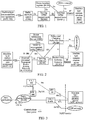
- FIG. 1 is the network framework of the UMTS PS. As shown in FIG. 1 , the network framework includes the following network elements:
- the machine type communication (abbreviated as MTC) UE needs to transmit the data information to the MTC Server or other MTC UE through the GPRS network transmission.
- the GPRS network sets up the tunnel among the RNC-SGSN-GGSN for this transmission, the tunnel is based on the GPRS tunnel protocol (abbreviated as GTP), and the reliable transmission of the data information is realized through the GTP tunnel.
- GTP GPRS tunnel protocol
- SAE System Architecture Evolution
- EPS Evolved Packet System
- E-UTRAN Evolved Universal Terrestrial Radio Access Network
- UTRAN Universal Terrestrial Radio Access Network
- WLAN Wireless Local Area Network
- FIG. 2 is the framework diagram of the EPS, as shown in FIG. 2 , wherein, the network element included in the Evolved Radio Access Network (abbreviated as E-RAN) is an Evolved NodeB (abbreviated as eNodeB), used for providing the Radio Resource for the user access; the Packet Data Network (abbreviated as PDN) is a network for providing the service to the user; and EPC provides a much lower delay and allows more wireless access systems to access, which includes the following network elements:
- E-RAN Evolved Radio Access Network
- eNodeB Evolved NodeB
- PDN Packet Data Network
- EPC provides a much lower delay and allows more wireless access systems to access, which includes the following network elements:
- the Serving Gateway (abbreviated as SGW or S-GW) is a user plane entity, responsible for routing process of the user plane data, ending the downlink data of the UE in the idle (ECM_IDLE) state, managing and storing the context of the SAE bearer of the UE, such as, the IP bearer service parameter and the route information inside the network, etc.
- the SGW is the anchor point of the user plane within the 3GPP system, and one user can only have one SGW at the one moment.
- the PDN Gateway (abbreviated as PGW or P-GW) is the gateway responsible for the UE to access the PDN, assigning user IP address, and also is the mobility anchor point of the 3GPP and non-3GPP access systems.
- the function of the PGW further includes the policy enforcement and charging support. A user can access a plurality of PGWs at the same moment.
- the Policy and Charging Enforcement Function (abbreviated as PCEF) also lies in the PGW.
- the above-mentioned SGW and PGW may be combined, and the user plane network elements of the EPC system include the SGW and the PGW.
- PCRF Policy and Charging Rules Function
- the Home Subscriber Server (abbreviated as HSS) is responsible for permanently storing the user subscription data, and the content stored in the HSS includes the International Mobile Subscriber Identification (abbreviated as IMSI) of the UE, and the IP address of the PGW.
- IMSI International Mobile Subscriber Identification
- the MTC server is mainly responsible for the work, such as, the information collection and the data storage / processing of the MTC user equipment (MTC UE), etc., and able to perform essential management of the MTC UE.
- MTC UE MTC user equipment
- the MTC UE is usually responsible for collecting the information of several collectors, and accessing the core network through the RAN node, and interacting data with the MTC Server.
- the MTC UE needs to transmit the data information to the MTC Server or other MTC UE through the EPS network.
- the SAE network sets up the GTP tunnel between SGW-PGW for this transmission, and reliable transmission of the data information is realized through the GTP tunnel.
- the MTC strengthened framework of the PS network is shown in FIG. 3 , and the MTC Interworking Function (abbreviated as IWF) network element and the relevant interface are introduced in the PS network framework.
- IWF MTC Interworking Function
- the MTC Server is used for providing the M2M application control to the user, and the MTC Server is mainly responsible for the work, such as, the information collection and the data storage / processing of the MTC user equipment (MTC UE), etc., and able to perform the essential management of the MTC UE.
- the MTC IWF network element is responsible for performing the network topology hiding and the protocol conversion of the application layer and the bearing layer, adopting the MTCsp interface to connect with the MTC Server, adopting the S6m interface to connect with the HSS/HLR, and adopting the T5a/d to connect with the SGSN/MME; and it is connected with the PGW through the MTCi interface and serves for realizing the M2M service.
- the function of the existing MTC IWF is mainly receiving the activation message of the MTC Server, and sending the activation message to the MTC terminal through the relevant network element of the 3GPP network.
- MTC terminals need to adopt the battery powered mode, such as, the pressure sensor of the railway bridge, the water level monitoring sensor, the air quality monitoring sensor, the water meter reading terminal, etc., and they transmit the related monitoring data to the MTC server for processing in an acceptable time after collecting it, and then need to enter the power-saving mode to save the power.
- the battery powered mode such as, the pressure sensor of the railway bridge, the water level monitoring sensor, the air quality monitoring sensor, the water meter reading terminal, etc.
- the terminal there are two kinds of modes for the terminal to save the electricity: one is to adopt the discontinuous reception (abbreviated as DRX) parameter in the connected state to control the intermittent service in order to achieve the goal of saving power, wherein, the terminal receives and dispatches the IP data packet in the time interval that the DRX parameter is enabled and does not receive and dispatch the data packet in the time interval that the DRX parameter is disabled.
- DRX discontinuous reception
- the terminal guarantees the work of the communication module in the related art, in order to monitor the broadcast channel of the network, and other unnecessary application software, such as, on screen display, keyboard, etc., can be closed.
- the network initiates the paging
- the terminal needs to activate all modules and enter to the normal operation, and the terminal can set up the wireless connection and initiate the data service;
- the more optimal mode for saving the power is that: when the terminal under the idle mode can enter the dormant state, the terminal can close the wireless communication module and other unnecessary application software to reduce the power consumption to the maximum extent, and activates again and enters the normal operation when the terminal needs to initiate the service, and can initiate the access request and initiate the data service to the network.
- the current power-saving schemes are all controlled by the terminal; when the terminal does not in service, it can save the power consumption by adopting the frequency-reducing or closing the application program, for example, the mode, such as, closing the input/output module or the display module, making the processor switch to the power-saving mode, etc., but it will not notify the network side.
- the above-mentioned terminal only adopt the mode, such as, closing the screen by the terminal, etc., to save the power under the idle mode, and the network side does not formulate power-saving policy for the terminal, so, even there is power-saving requirement on the terminal, the network side will still perform the operation, such as, the location update, the wireless paging, etc., according to the normal procedure, which makes the terminal in the power-saving mode receive the wireless signal and perform data processing frequently and is unable to obtain the optimum power-saving effect of the terminal.
- the above-mentioned terminal in the idle mode enters the dormant state, although the power-saving result is very effective, the problem is that the 3GPP network does not perform the policy control on how to receive the paging by the terminal in the dormant time interval, which cause the 3GPP network unable to page the terminal in the dormant time interval after the terminal enters the dormant state by itself, such that the terminal paging service is unable to be realized.
- the dormancy time is beyond the periodic time for the location update of the terminal, it may cause the 3GPP network side to initiate the implicit deactivation for the terminal, and the terminal needs to attach again to the network after exiting the dormant state, then it can initiate the uplink and downlink services, which causes the consumption of the signaling resources of the network and reduces the user experience.
- the terminal after the terminal accesses the 3GPP network, the terminal has a power-saving requirement, and the 3GPP network should be able to make the corresponding power-saving policy for the terminal and notify the terminal and each necessary network element of the network side. It guarantees that the terminal can both realize the purpose of power-saving and not influence the mobility management and the downlink service of the network side to the terminal, and prevents the unnecessary resource consumption of the signaling plane and the user plane at the network side at the same time, which both guarantees the optimization of the power-saving of the terminal and not reduces the user experience of the 3GPP.
- the technical problem to be solved by the present invention is to provide a terminal power-saving method and terminal power-saving device and a network- side power-saving device, to solve the problem that the control ability of the network side is deficient during the power-saving process of the terminal in the related art and provide the new solution for the power-saving problem of the terminal.
- the present invention provides a terminal power-saving method, comprising: a terminal accessing a network, a network element of a network side determining an idle-mode power-saving parameter of the terminal and notifying the idle-mode power-saving parameter to the terminal, and the terminal executing a power-saving operation according to the idle-mode power-saving parameter after the terminal enters an idle mode.
- the idle-mode power-saving parameter comprises a terminal activity time parameter
- the activity time parameter comprises an active window time interval and a dormant time interval
- the terminal receives a paging message of the network side in the active window time interval and does not receive the paging message of the network side in the dormant time interval after entering the idle mode.
- the terminal activity time parameter comprises a sleep time interval parameter
- the sleep time interval comprises one or more the active window time intervals and the dormant time intervals
- the terminal executes a power-saving operation in the sleep time interval after entering the idle mode
- a default value of the sleep time interval is a long periodicity Tracking Area Update (TAU) time parameter or a normal periodicity Tracking Area Update time parameter.
- TAU Tracking Area Update
- the idle-mode power-saving parameter further comprises a long periodicity Tracking Area Update (TAU) time parameter
- a value of the long periodicity TAU parameter is greater than a value of a normal periodicity Tracking Area Update time parameter.
- the above-mentioned method further has the following characteristics: the network element of the network side further determines a connection mode power-saving parameter of the terminal and notifies the connection mode power-saving parameter to the terminal, the connection mode power-saving parameter comprises a long discontinuous reception parameter, and a value of a data transceiving turn-off time in the long discontinuous reception parameter is greater than a value of a data transceiving turn-off time in a normal discontinuous reception parameter.
- the above-mentioned method further has the following characteristics: when the network element of the network side is a mobility management network element of the network side, the terminal activity time parameter of the terminal is determined according to at least one of a subscribed terminal activity time parameter, a reference terminal activity time parameter of a network element of a user plane, a reference terminal activity time parameter of a terminal side, and an operator policy.
- the above-mentioned method further has the following characteristics: when the network element of the network side is a network element of a user plane at the network side, the terminal activity time parameter of the terminal is determined according to at least one of a reference terminal activity time parameter of a network element of the user plane, a reference terminal activity time parameter of a terminal side, and an operator policy.
- the above-mentioned method further has the following characteristics: the mobility management network element of the network side determines a value used for the long periodicity Tracking Area Update time parameter in the idle mode and a value used for the long discontinuous reception parameter in the connection mode for the power-saving terminal according to an operator policy.
- the above-mentioned method further has the following characteristics: a mobility management network element of the network side does not perform a downlink paging directing at the terminal in a dormant time interval of the terminal; and a network element of a user plane at a network side does not send a downlink data packet directing at the terminal in a dormant time interval of the terminal.
- the present invention further provides a terminal power-saving device, comprising: a power-saving parameter receiving module and a power-saving execution module; wherein,
- the power-saving execution module is configured to: receive a paging message of the network side in an active window time interval of the idle-mode power-saving parameter and not receive the paging message of the network side in a dormant time interval of the idle-mode power-saving parameter after the terminal enters the idle mode.
- the power-saving execution module is configured to: execute the power-saving operation in a sleep time interval of the idle-mode power-saving parameter, receive a paging message of the network side in an active window time interval of the sleep time interval and not receive the paging message of the network side in a dormant time interval of the sleep time interval after the terminal enters the idle mode.
- the terminal power-saving device further comprises a reference power-saving parameter sending module, configured to send a power-saving indication or a reference terminal activity time parameter to the network side according to a static configuration of the terminal and/or an operator policy.
- the present invention further provides a network-side power-saving device, comprising a power-saving parameter determining module and a power-saving parameter sending module; wherein, the power-saving parameter determining module is configured to: determine an idle-mode power-saving parameter of a terminal; and the power-saving parameter sending module is configured to: send the idle-mode power-saving parameter to the terminal.
- the power-saving parameter determining module is further configured to: determine a long periodicity Tracking Area Update (TAU) time parameter in the idle-mode power-saving parameter, and a value of the long periodicity Tracking Area Update time parameter is greater than a value of a normal periodicity Tracking Area Update time parameter.
- TAU Tracking Area Update
- the power-saving parameter determining module is further configured to: determine a connection mode power-saving parameter of the terminal, and the connection mode power-saving parameter comprises a long discontinuous reception parameter, and a value of a data transceiving turn-off time in the long discontinuous reception parameter is greater than a value of a data transceiving turn-off time in a normal discontinuous reception parameter.
- the present invention further provides a terminal power-saving method, comprising: a mobility management network element of a network side notifying a terminal activity time parameter of a terminal to a machine type communication interworking function network element (MTC IWF) of a network side or a network element of a user plane of the network side, wherein, the activity time parameter comprises an active window time interval and a dormant time interval; and the MTC IWF or the network element of the user plane of the network side not sending downlink signaling or downlink data to the terminal in the dormant time interval of the terminal.
- MTC IWF machine type communication interworking function network element
- the above-mentioned method further has the following characteristics: the mobility management network element of the network side directly notifies a terminal activity time parameter of the terminal to the MTC IWF through a T5 interface.
- the above-mentioned method further has the following characteristics: the mobility management network element of the network side notifies the terminal activity time parameter of the terminal to a Home Subscriber server, the Home Subscriber server stores the terminal activity time parameter in subscription data or terminal context information, and the mobility management network element of the network side notifies the stored terminal activity time parameter of the terminal to the MTC IWF when receiving terminal routing inquiry information of the MTC IWF directing at the terminal.
- the above-mentioned method further has the following characteristics: the mobility management network element of the network side carries the terminal activity time parameter of the terminal in a refusal message sent to the network element of the user plane of the network side after receiving a downlink data notification message sent by the network element of the user plane of the network side.
- the network element of the 3GPP network side when the terminal accessing the 3GPP network has a power-saving requirement, the network element of the 3GPP network side finally determines the power-saving parameter, such as, the terminal activity time parameter and long TAU time, long DRX parameter, etc., for the terminal according to the operator policy and the reference power-saving parameter.
- the terminal Under the connection mode, the terminal can perform the much optimized power-saving control through the long DRX parameter; under the idle mode, the terminal can receive the paging message in the active window time interval, and close the wireless transceiver system in the dormant time interval, which reduces the current consumption of the terminal greatly and achieves the purpose of power-saving.
- the terminal can also be triggered to receive the downlink data through paging the terminal in the activity time interval, so the user experience is not reduced.
- the network side can further notify the MTC IWF and the network element of the user plane GGSN/PGW, to ensure not to accept any downlink data or downlink activation outside the activity time window, try to lighten the load pressure of the network and save the resources of the network. Every optimization power-saving procedure of the present invention makes the terminal obviously achieve the power-saving effect.
- the scheme of the present invention is mainly for solving the power-saving optimization control problem of the terminal by the network side, so as to optimize the power-saving result of the terminal, and not generate an obvious influence on the terminal service at the same time.
- a terminal power-saving method includes: a terminal accessing a network, a network element of a network side determining an idle-mode power-saving parameter of the terminal and notifying the idle-mode power-saving parameter to the terminal, and the terminal executing a power-saving operation according to the idle-mode power-saving parameter after the terminal enters an idle mode.
- the idle-mode power-saving parameter includes a terminal activity time parameter, the activity time parameter comprises an active window time interval and a dormant time interval, and the terminal receives a paging message of the network side in the active window time interval and does not receive the paging message of the network side in the dormant time interval after entering the idle mode.
- the terminal activity time parameter includes a sleep time interval parameter, the sleep time interval comprises one or more the active window time intervals and the dormant time intervals, and the terminal executes the power-saving operation in the sleep time interval after entering the idle mode;
- a default value of the sleep time interval is a long periodicity Tracking Area Update (TAU) time parameter or a normal periodicity Tracking Area Update time parameter.
- TAU Tracking Area Update
- a value of the long periodicity TAU parameter is greater than a value of a normal periodicity Tracking Area Update time parameter (the value of the normal periodicity TAU parameter refers to a value defined in an existing standard or a value generally used in the specific communication system application), in this way, the time interval that the terminal enters the connected mode is extended greatly, which helps the terminal to save the power.
- the value of the sleep time interval is defaulted to the value of the periodicity TAU, there is no need to carry the value of the sleep time interval in the terminal activity time parameter.
- the value of the sleep time interval is other values, it needs to carry the value of the sleep time interval in the terminal activity time parameter.
- the idle-mode power-saving parameter further includes a long periodicity Tracking Area Update (TAU) time parameter, and a value of the long periodicity TAU parameter is greater than a value of a normal periodicity Tracking Area Update time parameter.
- TAU Tracking Area Update
- the network element of the network side further determines a connection mode power-saving parameter of the terminal and notifies the connection mode power-saving parameter to the terminal, the connection mode power-saving parameter comprises a long discontinuous reception parameter, and a value of a data transceiving turn-off time in the long discontinuous reception parameter is greater than a value of a data transceiving turn-off time in a normal discontinuous reception parameter (the value of the normal discontinuous reception parameter refers to a value defined in an existing standard or a value generally used in the specific communication system application), in this way, the non-working time of the terminal can be much longer, which helps the power-saving.
- the network element of the network side determines that the terminal is a power-saving terminal according to a power-saving indication sent by the terminal, or, the network element of the network side determines that the terminal is a power-saving terminal according to an international mobile subscriber identification number (IMSI) indication of the terminal or an access point name (APN). Therefore it is convenient to determine that the terminal is the terminal requiring power-saving, thus make the power-saving policy for the terminal and perform the power-saving control.
- IMSI international mobile subscriber identification number
- API access point name
- the terminal activity time parameter of the terminal is determined according to at least one of a subscribed terminal activity time parameter, a reference terminal activity time parameter of a network element of a user plane, a reference terminal activity time parameter of a terminal side, and an operator policy.
- the terminal activity time parameter of the terminal is determined according to at least one of a reference terminal activity time parameter of a network element of the user plane, a reference terminal activity time parameter of a terminal side, and an operator policy.
- the mobility management network element of the network side determines a value used for the long periodicity Tracking Area Update time parameter in the idle mode and a value used for the long discontinuous reception parameter in the connection mode for the power-saving terminal according to an operator policy.
- the mobility management network element of the network side does not perform a downlink paging directing at the terminal in the dormant time interval of the terminal; and a network element of a user plane at a network side (GGSN/PGW) does not send a downlink data packet directing at the terminal in the dormant time interval of the terminal.
- the terminal power-saving device in the present scheme includes: a power-saving parameter receiving module and a power-saving execution module; wherein, the power-saving parameter receiving module is configured to: receive an idle-mode power-saving parameter from a network side; and the power-saving execution module is configured to: execute a power-saving operation according to the idle-mode power-saving parameter after the terminal enters an idle mode.
- the power-saving execution module is configured to: receive a paging message of the network side in an active window time interval of the idle-mode power-saving parameter and not receive the paging message of the network side in a dormant time interval of the idle-mode power-saving parameter after the terminal enters the idle mode.
- the power-saving execution module is configured to: execute the power-saving operation in a sleep time interval of the idle-mode power-saving parameter, receive a paging message of the network side in an active window time interval of the sleep time interval and not receive the paging message of the network side in a dormant time interval of the sleep time interval after the terminal enters the idle mode.
- the terminal power-saving device further includes a reference power-saving parameter sending module, configured to send a power-saving indication or a reference terminal activity time parameter to the network side according to a static configuration of the terminal and/or an operator policy.
- a reference power-saving parameter sending module configured to send a power-saving indication or a reference terminal activity time parameter to the network side according to a static configuration of the terminal and/or an operator policy.
- the network-side power-saving device in the present scheme includes a power-saving parameter determining module and a power-saving parameter sending module; wherein, the power-saving parameter determining module is configured to: determine an idle-mode power-saving parameter of a terminal; and the power-saving parameter sending module is configured to: send the idle-mode power-saving parameter to the terminal.
- the network-side power-saving device further comprises a reference power-saving parameter receiving module; the reference power-saving parameter receiving module is configured to: receive at least one of a subscribed terminal activity time parameter, a reference terminal activity time parameter of a network element of a user plane, a reference terminal activity time parameter of a terminal side; and the power-saving parameter determining module is configured to: determine the terminal activity time parameter in the idle-mode power-saving parameter of the terminal according to at least one of the subscribed terminal activity time parameter, the reference terminal activity time parameter of the network element of the user plane, the reference terminal activity time parameter of the terminal side, and the operator policy; the activity time parameter comprises an active window time interval and a dormant time interval, an operation in the active window time interval is corresponding to an operation of receiving a paging message of the network side by the terminal in the idle mode, and an operation in the dormant time interval is corresponding to an operation of not receiving the paging message of the network side by the terminal in the idle mode.
- the activity time parameter comprises an active window
- the power-saving parameter determining module is further configured to: determine a long periodicity Tracking Area Update (TAU) time parameter in the idle-mode power-saving parameter, and a value of the long periodicity Tracking Area Update time parameter is greater than a value of a normal periodicity Tracking Area Update time parameter.
- TAU Tracking Area Update
- the power-saving parameter determining module is further configured to: determine a connection mode power-saving parameter of the terminal, and the connection mode power-saving parameter comprises a long discontinuous reception parameter, and a value of a data transceiving turn-off time in the long discontinuous reception parameter is greater than a value of a data transceiving turn-off time in a normal discontinuous reception parameter.
- the network-side power-saving device further comprises a power-saving execution module; and the power-saving execution module is configured to: when the network element of the network side to which the power-saving module belongs is a mobility management network element, not perform a downlink paging directing at the terminal in the dormant time interval of the terminal; when a network element of the network side to which the power-saving module belongs is a network element of a user plane at the network side, not send a downlink data packet directing at the terminal in the dormant time interval of the terminal; and when a network element of the network side to which the power-saving module belongs is a machine type communication interworking function network element, not perform a downlink terminal activation request directing at the terminal in the dormant time interval of the terminal.
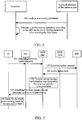
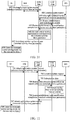
- FIG. 5 is the flow chart of the embodiment one, the terminal is a terminal with power-saving requirement, and when the terminal normally requests to access the network, the mobility management network element of the network side (SGSN/MME) can identify that the terminal needs to perform the power-saving according to the accessed IMSI identification or according to the particular APN in the subscription.
- the SGSN/MME determines a terminal activity time parameter for the terminal according to the policy of the operator, and can make a power-saving policy at the same time, for example, making a long periodicity Tracking Area Update time parameter for the terminal with power-saving requirement, adjusting the DRX parameter used under the connected mode as the long DRX parameter, etc.
- the relevant power-saving parameter is made by the SGSN/MME, it needs to be notified to the terminal in time, and the terminal executes a power-saving operation according to the power-saving parameter. It includes steps 101-106 as follows specifically.
- step 101 the 3GPP terminal initiates an attaching or location update request to a RAN access network of the 3GPP network, and the RAN selects a serving SGSN/MME and sends the request to the SGSN/MME.
- step 102 the SGSN/MME sends the location update request to the HSS, and the HSS identifies that the terminal is a non-limited terminal according to the IMSI identification and searches for the subscription data of the terminal.
- step 103 the HSS sends the subscription information of the terminal to the SGSN/MME, and the SGSN/MME performs the access authentication to the terminal.
- the SGSN/MME identifies that the terminal needs to perform power-saving according to the accessed IMSI identification (in the IMSI plan, a dedicated IMSI identification section can be planned for power-saving terminal) or according to the particular APN (the APN particularly used for power-saving) in the subscription.
- the SGSN/MME determines a terminal activity time parameter for the terminal according to the policy of the operator, and can make a power-saving policy at the same time, for example, making a long periodicity Tracking Area Update time parameter for the terminal with power-saving requirement, adjusting the DRX parameter used under the connected mode as the long DRX parameter, etc.
- the time interval of the long periodicity Tracking Area Update time parameter is longer than the time interval of the normal periodicity Tracking Area Update time parameter, in this way, the time interval that the terminal enters the connected mode is extended greatly, which helps the terminal to save the power.
- the value of the data transceiving turn-off time in the long discontinuous reception parameter is greater than the value of the data transceiving turn-off time in the normal discontinuous reception parameter; in this way, the non-working time of the terminal can be much longer, which helps the power-saving.
- step 105 after the SGSN/MME makes the relevant power-saving parameter, the above-mentioned power-saving parameter is carried in the access request response message and notified to the terminal in time; the terminal executes the power-saving operation according to the power-saving parameter, and the power-saving parameter includes at least the terminal activity time parameter, and can also include the long TAU time parameter, the long DRX parameter, etc.
- the terminal activity time parameter can include a sleep time, and one or more active window time intervals (called the activity time interval, same hereinafter) and dormant time intervals (the time side outside of the activity time interval of the sleep time is called the dormant time interval) in the sleep time interval. If the sleep time is defaulted as the TAU time, it may not be included in the terminal activity time parameter, and the default sleep time of the system is the TAU time.
- the terminal activity time parameter should include at least one or more active window intervals and dormant time intervals.
- the terminal can receive the paging message in the active window time interval, and is unable to receive the wireless signal and cannot receive the paging message in the dormant time interval.
- the terminal can realize the power-saving control according to the adjusted long DRX parameter in the Connected mode. It receives and sends the IP data packet in the DRX on period, and stops receiving and sending the IP data packet in the DRX off period. Compared with the normal DRX parameter, the DRX on time of the power-saving DRX parameter is shorter, and the DRX off time is longer.
- the terminal adopts the terminal activity time parameter to perform the power-saving control when entering the Idle mode, and turns on the wireless system to receive the Paging message in the activity time interval; if there is the Paging message, the terminal reenters the Connected mode.
- the terminal closes the wireless system in the dormant time interval and does not receive the Paging message.
- multiple activity time intervals can be defined in the long sleep time interval and evenly distributed in the sleep time interval.
- the long sleep time needs to be less than or equal to the long TAU time interval at the same time so as to prevent the SGSN/MME from performing the implicit Detach operation to the terminal because the terminal does not initiate the periodic Tracking Area Update in time.
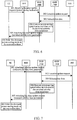
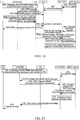
- FIG. 6 is the flow chart of the embodiment two, the terminal is a terminal with power-saving requirement, and when the terminal requests to access the network, a power-saving indication is carried in the request message to the network side, to notify the network side that the terminal is a power-saving terminal.
- the mobility management network element of the network side identifies that the terminal needs to perform power-saving according to the power-saving indication.
- the SGSN/MME determines a terminal activity time parameter for the terminal according to the policy of the operator, and can make a power-saving policy at the same time, for example, making a long periodicity Tracking Area Update time parameter for the terminal with power-saving requirement, adjusting the DRX parameter used under the connected mode as the long DRX parameter, etc.
- the relevant power-saving parameter needs to be notified to the terminal in time, and the terminal executes a power-saving operation according to the power-saving parameter. It includes steps 201-206 specifically.
- step 201 the 3GPP terminal initiates an attaching or location update request carrying a power-saving indication to a RAN access network of the 3GPP network, and the RAN selects a serving SGSN/MME and sends the access request carrying the power-saving indication to the SGSN/MME.
- the terminal has two kinds, the active terminal and the passive terminal; whether the passive terminal needs the network to perform power-saving optimization can be regarded as a characteristic of the terminal and statically configured on the terminal, and the terminal can carry the power-saving indication when accessing.
- step 202 the SGSN/MME sends the location update request to the HSS, and the HSS identifies that the terminal is a non-limited terminal according to the IMSI identification and searches for the subscription data of the terminal.
- step 203 the HSS sends the subscription information of the terminal to the SGSN/MME, and the SGSN/MME performs the access authentication to the terminal.
- the SGSN/MME identifies whether the terminal needs to perform power-saving according to the power-saving indication.
- the SGSN/MME determines a terminal activity time parameter for the terminal according to the policy of the operator, and can make a power-saving policy at the same time, for example, making a long periodicity Tracking Area Update time parameter for the terminal with power-saving requirement, adjusting the DRX parameter used under the connected mode as the long DRX parameter, etc.
- step 205 after the SGSN/MME makes the relevant power-saving parameter, the above-mentioned power-saving parameter is carried in the access request response message and notified to the terminal in time; the terminal executes a power-saving operation according to the power-saving parameter, and the power-saving parameter includes at least the terminal activity time parameter, and can also include the long TAU time parameter, the long DRX parameter, etc.
- step 206 the terminal performs the power-saving operation after receiving the power-saving parameter, and the specific scheme of the power-saving operation refers to the related description in step 106.
- FIG. 7 is the flow chart of the embodiment three, the terminal is a terminal with power-saving requirement, and when the terminal requests to access the network, a reference terminal activity time parameter is carried in the request message to the network side, to notify the network side that the terminal needs to define a sleep time interval for power-saving.
- the mobility management network element of the network side determines a terminal activity time parameter for the terminal according to the reference terminal activity time parameter and the policy of the operator, and can make a power-saving policy at the same time, for example, making a long periodicity Tracking Area Update time parameter for the terminal with power-saving requirement, adjusting the DRX parameter used under the connected mode as the long DRX parameter, etc.
- the relevant power-saving parameter needs to be notified to the terminal in time, and the terminal executes a power-saving operation according to the power-saving parameter, It includes steps 301-306 specifically.
- step 301 the 3GPP terminal initiates an attaching or location update request carrying a reference terminal activity time parameter to a RAN access network of the 3GPP network, and the RAN selects a serving SGSN/MME and sends the access request carrying the reference terminal activity time parameter to the SGSN/MME, to indicate the network side that the terminal needs to define a sleep time interval for power-saving.
- step 302 the SGSN/MME sends the location update request to the HSS, and the HSS identifies that the terminal is a non-limited terminal according to the IMSI identification and searches for the subscription data of the terminal.
- step 303 the HSS sends the subscription information of the terminal to the SGSN/MME, and the SGSN/MME performs the access authentication to the terminal.
- step 304 the SGSN/MME determines a terminal activity time parameter for the terminal according to the reference terminal activity time parameter and the policy of the operator, and can make a power-saving policy at the same time, for example, making a long periodicity Tracking Area Update time parameter for the terminal with power-saving requirement, adjusting the DRX parameter used under the connected mode as the long DRX parameter, etc.
- step 305 after the SGSN/MME makes the relevant power-saving parameter, the above-mentioned power-saving parameter is carried in the access request response message carries and notified to the terminal in time; the terminal executes a power-saving operation according to the power-saving parameter, and the power-saving parameter includes at least the terminal activity time parameter, and can also include the long TAU time parameter, the long DRX parameter, etc.
- step 306 the terminal performs the power-saving operation after receiving the power-saving parameter, and the specific scheme of the power-saving operation refers to the related description in step 106.
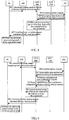
- FIG. 8 is the flow chart of the embodiment four, the terminal is a terminal with power-saving requirement, and when the terminal requests to access the network, a reference terminal activity time parameter is carried in the request message to the network side, to notify the network side that the terminal needs to define a sleep time interval for power-saving, and a terminal activity time parameter is also subscribed in the subscription information of the HSS.
- the mobility management network element of the network side determines a terminal activity time parameter for the terminal according to the reference terminal activity time parameter, the policy of the operator and the subscribed terminal activity time parameter, and can make a power-saving policy at the same time, for example, making a long periodicity Tracking Area Update time parameter for the terminal with power-saving requirement, adjusting the DRX parameter used under the connected mode as the long DRX parameter, etc.
- the relevant power-saving parameter needs to be notified to the terminal in time, and the terminal executes a power-saving operation according to the power-saving parameter. It includes steps 401-406 specifically.
- step 401 the 3GPP terminal initiates an attaching or location update request carrying a reference terminal activity time parameter to a RAN access network of the 3GPP network, and the RAN selects a serving SGSN/MME and sends the access request carrying the reference terminal activity time parameter to the SGSN/MME, to indicate the network side that the terminal needs to define a sleep time interval for power-saving.
- step 402 the SGSN/MME sends the location update request to the HSS, and the HSS identifies that the terminal is a non-limited terminal according to the IMSI identification and searches for the subscription data of the terminal.
- the subscription information includes a subscribed terminal activity time parameter.
- step 403 the HSS sends the subscription information of the terminal to the SGSN/MME, and the SGSN/MME obtains the subscribed terminal activity time parameter from the subscription information and performs the access authentication to the terminal.
- step 404 the SGSN/MME determines a terminal activity time parameter for the terminal according to the reference terminal activity time parameter, the policy of the operator and the subscribed terminal activity time parameter, and can make a power-saving policy at the same time, for example, making a long periodicity Tracking Area Update time parameter for the terminal with the power-saving requirement, adjusting the DRX parameter used under the connected mode as the long DRX parameter, etc.
- step 405 after the SGSN/MME makes the relevant power-saving parameter, the above-mentioned power-saving parameter is carried in the access request response message and notified to the terminal in time; the terminal executes a power-saving operation according to the power-saving parameter, and the power-saving parameter includes at least the terminal activity time parameter, and can also include the long TAU time parameter, the long DRX parameter, etc.
- step 406 the terminal performs the power-saving operation after receiving the power-saving parameter, and the specific scheme of the power-saving operation refers to the related description in step 106.
- FIG. 9 is the flow chart of the embodiment five, the terminal is a terminal with power-saving requirement, and when the terminal requests to access the network, a power-saving indication is carried in the request message to the network side, to notify the network side that the terminal needs power-saving, and a terminal activity time parameter is also subscribed in the subscription information of the HSS.
- the network element of the user plane GGSN/PGW
- GGSN/PGW can also provide a reference terminal activity time parameter to the SGSN/MME.
- the mobility management network element of the network side determines a terminal activity time parameter for the terminal according to the policy of the operator, the subscribed terminal activity time parameter and the reference terminal activity time parameter of the user plane, and can make a power-saving policy at the same time, for example, making a long periodicity Tracking Area Update time parameter for the terminal with power-saving requirement, adjusting the DRX parameter used under the connected mode as the long DRX parameter, etc.
- the relevant power-saving parameter needs to be notified to the terminal in time, and the terminal executes power-saving operation according to the power-saving parameter. It includes steps 501-508 specifically.
- step 501 the 3GPP terminal initiates an attaching or location update request carrying a power-saving indication to a RAN access network of the 3GPP network, and the RAN selects a serving SGSN/MME and sends the access request carrying the power-saving indication to the SGSN/MME, to indicate the network side that the terminal needs power-saving.
- step 502 the SGSN/MME sends the location update request to the HSS, and the HSS identifies that the terminal is a non-limited terminal according to the IMSI identification and searches for the subscription data of the terminal.
- the subscription information includes a subscribed terminal activity time parameter.
- step 503 the HSS sends the subscription information of the terminal to the SGSN/MME, and the SGSN/MME obtains the subscribed terminal activity time parameter from the subscription information and performs the access authentication to the terminal.
- step 504 the SGSN/MME sends a bearer establishment or bearer modification request to the network element of the user plane (GGSN/PGW), to request to establish the user plane bearer for the terminal.
- GGSN/PGW network element of the user plane
- step 505 the GGSN/PGW sends the reference terminal activity time parameter at the user plane side to the SGSN/MME in a bearer establishment or bearer modification response message.
- the reference terminal activity time parameter at the user plane side can be carried in the PCC policy issued by the PCRF to the GGSN/PGW, and can also be a reference terminal activity time parameter determined based on the historical data monitored by the GGSN/PGW according to the flow rate of the bearer data packet of the user plane.
- the SGSN/MME determines a terminal activity time parameter for the terminal according to the policy of the operator, the subscribed terminal activity time parameter and the reference terminal activity time parameter of the user plane, and can make a power-saving policy at the same time, for example, making a long periodicity Tracking Area Update time parameter for the terminal with power-saving requirement, adjusting the DRX parameter used under the connected mode as the long DRX parameter, etc.
- step 507 after the SGSN/MME makes the relevant power-saving parameter, the above-mentioned power-saving parameter is carried in the access request response message and notified to the terminal in time; the terminal executes a power-saving operation according to the power-saving parameter, and the power-saving parameter includes at least the terminal activity time parameter, and can also include the long TAU time parameter, the long DRX parameter, etc.
- step 508 the terminal performs the power-saving operation after receiving the power-saving parameter, and the specific scheme of the power-saving operation refers to the related description in step 106.
- FIG. 10 is the flow chart of the embodiment six, the terminal is a terminal with power-saving requirement, and when the terminal requests to access the network, a reference terminal activity time parameter is carried in the request message to the network side, to notify the network side that the terminal needs to define a sleep time interval for power-saving, and a terminal activity time parameter is also subscribed in the subscription information of the HSS.
- the network element of the user plane GGSN/PGW
- GGSN/PGW can also provide a reference terminal activity time parameter to the SGSN/MME.
- the mobility management network element of the network side determines a terminal activity time parameter for the terminal according to the reference terminal activity time parameter, the policy of the operator, the subscribed terminal activity time parameter and the reference terminal activity time parameter of the user plane, and can make a power-saving policy at the same time, for example, making a long periodicity Tracking Area Update time parameter for the terminal with power-saving requirement, adjusting the DRX parameter used under the connected mode as the long DRX parameter, etc.
- the relevant power-saving parameter needs to be notified to the terminal in time, and the terminal executes a power-saving operation according to the power-saving parameter. It includes steps 601-608 specifically.
- step 601 the 3GPP terminal initiates an attaching or location update request carrying a reference terminal activity time parameter to a RAN access network of the 3GPP network, and the RAN selects a serving SGSN/MME and sends the access request carrying the reference terminal activity time parameter to the SGSN/MME, to indicate the network side that the terminal needs to define a sleep time interval for power-saving.
- step 602 the SGSN/MME sends the location update request to the HSS, and the HSS identifies that the terminal is a non-limited terminal according to the IMSI identification and searches for the subscription data of the terminal.
- the subscription information includes a subscribed terminal activity time parameter.
- step 603 the HSS sends the subscription information of the terminal to the SGSN/MME, and the SGSN/MME obtains the subscribed terminal activity time parameter from the subscription information and performs the access authentication to the terminal.
- step 604 the SGSN/MME sends a bearer establishment or bearer modification request to the network element of the user plane (GGSN/PGW), to request to establish the user plane bearer for the terminal.
- GGSN/PGW network element of the user plane
- step 605 the GGSN/PGW sends the reference terminal activity time parameter at the user plane side to the SGSN/MME in a bearer establishment or bearer modification response message.
- the reference terminal activity time parameter at the user plane side can be carried in the PCC policy issued by the PCRF to the GGSN/PGW, and can also be a reference terminal activity time parameter determined based on the historical data monitored by the GGSN/PGW according to the flow rate of the bearer data packet of the user plane.
- the SGSN/MME determines a terminal activity time parameter for the terminal according to the reference terminal activity time parameter, the policy of the operator, the subscribed terminal activity time parameter and the reference terminal activity time parameter of the user plane, and can make a power-saving policy at the same time, for example, making a long periodicity Tracking Area Update time parameter for the terminal with power-saving requirement, adjusting the DRX parameter used under the connected mode as the long DRX parameter, etc.
- step 607 after the SGSN/MME makes the relevant power-saving parameter, the above-mentioned power-saving parameter is carried in the access request response message and notified to the terminal in time; the terminal executes a power-saving operation according to the power-saving parameter, and the power-saving parameter includes at least the terminal activity time parameter, and also can include the long TAU time parameter, the long DRX parameter, etc.
- step 608 the terminal performs the power-saving operation after receiving the power-saving parameter, and the specific scheme of the power-saving operation refers to the related description in step 106.
- FIG. 11 is the flow chart of the embodiment seven, the terminal is a terminal with power-saving requirement, and when the terminal requests to access the network, a reference terminal activity time parameter is carried in the request message to the network side, to notify the network side that the terminal needs to define a sleep time interval for power-saving, and can also a power-saving indication be carried in the request message to the network side.
- the mobility management network element of the network side determines a terminal activity time parameter for the terminal according to the reference terminal activity time parameter and the policy of the operator, and notifies the terminal activity time parameter to the terminal in time, and the terminal executes a power-saving operation according to the terminal activity time parameter. It includes steps 701-708 specifically,
- step 701 the 3GPP terminal initiates an attaching or location update request carrying a reference terminal activity time parameter or the power-saving indication to a RAN access network of the 3GPP network, and the reference terminal activity time parameter or the power-saving indication can also be carried in the PCO parameter; and the RAN selects a serving SGSN/MME and sends the access request carrying the reference terminal activity time parameter or the power-saving indication to the SGSN/MME, to indicate the network side that the terminal needs to define a sleep time interval for power-saving.
- step 702 the SGSN/MME sends the location update request to the HSS, and the HSS identifies that the terminal is a non-limited terminal according to the IMSI identification and searches for the subscription data of the terminal.
- step 703 the HSS sends the subscription information of the terminal to the SGSN/MME, and the SGSN/MME performs the access authentication to the terminal.
- step 704 the SGSN/MME sends a bearer establishment or bearer modification request to the network element of the user plane (GGSN/PGW), to request to establish the user plane bearer for the terminal.
- the request message includes the reference terminal activity time parameter or the power-saving indication, which can be put in the PCO parameter.
- step 705 the SGSN/MME determines a terminal activity time parameter for the terminal according to the reference terminal activity time parameter, the policy of the operator and the reference terminal activity time parameter of the user plane.
- the reference terminal activity time parameter at the user plane side can be carried in the PCC policy issued by the PCRF to the GGSN/PGW, and a reference terminal activity time parameter can also be determined based on the historical data monitored by the GGSN/PGW according to the flow rate of the bearer data packet of the user plane.
- step 706 the GGSN/PGW sends the terminal activity time parameter in the bearer establishment or bearer modification response message to the SGSN/MME.
- the terminal activity time parameter can be included in the PCO parameter.
- step 707 the SGSN/MME carries the terminal activity time parameter in the access request response message to notify the terminal, and the terminal activity time parameter can be included in the PCO parameter; the terminal executes a power-saving operation according to the terminal activity time parameter.
- step 708 the terminal performs the power-saving operation after receiving the terminal activity time parameter, and the specific scheme of the power-saving operation refers to the related description in step 106. It should be pointed that, in order to avoid the SGSN/MME not knowing the sleep time of the terminal and the implicit Detach risk when the sleep time exceeds the TAU time, during making the actual time parameter, the TAU time can be defaulted as the sleep time of the terminal, and the GGSN/MME only needs to make the terminal activity time window interval.
- the network element of the network side can adopts many modes to notify the MTC IWF or the network element of the user plane (GGSN/PGW), such as, notifying by adopting the T5 interface, or storing and inquiring by the HSS, or carrying the time parameter in the downlink data notification response message sent by the network element of the user plane.
- GGSN/PGW network element of the user plane
- the MTC IWF will no longer receive the downlink signaling of the MTC Server in the dormant time interval of the terminal, such as the terminal activation request message, thus avoiding the resource consumption of the signaling plane resources in the network side; the network element of the user plane (GGSN/PGW) does not receive the sending of the downlink data packet again in the dormant time interval of the terminal, thus avoiding the resource consumption of the user plane resources in the network side.
- the present scheme provides a terminal power-saving method controlled by the network side, including: a mobility management network element of a network side (SGSN/MME) notifies a terminal activity time parameter of a terminal to a machine type communication interworking function network element (MTC IWF) of a network side or a network element of a user plane of the network side, the activity time parameter comprises an active window time interval and a dormant time interval; and the MTC IWF or the network element of the user plane of the network side in the dormant time interval of the terminal does not perform sending of a downlink signaling or downlink data to the terminal.
- MTC IWF machine type communication interworking function network element
- the mobility management network element of the network side carries the terminal activity time parameter of the terminal in a refusal message sent to the network element of the user plane of the network side after receiving a downlink data notification message sent by the network element of the user plane of the network side.
- the energy-conserving result optimized at the network side can be achieved, and the embodiments are as follows.
- FIG. 12 is the flow chart of the embodiment eight, after the mobility management network element of the 3GPP network side (SGSN/MME) obtains the terminal activity time parameter, the SGSN/MME notifies the time parameter to the MTC IWF in time through the T5 interface with the MTC IWF, and the MTC IWF performs the corresponding power-saving policy.
- the specific steps include 801-807.
- step 801 the terminal requests to access the 3GPP network, and the SGSN/MME obtains the activity time parameter of the terminal after the terminal attaches to the network.
- the activity time parameter can both be notified to the SGSN/MME after determining by the terminal, and be notified to the terminal after determining by the network side.
- step 802 if the network side SGSN/MME already sets up the T5 interface connection with the MTC IWF, the MSC/SGSN notifies the terminal activity time parameter to the MTC IWF by adopting a particular signaling through the T5 interface.
- step 803 after the MTC IWF obtains the terminal activity time parameter, when receiving the downlink signaling from the MTC Server, such as the terminal activation request signaling, the MTC IWF judges whether it is in the activity time interval or in the dormant time interval now. If it is in the dormant time interval, the MTC IWF will refuse the downlink signaling request to avoid this signaling being sent to the network element of the core network which causes the consumption of the signaling and the user plane resources.
- step 804 after the MTC Server receives the downlink request of the application server, it initiates the terminal activation request to the network, to activate the terminal to perform the terminal paging service.
- step 805 if the terminal is in the dormancy state, the MTC IWF will refuse the activation request, and can carry the terminal activity time parameter in the activation request response message and send it to the MTC Server.
- step 806 the MTC Server can try to reinitiate the activation request to the MTC IWF after some time, or initiates the activation request in terminal active time interval.
- step 807 in the terminal active time interval, the MTC IWF encapsulates the activation request in the T4 interface and sends it to the SMSC through the T4 interface with the SMSC, and the SMSC encapsulates the activation request in the short message and sends it to the terminal through the short message mechanism.
- FIG. 13 is the flow chart of the embodiment nine, after the mobility management network element of the 3GPP network side (SGSN/MME) obtains the terminal activity time parameter, the SGSN/MME notifies the HSS to store it.
- the MTC IWF initiates the service routing inquiry request to the HSS
- the HSS carries the time parameter in the service routing inquiry response message to the MTC IWF, and the MTC IWF performs the corresponding power-saving policy.
- the specific steps include 901-909.
- step 901 the terminal requests to access the 3GPP network, and the SGSN/MME obtains the activity time parameter of the terminal after the terminal attaches to the network.
- the activity time parameter can both be notified to the SGSN/MME after determining by the terminal, and be notified to the terminal after determining by the network side,
- step 902 after the attachment of the terminal is complete, the network side SGSN/MME sends the notification message to the HSS to notify the terminal activity time parameter to the HSS, and the HSS stores the terminal activity time which can be stored in the subscription information of the terminal or the terminal context information.
- step 903 after the MTC Server receives the downlink request from the application server, it initiates a terminal activation request to the network, to activate the terminal to perform the terminal paging service.
- step 904 after receiving the activation request, the MTC IWF needs to inquire the address of the resident SGSN/MME of the terminal from the HSS according to the terminal identification in the activation request.
- the MTC IWF initiates the service routing inquiry request to the HSS.
- step 905 the HSS returns the service routing inquiry response message carrying the SGSN/MME address attached by the terminal to the MTC IWF, and notifies the terminal activity time parameter stored in the HSS to the MTC IWF at the same time,
- step 906 the MTC IWF judges whether the terminal is in the dormancy state; if the terminal is in the dormancy state, the MTC IWF will refuse the activation request, and can carry the terminal activity time parameter in the activation request response message and send it to the MTC Server.
- step 907 after the MTC IWF obtains the terminal activity time parameter, when continuously receiving the downlink signaling from the MTC Server, such as the terminal activation request signaling, the MTC IWF judges whether it is in the activity time interval or in the dormant time interval now. If it is in the dormant time interval, the MTC IWF will refuse the downlink signaling request to avoid this signaling being sent to the network element of the core network which causes the consumption of the signaling and the user plane resources.
- step 908 the MTC Server can try to reinitiate the activation request to the MTC IWF after some time, or initiates the activation request in terminal active time interval.
- step 909 in the terminal active time interval, the MTC IWF encapsulates the activation request in the T4 interface and sends it to the SMSC through the T4 interface with the SMSC, and the SMSC encapsulates the activation request in the short message and sends it to the terminal through the short message mechanism.
- FIG. 14 is the flow chart of the embodiment ten, after the mobility management network element of the 3GPP network side (SGSN/MME) obtains the terminal activity time parameter, the SGSN/MME carries the time parameter in the UE reachable message to the HSS, and the HSS stores it.
- the MTC 1WF initiates a service routing inquiry request to the HSS
- the HSS carries the time parameter in the service routing inquiry response message to the MTC IWF
- the MTC IWF performs the corresponding power-saving policy.
- the specific steps include 1001-1014.
- step 1001 the terminal requests to access the 3GPP network, and the SGSN/MME obtains the activity time parameter of the terminal after the terminal attaches to the network.
- the activity time parameter can both be notified to the SGSN/MME after determining by the terminal, and be notified to the terminal after determining by the network side.
- step 1002 after the MTC Server receives the downlink request of the application server, it initiates a terminal activation request to the network, to activate the terminal to perform the terminal paging service.
- step 1003 the MTC IWF sends the activation request to the SMSC through the T4 interface.
- step 1004 the SMSC performs the SMS mechanism, encapsulates the activation request in the SMS message and sends it to the SGSN/MME.
- step 1005 the SGSN/MME judges whether the terminal is in the dormancy state. If the terminal is in the dormancy state, the MTC IWF will abandon the SMS message, and return a notification of SMS message sending failure to the SMSC.
- step 1006 the terminal dormant time interval of the SGSN/MME is over, the dormancy timer overflows, and the SGSN/MME enters the activity time interval.
- step 1007 the SGSN/MME notifies the UE reachable message to the HSS, and the message carries the terminal activity time parameter to the HSS.
- step 1008 after the HSS receives the UE reachable message, it obtains the carried terminal activity time parameter for storage, which can be stored in the subscription information of the terminal or the terminal context information. Then the HSS sends the UE reachable message notification to the SMSC.
- step 1009 the SMSC sends the SMS message carrying the activation request information to the terminal.
- step 1010 after the MTC Server receives the downlink request of the application server again, if the terminal is already in the Idle mode, the MTC server needs to initiate a terminal activation request to the network, to activate the terminal to perform the terminal paging service.
- step 1011 after receiving the activation request again, the MTC IWF needs to inquire the address of the resident SGSN/MME of the terminal from the HSS according to the terminal identification in the activation request.
- the MTC IWF initiates the service routing inquiry request to the HSS.
- step 1012 the HSS returns the service routing inquiry response message carrying the SGSN/MME address attached by the terminal to the MTC IWF, and notifies the terminal activity time parameter stored in the HSS to the MTC IWF at the same time.
- step 1013 the MTC IWF judges whether the terminal is in the dormancy state; if the terminal is in the dormancy state, the MTC IWF will refuse the activation request, and can carry the terminal activity time parameter in the activation request response message and send it to the MTC Server.
- step 1014 after the MTC IWF obtains the terminal activity time parameter, when continuously receiving the downlink signaling from the MTC Server, such as the terminal activation request signaling, the MTC IWF judges whether it is in the activity time interval or in the dormant time interval now. If it is in the dormant time interval, the MTC IWF will refuse the downlink signaling request to avoid this signaling being sent to the network element of the core network which causes the consumption of the signaling and the user plane resources.
- FIG. 15 is the flow chart of the embodiment eleven, after the mobility management network element of the 3GPP network side (SGSN/MME) obtains the terminal activity time parameter, the SGSN/MME notifies the network element of the user plane GGSN/PGW, and the GGSN/PGW performs the corresponding power-saving policy.
- the specific steps include 1101-1109.
- step 1101 the terminal requests to access the 3GPP network, and the SGSN/MME obtains the activity time parameter of the terminal after the terminal attaches to the network.
- the activity time parameter can both be notified to the SGSN/MME after determining by the terminal, and be notified to the terminal after determining by the network side.
- step 1102 after receiving the downlink data from the application server, the MTC Server forwards the downlink IP data packet of the terminal to the network element of the user plane GGSN/PGW, or the application server directly sends the downlink IP data packet of the terminal to the network element of the user plane GGSN/PGW.
- step 1103 because the terminal is in the Idle state, the network element of the user plane GGSN/PGW sends the downlink data notification (DDN) message to the SGSN/MME, to request to set up the user plane connection with the terminal.
- DDN downlink data notification
- step 1104 the SGSN/MME judges whether the terminal is in the dormancy state; if the terminal is in the dormancy state, the MTC IWF will refuse the DDN message, and can carry the terminal activity time parameter and the reason value of the refusal --the terminal is dormant-- in the refusal message.
- step 1105 the network element of the user plane GGSN/PGW knows that the terminal is in the dormancy state according to the terminal activity time parameter, and the GGSN/PGW returns a user unreachable message to the MTC Server or the application server.
- step 1106 after the MTC Server or the application server knows that the user is not reachable, it will delay for some time, and then tries to initiate the downlink IP data packet to the terminal again.
- step 1107 after receiving the downlink IP data packet, the GGSN/PGW judges whether the terminal is in the activity time interval or in the dormant time interval at this moment. If it is in the dormant time interval, the GGSN/PGW will refuse to initiate a DDN request to the SGSN/MME to avoid causing the consumption of the signaling and the user plane resources. It will return the user unreachable message again at the same time.
- step 1108 after the GGSN/PGW receives the downlink IP data packet, if the terminal is in the activity time interval, the GGSN/PGW will send a DDN notification message to the SGSN/MME.
- step 1109 the SGSN/MME judges that the terminal is in the activity time interval, and it will initiate a paging request to the terminal, and the terminal will set up the user plane connection with the GGSN/PGW voluntarily after receiving the paging message.
- FIG. 16 is the flow chart of the embodiment twelve, after the terminal is attached to the 3GPP network, the network element of the user plane GGSN/PGW determines the terminal activity time parameter and sends it to the terminal.
- the GGSN/PGW notifies the terminal activity time parameter in the downlink data notification message to the SGSN/MME network element, and the SGSN/MME can further notify the terminal activity time parameter to the MTC IWF according to the schemes of the above-mentioned embodiments.
- the MTC IWF performs the corresponding power-saving policy.
- the specific steps include 1201-1208.
- step 1201 the terminal requests to access the 3GPP network, and sets up the user plane bearer after the terminal attaches to the network.
- the terminal activity time parameter is determined by the GGSN/PGW and sent to the terminal.
- step 1202 after receiving the downlink data from the application server, the MTC Server forwards the downlink IP data packet of the terminal to the network element of the user plane GGSN/PGW, or the application server directly sends the downlink IP data packet of the terminal to the network element of the user plane GGSN/PGW.
- step 1203 because the terminal is in the Idle state, the network element of the user plane GGSN/PGW judges that the terminal is in the active state for the SGSN/MME, and sends a downlink data notification (DDN) message to the SGSN/MME, to request to set up a user plane connection with the terminal.
- DDN downlink data notification
- the terminal activity time parameter is carried in the downlink data notification message and sent to the SGSN/MME.
- step 1204 the SGSN/MME sends the paging message to the terminal, and the terminal will set up the user plane connection with the GGSN/PGW voluntarily after receiving the paging message.
- step 1205 the network element of the user plane GGSN/PGW knows that the terminal is in a dormancy state according to the terminal activity time parameter, and the GGSN/PGW returns a user unreachable message to the MTC Server or the application server.
- step 1206 the SGSN/MME can send the notification message to the HSS at the same time, to notify the terminal activity time parameter to the HSS, and the HSS stores the terminal activity time which can be stored in the subscription information of the terminal or the terminal context information.
- step 1207 after receiving the downlink request of the application server, the MTC Server will initiate a terminal activation request to the network, to activate the terminal to perform the terminal paging service.
- the MTC IWF After receiving the activation request again, the MTC IWF needs to inquire the address of the resident SGSN/MME of the terminal from the HSS according to the terminal identification in the activation request. The MTC IWF initiates a service routing inquiry request to the HSS.
- step 1208 the HSS returns a service routing inquiry response message carrying the SGSN/MME address attached by the terminal to the MTC IWF, and notifies the terminal activity time parameter stored in the HSS to the MTC IWF at the same time.
- the MTC IWF can perform the power-saving control according to the terminal activity time parameter.
- the network side formulates the power-saving parameter for the terminal, and notify the power-saving parameter to the MTC IWF or the GGSN/PGW, which not only optimizes the power-saving result of the terminal, but also avoids consuming the unnecessary signaling plane and user plane resources of the network side and reaches better application effect,
- the network element of the 3GPP network side when the terminal accessing the 3GPP network has a power-saving requirement, the network element of the 3GPP network side finally determines the power-saving parameter, such as, the terminal activity time parameter and long TAU time, long DRX parameter, etc., for the terminal according to the operator policy and the reference power-saving parameter.
- the terminal Under the connection mode, the terminal can perform the much optimized power-saving control through the long DRX parameter; under the idle mode, the terminal can receive the paging message in the active window time interval, and close the wireless transceiver system in the dormant time interval, which reduces the current consumption of the terminal greatly and achieves the purpose of power-saving.
- the terminal if there is downlink data service, the terminal is also can be triggered to receive the downlink data through paging the terminal in the activity time interval, so the user experience is not reduced.
Landscapes
- Engineering & Computer Science (AREA)
- Computer Networks & Wireless Communication (AREA)
- Signal Processing (AREA)
- Mobile Radio Communication Systems (AREA)
Claims (14)
- Ein Energiesparverfahren für Endgeräte, das Folgendes umfasst:ein Zugreifen auf ein Netzwerk durch ein Endgerät, wobei ein Netzwerkelement einer Netzwerkseite einen Leerlaufzustand-Energiesparparameter des Endgeräts bestimmt und den Leerlaufzustand-Energiesparparameter an das Endgerät mitteilt, und wobei das Endgerät gemäß dem Ruhezustand-Energiesparparameter einen Energiesparvorgang ausführt, nachdem das Endgerät in einen Leerlaufzustand eingetreten ist;wobeider Leerlaufzustand-Energiesparparameter einen Endgerät-Aktivitätszeit-Parameter umfasst; wobei der Aktivitätszeit-Parameter ein Aktivitätsfenster-Zeitintervall und ein Ruhe-Zeitintervall umfasst;der Endgerät-Aktivitätszeit-Parameter umfasst einen Schlafmodus-Intervall-Parameter, wobei das Schlaf-Zeitintervall ein oder mehrere Aktivitätsfenster-Zeitintervalle und Ruhe-Zeitintervalle umfasst, und wobei das Endgerät während des Ruhe-Zeitintervalls nach Eintritt in den Leerlaufzustand den Energiesparbetrieb durchführt, wobei das Endgerät im Leerlaufzustand eine Funkrufnachricht von der Netzwerkseite im Aktivitätsfenster-Zeitintervall empfängt, und im Ruhe-Zeitintervall das Funksystem schließt und die Funkrufnachricht der Netzwerkseite nicht empfängt; ein voreingestellter Wert des Ruhe-Zeitintervalls ist ein Tracking Area Update-(TAU) Zeitparameter mit langer Periodizität oder ein Tracking Area Update-Zeitparameter mit normaler Periodizität.
- Das Verfahren gemäß Anspruch 1, wobei,
wenn das Netzwerkelement der Netzwerkseite ein Mobilitätsmanagement-Netzwerkelement der Netzwerkseite ist, der Endgerät-Aktivitätszeit-Parameter des Endgeräts in Übereinstimmung mit mindestens einem von Folgendem bestimmt wird: einem Teilnehmer-Endgerät-Aktivitätszeit-Parameter, einem Referenz-Endgerät-Aktivitätszeit-Parameter eines Netzwerkelements einer Benutzerebene, einem Referenz-Endgerät-Aktivitätszeit-Parameter einer Endgeräteseite und einer Bediener-Richtlinie. - Das Verfahren gemäß Anspruch 1, wobei,
wenn das Netzwerkelement der Netzwerkseite ein Netzwerkelement einer Benutzerebene auf der Netzwerkseite ist, der Endgerät-Aktivitätszeit-Parameter des Endgeräts entsprechend mindestens einem eines Referenz-Endgerät-Aktivitätszeit-Parameters eines Netzwerkelements der Benutzerebene, eines Referenz-Endgerät-Aktivitätszeit-Parameters einer Endgeräteseite und einer Bediener-Richtlinie bestimmt wird. - Das Verfahren gemäß Anspruch 1, wobei
das Netzwerkelement der Netzwerkseite entsprechend einer Energiesparmeldung, die vom Endgerät gesendet wird, bestimmt, dass das Endgerät ein energiesparendes Endgerät ist, oder
das Netzwerkelement der Netzwerkseite entsprechend einer internationalen mobilen Teilnehmer Identifikationsnummer-Meldung (International Mobile Subscriber Identification Number, IMSI) des Endgeräts oder eines Zugangsnamens (Access Point Name, APN) bestimmt, dass das Endgerät ein Energie sparendes Endgerät ist. - Das Verfahren gemäß Anspruch 1, wobei
das Mobilitätsmanagement-Netzwerkelement der Netzwerkseite im Leerlaufzustand einen Wert bestimmt, der für den Tracking Area Update-Zeitparameter mit langer Periodizität verwendet wird, und im Verbindungszustand für das Energie sparende Endgerät gemäß einer Bediener-Richtlinie einen Wert, der für den Long Discontinuous Reception-Parameter verwendet wird. - Das Verfahren gemäß Anspruch 1, wobei
ein Mobilitätsmanagement-Netzwerkelement der Netzwerkseite in einem Ruhe-Zeitintervall des Endgeräts keinen abwärts gerichteten Funkruf an das Endgerät durchführt, und ein Netzwerkelement einer Benutzerebene auf einer Netzwerkseite in einem inaktiven Zeitintervall des Endgeräts kein abwärts gerichtetes Datenpaket an das Endgerät sendet. - Eine Energiesparvorrichtung für Endgeräte, die Folgendes umfasst: ein Empfangsmodul für einen Energiesparparameter und ein Energiespar-Ausführungsmodul, wobei
das Empfangsmodul für den Energiesparparameter konfiguriert ist, um:einen Leerlaufzustands-Energiesparparameter von einer Netzwerkseite zu empfangen, unddas Energiespar-Ausführungsmodul konfiguriert ist, um: einen Energiesparvorgang entsprechend dem Leerlaufzustands-Energiesparparameter durchzuführen, nachdem das Endgerät in einen Leerlaufzustand eingetreten ist;wobei das Energiespar-Ausführungsmodul konfiguriert ist, um den Energiesparvorgang in einem Schlafmodus-Intervall des Leerlaufzustands-Energiesparparameters durchzuführen, eine Funkrufnachricht der Netzwerkseite in einem Aktivitätsfenster-Zeitintervall des Schlafmodusintervalls zu empfangen und das Funksystem zu schließen und die Funkrufnachricht der Netzwerkseite in einem Ruhe-Zeitintervall des Schlaf-Zeitintervalls nicht zu empfangen, nachdem das Endgerät in den Leerlaufzustand eingetreten ist;wobei ein voreingestellter Wert des Schlaf-Zeitintervalls ein Tracking Area Update-(TAU-)Zeitparameter mit langer Periodizität oder ein Tracking Area Update-Zeitparameter mit normaler Periodizität ist. - Die Energiesparvorrichtung für Endgeräte gemäß Anspruch 7, wobei die Energiesparvorrichtung für Endgeräte weiter ein Referenz-Energiesparparameter-Sendemodul umfasst, konfiguriert, um entsprechend einer statischen Konfiguration des Endgeräts und/oder einer Bediener-Richtlinie eine Energiesparmeldung oder einen Referenz-Endgeräts-Aktivitäts-Zeitparameter an die Netzwerkseite zu senden.
- Eine Netzwerkseiten-Energiesparvorrichtung, die ein Energiesparparameter-Bestimmungsmodul und ein Energiesparparameter-Sendemodul umfasst, wobei
das Energiesparparameter-Bestimmungsmodul konfiguriert ist, um: einen Leerlaufzustands-Energiesparparameter eines Endgeräts zu bestimmen; und
das Energiesparparameter-Sendemodul konfiguriert ist, um: den Leerlaufzustands-Energiesparparameter an das Endgerät zu senden;
wobei
die Netzwerkseiten-Energiesparvorrichtung weiter ein Referenz-Energiesparparameter-Empfangsmodul umfasst;
das Referenz-Energiesparparameter-Empfangsmodul konfiguriert ist, um: mindestens eines von einem Teilnehmer-Endgerät-Aktivitätszeitparameter, einem Referenz-Endgerät-Aktivitätszeitparameter eines Netzwerkelements einer Benutzerebene, einem Referenz-Endgerät-Aktivitätszeitparameter einer Endgeräteseite zu empfangen; und
das Energiesparparameter-Bestimmungsmodul konfiguriert ist, um: entsprechend mindestens einem des Teilnehmer-Endgerät-Aktivitätszeitparameters, des Referenz-Endgerät-Aktivitätszeitparameters des Netzwerkelements der Benutzerebene, des Referenz-Endgerät-Aktivitätszeitparameters der Endgeräteseite und einer Bediener-Richtlinie einen Endgerät-Aktivitätszeit-Parameter im Leerlaufzustands-Energiesparparameter des Endgeräts zu bestimmen; wobei der Aktivitätszeitparameter ein Aktivitätsfenster-Zeitintervall und ein Ruhe-Zeitintervall umfasst, wobei der Endgerät-Aktivitätszeit-Parameter einen Schlaf-Zeitintervall-Parameter umfasst, wobei das Schlaf-Zeitintervall ein oder mehrere Aktivitätsfenster-Zeitintervalle und Ruhe-Zeitintervalle umfasst, wobei ein Betrieb im Aktivitätsfenster-Zeitintervall des Schlaf-Zeitintervalls einem Vorgang eines Empfangens einer Funkrufnachricht der Netzwerkseite durch das Endgerät im Leerlaufzustand entspricht, und ein Vorgang im Ruhe-Zeitintervall des Schlaf-Zeitintervalls einem Vorgang des Schließens des Funksystems und des Nichtempfangens der Funkrufnachricht der Netzwerkseite durch das Endgerät im Leerlaufzustand entspricht;
wobei ein voreingestellter Wert des Schlaf-Zeitintervalls ein Tracking Area Update-(TAU-)Zeitparameter mit langer Periodizität oder ein Tracking Area Update-Zeitparameter mit normaler Periodizität ist. - Die Netzwerkseiten-Energiesparvorrichtung gemäß Anspruch 9, wobei
die Netzwerkseiten-Energiesparvorrichtung weiter ein Energiespar-Ausführungsmodul umfasst; und
das Energiespar-Ausführungsmodul konfiguriert ist, um: wenn ein Netzwerkelement der Netzwerkseite, zu der das Energiespar-Ausführungsmodul gehört, ein Mobilitätsmanagement-Netzwerkelement ist, im Ruhe-Zeitintervall des Endgeräts keinen abwärts gerichteten Funkruf an das Endgerät durchzuführen; wenn ein Netzwerkelement der Netzwerkseite, zu der das Energiespar-Ausführungsmodul gehört, ein Netzwerkelement einer Benutzerebene auf der Netzwerkseite ist, im Ruhe-Zeitintervall des Endgeräts kein abwärts gerichtetes Datenpaket an das Endgerät zu senden; und wenn ein Netzwerkelement der Netzwerkseite, zu der das Energiespar-Ausführungsmodul gehört, ein Maschinenkommunikation-Netzanpassungsgerät-Netzwerkelement ist, im Ruhe-Zeitintervall des Endgeräts keine abwärts gerichtete Endgerät-Aktivierungsaufforderung an das Endgerät durchzuführen. - Das Verfahren gemäß Anspruch 1, das weiter Folgendes umfasst:ein Benachrichtigen durch ein Mobilitätsmanagement-Netzwerkelement der Netzwerkseite eines Maschinenkommunikation-Netzanpassungsgerät-Netzwerkelements (Machine Type Communication Interworking Function Network Element, MTC IWF) der Netzwerkseite oder eines Netzwerkelements einer Benutzerebene der Netzwerkseite über den Endgeräts-Aktivitäts-Zeitparameter des Endgeräts; undein Nicht-Senden durch das MCT IWF oder das Netzwerkelement der Benutzerebene der Netzwerkseite von abwärts gerichteten Signalen oder abwärts gerichteten Daten an das Endgerät im Ruhe-Zeitintervall des Endgeräts.
- Das Energiesparverfahren für Endgeräte gemäß Anspruch 11, wobei
das Mobilitätsmanagement-Netzwerkelement der Netzwerkseite dem MTC IWF über eine T5-Schnittstelle direkt einen Endgeräts-Aktivitäts-Zeitparameter des Endgeräts meldet. - Das Energiesparverfahren für Endgeräte gemäß Anspruch 11, wobei das Mobilitätsmanagement-Netzwerkelement der Netzwerkseite einen Home Subscriber-Server über den Endgeräts-Aktivitäts-Zeitparameter des Endgeräts benachrichtigt, der Home Subscriber-Server den Endgeräts-Aktivitäts-Zeitparameter in Teilnahmedaten oder Endgeräte-Kontextinformationen speichert, und das Mobilitätsmanagement-Netzwerkelement der Netzwerkseite das MTC IWF über den gespeicherten Endgeräts-Aktivitäts-Zeitparameter des Endgeräts benachrichtigt, wenn Endgerät-Routing-Abfrage-Informationen des MTC IWF empfangen werden, die an das Endgerät gerichtet sind.
- Das Energiesparverfahren für Endgeräte gemäß Anspruch 11, wobei
das Mobilitätsmanagement-Netzwerkelement der Netzwerkseite den Endgeräts-Aktivitäts-Zeitparameter des Endgeräts in einer Ablehnungsnachricht enthält, die an das Netzwerkelement der Benutzerebene der Netzwerkseite gesendet wird, nachdem eine abwärts gerichtete Daten-Benachrichtigungs-Nachricht empfangen wird, die vom Netzwerkelement der Benutzerebene der Netzwerkseite gesendet ist.
Applications Claiming Priority (2)
| Application Number | Priority Date | Filing Date | Title |
|---|---|---|---|
| CN201210126666.2A CN103379593B (zh) | 2012-04-26 | 2012-04-26 | 一种终端节电方法及终端节电装置及网络侧节电装置 |
| PCT/CN2013/074059 WO2014005452A1 (zh) | 2012-04-26 | 2013-04-11 | 一种终端节电方法及终端节电装置及网络侧节电装置 |
Publications (3)
| Publication Number | Publication Date |
|---|---|
| EP2830367A1 EP2830367A1 (de) | 2015-01-28 |
| EP2830367A4 EP2830367A4 (de) | 2015-06-03 |
| EP2830367B1 true EP2830367B1 (de) | 2018-08-01 |
Family
ID=49464027
Family Applications (1)
| Application Number | Title | Priority Date | Filing Date |
|---|---|---|---|
| EP13813924.1A Not-in-force EP2830367B1 (de) | 2012-04-26 | 2013-04-11 | Energiesparverfahren für endgerät und energiesparvorrichtung für ein endgerät sowie netzseitige stromsparvorrichtung |
Country Status (5)
| Country | Link |
|---|---|
| US (1) | US9615327B2 (de) |
| EP (1) | EP2830367B1 (de) |
| CN (1) | CN103379593B (de) |
| ES (1) | ES2690316T3 (de) |
| WO (1) | WO2014005452A1 (de) |
Families Citing this family (60)
| Publication number | Priority date | Publication date | Assignee | Title |
|---|---|---|---|---|
| US9955525B2 (en) * | 2013-09-03 | 2018-04-24 | Telefonaktiebolaget Lm Ericsson (Publ) | Radio base station and method therein |
| CN104427616B (zh) | 2013-09-10 | 2020-03-03 | 中兴通讯股份有限公司 | 一种寻呼终端的方法及装置 |
| EP3050390B1 (de) * | 2013-09-27 | 2017-11-15 | Telefonaktiebolaget LM Ericsson (publ) | Epc-verstärkung für long-drx und stromsparmodus |
| CN104754703B (zh) * | 2013-12-26 | 2018-06-22 | 上海科勒电子科技有限公司 | 一种配对无线通信装置主端设备的通信方法及主端设备 |
| EP2991411B1 (de) * | 2014-01-10 | 2019-09-18 | LG Electronics Inc. | Verfahren zur unterstützung eines energiesparmodus und funkvorrichtung dafür |
| CN105900504B (zh) * | 2014-01-13 | 2019-06-11 | Lg电子株式会社 | 下行链路数据传输方法和服务网关 |
| KR101882114B1 (ko) * | 2014-01-19 | 2018-07-25 | 엘지전자 주식회사 | 파워 세이빙 모드를 지원하기 위한 방법 및 그 무선 기기 |
| CN104812031A (zh) * | 2014-01-26 | 2015-07-29 | 中兴通讯股份有限公司 | Mtc用户设备的节能方法及系统、用户设备、rnc |
| JP6374021B2 (ja) * | 2014-04-28 | 2018-08-15 | インテル アイピー コーポレイション | 専用ネットワークノードを介した通信 |
| US9723511B2 (en) * | 2014-06-25 | 2017-08-01 | Telefonaktiebolaget Lm Ericsson (Publ) | Node and method for buffering downlink data |
| CA2953516C (en) | 2014-06-26 | 2023-07-18 | Interdigital Patent Holdings, Inc. | Application layer group services for machine type communications |
| US10225698B2 (en) | 2014-07-03 | 2019-03-05 | Cisco Technology, Inc. | System and method for providing message delivery and paging to a group of users in a network environment |
| CN105282832A (zh) * | 2014-07-09 | 2016-01-27 | 中兴通讯股份有限公司 | 一种终端节电方法及装置 |
| EP3001702B1 (de) | 2014-09-26 | 2021-02-24 | Alcatel Lucent | Unterstützung einer per Mobilfunk abgeschlossenen Dienstbereitstellung von Anwendungsdiensten in einem Mobilsystem |
| US9699725B1 (en) | 2014-11-07 | 2017-07-04 | Cisco Technology, Inc. | System and method for providing power saving mode enhancements in a network environment |
| US9730156B1 (en) | 2014-11-07 | 2017-08-08 | Cisco Technology, Inc. | System and method for providing power saving mode enhancements in a network environment |
| WO2016145635A1 (zh) * | 2015-03-18 | 2016-09-22 | 华为技术有限公司 | 一种接收组业务数据的方法及装置 |
| CN106028427A (zh) * | 2015-04-03 | 2016-10-12 | 中兴通讯股份有限公司 | 终端节电方法及装置 |
| TWI700948B (zh) * | 2015-04-03 | 2020-08-01 | 美商內數位專利控股公司 | 無線傳輸/接收單元及由其實施的方法 |
| US10051566B2 (en) * | 2015-04-30 | 2018-08-14 | Futurewei Technologies, Inc. | System and method for data communication in a decentralized and power efficient manner |
| EP3285468B1 (de) | 2015-05-08 | 2020-11-18 | Huawei Technologies Co., Ltd. | Verfahren zur konfiguration von einstellungsinformationen, endgerät und server |
| US10165046B2 (en) | 2015-05-22 | 2018-12-25 | Futurewei Technologies, Inc. | Method and system for transmitting data among peer stations in a decentralized manner with high channel efficiency |
| CN106332133B (zh) * | 2015-07-03 | 2020-12-11 | 上海中兴软件有限责任公司 | 精确寻呼设置方法及装置 |
| US9998989B2 (en) * | 2015-07-09 | 2018-06-12 | Verizon Patent And Licensing Inc. | Wakeup method for devices in power saving mode |
| US10285129B2 (en) * | 2015-07-09 | 2019-05-07 | Verizon Patent And Licensing Inc. | Wakeup system and method for devices in power saving mode |
| CN106412845B (zh) * | 2015-08-03 | 2021-06-15 | 中兴通讯股份有限公司 | 无线保真Wi-Fi设备的休眠方法及装置 |
| US9699728B2 (en) * | 2015-09-30 | 2017-07-04 | Mediatek Singapore Pte. Ltd. | Method and apparatus for power saving |
| EP3361788B1 (de) * | 2015-10-28 | 2020-03-11 | Huawei Technologies Co., Ltd. | Datenübertragungsverfahren und -vorrichtung |
| US20170290067A1 (en) * | 2016-03-29 | 2017-10-05 | Intel IP Corporation | Apparatus, system and method of establishing a session |
| JP6360853B2 (ja) * | 2016-05-16 | 2018-07-18 | 株式会社Nttドコモ | 交換機、管理サーバ及び通信方法 |
| KR102490415B1 (ko) * | 2016-08-02 | 2023-01-19 | 삼성전자주식회사 | 전자 장치 및 전자 장치의 전력 제어 방법 |
| CN108307495B (zh) * | 2016-08-11 | 2020-12-04 | 华为技术有限公司 | 低功耗模式下的ue的跟踪处理方法和设备 |
| CN107872774A (zh) * | 2016-09-23 | 2018-04-03 | 中国电信股份有限公司 | 物联网终端参数配置方法、系统和移动性管理实体 |
| CN108307381A (zh) * | 2016-09-23 | 2018-07-20 | 中国电信股份有限公司 | 物联网终端参数配置方法、系统和移动性管理实体 |
| US10433129B2 (en) | 2016-11-01 | 2019-10-01 | At&T Intellectual Property I, L.P. | Enhanced data download mechanism for power constrained internet of things devices |
| US10321397B2 (en) | 2016-11-09 | 2019-06-11 | Cisco Technology, Inc. | System and method to facilitate power management in a long range radio network environment |
| CN108347785B (zh) * | 2017-01-25 | 2021-06-04 | 展讯通信(上海)有限公司 | 一种用户设备的资源请求方法及装置 |
| CN109246819B (zh) * | 2017-05-24 | 2021-05-11 | 华为技术有限公司 | 一种通信方法和装置 |
| CN109429218B (zh) * | 2017-06-28 | 2021-09-03 | 展讯通信(上海)有限公司 | 用户设备及其配置方法、网络侧设备、计算机可读介质 |
| CN109429238B (zh) * | 2017-06-28 | 2022-08-12 | 展讯通信(上海)有限公司 | eDRX模式的配置方法、网络侧设备、用户设备及可读介质 |
| US20190053157A1 (en) * | 2017-08-11 | 2019-02-14 | Mediatek Inc. | NB-IoT UE Differentiation |
| CN111133802B (zh) * | 2017-09-27 | 2023-09-01 | 瑞典爱立信有限公司 | 网络节点功率控制 |
| CN108174462B (zh) * | 2017-12-26 | 2020-07-24 | Oppo广东移动通信有限公司 | 数据传输方法及装置 |
| WO2019136645A1 (zh) | 2018-01-10 | 2019-07-18 | Oppo广东移动通信有限公司 | 用于确定终端设备状态的方法、终端设备和接入网设备 |
| CN110072272A (zh) * | 2018-01-24 | 2019-07-30 | 高新兴物联科技有限公司 | 一种功耗控制的方法、无线终端及无线通信网络设备 |
| CN108260194A (zh) * | 2018-02-23 | 2018-07-06 | 中兴通讯股份有限公司 | 业务的休眠周期的设置方法及装置 |
| KR102241163B1 (ko) * | 2018-08-03 | 2021-04-16 | 애플 인크. | 새로운 무선 비인가 대역 내의 디바이스-능력-기반 및 독립형 페이징 |
| CN109257808B (zh) * | 2018-10-29 | 2021-06-04 | 中国联合网络通信集团有限公司 | 一种tau周期配置方法和装置 |
| CN110267296B (zh) * | 2019-05-17 | 2023-03-24 | 中国联合网络通信集团有限公司 | 一种状态检测方法及设备 |
| CN110703897B (zh) * | 2019-08-29 | 2022-01-07 | 荣耀终端有限公司 | 控制方法、装置、芯片与设备 |
| CN112584470A (zh) * | 2019-09-30 | 2021-03-30 | 大唐移动通信设备有限公司 | 一种节能信息传输方法、终端和网络侧设备 |
| WO2021077298A1 (en) * | 2019-10-22 | 2021-04-29 | Telefonaktiebolaget Lm Ericsson (Publ) | Method and apparatus for stopping delayed service |
| CN111065073B (zh) * | 2019-12-13 | 2023-02-24 | 中国联合网络通信集团有限公司 | 一种epc承载建立方法、移动管理实体及物联网终端 |
| CN112752332B (zh) * | 2021-03-09 | 2024-03-08 | 华畅科技(大连)股份有限公司 | 基于NB-IoT通信协议栈的物联网系统休眠控制方法 |
| CN114364001B (zh) * | 2021-12-29 | 2023-12-12 | 天翼物联科技有限公司 | 基于NB-IoT的省电参数配置方法、系统、装置及存储介质 |
| CN116709473A (zh) * | 2022-02-25 | 2023-09-05 | 维沃移动通信有限公司 | 非连接态终端的确定方法、终端及网络侧设备 |
| EP4569940A1 (de) * | 2022-08-11 | 2025-06-18 | Qualcomm Incorporated | Netzwerkübertragungsinaktivitätszeit |
| CN119111096A (zh) * | 2022-08-12 | 2024-12-10 | Oppo广东移动通信有限公司 | 用于信道传输处理的方法、装置、设备及存储介质 |
| WO2025007321A1 (zh) * | 2023-07-05 | 2025-01-09 | 北京小米移动软件有限公司 | 省电处理方法、终端、网元 |
| CN121890121A (zh) * | 2023-09-13 | 2026-04-17 | 联发科技(新加坡)私人有限公司 | 在连接模式下接收不可用周期的方法 |
Family Cites Families (10)
| Publication number | Priority date | Publication date | Assignee | Title |
|---|---|---|---|---|
| EP2077690B1 (de) * | 2008-01-07 | 2015-03-18 | LG Electronics Inc. | Verfahren zur prioritätsbasierten erneuten Auswahl einer Zelle |
| US8477811B2 (en) * | 2008-02-02 | 2013-07-02 | Qualcomm Incorporated | Radio access network (RAN) level keep alive signaling |
| WO2011039959A1 (ja) * | 2009-10-02 | 2011-04-07 | 三菱電機株式会社 | 移動体通信システム |
| CN102111856A (zh) * | 2009-12-24 | 2011-06-29 | 中兴通讯股份有限公司 | Mtc终端的节电方法及系统、mtc终端 |
| CN102118739A (zh) | 2009-12-30 | 2011-07-06 | 中兴通讯股份有限公司 | 一种mtc设备、更新mtc设备上报周期的方法和系统 |
| KR101617888B1 (ko) * | 2010-01-08 | 2016-05-04 | 삼성전자주식회사 | 이동통신 시스템에서 고절전 수신모드 디바이스 통신을 위한 페이징 방법 및 장치와 그 시스템 |
| CN102143562B (zh) * | 2010-02-01 | 2015-06-10 | 中兴通讯股份有限公司 | 一种基于机器到机器的省电方法及装置 |
| EP2385734A1 (de) | 2010-05-03 | 2011-11-09 | Alcatel Lucent | Verwaltung des Betriebs einer Maschinentyp-Kommunikationsvorrichtung in einem mobilen Kommunikationssystem |
| WO2012062766A1 (en) * | 2010-11-08 | 2012-05-18 | Research In Motion Limited | Wireless resources |
| US20140011519A1 (en) * | 2011-04-03 | 2014-01-09 | Lg Electronics Inc. | Method for transmitting location information and user equipment |
-
2012
- 2012-04-26 CN CN201210126666.2A patent/CN103379593B/zh active Active
-
2013
- 2013-04-11 US US14/396,813 patent/US9615327B2/en active Active
- 2013-04-11 WO PCT/CN2013/074059 patent/WO2014005452A1/zh not_active Ceased
- 2013-04-11 ES ES13813924.1T patent/ES2690316T3/es active Active
- 2013-04-11 EP EP13813924.1A patent/EP2830367B1/de not_active Not-in-force
Non-Patent Citations (1)
| Title |
|---|
| None * |
Also Published As
| Publication number | Publication date |
|---|---|
| US20150117285A1 (en) | 2015-04-30 |
| EP2830367A4 (de) | 2015-06-03 |
| ES2690316T3 (es) | 2018-11-20 |
| EP2830367A1 (de) | 2015-01-28 |
| CN103379593B (zh) | 2019-08-23 |
| US9615327B2 (en) | 2017-04-04 |
| CN103379593A (zh) | 2013-10-30 |
| WO2014005452A1 (zh) | 2014-01-09 |
Similar Documents
| Publication | Publication Date | Title |
|---|---|---|
| EP2830367B1 (de) | Energiesparverfahren für endgerät und energiesparvorrichtung für ein endgerät sowie netzseitige stromsparvorrichtung | |
| JP6885446B2 (ja) | 制御ノード及び制御ノードにおける方法 | |
| KR102023608B1 (ko) | 단말의 휴면 모드 동작 방법 및 장치 | |
| US10645676B2 (en) | Method and device for reading system message | |
| US10863436B2 (en) | Apparatus and method for transceiving data by user terminal | |
| EP3171659B1 (de) | Verfahren zur bestimmung einer zeitgeberablaufperiode, netzwerkknoten und nichttemporäres computerlesbares medium | |
| US20200077360A1 (en) | Discontinuous Reception Communication Synchronization Method and Apparatus | |
| US9265025B2 (en) | Method and arrangement in a telecommunication system | |
| CN102111856A (zh) | Mtc终端的节电方法及系统、mtc终端 | |
| JP5603503B2 (ja) | マルチキャストトラフィック送受信のためのm2m機器及び基地局、及びその実行方法 | |
| US9628980B2 (en) | Subscriber server, monitoring server, mobile terminal, methods related thereto, and computer readable medium | |
| US20150358967A1 (en) | Method and Device for Adjusting Radio Resource | |
| CN103874170A (zh) | 一种用户设备及利用扩展寻呼周期进行寻呼的方法和系统 | |
| US11224096B2 (en) | Method and apparatus for configuring power consumption parameter | |
| US20170290021A1 (en) | Method for multi-rat scheduling and apparatus therefor in system in which heterogeneous wireless communication technologies are utilized | |
| JP6027548B2 (ja) | 無線通信システムにおいてマルチキャストデータを受信する方法及びそのためのm2m機器 | |
| US20220312531A1 (en) | Synchronization of RRC Status of a Multi-SIM User Equipment with a Base Station | |
| KR20110122643A (ko) | 이동통신 시스템에서의 mtc 서비스 네트워크 오버로드의 제어 방법 및 그 장치 | |
| JP6436076B2 (ja) | 通信システム、通信装置、ネットワークパラメータ制御方法及びプログラム | |
| WO2022226945A1 (zh) | 信息处理方法及装置、通信设备及存储介质 | |
| US20250365808A1 (en) | Paging method and apparatus | |
| Chao et al. | Optimizing power saving in cellular networks for machine-to-machine (M2M) communications |
Legal Events
| Date | Code | Title | Description |
|---|---|---|---|
| PUAI | Public reference made under article 153(3) epc to a published international application that has entered the european phase |
Free format text: ORIGINAL CODE: 0009012 |
|
| 17P | Request for examination filed |
Effective date: 20141023 |
|
| AK | Designated contracting states |
Kind code of ref document: A1 Designated state(s): AL AT BE BG CH CY CZ DE DK EE ES FI FR GB GR HR HU IE IS IT LI LT LU LV MC MK MT NL NO PL PT RO RS SE SI SK SM TR |
|
| AX | Request for extension of the european patent |
Extension state: BA ME |
|
| RA4 | Supplementary search report drawn up and despatched (corrected) |
Effective date: 20150504 |
|
| RIC1 | Information provided on ipc code assigned before grant |
Ipc: H04W 52/02 20090101AFI20150424BHEP |
|
| DAX | Request for extension of the european patent (deleted) | ||
| GRAP | Despatch of communication of intention to grant a patent |
Free format text: ORIGINAL CODE: EPIDOSNIGR1 |
|
| STAA | Information on the status of an ep patent application or granted ep patent |
Free format text: STATUS: GRANT OF PATENT IS INTENDED |
|
| INTG | Intention to grant announced |
Effective date: 20180219 |
|
| GRAS | Grant fee paid |
Free format text: ORIGINAL CODE: EPIDOSNIGR3 |
|
| GRAA | (expected) grant |
Free format text: ORIGINAL CODE: 0009210 |
|
| STAA | Information on the status of an ep patent application or granted ep patent |
Free format text: STATUS: THE PATENT HAS BEEN GRANTED |
|
| AK | Designated contracting states |
Kind code of ref document: B1 Designated state(s): AL AT BE BG CH CY CZ DE DK EE ES FI FR GB GR HR HU IE IS IT LI LT LU LV MC MK MT NL NO PL PT RO RS SE SI SK SM TR |
|
| REG | Reference to a national code |
Ref country code: GB Ref legal event code: FG4D |
|
| REG | Reference to a national code |
Ref country code: CH Ref legal event code: EP Ref country code: AT Ref legal event code: REF Ref document number: 1025850 Country of ref document: AT Kind code of ref document: T Effective date: 20180815 |
|
| REG | Reference to a national code |
Ref country code: IE Ref legal event code: FG4D |
|
| REG | Reference to a national code |
Ref country code: DE Ref legal event code: R096 Ref document number: 602013041313 Country of ref document: DE |
|
| REG | Reference to a national code |
Ref country code: ES Ref legal event code: FG2A Ref document number: 2690316 Country of ref document: ES Kind code of ref document: T3 Effective date: 20181120 |
|
| REG | Reference to a national code |
Ref country code: NL Ref legal event code: MP Effective date: 20180801 |
|
| REG | Reference to a national code |
Ref country code: LT Ref legal event code: MG4D |
|
| REG | Reference to a national code |
Ref country code: AT Ref legal event code: MK05 Ref document number: 1025850 Country of ref document: AT Kind code of ref document: T Effective date: 20180801 |
|
| PG25 | Lapsed in a contracting state [announced via postgrant information from national office to epo] |
Ref country code: FI Free format text: LAPSE BECAUSE OF FAILURE TO SUBMIT A TRANSLATION OF THE DESCRIPTION OR TO PAY THE FEE WITHIN THE PRESCRIBED TIME-LIMIT Effective date: 20180801 Ref country code: LT Free format text: LAPSE BECAUSE OF FAILURE TO SUBMIT A TRANSLATION OF THE DESCRIPTION OR TO PAY THE FEE WITHIN THE PRESCRIBED TIME-LIMIT Effective date: 20180801 Ref country code: PL Free format text: LAPSE BECAUSE OF FAILURE TO SUBMIT A TRANSLATION OF THE DESCRIPTION OR TO PAY THE FEE WITHIN THE PRESCRIBED TIME-LIMIT Effective date: 20180801 Ref country code: NO Free format text: LAPSE BECAUSE OF FAILURE TO SUBMIT A TRANSLATION OF THE DESCRIPTION OR TO PAY THE FEE WITHIN THE PRESCRIBED TIME-LIMIT Effective date: 20181101 Ref country code: GR Free format text: LAPSE BECAUSE OF FAILURE TO SUBMIT A TRANSLATION OF THE DESCRIPTION OR TO PAY THE FEE WITHIN THE PRESCRIBED TIME-LIMIT Effective date: 20181102 Ref country code: NL Free format text: LAPSE BECAUSE OF FAILURE TO SUBMIT A TRANSLATION OF THE DESCRIPTION OR TO PAY THE FEE WITHIN THE PRESCRIBED TIME-LIMIT Effective date: 20180801 Ref country code: SE Free format text: LAPSE BECAUSE OF FAILURE TO SUBMIT A TRANSLATION OF THE DESCRIPTION OR TO PAY THE FEE WITHIN THE PRESCRIBED TIME-LIMIT Effective date: 20180801 Ref country code: BG Free format text: LAPSE BECAUSE OF FAILURE TO SUBMIT A TRANSLATION OF THE DESCRIPTION OR TO PAY THE FEE WITHIN THE PRESCRIBED TIME-LIMIT Effective date: 20181101 Ref country code: RS Free format text: LAPSE BECAUSE OF FAILURE TO SUBMIT A TRANSLATION OF THE DESCRIPTION OR TO PAY THE FEE WITHIN THE PRESCRIBED TIME-LIMIT Effective date: 20180801 Ref country code: AT Free format text: LAPSE BECAUSE OF FAILURE TO SUBMIT A TRANSLATION OF THE DESCRIPTION OR TO PAY THE FEE WITHIN THE PRESCRIBED TIME-LIMIT Effective date: 20180801 Ref country code: IS Free format text: LAPSE BECAUSE OF FAILURE TO SUBMIT A TRANSLATION OF THE DESCRIPTION OR TO PAY THE FEE WITHIN THE PRESCRIBED TIME-LIMIT Effective date: 20181201 |
|
| PG25 | Lapsed in a contracting state [announced via postgrant information from national office to epo] |
Ref country code: LV Free format text: LAPSE BECAUSE OF FAILURE TO SUBMIT A TRANSLATION OF THE DESCRIPTION OR TO PAY THE FEE WITHIN THE PRESCRIBED TIME-LIMIT Effective date: 20180801 Ref country code: HR Free format text: LAPSE BECAUSE OF FAILURE TO SUBMIT A TRANSLATION OF THE DESCRIPTION OR TO PAY THE FEE WITHIN THE PRESCRIBED TIME-LIMIT Effective date: 20180801 Ref country code: AL Free format text: LAPSE BECAUSE OF FAILURE TO SUBMIT A TRANSLATION OF THE DESCRIPTION OR TO PAY THE FEE WITHIN THE PRESCRIBED TIME-LIMIT Effective date: 20180801 |
|
| PG25 | Lapsed in a contracting state [announced via postgrant information from national office to epo] |
Ref country code: CZ Free format text: LAPSE BECAUSE OF FAILURE TO SUBMIT A TRANSLATION OF THE DESCRIPTION OR TO PAY THE FEE WITHIN THE PRESCRIBED TIME-LIMIT Effective date: 20180801 Ref country code: RO Free format text: LAPSE BECAUSE OF FAILURE TO SUBMIT A TRANSLATION OF THE DESCRIPTION OR TO PAY THE FEE WITHIN THE PRESCRIBED TIME-LIMIT Effective date: 20180801 Ref country code: EE Free format text: LAPSE BECAUSE OF FAILURE TO SUBMIT A TRANSLATION OF THE DESCRIPTION OR TO PAY THE FEE WITHIN THE PRESCRIBED TIME-LIMIT Effective date: 20180801 Ref country code: IT Free format text: LAPSE BECAUSE OF FAILURE TO SUBMIT A TRANSLATION OF THE DESCRIPTION OR TO PAY THE FEE WITHIN THE PRESCRIBED TIME-LIMIT Effective date: 20180801 |
|
| REG | Reference to a national code |
Ref country code: DE Ref legal event code: R097 Ref document number: 602013041313 Country of ref document: DE |
|
| PG25 | Lapsed in a contracting state [announced via postgrant information from national office to epo] |
Ref country code: DK Free format text: LAPSE BECAUSE OF FAILURE TO SUBMIT A TRANSLATION OF THE DESCRIPTION OR TO PAY THE FEE WITHIN THE PRESCRIBED TIME-LIMIT Effective date: 20180801 Ref country code: SK Free format text: LAPSE BECAUSE OF FAILURE TO SUBMIT A TRANSLATION OF THE DESCRIPTION OR TO PAY THE FEE WITHIN THE PRESCRIBED TIME-LIMIT Effective date: 20180801 Ref country code: SM Free format text: LAPSE BECAUSE OF FAILURE TO SUBMIT A TRANSLATION OF THE DESCRIPTION OR TO PAY THE FEE WITHIN THE PRESCRIBED TIME-LIMIT Effective date: 20180801 |
|
| PLBE | No opposition filed within time limit |
Free format text: ORIGINAL CODE: 0009261 |
|
| STAA | Information on the status of an ep patent application or granted ep patent |
Free format text: STATUS: NO OPPOSITION FILED WITHIN TIME LIMIT |
|
| 26N | No opposition filed |
Effective date: 20190503 |
|
| PG25 | Lapsed in a contracting state [announced via postgrant information from national office to epo] |
Ref country code: SI Free format text: LAPSE BECAUSE OF FAILURE TO SUBMIT A TRANSLATION OF THE DESCRIPTION OR TO PAY THE FEE WITHIN THE PRESCRIBED TIME-LIMIT Effective date: 20180801 |
|
| REG | Reference to a national code |
Ref country code: CH Ref legal event code: PL |
|
| REG | Reference to a national code |
Ref country code: BE Ref legal event code: MM Effective date: 20190430 |
|
| PG25 | Lapsed in a contracting state [announced via postgrant information from national office to epo] |
Ref country code: LU Free format text: LAPSE BECAUSE OF NON-PAYMENT OF DUE FEES Effective date: 20190411 Ref country code: MC Free format text: LAPSE BECAUSE OF FAILURE TO SUBMIT A TRANSLATION OF THE DESCRIPTION OR TO PAY THE FEE WITHIN THE PRESCRIBED TIME-LIMIT Effective date: 20180801 |
|
| PG25 | Lapsed in a contracting state [announced via postgrant information from national office to epo] |
Ref country code: CH Free format text: LAPSE BECAUSE OF NON-PAYMENT OF DUE FEES Effective date: 20190430 Ref country code: LI Free format text: LAPSE BECAUSE OF NON-PAYMENT OF DUE FEES Effective date: 20190430 |
|
| PG25 | Lapsed in a contracting state [announced via postgrant information from national office to epo] |
Ref country code: BE Free format text: LAPSE BECAUSE OF NON-PAYMENT OF DUE FEES Effective date: 20190430 |
|
| PG25 | Lapsed in a contracting state [announced via postgrant information from national office to epo] |
Ref country code: TR Free format text: LAPSE BECAUSE OF FAILURE TO SUBMIT A TRANSLATION OF THE DESCRIPTION OR TO PAY THE FEE WITHIN THE PRESCRIBED TIME-LIMIT Effective date: 20180801 |
|
| PG25 | Lapsed in a contracting state [announced via postgrant information from national office to epo] |
Ref country code: IE Free format text: LAPSE BECAUSE OF NON-PAYMENT OF DUE FEES Effective date: 20190411 |
|
| PG25 | Lapsed in a contracting state [announced via postgrant information from national office to epo] |
Ref country code: PT Free format text: LAPSE BECAUSE OF FAILURE TO SUBMIT A TRANSLATION OF THE DESCRIPTION OR TO PAY THE FEE WITHIN THE PRESCRIBED TIME-LIMIT Effective date: 20181201 |
|
| PGFP | Annual fee paid to national office [announced via postgrant information from national office to epo] |
Ref country code: FR Payment date: 20210309 Year of fee payment: 9 |
|
| PG25 | Lapsed in a contracting state [announced via postgrant information from national office to epo] |
Ref country code: CY Free format text: LAPSE BECAUSE OF FAILURE TO SUBMIT A TRANSLATION OF THE DESCRIPTION OR TO PAY THE FEE WITHIN THE PRESCRIBED TIME-LIMIT Effective date: 20180801 |
|
| PGFP | Annual fee paid to national office [announced via postgrant information from national office to epo] |
Ref country code: GB Payment date: 20210317 Year of fee payment: 9 |
|
| REG | Reference to a national code |
Ref country code: ES Ref legal event code: PC2A Owner name: GUANGDONG OPPO MOBILE TELECOMMUNICATIONS CORP., LTD. Effective date: 20210525 |
|
| REG | Reference to a national code |
Ref country code: DE Ref legal event code: R082 Ref document number: 602013041313 Country of ref document: DE Ref country code: DE Ref legal event code: R081 Ref document number: 602013041313 Country of ref document: DE Owner name: GUANGDONG OPPO MOBILE TELECOMMUNICATIONS CORP., CN Free format text: FORMER OWNER: ZTE CORPORATION, SHENZHEN, GUANGDONG, CN |
|
| REG | Reference to a national code |
Ref country code: GB Ref legal event code: 732E Free format text: REGISTERED BETWEEN 20210624 AND 20210630 |
|
| PG25 | Lapsed in a contracting state [announced via postgrant information from national office to epo] |
Ref country code: MT Free format text: LAPSE BECAUSE OF FAILURE TO SUBMIT A TRANSLATION OF THE DESCRIPTION OR TO PAY THE FEE WITHIN THE PRESCRIBED TIME-LIMIT Effective date: 20180801 Ref country code: HU Free format text: LAPSE BECAUSE OF FAILURE TO SUBMIT A TRANSLATION OF THE DESCRIPTION OR TO PAY THE FEE WITHIN THE PRESCRIBED TIME-LIMIT; INVALID AB INITIO Effective date: 20130411 |
|
| PGFP | Annual fee paid to national office [announced via postgrant information from national office to epo] |
Ref country code: DE Payment date: 20210316 Year of fee payment: 9 |
|
| PGFP | Annual fee paid to national office [announced via postgrant information from national office to epo] |
Ref country code: ES Payment date: 20210504 Year of fee payment: 9 |
|
| PG25 | Lapsed in a contracting state [announced via postgrant information from national office to epo] |
Ref country code: MK Free format text: LAPSE BECAUSE OF FAILURE TO SUBMIT A TRANSLATION OF THE DESCRIPTION OR TO PAY THE FEE WITHIN THE PRESCRIBED TIME-LIMIT Effective date: 20180801 |
|
| REG | Reference to a national code |
Ref country code: DE Ref legal event code: R119 Ref document number: 602013041313 Country of ref document: DE |
|
| GBPC | Gb: european patent ceased through non-payment of renewal fee |
Effective date: 20220411 |
|
| PG25 | Lapsed in a contracting state [announced via postgrant information from national office to epo] |
Ref country code: GB Free format text: LAPSE BECAUSE OF NON-PAYMENT OF DUE FEES Effective date: 20220411 Ref country code: FR Free format text: LAPSE BECAUSE OF NON-PAYMENT OF DUE FEES Effective date: 20220430 Ref country code: DE Free format text: LAPSE BECAUSE OF NON-PAYMENT OF DUE FEES Effective date: 20221103 |
|
| P01 | Opt-out of the competence of the unified patent court (upc) registered |
Effective date: 20230412 |
|
| REG | Reference to a national code |
Ref country code: ES Ref legal event code: FD2A Effective date: 20230626 |
|
| PG25 | Lapsed in a contracting state [announced via postgrant information from national office to epo] |
Ref country code: ES Free format text: LAPSE BECAUSE OF NON-PAYMENT OF DUE FEES Effective date: 20220412 |