EP2839037B1 - Biomarqueurs permettant d'identifier des patients qui réagiront à un traitement, et traitement desdits patients - Google Patents
Biomarqueurs permettant d'identifier des patients qui réagiront à un traitement, et traitement desdits patients Download PDFInfo
- Publication number
- EP2839037B1 EP2839037B1 EP13778809.7A EP13778809A EP2839037B1 EP 2839037 B1 EP2839037 B1 EP 2839037B1 EP 13778809 A EP13778809 A EP 13778809A EP 2839037 B1 EP2839037 B1 EP 2839037B1
- Authority
- EP
- European Patent Office
- Prior art keywords
- cancer
- protein
- treatment
- expression level
- patient
- Prior art date
- Legal status (The legal status is an assumption and is not a legal conclusion. Google has not performed a legal analysis and makes no representation as to the accuracy of the status listed.)
- Active
Links
- 0 CC(C)(CC(C)(C)C(NO)O)CN(*)C(C(C=CC1*(*)c2ccccc2)=CC1=C)=O Chemical compound CC(C)(CC(C)(C)C(NO)O)CN(*)C(C(C=CC1*(*)c2ccccc2)=CC1=C)=O 0.000 description 1
- UQCDGAYTKGSDLH-UHFFFAOYSA-N CC(C)C(N(c1ccccc1)c(cc1)ccc1C(N(C)CCCCCCC(NO)=O)=O)=O Chemical compound CC(C)C(N(c1ccccc1)c(cc1)ccc1C(N(C)CCCCCCC(NO)=O)=O)=O UQCDGAYTKGSDLH-UHFFFAOYSA-N 0.000 description 1
- AHZJKHWOBWPQET-UHFFFAOYSA-N CC(C)c1ccccc1N(C)c(nc1)ncc1C(N(C)CCCCCCC(NO)=O)=O Chemical compound CC(C)c1ccccc1N(C)c(nc1)ncc1C(N(C)CCCCCCC(NO)=O)=O AHZJKHWOBWPQET-UHFFFAOYSA-N 0.000 description 1
- LBVPUDWWJCHQGI-UHFFFAOYSA-N CCN(c(cc1)ccc1C(NCCCCCCC(NO)=O)=O)c1c(C(F)(F)F)cccc1 Chemical compound CCN(c(cc1)ccc1C(NCCCCCCC(NO)=O)=O)c1c(C(F)(F)F)cccc1 LBVPUDWWJCHQGI-UHFFFAOYSA-N 0.000 description 1
- BTSMDDOYXLKNBY-UHFFFAOYSA-N CN(CCCCCCC(NO)=O)C(c(cc1)ccc1N(c1ccccc1)c1ncccc1)=O Chemical compound CN(CCCCCCC(NO)=O)C(c(cc1)ccc1N(c1ccccc1)c1ncccc1)=O BTSMDDOYXLKNBY-UHFFFAOYSA-N 0.000 description 1
- QYSDDGFAOULDRL-UHFFFAOYSA-N CN(c(cc1)ccc1C(NCCCCCCC(NO)=O)=O)c(c(F)ccc1)c1F Chemical compound CN(c(cc1)ccc1C(NCCCCCCC(NO)=O)=O)c(c(F)ccc1)c1F QYSDDGFAOULDRL-UHFFFAOYSA-N 0.000 description 1
- NEQSCJOXQFZLMR-UHFFFAOYSA-N CN(c1ccccc1)c(nc1)ncc1C(NCCCCCCC(NO)=O)=O Chemical compound CN(c1ccccc1)c(nc1)ncc1C(NCCCCCCC(NO)=O)=O NEQSCJOXQFZLMR-UHFFFAOYSA-N 0.000 description 1
- XIZTTYRAACRRHH-UHFFFAOYSA-N COC(c1cc(C(NCCCCCCC(NO)=O)=O)ccc1)(c1ccccn1)c1ccccn1 Chemical compound COC(c1cc(C(NCCCCCCC(NO)=O)=O)ccc1)(c1ccccn1)c1ccccn1 XIZTTYRAACRRHH-UHFFFAOYSA-N 0.000 description 1
- KYBYKUMJTNKTIM-UHFFFAOYSA-N N=C(CCCCCCNC(c1ccc(C(c(c(F)c2)ccc2F)(c(ccc(F)c2)c2F)O)cc1)=N)NO Chemical compound N=C(CCCCCCNC(c1ccc(C(c(c(F)c2)ccc2F)(c(ccc(F)c2)c2F)O)cc1)=N)NO KYBYKUMJTNKTIM-UHFFFAOYSA-N 0.000 description 1
- PHOHJDBVOXVDQZ-UHFFFAOYSA-N OC(CC1)(CCN1c(nc1)ncc1C(NCCCCCCC(NO)=O)=O)c(cc1)ccc1Cl Chemical compound OC(CC1)(CCN1c(nc1)ncc1C(NCCCCCCC(NO)=O)=O)c(cc1)ccc1Cl PHOHJDBVOXVDQZ-UHFFFAOYSA-N 0.000 description 1
Images



Classifications
-
- C—CHEMISTRY; METALLURGY
- C12—BIOCHEMISTRY; BEER; SPIRITS; WINE; VINEGAR; MICROBIOLOGY; ENZYMOLOGY; MUTATION OR GENETIC ENGINEERING
- C12Q—MEASURING OR TESTING PROCESSES INVOLVING ENZYMES, NUCLEIC ACIDS OR MICROORGANISMS; COMPOSITIONS OR TEST PAPERS THEREFOR; PROCESSES OF PREPARING SUCH COMPOSITIONS; CONDITION-RESPONSIVE CONTROL IN MICROBIOLOGICAL OR ENZYMOLOGICAL PROCESSES
- C12Q1/00—Measuring or testing processes involving enzymes, nucleic acids or microorganisms; Compositions therefor; Processes of preparing such compositions
- C12Q1/68—Measuring or testing processes involving enzymes, nucleic acids or microorganisms; Compositions therefor; Processes of preparing such compositions involving nucleic acids
- C12Q1/6876—Nucleic acid products used in the analysis of nucleic acids, e.g. primers or probes
- C12Q1/6883—Nucleic acid products used in the analysis of nucleic acids, e.g. primers or probes for diseases caused by alterations of genetic material
- C12Q1/6886—Nucleic acid products used in the analysis of nucleic acids, e.g. primers or probes for diseases caused by alterations of genetic material for cancer
-
- A—HUMAN NECESSITIES
- A61—MEDICAL OR VETERINARY SCIENCE; HYGIENE
- A61P—SPECIFIC THERAPEUTIC ACTIVITY OF CHEMICAL COMPOUNDS OR MEDICINAL PREPARATIONS
- A61P35/00—Antineoplastic agents
-
- A—HUMAN NECESSITIES
- A61—MEDICAL OR VETERINARY SCIENCE; HYGIENE
- A61P—SPECIFIC THERAPEUTIC ACTIVITY OF CHEMICAL COMPOUNDS OR MEDICINAL PREPARATIONS
- A61P35/00—Antineoplastic agents
- A61P35/02—Antineoplastic agents specific for leukemia
-
- A—HUMAN NECESSITIES
- A61—MEDICAL OR VETERINARY SCIENCE; HYGIENE
- A61P—SPECIFIC THERAPEUTIC ACTIVITY OF CHEMICAL COMPOUNDS OR MEDICINAL PREPARATIONS
- A61P43/00—Drugs for specific purposes, not provided for in groups A61P1/00-A61P41/00
-
- G—PHYSICS
- G01—MEASURING; TESTING
- G01N—INVESTIGATING OR ANALYSING MATERIALS BY DETERMINING THEIR CHEMICAL OR PHYSICAL PROPERTIES
- G01N33/00—Investigating or analysing materials by specific methods not covered by groups G01N1/00 - G01N31/00
- G01N33/48—Biological material, e.g. blood, urine; Haemocytometers
- G01N33/50—Chemical analysis of biological material, e.g. blood, urine; Testing involving biospecific ligand binding methods; Immunological testing
- G01N33/53—Immunoassay; Biospecific binding assay; Materials therefor
- G01N33/575—Immunoassay; Biospecific binding assay; Materials therefor for cancer
- G01N33/57515—Immunoassay; Biospecific binding assay; Materials therefor for cancer of the breast
-
- C—CHEMISTRY; METALLURGY
- C12—BIOCHEMISTRY; BEER; SPIRITS; WINE; VINEGAR; MICROBIOLOGY; ENZYMOLOGY; MUTATION OR GENETIC ENGINEERING
- C12Q—MEASURING OR TESTING PROCESSES INVOLVING ENZYMES, NUCLEIC ACIDS OR MICROORGANISMS; COMPOSITIONS OR TEST PAPERS THEREFOR; PROCESSES OF PREPARING SUCH COMPOSITIONS; CONDITION-RESPONSIVE CONTROL IN MICROBIOLOGICAL OR ENZYMOLOGICAL PROCESSES
- C12Q2600/00—Oligonucleotides characterized by their use
- C12Q2600/106—Pharmacogenomics, i.e. genetic variability in individual responses to drugs and drug metabolism
-
- C—CHEMISTRY; METALLURGY
- C12—BIOCHEMISTRY; BEER; SPIRITS; WINE; VINEGAR; MICROBIOLOGY; ENZYMOLOGY; MUTATION OR GENETIC ENGINEERING
- C12Q—MEASURING OR TESTING PROCESSES INVOLVING ENZYMES, NUCLEIC ACIDS OR MICROORGANISMS; COMPOSITIONS OR TEST PAPERS THEREFOR; PROCESSES OF PREPARING SUCH COMPOSITIONS; CONDITION-RESPONSIVE CONTROL IN MICROBIOLOGICAL OR ENZYMOLOGICAL PROCESSES
- C12Q2600/00—Oligonucleotides characterized by their use
- C12Q2600/156—Polymorphic or mutational markers
-
- C—CHEMISTRY; METALLURGY
- C12—BIOCHEMISTRY; BEER; SPIRITS; WINE; VINEGAR; MICROBIOLOGY; ENZYMOLOGY; MUTATION OR GENETIC ENGINEERING
- C12Q—MEASURING OR TESTING PROCESSES INVOLVING ENZYMES, NUCLEIC ACIDS OR MICROORGANISMS; COMPOSITIONS OR TEST PAPERS THEREFOR; PROCESSES OF PREPARING SUCH COMPOSITIONS; CONDITION-RESPONSIVE CONTROL IN MICROBIOLOGICAL OR ENZYMOLOGICAL PROCESSES
- C12Q2600/00—Oligonucleotides characterized by their use
- C12Q2600/158—Expression markers
-
- G—PHYSICS
- G01—MEASURING; TESTING
- G01N—INVESTIGATING OR ANALYSING MATERIALS BY DETERMINING THEIR CHEMICAL OR PHYSICAL PROPERTIES
- G01N2333/00—Assays involving biological materials from specific organisms or of a specific nature
- G01N2333/435—Assays involving biological materials from specific organisms or of a specific nature from animals; from humans
- G01N2333/705—Assays involving receptors, cell surface antigens or cell surface determinants
- G01N2333/71—Assays involving receptors, cell surface antigens or cell surface determinants for growth factors; for growth regulators
Definitions
- the methods relate to the use of one or more of three association studies of cancer types, gene mutations, or gene expression levels in order to identify cancer patients who will or are likely to respond to treatment with a histone deacetylase (HDAC) inhibitor, alone or in combination with another cancer treatment.
- HDAC histone deacetylase
- the methods can, optionally, further include treating such patients with an HDAC inhibitor, alone or in combination with another cancer treatment. Additional methods and uses for these biomarkers and association studies are also disclosed.
- Cancer is one of the leading causes of death in the United States and in the world. It is estimated that approximately 1.6 million new cases of cancer will occur in the United States in 2012. It is also estimated that approximately 575,000 people will die from cancer in the United States in 2012.
- Cancer grows out of normal cells in the body. Normal cells multiply when the body needs them, and die when the body doesn't need them. Cancer occurs when the cells in the body grow and multiply out of control. There are many different types of cancer, which can develop in almost any organ or tissue in the body.
- the symptoms of cancer depend on the type and location of the cancer.
- biopsy Most cancers are diagnosed by biopsy. Depending on the location of the tumor, the biopsy may be a simple procedure or a serious operation.
- Treatment varies based on the type of cancer, its stage of progression, and whether it has spread to other parts of the body. Treatment options include surgery to remove the cancer, radiation therapy (the use of high-powered x-rays, particles, or radioactive seeds to kill the cancer cells), chemotherapy (the use of drugs to kill the cancer cells), or a combination of the above.
- radiation therapy the use of high-powered x-rays, particles, or radioactive seeds to kill the cancer cells
- chemotherapy the use of drugs to kill the cancer cells
- Cancer therapy has many side effects. For example, radiation therapy is most harmful to rapidly growing cells, such as cancer cells, and specifically damages the DNA of cancer cells. However, radiation therapy also affects normal cells. People that receive radiation therapy often have hair loss; skin pain; red, burning skin; shedding of the outer layer of the skin; increased skin coloring; thinning of skin tissue; itching; fatigue and malaise; low blood counts; difficulty or painful swallowing; edema; changes in taste; loss of appetite; nausea; vomiting; and increased susceptibility to infection. Similar to radiation therapy, chemotherapy affects cells that divide often, such as cancer cells. However, chemotherapy also affects normal cells, such as those found in the blood, hair, and lining of the gastrointestinal tract.
- HDAC inhibitors like sodium butyrate and trichostatin A (TSA)
- TSA trichostatin A
- the methods relate to the use of one or more of three association studies of cancer types, gene mutations, or gene expression levels in order to identify cancer patients who will or are likely to respond to treatment with a histone deacetylase (HDAC) inhibitor, alone or in combination with another cancer treatment, therapy or drug.
- HDAC histone deacetylase
- An embodiment of the invention comprises an association study of cancer types, which associates treatment effect by tumor type.
- Another embodiment of the invention comprises an association study of gene mutations, which associates gene mutation analysis with treatment type and tumor type.
- a further embodiment of the invention comprises an association study of gene expression levels, which associates gene expression analysis with tumor type.
- An embodiment of the invention provides a method for using a biomarker to identify a cancer patient who will or is likely to respond to treatment with a histone deacetylase (HDAC) inhibitor, alone or in combination with another cancer treatment, by interpreting data from one or more of the above three association studies of cancer types, gene mutations, or gene expression levels.
- HDAC histone deacetylase
- An embodiment of the invention provides a method for using a biomarker to predict whether a cancer patient will or is likely to respond to treatment with a histone deacetylase (HDAC) inhibitor, alone or in combination with another cancer treatment, by interpreting data from one or more of the above three association studies of cancer types, gene mutations, or gene expression levels.
- HDAC histone deacetylase
- An embodiment of the invention provides a method for using a biomarker to predict the response of a cancer patient to treatment with a histone deacetylase (HDAC) inhibitor, alone or in combination with another cancer treatment, by interpreting data from one or more of the above three association studies of cancer types, gene mutations, or gene expression levels.
- HDAC histone deacetylase
- An embodiment of the invention provides a method for using a biomarker to predict cancer cell inhibition in response to treatment with a histone deacetylase (HDAC) inhibitor, alone or in combination with another cancer treatment, by interpreting data from one or more of the above three association studies of cancer types, gene mutations, or gene expression levels.
- HDAC histone deacetylase
- An embodiment of the invention provides a method for using a biomarker to predict tumor cell killing in response to treatment with a histone deacetylase (HDAC) inhibitor, alone or in combination with another cancer treatment, by interpreting data from one or more of the above three association studies of cancer types, gene mutations, or gene expression levels.
- HDAC histone deacetylase
- An embodiment of the invention provides a method for using a biomarker to predict the sensitivity of cancer cell growth to treatment with a histone deacetylase (HDAC) inhibitor, alone or in combination with another cancer treatment, by interpreting data from one or more of the above three association studies of cancer types, gene mutations, or gene expression levels.
- HDAC histone deacetylase
- An embodiment of the invention provides a method for using a biomarker to predict the sensitivity of tumor cell growth to treatment with a histone deacetylase (HDAC) inhibitor, alone or in combination with another cancer treatment, by interpreting data from one or more of the above three association studies of cancer types, gene mutations, or gene expression levels.
- HDAC histone deacetylase
- An embodiment of the invention provides a method for using a biomarker to identify a cancer patient who is likely to benefit from treatment with a histone deacetylase (HDAC) inhibitor, alone or in combination with another cancer treatment, by interpreting data from one or more of the above three association studies of cancer types, gene mutations, or gene expression levels.
- HDAC histone deacetylase
- An embodiment of the present disclosure provides a method for treating cancer comprising administering a histone deacetylase (HDAC) inhibitor, alone or in combination with another cancer treatment, to a patient who, according to data from one or more of the above three association studies of cancer types, gene mutations, or gene expression levels, will or is likely to respond to such treatment.
- HDAC histone deacetylase
- An embodiment of the invention provides a method for treating cancer in a patient comprising the steps of predicting whether a cancer patient will respond to treatment with a histone deacetylase (HDAC) inhibitor, alone or in combination with another cancer treatment, by interpreting data from one or more of the above three association studies of cancer types, gene mutations, or gene expression levels, and administering to the patient a therapeutically effective amount of a histone deacetylase (HDAC) inhibitor, alone or in combination with another cancer treatment, if it is determined that the patient will or likely to respond to such treatment.
- HDAC histone deacetylase
- An embodiment of the invention provides a method for modifying cancer treatment in a patient comprising the steps of predicting whether a cancer patient will respond to treatment with a histone deacetylase (HDAC) inhibitor, alone or in combination with another cancer treatment, by interpreting data from one or more of the above three association studies of cancer types, gene mutations, or gene expression levels, and administering to the patient a therapeutically effective amount of a histone deacetylase (HDAC) inhibitor, alone or in combination with another cancer treatment, if it is determined that the patient will or is likely to respond to such treatment.
- HDAC histone deacetylase
- An embodiment of the invention provides a method for optimizing cancer treatment in a patient comprising the steps of predicting whether a cancer patient will respond to treatment with a histone deacetylase (HDAC) inhibitor, alone or in combination with another cancer treatment, by interpreting data from one or more of the above three association studies of cancer types, gene mutations, or gene expression levels, and administering to the patient a therapeutically effective amount of a histone deacetylase (HDAC) inhibitor, alone or in combination with another cancer treatment, if it is determined that the patient will or is likely to respond to such treatment.
- HDAC histone deacetylase
- the invention provides a method for predicting whether a breast cancer patient will respond to treatment with a histone deacetylase (HDAC) inhibitor comprising the steps of: a) determining whether the human epidermal growth factor receptor 2 (Her2) protein is overexpressed, as compared to a normalized protein expression level of the protein, in a biological sample from the breast cancer patient; and b) correlating the presence of such overexpression as an indication that the patient will respond to such treatment, or correlating the absence of such overexpression as an indication that the patient will not respond to such treatment.
- HDAC histone deacetylase
- the present disclosure provides a method for predicting whether a colorectal cancer patient will respond to combination treatment with a histone deacetylase (HDAC) inhibitor and a proteasome inhibitor comprising the steps of: a) determining whether a gene mutation in the SMAD family member 4 (SMAD4) gene is present in a biological sample from the colorectal cancer patient; and b) correlating the presence of a gene mutation as an indication that the patient will respond to such treatment, or correlating the absence of a gene mutation as an indication that the patient will not respond to such treatment.
- HDAC histone deacetylase
- the present disclosure provides a method for predicting whether a cancer patient will respond to combination treatment with a histone deacetylase (HDAC) inhibitor and a proteasome inhibitor comprising the steps of: a) determining whether a gene mutation in a gene selected from the group consisting of phosphatase and tensin homolog (PTEN), epidermal growth factor receptor oncogene (EGFR), histone-lysine N-methyltransferase (EZH2), SET domain containing 2 (SETD2), and von Hippel-Lindau tumor suppressor (VHL), is present in a biological sample from the cancer patient; and b) correlating the presence of one or more such mutations as an indication that the patient will respond to such treatment, or correlating the absence of such mutations as an indication that the patient will not respond to such treatment.
- PTEN phosphatase and tensin homolog
- EGFR epidermal growth factor receptor oncogene
- EZH2 histone-lysine N-methyltransfer
- the invention provides a method for predicting whether a cancer patient will respond to treatment with a histone deacetylase (HDAC) inhibitor comprising the steps of: a) measuring the expression level of the following genes: pterin-4 alpha-carbinolamine dehydratase/dimerization cofactor of hepatocyte nuclear factor 1 alpha (PCBD1); protein phosphatase 2, regulatory subunit B, gamma isoform (PPP2R2C); neural precursor cell expressed, developmentally downregulated 4 (NEDD4); prolyl 4-hydroxylase, alpha polypeptide II (P4HA2); SLC2A4 regulator (SLC2A4RG); sulfatase 2 (SULF2); lysosomal protein transmembrane 4 alpha (LAPTM4A); 3'-phosphoadenosine 5'-phosphosulfate synthase 2 (PAPSS2); aldo-keto reductase family 1, member C1 (d
- HDAC histone de
- DCUN1D4 cerevisiae
- RAC2 ras-related C3 botulinum toxin substrate 2
- ACADM acyl-Coexzyme A dehydrogenase, C-4 to C-112 straight chain
- ARHGAP4 Rho GTPase activating protein 4
- ATPase type 13A1 ATP13A1
- CCR7 chemokine receptor 7
- CORO7 coronin 7
- CXXC finger 4 CXXC4
- CXXC4 differentially expressed in FDCP 6 homolog (DEF6)
- KRI1 homolog KRI1
- LBR1L limb region 1 homolog
- LTB4R leukotriene B4 receptor
- RAD54-like 2 chromosome X open reading frame 21
- SREBF chaperone SCAP
- selectin L SELL
- splicing factor 3a subunit 2
- SF3A2 Lyrm7 homolog
- LYRM7 O-linked
- the invention provides a method for predicting whether a cancer patient will respond to combination treatment with a histone deacetylase (HDAC) inhibitor and a proteasome inhibitor comprising the steps of: a) measuring the expression level of the following genes: UDP-glucose dehydrogenase (UGDH); H2A histone family, member Y2 (H2AFY2); myosin VC (MYO5C); nephronectin (NPNT); KIAA1598 (KIAA1598); serglycin (SRGN); collagen, type VI, alpha 3 (COL6A3); G-protein signaling modulator 3 (GPSM3); hydroxysteroid dehydrogenase 1 (HSD11B1); peroxisomal biogenesis factor 6 (PEX6); ras-related C3 botulinum toxin substrate 2 (RAC2); synovial sarcoma, X breakpoint 5 (SSX5); and acyl-Coenzyme A binding
- the invention provides a method for predicting whether a cancer patient will respond to treatment with a histone deacetylase (HDAC) inhibitor, alone or in combination with a proteasome inhibitor, comprising the steps of: a) evaluating the data from one or more association studies comprising: 1) an association study that associates gene mutation analysis with treatment type and tumor type, wherein the overexpression of the human epidermal growth factor receptor 2 (Her2) protein, as compared to a normalized protein expression level of the protein, in a biological sample from a breast cancer patient is an indication that the patient will respond to treatment with a histone deacetylase inhibitor, 2) an association study that associates gene expression analysis with treatment type, comprising i) measuring the expression level of the following genes: pterin-4 alpha-carbinolamine dehydratase/dimerization cofactor of hepatocyte nuclear factor 1 alpha (PCBD1); protein phosphatase 2, regulatory subunit B, gamma isoform (PPP2R
- DCUN1D4 cerevisiae
- RAC2 ras-related C3 botulinum toxin substrate 2
- ACADM acyl-Coexzyme A dehydrogenase, C-4 to C-112 straight chain
- ARHGAP4 Rho GTPase activating protein 4
- ATPase type 13A1 ATP13A1
- CCR7 chemokine receptor 7
- CORO7 coronin 7
- CXXC finger 4 CXXC4
- CXXC4 differentially expressed in FDCP 6 homolog (DEF6)
- KRI1 homolog KRI1
- LBR1L limb region 1 homolog
- LTB4R leukotriene B4 receptor
- RAD54-like 2 chromosome X open reading frame 21
- SREBF chaperone SCAP
- selectin L SELL
- splicing factor 3a subunit 2
- SF3A2 Lyrm7 homolog
- LYRM7 O-linked
- the cancer is selected from the group consisting of: brain/neuronal cancer, breast cancer, cancer of the central nervous system, haematopoietic and lymphoid tissue cancer, kidney cancer, cancer of the large intestine, liver cancer, lung cancer, cancer of the oesophagus, pancreatic cancer, prostate cancer, skin cancer, soft tissue cancer, and stomach cancer.
- the HDAC inhibitor is a HDAC6 inhibitor.
- the HDAC6 inhibitor is a compound of formula I: or a pharmaceutically acceptable salt, ester or prodrug thereof.
- the compound of formula I is which is referred to herein as Compound A.
- the proteasome inhibitor is bortezomib.
- the biological sample is a biopsy sample.
- kits comprising a nucleic acid that hybridizes under stringent conditions with any one of the genes selected from the group consisting of erythroblastic leukemia viral oncogene homolog 2 (ERBB2); SMAD family member 4 (SMAD4); phosphatase and tensin homolog (PTEN); epidermal growth factor receptor oncogene (EGFR); histone-lysine N-methyltransferase (EZH2); SET domain containing 2 (SETD2); von Hippel-Lindau tumor suppressor (VHL); pterin-4 alpha-carbinolamine dehydratase/dimerization cofactor of hepatocyte nuclear factor 1 alpha (PCBD1); protein phosphatase 2, regulatory subunit B, gamma isoform (PPP2R2C); neural precursor cell expressed, developmentally downregulated 4 (NEDD4); prolyl 4-hydroxylase, alpha polypeptide II (P4HA2); SLC2A4 regulator (SLC2A
- DCUN1D4 cerevisiae
- RAC2 ras-related C3 botulinum toxin substrate 2
- ACADM acyl-Coexzyme A dehydrogenase, C-4 to C-112 straight chain
- ARHGAP4 Rho GTPase activating protein 4
- ATPase type 13A1 ATP13A1
- CCR7 chemokine receptor 7
- CORO7 coronin 7
- CXXC finger 4 CXXC4
- CXXC4 differentially expressed in FDCP 6 homolog (DEF6)
- KRI1 homolog KRI1
- LBR1L limb region 1 homolog
- LTB4R leukotriene B4 receptor
- RAD54-like 2 chromosome X open reading frame 21
- SREBF chaperone SCAP
- selectin L SELL
- splicing factor 3a subunit 2
- SF3A2 Lyrm7 homolog
- LYRM7 O-linked
- kits comprising an antibody that binds to a protein produced by any one of the genes selected from the group consisting of erythroblastic leukemia viral oncogene homolog 2 (ERBB2); SMAD family member 4 (SMAD4); phosphatase and tensin homolog (PTEN); epidermal growth factor receptor oncogene (EGFR); histone-lysine N-methyltransferase (EZH2); SET domain containing 2 (SETD2); von Hippel-Lindau tumor suppressor (VHL); pterin-4 alpha-carbinolamine dehydratase/dimerization cofactor of hepatocyte nuclear factor 1 alpha (PCBD1); protein phosphatase 2, regulatory subunit B, gamma isoform (PPP2R2C); neural precursor cell expressed, developmentally downregulated 4 (NEDD4); prolyl 4-hydroxylase, alpha polypeptide II (P4HA2); SLC2A4 regulator (SLC2A4RG);
- DCUN1D4 cerevisiae
- RAC2 ras-related C3 botulinum toxin substrate 2
- ACADM acyl-Coexzyme A dehydrogenase, C-4 to C-112 straight chain
- ARHGAP4 Rho GTPase activating protein 4
- ATPase type 13A1 ATP13A1
- CCR7 chemokine receptor 7
- CORO7 coronin 7
- CXXC finger 4 CXXC4
- CXXC4 differentially expressed in FDCP 6 homolog (DEF6)
- KRI1 homolog KRI1
- LBR1L limb region 1 homolog
- LTB4R leukotriene B4 receptor
- RAD54-like 2 chromosome X open reading frame 21
- SREBF chaperone SCAP
- selectin L SELL
- splicing factor 3a subunit 2
- SF3A2 Lyrm7 homolog
- LYRM7 O-linked
- HDAC histone deacetylase
- a biomarker means one biomarker or more than one biomarker.
- administer refers to the act of injecting or otherwise physically delivering a substance as it exists outside the body (e.g., a formulation of the invention) into a patient, such as by mucosal, intradermal, intravenous, intramuscular delivery and/or any other method of physical delivery described herein or known in the art.
- a disease, or a symptom thereof is being treated, administration of the substance typically occurs after the onset of the disease or symptoms thereof.
- administration of the substance typically occurs before the onset of the disease or symptoms thereof.
- antibody shall be understood to encompass antibody molecules comprising two immunoglobulin heavy chains and two immunoglobulin light chains (i.e., “full antibody molecules") as well as antigen-binding fragments thereof.
- full antibody molecules immunoglobulin heavy chains and two immunoglobulin light chains
- antigen-binding fragments thereof include any naturally occurring, enzymatically obtainable, synthetic, or genetically engineered polypeptide or glycoprotein that specifically binds an antigen to form a complex.
- Antigen-binding fragments of an antibody may be derived, e.g., from full antibody molecules using any suitable standard techniques such as proteolytic digestion or recombinant genetic engineering techniques involving the manipulation and expression of DNA encoding antibody variable and (optionally) constant domains.
- DNA is known and/or is readily available from, e.g., commercial sources, DNA libraries (including, e.g., phage-antibody libraries), or can be synthesized.
- the DNA may be sequenced and manipulated chemically or by using molecular biology techniques, for example, to arrange one or more variable and/or constant domains into a suitable configuration, or to introduce codons, create cysteine residues, modify, add or delete amino acids, etc.
- An antibody that "binds" an antigen of interest is one capable of binding that antigen with sufficient affinity such that the antibody is useful in detecting the presence of the antigen.
- biological sample shall generally mean any biological sample obtained from an individual, body fluid, cell line, tissue culture, or other source.
- Body fluids are, for example, blood, lymph, sera, plasma, urine, semen, synovial fluid, and spinal fluid. Methods for obtaining tissue biopsies and body fluids from mammals are well known in the art. If the term “sample” is used alone, it shall still mean that the “sample” is a “biological sample”, i.e., the terms are used interchangeably.
- composition and “formulation” are intended to encompass a product containing the specified ingredients (e.g., an HDAC inhibitor) in, optionally, the specified amounts, as well as any product which results, directly or indirectly, from the combination of the specified ingredients in, optionally, the specified amounts.
- specified ingredients e.g., an HDAC inhibitor
- excipients refers to inert substances that are commonly used as a diluent, vehicle, preservative, binder, stabilizing agent, etc. for drugs and includes, but is not limited to, proteins (e.g., serum albumin, etc.), amino acids (e.g., aspartic acid, glutamic acid, lysine, arginine, glycine, histidine, etc.), fatty acids and phospholipids ( e.g ., alkyl sulfonates, caprylate, etc.), surfactants ( e.g ., SDS, polysorbate, nonionic surfactant, etc.), saccharides ( e.g., sucrose, maltose, trehalose, etc.) and polyols ( e.g., mannitol, sorbitol, etc.). See, also, Remington's Pharmaceutical Sciences (1990) Mack Publishing Co., Easton, Pa .
- a HDAC inhibitor or “respond to treatment with a HDAC6 inhibitor” or similar phrases refer to the clinical benefit imparted to a patient suffering from a disease or condition, such as cancer, from or as a result of the treatment with the HDAC inhibitor (e.g., a HDAC6 inhibitor).
- a clinical benefit includes a complete remission, a partial remission, a stable disease (without progression), progression-free survival, disease free survival, improvement in the time-to-progression (of the disease), improvement in the time-to-death, or improvement in the overall survival time of the patient from or as a result of the treatment with the HDAC inhibitor.
- a complete response or complete remission of cancer is the disappearance of all detectable malignant disease.
- a partial response or partial remission of cancer may be, for example, an approximately 50 percent decrease in the product of the greatest perpendicular diameters of one or more lesions or where there is not an increase in the size of any lesion or the appearance of new lesions.
- progression of cancer includes and may refer to metastasis, a recurrence of cancer, or an at least approximately 25 percent increase in the product of the greatest perpendicular diameter of one lesion or the appearance of new lesions.
- the progression of cancer is "inhibited” if recurrence or metastasis of the cancer is reduced, slowed, delayed, or prevented.
- Nucleotides are nucleosides that further include a phosphate group covalently linked to the sugar portion of the nucleoside. For those "nucleosides” that include a pentofuranosyl sugar, the phosphate group can be linked to either the 2', 3'or 5' hydroxyl moiety of the sugar.
- a “nucleotide” is the “monomeric unit” of an “oligonucleotide” or a “polynucleotide”. Nucleotides are the units of deoxyribonucleic acid (DNA) and ribonucleic acid (RNA). As used herein, the term “polynucleotide” is synonymous with “nucleic acid”.
- probe refers to synthetically or biologically produced nucleic acids (DNA or RNA) which, by design or selection, contain specific nucleotide sequences that allow them to hybridize under defined predetermined stringencies specifically (i.e., preferentially) to "nucleic acids".
- a “probe” can be identified as a “capture probe” meaning that it “captures” the nucleic acid so that it can be separated from undesirable materials which might obscure its detection. Once separation is accomplished, detection of the captured “target nucleic acid” can be achieved using a suitable procedure. "Capture probes" are often already attached to a solid phase.
- hybridization under "stringent conditions” is given the same meaning as in Sambrook et al. (Molecular Cloning, A Laboratory Manual, Cold Spring Harbor Laboratory Press (1989 ), paragraph 1.101-1.104).
- a “stringent hybridization” is the case when a hybridization signal is still detectable after washing for 1 hour with IX SSC and 0.1% SDS at 50°C, preferably at 55°C, more preferably at 62°C, and most preferably at 68°C, and more preferably for 1 hour with 0.2X SSC and 0.1% SDS at 50°C, preferably at 55°C, more preferably at 62°C, and most preferably at 68°C.
- the composition of the SSC buffer is described in Sambrook et al. (Molecular Cloning, A Laboratory Manual, Cold Spring Harbor Laboratory Press (1989 )).
- a “transcribed polynucleotide” is a polynucleotide (e.g., a RNA, a cDNA, or an analog of one of an RNA or cDNA) that is complementary to or homologous with all or a portion of a mature RNA made by transcription of a gene, such as the marker gene, and normal post-transcriptional processing (e.g ., splicing), if any, of the transcript.
- cDNA is an abbreviation for complementary DNA, the single-stranded or double-stranded DNA copy of a mRNA.
- mRNA is an abbreviation for messenger RNA, the RNA that serves as a template for protein synthesis.
- marker gene or “biomarker gene” include a gene that is useful for identifying a cancer patient that will or is likely to respond to treatment with a HDAC inhibitor, alone or in combination with another cancer treatment.
- marker polynucleotide or “biomarker polynucleotide” include a nucleotide transcript (hnRNA or mRNA) encoded by a biomarker gene, or cDNA derived from the nucleotide transcript, or a segment of said transcript or cDNA.
- marker protein includes a protein or polypeptide encoded by a biomarker gene or a fragment thereof.
- marker and “biomarker” are used interchangeably and refer to a biomarker gene, biomarker polynucleotide, or biomarker protein, as defined above.
- gene product refers to a biomarker polynucleotide, or biomarker protein encoded by a biomarker gene.
- the expression of a biomarker gene differs from the level of expression of the biomarker gene in a reference sample or a normalized gene expression level if the level of expression of the biomarker gene in a sample from the patient differs from the level in a sample from the reference subject or a normalized gene expression level by an amount greater than the standard error of the assay employed to assess expression, and preferably at least 10%, and more preferably 25%, 50%, 75%, 100%, 125%, 150%, 175%, 200%, 300%, 400%, 500% or 1,000% of that amount.
- expression of the biomarker gene in the patient can be considered "lower" than the level of expression in a control subject or a normalized gene expression level if the level of expression in a sample from the patient is lower than the level in a sample from the control subject or a normalized gene expression level by an amount greater than the standard error of the assay employed to assess expression, and preferably at least 10%, and more preferably 25%, 50%, 75%, 100%, 125%, 150%, 175%, 200%, 300%, 400%, 500% or 1,000% of that amount.
- expression of the biomarker gene in the patient can be considered "higher" than the level of expression in a control subject or a normalized gene expression level if the level of expression in a sample from the patient is higher than the level in a sample from the control subject or a normalized gene expression level by an amount greater than the standard error of the assay employed to assess expression, and preferably at least 10%, and more preferably 25%, 50%, 75%, 100%, 125%, 150%, 175%, 200%, 300%, 400%, 500% or 1,000% of that amount.
- level of expression or “expression level” are used interchangeably and generally refer to the amount of a polynucleotide or an amino acid product or protein in a biological sample. “Expression” generally refers to the process by which gene encoded information is converted into the structures present and operating in the cell. Therefore, the "expression” of a gene may refer to transcription into a polynucleotide, translation into a protein or even posttranslational modification of the protein.
- Fragments of the transcribed polynucleotide, the translated protein or the postranslationally modified protein shall also be regarded as expressed whether they originate from a transcript generated by alternative splicing, a degraded transcript, or from a posttranslational processing of the protein, e.g., by proteolysis.
- "Expressed genes” include those that are transcribed into a polynucleotide as mRNA and then translated into a protein; and also include expressed genes that are transcribed into RNA but not translated into a protein (for example, transfer and ribosomal RNAs).
- mutation refers to a change or alteration in a gene or protein, such as an insertion, deletion, substitution, or modification of one or more nucleic acids or amino acids in the gene or protein, respectively.
- the mutation may be a single point mutation, multiple point mutations, a frame-shift mutation, deletion, insertion, inversion, or DNA expression mutation.
- overexpression refers to an upward deviation in levels of expression, as compared to the baseline expression level in a sample used as a control or a normalized gene expression level or normalized protein expression level.
- underexpression refers to a downward deviation in levels of expression, as compared to the baseline expression level in a sample used as a control or a normalized gene expression level or normalized protein expression level.
- normalized gene expression level refers to an average gene expression level between individual cell lines.
- normalized protein expression level refers to an average protein expression level between individual cell lines.
- a “kit” is any manufacture (e.g., a package or container) comprising at least one reagent, e.g., a probe, for specifically detecting a biomarker gene or protein.
- the manufacture is preferably promoted, distributed, or sold as a unit for performing the methods of the invention.
- the term "therapy” refers to any protocol, method, and/or agent that can be used in the prevention, management, treatment, and/or amelioration of a disease.
- alkyl refers to saturated, straight- or branched-chain hydrocarbon moieties containing, in certain embodiments, between one and six, or one and eight carbon atoms, respectively.
- Examples of C 1 -C 6 alkyl moieties include, but are not limited to, methyl, ethyl, propyl, isopropyl, n -butyl, tert- butyl , neopentyl, n-hexyl moieties; and examples of C 1 -C 8 alkyl moieties include, but are not limited to, methyl, ethyl, propyl, isopropyl, n -butyl, tert -butyl, neopentyl, n-hexyl, heptyl, and octyl moieties.
- alkenyl denotes a monovalent group derived from a hydrocarbon moiety containing, in certain embodiments, from two to six, or two to eight carbon atoms having at least one carbon-carbon double bond. The double bond may or may not be the point of attachment to another group.
- Alkenyl groups include, but are not limited to, for example, ethenyl, propenyl, butenyl, 1-methyl-2-buten-1-yl, heptenyl, octenyl and the like.
- alkynyl denotes a monovalent group derived from a hydrocarbon moiety containing, in certain embodiments, from two to six, or two to eight carbon atoms having at least one carbon-carbon triple bond.
- the alkynyl group may or may not be the point of attachment to another group.
- Representative alkynyl groups include, but are not limited to, for example, ethynyl, 1-propynyl, 1-butynyl, heptynyl, octynyl and the like.
- alkoxy refers to an -O-alkyl moiety.
- aryl refers to a mono- or poly-cyclic carbocyclic ring system having one or more aromatic rings, fused or non-fused, including, but not limited to, phenyl, naphthyl, tetrahydronaphthyl, indanyl, idenyl and the like.
- aralkyl refers to an alkyl residue attached to an aryl ring. Examples include, but are not limited to, benzyl, phenethyl and the like.
- carbocyclic denotes a monovalent group derived from a monocyclic or polycyclic saturated, partially unsaturated, or fully unsaturated carbocyclic ring compound.
- Examples of carbocyclic groups include groups found in the cycloalkyl definition and aryl definition.
- cycloalkyl denotes a monovalent group derived from a monocyclic or polycyclic saturated or partially unsatured carbocyclic ring compound.
- Examples of C 3 -C 8 -cycloalkyl include, but not limited to, cyclopropyl, cyclobutyl, cyclopentyl, cyclohexyl, cyclopentyl and cyclooctyl; and examples of C 3 -C 12 -cycloalkyl include, but not limited to, cyclopropyl, cyclobutyl, cyclopentyl, cyclohexyl, bicyclo [2.2.1] heptyl, and bicyclo [2.2.2] octyl.
- monovalent groups derived from a monocyclic or polycyclic carbocyclic ring compound having at least one carbon-carbon double bond by the removal of a single hydrogen atom include, but are not limited to, cyclopropenyl, cyclobutenyl, cyclopentenyl, cyclohexenyl, cycloheptenyl, cyclooctenyl, and the like.
- heteroaryl refers to a mono- or poly-cyclic (e.g., bi-, or tri-cyclic or more) fused or non-fused, moieties or ring system having at least one aromatic ring, having from five to ten ring atoms of which one ring atom is selected from S, O and N; zero, one or two ring atoms are additional heteroatoms independently selected from S, O and N; and the remaining ring atoms are carbon.
- Heteroaryl includes, but is not limited to, pyridinyl, pyrazinyl, pyrimidinyl, pyrrolyl, pyrazolyl, imidazolyl, thiazolyl, oxazolyl, isooxazolyl, thiadiazolyl, oxadiazolyl, thiophenyl, furanyl, quinolinyl, isoquinolinyl, benzimidazolyl, benzooxazolyl, quinoxalinyl, and the like.
- heteroarylkyl refers to an alkyl residue residue attached to a heteroaryl ring. Examples include, but are not limited to, pyridinylmethyl, pyrimidinylethyl and the like.
- heterocycloalkyl refers to a non-aromatic 3-, 4-, 5-, 6- or 7-membered ring or a bi- or tri-cyclic group fused of non-fused system, where (i) each ring contains between one and three heteroatoms independently selected from oxygen, sulfur and nitrogen, (ii) each 5-membered ring has 0 to 1 double bonds and each 6-membered ring has 0 to 2 double bonds, (iii) the nitrogen and sulfur heteroatoms may optionally be oxidized, (iv) the nitrogen heteroatom may optionally be quaternized, and (iv) any of the above rings may be fused to a benzene ring.
- heterocycloalkyl groups include, but are not limited to, [1,3]dioxolane, pyrrolidinyl, pyrazolinyl, pyrazolidinyl, imidazolinyl, imidazolidinyl, piperidinyl, piperazinyl, oxazolidinyl, isoxazolidinyl, morpholinyl, thiazolidinyl, isothiazolidinyl, and tetrahydrofuryl.
- alkylamino refers to a group having the structure -NH(C 1 -C 12 alkyl) where C 1 -C 2 alkyl is as previously defined.
- acyl includes residues derived from acids, including but not limited to carboxylic acids, carbamic acids, carbonic acids, sulfonic acids, and phosphorous acids. Examples include aliphatic carbonyls, aromatic carbonyls, aliphatic sulfonyls, aromatic sulfinyls, aliphatic sulfinyls, aromatic phosphates and aliphatic phosphates. Examples of aliphatic carbonyls include, but are not limited to, acetyl, propionyl, 2-fluoroacetyl, butyryl, 2-hydroxy acetyl, and the like.
- any of the aryls, substituted aryls, heteroaryls and substituted heteroaryls described herein, can be any aromatic group.
- Aromatic groups can be substituted or unsubstituted.
- hal refers to an atom selected from fluorine, chlorine, bromine and iodine.
- oxo refers to an oxygen that is attached to a carbon, preferably by a double bond (e.g., carbonyl).
- compounds used in the methods of the disclosure may optionally be substituted with one or more substituents, such as are illustrated generally in formula I, or as exemplified by particular classes, subclasses, and species of the invention.
- substituents such as are illustrated generally in formula I, or as exemplified by particular classes, subclasses, and species of the invention.
- phrase “optionally substituted” is used interchangeably with the phrase “substituted or unsubstituted”.
- substituted refers to the replacement of hydrogen radicals in a given structure with the radical of a specified substituent.
- an optionally substituted group may have a substituent at each substitutable position of the group, and when more than one position in any given structure may be substituted with more than one substituent selected from a specified group, the substituent may be either the same or different at every position.
- optionally substituted refers to groups that are substituted or unsubstituted by independent replacement of one, two, or three or more of the hydrogen atoms thereon with substituents including, but not limited to: alkyl, alkenyl, alkynyl, cycloalkyl, aryl, heterocycloalkyl, heteroaryl, arylalkyl, heteroarylalkyl,
- the optionally substituted groups include the following: C 1 -C 12 -alkyl, C 2 -C 12 -alkenyl, C 2 -C 12 -alkynyl, C 3 -C 12 -cycloalkyl, C 3 -C 12 -aryl, C 3 -C 12 -heterocycloalkyl, C 3 -C 12 -heteroaryl, C 4 -C 12 -arylalkyl, or C 2 -C 12 -heteroarylalkyl.
- aryls, heteroaryls, alkyls, and the like can be further substituted.
- metal chelator refers to any molecule or moiety that is capable of forming a complex (i.e., "chelates") with a metal ion.
- a metal chelator refers to to any molecule or moiety that "binds" to a metal ion, in solution, making it unavailable for use in chemical/enzymatic reactions.
- the solution comprises aqueous environments under physiological conditions.
- metal ions include, but are not limited to, Ca 2+ , Fe 3+ , Zn 2+ , Na + , etc.
- the metal chelator binds Zn 2+ .
- molecules of moieties that precipitate metal ions are not considered to be metal chelators.
- small molecule refers to a non- peptidic, non-oligomeric organic compound either synthesized in the laboratory or found in nature.
- Small molecules can refer to compounds that are "natural product-like", however, the term “small molecule” is not limited to "natural product-like” compounds. Rather, a small molecule is typically characterized in that it contains several carbon-carbon bonds, and has a molecular weight of less than 1500, although this characterization is not intended to be limiting for the purposes of the present invention. Examples of "small molecules” that occur in nature include, but are not limited to, taxol, dynemicin, and rapamycin. In certain other preferred embodiments, natural-product-like small molecules are utilized.
- subject or “patient” as used herein refer to a mammal.
- a subject therefore refers to, for example, dogs, cats, horses, cows, pigs, guinea pigs, and the like.
- the subject is a human.
- Treating refers to a method of alleviating or abating a disease and/or its attendant symptoms.
- the term "pharmaceutically acceptable salt” refers to those salts of the compounds formed by the process disclosed herein which are, within the scope of sound medical judgment, suitable for use in contact with the tissues of humans and lower animals without undue toxicity, irritation, allergic response and the like, and are commensurate with a reasonable benefit/risk ratio.
- Pharmaceutically acceptable salts are well known in the art. For example, S. M. Berge, et al. describes pharmaceutically acceptable salts in detail in J. Pharmaceutical Sciences, 66: 1-19 (1977 ).
- ester refers to esters of the compounds formed by the process disclosed herein which hydrolyze in vivo and include those that break down readily in the human body to leave the parent compound or a salt thereof.
- Suitable ester groups include, for example, those derived from pharmaceutically acceptable aliphatic carboxylic acids, particularly alkanoic, alkenoic, cycloalkanoic and alkanedioic acids, in which each alkyl or alkenyl moiety advantageously has not more than 6 carbon atoms.
- esters include, but are not limited to, formates, acetates, propionates, butyrates, acrylates and ethylsuccinates.
- prodrugs refers to those prodrugs of the compounds formed by the process disclosed herein which are, within the scope of sound medical judgment, suitable for use in contact with the tissues of humans and lower animals with undue toxicity, irritation, allergic response, and the like, commensurate with a reasonable benefit/risk ratio, and effective for their intended use, as well as the zwitterionic forms, where possible, of the compounds of the present invention.
- Prodrug as used herein means a compound which is convertible in vivo by metabolic means (e.g. by hydrolysis) to afford any compound delineated by the formulae disclosed herein.
- prodrugs are known in the art, for example, as discussed in Bundgaard, (ed.), Design of Prodrugs, Elsevier (1985 ); Widder, et al. (ed.), Methods in Enzymology, vol. 4, Academic Press (1985 ); Krogsgaard-Larsen, et al., (ed). "Design and Application of Prodrugs, Textbook of Drug Design and Development, Chapter 5, 113-191 (1991 ); Bundgaard, et al., Journal of Drug Deliver Reviews, 8:1-38(1992 ); Bundgaard, J. of Pharmaceutical Sciences, 77:285 et seq.
- stable refers to compounds which possess stability sufficient to allow manufacture and which maintains the integrity of the compound for a sufficient period of time to be useful for the purposes detailed herein (e.g., therapeutic or prophylactic administration to a subject).
- isolated refers to material that is substantially or essentially free from components that normally accompany it as found in its native state. Purity and homogeneity are typically determined using analytical chemistry techniques such as polyacrylamide gel electrophoresis or high performance liquid chromatography. Particularly, in embodiments the compound is at least 85% pure, more preferably at least 90% pure, more preferably at least 95% pure, and most preferably at least 99% pure.
- the invention provides methods for using a biomarker to identify a cancer patient who will or is likely to respond to treatment.
- the invention relates to the use of one or more of three association studies of cancer types, gene mutations, or gene expression levels in order to identify a cancer patient who will or is likely to respond to treatment with a histone deacetylase (HDAC) inhibitor, alone or in combination with another cancer treatment.
- HDAC histone deacetylase
- the methods may, optionally, further include treating such patient with an HDAC inhibitor, alone or in combination with another cancer treatment.
- An embodiment of the invention comprises an association study of cancer types, which associates treatment effect by tumor type.
- Another embodiment of the invention comprises an association study of gene mutations, which associates gene mutation analysis with treatment type and tumor type.
- a further embodiment of the invention comprises an association study of gene expression levels, which associates gene expression analysis with tumor type.
- An embodiment of the invention provides a method for using a biomarker to identify a cancer patient who will or is likely to respond to treatment with a histone deacetylase (HDAC) inhibitor, alone or in combination with another cancer treatment, by interpreting data from one or more of the three association studies of cancer types, gene mutations, or gene expression levels.
- HDAC histone deacetylase
- An embodiment of the invention provides a method for using a biomarker to predict whether a cancer patient will or is likely to respond to treatment with a histone deacetylase (HDAC) inhibitor, alone or in combination with another cancer treatment, by interpreting data from one or more of the three association studies of cancer types, gene mutations, or gene expression levels.
- HDAC histone deacetylase
- An embodiment of the invention provides a method for using a biomarker to predict the response of a cancer patient to treatment with a histone deacetylase (HDAC) inhibitor, alone or in combination with another cancer treatment, by interpreting data from one or more of the three association studies of cancer types, gene mutations, or gene expression levels.
- HDAC histone deacetylase
- An embodiment of the invention provides a method for using a biomarker to predict cancer cell inhibition in response to treatment with a histone deacetylase (HDAC) inhibitor, alone or in combination with another cancer treatment, by interpreting data from one or more of the three association studies of cancer types, gene mutations, or gene expression levels.
- HDAC histone deacetylase
- An embodiment of the invention provides a method for using a biomarker to predict tumor cell killing in response to treatment with a histone deacetylase (HDAC) inhibitor, alone or in combination with another cancer treatment, by interpreting data from one or more of the three association studies of cancer types, gene mutations, or gene expression levels.
- HDAC histone deacetylase
- An embodiment of the invention provides a method for using a biomarker to predict the sensitivity of cancer cell growth to treatment with a histone deacetylase (HDAC) inhibitor, alone or in combination with another cancer treatment, by interpreting data from one or more of the three association studies of cancer types, gene mutations, or gene expression levels.
- HDAC histone deacetylase
- An embodiment of the invention provides a method for using a biomarker to predict the sensitivity of tumor cell growth to treatment with a histone deacetylase (HDAC) inhibitor, alone or in combination with another cancer treatment, by interpreting data from one or more of the three association studies of cancer types, gene mutations, or gene expression levels.
- HDAC histone deacetylase
- An embodiment of the invention provides a method for using a biomarker to identify a cancer patient who is likely to benefit from treatment with a histone deacetylase (HDAC) inhibitor, alone or in combination with another cancer treatment, by interpreting data from one or more of the three association studies of cancer types, gene mutations, or gene expression levels.
- HDAC histone deacetylase
- An embodiment of the disclosure provides a method for modifying cancer treatment in a patient comprising the steps of predicting whether a cancer patient will respond to treatment with a histone deacetylase (HDAC) inhibitor, alone or in combination with another cancer treatment, by interpreting data from one or more of the three association studies of cancer types, gene mutations, or gene expression levels, and administering to the patient a therapeutically effective amount of a histone deacetylase (HDAC) inhibitor, alone or in combination with another cancer treatment, if it is determined that the patient will or is likely to respond to such treatment.
- HDAC histone deacetylase
- An embodiment of the present disclosure provides a method for optimizing cancer treatment in a patient comprising the steps of predicting whether a cancer patient will respond to treatment with a histone deacetylase (HDAC) inhibitor, alone or in combination with another cancer treatment, by interpreting data from one or more of the three association studies of cancer types, gene mutations, or gene expression levels, and administering to the patient a therapeutically effective amount of a histone deacetylase (HDAC) inhibitor, alone or in combination with another cancer treatment, if it is determined that the patient will or is likely to respond to such treatment.
- HDAC histone deacetylase
- An embodiment of the present disclosure provides a histone deacetylase (HDAC) inhibitor for use in treating breast cancer in a patient who overexpresses the human epidermal growth factor receptor 2 (Her2) protein, as compared to a normalized protein expression level of the protein.
- HDAC histone deacetylase
- An embodiment of the present disclosure provides the combination of a histone deacetylase (HDAC) inhibitor and a proteasome inhibitor for use in treating colorectal cancer in a patient having a gene mutation in the SMAD family member 4 (SMAD4) gene.
- HDAC histone deacetylase
- SMAD4 SMAD family member 4
- An embodiment of the present disclosure provides the combination of a histone deacetylase (HDAC) inhibitor and a proteasome inhibitor for use in treating cancer in a patient having a gene mutation in a gene selected from the group consisting of phosphatase and tensin homolog (PTEN), epidermal growth factor receptor oncogene (EGFR), histone-lysine N-methyltransferase (EZH2), SET domain containing 2 (SETD2), and von Hippel-Lindau tumor suppressor (VHL).
- HDAC histone deacetylase
- PTEN phosphatase and tensin homolog
- EGFR epidermal growth factor receptor oncogene
- EZH2 histone-lysine N-methyltransferase
- SETD2 SET domain containing 2
- VHL von Hippel-Lindau tumor suppressor
- An embodiment of the present disclosure provides a histone deacetylase (HDAC) inhibitor for use in treating cancer in a patient who has a low expression level, as compared to a normalized gene expression level of the gene, of any one or more of the genes PCBD1, PPP2R2C, NEDD4, P4HA2, SLC2A4RG, SULF2, LAPTM4A, PAPSS2, AKR1C1, PTPN12, and DCUN1D4, or a high expression level, as compared to a normalized gene expression level of the gene, of any one or more of the genes RAC2, ACADM, ARHGAP4, ATP13A1, CCR7, CORO7, CXXC4, DEF6, KRI1, LMBR1L, LTB4R, RAD54L2, CXorf21, SCAP, SELL, SF3A2, LYRM7, OGT, TUBA3C, TUBA3D, KHSRP, DHX30, APEX2, and ABHD14A
- An embodiment of the present disclosure provides the combination of a histone deacetylase (HDAC) inhibitor and a proteasome inhibitor for use in treating cancer in a patient who has a low expression level, as compared to a normalized gene expression level of the gene, of any one or more of the genes UGDH, H2AFY2, MYO5C, NPNT, and KIAA1598, or a high expression level, as compared to a normalized gene expression level, of any one or more of the genes SRGN, COL6A3, GPSM3, HSD11B1, PEX6, RAC2, SSX5, and ACBD3.
- HDAC histone deacetylase
- An embodiment of the present disclosure provides a histone deacetylase (HDAC) inhibitor for use in treating breast cancer in a patient who overexpresses the human epidermal growth factor receptor 2 (Her2) protein, as compared to a normalized protein expression level of the protein, wherein the patient has been tested and found to have the Her2 protein.
- HDAC histone deacetylase
- An embodiment of the present disclosure provides the combination of a histone deacetylase (HDAC) inhibitor and a proteasome inhibitor for use in treating colorectal cancer in a patient having a gene mutation in the SMAD family member 4 (SMAD4) gene, wherein the patient has been tested and found to have a mutation in the SMAD4 gene.
- HDAC histone deacetylase
- An embodiment of the present disclosure provides the combination of a histone deacetylase (HDAC) inhibitor and a proteasome inhibitor for use in treating cancer in a patient having a gene mutation in a gene selected from the group consisting of phosphatase and tensin homolog (PTEN), epidermal growth factor receptor oncogene (EGFR), histone-lysine N-methyltransferase (EZH2), SET domain containing 2 (SETD2), and von Hippel-Lindau tumor suppressor (VHL), wherein the patient has been tested and found to have a mutation in any one of the PTEN, EGFR, EZH2, SETD2, and VHL genes.
- PTEN phosphatase and tensin homolog
- EGFR epidermal growth factor receptor oncogene
- EZH2 histone-lysine N-methyltransferase
- SETD2 SET domain containing 2
- VHL von Hippel-Lindau tumor suppressor
- An embodiment of the present disclosure provides a histone deacetylase (HDAC) inhibitor for use in treating cancer in a patient who has a low expression level, as compared to a normalized gene expression level of the gene, of any one or more of the genes PCBD1, PPP2R2C, NEDD4, P4HA2, SLC2A4RG, SULF2, LAPTM4A, PAPSS2, AKR1C1, PTPN12, and DCUN1D4, or a high expression level, as compared to a normalized gene expression level of the gene, of any one or more of the genes RAC2, ACADM, ARHGAP4, ATP13A1, CCR7, CORO7, CXXC4, DEF6, KRI1, LMBR1L, LTB4R, RAD54L2, CXorf21, SCAP, SELL, SF3A2, LYRM7, OGT, TUBA3C, TUBA3D, KHSRP, DHX30, APEX2, and ABHD14A
- An embodiment of the present disclosure provides the combination of a histone deacetylase (HDAC) inhibitor and a proteasome inhibitor for use in treating cancer in a patient who has a low expression level, as compared to a normalized gene expression level of the gene, of any one or more of the genes UGDH, H2AFY2, MYO5C, NPNT, and KIAA1598, or a high expression level, as compared to a normalized gene expression level, of any one or more of the genes SRGN, COL6A3, GPSM3, HSD11B1, PEX6, RAC2, SSX5, and ACBD3, wherein the patient has been tested and found to have a low expression level of any one or more of the genes UGDH, H2AFY2, MYO5C, NPNT, and KIAA1598, or a high expression level of any one or more of the genes UGDH, H2AFY2, MYO5C, NPNT, and KIAA1598.
- HDAC histone deacet
- An embodiment of the present disclosure provides a histone deacetylase (HDAC) inhibitor for use in treating breast cancer in a patient wherein the treatment comprises testing the patient for overexpression of the human epidermal growth factor receptor 2 (Her2) protein, as compared to a normalized protein expression level of the protein, and administering the HDAC inhibitor if the patient overexpresses the Her2 protein.
- HDAC histone deacetylase
- An embodiment of the present disclosure provides the combination of a histone deacetylase (HDAC) inhibitor and a proteasome inhibitor for use in treating colorectal cancer in a patient wherein the treatment comprises testing the patient for a gene mutation in the SMAD family member 4 (SMAD4) gene and administering the combination if a mutation in the SMAD4 gene is found.
- HDAC histone deacetylase
- An embodiment of the present disclosure provides the combination of a histone deacetylase (HDAC) inhibitor and a proteasome inhibitor for use in treating cancer in a patient wherein the treatment comprises testing the patient for a gene mutation in a gene selected from the group consisting of phosphatase and tensin homolog (PTEN), epidermal growth factor receptor oncogene (EGFR), histone-lysine N-methyltransferase (EZH2), SET domain containing 2 (SETD2), and von Hippel-Lindau tumor suppressor (VHL), and administering the combination if a mutation in any one of the PTEN, EGFR, EZH2, SETD2, and VHL genes is found.
- PTEN phosphatase and tensin homolog
- EGFR epidermal growth factor receptor oncogene
- EZH2 histone-lysine N-methyltransferase
- SETD2 SET domain containing 2
- VHL von Hippel-Lindau tumor suppressor
- An embodiment of the present disclosure provides a histone deacetylase (HDAC) inhibitor for use in treating cancer in a patient wherein the treatment comprises testing the patient for a low expression level, as compared to a normalized gene expression level of the gene, of any one or more of the genes PCBD1, PPP2R2C, NEDD4, P4HA2, SLC2A4RG, SULF2, LAPTM4A, PAPSS2, AKR1C1, PTPN12, and DCUN1D4, or a high expression level, as compared to a normalized gene expression level of the gene, of any one or more of the genes RAC2, ACADM, ARHGAP4, ATP13A1, CCR7, CORO7, CXXC4, DEF6, KRI1, LMBR1L, LTB4R, RAD54L2, CXorf21, SCAP, SELL, SF3A2, LYRM7, OGT, TUBA3C, TUBA3D, KHSRP, DHX30, APEX
- An embodiment of the present disclosure provides the combination of a histone deacetylase (HDAC) inhibitor and a proteasome inhibitor for use in treating cancer in a patient wherein the treatment comprises testing the patient for a low expression level, as compared to a normalized gene expression level of the gene, of any one or more of the genes UGDH, H2AFY2, MYO5C, NPNT, and KIAA1598, or a high expression level, as compared to a normalized gene expression level, of any one or more of the genes SRGN, COL6A3, GPSM3, HSD11B1, PEX6, RAC2, SSX5, and ACBD3, and administering the combination if a low expression level of any one or more of the genes UGDH, H2AFY2, MYO5C, NPNT, and KIAA1598, or a high expression level of any one or more of the genes UGDH, H2AFY2, MYO5C, NPNT, and KIAA1598 is found.
- HDAC
- An embodiment of the invention provides a method of testing for responsiveness of a patient to treatment with a histone deacetylase (HDAC) inhibitor, the method comprising testing for overexpression, as compared to a normalized protein expression level of the protein, of the human epidermal growth factor receptor 2 (Her2) protein.
- HDAC histone deacetylase
- the testing is performed in vitro.
- An embodiment of the invention provides for use of the overexpression, as compared to a normalized protein expression level of the protein, of the human epidermal growth factor receptor 2 (Her2) protein for assessing responsiveness of a patient to treatment with a histone deacetylase (HDAC) inhibitor.
- HDAC histone deacetylase
- An embodiment of the invention provides for use of a probe for the human epidermal growth factor receptor 2 (Her2) protein for assessing responsiveness of a patient to treatment with a histone deacetylase (HDAC) inhibitor.
- a probe for the human epidermal growth factor receptor 2 (Her2) protein for assessing responsiveness of a patient to treatment with a histone deacetylase (HDAC) inhibitor.
- HDAC histone deacetylase
- An embodiment of the invention provides the overexpression, as compared to a normalized protein expression level of the protein, of the human epidermal growth factor receptor 2 (Her2) protein for use in treating breast cancer in a patient in need thereof wherein the treatment comprises identifying the overexpression of the Her2 protein in a patient and then administering a histone deacetylase (HDAC) inhibitor if the patient is found to overexpress the Her2 protein.
- HDAC histone deacetylase
- An embodiment of the present disclosure provides a gene mutation in the SMAD family member 4 (SMAD4) gene for use in treating colorectal cancer in a patient in need thereof wherein the treatment comprises identifying a mutation in the SMAD4 gene in a patient and then administering the combination of a histone deacetylase (HDAC) inhibitor and a proteasome inhibitor if the patient is found to have a mutation in the SMAD4 gene.
- SMAD4 SMAD family member 4
- An embodiment of the present disclosure provides a gene mutation in a gene selected from the group consisting of phosphatase and tensin homolog (PTEN), epidermal growth factor receptor oncogene (EGFR), histone-lysine N-methyltransferase (EZH2), SET domain containing 2 (SETD2), and von Hippel-Lindau tumor suppressor (VHL) for use in treating cancer in a patient in need thereof wherein the treatment comprises identifying a mutation in any one of the PTEN, EGFR, EZH2, SETD2, and VHL genes in a patient wherein the treatment comprises identifying the presence of the mutation in any one of the PTEN, EGFR, EZH2, SETD2, and VHL genes and then administering a histone deacetylase (HDAC) inhibitor and a proteasome inhibitor if the patient is found to have a mutation in any one of the PTEN, EGFR, EZH2, SETD2, and VHL genes.
- PTEN phosphatase and ten
- An embodiment of the present disclosure provides a probe for the human epidermal growth factor receptor 2 (Her2) protein for use in treating breast cancer in a patient in need thereof wherein the treatment comprises using the probe to identify the overexpression, as compared to a normalized protein expression level of the protein, of the Her2 protein in a patient and then administering a histone deacetylase (HDAC) inhibitor if the patient is found to overexpress the Her2 protein.
- HDAC histone deacetylase
- the HDAC6 inhibitor is a compound of formula I: or a pharmaceutically acceptable salt, ester or prodrug thereof.
- the HDAC6 inhibitor is Compound A.
- An embodiment of the invention comprises an association study of cancer types, which associates treatment effect by tumor type.
- the cell lines can be specific for breast cancer, hematologic cancer, colorectal cancer, lung cancer, skin cancer, brain cancer, renal cancer, liver cancer, prostate cancer, ovarian cancer, and stomach cancer.
- cell lines specific for other forms of cancer may be used.
- multiple cell lines that are specific for one form of cancer, such as breast cancer may be used.
- each cell line is cultured and treated with an HDAC inhibitor, with or without another cancer treatment.
- the viabilities of the cell lines are then measured at the end of the treatments. Viability may be measured by any means known in the art. Preferably, the sensitivities of the cell lines are described using the concentration of HDAC inhibitor that provides 50% inhibition of cell viabilities (IC 50 ).
- a specific embodiment of this study that is described in more detail in the Examples determined that brain/neuronal cancer, breast cancer, lymphoid cancer, kidney cancer, colon cancer, cancer of the large intestine, and skin cancer were each sensitive to combination treatment with a HDAC inhibitor and another cancer treatment.
- the specific embodiment of this study determined that hematologic malignant cancer was the most sensitive to treatment with both a HDAC inhibitor alone, or combination treatment with a HDAC inhibitor and another cancer treatment.
- Another embodiment of the invention comprises an association study of gene mutations, which associates gene mutation analysis with treatment type and tumor type.
- the cell lines can be specific for breast cancer, hematologic cancer, colorectal cancer, lung cancer, skin cancer, brain cancer, renal cancer, liver cancer, prostate cancer, ovarian cancer, and stomach cancer.
- cell lines specific for other forms of cancer may be used.
- multiple cell lines that are specific for one form of cancer, such as breast cancer may be used.
- each cell line is cultured and treated with an HDAC inhibitor, with or without another cancer treatment.
- the viabilities of the cell lines are then measured at the end of the treatments. Viability may be measured by any means known in the art. Preferably, the sensitivities of the cell lines are described using the concentration of HDAC inhibitor that provides 50% inhibition of cell viabilities (IC 50 ).
- oncogene/tumor suppressor genes are analyzed to generate the results of this study.
- numerous common oncogene/tumor supporessor genes can be analyzed.
- the genes are analyzed to determine an association between the genotype and the cell sensitivities to the treatments.
- the mutation profiles of the cell lines may be analyzed by any means known in the art.
- the mutation profiles of the cell lines are downloaded from the Sanger COSMIC DB on the Internet: www dot sanger dot ac dot uk/cosmic.
- the statistical significance of the association between the genotype and the cell sensitivities to the treatments may be analyzed by any means known in the art. For each gene locus, it is preferable to use the "Fisher's Exact Test" to calculate statistical significance (p ⁇ 0.05) of association between the genotype and the cell sensitivities to the treatments.
- a specific embodiment of this study that is described in more detail in the Examples correlated epidermal growth factor receptor 2 (Her2) protein overexpression, as compared to a normalized protein expression level of the protein, caused by erythroblastic leukemia viral oncogene homolog 2 (ERBB2) gene amplification or by any other means, in a biological sample from a breast cancer patient as an indication that the patient will respond to treatment with an HDAC inhibitor.
- the specific embodiment of this study also correlated the presence of a gene mutation in the SMAD family member 4 (SMAD4) gene in a biological sample from a colorectal cancer patient as an indication that the patient will respond to combination treatment with a HDAC inhibitor and another cancer treatment.
- SMAD4 SMAD family member 4
- the specific embodiment of this study further correlated the presence of a gene mutation in a gene selected from the group consisting of phosphatase and tensin homolog (PTEN), epidermal growth factor receptor oncogene (EGFR), histone-lysine N-methyltransferase (EZH2), SET domain containing 2 (SETD2), and von Hippel-Lindau tumor suppressor (VHL) in a biological sample from a cancer patient as an indication that the patient will respond to combination treatment with a HDAC inhibitor and another cancer treatment.
- PTEN phosphatase and tensin homolog
- EGFR epidermal growth factor receptor oncogene
- EZH2 histone-lysine N-methyltransferase
- SETD2 SET domain containing 2
- VHL von Hippel-Lindau tumor suppressor
- the specific embodiment of this study correlated the presence of the basal-type or triple negative mutations (estrogen receptor-negative, progesterone receptor-negative and HER2/neu-negative) in a biological sample from a breast cancer patient as an indication that the patient will not respond to treatment with an HDAC inhibitor.
- a further embodiment of the invention comprises an association study of gene expression levels, which associates gene expression levels with tumor type.
- the cell lines can be specific for breast cancer, hematologic cancer, colorectal cancer, lung cancer, skin cancer, brain cancer, renal cancer, liver cancer, prostate cancer, ovarian cancer, and stomach cancer.
- cell lines specific for other forms of cancer may be used.
- multiple cell lines that are specific for one form of cancer, such as breast cancer may be used.
- each cell line is cultured and treated with an HDAC inhibitor, with or without another cancer treatment.
- the viabilities of the cell lines are then measured at the end of the treatments. Viability may be measured by any means known in the art. Preferably, the sensitivities of the cell lines are described using the concentration of HDAC inhibitor that provides 50% inhibition of cell viabilities (IC 50 ).
- the gene expression profiles of the cell lines used in the study should be obtained. These may be obtained by any means known in the art.
- the gene expression profiles are obtained from the ArrayExpress (AE) database on the Internet: www dot ebi dot ac dot uk/arrayexpress/, which is maintained by the European Bioinformatics Institute.
- the gene expression profiles are obtained from the caArray database on the Internet: ⁇ URL:https://cabig.nci.nih.gov/caArray_GSKdata/>, which is from NIH.
- the gene expression profiles of the cell lines are obtained from a combination of the above two databases.
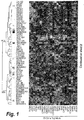
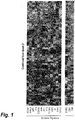
- the expression intensity of the individual genes should be obtained and normalized between individual cell lines. This may be done by any means known in the art. It is preferable to download the Affymetrix CEL files, which contain the expression intensity of individual genes from these public databases, and then use the R/BioConductor packages on the Internet: ⁇ URL:http://bioconductor.org> in order to normalize the gene-expression values between individual cell lines.
- the correlation coefficient and its significance may be calculated using the CORTEST function of R package between the IC 50 values and the normalized gene expression levels for each probe-set. For validation, only genes with all probe sets showing significant correlations should be reported; and genes should be removed if any of its probe-sets are non-significant.
- the level of expression of a biomarker gene in a sample may be assessed by detecting the level of expression of a biomarker protein encoded by the biomarker gene.
- the level of expression of the biomarker protein may be detected using a reagent that specifically binds with the marker protein.
- the reagent is selected from the group consisting of an antibody, a fragment of an antibody, and an antibody derivative.
- immunoassays There are many different types of immunoassays that may be used in the method of the present invention, e.g., enzyme linked immunoabsorbent assay (ELISA), fluorescent immunosorbent assay (FIA), chemical linked immunosorbent assay (CLIA), radioimmuno assay (RIA), and immunoblotting.
- ELISA enzyme linked immunoabsorbent assay
- FIA fluorescent immunosorbent assay
- CLIA chemical linked immunosorbent assay
- RIA radioimmuno assay
- immunoblotting immunoblotting.
- the level of expression may be determined using a method selected from the group consisting of proteomics, flow cytometry, immunocytochemistry, immunohistochemistry, enzyme-linked immunosorbent assay, multi-channel enzyme-linked immunosorbent assay, and variations of these methods.
- the level of expression of a biomarker gene in a biological sample may be assessed by detecting the level of expression of a transcribed biomarker polynucleotide encoded by the biomarker gene.
- the transcribed biomarker polynucleotide is a cDNA, mRNA or hnRNA.
- the step of detecting may further comprise amplifying the transcribed polynucleotide.
- the amplification can be performed with the polymerase chain reaction which specifically amplifies nucleic acids to detectable amounts.
- Other possible amplification reactions are the Ligase Chain Reaction (LCR; Wu D. Y. and Wallace R. B., Genomics 4 (1989) 560-569 ; and Barany F., Proc. Natl. Acad. Sci. USA 88 (1991)189-193 ); Polymerase Ligase Chain Reaction ( Barany F., PCR Methods and Applic.
- the step of detecting can use the method of quantitative reverse transcriptase polymerase chain reaction.
- polynucleotide detection methods are known in the field and are described in standard textbooks, such as Sambrook J. et al., Molecular Cloning: A Laboratory Manual, Cold Spring Harbor Laboratory Press, Cold Spring Harbor, N.Y., 1989 ; and Ausubel, F. et al., Current Protocols in Molecular Biology, 1987, J. Wiley and Sons, NY . There may be also further purification steps before the polynucleotide detection step is carried out as, for example, a precipitation step.
- the detection methods may include but are not limited to the binding or intercalating of specific dyes as ethidiumbromide, which intercalates into the double-stranded polynucleotides and changes their fluorescence thereafter.
- the purified polynucleotide may also be separated by electrophoretic methods optionally after a restriction digest and visualized thereafter. There are also probe-based assays which exploit the oligonucleotide hybridisation to specific sequences and subsequent detection of the hybrid. It is also possible to sequence the DNA after further steps known in the field.
- a preferred template-dependent DNA polymerase is Taq polymerase.
- the level of expression of a biomarker gene is assessed by detecting the presence of the transcribed marker polynucleotide in a sample with a probe that anneals with the transcribed marker polynucleotide under stringent hybridization conditions.
- This method may be performed in a homogeneous assay system.
- An example of a "homogeneous" assay system is the TaqManTM system that has been detailed in U.S. Pat. No. 5,210,015 , U.S. Pat. No. 5,804,375 and U.S. Pat. No. 5,487,972 . Briefly, the method is based on a double-labelled probe and the 5'-3' exonuclease activity of Taq DNA polymerase.
- the probe is complementary to the target sequence to be amplified by the PCR process and is located between the two PCR primers during each polymerisation cycle step.
- the probe has two fluorescent labels attached to it.
- One is a reporter dye, such as 6-carboxyfluorescein (FAM), which has its emission spectra quenched by energy transfer due to the spatial proximity of a second fluorescent dye, 6-carboxy-tetramethyl-rhodamine (TAMRA).
- FAM 6-carboxyfluorescein
- TAMRA 6-carboxy-tetramethyl-rhodamine
- the mechanism also frees the reporter dye from the quenching activity of TAMRA.
- the fluorescent activity increases with an increase in cleavage of the probe, which is proportional to the amount of PCR product formed. Accordingly, an amplified target sequence is measured by detecting the intensity of released fluorescence label.
- Another example for "homogeneous" assay systems are provided by the formats used in the LightCyclerTM instrument (see e.g. U.S. Pat. No. 6,174,670 ), some of them sometimes called “kissing probe” formats. Again, the principle is based on two interacting dyes which, however, are characterized in that the emission wavelength of a donor-dye excites an acceptor-dye by fluorescence resonance energy transfer.
- the COBASTM AmpliPrep instrument (Roche Diagnostics GmbH, D-68305 Mannheim, Germany) was introduced to expand automation by isolating target sequences using biotinylated sequence-specific capture probes along with streptavidin-coated magnetic particles ( Jungkind, D., J. Clin. Virol. 20 (2001) 1-6 ; Stelzl, E. et al., J. Clin. Microbiol. 40 (2002) 1447-1450 ). It has lately been joined by an additional versatile tool, the Total Nucleic Acid Isolation (TNAI) Kit (Roche Diagnostics).
- TNAI Total Nucleic Acid Isolation
- This laboratory-use reagent allows the generic, not sequence-specific isolation of all nucleic acids from plasma and serum on the COBASTM AmpliPrep instrument based essentially on the method developed by Boom, R. et al., J. Clin. Microbiol. 28 (1990) 495-503 .
- a specific embodiment of this study that is described in more detail in the Examples correlated a low expression level, as compared to a normalized gene expression level of the gene, of any one or more of the genes selected from the group consisting of pterin-4 alpha-carbinolamine dehydratase/dimerization cofactor of hepatocyte nuclear factor 1 alpha (PCBD1); protein phosphatase 2, regulatory subunit B, gamma isoform (PPP2R2C); neural precursor cell expressed, developmentally downregulated 4 (NEDD4); prolyl 4-hydroxylase, alpha polypeptide II (P4HA2); SLC2A4 regulator (SLC2A4RG); sulfatase 2 (SULF2); lysosomal protein transmembrane 4 alpha (LAPTM4A); 3'-phosphoadenosine 5'-phosphosulfate synthase 2 (PAPSS2); aldo-keto reductase family 1, member C1 (dihydr
- DCUN1D4 cerevisiae
- the specific embodiment of this study also correlated a high expression level, as compared to a normalized gene expression level of the gene, of any one or more of the genes selected from the group consisting of ras-related C3 botulinum toxin substrate 2 (RAC2); acyl-Coexzyme A dehydrogenase, C-4 to C-112 straight chain (ACADM); Rho GTPase activating protein 4 (ARHGAP4); ATPase type 13A1 (ATP13A1); chemokine receptor 7 (CCR7); coronin 7 (CORO7); CXXC finger 4 (CXXC4); differentially expressed in FDCP 6 homolog (DEF6); KRI1 homolog (KRI1); limb region 1 homolog (LMBR1L); leukotriene B4 receptor (LTB4R); RAD54-like 2 (
- the specific embodiment of this study correlated a low expression level, as compared to a normalized gene expression level of the gene, of any one or more of the genes selected from the group consisting of UDP-glucose dehydrogenase (UGDH); H2A histone family, member Y2 (H2AFY2); myosin VC (MYO5C); nephronectin (NPNT); and KIAA1598 (KIAA1598) in a biological sample from a cancer patient as an indication that the patient will respond to combination treatment with an HDAC inhibitor and another cancer treatment.
- UDP-glucose dehydrogenase UDP-glucose dehydrogenase
- H2A histone family, member Y2 H2AFY2
- MYO5C myosin VC
- NPNT nephronectin
- KIAA1598 KIAA15978
- the specific embodiment of this study correlated a high expression level, as compared to a normalized gene expression level of the gene, of any one or more of the genes selected from the group consisting of serglycin (SRGN); collagen, type VI, alpha 3 (COL6A3); G-protein signaling modulator 3 (GPSM3); hydroxysteroid dehydrogenase 1 (HSD11B1); peroxisomal biogenesis factor 6 (PEX6); ras-related C3 botulinum toxin substrate 2 (RAC2); synovial sarcoma, X breakpoint 5 (SSX5); and acyl-Coenzyme A binding domain containing 3 (ACBD3) in a biological sample from a cancer patient as an indication that the patient will respond to combination treatment with an HDAC inhibitor and another cancer treatment.
- serglycin SRGN
- collagen type VI, alpha 3
- GPSM3 G-protein signaling modulator 3
- HSD11B1 hydroxysteroid dehydrogenase 1
- An embodiment of the invention comprises a 58 gene signature prediction model that can be used to identify breast cancer patients that will respond to treatment with an HDAC inhibitor.
- the names of the 58 genes are: transforming growth factor beta-3 (TGFB3); CD44 molecule (Indian blood group) (CD44); cytochrome p450, family 4, subfamily Z, polypeptide 2 pseudogene (CYP4Z2P); interferon-induced protein 44 (IFI44); solute carrier family 9, subfamily A (NHE6, cation proton antiporter 6), member 6 (SLC9A6); v-erb-b2 erythroblastic leukemia viral oncogene homolog 2, neuro/glioblastoma derived oncogene homolog (avian) (ERBB2); v-yes-1 Yamaguchi sarcoma viral related oncogene homolog (LYN); pleckstrin homology-like domain, family A, member 1 (PHLDA1); peroxisome prolife
- TGFB3 transforming growth factor beta-3
- CD44 CD44 molecule
- CD44 cytochrome p450, family 4, subfamily Z, polypeptide 2 pseudogene (CY
- the following high expression genes are related to the "sensitive" signature: TGFB3, CYP4Z2P, ERBB2, DCXR, ABCC11, TRIL, LOC440335, INHBB, C17orf28, LIMK2, LARGE, SLC40A1, GPR160, CISH, PLCB4, BLNK, PRODH, RHOB, CREB3L4, XBP1, SPDEF, FRAT2, and KIAA1324; and the following low expression genes are related to the "sensitive" signature: CD44, IFI44, SLC9A6, LYN, PHLDA1, PPARG, UPP1, AKR1C2, BAG2, DKK1, IRS2, IFIT1, FMNL2, LIF, TGFBR2, PLCG2, CAV2, IFIT3, CALB2, TSPYL5, CXorf61, HHEX, NCOA7, GAL, HERC5, HLA-A, CENPV, PLBD1, ADORA2B, GPRC5A, E
- the following low expression genes are related to the "resistant" signature: TGFB3, CYP4Z2P, ERBB2, DCXR, ABCC11, TRIL, LOC440335, INHBB, C17orf28, LIMK2, LARGE, SLC40A1, GPR160, CISH, PLCB4, BLNK, PRODH, RHOB, CREB3L4, XBP1, SPDEF, FRAT2, and KIAA1324; and the following high expression genes are related to the "resistant” signature: CD44, IFI44, SLC9A6, LYN, PHLDA1, PPARG, UPP1, AKR1C2, BAG2, DKK1, IRS2, IFIT1, FMNL2, LIF, TGFBR2, PLCG2, CAV2, IFIT3, CALB2, TSPYL5, CXorf61, HHEX, NCOA7, GAL, HERC5, HLA-A, CENPV, PLBD1, ADORA2B, GPRC5A, E
- This 58 gene signature prediction model may then be used to predict the sensitivity of breast tumor tissue samples from patients in order to determine the tumor's sensitivity or resistance to treatment with an HDAC inhibitor.
- the sensitive group of breast tumor tissues was enriched for three clinical breast cancer diagnosis markers: ER positive, PR positive, and low grade breast tumors.
- the resistant group of breat tumor tissues was associated with a triple negative (ER-PR-Her2/neu-) marker.
- these three clinical breast cancer diagnosis markers may be used to predict the sensitivity of breast tumor tissue samples from patients in order to determine the tumor's sensitivity or resistance to treatment with an HDAC inhibitor.
- HDAC Histone deacetylase
- HDAC inhibitor used in the methods of the present disclosure can be any HDAC inhibitor, such as a small molecule organic compound, an antibody, a siRNA, an aptamer, a nucleic acid, a protein, or a peptide.
- the HDAC inhibitor is a small molecule organic compound.
- the HDAC inhibitor is an HDAC6 inhibitor. This means that the HDAC inhibitor selectively inhibits HDAC6 over other forms of HDAC.
- the HDAC6 inhibitor is a compound of formula I: or a pharmaceutically acceptable salt, ester or prodrug thereof, wherein,
- the ring A is phenyl, naphthyl, anthracenyl, pyridinyl, pyrimidinyl, pyrazinyl, indolyl, imidazolyl, oxazolyl, furyl, thienyl, thiazolyl, triazolyl, isoxazolyl, quinolinyl, pyrrolyl, pyrazolyl, or 5,6,7,8-tetrahydroisoquinoline; each of which may be optionally substituted.
- the ring B is phenyl, naphthyl, anthracenyl, pyridinyl, pyrimidinyl, pyrazinyl, indolyl, imidazolyl, oxazolyl, furyl, thienyl, thiazolyl, triazolyl, isoxazolyl, quinolinyl, pyrrolyl, pyrazolyl, or 5,6,7,8-tetrahydroisoquinoline; each of which may be optionally substituted.
- R 1 is H, optionally substituted alkyl, optionally substituted aryl, or optionally substituted heteroaryl, or R 1 is OH or alkoxy.
- R 1 is H, methyl, ethyl, propyl, i-propyl, butyl, i-butyl, t-butyl, pentyl, hexyl, phenyl, naphthyl, pyridinyl, OH, OCH 3 , OCH 2 CH 3 , O-Pr, O-iPr, O-Bu, O-sBu, or O-tBu; each of which may be optionally substituted.
- R 1 is OH, alkoxy, NH 2 , NH(alkyl), N(alkyl)(alkyl), NH-aryl, NH-hetroaryl, N(aryl)(aryl), N(aryl)(heteroaryl), or N(heteroaryl)(heteroaryl).
- the carbonyl and the Z group attached to ring A are disposed para to each other.
- the carbonyl and Z group attached to ring A are disposed meta to each other.
- the carbonyl and the Z group attached to ring A are disposed ortho to each other.
- the HDAC6 inhibitor is a compound formula II: or a pharmaceutically acceptable salt, ester or prodrug thereof, wherein,
- X 1 , X 2 , X 3 , and X 4 are all CR'.
- X 2 and X 3 are N and X 1 and X 4 are CR'.
- X 2 and X 3 are CR' and X 1 and X 4 are N.
- X 2 is N; X 3 is S, N or O; X 1 is CR' and X 4 is absent.
- ring B is phenyl, pyridinyl, pyrimidinyl, or pyrazinyl; each of which may be optionally substituted.
- ring B is substituted by alkyl, aryl, heteroaryl, cycloalkyl, heterocycloalkyl, aralkyl, haloalkyl, hal, OH, NH 2 , NHR", CN, N 3 , or NO 2 .
- R 1 is H, alkyl, aryl, arylalkyl, or heteroaryl, each of which may be optionally substituted.
- the HDAC6 inhibitor is a compound of formula III: or a pharmaceutically acceptable salt, ester or prodrug thereof, wherein,
- ring B is phenyl, pyridinyl, pyrimidinyl, or pyrazinyl; each of which may be optionally substituted.
- ring B is substituted by alkyl, aryl, aralkyl, haloalkyl, hal, OH, NH 2 , CN, or NO 2 .
- R 1 is H, alkyl, aryl, arylalkyl, heteroaryl, C(O)-R 2 , or C(O)O-R 2 , each of which may be optionally substituted.
- R 2 is optionally substituted pyridinyl.
- the HDAC6 inhibitor is a compound of formula IV: or a pharmaceutically acceptable salt, ester or prodrug thereof, wherein,
- ring B is phenyl, pyridinyl, pyrimidinyl, or pyrazinyl; each of which may be optionally substituted.
- ring B is substituted by alkyl, aryl, aralkyl, haloalkyl, halo, OH, NH 2 , CN, or NO 2 .
- R 1 is H, alkyl, aryl, arylalkyl, or heteroaryl, each of which may be optionally substituted.
- R 1 is substituted by OH or halo.
- the ring formed by ring B and R 1 is piperidine, pyrrolidine, tetrahydroquinoline, morpholine, piperazine, tetrahydro-triazolo pyrazine, or diazepane, each of which is optionally substituted.
- the HDAC6 inhibitor is a compound of formula V: or a pharmaceutically acceptable salt, ester or prodrug thereof, wherein,
- the HDAC6 inhibitor is a compound of formula Va: or a pharmaceutically acceptable salt, ester or prodrug thereof, wherein,
- X 1 , X 2 , and X 3 are all independently CR'.
- ring B is phenyl, pyridinyl, pyrimidinyl, or pyrazinyl; each of which may be optionally substituted.
- ring B is substituted by alkyl, aryl, heteroaryl, cycloalkyl, heterocycloalkyl, aralkyl, haloalkyl, halo, OH, NH 2 , NHR", CN, N 3 , or NO 2 .
- R 1 is H, alkyl, aryl, arylalkyl, or heteroaryl, each of which may be optionally substituted.
- the HDAC6 inhibitor is a compound of formula VI: or a pharmaceutically acceptable salt, ester or prodrug thereof, wherein,
- ring B is phenyl, pyridinyl, pyrimidinyl, pyrazinyl, or thiazole; each of which may be optionally substituted.
- R* is methyl, trifluoromethyl, phenyl, pyridinyl, pyrimidinyl, pyrazinyl, or thiazole; each of which may be optionally substituted.
- R 1 is OH, methoxy, or ethoxy.
- ring B and R* are each independently substituted with one or more of alkyl, halogen, or C(O)NR X R Y , wherein R X is H or alkyl, and Ry is H or alkyl.
- ring B and R* are each independently substituted with one or more of methyl, F, or C(O)N(Me) 2 .
- Representative compounds of the present disclosure include, but are not limited to, the following compounds of Table 1 below.
- the HDAC6 inhibitor has the following chemical structure: which is referred to herein as Compound A.
- a compound useful in the methods of the present disclosure has one or more of the following properties: the compound is capable of inhibiting at least one histone deacetylase; the compound is capable of inhibiting HDAC6; the compound is a selective HDAC6 inhibitor; the compound binds to the poly-ubiquitin binding domain of HDAC6; the compound is capable of inducing apoptosis in cancer cells (especially multiple myeloma cells, non-Hodgkin's lymphoma (NML) cells, breast cancer cells, acute myelogeous leukemia (AML) cells); and/or the compound is capable of inhibiting aggresome formation.
- cancer cells especially multiple myeloma cells, non-Hodgkin's lymphoma (NML) cells, breast cancer cells, acute myelogeous leukemia (AML) cells
- AML acute myelogeous leukemia
- a compound useful in the methods of the present disclosure comprises a metal binding moiety, preferably a zinc-binding moiety such as a hydroxamate.
- a metal binding moiety preferably a zinc-binding moiety such as a hydroxamate.
- certain hydroxamates are potent inhibitors of HDAC6 activity; without wishing to be bound by theory, it is believed that the potency of these hydroxamates is due, at least in part, to the ability of the compounds to bind zinc.
- a compound useful in the methods of the present disclosure includes at least one portion or region which can confer selectivity for a biological target implicated in the aggresome pathway, e.g., a biological target having tubulin deacetylase (TDAC) or HDAC activity, e.g., HDAC6.
- TDAC tubulin deacetylase
- HDAC6 tubulin deacetylase
- a compound useful in the methods of the present disclosure includes a zinc-binding moiety spaced from other portions of the
- the present disclosure also provides for a pharmaceutical composition
- a pharmaceutical composition comprising a compound of formula I, or a pharmaceutically acceptable ester, salt, or prodrug thereof, together with a pharmaceutically acceptable carrier.
- Another object of the present disclosure is the use of a compound as described herein (e.g., of any formulae herein) in the manufacture of a medicament for use in the treatment of a disorder or disease herein.
- Another object of the present disclosure is the use of a compound as described herein (e.g., of any formulae herein) for use in the treatment of a disorder or disease herein.
- a compound useful in the methods of the present disclosure can be prepared as a pharmaceutically acceptable acid addition salt by reacting the free base form of the compound with a pharmaceutically acceptable inorganic or organic acid.
- a pharmaceutically acceptable base addition salt of a compound of the invention can be prepared by reacting the free acid form of the compound with a pharmaceutically acceptable inorganic or organic base.
- salt forms of the compounds useful in the methods of the invention can be prepared using salts of the starting materials or intermediates.
- the free acid or free base forms of the compounds useful in the methods of the present disclosure can be prepared from the corresponding base addition salt or acid addition salt from, respectively.
- a compound useful in the methods of the invention in an acid addition salt form can be converted to the corresponding free base by treating with a suitable base (e.g., ammonium hydroxide solution, sodium hydroxide, and the like).
- a suitable base e.g., ammonium hydroxide solution, sodium hydroxide, and the like.
- a compound useful in the methods of the invention in a base addition salt form can be converted to the corresponding free acid by treating with a suitable acid (e.g., hydrochloric acid, etc.).
- Hydrates of compounds useful in the methods of the present disclosure can be conveniently prepared, or formed during the process described herein, as solvates (e.g., hydrates). Hydrates of compounds useful in the methods of the present invention can be conveniently prepared by recrystallization from an aqueous/organic solvent mixture, using organic solvents such as dioxan, tetrahydrofuran or methanol.
- some of the compounds useful in the methods of this disclosure have one or more double bonds, or one or more asymmetric centers.
- Such compounds can occur as racemates, racemic mixtures, single enantiomers, individual diastereomers, diastereomeric mixtures, and cis- or trans- or E- or Z- double isomeric forms, and other stereoisomeric forms that may be defined, in terms of absolute stereochemistry, as (R)- or (S)- , or as (D)- or (L)-for amino acids. All such isomeric forms of these compounds are expressly included in the present disclosure.
- Optical isomers may be prepared from their respective optically active precursors by the procedures described above, or by resolving the racemic mixtures.
- the resolution can be carried out in the presence of a resolving agent, by chromatography or by repeated crystallization or by some combination of these techniques which are known to those skilled in the art. Further details regarding resolutions can be found in Jacques, et al., Enantiomers, Racemates, and Resolutions (John Wiley & Sons, 1981 ).
- the compounds useful in the methods of this disclosure may also be represented in multiple tautomeric forms, in such instances, the invention expressly includes all tautomeric forms of the compounds described herein. When the compounds described herein contain olefinic double bonds or other centers of geometric asymmetry, and unless specified otherwise, it is intended that the compounds include both E and Z geometric isomers. Likewise, all tautomeric forms are also intended to be included.
- any carbon-carbon double bond appearing herein is selected for convenience only and is not intended to designate a particular configuration unless the text so states; thus a carbon-carbon double bond depicted arbitrarily herein as trans may be cis, trans, or a mixture of the two in any proportion. All such isomeric forms of such compounds are expressly included in the methods of the present disclosure. All crystal forms of the compounds described herein are expressly included in the methods of the present disclosure.
- the compounds useful in the methods of the present disclosure are defined herein by their chemical structures and/or chemical names. Where a compound is referred to by both a chemical structure and a chemical name, and the chemical structure and chemical name conflict, the chemical structure is determinative of the compound's identity.
- any cancer treatment such as a chemotherapy drug or other anti-cancer drug, may be used in combination with an HDAC inhibitor in the methods of the present disclosure.
- the chemotherapy drug or other anti-cancer drug may be, for example, a small molecule organic compound, an antibody, a siRNA, an aptamer, a nucleic acid, a protein, or a peptide.
- the anti-cancer drug is a proteasome inhibitor. More preferably, the proteasome inhibitor is bortezomib.
- the HDAC inhibitor is provided in a pharmaceutical composition comprising a compound of formula I, or a pharmaceutically acceptable ester, salt, or prodrug thereof, together with a pharmaceutically acceptable carrier.
- the other cancer therapy is provided in a pharmaceutical composition.
- Compounds useful in the methods of the present disclosure can be administered as pharmaceutical compositions by any conventional route, in particular enterally, e.g., orally, e.g., in the form of tablets or capsules, or parenterally, e.g., in the form of injectable solutions or suspensions, topically, e.g., in the form of lotions, gels, ointments or creams, or in a nasal or suppository form.
- Pharmaceutical compositions comprising a compound useful in the methods of the present disclosure in free form or in a pharmaceutically acceptable salt form in association with at least one pharmaceutically acceptable carrier or diluent can be manufactured in a conventional manner by mixing, granulating or coating methods.
- oral compositions can be tablets or gelatin capsules comprising the active ingredient together with a) diluents, e.g., lactose, dextrose, sucrose, mannitol, sorbitol, cellulose and/or glycine; b) lubricants, e.g., silica, talcum, stearic acid, its magnesium or calcium salt and/or polyethyleneglycol; for tablets also c) binders, e.g., magnesium aluminum silicate, starch paste, gelatin, tragacanth, methylcellulose, sodium carboxymethylcellulose and or polyvinylpyrrolidone; if desired d) disintegrants, e.g., starches, agar, alginic acid or its sodium salt, or effervescent mixtures; and/or e) absorbents, colorants, flavors and sweeteners.
- diluents e.g., lactose, dextrose, sucrose,
- compositions can be aqueous isotonic solutions or suspensions, and suppositories can be prepared from fatty emulsions or suspensions.
- the compositions may be sterilized and/or contain adjuvants, such as preserving, stabilizing, wetting or emulsifying agents, solution promoters, salts for regulating the osmotic pressure and/or buffers. In addition, they may also contain other therapeutically valuable substances.
- Suitable formulations for transdermal applications include an effective amount of a compound of the present disclosure with a carrier.
- a carrier can include absorbable pharmacologically acceptable solvents to assist passage through the skin of the host.
- transdermal devices are in the form of a bandage comprising a backing member, a reservoir containing the compound optionally with carriers, optionally a rate controlling barrier to deliver the compound to the skin of the host at a controlled and predetermined rate over a prolonged period of time, and means to secure the device to the skin.
- Matrix transdermal formulations may also be used.
- Suitable formulations for topical application, e.g., to the skin and eyes, are preferably aqueous solutions, ointments, creams or gels well-known in the art. Such may contain solubilizers, stabilizers, tonicity enhancing agents, buffers and preservatives.
- Compounds useful in the methods of the present disclosure can be administered in therapeutically effective amounts in combination with one or more therapeutic agents (pharmaceutical combinations). For example, synergistic effects can occur with other antiproliferative, anti-cancer, immunomodulatory or anti-inflammatory substances. Where the compounds of the present disclosure are administered in conjunction with other therapies, dosages of the co-administered compounds will of course vary depending on the type of co-drug employed, on the specific drug employed, on the condition being treated and so forth.
- Combination therapy includes the administration of the subject compounds in further combination with other biologically active ingredients (such as, but not limited to, a second and different antineoplastic agent) and non-drug therapies (such as, but not limited to, surgery or radiation treatment).
- the compounds of the present disclosure can be used in combination with other pharmaceutically active compounds, preferably compounds that are able to enhance the effect of the compounds of the invention.
- the compounds of the invention can be administered simultaneously (as a single preparation or separate preparation) or sequentially to the other drug therapy.
- a combination therapy envisions administration of two or more drugs during a single cycle or course of therapy.
- compositions optionally further comprise one or more additional therapeutic agents.
- a compound useful in the methods of this disclosure may be administered to a patient in need thereof in combination with the administration of one or more other therapeutic agents.
- additional therapeutic agents for conjoint administration or inclusion in a pharmaceutical composition with a compound useful in the methods of this invention may be an approved chemotherapeutic agent, or it may be any one of a number of agents undergoing approval in the Food and Drug Administration that ultimately obtains approval for the treatment of any disorder associated with cellular hyperproliferation.
- the additional therapeutic agent is an anticancer agent, as discussed in more detail herein.
- the compound may be combined with a proteasome inhibitor (e.g., bortezomib, Rl 15777 FTI, MG132, NPI-0052, etc.).
- a proteasome inhibitor e.g., bortezomib, Rl 15777 FTI, MG132, NPI-0052, etc.
- the compound may be combined with protein degradation inhibitor (e.g. another inventive compound, a tubacin-like compound, bortezomib, Rl 15777 FTI, MGl 32, NPI-0052, SAHA, 166 Ho-DOTMP, arsenic trioxide, 17- AAG, MG 132, etc.).
- the compounds and pharmaceutical compositions useful in the methods of the present disclosure can be employed in combination therapies, that is, the compounds and pharmaceutical compositions can be administered concurrently with, prior to, or subsequent to, one or more other desired therapeutics or medical procedures.
- the particular combination of therapies (therapeutics or procedures) to employ in a combination regimen will take into account compatibility of the desired therapeutics and/or procedures and the desired therapeutic effect to be achieved.
- the therapies employed may achieve a desired effect for the same disorder (for example, an inventive compound may be administered concurrently with another anticancer agent), or they may achieve different effects (e.g., control of any adverse effects).
- the compounds and pharmaceutical compositions useful in the methods of the present disclosure can be formulated and employed in combination therapies, that is, the compounds and pharmaceutical compositions can be formulated with or administered concurrently with, prior to, or subsequent to, one or more other desired therapeutics or medical procedures.
- the particular combination of therapies (therapeutics or procedures) to employ in a combination regimen will take into account compatibility of the desired therapeutics and/or procedures and the desired therapeutic effect to be achieved.
- the therapies employed may achieve a desired effect for the same disorder (for example, an inventive compound may be administered concurrently with another immunomodulatory agent, anticancer agent or agent useful for the treatment of psoriasis), or they may achieve different effects (e.g., control of any adverse effects).
- 6-Mercaptopurine 5-Fluorouracil, Cytarabile, Gemcitabine
- spindle poisons e.g., Vinblastine, Vincristine, Vinorelbine, Paclitaxel
- podophyllotoxins e.g., Etoposide, Irinotecan, Topotecan
- antibiotics Doxorubicin, Bleomycin, Mitomycin
- nitrosoureas e.g., Carmustine, Lomustine
- inorganic ions e.g., Cisplatin, Carboplatin
- enzymes e.g., Asparaginase
- hormones e.g., Tamoxifen, Leuprolide, Flutamide, and Megestrol
- the pharmaceutical compositions useful in the methods of the present invention further comprise one or more additional therapeutically active ingredients (e.g., chemotherapeutic and/or palliative).
- additional therapeutically active ingredients e.g., chemotherapeutic and/or palliative.
- palliative refers to treatment that is focused on the relief of symptoms of a disease and/or side effects of a therapeutic regimen, but is not curative.
- palliative treatment encompasses painkillers, antinausea medications, anti-pyretics, and anti-sickness drugs.
- chemotherapy, radiotherapy and surgery can all be used palliatively (that is, to reduce symptoms without going for cure; e.g., for shrinking tumors and reducing pressure, bleeding, pain and other symptoms of cancer).
- the compounds and compositions can be administered together with hormonal and steroidal anti-inflammatory agents, such as but not limited to, estradiol, conjugated estrogens (e.g., PREMARIN, PREMPRO, AND PREMPHASE), 17 beta estradiol, calcitonin-salmon, levothyroxine, dexamethasone, medroxyprogesterone, prednisone, cortisone, flunisolide, and hydrocortisone; non-steroidal anti-inflammatory agents, such as but not limited to, tramadol, fentanyl, metamizole, ketoprofen, naproxen, nabumetone, ketoralac, tromethamine, loxoprofen, ibuprofen, aspirin, and acetaminophen; anti-TNF- ⁇ , antibodies, such as infliximab (REMICADETM) and etanercept (ENBRELTM).
- estradiol conjugated estrogens
- compositions useful in the methods of the present invention comprise a therapeutically effective amount of a compound of the present invention formulated together with one or more pharmaceutically acceptable carriers.
- pharmaceutically acceptable carrier means a non-toxic, inert solid, semi-solid or liquid filler, diluent, encapsulating material or formulation auxiliary of any type.
- the pharmaceutical compositions useful in the methods of this invention can be administered to humans and other animals orally, rectally, parenterally, intracisternally, intravaginally, intraperitoneally, topically (as by powders, ointments, or drops), buccally, or as an oral or nasal spray.
- disorders are treated or prevented in a subject, such as a human or other animal, by administering to the subject a therapeutically effective amount of a compound of the invention, in such amounts and for such time as is necessary to achieve the desired result.
- a therapeutically effective amount of a compound useful in the methods of the invention means a sufficient amount of the compound so as to decrease the symptoms of a disorder in a subject.
- a therapeutically effective amount of a compound of this invention will be at a reasonable benefit/risk ratio applicable to any medical treatment.
- compounds useful in the methods of the present disclosure will be administered in therapeutically effective amounts via any of the usual and acceptable modes known in the art, either singly or in combination with one or more therapeutic agents.
- a therapeutically effective amount may vary widely depending on the severity of the disease, the age and relative health of the subject, the potency of the compound used and other factors. In general, satisfactory results are indicated to be obtained systemically at daily dosages of from about 0.03 to 2.5 mg/kg per body weight (0.05 to 4.5 mg/m 2 ).
- An indicated daily dosage in the larger mammal, e.g. humans is in the range from about 0.5 mg to about 100 mg, conveniently administered, e.g. in divided doses up to four times a day or in retard form.
- Suitable unit dosage forms for oral administration comprise from ca. 1 to 50 mg active ingredient.
- a therapeutic amount or dose of the compounds useful in the methods of the present disclosure may range from about 0.1 mg/kg to about 500 mg/kg (about 0.18 mg/m 2 to about 900 mg/m 2 ), alternatively from about 1 to about 50 mg/kg (about 1.8 to about 90 mg/m 2 ).
- treatment regimens according to the present invention comprise administration to a patient in need of such treatment from about 10 mg to about 1000 mg of the compound(s) useful in the methods of this invention per day in single or multiple doses.
- Therapeutic amounts or doses will also vary depending on route of administration, as well as the possibility of co-usage with other agents.
- a maintenance dose of a compound, composition or combination useful in the methods of this invention may be administered, if necessary. Subsequently, the dosage or frequency of administration, or both, may be reduced, as a function of the symptoms, to a level at which the improved condition is retained when the symptoms have been alleviated to the desired level, treatment should cease.
- the subject may, however, require intermittent treatment on a long-term basis upon any recurrence of disease symptoms.
- the total daily usage of the compounds and compositions useful in the methods of the present invention will be decided by the attending physician within the scope of sound medical judgment.
- the specific inhibitory dose for any particular patient will depend upon a variety of factors including the disorder being treated and the severity of the disorder; the activity of the specific compound employed; the specific composition employed; the age, body weight, general health, sex and diet of the patient; the time of administration, route of administration, and rate of excretion of the specific compound employed; the duration of the treatment; drugs used in combination or coincidental with the specific compound employed; and like factors well known in the medical arts.
- co-administration or “combined administration” or the like as utilized herein are meant to encompass administration of the selected therapeutic agents to a single patient, and are intended to include treatment regimens in which the agents are not necessarily administered by the same route of administration or at the same time.
- pharmaceutical combination means a product that results from the mixing or combining of more than one active ingredient and includes both fixed and non-fixed combinations of the active ingredients.
- fixed combination means that the active ingredients, e.g., a compound useful in the mehods of the invention and a co-agent, are both administered to a patient simultaneously in the form of a single entity or dosage.
- non-fixed combination means that the active ingredients, e.g., a compound useful in the methods of the invention and a co-agent, are both administered to a patient as separate entities either simultaneously, concurrently or sequentially with no specific time limits, wherein such administration provides therapeutically effective levels of the two compounds in the body of the patient.
- cocktail therapy e.g., the administration of three or more active ingredients.
- the methods of the invention may be used to identify cancer patients that will or are likely to respond to treatment with an HDAC inhibitor, alone or in combination with another cancer therapy.
- the methods of the invention may be used to identify patients having any type of cancer.
- the cancer is selected from the group consisting of: brain/neuronal cancer, breast cancer, cancer of the central nervous system, haematopoietic and lymphoid tissue cancer, kidney cancer, cancer of the large intestine, liver cancer, lung cancer, cancer of the oesophagus, pancreatic cancer, prostate cancer, skin cancer, soft tissue cancer, and stomach cancer.
- the methods of the invention may involve taking a biological sample from a patient in order to determine the gene mutation status of the sample or the gene expression level status of the sample.
- the biological sample may be a from a tumor tissue, tumor biopsy, whole blood, blood serum, blood plasma, semen, urine, mucus, or other body sample.
- the biological sample is blood serum, blood plasma, tumor tissue, or tumor biopsy sample.
- Tumor tissue may be formalin-fixed paraffin embedded tumor tissue or fresh frozen tumor tissue.
- the methods of the invention may be used to identify biomarkers that can be used to identify cancer patients that will or are likely to respond to treatment with a HDAC inhibitor, alone or in combination with another cancer treatment.
- biomarkers For example, gene mutations that are correlated with cell sensitivities to one or more cancer drugs may be used as biomarkers.
- gene expression levels of genes that are correlated with cell sensitivities to one or more cancer drugs may be used as biomarkers.
- the biomarkers are selected from the group consisting of human epidermal growth factor receptor 2 (Her2); erythroblastic leukemia viral oncogene homolog 2 (ERBB2); SMAD family member 4 (SMAD4); phosphatase and tensin homolog (PTEN); epidermal growth factor receptor oncogene (EGFR); histone-lysine N-methyltransferase (EZH2); SET domain containing 2 (SETD2); von Hippel-Lindau tumor suppressor (VHL); pterin-4 alpha-carbinolamine dehydratase/dimerization cofactor of hepatocyte nuclear factor 1 alpha (PCBD1); protein phosphatase 2, regulatory subunit B, gamma isoform (PPP2R2C); neural precursor cell expressed, developmentally downregulated 4 (NEDD4); prolyl 4-hydroxylase, alpha polypeptide II (P4HA2); SLC2A4 regulator (SLC2A4RG); sulfata
- DCUN1D4 cerevisiae
- RAC2 ras-related C3 botulinum toxin substrate 2
- ACADM acyl-Coexzyme A dehydrogenase, C-4 to C-112 straight chain
- ARHGAP4 Rho GTPase activating protein 4
- ATPase type 13A1 ATP13A1
- CCR7 chemokine receptor 7
- CORO7 coronin 7
- CXXC finger 4 CXXC4
- CXXC4 differentially expressed in FDCP 6 homolog (DEF6)
- KRI1 homolog KRI1
- LBR1L limb region 1 homolog
- LTB4R leukotriene B4 receptor
- RAD54-like 2 chromosome X open reading frame 21
- SREBF chaperone SCAP
- selectin L SELL
- splicing factor 3a subunit 2
- SF3A2 Lyrm7 homolog
- LYRM7 O-linked
- the invention also includes mutations, mutants, or variants of the above biomarker proteins or genes.
- the native sequence of the biomarker protein or gene is changed by one or more substitutions, modifications, deletions, or insertions of one or more amino acids or nucleic acids in the protein or gene.
- those mutations, mutants, or variants may also encompass gene amplification, chromosomal translocation, protein overexpression, protein underexpression, gene overexpression, and gene underexpression.
- the term "native sequence” refers to an amino acid sequence or a nucleic acid sequence that is identical to a wild-type or native form of a biomarker protein or gene.
- kits that may be used in the methods of the invention.
- the disclosure provides a kit comprising a nucleic acid or probe that is complementary to any one of the genes, or a fragment threof, selected from the group consisting of erythroblastic leukemia viral oncogene homolog 2 (ERBB2); SMAD family member 4 (SMAD4); phosphatase and tensin homolog (PTEN); epidermal growth factor receptor oncogene (EGFR); histone-lysine N-methyltransferase (EZH2); SET domain containing 2 (SETD2); von Hippel-Lindau tumor suppressor (VHL); pterin-4 alpha-carbinolamine dehydratase/dimerization cofactor of hepatocyte nuclear factor 1 alpha (PCBD1); protein phosphatase 2, regulatory subunit B, gamma isoform (PPP2R2C); neural precursor cell expressed, developmentally downregulated 4 (NEDD4); prolyl 4-hydroxylase, alpha polypeptide II (P4
- ERBB2
- DCUN1D4 cerevisiae
- RAC2 ras-related C3 botulinum toxin substrate 2
- ACADM acyl-Coexzyme A dehydrogenase, C-4 to C-112 straight chain
- ARHGAP4 Rho GTPase activating protein 4
- ATPase type 13A1 ATP13A1
- CCR7 chemokine receptor 7
- CORO7 coronin 7
- CXXC finger 4 CXXC4
- CXXC4 differentially expressed in FDCP 6 homolog (DEF6)
- KRI1 homolog KRI1
- LBR1L limb region 1 homolog
- LTB4R leukotriene B4 receptor
- RAD54-like 2 chromosome X open reading frame 21
- SREBF chaperone SCAP
- selectin L SELL
- splicing factor 3a subunit 2
- SF3A2 Lyrm7 homolog
- LYRM7 O-linked
- kits comprising an antibody that binds to a protein produced by any one of the genes, or a fragment thereof, selected from the group consisting of erythroblastic leukemia viral oncogene homolog 2 (ERBB2); SMAD family member 4 (SMAD4); phosphatase and tensin homolog (PTEN); epidermal growth factor receptor oncogene (EGFR); histone-lysine N-methyltransferase (EZH2); SET domain containing 2 (SETD2); von Hippel-Lindau tumor suppressor (VHL); pterin-4 alpha-carbinolamine dehydratase/dimerization cofactor of hepatocyte nuclear factor 1 alpha (PCBD1); protein phosphatase 2, regulatory subunit B, gamma isoform (PPP2R2C); neural precursor cell expressed, developmentally downregulated 4 (NEDD4); prolyl 4-hydroxylase, alpha polypeptide II (P4HA2); SLC2A4
- DCUN1D4 cerevisiae
- RAC2 ras-related C3 botulinum toxin substrate 2
- ACADM acyl-Coexzyme A dehydrogenase, C-4 to C-112 straight chain
- ARHGAP4 Rho GTPase activating protein 4
- ATPase type 13A1 ATP13A1
- CCR7 chemokine receptor 7
- CORO7 coronin 7
- CXXC finger 4 CXXC4
- CXXC4 differentially expressed in FDCP 6 homolog (DEF6)
- KRI1 homolog KRI1
- LBR1L limb region 1 homolog
- LTB4R leukotriene B4 receptor
- RAD54-like 2 chromosome X open reading frame 21
- SREBF chaperone SCAP
- selectin L SELL
- splicing factor 3a subunit 2
- SF3A2 Lyrm7 homolog
- LYRM7 O-linked
- Compounds of the present disclosure can be administered in therapeutically effective amounts in combination with one or more therapeutic agents (pharmaceutical combinations).
- a combination therapy envisions administration of two or more drugs during a single cycle or course of therapy.
- the compounds of the invention are administered in combination with lenalidomide (Revlimid), which has the following structure:
- Revlimid is described, for example, in US Patent No. 5,635,517 .
- the compounds and pharmaceutical compositions of the present disclosure can be employed in combination therapies, that is, the compounds and pharmaceutical compositions can be administered concurrently with, prior to, or subsequent to, one or more other desired therapeutics or medical procedures.
- the particular combination of therapies (therapeutics or procedures) to employ in a combination regimen will take into account compatibility of the desired therapeutics and/or procedures and the desired therapeutic effect to be achieved.
- the therapies employed may achieve a desired effect for the same disorder (for example, an inventive compound may be administered concurrently with another anticancer agent), or they may achieve different effects (e.g., control of any adverse effects).
- a pharmaceutical composition comprising 2-(diphenylamino)-N-(7-(hydroxyamino)-7-oxoheptyl)pyrimidine-5-carboxamide, Revlimid, and a pharmaceutically acceptable carrier.
- a method of treating multiple myeloma in a subject in need thereof comprising administering to the subject 2-(diphenylamino)-N-(7-(hydroxyamino)-7-oxoheptyl)pyrimidine-5-carboxamide, and Revlimid.
- the agents can be administered together in one unit dose, separately but at approximately the same time, or at different times.
- This example describes the association study that was performed to determine which types of cancer are sensitive to treatment with Compound A alone or in combination with bortezomib.
- 65 cancer cell lines (including 12 of breast cancer, 11 of hematologic cancer, 9 of colorectal cancer, 6 of lung cancer, 6 of skin cancer, 4 brain cancer, 3 of renal cancer, 3 of liver cancer, 3 of prostate cancer, 3 of pancreatic cancer, 3 of ovarian cancer, and 2 of stomach cancer) were selected for analysis.
- Each of the cell lines was cultured and treated with the HDAC6 inhibitor, Compound A, with or without the proteasome inhibitor, bortezomib, before their cell viabilities were measured at the end of treatments.
- the sensitivities of the cell lines were described using the concentration of Compound A that provides 50% inhibition of cell viabilities (IC 50 ).
- This example describes the association study that was performed to determine which gene mutations, and hence types of cancer, are sensitive to treatment with a Compound A alone or in combination with bortezomib.
- 65 cancer cell lines (including 12 of breast cancer, 11 of hematologic cancer, 9 of colorectal cancer, 6 of lung cancer, 6 of skin cancer, 4 brain cancer, 3 of renal cancer, 3 of liver cancer, 3 of prostate cancer, 3 of pancreatic cancer, 3 of ovarian cancer, and 2 of stomach cancer) were selected for analysis.
- Each of the cell lines was cultured and treated with the HDAC6 inhibitor, Compound A, with or without the proteasome inhibitor, bortezomib, before their cell viabilities were measured at the end of treatments.
- Basal-type or triple negative mutations (estrogen receptor-negative, progesterone receptor-negative and HER2/neu-negative) in the breast cancer cell lines were resistant to treatment with Compound A.
- a gene mutation in the SMAD4 gene in colorectal cancer cell lines was sensitive to combination treatment with Compound A and bortezomib.
- a gene mutation in the SET domain containing 2 gene, SETD2, in all tested cancer cell lines was sensitive to combination treatment with Compound A and bortezomib.
- VHL Von Hippel-Lindau tumor suppressor gene
- This example describes the association study that was performed to determine which gene expression profiles, and hence types of cancer, are sensitive to treatment with Compound A alone or in combination with bortezomib.
- 65 cancer cell lines (including 12 of breast cancer, 11 of hematologic cancer, 9 of colorectal cancer, 6 of lung cancer, 6 of skin cancer, 4 brain cancer, 3 of renal cancer, 3 of liver cancer, 3 of prostate cancer, 3 of pancreatic cancer, 3 of ovarian cancer, and 2 of stomach cancer) were selected for analysis.
- Each of the cell lines was cultured and treated with the HDAC6 inhibitor, Compound A, with or without the proteasome inhibitor, bortezomib, before their cell viabilities were measured at the end of treatments.
- the sensitivities of the cell lines were described using the concentration of Compound A that provides 50% inhibition of cell viabilities (IC 50 ).
- the gene-expression profiles of the cell lines were obtained from two independent sources: the ArrayExpress (AE) database on the Internet: ⁇ URL: http://www.ebi.ac.uk/arrayexpress/>, which is maintained by the European Bioinformatics Institute, and the caArray database on the Internet: ⁇ URL:https://cabig.nci.nih.gov/caArray_GSKdata/>, which is from NIH.
- AE ArrayExpress
- the caArray database on the Internet ⁇ URL:https://cabig.nci.nih.gov/caArray_GSKdata/>, which is from NIH.
- the Affymetrix CEL files which contain the expression intensity of individual genes from these public databases, were downloaded, and then the R/BioConductor packages on the Internet: ⁇ URL:http://bioconductor.org> were used in order to normalize the gene-expression values between individual cell lines.
- the correlation coefficient and its significance were calculated using the CORTEST function of R package between the IC 50 values and the normalized gene expression levels for each probe-set. For validation, only genes with all probe sets showing significant correlations were reported; genes were removed if any of its probe-sets were non-significant.
- the gene expression data were grouped from either sensitive or resistant cells in the database and compared them to the general data pool, respectively, in order to identify the gene signature specifically associated with either a sensitive (group 1) or resistant (group 2) phenotype.
- group 1 whole experimental IC50 data was used to generate an IC50 prediction curve, which was comprised of 31 genes (group 3) expression data using the multi-regression algorithm. The prediction curve will be used to predict the sensitivity (IC50) of any given cells based on its gene expression data. Both methods have been popularly used to generate gene expression signatures and the results from both methods for future experimental validation are included here.
- Example 5 Large-scale cancer cell line screening with the selective HDAC-6 inhibitor Compound A identifies potential cancer targets and candidate predictive biomarkers
- Compound A is a selective inhibitor of HDAC6 (Histone Deacetylase 6) currently in Phase 1 clinical trials as a single agent and in combination with bortezomib (Velcade) or lenalidomide (Revlimid) in relapsed and refractory multiple myeloma.
- HDAC6 Histone Deacetylase 6
- Inhibitors of HDACs have been shown to exhibit potent anti-cancer activity mediated by increased level of acetylation of both histone and non-histone proteins, resulting in growth arrest, cell differentiation and apoptosis.
- the broader anti-tumor activity of Compound A was investigated with a panel of 65 human tumor cell lines derived from the major cancer types to define additional oncology indications for potential clinical development and to identify potential biomarkers of tumor sensitivity and drug resistance.
- Lymphoma cells were identified as the most sensitive cell group to Compound A.
- a gene expression profile signature and several gene mutations were demonstrated to be tightly associated with Compound A sensitivity, and can be used as biomarkers to predict a cancer's sensitivity to the HDAC inhibitor Compound A.
- the breast cancer cell group comprised of 16 breast cancer cell lines was the only one that produced a confident 58 gene signature prediction model using a correlation analysis of their IC50 values and their gene expression data published at the CCLE database (www dot broad institute dot org/ccle/home). None of the other three other groups, lung cancer, AML, and lymphoma, were able to produce a confident model because of either: 1) the data set size, or 2) the narrow range of the IC50 values.
- For the 58 genes in the "signature”, 35 low expression and 23 high expression genes related to the "sensitive” signature, while 35 high expression and 23 low expression related to the "resistant” signature see Figure 1 ).
- the names of the 58 genes are: transforming growth factor beta-3 (TGFB3); CD44 molecule (Indian blood group) (CD44); cytochrome p450, family 4, subfamily Z, polypeptide 2 pseudogene (CYP4Z2P); interferon-induced protein 44 (IFI44); solute carrier family 9, subfamily A (NHE6, cation proton antiporter 6), member 6 (SLC9A6); v-erb-b2 erythroblastic leukemia viral oncogene homolog 2, neuro/glioblastoma derived oncogene homolog (avian) (ERBB2); v-yes-1 Yamaguchi sarcoma viral related oncogene homolog (LYN); pleckstrin homology-like domain, family A, member 1 (PHLDA1); peroxisome proliferator-activated receptor gamma (PPARG); dicarbonyl/L-xylulose reductase (DCXR); uridine phosphorylase 1 (UP
- the following high expression genes are related to the "sensitive" signature: TGFB3, CYP4Z2P, ERBB2, DCXR, ABCC11, TRIL, LOC440335, INHBB, C17orf28, LIMK2, LARGE, SLC40A1, GPR160, CISH, PLCB4, BLNK, PRODH, RHOB, CREB3L4, XBP1, SPDEF, FRAT2, and KIAA1324; and the following low expression genes are related to the "sensitive" signature: CD44, IFI44, SLC9A6, LYN, PHLDA1, PPARG, UPP1, AKR1C2, BAG2, DKK1, IRS2, IFIT1, FMNL2, LIF, TGFBR2, PLCG2, CAV2, IFIT3, CALB2, TSPYL5, CXorf61, HHEX, NCOA7, GAL, HERC5, HLA-A, CENPV, PLBD1, ADORA2B, GPRC5A, E
- the following low expression genes are related to the "resistant" signature: TGFB3, CYP4Z2P, ERBB2, DCXR, ABCC11, TRIL, LOC440335, INHBB, C17orf28, LIMK2, LARGE, SLC40A1, GPR160, CISH, PLCB4, BLNK, PRODH, RHOB, CREB3L4, XBP1, SPDEF, FRAT2, and KIAA1324; and the following high expression genes are related to the "resistant” signature: CD44, IFI44, SLC9A6, LYN, PHLDA1, PPARG, UPP1, AKR1C2, BAG2, DKK1, IRS2, IFIT1, FMNL2, LIF, TGFBR2, PLCG2, CAV2, IFIT3, CALB2, TSPYL5, CXorf61, HHEX, NCOA7, GAL, HERC5, HLA-A, CENPV, PLBD1, ADORA2B, GPRC5A, E
- Compound A sensitivity of 59 breast cell lines was predicted based upon their gene expression profile data published at the CCLE site using the 58 gene signature (see Figure 2 ). Two statistically well-supported groups were identified. The first group (32 cell lines) was associated with sensitive cells, which were defined as having an IC50 ⁇ 5 ⁇ M. The second group (27 cell lines) was associated with resistant cells, which were defined as having an IC50 >5 ⁇ M. In order to validate the Compound A sensitivity prediction power of the model, tested 4 new breast cancer cell lines were tested, and their IC50 values fit well to the established model.
- the sensitive group of breast tumor tissues was enriched for three clinical breast cancer diagnosis markers: ER positive, PR positive, and low grade breast tumors.
- the resistant group of breat tumor tissues was associated with a triple negative (ER-PR-Her2/neu-) marker. See Figure 4 .
- Table 1 shows a summary of the 16 breast cancer cell line IC50 data, which were used to model the predictive gene expression biomarkers (Note: Only 14 of these 16 were found in the CCLE data and used in the modeling).
- ERBB2 gene for Her2
- ERBB2 is one of the 58 genes in the model itself.
- ESR1 gene for ER
- PSR gene for PR
Landscapes
- Health & Medical Sciences (AREA)
- Life Sciences & Earth Sciences (AREA)
- Chemical & Material Sciences (AREA)
- Engineering & Computer Science (AREA)
- Immunology (AREA)
- Organic Chemistry (AREA)
- General Health & Medical Sciences (AREA)
- Proteomics, Peptides & Aminoacids (AREA)
- Pathology (AREA)
- Analytical Chemistry (AREA)
- Molecular Biology (AREA)
- Medicinal Chemistry (AREA)
- Hematology (AREA)
- Zoology (AREA)
- Wood Science & Technology (AREA)
- Genetics & Genomics (AREA)
- Physics & Mathematics (AREA)
- Biochemistry (AREA)
- Microbiology (AREA)
- Biotechnology (AREA)
- Urology & Nephrology (AREA)
- Biomedical Technology (AREA)
- Bioinformatics & Cheminformatics (AREA)
- Oncology (AREA)
- Chemical Kinetics & Catalysis (AREA)
- General Chemical & Material Sciences (AREA)
- Veterinary Medicine (AREA)
- Public Health (AREA)
- Animal Behavior & Ethology (AREA)
- Pharmacology & Pharmacy (AREA)
- Nuclear Medicine, Radiotherapy & Molecular Imaging (AREA)
- General Engineering & Computer Science (AREA)
- Biophysics (AREA)
- Hospice & Palliative Care (AREA)
- Cell Biology (AREA)
- Food Science & Technology (AREA)
- General Physics & Mathematics (AREA)
- Measuring Or Testing Involving Enzymes Or Micro-Organisms (AREA)
- Medicines That Contain Protein Lipid Enzymes And Other Medicines (AREA)
- Pharmaceuticals Containing Other Organic And Inorganic Compounds (AREA)
Claims (10)
- Procédé destiné à prédire si un patient atteint de cancer répondra à un traitement avec un inhibiteur d'histone désacétylase-6 (HDAC6), comprenant les étapes consistant à :a) mesurer le niveau d'expression des gènes suivants : ptérine-4 alpha-carbinolamine déshydratase/cofacteur de dimérisation du facteur nucléaire 1 alpha des hépatocytes (PCBD1) ; protéine phosphatase 2, sous-unité B de régulation, isoforme gamma (PPP2R2C) ; précurseur neuronal exprimé, régulé en baisse au cours du développement 4 (NEDD4) ; prolyl 4-hydroxylase, polypeptide II alpha (P4HA2) ; régulateur de SLC2A4 (SLC2A4RG) ; sulfatase 2 (SULF2) ; protéine transmembranaire 4 alpha lysosomale (LAPTM4A) ; 3'-phosphoadénosine 5'-phosphosulfate synthase 2 (PAPSS2) ; famille 1 des aldo-céto réductases, membre C1 (dihydro-diol déshydrogenase 1 ; 20-alpha (3-alpha)-hydroxystéroïde déshydrogénase) (AKR1C1) ; protéine tyrosine phosphatase, de type non-récepteur 12 (PTPN12) ; DCN1, déficiente en neddylation 1 de culline contenant un domaine 4 (S. cerevisiae) (DCUN1D4) ; substrat 2 de la toxine botulique C3 apparenté à ras (RAC2) ; acyl-Coenzyme A déshydrogénase, chaîne droite C-4 à C-112 (ACADM) ; protéine 4 d'activation de la Rho GTPase (ARHGAP4) ; ATPase de type 13A1 (ATP13A1) ; récepteur 7 de chimiokines (CCR7) ; coronine 7 (CORO7) ; doigt de CXXC 4 (CXXC4) ; exprimé de manière différentielle dans un homologue de FDCP 6 (DEF6) ; homologue de KRI1 (KRI1) ; homologue de la région 1 de membres (LMBR1L) ; récepteur B4 d'un leucotriène (LTB4R) ; protéine 2 de type RAD54 (RAD54L2) ; cadre ouvert de lecture 21 du chromosome X (CXorf21) ; protéine chaperonne de SREBF (SCAP) ; sélectine L (SELL) ; facteur 3a d'épissage, sous-unité 2 (SF3A2) ; homologue de Lyrm7 (LYRM7) ; N-acétylglucosamine transférase liée en O (OGT) ; tubuline, alpha 3c (TUBA3C) ; tubuline, alpha 3d (TUBA3D) ; protéine régulatrice d'épissage de type KH (KHSRP) ; polypeptide 30 de la boîte DEAH (Asp-Glu-Ala-His) (DHX30) ; nucléase APEX (endonucléase apurinique/apyrimidinique) 2 (APEX2) ; et protéine 14A contenant un domaine d'abhydrolase (ABHD14A) dans un échantillon biologique provenant du patient atteint de cancer ; et pour lesdits gènes :b) faire une corrélation d'un faible niveau d'expression, en comparaison avec un niveau normalisé d'expression génique du gène, des PCBD1, PPP2R2C, NEDD4, P4HA2, SLC2A4RG, SULF2, LAPTM4A, PAPSS2, AKR1C1, PTPN12 et DCUN1D4 comme indication que le patient répondra à un tel traitement ; ou faire une corrélation d'un niveau d'expression élevé, en comparaison avec un niveau normalisé d'expression génique du gène, des RAC2, ACADM, ARHGAP4, ATP13A1, CCR7, CORO7, CXXC4, DEF6, KRI1, LMBR1L, LTB4R, RAD54L2, CXorf21, SCAP, SELL, SF3A2, LYRM7, OGT, TUBA3C, TUBA3D, KHSRP, DHX30, APEX2 et ABHD14A comme indication que le patient répondra à un tel traitement.
- Procédé destiné à prédire si un patient atteint de cancer répondra à un traitement par combinaison d'un inhibiteur d'histone désacétylase-6 (HDAC6) et d'un inhibiteur de protéasome, comprenant les étapes consistant à :a) mesurer le niveau d'expression des gènes suivants : UDP-glucose déshydrogénase (UGDH) ; famille des histones H2A, membre Y2 (H2AFY2) ; myosine VC (MY05C) ; néphronectine (NPNT) ; KIAA1598 (KIAA1598) ; serglycine (SRGN) ; collagène, type VI, alpha 3 (COL6A3) ; modulateur 3 de la signalisation liée aux protéines G (GPSM3) ; hydroxystéroïde déshydrogenase 1 (HSD11B1) ; facteur 6 de biogenèse des peroxysomes (PEX6) ; substrat 2 de la toxine botulique C3 apparenté à ras (RAC2) ; sarcome synovial, point de rupture 5 de X (SSX5) ; et protéine 3 contenant un domaine de liaison à l'acyl-Coenzyme A (ACBD3) ; dans un échantillon biologique provenant du patient atteint de cancer ; et pour lesdits gènes :b) faire une corrélation d'un faible niveau d'expression, en comparaison avec un niveau normalisé d'expression génique du gène, des UGDH, H2AFY2, MYO5C, NPNT et KIAA1598 comme indication que le patient répondra à un tel traitement ; ou faire une corrélation d'un niveau d'expression élevé du gène, en comparaison avec un niveau normalisé d'expression génique, des SRGN, COL6A3, GPSM3, HSD11B1, PEX6, RAC2, SSX5 et ACBD3 comme indication que le patient répondra à un tel traitement.
- Procédé destiné à prédire si un patient atteint d'un cancer du sein répondra à un traitement avec un inhibiteur d'histone désacétylase-6 (HDAC6) seul ou en combinaison avec un inhibiteur de protéasome, comprenant les étapes consistant à :a) évaluer les données provenant d'études d'association comprenant :1) une étude d'association qui associe une analyse de mutations géniques au type de traitement et au type de tumeur, dans laquelle la surexpression de la protéine 2 réceptrice du facteur de croissance épidermique humain (Her2), en comparaison avec un niveau normal d'expression protéique de la protéine dans un échantillon biologique provenant d'un patient atteint d'un cancer du sein, est une indication que le patient répondra à un traitement avec un inhibiteur d'histone désacétylase,2) une étude d'association qui associe une analyse d'expression génique au type de traitement, comprenant les étapes consistant à :i) mesurer le niveau d'expression des gènes suivants : ptérine-4 alpha-carbinolamine déshydratase/cofacteur de dimérisation du facteur nucléaire 1 alpha des hépatocytes (PCBD1) ; protéine phosphatase 2, sous-unité B de régulation, isoforme gamma (PPP2R2C) ; précurseur neuronal exprimé, régulé en baisse au cours du développement 4 (NEDD4) ; prolyl 4-hydroxylase, polypeptide II alpha (P4HA2) ; régulateur de SLC2A4 (SLC2A4RG) ; sulfatase 2 (SULF2) ; protéine transmembranaire 4 alpha lysosomale (LAPTM4A) ; 3'-phosphoadénosine 5'-phosphosulfate synthase 2 (PAPSS2) ; famille 1 des aldo-céto réductases, membre C1 (dihydro-diol déshydrogenase 1 ; 20-alpha (3-alpha)-hydroxystéroïde déshydrogénase) (AKR1C1) ; protéine tyrosine phosphatase, de type non-récepteur 12 (PTPN12) ; DCN1, déficiente en neddylation 1 de culline contenant un domaine 4 (S. cerevisiae) (DCUN1D4) ; substrat 2 de la toxine botulique C3 apparenté à ras (RAC2) ; acyl-Coenzyme A déshydrogénase, chaîne droite C-4 à C-112 (ACADM) ; protéine 4 d'activation de la Rho GTPase (ARHGAP4) ; ATPase de type 13A1 (ATP13A1) ; récepteur 7 de chimiokines (CCR7) ; coronine 7 (CORO7) ; doigt de CXXC 4 (CXXC4) ; exprimé de manière différentielle dans un homologue de FDCP 6 (DEF6) ; homologue de KRI1 (KRI1) ; homologue de la région 1 de membres (LMBR1L) ; récepteur B4 d'un leucotriène (LTB4R) ; protéine 2 de type RAD54 (RAD54L2) ; cadre ouvert de lecture 21 du chromosome X (CXorf21) ; protéine chaperonne de SREBF (SCAP) ; sélectine L (SELL) ; facteur 3a d'épissage, sous-unité 2 (SF3A2) ; homologue de Lyrm7 (LYRM7) ; N-acétylglucosamine transférase liée en O (OGT) ; tubuline, alpha 3c (TUBA3C) ; tubuline, alpha 3d (TUBA3D) ; protéine régulatrice d'épissage de type KH (KHSRP) ; polypeptide 30 de la boîte DEAH (Asp-Glu-Ala-His) (DHX30) ; nucléase APEX (endonucléase apurinique/apyrimidinique) 2 (APEX2) ; et protéine 14A contenant un domaine d'abhydrolase (ABHD14A) dans un échantillon biologique provenant du patient atteint de cancer ; et pour lesdits gènes :ii) faire une corrélation d'un faible niveau d'expression, en comparaison avec un niveau normalisé d'expression génique des gènes, des PCBD1, PPP2R2C, NEDD4, P4HA2, SLC2A4RG, SULF2, LAPTM4A, PAPSS2, AKR1C1, PTPN12 et DCUN1D4 comme indication que le patient répondra à un traitement avec un inhibiteur d'histone désacétylase ; ou faire une corrélation d'un niveau d'expression élevé, en comparaison avec un niveau normalisé d'expression génique des gènes, des RAC2, ACADM, ARHGAP4, ATP13A1, CCR7, CORO7, CXXC4, DEF6, KRI1, LMBR1L, LTB4R, RAD54L2, CXorf21, SCAP, SELL, SF3A2, LYRM7, OGT, TUBA3C, TUBA3D, KHSRP, DHX30, APEX2 et ABHD14A comme indication que le patient répondra à un traitement avec un inhibiteur d'histone désacétylase ; oui) mesurer le niveau d'expression des gènes suivants : UDP-glucose déshydrogénase (UGDH) ; famille des histones H2A, membre Y2 (H2AFY2) ; myosine VC (MY05C) ; néphronectine (NPNT) ; KIAA1598 (KIAA1598) ; serglycine (SRGN) ; collagène, type VI, alpha 3 (COL6A3) ; modulateur 3 de la signalisation liée aux protéines G (GPSM3) ; hydroxystéroïde déshydrogenase 1 (HSD11B1) ; facteur 6 de biogenèse des peroxysomes (PEX6) ; substrat 2 de la toxine botulique C3 apparenté à ras (RAC2) ; sarcome synovial, point de rupture 5 de X (SSX5) ; et protéine 3 contenant un domaine de liaison à l'acyl-Coenzyme A (ACBD3) ; dans un échantillon biologique provenant du patient atteint de cancer ; et pour lesdits gènes :ii) faire une corrélation d'un faible niveau d'expression, en comparaison avec un niveau normalisé d'expression génique du gène, des UGDH, H2AFY2, MYO5C, NPNT et KIAA1598 comme indication que le patient répondra à un traitement par combinaison d'un inhibiteur d'histone désacétylase et d'un inhibiteur de protéasome ; ou faire une corrélation d'un niveau d'expression élevé des gènes, en comparaison avec un niveau normalisé d'expression génique des SRGN, COL6A3, GPSM3, HSD11B1, PEX6, RAC2, SSX5 et ACBD3, comme indication que le patient répondra à un traitement par combinaison d'un inhibiteur d'histone désacétylase et d'un inhibiteur de protéasome, etb) évaluer les données concernant des mutations de gènes et des niveaux d'expression génique pour déterminer si le patient répondra à un tel traitement.
- Procédé de la revendication 1 ou la revendication 2, dans lequel le cancer est choisi dans le groupe constitué par les : cancer du cerveau/des neurones, cancer du sein, cancer du système nerveux central, cancer des tissus hématopoïétiques et lymphoïdes, cancer du rein, cancer du gros intestin, cancer du foie, cancer du poumon, cancer de l'oesophage, cancer du pancréas, cancer de la prostate, cancer de la peau, cancer d'un tissu mou et cancer de l'estomac.
- Procédé de l'une quelconque des revendications 1 à 3, dans lequel l'inhibiteur de HDAC6 est un composé de formule I :

- Procédé de la revendication 5, dans lequel le composé de formule I est

- Procédé de la revendication 2 ou la revendication 3, dans lequel l'inhibiteur de protéasome est le bortézomib.
- Procédé de l'une quelconque des revendications 1 à 3, dans lequel l'échantillon biologique est un échantillon de biopsie.
- Procédé destiné à prédire si un patient atteint d'un cancer du sein répondra à un traitement avec un inhibiteur d'histone désacétylase-6 (HDAC6), comprenant les étapes consistant à :a) mesurer le niveau d'expression de chacun des gènes suivants : facteur de croissance transformant bêta-3 (TGFB3) ; molécule de CD44 (groupe sanguin Indien) (CD44) ; cytochrome p450, famille 4, sous-famille Z, pseudo-gène du polypeptide 2 (CYP4Z2P) ; protéine 44 induite par interféron (IFI44) ; famille 9 de transporteurs de solutés, sous-famille A (NHE6, anti-porteur 6 de cations protons), membre 6 (SLC9A6) ; homologue 2 de l'oncogène viral v-erb-b2 de la leucémie érythroblastique, homologue d'un oncogène dérivé d'un neuro/glioblastome (aviaire) (ERBB2) ; homologue d'un oncogène v-yes-1 associé à un virus du sarcome de Yamaguchi (LYN) ; domaine de type homologue à la pleckstrine, famille A, membre 1 (PHLDA1) ; récepteur gamma activé par proliférateur des peroxysomes (PPARG) ; dicarbonyl/L-xylulose réductase (DCXR) ; uridine phosphorylase 1 (UPP1) ; cassette de liaison à l'ATP, sous-famille C (CFTR/MRP), membre 11 (ABCC11) ; famille 1 des aldo-céto réductases, membre C2 (dihydrodiol déshydrogénase 2 ; protéine de liaison à un acide biliaire ; 3-alpha hydroxy-stéroïde déshydrogénase, type III) (AKR1C2) ; athanogène 2 associé aux BCL2 (BAG2) ; inter-acteur TLR4 avec des répétitions riches en leucine (TRIL) ; LOC440335 non caractérisé (LOC44Q335) ; inhibine, bêta B (INHBB) ; homologue de dickkopf 1 (Xenopus laevis) (DKK1) ; substrat 2 du récepteur de l'insuline (IRS2) ; cadre ouvert de lecture 28 du chromosome 17 (C17orf28) ; kinase 2 à domaine LIM (LIMK2) ; du type glycosyl-transférase (LARGE) ; protéine 82 contenant un domaine de super-hélice (CCDC82) ; famille 40 de transporteurs de solutés (transporteur régulé par le fer), membre 1 (SLC40A1) ; protéine induite par interféron avec des répétitions de tétratricopeptide 1 (IFIT1) ; protéine 2 du type formine (FMNL2) ; factor d'inhibition d'une leucémie (LIF) ; facteur de croissance transformant, récepteur 2 bêta (70/80kDa) (TGFBR2) ; récepteur 160 couplé à la protéine G (GPR160) ; protéine contenant des SH2 inductible par cytokines (CISH) ; phospholipase C, bêta 4 (PLCB4) ; lieur de lymphocytes B (BLNK) ; phospholipase C, gamma 2 (spécifique du phosphatidylinositol) (PLCG2) ; cavéoline 2 (CAV2) ; proline déshydrogénase (oxydase) 1 (PRODH) ; membre B de la famille des homologues de ras (RHOB) ; protéine induite par interféron avec des répétitions de tétratricopeptide 3 (IFIT3) ; calbindine 2 (CALB2) ; protéine 5 du type TSPY (TSPYL5) ; cadre ouvert de lecture 61 du chromosome X (CXorf61) ; homeobox exprimée par voie hématopoïétique (HHEX) ; protéine 4 du type protéine 3 de liaison à un élément réceptif à l'AMPc (CREB3L4) ; protéine 1 de liaison à une boîte X (XBP1) ; facteur de transcription ets contenant un domaine pointu SAM (SPDEF) ; co-activateur 7 d'un récepteur nucléaire (NCOA7) ; galanine pré-propeptide (GAL) ; ubiquitine protéine ligase E3 5 contenant les domaines HECT et RLD (HERC5) ; complexe majeur d'histocompatibilité, classe I, A (HLA-A) ; protéine V du centromère (CENPV) ; protéine 2 fréquemment réarrangée dans les lymphomes avancés à lymphocytes T (FRAT2) ; protéine 1 contenant un domaine de phospholipase B (PLBD1) ; récepteur de l'adénosine A2b (ADORA2B) ; récepteur couplé à la protéine G, famille C, groupe 5, membre A (GPRC5A) ; protéine 1 contenant un domaine d'énoyl CoA hydratase (ECHDC1) ; protéine 1 de liaison au guanylate, inductible par interféron (GBP1) ; sulfatase 2 (SULF2), LOC100507463 (LOC100507463) et KIAA1324 (KIAA1324) non caractérisés, dans un échantillon biologique provenant du patient atteint d'un cancer du sein ; etb) faire une corrélation d'un niveau d'expression élevé, en comparaison avec un niveau normalisé d'expression génique du gène, des gènes suivants TGFB3, CYP4Z2P, ERBB2, DCXR, ABCC11, TRIL, LOC440335, INHBB, C17orf28, LIMK2, LARGE, SLC40A1, GPR160, CISH, PLCB4, BLNK, PRODH, RHOB, CREB3L4, XBP1, SPDEF, FRAT2 et KIAA1324 comme indication que le patient répondra à un tel traitement ; et faire une corrélation d'un faible niveau d'expression, en comparaison avec un niveau normalisé d'expression génique du gène, des gènes suivants CD44, IFI44, SLC9A6, LYN, PHLDA1, PPARG, UPP1, AKR1C2, BAG2, DKK1, IRS2, IFIT1, FMNL2, LIF, TGFBR2, PLCG2, CAV2, IFIT3, CALB2, TSPYL5, CXorf61, HHEX, NCOA7, GAL, HERC5, HLA-A, CENPV, PLBD1, ADORA2B, GPRC5A, ECHDC1, GBP1, SULF2 et LOC100507463 comme indication que le patient répondra à un tel traitement.
- Procédé de la revendication 5, dans lequel le composé de formule I est

Applications Claiming Priority (4)
| Application Number | Priority Date | Filing Date | Title |
|---|---|---|---|
| US201261635336P | 2012-04-19 | 2012-04-19 | |
| US201261664471P | 2012-06-26 | 2012-06-26 | |
| US201361778260P | 2013-03-12 | 2013-03-12 | |
| PCT/US2013/037355 WO2013158984A1 (fr) | 2012-04-19 | 2013-04-19 | Biomarqueurs permettant d'identifier des patients qui réagiront à un traitement, et traitement desdits patients |
Publications (3)
| Publication Number | Publication Date |
|---|---|
| EP2839037A1 EP2839037A1 (fr) | 2015-02-25 |
| EP2839037A4 EP2839037A4 (fr) | 2015-12-23 |
| EP2839037B1 true EP2839037B1 (fr) | 2018-12-26 |
Family
ID=49384103
Family Applications (1)
| Application Number | Title | Priority Date | Filing Date |
|---|---|---|---|
| EP13778809.7A Active EP2839037B1 (fr) | 2012-04-19 | 2013-04-19 | Biomarqueurs permettant d'identifier des patients qui réagiront à un traitement, et traitement desdits patients |
Country Status (5)
| Country | Link |
|---|---|
| US (2) | US9663825B2 (fr) |
| EP (1) | EP2839037B1 (fr) |
| JP (2) | JP2015515279A (fr) |
| HK (1) | HK1207403A1 (fr) |
| WO (1) | WO2013158984A1 (fr) |
Families Citing this family (45)
| Publication number | Priority date | Publication date | Assignee | Title |
|---|---|---|---|---|
| JO3672B1 (ar) | 2008-12-15 | 2020-08-27 | Regeneron Pharma | أجسام مضادة بشرية عالية التفاعل الكيماوي بالنسبة لإنزيم سبتيليسين كنفرتيز بروبروتين / كيكسين نوع 9 (pcsk9). |
| US20130064834A1 (en) | 2008-12-15 | 2013-03-14 | Regeneron Pharmaceuticals, Inc. | Methods for treating hypercholesterolemia using antibodies to pcsk9 |
| PH12012501492B1 (en) | 2010-01-22 | 2020-01-24 | Acetylon Pharmaceuticals Inc | Reverse amide compounds as protein deacetylase inhibitors and methods of use thereof |
| NZ610225A (en) | 2010-11-16 | 2015-08-28 | Acetylon Pharmaceuticals Inc | Pyrimidine hydroxy amide compounds as protein deacetylase inhibitors and methods of use thereof |
| SG192117A1 (en) | 2011-01-28 | 2013-08-30 | Sanofi Sa | Human antibodies to pcsk9 for use in methods of treating particular groups of subjects |
| AR087305A1 (es) | 2011-07-28 | 2014-03-12 | Regeneron Pharma | Formulaciones estabilizadas que contienen anticuerpos anti-pcsk9, metodo de preparacion y kit |
| HUE069234T2 (hu) | 2011-09-16 | 2025-02-28 | Regeneron Pharma | Eljárások lipoprotein(a)-szint csökkentésére proprotein-konvertáz szubtilizin/kexin 9 (PCSK9) inhibitorának beadásával |
| WO2013158984A1 (fr) | 2012-04-19 | 2013-10-24 | Acetylon Pharmaceuticals, Inc. | Biomarqueurs permettant d'identifier des patients qui réagiront à un traitement, et traitement desdits patients |
| AU2013202506B2 (en) * | 2012-09-07 | 2015-06-18 | Celgene Corporation | Resistance biomarkers for hdac inhibitors |
| US9145412B2 (en) | 2012-11-02 | 2015-09-29 | Acetylon Pharmaceuticals, Inc. | Selective HDAC1 and HDAC2 inhibitors |
| US10111953B2 (en) | 2013-05-30 | 2018-10-30 | Regeneron Pharmaceuticals, Inc. | Methods for reducing remnant cholesterol and other lipoprotein fractions by administering an inhibitor of proprotein convertase subtilisin kexin-9 (PCSK9) |
| US10494442B2 (en) | 2013-06-07 | 2019-12-03 | Sanofi Biotechnology | Methods for inhibiting atherosclerosis by administering an inhibitor of PCSK9 |
| WO2015054099A1 (fr) | 2013-10-08 | 2015-04-16 | Acetylon Pharmaceuticals, Inc. | Combinaisons d'inhibiteurs d'histone désacétylase et d'inhibiteurs d'her2 ou de pi3k |
| US9278963B2 (en) | 2013-10-10 | 2016-03-08 | Acetylon Pharmaceuticals, Inc. | Pyrimidine hydroxy amide compounds as histone deacetylase inhibitors |
| US10660890B2 (en) | 2013-10-24 | 2020-05-26 | National Institutes Of Health (Nih), U.S. Dept. Of Health And Human Services (Dhhs), U.S. Government Nih Division Of Extramural Inventions And Technology Resources (Deitr) | Treatment of polycystic diseases with an HDAC6 inhibitor |
| CN118105480A (zh) | 2013-11-12 | 2024-05-31 | 赛诺菲生物技术公司 | 用于与pcsk9抑制剂一起使用的给药方案 |
| WO2015084905A1 (fr) * | 2013-12-03 | 2015-06-11 | Acetylon Pharmaceuticals, Inc. | Combinaisons d'inhibiteurs d'histone désacétylase et médicaments immunomodulateurs |
| EP3084446B1 (fr) * | 2013-12-20 | 2022-12-14 | Acetylon Pharmaceuticals, Inc. | Biomarqueurs de l'histone-désacétylase 6 (hdac6) dans le myélome multiple |
| EP3100054B1 (fr) * | 2014-01-28 | 2022-02-23 | Quest Diagnostics Investments Incorporated | Procédé et compositions permettant de détecter une transition adénome-adénocarcinome dans un cancer |
| GB2530470A (en) | 2014-04-17 | 2016-03-30 | Imp Innovations Ltd | Methods |
| JP6952602B2 (ja) * | 2014-07-07 | 2021-10-20 | アセチロン ファーマシューティカルズ インコーポレイテッドAcetylon Pharmaceuticals,Inc. | ヒストンデアセチラーゼ阻害剤による白血病の治療 |
| KR20230074283A (ko) | 2014-07-16 | 2023-05-26 | 사노피 바이오테크놀로지 | 이형접합성 가족성 고콜레스테롤혈증(heFH) 환자의 치료방법 |
| EP3194615A1 (fr) * | 2014-09-05 | 2017-07-26 | INSERM (Institut National de la Santé et de la Recherche Médicale) | Méthodes de diagnostic et de traitement du cancer |
| US9937174B2 (en) | 2014-12-05 | 2018-04-10 | University of Modena and Reggio Emilia | Combinations of histone deacetylase inhibitors and bendamustine |
| AU2015360270B9 (en) | 2014-12-12 | 2019-12-05 | Regenacy Pharmaceuticals, Llc | Piperidine derivatives as HDAC1/2 inhibitors |
| US20160339022A1 (en) * | 2015-04-17 | 2016-11-24 | Acetylon Pharmaceuticals Inc. | Treatment of neuroblastoma with histone deacetylase inhibitors |
| US11478457B2 (en) | 2015-04-23 | 2022-10-25 | Nutech Ventures | Castration-resistant prostate cancer |
| HRP20200554T1 (hr) | 2015-05-22 | 2020-07-24 | Chong Kun Dang Pharmaceutical Corp. | Spojevi derivata heterocikličkih alkila koji služe kao selektivni inhibitori histonske deacetilaze i farmaceutski pripravci koji ih sadrže |
| JP6873053B2 (ja) | 2015-06-08 | 2021-05-19 | アセチロン ファーマシューティカルズ インコーポレイテッドAcetylon Pharmaceuticals,Inc. | タンパク質脱アセチル化阻害剤の製造方法 |
| EP3303306B1 (fr) | 2015-06-08 | 2020-02-12 | Acetylon Pharmaceuticals, Inc. | Formes cristallines d'un inhibiteur de l'histone désacétylase |
| JP2018523684A (ja) | 2015-08-18 | 2018-08-23 | リジェネロン・ファーマシューティカルズ・インコーポレイテッドRegeneron Pharmaceuticals, Inc. | リポタンパク質アフェレーシスを受けている高脂血症の患者を治療するための抗pcsk9阻害抗体 |
| US11813261B2 (en) | 2016-04-19 | 2023-11-14 | Acetylon Pharmaceuticals, Inc. | HDAC inhibitors, alone or in combination with BTK inhibitors, for treating chronic lymphocytic leukemia |
| US11298354B2 (en) * | 2016-06-09 | 2022-04-12 | Dana-Farber Cancer Institute, Inc. | Methods of use and pharmaceutical combinations of HDAC inhibitors with BET inhibitors |
| ES2929032T3 (es) | 2016-08-08 | 2022-11-24 | Acetylon Pharmaceuticals Inc | Combinaciones farmacéuticas de inhibidores de histona desacetilasa 6 y anticuerpos inhibidores de CD20 y usos de los mismos |
| JP7090611B2 (ja) | 2016-11-23 | 2022-06-24 | アセチロン ファーマシューティカルズ インコーポレイテッド | ヒストン脱アセチル化酵素阻害剤とプログラム細胞死リガンド1(pd-l1)阻害剤とを含む医薬組み合わせ物及びその使用方法 |
| CN106822869B (zh) * | 2017-03-16 | 2020-10-30 | 北京热休生物技术有限公司 | DEF8蛋白的多肽与热休克蛋白gp96的复合物在制备治疗与预防癌症药物中的应用 |
| KR102016217B1 (ko) * | 2017-09-29 | 2019-08-29 | 사회복지법인 삼성생명공익재단 | 소화기암 환자의 면역치료 반응성 예측용 cish 마커 및 이의 용도 |
| SG11202012849UA (en) * | 2018-06-26 | 2021-01-28 | Univ Texas | Methods and compositions for regulating an immune response |
| MX2022007376A (es) | 2019-12-20 | 2022-09-02 | Tenaya Therapeutics Inc | Fluoroalqull-oxadiazoles y sus usos. |
| EP4706662A1 (fr) * | 2020-06-17 | 2026-03-11 | University of Utah Research Foundation | Sélection de patient basée sur un biomarqueur pour le traitement d'un inhibiteur de protéasome |
| IL307883A (en) | 2021-04-23 | 2023-12-01 | Tenaya Therapeutics Inc | HDAC6 inhibitors for use in the treatment of dilated myocardial disease |
| US20240252502A1 (en) | 2021-05-04 | 2024-08-01 | Tenaya Therapeutics, Inc. | Hdac6 inhibitors for treatment of metabolic disease and hfpef |
| CN113341156B (zh) * | 2021-06-01 | 2022-02-22 | 中国医学科学院北京协和医院 | 鉴别卵巢子宫内膜异位症/卵巢癌的试剂及其应用 |
| CN116637122B (zh) * | 2023-07-20 | 2023-10-10 | 呈诺再生医学科技(北京)有限公司 | 环状RNA circ-DCUN1D4在肝癌诊断和治疗中的新用途 |
| WO2025215092A1 (fr) | 2024-04-10 | 2025-10-16 | Institut National de la Santé et de la Recherche Médicale | Inhibiteurs sélectifs de hdac6 destinés à être utilisés dans le traitement de la dystrophie myotonique de type 1 |
Family Cites Families (34)
| Publication number | Priority date | Publication date | Assignee | Title |
|---|---|---|---|---|
| WO2003035843A2 (fr) * | 2001-10-25 | 2003-05-01 | Buck Institute For Age Research | Systeme de criblage de modulateurs de la transcription induite par her2 et modulateurs her2 identifies par ce systeme |
| EP1595952A4 (fr) * | 2003-02-19 | 2008-05-21 | Astellas Pharma Inc | Procede d'evaluation de l'effet antitumoral d'un inhibiteur d'histone desacetylase |
| EP1491188A1 (fr) * | 2003-06-25 | 2004-12-29 | G2M Cancer Drugs AG | Utilisation topique de l'acide valproique pour traiter des maladies de la peau |
| US8999289B2 (en) * | 2005-03-22 | 2015-04-07 | President And Fellows Of Harvard College | Treatment of protein degradation disorders |
| US8445198B2 (en) * | 2005-12-01 | 2013-05-21 | Medical Prognosis Institute | Methods, kits and devices for identifying biomarkers of treatment response and use thereof to predict treatment efficacy |
| WO2007072225A2 (fr) | 2005-12-01 | 2007-06-28 | Medical Prognosis Institute | Méthodes et appareils pour identifier des biomarqueurs de réponse à un traitement et leur utilisation pour prédire l'efficacité d’un traitement |
| EP1963862A4 (fr) | 2005-12-05 | 2010-03-03 | Merck & Co Inc | Procedes pour prevoir une reaction a un traitement d'apres les profils d'expression de biomarqueurs proteiques et transcriptionnels |
| AU2007296259A1 (en) | 2006-09-15 | 2008-03-20 | Janssen Pharmaceutica Nv | Combinations of class-I specific histone deacetylase inhibitors with proteasome inhibitors |
| AU2008210421B2 (en) | 2007-01-30 | 2014-03-13 | Pharmacyclics Llc | Methods for determining cancer resistance to histone deacetylase inhibitors |
| PH12012501492B1 (en) | 2010-01-22 | 2020-01-24 | Acetylon Pharmaceuticals Inc | Reverse amide compounds as protein deacetylase inhibitors and methods of use thereof |
| WO2012018499A2 (fr) | 2010-08-05 | 2012-02-09 | Acetylon Pharmaceuticals | Régulation spécifique des niveaux de cytokines par des inhibiteurs hdac6 |
| NZ610225A (en) | 2010-11-16 | 2015-08-28 | Acetylon Pharmaceuticals Inc | Pyrimidine hydroxy amide compounds as protein deacetylase inhibitors and methods of use thereof |
| WO2013158984A1 (fr) | 2012-04-19 | 2013-10-24 | Acetylon Pharmaceuticals, Inc. | Biomarqueurs permettant d'identifier des patients qui réagiront à un traitement, et traitement desdits patients |
| US9145412B2 (en) | 2012-11-02 | 2015-09-29 | Acetylon Pharmaceuticals, Inc. | Selective HDAC1 and HDAC2 inhibitors |
| US9096549B2 (en) | 2013-02-01 | 2015-08-04 | Acetylon Pharmaceuticals, Inc. | Selective HDAC3 inhibitors |
| US9139583B2 (en) | 2013-02-01 | 2015-09-22 | Acetylon Pharmaceuticals, Inc. | Selective HDAC3 inhibitors |
| US20140357512A1 (en) | 2013-06-03 | 2014-12-04 | Acetylon Pharmaceuticals, Inc. | Histone deacetylase (hdac) biomarkers in multiple myeloma |
| WO2015042418A1 (fr) | 2013-09-20 | 2015-03-26 | Acetylon Pharmaceuticals, Inc. | Traitement des maladies provoquées par une fonction lymphocytaire anormale avec un inhibiteur d'hdac6 |
| WO2015054099A1 (fr) | 2013-10-08 | 2015-04-16 | Acetylon Pharmaceuticals, Inc. | Combinaisons d'inhibiteurs d'histone désacétylase et d'inhibiteurs d'her2 ou de pi3k |
| ES2818933T3 (es) | 2013-10-10 | 2021-04-14 | Acetylon Pharmaceuticals Inc | Inhibidores de la HDAC en combinación con los inhibidores de la pi3k, para el tratamiento del linfoma no Hodgkin |
| WO2015054197A1 (fr) | 2013-10-10 | 2015-04-16 | Acetylon Pharmaceuticals, Inc. | Inhibiteurs hdac, seuls ou en combinaison avec des inhibiteurs btk, pour traiter des lymphomes non-hodgkiniens |
| US9278963B2 (en) | 2013-10-10 | 2016-03-08 | Acetylon Pharmaceuticals, Inc. | Pyrimidine hydroxy amide compounds as histone deacetylase inhibitors |
| CA2926808A1 (fr) | 2013-10-11 | 2015-04-16 | Acetylon Pharmaceuticals, Inc. | Combinaisons d'inhibiteurs de l'histone-desacetylase et de medicaments immunomodulateurs |
| WO2015084905A1 (fr) | 2013-12-03 | 2015-06-11 | Acetylon Pharmaceuticals, Inc. | Combinaisons d'inhibiteurs d'histone désacétylase et médicaments immunomodulateurs |
| EP3084446B1 (fr) | 2013-12-20 | 2022-12-14 | Acetylon Pharmaceuticals, Inc. | Biomarqueurs de l'histone-désacétylase 6 (hdac6) dans le myélome multiple |
| US9464073B2 (en) | 2014-02-26 | 2016-10-11 | Acetylon Pharmaceuticals, Inc. | Pyrimidine hydroxy amide compounds as HDAC6 selective inhibitors |
| JP6952602B2 (ja) | 2014-07-07 | 2021-10-20 | アセチロン ファーマシューティカルズ インコーポレイテッドAcetylon Pharmaceuticals,Inc. | ヒストンデアセチラーゼ阻害剤による白血病の治療 |
| US20160137630A1 (en) | 2014-10-08 | 2016-05-19 | Acetylon Pharmaceuticals, Inc. | Induction of gata2 by hdac1 and hdac2 inhibitors |
| US20160158231A1 (en) | 2014-12-05 | 2016-06-09 | Vib Vzw | Pyrimidine hydroxy amide compounds for treating peripheral neuropathy |
| AU2015360270B9 (en) | 2014-12-12 | 2019-12-05 | Regenacy Pharmaceuticals, Llc | Piperidine derivatives as HDAC1/2 inhibitors |
| US20160339022A1 (en) | 2015-04-17 | 2016-11-24 | Acetylon Pharmaceuticals Inc. | Treatment of neuroblastoma with histone deacetylase inhibitors |
| US10272084B2 (en) | 2015-06-01 | 2019-04-30 | Regenacy Pharmaceuticals, Llc | Histone deacetylase 6 selective inhibitors for the treatment of cisplatin-induced peripheral neuropathy |
| JP6873053B2 (ja) | 2015-06-08 | 2021-05-19 | アセチロン ファーマシューティカルズ インコーポレイテッドAcetylon Pharmaceuticals,Inc. | タンパク質脱アセチル化阻害剤の製造方法 |
| EP3303306B1 (fr) | 2015-06-08 | 2020-02-12 | Acetylon Pharmaceuticals, Inc. | Formes cristallines d'un inhibiteur de l'histone désacétylase |
-
2013
- 2013-04-19 WO PCT/US2013/037355 patent/WO2013158984A1/fr not_active Ceased
- 2013-04-19 EP EP13778809.7A patent/EP2839037B1/fr active Active
- 2013-04-19 HK HK15108041.5A patent/HK1207403A1/xx unknown
- 2013-04-19 JP JP2015507216A patent/JP2015515279A/ja active Pending
- 2013-04-19 US US13/866,367 patent/US9663825B2/en active Active
-
2017
- 2017-04-26 US US15/497,397 patent/US10648038B2/en active Active
-
2019
- 2019-02-04 JP JP2019017767A patent/JP6906554B2/ja not_active Expired - Fee Related
Also Published As
| Publication number | Publication date |
|---|---|
| US20170327895A1 (en) | 2017-11-16 |
| JP2015515279A (ja) | 2015-05-28 |
| US20140011767A1 (en) | 2014-01-09 |
| EP2839037A1 (fr) | 2015-02-25 |
| WO2013158984A1 (fr) | 2013-10-24 |
| HK1207403A1 (en) | 2016-01-29 |
| US9663825B2 (en) | 2017-05-30 |
| JP2019076114A (ja) | 2019-05-23 |
| EP2839037A4 (fr) | 2015-12-23 |
| US10648038B2 (en) | 2020-05-12 |
| JP6906554B2 (ja) | 2021-07-21 |
Similar Documents
| Publication | Publication Date | Title |
|---|---|---|
| EP2839037B1 (fr) | Biomarqueurs permettant d'identifier des patients qui réagiront à un traitement, et traitement desdits patients | |
| US20230146253A1 (en) | Methods related to bronchial premalignant lesion severity and progression | |
| US20230313299A1 (en) | Method for diagnosis and/or prognosis of liver disease progression and risk of hepatocellular carcinoma and discovery of therapeutic compounds and targets to treat liver disease and cancer | |
| US20160010158A1 (en) | Compositions and methods of treating cancer harboring pikc3a mutations | |
| JP6995091B2 (ja) | 癌患者をスクリーニングするための方法及びキット | |
| CN103562406B (zh) | 用于预测对艾日布林的反应的方法和组合物 | |
| JP5797288B2 (ja) | Vegf多型および抗脈管形成治療 | |
| US20160115540A1 (en) | Prodrugs and drugs | |
| EP2914261B1 (fr) | Létalité synthétique et le traitement anticancéreux | |
| JP2011505145A5 (fr) | ||
| CN113337602A (zh) | Mdm2抑制剂的治疗方法和生物标志物 | |
| EP3334844A1 (fr) | Méthodes de traitement de tumeurs solides et utilisation de biomarqueurs en tant que facteurs prédictifs de la sensibilité clinique à des traitements immunomodulateurs | |
| Yu et al. | YWHAZ amplification/overexpression defines aggressive bladder cancer and contributes to chemo‐/radio‐resistance by suppressing caspase‐mediated apoptosis | |
| Ackermann et al. | Expression and secretion of the pro‑inflammatory cytokine IL‑8 is increased in colorectal cancer cells following the knockdown of non‑erythroid spectrin αII | |
| EP2734199B1 (fr) | Létalité synthétique et traitement anticancéreux | |
| CN102770140B (zh) | 治疗癌症的方法 | |
| JP6669500B2 (ja) | 薬物耐性akt変異体を検出し治療するための方法及び組成物 | |
| JP2023500950A (ja) | マントル細胞リンパ腫(mcl)対象を特定するための鉄スコアおよびインビトロ方法ならびに治療的使用および方法 | |
| CN102959090B (zh) | 用于表征和鉴别遗传毒性化合物的基因表达分析 | |
| Zhang et al. | MicroRNA-324-5p suppresses the migration and invasion of MM cells by inhibiting the SCFβ− TrCP E3 ligase | |
| WO2014072086A1 (fr) | Biomarqueurs pour le pronostic du cancer du poumon | |
| Lu et al. | Polymorphism in the Hsa-miR-4274 seed region influences the expression of PEX5 and enhances radiotherapy resistance in colorectal cancer | |
| WO2014185528A1 (fr) | Méthode de prédiction d'un effet thérapeutique chez un patient atteint d'un cancer colorectal chez qui l'expression de la protéine tk1 a augmenté | |
| WO2020149523A1 (fr) | Biomarqueurs pour prédire une réponse à un médicament anticancéreux et utilisation correspondante | |
| WO2007086351A1 (fr) | Méthode de prédiction de la sensibilité à un agent anticancéreux du type 5-fluorouracil |
Legal Events
| Date | Code | Title | Description |
|---|---|---|---|
| PUAI | Public reference made under article 153(3) epc to a published international application that has entered the european phase |
Free format text: ORIGINAL CODE: 0009012 |
|
| 17P | Request for examination filed |
Effective date: 20141119 |
|
| AK | Designated contracting states |
Kind code of ref document: A1 Designated state(s): AL AT BE BG CH CY CZ DE DK EE ES FI FR GB GR HR HU IE IS IT LI LT LU LV MC MK MT NL NO PL PT RO RS SE SI SK SM TR |
|
| AX | Request for extension of the european patent |
Extension state: BA ME |
|
| RA4 | Supplementary search report drawn up and despatched (corrected) |
Effective date: 20151119 |
|
| RIC1 | Information provided on ipc code assigned before grant |
Ipc: C12Q 1/68 20060101AFI20151113BHEP Ipc: G01N 33/574 20060101ALI20151113BHEP Ipc: C12N 15/11 20060101ALI20151113BHEP Ipc: A61P 35/00 20060101ALI20151113BHEP |
|
| REG | Reference to a national code |
Ref country code: HK Ref legal event code: DE Ref document number: 1207403 Country of ref document: HK |
|
| STAA | Information on the status of an ep patent application or granted ep patent |
Free format text: STATUS: EXAMINATION IS IN PROGRESS |
|
| 17Q | First examination report despatched |
Effective date: 20170103 |
|
| REG | Reference to a national code |
Ref country code: DE Ref legal event code: R079 Ref document number: 602013048852 Country of ref document: DE Free format text: PREVIOUS MAIN CLASS: C12Q0001680000 Ipc: C12Q0001688600 |
|
| RIC1 | Information provided on ipc code assigned before grant |
Ipc: G01N 33/574 20060101ALI20180418BHEP Ipc: C12Q 1/6886 20180101AFI20180418BHEP |
|
| GRAP | Despatch of communication of intention to grant a patent |
Free format text: ORIGINAL CODE: EPIDOSNIGR1 |
|
| STAA | Information on the status of an ep patent application or granted ep patent |
Free format text: STATUS: GRANT OF PATENT IS INTENDED |
|
| INTG | Intention to grant announced |
Effective date: 20180601 |
|
| GRAS | Grant fee paid |
Free format text: ORIGINAL CODE: EPIDOSNIGR3 |
|
| GRAJ | Information related to disapproval of communication of intention to grant by the applicant or resumption of examination proceedings by the epo deleted |
Free format text: ORIGINAL CODE: EPIDOSDIGR1 |
|
| GRAL | Information related to payment of fee for publishing/printing deleted |
Free format text: ORIGINAL CODE: EPIDOSDIGR3 |
|
| STAA | Information on the status of an ep patent application or granted ep patent |
Free format text: STATUS: EXAMINATION IS IN PROGRESS |
|
| GRAR | Information related to intention to grant a patent recorded |
Free format text: ORIGINAL CODE: EPIDOSNIGR71 |
|
| STAA | Information on the status of an ep patent application or granted ep patent |
Free format text: STATUS: GRANT OF PATENT IS INTENDED |
|
| INTC | Intention to grant announced (deleted) | ||
| GRAA | (expected) grant |
Free format text: ORIGINAL CODE: 0009210 |
|
| STAA | Information on the status of an ep patent application or granted ep patent |
Free format text: STATUS: THE PATENT HAS BEEN GRANTED |
|
| INTG | Intention to grant announced |
Effective date: 20181113 |
|
| AK | Designated contracting states |
Kind code of ref document: B1 Designated state(s): AL AT BE BG CH CY CZ DE DK EE ES FI FR GB GR HR HU IE IS IT LI LT LU LV MC MK MT NL NO PL PT RO RS SE SI SK SM TR |
|
| AX | Request for extension of the european patent |
Extension state: BA ME |
|
| REG | Reference to a national code |
Ref country code: GB Ref legal event code: FG4D |
|
| REG | Reference to a national code |
Ref country code: CH Ref legal event code: EP |
|
| REG | Reference to a national code |
Ref country code: AT Ref legal event code: REF Ref document number: 1081500 Country of ref document: AT Kind code of ref document: T Effective date: 20190115 |
|
| REG | Reference to a national code |
Ref country code: DE Ref legal event code: R096 Ref document number: 602013048852 Country of ref document: DE |
|
| REG | Reference to a national code |
Ref country code: IE Ref legal event code: FG4D |
|
| REG | Reference to a national code |
Ref country code: CH Ref legal event code: PK Free format text: BERICHTIGUNGEN |
|
| RIC2 | Information provided on ipc code assigned after grant |
Ipc: G01N 33/574 20060101ALI20180418BHEP Ipc: C12Q 1/6886 20180101AFI20180418BHEP |
|
| PG25 | Lapsed in a contracting state [announced via postgrant information from national office to epo] |
Ref country code: LV Free format text: LAPSE BECAUSE OF FAILURE TO SUBMIT A TRANSLATION OF THE DESCRIPTION OR TO PAY THE FEE WITHIN THE PRESCRIBED TIME-LIMIT Effective date: 20181226 Ref country code: LT Free format text: LAPSE BECAUSE OF FAILURE TO SUBMIT A TRANSLATION OF THE DESCRIPTION OR TO PAY THE FEE WITHIN THE PRESCRIBED TIME-LIMIT Effective date: 20181226 Ref country code: NO Free format text: LAPSE BECAUSE OF FAILURE TO SUBMIT A TRANSLATION OF THE DESCRIPTION OR TO PAY THE FEE WITHIN THE PRESCRIBED TIME-LIMIT Effective date: 20190326 Ref country code: FI Free format text: LAPSE BECAUSE OF FAILURE TO SUBMIT A TRANSLATION OF THE DESCRIPTION OR TO PAY THE FEE WITHIN THE PRESCRIBED TIME-LIMIT Effective date: 20181226 Ref country code: BG Free format text: LAPSE BECAUSE OF FAILURE TO SUBMIT A TRANSLATION OF THE DESCRIPTION OR TO PAY THE FEE WITHIN THE PRESCRIBED TIME-LIMIT Effective date: 20190326 Ref country code: HR Free format text: LAPSE BECAUSE OF FAILURE TO SUBMIT A TRANSLATION OF THE DESCRIPTION OR TO PAY THE FEE WITHIN THE PRESCRIBED TIME-LIMIT Effective date: 20181226 |
|
| REG | Reference to a national code |
Ref country code: NL Ref legal event code: MP Effective date: 20181226 |
|
| REG | Reference to a national code |
Ref country code: LT Ref legal event code: MG4D |
|
| PG25 | Lapsed in a contracting state [announced via postgrant information from national office to epo] |
Ref country code: GR Free format text: LAPSE BECAUSE OF FAILURE TO SUBMIT A TRANSLATION OF THE DESCRIPTION OR TO PAY THE FEE WITHIN THE PRESCRIBED TIME-LIMIT Effective date: 20190327 Ref country code: SE Free format text: LAPSE BECAUSE OF FAILURE TO SUBMIT A TRANSLATION OF THE DESCRIPTION OR TO PAY THE FEE WITHIN THE PRESCRIBED TIME-LIMIT Effective date: 20181226 Ref country code: AL Free format text: LAPSE BECAUSE OF FAILURE TO SUBMIT A TRANSLATION OF THE DESCRIPTION OR TO PAY THE FEE WITHIN THE PRESCRIBED TIME-LIMIT Effective date: 20181226 Ref country code: RS Free format text: LAPSE BECAUSE OF FAILURE TO SUBMIT A TRANSLATION OF THE DESCRIPTION OR TO PAY THE FEE WITHIN THE PRESCRIBED TIME-LIMIT Effective date: 20181226 |
|
| REG | Reference to a national code |
Ref country code: AT Ref legal event code: MK05 Ref document number: 1081500 Country of ref document: AT Kind code of ref document: T Effective date: 20181226 |
|
| PG25 | Lapsed in a contracting state [announced via postgrant information from national office to epo] |
Ref country code: NL Free format text: LAPSE BECAUSE OF FAILURE TO SUBMIT A TRANSLATION OF THE DESCRIPTION OR TO PAY THE FEE WITHIN THE PRESCRIBED TIME-LIMIT Effective date: 20181226 |
|
| PG25 | Lapsed in a contracting state [announced via postgrant information from national office to epo] |
Ref country code: ES Free format text: LAPSE BECAUSE OF FAILURE TO SUBMIT A TRANSLATION OF THE DESCRIPTION OR TO PAY THE FEE WITHIN THE PRESCRIBED TIME-LIMIT Effective date: 20181226 Ref country code: PL Free format text: LAPSE BECAUSE OF FAILURE TO SUBMIT A TRANSLATION OF THE DESCRIPTION OR TO PAY THE FEE WITHIN THE PRESCRIBED TIME-LIMIT Effective date: 20181226 Ref country code: PT Free format text: LAPSE BECAUSE OF FAILURE TO SUBMIT A TRANSLATION OF THE DESCRIPTION OR TO PAY THE FEE WITHIN THE PRESCRIBED TIME-LIMIT Effective date: 20190426 Ref country code: CZ Free format text: LAPSE BECAUSE OF FAILURE TO SUBMIT A TRANSLATION OF THE DESCRIPTION OR TO PAY THE FEE WITHIN THE PRESCRIBED TIME-LIMIT Effective date: 20181226 Ref country code: IT Free format text: LAPSE BECAUSE OF FAILURE TO SUBMIT A TRANSLATION OF THE DESCRIPTION OR TO PAY THE FEE WITHIN THE PRESCRIBED TIME-LIMIT Effective date: 20181226 |
|
| PG25 | Lapsed in a contracting state [announced via postgrant information from national office to epo] |
Ref country code: RO Free format text: LAPSE BECAUSE OF FAILURE TO SUBMIT A TRANSLATION OF THE DESCRIPTION OR TO PAY THE FEE WITHIN THE PRESCRIBED TIME-LIMIT Effective date: 20181226 Ref country code: IS Free format text: LAPSE BECAUSE OF FAILURE TO SUBMIT A TRANSLATION OF THE DESCRIPTION OR TO PAY THE FEE WITHIN THE PRESCRIBED TIME-LIMIT Effective date: 20190426 Ref country code: SM Free format text: LAPSE BECAUSE OF FAILURE TO SUBMIT A TRANSLATION OF THE DESCRIPTION OR TO PAY THE FEE WITHIN THE PRESCRIBED TIME-LIMIT Effective date: 20181226 Ref country code: EE Free format text: LAPSE BECAUSE OF FAILURE TO SUBMIT A TRANSLATION OF THE DESCRIPTION OR TO PAY THE FEE WITHIN THE PRESCRIBED TIME-LIMIT Effective date: 20181226 Ref country code: SK Free format text: LAPSE BECAUSE OF FAILURE TO SUBMIT A TRANSLATION OF THE DESCRIPTION OR TO PAY THE FEE WITHIN THE PRESCRIBED TIME-LIMIT Effective date: 20181226 |
|
| REG | Reference to a national code |
Ref country code: DE Ref legal event code: R097 Ref document number: 602013048852 Country of ref document: DE |
|
| PG25 | Lapsed in a contracting state [announced via postgrant information from national office to epo] |
Ref country code: DK Free format text: LAPSE BECAUSE OF FAILURE TO SUBMIT A TRANSLATION OF THE DESCRIPTION OR TO PAY THE FEE WITHIN THE PRESCRIBED TIME-LIMIT Effective date: 20181226 Ref country code: AT Free format text: LAPSE BECAUSE OF FAILURE TO SUBMIT A TRANSLATION OF THE DESCRIPTION OR TO PAY THE FEE WITHIN THE PRESCRIBED TIME-LIMIT Effective date: 20181226 |
|
| PLBE | No opposition filed within time limit |
Free format text: ORIGINAL CODE: 0009261 |
|
| STAA | Information on the status of an ep patent application or granted ep patent |
Free format text: STATUS: NO OPPOSITION FILED WITHIN TIME LIMIT |
|
| REG | Reference to a national code |
Ref country code: CH Ref legal event code: PL |
|
| 26N | No opposition filed |
Effective date: 20190927 |
|
| REG | Reference to a national code |
Ref country code: BE Ref legal event code: MM Effective date: 20190430 |
|
| PG25 | Lapsed in a contracting state [announced via postgrant information from national office to epo] |
Ref country code: MC Free format text: LAPSE BECAUSE OF FAILURE TO SUBMIT A TRANSLATION OF THE DESCRIPTION OR TO PAY THE FEE WITHIN THE PRESCRIBED TIME-LIMIT Effective date: 20181226 Ref country code: LU Free format text: LAPSE BECAUSE OF NON-PAYMENT OF DUE FEES Effective date: 20190419 |
|
| PG25 | Lapsed in a contracting state [announced via postgrant information from national office to epo] |
Ref country code: LI Free format text: LAPSE BECAUSE OF NON-PAYMENT OF DUE FEES Effective date: 20190430 Ref country code: CH Free format text: LAPSE BECAUSE OF NON-PAYMENT OF DUE FEES Effective date: 20190430 |
|
| PG25 | Lapsed in a contracting state [announced via postgrant information from national office to epo] |
Ref country code: BE Free format text: LAPSE BECAUSE OF NON-PAYMENT OF DUE FEES Effective date: 20190430 Ref country code: SI Free format text: LAPSE BECAUSE OF FAILURE TO SUBMIT A TRANSLATION OF THE DESCRIPTION OR TO PAY THE FEE WITHIN THE PRESCRIBED TIME-LIMIT Effective date: 20181226 |
|
| PG25 | Lapsed in a contracting state [announced via postgrant information from national office to epo] |
Ref country code: TR Free format text: LAPSE BECAUSE OF FAILURE TO SUBMIT A TRANSLATION OF THE DESCRIPTION OR TO PAY THE FEE WITHIN THE PRESCRIBED TIME-LIMIT Effective date: 20181226 |
|
| PG25 | Lapsed in a contracting state [announced via postgrant information from national office to epo] |
Ref country code: IE Free format text: LAPSE BECAUSE OF NON-PAYMENT OF DUE FEES Effective date: 20190419 |
|
| PG25 | Lapsed in a contracting state [announced via postgrant information from national office to epo] |
Ref country code: CY Free format text: LAPSE BECAUSE OF FAILURE TO SUBMIT A TRANSLATION OF THE DESCRIPTION OR TO PAY THE FEE WITHIN THE PRESCRIBED TIME-LIMIT Effective date: 20181226 |
|
| PG25 | Lapsed in a contracting state [announced via postgrant information from national office to epo] |
Ref country code: HU Free format text: LAPSE BECAUSE OF FAILURE TO SUBMIT A TRANSLATION OF THE DESCRIPTION OR TO PAY THE FEE WITHIN THE PRESCRIBED TIME-LIMIT; INVALID AB INITIO Effective date: 20130419 Ref country code: MT Free format text: LAPSE BECAUSE OF FAILURE TO SUBMIT A TRANSLATION OF THE DESCRIPTION OR TO PAY THE FEE WITHIN THE PRESCRIBED TIME-LIMIT Effective date: 20181226 |
|
| REG | Reference to a national code |
Ref country code: HK Ref legal event code: WD Ref document number: 1207403 Country of ref document: HK |
|
| PG25 | Lapsed in a contracting state [announced via postgrant information from national office to epo] |
Ref country code: MK Free format text: LAPSE BECAUSE OF FAILURE TO SUBMIT A TRANSLATION OF THE DESCRIPTION OR TO PAY THE FEE WITHIN THE PRESCRIBED TIME-LIMIT Effective date: 20181226 |
|
| P01 | Opt-out of the competence of the unified patent court (upc) registered |
Effective date: 20230515 |
|
| PGFP | Annual fee paid to national office [announced via postgrant information from national office to epo] |
Ref country code: DE Payment date: 20251028 Year of fee payment: 13 |
|
| PGFP | Annual fee paid to national office [announced via postgrant information from national office to epo] |
Ref country code: GB Payment date: 20251023 Year of fee payment: 13 |
|
| PGFP | Annual fee paid to national office [announced via postgrant information from national office to epo] |
Ref country code: FR Payment date: 20251027 Year of fee payment: 13 |