EP2843737B1 - Anodenaktivmaterial und lithiumsekundärbatterie damit - Google Patents
Anodenaktivmaterial und lithiumsekundärbatterie damit Download PDFInfo
- Publication number
- EP2843737B1 EP2843737B1 EP13817450.3A EP13817450A EP2843737B1 EP 2843737 B1 EP2843737 B1 EP 2843737B1 EP 13817450 A EP13817450 A EP 13817450A EP 2843737 B1 EP2843737 B1 EP 2843737B1
- Authority
- EP
- European Patent Office
- Prior art keywords
- transition metal
- metal oxide
- lithium
- lithium transition
- active material
- Prior art date
- Legal status (The legal status is an assumption and is not a legal conclusion. Google has not performed a legal analysis and makes no representation as to the accuracy of the status listed.)
- Active
Links
Classifications
-
- C—CHEMISTRY; METALLURGY
- C01—INORGANIC CHEMISTRY
- C01G—COMPOUNDS CONTAINING METALS NOT COVERED BY SUBCLASSES C01D OR C01F
- C01G45/00—Compounds of manganese
- C01G45/12—Complex oxides containing manganese and at least one other metal element
- C01G45/1221—Manganates or manganites with trivalent manganese, tetravalent manganese or mixtures thereof
- C01G45/1242—Manganates or manganites with trivalent manganese, tetravalent manganese or mixtures thereof of the type (Mn2O4)-, e.g. LiMn2O4 or Li(MxMn2-x)O4
-
- C—CHEMISTRY; METALLURGY
- C01—INORGANIC CHEMISTRY
- C01G—COMPOUNDS CONTAINING METALS NOT COVERED BY SUBCLASSES C01D OR C01F
- C01G53/00—Compounds of nickel
- C01G53/40—Complex oxides containing nickel and at least one other metal element
- C01G53/42—Complex oxides containing nickel and at least one other metal element containing alkali metals, e.g. LiNiO2
- C01G53/44—Complex oxides containing nickel and at least one other metal element containing alkali metals, e.g. LiNiO2 containing manganese
-
- C—CHEMISTRY; METALLURGY
- C01—INORGANIC CHEMISTRY
- C01G—COMPOUNDS CONTAINING METALS NOT COVERED BY SUBCLASSES C01D OR C01F
- C01G53/00—Compounds of nickel
- C01G53/40—Complex oxides containing nickel and at least one other metal element
- C01G53/42—Complex oxides containing nickel and at least one other metal element containing alkali metals, e.g. LiNiO2
- C01G53/44—Complex oxides containing nickel and at least one other metal element containing alkali metals, e.g. LiNiO2 containing manganese
- C01G53/54—Complex oxides containing nickel and at least one other metal element containing alkali metals, e.g. LiNiO2 containing manganese of the type (Mn2O4)-, e.g. Li(NixMn2-x)O4 or Li(MyNixMn2-x-y)O4
-
- H—ELECTRICITY
- H01—ELECTRIC ELEMENTS
- H01M—PROCESSES OR MEANS, e.g. BATTERIES, FOR THE DIRECT CONVERSION OF CHEMICAL ENERGY INTO ELECTRICAL ENERGY
- H01M10/00—Secondary cells; Manufacture thereof
- H01M10/05—Accumulators with non-aqueous electrolyte
- H01M10/052—Li-accumulators
-
- H—ELECTRICITY
- H01—ELECTRIC ELEMENTS
- H01M—PROCESSES OR MEANS, e.g. BATTERIES, FOR THE DIRECT CONVERSION OF CHEMICAL ENERGY INTO ELECTRICAL ENERGY
- H01M4/00—Electrodes
- H01M4/02—Electrodes composed of, or comprising, active material
- H01M4/13—Electrodes for accumulators with non-aqueous electrolyte, e.g. for lithium-accumulators; Processes of manufacture thereof
- H01M4/139—Processes of manufacture
- H01M4/1391—Processes of manufacture of electrodes based on mixed oxides or hydroxides, or on mixtures of oxides or hydroxides, e.g. LiCoOx
-
- H—ELECTRICITY
- H01—ELECTRIC ELEMENTS
- H01M—PROCESSES OR MEANS, e.g. BATTERIES, FOR THE DIRECT CONVERSION OF CHEMICAL ENERGY INTO ELECTRICAL ENERGY
- H01M4/00—Electrodes
- H01M4/02—Electrodes composed of, or comprising, active material
- H01M4/36—Selection of substances as active materials, active masses, active liquids
- H01M4/48—Selection of substances as active materials, active masses, active liquids of inorganic oxides or hydroxides
-
- H—ELECTRICITY
- H01—ELECTRIC ELEMENTS
- H01M—PROCESSES OR MEANS, e.g. BATTERIES, FOR THE DIRECT CONVERSION OF CHEMICAL ENERGY INTO ELECTRICAL ENERGY
- H01M4/00—Electrodes
- H01M4/02—Electrodes composed of, or comprising, active material
- H01M4/36—Selection of substances as active materials, active masses, active liquids
- H01M4/48—Selection of substances as active materials, active masses, active liquids of inorganic oxides or hydroxides
- H01M4/50—Selection of substances as active materials, active masses, active liquids of inorganic oxides or hydroxides of manganese
- H01M4/505—Selection of substances as active materials, active masses, active liquids of inorganic oxides or hydroxides of manganese of mixed oxides or hydroxides containing manganese for inserting or intercalating light metals, e.g. LiMn2O4 or LiMn2OxFy
-
- H—ELECTRICITY
- H01—ELECTRIC ELEMENTS
- H01M—PROCESSES OR MEANS, e.g. BATTERIES, FOR THE DIRECT CONVERSION OF CHEMICAL ENERGY INTO ELECTRICAL ENERGY
- H01M4/00—Electrodes
- H01M4/02—Electrodes composed of, or comprising, active material
- H01M4/36—Selection of substances as active materials, active masses, active liquids
- H01M4/48—Selection of substances as active materials, active masses, active liquids of inorganic oxides or hydroxides
- H01M4/52—Selection of substances as active materials, active masses, active liquids of inorganic oxides or hydroxides of nickel, cobalt or iron
-
- H—ELECTRICITY
- H01—ELECTRIC ELEMENTS
- H01M—PROCESSES OR MEANS, e.g. BATTERIES, FOR THE DIRECT CONVERSION OF CHEMICAL ENERGY INTO ELECTRICAL ENERGY
- H01M4/00—Electrodes
- H01M4/02—Electrodes composed of, or comprising, active material
- H01M4/36—Selection of substances as active materials, active masses, active liquids
- H01M4/48—Selection of substances as active materials, active masses, active liquids of inorganic oxides or hydroxides
- H01M4/52—Selection of substances as active materials, active masses, active liquids of inorganic oxides or hydroxides of nickel, cobalt or iron
- H01M4/525—Selection of substances as active materials, active masses, active liquids of inorganic oxides or hydroxides of nickel, cobalt or iron of mixed oxides or hydroxides containing iron, cobalt or nickel for inserting or intercalating light metals, e.g. LiNiO2, LiCoO2 or LiCoOxFy
-
- C—CHEMISTRY; METALLURGY
- C01—INORGANIC CHEMISTRY
- C01P—INDEXING SCHEME RELATING TO STRUCTURAL AND PHYSICAL ASPECTS OF SOLID INORGANIC COMPOUNDS
- C01P2004/00—Particle morphology
- C01P2004/80—Particles consisting of a mixture of two or more inorganic phases
- C01P2004/82—Particles consisting of a mixture of two or more inorganic phases two phases having the same anion, e.g. both oxidic phases
- C01P2004/84—Particles consisting of a mixture of two or more inorganic phases two phases having the same anion, e.g. both oxidic phases one phase coated with the other
-
- C—CHEMISTRY; METALLURGY
- C01—INORGANIC CHEMISTRY
- C01P—INDEXING SCHEME RELATING TO STRUCTURAL AND PHYSICAL ASPECTS OF SOLID INORGANIC COMPOUNDS
- C01P2006/00—Physical properties of inorganic compounds
- C01P2006/40—Electric properties
-
- H—ELECTRICITY
- H01—ELECTRIC ELEMENTS
- H01M—PROCESSES OR MEANS, e.g. BATTERIES, FOR THE DIRECT CONVERSION OF CHEMICAL ENERGY INTO ELECTRICAL ENERGY
- H01M10/00—Secondary cells; Manufacture thereof
- H01M10/05—Accumulators with non-aqueous electrolyte
- H01M10/052—Li-accumulators
- H01M10/0525—Rocking-chair batteries, i.e. batteries with lithium insertion or intercalation in both electrodes; Lithium-ion batteries
-
- H—ELECTRICITY
- H01—ELECTRIC ELEMENTS
- H01M—PROCESSES OR MEANS, e.g. BATTERIES, FOR THE DIRECT CONVERSION OF CHEMICAL ENERGY INTO ELECTRICAL ENERGY
- H01M2220/00—Batteries for particular applications
- H01M2220/20—Batteries in motive systems, e.g. vehicle, ship, plane
-
- Y—GENERAL TAGGING OF NEW TECHNOLOGICAL DEVELOPMENTS; GENERAL TAGGING OF CROSS-SECTIONAL TECHNOLOGIES SPANNING OVER SEVERAL SECTIONS OF THE IPC; TECHNICAL SUBJECTS COVERED BY FORMER USPC CROSS-REFERENCE ART COLLECTIONS [XRACs] AND DIGESTS
- Y02—TECHNOLOGIES OR APPLICATIONS FOR MITIGATION OR ADAPTATION AGAINST CLIMATE CHANGE
- Y02E—REDUCTION OF GREENHOUSE GAS [GHG] EMISSIONS, RELATED TO ENERGY GENERATION, TRANSMISSION OR DISTRIBUTION
- Y02E60/00—Enabling technologies; Technologies with a potential or indirect contribution to GHG emissions mitigation
- Y02E60/10—Energy storage using batteries
-
- Y—GENERAL TAGGING OF NEW TECHNOLOGICAL DEVELOPMENTS; GENERAL TAGGING OF CROSS-SECTIONAL TECHNOLOGIES SPANNING OVER SEVERAL SECTIONS OF THE IPC; TECHNICAL SUBJECTS COVERED BY FORMER USPC CROSS-REFERENCE ART COLLECTIONS [XRACs] AND DIGESTS
- Y02—TECHNOLOGIES OR APPLICATIONS FOR MITIGATION OR ADAPTATION AGAINST CLIMATE CHANGE
- Y02P—CLIMATE CHANGE MITIGATION TECHNOLOGIES IN THE PRODUCTION OR PROCESSING OF GOODS
- Y02P70/00—Climate change mitigation technologies in the production process for final industrial or consumer products
- Y02P70/50—Manufacturing or production processes characterised by the final manufactured product
Definitions
- the present invention relates to a cathode active material and a lithium secondary battery including the same. More particularly, the present invention relates to a cathode active material including a lithium transition metal oxide based on transition metals Ni and Mn, wherein at least one hetero element selected from the group consisting of Ti and Al is located at a surface portion of and inside the lithium transition metal oxide, and a lithium secondary battery including the same.
- lithium secondary batteries As mobile device technology continues to develop and demand therefor continues to increase, demand for secondary batteries as energy sources is rapidly increasing.
- secondary batteries research on lithium secondary batteries, which exhibit high energy density and discharge voltage, has been underway and such lithium secondary batteries are commercially available and widely used.
- Such lithium secondary batteries are the most widely used due to excellent electrode lifespan and high high-speed charge and discharge efficiency.
- lithium-containing cobalt oxides such as LiCoO 2 are mainly used.
- lithium-containing manganese oxides such as LiMnO 2 having a layered crystal structure, LiMn 2 O 4 having a spinel crystal structure, and the like and lithium-containing nickel oxides such as LiNiO 2 is also under consideration.
- LiCoO 2 is widely used due to excellent overall physical properties such as excellent cycle properties, and the like.
- LiCoO 2 is low in safety and expensive due to resource limitations of cobalt as a raw material.
- Lithium nickel based oxides such as LiNiO 2 are cheaper than LiCoO 2 and exhibit high discharge capacity when charged to a voltage of 4.25 V.
- lithium nickel based oxides have problems such as high production cost, swelling due to gas generation in batteries, low chemical stability, high pH and the like.
- lithium manganese oxides such as LiMnO 2 , LiMn 2 O 4 , and the like, are advantageous in that they contain Mn, which is an abundant and environmentally friendly raw material.
- LiMn 2 O 4 has advantages such as a relatively cheap price, high output and the like.
- LiMn 2 O 4 has lower energy density, when compared with LiCoO 2 and three component-based active materials.
- a spinel material having a composition of Li 1+a Ni x Mn 2-x O 4-z (0 ⁇ a ⁇ 0.1, 0.4 ⁇ x ⁇ 0.5, and 0 ⁇ z ⁇ 0.1) has a higher potential (approximately 4.7 V) than original operating potential (approximately 4 V), and, accordingly, the spinel material is well suited to use as a cathode active material of medium and large lithium secondary batteries used in EVs requiring high energy and high-output performance.
- problems due to high charge and discharge voltage potential, there are a variety of problems, which must be solved, such as reduced battery performance caused by Mn dissolution of the cathode active material and side reaction of an electrolyte.
- a cathode active material comprising LiNi 0.5 Mn 1.5-x Ti x O 4 and LiNi 0.5 Mn 1.5-x Ti x O 4 with a Bi surface compound having a thickness of about 20 nm.
- Dislcosed is also a method of producing a lithium transition metal oxide by mixing transition metal precursors with hetero element precursors and lithium-containing material and sintering.
- the present invention aims to address the aforementioned problems of the related art and to achieve technical goals that have long been sought.
- the inventors of the present invention developed a cathode active material including a lithium transition metal oxide, wherein predetermined hetero elements are located at a surface portion of and inside the lithium transition metal oxide, and confirmed that, when the cathode active material is used, excellent high-speed charge characteristics and lifespan characteristics are exhibited, thus completing the present invention.
- a cathode active material comprising a lithium transition metal oxide, wherein at least one hetero element selected from the group consisting of Ti and Al is located at a surface portion of and inside the lithium transition metal oxide, wherein the surface portion of the lithium transition metal oxide is a portion that is less than 1% from the outermost portion based on a diameter of the lithium transition metal oxide particle, wherein the amount of the at least on hetero element is different between the surface portion and the inside of the lithium transition metal oxide, wherein the lithium transition metal oxide is a cathode active material represented by Formula 1 below: Li 1+a Ni b M c Mn 2-(b+c) O 4-z-d A 2d/n (1) wherein M is at least one selected from the group consisting of Ti and Al; A is at least one selected from the group consisting of OH, SO 4 , NO 3 , and F; 0 ⁇ a ⁇ 0.1; 0.3 ⁇ b ⁇ 0.6; 0.005 ⁇ c ⁇ 0.1; 0 ⁇ z ⁇ 0.1;
- the cathode active material according to the present invention includes a lithium transition metal oxide including predetermined hetero elements in a specific form and, as such, may suppress elution of manganese and gas generation by decomposition of an electrolyte under high voltage.
- the hetero elements may be included in an amount of 0.001 to 10 wt% based on the total weight of the lithium transition metal oxide.
- the amount of the hetero elements is less than 0.001 wt%, effects by addition of the hetero elements is not sufficiently exhibited.
- the amount of the hetero elements exceeds 10 wt%, inner resistance of a battery is increased and, as such, battery performance may be deteriorated.
- the hetero elements may be included in an amount of 0.001 to 5 wt%.
- the hetero elements may be uniformly doped inside the lithium transition metal oxide.
- the hetero elements are “uniformly” doped inside the lithium transition metal oxide” means that a ratio of the hetero elements and the other elements are identical in every area inside the lithium transition metal oxide.
- a surface portion of the lithium transition metal oxide means a portion that is less than 1% from the outermost portion based on a diameter of the lithium transition metal oxide particle.
- the amount of hetero elements located at a surface portion of the lithium transition metal oxide particle may be in a range of 30% to 99.9%, particularly 50% to 98%, more particularly 50% to 95%, based on the total amount of the hetero elements.
- the total amount of the hetero elements located inside the lithium transition metal oxide particle is determined by subtracting the amount of the hetero elements located at a surface portion from the total amount of the hetero elements and corresponds to the amount of the hetero elements located at a surface portion.
- the total amount of the hetero elements located inside the lithium transition metal oxide particle may be in a range of 0.1% to 70%, particularly 2% to 50%, more particularly 5% to 50%.
- the hetero elements may be located at the surface portion of and inside the lithium transition metal oxide through physical concrescence and/or chemical bonding.
- the hetero elements may exist in a relatively high amount at the surface portion of the lithium transition metal oxide and in a relatively low amount inside the lithium transition metal oxide.
- the amount of nickel (b) may be 0.4 to 0.5.
- a method of preparing the lithium transition metal oxide according to the present invention comprises reacting a transition metal precursor with 0.001 to 2.0 mol% M x' A y' and then mixing and sintering a lithium-containing material:
- the transition metal precursor may be, for example, at least one selected from the group consisting of a mixed oxide, a mixed hydrate, a mixed oxohydroxide, a mixed carbonate, a mixed hydrogen carbonate, and a mixed lithium transition metal oxide, as a Mn-Ni-containing precursor.
- the transition metal precursor may be prepared by co-precipitation.
- the co-precipitation is broadly known in the art and thus detailed description thereof is omitted.
- the lithium-containing material which is not specifically limited, may be, for example, lithium hydroxide, lithium carbonate, lithium oxide and the like, particularly lithium carbonate (Li 2 CO 3 ) and/or lithium hydroxide (LiOH).
- M is at least one selected from the group consisting of Ti and Al; A is at least one selected from the group consisting of OH, SO 4 , NO 3 and F; and, when 0 ⁇ x' ⁇ 4 and 0 ⁇ y' ⁇ 4, an oxidation number of M times x' plus an oxidation number of A times y' may be 0.
- M x' A y may be at least one selected from the group consisting of Ti(SO 4 ) 2 , Al 2 (SO 4 ) 3 , TiF 4 , AlF 3 , and Al(NO 3 ) 3 .
- M x' A y' When M x' A y' is dissolved in water, precipitates are formed on a surface of a precursor. More particularly, M x' A y' dissolved in water or sodium hydroxide in a range of 0.001 to 2.0 mol% is added to a reactor and thereby may react with the transition metal precursor, resulting in formation of a transition metal precursor surface-treated with M.
- an additive and/or alkali carbonate which may form a complex with a transition metal may be further added.
- the additive may be, for example, an ammonium ion source, ethylenediamine compounds, citric acid compounds or the like.
- the ammonium ion source may be, for example, aqueous ammonia, aqueous ammonium sulfate solution, aqueous ammonium nitrate solution or the like.
- the alkali carbonate may be selected from the group consisting of ammonium carbonate, sodium carbonate, potassium carbonate and lithium carbonate. In this case, as desired, two or more carbonates from the group may be selected and mixed. Addition amounts of the additive and alkali carbonate may be properly determined considering the amount of the transition metal-containing salt, pH and the like.
- the hetero elements M When the transition metal precursor surface-treated with the hetero elements M formed according to the reaction described above is reacted through calcination with the lithium-containing material, the hetero elements M may diffuse inside particles during calcination reaction, and, as such, a lithium transition metal oxide, in which the amount of the hetero elements is different between a surface portion of the lithium transition metal oxide and an inner portion of the lithium transition metal oxide, may be prepared.
- the hetero elements M are located at a surface portion of and inside particles of the lithium transition metal oxide, and thereby, structural stability of the lithium transition metal oxide is increased, and, accordingly, structural collapse, decomposition and the like under a high voltage condition may be prevented.
- the lithium transition metal oxide according to the present invention predetermined hetero elements locate at a surface portion of and inside particles of the lithium transition metal oxide, and thereby, reaction of a cathode and an electrolyte may be suppressed.
- structural stability of a lithium transition metal oxide is increased and thereby, structural collapse, decomposition reaction and the like under a high voltage condition may be prevented. Accordingly, when the lithium transition metal oxide according to the present invention is used in a lithium secondary battery as an electrode active material, high-speed charge performance is enhanced, and excellent lifespan characateristics, and charge and discharge efficiency are exhibited.
- the lithium transition metal oxide is used as an active material for lithium secondary batteries.
- the lithium composite transition metal oxide may be separately used or may be used by mixing with other publicly known active materials for lithium secondary batteries.
- the present invention also provides a cathode including the lithium transition metal oxide as a cathode active material and a lithium secondary battery including the same.
- the cathode is prepared by drying after coating a mixture of the cathode active material according to the present invention, a conductive material and a binder on a cathode current collector.
- the mixture may further include a filler.
- the cathode current collector is generally fabricated to a thickness of 3 to 500 micrometers.
- the cathode current collector is not particularly limited so long as it does not cause chemical changes in the fabricated lithium secondary battery and has high conductivity.
- the cathode current collector may be made of stainless steel, aluminum, nickel, titanium, sintered carbon, aluminum or stainless steel surface-treated with carbon, nickel, titanium, silver, or the like.
- the cathode current collector may have fine irregularities at a surface thereof to increase adhesion between the cathode active material and the cathode current collector.
- the cathode current collector may be used in any of various forms including films, sheets, foils, nets, porous structures, foams, and non-woven fabrics.
- the conductive material is typically added in an amount of 1 to 20 wt% based on the total weight of the mixture including the cathode active material.
- the conductive material there is no particular limit as to the conductive material, so long as it does not cause chemical changes in the fabricated battery and has conductivity.
- Examples of conductive materials include graphite such as natural or artificial graphite; carbon black such as carbon black, acetylene black, Ketjen black, channel black, furnace black, lamp black, and thermal black; conductive fibers such as carbon fibers and metallic fibers; metallic powders such as carbon fluoride powder, aluminum powder, and nickel powder; conductive whiskers such as zinc oxide whiskers and potassium titanate whiskers; conductive metal oxides such as titanium oxide; and polyphenylene derivatives.
- the binder is a component assisting in binding between an active material and the conductive material and in binding of the active material to a current collector.
- the binder is typically added in an amount of 1 to 20 wt% based on the total weight of the mixture including the cathode active material.
- binder examples include, but are not limited to, polyvinylidene fluoride, polyvinyl alcohol, carboxymethylcellulose (CMC), starch, hydroxypropylcellulose, regenerated cellulose, polyvinyl pyrrolidone, tetrafluoroethylene, polyethylene, polypropylene, ethylene-propylene-diene terpolymer (EPDM), sulfonated EPDM, styrene butadiene rubber, fluorine rubber, and various copolymers.
- CMC carboxymethylcellulose
- EPDM ethylene-propylene-diene terpolymer
- EPDM ethylene-propylene-diene terpolymer
- EPDM ethylene-propylene-diene terpolymer
- sulfonated EPDM styrene butadiene rubber
- fluorine rubber fluorine rubber
- the filler is optionally used as a component to inhibit cathode expansion.
- the filler is not particularly limited so long as it is a fibrous material that does not cause chemical changes in the fabricated battery.
- examples of the filler include olefm-based polymers such as polyethylene and polypropylene; and fibrous materials such as glass fiber and carbon fiber.
- the lithium secondary battery includes the cathode, an anode, a separator and a lithium salt-containing non-aqueous electrolyte.
- the other components of the lithium secondary battery according to the present invention will be described below.
- the anode may be prepared by coating and drying an anode material on an anode current collector.
- the anode material may further include the above-described components.
- anode active material examples include carbon such as hard carbon and graphite-based carbon; metal composite oxides such as Li x Fe 2 O 3 where 0 ⁇ x ⁇ 1, Li x WO 2 where 0 ⁇ x ⁇ 1, Sn x Me 1-x Me' y O z where Me: Mn, Fe, Pb, or Ge; Me': Al, B, P, Si, Group I, II and III elements, or halogens; 0 ⁇ x ⁇ 1; 1 ⁇ y ⁇ 3; and 1 ⁇ z ⁇ 8; lithium metals; lithium alloys; silicon-based alloys; tin-based alloys; metal oxides such as SnO, SnO 2 , PbO, PbO 2 , Pb 2 O 3 , Pb 3 O 4 , Sb 2 O 3 , Sb 2 O 4 , Sb 2 O 5 , GeO, GeO 2 , Br 2 O 3 , Bi 2 O 4 , and Bi 2 O 5 ; conductive polymers such as polyacetylene; and Li-Co-N
- the anode current collector is typically fabricated to a thickness of 3 to 500 ⁇ m.
- the anode current collector is not particularly limited so long as it does not cause chemical changes in the fabricated battery and has conductivity.
- the anode current collector may be made of copper, stainless steel, aluminum, nickel, titanium, sintered carbon, copper or stainless steel surface-treated with carbon, nickel, titanium, or silver, and aluminum-cadmium alloys. Similar to the cathode current collector, the anode current collector may also have fine irregularities at a surface thereof to enhance adhesion between the anode current collector and the anode active material and may be used in various forms including films, sheets, foils, nets, porous structures, foams, and non-woven fabrics.
- the separator is disposed between the cathode and the anode and, as the separator, a thin insulating film with high ion permeability and high mechanical strength is used.
- the separator generally has a pore diameter of 0.01 to 10 ⁇ m and a thickness of 5 to 300 ⁇ m.
- the separator for example, sheets or non-woven fabrics, made of an olefin-based polymer such as polypropylene; or glass fibers or polyethylene, which have chemical resistance and hydrophobicity, are used.
- a solid electrolyte such as a polymer or the like is used as an electrolyte
- the solid electrolyte may also serve as a separator.
- a lithium salt-containing non-aqueous electrolyte consists of a non-aqueous electrolyte and lithium.
- a non-aqueous electrolyte solution a solid electrolyte or the like may be used.
- non-aqueous electrolyte solution examples include non-protic organic solvents such as N-methyl-2-pyrrolidinone, propylene carbonate, ethylene carbonate, butylene carbonate, dimethyl carbonate, diethyl carbonate, gamma-butyrolactone, 1,2-dimethoxy ethane, tetrahydrofuran, 2-methyl tetrahydrofuran, dimethylsulfoxide, 1,3-dioxolane, formamide, dimethylformamide, dioxolane, acetonitrile, nitromethane, methyl formate, methyl acetate, phosphoric acid triester, trimethoxy methane, dioxolane derivatives, sulfolane, methyl sulfolane, 1,3-dimethyl-2-imidazolidinone, propylene carbonate derivatives, tetrahydrofuran derivatives, ether, methyl propionate, and ethyl propionate.
- organic solid electrolyte examples include polyethylene derivatives, polyethylene oxide derivatives, polypropylene oxide derivatives, phosphoric acid ester polymers, polyagitation lysine, polyester sulfide, polyvinyl alcohols, polyvinylidene fluoride, and polymers containing ionic dissociation groups.
- Examples of the inorganic solid electrolyte include, but are not limited to, nitrides, halides and sulfates of lithium (Li) such as Li 3 N, LiI, Li 5 NI 2 , Li 3 N-LiI-LiOH, LiSiO 4 , LiSiO 4 -LiI-LiOH, Li 2 SiS 3 , Li 4 SiO 4 , Li 4 SiO 4 -LiI-LiOH, and Li 3 PO 4 -Li 2 S-SiS 2 .
- Li lithium
- the lithium salt is a material that is readily soluble in the non-aqueous electrolyte and examples thereof include, but are not limited to, LiCl, LiBr, LiI, LiClO 4 , LiBF 4 , LiB 10 Cl 10 , LiPF 6 , LiCF 3 SO 3 , LiCF 3 CO 2 , LiAsF 6 , LiSbF 6 , LiAlCl 4 , CH 3 SO 3 Li, CF 3 SO 3 Li, (CF 3 SO 2 ) 2 NLi, chloroborane lithium, lower aliphatic carboxylic acid lithium, lithium tetraphenyl borate, and imides.
- pyridine triethylphosphite, triethanolamine, cyclic ether, ethylenediamine, n-glyme, hexaphosphoric triamide, nitrobenzene derivatives, sulfur, quinone imine dyes, N-substituted oxazolidinone, N,N-substituted imidazolidine, ethylene glycol dialkyl ether, ammonium salts, pyrrole, 2-methoxy ethanol, aluminum trichloride or the like may be added to the non-aqueous electrolyte.
- the electrolyte may further include halogen-containing solvents such as carbon tetrachloride and ethylene trifluoride. Further, in order to improve high-temperature storage characteristics, the non-aqueous electrolyte may further include carbon dioxide gas.
- the present invention also provides a battery module including the lithium secondary battery as a unit battery and a battery pack including the battery module.
- the battery pack may be used as a power source of medium and large devices that require high-temperature stability, long cycle characteristics, high rate characteristics, and the like.
- the medium and large devices include, but are not limited to, electric motor-driven power tools; electric vehicles (EVs), hybrid electric vehicles (HEVs), and plug-in hybrid electric vehicles (PHEVs); electric two-wheeled vehicles such as e-bikes and e-scooters; electric golf carts; and systems for storing power.
- EVs electric vehicles
- HEVs hybrid electric vehicles
- PHEVs plug-in hybrid electric vehicles
- electric two-wheeled vehicles such as e-bikes and e-scooters
- electric golf carts and systems for storing power.
- Nickel sulfate, titanium sulfate and manganese sulfate were mixed in a ratio (molar ratio) of 0.25:0.04:0.71 to prepare a 2 M aqueous transition metal solution.
- a 4 M aqueous sodium hydroxide solution was prepared.
- the aqueous transition metal solution was continuously pumped into the wet reactor tank, using a metering pump, at a rate of 0.18 L/hr.
- the aqueous sodium hydroxide solution was pumped in a rate-variable manner by a control unit for adjusting a pH of the distilled water in the tank such that the distilled water in the wet reactor tank was maintained at a pH of 10.5 to 11.0.
- a 30% ammonia solution as an additive was continuously co-pumped into the reactor at a rate of 0.035 L/hr to 0.04 L/hr.
- Flow rates of the aqueous transition metal solution, the aqueous sodium hydroxide solution and the ammonia solution were adjusted such that an average residence time of the solutions in the wet reactor tank was approximately 6 hours. After the reaction in the tank reached a steady state, reaction was allowed to proceed for a certain time to synthesize a composite transition metal precursor with a higher density.
- the nickel-titanium-manganese composite transition metal precursor slurry which was prepared by 20-hour continuous reaction of transition metal ions of the aqueous transition metal solution, hydroxide ions of the sodium hydroxide and ammonia ions of the ammonia solution, was transferred to a second 2 L wet reactor tank through an overflow pipe installed on the top side of the tank.
- nitrogen gas was continuously added to prevent oxidation of the precursor, and a temperature of a reactant was maintained to 45 to 50°C using a temperature maintenance device.
- the precursor slurry in the tank was stirred at 1000 to 1200 rpm using an impeller connected to a motor installed outside the tank
- 0.015 M titanium sulfate was dissolved in distilled water to prepare an aqueous metal solution for surface treatment and, separately, a 0.06 M aqueous sodium hydroxide solution was prepared.
- the aqueous metal solution for surface treatment was continuously pumped into the second wet reactor tank at a rate of 0.18 L/hr.
- the aqueous sodium hydroxide solution was pumped in a rate-variable manner by a control unit for adjusting a pH of the distilled water in the tank such that the distilled water in the wet reactor tank was maintained at a pH of 10.5 to 11.0.
- the obtained surface-treated composite transition metal precursor was washed with distilled water several times and then dried in a 120°C constant temperature dryer for 24 hours. As a result, a nickel-manganese composite transition metal precursor surface-treated with titanium was obtained.
- the nickel-manganese composite transition metal precursor surface-treated with titanium prepared according to Preparation Example 1 was mixed with Li 2 CO 3 in a stoichiometric ratio and then the resulting mixture was sintered at 1000°C for 10 hours, resulting in preparation of a lithium transition metal oxide.
- a lithium transition metal oxide was prepared in the same manner as in Example 1, except that, in Preparation Example 1, aluminum nitrate as a raw material for surface treatment was used.
- a lithium transition metal oxide was prepared in the same manner as in Example 1, except that, in Preparation Example 1, aluminum nitrate and ammonium fluoride as a raw material for surface treatment were used.
- a lithium transition metal oxide was prepared in the same manner as in Example 1, except that, in Preparation Example 1, a process of surface-treating with titanium was omitted
- the coin cells according to Examples 1 to 3 manufactured using the precursors surface-treated with the predetermined metal have excellent battery characteristics such as initial charge and discharge characteristics and the like, when compared to the coin cell manufactured according to Comparative Example 1.
- a cathode active material according to the present invention includes a predetermined lithium transition metal oxide, wherein hetero elements are located at surface portions of and inside particles of the lithium transition metal oxide, and thereby the cathode active material may be used without dramatic deterioration of electric characteristics even under high voltage, and, accordingly, a lithium secondary battery using the cathode active material may exhibit excellent high-speed charge and output characteristics, and high lifespan characteristics.
Landscapes
- Chemical & Material Sciences (AREA)
- Inorganic Chemistry (AREA)
- Chemical Kinetics & Catalysis (AREA)
- Electrochemistry (AREA)
- General Chemical & Material Sciences (AREA)
- Organic Chemistry (AREA)
- Engineering & Computer Science (AREA)
- Manufacturing & Machinery (AREA)
- Materials Engineering (AREA)
- Battery Electrode And Active Subsutance (AREA)
- Secondary Cells (AREA)
Claims (12)
- Kathodenaktivmaterial umfassend ein Lithiumübergangsmetalloxid, wobei wenigstens ein Heteroelement ausgewählt aus der Gruppe bestehend aus Ti und Al an einem Oberflächenbereich und im Inneren des Lithiumübergangsmetalloxids angeordnet ist,
wobei der Oberflächenbereich des Lithiumübergangsmetalloxids ein Bereich ist, der weniger als 1% von dem äußersten Bereich, basierend auf einem Durchmesser des Lithiumübergangsmetalloxidteilchens, ist, wobei die Menge des wenigstens einen Heteroelements verschieden ist zwischen dem Oberflächenbereich und dem Inneren des Lithiumübergangsmetalloxids,
wobei das Lithiumübergangsmetalloxid ein Kathodenaktivmaterial dargestellt durch Formel 1 unten ist:
Li1+aNibMcMn2-(b+c)O4-z-dA2d/n (1),
wobei M wenigstens eines ausgewählt aus der Gruppe bestehend aus Ti und Al ist;A wenigstens eines ausgewählt aus der Gruppe bestehend aus OH, SO4, NO3 und F ist;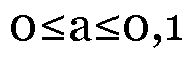



 n eine Oxidationszahl von A ist.
 - Kathodenaktivmaterial nach Anspruch 1, wobei die Heteroelemente in einer Menge von 0,001 bis 10 Gew.-%, basierend auf einem Gesamtgewicht des Lithiumübergangsmetalloxids, umfasst sind.
- Kathodenaktivmaterial nach Anspruch 1, wobei die Menge der Heteroelemente, die an dem Oberflächenbereich des Lithiumübergangsmetalloxids angeordnet sind, 30% bis 99,9% einer Gesamtmenge der Heteroelemente ist.
- Kathodenaktivmaterial nach Anspruch 1, wobei die Menge der Heteroelemente, die an dem Oberflächenbereich des Lithiumübergangsmetalloxids angeordnet sind, 50% bis 98% einer Gesamtmenge der Heteroelemente ist.
- Verfahren zum Herstellen des Lithiumübergangsmetalloxids nach Anspruch 1, umfassend ein Umsetzen einer Übergangsmetallvorstufe mit 0,001 bis 2,0 Mol% Mx'Ay' und dann Mischen und Sintern eines Lithium enthaltenden Materials:wobei M wenigstens eines ausgewählt aus der Gruppe bestehend aus Ti und Al ist;A wenigstens eines ausgewählt aus der Gruppe bestehend aus OH, SO4, NO3 und F ist; undwenn 0<x'<4 und 0<y'<4 ist, eine Oxidationszahl von M mal x' plus eine Oxidationszahl von A mal y' 0 ist.
- Verfahren nach Anspruch 5, wobei Mx'Ay' wenigstens eines ausgewählt aus der Gruppe bestehend aus Ti(SO4)2, Al2(SO4)3, AlF3 und Al(NO3)3 ist.
- Verfahren nach Anspruch 5, wobei Mx'Ay' aufgelöst in Wasser oder Natriumhydroxid zu einem Reaktor zugegeben wird.
- Lithiumsekundärbatterie umfassend das Kathodenaktivmaterial nach Anspruch 1.
- Batteriemodul umfassend die Lithiumsekundärbatterie nach Anspruch 8 als eine Einheitsbatterie.
- Batteriepack umfassend das Batteriemodul nach Anspruch 9.
- Vorrichtung umfassend den Batteriepack nach Anspruch 10.
- Vorrichtung nach Anspruch 11, wobei die Vorrichtung ein elektrisches Fahrzeug, ein elektrisches Hybridfahrzeug, ein elektrisches Plug-in-Hybridfahrzeug oder ein System zum Speichern von Energie ist.
Applications Claiming Priority (2)
| Application Number | Priority Date | Filing Date | Title |
|---|---|---|---|
| KR1020120074262A KR101541347B1 (ko) | 2012-07-09 | 2012-07-09 | 양극 활물질 및 이를 포함하는 리튬 이차전지 |
| PCT/KR2013/005933 WO2014010867A1 (ko) | 2012-07-09 | 2013-07-04 | 양극 활물질 및 이를 포함하는 리튬 이차전지 |
Publications (3)
| Publication Number | Publication Date |
|---|---|
| EP2843737A1 EP2843737A1 (de) | 2015-03-04 |
| EP2843737A4 EP2843737A4 (de) | 2015-12-23 |
| EP2843737B1 true EP2843737B1 (de) | 2017-04-19 |
Family
ID=49916266
Family Applications (1)
| Application Number | Title | Priority Date | Filing Date |
|---|---|---|---|
| EP13817450.3A Active EP2843737B1 (de) | 2012-07-09 | 2013-07-04 | Anodenaktivmaterial und lithiumsekundärbatterie damit |
Country Status (5)
| Country | Link |
|---|---|
| US (1) | US10177376B2 (de) |
| EP (1) | EP2843737B1 (de) |
| KR (1) | KR101541347B1 (de) |
| CN (1) | CN104364944B (de) |
| WO (1) | WO2014010867A1 (de) |
Families Citing this family (9)
| Publication number | Priority date | Publication date | Assignee | Title |
|---|---|---|---|---|
| WO2015122690A1 (ko) * | 2014-02-11 | 2015-08-20 | 주식회사 엘앤에프신소재 | 리튬 이차 전지용 양극 활물질, 이의 제조 방법 및 이를 포함하는 리튬 이차 전지 |
| KR101673178B1 (ko) * | 2014-03-20 | 2016-11-07 | 주식회사 엘 앤 에프 | 리튬 이차 전지용 양극 활물질, 이의 제조방법 및 이를 포함하는 리튬 이차 전지 |
| CN105655575B (zh) * | 2016-04-08 | 2018-04-17 | 广东工业大学 | 一种锂离子电池正极材料及其制备方法 |
| CN107591526A (zh) * | 2017-08-30 | 2018-01-16 | 格林美(无锡)能源材料有限公司 | 一种高电压、高循环型钴酸锂正极材料及其制备方法 |
| WO2019045040A1 (ja) * | 2017-08-31 | 2019-03-07 | 矢崎総業株式会社 | コネクタ |
| KR102178876B1 (ko) | 2017-10-20 | 2020-11-13 | 주식회사 엘지화학 | 이차전지용 양극활물질의 제조방법 및 이를 이용하는 이차전지 |
| JP7209303B2 (ja) | 2018-03-30 | 2023-01-20 | パナソニックIpマネジメント株式会社 | 非水電解質二次電池 |
| CN112299495A (zh) * | 2020-10-30 | 2021-02-02 | 中南大学 | 一种含锂氧化物前驱体及其制备方法 |
| CN114373902A (zh) * | 2021-11-25 | 2022-04-19 | 西安交通大学 | 制备表面包覆氟化物的三元ncm的方法、ncm及电极 |
Family Cites Families (11)
| Publication number | Priority date | Publication date | Assignee | Title |
|---|---|---|---|---|
| JPH11307094A (ja) * | 1998-04-20 | 1999-11-05 | Chuo Denki Kogyo Co Ltd | リチウム二次電池用正極活物質とリチウム二次電池 |
| US6730435B1 (en) | 1999-10-26 | 2004-05-04 | Sumitomo Chemical Company, Limited | Active material for non-aqueous secondary battery, and non-aqueous secondary battery using the same |
| CN1185734C (zh) * | 2000-12-27 | 2005-01-19 | 松下电器产业株式会社 | 非水电解质二次电池用正极活性物质及使用该正极活性物质的电池 |
| KR100738192B1 (ko) * | 2005-06-14 | 2007-07-10 | 에스케이 주식회사 | 코아·쉘 다층구조를 갖는 리튬이차전지용 양극 활물질과이를 사용한 리튬이차전지 및 그 제조 방법 |
| KR100864199B1 (ko) * | 2007-08-21 | 2008-10-17 | 주식회사 엘 앤 에프 | 양극활물질로 사용가능한 복합산화물 및 그 제조방법 |
| EP2214233B1 (de) * | 2007-11-12 | 2019-01-16 | Toda Kogyo Corp. | Lithium-manganat-partikelpulver für eine sekundärbatterie mit wasserfreiem elektrolyt, herstellungsverfahren dafür und sekundärbatterie mit wasserfreiem elektrolyt |
| KR101071336B1 (ko) * | 2008-03-25 | 2011-10-07 | 주식회사 에너세라믹 | 리튬 전지용 올리빈형 양극 활물질 전구체, 및 이의 제조 방법 |
| HUE060257T2 (hu) * | 2008-04-03 | 2023-02-28 | Lg Energy Solution Ltd | Új prekurzor lítium kompozit átmenetifém-oxid elõállítására |
| CN102054985A (zh) * | 2009-10-27 | 2011-05-11 | 北京当升材料科技股份有限公司 | 一种锰酸锂材料及其制备方法 |
| KR101313575B1 (ko) * | 2010-07-21 | 2013-10-02 | 주식회사 에코프로 | 리튬 이차 전지 양극활물질 전구체의 제조방법, 이에 의하여 제조된 리튬 이차전지 양극활물질 전구체, 및 상기 리튬 이차전지 양극활물질 전구체를 이용한 리튬 이차전지 양극활물질의 제조방법, 이에 의하여 제조된 리튬 이차전지 양극활물질 |
| KR101232836B1 (ko) * | 2010-09-14 | 2013-02-13 | 한양대학교 산학협력단 | 리튬 이차 전지용 양극 활물질의 제조 방법, 상기 제조 방법에 따라 제조된 리튬 이차 전지용 양극 활물질, 및 이를 포함하는 리튬 이차 전지 |
-
2012
- 2012-07-09 KR KR1020120074262A patent/KR101541347B1/ko active Active
-
2013
- 2013-07-04 WO PCT/KR2013/005933 patent/WO2014010867A1/ko not_active Ceased
- 2013-07-04 CN CN201380031754.7A patent/CN104364944B/zh active Active
- 2013-07-04 EP EP13817450.3A patent/EP2843737B1/de active Active
-
2014
- 2014-12-03 US US14/559,162 patent/US10177376B2/en active Active
Non-Patent Citations (1)
| Title |
|---|
| None * |
Also Published As
| Publication number | Publication date |
|---|---|
| EP2843737A1 (de) | 2015-03-04 |
| EP2843737A4 (de) | 2015-12-23 |
| US10177376B2 (en) | 2019-01-08 |
| WO2014010867A1 (ko) | 2014-01-16 |
| KR101541347B1 (ko) | 2015-08-04 |
| US20150090927A1 (en) | 2015-04-02 |
| CN104364944B (zh) | 2017-05-17 |
| CN104364944A (zh) | 2015-02-18 |
| KR20140008584A (ko) | 2014-01-22 |
Similar Documents
| Publication | Publication Date | Title |
|---|---|---|
| EP3312913B1 (de) | Vorläufer mit mehrlagigen übergangsmetalloxiden zur herstellung von kathodenaktivmaterial und unter verwendung des vorläufers hergestelltes kathodenaktivmaterial für eine lithiumsekundärbatterie | |
| US10741872B2 (en) | Positive electrode active material for lithium secondary battery comprising lithium metal oxides having multilayered structure and positive electrode comprising the same | |
| EP2843737B1 (de) | Anodenaktivmaterial und lithiumsekundärbatterie damit | |
| EP2806486B1 (de) | Aktives kathodenmaterial, lithiumsekundärbatterie zur kontrolle von verunreinigungen oder quellung damit und verfahren zur herstellung eines aktiven kathodenmaterials mit verbesserter produktivität | |
| US9601770B2 (en) | Precursor for preparation of lithium composite transition metal oxide and method of preparing the same | |
| EP3012890A1 (de) | Aktives kathodenmaterial, lithiumsekundärbatterie damit und verfahren zur herstellung davon | |
| US9966600B2 (en) | Precursor for preparing lithium composite transition metal oxide, method for preparing the precursor, and lithium composite transition metal oxide | |
| EP3367484A1 (de) | Vorläufer mit mehrschichtigen übergangsmetalloxiden zur herstellung von kathodenaktivmaterial und mit dem vorläufer hergestelltes kathodenaktivmaterial für eine lithiumsekundärbatterie | |
| EP2811555B1 (de) | Verfahren zur herstellung von vorläuferpartikel von lithium-composit-übergangsmetalloxid mit einem drehreaktor | |
| US10903489B2 (en) | Precursor for preparation of lithium composite transition metal oxide, method for preparing the same and lithium composite transition metal oxide obtained from the same | |
| US9608267B2 (en) | Precursor for preparing of lithium composite transition metal oxide |
Legal Events
| Date | Code | Title | Description |
|---|---|---|---|
| PUAI | Public reference made under article 153(3) epc to a published international application that has entered the european phase |
Free format text: ORIGINAL CODE: 0009012 |
|
| 17P | Request for examination filed |
Effective date: 20141125 |
|
| AK | Designated contracting states |
Kind code of ref document: A1 Designated state(s): AL AT BE BG CH CY CZ DE DK EE ES FI FR GB GR HR HU IE IS IT LI LT LU LV MC MK MT NL NO PL PT RO RS SE SI SK SM TR |
|
| AX | Request for extension of the european patent |
Extension state: BA ME |
|
| DAX | Request for extension of the european patent (deleted) | ||
| RA4 | Supplementary search report drawn up and despatched (corrected) |
Effective date: 20151123 |
|
| RIC1 | Information provided on ipc code assigned before grant |
Ipc: H01M 10/0525 20100101ALN20151117BHEP Ipc: C01G 45/12 20060101ALI20151117BHEP Ipc: H01M 4/505 20100101ALI20151117BHEP Ipc: H01M 4/525 20100101AFI20151117BHEP Ipc: C01G 53/00 20060101ALI20151117BHEP |
|
| 17Q | First examination report despatched |
Effective date: 20160511 |
|
| GRAP | Despatch of communication of intention to grant a patent |
Free format text: ORIGINAL CODE: EPIDOSNIGR1 |
|
| RIC1 | Information provided on ipc code assigned before grant |
Ipc: H01M 4/505 20100101ALI20170113BHEP Ipc: C01G 45/12 20060101ALI20170113BHEP Ipc: C01G 53/00 20060101ALI20170113BHEP Ipc: H01M 10/0525 20100101ALN20170113BHEP Ipc: H01M 4/525 20100101AFI20170113BHEP |
|
| INTG | Intention to grant announced |
Effective date: 20170207 |
|
| GRAS | Grant fee paid |
Free format text: ORIGINAL CODE: EPIDOSNIGR3 |
|
| GRAA | (expected) grant |
Free format text: ORIGINAL CODE: 0009210 |
|
| AK | Designated contracting states |
Kind code of ref document: B1 Designated state(s): AL AT BE BG CH CY CZ DE DK EE ES FI FR GB GR HR HU IE IS IT LI LT LU LV MC MK MT NL NO PL PT RO RS SE SI SK SM TR |
|
| REG | Reference to a national code |
Ref country code: GB Ref legal event code: FG4D |
|
| REG | Reference to a national code |
Ref country code: CH Ref legal event code: EP |
|
| REG | Reference to a national code |
Ref country code: AT Ref legal event code: REF Ref document number: 886723 Country of ref document: AT Kind code of ref document: T Effective date: 20170515 |
|
| REG | Reference to a national code |
Ref country code: IE Ref legal event code: FG4D |
|
| REG | Reference to a national code |
Ref country code: DE Ref legal event code: R096 Ref document number: 602013020128 Country of ref document: DE |
|
| REG | Reference to a national code |
Ref country code: FR Ref legal event code: PLFP Year of fee payment: 5 |
|
| REG | Reference to a national code |
Ref country code: NL Ref legal event code: MP Effective date: 20170419 |
|
| REG | Reference to a national code |
Ref country code: LT Ref legal event code: MG4D |
|
| REG | Reference to a national code |
Ref country code: AT Ref legal event code: MK05 Ref document number: 886723 Country of ref document: AT Kind code of ref document: T Effective date: 20170419 |
|
| PG25 | Lapsed in a contracting state [announced via postgrant information from national office to epo] |
Ref country code: NL Free format text: LAPSE BECAUSE OF FAILURE TO SUBMIT A TRANSLATION OF THE DESCRIPTION OR TO PAY THE FEE WITHIN THE PRESCRIBED TIME-LIMIT Effective date: 20170419 |
|
| PG25 | Lapsed in a contracting state [announced via postgrant information from national office to epo] |
Ref country code: LT Free format text: LAPSE BECAUSE OF FAILURE TO SUBMIT A TRANSLATION OF THE DESCRIPTION OR TO PAY THE FEE WITHIN THE PRESCRIBED TIME-LIMIT Effective date: 20170419 Ref country code: AT Free format text: LAPSE BECAUSE OF FAILURE TO SUBMIT A TRANSLATION OF THE DESCRIPTION OR TO PAY THE FEE WITHIN THE PRESCRIBED TIME-LIMIT Effective date: 20170419 Ref country code: HR Free format text: LAPSE BECAUSE OF FAILURE TO SUBMIT A TRANSLATION OF THE DESCRIPTION OR TO PAY THE FEE WITHIN THE PRESCRIBED TIME-LIMIT Effective date: 20170419 Ref country code: GR Free format text: LAPSE BECAUSE OF FAILURE TO SUBMIT A TRANSLATION OF THE DESCRIPTION OR TO PAY THE FEE WITHIN THE PRESCRIBED TIME-LIMIT Effective date: 20170720 Ref country code: ES Free format text: LAPSE BECAUSE OF FAILURE TO SUBMIT A TRANSLATION OF THE DESCRIPTION OR TO PAY THE FEE WITHIN THE PRESCRIBED TIME-LIMIT Effective date: 20170419 Ref country code: FI Free format text: LAPSE BECAUSE OF FAILURE TO SUBMIT A TRANSLATION OF THE DESCRIPTION OR TO PAY THE FEE WITHIN THE PRESCRIBED TIME-LIMIT Effective date: 20170419 Ref country code: NO Free format text: LAPSE BECAUSE OF FAILURE TO SUBMIT A TRANSLATION OF THE DESCRIPTION OR TO PAY THE FEE WITHIN THE PRESCRIBED TIME-LIMIT Effective date: 20170719 |
|
| PG25 | Lapsed in a contracting state [announced via postgrant information from national office to epo] |
Ref country code: PL Free format text: LAPSE BECAUSE OF FAILURE TO SUBMIT A TRANSLATION OF THE DESCRIPTION OR TO PAY THE FEE WITHIN THE PRESCRIBED TIME-LIMIT Effective date: 20170419 Ref country code: RS Free format text: LAPSE BECAUSE OF FAILURE TO SUBMIT A TRANSLATION OF THE DESCRIPTION OR TO PAY THE FEE WITHIN THE PRESCRIBED TIME-LIMIT Effective date: 20170419 Ref country code: BG Free format text: LAPSE BECAUSE OF FAILURE TO SUBMIT A TRANSLATION OF THE DESCRIPTION OR TO PAY THE FEE WITHIN THE PRESCRIBED TIME-LIMIT Effective date: 20170719 Ref country code: IS Free format text: LAPSE BECAUSE OF FAILURE TO SUBMIT A TRANSLATION OF THE DESCRIPTION OR TO PAY THE FEE WITHIN THE PRESCRIBED TIME-LIMIT Effective date: 20170819 Ref country code: LV Free format text: LAPSE BECAUSE OF FAILURE TO SUBMIT A TRANSLATION OF THE DESCRIPTION OR TO PAY THE FEE WITHIN THE PRESCRIBED TIME-LIMIT Effective date: 20170419 Ref country code: SE Free format text: LAPSE BECAUSE OF FAILURE TO SUBMIT A TRANSLATION OF THE DESCRIPTION OR TO PAY THE FEE WITHIN THE PRESCRIBED TIME-LIMIT Effective date: 20170419 |
|
| REG | Reference to a national code |
Ref country code: DE Ref legal event code: R097 Ref document number: 602013020128 Country of ref document: DE |
|
| PG25 | Lapsed in a contracting state [announced via postgrant information from national office to epo] |
Ref country code: RO Free format text: LAPSE BECAUSE OF FAILURE TO SUBMIT A TRANSLATION OF THE DESCRIPTION OR TO PAY THE FEE WITHIN THE PRESCRIBED TIME-LIMIT Effective date: 20170419 Ref country code: DK Free format text: LAPSE BECAUSE OF FAILURE TO SUBMIT A TRANSLATION OF THE DESCRIPTION OR TO PAY THE FEE WITHIN THE PRESCRIBED TIME-LIMIT Effective date: 20170419 Ref country code: SK Free format text: LAPSE BECAUSE OF FAILURE TO SUBMIT A TRANSLATION OF THE DESCRIPTION OR TO PAY THE FEE WITHIN THE PRESCRIBED TIME-LIMIT Effective date: 20170419 Ref country code: CZ Free format text: LAPSE BECAUSE OF FAILURE TO SUBMIT A TRANSLATION OF THE DESCRIPTION OR TO PAY THE FEE WITHIN THE PRESCRIBED TIME-LIMIT Effective date: 20170419 Ref country code: EE Free format text: LAPSE BECAUSE OF FAILURE TO SUBMIT A TRANSLATION OF THE DESCRIPTION OR TO PAY THE FEE WITHIN THE PRESCRIBED TIME-LIMIT Effective date: 20170419 |
|
| PLBE | No opposition filed within time limit |
Free format text: ORIGINAL CODE: 0009261 |
|
| STAA | Information on the status of an ep patent application or granted ep patent |
Free format text: STATUS: NO OPPOSITION FILED WITHIN TIME LIMIT |
|
| PG25 | Lapsed in a contracting state [announced via postgrant information from national office to epo] |
Ref country code: SM Free format text: LAPSE BECAUSE OF FAILURE TO SUBMIT A TRANSLATION OF THE DESCRIPTION OR TO PAY THE FEE WITHIN THE PRESCRIBED TIME-LIMIT Effective date: 20170419 Ref country code: IT Free format text: LAPSE BECAUSE OF FAILURE TO SUBMIT A TRANSLATION OF THE DESCRIPTION OR TO PAY THE FEE WITHIN THE PRESCRIBED TIME-LIMIT Effective date: 20170419 |
|
| REG | Reference to a national code |
Ref country code: CH Ref legal event code: PL |
|
| 26N | No opposition filed |
Effective date: 20180122 |
|
| REG | Reference to a national code |
Ref country code: IE Ref legal event code: MM4A |
|
| PG25 | Lapsed in a contracting state [announced via postgrant information from national office to epo] |
Ref country code: CH Free format text: LAPSE BECAUSE OF NON-PAYMENT OF DUE FEES Effective date: 20170731 Ref country code: IE Free format text: LAPSE BECAUSE OF NON-PAYMENT OF DUE FEES Effective date: 20170704 Ref country code: LI Free format text: LAPSE BECAUSE OF NON-PAYMENT OF DUE FEES Effective date: 20170731 |
|
| PG25 | Lapsed in a contracting state [announced via postgrant information from national office to epo] |
Ref country code: SI Free format text: LAPSE BECAUSE OF FAILURE TO SUBMIT A TRANSLATION OF THE DESCRIPTION OR TO PAY THE FEE WITHIN THE PRESCRIBED TIME-LIMIT Effective date: 20170419 |
|
| REG | Reference to a national code |
Ref country code: BE Ref legal event code: MM Effective date: 20170731 |
|
| REG | Reference to a national code |
Ref country code: FR Ref legal event code: PLFP Year of fee payment: 6 |
|
| PG25 | Lapsed in a contracting state [announced via postgrant information from national office to epo] |
Ref country code: LU Free format text: LAPSE BECAUSE OF NON-PAYMENT OF DUE FEES Effective date: 20170704 |
|
| PG25 | Lapsed in a contracting state [announced via postgrant information from national office to epo] |
Ref country code: BE Free format text: LAPSE BECAUSE OF NON-PAYMENT OF DUE FEES Effective date: 20170731 |
|
| PG25 | Lapsed in a contracting state [announced via postgrant information from national office to epo] |
Ref country code: MT Free format text: LAPSE BECAUSE OF NON-PAYMENT OF DUE FEES Effective date: 20170704 |
|
| PG25 | Lapsed in a contracting state [announced via postgrant information from national office to epo] |
Ref country code: HU Free format text: LAPSE BECAUSE OF FAILURE TO SUBMIT A TRANSLATION OF THE DESCRIPTION OR TO PAY THE FEE WITHIN THE PRESCRIBED TIME-LIMIT; INVALID AB INITIO Effective date: 20130704 Ref country code: MC Free format text: LAPSE BECAUSE OF FAILURE TO SUBMIT A TRANSLATION OF THE DESCRIPTION OR TO PAY THE FEE WITHIN THE PRESCRIBED TIME-LIMIT Effective date: 20170419 |
|
| PG25 | Lapsed in a contracting state [announced via postgrant information from national office to epo] |
Ref country code: CY Free format text: LAPSE BECAUSE OF FAILURE TO SUBMIT A TRANSLATION OF THE DESCRIPTION OR TO PAY THE FEE WITHIN THE PRESCRIBED TIME-LIMIT Effective date: 20170419 |
|
| PG25 | Lapsed in a contracting state [announced via postgrant information from national office to epo] |
Ref country code: MK Free format text: LAPSE BECAUSE OF FAILURE TO SUBMIT A TRANSLATION OF THE DESCRIPTION OR TO PAY THE FEE WITHIN THE PRESCRIBED TIME-LIMIT Effective date: 20170419 |
|
| PG25 | Lapsed in a contracting state [announced via postgrant information from national office to epo] |
Ref country code: TR Free format text: LAPSE BECAUSE OF FAILURE TO SUBMIT A TRANSLATION OF THE DESCRIPTION OR TO PAY THE FEE WITHIN THE PRESCRIBED TIME-LIMIT Effective date: 20170419 |
|
| PG25 | Lapsed in a contracting state [announced via postgrant information from national office to epo] |
Ref country code: PT Free format text: LAPSE BECAUSE OF FAILURE TO SUBMIT A TRANSLATION OF THE DESCRIPTION OR TO PAY THE FEE WITHIN THE PRESCRIBED TIME-LIMIT Effective date: 20170419 |
|
| PG25 | Lapsed in a contracting state [announced via postgrant information from national office to epo] |
Ref country code: AL Free format text: LAPSE BECAUSE OF FAILURE TO SUBMIT A TRANSLATION OF THE DESCRIPTION OR TO PAY THE FEE WITHIN THE PRESCRIBED TIME-LIMIT Effective date: 20170419 |
|
| P01 | Opt-out of the competence of the unified patent court (upc) registered |
Effective date: 20230323 |
|
| REG | Reference to a national code |
Ref country code: GB Ref legal event code: 732E Free format text: REGISTERED BETWEEN 20230824 AND 20230831 |
|
| REG | Reference to a national code |
Ref country code: DE Ref legal event code: R081 Ref document number: 602013020128 Country of ref document: DE Owner name: LG ENERGY SOLUTION, LTD., KR Free format text: FORMER OWNER: LG CHEM, LTD., SEOUL, KR |
|
| PGFP | Annual fee paid to national office [announced via postgrant information from national office to epo] |
Ref country code: GB Payment date: 20250624 Year of fee payment: 13 |
|
| PGFP | Annual fee paid to national office [announced via postgrant information from national office to epo] |
Ref country code: FR Payment date: 20250624 Year of fee payment: 13 |
|
| PGFP | Annual fee paid to national office [announced via postgrant information from national office to epo] |
Ref country code: DE Payment date: 20250624 Year of fee payment: 13 |