EP2846809B1 - Behandlung von myelosuppression - Google Patents
Behandlung von myelosuppression Download PDFInfo
- Publication number
- EP2846809B1 EP2846809B1 EP13787651.2A EP13787651A EP2846809B1 EP 2846809 B1 EP2846809 B1 EP 2846809B1 EP 13787651 A EP13787651 A EP 13787651A EP 2846809 B1 EP2846809 B1 EP 2846809B1
- Authority
- EP
- European Patent Office
- Prior art keywords
- day
- heparinoid
- interacting heparinoid
- odsh
- thrombocytopenia
- Prior art date
- Legal status (The legal status is an assumption and is not a legal conclusion. Google has not performed a legal analysis and makes no representation as to the accuracy of the status listed.)
- Active
Links
Images









Classifications
-
- A—HUMAN NECESSITIES
- A61—MEDICAL OR VETERINARY SCIENCE; HYGIENE
- A61K—PREPARATIONS FOR MEDICAL, DENTAL OR TOILETRY PURPOSES
- A61K31/00—Medicinal preparations containing organic active ingredients
- A61K31/70—Carbohydrates; Sugars; Derivatives thereof
- A61K31/715—Polysaccharides, i.e. having more than five saccharide radicals attached to each other by glycosidic linkages; Derivatives thereof, e.g. ethers, esters
- A61K31/726—Glycosaminoglycans, i.e. mucopolysaccharides
- A61K31/727—Heparin; Heparan
-
- A—HUMAN NECESSITIES
- A61—MEDICAL OR VETERINARY SCIENCE; HYGIENE
- A61K—PREPARATIONS FOR MEDICAL, DENTAL OR TOILETRY PURPOSES
- A61K35/00—Medicinal preparations containing materials or reaction products thereof with undetermined constitution
- A61K35/12—Materials from mammals; Compositions comprising non-specified tissues or cells; Compositions comprising non-embryonic stem cells; Genetically modified cells
- A61K35/28—Bone marrow; Haematopoietic stem cells; Mesenchymal stem cells of any origin, e.g. adipose-derived stem cells
-
- A—HUMAN NECESSITIES
- A61—MEDICAL OR VETERINARY SCIENCE; HYGIENE
- A61K—PREPARATIONS FOR MEDICAL, DENTAL OR TOILETRY PURPOSES
- A61K39/00—Medicinal preparations containing antigens or antibodies
- A61K39/395—Antibodies; Immunoglobulins; Immune serum, e.g. antilymphocytic serum
-
- A—HUMAN NECESSITIES
- A61—MEDICAL OR VETERINARY SCIENCE; HYGIENE
- A61K—PREPARATIONS FOR MEDICAL, DENTAL OR TOILETRY PURPOSES
- A61K45/00—Medicinal preparations containing active ingredients not provided for in groups A61K31/00 - A61K41/00
- A61K45/06—Mixtures of active ingredients without chemical characterisation, e.g. antiphlogistics and cardiaca
-
- A—HUMAN NECESSITIES
- A61—MEDICAL OR VETERINARY SCIENCE; HYGIENE
- A61N—ELECTROTHERAPY; MAGNETOTHERAPY; RADIATION THERAPY; ULTRASOUND THERAPY
- A61N5/00—Radiation therapy
-
- A—HUMAN NECESSITIES
- A61—MEDICAL OR VETERINARY SCIENCE; HYGIENE
- A61P—SPECIFIC THERAPEUTIC ACTIVITY OF CHEMICAL COMPOUNDS OR MEDICINAL PREPARATIONS
- A61P35/00—Antineoplastic agents
- A61P35/02—Antineoplastic agents specific for leukemia
-
- A—HUMAN NECESSITIES
- A61—MEDICAL OR VETERINARY SCIENCE; HYGIENE
- A61P—SPECIFIC THERAPEUTIC ACTIVITY OF CHEMICAL COMPOUNDS OR MEDICINAL PREPARATIONS
- A61P7/00—Drugs for disorders of the blood or the extracellular fluid
-
- A—HUMAN NECESSITIES
- A61—MEDICAL OR VETERINARY SCIENCE; HYGIENE
- A61P—SPECIFIC THERAPEUTIC ACTIVITY OF CHEMICAL COMPOUNDS OR MEDICINAL PREPARATIONS
- A61P7/00—Drugs for disorders of the blood or the extracellular fluid
- A61P7/04—Antihaemorrhagics; Procoagulants; Haemostatic agents; Antifibrinolytic agents
Definitions
- Thombocytopenia can be triggered by diseases and conditions affecting the bone marrow, where platelet precursors arise before entering the bloodstream; by diseases and conditions affecting the liver, which produces thrombopoietin, the hormone that stimulates the production of platelets; by sequestration of platelets; by increased destruction of platelets; and by a variety of other causes.
- thrombocytopenia is a common side effect of certain treatment regimens, such as cancer treatment regimens involving antineoplastic agents.
- Chemotherapy-induced or radiation-induced thrombocytopenia can result in delays in treatment and/or compel reductions in treatment dose, which in turn can result in reduced efficacy of the treatment.
- thrombocytopenia can include treatment with corticosteroids, rituximab, and/or thrombopoietin receptor agonists, splenectomy, and platelet transfusions.
- corticosteroids corticosteroids
- rituximab rituximab
- thrombopoietin receptor agonists thrombopoietin receptor agonists
- splenectomy splenectomy
- platelet transfusions thrombopoietin receptor agonists
- each has drawbacks, including incomplete response, development of side effects to treatment, and risks attendant to any form of surgery.
- chemotherapy-induced thrombocytopenia only one therapeutic agent, interleukin-11, has proven sufficiently effective to merit regulatory approval, but is rarely prescribed by physicians because of the severity of its side effects.
- radiation-induced thrombocytopenia there is no approved therapeutic agent that attenuates the thrombocytopenia.
- thrombocytopenias of varying etiology including immune-mediated thrombocytopenias, drug-induced thrombocytopenias, especially chemotherapy-induced thrombocytopenia, and radiation-induced thrombocytopenia.
- Neutrophils also called polymorphonuclear leukocytes, are the most numerous of the blood cells known as granulocytes. Neutrophils, like other blood cells, are produced by the bone marrow. Neutrophils are an important component of natural immunity. When neutrophil levels fall below normal, a condition called neutropenia occurs, increasing the risk of infection. Neutropenia can arise from a number of different causes, ranging from congenital defects to viral infections, but a context in which neutropenia frequently occurs is as a side effect of a treatment regimen. Neutropenia is a common side effect in patients being treated for cancer with antineoplastic agents, putting patients at risk of developing serious and even life-threatening infections, and forcing delays in treatment and/or compelling reduction in treatment dose, resulting in reduced efficacy.
- G-CSF granulocyte colony-stimulating factor
- GM-CSF granulocyte-macrophage colony-stimulating factor
- PF4-interacting heparinoid a platelet factor 4-interacting heparinoid
- a myelosuppressive side effect is the occurrence of thrombocytopenia and/or neutropenia
- a patient treatment regimen having a myelosuppressive side effect is a treatment regimen that induces, as a side effect, one or both of thrombocytopenia and neutropenia.
- this aspect provides uses of a PF4-interacting heparinoid, e.g., ODSH, in the attenuation of a myelosuppressive side effect of a patient treatment regimen.
- patient treatment regimens have myelosuppressive side effects, including antineoplastic treatment regimens, such as chemotherapy and radiation therapy, antibody therapy, including treatment regimens used to treat cancer and/or auto-immune diseases, and transplant procedures, such as bone marrow or stem cell transplant.
- the patient treatment regimen comprises chemotherapy and/or radiation therapy and/or antibody therapy.
- the patient treatment regimen is a chemotherapeutic regimen comprising gemcitabine and nab-paclitaxel.
- the patient treatment regimen is a chemotherapeutic regimen comprising ifosfamide, carboplatin, and etoposide, optionally including rituximab.
- the patient treatment regimen comprises one or more regimens suitable for the treatment of subjects diagnosed with acute myelogenous or myeloid leukemia ("AML").
- a regimen suitable for the treatment of subjects diagnosed with AML comprises a chemotherapy regimen suitable for inducing remission of AML (known in the art as induction chemotherapy), a chemotherapy regimen for preventing remission of AML (known in the art as consolidation chemotherapy), or both induction and consolidation chemotherapy.
- a regimen suitable for the treatment of subjects diagnosed with AML can also comprise one or more non-chemotherapy-based regimens for preventing remission of AML, which can be used instead of or in combination with consolidation chemotherapy.
- These non-chemotherapy-based regimens include stem cell transplant, such as allogeneic stem cell transplant, and immunotherapy. Further patient treatment regimens are described in Section 5.1.1.
- the methods are useful for treating subjects diagnosed with cancer, for example pancreatic cancer, solid tumors including osteosarcoma, neuroblastoma, or AML.
- the subject being treated can be an adult or a pediatric patient.
- the subject is diagnosed with a cancer in which PF4 levels are elevated either in platelets or in blood (referred to hereinafter as "PF4-positive cancer").
- PF4-positive cancers include pancreatic cancer and colorectal cancer. Further suitable subjects are described in Section 5.1.2.
- the methods may further comprise adjunctive administration of one or more additional agent or therapy that is pro-thrombopoietic, anti-thrombocytopenic, anti-neutropenic, pro-granulopoietic, and/or anticoagulant.
- additional agent or therapy that is pro-thrombopoietic, anti-thrombocytopenic, anti-neutropenic, pro-granulopoietic, and/or anticoagulant.
- Suitable agents and therapies for further adjunctive administration are described herein at Section 5.1.3.
- two or more agents and/or therapies are administered.
- the two or more agents can have the same activity (e.g ., anti-thrombocytopenic), different activity (e.g ., a first agent is pro-thrombopoietic and a second agent is anti-neutropenic), or overlapping activity (e.g ., a first agent is pro-granulopoietic and anticoagulant and a second agent is anti-coagulant).
- activity e.g ., anti-thrombocytopenic
- different activity e.g ., a first agent is pro-thrombopoietic and a second agent is anti-neutropenic
- overlapping activity e.g ., a first agent is pro-granulopoietic and anticoagulant and a second agent is anti-coagulant.
- the PF4-interacting heparinoid, and any adjunctively administered additional agent(s) or therapy can be administered concurrently, sequentially, or separately from administration of the patient treatment regimen. Suitable routes and modes of administration are provided below in Section 5.8.
- methods for promoting thrombopoiesis in a subject.
- the methods comprise administering an effective amount of a PF4-interacting heparinoid to the subject.
- the subject can be thrombocytopenic or non-thrombocytopenic, as described below in Section 5.2.
- the methods comprise treating myelosuppression caused by a disease or condition that reduces platelet count in a subject.
- the subject is diagnosed with systemic inflammatory response syndrome (SIRS), sepsis, or septicemia.
- SIRS systemic inflammatory response syndrome
- sepsis sepsis
- septicemia septicemia
- the subject has elevated serum or plasma level of PF4.
- the methods further comprise adjunctive administration of one or more additional agent or therapy that is pro-thrombopoietic, anti-thrombocytopenic, anti-neutropenic, pro-granulopoietic, and/or anticoagulant.
- additional agent or therapy that is pro-thrombopoietic, anti-thrombocytopenic, anti-neutropenic, pro-granulopoietic, and/or anticoagulant.
- methods for promoting neutrophil production in a subject.
- the methods comprise administering an effective amount of a PF4-interacting heparinoid to the subject.
- the subject can be neutropenic or non-neutropenic, as described below in Section 5.3.
- the methods comprise treating myelosuppression caused by a disease or condition that reduces neutrophil count in a subject.
- the subject has elevated serum or plasma level of PF4.
- the methods further comprise adjunctive administration of one or more additional agent or therapy that is pro-thrombopoietic, anti-thrombocytopenic, anti-neutropenic, pro-granulopoietic, and/or anticoagulant. Suitable agents and therapies for further adjunctive administration are described herein at Section 5.3.1.
- methods for increasing the efficacy of a patient treatment regimen having a myelosuppressive side effect.
- the methods comprise administering a therapeutically effective amount of a PF4-interacting heparinoid to the subject patient as an adjunct to the patient treatment regimen having a myelosuppressive side effect, without reducing the dose and/or dosage frequency of the patient treatment regimen following a reference treatment administration or treatment cycle.
- the method further comprises administering a dose higher than is typically used for such administration or cycle in the absence of adjunctive administration of a PF4-interacting heparinoid.
- the methods further comprise determining an initial platelet count in a blood sample from a patient and administering an amount of a PF4-interacting heparinoid effective to raise the patient's platelet count above a threshold level below which therapy with patient treatment regimen having a myelosuppressive side effect is contraindicated.
- an amount of a PF4-interacting heparinoid is administered sufficient to maintain platelet levels above levels that indicate grade 3 (severe) or grade 4 (life-threatening) thrombocytopenia.
- the methods can further comprise administering adjunctively to the PF4-interacting heparinoid one or more agents or therapies that is anti-thrombocytopenic, anti-neutropenic, anticoagulant, or has some other therapeutic activity.
- the methods comprise a further step of administering a patient treatment regimen having a myelosuppressive side effect to the patient whose platelet count is above a threshold level that contraindicates such therapy.
- the dose amount and/or frequency of the patient treatment regimen can be increased.
- the methods comprise determining an initial neutrophil count in a blood sample from a patient and administering an amount of a PF4-interacting heparinoid effective to raise the patient's neutrophil count above a threshold level below which therapy with patient treatment regimen having a myelosuppressive side effect is contraindicated.
- an amount of a PF4-interacting heparinoid is administered sufficient to maintain neutrophil levels above levels that indicate grade 3 or grade 4 neutropenia, i.e., above about 1000 neutrophils/ ⁇ l of blood and above about 500 neutrophils/ ⁇ l of blood, respectively.
- the methods can further comprise administering adjunctively to the PF4-interacting heparinoid one or more agents or therapies that is anti-neutropenic, anti-thrombocytopenic, anticoagulant, or has some other therapeutic activity.
- the methods comprise a further step of administering a patient treatment regimen having a myelosuppressive side effect to the patient whose neutrophil count is above a level that contraindicates such therapy.
- the dose amount and/or frequency of the patient treatment regimen can be increased.
- the PF4-interacting heparinoids of the present disclosure are heparinoids that are capable of interacting with PF4 and counteracting PF4's ability to suppress production of platelets and neutrophils.
- PF4-interacting heparinoids bind to PF4 and/or compete with PF4 for binding to progenitor cells in the myeloid cell lineage, e.g., megakaryocytes.
- PF4-interacting heparinoids have an average molecular weight above about 8 kDa, such as an average molecular weight between about 8 kDa and about 15 kDa, more preferably between about 11 kDa and 13 kDa.
- the PF4-interacting heparinoid is preferably partially desulfated.
- the PF4-interacting heparinoid is substantially sulfated at the 6-O and/or the N position.
- An exemplary PF4-interacting heparinoid, which is suitable for use in the methods described herein, is substantially 2-O, 3-O desulfated, referred to herein as ODSH. See also Section 5.6.
- compositions and unit dosage forms comprising PF4-interacting heparinoids, suitable for use in the methods described herein, either alone or adjunctive to a patient treatment regimen and/or one or more additional agent or therapy.
- the pharmaceutical compositions may be prepared for parenteral administration, such as intravenous or subcutaneous administration.
- parenteral administration such as intravenous or subcutaneous administration.
- pharmaceutical compositions can be formulated for administration as a bolus or as a continuous infusion.
- compositions for use in the methods disclosed herein comprise an amount of a PF4-interacting heparinoid, as described below in Section 5.9, sufficient to allow effective doses to be administered.
- compositions of PF4-interacting heparinoid are suitable for intravenous administration at doses ranging from about 0.1 mg/kg/hr to about 2.5 mg/kg/hr for infusions and from about 1 mg/kg to about 25 mg/kg for bolus doses.
- pharmaceutical compositions of PF4-interacting heparinoid are suitable for subcutaneous administration and are formulated for administration at doses ranging from about 25 mg to about 400 mg, in volumes of 2.0 ml or less per injection site.
- PF4-interacting heparinoids that are capable of interacting with platelet factor 4
- PF4-interacting heparinoids can attenuate thrombocytopenia and neutropenia of various etiologies.
- PF4-interacting heparinoids induce or disinhibit thrombopoiesis and granulopoiesis. Without intending to be bound by theory, it is thought that these effects are mediated by the ability of such heparinoids to reduce PF4 levels and/or counteract a suppressive effect of PF4 on megakaryopoiesis and granulopoiesis.
- ODSH a heparinoid that is substantially desulfated at 2-O and 3-O positions, further described in Section 5.6
- ODSH a heparinoid that is substantially desulfated at 2-O and 3-O positions, further described in Section 5.6
- methods for attenuating a myelosuppressive side effect of a patient treatment regimen.
- the methods comprise administering a therapeutically effective amount of a PF4-interacting heparinoid to the subject patient as an adjunct to the patient treatment regimen having myelosuppressive side effect.
- a PF4-interacting heparinoid optionally ODSH, in the attenuation of a myelosuppressive side effect of a patient treatment regimen, as discussed further herein.
- adjunctive administration means administering a PF4-interacting heparinoid in therapeutically effective temporal proximity to the treatment regimen that has a myelosuppressive side effect.
- PF4-interacting heparinoids suitable for use in the methods are described below in Section 5.6.
- the PF4-interacting heparinoid is ODSH.
- Suitable modes of administration and dosing regimens are described further below, in Section 5.8.
- Effective dosages, and therapeutically effective amounts, of PF4-interacting heparinoid are described further below, in Section 5.9.
- a myelosuppressive side effect is the occurrence of thrombocytopenia and/or neutropenia.
- the treatment regimen as a side effect, causes patients to develop thrombocytopenia (low platelet count), neutropenia (low neutrophil count), or a combination of thrombocytopenia and neutropenia.
- thrombocytopenia low platelet count
- neutropenia low neutrophil count
- myelosuppressive treatment regimens are also referred to herein as myelosuppressive treatment regimens.
- the treatment regimen causes thrombocytopenia.
- the treatment regimen causes platelet counts in blood to be less than about 150,000 platelets per ⁇ l of blood.
- the treatment regimen causes the patient to have platelet counts ranging from about 150,000 to about 75,000 platelets per ⁇ l of blood, corresponding to mild or grade 1 thrombocytopenia; platelet counts ranging from less than about 75,000 to about 50,000 platelets per ⁇ l of blood, corresponding to moderate or grade 2 thrombocytopenia; platelet counts ranging from less than about 50,000 to about 25,000 platelets per ⁇ l of blood, corresponding to severe or grade 3 thrombocytopenia; and platelet counts of less than about 25,000 platelets per ⁇ l of blood, corresponding to life-threatening or grade 4 thrombocytopenia.
- the patient treatment regimen induces, as a side effect, mild, moderate, severe, or life-threatening thrombocytopenia,
- the treatment regimen causes neutropenia.
- the treatment regimen causes patients to have absolute neutrophil counts in blood of less than about 2000 neutrophils per ⁇ l of blood.
- the treatment regimen causes the patient to have neutrophil counts ranging from about 2000 to about 1500 neutrophils per ⁇ l of blood, corresponding to mild or grade 1 neutropenia; absolute neutrophil counts ranging from less than about 1500 to about 1000 neutrophils per ⁇ l of blood, corresponding to moderate or grade 2 neutropenia; absolute neutrophil counts ranging from less than about 1000 to about 500 neutrophils per ⁇ l of blood, corresponding to severe or grade 3 neutropenia; and absolute neutrophil counts of less than about 500 neutrophils per ⁇ l of blood, corresponding to life-threatening or grade 4 neutropenia.
- the patient treatment regimen induces, as a side effect, mild, moderate, severe, or life-threatening neutropenia.
- the patient treatment regimen is an antineoplastic treatment regimen.
- the antineoplastic treatment regimen is chemotherapy.
- the antineoplastic treatment regimen is radiation therapy.
- the patient treatment regimen includes administration of one or more chemotherapeutic agent(s).
- At least one of the one or more chemotherapeutic agents is selected from the group consisting of: folate antagonists, including methotrexate and pemetrexed; purine antagonists, including cladribine, clofarabine, fludarabine, 6-mercaptopurine, nelarabine, pentostatin; pyrimidine antagonists, including capecitabine, cytarabine, 5-fluorouracil, gemcitabine, hydroxyurea; biologic response modifiers, including interferon-alfa; bleomycin; DNA alkylating agents, including nitrosureas, carmustine, lomustine; DNA cross-linking drugs and alkylating agents, including bendamustine, chlorambucil, cyclophosphamide, ifosfamide, mechlorethamine (nitrogen mustard), melphalan, dacarbazine, temozolomide, procarbazine; asparaginase; antibiotics, including mitomycin
- one or more other chemotherapeutic agents are used.
- the myelosuppresive chemotherapeutic treatment regimen includes administration of a taxane, such as docetaxel, or a taxol, such as paclitaxel (e.g ., nab-paclitaxel, Abraxane®) in combination with one or more additional chemotherapeutic agent(s), including but not limited to any of the agents described above.
- a taxane such as docetaxel
- a taxol such as paclitaxel (e.g ., nab-paclitaxel, Abraxane®) in combination with one or more additional chemotherapeutic agent(s), including but not limited to any of the agents described above.
- the patient treatment regimen includes administration of a taxane, such as docetaxel, or a taxol, such as paclitaxel (e.g ., nab-paclitaxel, Abraxane®) in combination with one or more of a folate, purine, or pyrimidine antagonist, a DNA alkylating agent, a platinum complex, a vinca, an anthracycline, a camptothecine, a podophyllotoxin, and/or a tyrosine kinse inhibitor.
- a taxane such as docetaxel
- a taxol such as paclitaxel (e.g ., nab-paclitaxel, Abraxane®) in combination with one or more of a folate, purine, or pyrimidine antagonist, a DNA alkylating agent, a platinum complex, a vinca, an anthracycline, a camptothecine, a podophyllotoxin,
- the patient treatment regimen includes administration of a taxane, such as docetaxel, paclitaxel (e.g ., nab-paclitaxel, Abraxane®) in combination with one or more agent selected from: gemcitabine, vinorelbine, carboplatin, cisplatin, oxaliplatin, temozolomide, and mifepristone.
- a taxane such as docetaxel, paclitaxel (e.g ., nab-paclitaxel, Abraxane®) in combination with one or more agent selected from: gemcitabine, vinorelbine, carboplatin, cisplatin, oxaliplatin, temozolomide, and mifepristone.
- two or more chemotherapeutic agents are administered, the two or more chemotherapeutic agents selected from: cisplatin and etoposide; carboplatin and etoposide; cisplatin and irinotecan; carboplatin and irinotecan; cyclophosphamide, doxorubicin (Adriamycin), and vincristine; cyclophosphamide/ doxorubicin/vincristine (known as the CAV regimen); gemcitabine with vinorelbine or paclitaxel or nab-paclitaxel (Abraxane®); gemcitabine or capecitabine with oxaliplatin; cisplatin or carboplatin plus another chemotherapeutic agent; 5-fluorouracil with one or more of leuvocorin, oxaliplatin, irinotecan.
- the myelosuppressive patient treatment regimen comprises administration of chemotherapeutic agents according to specific named regimens.
- the patient chemotherapy treatment regimen includes one or more of the following specific regimens: 5FU Mayo, 5FU Roswell Park, LVFU2, FOLFOX4, FOLFOX6, bFOL, FUFOX, IFL, XELOX, XELIRI, and CAPIRI, which are described in further detail in Chau et al., 2009, Br. J. Cancer 100:1704-19 ; and Field et al., 2007, World J. Gastroenterol. 13:3806-15 .
- Another specific named regimen is CHOP, combining cyclophosphamide, hydroxydaunorubicin (or doxorubicin or adriamycin), vincristine (or oncovin), and prednisone or prednisolone, generally used to treat patients with non-Hodgkin's lymphoma.
- doxorubicin is omitted from the regimen, which is then referred to as COP or CVP.
- the CHOP regimen can be further combined with rituximab (Rituxan) and is then referred to as R-CHOP or CHOP-R.
- R-CHOP rituximab
- CHOP-R rituximab
- Another specific named regimen is ICE, combining chemotherapeutic agents ifosfamide, carboplatin, and etoposide. See Habermann, 2012, Hematology 17 Suppl 1:S93-7 .
- Antineoplastic patient treatment regimens that include radiation therapy have also been shown to have myelosuppressive side effects, sometimes referred to as radiation-induced thrombocytopenia and radiation-induced neutropenia.
- the patient treatment regimen includes radiation therapy selected from radiation therapy with x-rays, gamma rays, neutrons, protons, and other sources, external beam radiation therapy, and internal radiation therapy, such as brachytherapy.
- patient treatment regimens in which one or more antibodies having a cytotoxic effect are administered may also have myelosuppressive side effects that are usefully treated by adjunctive administration of a PF4-interacting heparinoid according to the methods described herein.
- the treatment regimen having myelosuppressive side effects comprises antibody therapy.
- the antibody therapy includes one or more antibodies conjugated to a toxin, where the antibody binds to and/or is internalized by a target tumor cell and the toxin kills the cell.
- the patient treatment regimen includes administration of one or more antibodies having a myelosuppressive side effect, such as abciximab (ReoPro), rituximab (Rituxan), trastuzumab (Herceptin) conjugated to mertansine (T-DM1), and infliximab (Remicade).
- the patient treatment regimen includes administration of one or more of the following: trastuzumab (Herceptin), cetuximab, bevacizumab (Avastin), tigatuzumab.
- patient treatment regimens that have myelosuppressive side effects, and that are usefully treated by adjunctive administration of a PF4-interacting heparinoid according to the methods described herein, include combinations of chemotherapy, radiation therapy and/or antibody therapy.
- the patient treatment regimen comprises chemotherapy, e.g. with one or more of the agents described herein, and radiation therapy; or chemotherapy, e.g. with one or more of the agents described herein, and antibody therapy, e.g. with one or more of the antibodies described herein; radiation therapy and antibody therapy, e.g., with one or more of the antibodies described herein; or any two, three, four, five or more agents or therapies described herein.
- the patient treatment regimen comprises antibody therapy with rituxan and chemotherapy with CHOP (also referred to as R-CHOP), COP, CVP, or ICE (also referred to as R-ICE) regimen.
- CHOP also referred to as R-CHOP
- COP also referred to as COP
- CVP also referred to as R-ICE
- ICE also referred to as R-ICE
- Patient treatment regimens involving transplantation may also have myelosuppressive side effects.
- the patient treatment regimen comprises an autologous or allogeneic bone marrow or stem cell transplant.
- the patient treatment regimens include regimens in which one or more agents with thrombocytopenic side effects are administered.
- the one or more agent with a thrombocytopenic side effect is selected from: valproic acid, proton pump inhibitors, interferon (e.g . interferon-alpha), isotretinoin, panobinostat, thiazide diurectics, montelukast sodium (Singulair), quinidine, quinine, gold, sulfonamides, cephalothin, phenylbutazone, diphenylhydantoin, digitoxin and phenothiazine tranquilizers, and heparin.
- the patient treatment regimens include regimens in which one or more agents with neutropenic side effects are administered.
- the one or more agent with a neutropenic side effect is selected from: cyclophosphamide, psychotropic drugs and anticonvulsants such as clozapine and olanzapine, thionamides, ticlopidine, carbimazole, dapsone, dipyrone, methimazole, penicillin G, procainamide, propylthiouracil, trimethoprim, chloramphenicol, penicillins, cephalosporins, aminoglycosides, tetracyclines, nitroimidazoles, nitrofurantoin, flucytosine, rifampin, isoniazid, ethambutol, dapsone, sulfonamide antibiotics, clomiprimine, thiacetazone, dipyrone, sulfasalazine, mesalazine,
- the myelosuppressive patient treatment regimen comprises one or more regimens suitable for the treatment of subjects diagnosed with acute myelogenous or myeloid leukemia ("AML").
- AML acute myelogenous or myeloid leukemia
- Treatment regimens for AML typically consist of two phases, an initial phase intended to induce remission, referred to as the induction phase, and a second phase intended to prevent recurrence or relapse, referred to as the consolidation phase.
- Treatments administered during the induction phase are referred to as induction treatment regimens and treatments administered during the consolidation phase are referred to as consolidation treatment regimens.
- Standard induction treatment regimens include chemotherapy, referred to as induction chemotherapy, and are known in the art.
- the chemotherapy regimen consists of treatment with cytarabine (araC) administered intravenously for 7 consecutive days and an anthracycline agent (e.g ., daunorubicin or idarubicin) administered on 3 consecutive days.
- anthracycline agent e.g ., daunorubicin or idarubicin
- Consolidation treatment regimens can comprise chemotherapy, immunotherapy, bone marrow transplant, or combinations thereof.
- consolidation chemotherapy consists of one or more cycles of the same chemotherapy regimen used during the induction phase. In other embodiments, consolidation chemotherapy consists of one or more cycles of high dose chemotherapy.
- Exemplary embodiments of consolidation chemotherapy include two, three, four, five, or more cycles of treatment with cytarabine and an anthracycline regimen as described above.
- the consolidation chemotherapeutic regimen comprises a higher dose of the chemotherapeutic agent or agents administered during the induction phase.
- the consolidation phase can also comprise immunotherapy with one or more agents such as, but not limited to, histamine dihydrochloride and interleukin-2.
- the consolidation treatment regimen comprises an allogeneic stem cell transplant.
- a PF4-interacting heparinoid is administered adjunctively to an induction and/or consolidation treatment regimen.
- ODSH is administered adjunctively to an induction and/or consolidation treatment regimen.
- the subject to be treated may be any animal, for example a mammal, preferably a human.
- the subject is an adult.
- the subject is a child, for example a child diagnosed with a pediatric cancer.
- suitable subjects are patients diagnosed with cancer, and in need of an antineoplastic or cytotoxic treatment regimen.
- the cancer can be a solid tumor cancer in any organ or tissue, including pancreatic cancer, ovarian cancer, uterine cancer, breast cancer, including metastatic breast cancer and chemotherapy-resistant breast cancer (e.g ., breast cancer that recurs as a relapse within 6 months of adjuvant chemotherapy with or without an anthracycline), head and neck cancer, bladder cancer, urothelial cancer, lung cancer (including non-small cell lung cancer), colorectal cancer, gastric cancer, esophageal cancer, neuroblastoma, liver cancer, melanoma, prostate cancer, osteosarcoma, and can be a hematologic cancer, such as lymphoma (including recurrent, Hodgkin's, and non-Hodgkin's lymphomas), and leukemia (including acute myelogenous leukemia, or AML, and pediatric acute lymphoblastic leukemia).
- the methods described herein are particularly useful for cancers in which PF4 levels are elevated either in platelets or in the blood.
- the subject has been diagnosed with a cancer in which PF4 levels are elevated either in platelets or in the blood.
- the cancer is pancreatic cancer, colorectal cancer, osteosarcoma or leukemia (including acute myelogenous leukemia and pediatric acute lymphoblastic leukemia).
- Suitable subjects for treatment also include subjects suffering from a disease or condition for which the recommended treatment regimen has a myelosuppressive side effect, including any of the treatment regimens described above in Section 5.1.1.
- the suitable subject is a subject having an elevated level of PF4 in blood or in platelets, including various cancers above-described and non-cancerous conditions with elevated levels of PF4 in blood or in platelets, a subject with an autoimmune disease that can be treated with a treatment regimen including one or more agents having a myelosuppressive side effect, such as rheumatoid arthritis, systemic lupus erythematosus, multiple sclerosis, Crohn's disease, ulcerative colitis, inflammatory bowel disease, or a subject having decreased thrombopoietin levels, such as patients with liver cancer, viral hepatitis, cirrhosis, or impaired liver function.
- a myelosuppressive side effect such as rheumatoid arthritis, systemic lupus erythematosus, multiple sclerosis, Crohn's disease, ulcerative colitis, inflammatory bowel disease
- a subject having decreased thrombopoietin levels such as patients with liver
- the suitable subject is a subject who does not have immune-mediated thrombocytopenia, thrombocytopenia due to an autoimmune condition, thrombocytopenia caused by increased destruction of platelets, or heparin-induced thrombocytopenia.
- the patient may be a subject who has antibodies against heparin-PF4 complex and is at risk of heparin-induced thrombocytopenia.
- the PF4-interacting heparinoid can be administered either as a sole agent adjunctive to a patient treatment regimen having a myelosuppressive side effect, or in combination with one or more additional agents or therapies.
- the methods further comprise adjunctive administration of one or more additional agents or therapies that are also capable of attenuating thrombocytopenia and/or promoting thrombopoiesis, attenuating neutropenia and/or promoting granulopoiesis.
- the methods further comprise adjunctive administration of an anti-coagulating heparinoid.
- two or more such agents and/or therapies are administered.
- the two or more such agents can have the same activity (e.g., anti-thrombocytopenic), different activity (e.g., a first agent is pro-thrombopoietic and a second agent is anti-neutropenic), or overlapping activity (e.g., a first agent is pro-granulopoietic and anticoagulant and a second agent is anti-coagulant).
- activity e.g., anti-thrombocytopenic
- different activity e.g., a first agent is pro-thrombopoietic and a second agent is anti-neutropenic
- overlapping activity e.g., a first agent is pro-granulopoietic and anticoagulant and a second agent is anti-coagulant.
- Suitable additional therapies or agents to attenuate thrombocytopenia and/or promote thrombopoiesis include agents or therapies that act to increase platelet count.
- the one or more additional agent or therapy is selected from platelet transfusion, splenectomy, corticosteroids (e.g ., prednisone and dexamethasone), platelet clearance inhibitors (e.g ., danazol), thrombopoeitin, thrombopoietin mimetics ( e.g., Nplate®, eltrombopag (Promacta®)), thrombopoietin receptor agonists ( e.g., romiplostim and eltrombopag), interleukins, e.g. recombinant human interleukins (including interleukin-1, interleukin-3, interleukin-6, interleukin-11 ( e.g ., Numega®
- Suitable additional therapies or agents to attenuate neutropenia and/or promote granulopoiesis include agents that act to increase neutrophil count.
- the one or more additional agent or therapy is selected from recombinant human granulocyte colony stimulating factor ("G-CSF”) (filgrastim (Neupogen), pegfilgrastim (Neulasta)), and recombinant human granulocyte-macrophage colony stimulating factor (“GM-CSF”) (sargramostim (Leukine)).
- G-CSF human granulocyte colony stimulating factor
- GM-CSF granulocyte-macrophage colony stimulating factor
- the methods comprise administering PF4-interacting heparinoid in combination with one or more anti-coagulating agents, such as one or more anti-coagulant heparinoids, preferably in such amounts, or in such ratios, as to provide anticoagulation without risk of inducing or triggering heparin-induced thrombocytopenia.
- anti-coagulation agents are selected from heparins, such as unfractionated heparin, and low molecular weight heparins, such as dalteparin, enoxaparin, fondaparinux, reviparin, and tinzaperin.
- the PF4-interacting heparinoid and the anti-coagulant are administered in ratios in which the molar or weight amount of PF4-interacting heparinoid exceeds the molar or weight amount of anti-coagulant.
- molar ratios of PF4-interacting heparinoid to anticoagulant heparin range from about 1:2 to about 10:1. Equivalent weight ratios are also contemplated.
- weight ratios of PF4-interacting heparinoid to anticoagulant heparin range about 1:1 to about 4:1.
- the one or more additional adjunctive agents or therapies is administered concurrently, sequentially, or separately with PF4-interacting heparinoid. In some embodiments, the one or more additional agents or therapies is administered both concurrently and sequentially with PF4-interacting heparinoid.
- PF4-interacting heparinoids can increase platelet counts in human patients.
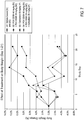
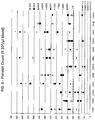
- patients treated with ODSH had increased platelet counts at the end of a first 4 week cycle of a chemotherapy regimen for pancreatic cancer that has a substantial myelosuppressive side effect. This effect continued through successive cycles, with patients showing platelet counts above levels seen at screening ( i.e., prior to treatment with ODSH), after two, three, or even four cycles of adjunctive administration of ODSH and the chemotherapy treatment regimen.
- methods for promoting thrombopoiesis in a subject comprise administering an effective amount of a PF4-interacting heparinoid to the subject.
- PF4-interacting heparinoids for use in the methods are described below in Section 5.6.
- the PF4-interacting heparinoid is ODSH.
- Suitable modes of administration and dosing regimens are described further below, in Section 5.8.
- Effective dosages, and therapeutically effective amounts, of PF4-interacting heparinoid are described further below, in Section 5.9.
- the method can be carried out in a thrombocytopenic subject or a non-thrombocytopenic subject.
- the thrombocytopenia can be of varying etiology.
- the thrombocytopenia is (1) thrombocytopenia caused by a treatment regimen with a myelosuppressive side effect, as described above in Section 5.1.1, and the subjects may include those described above in Section 5.1.2, (2) thrombocytopenia caused by impaired production of platelets by the bone marrow, (3) thrombocytopenia caused by platelet sequestration in the spleen (splenomegaly), or (4) thrombocytopenia caused by increased destruction of platelets in the peripheral circulation, optionally due to an autoimmune condition.
- the subject's platelet count is reduced as a result of- and, optionally, thrombocytopenia caused by - a disease or condition. Accordingly, in certain embodiments, the subject is suffering from an infection. In some embodiments, the infection results in sepsis, with or without disseminated intravascular coagulation.
- subjects have elevated plasma levels of PF4, for example, more than about 5 ng/ml, more than about 6 ng/ml, more than about 7 ng/ml, more than about 8 ng/ml, more than about 9 ng/ml, more than about 10 ng/ml, more than about 11 ng/ml, more than about 12 ng/ml, more than about 15 ng/ml, more than about 17 ng/ml, more than about 20 ng/ml, more than about 22 ng/ml, more than about 25 ng/ml, more than about 27 ng/ml, more than about 30 ng/ml, more than about 40 ng/ml, up to about 45 ng/ml, up to about 50 ng/ml or greater.
- the subjects have thrombocytopenia that is not heparin-induced thrombocytopenia.
- the thrombocytopenia is selected from radiation-induced thrombocytopenia; drug-induced thrombocytopenia; consumption thrombocytopenia; immune-mediated thrombocytopenia, including alloimmune thrombocytopenia and auto-immune thrombocytopenia, including immune thrombocytopenic purpura (or ITP); infectious cyclic thrombocytopenia; myelophthisic thrombocytopenia caused by neoplastic invasion of the bone marrow; surface-induced thrombocytopenia; vaccine-induced thrombocytopenia; liver, bone marrow or stem cell transplant-induced thrombocytopenia; and thrombocytopenia attendant to autoimmune disease (e.g ., rheumatoid arthritis, systemic lupus erythematosus) or lymphoproliferative disorder (e.g ., chronic lymphocytic leukemia).
- autoimmune disease e.g ., rheumatoid
- the thrombocytopenia is not or is other than: immune-mediated thrombocytopenia, thrombocytopenia due to an autoimmune condition or thrombocytopenia caused by increased destruction of platelets. In some embodiments, the thrombocytopenia is other than heparin-induced thrombocytopenia.
- the methods of promoting thrombopoiesis are useful for treating a subject who has radiation-induced thrombocytopenia caused by radiation therapy or by non-therapeutic exposure to ionizing radiation, for example a subject who has radiation poisoning or radiation sickness as a result of a radiological or nuclear accident or attack.
- suitable subjects include patients who would benefit from an increased platelet count, such as in advance of surgery, transfusion, therapy with a treatment regimen having a myelosuppressive side effect, or other procedure or treatment that could lower platelet count or increase the need for clotting.
- the subject is diagnosed with cancer, and/or is in need of surgery, transfusion, or therapy with a treatment regimen having a myelosuppressive side effect.
- the subject is at risk for radiation-induced thrombocytopenia due to radiation therapy or non-therapeutic exposure to ionizing radiation, for example as a result of a radiological or nuclear accident or attack.
- the PF4-interacting heparinoid can be administered either as a sole agent or in adjunctive combination with one or more additional agents or therapies.
- the one or more additional agents or therapy is capable of promoting thrombopoiesis.
- the one or more additional agents or therapy is anti-coagulating.
- Suitable additional therapies or agents to promote thrombopoiesis include agents or therapies that act to increase platelet count.
- the one or more additional agents or therapy is selected from platelet transfusion, splenectomy, corticosteroids (e.g., prednisone and dexamethasone), platelet clearance inhibitors (e.g., danazol), thrombopoeitin, thrombopoietin mimics, thrombopoietin receptor agonists ( e.g ., romiplostim and eltrombopag), interleukins, e.g. recombinant human interleukins (including interleukin-1, interleukin-3, interleukin-6, interleukin-11), lithium carbonate, and folate.
- corticosteroids e.g., prednisone and dexamethasone
- platelet clearance inhibitors e.g., danazol
- the patient may need anti-coagulation therapy, despite requiring thrombopoiesis.
- the PF4-interacting heparinoid is administered adjunctive to one or more anti-coagulating agents, preferably without risk of inducing or triggering heparin-induced thrombocytopenia.
- Anti-coagulation agents include heparins, such as unfractionated heparin, and low molecular weight heparins, such as dalteparin, enoxaparin, fondaparinux, reviparin, tinzaperin.
- the PF4-interacting heparinoid and the anti-coagulant can be administered in ratios in which the amount of PF4-interacting heparinoid exceeds the amount of anti-coagulant.
- Molar ratios of PF4-interacting heparinoid to anticoagulant heparin range from about 1:2 to about 10:1. Equivalent weight ratios are also contemplated.
- PF4-interacting heparinoids can increase neutrophil counts in human patients.
- patients treated with ODSH had increased neutrophil counts at the end of a first 4 week cycle of chemotherapy, despite receiving concurrent treatment with a chemotherapeutic regimen having myelosuppressive side effects, and consistently showed increased neutrophil counts at the end of successive 4-week cycles relative to neutrophil counts mid-cycle.
- methods for promoting neutrophil production in a subject are presented.
- the methods comprise administering an effective amount of a PF4-interacting heparinoid, as described further in Section 5.6 below, to the subject.
- the PF4-interacting heparinoid is ODSH.
- Suitable modes of administration and dosing regimens are described further below, in Section 5.8.
- Effective dosages, and therapeutically effective amounts, of PF4-interacting heparinoid are described further below, in Section 5.9.
- the method can be carried out in a neutropenic subject or a non-neutropenic subject.
- the subject can be an adult or a child.
- the subjects include those described above at Section 5.1.2.
- the neutropenia may be chronic or acute.
- the neutropenia is congenital (e.g. , caused by Kostmann's Syndrome), cyclical or idiopathic.
- the neutropenia is secondary to another condition, such as cancer, viral infection (e.g. , acquired immunodeficiency syndrome (AIDS)).
- the neutropenia is autoimmune.
- neutropenia is caused by infiltration and destruction of bone marrow due to leukemia, myeloma, lymphoma or a metastatic solid tumor such as, for example, breast or prostate cancer.
- the neutropenia is radiation-induced neutropenia, resulting from intentional or non-therapeutic exposure to ionizing radiation, for example as a result of a radiological or nuclear accident or attack.
- Neutropenia can be a side effect of agents or procedures.
- neutropenia is caused by a treatment regimen having a myelosuppressive side effect, e.g., chemotherapy, radiation therapy for cancer, bone marrow transplantation associated with cancer therapy and as described above in Section 5.1.1.
- neutropenia is immune-mediated, including autoimmune or alloimmune (e.g. , caused by a non-self antigen that stimulates antibody formation and causes a hypersensitive reaction).
- autoimmune or alloimmune e.g. , caused by a non-self antigen that stimulates antibody formation and causes a hypersensitive reaction.
- the methods of promoting neutrophil production are useful for treating a subject diagnosed with radiation-induced neutropenia caused by radiation therapy or by non-therapeutic exposure to ionizing radiation, for example as a result of a radiological or nuclear accident or attack.
- the methods of promoting neutrophil production are also useful for treating non-neutropenic subjects. Suitable subjects include those described above in Section 5.1.2. Such methods are particularly useful where the subject would benefit from an increased neutrophil count.
- the subject has been diagnosed with cancer, and/or is in need of surgery, or therapy with a treatment regimen having a myelosuppressive side effect.
- the subject is at risk for radiation-induced neutropenia due to radiation therapy or non-therapeutic exposure to ionizing radiation, for example as a result of a radiological or nuclear accident or attack.
- the subject is at increased risk of contracting an infection.
- the PF4-interacting heparinoid can be administered either as a sole agent or in adjunctive combination with one or more additional agents or therapies.
- the one or more additional agents or therapy are capable of promoting neutrophil production.
- the one or more additional agents or therapies are anti-coagulating.
- Suitable therapies or agents to promote neutrophil production include agents that act to increase absolute neutrophil count.
- the one or more additional agent is selected from recombinant human granulocyte colony stimulating factor ("G-CSF”) (filgrastim (Neupogen), pegfilgrastim (Neulasta)) and recombinant human granulocyte-macrophage colony stimulating factor (“GM-CSF”)(sargramostim (Leukine)).
- G-CSF human granulocyte colony stimulating factor
- GM-CSF granulocyte-macrophage colony stimulating factor
- the patient may need anti-coagulation therapy.
- the PF4-interacting heparinoid is administered adjunctive to one or more anti-coagulating agents, preferably without inducing or triggering heparin-induced thrombocytopenia.
- Anti-coagulation agents for use in such embodiments include, for example, heparins, such as unfractionated heparin, and low molecular weight heparin, such as dalteparin, enoxaparin, fondaparinux, reviparin, tinzaperin.
- the PF4-interacting heparinoid and the anti-coagulant are administered in ratios in which the amount of PF4-interacting heparinoid exceeds the amount of anti-coagulant.
- Molar ratios of PF4-interacting heparinoid to anticoagulant heparin range from about 1:2 to about 10:1. Equivalent weight ratios are also contemplated.
- Myelosuppressive side effects such as thrombocytopenia and neutropenia that are caused by patient treatment regimens can be dose-limiting, limiting either the dose amount, the frequency of administration, or both, thereby decreasing the efficacy of the patient treatment regimen. Attenuating such myelosuppressive side effects would permit the dose amount and/or frequency of treatment to be maintained or increased, which should in turn lead to greater efficacy of the patient treatment regimen.
- ODSH a PF4-interacting heparinoid
- administration of a PF4-interacting heparinoid adjunctively with such a treatment regimen should permit the dose amount and/or frequency of treatment to be maintained or increased, thereby increasing efficacy of the patient treatment regimen.
- methods for increasing efficacy of a treatment regimen with a myelosuppressive effect comprise administering a therapeutically effective amount of a PF4-interacting heparinoid to the subject patient as an adjunct to the patient treatment regimen having myelosuppressive side effect, such as the ICE regimen, without reducing the dose and/or dosage frequency of the myelosuppressive patient treatment following a reference treatment administration or treatment cycle.
- the reference treatment administration or cycle is the first treatment administration or treatment cycle.
- the reference treatment administration or treatment cycle of the patient treatment regimen is subsequent to the first treatment administration or treatment cycle.
- the method further comprises administering a dose higher than is typically used for such administration or cycle in the absence of adjunctive administration of a PF4-interacting heparinoid.
- the methods further comprise determining an initial platelet and/or neutrophil count in a sample of blood from a patient.
- the PF4-interacting heparinoid is administered in an amount that is effective to raise the patient's platelet and/or neutrophil count above a prior-determined threshold level.
- the prior-determined threshold level is the level below which administration of the patient treatment regimen having a myelosuppressive side effect is contraindicated. Suitable modes of administration and dosing regimens are described further below, in Section 5.8. Effective dosages, and therapeutically effective amounts, of PF4-interacting heparinoid are described further below, in Section 5.9.
- the methods comprise determining an initial platelet count in a sample from a patient, and then administering an amount of a PF4-interacting heparinoid effective to raise the patient's platelet count above a threshold level below which therapy with a patient treatment regimen having a myelosuppressive side effect is contraindicated.
- an amount of a PF4-interacting heparinoid is administered sufficient to maintain platelet levels above levels that indicate grade 4 or grade 3 thrombocytopenia.
- an amount of a PF4-interacting heparinoid is administered sufficient to maintain platelet levels above levels that indicate grade 2 or grade 1 thrombocytopenia.
- the methods can further comprise administering adjunctively to the PF4-interacting heparinoid one or more agents or therapies that is anti-thrombocytopenic, anti-neutropenic, anticoagulant, or has some other therapeutic activity.
- the methods comprise a further step of administering a patient treatment regimen having a myelosuppressive side effect to the patient whose platelet count is above a level that contraindicates such therapy.
- the dose amount and/or frequency of the patient treatment regimen can be increased.
- the methods comprise determining an initial neutrophil count in a blood sample from a patient and administering an amount of a PF4-interacting heparinoid effective to raise the patient's neutrophil count above a threshold level below which therapy with patient treatment regimen having a myelosuppressive side effect is contraindicated.
- an amount of a PF4-interacting heparinoid is administered sufficient to maintain neutrophil levels above levels that indicate of grade 4 or grade 3 neutropenia, i.e., above about 1000 neutrophils/ ⁇ l of blood and above about 500 neutrophils/ ⁇ l of blood.
- an amount of a PF4-interacting heparinoid is administered sufficient to maintain neutrophil levels above levels that indicate of grade 2 or grade 1 neutropenia.
- the methods can further comprise administering adjunctive to the PF4-interacting heparinoid one or more agents or therapies that is anti-neutropenic, anti-thrombocytopenic, anticoagulant, or has some other therapeutic activity.
- the methods comprise a further step of administering a patient treatment regimen having a myelosuppressive side effect to the patient whose neutrophil count is above a level that contraindicates such therapy.
- the dose amount and/or frequency of the patient treatment regimen can be increased.
- adjunctive administration of ODSH enhances the ability of antineoplastic treatment regimens to inhibit tumor growth.
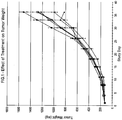
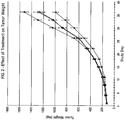
- adjunctive administration of ODSH results in greater inhibition of tumor growth in murine xenograft models of pancreatic and ovarian cancer, than administration of either ODSH or a chemotherapeutic treatment regimen alone.
- methods are provided herein for enhancing the efficacy of an antineoplastic treatment regimen. The methods comprise administering a therapeutically effective amount of a PF4-interacting heparinoid to a subject patient as an adjunct to an antineoplastic treatment regimen.
- Antineoplastic treatment regimens are patient treatment regimens useful in treating cancer. Suitable antineoplastic treatment regimens include chemotherapeutic treatment regimens (including induction chemotherapy and consolidation chemotherapy), antibody treatment regimens, and combinations thereof, as described further in Section 5.1.1 above.
- the subject to be treated may be any animal, for example a mammal, preferably a human. In certain embodiments, the subject is an adult. In certain embodiments, the subject is a child. Subjects to be treated are patients in need of antineoplastic treatment, in particular patients suffering from, or diagnosed with, cancer.
- the cancer can be in any organ or tissue, including pancreatic cancer, ovarian cancer, uterine cancer, breast cancer, including metastatic breast cancer and chemotherapy-resistant breast cancer (e.g., breast cancer that recurs as a relapse within 6 months of adjuvant chemotherapy with or without an anthracycline), head and neck cancer, bladder cancer, urothelial cancer, lung cancer (including non-small cell lung cancer), colorectal cancer, gastric cancer, esophageal cancer, lymphoma (including recurrent, Hodgkin's, and non-Hodgkin's lymphomas), liver cancer, melanoma, prostate cancer, osteosarcoma and leukemia (including acute myelogenous leukemia and pediatric acute lymphoblastic leukemia).
- pancreatic cancer ovarian cancer
- breast cancer including metastatic breast cancer and chemotherapy-resistant breast cancer (e.g., breast cancer that recurs as a relapse within 6 months of adjuvant chemotherapy with or without an anthracycl
- the methods described herein are particularly useful for cancers in which PF4 levels are elevated either in platelets or in the blood.
- the subject has been diagnosed with a cancer in which PF4 levels are elevated either in platelets or in the blood.
- the cancer is pancreatic cancer, colorectal cancer, osteosarcoma or leukemia (including acute myelogenous leukemia and pediatric acute lymphoblastic leukemia).
- PF4-interacting heparinoids suitable for use in the methods are described below in Section 5.6.
- the PF4-interacting heparinoid is ODSH.
- Suitable modes of administration and dosing regimens are described further below, in Section 5.8.
- Effective dosages and therapeutically effective amounts of PF4-interacting heparinoid are described further below, in Section 5.9.
- heparinoids for use in the methods described herein are heparinoids that are capable of interacting with PF4, and counteracting PF4's ability to suppress production of platelets and neutrophils.
- PF4-interacting heparinoids include heparinoids which bind PF4 and heparinoids which compete with PF4 for binding to progenitor cells in the myeloid cell lineage, e.g., megakaryocytes.
- a specific assay for binding of a heparinoid to PF4 is provided in Joglekar et al., 2012, Thromb Haemost 107(4):717-725 .
- a PF4-interacting heparinoid is a heparinoid that competes for binding to PF4 with unfractionated heparin, as determined by a competition assay, see e.g., Stringer et al., 1997, J. Biol. Chem. 272(33) 20508-20514 .
- PF4-interacting heparinoids are linear glycosaminoglycan polymers made up of alternating or repeating iduronic acid and glucosamine units bearing O-sulfate, N-sulfate, and N-acetyl substitutions.
- PF4-interacting heparinoids for use in the methods described herein are polymers having an average molecular weight of at least about 8 kDa, for example having an average molecular weight ranging from about 8 kDa to about 15 kDa. In certain embodiments, the PF4-interacting heparinoids have an average molecular weight of greater than about 8 kDa.
- PF4-interacting heparinoids for use in the methods described herein have an average molecular weight that ranges in size from about 11 kDa to about 13 kDa.
- Molecular weight of heparinoids can be determined by high performance size exclusion chromatography as is known in the art. See, e.g., Lapierre et al., 1996, Glycobiology 6(3):355-366 , at page 363; Fryer et al., 1997, J. Pharmacol. Exp. Ther. 282: 208-219 , at page 209.
- the PF4-interacting heparinoid does not cause platelet activation and heparin-induced thrombocytopenia (HIT), and is therefore useful for treating subjects at risk of heparin-induced thrombocytopenia, including subjects with antibodies against a PF4/heparin complex.
- the PF4-interacting heparinoid does not trigger platelet activation that leads to heparin-induced thrombocytopenia; platelet activation can be determined using a serotonin release assay, as described in U.S. Pat. No. 7,468,358 and Sheridan et al., 1986, Blood 67:27-30 .
- the PF4-interacting heparinoid binds PF4 but is not recognized by anti-heparin-PF4 complex antibodies, even when complexed with PF4.
- the PF4-interacting heparinoid is substantially nonanticoagulant.
- Anti-coagulation activity can be determined using assays known in the art, e.g., activated partial thromboplastin time (aPTT), prothrombin time, anti-X a clotting and amidolytic assays. See, e.g., U.S. Pat. No. 5,668,118 , Example IV; Fryer et al., 1997, J. Pharmacol. Exp. Ther. 282: 208-219 , at page 209; Rao et al., 2010, Am. J. Physiol. 299:C97-C110 , at page C98; United States Pharmacopeial Convention 1995 (for USP anticoagulant assay and amidolytic assay).
- aPTT activated partial thromboplastin time
- prothrombin time anti-X a clotting
- amidolytic assays See, e.g., U.S. Pat. No. 5,668,
- the PF4-interacting heparinoids are partially desulfated.
- the PF4-interacting heparinoids are substantially desulfated at the 2-O position of ⁇ -L-iduronic acid (referred to herein as the "2-O position") and desulfated at the 3-O position of D-glucosamine-N-sulfate (6-sulfate) (referred to herein as the "3-O position").
- the PF4-interacting heparinoids are at least 85%, at least 90%, at least 95%, or at least 99% desulfated at the 2-O position.
- the PF4-interacting heparinoids are at least 99% desulfated at the 2-O position. In some embodiments, the PF4-interacting heparinoids are at least 85%, at least 90%, at least 95%, or at least 99% desulfated at the 3-O position. In some preferred embodiments, the PF4-interacting heparinoids are at least 99% desulfated at the 3-O position. In some embodiments, the PF4-interacting heparinoids are at least 85%, at least 90%, at least 95%, at least 99% desulfated at the 2-O position and the 3-O position. In some preferred embodiments, the PF4-interacting heparinoids are at least 99% desulfated at the 2-O position and the 3-O position.
- the PF4-interacting heparinoid comprises substantially N-sulfated and 6-O sulfated D-glucosamine.
- the carboxylates on ⁇ -L-iduronic acid sugars of PF4-interacting heparinoid are substantially intact.
- An exemplary PF4-interacting heparinoid is substantially 2-O, 3-O desulfated heparin, referred to herein as ODSH.
- ODSH for use in the above-described methods can be prepared from bovine or porcine heparin.
- ODSH is synthesized by cold alkaline hydrolysis of USP porcine intestinal heparin, which removes the 2-O and 3-O sulfates, leaving N- and 6-O sulfates on D-glucosamine sugars and carboxylates on ⁇ -L-iduronic acid sugars substantially intact. Fryer, A. et al., 1997, J. Pharmacol. Exp. Ther. 282: 208-219 .
- ODSH can be produced with an average molecular weight of about 11.7 ⁇ 0.3 kDa.
- ODSH is substantially non-anticoagulating: administered to a subject at a dose that is equivalent to a fully-anticoagulating dose of unfractionated heparin, the clotting time measured in an aPTT assay is no greater than 45 seconds, and typically in the upper range of normal, where normal clotting time ranges from about 27 to 35 seconds.
- unfractionated heparin administered to a subject at a fully anticoagulant dose causes time to clot to range from about 60 to about 85 seconds in an aPTT assay.
- Another measure of ODSH's anticoagulant activity is its anti-X a activity which can be determined in an assay carried out using plasma treated with Russell viper venom.
- ODSH exhibited less than 9 U of anticoagulant activity/ mg in the USP anticoagulant assay (e.g., 7 ⁇ 0.3 U), less than 5 U of anti-X a activity/mg ( e.g., 1.9 ⁇ 0.1 U/mg) and less than 2 U of anti-II a activity/mg ( e.g., 1.2 ⁇ 0.1 U/mg) (compare to unfractionated heparin which has an activity of 165-190 U/mg in all three assays). See Rao et al., 2010, Am. J. Physiol. 299:C97-C110, page C101 .
- Whether or not a heparinoid is substantially non-anticoagulating can be determined using any of the above assays. Furthermore, ODSH has a low affinity for anti-thrombin III (Kd ⁇ 339 ⁇ M or 4 mg/ml vs. 1.56 ⁇ M or 22 ⁇ g/ml for unfractionated heparin), consistent with the observed low level of anticoagulant activity, measured as described in Rao et al., supra, at page C98.
- compositions and unit dosage forms
- the PF4-interacting heparinoid will be administered in the form of a pharmaceutical formulation or composition.
- Pharmaceutical compositions suitable for administration to subjects, may optionally include additional active and/or therapeutic agents, as is known in the art. See Remington: The Science and Practice of Pharmacy, 21st Ed. (2005), Lippincott Williams & Wilkins .
- the formulations will typically include one or more pharmaceutically acceptable carriers, excipients, or diluents. The specific carriers, excipients, and/or diluents used will depend on the desired mode of administration.
- the pharmaceutical compositions is in the form of a sterile, non-pyrogenic, fluid composition.
- compositions can be formulated for administration to subjects by a variety of routes, including intranasally, by inhalation, intramuscularly, intraperitoneally, and parenterally, including intravenously or subcutaneously.
- Pharmaceutical compositions can be formulated in volumes and concentrations suitable for bolus administration, for continuous infusion, or for subcutaneous administration.
- compositions can be conveniently presented in unit dosage forms which contain a predetermined amount of PF4-interacting heparinoid.
- unit dosage forms of PF4-interacting heparinoid contain 1 mg to 1 g, or 5 mg to 500 mg of PF4-interacting heparinoid.
- PF4-interacting heparinoids can be administered in the methods described herein by a variety of routes, as noted above.
- the PF4-interacting heparinoid is administered intravenously, either as one or more boluses, as a continuous infusion, or as one or more boluses followed by continuous infusion.
- PF4-interacting heparinoid is administered for a period of 1 day to indefinitely, a period of 1 week to 6 months, a period of 3 months to 5 years, a period of 6 months to 1 or 2 years, or the like.
- PF4-interacting heparinoid administration is repeated; for example, in certain embodiments, PF4-interacting heparinoid is administered once daily, twice daily, three times daily, four times daily, five times daily, every two days, every three days, every five days, once a week, once every two weeks, once a month, every other month, semi-annually, or annually.
- PF4-interacting heparinoid is administered at regular intervals over a period of several weeks, followed by a period of rest, during which no PF4-interacting heparinoid is administered.
- PF4-interacting heparinoid is administered for one, two, three, or more weeks, followed by one, two, three, or more weeks without PF4-interacting heparinoid administration.
- the repeated administration can be at the same dose or at a different dose.
- PF4-interacting heparinoid can be administered in one or more bolus injections, one or more infusions, or one or more bolus injections followed or preceded by infusion.
- PF4-interacting heparinoid is administered adjunctively to a patient treatment regimen having a myelosuppressive regimen, and/or adjunctively to administration of one or more additional agent(s) or therap(ies) having anti-thrombocytopenic, pro-thrombopoietic, anti-neutropenic, and/or pro-granulopoietic activity
- the PF4-interacting heparinoid is administered in therapeutically effective temporal proximity to the treatment regimen having a myelosuppressive side effect and/or additional agent or therapy.
- Administration of a PF4-interacting heparinoid can be concurrent with (at the same time), sequential to (at a different time but on the same day, e.g., during the same patient visit), or separate from (on a different day) administration of the patient treatment regimen having a myelosuppressive side effect or other agent or therapy.
- the adjunctively administered PF4-interacting heparinoid is administered concurrently, sequentially, and/or separately from the patient treatment regimen having myelosuppressive side effect or other agent or therapy being administered.
- PF4-interacting heparinoid can be administered before, after, or both before and after the other treatment.
- the PF4-interacting heparinoid can be administrated via the same or different route as the other treatment administered in temporal proximity.
- PF4-interacting heparinoid is administered concurrently or sequentially by the same route.
- PF4-interacting heparinoid and other treatment are administered intravenously, either concurrently or sequentially.
- the PF4-interacting heparinoid can further be administered separately (on a different day) from the other treatment by a different route, e.g., subcutaneously.
- PF4-interacting heparinoid is administered intravenously on the same day, either at the same time (concurrently), a different time (sequentially), or both concurrently and sequentially with other treatment, and is also administered subcutaneously on one or more days when the patient is not receiving other treatment.
- PF4-interacting heparinoid is administered concurrently or sequentially by a different route.
- the PF4-interacting heparinoid can further be administered separately (on a different day) from the other treatment by the same or different route as that by which the other treatment is administered.
- PF4-interacting heparinoid is administered on days 1, 8, and 15 of a 28-day chemotherapy cycle as an initial bolus followed by a 48-hour continuous infusion.
- the course of treatment can further include administration of one or more chemotherapeutic agents sequentially before or after PF4-interacting heparinoid.
- PF4-interacting heparinoid is administered subcutaneously on day 21 and/or one, several, or all of days 2, 3, 4, 5, 6, 7, 9, 10, 11, 12, 13, 14, 16, 17, 18, 19, 20, 21, 22, 23, 24, 25, 26, and 27.
- PF4-interacting heparinoid is administered to the subject in an amount sufficient or effective to provide a therapeutic benefit, i.e., a therapeutically effective amount.
- the therapeutically effective amount depends on the therapeutic benefit that is sought - e.g., attenuation of myelosuppressive side effects such as thrombocytopenia and neutropenia, and/or promotion of thrombopoiesis, and/or promotion of granulopoiesis, and/or enhancement of antineoplastic effect.
- a myeloprotective amount of PF4-interacting heparinoid is administered, that is, an amount sufficient, in typical embodiments, to achieve one or more of the following, as compared to historical data on the identical patient treatment regimen without adjunctive administration of PF4-interacting heparinoid:
- an amount of PF4-interacting heparinoid is administered sufficient to achieve one or more of the above-described effects as compared to pre-treatment levels.
- a thrombopoietically-effective amount of a PF4-interacting heparinoid is, in typical embodiments, an amount effective to cause a measureable rise a subject's platelet count as compared to pre-treatment levels.
- a granulopoietically-effective amount of a PF4-interacting heparinoid is, in typical embodiments, an amount effective to cause a measureable rise a subject's absolute neutrophil count as compared to pre-treatment levels.
- a therapeutically effective amount of a PF4-interacting heparinoid is an amount effective or sufficient to provide a therapeutic benefit.
- a therapeutic benefit is achievement of one or more of the following: halting or slowing the growth of tumors, reducing the size and/or number of tumors within a patient, increasing life expectancy, reduction in constitutional side effects of the antineoplastic treatment (e.g ., weight loss, loss of appetite, nausea, vomiting, fatigue), permitting reduction in dosage or frequency of dosage of the antineoplastic treatment regimen without reduced efficacy, and/or improving patient quality of life.
- a complete cure, while desirable, is not required for therapeutic benefit to exist.
- a therapeutic benefit can be correlated with one or more surrogate end points, in accordance with the knowledge of one of ordinary skill in the art.
- enhancing the efficacy of an antineoplastic treatment regimen can be measured in vivo.
- Exemplary in vivo assays for measuring tumor growth inhibition are described below for two different cancers and two different antineoplastic treatment regimens in Examples 1 and 2 below.
- the amount of PF4-interacting heparinoid administered will depend on various factors, including whether the subject is thrombocytopenic and/or neutropenic, the severity of any such thrombocytopenia and/or neutropenia, whether PF4-interacting heparinoid is being administered adjunctively to a patient treatment regimen, and the age and condition of the subject being treated, among others.
- the appropriate dosage can be readily determined by a person of skill in the art. In practice, a physician will determine appropriate dosages to be used. This dosage can be repeated as often as appropriate. The amount and/or frequency of the dosage can be altered, increased, or reduced, depending on the subject's response and in accordance with standard clinical practice. The proper dosage and treatment regimen can be established by monitoring the progress of therapy using conventional techniques known to skilled artisans.
- PF4-interacting heparinoid is administered at a dose or amount per kilogram of patient body weight ranging from about 1 mg/kg to about 25 mg/kg for intravenous bolus doses, and from about 0.1 mg/kg/hr to about 2.5 mg/kg/hr for intravenous infusions.
- PF4-interacting heparinoid is administered as an intravenous bolus at a dose of about 4 mg/kg, optionally followed by an intravenous infusion of PF4-interacting heparinoid at a dose of about 0.375 mg/kg/hr for 48 hours.
- a bolus dose is administered over less than a minute, about a minute, about 2 minutes, about 3 minutes, about 4 minutes, or about 5 minutes.
- PF4-interacting heparinoid can be administered at doses ranging from about 25 mg to about 400 mg, in volumes of 2.0 mL or less per injection site.
- compositions of PF4-interacting heparinoid can be formulated in an amount that permits bolus intravenous administration and/or continuous intravenous infusion at such doses.
- the pharmaceutical composition comprises PF4-interacting heparinoid in a sterile vial at a concentration of 50 mg/mL.
- pharmaceutical compositions can contain PF4-interacting heparinoid at a concentration ranging from 50 mg/ml to 350 mg/ml suitable for administration at doses ranging from about 25 to about 400 mg, in volumes of 2.0 mL or less per injection site.
- ODSH was made by Pyramid Laboratories, Inc. (Costa Mesa, CA). ODSH was provided at a stock concentration of 50 mg/ml and stored at room temperature until use. ODSH was diluted in a 0.9% NaCl solution (B. Braun Medical Inc., Irvine, CA) to a concentration of 2.4 mg/ml to deliver 24 mg/kg, in a 10 ml/kg dose volume when administered intravenously. A concentration of 4.8 mg/ml was formulated to deliver a 24 mg/kg dose at a 5 ml/kg dose volume when administered subcutaneously. ODSH was formulated fresh prior to each dose.
- Oxaliplatin was manufactured by Sanofi-Aventis (Bridgewater, NJ) and diluted in a 0.9% NaCl solution to a concentration of 1 mg/ml to deliver 10 mg/kg, in a 10 ml/kg dose volume.
- Gemcitabine was manufactured by Eli Lilly and Co. (Indianapolis, IN) and diluted in a 0.9% NaCl solution to a concentration of 8 mg/ml to deliver 80 mg/kg, in a 10 ml/kg dose volume.
- Nab-paclitaxel was manufactured by Abraxis BioScience LLC (Bridgewater, NJ) and diluted in a 0.9% NaCl solution to a concentration of 1.5 mg/ml to deliver 15 mg/kg, in a 10 ml/kg dose volume. All standard agent preparations were made fresh prior to their administration.
- BxPC-3 cells were obtained and prepared as follows.
- the BxPC-3 pancreas tumor cell line was received from American Type Culture Collection (ATCC, Manassas, VA). Cultures were maintained in RPMI 1640 medium (Hyclone, Logan, UT) supplemented with 5% fetal bovine serum. The cells were housed in a 5% CO 2 atmosphere. The cultures were expanded in tissue culture flasks at a 1:3 split ratio until a sufficient amount of cells were harvested.
- mice Female athymic nude mice (Hsd:Athymic Nude-Foxnlnu) supplied by Harlan (Indianapolis, IN). Mice were received at four weeks of age, 12-15 grams in weight, and were acclimated for seven days prior to handling. The mice were housed in microisolator cages (Lab Products, Seaford, DE) and maintained under specific pathogen-free conditions. All procedures were carried out under appropriate institutional guidelines for animal care.
- BxPC-3 Human Pancreas Tumor Xenograft Model Female athymic nude mice per treatment condition were inoculated subcutaneously in the right flank with 0.1 ml of a 50% RPMI 1640/50% MatrigelTM (BD Biosciences, Bedford, MA) mixture containing a suspension of BxPC-3 tumor cells (approximately 5 x 10 6 cells/mouse).
- tumors were measured using calipers and tumor weight was calculated using the animal study management software, Study Director V.1.7.54k (Study Log). See Britten CD, et al., "Enhanced antitumor activity of 6-hydroxymethylacylfulvene in combination with irinotecan and 5-fluorouracil in the HT29 human colon tumor xenograft model", Cancer Res 59:1049-1053, 1999 .
- Eighty mice with tumor sizes of 93-172 mg were placed into eight groups of ten mice by random equilibration (Day 1). Body weights were recorded when the mice were randomized and were taken twice weekly thereafter in conjunction with tumor measurements, on each of Days 1, 4, 8, 11, 15, 18, 22, 26, 30, 33, and 36.
- ODSH ODSH
- vehicle control (0.9% NaCl solution, referred to as saline)
- oxaliplatin oxaliplatin
- gemcitabine oxaliplatin
- nab-paclitaxel nab-paclitaxel
- Treatment for Groups 7 and 8 was ceased on Day 8 due to adverse effects resulting from the treatment.
- the ODSH dosing route was modified from intravenous to subcutaneous on Day 12, as a result of tail swelling and bruising.
- Gemcitabine and nab-paclitaxel were introduced into the dosing regimen of Groups 3 and 5 on Day 26.
- TGI Mean tumor growth inhibition
- results The antitumor effects of ODSH administered as a single agent or in various combinations with one or more of oxaliplatin, gemcitabine, and nab-paclitaxel were evaluated.
- Tables 10 to 13 below show the body weights recorded for treatment groups 1 to 8 over the course of the experiment. See also FIG. 3 .
- Table 10 Day 1 Day 4 Day 8 Group Compound Dosage Frequency Dose Route* Starting Weight (g) # Mice Average Weight (g) # Mice Average Weight (g) % Weight Loss or Gain # Mice Average Weight (g) % Weight Loss or Gain 1 Vehicle Control 0 mg/kg BID to end Intravenous/ Subcutaneous 20.86 10 20.86 10 20.48 -1.82 10 20.67 -0.91 2 ODSH 24 mg/kg BID to end Intravenous/ Subcutaneous 21.54 10 21.54 10 21.18 -1.67 10 21.18 -1.67 3 ⁇ Oxaliplatin 10 mg/kg Wkly x4 (Day 1,8,15,22) Intravenous 20.82 10 20.82 10 20.40 -2.02 10 20.65 -0.82 4 Gemcitabine 80 mg/kg Q3dx4 (Day 1,4,7,10)
- Efficacy was assessed by comparison of tumor weights at Day 26 and 36 against Day 1.
- Day 26 was chosen to assess data prior to the addition of gemcitabine and nab-paclitaxel to groups 3 and 5.
- Day 36 was assessed as the last day of the study.
- Table 14 Day 26 Day 26 Group Treatment 1 N Dose Schedule Tumor Weight (mg) % TGI (n) Deaths 2 1 Vehicle 10 - BID to end 679.8 ⁇ 35.4 - 0 2 ODSH 10 24 mg/kg BID to end 616.2 + 509 11.5 (10/10) 0 3
- Mean tumor weight in the vehicle control group reached 679.8 mg by Day 26 and 1524.2 mg by Day 36.
- Six of ten tumors demonstrated some level of necrosis; however, this is attributed to the normal progression of this tumor xenograft model. Tumor necrosis was first observed on Day 30. A maximum weight loss of 3.6% was observed at Day 15. The mice recovered their weight by Day 26. Two of ten mice demonstrated slightly bruised tails, first observed on Day 11.
- Oxaliplatin 10 mg/kg or gemcitabine 80 mg/kg, and nab-paclitaxel 15 mg/kg (Group 3): The initial regimen of oxaliplatin alone reached a mean tumor weight of 635.0 mg by Day 26, prior to the addition of gemcitabine and nab-paclitaxel to the dosing regimen. This group produced a TGI of 8.0% on Day 26, when compared to vehicle control. No significant difference in tumor weight on Day 26 was observed when compared to vehicle control. One mouse exhibited a bruised tail, first observed on Day 11. Three of ten tumors demonstrated some level of necrosis; however, this is attributed to the normal progression of this tumor xenograft model. Tumor necrosis was first observed on Day 26.
- Gemcitabine 80 mg/kg reached a mean tumor weight of 594.7 mg by Day 26 and 1288.8 mg by Day 36. This treatment resulted in a TGI of 15.3% on Day 26 and 16.8% on Day 36, when compared to vehicle control. No significant difference in tumor weight was observed on Day 26 or Day 36 when compared to vehicle control.
- Four of the ten tumors demonstrated some level of necrosis; however, this is attributed to the normal progression of this tumor xenograft model. Tumor necrosis was first observed on Day 26. A maximum weight loss of 8.7% was reached on Day 11. The mice recovered their weight by Day 18.
- the initial treatment combination of ODSH and oxaliplatin reached a mean tumor weight of 586.6 mg by Day 26. This treatment resulted in a TGI of 16.7% on Day 26 when compared to vehicle control. No significant difference in tumor weight was observed on Day 26 when compared to vehicle control, ODSH (Group 2), or oxaliplatin (Group 3). All ten mice in this group demonstrated increased bruising on the tails or abdomen, at the site of injection. This was first observed on Day 4 for the tails and Day 15 for the abdomens. Two of the ten mice also demonstrated swelling of the tail, first observed on Day 4. Three of the ten mice demonstrated some discoloration of the skin, first observed on Day 11.
- ODSH 24 mg/kg and gemcitabine 80 mg/kg reached a mean tumor weight of 508.9 mg by Day 26 and 993.9 mg by Day 36.
- This treatment resulted in a TGI of 30.7% on Day 26 and 37.9% on Day 36 when compared to vehicle control.
- No significant difference in tumor weight was observed on Day 26 when compared to vehicle control, ODSH (Group 2), or gemcitabine (Group 4).
- a significant decrease in tumor weight was seen on Day 36 (P ⁇ 0.05) when compared to vehicle control; however, no significant difference in tumor weights resulted when compared to ODSH (Group 2) or gemcitabine (Group 4).
- Tumor necrosis was first observed on Day 30. A maximum weight loss of 13.4% was reached on Day 11. The mice recovered their weight by Day 22. All ten mice in this group demonstrated bruising on the tails or abdomen, at the site of injection. This was first observed on Day 4 for the tails and Day 15 for the abdomens. Two of the ten mice also demonstrated swelling of the tail, first observed on Day 4. One of ten mice demonstrated discoloration of the skin, first observed on Day 9. Two of ten mice demonstrated dry skin, first observed on Day 9.
- Oxaliplatin 10 mg/kg and gemcitabine 80 mg/kg reached a mean tumor weight of 612.4 mg by Day 26 and 1227.7 mg by Day 36.
- No significant difference in tumor weight was observed on Day 26, when compared to vehicle control, oxaliplatin (Group 3), or gemcitabine (Group 4).
- One of ten tumors demonstrated some level of necrosis; this is attributed to the natural progression of the xenograft model. Tumor necrosis was first observed on Day 30.
- ODSH 24 mg/kg, oxaliplatin 10 mg/kg, and gemcitabine 80 mg/kg (Group 8) could not be assessed for efficacy due to the toxicity of the regimen driven by the oxaliplatin and gemcitabine doses.
- mice treated with ODSH and gemcitabine were statistically significantly lower than tumor weights in the control (saline alone) group on Day 36. See FIG. 2 .
- Example 2 ODSH, a PF4-interacting heparinoid, enhances the efficacy of carboplatin in an in vivo murine xenograft model of human ovarian cancer
- ODSH 50 mg/mL stock concentration
- ODSH was made by Pyramid Laboratories, Inc. and stored at room temperature until use.
- IV intravenously
- SC subcutaneously
- Carboplatin obtained from a clinical supplier was stored at 4°C until use.
- Carboplatin was administered by intraperitoneal injection (IP) at a dose of 80 mg/kg and volume of 10 mL/kg.
- Saline solution (0.9% NaCl) was used as a vehicle control for ODSH and administered by the same routes and in the same volumes as ODSH.
- Human ovarian cancer cell line A2780 was used in the murine xenograft experiments as follows. Approximately 5 X 10 6 A2780 cells were used per mouse, injected subcutaneously into the right flank in 0.1 mL of 50% Matrigel/ 50% media. The study was initiated when tumors reached a size of 90-130 mg. 40 mice were used, 10 per treatment regimen. The mice were normal athymic female mice, aged 6-7 weeks, housed in microisolator cages and maintained under pathogen-free conditions. Tumor and body weights were measured three times per week.
- ODSH, oxaliplatin, and the vehicle control (0.9% NaCl) were administered according to the dosing schedule described in the table below.
- Table A Treatment regimens Treatment group Treatment Agent administered, and amount Dosing schedule Route* 1 Vehicle control 0.9% saline Days 1, 8, 15 IV Twice a day, until end of study on days without IV dosing SC 2 ODSH 48 mg/kg Days 1, 8, 15 IV 24 mg/kg Twice a day until end of study on days without IV dosing SC 3
- ODSH does not reduce or counteract the antineoplastic effect of carboplatin.
- adjunctive administration of ODSH with carboplatin FIG. 4 , triangles
- mice treated with ODSH adjunctive to carboplatin had an increase in body weight as compared to mice receiving only carboplatin. See FIG. 6 , triangles versus squares.
- ODSH not only increased the efficacy of carboplatin, it also contributed to improved body weights, indicative of a positive effect on constitutional side effects (e.g., loss of appetite, weight loss) often seen with chemotherapeutic treatment regimens.
- Tumor weights were measured on days 1, 4, 6, 8, 11, 14, 18, 21, 25 and 28 as indicated.
- ODSH nab-paclitaxel
- Inclusion criteria Male and non-pregnant, non-lactating, female patients, aged 18 to 75, with histologically confirmed metastatic adenocarcinoma of the pancreas were enrolled in the trial. Further inclusion criteria were: presence of at least one metastatic tumors (measurable by conventional techniques or CT scan), serum CA 19-9 measurement of greater than 2 times the upper limit of normal, no radiation therapy or chemotherapy for locally advanced disease within six months of enrollment into the trial, absolute neutrophil count of at least 1.5 X 10 9 /L, platelet count of at least 100,000/mm 3 (or 100 X 10 9 /L), hemoglobin level of at least 9 g/dL, prothrombin and partial thromboplastin times within normal limits (+/- 15%) at time of screening, Eastern Cooperative Oncology Group performance status of 1 or more. In addition, patients were screened for blood chemistry levels, including serum creatinine levels within normal limits, serum transaminase levels of 2.5 or greater than the upper limit of normal, and bilirubin levels of 1.5 times
- Dosing regimen Treatment consisted of a series of 28-day cycles, wherein the last day of one cycle (e.g. , day 28, cycle 1) was immediately followed by the first day of the next cycle (e.g ., day 1, cycle 2).
- day 28, cycle 1 the last day of one cycle
- day 1, cycle 2 the first day of the next cycle
- patients were dosed at days 1, 8, and 15 (three weeks of medication followed by one week of rest) as follows.
- nab-paclitaxel at 125 mg/m 2 was administered as an intravenous infusion over 30 minutes.
- gemcitabine was administered at 1000 mg/m 2 as an intravenous infusion over 30 minutes.
- Nab-paclitaxel and gemcitabine therapy was given as described in the prescribing information for Abraxane® and Gemzar®. See also, Von Hoff et al., 2011, J. Clinical Oncology 29:1-7 ).
- ODSH was administered immediately after gemcitabine administration, as follows: an initial loading dose was administered as a bolus of 4 mg/kg over 5 minutes followed by a continuous intravenous infusion over 48 hours, at a dose of 0.375 mg/kg/hr. These doses are, respectively, 9-fold higher and 3.75-fold higher than the bolus and maintenance doses of unfractionated heparin routinely used to confer full anticoagulation in a clinical setting (0.44 mg/kg for bolus injection, and 0.1 mg/kg/hr for maintenance).
- ODSH can be administered at a dose that is greater than the fully anticoagulant dose of unfractionated heparin, without concern for anticoagulant effect, as shown in the Results below.
- An initial run-in period was conducted in which ten patients were treated with the gemcitabine, nab-paclitaxel, and ODSH regimen described above. After all ten patients had completed at least one 28-day cycle, the data were reviewed and an open-label randomized study initiated, with two arms (ODSH arm and Control arm). In the ODSH arm, the dosing regimen was the same as in the run-in period (gemcitabine, nab-paclitaxel, and ODSH). In the Control arm, patients were given the same gemcitabine and nab-paclitaxel regimen as in the run-in period, but without ODSH.
- thrombocytopenia Grade Platelet count (X 10 3 / ⁇ l blood) 0* >150 1 ⁇ 150-75 2 ⁇ 75-50 3 ⁇ 50-25 4 ⁇ 25 *(non-thrombocytopenic)
- Neutropenia Grade Platelet count (X 10 3 / ⁇ l blood) 0* ⁇ 2 1 ⁇ 2-1.5 2 ⁇ 1.5-1 3 ⁇ 1.0-0.5 4 ⁇ 0.5 *(non-neutropenic)
- a reduction of at least 30% in the sum of the diameters of target lesions was scored as a partial response. Patients were scored as having stable disease where the smallest sum of target lesion diameters neither decreased nor increased sufficiently to qualify as a partial response or progressive disease.
- aPTT partial thromboplastin time
- Platelet counts are shown in Table 16 below. Counts shown in the "Screen” column are counts prior to entry into the clinical trial protocol.
- Table 17 shows the percentage of patients with thrombocytopenia after two doses (day 15, first cycle) or after five or more doses (day 15, second cycle or day 1, third cycle) of treatment with ODSH adjunctive to gemcitabine and nab-paclitaxel. Also shown in Table 17, at row 3, are historical data, showing the percentages of patients with varying grades of thrombocytopenia who had been treated with gemcitabine and nab-paclitaxel in the same amounts and on the same dosing schedule as described herein, but without adjunctive administration of ODSH. The data presented in row 3 are reproduced from Table 3 of Von Hoff et al., 2011, J. Clinical Oncology 29:1-7 , which provides the overall number and percent of patients exhibiting selected adverse events throughout the trial.
- Table 17 Toxicity (% patients with thrombocytopenia of indicated grade) Row Treatment (no. of patients) Grade 0 Grade 1 Grade 2 Grade 3 Grade 4 1 Gemcitabine + nab-paclitaxel + ODSH, first cycle, day 15 (10) 40 50 10 0 0 2 Gemcitabine + nab-paclitaxel + ODSH, second cycle day 15 (10) 70 10 20 0 0 3 Von Hoff et al. Gemcitabine + nab-paclitaxel (44) (historical) 9 42 21 19 9
- Table 18 shows the platelet counts for each patient at day 1 of successive treatment cycles (e.g., treatment cycle 1, 2, 3, etc .). As can be seen from the platelet counts at the beginning of cycles 2 and 3, even after receiving one or two full cycles (equal to three or six doses) of gemcitabine and nab-paclitaxel, only one of the patients was thrombocytopenic, exhibiting mild (Grade 1) thrombocytopenia. All other patients showed platelet counts well above the lower limit of normal. This trend continued into Cycle 4 for patients 2001, 6002, 6003, 6004, 6006, 6007, 7001, 8001, and 9001.
- mean and median platelet counts across all samples were consistently above 150,000 on the first day of treatment cycles 2 and 3, even when numbers were below 150,000 on day 15 of the first treatment cycle.
- mean and median platelet counts at the start of the third cycle were greater than at the start of the second cycle and were greater at the start of the second cycle than at the screening measurement and the start of the first cycle (before any chemotherapy was administered).
- Table 20 below provides absolute neutrophil counts for the patients treated adjunctively with ODSH. Eight out of 10 patients who completed the first cycle of treatment showed normal neutrophil counts on the first day of the second treatment cycle. Five out of 10 patients who completed the first cycle also had increased or unchanged neutrophil counts on the first day of the second treatment cycle as compared to the first day of the first cycle (prior to chemotherapy). Furthermore, 8 out of 9 patients showed normal neutrophil counts at the start of the third cycle of treatment and 10 out of 10 patients showed normal neutrophil counts at the start of the fourth cycle of treatment.
- Table 21 shows the percentage of patients with neutropenia after two doses (day 15, first cycle) or after five or more doses (day 15, second cycle or day 15, third cycle) of treatment with ODSH adjunctive to gemcitabine and nab-paclitaxel. Also shown in Table 21, at row 3, are historical data showing the percentages of patients with varying grades of neutropenia who had been treated with gemcitabine and nab-paclitaxel in the same amounts and on the same dosing schedule as described herein, without ODSH. The data presented in row 3 are reproduced from Table 3 of Von Hoff et al., 2011, J. Clinical Oncology 29:1-7 , which provides the overall number and percent of patients exhibiting selected adverse events throughout the trial.
- Table 21 Toxicity (% patients with neutropenia of indicated grade) Row Treatment (no. of patients) Grade 0 Grade 1 Grade 2 Grade 3 Grade 4 1 Gemcitabine + nab-paclitaxel + ODSH, first cycle day 15 (9) 33 11 22 33 0 2 Gemcitabine + nab-paclitaxel + ODSH, second cycle day 15 or third cycle day 15 (10) 20 50 20 10 0 3 Von Hoff et al. Gemcitabine + nab-paclitaxel (44) 9 14 2 26 49
- Serum CA19-9 level a marker correlated with extent of tumor, and therefore correlated with efficacy of the chemotherapeutic treatment, decreased in 8 of 10 patients, showing that the ability of ODSH to attenuate thrombocytopenia and neutropenia and induce thrombopoiesis and neutrophil production did not interfere with the efficacy of the chemotherapy (indicated by the decrease in CA19-9 serum levels), consistent with the results obtained in the pancreatic xenograft animal model described in Example 1. See Table 25 below.
- Table 25 CA19-9 Serum levels (U/mL) Patient ID Cycle 1 Day 1 Cycle 2 Day 1 Cycle 3 Day 1 Cycle 4 Day 1 2001 4,775 5,934 8,529 9,926 6002 125 71 27 15 6003 6,186 4,392 2,669 2405 6004 6,275 4,018 1,433 348 6006 395 490 251 108 6007 70,086 22,958 10,286 7001 2,138 502 328 288 7002 483 453 205 110 8001 11 17 15 20 9001 326 710 164 69
- Patient 6003 who presented with lung metastases, also showed stable disease, as shown in FIG. 11D .
- Patient 6006 showed stable disease and some reduction in the size pancreatic and metastatic lesions in the liver.
- FIG. 11E Patient 8001 showed stable disease with a reduction in the size of pancreatic tumor at the end of cycle 2.
- FIG. 11F FIGS. 12B-F show that patients 6004, 6007, 7001, 7002, and 9001 had a partial response.
- ECOG Eastern Cooperative Oncology Group
- the treatment regimen also appears to have minimal adverse effects on weight, as most patients have experienced minimum weight loss or even some weight gain. See Table 26 below. Table 26 Weight (in pounds) Patient ID Cycle 1 Day 1 Cycle 2 Day 1 Cycle 3 Day 1 Cycle 4 Day 1 Cycle 5 Day 1 Cycle 6 Day 1 2001 125 124 119 120 6002 163 164 169 173 177 176 6003 147 140 144 139 137 133 6004 158 155 157 153 156 157 6006 189 187 188 185 188 6007 110 115 112 115 7001 163 164 162 164 163 7002 197 191 186 170 167 8001 160 164 166 166 9001 137 135 134 129 127
- ODSH infusion did not result in anticoagulation, as determined by partial thromboplastin time (aPTT) in the patients.
- Table 27 aPTT (in seconds) Patient ID Cycle 1 Day 1 Cycle 1 Day 3 Cycle 1 Day 10 Cycle 1 Day 17 2001 26 34 33 33 6002 25 31 36 6003 29 33 34 6004 27 31 31 29 6006 29 34 34 6007 24 28 28 7001 33 32 30 7002 36 43 38 42 8001 33 38 35 36 9001 28 31 31 30
- Table 28 Day 1 Day 15 Day 1 (n) Day 15 (n) CONTROL ARM Cycle 1 223 95 16 13 Cycle 2 331 107 11 9 Cycle 3 286 95 9 8 Cycle 4 242 101 7 7 Cycle 5 255 85 6 6 Cycle 6 257 50 6 5 ODSH ARM Cycle 1 248 143 26 26 Cycle 2 336 135 24 21 Cycle 3 393 171 14 13 Cycle 4 404 156 12 12 Cycle 5 389 121 11 8 Cycle 6 371 132 8 8 8
- ODSH attenuated the myelosuppressive side effects of the gemcitabine/Abraxane regimen (as compared to patients reported in Von Hoff et al., 2011, J. Clinical Oncology 29:1-7 and as compared to patients randomized to receive gemcitabine/Abraxane alone, in the randomized portion of this trial), and increased platelet and neutrophil counts in the patients above levels seen prior to treatment, while preserving the efficacy of the chemotherapy regimen. Furthermore, a reduction in side effects which manifest as constitutional symptoms, such as fatigue, nausea, and vomiting, was also observed. ODSH and other PF4-interacting heparinoids attenuate constitutional symptoms associated with chemotherapy.
- Example 4 ODSH attenuates thrombocytopenia associated with the treatment of acute myelogenous leukemia (AML)
- a clinical trial is conducted to confirm the therapeutic advantage of ODSH administered adjunctively to induction and consolidation therapy and subsequent allogeneic or autologous bone marrow transplantation in the treatment of acute myelogenous leukemia (AML).
- Subjects included in the trial are subjects diagnosed with AML who are undergoing induction and consolidation therapy. Subjects are randomly assigned to either a control group (receiving only induction and consolidation therapy) or a treatment group (receiving adjunctive administration of ODSH).
- ODSH is administered as a continuous infusion (0.375 mg/kg/hr). Subjects in each arm of the trial are evaluated for platelet counts and the need for platelet transfusion. Further metrics evaluated include measurement of circulating levels of PF4 and rate of granulocyte recovery.
- Results are obtained which demonstrate that addition of ODSH to standard induction and consolidation therapy attenuates thrombocytopenia.
- a second clinical trial is conducted to confirm the advantage of ODSH administered adjunctively to induction and consolidation chemotherapy in the treatment of AML.
- the trial is an open-label pilot study of ten patients newly diagnosed with AML and not previously treated for AML.
- Patient treatment regimens are as follows. During an induction phase, 100 mg/m 2 /day of cytarabine is administered continuously by intravenous infusion for 7 days (Day 1- Day 7) and 12 mg/m 2 /day of idarubicin is administered by intravenous injection on each of Day 1, Day 2, and Day3.
- ODSH Intravenously as a bolus on Day 1 immediately after idarubicin, and is then administered at a dose of 0.25 mg/kg/hr continuously by intravenous infusion on Day 1 to Day7.
- the induction phase is followed by up to four cycles of consolidation chemotherapy, each cycle consisting of 3 g/m 2 cytarabine administered over a period of 3 hours, every 12 hours on Days 1, 3, and 5 or a 5-day cycle.
- 4 mg/kg ODSH is administered intravenously as a bolus on Day 1 immediately after cytarabine, and is then administered at a dose of 0.25 mg/kg/hr continuously by intravenous infusion on Day 1 to Day 5.
- Consolidation chemotherapy is initiated no sooner than 28 days from the start of induction chemotherapy. Subjects are evaluated for the degree and duration of thrombocytopenia, based on platelet counts and need for transfusion.
- Results are obtained which demonstrate that addition of ODSH to standard induction and consolidation therapy attenuates thrombocytopenia.
Landscapes
- Health & Medical Sciences (AREA)
- Life Sciences & Earth Sciences (AREA)
- Chemical & Material Sciences (AREA)
- Medicinal Chemistry (AREA)
- Veterinary Medicine (AREA)
- Public Health (AREA)
- General Health & Medical Sciences (AREA)
- Animal Behavior & Ethology (AREA)
- Pharmacology & Pharmacy (AREA)
- Epidemiology (AREA)
- Engineering & Computer Science (AREA)
- Immunology (AREA)
- Hematology (AREA)
- Biomedical Technology (AREA)
- Cell Biology (AREA)
- Developmental Biology & Embryology (AREA)
- Dermatology (AREA)
- Molecular Biology (AREA)
- Bioinformatics & Cheminformatics (AREA)
- Nuclear Medicine, Radiotherapy & Molecular Imaging (AREA)
- General Chemical & Material Sciences (AREA)
- Organic Chemistry (AREA)
- Chemical Kinetics & Catalysis (AREA)
- Biotechnology (AREA)
- Zoology (AREA)
- Microbiology (AREA)
- Mycology (AREA)
- Virology (AREA)
- Diabetes (AREA)
- Pathology (AREA)
- Radiology & Medical Imaging (AREA)
- Oncology (AREA)
- Pharmaceuticals Containing Other Organic And Inorganic Compounds (AREA)
- Medicines That Contain Protein Lipid Enzymes And Other Medicines (AREA)
- Acyclic And Carbocyclic Compounds In Medicinal Compositions (AREA)
- Investigating Or Analysing Biological Materials (AREA)
- Polysaccharides And Polysaccharide Derivatives (AREA)
- Medicines Containing Antibodies Or Antigens For Use As Internal Diagnostic Agents (AREA)
- Medicines Containing Material From Animals Or Micro-Organisms (AREA)
Claims (24)
- Mit PF-4 interagierendes Heparinoid zur Verwendung bei einem Verfahren zur Abschwächung einer myelosuppressiven Nebenwirkung eines myelosuppressiven Behandlungsschemas, wobei das Verfahren Folgendes umfasst:
begleitende Verabreichung des mit PF-4 interagierenden Heparinoids an einen Patienten, der ein myelosuppressives Behandlungsschema erhält, wobei das PF-4-Heparinoid an der 2-O-Position und der 3-O-Position im Wesentlichen desulfatiert ist und wobei der Patient ein Mensch ist. - Mit PF-4 interagierendes Heparinoid zur Verwendung nach Anspruch 1, wobei das Heparinoid an der 2-O-Position und der 3-O-Position jeweils zu mindestens 90% desulfatiert ist.
- Mit PF-4 interagierendes Heparinoid zur Verwendung nach Anspruch 1, wobei das Heparinoid an der 2-O-Position und der 3-O-Position jeweils zu mindestens 95% desulfatiert ist.
- Mit PF-4 interagierendes Heparinoid zur Verwendung nach Anspruch 2 oder 3, wobei das Heparinoid ein durchschnittliches Molekulargewicht von etwa 8 kDa bis etwa 15 kDa aufweist.
- Mit PF-4 interagierendes Heparinoid zur Verwendung nach Anspruch 4, wobei das Heparinoid ein durchschnittliches Molekulargewicht von etwa 11 kDa bis etwa 13 kDa aufweist.
- Mit PF-4 interagierendes Heparinoid zur Verwendung nach einem vorhergehenden Anspruch, wobei es sich bei dem Heparinoid um ODSH handelt.
- Mit PF-4 interagierendes Heparinoid zur Verwendung nach einem vorhergehenden Anspruch, wobei das Heparinoid intravenös verabreicht wird.
- Mit PF-4 interagierendes Heparinoid zur Verwendung nach einem vorhergehenden Anspruch, wobei die myelosuppressive Nebenwirkung Thrombozytopenie ist.
- Mit PF-4 interagierendes Heparinoid zur Verwendung nach einem vorhergehenden Anspruch, wobei die myelosuppressive Nebenwirkung Neutropenie ist.
- Mit PF-4 interagierendes Heparinoid zur Verwendung nach einem vorhergehenden Anspruch, wobei das myelosuppressive Behandlungsschema ein Anti-Neoplasie-Behandlungsschema ist.
- Mit PF-4 interagierendes Heparinoid zur Verwendung nach Anspruch 10, wobei das Anti-Neoplasie-Behandlungsschema das Verabreichen eines oder mehrerer Chemotherapeutika umfasst.
- Mit PF-4 interagierendes Heparinoid zur Verwendung nach Anspruch 10, wobei das Anti-Neoplasie-Behandlungsschema Strahlentherapie umfasst.
- Mit PF-4 interagierendes Heparinoid zur Verwendung nach einem vorhergehenden Anspruch, wobei der Patient einen Krebs hat, ausgewählt aus der Gruppe, bestehend aus: Bauchspeicheldrüsenkrebs, Eierstockkrebs, Gebärmutterkrebs, Brustkrebs, metastasierendem Brustkrebs, rekurrierendem Brustkrebs, Kopf- und Halskrebs, Blasenkrebs, Urothelkrebs, Lungenkrebs, Kolorektalkrebs, Magenkrebs, Speiseröhrenkrebs, Lymphom, Leberkrebs, Melanom, Prostatakrebs, Osteosarkom, Leukämie, akuter myeloischer Leukämie (AML) und pädiatrischer akuter lymphoblastischer Leukämie.
- Mit PF-4 interagierendes Heparinoid zur Verwendung nach einem vorhergehenden Anspruch, wobei der Patient akute myeloische Leukämie (AML) hat.
- Mit PF-4 interagierendes Heparinoid zur Verwendung nach einem vorhergehenden Anspruch, wobei das Heparinoid durch kalte alkalische Hydrolyse von unfraktioniertem Rinder- oder Schweine-Heparin hergestellt wird.
- Mit PF-4 interagierendes Heparinoid zur Verwendung bei einem Verfahren zur Behandlung von Thrombozytopenie, wobei das Verfahren Folgendes umfasst:
Verabreichen des mit PF-4 interagierenden Heparinoids an ein menschliches Individuum mit Thrombozytopenie, wobei das PF-4-Heparinoid an der 2-O-Position und der 3-O-Position im Wesentlichen desulfatiert ist und wobei die Thrombozytopenie ausgewählt ist aus Verbrauchsthrombozytopenie, immunvermittelter Thrombozytopenie (einschließlich Alloimmunthrombozytopenie und Autoimmunthrombozytopenie, einschließlich immun-thrombozytopenischer Purpura (oder ITP)), infektiöser zyklischer Thrombozytopenie, durch neoplastische Invasion des Knochenmarks verursachter myelophthisischer Thrombozytopenie, oberflächeninduzierter Thrombozytopenie, Impfstoffinduzierter Thrombozytopenie, durch Leber-, Knochenmark- oder Stammzelltransplantation induzierter Thrombozytopenie und mit einer Autoimmunerkrankung (z. B. rheumatoider Arthritis, systemischem Lupus erythematodes) oder einer lymphoproliferativen Störung (z. B. chronischer lymphatischer Leukämie) einhergehender Thrombozytopenie. - Mit PF-4 interagierendes Heparinoid zur Verwendung nach Anspruch 16, wobei die Menge an mit PF-4 interagierendem Heparinoid ausreichend ist, um die Thrombozytenspiegel oberhalb der Spiegel zu halten, die auf eine Thrombozytopenie Grad 3 hindeuten.
- Mit PF-4 interagierendes Heparinoid zur Verwendung bei einem Verfahren zur Behandlung von Neutropenie, wobei das Verfahren Folgendes umfasst:
Verabreichen des mit PF-4 interagierenden Heparinoids an ein menschliches Individuum mit Neutropenie, wobei das PF-4-Heparinoid an der 2-O-Position und der 3-O-Position im Wesentlichen desulfatiert ist. - Mit PF-4 interagierendes Heparinoid zur Verwendung nach Anspruch 18, wobei die Menge an Heparinoid ausreichend ist, um die Neutrophilenspiegel oberhalb der Spiegel zu halten, die auf eine Neutropenie Grad 3 hindeuten.
- Mit PF-4 interagierendes Heparinoid zur Verwendung nach einem der Ansprüche 16 bis 19, wobei es sich bei dem Heparinoid um ODSH handelt.
- Mit PF-4 interagierendes Heparinoid zur Verwendung nach Anspruch 20, wobei das mit PF-4 interagierende Heparinoid intravenös verabreicht wird.
- Mit PF-4 interagierendes Heparinoid zur Verwendung bei einem Verfahren zur Behandlung oder Vorbeugung von strahlungsinduzierter Thrombozytopenie, wobei das Verfahren Folgendes umfasst:
Verabreichen des mit PF-4 interagierenden Heparinoids an ein Individuum, das ionisierender Strahlung ausgesetzt wird, wobei das PF-4-Heparinoid an der 2-O-Position und der 3-O-Position im Wesentlichen desulfatiert ist und wobei der Patient ein Mensch ist. - Mit PF-4 interagierendes Heparinoid zur Verwendung nach Anspruch 22, wobei die Strahlung Teil eines Behandlungsschemas ist.
- Mit PF-4 interagierendes Heparinoid zur Verwendung nach einem vorhergehenden Anspruch, wobei es sich bei dem mit PF-4 interagierenden Heparinoid um ODSH handelt.
Priority Applications (2)
| Application Number | Priority Date | Filing Date | Title |
|---|---|---|---|
| EP20189050.6A EP3785720A1 (de) | 2012-05-09 | 2013-03-13 | Behandlung von myelosuppression |
| PL13787651T PL2846809T3 (pl) | 2012-05-09 | 2013-03-13 | Leczenie mielosupresji |
Applications Claiming Priority (10)
| Application Number | Priority Date | Filing Date | Title |
|---|---|---|---|
| US201261644556P | 2012-05-09 | 2012-05-09 | |
| US201261644623P | 2012-05-09 | 2012-05-09 | |
| US201261648043P | 2012-05-16 | 2012-05-16 | |
| US201261653362P | 2012-05-30 | 2012-05-30 | |
| US201261664611P | 2012-06-26 | 2012-06-26 | |
| US201261668709P | 2012-07-06 | 2012-07-06 | |
| US201261678053P | 2012-07-31 | 2012-07-31 | |
| US201261702207P | 2012-09-17 | 2012-09-17 | |
| US201261724836P | 2012-11-09 | 2012-11-09 | |
| PCT/US2013/031053 WO2013169355A1 (en) | 2012-05-09 | 2013-03-13 | Treatment of myelosuppression |
Related Child Applications (2)
| Application Number | Title | Priority Date | Filing Date |
|---|---|---|---|
| EP20189050.6A Division EP3785720A1 (de) | 2012-05-09 | 2013-03-13 | Behandlung von myelosuppression |
| EP20189050.6A Division-Into EP3785720A1 (de) | 2012-05-09 | 2013-03-13 | Behandlung von myelosuppression |
Publications (3)
| Publication Number | Publication Date |
|---|---|
| EP2846809A1 EP2846809A1 (de) | 2015-03-18 |
| EP2846809A4 EP2846809A4 (de) | 2015-12-30 |
| EP2846809B1 true EP2846809B1 (de) | 2020-10-14 |
Family
ID=49549076
Family Applications (2)
| Application Number | Title | Priority Date | Filing Date |
|---|---|---|---|
| EP20189050.6A Withdrawn EP3785720A1 (de) | 2012-05-09 | 2013-03-13 | Behandlung von myelosuppression |
| EP13787651.2A Active EP2846809B1 (de) | 2012-05-09 | 2013-03-13 | Behandlung von myelosuppression |
Family Applications Before (1)
| Application Number | Title | Priority Date | Filing Date |
|---|---|---|---|
| EP20189050.6A Withdrawn EP3785720A1 (de) | 2012-05-09 | 2013-03-13 | Behandlung von myelosuppression |
Country Status (20)
| Country | Link |
|---|---|
| US (6) | US9271999B2 (de) |
| EP (2) | EP3785720A1 (de) |
| JP (3) | JP6177885B2 (de) |
| KR (2) | KR102165348B1 (de) |
| CN (3) | CN104411316B (de) |
| AU (1) | AU2013260101B2 (de) |
| BR (1) | BR112014028094B1 (de) |
| CA (2) | CA3122808A1 (de) |
| CL (2) | CL2014003017A1 (de) |
| DK (1) | DK2846809T3 (de) |
| EA (1) | EA029382B1 (de) |
| ES (1) | ES2848050T3 (de) |
| HU (1) | HUE053247T2 (de) |
| IL (1) | IL235593B (de) |
| LT (1) | LT2846809T (de) |
| MX (2) | MX384023B (de) |
| PL (1) | PL2846809T3 (de) |
| PT (1) | PT2846809T (de) |
| SG (3) | SG10201914117QA (de) |
| WO (1) | WO2013169355A1 (de) |
Families Citing this family (26)
| Publication number | Priority date | Publication date | Assignee | Title |
|---|---|---|---|---|
| BR112014028094B1 (pt) | 2012-05-09 | 2022-03-03 | Cantex Pharmaceuticals, Inc | Uso de um heparinoide interagindo com fator de plaqueta 4 |
| HK1223021A1 (zh) * | 2013-10-22 | 2017-07-21 | Cantex Pharmaceuticals, Inc. | 治療和預防輻射損傷的方法 |
| WO2015142924A1 (en) | 2014-03-17 | 2015-09-24 | Cantex Pharmaceuticals, Inc. | Multivalent cation formulations of partially desulfated heparins |
| WO2016133910A1 (en) * | 2015-02-17 | 2016-08-25 | Cantex Pharmaceuticals, Inc. | Treatment of cancers and hematopoietic stem cell disorders privileged by cxcl12-cxcr4 interaction |
| SG10202008673WA (en) | 2015-03-06 | 2020-10-29 | Beyondspring Pharmaceuticals Inc | Method of treating cancer associated with a ras mutation |
| US10155748B2 (en) | 2015-07-13 | 2018-12-18 | Beyondspring Pharmaceuticals, Inc. | Plinabulin compositions |
| JP2019511565A (ja) | 2016-02-08 | 2019-04-25 | ビヨンドスプリング ファーマシューティカルズ,インコーポレイテッド | ツカレゾールまたはそのアナログを含む組成物 |
| AU2017278245B2 (en) | 2016-06-06 | 2022-09-15 | Beyondspring Pharmaceuticals, Inc. | Composition and method for reducing neutropenia |
| EP3565812B1 (de) | 2017-01-06 | 2023-12-27 | Beyondspring Pharmaceuticals, Inc. | Tubulin-bindende substanzen und therapeutische verwendung davon |
| KR20240110997A (ko) | 2017-02-01 | 2024-07-16 | 비욘드스프링 파마수티컬스, 인코포레이티드. | 호중구감소증의 감소 방법 |
| CN107569486A (zh) * | 2017-08-23 | 2018-01-12 | 北京京佑奇康生物科技有限公司 | 孟鲁司特钠治疗血小板减少症的新用途 |
| US12459965B2 (en) | 2017-10-09 | 2025-11-04 | Compass Pathfinder Limited | Preparation of psilocybin, different polymorphic forms, intermediates, formulations and their use |
| GB2571696B (en) | 2017-10-09 | 2020-05-27 | Compass Pathways Ltd | Large scale method for the preparation of Psilocybin and formulations of Psilocybin so produced |
| EP3743074A4 (de) * | 2018-01-24 | 2021-12-15 | Beyondspring Pharmaceuticals Inc. | Zusammensetzung und verfahren zur reduktion von thrombozytopenie über die verabreichung von plinabulin |
| US11874276B2 (en) | 2018-04-05 | 2024-01-16 | Dana-Farber Cancer Institute, Inc. | STING levels as a biomarker for cancer immunotherapy |
| WO2022015794A1 (en) | 2020-07-14 | 2022-01-20 | Optimvia, Llc | Methods for synthesizing non-anticoagulant heparan sulfate |
| CA3127458A1 (en) * | 2019-01-25 | 2020-07-30 | Janssen Pharmaceutica Nv | Methods of enhancing protection against organ and vascular injury, hematopoietic recovery and survival in response to total body radiation/chemical exposure |
| JP2022529781A (ja) | 2019-04-17 | 2022-06-24 | コンパス パスファインダー リミテッド | サイロシビンによるうつ病及び他の様々な障害の治療 |
| WO2021041532A1 (en) * | 2019-08-26 | 2021-03-04 | Dana-Farber Cancer Institute, Inc. | Use of heparin to promote type 1 interferon signaling |
| WO2021095840A1 (en) * | 2019-11-13 | 2021-05-20 | Taiho Pharmaceutical Co., Ltd. | METHODS OF TREATING LSD1-RELATED DISEASES and Disorders WITH LSD1 INHIBITORS |
| WO2021207697A1 (en) | 2020-04-10 | 2021-10-14 | Cantex Pharmaceuticals, Inc. | Treatment of acute lung injury |
| WO2022216908A1 (en) | 2021-04-09 | 2022-10-13 | Beyondspring Pharmaceuticals, Inc. | Therapeutic compositions and methods for treating tumors |
| KR102856472B1 (ko) | 2021-10-21 | 2025-09-11 | 숙명여자대학교산학협력단 | 혈액암 치료를 위한 글리세오플빈 병용요법 |
| WO2024002576A1 (en) * | 2022-07-01 | 2024-01-04 | Biokit Research & Development, S.L.U | Reagent and method for diagnosing thrombotic events |
| CN116212020B (zh) * | 2022-12-09 | 2025-05-30 | 中国医学科学院放射医学研究所 | Jak抑制剂防治辐射诱导骨髓抑制和肠道损伤药物中的应用 |
| CN116983325A (zh) * | 2023-08-18 | 2023-11-03 | 首都儿科研究所 | 共同活性成分在制备用于治疗肿瘤的药物中的应用 |
Family Cites Families (81)
| Publication number | Priority date | Publication date | Assignee | Title |
|---|---|---|---|---|
| FR2374910A1 (fr) | 1976-10-23 | 1978-07-21 | Choay Sa | Preparation a base d'heparine, comprenant des liposomes, procede pour l'obtenir et medicaments contenant de telles preparations |
| US5804374A (en) | 1980-12-05 | 1998-09-08 | Massachusetts Insti. Technology | Nuclear factors associates with transcriptional regulation |
| FR2553287B1 (fr) | 1983-10-18 | 1986-09-12 | Choay Sa | Compositions a base de mucopolysaccharides ou d'oligosaccharides, notamment a base de fractions ou fragments d'heparine, appropriees au traitement de desordres de la proliferation cellulaire |
| DE3422518A1 (de) | 1984-06-16 | 1985-12-19 | B. Braun Melsungen Ag, 3508 Melsungen | Heparin-derivate, verfahren zu ihrer herstellung, diese enthaltende arzneimittel und ihre verwendung bei der behandlung von fettstoffwechselstoerungen |
| FR2584606A1 (fr) | 1985-07-12 | 1987-01-16 | Dropic | Utilisation de poly- et oligosaccharides pour l'obtention de medicaments actifs dans les pathologies du tissu conjonctif |
| US5380716A (en) | 1988-12-15 | 1995-01-10 | Glycomed, Inc. | Sulfated polysaccharides as inhibitors of smooth muscle cell proliferation |
| IT1234826B (it) | 1989-01-30 | 1992-05-29 | Alfa Wassermann Spa | Derivati eparinici e procedimento per la loro preparazione |
| US5399493A (en) | 1989-06-15 | 1995-03-21 | The Regents Of The University Of Michigan | Methods and compositions for the optimization of human hematopoietic progenitor cell cultures |
| AU7681091A (en) | 1990-04-05 | 1991-10-30 | John R Hoidal | Method and medicament for prevention or medication of human leucocyte elastase-mediated pulmonary diseases |
| US5250519A (en) | 1991-03-29 | 1993-10-05 | Glycomed Incorporated | Non-anticoagulant heparin derivatives |
| IT1254216B (it) | 1992-02-25 | 1995-09-14 | Opocrin Spa | Derivati polisaccaridici di eparina, eparan solfato, loro frazioni e frammenti, procedimento per la loro preparazione e composizioni farmaceutiche che li contengono |
| AU3938093A (en) | 1992-04-02 | 1993-11-08 | Baker Norton Pharmaceuticals, Inc. | Method and composition for treating antigen-induced and exercise-induced asthma |
| US5668118A (en) | 1992-07-24 | 1997-09-16 | Cavalier Pharmaceuticals | Method of synthesis of 2-O-desulfated Heparin and use thereof for inhibition of elastase and Cathepspin G |
| US5306724A (en) | 1992-08-17 | 1994-04-26 | Clintec Nutrition Company | Method for preventing and treating atherosclerosis |
| GB2270841A (en) | 1992-09-09 | 1994-03-30 | Merck & Co Inc | Compositions for Treating vascular restenosis |
| US5696100A (en) | 1992-12-22 | 1997-12-09 | Glycomed Incorporated | Method for controlling O-desulfation of heparin and compositions produced thereby |
| US5296471A (en) | 1992-12-22 | 1994-03-22 | Glycomed Incorporated | Method for controlling o-desulfation of heparin and compositions produced thereby |
| WO1994018989A1 (en) | 1993-02-22 | 1994-09-01 | Cavalier Pharmaceuticals, Inc. | Use of heparin to inhibit interleukin-8 |
| SE9302135D0 (sv) | 1993-06-18 | 1993-06-18 | Kabi Pharmacia Ab | New pharmaceutical composition |
| US5840707A (en) | 1993-10-04 | 1998-11-24 | Albany Medical College | Stabilizing and delivery means of biological molecules |
| US5994318A (en) | 1993-10-04 | 1999-11-30 | Albany Medical College | Cochleate delivery vehicles |
| EP0758247A4 (de) | 1994-05-06 | 1997-08-20 | Glycomed Inc | O-desulfatierte heparin-derivate, verfahren zu deren herstellung und verwendungen |
| US5804560A (en) | 1995-01-06 | 1998-09-08 | Sibia Neurosciences, Inc. | Peptide and peptide analog protease inhibitors |
| DE69731386T2 (de) | 1996-07-29 | 2006-02-16 | Paringenix, Inc., Tucson | Verfahren zur behandlung von asthma mit o-desulfatisiertem heparin |
| US6154502A (en) | 1996-08-22 | 2000-11-28 | Intel Corporation | Signal constellation slicer |
| US7258857B2 (en) | 1996-11-22 | 2007-08-21 | The Trustees Of Columbia University In The City Of New York | Rage-related methods for treating inflammation |
| ATE240113T1 (de) | 1997-02-15 | 2003-05-15 | Millennium Pharm Inc | Behandlung von infarkten durch inhibierung von nf-kappab |
| WO1998053852A1 (en) | 1997-05-30 | 1998-12-03 | Arch Development Corporation | P-selectin translocation to vascular epithelial lumen by ionizing radiation |
| US6406862B1 (en) | 1998-10-06 | 2002-06-18 | The United States Of America As Represented By The Secretary Of The Army | Dip-stick assay for C-reactive protein |
| DE69930419T2 (de) | 1998-11-13 | 2006-09-07 | Eli Lilly And Co., Indianapolis | Verwendung von menschliche protein c zur herstellung eines arzneimittels zur behandlung von heparininduzierter thrombozytopenie |
| US20030083231A1 (en) * | 1998-11-24 | 2003-05-01 | Ahlem Clarence N. | Blood cell deficiency treatment method |
| US6153217A (en) | 1999-01-22 | 2000-11-28 | Biodelivery Sciences, Inc. | Nanocochleate formulations, process of preparation and method of delivery of pharmaceutical agents |
| US6514502B1 (en) | 1999-01-26 | 2003-02-04 | Schering-Plough Veterinary Corporation | Propagation of bovine cononavirus in chinese hamster ovary cells |
| AU763042B2 (en) | 1999-09-13 | 2003-07-10 | Charlotte-Mecklenburg Hospital Authority | Method of inhibiting NF-kappaB with heparin |
| US7781416B2 (en) | 2000-01-25 | 2010-08-24 | Sigma-Tau Research Switzerland S.A. | Derivatives of partially desulphated glycosaminoglycans as heparanase inhibitors, endowed with antiangiogenic activity and devoid of anticoagulating effect |
| US6489311B1 (en) | 2000-05-02 | 2002-12-03 | Charlotte-Mecklenburg Hospital Authoirty | Method for the prevention of apoptosis |
| ES2295397T3 (es) * | 2001-04-18 | 2008-04-16 | Prometic Biosciences Inc. | Acidos grasos como factores de supervivencia y activacion de neutrofilos. |
| US20040072796A1 (en) | 2002-04-18 | 2004-04-15 | Embury Stephen H. | Method and composition for preventing pain in sickle cell patients |
| EP1523310A2 (de) | 2002-07-09 | 2005-04-20 | The Scripps Research Institute | Verfahren zur hemmung von ischämie und reperfusionsschäden |
| US8404716B2 (en) | 2002-10-15 | 2013-03-26 | Celgene Corporation | Methods of treating myelodysplastic syndromes with a combination therapy using lenalidomide and azacitidine |
| US20080207895A1 (en) | 2002-11-27 | 2008-08-28 | Rosenberg Robert D | Methods for synthesizing polysaccharides |
| US20040180812A1 (en) | 2002-12-13 | 2004-09-16 | Technology Center | Methods of treating and preventing proliferative disease |
| CN1805743A (zh) | 2003-05-20 | 2006-07-19 | 特兰斯泰克制药公司 | 用作逆转淀粉样变性及其他与之相关疾病的rage拮抗剂 |
| WO2005089365A2 (en) | 2004-03-16 | 2005-09-29 | The General Hospital Corporation | Treatment and prevention of abnormal cellular proliferation |
| PT1744764E (pt) * | 2004-04-22 | 2012-08-30 | Celator Pharmaceuticals Inc | Formulações lipossómicas de agentes antraciclina e análogos de citidina |
| US20050261241A1 (en) | 2004-05-19 | 2005-11-24 | Celsus Biopharmaceuticals, Inc. | Use of dermatan sulfates and/or desulfated heparins to treat or prevent heparinoid-induced autoimmune responses |
| US7468358B2 (en) | 2004-06-16 | 2008-12-23 | Paringenix, Inc. | Method and medicament for sulfated polysaccharide treatment of heparin-induced thrombocytopenia (HIT) syndrome |
| US20050282775A1 (en) | 2004-06-16 | 2005-12-22 | Paringenix, Inc. | Method and medicament for sulfated polysaccharide treatment of inflammation without inducing platelet activation and heparin-induced thrombocytopenia syndrome |
| US20060040896A1 (en) | 2004-08-18 | 2006-02-23 | Paringenix, Inc. | Method and medicament for anticoagulation using a sulfated polysaccharide with enhanced anti-inflammatory activity |
| JP2006076968A (ja) | 2004-09-10 | 2006-03-23 | Seikagaku Kogyo Co Ltd | 生理活性分子含有架橋ヘパリンゲル組成物 |
| US20070021378A1 (en) | 2005-07-22 | 2007-01-25 | The Regents Of The University Of California | Heparin compositions and selectin inhibition |
| WO2007019554A2 (en) | 2005-08-08 | 2007-02-15 | Momenta Pharmaceuticals, Inc. | Polysaccharides for delivery of active agents |
| KR101408565B1 (ko) | 2005-09-30 | 2014-06-17 | 다카라 바이오 가부시키가이샤 | T 세포 집단의 제조 방법 |
| CA2631891A1 (en) | 2005-12-16 | 2007-06-21 | Dnp Canada Inc. | Chitin derivatives for hyperlipidemia |
| WO2007115372A1 (en) | 2006-04-10 | 2007-10-18 | Monash University | A method of modulating beta-amyloid peptide production |
| PT2043662E (pt) | 2006-07-26 | 2015-11-25 | Intrexon Corp | Métodos e composições para tratamento de doença |
| US20090304711A1 (en) | 2006-09-20 | 2009-12-10 | Drew Pardoll | Combinatorial Therapy of Cancer and Infectious Diseases with Anti-B7-H1 Antibodies |
| WO2008106584A1 (en) | 2007-02-28 | 2008-09-04 | Paringenix, Inc. | O-desulfated heparins treating acute exacerbations of chronic obstructive pulmonary disease |
| AU2008260447B2 (en) * | 2007-06-01 | 2013-10-10 | Abraxis Bioscience, Llc | Methods and compositions for treating recurrent cancer |
| CA2694189A1 (en) | 2007-07-23 | 2009-01-29 | University Of Utah Research Foundation | Method for blocking ligation of the receptor for advanced glycation end-products (rage) |
| US8569262B2 (en) | 2007-11-02 | 2013-10-29 | Momenta Pharmaceuticals, Inc. | Polysaccharide compositions and methods of use for the treatment and prevention of disorders associated with progenitor cell mobilization |
| WO2009117677A2 (en) | 2008-03-21 | 2009-09-24 | University Of Utah Research Foundation | Methods for controlling intracellular calcium levels associated with an ischemic event |
| JP5758797B2 (ja) | 2008-04-04 | 2015-08-05 | ユニバーシティ・オブ・ユタ・リサーチ・ファウンデイション | アルキル化半合成グリコサミノグリカンエーテルならびにその製造および使用方法 |
| US8476249B2 (en) * | 2009-05-07 | 2013-07-02 | Glaxosmithkline Llc | Method of treating thrombocytopenia |
| WO2011038901A1 (en) | 2009-09-29 | 2011-04-07 | Activaero Gmbh | Improved method for treatment of patients with cystic fibrosis |
| EP2550004A4 (de) | 2010-03-12 | 2014-07-02 | Univ Australian | Heparansulfatersatztherapie |
| KR101570404B1 (ko) * | 2010-03-24 | 2015-11-20 | 르 라보레또레 쎄르비에르 | 결장직장암 및 위창자암의 예방 |
| EP2588119A4 (de) | 2010-06-28 | 2014-01-08 | Stemtech Internat Inc | Verfahren und zusammensetzungen zur verbesserung der stammzellenmobilisierung |
| JP2014503597A (ja) * | 2011-01-31 | 2014-02-13 | セルジーン コーポレイション | シチジンアナログの医薬組成物及びその使用方法 |
| US20120196828A1 (en) | 2011-02-01 | 2012-08-02 | Paringenix, Inc. | Sensitization of cancer cells to treatment |
| WO2013016181A1 (en) | 2011-07-22 | 2013-01-31 | Paringenix, Inc. | Compositions and methods for anti-coagulation |
| US20160109459A1 (en) | 2012-05-01 | 2016-04-21 | Duke University | Compositions And Methods For Heparan Sulfate As A Biomarker For Transplant Rejection |
| BR112014028094B1 (pt) | 2012-05-09 | 2022-03-03 | Cantex Pharmaceuticals, Inc | Uso de um heparinoide interagindo com fator de plaqueta 4 |
| KR20160023638A (ko) | 2013-02-28 | 2016-03-03 | 프레지던트 앤드 펠로우즈 오브 하바드 칼리지 | 줄기세포를 이동하기 위한 방법 및 조성물 |
| HK1223021A1 (zh) | 2013-10-22 | 2017-07-21 | Cantex Pharmaceuticals, Inc. | 治療和預防輻射損傷的方法 |
| WO2015061604A1 (en) | 2013-10-24 | 2015-04-30 | Thomas Kennedy | Treating bacterial infections of the lung |
| WO2015142924A1 (en) | 2014-03-17 | 2015-09-24 | Cantex Pharmaceuticals, Inc. | Multivalent cation formulations of partially desulfated heparins |
| WO2016133910A1 (en) | 2015-02-17 | 2016-08-25 | Cantex Pharmaceuticals, Inc. | Treatment of cancers and hematopoietic stem cell disorders privileged by cxcl12-cxcr4 interaction |
| EP3258940A1 (de) | 2015-02-17 | 2017-12-27 | Cantex Pharmaceuticals, Inc. | Adoptive zellübertragungsverfahren |
| US20170106011A1 (en) | 2015-10-20 | 2017-04-20 | Cantex Pharmaceuticals, Inc. | Methods of treating traumatic brain injury and sequelae |
| WO2017123549A1 (en) | 2016-01-11 | 2017-07-20 | Cantex Pharmaceuticals, Inc. | Methods of treating or preventing graft-versus-host disease using hmgb1-interacting heparinoids |
-
2013
- 2013-03-13 BR BR112014028094-0A patent/BR112014028094B1/pt not_active IP Right Cessation
- 2013-03-13 SG SG10201914117QA patent/SG10201914117QA/en unknown
- 2013-03-13 HU HUE13787651A patent/HUE053247T2/hu unknown
- 2013-03-13 US US13/801,990 patent/US9271999B2/en not_active Expired - Fee Related
- 2013-03-13 EP EP20189050.6A patent/EP3785720A1/de not_active Withdrawn
- 2013-03-13 LT LTEP13787651.2T patent/LT2846809T/lt unknown
- 2013-03-13 PT PT137876512T patent/PT2846809T/pt unknown
- 2013-03-13 WO PCT/US2013/031053 patent/WO2013169355A1/en not_active Ceased
- 2013-03-13 CN CN201380036055.1A patent/CN104411316B/zh not_active Expired - Fee Related
- 2013-03-13 PL PL13787651T patent/PL2846809T3/pl unknown
- 2013-03-13 MX MX2019009437A patent/MX384023B/es unknown
- 2013-03-13 CN CN202110756600.0A patent/CN113521093A/zh active Pending
- 2013-03-13 AU AU2013260101A patent/AU2013260101B2/en not_active Ceased
- 2013-03-13 JP JP2015511452A patent/JP6177885B2/ja not_active Expired - Fee Related
- 2013-03-13 MX MX2014013633A patent/MX370567B/es active IP Right Grant
- 2013-03-13 CN CN201810295102.9A patent/CN108498532B/zh not_active Expired - Fee Related
- 2013-03-13 SG SG10201603059YA patent/SG10201603059YA/en unknown
- 2013-03-13 SG SG11201407340YA patent/SG11201407340YA/en unknown
- 2013-03-13 KR KR1020147034512A patent/KR102165348B1/ko not_active Expired - Fee Related
- 2013-03-13 EP EP13787651.2A patent/EP2846809B1/de active Active
- 2013-03-13 CA CA3122808A patent/CA3122808A1/en not_active Abandoned
- 2013-03-13 KR KR1020207028539A patent/KR102452803B1/ko active Active
- 2013-03-13 DK DK13787651.2T patent/DK2846809T3/da active
- 2013-03-13 ES ES13787651T patent/ES2848050T3/es active Active
- 2013-03-13 CA CA2872855A patent/CA2872855C/en active Active
- 2013-03-13 EA EA201492052A patent/EA029382B1/ru not_active IP Right Cessation
- 2013-08-09 US US13/963,526 patent/US8734804B2/en active Active
-
2014
- 2014-11-07 CL CL2014003017A patent/CL2014003017A1/es unknown
- 2014-11-09 IL IL235593A patent/IL235593B/en active IP Right Grant
-
2016
- 2016-01-20 US US15/001,773 patent/US20160213706A1/en not_active Abandoned
-
2017
- 2017-03-21 JP JP2017054390A patent/JP6448694B2/ja not_active Expired - Fee Related
-
2018
- 2018-03-16 US US15/923,470 patent/US20180296590A1/en not_active Abandoned
- 2018-10-01 JP JP2018186702A patent/JP6726252B2/ja not_active Expired - Fee Related
-
2019
- 2019-08-15 US US16/541,660 patent/US11229664B2/en not_active Expired - Fee Related
-
2021
- 2021-01-04 CL CL2021000008A patent/CL2021000008A1/es unknown
- 2021-12-14 US US17/550,942 patent/US20220354882A1/en not_active Abandoned
Non-Patent Citations (1)
| Title |
|---|
| None * |
Also Published As
Similar Documents
| Publication | Publication Date | Title |
|---|---|---|
| US11229664B2 (en) | Treatment of myelosuppression | |
| US20220054531A1 (en) | Treatment of acute myeloid leukemia with hypomethylating agents and 2-o, 3-o desulfated heparinoids | |
| JP2015521176A5 (de) | ||
| AU2018201697B2 (en) | Treatment of myelosuppression | |
| HK1207574B (en) | Treatment of myelosuppression | |
| US20170106011A1 (en) | Methods of treating traumatic brain injury and sequelae |
Legal Events
| Date | Code | Title | Description |
|---|---|---|---|
| PUAI | Public reference made under article 153(3) epc to a published international application that has entered the european phase |
Free format text: ORIGINAL CODE: 0009012 |
|
| 17P | Request for examination filed |
Effective date: 20141205 |
|
| AK | Designated contracting states |
Kind code of ref document: A1 Designated state(s): AL AT BE BG CH CY CZ DE DK EE ES FI FR GB GR HR HU IE IS IT LI LT LU LV MC MK MT NL NO PL PT RO RS SE SI SK SM TR |
|
| AX | Request for extension of the european patent |
Extension state: BA ME |
|
| RIC1 | Information provided on ipc code assigned before grant |
Ipc: C08B 37/10 20060101ALI20151106BHEP Ipc: A61K 31/727 20060101AFI20151106BHEP Ipc: A61K 31/715 20060101ALI20151106BHEP |
|
| RA4 | Supplementary search report drawn up and despatched (corrected) |
Effective date: 20151127 |
|
| RIC1 | Information provided on ipc code assigned before grant |
Ipc: A61K 31/715 20060101ALI20151120BHEP Ipc: C08B 37/10 20060101ALI20151120BHEP Ipc: A61K 31/727 20060101AFI20151120BHEP |
|
| REG | Reference to a national code |
Ref country code: HK Ref legal event code: DE Ref document number: 1207574 Country of ref document: HK |
|
| STAA | Information on the status of an ep patent application or granted ep patent |
Free format text: STATUS: EXAMINATION IS IN PROGRESS |
|
| 17Q | First examination report despatched |
Effective date: 20171117 |
|
| GRAP | Despatch of communication of intention to grant a patent |
Free format text: ORIGINAL CODE: EPIDOSNIGR1 |
|
| STAA | Information on the status of an ep patent application or granted ep patent |
Free format text: STATUS: GRANT OF PATENT IS INTENDED |
|
| RIC1 | Information provided on ipc code assigned before grant |
Ipc: A61K 31/715 20060101ALI20200324BHEP Ipc: A61K 45/06 20060101ALI20200324BHEP Ipc: C08B 37/10 20060101ALI20200324BHEP Ipc: A61K 31/727 20060101AFI20200324BHEP Ipc: A61P 7/00 20060101ALI20200324BHEP |
|
| INTG | Intention to grant announced |
Effective date: 20200420 |
|
| RAP1 | Party data changed (applicant data changed or rights of an application transferred) |
Owner name: CANTEX PHARMACEUTICALS, INC. |
|
| RIN1 | Information on inventor provided before grant (corrected) |
Inventor name: MARCUS, STEPHEN |
|
| GRAJ | Information related to disapproval of communication of intention to grant by the applicant or resumption of examination proceedings by the epo deleted |
Free format text: ORIGINAL CODE: EPIDOSDIGR1 |
|
| STAA | Information on the status of an ep patent application or granted ep patent |
Free format text: STATUS: EXAMINATION IS IN PROGRESS |
|
| GRAR | Information related to intention to grant a patent recorded |
Free format text: ORIGINAL CODE: EPIDOSNIGR71 |
|
| GRAS | Grant fee paid |
Free format text: ORIGINAL CODE: EPIDOSNIGR3 |
|
| STAA | Information on the status of an ep patent application or granted ep patent |
Free format text: STATUS: GRANT OF PATENT IS INTENDED |
|
| GRAA | (expected) grant |
Free format text: ORIGINAL CODE: 0009210 |
|
| STAA | Information on the status of an ep patent application or granted ep patent |
Free format text: STATUS: THE PATENT HAS BEEN GRANTED |
|
| INTC | Intention to grant announced (deleted) | ||
| AK | Designated contracting states |
Kind code of ref document: B1 Designated state(s): AL AT BE BG CH CY CZ DE DK EE ES FI FR GB GR HR HU IE IS IT LI LT LU LV MC MK MT NL NO PL PT RO RS SE SI SK SM TR |
|
| AX | Request for extension of the european patent |
Extension state: BA ME |
|
| INTG | Intention to grant announced |
Effective date: 20200907 |
|
| REG | Reference to a national code |
Ref country code: GB Ref legal event code: FG4D |
|
| REG | Reference to a national code |
Ref country code: AT Ref legal event code: REF Ref document number: 1322919 Country of ref document: AT Kind code of ref document: T Effective date: 20201015 Ref country code: CH Ref legal event code: EP |
|
| REG | Reference to a national code |
Ref country code: DE Ref legal event code: R096 Ref document number: 602013073292 Country of ref document: DE |
|
| REG | Reference to a national code |
Ref country code: IE Ref legal event code: FG4D |
|
| REG | Reference to a national code |
Ref country code: DK Ref legal event code: T3 Effective date: 20210114 Ref country code: FI Ref legal event code: FGE |
|
| REG | Reference to a national code |
Ref country code: NO Ref legal event code: T2 Effective date: 20201014 |
|
| REG | Reference to a national code |
Ref country code: NL Ref legal event code: FP |
|
| REG | Reference to a national code |
Ref country code: SE Ref legal event code: TRGR |
|
| REG | Reference to a national code |
Ref country code: PT Ref legal event code: SC4A Ref document number: 2846809 Country of ref document: PT Date of ref document: 20210205 Kind code of ref document: T Free format text: AVAILABILITY OF NATIONAL TRANSLATION Effective date: 20210201 |
|
| REG | Reference to a national code |
Ref country code: EE Ref legal event code: FG4A Ref document number: E020387 Country of ref document: EE Effective date: 20210210 |
|
| PG25 | Lapsed in a contracting state [announced via postgrant information from national office to epo] |
Ref country code: GR Free format text: LAPSE BECAUSE OF FAILURE TO SUBMIT A TRANSLATION OF THE DESCRIPTION OR TO PAY THE FEE WITHIN THE PRESCRIBED TIME-LIMIT Effective date: 20210115 Ref country code: RS Free format text: LAPSE BECAUSE OF FAILURE TO SUBMIT A TRANSLATION OF THE DESCRIPTION OR TO PAY THE FEE WITHIN THE PRESCRIBED TIME-LIMIT Effective date: 20201014 |
|
| PG25 | Lapsed in a contracting state [announced via postgrant information from national office to epo] |
Ref country code: IS Free format text: LAPSE BECAUSE OF FAILURE TO SUBMIT A TRANSLATION OF THE DESCRIPTION OR TO PAY THE FEE WITHIN THE PRESCRIBED TIME-LIMIT Effective date: 20210214 Ref country code: LV Free format text: LAPSE BECAUSE OF FAILURE TO SUBMIT A TRANSLATION OF THE DESCRIPTION OR TO PAY THE FEE WITHIN THE PRESCRIBED TIME-LIMIT Effective date: 20201014 Ref country code: BG Free format text: LAPSE BECAUSE OF FAILURE TO SUBMIT A TRANSLATION OF THE DESCRIPTION OR TO PAY THE FEE WITHIN THE PRESCRIBED TIME-LIMIT Effective date: 20210114 |
|
| REG | Reference to a national code |
Ref country code: HU Ref legal event code: AG4A Ref document number: E053247 Country of ref document: HU |
|
| PG25 | Lapsed in a contracting state [announced via postgrant information from national office to epo] |
Ref country code: HR Free format text: LAPSE BECAUSE OF FAILURE TO SUBMIT A TRANSLATION OF THE DESCRIPTION OR TO PAY THE FEE WITHIN THE PRESCRIBED TIME-LIMIT Effective date: 20201014 |
|
| REG | Reference to a national code |
Ref country code: AT Ref legal event code: UEP Ref document number: 1322919 Country of ref document: AT Kind code of ref document: T Effective date: 20201014 Ref country code: DE Ref legal event code: R097 Ref document number: 602013073292 Country of ref document: DE |
|
| PG25 | Lapsed in a contracting state [announced via postgrant information from national office to epo] |
Ref country code: SM Free format text: LAPSE BECAUSE OF FAILURE TO SUBMIT A TRANSLATION OF THE DESCRIPTION OR TO PAY THE FEE WITHIN THE PRESCRIBED TIME-LIMIT Effective date: 20201014 Ref country code: SK Free format text: LAPSE BECAUSE OF FAILURE TO SUBMIT A TRANSLATION OF THE DESCRIPTION OR TO PAY THE FEE WITHIN THE PRESCRIBED TIME-LIMIT Effective date: 20201014 Ref country code: RO Free format text: LAPSE BECAUSE OF FAILURE TO SUBMIT A TRANSLATION OF THE DESCRIPTION OR TO PAY THE FEE WITHIN THE PRESCRIBED TIME-LIMIT Effective date: 20201014 |
|
| REG | Reference to a national code |
Ref country code: ES Ref legal event code: FG2A Ref document number: 2848050 Country of ref document: ES Kind code of ref document: T3 Effective date: 20210805 |
|
| PLBE | No opposition filed within time limit |
Free format text: ORIGINAL CODE: 0009261 |
|
| STAA | Information on the status of an ep patent application or granted ep patent |
Free format text: STATUS: NO OPPOSITION FILED WITHIN TIME LIMIT |
|
| 26N | No opposition filed |
Effective date: 20210715 |
|
| PG25 | Lapsed in a contracting state [announced via postgrant information from national office to epo] |
Ref country code: AL Free format text: LAPSE BECAUSE OF FAILURE TO SUBMIT A TRANSLATION OF THE DESCRIPTION OR TO PAY THE FEE WITHIN THE PRESCRIBED TIME-LIMIT Effective date: 20201014 Ref country code: MC Free format text: LAPSE BECAUSE OF FAILURE TO SUBMIT A TRANSLATION OF THE DESCRIPTION OR TO PAY THE FEE WITHIN THE PRESCRIBED TIME-LIMIT Effective date: 20201014 |
|
| PG25 | Lapsed in a contracting state [announced via postgrant information from national office to epo] |
Ref country code: SI Free format text: LAPSE BECAUSE OF FAILURE TO SUBMIT A TRANSLATION OF THE DESCRIPTION OR TO PAY THE FEE WITHIN THE PRESCRIBED TIME-LIMIT Effective date: 20201014 |
|
| PGFP | Annual fee paid to national office [announced via postgrant information from national office to epo] |
Ref country code: PL Payment date: 20211230 Year of fee payment: 10 |
|
| PGFP | Annual fee paid to national office [announced via postgrant information from national office to epo] |
Ref country code: LT Payment date: 20220218 Year of fee payment: 10 Ref country code: IE Payment date: 20220110 Year of fee payment: 10 Ref country code: HU Payment date: 20220129 Year of fee payment: 10 Ref country code: GB Payment date: 20220120 Year of fee payment: 10 Ref country code: FI Payment date: 20220309 Year of fee payment: 10 Ref country code: DK Payment date: 20220309 Year of fee payment: 10 Ref country code: DE Payment date: 20220118 Year of fee payment: 10 Ref country code: CH Payment date: 20220114 Year of fee payment: 10 Ref country code: AT Payment date: 20220225 Year of fee payment: 10 |
|
| PG25 | Lapsed in a contracting state [announced via postgrant information from national office to epo] |
Ref country code: IS Free format text: LAPSE BECAUSE OF FAILURE TO SUBMIT A TRANSLATION OF THE DESCRIPTION OR TO PAY THE FEE WITHIN THE PRESCRIBED TIME-LIMIT Effective date: 20210214 |
|
| PGFP | Annual fee paid to national office [announced via postgrant information from national office to epo] |
Ref country code: TR Payment date: 20220310 Year of fee payment: 10 Ref country code: SE Payment date: 20220110 Year of fee payment: 10 Ref country code: PT Payment date: 20220314 Year of fee payment: 10 Ref country code: NO Payment date: 20220309 Year of fee payment: 10 Ref country code: NL Payment date: 20220118 Year of fee payment: 10 Ref country code: IT Payment date: 20220210 Year of fee payment: 10 Ref country code: FR Payment date: 20220118 Year of fee payment: 10 Ref country code: EE Payment date: 20220127 Year of fee payment: 10 Ref country code: CZ Payment date: 20220217 Year of fee payment: 10 Ref country code: BE Payment date: 20220221 Year of fee payment: 10 Ref country code: LU Payment date: 20220302 Year of fee payment: 10 |
|
| PGFP | Annual fee paid to national office [announced via postgrant information from national office to epo] |
Ref country code: ES Payment date: 20220406 Year of fee payment: 10 |
|
| PG25 | Lapsed in a contracting state [announced via postgrant information from national office to epo] |
Ref country code: CY Free format text: LAPSE BECAUSE OF FAILURE TO SUBMIT A TRANSLATION OF THE DESCRIPTION OR TO PAY THE FEE WITHIN THE PRESCRIBED TIME-LIMIT Effective date: 20201014 |
|
| REG | Reference to a national code |
Ref country code: DE Ref legal event code: R119 Ref document number: 602013073292 Country of ref document: DE |
|
| REG | Reference to a national code |
Ref country code: LT Ref legal event code: MM4D Effective date: 20230313 |
|
| REG | Reference to a national code |
Ref country code: EE Ref legal event code: MM4A Ref document number: E020387 Country of ref document: EE Effective date: 20230331 |
|
| REG | Reference to a national code |
Ref country code: NO Ref legal event code: MMEP |
|
| PG25 | Lapsed in a contracting state [announced via postgrant information from national office to epo] |
Ref country code: PT Free format text: LAPSE BECAUSE OF NON-PAYMENT OF DUE FEES Effective date: 20230913 Ref country code: FI Free format text: LAPSE BECAUSE OF NON-PAYMENT OF DUE FEES Effective date: 20230313 Ref country code: CZ Free format text: LAPSE BECAUSE OF NON-PAYMENT OF DUE FEES Effective date: 20230313 |
|
| REG | Reference to a national code |
Ref country code: SE Ref legal event code: EUG Ref country code: CH Ref legal event code: PL |
|
| REG | Reference to a national code |
Ref country code: DK Ref legal event code: EBP Effective date: 20230331 |
|
| REG | Reference to a national code |
Ref country code: NL Ref legal event code: MM Effective date: 20230401 |
|
| REG | Reference to a national code |
Ref country code: AT Ref legal event code: MM01 Ref document number: 1322919 Country of ref document: AT Kind code of ref document: T Effective date: 20230313 |
|
| GBPC | Gb: european patent ceased through non-payment of renewal fee |
Effective date: 20230313 |
|
| REG | Reference to a national code |
Ref country code: BE Ref legal event code: MM Effective date: 20230331 |
|
| PG25 | Lapsed in a contracting state [announced via postgrant information from national office to epo] |
Ref country code: NL Free format text: LAPSE BECAUSE OF NON-PAYMENT OF DUE FEES Effective date: 20230401 Ref country code: LU Free format text: LAPSE BECAUSE OF NON-PAYMENT OF DUE FEES Effective date: 20230313 |
|
| REG | Reference to a national code |
Ref country code: IE Ref legal event code: MM4A |
|
| PG25 | Lapsed in a contracting state [announced via postgrant information from national office to epo] |
Ref country code: GB Free format text: LAPSE BECAUSE OF NON-PAYMENT OF DUE FEES Effective date: 20230313 |
|
| PG25 | Lapsed in a contracting state [announced via postgrant information from national office to epo] |
Ref country code: SE Free format text: LAPSE BECAUSE OF NON-PAYMENT OF DUE FEES Effective date: 20230314 Ref country code: NO Free format text: LAPSE BECAUSE OF NON-PAYMENT OF DUE FEES Effective date: 20230331 Ref country code: LT Free format text: LAPSE BECAUSE OF NON-PAYMENT OF DUE FEES Effective date: 20230313 Ref country code: LI Free format text: LAPSE BECAUSE OF NON-PAYMENT OF DUE FEES Effective date: 20230331 Ref country code: IE Free format text: LAPSE BECAUSE OF NON-PAYMENT OF DUE FEES Effective date: 20230313 Ref country code: HU Free format text: LAPSE BECAUSE OF NON-PAYMENT OF DUE FEES Effective date: 20230314 Ref country code: GB Free format text: LAPSE BECAUSE OF NON-PAYMENT OF DUE FEES Effective date: 20230313 Ref country code: FR Free format text: LAPSE BECAUSE OF NON-PAYMENT OF DUE FEES Effective date: 20230331 Ref country code: EE Free format text: LAPSE BECAUSE OF NON-PAYMENT OF DUE FEES Effective date: 20230331 Ref country code: DE Free format text: LAPSE BECAUSE OF NON-PAYMENT OF DUE FEES Effective date: 20231003 Ref country code: CH Free format text: LAPSE BECAUSE OF NON-PAYMENT OF DUE FEES Effective date: 20230331 Ref country code: AT Free format text: LAPSE BECAUSE OF NON-PAYMENT OF DUE FEES Effective date: 20230313 |
|
| PG25 | Lapsed in a contracting state [announced via postgrant information from national office to epo] |
Ref country code: BE Free format text: LAPSE BECAUSE OF NON-PAYMENT OF DUE FEES Effective date: 20230331 |
|
| PG25 | Lapsed in a contracting state [announced via postgrant information from national office to epo] |
Ref country code: MK Free format text: LAPSE BECAUSE OF FAILURE TO SUBMIT A TRANSLATION OF THE DESCRIPTION OR TO PAY THE FEE WITHIN THE PRESCRIBED TIME-LIMIT Effective date: 20201014 Ref country code: IT Free format text: LAPSE BECAUSE OF NON-PAYMENT OF DUE FEES Effective date: 20230313 Ref country code: DK Free format text: LAPSE BECAUSE OF NON-PAYMENT OF DUE FEES Effective date: 20230331 |
|
| REG | Reference to a national code |
Ref country code: ES Ref legal event code: FD2A Effective date: 20240507 |
|
| PG25 | Lapsed in a contracting state [announced via postgrant information from national office to epo] |
Ref country code: ES Free format text: LAPSE BECAUSE OF NON-PAYMENT OF DUE FEES Effective date: 20230314 |
|
| PG25 | Lapsed in a contracting state [announced via postgrant information from national office to epo] |
Ref country code: ES Free format text: LAPSE BECAUSE OF NON-PAYMENT OF DUE FEES Effective date: 20230314 |
|
| PG25 | Lapsed in a contracting state [announced via postgrant information from national office to epo] |
Ref country code: MT Free format text: LAPSE BECAUSE OF FAILURE TO SUBMIT A TRANSLATION OF THE DESCRIPTION OR TO PAY THE FEE WITHIN THE PRESCRIBED TIME-LIMIT Effective date: 20201014 |
|
| PG25 | Lapsed in a contracting state [announced via postgrant information from national office to epo] |
Ref country code: PL Free format text: LAPSE BECAUSE OF NON-PAYMENT OF DUE FEES Effective date: 20230313 |
|
| PG25 | Lapsed in a contracting state [announced via postgrant information from national office to epo] |
Ref country code: PL Free format text: LAPSE BECAUSE OF NON-PAYMENT OF DUE FEES Effective date: 20230313 |