EP2848936A1 - Verfahren zum nachweis von disseminierter intravaskulärer koagulation oder infektiöser disseminierter intravaskulärer koagulation - Google Patents
Verfahren zum nachweis von disseminierter intravaskulärer koagulation oder infektiöser disseminierter intravaskulärer koagulation Download PDFInfo
- Publication number
- EP2848936A1 EP2848936A1 EP20130787336 EP13787336A EP2848936A1 EP 2848936 A1 EP2848936 A1 EP 2848936A1 EP 20130787336 EP20130787336 EP 20130787336 EP 13787336 A EP13787336 A EP 13787336A EP 2848936 A1 EP2848936 A1 EP 2848936A1
- Authority
- EP
- European Patent Office
- Prior art keywords
- dic
- scd14
- value
- coagulation
- infectious
- Prior art date
- Legal status (The legal status is an assumption and is not a legal conclusion. Google has not performed a legal analysis and makes no representation as to the accuracy of the status listed.)
- Granted
Links
Images







Classifications
-
- C—CHEMISTRY; METALLURGY
- C07—ORGANIC CHEMISTRY
- C07K—PEPTIDES
- C07K14/00—Peptides having more than 20 amino acids; Gastrins; Somatostatins; Melanotropins; Derivatives thereof
- C07K14/435—Peptides having more than 20 amino acids; Gastrins; Somatostatins; Melanotropins; Derivatives thereof from animals; from humans
- C07K14/705—Receptors; Cell surface antigens; Cell surface determinants
- C07K14/70596—Molecules with a "CD"-designation not provided for elsewhere
-
- C—CHEMISTRY; METALLURGY
- C12—BIOCHEMISTRY; BEER; SPIRITS; WINE; VINEGAR; MICROBIOLOGY; ENZYMOLOGY; MUTATION OR GENETIC ENGINEERING
- C12Q—MEASURING OR TESTING PROCESSES INVOLVING ENZYMES, NUCLEIC ACIDS OR MICROORGANISMS; COMPOSITIONS OR TEST PAPERS THEREFOR; PROCESSES OF PREPARING SUCH COMPOSITIONS; CONDITION-RESPONSIVE CONTROL IN MICROBIOLOGICAL OR ENZYMOLOGICAL PROCESSES
- C12Q1/00—Measuring or testing processes involving enzymes, nucleic acids or microorganisms; Compositions therefor; Processes of preparing such compositions
- C12Q1/56—Measuring or testing processes involving enzymes, nucleic acids or microorganisms; Compositions therefor; Processes of preparing such compositions involving blood clotting factors, e.g. involving thrombin, thromboplastin, fibrinogen
-
- G—PHYSICS
- G01—MEASURING; TESTING
- G01N—INVESTIGATING OR ANALYSING MATERIALS BY DETERMINING THEIR CHEMICAL OR PHYSICAL PROPERTIES
- G01N33/00—Investigating or analysing materials by specific methods not covered by groups G01N1/00 - G01N31/00
- G01N33/48—Biological material, e.g. blood, urine; Haemocytometers
- G01N33/50—Chemical analysis of biological material, e.g. blood, urine; Testing involving biospecific ligand binding methods; Immunological testing
- G01N33/68—Chemical analysis of biological material, e.g. blood, urine; Testing involving biospecific ligand binding methods; Immunological testing involving proteins, peptides or amino acids
- G01N33/6893—Chemical analysis of biological material, e.g. blood, urine; Testing involving biospecific ligand binding methods; Immunological testing involving proteins, peptides or amino acids related to diseases not provided for elsewhere
-
- G—PHYSICS
- G01—MEASURING; TESTING
- G01N—INVESTIGATING OR ANALYSING MATERIALS BY DETERMINING THEIR CHEMICAL OR PHYSICAL PROPERTIES
- G01N33/00—Investigating or analysing materials by specific methods not covered by groups G01N1/00 - G01N31/00
- G01N33/48—Biological material, e.g. blood, urine; Haemocytometers
- G01N33/50—Chemical analysis of biological material, e.g. blood, urine; Testing involving biospecific ligand binding methods; Immunological testing
- G01N33/86—Chemical analysis of biological material, e.g. blood, urine; Testing involving biospecific ligand binding methods; Immunological testing involving blood coagulating time or factors, or their receptors
-
- G—PHYSICS
- G01—MEASURING; TESTING
- G01N—INVESTIGATING OR ANALYSING MATERIALS BY DETERMINING THEIR CHEMICAL OR PHYSICAL PROPERTIES
- G01N2333/00—Assays involving biological materials from specific organisms or of a specific nature
- G01N2333/435—Assays involving biological materials from specific organisms or of a specific nature from animals; from humans
- G01N2333/705—Assays involving receptors, cell surface antigens or cell surface determinants
- G01N2333/70596—Molecules with a "CD"-designation not provided for elsewhere in G01N2333/705
-
- G—PHYSICS
- G01—MEASURING; TESTING
- G01N—INVESTIGATING OR ANALYSING MATERIALS BY DETERMINING THEIR CHEMICAL OR PHYSICAL PROPERTIES
- G01N2800/00—Detection or diagnosis of diseases
- G01N2800/22—Haematology
-
- G—PHYSICS
- G01—MEASURING; TESTING
- G01N—INVESTIGATING OR ANALYSING MATERIALS BY DETERMINING THEIR CHEMICAL OR PHYSICAL PROPERTIES
- G01N2800/00—Detection or diagnosis of diseases
- G01N2800/22—Haematology
- G01N2800/224—Haemostasis or coagulation
Definitions
- the present invention relates to a method of detecting disseminated intravascular coagulation (DIC), and a kit for carrying out said method. Further, the present invention relates to a method of detecting infectious disseminated intravascular coagulation (infectious DIC), and a kit for carrying out said method.
- DIC disseminated intravascular coagulation
- infectious DIC infectious disseminated intravascular coagulation
- DIC Disseminated intravascular coagulation
- Conventional diagnosis of DIC in clinical practice includes the Japanese Ministry of Health and Welfare DIC diagnostic criteria, the measurements of various coagulation and fibrinolysis molecular markers [for example, soluble fibrin monomer (SF), D-dimer (DD), thrombin-antithrombin III complex (TAT), and ⁇ 2-plasmin inhibitor/plasmin complex (PIC)], and the like.
- SF soluble fibrin monomer
- DD D-dimer
- TAT thrombin-antithrombin III complex
- PIC ⁇ 2-plasmin inhibitor/plasmin complex
- DIC is complicated with serious underlying diseases, such as malignant tumors, leukemia, or severe infections (or severe sepsis), and in particular, about 35% of patients suffering from severe sepsis are complicated with DIC. Since the mortality rate of patients complicated with DIC is increased from 22.2-26.5% to 40-46.2% in comparison with that of non-DIC, the diagnosis of septic DIC is very important to improve the prognosis of sepsis.
- an underlying disease always exists in a DIC patient
- the treatment for the underlying disease is first carried out.
- chemotherapy for acute leukemia or advanced cancer an antibiotic treatment sensitive to sepsis, or the like, is carried out.
- the underlying disease is diverse, it is important to grasp the patient's condition in order to select the most effective treatment. Even if a patient is diagnosed with DIC, it is needless to say that a wrong treatment would result in a serious condition.
- septic DIC it was reported that patients resistant to a treatment based on an antithrombin preparation could be effectively treated using a recombinant thrombomodulin preparation with an anti-inflammatory effect, in addition to an anticoagulant effect (Non-patent literature 2).
- septic DIC is diagnosed by the judgment of a doctor, on the basis of the diagnostic criteria for sepsis or DIC.
- various coagulation and fibrinolysis molecular markers for example, soluble fibrin monomer (SF), D-dimer (DD), thrombin-antithrombin III complex (TAT), and ⁇ 2-plasmin inhibitor/plasmin complex (PIC)] are measured in clinical practice.
- the ISTH overt-DIC diagnostic criteria as a modification of the Japanese Ministry of Health and Welfare DIC diagnostic criteria, and the diagnostic criteria for JAAM DIC are known.
- the Japanese Ministry of Health and Welfare DIC diagnostic criteria, and the ISTH overt-DIC diagnostic criteria exhibit low sensitivity, and the diagnostic criteria for JAAM DIC exhibit low specificity.
- sCD14-ST the sCD14-ST value in a sample collected from a sepsis patient is much higher than that of healthy persons, and sepsis is diagnosed by measuring sCD14-ST (Non-patent literature 3 and Patent literature 1). It is disclosed that sCD14-ST is measured using an antibody specific to sCD14-ST (Patent literature 1 and Patent literature 2). A method of rapidly detecting sCD14-ST and a method of evaluating the severity thereof are disclosed (Patent literature 2 and Non-patent literatures 3-5). As described above, it is known that sCD14-ST can be used to accurately diagnose sepsis accompanied by bacterial infection, but it has not been reported that sCD14-ST is useful in the detection of DIC.
- An object of the present invention is to provide a marker effective in diagnosing disseminated intravascular coagulation (DIC) or infectious DIC. After infectious DIC is suspected, there is a need to quickly determine an appropriate course of treatment therefor.
- DIC disseminated intravascular coagulation
- the present inventor conducted intensive study to solve the object, and examined the relationship between the amount of sCD14-ST in the blood and disseminated intravascular coagulation (DIC) in clinical trials.
- DIC disseminated intravascular coagulation
- infectious disseminated intravascular coagulation infectious DIC
- the infectious DIC could be conveniently detected and the clinical condition could be understood, by measuring sCD14-ST and a coagulation-related marker contained in a sample, and based on the measured value or degree, and they were specific markers, and then the inventor completed the present invention.
- the present invention relates to
- human sCD14-ST also referred to as Presepsin (registered trademark) as used herein means the "soluble CD14 antigen of the first aspect" disclosed in Japanese Patent No. 4040666 and, more particularly, is a soluble CD14 antigen with the following characteristics 1) to 3):
- infection includes infection by bacteria, fungi, parasites, viruses, or the like.
- the method for confirming the presence of infection is not particularly limited, but examples thereof include, in addition to a commonly-used blood culture, gene identification methods (such as PCR and RP-PCR), diagnostic imaging, ultrasonic diagnosis, endoscopy, and biopsy ( Am. J. Infect. Control, 1988; 16: 128-140 ).
- infection means a phenomenon characterized by the invasion of normal tissues by microorganisms, or the inflammatory response to the presence of the microorganisms ( Chest 1992; 101(6): 1644-1655 ).
- Pathogens that cause infections include bacteria, fungi, parasites, and viruses.
- Bacteremia, sepsis, severe sepsis, and septic shock are included among said "infections”.
- Bacteremia is a state in which viable bacteria are present in the blood ( Saishin Naika-gaku Taikei (Integrated Handbook of Internal Medicine), Vol. 27, Saikin Kansen-sho (Bacterial Infections), 1994: 69-84 ).
- Sepsis is a systemic inflammatory response syndrome (SIRS) caused by infection, and a state in which microorganisms such as bacteria or fungi and their metabolites are continuously migrating from the focus of infection in the body into the blood.
- SIRS systemic inflammatory response syndrome
- sepsis as used herein means a systemic inflammatory response syndrome (SIRS) which is caused by infection. That is to say, sepsis is a very severe state in which the infection has spread throughout the body, and some of the patients without treatment die due to shock, DIC, multiple organ failure, or the like. "Sepsis” means a state wherein a patient satisfies, in addition to the presence of the above-mentioned infection, for example, two or more criteria out of the following four criteria, which are the criteria for the diagnosis of systemic inflammatory response syndrome (SIRS) ( Chest, 1992; 101 (6): 1644-1655 ):
- infectious DIC means disseminated intravascular coagulation (DIC) with an infection (or sepsis) as an underlying disease. For example, it is said that about 35% of patients suffering from severe sepsis have DIC complications.
- DIC disseminated intravascular coagulation
- septic DIC is diagnosed by the comprehensive judgment of a doctor, on the basis of the diagnostic criteria for infection (or sepsis) and the diagnostic criteria for DIC, and the clinical condition is grasped.
- Its treatment is a symptomatic treatment of pathological conditions.
- an antibacterial agent or the like, and an anticoagulant or the like are appropriately used for the treatments of infection (or sepsis) and DIC, respectively.
- the onset of disseminated intravascular coagulation (DIC) or infectious DIC can be detected rapidly and accurately, and thus, an appropriate course of treatment can be determined.
- DIC disseminated intravascular coagulation
- the kit of the present invention can be used in the method of the present invention.
- sCD14-ST in a sample collected from a subject in particular, a patient suspected of having disseminated intravascular coagulation (DIC) or a patient suffering from DIC
- DIC disseminated intravascular coagulation
- sCD14-ST and a coagulation-related marker in a sample collected from a patient suspected of having infectious disseminated intravascular coagulation (infectious DIC) or a patient suffering from infectious DIC are measured.
- Examples of the coagulation-related marker which may be used in the present invention include D-dimer, fibrin/fibrinogen degradation products (FDP), platelet counts (Plt), prothrombin time (PT), INR value, activated partial thromboplastin time (APTT), fibrinogen (FIB), antithrombin III (ATIII)(quantitation, activity), lactate (Lact), thrombin-antithrombin complex (TAT), ⁇ 2-plasmin inhibitor/plasmin complex (PIC), protein C (PC)(quantitation, activity), thrombomodulin (TM), tissue plasminogen activator (tPA)/plasminogen activator inhibitor (PAI-1) complex (Total PAI-1), plasminogen activator inhibitor (PAI-1), soluble fibrin (SF), E-selectin, and the like; and preferably D-dimer, FDP, TAT, platelet counts, and PC.
- FDP fibrin/fibrinogen degradation products
- Plt platelet counts
- Methods of measuring sCD14-ST and each coagulation-related marker are known, and commercially available assay reagents or measuring apparatuses may be used.
- as various known analytical methods for proteins for example, an immunoassay using an antibody, or a biochemical assay such as electrophoresis may be carried out, and an autoanalyzer for a clinical laboratory test may also be used.
- Analytical methods that use a substance with similar properties to those of an antibody, such as an RNA aptamer, are included in the present invention.
- Japanese Patent No. 4040666 discloses a method for measuring human sCD14-ST, more particularly, sandwich EIA systems using combinations of a polyclonal antibody (S68 antibody) or a monoclonal antibody (F1146-17-2 antibody), which were prepared using a peptide consisting of 16 amino acid residues of SEQ ID NO: 2 (the S68 peptide described in Japanese Patent No. 4040666 ) as an antigen, and anti-CD14-antigen monoclonal antibodies (for example, F1031-8-3 antibody, F1106-13-3 antibody, or the like) [Example 7-(1) in Japanese Patent No. 4040666 ], and these can be applied to the method of the present invention.
- S68 antibody polyclonal antibody
- F1146-17-2 antibody monoclonal antibody
- sCD14-ST can be measured using an automated chemiluminescent immunoassay analyzer (PATHFAST; manufactured by LSI Rulece Corporation) by a chemiluminescent enzyme immunoassay using magnetic particles.
- PATHFAST automated chemiluminescent immunoassay analyzer
- a sample used in the method of the present invention is not particularly limited, so long as sCD14-ST (and a coagulation-related marker, if desired) can be measured.
- blood samples such as whole blood, plasma, or serum
- the skilled artisan can select and use an appropriate sample.
- an increase in the sCD14-ST concentration in a sample is used as an index of DIC.
- the sCD14-ST value significantly increases in a DIC patient.
- the cutoff value (threshold value) of sCD14-ST exhibits a high value, such as 1100 pg/mL, and this can be used to judge DIC with high sensitivity and specificity.
- the sCD14-ST value shows a high value, it can be judged that DIC occurs.
- the sCD14-ST value shows a low value, it can be judged that DIC does not occur.
- a quantile value for example, median
- a logistic regression As the criteria for judgment, a "threshold value" determined in advance can be used.
- the threshold value for the sCD14-ST concentration in order to detect DIC is expected to vary according to various conditions, such as sex or age
- the threshold value for the judgment can be determined for those skilled in the art by appropriately selecting a suitable population that corresponds to the subjects, and statistically process the data acquired from the population.
- a healthy person group, a non-DIC group, DIC groups of different pathological types, or the like can be selected.
- an optimal cutoff value of 1100 pg/mL has been determined on the basis of ROC analysis of the non-DIC group and the DIC group.
- the cutoff value for detecting DIC is appropriately set on the basis of the distribution of a DIC group and a non-DIC group. More particularly, the cutoff value for detecting DIC is 150 to 10000 pg/mL, preferably 250 to 5000 pg/mL, and more preferably 500 to 2300 pg/mL. The skilled artisan can appropriately set the single cutoff value in this range without undue trial and error.
- an increase or decrease in the sCD14-ST value and the coagulation-related marker value in a sample is used as an index of infectious DIC.
- infectious DIC occurs, the values of sCD14-ST, D-dimer, fibrin/fibrinogen degradation products (FDP), prothrombin time (PT (sec.)), INR, lactate, thrombin-antithrombin complex (TAT), ⁇ 2-plasmin inhibitor/plasmin complex (PIC), thrombomodulin (TM), and tissue plasminogen activator (tPA)/plasminogen activator inhibitor (PAI-1) complex (Total PAI-1) increase, but the values of platelet (Plt) counts, PT (%), activated partial thromboplastin time (APTT), fibrinogen (FIB), antithrombin III (ATIII)(%), and protein C (PC)(%) decrease.
- FDP fibrin/fibrinogen degradation products
- PT sec.
- INR lactate
- TAT ⁇ 2-
- the combination of sCD14-ST with the coagulation-related marker is preferable as the index, and more preferably, sCD14-ST can be used by combining it with at least one selected from D-dimer, FDP, TAT, platelet counts, and PC. Further, a plurality of sepsis markers or coagulation-related markers can be used as a combination thereof.
- sCD14-ST shows a high value
- D-dimer, FDP, or TAT shows a high value
- platelet counts or PC shows a low value
- infectious DIC occurs.
- sCD14-ST shows a low value
- D-dimer, FDP, or TAT shows a low value
- platelet or PC shows a high value
- infectious DIC does not occur.
- Such a high value or low value may be shown by comparing each value with a quantile value (for example, median) of healthy persons, infectious non-DIC patients, or the like. The comparison may be carried out by statistical techniques such as a Cox regression or a logistic regression.
- a "threshold value" determined in advance can be used.
- the threshold value for the sCD14-ST concentration and the measured value of a coagulation-related marker in order to detect infectious DIC is expected to vary according to various conditions, such as sex or age
- the threshold value for the judgment can be determined for those skilled in the art by appropriately selecting a suitable population that corresponds to the subjects, and statistically process the data acquired from the population.
- a healthy person group As for the population, a healthy person group, a DIC group, a non-DIC group, a non-infection group, an infection group, a SIRS group, a sepsis group, a severe sepsis group, a septic shock group, septic groups of different pathological severity level, septic groups of different pathological types, an infectious DIC group, an infectious non-DIC group, or the like, can be selected.
- the sCD14-ST value As shown in Example 13 described below, an optimal cutoff value of 900 to 1000 pg/mL has been determined.
- Example 15 with respect to the D-dimer value, FDP value, TAT value, and platelet counts, optimal cutoff values of 6.18 ⁇ g/mL or 10 ⁇ g/mL, 25 ⁇ g/mL or 35 ⁇ g/mL, 10 ng/mL or 26 ng/mL, and 12 ⁇ 10 4 cells/ ⁇ L have been determined, respectively. As shown in Example 20, with respect to the PC value, an optimal cutoff value of 45% or 55% has been determined.
- the method of the present invention it is possible to automatically detect infectious DIC, without requiring a doctor's judgment, by determining the threshold value for the judgment, and comparing the measured sCD14-ST concentration and the measured value of a coagulation-related marker in a sample with the threshold value for the judgment.
- the cutoff value for detecting infectious DIC is appropriately set on the basis of the distribution of an infectious DIC group and an infectious non-DIC group.
- the cutoff value of sCD14-ST is 150 to 10000 pg/mL, preferably 250 to 5000 pg/mL, and more preferably 500 to 2300 pg/mL.
- the skilled artisan can appropriately set the single cutoff value in this range without undue trial and error.
- the time for sample collection is preferably at a stage where suspicion of DIC or infectious DIC has been raised, or a stage after the treatment.
- a change in clinical condition can be appropriately grasped by collecting samples over time and carrying out the measurement.
- the kit of the present invention for detecting DIC can be used for carrying out the method of the present invention and includes:
- the kit of the present invention for detecting infectious DIC can be used for carrying out the method of the present invention and includes:
- the antibody used in the kit of the present invention may be a monoclonal antibody or a polyclonal antibody. Further, an antibody fragment that retains a specific binding activity to sCD14-ST, for example, Fab, Fab', F(ab') 2 , or Fv, may be used in the kit.
- the antibody can be used, as it is, in the kit, or can be used in the kit in a suitable form based on the immunological technique to be employed, for example, by being immobilized onto a latex carrier when employing a latex agglutination immunoassay, by being immobilized onto magnetic particles when employing a highly sensitive measuring method using magnetic particles, or the like, by being immobilized onto a substrate when employing a method that uses a substrate, such as an immunochromatography, or by being labeled with labeling substances (for example, enzymes, fluorescent substances, chemiluminescent substances, radioactive isotopes, biotin, or avidin) if necessary.
- labeling substances for example, enzymes, fluorescent substances, chemiluminescent substances, radioactive isotopes, biotin, or avidin
- the reagent for measuring a coagulation-related marker which may be used in the kit of the present invention, may be provided by appropriately combining known reagents with one another.
- the standard data included in the kit of the present invention for detecting DIC are not particularly limited, so long as they show a correlation between the amount of sCD14-ST in a sample and DIC, and examples thereof include a threshold value for the judgment, and original data or statistically processed data for calculating the threshold value for the judgment.
- the standard data included in the kit of the present invention for detecting infectious DIC are not particularly limited, so long as they show a correlation between measured values of sCD14-ST and the coagulation-related marker in a sample and infectious DIC, and examples thereof include a threshold value for the judgment, and original data or statistically processed data for calculating the threshold value for the judgment.
- the standard data may be described in the instruction manual, or may be attached separately as a data sheet. Further, the form of the attached document includes paper, electronic media such as CD-ROM, and those downloaded from homepages or the like.
- the instruction manual included in the kit of the present invention for detecting DIC is not particularly limited, so long as it refers at least to the relationship between the amount of sCD14-ST in a sample and DIC.
- the instruction manual can include, for example, an explanation regarding the procedure for carrying out an immunological measurement using the kit of the present invention, an explanation regarding the procedure for detecting DIC based on the obtained measured values, precautions regarding the storage and handling of the kit per se, or the like.
- the instruction manual included in the kit of the present invention for detecting infectious DIC is not particularly limited, so long as it refers at least to the relationship between the measured values of sCD14-ST and a coagulation-related marker in a sample and infectious DIC.
- the instruction manual can include, for example, an explanation regarding the procedure for carrying out an immunological measurement using the kit of the present invention, an explanation regarding the procedure for predicting the prognosis based on the obtained measured values, precautions regarding the storage and handling of the kit per se, or the like.
- the cases registered in this study were 49 cases, and were classified into a DIC patient group and a non-DIC patient group, on the basis of each diagnostic criteria for DIC, as described in Examples below.
- SIRS Systemic inflammatory response syndrome
- Imaging means a phenomenon characterized by the invasion of normal tissues by microorganisms, or the inflammatory response to the presence of the microorganisms ( Chest 1992;101(6):1644-1655 ).
- Pathogens that cause infections include bacteria, fungi, parasites, and viruses.
- Bacteremia, sepsis, severe sepsis, and septic shock are included in the "infections”.
- the disease "sepsis” means SIRS with infection.
- the diagnosis of infection needs inflammation findings, organ symptoms, and the identification of a pathogenic bacterium, and a diagnosis is confirmed by a doctor.
- a pathogenic bacterium it is preferable to aseptically collect blood, spinal fluid, chest ascites, or the like, and when sputum, urine, skin, or the like is used as a material, it is important to pay attention to indigenous bacteria.
- the diagnosis of sepsis can be carried out by the comprehensive judgment of a doctor.
- the disease "severe sepsis” means a state where a patient suffering from sepsis is complicated with organ dysfunction/circulatory failure (lactic acidosis, oliguria, acute disturbance of consciousness, or the like) or hypotension (systolic blood pressure: ⁇ 90 mmHg, or decrease in blood pressure of 40 mmHg or more from the normal systolic blood pressure).
- the disease "septic shock” means a state where hypotension (systolic blood pressure: ⁇ 90 mmHg, or decrease in blood pressure of 40 mmHg or more from the normal systolic blood pressure) persists even after appropriate fluid replacement in severe sepsis. Even if blood pressure is maintained by a vasoactive drug, organ dysfunction/circulatory failure (lactic acidosis, oliguria, acute disturbance of consciousness, or the like) persist.
- EDTA whole blood was collected from patients after admission by a conventional method, and sCD14-ST was measured.
- EDTA plasma was collected for the measurements of procalcitonin (PCT), interleukin-6 (IL-6), and C-reactive protein (CRP); and citrated plasma was collected for the measurements of D-dimer, fibrin/fibrinogen degradation products (FDP), prothrombin time (PT), fibrinogen (FIB), activated partial thromboplastin time (APTT), antithrombin III (ATIII), thrombin-antithrombin complex (TAT), ⁇ 2-plasmin inhibitor/plasmin complex (PIC), protein C (PC), and tissue plasminogen activator (tPA)/plasminogen activator inhibitor (PAI-1) complex (Total PAI-1).
- PCT procalcitonin
- IL-6 interleukin-6
- CRP C-reactive protein
- citrated plasma was collected for the measurements of D-dimer, fibrin/fibrinogen degradation products
- EDTA added blood, a deproteinized supernatant, and a serum were collected for the measurements of platelet counts (Plt), lactate (Lact), and thrombomodulin (TM), respectively.
- Plt platelet counts
- lactate lactate
- TM thrombomodulin
- the measurement of sCD14-ST was carried out by modifying the method described in Example 7-(1) of Japanese Patent No. 4040666 . More particularly, a polyclonal antibody (S68 antibody) labeled with alkaline phosphatase (ALP) and a monoclonal antibody (F1031-8-3 antibody) immobilized on magnetic particles (manufactured by JSR) were used, and the measurement was carried out using an automated chemiluminescent enzyme immunoassay analyzer (PATHFAST; manufactured by LSI stipulatece Corporation).
- the polyclonal antibody (S68 antibody) labeled with alkaline phosphatase (ALP) was prepared by preparing a Fab' fraction of the polyclonal antibody (S68 antibody) and linking the same with ALP via a maleimide method.
- CPD-star manufactured by Applied Biosystems was used as the luminescent substrate.
- the measurement was carried out as follows. A sample was reacted with the antibody immobilized on magnetic particles and the ALP-labeled antibody, to form a complex composed of sCD14-ST contained in the sample and both antibodies. The complex was collected by a magnetic body to remove the unbound ALP-labeled antibody from the reaction mixture. The luminescent substrate was added to detect the amount of the luminescence as the amount of sCD14-ST.
- PCT procalcitonin
- ECLusys BRAHMS PCT Roche Diagnostics
- Interleukin-6 IL-6
- Immulyze IL-6 Siemens Healthcare Diagnostics, Inc.
- CRP C-reactive protein
- Example 2 Evaluation of the diagnostic performance of each marker for DIC based on the diagnostic criteria for JAAM DIC>>
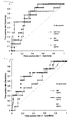
- the 49 cases that had been registered in this clinical study were classified into a DIC group (23 cases) and a non-DIC group (26 cases), on the basis of the diagnostic criteria for JAAM DIC, and each usefulness of sCD14-ST, procalcitonin (PCT), C-reactive protein (CRP), interleukin-6 (IL-6), D-dimer, and fibrin/fibrinogen degradation products (FDP) for DIC detection was compared to one another by ROC analysis.
- PCT procalcitonin
- CRP C-reactive protein
- IL-6 interleukin-6
- FDP fibrin/fibrinogen degradation products
- the measurement of sCD14-ST was carried out in accordance with Example 1.
- the measurement of PCT was carried out using ECLusys BRAHMS PCT (Roche Diagnostics).
- Interleukin-6 was measured using Immulyze IL-6 (Siemens Healthcare Diagnostics, Inc.).
- CRP was measured using CRP-latex X2 "Seiken” (Denka Seiken Co., Ltd.).
- Hitachi 7170S Hitachi High-Technologies Corporation was used as the measuring apparatus.
- D-dimer was measured using Nanopia D-dimer (Sekisui Medical Co., Ltd.).
- Coapresta 2000 was used as the measuring apparatus.
- FDP was measured using Nanopia p-FDP (Sekisui Medical Co., Ltd.).
- Coapresta 2000 was used as the measuring apparatus.
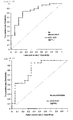
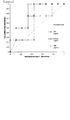
- the horizontal axis is the "1-specificity"
- the vertical axis is "sensitivity”.
- the calculated AUCs were 0.834 (sCD14-ST), 0.791 (PCT), 0.734 (IL-6), 0.567 (CRP), 0.824 (D-dimer), and 0.810 (FDP), and the AUC of sCD14-ST was the highest. It was confirmed from this result that sCD14-ST was more useful than conventional markers, such as D-dimer, FDP, and the like.
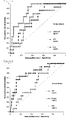
- Example 2 The same 49 cases as those in Example 2 were classified into a DIC group (13 cases) and a non-DIC group (36 cases), on the basis of the Japanese Ministry of Health and Welfare DIC diagnostic criteria, and each usefulness of sCD14-ST, procalcitonin (PCT), C-reactive protein (CRP), interleukin-6 (IL-6), D-dimer, and fibrin/fibrinogen degradation products (FDP) for DIC detection was compared to one another by ROC analysis.
- the measurements of sCD14-ST, PCT, CRP, IL-6, D-dimer, and FDP were carried out by the same methods as those described in Example 2.
- the horizontal axis is the "1-specificity”
- the vertical axis is "sensitivity”.
- the calculated AUCs were 0.842 (sCD14-ST), 0.739 (PCT), 0.697 (IL-6), 0.634 (CRP), 0.741 (D-dimer), and 0.731 (FDP), and the AUC of sCD14-ST was the highest. It was confirmed from this result that sCD14-ST is more useful than conventional markers, such as D-dimer, FDP, and the like.
- Example 2 The same 49 cases as those in Example 2 were classified into a DIC group (15 cases) and a non-DIC group (34 cases), on the basis of the ISTH overt-DIC diagnostic criteria, and each usefulness of sCD14-ST, procalcitonin (PCT), C-reactive protein (CRP), interleukin-6 (IL-6), D-dimer, and fibrin/fibrinogen degradation products (FDP) for DIC detection was compared to one another by ROC analysis. The results are shown in Figure 3 . The measurements of sCD14-ST, PCT, CRP, IL-6, D-dimer, and FDP were carried out by the same methods as those described in Example 2. In Figures 5 and 6 , the horizontal axis is the "1-specificity", and the vertical axis is "sensitivity".
- the calculated AUCs were 0.853 (sCD14-ST), 0.694 (PCT), 0.665 (IL-6), 0.605 (CRP), 0.807 (D-dimer), and 0.805 (FDP), and the AUC of sCD14-ST was the highest. It was confirmed from this result that sCD14-ST is more useful than conventional markers, such as D-dimer, FDP, and the like.
- Example 8 Clinical sensitivity and specificity of each marker in DIC diagnosis
- the calculated AUCs were 0.806 (sCD14-ST), 0.778 (PCT), 0.639 (IL-6), 0.583 (CRP), 0.764 (D-dimer), and 0.792 (FDP), and the AUC of sCD14-ST was the highest. It was confirmed from this result that sCD14-ST is more useful than conventional markers, such as D-dimer, FDP, and the like, regardless of the presence or absence of infection. With respect to an sCD14-ST cutoff value, when the sCD14-ST value was 600 pg/mL, the clinical sensitivity was 75.0% and the specificity was 100%, and it was considered to be the optimal cutoff value.
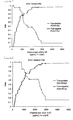
- Example 2 a DIC group (23 cases) classified on the basis of the diagnostic criteria for JAAM DIC was used to compare implementation rates of anticoagulant therapy to one another in cases in which each marker was lower than its cutoff value or was equal to or higher than its cutoff value, and the results are shown in Table 5. From these results, with respect to sCD14-ST, the implementation rate of anticoagulant therapy was higher in the case group in which the sCD14-ST value was equal to or higher than its cutoff value, in comparison with another case group in which the sCD14-ST value was lower than its cutoff value.
- sCD14-ST was a useful marker than conventional DIC markers, such as D-dimer and FDP, as an index as to whether or not anticoagulant therapy should be carried out.
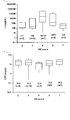
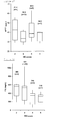
- Example 11 Measured value distribution of sepsis markers for each DIC score in infected group
- the DIC score was calculated on the basis of the diagnostic criteria for JAAM DIC, and each measured value distribution of sCD14-ST, procalcitonin (PCT), C-reactive protein (CRP), and interleukin-6 (IL-6) in each DIC score was compared to one another.
- PCT procalcitonin
- CRP C-reactive protein
- IL-6 interleukin-6
- the p value of sCD14-ST was 0.0075
- the p value of PCT was 0.0329, and thus, it was shown that sCD14-ST was most useful in detecting the infectious DIC.
- the 49 cases registered in this study were classified into 13 uninfected cases (SIRS and noninfectious diseases) and 36 infected cases (sepsis, severe sepsis, septic shock, and infectious diseases), and the usefulness of sCD14-ST for infection detection was evaluated by ROC analysis.
- the AUC of sCD14-ST was 0.833, and its usefulness was confirmed.
- the sCD14-ST value in which the clinical sensitivity and specificity became maximum was 647 pg/mL, and the clinical sensitivity and the specificity were 83.3% and 76.9%, respectively. It was considered from these results that the optimal cutoff value of sCD14-ST in infection detection was 600 to 700 pg/mL.
- Example 13 Evaluation of sCD14-ST for the detection performance of DIC and cutoff value in infected group»
- the AUC of sCD14-ST was 0.811, and its usefulness was confirmed.
- the sCD14-ST value in which the clinical sensitivity and specificity became maximum was 929 pg/mL, and the clinical sensitivity and the specificity were 94.7% and 64.7%, respectively. It was considered from these results that the optimal cutoff value of sCD14-ST in infectious DIC detection was 900 to 1000 pg/mL.
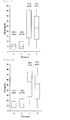
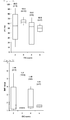
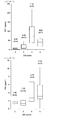
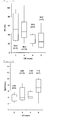
- Example 14 Measured value distribution of coagulation-related markers for each DIC score in infected group.
- D-dimer was measured using Nanopia D-dimer (Sekisui Medical Co., Ltd.).
- FDP was measured using Nanopia p-FDP (Sekisui Medical Co., Ltd.).
- Platelet was measured using Cell pack II (Sysmex Corporation).
- PT was measured using Coagpia PT-S (Sekisui Medical Co., Ltd.).
- APTT was measured using Coagpia APTT-S (Sekisui Medical Co., Ltd.).
- Fibrinogen was measured using Coagpia Fbg (Sekisui Medical Co., Ltd.).
- Antithrombin III was measured using STACIA CLEIA TAT (LSI Rulece Corporation).
- Lactate was measured using Determiner LA (Kyowa Medex Co., Ltd.). TAT was measured using STACIA CLEIA TAT (LSI Rulece Corporation). PIC was measured using LPIA-ACE PPI II (LSI Rulece Corporation). Protein C was measured using LPIA-ACE PC II (LSI Rulece Corporation). Thrombomodulin was measured using STACIA CLEIA TM (LSI Rulece Corporation). Total PAI-1 was measured using LPIA tPAI test (LSI Rulece Corporation).
- the p value of D-dimer was 0.0017
- the p value of FDP was 0.0037
- the p value of platelet was 0.0464
- the p value of TAT was 0.0002
- Example 15 Evaluation of the combination of sCD14-ST with coagulation-related markers for the detection performance of infectious DIC»
- the cutoff value of sCD14-ST was set based on the values obtained in Example 12 or 13.
- As the cutoff value of D-dimer 6.18 ⁇ g/mL, which had been widely used, conventionally, or 10 ⁇ g/mL, which was calculated and set in a similar fashion to that of Example 13, were used.
- As the cutoff value of FDP 25 ⁇ g/mL, which had been widely used, conventionally, or 35 ⁇ g/mL, which was calculated and set in a similar fashion to that of Example 13, were used.
- As the cutoff value of platelet 12 ⁇ 10 4 cells/ ⁇ L, which had been widely used, conventionally, was used.
- TAT Thrombin-antithrombin complex
- PCT procalcitonin
- TAT thrombin-antithrombin complex
- the objective variable was the diagnostic criteria for JAAM DIC (a non-DIC group or a DIC group); the explanatory variables were sCD14-ST, procalcitonin (PCT), interleukin-6 (IL-6), and C-reactive protein (CRP); and a continuous variable was changed by one unit for the unit odds ratio.
- the odds ratio was 1.001572, and the 95% CI was 1.000865-1.002446, p ⁇ 0.0001, sCD14-ST was most useful.
- the objective variable was the diagnostic criteria for JAAM DIC (a non-DIC group or a DIC group); the explanatory variables were antithrombin III (ATIII), protein C (PC), and thrombomodulin (TM); and a continuous variable was changed by one unit for the unit odds ratio.
- the odds ratio was 0.944377, and the 95% CI was 0.918842-0.965239, p ⁇ 0.0001, protein C was most useful.
- ROC analysis was carried out.
- the AUC of sCD14-ST was 0.925 (p ⁇ 0.0001), and the AUC of PC was 0.833 (p ⁇ 0.0001).
- the cutoff value of sCD14-ST was 647 pg/mL (sensitivity: 93.0%, specificity: 75.6%), and the cutoff value of PC was 47% (sensitivity: 77.5%, specificity: 80.0%). It was considered from these results that the optimal cutoff values were 650 pg/mL (sCD14-ST) and 45% (PC).
- ROC analysis was carried out.
- the AUCs of sCD14-ST and PC were 0.836 (p ⁇ 0.0001) and 0.891 (p ⁇ 0.0001), respectively.
- the cutoff values of sCD14-ST and PC were 899 pg/mL (sensitivity: 81.6%, specificity: 80.9%) and 55% (sensitivity: 89.2%, specificity: 75.6%), respectively. It was considered from these results that the optimal cutoff values of sCD14-ST and PC were 900 pg/mL and 55%, respectively.
- Example 20 Evaluation of the combination of sCD14-ST with PC for the detection performance of infectious DIC»
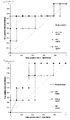
- the uninfected group of Example 12 i.e., the 13 uninfected cases (SIRS and noninfectious diseases), were classified into a DIC group (4 cases) and a non-DIC group (9 cases) on the basis of the diagnostic criteria for JAAM DIC, and the usefulness of sCD14-ST, procalcitonin (PCT), C-reactive protein (CRP), interleukin-6 (IL-6), D-dimer, and fibrin/fibrinogen degradation products (FDP) for DIC detection was compared to one another by ROC analysis.
- PCT procalcitonin
- CRP C-reactive protein
- IL-6 interleukin-6
- FDP fibrin/fibrinogen degradation products
- PCT The measurement of PCT was carried out using ECLusys BRAHMS PCT (Roche Diagnostics).
- IL-6 was measured using Immulyze IL-6 (Siemens Healthcare Diagnostics, Inc.).
- CRP was measured using CRP-latex X2 "Seiken” (Denka Seiken Co., Ltd.).
- Hitachi 7170S Hitachi High-Technologies Corporation was used as the measuring apparatus.
- D-dimer was measured using Nanopia D-dimer (Sekisui Medical Co., Ltd.).
- Coapresta 2000 (Sekisui Medical Co., Ltd.) was used as the measuring apparatus.
- FDP was measured using Nanopia p-FDP (Sekisui Medical Co., Ltd.).
- Coapresta 2000 (Sekisui Medical Co., Ltd.) was used as the measuring apparatus.
- the calculated AUCs were 0.806 (sCD14-ST), 0.778 (PCT), 0.639 (IL-6), 0.583 (CRP), 0.764 (D-dimer), and 0.792 (FDP), and the AUC of sCD14-ST was the highest. It was confirmed from this result that sCD14-ST was more useful than conventional markers, such as D-dimer, FDP, and the like.
- the sCD14-ST value was 600 pg/mL, the clinical sensitivity was 75.0% and the specificity was 100%, and it was considered to be the optimal cutoff value.
- the present invention can be employed to detect disseminated intravascular coagulation (DIC), and to grasp its clinical condition.
- DIC disseminated intravascular coagulation
- a patient suffering from DIC can be specified from patients suspected of having DIC, and the status of the DIC patient can be monitored by carrying out the measurement over time, and it is useful to determine an appropriate course of treatment.
- the present invention can be employed to detect infectious disseminated intravascular coagulation (infectious DIC), and to grasp its clinical condition.
- infectious DIC infectious disseminated intravascular coagulation
- a patient suffering from infectious DIC can be specified from patients suspected of having infectious DIC, and the status of the infectious DIC patient can be monitored by carrying out the measurement over time, and it is useful to determine an appropriate course of treatment.
Landscapes
- Health & Medical Sciences (AREA)
- Life Sciences & Earth Sciences (AREA)
- Chemical & Material Sciences (AREA)
- Engineering & Computer Science (AREA)
- Hematology (AREA)
- Molecular Biology (AREA)
- Immunology (AREA)
- Urology & Nephrology (AREA)
- Biomedical Technology (AREA)
- Biochemistry (AREA)
- General Health & Medical Sciences (AREA)
- Organic Chemistry (AREA)
- Cell Biology (AREA)
- Proteomics, Peptides & Aminoacids (AREA)
- Medicinal Chemistry (AREA)
- Microbiology (AREA)
- Physics & Mathematics (AREA)
- Analytical Chemistry (AREA)
- Biotechnology (AREA)
- Food Science & Technology (AREA)
- General Physics & Mathematics (AREA)
- Pathology (AREA)
- Zoology (AREA)
- Biophysics (AREA)
- Genetics & Genomics (AREA)
- Wood Science & Technology (AREA)
- Gastroenterology & Hepatology (AREA)
- Toxicology (AREA)
- Neurosurgery (AREA)
- Bioinformatics & Cheminformatics (AREA)
- General Engineering & Computer Science (AREA)
- Investigating Or Analysing Biological Materials (AREA)
- Peptides Or Proteins (AREA)
Applications Claiming Priority (3)
| Application Number | Priority Date | Filing Date | Title |
|---|---|---|---|
| JP2012106217 | 2012-05-07 | ||
| JP2012106216 | 2012-05-07 | ||
| PCT/JP2013/062352 WO2013168602A1 (ja) | 2012-05-07 | 2013-04-26 | 播種性血管内凝固症候群または感染性播種性血管内凝固症候群を検出する方法 |
Publications (3)
| Publication Number | Publication Date |
|---|---|
| EP2848936A1 true EP2848936A1 (de) | 2015-03-18 |
| EP2848936A4 EP2848936A4 (de) | 2015-10-14 |
| EP2848936B1 EP2848936B1 (de) | 2019-10-02 |
Family
ID=49550647
Family Applications (1)
| Application Number | Title | Priority Date | Filing Date |
|---|---|---|---|
| EP13787336.0A Active EP2848936B1 (de) | 2012-05-07 | 2013-04-26 | Verfahren zum nachweis von disseminierter intravaskulärer koagulation oder infektiöser disseminierter intravaskulärer koagulation |
Country Status (7)
| Country | Link |
|---|---|
| US (1) | US9910052B2 (de) |
| EP (1) | EP2848936B1 (de) |
| JP (1) | JP6108409B2 (de) |
| KR (1) | KR102044940B1 (de) |
| CN (1) | CN104285148B (de) |
| ES (1) | ES2755623T3 (de) |
| WO (1) | WO2013168602A1 (de) |
Cited By (1)
| Publication number | Priority date | Publication date | Assignee | Title |
|---|---|---|---|---|
| EP4060338A4 (de) * | 2019-11-19 | 2023-03-08 | Shenzhen Mindray Bio-Medical Electronics Co., Ltd | Kit und verfahren zur gemischten detektion von pct und presepsin und dessen verwendung |
Families Citing this family (7)
| Publication number | Priority date | Publication date | Assignee | Title |
|---|---|---|---|---|
| JP6640494B2 (ja) * | 2015-08-28 | 2020-02-05 | シスメックス株式会社 | 血液検体分析方法、血液検体分析装置、及びコンピュータプログラム |
| CN106822875A (zh) * | 2017-03-01 | 2017-06-13 | 中国人民解放军军事医学科学院微生物流行病研究所 | 一种弥漫性血管内凝血的预防方法 |
| EP3639276B1 (de) * | 2017-06-12 | 2025-05-07 | Koninklijke Philips N.V. | Risikobewertung von disseminierter intravaskulärer koagulation |
| US11327082B2 (en) * | 2017-09-13 | 2022-05-10 | B.R.A.H.M.S Gmbh | Proadrenomedullin as a marker for abnormal platelet levels |
| EP3871684B1 (de) * | 2018-10-22 | 2024-06-26 | Asahi Kasei Pharma Corporation | Arzneimittel zur behandlung und/oder verbesserung der septikämie in zusammenhang mit einer gerinnungsstörung |
| CN110596398A (zh) * | 2019-08-14 | 2019-12-20 | 南京浦光生物科技有限公司 | 一种用于凝血标志物检测的蛋白芯片及其制备方法和应用 |
| EP4113524A4 (de) * | 2020-02-28 | 2024-03-06 | LSI Medience Corporation | Verfahren zur messung der blutplättchenaktivierung auf basis von löslichem clec-2 und blutplättchenzahl |
Family Cites Families (8)
| Publication number | Priority date | Publication date | Assignee | Title |
|---|---|---|---|---|
| ES2231167T3 (es) * | 1999-02-04 | 2005-05-16 | Biomerieux, Inc. | Procedimiento y aparato para predecir la disfuncion hemostatica en una muestra de un paciente. |
| JP4681175B2 (ja) * | 2001-09-28 | 2011-05-11 | 三菱化学メディエンス株式会社 | 播種性血管内凝固症候群及びその発症前段階を検出する方法 |
| JP2005106694A (ja) | 2003-09-30 | 2005-04-21 | Mochida Pharmaceut Co Ltd | 敗血症早期検出及び重篤度評価 |
| ES2406266T3 (es) | 2004-05-11 | 2013-06-06 | Mochida Pharmaceutical Co., Ltd. | Antígeno CD14 soluble novedoso |
| CN101056989A (zh) * | 2004-11-08 | 2007-10-17 | 株式会社三菱化学药得论 | 血小板血栓或脏器损伤的检测方法 |
| WO2007088849A1 (ja) * | 2006-01-31 | 2007-08-09 | Mitsubishi Kagaku Iatron, Inc. | 播種性血管内凝固症候群の病態把握方法 |
| JP6018923B2 (ja) | 2011-01-11 | 2016-11-02 | 株式会社Lsiメディエンス | 敗血症の予後の予測方法 |
| US9506923B2 (en) | 2011-08-12 | 2016-11-29 | Lsi Medience Corporation | Method of diagnosing surgical site infections |
-
2013
- 2013-04-26 CN CN201380024024.4A patent/CN104285148B/zh active Active
- 2013-04-26 ES ES13787336T patent/ES2755623T3/es active Active
- 2013-04-26 KR KR1020147034082A patent/KR102044940B1/ko active Active
- 2013-04-26 WO PCT/JP2013/062352 patent/WO2013168602A1/ja not_active Ceased
- 2013-04-26 EP EP13787336.0A patent/EP2848936B1/de active Active
- 2013-04-26 JP JP2014514682A patent/JP6108409B2/ja active Active
- 2013-04-26 US US14/398,971 patent/US9910052B2/en active Active
Cited By (1)
| Publication number | Priority date | Publication date | Assignee | Title |
|---|---|---|---|---|
| EP4060338A4 (de) * | 2019-11-19 | 2023-03-08 | Shenzhen Mindray Bio-Medical Electronics Co., Ltd | Kit und verfahren zur gemischten detektion von pct und presepsin und dessen verwendung |
Also Published As
| Publication number | Publication date |
|---|---|
| KR20150022804A (ko) | 2015-03-04 |
| US9910052B2 (en) | 2018-03-06 |
| EP2848936A4 (de) | 2015-10-14 |
| WO2013168602A1 (ja) | 2013-11-14 |
| US20150118699A1 (en) | 2015-04-30 |
| ES2755623T3 (es) | 2020-04-23 |
| CN104285148A (zh) | 2015-01-14 |
| EP2848936B1 (de) | 2019-10-02 |
| JPWO2013168602A1 (ja) | 2016-01-07 |
| CN104285148B (zh) | 2016-10-12 |
| KR102044940B1 (ko) | 2019-11-14 |
| JP6108409B2 (ja) | 2017-04-05 |
Similar Documents
| Publication | Publication Date | Title |
|---|---|---|
| EP2848936B1 (de) | Verfahren zum nachweis von disseminierter intravaskulärer koagulation oder infektiöser disseminierter intravaskulärer koagulation | |
| US11041864B2 (en) | Method for prediction of prognosis of sepsis | |
| Takahashi et al. | Diagnostic accuracy of procalcitonin and presepsin for infectious disease in patients with acute kidney injury | |
| Potjo et al. | Interleukin-10 and interleukin-1 receptor antagonist distinguish between patients with sepsis and the systemic inflammatory response syndrome (SIRS) | |
| WO2022218961A1 (en) | Biomarker for in vitro diagnosis and/or prognosis of a systemic inflammation | |
| CN118604359A (zh) | 外周血sCD8作为生物标记物在制备评估肺炎患者预后情况产品中的应用 | |
| EP3165926A1 (de) | Verfahren zur charakterisierung von zellspezifischen mikrovesikeln | |
| Kabir et al. | Cytokines and chemokines in serum and urine as early predictors to identify septic patients on intensive care unit | |
| US9506923B2 (en) | Method of diagnosing surgical site infections | |
| Mostafa et al. | Detection of presepsin and surface CD14 as a biomarker for early diagnosis of neonatal sepsis | |
| CN118638739B (zh) | Gsdmd在胸痛相关疾病诊断及疗效评估上的用途 | |
| Heppner et al. | Procalcitonin: inflammatory biomarker for assessing the severity of community-acquired pneumonia–a clinical observation in geriatric patients | |
| US11181532B2 (en) | Delta-like ligand 1 for diagnosing severe infections | |
| Harsini et al. | Interleukin-6 and neutrophil–Lymphocyte ratio in predicting outcome of confirmed COVID-19 patients | |
| Zhang et al. | Evaluation of heparin-binding protein and or procalcitonin levels in the diagnosis of bacterial intracranial infection using receiver operating characteristic (ROC) curve value | |
| Chioma et al. | Study of serum procalcitonin as a predictor of bacterial infection in patients with acute febrile illness | |
| Hommood | Novel Biomarkers for Early Detection of Bacterial Meningitis: Penanda Biologis Baru untuk Deteksi Dini Meningitis Bakteri | |
| Mahmoodpoor et al. | Procalcitonin May Not Discriminate Between Sepsis and Non-Infective Systemic Inflammatory Response Syndrome (SIRS) in Heterogonous Critically Ill Patients | |
| Galluzzo et al. | Jacobs Journal of Emergency Medicine | |
| Ali et al. | The Diagnostic and Prognostic Value of Presepsin in Egyptian Patients with Sepsis |
Legal Events
| Date | Code | Title | Description |
|---|---|---|---|
| PUAI | Public reference made under article 153(3) epc to a published international application that has entered the european phase |
Free format text: ORIGINAL CODE: 0009012 |
|
| 17P | Request for examination filed |
Effective date: 20141208 |
|
| AK | Designated contracting states |
Kind code of ref document: A1 Designated state(s): AL AT BE BG CH CY CZ DE DK EE ES FI FR GB GR HR HU IE IS IT LI LT LU LV MC MK MT NL NO PL PT RO RS SE SI SK SM TR |
|
| AX | Request for extension of the european patent |
Extension state: BA ME |
|
| DAX | Request for extension of the european patent (deleted) | ||
| RA4 | Supplementary search report drawn up and despatched (corrected) |
Effective date: 20150910 |
|
| RIC1 | Information provided on ipc code assigned before grant |
Ipc: C07K 14/705 20060101ALI20150904BHEP Ipc: C12Q 1/56 20060101ALI20150904BHEP Ipc: G01N 33/68 20060101ALI20150904BHEP Ipc: G01N 33/86 20060101AFI20150904BHEP |
|
| GRAP | Despatch of communication of intention to grant a patent |
Free format text: ORIGINAL CODE: EPIDOSNIGR1 |
|
| STAA | Information on the status of an ep patent application or granted ep patent |
Free format text: STATUS: GRANT OF PATENT IS INTENDED |
|
| INTG | Intention to grant announced |
Effective date: 20190415 |
|
| GRAS | Grant fee paid |
Free format text: ORIGINAL CODE: EPIDOSNIGR3 |
|
| GRAA | (expected) grant |
Free format text: ORIGINAL CODE: 0009210 |
|
| STAA | Information on the status of an ep patent application or granted ep patent |
Free format text: STATUS: THE PATENT HAS BEEN GRANTED |
|
| AK | Designated contracting states |
Kind code of ref document: B1 Designated state(s): AL AT BE BG CH CY CZ DE DK EE ES FI FR GB GR HR HU IE IS IT LI LT LU LV MC MK MT NL NO PL PT RO RS SE SI SK SM TR |
|
| REG | Reference to a national code |
Ref country code: GB Ref legal event code: FG4D |
|
| REG | Reference to a national code |
Ref country code: CH Ref legal event code: EP Ref country code: AT Ref legal event code: REF Ref document number: 1186775 Country of ref document: AT Kind code of ref document: T Effective date: 20191015 |
|
| REG | Reference to a national code |
Ref country code: DE Ref legal event code: R096 Ref document number: 602013061258 Country of ref document: DE |
|
| REG | Reference to a national code |
Ref country code: RO Ref legal event code: EPE |
|
| REG | Reference to a national code |
Ref country code: IE Ref legal event code: FG4D |
|
| REG | Reference to a national code |
Ref country code: NL Ref legal event code: MP Effective date: 20191002 |
|
| REG | Reference to a national code |
Ref country code: LT Ref legal event code: MG4D |
|
| REG | Reference to a national code |
Ref country code: AT Ref legal event code: MK05 Ref document number: 1186775 Country of ref document: AT Kind code of ref document: T Effective date: 20191002 |
|
| REG | Reference to a national code |
Ref country code: ES Ref legal event code: FG2A Ref document number: 2755623 Country of ref document: ES Kind code of ref document: T3 Effective date: 20200423 |
|
| PG25 | Lapsed in a contracting state [announced via postgrant information from national office to epo] |
Ref country code: PL Free format text: LAPSE BECAUSE OF FAILURE TO SUBMIT A TRANSLATION OF THE DESCRIPTION OR TO PAY THE FEE WITHIN THE PRESCRIBED TIME-LIMIT Effective date: 20191002 Ref country code: LT Free format text: LAPSE BECAUSE OF FAILURE TO SUBMIT A TRANSLATION OF THE DESCRIPTION OR TO PAY THE FEE WITHIN THE PRESCRIBED TIME-LIMIT Effective date: 20191002 Ref country code: NL Free format text: LAPSE BECAUSE OF FAILURE TO SUBMIT A TRANSLATION OF THE DESCRIPTION OR TO PAY THE FEE WITHIN THE PRESCRIBED TIME-LIMIT Effective date: 20191002 Ref country code: AT Free format text: LAPSE BECAUSE OF FAILURE TO SUBMIT A TRANSLATION OF THE DESCRIPTION OR TO PAY THE FEE WITHIN THE PRESCRIBED TIME-LIMIT Effective date: 20191002 Ref country code: GR Free format text: LAPSE BECAUSE OF FAILURE TO SUBMIT A TRANSLATION OF THE DESCRIPTION OR TO PAY THE FEE WITHIN THE PRESCRIBED TIME-LIMIT Effective date: 20200103 Ref country code: FI Free format text: LAPSE BECAUSE OF FAILURE TO SUBMIT A TRANSLATION OF THE DESCRIPTION OR TO PAY THE FEE WITHIN THE PRESCRIBED TIME-LIMIT Effective date: 20191002 Ref country code: BG Free format text: LAPSE BECAUSE OF FAILURE TO SUBMIT A TRANSLATION OF THE DESCRIPTION OR TO PAY THE FEE WITHIN THE PRESCRIBED TIME-LIMIT Effective date: 20200102 Ref country code: NO Free format text: LAPSE BECAUSE OF FAILURE TO SUBMIT A TRANSLATION OF THE DESCRIPTION OR TO PAY THE FEE WITHIN THE PRESCRIBED TIME-LIMIT Effective date: 20200102 Ref country code: SE Free format text: LAPSE BECAUSE OF FAILURE TO SUBMIT A TRANSLATION OF THE DESCRIPTION OR TO PAY THE FEE WITHIN THE PRESCRIBED TIME-LIMIT Effective date: 20191002 Ref country code: LV Free format text: LAPSE BECAUSE OF FAILURE TO SUBMIT A TRANSLATION OF THE DESCRIPTION OR TO PAY THE FEE WITHIN THE PRESCRIBED TIME-LIMIT Effective date: 20191002 Ref country code: PT Free format text: LAPSE BECAUSE OF FAILURE TO SUBMIT A TRANSLATION OF THE DESCRIPTION OR TO PAY THE FEE WITHIN THE PRESCRIBED TIME-LIMIT Effective date: 20200203 |
|
| PG25 | Lapsed in a contracting state [announced via postgrant information from national office to epo] |
Ref country code: IS Free format text: LAPSE BECAUSE OF FAILURE TO SUBMIT A TRANSLATION OF THE DESCRIPTION OR TO PAY THE FEE WITHIN THE PRESCRIBED TIME-LIMIT Effective date: 20200224 Ref country code: HR Free format text: LAPSE BECAUSE OF FAILURE TO SUBMIT A TRANSLATION OF THE DESCRIPTION OR TO PAY THE FEE WITHIN THE PRESCRIBED TIME-LIMIT Effective date: 20191002 Ref country code: RS Free format text: LAPSE BECAUSE OF FAILURE TO SUBMIT A TRANSLATION OF THE DESCRIPTION OR TO PAY THE FEE WITHIN THE PRESCRIBED TIME-LIMIT Effective date: 20191002 |
|
| PG25 | Lapsed in a contracting state [announced via postgrant information from national office to epo] |
Ref country code: AL Free format text: LAPSE BECAUSE OF FAILURE TO SUBMIT A TRANSLATION OF THE DESCRIPTION OR TO PAY THE FEE WITHIN THE PRESCRIBED TIME-LIMIT Effective date: 20191002 |
|
| REG | Reference to a national code |
Ref country code: DE Ref legal event code: R097 Ref document number: 602013061258 Country of ref document: DE |
|
| PG2D | Information on lapse in contracting state deleted |
Ref country code: IS |
|
| PG25 | Lapsed in a contracting state [announced via postgrant information from national office to epo] |
Ref country code: EE Free format text: LAPSE BECAUSE OF FAILURE TO SUBMIT A TRANSLATION OF THE DESCRIPTION OR TO PAY THE FEE WITHIN THE PRESCRIBED TIME-LIMIT Effective date: 20191002 Ref country code: DK Free format text: LAPSE BECAUSE OF FAILURE TO SUBMIT A TRANSLATION OF THE DESCRIPTION OR TO PAY THE FEE WITHIN THE PRESCRIBED TIME-LIMIT Effective date: 20191002 Ref country code: IS Free format text: LAPSE BECAUSE OF FAILURE TO SUBMIT A TRANSLATION OF THE DESCRIPTION OR TO PAY THE FEE WITHIN THE PRESCRIBED TIME-LIMIT Effective date: 20200202 |
|
| PLBE | No opposition filed within time limit |
Free format text: ORIGINAL CODE: 0009261 |
|
| STAA | Information on the status of an ep patent application or granted ep patent |
Free format text: STATUS: NO OPPOSITION FILED WITHIN TIME LIMIT |
|
| PG25 | Lapsed in a contracting state [announced via postgrant information from national office to epo] |
Ref country code: SM Free format text: LAPSE BECAUSE OF FAILURE TO SUBMIT A TRANSLATION OF THE DESCRIPTION OR TO PAY THE FEE WITHIN THE PRESCRIBED TIME-LIMIT Effective date: 20191002 Ref country code: SK Free format text: LAPSE BECAUSE OF FAILURE TO SUBMIT A TRANSLATION OF THE DESCRIPTION OR TO PAY THE FEE WITHIN THE PRESCRIBED TIME-LIMIT Effective date: 20191002 |
|
| 26N | No opposition filed |
Effective date: 20200703 |
|
| PG25 | Lapsed in a contracting state [announced via postgrant information from national office to epo] |
Ref country code: MC Free format text: LAPSE BECAUSE OF FAILURE TO SUBMIT A TRANSLATION OF THE DESCRIPTION OR TO PAY THE FEE WITHIN THE PRESCRIBED TIME-LIMIT Effective date: 20191002 Ref country code: SI Free format text: LAPSE BECAUSE OF FAILURE TO SUBMIT A TRANSLATION OF THE DESCRIPTION OR TO PAY THE FEE WITHIN THE PRESCRIBED TIME-LIMIT Effective date: 20191002 |
|
| REG | Reference to a national code |
Ref country code: CH Ref legal event code: PL |
|
| PG25 | Lapsed in a contracting state [announced via postgrant information from national office to epo] |
Ref country code: LI Free format text: LAPSE BECAUSE OF NON-PAYMENT OF DUE FEES Effective date: 20200430 Ref country code: CH Free format text: LAPSE BECAUSE OF NON-PAYMENT OF DUE FEES Effective date: 20200430 Ref country code: LU Free format text: LAPSE BECAUSE OF NON-PAYMENT OF DUE FEES Effective date: 20200426 |
|
| REG | Reference to a national code |
Ref country code: BE Ref legal event code: MM Effective date: 20200430 |
|
| PG25 | Lapsed in a contracting state [announced via postgrant information from national office to epo] |
Ref country code: BE Free format text: LAPSE BECAUSE OF NON-PAYMENT OF DUE FEES Effective date: 20200430 |
|
| PG25 | Lapsed in a contracting state [announced via postgrant information from national office to epo] |
Ref country code: IE Free format text: LAPSE BECAUSE OF NON-PAYMENT OF DUE FEES Effective date: 20200426 |
|
| REG | Reference to a national code |
Ref country code: DE Ref legal event code: R081 Ref document number: 602013061258 Country of ref document: DE Owner name: LSI MEDIENCE CORPORATION, JP Free format text: FORMER OWNERS: FUKUOKA UNIVERSITY, FUKUOKA, JP; LSI MEDIENCE CORPORATION, TOKYO, JP Ref country code: DE Ref legal event code: R081 Ref document number: 602013061258 Country of ref document: DE Owner name: PHC CORP., TOON-SHI, JP Free format text: FORMER OWNERS: FUKUOKA UNIVERSITY, FUKUOKA, JP; LSI MEDIENCE CORPORATION, TOKYO, JP |
|
| REG | Reference to a national code |
Ref country code: GB Ref legal event code: 732E Free format text: REGISTERED BETWEEN 20210930 AND 20211006 |
|
| REG | Reference to a national code |
Ref country code: ES Ref legal event code: PC2A Owner name: LSI MEDIENCE CORPORATION Effective date: 20211227 |
|
| PG25 | Lapsed in a contracting state [announced via postgrant information from national office to epo] |
Ref country code: TR Free format text: LAPSE BECAUSE OF FAILURE TO SUBMIT A TRANSLATION OF THE DESCRIPTION OR TO PAY THE FEE WITHIN THE PRESCRIBED TIME-LIMIT Effective date: 20191002 Ref country code: MT Free format text: LAPSE BECAUSE OF FAILURE TO SUBMIT A TRANSLATION OF THE DESCRIPTION OR TO PAY THE FEE WITHIN THE PRESCRIBED TIME-LIMIT Effective date: 20191002 Ref country code: CY Free format text: LAPSE BECAUSE OF FAILURE TO SUBMIT A TRANSLATION OF THE DESCRIPTION OR TO PAY THE FEE WITHIN THE PRESCRIBED TIME-LIMIT Effective date: 20191002 |
|
| PG25 | Lapsed in a contracting state [announced via postgrant information from national office to epo] |
Ref country code: MK Free format text: LAPSE BECAUSE OF FAILURE TO SUBMIT A TRANSLATION OF THE DESCRIPTION OR TO PAY THE FEE WITHIN THE PRESCRIBED TIME-LIMIT Effective date: 20191002 |
|
| P01 | Opt-out of the competence of the unified patent court (upc) registered |
Effective date: 20230420 |
|
| REG | Reference to a national code |
Ref country code: DE Ref legal event code: R081 Ref document number: 602013061258 Country of ref document: DE Owner name: PHC CORP., TOON-SHI, JP Free format text: FORMER OWNER: LSI MEDIENCE CORPORATION, TOKYO, JP |
|
| REG | Reference to a national code |
Ref country code: GB Ref legal event code: 732E Free format text: REGISTERED BETWEEN 20240321 AND 20240327 |
|
| REG | Reference to a national code |
Ref country code: ES Ref legal event code: PC2A Owner name: PHC CORPORATION Effective date: 20240923 |
|
| PGFP | Annual fee paid to national office [announced via postgrant information from national office to epo] |
Ref country code: DE Payment date: 20250429 Year of fee payment: 13 |
|
| PGFP | Annual fee paid to national office [announced via postgrant information from national office to epo] |
Ref country code: GB Payment date: 20250428 Year of fee payment: 13 Ref country code: ES Payment date: 20250505 Year of fee payment: 13 |
|
| PGFP | Annual fee paid to national office [announced via postgrant information from national office to epo] |
Ref country code: IT Payment date: 20250422 Year of fee payment: 13 |
|
| PGFP | Annual fee paid to national office [announced via postgrant information from national office to epo] |
Ref country code: FR Payment date: 20250425 Year of fee payment: 13 |
|
| PGFP | Annual fee paid to national office [announced via postgrant information from national office to epo] |
Ref country code: RO Payment date: 20250407 Year of fee payment: 13 |
|
| PGFP | Annual fee paid to national office [announced via postgrant information from national office to epo] |
Ref country code: CZ Payment date: 20250408 Year of fee payment: 13 |