EP2852612B1 - Nouveau peptide antigénique du mélanome et ses utilisations - Google Patents
Nouveau peptide antigénique du mélanome et ses utilisations Download PDFInfo
- Publication number
- EP2852612B1 EP2852612B1 EP12761797.5A EP12761797A EP2852612B1 EP 2852612 B1 EP2852612 B1 EP 2852612B1 EP 12761797 A EP12761797 A EP 12761797A EP 2852612 B1 EP2852612 B1 EP 2852612B1
- Authority
- EP
- European Patent Office
- Prior art keywords
- peptide
- melanoma
- meloe
- antigen peptide
- melanoma antigen
- Prior art date
- Legal status (The legal status is an assumption and is not a legal conclusion. Google has not performed a legal analysis and makes no representation as to the accuracy of the status listed.)
- Active
Links
Images



Classifications
-
- C—CHEMISTRY; METALLURGY
- C07—ORGANIC CHEMISTRY
- C07K—PEPTIDES
- C07K7/00—Peptides having 5 to 20 amino acids in a fully defined sequence; Derivatives thereof
- C07K7/04—Linear peptides containing only normal peptide links
- C07K7/08—Linear peptides containing only normal peptide links having 12 to 20 amino acids
-
- A—HUMAN NECESSITIES
- A61—MEDICAL OR VETERINARY SCIENCE; HYGIENE
- A61K—PREPARATIONS FOR MEDICAL, DENTAL OR TOILETRY PURPOSES
- A61K35/00—Medicinal preparations containing materials or reaction products thereof with undetermined constitution
- A61K35/12—Materials from mammals; Compositions comprising non-specified tissues or cells; Compositions comprising non-embryonic stem cells; Genetically modified cells
- A61K35/14—Blood; Artificial blood
- A61K35/17—Lymphocytes; B-cells; T-cells; Natural killer cells; Interferon-activated or cytokine-activated lymphocytes
-
- A—HUMAN NECESSITIES
- A61—MEDICAL OR VETERINARY SCIENCE; HYGIENE
- A61K—PREPARATIONS FOR MEDICAL, DENTAL OR TOILETRY PURPOSES
- A61K39/00—Medicinal preparations containing antigens or antibodies
- A61K39/0005—Vertebrate antigens
- A61K39/0011—Cancer antigens
- A61K39/00119—Melanoma antigens
-
- A—HUMAN NECESSITIES
- A61—MEDICAL OR VETERINARY SCIENCE; HYGIENE
- A61K—PREPARATIONS FOR MEDICAL, DENTAL OR TOILETRY PURPOSES
- A61K40/00—Cellular immunotherapy
- A61K40/10—Cellular immunotherapy characterised by the cell type used
- A61K40/11—T-cells, e.g. tumour infiltrating lymphocytes [TIL] or regulatory T [Treg] cells; Lymphokine-activated killer [LAK] cells
-
- A—HUMAN NECESSITIES
- A61—MEDICAL OR VETERINARY SCIENCE; HYGIENE
- A61K—PREPARATIONS FOR MEDICAL, DENTAL OR TOILETRY PURPOSES
- A61K40/00—Cellular immunotherapy
- A61K40/10—Cellular immunotherapy characterised by the cell type used
- A61K40/19—Dendritic cells
-
- A—HUMAN NECESSITIES
- A61—MEDICAL OR VETERINARY SCIENCE; HYGIENE
- A61K—PREPARATIONS FOR MEDICAL, DENTAL OR TOILETRY PURPOSES
- A61K40/00—Cellular immunotherapy
- A61K40/20—Cellular immunotherapy characterised by the effect or the function of the cells
- A61K40/24—Antigen-presenting cells [APC]
-
- A—HUMAN NECESSITIES
- A61—MEDICAL OR VETERINARY SCIENCE; HYGIENE
- A61K—PREPARATIONS FOR MEDICAL, DENTAL OR TOILETRY PURPOSES
- A61K40/00—Cellular immunotherapy
- A61K40/40—Cellular immunotherapy characterised by antigens that are targeted or presented by cells of the immune system
- A61K40/41—Vertebrate antigens
- A61K40/42—Cancer antigens
- A61K40/4271—Melanoma antigens
-
- C—CHEMISTRY; METALLURGY
- C07—ORGANIC CHEMISTRY
- C07K—PEPTIDES
- C07K14/00—Peptides having more than 20 amino acids; Gastrins; Somatostatins; Melanotropins; Derivatives thereof
- C07K14/435—Peptides having more than 20 amino acids; Gastrins; Somatostatins; Melanotropins; Derivatives thereof from animals; from humans
- C07K14/46—Peptides having more than 20 amino acids; Gastrins; Somatostatins; Melanotropins; Derivatives thereof from animals; from humans from vertebrates
- C07K14/47—Peptides having more than 20 amino acids; Gastrins; Somatostatins; Melanotropins; Derivatives thereof from animals; from humans from vertebrates from mammals
-
- C—CHEMISTRY; METALLURGY
- C07—ORGANIC CHEMISTRY
- C07K—PEPTIDES
- C07K14/00—Peptides having more than 20 amino acids; Gastrins; Somatostatins; Melanotropins; Derivatives thereof
- C07K14/435—Peptides having more than 20 amino acids; Gastrins; Somatostatins; Melanotropins; Derivatives thereof from animals; from humans
- C07K14/46—Peptides having more than 20 amino acids; Gastrins; Somatostatins; Melanotropins; Derivatives thereof from animals; from humans from vertebrates
- C07K14/47—Peptides having more than 20 amino acids; Gastrins; Somatostatins; Melanotropins; Derivatives thereof from animals; from humans from vertebrates from mammals
- C07K14/4701—Peptides having more than 20 amino acids; Gastrins; Somatostatins; Melanotropins; Derivatives thereof from animals; from humans from vertebrates from mammals not used
- C07K14/4748—Tumour specific antigens; Tumour rejection antigen precursors [TRAP], e.g. MAGE
-
- C—CHEMISTRY; METALLURGY
- C07—ORGANIC CHEMISTRY
- C07K—PEPTIDES
- C07K16/00—Immunoglobulins [IG], e.g. monoclonal or polyclonal antibodies
- C07K16/18—Immunoglobulins [IG], e.g. monoclonal or polyclonal antibodies against material from animals or humans
- C07K16/28—Immunoglobulins [IG], e.g. monoclonal or polyclonal antibodies against material from animals or humans against receptors, cell surface antigens or cell surface determinants
- C07K16/30—Immunoglobulins [IG], e.g. monoclonal or polyclonal antibodies against material from animals or humans against receptors, cell surface antigens or cell surface determinants from tumour cells
- C07K16/3053—Skin, nerves, brain
-
- G—PHYSICS
- G01—MEASURING; TESTING
- G01N—INVESTIGATING OR ANALYSING MATERIALS BY DETERMINING THEIR CHEMICAL OR PHYSICAL PROPERTIES
- G01N33/00—Investigating or analysing materials by specific methods not covered by groups G01N1/00 - G01N31/00
- G01N33/48—Biological material, e.g. blood, urine; Haemocytometers
- G01N33/50—Chemical analysis of biological material, e.g. blood, urine; Testing involving biospecific ligand binding methods; Immunological testing
- G01N33/53—Immunoassay; Biospecific binding assay; Materials therefor
- G01N33/575—Immunoassay; Biospecific binding assay; Materials therefor for cancer
- G01N33/5751—Immunoassay; Biospecific binding assay; Materials therefor for cancer of the skin, e.g. melanoma
-
- A—HUMAN NECESSITIES
- A61—MEDICAL OR VETERINARY SCIENCE; HYGIENE
- A61K—PREPARATIONS FOR MEDICAL, DENTAL OR TOILETRY PURPOSES
- A61K2239/00—Indexing codes associated with cellular immunotherapy of group A61K40/00
- A61K2239/46—Indexing codes associated with cellular immunotherapy of group A61K40/00 characterised by the cancer treated
- A61K2239/57—Skin; melanoma
-
- C—CHEMISTRY; METALLURGY
- C07—ORGANIC CHEMISTRY
- C07K—PEPTIDES
- C07K2319/00—Fusion polypeptide
Definitions
- the present invention describes a melanoma antigen peptide comprising the amino acids sequence selected in the group consisting of SEQ ID NO:10, SEQ ID NO:11, SEQ ID NO:12, SEQ ID NO:13, SEQ ID NO:14 or SEQ ID NO:15 or a function-conservative variant thereof. Moreover the invention also relates to a melanoma antigen peptide according to the invention for use in the prevention or the treatment of melanoma in patient.
- CD8 cytotoxic T lymphocytes have been identified as the most powerful effector cells (Vesely MD et al., 2011).
- CTL cytotoxic T lymphocytes
- most previous anti-cancer vaccines use class I HLA-restricted peptides derived from tumor antigens in order to stimulate CTL responses.
- the clinical impact of peptide-based cancer vaccines remains still modest, even if a recent gp100-derived peptide vaccination was shown to increase patient survival in melanoma (Rosenberg SA et al., 2004 and Schwartzentruber DJ et al., 2011).
- CD4 helper T cells have gained interest in anti-tumor immunity and immunotherapy. Indeed, tumor-reactive CD4+ T helper 1 T cells (Th1) produce several cytokines (such as IFN- ⁇ , TNF- ⁇ and IL-2) essential for the induction of cell-mediated immunity against tumors.
- CD4+ T cells to 'license' dendritic cells (DCs) for efficient CD8+ T cell priming through the interaction of costimulatory receptors (Bennett SR et al., 1998 and Smith CM et al., 2004).
- the cytokines secreted by CD4+ Th1 cells also exert direct antitumor and antiangiogenic effects.
- tumor-infiltrating CD4+ Th1 cells have been recently shown as a good prognostic marker in colorectal cancer patients emphasizing the role of these cells in cancer immunosurveillance.
- tumor-reactive CD4 T cells have also been associated with a good clinical outcome (Robbins PF et al., 2002), and more recently the same group showed that tumor specific CD4 T cells were present in at least 20% of metastatic melanomas, and suggested that the infusion of TIL populations containing CD4 specific T cells could enhance the efficacy of adoptive cell therapy (Friedman KM et al., 2012).
- TIL tumor infiltrating lymphocytes
- the inventors find new epitopes located all along the MELOE-1 sequence and characterized by their T helper profile of CD4 T cell response.
- the invention also relates to a melanoma antigen peptide according to the invention and notably as defined in the claims for use in the prevention or the treatment of melanoma in patient.
- peptide refers to an amino acid sequence having less than 50 amino acids.
- peptide encompasses amino acid sequences having less than 50 amino acids, less than 40 amino acids, less than 30 amino acids, less than 25 amino acids, less than 20 amino acids, less than 15 amino acids or less than 10 amino acids.
- antibody refers to a protein capable of specifically binding an antigen, typically and preferably by binding an epitope or antigenic determinant or said antigen.
- antibody also includes recombinant proteins comprising the binding domains, as well as variants and fragments of antibodies. Examples of fragments of antibodies include Fv, Fab, Fab', F(ab')2, dsFv, scFv, sc(Fv)2, diabodies and multispecific antibodies formed from antibody fragments.
- “Function-conservative variants” as used herein refer to those in which a given amino acid residue in a protein or enzyme has been changed (inserted, deleted or substituted) without altering the overall conformation and function of the polypeptide. Such variants include protein having amino acid alterations such as deletions, insertions and/or substitutions.
- a “deletion” refers to the absence of one or more amino acids in the protein.
- An “insertion” refers to the addition of one or more of amino acids in the protein.
- substitution refers to the replacement of one or more amino acids by another amino acid residue in the protein.
- a given amino acid is replaced by an amino acid with one having similar properties (such as, for example, polarity, hydrogen bonding potential, acidic, basic, hydrophobic, aromatic, and the like).
- Amino acids other than those indicated as conserved may differ in a protein so that the percent protein or amino acid sequence similarity between any two proteins of similar function may vary and may be, for example, from 70 % to 99 % as determined according to an alignment scheme such as by the Cluster Method, wherein similarity is based on the MEGALIGN algorithm.
- a “function-conservative variant” also includes a polypeptide which has at least 60 % amino acid identity as determined by BLAST or FASTA algorithms, preferably at least 75 %, more preferably at least 85%, still preferably at least 90 %, and even more preferably at least 95%, and which has the same or substantially similar properties or functions as the native or parent protein to which it is compared.
- Two amino acid sequences are "substantially homologous" or “substantially similar” when greater than 80 %, preferably greater than 85 %, preferably greater than 90 % of the amino acids are identical, or greater than about 90 %, preferably greater than 95 %, are similar (functionally identical) over the whole length of the shorter sequence.
- the similar or homologous sequences are identified by alignment using, for example, the GCG (Genetics Computer Group, Program Manual for the GCG Package, Version 7, Madison, Wisconsin) pileup program, or any of sequence comparison algorithms such as BLAST, FASTA, etc.
- GCG Genetics Computer Group, Program Manual for the GCG Package, Version 7, Madison, Wisconsin
- sequence comparison algorithms such as BLAST, FASTA, etc.
- MHC Major Histocompatibility Complex
- melanoma includes, but is not limited to, all types of melanocytes cancers at all stages of progression like metastatic melanocytes cancer.
- treating refers to reversing, alleviating or inhibiting the process of one or more symptoms of such disorder or condition.
- preventing refers to preventing one or more symptoms of such disorder or condition.
- the term "patient” denotes a mammal, such as a rodent, a feline, a canine, and a primate.
- a patient according to the invention is a human.
- a “therapeutically effective amount” as used herein is intended for a minimal amount of active agent which is necessary to impart therapeutic benefit to a patient.
- a “therapeutically effective amount of the active agent” to a patient is an amount of the active agent that induces, ameliorates or causes an improvement in the pathological symptoms, disease progression, or physical conditions associated with the disease affecting the patient.
- adjuvant refers to a compound or a mixture that may be non-immunogenic when administered in the host alone, but that augments the host's immune response to an antigen when administered conjointly with that antigen.
- a first object of the invention relates to a melanoma antigen peptide as defined by the claims.
- Melanoma antigen peptides of the invention are generated from the peptide MELOE-1 (SEQ ID NO:20) as described in the patent application WO 2010 026165 and in table A.
- the melanoma antigen peptide of the invention is not the peptide MELOE-1 (SEQ ID NO:20).
- antigen peptide a peptide capable of binding to HLA molecule and causing a cellular or humoral response in a patient.
- said antigen peptide may comprise a specific motif such that the polypeptide binds an HLA molecule and induces a CTL response.
- said antigen peptide may comprise a specific motif such that the polypeptide binds an HLA molecule and induces a helper T cell response.
- said melanoma antigen peptides as described here above are HLA-DR ⁇ 1*1101 restricted.
- said melanoma antigen peptides as described here above are HLA-DR ⁇ 1*0101 restricted.
- the present application discloses an antigen peptide which
- the present invention also describes, an antigen peptide comprising at least 60% identity over said SEQ ID NO: 10, 11, 12, 13, 14 or 15 even more preferably at least 700%, at least 80%, at least 85%, at least 90%, at least 95%, at least 97% and is still able to bind to HLA molecule and causing a cellular or humoral response in a patient.
- the antigen peptide consists in the amino acid sequence as set forth in SEQ ID NO: 10, 11, 12, 13, 14 or 15 or a variant thereof comprising at least 60%, preferably at least 70%, 80%, 85%, 90%, 95%, 96%, 97%, 98%, 99%, 99.5% or 99.9% identity with SEQ ID NO:1 and is still able to bind to HLA molecule and causing a cellular or humoral response in a patient.
- peptides that are function-conservative variants of antigen peptides comprising SEQ ID NO: 10, 11, 12, 13, 14 or 15 as described here above.
- conservative substitutions include the substitution of one non-polar (hydrophobic) residue such as isoleucine, valine, leucine or methionine for another, the substitution of one polar (hydrophilic) residue for another such as between arginine and lysine, between glutamine and asparagine, between glycine and serine, the substitution of one basic residue such as lysine, arginine or histidine for another, or the substitution of one acidic residue, such as aspartic acid or glutamic acid or another.
- “conservative substitution” also includes the use of a chemically derivatized residue in place of a non-derivatized residue.
- “Chemical derivative” refers to a patient peptide having one or more residues chemically derivatized by reaction of a functional side group. Examples of such derivatized molecules include for example, those molecules in which free amino groups have been derivatized to form amine hydrochlorides, p-toluene sulfonyl groups, carbobenzoxy groups, t-butyloxycarbonyl groups, chloroacetyl groups or formyl groups. Free carboxyl groups may be derivatized to form salts, methyl and ethyl esters or other types of esters or hydrazides.
- Free hydroxyl groups may be derivatized to form O-acyl or O-alkyl derivatives.
- the imidazole nitrogen of histidine may be derivatized to form N-im-benzylhistidine.
- Chemical derivatives also include peptides which contain one or more naturally-occurring amino acid derivatives of the twenty standard amino acids. For examples: 4-hydroxyproline may be substituted for proline; 5-hydroxylysine may be substituted for lysine; 3-methylhistidine may be substituted for histidine; homoserine may be substituted for serine; and ornithine may be substituted for lysine.
- the antigen peptides of the invention can be obtained by synthesizing the peptides according to the method for peptide synthesis known in the art.
- the antigen peptides of the invention may be incorporated into polytopes or fusion proteins. Two or more peptides of the invention can be joined together directly, or via the use of flanking sequences. Thompson et al., Proc. Natl. Acad. Sci. USA 92 (13): 5845- 5849 (1995 ), teaches the direct linkage of relevant epitopic sequences.
- the use of polytopes or fusion proteins as vaccines is well known. See, e. g. Gilbert et al., Nat. Biotechnol. 15 (12): 1280-1284 (1997 ); Thomson et al. , supra; Thomson et al., J. Immunol.
- Tam et al. J. Exp. Med. 171 (1) : 299-306 (1990 ).
- the Tam et al. reference in particular shows that polytopes or fusion proteins, when used in a mouse model, are useful in generating both antibody and protective immunity.
- the invention also relates to a fusion protein comprising a melanoma antigen peptide according to the invention and a melanoma antigen peptide comprising the amino acids motif:
- said second melanoma antigen peptide is selected in the group consisting of peptides having the sequence SEQ ID NO: 23 to SEQ ID NO: 37 as described below.
- the melanoma antigen peptide according to the invention or the fusion protein according to the invention may be used in the prevention or the treatment of melanoma in patient.
- said patient is genotyped with HLA-DR ⁇ 1*1101 or HLA-DR ⁇ 1*0101.
- Another object of the invention relates to a nucleic acid sequence encoding a melanoma antigen peptide according to the invention or a fusion protein according to the invention.
- Another object of the invention relates to an expression vector comprising a nucleic acid sequence encoding a melanoma antigen peptide according to the invention or a fusion protein according to the invention.
- said expression vector comprises the nucleic acid sequence corresponding to a melanoma antigen peptide having the sequence SEQ ID NO:10 to SEQ ID NO: 15.
- said expression vector comprises the nucleic acid sequence corresponding to a melanoma antigen peptide as defined in the claims.
- expression vectors suitable for use in the invention may comprise at least one expression control element operationally linked to the nucleic acid sequence.
- the expression control elements are inserted in the vector to control and regulate the expression of the nucleic acid sequence.
- Examples of expression control elements include, but are not limited to, lac system, operator and promoter regions of phage lambda, yeast promoters and promoters derived from polyoma, adenovirus, retrovirus, lentivirus or SV40.
- Additional preferred or required operational elements include, but are not limited to, leader sequence, termination codons, polyadenylation signals and any other sequences necessary or preferred for the appropriate transcription and subsequent translation of the nucleic acid sequence in the host system.
- the expression vector should contain additional elements necessary for the transfer and subsequent replication of the expression vector containing the nucleic acid sequence in the host system. Examples of such elements include, but are not limited to, origins of replication and selectable markers. It will further be understood by one skilled in the art that such vectors are easily constructed using conventional methods or commercially available.
- Another object of the invention is a host cell comprising an expression vector as described here above.
- examples of host cells that may be used are eukaryote cells, such as animal, plant, insect and yeast cells and prokaryotes cells, such as E. coli.
- the means by which the vector carrying the gene may be introduced into the cells include, but are not limited to, microinjection, electroporation, transduction, or transfection using DEAE-dextran, lipofection, calcium phosphate or other procedures known to one skilled in the art.
- eukaryotic expression vectors that function in eukaryotic cells are used.
- examples of such vectors include, but are not limited to, viral vectors such as retrovirus, adenovirus, adeno-associated virus, herpes virus, vaccinia virus, poxvirus, poliovirus; lentivirus, bacterial expression vectors, plasmids, such as pcDNA3 or the baculovirus transfer vectors.
- Preferred eukaryotic cell lines include, but are not limited to, COS cells, CHO cells, HeLa cells, NIH/3T3 cells, 293 cells (ATCC# CRL1573), T2 cells, dendritic cells, or monocytes.
- nucleic acid sequence according to the invention or the expression vector according to the invention or the host cell according to the invention may be use in the prevention or the treatment of melanoma in patient.
- Another object of the invention relates to an antibody or fragment thereof that binds to the melanoma antigen peptide according to invention.
- said antibody or fragment thereof binds to melanoma antigen peptide having the sequence SEQ ID NO: 10 to SEQ ID NO: 15. In one embodiment of the invention, said antibody or fragment thereof binds to melanoma antigen peptide as defined in the claims.
- said antibody is monoclonal. In another embodiment of the invention, said antibody is polyclonal.
- Such antibodies may be easily prepared, for example, according to the method described in "Antibodies: A laboratory manual", Lane H. D. et al. eds, Cold Spring Harbor Laboratory Press, New York, 1989 or Antibody Engineering: Methods and Protocols, 2003, Benny K. Lo .
- MHC/peptide multimer comprising a melanoma antigen peptide as described here above.
- said MHC/peptide multimer include, but are not limited to, a MHC/peptide dimer, trimer, tetramer or pentamer.
- said MHC/peptide multimer is a HLA-class II/peptide multimer.
- said MHC/peptide multimer is a HLA-DR ⁇ 1*1101/melanoma antigen peptide multimer or a HLA-DR ⁇ 1*0101/melanoma antigen peptide multimer.
- said MHC/peptide multimer can be used to visualise T cell populations that are specific for the complex HLA-DR ⁇ 1*1101/ melanoma antigen peptide or HLA-DR ⁇ 1*0101/melanoma antigen peptide multimer as described here above.
- said MHC/peptide multimer can be used for the detection and/or isolation by screening (in flow cytometry or by immunomagnetic screening) of T cell population that are specific for a complex HLA/ melanoma antigen peptide as described here above.
- said HLA-DR ⁇ 1*1101/ melanoma antigen peptide or HLA-DR ⁇ 1*0101/melanoma antigen peptide multimer can be used for the detection and/or isolation by screening (in flow cytometry or by immunomagnetic screening) of T cell population that are specific for a complex HLA-DR ⁇ 1*1101/ melanoma antigen peptide or HLA-DR ⁇ 1*0101/melanoma antigen peptide multimer as described here above.
- Another object of the invention is beads coated with MHC/peptide multimers as described here above.
- Another object of the invention relates to an immunising composition
- an immunising composition comprising:
- said immunising composition comprises a melanoma antigen peptide having a sequence SEQ ID NO: 10 to SEQ ID NO: 15.
- said immunising composition comprises a melanoma antigen peptide as defined in the claims.
- the prophylactic administration of the immunising composition of the invention should serve to prevent or attenuate melanoma in a mammal.
- mammals preferably human, at high risk for melanoma are prophylactically treated with the immunising composition of the invention. Examples of such mammals include, but are not limited to, humans with a family history of melanoma.
- the immunising composition of the invention is provided to enhance the patient's own immune response to the melanoma antigen present on the melanoma or metastatic melanoma.
- the peptides of the invention may be conjugated with lipoprotein or administered in liposomal form or with adjuvant.
- said immunising composition is a pharmaceutical composition.
- said immunising composition for human use, comprises at least one antigen peptide as described here above or at least one antibody as described here above, together with one or more pharmaceutically acceptable carriers and, optionally, other therapeutic ingredients.
- the carrier(s) must be "acceptable” in the sense of being compatible with the other ingredients of the composition and not deleterious to the recipient thereof.
- the immunising compositions may conveniently be presented in unit dosage form and may be prepared by any method well-known in the pharmaceutical art.
- compositions suitable for intravenous, intradermal, intramuscular, subcutaneous, or intraperitoneal administration conveniently comprise sterile aqueous solutions of the active agent with solutions which are preferably isotonic with the blood of the recipient.
- Such compositions may be conveniently prepared by dissolving solid active ingredient in water containing physiologically compatible substances such as sodium chloride (e.g. 0.1-2.0M), glycine, and the like, and having a buffered pH compatible with physiological conditions to produce an aqueous solution, and rendering said solution sterile.
- physiologically compatible substances such as sodium chloride (e.g. 0.1-2.0M), glycine, and the like
- physiologically compatible substances such as sodium chloride (e.g. 0.1-2.0M), glycine, and the like
- pH compatible substances such as sodium chloride (e.g. 0.1-2.0M), glycine, and the like
- These may be present in unit or multi-dose containers, for example, sealed ampoules or vials.
- the immunising compositions of the invention may incorporate a stabilizer.
- Illustrative stabilizers are polyethylene glycol, proteins, saccharides, amino acids, inorganic acids, and organic acids which may be used either on their own or as admixtures. These stabilizers are preferably incorporated in an amount of 0.11-10,000 parts by weight per part by weight of active agent. If two or more stabilizers are to be used, their total amount is preferably within the range specified above.
- These stabilizers are used in aqueous solutions at the appropriate concentration and pH.
- the specific osmotic pressure of such aqueous solutions is generally in the range of 0.1-3.0 osmoles, preferably in the range of 0.8-1.2.
- the pH of the aqueous solution is adjusted to be within the range of 5.0-9.0, preferably within the range of 6-8.
- Controlled release preparations may be achieved through the use of polymer to complex or absorb the peptides of the invention.
- the controlled delivery may be exercised by selecting appropriate macromolecules (for example polyester, polyamirio acids, polyvinyl, pyrrolidone, ethylenevinylacetate, methylcellulose, carboxymethylcellulose, or protamine sulfate) and the concentration of macromolecules as well as the methods of incorporation in order to control release.
- Another possible method to control the duration of action by controlled-release preparations is to incorporate the antigen peptides of the invention into particles of a polymeric material such as polyesters, polyamino acids, hydrogels, poly(lactic acid) or ethylene vinylaceiate copolymers.
- microcapsules prepared, for example, by coacervation techniques or by interfacial polymerization, for example, hydroxy-methylcellulose or gelatin-microcapsules and poly(methylmethacylate) microcapsules, respectively, or in colloidal drug delivery systems, for example, liposomes, albumin microspheres, microemulsions, nanoparticles, and nanocapsules or in macroemulsions.
- compositions may be combined with typical carriers, such as lactose, sucrose, starch, talc magnesium stearate, crystalline cellulose, methyl cellulose, carboxymethyl cellulose, glycerin, sodium alginate or gum arabic among others.
- typical carriers such as lactose, sucrose, starch, talc magnesium stearate, crystalline cellulose, methyl cellulose, carboxymethyl cellulose, glycerin, sodium alginate or gum arabic among others.
- Immunisation of a patient with the immunising composition of the invention can be conducted by conventional methods, for example, in the presence of conventional adjuvants.
- conventional adjuvant include, but are not limited to, metal salts, oil in water emulsions, Toll like receptors agonists, saponins, lipid A, alkyl glucosaminide phosphate, Freund's adjuvant, keyhole limpet haemocyanin (KLH), mannan, BCG, alum, cytokines such as IL-1, IL-2, macrophage colony stimulating factor, and tumor necrosis factor; and other substances that act as immunostimulating agents such as muramyl peptides or bacterial cell wall components, toxins, toxoids and TLR ligands.
- the immunising composition can be administered by any route appropriate for antibody production and/or T cell activation such as intravenous, intraperitoneal, intramuscular, subcutaneous, and the like.
- the immunising composition may be administered once or at periodic intervals until a significant titre of anti-Nectin4 immune cells or anti-Nectin4 antibody is produced.
- the presence of anti-Nectin4 immune cells may be assessed by measuring the frequency of precursor CTL (cytoxic T-lymphocytes) against the antigen peptides of the invention prior to and after immunization by specific tetramer labelling or by a CTL precursor analysis assay.
- the antibody may be detected in the serum using an immunoassay.
- Antibodies directed to the antigens of the invention can also be used directly as anti-melanoma agents.
- a host animal may be immunized using melanoma antigen peptide as described here above.
- the host serum or plasma is collected following an appropriate time to provide a composition comprising antibodies reactive to said antigen peptides.
- the gamma globulin fraction or the IgG antibodies can be obtained, for example, by use of saturated ammonium sulfate or DEAE Sephadex, or other techniques known to those skilled in the art.
- the antibodies are substantially free of many of the adverse side effects which may be associated with other anti-cancer agents such as chemotherapy.
- the immunising composition of the invention comprising antibodies as described here above can be made even more compatible with the host system by minimizing potential adverse immune system responses. This is accomplished by removing all or a portion of the Fc portion of a foreign species antibody or using an antibody of the same species as the host patient, for example, the use of antibodies from human/human hybridomas.
- Humanized antibodies i.e., nonimmunogenic in a human
- Such chimeric antibodies may contain the reactive or antigen binding portion of an antibody from one species and the Fc portion of an antibody (nonimmunogenic) from a different species. Examples of chimeric antibodies, include but are not limited to, nonhuman mammal-human chimeras, rodent-human chimeras, murine-human and rat-human chimeras.
- the immunising composition comprising the antibodies of the invention can also be used as a means of enhancing the immune response.
- the antibodies can be administered in amounts similar to those used for other therapeutic administrations of antibody.
- pooled gamma globulin is administered at a range of about 1mg to about 100mg per patient.
- antibodies reactive with the antigen peptides of the invention can be passively administered alone or in conjunction with other anti-cancer therapies to a mammal afflicted with cancer.
- anti-cancer therapies include, but are not limited to, chemotherapy, radiation therapy, adoptive immunotherapy therapy with TIL.
- the antibodies or chimeric antibodies described herein may also be coupled to toxin molecules, radioisotopes and drugs by conventional methods.
- toxins to which the antibodies may be coupled to included but are not limited to, ricin or diphtheria toxin.
- drugs or chemotherapeutic agents include, but are not limited to, cyclophosphamide or doxorubicin.
- radioisotopes include, but are not limited to, 1311.
- Antibodies covalently conjugated to the aforementioned agents can be used in cancer immunotherapy for treating melanoma.
- the immunising composition of the invention can be administered in conjunction with other therapeutic treatments.
- other therapeutic treatments includes, but are not limited to, adoptive T cell immunotherapy, coadministration of cytokines or other therapeutic drugs for cancer.
- the dose of antigen peptide of the invention to be administered to a patient may be adjusted as appropriate depending on, for example, the disease to be treated, the age and the body weight of said patient. Ranges of antigen peptides of the invention that may be administered are about 0.001 to about 100 mg per patient, preferred doses are about 0.01 to about 10mg per patient.
- the immunising composition of the invention may be evaluated first in animal models, initially rodents, and in nonhuman primates and finally in humans.
- the safety of the immunization procedures is determined by looking for the effect of immunization on the general health of the immunized animal (weight change, fever, appetite behavior etc.) and looking for pathological changes on autopsies. After initial testing in animals, cancer patients can be tested. Conventional methods would be used to evaluate the immune response of the patient to determine the efficiency of the immunising composition.
- Another object of the invention relates to an immunising composition as described above for use in the prevention or treatment of melanoma in a patient in need thereof.
- said patient is genotyped with HLA-DR ⁇ 1*1001 or HLA-DR ⁇ 1*0101 alleles.
- Another object of the invention is an antigen presenting cell comprising a complex HLA antigen and a melanoma antigen peptide of the invention.
- said complex HLA antigen is a HLA-DR ⁇ 1*1101 or HLA-DR ⁇ 1*0101 antigen.
- said antigen presenting cell is derived from the patient to be treated.
- APCs antigen presenting cell
- dendritic cells which are reported to have an especially high antigen-presenting ability, are preferred.
- artificial APCs may also be used such mammalian cells (fibroblast, endothelial cells, keratinocytes), or cell lines.
- cells having an antigen-presenting ability are isolated from the patient to be treated, and pulsed ex vivo with at least one antigen peptide of the invention to form a complex with the HLA-DR ⁇ 1*1101 or HLA-DR ⁇ 1*0101 antigen.
- the APC of the invention can be prepared as follows. Lymphocytes are isolated from peripheral blood of the patient to be treated by Ficoll method; adherent cells are separated from non-adherent cells; the adherent cells are then cultured in the presence of GM-CSF and IL-4 to induce dendritic cells; and the dendritic cells are pulsed by culturing with at least one antigen peptide of the invention to obtain the APCs of the invention.
- the dendritic cells should be exposed to the antigen peptide for sufficient time to allow the antigens to be internalized and presented on the dendritic cells surface.
- the resulting dendritic cells can then be re-administrated to the patient to be treated. Such methods are described in WO93/208185 and EP0563485 .
- Another object of the invention is a composition for active immunotherapy comprising antigen presenting cells comprising a complex HLA antigen and a melanoma antigen peptide of the invention.
- said antigen presenting cells comprise a complex HLA-DR ⁇ 1*1101 or HLA-DR ⁇ *0101 antigen and a melanoma antigen peptide of the invention.
- Said APCs may be preferably contained in physiological saline, phosphate buffered saline (PBS), culture medium, or the like. Administration may be achieved, for example, intravenously, hypodermically, or intradermally.
- PBS phosphate buffered saline
- Lymphocytes T and uses thereof
- Another object of the invention relates to a T lymphocyte that recognizes specifically the melanoma antigen peptide of the invention or the melanoma antigen peptide of the invention comprised in a fusion protein of the invention.
- said T lymphocyte is a T lymphocyte helper.
- said T lymphocyte is HLA-DR ⁇ 1*1101 or HLA-DR ⁇ 1*0101 restricted.
- said T lymphocyte is a T cell clone.
- said T lymphocyte is a genetically modified T lymphocyte that expresses a TCR that recognizes specifically the melanoma antigen peptide of the invention.
- Another object of the invention is a composition for adoptive therapy comprising said T lymphocytes as described here above that recognizes specifically the melanoma antigen peptide of the invention or the melanoma antigen peptide of the invention comprised in a fusion protein of the invention.
- the T cells are contained in physiological saline, phosphate buffered saline (PBS), culture medium, or the like in order to their stable maintain. Administration may be achieved, for example, intravenously or intra-tumoraly.
- PBS phosphate buffered saline
- Administration may be achieved, for example, intravenously or intra-tumoraly.
- T-lymphocytes examples include but are not limited to, peripheral blood cells lymphocytes (PBL), lymph nodes, or tumor infiltrating lymphocytes (TIL).
- PBL peripheral blood cells lymphocytes
- TIL tumor infiltrating lymphocytes
- lymphocytes can be isolated from tumor or peripheral blood of the individual to be treated by methods known in the art and cultured in vitro. Lymphocytes are cultured in media such as RPMI or RPMI 1640 for 2-5 weeks, preferably for 2-3 weeks. Viability is assessed by trypan blue dye exclusion assay. The lymphocytes are exposed to the antigen peptide of the invention for all of the culture duration.
- the lymphocytes are exposed to the melanoma antigen peptide of the invention at a concentration of about 1 to about 10 micrograms( ⁇ g)/ml for all the duration of lymphocyte culture.
- Cytokines may be added to the lymphocyte culture such as IL-2.
- the melanoma antigen peptide of the invention may be added to the culture in presence of antigen presenting cells such as dendritic cells or allogeneic irradiated cancer cell line cells.
- the T-lymphocytes After being sensitized to the peptide, the T-lymphocytes are administered to the patient in need of such treatment.
- Examples of how these sensitized T-cells can be administered to the mammal include but are not limited to, intravenously, intraperitoneally or intralesionally.
- Parameters that may be assessed to determine the efficacy of these sensitized T-lymphocytes include, but are not limited to, production of immune cells in the patient being treated or tumor regression. Conventional methods are used to assess these parameters. Such treatment can be given in conjunction with cytokines or gene modified cells ( Rosenberg, S.A. et al. (1992) Human Gene Therapy, 3: 75-90 ; Rosenberg, S.A. et al. (1992) Human Gene Therapy, 3: 57-73 ).
- Another object of the invention is a method for producing T lymphocytes that recognize specifically a melanoma antigen peptide of the invention, said method comprising the steps of:
- Enrichment and/or cloning may be carried out by using an MHC/peptide multimer as described here above. Cloning may also be carried out by conventional methods.
- the T lymphocytes that recognize specifically a melanoma antigen peptide of the invention are HLA-DR ⁇ 1*1001 or HLA-DR ⁇ 1*0101 restricted.
- enrichment and/or cloning may be carried out by using an HLA-DR ⁇ 1*1101 or HLA-DR ⁇ 1*0101 /peptide multimer as described here above.
- Stimulation of PBMCs may be carried out with at least one melanoma antigen peptide of the invention alone, or presented by an antigen presenting cell such as dendritic cells or allogeneic irradiated cancer cell line cells.
- an antigen presenting cell such as dendritic cells or allogeneic irradiated cancer cell line cells.
- cytokines such as IL-2 may also be added to the culture.
- Another object of the invention is a composition for adoptive therapy that comprises lymphocytes that recognizes specifically the melanoma antigen peptide of the invention for preventing or treating melanoma in a patient in need thereof, wherein said T lymphocytes are to be re-administrated to the patient.
- said lymphocytes that recognizes specifically the antigen peptide of the invention are HLA-DR ⁇ 1*1101 or HLA-DR ⁇ 1*0101 restricted.
- the invention also relates to a method for preventing or treating melanoma in a patient in need thereof, comprising administering a therapeutically effective amount of
- the invention also relates to a method for preventing or treating melanoma in a patient in need thereof, comprising administering a therapeutically effective amount of T lymphocytes that recognizes specifically the melanoma antigen peptide of the invention.
- said T lymphocytes are HLA-DR ⁇ 1*1101 or HLA-DR ⁇ 1*0101 restricted.
- the invention also relates to a method for preventing or treating melanoma in a patient in need thereof, comprising administering a therapeutically effective amount of antigen presenting cells comprising a complex HLA antigen and a melanoma antigen peptide of the invention.
- said complex HLA/peptide is a complex HLA-DR ⁇ 1*1101 or HLA-DR ⁇ 1*0101 / antigen peptide of the invention.
- FIGURES are a diagrammatic representation of FIGURES.
- PBMC from healthy donors were stimulated with 10 ⁇ M of MELOE-1. After 14 days, the presence of CD4 T cells specific for the different regions of MELOE-1 was assessed by restimulating cells with MELOE-1 2-21 , MELOE-1 11-30 , MELOE-1 18-37 and MELOE-1 26-46 peptides, followed by CD4 / TNF- ⁇ double staining and flow cytometry analysis. Between brackets is indicated the mean % of TNF-a producing CD4 T cells, in positive microcultures. NA : not available. Table III : Assessment of MELOE-1 CD4+ T cell responses in PBMC from melanoma patients.
- PBMC from melanoma patients were stimulated with 10 ⁇ M of MELOE-1. After 14 days, the presence of CD4 T cells specific for the different regions of MELOE-1 was assessed by restimulating cells with MELOE-1 2-21 , MELOE-1 11-30 and MELOE-1 22-46 peptides, followed by CD4/IFN- ⁇ double staining for the detection of Th1 responses, and by CD4/IL4 double staining for Th2 responses. Between brackets is indicated the mean % of cytokine producing CD4 T cells, in positive microcultures.
- Table IV TCR characterization and cytokine profile of MELOE-1 specific CD4 T cell clones
- MELOE-1 2-21 specific CD4 T cell clone (9C12-DQ ⁇ 1 ⁇ 0202) CDR3 beta chain Cytokine profile V beta chain V ⁇ 2.1 TNF high CDR3 beta CSA SPDTHWGTDTQ YFG IFN high J beta chain J ⁇ 2.3 IL2 high GM-CSF high IL4 high IL5 low IL13 high IL10 neg MELOE-1 11-30 specific CD4 T cell clone (1A5-DR ⁇ 1 ⁇ 1101) V beta chain ND TNF high CDR3 beta ND IFN high J beta chain ND IL2 high GM-CSF high IL4 low IL5 neg IL13 neg IL10 neg MELOE-1 11-30 specific CD4 T cell clone (5F9-DR ⁇ 1 ⁇ 0101) V beta chain ND TNF high CDR3 beta ND IFN high J beta chain ND IL2 low GM
- CD4 T cell clones were stimulated for 5 hours in the presence of brefeldin A (10 ⁇ g/mL) either with the cognate peptide (10 ⁇ M) in an autopresentation assay. After 5 hours of stimulation, cells were stained with APC-conjugated anti-CD4 mAb, fixed with 4% paraformaldehyde, labeled with PE-conjugated anti-cytokine mAb and analyzed by flow cytometry.
- Antibodies were purchased from BD Biosciences-France or from Miltenyi Biotec, France. Purified cytokines were purchased from CellGenix, Germany. The different peptides (Millegen, France, purity >85%) used in this study are described in Table I. HLA-A*0201/MELOE-1 36-44 monomers were generated by the recombinant protein facility of our institute (SFR 26).
- Immature dendritic cells were generated by culturing monocytes in RPMI supplemented with 20mg/mL of human albumin, 1000 IU/mL of GM-CSF and 200 IU/mL of IL-4 for 5 days. Then, iDC were pulsed with the whole MELOE-1 (1 ⁇ M) protein or the modified Melan-A 16-40 A27L as negative control (1 ⁇ M) and matured with 20 ng/mL of TNF-a and 50 ⁇ g/mL of PolyI:C for 4 hours at 37°C. Finally they were fixed for 1 minute with PBS/0.015% glutaraldehyde. Alternatively, iDC were first matured, fixed and then pulsed with antigens at the same concentration.
- PBMC from healthy donors or melanoma patients (2.10 5 cells/well) were cultured for 14 days with 10 ⁇ M of MELOE-1 whole antigen (46 amino acids) in RPMI medium supplemented with 8% HS, 50 IU/ml of rIL-2 (Chiron, France) and L-Glutamin, in 96-well multiplates.
- Microcultures were then restimulated individually with each overlapping peptide (MELOE-1 2-21 , MELOE-1 11-30 , MELOE-1 18-37 , MELOE-1 26-46 or MELOE-1 22-46 for melanoma patients) in the presence of 10 ⁇ g/mL brefeldin A for 5 hours and the percentage of CD4 + specific T cells was assessed by TNF-a, IFN- ⁇ or IL-4 intracellular staining. A negative control without peptide was included in all experiments.
- MELOE-1 specific CD4+ T cell clones were stimulated by autologous MELOE-1 loaded and matured DC at a 1:1 ratio.
- RNA from 5.10 6 T cell clones was extracted with RNable reagent (Eurobio, France) according to the supplier's instructions. Reverse transcriptions, PCR amplifications and sequencing were performed as described (Davodeau F. et al, 2001). We used the TCR nomenclature established by Arden et al. (Arden et al., 1995).
- CD4 + T cell clones were cultured for 5 hours at 37°C in the presence of the recognized 20-mer peptide. Culture supernatants were harvested and TNF was measured in a biological assay using cytotoxicity against WEHI 164 clone 13 (Espevik T. et al., 1986).
- Lymphocytes were stimulated for 5 hours in the presence of brefeldin A (10 ⁇ g/mL) either with peptide alone (10 ⁇ M) in an autopresentation assay or with B-EBV or HLA-class II expressing melanoma cells pulsed 2 hours with the cognate peptide, at a ratio 1: 2.
- blocking mAb against HLA-DP (clone B7.21 from Dr Charron, UMR940, Paris), HLA-DQ (clone SPVL3, Beckman Coulter) or HLA-DR (clone L243, BD Biosciences) were added at a concentration of 12,5 ⁇ g/ml.
- Cells were then stained with APC-conjugated anti-CD4 mAb, fixed with 4% paraformaldehyde, labeled with PE-conjugated anti-cytokine mAb and analyzed by flow cytometry.
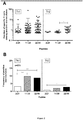
- the central region 18-37 containing an already described DR11-restricted epitope (24-37) located just at the end of this 20-mer peptide (Rogel et al., 2011), induced specific responses in microcultures deriving from only 2/7 donors (HD9 and HD17, both expressing the DR11 element). In these two donors, we detected 6 and 7% of positive microcultures, containing between 0.6 to 3.7 % of TNFa producing CD4 T cells.
- the C-terminal region (26-46) containing an already described DQ6-restricted epitope (Rogel et al., 2011), was recognized by stimulated microcultures from 4 out of 7 donors (all do not expressing the DQ6 element), with frequencies ranging from 2 to 16% of microcultures containing between 0.5 and 16% of TNFa producing CD4 T cells.
- the frequency of MELOE-1 11-30 positive microcultures was significantly higher than frequency of microcultures specific for the three other regions of MELOE-1 ( Figure 1B ) (p ⁇ 0.0001).
- the two terminal regions (2-21 and 26-46) were equivalent in terms of frequencies of positive microcultures, and these two regions induced significantly more responses than the central region 18-37 ( Figure 1A ). Nonetheless, the mean fractions of CD4 reactive T cells induced in positive microcultures were not significantly different from a region to another ( Figure 1B ).
- Th1 responses were mainly Th1 responses (IFN-g production) while less frequent Th2 responses specific for the three regions of MELOE-1 were detected in 3/9 patients for MELOE-1 2-21 , 2/9 patients for MELOE-1 11-30 and 5/9 patients for MELOE-1 22-46 (Table III).
- CD4 T cell clones specific for each region of MELOE-1 by limiting dilution, from microcultures of healthy donors or melanoma patients, containing at least 0.5% of specific CD4 T cells.
- CD4 specific T cell clones from HD17, HD22, HD25 and Pt ⁇ 3 microcultures, which were reactive against MELOE-1 2-21 (HD22), MELOE-1 11-30 (HD17 and Pt ⁇ 3) and MELOE-1 26-46 (HD25). From each cloning experiment, we obtained between one and ten reactive CD4 T cell clones, that turned out to be the same clonotype after CDR3 ⁇ sequencing (Table IV).
- a single CD4 T cell clone for each specificity was used for further experiments.
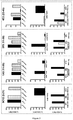
- the HLA-restriction was determined for each T cell clone, first by using HLA-class II blocking monoclonal antibodies ( Figure 3 , upper panel), and further by testing the recognition of HLA-matched B-EBV cell lines loaded with each recognized long peptide ( Figure 3 middle panel).
- the two T cell clones named 9C12 and 4E2, derived from HD22 and HD25 and specific for MELOE-1 2-21 and MELOE-1 26-46 were restricted by the HLA-DQ ⁇ 1*0202 and the DQ ⁇ 1*0201 molecules respectively.
- HLA-DQ matched B-EBV cell line was tested to confirm the HLA restriction of these two CD4 T cell clones.
- the two other T cell clones 1A5 and 5F9 recognized the 11-30 region of MELOE-1, in a HLA-DR context.
- the use of HLA-matched B-EBV cell lines allowed to precise that 1A5 T cell clone was restricted by the HLA-DR ⁇ 1*1101 molecule and the 5F9 T cell clone by the HLA-DR ⁇ 1*0101 molecule.
- Th1 cytokines TNF ⁇ , IFN ⁇ , IL2 and GM-CSF.
- Th2 cytokines TNF ⁇ , IFN ⁇ , IL2 and GM-CSF.
- IL4, and IL13 Th2 cytokines
- DR11-restricted T cell clone only weakly expressed IL4 (Table IV). None of the CD4 T cell expresses IL10 or IL5 at a significant level.
Landscapes
- Health & Medical Sciences (AREA)
- Life Sciences & Earth Sciences (AREA)
- Chemical & Material Sciences (AREA)
- General Health & Medical Sciences (AREA)
- Immunology (AREA)
- Organic Chemistry (AREA)
- Medicinal Chemistry (AREA)
- Epidemiology (AREA)
- Animal Behavior & Ethology (AREA)
- Veterinary Medicine (AREA)
- Public Health (AREA)
- Molecular Biology (AREA)
- Engineering & Computer Science (AREA)
- Biochemistry (AREA)
- Cell Biology (AREA)
- Biomedical Technology (AREA)
- Biophysics (AREA)
- Genetics & Genomics (AREA)
- Proteomics, Peptides & Aminoacids (AREA)
- Hematology (AREA)
- Zoology (AREA)
- Pharmacology & Pharmacy (AREA)
- Biotechnology (AREA)
- Microbiology (AREA)
- Urology & Nephrology (AREA)
- Gastroenterology & Hepatology (AREA)
- Toxicology (AREA)
- Oncology (AREA)
- Developmental Biology & Embryology (AREA)
- Virology (AREA)
- Neurology (AREA)
- Mycology (AREA)
- Pathology (AREA)
- General Physics & Mathematics (AREA)
- Analytical Chemistry (AREA)
- Physics & Mathematics (AREA)
- Food Science & Technology (AREA)
- Peptides Or Proteins (AREA)
- Medicines Containing Antibodies Or Antigens For Use As Internal Diagnostic Agents (AREA)
Claims (15)
- Peptide antigénique de mélanome comprenant la séquence d'acides aminés de SEQ ID NO : 13, dans lequel ledit peptide est une séquence d'acides aminés d'une longueur de moins de 20 acides aminés, pour une utilisation dans la prévention ou dans le traitement d'un mélanome chez un patient.
- Peptide antigénique de mélanome pour une utilisation selon la revendication 1, dans lequel ledit peptide est une séquence d'acides aminés d'une longueur de moins de 15 acides aminés, ou dans lequel ledit peptide antigénique de mélanome consiste en la séquence de SEQ ID NO : 11.
- Protéine de fusion comprenant le peptide antigénique de mélanome tel que défini dans la revendication 1 ou 2 et un peptide antigénique de mélanome comprenant le motif d'acides aminés :- TX2NDECWPX9 (SEQ ID NO : 23)
dans lequel X2 est une leucine, une méthionine, une valine, une isoleucine ou une glutamine et X9 est une alanine, une valine ou une leucine, pour une utilisation dans la prévention ou dans le traitement d'un mélanome chez un patient. - Peptide antigénique de mélanome ou protéine de fusion pour une utilisation selon l'une quelconque des revendications 1 à 3, dans lequel le patient est génotypé avec les allèles HLA-DRβ1*1101 ou HLA-DRβ1*0101.
- Lymphocyte T qui reconnaît spécifiquement le peptide antigénique de mélanome tel que défini dans la revendication 1 ou 2, ou le peptide antigénique de mélanome tel que défini dans la revendication 1 ou 2 compris dans la protéine de fusion telle que définie dans la revendication 3, pour une utilisation dans la prévention ou dans le traitement d'un mélanome chez un patient.
- Lymphocyte T pour une utilisation selon la revendication 5, dans lequel ledit lymphocyte T doit être ré-administré au patient.
- Procédé pour produire des lymphocytes T tels que définis dans la revendication 5, ledit procédé comprenant les étapes suivantes :(a) la stimulation de PBMC, ou de lymphocytes infiltrant les tumeurs obtenus à partir d'un patient, avec au moins un peptide antigénique de mélanome tel que défini dans la revendication 1 ou 2 ou la protéine de fusion telle que définie dans la revendication 3,(b) l'enrichissement de la population de lymphocytes T spécifiques pour le ou les peptides antigéniques de mélanome utilisés en (a), et(c) facultativement le clonage de ladite population de lymphocytes T spécifiques pour le ou les peptides antigéniques de mélanome utilisés en (a).
- Peptide antigénique de mélanome comprenant la séquence d'acides aminés de SEQ ID NO : 13, dans lequel ledit peptide a une séquence d'acides aminés d'une longueur de moins de 15 acides aminés, ou consiste en la séquence de SEQ ID NO : 11.
- Peptide antigénique de mélanome selon la revendication 8, dans lequel ledit peptide consiste en la séquence de SEQ ID NO : 12 ou SEQ ID NO : 13.
- Protéine de fusion comprenant le peptide antigénique de mélanome tel que défini dans la revendication 8 ou 9 et un peptide antigénique de mélanome comprenant le motif d'acide aminés :- TX2NDECWPX9 (SEQ ID NO : 23)
dans lequel X2 est une leucine, une méthionine, une valine, une isoleucine ou une glutamine et X9 est une alanine, une valine ou une leucine. - Séquence d'acide nucléique codant pour le peptide antigénique de mélanome selon la revendication 8 ou 9 ou la protéine de fusion selon la revendication 10.
- Vecteur d'expression comprenant la séquence d'acide nucléique selon la revendication 11.
- Cellule hôte comprenant le vecteur d'expression selon la revendication 12.
- Anticorps ou fragment de celui-ci, dans lequel ledit anticorps ou fragment de celui-ci se lie au peptide antigénique de mélanome selon la revendication 8 ou 9.
- Composition d'immunisation comprenant :(a) au moins un peptide antigénique de mélanome selon la revendication 8 ou 9, ou(b) au moins une protéine de fusion selon la revendication 10, ou(c) au moins une séquence d'acide nucléique selon la revendication 11 ou(d) au moins un vecteur d'expression selon la revendication 12, ou(e) au moins une cellule hôte selon la revendication 13, ou(f) au moins un anticorps selon la revendication 14.
Applications Claiming Priority (1)
| Application Number | Priority Date | Filing Date | Title |
|---|---|---|---|
| PCT/IB2012/001318 WO2013175258A1 (fr) | 2012-05-22 | 2012-05-22 | Nouveau peptide d'antigène de mélanome et utilisations associées |
Publications (2)
| Publication Number | Publication Date |
|---|---|
| EP2852612A1 EP2852612A1 (fr) | 2015-04-01 |
| EP2852612B1 true EP2852612B1 (fr) | 2019-07-31 |
Family
ID=46881096
Family Applications (1)
| Application Number | Title | Priority Date | Filing Date |
|---|---|---|---|
| EP12761797.5A Active EP2852612B1 (fr) | 2012-05-22 | 2012-05-22 | Nouveau peptide antigénique du mélanome et ses utilisations |
Country Status (6)
| Country | Link |
|---|---|
| US (1) | US9475841B2 (fr) |
| EP (1) | EP2852612B1 (fr) |
| AU (1) | AU2012380681A1 (fr) |
| ES (1) | ES2750367T3 (fr) |
| IL (1) | IL235835B (fr) |
| WO (1) | WO2013175258A1 (fr) |
Families Citing this family (4)
| Publication number | Priority date | Publication date | Assignee | Title |
|---|---|---|---|---|
| EP2852611B1 (fr) * | 2012-05-22 | 2019-08-14 | INSERM - Institut National de la Santé et de la Recherche Médicale | Nouveau peptide antigénique du mélanome et ses utilisations |
| WO2019197610A1 (fr) * | 2018-04-13 | 2019-10-17 | INSERM (Institut National de la Santé et de la Recherche Médicale) | Nouvelle stratégie vaccinale |
| WO2019222329A1 (fr) | 2018-05-15 | 2019-11-21 | Voyager Therapeutics, Inc. | Compositions et procédés pour l'administration de vaa |
| CN112770812A (zh) | 2018-07-24 | 2021-05-07 | 沃雅戈治疗公司 | 产生基因治疗制剂的系统和方法 |
Family Cites Families (5)
| Publication number | Priority date | Publication date | Assignee | Title |
|---|---|---|---|---|
| EP0563485A1 (fr) | 1992-03-30 | 1993-10-06 | Schering-Plough | Génération in vitro de cellules dendritiques humaines et leurs usages |
| AU687733B2 (en) | 1992-04-01 | 1998-03-05 | Rockefeller University, The | Method for in vitro proliferation of dendritic cell precursors and their use to produce immunogens |
| US5635363A (en) | 1995-02-28 | 1997-06-03 | The Board Of Trustees Of The Leland Stanford Junior University | Compositions and methods for the detection, quantitation and purification of antigen-specific T cells |
| FR2798128B1 (fr) | 1999-09-06 | 2001-11-16 | Inst Nat Sante Rech Med | Moyens de detection et de purification de populations lymphocytaires t cd8+ specifiques de peptides presentes dans le contexte hla |
| ES2514590T3 (es) * | 2008-09-02 | 2014-10-28 | INSERM (Institut National de la Santé et de la Recherche Médicale) | Nuevo péptido antígeno del melanoma y usos del mismo |
-
2012
- 2012-05-22 AU AU2012380681A patent/AU2012380681A1/en not_active Abandoned
- 2012-05-22 EP EP12761797.5A patent/EP2852612B1/fr active Active
- 2012-05-22 US US14/402,850 patent/US9475841B2/en not_active Expired - Fee Related
- 2012-05-22 WO PCT/IB2012/001318 patent/WO2013175258A1/fr not_active Ceased
- 2012-05-22 ES ES12761797T patent/ES2750367T3/es active Active
-
2014
- 2014-11-20 IL IL235835A patent/IL235835B/en not_active IP Right Cessation
Non-Patent Citations (1)
| Title |
|---|
| None * |
Also Published As
| Publication number | Publication date |
|---|---|
| IL235835A0 (en) | 2015-01-29 |
| US9475841B2 (en) | 2016-10-25 |
| ES2750367T3 (es) | 2020-03-25 |
| WO2013175258A1 (fr) | 2013-11-28 |
| EP2852612A1 (fr) | 2015-04-01 |
| AU2012380681A1 (en) | 2014-10-30 |
| IL235835B (en) | 2019-06-30 |
| US20150132329A1 (en) | 2015-05-14 |
Similar Documents
| Publication | Publication Date | Title |
|---|---|---|
| US20230414735A1 (en) | Neoantigens and methods of their use | |
| CN1921878B (zh) | 属于Bcl-2家族的蛋白和其片段,和它们在癌症患者中的用途 | |
| EP2385117B1 (fr) | Peptide WT1 à restriction HLA-A*3303 et composition pharmaceutique le contenant | |
| CN112584852A (zh) | 新抗原及其用途 | |
| JP2021527426A (ja) | ネオ抗原およびその使用 | |
| JP2020014460A (ja) | 数種の血液腫瘍、特に慢性リンパ性白血病(cll)に対する新規免疫療法 | |
| JP2019502360A (ja) | Cllおよびその他のがんに対する免疫療法において使用するための新規ペプチドおよびペプチドの組み合わせ | |
| KR20170003976A (ko) | 급성 골수성 백혈병(aml)과 같은 여러 혈액 종양에 대한 신규 면역요법 | |
| CA2393730A1 (fr) | Compositions de vaccins et peptides d'antigene associes a une tumeur de hla-a2 de classe i | |
| US20240156961A1 (en) | Tissue-specific antigens for cancer immunotherapy | |
| EP2852612B1 (fr) | Nouveau peptide antigénique du mélanome et ses utilisations | |
| US20030224036A1 (en) | Hla class I a2 tumor associated antigen peptides and vaccine compositions | |
| EP2852611B1 (fr) | Nouveau peptide antigénique du mélanome et ses utilisations | |
| RU2805196C2 (ru) | Неоантигены и их применение | |
| NZ701000B2 (en) | Novel melanoma antigen peptide and uses thereof | |
| HK40050845A (en) | Neoantigens and uses thereof | |
| HK40050847A (en) | Neoantigens and uses thereof | |
| HK1101131B (en) | Proteins belonging to the bcl-2 family and fragments thereof, and their use in cancer patients |
Legal Events
| Date | Code | Title | Description |
|---|---|---|---|
| PUAI | Public reference made under article 153(3) epc to a published international application that has entered the european phase |
Free format text: ORIGINAL CODE: 0009012 |
|
| 17P | Request for examination filed |
Effective date: 20141114 |
|
| AK | Designated contracting states |
Kind code of ref document: A1 Designated state(s): AL AT BE BG CH CY CZ DE DK EE ES FI FR GB GR HR HU IE IS IT LI LT LU LV MC MK MT NL NO PL PT RO RS SE SI SK SM TR |
|
| AX | Request for extension of the european patent |
Extension state: BA ME |
|
| DAX | Request for extension of the european patent (deleted) | ||
| 17Q | First examination report despatched |
Effective date: 20151103 |
|
| STAA | Information on the status of an ep patent application or granted ep patent |
Free format text: STATUS: EXAMINATION IS IN PROGRESS |
|
| GRAP | Despatch of communication of intention to grant a patent |
Free format text: ORIGINAL CODE: EPIDOSNIGR1 |
|
| STAA | Information on the status of an ep patent application or granted ep patent |
Free format text: STATUS: GRANT OF PATENT IS INTENDED |
|
| RIC1 | Information provided on ipc code assigned before grant |
Ipc: A61K 35/17 20150101ALI20190122BHEP Ipc: G01N 33/574 20060101ALI20190122BHEP Ipc: C07K 14/47 20060101AFI20190122BHEP Ipc: C07K 16/30 20060101ALI20190122BHEP Ipc: C07K 7/08 20060101ALI20190122BHEP Ipc: C12N 5/0783 20100101ALI20190122BHEP Ipc: A61K 39/00 20060101ALI20190122BHEP |
|
| INTG | Intention to grant announced |
Effective date: 20190219 |
|
| RIN1 | Information on inventor provided before grant (corrected) |
Inventor name: ROGEL, ANNE Inventor name: LABARRIERE, NATHALIE Inventor name: BOBINET, MATHILDE Inventor name: LANG, FRANCOIS |
|
| GRAS | Grant fee paid |
Free format text: ORIGINAL CODE: EPIDOSNIGR3 |
|
| GRAA | (expected) grant |
Free format text: ORIGINAL CODE: 0009210 |
|
| STAA | Information on the status of an ep patent application or granted ep patent |
Free format text: STATUS: THE PATENT HAS BEEN GRANTED |
|
| AK | Designated contracting states |
Kind code of ref document: B1 Designated state(s): AL AT BE BG CH CY CZ DE DK EE ES FI FR GB GR HR HU IE IS IT LI LT LU LV MC MK MT NL NO PL PT RO RS SE SI SK SM TR |
|
| REG | Reference to a national code |
Ref country code: CH Ref legal event code: EP Ref country code: GB Ref legal event code: FG4D |
|
| REG | Reference to a national code |
Ref country code: AT Ref legal event code: REF Ref document number: 1160788 Country of ref document: AT Kind code of ref document: T Effective date: 20190815 |
|
| REG | Reference to a national code |
Ref country code: IE Ref legal event code: FG4D |
|
| REG | Reference to a national code |
Ref country code: DE Ref legal event code: R096 Ref document number: 602012062473 Country of ref document: DE |
|
| REG | Reference to a national code |
Ref country code: NL Ref legal event code: MP Effective date: 20190731 |
|
| REG | Reference to a national code |
Ref country code: LT Ref legal event code: MG4D |
|
| REG | Reference to a national code |
Ref country code: AT Ref legal event code: MK05 Ref document number: 1160788 Country of ref document: AT Kind code of ref document: T Effective date: 20190731 |
|
| PG25 | Lapsed in a contracting state [announced via postgrant information from national office to epo] |
Ref country code: NO Free format text: LAPSE BECAUSE OF FAILURE TO SUBMIT A TRANSLATION OF THE DESCRIPTION OR TO PAY THE FEE WITHIN THE PRESCRIBED TIME-LIMIT Effective date: 20191031 Ref country code: BG Free format text: LAPSE BECAUSE OF FAILURE TO SUBMIT A TRANSLATION OF THE DESCRIPTION OR TO PAY THE FEE WITHIN THE PRESCRIBED TIME-LIMIT Effective date: 20191031 Ref country code: AT Free format text: LAPSE BECAUSE OF FAILURE TO SUBMIT A TRANSLATION OF THE DESCRIPTION OR TO PAY THE FEE WITHIN THE PRESCRIBED TIME-LIMIT Effective date: 20190731 Ref country code: SE Free format text: LAPSE BECAUSE OF FAILURE TO SUBMIT A TRANSLATION OF THE DESCRIPTION OR TO PAY THE FEE WITHIN THE PRESCRIBED TIME-LIMIT Effective date: 20190731 Ref country code: PT Free format text: LAPSE BECAUSE OF FAILURE TO SUBMIT A TRANSLATION OF THE DESCRIPTION OR TO PAY THE FEE WITHIN THE PRESCRIBED TIME-LIMIT Effective date: 20191202 Ref country code: HR Free format text: LAPSE BECAUSE OF FAILURE TO SUBMIT A TRANSLATION OF THE DESCRIPTION OR TO PAY THE FEE WITHIN THE PRESCRIBED TIME-LIMIT Effective date: 20190731 Ref country code: NL Free format text: LAPSE BECAUSE OF FAILURE TO SUBMIT A TRANSLATION OF THE DESCRIPTION OR TO PAY THE FEE WITHIN THE PRESCRIBED TIME-LIMIT Effective date: 20190731 Ref country code: LT Free format text: LAPSE BECAUSE OF FAILURE TO SUBMIT A TRANSLATION OF THE DESCRIPTION OR TO PAY THE FEE WITHIN THE PRESCRIBED TIME-LIMIT Effective date: 20190731 Ref country code: FI Free format text: LAPSE BECAUSE OF FAILURE TO SUBMIT A TRANSLATION OF THE DESCRIPTION OR TO PAY THE FEE WITHIN THE PRESCRIBED TIME-LIMIT Effective date: 20190731 |
|
| PG25 | Lapsed in a contracting state [announced via postgrant information from national office to epo] |
Ref country code: GR Free format text: LAPSE BECAUSE OF FAILURE TO SUBMIT A TRANSLATION OF THE DESCRIPTION OR TO PAY THE FEE WITHIN THE PRESCRIBED TIME-LIMIT Effective date: 20191101 Ref country code: IS Free format text: LAPSE BECAUSE OF FAILURE TO SUBMIT A TRANSLATION OF THE DESCRIPTION OR TO PAY THE FEE WITHIN THE PRESCRIBED TIME-LIMIT Effective date: 20191130 Ref country code: RS Free format text: LAPSE BECAUSE OF FAILURE TO SUBMIT A TRANSLATION OF THE DESCRIPTION OR TO PAY THE FEE WITHIN THE PRESCRIBED TIME-LIMIT Effective date: 20190731 Ref country code: AL Free format text: LAPSE BECAUSE OF FAILURE TO SUBMIT A TRANSLATION OF THE DESCRIPTION OR TO PAY THE FEE WITHIN THE PRESCRIBED TIME-LIMIT Effective date: 20190731 Ref country code: LV Free format text: LAPSE BECAUSE OF FAILURE TO SUBMIT A TRANSLATION OF THE DESCRIPTION OR TO PAY THE FEE WITHIN THE PRESCRIBED TIME-LIMIT Effective date: 20190731 |
|
| REG | Reference to a national code |
Ref country code: ES Ref legal event code: FG2A Ref document number: 2750367 Country of ref document: ES Kind code of ref document: T3 Effective date: 20200325 |
|
| PG25 | Lapsed in a contracting state [announced via postgrant information from national office to epo] |
Ref country code: TR Free format text: LAPSE BECAUSE OF FAILURE TO SUBMIT A TRANSLATION OF THE DESCRIPTION OR TO PAY THE FEE WITHIN THE PRESCRIBED TIME-LIMIT Effective date: 20190731 |
|
| PG25 | Lapsed in a contracting state [announced via postgrant information from national office to epo] |
Ref country code: RO Free format text: LAPSE BECAUSE OF FAILURE TO SUBMIT A TRANSLATION OF THE DESCRIPTION OR TO PAY THE FEE WITHIN THE PRESCRIBED TIME-LIMIT Effective date: 20190731 Ref country code: DK Free format text: LAPSE BECAUSE OF FAILURE TO SUBMIT A TRANSLATION OF THE DESCRIPTION OR TO PAY THE FEE WITHIN THE PRESCRIBED TIME-LIMIT Effective date: 20190731 Ref country code: EE Free format text: LAPSE BECAUSE OF FAILURE TO SUBMIT A TRANSLATION OF THE DESCRIPTION OR TO PAY THE FEE WITHIN THE PRESCRIBED TIME-LIMIT Effective date: 20190731 Ref country code: PL Free format text: LAPSE BECAUSE OF FAILURE TO SUBMIT A TRANSLATION OF THE DESCRIPTION OR TO PAY THE FEE WITHIN THE PRESCRIBED TIME-LIMIT Effective date: 20190731 |
|
| PG25 | Lapsed in a contracting state [announced via postgrant information from national office to epo] |
Ref country code: IS Free format text: LAPSE BECAUSE OF FAILURE TO SUBMIT A TRANSLATION OF THE DESCRIPTION OR TO PAY THE FEE WITHIN THE PRESCRIBED TIME-LIMIT Effective date: 20200224 Ref country code: SK Free format text: LAPSE BECAUSE OF FAILURE TO SUBMIT A TRANSLATION OF THE DESCRIPTION OR TO PAY THE FEE WITHIN THE PRESCRIBED TIME-LIMIT Effective date: 20190731 Ref country code: SM Free format text: LAPSE BECAUSE OF FAILURE TO SUBMIT A TRANSLATION OF THE DESCRIPTION OR TO PAY THE FEE WITHIN THE PRESCRIBED TIME-LIMIT Effective date: 20190731 Ref country code: CZ Free format text: LAPSE BECAUSE OF FAILURE TO SUBMIT A TRANSLATION OF THE DESCRIPTION OR TO PAY THE FEE WITHIN THE PRESCRIBED TIME-LIMIT Effective date: 20190731 |
|
| REG | Reference to a national code |
Ref country code: DE Ref legal event code: R097 Ref document number: 602012062473 Country of ref document: DE |
|
| PLBE | No opposition filed within time limit |
Free format text: ORIGINAL CODE: 0009261 |
|
| STAA | Information on the status of an ep patent application or granted ep patent |
Free format text: STATUS: NO OPPOSITION FILED WITHIN TIME LIMIT |
|
| PG2D | Information on lapse in contracting state deleted |
Ref country code: IS |
|
| PG25 | Lapsed in a contracting state [announced via postgrant information from national office to epo] |
Ref country code: IS Free format text: LAPSE BECAUSE OF FAILURE TO SUBMIT A TRANSLATION OF THE DESCRIPTION OR TO PAY THE FEE WITHIN THE PRESCRIBED TIME-LIMIT Effective date: 20191030 |
|
| 26N | No opposition filed |
Effective date: 20200603 |
|
| PG25 | Lapsed in a contracting state [announced via postgrant information from national office to epo] |
Ref country code: SI Free format text: LAPSE BECAUSE OF FAILURE TO SUBMIT A TRANSLATION OF THE DESCRIPTION OR TO PAY THE FEE WITHIN THE PRESCRIBED TIME-LIMIT Effective date: 20190731 |
|
| REG | Reference to a national code |
Ref country code: DE Ref legal event code: R119 Ref document number: 602012062473 Country of ref document: DE |
|
| PG25 | Lapsed in a contracting state [announced via postgrant information from national office to epo] |
Ref country code: CH Free format text: LAPSE BECAUSE OF NON-PAYMENT OF DUE FEES Effective date: 20200531 Ref country code: LI Free format text: LAPSE BECAUSE OF NON-PAYMENT OF DUE FEES Effective date: 20200531 Ref country code: MC Free format text: LAPSE BECAUSE OF FAILURE TO SUBMIT A TRANSLATION OF THE DESCRIPTION OR TO PAY THE FEE WITHIN THE PRESCRIBED TIME-LIMIT Effective date: 20190731 |
|
| REG | Reference to a national code |
Ref country code: BE Ref legal event code: MM Effective date: 20200531 |
|
| GBPC | Gb: european patent ceased through non-payment of renewal fee |
Effective date: 20200522 |
|
| PG25 | Lapsed in a contracting state [announced via postgrant information from national office to epo] |
Ref country code: LU Free format text: LAPSE BECAUSE OF NON-PAYMENT OF DUE FEES Effective date: 20200522 |
|
| PG25 | Lapsed in a contracting state [announced via postgrant information from national office to epo] |
Ref country code: IE Free format text: LAPSE BECAUSE OF NON-PAYMENT OF DUE FEES Effective date: 20200522 Ref country code: GB Free format text: LAPSE BECAUSE OF NON-PAYMENT OF DUE FEES Effective date: 20200522 Ref country code: FR Free format text: LAPSE BECAUSE OF NON-PAYMENT OF DUE FEES Effective date: 20200531 |
|
| PG25 | Lapsed in a contracting state [announced via postgrant information from national office to epo] |
Ref country code: BE Free format text: LAPSE BECAUSE OF NON-PAYMENT OF DUE FEES Effective date: 20200531 Ref country code: DE Free format text: LAPSE BECAUSE OF NON-PAYMENT OF DUE FEES Effective date: 20201201 |
|
| REG | Reference to a national code |
Ref country code: ES Ref legal event code: FD2A Effective date: 20211004 |
|
| PG25 | Lapsed in a contracting state [announced via postgrant information from national office to epo] |
Ref country code: IT Free format text: LAPSE BECAUSE OF NON-PAYMENT OF DUE FEES Effective date: 20200522 |
|
| PG25 | Lapsed in a contracting state [announced via postgrant information from national office to epo] |
Ref country code: ES Free format text: LAPSE BECAUSE OF NON-PAYMENT OF DUE FEES Effective date: 20200523 |
|
| PG25 | Lapsed in a contracting state [announced via postgrant information from national office to epo] |
Ref country code: MT Free format text: LAPSE BECAUSE OF FAILURE TO SUBMIT A TRANSLATION OF THE DESCRIPTION OR TO PAY THE FEE WITHIN THE PRESCRIBED TIME-LIMIT Effective date: 20190731 Ref country code: CY Free format text: LAPSE BECAUSE OF FAILURE TO SUBMIT A TRANSLATION OF THE DESCRIPTION OR TO PAY THE FEE WITHIN THE PRESCRIBED TIME-LIMIT Effective date: 20190731 |
|
| PG25 | Lapsed in a contracting state [announced via postgrant information from national office to epo] |
Ref country code: MK Free format text: LAPSE BECAUSE OF FAILURE TO SUBMIT A TRANSLATION OF THE DESCRIPTION OR TO PAY THE FEE WITHIN THE PRESCRIBED TIME-LIMIT Effective date: 20190731 |
|
| PG25 | Lapsed in a contracting state [announced via postgrant information from national office to epo] |
Ref country code: IS Free format text: LAPSE BECAUSE OF NON-PAYMENT OF DUE FEES Effective date: 20200224 |