EP2852913B1 - Verfahren und vorrichtung zur bestimmung von schadprogrammen - Google Patents
Verfahren und vorrichtung zur bestimmung von schadprogrammen Download PDFInfo
- Publication number
- EP2852913B1 EP2852913B1 EP13819956.7A EP13819956A EP2852913B1 EP 2852913 B1 EP2852913 B1 EP 2852913B1 EP 13819956 A EP13819956 A EP 13819956A EP 2852913 B1 EP2852913 B1 EP 2852913B1
- Authority
- EP
- European Patent Office
- Prior art keywords
- function
- application program
- call logic
- specific api
- user
- Prior art date
- Legal status (The legal status is an assumption and is not a legal conclusion. Google has not performed a legal analysis and makes no representation as to the accuracy of the status listed.)
- Active
Links
Images

Classifications
-
- G—PHYSICS
- G06—COMPUTING OR CALCULATING; COUNTING
- G06F—ELECTRIC DIGITAL DATA PROCESSING
- G06F21/00—Security arrangements for protecting computers, components thereof, programs or data against unauthorised activity
- G06F21/50—Monitoring users, programs or devices to maintain the integrity of platforms, e.g. of processors, firmware or operating systems
- G06F21/55—Detecting local intrusion or implementing counter-measures
- G06F21/56—Computer malware detection or handling, e.g. anti-virus arrangements
- G06F21/562—Static detection
-
- G—PHYSICS
- G06—COMPUTING OR CALCULATING; COUNTING
- G06F—ELECTRIC DIGITAL DATA PROCESSING
- G06F21/00—Security arrangements for protecting computers, components thereof, programs or data against unauthorised activity
- G06F21/50—Monitoring users, programs or devices to maintain the integrity of platforms, e.g. of processors, firmware or operating systems
- G06F21/55—Detecting local intrusion or implementing counter-measures
- G06F21/56—Computer malware detection or handling, e.g. anti-virus arrangements
Definitions
- the present disclosure generally relates to the field of computer technology and particularly relates to methods and apparatus for determining a malicious program.
- malicious programs may be identified by manually testing the application program. Specifically, various functions of the application program may bemanually triggered. The operating behavior of the application program may be observed and analyzed to determine whether the application program is a malicious program.
- the document US 7,779,472 B1 relates to application behavior based malware detection by use of a virtual machine arranged to emulate the instructions of the executable file.
- the document US 2009/0037976A1 relates to a system and method for securing a network session in which a security component is included capable of executing a security policy.
- the document WO 2011/122845 A2 relates to mobile communication terminal having a behavior-based malicious code detection function and detection method thereof.
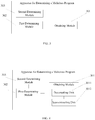
- FIG. 1 depicts an exemplary method for determining a malicious program in accordance with various disclosed embodiments.
- Step 101 a specific application programming interface (API) within an application program is obtained.
- API application programming interface
- Step 102 call logic for calling the specific API is determined.
- the call logic can include a triggering event to trigger the specific API to be called and/or a feedback path provided after the specific API is called.
- Step 103 according to the call logic, it is determined whether the application program is a malicious program.
- determining a malicious application according to call logic of a specific API thatmay potentially steal user's privacy and/or phone charges within an application program can improve the degree of accuracy for determining whether the application program is a malicious program.
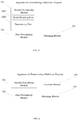
- FIG. 2 depicts another exemplary method for determining a malicious program in accordance with various disclosed embodiments.
- Step 201 an application program isdecompiled to obtain a code file of the application program.
- the code file from decompiling can be scanned to extract the specific API from the code file.
- the specific API may include, but is not limited to, a function of accessing user's private information, a function of modifying user's private information, a network access function, a call function, a message feedback function, a function of modifying system settings, a function of silently installing a third-party application program, and/or a function of terminating a program process.
- the function of accessing user's private information may include, but is not limited to, a function of reading user's address book, message (e.g., SMS) contents, call records, and/or contact information.
- the function of modifying user's private information may include, but is not limited to, a function of deleting message contents, modifying the message contents, and/or modifying the user's address book.
- the network access function may include, but is not limited to, a function of connecting to the network and accessing business for fee deductions, for example, a function of connecting to the network to send text messages for fee deductions and other business deductions.
- the call function is referred to a function of calling a called party to establish a connection for conversation, e.g., for making a phone call, etc.
- the message feedback function may include, but is not limited to, a function of intercepting and replying to a text message for fee deductions and/or a function of automatically sending a text message for fee deductions.
- the obtained specific API may steal user's private information and/or phone charges, when the application program is in operation.
- the obtained specific API may silently install, e.g., a Trojans program, software products with charges, or other possible third-party application programs, and/or maliciously terminate other currently-operating programs.
- the application program may be a malicious program for the purposes of stealing user's private information. Once this application program is in operation, the user's address book, message contents, call records, contact information and/or other user's private information may be stolen.
- the application program may be a malicious program for the purposes of stealing user's phone charges. Once this application program is in operation, the network can be connected to consume user's network fees. Further, the business for fee deductions may be accessed and the user's phone charges may be consumed.
- Step 203 call logic for calling the specific API is determined.
- the call logic can include a triggering event to trigger the specific API to be called and/or a feedback path provided after the specific API is called.
- call logic for calling the specific API It is necessary to determine the call logic for calling the specific API. This is because it is possible that the specific API is called in a legal situation. For example, when the specific API is a function of reading user's address book, calling the user's address book may be for managing the user's address book (e.g., which is a legal use), not for stealing the user's address book (e.g., which is a malicious use). Therefore, to further determine whether the API interface is used for the purposes of stealing the user's private information and/or the user's phone charges, it is necessary to analyze the call logic for calling the specific API.
- determining the call logic for calling the specific API can include: analyzing classes, functions, procedure events, and calling relationship between functions in the decompiled code file, and extracting the call logic for calling the specific API.
- Step 204 it is determined whether the application program is a malicious program.
- the determining of whether the application program is a malicious program according to the call logic may include: matching the call logic with a pre-stored logic model that provides call logic for malicious programs. For example, when a terminal device installed with application programs is powered on to self-start, the specific API may be executed and the calling results may be returned to a specific path (a designated address), etc.
- the determining of whether the application program is a malicious program according to the call logic may further include: determining that the application program is a malicious program, when the call logic matches with the call logic of the logic model; and determining that the application program is safe, when the call logic does not match with any call logic in the logic model.
- the called specific API is likely to be malicious, if the determined call logic is in a condition: that the specific API is called to execute without authorization (e.g.,the specific API is called to execute when the terminal device is powered on to self-start), or that the calling results is returned to a designated address after the specific API is called.
- the specific API is a function of reading user's address book, message (e.g., SMS) contents, call records, and/or contact information and the determined specific API is called having a call logic:that the specific API is called when the terminal device is powered on to self-start; that the user's address book, message (e.g., SMS) contents, call records, and/or contact information obtained after the specific API is called are returned to a designated address; and that the call logic indicates that the specific API is called to execute without being authorized by the user, the application program is considered as a malicious program for the purposes of stealing the user's address book, message contents, call records, contact information, and/or other private information of the user.
- message e.g., SMS
- the application program is considered as a malicious program for the purposes of consuming user's network resource and the user's phone charges.
- the specific API is a function of intercepting and replying a message for fee deductions and the determined specific API is called having a call logic monitoring and intercepting the message for fee deductions, and that once the message for fee deductions is replied thereto, the user's phone charges are consumed, the application program is considered as a malicious program for the purposes of consuming the user's phone charges.
- the specific API is a function of silently installing a third-party application program or a function of terminating a program process and the determined specific API is called having a call logic: automatically installing some software products with charges/fees or terminating currently operated programs without authorization by the user when the application program is in operation (and installing software products with charges may cause loss of user's phone charges and terminating the currently operated programs may cause user's data loss), the application program is considered as a malicious program for the purposes of consuming the user's phone charges.
- Step 205 when the application program is determined to be a malicious program, information of the application program including, for example, an icon, name, and/or installation path of the application program, is returned to the user to inform the user of possible malicious programs. Further, the user can also be provided with a selection tab such that the user can choose whether to uninstall this application program based on the selection tab.
- FIG. 3 depicts an exemplary apparatus for determining a malicious program in accordance with various disclosed embodiments.
- the exemplary apparatus can include an obtaining module 301, a first determining module 302, and/or a second determining module 303.
- the obtaining module 301 is configured to obtain a specific API in an application program.
- the specific API can include, but is not limited to, a function of accessing user's private information, a function of modifying user's private information, a network access function, a call function, a message feedback function, a function of modifying system settings, a function of silently installing a third-party application program, and/or a function of terminating a program process.
- the first determining module 302 is configured to determine call logic for calling the specific API.
- the call logic can include a triggering event to trigger the specific API to be called and/or a feedback path provided after calling the specific API.
- the second determining module 303 is configured, according to the call logic, to determine whether the application program is a malicious program.
- FIG. 4 depicts an exemplary obtaining module 301.
- the obtaining module 301 includes a decompiling unit 3011, and/or a scan-extracting unit 3012.
- the decompiling unit 3011 is configured to decompile the application program to obtain a code file of the application program.
- the scan-extracting unit 3012 is configured to scan the code file and extract the specific API within the code file.
- the first determining module 302 is configured to analyze classes, functions, procedure events, and calling relationship between functions in the decompiled code file; and to extract the call logic for calling the specific API.
- FIG. 5 depicts an exemplary second determining obtaining module 303.
- the exemplary second determining obtaining module 303 can include a model matching unit 3031, and/or a determining unit 3032.
- the model matching unit 3031 is configured to match the call logic with a pre-stored logic model that provides call logic for malicious programs.
- the determining unit 3032 is configured to determine that the application program is a malicious program, when the call logic matches with the call logic in the logic model.
- the determining unit 3032 is configured to determine that the application program is a safe program, when the call logic does not match with any call logic in the logic model.
- the exemplary apparatus can further include a feedback module 304.
- the feedback module 304 is configured to return information of the application program to the user to inform the user of possible malicious programs, when the application program is determined to be a malicious program.
- the user can also be provided with a selection tab such that the user can choose whether to uninstall this application program based on the selection tab.
- a terminal device may refer to any appropriate user terminal with certain computing capabilities including, for example, a personal computer (PC), a work station computer, a server computer, a hand-held computing device (tablet), a smart phone or mobile phone, or any other user-side computing device.
- PC personal computer
- work station computer a work station computer
- server computer a hand-held computing device
- smart phone or mobile phone any other user-side computing device.
- An exemplary terminal device can include a terminal 706 as depicted in FIG. 7 .
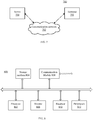
- FIG. 7 illustrates an exemplary environment 700 incorporating certain disclosed embodiments.
- environment 700 may include a server 704, a terminal 706, and a communication network 702.
- the server 704 and the terminal 706 may be coupled through the communication network 702 for information exchange, such as message communications.
- information exchange such as message communications.
- any number of clients 706 or servers 704 may be included, and other devices may also be included.
- Communication network 702 may include any appropriate type of communication network for providing network connections to the server 704 and terminal 706 or among multiple servers 704 or clients 706.
- communication network 702 may include the Internet or other types of computer networks or telecommunication networks, either wired or wireless.
- the server 704 may refer one or more server computers configured to provide certain server functionalities, such as database management and search engines.
- a server may also include one or more processors to execute computer programs in parallel.
- FIG. 8 depicts a block diagram of an exemplary computer system 800 capable of implementing a terminal and/or a server.
- the computing system 800 may include a processor 802, a storage medium 804, a monitor 806, a communication module 808, a database 810, and peripherals 812. Certain devices may be omitted and other devices may be included.
- Processor 802 may include any appropriate processor or processors. Further, processor 802 can include multiple cores for multi-thread or parallel processing.
- Storage medium 804 may include memory modules, such as ROM, RAM, and flash memory modules, and mass storages, such as CD-ROM, U-disk, hard disk, etc. Storage medium 804 may store computer programs for implementing various processes, when executed by processor 802.
- peripherals 812 may include I/O devices such as keyboard and mouse, and communication module 808 may include network devices for establishing connections through a wireless or wired communication network.
- Database 810 may include one or more databases for storing certain data and for performing certain operations on the stored data, such as database searching.
- the functional modules disclosed herein are for example only. Other modules can be added and exemplary modules can be removed, modified, or otherwise rearranged. In various embodiments, the disclosed modules can be configured in one apparatus or configured in multiple apparatus as desired. The modules disclosed herein can be integrated in one module or in multiple modules. Each of the modules disclosed herein can be divided into one or more sub-modules, which can be recombined in any manner.
- the disclosed embodiments can be examples only.
- the disclosed apparatus for determining a malicious program can be used to implement the disclosed method for determining a malicious program.
- suitable software and/or hardware e.g., a universal hardware platform
- suitable software and/or hardware may be included and used to predict, manage, and execute the disclosed schemes.
- the disclosed embodiments can be implemented by hardware only, which alternatively can be implemented by software products only.
- the software products can be stored in a storage medium.
- the software products can include suitable commands to enable a terminal device (e.g., including a mobile phone, a personal computer, a server, or a network device, etc.) to implement the disclosed embodiments.
- various embodiments may include a computer readable medium containing executable computer instructions for performing a method for determining a malicious program.
- a specific application programming interface (API) within an application program can be obtained.
- Call logic for calling the specific API can be determined and the call logic can include a triggering event to trigger the specific API to be called, a feedback path provided after the specific API is called, or a combination thereof. It can be determined whether the application program is a malicious program according to the call logic.
- a specific application programming interface (API) within an application program can be obtained.
- Call logic for calling the specific API can be determined and the call logic can include a triggering event to trigger the specific API to be called, a feedback path provided after the specific API is called, or a combination thereof. It can be determined whether the application program is a malicious program according to the call logic.
- an apparatus for determining a malicious program can include an obtaining module, a first determining module, and a second determining module.
- a computer readable medium containing executable computer instructions for performing a method for determining a malicious program can also be provided.
Landscapes
- Engineering & Computer Science (AREA)
- Computer Security & Cryptography (AREA)
- Software Systems (AREA)
- Computer Hardware Design (AREA)
- General Engineering & Computer Science (AREA)
- Theoretical Computer Science (AREA)
- Virology (AREA)
- Health & Medical Sciences (AREA)
- Physics & Mathematics (AREA)
- General Physics & Mathematics (AREA)
- General Health & Medical Sciences (AREA)
- Telephonic Communication Services (AREA)
- Telephone Function (AREA)
- Debugging And Monitoring (AREA)
Claims (9)
- Verfahren zur Bestimmung eines bösartigen Programms, umfassend:Dekompilieren (201) eines Anwendungsprogramms, um eine Codedatei des Anwendungsprogramms zu erhalten;Scannen (202) der dekompilierten Codedatei, um eine bestimmte Anwendungsprogrammierschnittstelle, API, aus der Codedatei zu extrahieren;Bestimmen (102, 203) einer Anruflogik zum Anrufen der spezifischen API, wobei die Anruflogik ein auslösendes Ereignis zum Auslösen des Anrufens der spezifischen API, einen Rückmeldungspfad, der nach dem Anrufen der spezifischen API bereitgestellt wird, oder eine Kombination davon umfasst; undBestimmen (103, 204), ob das Anwendungsprogramm gemäß der Anruflogik ein bösartiges Programm ist,dadurch gekennzeichnet, dassdas Anwendungsprogramm als bösartig bestimmt wird, wenn:die spezifische API eine Funktion einer Verbindung mit einem Netzwerk ist, um auf ein Unternehmen für Gebührenabzüge zuzugreifen, und wenn die bestimmte spezifische API mit der Anruflogik angerufen wird, um sich mit dem Netzwerk zu verbinden, um auf das Unternehmen für Gebührenabzüge zuzugreifen, wenn die Vorrichtung eingeschaltet wird, um von selbst zu starten, ohne von einem Benutzer autorisiert zu sein, um Netzwerkressourcen eines Benutzers und Telefongebühren eines Benutzers zu verbrauchen; oderdie spezifische API eine Funktion zum Abfangen und Beantworten einer Nachricht für Gebührenabzüge ist und wenn die bestimmte spezifische API mit der Anruflogik angerufen wird, die besagt, dass, sobald die Nachricht für Gebührenabzüge beantwortet wird, Telefongebühren eines Benutzers verbraucht werden.
- Verfahren nach Anspruch 1, wobei die spezifische API ferner umfasst: eine Funktion zum Zugreifen auf private Information des Benutzers, eine Funktion zum Modifizieren privater Information des Benutzers, eine Netzzugriffsfunktion, eine Anruffunktion, eine Nachrichtenrückmeldungsfunktion, eine Funktion zum Modifizieren von Systemeinstellungen, eine Funktion zum automatischen Installieren eines Anwendungsprogramms eines Drittanbieters, eine Funktion zum Beenden eines Programmprozesses oder eine Kombination davon.
- Verfahren nach Anspruch 1, wobei das Bestimmen (103, 204), ob das Anwendungsprogramm ein bösartiges Programm gemäß der Anruflogik ist, umfasst:Abgleichen der Anruflogik mit einem vorgespeicherten Logikmodell, wobei das vorgespeicherte Logikmodell eine Anruflogik für bösartige Programme bereitstellt; undBestimmen, dass das Anwendungsprogramm das bösartige Programm ist, wenn die Anruflogik mit der Anruflogik im vorgespeicherten Logikmodell übereinstimmt; oderBestimmen, dass das Anwendungsprogramm ein sicheres Programm ist, wenn die Anruflogik nicht mit irgendeiner Anruflogik im vorgespeicherten Logikmodell übereinstimmt.
- Vorrichtung zum Bestimmen eines bösartigen Programms, umfassend:ein Abrufmodul (301), das so konfiguriert ist, dass es eine bestimmte Anwendungsprogrammierschnittstelle, API, identifiziert, die innerhalb eines Anwendungsprogramms angerufen wird;ein erstes Bestimmungsmodul (302), das konfiguriert ist, um eine Anruflogik zum Anrufen der spezifischen API zu bestimmen, wobei die Anruflogik ein Auslöseereignis zum Auslösen des Anrufens der spezifischen API, einen Rückmeldungspfad, der bereitgestellt wird, nachdem die spezifische API angerufen wurde, oder eine Kombination davon umfasst;ein zweites Bestimmungsmodul (303), das konfiguriert ist, um zu bestimmen, ob das Anwendungsprogramm gemäß der Anruflogik ein bösartiges Programm ist, wobei das Abrufmodul (301) umfasst:eine Dekompiliereinheit (3011), die konfiguriert ist, um das Anwendungsprogramm zu dekompilieren, um eine Codedatei des Anwendungsprogramms zu erhalten; undeine Scan-Extraktionseinheit (3012), die konfiguriert ist, um die Codedatei zu scannen, um die spezifische API aus der Codedatei zu extrahieren,dadurch gekennzeichnet, dassdas Anwendungsprogramm als bösartig bestimmt wird, wenn:die spezifische API eine Funktion einer Verbindung mit einem Netzwerk ist, um auf ein Unternehmen für Gebührenabzüge zuzugreifen, und wenn die bestimmte spezifische API mit der Anruflogik angerufen wird, um sich mit dem Netzwerk zu verbinden, um auf das Unternehmen für Gebührenabzüge zuzugreifen, wenn die Vorrichtung eingeschaltet wird, um von selbst zu starten, ohne von einem Benutzer autorisiert zu sein, um Netzwerkressourcen eines Benutzers und Telefongebühren eines Benutzers zu verbrauchen; oderdie spezifische API eine Funktion zum Abfangen und Beantworten einer Nachricht für Gebührenabzüge ist und wenn die bestimmte spezifische API mit der Anruflogik angerufen wird, die besagt, dass, sobald die Nachricht für Gebührenabzüge beantwortet wird, Telefongebühren eines Benutzers verbraucht werden.
- Vorrichtung nach Anspruch 4, wobei die spezifische API ferner umfasst: eine Funktion zum Zugreifen auf private Information des Benutzers, eine Funktion zum Modifizieren privater Information des Benutzers, eine Netzzugriffsfunktion, eine Anruffunktion, eine Nachrichtenrückmeldungsfunktion, eine Funktion zum Modifizieren von Systemeinstellungen, eine Funktion zum automatischen Installieren eines Anwendungsprogramms eines Drittanbieters, eine Funktion zum Beenden eines Programmprozesses oder eine Kombination davon.
- Vorrichtung nach Anspruch 4, wobei das zweite Bestimmungsmodul (303) umfasst:eine Modellabgleicheinheit (3031), die konfiguriert ist, um die Anruflogik mit einem vorgespeicherten Logikmodell abzugleichen, wobei das vorgespeicherte Logikmodell eine Anruflogik für bösartige Programme bereitstellt; undeine Bestimmungseinheit (3032), die konfiguriert ist, um zu bestimmen, dass das Anwendungsprogramm das bösartige Programm ist, wenn die Anruflogik mit der Anruflogik in dem vorgespeicherten Logikmodell übereinstimmt; oder um zu bestimmen, dass das Anwendungsprogramm ein sicheres Programm ist, wenn die Anruflogik mit keiner Aufruflogik im vorgespeicherten Logikmodell übereinstimmt.
- Computerlesbares Medium, das ausführbare Computerbefehle zum Durchführen eines Verfahrens zur Bestimmung eines bösartigen Programms enthält, wobei das Verfahren umfasst:Dekompilieren (201) eines Anwendungsprogramms, um eine Codedatei des Anwendungsprogramms zu erhalten;Scannen (202) der dekompilierten Codedatei, um eine bestimmte Anwendungsprogrammierschnittstelle, API, aus der Codedatei zu extrahieren;Bestimmen (102, 203) einer Anruflogik zum Anrufen der spezifischen API, wobei die Anruflogik ein auslösendes Ereignis zum Auslösen des Anrufens der spezifischen API, einen Rückmeldungspfad, der nach dem Anrufen der spezifischen API bereitgestellt wird, oder eine Kombination davon umfasst; undBestimmen (103, 204), ob das Anwendungsprogramm gemäß der Anruflogik ein bösartiges Programm ist,dadurch gekennzeichnet, dassdas Anwendungsprogramm als bösartig bestimmt wird, wenn:die spezifische API eine Funktion einer Verbindung mit einem Netzwerk ist, um auf ein Unternehmen für Gebührenabzüge zuzugreifen, und wenn die bestimmte spezifische API mit der Anruflogik angerufen wird, um sich mit dem Netzwerk zu verbinden, um auf das Unternehmen für Gebührenabzüge zuzugreifen, wenn die Vorrichtung eingeschaltet wird, um von selbst zu starten, ohne von einem Benutzer autorisiert zu sein, um Netzwerkressourcen eines Benutzers und Telefongebühren eines Benutzers zu verbrauchen; oderdie spezifische API eine Funktion zum Abfangen und Beantworten einer Nachricht für Gebührenabzüge ist und wenn die bestimmte spezifische API mit der Anruflogik angerufen wird, die besagt, dass, sobald die Nachricht für Gebührenabzüge beantwortet wird, Telefongebühren eines Benutzers verbraucht werden.
- Medium nach Anspruch 7, wobei die spezifische API ferner umfasst: eine Funktion zum Zugreifen auf private Information des Benutzers, eine Funktion zum Modifizieren privater Information des Benutzers, eine Netzzugriffsfunktion, eine Anruffunktion, eine Nachrichtenrückmeldungsfunktion, eine Funktion zum Modifizieren von Systemeinstellungen, eine Funktion zum automatischen Installieren eines Anwendungsprogramms eines Drittanbieters, eine Funktion zum Beenden eines Programmprozesses oder eine Kombination davon.
- Medium nach Anspruch 7, wobei das Bestimmen (103, 204), ob das Anwendungsprogramm ein bösartiges Programm gemäß der Anruflogik ist, umfasst:Abgleichen der Anruflogik mit einem vorgespeicherten Logikmodell, wobei das vorgespeicherte Logikmodell eine Anruflogik für bösartige Programme bereitstellt; undBestimmen, dass das Anwendungsprogramm das bösartige Programm ist, wenn die Anruflogik mit der Anruflogik im vorgespeicherten Logikmodell übereinstimmt; oderBestimmen, dass das Anwendungsprogramm ein sicheres Programm ist, wenn die Anruflogik nicht mit irgendeiner Anruflogik im vorgespeicherten Logikmodell übereinstimmt.
Applications Claiming Priority (2)
| Application Number | Priority Date | Filing Date | Title |
|---|---|---|---|
| CN201210245337.XA CN102779255B (zh) | 2012-07-16 | 2012-07-16 | 判断恶意程序的方法及装置 |
| PCT/CN2013/078894 WO2014012441A1 (en) | 2012-07-16 | 2013-07-05 | Method and apparatus for determining malicious program |
Publications (3)
| Publication Number | Publication Date |
|---|---|
| EP2852913A1 EP2852913A1 (de) | 2015-04-01 |
| EP2852913A4 EP2852913A4 (de) | 2016-01-20 |
| EP2852913B1 true EP2852913B1 (de) | 2020-06-10 |
Family
ID=47124165
Family Applications (1)
| Application Number | Title | Priority Date | Filing Date |
|---|---|---|---|
| EP13819956.7A Active EP2852913B1 (de) | 2012-07-16 | 2013-07-05 | Verfahren und vorrichtung zur bestimmung von schadprogrammen |
Country Status (4)
| Country | Link |
|---|---|
| US (1) | US9158918B2 (de) |
| EP (1) | EP2852913B1 (de) |
| CN (1) | CN102779255B (de) |
| WO (1) | WO2014012441A1 (de) |
Families Citing this family (22)
| Publication number | Priority date | Publication date | Assignee | Title |
|---|---|---|---|---|
| CN103902891A (zh) * | 2012-12-24 | 2014-07-02 | 珠海市君天电子科技有限公司 | 一种通过Android模拟器检测病毒程序的方法及系统 |
| CN105144767B (zh) * | 2013-04-12 | 2019-07-02 | Sk电信有限公司 | 用于检查消息的装置和方法以及用户终端 |
| CN104636661A (zh) * | 2013-11-06 | 2015-05-20 | 中国银联股份有限公司 | 一种分析Android应用程序的方法和系统 |
| CN103809974B (zh) * | 2014-02-12 | 2017-11-21 | Tcl集团股份有限公司 | 一种应用自动审核的方法、装置及云服务器 |
| CN104021340A (zh) * | 2014-06-20 | 2014-09-03 | 中科创达软件股份有限公司 | 一种恶意应用安装的检测方法和装置 |
| US9767283B2 (en) * | 2014-06-27 | 2017-09-19 | Mcafee, Inc. | System and method to mitigate malicious calls |
| CN104268473B (zh) * | 2014-09-23 | 2017-05-24 | 龙芯中科技术有限公司 | 应用程序检测方法和装置 |
| CN105631325B (zh) * | 2014-11-03 | 2019-04-30 | 中国移动通信集团公司 | 一种恶意应用程序检测方法和装置 |
| CN104506371A (zh) * | 2015-01-04 | 2015-04-08 | 华为技术有限公司 | 一种应用程序编程接口api调用记录的管理方法和装置 |
| US10083298B1 (en) * | 2015-03-09 | 2018-09-25 | Symantec Corporation | Static approach to identify junk APIs in a malware |
| CN106295348B (zh) * | 2015-05-29 | 2020-04-10 | 阿里巴巴集团控股有限公司 | 应用程序的漏洞检测方法及装置 |
| CN105138366A (zh) * | 2015-08-24 | 2015-12-09 | 百度在线网络技术(北京)有限公司 | 一种识别软件的静默安装的方法与装置 |
| CN106170135A (zh) * | 2016-08-22 | 2016-11-30 | 安徽拓通信科技集团股份有限公司 | 一种防止程序后台自动发送短信的监控方法 |
| CN108171056A (zh) * | 2016-12-08 | 2018-06-15 | 武汉安天信息技术有限责任公司 | 一种自动化判定样本恶意性的检测方法和装置 |
| CN108241802A (zh) * | 2016-12-27 | 2018-07-03 | 卓望数码技术(深圳)有限公司 | 一种聚合多维的Android平台隐私窃取类应用自动识别方法 |
| CN109639884A (zh) * | 2018-11-21 | 2019-04-16 | 惠州Tcl移动通信有限公司 | 一种基于安卓监控敏感权限的方法、存储介质及终端设备 |
| CN110287037B (zh) * | 2019-05-20 | 2023-11-03 | 平安科技(深圳)有限公司 | 分布式的智能api异步回调方法及装置 |
| CN112685697B (zh) * | 2019-10-17 | 2022-10-21 | 福建天晴数码有限公司 | 一种防止安卓应用被破解篡改的方法及终端 |
| CN111190603B (zh) * | 2019-12-18 | 2021-07-06 | 腾讯科技(深圳)有限公司 | 一种隐私数据检测方法、装置和计算机可读存储介质 |
| CN111597557B (zh) * | 2020-06-30 | 2024-08-09 | 腾讯科技(深圳)有限公司 | 恶意应用程序的检测方法、系统、装置、设备及存储介质 |
| CN113569242A (zh) * | 2021-07-28 | 2021-10-29 | 中国南方电网有限责任公司 | 违规软件识别方法 |
| CN116644469A (zh) * | 2023-05-18 | 2023-08-25 | 阿维塔科技(重庆)有限公司 | 一种数据处理方法、装置、设备及存储介质 |
Citations (2)
| Publication number | Priority date | Publication date | Assignee | Title |
|---|---|---|---|---|
| US20090037976A1 (en) * | 2006-03-30 | 2009-02-05 | Wee Tuck Teo | System and Method for Securing a Network Session |
| WO2011122845A2 (ko) * | 2010-03-30 | 2011-10-06 | 주식회사 안철수연구소 | 행위기반 악성 코드 진단 기능을 갖는 이동통신 단말 및 그 진단 방법 |
Family Cites Families (13)
| Publication number | Priority date | Publication date | Assignee | Title |
|---|---|---|---|---|
| US6792543B2 (en) * | 2001-08-01 | 2004-09-14 | Networks Associates Technology, Inc. | Virus scanning on thin client devices using programmable assembly language |
| US20060168329A1 (en) * | 2004-11-30 | 2006-07-27 | Sensory Networks, Inc. | Apparatus and method for acceleration of electronic message processing through pre-filtering |
| CN100547513C (zh) * | 2005-02-07 | 2009-10-07 | 福建东方微点信息安全有限责任公司 | 基于程序行为分析的计算机防护方法 |
| US7779472B1 (en) | 2005-10-11 | 2010-08-17 | Trend Micro, Inc. | Application behavior based malware detection |
| US20070250927A1 (en) * | 2006-04-21 | 2007-10-25 | Wintutis, Inc. | Application protection |
| CN100461197C (zh) * | 2006-05-16 | 2009-02-11 | 北京启明星辰信息技术有限公司 | 一种恶意代码自动分析系统及方法 |
| WO2008010508A1 (en) * | 2006-07-18 | 2008-01-24 | Panasonic Corporation | Command generation device |
| US20090025063A1 (en) * | 2007-07-18 | 2009-01-22 | Novell, Inc. | Role-based access control for redacted content |
| CN101414997B (zh) * | 2007-10-15 | 2013-06-12 | 北京瑞星信息技术有限公司 | 阻止恶意程序访问网络的方法和装置 |
| KR100926115B1 (ko) * | 2007-12-17 | 2009-11-11 | 한국전자통신연구원 | 특정 이벤트/조건에서 동작하는 윈도우용 악성 코드탐지를 위한 프로그램 자동 분석 장치 및 방법 |
| KR20110128632A (ko) * | 2010-05-24 | 2011-11-30 | 충남대학교산학협력단 | 스마트폰 응용프로그램의 악성행위 탐지 방법 및 장치 |
| CN101959193A (zh) * | 2010-09-26 | 2011-01-26 | 宇龙计算机通信科技(深圳)有限公司 | 一种信息安全检测方法及移动终端 |
| CN102314577A (zh) * | 2011-09-23 | 2012-01-11 | 深圳市万兴软件有限公司 | 实时监控和保护注册表开机启动项方法 |
-
2012
- 2012-07-16 CN CN201210245337.XA patent/CN102779255B/zh active Active
-
2013
- 2013-07-05 WO PCT/CN2013/078894 patent/WO2014012441A1/en not_active Ceased
- 2013-07-05 EP EP13819956.7A patent/EP2852913B1/de active Active
- 2013-11-22 US US14/087,030 patent/US9158918B2/en active Active
Patent Citations (3)
| Publication number | Priority date | Publication date | Assignee | Title |
|---|---|---|---|---|
| US20090037976A1 (en) * | 2006-03-30 | 2009-02-05 | Wee Tuck Teo | System and Method for Securing a Network Session |
| WO2011122845A2 (ko) * | 2010-03-30 | 2011-10-06 | 주식회사 안철수연구소 | 행위기반 악성 코드 진단 기능을 갖는 이동통신 단말 및 그 진단 방법 |
| US20130014262A1 (en) * | 2010-03-30 | 2013-01-10 | Ahnlab, Inc. | Mobile communication terminal having a behavior-based malicious code detection function and detection method thereof |
Also Published As
| Publication number | Publication date |
|---|---|
| CN102779255A (zh) | 2012-11-14 |
| EP2852913A1 (de) | 2015-04-01 |
| US20140165199A1 (en) | 2014-06-12 |
| WO2014012441A1 (en) | 2014-01-23 |
| US9158918B2 (en) | 2015-10-13 |
| CN102779255B (zh) | 2014-11-12 |
| EP2852913A4 (de) | 2016-01-20 |
Similar Documents
| Publication | Publication Date | Title |
|---|---|---|
| US9158918B2 (en) | Method and apparatus for determining malicious program | |
| US10979459B2 (en) | Policy management | |
| EP2839406B1 (de) | Erkennung und verhinderung der installation von mobilen bösartigen anwendungen | |
| US11086983B2 (en) | System and method for authenticating safe software | |
| US8607340B2 (en) | Host intrusion prevention system using software and user behavior analysis | |
| JP6100898B2 (ja) | メッセージを処理するための方法およびデバイス | |
| US10896254B2 (en) | Sandbox environment for document preview and analysis | |
| US9210182B2 (en) | Behavioral-based host intrusion prevention system | |
| CN103677935A (zh) | 一种应用程序的安装控制方法、系统及装置 | |
| US20100011029A1 (en) | Malware detection | |
| US9973513B2 (en) | Method and apparatus for communication number update | |
| US20110247074A1 (en) | Metadata-based access, security, and compliance control of software generated files | |
| US20220027470A1 (en) | Context-based analysis of applications | |
| US20110055923A1 (en) | Hierarchical statistical model of internet reputation | |
| CN1550950A (zh) | 防护计算机系统使之免受恶意软件破坏的方法和系统 | |
| WO2013126258A1 (en) | Quantifying the risks of applications for mobile devices | |
| CN104361281B (zh) | 一种安卓平台钓鱼攻击的解决方法 | |
| Mohsen et al. | Android keylogging threat | |
| CN109547426B (zh) | 业务响应方法及服务器 | |
| CN113497786B (zh) | 一种取证溯源方法、装置以及存储介质 | |
| CN109815701A (zh) | 软件安全的检测方法、客户端、系统及存储介质 | |
| CN108235766A (zh) | 一种终端设备的控制方法及终端设备 | |
| Vella et al. | Volatile memory-centric investigation of SMS-hijacked phones: a Pushbullet case study | |
| WO2023278167A1 (en) | Redirection of attachments based on risk and context | |
| CN105653904A (zh) | 应用锁屏的处理方法、装置及移动终端 |
Legal Events
| Date | Code | Title | Description |
|---|---|---|---|
| PUAI | Public reference made under article 153(3) epc to a published international application that has entered the european phase |
Free format text: ORIGINAL CODE: 0009012 |
|
| 17P | Request for examination filed |
Effective date: 20141222 |
|
| AK | Designated contracting states |
Kind code of ref document: A1 Designated state(s): AL AT BE BG CH CY CZ DE DK EE ES FI FR GB GR HR HU IE IS IT LI LT LU LV MC MK MT NL NO PL PT RO RS SE SI SK SM TR |
|
| AX | Request for extension of the european patent |
Extension state: BA ME |
|
| DAX | Request for extension of the european patent (deleted) | ||
| RA4 | Supplementary search report drawn up and despatched (corrected) |
Effective date: 20151217 |
|
| RIC1 | Information provided on ipc code assigned before grant |
Ipc: G06F 21/56 20130101AFI20151211BHEP |
|
| STAA | Information on the status of an ep patent application or granted ep patent |
Free format text: STATUS: EXAMINATION IS IN PROGRESS |
|
| 17Q | First examination report despatched |
Effective date: 20180628 |
|
| GRAP | Despatch of communication of intention to grant a patent |
Free format text: ORIGINAL CODE: EPIDOSNIGR1 |
|
| STAA | Information on the status of an ep patent application or granted ep patent |
Free format text: STATUS: GRANT OF PATENT IS INTENDED |
|
| INTG | Intention to grant announced |
Effective date: 20200316 |
|
| GRAS | Grant fee paid |
Free format text: ORIGINAL CODE: EPIDOSNIGR3 |
|
| GRAA | (expected) grant |
Free format text: ORIGINAL CODE: 0009210 |
|
| STAA | Information on the status of an ep patent application or granted ep patent |
Free format text: STATUS: THE PATENT HAS BEEN GRANTED |
|
| AK | Designated contracting states |
Kind code of ref document: B1 Designated state(s): AL AT BE BG CH CY CZ DE DK EE ES FI FR GB GR HR HU IE IS IT LI LT LU LV MC MK MT NL NO PL PT RO RS SE SI SK SM TR |
|
| REG | Reference to a national code |
Ref country code: GB Ref legal event code: FG4D |
|
| REG | Reference to a national code |
Ref country code: CH Ref legal event code: EP Ref country code: AT Ref legal event code: REF Ref document number: 1279751 Country of ref document: AT Kind code of ref document: T Effective date: 20200615 |
|
| REG | Reference to a national code |
Ref country code: DE Ref legal event code: R096 Ref document number: 602013069809 Country of ref document: DE |
|
| REG | Reference to a national code |
Ref country code: IE Ref legal event code: FG4D |
|
| REG | Reference to a national code |
Ref country code: LT Ref legal event code: MG4D |
|
| PG25 | Lapsed in a contracting state [announced via postgrant information from national office to epo] |
Ref country code: SE Free format text: LAPSE BECAUSE OF FAILURE TO SUBMIT A TRANSLATION OF THE DESCRIPTION OR TO PAY THE FEE WITHIN THE PRESCRIBED TIME-LIMIT Effective date: 20200610 Ref country code: LT Free format text: LAPSE BECAUSE OF FAILURE TO SUBMIT A TRANSLATION OF THE DESCRIPTION OR TO PAY THE FEE WITHIN THE PRESCRIBED TIME-LIMIT Effective date: 20200610 Ref country code: GR Free format text: LAPSE BECAUSE OF FAILURE TO SUBMIT A TRANSLATION OF THE DESCRIPTION OR TO PAY THE FEE WITHIN THE PRESCRIBED TIME-LIMIT Effective date: 20200911 Ref country code: NO Free format text: LAPSE BECAUSE OF FAILURE TO SUBMIT A TRANSLATION OF THE DESCRIPTION OR TO PAY THE FEE WITHIN THE PRESCRIBED TIME-LIMIT Effective date: 20200910 Ref country code: FI Free format text: LAPSE BECAUSE OF FAILURE TO SUBMIT A TRANSLATION OF THE DESCRIPTION OR TO PAY THE FEE WITHIN THE PRESCRIBED TIME-LIMIT Effective date: 20200610 |
|
| REG | Reference to a national code |
Ref country code: NL Ref legal event code: MP Effective date: 20200610 |
|
| PG25 | Lapsed in a contracting state [announced via postgrant information from national office to epo] |
Ref country code: LV Free format text: LAPSE BECAUSE OF FAILURE TO SUBMIT A TRANSLATION OF THE DESCRIPTION OR TO PAY THE FEE WITHIN THE PRESCRIBED TIME-LIMIT Effective date: 20200610 Ref country code: HR Free format text: LAPSE BECAUSE OF FAILURE TO SUBMIT A TRANSLATION OF THE DESCRIPTION OR TO PAY THE FEE WITHIN THE PRESCRIBED TIME-LIMIT Effective date: 20200610 Ref country code: BG Free format text: LAPSE BECAUSE OF FAILURE TO SUBMIT A TRANSLATION OF THE DESCRIPTION OR TO PAY THE FEE WITHIN THE PRESCRIBED TIME-LIMIT Effective date: 20200910 Ref country code: RS Free format text: LAPSE BECAUSE OF FAILURE TO SUBMIT A TRANSLATION OF THE DESCRIPTION OR TO PAY THE FEE WITHIN THE PRESCRIBED TIME-LIMIT Effective date: 20200610 |
|
| REG | Reference to a national code |
Ref country code: AT Ref legal event code: MK05 Ref document number: 1279751 Country of ref document: AT Kind code of ref document: T Effective date: 20200610 |
|
| PG25 | Lapsed in a contracting state [announced via postgrant information from national office to epo] |
Ref country code: NL Free format text: LAPSE BECAUSE OF FAILURE TO SUBMIT A TRANSLATION OF THE DESCRIPTION OR TO PAY THE FEE WITHIN THE PRESCRIBED TIME-LIMIT Effective date: 20200610 Ref country code: AL Free format text: LAPSE BECAUSE OF FAILURE TO SUBMIT A TRANSLATION OF THE DESCRIPTION OR TO PAY THE FEE WITHIN THE PRESCRIBED TIME-LIMIT Effective date: 20200610 |
|
| PG25 | Lapsed in a contracting state [announced via postgrant information from national office to epo] |
Ref country code: RO Free format text: LAPSE BECAUSE OF FAILURE TO SUBMIT A TRANSLATION OF THE DESCRIPTION OR TO PAY THE FEE WITHIN THE PRESCRIBED TIME-LIMIT Effective date: 20200610 Ref country code: IT Free format text: LAPSE BECAUSE OF FAILURE TO SUBMIT A TRANSLATION OF THE DESCRIPTION OR TO PAY THE FEE WITHIN THE PRESCRIBED TIME-LIMIT Effective date: 20200610 Ref country code: CZ Free format text: LAPSE BECAUSE OF FAILURE TO SUBMIT A TRANSLATION OF THE DESCRIPTION OR TO PAY THE FEE WITHIN THE PRESCRIBED TIME-LIMIT Effective date: 20200610 Ref country code: PT Free format text: LAPSE BECAUSE OF FAILURE TO SUBMIT A TRANSLATION OF THE DESCRIPTION OR TO PAY THE FEE WITHIN THE PRESCRIBED TIME-LIMIT Effective date: 20201012 Ref country code: ES Free format text: LAPSE BECAUSE OF FAILURE TO SUBMIT A TRANSLATION OF THE DESCRIPTION OR TO PAY THE FEE WITHIN THE PRESCRIBED TIME-LIMIT Effective date: 20200610 Ref country code: AT Free format text: LAPSE BECAUSE OF FAILURE TO SUBMIT A TRANSLATION OF THE DESCRIPTION OR TO PAY THE FEE WITHIN THE PRESCRIBED TIME-LIMIT Effective date: 20200610 Ref country code: SM Free format text: LAPSE BECAUSE OF FAILURE TO SUBMIT A TRANSLATION OF THE DESCRIPTION OR TO PAY THE FEE WITHIN THE PRESCRIBED TIME-LIMIT Effective date: 20200610 Ref country code: EE Free format text: LAPSE BECAUSE OF FAILURE TO SUBMIT A TRANSLATION OF THE DESCRIPTION OR TO PAY THE FEE WITHIN THE PRESCRIBED TIME-LIMIT Effective date: 20200610 |
|
| PG25 | Lapsed in a contracting state [announced via postgrant information from national office to epo] |
Ref country code: SK Free format text: LAPSE BECAUSE OF FAILURE TO SUBMIT A TRANSLATION OF THE DESCRIPTION OR TO PAY THE FEE WITHIN THE PRESCRIBED TIME-LIMIT Effective date: 20200610 Ref country code: PL Free format text: LAPSE BECAUSE OF FAILURE TO SUBMIT A TRANSLATION OF THE DESCRIPTION OR TO PAY THE FEE WITHIN THE PRESCRIBED TIME-LIMIT Effective date: 20200610 Ref country code: IS Free format text: LAPSE BECAUSE OF FAILURE TO SUBMIT A TRANSLATION OF THE DESCRIPTION OR TO PAY THE FEE WITHIN THE PRESCRIBED TIME-LIMIT Effective date: 20201010 |
|
| REG | Reference to a national code |
Ref country code: CH Ref legal event code: PL |
|
| REG | Reference to a national code |
Ref country code: DE Ref legal event code: R097 Ref document number: 602013069809 Country of ref document: DE |
|
| PG25 | Lapsed in a contracting state [announced via postgrant information from national office to epo] |
Ref country code: MC Free format text: LAPSE BECAUSE OF FAILURE TO SUBMIT A TRANSLATION OF THE DESCRIPTION OR TO PAY THE FEE WITHIN THE PRESCRIBED TIME-LIMIT Effective date: 20200610 |
|
| PLBE | No opposition filed within time limit |
Free format text: ORIGINAL CODE: 0009261 |
|
| STAA | Information on the status of an ep patent application or granted ep patent |
Free format text: STATUS: NO OPPOSITION FILED WITHIN TIME LIMIT |
|
| REG | Reference to a national code |
Ref country code: BE Ref legal event code: MM Effective date: 20200731 |
|
| PG25 | Lapsed in a contracting state [announced via postgrant information from national office to epo] |
Ref country code: LI Free format text: LAPSE BECAUSE OF NON-PAYMENT OF DUE FEES Effective date: 20200731 Ref country code: IE Free format text: LAPSE BECAUSE OF NON-PAYMENT OF DUE FEES Effective date: 20200705 Ref country code: DK Free format text: LAPSE BECAUSE OF FAILURE TO SUBMIT A TRANSLATION OF THE DESCRIPTION OR TO PAY THE FEE WITHIN THE PRESCRIBED TIME-LIMIT Effective date: 20200610 Ref country code: CH Free format text: LAPSE BECAUSE OF NON-PAYMENT OF DUE FEES Effective date: 20200731 Ref country code: LU Free format text: LAPSE BECAUSE OF NON-PAYMENT OF DUE FEES Effective date: 20200705 |
|
| 26N | No opposition filed |
Effective date: 20210311 |
|
| PG25 | Lapsed in a contracting state [announced via postgrant information from national office to epo] |
Ref country code: SI Free format text: LAPSE BECAUSE OF FAILURE TO SUBMIT A TRANSLATION OF THE DESCRIPTION OR TO PAY THE FEE WITHIN THE PRESCRIBED TIME-LIMIT Effective date: 20200610 Ref country code: BE Free format text: LAPSE BECAUSE OF NON-PAYMENT OF DUE FEES Effective date: 20200731 |
|
| PG25 | Lapsed in a contracting state [announced via postgrant information from national office to epo] |
Ref country code: TR Free format text: LAPSE BECAUSE OF FAILURE TO SUBMIT A TRANSLATION OF THE DESCRIPTION OR TO PAY THE FEE WITHIN THE PRESCRIBED TIME-LIMIT Effective date: 20200610 Ref country code: MT Free format text: LAPSE BECAUSE OF FAILURE TO SUBMIT A TRANSLATION OF THE DESCRIPTION OR TO PAY THE FEE WITHIN THE PRESCRIBED TIME-LIMIT Effective date: 20200610 Ref country code: CY Free format text: LAPSE BECAUSE OF FAILURE TO SUBMIT A TRANSLATION OF THE DESCRIPTION OR TO PAY THE FEE WITHIN THE PRESCRIBED TIME-LIMIT Effective date: 20200610 |
|
| PG25 | Lapsed in a contracting state [announced via postgrant information from national office to epo] |
Ref country code: MK Free format text: LAPSE BECAUSE OF FAILURE TO SUBMIT A TRANSLATION OF THE DESCRIPTION OR TO PAY THE FEE WITHIN THE PRESCRIBED TIME-LIMIT Effective date: 20200610 |
|
| PGFP | Annual fee paid to national office [announced via postgrant information from national office to epo] |
Ref country code: DE Payment date: 20250514 Year of fee payment: 13 |
|
| PGFP | Annual fee paid to national office [announced via postgrant information from national office to epo] |
Ref country code: GB Payment date: 20260518 Year of fee payment: 14 |
|
| PGFP | Annual fee paid to national office [announced via postgrant information from national office to epo] |
Ref country code: FR Payment date: 20260511 Year of fee payment: 14 |