EP2860700A2 - Bildverarbeitungsvorrichtung und -verfahren - Google Patents
Bildverarbeitungsvorrichtung und -verfahren Download PDFInfo
- Publication number
- EP2860700A2 EP2860700A2 EP20140187944 EP14187944A EP2860700A2 EP 2860700 A2 EP2860700 A2 EP 2860700A2 EP 20140187944 EP20140187944 EP 20140187944 EP 14187944 A EP14187944 A EP 14187944A EP 2860700 A2 EP2860700 A2 EP 2860700A2
- Authority
- EP
- European Patent Office
- Prior art keywords
- image processing
- draw command
- primitive
- transparency
- information
- Prior art date
- Legal status (The legal status is an assumption and is not a legal conclusion. Google has not performed a legal analysis and makes no representation as to the accuracy of the status listed.)
- Granted
Links
Images




Classifications
-
- G—PHYSICS
- G06—COMPUTING OR CALCULATING; COUNTING
- G06T—IMAGE DATA PROCESSING OR GENERATION, IN GENERAL
- G06T17/00—Three-dimensional [3D] modelling for computer graphics
-
- G—PHYSICS
- G06—COMPUTING OR CALCULATING; COUNTING
- G06T—IMAGE DATA PROCESSING OR GENERATION, IN GENERAL
- G06T15/00—Three-dimensional [3D] image rendering
- G06T15/005—General purpose rendering architectures
-
- G—PHYSICS
- G06—COMPUTING OR CALCULATING; COUNTING
- G06T—IMAGE DATA PROCESSING OR GENERATION, IN GENERAL
- G06T1/00—General purpose image data processing
-
- G—PHYSICS
- G06—COMPUTING OR CALCULATING; COUNTING
- G06T—IMAGE DATA PROCESSING OR GENERATION, IN GENERAL
- G06T15/00—Three-dimensional [3D] image rendering
- G06T15/10—Geometric effects
- G06T15/40—Hidden part removal
-
- G—PHYSICS
- G06—COMPUTING OR CALCULATING; COUNTING
- G06T—IMAGE DATA PROCESSING OR GENERATION, IN GENERAL
- G06T15/00—Three-dimensional [3D] image rendering
- G06T15/50—Lighting effects
- G06T15/80—Shading
-
- G—PHYSICS
- G06—COMPUTING OR CALCULATING; COUNTING
- G06T—IMAGE DATA PROCESSING OR GENERATION, IN GENERAL
- G06T17/00—Three-dimensional [3D] modelling for computer graphics
- G06T17/10—Constructive solid geometry [CSG] using solid primitives, e.g. cylinders, cubes
Definitions
- One or more embodiments of the present disclosure relate to image processing apparatuses and methods.
- API application program interface
- OpenGL OpenGL
- OpenGL ES OpenGL
- Direct 3 API standards include a method of performing rendering on each frame and displaying an image. When rendering must be performed on each frame, the computation amount and power consumption are commensurately increased. Accordingly, it may be desirable to reduce the computational amount and number of accesses to a memory when rendering is performed.
- One or more embodiments of the present disclosure include image processing apparatuses and methods that may reduce the computational amount when rendering is performed on a frame including a transparent object or primitive.
- Computer-readable recording media having embodied thereon programs for executing the methods are further provided. Additional aspects will be set forth in part in the description which follows and, in part, will be apparent from the description, or may be learned by practice of the presented embodiments.
- an image processing method includes: determining whether a draw command that is identical to a previous draw command is input; obtaining information about a transparency of a previous frame that is performed with the previous draw command; and performing image processing on a current frame based on the information about the transparency.
- an image processing method includes: determining whether a previous draw command and a current draw command are identical to each other; when the previous draw command and the current draw command are identical to each other, obtaining depth information and transparency information obtained during rendering with the previous draw command; and removing a hidden surface for a current frame based on the depth information and the transparency information.
- an image processing apparatus includes:
- an image processing apparatus includes a processor, a determining unit to determine whether a draw command of a previous frame is similar to a draw command of an input frame, an obtaining unit to obtain information about a transparency of the previous frame, and an image processing unit to perform image processing on the input frame based on the information about the transparency of the previous frame when the draw command of the previous frame is determined to be similar to the draw command of the input frame.
- an image processing method includes determining a degree of transparency of an object in a current frame based on a transparency of an inter-frame coherent object in a previous frame and performing image processing, by way of a hardware-based processor, on an input frame based on the determining of the degree of transparency of the object in the current frame.
- an image processing method includes determining, by way of a hardware-based processor, whether a draw command of a previous frame is similar to a draw command of an input frame, obtaining information about a transparency of an object or primitive in the previous frame that is performed with the previous draw command, designating a transparency of a primitive or object included in the current frame based on the information about the transparency of the object or primitive of the previous frame when the draw command of the previous frame is determined to be similar to the draw command of the input frame, and performing shading on an opaque fragment of the object or primitive of the current frame and then performing shading on a transparent fragment of the object or primitive of the current frame when the transparent fragment is located in front of the opaque fragment.
- FIG. 1 illustrates a method of processing a three-dimensional (3D) image including operations 11 through 17.
- Operation 11 is an operation of generating vertices indicating an image.
- the vertices are generated in order to describe objects included in the image.
- Operation 12 is an operation of shading the generated vertices.
- a vertex shader may perform shading on the vertices by assigning colors to the vertices generated in the operation 11.
- Operation 13 is an operation of generating primitives.
- the term 'primitive' may refer to a polygon that is formed of points, lines, or vertices.
- the primitives may be triangles formed by connecting three vertices.
- Operation 14 is an operation of rasterizing a primitive.
- the primitive When the primitive is rasterized, the primitive is divided into a plurality of fragments.
- the term 'fragment' refers to a portion of a primitive and may be a basic unit for performing image processing.
- a primitive includes only information about vertices. Accordingly, interpolation is performed when fragments between vertices are generated during rasterization.
- Operation 15 is an operation of shading pixels. Although shading is performed in units of pixels in FIG. 1 , shading may be also performed in units of fragments. For example, when pixels or fragments are shaded, colors of the pixels or the fragments are assigned to pixels or fragments, respectively.
- Operation 16 is an operation of texturing the pixels or the fragments.
- Texturing is a method of using an image that has been previously generated when a color of a pixel or a fragment is designated. For example, when a color is designated to a fragment, shading is performed through computation whereas texturing is a method of assigning the same color as a color of an image that has been previously generated to a fragment corresponding to the image.
- HSR hidden surface removal
- Operation 17 is an operation of performing testing and mixing.
- Operation 18 is an operation of displaying a frame that is stored in a frame buffer.
- a frame generated through the operations 11 through 17 is stored in the frame buffer.
- the frame that is stored in the frame buffer is displayed on a display device.
- FIG. 2 is a view for explaining an HSR method.
- the HSR method is a representative method that reduces the amount of computation used during shading.
- the HSR method does not perform shading on a portion of a first object obscured by a second object that is located in front of the first object.
- the plurality of objects may overlap with one another.
- the first through third objects 20, 30, and 40 overlap with one another. Accordingly, a portion 35 of the second object 30 is covered or obscured by the first object 20.
- a portion 45 of the third object 40 is covered by the first and second objects 20 and 30. Accordingly, since the portions 35 and 45 covered by the objects that are located in front of the second and third objects 30 and 40 are not displayed on a frame, colors do not need to be assigned to the portions 35 and 45 and shading need not be performed on portions 35 and 45.
- the conventional standard When a conventional standard is used to shade objects 20, 30, and 40 of FIG. 2 , the conventional standard is not able to predict whether an object is transparent, translucent or opaque. For this reason, the conventional standard must make a first pass of the shading process with the assumption that each of objects 20, 30, and 40 are opaque. Since the conventional standard first assumes that all of items 20, 30, and 40 are opaque, HSR is used to avoid shading hidden areas 35 and 45. If the conventional standard then determines after the first pass of the shading process that items 20 and 30 are transparent, an additional pass must occur to shade areas 35 and 45, since the areas are not in fact hidden areas as originally assumed, because items 20 and 30 are transparent and not opaque. Additional computational disadvantages arise from the conventional standard due to the fact that a shading result of an intermediate translucent fragment has to be stored or re-computation has to be performed.
- FIG. 3 illustrates an image processing apparatus 100 according to an embodiment of the present disclosure.
- the image processing apparatus 100 may include, for example, a determining unit 110, an obtaining unit 120, and an image processing unit 130.
- the image processing apparatus 100 performs shading on fragments.
- the image processing apparatus 100 may perform shading on a current frame by using transparency information of a previous frame.
- the image processing apparatus 100 may reduce the computational amount needed for image processing by applying transparency information of an object or a primitive obtained from the previous frame to an object or a primitive of the current frame.
- image processing apparatus 100 processes an image for the current frame by using the fact that an attribute of an inter-frame coherent object has not changed, image processing may be efficiently performed on the same object.
- the image processing apparatus 100 may remove a hidden surface by using depth information and transparency information obtained during rendering with a previous draw command.
- transparency information refers to information indicating whether an object or a primitive is transparent, translucent, or opaque. The transparency information may be stored in units of objects, primitives, or fragments.
- the image processing apparatus 100 performs rendering with a previous draw command, and determines whether an object, a primitive, or a fragment is transparent, translucent, or opaque during the rendering.
- the image processing apparatus 100 stores the determined transparency information, and removes a hidden surface by using the transparency information when a next draw command is executed. For example, when a first object is opaque, the image processing apparatus 100 performs shading only on the opaque object and not on a second object that is located behind the first object and obscured by the first object. However, when a first object is transparent, the image processing apparatus 100 performs shading on the first object and on the second object that is located behind the first object and obscured by the first object. In this case, the first object is determined as transparent, translucent, or opaque by using transparency information obtained during a previous rendering.
- the image processing apparatus 100 may include at least one processor. Also, each of the determining unit 110, the obtaining unit 120, and the image processing unit 130 included in the image processing apparatus 100 may be formed to include a processor. For example, each of the determining unit 110, the obtaining unit 120, and the image processing unit 130 may be a logic circuit or a program included in a processor. Alternatively, each of the determining unit 110, the obtaining unit 120, and the image processing unit 130 may be an individual processor.
- the determining unit 110 determines whether a draw command that is identical to the previous draw command is input.
- the determining unit 110 may determine whether an inter-frame coherent object or primitive is included by determining whether the previous draw command and the input draw command are identical to each other.
- a draw command includes information about an object or a primitive.
- a draw command includes information about whether rendering is to be performed on a certain object or primitive.
- the determining unit 110 may determine whether the previous draw command and the input draw command are identical to each other by comparing all, essential parts, or summary information of the previous draw command with all, essential parts, or summary information of the input draw command. For example, the determining unit 110 may determine that the previous draw command and the input draw command are identical to each other when all parts, essential parts, or summary information of the input draw command are identical to each other.
- the determining unit 110 may determine whether the previous draw command and the input draw command include at least one same object. Alternatively, the determining unit 110 may determine whether the previous draw command and the input draw command include at least one primitive that is the same.
- the determining unit 110 may determine that only some parts of the previous draw command and the current draw command are identical to each other. For example, the determining unit 110 may determine that an object included in the previous draw command and an object included in the current draw command are identical to each other. As another example, the determining unit 110 may determine that a primitive included in the previous draw command and a primitive included in the current draw command are identical to each other.
- the obtaining unit 120 obtains information about a transparency of the previous frame.
- the previous frame is an image performed with the previous draw command.
- the obtaining unit 120 obtains a transparency of a primitive or an object included in the previous frame.
- the obtaining unit 120 may designate the primitive or the object as transparent. Also, when a transparency ratio of fragments constituting the primitive or the object is higher than a preset ratio, the obtaining unit 120 may designate the primitive or the object as transparent. For example, when 90% or more of fragments from among fragments of the primitive are transparent, the obtaining unit 120 may designate the primitive as transparent.
- the obtaining unit 120 may obtain depth information and transparency information obtained during rendering with the previous draw command. In other words, the obtaining unit 120 obtains information indicating a transparency of a fragment according to a depth during rendering with the previous draw command.
- the image processing unit 130 performs image processing on the current frame based on the information about the transparency. That is, the image processing unit 130 designates a primitive or object included in the current frame as transparent when a corresponding primitive or object included in a previous frame is designated as transparent, and performs image processing.
- a corresponding primitive or object is a primitive or object in the current frame that is similar or identical to a primitive or object included in the previous frame or vice-versa.
- the image processing apparatus 100 designates an object as transparent in advance, the image processing apparatus 100 omits a process of performing shading in a depth direction on a transparent object and instead performs shading in a reverse direction.
- the image processing unit 130 performs shading in a reverse direction. In other words, the image processing unit 130 first performs shading on the opaque fragment and then performs shading on the transparent fragment. Since the image processing unit 130 first performs shading on the opaque fragment, unnecessary computation may be reduced. If the image processing unit 130 first performs shading on the transparent fragment, unnecessary computation of performing shading on the opaque fragment and performing shading on another transparent fragment is performed. Accordingly, when a transparent fragment is located in front of an opaque fragment according to the information about transparency information, the image processing unit 130 first performs shading on the opaque fragment.
- the image processing unit 130 removes a hidden surface for the current frame based on the depth information and the transparency information of the previous frame.
- the image processing unit 130 may remove a hidden surface that is located behind the opaque fragment by first performing shading on the opaque fragment.
- the image processing unit 130 removes a hidden surface by not performing shading on fragments at deeper positions than the opaque fragment that are obscured by the opaque fragment.
- FIG. 4 is a diagram for explaining an image processing method according to an embodiment of the present disclosure, illustrating operations 51 through 56 when a primitive 51 that is transparent or translucent is located in front of a primitive 52 that is opaque.
- Transparencies of the primitive 51 and the primitive 52 are stored in a primitive transparency buffer 125. Accordingly, information about whether each of the primitive 51 and the primitive 52 is transparent or opaque is read from the primitive transparency buffer 125.
- Operation 53 is an operation of performing rasterization on the primitives 51 and 52. That is, in operation 53, each of the primitives 51 and 52 is divided into a plurality of fragments.
- Operation 54 is an operation of sorting the fragments according to depths, and removing a hidden surface.
- the fragments are sorted according to depths, and fragments located at deeper positions than an opaque fragment are determined as including a hidden surface, and the hidden surface is removed.
- Operation 55 is an operation of displaying the fragments that are sorted according to depths.
- FIG. 4 shows a case where a transparent fragment is located in front of an opaque fragment.
- the image processing method proceeds to the operation 56.
- Operation 56 is an operation of shading and texturing each fragment.
- shading may first be performed on the opaque fragment.
- shading or texturing is first performed on the opaque fragment, and then shading or texturing is performed on the transparent fragment.
- a draw command ID refers to a unique name for identifying each of the draw commands.
- primary ID refers to a unique name for identifying each of the primitives.
- transparency information refers to information indicating a transparency of a primitive or an object.
- FIG. 5 is a block diagram for explaining the image processing apparatus 100 according to another embodiment of the present disclosure.
- the image processing apparatus 100 of FIG. 5 is a modification of the image processing apparatus 100 of FIG. 3 . Accordingly, although omitted, the description already made for the image processing apparatus 100 may apply to the image processing apparatus 100 of FIG. 5 .
- the image processing apparatus 100 may further include, for example, a draw command history buffer 115, the primitive transparency buffer 125, and a fragment buffer 135.
- the draw command history buffer 115 stores a current draw command that is input.
- the draw command history buffer 115 may be a part of a memory.
- the determining unit 110 compares draw commands stored in the draw command history buffer 115 with the current draw command.
- the determining unit 110 accesses the draw command history buffer 115 in order to search for a previous draw command.
- the draw command history buffer 115 is updated whenever a draw command is input.
- the determining unit 110 transmits related information to the obtaining unit 120.
- the term "frame" may refer to an image performed with a draw command. Accordingly, the determining unit 110 transmits related information indicating that an object or a primitive that is identical to an object or a primitive included in the current draw command is included in the previous frame to the obtaining unit 120. That is, the determining unit 110 transmits related information indicating that an object or a primitive that corresponds to an object or a primitive included in the current draw command is included in the previous frame to the obtaining unit 120
- the primitive transparency buffer 125 stores information about transparencies of primitives. In other words, the primitive transparency buffer 125 stores information indicating whether primitives are transparent or opaque.
- the primitive transparency buffer 125 may be a part of a memory.
- the obtaining unit 120 obtains the information about the transparencies of the primitives from the primitive transparency buffer 125.
- the obtaining unit 120 searches data stored in the primitive transparency buffer 125 for a primitive that is identical to a primitive to be currently processed.
- the obtaining unit 120 determines whether the primitive is transparent or opaque by referring to the information about the transparencies stored in the primitive transparency buffer125.
- the obtaining unit 120 searches the primitive transparency buffer 125 based on the related information input from the determining unit 110. In other words, the obtaining unit 120 receives related information indicating an object or a primitive that has already been rendered, searches the primitive transparency buffer 125, and obtains information about a transparency of the object or the primitive that has already been rendered.
- the obtaining unit 120 may output the information about the transparency of the object or the primitive to be processed to the image processing unit 130.
- the fragment buffer 135 may store information about fragments according to depths. For example, when seen from an arbitrary viewpoint, the fragment buffer 135 stores information about which fragments exist as depths increase.
- the fragment buffer 135 may be a part of a memory.
- the image processing unit 130 reads the information from the fragment buffer 135 and performs image processing. For example, the image processing unit 130 may remove a hidden surface by using the information read from the fragment buffer 135. Also, the image processing unit 130 may perform shading or texturing by using the information read from the fragment buffer 135.
- the image processing unit 130 receives information about a transparency of a primitive on which image processing is to be performed from the obtaining unit 120.
- the image processing unit 130 performs image processing differently according to whether the primitive is transparent or opaque. For example, when the primitive is transparent, the image processing unit 130 determines whether an opaque primitive exists in a depth direction, and removes parts covered by the opaque primitive. When the primitive is opaque, the image processing unit 130 removes parts covered by the opaque primitive.
- FIG. 6 is a block diagram for explaining the image processing apparatus 100 according to another embodiment of the present disclosure.
- the image processing apparatus 100 of FIG. 6 is a modification of the image processing apparatus 100 of FIG. 3 . Accordingly, although omitted, the description already made for the image processing apparatus 100 of FIG. 3 may apply to the image processing apparatus 100 of FIG. 6 .
- the image processing apparatus 100 may include, for example, a processor 140 and a display unit 150.
- the processor 140 determines whether a current draw command that is identical to a previous draw command is input, obtains information about a transparency of a previous frame performed with the previous draw command, and performs image processing on the current frame based on the information about the transparency.
- examples of the image processing performed by the processor 140 may include geometry processing and rendering.
- geometric processing refers to a process of converting an object in a 3D coordinate system according to a viewpoint and projecting the object to a two-dimensional (2D) coordinate system.
- the geometry processing includes a process of performing vertex shading, in other words, a process of determining vertices of objects in a 3D coordinate system and determining positions of the vertices.
- the geometry processing includes a process of generating primitives.
- Each primitive is generated by connecting vertices.
- the primitive may be a polygon such as a triangle or a quadrangle.
- rendering refers to a process of determining a color of an image in a 2D system, storing the color in a frame buffer, and generating a 2D image to be displayed. Also, rendering may refer to a process of generating a 2D image that varies according to a viewpoint. Accordingly, during the rendering, a hidden surface is removed, and colors of pixels or fragments constituting the 2D image are determined.
- the determining unit 110, the obtaining unit 120, and the image processing unit 130 of FIG. 5 may be parts of the processor 140.
- the display unit 150 may display the 2D image received from the processor 140.
- the display unit 150 may be a liquid crystal display (LCD), a plasma display panel, or an organic electroluminescent panel.
- FIG. 7 is a block diagram for explaining the image processing apparatus 100 according to another embodiment of the present disclosure.
- the image processing apparatus 100 of FIG. 7 is a modification of the image processing apparatus 100 of FIG. 6 . Accordingly, although omitted in the following description, the description already provided for the image processing apparatus 100 of FIG. 6 may apply to the image processing apparatus 100 of FIG. 7 .
- the image processing apparatus 100 of FIG. 7 further includes a memory 160.
- the memory 160 stores information or data used during image processing.
- the memory 160 may store the draw command.
- the memory 160 may store information about an object or a primitive.
- the memory 160 may store an object ID, a primitive ID, and a primitive list.
- the memory 160 may store information about a transparency of the object or the primitive. In this case, the memory 160 stores the information about the transparency along with an ID of the object or the primitive.
- the draw command history buffer 115, the primitive transparency buffer 125, and the fragment buffer 135 of FIG. 5 may be included in the memory 160, and may be parts of the memory 160.
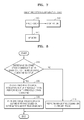
- FIG. 8 illustrates an image processing method according to another embodiment of the present disclosure, and may illustrate, for example, operations performed by the image processing apparatus 100 of FIG. 3 . Accordingly, although omitted in the following description, the description already made for the image processing apparatus 100 of FIG. 3 may apply to the image processing method of FIG. 8 .
- the image processing apparatus 100 determines whether a draw command that is identical to a previous draw command is input. If the draw command that is identical to the previous draw command is input, the image processing method proceeds to operation 220, and otherwise, proceeds to operation 240.
- the image processing apparatus 100 determines which an object or primitive from among a plurality of objects or primitives included in the draw command is identical.
- the image processing apparatus 100 obtains information about a transparency of a previous frame that is performed with the previous draw command.
- information about a transparency of a previous frame refers to information indicating a transparency of an object or a primitive included in a previous frame.
- the image processing apparatus 100 obtains information indicating which object or primitive is transparent.
- the image processing apparatus 100 performs image processing on a current frame based on the information about the transparency. For example, before shading is performed based on the information about the transparency, the image processing apparatus 100 determines which object is transparent. When an object is a transparent object, the image processing apparatus 100 first performs shading on an opaque object that is located behind or further away in a depth direction than the transparent object. In other words, the image processing apparatus 100 performs shading in a direction opposite the depth direction, that is, starting from an object located farther from a viewpoint and continuing toward an object located closer to the viewpoint.
- the image processing apparatus 100 performs image processing on the current frame. That is, since the draw command that is identical to the previous draw command is not input, and thus the image processing apparatus 100 cannot determine whether an object or a primitive included in the current frame is transparent, the image processing apparatus 100 sequentially performs shading in the depth direction.
- the term depth direction refers to a direction starting from an object located nearer to a viewpoint and continuing toward an object located farther from the viewpoint.
- Operations 210 through 240 of FIG. 8 may be performed by the image processing apparatus 100 of FIG. 3 or the processor 140 of FIGS. 6 and 7 .
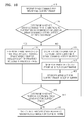
- FIG. 9 is a flowchart for explaining an image processing method according to another embodiment of the present disclosure, illustrating operations performed by the image processing apparatus 100 of FIG. 3 . Accordingly, although omitted, the description already made for the image processing apparatus 100 may apply to the image processing method of FIG. 9 .
- the image processing apparatus 100 determines whether a previous draw command and a current draw command are identical to each other. If the previous draw command and the current draw command are identical to each other, the image processing method proceeds to operation 340, and otherwise, proceeds to operation 320.
- the image processing apparatus 100 obtains depth information and transparency information obtained during rendering with the previous draw command.
- the depth information obtained during the rendering is information indicating a depth of an object or a primitive.
- the transparency information obtained during the rendering is information about whether the object or the primitive is transparent.
- the image processing apparatus 100 may determine relative positions of objects during rendering. Accordingly, the image processing apparatus 100 may determine which object is located at a foremost position, e.g., at a position closer to the viewpoint, and whether a part of a first object is covered by a second object that is located in front of the first object. Information indicating the relative positions of the objects is stored in a memory. The image processing apparatus 100 may perform the above process in units of primitives instead of in units of objects.
- the image processing apparatus 100 removes a hidden surface for a current frame based on the depth information and the transparency information.
- the image processing apparatus 100 removes a hidden surface of an object that is located behind, according to the obtained relative positions of the objects. Also, when there exists a transparent object, since an object that is located behind the transparent object is not a hidden surface, the image processing apparatus 100 does not remove the object located behind the transparent object. Accordingly, when the object that is located behind the transparent object is an opaque object, the image processing apparatus 100 removes a hidden surface of an object that is located behind the opaque object. Since the image processing apparatus 100 already knows which object is transparent, the image processing apparatus 100 may omit a process of performing shading in a depth direction and may instead perform shading in a reverse direction.
- the image processing apparatus 100 may perform the above process in units of primitives instead of in units of objects.
- the image processing apparatus 100 may remove a hidden surface for a current frame. Since a current draw command that is identical to the previous draw command has not been input, and thus the image processing apparatus 100 may not know whether an object included in the current frame is transparent, the image processing apparatus 100 sequentially performs shading in the depth direction. The image processing apparatus 100 checks a transparent object based on a result of the shading. The image processing apparatus 100 performs shading in the reverse direction to the depth direction on the checked transparent object. When the image processing apparatus 100 cannot determine in advance whether an object is transparent, the image processing apparatus 100 performs shading forward, and then performs shading in the reverse direction. Accordingly, the computational amount for performing shading forward is additionally generated.
- Operations 310 through 340 of FIG. 9 may be performed by the image processing apparatus 100 of FIG. 3 or the processor 140 of FIGS. 6 and 7 .
- FIG. 10 illustrates an image processing method according to whether draw commands are identical to each other, according to another embodiment of the present disclosure.
- the image processing apparatus 100 processes an input draw command according to whether draw commands are identical to each other.
- the image processing apparatus 100 receives a current draw command for rendering a current frame.
- the current draw command includes information about which object is to be rendered in which direction.
- the image processing apparatus 100 checks whether a draw command that is identical to the current draw command is included in a draw command history buffer.
- the draw command history buffer stores draw commands for previous frames. Accordingly, the image processing apparatus 100 may compare the draw commands stored in the draw command history buffer with the current draw command. If a draw command that is identical to the current draw command is included, the image processing method proceeds to operation 430, and otherwise, proceeds to operation 440.
- the image processing apparatus 100 determines transparencies of primitives by using a primitive transparency buffer that stores a list of primitives included in the previous frames.
- the primitives included in the previous frames are primitives to be rendered for the previous frames.
- the primitive transparency buffer stores information about transparencies of the primitives included in the previous frames. Accordingly, the image processing apparatus 100 may determine a transparency of a current primitive that corresponds to a primitive included in the previous frame or frames by using the primitive transparency buffer.
- the image processing apparatus 100 stores binding information of the current draw command in the draw command history buffer.
- the draw command history buffer may sequentially store input draw commands.
- the image processing apparatus 100 generates a primitive list and a primitive ID for each primitive.
- the primitive list is information indicating primitives included in one tile.
- the term "tile” refers to a unit obtained by dividing a frame. One tile may include a plurality of primitives.
- the term "primitive ID" refers to a unique name for identifying each primitive.
- the image processing apparatus 100 stores a primitive list for the current frame in a scene buffer.
- the scene buffer is a memory that stores a primitive list.
- the image processing apparatus 100 stores a primitive list indicating which primitives are included in each tile in the scene buffer.
- the image processing apparatus 100 determines whether there is an additional draw command for the current frame. If there is an additional draw command, the image processing method proceeds to operation 420, and otherwise, proceeds to operation 480.
- the image processing apparatus 100 selectively processes the scene buffer in order to render a result image for the current frame.
- the image processing apparatus 100 processes the scene buffer, it means that the image processing apparatus 100 performs image processing on primitives stored in the scene buffer.
- Operations 410 through 480 of FIG. 10 may be performed by the image processing apparatus 100 of FIG. 3 or the processor 140 of FIGS. 6 and 7 . Also, operations 410 through 480 of FIG. 10 may be performed in units of objects instead of units of primitives.
- FIG. 11 illustrates an image processing method according to a transparency of a primitive, according to another embodiment of the present disclosure.
- the image processing apparatus 100 uses a method of removing a hidden surface differently according to whether a primitive is transparent or opaque.
- the image processing apparatus 100 receives a primitive list for a current frame.
- the primitive list may be generated for every tile. Accordingly, the image processing apparatus 100 may divide the current frame into a plurality of tiles, and may receive a primitive list indicating primitives included in each of the tiles.
- the image processing apparatus 100 determines whether a primitive is set to be transparent. If the primitive is set to be transparent, the image processing method proceeds to operation 530, and otherwise, proceeds to operation 540.
- the image processing apparatus 100 removes a hidden surface by using a transparency of the primitive.
- An opaque primitive that is located behind a transparent primitive is not a hidden surface. Accordingly, the image processing apparatus 100 removes a hidden surface of an object located behind the opaque primitive and obscured by the opaque primitive.
- the image processing apparatus 100 removes a hidden surface. Since the primitive is not transparent, the image processing apparatus 100 removes a hidden surface covered by the primitive.
- the image processing apparatus 100 determines whether there is an additional primitive for the current frame. If there is an additional primitive, the image processing method proceeds to operation 550, and otherwise, proceeds to operation 560.
- the image processing apparatus 100 performs fragment shading.
- the image processing apparatus 100 performs shading on the primitive that has not been removed as a hidden surface in units of fragments.
- the image processing apparatus 100 determines a transparency of the primitive based on a ratio of transparent pixels.
- the primitive includes a plurality of pixels. From among the plurality of pixels included in the primitive, when a ratio of pixels that are determined to be transparent pixels as a result of the shading exceeds a threshold value, the image processing apparatus 100 determines the primitive including the transparent pixels as a transparent primitive. For example, when one primitive includes 100 pixels and 90 pixels from among the 100 pixels are transparent pixels, the image processing apparatus 100 determines that the primitive is transparent.
- the image processing apparatus 100 stores information about the transparency of the primitive in a primitive transparency buffer.
- the image processing apparatus 100 stores information about the primitive that is determined to be transparent in operation 570 in the primitive transparency buffer.
- the information stored in the primitive transparency buffer may be used when rendering is performed on the same primitive.
- Operations 510 through 580 of FIG. 11 may be performed by the image processing apparatus 100 of FIG. 3 or the processor 140 of FIGS. 6 and 7 .
- the computational amount needed for image processing may be reduced.
- Whether an inter-frame coherent object is included may be determined by determining whether draw commands are identical to each other.
- the present disclosure may be embodied as a program executed in a computer, and may be implemented in a general purpose digital computer by using a computer-readable medium. Also, a structure of data used in the method may be recorded by using various units on a computer-readable medium.
- the methods according to the above-described example embodiments may be recorded in non-transitory computer-readable media including program instructions to implement various operations embodied by a computer.
- the media may also include, alone or in combination with the program instructions, data files, data structures, and the like.
- the program instructions recorded on the media may be those specially designed and constructed for the purposes of the example embodiments, or they may be of the kind well-known and available to those having skill in the computer software arts.
- the media may also include, alone or in combination with the program instructions, data files, data structures, and the like.
- non-transitory computer-readable media include magnetic media such as hard disks, floppy disks, and magnetic tape; optical media such as CD ROM discs and DVDs; magneto-optical media such as optical discs; and hardware devices that are specially configured to store and perform program instructions, such as read-only memory (ROM), random access memory (RAM), flash memory, and the like.
- magnetic media such as hard disks, floppy disks, and magnetic tape
- optical media such as CD ROM discs and DVDs
- magneto-optical media such as optical discs
- hardware devices that are specially configured to store and perform program instructions, such as read-only memory (ROM), random access memory (RAM), flash memory, and the like.
- Examples of program instructions include both machine code, such as produced by a compiler, and files containing higher level code that may be executed by the computer using an interpreter.
- the described hardware devices may be configured to act as one or more software modules in order to perform the operations of the above-described embodiments, or vice versa. Any one or more of the software modules described herein may be executed by a dedicated hardware-based computer or processor unique to that unit or by a hardware-based computer or processor common to one or more of the modules.
- the described methods may be executed on a general purpose computer or processor or may be executed on a particular machine such as the image processing apparatus and method described herein.
Landscapes
- Engineering & Computer Science (AREA)
- Physics & Mathematics (AREA)
- General Physics & Mathematics (AREA)
- Theoretical Computer Science (AREA)
- Computer Graphics (AREA)
- Geometry (AREA)
- Software Systems (AREA)
- Image Generation (AREA)
- Transforming Electric Information Into Light Information (AREA)
- Apparatus For Radiation Diagnosis (AREA)
- Studio Devices (AREA)
Applications Claiming Priority (1)
| Application Number | Priority Date | Filing Date | Title |
|---|---|---|---|
| KR1020130120192A KR102101834B1 (ko) | 2013-10-08 | 2013-10-08 | 영상 처리 장치 및 방법 |
Publications (3)
| Publication Number | Publication Date |
|---|---|
| EP2860700A2 true EP2860700A2 (de) | 2015-04-15 |
| EP2860700A3 EP2860700A3 (de) | 2015-09-09 |
| EP2860700B1 EP2860700B1 (de) | 2020-12-02 |
Family
ID=51661959
Family Applications (1)
| Application Number | Title | Priority Date | Filing Date |
|---|---|---|---|
| EP14187944.5A Active EP2860700B1 (de) | 2013-10-08 | 2014-10-07 | Bildverarbeitungsvorrichtung und -verfahren |
Country Status (5)
| Country | Link |
|---|---|
| US (2) | US9639971B2 (de) |
| EP (1) | EP2860700B1 (de) |
| JP (1) | JP6445825B2 (de) |
| KR (1) | KR102101834B1 (de) |
| CN (1) | CN104519339B (de) |
Cited By (2)
| Publication number | Priority date | Publication date | Assignee | Title |
|---|---|---|---|---|
| EP3346448A1 (de) * | 2017-01-04 | 2018-07-11 | Samsung Electronics Co., Ltd. | Grafikverarbeitungsverfahren und -system |
| CN113475086A (zh) * | 2019-02-25 | 2021-10-01 | 斯纳普公司 | 自定义媒体叠加系统 |
Families Citing this family (7)
| Publication number | Priority date | Publication date | Assignee | Title |
|---|---|---|---|---|
| KR102116976B1 (ko) * | 2013-09-04 | 2020-05-29 | 삼성전자 주식회사 | 렌더링 방법 및 장치 |
| GB2526598B (en) | 2014-05-29 | 2018-11-28 | Imagination Tech Ltd | Allocation of primitives to primitive blocks |
| GB2532495B (en) * | 2014-11-21 | 2018-05-02 | Advanced Risc Mach Ltd | Graphics processing systems |
| GB2534567B (en) | 2015-01-27 | 2017-04-19 | Imagination Tech Ltd | Processing primitives which have unresolved fragments in a graphics processing system |
| US10540808B2 (en) * | 2016-09-16 | 2020-01-21 | Intel Corporation | Hierarchical Z-culling (HiZ) optimization for texture-dependent discard operations |
| KR20180038793A (ko) * | 2016-10-07 | 2018-04-17 | 삼성전자주식회사 | 영상 데이터 처리 방법 및 장치 |
| CN111340681B (zh) * | 2020-02-10 | 2024-02-20 | 青岛海信宽带多媒体技术有限公司 | 一种图像处理方法及装置 |
Family Cites Families (30)
| Publication number | Priority date | Publication date | Assignee | Title |
|---|---|---|---|---|
| JPH06276646A (ja) | 1993-03-15 | 1994-09-30 | Sumitomo Wiring Syst Ltd | リレーボックス |
| JPH06274646A (ja) | 1993-03-18 | 1994-09-30 | Sharp Corp | 隠面消去処理装置 |
| US5596686A (en) * | 1994-04-21 | 1997-01-21 | Silicon Engines, Inc. | Method and apparatus for simultaneous parallel query graphics rendering Z-coordinate buffer |
| DE69636599T2 (de) | 1995-08-04 | 2007-08-23 | Microsoft Corp., Redmond | Verfahren und system zur wiedergabe von grafischen objekten durch teilung in bildstücke und zusammensetzen von bildlagen zu einem wiedergabebild |
| US6320580B1 (en) | 1997-11-07 | 2001-11-20 | Sega Enterprises, Ltd. | Image processing apparatus |
| US6559852B1 (en) * | 1999-07-31 | 2003-05-06 | Hewlett Packard Development Company, L.P. | Z test and conditional merger of colliding pixels during batch building |
| JP4651204B2 (ja) * | 2001-01-29 | 2011-03-16 | 株式会社バンダイナムコゲームス | 画像生成システム、プログラム及び情報記憶媒体 |
| KR100531543B1 (ko) | 2001-03-30 | 2005-11-28 | 도호 캐털리스트 가부시키가이샤 | 올레핀 중합용 고체 촉매 성분 및 촉매, 및 프로필렌 블록공중합체 |
| KR20050093863A (ko) | 2003-02-13 | 2005-09-23 | 코닌클리즈케 필립스 일렉트로닉스 엔.브이. | 컴퓨터 그래픽 시스템 및 컴퓨터 그래픽 이미지의 랜더링방법 |
| GB2404316B (en) | 2003-07-25 | 2005-11-30 | Imagination Tech Ltd | Three-Dimensional computer graphics system |
| KR100693134B1 (ko) | 2005-04-12 | 2007-03-13 | 노키아 코포레이션 | 3차원 이미지 처리 |
| US7978204B2 (en) * | 2005-04-29 | 2011-07-12 | Nvidia Corporation | Transparency-conserving system, method and computer program product to generate and blend images |
| US7456846B1 (en) | 2005-06-03 | 2008-11-25 | Nvidia Corporation | Graphical processing system, graphical pipeline and method for implementing subpixel shifting to anti-alias texture |
| US8766995B2 (en) | 2006-04-26 | 2014-07-01 | Qualcomm Incorporated | Graphics system with configurable caches |
| US8155316B1 (en) | 2006-10-19 | 2012-04-10 | NVIDIA Corporaton | Contract based memory management for isochronous streams |
| US20080225048A1 (en) | 2007-03-15 | 2008-09-18 | Microsoft Corporation | Culling occlusions when rendering graphics on computers |
| GB0810311D0 (en) | 2008-06-05 | 2008-07-09 | Advanced Risc Mach Ltd | Graphics processing systems |
| JP4733757B2 (ja) * | 2009-06-05 | 2011-07-27 | 株式会社スクウェア・エニックス | ポリゴン処理装置,プログラム及び情報記録媒体 |
| JP5397190B2 (ja) | 2009-11-27 | 2014-01-22 | ソニー株式会社 | 画像処理装置、画像処理方法、およびプログラム |
| KR101661931B1 (ko) * | 2010-02-12 | 2016-10-10 | 삼성전자주식회사 | 3차원 그래픽스 랜더링 장치 및 그 방법 |
| US9157806B2 (en) | 2010-02-18 | 2015-10-13 | Rafael Advanced Defense Systems Ltd. | System and method for changing spectral range of a cryogenically cooled detector |
| US8527794B2 (en) | 2010-05-27 | 2013-09-03 | Advanced Micro Devices, Inc. | Realtime power management of integrated circuits |
| US8977815B2 (en) | 2010-11-29 | 2015-03-10 | Arm Limited | Control of entry of program instructions to a fetch stage within a processing pipepline |
| US8339409B2 (en) | 2011-02-16 | 2012-12-25 | Arm Limited | Tile-based graphics system and method of operation of such a system |
| KR101926570B1 (ko) | 2011-09-14 | 2018-12-10 | 삼성전자주식회사 | 포스트 프레그먼트 쉐이더를 사용하는 그래픽 처리 방법 및 장치 |
| KR101863605B1 (ko) | 2011-09-19 | 2018-07-06 | 삼성전자주식회사 | 스트림 데이터를 고속으로 처리하는 프로세서 |
| GB201116438D0 (en) * | 2011-09-22 | 2011-11-02 | Advanced Risc Mach Ltd | Occlusion queries in graphics processing |
| KR101862785B1 (ko) | 2011-10-17 | 2018-07-06 | 삼성전자주식회사 | 타일 기반 렌더링을 위한 캐쉬 메모리 시스템 및 캐슁 방법 |
| KR101893796B1 (ko) | 2012-08-16 | 2018-10-04 | 삼성전자주식회사 | 동적 데이터 구성을 위한 방법 및 장치 |
| KR102028729B1 (ko) | 2013-03-11 | 2019-11-04 | 삼성전자주식회사 | 정적 스케쥴 프로세서의 논블로킹 실행 장치 및 방법 |
-
2013
- 2013-10-08 KR KR1020130120192A patent/KR102101834B1/ko active Active
-
2014
- 2014-10-07 EP EP14187944.5A patent/EP2860700B1/de active Active
- 2014-10-07 US US14/508,454 patent/US9639971B2/en active Active
- 2014-10-08 CN CN201410524549.0A patent/CN104519339B/zh active Active
- 2014-10-08 JP JP2014207301A patent/JP6445825B2/ja active Active
-
2017
- 2017-04-11 US US15/484,638 patent/US10229524B2/en active Active
Non-Patent Citations (1)
| Title |
|---|
| None |
Cited By (4)
| Publication number | Priority date | Publication date | Assignee | Title |
|---|---|---|---|---|
| EP3346448A1 (de) * | 2017-01-04 | 2018-07-11 | Samsung Electronics Co., Ltd. | Grafikverarbeitungsverfahren und -system |
| US10497085B2 (en) | 2017-01-04 | 2019-12-03 | Samsung Electronics Co., Ltd. | Graphics processing method and system |
| CN113475086A (zh) * | 2019-02-25 | 2021-10-01 | 斯纳普公司 | 自定义媒体叠加系统 |
| CN113475086B (zh) * | 2019-02-25 | 2023-06-30 | 斯纳普公司 | 自定义媒体叠加系统 |
Also Published As
| Publication number | Publication date |
|---|---|
| EP2860700A3 (de) | 2015-09-09 |
| JP6445825B2 (ja) | 2018-12-26 |
| EP2860700B1 (de) | 2020-12-02 |
| KR102101834B1 (ko) | 2020-04-17 |
| JP2015076102A (ja) | 2015-04-20 |
| US10229524B2 (en) | 2019-03-12 |
| CN104519339A (zh) | 2015-04-15 |
| US9639971B2 (en) | 2017-05-02 |
| KR20150041538A (ko) | 2015-04-16 |
| CN104519339B (zh) | 2018-04-10 |
| US20170221255A1 (en) | 2017-08-03 |
| US20150097830A1 (en) | 2015-04-09 |
Similar Documents
| Publication | Publication Date | Title |
|---|---|---|
| US10229524B2 (en) | Apparatus, method and non-transitory computer-readable medium for image processing based on transparency information of a previous frame | |
| US11880926B2 (en) | Hybrid render with deferred primitive batch binning | |
| EP3346448B1 (de) | Grafikverarbeitungsverfahren und -system | |
| US8970580B2 (en) | Method, apparatus and computer-readable medium rendering three-dimensional (3D) graphics | |
| US9013479B2 (en) | Apparatus and method for tile-based rendering | |
| KR20150039495A (ko) | 이전 타일의 이미지를 이용하여 현재 프레임을 렌더링하는 방법 및 장치 | |
| US10032308B2 (en) | Culling objects from a 3-D graphics pipeline using hierarchical Z buffers | |
| KR20160069801A (ko) | 렌더링 방법 및 장치 | |
| US20200226828A1 (en) | Method and System for Multisample Antialiasing | |
| KR101609266B1 (ko) | 타일 기반의 랜더링 장치 및 방법 | |
| JP2024532687A (ja) | 奥行きマップを使用したビュー合成システムおよび方法 | |
| US10217259B2 (en) | Method of and apparatus for graphics processing | |
| KR102442488B1 (ko) | 그래픽 처리 시스템 및 그래픽 프로세서 | |
| US20160117855A1 (en) | Rendering apparatus and method | |
| US20150145858A1 (en) | Method and apparatus to process current command using previous command information | |
| JP7100624B2 (ja) | 優先プリミティブバッチのビニング及びソートを用いたハイブリッドレンダリング | |
| KR20180038793A (ko) | 영상 데이터 처리 방법 및 장치 | |
| US10297067B2 (en) | Apparatus and method of rendering frame by adjusting processing sequence of draw commands | |
| EP2908289B1 (de) | Informationsverarbeitungsvorrichtung, Erzeugungsverfahren, Programm und Speichermedium | |
| KR102683773B1 (ko) | 멀티-프래그먼트 렌더링에서 가상 두께 기반 레이어 병합 방법, 이를 수행하는 장치 및 컴퓨터 프로그램 | |
| KR102116976B1 (ko) | 렌더링 방법 및 장치 | |
| US20180122132A1 (en) | Geometry shadow maps with per-fragment atomics | |
| KR102147357B1 (ko) | 커맨드들을 관리하는 장치 및 방법 |
Legal Events
| Date | Code | Title | Description |
|---|---|---|---|
| PUAI | Public reference made under article 153(3) epc to a published international application that has entered the european phase |
Free format text: ORIGINAL CODE: 0009012 |
|
| 17P | Request for examination filed |
Effective date: 20141007 |
|
| AK | Designated contracting states |
Kind code of ref document: A2 Designated state(s): AL AT BE BG CH CY CZ DE DK EE ES FI FR GB GR HR HU IE IS IT LI LT LU LV MC MK MT NL NO PL PT RO RS SE SI SK SM TR |
|
| AX | Request for extension of the european patent |
Extension state: BA ME |
|
| PUAL | Search report despatched |
Free format text: ORIGINAL CODE: 0009013 |
|
| AK | Designated contracting states |
Kind code of ref document: A3 Designated state(s): AL AT BE BG CH CY CZ DE DK EE ES FI FR GB GR HR HU IE IS IT LI LT LU LV MC MK MT NL NO PL PT RO RS SE SI SK SM TR |
|
| AX | Request for extension of the european patent |
Extension state: BA ME |
|
| RIC1 | Information provided on ipc code assigned before grant |
Ipc: G06T 15/00 20110101ALN20150803BHEP Ipc: G06T 15/80 20110101ALN20150803BHEP Ipc: G06T 15/40 20110101AFI20150803BHEP |
|
| R17P | Request for examination filed (corrected) |
Effective date: 20160309 |
|
| RBV | Designated contracting states (corrected) |
Designated state(s): AL AT BE BG CH CY CZ DE DK EE ES FI FR GB GR HR HU IE IS IT LI LT LU LV MC MK MT NL NO PL PT RO RS SE SI SK SM TR |
|
| STAA | Information on the status of an ep patent application or granted ep patent |
Free format text: STATUS: EXAMINATION IS IN PROGRESS |
|
| 17Q | First examination report despatched |
Effective date: 20170516 |
|
| GRAP | Despatch of communication of intention to grant a patent |
Free format text: ORIGINAL CODE: EPIDOSNIGR1 |
|
| STAA | Information on the status of an ep patent application or granted ep patent |
Free format text: STATUS: GRANT OF PATENT IS INTENDED |
|
| INTG | Intention to grant announced |
Effective date: 20200612 |
|
| GRAS | Grant fee paid |
Free format text: ORIGINAL CODE: EPIDOSNIGR3 |
|
| GRAA | (expected) grant |
Free format text: ORIGINAL CODE: 0009210 |
|
| STAA | Information on the status of an ep patent application or granted ep patent |
Free format text: STATUS: THE PATENT HAS BEEN GRANTED |
|
| AK | Designated contracting states |
Kind code of ref document: B1 Designated state(s): AL AT BE BG CH CY CZ DE DK EE ES FI FR GB GR HR HU IE IS IT LI LT LU LV MC MK MT NL NO PL PT RO RS SE SI SK SM TR |
|
| REG | Reference to a national code |
Ref country code: GB Ref legal event code: FG4D |
|
| REG | Reference to a national code |
Ref country code: AT Ref legal event code: REF Ref document number: 1341763 Country of ref document: AT Kind code of ref document: T Effective date: 20201215 Ref country code: CH Ref legal event code: EP |
|
| REG | Reference to a national code |
Ref country code: DE Ref legal event code: R096 Ref document number: 602014072859 Country of ref document: DE |
|
| REG | Reference to a national code |
Ref country code: IE Ref legal event code: FG4D |
|
| PG25 | Lapsed in a contracting state [announced via postgrant information from national office to epo] |
Ref country code: GR Free format text: LAPSE BECAUSE OF FAILURE TO SUBMIT A TRANSLATION OF THE DESCRIPTION OR TO PAY THE FEE WITHIN THE PRESCRIBED TIME-LIMIT Effective date: 20210303 Ref country code: FI Free format text: LAPSE BECAUSE OF FAILURE TO SUBMIT A TRANSLATION OF THE DESCRIPTION OR TO PAY THE FEE WITHIN THE PRESCRIBED TIME-LIMIT Effective date: 20201202 Ref country code: RS Free format text: LAPSE BECAUSE OF FAILURE TO SUBMIT A TRANSLATION OF THE DESCRIPTION OR TO PAY THE FEE WITHIN THE PRESCRIBED TIME-LIMIT Effective date: 20201202 Ref country code: NO Free format text: LAPSE BECAUSE OF FAILURE TO SUBMIT A TRANSLATION OF THE DESCRIPTION OR TO PAY THE FEE WITHIN THE PRESCRIBED TIME-LIMIT Effective date: 20210302 |
|
| REG | Reference to a national code |
Ref country code: NL Ref legal event code: MP Effective date: 20201202 |
|
| REG | Reference to a national code |
Ref country code: AT Ref legal event code: MK05 Ref document number: 1341763 Country of ref document: AT Kind code of ref document: T Effective date: 20201202 |
|
| PG25 | Lapsed in a contracting state [announced via postgrant information from national office to epo] |
Ref country code: SE Free format text: LAPSE BECAUSE OF FAILURE TO SUBMIT A TRANSLATION OF THE DESCRIPTION OR TO PAY THE FEE WITHIN THE PRESCRIBED TIME-LIMIT Effective date: 20201202 Ref country code: PL Free format text: LAPSE BECAUSE OF FAILURE TO SUBMIT A TRANSLATION OF THE DESCRIPTION OR TO PAY THE FEE WITHIN THE PRESCRIBED TIME-LIMIT Effective date: 20201202 Ref country code: LV Free format text: LAPSE BECAUSE OF FAILURE TO SUBMIT A TRANSLATION OF THE DESCRIPTION OR TO PAY THE FEE WITHIN THE PRESCRIBED TIME-LIMIT Effective date: 20201202 Ref country code: BG Free format text: LAPSE BECAUSE OF FAILURE TO SUBMIT A TRANSLATION OF THE DESCRIPTION OR TO PAY THE FEE WITHIN THE PRESCRIBED TIME-LIMIT Effective date: 20210302 |
|
| PG25 | Lapsed in a contracting state [announced via postgrant information from national office to epo] |
Ref country code: HR Free format text: LAPSE BECAUSE OF FAILURE TO SUBMIT A TRANSLATION OF THE DESCRIPTION OR TO PAY THE FEE WITHIN THE PRESCRIBED TIME-LIMIT Effective date: 20201202 Ref country code: NL Free format text: LAPSE BECAUSE OF FAILURE TO SUBMIT A TRANSLATION OF THE DESCRIPTION OR TO PAY THE FEE WITHIN THE PRESCRIBED TIME-LIMIT Effective date: 20201202 |
|
| REG | Reference to a national code |
Ref country code: LT Ref legal event code: MG9D |
|
| PG25 | Lapsed in a contracting state [announced via postgrant information from national office to epo] |
Ref country code: RO Free format text: LAPSE BECAUSE OF FAILURE TO SUBMIT A TRANSLATION OF THE DESCRIPTION OR TO PAY THE FEE WITHIN THE PRESCRIBED TIME-LIMIT Effective date: 20201202 Ref country code: SK Free format text: LAPSE BECAUSE OF FAILURE TO SUBMIT A TRANSLATION OF THE DESCRIPTION OR TO PAY THE FEE WITHIN THE PRESCRIBED TIME-LIMIT Effective date: 20201202 Ref country code: PT Free format text: LAPSE BECAUSE OF FAILURE TO SUBMIT A TRANSLATION OF THE DESCRIPTION OR TO PAY THE FEE WITHIN THE PRESCRIBED TIME-LIMIT Effective date: 20210405 Ref country code: LT Free format text: LAPSE BECAUSE OF FAILURE TO SUBMIT A TRANSLATION OF THE DESCRIPTION OR TO PAY THE FEE WITHIN THE PRESCRIBED TIME-LIMIT Effective date: 20201202 Ref country code: EE Free format text: LAPSE BECAUSE OF FAILURE TO SUBMIT A TRANSLATION OF THE DESCRIPTION OR TO PAY THE FEE WITHIN THE PRESCRIBED TIME-LIMIT Effective date: 20201202 Ref country code: CZ Free format text: LAPSE BECAUSE OF FAILURE TO SUBMIT A TRANSLATION OF THE DESCRIPTION OR TO PAY THE FEE WITHIN THE PRESCRIBED TIME-LIMIT Effective date: 20201202 Ref country code: SM Free format text: LAPSE BECAUSE OF FAILURE TO SUBMIT A TRANSLATION OF THE DESCRIPTION OR TO PAY THE FEE WITHIN THE PRESCRIBED TIME-LIMIT Effective date: 20201202 |
|
| PG25 | Lapsed in a contracting state [announced via postgrant information from national office to epo] |
Ref country code: AT Free format text: LAPSE BECAUSE OF FAILURE TO SUBMIT A TRANSLATION OF THE DESCRIPTION OR TO PAY THE FEE WITHIN THE PRESCRIBED TIME-LIMIT Effective date: 20201202 |
|
| REG | Reference to a national code |
Ref country code: DE Ref legal event code: R097 Ref document number: 602014072859 Country of ref document: DE |
|
| PG25 | Lapsed in a contracting state [announced via postgrant information from national office to epo] |
Ref country code: IS Free format text: LAPSE BECAUSE OF FAILURE TO SUBMIT A TRANSLATION OF THE DESCRIPTION OR TO PAY THE FEE WITHIN THE PRESCRIBED TIME-LIMIT Effective date: 20210402 |
|
| PLBE | No opposition filed within time limit |
Free format text: ORIGINAL CODE: 0009261 |
|
| STAA | Information on the status of an ep patent application or granted ep patent |
Free format text: STATUS: NO OPPOSITION FILED WITHIN TIME LIMIT |
|
| PG25 | Lapsed in a contracting state [announced via postgrant information from national office to epo] |
Ref country code: IT Free format text: LAPSE BECAUSE OF FAILURE TO SUBMIT A TRANSLATION OF THE DESCRIPTION OR TO PAY THE FEE WITHIN THE PRESCRIBED TIME-LIMIT Effective date: 20201202 Ref country code: AL Free format text: LAPSE BECAUSE OF FAILURE TO SUBMIT A TRANSLATION OF THE DESCRIPTION OR TO PAY THE FEE WITHIN THE PRESCRIBED TIME-LIMIT Effective date: 20201202 |
|
| 26N | No opposition filed |
Effective date: 20210903 |
|
| PG25 | Lapsed in a contracting state [announced via postgrant information from national office to epo] |
Ref country code: ES Free format text: LAPSE BECAUSE OF FAILURE TO SUBMIT A TRANSLATION OF THE DESCRIPTION OR TO PAY THE FEE WITHIN THE PRESCRIBED TIME-LIMIT Effective date: 20201202 Ref country code: DK Free format text: LAPSE BECAUSE OF FAILURE TO SUBMIT A TRANSLATION OF THE DESCRIPTION OR TO PAY THE FEE WITHIN THE PRESCRIBED TIME-LIMIT Effective date: 20201202 Ref country code: SI Free format text: LAPSE BECAUSE OF FAILURE TO SUBMIT A TRANSLATION OF THE DESCRIPTION OR TO PAY THE FEE WITHIN THE PRESCRIBED TIME-LIMIT Effective date: 20201202 |
|
| REG | Reference to a national code |
Ref country code: CH Ref legal event code: PL |
|
| PG25 | Lapsed in a contracting state [announced via postgrant information from national office to epo] |
Ref country code: IS Free format text: LAPSE BECAUSE OF FAILURE TO SUBMIT A TRANSLATION OF THE DESCRIPTION OR TO PAY THE FEE WITHIN THE PRESCRIBED TIME-LIMIT Effective date: 20210402 |
|
| REG | Reference to a national code |
Ref country code: BE Ref legal event code: MM Effective date: 20211031 |
|
| GBPC | Gb: european patent ceased through non-payment of renewal fee |
Effective date: 20211007 |
|
| PG25 | Lapsed in a contracting state [announced via postgrant information from national office to epo] |
Ref country code: MC Free format text: LAPSE BECAUSE OF FAILURE TO SUBMIT A TRANSLATION OF THE DESCRIPTION OR TO PAY THE FEE WITHIN THE PRESCRIBED TIME-LIMIT Effective date: 20201202 |
|
| PG25 | Lapsed in a contracting state [announced via postgrant information from national office to epo] |
Ref country code: LU Free format text: LAPSE BECAUSE OF NON-PAYMENT OF DUE FEES Effective date: 20211007 Ref country code: GB Free format text: LAPSE BECAUSE OF NON-PAYMENT OF DUE FEES Effective date: 20211007 Ref country code: BE Free format text: LAPSE BECAUSE OF NON-PAYMENT OF DUE FEES Effective date: 20211031 |
|
| PG25 | Lapsed in a contracting state [announced via postgrant information from national office to epo] |
Ref country code: LI Free format text: LAPSE BECAUSE OF NON-PAYMENT OF DUE FEES Effective date: 20211031 Ref country code: CH Free format text: LAPSE BECAUSE OF NON-PAYMENT OF DUE FEES Effective date: 20211031 |
|
| PG25 | Lapsed in a contracting state [announced via postgrant information from national office to epo] |
Ref country code: FR Free format text: LAPSE BECAUSE OF NON-PAYMENT OF DUE FEES Effective date: 20211031 |
|
| PG25 | Lapsed in a contracting state [announced via postgrant information from national office to epo] |
Ref country code: IE Free format text: LAPSE BECAUSE OF NON-PAYMENT OF DUE FEES Effective date: 20211007 |
|
| PG25 | Lapsed in a contracting state [announced via postgrant information from national office to epo] |
Ref country code: HU Free format text: LAPSE BECAUSE OF FAILURE TO SUBMIT A TRANSLATION OF THE DESCRIPTION OR TO PAY THE FEE WITHIN THE PRESCRIBED TIME-LIMIT; INVALID AB INITIO Effective date: 20141007 |
|
| P01 | Opt-out of the competence of the unified patent court (upc) registered |
Effective date: 20230520 |
|
| PG25 | Lapsed in a contracting state [announced via postgrant information from national office to epo] |
Ref country code: CY Free format text: LAPSE BECAUSE OF FAILURE TO SUBMIT A TRANSLATION OF THE DESCRIPTION OR TO PAY THE FEE WITHIN THE PRESCRIBED TIME-LIMIT Effective date: 20201202 |
|
| PG25 | Lapsed in a contracting state [announced via postgrant information from national office to epo] |
Ref country code: MK Free format text: LAPSE BECAUSE OF FAILURE TO SUBMIT A TRANSLATION OF THE DESCRIPTION OR TO PAY THE FEE WITHIN THE PRESCRIBED TIME-LIMIT Effective date: 20201202 |
|
| PG25 | Lapsed in a contracting state [announced via postgrant information from national office to epo] |
Ref country code: TR Free format text: LAPSE BECAUSE OF FAILURE TO SUBMIT A TRANSLATION OF THE DESCRIPTION OR TO PAY THE FEE WITHIN THE PRESCRIBED TIME-LIMIT Effective date: 20201202 |
|
| PG25 | Lapsed in a contracting state [announced via postgrant information from national office to epo] |
Ref country code: MT Free format text: LAPSE BECAUSE OF FAILURE TO SUBMIT A TRANSLATION OF THE DESCRIPTION OR TO PAY THE FEE WITHIN THE PRESCRIBED TIME-LIMIT Effective date: 20201202 |
|
| PGFP | Annual fee paid to national office [announced via postgrant information from national office to epo] |
Ref country code: DE Payment date: 20250827 Year of fee payment: 12 |