EP2863935B1 - Intervalltherapie zur behandlung des verlustes des augenlichts bei menschen mit glaukom - Google Patents
Intervalltherapie zur behandlung des verlustes des augenlichts bei menschen mit glaukom Download PDFInfo
- Publication number
- EP2863935B1 EP2863935B1 EP13730122.2A EP13730122A EP2863935B1 EP 2863935 B1 EP2863935 B1 EP 2863935B1 EP 13730122 A EP13730122 A EP 13730122A EP 2863935 B1 EP2863935 B1 EP 2863935B1
- Authority
- EP
- European Patent Office
- Prior art keywords
- peptide
- administered
- period
- aib
- glaucoma
- Prior art date
- Legal status (The legal status is an assumption and is not a legal conclusion. Google has not performed a legal analysis and makes no representation as to the accuracy of the status listed.)
- Active
Links
Images

Classifications
-
- A—HUMAN NECESSITIES
- A61—MEDICAL OR VETERINARY SCIENCE; HYGIENE
- A61K—PREPARATIONS FOR MEDICAL, DENTAL OR TOILETRY PURPOSES
- A61K38/00—Medicinal preparations containing peptides
- A61K38/04—Peptides having up to 20 amino acids in a fully defined sequence; Derivatives thereof
- A61K38/05—Dipeptides
-
- A—HUMAN NECESSITIES
- A61—MEDICAL OR VETERINARY SCIENCE; HYGIENE
- A61K—PREPARATIONS FOR MEDICAL, DENTAL OR TOILETRY PURPOSES
- A61K31/00—Medicinal preparations containing organic active ingredients
- A61K31/33—Heterocyclic compounds
- A61K31/395—Heterocyclic compounds having nitrogen as a ring hetero atom, e.g. guanethidine or rifamycins
- A61K31/40—Heterocyclic compounds having nitrogen as a ring hetero atom, e.g. guanethidine or rifamycins having five-membered rings with one nitrogen as the only ring hetero atom, e.g. sulpiride, succinimide, tolmetin, buflomedil
- A61K31/403—Heterocyclic compounds having nitrogen as a ring hetero atom, e.g. guanethidine or rifamycins having five-membered rings with one nitrogen as the only ring hetero atom, e.g. sulpiride, succinimide, tolmetin, buflomedil condensed with carbocyclic rings, e.g. carbazole
- A61K31/404—Indoles, e.g. pindolol
- A61K31/4045—Indole-alkylamines; Amides thereof, e.g. serotonin, melatonin
-
- A—HUMAN NECESSITIES
- A61—MEDICAL OR VETERINARY SCIENCE; HYGIENE
- A61K—PREPARATIONS FOR MEDICAL, DENTAL OR TOILETRY PURPOSES
- A61K45/00—Medicinal preparations containing active ingredients not provided for in groups A61K31/00 - A61K41/00
- A61K45/06—Mixtures of active ingredients without chemical characterisation, e.g. antiphlogistics and cardiaca
-
- A—HUMAN NECESSITIES
- A61—MEDICAL OR VETERINARY SCIENCE; HYGIENE
- A61P—SPECIFIC THERAPEUTIC ACTIVITY OF CHEMICAL COMPOUNDS OR MEDICINAL PREPARATIONS
- A61P27/00—Drugs for disorders of the senses
- A61P27/02—Ophthalmic agents
-
- A—HUMAN NECESSITIES
- A61—MEDICAL OR VETERINARY SCIENCE; HYGIENE
- A61P—SPECIFIC THERAPEUTIC ACTIVITY OF CHEMICAL COMPOUNDS OR MEDICINAL PREPARATIONS
- A61P27/00—Drugs for disorders of the senses
- A61P27/02—Ophthalmic agents
- A61P27/06—Antiglaucoma agents or miotics
-
- A—HUMAN NECESSITIES
- A61—MEDICAL OR VETERINARY SCIENCE; HYGIENE
- A61P—SPECIFIC THERAPEUTIC ACTIVITY OF CHEMICAL COMPOUNDS OR MEDICINAL PREPARATIONS
- A61P43/00—Drugs for specific purposes, not provided for in groups A61P1/00-A61P41/00
Definitions
- the present invention is concerned with peptides for use in the prevention and treatment of ocular disorders, in particular glaucoma through modulating the toxic effects of ⁇ -amyloid (A ⁇ ) derivatives.
- a ⁇ ⁇ -amyloid
- glaucoma is the second leading cause of blindness in the United States [ Leske MC. The epidemiology of open-angle glaucoma: a review. Am J Epidemiology 1983; 118: 166-191 ].
- the pathologic correlate of glaucoma is the progressive degeneration of retinal ganglion cells (RGC) and their axons which form the optic nerve.
- the classification of glaucoma includes the following different types: primary angle-closure glaucoma, secondary open-angle glaucoma, steroid-induced glaucoma, traumatic glaucoma, pigmentary dispersion syndrome, pseudoexfoliation syndrome, secondary angle-closure glaucoma, neovascular glaucoma, uveitis and glaucoma and other non further specified eye pathologies.
- macular degeneration is a condition involving a pathology of the retina which has also been attributed to the occurrence of ⁇ -amyloid and leads to a progressive loss of vision, leading finally to blindness.
- IOP intraocular pressure
- ⁇ -adrenergic blockers cholinergic agonists
- carbonic anhydrase inhibitors cholinergic agonists
- alpha2 agonists cholinergic agonists
- hyperosmotics may be administered intravenously for emergency treatment.
- laser therapy and surgical approaches are applied in special cases.
- a ⁇ aggregation inhibitors or A ⁇ aggregation modulators are administered continuously over long periods of time to cause a therapeutically relevant neuroprotective effect. Interruption of the therapy - even for a short period only - is understood to lead to the situation that, in the absence of the inhibitor/modulator, neurotoxic aggregation immediately restarts and the disease progresses (potentially even more aggressively then before).
- the same paradigm is postulated for the therapy of other A ⁇ -associated diseases as mentioned above.
- a ⁇ -associated eye conditions such as glaucoma or macular degeneration
- dosage routes involving uncomfortable steps such as intravitreal injections. Accordingly, there is a need to improve patient compliance and general wellbeing.
- PCT International Application No. PCT/EP2008/006888 discloses that A ⁇ aggregation modulators may produce a therapeutically relevant neuroprotective effect in the treatment of glaucoma.
- interval therapy employing such A ⁇ aggregation modulators may be an effective approach for the treatment of glaucoma and macular degeneration.
- intervallic treatment may prevent recurrence of glaucoma in patients with sufficient or stable treatment effects through administering a reduced dose of an A ⁇ aggregation modulator.
- a benefit associated with such treatment is a significantly reduced drug exposure, in particular reduced chronic exposure while the therapeutic effect is still sufficient. Also, it increases convenience of dosage for patients and thereby positively influences compliance.
- Such a peptide for use wherein the administration of the therapeutically effective dose of the peptide during the first period is continued for at least one week;
- Such a peptide for use wherein the administration of the therapeutically effective dose of the peptide during the first period is continued for at most one month;
- Such a peptide for use wherein the second period is at least one (1) month, or at least 2 months;
- Such a peptide for use wherein the second period is from three (3) to six (6) months;
- Such a peptide for use wherein the peptide is in the form of a pharmaceutically acceptable salt;
- Such a peptide for use wherein the peptide or pharmaceutically acceptable salt thereof is administered in the form of several single doses administered within a period of time consisting of one (1) or more days;
- Such a peptide for use wherein the peptide or pharmaceutically acceptable salt thereof is administered in an immediate release formulation;
- Such a peptide for use wherein the peptide is administered in combination in both the first and/or second periods with a therapeutically effective dose of at least one additional pharmaceutical agent which is effective in treating or preventing at least one optical condition;
- Such a peptide for use wherein the at least one additional pharmaceutical agent is a medication administered to treat eye diseases and contains at least one agent selected from anti-glaucoma drugs, antibiotics, anti-inflammatory drugs, steroids, anti-allergic drugs and artificial tear fluid;
- Such a peptide for use wherein the at least one additional pharmaceutical agent is selected from acetazolamide, diclofenamide, carteolol, timolol, metipranolol, betaxolol, pindolol, levobunolol, brimonidine, clonidine, pilocarpine, carbachol, dipivefrine, apraclonidine, brinzolamide, dorzolaminde, bimatoprost, travaprost, latanoprost, chlortetracycline, ciprofloxacine, ofloxacine, fusidinic acid, gentamicine, kanamycine, levofloxacine, lomefloxacine, oxytetracycline, natamycine, azidamfenicole, chloramphenicole, tobramycine, erythromycine, polymyxin-B, acaclovir, trifluridine, betamethas
- such administration may also consist of several single doses (typically 1-10) administered within a short period of time (typically 1-7 days).
- a short period of time typically 1-7 days.
- they may vary in their dosage strength. It is intended that such variation may include both up and down titration depending on the drug and its tolerability.
- the route of the first dose may be different from the route for the second dose.
- the first dose may be administered via intravitreal injection and the second dose may be administered topically.
- the second period will often be a longer time period than the first period.
- the first period may be one day and the second period may be one or more weeks, or one or more months; or the first period will be one week and the second period will be two or more weeks, or one or more months.
- the second period will be less than or equal to a year.
- the present invention addresses the limitations of conventional therapy for optical disorders and provides for a pharmaceutically acceptable therapy to effectively treat the loss of eyesight in humans with glaucoma and other degenerative ocular disorders.
- the underlying mechanism is a prevention or reversal of the loss of retinal ganglion cells through blocking the toxic effects of particular neurotoxic A ⁇ species.
- Representative substances described for the instant therapy were initially designed for the treatment of diseases characterized by formation of amyloid fibrils, such as type II diabetes and prion diseases [ Porat Y, Mazor Y, Efrat S, Gazit E. Inhibition of islet amyloid polypeptide fibril formation : A potential role for heteroaromatic interactions. Biochemistry 2004; 43:14454-14462 ], and degenerative diseases of the brain including Alzheimer's dementia [GAZIT, E., US Published Application No. US2006/0234947 A1 ].
- diseases characterized by formation of amyloid fibrils such as type II diabetes and prion diseases [ Porat Y, Mazor Y, Efrat S, Gazit E. Inhibition of islet amyloid polypeptide fibril formation : A potential role for heteroaromatic interactions. Biochemistry 2004; 43:14454-14462 ], and degenerative diseases of the brain including Alzheimer's dementia [GAZIT, E., US Published Application No. US2006/0234947 A1 ].
- Gazit discloses that short chain peptides, possibly comprising modified amino acids such as aminoisobutyric acid, have application in the disruption of the formation of toxic A ⁇ species by interacting with molecular recognition processes and amyloid fibril self assembly.
- short chain peptides possibly comprising modified amino acids such as aminoisobutyric acid
- these substances show therapeutic effects in another organ system distinct from the brain, i.e., the eyes.
- PCT International Application No. PCT/EP2008/006888 These substances demonstrate therapeutic effect in the prevention and treatment of retinal ganglion cell loss in animal models of glaucoma. Compared to known agents, Congo red and A ⁇ antibodies, these substances have the following advantages:
- the 12mer peptide D-pep (QSHYRHISPAQV) is also representative of larger peptides active in the instant methods. Wiesehan, K., Stohr, J., Nagel-Steger, L., van Groen, T., Riesner, D. and Willbold, D. (2008) Inhibition of cytotoxicity and amyloid fibril formation by a D-amino acid peptide that specifically binds to Alzheimer's disease amyloid peptide. Protein Eng Des Sel 21: 241-6 . Additional peptide species, including the double N-methylated analogue of islet amyloid polypeptide (IAPP) IAPP-GI, may find application in the instant methods.
- IAPP islet amyloid polypeptide
- the present invention is based on the unexpected finding that beneficial treatment effects can also be achieved without continuous levels of A ⁇ aggregation modulators.
- a ⁇ aggregation modulators as described above - when applied intervallic - act to initiate a process that is then self-maintaining. After non-toxic bulky A ⁇ aggregates have once been formed, they act as biological "magnets" to remove soluble A ⁇ automatically from the organism. In this situation, the processing of A ⁇ is redirected towards the rapid formation of non-toxic bulky A ⁇ aggregates even in the absence of pharmacological agents. This continuous detoxification of elevated A ⁇ levels is the underlying reason for the neuroprotective treatment effect.
- Methods comprising the administration of these substances find application in treating patients with various types of ocular disorders including all forms of glaucoma, as aforementioned, and pigmentary dispersion syndrome, pseudoexfoliation syndrome, secondary angle-closure glaucoma, neovascular glaucoma, uveitis, age-related macular degeneration, diabetic retinopthia, degenerative optic neuropathy and other eye pathologies characterized by a progressive loss of vision leading finally to blindness known to those skilled in the art.
- Such conditions have in common a progressive decline of eye sight related to a degenerative process of retina or optic nerve. Treatment is possible at all stages of disease progression including very early stages as a prophylactic.
- the clinical effects may be two-fold, first an acute improvement in eye sight in those patients already suffering from a glaucomatous degeneration, and second a slowing-down or stopping of the progressive worsening of the eye-sight. Even patients who experience blindness in one or two eyes related to glaucoma may regain eyesight to some extent.
- the instant methods optionally comprise administering preparations containing these substances in certain time intervals. This leads to the formation of fresh non-toxic bulky A ⁇ aggregates as additional condensation centers for soluble A ⁇ ("booster" dosing). Depending on the type and the stage of the underlying disease treatment, cycles of some days to several months are possible. Compared to known continuous treatment regimens, the interval therapies of the invention have the following advantages:
- the instant methods optionally comprise administering at least one additional pharmaceutical agent which is known in the art to be effective in the treatment of ocular disorders.
- additional pharmaceutical agents may be selected from the general class of anti-glaucoma drugs including those mentioned above, antibiotics virostatics, steroids, anti-allergic drugs, artificial tears and other drugs used for local and systemic eye treatment.
- Representative anti-glaucoma drugs include acetazolamide, diclofenamide, carteolol, timolol, metipranolol, betaxolol, pindolol, levobunolol, brimonidine, clonidine, pilocarpine, carbachol, dipivefrine, apraclonidine, brinzolamide, dorzolaminde, bimatoprost, travaprost, and latanoprost.
- antibiotics used for eye infections are chlortetracycline, ciprofloxacine, ofloxacine, fusidinic acid, gentamicine, kanamycine, levofloxacine, lomefloxacine, oxytetracycline, natamycine, azidamfenicole, chloramphenicole, tobramycine, erythromycine, and polymyxin-B.
- Representative virostatics include acaclovir, and trifluridine.
- Representative steroids include betamethasone, dexamethasone, fluorometholone, hydrocortisone, prednisolone, and rimexolone.
- Representative anti-allergic drugs include cromoglicate, azelastine, lodoxamide, emedastine, nedocromile, levocabastine, olopatadinea and ketotifene.
- Representative artificial tears include hypromellose, carbomere, hyaluronate, carmellose, hypromellose, povidone, hyetellose, polivinylalcohole, and dexpanthenole.
- Other representative commonly used eye therapeutics are tetryzoline, troxerutine, tramazoline, naphazoline, xylometazoline, phenylephrine, antazoline.
- D-Phe-D-Phe-D-Pro (SEQ ID NO. 7), Aib-D-Phe-D-Asn-Aib (SEQ ID NO. 8), Aib-Asn-Phe-Aib (SEQ ID NO. 9), Tyr-Tyr (SEQ ID NO. 10), Tyr-Tyr-NH 2 (SEQ ID NO. 11), Aib-Phe-Phe (SEQ ID NO. 12), Asn-Tyr-Aib (SEQ ID NO. 13), Asn-Tyr-Pro (SEQ ID NO. 14), ⁇ -aminoisobutyric acid (Aib)-D-Pro-D-Tyr-D-Asn (SEQ ID NO.
- D-Tyr-Aib SEQ ID NO. 16
- D-Pro-D-Tyr SEQ ID NO. 17
- D-Tyr-D-Pro SEQ ID NO. 18
- Asn-Tyr-Tyr-Pro SEQ ID NO. 19
- Tyr-Tyr-Aib SEQ ID NO. 20
- Aib-Tyr-Tyr SEQ ID NO. 21
- Aib-Tyr-Tyr-Aib SEQ ID NO. 22
- D-Asn-Tyr-Tyr-D-Pro SEQ ID NO. 23
- Pro-Tyr-Tyr SEQ ID NO. 24
- Tyr-Tyr-Pro SEQ ID NO.
- analog or “derivative” is used herein in the conventional pharmaceutical sense, to refer to a molecule that structurally resembles an active substance of the instant method (such as D-Trp-Aib), but has been modified in a targeted and controlled manner to replace one or more specific substituents of the referent molecule with an alternate substituent, thereby generating a molecule which is structurally similar to the referent molecule.
- Synthesis and screening of analogs e.g., using structural and/or biochemical analysis, to identify slightly modified versions of a known substance which may have improved or biased traits (such as higher potency and/or selectivity at a specific targeted receptor type, greater ability to penetrate mammalian blood-brain barriers, fewer side effects, etc.) is a drug design approach that is well known in pharmaceutical chemistry.
- analogs and derivatives of the substances of the invention can be created which have improved therapeutic efficacy in controlling ⁇ -amyloid (A ⁇ ) toxicity, i.e., higher potency and/or selectivity at a specific targeted receptor type, either greater or lower ability to penetrate mammalian blood-brain barriers (e.g ., either higher or lower blood-brain barrier permeation rate), fewer side effects, etc.
- a ⁇ ⁇ -amyloid
- the substances of the invention may be administered to a subject, e.g., a living animal (including a human) body, in need thereof, for the treatment, alleviation, or amelioration, palliation, or elimination of an indication or condition which is susceptible thereto, or representatively of an indication or condition set forth elsewhere in this application, optionally concurrently, simultaneously, or together with one or more pharmaceutically-acceptable excipients, carriers, or diluents, especially and optionally in the form of a pharmaceutical composition thereof, whether by oral, rectal, or parental (including intravenous, intraocular, and subcutaneous) or in some cases even topical route (including eye drops, eye creams, and intraocular depot formulations), in an effective dose.
- Suitable dosage ranges include 1-1000 milligrams daily, alternately 10-500 milligrams daily, and optionally 50-500 milligrams daily, depending as usual upon the exact mode of administration, form in which administered, the indication toward which the administration is directed, the subject involved and the body weight of the subject involved, and the preference and experience of the physician or veterinarian in charge.
- terapéuticaally effective applied to dose or amount refers to that quantity of a substance or pharmaceutical composition that is sufficient to result in a desired activity upon administration to a living animal body (including a human body) in need thereof.
- the term “treat” is used herein to mean to relieve or alleviate at least one symptom of a disease in a subject. Within the meaning of the present invention, the term “treat” also denotes to arrest, delay the onset ( i.e., the period prior to clinical manifestation of a disease) and/or reduce the risk of developing or worsening a disease.
- compositions of the invention refers to molecular entities and other ingredients of such compositions which are physiologically tolerable and do not typically produce untoward reactions when administered to a mammal ( e.g ., human).
- pharmaceutically acceptable may also mean approved by a regulatory agency of the Federal or a state government or listed in the U.S. Pharmacopeia or other generally recognized pharmacopeia for use in mammals, and more particularly in humans.
- Substances of the present invention may be in the form of pharmaceutically acceptable salts.
- “Pharmaceutically acceptable salts” refers to those salts which possess the biological effectiveness and properties of the parent compound and which are not biologically or otherwise undesirable. The nature of the salt or isomer is not critical, provided that it is non-toxic and does not substantially interfere with the desired pharmacological activity.
- carrier applied to pharmaceutical compositions of the invention refers to a diluent, excipient, or vehicle with which an active substance (such as D-Trp-Aib) is administered.
- Such pharmaceutical carriers may be sterile liquids, such as water, saline solutions, aqueous dextrose solutions, aqueous glycerol solutions, and oils, including those of petroleum, animal, vegetable or synthetic origin, such as peanut oil, soybean oil, mineral oil, sesame oil and the like. Suitable pharmaceutical carriers are described in " Remington's Pharmaceutical Sciences” by A.R. Gennaro, 20th Editi on.
- the term “about” or “approximately” usually means within 20%, alternatively within 10%, including within 5% of a given value or range. Alternatively, especially in biological systems, the term “about” means within about a log ( i.e., an order of magnitude), including within a factor of two of a given value.
- the dosage form of the active substance may be a solid, semisolid, or liquid formulation according to the following.
- the active substance of the instant invention may be administered orally, topically, parenterally, or mucosally (e.g., buccally, by inhalation, or rectally) in dosage unit formulations containing conventional non-toxic pharmaceutically acceptable carriers.
- the active substance may be formulated as a flavored liquid (e.g., peppermint flavor).
- the active substance may be administered orally in the form of a capsule, a tablet, or the like, or as a semi-solid, or liquid formulation (see Remington's Pharmaceutical Sciences, 20th Edition, by A.R. Gennaro ).
- the active substance may be combined with non-toxic, pharmaceutically acceptable excipients such as binding agents (e.g., pregelatinized maize starch, polyvinylpyrrolidone or hydroxypropyl methylcellulose); fillers (e.g., lactose, sucrose, glucose, mannitol, sorbitol and other reducing and non-reducing sugars, microcrystalline cellulose, calcium sulfate, or calcium hydrogen phosphate); lubricants (e.g., magnesium stearate, talc, or silica, steric acid, sodium stearyl fumarate, glyceryl behenate, calcium stearate, and the like); disintegrants (e.g., potato starch or sodium starch glycolate); or wetting agents (e.g., sodium lauryl sulphate), coloring and flavoring agents, gelatin, sweeteners, natural and synthetic gums (such as acacia, tragacanth
- binding agents e.g., prege
- the tablets may be coated with a concentrated sugar solution which may contain e.g., gum arabic, gelatine, talcum, titanium dioxide, and the like. Alternatively, the tablets may be coated with a polymer that dissolves in a readily volatile organic solvent or mixture of organic solvents.
- the active substance is formulated into immediate-release (IR) or modified-release (MR) tablets.
- Immediate release solid dosage forms permit the release of most or all of the active ingredient over a short period of time, such as 60 minutes or less, and make rapid absorption of the drug possible.
- Modified release solid oral dosage forms permit the sustained release of the active substance over an extended period of time in an effort to maintain therapeutically effective plasma levels over similarly extended time intervals and/or to modify other pharmacokinetic properties of the active substance.
- the active substances may be admixed with e.g., a vegetable oil or poly-ethylene glycol.
- Hard gelatin capsules may contain granules of the active substances using either the above mentioned excipients for tablets e.g., lactose, saccharose, sorbitol, mannitol, starches (e.g., potato starch, corn starch or amylopectin), cellulose derivatives or gelatine.
- liquids or semisolids of the drug may be filled into hard gelatine capsules.
- compositions of the invention may also be introduced in microspheres or microcapsules, e.g., fabricated from polyglycolic acid/lactic acid (PGLA) (see, e.g., U.S. Patents No. 5,814,344 ; 5,100,669 and 4,849,222 ; PCT Publications No. WO 95/11010 and WO 93/07861 ).
- PGLA polyglycolic acid/lactic acid
- Biocompatible polymers may be used in achieving controlled release of an active substance, include for example, polylactic acid, polyglycolic acid, copolymers of polylactic and polyglycolic acid, polyepsilon caprolactone, polyhydroxybutyric acid, polyorthoesters, polyacetals, polyhydropyrans, polycyanoacrylates, and cross-linked or amphipathic block copolymers of hydrogels.
- Formulation of an active substance in a semi-solid or liquid form may also be used.
- the substance may constitute between 0.1 and 99% by weight of the formulation, more specifically between 0.5 and 20% by weight for formulations intended for injection and between 0.2 and 50% by weight for formulations suitable for oral administration.
- the active substance is administered in a modified release formulation.
- Modified release dosage forms provide a means for improving patient compliance and for ensuring effective and safe therapy by reducing the incidence of adverse drug reactions. Compared to immediate release dosage forms, modified release dosage forms can be used to prolong pharmacologic action after administration, and to reduce variability in the plasma concentration of a drug throughout the dosage interval, thereby eliminating or reducing sharp peaks.
- a modified release dosage form may comprise a core either coated with or containing an active substance.
- the core being is then coated with a release modifying polymer within which the active substance is dispersed.
- the release modifying polymer disintegrates gradually, releasing the active substance over time.
- the outer-most layer of the composition effectively slows down and thereby regulates the diffusion of the active substance across the coating layer when the composition is exposed to an aqueous environment, i.e. the gastrointestinal tract.
- the net rate of diffusion of the active substance is mainly dependent on the ability of the gastric fluid to penetrate the coating layer or matrix and on the solubility of the active substance itself.
- the active substance is formulated in an oral, liquid formulation.
- Liquid preparations for oral administration can take the form of, for example, solutions, syrups, emulsions or suspensions, or they can be presented as a dry product for reconstitution with water or other suitable vehicle before use.
- Preparations for oral administration can be suitably formulated to give controlled or postponed release of the active compound.
- the active substance may be combined with non-toxic, pharmaceutically acceptable inert carriers (e.g., ethanol, glycerol, water), suspending agents (e.g., sorbitol syrup, cellulose derivatives or hydrogenated edible fats), emulsifying agents (e.g., lecithin or acacia), non-aqueous vehicles (e.g., almond oil, oily esters, ethyl alcohol or fractionated vegetable oils), preservatives (e.g., methyl or propyl-p-hydroxybenzoates or sorbic acid), and the like.
- inert carriers e.g., ethanol, glycerol, water
- suspending agents e.g., sorbitol syrup, cellulose derivatives or hydrogenated edible fats
- emulsifying agents e.g., lecithin or acacia
- non-aqueous vehicles e.g., almond oil, oily esters, ethyl alcohol or fractionated vegetable
- Stabilizing agents such as antioxidants (BHA, BHT, propyl gallate, sodium ascorbate, citric acid) may also be added to stabilize the dosage forms.
- solutions may contain from about 0.2% to about 20% by weight of the active substance, with the balance being sugar and mixture of ethanol, water, glycerol and propylene glycol.
- such liquid formulations may contain coloring agents, flavoring agents, saccharine and carboxymethyl-cellulose as a thickening agent or other excipients.
- a therapeutically effective dose of the active substance is administered in an oral solution containing a preservative, a sweetener, a solubilizer, and a solvent.
- the oral solution may include one or more buffers, flavorings, or additional excipients.
- a peppermint or other flavoring is added to the active substance oral liquid formulation.
- the active substance may be conveniently delivered in the form of an aerosol spray presentation from pressurized packs or a nebulizer, with the use of a suitable propellant, e.g., dichlorodifluoromethane, trichlorofluoromethane, dichlorotetrafluoroethane, carbon dioxide, or other suitable gas.
- a suitable propellant e.g., dichlorodifluoromethane, trichlorofluoromethane, dichlorotetrafluoroethane, carbon dioxide, or other suitable gas.
- the dosage unit can be determined by providing a valve to deliver a metered dose.
- Capsules and cartridges of, e.g., gelatin for use in an inhaler or insufflator can be formulated containing a powder mix of the compound and a suitable powder base such as lactose or starch.
- Solutions for parenteral applications by injection may be prepared in an aqueous solution of a water-soluble pharmaceutically acceptable salt of the active substances, preferably in a concentration of from about 0.5% to about 10% by weight. These solutions may also contain stabilizing agents and/or buffering agents and may conveniently be provided in various dosage unit ampoules.
- the formulations of the invention may be delivered parenterally, i.e., by intraocular, intravenous (i.v.), intracerebroventricular (i.c.v.), subcutaneous (s.c.), intraperitoneal (i.p.), intramuscular (i.m.), subdermal (s.d.), or intradermal (i.d.) administration, by direct injection, via, for example, bolus injection or continuous infusion.
- Formulations for injection can be presented in unit dosage form, e.g., in ampoules or in multi-dose containers, with an added preservative.
- the active ingredient may be in powder form for reconstitution with a suitable vehicle, e.g., sterile pyrogen-free water, before use.
- the optimal therapeutically effective dose may be determined experimentally, taking into consideration the exact mode of administration, from in which the drug is administered, the indication toward which the administration is directed, the subject involved (e.g., body weight, health, age, sex, etc.), and the preference and experience of the physician or veterinarian in charge.
- Dosage units for rectal application may be solutions or suspensions or may be prepared in the form of suppositories or retention enemas comprising the substances of the invention in a mixture with a neutral fatty base, or gelatin rectal capsules comprising the active substances in admixture with vegetable oil or paraffin oil.
- Toxicity and therapeutic efficacy of the compositions of the invention may be determined by standard pharmaceutical procedures in experimental animals, e.g., by determining the LD50 (the dose lethal to 50% of the population) and the ED50 (the dose therapeutically effective in 50% of the population).
- the dose ratio between therapeutic and toxic effects is the therapeutic index and it may be expressed as the ratio LD50/ED50.
- Compositions that exhibit large therapeutic indices are preferred.
- Suitable effective doses of the active substance of the invention in therapeutic treatment of humans are about 0.01-10 mg/kg bodyweight on peroral administration and 0.001-10 mg/kg bodyweight on parenteral administration.
- Treatment duration may be short-term, e.g., several weeks (for example 8-14 weeks), or long-term until the attending physician deems further administration no longer is necessary.
- the active substance of the instant invention may be administered as a monotherapy, or in combination with another substance prescribed for the treatment of an optical condition associated with ⁇ -amyloid (A ⁇ ) toxicity or, more specifically, glaucoma.
- a ⁇ ⁇ -amyloid
- a pharmaceutical composition comprising an active substance as described herein and another substance prescribed for the treatment of an optical condition associated with ⁇ -amyloid (A ⁇ ) toxicity or, more specifically, glaucoma
- two separate pharmaceutical compositions each comprising an active substance (e.g. a pharmaceutical composition comprising a an active substance of the instant invention or another substance prescribed for the treatment of an optical condition associated with ⁇ -amyloid (A ⁇ ) toxicity or, more specifically, glaucoma), to be administered conjointly.
- the term "conjoint administration” is used to refer to administration of an active substance as described herein and a second active substance (e.g. another substance prescribed for the treatment of an optical condition associated with ⁇ -amyloid (A ⁇ ) toxicity or, more specifically, glaucoma) simultaneously in one composition, or simultaneously in different compositions, or sequentially.
- a second active substance e.g. another substance prescribed for the treatment of an optical condition associated with ⁇ -amyloid (A ⁇ ) toxicity or, more specifically, glaucoma
- sequential administration to be considered “conjoint”
- an active substance as described herein and the second active substance must be administered separated by a time interval which still permits the resultant beneficial effect for treating an optical condition associated with ⁇ -amyloid (A ⁇ ) toxicity in a mammal.
- the invention encompasses such combination administration strategy wherein the A ⁇ aggregation modulators are administered at therapeutically effective doses, therapeutically sub-effective doses or not administered at all during specific days of such "combination"
- the Experimental substances of the instant invention may be useful for the treatment of glaucoma and also age-related RGC dysfunction as the role of A ⁇ has also been suggested for the latter condition.
- plausible synergistic therapeutic effects can be expected from a combined treatment with intraocular pressure lowering agents currently used in glaucoma as well as proposed future therapies such as antioxidants, calcium channel blockers, NO synthase inhibitors, neurotrophins and antiapoptotic.
- the present invention provides novel, valuable, and surprising applications and uses for substances in the methods of the present invention, as well as novel pharmaceutical compositions thereof, possessed of at least one of the herein-described characteristics and/or advantages.
- compositions prepared by admixing the active substance with a suitable pharmaceutically-acceptable excipient, diluent, or carrier include tablets, capsules, solutions for injection, liquid oral formulations, aerosol formulations, TDS formulations, and nanoparticle formulations, thus to produce medicaments for oral, injectable, or topical use, also in accord with the foregoing.
- glaucoma is produced by injection of hypertonic saline into episcleral veins of one eye to induce increased ocular pressure (chronic ocular hypertension -OHT), while the opposite eye serves as a control [ Morrison J.C., Moore C.G., Deppmeier L.M., Gold B.G., Meshul C.K., Johnson E.C. A rat model of chronic pressure-induced optic nerve damage. Exp Eye Res.
- retinas are separated for assessing apoptosis related changes, for example: as visualised with FITC Annexin V kit (BD Biosciences, Franklin Lakes, USA) [ Cordeiro, M. F., Guo, L., Luong, V., Harding, G., Wang, W., Jones, H. E., Moss, S. E., Sillito, A. M., and Fitzke, F. W. 2004 Real-time imaging of single nerve cell apoptosis in retinal neurodegeneration. Proc Natl Acad Sci U S A, 101, 13352-6 ; Kietselaer, B. L., Hofstra, L., Dumont, E. A., Reutelingsperger, C.
- FITC Annexin V kit BD Biosciences, Franklin Lakes, USA
- rats are treated systemically (s.c.) and the experiment is repeated as above.
- the aim of this study is to verify whether systemic administration produces sufficiently high concentrations in the eye. Therefore, additionally, concentrations of substances of the instant invention are analyzed in the vitreal space of the eye.
- concentrations of substances of the instant invention are analyzed in the vitreal space of the eye.
- RGC retinal ganglion cells
- a ⁇ is prepared from lyophilized A ⁇ 1-42 from Bachem (cod. H-1368 lot number 1030255) which is dissolved in HFIP (Sigma Aldrich) at a concentration of 1 mg/ml. In the experiments A ⁇ concentration is normally set to 50 nM. A ⁇ is used after 90 minutes incubation at 36°C and in any case within 2 hours from the moment in which it was diluted in the physiological bath solution.
- RGCs are isolated from neonatal (P5-P6) mouse retinae.
- the standardized procedure offered by the Miltenyi Biotec kit is used to isolate RGCs.
- At the end of four days in culture RGCs are identified by the presence of one long protrusion that represents the axon.
- the culture medium bathing the cells is substituted with an external recording solution (140 mM NaCl, 2.5 KCI, 1.8 CaCl2, 0.5 MgCl2, 10 Glucose, 10 Hepes, pH 7.4).
- the patch clamp experiments are performed using the antibiotic gramicidin (Sigma Aldrich) diluted in an intracellular solution (140 mM KCI, 10 NaCl, 2 MgCl2, 0.1 CaCl2, 10 Glucose, 10 Hepes, pH 6.9) at a final concentration of 5 ⁇ g/ml.
- This solution is used to fill the patch pipette to open pores in the membrane during a "perforated patch-clamp procedure".
- electrical access to the cell is obtained after about 5-10 minutes.
- the custom made U-tube perfusion apparatus is directed towards the cell under observation and complete changes to the solution perfusing the retinal ganglion cell are achieved in less than 1 second.
- FIG. 1 An example for the protective effects of D-Trp-Aib is illustrated in Figure 1 .
- a ⁇ 1-4250 nM (pre-incubated for 90 minutes at 36°C) depolarized isolated retinal ganglion cells (RGC) - arrows shows time point of A ⁇ 1-42 application - Figure 1A . After a variable time, between 2 and 10 minutes, the cell resting potential moves towards more positive potentials.
- Figure 1B it is clear that the AB1-42 depolarizing effect of A ⁇ 1-42 is prevented by 1 ⁇ M D-Trp-Aib co-incubation (90 minutes at 36°C).
- Figure 1C illustrates average resting potential of RGCs under control conditions, in 50nM A ⁇ and at two different concentrations of D-Trp-Aib.
- a ⁇ 1-42 (order number 62-0-80, batch Y11042T1, American Peptide Company, Sunnyvale, CA 94086, U.S.A.) is suspended in 100% HFIP (Sigma Aldrich) to approximately 1 mg/ml (2 mg dissolved in 2 ml HFIP) and shaken at 37°C for 1.5 hours in tightly sealed Eppendorf vials. This is allowed to cool to room temperature and then the solution is portioned into aliquots and the HFIP removed by evaporation using a Speedvac for approximately 30 minutes. When dry, the A ⁇ 1-42 is stored at - 20°C.
- the A ⁇ 1-42 is dissolved in anhydrous DMSO (Sigma Aldrich) to a concentration of 100 fold that required in PBS (i.e.10 mM for 100 ⁇ M) with the aid of an ultrasonic water bath with/without D-Trp-Aib (SEQ ID NO. 30) (i.e. for a 10:1 ratio with D-Trp-Aib (SEQ ID NO. 30) 100 mM for 10 mM A ⁇ 1-42).
- This solution is then immediately diluted in PBS to a final concentration of 100 ⁇ M A ⁇ in 1% DMSO.
- These solutions are allowed to aggregate at room temperature for various times (e.g. 1 hour, 1 day, 1 week) before being used.
- solutions are serially diluted in PBS 10 fold and then "recharged” with A ⁇ 1-42 to remove D-Trp-Aib (SEQ ID NO. 30) but maintain the total A ⁇ 1-42 concentration.
- This A ⁇ 1-42 seed transfer step is repeated at least 4 times, so that final residual concentration of D-Trp-Aib (SEQ ID NO. 30) are 10,000 lower than the starting concentration (e.g. 1 ⁇ M reduced to 0.1 nM).
- the resulting solution contains mainly toxic oligomeric species / seeds in the case of A ⁇ 1-42 alone but also non-toxic / detoxifying A ⁇ 1-42 seeds in the case of solutions treated with D-Trp-Aib (SEQ ID NO. 30).
- D-Trp-Aib SEQ ID NO. 30
- the cleaned and superficially D-Trp-Aib (SEQ ID NO. 30) - free non-toxic bulky A ⁇ aggregates are used as the active agent for in vitro or animal experiments either as they are or following further dilution.
- the procedure is equally applicable to obtain bulky aggregates by using any of the other A ⁇ aggregation modulators disclosed herein, for example using (E)-(R)-5-Amino-6-(1H-indol-3-yl)-2,2-dimethyl-hex-3-enoic-acid, (R)-2-amino-N-(1-amino-2-methyl-1-oxopropan-2-yl)-3-(1H-indol-3-yl)propanamide and (R)-3-((2-amino-3-(1H-indol-3-yl)-2,2-dimethyl-hex-3-enoic acid,.
- Conditioned medium of A ⁇ producing cells is incubated with appropriate concentrations of various A ⁇ aggregation modulators, i.e. D-Trp-Aib (SEQ ID NO. 30), (E)-(R)-5-Amino-6-(1H-indol-3-yl)-2,2-dimethyl-hex-3-enoic-acid, (R)-2-amino-N-(1-amino-2-methyl-1-oxopropan-2-yl)-3-(1H-indol-3-yl)propanamide and (R)-3-((2-amino-3-(1H-indol-3-yl)-2,2-dimethyl-hex-3-enoic acid, and others.
- various A ⁇ aggregation modulators i.e. D-Trp-Aib (SEQ ID NO. 30), (E)-(R)-5-Amino-6-(1H-indol-3-yl)-2,2-
- a ⁇ protein and the respective A ⁇ aggregation modulator form non-toxic bulky A ⁇ aggregates as described above.
- These non-toxic bulky A ⁇ aggregates are separated by differential ultracentrifugation / washing (or other suitable techniques such as serial dilution) until all removable D-Trp-Aib (SEQ ID NO. 30) (or other A ⁇ aggregation modulator) is rinsed off.
- the cleaned and superficially D-Trp-Aib (SEQ ID NO. 30) -free non-toxic bulky A ⁇ aggregates are used as active agent for in vitro or animal experiments, either as they are or following further dilution.
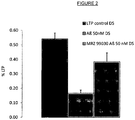
- Transverse hippocampal slices (350 ⁇ M thick) are obtained from adult (2 month) mice that are ether-anesthetized and decapitated. The brain is rapidly removed, and slices are prepared in ice-cold Ringer solution using a vibroslicer. All slices are placed in a holding chamber for at least 60 min and then transferred to a superfusing chamber for extracellular or whole-cell recordings. The flow rate of the solution through the chamber is 1.5 ml/min.
- the composition of the solution is 124 mM NaCl, 3 mM KCI, 26 mM NaHCO3, 2 mM CaCl2, 1 mM MgSO4, 10 mM D-glucose, and 1.25 mM NaH2PO4, bubbled with a 95% 02-5% CO2 mixture, and has a final pH of 7.3. All experiments are performed at room temperature.
- Extracellular recordings of field excitatory postsynaptic potentials are obtained from the dendritic region of the CA1 region of the hippocampus using glass micropipettes (1-2 MW) filled with superfusion solution. Recordings are amplified, filtered (3 kHz), and digitized (9 kHz). Amplified fEPSPs and NMDA-EPSCs are filtered (3 kHz), digitized (15 kHz) and measured and plotted online, using the "LTP-program"-software. Measurements of the slope of the fEPSP are taken between 20 and 80% of the peak amplitude. Slopes of fEPSPs are normalized with respect to the 30-min control period before tetanic stimulation
- LTP long-term potentiation
- high-frequency stimulation conditioning pulses 100 Hz; 4-5 V
- Steady baseline recordings are made for at least 30 minutes before application of tetanic stimuli.
- a ⁇ 1-42 is prepared as decribed in "Method of producing synthetic bulky aggregates" with or without D-Trp-Aib (SEQ ID NO. 30) and added to the bath solution (giving a final A ⁇ 1-42 concentration of 50-100 nM), 90 min before induction of LTP.
- Tetanic stimulation results in strong LTP under control conditions.
- Prior incubation with A ⁇ 1-42 50 nM aggregated under serial dilution conditions without D-Trp-Aib causes a strong inhibition of LTP.
- non-toxic bulky aggregates as described above such as D-Trp-Aib (SEQ ID NO. 30) -free non-toxic bulky A ⁇ aggregates, may be applied by via intravitreal injection in order to provide long lasting beneficial effects on the decrease of RGC apoptosis.
- glaucoma is induced by application of hypertonic saline into the episcleral vein of the eye. This leads to a long-lasting increase of intraocular pressure and as a consequence to A ⁇ -associated neurodegeneration of retinal ganglion cells.
- the cleaned and superficially D-Trp-Aib (SEQ ID NO. 30) -free non-toxic bulky A ⁇ aggregates are injected intraocularly into the rat's eyes and thereby reduce significantly the the A ⁇ -induced apoptosis of retinal ganglion cells.
- D-Trp-Aib (SEQ ID NO. 30) is applied 3 days prior to the induction of glaucoma (one sigle s.c injection).
- D-Trp-Aib (SEQ ID NO. 30) (halflife of 1-2 hours in the rat) is no longer detectable in the animal at the time point of glaucoma induction, it provides a strong neuroprotective effect for retinal ganglion cells.
- D-Trp-Aib SEQ ID NO. 30
- non-toxic bulky A ⁇ aggregates (possibly micro non-toxic bulky A ⁇ aggregates) consisting of D-Trp-Aib (SEQ ID NO. 30) and physiologically A ⁇ that is ubiquitously prevailing at low concentrations.
- non-toxic bulky A ⁇ aggregates function in isolating toxic A ⁇ after glaucoma induction even if the A ⁇ is released at higher concentrations.
- the A ⁇ modulator function is consistent over different application routes including oral, subcutaneous, intraperitoneal, intraveneous, intramuscular (including depot), subconjunctival, topical (e.g. eye drops, gels, implants, modified contact lenses etc.) and other pharmaceutical formulations.
- compositions prepared by optionally admixing the active substance with a suitable pharmaceutically-acceptable excipient, diluent, or carrier include tablets, capsules, solutions for injection, liquid oral formulations, aerosol formulations, TDS formulations, and nanoparticle formulations, thus to produce medicaments for oral, injectable, or topical use, also in accord with the foregoing.
Landscapes
- Health & Medical Sciences (AREA)
- Life Sciences & Earth Sciences (AREA)
- General Health & Medical Sciences (AREA)
- Veterinary Medicine (AREA)
- Medicinal Chemistry (AREA)
- Chemical & Material Sciences (AREA)
- Public Health (AREA)
- Pharmacology & Pharmacy (AREA)
- Animal Behavior & Ethology (AREA)
- Engineering & Computer Science (AREA)
- Bioinformatics & Cheminformatics (AREA)
- Epidemiology (AREA)
- Nuclear Medicine, Radiotherapy & Molecular Imaging (AREA)
- Organic Chemistry (AREA)
- Ophthalmology & Optometry (AREA)
- General Chemical & Material Sciences (AREA)
- Chemical Kinetics & Catalysis (AREA)
- Gastroenterology & Hepatology (AREA)
- Immunology (AREA)
- Proteomics, Peptides & Aminoacids (AREA)
- Medicines That Contain Protein Lipid Enzymes And Other Medicines (AREA)
- Pharmaceuticals Containing Other Organic And Inorganic Compounds (AREA)
- Medicinal Preparation (AREA)
- Plural Heterocyclic Compounds (AREA)
- Indole Compounds (AREA)
- Acyclic And Carbocyclic Compounds In Medicinal Compositions (AREA)
- Peptides Or Proteins (AREA)
Claims (10)
- Peptid, das die Aminosäuresequenz D-Trp-Aib (SEQ ID NO. 30) umfasst, zur Verwendung bei der Vorbeugung und/oder Behandlung eines Glaukoms bei einem Subjekt, das dies erfordert, wobei das Peptid täglich für einen ersten Zeitraum von mindestens einem (1) Tag in mindestens einer therapeutisch wirksamen Dosis verabreicht wird, gefolgt von einem zweiten Zeitraum von mindestens einer (1) Woche, in dem das Peptid nicht verabreicht wird, gefolgt von einem Wiederholen des ersten Zeitraums von mindestens einem (1) Tag, in dem das Peptid täglich verabreicht wird.
- Peptid zur Verwendung nach Anspruch 1, wobei die Verabreichung der therapeutisch wirksamen Dosis des Peptids während des ersten Zeitraums für mindestens eine Woche oder höchstens einen Monat fortgesetzt wird.
- Peptid zur Verwendung nach Anspruch 1, wobei der zweite Zeitraum mindestens einen (1) Monat oder mindestens 2 Monate beträgt.
- Peptid zur Verwendung nach Anspruch 1, wobei der zweite Zeitraum höchstens 3 Monate oder höchstens 6 Monate oder höchstens 1 Jahr beträgt.
- Peptid zur Verwendung nach Anspruch 1, wobei der zweite Zeitraum drei (3) bis sechs (6) Monate beträgt.
- Peptid zur Verwendung nach Anspruch 1, wobei das Peptid oder ein pharmazeutisch verträgliches Salz davon in Form mehrerer Einzeldosen, die innerhalb eines Zeitraums, der aus einem (1) oder mehreren Tagen besteht, verabreicht wird.
- Peptid zur Verwendung nach Anspruch 1, wobei das Peptid oder ein pharmazeutisch verträgliches Salz davon in verschiedenen Dosisstärken, ausgewählt durch Auf- und Abtitrierung, verabreicht wird.
- Peptid zur Verwendung nach Anspruch 1, wobei das Peptid oder ein pharmazeutisch verträgliches Salz davon in einer Formulierung mit sofortiger Freisetzung verabreicht wird.
- Peptid zur Verwendung nach Anspruch 1, wobei das Peptid oder ein pharmazeutisch verträgliches Salz davon in einer Formulierung mit modifizierter Freisetzung verabreicht wird.
- Peptid zur Verwendung nach Anspruch 1, wobei das Peptid sowohl in dem ersten als auch/oder in dem zweiten Zeitraum in Kombination mit einer therapeutisch wirksamen Dosis von mindestens einem zusätzlichen pharmazeutischen Mittel verabreicht wird, das beim Behandeln oder Vorbeugen mindestens einer Augenerkrankung wirksam ist, wobei das mindestens eine zusätzliche pharmazeutische Mittel aus Acetazolamid, Diclofenamid, Carteolol, Timolol, Metipranolol, Betaxolol, Pindolol, Levobunolol, Brimonidin, Clonidin, Pilocarpin, Carbachol, Dipivefrin, Apraclonidin, Brinzolamid, Dorzolamind, Bimatoprost, Travaprost, Latanoprost, Chlortetracyclin, Ciprofloxacin, Ofloxacin, Fusidinsäure, Gentamicin, Kanamycin, Levofloxacin, Lomefloxacin, Oxytetracyclin, Natamycin, Azidamfenicol, Chloramphenicol, Tobramycin, Erythromycin, Polymyxin-B, Acaclovir, Trifluridin, Betamethason, Dexamethason, Fluormetholon, Hydrocortison, Prednisolon, Rimexolon, Cromoglicat, Azelastin, Lodoxamid, Emedastin, Nedocromil, Levocabastin, Olopatadin, Ketotifen, Hypromellose, Carbomer, Hyaluronat, Carmellose, Hypromellose, Povidon, Hyetellose, Polivinylalkohol, Dexpanthenol, Tetryzolin, Troxerutin, Tramazolin, Naphazolin, Xylometazolin, Phenylephrin und Antazolin ausgewählt ist.
Priority Applications (2)
| Application Number | Priority Date | Filing Date | Title |
|---|---|---|---|
| EP20180945.6A EP3756665B1 (de) | 2012-06-20 | 2013-06-20 | Intervalltherapie zur behandlung von augenerkrankungen |
| EP13730122.2A EP2863935B1 (de) | 2012-06-20 | 2013-06-20 | Intervalltherapie zur behandlung des verlustes des augenlichts bei menschen mit glaukom |
Applications Claiming Priority (4)
| Application Number | Priority Date | Filing Date | Title |
|---|---|---|---|
| US201261661971P | 2012-06-20 | 2012-06-20 | |
| EP12004638 | 2012-06-20 | ||
| PCT/EP2013/001832 WO2013189606A2 (en) | 2012-06-20 | 2013-06-20 | Interval therapy for the treatment of loss of eyesight in humans with glaucoma and other degenerative eye diseases |
| EP13730122.2A EP2863935B1 (de) | 2012-06-20 | 2013-06-20 | Intervalltherapie zur behandlung des verlustes des augenlichts bei menschen mit glaukom |
Related Child Applications (2)
| Application Number | Title | Priority Date | Filing Date |
|---|---|---|---|
| EP20180945.6A Division EP3756665B1 (de) | 2012-06-20 | 2013-06-20 | Intervalltherapie zur behandlung von augenerkrankungen |
| EP20180945.6A Division-Into EP3756665B1 (de) | 2012-06-20 | 2013-06-20 | Intervalltherapie zur behandlung von augenerkrankungen |
Publications (2)
| Publication Number | Publication Date |
|---|---|
| EP2863935A2 EP2863935A2 (de) | 2015-04-29 |
| EP2863935B1 true EP2863935B1 (de) | 2020-07-29 |
Family
ID=49769604
Family Applications (2)
| Application Number | Title | Priority Date | Filing Date |
|---|---|---|---|
| EP13730122.2A Active EP2863935B1 (de) | 2012-06-20 | 2013-06-20 | Intervalltherapie zur behandlung des verlustes des augenlichts bei menschen mit glaukom |
| EP20180945.6A Active EP3756665B1 (de) | 2012-06-20 | 2013-06-20 | Intervalltherapie zur behandlung von augenerkrankungen |
Family Applications After (1)
| Application Number | Title | Priority Date | Filing Date |
|---|---|---|---|
| EP20180945.6A Active EP3756665B1 (de) | 2012-06-20 | 2013-06-20 | Intervalltherapie zur behandlung von augenerkrankungen |
Country Status (6)
| Country | Link |
|---|---|
| US (1) | US9717772B2 (de) |
| EP (2) | EP2863935B1 (de) |
| JP (1) | JP2015521608A (de) |
| ES (1) | ES2989745T3 (de) |
| TW (1) | TW201412325A (de) |
| WO (1) | WO2013189606A2 (de) |
Families Citing this family (8)
| Publication number | Priority date | Publication date | Assignee | Title |
|---|---|---|---|---|
| EP2044951A1 (de) | 2007-10-02 | 2009-04-08 | Merz Pharma GmbH & Co. KGaA | Die Verwendung von Substanzen zur Behandlung des Verlustes des Augenlichts bei Menschen mit Glaukom und anderer degenerativer Augenerkrankungen |
| TW201412325A (zh) | 2012-06-20 | 2014-04-01 | 梅茲製藥有限兩合公司 | 用於治療患有青光眼及其他退化性眼疾之人類視力喪失的間隔醫療 |
| US10702571B2 (en) | 2015-12-03 | 2020-07-07 | The University Of North Carolina At Pembroke | Materials for cathepsin B enhancement and methods of use |
| WO2020061550A1 (en) * | 2018-09-21 | 2020-03-26 | Aufbau Medical Innovations Limited | Compositions and methods for glaucoma |
| BR112021021267A2 (pt) * | 2019-04-24 | 2021-12-21 | Galimedix Therapeutics Inc | Compostos de indol para uso na neurorrestauração |
| CN111675646B (zh) * | 2020-06-24 | 2023-04-07 | 郑州轻工业大学 | 利用古龙酸结晶母液制备2-氨基-3-(5-羟基吲哚)丙酸的方法 |
| CN116869991A (zh) * | 2023-06-06 | 2023-10-13 | 南昌大学 | 柚皮素在制备治疗和/或预防眼部疾病的药物中的用途 |
| KR102776801B1 (ko) * | 2024-01-08 | 2025-03-07 | 주식회사 에이켐바이오 | 플라본 유도체를 이용한 항암 조성물 |
Family Cites Families (18)
| Publication number | Priority date | Publication date | Assignee | Title |
|---|---|---|---|---|
| US5811128A (en) | 1986-10-24 | 1998-09-22 | Southern Research Institute | Method for oral or rectal delivery of microencapsulated vaccines and compositions therefor |
| US4849222A (en) | 1987-03-24 | 1989-07-18 | The Procter & Gamble Company | Mixtures for treating hypercholesterolemia |
| JP2670680B2 (ja) | 1988-02-24 | 1997-10-29 | 株式会社ビーエムジー | 生理活性物質含有ポリ乳酸系微小球およびその製造法 |
| US5288502A (en) | 1991-10-16 | 1994-02-22 | The University Of Texas System | Preparation and uses of multi-phase microspheres |
| EP0724432B1 (de) | 1993-10-22 | 2002-09-18 | Genentech, Inc. | Verfahren zur mikroverkapselung von antigenen und verwendung der zusammensetzungen als impfstoffe |
| SE9900473D0 (sv) | 1999-02-12 | 1999-02-12 | Karolinska Innovations Ab | Inhibitor of endothelial cell proliferation |
| US7728043B2 (en) * | 1999-10-22 | 2010-06-01 | Kim Darrick S H L | Methods for treatment of beta-amyloid protein-induced ocular disease |
| US8568766B2 (en) * | 2000-08-24 | 2013-10-29 | Gattadahalli M. Anantharamaiah | Peptides and peptide mimetics to treat pathologies associated with eye disease |
| US7781396B2 (en) * | 2002-01-31 | 2010-08-24 | Tel Aviv University Future Technology Development L.P. | Peptides directed for diagnosis and treatment of amyloid-associated disease |
| US7345022B2 (en) * | 2002-09-19 | 2008-03-18 | Board Of Supervisors Of Louisiana State University And Agricultural And Mechanical College | Anti-fibril peptides |
| CN101415724B (zh) * | 2003-06-30 | 2015-12-02 | 特拉维夫大学未来科技开发有限公司 | 肽、抗肽抗体以及用它们来诊断和治疗淀粉样蛋白相关疾病的方法 |
| TW200916091A (en) * | 2007-06-08 | 2009-04-16 | Merz Pharma Gmbh & Amp Co Kgaa | Neramexane for the treatment of nystagmus |
| EP2044951A1 (de) | 2007-10-02 | 2009-04-08 | Merz Pharma GmbH & Co. KGaA | Die Verwendung von Substanzen zur Behandlung des Verlustes des Augenlichts bei Menschen mit Glaukom und anderer degenerativer Augenerkrankungen |
| JP2012505162A (ja) * | 2008-10-09 | 2012-03-01 | ワラタ ファーマシューティカルズ, インコーポレイテッド | 黄斑変性症関連障害を処置するためのscyllo−イノシトールの使用 |
| US20110200531A1 (en) | 2009-09-14 | 2011-08-18 | The Regents Of The University Of California | Treatment and diagnosis of central nervous system disorders |
| JP5848768B2 (ja) * | 2010-10-29 | 2016-01-27 | ラモット・アット・テル・アビブ・ユニバーシテイ・リミテッドRamot At Tel Aviv University Ltd. | インドール誘導体及びその製造方法 |
| BR112013012033A2 (pt) * | 2010-11-15 | 2016-08-09 | Merz Pharma Gmbh & Co Kgaa | análogos de dipeptídeos para o tratamento de condições associadas com a formação de fibrila amiloide |
| TW201412325A (zh) | 2012-06-20 | 2014-04-01 | 梅茲製藥有限兩合公司 | 用於治療患有青光眼及其他退化性眼疾之人類視力喪失的間隔醫療 |
-
2013
- 2013-06-18 TW TW102121549A patent/TW201412325A/zh unknown
- 2013-06-20 EP EP13730122.2A patent/EP2863935B1/de active Active
- 2013-06-20 EP EP20180945.6A patent/EP3756665B1/de active Active
- 2013-06-20 ES ES20180945T patent/ES2989745T3/es active Active
- 2013-06-20 US US14/410,200 patent/US9717772B2/en active Active
- 2013-06-20 WO PCT/EP2013/001832 patent/WO2013189606A2/en not_active Ceased
- 2013-06-20 JP JP2015517634A patent/JP2015521608A/ja active Pending
Non-Patent Citations (1)
| Title |
|---|
| None * |
Also Published As
| Publication number | Publication date |
|---|---|
| WO2013189606A3 (en) | 2014-06-26 |
| EP3756665A1 (de) | 2020-12-30 |
| ES2989745T3 (es) | 2024-11-27 |
| US9717772B2 (en) | 2017-08-01 |
| US20160038558A1 (en) | 2016-02-11 |
| JP2015521608A (ja) | 2015-07-30 |
| EP3756665B1 (de) | 2024-08-14 |
| TW201412325A (zh) | 2014-04-01 |
| EP2863935A2 (de) | 2015-04-29 |
| WO2013189606A2 (en) | 2013-12-27 |
Similar Documents
| Publication | Publication Date | Title |
|---|---|---|
| US10987400B2 (en) | Methods for the treatment of glaucoma and age-related macular degeneration by a peptide D-TRP-AIB | |
| EP3756665B1 (de) | Intervalltherapie zur behandlung von augenerkrankungen | |
| CA2671613C (en) | Methods of use of trk receptor modulators | |
| EP2085120A1 (de) | Verwendung von Substanzen zur Behandlung zentraler und peripherer Insulinrezeptorbeeinträchtigung oder Insulinresistenz | |
| US20240009168A1 (en) | Compositions for treating dry age-related macular degeneration (amd) | |
| AU2022370358A1 (en) | Methods and compositions comprising peptidomimitics for treating, preventing, inhibiting, ameliorating or delaying the onset of ophthalmic conditions | |
| JP2003508512A (ja) | 非ペプチド性サイクロフィリン結合化合物とその用途 | |
| WO2023069255A1 (en) | Methods and compositions comprising peptidomimitics for treating, preventing, inhibiting, ameliorating or delaying the onset of ophthalmic conditions | |
| HK40043513A (en) | Interval therapy for the treatment of eye diseases | |
| JP7706376B2 (ja) | 神経修復方法 | |
| CN105592849A (zh) | 用于减轻神经系统损伤的组合物及该组合物的制造方法和用途 | |
| ES2827011T3 (es) | Terapia de intervalos para el tratamiento de la pérdida de visión en seres humanos con glaucoma | |
| HK1143544A (en) | The use of substances for the treatment of loss of eyesight in humans with glaucoma and other degenerative eye diseases | |
| CN118434434A (zh) | 用于治疗、预防、抑制、改善眼科病状或延缓其发作的方法和包括肽模拟物的组合物 |
Legal Events
| Date | Code | Title | Description |
|---|---|---|---|
| PUAI | Public reference made under article 153(3) epc to a published international application that has entered the european phase |
Free format text: ORIGINAL CODE: 0009012 |
|
| 17P | Request for examination filed |
Effective date: 20141223 |
|
| AK | Designated contracting states |
Kind code of ref document: A2 Designated state(s): AL AT BE BG CH CY CZ DE DK EE ES FI FR GB GR HR HU IE IS IT LI LT LU LV MC MK MT NL NO PL PT RO RS SE SI SK SM TR |
|
| AX | Request for extension of the european patent |
Extension state: BA ME |
|
| DAX | Request for extension of the european patent (deleted) | ||
| STAA | Information on the status of an ep patent application or granted ep patent |
Free format text: STATUS: EXAMINATION IS IN PROGRESS |
|
| 17Q | First examination report despatched |
Effective date: 20170728 |
|
| GRAP | Despatch of communication of intention to grant a patent |
Free format text: ORIGINAL CODE: EPIDOSNIGR1 |
|
| STAA | Information on the status of an ep patent application or granted ep patent |
Free format text: STATUS: GRANT OF PATENT IS INTENDED |
|
| INTG | Intention to grant announced |
Effective date: 20200228 |
|
| GRAS | Grant fee paid |
Free format text: ORIGINAL CODE: EPIDOSNIGR3 |
|
| GRAA | (expected) grant |
Free format text: ORIGINAL CODE: 0009210 |
|
| STAA | Information on the status of an ep patent application or granted ep patent |
Free format text: STATUS: THE PATENT HAS BEEN GRANTED |
|
| AK | Designated contracting states |
Kind code of ref document: B1 Designated state(s): AL AT BE BG CH CY CZ DE DK EE ES FI FR GB GR HR HU IE IS IT LI LT LU LV MC MK MT NL NO PL PT RO RS SE SI SK SM TR |
|
| REG | Reference to a national code |
Ref country code: GB Ref legal event code: FG4D |
|
| REG | Reference to a national code |
Ref country code: CH Ref legal event code: EP |
|
| REG | Reference to a national code |
Ref country code: DE Ref legal event code: R096 Ref document number: 602013071107 Country of ref document: DE |
|
| REG | Reference to a national code |
Ref country code: AT Ref legal event code: REF Ref document number: 1295010 Country of ref document: AT Kind code of ref document: T Effective date: 20200815 |
|
| REG | Reference to a national code |
Ref country code: IE Ref legal event code: FG4D |
|
| REG | Reference to a national code |
Ref country code: CH Ref legal event code: NV Representative=s name: VALIPAT S.A. C/O BOVARD SA NEUCHATEL, CH |
|
| REG | Reference to a national code |
Ref country code: NL Ref legal event code: FP |
|
| REG | Reference to a national code |
Ref country code: LT Ref legal event code: MG4D |
|
| REG | Reference to a national code |
Ref country code: AT Ref legal event code: MK05 Ref document number: 1295010 Country of ref document: AT Kind code of ref document: T Effective date: 20200729 |
|
| PG25 | Lapsed in a contracting state [announced via postgrant information from national office to epo] |
Ref country code: NO Free format text: LAPSE BECAUSE OF FAILURE TO SUBMIT A TRANSLATION OF THE DESCRIPTION OR TO PAY THE FEE WITHIN THE PRESCRIBED TIME-LIMIT Effective date: 20201029 Ref country code: PT Free format text: LAPSE BECAUSE OF FAILURE TO SUBMIT A TRANSLATION OF THE DESCRIPTION OR TO PAY THE FEE WITHIN THE PRESCRIBED TIME-LIMIT Effective date: 20201130 Ref country code: SE Free format text: LAPSE BECAUSE OF FAILURE TO SUBMIT A TRANSLATION OF THE DESCRIPTION OR TO PAY THE FEE WITHIN THE PRESCRIBED TIME-LIMIT Effective date: 20200729 Ref country code: GR Free format text: LAPSE BECAUSE OF FAILURE TO SUBMIT A TRANSLATION OF THE DESCRIPTION OR TO PAY THE FEE WITHIN THE PRESCRIBED TIME-LIMIT Effective date: 20201030 Ref country code: FI Free format text: LAPSE BECAUSE OF FAILURE TO SUBMIT A TRANSLATION OF THE DESCRIPTION OR TO PAY THE FEE WITHIN THE PRESCRIBED TIME-LIMIT Effective date: 20200729 Ref country code: LT Free format text: LAPSE BECAUSE OF FAILURE TO SUBMIT A TRANSLATION OF THE DESCRIPTION OR TO PAY THE FEE WITHIN THE PRESCRIBED TIME-LIMIT Effective date: 20200729 Ref country code: HR Free format text: LAPSE BECAUSE OF FAILURE TO SUBMIT A TRANSLATION OF THE DESCRIPTION OR TO PAY THE FEE WITHIN THE PRESCRIBED TIME-LIMIT Effective date: 20200729 Ref country code: AT Free format text: LAPSE BECAUSE OF FAILURE TO SUBMIT A TRANSLATION OF THE DESCRIPTION OR TO PAY THE FEE WITHIN THE PRESCRIBED TIME-LIMIT Effective date: 20200729 Ref country code: BG Free format text: LAPSE BECAUSE OF FAILURE TO SUBMIT A TRANSLATION OF THE DESCRIPTION OR TO PAY THE FEE WITHIN THE PRESCRIBED TIME-LIMIT Effective date: 20201029 |
|
| PG25 | Lapsed in a contracting state [announced via postgrant information from national office to epo] |
Ref country code: PL Free format text: LAPSE BECAUSE OF FAILURE TO SUBMIT A TRANSLATION OF THE DESCRIPTION OR TO PAY THE FEE WITHIN THE PRESCRIBED TIME-LIMIT Effective date: 20200729 Ref country code: RS Free format text: LAPSE BECAUSE OF FAILURE TO SUBMIT A TRANSLATION OF THE DESCRIPTION OR TO PAY THE FEE WITHIN THE PRESCRIBED TIME-LIMIT Effective date: 20200729 Ref country code: LV Free format text: LAPSE BECAUSE OF FAILURE TO SUBMIT A TRANSLATION OF THE DESCRIPTION OR TO PAY THE FEE WITHIN THE PRESCRIBED TIME-LIMIT Effective date: 20200729 Ref country code: IS Free format text: LAPSE BECAUSE OF FAILURE TO SUBMIT A TRANSLATION OF THE DESCRIPTION OR TO PAY THE FEE WITHIN THE PRESCRIBED TIME-LIMIT Effective date: 20201129 |
|
| PG25 | Lapsed in a contracting state [announced via postgrant information from national office to epo] |
Ref country code: SM Free format text: LAPSE BECAUSE OF FAILURE TO SUBMIT A TRANSLATION OF THE DESCRIPTION OR TO PAY THE FEE WITHIN THE PRESCRIBED TIME-LIMIT Effective date: 20200729 Ref country code: RO Free format text: LAPSE BECAUSE OF FAILURE TO SUBMIT A TRANSLATION OF THE DESCRIPTION OR TO PAY THE FEE WITHIN THE PRESCRIBED TIME-LIMIT Effective date: 20200729 Ref country code: EE Free format text: LAPSE BECAUSE OF FAILURE TO SUBMIT A TRANSLATION OF THE DESCRIPTION OR TO PAY THE FEE WITHIN THE PRESCRIBED TIME-LIMIT Effective date: 20200729 Ref country code: DK Free format text: LAPSE BECAUSE OF FAILURE TO SUBMIT A TRANSLATION OF THE DESCRIPTION OR TO PAY THE FEE WITHIN THE PRESCRIBED TIME-LIMIT Effective date: 20200729 Ref country code: CZ Free format text: LAPSE BECAUSE OF FAILURE TO SUBMIT A TRANSLATION OF THE DESCRIPTION OR TO PAY THE FEE WITHIN THE PRESCRIBED TIME-LIMIT Effective date: 20200729 |
|
| REG | Reference to a national code |
Ref country code: DE Ref legal event code: R097 Ref document number: 602013071107 Country of ref document: DE |
|
| REG | Reference to a national code |
Ref country code: ES Ref legal event code: FG2A Ref document number: 2827011 Country of ref document: ES Kind code of ref document: T3 Effective date: 20210519 |
|
| PG25 | Lapsed in a contracting state [announced via postgrant information from national office to epo] |
Ref country code: AL Free format text: LAPSE BECAUSE OF FAILURE TO SUBMIT A TRANSLATION OF THE DESCRIPTION OR TO PAY THE FEE WITHIN THE PRESCRIBED TIME-LIMIT Effective date: 20200729 |
|
| PLBE | No opposition filed within time limit |
Free format text: ORIGINAL CODE: 0009261 |
|
| STAA | Information on the status of an ep patent application or granted ep patent |
Free format text: STATUS: NO OPPOSITION FILED WITHIN TIME LIMIT |
|
| PG25 | Lapsed in a contracting state [announced via postgrant information from national office to epo] |
Ref country code: SK Free format text: LAPSE BECAUSE OF FAILURE TO SUBMIT A TRANSLATION OF THE DESCRIPTION OR TO PAY THE FEE WITHIN THE PRESCRIBED TIME-LIMIT Effective date: 20200729 |
|
| 26N | No opposition filed |
Effective date: 20210430 |
|
| PG25 | Lapsed in a contracting state [announced via postgrant information from national office to epo] |
Ref country code: SI Free format text: LAPSE BECAUSE OF FAILURE TO SUBMIT A TRANSLATION OF THE DESCRIPTION OR TO PAY THE FEE WITHIN THE PRESCRIBED TIME-LIMIT Effective date: 20200729 |
|
| PG25 | Lapsed in a contracting state [announced via postgrant information from national office to epo] |
Ref country code: MC Free format text: LAPSE BECAUSE OF FAILURE TO SUBMIT A TRANSLATION OF THE DESCRIPTION OR TO PAY THE FEE WITHIN THE PRESCRIBED TIME-LIMIT Effective date: 20200729 |
|
| PG25 | Lapsed in a contracting state [announced via postgrant information from national office to epo] |
Ref country code: LU Free format text: LAPSE BECAUSE OF NON-PAYMENT OF DUE FEES Effective date: 20210620 |
|
| PG25 | Lapsed in a contracting state [announced via postgrant information from national office to epo] |
Ref country code: HU Free format text: LAPSE BECAUSE OF FAILURE TO SUBMIT A TRANSLATION OF THE DESCRIPTION OR TO PAY THE FEE WITHIN THE PRESCRIBED TIME-LIMIT; INVALID AB INITIO Effective date: 20130620 |
|
| PG25 | Lapsed in a contracting state [announced via postgrant information from national office to epo] |
Ref country code: CY Free format text: LAPSE BECAUSE OF FAILURE TO SUBMIT A TRANSLATION OF THE DESCRIPTION OR TO PAY THE FEE WITHIN THE PRESCRIBED TIME-LIMIT Effective date: 20200729 |
|
| P01 | Opt-out of the competence of the unified patent court (upc) registered |
Effective date: 20230530 |
|
| PG25 | Lapsed in a contracting state [announced via postgrant information from national office to epo] |
Ref country code: MK Free format text: LAPSE BECAUSE OF FAILURE TO SUBMIT A TRANSLATION OF THE DESCRIPTION OR TO PAY THE FEE WITHIN THE PRESCRIBED TIME-LIMIT Effective date: 20200729 |
|
| PG25 | Lapsed in a contracting state [announced via postgrant information from national office to epo] |
Ref country code: TR Free format text: LAPSE BECAUSE OF FAILURE TO SUBMIT A TRANSLATION OF THE DESCRIPTION OR TO PAY THE FEE WITHIN THE PRESCRIBED TIME-LIMIT Effective date: 20200729 |
|
| PG25 | Lapsed in a contracting state [announced via postgrant information from national office to epo] |
Ref country code: MT Free format text: LAPSE BECAUSE OF FAILURE TO SUBMIT A TRANSLATION OF THE DESCRIPTION OR TO PAY THE FEE WITHIN THE PRESCRIBED TIME-LIMIT Effective date: 20200729 |
|
| PGFP | Annual fee paid to national office [announced via postgrant information from national office to epo] |
Ref country code: NL Payment date: 20250409 Year of fee payment: 13 |
|
| PGFP | Annual fee paid to national office [announced via postgrant information from national office to epo] |
Ref country code: DE Payment date: 20250402 Year of fee payment: 13 |
|
| PGFP | Annual fee paid to national office [announced via postgrant information from national office to epo] |
Ref country code: GB Payment date: 20250401 Year of fee payment: 13 |
|
| PGFP | Annual fee paid to national office [announced via postgrant information from national office to epo] |
Ref country code: BE Payment date: 20250410 Year of fee payment: 13 Ref country code: IT Payment date: 20250522 Year of fee payment: 13 |
|
| PGFP | Annual fee paid to national office [announced via postgrant information from national office to epo] |
Ref country code: FR Payment date: 20250409 Year of fee payment: 13 |
|
| PGFP | Annual fee paid to national office [announced via postgrant information from national office to epo] |
Ref country code: IE Payment date: 20250402 Year of fee payment: 13 |
|
| PGFP | Annual fee paid to national office [announced via postgrant information from national office to epo] |
Ref country code: ES Payment date: 20250707 Year of fee payment: 13 |
|
| PGFP | Annual fee paid to national office [announced via postgrant information from national office to epo] |
Ref country code: CH Payment date: 20250701 Year of fee payment: 13 |