EP2869836B1 - Dna vaccine for use in pancreatic cancer patients - Google Patents
Dna vaccine for use in pancreatic cancer patients Download PDFInfo
- Publication number
- EP2869836B1 EP2869836B1 EP13732833.2A EP13732833A EP2869836B1 EP 2869836 B1 EP2869836 B1 EP 2869836B1 EP 13732833 A EP13732833 A EP 13732833A EP 2869836 B1 EP2869836 B1 EP 2869836B1
- Authority
- EP
- European Patent Office
- Prior art keywords
- vaccine
- vxm01
- cancer
- dna
- vegfr
- Prior art date
- Legal status (The legal status is an assumption and is not a legal conclusion. Google has not performed a legal analysis and makes no representation as to the accuracy of the status listed.)
- Active
Links
Images




Classifications
-
- A—HUMAN NECESSITIES
- A61—MEDICAL OR VETERINARY SCIENCE; HYGIENE
- A61K—PREPARATIONS FOR MEDICAL, DENTAL OR TOILETRY PURPOSES
- A61K39/00—Medicinal preparations containing antigens or antibodies
- A61K39/0005—Vertebrate antigens
- A61K39/0011—Cancer antigens
-
- A—HUMAN NECESSITIES
- A61—MEDICAL OR VETERINARY SCIENCE; HYGIENE
- A61K—PREPARATIONS FOR MEDICAL, DENTAL OR TOILETRY PURPOSES
- A61K31/00—Medicinal preparations containing organic active ingredients
- A61K31/70—Carbohydrates; Sugars; Derivatives thereof
- A61K31/7042—Compounds having saccharide radicals and heterocyclic rings
- A61K31/7052—Compounds having saccharide radicals and heterocyclic rings having nitrogen as a ring hetero atom, e.g. nucleosides, nucleotides
- A61K31/706—Compounds having saccharide radicals and heterocyclic rings having nitrogen as a ring hetero atom, e.g. nucleosides, nucleotides containing six-membered rings with nitrogen as a ring hetero atom
- A61K31/7064—Compounds having saccharide radicals and heterocyclic rings having nitrogen as a ring hetero atom, e.g. nucleosides, nucleotides containing six-membered rings with nitrogen as a ring hetero atom containing condensed or non-condensed pyrimidines
- A61K31/7068—Compounds having saccharide radicals and heterocyclic rings having nitrogen as a ring hetero atom, e.g. nucleosides, nucleotides containing six-membered rings with nitrogen as a ring hetero atom containing condensed or non-condensed pyrimidines having oxo groups directly attached to the pyrimidine ring, e.g. cytidine, cytidylic acid
-
- A—HUMAN NECESSITIES
- A61—MEDICAL OR VETERINARY SCIENCE; HYGIENE
- A61K—PREPARATIONS FOR MEDICAL, DENTAL OR TOILETRY PURPOSES
- A61K39/00—Medicinal preparations containing antigens or antibodies
- A61K39/0005—Vertebrate antigens
- A61K39/0011—Cancer antigens
- A61K39/001102—Receptors, cell surface antigens or cell surface determinants
- A61K39/001103—Receptors for growth factors
- A61K39/001109—Vascular endothelial growth factor receptors [VEGFR]
-
- A—HUMAN NECESSITIES
- A61—MEDICAL OR VETERINARY SCIENCE; HYGIENE
- A61K—PREPARATIONS FOR MEDICAL, DENTAL OR TOILETRY PURPOSES
- A61K39/00—Medicinal preparations containing antigens or antibodies
- A61K39/02—Bacterial antigens
- A61K39/025—Enterobacteriales, e.g. Enterobacter
- A61K39/0275—Salmonella
-
- A—HUMAN NECESSITIES
- A61—MEDICAL OR VETERINARY SCIENCE; HYGIENE
- A61P—SPECIFIC THERAPEUTIC ACTIVITY OF CHEMICAL COMPOUNDS OR MEDICINAL PREPARATIONS
- A61P35/00—Antineoplastic agents
-
- A—HUMAN NECESSITIES
- A61—MEDICAL OR VETERINARY SCIENCE; HYGIENE
- A61P—SPECIFIC THERAPEUTIC ACTIVITY OF CHEMICAL COMPOUNDS OR MEDICINAL PREPARATIONS
- A61P35/00—Antineoplastic agents
- A61P35/04—Antineoplastic agents specific for metastasis
-
- C—CHEMISTRY; METALLURGY
- C07—ORGANIC CHEMISTRY
- C07K—PEPTIDES
- C07K14/00—Peptides having more than 20 amino acids; Gastrins; Somatostatins; Melanotropins; Derivatives thereof
- C07K14/435—Peptides having more than 20 amino acids; Gastrins; Somatostatins; Melanotropins; Derivatives thereof from animals; from humans
- C07K14/705—Receptors; Cell surface antigens; Cell surface determinants
- C07K14/71—Receptors; Cell surface antigens; Cell surface determinants for growth factors; for growth regulators
-
- C—CHEMISTRY; METALLURGY
- C12—BIOCHEMISTRY; BEER; SPIRITS; WINE; VINEGAR; MICROBIOLOGY; ENZYMOLOGY; MUTATION OR GENETIC ENGINEERING
- C12N—MICROORGANISMS OR ENZYMES; COMPOSITIONS THEREOF; PROPAGATING, PRESERVING, OR MAINTAINING MICROORGANISMS; MUTATION OR GENETIC ENGINEERING; CULTURE MEDIA
- C12N1/00—Microorganisms; Compositions thereof; Processes of propagating, maintaining or preserving microorganisms or compositions thereof; Processes of preparing or isolating a composition containing a microorganism; Culture media therefor
- C12N1/20—Bacteria; Culture media therefor
-
- C—CHEMISTRY; METALLURGY
- C12—BIOCHEMISTRY; BEER; SPIRITS; WINE; VINEGAR; MICROBIOLOGY; ENZYMOLOGY; MUTATION OR GENETIC ENGINEERING
- C12N—MICROORGANISMS OR ENZYMES; COMPOSITIONS THEREOF; PROPAGATING, PRESERVING, OR MAINTAINING MICROORGANISMS; MUTATION OR GENETIC ENGINEERING; CULTURE MEDIA
- C12N1/00—Microorganisms; Compositions thereof; Processes of propagating, maintaining or preserving microorganisms or compositions thereof; Processes of preparing or isolating a composition containing a microorganism; Culture media therefor
- C12N1/20—Bacteria; Culture media therefor
- C12N1/205—Bacterial isolates
-
- C—CHEMISTRY; METALLURGY
- C12—BIOCHEMISTRY; BEER; SPIRITS; WINE; VINEGAR; MICROBIOLOGY; ENZYMOLOGY; MUTATION OR GENETIC ENGINEERING
- C12N—MICROORGANISMS OR ENZYMES; COMPOSITIONS THEREOF; PROPAGATING, PRESERVING, OR MAINTAINING MICROORGANISMS; MUTATION OR GENETIC ENGINEERING; CULTURE MEDIA
- C12N1/00—Microorganisms; Compositions thereof; Processes of propagating, maintaining or preserving microorganisms or compositions thereof; Processes of preparing or isolating a composition containing a microorganism; Culture media therefor
- C12N1/36—Adaptation or attenuation of cells
-
- A—HUMAN NECESSITIES
- A61—MEDICAL OR VETERINARY SCIENCE; HYGIENE
- A61K—PREPARATIONS FOR MEDICAL, DENTAL OR TOILETRY PURPOSES
- A61K39/00—Medicinal preparations containing antigens or antibodies
- A61K2039/51—Medicinal preparations containing antigens or antibodies comprising whole cells, viruses or DNA/RNA
- A61K2039/52—Bacterial cells; Fungal cells; Protozoal cells
- A61K2039/522—Bacterial cells; Fungal cells; Protozoal cells avirulent or attenuated
-
- A—HUMAN NECESSITIES
- A61—MEDICAL OR VETERINARY SCIENCE; HYGIENE
- A61K—PREPARATIONS FOR MEDICAL, DENTAL OR TOILETRY PURPOSES
- A61K39/00—Medicinal preparations containing antigens or antibodies
- A61K2039/51—Medicinal preparations containing antigens or antibodies comprising whole cells, viruses or DNA/RNA
- A61K2039/52—Bacterial cells; Fungal cells; Protozoal cells
- A61K2039/523—Bacterial cells; Fungal cells; Protozoal cells expressing foreign proteins
-
- A—HUMAN NECESSITIES
- A61—MEDICAL OR VETERINARY SCIENCE; HYGIENE
- A61K—PREPARATIONS FOR MEDICAL, DENTAL OR TOILETRY PURPOSES
- A61K39/00—Medicinal preparations containing antigens or antibodies
- A61K2039/51—Medicinal preparations containing antigens or antibodies comprising whole cells, viruses or DNA/RNA
- A61K2039/53—DNA (RNA) vaccination
-
- A—HUMAN NECESSITIES
- A61—MEDICAL OR VETERINARY SCIENCE; HYGIENE
- A61K—PREPARATIONS FOR MEDICAL, DENTAL OR TOILETRY PURPOSES
- A61K39/00—Medicinal preparations containing antigens or antibodies
- A61K2039/54—Medicinal preparations containing antigens or antibodies characterised by the route of administration
- A61K2039/541—Mucosal route
- A61K2039/542—Mucosal route oral/gastrointestinal
-
- A—HUMAN NECESSITIES
- A61—MEDICAL OR VETERINARY SCIENCE; HYGIENE
- A61K—PREPARATIONS FOR MEDICAL, DENTAL OR TOILETRY PURPOSES
- A61K39/00—Medicinal preparations containing antigens or antibodies
- A61K2039/545—Medicinal preparations containing antigens or antibodies characterised by the dose, timing or administration schedule
-
- A—HUMAN NECESSITIES
- A61—MEDICAL OR VETERINARY SCIENCE; HYGIENE
- A61K—PREPARATIONS FOR MEDICAL, DENTAL OR TOILETRY PURPOSES
- A61K39/00—Medicinal preparations containing antigens or antibodies
- A61K2039/57—Medicinal preparations containing antigens or antibodies characterised by the type of response, e.g. Th1, Th2
-
- A—HUMAN NECESSITIES
- A61—MEDICAL OR VETERINARY SCIENCE; HYGIENE
- A61K—PREPARATIONS FOR MEDICAL, DENTAL OR TOILETRY PURPOSES
- A61K39/00—Medicinal preparations containing antigens or antibodies
- A61K2039/80—Vaccine for a specifically defined cancer
- A61K2039/852—Pancreas
-
- C—CHEMISTRY; METALLURGY
- C12—BIOCHEMISTRY; BEER; SPIRITS; WINE; VINEGAR; MICROBIOLOGY; ENZYMOLOGY; MUTATION OR GENETIC ENGINEERING
- C12R—INDEXING SCHEME ASSOCIATED WITH SUBCLASSES C12C - C12Q, RELATING TO MICROORGANISMS
- C12R2001/00—Microorganisms ; Processes using microorganisms
- C12R2001/01—Bacteria or Actinomycetales ; using bacteria or Actinomycetales
- C12R2001/42—Salmonella
-
- Y—GENERAL TAGGING OF NEW TECHNOLOGICAL DEVELOPMENTS; GENERAL TAGGING OF CROSS-SECTIONAL TECHNOLOGIES SPANNING OVER SEVERAL SECTIONS OF THE IPC; TECHNICAL SUBJECTS COVERED BY FORMER USPC CROSS-REFERENCE ART COLLECTIONS [XRACs] AND DIGESTS
- Y02—TECHNOLOGIES OR APPLICATIONS FOR MITIGATION OR ADAPTATION AGAINST CLIMATE CHANGE
- Y02A—TECHNOLOGIES FOR ADAPTATION TO CLIMATE CHANGE
- Y02A50/00—TECHNOLOGIES FOR ADAPTATION TO CLIMATE CHANGE in human health protection, e.g. against extreme weather
- Y02A50/30—Against vector-borne diseases, e.g. mosquito-borne, fly-borne, tick-borne or waterborne diseases whose impact is exacerbated by climate change
Definitions
- the present invention relates to a DNA vaccine comprising the attenuated mutant strain of Salmonella typhi Ty21a comprising a recombinant DNA molecule encoding a VEGFR-2 protein for use of said attenuated mutant strain of Salmonella in humans in an anti-angiogenic cancer immunotherapy.
- Attenuated derivatives of Salmonella enterica are attractive vehicles for the delivery of heterologous antigens, such as tumor antigens or tumor stroma antigens, to the mammalian immune system.
- S. enterica strains can potentially be delivered via mucosal routes of immunization, i.e. orally or nasally, which offers advantages of simplicity and safety compared to parenteral administration.
- Salmonella strains elicit strong humoral and cellular immune responses at the level of both systemic and mucosal compartments. Batch preparation costs are relatively low and formulations of live bacterial vaccines are highly stable. Attenuation can be accomplished by deletion of various genes, including virulence, regulatory and metabolic genes.
- Salmonella typhimurium strains attenuated by aro mutations have been shown to be safe and effective delivery vehicles for heterologous antigens in animal models.
- Salmonella enterica serovar strain namely Salmonella enterica serovar typhi Ty21a (short: S. typhi Ty21a), which has been accepted for use in humans.
- Angiogenesis contributes to solid tumor growth and metastasis.
- Compounds like bevacizumab and others, for example small molecules such as sunitinib and axitinib that specifically target the tumor neovasculature have shown efficacy in a range of tumor indications ( Powles et al., Br J Cancer 2011,104(5):741-5 ); Rini et al., Lancet 2011, 378:1931-1939 ).
- Tumor neovasculature is lined with endothelial cells that overexpress vascular endothelial growth factor receptor (VEGFR) 2 and are readily accessible via the blood stream.
- VEGFR vascular endothelial growth factor receptor
- the genetic stability of these cells and their ability to support hundreds of tumor cells per endothelial cell make them a prime target for anti-cancer therapy, be it via antibodies, tyrosine kinase inhibitors, or vaccines ( Augustin, Trends Pharmacol Sci 1998,19:216-222 ).
- T-cell based immunotherapy has gained some clinical success in prostate cancer and validated the potential of anti-cancer vaccination which was often demonstrated pre-clinically ( Sharma et al., Nat Rev Cancer 2011,11:805-812 ). Activating the immune system against cancer cells faces multiple challenges.
- cancerous lesions are often polyclonal and cancer cells have the propensity to mutate.
- Antigen specific therapy often only results in a selection of non-antigen bearing cells.
- Further hurdles include tumor encapsulation and loss or down-regulation of MHC molecules. Vaccination approaches that target the tumor neovasculature should in theory overcome those hurdles.
- VEGF receptor targeting cancer vaccine In view of the prior art, it is an object of the present invention to provide a novel safe oral VEGF receptor targeting cancer vaccine. Such a VEGF receptor targeting cancer vaccine would offer major advantages for improving the treatment options for cancer patients.
- the present invention combines anti-angiogenic therapy and vaccination, targeting VEGFR-2 using a new vaccine (VXM01), which is an attenuated and reengineered bacterial strain Salmonella typhi Ty21a comprising a plasmid that encodes the VEGF receptor protein 2.
- VXM01 a new vaccine
- Salmonella typhi Ty21a comprising a plasmid that encodes the VEGF receptor protein 2.
- VXM01 represents a novel strategy by targeting not a tumor cell-resident antigen, but a tumor stroma-resident antigen, overexpressed by non-malignant endothelial cells of the tumor neovasculature.
- this product aims to overcome limitations encountered previously by vaccines targeting tumor cells directly, such as tumor-cell heterogeneity, MHC-loss, immunosuppression on a cellular level and tumor encapsulation as well as physiological barriers such as the blood brain barrier. Furthermore, since the therapeutic target is independent of the tumor type, the vaccine may potentially be active against a variety of different solid malignancies.
- the product represents a patient-independent, "off-the-shelf" oral vaccine, which can be stored and distributed to the clinical sites for use.
- this is the first clinical trial of an oral cancer vaccine.
- this vaccine has the potential to be effective against multiple tumor types.
- VXM01 the vaccine according to this invention
- CFU colony forming units
- the vaccine is effective in monotherapy as well as in a combination therapy with standard chemotherapeutic agents, radiotherapy and/or biological cancer therapy.
- stage IV patients were treated in advance and/or simultaneously with the chemotherapeutic agent gemcitabine and VXM01.
- the treatment with VXM01 is however also effective, if the patients have developed a resistance to chemotherapy (chemo-refractory patients).
- the present invention relates to a DNA vaccine comprising the attenuated mutant strain of Salmonella typhi Ty21a transformed by a plasmid that contains a DNA comprising a eukaryotic expression cassette encoding the human VEGFR-2 protein of SEQ ID NO: 1, for use in an anti-angiogenic cancer immunotherapy in humans, wherein the vaccine is administered orally and the single dose of the vaccine is from 1x10 6 to 1x10 8 colony forming units (CFU).
- CFU colony forming units
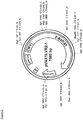
- the plasmid is the 7580bp pVAX10.VR2-1 as depicted in Figure 2 and has the sequence as found in SEQ ID NO 3 and the DNA vaccine is designated VXM01.
- the cancer is pancreatic cancer.
- said pancreatic cancer is stage IV or locally advanced pancreatic cancer.
- the cancer includes metastases.
- the treatment is accompanied by chemotherapy and/or radiotherapy.
- the chemotherapeutic agent is gemcitabine.
- the immunotherapeutic treatment with the vaccine is carried out during the chemotherapy treatment cycle.
- the single dose of the vaccine is 1x10 6 , 1x10 7 , or 1x10 8 colony forming units (CFU).
- the single dose of the vaccine is less than 1x10 8 CFU. In particular embodiments, the single dose of the vaccine is from 1x10 6 to1x10 7 CFU.
- the single dose comprises from 10 6 to 10 8 , most particularly from 10 6 to 10 7 colony forming units (CFU).
- CFU colony forming units
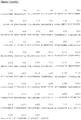
- the present invention relates to the DNA vaccine VXM01, comprising the attenuated Salmonella typhi strain Ty21a transformed by a plasmid that contains a DNA encoding the VEGFR-2 protein of SEQ ID NO 1, wherein the plasmid is a 7580 bp plasmid DNA and comprises the cDNA of VEGFR-2 that is under the control of the CMV promoter, the kanamycin resistance gene, and the pMB1 ori, and is designated as pVAX10.VR2-1.
- the present invention relates to a DNA vaccine comprising the attenuated mutant strain of Salmonella typhi Ty21a transformed by a plasmid that contains a DNA comprising a eukaryotic expression cassette encoding the human VEGFR-2 protein of SEQ ID NO:1, for use in an anti-angiogenic cancer immunotherapy in humans, wherein the vaccine is administered orally and the single dose of the vaccine is from 1x10 6 to 1x10 8 colony forming units (CFU).
- CFU colony forming units
- the attenuated mutant strain of Salmonella typhi functions as the bacterial carrier of the recombinant DNA molecule comprising an expression cassette encoding a VEGFR-2 protein for the delivery of said recombinant DNA molecule into a target cell.
- the term "attenuated” refers to a bacterial strain of reduced virulence compared to the parental bacterial strain, not harboring the attenuating mutation. Attenuated bacterial strains have preferably lost their virulence but retained their ability to induce protective immunity. Attenuation can be accomplished by deletion of various genes, including virulence, regulatory, and metabolic genes. Attenuated bacteria may be found naturally or they may be produced artificially in the laboratory, for example by adaptation to a new medium or cell culture or they may be produced by recombinant DNA technology.
- mutant strain refers to a bacterial strain harboring a mutation in its genome.
- mutant refers to a change in the nucleic acid sequence, including point mutations, insertions, deletions, translocations and inversions.
- the term “comprises” or “comprising” means “including, but not limited to”.
- the term is intended to be open-ended, to specify the presence of any stated features, elements, integers, steps or components, but not to preclude the presence or addition of one or more other features, elements, integers, steps, components or groups thereof.
- the term “comprising” thus includes the more restrictive terms “consisting of” and “essentially consisting of”.
- the term “comprising” as used throughout the application and in particular within the claims may be replaced by the term “consisting of”.
- the term "recombinant DNA molecule” refers to an engineered DNA construct, preferably composed of DNA pieces of different origin.
- the recombinant DNA molecule can be a linear nucleic acid, or preferably, a circular recombinant DNA plasmid generated by introducing an open reading frame encoding a VEGF receptor protein into an expression vector plasmid.
- expression cassette refers to a nucleic acid unit comprising at least a VEGF receptor protein under the control of regulatory sequences controlling its expression.
- the expression cassette comprised in the attenuated mutant strain of Salmonella can preferably mediate transcription of the included open reading frame encoding a VEGF receptor protein in a target cell.
- Expression cassettes typically comprise a promoter, at least one open reading frame and a transcription termination signal.
- VEGF receptor proteins are endothelial cell-specific receptor-tyrosine kinases that can be bound by the ligand vascular endothelial growth factor (VEGF) which causes them to dimerize and become activated through transphosphorylation.
- VEGF family of growth factors (Kd 75-760 pM) encompasses 6 family members, VEGF-A (also known as VEGF) through E and PLGF (placental growth factor, also known as PGF or PIGF-2).
- VEGF growth factors regulate growth and differentiation of multiple components of the vascular system, especially blood and lymph vessels.
- VEGFR-1 or FLT1
- VEGFR-2 or KDR, FLK1
- VEGFR-3 or FLT4
- Membrane-bound VEGF receptors have an extracellular portion consisting of 7 immunoglobulin-like domains, a single transmembrane spanning region and an intracellular portion containing a split tyrosine-kinase domain.
- VEGFR transcripts give also rise to alternative splice variants that encode soluble VEGF receptor proteins.
- VEGFR-2 also known as kinase-insert-domain-containing receptor (KDR), appears to mediate almost all of the known cellular responses to VEGF.
- KDR kinase-insert-domain-containing receptor
- VEGFR-2 is a 1356 amino acid long, 200-230 kDa molecular weight high-affinity receptor for VEGF, as well as for VEGF-C and VEGF-D.
- VEGFR-2 shares 85% sequence identity with the previously discovered mouse fetal liver kinase 1 (Flk-1).
- VEGFR-2 is normally expressed in endothelial and hematopoietic precursors, as well as in endothelial cells, nascent hematopoietic stem cells and the umbilical cord stroma. However, in quiescent adult vasculature, VEGFR-2 mRNA appears to be down regulated.
- VEGFR-2 contains 18 potential N-linked glycosylation sites.
- VEGFR-2 is initially synthesized as a 150 kDa protein and rapidly glycosylated to a 200 kDa intermediate form, and then further glycosylated at a slower rate to a mature 230 kDa protein which is expressed on the cell surface.
- the term "vaccine” refers to an agent which is able to induce an immune response in a subject upon administration.
- a vaccine can preferably prevent, ameliorate or treat a disease.
- a vaccine in accordance with the present invention comprises the attenuated mutant strain of Salmonella typhi Ty21a.
- the vaccine in accordance with the present invention further comprises at least one copy of a recombinant DNA molecule comprising a eukaryotic expression cassette encoding human VEGFR-2.
- the live attenuated Salmonella mutant strain according to the present invention comprising a recombinant DNA molecule encoding a VEGF receptor protein can be used as a vehicle for the oral delivery of this recombinant DNA molecule.
- a delivery vector comprising a DNA molecule encoding a heterologous antigen, such as a VEGF receptor protein, is termed DNA vaccine.
- Salmonella enterica are attractive as vehicles for the delivery of heterologous antigens the mammalian immune system, because S. enterica strains can potentially be delivered via mucosal routes of immunization, i.e. orally or nasally, which offers advantages of simplicity and safety compared to parenteral administration. Furthermore, Salmonella strains elicit strong humoral and cellular immune responses at the level of both systemic and mucosal compartments.
- the vaccine strain Ty21a has been demonstrated to date to have an excellent safety profile.
- the bacteria Upon exit from the gut lumen via the M cells, the bacteria are taken up by phagocytic cells, such as macrophages and dendritic cells. These cells are activated by the pathogen and start to differentiate, and probably migrate, into the lymph nodes and spleen. Due to the attenuating mutations, bacteria of the S. typhi Ty21a strain are not able to persist in these phagocytic cells but die at this time point. The recombinant DNA molecules are released and subsequently transferred into the cytosol of the phagocytic immune cells, either via a specific transport system or by endosomal leakage.
- the recombinant DNA molecules enter the nucleus, where they are transcribed, leading to VEGF receptor expression in the cytosol of the phagocytic cells.
- Specific cytotoxic T cells against the VEGFR receptor protein are induced by the activated antigen presenting cells (APCs).
- the term “about” or “approximately” means within 80% to 120%, alternatively within 90% to 110%, including within 95% to 105% of a given value or range.
- the term "protein that has at least about 80% sequence identity with human VEGFR-2” refers to a protein that differs in the amino acid sequence and/or the nucleic acid sequence encoding the amino acid sequence of human VEGFR-2.
- the protein may be of natural origin, e.g. a homolog of VEGFR-2 of a different species, or an engineered protein, e.g. an engineered VEGFR-2 derivative. It is known that the usage of codons is different between species. Thus, when expressing a heterologous protein in a target cell, it may be necessary, or at least helpful, to adapt the nucleic acid sequence to the codon usage of the target cell. Methods for defining and constructing derivatives of a given protein are well-known to any one of ordinary skill in the art.
- the protein that shares at least about 80% sequence identity with human VEGFR-2 may contain one or more mutations comprising an addition, a deletion and/or a substitution of one or more amino acids.
- said deleted, added and/or substituted amino acids may be consecutive amino acids or may be interspersed over the length of the amino acid sequence of the protein that shares at least about 80% sequence identity with human VEGFR-2.
- a number of amino acids may be added, deleted, and/or substituted, as long as the sequence identity with human VEGFR-2 is at least about 80%.
- the sequence identity with human VEGFR-2 may be at least about 80%, at least about 85%, at least about 90%, or most particularly at least about 95%.
- nucleic acid sequences encoding the protein that has at least about 80% sequence identity with human VEGFR-2 may differ to a larger extent due to the degeneracy of the genetic code.
- the present invention relates to a DNA vaccine comprising the attenuated mutant strain of Salmonella typhi Ty21a of the present invention.
- the attenuated S. typhi Ty21a strain is an active component of Typhoral L®, also known as Vivotif® (manufactured by Berna Biotech Ltd., a Crucell Company, Switzerland). It is currently the only licensed live oral vaccine against typhoid fever. This vaccine has been extensively tested and has proved to be safe regarding patient toxicity as well as transmission to third parties ( Wahdan et al., J. Infectious Diseases 1982, 145:292-295 ). The vaccine is licensed in more than 40 countries.
- the Marketing Authorization number of Typhoral L® is PL 15747/0001 dated 16 December 1996 .
- One dose of vaccine contains at least 2x10 9 viable S. typhi Ty21a colony forming units and at least 5x10 9 non-viable S. typhi Ty21a cells.
- Salmonella typhi Ty21a bacterial strain One of the biochemical properties of the Salmonella typhi Ty21a bacterial strain is its inability to metabolize galactose. The attenuated mutant strain is also not able to reduce sulfate to sulfite which differentiates it from the wild type Salmonella Ty2 strain. With regard to its serological characteristics, the Salmonella typhi Ty21a strain contains the O9-antigen which is a polysaccharide of the outer membrane of the bacteria and lacks the O5-antigen which is in turn a characteristic component of Salmonella typhimurium. This serological characteristic supports the rationale for including the respective test in a panel of identity tests for batch release.
- the term "eukaryotic expression cassette” refers to an expression cassette which allows for expression of the open reading frame in a eukaryotic cell. It has been shown that the amount of heterologous antigen required to induce an adequate immune response may be toxic for the bacterium and result in cell death, over-attenuation or loss of expression of the heterologous antigen. Using a eukaryotic expression cassette that is not expressed in the bacterial vector but only in the target cell may overcome this toxicity problem and the protein expressed may exhibit a eukaryotic glycosylation pattern.
- a eukaryotic expression cassette comprises regulatory sequences that are able to control the expression of an open reading frame in a eukaryotic cell, preferably a promoter and polyadenylation signal. Promoters and polyadenylation signals included in the recombinant DNA molecules comprised by the attenuated mutant strain of Salmonella of the present invention are preferably selected to be functional within the cells of the subject to be immunized.
- Suitable promoters include but are not limited to promoters from cytomegalovirus (CMV), such as the strong CMV immediate early promoter, Simian virus 40 (SV40), Mouse Mammary Tumor Virus (MMTV), Human Immunodeficiency Virus (HIV), such as the HIF Long Terminal Repeat (LTR) promoter, Moloney virus, Epstein Barr Virus (EBV), and from Rous Sarcoma Virus (RSV) as well as promoters from human genes such as human actin, human myosin, human hemoglobin, human muscle creatine, and human metallothionein.
- CMV promoter refers to the strong immediate-early cytomegalovirus promoter.
- suitable polyadenylation signals include but are not limited to the bovine growth hormone (BGH) polyadenylation site, SV40 polyadenylation signals and LTR polyadenylation signals.
- BGH bovine growth hormone
- the eukaryotic expression cassette included in the recombinant DNA molecules comprised by the attenuated mutant strain of Salmonella of the present invention comprises the BGH polyadenylation site.
- VEGF receptor protein In addition to the regulatory elements required for expression of the VEGF receptor protein, like a promoter and the polyadenylation signal, other elements can also be included in the recombinant DNA molecule. Such additional elements include enhancers.
- the enhancer can be, for example, the enhancer of human actin, human myosin, human hemoglobin, human muscle creatine and viral enhancers such as those from CMV, RSV and EBV.
- regulatory sequences and codons are generally species dependent, so in order to maximize protein production, the regulatory sequences and codons are preferably selected to be effective in the species to be immunized.
- the person skilled in the art can produce recombinant DNA molecules that are functional in a given subject species.
- the DNA vaccine of the present invention is for use in an anti-angiogenic cancer immunotherapy in humans.
- the DNA vaccine comprises the attenuated Salmonella typhi strain Ty21a transformed by a plasmid that contains a DNA encoding the VEGFR-2 protein of SEQ ID NO 1.
- the recombinant DNA molecule comprises the kanamycin antibiotic resistance gene, the pMB1 ori, and a eukaryotic expression cassette encoding human VEGFR-2, under the control of a CMV promoter.
- human VEGFR-2 has the nucleic acid sequence as found in SEQ ID NO 2.
- the eukaryotic Cytomegalovirus (CMV) immediate-early promoter ensures efficient translation of the VEGFR-2 protein in the host cell, and the prokaryotic origin of replication (ori) mediates multiplication within the bacterial host.
- CMV Cytomegalovirus
- the recombinant DNA molecule is derived from commercially available pVAX1TM expression plasmid (Invitrogen, San Diego, California).
- This expression vector was modified by replacing the high copy pUC origin of replication by the low copy pMB1 origin of replication of pBR322. The low copy modification was made in order to reduce the metabolic burden and to make the construct more stable. Details of the plasmid pVAX10.VR2-1 construct are depicted in Figure 2 .
- the generated expression vector backbone was designated pVAX10. Inserting human VEGFR-2 of the nucleic acid sequence as found in SEQ ID NO 2 into this expression vector backbone yielded the expression plasmid pVAX10.VR2-1.
- the expression plasmid pVAX10.VR2-1 is schematically depicted in Figure 2 .
- the plasmid is the 7580bp pVAX10.VR2-1 as depicted in Figure 2 and has the sequence as found in SEQ ID NO 3 and the DNA vaccine is designated VXM01.
- VXM01 is an oral cancer vaccine consisting of an attenuated strain of Salmonella enterica serovar typhi Ty21a carrying at least one copy of a plasmid DNA, pVAX10.VR2-1, encoding a eukaryotic expression cassette of the human Vascular Endothelial Growth Factor-Receptor 2 (VEGFR-2).
- the cancer is pancreatic cancer.
- said pancreatic cancer is stage IV or locally advanced pancreatic cancer.
- the cancer includes metastases.
- cancer immunotherapy further comprises administration of one or more further attenuated mutant strain(s) of Salmonella comprising at least one copy of a recombinant DNA molecule comprising an expression cassette encoding a tumor antigen and/or a tumor stroma antigen.
- said one or more further mutant strain(s) of Salmonella is/are Salmonella typhi Ty21a comprising a eukaryotic expression cassette.
- said one or more further strain(s) of Salmonella comprise(s) an attenuated mutant strain of Salmonella encoding human WT1.
- Combining the attenuated mutant strain of Salmonella of the present invention with a second attenuated mutant strain comprising a DNA molecule encoding a second tumor stroma antigen or a tumor antigen may have synergistic antitumor effects.
- simultaneous targeting of the tumor and the tumor stroma may minimize the risk of tumor escape.
- Combining VEGFR-2 based immunotherapy with WT1 based cancer immunotherapy may prove especially effective, since WT1 overexpressing human cells and the tumor vasculature are attacked at the same time.
- the attenuated mutant strain of Salmonella is co-administered with said one or more further attenuated mutant strain(s) of Salmonella.
- co-administration means administration of two different attenuated mutant strains of Salmonella within three consecutive days, more particularly within two consecutive days, more particularly on the same day, more particularly within 12 hours. Most particularly, in the context of the present invention, the term “co-administration” refers to simultaneous administration of two different attenuated mutant strains of Salmonella.
- the treatment is accompanied by chemotherapy and/or radiotherapy.
- chemotherapy for cure of cancer, complete eradication of cancer stem cells may be essential.
- a combination of different therapy approaches may be beneficial.
- biological cancer therapy or “cancer immunotherapy” refers to the stimulation of the patient's immune system to attack malignant tumor cells or the tumor stroma.
- Biological cancer therapy approaches include delivery of tumor antigens, delivery of therapeutic antibodies as drugs, administration of immunostimulatory cytokines and administration of immune cells.
- Chemotherapeutic agents that may be used in combination with the attenuated mutant strain of Salmonella of the present invention may be, for example: amifostine (ethyol), cabazitaxel, cisplatin, dacarbazine (DTIC), dactinomycin, docetaxel, mechlorethamine, streptozocin, cyclophosphamide, carrnustine (BCNU), lomustine (CCNU), doxorubicin (adriamycin), doxorubicin lipo (doxil), folinic acid, gemcitabine (gemzar), daunorubicin, daunorubicin lipo (daunoxome), procarbazine, ketokonazole, mitomycin, cytarabine, etoposide, methotrexate, 5-fluorouracil (5-FU), vinblastine, vincristine, bleomycin, paclitaxel (taxol), docetaxel (taxoter
- chemotherapeutic agents according to the invention in combination with VXM01 are cabazitaxel, carboplatin, oxaliplatin, cisplatin, cyclophosphamide, docetaxel, gemcitabine, doxorubicin, paclitaxel (taxol), irinotecan, vincristine, vinblastine, vinorelbin, folinic acid, 5-fluorouracil and bleomycin, especially gemcitabine.
- the chemotherapeutic agent is gemcitabine.
- Treatment options for fever, anaphylaxis, blood pressure instability, bronchospasm, and dyspnoea are available.
- Treatment options in case of unwanted T-cell derived auto-aggression are derived from standard treatment schemes in acute and chronic graft vs. host disease applied after stem cell transplantation. Cyclosporin and glucocorticoids are proposed as treatment options.
- antibiotic therapy is recommended, for example with fluoroquinolones including ciprofloxacin or ofloxacin.
- Bacterial infections of the gastrointestinal tract are to be treated with respective agents, such as rifaximin.
- the attenuated mutant strain of Salmonella is administered during the chemotherapy or the radiotherapy treatment cycle or during biological cancer therapy.
- the immunotherapeutic treatment with the vaccine is carried out during the chemotherapy treatment cycle.
- the attenuated mutant strain of Salmonella is administered before the chemotherapy or the radiotherapy treatment cycle or before biological cancer therapy.
- This approach may have the advantage that chemotherapy or radiotherapy can be performed under conditions of enhanced cancer immunity.
- the attenuated mutant strain of Salmonella is administered after the chemotherapy or the radiotherapy treatment cycle or after biological cancer therapy.
- the vaccine according to the present invention is administered orally. Oral administration is simpler, safer and more comfortable than parenteral administration. Adverse effects of parenteral, subcutaneous or intradermal administration may be overcome by oral administration of the DNA vaccine of the present invention.
- the attenuated mutant strain of Salmonella of the present invention may however also be administered by any other suitable route.
- a therapeutically effective dose is administered to the subject, and this dose depends on the particular application, the type of malignancy, the subject's weight, age, sex and state of health, the manner of administration and the formulation, etc. Administration may be single or multiple, as required.
- the attenuated mutant strain of Salmonella typhi Ty21a of the present invention may be provided in the form of a solution, a suspension, lyophilisate, or any other suitable form. It may be provided in combination with pharmaceutically acceptable carriers, diluents, and/or excipients. Agents for adjusting the pH value, buffers, agents for adjusting toxicity, and the like may also be included.
- pharmaceutically acceptable refers to molecular entities and other ingredients of pharmaceutical compositions that are physiologically tolerable and do not typically produce untoward reactions when administered to a mammal (e.g., human).
- pharmaceutically acceptable may also mean approved by a regulatory agency of a Federal or a state government or listed in the U.S. Pharmacopeia or other generally recognized pharmacopeia for use in mammals, and, more particularly, in humans.
- the vaccine of the present invention is surprisingly effective at relatively low doses.
- the single dose of the vaccine is about 1x10 6 , about 1x10 7 , or about 1x10 8 colony forming units (CFU).
- Administration of low doses of this live bacterial vaccine minimizes the risk of excretion and thus of transmission to third parties.
- the term "about” or “approximately” means within a factor of 3, alternatively within a factor of 2, including within a factor of 1.5 of a given value or range.
- the single dose of the vaccine is less than 1x10 8 CFU. In particular embodiments, the single dose of the vaccine is from 1x10 6 to 1x10 7 CFU.
- the single dose comprises from 10 6 to 10 7 colony forming units (CFU).
- CFU colony forming units
- the attenuated mutant strain of Salmonella is for use in individualized cancer immunotherapy.
- Individualized cancer immunotherapy may comprise the step of assessing the tumor stroma antigen expression pattern and/or the tumor antigen expression pattern of a patient.
- Individualized cancer immunotherapy may also comprise the step of assessing pre-immune responses against a tumor stroma antigen or a tumor antigen, preferably the pre-immune response against VEGFR-2.
- pre-existing immune responses against VEGFR-2 were shown to strongly correlate with positive clinical responses of VXM01, in particular with a decrease in tumor perfusion.
- VXM01 can be used - either by itself or in combination with other Salmonella typhi Ty21a based cancer vaccines comprising eukaryotic expression systems - for the treatment of various cancer types.
- VXM01 may be used for individualized patient specific cancer treatment.
- the patient's stromal and/or tumor antigen expression pattern may be assessed in a first step for example by companion diagnostics targeting the patient's specific stromal and/or tumor antigen pattern.
- pre-existing immune responses against stromal and/or tumor antigens may be assessed.
- VMX01 may be administered either alone or in combination with one or more suitable further Salmonella typhi Ty21a based cancer vaccine(s) comprising eukaryotic expression systems.
- Combinations of VXM01 with one or more further Salmonella typhi Ty21a based cancer vaccine(s) may however also be administered as fixed combinations. These cocktails combining two or more Salmonella typhi Ty21a based cancer vaccines can be composed of separate off the shelf products.
- the combinations, either fixed or individualized, may contain VXM01 as anti-angiogenic basis therapy.
- the present invention relates to the DNA vaccine VXM01, comprising the attenuated Salmonella typhi strain Ty21a transformed by a plasmid that contains a DNA encoding the VEGFR-2 protein of SEQ ID NO 1, wherein the plasmid is a 7580 bp plasmid DNA and comprises the cDNA of VEGFR-2 that is under the control of the CMV promoter, the kanamycin resistance gene, and the pMB1 ori, and is designated as pVAX10.VR2-1.
- Example 1 Salmonella typhi Ty21a strain preparation and plasmid preparation
- the first step in the preparation of the research seed lot consisted of the isolation of the attenuated Salmonella typhi Ty21a strain followed by the transformation of the attenuated bacteria with the plasmid DNA (pVAX1 0.VR2-1).
- Liquid culture medium was inoculated with a Salmonella typhi Ty21a isolate and the liquid culture was then plated onto an agar medium for the purpose of isolating single bacterial colonies. Single colonies were isolated and grown in liquid culture medium. Two cultures, namely VAX.Ty21-1 and VAX.Ty21-2, were then formulated with glycerol, aliquoted (1 ml) and stored at -75°C ⁇ 5°C pending use. Identity of each of the two cultures was further confirmed.
- the plasmid pVAX10.VR2-1 was thus successfully synthesized (no deviation to reference sequence). This plasmid was further used to transform the S. typhi Ty21a bacterial strain.
- This phase I trial examined the safety, tolerability, and immunological and clinical responses to VXM01.
- the randomized, placebo-controlled, double blind dose-escalation study included 45 patients with locally advanced or stage IV pancreatic cancer.
- the patients received four doses of VXM01 or placebo in addition to gemcitabine as standard of care.
- Doses from 10 6 CFU up to 10 10 CFU of VXM01 were evaluated in the study.
- An independent data safety monitoring board (DSMB) was involved in the dose-escalation decisions.
- DSMB data safety monitoring board
- VXM01 the vaccine used in this trial, is a humanized version of the anti-VEGFR-2 vaccine previously tested in mice. It encodes the human full-length VEGFR-2 and uses the licensed Salmonella typhi strain Ty21a instead of Salmonella typhimurium as a carrier. The vaccine is assumed to lead to VEGFR-2 protein expression in monocytes and dendritic cells after entry of VXM01 in the Peyer's patches via M cells of the gut, and internalization by antigen-presenting cells followed by translation of the encoded DNA.
- mice Preclinical toxicity studies in mice included, but were not restricted to a single dose toxicity study in mice conducted with the human vaccine VXM01.
- VXM01 is specific for the human host
- the study of the human vaccine in mice focused on possible effects of process-related impurities and related signs and symptoms of possible relevance for cardiovascular, respiratory, or central nervous system impairment.
- a repeated dose toxicity study was conducted using the murine analog construct of VXM01 which induced a dose-dependent T-cell response in mice.
- GLP Good Laboratory Practice
- the vector Salmonella typhi Ty21a used here is a live, attenuated bacterial carrier that allows for the oral delivery of the vaccine VXM01. It is itself an approved vaccine against typhoid fever (Vivotif®, Crucell, formerly Berna Biotech Ltd., Switzerland) that has been extensively tested and has demonstrated its safety regarding patient toxicity as well as transmission to third parties ( Wahdan et al., J. Infectious Diseases 1982, 145:292-295 ). VXM01 is classified as a gene transfer medicinal product and subject to the respective guidance and regulations.
- the conducted study was a monocenter, placebo controlled, double blind dose escalation study of the experimental vaccine VXM01 in patients with inoperable or stage IV pancreatic cancer.
- the vaccine was given as add-on to a standard of care gemcitabine treatment.
- the objectives were to examine the safety and tolerability, and immunological and clinical responses to the investigational anti-VEGFR-2 vaccine VXM01, as well as to identify the maximum tolerated dose (MTD) of VXM01.
- MTD is defined as the highest dose level at which less than two of up to six patients under VXM01 treatment experience a dose-limiting toxicity (DLT).
- DLTs defined as any adverse event (AE) related to study drug of grade 4 or higher, or grade 3 or higher for gastrointestinal fistula, diarrhea, gastrointestinal perforation, multi-organ failure, anaphylaxis, any auto-immune disorder, cytokine-release syndrome, intestinal bleeding, renal failure, proteinuria, thromboembolic events, stroke, heart failure, or vasculitis according to the National Cancer Institute Common Terminology Criteria for Adverse Events (CTCAE).
- AE adverse event
- CCAE National Cancer Institute Common Terminology Criteria for Adverse Events
- a further secondary endpoint was the clinical response: Tumor staging according to the response evaluation criteria in solid tumors (RECIST), overall response rate, progression free survival, overall survival, and changes in tumor perfusion. Tumor perfusion was determined by dynamic contrast-enhanced Magnetic Resonance Imaging (DCE-MRI) on a 1.5 Tesla system (Magnetom Aera, Siemens, Er Weg, Germany).
- DCE-MRI dynamic contrast-enhanced Magnetic Resonance Imaging
- VXM01 had been manufactured according to Good Manufacturing Practice (GMP) and was given in a buffered solution.
- Table 1 Inclusion Criteria 1. Written informed consent, signed and dated 2. Locally advanced, inoperable and stage IV pancreatic cancer patients according to UICC based on diagnostic imaging using computer-tomography (CT) or histological examinations 3. Male or post-menopausal female 4. Age ⁇ 18 years 5. Chemotherapy naive within 60 days before screening visit except gemcitabine treatment 6. Karnofsky index >70 7. Life expectancy >3 months 8. Adequate renal, hepatic, and bone marrow function 9. Absolute neutrophil count >1500/ ⁇ L 10. Hemoglobin >10 g/dL 11.
- Proteinuria ⁇ 1 g protein on 24 h urine collection Exclusion Criteria 18. State after pancreas resection (complete or partial) 19. Resectable disease 20. Drug trial participation within 60 days before screening visit 21.
- Cardiovascular disease defined as: Uncontrolled hypertension (systolic blood pressure >160 mmHg or diastolic blood pressure >100 mmHg) Arterial thromboembolic event within 6 months before randomization including: - Myocardial infarction - Unstable angina pectoris - Cerebrovascular accident - Transient ischemic attack 28. Congestive heart failure New York Heart Association grade III to IV 29. Serious ventricular arrhythmia requiring medication 30. Clinically significant peripheral artery disease > grade 2b according to Fontaine 31. Hemoptysis within 6 months before randomization 32. Esophageal varices 33. Upper or lower gastrointestinal bleeding within 6 months before randomization 34. Significant traumatic injury within 4 weeks before randomization 35.
- Radiotherapy within 4 weeks before randomization 42.
- the starting dose consisted of a solution containing 10 6 colony forming units (CFU) of VXM01 or placebo.
- CFU colony forming units
- This VXM01 dose was chosen for safety reasons and was assumed to be below the minimal effective dose to elicit an immune response.
- one dose of Typhoral® the licensed vaccine against typhoid fever, contains 2x10 9 to 6x10 9 CFU of Salmonella typhi Ty21a, equivalent to approximately thousand times the VXM01 starting dose.
- the dose was escalated in factor-of-ten logarithmic steps, which appears to be justified for a live bacterial vaccine.
- the dose escalating design is depicted in Figure 3 .
- the patients of one dose group were treated in cohorts.
- the first administration of VXM01 in any dose group was given to one patient only accompanied by one patient receiving placebo.
- the second cohort of each dose group consisted of two patients receiving VXM01 and one patient receiving placebo. This staggered administration with one front-runner, i.e. only one patient receiving VXM01 first, served to mitigate the risks.
- a third cohort of patients (three receiving VXM01 and one receiving placebo) were included in the 10 8 , 10 9 , and 10 10 dose groups. This approach minimized exposure to VXM01 doses assumed to be sub-therapeutic.
- the third cohort and the first two cohorts of the next higher treatment group were treated in parallel based on a clearly defined randomization strategy. This strategy allowed for recruitment of available patients and avoided selection bias for patients treated in parallel in the lower and higher dose group.
- a third cohort of patients was included only if one patient out of the initial three patients receiving VXM01 of the respective dose group experienced a DLT and required confirmation by a decision of the Data Safety Monitoring Board (DSMB).
- DSMB Data Safety Monitoring Board
- the environmental risk inherent to an oral vaccine is the potential of excretion to the environment and subsequent vaccination of people outside the target population.
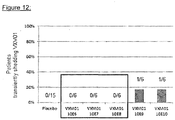
- All study patients were confined in the study site (KliPS) for the period during which vaccinations took place plus three additional days. All feces of study patients were collected and incinerated. Body fluids and feces samples were investigated for VXM01 shedding. Fecal excretion of VXM01 was observed in two patients, one in the 10 9 and one in the 10 10 dose group. VXM01 excretion in feces in both patients was transient at one occasion after the first or second administration, respectively, and disappeared without antibiotic treatment. In other body fluids, no excretion was determined.
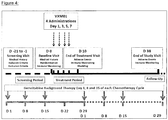
- VXM01 was applied in parallel to the gemcitabine background therapy as shown in Figure 4 (overall study scheme).
- gemcitabine was given on days 1, 8, and 15 of a 28 days chemotherapy cycle.
- the vaccine was given four times on days 1, 3, 5, and 7, starting three days after the last dose of gemcitabine.
- the double blinded phase of the study ended 31 days after the last patient had received the last administration.
- phase I trial (advanced or stage IV pancreatic cancer patients) a patient population with dismal prognosis and the relatively gentle standard of care with regard to immunosuppression was chosen.
- Co-regimes of the chemotherapeutic agent gemcitabine with tumor vaccination may be synergistic.
- specific T-cell activation was measured in this patient setting demonstrating effectiveness of the vaccine VXM01.
- a placebo control was included in the present trial, in order to gain further knowledge on specific safety issues related to the active vaccine vs. the background treatment.
- the pooled placebo patients served as a sound comparator for assessing specific immune activation and other signs of clinical efficacy. If and when moving into phase II, a different patient entity with a longer life expectancy can be envisaged depending on the observed safety profile.
- Such studies will also include tumor types that have shown to be more susceptible to anti-angiogenic treatment.
- VXM01 Responses to VXM01 were assessed by monitoring the frequencies of VEGFR2 specific T-cells in peripheral blood of VXM01 and placebo treated patients, detected by INF ⁇ ELISpot, at different time points prior during and post vaccination.
- T-cells and peptide pulsed DC were added to wells coated with anti-INFy antibodies. After a period of incubation, cells were removed with secreted INF ⁇ left binding with the coat antibodies. Then detection antibody was added to detect the bound INF ⁇ , and after a signal amplification, the final yield could be viewed as "color spots" representing single activated and specific T-cells.
- Positivity of ELISpot samples was graded according to predefined rules defining signal increase resulting in grade 0 to 3 per sample: No increase: grade 0 Clear increase but ⁇ 3x: grade 1 ⁇ 3x but ⁇ 5x increase: grade 2 ⁇ 5x increase: grade 3
- Table 2 The ELISpot immune response of study patients is depicted in Table 2: Table 2: VEGFR-2 specific T-cell response (Patients w/ grading score ⁇ 3) Placebo 10 6 CFUs/admin 10 7 CFUs/admin 10 8 CFUs/admin 10 9 CFUs/admin 10 10 CFUs/admin 1/11 2/6 3/5 1/6 0/6 2/6
- DCEMRI dynamic contrast enhanced magnetic resonance imaging
- VEGFR-2 specific T-cell mediated, anti-angiogenic activity of VXM01 accompanying changes in angiogenesis biomarkers VEGF A, human collagen IV and blood pressure were monitored.
- VEGF A was measured in human serum samples by ELISA using a commercial assay kit (ELISA Kit Quantikine Human VEGF A Immunoassay, R&D Systems, Cat.-No.: DVE00). The assay was used as described in the package insert and as modified as part of this study plan according to the foregoing validation study 580.132.2786.
- This assay employs the quantitative sandwich enzyme immunoassay technique.
- a monoclonal antibody specific for human VEGF A had been pre-coated onto a microplate.
- Standards, quality controls (commercially obtained) and samples were pipetted into the wells and any VEGF A present was bound by the immobilized antibody.
- Calibrator, quality control samples, and samples were analyzed as duplicates.
- an enzyme-linked polyclonal antibody specific for VEGF A was added to the wells.
- a substrate solution was added to the wells and color developed in proportion to the amount of VEGF A bound in the initial step.
- the color development was stopped and the intensity of the color was measured using a spectrophotometric microtiter plate reader at 450 nm.
- a standard curve was generated by plotting the absorbance versus the respective VEGF A concentration for each standard. The concentration of VEGF A in the sample was determined directly from this curve.
- the quantification of VEGF A in patient serum samples is graphically depicted in Figure 7 .
- Human Collagen IV was measured in human serum samples by ELISA using a commercial assay kit (Human Collagen IV ELISA, Serum, KAMIYA BIOMEDICAL COMPANY, Cat.-No.: KT-035). The assay was used as described in the package insert and as modified as part of this study report according to the foregoing validation study 580.132.3645.
- the human Collagen IV ELISA was a solid phase one-step sandwich ELISA. Collagen IV in the sample was bound simultaneously by a solid phase monoclonal antibody and a monoclonal antibody-enzyme conjugate, each directed at different antigenic sites. This resulted in the collagen IV molecule being sandwiched between the solid phase and enzyme-labeled antibodies. After removing unbound enzyme-labeled antibody and sample, the plate was incubated with chromogenic substrate (TMB). The resultant color development was directly proportional to the amount of collagen IV in the sample.
- TMB chromogenic substrate
- the quantification of collagen IV in patient serum samples is graphically depicted in Figure 8 .
- anti-Salmonella typhi IgG and IgM immunoglobulins were detected by ELISA using two commercial assay kits (Salmonella typhi IgG ELISA, Cat. No. ST0936G and Salmonella typhi IgM ELISA, Cat. No. ST084M; Calbiotech. Inc., 10461 Austin Dr, Spring Valley, CA 91978, USA). These assays were qualitative assays. The assays were used as described in the package inserts respectively App. I/I) and as modified as part of the study plan according to the foregoing validation study 580.132.2785.
- Both assays employed the enzyme-linked immunosorbent assay technique.
- Calibrator, negative control, positive control and samples were analyzed as duplicates. Diluted patient serum (dilution 1:101) was added to wells coated with purified antigen. IgG or IgM specific antibody, if present, bound to the antigen. All unbound materials were washed away and the enzyme conjugate was added to bind to the antibody-antigen complex, if present. Excess enzyme conjugate was washed off and substrate was added. The plate was incubated to allow for hydrolysis of the substrate by the enzyme. The intensity of the color generated was proportional to the amount of IgG or IgM specific antibody in the sample. The intensity of the color was measured using a spectrophotometric microtiter plate reader at 450 nm. The cut off was calculated as follows: Calibrator OD x Calibrator Factor (CF).
- CF Calibrator OD x Calibrator Factor
- the antibody index of each determination was determined by dividing the OD value of each sample by cut-off value.
- Antibody index interpretation ⁇ 0.9 No detectable antibody to Salmonella typhi IgG or IgM by ELISA 0.9-1.1 Borderline positive >1.1 Detectable antibody to Salmonella typhi IgG or IgM by ELISA
- VXM01-01-DE The shedding of bacteria in stool and body fluids, tears, saliva, urine and blood was monitored in the study VXM01-01-DE according to methods validated transferred as formerly validated according to GLP at an established central service laboratory (Huntingdon Life Sciences, Huntingdon, UK). Shedding and biodistribution in body fluids of VXM01 were determined by plate and enrichment cultivation. Identity of the VXM01 carrier bacterium was determined by serological agglutination and PCR methods.
- Test samples (blood, tears, urine, saliva and faeces) were collected at the site in Heidelberg and same-day delivery of post-vaccination samples took place to MicroMol GmbH located in Düsseldorf, Germany.
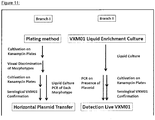
- the bacterial vector shedding and biodistribution analysis cascade was designed to detect live CFU of VXM01 or horizontal plasmid transfer. It consists of two separate analysis branches (Branch I and Branch II): Branch I: Plating method to detect any horizontal plasmid transfer Branch II: Liquid enrichment culture to detect live CFU of VXM01
- the analysis cascade is followed by a matrix decision in order to determine the excretion of live bacteria VXM01 or observation of a horizontal plasmid transfer.
- the cascade is outlined in Figure 11 .
- PCR of any test sample would not be discriminative between live CFU and/or free-floating plasmid or Ty21a genomic DNA and as agglutination cannot be applied directly on test samples
- PCR as well as agglutination methods were used as second-line methods after plating method was applied.
- Identified live colonies grown on kanamycin-containing plates were further characterized by these methods. Only the plating method enables discrimination between live and dead cells (either VXM01 or foreign non-VXM01 plasmid transformants due to horizontal plasmid transfer).
- VXM01 excretion in feces in both patients was transient at one occasion after the first or second administration, respectively, and disappeared without antibiotic treatment.
- the numbers of VMX01 excreting patients in the various dose groups are graphically depicted in Figure 12 .
- VXM01 has the potential to target a variety of tumor types and to overcome multiple hurdles encountered by other present cancer vaccine approaches.
- a plausible vision is the possibility of combining the vaccine of the present invention with a multitude of other anti-cancer and immune-modulatory agents.
- the results of the here presented study motivate the inventors to move forward this highly interesting approach.
Landscapes
- Health & Medical Sciences (AREA)
- Life Sciences & Earth Sciences (AREA)
- Chemical & Material Sciences (AREA)
- Medicinal Chemistry (AREA)
- General Health & Medical Sciences (AREA)
- Organic Chemistry (AREA)
- Engineering & Computer Science (AREA)
- Genetics & Genomics (AREA)
- Zoology (AREA)
- Microbiology (AREA)
- Pharmacology & Pharmacy (AREA)
- Veterinary Medicine (AREA)
- Public Health (AREA)
- Animal Behavior & Ethology (AREA)
- Epidemiology (AREA)
- Biotechnology (AREA)
- Wood Science & Technology (AREA)
- Bioinformatics & Cheminformatics (AREA)
- Immunology (AREA)
- Biochemistry (AREA)
- Mycology (AREA)
- Cell Biology (AREA)
- Molecular Biology (AREA)
- Tropical Medicine & Parasitology (AREA)
- Virology (AREA)
- General Engineering & Computer Science (AREA)
- Biomedical Technology (AREA)
- Oncology (AREA)
- Vascular Medicine (AREA)
- Proteomics, Peptides & Aminoacids (AREA)
- Toxicology (AREA)
- Gastroenterology & Hepatology (AREA)
- Biophysics (AREA)
- Chemical Kinetics & Catalysis (AREA)
- Nuclear Medicine, Radiotherapy & Molecular Imaging (AREA)
- General Chemical & Material Sciences (AREA)
- Micro-Organisms Or Cultivation Processes Thereof (AREA)
- Medicines Containing Antibodies Or Antigens For Use As Internal Diagnostic Agents (AREA)
- Medicines Containing Material From Animals Or Micro-Organisms (AREA)
- Medicines That Contain Protein Lipid Enzymes And Other Medicines (AREA)
Priority Applications (4)
| Application Number | Priority Date | Filing Date | Title |
|---|---|---|---|
| PL13732833T PL2869836T3 (pl) | 2012-07-05 | 2013-06-26 | Szczepionka DNA do zastosowania u pacjentów z rakiem trzustki |
| SI201331605T SI2869836T1 (sl) | 2012-07-05 | 2013-06-26 | DNA cepivo za uporabo pri pacientih z rakom trebušne slinavke |
| EP19194049.3A EP3603664A1 (en) | 2012-07-05 | 2013-06-26 | Dna vaccine for use in pancreatic cancer patients |
| EP13732833.2A EP2869836B1 (en) | 2012-07-05 | 2013-06-26 | Dna vaccine for use in pancreatic cancer patients |
Applications Claiming Priority (3)
| Application Number | Priority Date | Filing Date | Title |
|---|---|---|---|
| EP12004995 | 2012-07-05 | ||
| PCT/EP2013/001882 WO2014005683A1 (en) | 2012-07-05 | 2013-06-26 | Dna vaccine for use in pancreatic cancer patients |
| EP13732833.2A EP2869836B1 (en) | 2012-07-05 | 2013-06-26 | Dna vaccine for use in pancreatic cancer patients |
Related Child Applications (1)
| Application Number | Title | Priority Date | Filing Date |
|---|---|---|---|
| EP19194049.3A Division EP3603664A1 (en) | 2012-07-05 | 2013-06-26 | Dna vaccine for use in pancreatic cancer patients |
Publications (2)
| Publication Number | Publication Date |
|---|---|
| EP2869836A1 EP2869836A1 (en) | 2015-05-13 |
| EP2869836B1 true EP2869836B1 (en) | 2019-09-25 |
Family
ID=48741047
Family Applications (2)
| Application Number | Title | Priority Date | Filing Date |
|---|---|---|---|
| EP13732833.2A Active EP2869836B1 (en) | 2012-07-05 | 2013-06-26 | Dna vaccine for use in pancreatic cancer patients |
| EP19194049.3A Withdrawn EP3603664A1 (en) | 2012-07-05 | 2013-06-26 | Dna vaccine for use in pancreatic cancer patients |
Family Applications After (1)
| Application Number | Title | Priority Date | Filing Date |
|---|---|---|---|
| EP19194049.3A Withdrawn EP3603664A1 (en) | 2012-07-05 | 2013-06-26 | Dna vaccine for use in pancreatic cancer patients |
Country Status (19)
| Country | Link |
|---|---|
| US (3) | US9415098B2 (da) |
| EP (2) | EP2869836B1 (da) |
| JP (1) | JP6325534B2 (da) |
| KR (1) | KR102090612B1 (da) |
| CN (1) | CN104519908B (da) |
| AU (2) | AU2013286335B2 (da) |
| BR (1) | BR112014033046A2 (da) |
| DK (1) | DK2869836T3 (da) |
| ES (1) | ES2752141T3 (da) |
| HU (1) | HUE046138T2 (da) |
| IL (1) | IL236049B (da) |
| LT (1) | LT2869836T (da) |
| MX (1) | MX359315B (da) |
| PL (1) | PL2869836T3 (da) |
| RU (1) | RU2636348C2 (da) |
| SG (1) | SG11201500054QA (da) |
| SI (1) | SI2869836T1 (da) |
| WO (1) | WO2014005683A1 (da) |
| ZA (1) | ZA201409156B (da) |
Families Citing this family (18)
| Publication number | Priority date | Publication date | Assignee | Title |
|---|---|---|---|---|
| JP6325534B2 (ja) * | 2012-07-05 | 2018-05-16 | バクシム アクチェンゲゼルシャフト | 膵臓癌患者用dnaワクチン |
| US20180153976A1 (en) | 2015-06-18 | 2018-06-07 | Vaximm Ag | Novel cmv pp65 targeting dna vaccine for cancer immunotherapy |
| RU2018101722A (ru) * | 2015-06-18 | 2019-07-18 | Факсимм Аг | Днк-вакцина, нацеленная на vegfr-2, для комбинированной терапии |
| SG11201811258UA (en) * | 2016-07-13 | 2019-01-30 | Vaximm Ag | Process for the production of a dna vaccine for cancer immunotherapy |
| US11268004B2 (en) | 2016-10-07 | 2022-03-08 | Denka Company Limited | Boron nitride aggregated grain |
| JP7037494B2 (ja) | 2016-10-21 | 2022-03-16 | デンカ株式会社 | 球状窒化ホウ素微粉末、その製造方法及びそれを用いた熱伝導樹脂組成物 |
| CA3041375A1 (en) * | 2016-11-04 | 2018-05-11 | Vaximm Ag | Wt1 targeting dna vaccine for combination therapy |
| WO2018149982A1 (en) | 2017-02-17 | 2018-08-23 | Vaximm Ag | Novel vegfr-2 targeting immunotherapy approach |
| JP7247097B2 (ja) | 2017-03-17 | 2023-03-28 | バクシム アクチェンゲゼルシャフト | がん免疫療法のための新規pd-l1標的dnaワクチン |
| EP3652318A1 (en) | 2017-07-11 | 2020-05-20 | Actym Therapeutics, Inc. | Engineered immunostimulatory bacterial strains and uses thereof |
| JP7340591B2 (ja) | 2018-07-11 | 2023-09-07 | アクティム・セラピューティクス・インコーポレイテッド | 遺伝子操作された免疫刺激性細菌菌株およびその使用 |
| JP7598315B2 (ja) * | 2018-09-05 | 2024-12-11 | エンエーセー オンコイミュニティ アクスイェ セルスカプ | 併用療法用dnaワクチンを標的とするネオアンチゲン |
| US12024709B2 (en) | 2019-02-27 | 2024-07-02 | Actym Therapeutics, Inc. | Immunostimulatory bacteria engineered to colonize tumors, tumor-resident immune cells, and the tumor microenvironment |
| US20230121528A1 (en) | 2020-01-13 | 2023-04-20 | Vaximm Ag | Salmonella-based dna vaccines in combination with an antibiotic |
| US10973908B1 (en) | 2020-05-14 | 2021-04-13 | David Gordon Bermudes | Expression of SARS-CoV-2 spike protein receptor binding domain in attenuated salmonella as a vaccine |
| US12537071B1 (en) | 2020-07-22 | 2026-01-27 | David Gordon Bermudes | Bacteria having boolean control pathways expressing therapeutic proteins including immunotherapeutic cytotoxins |
| CA3208643A1 (en) | 2021-01-18 | 2022-07-21 | Conserv Bioscience Limited | Coronavirus immunogenic compositions, methods and uses thereof |
| JP2024542851A (ja) * | 2021-12-09 | 2024-11-15 | プロカリウム リミテッド | がんの併用療法 |
Family Cites Families (5)
| Publication number | Priority date | Publication date | Assignee | Title |
|---|---|---|---|---|
| KR930001382B1 (ko) | 1990-09-05 | 1993-02-27 | 보령신약 주식회사 | 경구용 장티프스 생균백신 및 그의 제조방법 |
| US7094410B2 (en) * | 2002-03-02 | 2006-08-22 | The Scripps Research Institute | DNA vaccine against proliferating endothelial cells and methods of use thereof |
| UA101945C2 (uk) | 2003-05-30 | 2013-05-27 | Дженентек, Инк. | Лікування злоякісного новоутворення за допомогою бевацизумабу |
| CA2853656C (en) * | 2011-12-22 | 2020-12-29 | Vaximm Ag | Method of producing high yield attenuated salmonella strains |
| JP6325534B2 (ja) * | 2012-07-05 | 2018-05-16 | バクシム アクチェンゲゼルシャフト | 膵臓癌患者用dnaワクチン |
-
2013
- 2013-06-26 JP JP2015518890A patent/JP6325534B2/ja active Active
- 2013-06-26 PL PL13732833T patent/PL2869836T3/pl unknown
- 2013-06-26 SI SI201331605T patent/SI2869836T1/sl unknown
- 2013-06-26 US US14/409,434 patent/US9415098B2/en active Active
- 2013-06-26 KR KR1020157002939A patent/KR102090612B1/ko active Active
- 2013-06-26 MX MX2014015977A patent/MX359315B/es active IP Right Grant
- 2013-06-26 RU RU2015103758A patent/RU2636348C2/ru not_active IP Right Cessation
- 2013-06-26 HU HUE13732833A patent/HUE046138T2/hu unknown
- 2013-06-26 CN CN201380035905.6A patent/CN104519908B/zh active Active
- 2013-06-26 DK DK13732833T patent/DK2869836T3/da active
- 2013-06-26 BR BR112014033046A patent/BR112014033046A2/pt not_active Application Discontinuation
- 2013-06-26 EP EP13732833.2A patent/EP2869836B1/en active Active
- 2013-06-26 AU AU2013286335A patent/AU2013286335B2/en active Active
- 2013-06-26 SG SG11201500054QA patent/SG11201500054QA/en unknown
- 2013-06-26 EP EP19194049.3A patent/EP3603664A1/en not_active Withdrawn
- 2013-06-26 WO PCT/EP2013/001882 patent/WO2014005683A1/en not_active Ceased
- 2013-06-26 LT LT13732833T patent/LT2869836T/lt unknown
- 2013-06-26 ES ES13732833T patent/ES2752141T3/es active Active
-
2014
- 2014-12-03 IL IL236049A patent/IL236049B/en not_active IP Right Cessation
- 2014-12-12 ZA ZA2014/09156A patent/ZA201409156B/en unknown
-
2016
- 2016-05-18 US US15/158,387 patent/US20160250311A1/en not_active Abandoned
-
2017
- 2017-11-08 AU AU2017258877A patent/AU2017258877B2/en active Active
-
2018
- 2018-05-31 US US15/994,766 patent/US10293037B2/en active Active
Non-Patent Citations (4)
| Title |
|---|
| "Hoffnung auf Schluckimpfung gegen Krebs", 30 December 2011 (2011-12-30), Retrieved from the Internet <URL:http://www.focus.de/gesundheit/ratgeber/krebs/news/impfung-gegen-bauchspeicheldruesenkrebs-hoffnung-auf-schluckimpfung-gegen-krebs_aid_698323.html> [retrieved on 20170316] * |
| SHARON E. FREY ET AL: "Bacteremia Associated with Live Attenuated [chi]8110 Salmonella enterica serovar Typhi ISP1820 in Healthy Adult Volunteers", CLINICAL IMMUNOLOGY, vol. 101, no. 1, 1 October 2001 (2001-10-01), US, pages 32 - 37, XP055481895, ISSN: 1521-6616, DOI: 10.1006/clim.2001.5088 * |
| VAXIMM AG: "VAXIMM Starts Clinical Study of First Oral Cancer Vaccine", 13 December 2011 (2011-12-13), Retrieved from the Internet <URL:http://www.vaximm.com/vaximm-starts-clinical-study-of-first-oral-cancer-vaccine/> [retrieved on 20170315] * |
| VAXIMM GMBH: "VXM01 Phase I Dose Escalation Study in Patients With Locally Advanced, Inoperable and Stage IV Pancreatic Cancer to Examine Safety, Tolerability, and Immune Response to the Investigational VEGFR-2 DNA Vaccine VXM01", 7 December 2011 (2011-12-07), Retrieved from the Internet <URL:https://clinicaltrials.gov/archive/NCT01486329/2011_12_07> [retrieved on 20170314] * |
Also Published As
Similar Documents
| Publication | Publication Date | Title |
|---|---|---|
| US10293037B2 (en) | DNA vaccine for use in pancreatic cancer patients | |
| JP6662787B2 (ja) | 癌免疫療法のための新規msln標的化dnaワクチン | |
| US20210077605A1 (en) | Vegfr-2 targeting dna vaccine for combination therapy | |
| JP2023160838A (ja) | 新規vegfr-2ターゲット免疫療法アプローチ | |
| JP2020511139A (ja) | がん免疫療法のための新規pd−l1標的dnaワクチン | |
| JP2019533698A (ja) | 併用療法のためのwt1標的指向性dnaワクチン | |
| CA2877938C (en) | Dna vaccine for use in pancreatic cancer patients | |
| JP7789678B2 (ja) | 抗生剤と組み合わせた、サルモネラベースのdnaワクチン |
Legal Events
| Date | Code | Title | Description |
|---|---|---|---|
| PUAI | Public reference made under article 153(3) epc to a published international application that has entered the european phase |
Free format text: ORIGINAL CODE: 0009012 |
|
| 17P | Request for examination filed |
Effective date: 20150126 |
|
| AK | Designated contracting states |
Kind code of ref document: A1 Designated state(s): AL AT BE BG CH CY CZ DE DK EE ES FI FR GB GR HR HU IE IS IT LI LT LU LV MC MK MT NL NO PL PT RO RS SE SI SK SM TR |
|
| AX | Request for extension of the european patent |
Extension state: BA ME |
|
| DAX | Request for extension of the european patent (deleted) | ||
| STAA | Information on the status of an ep patent application or granted ep patent |
Free format text: STATUS: EXAMINATION IS IN PROGRESS |
|
| 17Q | First examination report despatched |
Effective date: 20170329 |
|
| RAP1 | Party data changed (applicant data changed or rights of an application transferred) |
Owner name: VAXIMM AG |
|
| GRAP | Despatch of communication of intention to grant a patent |
Free format text: ORIGINAL CODE: EPIDOSNIGR1 |
|
| STAA | Information on the status of an ep patent application or granted ep patent |
Free format text: STATUS: GRANT OF PATENT IS INTENDED |
|
| INTG | Intention to grant announced |
Effective date: 20190326 |
|
| GRAJ | Information related to disapproval of communication of intention to grant by the applicant or resumption of examination proceedings by the epo deleted |
Free format text: ORIGINAL CODE: EPIDOSDIGR1 |
|
| STAA | Information on the status of an ep patent application or granted ep patent |
Free format text: STATUS: EXAMINATION IS IN PROGRESS |
|
| GRAR | Information related to intention to grant a patent recorded |
Free format text: ORIGINAL CODE: EPIDOSNIGR71 |
|
| GRAS | Grant fee paid |
Free format text: ORIGINAL CODE: EPIDOSNIGR3 |
|
| STAA | Information on the status of an ep patent application or granted ep patent |
Free format text: STATUS: GRANT OF PATENT IS INTENDED |
|
| GRAA | (expected) grant |
Free format text: ORIGINAL CODE: 0009210 |
|
| STAA | Information on the status of an ep patent application or granted ep patent |
Free format text: STATUS: THE PATENT HAS BEEN GRANTED |
|
| INTC | Intention to grant announced (deleted) | ||
| INTG | Intention to grant announced |
Effective date: 20190813 |
|
| AK | Designated contracting states |
Kind code of ref document: B1 Designated state(s): AL AT BE BG CH CY CZ DE DK EE ES FI FR GB GR HR HU IE IS IT LI LT LU LV MC MK MT NL NO PL PT RO RS SE SI SK SM TR |
|
| REG | Reference to a national code |
Ref country code: GB Ref legal event code: FG4D |
|
| REG | Reference to a national code |
Ref country code: CH Ref legal event code: EP |
|
| REG | Reference to a national code |
Ref country code: DE Ref legal event code: R096 Ref document number: 602013060935 Country of ref document: DE |
|
| REG | Reference to a national code |
Ref country code: AT Ref legal event code: REF Ref document number: 1183164 Country of ref document: AT Kind code of ref document: T Effective date: 20191015 |
|
| REG | Reference to a national code |
Ref country code: IE Ref legal event code: FG4D |
|
| REG | Reference to a national code |
Ref country code: DK Ref legal event code: T3 Effective date: 20191122 |
|
| REG | Reference to a national code |
Ref country code: SE Ref legal event code: TRGR |
|
| REG | Reference to a national code |
Ref country code: NL Ref legal event code: FP |
|
| PG25 | Lapsed in a contracting state [announced via postgrant information from national office to epo] |
Ref country code: FI Free format text: LAPSE BECAUSE OF FAILURE TO SUBMIT A TRANSLATION OF THE DESCRIPTION OR TO PAY THE FEE WITHIN THE PRESCRIBED TIME-LIMIT Effective date: 20190925 Ref country code: NO Free format text: LAPSE BECAUSE OF FAILURE TO SUBMIT A TRANSLATION OF THE DESCRIPTION OR TO PAY THE FEE WITHIN THE PRESCRIBED TIME-LIMIT Effective date: 20191225 Ref country code: BG Free format text: LAPSE BECAUSE OF FAILURE TO SUBMIT A TRANSLATION OF THE DESCRIPTION OR TO PAY THE FEE WITHIN THE PRESCRIBED TIME-LIMIT Effective date: 20191225 Ref country code: HR Free format text: LAPSE BECAUSE OF FAILURE TO SUBMIT A TRANSLATION OF THE DESCRIPTION OR TO PAY THE FEE WITHIN THE PRESCRIBED TIME-LIMIT Effective date: 20190925 |
|
| PG25 | Lapsed in a contracting state [announced via postgrant information from national office to epo] |
Ref country code: GR Free format text: LAPSE BECAUSE OF FAILURE TO SUBMIT A TRANSLATION OF THE DESCRIPTION OR TO PAY THE FEE WITHIN THE PRESCRIBED TIME-LIMIT Effective date: 20191226 Ref country code: RS Free format text: LAPSE BECAUSE OF FAILURE TO SUBMIT A TRANSLATION OF THE DESCRIPTION OR TO PAY THE FEE WITHIN THE PRESCRIBED TIME-LIMIT Effective date: 20190925 Ref country code: LV Free format text: LAPSE BECAUSE OF FAILURE TO SUBMIT A TRANSLATION OF THE DESCRIPTION OR TO PAY THE FEE WITHIN THE PRESCRIBED TIME-LIMIT Effective date: 20190925 |
|
| REG | Reference to a national code |
Ref country code: HU Ref legal event code: AG4A Ref document number: E046138 Country of ref document: HU |
|
| PG25 | Lapsed in a contracting state [announced via postgrant information from national office to epo] |
Ref country code: EE Free format text: LAPSE BECAUSE OF FAILURE TO SUBMIT A TRANSLATION OF THE DESCRIPTION OR TO PAY THE FEE WITHIN THE PRESCRIBED TIME-LIMIT Effective date: 20190925 Ref country code: AL Free format text: LAPSE BECAUSE OF FAILURE TO SUBMIT A TRANSLATION OF THE DESCRIPTION OR TO PAY THE FEE WITHIN THE PRESCRIBED TIME-LIMIT Effective date: 20190925 Ref country code: PT Free format text: LAPSE BECAUSE OF FAILURE TO SUBMIT A TRANSLATION OF THE DESCRIPTION OR TO PAY THE FEE WITHIN THE PRESCRIBED TIME-LIMIT Effective date: 20200127 Ref country code: RO Free format text: LAPSE BECAUSE OF FAILURE TO SUBMIT A TRANSLATION OF THE DESCRIPTION OR TO PAY THE FEE WITHIN THE PRESCRIBED TIME-LIMIT Effective date: 20190925 |
|
| PG25 | Lapsed in a contracting state [announced via postgrant information from national office to epo] |
Ref country code: SK Free format text: LAPSE BECAUSE OF FAILURE TO SUBMIT A TRANSLATION OF THE DESCRIPTION OR TO PAY THE FEE WITHIN THE PRESCRIBED TIME-LIMIT Effective date: 20190925 Ref country code: IS Free format text: LAPSE BECAUSE OF FAILURE TO SUBMIT A TRANSLATION OF THE DESCRIPTION OR TO PAY THE FEE WITHIN THE PRESCRIBED TIME-LIMIT Effective date: 20200224 Ref country code: CZ Free format text: LAPSE BECAUSE OF FAILURE TO SUBMIT A TRANSLATION OF THE DESCRIPTION OR TO PAY THE FEE WITHIN THE PRESCRIBED TIME-LIMIT Effective date: 20190925 Ref country code: SM Free format text: LAPSE BECAUSE OF FAILURE TO SUBMIT A TRANSLATION OF THE DESCRIPTION OR TO PAY THE FEE WITHIN THE PRESCRIBED TIME-LIMIT Effective date: 20190925 |
|
| REG | Reference to a national code |
Ref country code: DE Ref legal event code: R097 Ref document number: 602013060935 Country of ref document: DE |
|
| PG2D | Information on lapse in contracting state deleted |
Ref country code: IS |
|
| PG25 | Lapsed in a contracting state [announced via postgrant information from national office to epo] |
Ref country code: IS Free format text: LAPSE BECAUSE OF FAILURE TO SUBMIT A TRANSLATION OF THE DESCRIPTION OR TO PAY THE FEE WITHIN THE PRESCRIBED TIME-LIMIT Effective date: 20200126 |
|
| PLBE | No opposition filed within time limit |
Free format text: ORIGINAL CODE: 0009261 |
|
| STAA | Information on the status of an ep patent application or granted ep patent |
Free format text: STATUS: NO OPPOSITION FILED WITHIN TIME LIMIT |
|
| 26N | No opposition filed |
Effective date: 20200626 |
|
| PG25 | Lapsed in a contracting state [announced via postgrant information from national office to epo] |
Ref country code: MC Free format text: LAPSE BECAUSE OF FAILURE TO SUBMIT A TRANSLATION OF THE DESCRIPTION OR TO PAY THE FEE WITHIN THE PRESCRIBED TIME-LIMIT Effective date: 20190925 |
|
| PG25 | Lapsed in a contracting state [announced via postgrant information from national office to epo] |
Ref country code: LU Free format text: LAPSE BECAUSE OF NON-PAYMENT OF DUE FEES Effective date: 20200626 |
|
| REG | Reference to a national code |
Ref country code: LT Ref legal event code: MM4D Effective date: 20200626 |
|
| PG25 | Lapsed in a contracting state [announced via postgrant information from national office to epo] |
Ref country code: HU Free format text: LAPSE BECAUSE OF NON-PAYMENT OF DUE FEES Effective date: 20200627 Ref country code: LT Free format text: LAPSE BECAUSE OF NON-PAYMENT OF DUE FEES Effective date: 20200626 |
|
| REG | Reference to a national code |
Ref country code: SI Ref legal event code: KO00 Effective date: 20210317 |
|
| PG25 | Lapsed in a contracting state [announced via postgrant information from national office to epo] |
Ref country code: SI Free format text: LAPSE BECAUSE OF NON-PAYMENT OF DUE FEES Effective date: 20200627 |
|
| REG | Reference to a national code |
Ref country code: AT Ref legal event code: MM01 Ref document number: 1183164 Country of ref document: AT Kind code of ref document: T Effective date: 20200626 |
|
| PG25 | Lapsed in a contracting state [announced via postgrant information from national office to epo] |
Ref country code: AT Free format text: LAPSE BECAUSE OF NON-PAYMENT OF DUE FEES Effective date: 20200626 |
|
| PG25 | Lapsed in a contracting state [announced via postgrant information from national office to epo] |
Ref country code: TR Free format text: LAPSE BECAUSE OF FAILURE TO SUBMIT A TRANSLATION OF THE DESCRIPTION OR TO PAY THE FEE WITHIN THE PRESCRIBED TIME-LIMIT Effective date: 20190925 Ref country code: MT Free format text: LAPSE BECAUSE OF FAILURE TO SUBMIT A TRANSLATION OF THE DESCRIPTION OR TO PAY THE FEE WITHIN THE PRESCRIBED TIME-LIMIT Effective date: 20190925 Ref country code: CY Free format text: LAPSE BECAUSE OF FAILURE TO SUBMIT A TRANSLATION OF THE DESCRIPTION OR TO PAY THE FEE WITHIN THE PRESCRIBED TIME-LIMIT Effective date: 20190925 |
|
| PG25 | Lapsed in a contracting state [announced via postgrant information from national office to epo] |
Ref country code: MK Free format text: LAPSE BECAUSE OF FAILURE TO SUBMIT A TRANSLATION OF THE DESCRIPTION OR TO PAY THE FEE WITHIN THE PRESCRIBED TIME-LIMIT Effective date: 20190925 |
|
| REG | Reference to a national code |
Ref country code: AT Ref legal event code: UEP Ref document number: 1183164 Country of ref document: AT Kind code of ref document: T Effective date: 20190925 |
|
| P01 | Opt-out of the competence of the unified patent court (upc) registered |
Effective date: 20230517 |
|
| REG | Reference to a national code |
Ref country code: CH Ref legal event code: U11 Free format text: ST27 STATUS EVENT CODE: U-0-0-U10-U11 (AS PROVIDED BY THE NATIONAL OFFICE) Effective date: 20251223 |
|
| PGFP | Annual fee paid to national office [announced via postgrant information from national office to epo] |
Ref country code: GB Payment date: 20251229 Year of fee payment: 13 |
|
| PGFP | Annual fee paid to national office [announced via postgrant information from national office to epo] |
Ref country code: IT Payment date: 20251219 Year of fee payment: 13 Ref country code: DK Payment date: 20251230 Year of fee payment: 13 |
|
| PGFP | Annual fee paid to national office [announced via postgrant information from national office to epo] |
Ref country code: NL Payment date: 20251223 Year of fee payment: 13 Ref country code: FR Payment date: 20251217 Year of fee payment: 13 |
|
| PGFP | Annual fee paid to national office [announced via postgrant information from national office to epo] |
Ref country code: BE Payment date: 20251224 Year of fee payment: 13 |
|
| PGFP | Annual fee paid to national office [announced via postgrant information from national office to epo] |
Ref country code: SE Payment date: 20251229 Year of fee payment: 13 Ref country code: CH Payment date: 20251223 Year of fee payment: 13 |
|
| PGFP | Annual fee paid to national office [announced via postgrant information from national office to epo] |
Ref country code: IE Payment date: 20251219 Year of fee payment: 13 |
|
| PGFP | Annual fee paid to national office [announced via postgrant information from national office to epo] |
Ref country code: PL Payment date: 20251217 Year of fee payment: 13 |
|
| PGFP | Annual fee paid to national office [announced via postgrant information from national office to epo] |
Ref country code: ES Payment date: 20251226 Year of fee payment: 13 |
|
| PGFP | Annual fee paid to national office [announced via postgrant information from national office to epo] |
Ref country code: DE Payment date: 20251222 Year of fee payment: 13 |