EP2873727B1 - Braune fettzellen und verfahren zur herstellung davon - Google Patents
Braune fettzellen und verfahren zur herstellung davon Download PDFInfo
- Publication number
- EP2873727B1 EP2873727B1 EP13816708.5A EP13816708A EP2873727B1 EP 2873727 B1 EP2873727 B1 EP 2873727B1 EP 13816708 A EP13816708 A EP 13816708A EP 2873727 B1 EP2873727 B1 EP 2873727B1
- Authority
- EP
- European Patent Office
- Prior art keywords
- oct3
- lin
- sox2
- cells
- brown
- Prior art date
- Legal status (The legal status is an assumption and is not a legal conclusion. Google has not performed a legal analysis and makes no representation as to the accuracy of the status listed.)
- Active
Links
Images













Classifications
-
- C—CHEMISTRY; METALLURGY
- C12—BIOCHEMISTRY; BEER; SPIRITS; WINE; VINEGAR; MICROBIOLOGY; ENZYMOLOGY; MUTATION OR GENETIC ENGINEERING
- C12N—MICROORGANISMS OR ENZYMES; COMPOSITIONS THEREOF; PROPAGATING, PRESERVING, OR MAINTAINING MICROORGANISMS; MUTATION OR GENETIC ENGINEERING; CULTURE MEDIA
- C12N5/00—Undifferentiated human, animal or plant cells, e.g. cell lines; Tissues; Cultivation or maintenance thereof; Culture media therefor
- C12N5/06—Animal cells or tissues; Human cells or tissues
- C12N5/0602—Vertebrate cells
- C12N5/0652—Cells of skeletal and connective tissues; Mesenchyme
- C12N5/0653—Adipocytes; Adipose tissue
-
- A—HUMAN NECESSITIES
- A61—MEDICAL OR VETERINARY SCIENCE; HYGIENE
- A61P—SPECIFIC THERAPEUTIC ACTIVITY OF CHEMICAL COMPOUNDS OR MEDICINAL PREPARATIONS
- A61P1/00—Drugs for disorders of the alimentary tract or the digestive system
- A61P1/16—Drugs for disorders of the alimentary tract or the digestive system for liver or gallbladder disorders, e.g. hepatoprotective agents, cholagogues, litholytics
-
- A—HUMAN NECESSITIES
- A61—MEDICAL OR VETERINARY SCIENCE; HYGIENE
- A61P—SPECIFIC THERAPEUTIC ACTIVITY OF CHEMICAL COMPOUNDS OR MEDICINAL PREPARATIONS
- A61P19/00—Drugs for skeletal disorders
- A61P19/06—Antigout agents, e.g. antihyperuricemic or uricosuric agents
-
- A—HUMAN NECESSITIES
- A61—MEDICAL OR VETERINARY SCIENCE; HYGIENE
- A61P—SPECIFIC THERAPEUTIC ACTIVITY OF CHEMICAL COMPOUNDS OR MEDICINAL PREPARATIONS
- A61P3/00—Drugs for disorders of the metabolism
-
- A—HUMAN NECESSITIES
- A61—MEDICAL OR VETERINARY SCIENCE; HYGIENE
- A61P—SPECIFIC THERAPEUTIC ACTIVITY OF CHEMICAL COMPOUNDS OR MEDICINAL PREPARATIONS
- A61P3/00—Drugs for disorders of the metabolism
- A61P3/04—Anorexiants; Antiobesity agents
-
- A—HUMAN NECESSITIES
- A61—MEDICAL OR VETERINARY SCIENCE; HYGIENE
- A61P—SPECIFIC THERAPEUTIC ACTIVITY OF CHEMICAL COMPOUNDS OR MEDICINAL PREPARATIONS
- A61P3/00—Drugs for disorders of the metabolism
- A61P3/06—Antihyperlipidemics
-
- A—HUMAN NECESSITIES
- A61—MEDICAL OR VETERINARY SCIENCE; HYGIENE
- A61P—SPECIFIC THERAPEUTIC ACTIVITY OF CHEMICAL COMPOUNDS OR MEDICINAL PREPARATIONS
- A61P3/00—Drugs for disorders of the metabolism
- A61P3/08—Drugs for disorders of the metabolism for glucose homeostasis
-
- A—HUMAN NECESSITIES
- A61—MEDICAL OR VETERINARY SCIENCE; HYGIENE
- A61P—SPECIFIC THERAPEUTIC ACTIVITY OF CHEMICAL COMPOUNDS OR MEDICINAL PREPARATIONS
- A61P3/00—Drugs for disorders of the metabolism
- A61P3/08—Drugs for disorders of the metabolism for glucose homeostasis
- A61P3/10—Drugs for disorders of the metabolism for glucose homeostasis for hyperglycaemia, e.g. antidiabetics
-
- A—HUMAN NECESSITIES
- A61—MEDICAL OR VETERINARY SCIENCE; HYGIENE
- A61P—SPECIFIC THERAPEUTIC ACTIVITY OF CHEMICAL COMPOUNDS OR MEDICINAL PREPARATIONS
- A61P9/00—Drugs for disorders of the cardiovascular system
- A61P9/10—Drugs for disorders of the cardiovascular system for treating ischaemic or atherosclerotic diseases, e.g. antianginal drugs, coronary vasodilators, drugs for myocardial infarction, retinopathy, cerebrovascula insufficiency, renal arteriosclerosis
-
- A—HUMAN NECESSITIES
- A61—MEDICAL OR VETERINARY SCIENCE; HYGIENE
- A61P—SPECIFIC THERAPEUTIC ACTIVITY OF CHEMICAL COMPOUNDS OR MEDICINAL PREPARATIONS
- A61P9/00—Drugs for disorders of the cardiovascular system
- A61P9/12—Antihypertensives
-
- C—CHEMISTRY; METALLURGY
- C12—BIOCHEMISTRY; BEER; SPIRITS; WINE; VINEGAR; MICROBIOLOGY; ENZYMOLOGY; MUTATION OR GENETIC ENGINEERING
- C12N—MICROORGANISMS OR ENZYMES; COMPOSITIONS THEREOF; PROPAGATING, PRESERVING, OR MAINTAINING MICROORGANISMS; MUTATION OR GENETIC ENGINEERING; CULTURE MEDIA
- C12N2501/00—Active agents used in cell culture processes, e.g. differentation
- C12N2501/01—Modulators of cAMP or cGMP, e.g. non-hydrolysable analogs, phosphodiesterase inhibitors, cholera toxin
-
- C—CHEMISTRY; METALLURGY
- C12—BIOCHEMISTRY; BEER; SPIRITS; WINE; VINEGAR; MICROBIOLOGY; ENZYMOLOGY; MUTATION OR GENETIC ENGINEERING
- C12N—MICROORGANISMS OR ENZYMES; COMPOSITIONS THEREOF; PROPAGATING, PRESERVING, OR MAINTAINING MICROORGANISMS; MUTATION OR GENETIC ENGINEERING; CULTURE MEDIA
- C12N2501/00—Active agents used in cell culture processes, e.g. differentation
- C12N2501/30—Hormones
- C12N2501/33—Insulin
-
- C—CHEMISTRY; METALLURGY
- C12—BIOCHEMISTRY; BEER; SPIRITS; WINE; VINEGAR; MICROBIOLOGY; ENZYMOLOGY; MUTATION OR GENETIC ENGINEERING
- C12N—MICROORGANISMS OR ENZYMES; COMPOSITIONS THEREOF; PROPAGATING, PRESERVING, OR MAINTAINING MICROORGANISMS; MUTATION OR GENETIC ENGINEERING; CULTURE MEDIA
- C12N2501/00—Active agents used in cell culture processes, e.g. differentation
- C12N2501/30—Hormones
- C12N2501/38—Hormones with nuclear receptors
- C12N2501/385—Hormones with nuclear receptors of the family of the retinoic acid recptor, e.g. RAR, RXR; Peroxisome proliferator-activated receptor [PPAR]
-
- C—CHEMISTRY; METALLURGY
- C12—BIOCHEMISTRY; BEER; SPIRITS; WINE; VINEGAR; MICROBIOLOGY; ENZYMOLOGY; MUTATION OR GENETIC ENGINEERING
- C12N—MICROORGANISMS OR ENZYMES; COMPOSITIONS THEREOF; PROPAGATING, PRESERVING, OR MAINTAINING MICROORGANISMS; MUTATION OR GENETIC ENGINEERING; CULTURE MEDIA
- C12N2501/00—Active agents used in cell culture processes, e.g. differentation
- C12N2501/30—Hormones
- C12N2501/38—Hormones with nuclear receptors
- C12N2501/39—Steroid hormones
-
- C—CHEMISTRY; METALLURGY
- C12—BIOCHEMISTRY; BEER; SPIRITS; WINE; VINEGAR; MICROBIOLOGY; ENZYMOLOGY; MUTATION OR GENETIC ENGINEERING
- C12N—MICROORGANISMS OR ENZYMES; COMPOSITIONS THEREOF; PROPAGATING, PRESERVING, OR MAINTAINING MICROORGANISMS; MUTATION OR GENETIC ENGINEERING; CULTURE MEDIA
- C12N2501/00—Active agents used in cell culture processes, e.g. differentation
- C12N2501/30—Hormones
- C12N2501/38—Hormones with nuclear receptors
- C12N2501/395—Thyroid hormones
-
- C—CHEMISTRY; METALLURGY
- C12—BIOCHEMISTRY; BEER; SPIRITS; WINE; VINEGAR; MICROBIOLOGY; ENZYMOLOGY; MUTATION OR GENETIC ENGINEERING
- C12N—MICROORGANISMS OR ENZYMES; COMPOSITIONS THEREOF; PROPAGATING, PRESERVING, OR MAINTAINING MICROORGANISMS; MUTATION OR GENETIC ENGINEERING; CULTURE MEDIA
- C12N2501/00—Active agents used in cell culture processes, e.g. differentation
- C12N2501/60—Transcription factors
-
- C—CHEMISTRY; METALLURGY
- C12—BIOCHEMISTRY; BEER; SPIRITS; WINE; VINEGAR; MICROBIOLOGY; ENZYMOLOGY; MUTATION OR GENETIC ENGINEERING
- C12N—MICROORGANISMS OR ENZYMES; COMPOSITIONS THEREOF; PROPAGATING, PRESERVING, OR MAINTAINING MICROORGANISMS; MUTATION OR GENETIC ENGINEERING; CULTURE MEDIA
- C12N2501/00—Active agents used in cell culture processes, e.g. differentation
- C12N2501/60—Transcription factors
- C12N2501/606—Transcription factors c-Myc
-
- C—CHEMISTRY; METALLURGY
- C12—BIOCHEMISTRY; BEER; SPIRITS; WINE; VINEGAR; MICROBIOLOGY; ENZYMOLOGY; MUTATION OR GENETIC ENGINEERING
- C12N—MICROORGANISMS OR ENZYMES; COMPOSITIONS THEREOF; PROPAGATING, PRESERVING, OR MAINTAINING MICROORGANISMS; MUTATION OR GENETIC ENGINEERING; CULTURE MEDIA
- C12N2506/00—Differentiation of animal cells from one lineage to another; Differentiation of pluripotent cells
- C12N2506/09—Differentiation of animal cells from one lineage to another; Differentiation of pluripotent cells from epidermal cells, from skin cells, from oral mucosa cells
-
- C—CHEMISTRY; METALLURGY
- C12—BIOCHEMISTRY; BEER; SPIRITS; WINE; VINEGAR; MICROBIOLOGY; ENZYMOLOGY; MUTATION OR GENETIC ENGINEERING
- C12N—MICROORGANISMS OR ENZYMES; COMPOSITIONS THEREOF; PROPAGATING, PRESERVING, OR MAINTAINING MICROORGANISMS; MUTATION OR GENETIC ENGINEERING; CULTURE MEDIA
- C12N2506/00—Differentiation of animal cells from one lineage to another; Differentiation of pluripotent cells
- C12N2506/13—Differentiation of animal cells from one lineage to another; Differentiation of pluripotent cells from connective tissue cells, from mesenchymal cells
-
- C—CHEMISTRY; METALLURGY
- C12—BIOCHEMISTRY; BEER; SPIRITS; WINE; VINEGAR; MICROBIOLOGY; ENZYMOLOGY; MUTATION OR GENETIC ENGINEERING
- C12N—MICROORGANISMS OR ENZYMES; COMPOSITIONS THEREOF; PROPAGATING, PRESERVING, OR MAINTAINING MICROORGANISMS; MUTATION OR GENETIC ENGINEERING; CULTURE MEDIA
- C12N2506/00—Differentiation of animal cells from one lineage to another; Differentiation of pluripotent cells
- C12N2506/13—Differentiation of animal cells from one lineage to another; Differentiation of pluripotent cells from connective tissue cells, from mesenchymal cells
- C12N2506/1307—Differentiation of animal cells from one lineage to another; Differentiation of pluripotent cells from connective tissue cells, from mesenchymal cells from adult fibroblasts
-
- C—CHEMISTRY; METALLURGY
- C12—BIOCHEMISTRY; BEER; SPIRITS; WINE; VINEGAR; MICROBIOLOGY; ENZYMOLOGY; MUTATION OR GENETIC ENGINEERING
- C12N—MICROORGANISMS OR ENZYMES; COMPOSITIONS THEREOF; PROPAGATING, PRESERVING, OR MAINTAINING MICROORGANISMS; MUTATION OR GENETIC ENGINEERING; CULTURE MEDIA
- C12N2506/00—Differentiation of animal cells from one lineage to another; Differentiation of pluripotent cells
- C12N2506/45—Differentiation of animal cells from one lineage to another; Differentiation of pluripotent cells from artificially induced pluripotent stem cells
-
- C—CHEMISTRY; METALLURGY
- C12—BIOCHEMISTRY; BEER; SPIRITS; WINE; VINEGAR; MICROBIOLOGY; ENZYMOLOGY; MUTATION OR GENETIC ENGINEERING
- C12N—MICROORGANISMS OR ENZYMES; COMPOSITIONS THEREOF; PROPAGATING, PRESERVING, OR MAINTAINING MICROORGANISMS; MUTATION OR GENETIC ENGINEERING; CULTURE MEDIA
- C12N2510/00—Genetically modified cells
Definitions
- the present invention relates to a method for preparing brown adipocytes.
- the present invention also relates to a preventive or therapeutic agent for obesity, diabetes, impaired glucose tolerance, abnormal lipid metabolism, arteriosclerotic disease, hypertension, hyperuricemia, gout, non-alcoholic fatty liver disease or metabolic syndrome.
- adipocytes not only store as fatty acids excess energy derived from food, but also produce various hormones and cytokines to cause impaired glucose tolerance or abnormal lipid metabolism, leading to type II diabetes, arteriosclerotic disease, hypertension, hyperuricemia, gout, non-alcoholic fatty liver disease, or like diseases.
- brown adipocytes are, unlike white adipocytes, cells that oxidize and degrade fatty acids, and release the energy as heat. This is because uncoupling protein 1 (UCP1), a mitochondrial inner membrane protein specifically expressed in BAs, uncouples oxidative phosphorylation.
- UCP1 uncoupling protein 1
- BAs are present between the shoulder blades, at the posterior region of neck, at the mediastinum, around the kidneys, and the like. It is also known from analysis of UCP1 knockout mice etc. that BAs suppress obesity and impaired glucose tolerance.
- brown adipocytes had been considered to be present only in infants, but nonexistent in adults. In 2009, however, it was revealed that even adults have brown adipocytes in, for example, subcutaneous tissue of the supraclavicular region and around the aorta (Non-patent Literature 1 to 3).
- the number and function of brown adipocytes vary greatly among individuals, and are inversely correlated with body mass index (BMI) and fasting blood glucose.
- BMI body mass index
- Many brown adipocytes are present in lean humans, whereas considerable reduction in brown adipocytes is seen in patients with obesity, diabetes, or hyperlipidemia.
- brown adipocytes are important in analysis of genetic predisposition to obesity, diabetes, hyperlipidemia, or like diseases, investigation of environmental factors, elucidation of pathological conditions, or development of new diagnostic methods and techniques for determining therapeutic effects or the like. Brown adipocytes are also believed to be extremely useful for development of new therapeutic agents for these diseases. Further, if brown adipocytes can be replenished in patients with obesity, diabetes, hyperlipidemia, metabolic syndrome, or like diseases, there is a possibility that this could be a new treatment method for these diseases.
- Non-patent Literature 4 A method for preparing brown and white adipocytes from human iPS cells via mesenchymal stem cells is known (Non-patent Literature 4); however, the induction of differentiation from iPS cells into brown and white adipocytes requires time until the final adipocytes are obtained, and, because the adipocytes are derived from iPS cells, poses the risk of oncogenesis.
- An object of the present invention is to provide a preventive or therapeutic agent for obesity, diabetes, impaired glucose tolerance, abnormal lipid metabolism, arteriosclerotic disease, hypertension, hyperuricemia, gout, non-alcoholic fatty liver disease, or metabolic syndrome; a method for preventing or treating such diseases or conditions; a grafting material that is effective in preventing or treating such diseases or conditions; and a preparation method therefor.
- the present invention describes brown adipocytes and a method for preparing the same; a grafting material comprising the brown adipocytes; a preventive or therapeutic agent for various diseases or conditions, the preventive or therapeutic agent comprising the brown adipocytes; and use of the brown adipocytes.
- the present invention can efficiently generate brown adipocytes having higher expression of UCP1 and more excellent properties as brown adipocytes by using at least one reprogramming-related gene in addition to PRDM16 and/or C/EBP ⁇ .
- the present invention can also efficiently generate brown adipocytes having excellent properties as brown adipocytes by using at least one reprogramming-related gene in addition to C/EBP ⁇ , even when PRDM16 is not used.
- Transplanting brown adipocytes in a living body is effective in, for example, the prevention or treatment for obesity, metabolic syndrome, or diseases or conditions related to these, such as diabetes (in particular, type II diabetes), impaired glucose tolerance, abnormal lipid metabolism, arteriosclerotic disease, hypertension, hyperuricemia, gout, and non-alcoholic fatty liver disease, and in removal of visceral fat.
- diabetes in particular, type II diabetes
- impaired glucose tolerance impaired glucose tolerance
- abnormal lipid metabolism arteriosclerotic disease
- hypertension hyperuricemia
- gout and non-alcoholic fatty liver disease
- brown adipocytes which burn fat, are also effective in removal of visceral fat and/or subcutaneous fat, injecting brown adipocytes is also effective in beauty treatment such as local removal of fat, decrease in percent of body fat, and removal of subcutaneous fat.
- brown adipocytes of the present invention examples include obesity, metabolic syndrome, and diseases or conditions related to these, for example, diabetes (in particular, type II diabetes), impaired glucose tolerance, abnormal lipid metabolism, arteriosclerotic disease, hypertension, hyperuricemia, gout, non-alcoholic fatty liver disease, and the like.
- diabetes in particular, type II diabetes
- impaired glucose tolerance impaired glucose tolerance
- abnormal lipid metabolism abnormal lipid metabolism
- arteriosclerotic disease hypertension
- hyperuricemia hyperuricemia
- gout non-alcoholic fatty liver disease
- brown adipocytes reduces the amount of fat, in particular, white adipocytes, such as visceral fat and subcutaneous fat, and suppresses body weight increase even when a high-calorie diet is consumed, it is useful for both the prevention and treatment of obesity, metabolic syndrome, or diseases or conditions related to these.
- the present invention can also be used not only for the prevention or treatment of disease, but also for other purposes, such as health promotion and beauty (for example, removal of visceral fat and subcutaneous fat from the abdominal portion, jaw, arms, thighs, or the like). Any treatment provided to humans for health promotion and beauty is also called treatment for reasons of convenience in the present specification.
- reference to a "patient” can be deemed to refer to a "healthy person” or a "human,” and reference to “disease” can be deemed to refer to "health promotion,” “beauty,” etc.
- the present invention can also be used in the treatment of disease not only for humans, but also for animals kept as pets, such as dogs and cats, and animals kept as livestock, such as cattle, horses, pigs, sheep, and chickens.
- animals kept as pets such as dogs and cats
- livestock such as cattle, horses, pigs, sheep, and chickens.
- reference to a "patient” or a "human” can be deemed to refer to a "diseased animal" or "animal.”
- grafting material refers to a material for introducing brown adipocytes into a living body.
- Brown adipocytes can also be used as a grafting material to be introduced into breasts or the like for beauty treatment.
- “Grafting material” encompasses a material that is to be transplanted into the same or different individuals after somatic cells are converted to brown adipocytes in vitro.
- Somatic cells to be used in the method of the present invention are not particularly limited. Examples thereof include fibroblasts, epithelial cells (e.g., skin epidermal cells, oral mucosal epithelial cells, airway mucosal epithelial cells, and intestinal mucosal epithelial cells), epidermal cells, gingival cells (gingival fibroblasts and gingival epithelial cells), dental pulp cells, white adipocytes, subcutaneous adipocytes, visceral adipocytes, muscle cells, blood cells, and the like. Preferable examples include fibroblasts, epidermal cells (keratinocyte), and the like.
- epithelial cells e.g., skin epidermal cells, oral mucosal epithelial cells, airway mucosal epithelial cells, and intestinal mucosal epithelial cells
- epidermal cells e.g., gingival cells (gingival fibroblasts and gingival epithelial cells)
- somatic cells also include somatic cells prepared from somatic stem cells, such as mesenchymal stem cells (MSCs), neural stem cells, hepatic stem cells, intestinal stem cells, skin stem cells, hair follicle stem cells, and melanocyte stem cells, by induction of differentiation, dedifferentiation, or reprogramming.
- somatic stem cells such as mesenchymal stem cells (MSCs), neural stem cells, hepatic stem cells, intestinal stem cells, skin stem cells, hair follicle stem cells, and melanocyte stem cells, by induction of differentiation, dedifferentiation, or reprogramming.
- somatic cells also include somatic cells prepared by inducing various somatic cells into other cells by induction of differentiation, dedifferentiation, or reprogramming.
- somatic cells also include somatic cells prepared from germ line cells by induction of differentiation, dedifferentiation, or reprogramming.
- somatic cells also include somatic cells prepared from embryonic stem cells (ES cells) or induced pluripotent stem cells (iPS cells) by induction of differentiation or reprogramming.
- the "somatic cell” of the present invention also encompasses ES cells, iPS cells, and germ line cells, although they are not, strictly speaking, somatic cells (in this case, reference to “somatic cell” can be deemed to refer to "ES cell,” “iPS cell,” or “germ line cell”).
- somatic cells also include cultured cells and somatic cells prepared from cultured cells by induction of differentiation, dedifferentiation, or reprogramming. These somatic cells may be derived from an adult, an infant, or an embryo.
- direct reprogramming is performed by introducing at least one brown adipocyte-related gene or expression product thereof and at least one reprogramming-related gene or expression product thereof into differentiated somatic cells.
- brown adipocytes can also be obtained by the method of the present invention that is direct reprogramming by introducing at least one brown adipocyte-related gene or expression product thereof and at least one reprogramming-related gene or expression product thereof into pluripotent cells, such as ES cells, iPS cells, or other stem cells.
- the somatic cells are particularly preferably derived from humans.
- expression product is, for example, mRNA or protein of each gene.
- brown adipocyte-related gene or expression product thereof is introduced.
- the brown adipocyte-related gene is at least one member selected from the group consisting of PRDM16(P) and C/EBP ⁇ (C)
- the reprogramming-related gene is at least one member selected from the group consisting of Myc family genes (c-Myc(M), N-Myc, L-Myc(L), S-Myc, and B-Myc), GLIS family genes (GLIS1(G), GLIS 2, and GLIS 3), Klf family genes (KLF1, KLF2, KLF3, KLF4(K), KLF5, KLF6, KLF7, KLF8, KLF9, KLF10, KLF11, KLF12, KLF13, KLF14, KLF15, KLF16, and KLF17), Oct family genes (such as Oct3/4), Sox family genes (such as Sox2), and Lin-28.
- the reprogramming-related gene is at least one member selected from the group consisting of PRDM16(P)
- Examples of specific combinations of the brown adipocyte-related gene or expression product thereof and the reprogramming-related gene or expression product thereof to be introduced into somatic cells include PCM, PM, CM, PCL, PL, CL, PCK, PK, CK, PCG, PG, CG, PCML, PML, CML, PCMK, PMK, CMK, PCMG, PMG, CMG, PCLK, PLK, CLK, PCLG, PLG, CLG, PCKG, PKG, CKG, PCMLK, PMLK, CMLK, PCMLG, PMLG, CMLG, PCMKG, PMKG, CMKG, PCLKG, PLKG, CLKG, PCMLKG, PMLKG, CMLKG, PCM Lin-28, PM Lin-28, CM Lin-28, PCL Lin-28, PL Lin-28, CL Lin-28, PCK Lin-28, PK Lin-28, CK Lin-28, PCG Lin-28, PG Lin-28, CG Lin-28
- PCM, CM, PCL, CL, PCG, CG, PCML, CML, PCM Oct3/4, CM Oct3/4, PCMG, CMG, PCL Oct3/4, CL Oct3/4, PCLG, CLG, PCML Oct3/4, CML Oct3/4, PCMLG, CMLG, PCM Oct3/4 G, CM Oct3/4 G, PCL Oct3/4 G, CL Oct3/4 G, PCML Oct3/4 G, and CML Oct3/4 G are preferable.
- PCM, CM, PCL, CL, PCML, CML, PCM Oct3/4, CM Oct3/4, PCMG, CMG, PCL Oct3/4, CL Oct3/4, PCLG, CLG, PCML Oct3/4, CML Oct3/4, PCMLG, CMLG, PCM Oct3/4 G, CM Oct3/4 G, PCL Oct3/4 G, CL Oct3/4 G, PCML Oct3/4 G, and CML Oct3/4 G are particularly preferable.
- PCM, CM, PCML, CML, PCMG, CMG, PCLG, CLG, PCMLG, and CMLG are further preferable.
- c-Myc can be replaced by another Myc family gene (N-Myc, L-Myc, S-Myc, and B-Myc).
- N-Myc, L-Myc, S-Myc, and B-Myc Myc family gene
- the present invention is described using "c-Myc” and "L-Myc” as typical Myc family genes.
- other Myc family genes can also be used in the same manner as c-Myc.
- KLF-4 can be replaced by another Klf family gene (KLF1, KLF2, KLF3, KLF5, KLF6, KLF7, KLF8, KLF9, KLF10, KLF11, KLF12, KLF13, KLF14, KLF15, KLF16, and KLF17).
- KLF-4 KLF-4"
- KLF-4 Klf family gene
- other Klf family genes can also be used in the same manner as KLF-4.
- GLIS1 GLIS family zinc finger 1
- GLIS 2 GLIS family member gene
- Oct3/4 can be replaced by another Oct family gene
- Sox2 can be replaced by another Sox family gene.
- Genes to be introduced are preferably genes derived from the same mammal as that of the somatic cells. For example, human genes are introduced into human somatic cells.
- the method of the present invention can be performed according to a known direct reprogramming method, except that specific genes are selected.
- the method of the present invention can be performed, for example, according to the methods of documents 1 to 6 below:
- the transgenes for conversion to brown adipocytes are incorporated into expression vectors, the expression vectors are introduced into target somatic cells and the genes are intracellularly expressed.
- Examples of methods for introducing genes include a method of infection with a viral vector, such as a retroviral vector, an adenoviral vector, a lentiviral vector, an adeno-associated viral vector, a herpes viral vector, or a Sendai viral vector.
- a viral vector such as a retroviral vector, an adenoviral vector, a lentiviral vector, an adeno-associated viral vector, a herpes viral vector, or a Sendai viral vector.
- a method of transfection of a plasmid vector, an episomal vector, or the expression product of the gene (RNA, protein) using a non-viral vector, such as a cationic liposome, a cationic polymer, or electroporation is also usable.
- RNA can also be introduced. All the above gene transfer means are collectively referred to herein as vectors.
- a drug selection marker gene (conferring resistance to puromycin, blasticidin S, neomycin, hygromycin, etc.) is introduced with therapeutic genes and then drug selection is performed, cells expressing the genes necessary for conversion to brown adipocytes can be selected and used.
- an introduced factor is an expression product of a gene (for example, protein)
- the factor may be introduced into somatic cells by binding a peptide called a protein transduction domain (PTD) to the expression product protein, and adding the fusionprotein to a culture medium.
- PTD protein transduction domain
- the differentiation-inducing medium for induction into brown adipocytes is not particularly limited, and ordinary cell culture medium may be used.
- the differentiation-inducing medium for induction into brown adipocytes is not particularly limited, and ordinary cell culture medium may be used.
- the medium is not limited thereto, the following known brown fat induction medium type I and brown fat induction medium type II may be used: brown fat induction medium type I (medium obtained by adding 850 nM human insulin, 1 nM triiodothyronine (T3), 0.5 mM 3-isobutyl-1-methylxanthine (IBMX), 100 nM dexamethazone, 125 nM indometacin, and 1 ⁇ g/ml rosiglitazone (all of these concentrations are final concentrations) to 1% NEAA 10% FBS DMEM containing 100 U/mL penicillin and 100 ⁇ g/ml streptomycin); and brown fat induction medium type II (medium obtained by adding 850 nM human insulin, 1 nM triiodothyronine (T3), 1 ⁇ g//
- the obtainment of brown adipocytes can be evaluated by measuring the expression of a gene such as UCP1, CIDEA, PGC1, DIO2, Cox8b, or Otop. It can also be evaluated by global gene expression profiling analysis.
- the cells to be transplanted for prevention or treatment are preferably autologous cells established from the patient.
- the gene transfer of the present invention may be performed using a plasmid.
- Viral vectors for example, retroviral vectors, may also be used. Viral vectors are preferable in view of transfer efficiency and stable maintenance of transgenes, and plasmids are preferable in view of suppression of the risk of oncogenesis.
- the genes to be introduced into somatic cells can be transcribed by an LTR promoter, or may be expressed from another promoter inside vectors.
- a constitutive expression promoter such as a CMV promoter, EF-1 ⁇ promoter, or CAG promoter, or a desired inducible promoter may be used.
- a chimeric promoter in which a portion of LTR is substituted with another promoter, may be used.
- brown adipocytes grafting material obtained by the present invention
- diseases to be treated using brown adipocytes (grafting material) obtained by the present invention include obesity, visceral fat obesity, adiposis, diabetes, type I diabetes, type II diabetes, diabetic retinopathy, diabetic neuropathy, diabetic nephropathy, delayed wound healing, impaired glucose tolerance, insulin resistance, hyperglycemia, hyperinsulinemia, cataract, glaucoma, retinopathy, neuropathy, nephropathy, periodontal disease, skin diseases, gangrene, ulcer, abnormal lipid metabolism, hyperfattyacidemia , hypertriglyceridemia, hyperglycerolemia, hypercholesterolemia, hyperlipidemia, hypo-high-density-lipoproteinemia, Syndrome X, microangiopathy, arteriosclerotic disease, arteriosclerosis obliterans, cerebrovascular disease, coronary artery disease, atherosclerosis, arteriosclerosis, aneurysm, hyperglycemia (in
- treatment means any treatment that is applied to a patient while the patient is suffering from a specific disease or disorder and that can reduce the severity of the disease or disorder or one or more symptoms thereof, or retard or slow the progression of the disease or disorder.
- treatment includes "prevention.”
- Brown adipocytes obtained by the present invention can be used not only for the treatment of disease, but also in beauty applications. For example, to reduce adipose tissue for weight loss, brown adipocytes may be transplanted. Any treatment provided to humans in beauty applications is also called treatment for reasons of convenience in the present specification. In this case, reference to a "patient” can be deemed to refer to a "healthy person” or a "human,” and reference to “disease” can be deemed to refer to "beauty.”
- the present invention can also be used in the treatment of disease not only for humans, but also for mammals including animals kept as pets, such as dogs and cats, and animals kept as livestock, such as cattle, horses, pigs, sheep, and chickens.
- animals kept as pets such as dogs and cats
- livestock such as cattle, horses, pigs, sheep, and chickens.
- reference to a "patient” can be deemed to refer to a "diseased animal” or "mammal.”
- grafting material refers to a material, comprising brown adipocytes, to be introduced into a living body for the treatment of obesity, diabetes, impaired glucose tolerance, abnormal lipid metabolism, or metabolic syndrome, or for beauty treatment.
- “Grafting material” encompasses a material that is to be transplanted into the same or different individuals after tissue construction is formed in vitro.
- Brown adipocytes obtained by the present invention may be used for preparing a grafting material.
- the brown adipocytes themselves can also be used as a grafting material. Accordingly, the brown adipocytes may be transplanted into a patient or a subject as a cell preparation, or transplanted together with a substrate (scaffold) made of artificial material.
- the somatic cells are preferably derived from a mammal.
- somatic cells derived from the subject into which the brown adipocytes are to be transplanted autologous cells
- brown adipocytes prepared beforehand from the somatic cells of another person or another animal may be used for transplantation.
- brown adipocytes may be obtained from somatic cells prepared beforehand of another person or another animal, and used for transplantation. More specifically, a bank of brown adipocytes or a bank of brown adipocyte precursor cells may be prepared and used for transplantation. In such a case, MHC typing may be performed beforehand to reduce risks such as graft rejection. The character, tumorigenicity, etc., of brown adipocytes may also be confirmed beforehand.
- mammals include mice, rats, hamsters, humans, dogs, cats, monkeys, rabbits, cattle, horses, pigs, and the like, in particular humans.
- the present invention can also be used for various research, technical developments, etc., that use brown adipocytes.
- the present invention is useful in basic research such as analysis of the development and aging of brown adipocytes and the metabolic regulation mechanism of brown adipocytes, as well as analysis of the influences of nutrition, immunity, nerves, hormones, and food thereon.
- brown adipocytes can be established from humans or animals with various diseases or genetic backgrounds simply, rapidly, and inexpensively. Therefore, brown adipocyte abnormalities associated with diseases or genetic backgrounds can be analyzed by a biochemical, molecular biological, immunological, or like method. Such analysis can aid in research, for instance, elucidation of pathogenesis of various diseases including obesity, diabetes, impaired glucose tolerance, abnormal lipid metabolism, and metabolic syndrome, and aid in the development of diagnostic methods.
- the present invention can be applied to personalized medicine by determining or predicting, in such diseases, differences resulting from genetic differences, such as difference in incidence, difference in the degree of disease progression, difference in response to treatment, and difference in therapeutic effects.
- developing drugs, performing drug toxicity tests, or the like, using such brown adipocytes can contribute to the development of new therapies for various diseases, for example, obesity, diabetes, impaired glucose tolerance, abnormal lipid metabolism, and metabolic syndrome.
- Another gene, or other genes, can be further added to the combination of genes of the present invention.
- the present invention can provide brown adipocytes from somatic cells in a short period of time by direct reprogramming or a method analogous thereto. Since these brown adipocytes can be easily induced from somatic cells of a subject into which the brown adipocytes are to be transplanted, immunological rejection or like problems do not arise in transplantation. Further, brown adipocytes can be directly induced from somatic cells without passing through iPS cells or ES cells, which avoids problems attributed to pluripotent stem cells, such as oncogenesis.
- cDNA coding sequences of various genes such as C/EBP ⁇ were incorporated into pMXs-puro retroviral vector plasmids using a Gene art system.
- Plat GP packaging cells were suspended in 1% NEAA 10% FBS DMEM (ordinary medium) containing 100 U/mL penicillin and 100 ⁇ g/ml streptomycin, and plated in a gelatin-coated 10 cm culture dish at a concentration of 5 ⁇ 10 6 cells/dish (day -3).
- the pMXs vectors containing various genes were introduced in various combinations in the following proportion together with pCMV VSV vectors, using X-tremeGENE 9.
- a mixture of 5 ⁇ g transgenes, 2.5 ⁇ g pCMV-VSV, 500 ⁇ l Opti-MEM, and 22.5 ⁇ l X-tremeGENE 9 was added to 10 cm dish containing 10 ml of medium (day -2). After 24 hours, the medium was replaced with antibiotic-free ordinary medium (day -1). On the same day (day - 1), normal human dermal fibroblast line aHDFs or human adipose-derived stem cells ADSCs were plated on culture dishes or 12-well plates at 1.5 ⁇ 10 4 to 2 ⁇ 10 4 cells/mL.
- the Plat GP culture supernatant was passed through a syringe filter with a pore diameter of 0.45 ⁇ m, and then mixed with polybrene (final concentration of 4 ⁇ g/mL) (virus suspension).
- the culture supernatant of aHDFs was removed by suction, and then 1 mL of the virus suspension was quickly added, followed by culturing for 24 hours (infection).
- Non-virus-infected cells were prepared as a control group.
- brown fat induction medium type I medium obtained by adding 850 nM human insulin, 1 nM triiodothyronine (T3), 0.5 mM 3-isobutyl-1-methylxanthine (IBMX), 100 nM dexamethazone, 125 nM indometacin, and 1 ⁇ g/ml rosiglitazone (all of these concentrations are final concentrations) to ordinary medium was added, followed by culturing for 2 days.
- brown fat induction medium type I medium obtained by adding 850 nM human insulin, 1 nM triiodothyronine (T3), 0.5 mM 3-isobutyl-1-methylxanthine (IBMX), 100 nM dexamethazone, 125 nM indometacin, and 1 ⁇ g/ml rosiglitazone (all of these concentrations are final concentrations) to ordinary medium was added, followed by culturing for 2 days.
- brown fat induction medium type II medium obtained by adding 850 nM human insulin, 1 nM triiodothyronine (T3), and 1 ⁇ g/mL rosiglitazone (all of these concentrations are final concentrations) to ordinary medium
- T3 triiodothyronine
- 1 ⁇ g/mL rosiglitazone all of these concentrations are final concentrations
- the medium was replaced every two days with fresh culture medium having the same composition.
- Oil Red O staining and real-time RT-PCR were performed. Cells that were cultured in the same manner but not infected with retroviral vectors were used as a control.
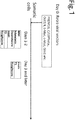
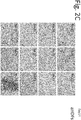
- Fig. 1 Normal human dermal fibroblasts aHDFs were cultured in 12-well plates, and an experiment was performed as shown in Fig. 1 . On day 14, the culture medium was removed by suction from each well, and the cells were washed with PBS once and then fixed with 60% isopropanol.
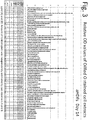
- FIG. 3 shows which gene combination was introduced in which number well (in the table shown at the bottom of Fig. 3 , "No.” refers to the same No. as in Fig. 2 and indicate well numbers in the plates.
- "1" means that the cells were infected with a retroviral vector containing the gene, whereas a blank means that the cells were not infected with a retroviral vector containing the gene).
- Those stained red indicate lipid.
- brown adipocytes containing small multilocular lipid droplets were observed.
- Fig. 3 shows the results.
- the vertical axis of the graph indicates OD550, showing lipid content in each well.
- the cells infected with retroviral vectors containing PRDM16, C/EBP ⁇ , L-Myc, c-Myc, and Glis1 genes in No. 4 were shown to contain the largest number of brown adipocytes.
- Fig. 1 Normal human dermal fibroblasts aHDFs were cultured in 12-well plates, and an experiment was performed as shown in Fig. 1 . Twelve days after gene transfer, total RNA was collected from some wells using ISOGEN II, and cDNA was synthesized using ReverTra Ace qPCR RT Master Mix. Real-time PCR Master Mix, a TaqMan probe, specific primers, and cDNA were mixed, and real-time RT-PCR was performed using an AB7300 Real-Time PCR System to quantify the mRNA levels of UCP1 and ⁇ -actin genes. The value of the UCP1 mRNA level with respect to the ⁇ -actin mRNA level of the cells in each well was calculated. Fig. 4 shows the results.
- UCP-1 uncoupling protein-1
- PRDM16 C/EBP ⁇ , L-Myc, and c-Myc were introduced
- an extremely high expression of UCP1 was also observed in the cells in which the three genes C/EBP ⁇ , L-Myc, and c-Myc were introduced (No. 36), and in the cells in which the three genes C/EBP ⁇ , c-Myc, and Glis1 were introduced (No. 38).
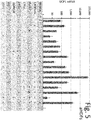
- RNA samples were cultured in 12-well plates, and an experiment was performed as shown in Fig. 1 (this experiment was carried out independently with combinations of genes that were different from those shown in Fig. 4 ). Twelve days after gene transfer, total RNA was collected from some wells using ISOGEN II, and cDNA was synthesized using ReverTra Ace qPCR RT Master Mix. Real-time PCR Master Mix, a TaqMan probe, specific primers, and cDNA were mixed, and real-time RT-PCR was performed using a AB7300 Real-Time PCR System to quantify the mRNA levels of UCP1 and ⁇ -actin genes.
- Fig. 5 shows the results.
- "+" means that the cells were infected with a retroviral vector containing the gene, whereas a blank means that the cells were not infected with a retroviral vector containing the gene.
- the vertical axis of the graph indicates relative values that were calculated on the assumption that the value in the cells into which no genes were introduced (rightmost bar) was 1.
- UCP-1 uncoupling protein-1
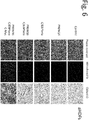
- Fig. 1 Normal human dermal fibroblasts aHDFs were cultured in 12-well plates, and an experiment was performed as shown in Fig. 1 . Twelve days after gene transfer, the cells were observed with a phase contrast microscope (left column in Fig. 6 ). To visualize mitochondria, Mito Tracker Red probe produced by Invitrogen was added to the culture medium in some wells to a final concentration of 200 nM. The cells were allowed to stand in 5% CO 2 /95% air at 37°C for 15 minutes, and then observed with a fluorescence microscope produced by Olympus Corporation (middle column in Fig. 6 ). The cells in some other wells were stained with Oil Red O in the same manner as in Fig. 2 (right column in Fig. 6 ).
- Fig. 1 Human adipose-derived stem cells (ADSCs) were cultured in 12-well plates, and an experiment was performed as shown in Fig. 1 . Twenty-two days after gene transfer, the cells were stained with Oil Red O in the same manner as in Fig. 2 . Fig. 7 shows the results. Those stained red indicate lipid, showing induction into adipocytes. Numerous brown adipocytes containing small multilocular lipid droplets were observed in the cells infected with retroviral vectors containing PRDM16, C/EBP ⁇ , and c-Myc genes (upper left in Fig. 7 ). In contrast, white adipocytes containing large unilocular lipid droplets were observed in the cells in which the green fluorescent protein (GFP) gene was introduced (lower right in Fig. 7 ).
- GFP green fluorescent protein
- Fig. 1 Human adipose-derived stem cells (ADSCs) were cultured in 12-well plates, and an experiment was performed as shown in Fig. 1 . Twenty-two days after gene transfer, total RNA was collected from the cells, and real-time RT-PCR was performed in the same manner as in Fig. 4 to quantify the mRNA expression of UCP1, CIDEA, and AdipoQ. Fig. 8 shows the results.
- ADSCs Human adipose-derived stem cells
- Brown adipocyte-specific factors UCP1 and CIDEA were expressed at significantly higher levels in the group in which the three genes PRDM16, C/EBP ⁇ , and c-Myc were introduced, compared to the group in which the three genes PRDM16, C/EBP ⁇ , and L-Myc were introduced, the group in which the three genes PRDM16, C/EBP ⁇ , Glis1 were introduced, and the control group in which the GFP gene was introduced.
- adiponectin (AdipoQ) a marker common to brown adipocytes and white adipocytes, was expressed at a significantly high level in the group in which PRDM16, C/EBP ⁇ , and c-Myc were introduced, and in the control group.
- ADSCs human adipose-derived stem cells
- Figs. 9 to 12 show an experiment in which brown adipocytes were inducedfrom mouse iPS cells (iPS-derived BAs), and the brown adipocytes were transplanted into C57BL/6 mice. Thermogenesis and suppression in body weight increase were observed. Additionally, suppression in body weight increase and improvement in serum lipid abnormalities were observed in mice on a high-calorie diet. These results indicate that iPS-derived BAs have the potential to correct obesity and abnormal lipid metabolism associated with a high-calorie diet.
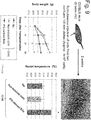
- mice The mouse iPS-derived BAs or non-induced cells as a control were transplanted under the abdominal skin of syngeneic mice as shown in the upper left of Fig. 9 .
- the graft of the iPS-derived BAs exhibited an image of Oil Red O staining-positive adipose tissue (upper right).
- the mice into which the iPS-derived BAs were transplanted showed significant suppression in body weight increase (lower left) and significant elevation in body temperature (lower right).
- mice iPS-derived BAs or non-induced cells as a control were transplanted under the abdominal skin of syngeneic mice.
- Fig. 10 show thermographic images of two mice for each group. Elevation in temperature at the graft part of the iPS-derived BAs was observed (bottom). The graft of the cells that had not been induced into brown adipocyte had the same temperature as that of the surrounding tissue (top).
- mice After transplantation, the mice were fed a high-calorie diet. The results show that body weight increase was significantly suppressed only in the mice into which the iPS-derived BAs were transplanted.
- mice After transplantation, the mice were fed a high-calorie diet, and serum lipids were examined 4 weeks after transplantation. The results show that progression of hyperlipidemia was not observed in only the mice into which the iPS-derived BAs (iBAs) were transplanted. "Normal”indicates mice that were fed a normal diet.
- Figs. 13 to 16 show an experiment in which iPS cells were prepared from somatic cells of mice with type II diabetes, brown adipocytes were induced from the iPS cells (iPS-derived BAs), and the iPS-derived BAs were transplanted into diabetic mice. Reduction in non-fasting blood glucose levels, suppression in body weight increase, and improvement in serum lipid abnormalities were observed due to the transplantation. This shows that transplantation of brown adipocytes can control diabetes.
- iPS cells were prepared from somatic cells of KK-Ay mice, which develop type II diabetes.
- the obtained iPS cells showed typical ES-cell-like morphology (middle: a phase contrast microscope image) and expressed stem cell markers (bottom: real-time RT-PCR; right: immunofluorescence staining).
- KK-Ay iPS 1 to 4 are four different iPS cell clones derived from somatic cells of KK-Ay, whereas 201B7 is an iPS cell clone derived from normal mice.
- Brown adipocytes were induced from the iPS cells of Fig. 13 (iPS-derived BAs) (top).
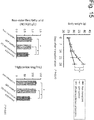
- the iPS-derived BAs were transplanted into KK-Ay mice, and the results show that the increase in non-fasting blood glucose levels was moderate (lower left), and that almost no urinary glucose was detected (lower right). Progression of diabetes was observed in the controls, i.e., non-transplanted KK-Ay mice (Non-transplant), and mice transplanted with green fluorescent protein (GFP) gene-introduced cells that had not been induced into brown adipocytes (GFP control).
- GFP green fluorescent protein
- the KK-Ay mice into which the iPS-derived BAs were transplanted showed significant suppression in body weight increase (top), and had low NEFA (lower left) and low neutral fat (lower right) in the serum.
- the KK-Ay mice into which the iPS-derived BAs were transplanted showed significantly high adiponectin in the serum.
- the amount of food intake was the same as that of the control mice.
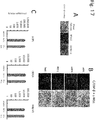
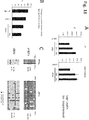
- Fig. 17A shows the results of the thus-obtained group. Twelve days after gene transfer, the cells were observed with a phase contrast microscope (left). To visualize mitochondria, Mito Tracker Red probe produced by Invitrogen was added to the culture medium in some wells to a final concentration of 200 nM. The cells were allowed to stand in 5% CO 2 /95% air at 37°C for 15 minutes, and then observed with a fluorescence microscope produced by Olympus Corporation (middle). The cells in some other wells were stained with Oil Red O in the same manner as in Fig. 2 (right). Numerous brown adipocytes containing numerous mitochondria accumulated therein and multilocular lipid droplets were observed.
- Fig. 17B shows the results of a group in which the two genes C/EBP ⁇ and c-Myc were introduced. Twelve days after gene transfer, immunostaining was carried out.
- the left images are fluorescent images, and the right images are differential interference images. All of the four proteins specific to brown adipocytes were shown to be expressed in large amounts.
- dBAs brown adipocytes induced from aHDFs by the method of Fig. 17A
- iBAs brown adipocytes induced from human iPS cells
- Real-time RT-PCR analysis was carried out using primers and probes specific to UCP1 and leptin receptor.
- mRNA expression amount was corrected by the amount of mRNA expression of ⁇ -actin, and relative mRNA expression amounts were calculated on the assumption that the mRNA expression amount in the aHDFs was 1.
- Fig. 18A shows the relative mRNA expression amounts.
- the dBAs expressed the mRNA of UCP1 and the mRNA of leptin receptor at extremely high levels compared to the aHDFs. These expression levels were shown to be further enhanced by stimulation of leptin or isoproterenol.
- dBAs normal human dermal fibroblasts aHDFs, brown adipocytes induced from aHDFs by the method of Fig. 17A (dBAs), and cells obtained by adding 1 ⁇ M of isoproterenol to dBAs and culturing the dBAs for 2 hours (Iso) were prepared.
- the glucose concentration in each medium before and after culturing for 24 hours was measured with a glucose B test (Wako). Medium with no cells was incubated for 24 hours as a control. The percent of reduction in the glucose concentration in each medium was calculated. The results show that the dBAs consumed more glucose than the fibroblasts, and that the consumption was further enhanced by stimulation of isoproterenol.
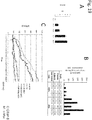
- Fig. 19A shows the relative mRNA expression amounts. The results show that as induction of from the fibroblasts to the dBAs proceeded, the expression of MT-ND1 gene of mitochondrial DNA was enhanced.
- dBAs Normal human dermal fibroblasts aHDFs and brown adipocytes induced from aHDFs by the method of Fig. 17A (dBAs) were prepared. After the cells were plated in 6-well plates, insulin, phloretin, antimycin, and/or isoproterenol was added as shown in Fig. 19B , and incorporation of 2-deoxyglucose was measured. The results show that the dBAs exhibited high incorporation of glucose compared to the fibroblasts; this incorporation was increased by stimulation of insulin; and the increase in the incorporation of glucose due to stimulation of insulin was canceled by phloretin (glucose transporter inhibitor).
- dBAs normal human dermal fibroblasts aHDFs and brown adipocytes induced from aHDFs by the method of Fig. 17A (dBAs) were prepared. FCCP, antimycin, or oligomycin was added, and the extracellular oxygen concentration was measured over time. The vertical axis indicates phosphorescence intensity, showing that the higher the value, the lower the oxygen concentration. The results reveal that the oxygen consumption was high in the dBAs compared to the fibroblasts, and that the oxygen consumption was suppressed by addition of antimycin or oligomycin.
- Brown adipocytes are induced from human iPS cells by the method of Fig. 17A .
- the obtained brown adipocytes contain multilocular lipid droplets and significantly express UCP1.
- Brown adipocytes are also induced from human white adipocytes by the method of Fig. 17A .
- the obtained brown adipocytes contain multilocular lipid droplets, and significantly express UCP1.
- Fig. 20A shows the structures of an episomal vector and a plasmid vector.
- the episomal vector is shown on the left side of Fig. 20A .
- a vector containing no genes is called pG.oriP9.E
- a vector containing PRDM16 is called pG.oriP9.E.P
- a vector containing CEBPbeta is called pG.oriP9.E.C
- a vector containing c-Myc is called pG.oriP9.E.M.
- the plasmid vector is shown on the right side in Fig. 20A .
- a vector containing no genes is called pG.4
- a vector containing PRDM16 is called pG.P
- a vector containing CEBPbeta is called pG.C
- a vector containing c-Myc is called pG.M.
- CAG prom indicates CAG promoter
- polyA indicates Poly A additional signal
- oriP indicates Epstein-Barr virus (EBV) origin of replication P
- EBNA1 indicates EBV nuclear antigen 1.
- Fig. 20A shows the relative mRNA expression amounts.
- Fig. 20C shows images of Oil Red O staining.
- the results show that induction of fibroblast into brown adipocyte was efficiently induced by introducing both of two episomal vectors containing CEBPbeta and c-Myc, respectively (pG.oriP9.E.C and pG.oriP9.E.M).
- both of two plasmid vectors containing CEBPbeta and c-Myc, respectively pG.C and pG.M
- induction of fibroblasts into brown adipocytes can also be induced; however, the efficiency is inferior to that of the episomal vectors.
- retroviral vectors containing mouse PRDM16(P), C/EBP ⁇ (C), L-Myc(L), and c-Myc(M) genes were used in various combinations to infect mouse embryonic fibroblasts (MEFs), and the cells were then cultured in brown fat induction medium. On day 20 after infection, RNA was collected. Mouse embryonic fibroblasts that were cultured in the same manner but not infected with retroviral vectors were used as a control. Real-time RT-PCR was carried out using primers and a probe, each specific to the UCP1 gene.
- mRNA expression amount of the UCP1 gene was corrected by the amount of mRNA expression of ⁇ -actin, and relative mRNA expression amounts were calculated on the assumption that the mRNA expression amount in the fibroblasts was 1.
- Fig. 21 shows the relative mRNA expression amounts.
- PRDM16(P), C/EBP ⁇ (C), and L-Myc(L) genes were introduced into C57BL/6 mouse MEFs by the method of Example 13 to induce into brown adipocytes (dBAs).
- the dBAs or MEFs in which the GFP gene was introduced (GFP-MEFs) were subcutaneously transplanted into 8-week-old syngeneic mice. These mice and non-transplanted mice were fed a high-fat diet (high calorie). Non-transplanted mice fed a normal diet (normal) were prepared as a control.
- Fig. 22A shows the body weight of the mice after transplantation.
- the body weight of the non-transplanted mice and the GFP-MEFs-transplanted mice considerably increased with the intake of high calorie diet compared to the mice fed with normal diet, whereas diet-induced obesity was notably suppressed in the group into which the dBAs were transplanted.
- NEFA non-esterified fatty acids
- TG neutral fat
- the GFP-MEFs-transplanted mice or the dBAs-transplanted mice were anesthetized and exposed to low temperature for 2 hours. Thereafter, the body surface temperature was measured by thermography. The body surface temperature at the transplanted site in the GFP-MEFs-transplanted mice was the same as the surrounding body surface temperature, whereas temperature elevation at the transplanted site was observed in the dBAs-transplanted mice.
- Brown adipocytes were induced from MEFs of diabetes model AAky mice by the method of Example 13, using PRDM16(P), C/EBP ⁇ (C), and L-Myc(L) genes.
- the dBAs or MEFs in which the GFP gene was introduced (GFP-MEFs) were subcutaneously transplanted into 6-week-old syngeneic mice (10 cm Dish confluent x 2/mouse). These mice and non-transplanted mice were fed a normal diet.
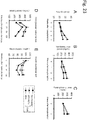
- Fig. 23 shows the body weight of the mice (A), non-fasting blood glucose (B), and fasting blood glucose (C). It is shown that increase in body weight and elevation in blood glucose were significantly suppressed in the AAky mice into which the dBAs were transplanted.
- insulin resistance test was performed. Insulin was intraperitoneally injected into each mouse in an amount of 0.0125 U/mouse, and blood glucose was measured over time. It is shown that insulin resistance was improved in the mice into which the dBAs were transplanted.
- NEFA non-esterified fatty acids
- TG neutral fat
Landscapes
- Health & Medical Sciences (AREA)
- Engineering & Computer Science (AREA)
- Life Sciences & Earth Sciences (AREA)
- Bioinformatics & Cheminformatics (AREA)
- Chemical & Material Sciences (AREA)
- Organic Chemistry (AREA)
- General Health & Medical Sciences (AREA)
- Chemical Kinetics & Catalysis (AREA)
- General Chemical & Material Sciences (AREA)
- Medicinal Chemistry (AREA)
- Nuclear Medicine, Radiotherapy & Molecular Imaging (AREA)
- Pharmacology & Pharmacy (AREA)
- Animal Behavior & Ethology (AREA)
- Public Health (AREA)
- Veterinary Medicine (AREA)
- Biomedical Technology (AREA)
- Diabetes (AREA)
- Hematology (AREA)
- Obesity (AREA)
- Biotechnology (AREA)
- Genetics & Genomics (AREA)
- Zoology (AREA)
- Wood Science & Technology (AREA)
- Rheumatology (AREA)
- General Engineering & Computer Science (AREA)
- Biochemistry (AREA)
- Microbiology (AREA)
- Cell Biology (AREA)
- Endocrinology (AREA)
- Heart & Thoracic Surgery (AREA)
- Cardiology (AREA)
- Emergency Medicine (AREA)
- Pain & Pain Management (AREA)
- Urology & Nephrology (AREA)
- Vascular Medicine (AREA)
- Gastroenterology & Hepatology (AREA)
- Physical Education & Sports Medicine (AREA)
- Child & Adolescent Psychology (AREA)
- Medicines Containing Material From Animals Or Micro-Organisms (AREA)
- Micro-Organisms Or Cultivation Processes Thereof (AREA)
Claims (3)
- In-vitro Verfahren zum Herstellen eines braunen Adipozyten aus einer somatischen Zelle eines Säugetieres durch Einführen mindestens eines Genes, das auf braune Adipozyten bezogen ist, oder Expressionsproduktes davon und mindestens eines Genes, das auf Reprogrammierung bezogen ist, oder Expressionsproduktes davon in die somatische Zelle, wobei eine Kombination des mindestens einen Genes, das auf braune Adipozyten bezogen ist, oder Expressionsproduktes davon und des mindestens einen Genes, das auf Reprogrammierung bezogen ist, oder Expressionsproduktes davon irgendeine Kombination ausgewählt aus der Gruppe bestehend aus CM, PCLMG, CLMG, PCLM, CLM, PCMG, PCM und CMG ist, wobei P PRDM16 darstellt, C C/EBPβ darstellt, L L-Myc darstellt, M c-Myc darstellt und G Glis1 darstellt, wobei braune Adipozyten direkt aus somatischen Zellen induziert werden.
- Verfahren nach Anspruch 1, wobei die somatische Zelle ein Fibroblast oder ein weißer Adipozyt ist.
- Gen, das auf braune Adipozyten bezogen ist, oder Expressionsprodukt davon und ein Gen, das auf Reprogrammierung bezogen ist, oder Expressionsprodukt davon zur Verwendung in der Behandlung von Übergewicht, Diabetes, beeinträchtigter Glukosetoleranz, abnormalem Fettmetabolismus, arteriosklerotischer Krankheit, Bluthochdruck, Hyperurikämie, Gicht oder nichtalkoholbedingter Fettleberkrankheit, wobei die Behandlung das Umwandeln einer somatischen Zelle im Säugetier direkt in einen braunen Adipozyten umfasst, wobei eine Kombination des Genes, das auf braune Adipozyten bezogen ist, und des Genes, das auf Reprogrammierung bezogen ist, irgendeine Kombination ausgewählt aus der Gruppe bestehend aus CM, PCLMG, CLMG, PCLM, CLM, PCMG, PCM und CMG ist, wobei P PRDM16 darstellt, C C/EBPβ darstellt, L L-Myc darstellt, M c-Myc darstellt und G Glis1 darstellt.
Applications Claiming Priority (2)
| Application Number | Priority Date | Filing Date | Title |
|---|---|---|---|
| JP2012156066 | 2012-07-12 | ||
| PCT/JP2013/069226 WO2014010746A1 (ja) | 2012-07-12 | 2013-07-12 | 褐色脂肪細胞及びその調製方法 |
Publications (3)
| Publication Number | Publication Date |
|---|---|
| EP2873727A1 EP2873727A1 (de) | 2015-05-20 |
| EP2873727A4 EP2873727A4 (de) | 2015-12-23 |
| EP2873727B1 true EP2873727B1 (de) | 2019-11-06 |
Family
ID=49916184
Family Applications (1)
| Application Number | Title | Priority Date | Filing Date |
|---|---|---|---|
| EP13816708.5A Active EP2873727B1 (de) | 2012-07-12 | 2013-07-12 | Braune fettzellen und verfahren zur herstellung davon |
Country Status (4)
| Country | Link |
|---|---|
| US (2) | US20150166958A1 (de) |
| EP (1) | EP2873727B1 (de) |
| JP (2) | JP6285861B2 (de) |
| WO (1) | WO2014010746A1 (de) |
Families Citing this family (14)
| Publication number | Priority date | Publication date | Assignee | Title |
|---|---|---|---|---|
| US8101593B2 (en) | 2009-03-03 | 2012-01-24 | Kythera Biopharmaceuticals, Inc. | Formulations of deoxycholic acid and salts thereof |
| MX363465B (es) | 2011-02-18 | 2019-03-25 | Kythera Biopharmaceuticals Inc | Tratamiento de la grasa submental. |
| JP6243839B2 (ja) | 2011-06-29 | 2017-12-06 | バイオリストーラティブ セラピーズ, インコーポレイテッド | 褐色脂肪細胞の組成物および方法 |
| JP6887249B2 (ja) | 2013-04-19 | 2021-06-16 | バイオリストーラティブ セラピーズ, インコーポレイテッド | ヒト褐色脂肪由来幹細胞およびその使用 |
| US20180355319A1 (en) * | 2015-08-07 | 2018-12-13 | Kyoto Prefectural Public University Corporation | Method for preparing brown adipocyte |
| JP2018532806A (ja) * | 2015-11-04 | 2018-11-08 | キセラ バイオファーマシューティカルズ インコーポレイテッド | デオキシコール酸およびその塩による蓄積脂肪の処置方法 |
| CN107029237B (zh) * | 2016-02-04 | 2021-06-25 | 康建胜 | 产热增强化合物增强去甲肾上腺素类化合物诱导褐色脂肪细胞产热的应用 |
| EP3564362A4 (de) | 2016-12-28 | 2020-07-08 | Kyoto Prefectural Public University Corporation | Skelettmuskelzellen und verfahren zur induzierung davon |
| JP7465506B2 (ja) * | 2018-08-14 | 2024-04-11 | 国立研究開発法人国立国際医療研究センター | 褐色脂肪細胞上清、その調製法、及び、使用 |
| CN114667348A (zh) | 2019-08-30 | 2022-06-24 | 细流而希佳股份有限公司 | 一种尿路上皮细胞的诱导剂和尿路上皮细胞的诱导方法 |
| WO2021095811A1 (ja) * | 2019-11-12 | 2021-05-20 | 学校法人順天堂 | 体細胞の直接分化転換方法 |
| WO2021106698A1 (ja) * | 2019-11-25 | 2021-06-03 | 株式会社片岡製作所 | 培地用組成物 |
| CN113069470A (zh) * | 2020-01-06 | 2021-07-06 | 江苏省中医院 | 棕色脂肪细胞来源的外泌体的应用 |
| CN112662673B (zh) * | 2021-01-08 | 2022-06-28 | 石河子大学 | 一种人klf7基因启动子及其构建方法与应用 |
Family Cites Families (6)
| Publication number | Priority date | Publication date | Assignee | Title |
|---|---|---|---|---|
| JP5591119B2 (ja) | 2008-12-18 | 2014-09-17 | iPSアカデミアジャパン株式会社 | 軟骨細胞様細胞、及びその製造方法 |
| WO2010080985A1 (en) * | 2009-01-08 | 2010-07-15 | Dana-Farber Cancer Institute, Inc. | Compositions and methods for induced brown fat differentiation |
| WO2011050334A1 (en) * | 2009-10-22 | 2011-04-28 | Yong Zhu | Compositions and methods for re-programming cells without genetic modification for treatment of obesity and related diseases |
| CA2789749C (en) * | 2010-02-16 | 2018-09-04 | Kyoto University | Method of efficiently establishing induced pluripotent stem cells |
| WO2012112458A2 (en) * | 2011-02-14 | 2012-08-23 | The Regents Of The University Of California | Compositions and methods for increasing reprogramming efficiency |
| US9492485B2 (en) * | 2011-04-27 | 2016-11-15 | Id Pharma Co., Ltd. | Pluripotent stem cell-derived brown adipocytes, pluripotent stem cell-derived cell aggregate, method for producing same, and cell therapy and medical therapy therefor |
-
2013
- 2013-07-12 JP JP2014524904A patent/JP6285861B2/ja active Active
- 2013-07-12 WO PCT/JP2013/069226 patent/WO2014010746A1/ja not_active Ceased
- 2013-07-12 EP EP13816708.5A patent/EP2873727B1/de active Active
- 2013-07-12 US US14/413,987 patent/US20150166958A1/en not_active Abandoned
-
2018
- 2018-02-02 JP JP2018016929A patent/JP6611836B2/ja active Active
-
2020
- 2020-09-02 US US17/010,778 patent/US20200399603A1/en active Pending
Non-Patent Citations (1)
| Title |
|---|
| None * |
Also Published As
| Publication number | Publication date |
|---|---|
| JP2018108080A (ja) | 2018-07-12 |
| EP2873727A1 (de) | 2015-05-20 |
| WO2014010746A1 (ja) | 2014-01-16 |
| EP2873727A4 (de) | 2015-12-23 |
| JP6611836B2 (ja) | 2019-11-27 |
| JPWO2014010746A1 (ja) | 2016-06-23 |
| US20150166958A1 (en) | 2015-06-18 |
| US20200399603A1 (en) | 2020-12-24 |
| JP6285861B2 (ja) | 2018-02-28 |
Similar Documents
| Publication | Publication Date | Title |
|---|---|---|
| US20200399603A1 (en) | Brown fat cells and method for preparing same | |
| Alam et al. | Novel function of keratins 5 and 14 in proliferation and differentiation of stratified epithelial cells | |
| Simic et al. | SIRT1 regulates differentiation of mesenchymal stem cells by deacetylating β‐catenin | |
| Hirai et al. | MyoD regulates apoptosis of myoblasts through microRNA-mediated down-regulation of Pax3 | |
| Nguyen et al. | Implantation of engineered adipocytes suppresses tumor progression in cancer models | |
| Lee et al. | Regulator of G-protein signaling-10 negatively regulates NF-κB in microglia and neuroprotects dopaminergic neurons in hemiparkinsonian rats | |
| Sandiford et al. | Dual oxidase maturation factor 1 (DUOXA1) overexpression increases reactive oxygen species production and inhibits murine muscle satellite cell differentiation | |
| Midgley et al. | Variation in the biochemical response to l-thyroxine therapy and relationship with peripheral thyroid hormone conversion efficiency | |
| CN102115760B (zh) | 使体细胞重编程以形成诱导全能干细胞的组合物,和用其形成诱导全能干细胞的方法 | |
| Chen et al. | Promotion of the induction of cell pluripotency through metabolic remodeling by thyroid hormone triiodothyronine-activated PI3K/AKT signal pathway | |
| EP3196305B1 (de) | Schwann-zellen und verfahren zur herstellung davon | |
| WO2018207952A1 (ja) | 発毛及び/又は育毛用組成物 | |
| JP2011522520A (ja) | 細胞の脱分化を行う方法 | |
| Marti et al. | M-cadherin-mediated intercellular interactions activate satellite cell division | |
| Oyarce et al. | SVCT2 is expressed by cerebellar precursor cells, which differentiate into neurons in response to ascorbic acid | |
| KR102546749B1 (ko) | 골격근 세포 및 이의 유도 방법 | |
| Peverelli et al. | PKA regulatory subunit R2B is required for murine and human adipocyte differentiation | |
| Gawronska-Kozak et al. | Dermal white adipose tissue (dWAT) is regulated by Foxn1 and Hif-1α during the early phase of skin wound healing | |
| Wang et al. | Exosomes from human adipose–derived mesenchymal stem cells attenuate localized scleroderma fibrosis by the let-7a-5p/TGF-βR1/Smad axis | |
| EP4458955A1 (de) | Faktor zur direkten umwandlung von motorischen nervenzellen | |
| KR20220024104A (ko) | 파킨슨병을 위한 자가 세포 대체 요법 | |
| TW201322998A (zh) | 防止皮膚老化相關症狀的醫藥組合物及其使用方法 | |
| Riuzzi et al. | S100B protein in skeletal muscle regeneration: regulation of myoblast and macrophage functions. | |
| Hosoyama | Possible application of muscle specific conditional mouse-derived induced pluripotent stem cells for muscle research | |
| US20250059505A1 (en) | Improved methods for inducing the maturation of mammalian cells |
Legal Events
| Date | Code | Title | Description |
|---|---|---|---|
| PUAI | Public reference made under article 153(3) epc to a published international application that has entered the european phase |
Free format text: ORIGINAL CODE: 0009012 |
|
| 17P | Request for examination filed |
Effective date: 20150204 |
|
| AK | Designated contracting states |
Kind code of ref document: A1 Designated state(s): AL AT BE BG CH CY CZ DE DK EE ES FI FR GB GR HR HU IE IS IT LI LT LU LV MC MK MT NL NO PL PT RO RS SE SI SK SM TR |
|
| AX | Request for extension of the european patent |
Extension state: BA ME |
|
| DAX | Request for extension of the european patent (deleted) | ||
| RA4 | Supplementary search report drawn up and despatched (corrected) |
Effective date: 20151119 |
|
| RIC1 | Information provided on ipc code assigned before grant |
Ipc: A61P 9/12 20060101ALI20151113BHEP Ipc: A61K 48/00 20060101ALI20151113BHEP Ipc: A61P 3/10 20060101ALI20151113BHEP Ipc: C12N 15/09 20060101ALI20151113BHEP Ipc: A61P 3/00 20060101ALI20151113BHEP Ipc: C12N 5/10 20060101AFI20151113BHEP Ipc: C12N 5/077 20100101ALI20151113BHEP Ipc: A61P 3/06 20060101ALI20151113BHEP Ipc: A61K 35/12 20150101ALI20151113BHEP Ipc: A61P 9/10 20060101ALI20151113BHEP Ipc: A61P 3/04 20060101ALI20151113BHEP Ipc: A61P 1/16 20060101ALI20151113BHEP Ipc: A61P 19/06 20060101ALI20151113BHEP |
|
| STAA | Information on the status of an ep patent application or granted ep patent |
Free format text: STATUS: EXAMINATION IS IN PROGRESS |
|
| 17Q | First examination report despatched |
Effective date: 20161123 |
|
| GRAP | Despatch of communication of intention to grant a patent |
Free format text: ORIGINAL CODE: EPIDOSNIGR1 |
|
| STAA | Information on the status of an ep patent application or granted ep patent |
Free format text: STATUS: GRANT OF PATENT IS INTENDED |
|
| INTG | Intention to grant announced |
Effective date: 20181212 |
|
| GRAJ | Information related to disapproval of communication of intention to grant by the applicant or resumption of examination proceedings by the epo deleted |
Free format text: ORIGINAL CODE: EPIDOSDIGR1 |
|
| STAA | Information on the status of an ep patent application or granted ep patent |
Free format text: STATUS: EXAMINATION IS IN PROGRESS |
|
| GRAP | Despatch of communication of intention to grant a patent |
Free format text: ORIGINAL CODE: EPIDOSNIGR1 |
|
| STAA | Information on the status of an ep patent application or granted ep patent |
Free format text: STATUS: GRANT OF PATENT IS INTENDED |
|
| INTC | Intention to grant announced (deleted) | ||
| INTG | Intention to grant announced |
Effective date: 20190517 |
|
| GRAS | Grant fee paid |
Free format text: ORIGINAL CODE: EPIDOSNIGR3 |
|
| GRAA | (expected) grant |
Free format text: ORIGINAL CODE: 0009210 |
|
| STAA | Information on the status of an ep patent application or granted ep patent |
Free format text: STATUS: THE PATENT HAS BEEN GRANTED |
|
| AK | Designated contracting states |
Kind code of ref document: B1 Designated state(s): AL AT BE BG CH CY CZ DE DK EE ES FI FR GB GR HR HU IE IS IT LI LT LU LV MC MK MT NL NO PL PT RO RS SE SI SK SM TR |
|
| RAP1 | Party data changed (applicant data changed or rights of an application transferred) |
Owner name: KYOTO PREFECTURAL PUBLIC UNIVERSITY CORPORATION |
|
| REG | Reference to a national code |
Ref country code: GB Ref legal event code: FG4D |
|
| REG | Reference to a national code |
Ref country code: CH Ref legal event code: EP Ref country code: AT Ref legal event code: REF Ref document number: 1198749 Country of ref document: AT Kind code of ref document: T Effective date: 20191115 |
|
| REG | Reference to a national code |
Ref country code: IE Ref legal event code: FG4D |
|
| REG | Reference to a national code |
Ref country code: DE Ref legal event code: R096 Ref document number: 602013062636 Country of ref document: DE |
|
| REG | Reference to a national code |
Ref country code: NL Ref legal event code: MP Effective date: 20191106 |
|
| REG | Reference to a national code |
Ref country code: LT Ref legal event code: MG4D |
|
| PG25 | Lapsed in a contracting state [announced via postgrant information from national office to epo] |
Ref country code: LT Free format text: LAPSE BECAUSE OF FAILURE TO SUBMIT A TRANSLATION OF THE DESCRIPTION OR TO PAY THE FEE WITHIN THE PRESCRIBED TIME-LIMIT Effective date: 20191106 Ref country code: GR Free format text: LAPSE BECAUSE OF FAILURE TO SUBMIT A TRANSLATION OF THE DESCRIPTION OR TO PAY THE FEE WITHIN THE PRESCRIBED TIME-LIMIT Effective date: 20200207 Ref country code: NO Free format text: LAPSE BECAUSE OF FAILURE TO SUBMIT A TRANSLATION OF THE DESCRIPTION OR TO PAY THE FEE WITHIN THE PRESCRIBED TIME-LIMIT Effective date: 20200206 Ref country code: PL Free format text: LAPSE BECAUSE OF FAILURE TO SUBMIT A TRANSLATION OF THE DESCRIPTION OR TO PAY THE FEE WITHIN THE PRESCRIBED TIME-LIMIT Effective date: 20191106 Ref country code: FI Free format text: LAPSE BECAUSE OF FAILURE TO SUBMIT A TRANSLATION OF THE DESCRIPTION OR TO PAY THE FEE WITHIN THE PRESCRIBED TIME-LIMIT Effective date: 20191106 Ref country code: BG Free format text: LAPSE BECAUSE OF FAILURE TO SUBMIT A TRANSLATION OF THE DESCRIPTION OR TO PAY THE FEE WITHIN THE PRESCRIBED TIME-LIMIT Effective date: 20200206 Ref country code: SE Free format text: LAPSE BECAUSE OF FAILURE TO SUBMIT A TRANSLATION OF THE DESCRIPTION OR TO PAY THE FEE WITHIN THE PRESCRIBED TIME-LIMIT Effective date: 20191106 Ref country code: LV Free format text: LAPSE BECAUSE OF FAILURE TO SUBMIT A TRANSLATION OF THE DESCRIPTION OR TO PAY THE FEE WITHIN THE PRESCRIBED TIME-LIMIT Effective date: 20191106 Ref country code: PT Free format text: LAPSE BECAUSE OF FAILURE TO SUBMIT A TRANSLATION OF THE DESCRIPTION OR TO PAY THE FEE WITHIN THE PRESCRIBED TIME-LIMIT Effective date: 20200306 Ref country code: ES Free format text: LAPSE BECAUSE OF FAILURE TO SUBMIT A TRANSLATION OF THE DESCRIPTION OR TO PAY THE FEE WITHIN THE PRESCRIBED TIME-LIMIT Effective date: 20191106 Ref country code: NL Free format text: LAPSE BECAUSE OF FAILURE TO SUBMIT A TRANSLATION OF THE DESCRIPTION OR TO PAY THE FEE WITHIN THE PRESCRIBED TIME-LIMIT Effective date: 20191106 |
|
| PG25 | Lapsed in a contracting state [announced via postgrant information from national office to epo] |
Ref country code: HR Free format text: LAPSE BECAUSE OF FAILURE TO SUBMIT A TRANSLATION OF THE DESCRIPTION OR TO PAY THE FEE WITHIN THE PRESCRIBED TIME-LIMIT Effective date: 20191106 Ref country code: IS Free format text: LAPSE BECAUSE OF FAILURE TO SUBMIT A TRANSLATION OF THE DESCRIPTION OR TO PAY THE FEE WITHIN THE PRESCRIBED TIME-LIMIT Effective date: 20200306 Ref country code: RS Free format text: LAPSE BECAUSE OF FAILURE TO SUBMIT A TRANSLATION OF THE DESCRIPTION OR TO PAY THE FEE WITHIN THE PRESCRIBED TIME-LIMIT Effective date: 20191106 |
|
| PG25 | Lapsed in a contracting state [announced via postgrant information from national office to epo] |
Ref country code: AL Free format text: LAPSE BECAUSE OF FAILURE TO SUBMIT A TRANSLATION OF THE DESCRIPTION OR TO PAY THE FEE WITHIN THE PRESCRIBED TIME-LIMIT Effective date: 20191106 |
|
| PG25 | Lapsed in a contracting state [announced via postgrant information from national office to epo] |
Ref country code: CZ Free format text: LAPSE BECAUSE OF FAILURE TO SUBMIT A TRANSLATION OF THE DESCRIPTION OR TO PAY THE FEE WITHIN THE PRESCRIBED TIME-LIMIT Effective date: 20191106 Ref country code: RO Free format text: LAPSE BECAUSE OF FAILURE TO SUBMIT A TRANSLATION OF THE DESCRIPTION OR TO PAY THE FEE WITHIN THE PRESCRIBED TIME-LIMIT Effective date: 20191106 Ref country code: EE Free format text: LAPSE BECAUSE OF FAILURE TO SUBMIT A TRANSLATION OF THE DESCRIPTION OR TO PAY THE FEE WITHIN THE PRESCRIBED TIME-LIMIT Effective date: 20191106 Ref country code: DK Free format text: LAPSE BECAUSE OF FAILURE TO SUBMIT A TRANSLATION OF THE DESCRIPTION OR TO PAY THE FEE WITHIN THE PRESCRIBED TIME-LIMIT Effective date: 20191106 |
|
| REG | Reference to a national code |
Ref country code: DE Ref legal event code: R097 Ref document number: 602013062636 Country of ref document: DE |
|
| REG | Reference to a national code |
Ref country code: AT Ref legal event code: MK05 Ref document number: 1198749 Country of ref document: AT Kind code of ref document: T Effective date: 20191106 |
|
| PG25 | Lapsed in a contracting state [announced via postgrant information from national office to epo] |
Ref country code: SM Free format text: LAPSE BECAUSE OF FAILURE TO SUBMIT A TRANSLATION OF THE DESCRIPTION OR TO PAY THE FEE WITHIN THE PRESCRIBED TIME-LIMIT Effective date: 20191106 Ref country code: SK Free format text: LAPSE BECAUSE OF FAILURE TO SUBMIT A TRANSLATION OF THE DESCRIPTION OR TO PAY THE FEE WITHIN THE PRESCRIBED TIME-LIMIT Effective date: 20191106 |
|
| PLBE | No opposition filed within time limit |
Free format text: ORIGINAL CODE: 0009261 |
|
| STAA | Information on the status of an ep patent application or granted ep patent |
Free format text: STATUS: NO OPPOSITION FILED WITHIN TIME LIMIT |
|
| 26N | No opposition filed |
Effective date: 20200807 |
|
| PG25 | Lapsed in a contracting state [announced via postgrant information from national office to epo] |
Ref country code: AT Free format text: LAPSE BECAUSE OF FAILURE TO SUBMIT A TRANSLATION OF THE DESCRIPTION OR TO PAY THE FEE WITHIN THE PRESCRIBED TIME-LIMIT Effective date: 20191106 Ref country code: SI Free format text: LAPSE BECAUSE OF FAILURE TO SUBMIT A TRANSLATION OF THE DESCRIPTION OR TO PAY THE FEE WITHIN THE PRESCRIBED TIME-LIMIT Effective date: 20191106 |
|
| PG25 | Lapsed in a contracting state [announced via postgrant information from national office to epo] |
Ref country code: IT Free format text: LAPSE BECAUSE OF FAILURE TO SUBMIT A TRANSLATION OF THE DESCRIPTION OR TO PAY THE FEE WITHIN THE PRESCRIBED TIME-LIMIT Effective date: 20191106 |
|
| PG25 | Lapsed in a contracting state [announced via postgrant information from national office to epo] |
Ref country code: MC Free format text: LAPSE BECAUSE OF FAILURE TO SUBMIT A TRANSLATION OF THE DESCRIPTION OR TO PAY THE FEE WITHIN THE PRESCRIBED TIME-LIMIT Effective date: 20191106 |
|
| REG | Reference to a national code |
Ref country code: CH Ref legal event code: PL |
|
| REG | Reference to a national code |
Ref country code: BE Ref legal event code: MM Effective date: 20200731 |
|
| PG25 | Lapsed in a contracting state [announced via postgrant information from national office to epo] |
Ref country code: LU Free format text: LAPSE BECAUSE OF NON-PAYMENT OF DUE FEES Effective date: 20200712 Ref country code: LI Free format text: LAPSE BECAUSE OF NON-PAYMENT OF DUE FEES Effective date: 20200731 Ref country code: CH Free format text: LAPSE BECAUSE OF NON-PAYMENT OF DUE FEES Effective date: 20200731 |
|
| PG25 | Lapsed in a contracting state [announced via postgrant information from national office to epo] |
Ref country code: BE Free format text: LAPSE BECAUSE OF NON-PAYMENT OF DUE FEES Effective date: 20200731 |
|
| PG25 | Lapsed in a contracting state [announced via postgrant information from national office to epo] |
Ref country code: TR Free format text: LAPSE BECAUSE OF FAILURE TO SUBMIT A TRANSLATION OF THE DESCRIPTION OR TO PAY THE FEE WITHIN THE PRESCRIBED TIME-LIMIT Effective date: 20191106 Ref country code: MT Free format text: LAPSE BECAUSE OF FAILURE TO SUBMIT A TRANSLATION OF THE DESCRIPTION OR TO PAY THE FEE WITHIN THE PRESCRIBED TIME-LIMIT Effective date: 20191106 Ref country code: CY Free format text: LAPSE BECAUSE OF FAILURE TO SUBMIT A TRANSLATION OF THE DESCRIPTION OR TO PAY THE FEE WITHIN THE PRESCRIBED TIME-LIMIT Effective date: 20191106 |
|
| PG25 | Lapsed in a contracting state [announced via postgrant information from national office to epo] |
Ref country code: MK Free format text: LAPSE BECAUSE OF FAILURE TO SUBMIT A TRANSLATION OF THE DESCRIPTION OR TO PAY THE FEE WITHIN THE PRESCRIBED TIME-LIMIT Effective date: 20191106 |
|
| PGFP | Annual fee paid to national office [announced via postgrant information from national office to epo] |
Ref country code: GB Payment date: 20250529 Year of fee payment: 13 |
|
| PGFP | Annual fee paid to national office [announced via postgrant information from national office to epo] |
Ref country code: FR Payment date: 20250613 Year of fee payment: 13 |
|
| PGFP | Annual fee paid to national office [announced via postgrant information from national office to epo] |
Ref country code: IE Payment date: 20250603 Year of fee payment: 13 |
|
| PGFP | Annual fee paid to national office [announced via postgrant information from national office to epo] |
Ref country code: DE Payment date: 20250731 Year of fee payment: 13 |