EP2874654B1 - Protéine d'artérivirus inédite et ses mécanismes d'expression - Google Patents
Protéine d'artérivirus inédite et ses mécanismes d'expression Download PDFInfo
- Publication number
- EP2874654B1 EP2874654B1 EP13742799.3A EP13742799A EP2874654B1 EP 2874654 B1 EP2874654 B1 EP 2874654B1 EP 13742799 A EP13742799 A EP 13742799A EP 2874654 B1 EP2874654 B1 EP 2874654B1
- Authority
- EP
- European Patent Office
- Prior art keywords
- arterivirus
- seq
- nsp2tf
- protein
- virus
- Prior art date
- Legal status (The legal status is an assumption and is not a legal conclusion. Google has not performed a legal analysis and makes no representation as to the accuracy of the status listed.)
- Not-in-force
Links
Images








Classifications
-
- A—HUMAN NECESSITIES
- A61—MEDICAL OR VETERINARY SCIENCE; HYGIENE
- A61K—PREPARATIONS FOR MEDICAL, DENTAL OR TOILETRY PURPOSES
- A61K39/00—Medicinal preparations containing antigens or antibodies
- A61K39/12—Viral antigens
-
- A—HUMAN NECESSITIES
- A61—MEDICAL OR VETERINARY SCIENCE; HYGIENE
- A61P—SPECIFIC THERAPEUTIC ACTIVITY OF CHEMICAL COMPOUNDS OR MEDICINAL PREPARATIONS
- A61P11/00—Drugs for disorders of the respiratory system
-
- A—HUMAN NECESSITIES
- A61—MEDICAL OR VETERINARY SCIENCE; HYGIENE
- A61P—SPECIFIC THERAPEUTIC ACTIVITY OF CHEMICAL COMPOUNDS OR MEDICINAL PREPARATIONS
- A61P31/00—Antiinfectives, i.e. antibiotics, antiseptics, chemotherapeutics
- A61P31/12—Antivirals
-
- C—CHEMISTRY; METALLURGY
- C07—ORGANIC CHEMISTRY
- C07K—PEPTIDES
- C07K14/00—Peptides having more than 20 amino acids; Gastrins; Somatostatins; Melanotropins; Derivatives thereof
- C07K14/005—Peptides having more than 20 amino acids; Gastrins; Somatostatins; Melanotropins; Derivatives thereof from viruses
-
- C—CHEMISTRY; METALLURGY
- C07—ORGANIC CHEMISTRY
- C07K—PEPTIDES
- C07K16/00—Immunoglobulins [IG], e.g. monoclonal or polyclonal antibodies
- C07K16/08—Immunoglobulins [IG], e.g. monoclonal or polyclonal antibodies against material from viruses
- C07K16/10—RNA viruses
-
- C—CHEMISTRY; METALLURGY
- C12—BIOCHEMISTRY; BEER; SPIRITS; WINE; VINEGAR; MICROBIOLOGY; ENZYMOLOGY; MUTATION OR GENETIC ENGINEERING
- C12N—MICROORGANISMS OR ENZYMES; COMPOSITIONS THEREOF; PROPAGATING, PRESERVING, OR MAINTAINING MICROORGANISMS; MUTATION OR GENETIC ENGINEERING; CULTURE MEDIA
- C12N7/00—Viruses; Bacteriophages; Compositions thereof; Preparation or purification thereof
-
- G—PHYSICS
- G16—INFORMATION AND COMMUNICATION TECHNOLOGY [ICT] SPECIALLY ADAPTED FOR SPECIFIC APPLICATION FIELDS
- G16B—BIOINFORMATICS, i.e. INFORMATION AND COMMUNICATION TECHNOLOGY [ICT] SPECIALLY ADAPTED FOR GENETIC OR PROTEIN-RELATED DATA PROCESSING IN COMPUTATIONAL MOLECULAR BIOLOGY
- G16B20/00—ICT specially adapted for functional genomics or proteomics, e.g. genotype-phenotype associations
-
- G—PHYSICS
- G16—INFORMATION AND COMMUNICATION TECHNOLOGY [ICT] SPECIALLY ADAPTED FOR SPECIFIC APPLICATION FIELDS
- G16B—BIOINFORMATICS, i.e. INFORMATION AND COMMUNICATION TECHNOLOGY [ICT] SPECIALLY ADAPTED FOR GENETIC OR PROTEIN-RELATED DATA PROCESSING IN COMPUTATIONAL MOLECULAR BIOLOGY
- G16B20/00—ICT specially adapted for functional genomics or proteomics, e.g. genotype-phenotype associations
- G16B20/20—Allele or variant detection, e.g. single nucleotide polymorphism [SNP] detection
-
- A—HUMAN NECESSITIES
- A61—MEDICAL OR VETERINARY SCIENCE; HYGIENE
- A61K—PREPARATIONS FOR MEDICAL, DENTAL OR TOILETRY PURPOSES
- A61K39/00—Medicinal preparations containing antigens or antibodies
- A61K2039/51—Medicinal preparations containing antigens or antibodies comprising whole cells, viruses or DNA/RNA
- A61K2039/525—Virus
- A61K2039/5254—Virus avirulent or attenuated
-
- A—HUMAN NECESSITIES
- A61—MEDICAL OR VETERINARY SCIENCE; HYGIENE
- A61K—PREPARATIONS FOR MEDICAL, DENTAL OR TOILETRY PURPOSES
- A61K39/00—Medicinal preparations containing antigens or antibodies
- A61K2039/55—Medicinal preparations containing antigens or antibodies characterised by the host/recipient, e.g. newborn with maternal antibodies
- A61K2039/552—Veterinary vaccine
-
- C—CHEMISTRY; METALLURGY
- C12—BIOCHEMISTRY; BEER; SPIRITS; WINE; VINEGAR; MICROBIOLOGY; ENZYMOLOGY; MUTATION OR GENETIC ENGINEERING
- C12N—MICROORGANISMS OR ENZYMES; COMPOSITIONS THEREOF; PROPAGATING, PRESERVING, OR MAINTAINING MICROORGANISMS; MUTATION OR GENETIC ENGINEERING; CULTURE MEDIA
- C12N2770/00—MICROORGANISMS OR ENZYMES; COMPOSITIONS THEREOF; PROPAGATING, PRESERVING, OR MAINTAINING MICROORGANISMS; MUTATION OR GENETIC ENGINEERING; CULTURE MEDIA ssRNA viruses positive-sense
- C12N2770/00011—Details
- C12N2770/10011—Arteriviridae
-
- C—CHEMISTRY; METALLURGY
- C12—BIOCHEMISTRY; BEER; SPIRITS; WINE; VINEGAR; MICROBIOLOGY; ENZYMOLOGY; MUTATION OR GENETIC ENGINEERING
- C12N—MICROORGANISMS OR ENZYMES; COMPOSITIONS THEREOF; PROPAGATING, PRESERVING, OR MAINTAINING MICROORGANISMS; MUTATION OR GENETIC ENGINEERING; CULTURE MEDIA
- C12N2770/00—MICROORGANISMS OR ENZYMES; COMPOSITIONS THEREOF; PROPAGATING, PRESERVING, OR MAINTAINING MICROORGANISMS; MUTATION OR GENETIC ENGINEERING; CULTURE MEDIA ssRNA viruses positive-sense
- C12N2770/00011—Details
- C12N2770/10011—Arteriviridae
- C12N2770/10022—New viral proteins or individual genes, new structural or functional aspects of known viral proteins or genes
-
- C—CHEMISTRY; METALLURGY
- C12—BIOCHEMISTRY; BEER; SPIRITS; WINE; VINEGAR; MICROBIOLOGY; ENZYMOLOGY; MUTATION OR GENETIC ENGINEERING
- C12N—MICROORGANISMS OR ENZYMES; COMPOSITIONS THEREOF; PROPAGATING, PRESERVING, OR MAINTAINING MICROORGANISMS; MUTATION OR GENETIC ENGINEERING; CULTURE MEDIA
- C12N2770/00—MICROORGANISMS OR ENZYMES; COMPOSITIONS THEREOF; PROPAGATING, PRESERVING, OR MAINTAINING MICROORGANISMS; MUTATION OR GENETIC ENGINEERING; CULTURE MEDIA ssRNA viruses positive-sense
- C12N2770/00011—Details
- C12N2770/10011—Arteriviridae
- C12N2770/10034—Use of virus or viral component as vaccine, e.g. live-attenuated or inactivated virus, VLP, viral protein
-
- C—CHEMISTRY; METALLURGY
- C12—BIOCHEMISTRY; BEER; SPIRITS; WINE; VINEGAR; MICROBIOLOGY; ENZYMOLOGY; MUTATION OR GENETIC ENGINEERING
- C12N—MICROORGANISMS OR ENZYMES; COMPOSITIONS THEREOF; PROPAGATING, PRESERVING, OR MAINTAINING MICROORGANISMS; MUTATION OR GENETIC ENGINEERING; CULTURE MEDIA
- C12N2770/00—MICROORGANISMS OR ENZYMES; COMPOSITIONS THEREOF; PROPAGATING, PRESERVING, OR MAINTAINING MICROORGANISMS; MUTATION OR GENETIC ENGINEERING; CULTURE MEDIA ssRNA viruses positive-sense
- C12N2770/00011—Details
- C12N2770/10011—Arteriviridae
- C12N2770/10061—Methods of inactivation or attenuation
- C12N2770/10062—Methods of inactivation or attenuation by genetic engineering
Definitions
- PRRS Porcine reproductive and respiratory syndrome
- PRRSV The etiologic agent of PRRS, the PRRS virus (PRRSV), is a small, enveloped virus containing a single positive-stranded RNA genome.
- PRRSV is a member of the family Arteriviridae , in the order Nidovirales.
- the Arteriviridae family also includes equine arteritis virus (EAV), lactate dehydrogenase-elevating virus (LDV), and simian hemorrhagic fever virus (SHFV).
- EAV equine arteritis virus
- LDV lactate dehydrogenase-elevating virus
- SHFV simian hemorrhagic fever virus
- PRRSV can be divided into two major genotypes; Type I (also referred to as European genotype) and Type II (also referred to as North American genotype). Highly pathogenic variants (HP-PRRSV) that recently emerged in China and other Asian countries are originated from a virus of type II genotype.
- the PRRSV genome is about 15 kb in length and contains at least ten open reading frames.
- the 3' end of the genome encodes four membrane-associated glycoproteins (GP2a, GP3, GP4 and GP5; expressed from sg mRNAs 2-5), three unglycosylated membrane proteins (E, ORF5a and M; expressed from sg mRNAs 2, 5 and 6) and a nucleocapsid protein (N; expressed from sg mRNA 7) (de Boon et al., 1991; Meulenberg et al., 1993, 1995; Snijder et al., 1999;Wu et al., 2001, 2005; Firth et al., 2011; Johnson et al., 2011).
- ORF1a and ORF1b situated in the 5'-proximal of the genome, represent nearly 75% of the viral genome.
- ORF1a and ORF1b encode two long replicase polyproteins, pp1a and the pp1ab, which are proteolytically processed into (at least) 14 nonstructural protein (nsp) products (Ziebuhr et al., 2000; Fang and Snijder, 2010).
- nsp2 is the largest cleavage product, which is released by the autoproteolytic activity of the upstream nsp1 ⁇ towards the nsp1 ⁇ /2 site and the cleavage of the nsp2/3 site by a papain-like protease, PLP2, residing in the N-terminal domain of nsp2 (Snijder et al., 1995).
- WO2012/063212 describes genetically modified North American PRRS viruses and their uses in vaccines.
- PRRSV infection there is no effective treatment or vaccine for combating or preventing PRRSV infection.
- the impact of PRRS is approximately $600 million in losses each year to the U.S. swine industry alone, and several times this amount worldwide.
- Basic knowledge, antiviral strategies, and tools are needed to reduce animal suffering, as well as economic losses to producers and society through the control and/or elimination of PRRS.
- TF ORF conserved open reading frame
- At least one of said mutations may be in the nucleic acid sequence that codes for the nsp1 ⁇ protein and results in reduced -2 ribosomal frameshifting.
- the invention provides an arterivirus exhibiting impaired replication and smaller plaque phenotype in which the deubiquitination function of the transframe protein "nsp2TF" of SEQ ID No: 45 in PRRSV isolate SD01-08 or an homologous transframe protein in a different arterivirus is impaired in a cell infected by said arterivirus when compared to a wild-type of said arterivirus, wherein said arterivirus comprises a nucleic acid sequence having at least one mutation in the frameshifting site GGU(U/C)U(U/C)U and/or the conserved CCCANCUCC motif.
- the invention also provides an RNA or a cDNA vector encoding any of the arteriviruses according to the present invention.
- vaccines or immunogenic compositions which comprise any of the arteriviruses of the invention, or the RNA or DNA encoding the arteriviruses according to the present invention, or a combination thereof, and a pharmaceutically acceptable carrier or diluent.
- vaccines or immunogenic compositions of the invention which further comprise an adjuvant, an excipient, or a combination thereof.
- a vaccine or immunogenic composition according to the invention for use in inducing an immune response to an arterivirus in an animal, comprising administering to an animal an effective amount of a composition of the invention.
- the animal may be selected from but not limited to mammals, humans, and pigs.
- an isolated or recombinant protein comprising the TF domain, preferably comprising an amino acid sequence as indicated in SEQ ID NO: 61 or comprising an amino acid sequence that is at least 70% identical thereto recognizing epitopes therein, SEQ ID NO: 63, 64, and 65.
- an isolated or recombinant antibody that can specifically bind to the TF domain of the arterivirus nsp2TF protein or a protein of the invention.
- a method of detecting the presence of an antibody to an arterivirus in a biological sample comprising contacting a biological sample with an amount of TF domain protein antigen or a part thereof; detecting the presence or absence of a complex between the TF domain antigen and an antibody, using a detection system; and determining the presence or absence of a complex between the TF domain antigen and an antibody, wherein the presence of a complex indicates an immune response to an arterivirus.
- the invention provides a method for distinguishing a subject infected with wild-type arterivirus and/or vaccinated with an unmodified arterivirus strain, from a subject vaccinated with a vaccine of the invention, where the method comprises providing an isolated sample from the subject, determining in the sample, qualitatively, quantitatively or both qualitatively and quantitatively, the presence or absence of mutations affecting -2 ribosomal frameshifting at the -2 frameshifting site GGU(U/C)U(U/C)U and/or the conserved CCCANCUCC motif located at the 5' end of the ORF, encoding the transframe protein "TF" of SEQ ID No: 45 in PPRSVE isolate S001-08 or an homologous transframe protein in a different artevirus, or modifications to the coding region of said ORF; and/or, determining in said sample the presence of antibodies against an immunogenic epitope specific for said vaccine; and/or, determining in said sample the presence of antibodies against an epitope expressed by said wild
- a method of detecting an arterivirus in a biological sample comprises determining in said sample the presence of a transframe protein "nsp2TF2 of SEQ ID No: 45 in PRRSV isolate SD01-08 or an homologus transframe protein in a different arterivirus.
- the invention also provides an expression cassette comprising nucleic acid encoding an arterivirus transframe protein "nsp2TF" of SEQ ID No: 45 -2 frameshift site in operable linkage with a heterologous promoter, wherein said arterivirus comprises a nucleic acid sequence having at least one mutation in the frameshifting site GGU(U/C)U(U/C)U and/or the conserved CCCANCUCC motif.
- the expression system optionally further comprises nsp1 ⁇ or a functional part thereof.
- the invention provides a method for determining whether an agent is capable of interfering with ribosomal frameshifting at the -2 frameshifting site located in the nucleic acid sequence that encodes for the nsp2 protein, wherein said arterivirus -2 frameshipt site comprises the sequence GGU(U/C)U(U/C)U, where the method comprises providing a translation system that is permissive for frameshifting at said site with a nucleic acid encoding a genetic marker or reporter in operable linkage with said site, contacting the translation system with the agent, incubating the system and agent to allow for translation of said nucleic acid; and determining the presence or absence of a translation product encoded by said nucleic acid.
- compositions which comprise an effective amount of an agent capable of interfering with -2 frameshifting in an arterivirus, and optionally a pharmaceutically acceptable carrier or diluent.
- a method of treating an animal infected by an arterivirus comprising administering to the animal an effective amount of the pharmaceutical composition.
- the invention provides a vaccine or immunogenic composition according to the invention for use in inducing an immune response to an arterivirus in an animal, comprising administering to an animal an effective amount of the vaccine or composition according to the invention.
- the invention provides a cell that comprises the expression cassette of the invention.
- a cell of the invention optionally comprises an expression cassette that is integrated into a chromosome of the cell.
- Any of the cells of the invention can further comprise any arterivirus as provided by the invention or a cDNA of the invention.
- the invention provides an arterivirus packaging cell line comprising a cell of the invention.
- the cell line may be a stable cell line comprising a cell of the invention.
- the cells of the cell line provided by the invention express nsp2TF from a heterologous promoter.
- the epitope is preferably between 1-500 amino acids in length, or preferably between 1-10 amino acids in length, or preferably between 10-15 amino acids in length, or preferably between 15- 20 amino acids in length, or preferably between 20-25 amino acids in length, or preferably between 20-50 amino acids in length, or preferably between 50-75 amino acids in length, or preferably between 75-150 amino acids in length, or preferably between 150-250 amino acids in length, or preferably between 250-350 amino acids in length, or preferably between 350-500 amino acids in length, or larger.
- the epitope preferably can be between 150-275 amino acids in length, or preferably between 155-250 amino acids in length, or between 160-240 amino acids in length.
- novel arteriviruses including LDV, SHFV, and PRRS viruses, which exhibit an impaired growth phenotype with lower infectious progeny titers and reduced plaque size.
- novel knockout mutants of arteriviruses including LDV, SHFV, and PRRSV which allow for the effective up-regulation of nsp3-12 expression and provide an effective tool to regulate viral RNA synthesis.
- the invention provides an arterivirus, comprising one or more mutations or a combination of mutations in ORF1a, wherein the level of -2 frameshifting and the expression level of the nsp2TF protein in the arterivirus is altered.
- the invention further provides an arterivirus, comprising a mutation or combination of mutations in ORF1a, wherein the nsp2TF protein is altered.
- a mutation in said arterivirus may comprise a deletion or substitution resulting in a premature stopcodon, or may comprise the insertion of one of more stop codons in the TF coding region, resulting in truncation of the nsp2TF protein.
- a mutation in ORF1a may occur in the CCCANCUCC motif coding region for the nsp2 protein and/or frameshift site GGU(U/C)U(U/C)U.
- the mutation in the arterivirus of the invention can comprise a mutation in the nucleic acid sequence that encodes for the nsp1 ⁇ protein and results in reduced -2 ribosomal frameshifting.
- the invention provides an arterivirus, comprising one or more mutations in ORF1a, wherein the expression level of the nsp2TF protein in the arterivirus is reduced.
- the invention also provides an arterivirus, comprising one or more mutations in ORF1a resulting in the is alteration, truncation, or absence of the TF domain of nsp2TF.
- the invention provides vaccine and/or immunogenic compositions comprising one or more of the arteriviruses of the invention, and a pharmaceutically acceptable carrier and/or diluent.
- the invention provides a vaccine and/or immunogenic composition for use in inducing an immune response against an arterivirus in an animal susceptible to arterivirus infection, comprising administering to an animal an effective amount of a composition comprising one or more of the vaccine or immunogenic compositions of the invention, wherein said immune response in the animal is induced.
- the vaccine compositions and immunogenic compositions can be used in any animal, including but not limited to mammals, humans, and pigs.
- the invention provides a pharmaceutical composition, comprising the vaccine or immunogenic composition of the invention and a pharmaceutically acceptable carrier or diluent.
- a method of treating an animal infected by an arterivirus may comprise administering to the animal an effective amount of one or more of the pharmaceutical compositions of the invention.
- expression systems for controlling the expression of one or more genes of interest comprising inserting into a nucleic acid construct one or more frameshift signals from an arterivirus, and one or more nucleic acid molecules encoding one or more genes of interest.
- the expression systems may further provide the insertion into the nucleic acid construct of one or more frameshift stimulators, wherein the frameshift signals are G_GUU_UUU, G_GUC_UCU, G_AUU_UUU, G_GUU_UUC, CCCANCUCC, or a combination thereof.
- arterivirus knock-out mutants which may be used in vaccines or genetic expression systems, wherein arterivirus nucleic acid encoding the TF domain of nsp2TF or a functional part thereof has been completely or partially inactivated in the viral genome.
- the invention provides an in vitro method of detecting the presence of an antibody to an arterivirus in a biological sample, wherein a biological sample is contacted with an amount of the TF domain of nsp2TF or a part thereof as antigen, and using a detection system to detect the presence or absence of a complex between the TF domain antigen and an antibody, wherein a complex between the TF domain antigen and an antibody will occur only if the biological sample contains an antibody to the antigen, and wherein the presence of a complex indicates an immune response to an arterivirus.
- the invention provides constructs pL1a-KO1 (SEQ ID NO 13), pL1a-KO2 (SEQ ID NO 15), pL1a-SS (SEQ ID NO 17), pL1a-CC1 (SEQ ID NO 18), pL1a-CC2 (SEQ ID NO 20), pSD01 -KO1 (SEQ ID NO 25), pSD01 KO2 (SEQ ID NO 26), pSD01-08-KO1 (SEQ ID 92) pSD01-08-KO2 (SEQ ID NO:93) pSD01-08-KO3 (SEQ ID NO:94), pSD95-21-KO1(SEQ ID NO:95), pSD95-21-KO2 (SEQ ID NO:96), and pSD95-21-KO3(SEQ ID NO:97), or their use in any of the methods, expression systems and compositions of the invention, including but not limited to vaccine and immunogenic compositions.
- references in the specification to "one embodiment”, “an embodiment”, etc., indicate that the embodiment described may include a particular aspect, feature, structure, moiety, or characteristic, but not every embodiment necessarily includes that aspect, feature, structure, moiety, or characteristic. Moreover, such phrases may, but do not necessarily, refer to the same embodiment referred to in other portions of the specification. Further, when a particular aspect, feature, structure, moiety, or characteristic is described in connection with an embodiment, it is within the knowledge of one skilled in the art to affect or connect such aspect, feature, structure, moiety, or characteristic with other embodiments, whether or not explicitly described.
- the term “and/or” means any one of the items, any combination of the items, or all of the items with which this term is associated.
- the phrase “one or more” is readily understood by one of skill in the art, particularly when read in context of its usage.
- the term “about” can refer to a variation of, for example, ⁇ 5%, ⁇ 10%, ⁇ 20%, or ⁇ 25% of the value specified.
- “about 50" percent can in some embodiments carry a variation from 45 to 55 percent.
- the term “about” can include one or two integers greater than and/or less than a recited integer at each end of the range. Unless indicated otherwise herein, the term “about” is intended to include values, e.g., weight percents, proximate to the recited range that are equivalent in terms of the functionality of the individual ingredient, the composition, or the embodiment.
- ranges recited herein also encompass any and all possible sub-ranges and combinations of sub-ranges thereof, as well as the individual values making up the range, particularly integer values.
- a recited range includes each specific value, integer, decimal, or identity within the range. Any listed range can be easily recognized as sufficiently describing and enabling the same range being broken down into at least equal halves, thirds, quarters, fifths, or tenths. As a non-limiting example, each range discussed herein can be readily broken down into a lower third, middle third and upper third, etc.
- contacting refers to the act of touching, making contact, or of bringing to immediate or close proximity, including at the cellular or molecular level, for example, to bring about a physiological reaction, a chemical reaction, or a physical change, e.g., in a solution, in a reaction mixture, in vitro, or in vivo.
- an “effective amount” refers to an amount effective to treat a disease, disorder, and/or condition, or to bring about a recited effect, such as confer immunity or prevent a disease from occurring.
- an amount effective can be an amount effective to reduce the progression or severity of the condition or symptoms being treated. Determination of a therapeutically effective amount is well within the capacity of persons skilled in the art, especially in light of the detailed disclosure provided herein.
- the term "effective amount” is intended to include an amount of a compound described herein, or an amount of a combination of compounds or compositions described herein, e.g., that is effective to treat or prevent a disease or disorder, or to treat the symptoms of the disease or disorder, in a host.
- an “effective amount” generally means an amount that provides the desired effect.
- treating include (i) preventing a disease, pathologic or medical condition from occurring (e.g., prophylaxis); (ii) inhibiting the disease, pathologic or medical condition or arresting its development; (iii) relieving the disease, pathologic or medical condition; and/or (iv) diminishing symptoms associated with the disease, pathologic or medical condition.
- the terms “treat”, “treatment”, and “treating” extend to prophylaxis and include prevent, prevention, preventing, lowering, stopping or reversing the progression or severity of the condition or symptoms being treated.
- treatment includes medical, veterinary, therapeutic, and/or prophylactic administration, as appropriate.
- inhibitor refers to the slowing, halting, or reversing the growth or progression of a disease, infection, condition, or group of cells.
- the inhibition can be greater than about 20%, 40%, 60%, 80%, 90%, 95%, or 99%, for example, compared to the growth or progression that occurs in the absence of the treatment or contacting.
- vacun refers to a composition that stimulates the host immunity against a pathogen.
- Host immune responses comprise antibodies (humoral immune response), as well as innate and cell mediated immune responses, such as production of cytokines.
- a vaccine therefore can protect a subject from the disease or lessen the effects of a disease in a subject.
- Vaccines may be administered through needle injections (including but not limited to intramuscular, intradermal, or subcutaneous injections), by mouth or by aerosol (including but not limited to intranasal delivery), or by others means known to those skilled in the art.
- Vaccines may be attenuated virus (MLV) vaccines, killed vaccines, toxoid vaccines, conjugate vaccines, DNA or RNA vaccines, marker vaccines, recombinant bacterial or viral vector vaccines, and subunit vaccines, which can contain anywhere from 1 to 20 or more antigens.
- MMV attenuated virus
- An attenuated vaccine or a modified live virus vaccine, is a vaccine in which live virus is weakened either through chemical or physical processes or through genetic modification, in order to produce an immune response without causing the severe effects of the disease.
- An inactivated vaccine, or killed vaccine is a vaccine that is made from viruses or bacteria that have been killed through physical or chemical processes. These killed organisms cannot cause disease.
- Immunization refers to the process by which a person or animal becomes protected against a disease. This term is often used interchangeably with vaccination or inoculation.
- a “combination vaccine” is a vaccine that comprises two or more vaccines administered in a single dose.
- an antigen refers to a substance that is capable of eliciting or inducing or stimulating an immune response, and/or reacts specifically with B and/or T cells.
- an antigen can be a cell, bacteria, or a virus particle, or portion thereof, or an immunogenic synthetic, recombinant or naturally occurring protein or peptide, or portion thereof.
- An antigen can be of viral or bacterial origin, or can be a substance which is foreign material to a biological system.
- An antigen may be referred to as an immunogen.
- An antigen may also be a component of a viral coat, or a complete or partial form of a viral protein, or viral genetic material, wherein the actual virus is the causative agent of a disease.
- the word “attenuate” is defined to include, but not be limited to, inhibit, weaken, decrease, impair, reduce, and diminish.
- adjuvant is defined to include, but not be limited to, a substance (e.g. aluminum salt) that is added to a vaccine composition to increase a subject's immune response to a vaccine.
- immunogenic refers to the ability of a substance, including an antigen to induce an immune response.
- animal refers to any of a kingdom of living things including, but not limited to a member of Kingdom Animalia , including many-celled organisms, and the single-celled organisms that typically differ from plants in 1) having cells without cellulose walls, 2) lacking chlorophyll and the capacity for photosynthesis, 3) requiring more complex food materials, for example, proteins, 4) being organized to a greater degree of complexity, and 5) having the capacity for spontaneous movement and rapid motor responses to stimulation.
- animal also refers to any of Kingdom Animalia grand divisions, or subkingdoms, and the principal classes under them, including, but not limited to: Vertebrata , including Mammalia or mammals , including Aves or birds , Reptilia , Amphibia , Pisces or fishes , Marsipobranchiata ( Craniota ); and Leptocardia (Acrania). Tunicata , including the Thaliacea , and Ascidioidea or ascidians .
- Articulata or Annulosa including Insecta , Myriapoda , Malacapoda , Arachnida , Pycnogonida , Merostomata , Crustacea ( Arthropoda ); and Annelida , Gehyrea ( Anarthropoda ).
- Helminthes or vermes including Rotifera , Chaetognatha , Nematoidea , Acanthocephala , Nemertina , Turbellaria , Trematoda , Cestoidea , Mesozea .
- Molluscoidea including Brachiopoda and Bryozoa .
- Mollusca including Cephalopoda , Gastropoda , Pteropoda , Scaphopoda , Lamellibranchiata or Acephala .
- Echinodermata including Holothurioidea , Echinoidea , Asterioidea , Ophiuroidea , and Crinoidea .
- Coelenterata including Anthozoa or polyps , Ctenophora , and Hydrozoa or Acalephs .
- Spongiozoa or Porifera including the sponges .
- Protozoa including Infusoria and Rhizopoda .
- animal further refers to the following non-limiting examples: human, primate, dog, cat, cow, lamb, pig, hog, poultry, horse, mare, mule, jack, jenny, colt, calf, yearling, bull, ox, sheep, goat, llama, bison, buffalo, lamb, kid, shoat, hen, chicken, turkey, duck, goose, ostrich, other birds or fowl, rabbit, hare, guinea pig, hamster mouse, rat, other rodents, fish and other aquatic species, and amphibians.
- the term "animal” as used herein additionally refers to transgenic animals.
- a mammal includes a primate, human, rodent, canine, feline, bovine, ovine, equine, swine, caprine, bovine and the like.
- virus refers to a submicroscopic infectious agent that is unable to replicate or reproduce outside a host cell. It is non-cellular. It consists of a core of DNA or RNA surrounded by a protein coat and optionally a membrane shell.
- epitope refers to a site or a fragment of a polypeptide or protein having antigenic or immunogenic activity in an animal.
- An epitope having immunogenic activity is a site or fragment of a polypeptide or protein that elicits an antibody response in an animal.
- An epitope having antigenic activity is a site or fragment of a polypeptide or protein to which an antibody immunospecifically binds as determined by any method well-known to one of skill in the art, for example by immunoassays.
- fragment in the context of a proteinaceous agent refers to a peptide or polypeptide comprising an amino acid sequence of at least 2 contiguous amino acid residues, at least 5 contiguous amino acid residues, at least 10 contiguous amino acid residues, at least 15 contiguous amino acid residues, at least 20 contiguous amino acid residues, at least 25 contiguous amino acid residues, at least 40 contiguous amino acid residues, at least 50 contiguous amino acid residues, at least 60 contiguous amino residues, at least 70 contiguous amino acid residues, at least 80 contiguous amino acid residues, at least 90 contiguous amino acid residues, at least 100 contiguous amino acid residues, at least 125 contiguous amino acid residues, at least 150 contiguous amino acid residues, at least 175 contiguous amino acid residues, at least 200 contiguous amino acid residues, at least 250 contiguous amino acid residues, at least 300 contiguous amino acid residues, at least 300 contiguous amino acid residues, at least 300
- fragment in the context of a nucleic acid refers to a nucleic acid comprising an nucleic acid sequence of at least 2 contiguous nucleotides, at least 5 contiguous nucleotides, at least 10 contiguous nucleotides, at least 15 contiguous nucleotides, at least 20 contiguous nucleotides, at least 25 contiguous nucleotides, at least 30 contiguous nucleotides, at least 35 contiguous nucleotides, at least 40 contiguous nucleotides, at least 50 contiguous nucleotides, at least 60 contiguous nucleotides, at least 70 contiguous nucleotides, at least contiguous 80 nucleotides, at least 90 contiguous nucleotides, at least 100 contiguous nucleotides, at least 125 contiguous nucleotides, at least 150 contiguous nucleotides, at least 175 contiguous nucleot
- an infection means the invasion by and presence of a virus in a cell or a subject.
- an infection is an "active" infection, i.e., one in which the virus is replicating in a cell or a subject.
- Such an infection is characterized by the spread of the virus to other cells, tissues, and/or organs, from the cells, tissues, and/or organs initially infected by the virus.
- An infection may also be a latent infection, i.e., one in which the virus is not replicating.
- an infection refers to the pathological state resulting from the presence of the virus in a cell or a subject, or by the invasion of a cell or subject by the virus.
- isolated in the context of viruses, refers to a virus that is derived from a single parental virus.
- a virus can be isolated using routine methods known to one of skill in the art including, but not limited to, those based on plaque purification and limiting dilution.
- the term "isolated" in the context of a compound other than a proteinaceous agent or a nucleic acid refers to a compound that is substantially free of chemical precursors or other chemicals when chemically synthesized.
- the phrase "substantially free of chemical precursors or other chemicals” includes preparations of a compound that have less than about 30%, 25%, 20%, 10%, 5%, or 1% (by dry weight) of chemical precursors or other chemicals.
- the compound is about 60%, preferably 65%, 70%, 75%, 80%, 85%, 90% or 99% free of other different compounds.
- a compound disclosed herein is isolated.
- isolated in the context of a proteinaceous agent (e.g., a protein, polypeptide or peptide) refers to a proteinaceous agent which is substantially free of cellular material or contaminating proteins from the cell or tissue source from which it is derived, or substantially free of chemical precursors or other chemicals when chemically synthesized.
- a proteinaceous agent e.g., a protein, polypeptide or peptide
- substantially free of cellular material includes preparations of a proteinaceous agent in which the proteinaceous agent is separated from cellular components of the cells from which it is isolated or recombinantly produced.
- a proteinaceous agent that is substantially free of cellular material includes preparations of a proteinaceous agent having less than about 30%, 25%, 20%, 15%, 10%, or 5% (by dry weight) of a contaminating protein (e.g., a heterologous protein, polypeptide, or peptide).
- a contaminating protein e.g., a heterologous protein, polypeptide, or peptide.
- culture medium represents less than about 20%, 15%, 10%, or 5% of the volume of the protein preparation.
- the proteinaceous agent When the proteinaceous agent is produced by chemical synthesis, it is preferably substantially free of chemical precursors or other chemicals, i.e., it is separated from chemical precursors or other chemicals which are involved in the synthesis of the proteinaceous agent. Accordingly, such preparations of a proteinaceous agent have less than about 30%, 20%, 10%, 5% (by dry weight) of chemical precursors or compounds other than the proteinaceous agent of interest. In a specific embodiment, a proteinaceous agent disclosed herein is isolated.
- small molecules include, but are not limited to, peptides, peptidomimetics, amino acids, amino acid analogs, polynucleotides, polynucleotide analogs, nucleotides, nucleotide analogs, other organic and inorganic compounds (i.e., including heterorganic and organometallic compounds) having a molecular weight less than about 10,000 grams per mole, organic or inorganic compounds having a molecular weight less than about 5,000 grams per mole, organic or inorganic compounds having a molecular weight less than about 1,000 grams per mole, organic or inorganic compounds having a molecular weight less than about 500 grams per mole, organic or inorganic compounds having a molecular weight less than about 100 grams per mole, and salts, esters, and other pharmaceutically acceptable forms of such compounds. Salts, esters, and other pharmaceutically acceptable forms of such compounds are also encompassed.
- the terms “therapies” and “therapy” refer to biological therapy, supportive therapy, and/or other therapies useful in treatment, management, prevention, and/or amelioration of a condition (e.g., viral infection or a condition or symptom associated therewith, or a condition in which an attenuated virus can be used as a vector to induce an immune response to a particular antigen associated with the condition), known to one of skill in the art.
- a therapy is an attenuated virus or an inactivated virus mutant.
- wild-type virus refers to the types of a virus that are prevalent, circulating naturally and producing typical outbreaks of disease.
- detection system refers to art-recognized assays, protocols or methods for determining the presence of proteins.
- detection systems include, but are not limited to, immunoassays, including fluorescent, enzyme, radio and magnetic; absorbance assays; colorimetric assays; microscopy; protein immunostaining; immunoprecipitation; immunoelectrophoresis; immunoblotting; Western blotting; and spectrophotometry. Mutations can be engineered into a virus of the invention using genetic engineering techniques known to one of skill in the art.
- TF ORF refers to the transframe open reading frame.
- nsp2 refers to non-structural protein 2, which is one of at least 13 functional nonstructural proteins (nsps) generated by proteolytic cleavage of pp1a and pp1b.
- pp1a and pp1b are large replicase precursor proteins of arteriviruses, which are synthesized from the genomic mRNA template.
- nsp2TF refers to the transframe protein produced by the -2 frameshift mechanism described herein. Nsp2TF is encoded by all arteriviruses, except EAV.
- a "porcine reproductive and respiratory syndrome virus” or “PRRSV” refers to a virus which causes the diseases PRRS, PEARS, SIRS, MSD and/or PIP (the term “PIP” now appears to be disfavored), including the Iowa strain of PRRSV, other strains of PRRSV found in the United States (e.g., VR 2332), strains of PRRSV found in Canada (e.g., IAF-exp91), strains of PRRSV found in Europe (e.g., Lelystad virus, PRRSV-10), and closely-related variants of these viruses which may have appeared and which will appear in the future.
- PRRSV refers to a virus which causes the diseases PRRS, PEARS, SIRS, MSD and/or PIP (the term “PIP” now appears to be disfavored), including the Iowa strain of PRRSV, other strains of PRRSV found in the United States (e.g., VR 2332), strains of PRRSV found in Canada (e.g., IAF-exp
- An unaffected pig is a pig which has either not been exposed to a porcine reproductive and respiratory disease infectious agent, or which has been exposed to a porcine reproductive and respiratory disease infectious agent such as PRRSV but is not showing symptoms of the disease.
- An affected pig is one which shows symptoms of PRRS or from which PRRSV can be isolated.
- Nucleic acid or “polynucleotide” as used herein refers to purine- and pyrimidine-containing polymers of any length, either polyribonucleotides or polydeoxyribonucleotide or mixed polyribo-polydeoxyribonucleotides. This includes single-and double-stranded molecules, i.e., cDNA, mRNA, DNA-DNA, DNA-RNA and RNA-RNA hybrids, as well as “protein nucleic acids” (PNA) formed by conjugating bases to an amino acid backbone. This also includes nucleic acids containing modified bases.
- PNA protein nucleic acids
- a “vector” is any means for the transfer of a nucleic acid into a host cell.
- a vector may be a replicon to which another DNA segment may be attached so as to bring about the replication of the attached segment.
- a “replicon” is any genetic element (e.g., plasmid, phage, cosmid, chromosome, virus) that functions as an autonomous unit of DNA replication in vivo, i.e., capable of replication under its own control.
- the term “vector” includes both viral and nonviral means for introducing the nucleic acid into a cell in vitro, ex vivo or in vivo.
- Viral vectors include alphavirus, retrovirus, adeno-associated virus, pox, baculovirus, vaccinia, herpes simplex, Epstein-Barr and adenovirus vectors.
- Non-viral vectors include, but are not limited to plasmids, liposomes, electrically charged lipids (cytofectins), DNA-protein complexes, and biopolymers.
- a vector may also contain one or more regulatory regions, and/or selectable markers useful in selecting, measuring, and monitoring nucleic acid transfer results (transfer to which tissues, duration of expression, etc.).
- a "cassette” refers to a segment of DNA that can be inserted into a vector at specific restriction sites.
- the segment of DNA encodes a polypeptide of interest, and the cassette and restriction sites are designed to ensure insertion of the cassette in the proper reading frame for transcription and translation.
- a cell has been "transfected" by exogenous or heterologous DNA when such DNA has been introduced inside the cell.
- a cell has been "transformed” by exogenous or heterologous DNA when the transfected DNA effects a phenotypic change.
- the transforming DNA can be integrated (covalently linked) into chromosomal DNA making up the genome of the cell.
- nucleic acid molecule refers to the phosphate ester polymeric form of ribonucleosides (adenosine, guanosine, uridine or cytidine; "RNA molecules”) or deoxyribonucleosides (deoxyadenosine, deoxyguanosine, deoxythymidine, or deoxycytidine; "DNA molecules”), or any phosphoester anologs thereof, such as phosphorothioates and thioesters, in either single stranded form, or a double-stranded helix. Double stranded DNA-DNA, DNA-RNA and RNA-RNA helices are possible.
- nucleic acid molecule refers only to the primary and secondary structure of the molecule, and does not limit it to any particular tertiary forms.
- this term includes double-stranded DNA found, inter alia, in linear or circular DNA molecules (e.g., restriction fragments), plasmids, and chromosomes.
- sequences may be described herein according to the normal convention of giving only the sequence in the 5' to 3' direction along the nontranscribed strand of DNA (i.e., the strand having a sequence homologous to the mRNA).
- a "recombinant DNA molecule” is a DNA molecule that has undergone a molecular biological manipulation.
- polypeptide refers generally to peptides and proteins having more than eight amino acids.
- Constantly modified variants applies to both amino acid and nucleic acid sequences. With respect to particular nucleic acid sequences, conservatively modified variants refers to those nucleic acids which encode identical or essentially identical amino acid sequences, or where the nucleic acid does not encode an amino acid sequence, to essentially identical sequences. Because of the degeneracy of the genetic code, a large number of functionally identical nucleic acids encode any given polypeptide. For instance, the codons CGU, CGC, CGA, CGG, AGA, and AGG all encode the amino acid arginine. Thus, at every position where an arginine is specified by a codon, the codon can be altered to any of the corresponding codons described without altering the encoded polypeptide.
- nucleic acid variations are "silent substitutions” or “silent variations,” which are one species of “conservatively modified variations.” Every polynucleotide sequence described herein which encodes a polypeptide also describes every possible silent variation, except where otherwise noted. Thus, silent substitutions are an implied feature of every nucleic acid sequence which encodes an amino acid.
- each codon in a nucleic acid except AUG, which is ordinarily the only codon for methionine
- the nucleotide sequences that encode a PAD are preferably optimized for expression in a particular host cell (e.g., yeast, mammalian, plant, fungal, and the like) used to produce the enzymes.
- amino acid sequences one of skill will recognize that individual substitutions, deletions or additions to a nucleic acid, peptide, polypeptide, or protein sequence which alters, adds or deletes a single amino acid or a small percentage of amino acids in the encoded sequence is a "conservatively modified variant" referred to herein as a "variant” where the alteration results in the substitution of an amino acid with a chemically similar amino acid.
- Conservative substitution tables providing functionally similar amino acids are well known in the art. See, for example, Davis et al., “Basic Methods in Molecular Biology” Appleton & Lange, Norwalk, Connecticut (1994 ). Such conservatively modified variants are in addition to and do not exclude polymorphic variants, interspecies homologs, and alleles of the invention.
- the following eight groups each contain amino acids that are conservative substitutions for one another: 1) Alanine (A), Glycine (G); 2) Aspartic acid (D), Glutamic acid (E); 3) Asparagine (N), Glutamine (Q); 4) Arginine (R), Lysine (K); 5) Isoleucine (I), Leucine (L), Methionine (M), Valine (V); 6) Phenylalanine (F), Tyrosine (Y), Tryptophan (W); 7)Serine (S), Threonine (T); and 8) Cysteine (C), Methionine (M) (see, e.g., Creighton, 1984, Proteins ).
- nucleic acids or polypeptide sequences refer to two or more sequences or subsequences that are the same or have a specified percentage of amino acid residues or nucleotides that are the same (i.e., about 70% identity, preferably 75%, 80%, 85%, 86%, 87%, 88%, 89%, 90%, 91%, 92%, 93%, 94%, 95%, 96%, 97%, 98%, 99%, or higher identity over a specified region (e.g., epitope of a nsp2TF protein of PRRSV), when compared and aligned for maximum correspondence over a comparison window or designated region) as measured using a BLAST or BLAST 2.0 sequence comparison algorithms with default parameters described below, or by manual alignment and visual inspection.
- a specified region e.g., epitope of a nsp2TF protein of PRRSV
- sequences are then said to be “substantially identical.”
- This definition also refers to the compliment of a test sequence.
- the definition also includes sequences that have deletions and/or additions, as well as those that have substitutions.
- the preferred algorithms can account for gaps and the like.
- the identity exists over a region that is at least about 25 amino acids or nucleotides in length, or more preferably over a region that is 50-100 amino acids or nucleotides in length, or more preferably over the complete length of said two or more nucleic acids or polypeptide sequences.
- a “comparison window”, as used herein, includes reference to a segment of any one of the number of contiguous positions selected from the group consisting of from 20 to 600, usually about 50 to about 200, more usually about 100 to about 150 in which a sequence can be compared to a reference sequence of the same number of contiguous positions after the two sequences are optimally aligned.
- Methods of alignment of sequences for comparison are well-known in the art. Optimal alignment of sequences for comparison can be conducted, e.g., by the local homology algorithm of Smith & Waterman, 1991, Adv. Appi. Math. 2:482 , by the homology alignment algorithm of Needleman & Wunsch, 1970, J. Mol. Biol.
- HSPs high scoring sequence pairs
- T is referred to as the neighborhood word score threshold (Altschul et al., supra). These initial neighborhood word hits act as seeds for initiating searches to find longer HSPs containing them. The word hits are extended in both directions along each sequence for as far as the cumulative alignment score can be increased. Cumulative scores are calculated using, for nucleotide sequences, the parameters M (reward score for a pair of matching residues; always >0) and N (penalty score for mismatching residues; always ⁇ 0). For amino acid sequences, a scoring matrix is used to calculate the cumulative score.
- Antigenic determinant is, unless otherwise indicated, a molecule that is able to elicit an immune response in a particular animal or species.
- Antigenic determinants include proteinaceous molecules, i.e. polyaminoacid sequences, polypeptides, fragments, derivatives or variants that may include other moieties, for example, carbohydrate moieties, such as glycans, and/or lipid moieties.
- Antigenic determinants of the present invention may also be heterologous, including antigenic determinants of neutralizing epitopes from other viruses, PRRSV strains or family, that cross-react with antibody or antiserum produced in response to a 2TF of the present invention, for example, antibodies to epitopes comprising SEQ ID NO:63, 64, and 65 heterodimers, or sequences that are at least 70% identical thereto, are able to elicit an immune response in a particular animal, such as a pig.
- biological sample refers to a fluid or tissue of a mammal (e.g., a pig, rabbit, horse) that commmonly contains antibodies or viral particles.
- a mammal e.g., a pig, rabbit, horse
- Such components include, without limitation, blood, plasma, serum, spinal fluid, lymph fluid, secretions of the respiratory, intestinal or genitourinary tracts, tears, saliva, milk, white blood cells, and myelomas.
- an antibody is defined in terms consistent with that recognized within the art: they are multi-subunit proteins produced by a mammalian organism in response to an antigen challenge.
- the antibodies of the present invention include monoclonal antibodies and polyclonal antibodies, as well as fragments of such antibodies, including, but not limited to, Fab or F(ab')hd 2, and Fv fragments.
- the term 'specific' or 'specificity' or grammatical variations thereof, in the context of an antibody binding to a antigenic determinant refers to the binding strength of an antibody to the antigenic determinant.
- the equilibrium constant for the dissociation of an antigen with an antigenic determinant-binding protein (KD) is a measure for the binding strength between an antigenic determinant and an antigen-binding site on the antigen-binding protein: A low KD value indicates a strong binding strength between an antigenic determinant and the antibody.
- KD antigenic determinant-binding protein
- a low KD value indicates a strong binding strength between an antigenic determinant and the antibody.
- the affinity can also be expressed as the affinity constant (KA), which is 1/KD).
- antibodies will bind to their antigenic determinant with a dissociation constant (KD) of 10 -5 to 10 -12 moles/liter or less, and preferably 10 -7 to 10 -12 moles/liter or less and more preferably 10 -8 to 10 -12 moles/liter (i.e. with an association constant (KA) of 10 5 to 10 12 liter/moles or more, and preferably 10 7 to 10 12 liter/moles or more and more preferably 10 8 to 10 12 liter/moles).
- KD dissociation constant
- KA association constant
- a KD value greater than 10 -4 mol/liter is generally considered to indicate non-specific binding.
- an antibody of the invention will bind to the desired antigenic determinant with an affinity less than 500 nM, preferably less than 200 nM, more preferably less than 10 nM, such as less than 500 pM.
- Specific binding of an antibody to an antigenic determinant can be determined in any suitable manner known per se, including, for example, Scatchard analysis and/or competitive binding assays, such as radioimmunoassays (RIA), enzyme immunoassays (EIA) and sandwich competition assays, and the different variants thereof known in the art.
- the term "inactivated” means a vaccine containing an infectious organism that is no longer capable of replication and/or growth.
- PRRSV refers to all viruses belonging to species PRRSV in the genus Arterivirus within the family Arteriviridae.
- a protective immune response will decrease the symptoms of PRRSV, including but not limited to a reduction in the clinical signs or symptoms of PRRS comprising weight loss, decreased weight gain, lethargy, respiratory distress, "thumping" (forced expiration), fevers, roughened haircoats, sneezing, coughing, eye edema, conjunctivitis, gross lesions microscopic lung lesions, myocarditis, lymphadenitis, encephalitis and rhinitis compared to the control pig.
- live virus refers to a virus that retains the ability of infecting an appropriate subject (as opposed to inactivated (killed) or subunit vaccines).
- immunosorbentally effective amount refers to an amount, which is effective in reducing, eliminating, treating, preventing or controlling the symptoms of the PRRSV infections, diseases, disorders, or condition.
- the order Nidovirales currently comprises the families Coronaviridae , Roniviridae , and Arteriviridae (de Groot et al., 2012; Gorbalenya et al., 2006).
- the latter includes equine arteritis virus (EAV), porcine reproductive and respiratory syndrome virus (PRRSV), lactate dehydrogenase-elevating virus (LDV), and simian hemorrhagic fever virus (SHFV), of which EAV and PRRSV are economically important veterinary pathogens (Snijder and Meulenberg, 1998; Snijder and Spaan, 2007).
- Nidoviruses employ single-stranded, polycistronic RNA genomes of positive polarity that direct the synthesis of the subunits of the replicative complex, including the RNA-dependent RNA polymerase and helicase. It should be noted that some coronaviruses, for example SARS-Coronavirus, infect humans.
- Arteriviruses are small, enveloped viruses containing a single-stranded RNA genome of positive polarity (den Boon et al., 1991; Meulenberg et al., 1993). The genome of Arteriviruses is approximately 13- to 16-kb. The consequences of arterivirus infection are wide ranging, including asymptomatic, persistent, or acute infection, as well as abortion or lethal hemorrhagic fever.
- PRRS Porcine reproductive and respiratory syndrome
- Viruses are entirely dependent on the host cell for ribosomes and other components of the translational machinery for their protein synthesis.
- translation initiation largely depends on 5'-end dependent scanning of mRNAs during which the small ribosomal subunit, in a complex with initiation factors, first binds to the 5' cap structure and scans in a 5' to 3' direction until it encounters the first suitable initiation codon, at which point translation commences (Jackson 2010). Consequently, the vast majority of cellular mRNAs are essentially monocistronic, although efficient reinitiation can occur after translation of very short ORFs.
- Non-canonical translational mechanisms allow plus strand RNA viruses to express multiple proteins from a limited number of transcripts, regulate gene expression, and otherwise manipulate the host cell translational machinery for their own specific needs. These mechanisms can operate at the level of genome organization, translation, post-translational processing of polyprotein precursors and synthesis of additional subgenomic mRNAs.
- RNA viruses which includes the largest genomes currently known, utilize many of these strategies (including polyprotein expression, the synthesis of multiple subgenomic RNAs, ribosomal frameshifting, and leaky scanning; Fig. 1A ) to organize one of the most complex RNA virus replication cycles described to date (Perlman et al., 2009; Masters, 2006; Fang & Snijder, 2010; Gorbalenya et al., 2006).
- the replicase gene of arteriviruses consists of 2 long open reading frames (ORFs), ORF1a and ORF1b, which occupy the 5'-proximal three quarters of the genome.
- ORF1a and ORF1b encode two large replicase precursor polyproteins, pp1a and the transframe fusion pp1ab, with expression of the latter depending on a -1 ribosomal frameshift in the short ORF1a/ORF1b overlap region (den Boon et al., 1991). This -1 ribosomal frameshifting mechanism is conserved among all members of the order Nidovirales .
- pp1a and pp1ab are processed into functional nonstructural proteins (nsps) by a complex proteolytic cascade that is directed by four (PRRSV/LDV) or three (EAV) ORF1a-encoded proteinase domains (Ziebuhr et al., 2000; Fang and Snijder, 2010).
- nsps functional nonstructural proteins
- PRRSV/LDV functional nonstructural proteins
- the 3'-proximal region of the arterivirus genome contains at least eight genes encoding the viral structural proteins, which are translated from a 5'- and 3'-coterminal nested set of subgenomic mRNAs (reviewed in Pasternak et al., 2006). With the exception of the smallest mRNA, the subgenomic mRNAs are structurally polycistronic but commonly only their 5'-proximal ORF is translated. Known exceptions are mRNAs 2 and 5 which are both bicistronic
- the eukaryotic -1 frameshift site typically consists of a 'slippery' heptanucleotide fitting the consensus motif X_XXY_YYZ, where XXX normally represents any three identical nucleotides (though certain exceptions have been found), YYY represents strictly AAA or UUU, Z represents A, C or U, and underscores separate zero-frame codons (Brierley et al., 1992).
- a stimulatory element that comprises a stable RNA secondary structure, such as a pseudoknot or stem-loop, beginning 5-9 nt downstream of the shift site (Brierley et al., 2010; Miller & Giedroc, 2010).
- the stimulatory elements comprise a stop codon 3' adjacent to the shift site (UGC_UCC_uga) and a 3'-proximal RNA pseudoknot structure.
- the -2 frameshift translation reads CSPD and frameshifting is thought to involve mainly P-site slippage on GC_UCC with an empty A-site.
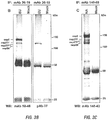
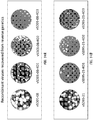
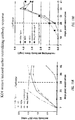
- Applicants verified experimentally the efficient expression of nsp2TF in virus-infected cells in multiple independent immunoassays using nsp2- and nsp2TF-specific Abs. Applicants also confirmed the expression of nsp2TF and the exact site and direction of frameshifting via mass spectrometric analysis of proteins purified from infected cells. Applicants discovered, identified and characterized two nsp2TF knockout mutants that differ from WT virus by 2 and 9 nucleotide substitutions (all synonymous with respect to ORF1a); both exhibited a crippled, smaller plaque-size phenotype and reduced infectious progeny titers, which evidences the important role of nsp2TF in virus replication in cultured cells.
- the potential -2 frameshift site in TVV1 (CC_CUU UUU) and the site of presumed -2 frameshifting in SHFV isolates HQ845737 and HQ845738 (G_GUC_UCU) also concur with the theme of perfect re-pairing in the A-site but reduced potential for re-pairing in the P-site.
- eukaryotic -1 frameshifting is stimulated by a 3'-proximal RNA secondary structure, as also documented extensively for the ORF1a/ORF1b 1 PRF that is conserved in arteriviruses and all other Nidoviruses (Brierley et al., 1989; den Boon et al., 1991; Brierley et al., 2010). Whether such structures are sufficient and/or necessary for the stimulation of -2 frameshifting remains to be determined.
- nsp2-related proteins in their analysis.
- a similar phenomenon was also observed in a previous study using a genotype II PRRSV isolate, VR2332, in which such nsp2-related products were assumed to derive from the use of alternative N- and/or C-terminal cleavage sites (Han et al., 2010). At least one of these products appears to correspond to nsp2TF, while some others appear to derive from the post-translational modifications observed in the pulse-chase experiments in Fig. 7 .
- the G_GUU_UUU motif is also a suitable shift site for -1 frameshifting (Loughran et al., 2011) and a potential -1 frameshift product (nsp2N) was observed ( Fig. 3 &7).
- a frameshift would result in immediate termination at a -1 frame stop codon (with G_GUU_UUU_ga, G_GUU_UUU_ag and G_GUU_UUU_aa all being represented in different PRRSV isolates).
- Mass spectrometry of the nsp2N band identified a peptide corresponding to the predicted C-terminus of a -1 frameshift product, although formally such a peptide could also be derived from internal cleavage of nsp2 or nsp2TF at this position.
- the identification of the nsp2N band as the -1 frameshift product was further supported by the fact that this protein was not observed upon expression of the SS mutant, in which the frameshift site is mutated.
- Betaretroviruses and deltaretroviruses also employ two ribosomal frameshifts (both -1 PRF) in the expression of their Gag-Pro-Pol polyprotein (Jacks et al., 1987; Moore et al., 1987).
- Gag, Pro and Pol are consecutive terminally-overlapping ORFs and, in contrast to the arteriviruses, the polymerase is translated by ribosomes that have frameshifted twice.
- the polymerase (which is generally required in much lower quantities than certain other components of the replication complex) is either produced at a low level via a variety of mechanisms, such as stop codon read through or a relatively inefficiently translated genome segment, or excess polymerase is removed for example via degradation or sequestration in inclusion bodies (reviewed in Ahlquist, 2006).
- PRRSV nsp2 is the largest replicase cleavage product, typically consisting of 1060 to 1196 amino acids, depending on the isolate. It is released by the autoproteolytic activities of the upstream papain-like protease (PLP ⁇ ) in nsp1 ⁇ , which targets the nsp1 ⁇ /2 site (den Boon et al. 1995), and cleavage of the nsp2/3 site by PLP2, the protease that resides in the N-terminal domain of nsp2 (Snijder et al., 1995). Nsp2 is a multidomain and multifunctional protein.
- PLP ⁇ upstream papain-like protease
- nsp2 functions as a co-factor for the nsp4 serine protease (SP) during processing of the C-terminal half of the ORF1a-encoded polypeptide (Wassenaar et al., 1997).
- SP serine protease
- nsp2 is predicted to be a multi-spanning transmembrane, or TM, protein and has been implicated in the formation of the membranous replication structures that presumably scaffold the assembly of the viral replication complex (Knoops 2012; Pedersen et al., 1999).
- nsp2 in viral pathogenesis.
- the PLP2 domain has been reported to possess deubiquitinating and deISGylating activities (Frias-Staheli, et al., 2007; Makarova et al., 2000; van Kasteren, et al., 2011; Sun et al., 2010, 2012).
- the biological significance of these activities was evidenced by the ability of PLP2 to inhibit type I interferon (IFN) activation and antagonize the antiviral effect of ISG15.
- IFN type I interferon
- nsp2 that appear to be less- or non-essential for PRRSV replication are thought to play a role in the modulation of host immune responses in vivo (Chen et al., 2010; Sun et al., 2012).
- the -2 frameshift site in the nucleic acid sequence encoding nsp2 is encoded by 7 consecutive nucleotides of which the first five precede the nucleotides encoding the first amino acid of the TF coding part of the nsp2TF coding region and last two encode the first 2 nucleotides of the codon for the first amino acid of the TF coding part of the nsp2TF coding region.
- nsp2TF is not essential for the viability of the virus, it is nonetheless essential for maximum virus fitness.
- mutant KO2 a C-terminally truncated nsp2TF was produced
- mutant KO1 a C-terminally truncated nsp2TF was produced
- KO1 was expected to maintain the natural ratio between full-length nsp2 and the nsp2TF/nsp2N frameshift product(s).
- the manipulation of the virus resulted in a crippled phenotype. This highlights the requirement for expression of full-length nsp2TF.
- KO2 showed the most impaired growth phenotype.
- Applicants' mutant, KO2 does not express nsp2TF, which is sufficient to impair virus replication (as demonstrated by the KO1 mutant).
- Knocking out the frameshift signal would also be expected to up-regulate the expression of all the downstream nsps (nsp3-12), which may disturb the carefully balanced expression levels of individual nsps.
- the levels of pp1a and pp1ab synthesis appear to be tightly controlled and disturbance of this balance affords various consequences.
- nsp4 also using nsp2 as a co-factor
- the formation of replication complexes or the up-regulation of RdRp and helicase expression, which all individually have the potential to directly or indirectly affect viral RNA synthesis.
- vaccinated pigs cannot be distinguished from pigs that have recovered from a natural infection.
- a genetically marked vaccine would allow the differentiation of vaccinated and naturally infected pigs, and would be valuable for PRRS control and eradication programs (Fang et al., 2008).
- nsp2 region has also been explored for diagnostic assay development due to its highly immunogenic nature (Johnson et al., 2007; Brown et al., 2009). Sequence analysis showed that the C-terminal region of nsp2TF contains predicted B cell epitopes (Hopp and Woods, 1983; Larsen et al., 2006). This is further supported by production of the nsp2TF-specific rabbit antiserum using a predicted B cell epitope, CPKGVVTSVGESV, located at the 3' end of the protein.
- nsp2TF provide the foundation for the use of nsp2TF as a new antigen of the virus and/or a potential target for diagnostic assay development. Furthermore, mutations, truncations or deletions introduced in KO1 or KO2 mutants provide unique marker (regions) companion diagnostic assays for KO1 or KO2-based marker vaccine.
- TF expression is dependent on the presence of an RNA sequence motif (CCCANCUCC) downstream of the shift site, the nsp1 ⁇ -coding sequence, and the conserved RNA sequence downstream of the shift site.
- CCCANCUCC RNA sequence motif
- the frameshift can be stimulated by nsp1 ⁇ expressed in trans, and therefore nsp1 ⁇ (together with the CCCANCUCC motif), or portions thereof, can be used as a molecular switch to activate and inactivate the expression of desired genes.
- nsp2TF protein product
- PRRSV replication a protein product that plays a role in PRRSV replication.
- the nsp2TF protein itself and its expression mechanism (-2 PRF) have significant applications in biotechnology development and disease control.
- Applicants have identified a new arterivirus protein, and demonstrated that -2 frameshifting is functionally utilized as a gene expression mechanism in eukaryotic systems.
- Applicants' data reveals that expression of the arterivirus replicase proteins is affected by two distinct ribosomal frameshift events, so that the three regions nsp1/2, nsp3-8 and nsp9-12, are all expressed at different levels.
- TF conserved alternate ORF
- TM putative transmembrane domain of nsp2
- the resulting transframe protein (termed nsp2TF) was identified by Applicants and its expression was confirmed to occur via -2 PRF, in PRRSV-infected cells, using nsp2TF-specific antibodies.
- the TF domain consists of a unique 169-aa C-terminal region, encoded by the TF ORF, fused to the N-terminal 65-72% (depending on the specific strain) of nsp2. Consequently, the N-terminal segments of nsp2 and nsp2TF are identical, whereas compared to nsp2, nsp2TF is significantly shorter and contains a unique C-terminal domain.
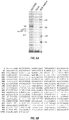
- Applicants' data from mass spectrometric analysis of PRRSV nsps further confirms the expression of nsp2TF and the site and direction of frameshifting.
- Applicants' experiments using site-directed mutagenesis of the frameshift site, G_GUU_UUU, and a highly conserved downstream CCCAxCUCC motif evidence that both elements are required for efficient frameshifting.
- the invention provides an arterivirus comprising nucleic acid encoding ORF1a, wherein said nucleic acid comprises at least one mutation in at least one of the frameshifting site GGU(U/C)U(U/C)U and/or the conserved CCANCUCC motif locased in the nucleic acid sequence that codes for the nsp2 protein, wherein said mutation interferes with -2 ribosomal frameshifting at the -2 framshifting site, resulting in reduced translation of nsp2TF of SEQ ID No: 45 in PRRSV isolite SP01-08 or reduced translation of an homologus transframe protein in a different arterivirus, when compared to a wild-type of said arterivirus.
- the arteriviruses optionally include one or more mutations that interfere with -2 ribosomal frameshifting at a -2 frameshifting site located in the conserved CCCANCUCC motif coding for nsp2.
- the arteriviruses of the invention may be used to develop successful marker vaccines, or to determine whether or not a subject has been given a vaccine containing a genetic marker. In another embodiment, some of the arteriviruses provided by the invention can autonomously replicate.
- the arteriviruses of the invention can be PRRSV, including but not limited to Type 1 (European genotype) PRRSV, Type II (North American genotype) PRRSV including the Asian highly pathogenic variants (HP-PRRSV), or a combination thereof, or lactate dehydrogenase-elevating virus (LDV) or simian hemorrhagic fever virus (SHFV).
- an embodiment of the invention provides an RNA or a cDNA encoding any of the arteriviruses provided herein.
- vaccines or immunogenic compositions which comprise any of the arteriviruses of the invention, the RNA or cDNA described above, or a combination thereof, and a pharmaceutically acceptable carrier or diluent.
- vaccines or immunogenic compositions which optionally comprise an adjuvant, an excipient, or a combination thereof.
- an isolated or recombinant protein comprising a full-length or partial arterivirus nsp2TF protein, preferably comprising amino acid sequences depicted in SEQ ID NO: 36, 45, and 76 and partial sequences 46-67 and 77-91 or sequences that are at least 70 % identical thereto.
- Said protein is preferably fused to another protein and/or tagged, for example with a Myc-tag (e.g. N-ILKKATAYIL-C, N-EQKLISEEDL-C), HA-tag (e.g. N-YPYDVP-C), His-tag (e.g. 6xHis), FLAG-tag (e.g. N-DYKDDDDK-C), GST tag and/or biotin-tag, as is known to the skilled person.
- Myc-tag e.g. N-ILKKATAYIL-C, N-EQKLISEEDL-C
- HA-tag e.g. N-YPYDVP-C
- a method of detecting the presence of an antibody to an arterivirus in a biological sample comprising contacting a biological sample with an amount of a nsp2TF antigen or a part thereof; detecting the presence or absence of a complex between the nsp2TF antigen and an antibody, using a detection system; and determining the presence or absence of a complex between the nsp2TF antigen and an antibody, wherein the presence of a complex indicates an immune response to an arterivirus.
- the invention also provides a method for distinguishing a subject infected with wild-type arterivirus and/or vaccinated with an unmodified arterivirus strain, from a subject vaccinated with a vaccine of the invention, where the method comprises providing a sample from the test subject, determining in said sample, qualitatively, or quantitatively, or both qualitatively and quantitatively, the presence or absence of mutations affecting -2 ribosomal frameshifting at the -2 frameshifting site GGU(U/C)U(U/C)U and/or the conserved CCCAUCUCC motif located of the 5' end of the ORF encoding the transframe protein "TF" of SEQ ID No: 45 in PRRSV isolate SD01-08 or an homologous transframe protein in a different arterivirus, or modifications to the coding regional of said ORF; and/or determining in said sample the presence of antibodies against an immunogenic epitope specific for said vaccine; and/or determining in saidsample the presence of antibodies against an epitope expressed
- an embodiment of the invention provides a method of detecting an arterivirus in a biological sample, where the method comprises determining in said sample the presence of a transframe protein "nsp2TF" of SEQ ID No: 45 in PRRSV isolate SD01-08 or an homologous transframe protein in a different arterivirus.
- Another embodiment of the invention is an RNA, DNA or CDNA encoding the arterivirus according to the invention. Additionally, the invention provides an expression cassette.
- An embodiment of the invention provides a method for determining whether an agent is capable of interfering with ribosomal frameshifting at the -2 frameshifting site located in the nucleic acid sequence that encodes for the nsp2 protein wherein said -2 frameshift site comprises the sequence GGU(U/C)U(U/C)U, where the method comprises providing a translation system that is permissive for frameshifting at said site with a nucleic acid encoding a genetic marker or reporter in operable linkage with said site, contacting the translation system with the agent. incubating the translation system and agent mixture to allow for translation of said nucleic acid; and determining the presence or absence of a partial translation product encoded by the nucleic acid.
- a translation system which may comprise an arterivirus nsp1beta protein or functional part thereof and/or is a cell.
- the agent can be selected from the group consisting of antisense DNA, antisense RNA, siRNA, microRNA, nucleic acid analogues, peptides, or chemical compounds.
- the invention provides pharmaceutical compositions, which comprise a vaccine or immunogenic composition according to the present invention and a pharmaceutically acceptable carrier or diluent.
- a method of treating an animal infected by an arterivirus comprising administering to the animal an effective amount of the pharmaceutical composition of the invention.
- the invention also provides an arterivirus packaging cell line comprising a cell of the invention.
- the cell line may be a stable cell line comprising a cell of the invention.
- the cells of the cell line provided by the invention express nsp2TF from a heterologous promoter.
- compositions of the invention can comprise or one or more of constructs pL1a-KO1, pL1a-KO2, pL1a-SS, pL1a-CC1, pL1a-CC2, pSD01-08-IFC, pSD01 08-KO1 and/or pSD01 08-KO2, and a pharmacologically acceptable carrier.
- An embodiment of the invention provides vaccines or immunogenic compositions for us in inducing an immune response against an arterivirus including LDV, SHFV, and PRRSV in an animal susceptible to said arterivirus (LDV, SHFV, or PRRSV, respectively) infection, comprising administering an effective amount of a vaccine or composition to the animal, and a pharmaceutically acceptable carrier, wherein said composition causes the inducement of an immune response in the animal.
- the ability of a compound or composition described herein to treat or prevent a disease caused by an arterivirus may be determined by using assays well known to the art. For example, the design of vaccination protocols, evaluation, data analysis, and quantification of immune response may be used to determine the ability of a compound of the invention to treat or prevent a disease caused by an arterivirus.
- a compound or composition to treat or prevent a disease caused by an arterivirus may be determined using the tests known and understood by those of skill in the art.
- suitable assays for use with the compositions and methods of the invention include, but are not limited to, antibody-based assays, nucleic acid-based assays, nucleic acid-based differential assays, such as fluorescent microsphere immunoassay, and real-time RT-PCR.
- the arterivirus of the invention can be any arterivirus, including but not limited to PRRSV, including but not limited to Type 1 PRRSV (European genotype), Type 2 PRRSV (North American genotype), any variants of both genotypes, recombinants within /between genotype and/or combinations thereof, or lactate dehydrogenase-elevating virus (LDV), or simian hemorrhagic fever virus (SHFV).
- PRRSV including but not limited to Type 1 PRRSV (European genotype), Type 2 PRRSV (North American genotype), any variants of both genotypes, recombinants within /between genotype and/or combinations thereof, or lactate dehydrogenase-elevating virus (LDV), or simian hemorrhagic fever virus (SHFV).
- PRRSV including but not limited to Type 1 PRRSV (European genotype), Type 2 PRRSV (North American genotype), any variants of both genotypes, recombinants
- the arteriviruses of the invention can also comprise the introduction of a genetic marker.
- the invention provides vaccine compositions comprising one or more of the arteriviruses of the invention, and a pharmaceutically acceptable carrier or diluent.
- the invention also provides immunogenic compositions, comprising one or more of the arteriviruses of the invention, and a pharmaceutically acceptable carrier or diluent.
- the invention provides vaccines or immunogenic compositions for use in inducing an immune response against an arterivirus in an animal, comprising the administration of an effective amount of a composition comprising one or more of the immunogenic vaccines or compositions of the invention to an animal, wherein said immune response in the animal is induced.
- the vaccine compositions and immunogenic compositions can be used in any animal, including, but not limited to, mammals, humans, and pigs.
- compositions comprising an effective amount of an inhibitory nucleic acid or nucleic acid analogue, wherein the nucleic acid or nucleic acid analogue inhibits the -2 PRF mechanisms in an arterivirus, and a pharmaceutically acceptable carrier and/or diluent.
- the pharmaceutical compositions can optionally comprise inhibitory nucleic acid selected from the group consisting of antisense DNA, antisense RNA, ad microRNA, locked nucleic acid, peptide nucleic acid, morphilino oligonucleotides, or other small molecule, or a combination thereof.
- expression systems for controlling the expression of one or more exogenous genes comprising inserting into a nucleic acid construct one or more frameshift signals from an arterivirus, and one or more nucleic acid molecules encoding one or more exogenous genes.
- the expression systems may provide the insertion into the nucleic acid construct one or more frameshift signals, wherein the frameshift signals are G_GUU_UUU, G_GUC_UCU, G_AUU_UUU, G_GUU_UUC, CCCANCUCC, or a combination thereof, with or without co-expression of nsp1 ⁇ .
- the arterivirus knock-out mutants according to the invention may be used in vaccines, and genetic expression systems.
- the invention also provides arterivirus knock-out mutants, wherein arterivirus nucleic acid encoding nsp2TF or a functional part thereof has been completely inactivated in the viral genome.
- nsp2TF nonstructural protein 2 transframe protein
- nsp2TF-related nucleic acids including the frameshift site, the conserved downstream sequences of nsp2TF, and the entire nsp2TF ORF, wherein the determination is quantitative, qualitative, or both quantitative and qualitative.
- nsp2TF protein is expressed and/or altered.
- the nsp2TF protein expression may be knocked out completely or partially in the vaccine construct.
- the expression level of the nsp2TF protein and all downstream nonstructural proteins may be altered, including, but not limited to wherein the expression level of the nsp2TF protein is lowered, increased, or enhanced.
- the nsp2TF protein itself may be substantially or partially or subtly altered or enhanced.
- the vaccine constructs may be utilized in and for any arterivirus species.
- the invention provides the use of a recombinant arterivirus according to the present invention, as a vaccine.
- the recombinant arterivirus vaccine may have altered frameshift efficiency such that the overall regulation of replicase expression is disrupted, disordered or interrupted.
- the recombinant virus of the invention can be any virus species.
- the recombinant virus of the invention, as provided herein can be of any arterivirus species, including but not limited to any lactate dehydrogenase-elevating virus (LDV), any simian hemorrhagic fever virus (SHFV), or any PRRS virus species, including but not limited to Type 1 (European genotype) PRRSV and Type II (North American genotype) PRRSV, Asian variants or combinations thereof.
- LDV lactate dehydrogenase-elevating virus
- SHFV simian hemorrhagic fever virus
- PRRS virus species including but not limited to Type 1 (European genotype) PRRSV and Type II (North American genotype) PRRSV, Asian variants or combinations thereof.
- nsp2TF protein as well as proteins and/or peptides containing an immunogenic epitope of the TF domain, or any nucleic acid, including a ribonucleic acid, coding for the nsp2TF protein or TF domain.
- nsp2TF as well as proteins and/or peptides containing an immunogenic epitope of the TF domain, or any nucleic acid, including a ribonucleic acid, coding for the nsp2TF protein or TF domain, or a combination thereof.
- nsp2TF as an intracellular or extracellular protein, or as a virion protein, to elicit a response in the immune system of an animal, wherein the animal includes, but is not limited to humans and pigs.
- the immune response can be, but is not limited to, an adaptive, acquired, humoral, cell-mediated, innate, passive, or active immune response.
- modifying the TF domain such that the cellular localization of the nsp2TF protein is altered, such that the deubiquitination function of the nsp2TF protein is impaired, and wherein the deubiquitination activity of the nsp2TF protein is reduced or inhibited.
- the modification of the TF domain can be done by mutation, the use of small compounds, the use of peptides, or other art-recognized methods of modifying a protein domain.
- nsp2TF in diagnostic tests, including but not limited to diagnostic assays for vaccine compositions containing a genetic marker including but not limited to mutations that alter or delete specific sequences in the TF coding region or the nsp2TF amino acid sequence.
- nsp2TF protein or the TF domain for an antibody-based assay.
- TF coding region, and/or the frameshift sequences for a nucleic acid-based assay.
- arterivirus-derived -2 PRF-inducing nucleic acid sequences in biotechnological applications, for expression of proteins or other molecules. Further described herein are methods of inducing the expression of a protein of interest, including but not limited to a foreign or non-native or heterologous protein or combinations thereof, using one or more arterivirus-derived -2 PRF inducing nucleic acid sequences in a construct of choice.
- the arterivirus-derived -2 PRF inducing nucleic acid sequences for use as described herein can optionally include those expressing nsp1 ⁇ .
- G_GUU_UUU motif, G_GUC_UCU motif, CCCANCUCC motif, and or the nsp1 ⁇ protein, or a combination thereof from any arterivirus species, as stimulators and/or inducers of the -2 frameshifting mechanism in gene expression systems.
- the G_GUU_UUU motif, G_GUC_UCU motif, CCCANCUCC motif, and/ or the nsp1 ⁇ protein, or a combination thereof can be from any virus species possessing the -2 PRF mechanism, including but not limited to any arterivirus species, including all currently known arterivirus species, as well as any later-identified viruses possessing the -2PRF mechanism.
- ORF1a sequences of 212 PRRSV isolates currently available in GenBank were extracted, translated, aligned, and back-translated to a nucleotide sequence alignment. Both European (EU; genotype I) and North American (NA; genotype II) isolates, which typically share 50-55% aa identity within pp1a, were included. Next, the alignment was analyzed for conservation at ORF1a synonymous sites, as described previously (Firth et al., 2011b).
- PRRSV, LDV, SHFV and EAV nucleotide sequences in Genbank with full coverage of the ORF1a coding sequence were identified by applying NCBI tblastn (Altschul et al., 1990) to the pp1a peptide sequence derived from GenBank sequences NC_001961 (PRRSV-NA), NC_001639 (LDV), NC_003092 (SHFV) and NC 002532 (EAV).
- Respectively 218, 2, 3 and 32 sequences were retrieved, and the accession numbers of sequences used in the bioinformatic analysis are as follows: PRRSV (EU genotype): M96262, AY366525, AY375474, AY588319, DQ489311, DQ864705, EU076704, FJ349261, GQ461593, GU047344, GU047345, GU067771, GU737264, JF276430, JF276431,JF276432,JF276433,JF276434,JF276435,JF802085.
- PRRSV EU genotype
- NC_001639 U15146, L13298.
- the p -value for the long +1 frame ORF occurring by chance in this region of the SHFV alignment is 1.9 ⁇ 10 -11 .
- Neither this statistic for SHFV (1.9 ⁇ 10 -11 ), nor the conservation statistic quoted in the main text for PRRSV (1 ⁇ 10 -64 ) have been corrected for multiple tests; i.e. in principle one might consider testing the whole genome ( ⁇ 15,000 nt) for conserved regions and/or conserved ORFs of ⁇ 200 codons and, in principle, one might apply such an analysis to the ⁇ 1000 RNA virus species represented in GenBank, making a total of ⁇ 25,000 independent tests.
- the p-values should be scaled by ⁇ 25,000 (giving 2.5 ⁇ 10 -60 and 4.8 ⁇ 10 -7 , respectively), though a correction for multiple testing is not in fact required for the SHFV statistic, since the location of the 5' end of the TF ORF in SHFV is known a priori (it aligns to the 5' end of the TF ORF in PRRSV).
- a 169-codon ORF is also present in one (LDV-P) of two published LDV sequences, but in the second (LDV-C) the ORF is disrupted by a single stop codon.
- the new sequence is divergent from both LDV-P and LDV-C (locally 83-90% nt identity) and does not contain the TF-frame stop codon present in LDV-C. Remarkably, no evidence for a corresponding ORF was found in EAV. In fact, in this part of the genome, EAV is highly divergent from other arteriviruses and the nsp2 region is greatly reduced in size.
- G_GUU_UUU motif underscores separate ORF1a codons
- PRRSV sequences 4/212 have G_GUU_UUC
- both LDV sequences 4/212 have G_GUU_UUC
- SHFV sequences have G_GUC_UCU at the corresponding position.
- the 'G' at position 1 is conserved despite the corresponding ORF1a codon being CAG (Gln), UGG (Trp), or CGG (Arg) in different PRRSV isolates ( Fig. 2A ). This motif could facilitate -2 PRF from ORF1a into the overlapping ORF.
- nsp2TF is 14-19% shorter than 'full-length' nsp2.
- the TF ORF overlaps the part of ORF1a that encodes the predicted TM domain of nsp2 and appears to encode an alternative TM domain containing four or more potential TM regions, depending on species and isolates.
- nsp2TF polyclonal antibody
- pAb-TF polyclonal antibody
- CPKGVVTSVGESV C-terminal peptide of the predicted nsp2TF protein of PRRSV isolate SD01-08, a genotype I PRRS virus
- mAbs 36-19 and 58-46 monoclonal antibodies
- nsp2TF was analyzed by immunoprecipitation (IP) and Western blot analysis.
- MARC-145 cells were infected with PRRSV isolate SD01-08 and cell lysates were harvested at 48 hpi.
- PRRSV proteins were first immunoprecipitated using mAb36-19 and separated by SDS-PAGE.
- a similar analysis was performed for isolate SD23983, a genotype II PRRSV, using mAbs (140-68 and 140-43) specific for the nsp2 N-terminal domain of this isolate.
- the subcellular localization of nsp2TF in virus-infected cells was investigated using immunofluorescence microscopy.
- Viruses and Cells BHK-21, RK-13 and MARC-145 cells were cultured in modified Eagle's medium (MEM, Invitrogen, CA) containing 10% fetal bovine serum. Cells were maintained at 37°C with 5% CO2.
- the Type I PRRSV isolate European genotype
- SD01-08 GenBank accession #DQ489311; Fang et al., 2006
- Type II PRRSV isolate North American genotype
- SD23983 GenBank accession # JX258843
- Antibodies Monoclonal antibodies mAb36-19, mAb58-46, mAb140-68 and mAb 148-43 were produced in our laboratory as described previously (Fang et al., 2006; Li et al., 2012). These antibodies recognize the N-terminal region of both nsp2 and nsp2TF. MAbs 36-19 and 58-46 were produced by immunizing mice with peptide (aa 386-821 in pp1a) of SD01-08, while mAbs 140-68 and 148-43 were produced by immunizing mice with peptide (aa 435-514 in pp1a) of SD23983.
- a polyclonal antibody, pAb-TF was produced by GenScript using the synthetic peptide CPKGVVTSVGESV (C-terminal 13 aa of nsp2TF). Rabbits were immunized with the peptide and antibodies were affinity-purified from rabbit immune sera.
- Proteins separated by SDS-PAGE were transferred to a nitrocellulose membrane (Protran) by electro-transferring in a Tris-Glycine buffer with 20% methanol for 1 hr. After transferring, the membrane was blocked with PBST (1x PBS in 0.05% Tween 20) and 5% non-fat dry milk at 4°C overnight. The membrane was then incubated with primary nsp2- and/or nsp2TF-specific antibodies (1:1000 dilution of mAbs and 1:250 dilution of pAb-TF) for 1 hr. at room temperature.
- IRDye 680-conjugated goat anti-rabbit antibody and/or IRDye 800CW-conjugated goat anti-mouse antibody (LI-COR Biosciences, NE) was added and the membrane was incubated for an additional 2 hr. at room temperature. Imaging of the blot was performed under the appropriate excitation wavelength using a digital imaging system (Odyssey infrared imaging system; LI-COR Biosciences, Lincoln, NE).
- MARC-145 cells were infected with PRRSV at an MOI of 0.1 in MEM containing 2% horse serum. Cells were fixed with 4% paraformaldehyde in 1x PBS (pH 7.4) at 18 h post-infection. Following permeabilization with 0.1% Triton X-100 and 1% BSA in 1x PBS for 15 min at room temperature, cells were incubated with the primary antibodies of mAb 36-19 (1:1000 dilution) or rabbit anti-sera Prot 00A (1:100 dilution) at 37°C for 1 hour.
- FITC-conjugated goat anti-mouse antibody (1:100 dilution; ICN Biomedicals), or DyLight 549-labeled goat anti-rabbit IgG (H+L) (1:1000 dilution; KPL) was added as the secondary antibody and incubated at 37°C for 1 hour.
- Nuclear staining with DAPI (4', 6'-diamino-2-phenylindole 2HCl) was performed as recommended by the manufacturer (Molecular Probes).
- Cell preparations were imaged using a Zeiss LSM510 confocal fluorescence microscope with a 63x objective. Images were processed with NIH Image/J and Adobe Photoshop 6.0 software.
- This protein could be a modified form of nsp2TF.
- the smallest product of the four (labeled nsp2N) could derive from a -1 frameshift at the same conserved G_GUU_UU motif. Such a frameshift would lead to an immediate termination as there is a -1/+2 frame stop codon adjacent to the shift site ( Fig. 6 ).
- nsp2TF in virus-infected cells was further confirmed using immunofluorescence microscopy.
- the nsp2TF protein was specifically detected by pAb-TF, and distributes as sharp foci around the peri-nuclear region of PRRSV-infected cells.
- pAb-TF was specifically recognizing nsp2TF
- cells were double-labeled with the nsp2-specific mAb36-19. The same cluster of virus-infected cells was detected by both antibodies.
- Mass Spectrometry The nsp2TF protein was immunoprecipitated from the virus-infected cell lysate using specific antibodies. After gel electrophoresis, proteins were fixed in isopropanol fixing solution (25% isopropanol/10% acetic acid [v/v]) for 30 min, and then stained with Coomassie brilliant blue G-250 (Bio-Rad; 0.006% [w/v] Coomassie brilliant blue G-250 in 10% acetic acid) for 30 min - 1h. The G-250 stained gel was destained with 10% acetic acid until a clear background with blue protein bands appeared.
- the corresponding nsp2TF protein band was excised from the gel, and the gel slice was washed 2 x with 50% acetonitrile. The gel slice was then reduced with DTT, alkylated with iodoacetamide and digested with trypsin (Worthington Chemical Corporation) using the Proteineer DP digestion robot (Bruker, Bremen, Germany). The tryptic peptides were extracted from the gel and lyophilized. Peptides were dissolved in 95/3/0.1 v/v/v water/acetonitrile/formic acid and subsequently analyzed by on-line nanoHPLC MS/MS using a1100 HPLC system (Agilent Technologies), as previously described (Meiring et al, 2002).
- Peptides were identified using Mascot version 2.2.04 (Matrix Science) with the following settings: trypsin as digestion enzyme, carbamidomethyl of cysteine as fixed modification and oxidation of methionine as variable modification, peptide mass tolerance of 2 ppm and MS/MS tolerance of 0.8 Da.
- LMTWVFLK One of the peptides, spanned the frameshift site itself and its sequence is fully compatible with -2 PRF (after decoding GUU_UUU as VF; Fig. 5A-B ) but not with +1 PRF, which would produce a shift site peptide that is one amino acid shorter (predicted sequence LMTWVFK).
- nsp2 and nsp2TF were investigated in a pulse-chase labeling experiment.
- MARC-145 cells were infected with SD01-08 virus. After a 1-h pulse labeling with 35 S-labeled amino acids, the incorporated label was chased for various periods (up to 24h), and proteins were immunoprecipitated with nsp2- and nsp2TF-specific antibodies.
- Radioactive labeling and radioimmunoprecipitation (RIP) analysis To analyze the nsp2TF expression in infected cells, MARC-145 cells were infected with PRRSV SD01-08 at an m.o.i. of 0.1 for 23.5 hr in DMEM containing 2% FCS. Cells were washed with PBS, followed by starvation for 30 min in methionine- and cysteine-free medium (Gibco). Proteins were labeled at 24 hpi with a 1-hour pulse with methionine- and cysteine-free medium containing 500 ⁇ Ci [ 35 S] methionine/cysteine (5:2) mixture (Perkin-Elmer) per ml. Subsequently, cells were washed twice with PBS and incubated for various chase periods (up to 24 hr) in DMEM containing 2 mM (both) unlabeled methionine and cysteine and 2% FCS.
- nsp2' and nsp2TF' two smaller products having apparent molecular weights that are about 10 kDa smaller than those of nsp2 and nsp2TF. Its disappearance during the chase suggested nsp2' to be a direct precursor of nsp2, which itself also appeared to be subject to further modification during the chase period, as visualized by its slight size increase and more heterogeneous migration in gel (compare C0h with later time points).
- nsp2' the products described in Fig. 7A could all be identified, although there were clear differences in abundance, appearance, and stability. For example, note the extreme heterogeneity of nsp2 later in the chase period, the much faster turn-over of nsp2TF', and the almost complete lack of the unidentified nsp2-specific product of 95-kDa.
- the CC1 mutations are synonymous in the nsp2 frame, while the CC2 mutations more thoroughly disrupt the motif but include substitutions that are not synonymous with respect to nsp2.
- two additional mutants were constructed (SS and IFC; Fig. 2B ).
- the SS mutant contains two mutations in the shift site (G_GUU_UUU mutated to G_GUA_UUC), and is therefore expected to express nsp2 only.
- Plasmids for expression of full-length or partial ORF1a To create the expression plasmid pL1a, the plasmid of EAV pL1a (Snijder et al., 1994) was used. Initially, the EAV ORF1a sequence was replaced by PRRSV ORF1a (aa 1-2379 of PRRSV SD01-08 genome). The construct contains a T7 promoter and a copy of the encephalomyocarditis virus internal ribosomal entry site upstream of the PRRSV sequence. The T7 terminator sequence was inserted downstream of the PRRSV sequence. PRRSV ORF1a was modified to facilitate cloning and site-directed mutagenesis.
- the N- or C-terminus truncates of ORF1a (Table 1) were constructed by RT-PCR amplification of corresponding regions with primer pairs flanking NcoI and Not I restriction enzyme sites at the 5' and 3' ends.
- the PCR product was digested with Nco I and Not I restriction enzymes and ligated into the pL1a plasmid that was digested with the same restriction enzymes.
- Site-directed mutagenesis Each individual point mutation was introduced into the nsp2 region of the expression vector pL1a or a PRRSV full-length cDNA clone plasmid pSD01-08 (Fang et al., 2006). Except KO2 and nsp1 ⁇ cc-2 mutants, generated by synthetic genes, all the mutations were introduced by site-directed mutagenesis. Briefly, a shuttle plasmid pTOPO-ES was generated by cloning the genomic sequences (nt 3365 to 6990 of SD01-08 genome) into pCR®-Blunt II- TOPO® Vector (Invitrogen).
- the precipitated proteins were separated by SDS-PAGE.
- Phosphor imager screens were exposed to the gels and subsequently scanned using a Typhoon Variable Mode Imager (GE Healthcare). Image analysis and quantification of band intensities were performed with the ImageQuant TL software (GE Healthcare).
- WT pL1a produced both nsp2 and nsp2TF, and expression of the latter protein was confirmed by IP with pAb-TF.
- the IFC mutant produced only nsp2TF, as detected by both pAb-TF and mAb58-46.
- the shift site mutant SS still allowed a small (but greatly reduced) amount of - 2 frameshifting.
- nsp2TF and nsp2 were analyzed by radioimmunoprecipitation (RIP) using pAb-TF (recognizes nsp2TF) or mAb58-64 and pAb-nsp2-3 (recognize both nsp2 and nsp2TF).
- pAb-TF proliferative factor-binding factor
- mAb58-64 proliferative factor sequence
- Plasmids for expression of full-length or partial ORF1a Using the PRRSV pL1a backbone, the 5'- or 3'-terminal truncations of ORF1a (Table 1) were constructed by RT-PCR amplification of corresponding regions with primer pairs flanking Nco I and Not I restriction enzyme sites at their 5' and 3' ends. The PCR product was digested with Nco I and Not I restriction enzymes and ligated into the pL1a plasmid that had been digested with the same restriction enzymes. The plasmid pLnsp1 ⁇ cc-2 was constructed by mutating nearly every codon in the nsp1 ⁇ -coding region synonymously ( Fig.
- nsp1 ⁇ cc modified nsp1 ⁇ -coding sequence
- Transient protein expression and radioimmunoprecipitation (RIP) analysis The plasmid DNA was transiently expressed in RK-13 cells using the recombinant vaccinia virus/T7 polymerase expression system (Fuerst et al., 1986). Proteins synthesized in transfected cells were labeled from 5 to 8 h after vaccinia virus infection, using methionine-free medium and 100 ⁇ Ci of [ 35 S]-methionine/ml. Cells were lysed and RIP analysis was performed as described previously (Snijder et al., 1994).
- RIP was performed using pAb-TF specific to the nsp2TF protein or mAbs recognizing both nsp2 and nsp2TF.
- the precipitated proteins were separated by SDS-PAGE.
- Phosphor imager screens were exposed to the gels and subsequently scanned using a Typhoon Variable Mode Imager (GE Healthcare). Image analysis and quantification of band intensities were performed with the ImageQuant TL software (GE Healthcare).
- nsp2 and nsp2TF were detected in lysates from cells transfected with the full-length ORF1a construct, but nsp2TF was barely detected in lysates from cells transfected with constructs pLnsp2-8 and pLnsp2-3, suggesting that an element required for PRF resides within the nsp1-coding region of ORF1a.
- Another set of constructs expressing nsp1-3 proteins with truncations at the N- or C-terminus was generated. RIP results showed that constructs lacking the nsp1 ⁇ - and/or nsp3-coding region continued to express the same amount of nsp2TF as pL1a.
- nsp1 ⁇ or the nsp1 ⁇ -encoding RNA sequence is required for efficient ribosomal frameshifting at the G_GUU_UUU motif in the nsp2-coding region, about 2.5 kb downstream.
- nsp2TF was also detected in cells co-transfected with separate plasmids expressing nsp2 (pLnsp2) and nsp1 ⁇ (pLnsp1 ⁇ ). This indicates that nsp1 ⁇ -stimulation of nsp2TF expression can operate in trans.
- nsp1 ⁇ protein rather than the nsp 1 ⁇ -coding RNA sequence
- nsp 1 ⁇ -coding sequence was synthesized and fused back with the nsp2-coding sequence to generate the construct pLnsp1 ⁇ cc-2, which expresses an unchanged nsp1 ⁇ protein sequence whereas the underlying nsp 1 ⁇ -coding RNA sequence was dramatically altered ( Fig. 9A ), to an extent that is expected to disrupt any functionally important primary or secondary RNA structure elements that might be involved in -2 PRF.
- pLnsp 1 ⁇ cc-2 Expression of pLnsp 1 ⁇ cc-2 was tested in the vaccinia virus/T7 polymerase expression system. For comparison, the WT construct pLnsp1 ⁇ -2 and the in-frame control pL1a-IFC (which only expresses nsp1-nsp2TF; see below) were included in the analysis. Western blot analysis showed that nsp2TF was efficiently expressed in cells transfected with pLnsp1 ⁇ cc-2( Fig. 9C ), which strongly suggests that the frameshift stimulation involves the nsp1 ⁇ protein but not the underlying RNA sequence.
- Table I List of Constructs Construct TF Expression Notes SEQ ID NO pL1a Yes Expression of WT ORF1a in vaccinia/T7 system SEQ ID NO 1 pLnsp2-8 No Expression of nsp2 to nsp8 in vaccinia/T7 system SEQ ID NO 2 pLnsp1-2 Yes Expression of nsp1 ⁇ to nsp2 in vaccinia/T7 system SEQ ID NO 3 pLnsp 1 ⁇ -2 Yes Expression of nsp1 ⁇ to nsp2 in vaccinia/T7 system SEQ ID NO 4 pLnsp1 ⁇ cc-2 Yes Expression of synthetic nsp1 ⁇ to nsp2 in vaccinia/T7 system; Every codon of nsp1 ⁇ synonymously mutated SEQ ID NO 5 pLnsp2 No Expression of nsp2 in vaccinia/T7 system SEQ ID NO 6 pLnsp1-3 Yes Expression of
- Example 7 A Highly conserved GKYLQRRLQ Motif in Nsp1 ⁇ is Critical for its Function as a Trans-activator of -2 PRF.
- nsp1 ⁇ that is critical for its trans-activator function.
- a panel of site-specific nsp1 ⁇ mutants was constructed (Table 2). They were designed based on the protein surface accessibility prediction (Emini et al ., 1985), hydrophilicity analysis (Hopp & Woods, 1981) and crystal structure of nsp1 ⁇ (Xue et al ., 2010). The conserved hydrophilic amino acids predicted to be exposed on the protein surface were targeted for mutagenesis ( Fig. 10A ). The various nsp1 ⁇ -2 mutants carrying a double-mutation (Table 2) were initially examined using the vaccinia/T7 polymerase expression system.
- RNA-binding residues in GKYLQRRLQ motif were predicted based on bioinformatics analysis.
- TABLE 2 Construct Mutation WT codon Mutant codon Virus strain E41A/E43A E-41 ⁇ A GAG GCG Type 1 E-43 ⁇ A GAA GCA E68A/E71A E-68 ⁇ A GAG GCG Type 1 E-71 ⁇ A GAG GCG K130A/R134A K-130 ⁇ A AAG GCG Type 1 R-134 ⁇ A CGC GCC K124A/R128A K-124 ⁇ A AAG GCG Type 2 R-128 ⁇ A CGG GCG C96S C-96 ⁇ A TGC AGC Type 1
- the nsp1 ⁇ -2-coding region from type 1 PRRSV (763-4559 nt of SD01-08 genome) and type 2 PRRSV (731-4927 nt of SD95-21 genome) were RT-PCR amplified from genomic RNA of PRRSV SD01-08 (EU) and SD95-21 (NA), respectively.
- the PCR product of the nsp1 ⁇ -2 region was cloned into the pL1a plasmid (Snijder et al ., 1994), designated as pL-EU-nsp1 ⁇ -2 and pL-NA-nsp1 ⁇ -2.
- the K130A and R134A mutations that interfere with nsp2TF expression were introduced into the nsp1 ⁇ region of p3xFLAG-nsp1 ⁇ using the QuickChangeTM site-directed mutagenesis kit (Stratagene). Potential RNA-binding residues in nsp1 ⁇ were searched using BindN program world wide web at bioinfo.ggc.org/bindn.
- nsp2TF expression and/or the diversion of a proportion of ribosomes out of ORF1a are relevant for virus replication.
- three mutants were constructed to partially or completely knock out nsp2TF expression (KO1, KO2 and KO3; Fig. 2B and 2C ).
- the KO1 mutant makes a truncated nsp2TF protein due to the insertion of two stop codons into the 170-codon TF ORF at codons 101 and 103. Consequently, the truncated nsp2TF lacks the C-terminal pAb-TF epitope.
- Each individual point mutation was introduced into the Type 1 PRRSV nsp2 region of the expression vector pL1a, or PRRSV full-length cDNA clone plasmid pCMV-SD01-08 (type 1 PRRSV, Fang et al., 2006) and pCMV-SD95-21 (type 2 PRRSV, GenBank KC469618). Except KO2, which was generated by gene synthesis, all the mutations were introduced by site-directed mutagenesis. Briefly, a shuttle plasmid pTOPO-ES was generated by cloning the genomic sequences into pCR®-Blunt II-TOPO® Vector (Invitrogen).
- the plasmid carrying a full-length PRRSV cDNA or its mutant was used to transfect BHK-21 cells, using FuGENE HD reagent (Roche, CA) and following the manufacturer's instruction.
- FuGENE HD reagent FuGENE HD reagent
- To rescue the virus cell culture supernatant obtained at 24 to 48 h post-transfection was passaged on MARC-145 cells. The rescue of infectious virus was confirmed by IFA at 48-72 h post infection.
- recombinant viruses were serially passaged 20 times on MARC-145 cells.
- Growth kinetics and plaque assay Growth kinetics was examined by infecting MARC-145 cells with passage 2 of WT virus, KO1, KO2 or KO3 mutant at an MOI of 0.1. Supernatants from infected cells were collected at 12, 24, 36, 48, 60, and 72 h post infection (hpi), and virus titers were determined by the fluorescent focus assay as described previously (Sun et al., 2012). Virus titers were expressed as number of fluorescent focus units per ml (FFU/ml). Plaque morphologies of mutants and parental virus were compared by a plaque assay. Confluent cell monolayers in 6-well plates were infected with 10-fold serial dilutions of parental or mutant virus. At 2 h post infection, medium was removed and a 2% agar (SeaPlaque Agrose, Lonza, Rockland, ME) overlay was applied. After 4 days of incubation at 37°C, cells were stained with 0.1% crystal violet.
- nsp2TF was found to be targeted to a different subcellular location in comparison to full-length nsp2, possibly the exocytic pathway rather than the modified ER membranes where nsp2 is located and with which viral RNA synthesis is associated.
- the result suggests that nsp2 and nsp2TF may have different functions in viral replication and/or immune evasion.
- the nsp2 and nsp2TF proteins share a common N-terminal PLP2 domain.
- PLP2 When the PLP2 domain was individually expressed in transfected cells, PLP2 was determined to possess de-ubiquitination (de-Ub) and de-ISGylation functions that involve in antagonizing cellular innate immune responses (Sun et al., 2010, 2012; van Kasteren et al., 2012, 2013). We performed ubiquitination and ISGylation assays to compare the de-Ub and de-ISGylation ability of KO1, KO2 and KO3 recombinant viruses with that of WT virus.
- de-Ub de-ubiquitination
- de-ISGylation functions that involve in antagonizing cellular innate immune responses
- ISG15 conjugation (ISGylation) assay MARC-145 cells were infected with PRRSV SD-95-21 WT or nsp2TF knock out mutants, KO1, KO2, or KO3. At 24 h post-infection, cells were stimulated with IFN- ⁇ . The cell monolayer was lysed in Laemmli sample buffer for Western blot analysis at 12 h post-stimulation. For the detection of ISG15 expression, the nitrocellulose membrane was probed with mAb F-9 or rabbit polyclonal antibody H-150 (both from Santa Cruz Biotechnology, Santa Cruz, CA). The mAb M2 (Sigma, St. Louis, MO) was used to detect the expression of Flag-tagged proteins.
- Ubiquitination assay BHK-21 cells was transfected with 0.5 ⁇ g of pcDNA3.1-HA-Ub expressing HA-tagged ubiquitin and 2 ⁇ g of pCMV-SD95-21 containing the full-length cDNA clone of type 2 PRRSV SD-95-21. Transfection was conducted using FuGENE HD reagent (Roche) following the manufacturer's instructions. At 24 h post-transfection, cells were harvested for Western blot analysis. The mAb HA-7 (Sigma, St. Louis, MO) was used to detect the expression of HA-tagged proteins.
- PRRSV nsp1 ⁇ The expression of PRRSV nsp1 ⁇ was detected by mAb22-28 as described previously (Li et al., 2012), and mAb H3 (Lambda Biotech, St. Louis, MO) was used to detect ⁇ -tubulin expression.
- Fig. 15 The result of the ISGylation assay is shown in Fig. 15 .
- a clear decrease in the level of ISGylated proteins was observed in cells infected with WT virus, indicating that the WT virus has the ability to counteract the ISGylation of cellular proteins ( Fig. 15A ).
- all three mutants, KO1, KO2 and KO3 had almost lost their ability to interfere with ISGylation, even though the knock out of nsp2TF expression did not affect the expression level of nsp2 ( Fig. 15B ).
- Fig. 15B Next, we tested the de-Ub ability of these nsp2TF knock-out mutants.
- BHK-21 cells were co-transfected with a plasmid expressing HA-tagged ubiquitin and the plasmid containing full-length cDNA of WT PRRSV or its mutants.
- the empty plasmid vector was used as a control.
- the WT PRRSV resulted in decreased expression levels of ubiquitin-conjugated proteins, while the nsp2TF knock out mutants displayed an impaired ability to interfere with cellular protein ubiquitination.
- vSD95-21-KO1 and vSD95-21-KO2 Two recombinant viruses, vSD95-21-KO1 and vSD95-21-KO2 were tested in a nursery pig model. Protection induced by nsp2TF-deficient mutants was assessed by challenging the pigs with the homologous virus, SD95-21.
- the experimental design is presented in Table 3. The degree of protective immunity was assessed based on the measurement of lung lesion scores, and determination of the level of viremia, virus-neutralizing antibodies, innate and cellular immune cytokine response. Table3.
- PBMCs were isolated and stimulated with killed challenge viral antigens, PHA (positive control), or cell culture medium (negative control).
- PBMC culture supernatant and serum samples were analyzed for innate and cellular immune responses using swine cytokine FMIA as described in our previous publications (Invitrogen; Lawson et al., 2010, 2012).
- Humoral antibody response was evaluated using the IDEXX HerdChek® PRRS 3XR ELISA and virus-neutralizing assay as we described previously (Fang et al., 2006, 2008; Lawson et al., 2012).
- nsp2 epitope deletion mutants replicated in vivo .
- serum samples collected at 7-28 dpv were used for virus isolation on MARC-145 cells.
- Viruses were recovered from the serum samples of pigs from groups 3-5 collected at 3, 7 and 14 dpv, indicating active replication of mutant viruses in pigs.
- the amount of viraemia was further quantified by real-time qRT-PCR ( Fig. 17A ). All twonsp2TF knock out mutants infected pigs had significant lower viral load than those pigs infected with wild-type virus at 7 dpv.
- Swine cytokine FMIA was performed to measure the protein expression level of targeted cytokines, including immune markers for innate immunity: IL-I ⁇ , IL-8, IFN- ⁇ , TNF- ⁇ , IL-12; Th1 immunity: IFN- ⁇ ; Th2 immunity: IL-4; and regulatory T cell response: IL-10.
- the FMIA result showed weak re-stimulation responses as expected for PBMCs.
- PBMCs from KO1 and KO2 mutants-infected pigs produced a different cytokine expression pattern compared with that from WT virus-infected pigs, with notable increased levels of IFN- ⁇ and IL-8 expression ( Fig. 18 ).
- Humoral immune response was also evaluated.
- all pigs in the WT, KO1 and KO2 groups had seroconverted as measured by IDEXX ELISA ( Fig. 19A ).
- the result correlates well with the level of viral load in these groups of pigs.
- Further measurement of the virus neutralizing (VN) antibody levels showed that a VN antibody response was first detected at 21 dpv in a KO1 mutant-infected pig.
- VN virus neutralizing
- Example 11 Truncation of the nsp2TF protein without altering the amino acid sequence of the overlapping nsp2 protein
- the reference PRRS strain in this example is the North American (type 2) strain P129-PKC12-FL passage 52, which can be found as SEQ ID NO: 6 in PCT application WO 2012/063212 A1 . Nucleotide numbers cited below correspond to positions in the 15,450 nt genomic sequence of this virus. These mutations cause premature termination (C-terminal truncation) of the nsp2TF protein without altering the length or amino acid sequence of the nsp2 protein. Mutations of this type may be used alone. They may also be used in combinations or two or more to ensure complete truncation and to greatly reduce the probability of reversion to full-length nsp2TF protein due to back-mutations during viral replication.
- nsp2TF may have biological properties that differ from those of the full-length natural nsp2TF protein, and therefore be useful in the design of vaccines and diagnostics.
- the reference PRRS strain in this example is the Chinese "Highly-Pathogenic" (genotype 2) strain TJM-F92 (passage 92), which can be found as SEQ ID NO: 1 in United States patent application US 2012/0189655 . Nucleotide numbers cited below correspond to positions in the 14,966 nt genomic sequence of this virus.
- Mutations of this type may be used alone. They may also be used in combinations or two or more to ensure complete truncation and to greatly reduce the probability of reversion to full-length nsp2TF protein due to back-mutations during viral replication.
- -2 frameshifting in nsp2 can be inhibited in strain TJM-F92 (passage 92) by mutating the conserved GKYLQRRLQ motif in nsp1 ⁇ , as described in Example 8 and shown In Figure 11 . This amino acid sequence is completely conserved in strain TJM-F92 (passage 92).
- SEQ ID NO: 34 (WILD TYPE FROM FIG 9 A)
- SEQ ID NO: 35 (Mutated nucleotide in pLnsp1 ⁇ cc-2 from Fig. 9A )
- SEQ ID NO: 36 (Amino acids from Fig. 9A )
- SEQ ID NO: 37 PRRSV-EU/DQ489311/SD01-08 From Fig. 2B
- SEQ ID NO: 38 PRRSV-EU/DQ489311/SD01-08 IFC From Fig. 2B
- SEQ ID NO: 39 PRRSV-EU/DQ489311/SD01-08: KO1 TF codon 100
- SEQ ID NO: 40 From Fig.
Landscapes
- Health & Medical Sciences (AREA)
- Life Sciences & Earth Sciences (AREA)
- Chemical & Material Sciences (AREA)
- Organic Chemistry (AREA)
- General Health & Medical Sciences (AREA)
- Bioinformatics & Cheminformatics (AREA)
- Engineering & Computer Science (AREA)
- Genetics & Genomics (AREA)
- Virology (AREA)
- Medicinal Chemistry (AREA)
- Molecular Biology (AREA)
- Biophysics (AREA)
- Proteomics, Peptides & Aminoacids (AREA)
- Physics & Mathematics (AREA)
- Immunology (AREA)
- Biochemistry (AREA)
- Biotechnology (AREA)
- Wood Science & Technology (AREA)
- Microbiology (AREA)
- Zoology (AREA)
- Pharmacology & Pharmacy (AREA)
- Veterinary Medicine (AREA)
- Public Health (AREA)
- Animal Behavior & Ethology (AREA)
- Analytical Chemistry (AREA)
- Bioinformatics & Computational Biology (AREA)
- Evolutionary Biology (AREA)
- Medical Informatics (AREA)
- Spectroscopy & Molecular Physics (AREA)
- Theoretical Computer Science (AREA)
- Mycology (AREA)
- General Engineering & Computer Science (AREA)
- Epidemiology (AREA)
- Biomedical Technology (AREA)
- Gastroenterology & Hepatology (AREA)
- Nuclear Medicine, Radiotherapy & Molecular Imaging (AREA)
- General Chemical & Material Sciences (AREA)
- Chemical Kinetics & Catalysis (AREA)
- Communicable Diseases (AREA)
- Oncology (AREA)
Claims (20)
- Artérivirus présentant une réplication altérée et un phénotype de plage plus petite caractérisé en ce qu'il comprend un acide nucléique codant pour ORF1a, dans lequel ledit acide nucléique comprend au moins une mutation dans au moins un parmi le site de décalage de cadre de lecture GGU(U/C)U(U/C)U et/ou le motif CCCANCUCC conservé situé dans la séquence d'acide nucléique qui code pour la protéine nsp2, dans lequel ladite mutation interfère avec le décalage de cadre de lecture ribosomique -2 au site de décalage de cadre de lecture -2 et conduit à une traduction réduite de la protéine trans-cadre "nsp2TF" de SEQ ID No: 45 dans l'isolat de PRRSV SD01-08 ou une traduction réduite d'une protéine trans-cadre homologue dans un artérivirus différent par rapport à un type sauvage dudit artérivirus ne comportant pas ladite mutation.
- Artérivirus selon la revendication 1, dans lequel au moins une desdites mutations est dans la séquence d'acide nucléique qui code pour la protéine nsp1β protéine et conduit à une réduction du décalage de cadre de lecture ribosomique -2.
- Artérivirus présentant une réplication altérée et un phénotype de plage plus petite dans lequel la fonction de désubiquitination de la protéine trans-cadre "nsp2TF" de SEQ ID No: 45 dans l'isolat de PRRSV SD01-08 ou une protéine trans-cadre homologue dans un artérivirus différent est altérée dans une cellule infectée par ledit artérivirus par rapport à un type sauvage dudit artérivirus, ledit artérivirus comprenant une séquence d'acide nucléique ayant au moins une mutation dans le site de décalage de cadre de lecture GGU(U/C)U(U/C)U et/ou le motif CCCANCUCC conservé.
- Artérivirus selon la revendication 3, comprenant un acide nucléique codant pour ORF1a ou une partie fonctionnelle de celui-ci, dans lequel la séquence d'acides aminés nsp2TF de l'artérivirus est altérée, tronquée ou absente, de préférence dans lequel la séquence d'acides aminés d'un domaine TF de nsp2TF est modifié, et dans lequel ladite séquence d'acides aminés modifiée comporte facultativement des épitopes qui sont absents dans l'artérivirus de type sauvage, et sont immunogènes, et dans lequel un cadre de lecture de ORF1a n'est pas compromis.
- Artérivirus à réplication autonome selon l'une quelconque des revendications 1 à 4.
- Artérivirus des revendications 1 à 5, dans lequel l'artérivirus est PRRSV de type 1 (génotype européen), PRRSV de type II (génotype nord-américain), ou une combinaison de ceux-ci ou dans lequel l'artérivirus est un virus augmentant la lactate déshydrogénase (LDV) ou le virus de la fièvre hémorragique simienne (SHFV).
- ARN ADN ou ADNc codant pour l'artérivirus selon l'une quelconque des revendications 1 à 6.
- Composition de vaccin ou immunogène comprenant l'artérivirus des revendications 1 à 6, ou l'ARN ou l'ADN selon la revendication 7, ou une combinaison de ceux-ci, et un véhicule ou diluant pharmaceutiquement acceptable.
- Composition de vaccin ou immunogène selon la revendication 8 comprenant pL1a-KO1 (SEQ ID NO 13), pL1a-KO2 (SEQ ID NO 15), pL1a-SS (SEQ ID NO 17), pL1a-CC1 (SEQ ID NO 18), pL1a-CC2 (SEQ ID NO 20), pSD01-KO1 (SEQ ID NO 25), pSD01 KO2 (SEQ ID NO 26), pSD01-08-KO1 (SEQ ID NO: 92) pSD01-08-KO2 (SEQ ID NO: 93) pSD01-08-KO3 (SEQ ID NO: 94), pSD95-21-KO1 (SEQ ID NO: 95), pSD95-21-KO2 (SEQ ID NO: 96) ou pSD95-21-KO3 (SEQ ID NO: 97).
- Composition de vaccin ou immunogène selon la revendication 8 ou la revendication 9, la composition comprenant en outre un adjuvant, un excipient ou une combinaison de ceux-ci.
- Composition de vaccin ou immunogène selon l'une quelconque des revendications 8 à 10, pour utilisation dans l'induction d'une réponse immunitaire contre un artérivirus chez un animal, comprenant l'administration à un animal d'une quantité efficace de la composition selon l'une quelconque des revendications 8 à 10.
- Procédé pour distinguer un sujet infecté par un artérivirus de type sauvage et/ou vacciné avec une souche d'artérivirus non modifiée, provenant d'un sujet vacciné avec un vaccin selon les revendications 8 à 10, ledit procédé comprenant :a) la fourniture d'un échantillon isolé à partir du sujet ;b) la détermination dans ledit échantillon, qualitativement ou quantitativement, ou à la fois qualitativement et quantitativement, de la présence ou l'absence de mutations affectant le décalage de cadre de lecture ribosomique -2 au site de décalage de cadre de lecture -2 GGU(U/C)U(U/C)U et/ou du motif CCCANCUCC conservé situé à l'extrémité 5' de l'ORF codant pour la protéine trans-cadre "TF" de SEQ ID No: 45 dans l'isolat de PRRSV SD01-08 ou une protéine trans-cadre homologue dans un artérivirus différent, ou de modifications de la région codante dudit ORF et/ou,c) la détermination dans ledit échantillon de la présence d'anticorps contre un épitope immunogène spécifique pour ledit vaccin ; et/ou,d) la détermination dans ledit échantillon de la présence d'anticorps contre un épitope exprimé par ledit artérivirus de type sauvage ou non modifié non présent dans ledit vaccin selon les revendications 8 à 10.
- Procédé de détection d'un artérivirus dans un échantillon biologique, ledit procédé comprenant :
la détermination dans ledit échantillon de la présence d'une protéine trans-cadre "nsp2TF" de SEQ ID No: 45 dans l'isolat de PRRSV SD01-08 ou d'une protéine trans-cadre homologue dans un artérivirus différent. - Procédé pour déterminer si un agent est capable d'interférer avec le décalage de cadre de lecture ribosomique au site de décalage de cadre de lecture -2 situé dans la séquence d'acide nucléique qui code pour la protéine nsp2, dans lequel ledit site de décalage de cadre de lecture -2 d'artérivirus comprend la séquence GGU(U/C)U(U/C)U, ledit procédé comprenant :a) la fourniture d'un système de traduction qui est permissif pour le décalage de cadre de lecture audit site avec un acide nucléique codant pour un marqueur ou rapporteur génétique en liaison fonctionnelle avec ledit site ;b) la mise en contact dudit système de traduction avec ledit agent ;c) l'incubation du système et l'agent de l'étape b) pour permettre la traduction dudit acide nucléique ; etd) la détermination de la présence ou l'absence d'un produit de traduction codé par ledit acide nucléique.
- Procédé selon la revendication 14, dans lequel ledit système de traduction comprend une protéine nsplbêta d'artérivirus ou une partie fonctionnelle de celle-ci et/ou est une cellule, de préférence dans lequel ledit agent est choisi dans le groupe constitué d'ADN antisens, d'ARN antisens, d'ARNsi, de microARN, d'analogues d'acide nucléique, de peptides, de petites molécules ou de composés chimiques, ou une combinaison de ceux-ci.
- Cassette d'expression comprenant un acide nucléique codant pour une protéine trans-cadre d'artérivirus "nsp2TF" de SEQ ID No: 45 dans l'isolat de PRRSV SD01-08 ou une protéine trans-cadre homologue dans un artérivirus différent en liaison fonctionnelle avec un promoteur hétérologue, dans laquelle ledit artérivirus comprend une séquence d'acide nucléique ayant au moins une mutation dans le site de décalage de cadre de lecture GGU(U/C)U(U/C)U et/ou le motif CCCANCUCC conservé.
- Cellule comprenant une cassette d'expression selon la revendication 16.
- Cellule selon la revendication 17, dans laquelle ladite cassette d'expression est intégrée dans un chromosome de ladite cellule.
- Cellule selon la revendication 17 ou la revendication 18, comprenant en outre un artérivirus selon l'une quelconque des revendications 1 à 6, ou un ADNc selon la revendication 7.
- Lignée cellulaire d'encapsulation d'artérivirus comprenant une cellule selon l'une quelconque des revendications 17 à 19.
Priority Applications (1)
| Application Number | Priority Date | Filing Date | Title |
|---|---|---|---|
| EP15188538.1A EP3009948A3 (fr) | 2012-07-18 | 2013-07-18 | Nouvelle protéine d'artérivirus et mécanismes d'expression |
Applications Claiming Priority (2)
| Application Number | Priority Date | Filing Date | Title |
|---|---|---|---|
| US201261741425P | 2012-07-18 | 2012-07-18 | |
| PCT/US2013/051041 WO2014015116A2 (fr) | 2012-07-18 | 2013-07-18 | Protéine d'artérivirus inédite et ses mécanismes d'expression |
Related Child Applications (2)
| Application Number | Title | Priority Date | Filing Date |
|---|---|---|---|
| EP15188538.1A Division-Into EP3009948A3 (fr) | 2012-07-18 | 2013-07-18 | Nouvelle protéine d'artérivirus et mécanismes d'expression |
| EP15188538.1A Division EP3009948A3 (fr) | 2012-07-18 | 2013-07-18 | Nouvelle protéine d'artérivirus et mécanismes d'expression |
Publications (2)
| Publication Number | Publication Date |
|---|---|
| EP2874654A2 EP2874654A2 (fr) | 2015-05-27 |
| EP2874654B1 true EP2874654B1 (fr) | 2018-11-28 |
Family
ID=48875798
Family Applications (2)
| Application Number | Title | Priority Date | Filing Date |
|---|---|---|---|
| EP13742799.3A Not-in-force EP2874654B1 (fr) | 2012-07-18 | 2013-07-18 | Protéine d'artérivirus inédite et ses mécanismes d'expression |
| EP15188538.1A Withdrawn EP3009948A3 (fr) | 2012-07-18 | 2013-07-18 | Nouvelle protéine d'artérivirus et mécanismes d'expression |
Family Applications After (1)
| Application Number | Title | Priority Date | Filing Date |
|---|---|---|---|
| EP15188538.1A Withdrawn EP3009948A3 (fr) | 2012-07-18 | 2013-07-18 | Nouvelle protéine d'artérivirus et mécanismes d'expression |
Country Status (10)
| Country | Link |
|---|---|
| US (1) | US9623103B2 (fr) |
| EP (2) | EP2874654B1 (fr) |
| JP (1) | JP2015533474A (fr) |
| KR (1) | KR20150100606A (fr) |
| CN (1) | CN104717978A (fr) |
| CA (1) | CA2879316A1 (fr) |
| HK (2) | HK1208811A1 (fr) |
| MX (1) | MX2015000711A (fr) |
| RU (1) | RU2015105173A (fr) |
| WO (1) | WO2014015116A2 (fr) |
Families Citing this family (3)
| Publication number | Priority date | Publication date | Assignee | Title |
|---|---|---|---|---|
| EP2874654B1 (fr) * | 2012-07-18 | 2018-11-28 | South Dakota Board of Regents | Protéine d'artérivirus inédite et ses mécanismes d'expression |
| KR101933931B1 (ko) | 2017-12-27 | 2018-12-31 | 주식회사 바이오포아 | 돼지 생식기 및 호흡기 증후군 바이러스 변이주 및 이를 이용한 백신 |
| CN113969267B (zh) * | 2021-11-15 | 2024-02-27 | 中国农业大学 | 一种猪繁殖与呼吸综合征突变病毒及其构建方法与应用 |
Family Cites Families (6)
| Publication number | Priority date | Publication date | Assignee | Title |
|---|---|---|---|---|
| CA2894069C (fr) * | 2005-06-24 | 2019-02-26 | Regents Of The University Of Minnesota | Virus prrs, clones infectieux, mutants de ces virus et procede d'utilisation |
| ES2389748T3 (es) | 2007-06-25 | 2012-10-31 | South Dakota State University | Virus del síndrome reproductivo y respiratorio porcino de tipo 1 norteamericano recombinante y métodos de uso |
| UA108902C2 (uk) * | 2010-11-10 | 2015-06-25 | Вірус північноамериканського репродуктивного та респіраторного синдрому свиней (prrs) та його застосування | |
| US8728487B2 (en) | 2011-01-20 | 2014-05-20 | Hua Wu | Attenuated live vaccine for prevention of porcine reproductive and respiratory syndrome |
| CN102250843B (zh) * | 2011-06-01 | 2013-02-27 | 中国农业科学院上海兽医研究所 | 猪繁殖与呼吸综合征病毒基因工程标记弱毒疫苗株及应用 |
| EP2874654B1 (fr) * | 2012-07-18 | 2018-11-28 | South Dakota Board of Regents | Protéine d'artérivirus inédite et ses mécanismes d'expression |
-
2013
- 2013-07-18 EP EP13742799.3A patent/EP2874654B1/fr not_active Not-in-force
- 2013-07-18 MX MX2015000711A patent/MX2015000711A/es unknown
- 2013-07-18 RU RU2015105173A patent/RU2015105173A/ru not_active Application Discontinuation
- 2013-07-18 KR KR1020157004276A patent/KR20150100606A/ko not_active Abandoned
- 2013-07-18 CN CN201380048552.3A patent/CN104717978A/zh active Pending
- 2013-07-18 US US14/413,385 patent/US9623103B2/en not_active Expired - Fee Related
- 2013-07-18 JP JP2015523246A patent/JP2015533474A/ja active Pending
- 2013-07-18 CA CA2879316A patent/CA2879316A1/fr not_active Abandoned
- 2013-07-18 EP EP15188538.1A patent/EP3009948A3/fr not_active Withdrawn
- 2013-07-18 WO PCT/US2013/051041 patent/WO2014015116A2/fr not_active Ceased
- 2013-07-18 HK HK15109550.6A patent/HK1208811A1/xx unknown
-
2015
- 2015-09-29 HK HK16110163.2A patent/HK1222013A1/en unknown
Non-Patent Citations (1)
| Title |
|---|
| Y. FANG ET AL: "Efficient -2 frameshifting by mammalian ribosomes to synthesize an additional arterivirus protein", PROCEEDINGS OF THE NATIONAL ACADEMY OF SCIENCES, vol. 109, no. 43, 23 October 2012 (2012-10-23), pages E2920 - E2928, XP055090094, ISSN: 0027-8424, DOI: 10.1073/pnas.1211145109 * |
Also Published As
| Publication number | Publication date |
|---|---|
| CA2879316A1 (fr) | 2014-01-23 |
| MX2015000711A (es) | 2016-03-04 |
| US20150190495A1 (en) | 2015-07-09 |
| EP3009948A2 (fr) | 2016-04-20 |
| WO2014015116A3 (fr) | 2014-05-30 |
| HK1222013A1 (en) | 2017-06-16 |
| HK1208811A1 (en) | 2016-03-18 |
| RU2015105173A (ru) | 2016-09-10 |
| JP2015533474A (ja) | 2015-11-26 |
| US9623103B2 (en) | 2017-04-18 |
| EP3009948A3 (fr) | 2016-08-03 |
| EP2874654A2 (fr) | 2015-05-27 |
| CN104717978A (zh) | 2015-06-17 |
| WO2014015116A2 (fr) | 2014-01-23 |
| KR20150100606A (ko) | 2015-09-02 |
Similar Documents
| Publication | Publication Date | Title |
|---|---|---|
| V’kovski et al. | Coronavirus biology and replication: implications for SARS-CoV-2 | |
| Liu et al. | The N501Y spike substitution enhances SARS-CoV-2 transmission | |
| Sun et al. | The cysteine protease domain of porcine reproductive and respiratory syndrome virus nonstructural protein 2 possesses deubiquitinating and interferon antagonism functions | |
| Sun et al. | Nonstructural protein 2 of porcine reproductive and respiratory syndrome virus inhibits the antiviral function of interferon-stimulated gene 15 | |
| Das et al. | Glycosylation of minor envelope glycoproteins of porcine reproductive and respiratory syndrome virus in infectious virus recovery, receptor interaction, and immune response | |
| Zhao et al. | The DEAD-box RNA helicase 5 positively regulates the replication of porcine reproductive and respiratory syndrome virus by interacting with viral Nsp9 in vitro | |
| Kim et al. | Insertion and deletion in a non-essential region of the nonstructural protein 2 (nsp2) of porcine reproductive and respiratory syndrome (PRRS) virus: effects on virulence and immunogenicity | |
| Guo et al. | A swine arterivirus deubiquitinase stabilizes two major envelope proteins and promotes production of viral progeny | |
| Terada et al. | Establishment of a virulent full-length cDNA clone for type I feline coronavirus strain C3663 | |
| US20250250548A1 (en) | Methods and compositions for treating negative-sense single-stranded rna virus | |
| Duan et al. | A nanobody inhibiting porcine reproductive and respiratory syndrome virus replication via blocking self-interaction of viral nucleocapsid protein | |
| Carey et al. | Protein Kinase C subtype δ interacts with Venezuelan equine encephalitis virus capsid protein and regulates viral RNA binding through modulation of capsid phosphorylation | |
| EP2874654B1 (fr) | Protéine d'artérivirus inédite et ses mécanismes d'expression | |
| Zhang et al. | The glycosylation sites in RBD of spike protein attenuate the immunogenicity of PEDV AH2012/12 | |
| Du et al. | Identification of a novel protein in porcine astrovirus that is important for virus replication | |
| CN101220351A (zh) | 利用Nsp2基因缺失构建PRRSV基因缺失疫苗毒株的方法及其应用 | |
| Wen et al. | Proteomic analysis of the nonstructural protein 2-host protein interactome reveals a novel regulatory role of SH3 domain-containing kinase-binding protein 1 in porcine reproductive and respiratory syndrome virus replication and apoptosis | |
| US8063195B2 (en) | Mutations in a toll-like receptor motif in the NS4B of classical swine fever virus strain brescia influences virulence in swine | |
| Liu et al. | Rescue and characterization of a recombinant HY12 bovine enterovirus carrying a foreign HA epitope in the 3A nonstructural protein | |
| Gupta et al. | Insights into the severe acute respiratory syndrome Coronavirus-2: transmission, genome composition, replication, diagnostics and therapeutics | |
| Katwal | Role of Host Restriction Factors on Porcine Reproductive and Respiratory Syndrome Virus (PRRSV) Replication | |
| Chiem | Generation and Applications of Reporter-Expressing Recombinant Severe Acute Respiratory Syndrome Coronavirus 2 (SARS-CoV-2) | |
| Li | Identification of PRRSV nonstructural proteins and their function in host innate immunity | |
| Krishna et al. | Recent research progress and current understanding of severe acute respiratory syndrome coronavirus 2 (SARS-CoV-2) | |
| Du et al. | The 3C-like serine protease activity of porcine astrovirus nsP1a/3 mediates mitochondrial apoptosis and MAVS cleavage to facilitate viral replication and antagonize type I interferon response |
Legal Events
| Date | Code | Title | Description |
|---|---|---|---|
| PUAI | Public reference made under article 153(3) epc to a published international application that has entered the european phase |
Free format text: ORIGINAL CODE: 0009012 |
|
| 17P | Request for examination filed |
Effective date: 20150218 |
|
| AK | Designated contracting states |
Kind code of ref document: A2 Designated state(s): AL AT BE BG CH CY CZ DE DK EE ES FI FR GB GR HR HU IE IS IT LI LT LU LV MC MK MT NL NO PL PT RO RS SE SI SK SM TR |
|
| AX | Request for extension of the european patent |
Extension state: BA ME |
|
| DAX | Request for extension of the european patent (deleted) | ||
| REG | Reference to a national code |
Ref country code: HK Ref legal event code: DE Ref document number: 1208811 Country of ref document: HK |
|
| 17Q | First examination report despatched |
Effective date: 20160819 |
|
| STAA | Information on the status of an ep patent application or granted ep patent |
Free format text: STATUS: EXAMINATION IS IN PROGRESS |
|
| GRAP | Despatch of communication of intention to grant a patent |
Free format text: ORIGINAL CODE: EPIDOSNIGR1 |
|
| STAA | Information on the status of an ep patent application or granted ep patent |
Free format text: STATUS: GRANT OF PATENT IS INTENDED |
|
| INTG | Intention to grant announced |
Effective date: 20180621 |
|
| GRAS | Grant fee paid |
Free format text: ORIGINAL CODE: EPIDOSNIGR3 |
|
| GRAA | (expected) grant |
Free format text: ORIGINAL CODE: 0009210 |
|
| STAA | Information on the status of an ep patent application or granted ep patent |
Free format text: STATUS: THE PATENT HAS BEEN GRANTED |
|
| AK | Designated contracting states |
Kind code of ref document: B1 Designated state(s): AL AT BE BG CH CY CZ DE DK EE ES FI FR GB GR HR HU IE IS IT LI LT LU LV MC MK MT NL NO PL PT RO RS SE SI SK SM TR |
|
| REG | Reference to a national code |
Ref country code: CH Ref legal event code: EP |
|
| REG | Reference to a national code |
Ref country code: AT Ref legal event code: REF Ref document number: 1069463 Country of ref document: AT Kind code of ref document: T Effective date: 20181215 |
|
| REG | Reference to a national code |
Ref country code: DE Ref legal event code: R096 Ref document number: 602013047451 Country of ref document: DE |
|
| REG | Reference to a national code |
Ref country code: IE Ref legal event code: FG4D |
|
| REG | Reference to a national code |
Ref country code: NL Ref legal event code: MP Effective date: 20181128 |
|
| REG | Reference to a national code |
Ref country code: LT Ref legal event code: MG4D |
|
| REG | Reference to a national code |
Ref country code: AT Ref legal event code: MK05 Ref document number: 1069463 Country of ref document: AT Kind code of ref document: T Effective date: 20181128 |
|
| PG25 | Lapsed in a contracting state [announced via postgrant information from national office to epo] |
Ref country code: ES Free format text: LAPSE BECAUSE OF FAILURE TO SUBMIT A TRANSLATION OF THE DESCRIPTION OR TO PAY THE FEE WITHIN THE PRESCRIBED TIME-LIMIT Effective date: 20181128 Ref country code: LV Free format text: LAPSE BECAUSE OF FAILURE TO SUBMIT A TRANSLATION OF THE DESCRIPTION OR TO PAY THE FEE WITHIN THE PRESCRIBED TIME-LIMIT Effective date: 20181128 Ref country code: HR Free format text: LAPSE BECAUSE OF FAILURE TO SUBMIT A TRANSLATION OF THE DESCRIPTION OR TO PAY THE FEE WITHIN THE PRESCRIBED TIME-LIMIT Effective date: 20181128 Ref country code: LT Free format text: LAPSE BECAUSE OF FAILURE TO SUBMIT A TRANSLATION OF THE DESCRIPTION OR TO PAY THE FEE WITHIN THE PRESCRIBED TIME-LIMIT Effective date: 20181128 Ref country code: BG Free format text: LAPSE BECAUSE OF FAILURE TO SUBMIT A TRANSLATION OF THE DESCRIPTION OR TO PAY THE FEE WITHIN THE PRESCRIBED TIME-LIMIT Effective date: 20190228 Ref country code: FI Free format text: LAPSE BECAUSE OF FAILURE TO SUBMIT A TRANSLATION OF THE DESCRIPTION OR TO PAY THE FEE WITHIN THE PRESCRIBED TIME-LIMIT Effective date: 20181128 Ref country code: IS Free format text: LAPSE BECAUSE OF FAILURE TO SUBMIT A TRANSLATION OF THE DESCRIPTION OR TO PAY THE FEE WITHIN THE PRESCRIBED TIME-LIMIT Effective date: 20190328 Ref country code: NO Free format text: LAPSE BECAUSE OF FAILURE TO SUBMIT A TRANSLATION OF THE DESCRIPTION OR TO PAY THE FEE WITHIN THE PRESCRIBED TIME-LIMIT Effective date: 20190228 Ref country code: AT Free format text: LAPSE BECAUSE OF FAILURE TO SUBMIT A TRANSLATION OF THE DESCRIPTION OR TO PAY THE FEE WITHIN THE PRESCRIBED TIME-LIMIT Effective date: 20181128 |
|
| PG25 | Lapsed in a contracting state [announced via postgrant information from national office to epo] |
Ref country code: SE Free format text: LAPSE BECAUSE OF FAILURE TO SUBMIT A TRANSLATION OF THE DESCRIPTION OR TO PAY THE FEE WITHIN THE PRESCRIBED TIME-LIMIT Effective date: 20181128 Ref country code: AL Free format text: LAPSE BECAUSE OF FAILURE TO SUBMIT A TRANSLATION OF THE DESCRIPTION OR TO PAY THE FEE WITHIN THE PRESCRIBED TIME-LIMIT Effective date: 20181128 Ref country code: RS Free format text: LAPSE BECAUSE OF FAILURE TO SUBMIT A TRANSLATION OF THE DESCRIPTION OR TO PAY THE FEE WITHIN THE PRESCRIBED TIME-LIMIT Effective date: 20181128 Ref country code: GR Free format text: LAPSE BECAUSE OF FAILURE TO SUBMIT A TRANSLATION OF THE DESCRIPTION OR TO PAY THE FEE WITHIN THE PRESCRIBED TIME-LIMIT Effective date: 20190301 Ref country code: PT Free format text: LAPSE BECAUSE OF FAILURE TO SUBMIT A TRANSLATION OF THE DESCRIPTION OR TO PAY THE FEE WITHIN THE PRESCRIBED TIME-LIMIT Effective date: 20190328 |
|
| PG25 | Lapsed in a contracting state [announced via postgrant information from national office to epo] |
Ref country code: NL Free format text: LAPSE BECAUSE OF FAILURE TO SUBMIT A TRANSLATION OF THE DESCRIPTION OR TO PAY THE FEE WITHIN THE PRESCRIBED TIME-LIMIT Effective date: 20181128 |
|
| PG25 | Lapsed in a contracting state [announced via postgrant information from national office to epo] |
Ref country code: IT Free format text: LAPSE BECAUSE OF FAILURE TO SUBMIT A TRANSLATION OF THE DESCRIPTION OR TO PAY THE FEE WITHIN THE PRESCRIBED TIME-LIMIT Effective date: 20181128 Ref country code: DK Free format text: LAPSE BECAUSE OF FAILURE TO SUBMIT A TRANSLATION OF THE DESCRIPTION OR TO PAY THE FEE WITHIN THE PRESCRIBED TIME-LIMIT Effective date: 20181128 Ref country code: PL Free format text: LAPSE BECAUSE OF FAILURE TO SUBMIT A TRANSLATION OF THE DESCRIPTION OR TO PAY THE FEE WITHIN THE PRESCRIBED TIME-LIMIT Effective date: 20181128 Ref country code: CZ Free format text: LAPSE BECAUSE OF FAILURE TO SUBMIT A TRANSLATION OF THE DESCRIPTION OR TO PAY THE FEE WITHIN THE PRESCRIBED TIME-LIMIT Effective date: 20181128 |
|
| REG | Reference to a national code |
Ref country code: DE Ref legal event code: R097 Ref document number: 602013047451 Country of ref document: DE |
|
| PG25 | Lapsed in a contracting state [announced via postgrant information from national office to epo] |
Ref country code: SK Free format text: LAPSE BECAUSE OF FAILURE TO SUBMIT A TRANSLATION OF THE DESCRIPTION OR TO PAY THE FEE WITHIN THE PRESCRIBED TIME-LIMIT Effective date: 20181128 Ref country code: RO Free format text: LAPSE BECAUSE OF FAILURE TO SUBMIT A TRANSLATION OF THE DESCRIPTION OR TO PAY THE FEE WITHIN THE PRESCRIBED TIME-LIMIT Effective date: 20181128 Ref country code: EE Free format text: LAPSE BECAUSE OF FAILURE TO SUBMIT A TRANSLATION OF THE DESCRIPTION OR TO PAY THE FEE WITHIN THE PRESCRIBED TIME-LIMIT Effective date: 20181128 Ref country code: SM Free format text: LAPSE BECAUSE OF FAILURE TO SUBMIT A TRANSLATION OF THE DESCRIPTION OR TO PAY THE FEE WITHIN THE PRESCRIBED TIME-LIMIT Effective date: 20181128 |
|
| PLBE | No opposition filed within time limit |
Free format text: ORIGINAL CODE: 0009261 |
|
| STAA | Information on the status of an ep patent application or granted ep patent |
Free format text: STATUS: NO OPPOSITION FILED WITHIN TIME LIMIT |
|
| PG25 | Lapsed in a contracting state [announced via postgrant information from national office to epo] |
Ref country code: SI Free format text: LAPSE BECAUSE OF FAILURE TO SUBMIT A TRANSLATION OF THE DESCRIPTION OR TO PAY THE FEE WITHIN THE PRESCRIBED TIME-LIMIT Effective date: 20181128 |
|
| 26N | No opposition filed |
Effective date: 20190829 |
|
| REG | Reference to a national code |
Ref country code: DE Ref legal event code: R119 Ref document number: 602013047451 Country of ref document: DE |
|
| PG25 | Lapsed in a contracting state [announced via postgrant information from national office to epo] |
Ref country code: MC Free format text: LAPSE BECAUSE OF FAILURE TO SUBMIT A TRANSLATION OF THE DESCRIPTION OR TO PAY THE FEE WITHIN THE PRESCRIBED TIME-LIMIT Effective date: 20181128 |
|
| REG | Reference to a national code |
Ref country code: CH Ref legal event code: PL |
|
| GBPC | Gb: european patent ceased through non-payment of renewal fee |
Effective date: 20190718 |
|
| PG25 | Lapsed in a contracting state [announced via postgrant information from national office to epo] |
Ref country code: TR Free format text: LAPSE BECAUSE OF FAILURE TO SUBMIT A TRANSLATION OF THE DESCRIPTION OR TO PAY THE FEE WITHIN THE PRESCRIBED TIME-LIMIT Effective date: 20181128 |
|
| REG | Reference to a national code |
Ref country code: BE Ref legal event code: MM Effective date: 20190731 |
|
| PG25 | Lapsed in a contracting state [announced via postgrant information from national office to epo] |
Ref country code: GB Free format text: LAPSE BECAUSE OF NON-PAYMENT OF DUE FEES Effective date: 20190718 Ref country code: DE Free format text: LAPSE BECAUSE OF NON-PAYMENT OF DUE FEES Effective date: 20200201 |
|
| PG25 | Lapsed in a contracting state [announced via postgrant information from national office to epo] |
Ref country code: BE Free format text: LAPSE BECAUSE OF NON-PAYMENT OF DUE FEES Effective date: 20190731 Ref country code: LI Free format text: LAPSE BECAUSE OF NON-PAYMENT OF DUE FEES Effective date: 20190731 Ref country code: LU Free format text: LAPSE BECAUSE OF NON-PAYMENT OF DUE FEES Effective date: 20190718 Ref country code: CH Free format text: LAPSE BECAUSE OF NON-PAYMENT OF DUE FEES Effective date: 20190731 |
|
| PG25 | Lapsed in a contracting state [announced via postgrant information from national office to epo] |
Ref country code: FR Free format text: LAPSE BECAUSE OF NON-PAYMENT OF DUE FEES Effective date: 20190731 |
|
| PG25 | Lapsed in a contracting state [announced via postgrant information from national office to epo] |
Ref country code: IE Free format text: LAPSE BECAUSE OF NON-PAYMENT OF DUE FEES Effective date: 20190718 |
|
| PG25 | Lapsed in a contracting state [announced via postgrant information from national office to epo] |
Ref country code: CY Free format text: LAPSE BECAUSE OF FAILURE TO SUBMIT A TRANSLATION OF THE DESCRIPTION OR TO PAY THE FEE WITHIN THE PRESCRIBED TIME-LIMIT Effective date: 20181128 |
|
| PG25 | Lapsed in a contracting state [announced via postgrant information from national office to epo] |
Ref country code: HU Free format text: LAPSE BECAUSE OF FAILURE TO SUBMIT A TRANSLATION OF THE DESCRIPTION OR TO PAY THE FEE WITHIN THE PRESCRIBED TIME-LIMIT; INVALID AB INITIO Effective date: 20130718 Ref country code: MT Free format text: LAPSE BECAUSE OF FAILURE TO SUBMIT A TRANSLATION OF THE DESCRIPTION OR TO PAY THE FEE WITHIN THE PRESCRIBED TIME-LIMIT Effective date: 20181128 |
|
| REG | Reference to a national code |
Ref country code: HK Ref legal event code: WD Ref document number: 1208811 Country of ref document: HK |
|
| PG25 | Lapsed in a contracting state [announced via postgrant information from national office to epo] |
Ref country code: MK Free format text: LAPSE BECAUSE OF FAILURE TO SUBMIT A TRANSLATION OF THE DESCRIPTION OR TO PAY THE FEE WITHIN THE PRESCRIBED TIME-LIMIT Effective date: 20181128 |